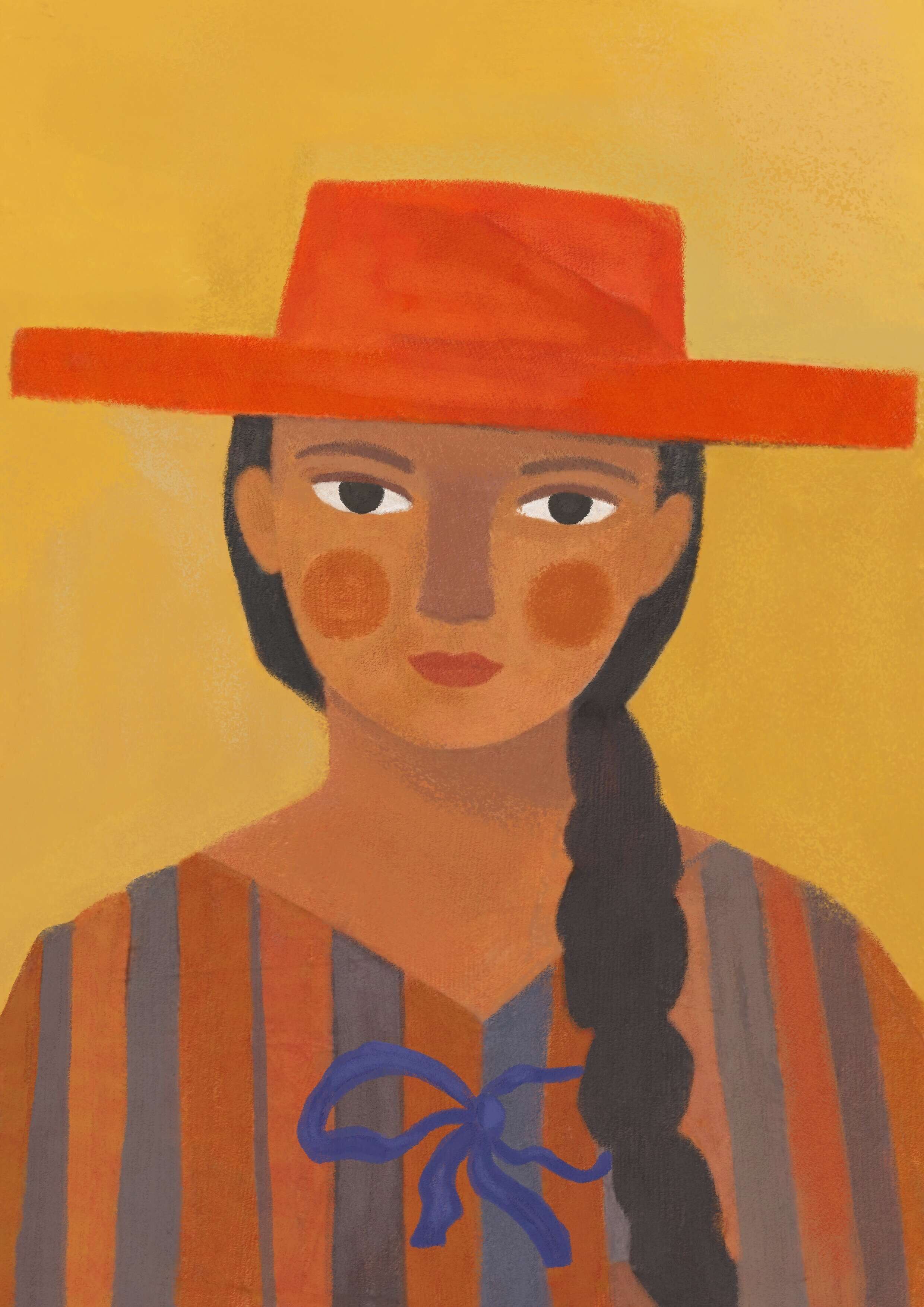
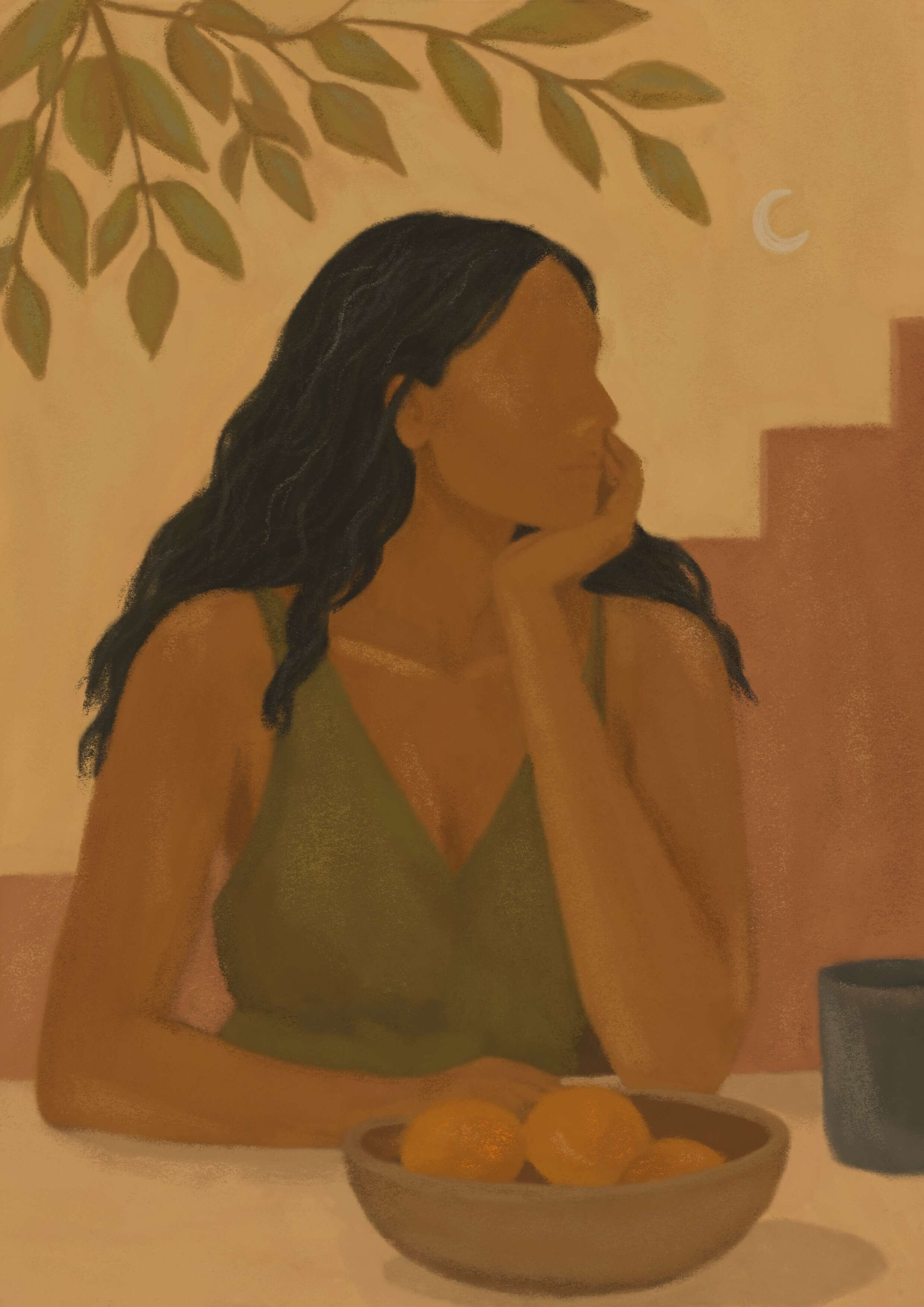
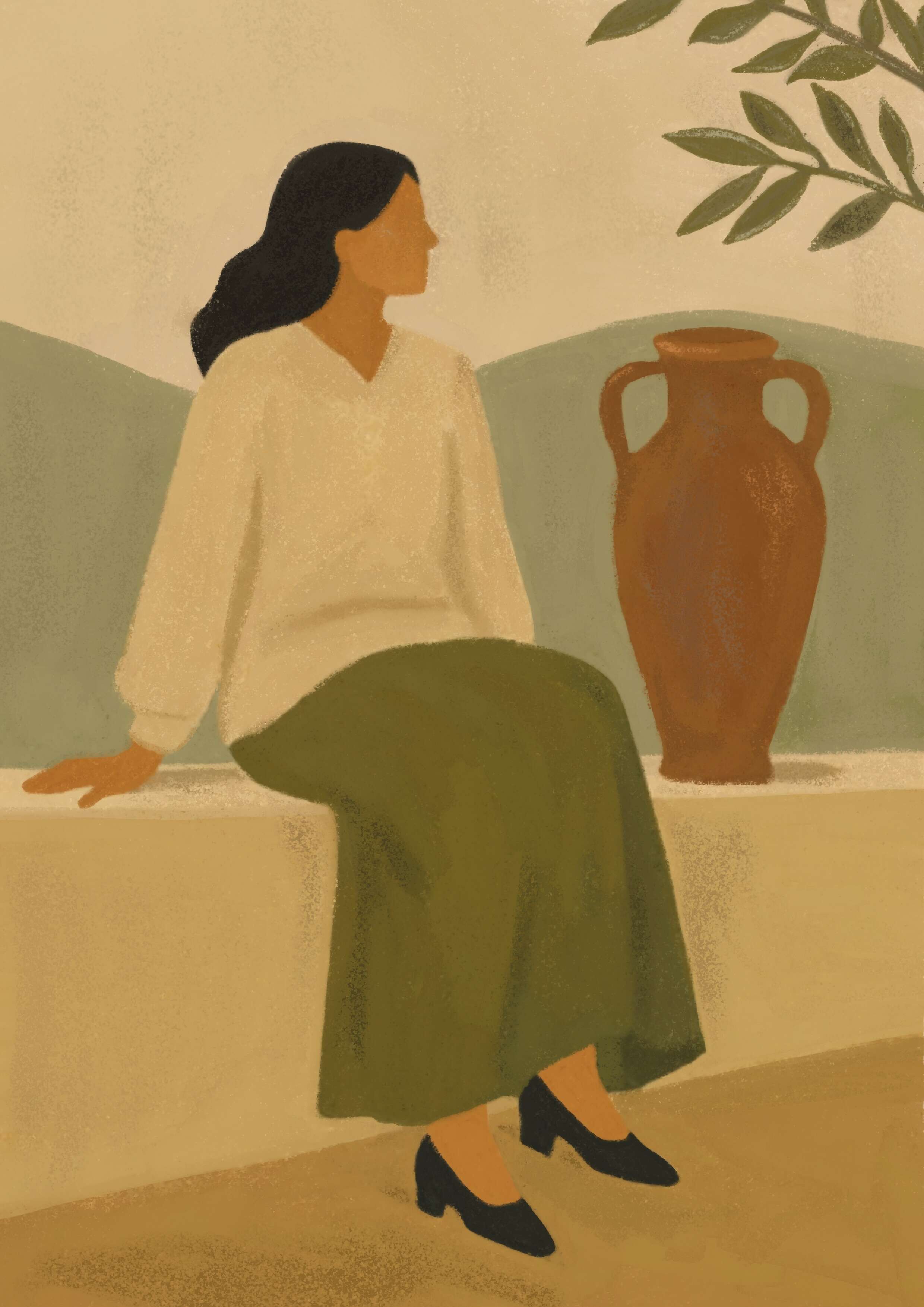
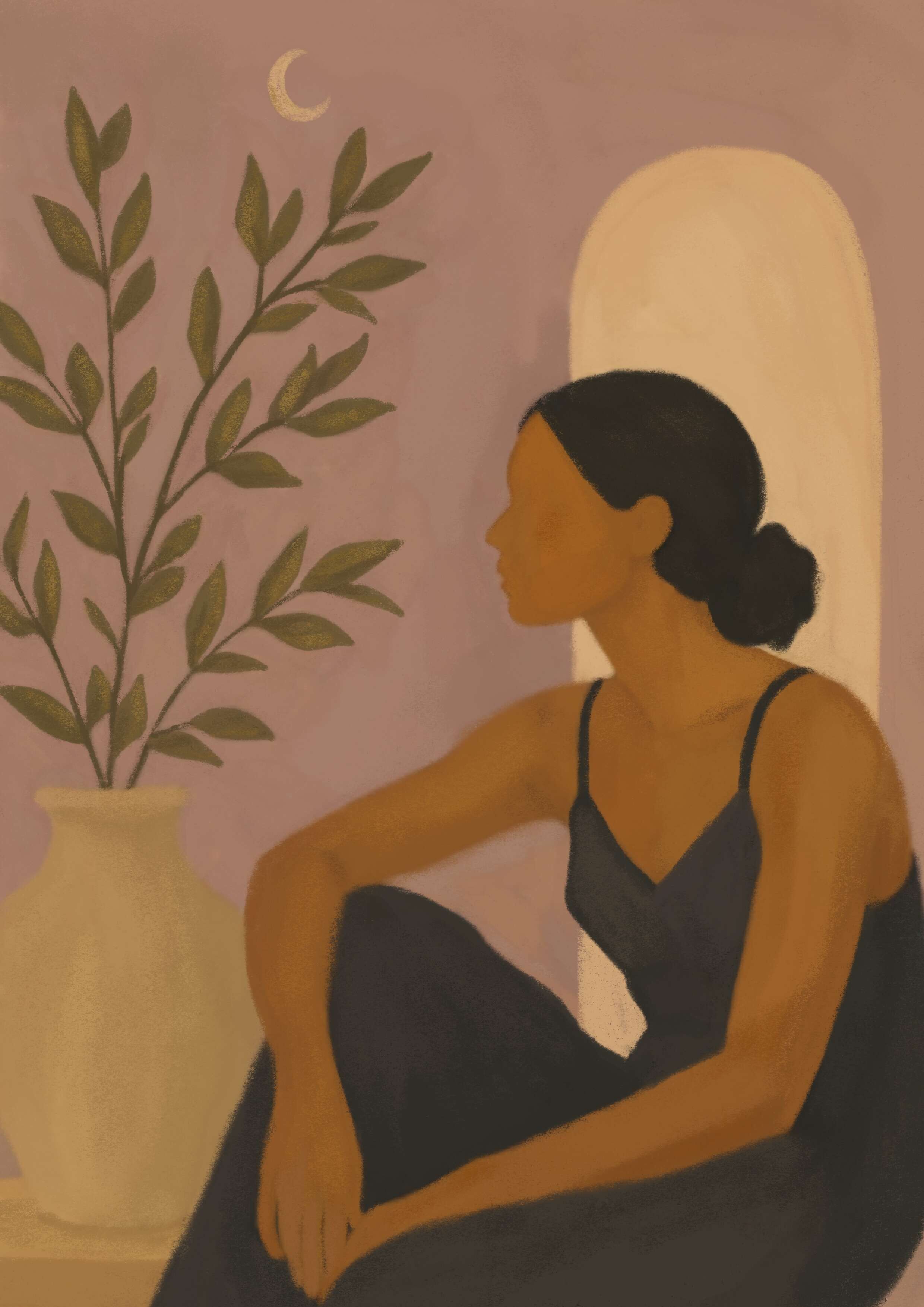
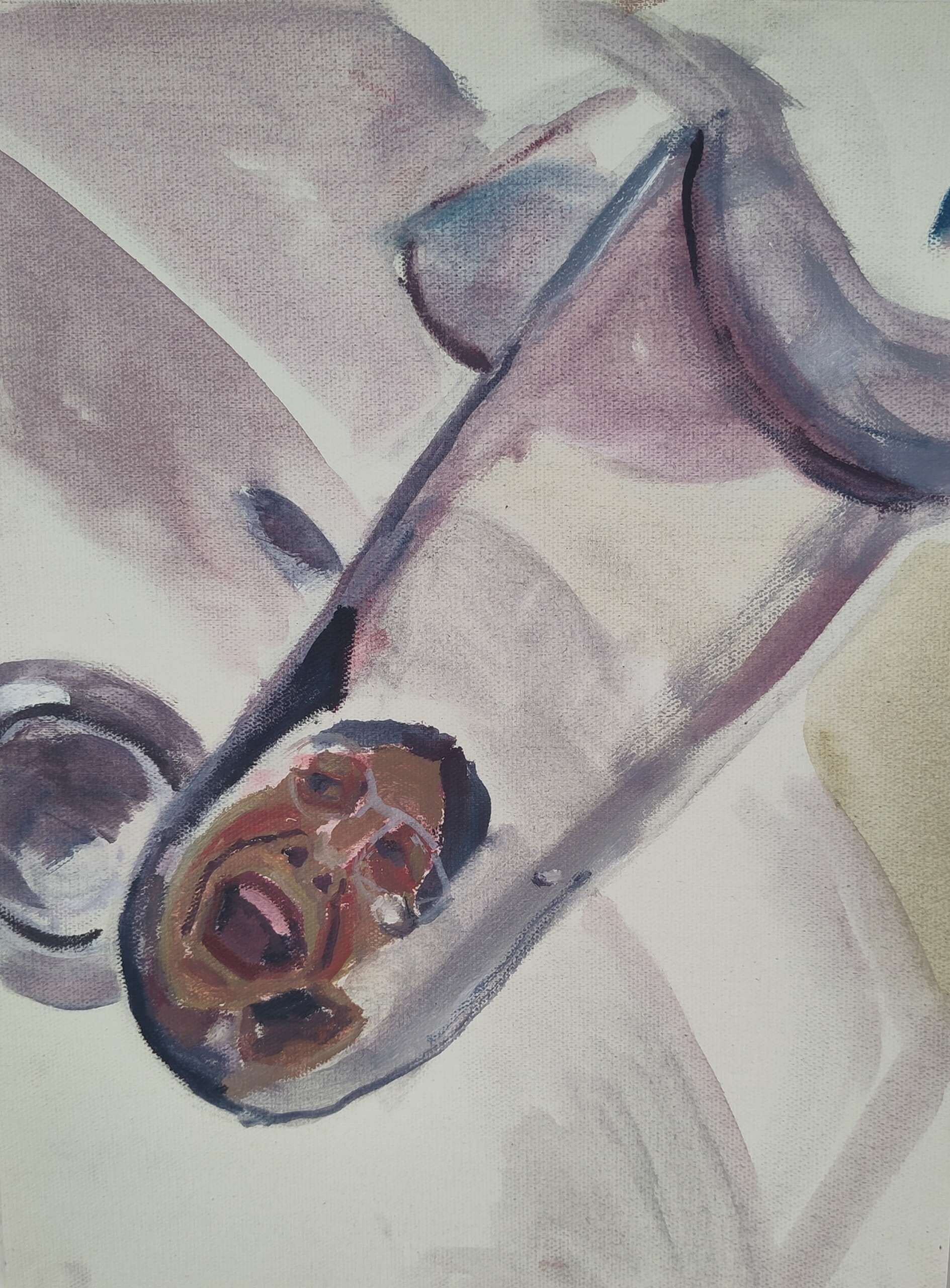
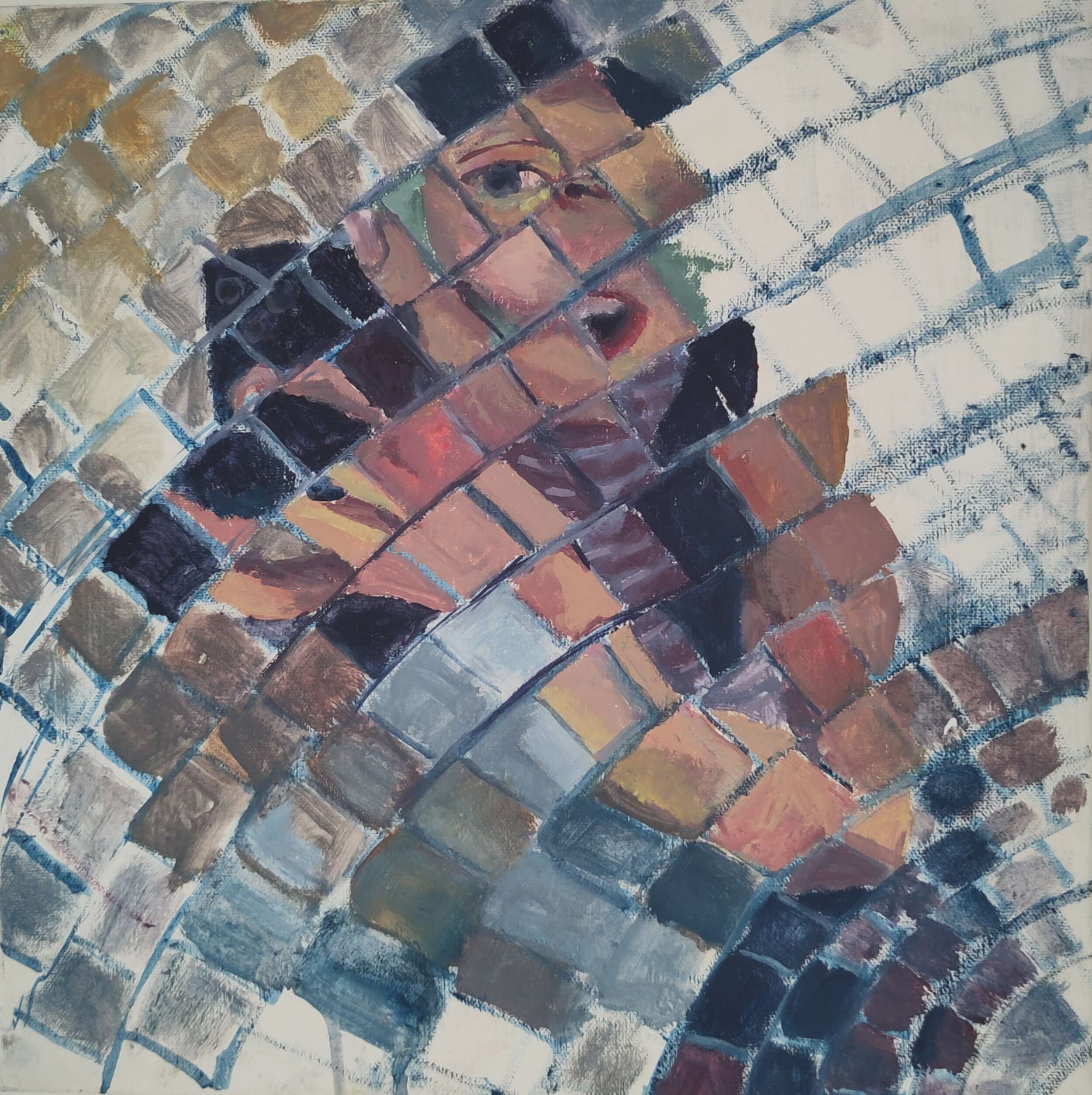
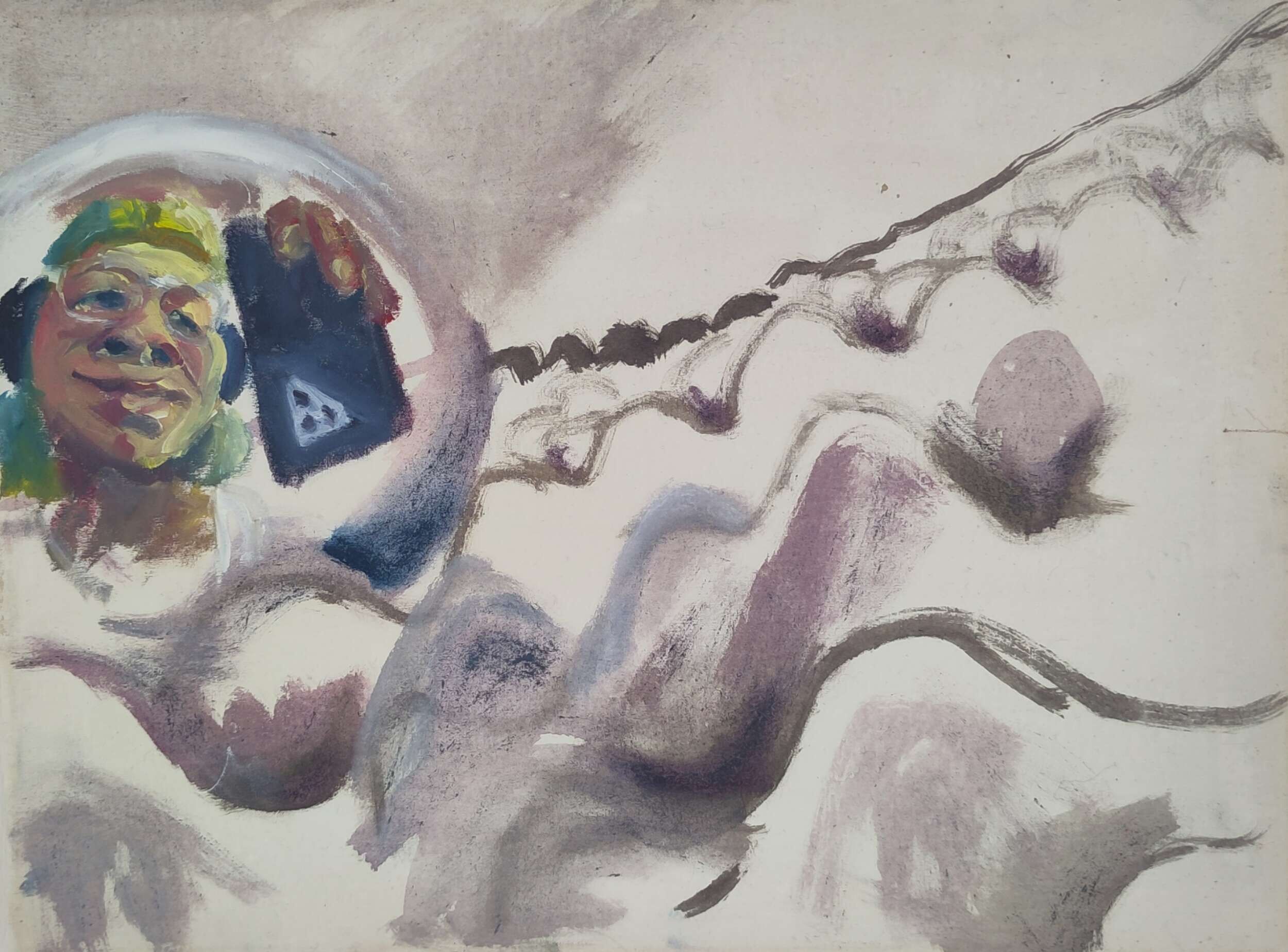
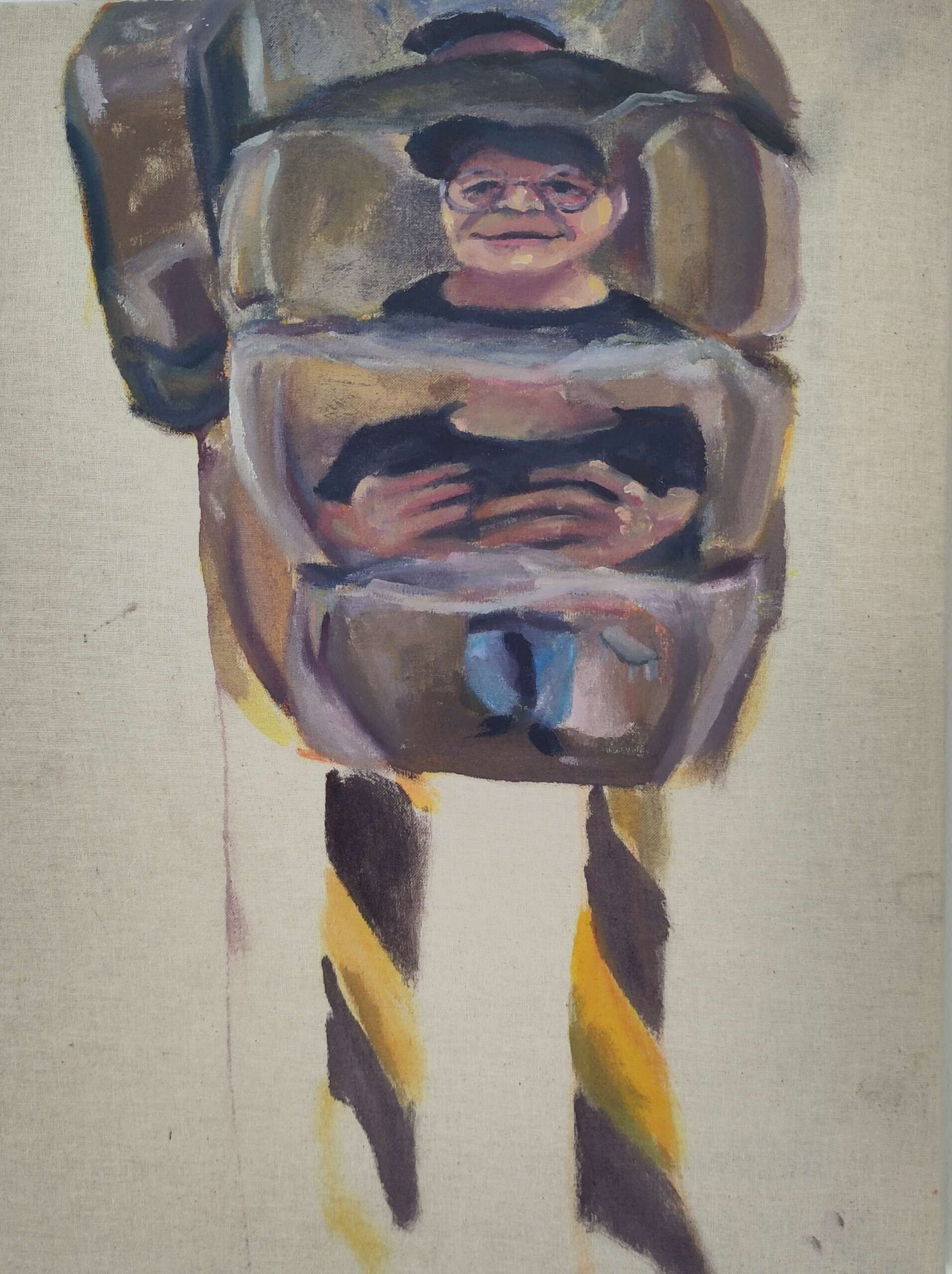
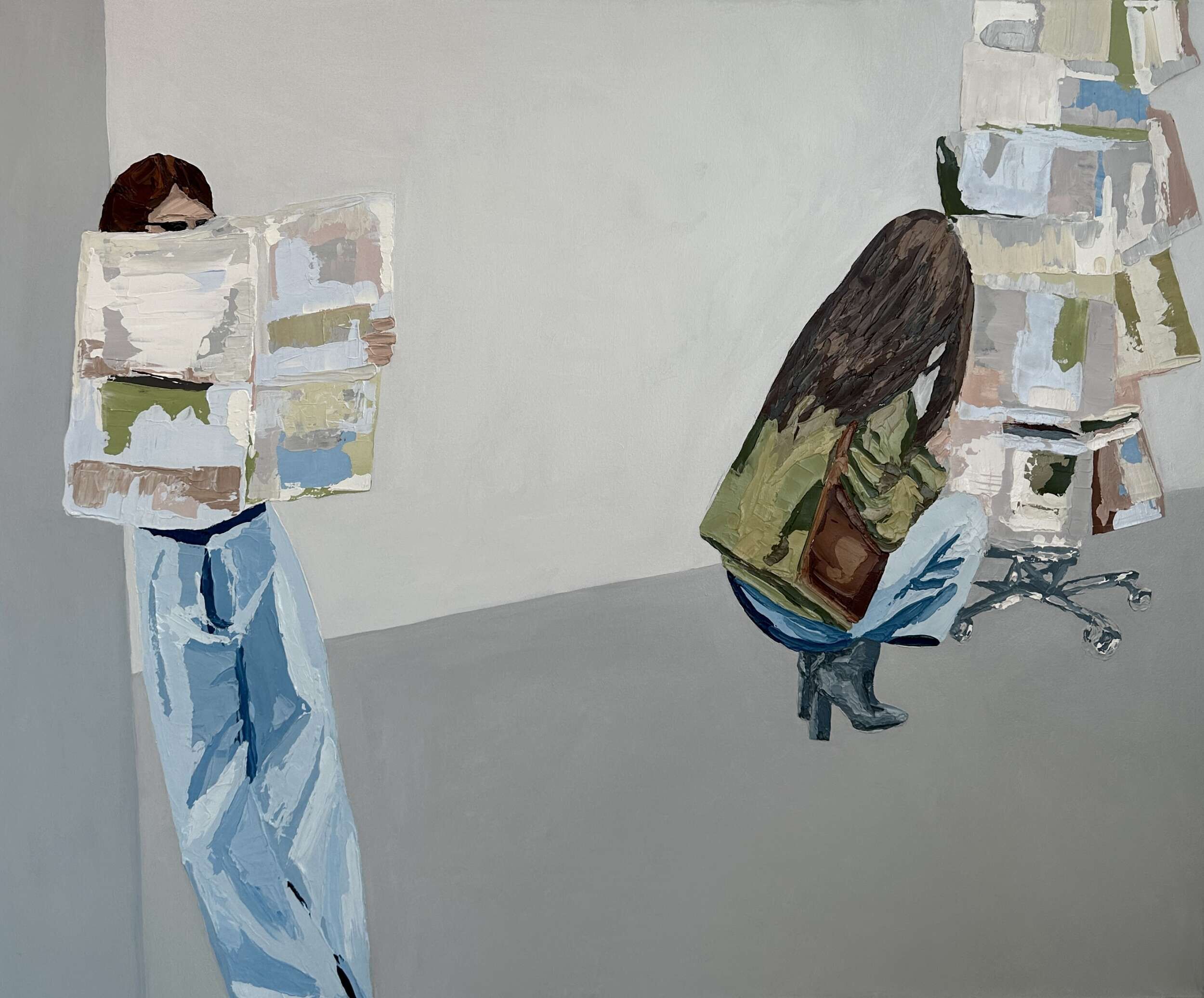
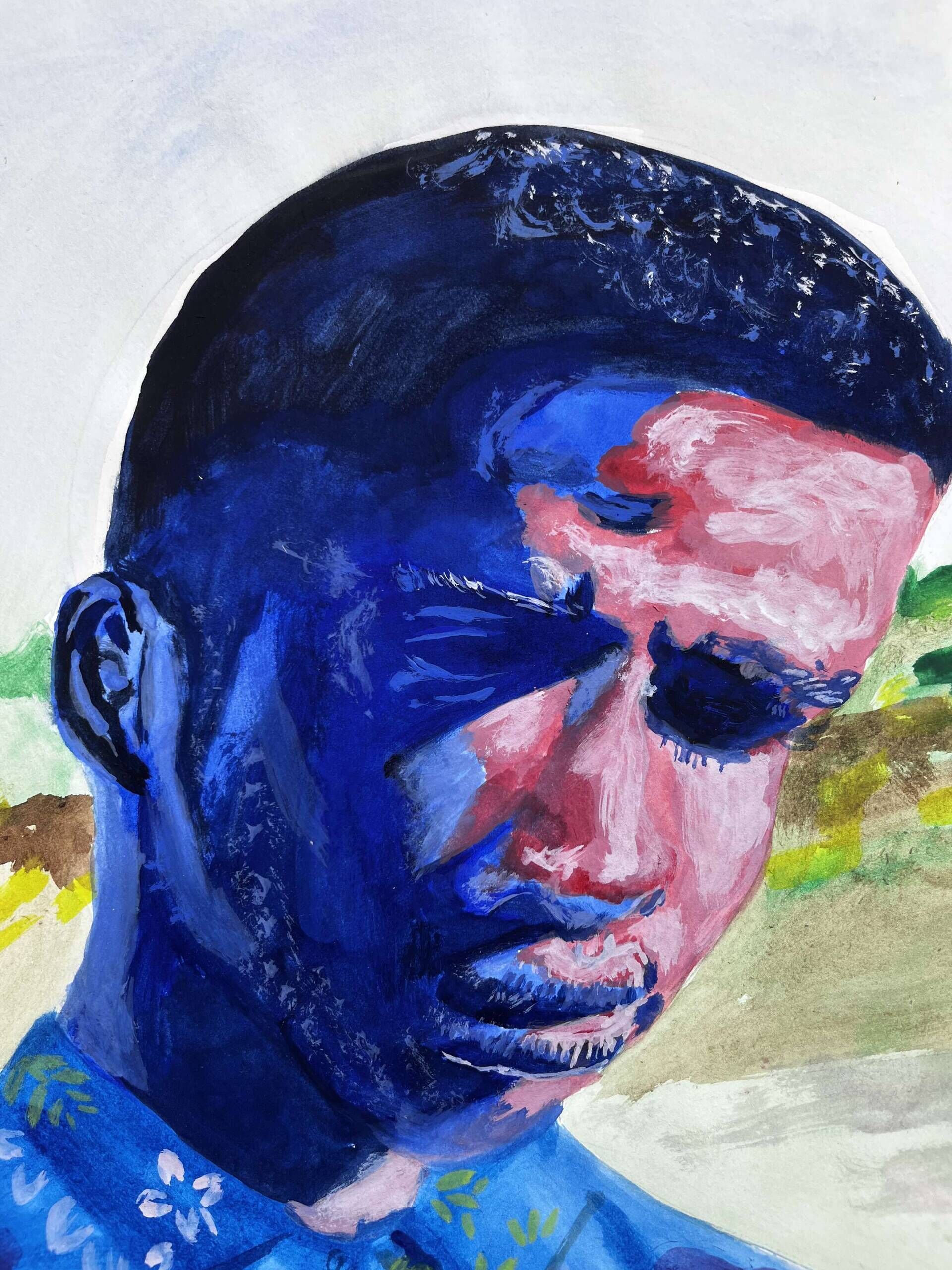
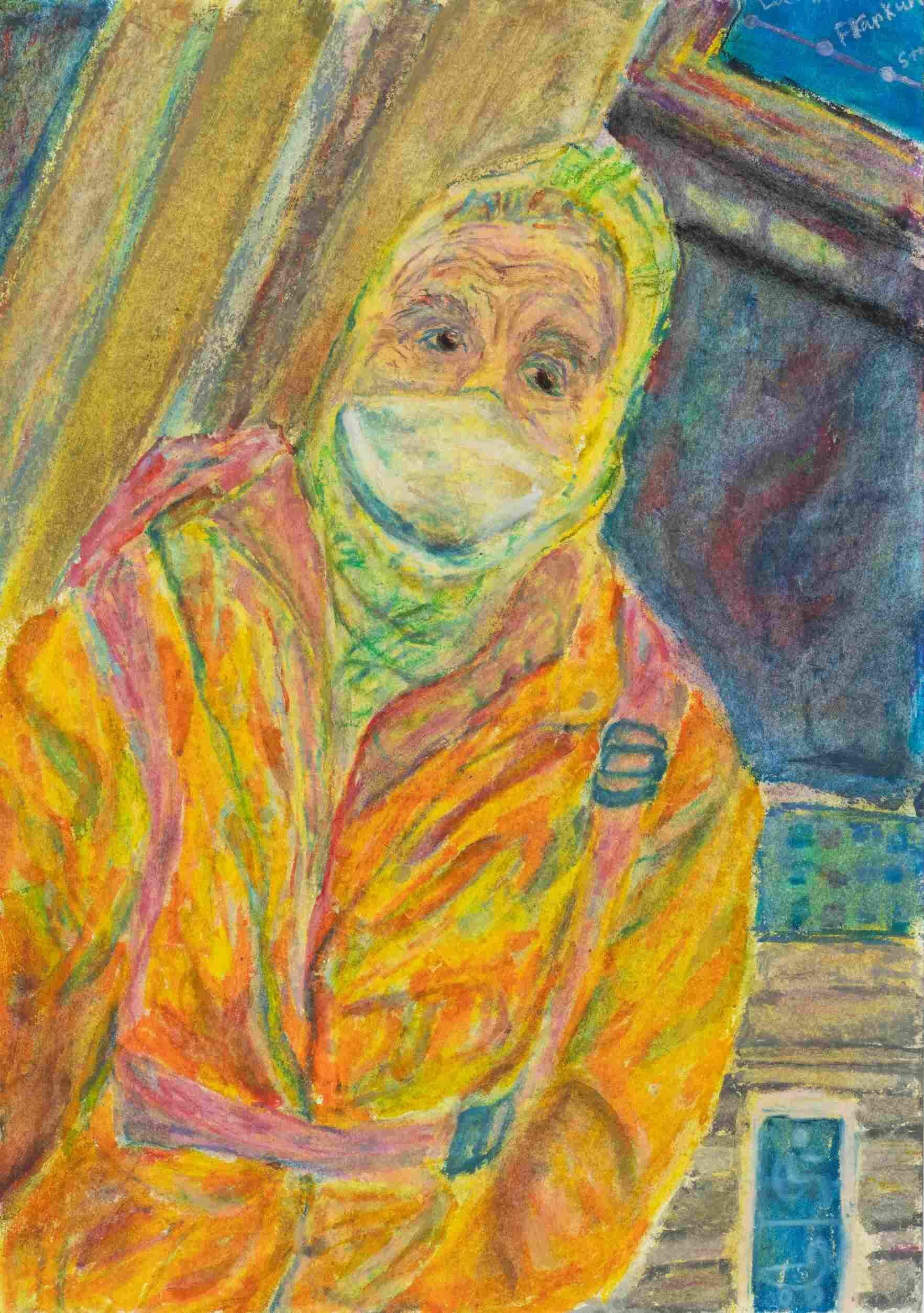
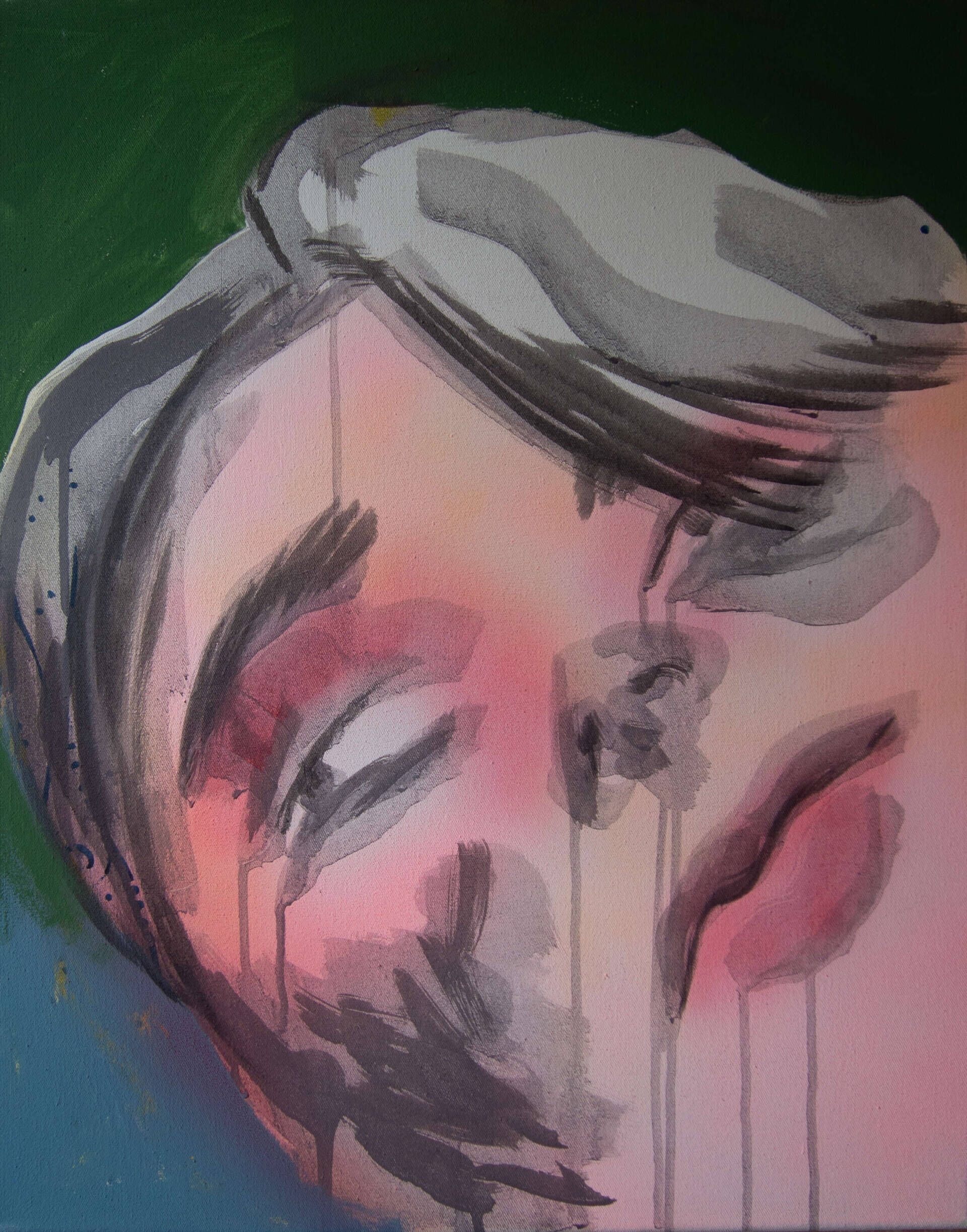
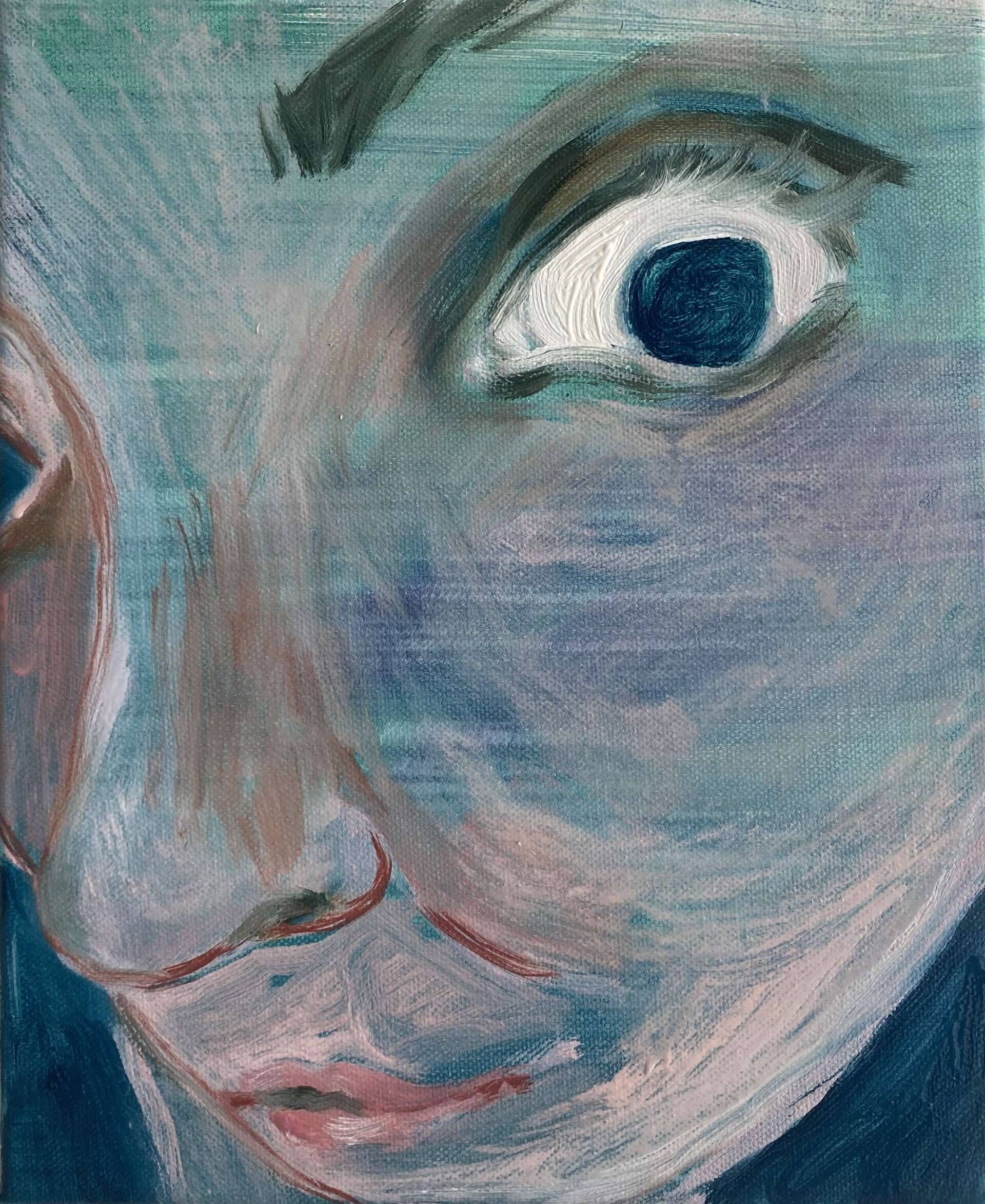
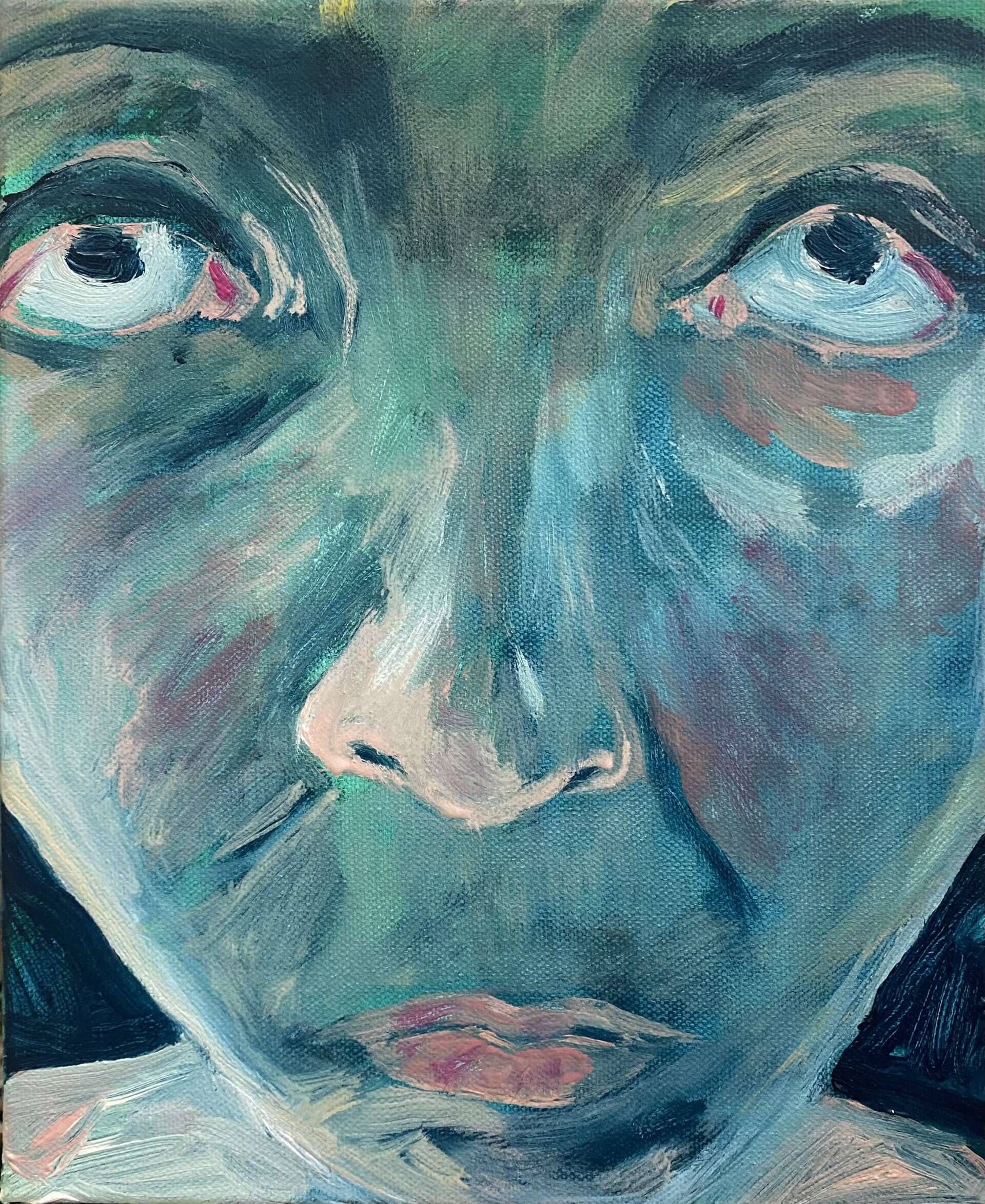
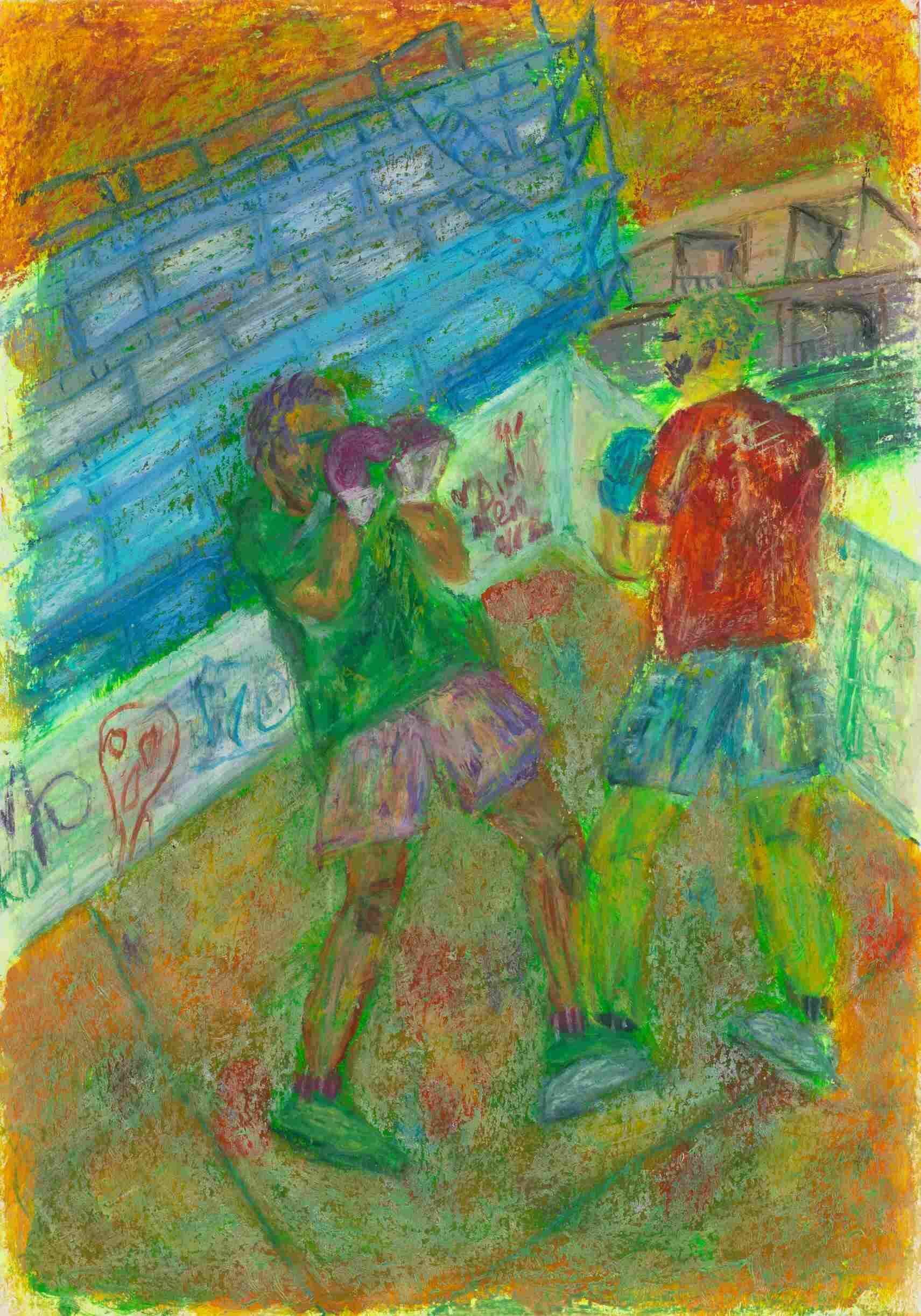
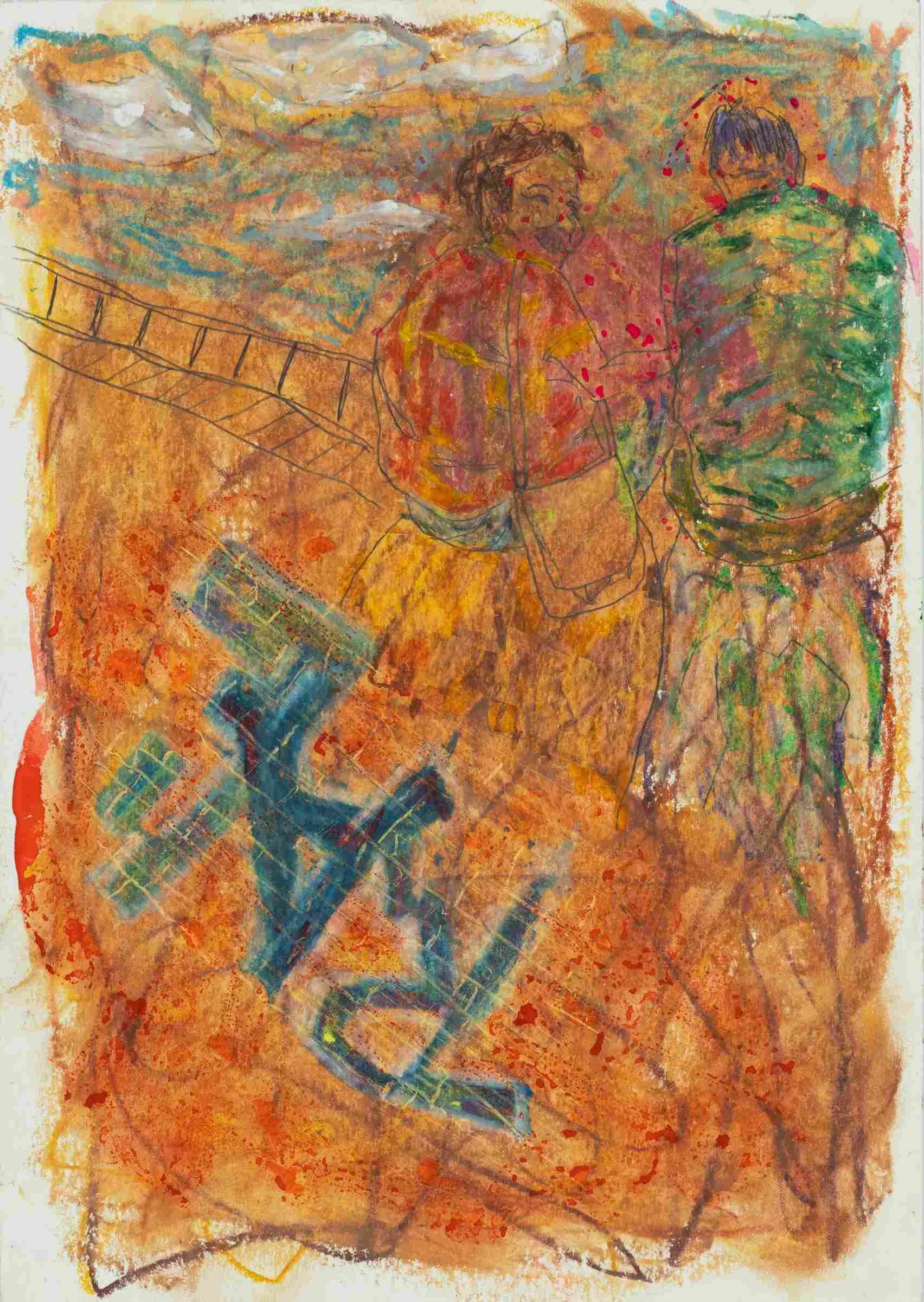
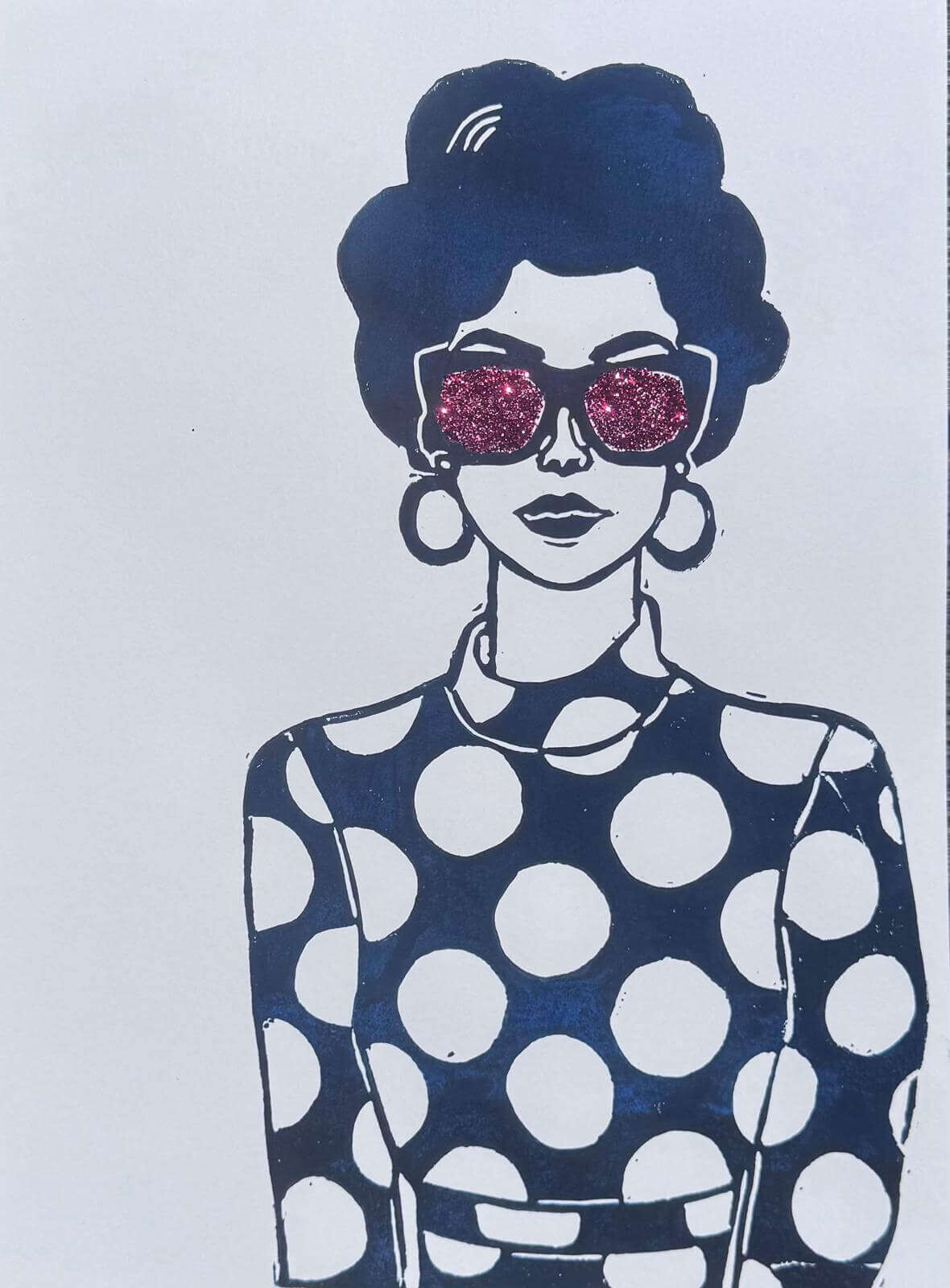
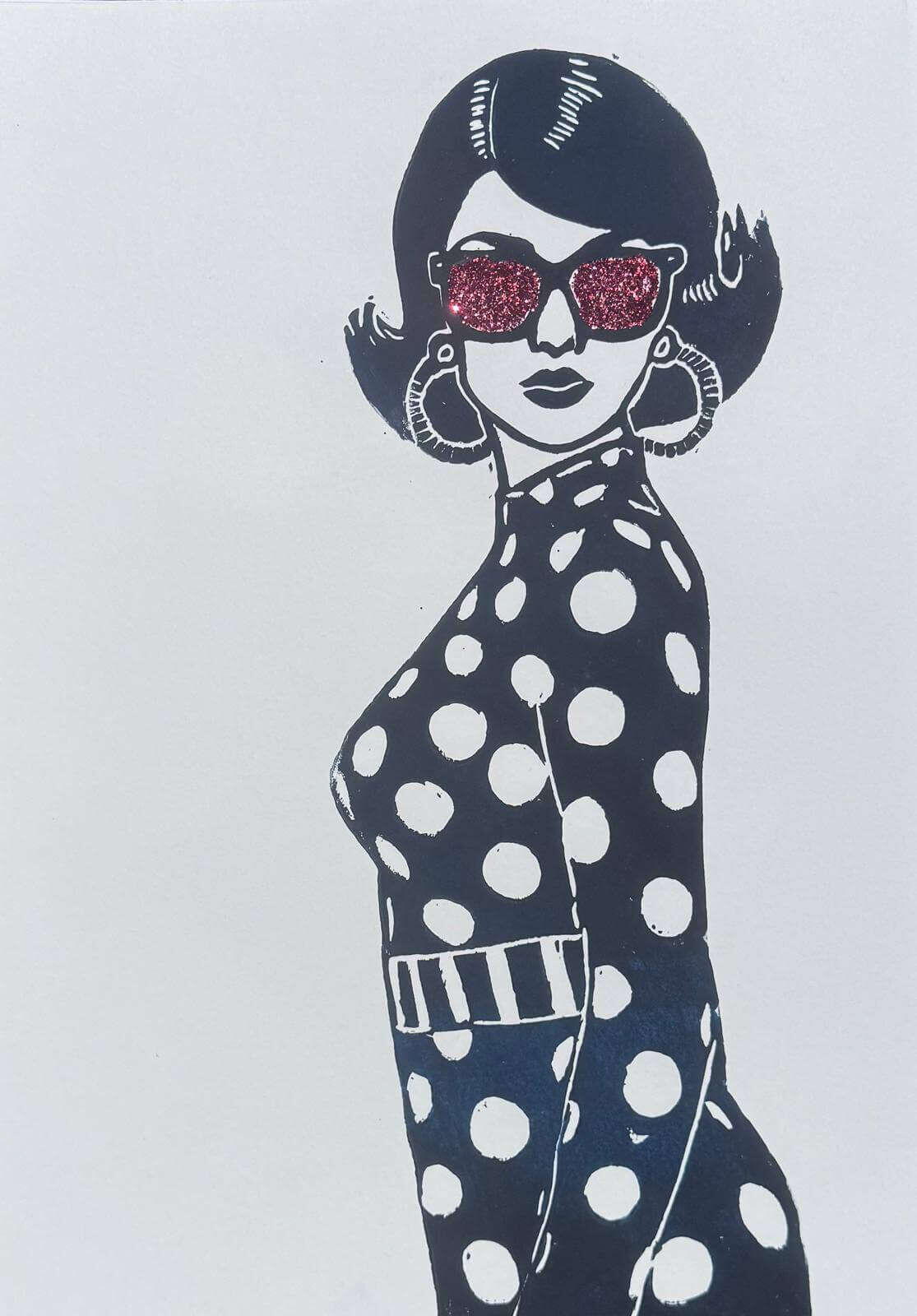
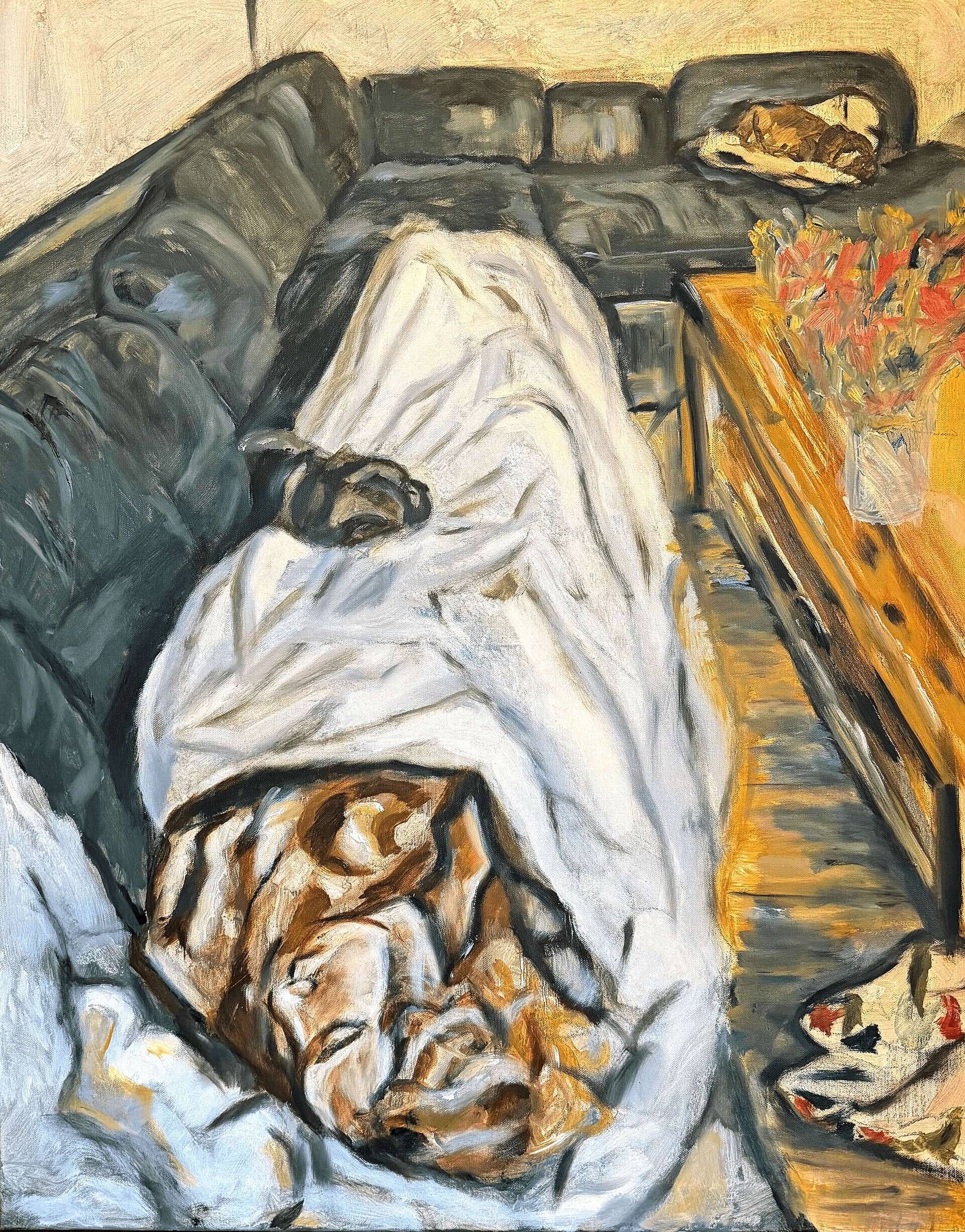
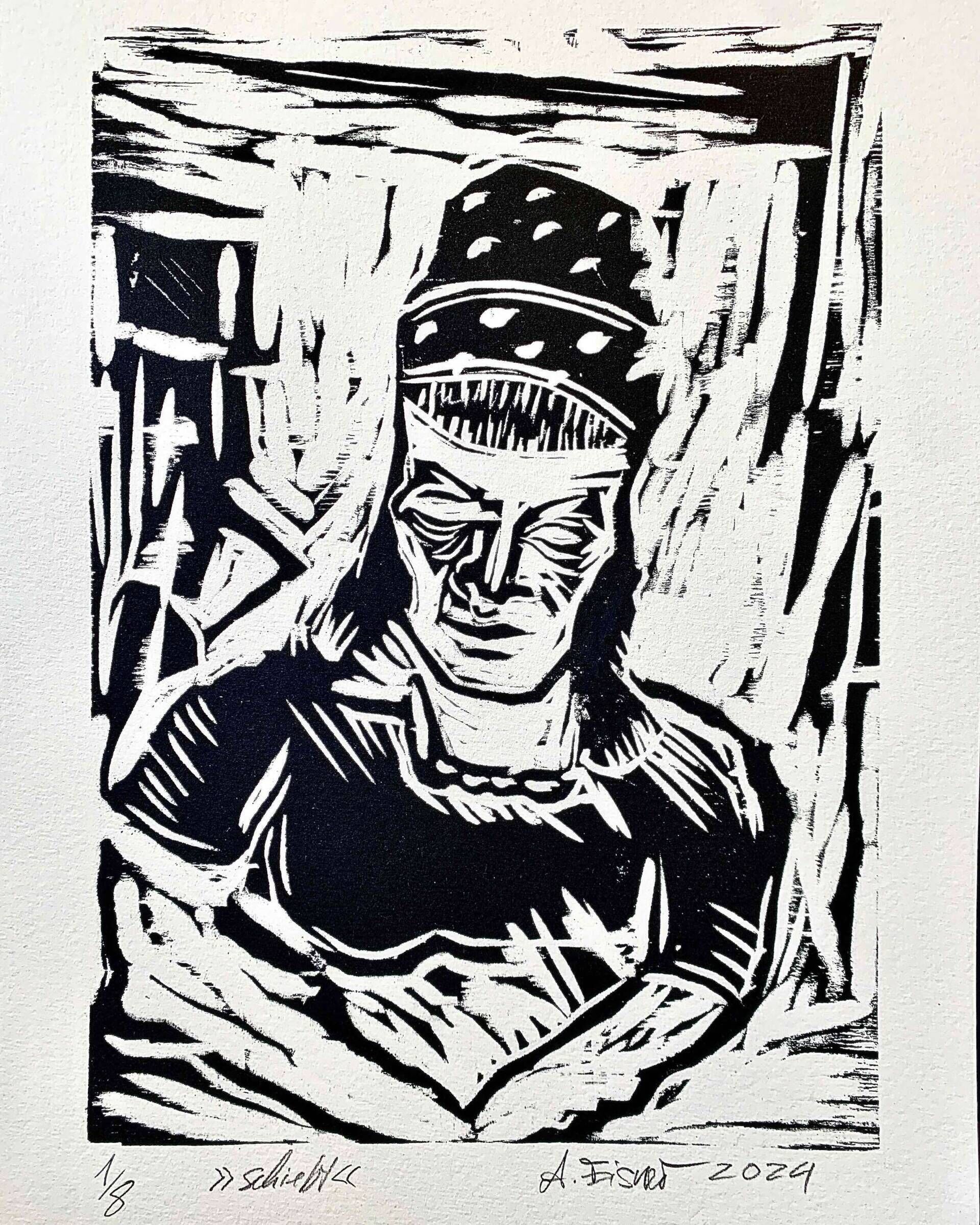
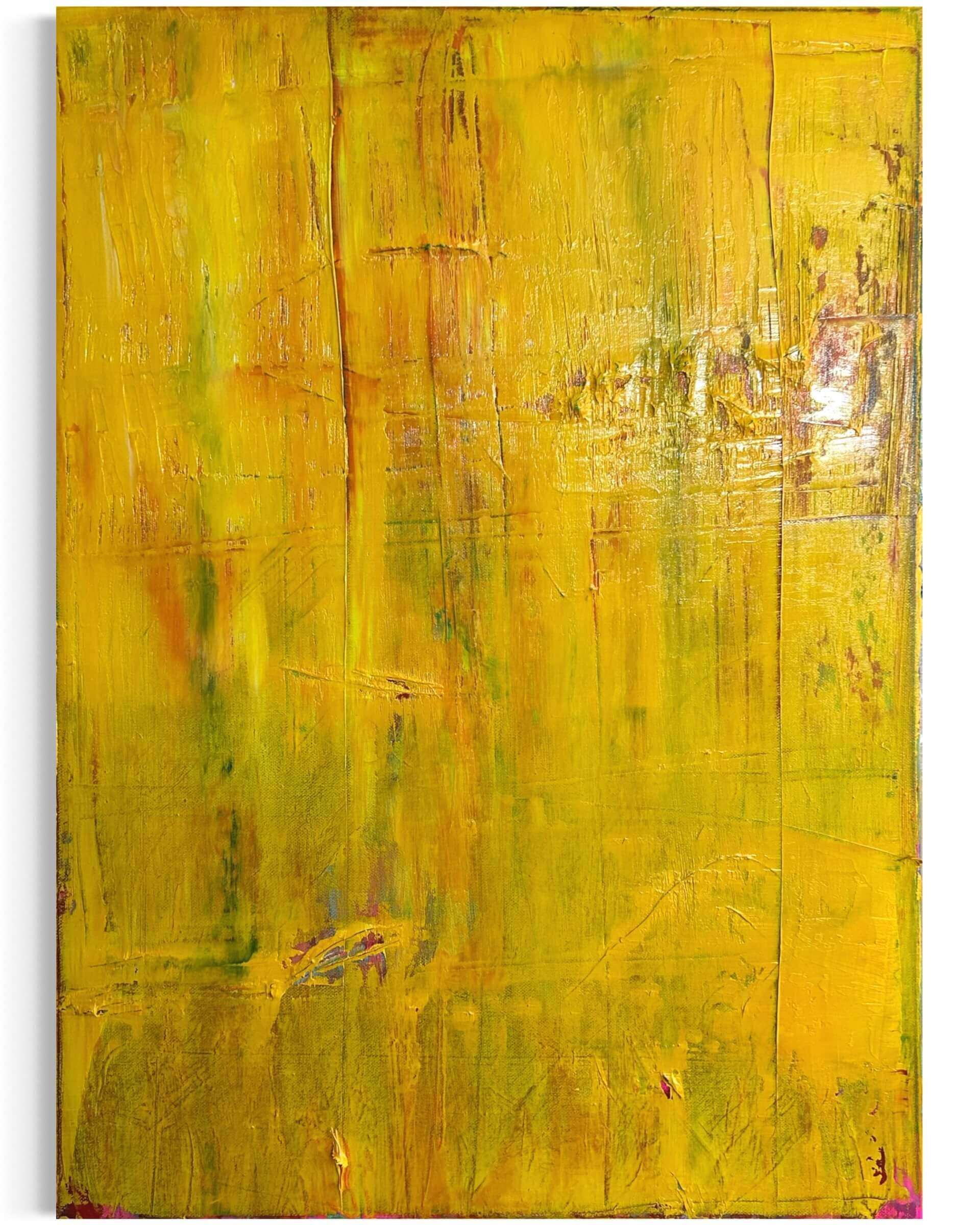
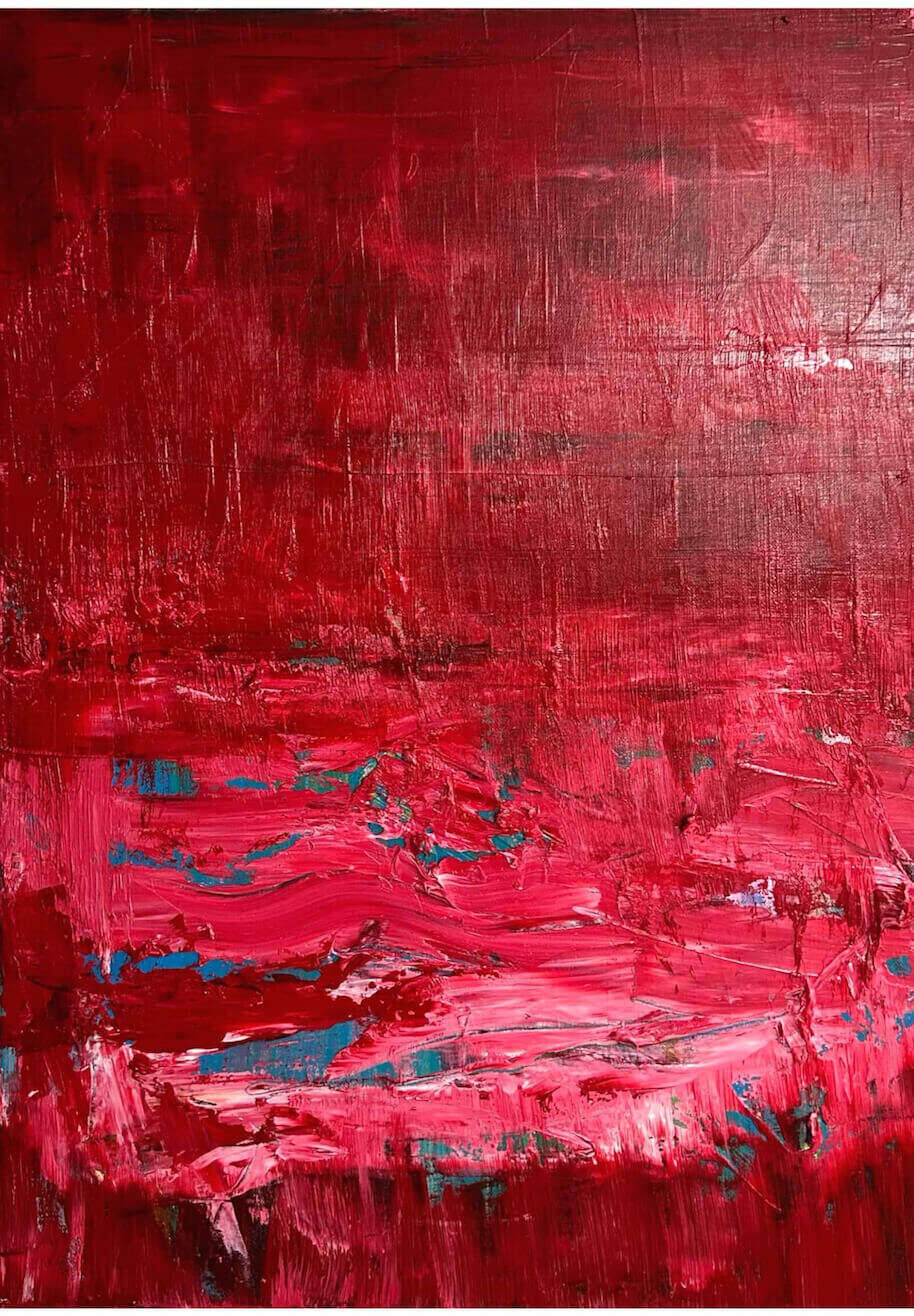
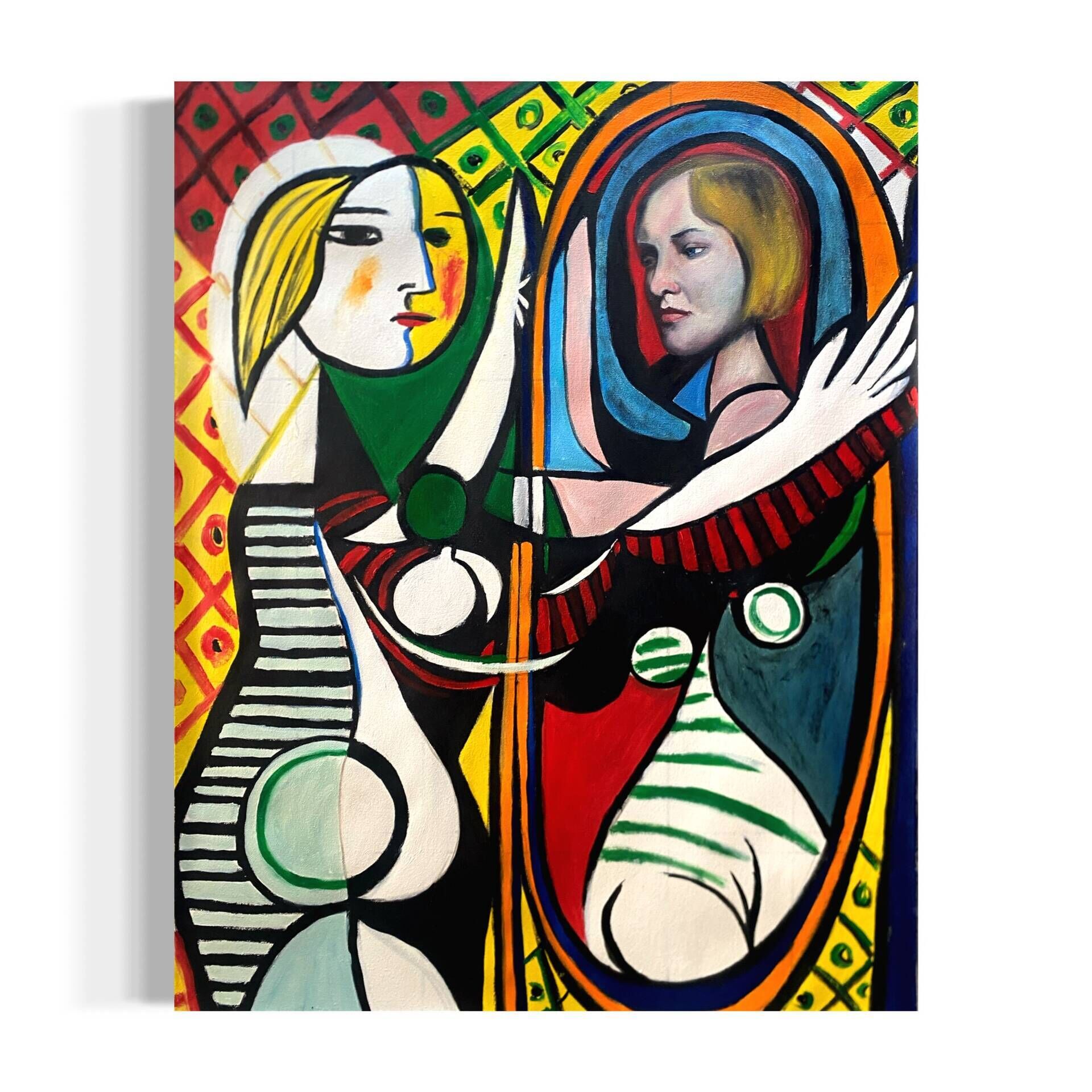
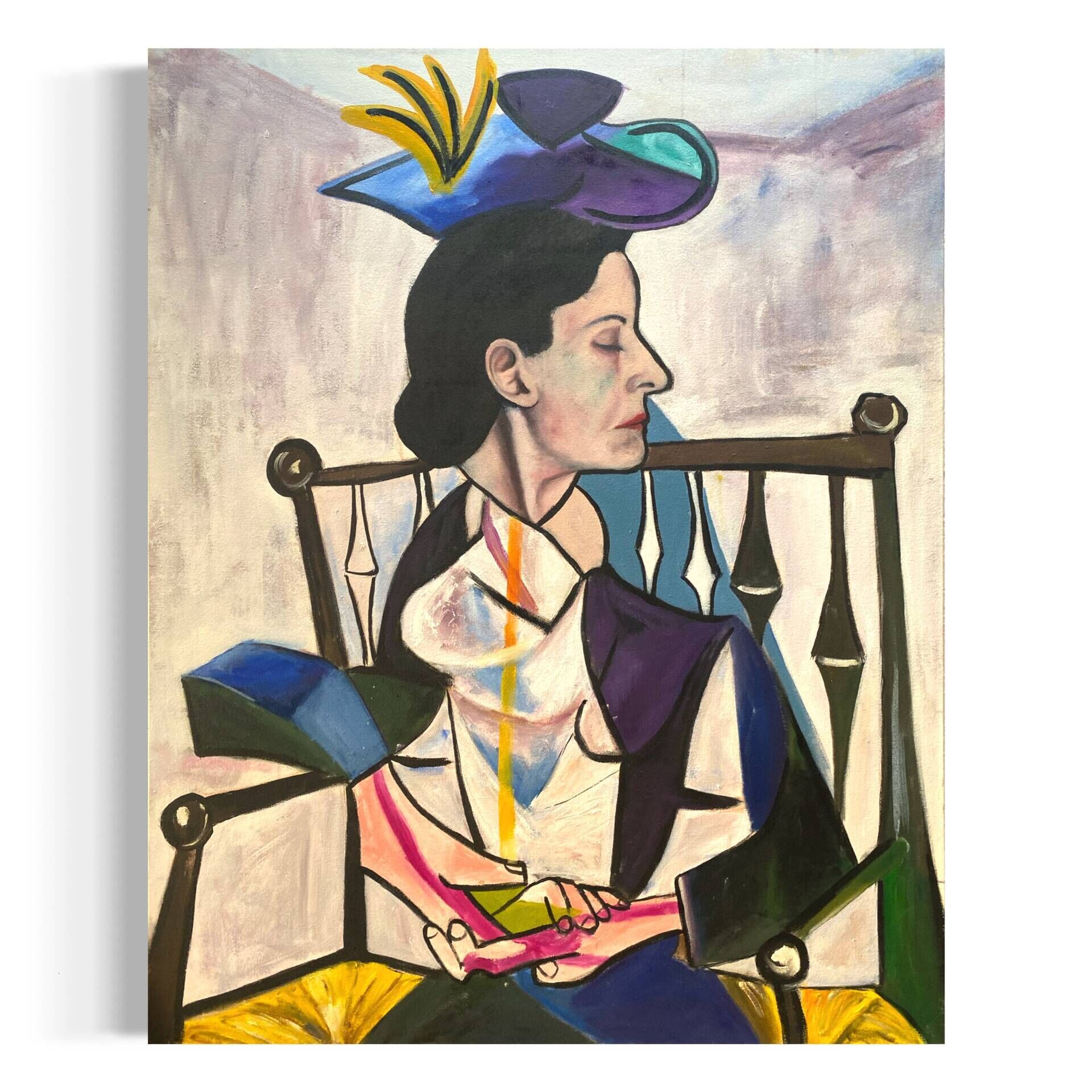
Portrait paintings at the Student Art Market
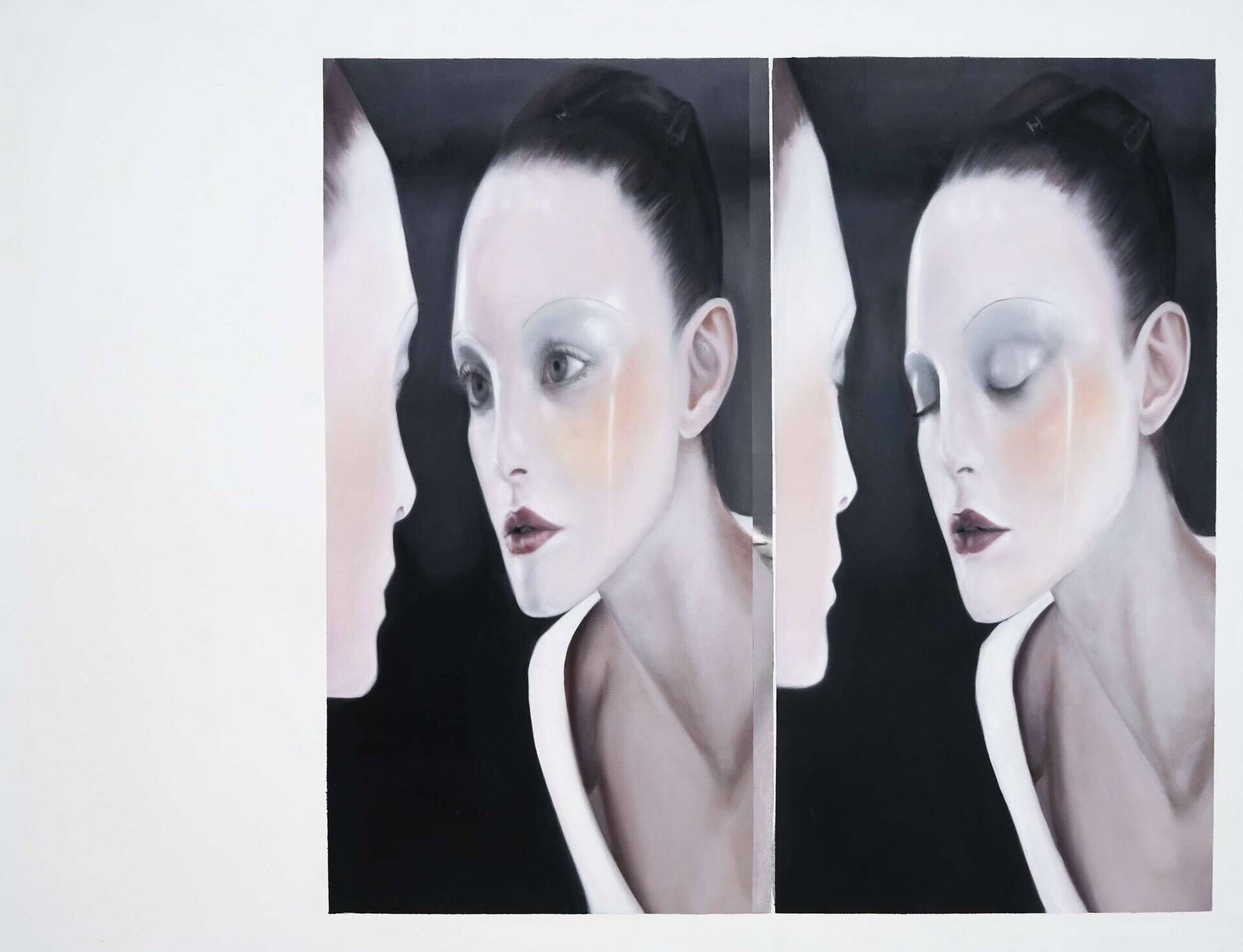
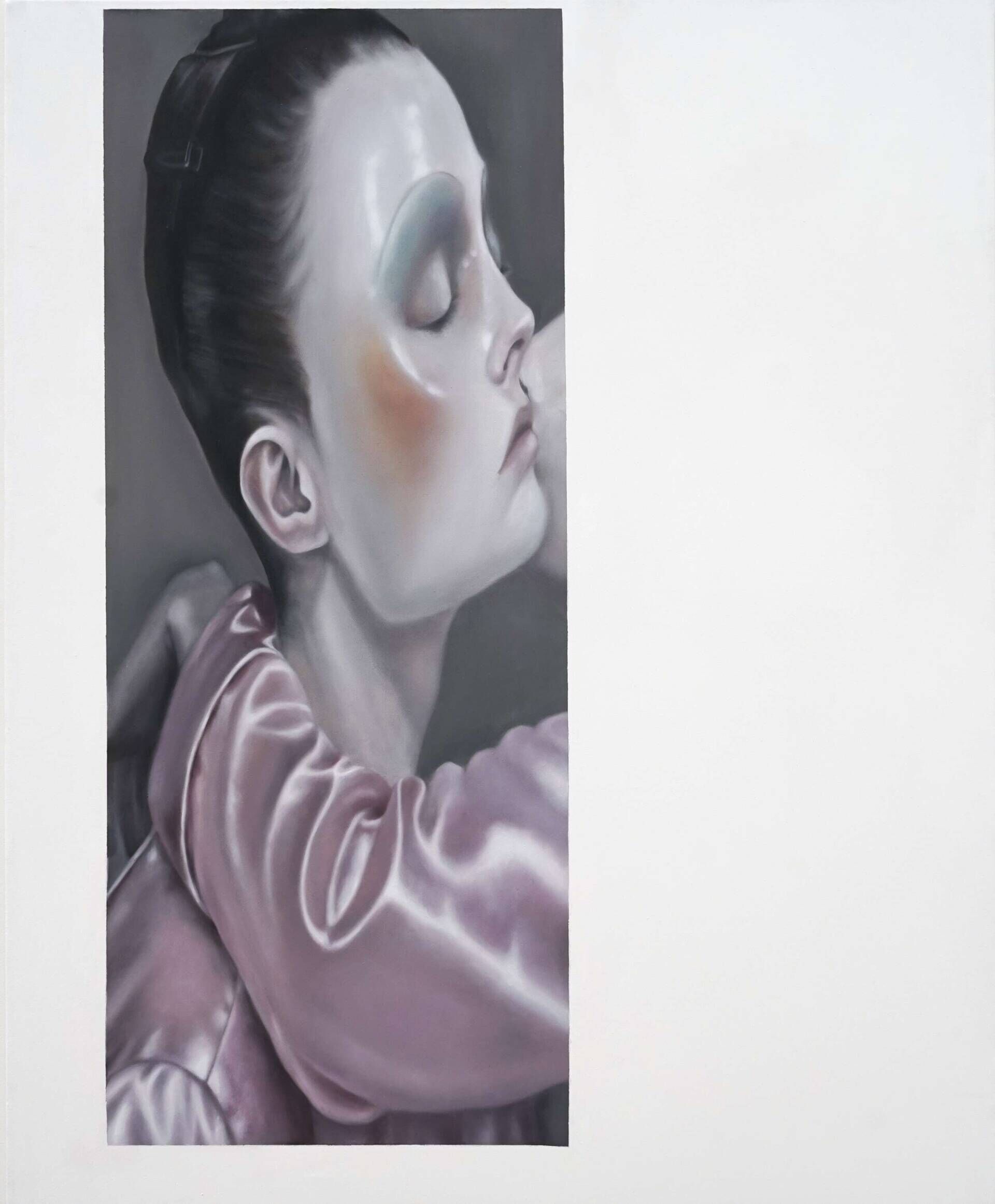
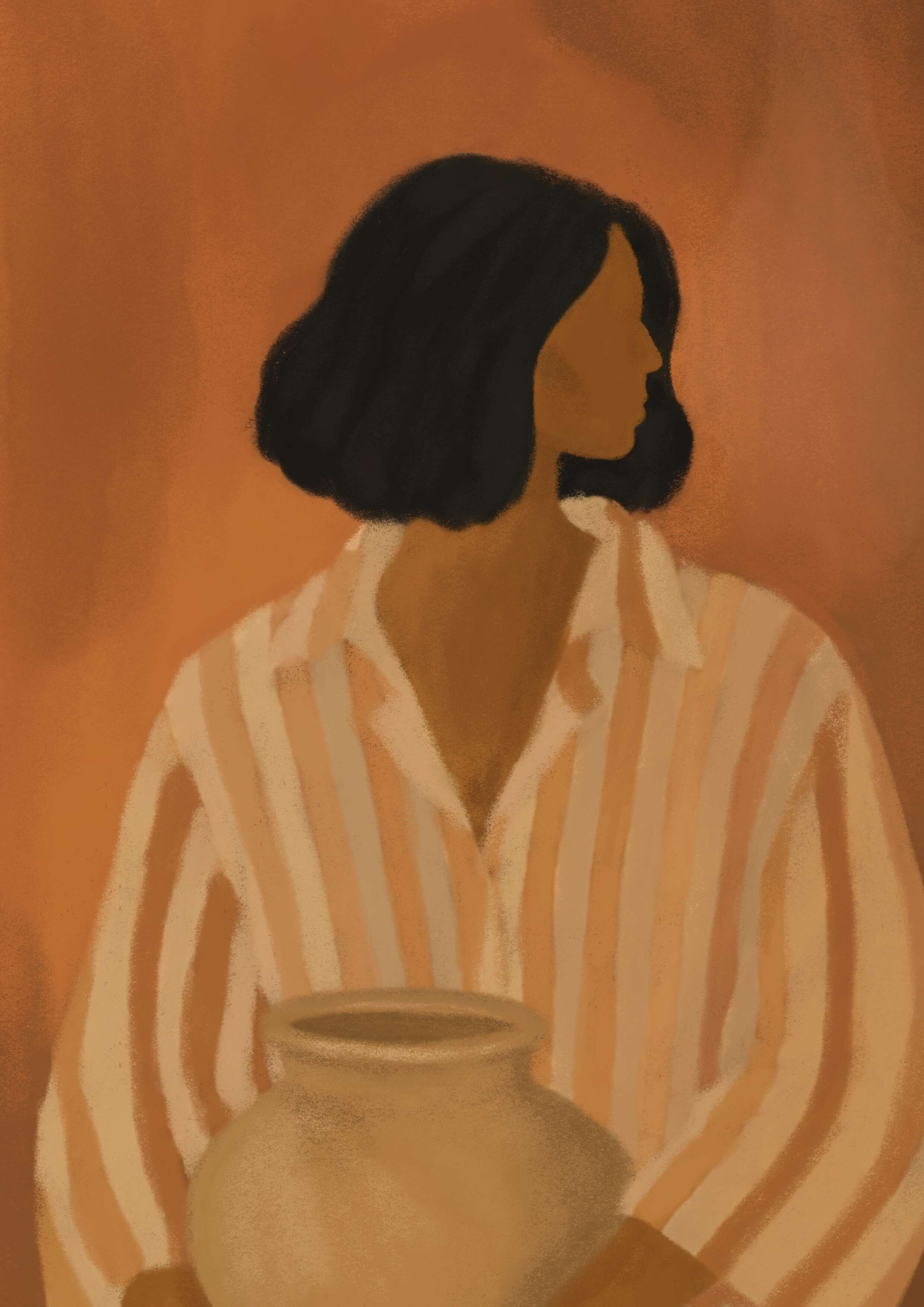
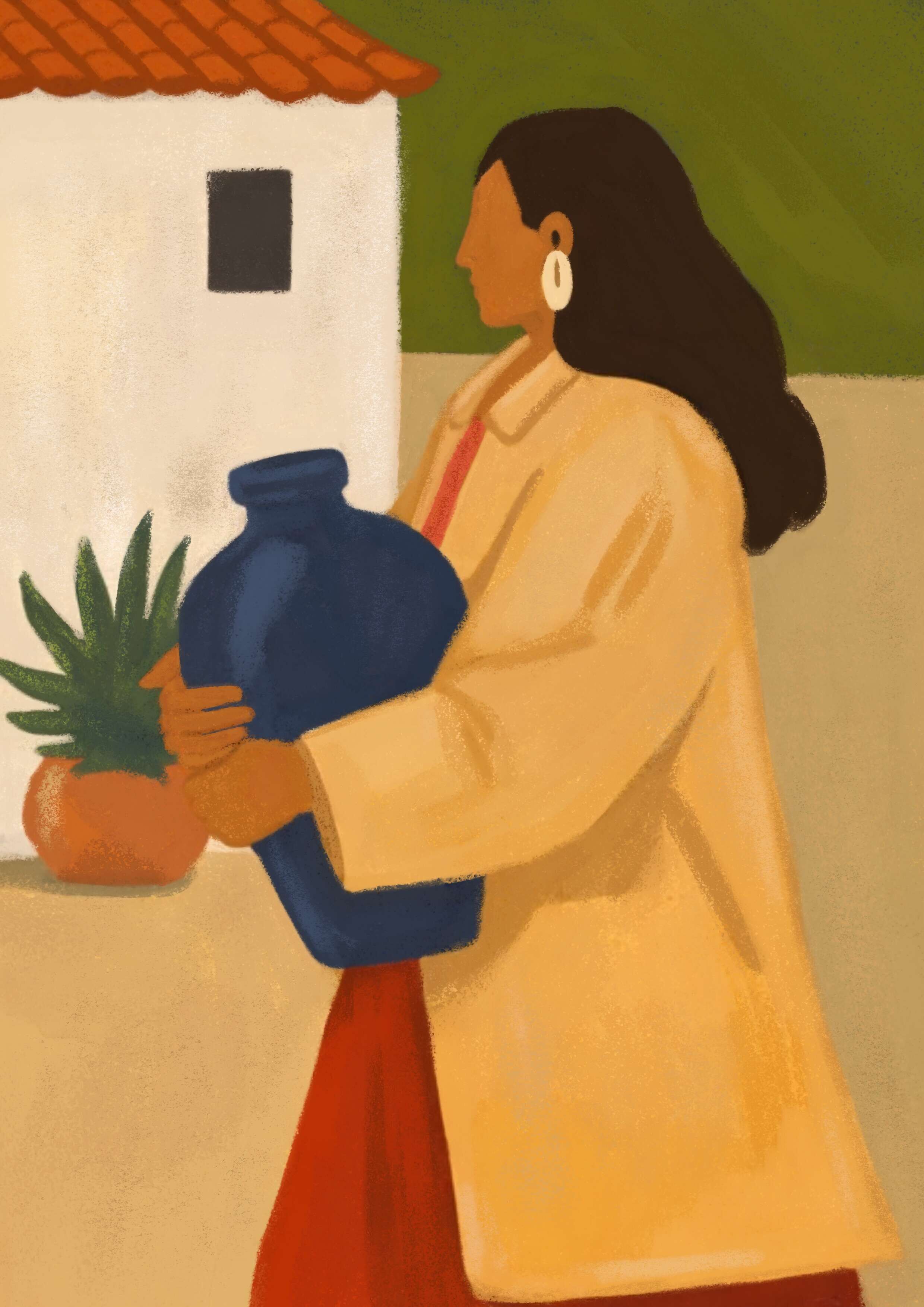
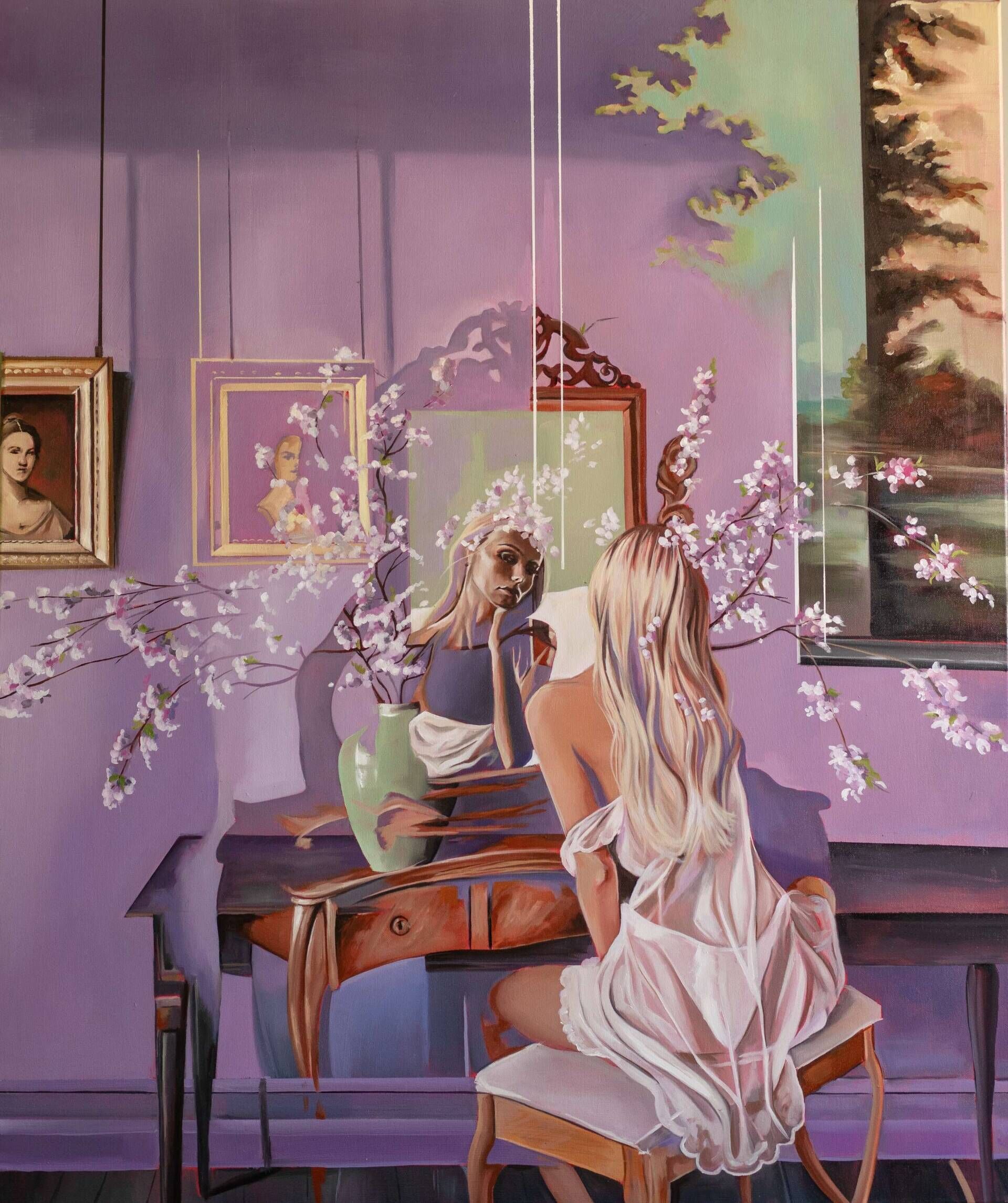
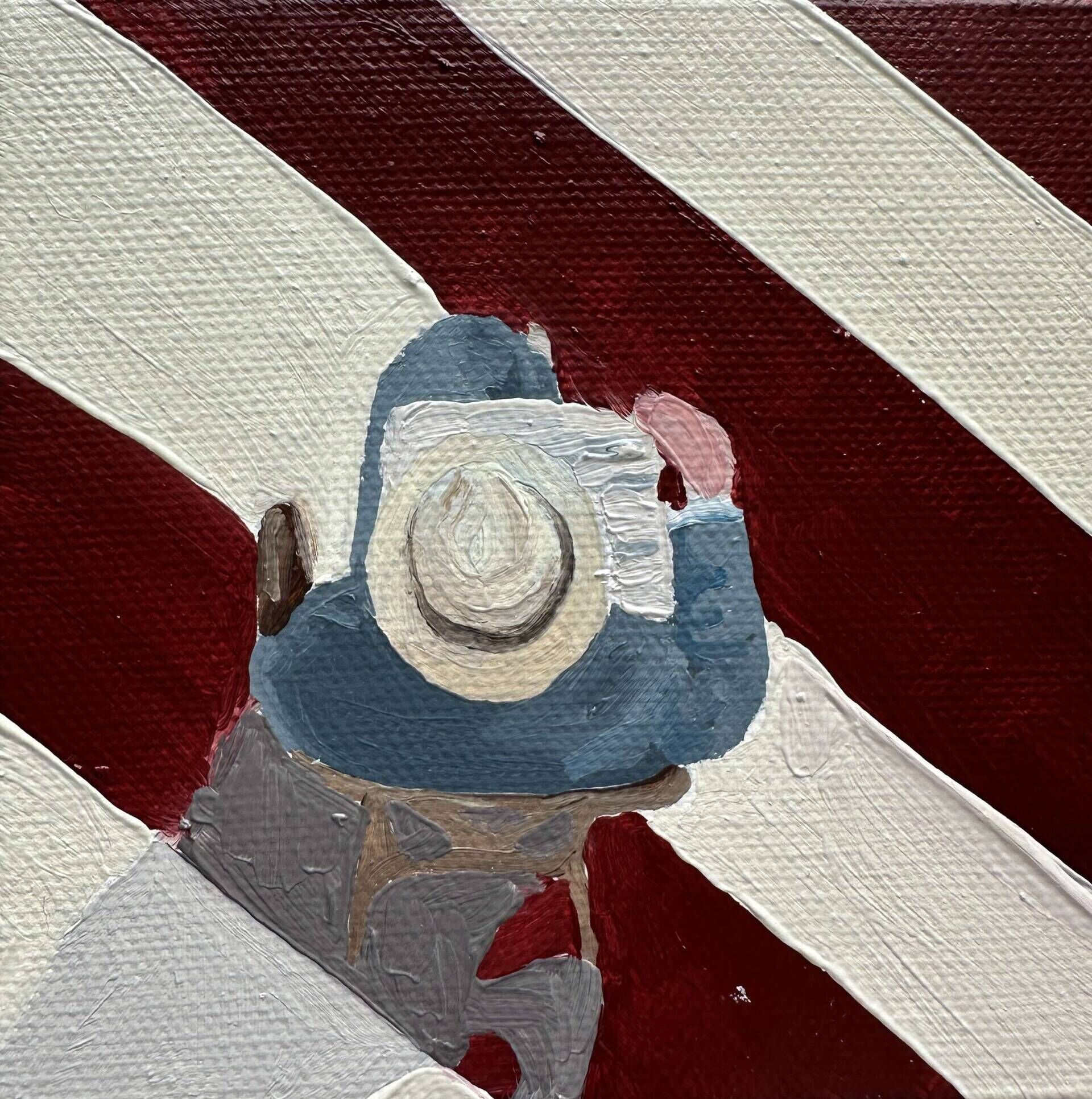
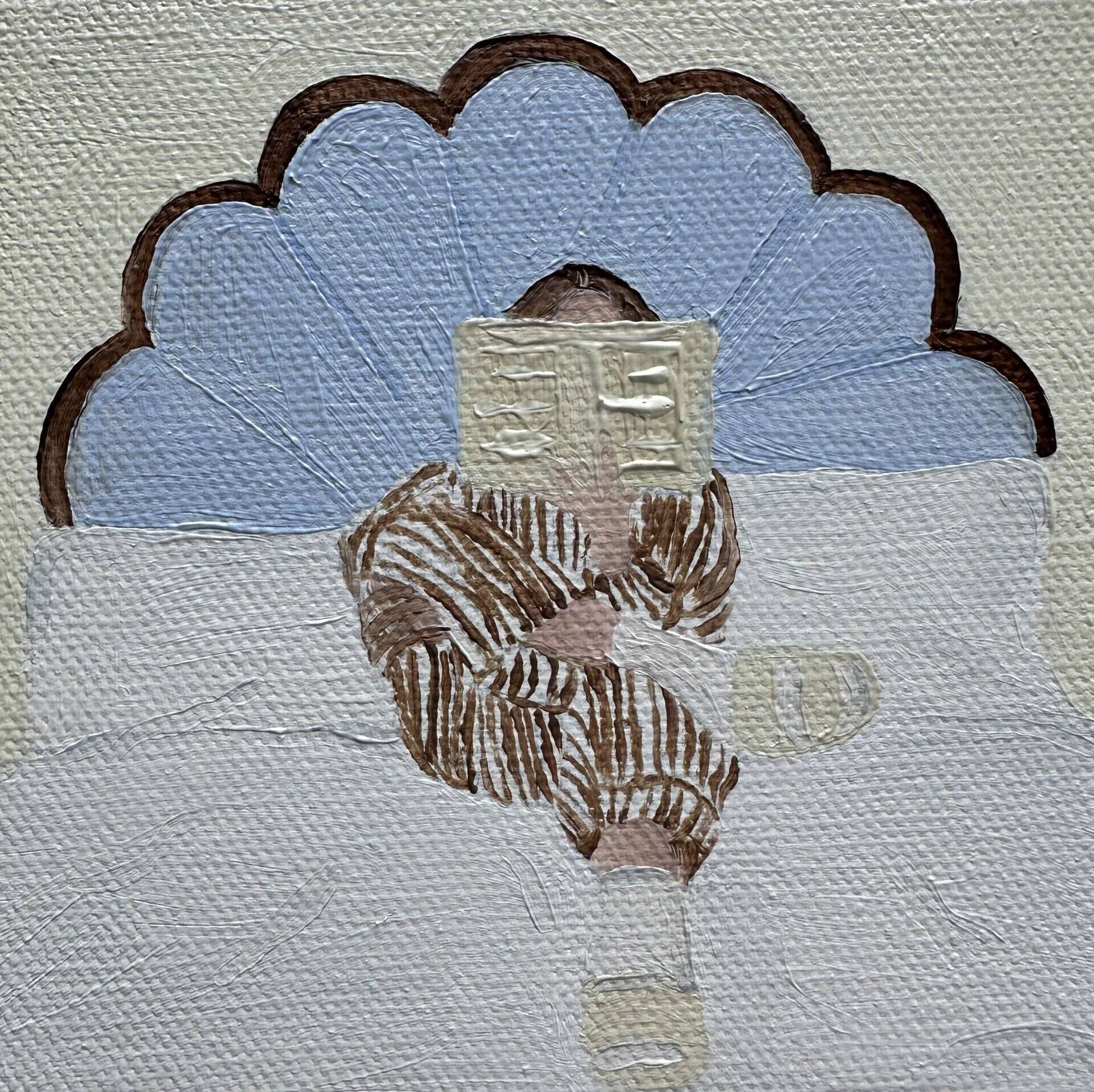
What springs to mind when you hear the words ‘portrait paintings’? Probably the most famous work of portrait painting: Leonardo da Vinci’s ‘Mona Lisa’. The whole world knows it and puzzles over its mysterious smile. This shows just how special the appeal of portrait paintings is. Portrait paintings can cast a spell over us that we don’t understand at first glance. We look at them and get a sense of familiarity; it’s as if we know the people depicted or are getting to know them. Sometimes we catch glimpses of our own likeness in portrait paintings, or we see facial features that make us sense what the person might have been feeling.
What exactly are portrait paintings?
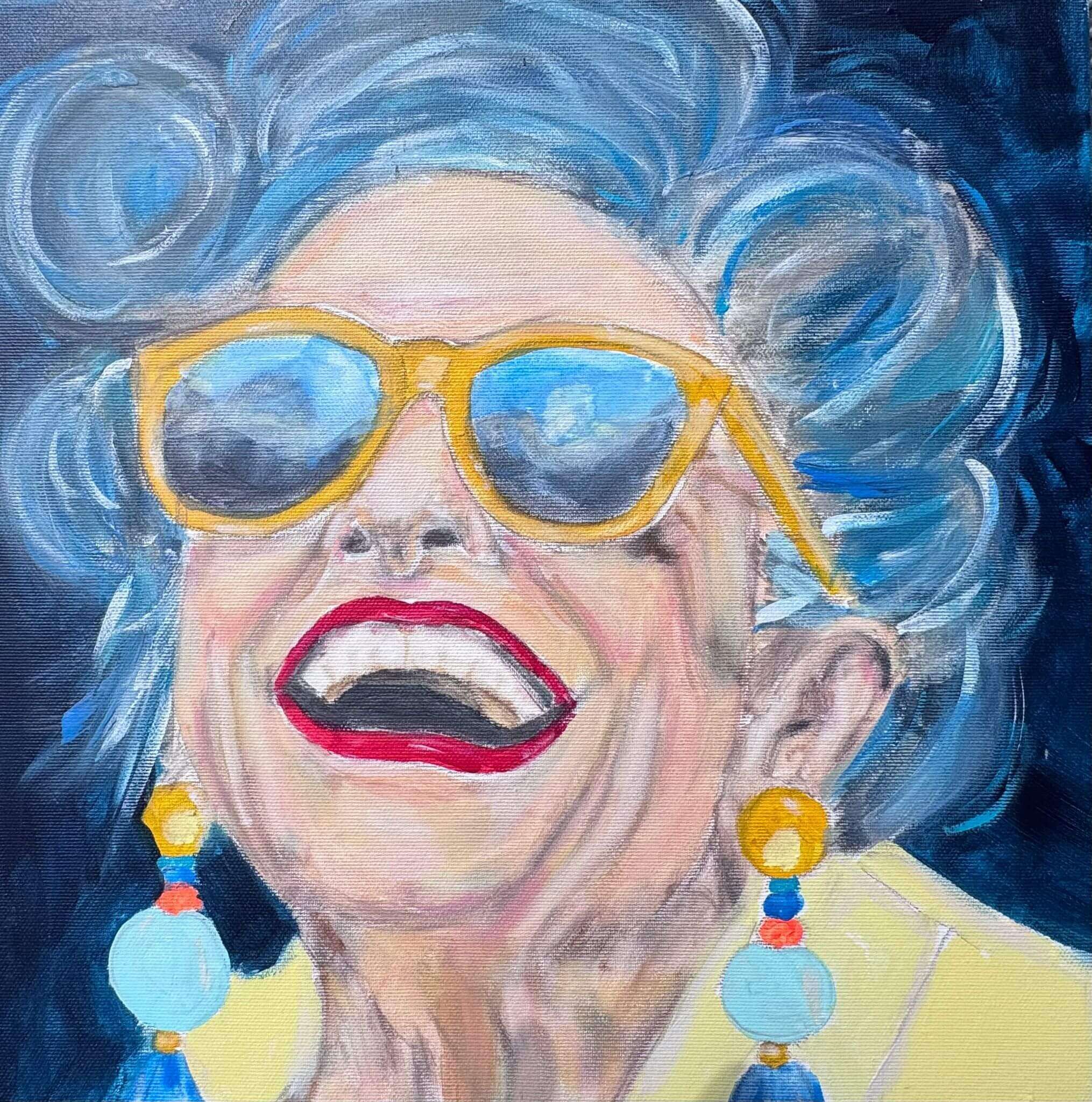
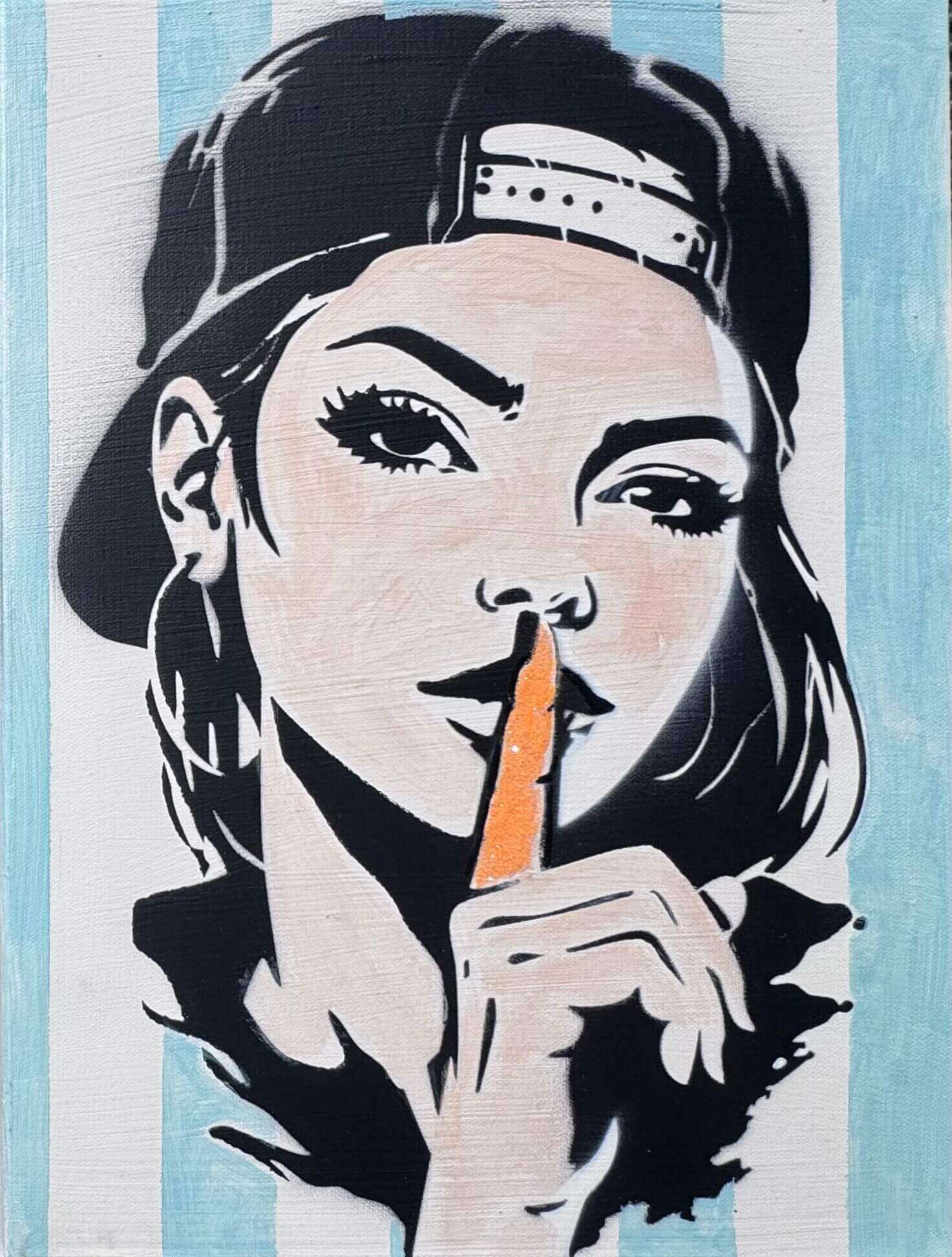
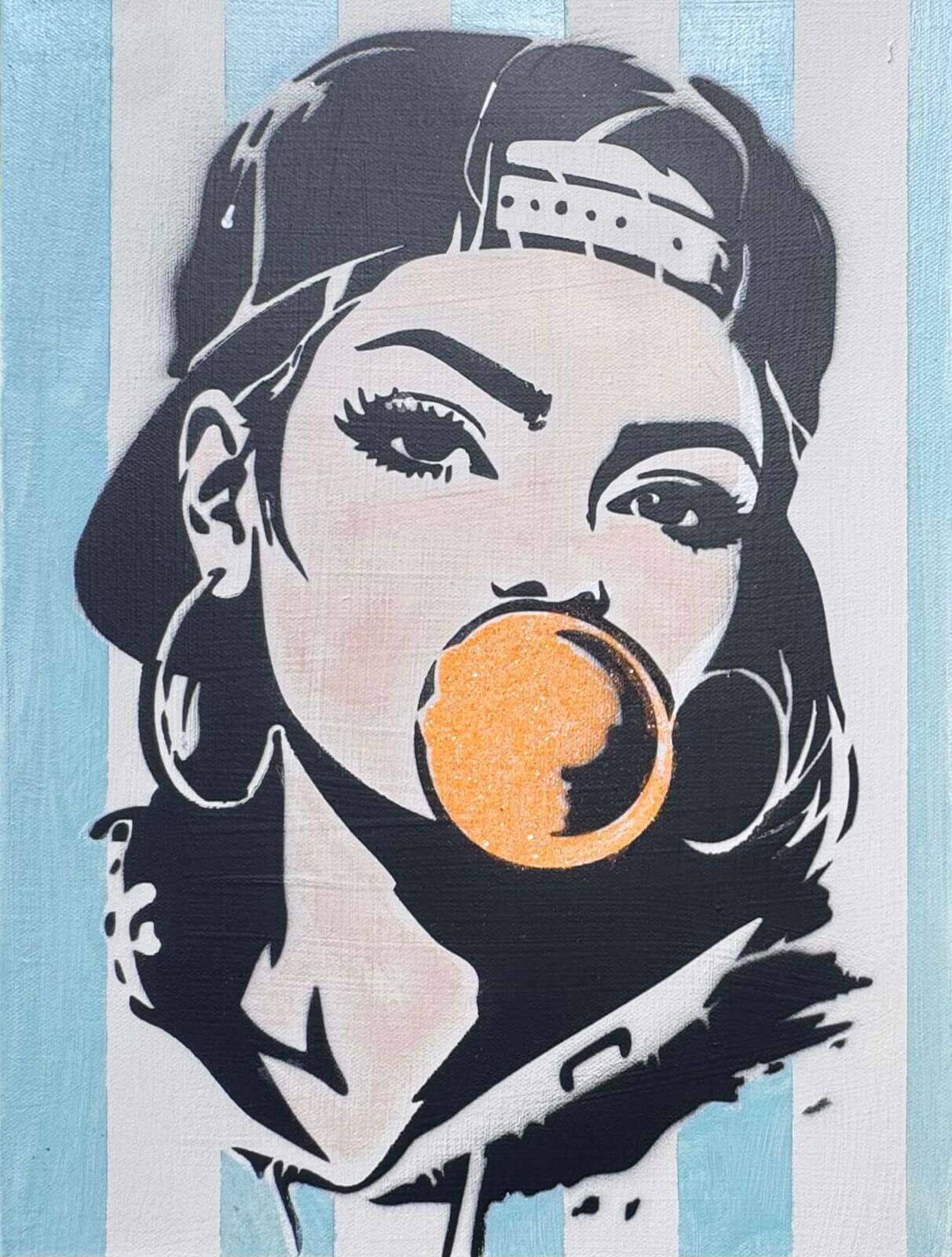
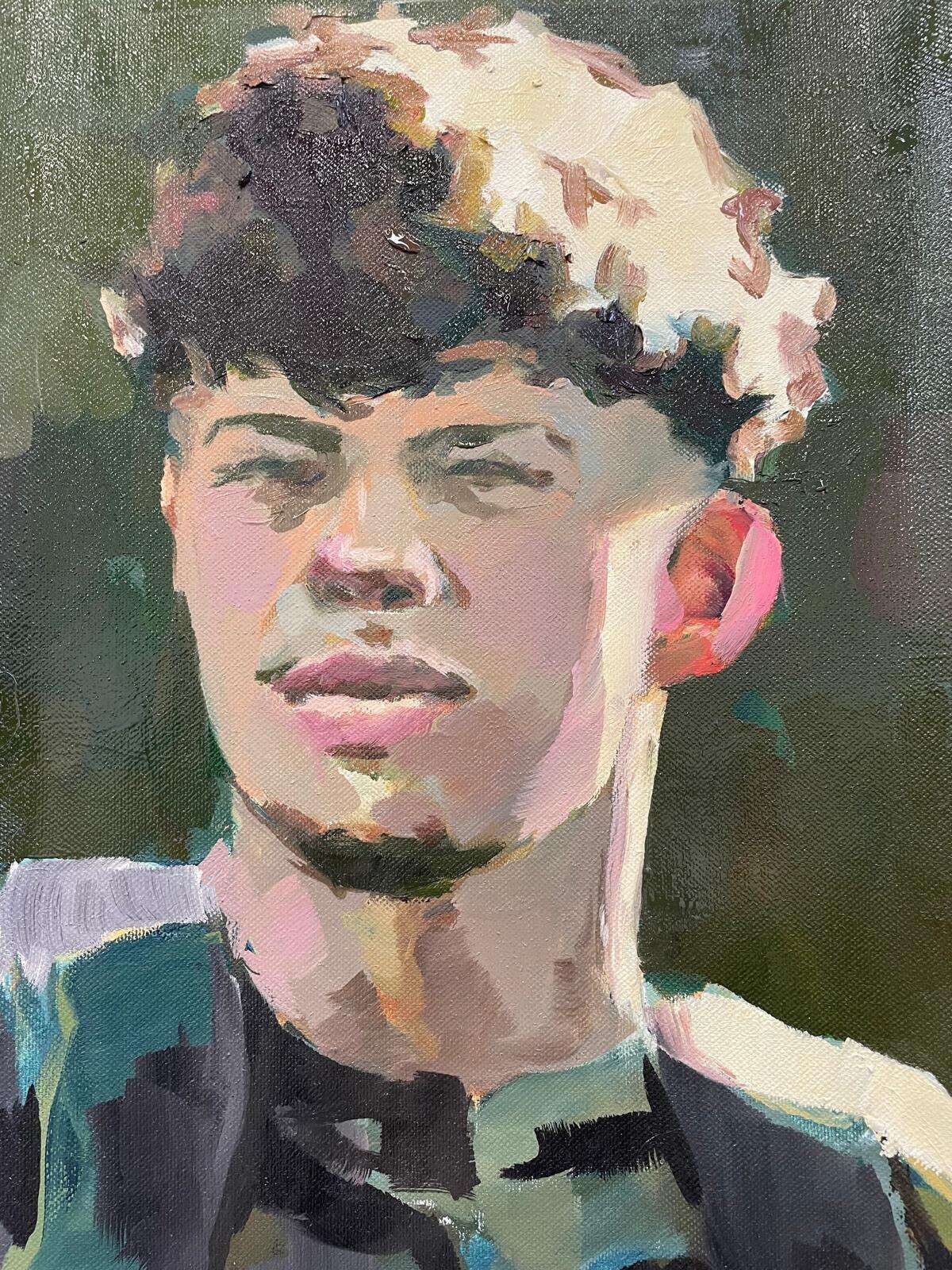
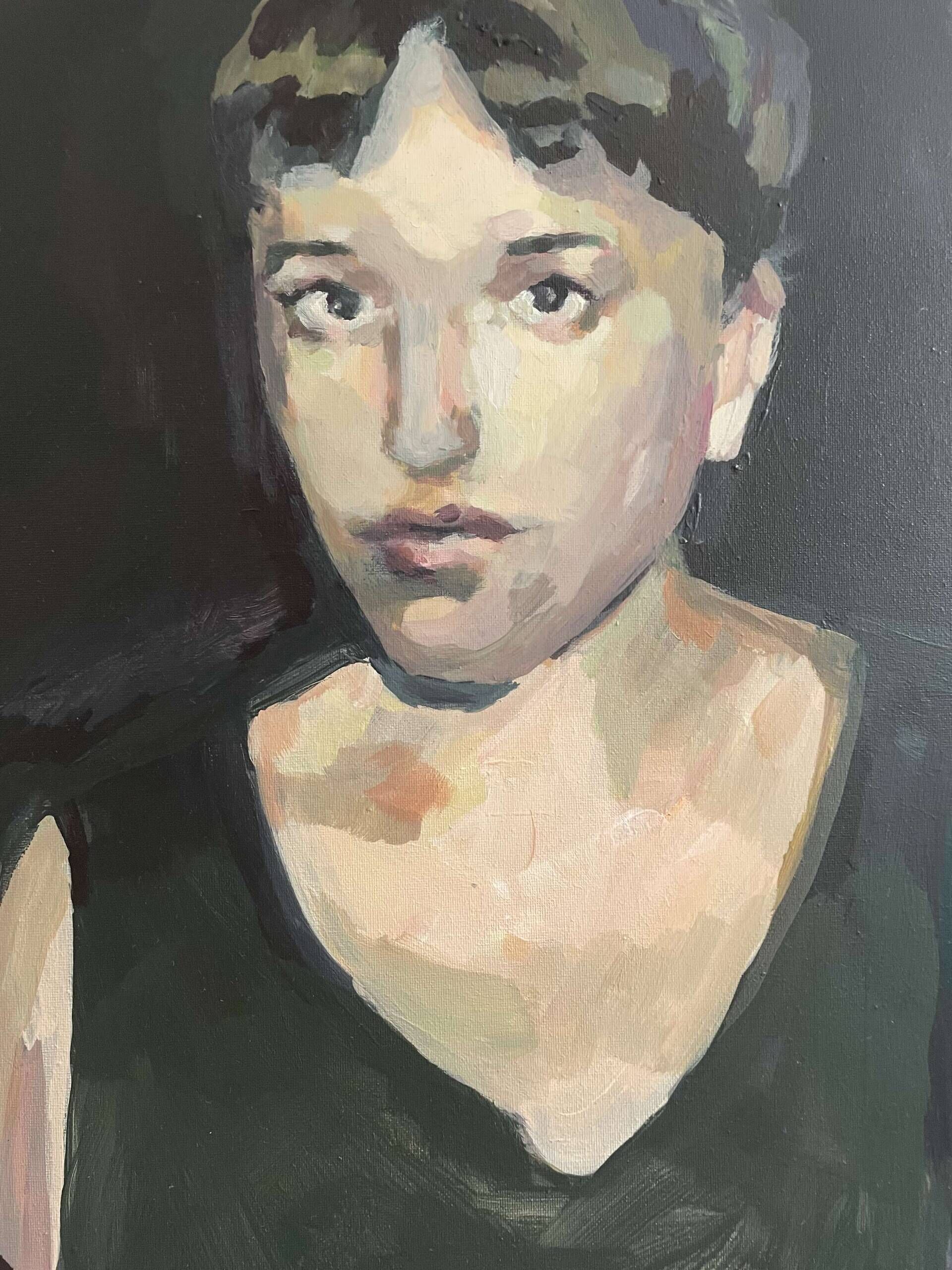
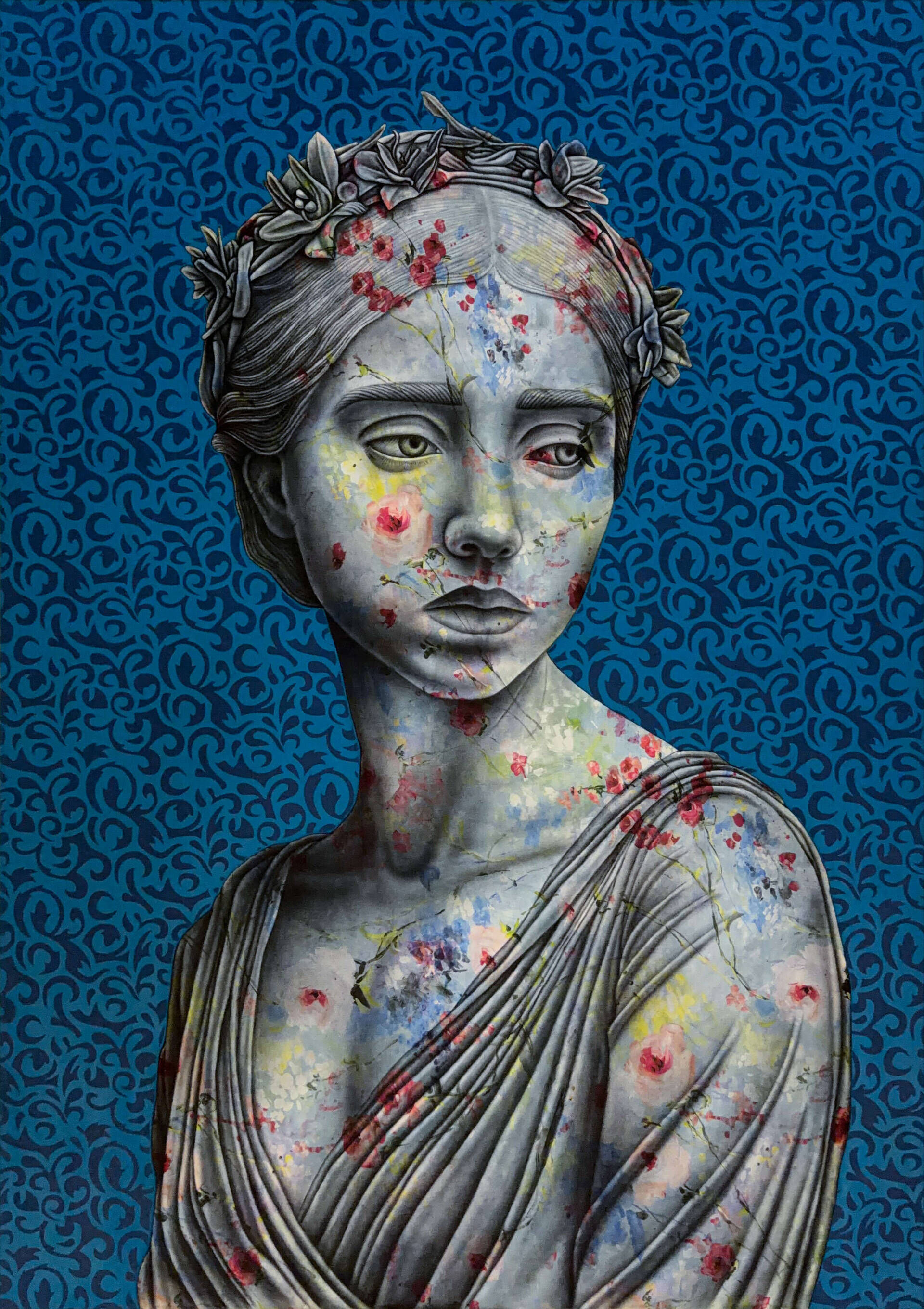
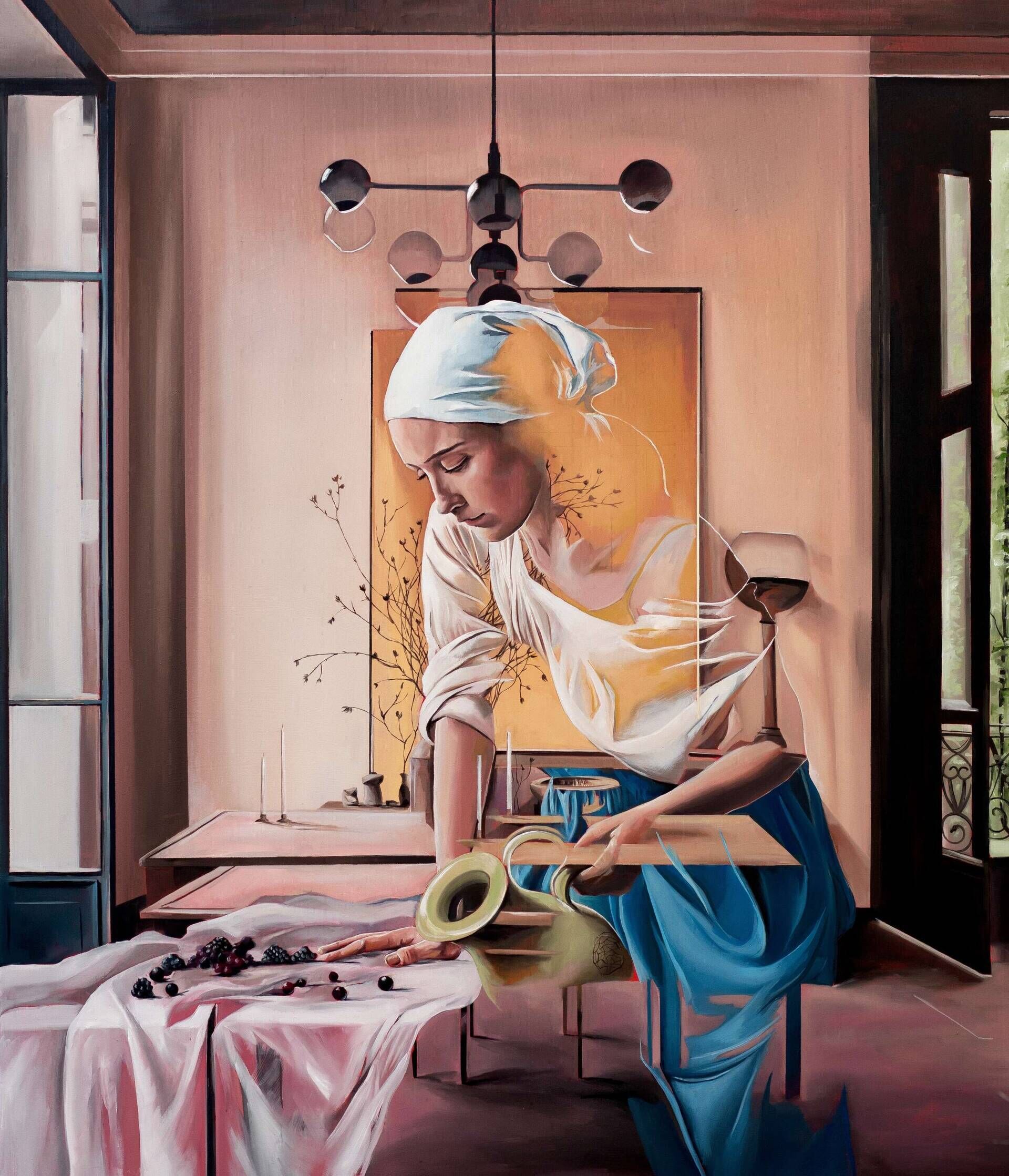
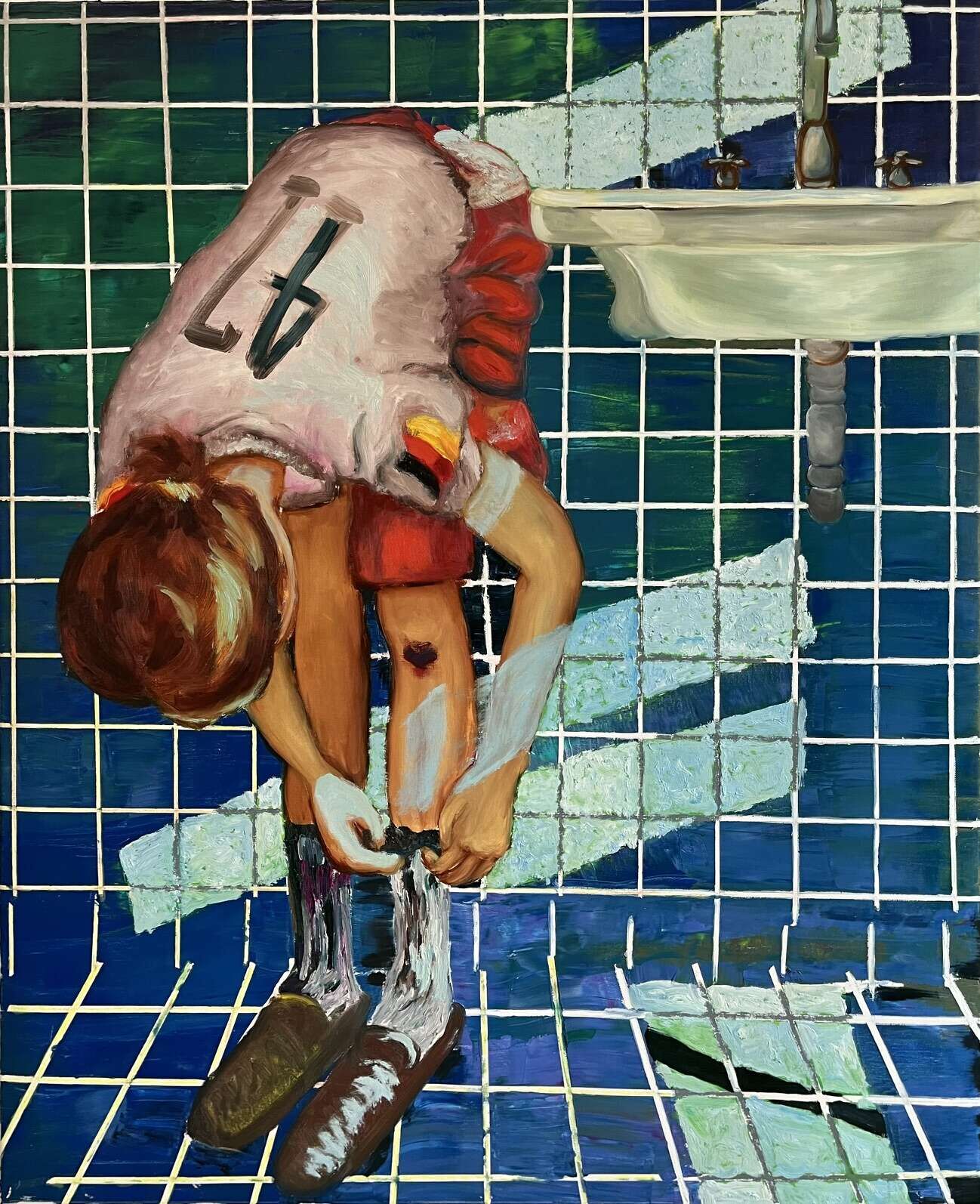
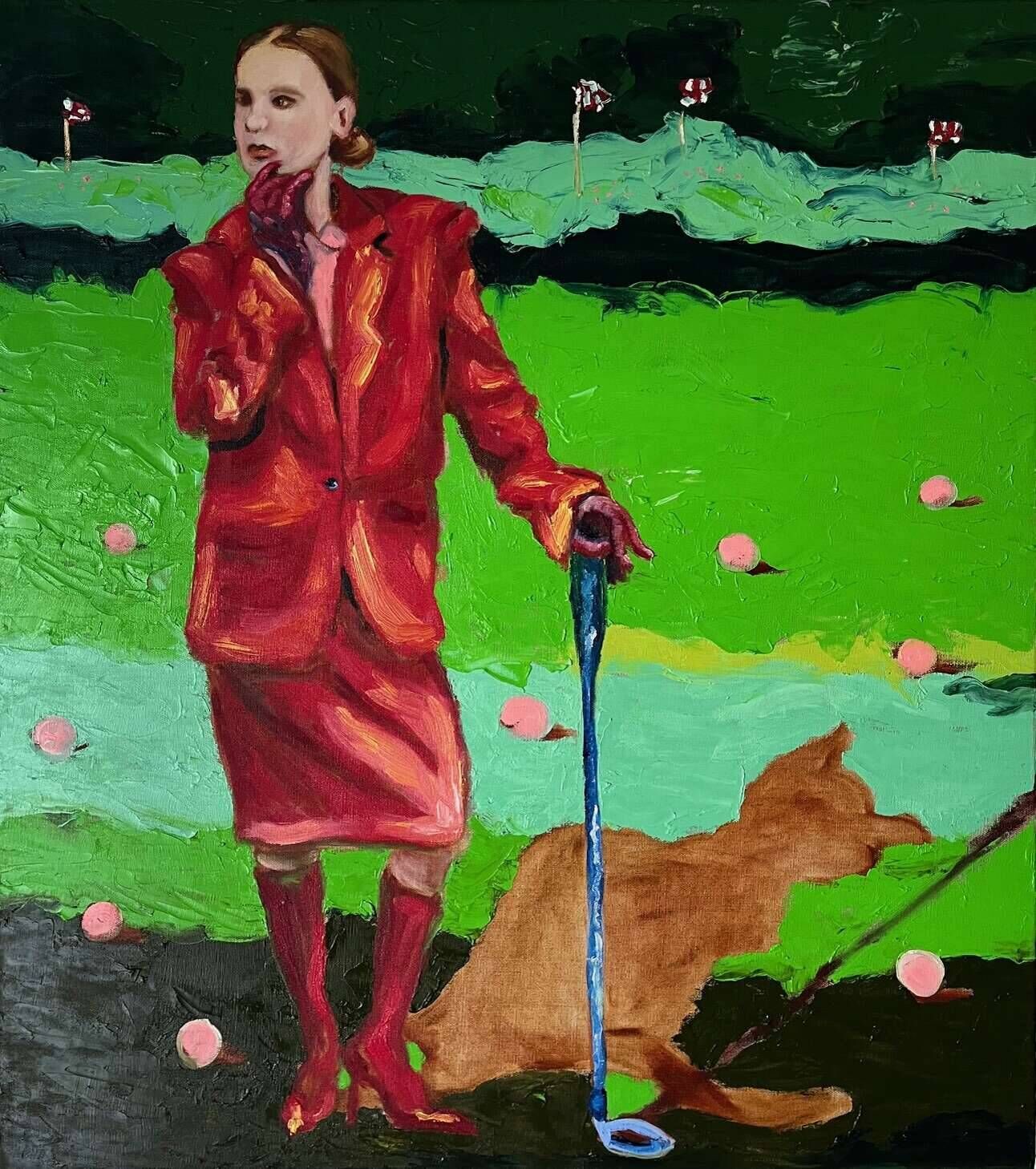
Portrait paintings are a genre of art that focuses on depicting a person or a group of people. Most often, painted portraits aim to capture the physical appearance, personality and, frequently, the character of the person or people portrayed. In this way, they evoke a wide range of emotions in the viewer: a sense of belonging, fascination and melancholy are just a few examples. Portrait painting has a long tradition in art history, dating back to antiquity. We are all familiar with the classic portrait paintings found in museums and historic castles. These are often what are known as ‘class portraits’. This means that the portrait paintings revealed a great deal about the social status and rank of the family or individuals depicted and served a representative function. Consequently, hand-painted portraits were not intended for the general public, but were reserved for the nobility and royal families.
During the Renaissance in the 15th and 16th centuries, portrait painting gradually developed into a genre in its own right. In particular, the discovery of the individual was of great interest to painters at that time. Painters gained more and more artistic freedom and were able to experiment with their portraiture. However, this did little to change the underlying message: the focus remained on the social role of the people portrayed.
Over time, and particularly with the advent of modernism, the role of the portrait painting changed, and its artistic value came increasingly to the fore.
Types of portrait paintings
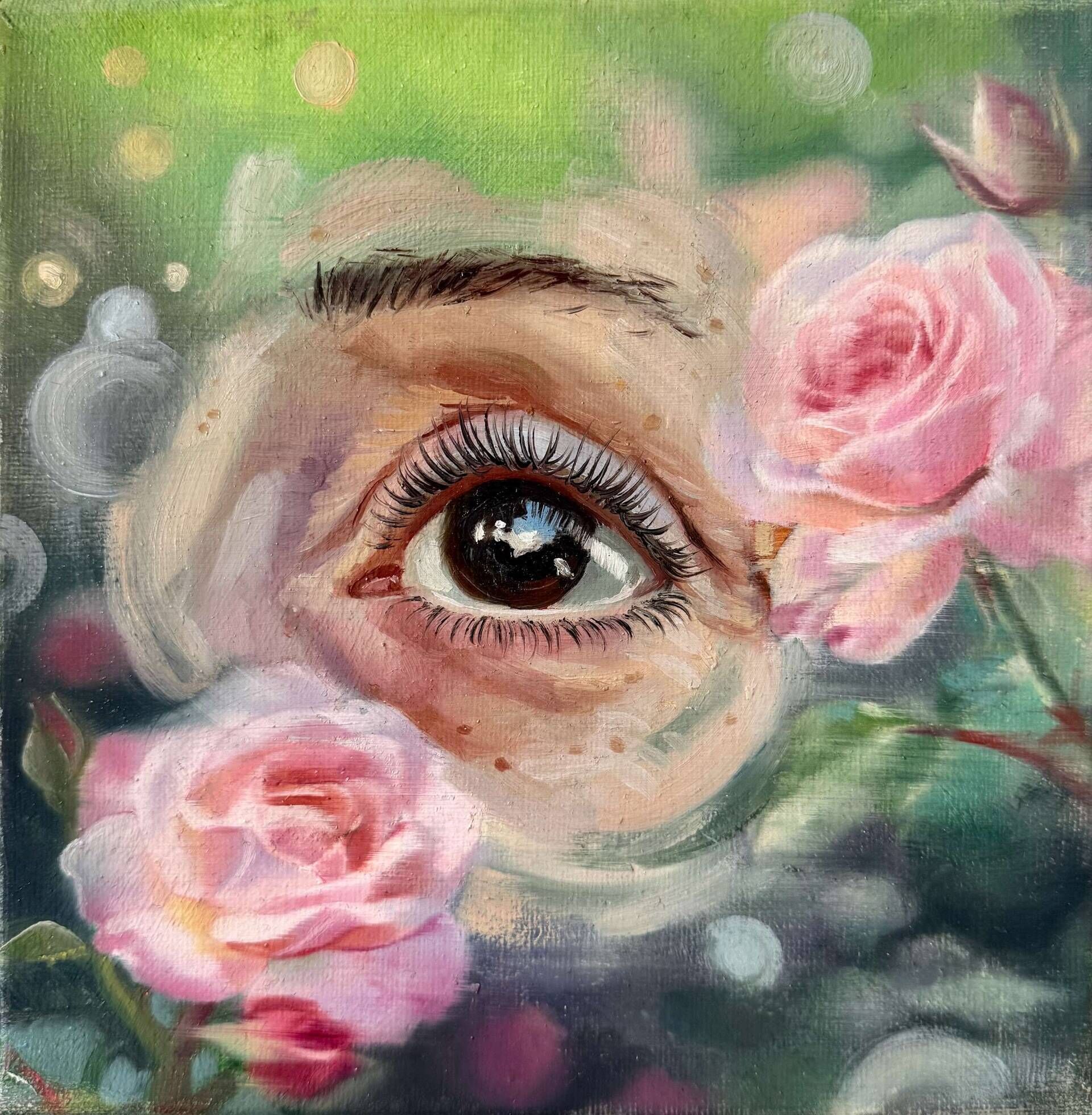
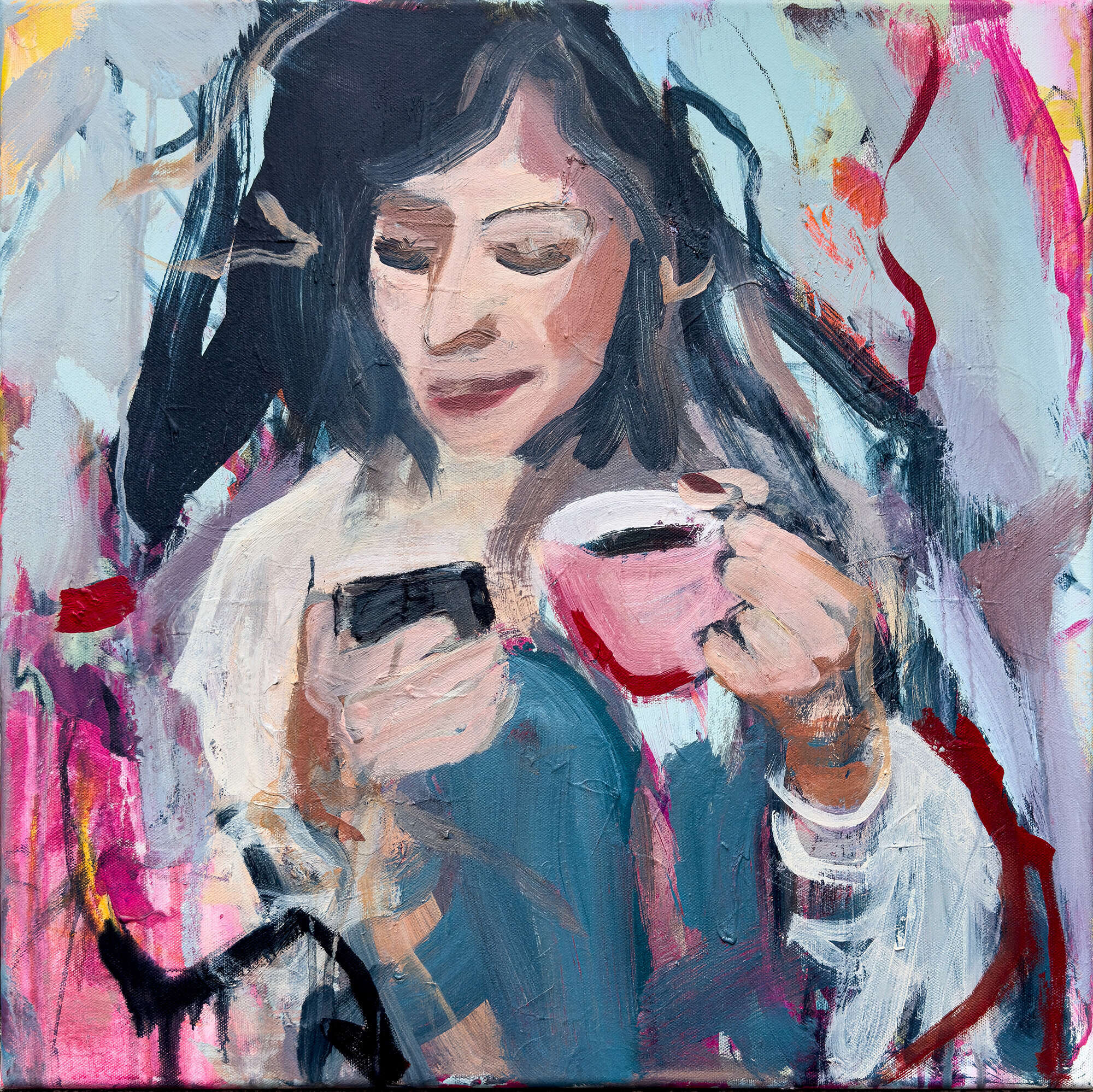
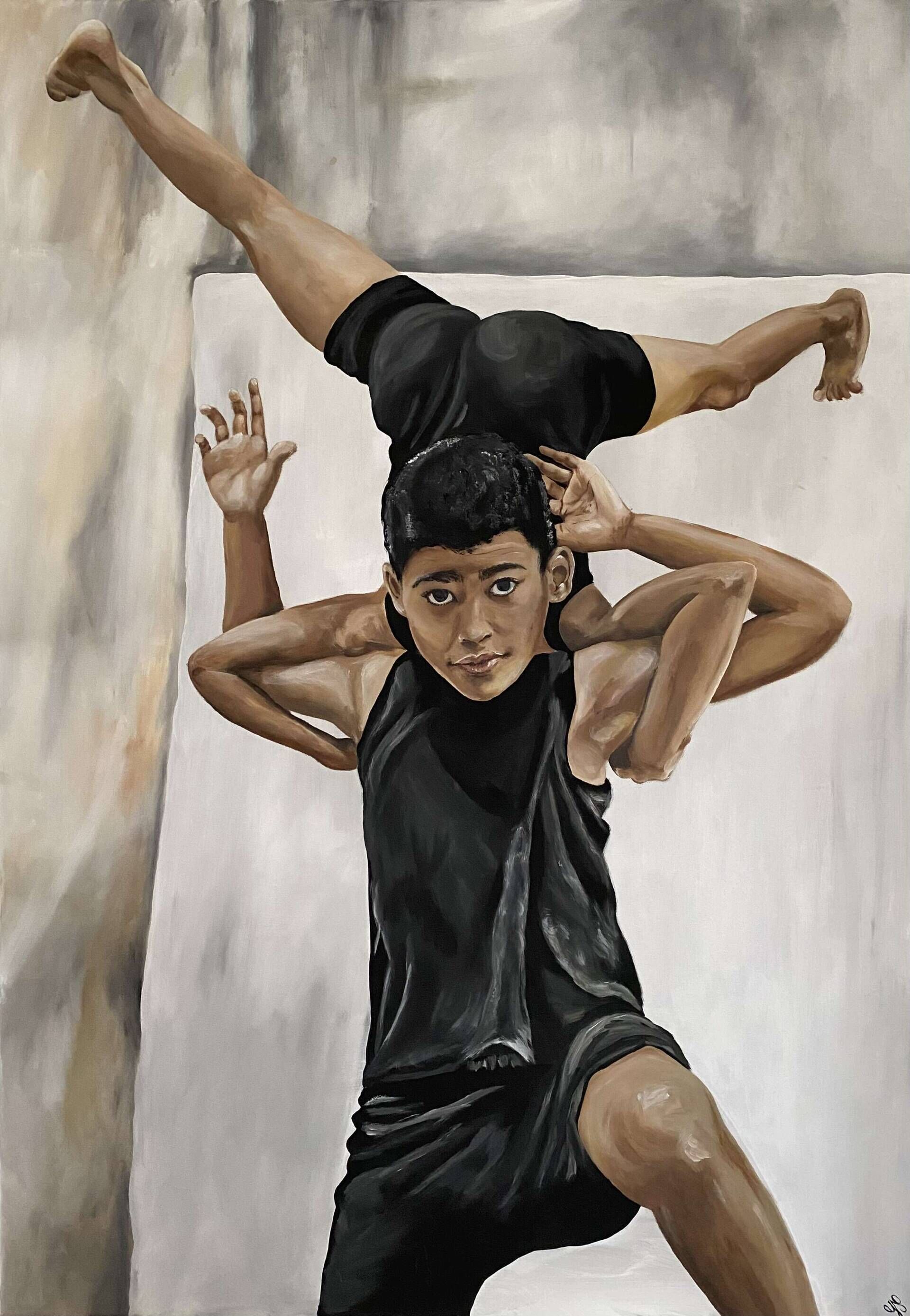
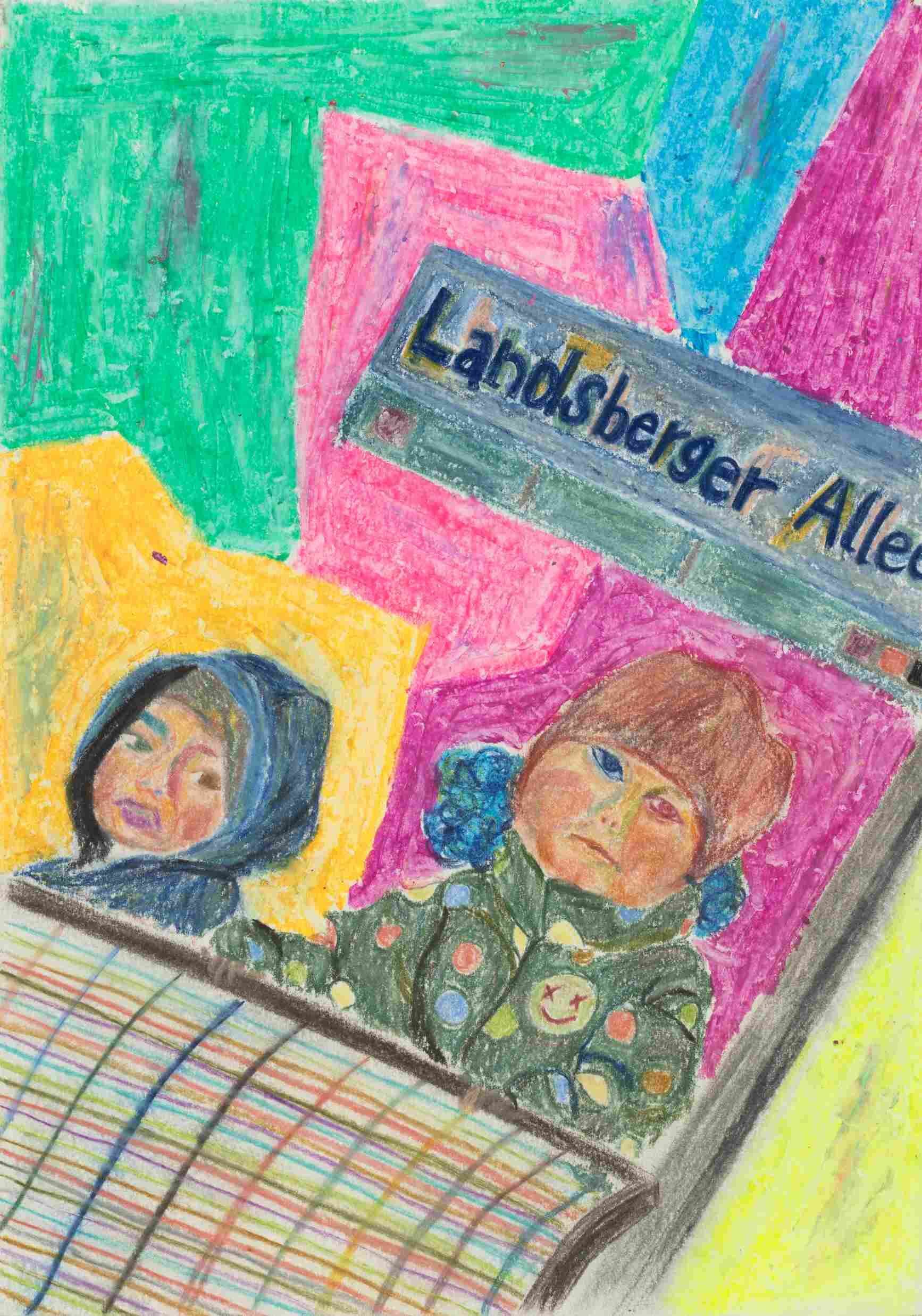
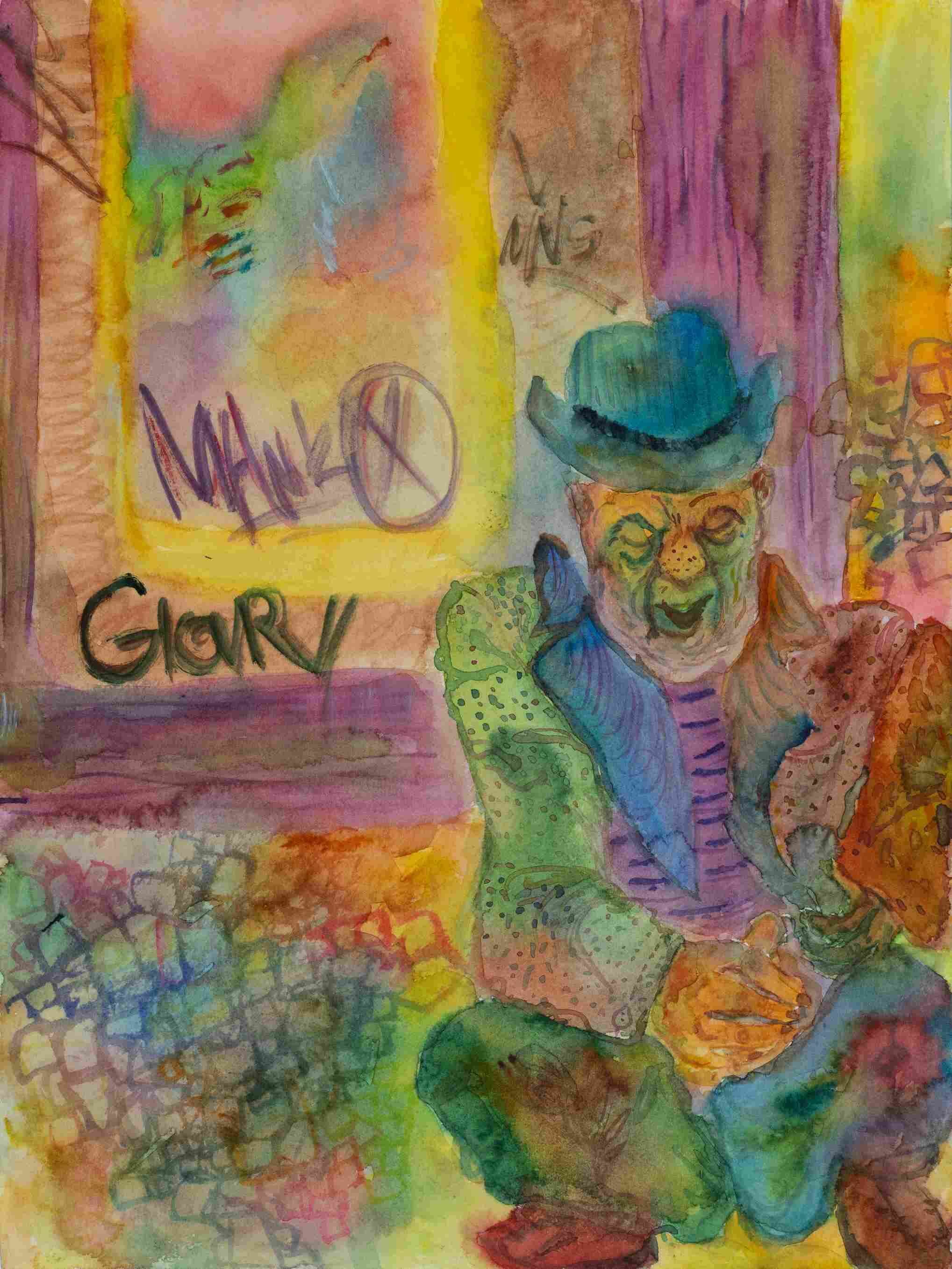
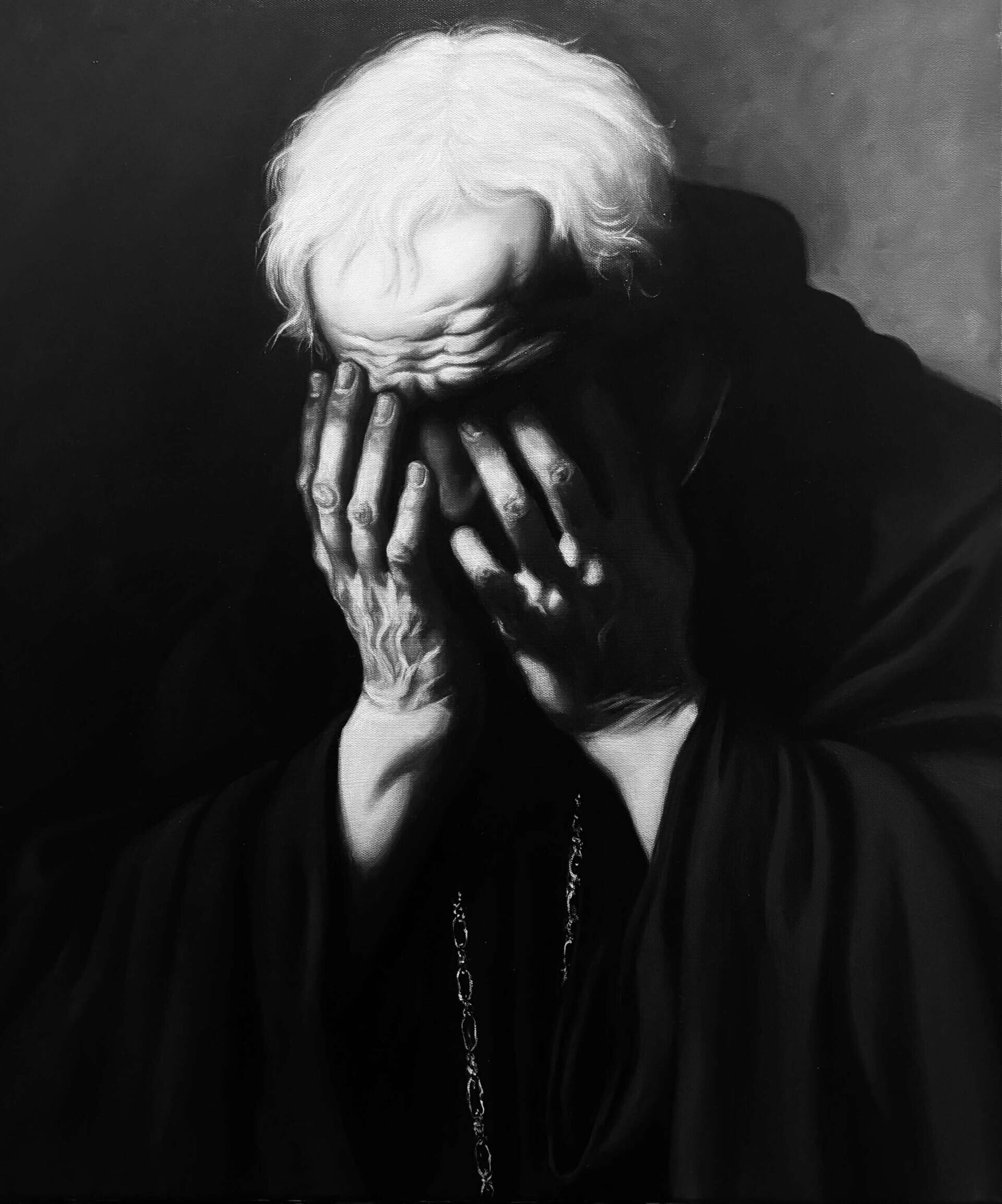
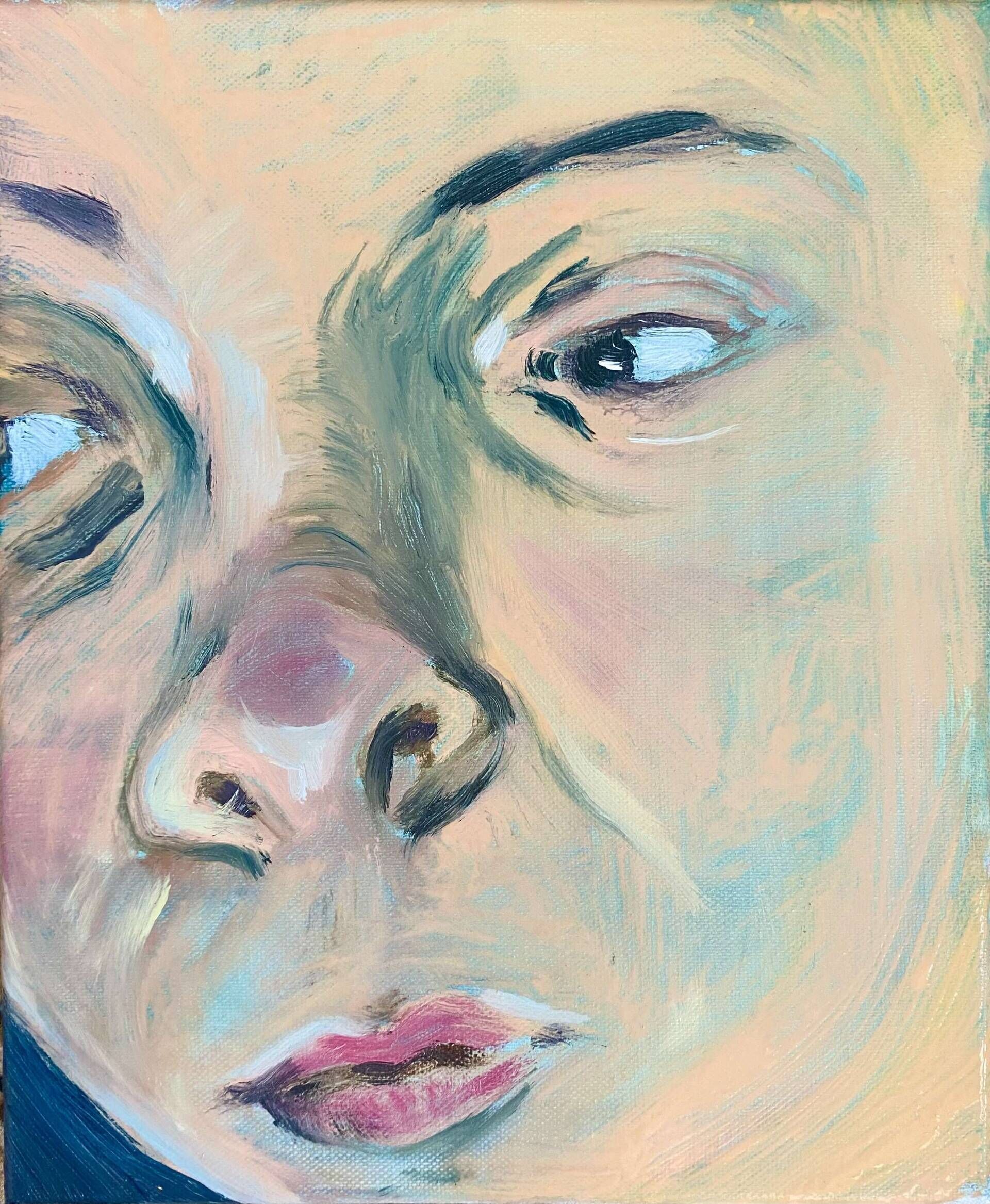
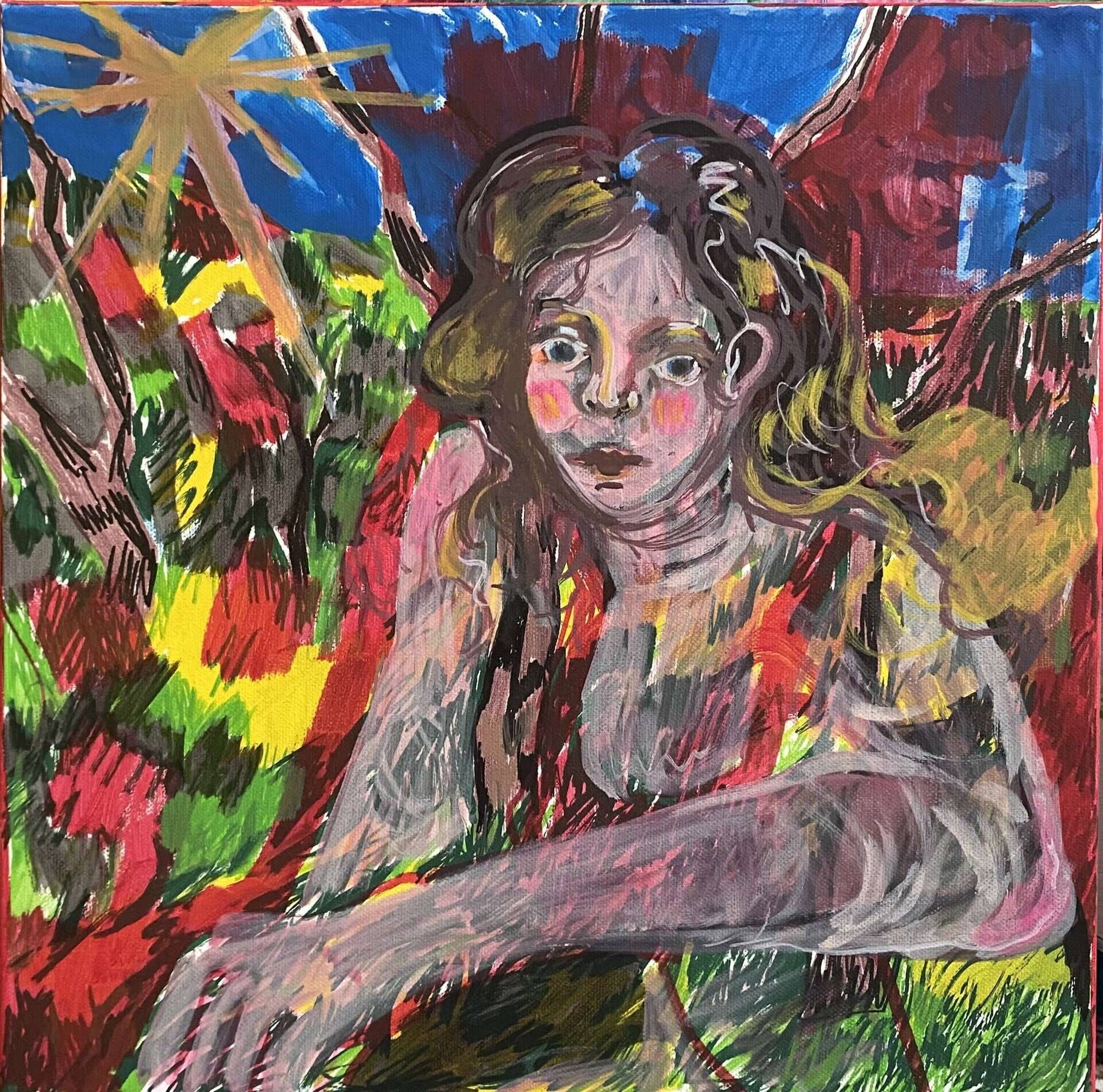
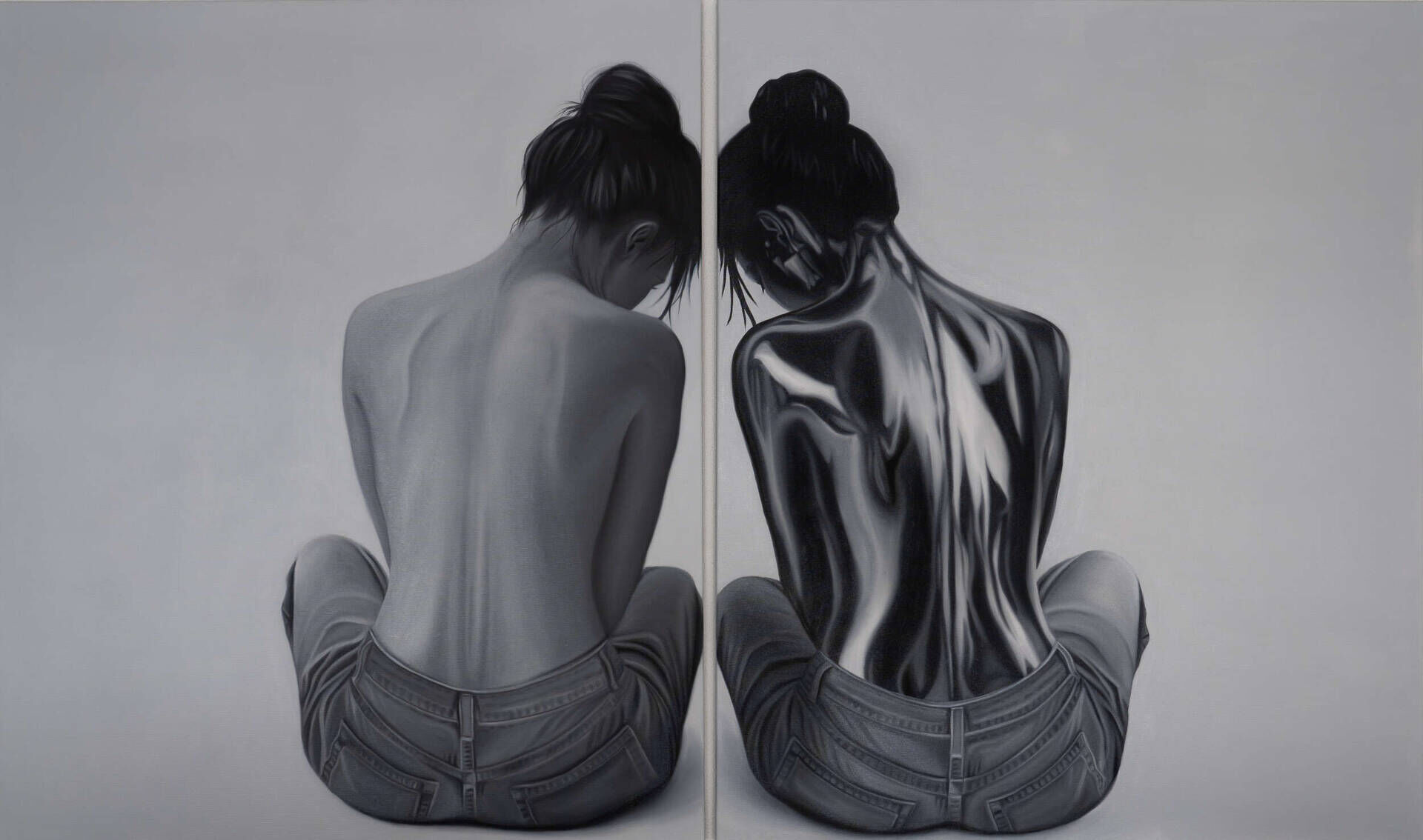
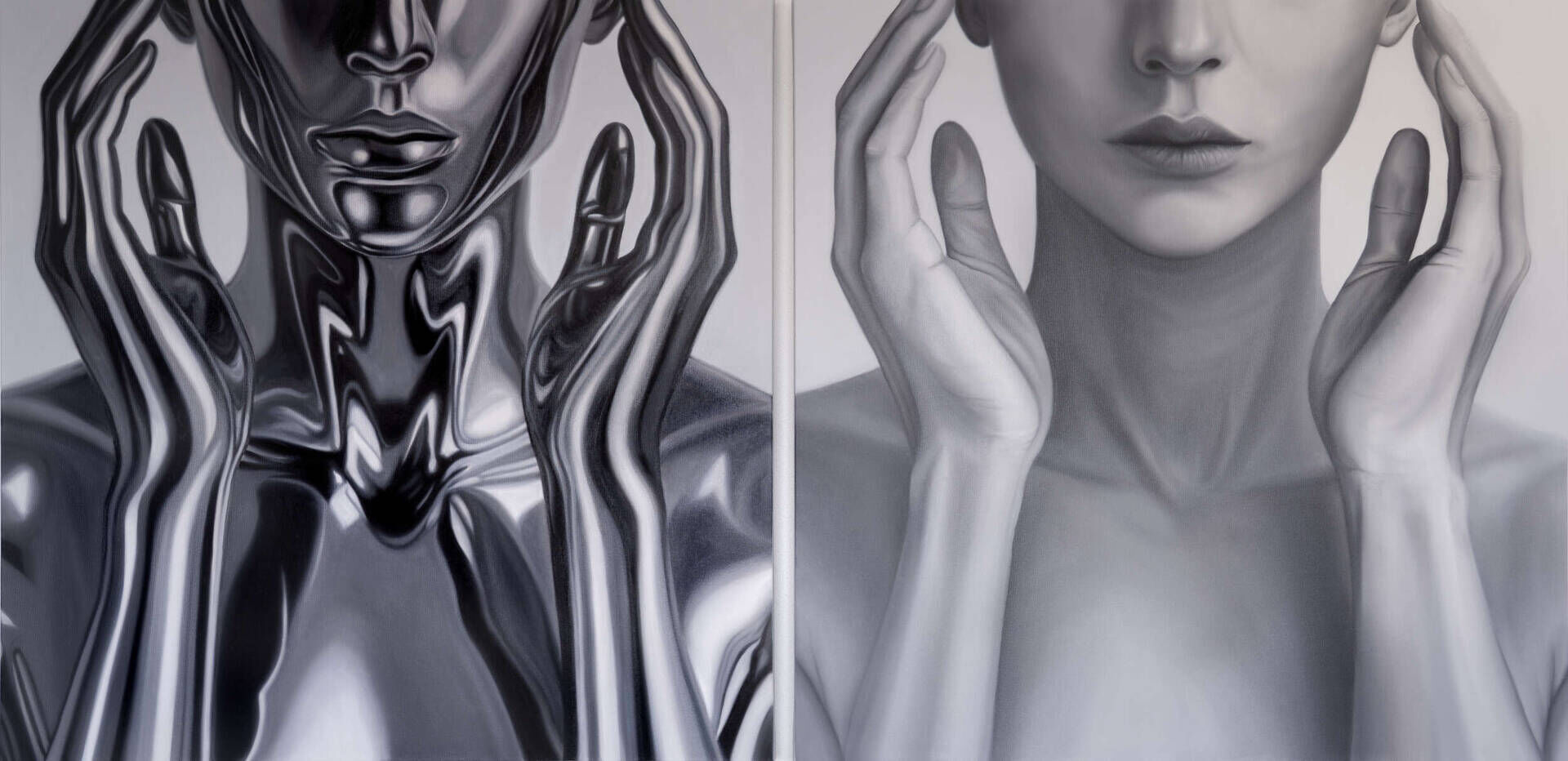
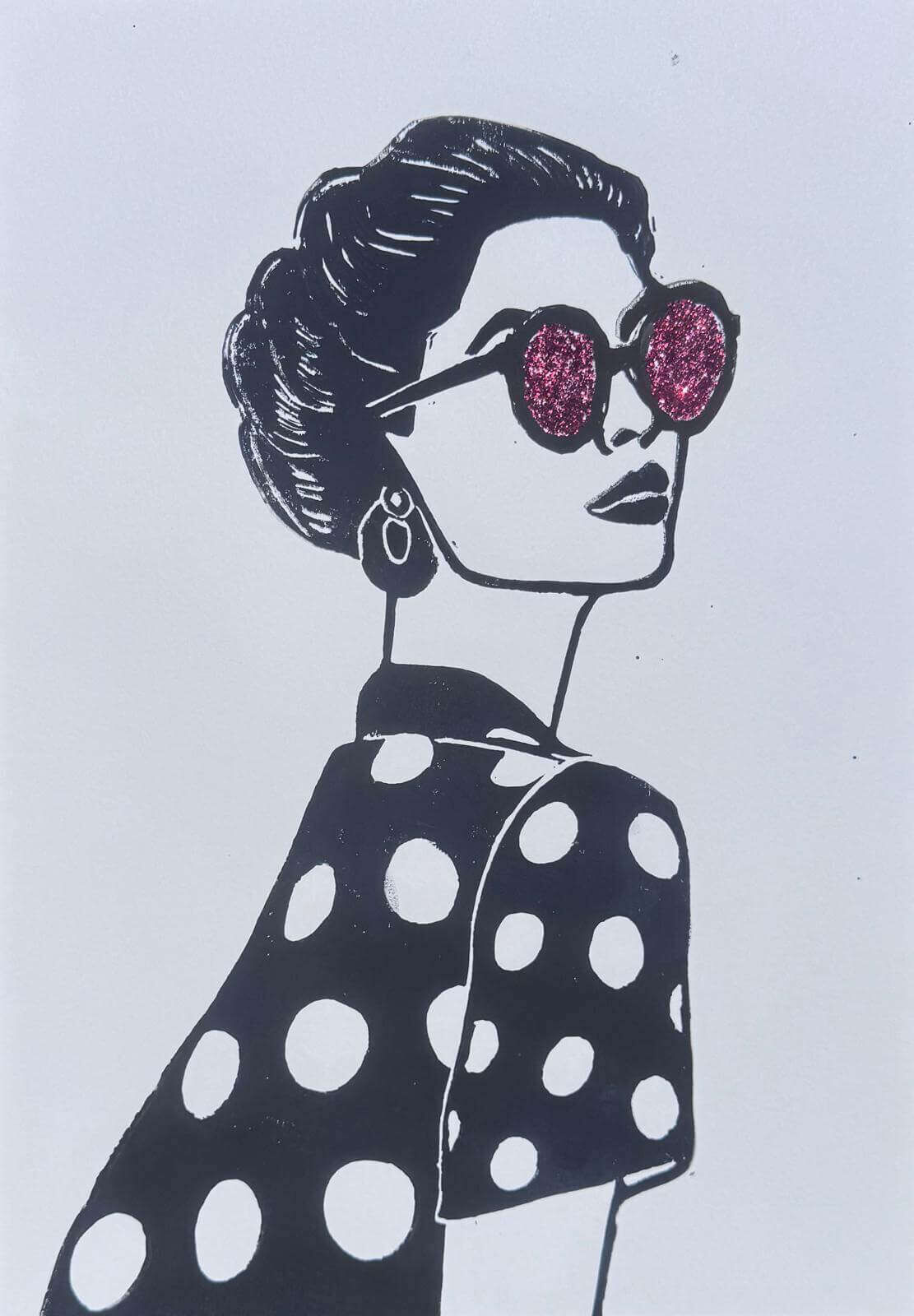
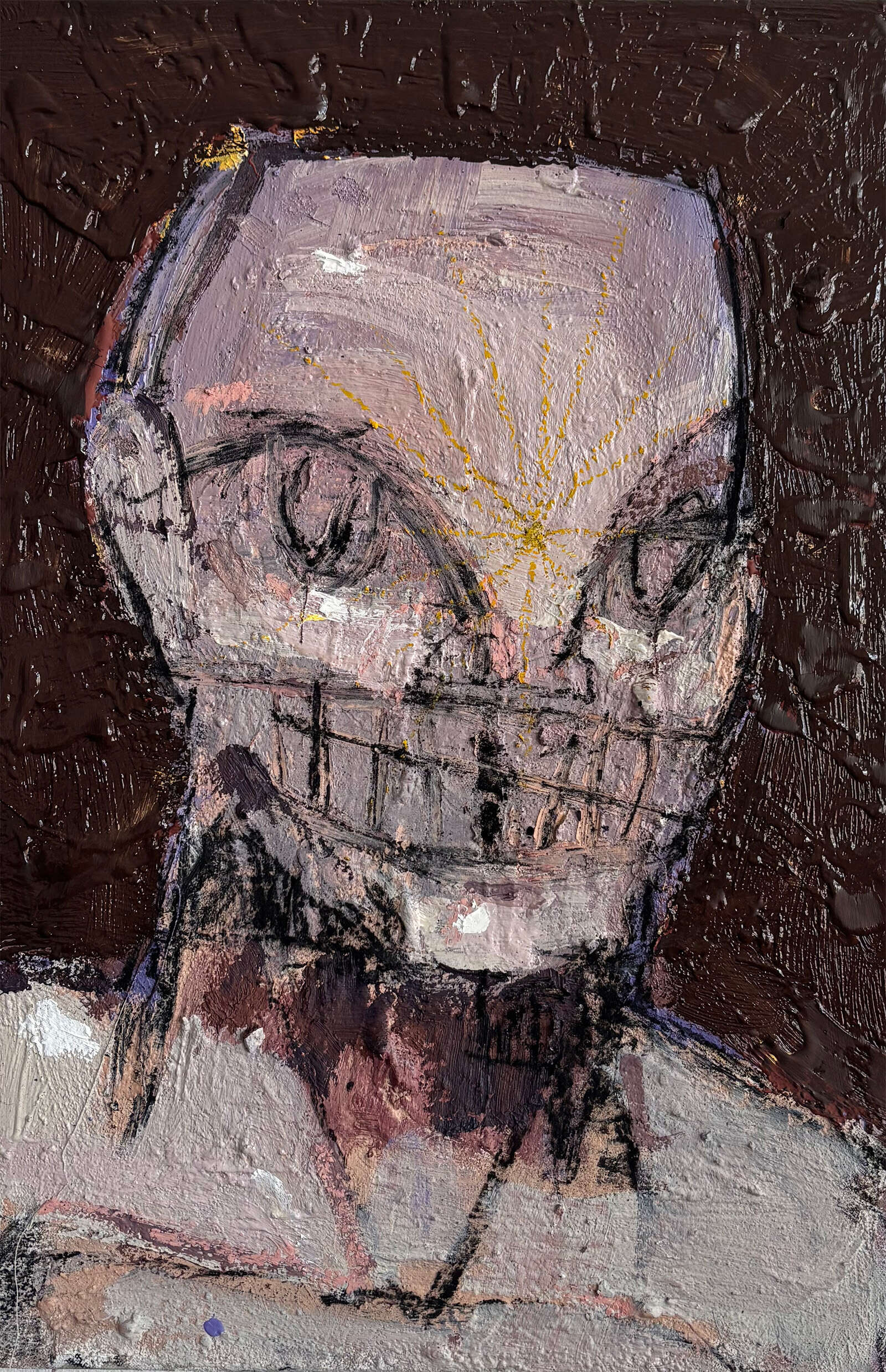
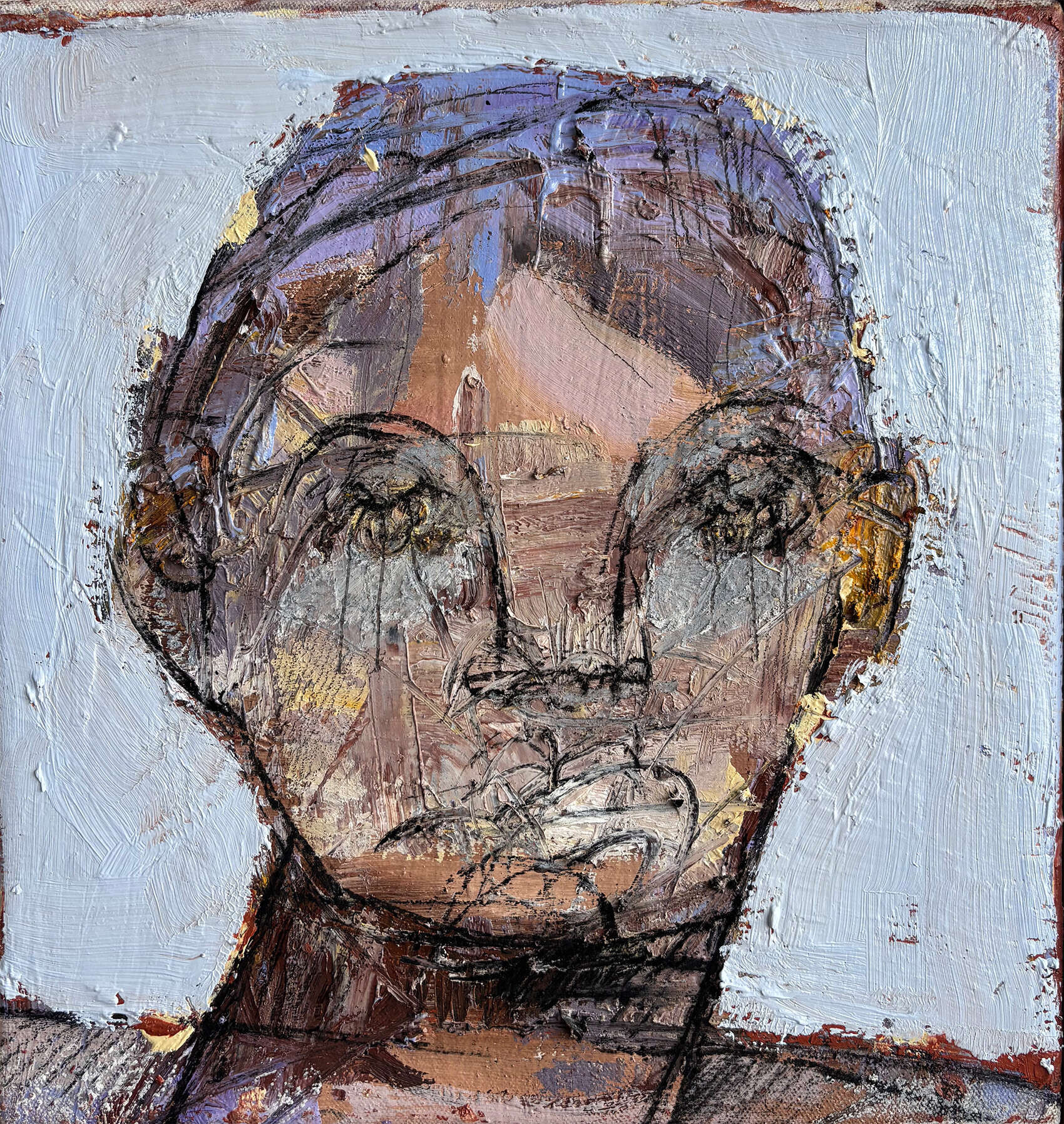
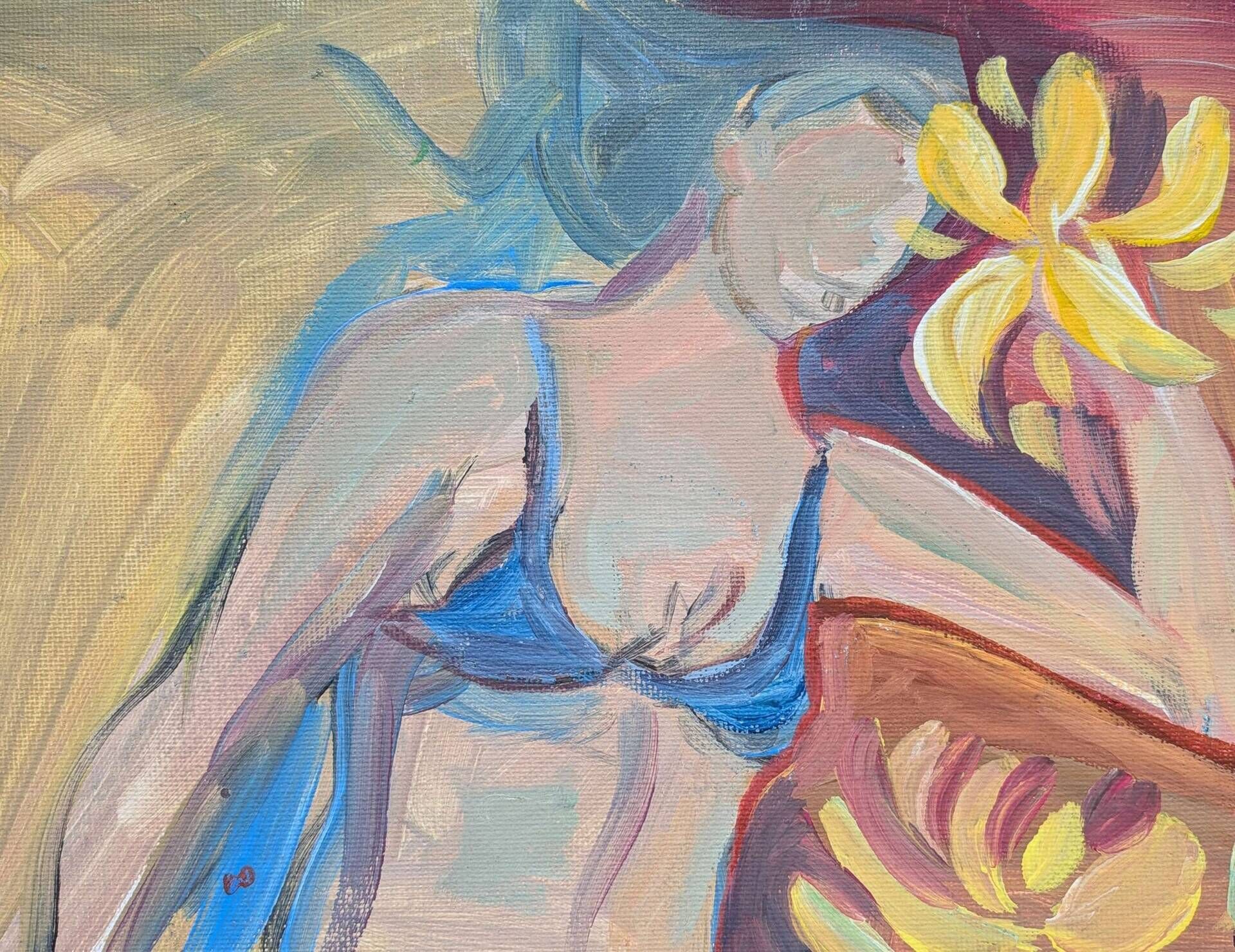
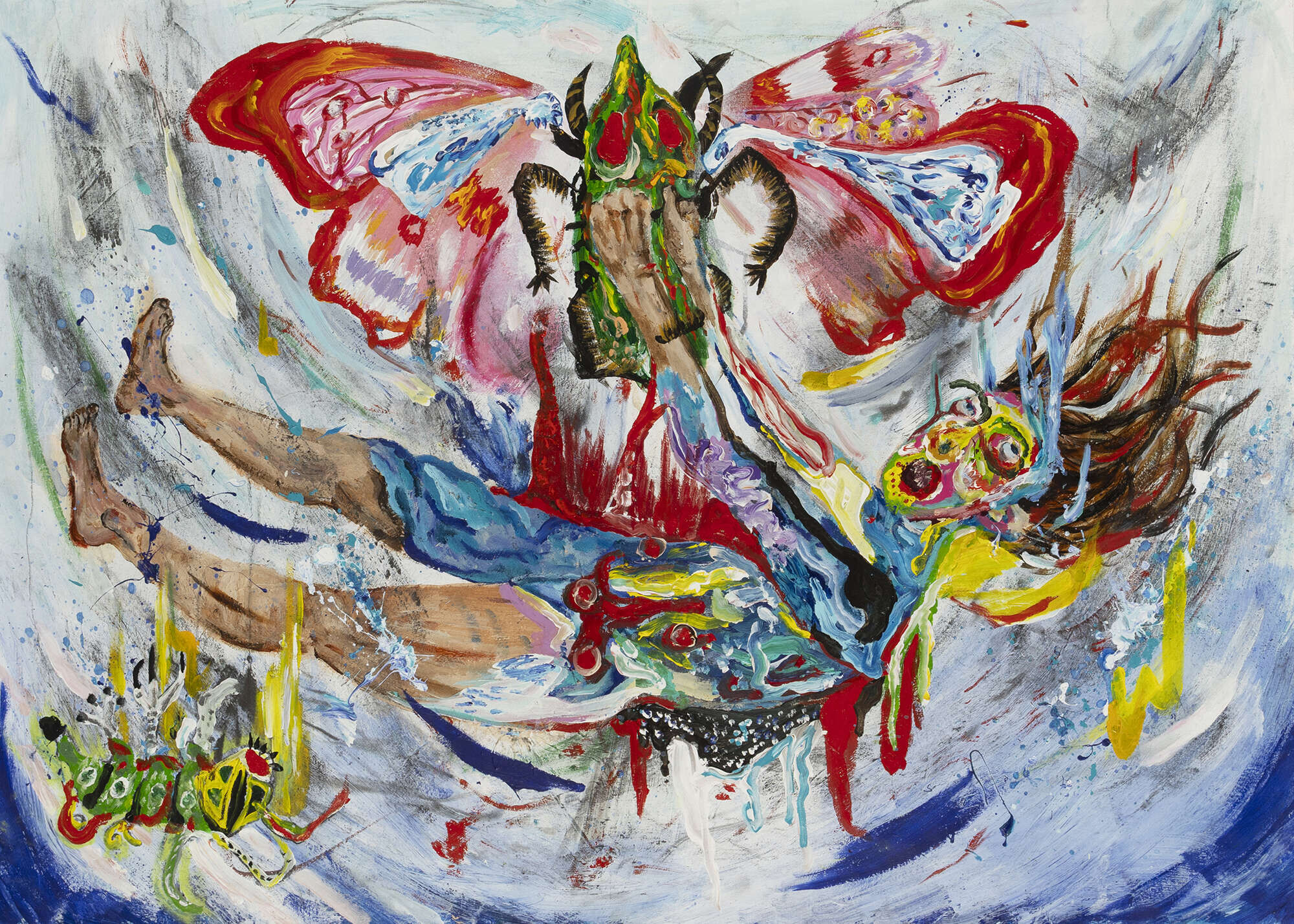
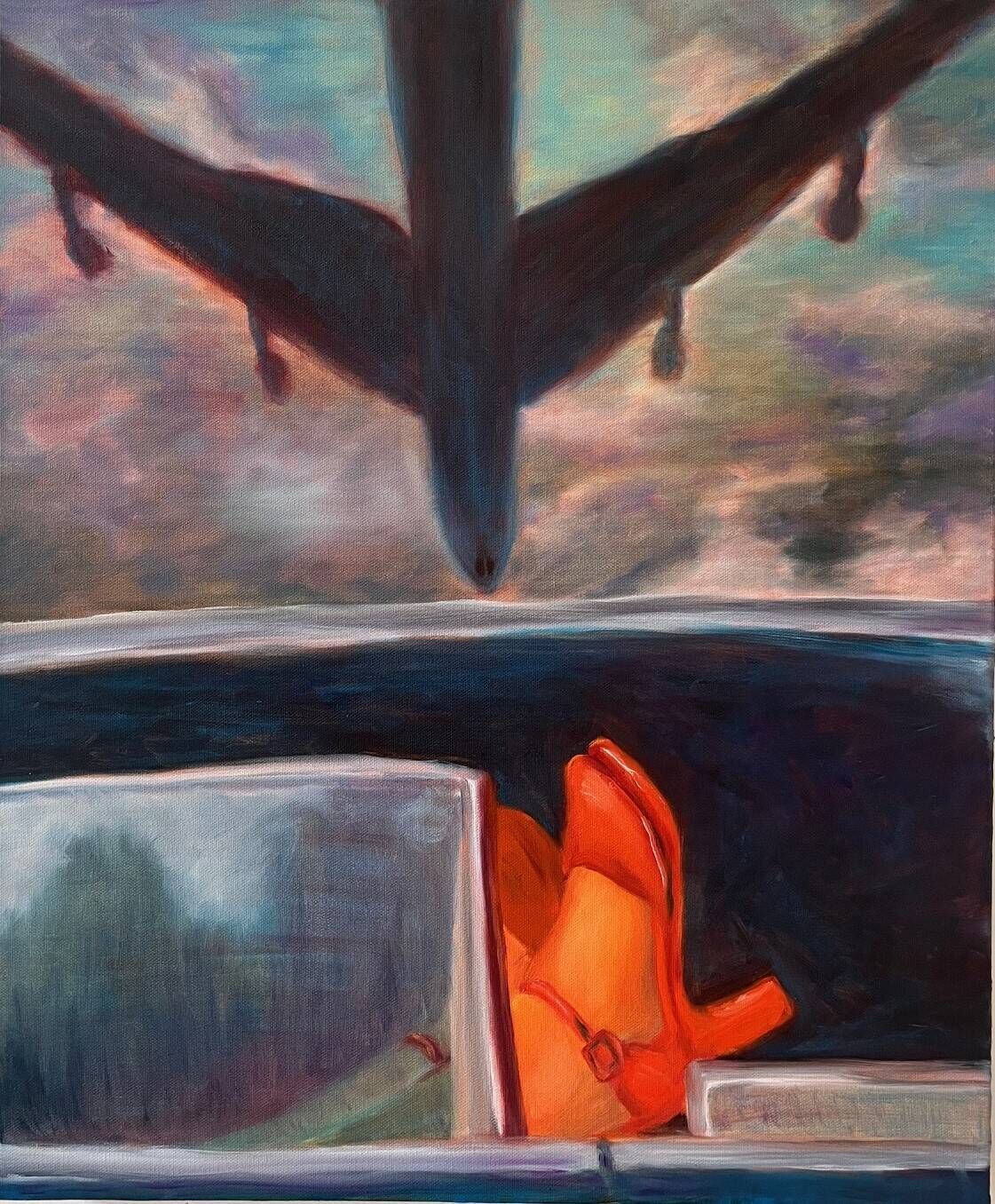
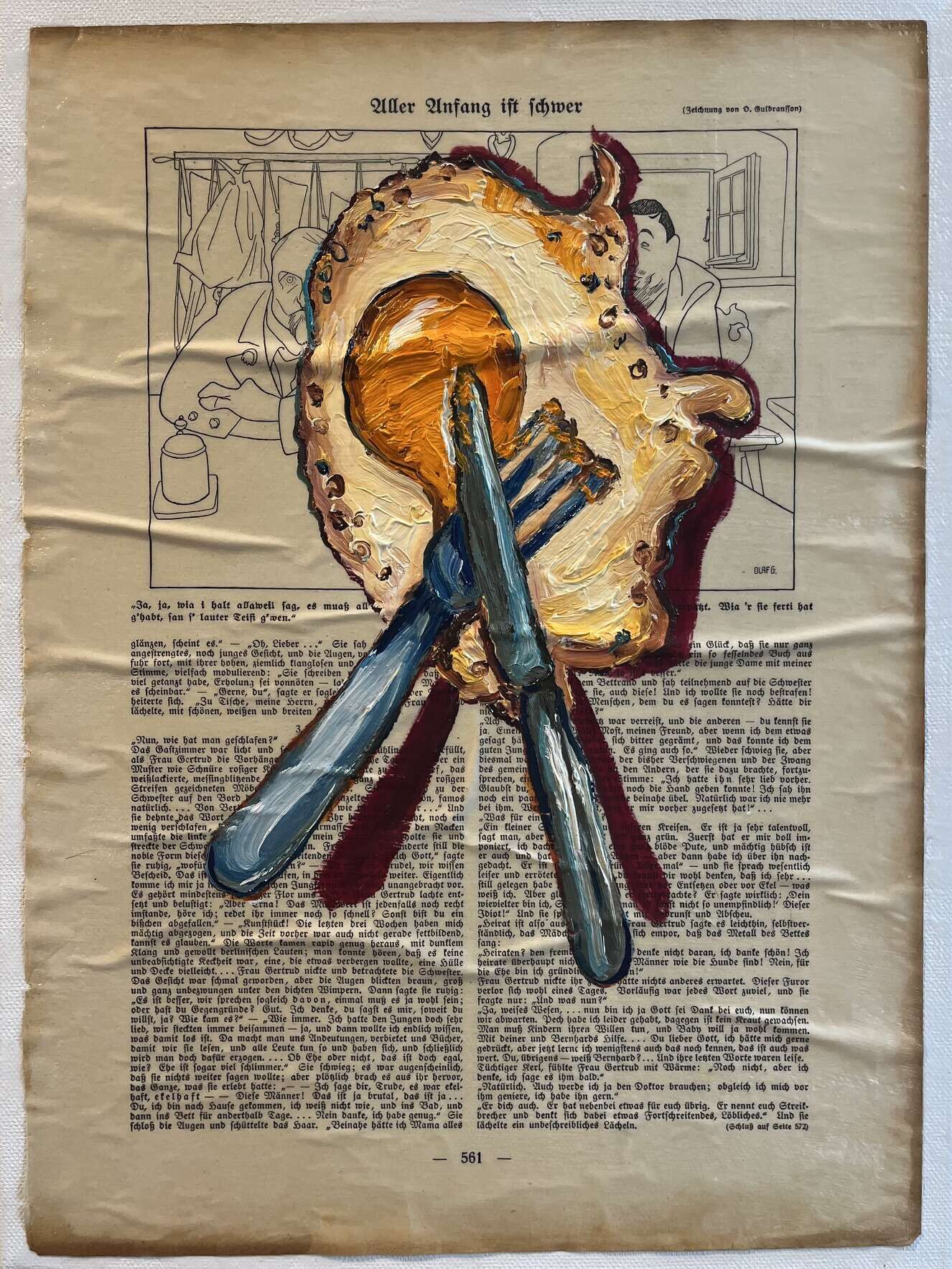
There are no limits to the types of portrait paintings. A wide variety of styles and techniques are used for painted portraits. Various materials such as oil paints, watercolours, pastels or pencil can be used to create the picture. It may be a
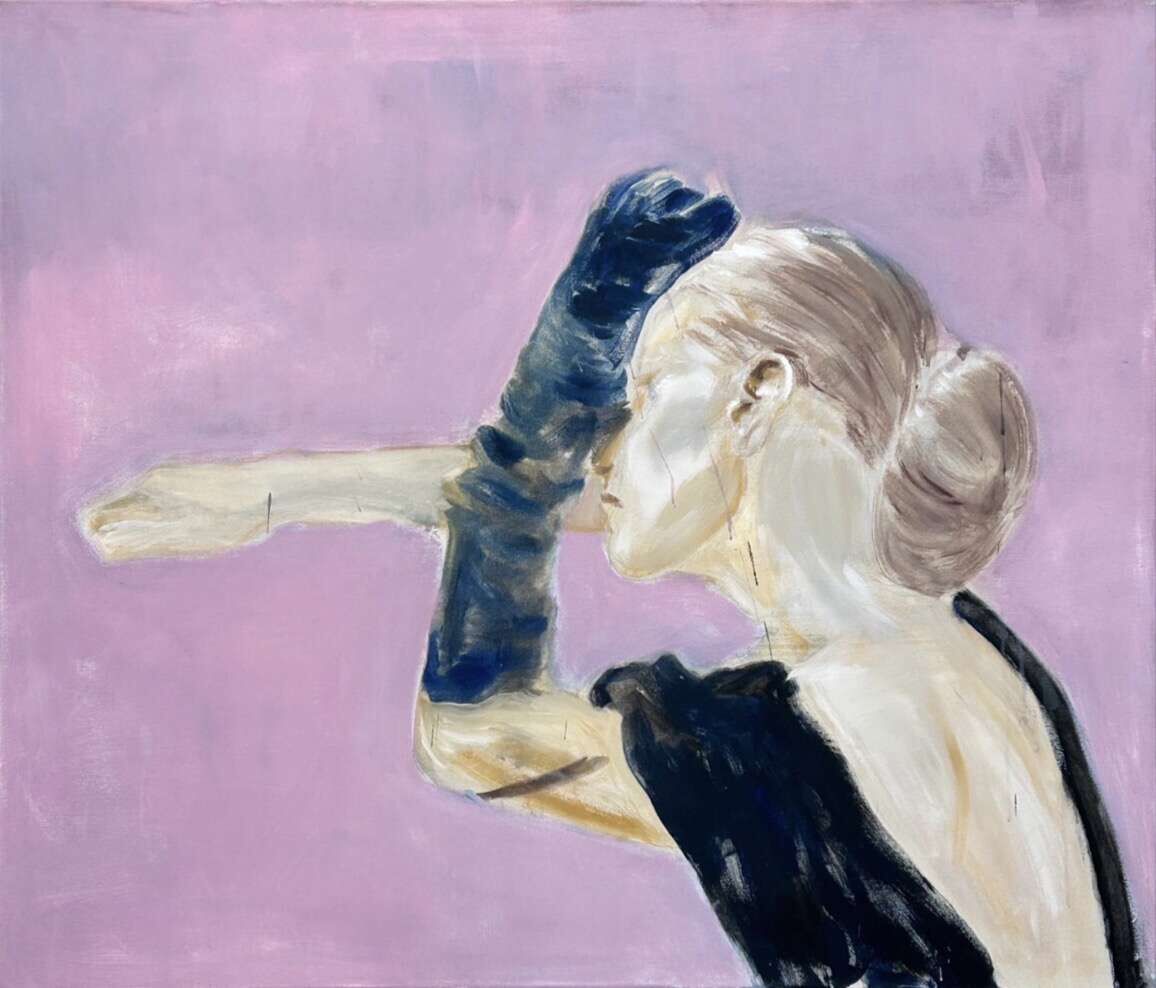
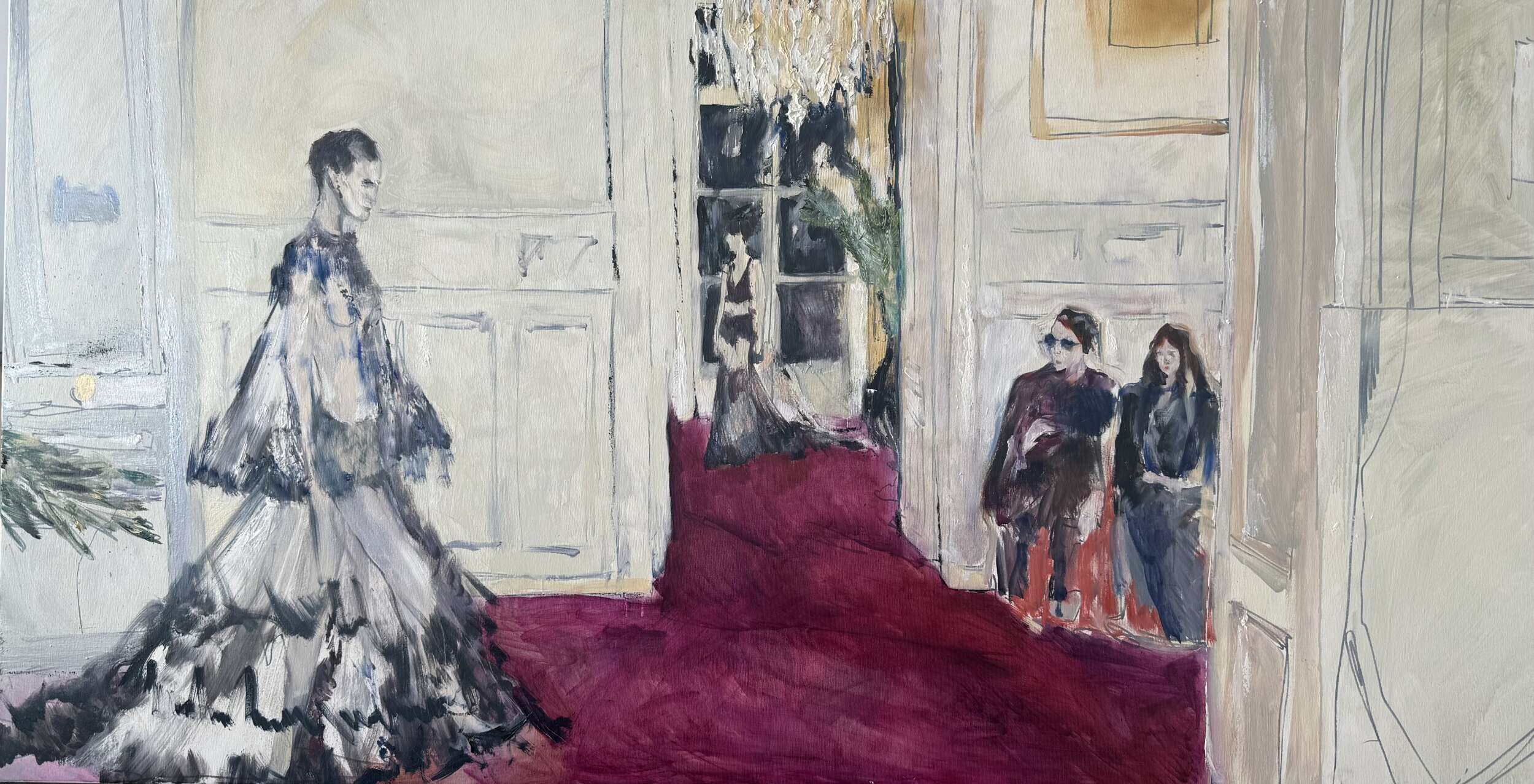
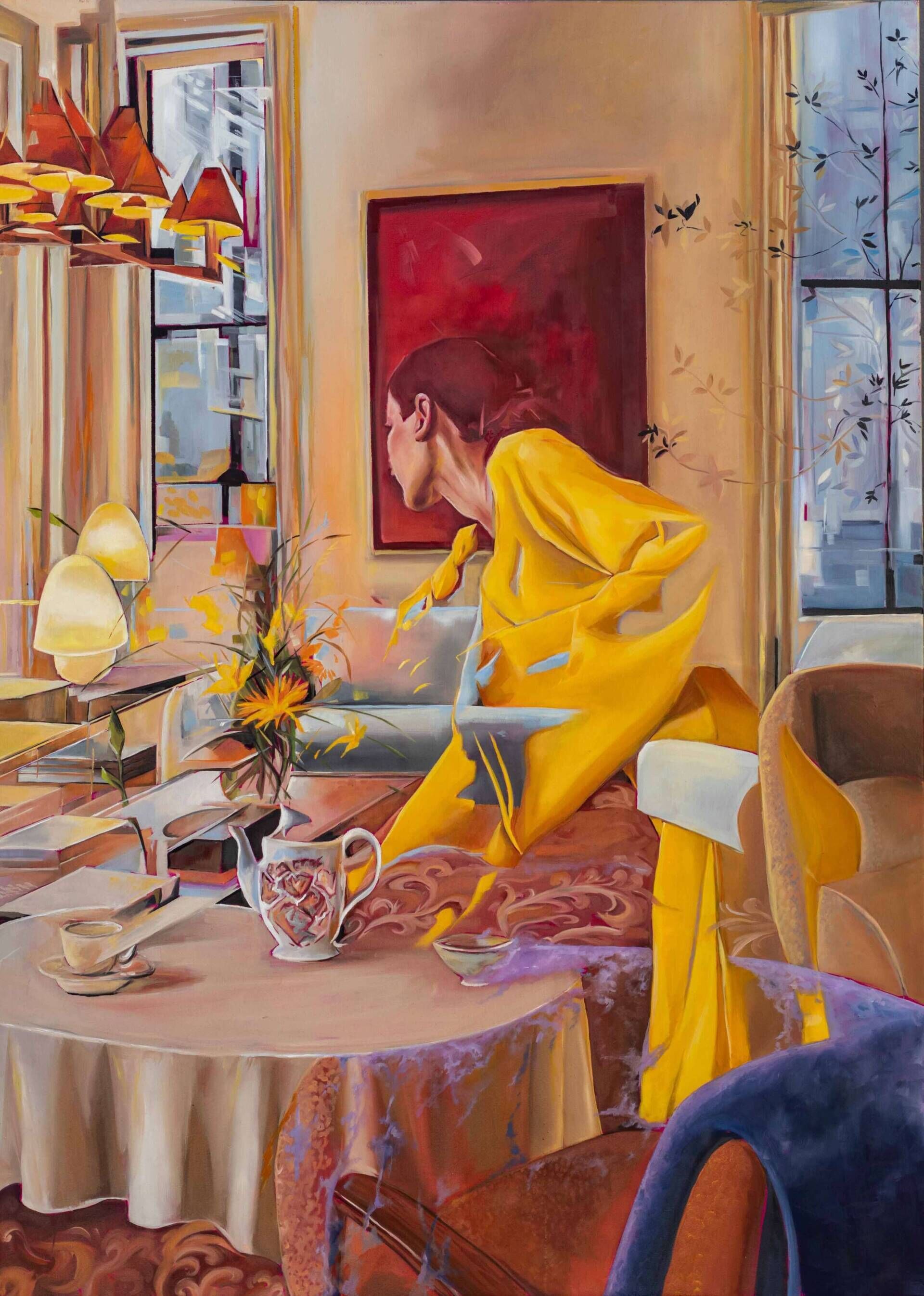
painting, a
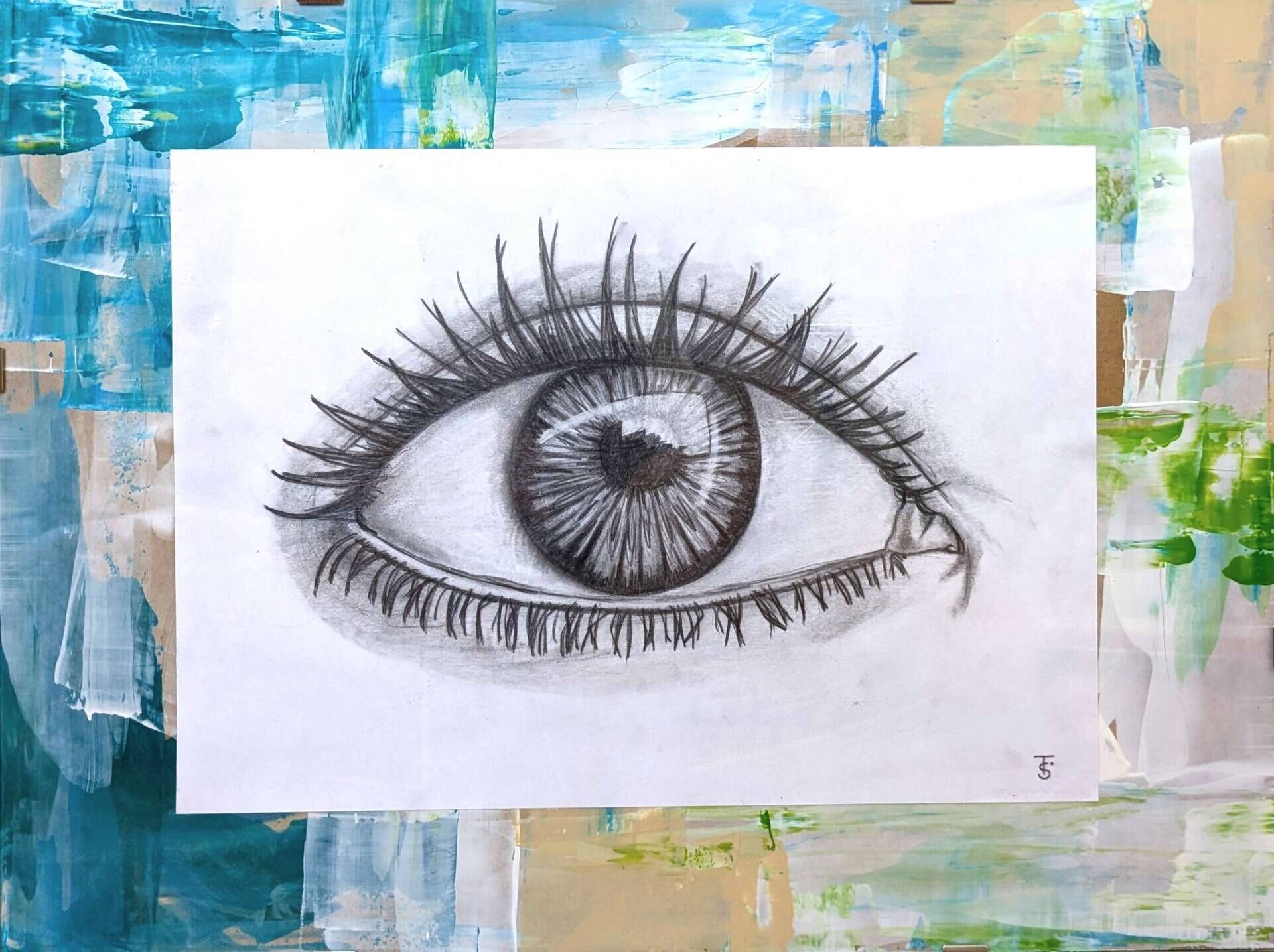
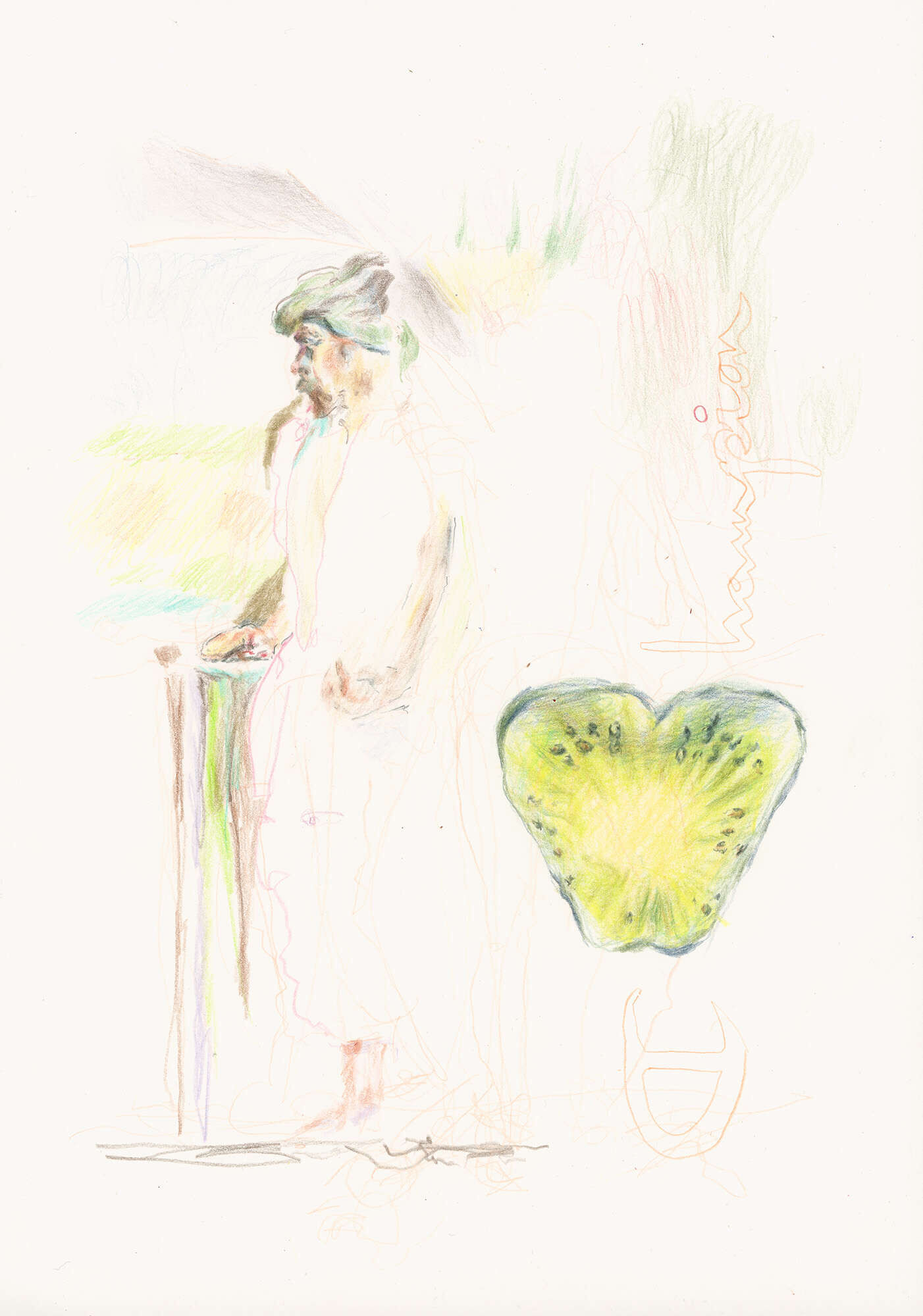
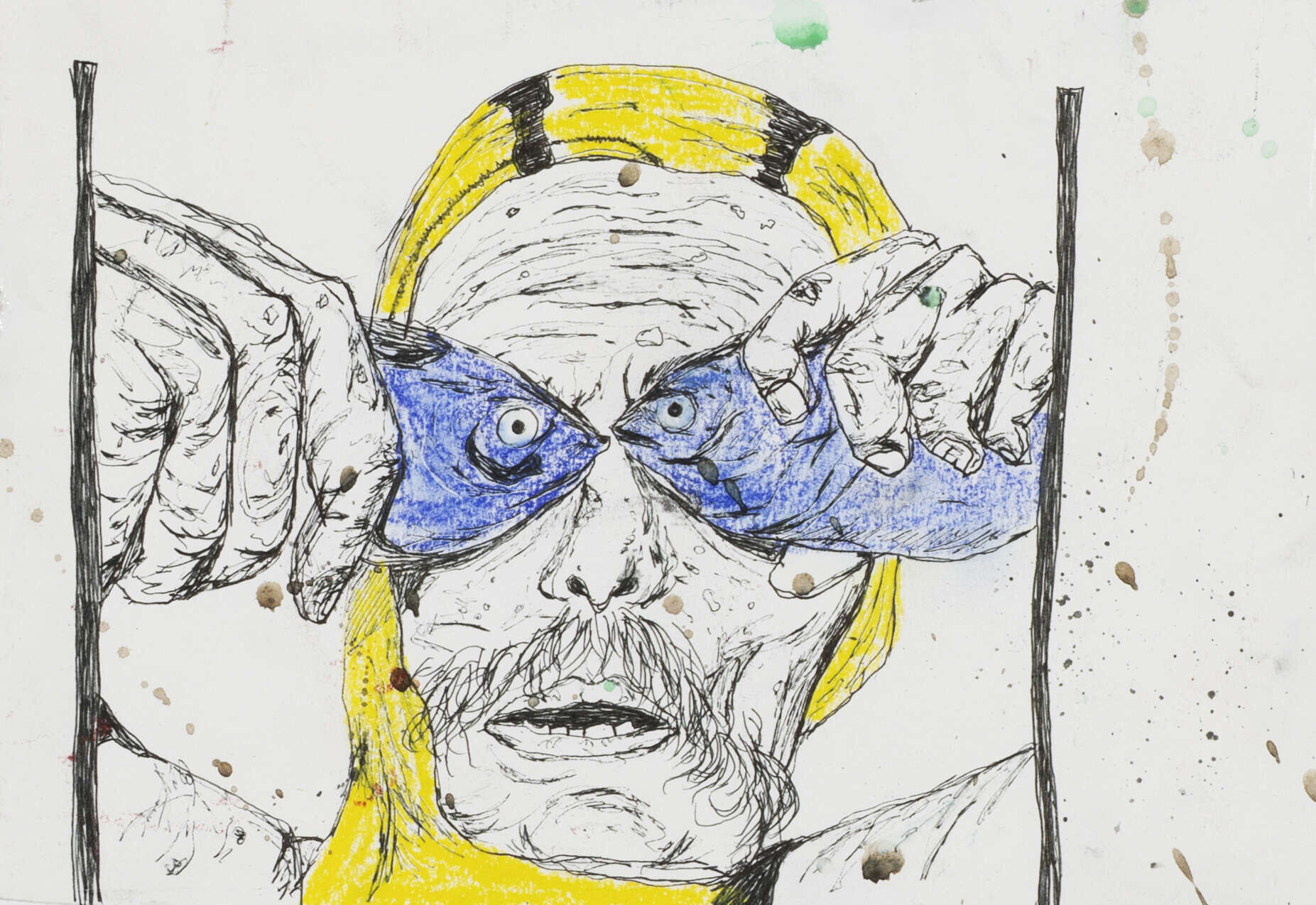
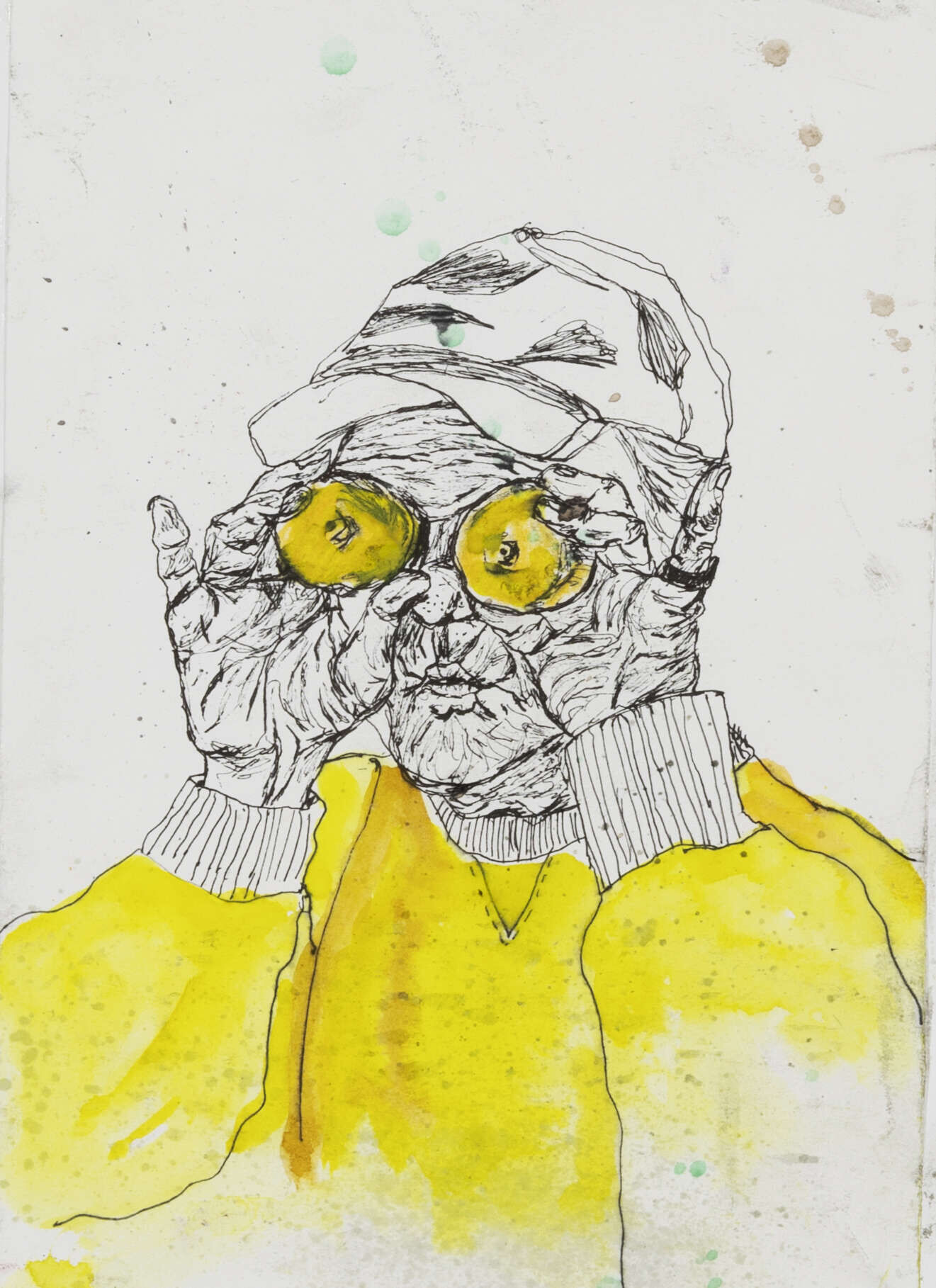
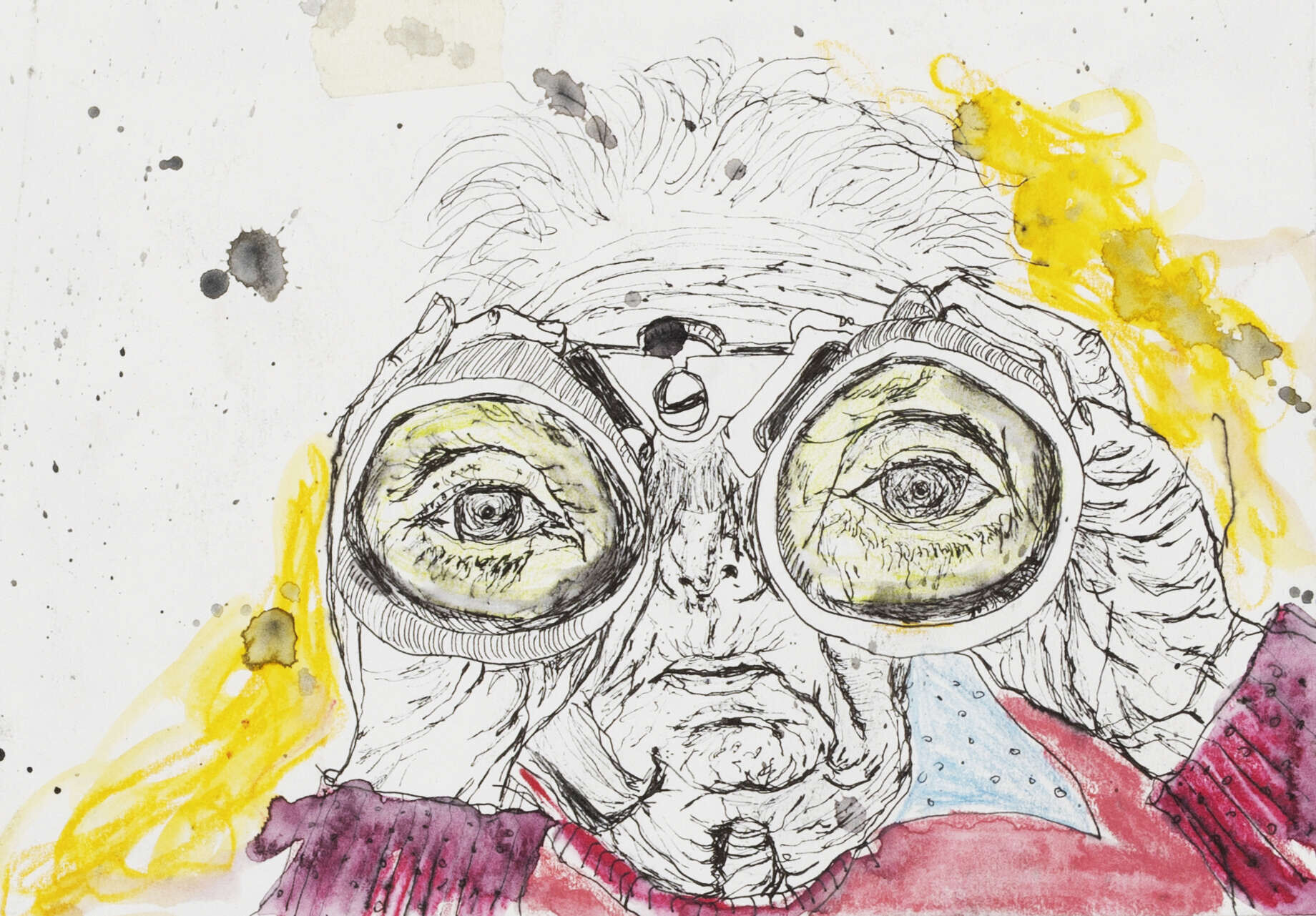
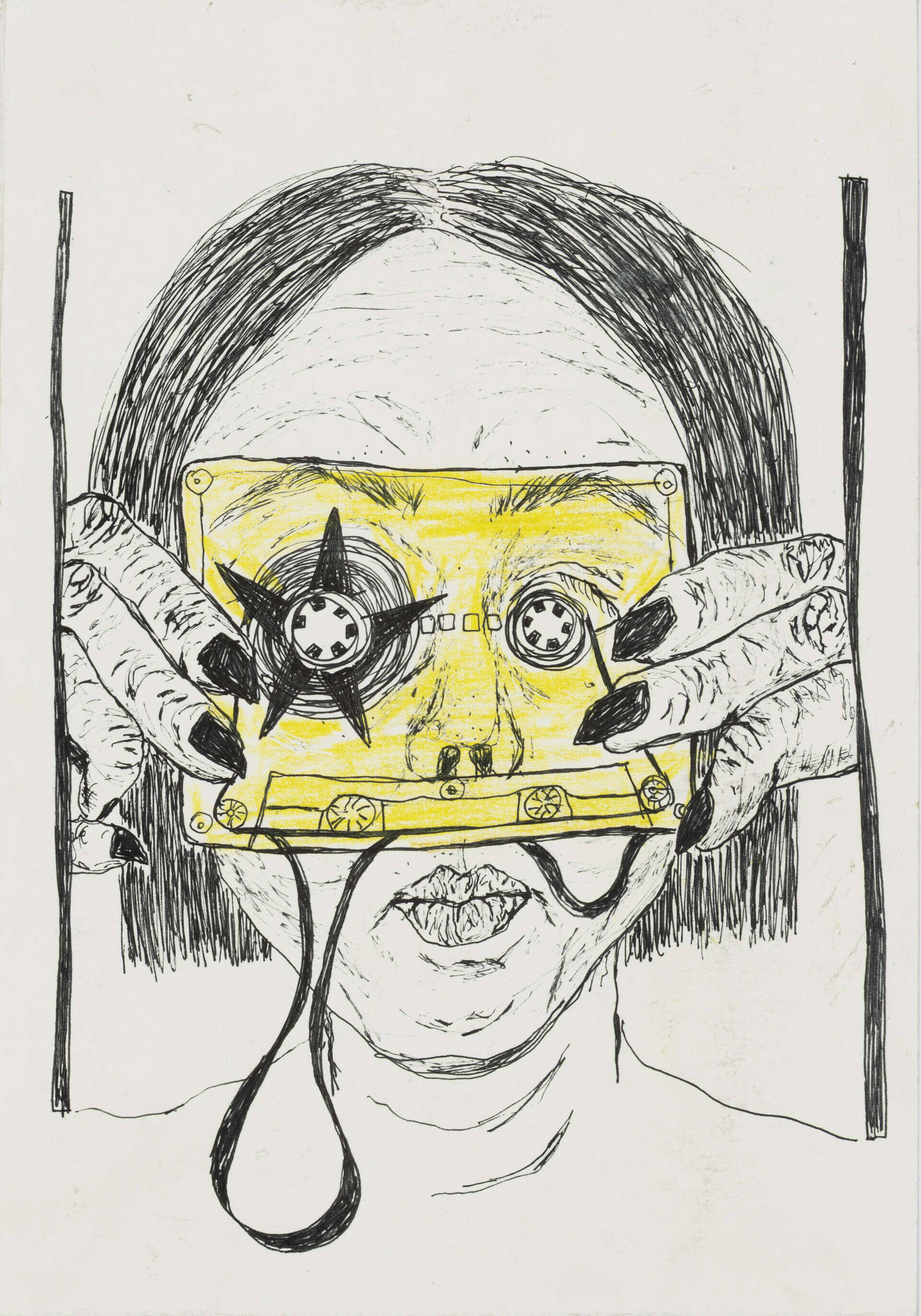
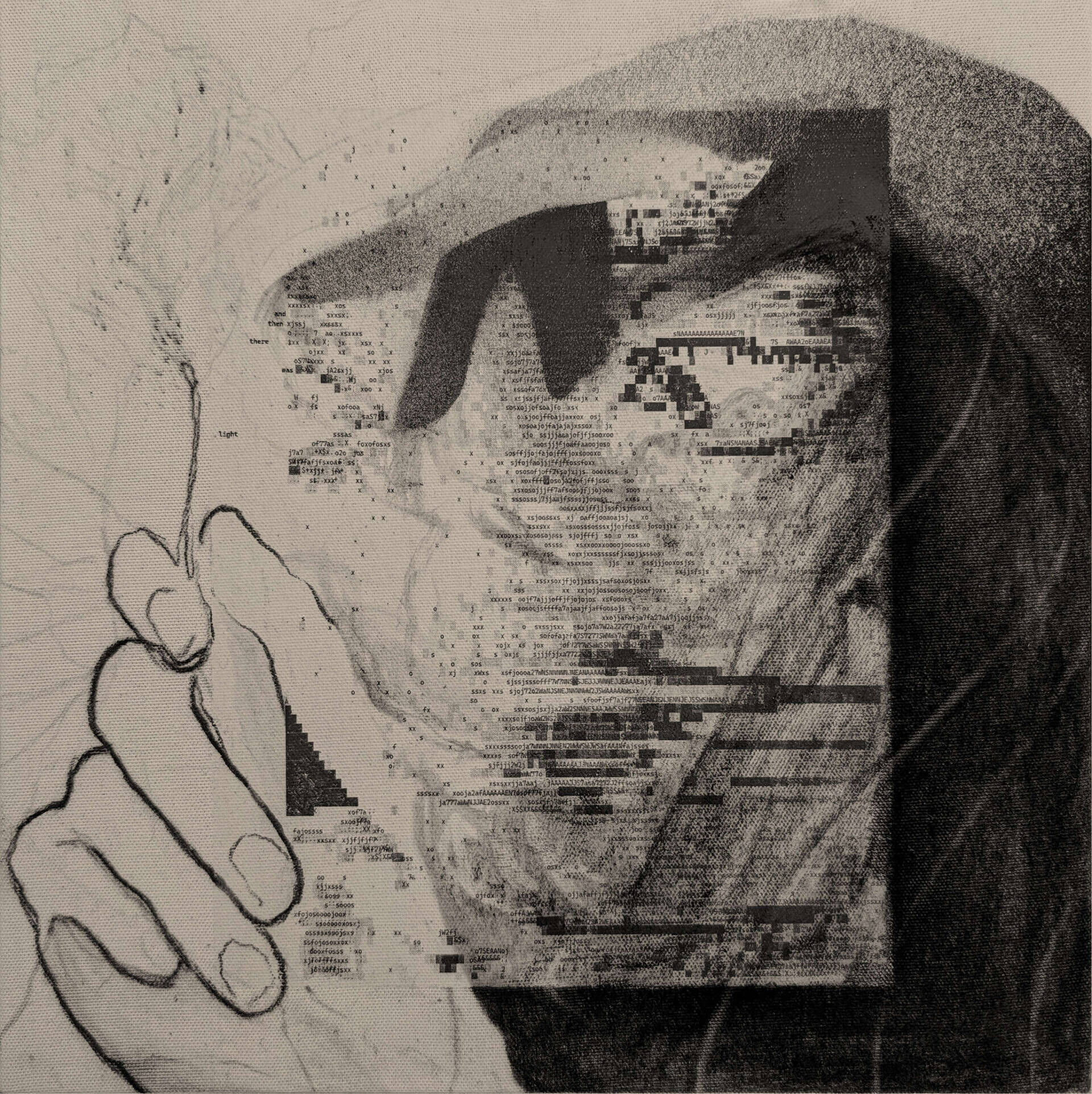
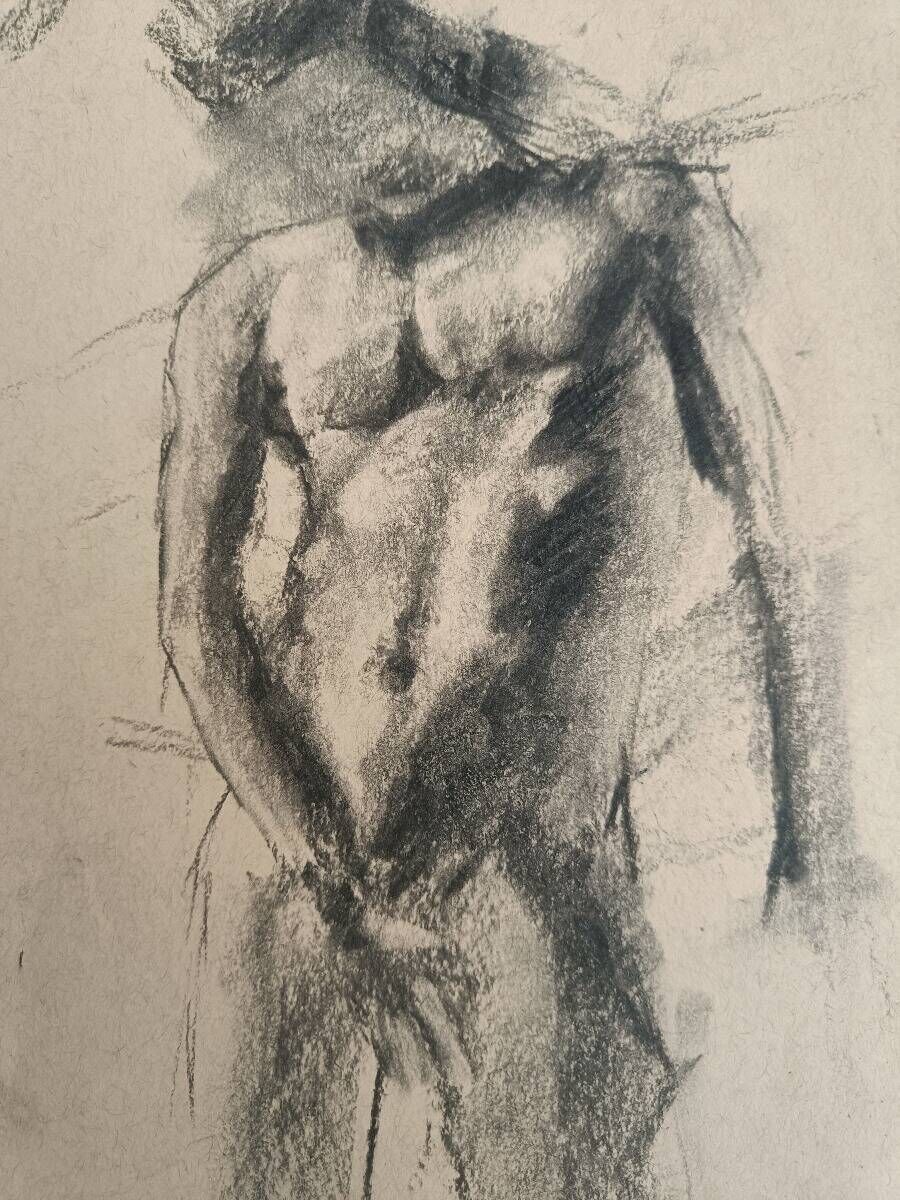
drawing or a
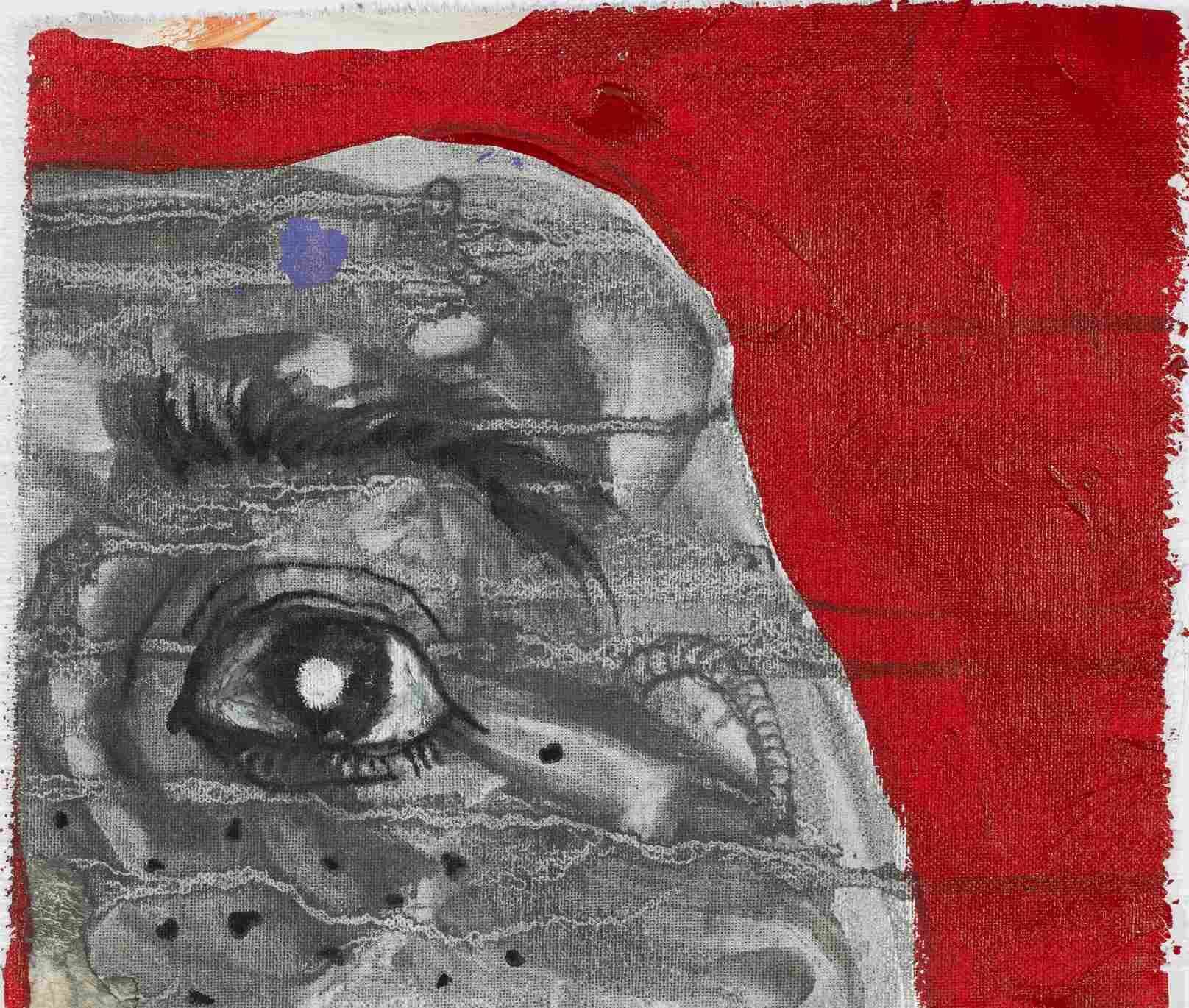
mixed media work, supplemented by
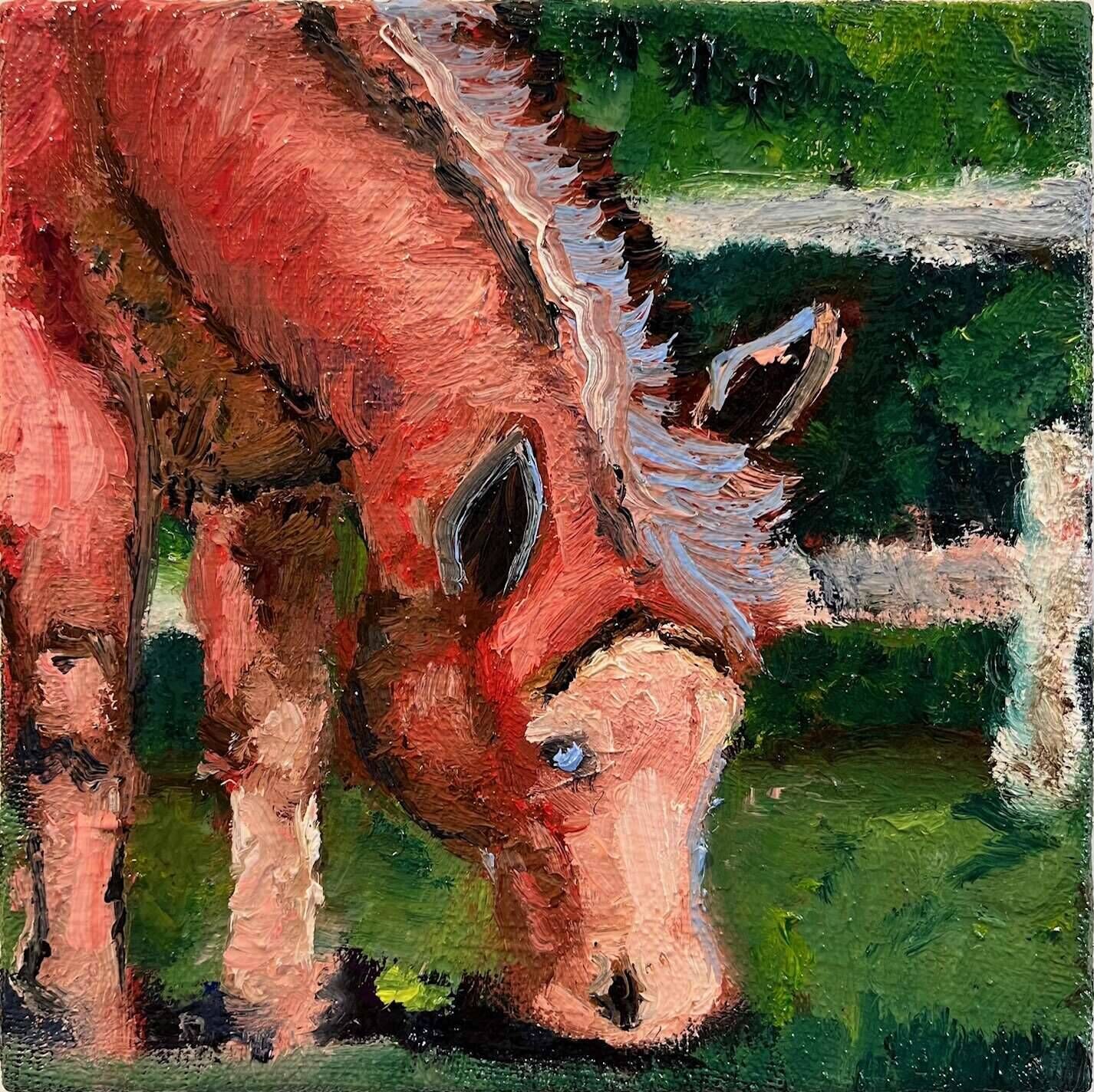
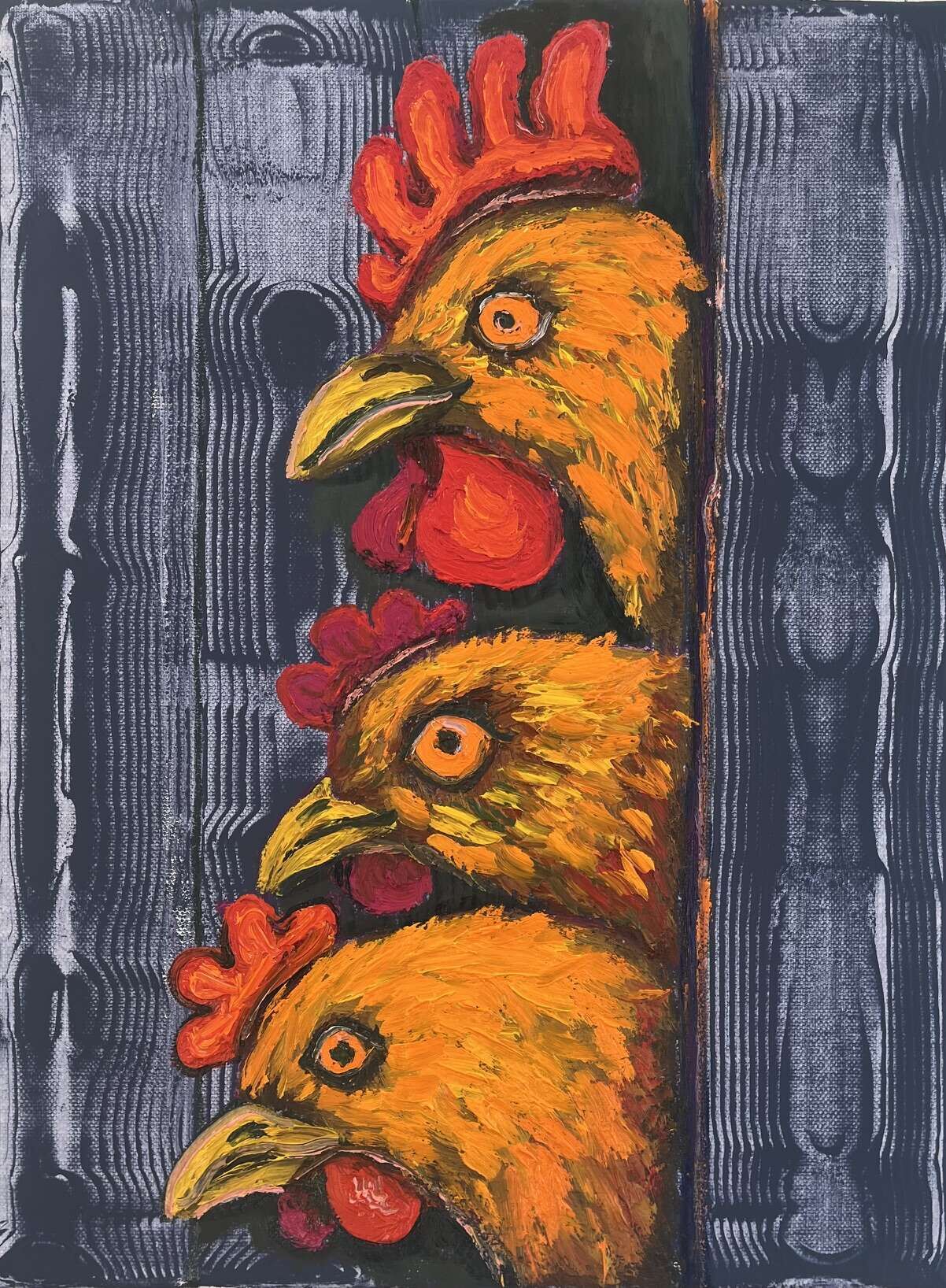
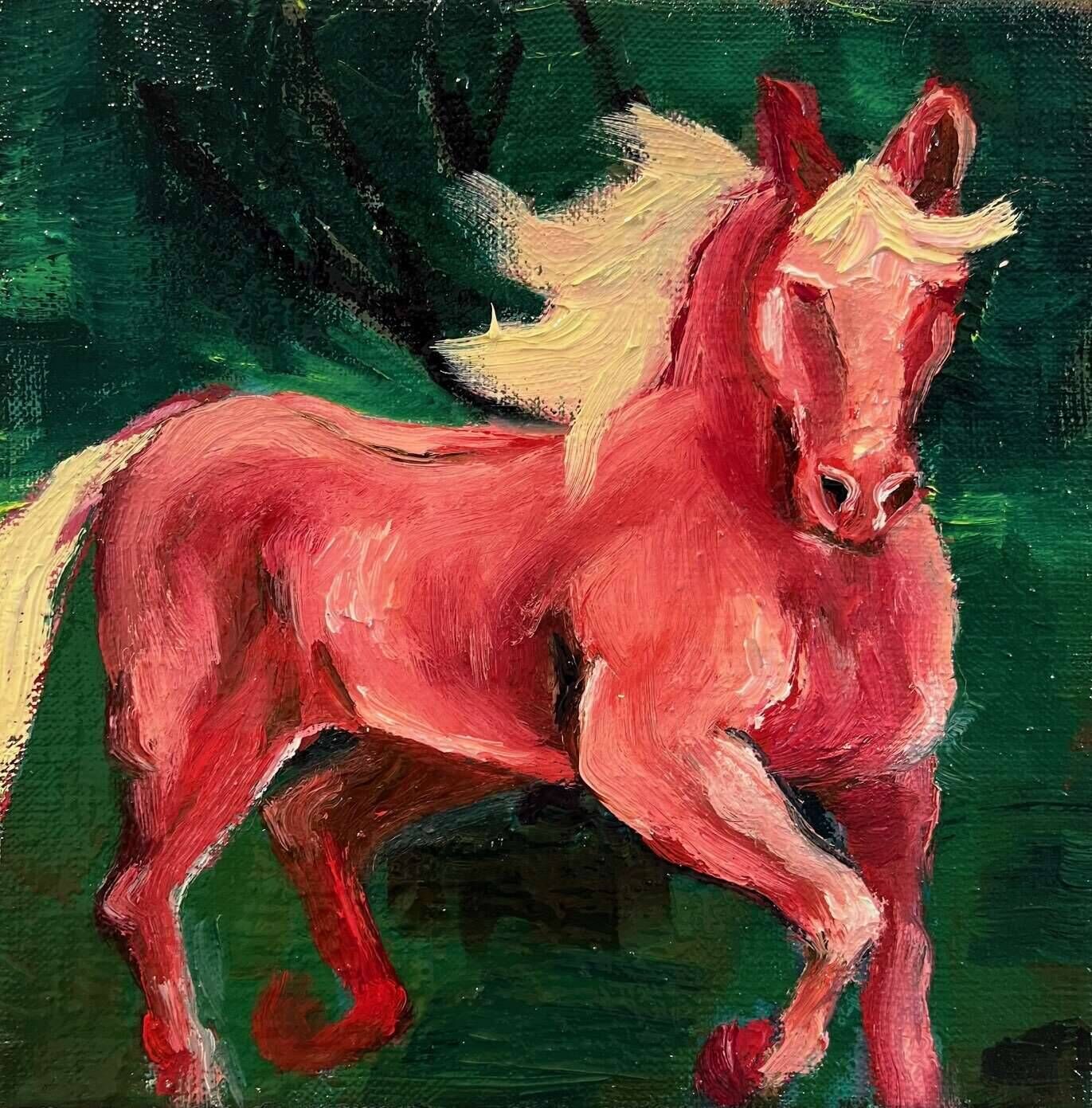
animal motifs – or cannot be clearly categorised at all, but instead appears under
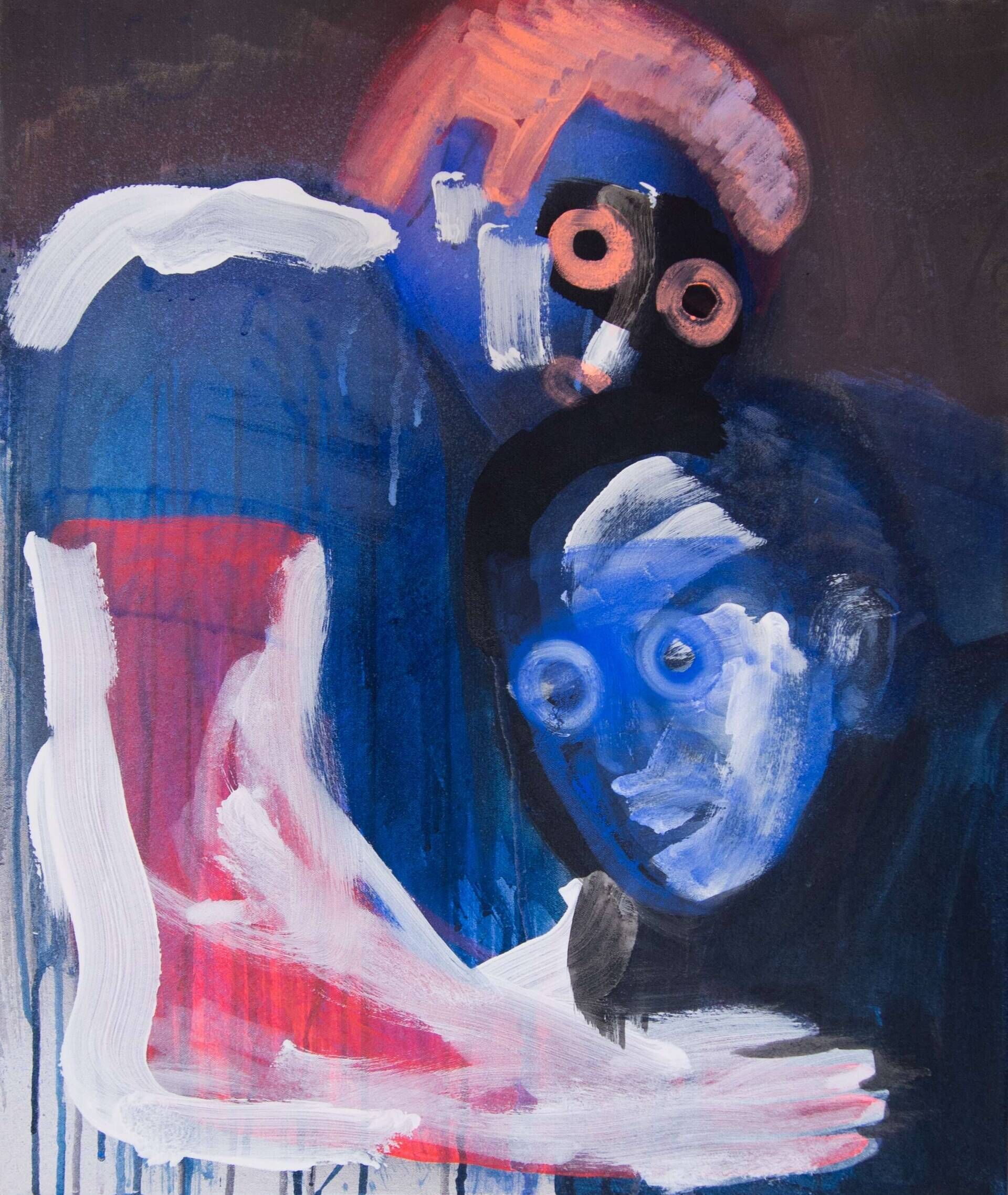
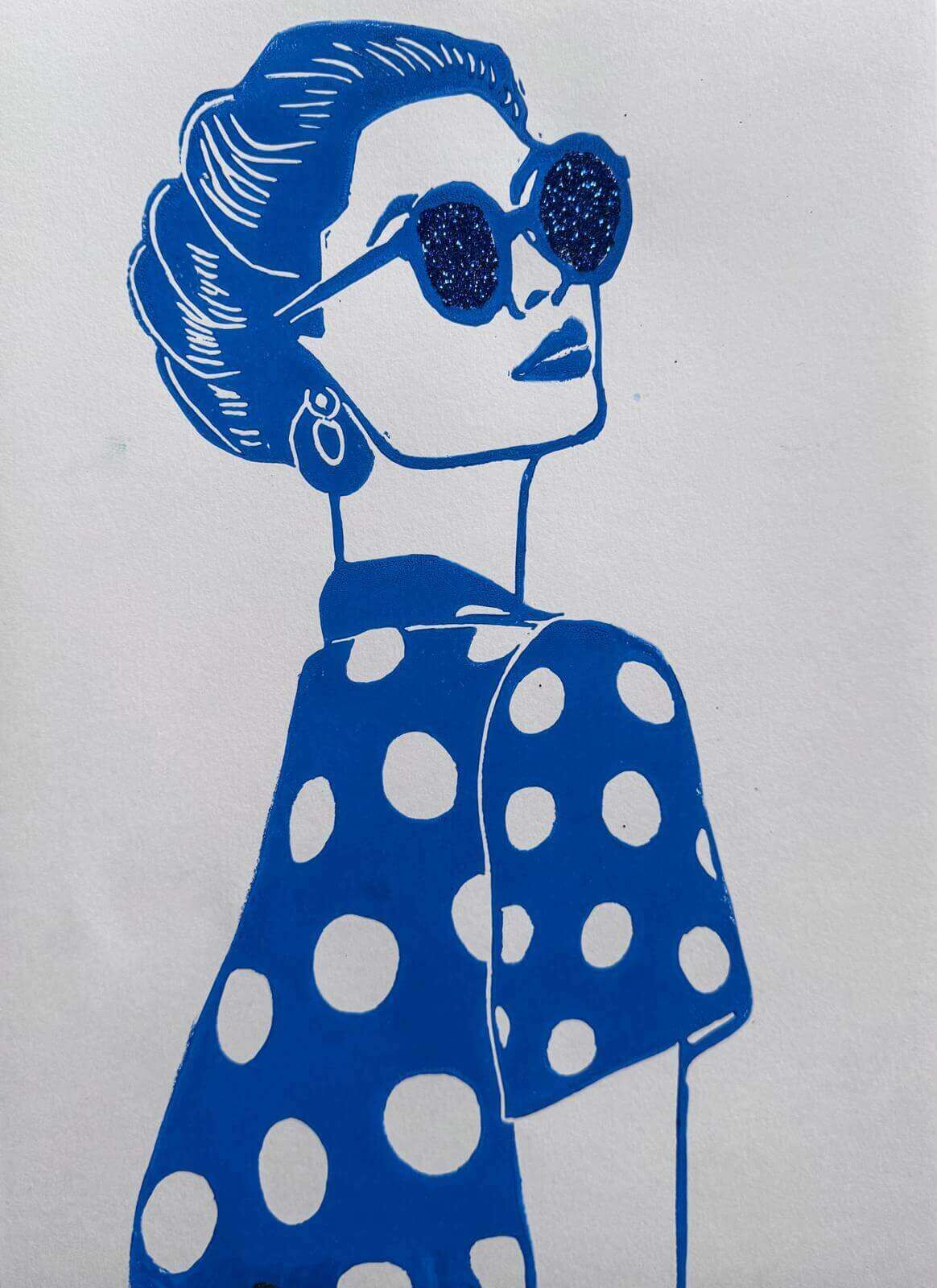
Miscellaneous . Furthermore, the subject matter is not restricted: it can be realistic, abstract, expressive or stylised.
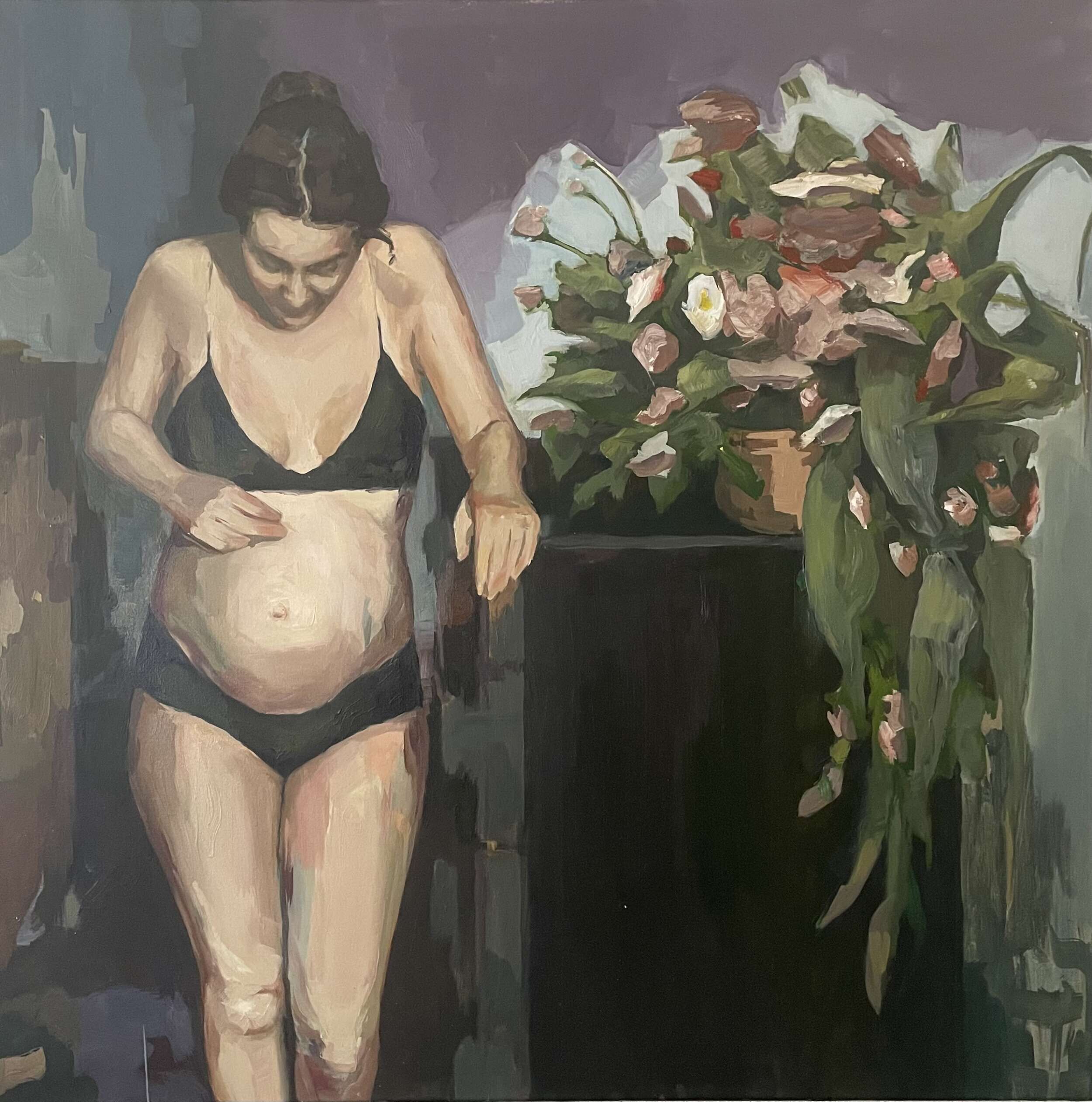
The intention behind a portrait painting is as varied as the artists themselves. It may serve to capture a person’s physical appearance, but also to depict their emotions, social status or symbolic significance. Portraits are also commissioned to honour and commemorate important figures, family members or historical personalities. In contemporary art in particular, portrait paintings are used to showcase innovative approaches and interpretations. In doing so, artists break with traditional conventions and seek new forms of expression.
Find portrait paintings online
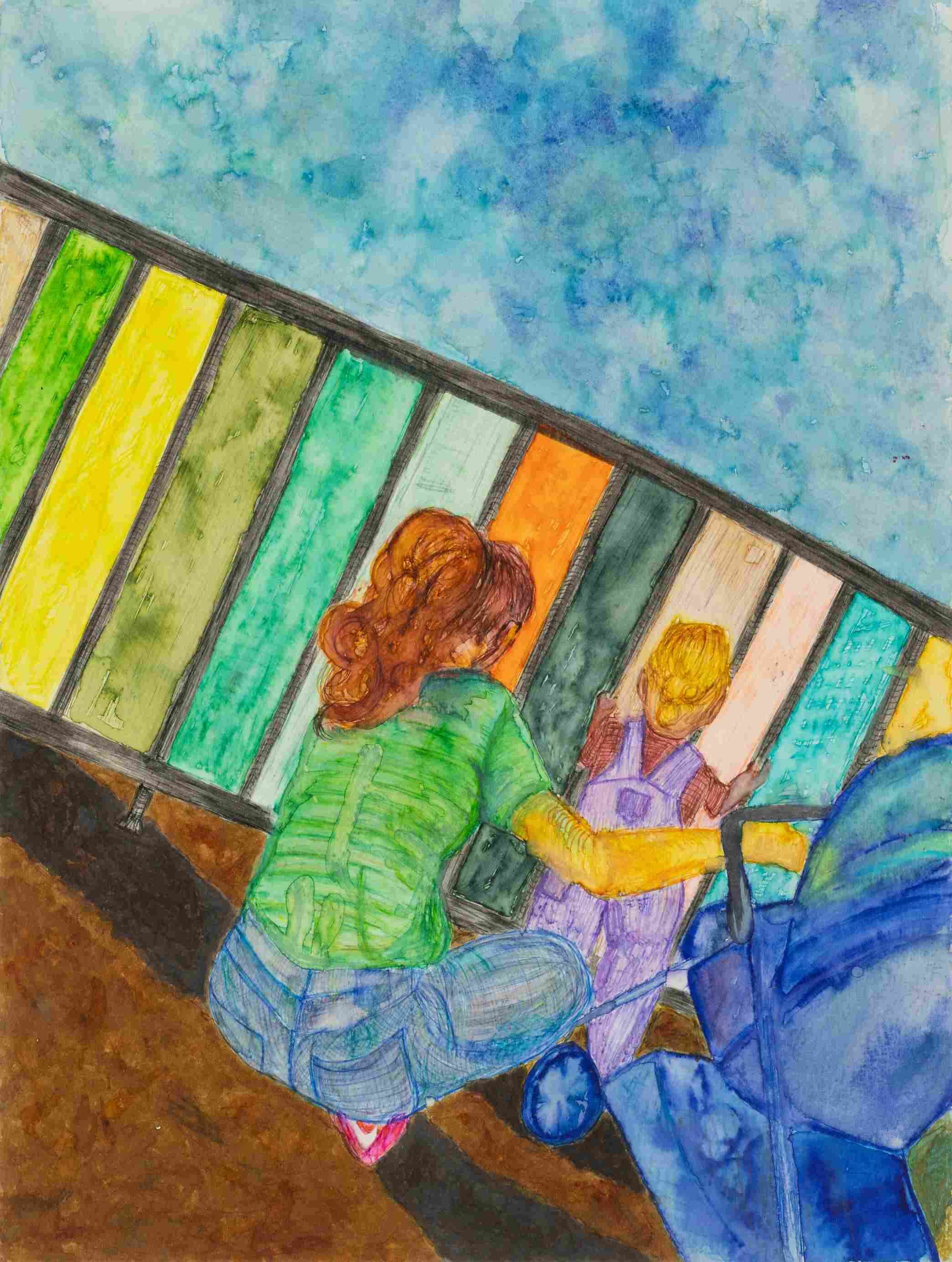
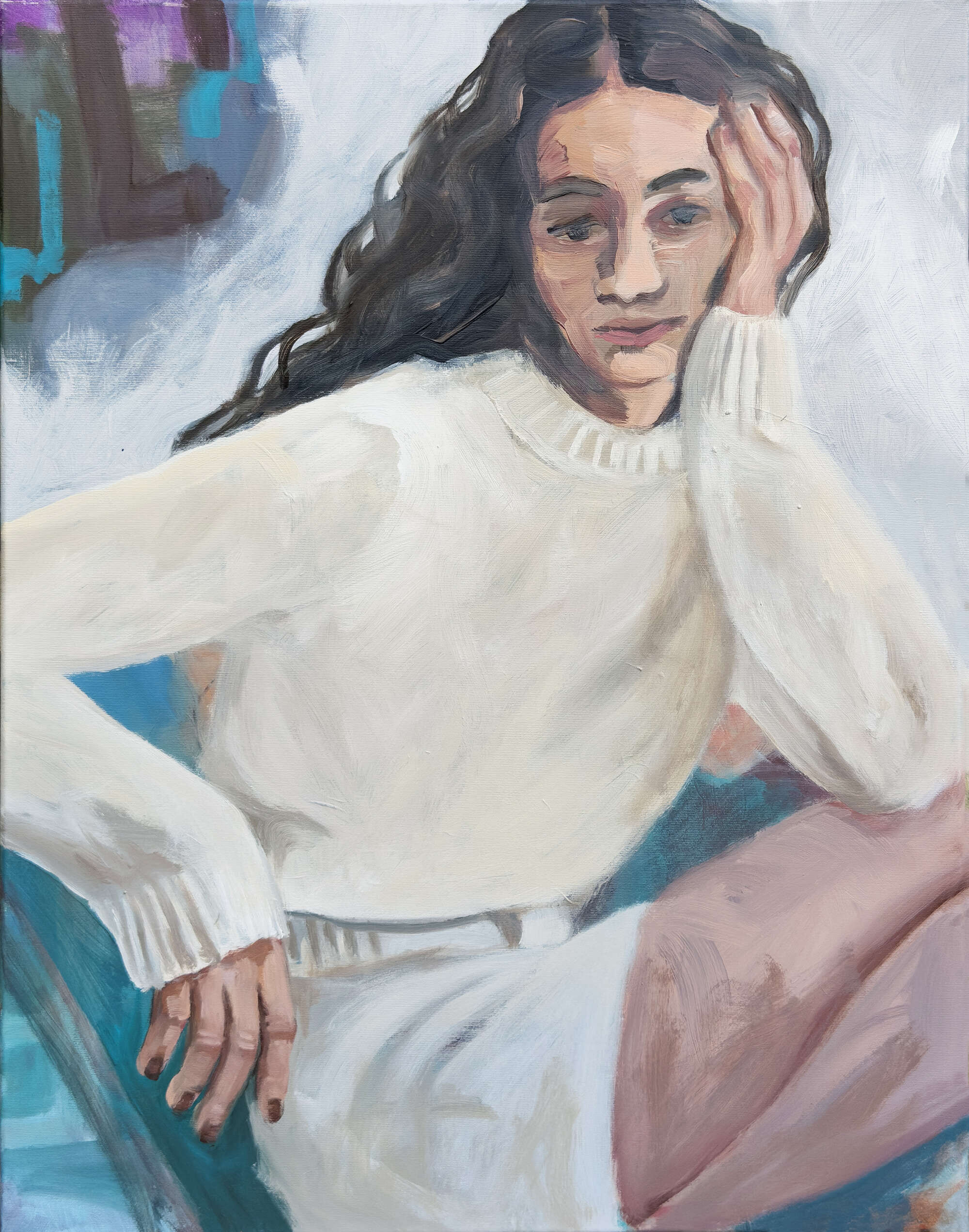
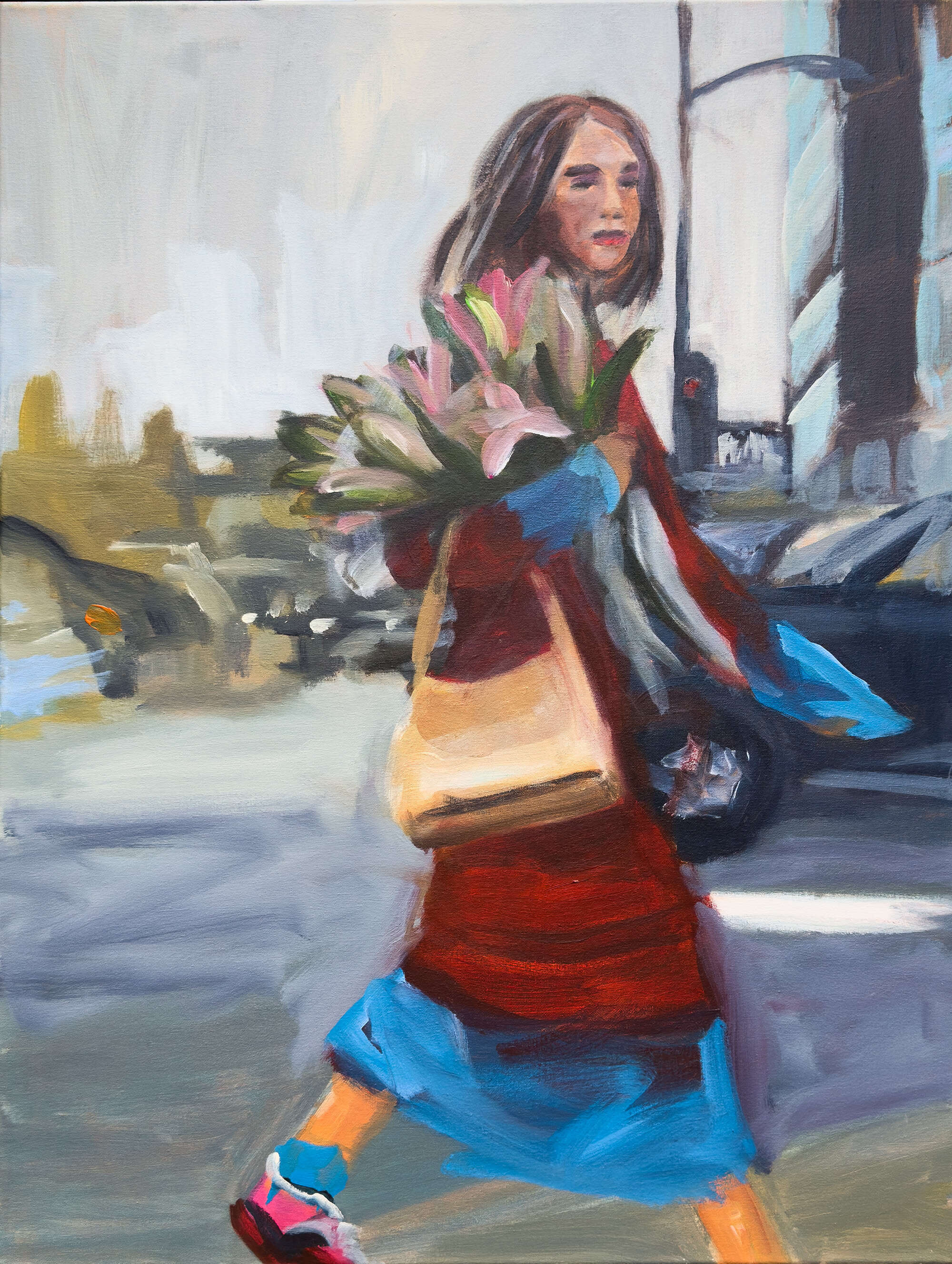
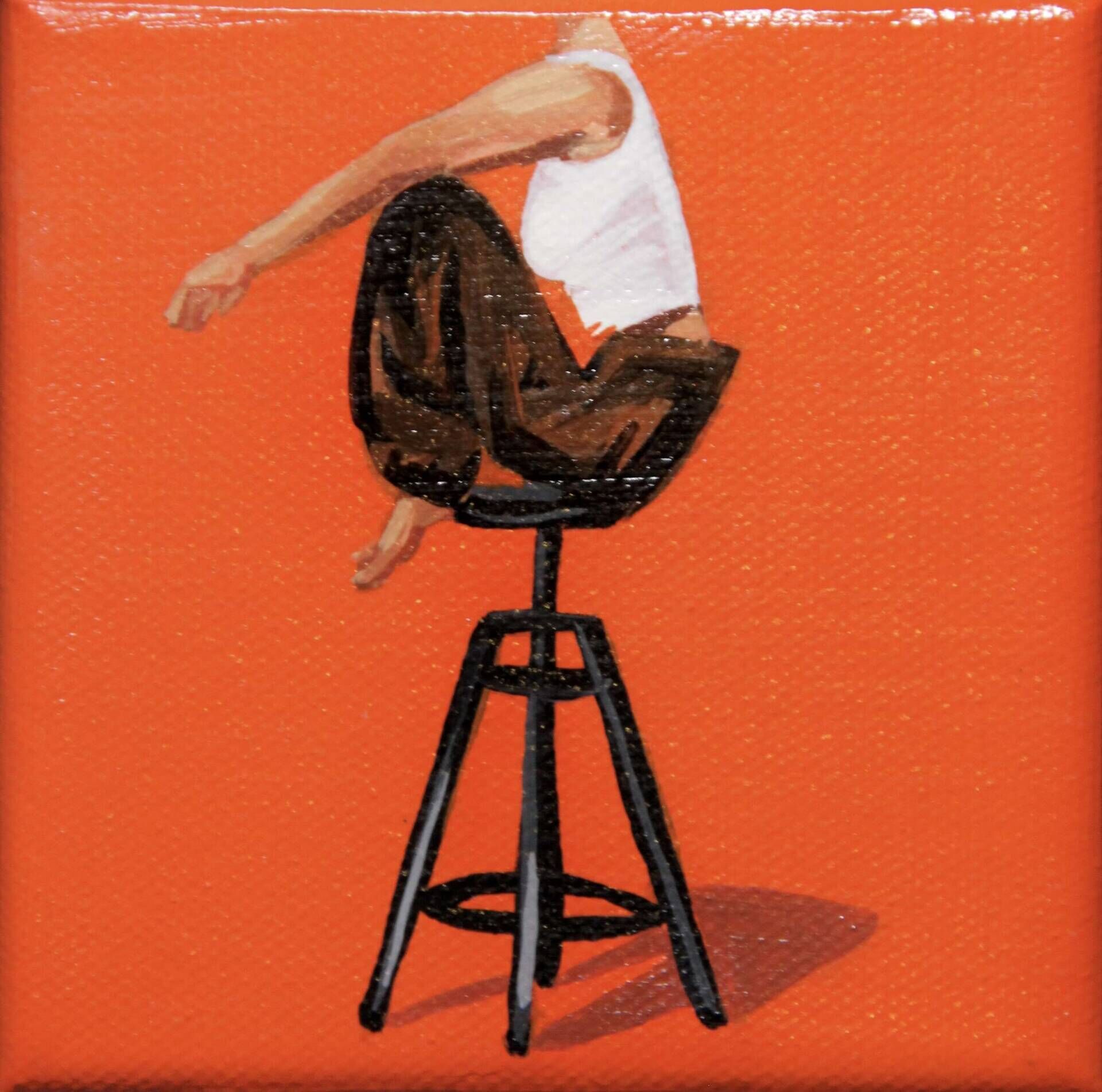
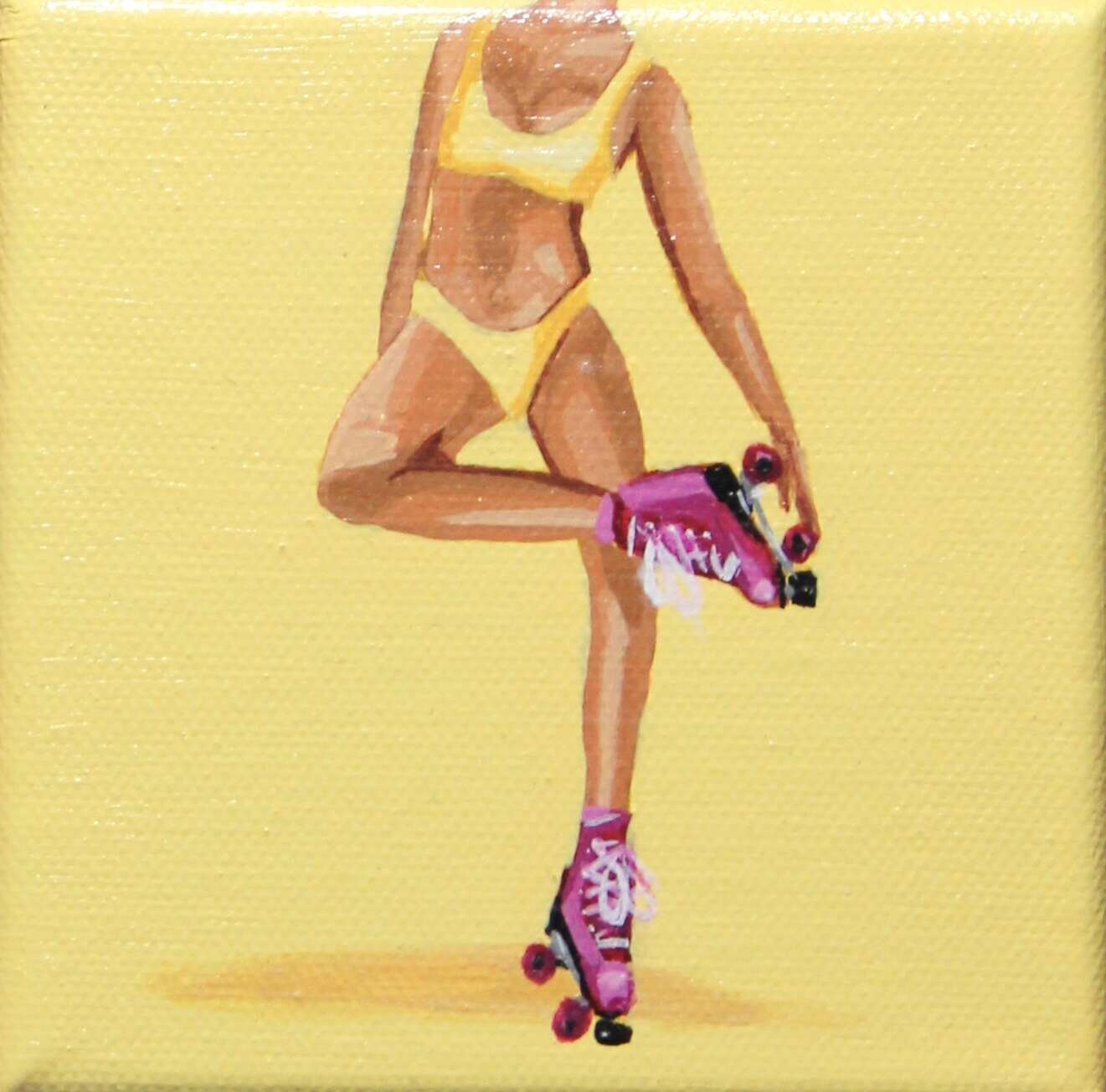
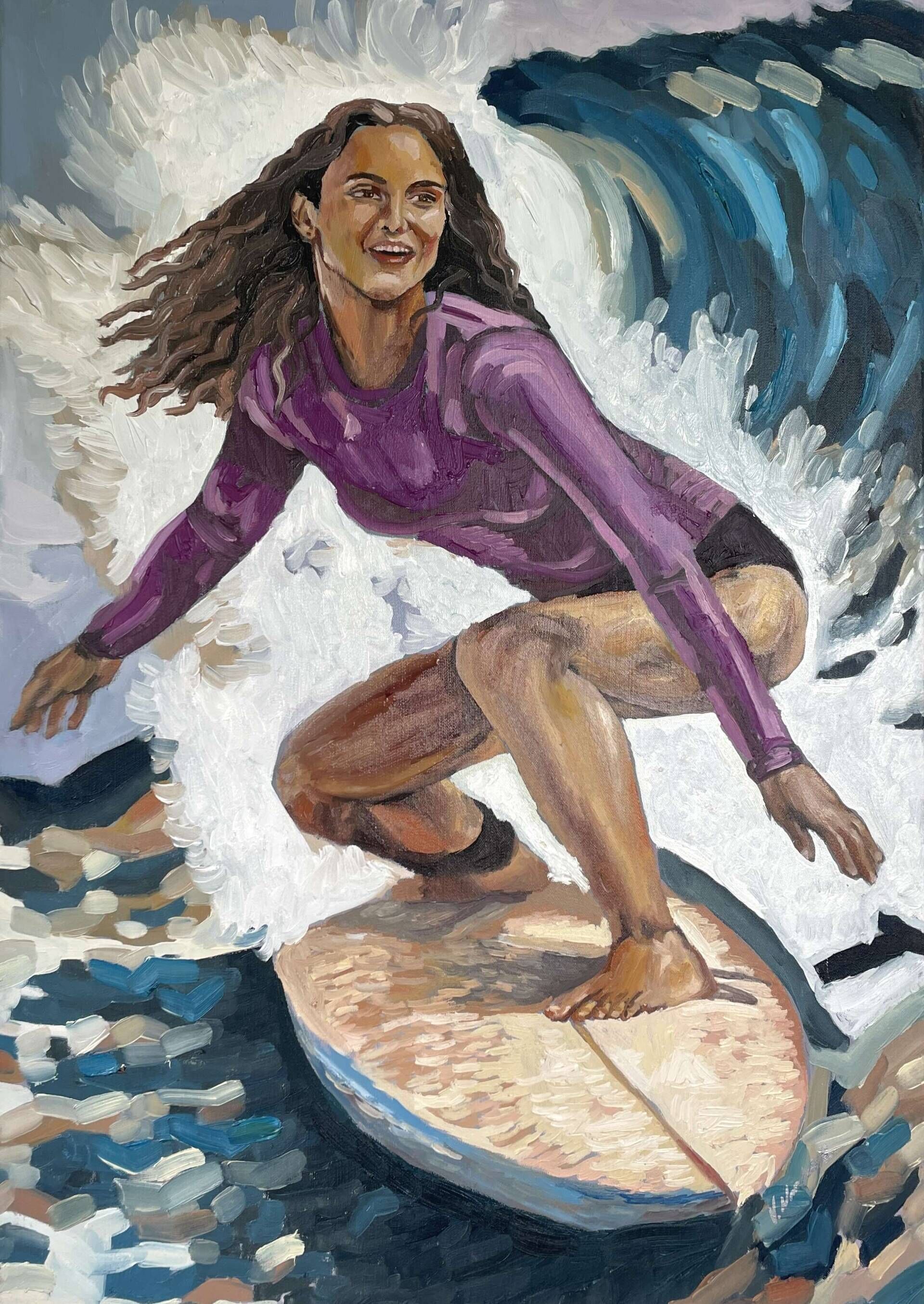
You can also find portrait paintings in the Student Art Market’s collection. Our artists will show you just how modern, classical, abstract and, above all, unique a painted portrait can be. All you need to do is tick the ‘Portrait’ box under ‘Subject’ in our filter tab. After that, all you really need to do is let these special works work their magic on you.
Portrait painting as an art form in its own right and what it does for us
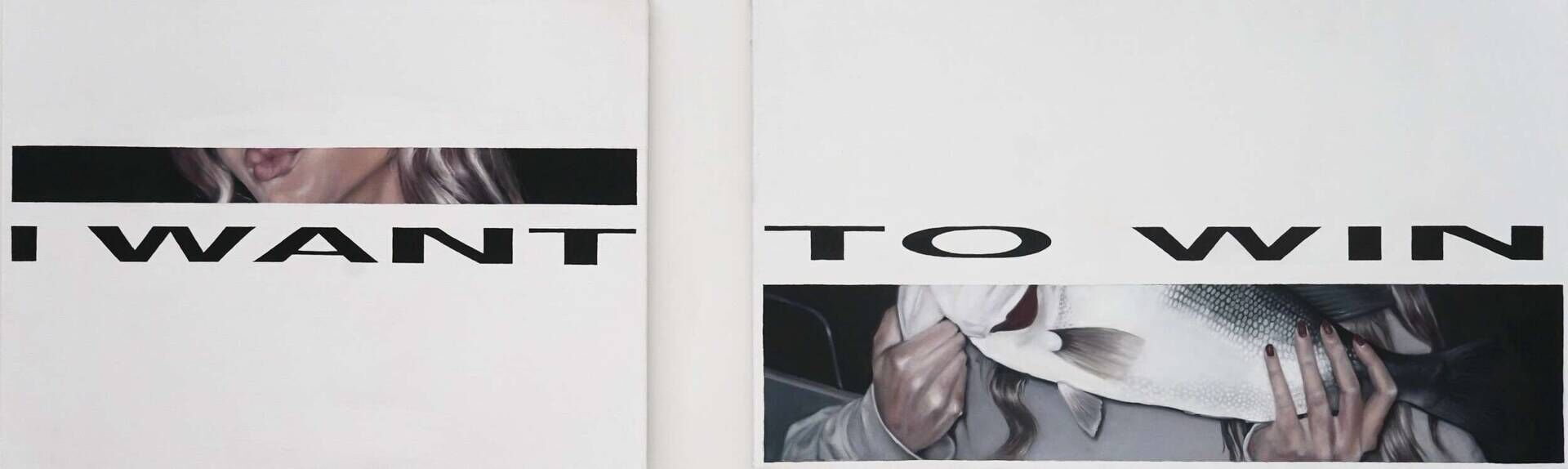
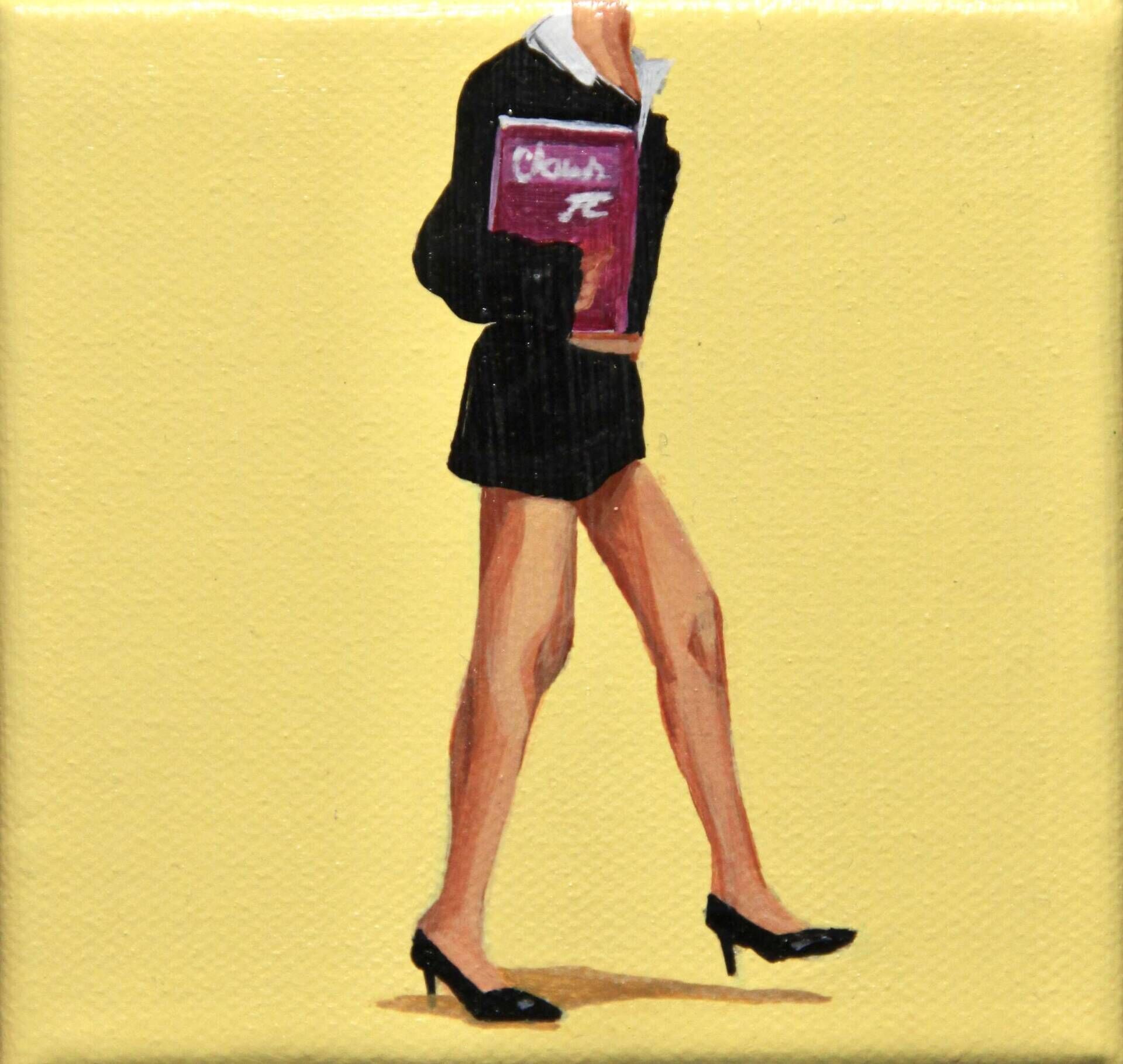
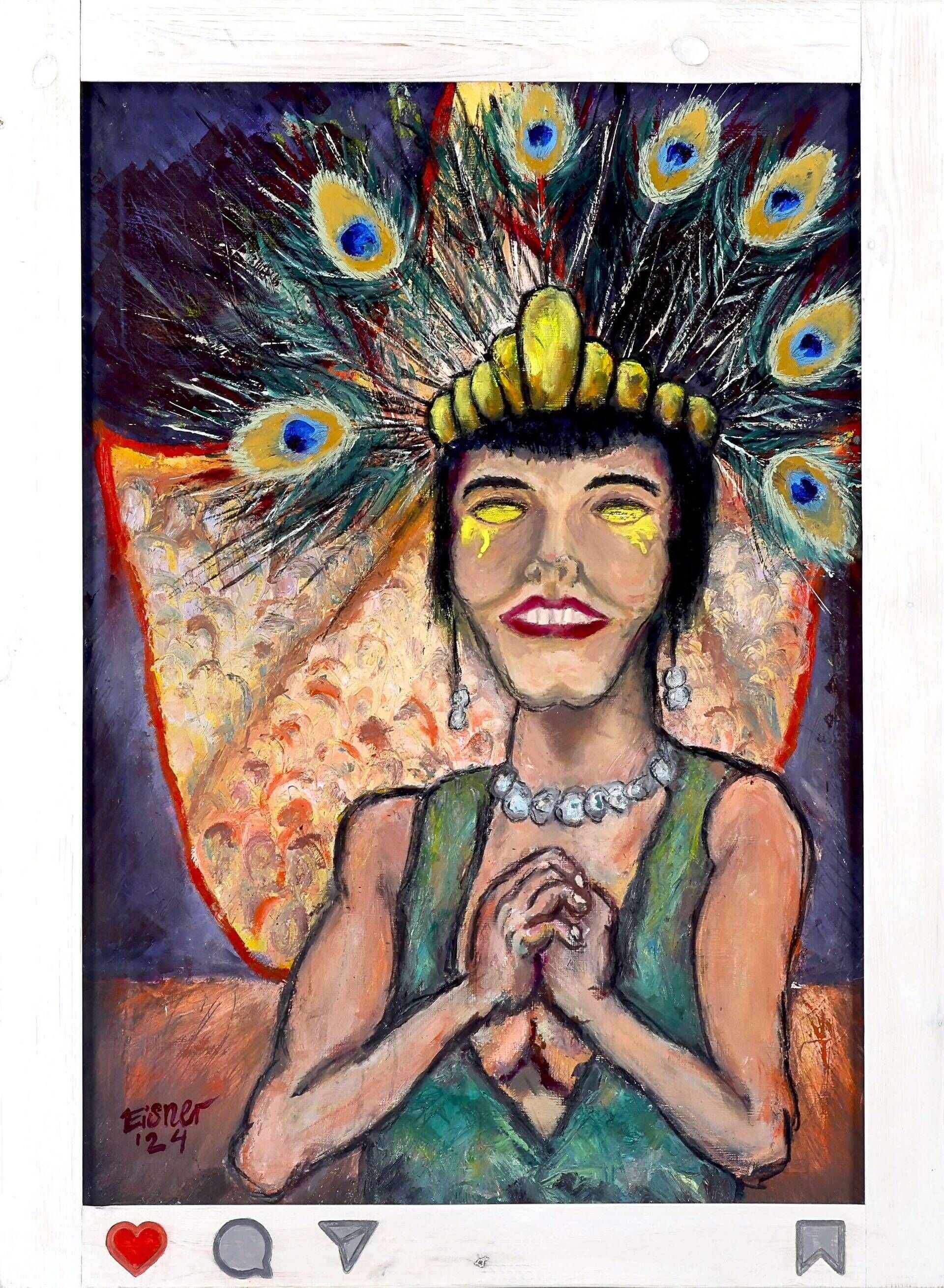
Portrait paintings have a very special effect on us and possess a charm all of their own. Through portrait paintings, we can look deep into the eyes of the people depicted and perhaps even catch a glimpse of their character. Famous portrait paintings such as “The Girl with a Pearl Earring” by Jan Vermeer or “Adele Bloch-Bauer I” by Gustav Klimt are just two of the countless examples we could mention here. If we look at these works of art for a little longer, it is almost as if they harbour a secret. Nevertheless, everyone is free to spin their own story about the person depicted. At their best, portrait paintings can not only capture a person’s outward appearance, but also reveal their inner qualities and their whole being. Furthermore, portrait paintings can also break with conventions and serve as a form of social commentary. For example, by distorting faces or bodies, the focus can be drawn to specific features. Alternatively, the depiction of the subjects can be seen as a critique of, for instance, social norms, consumer society or materialism. What all portrait paintings have in common, however, is that they move us. Be it through identification, pure aesthetic beauty, the capture of human experiences or the expression of emotions.
The Self-Portrait
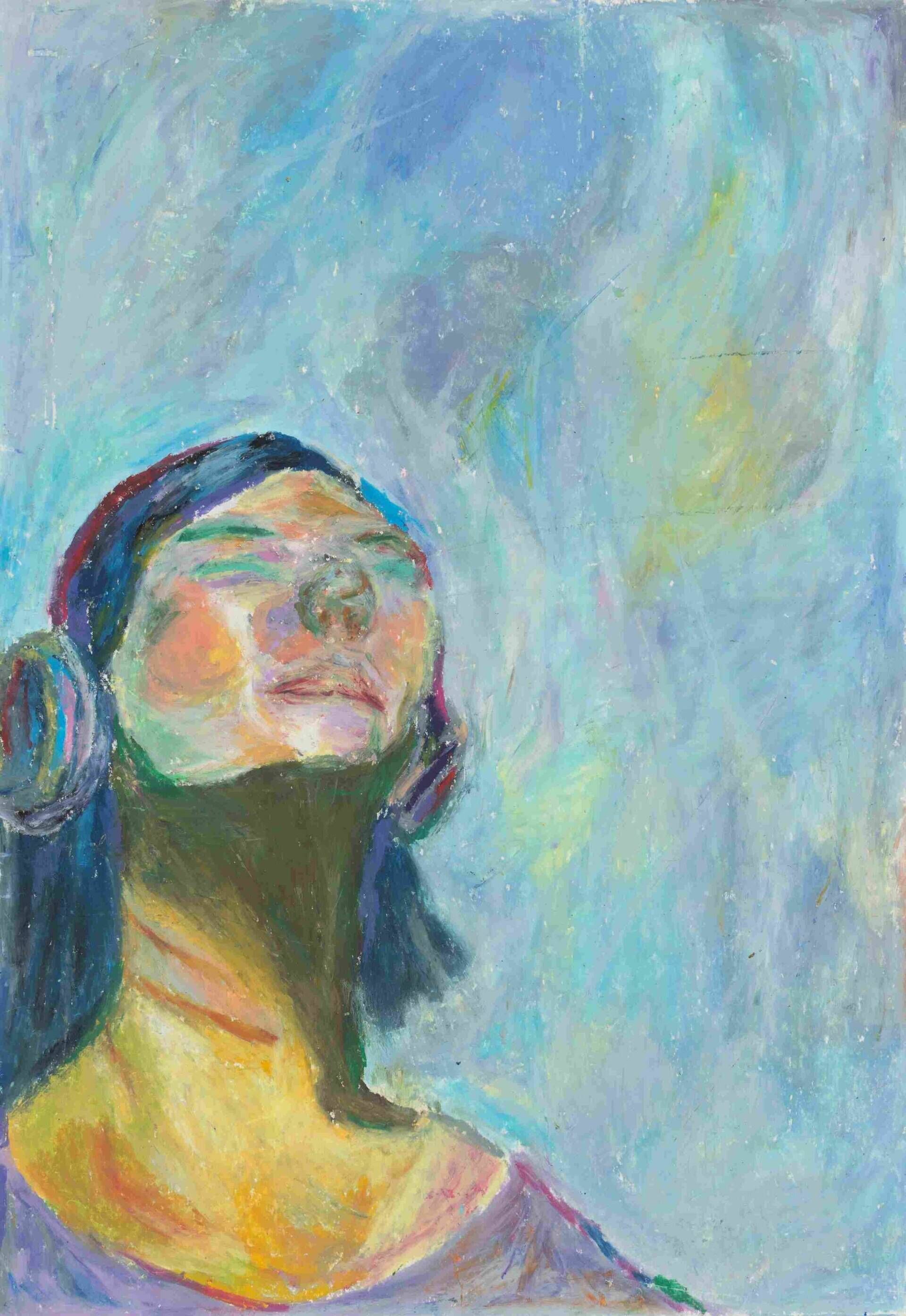
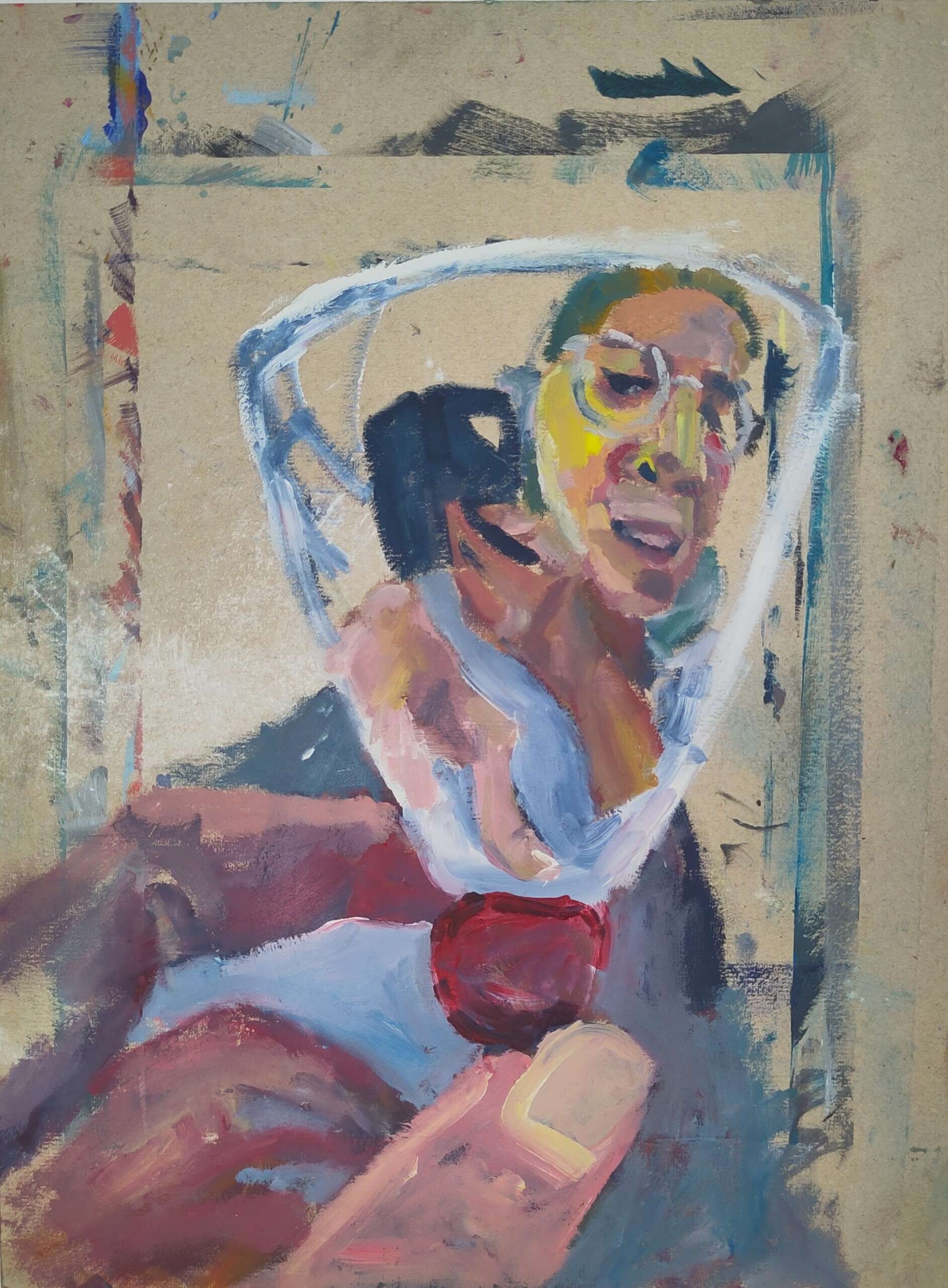
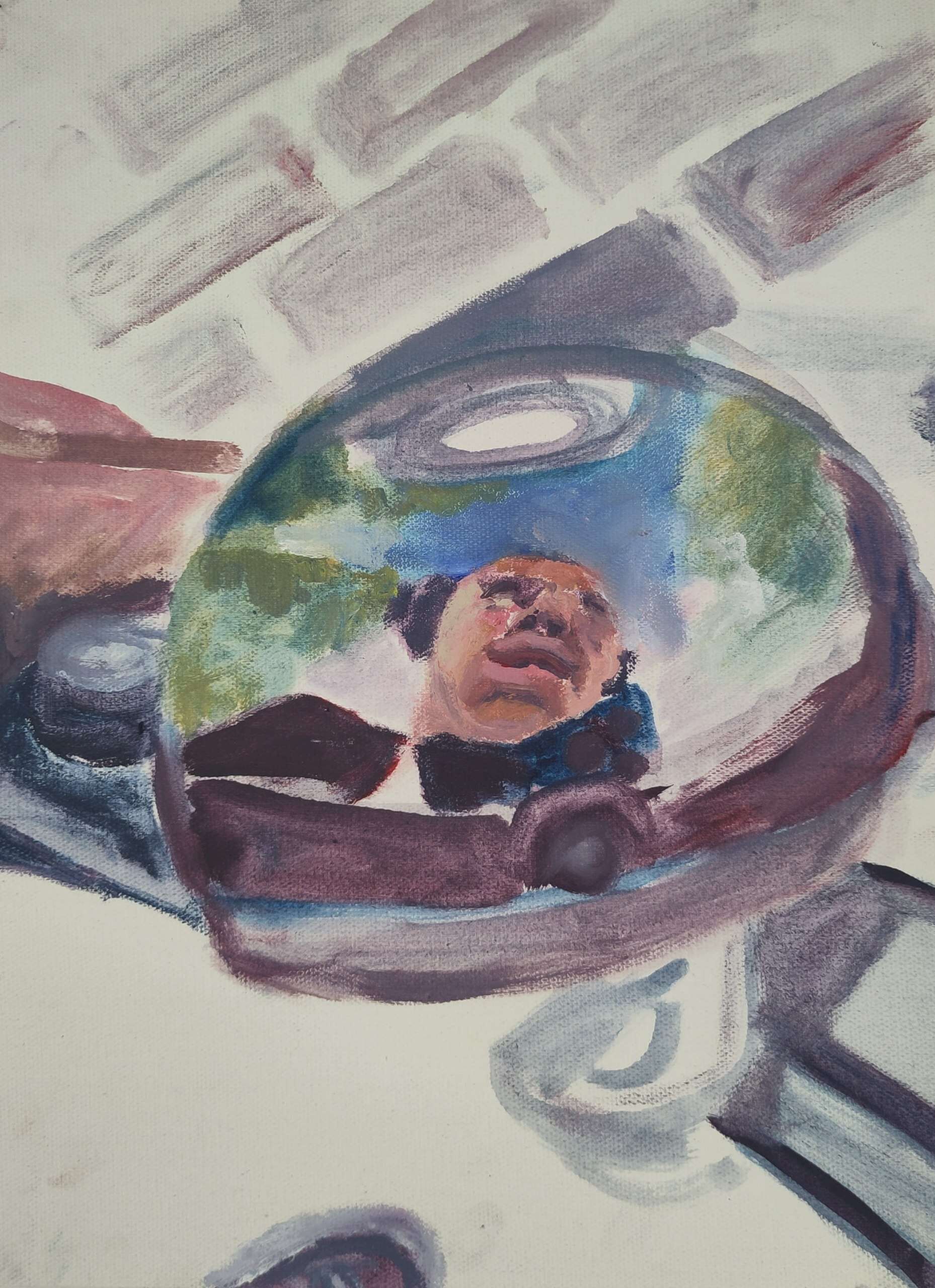
A very well-known form of portrait painting is the self-portrait. In these works, the artists depict themselves, allowing the viewer to catch a glimpse of their self-perception. This allows viewers to engage even more closely with the artists. What is also fascinating about self-portraits is that there are unique and genuine stories behind the paintings. For example, the Mexican artist Frida Kahlo painted many self-portraits. Her portrait paintings offer a deep insight into her life and her perception of herself. Emotions such as loneliness and the fact that she knew herself best were the reason behind her numerous self-portraits. What was special about Frida Kahlo’s self-portraits was that the focus was not on glorifying herself, but on the radical visualisation of her own reality. To this day, these portrait paintings remain a reflection on pain, love and identity. They challenge gender roles and cultural norms and have had a lasting influence. This shows that portrait paintings – and self-portraits in particular – can move us in a very personal way, because we can all recognise something of ourselves in the works.
Abstract portrait paintings
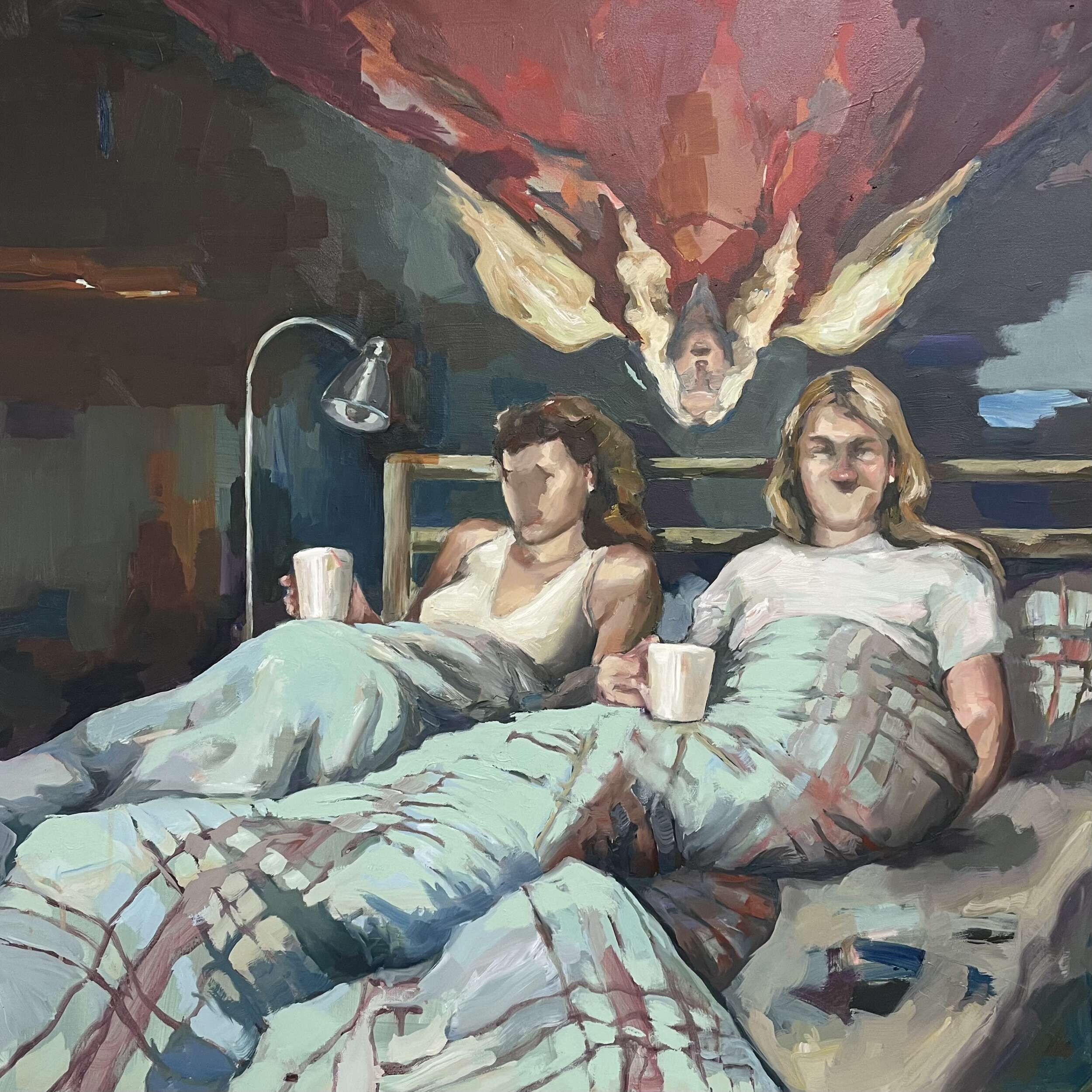
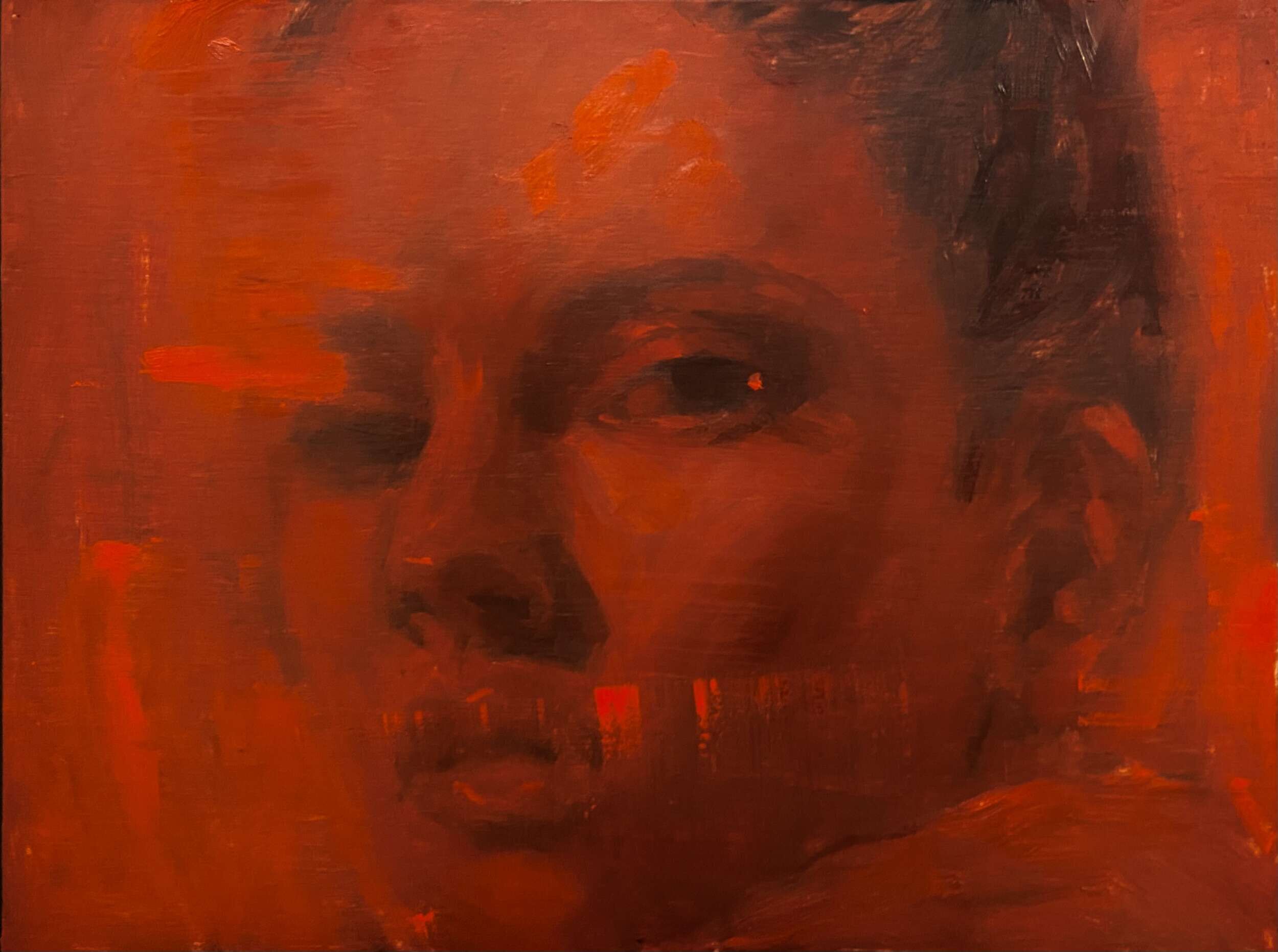
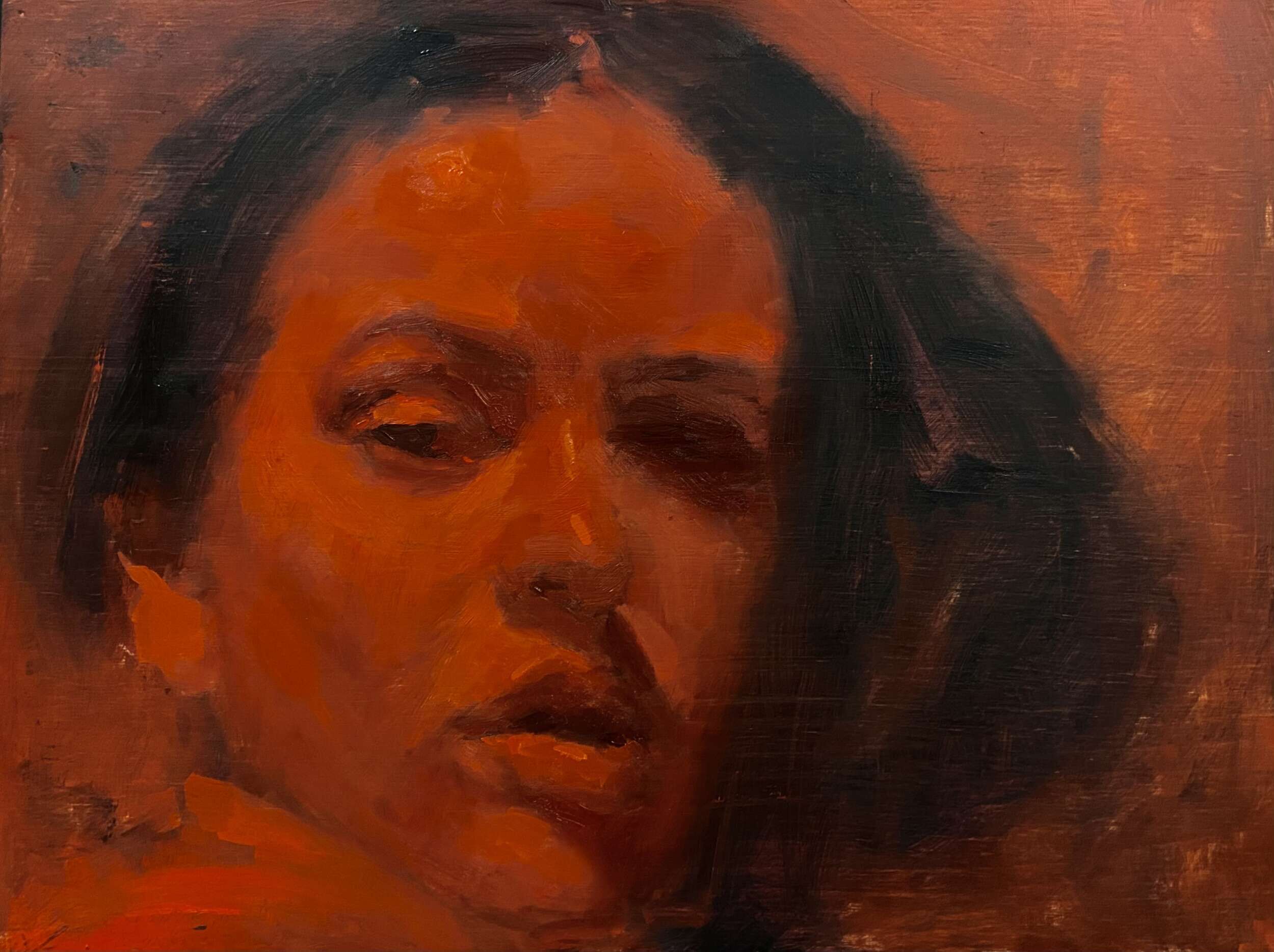
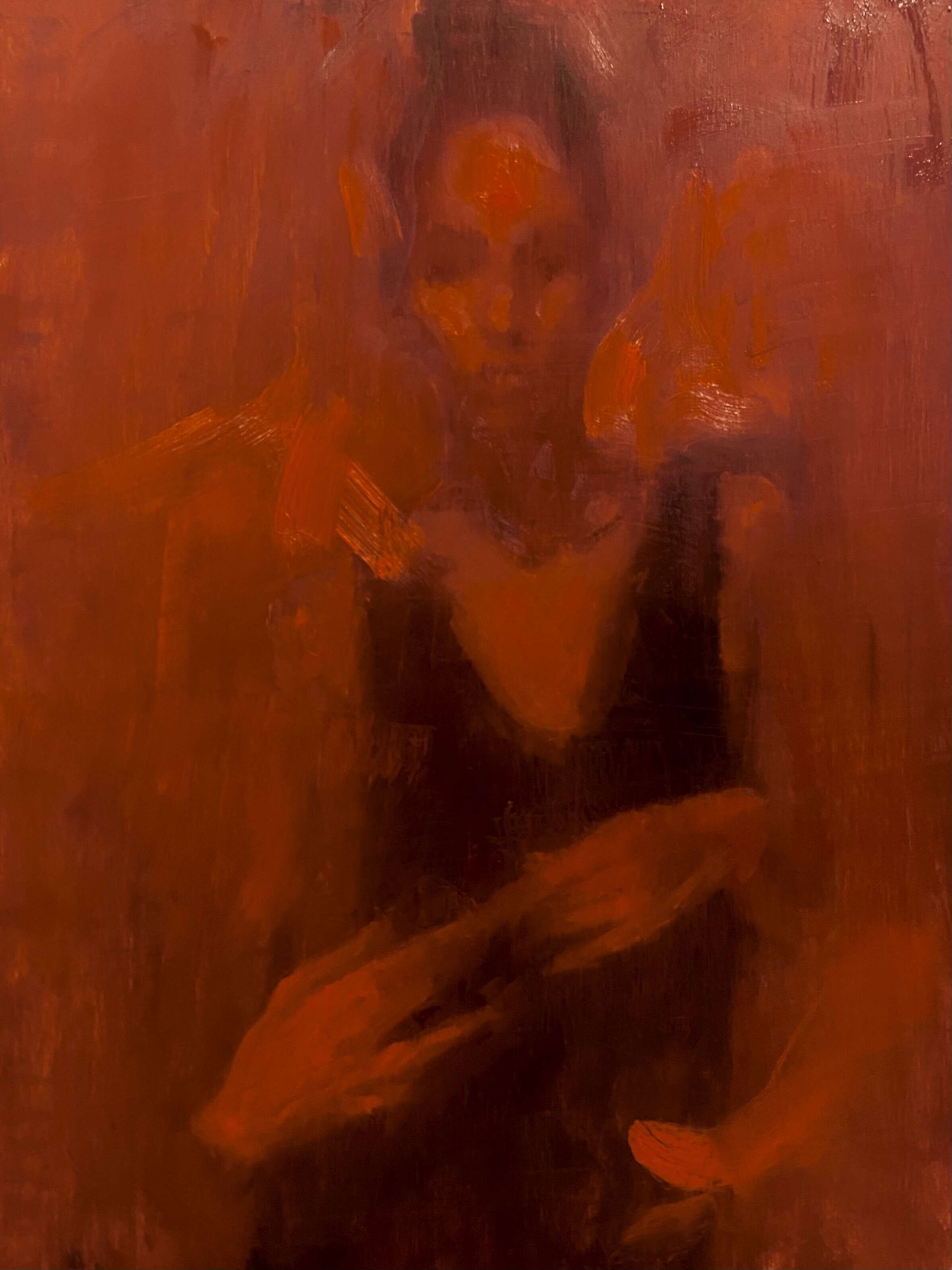
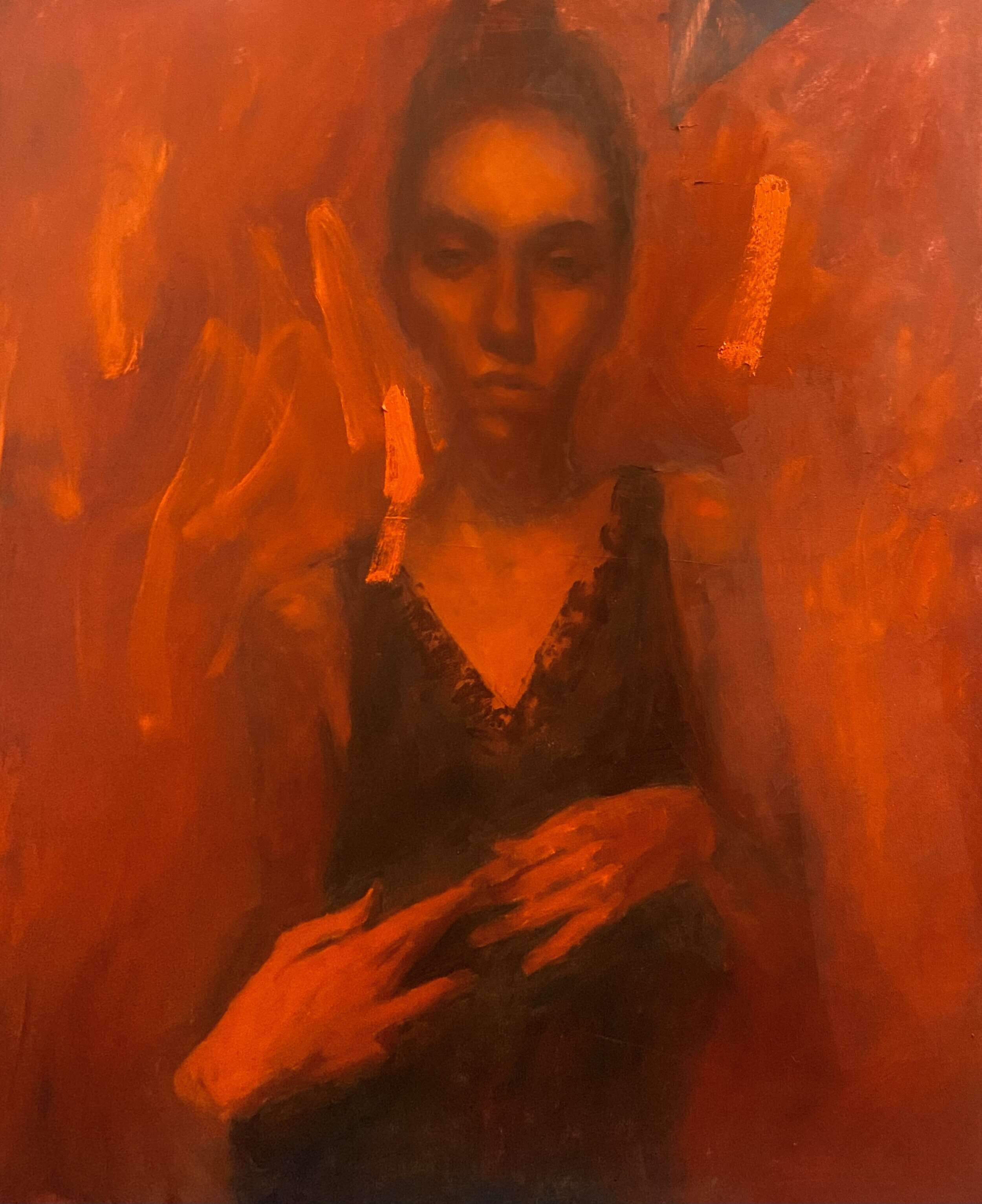
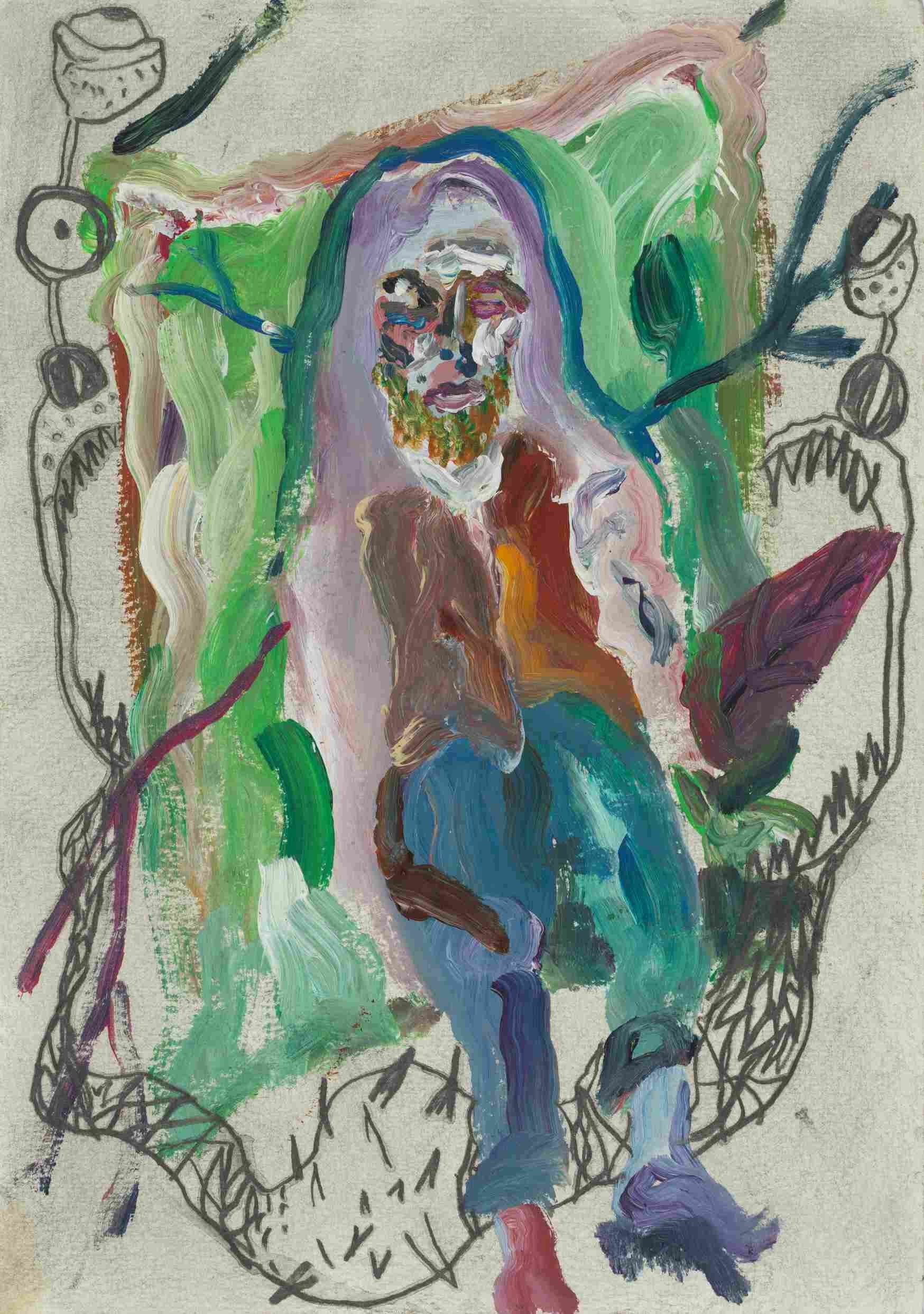
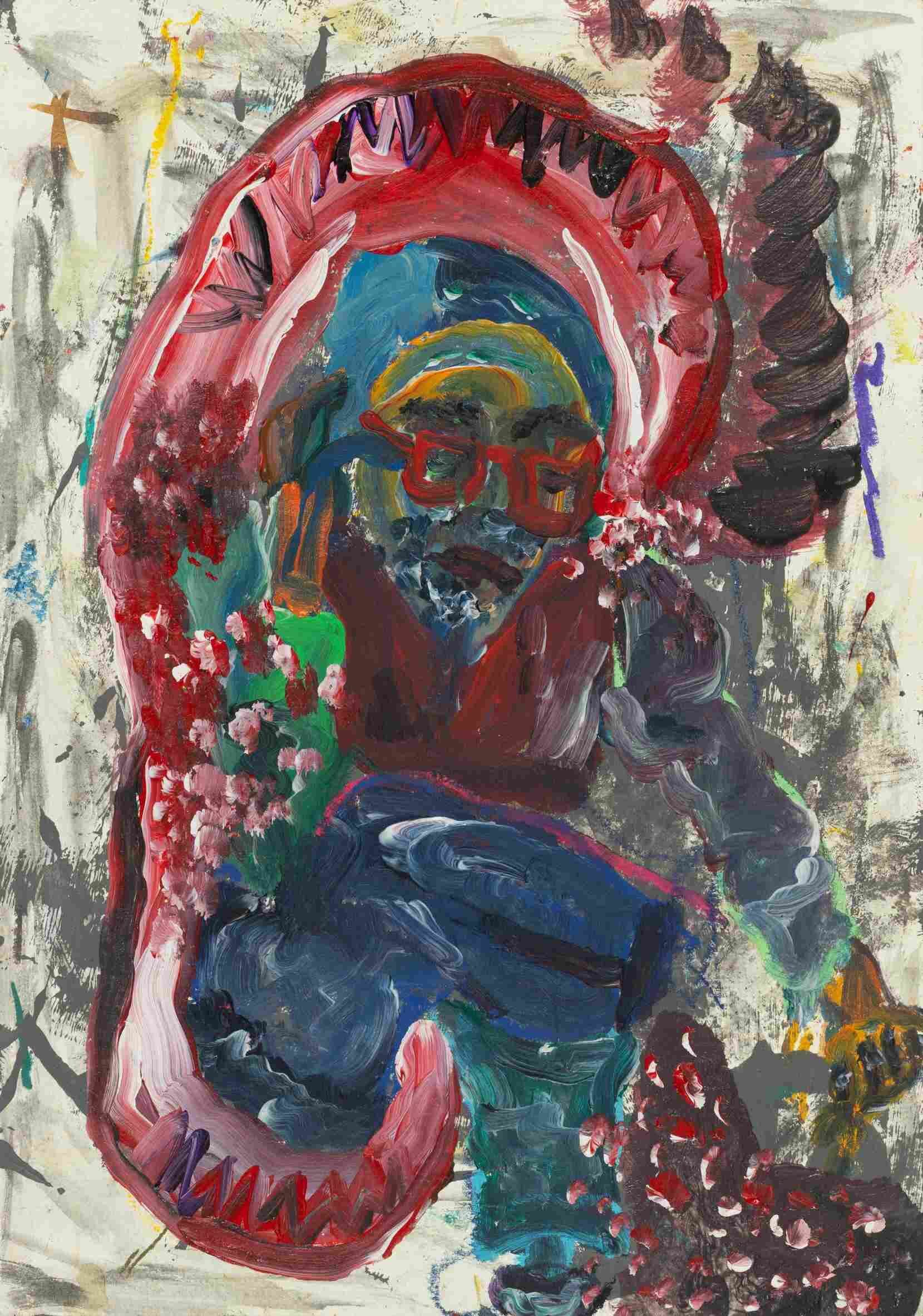
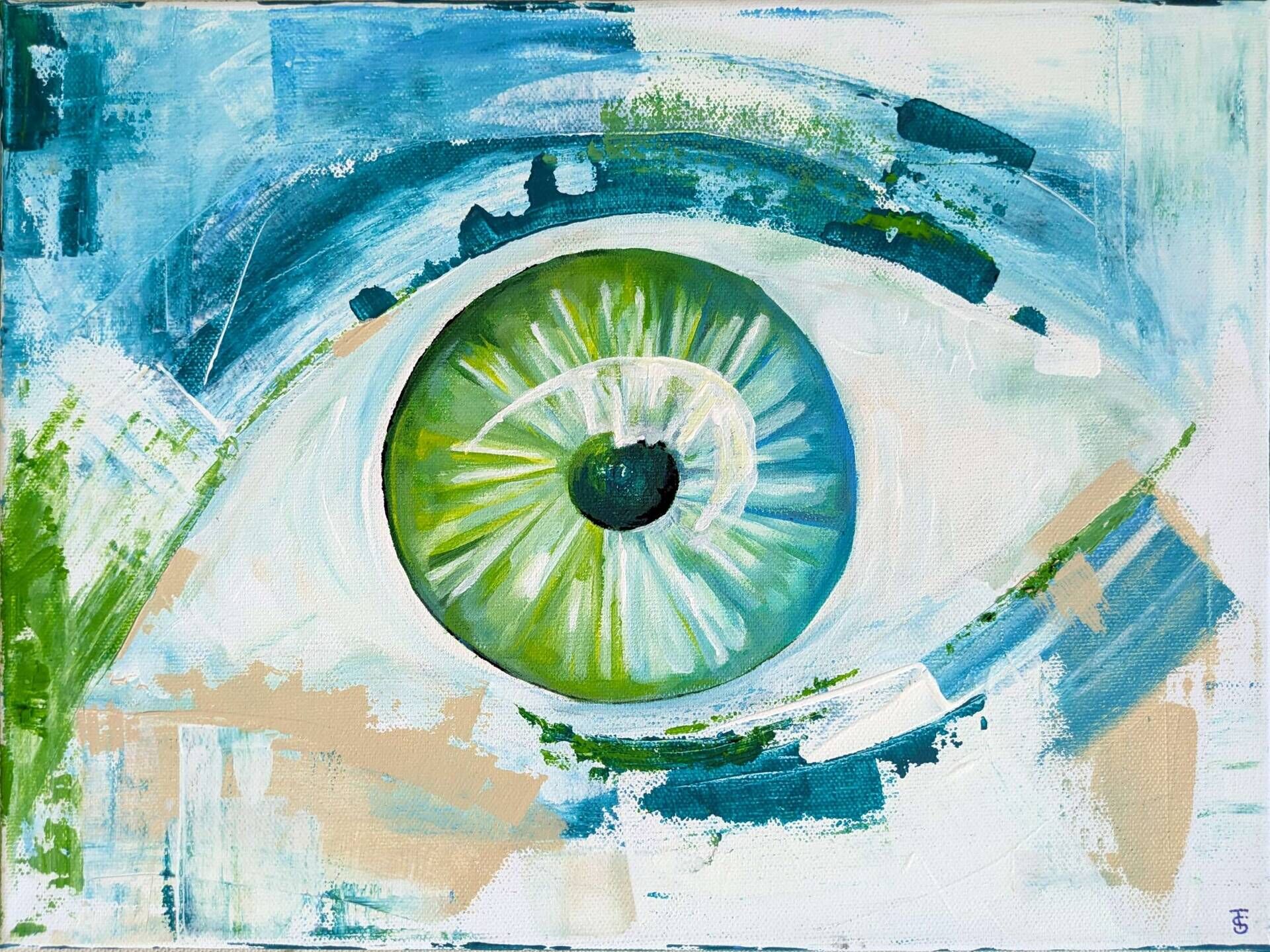
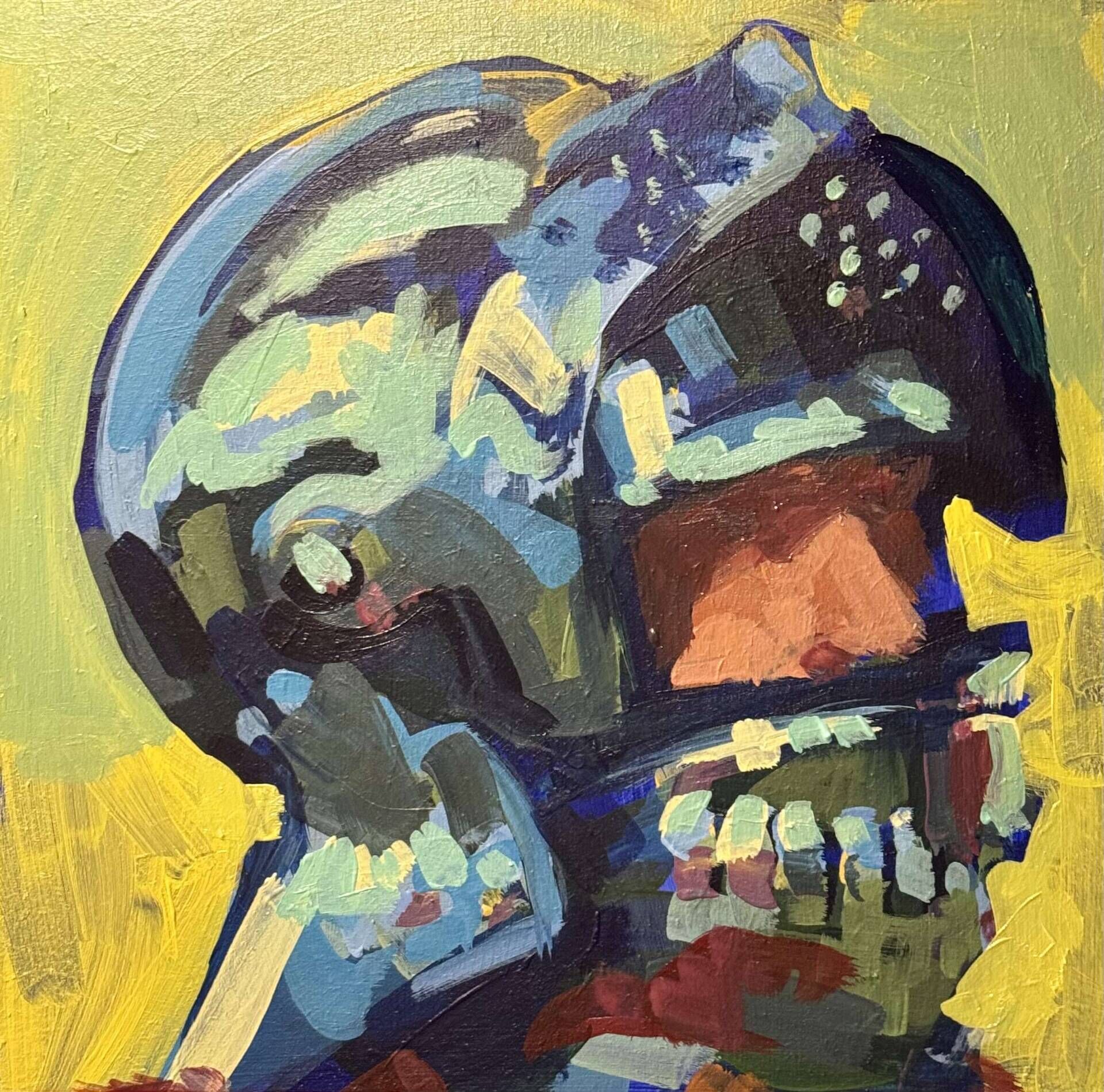
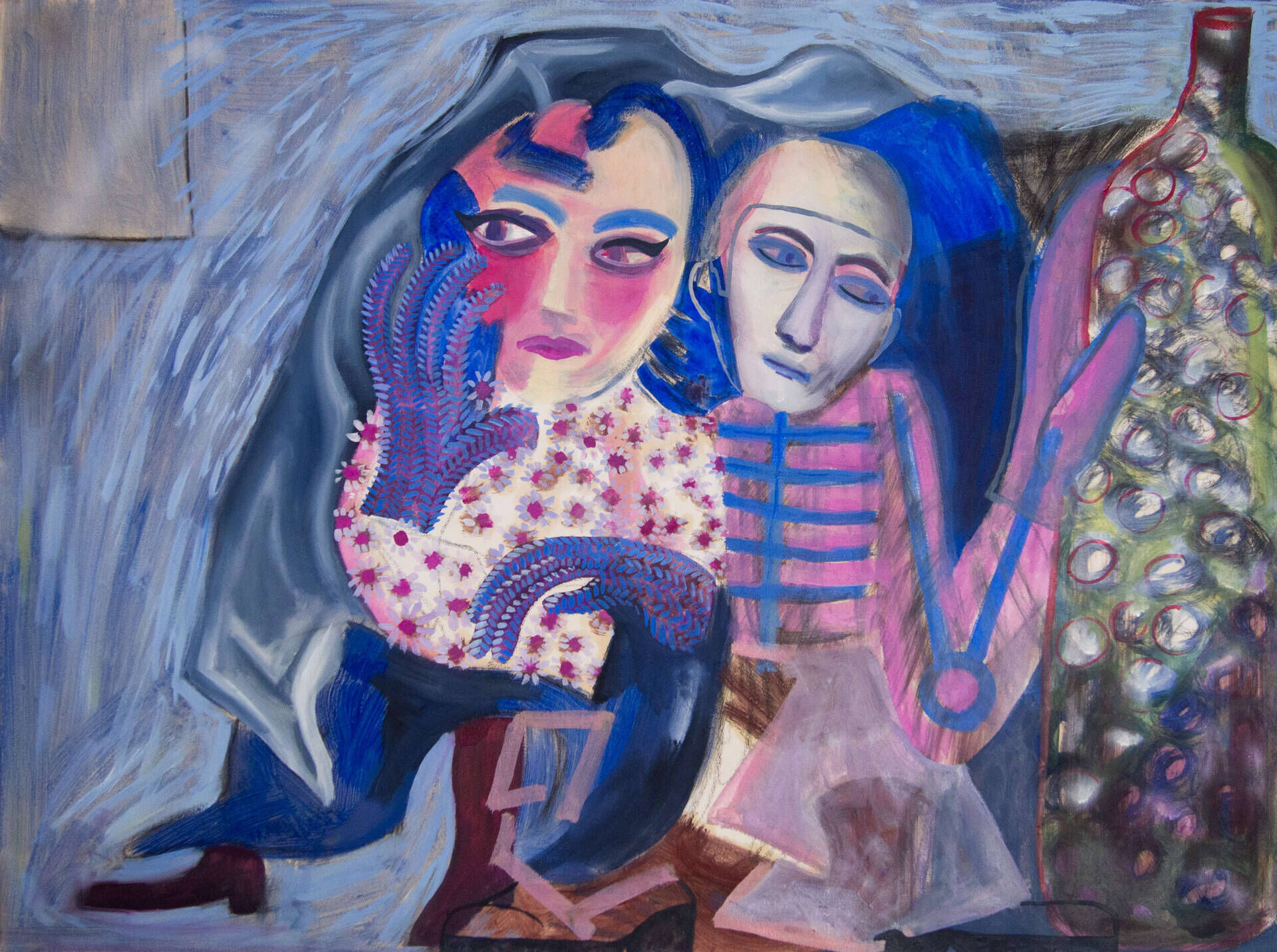
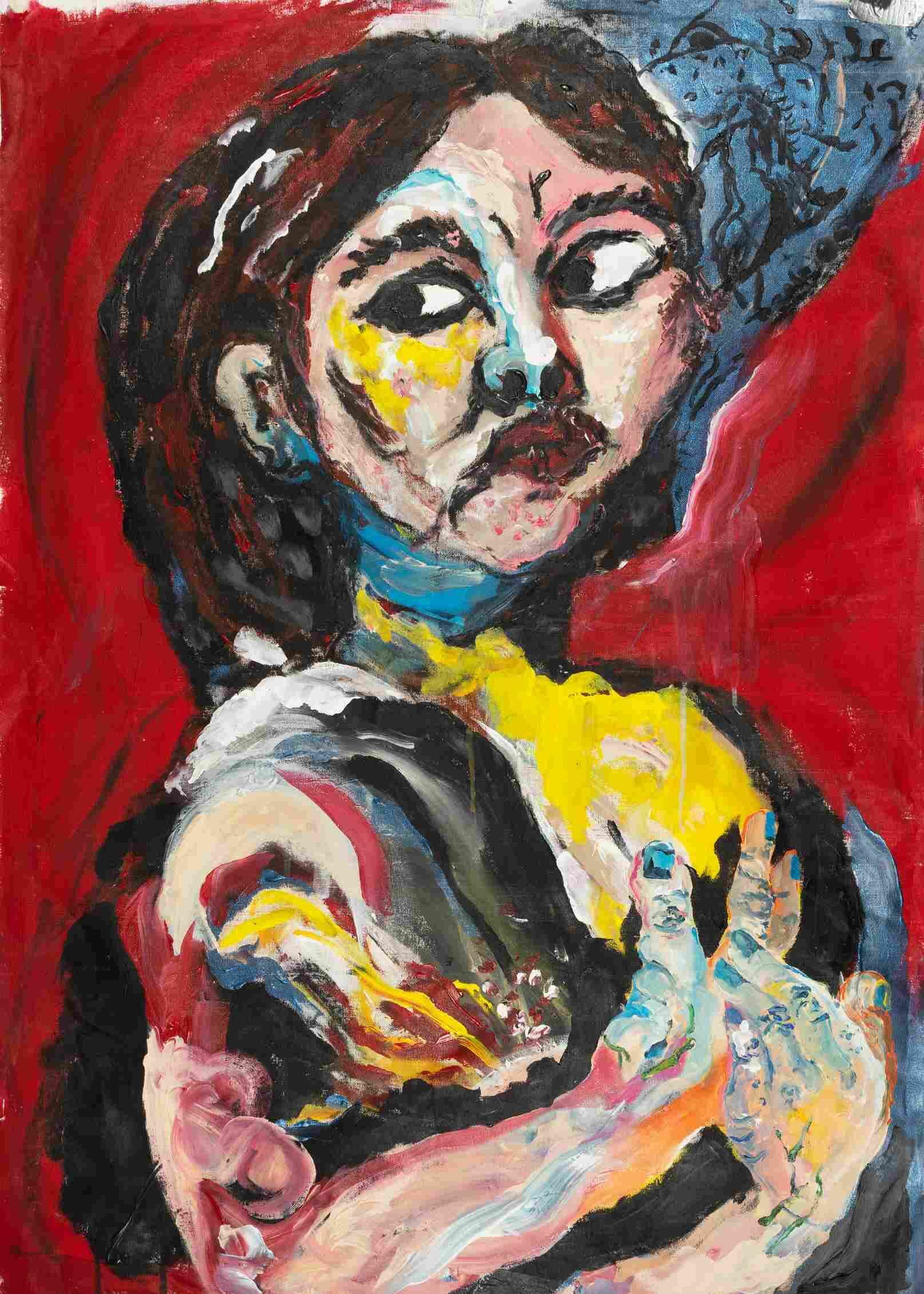
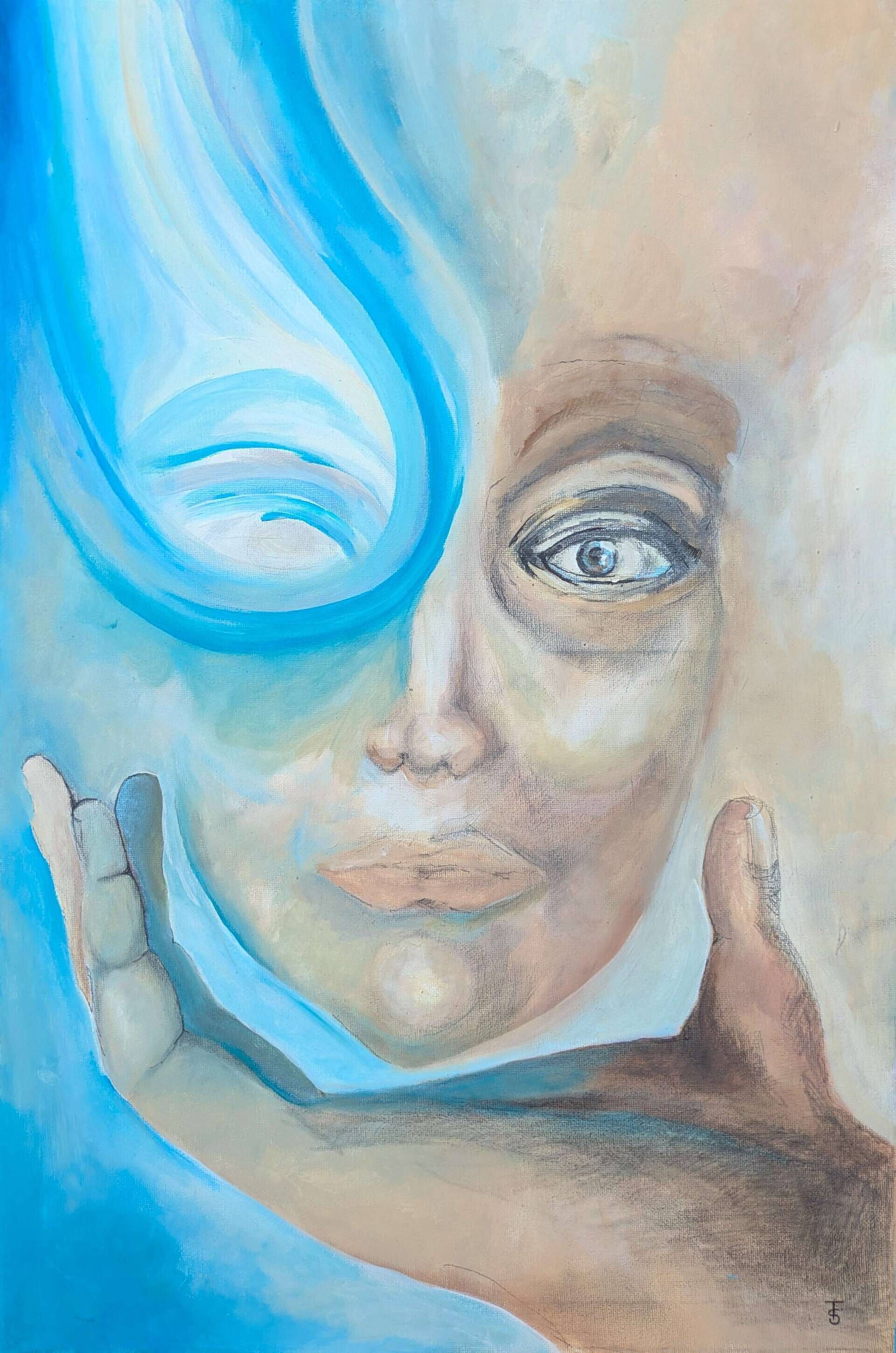
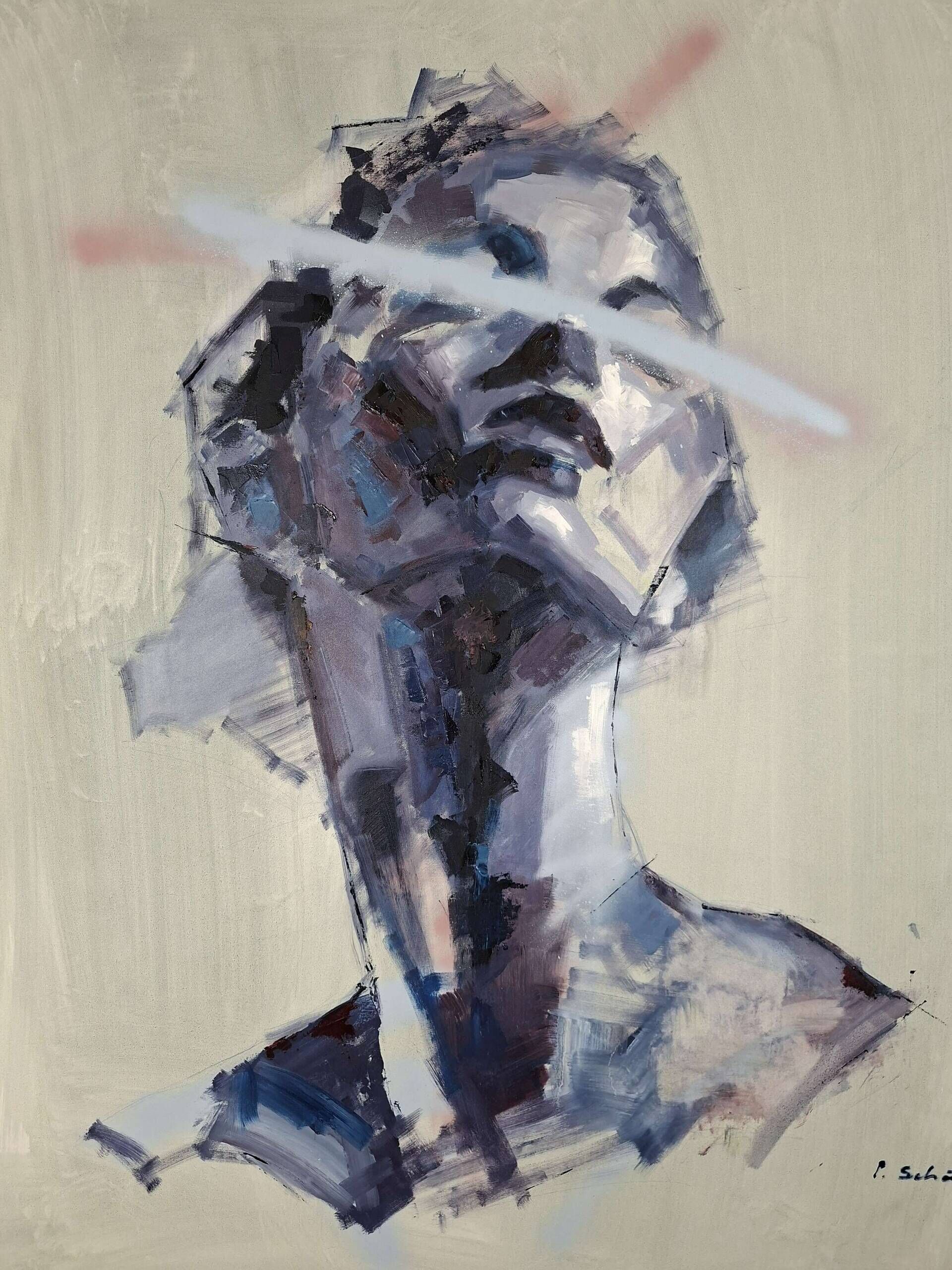
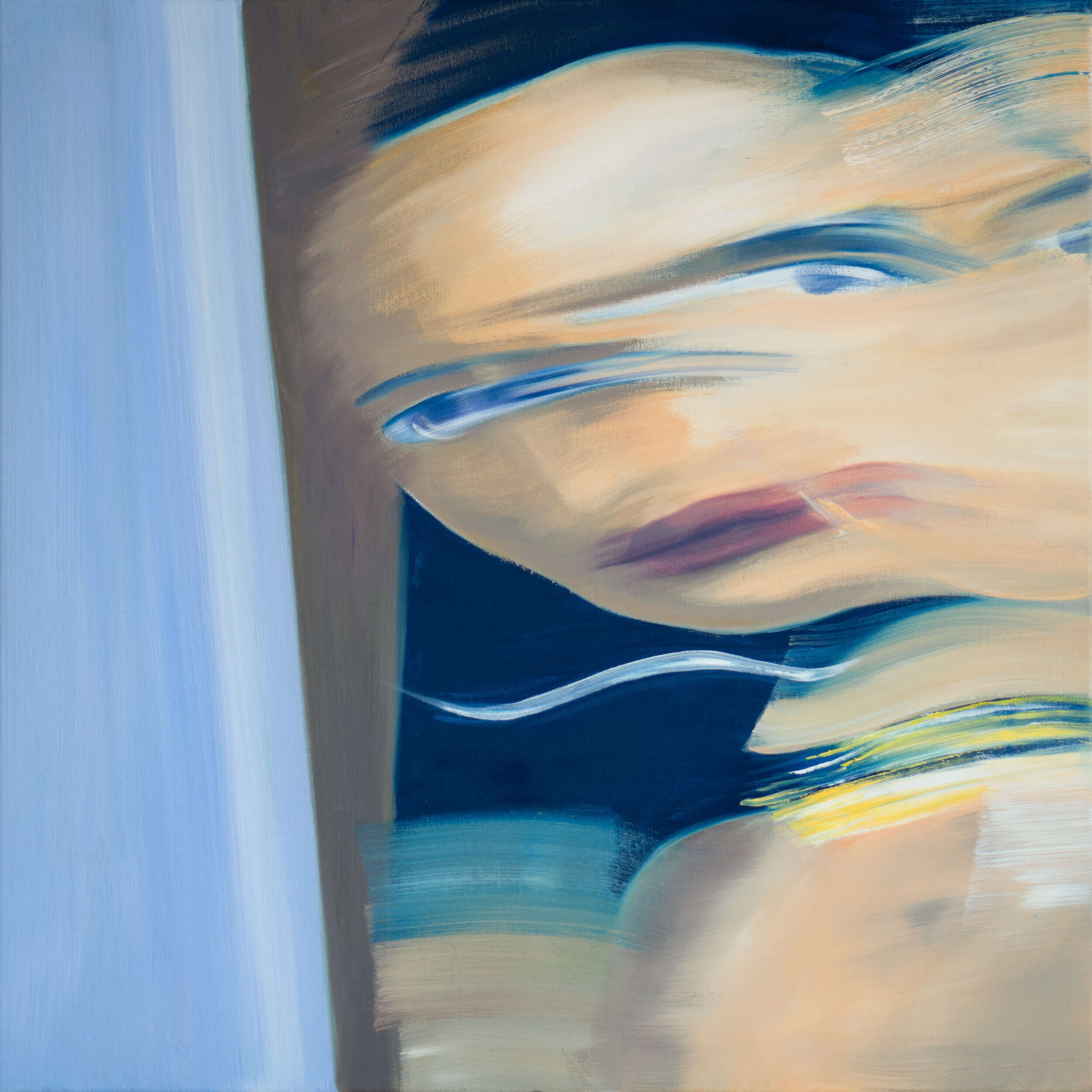
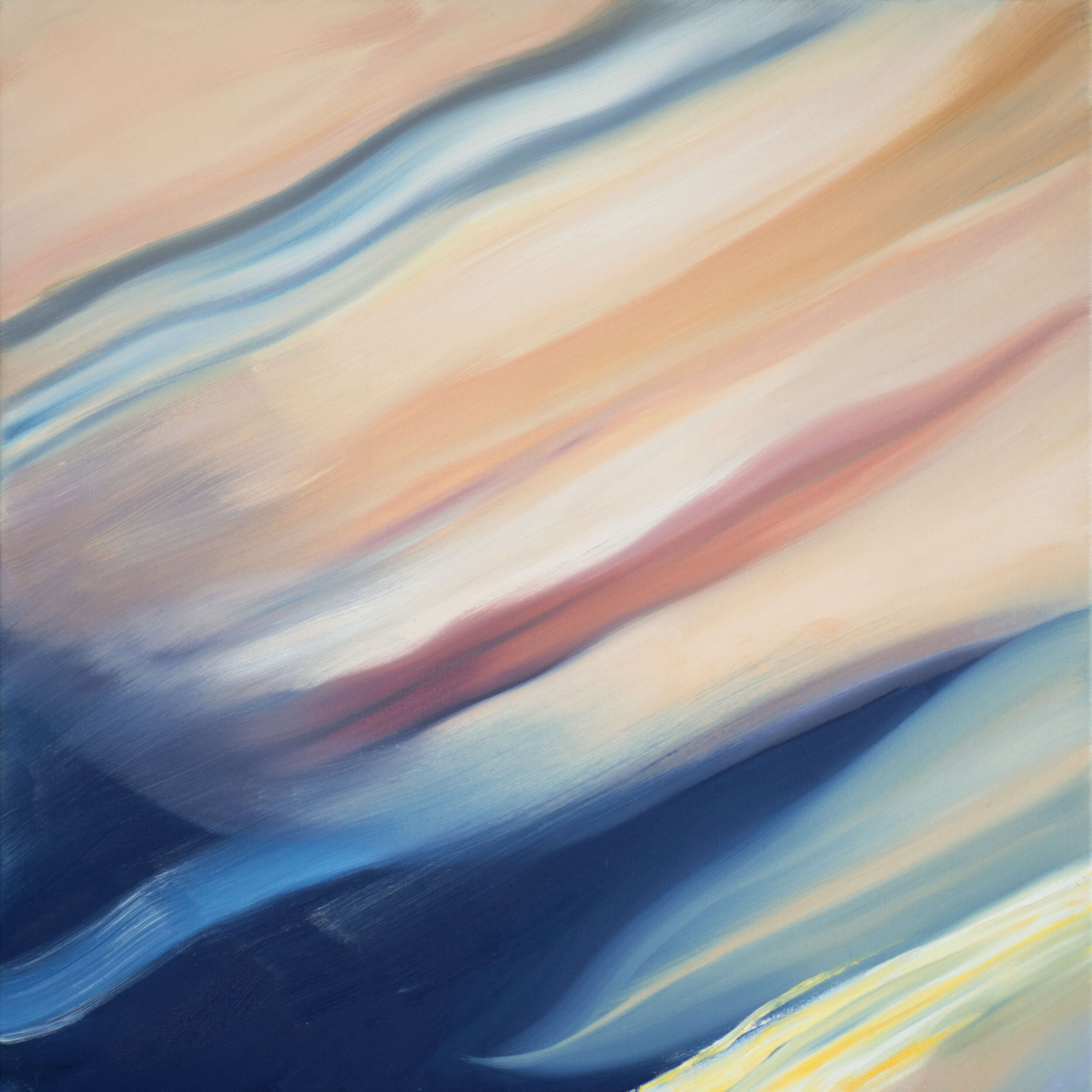
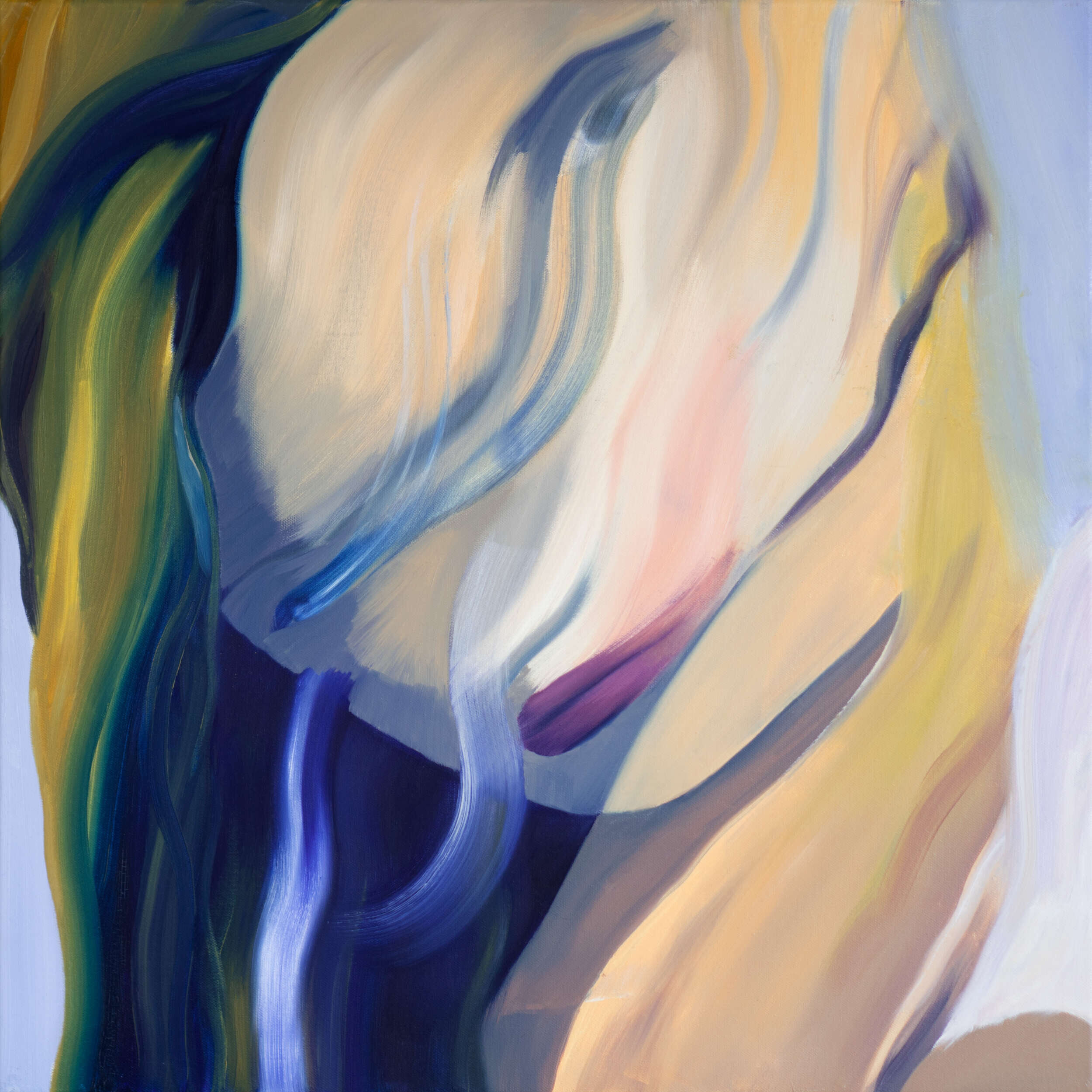
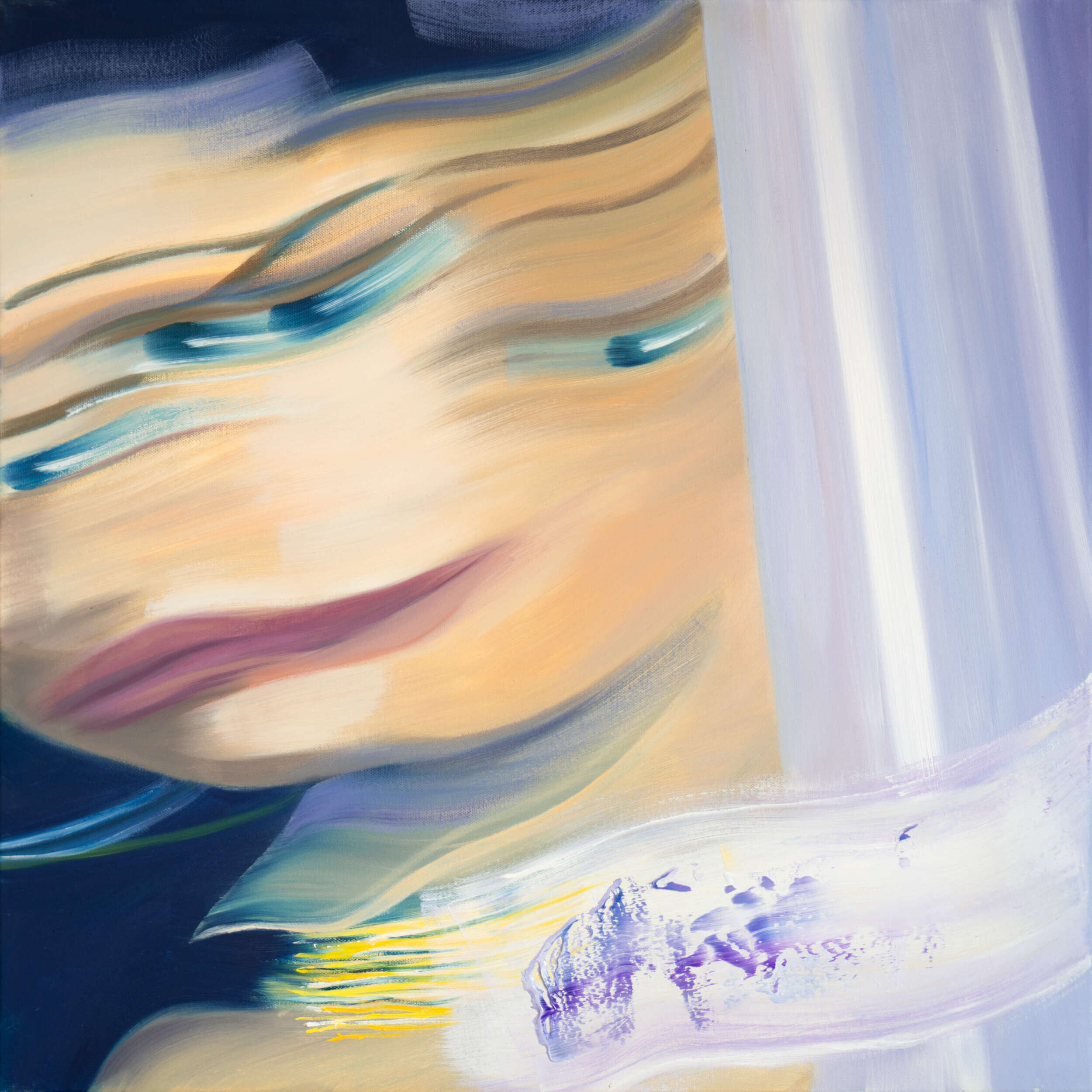
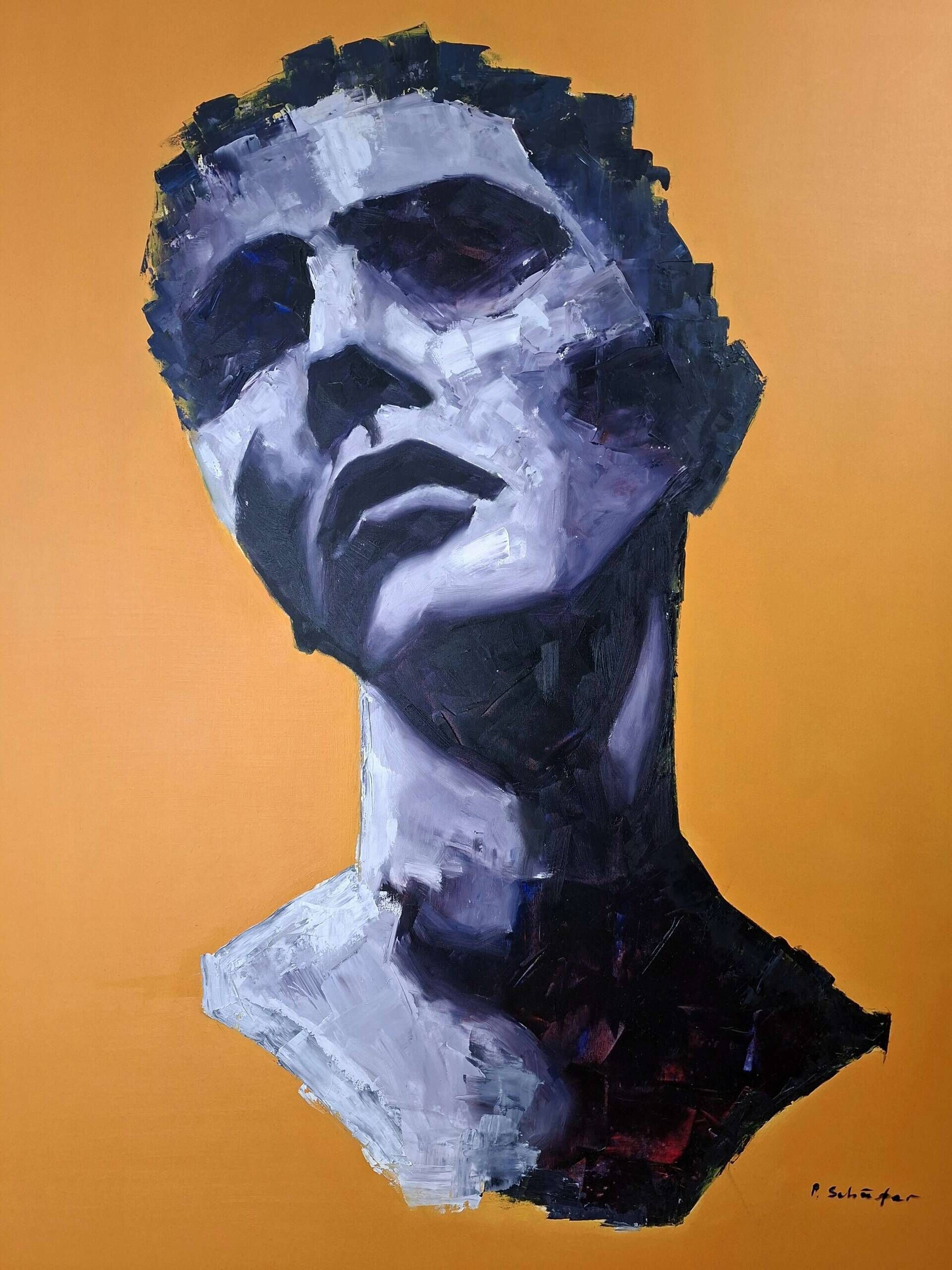
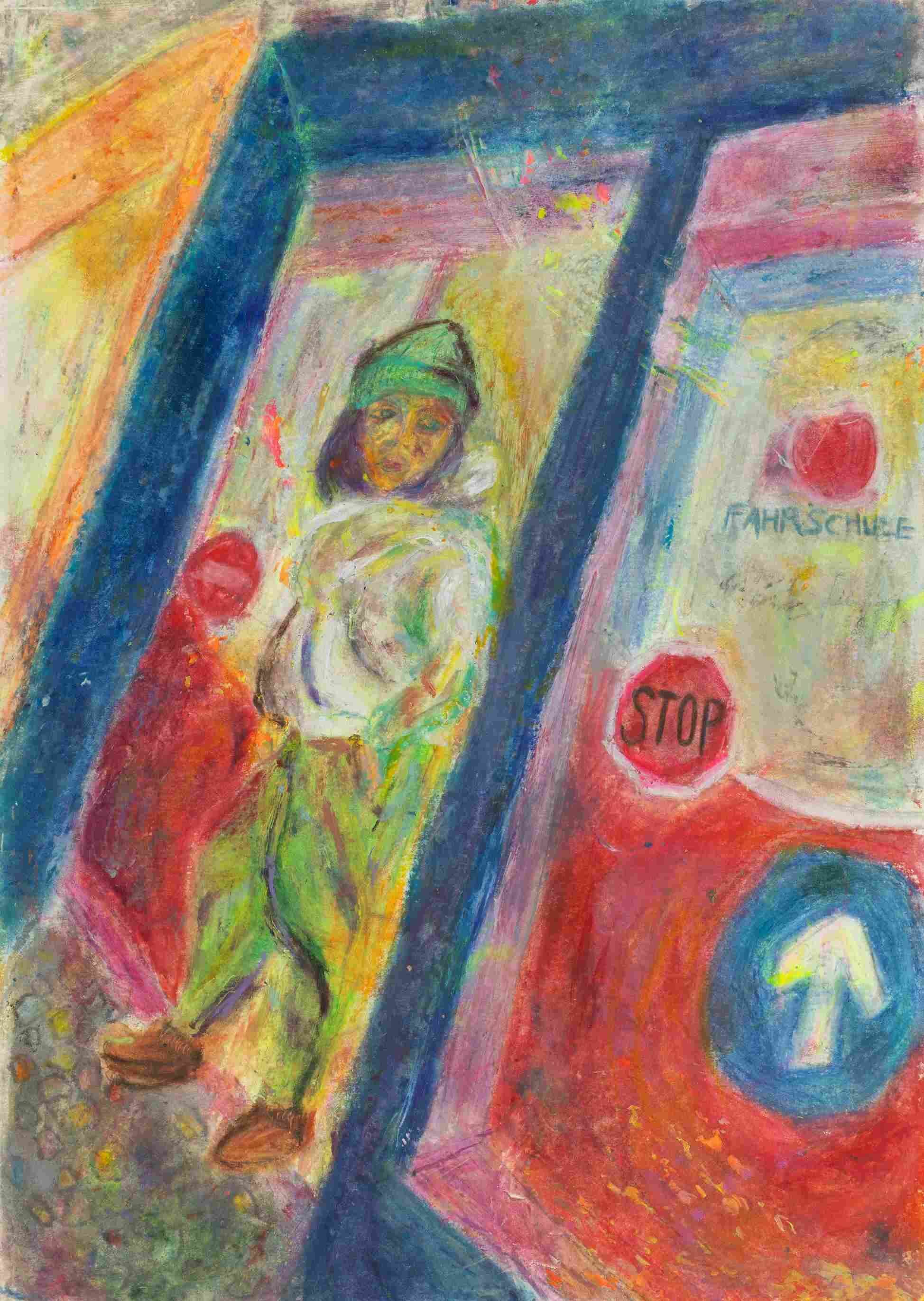
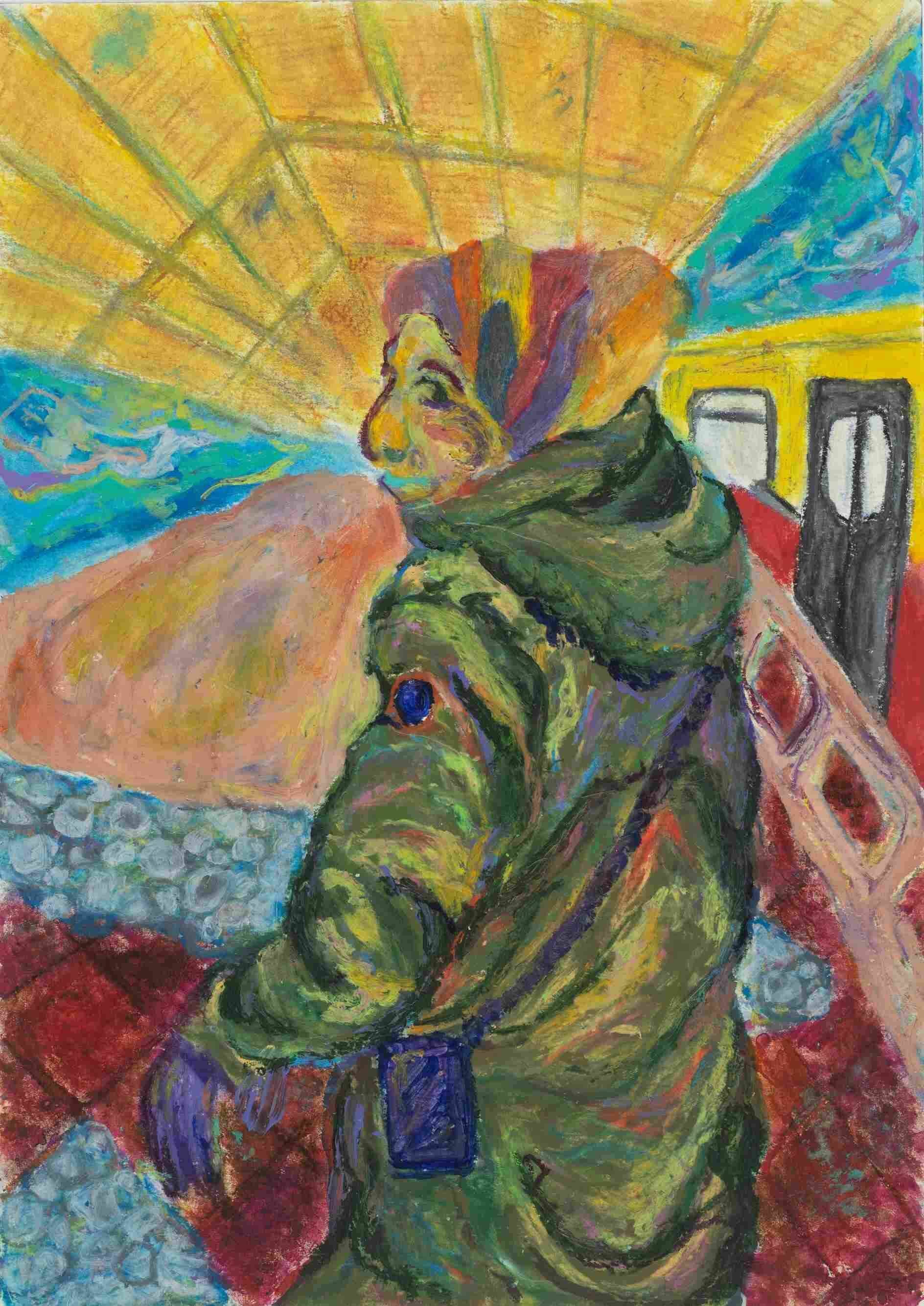
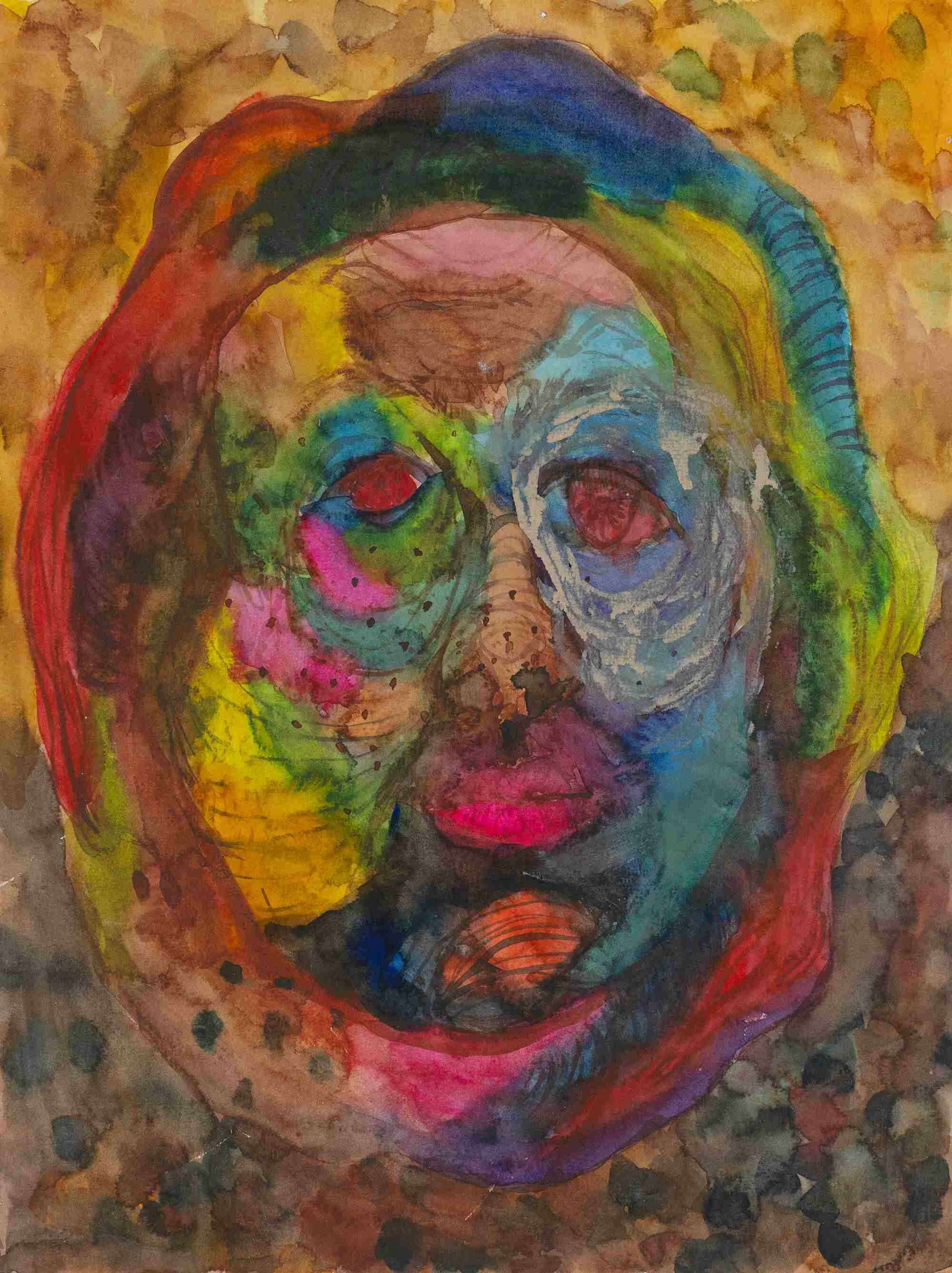
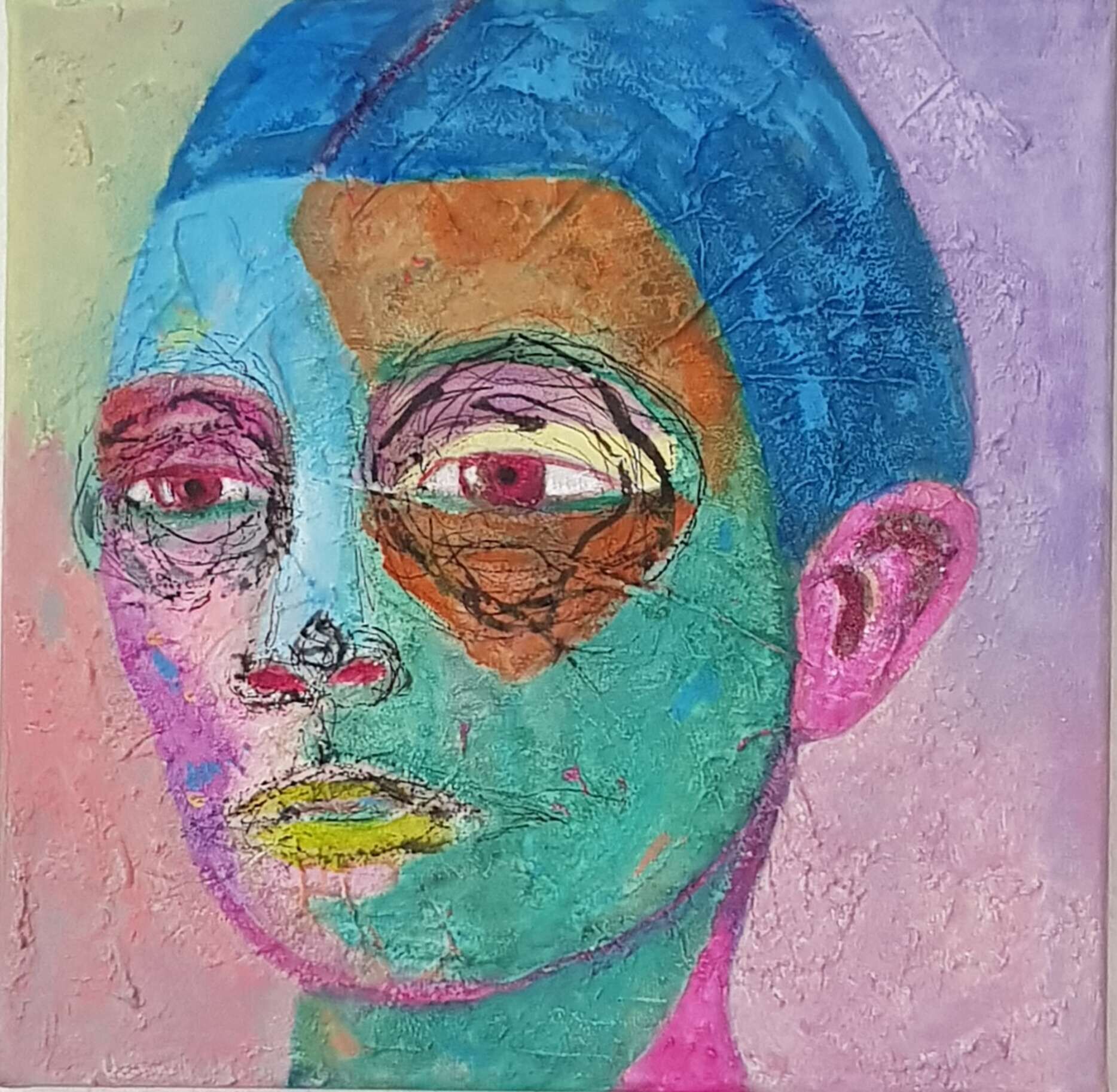
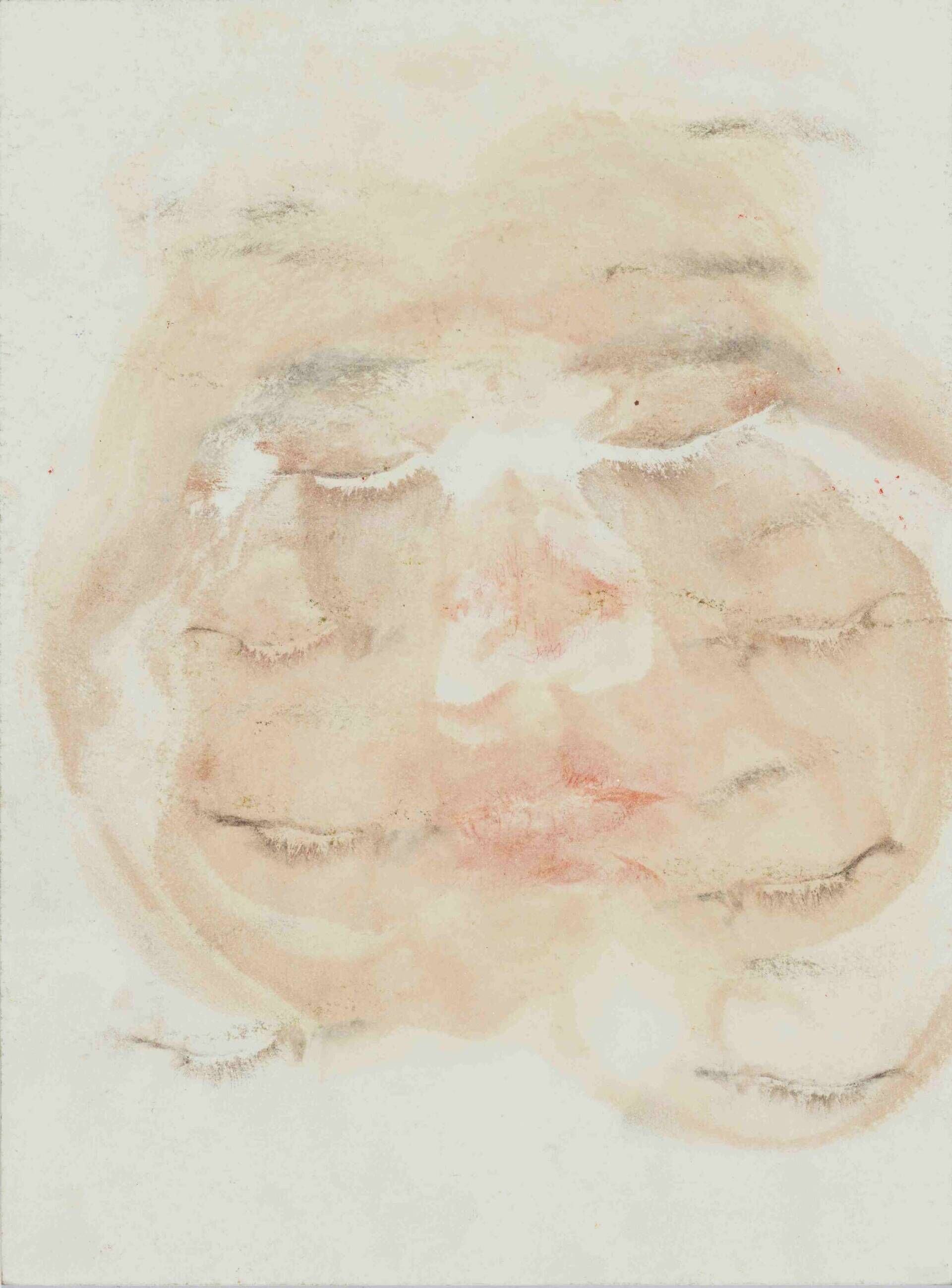
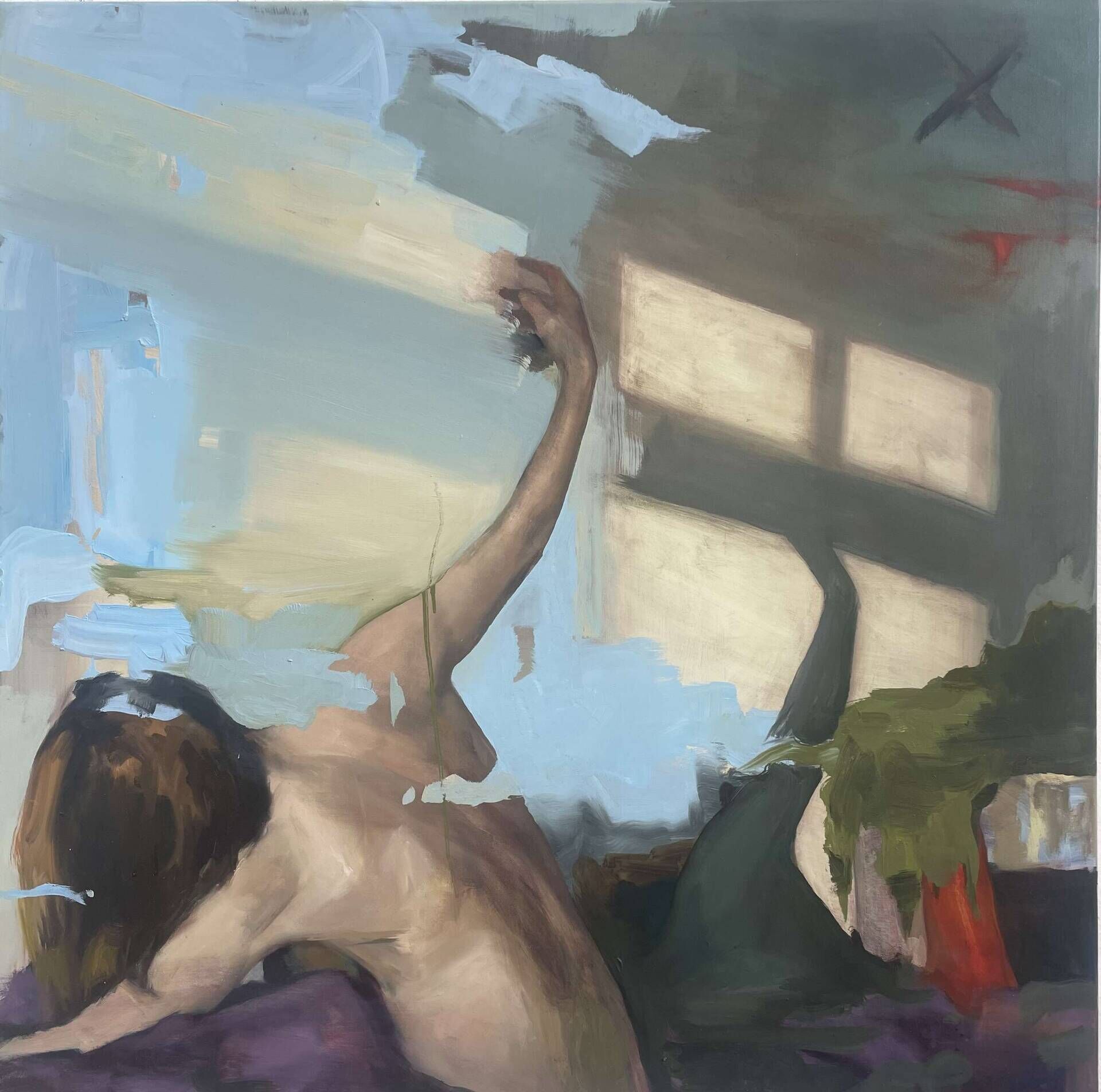
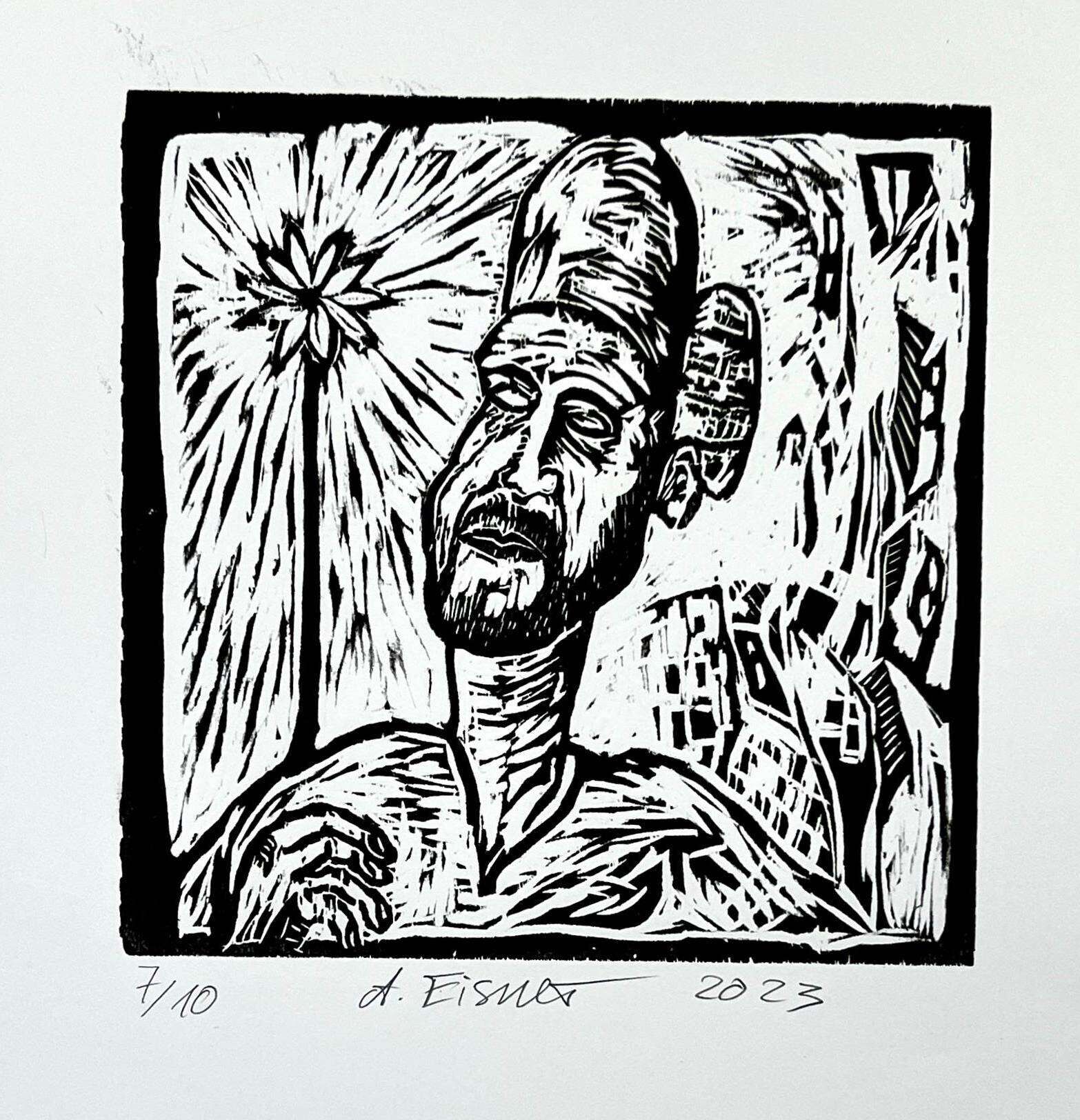
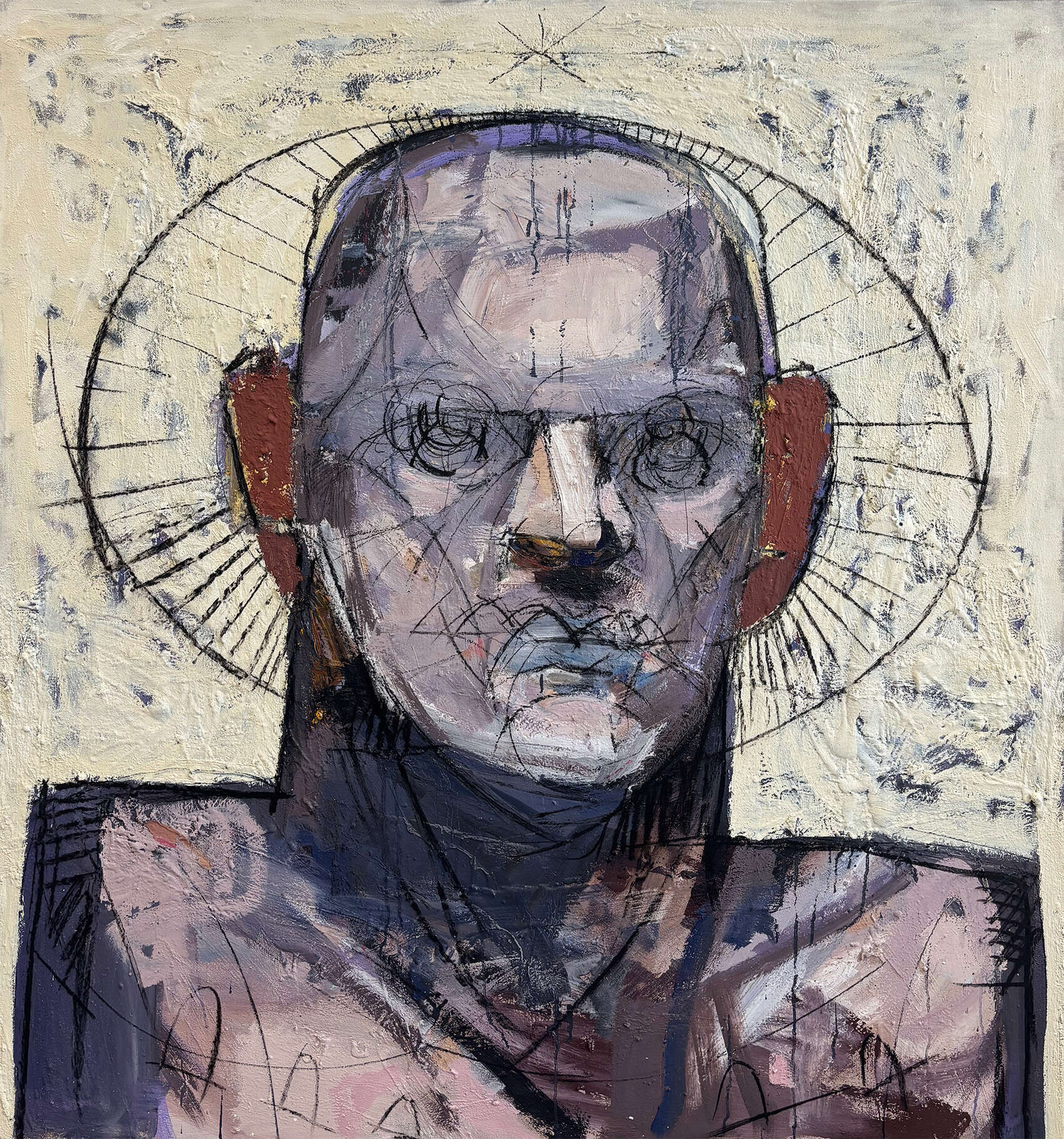
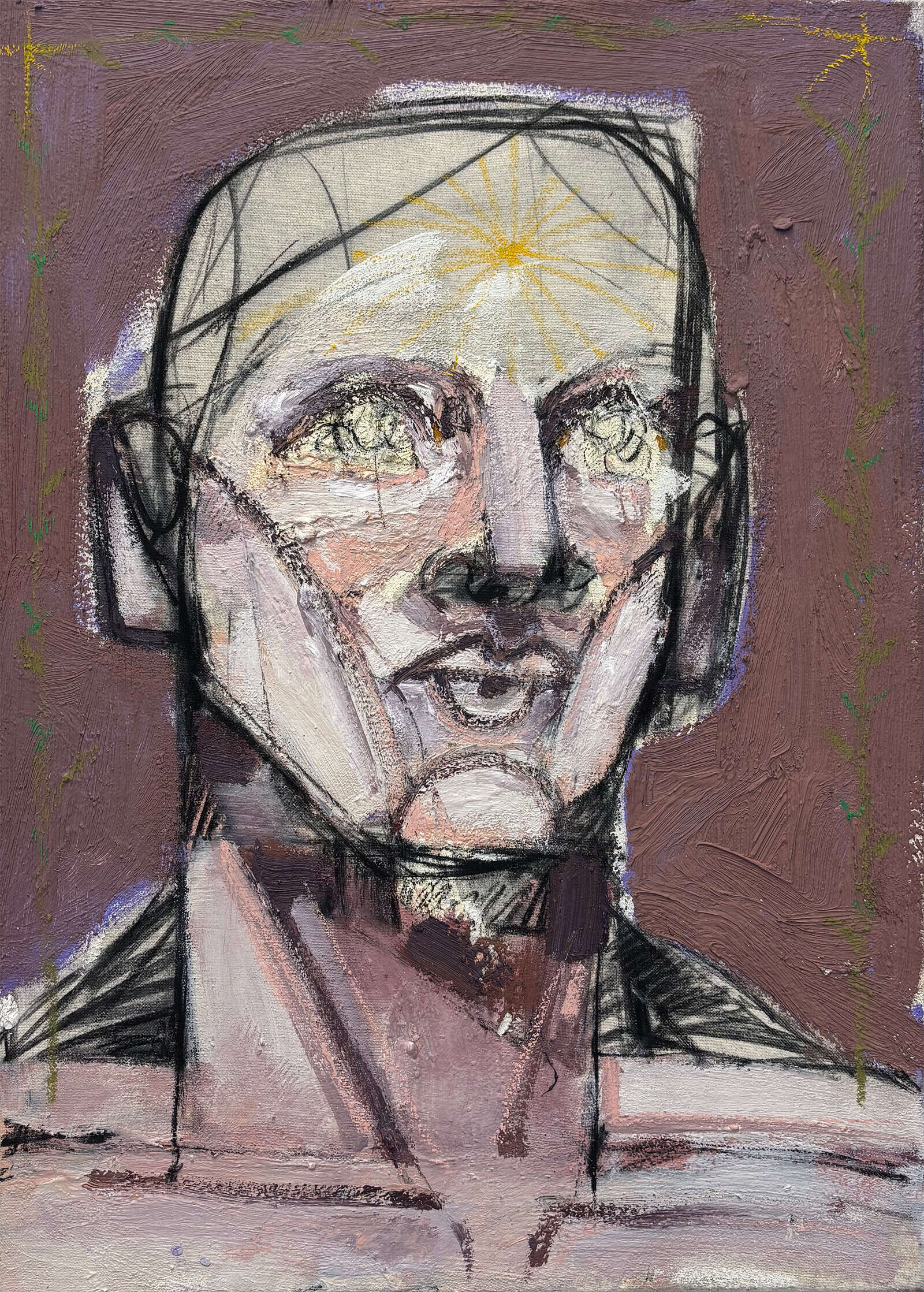
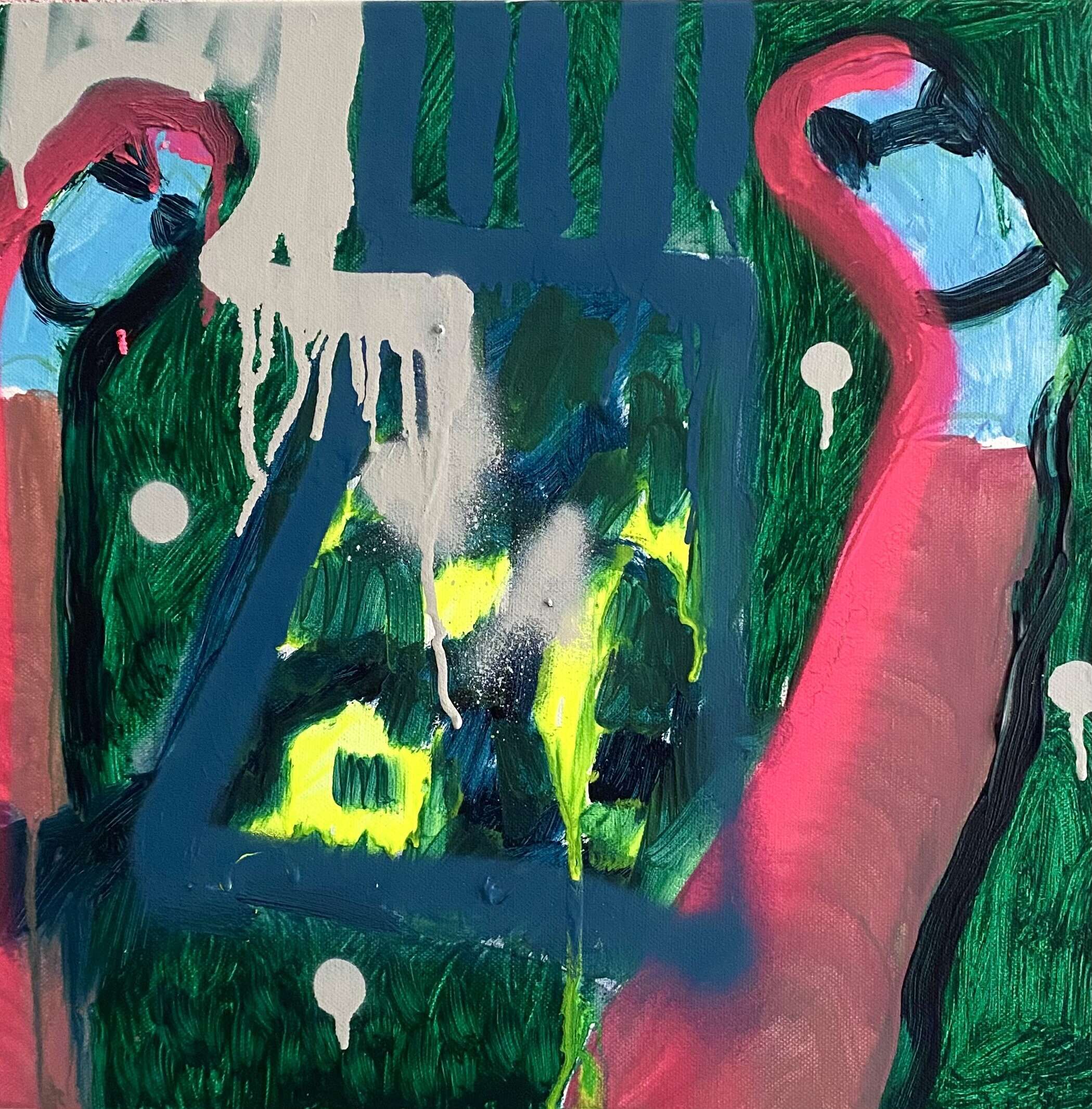
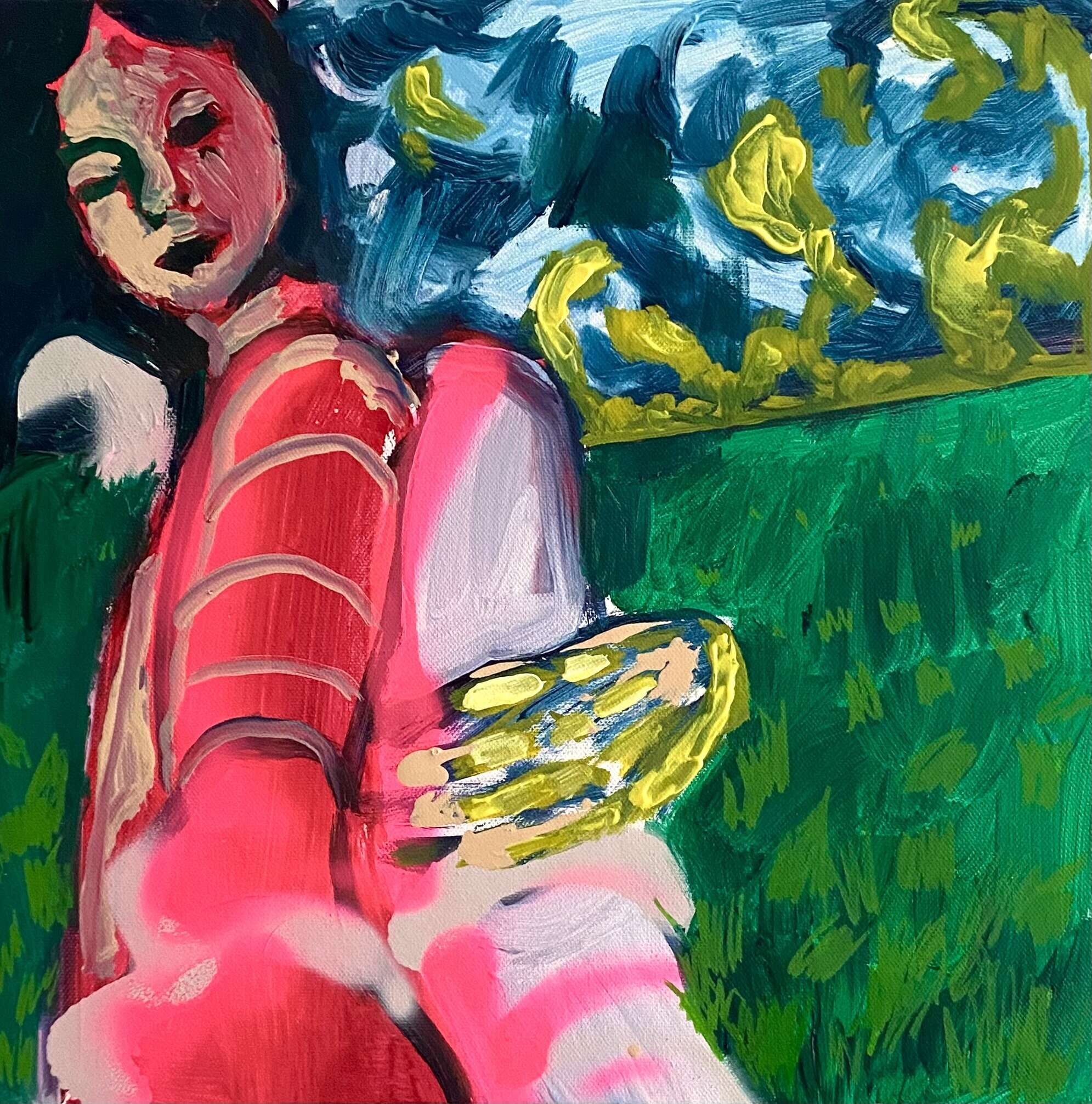
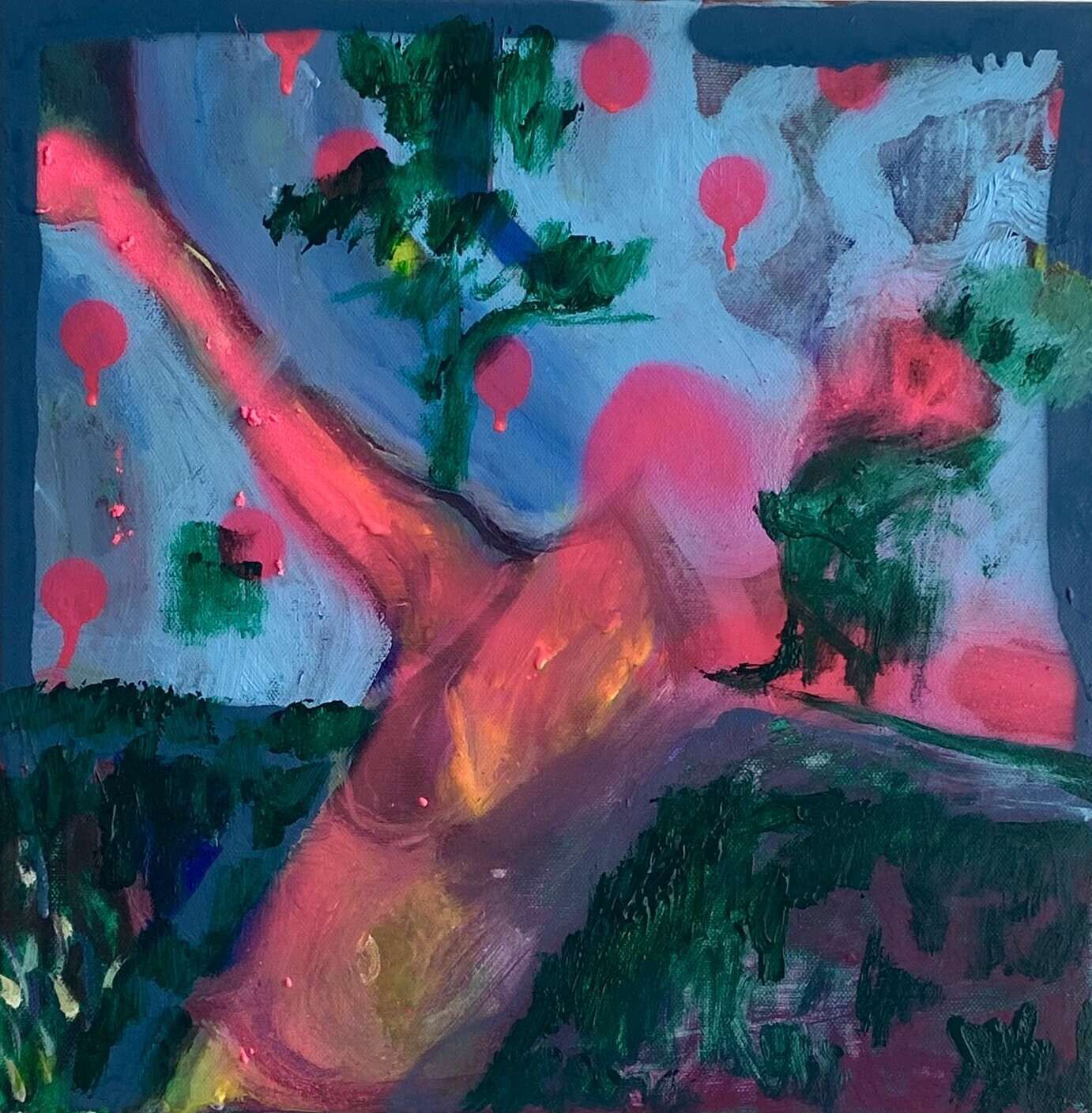
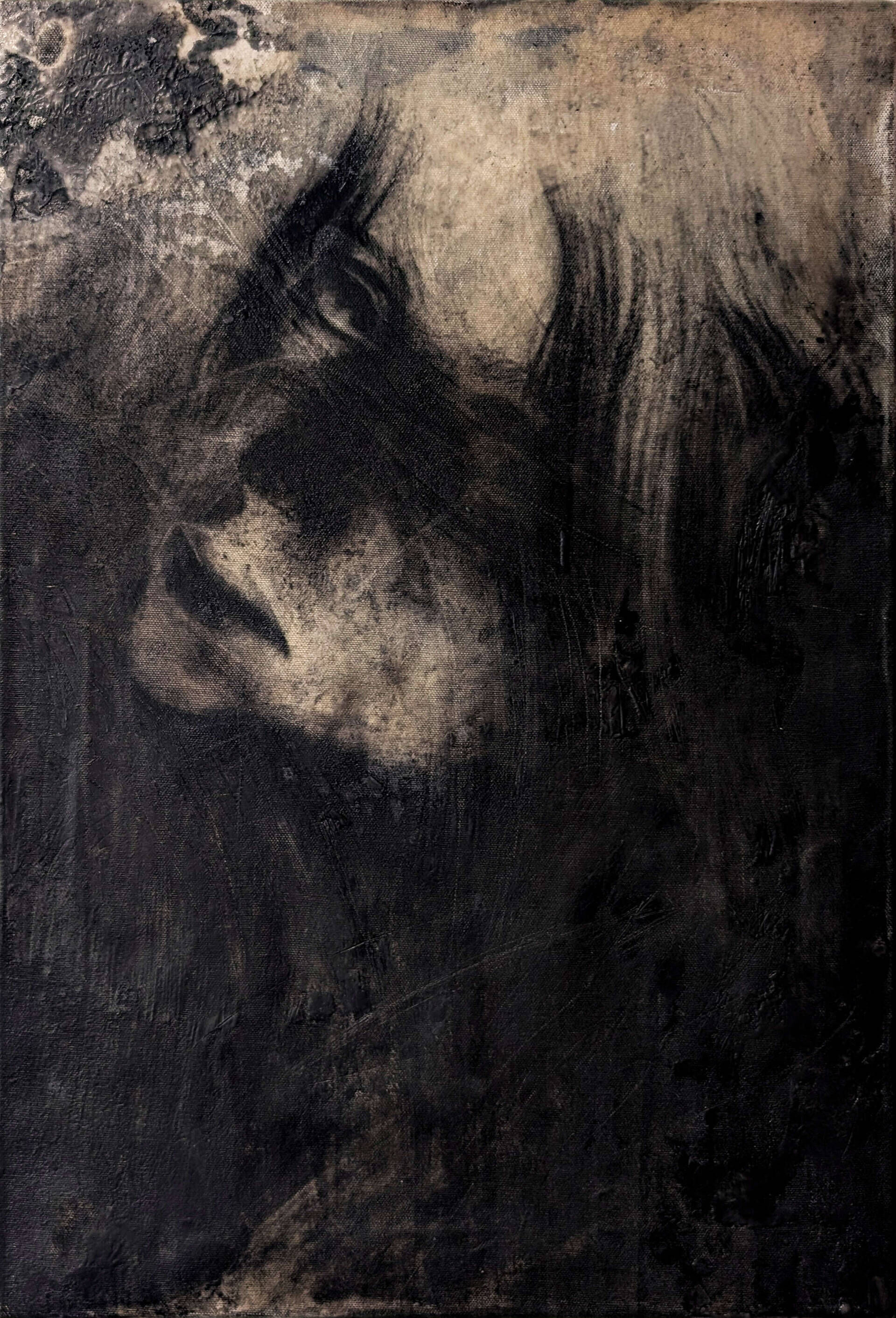
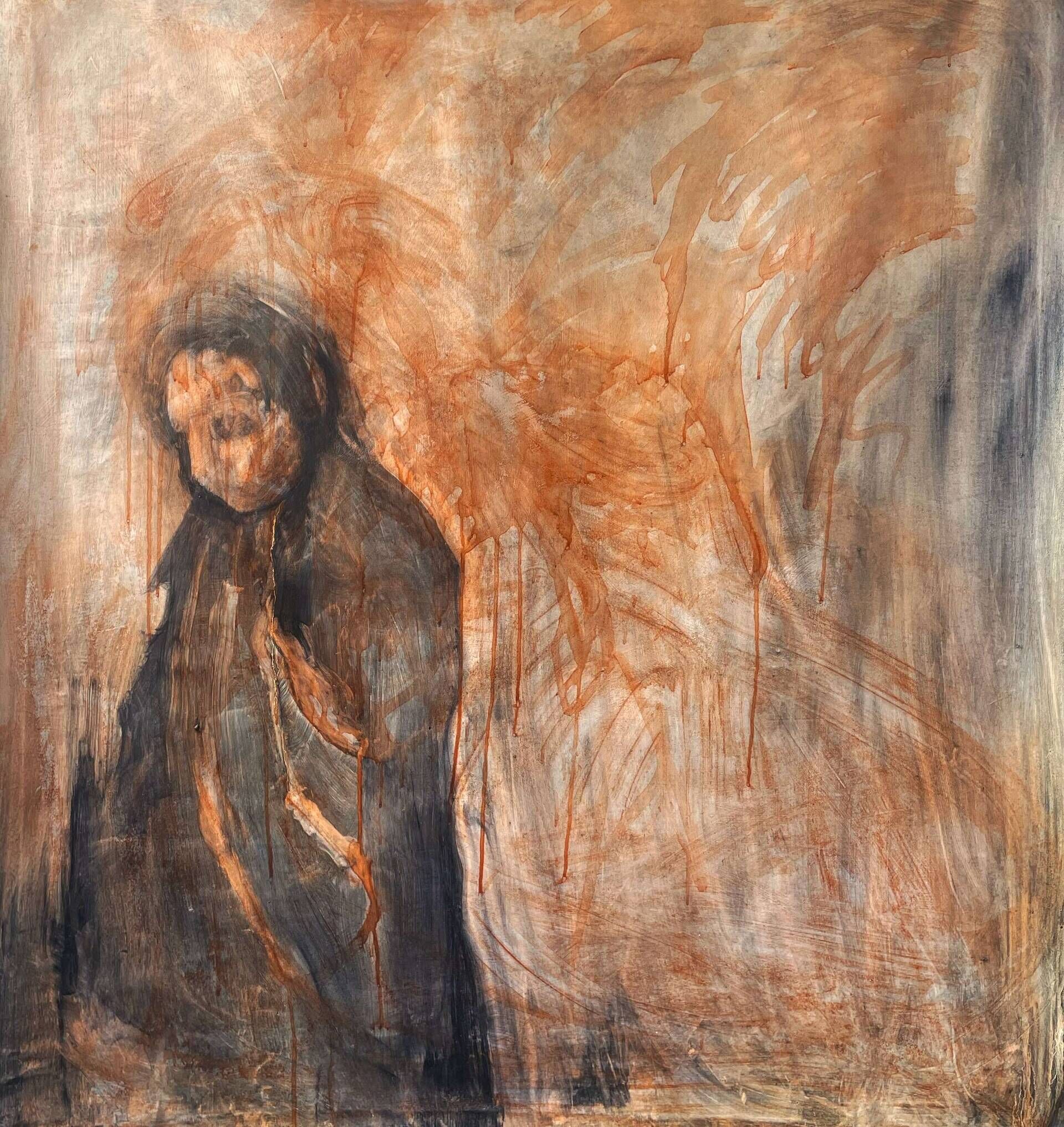
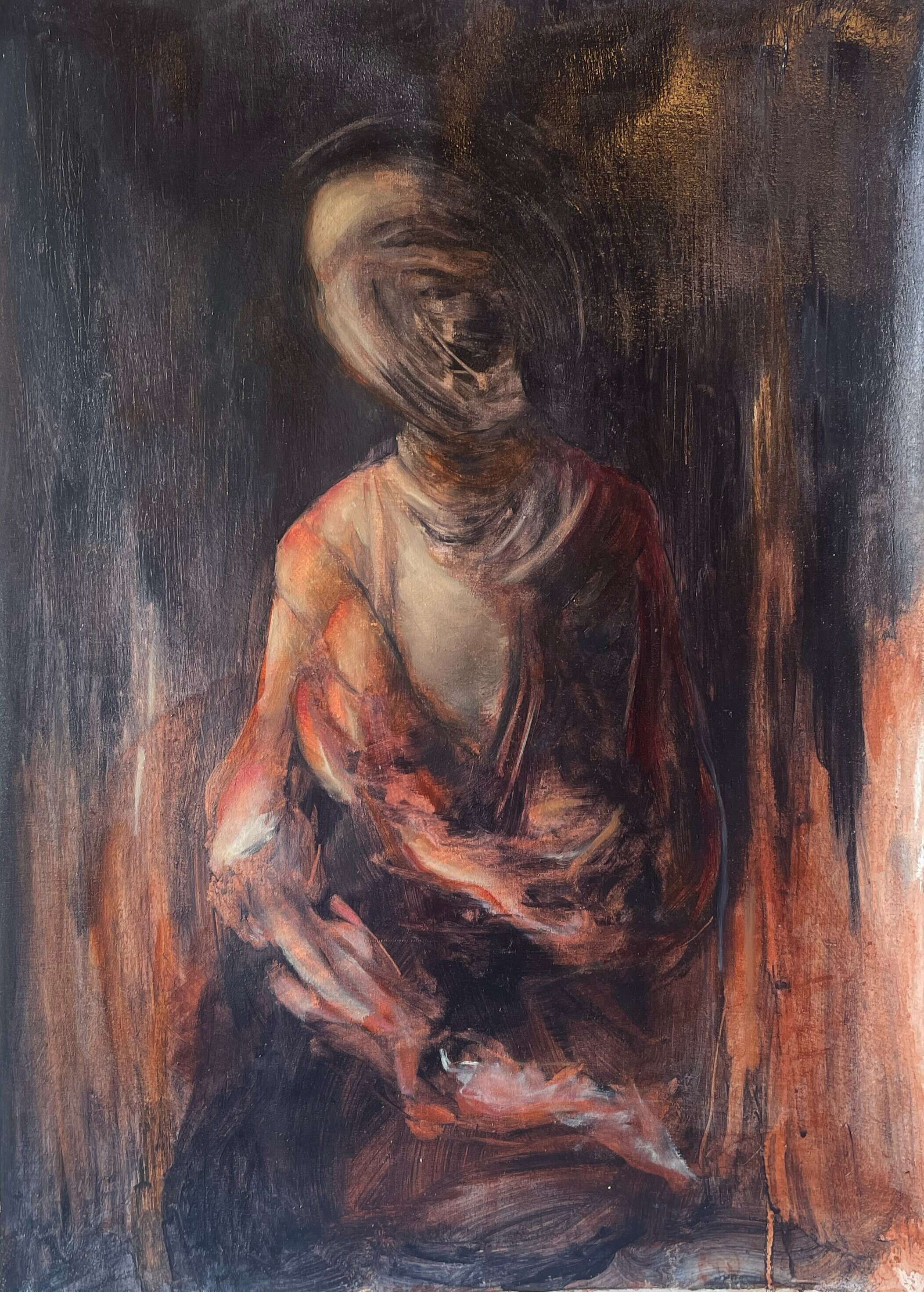
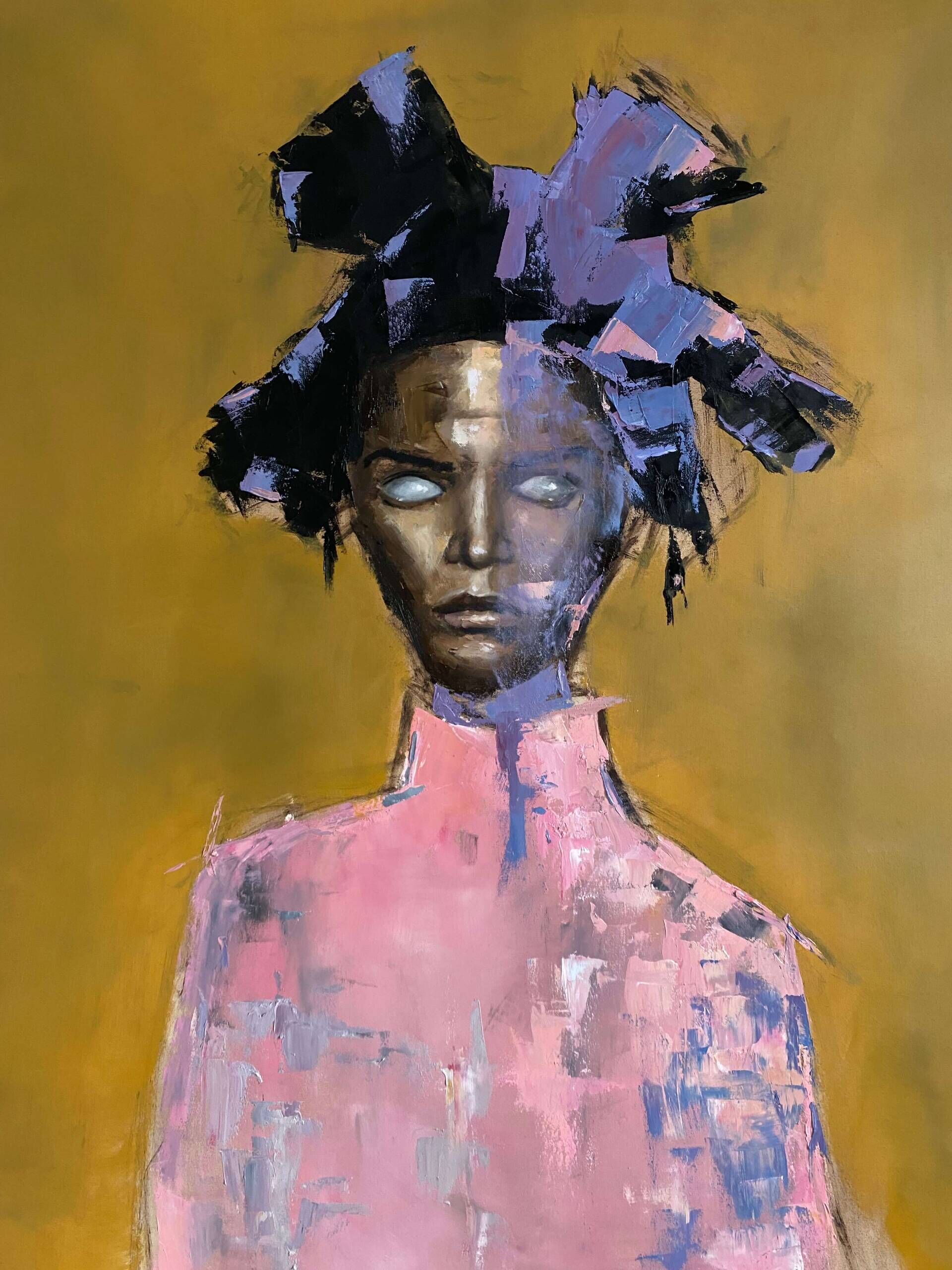
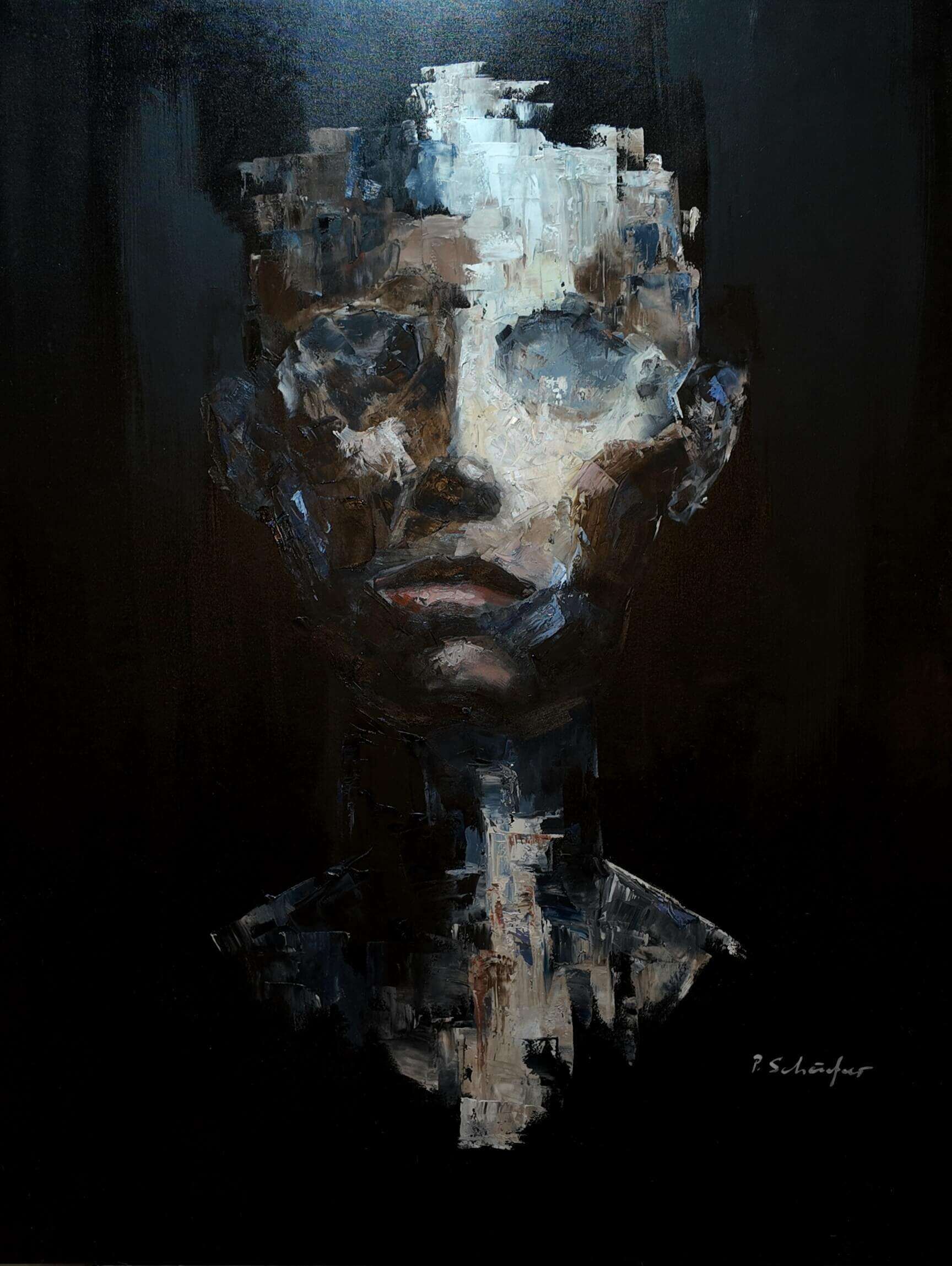
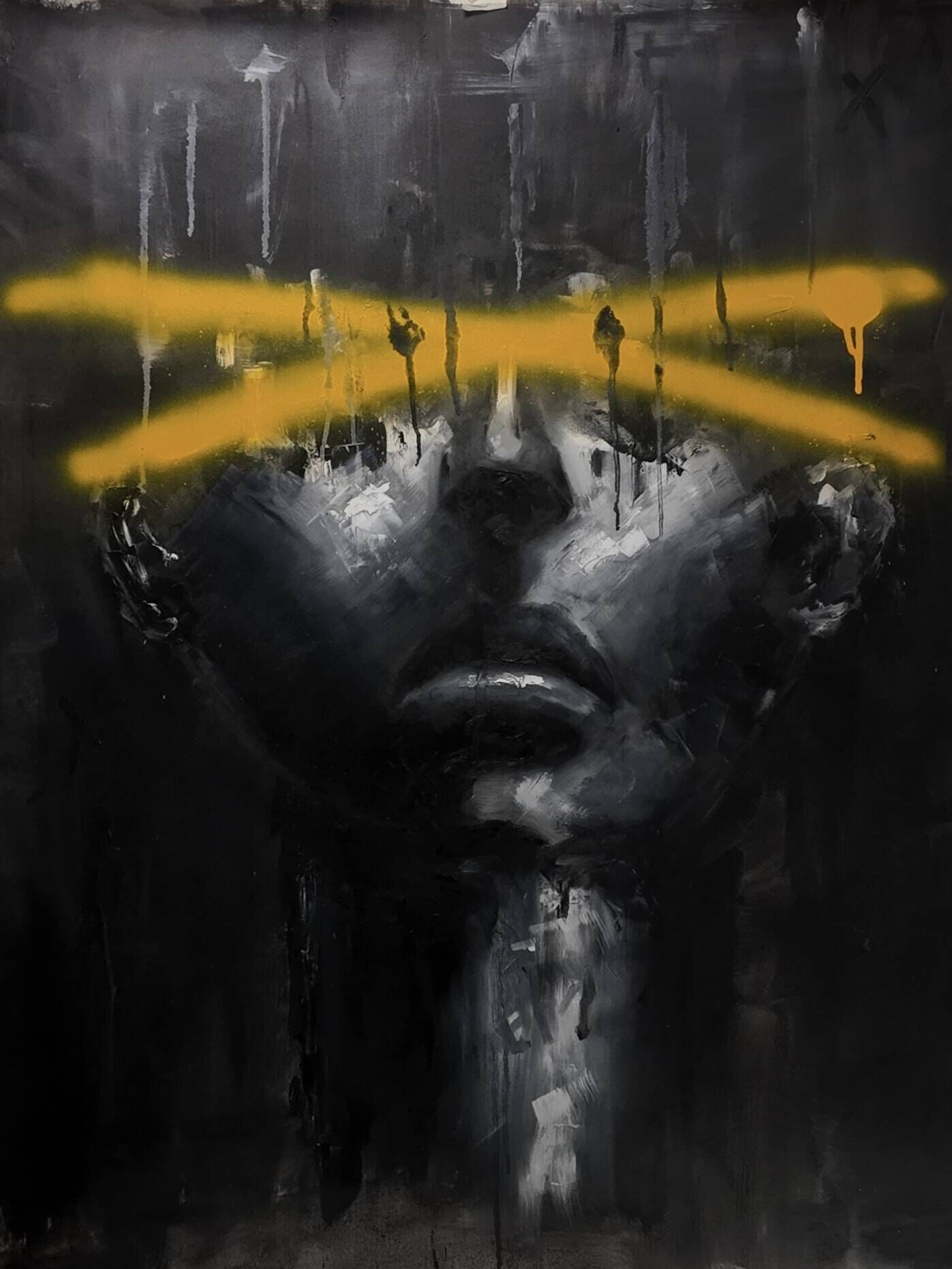
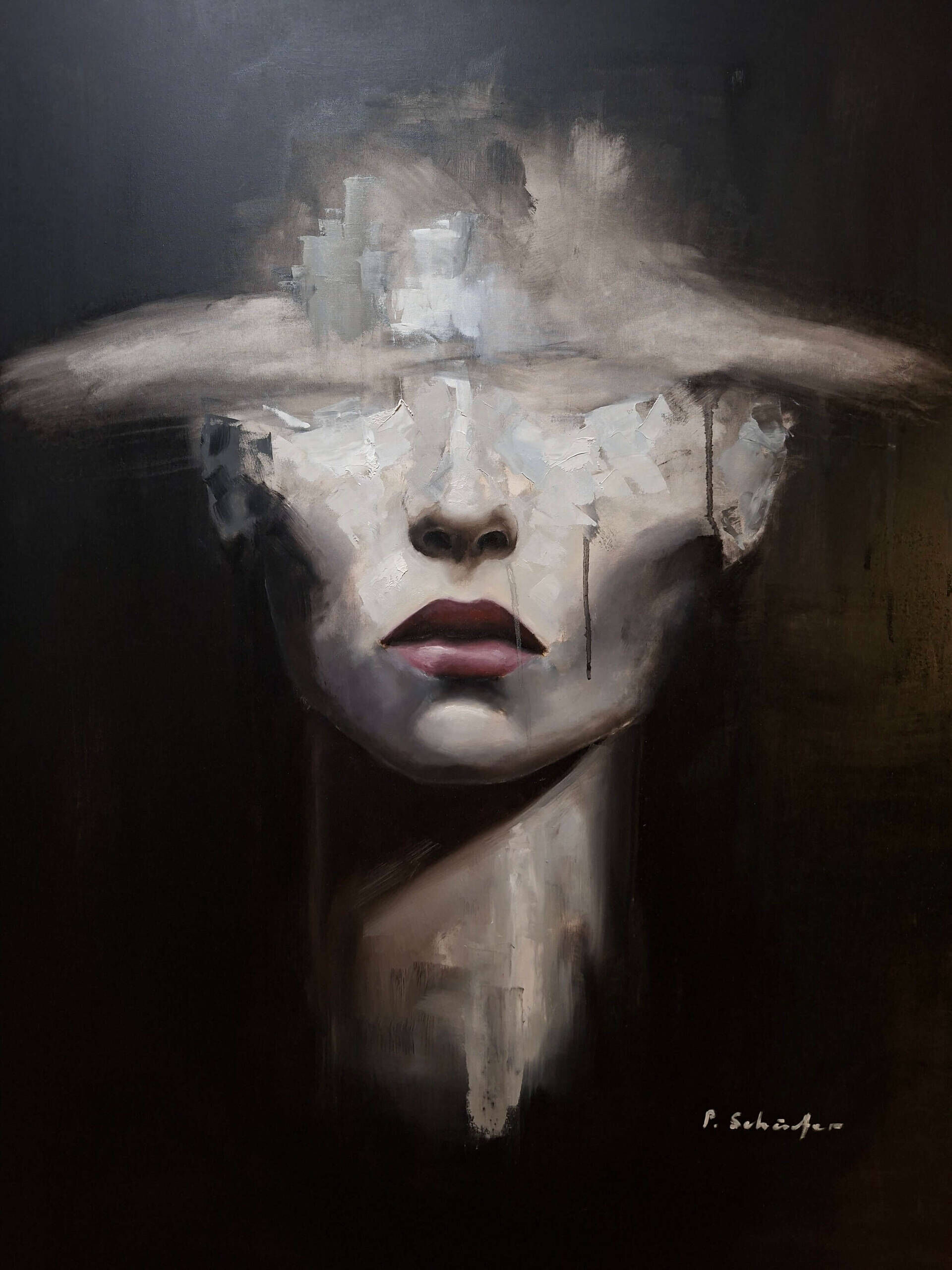
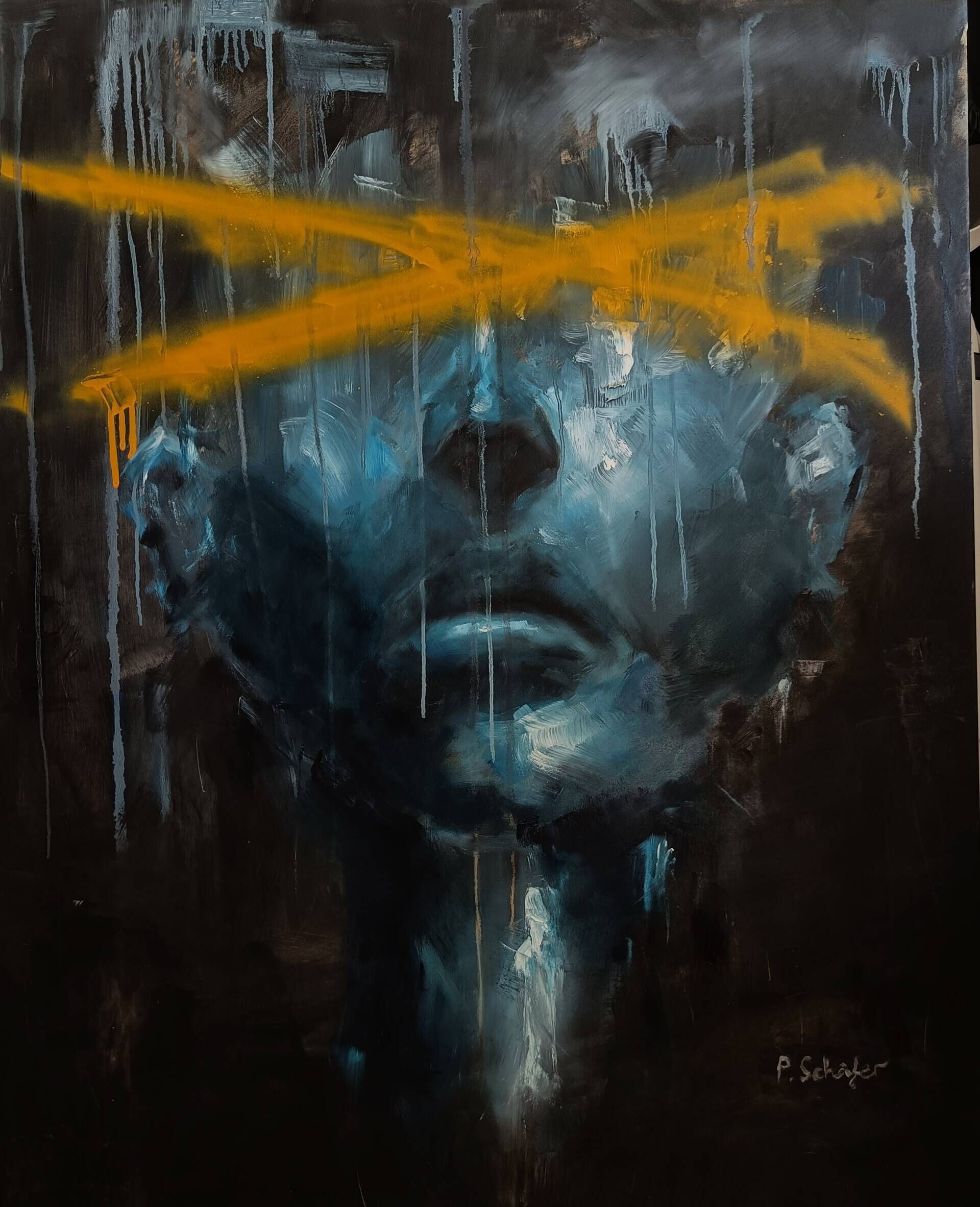
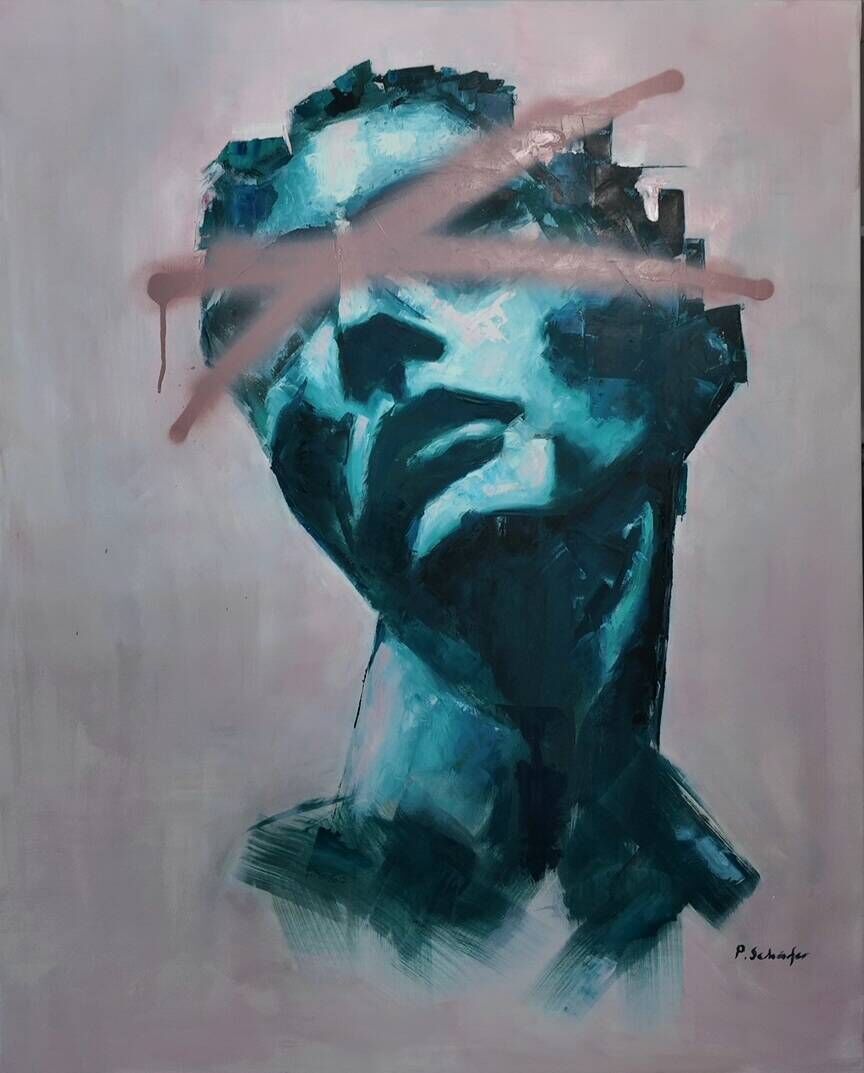
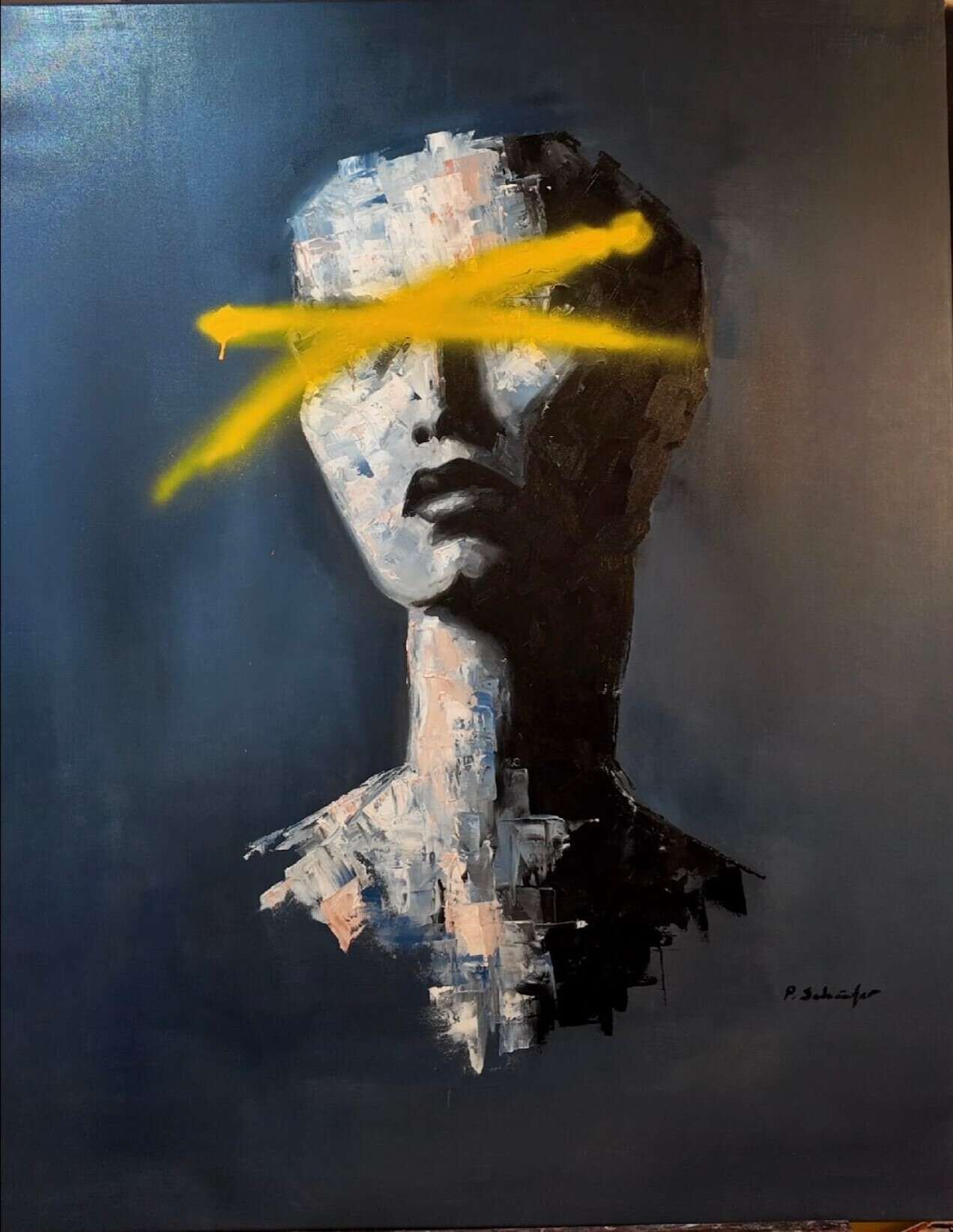
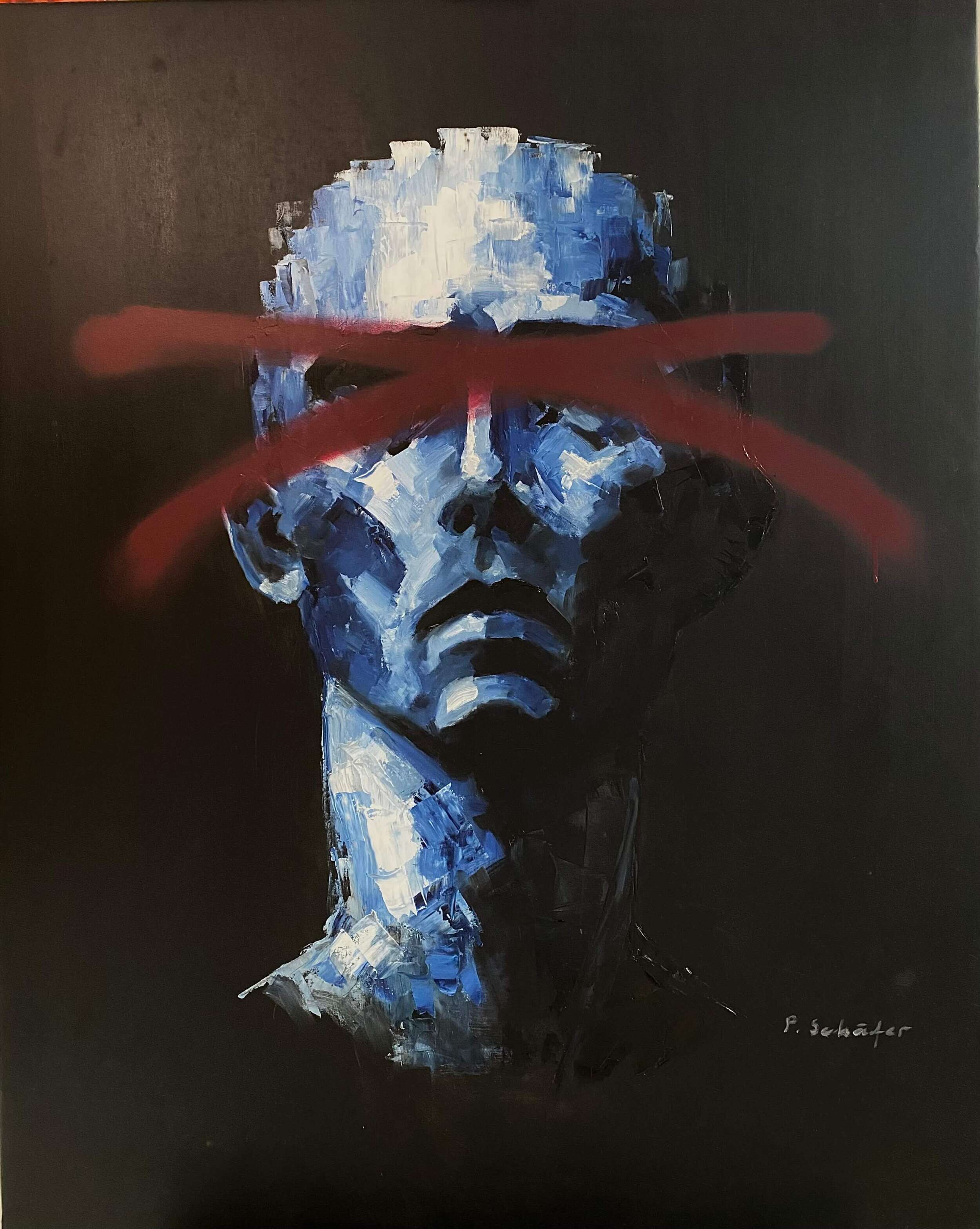
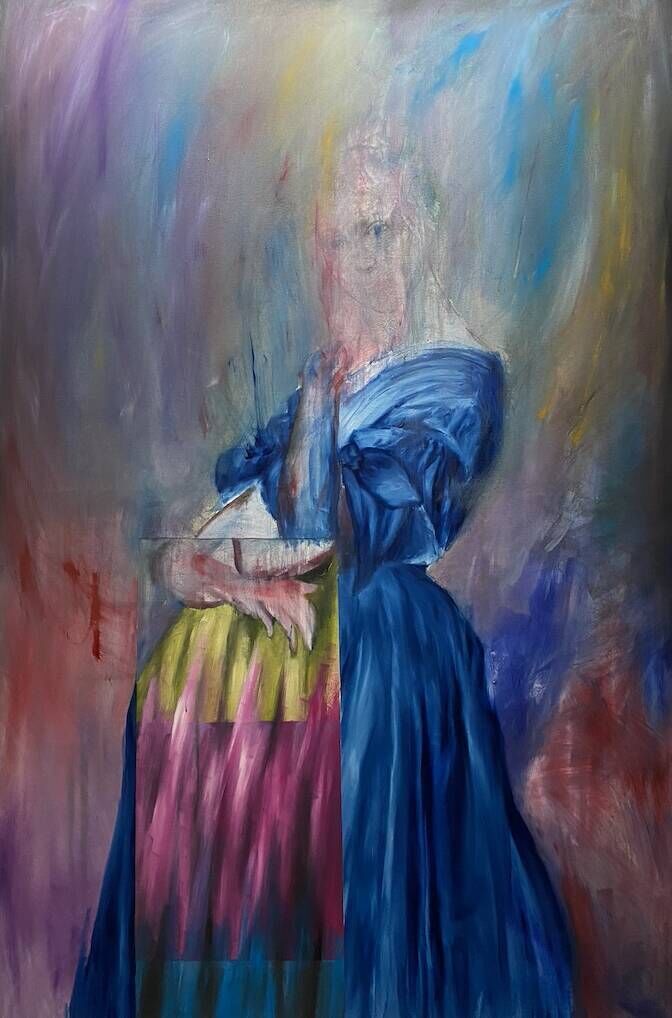
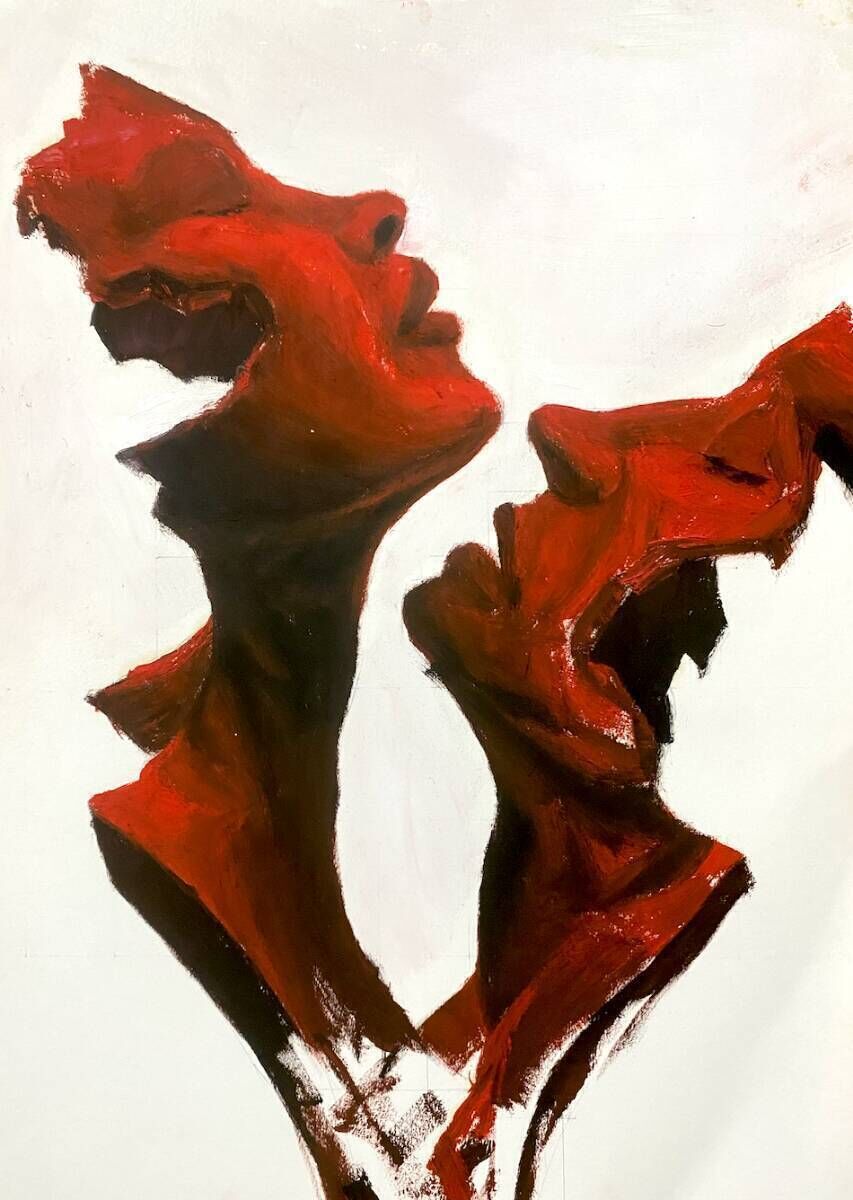
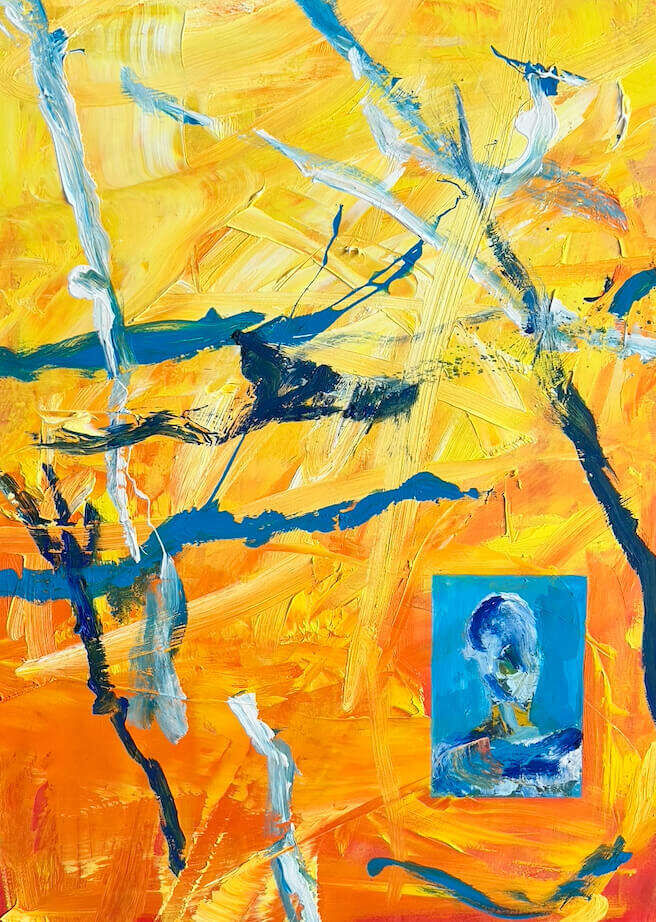
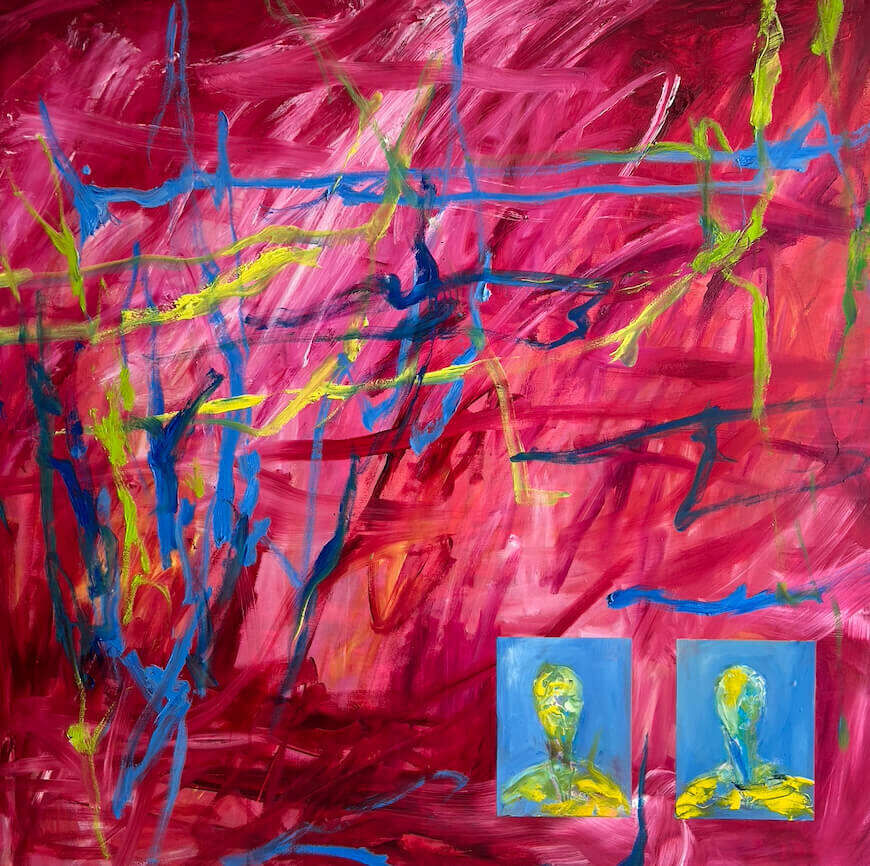
Abstract portrait paintings represent a more modern form of portrait art. These are a captivating art form that transports viewers into a world of subtle expression and creative interpretations. The key difference from traditional portraits is how distinctly they stand apart from them. The focus of the painting is not on a detailed reproduction of reality, but rather on artistic freedom, personality and the emotions intended to be conveyed. This individuality is captured in an abstract manner. To achieve this, artists often employ unconventional techniques, colours, forms and alienation techniques. Due to the highly individualised representation, the uniqueness lies in the fact that the portraits become a mirror of both the artist and the subject – the blurring of boundaries is a clear symbol of this. Abstraction creates even more personal scope for interpretation, allowing viewers to project their own feelings and thoughts onto the image. Likewise, artistic freedom enables emotions to be portrayed even more powerfully in abstract portrait art, leading to a strong connection between the artwork and the viewer.
Buy portrait paintings online
The portrait has been a popular subject in art for ages and usually captivates with its powerful expression, making it highly sought-after. If you’re looking to buy a portrait painting, the first question that arises is ‘where’. Anyone wishing to buy portrait paintings is primarily drawn to one thing: the appeal. As the work often depicts a stranger, it is particularly important that the ‘chemistry is right’. It can often take a long time to find the object of one’s desire. That’s why it’s worth taking a look at the
online platforms . Ordering a portrait online there can turn into a real treasure hunt. At the
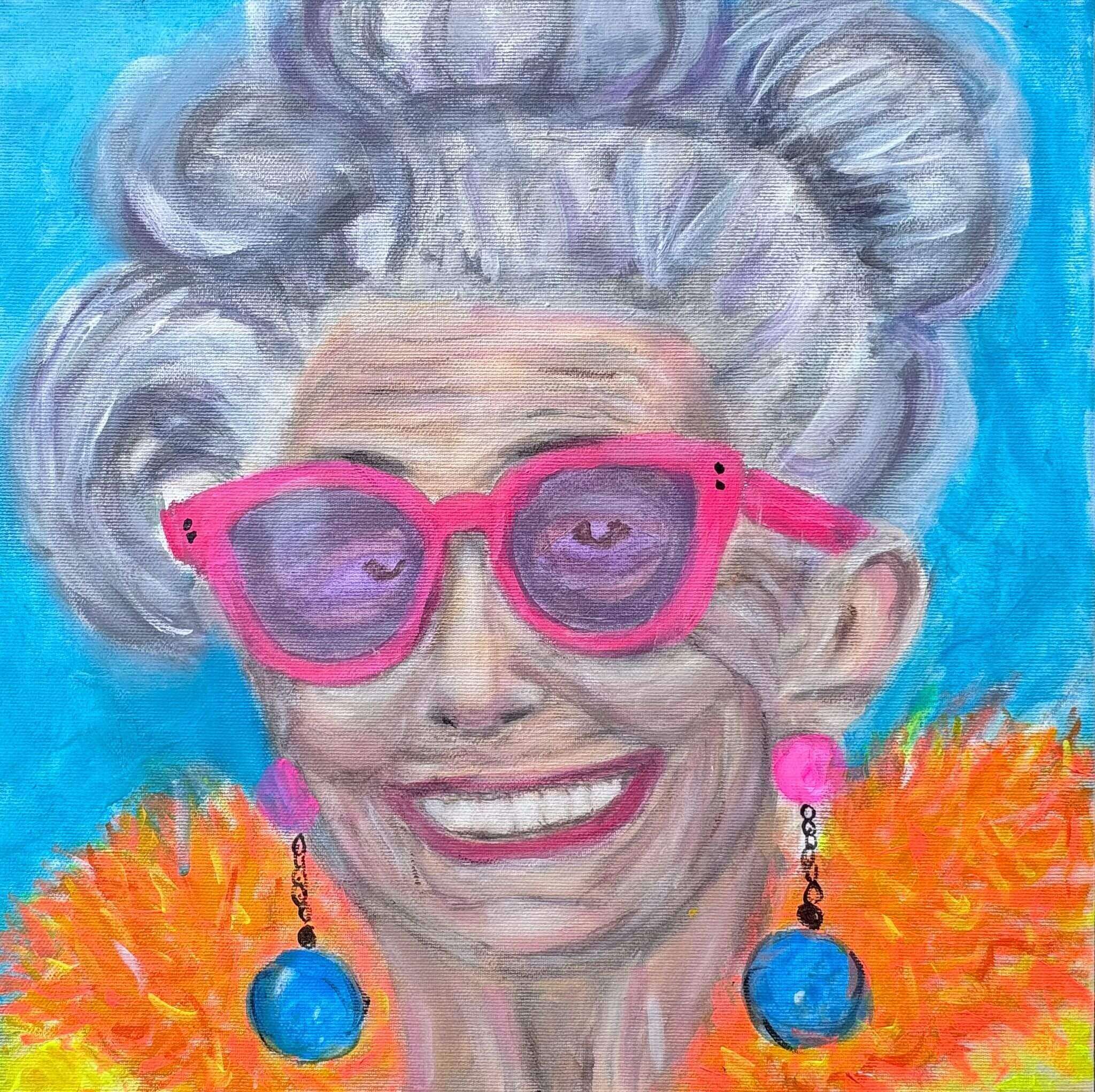
Student Art Market you’ll find a huge selection of portraits, whether they’re portraits of women or men, abstract artworks or traditional portrait painting. Here’s a little insight into the selection, so you don’t find it too difficult to find your way around.