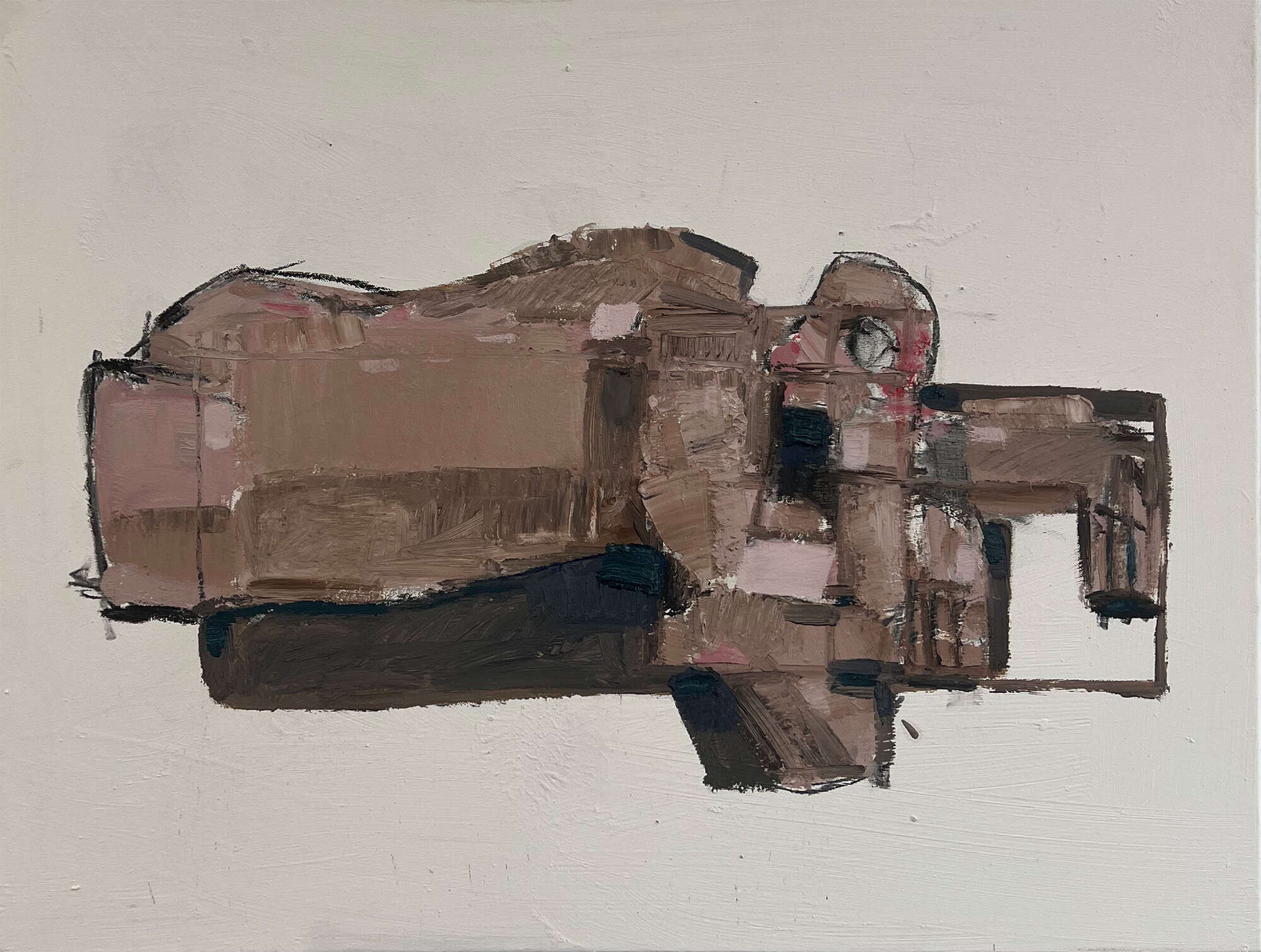
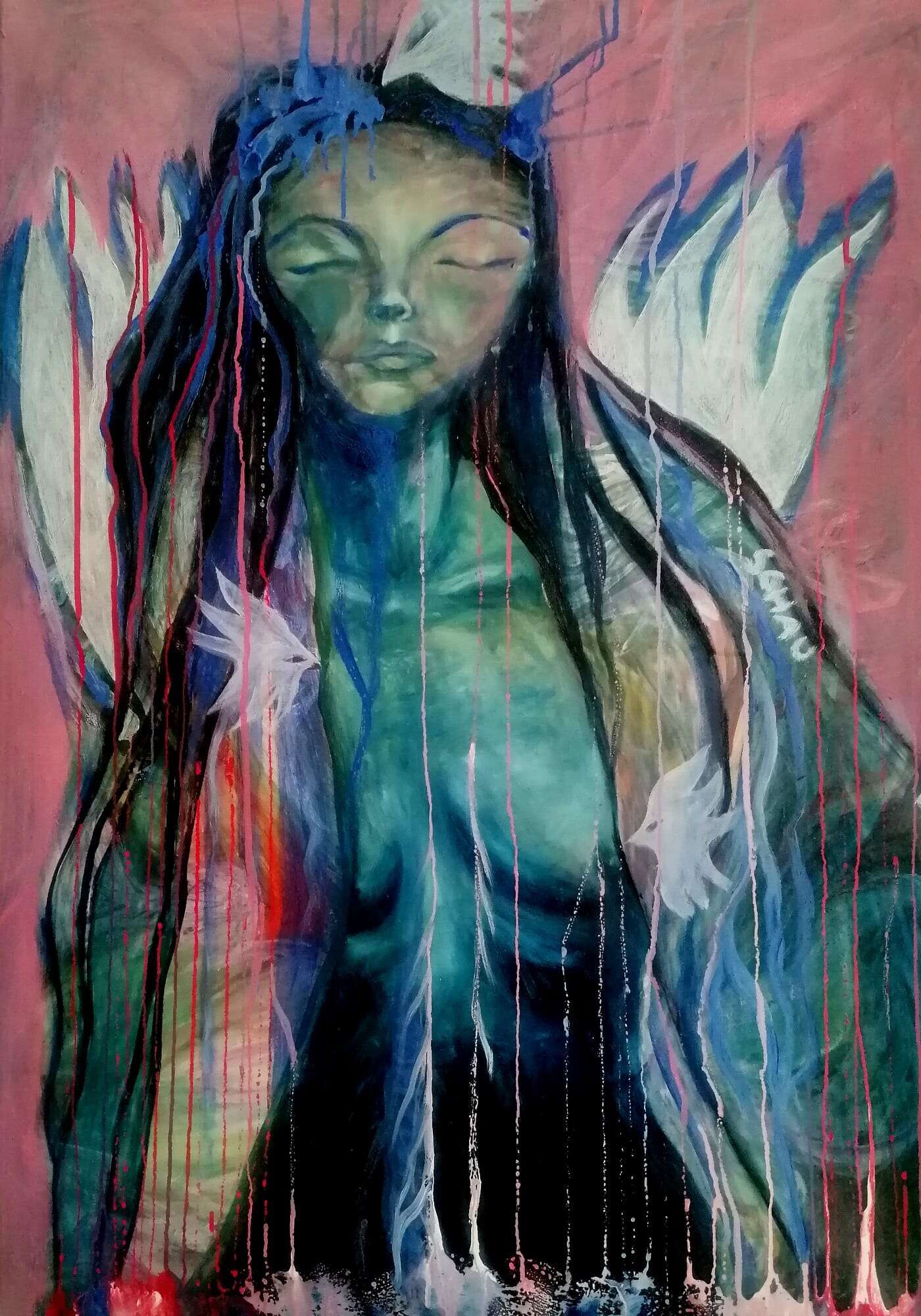
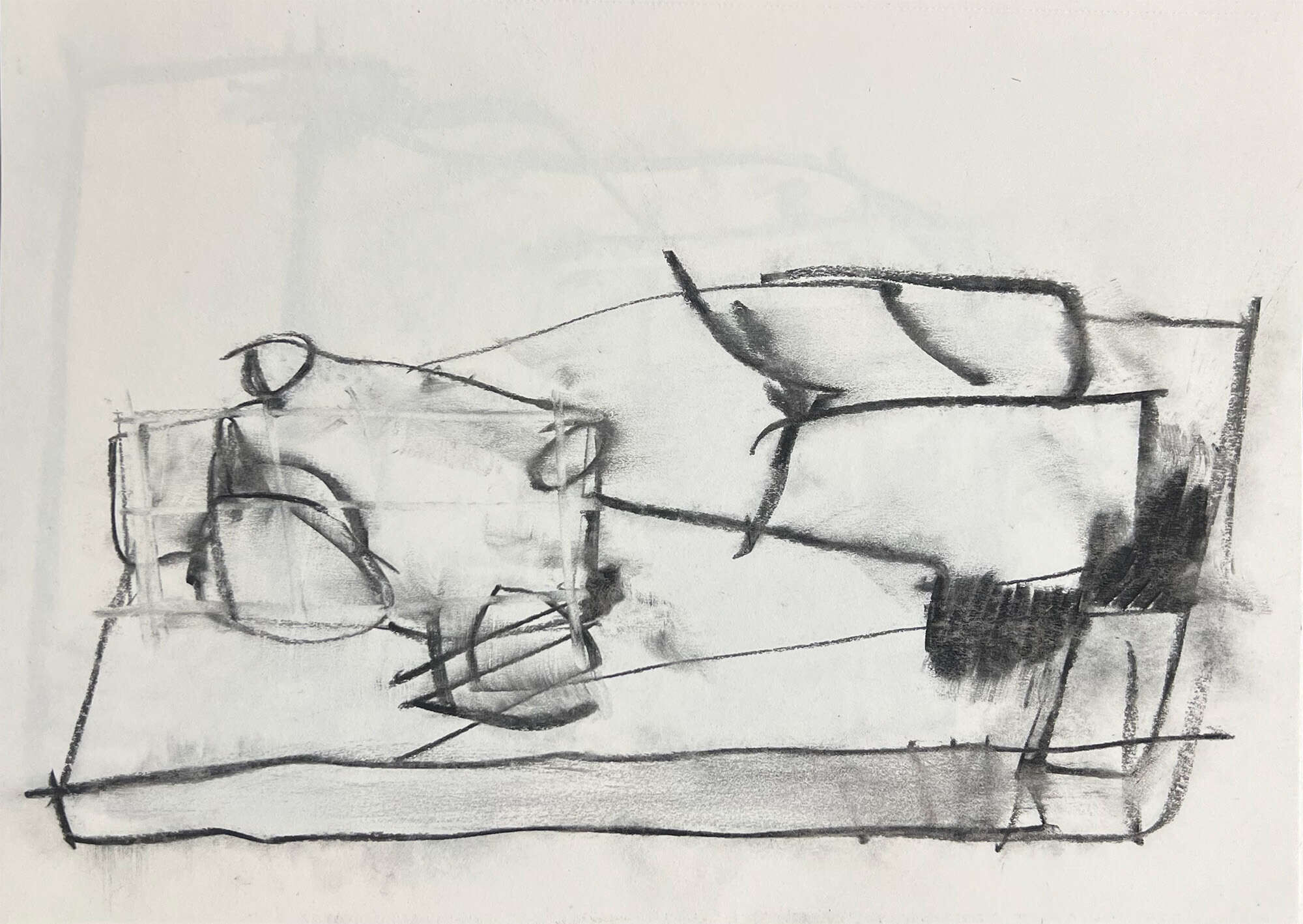
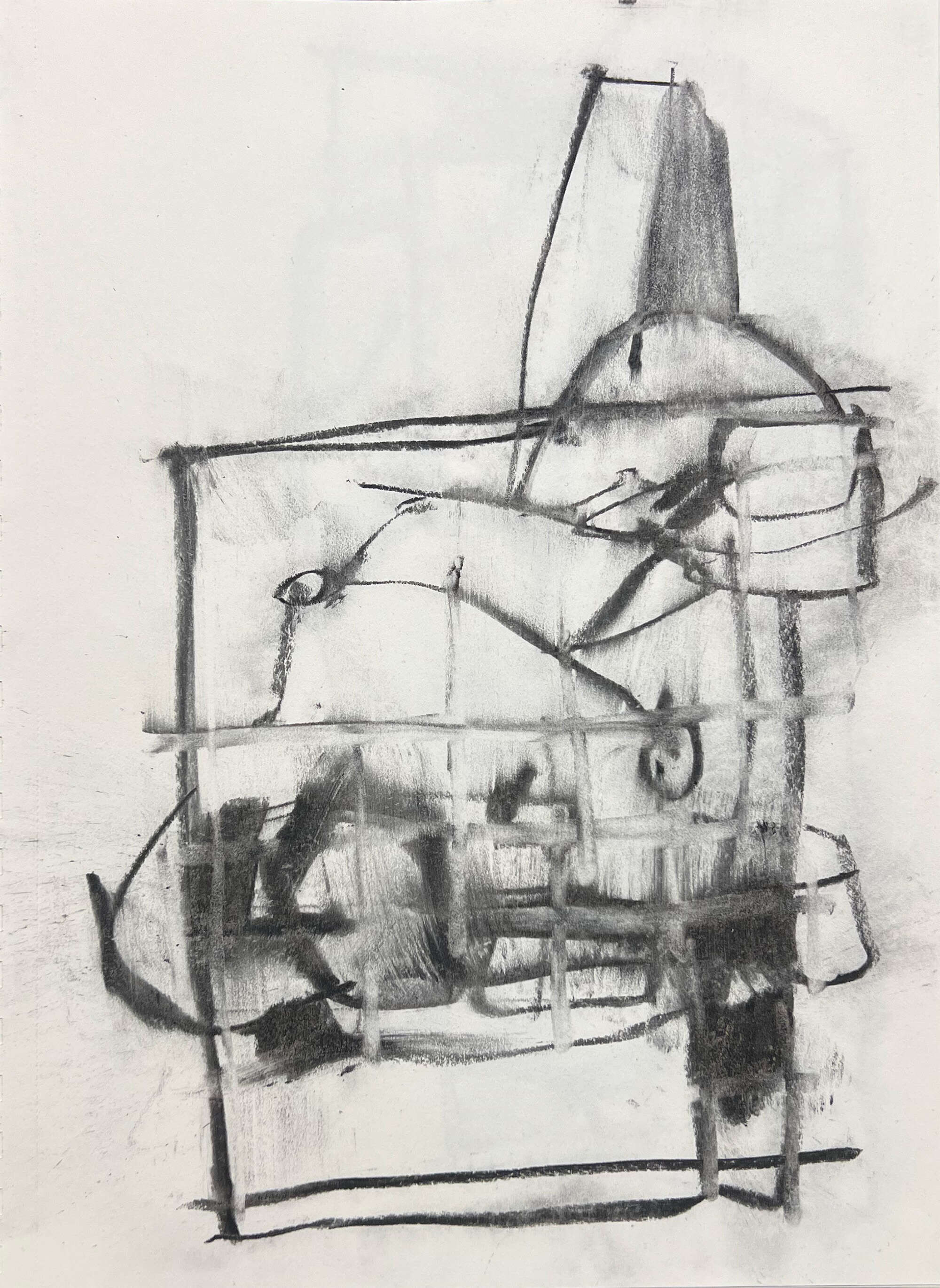
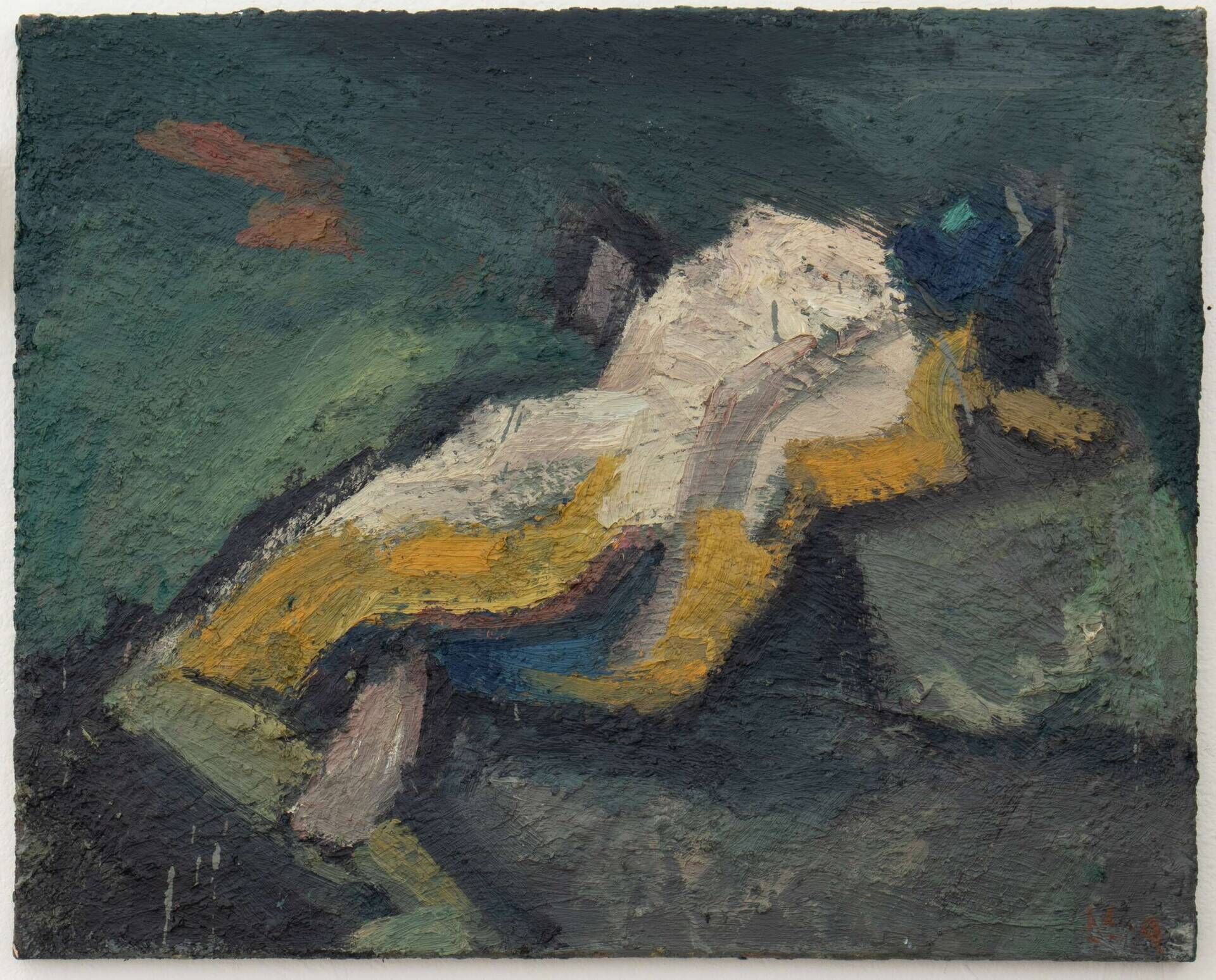
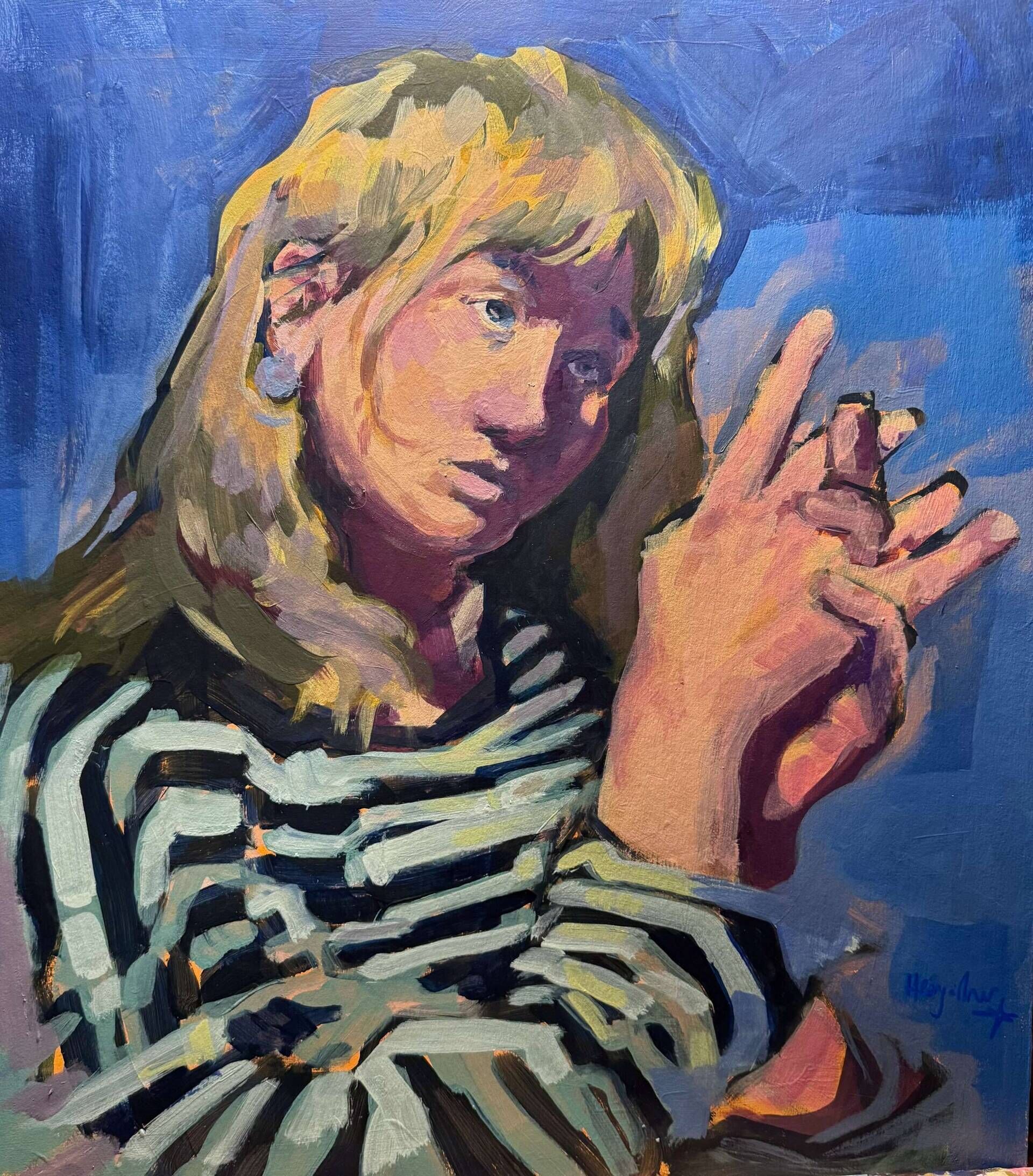
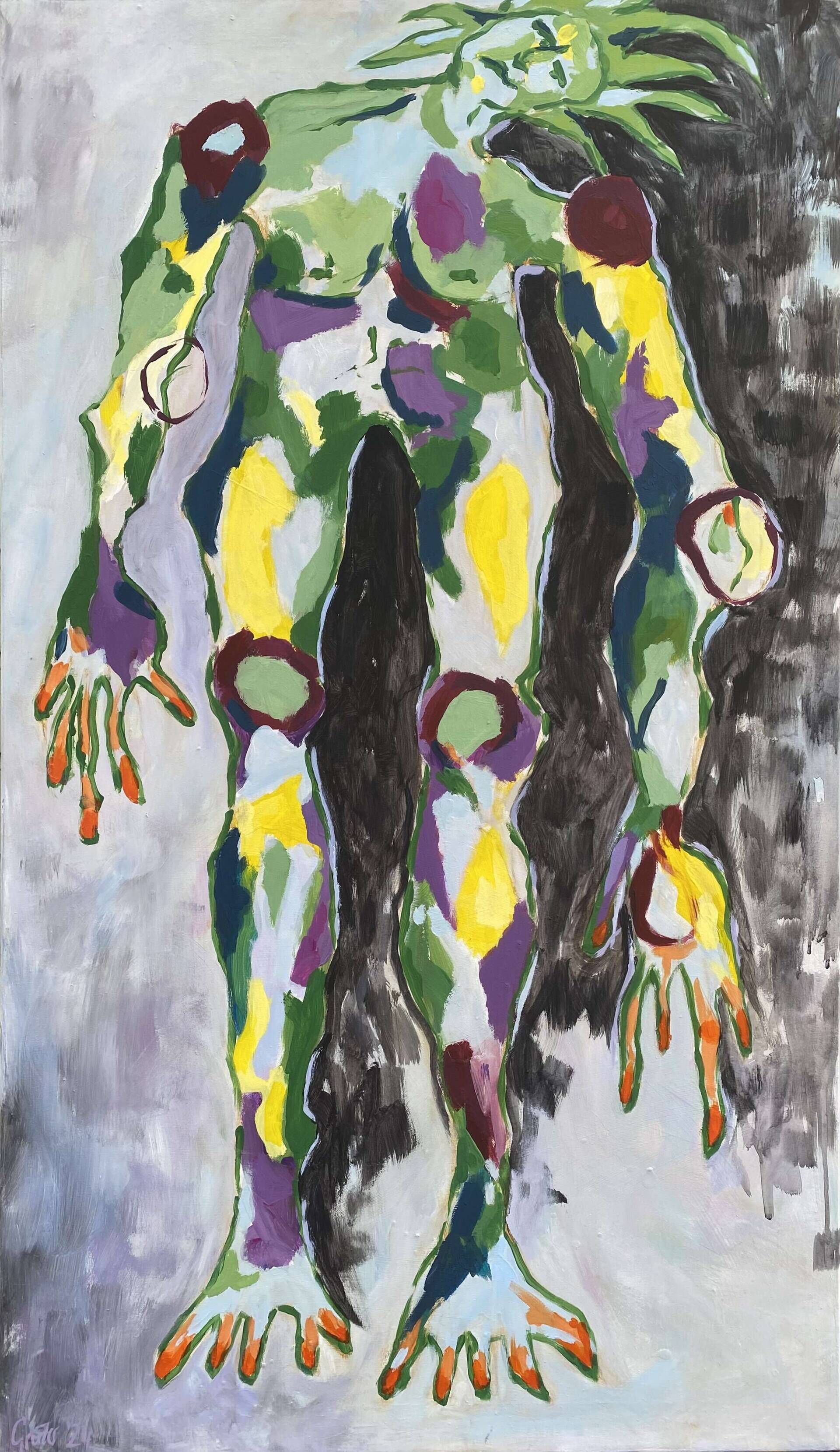
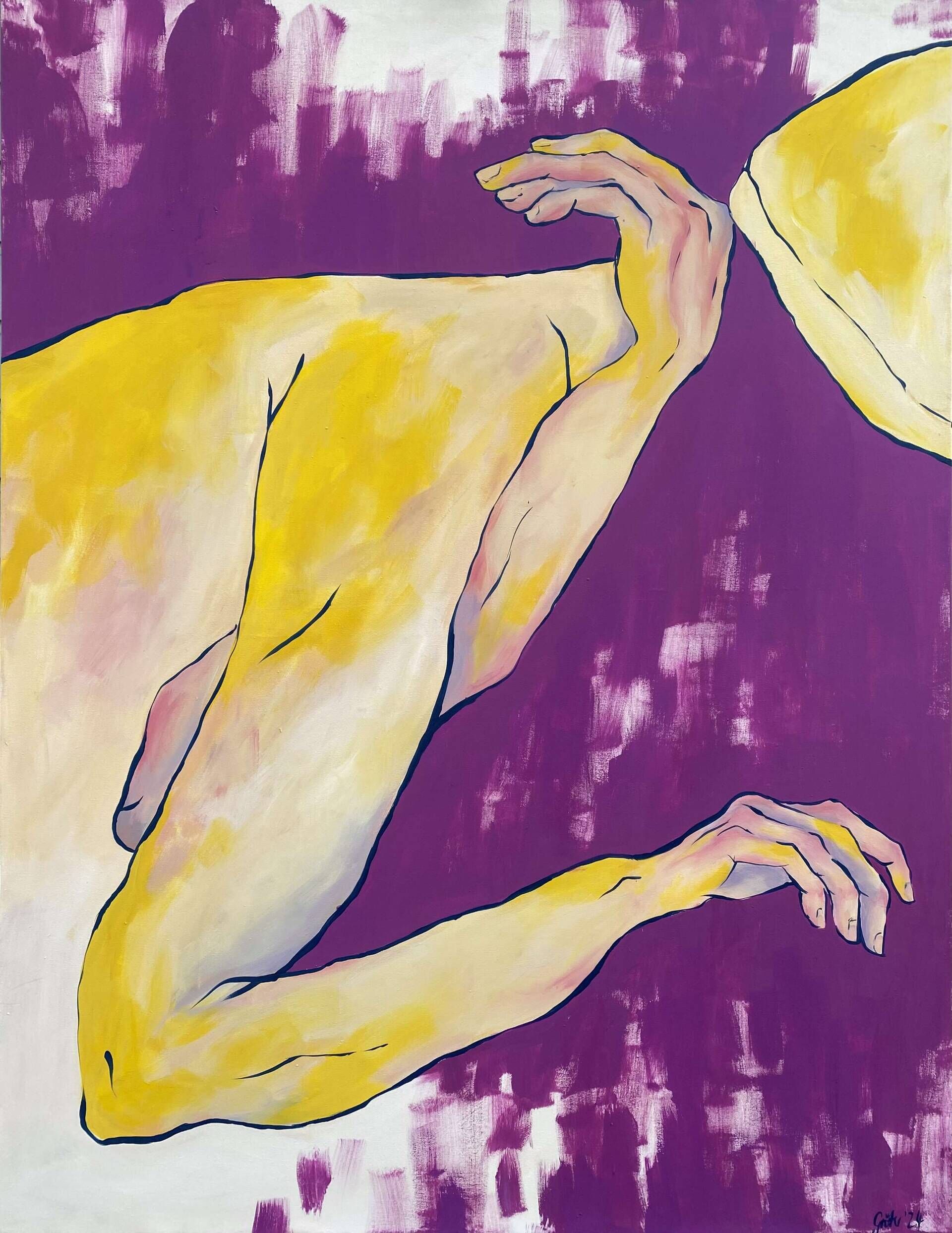
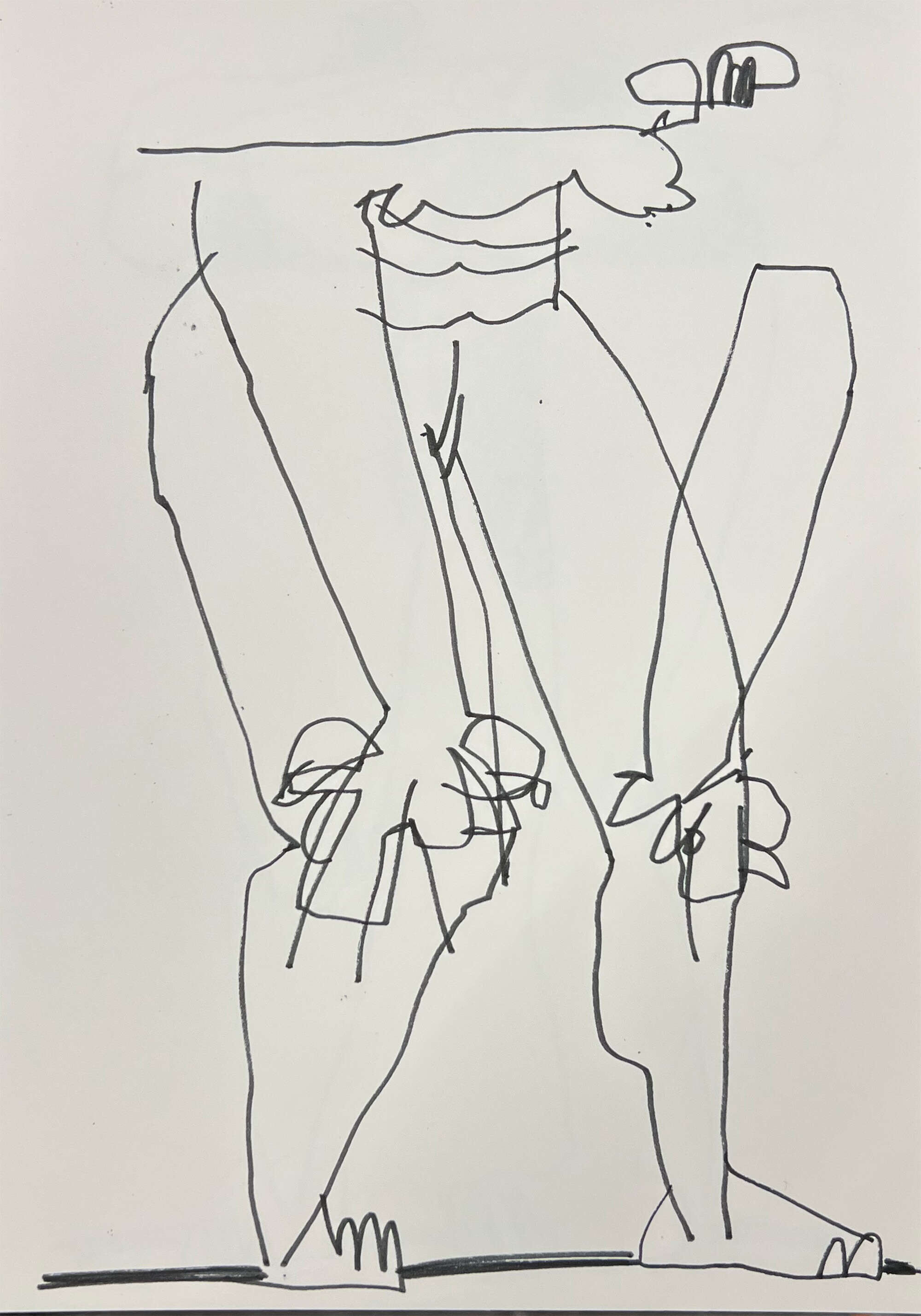
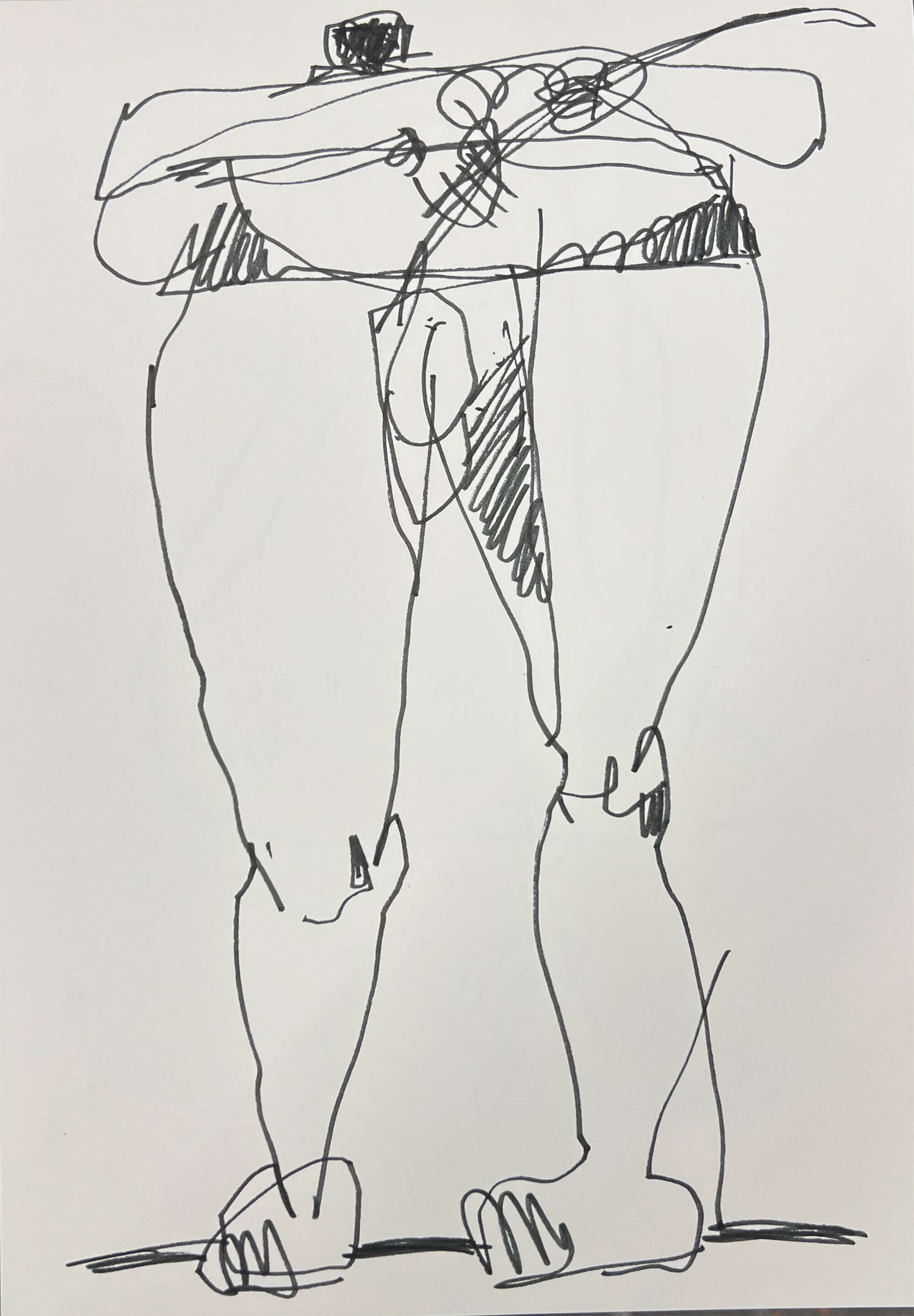
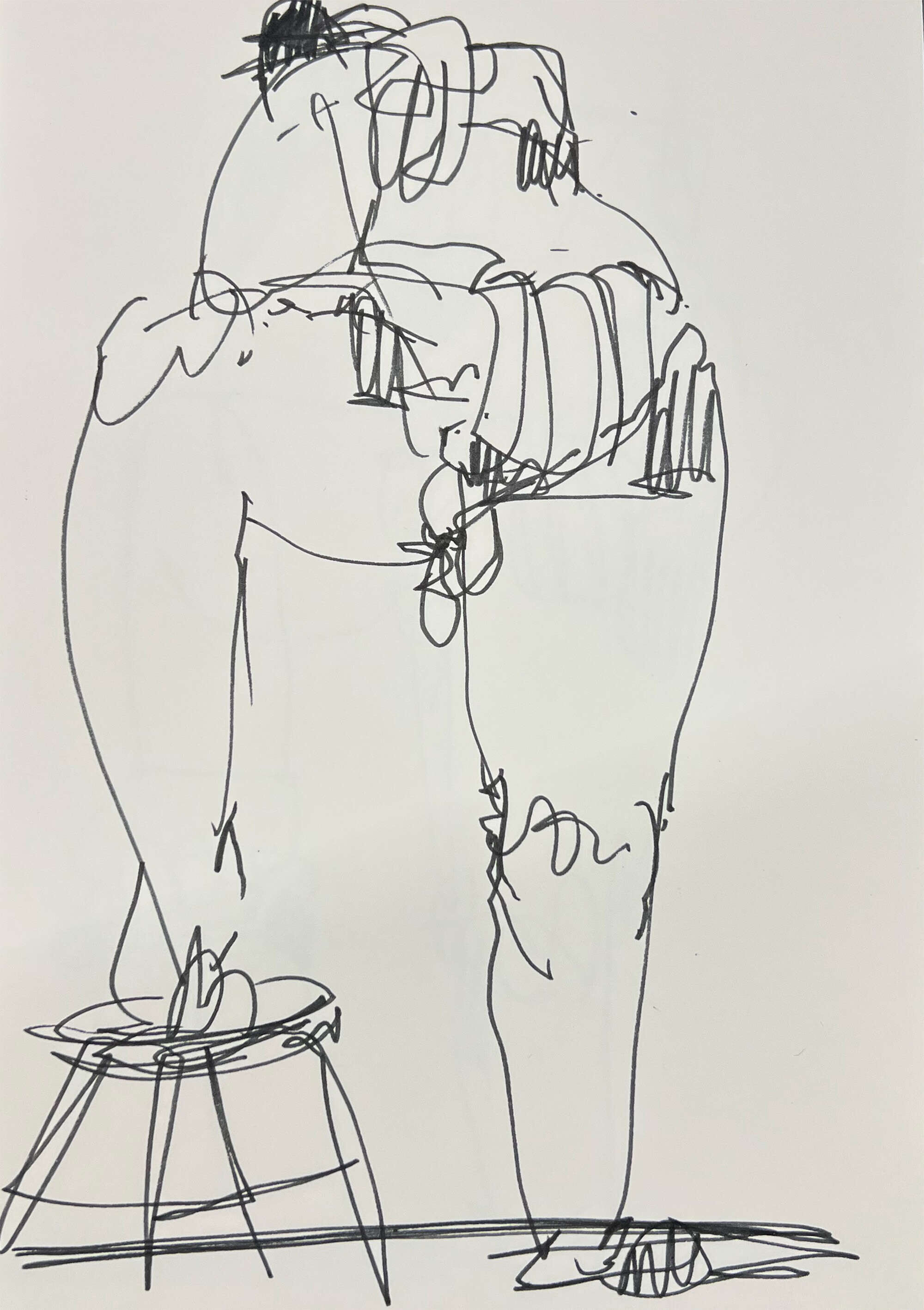
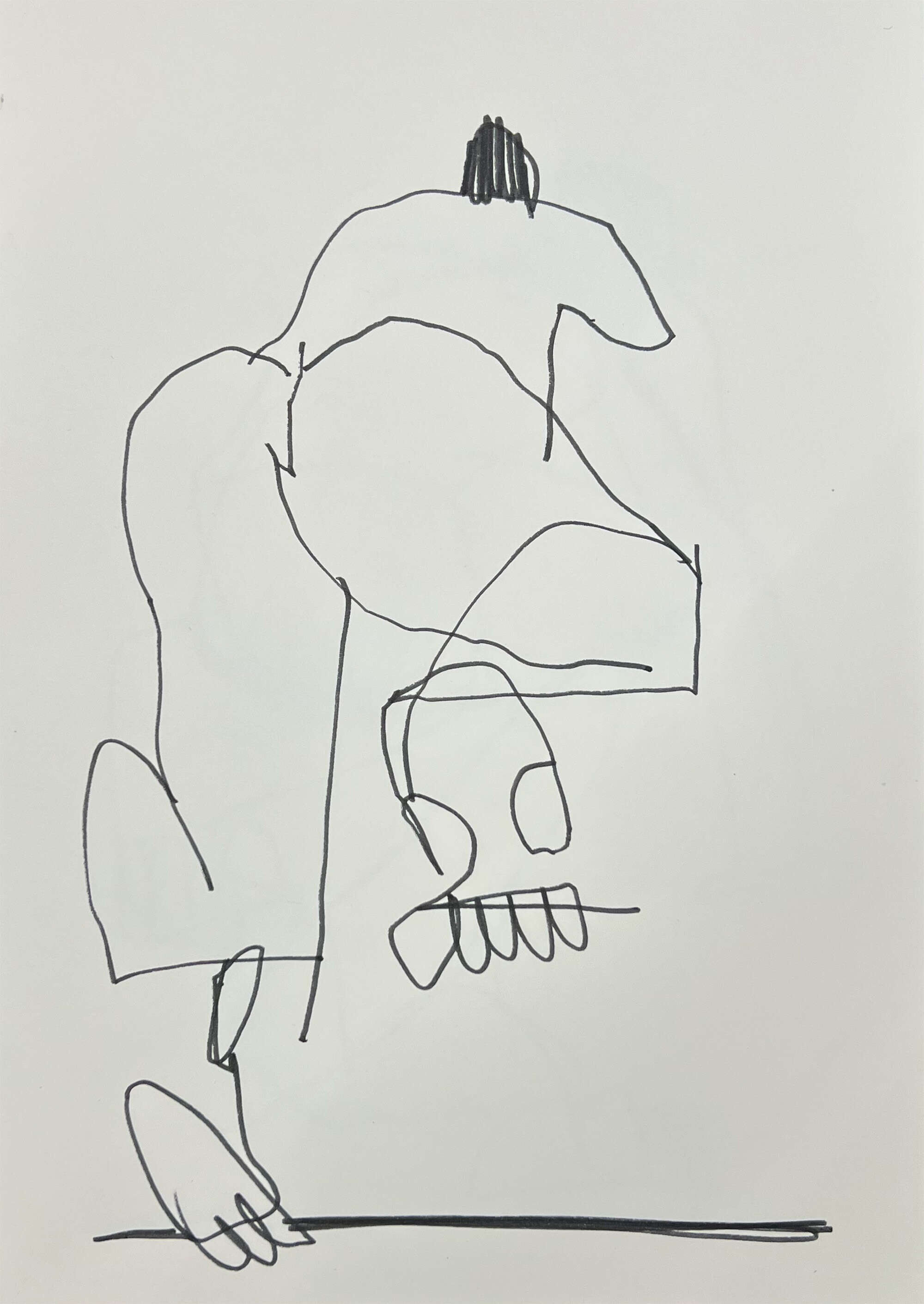
The nude painting through the ages
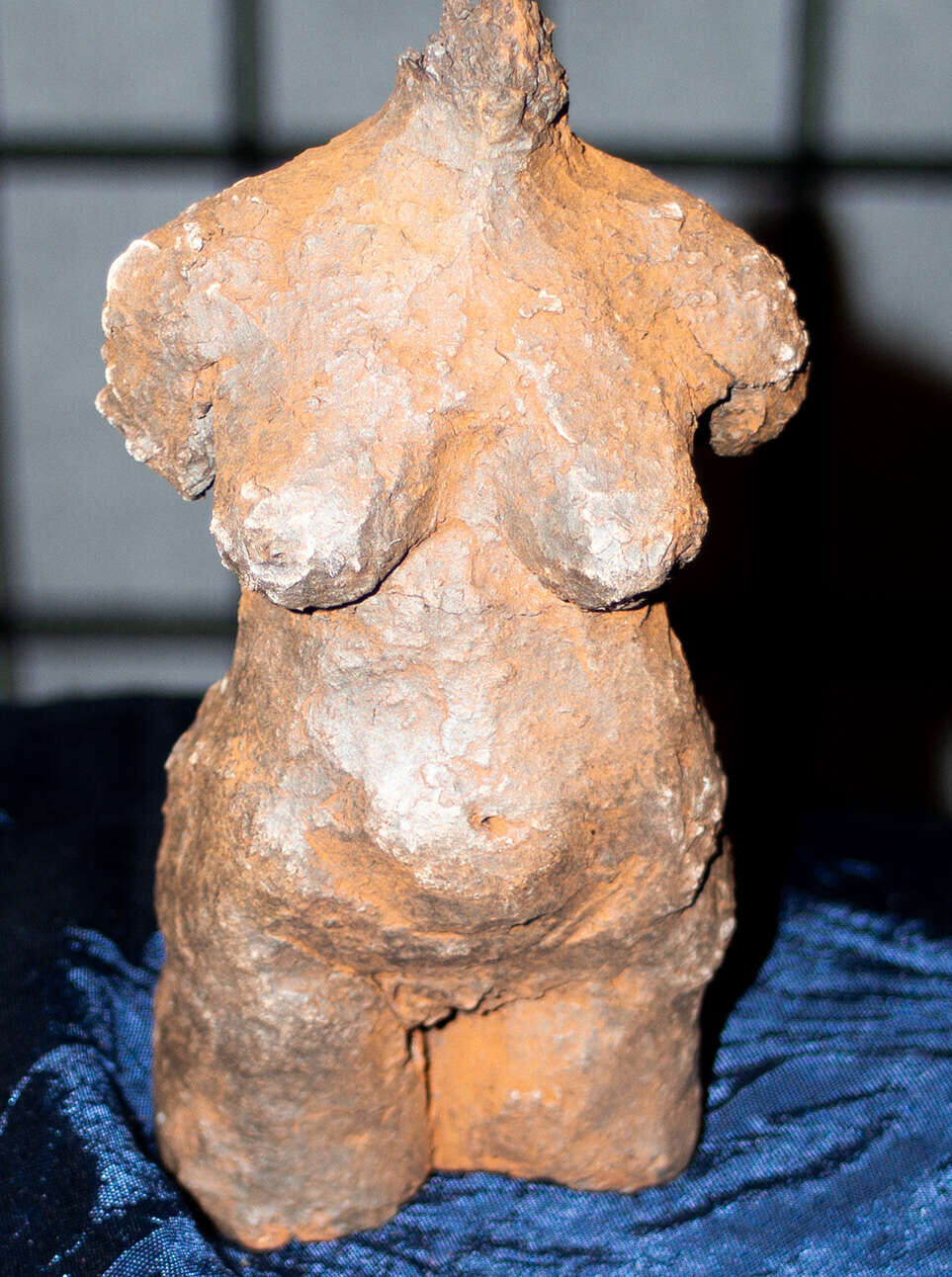
If we look back through history, we come across what is probably the first nude painting, dating from 25,000 BC. The ‘Venus of Willendorf’ was discovered in Austria in 1908. The 11 cm-tall figurine, carved from limestone, appears to be a true symbol of fertility: a rounded belly, large breasts, disproportionately large buttocks, full thighs and detailed labia. An impressive find! As one of the oldest and most diverse genres, the nude enjoys great popularity, yet it was the Greeks who elevated it to the status of an art form in its own right between 1200 BC and 600 AD.
However, perceptions of and attitudes towards the nude and nude paintings changed repeatedly over time. From the Middle Ages through to the 15th century, the naked body was regarded as a sin, a sign of misery, hardship, shame, impurity or poverty, and was therefore generally frowned upon. Nude depictions and nude paintings were permitted only for religious motifs; for example, the story of Adam and Eve often required nudity, combined with symbolic
depictions of animals or
floral details. The Renaissance breathed new life into nude painting and is regarded as the true beginning of European nude drawing. From that point onwards, it has been regarded as an art form in its own right.
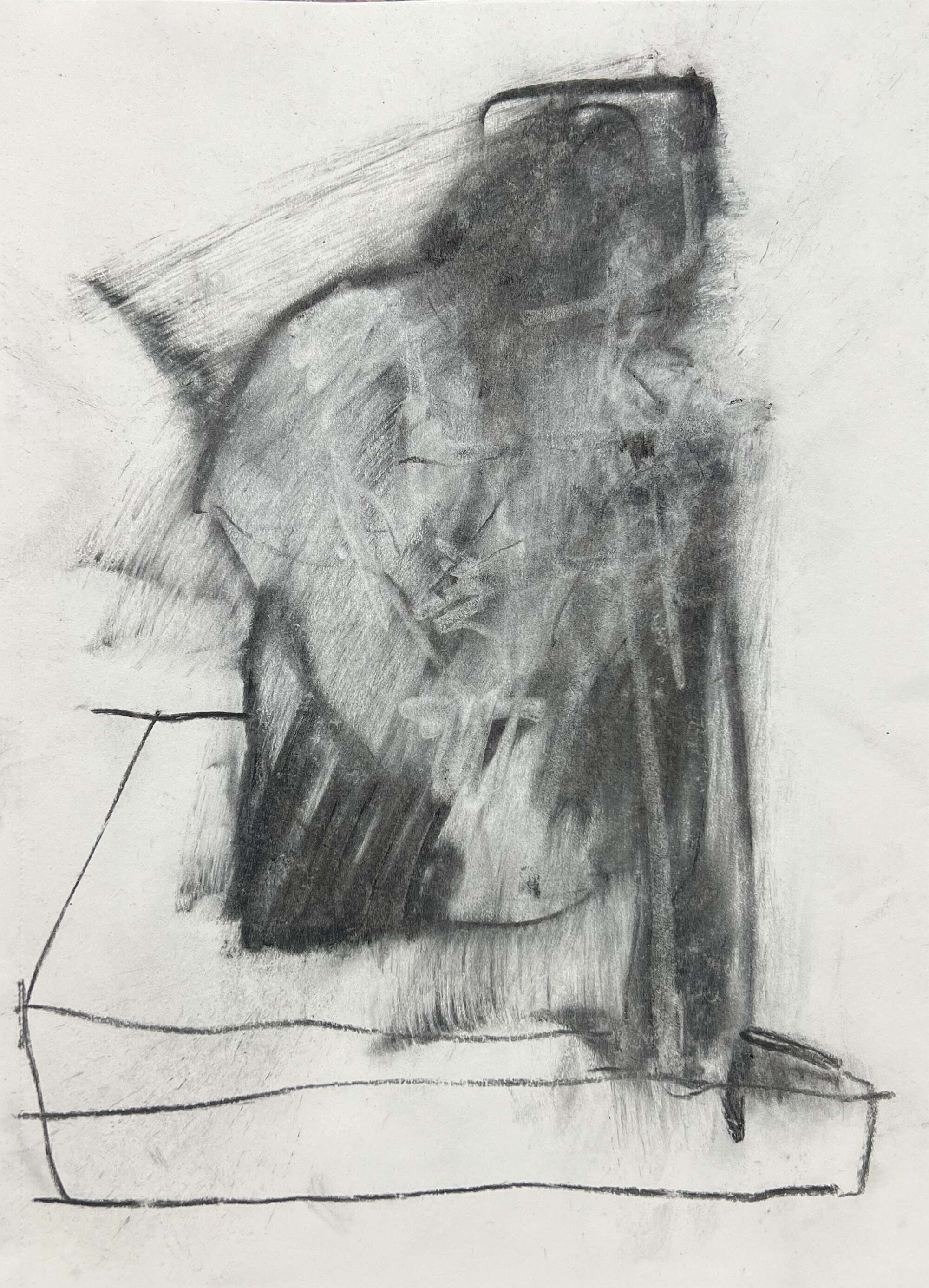
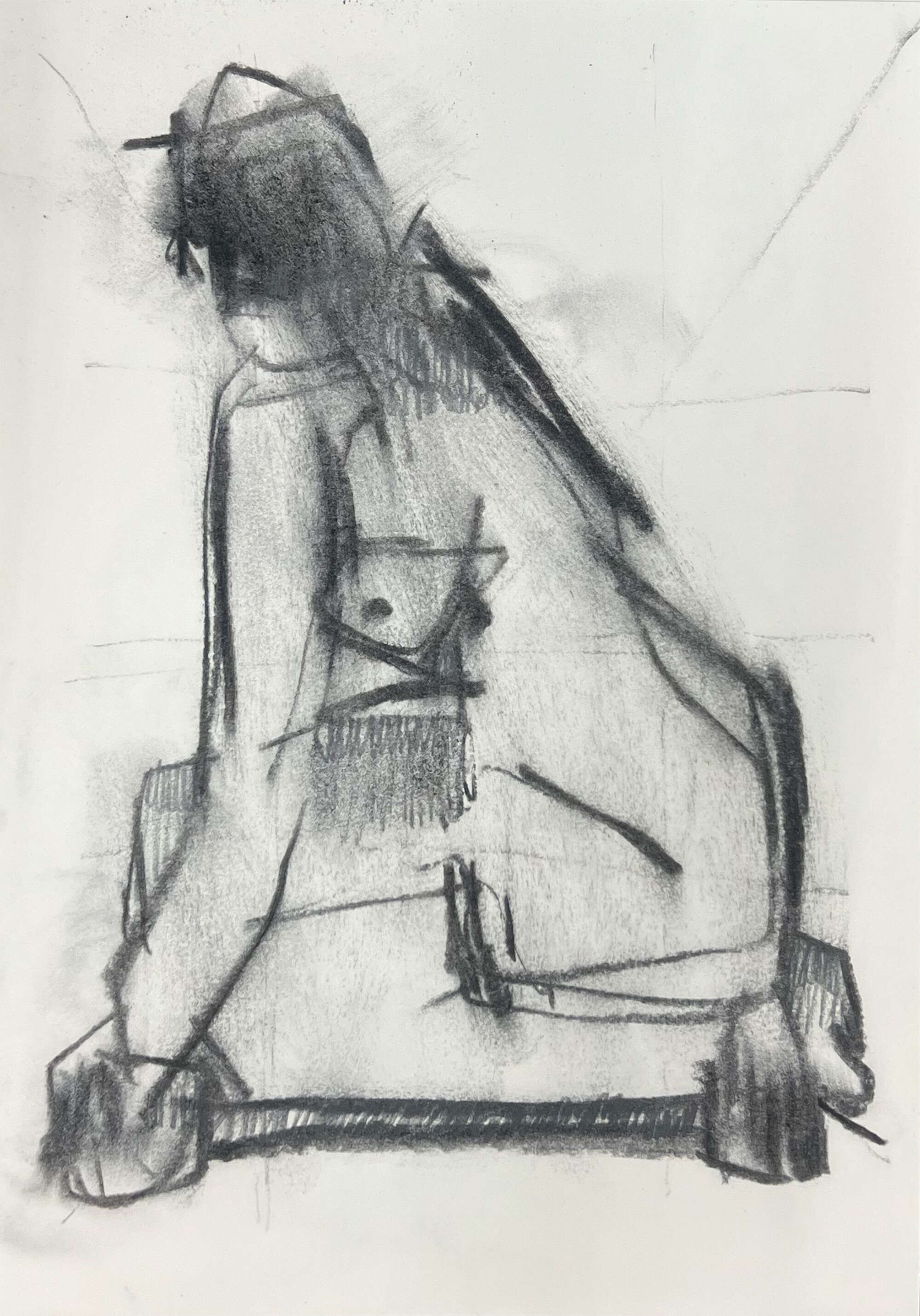
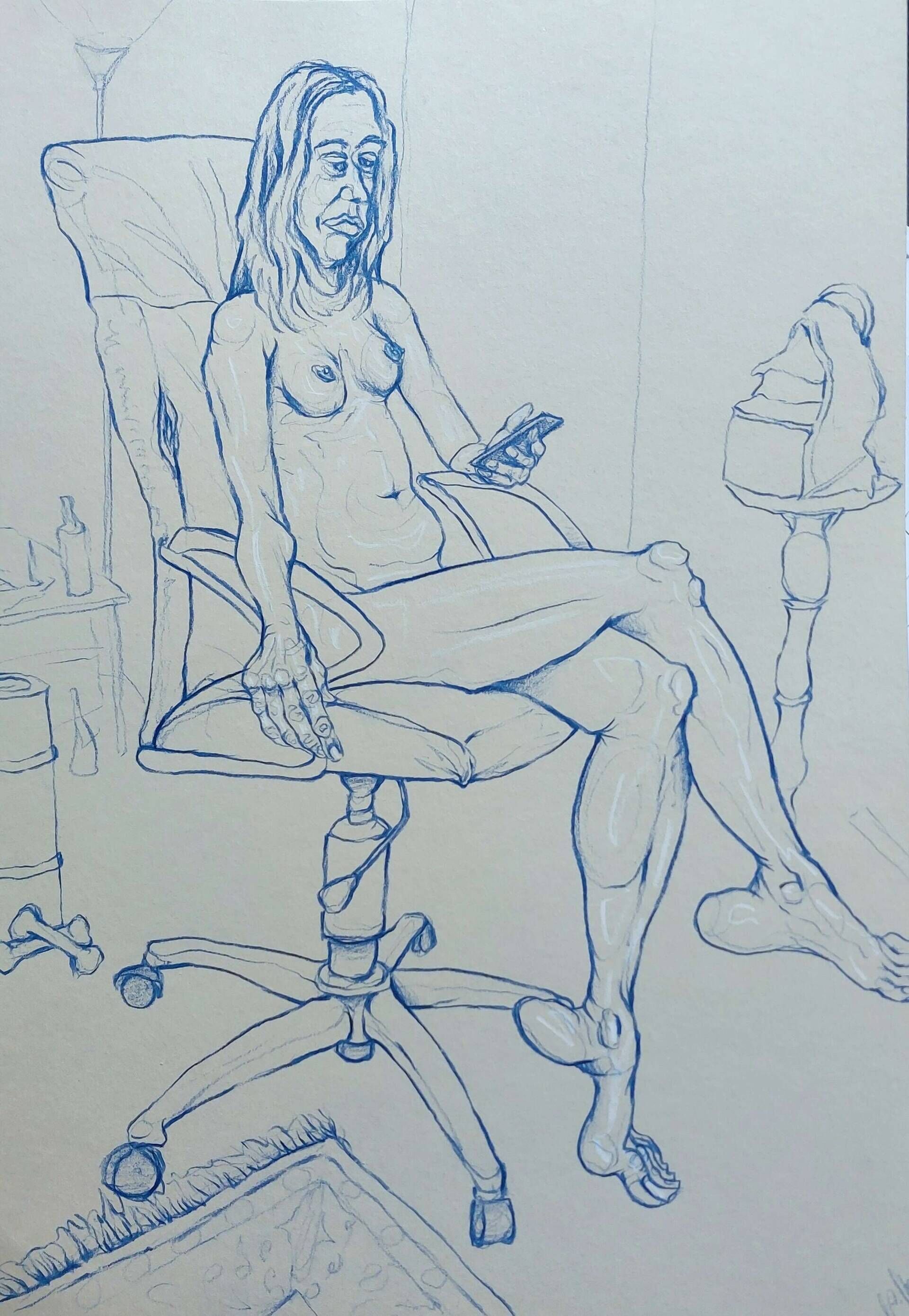
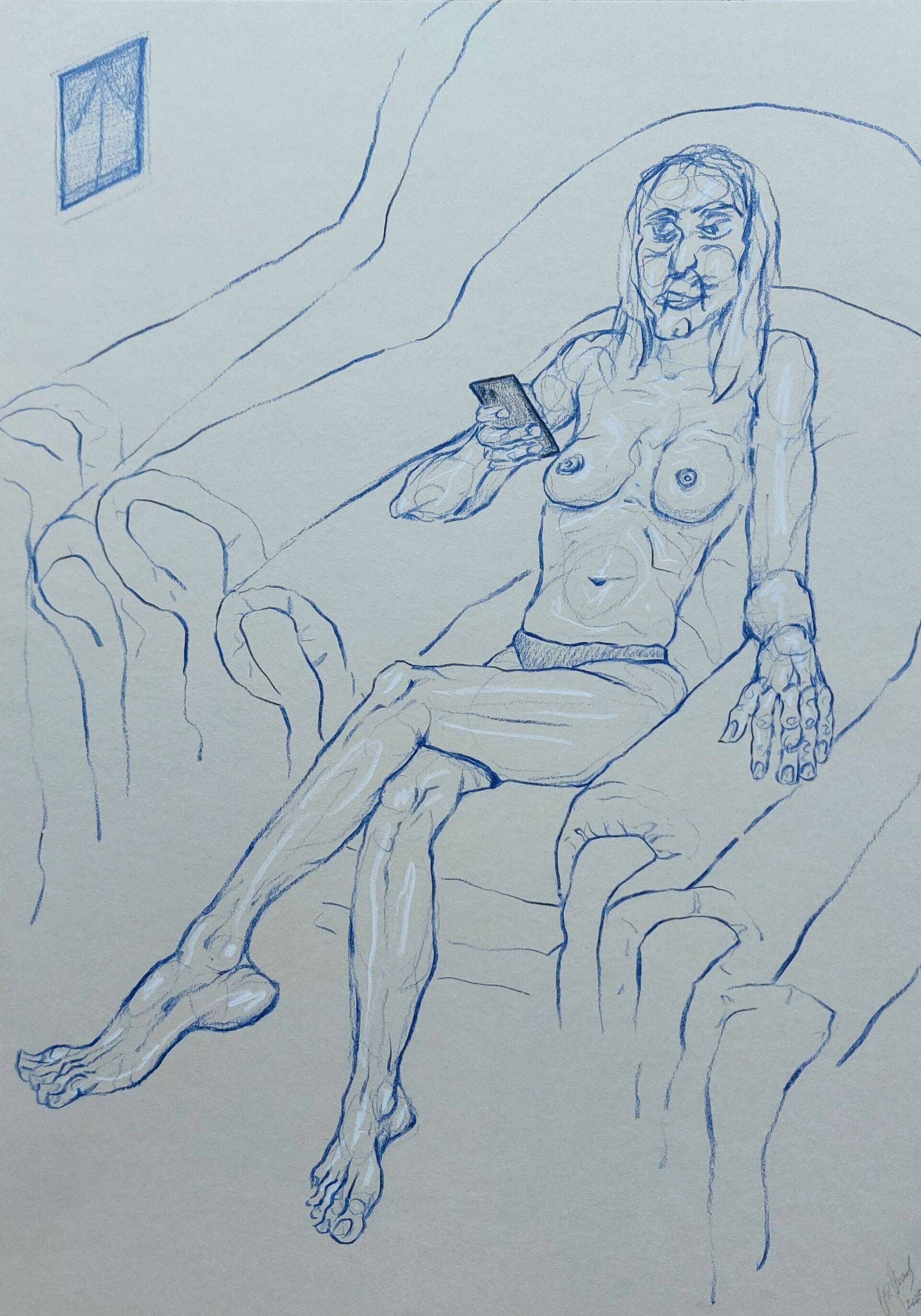
Nude paintings as an art form depicting the human body
female nude paintings
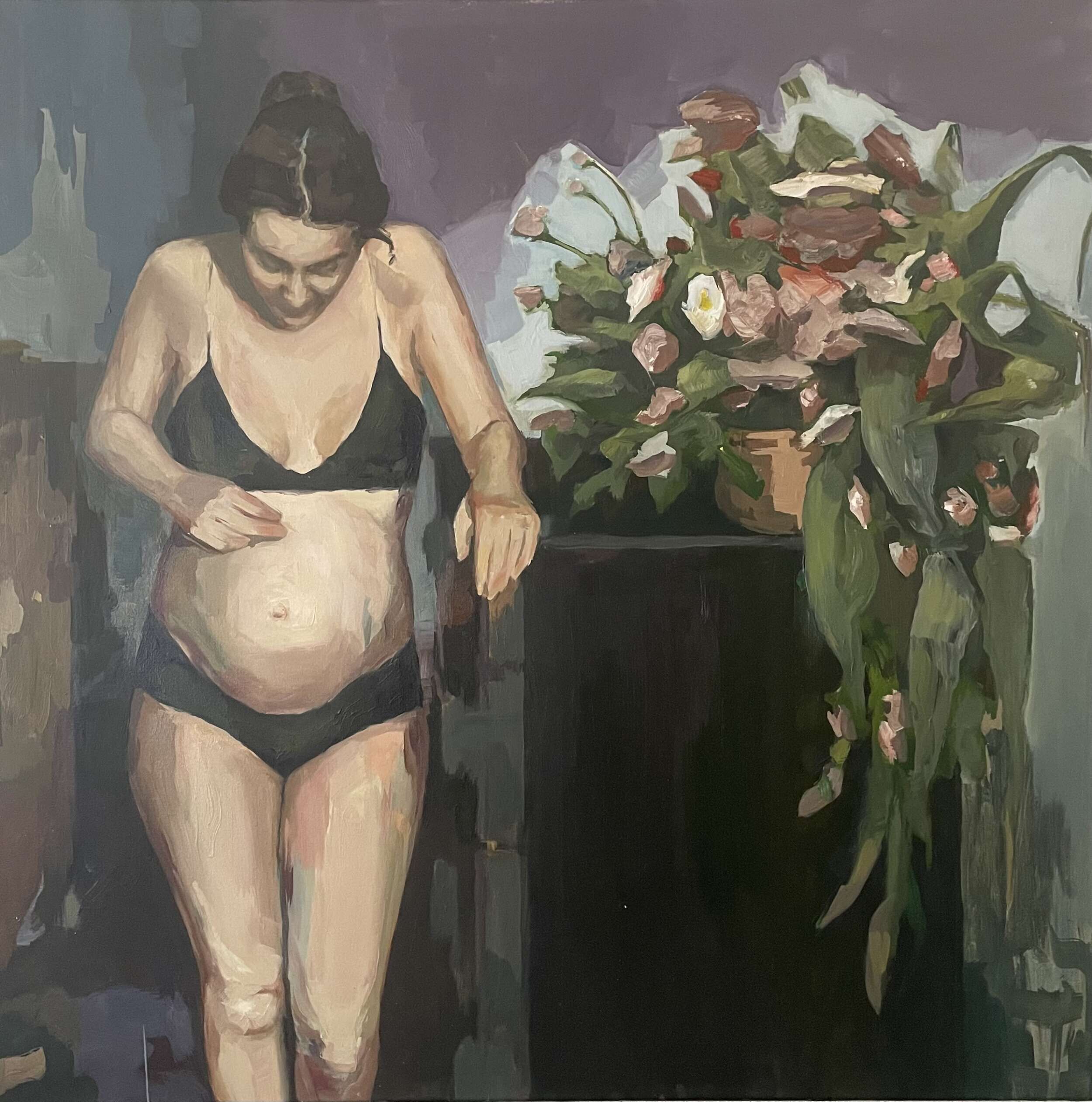
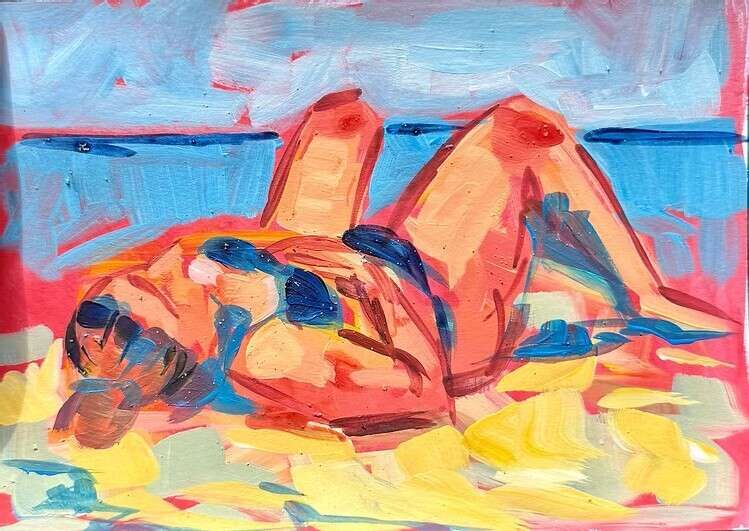
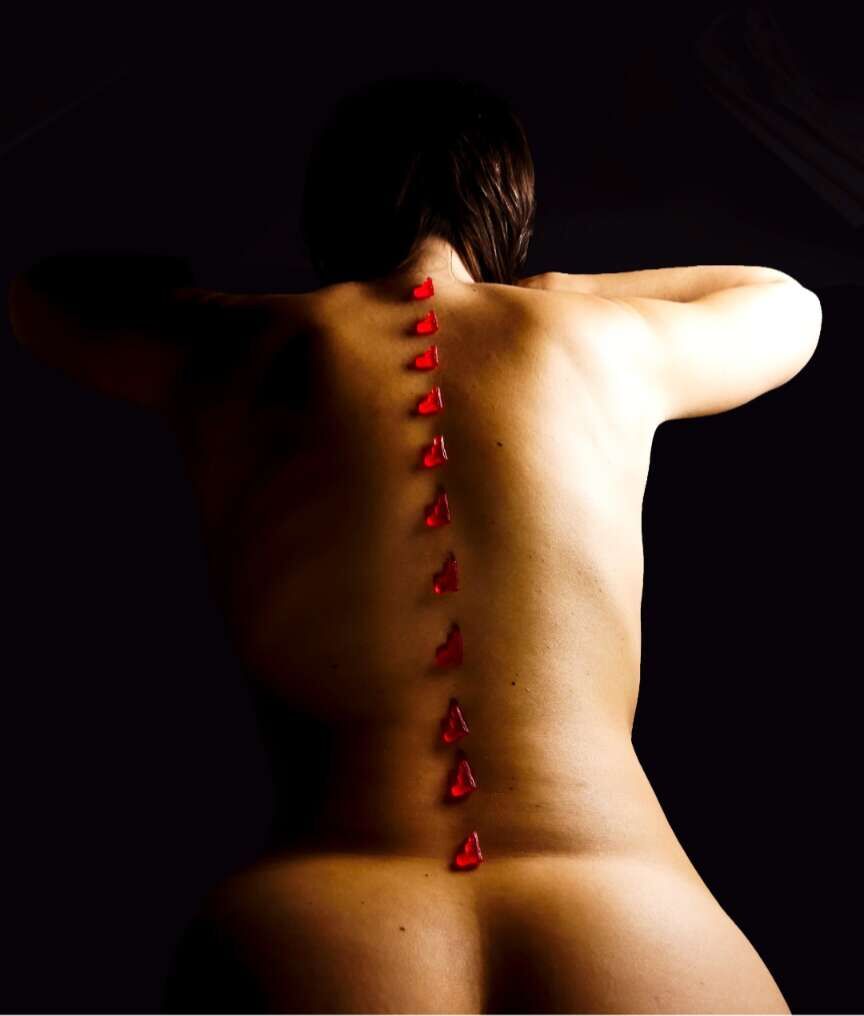
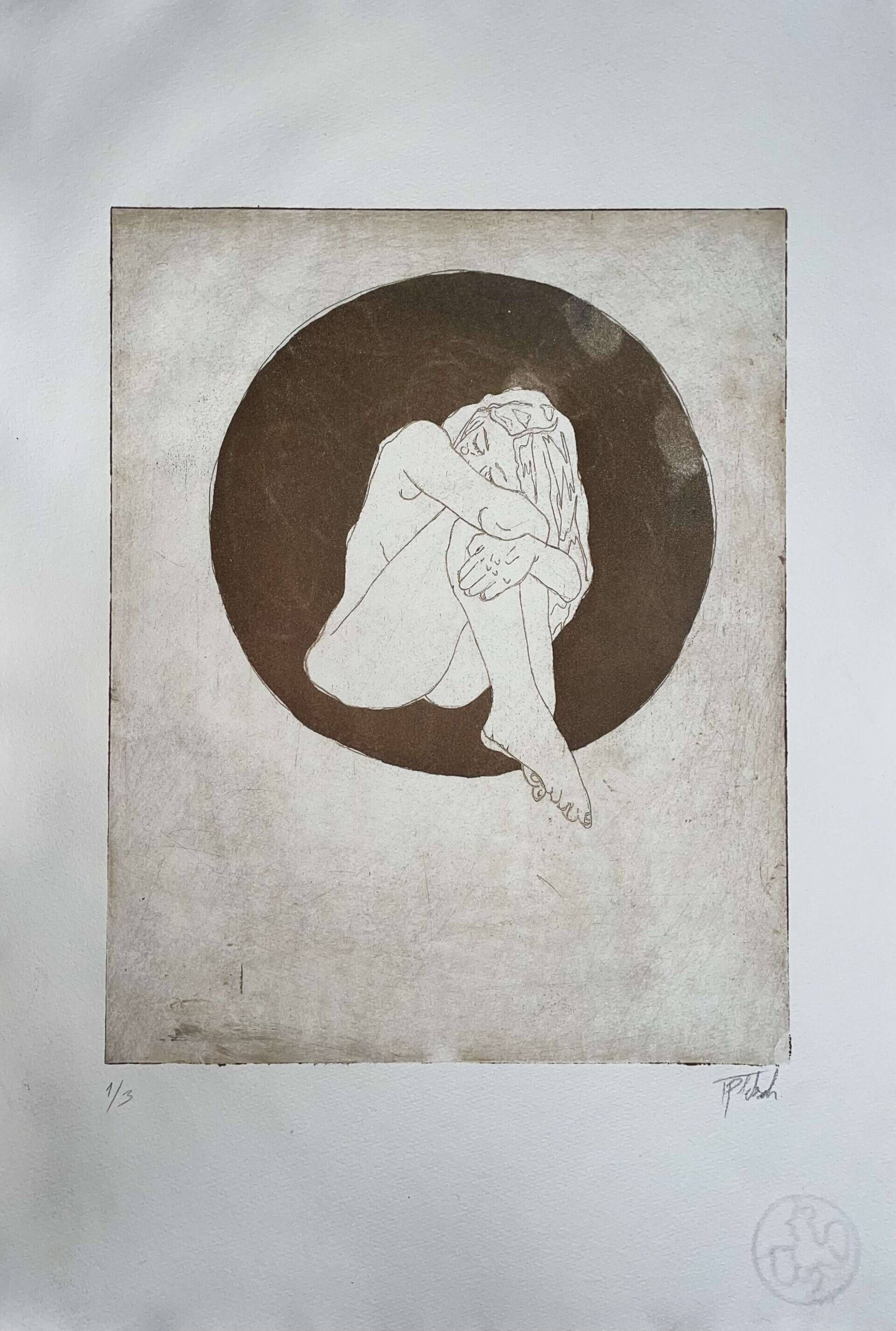
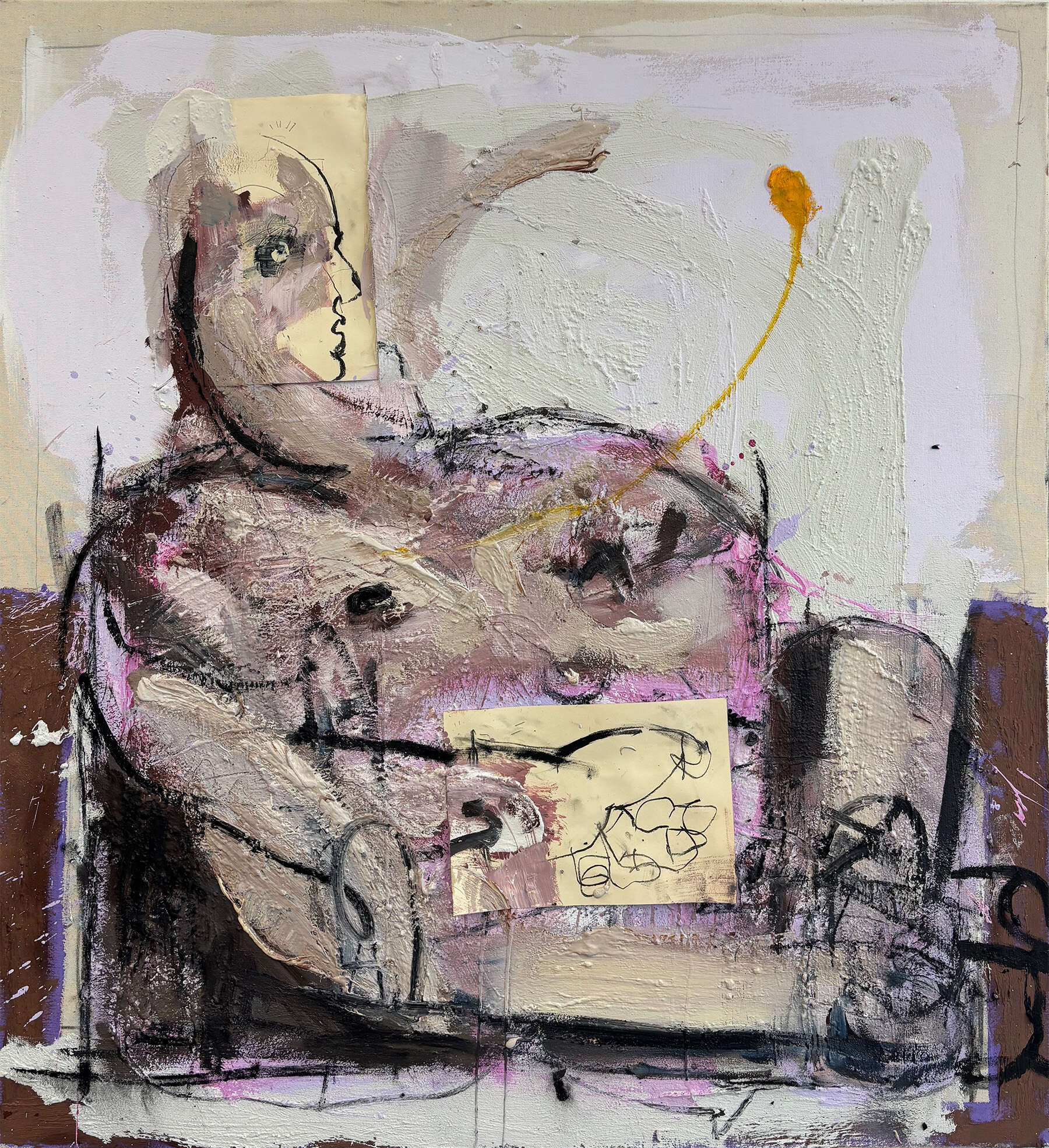
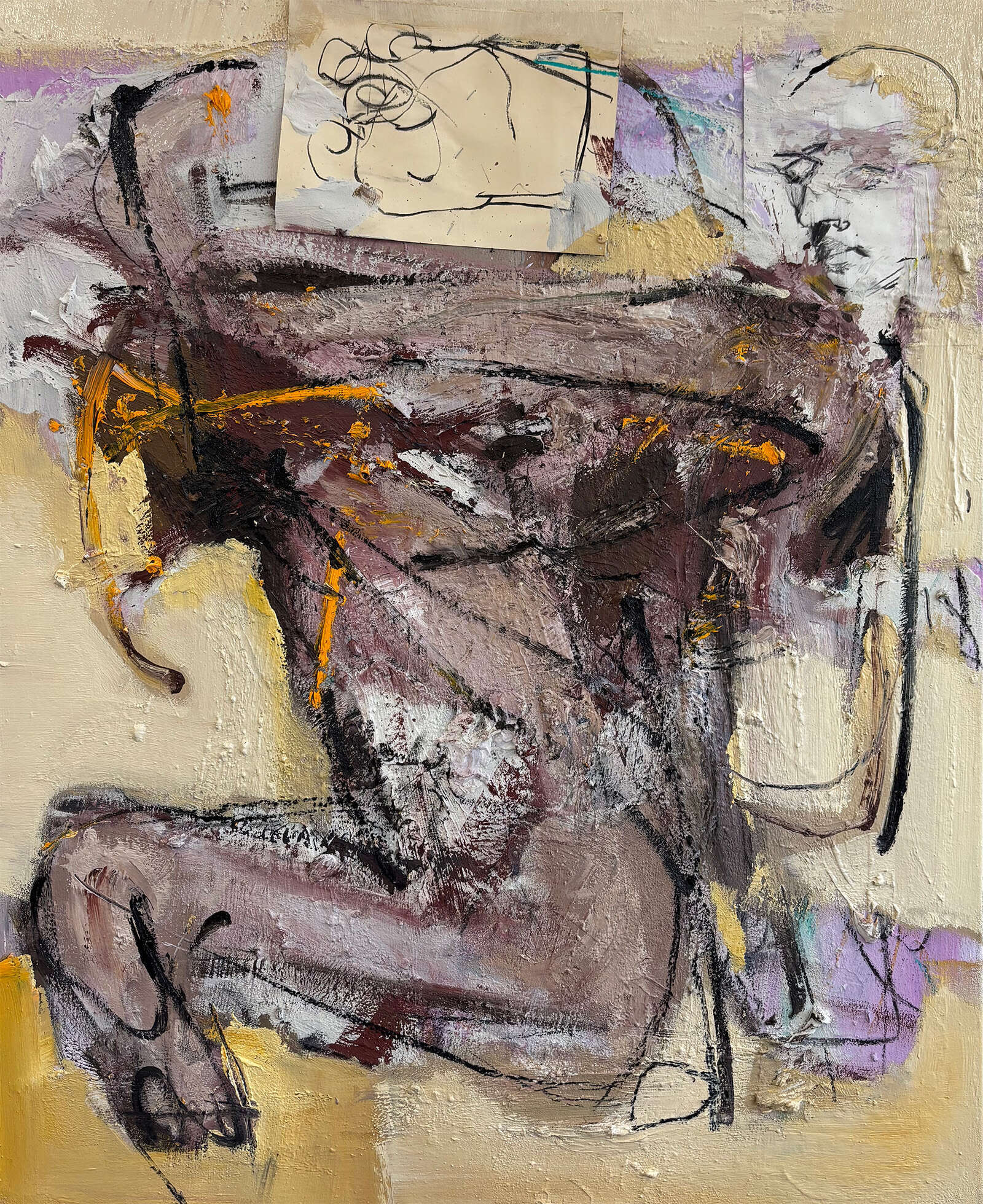
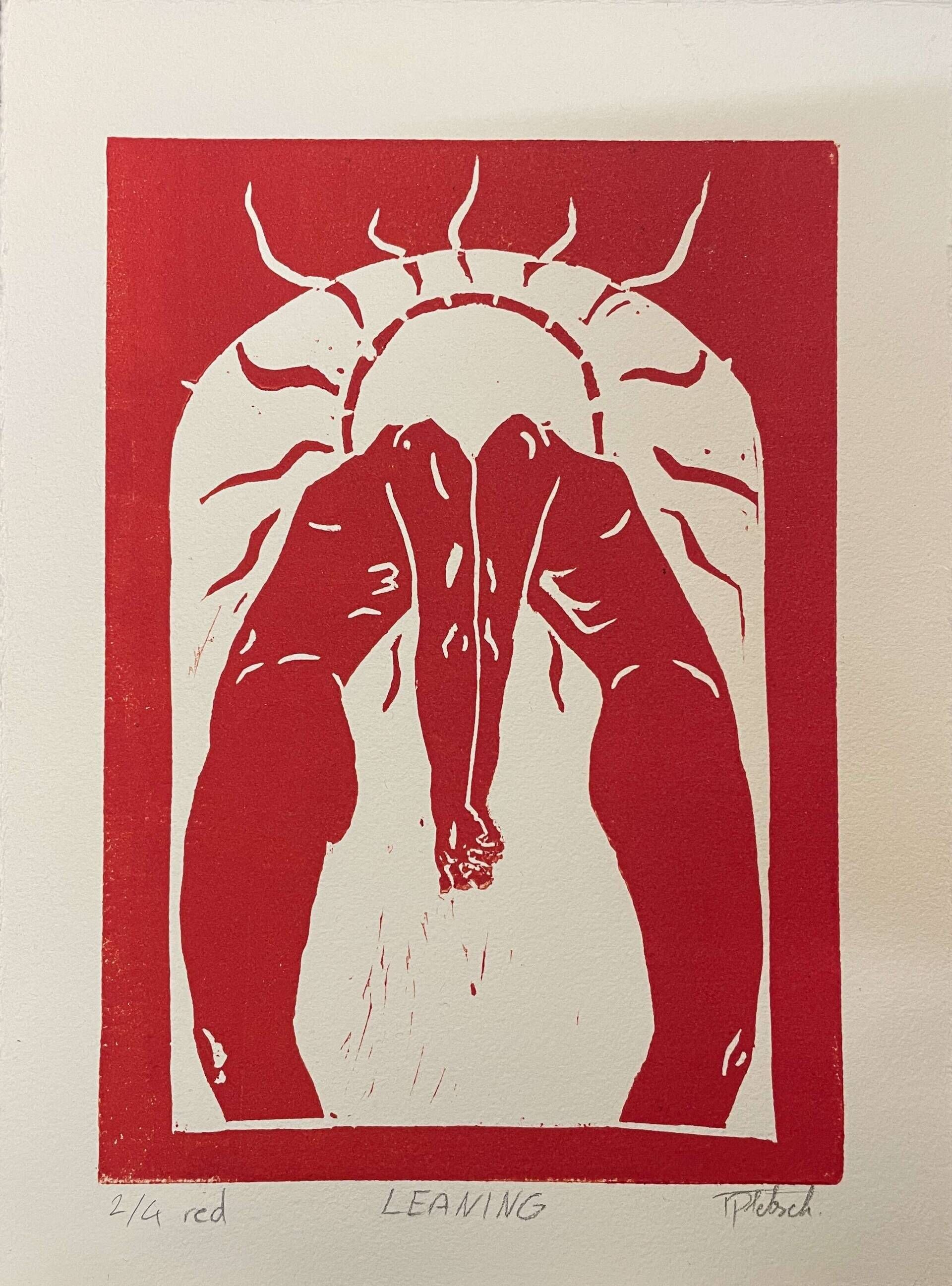
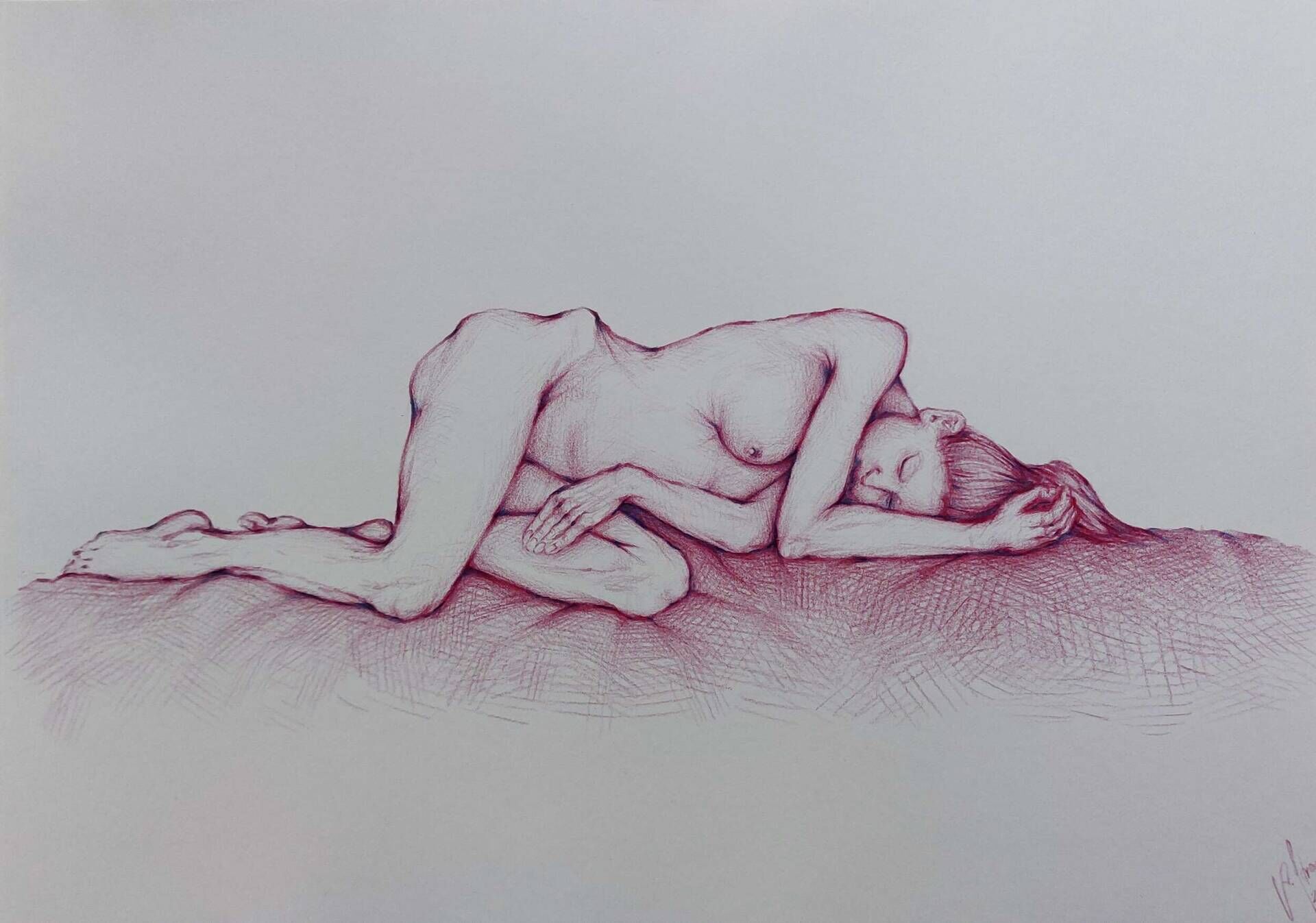
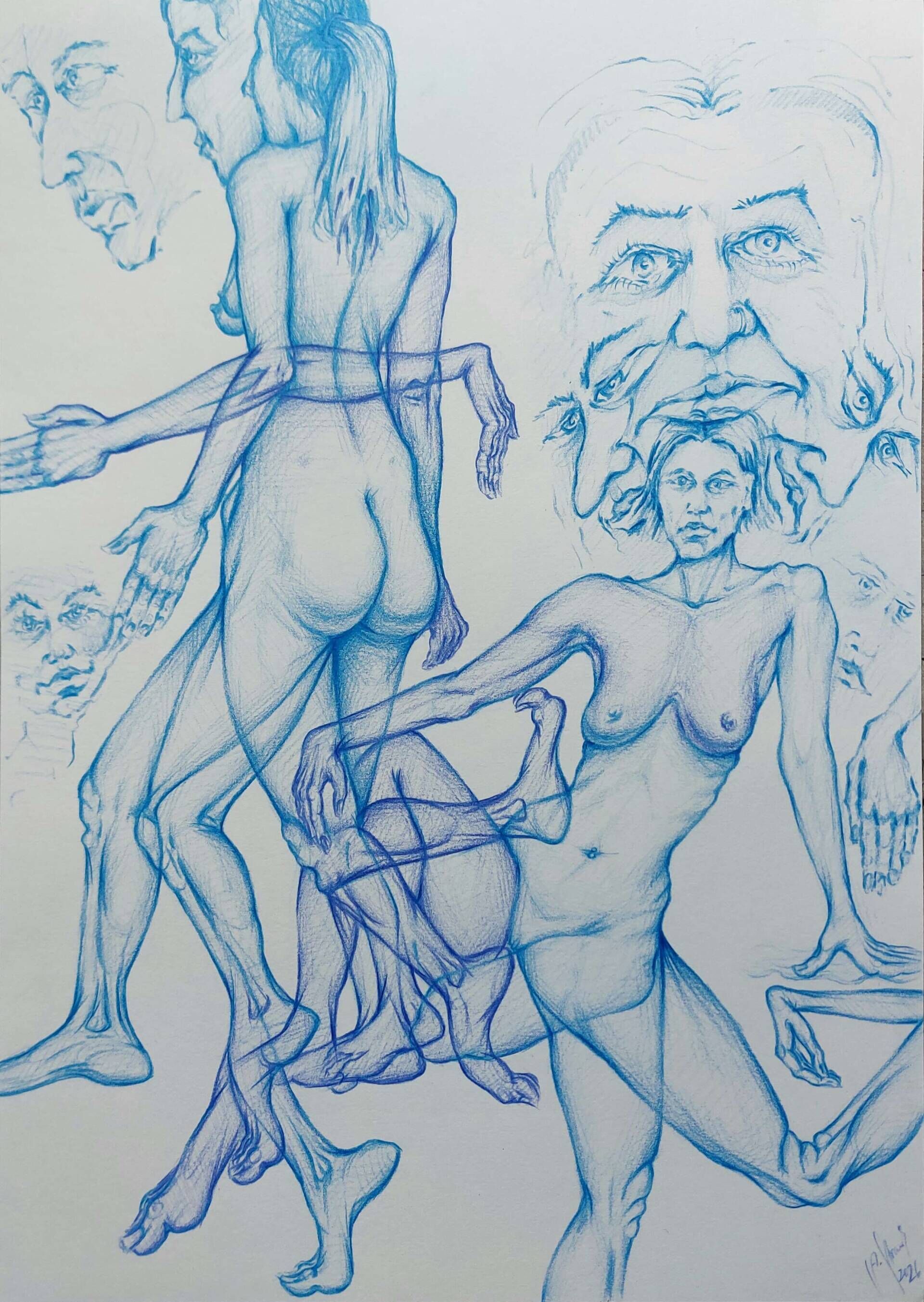
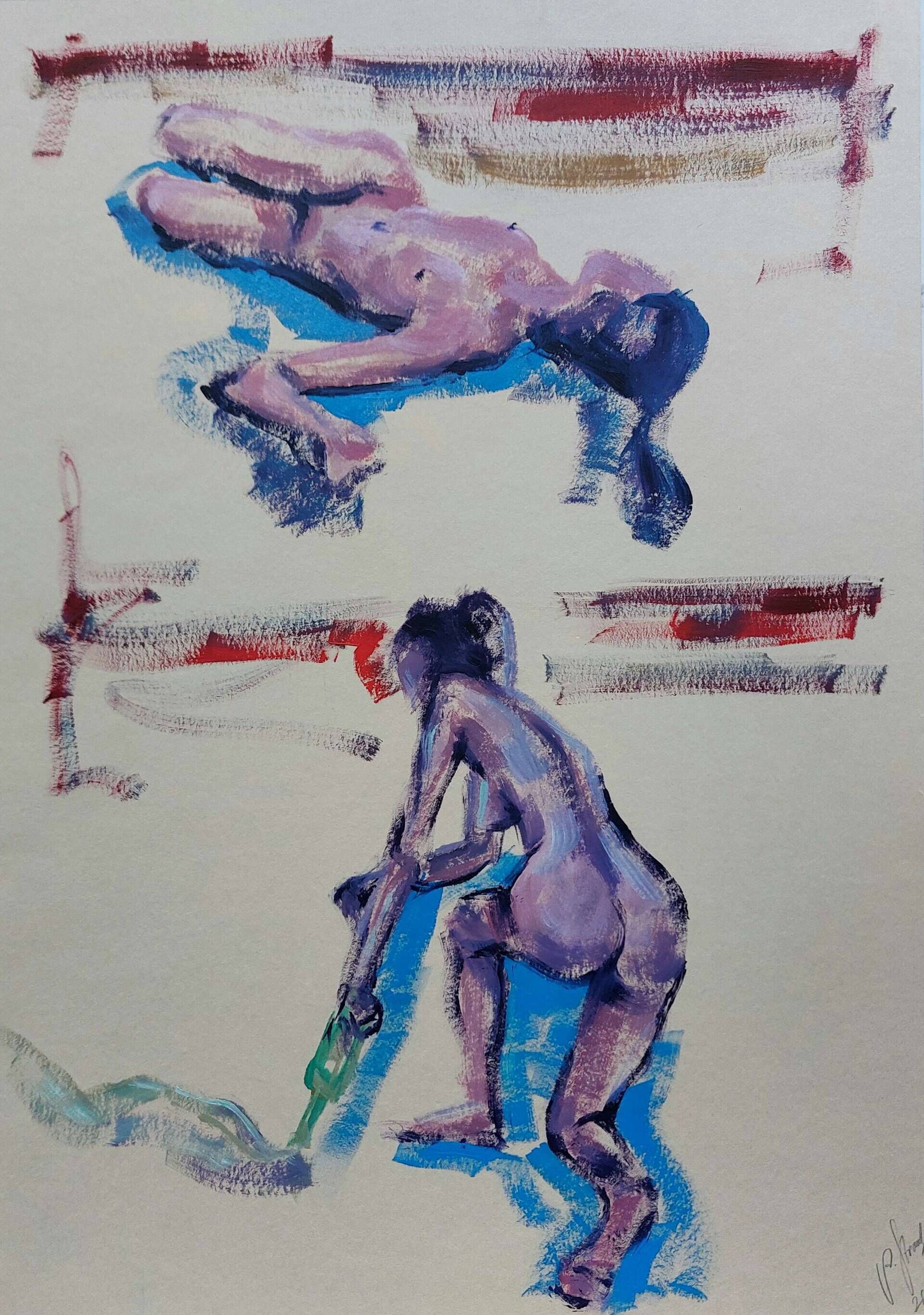
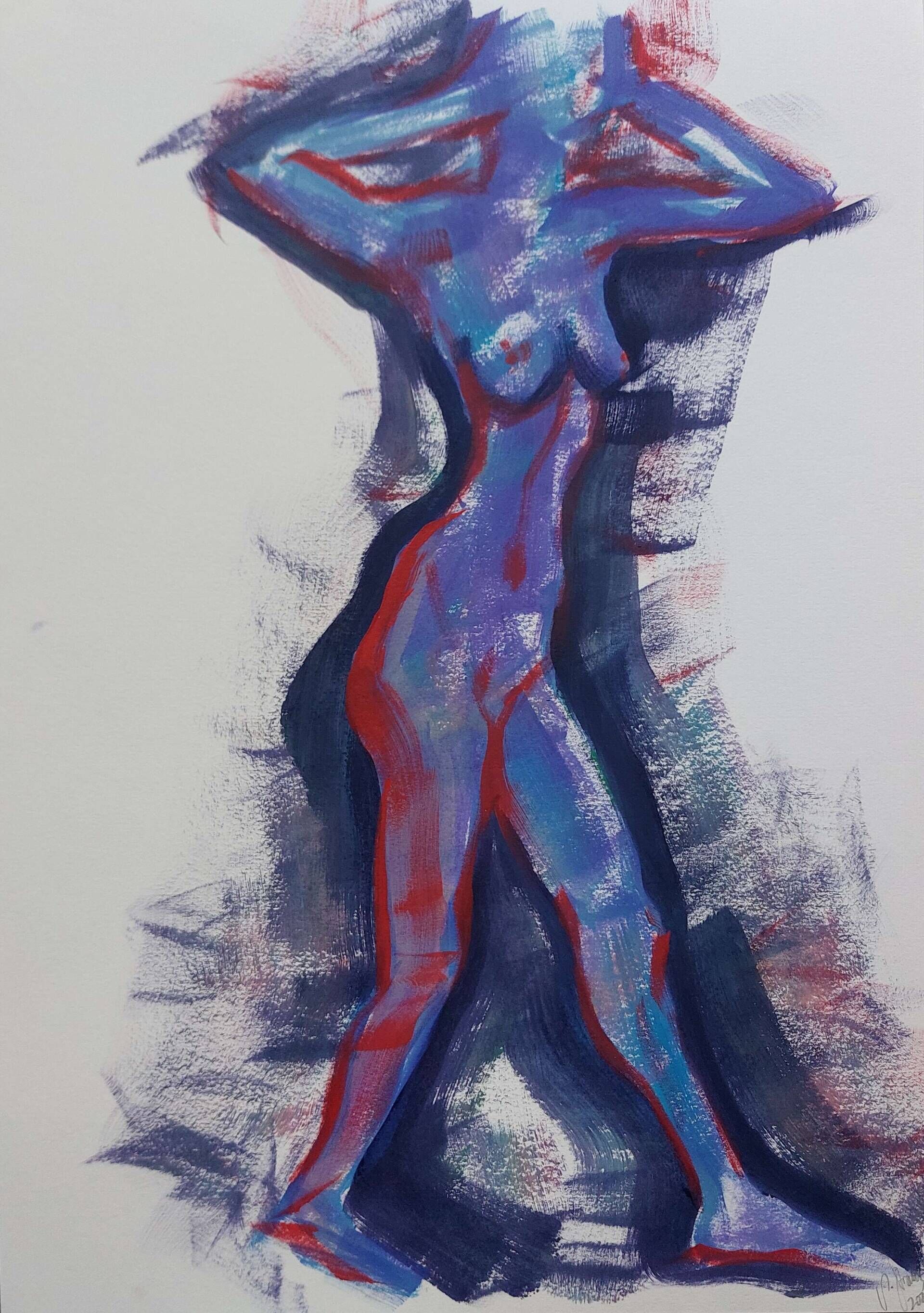
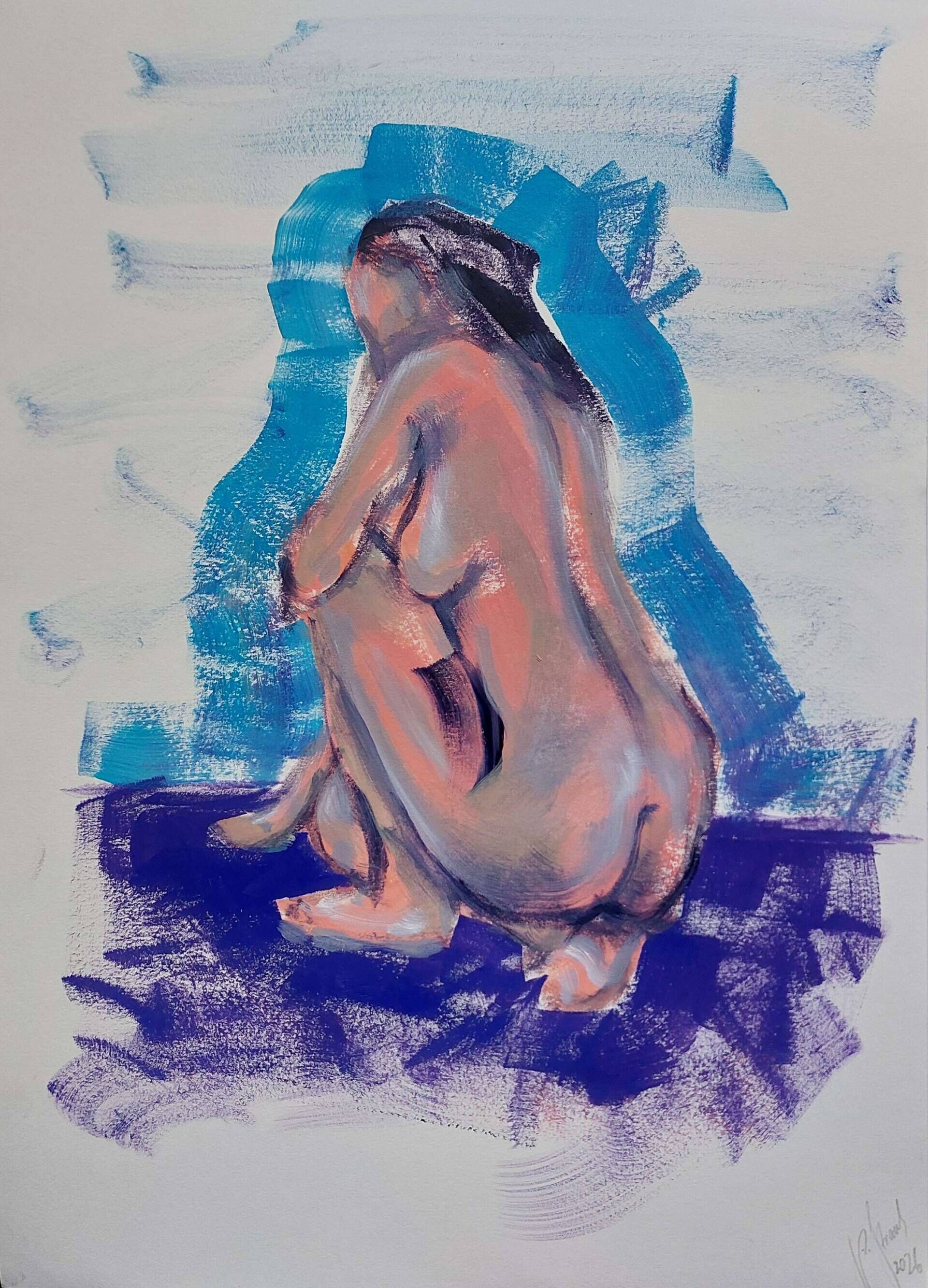
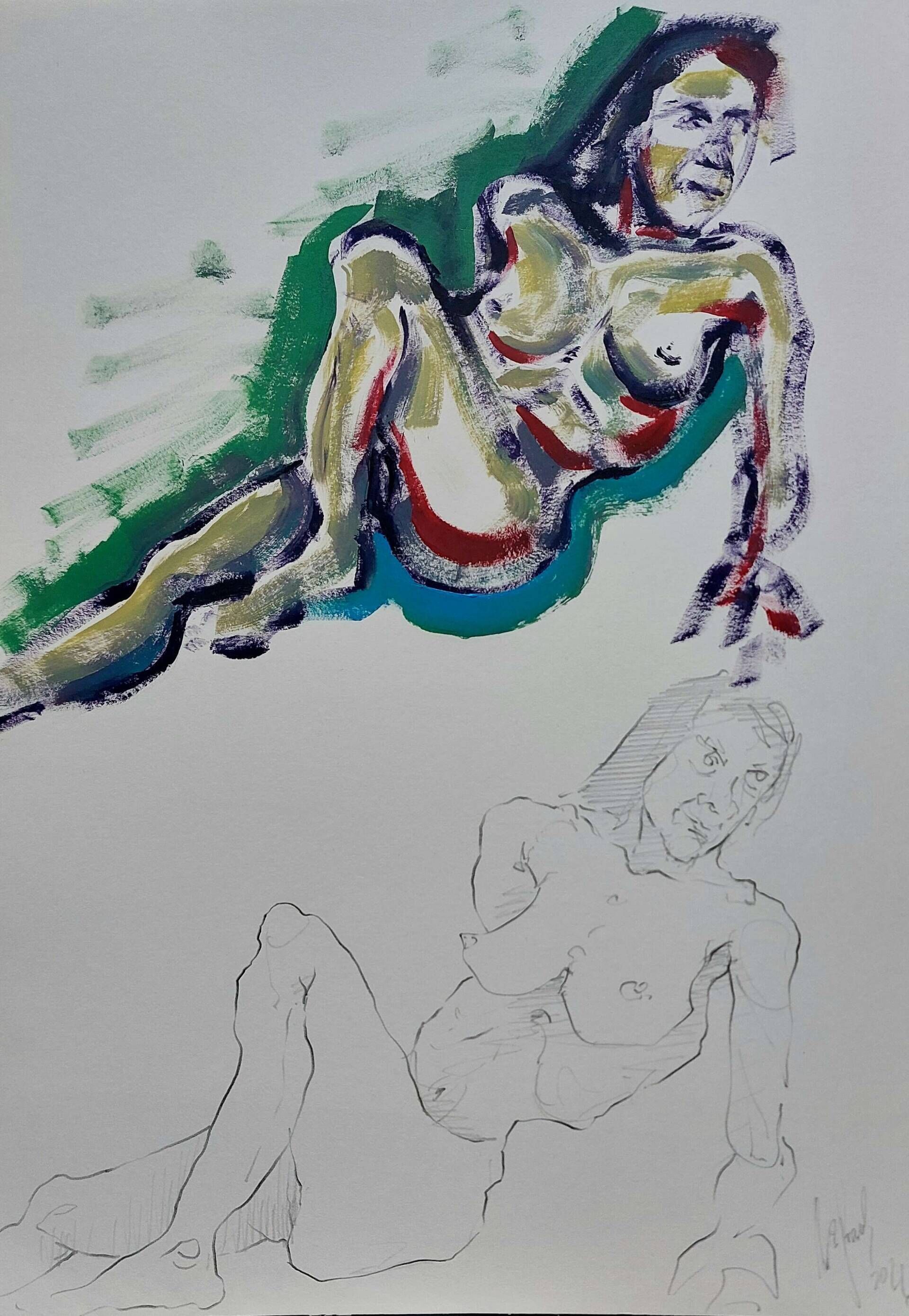
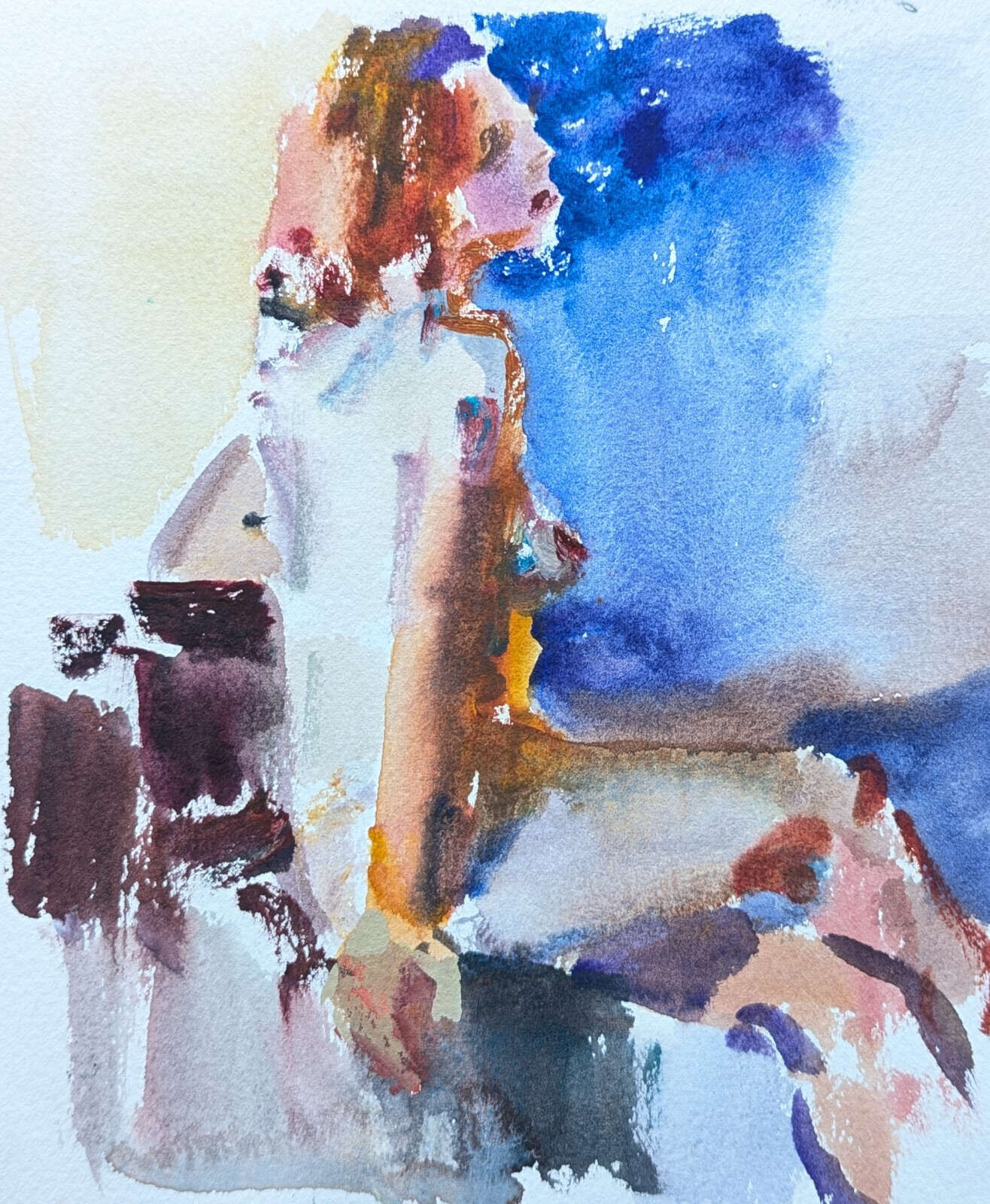
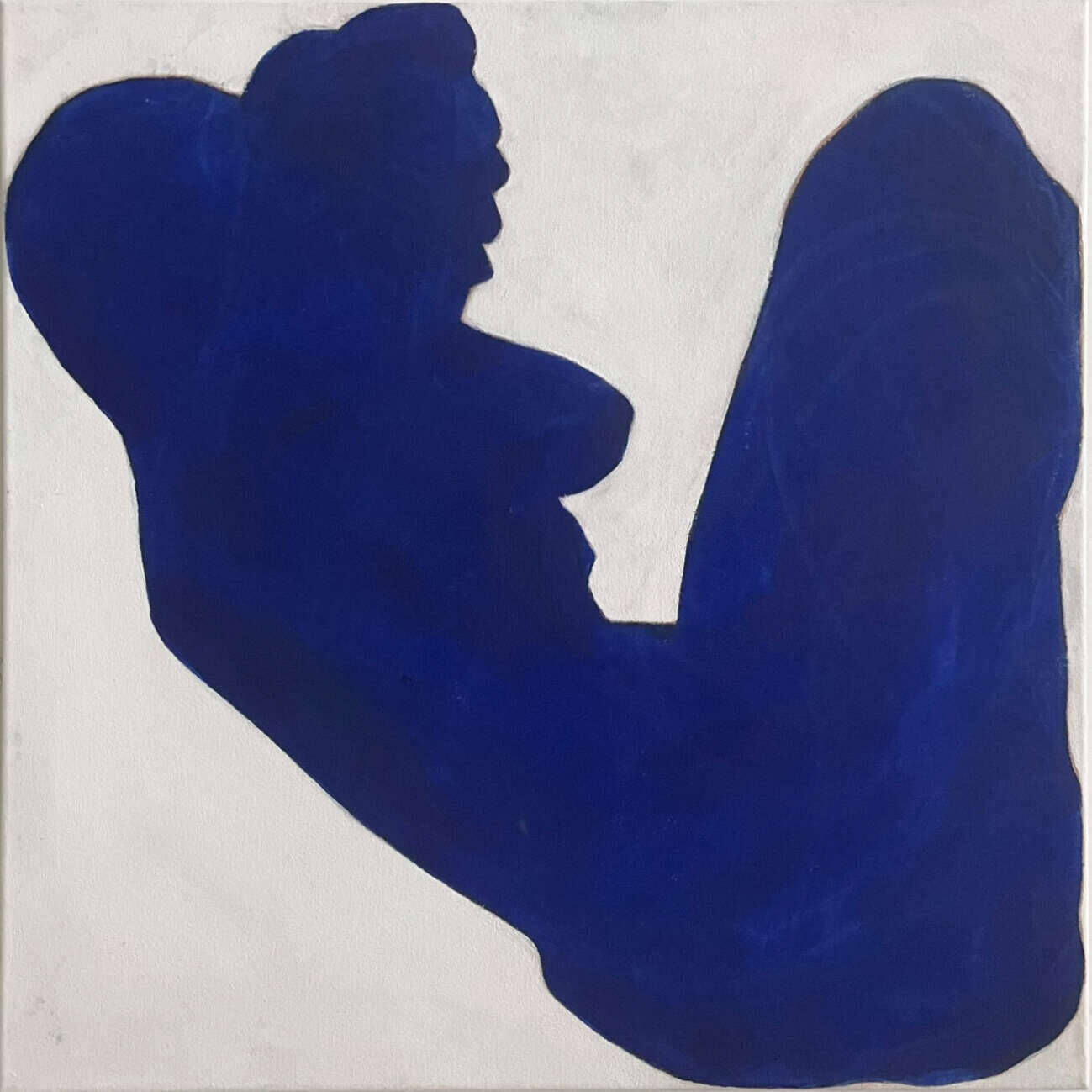
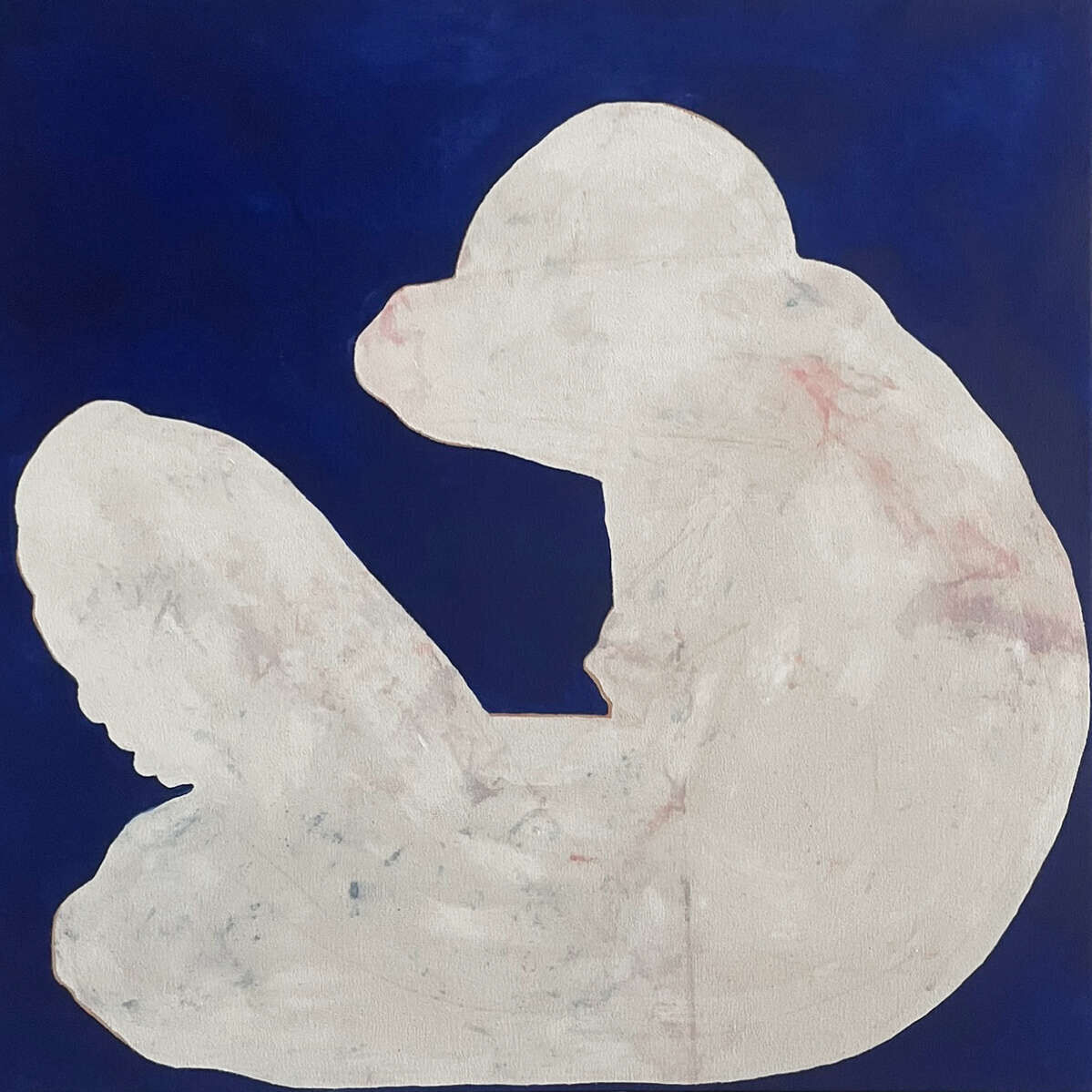
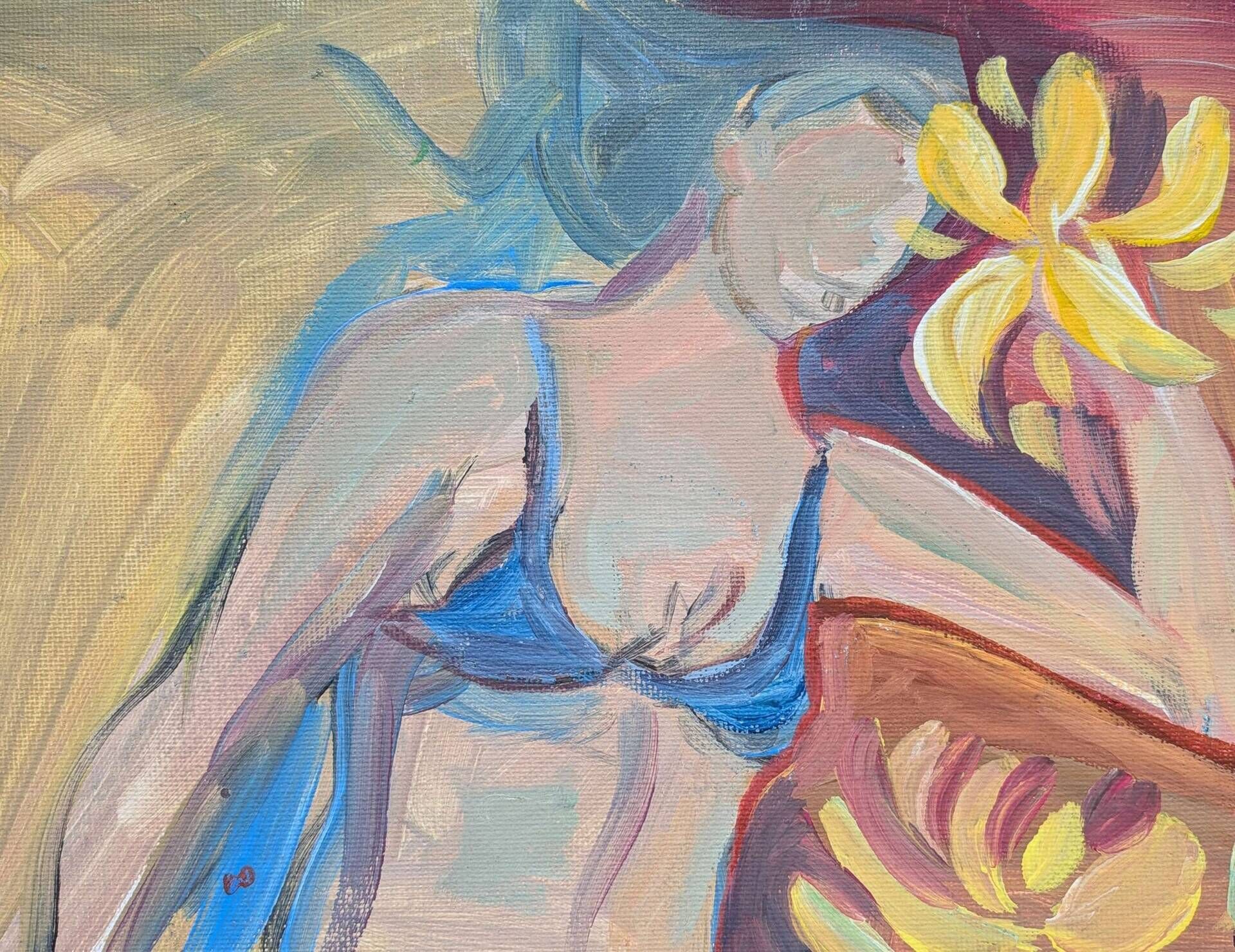
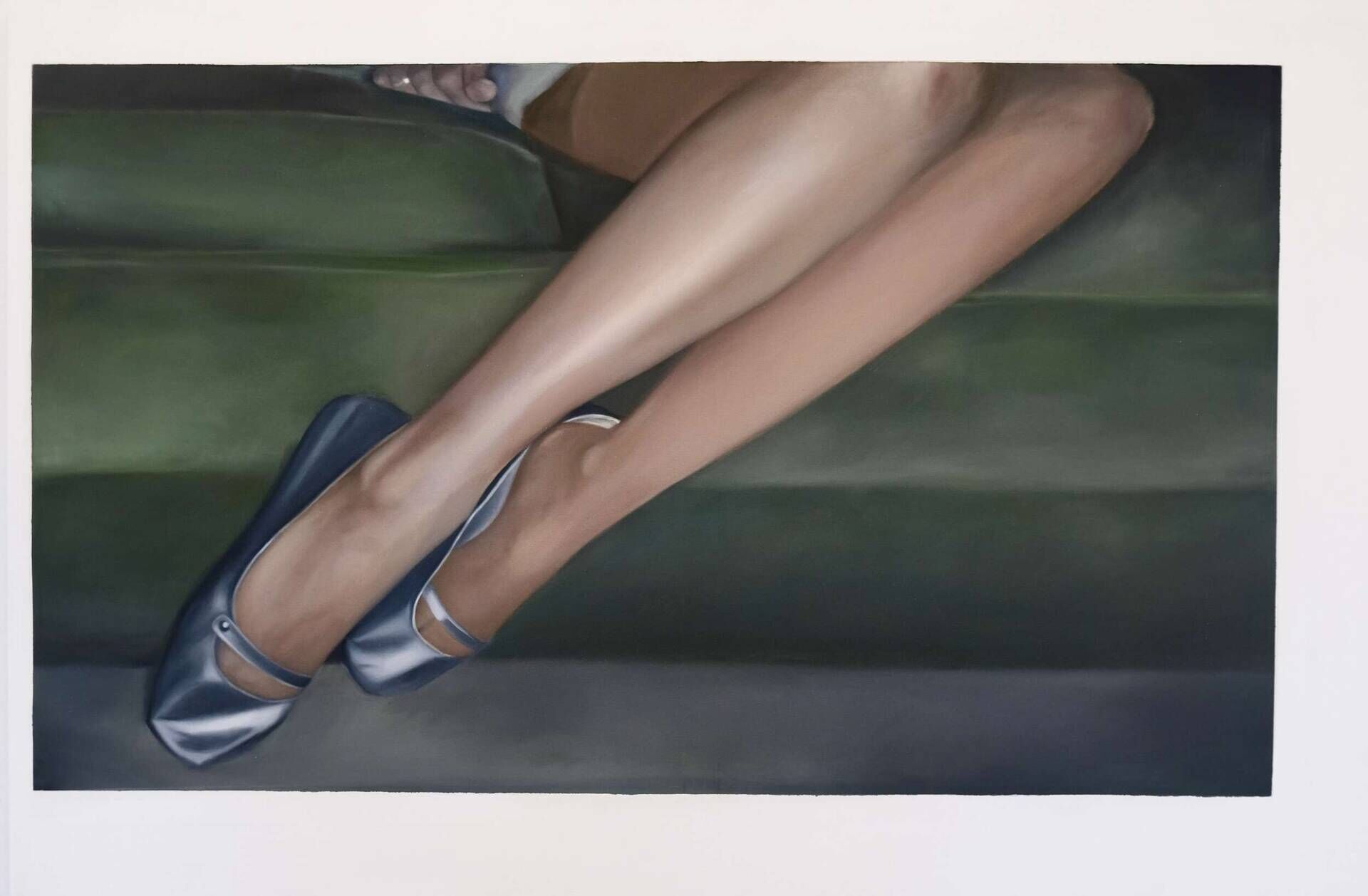
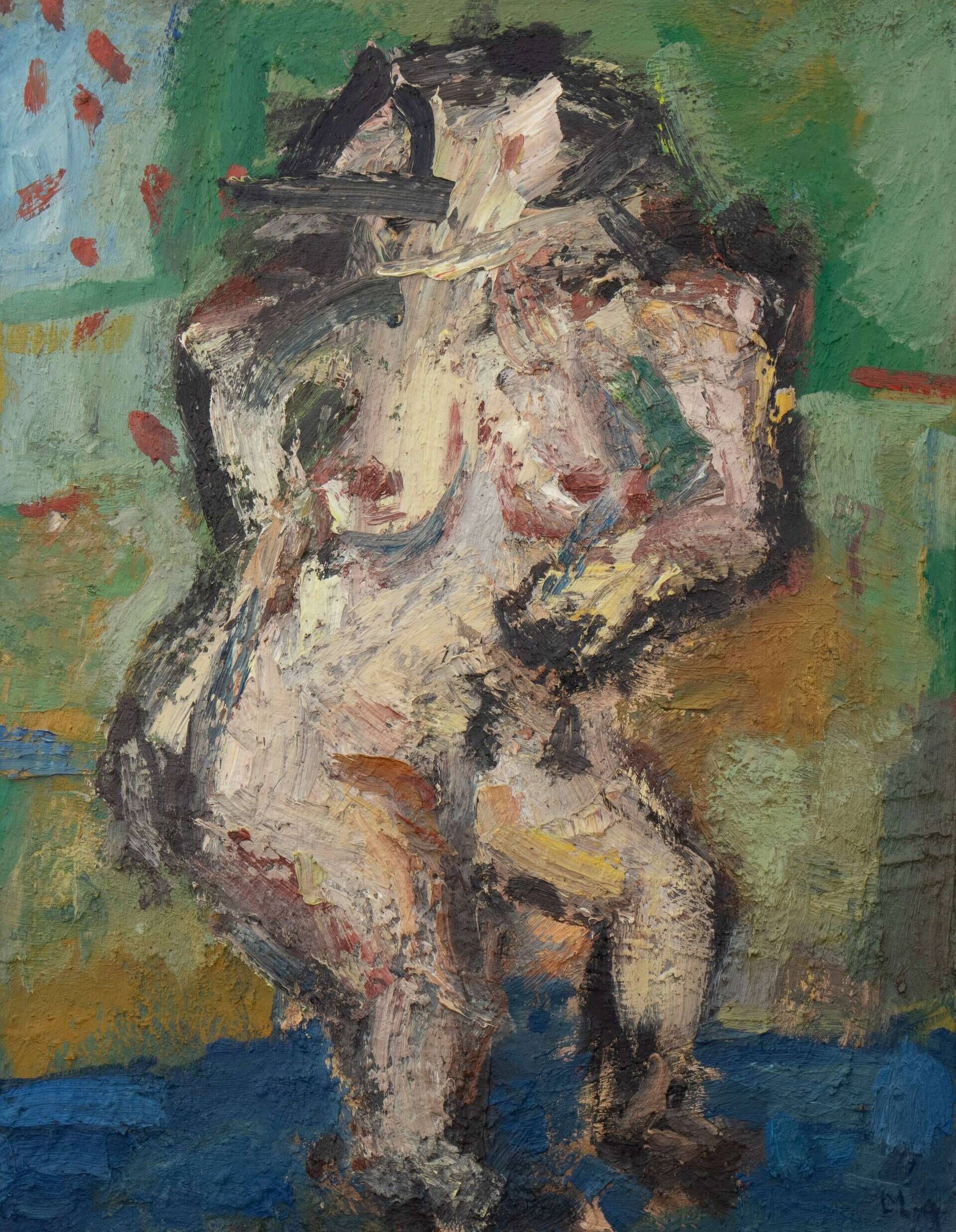
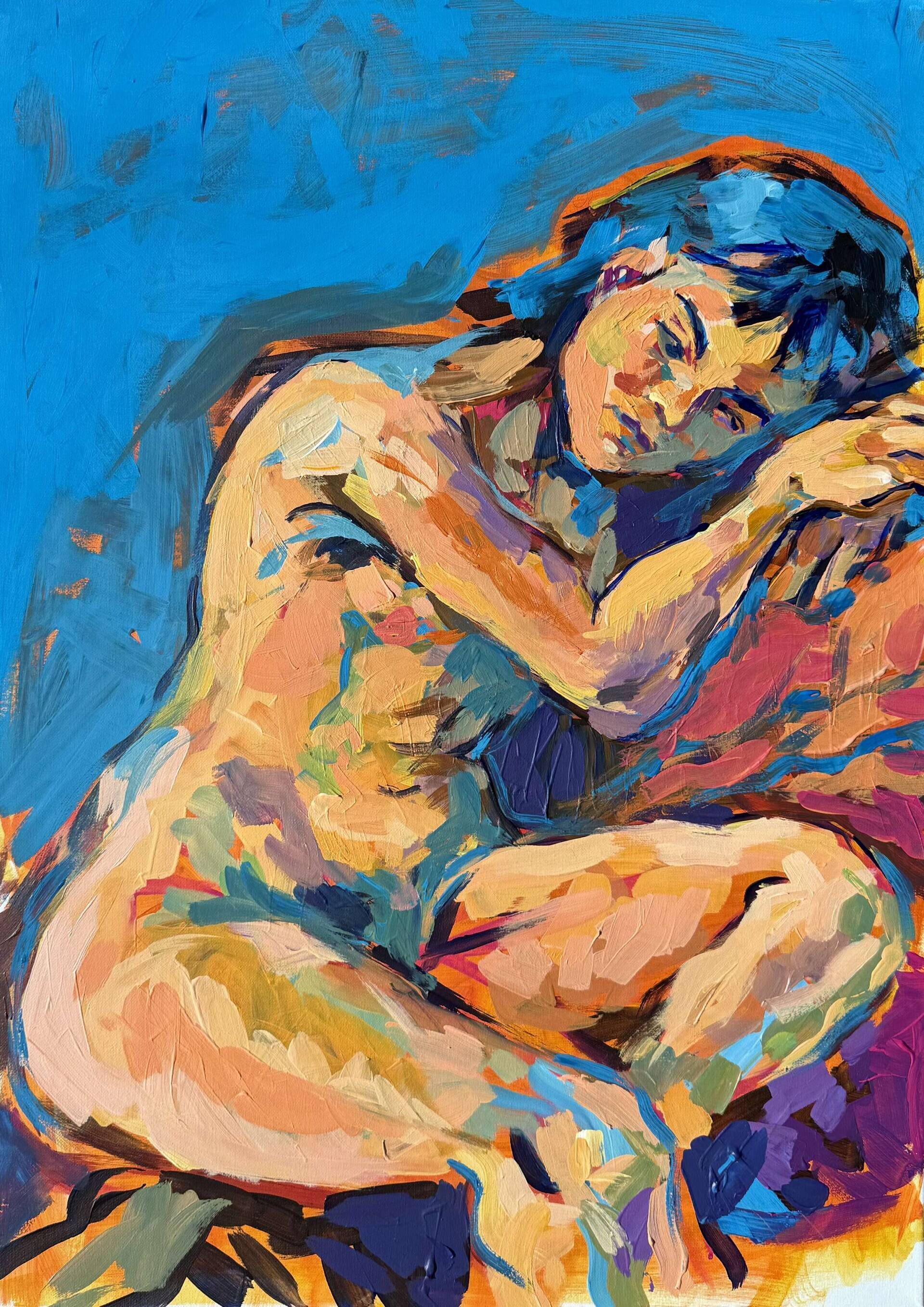
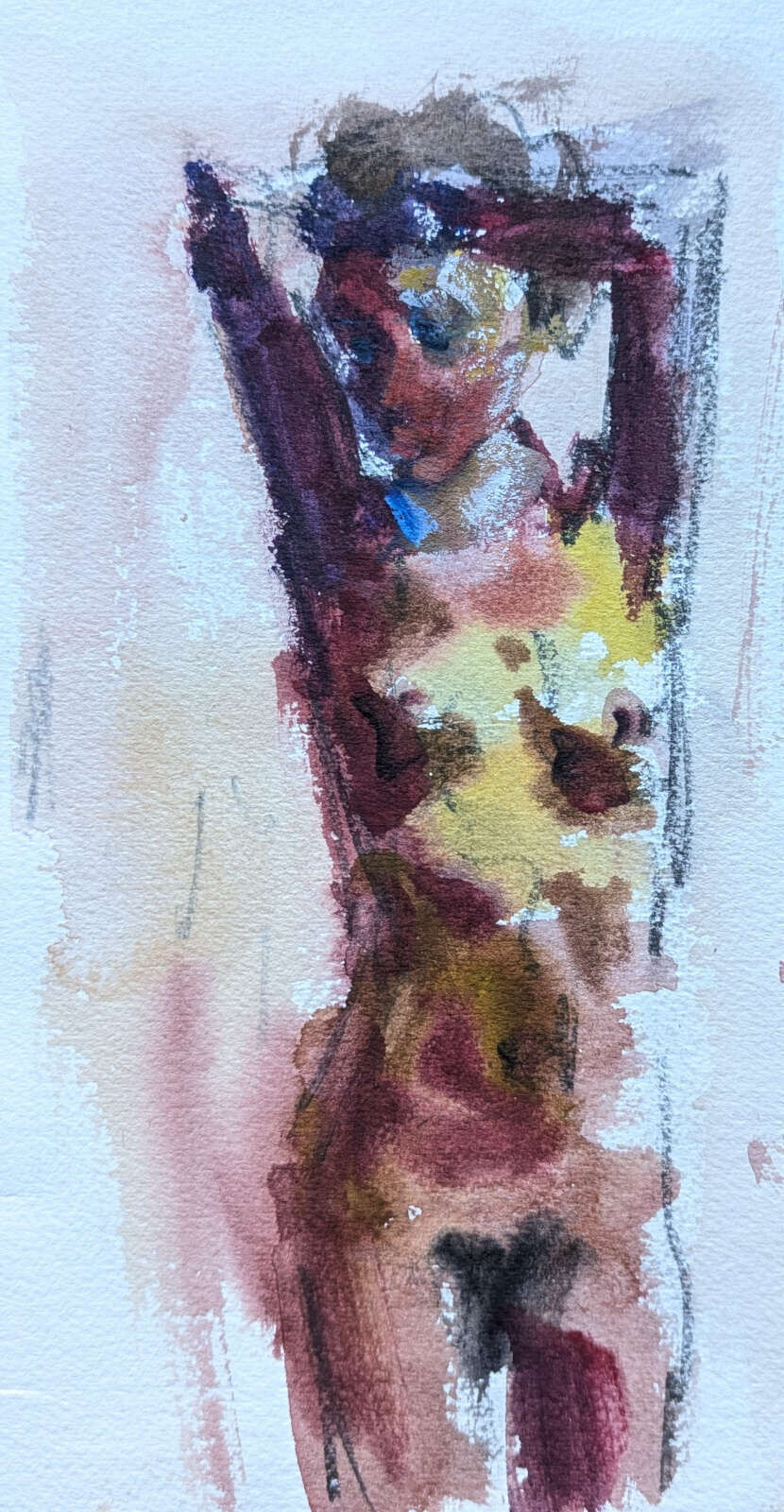
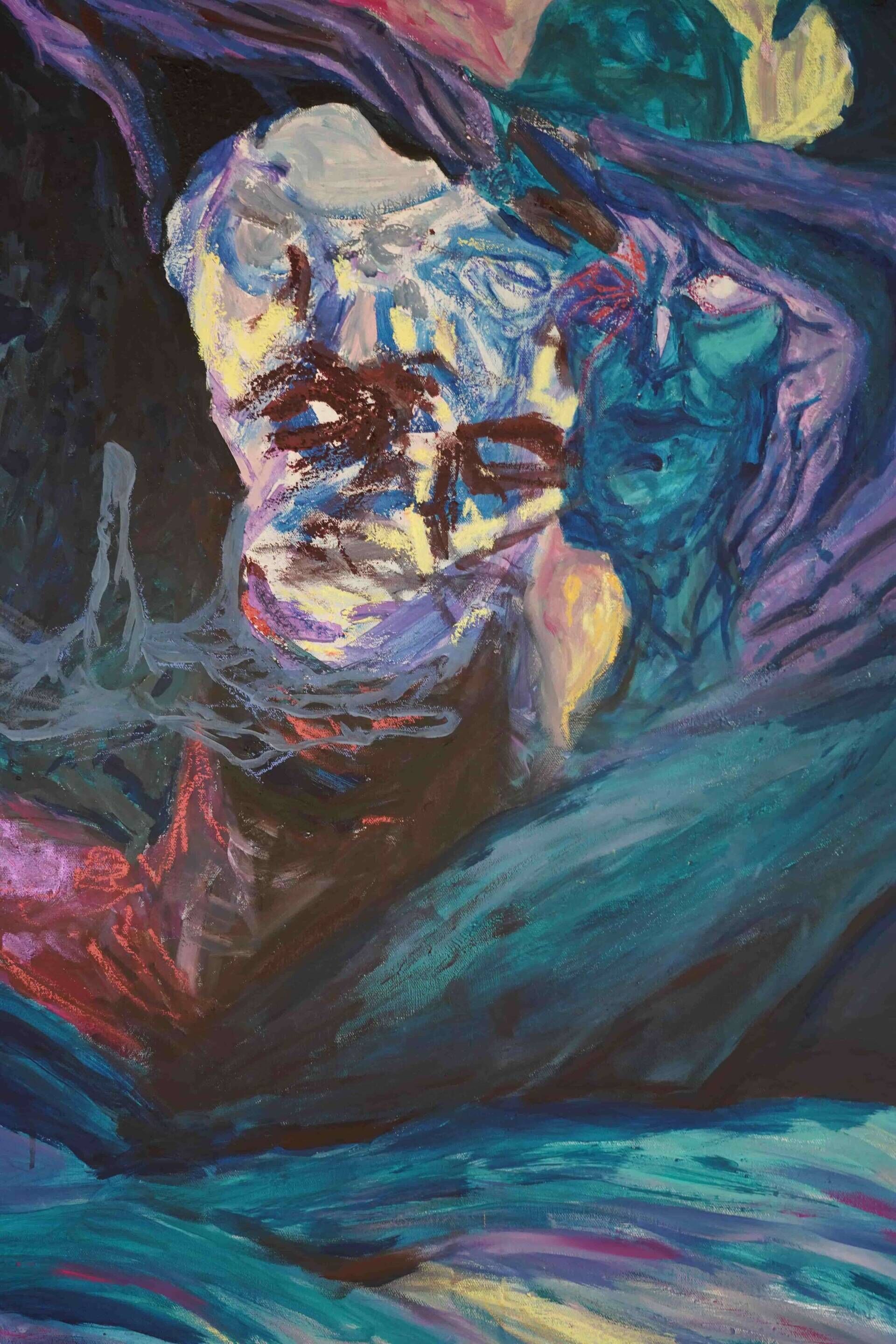
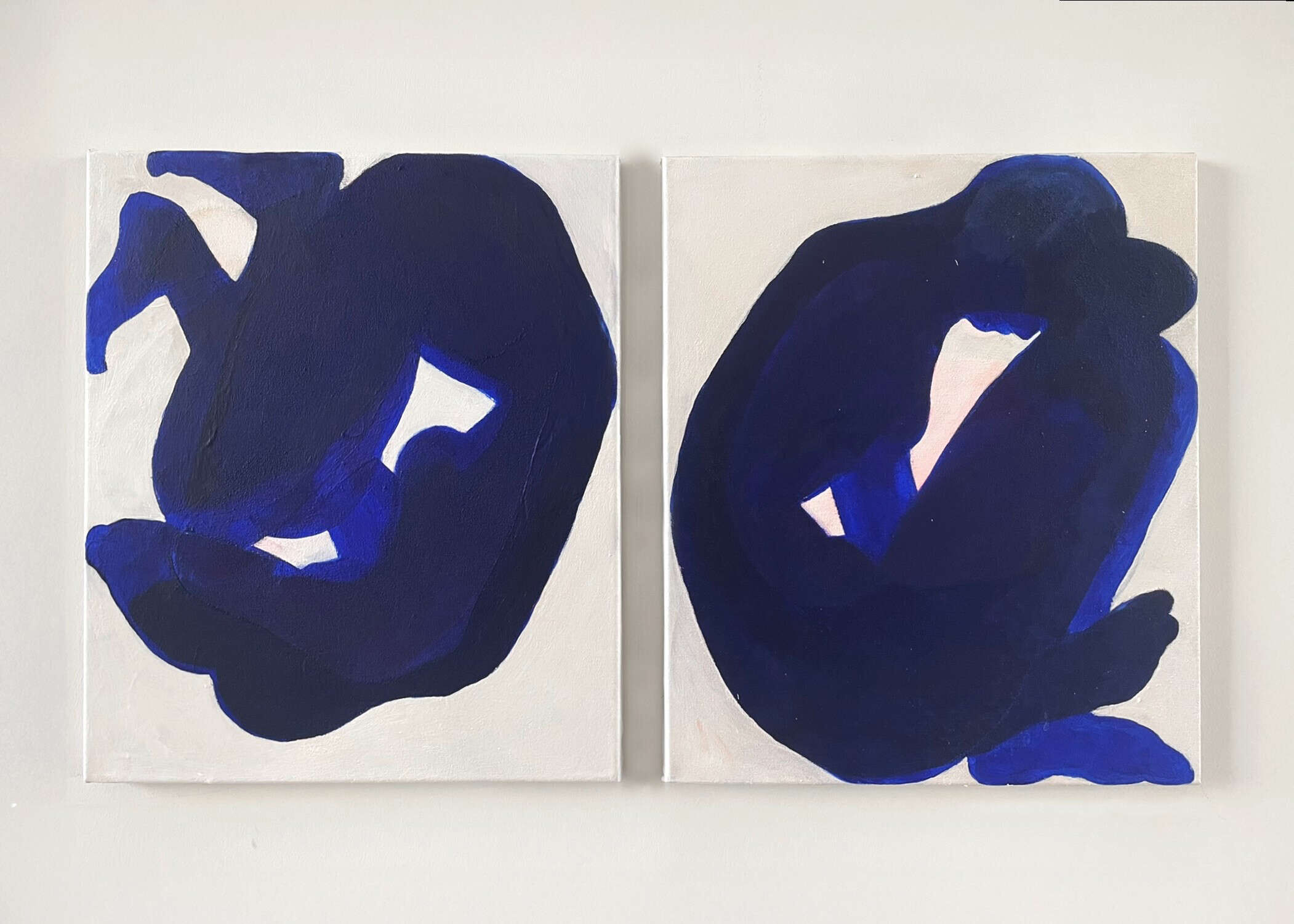
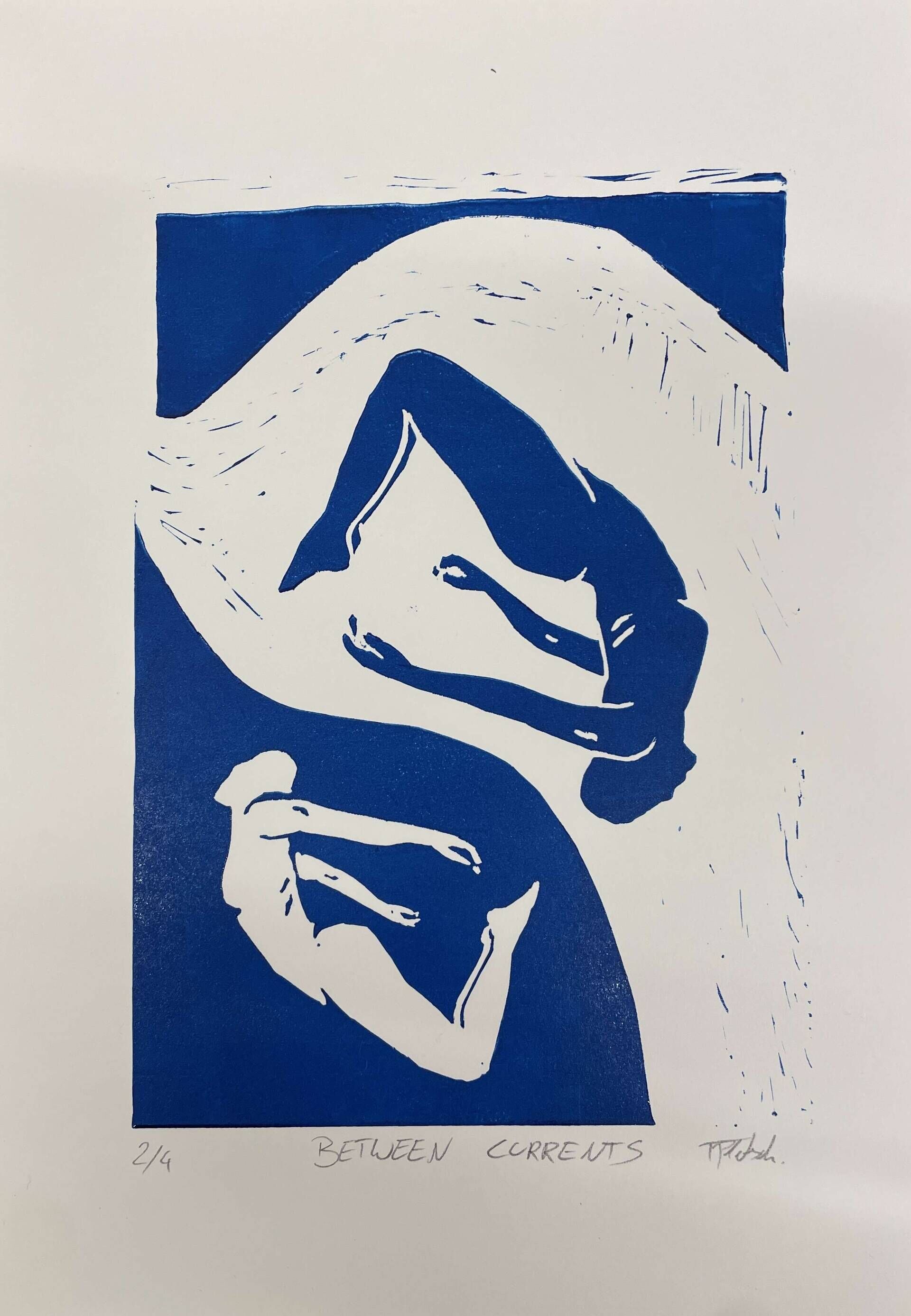
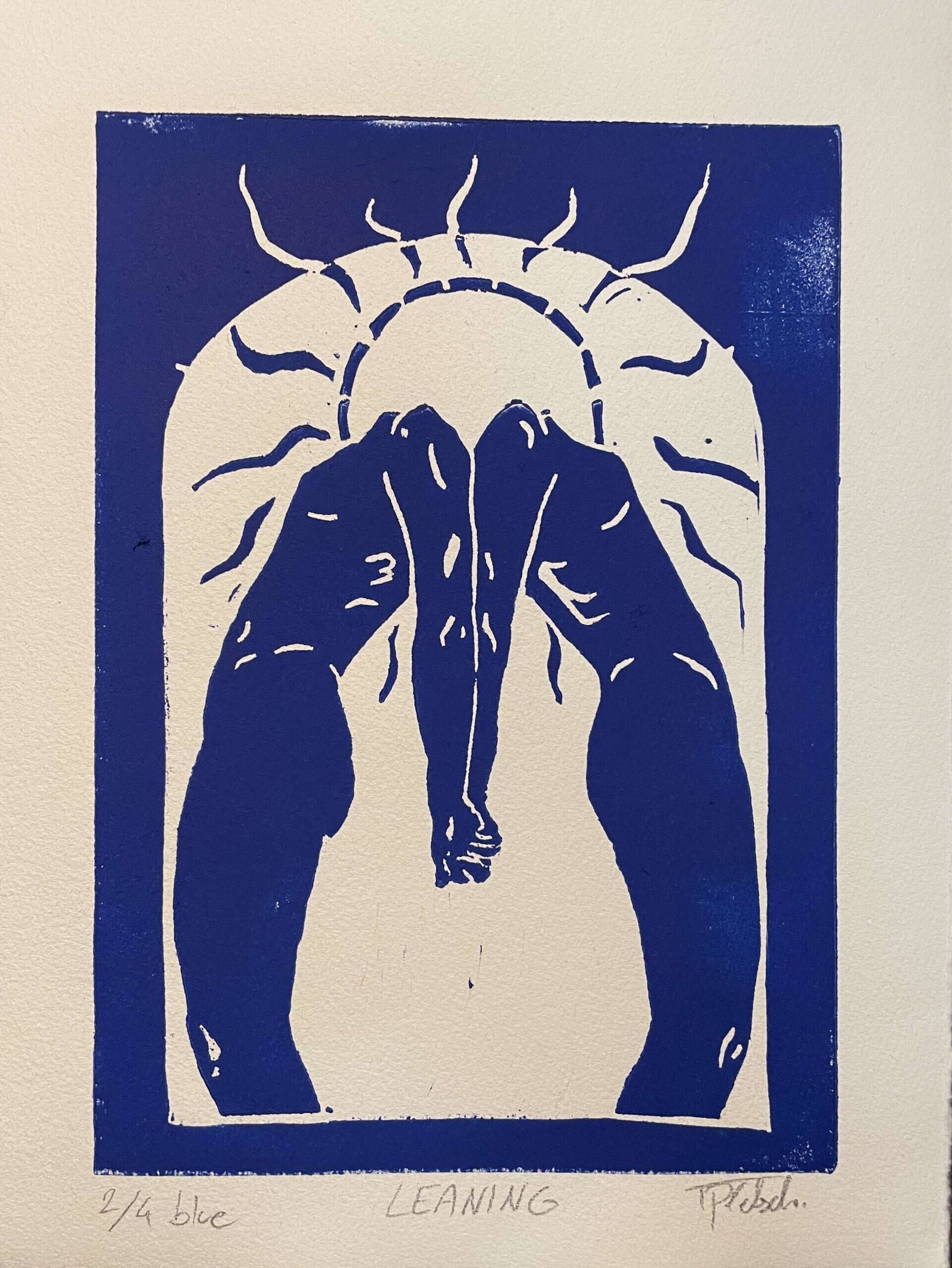
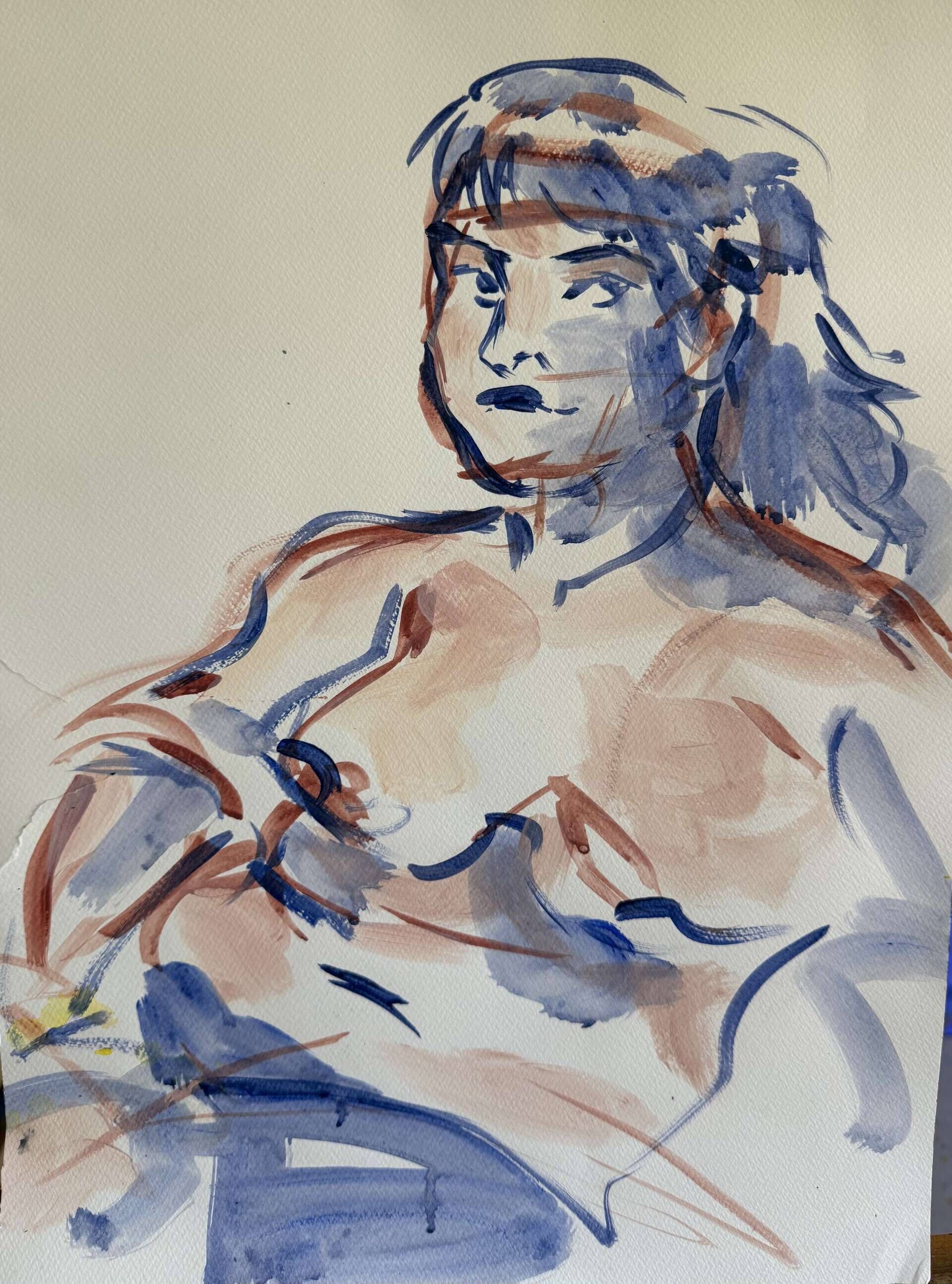
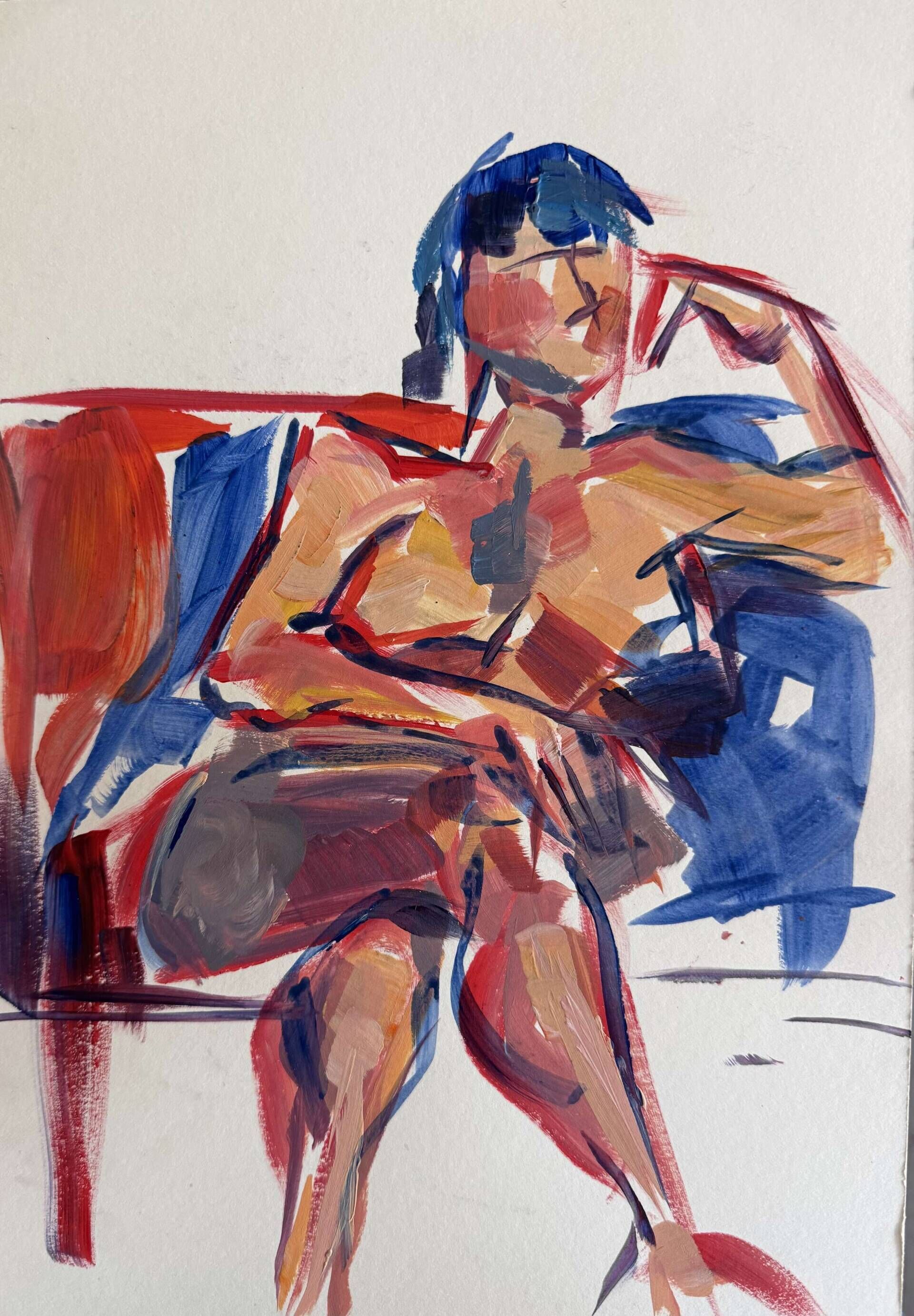
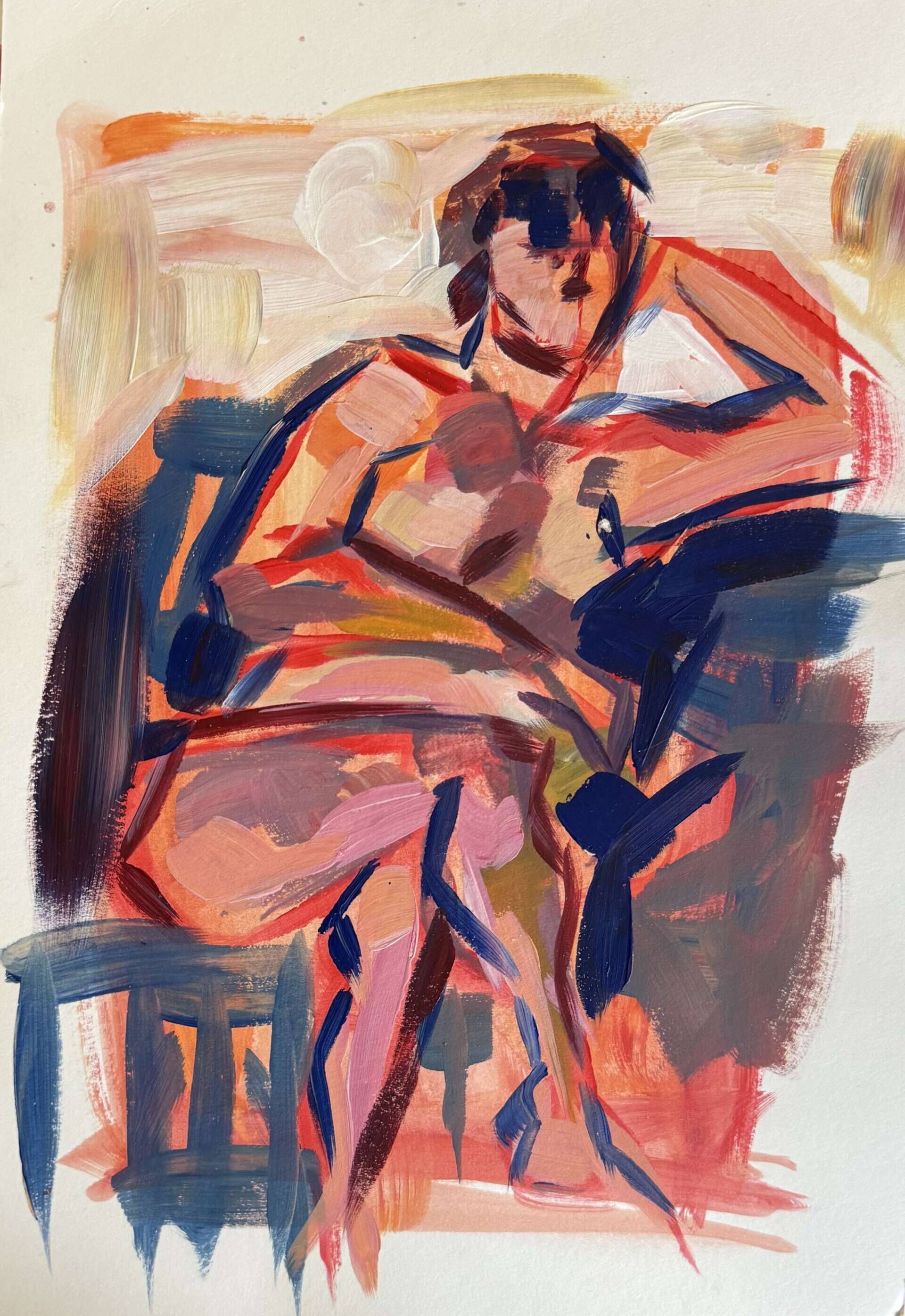
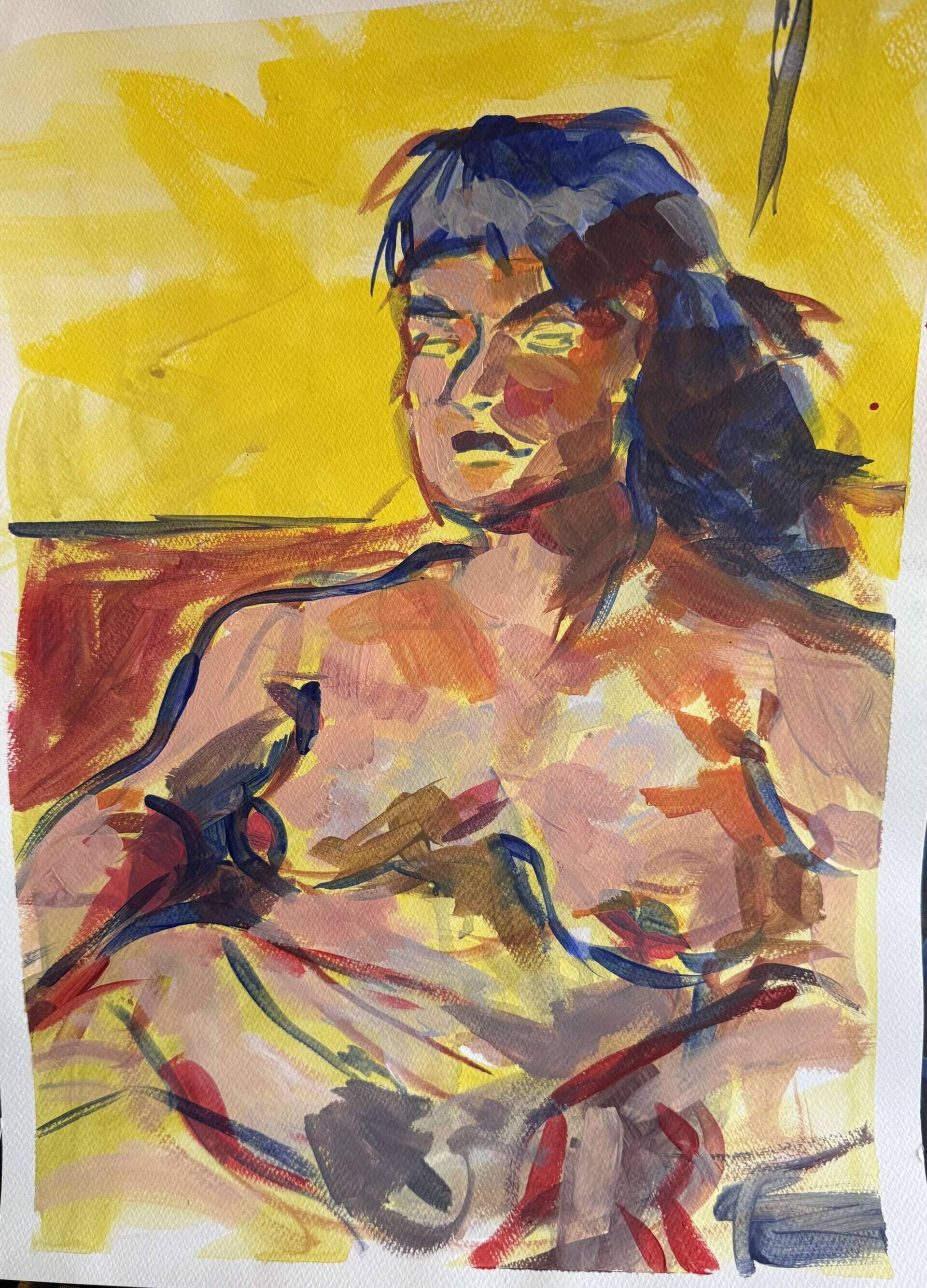
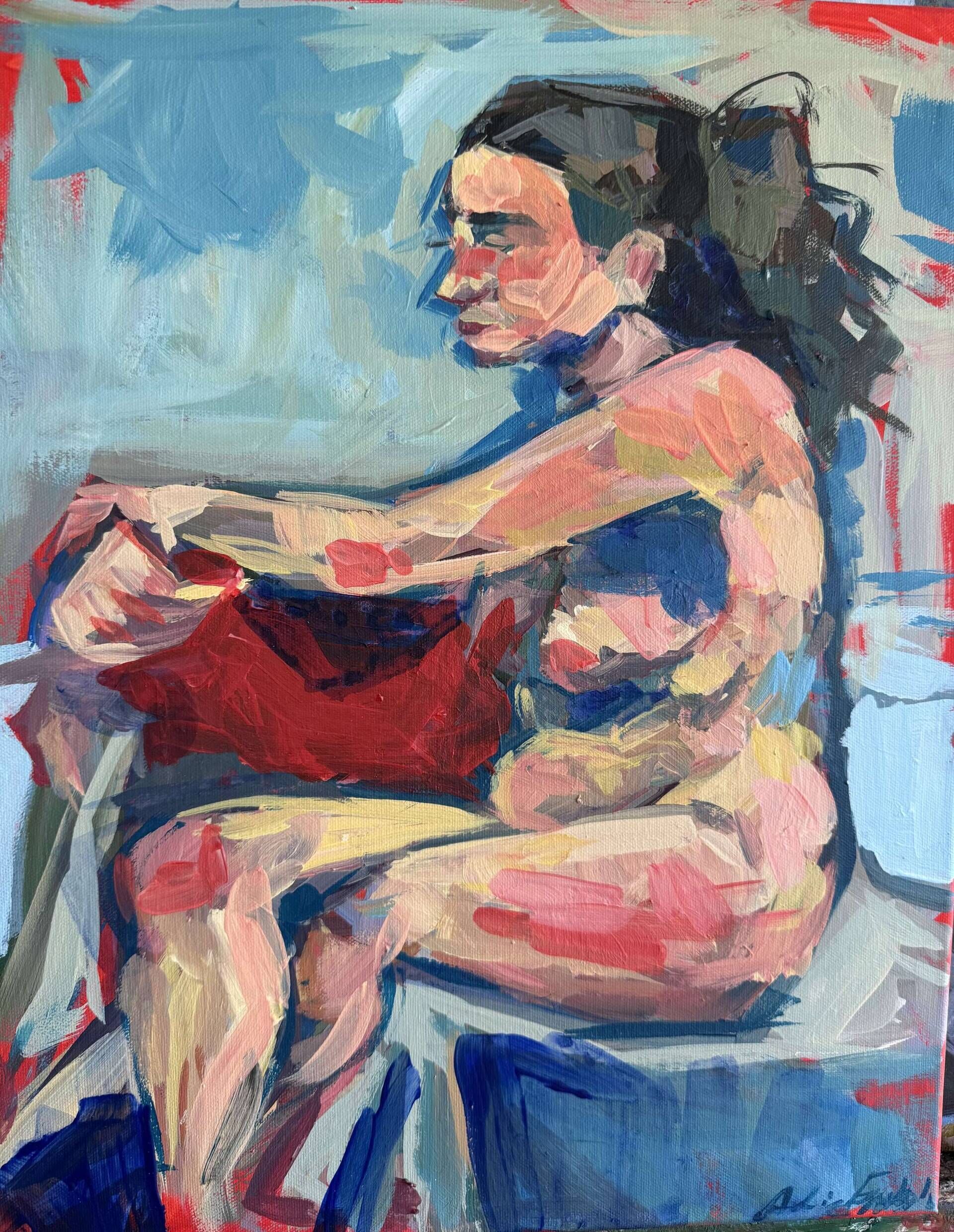
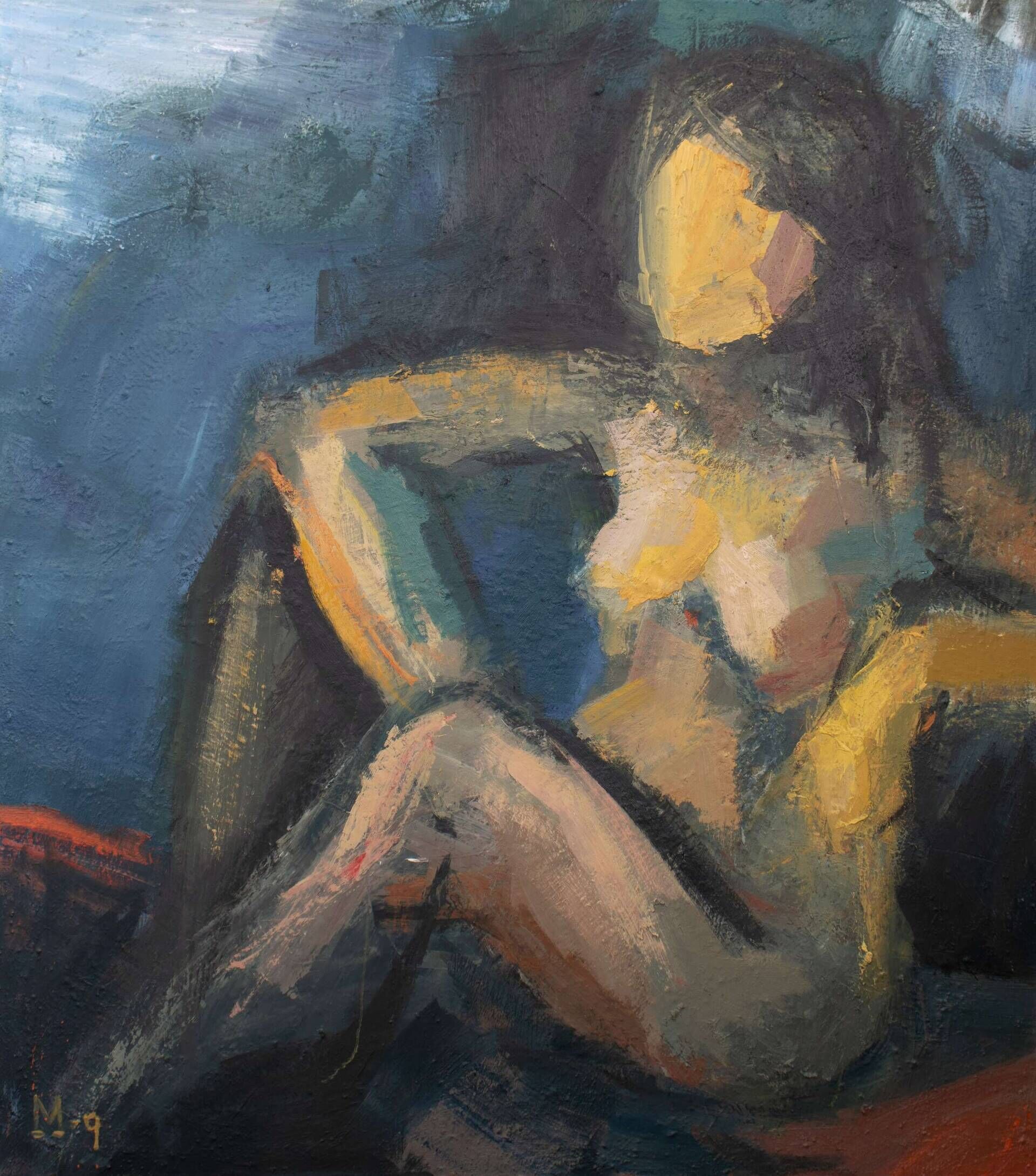
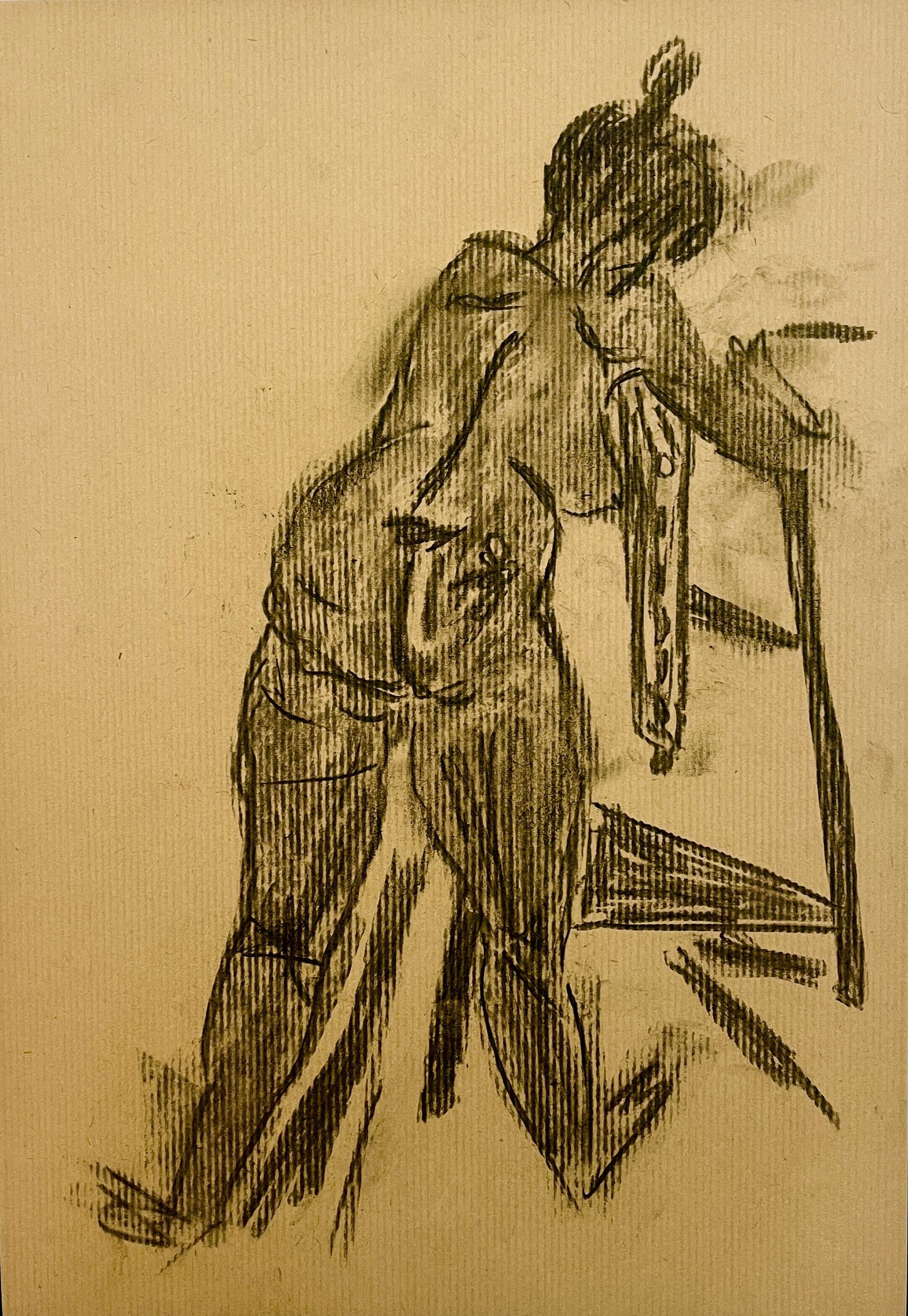
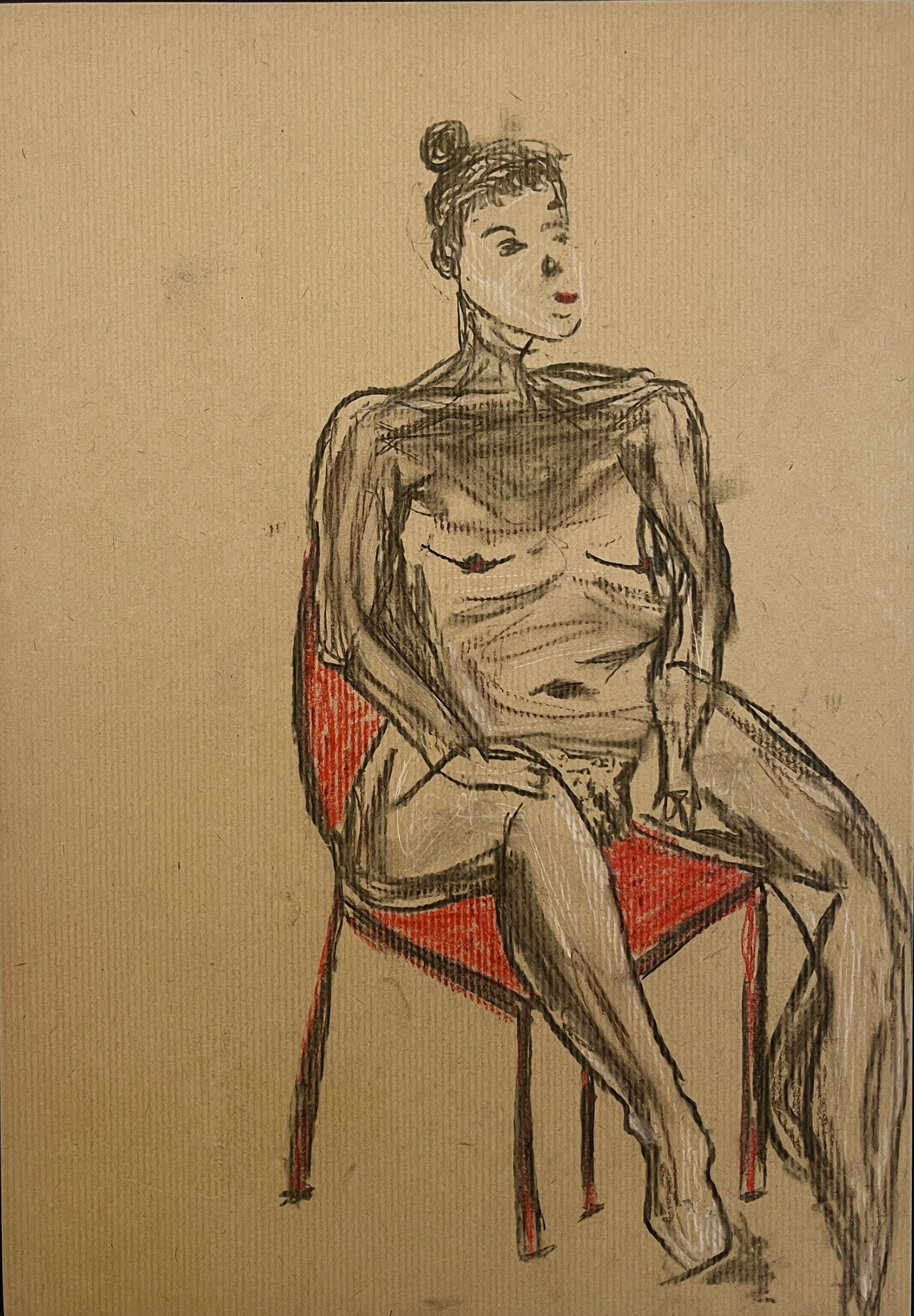
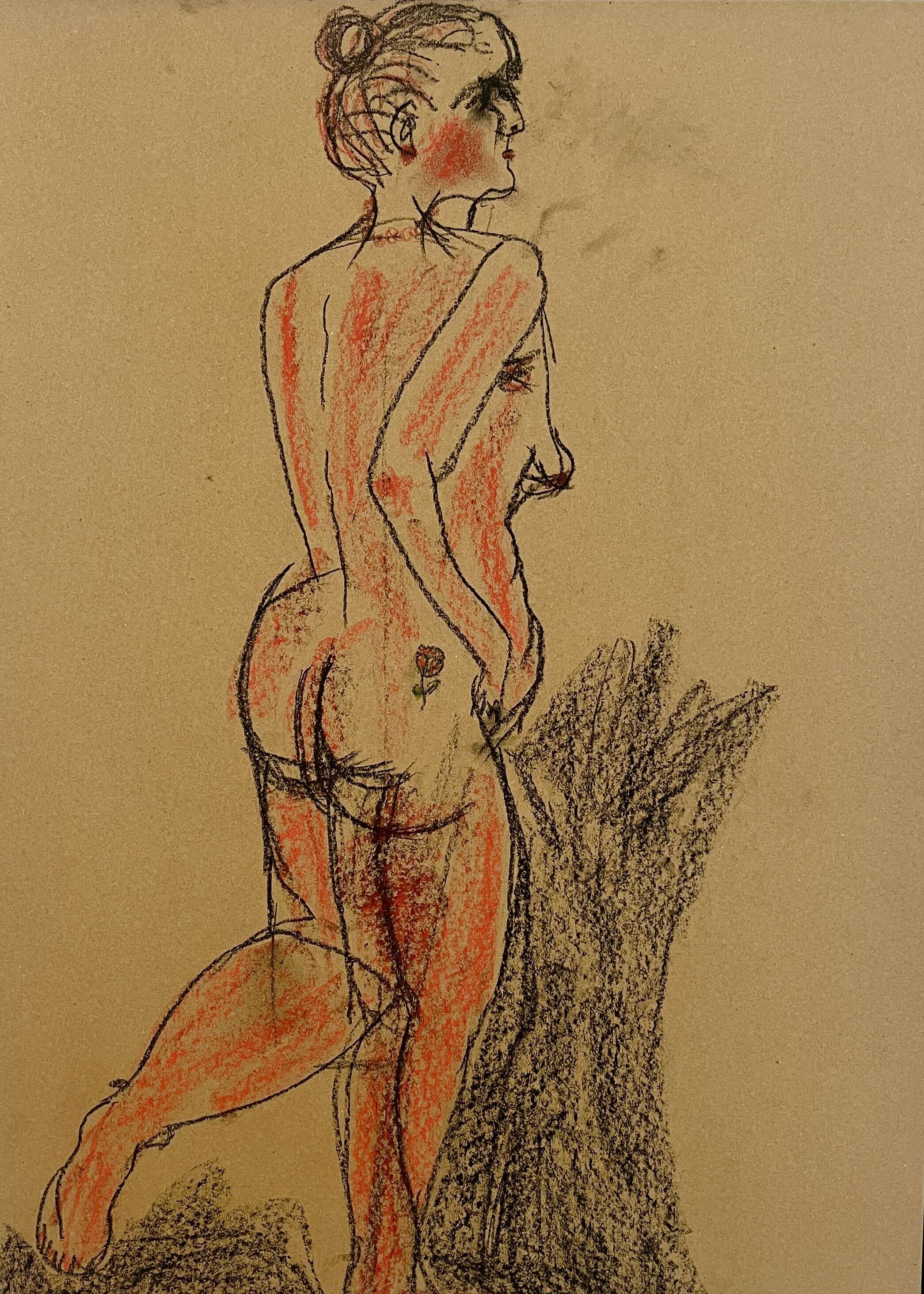
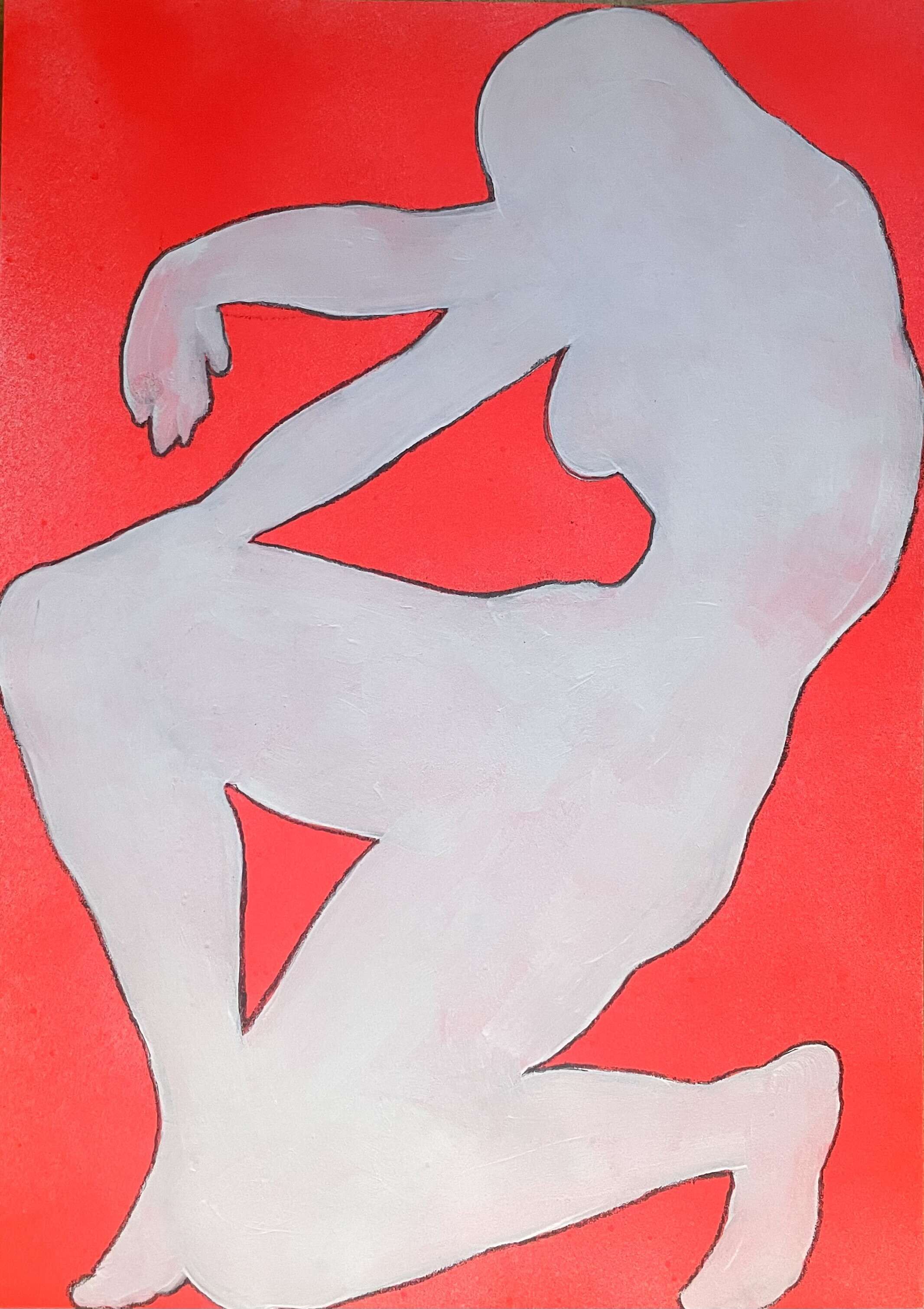
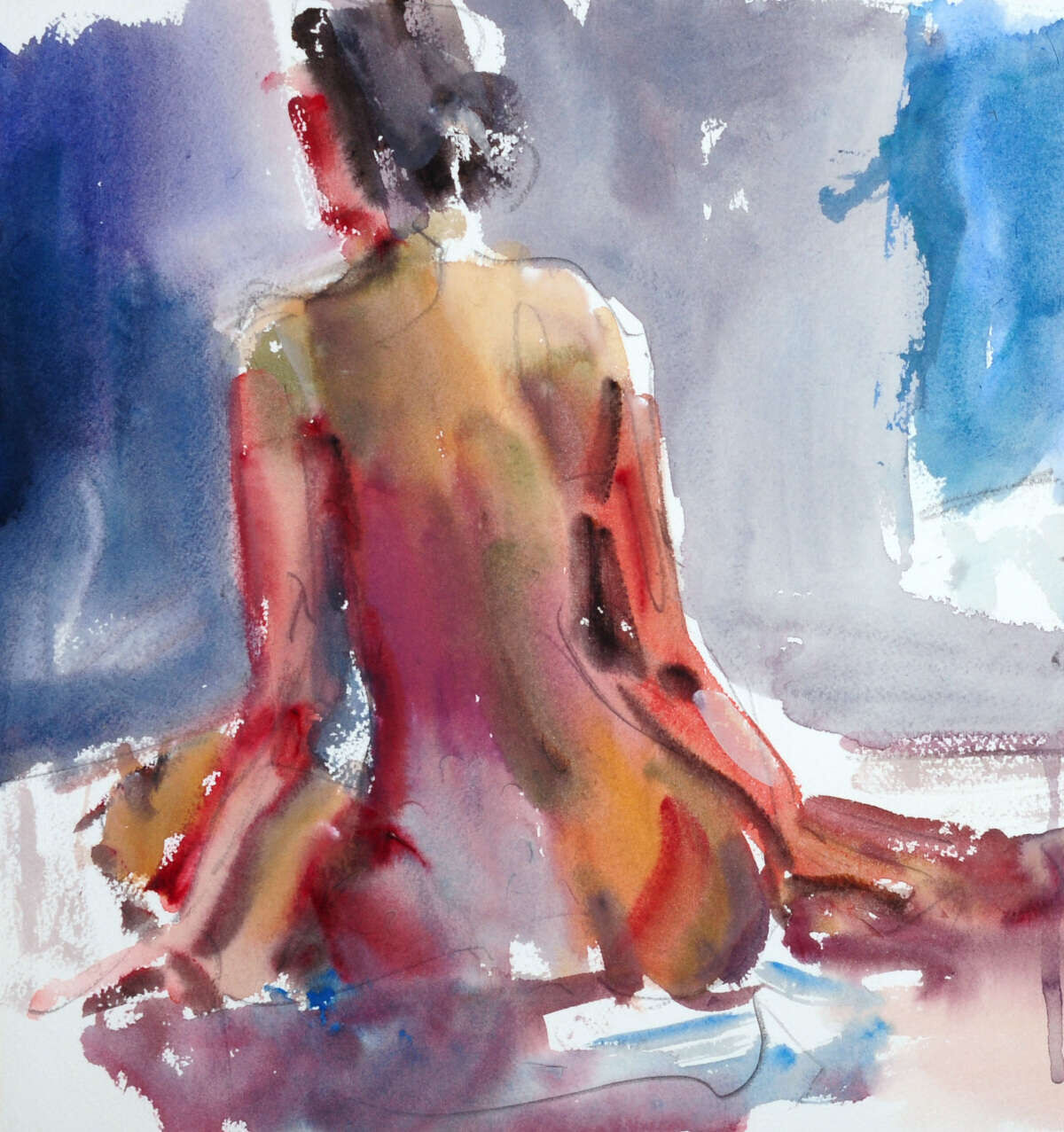
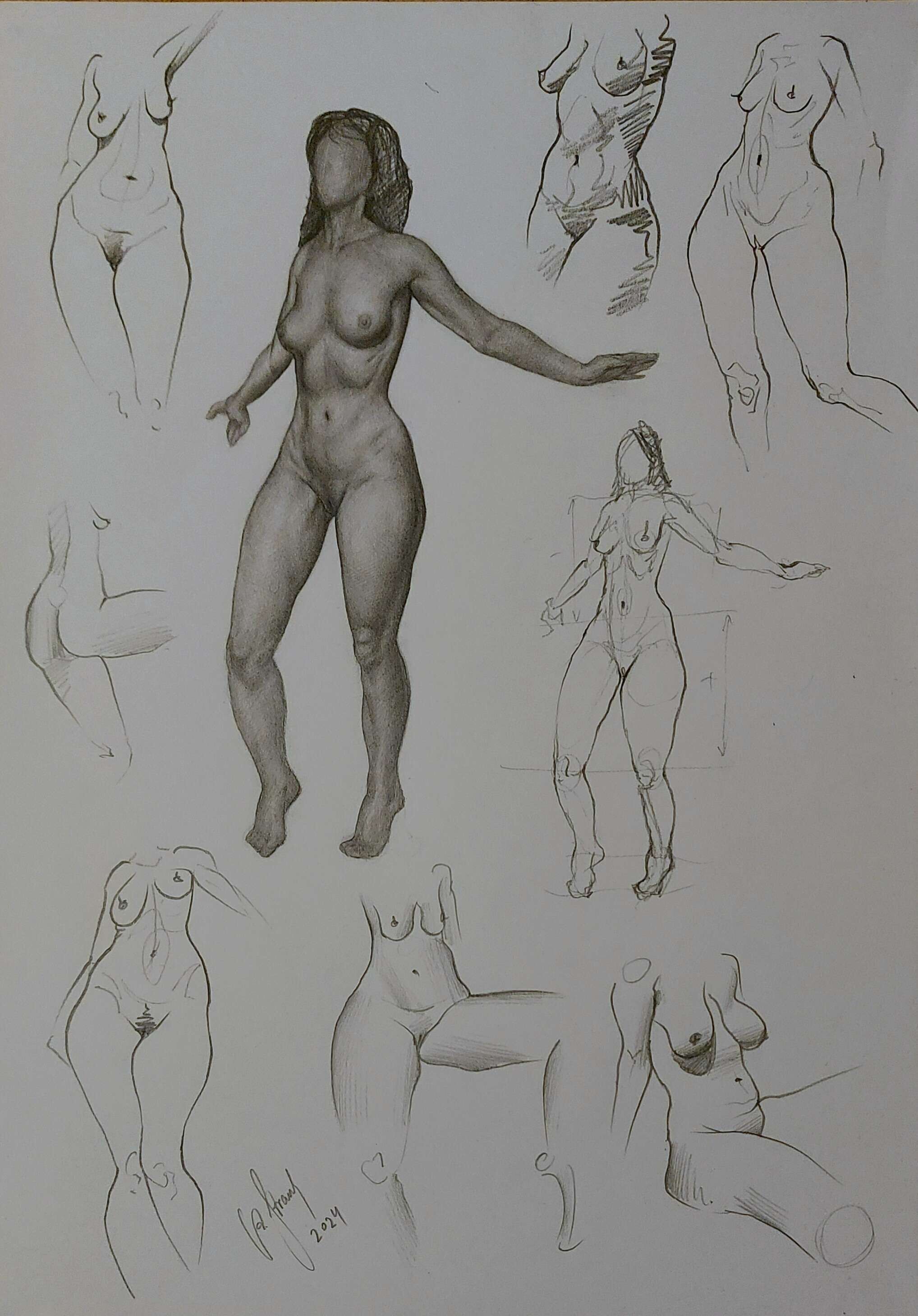
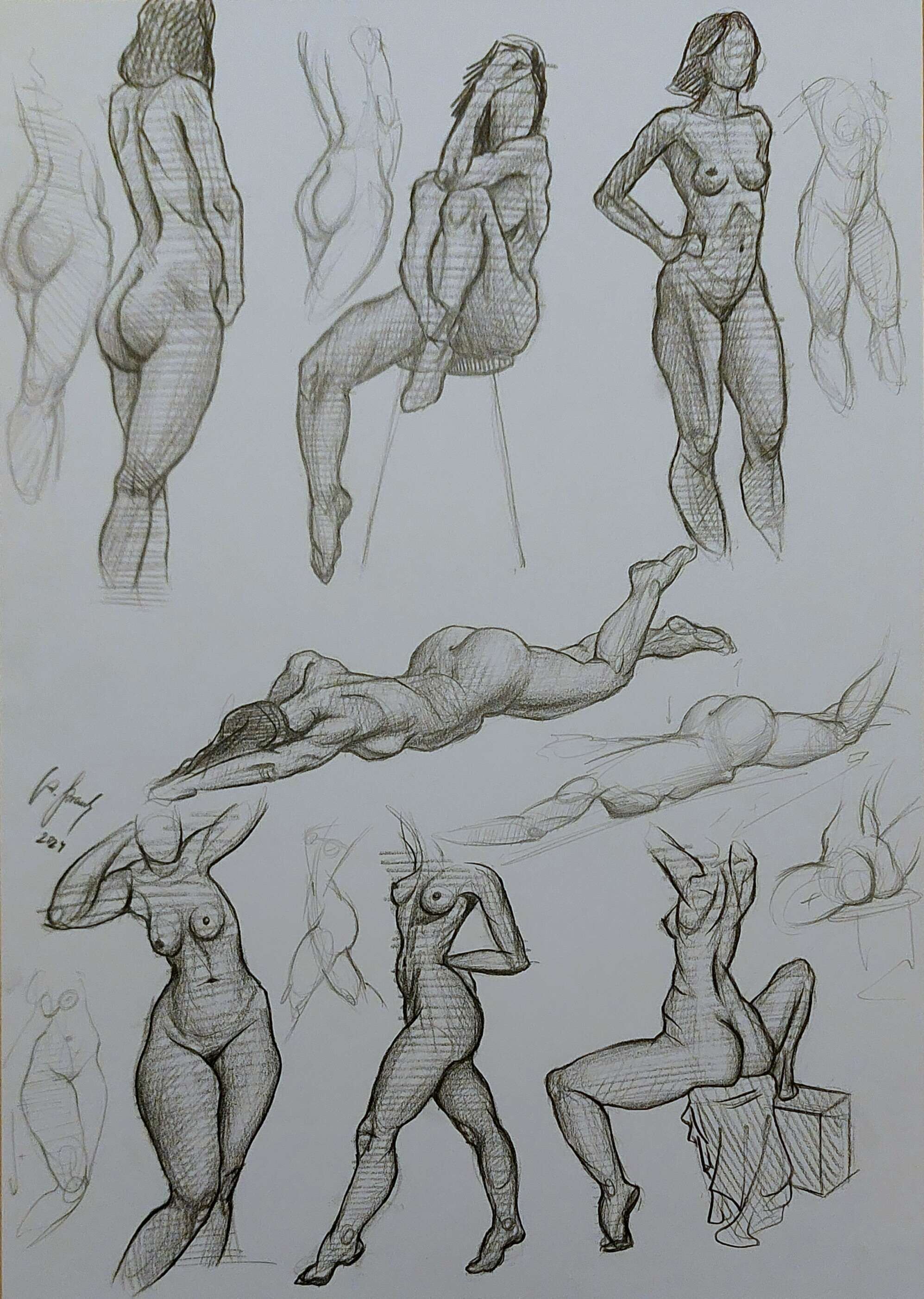
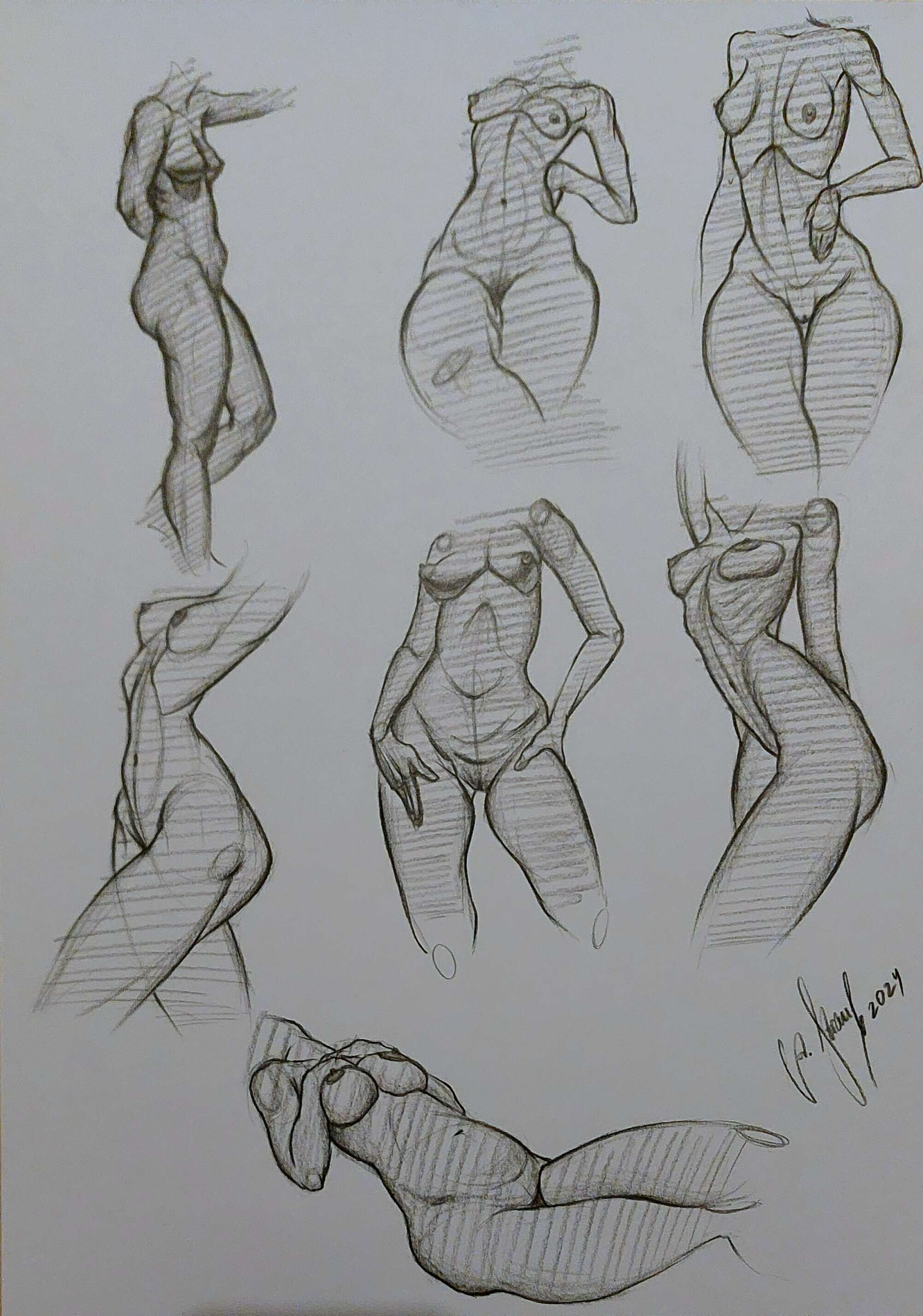
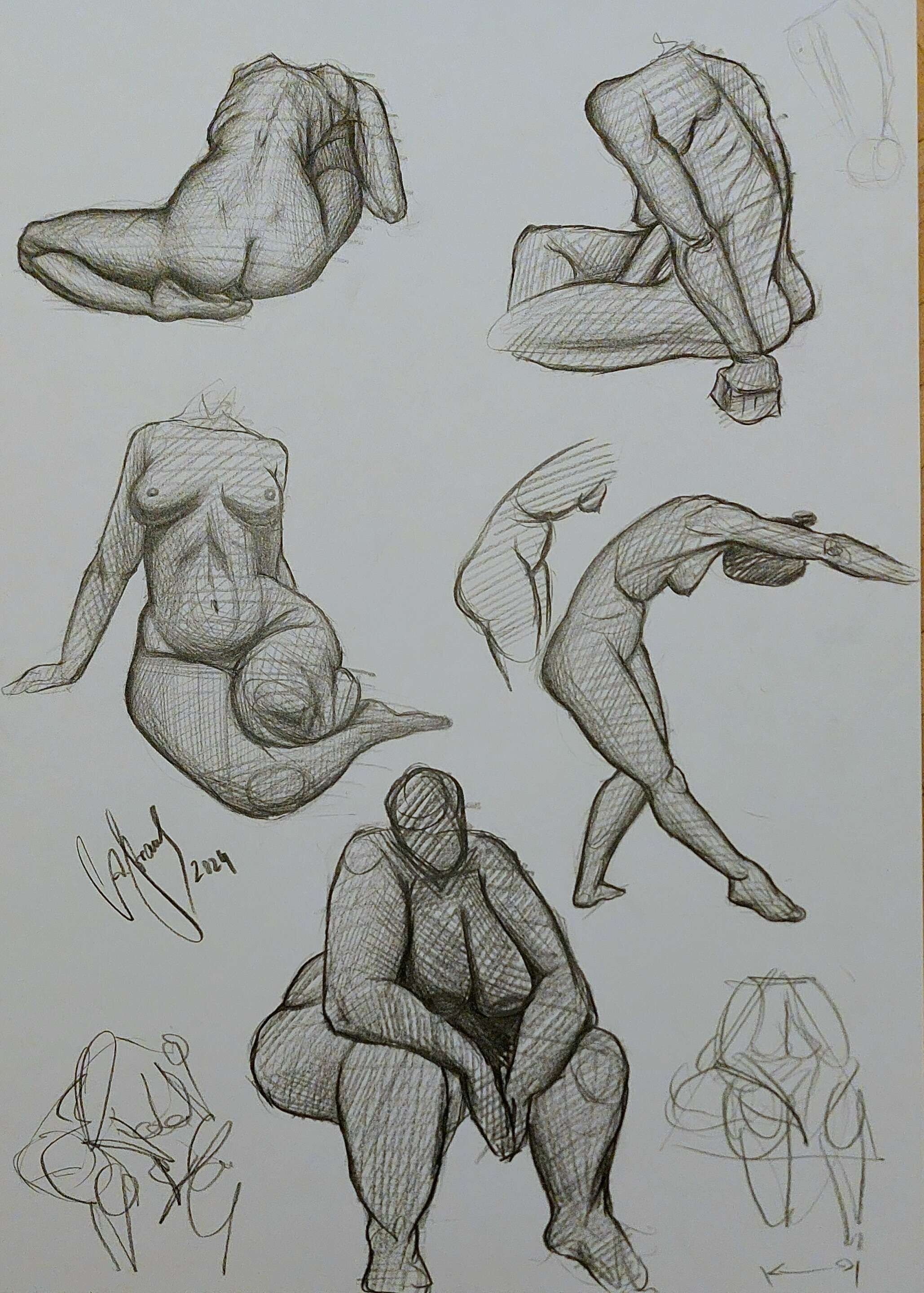
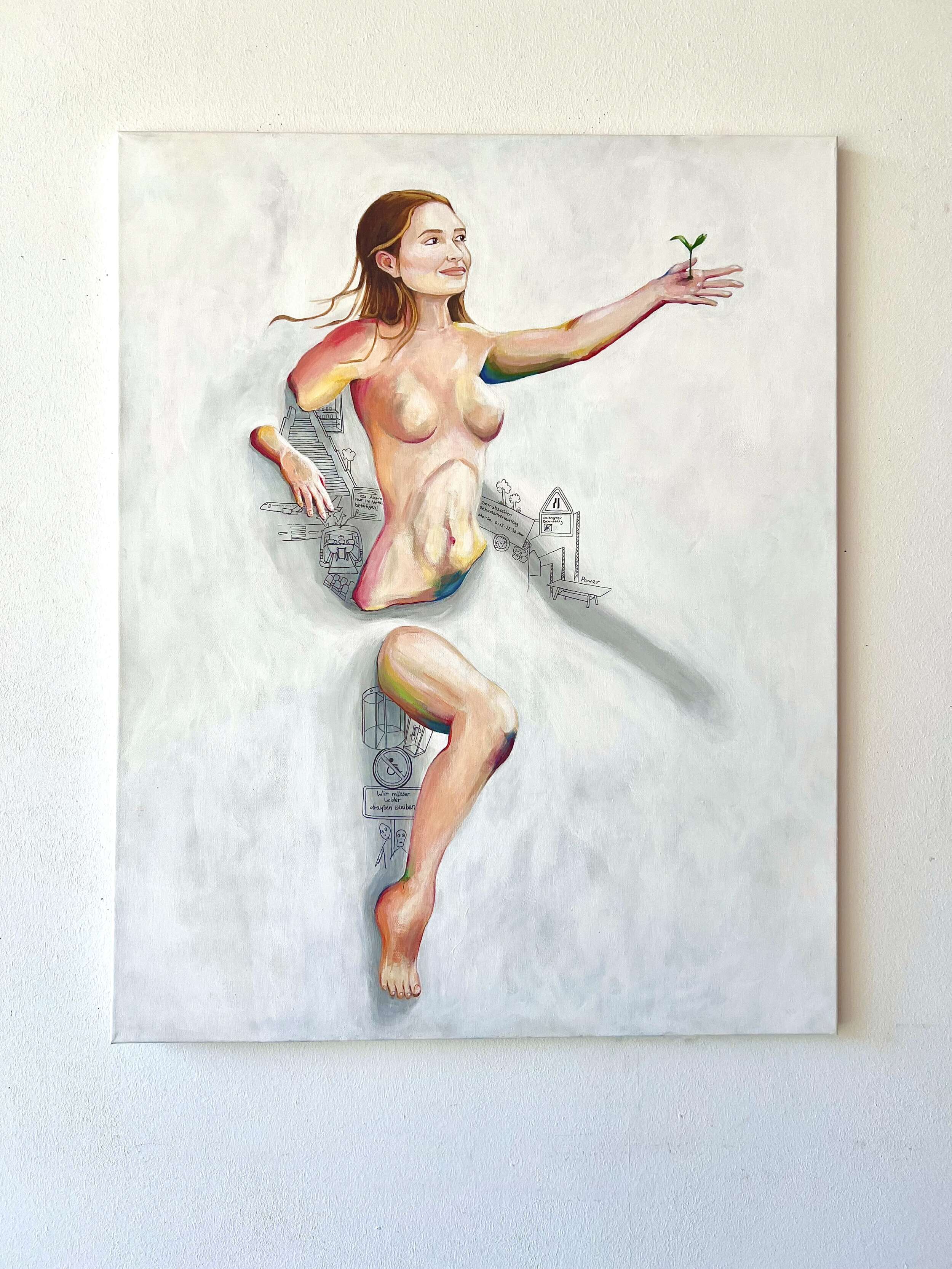
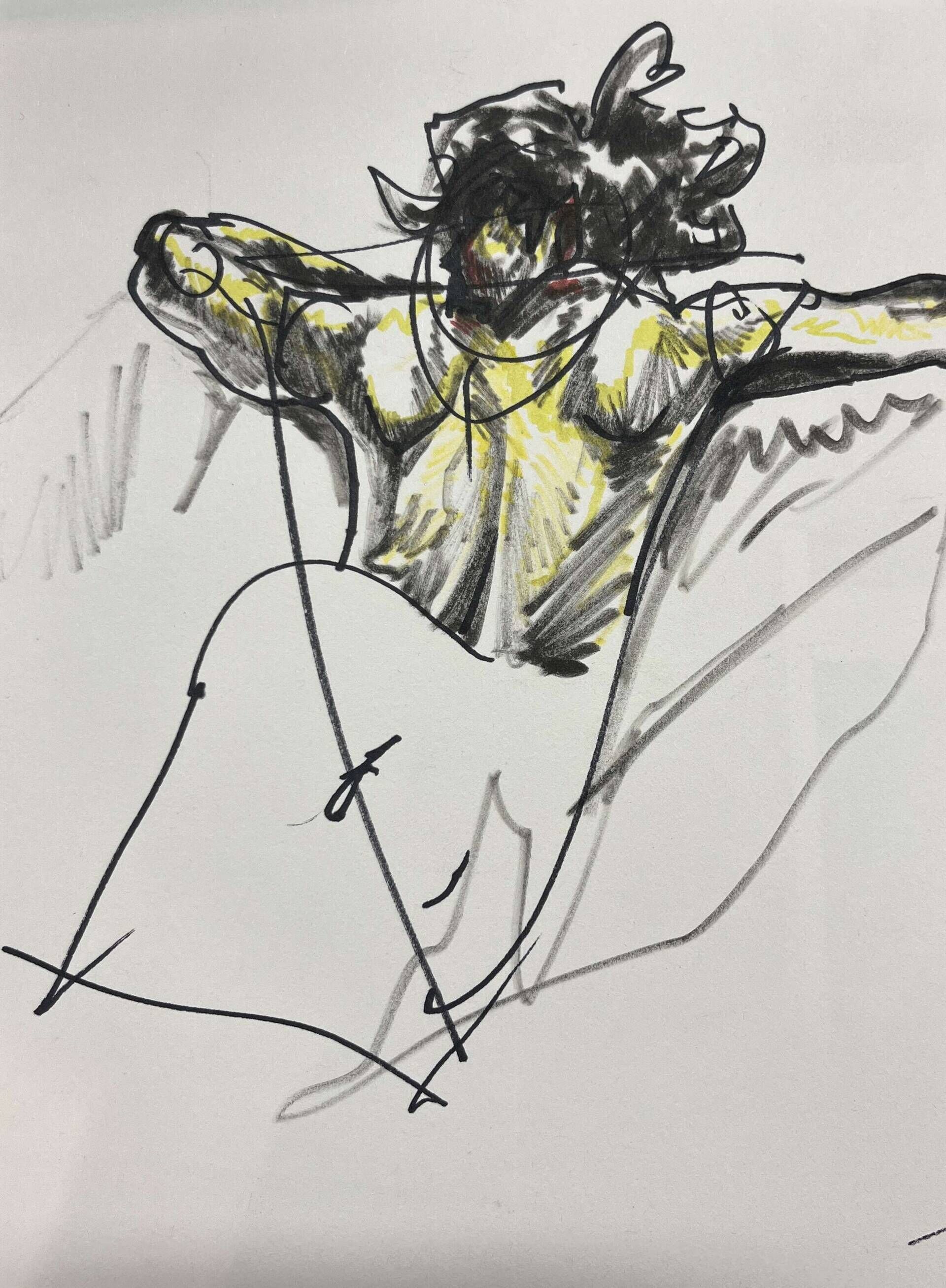
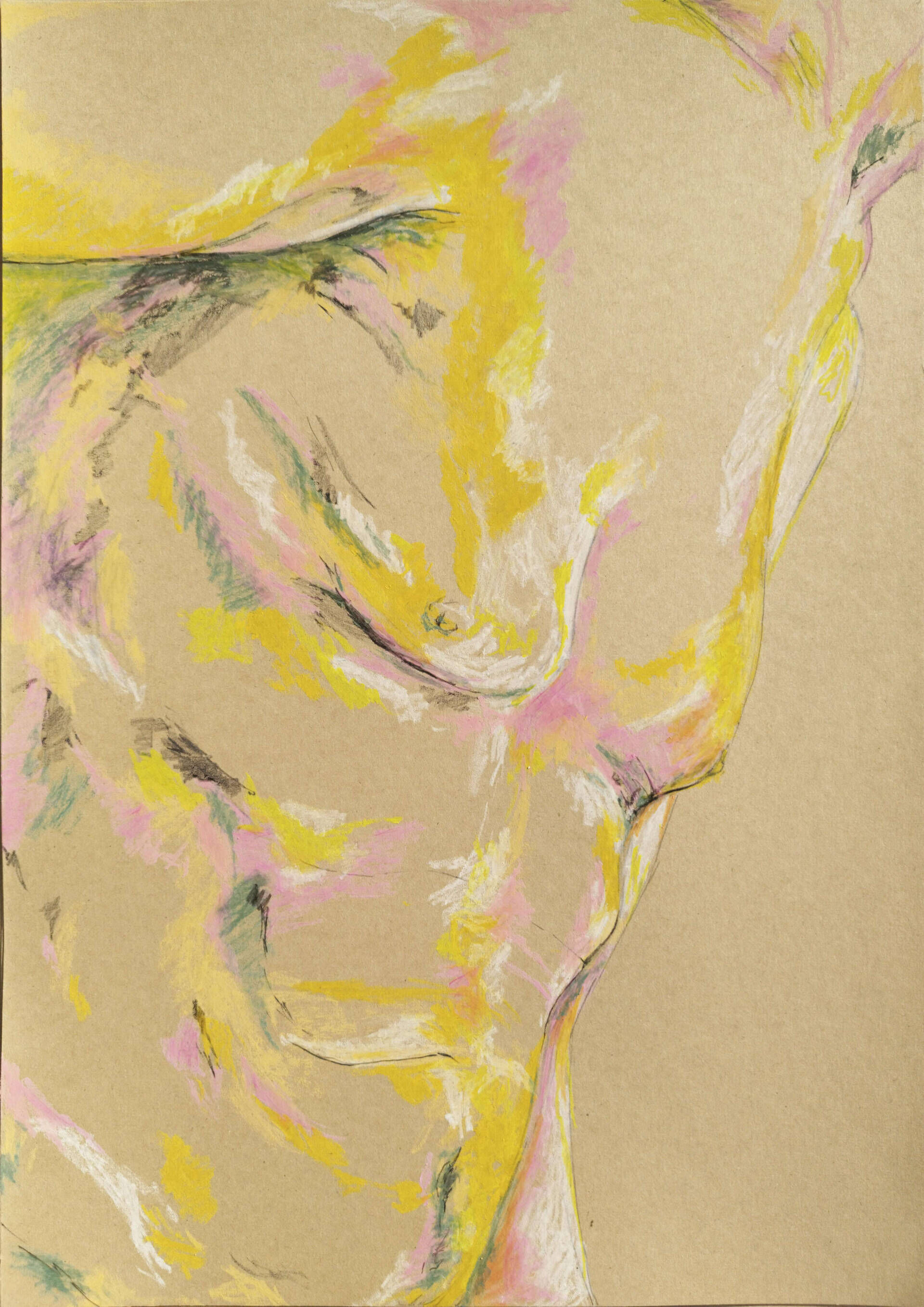
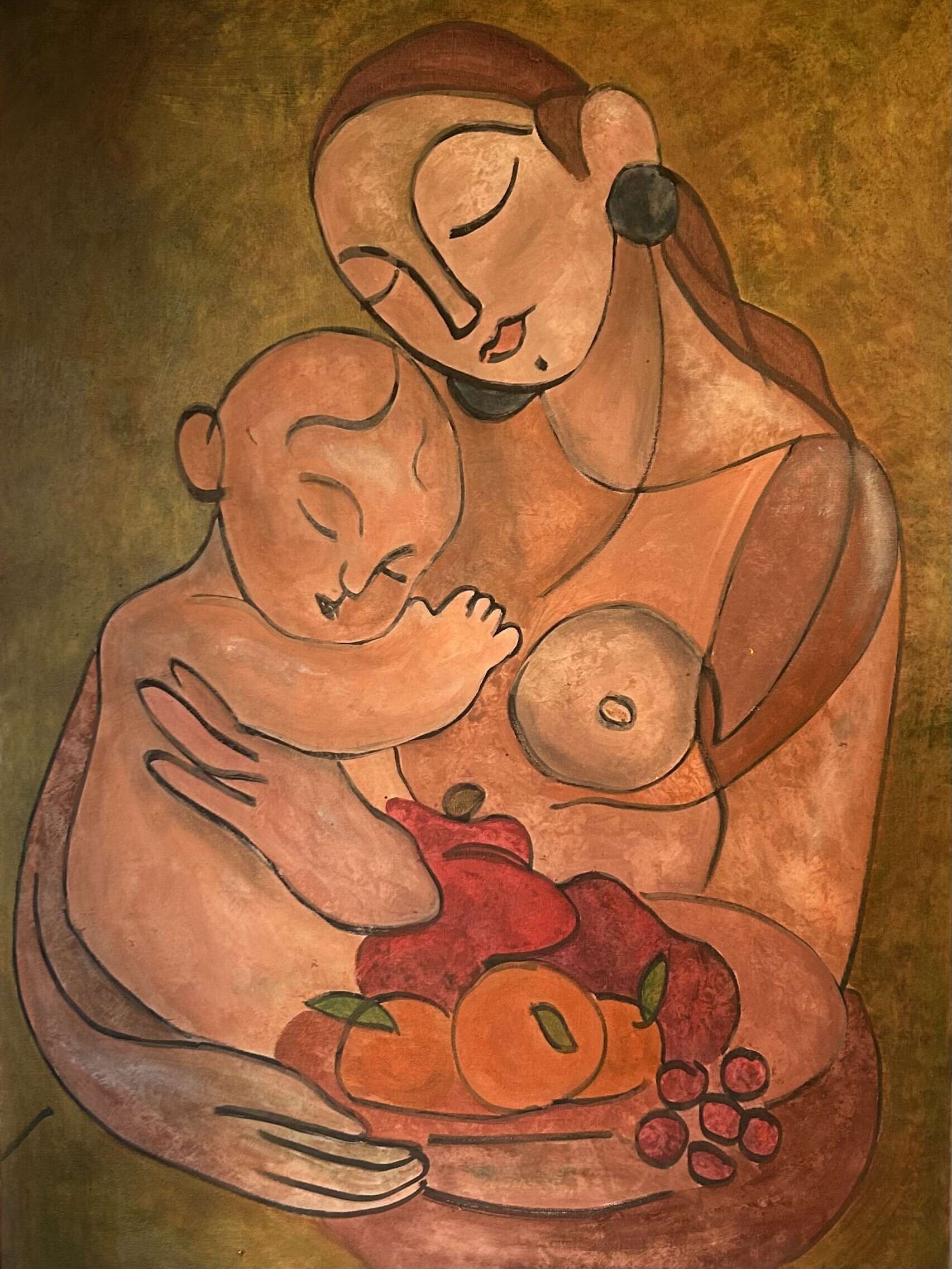
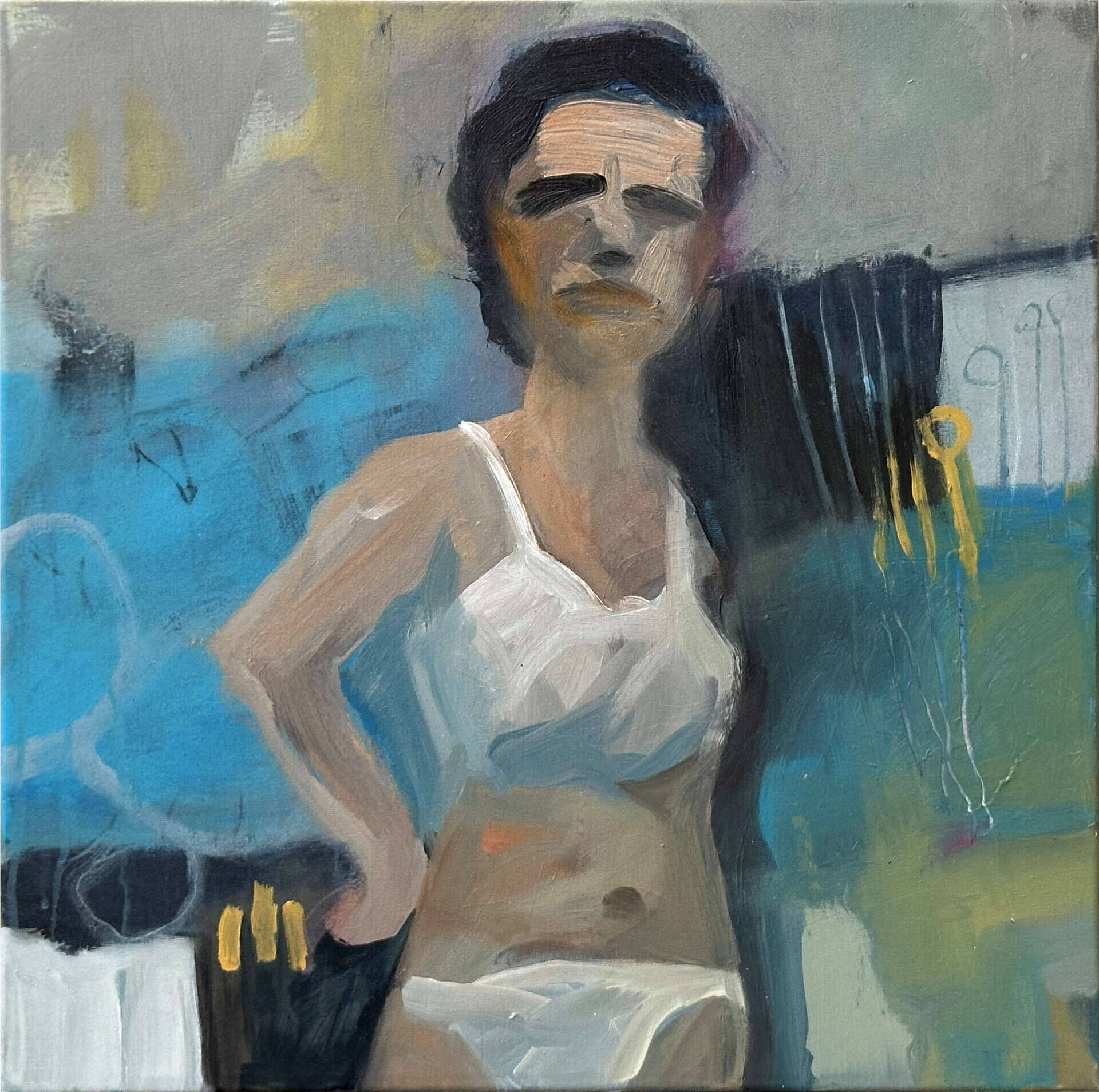
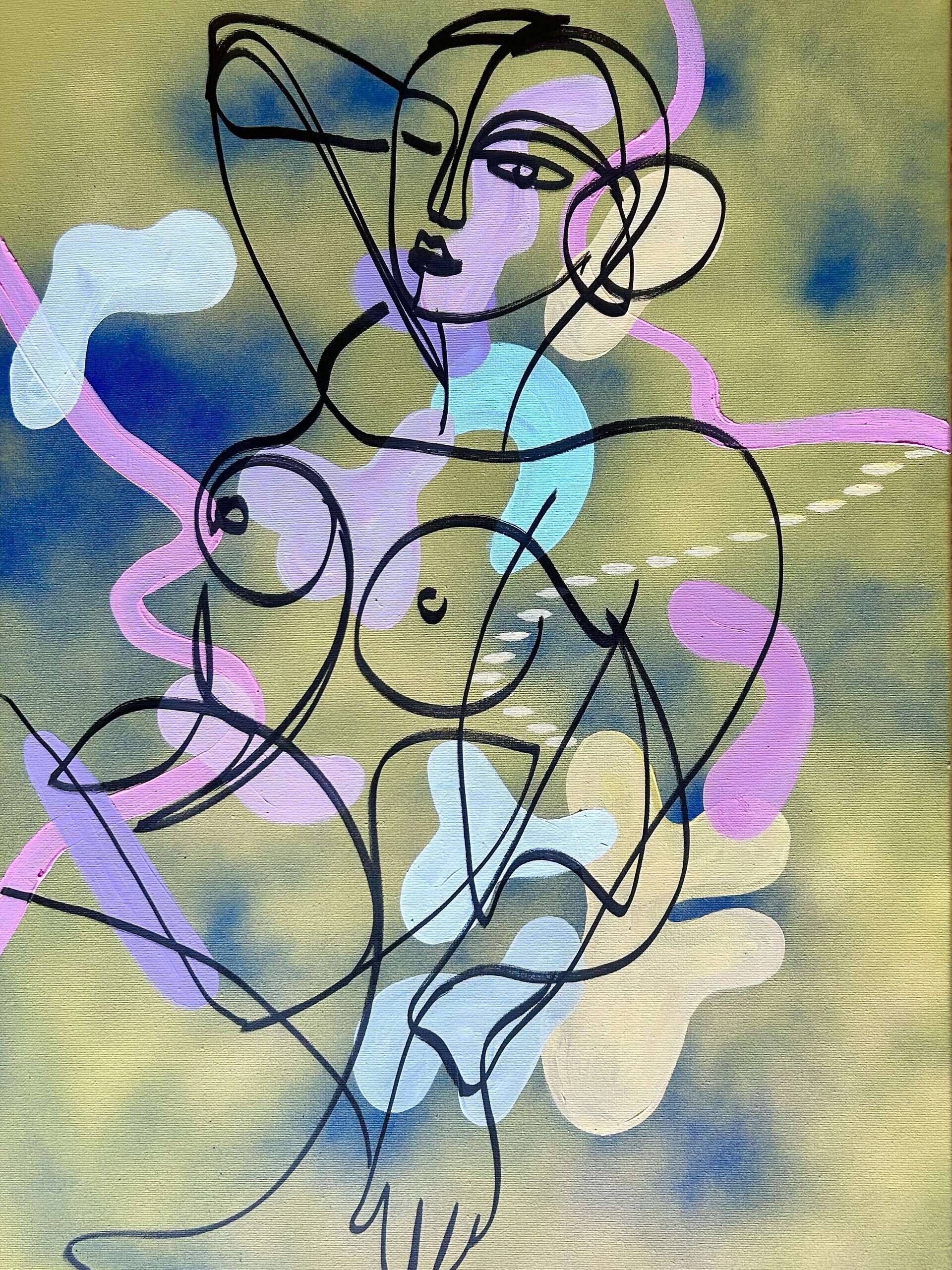
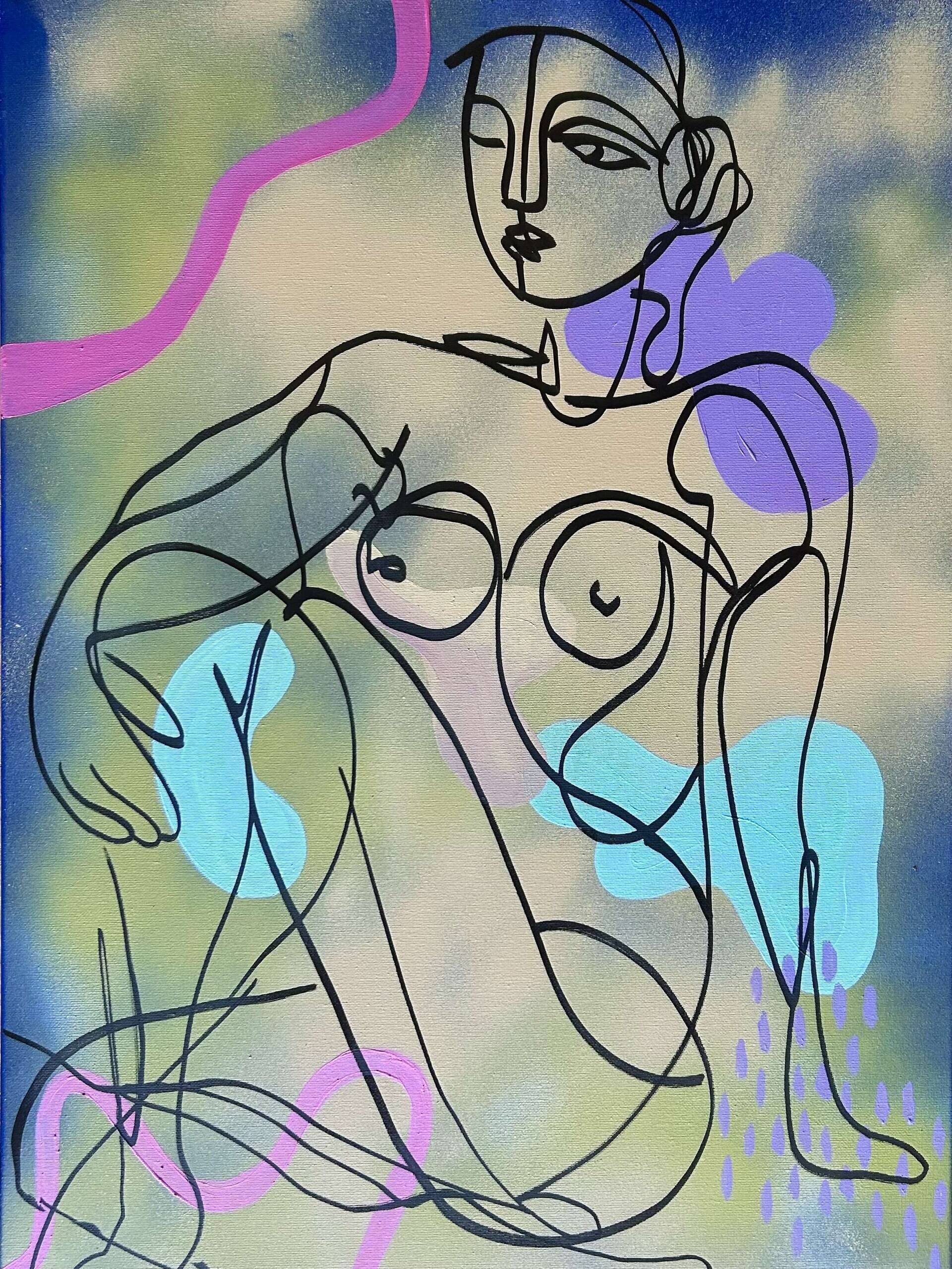
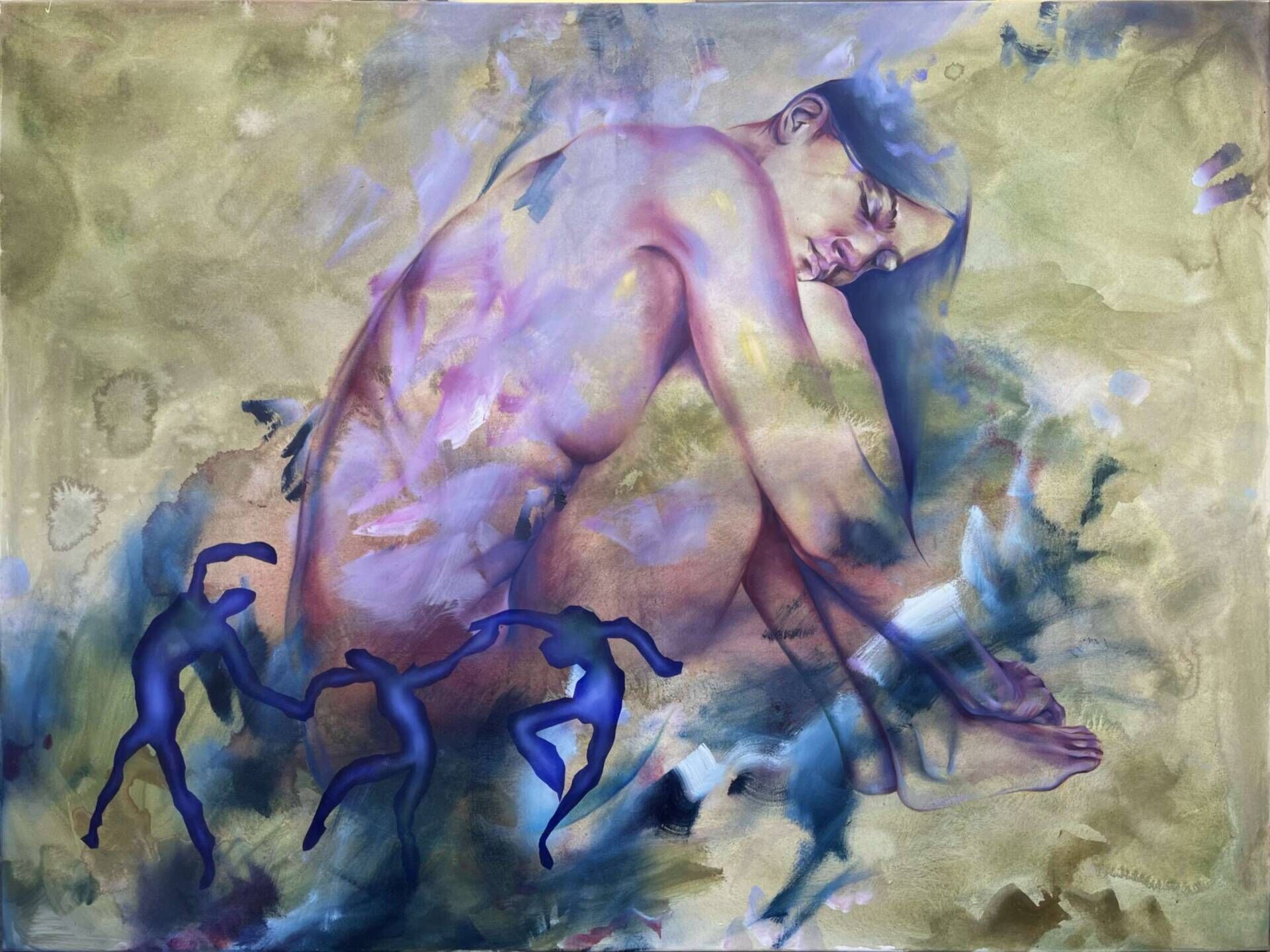
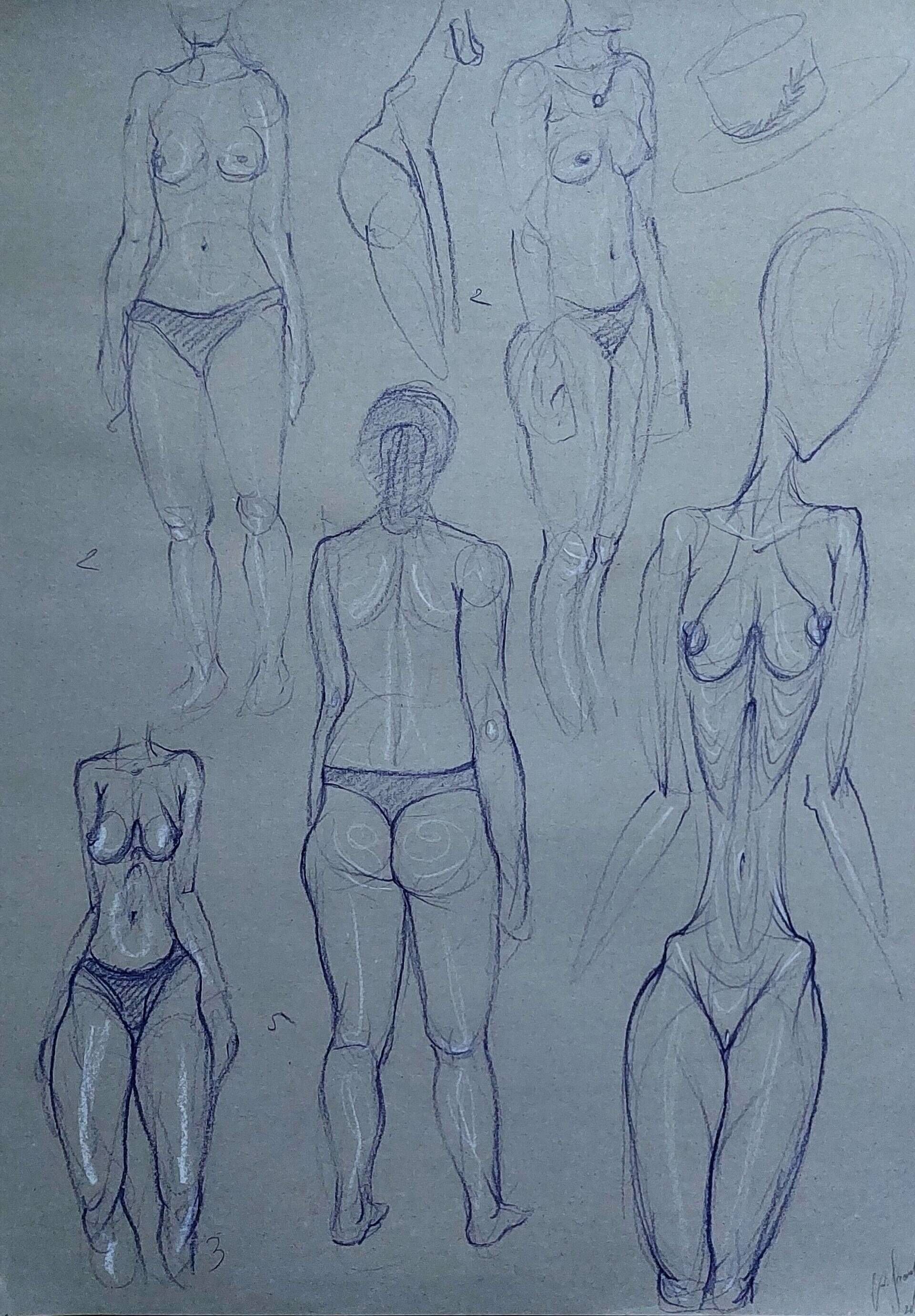
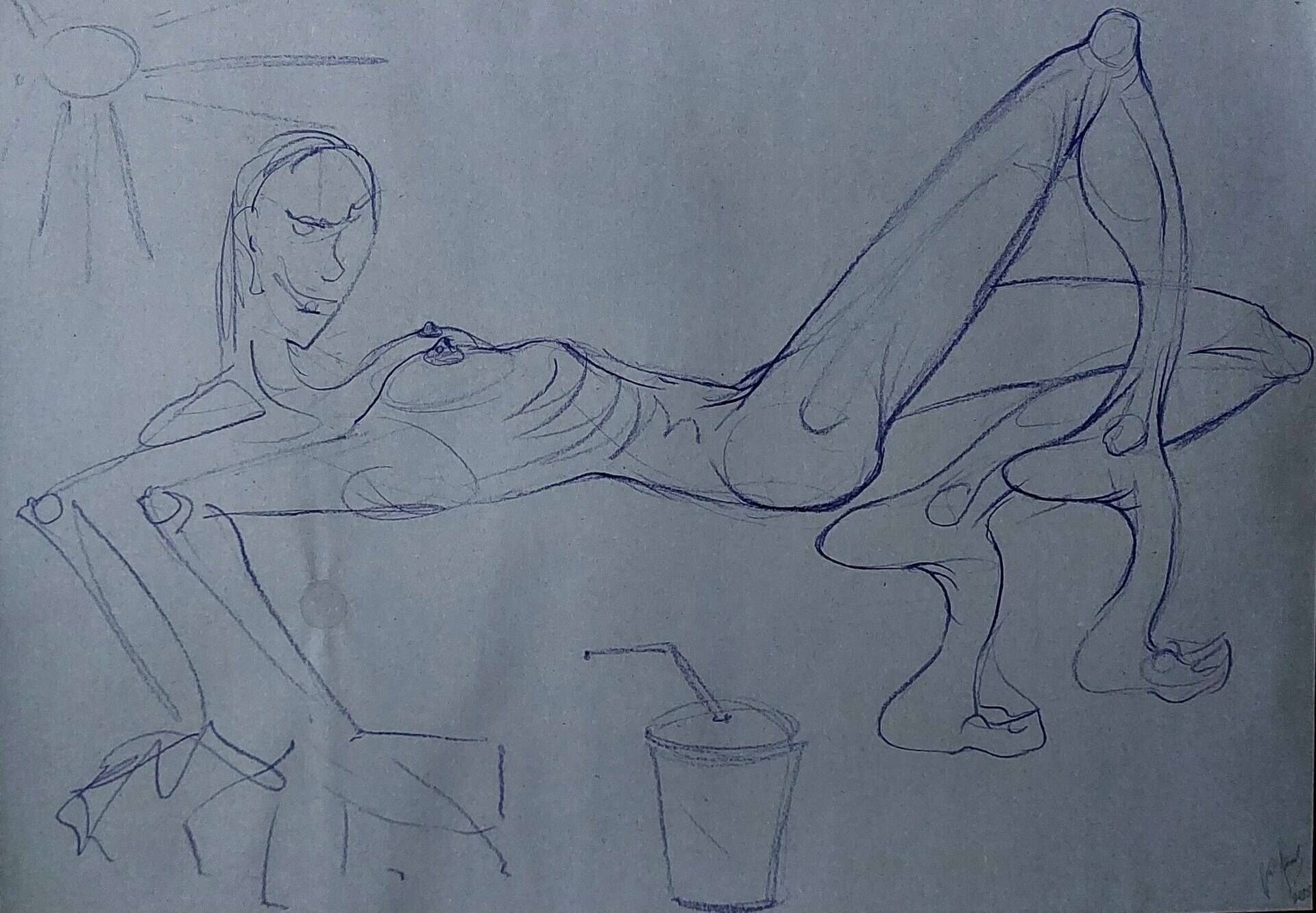
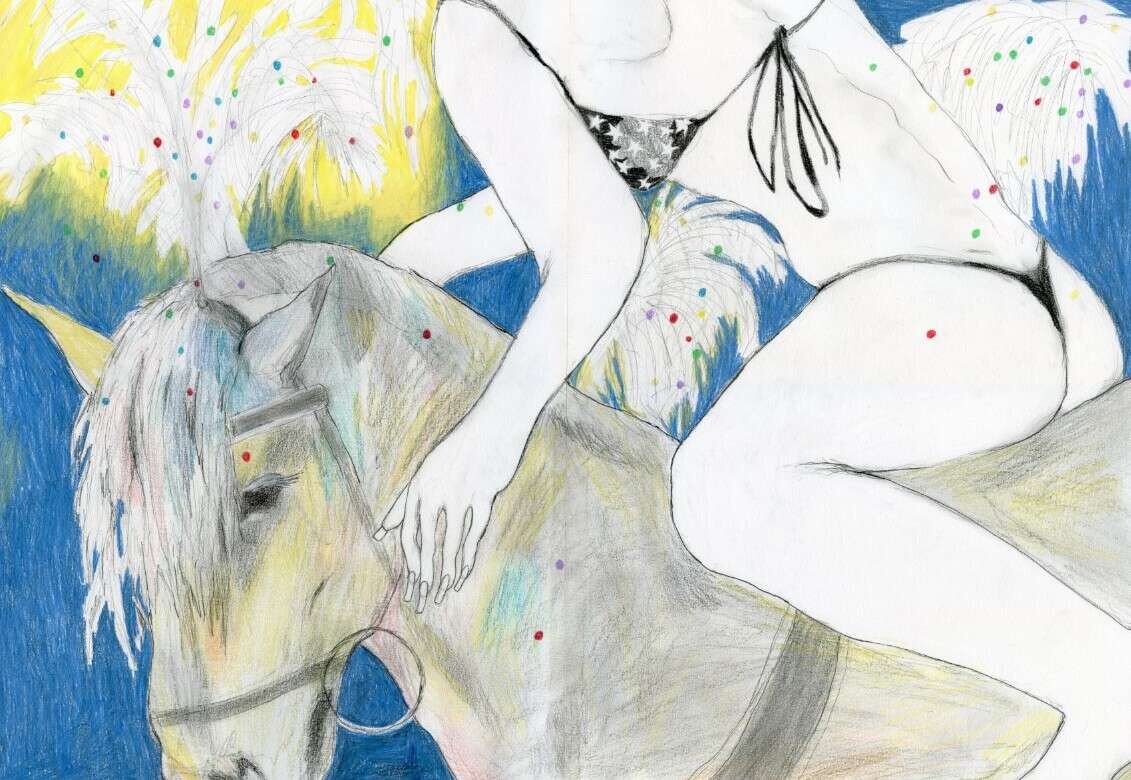
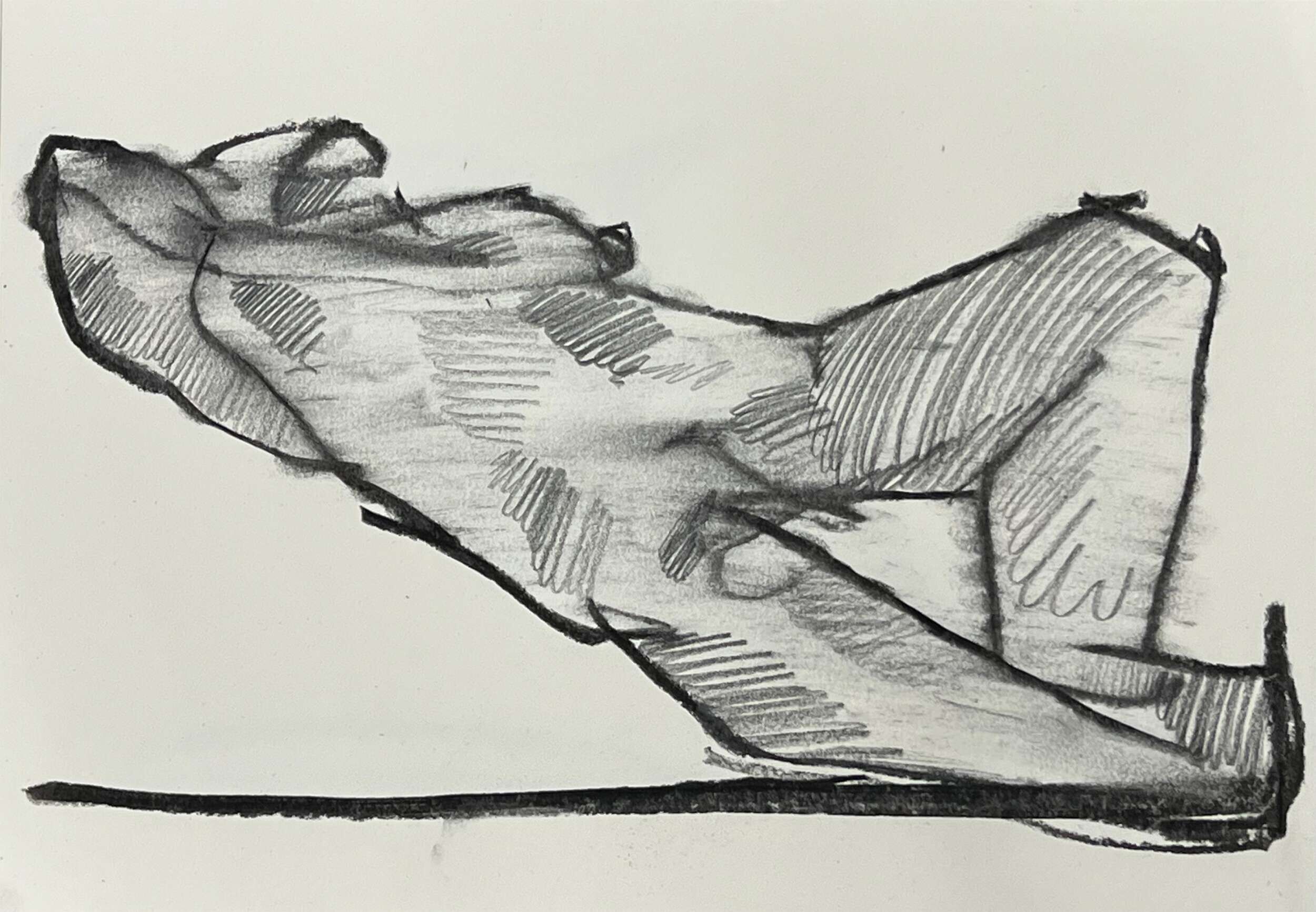
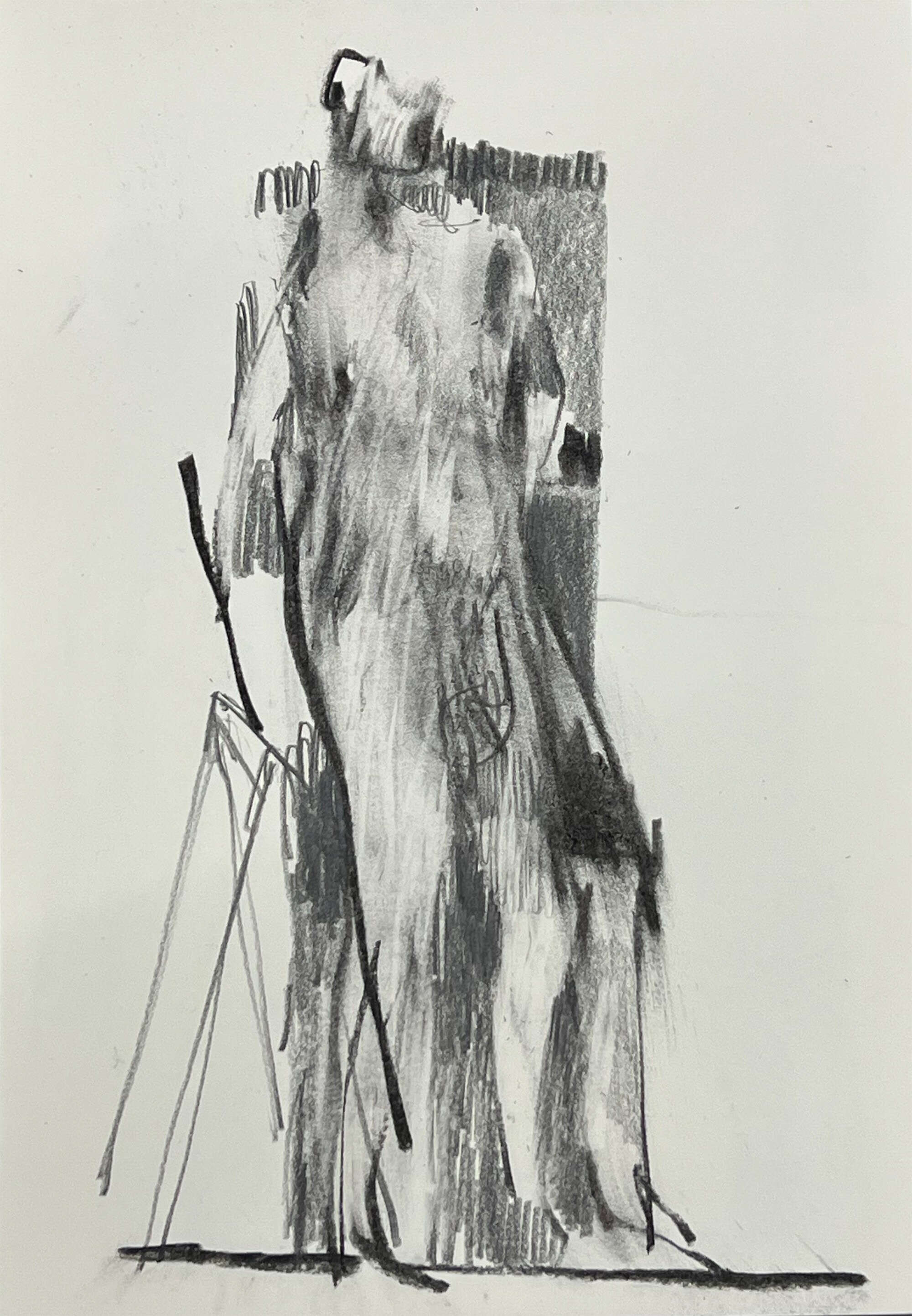
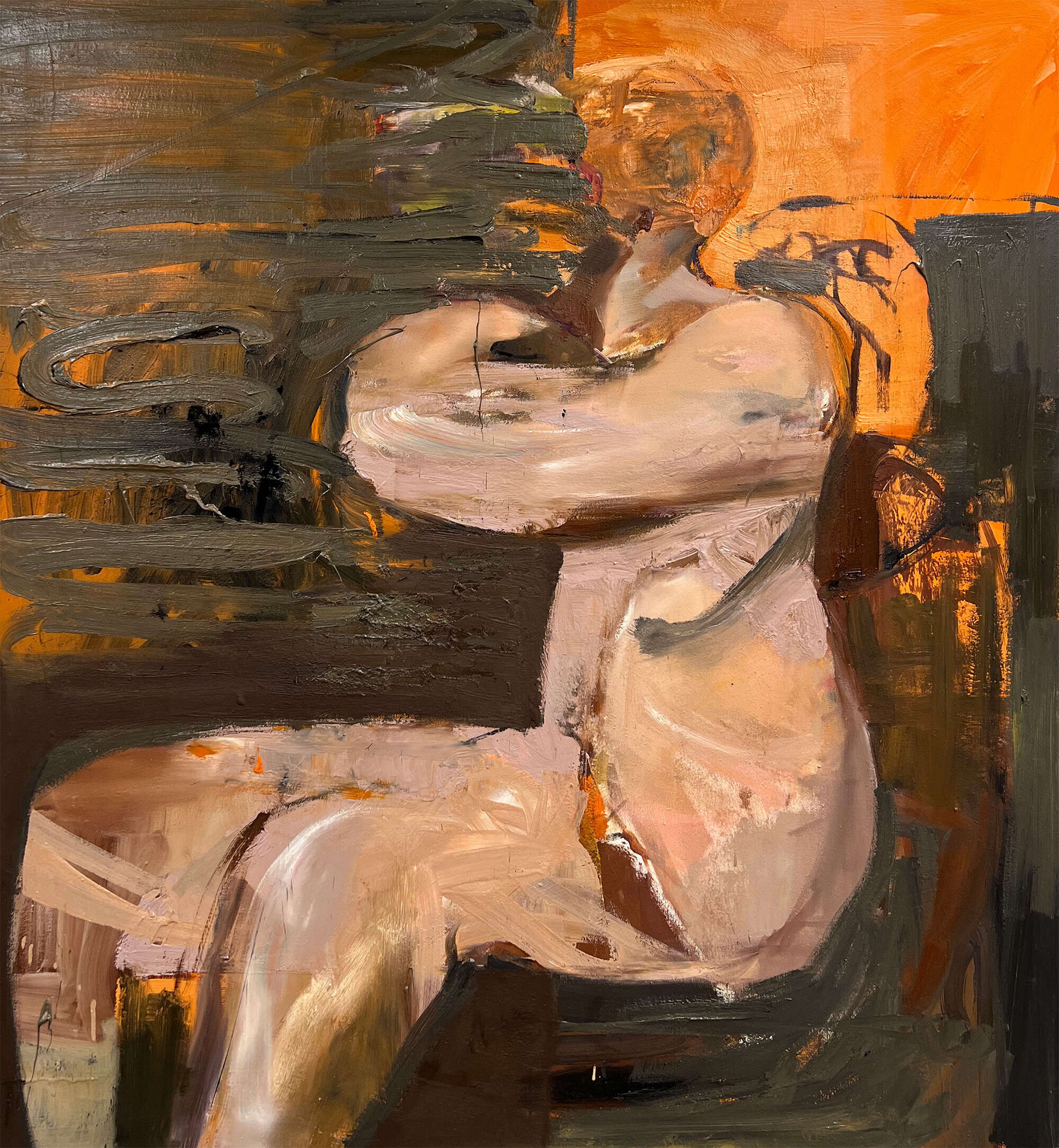
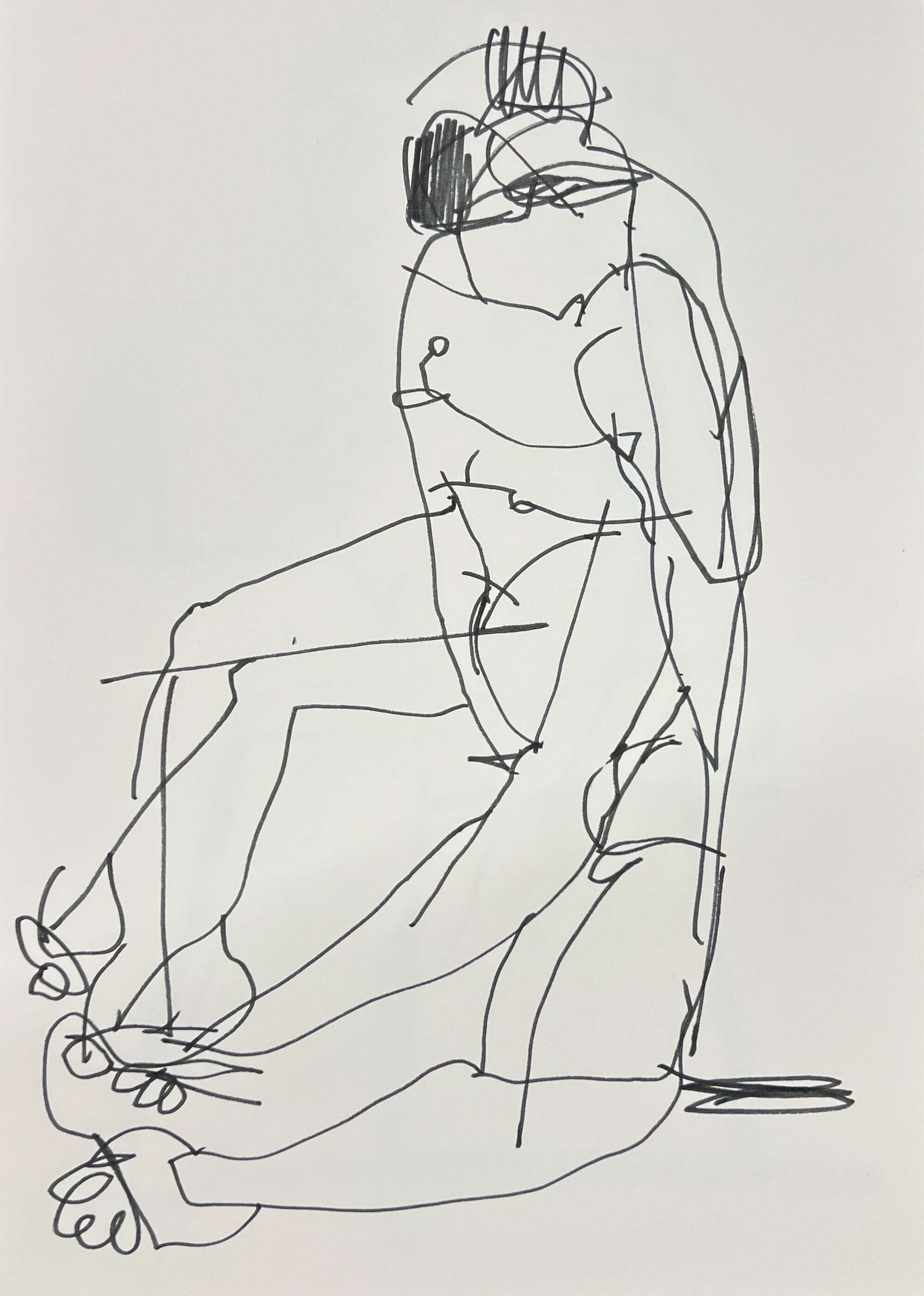
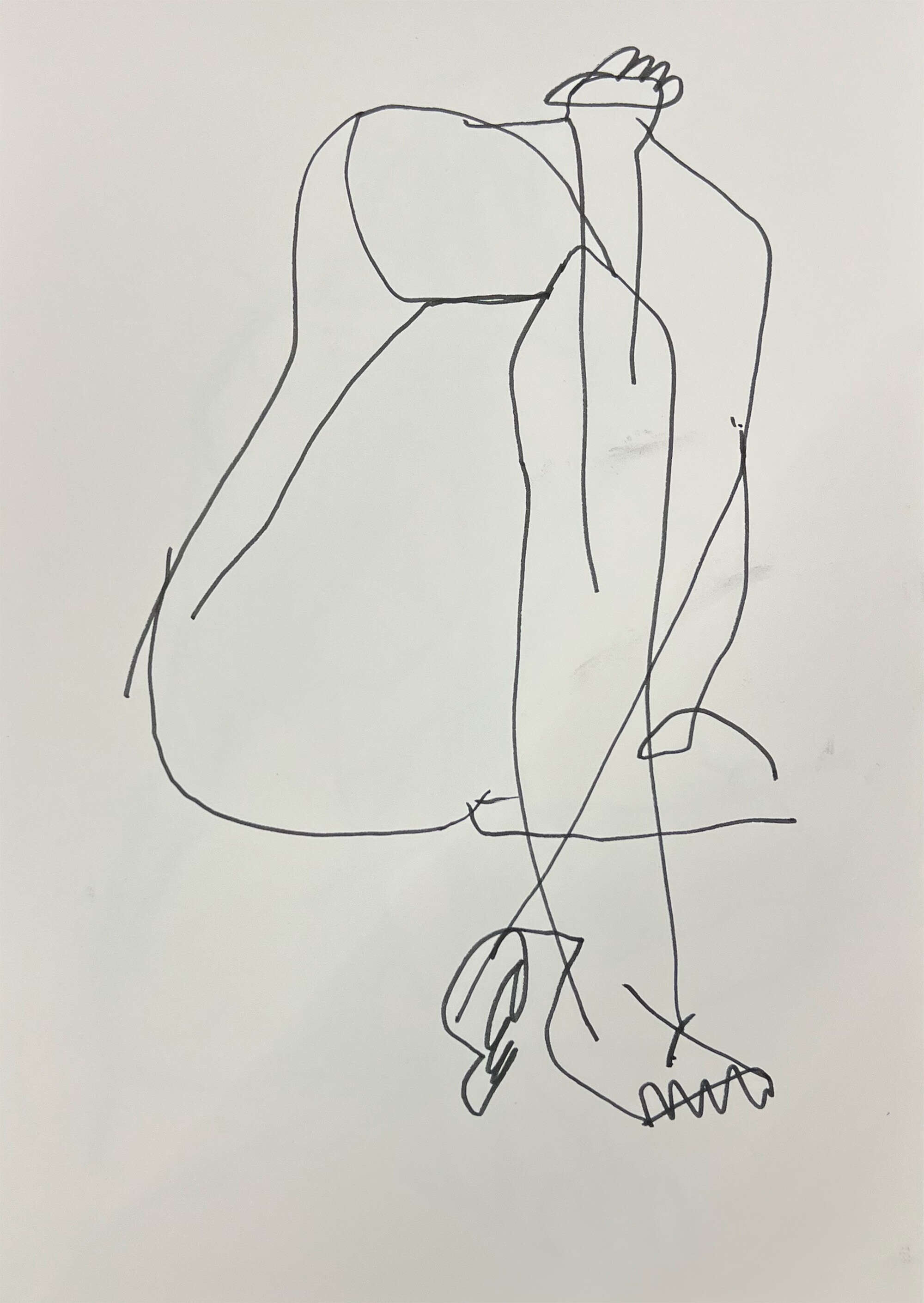
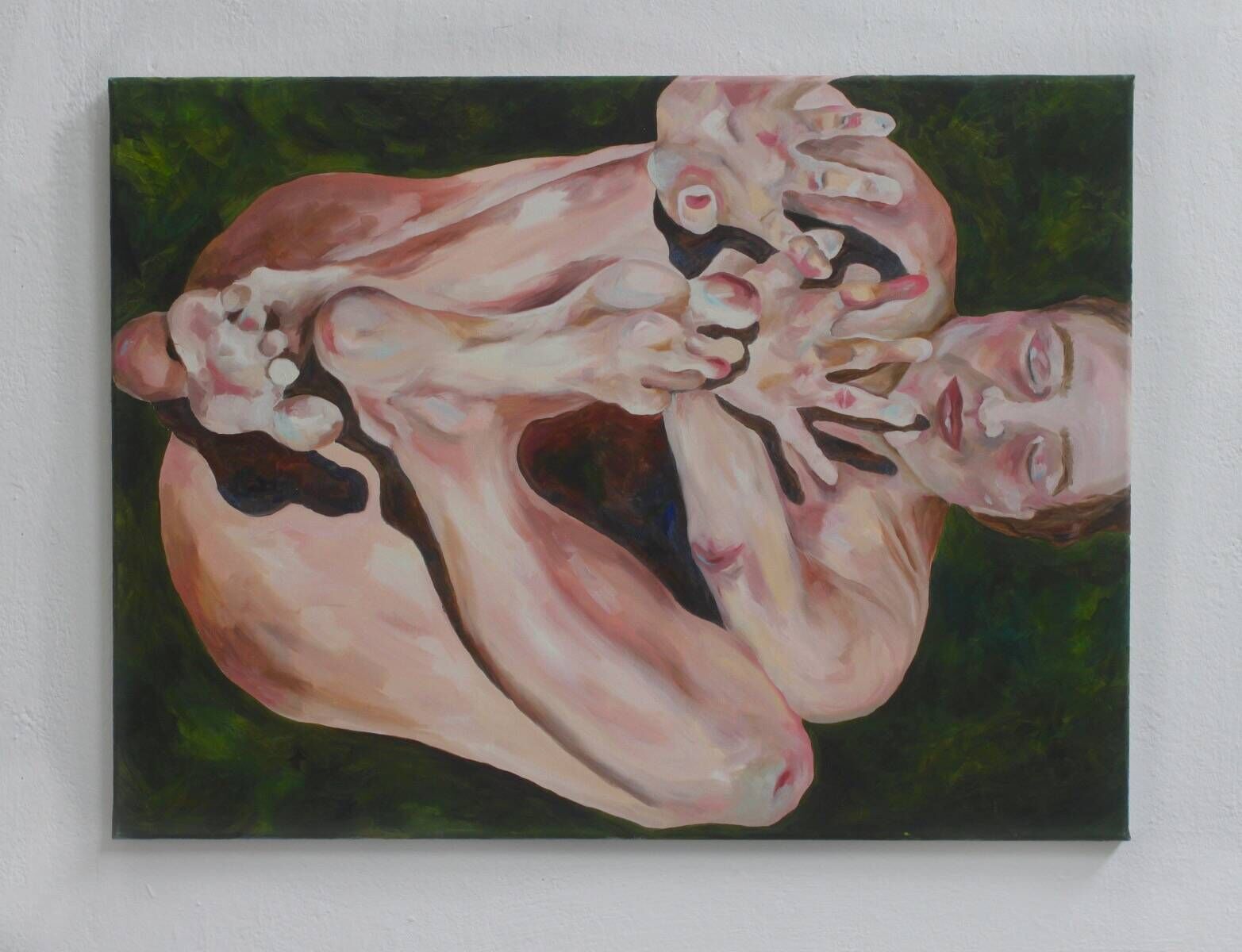
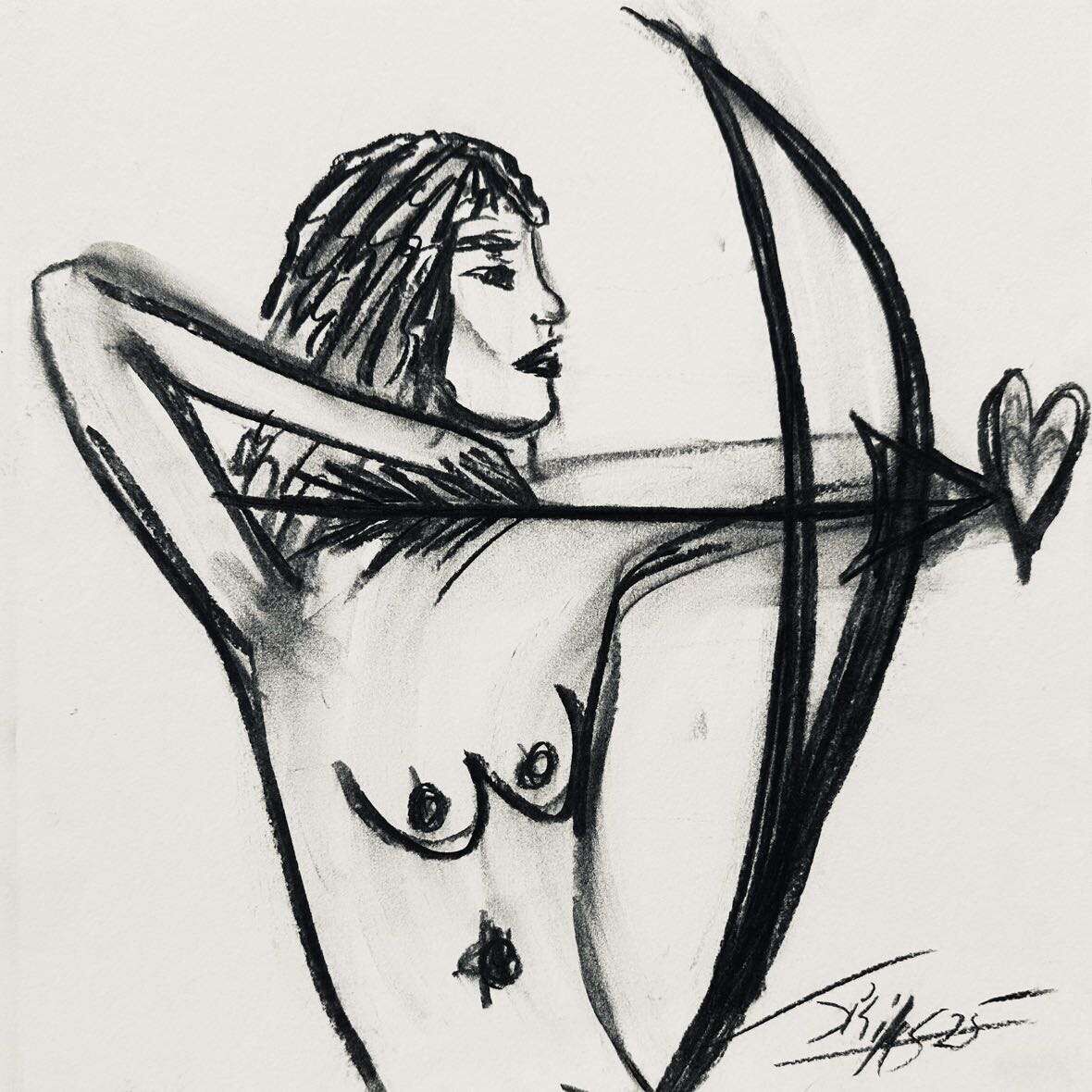
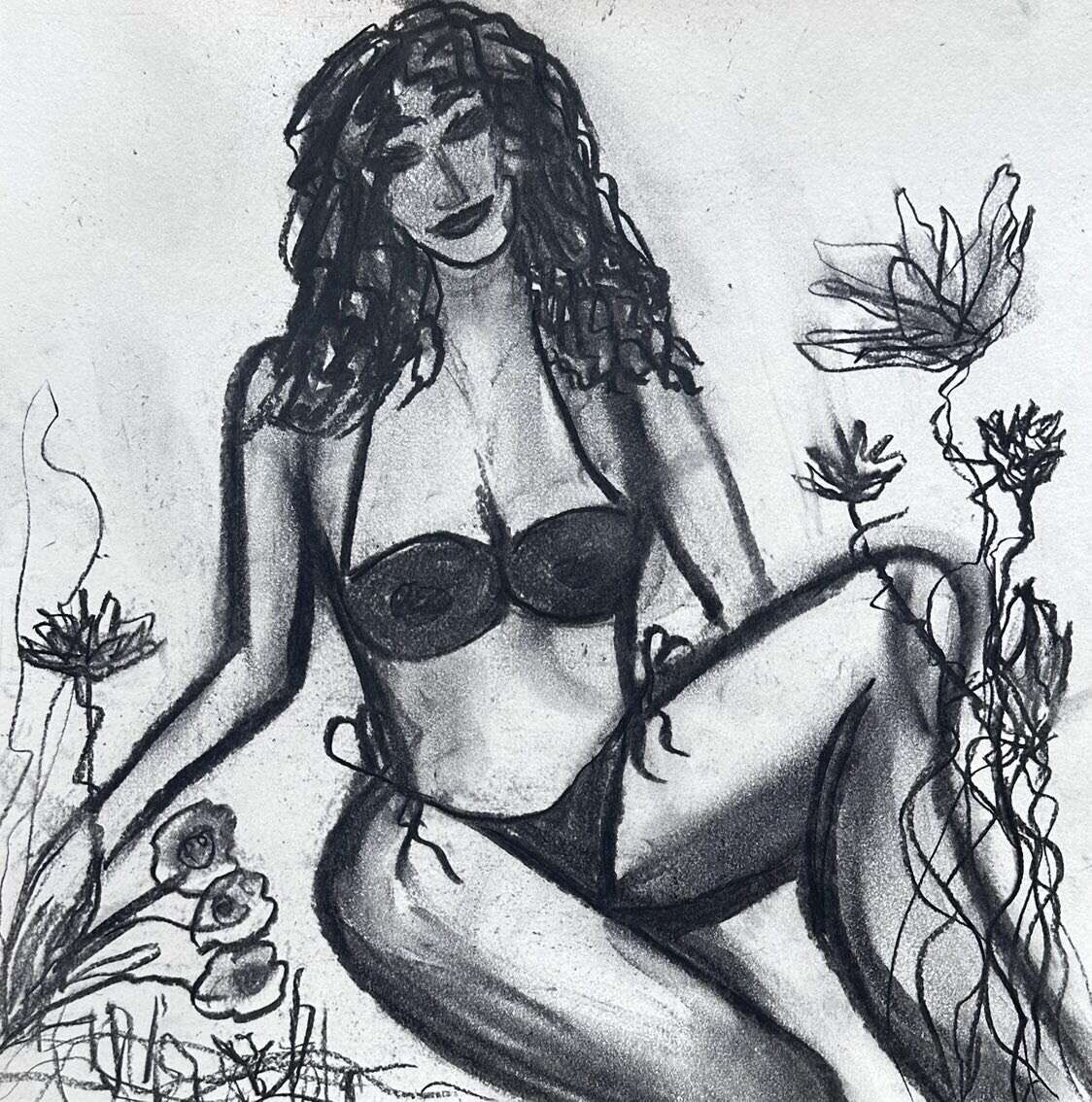
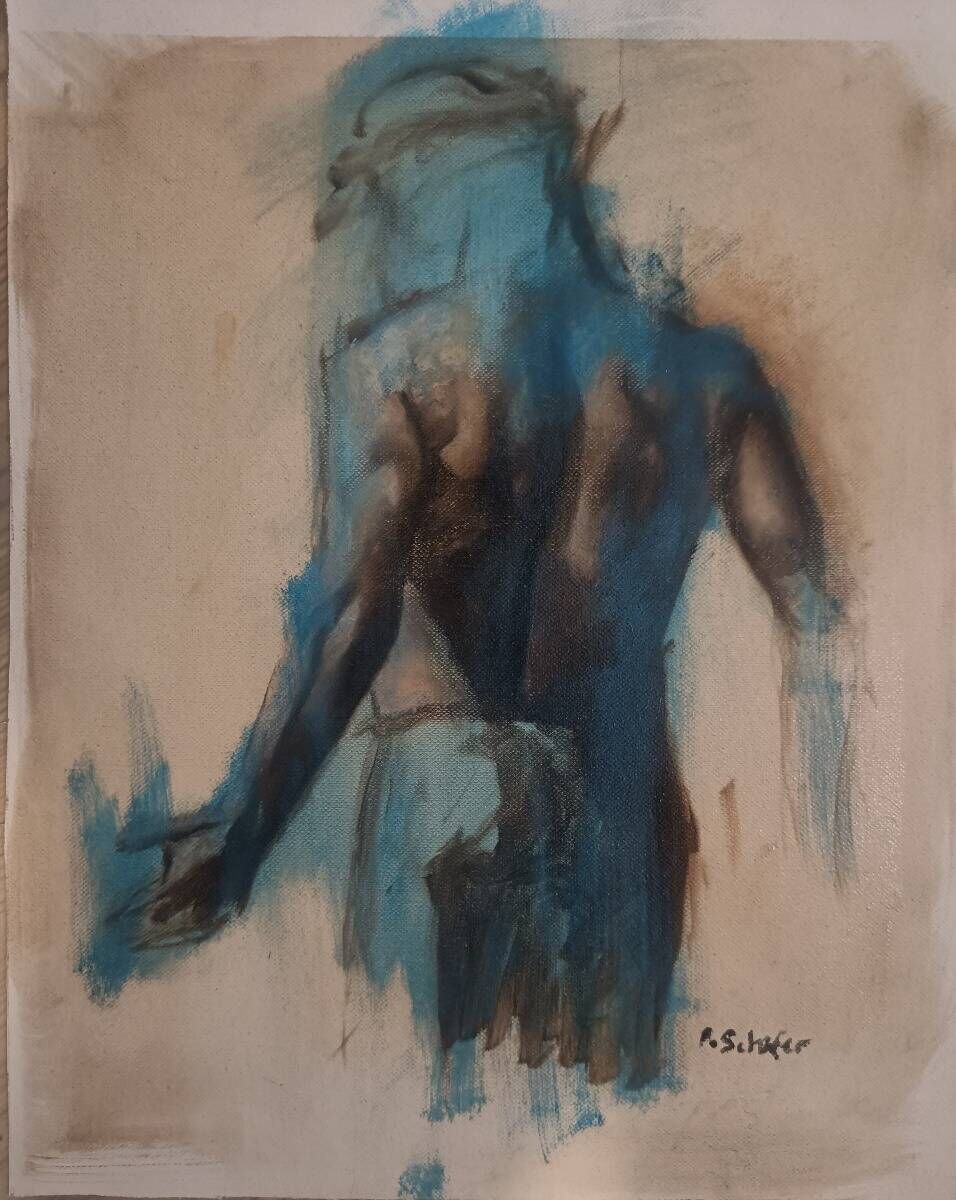
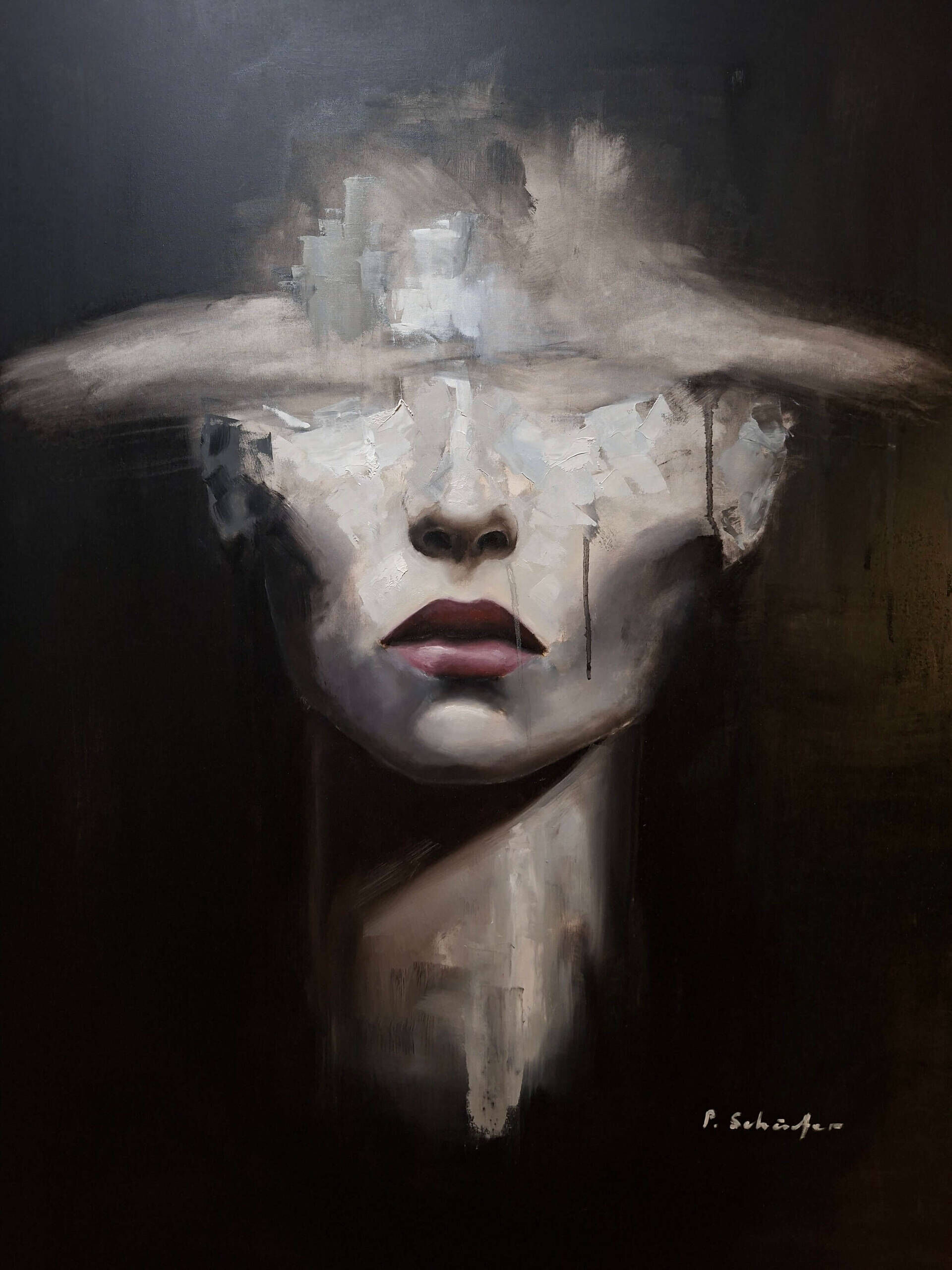
Nude paintings can be found in all major museums, such as the Louvre or the MoMA. But what does the term ‘nude’ actually mean? Nude portraits of women, in particular, are popular and ubiquitous. However, the definition of the nude encompasses all naked human bodies and can be found in drawings, paintings, prints, sculpture and photography. Originally, the term ‘nude’ referred to the graphic study of the human body. Female nude paintings can create a space in which the strength and uniqueness of every woman take centre stage. In doing so, they can imbue the female body with self-love, strength and diversity. Each image tells a story about the beauty and facets of the female body – from delicate grace to powerful elegance.
male nude paintings
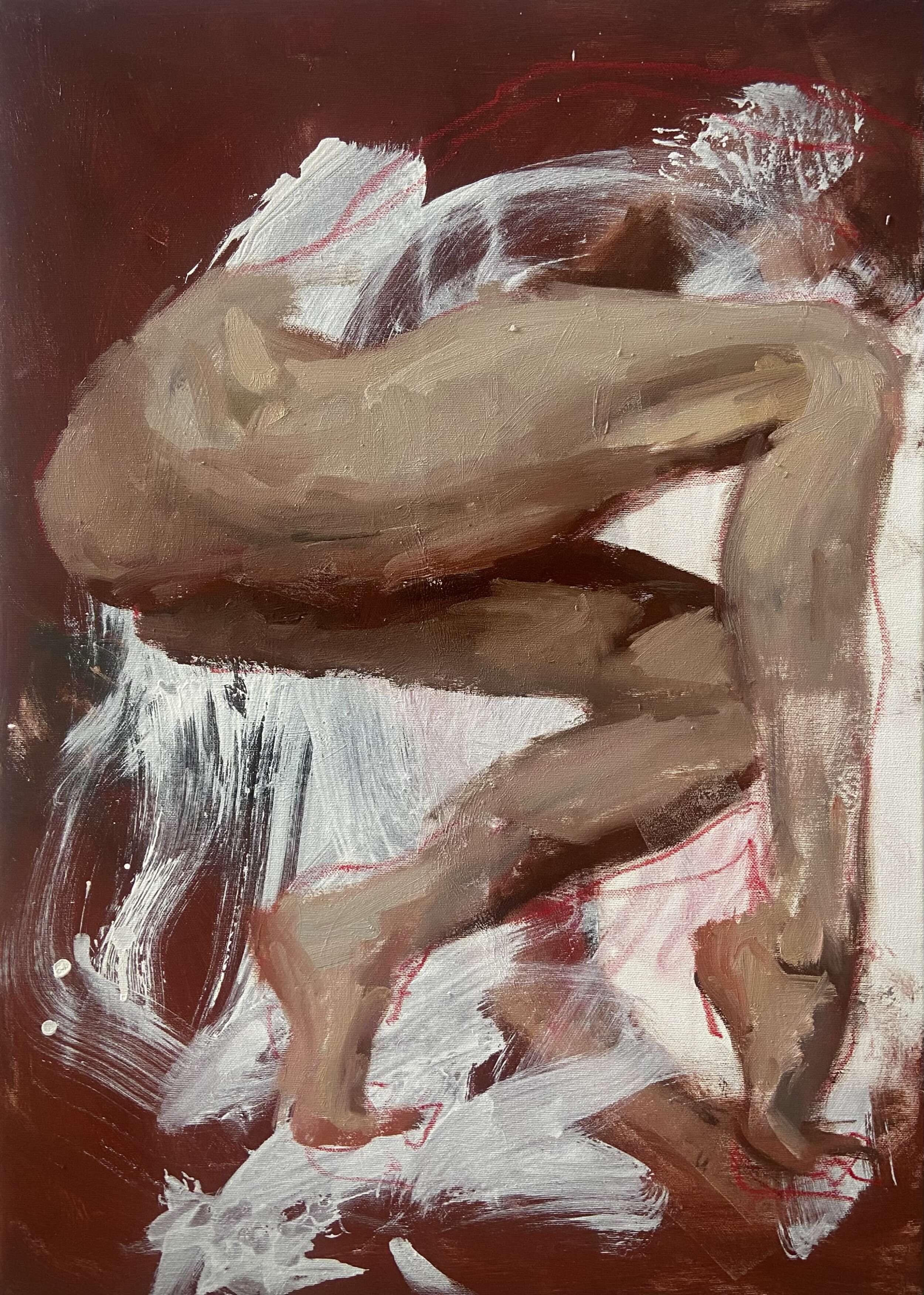
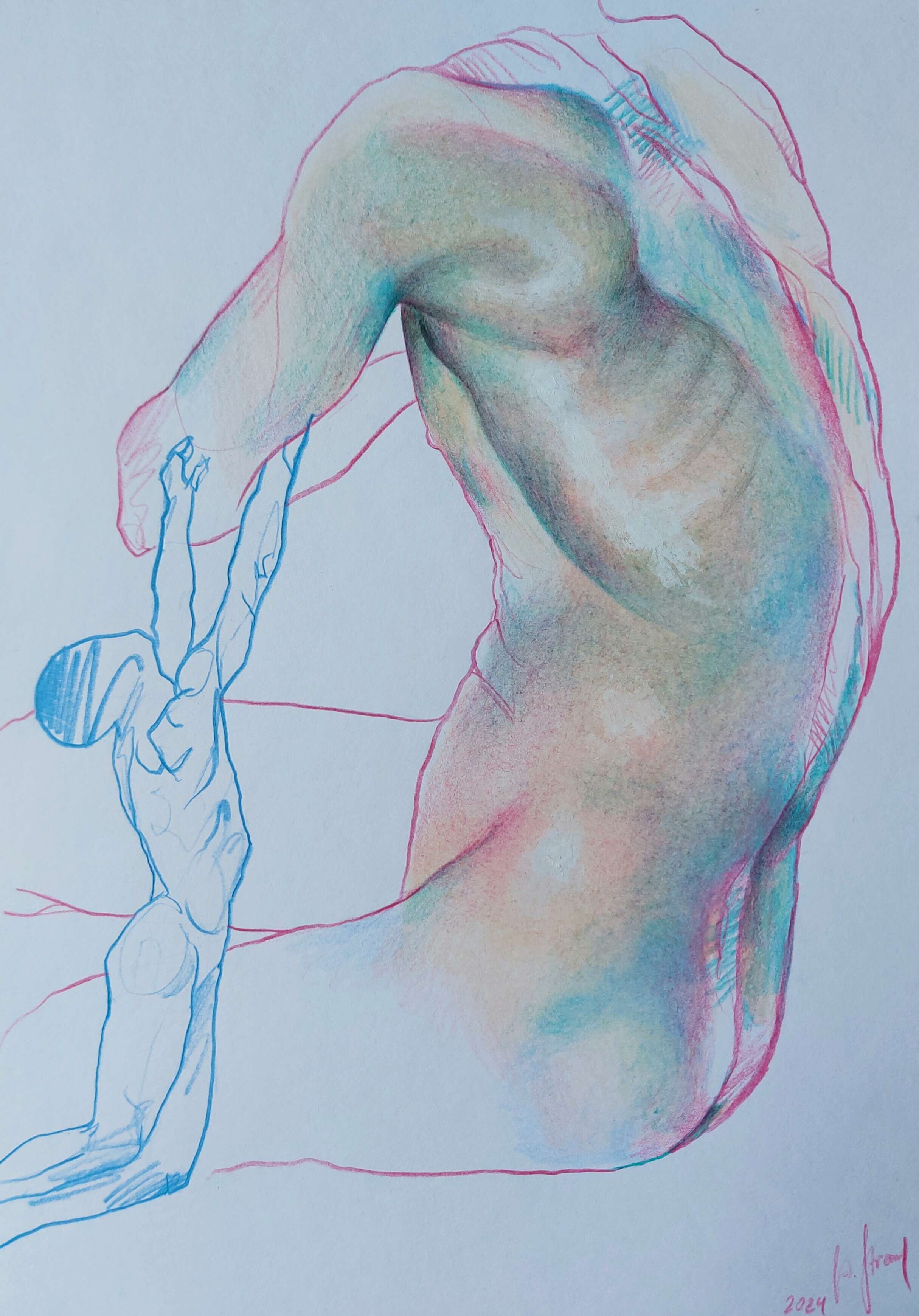
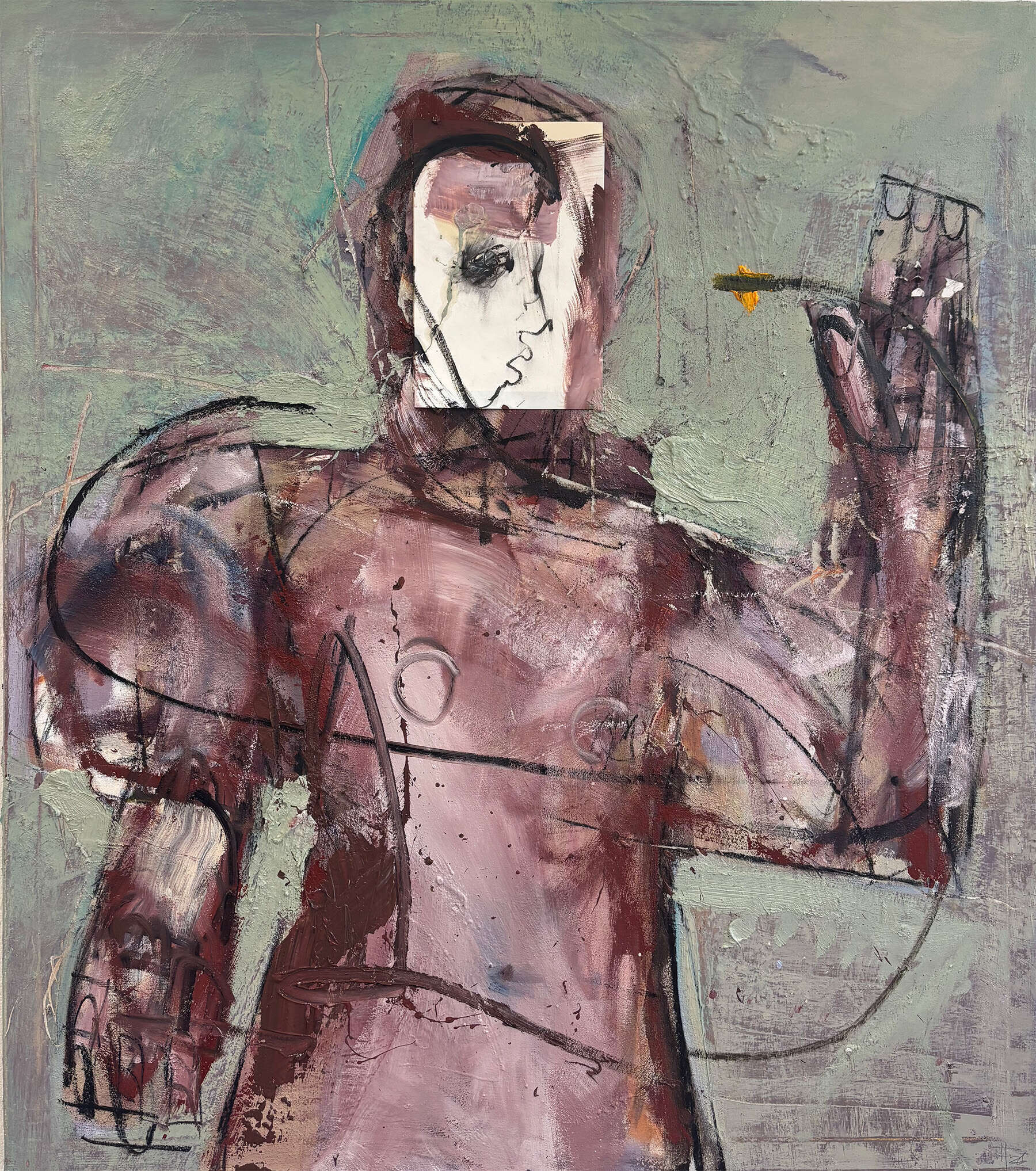
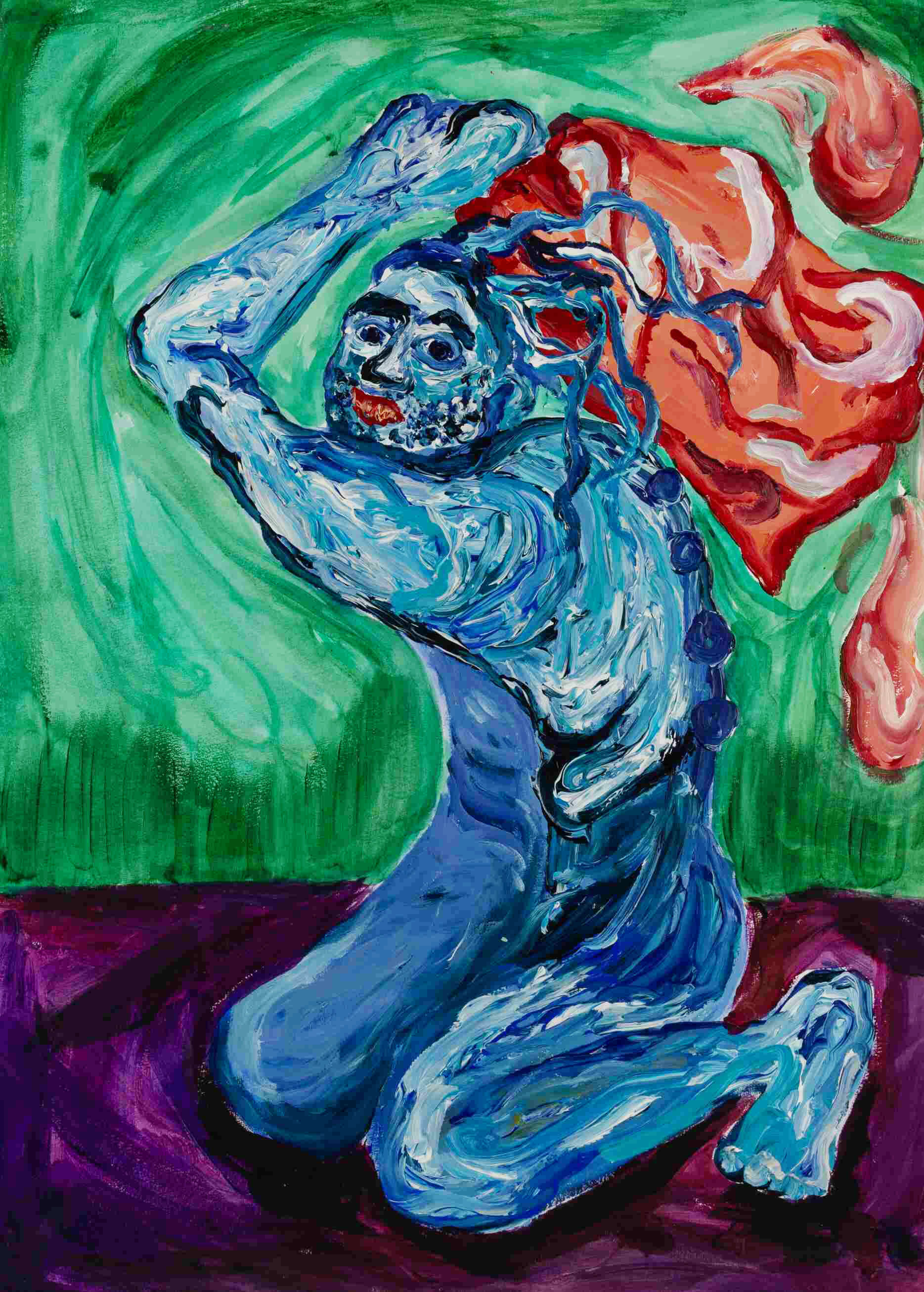
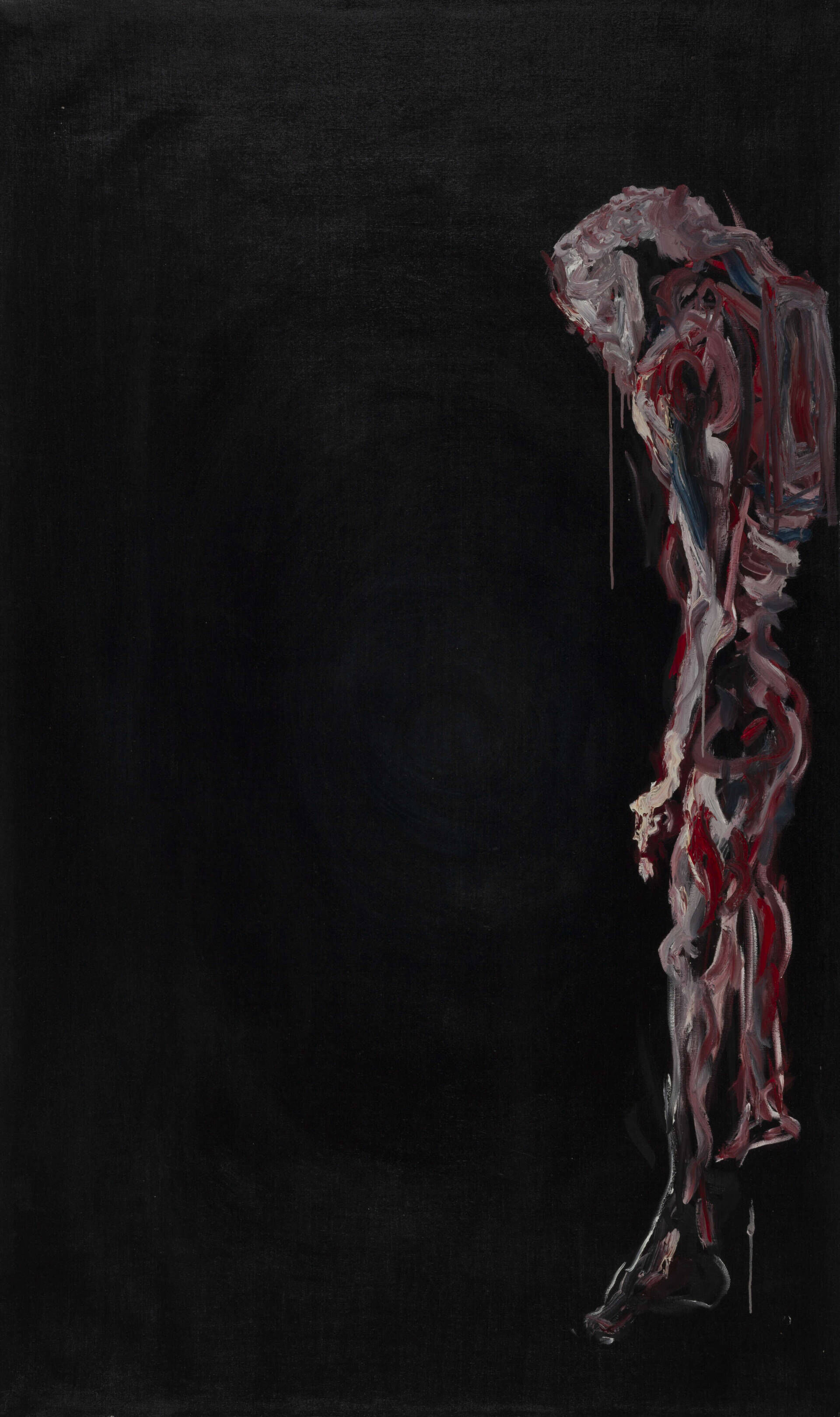
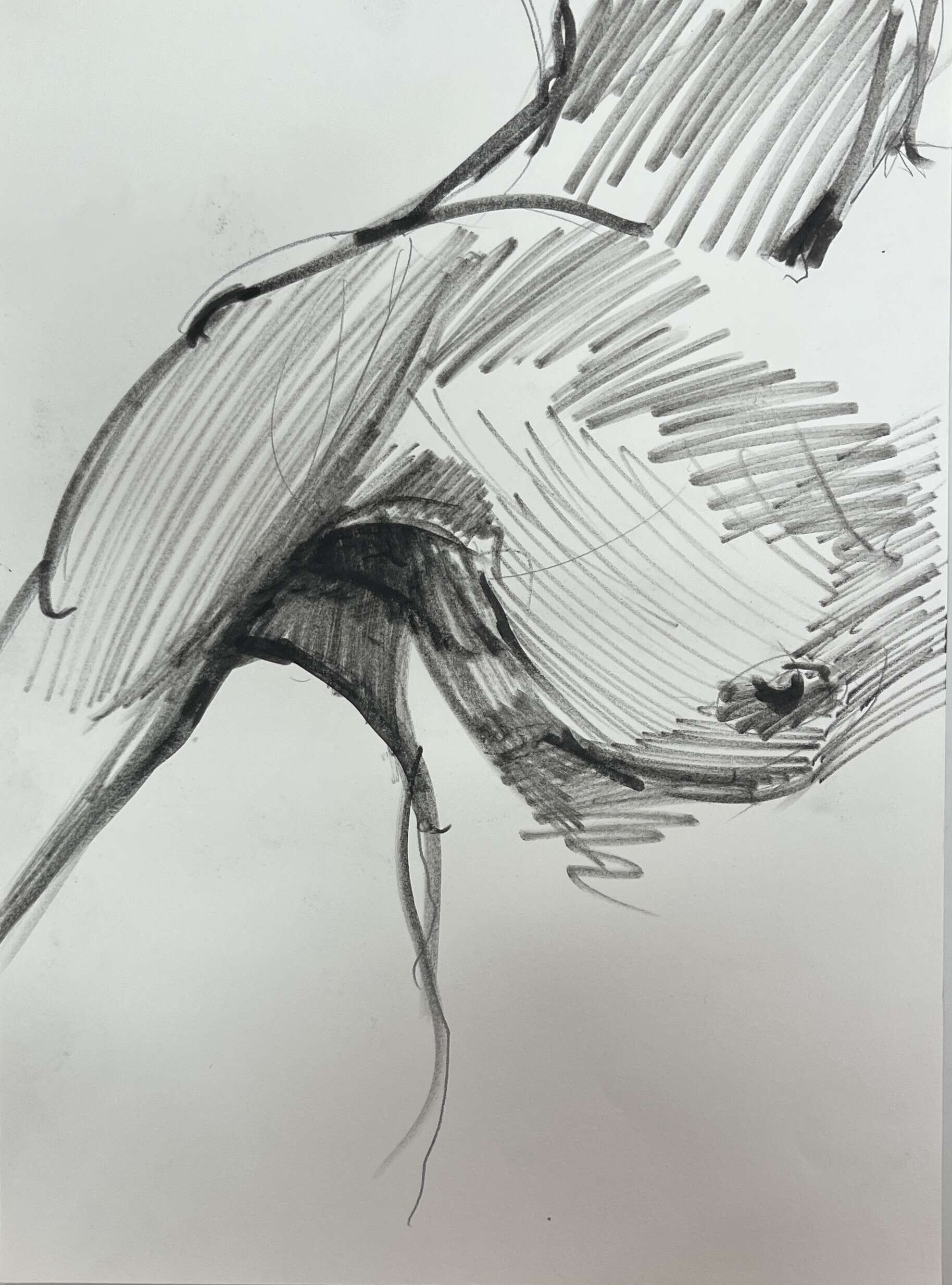
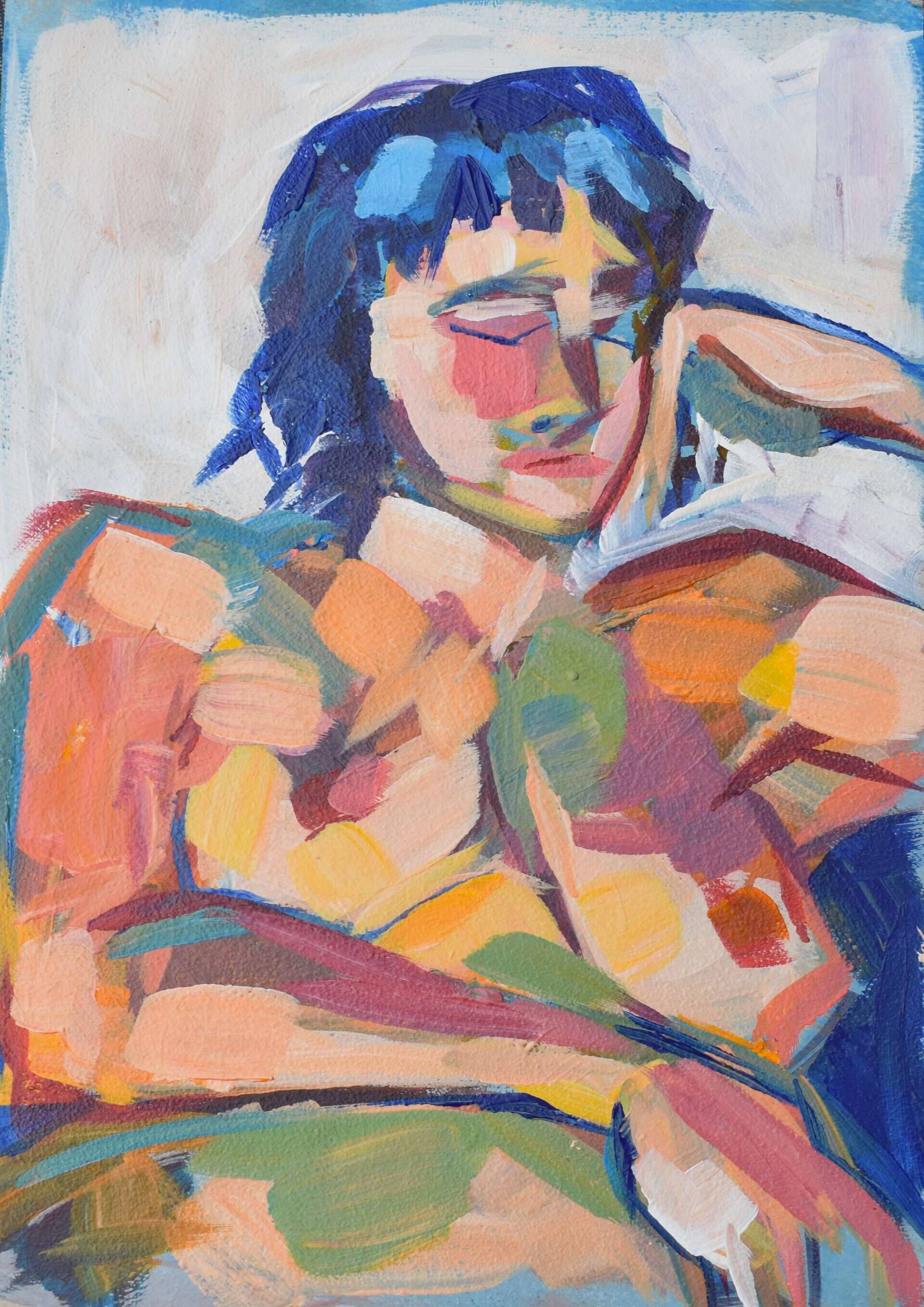
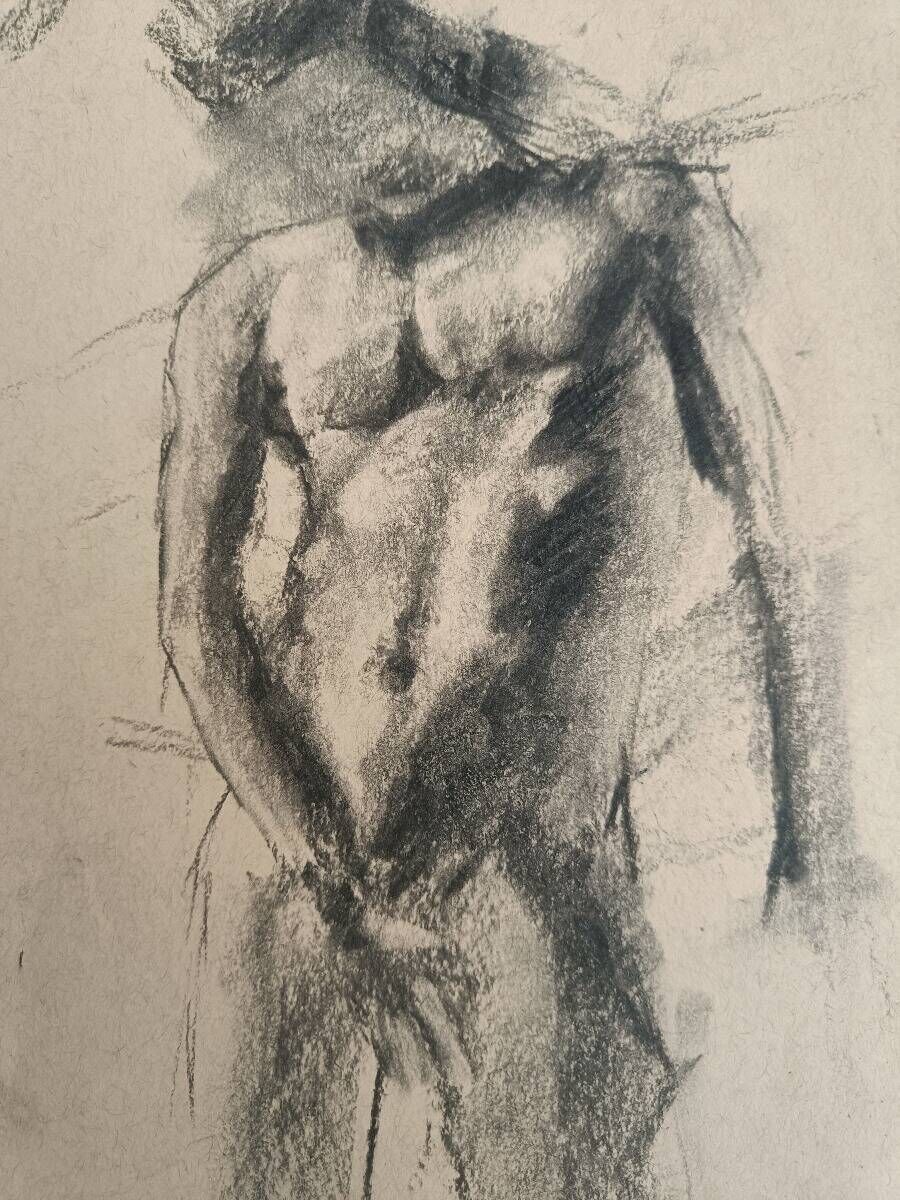
The male nude is not as popular or as frequently depicted as the female nude. Nevertheless, male nude painting has a long history. In ancient Greece, the male nude played a major role in sporting competitions. This display of strength was also reflected in art. Gradually, the nude portrait of the young man developed into the ideal image depicted in many sculptures and thus also became an ideal to be aspired to. In Gothic art, by contrast, nudity was an absolute taboo. Until the Renaissance, the Catholic Church was the sole patron of the arts and therefore did not permit nudity. During the Renaissance, the classical ideal of Greco-Roman culture made a comeback, with the male nude in particular taking centre stage. The Baroque period saw the creation of what remains to this day one of the most famous and most frequently reproduced nude motifs: Leonardo da Vinci’s ‘Vitruvian Man’.
Couples in nude paintings
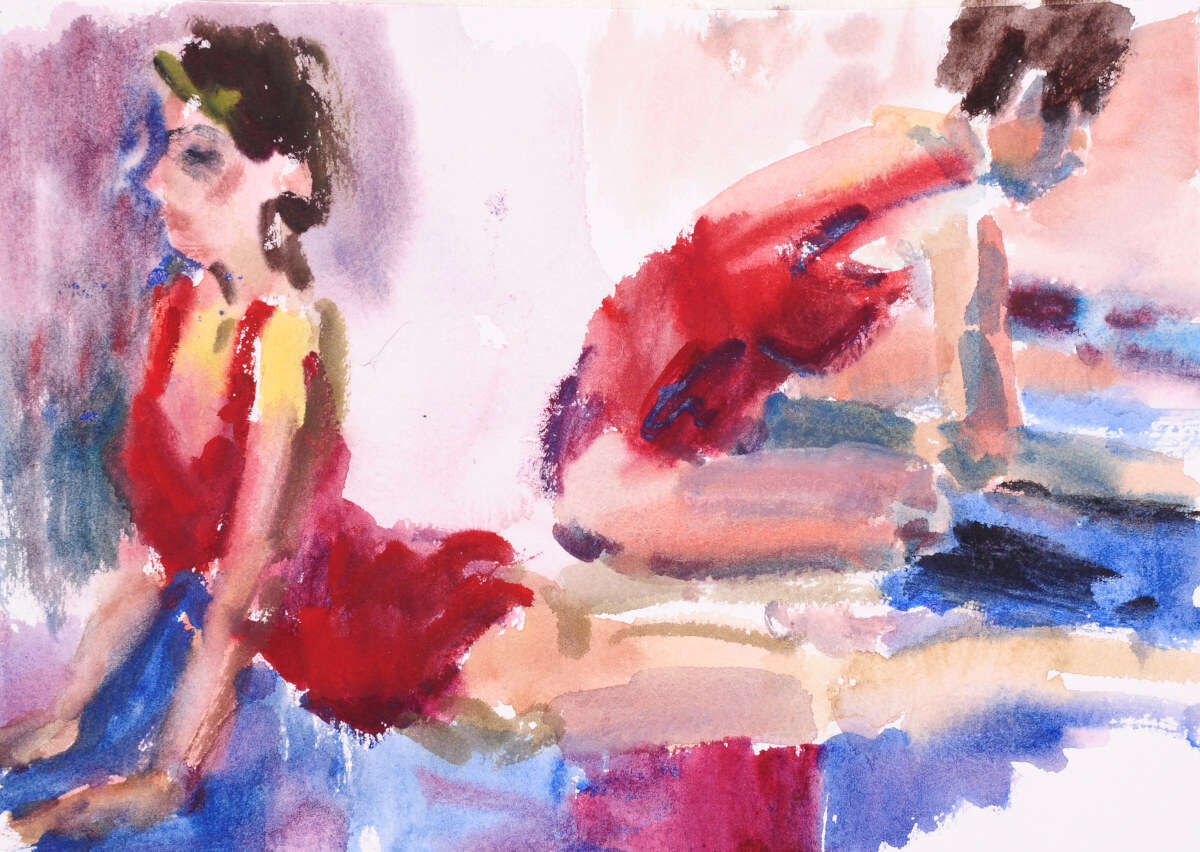
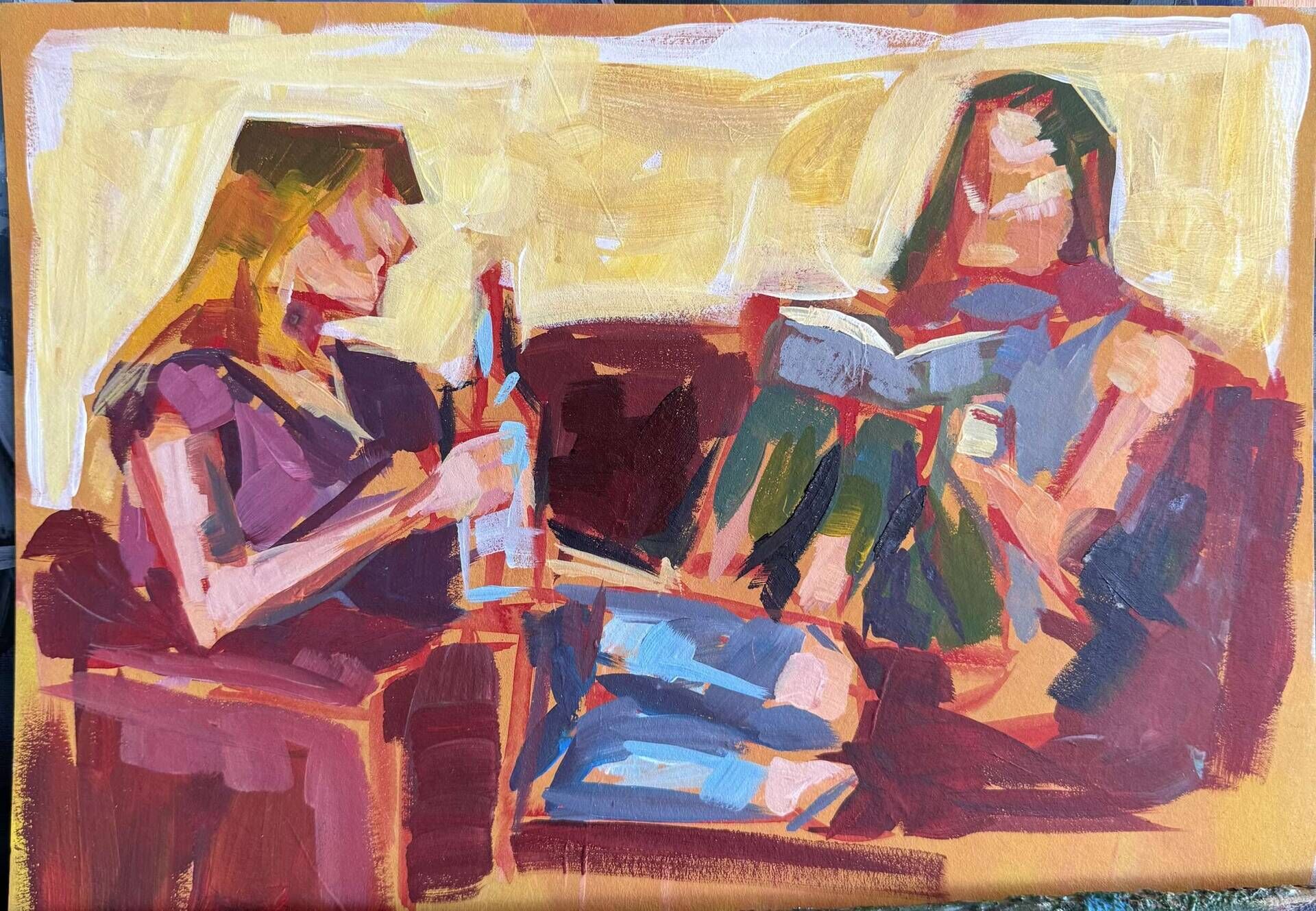
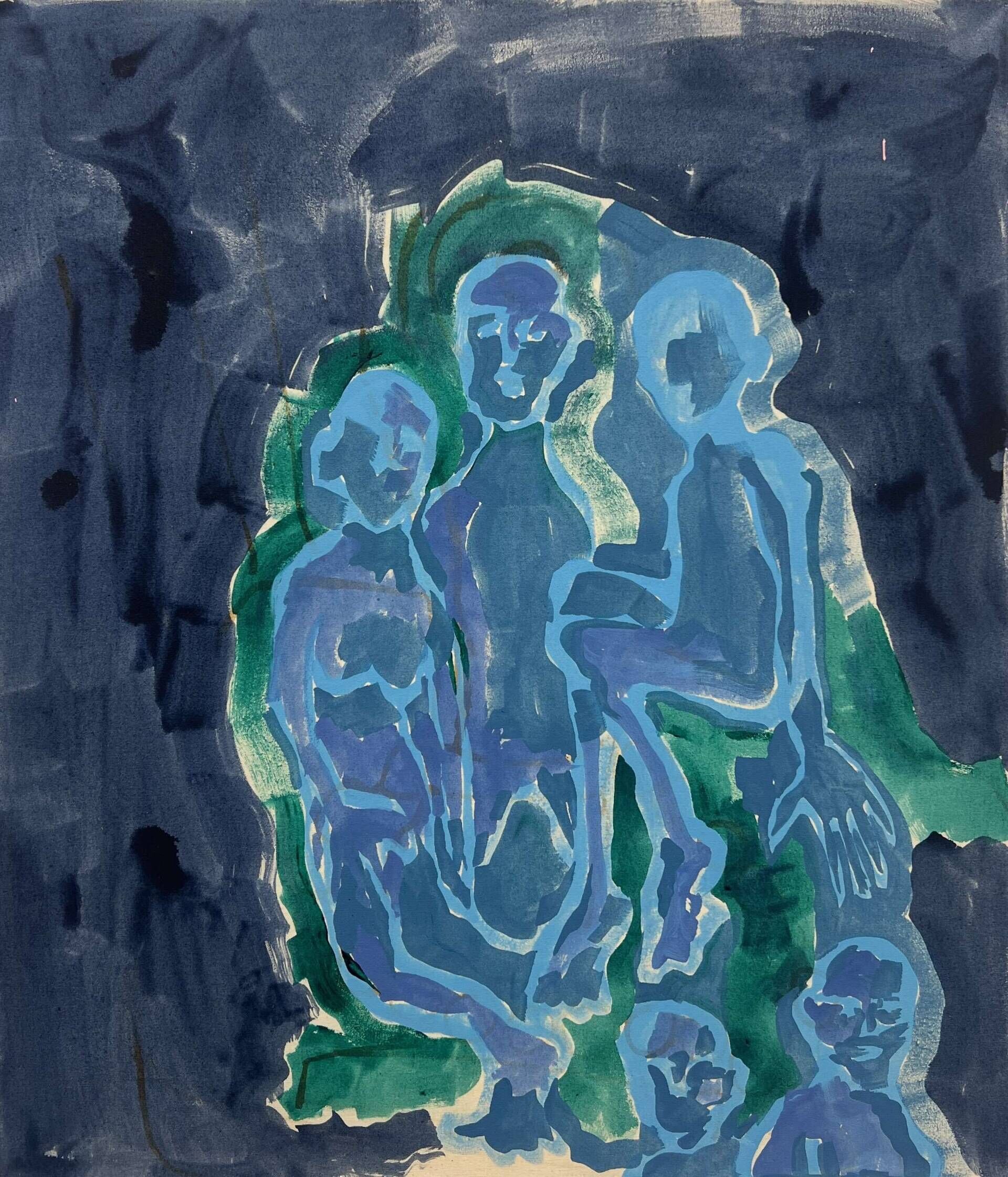
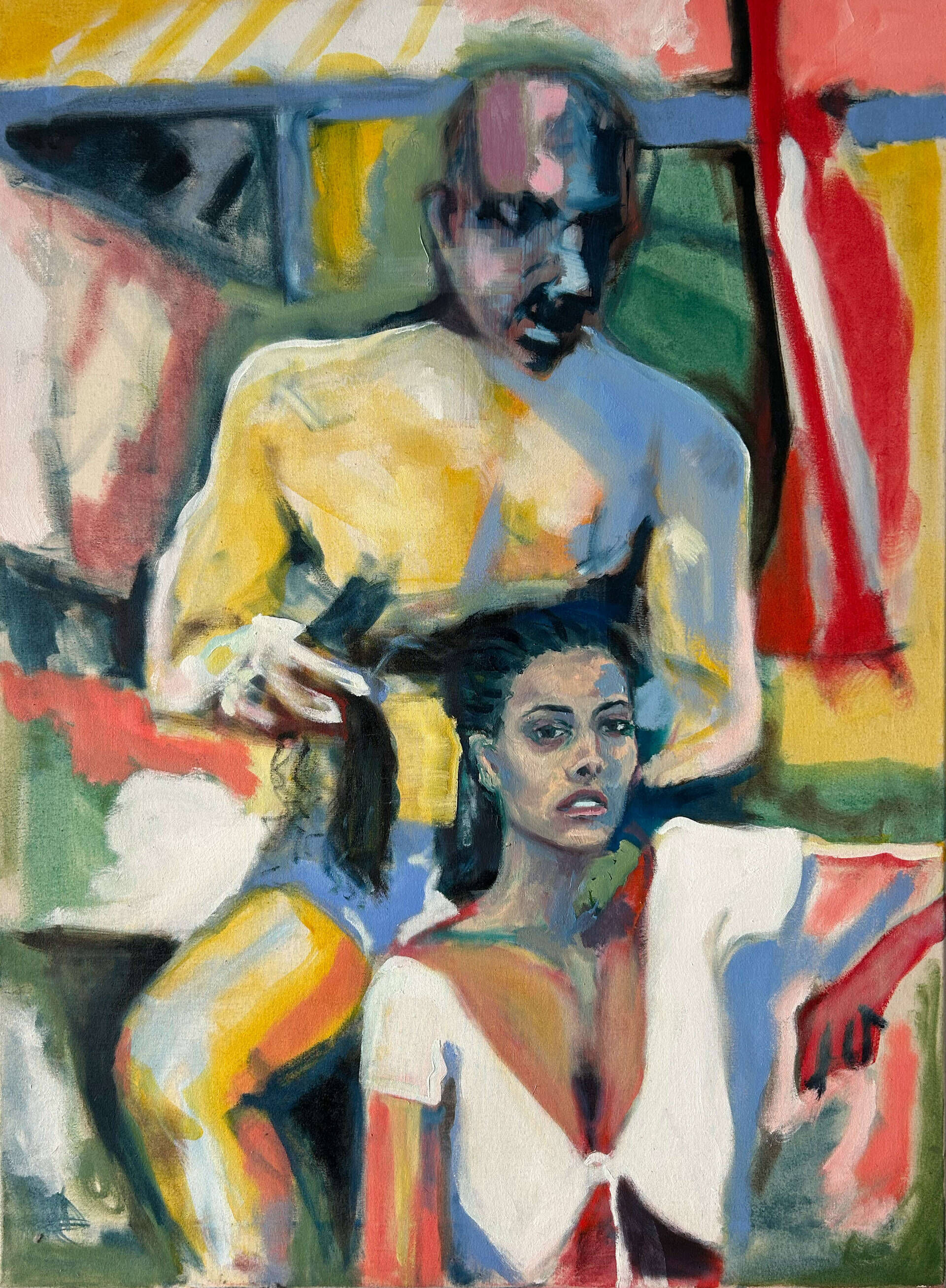
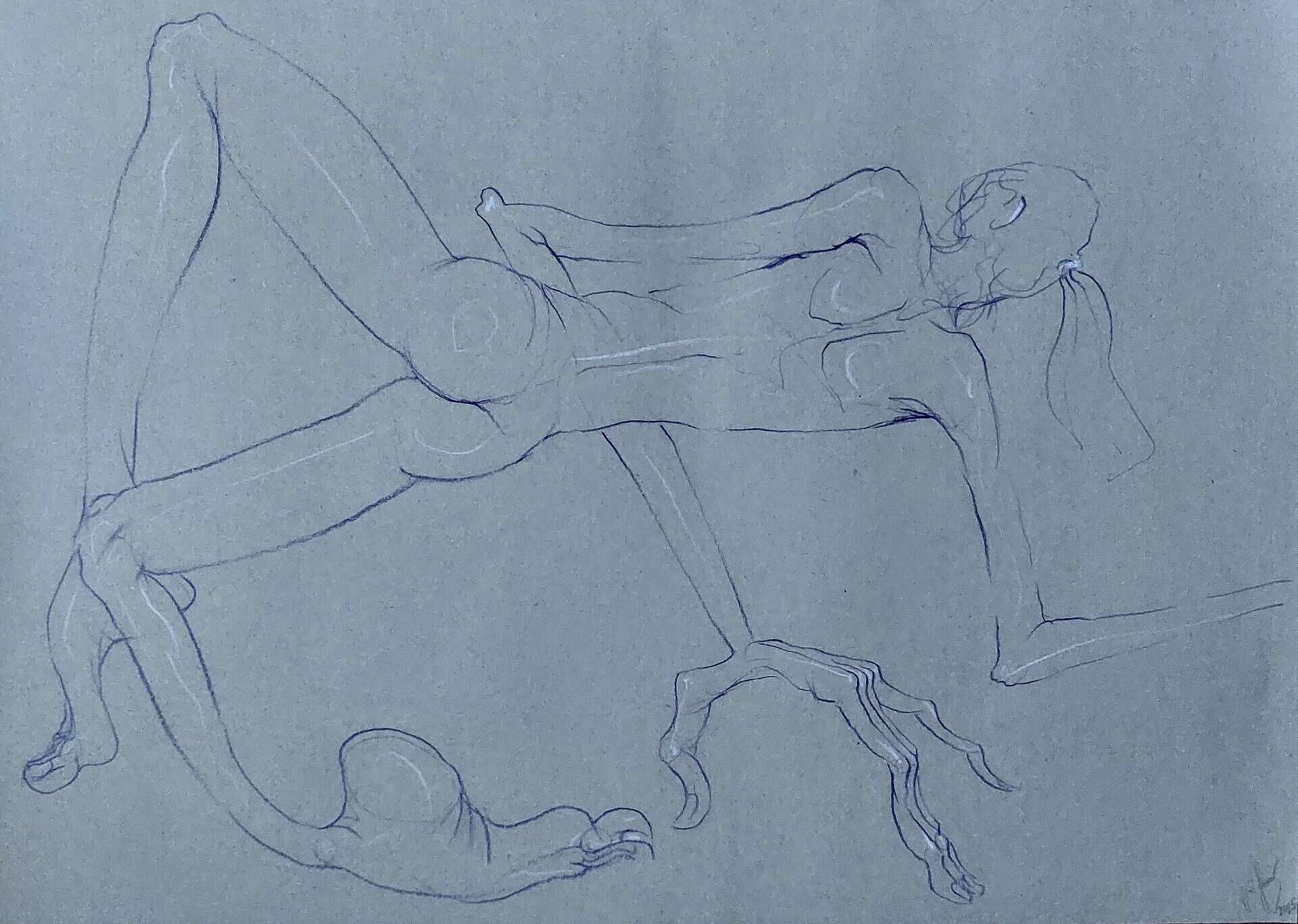
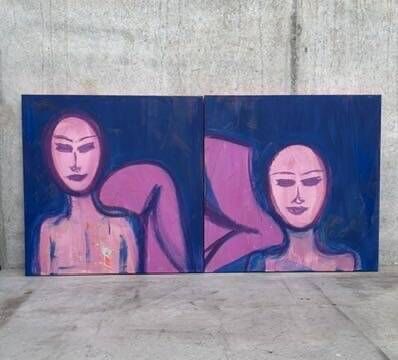
Apart from depictions of single individuals, there are also nude paintings that depict couples. We usually find two recurring themes in this art form: love and/or lust. This is not about a pornographic depiction, but rather about telling the story of bodies and emotions: sensual attraction, overwhelming desire or intimate connections. A fine example of this is the work ‘The Embrace – Lovers II’ (1917) by Egon Schiele. The Viennese Modernist artist captures an intimate, exuberant moment. The focus here is not on nudity, but on the bond between the two figures.
The clichés of nude painting
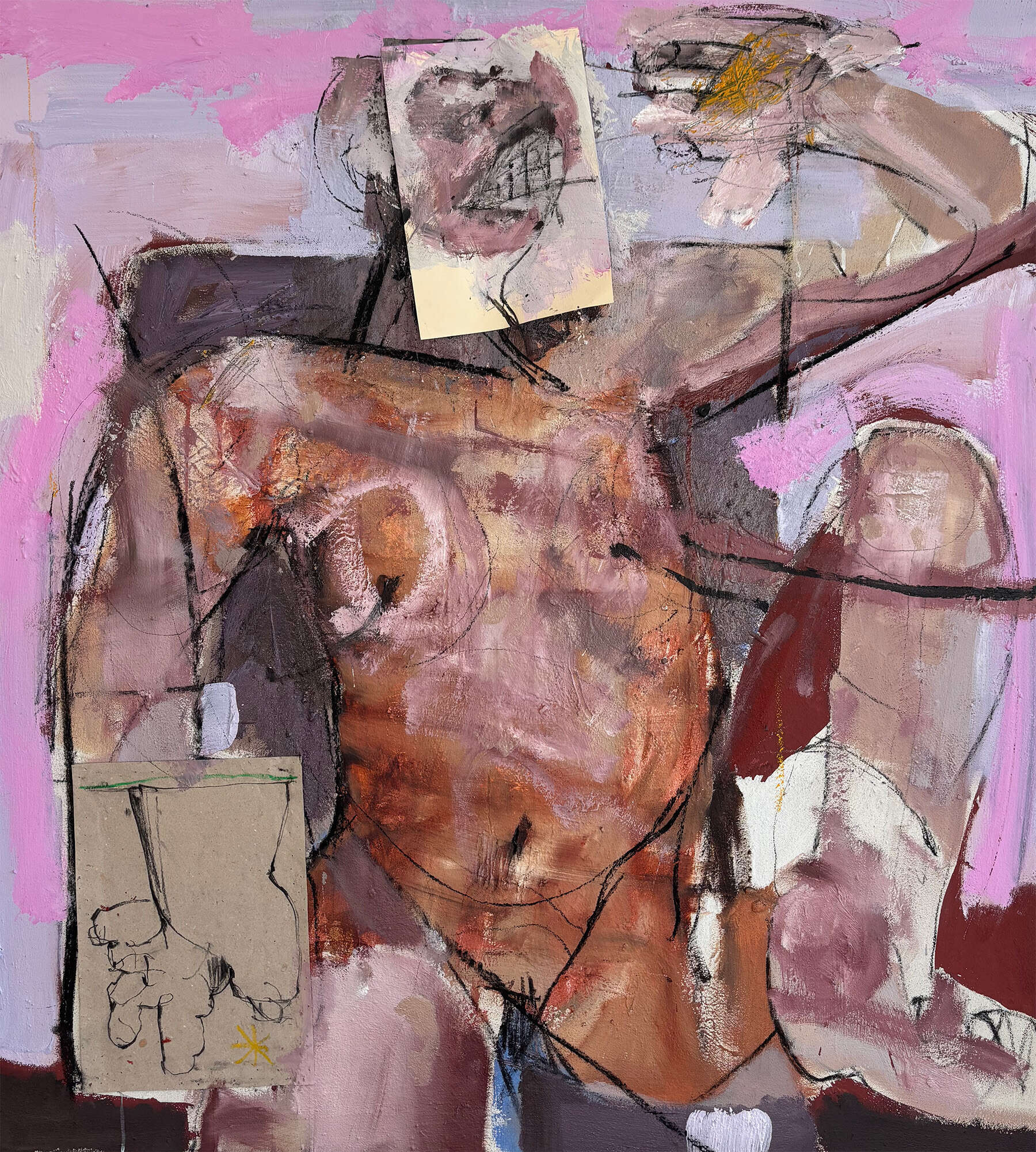
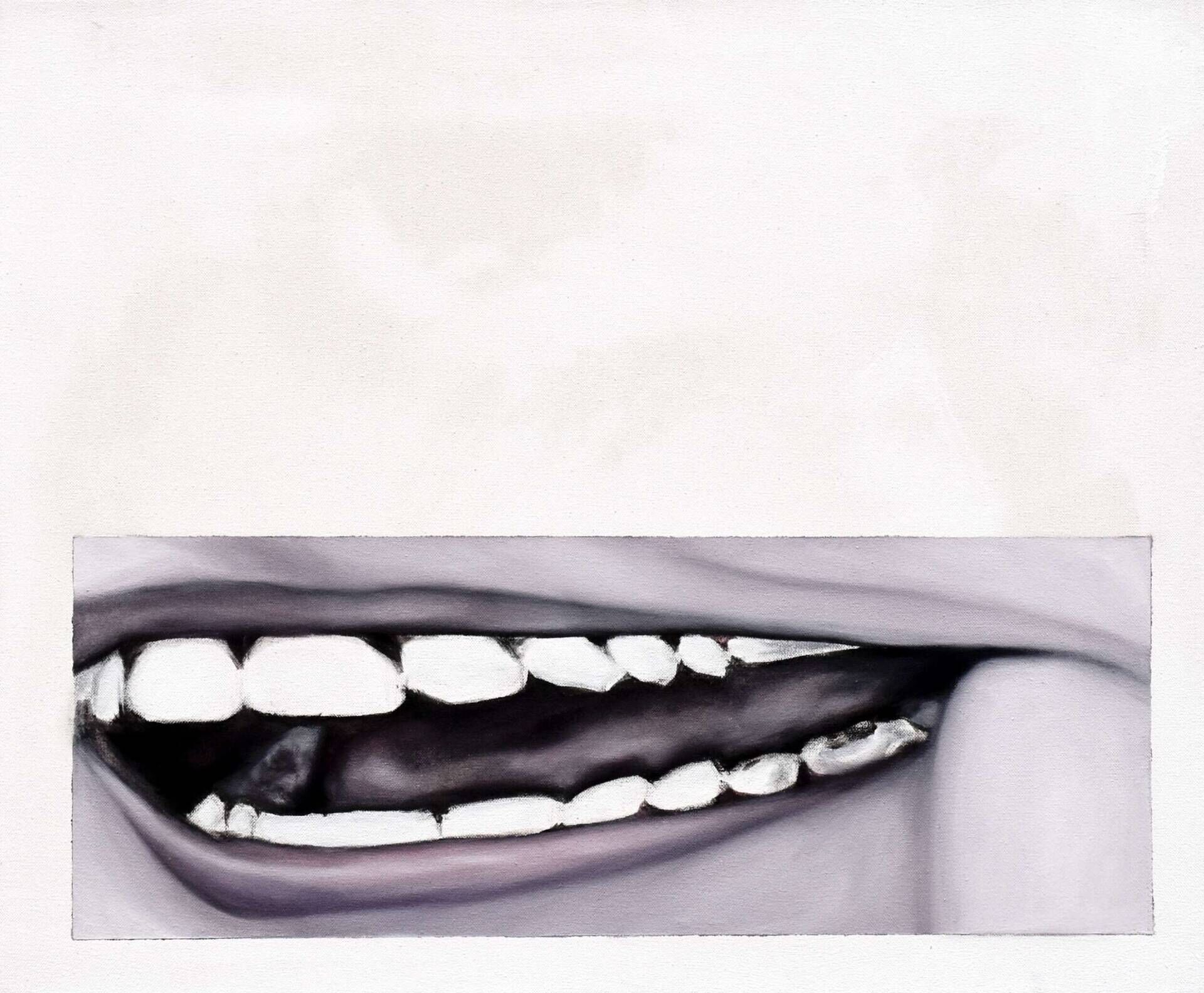
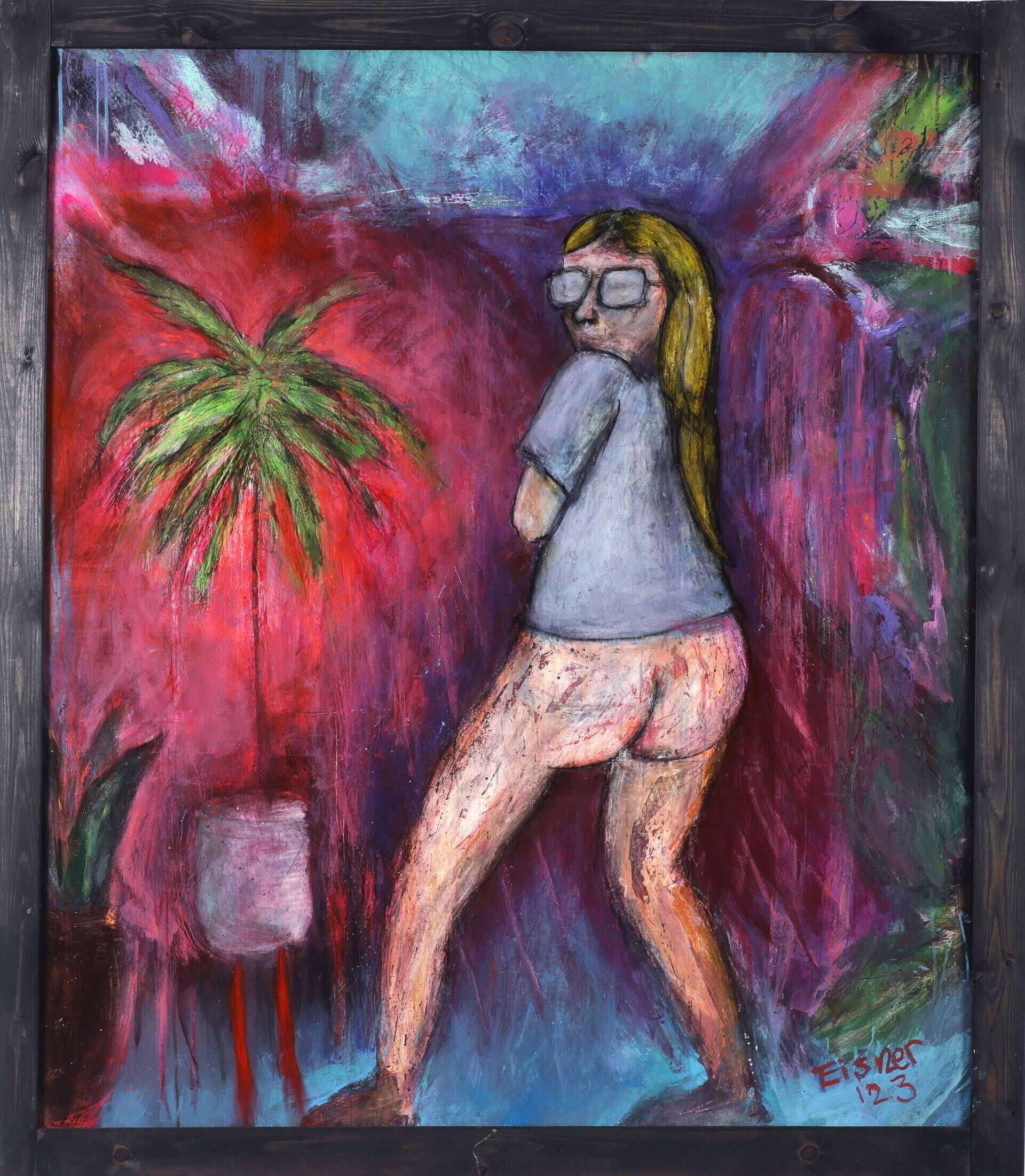
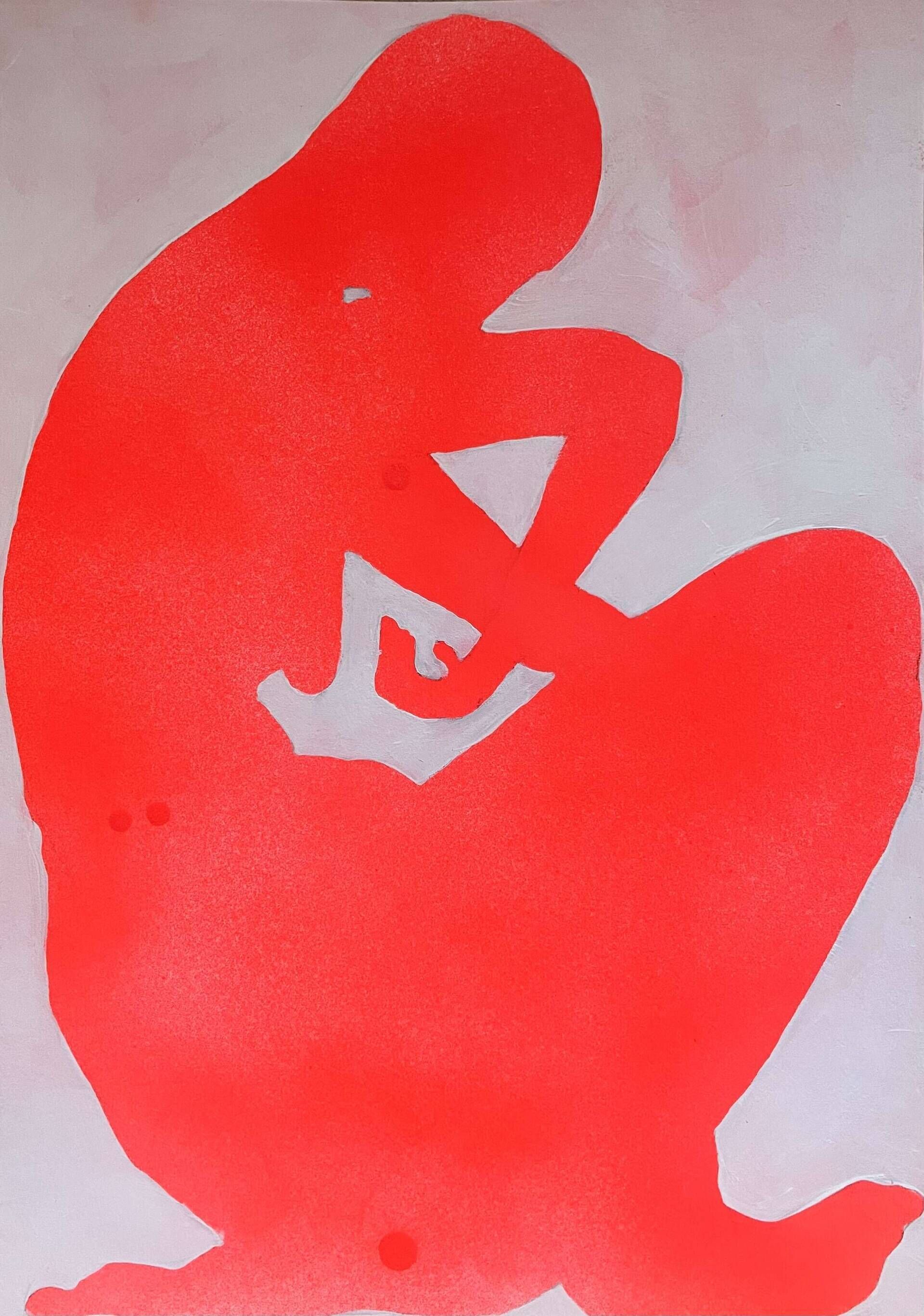
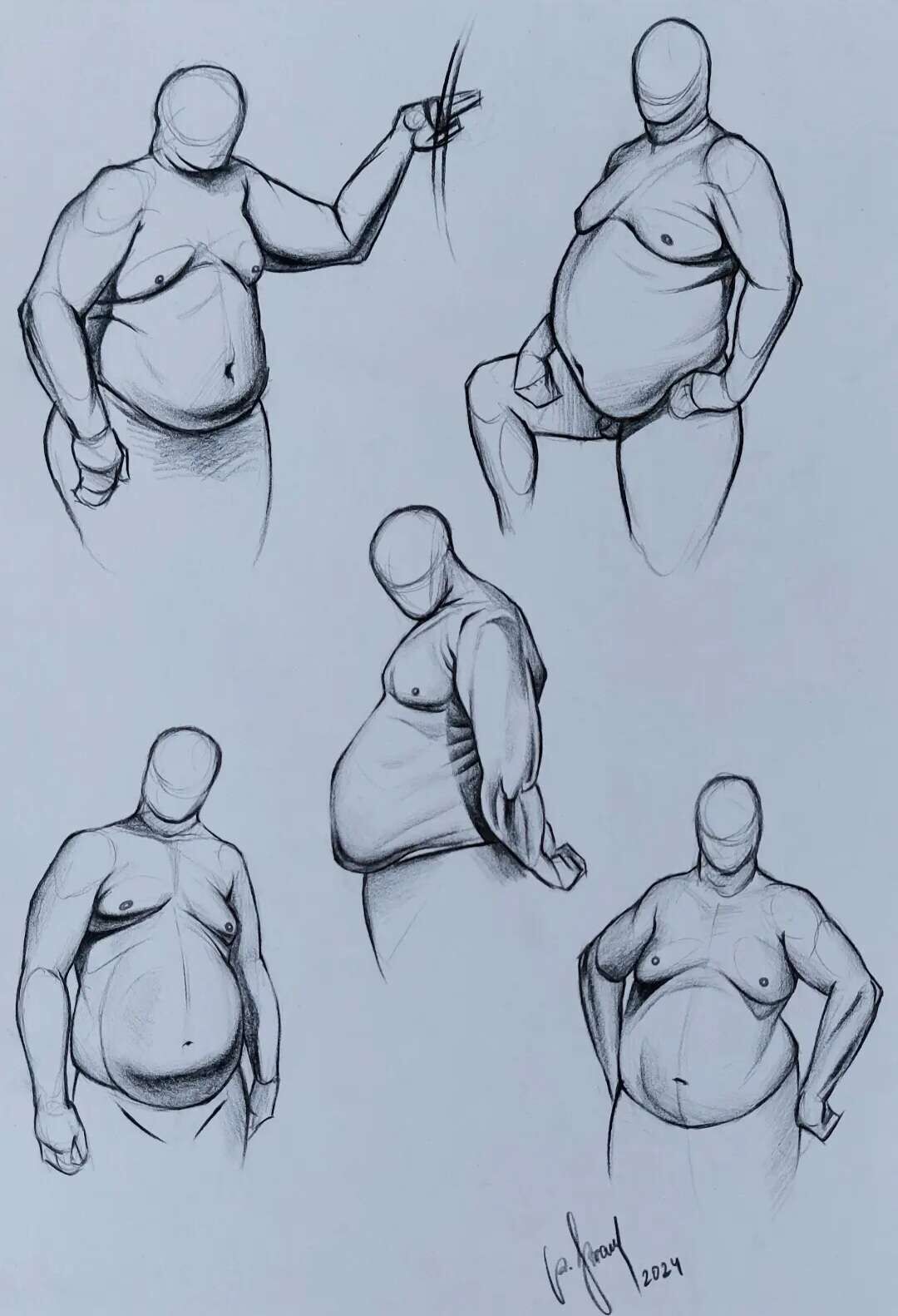
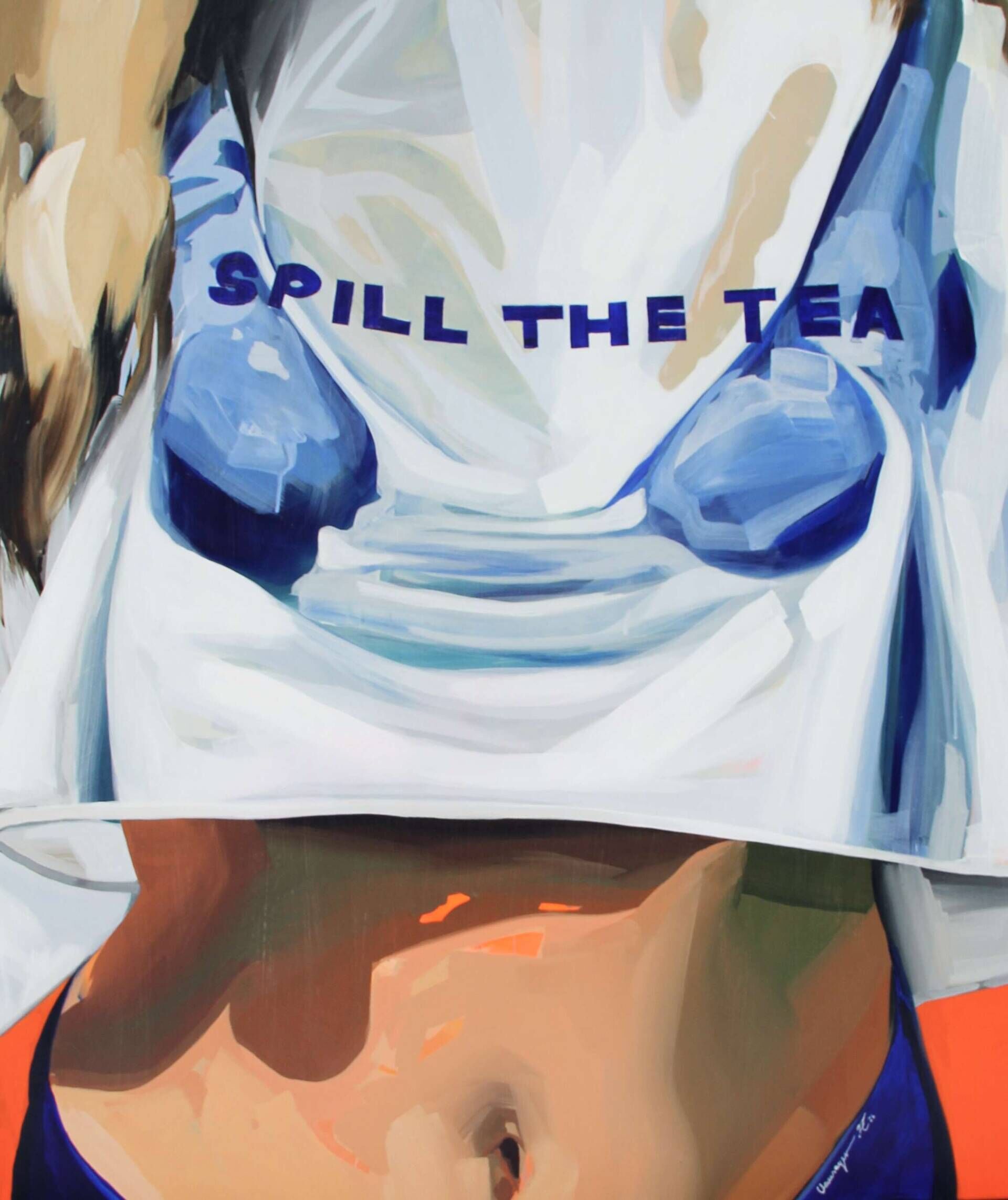
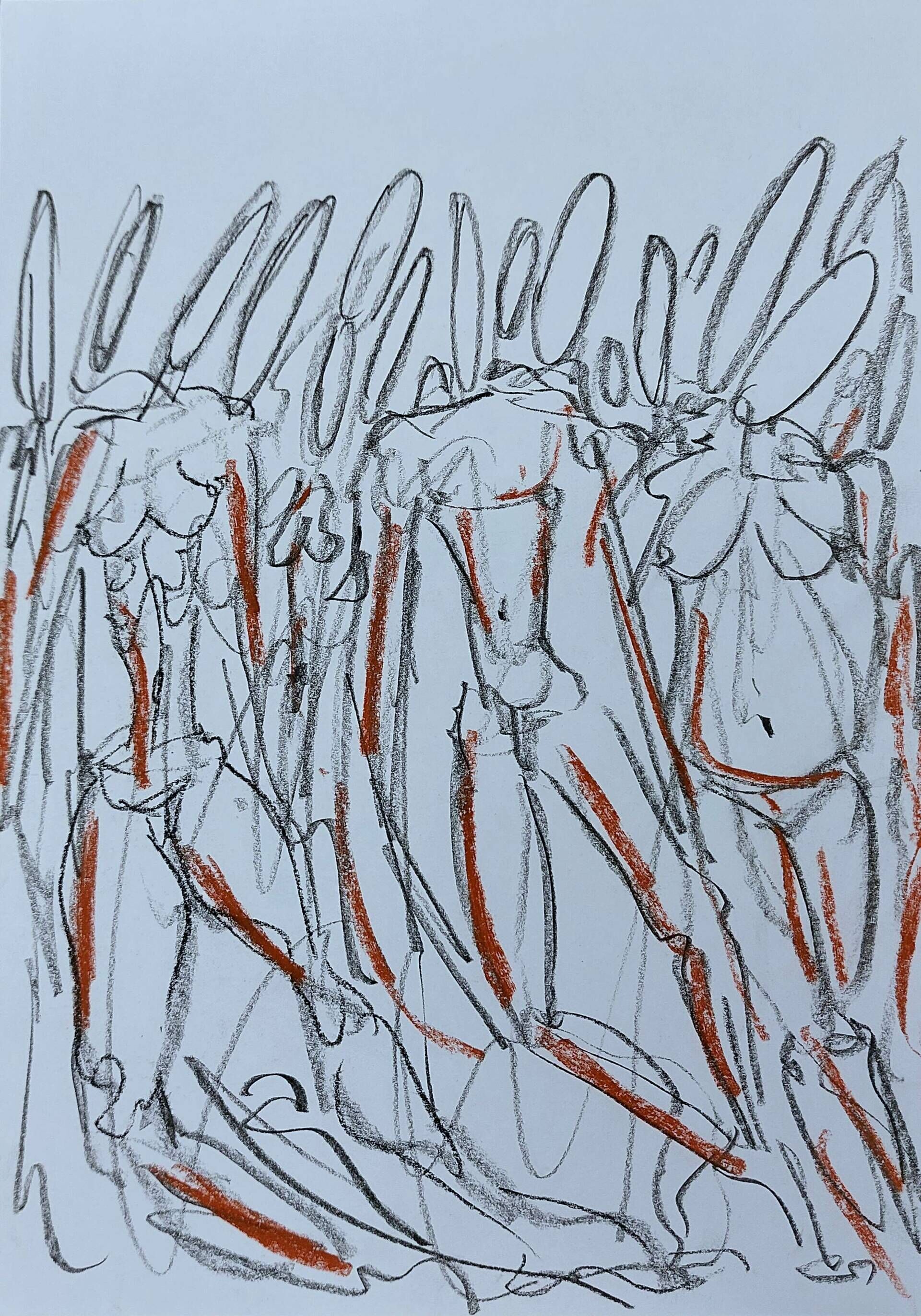
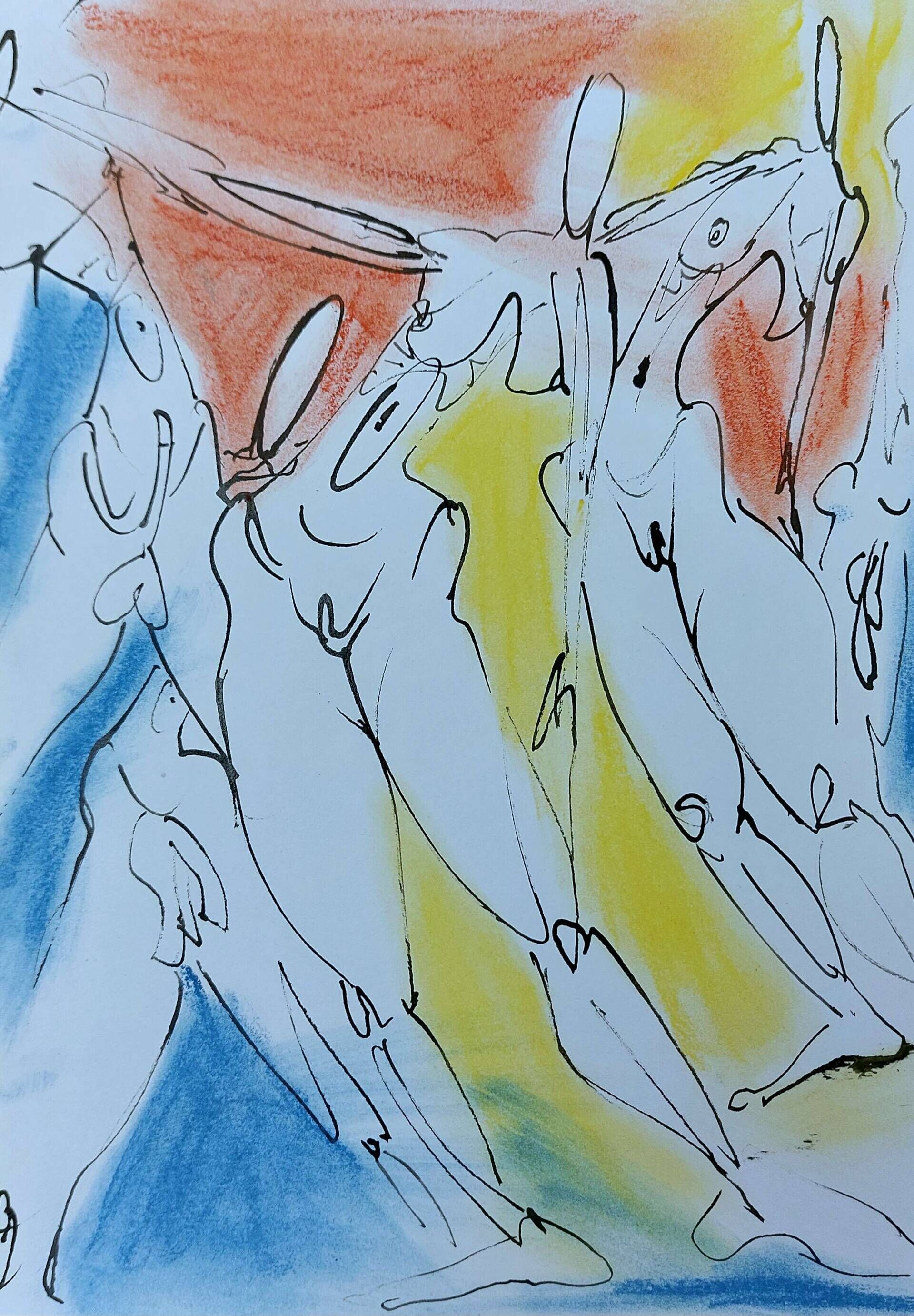
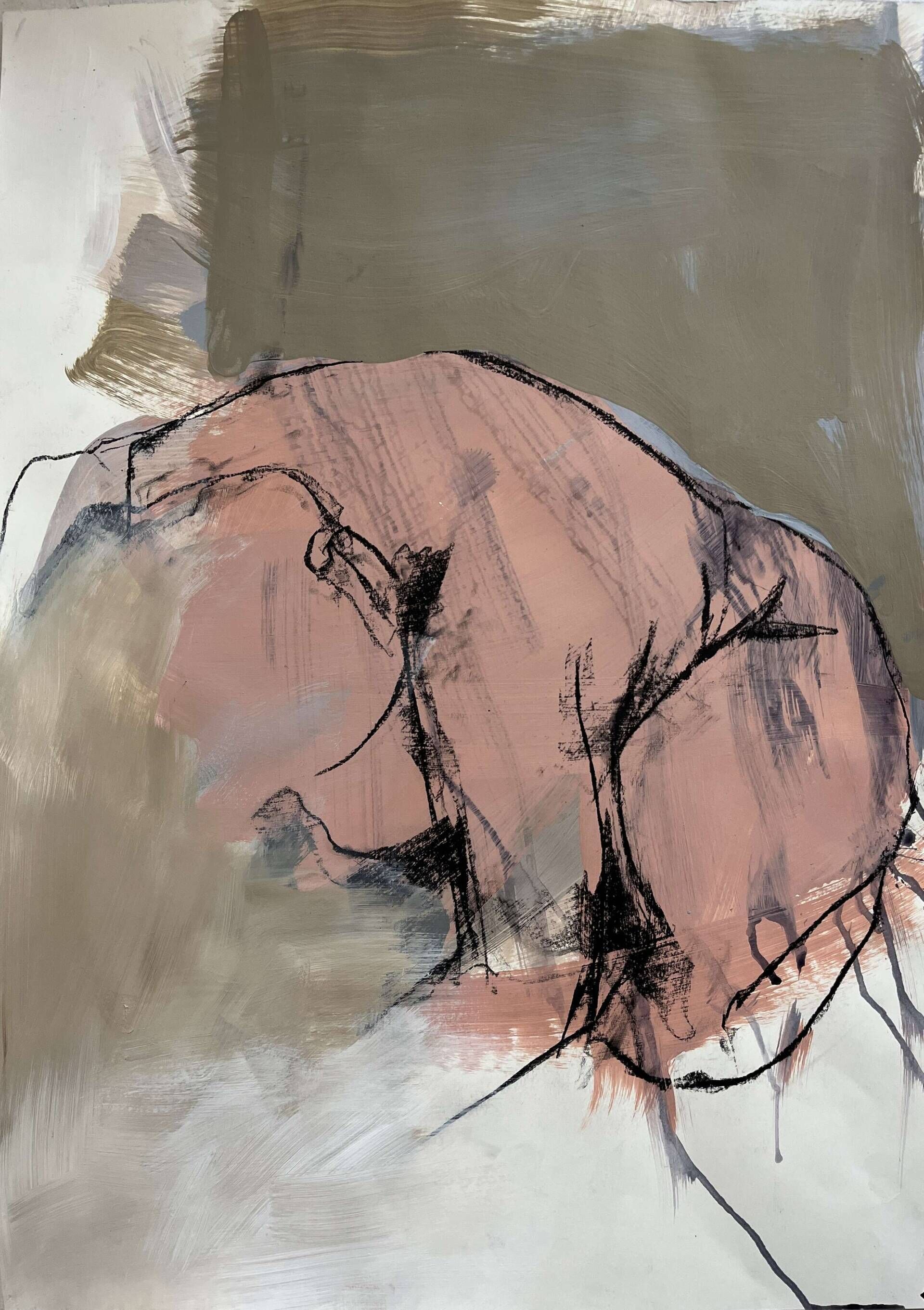
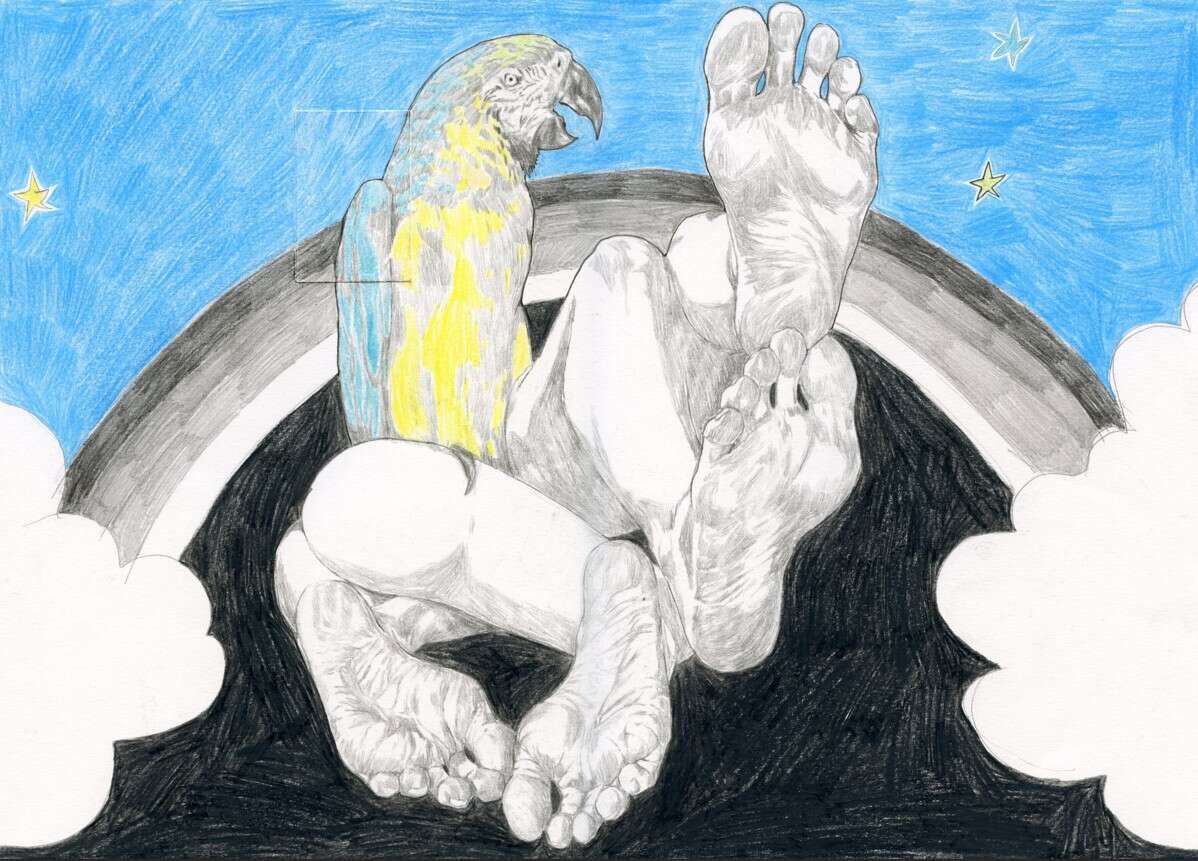
When we think of nude painting, a cliché immediately springs to mind: strong men and beautiful women. Critics often argue that nude paintings reflect idealised standards of beauty: women mostly in submissive poses, idealised depictions of the body, or even the woman’s sexual availability. Clichés in male nude paintings, on the other hand, include: the idealisation of musculature, strong and powerful poses, and sexual superiority. Nude art also frequently faces the prejudice of being seen as focusing solely on eroticism. Nude paintings are often criticised for dealing exclusively with the depiction of the body as a sexual object. But nude painting is much more than these clichés. It can break with norms, show bodies in all their beauty, and portray emotions between people as the work of art that it is. Today, nude painting is no longer merely an exploration of the human body. Rather, it offers opportunities to positively influence social clichés and to promote authenticity and individuality. At the student art market, you’ll find nude paintings that can offer you exactly that.
The significance of nude painting in modern art
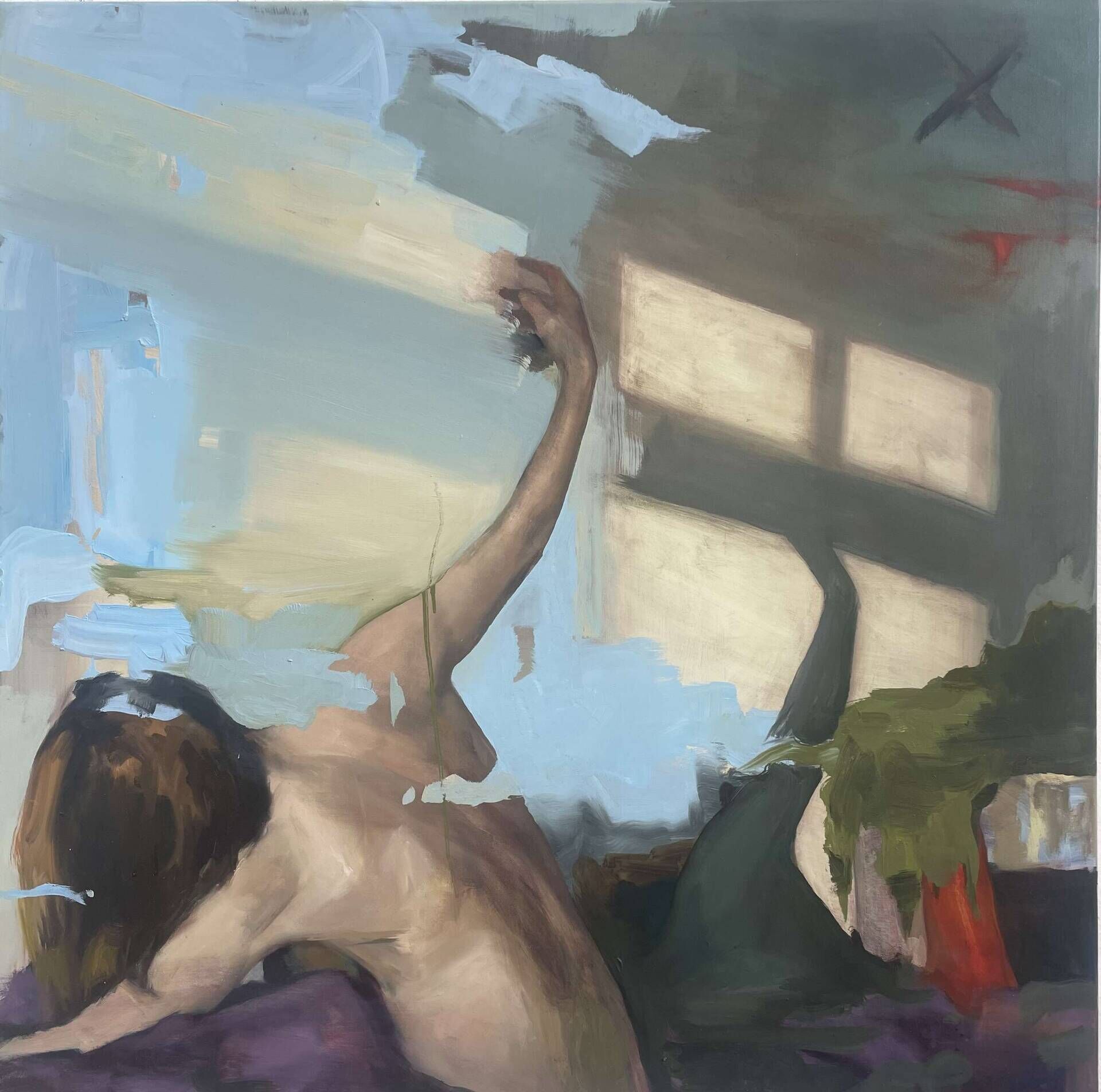
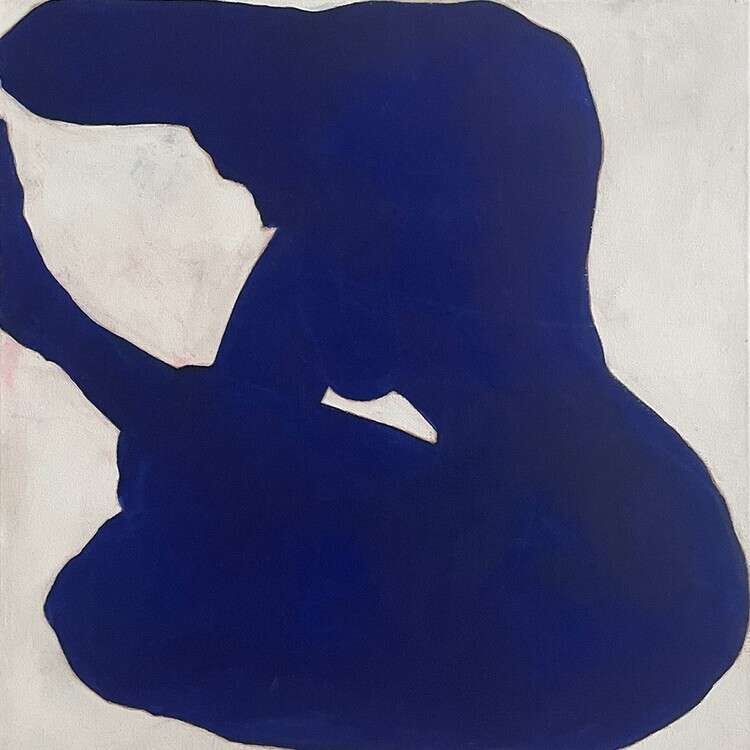
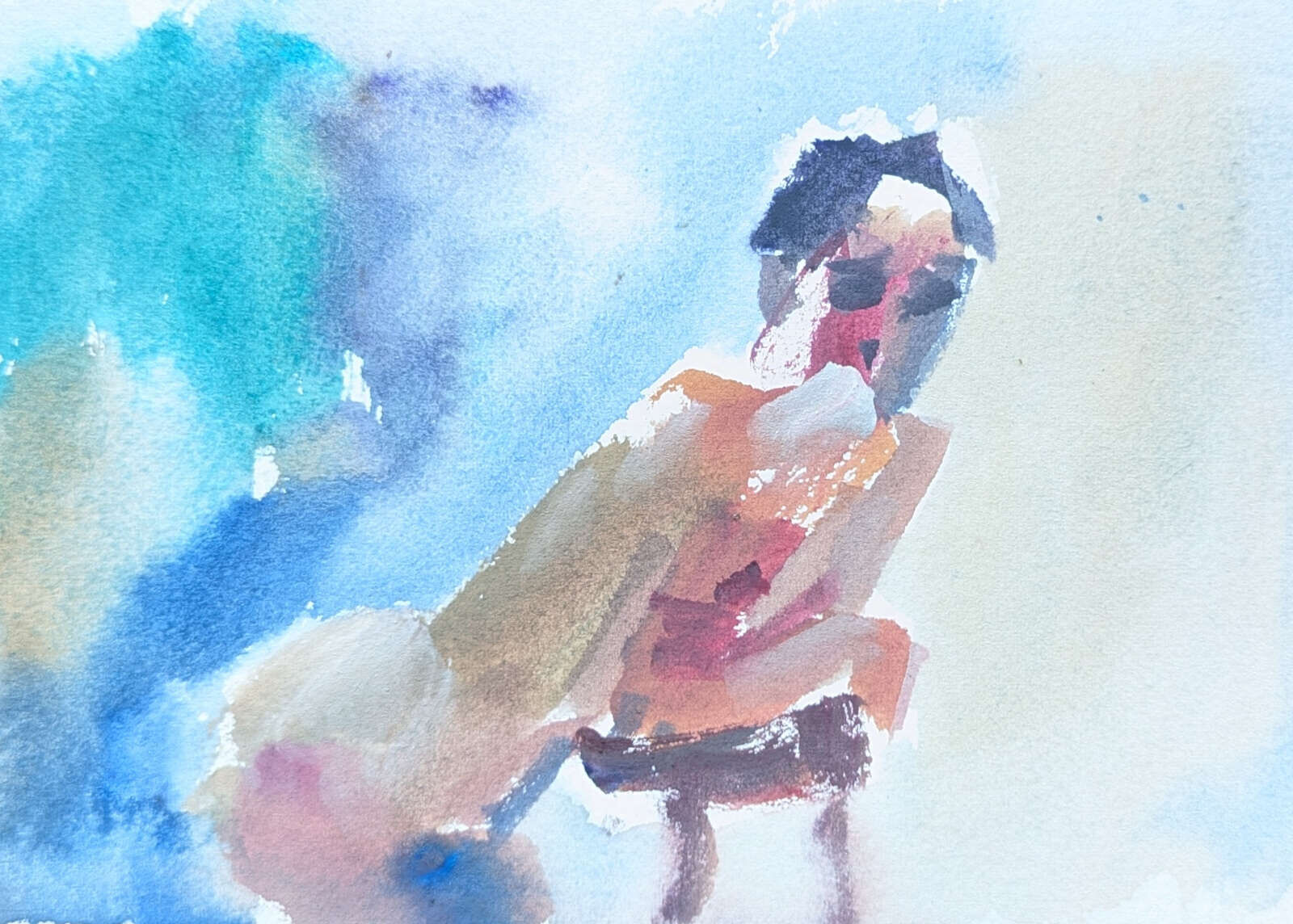
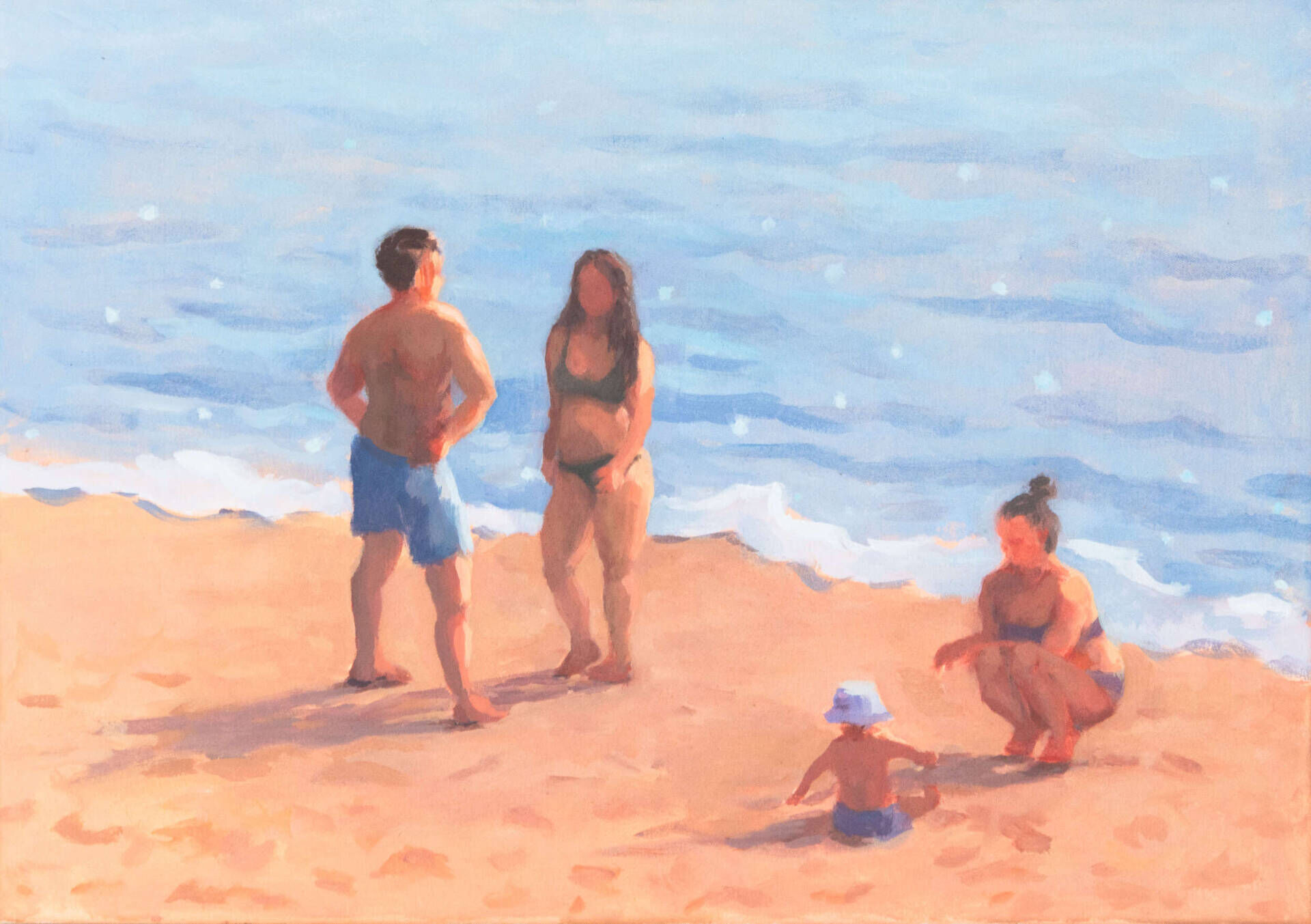
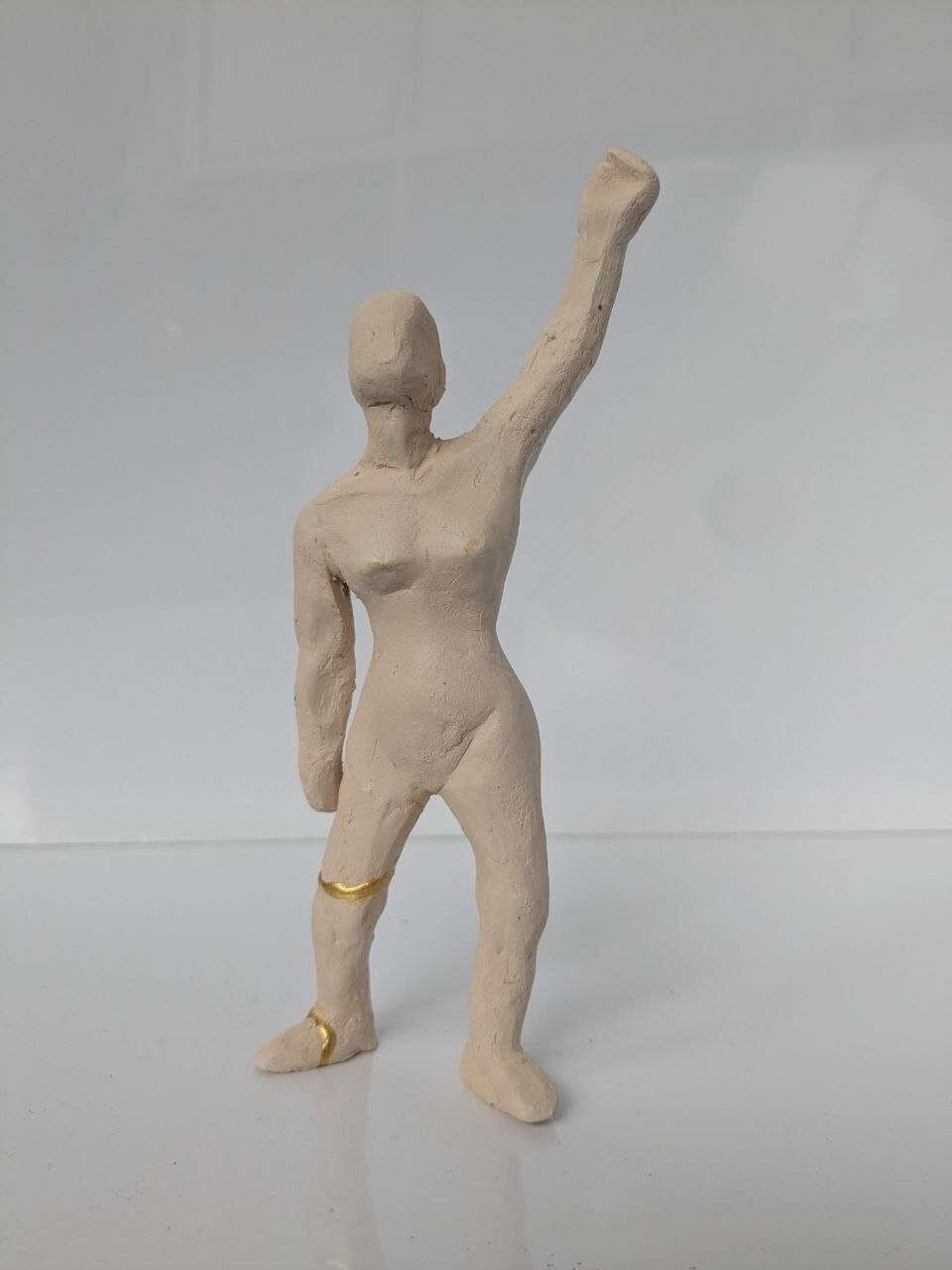
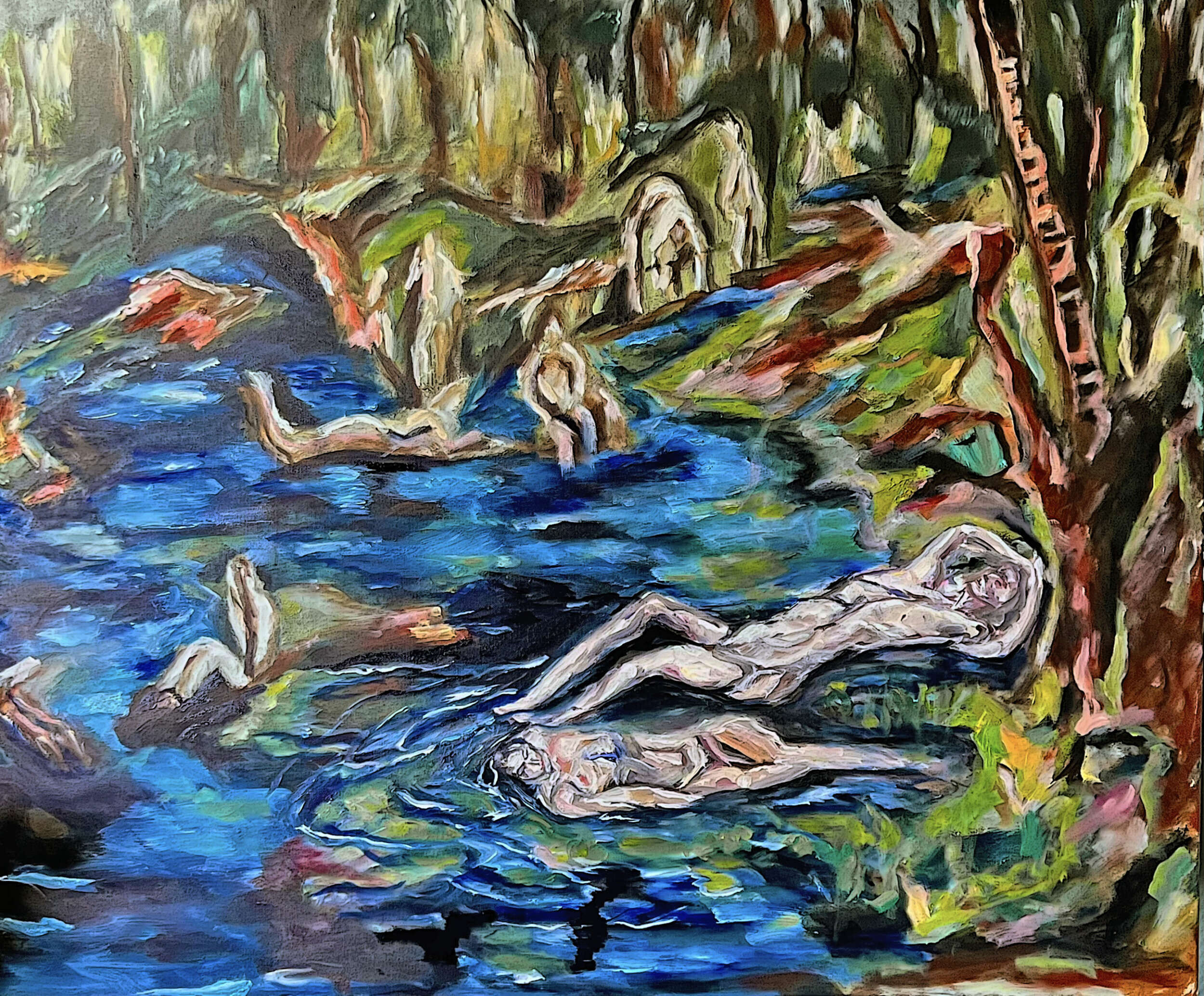
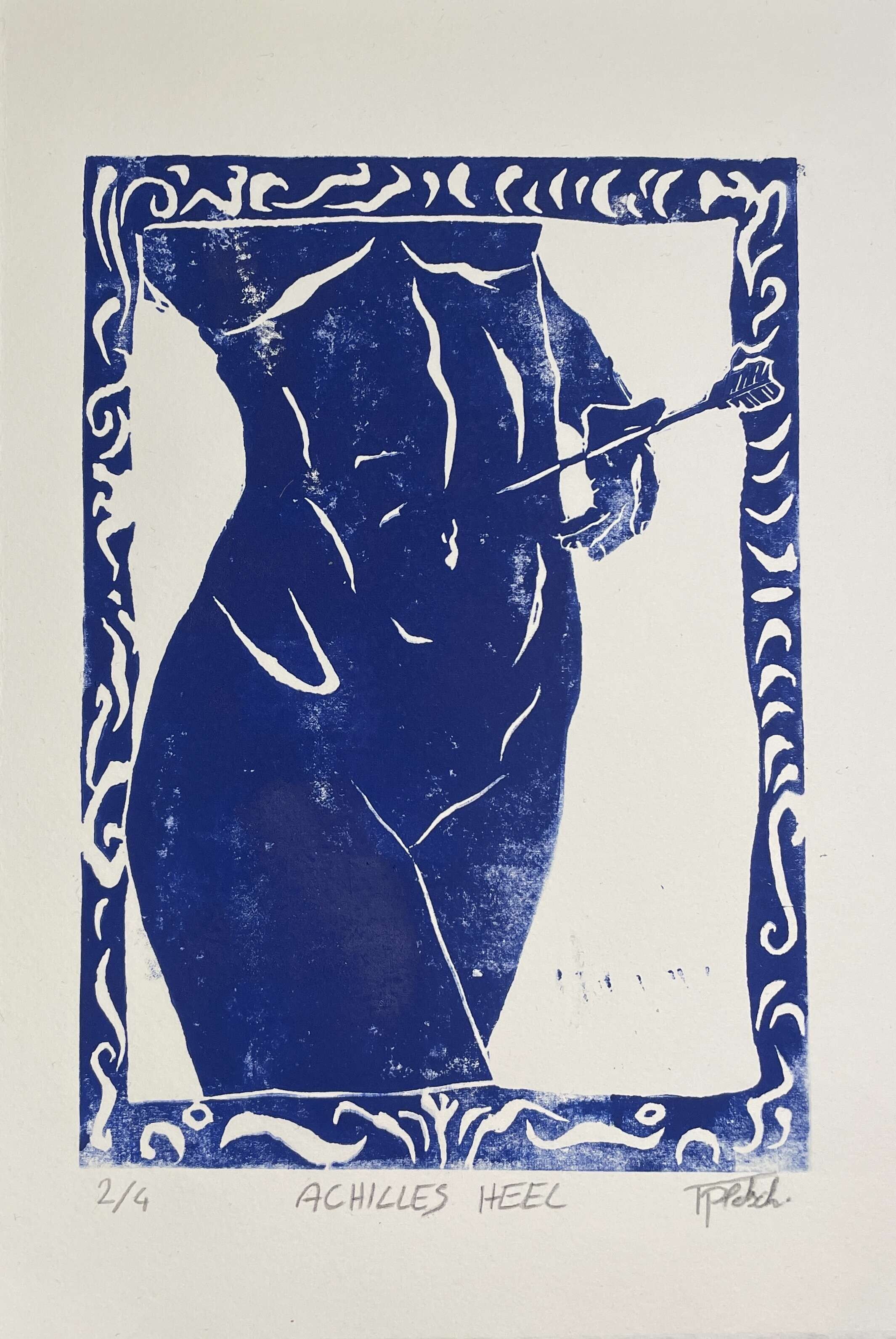
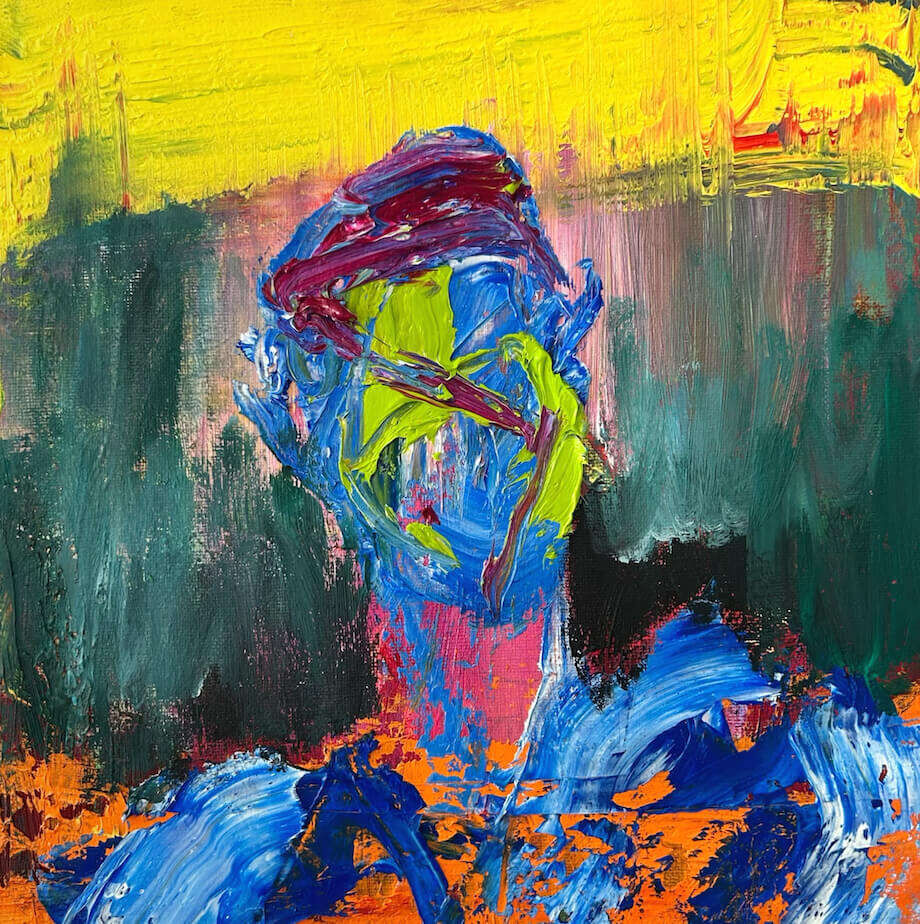
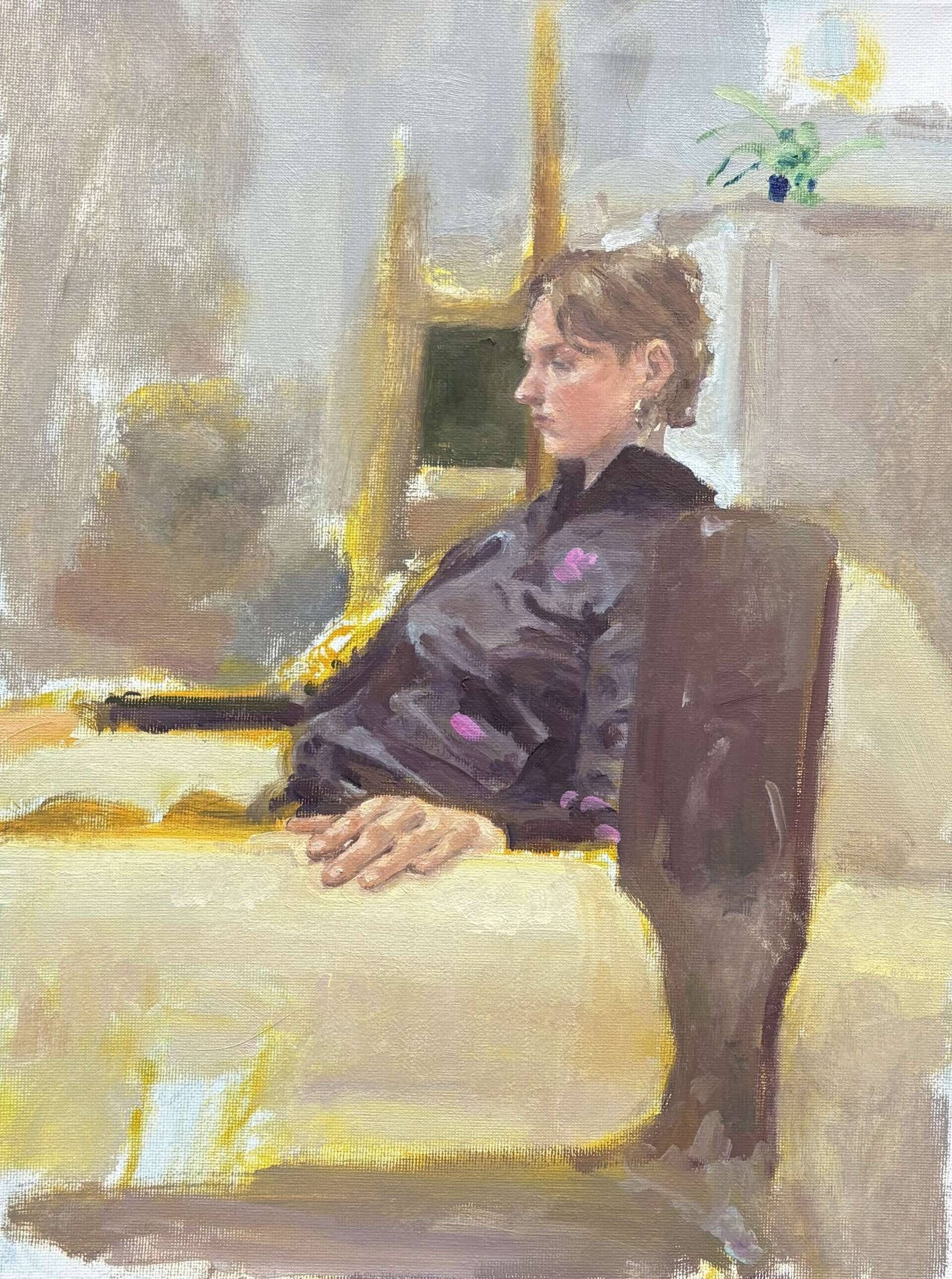
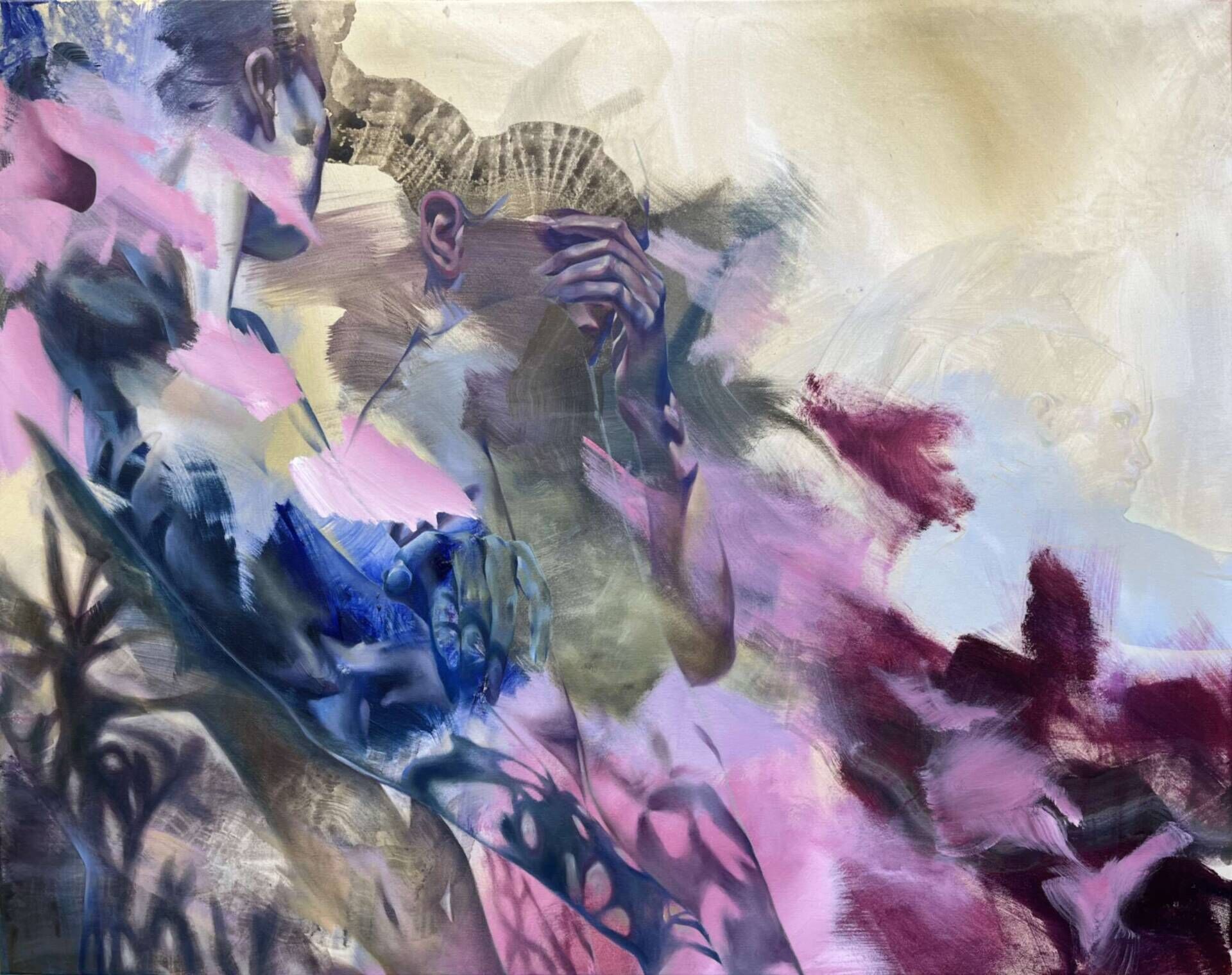
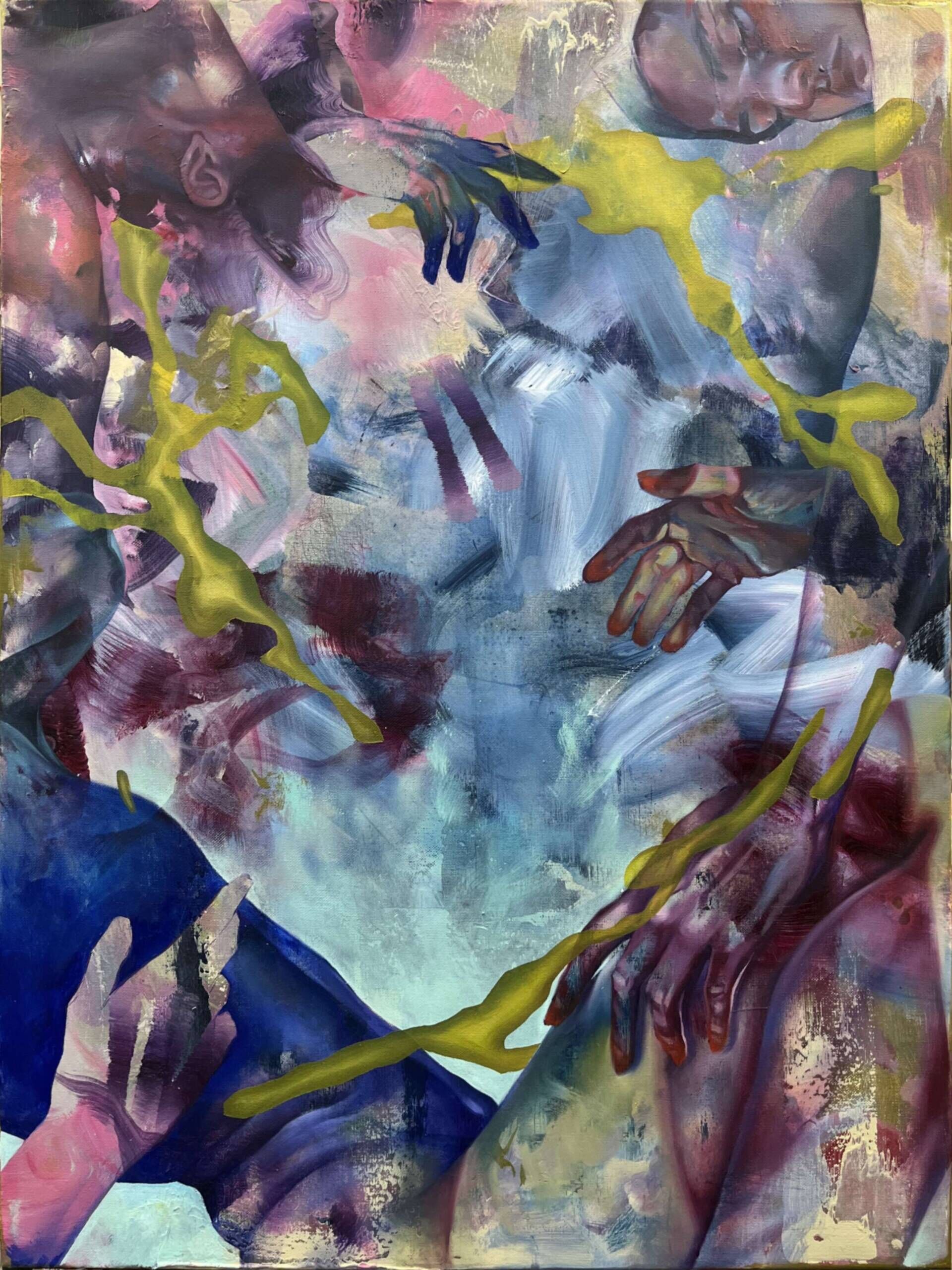
In modern art, nude paintings are much more than simply a depiction of the human body. It offers us a powerful means of expressing self-love, freedom and individual identity in an indescribable way. We repeatedly find an emphasis on self-love in these works. And don’t we all sometimes need a reminder to love ourselves and our bodies? Nude paintings allow us to embrace and celebrate our own bodies. Moreover, these works are brimming with freedom. Through the freedom afforded by nude paintings, artists can break norms and societal taboos. Lust and love are themes that have preoccupied humanity since the beginning of time, and art can embody this indescribable feeling. We can encounter a wide variety of facets in nude paintings. So nude paintings not only have a long history, but have also moved us throughout the ages. Anyone wishing to buy nude paintings will find an ever-growing selection at Studierenden Kunstmarkt. Here you’ll find young artists who each interpret this genre in their own unique way, taking you on a journey through the human body and its beauty, emotions and diversity.