Ceramic sculptures: forms brimming with expression
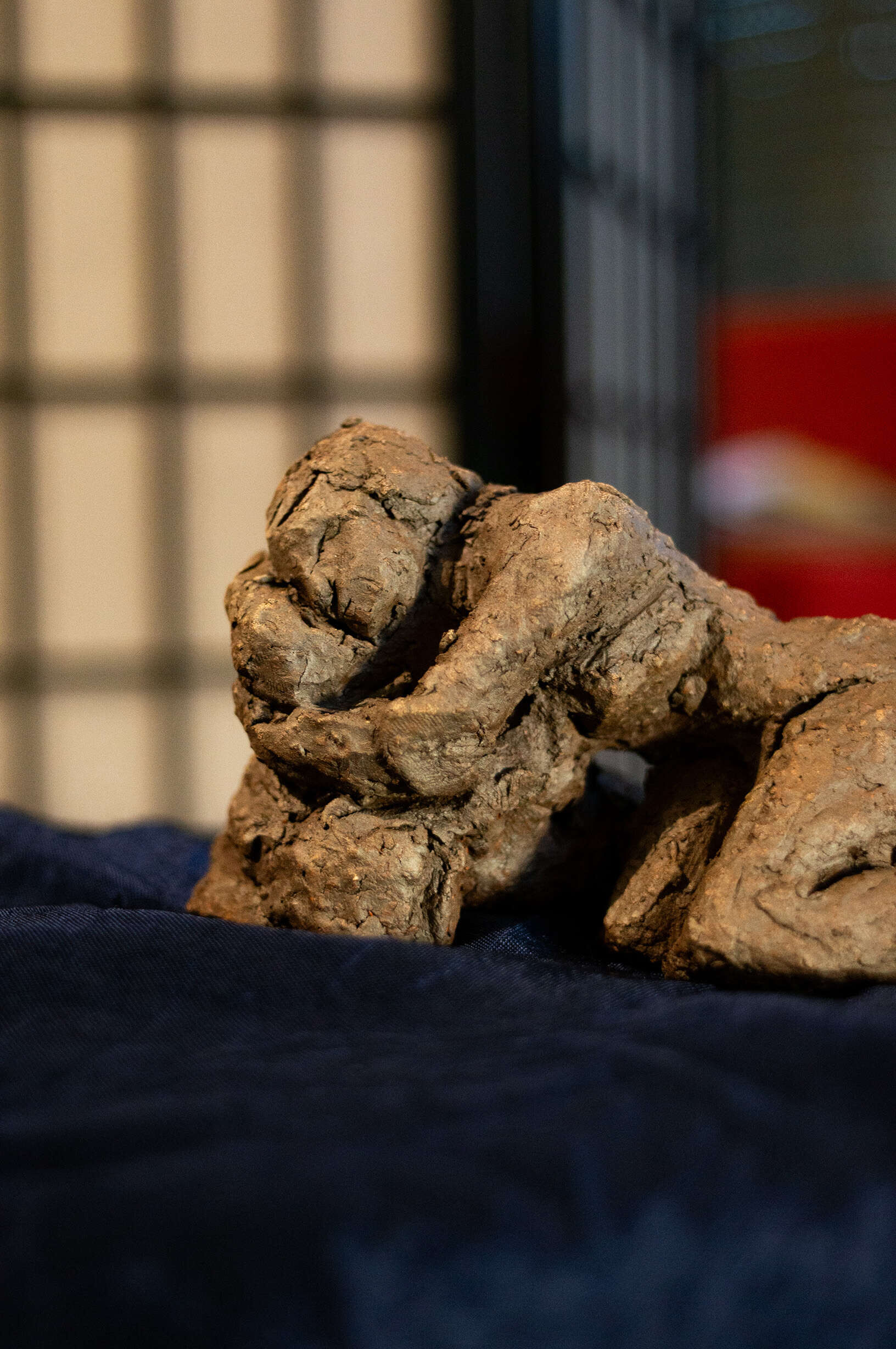
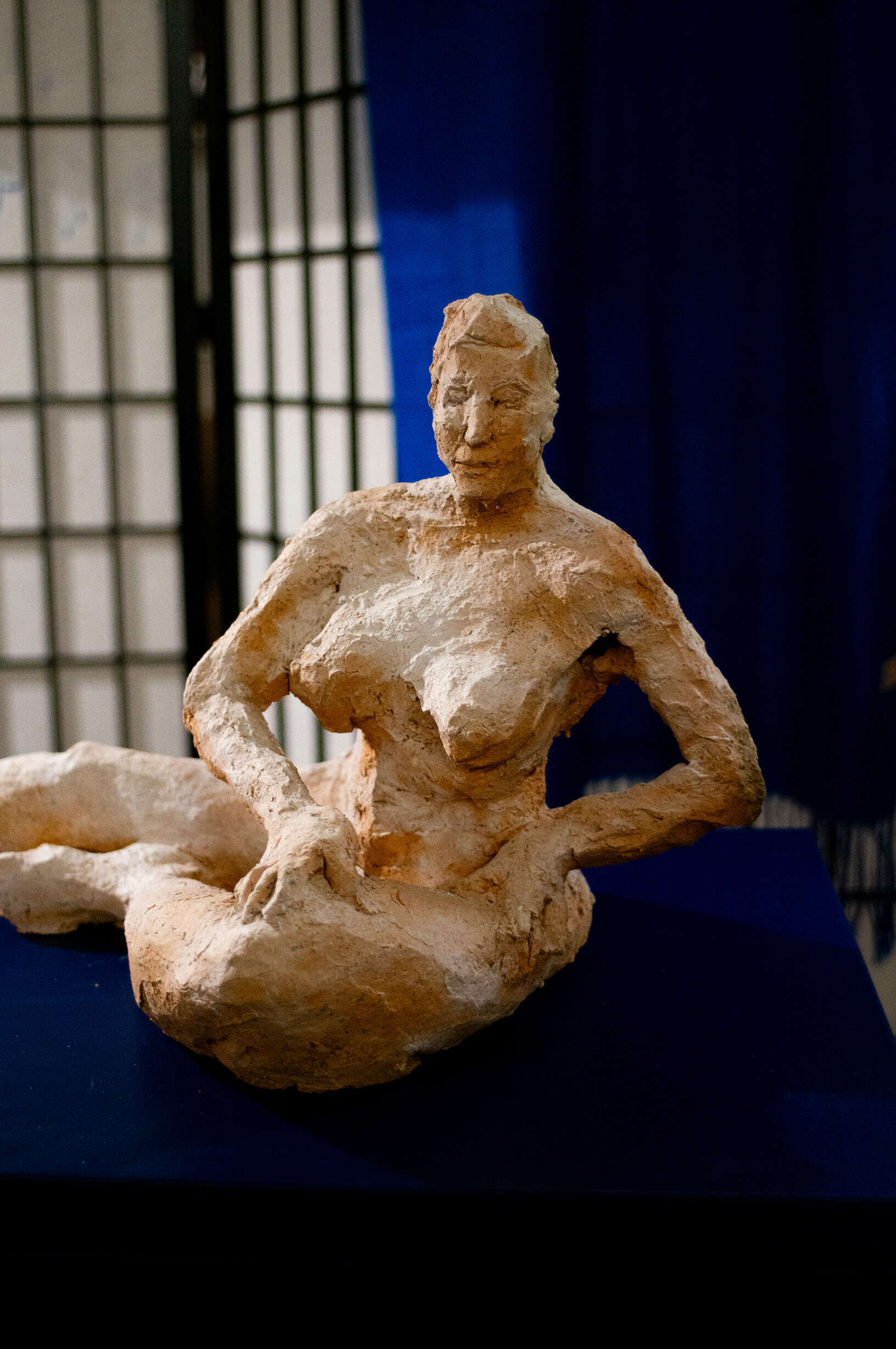
Ceramics are earth, fire and emotion all at once. In the hands of artists, clay is transformed into works full of character. Every ceramic sculpture tells a story of a love of experimentation and intuition, of the process of shaping and firing. Here, craftsmanship becomes a form of expression, and one can sense the connection between the material and the artist. These sculptures bear marks, cracks and glazes – and that is precisely what makes them so vibrant and authentic.
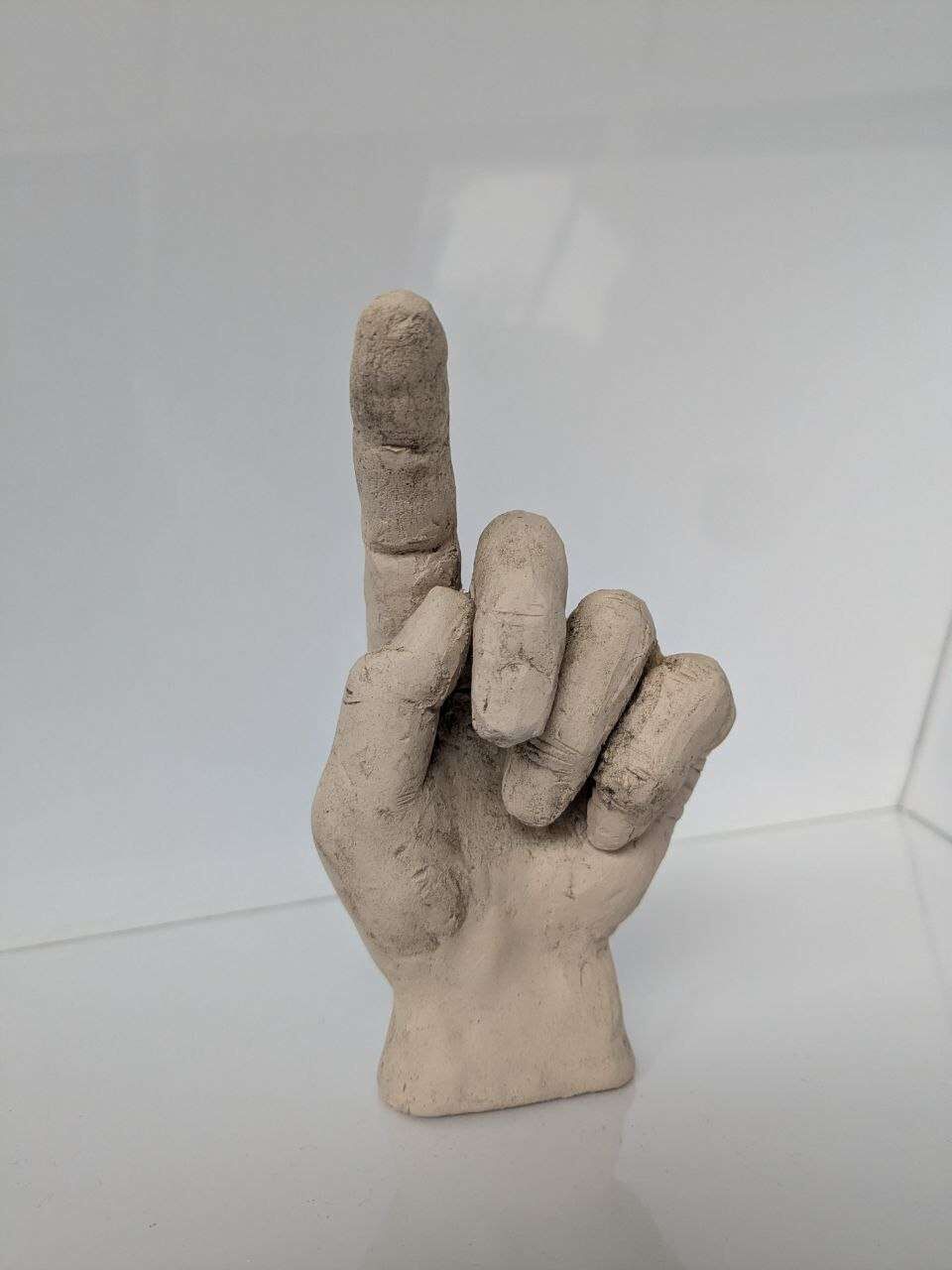
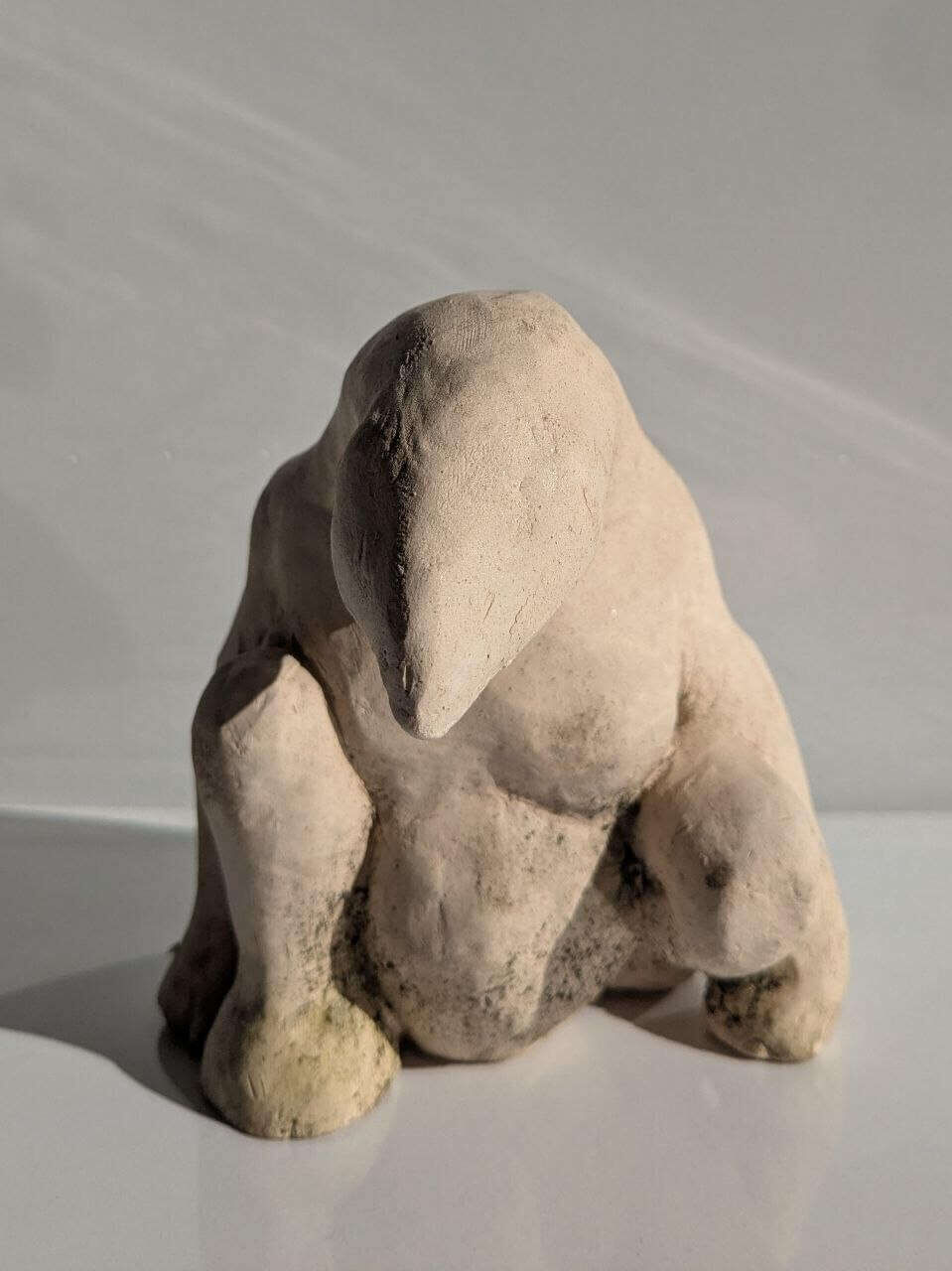
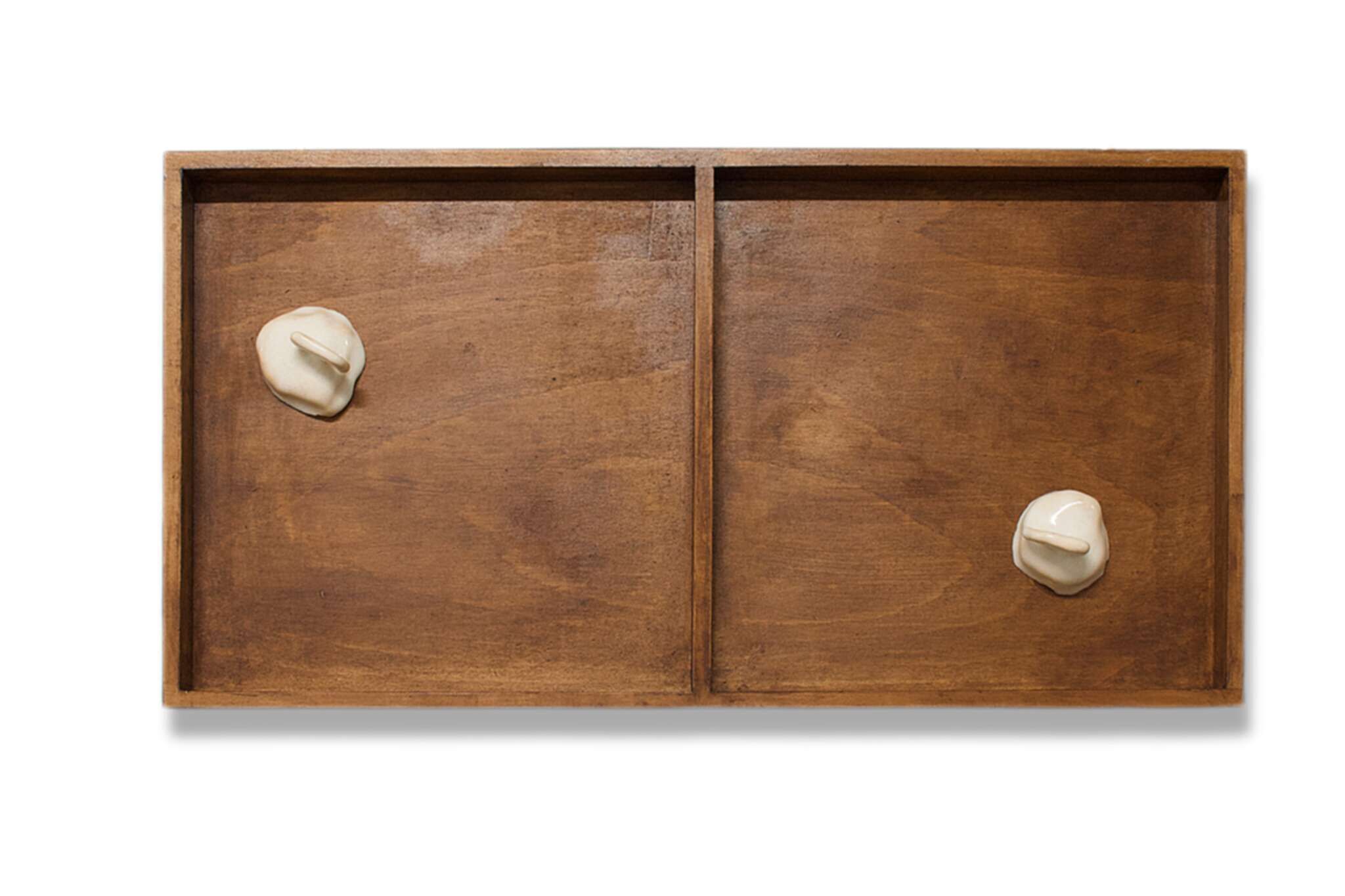
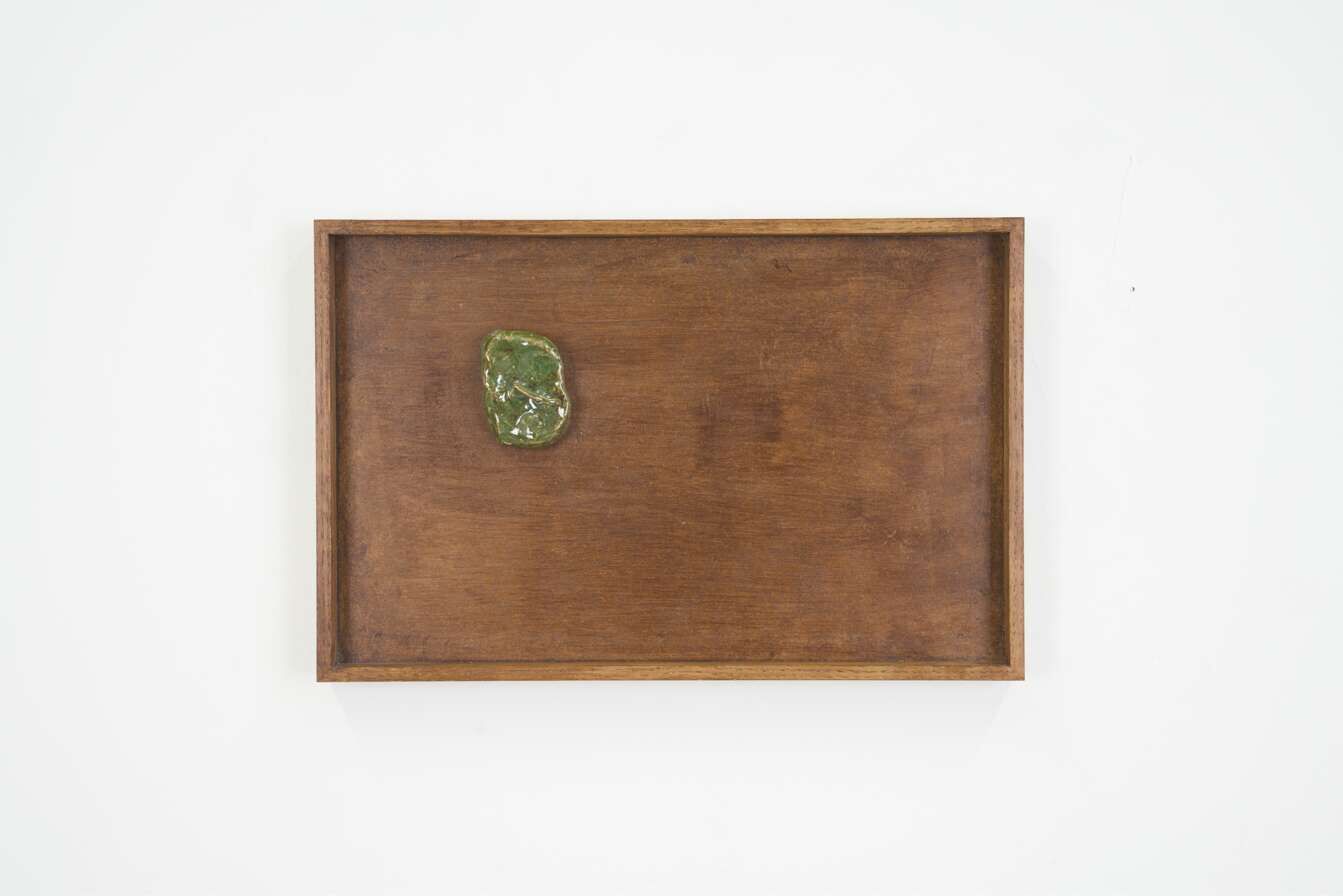
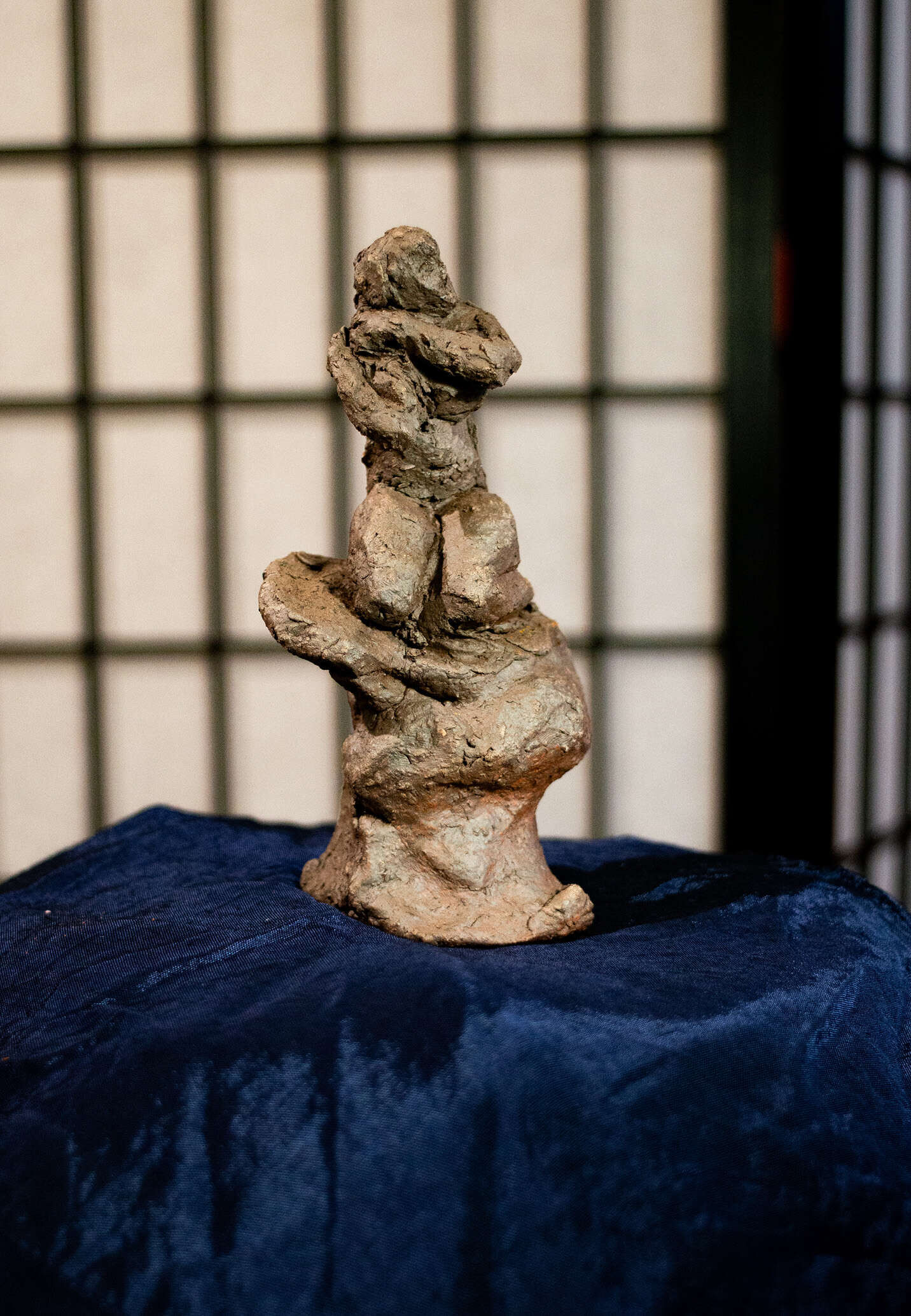
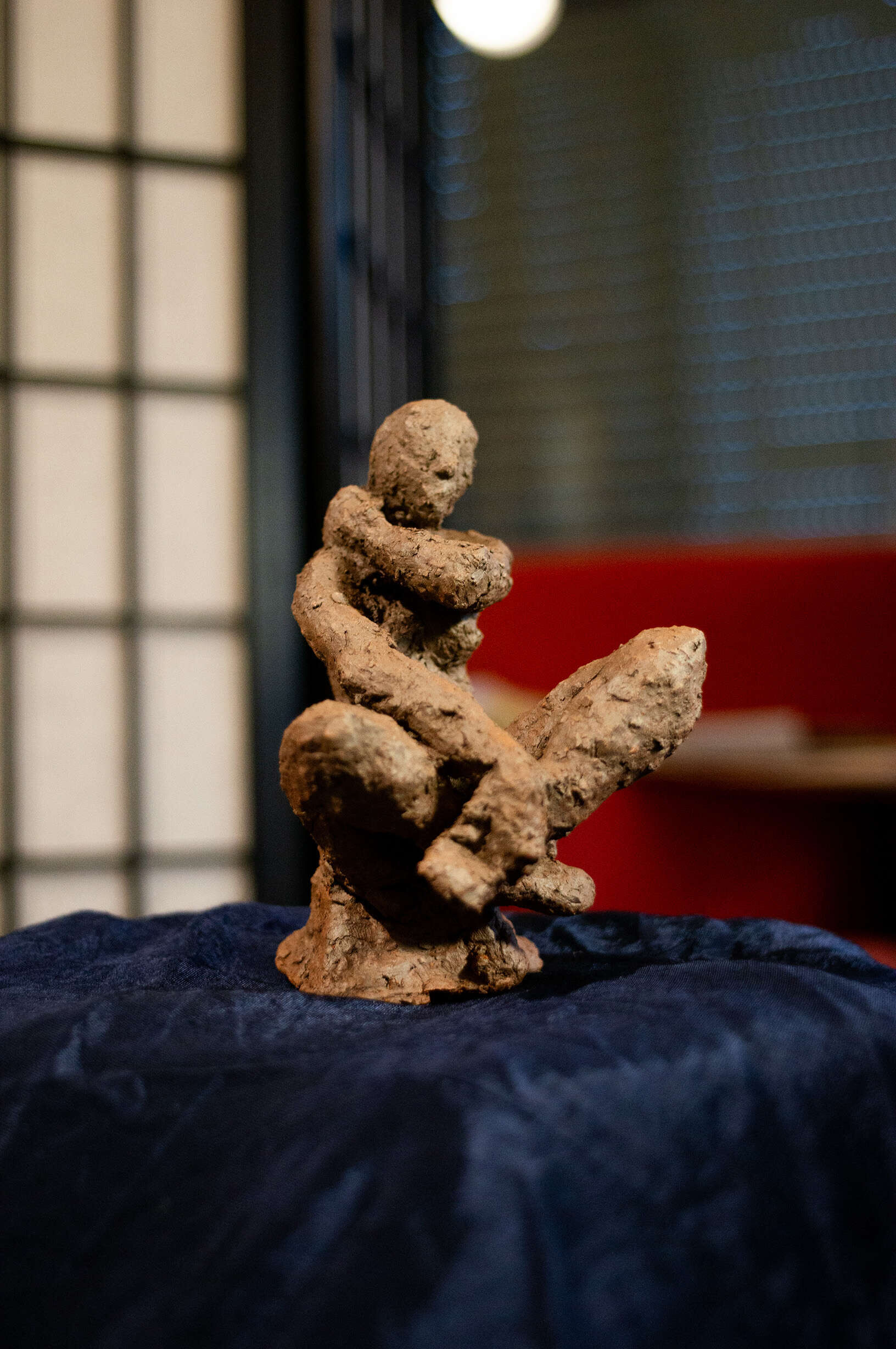
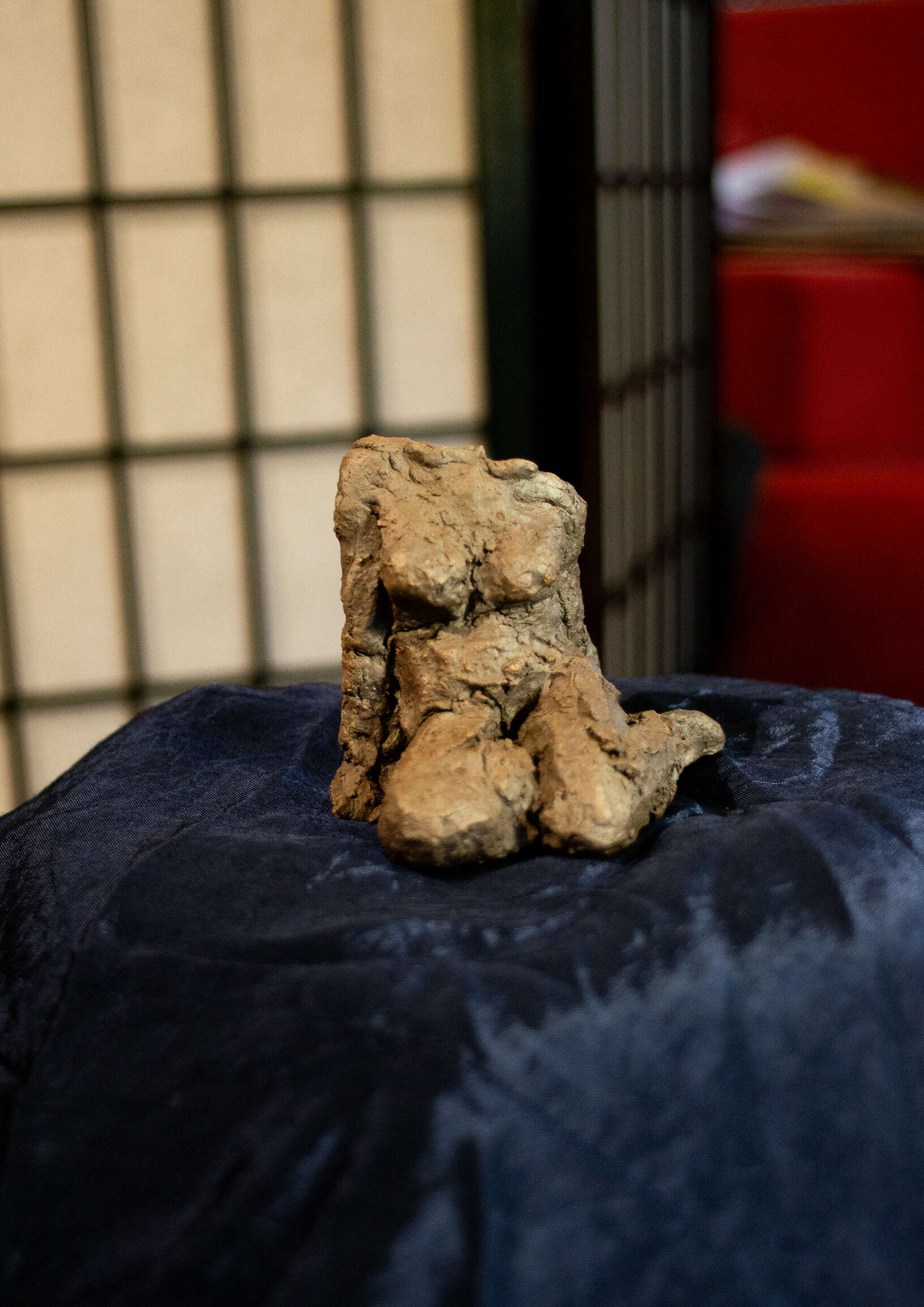
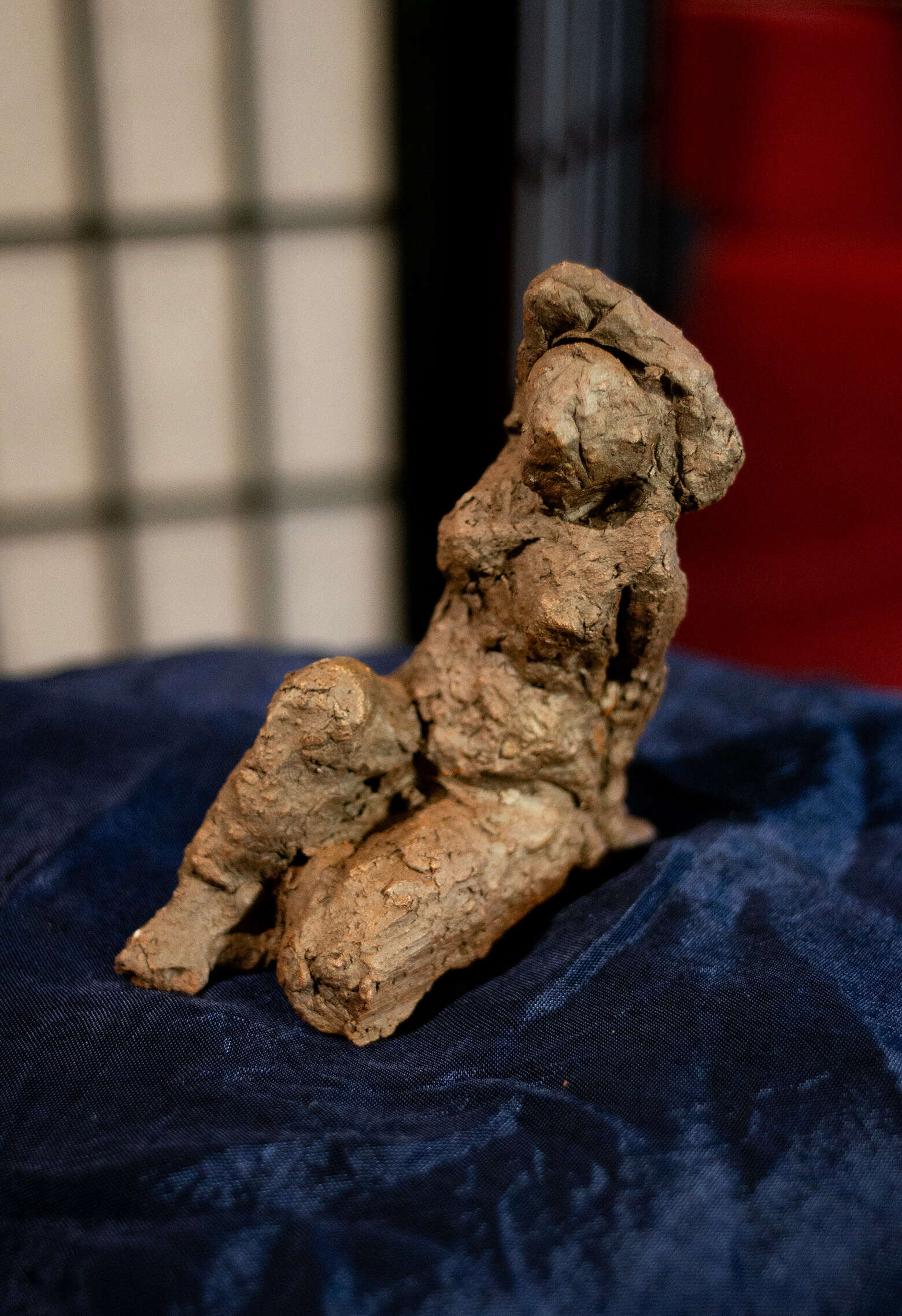
Stories shaped into ceramic sculptures
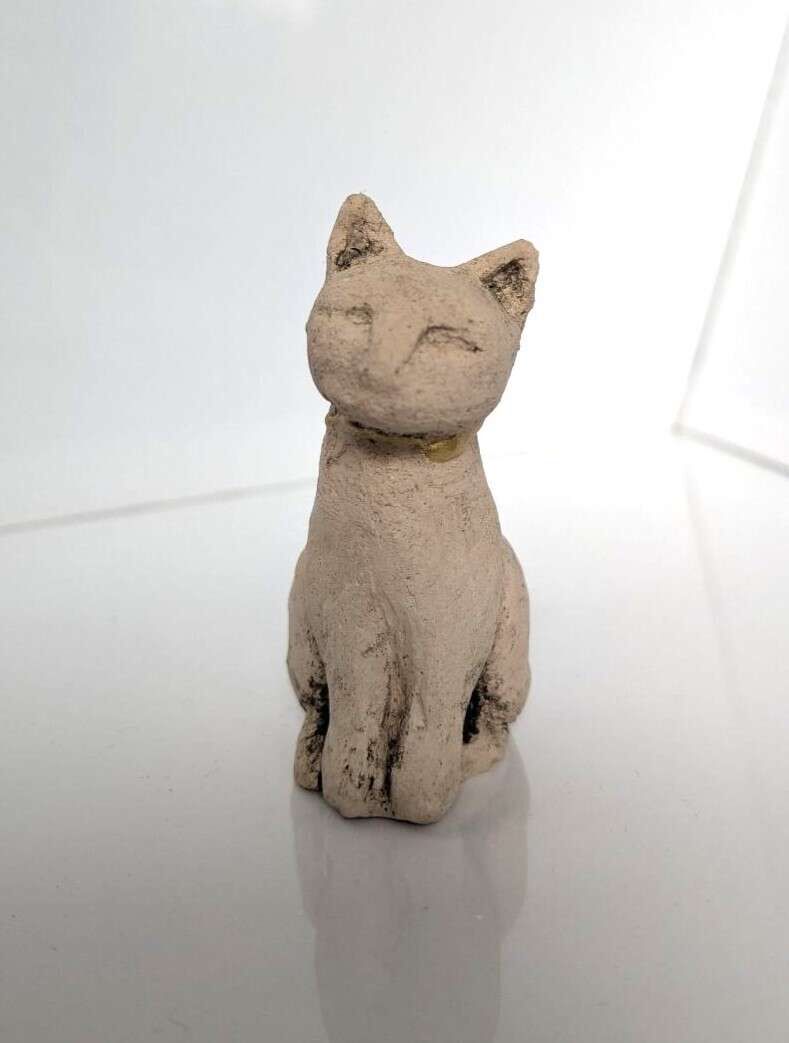
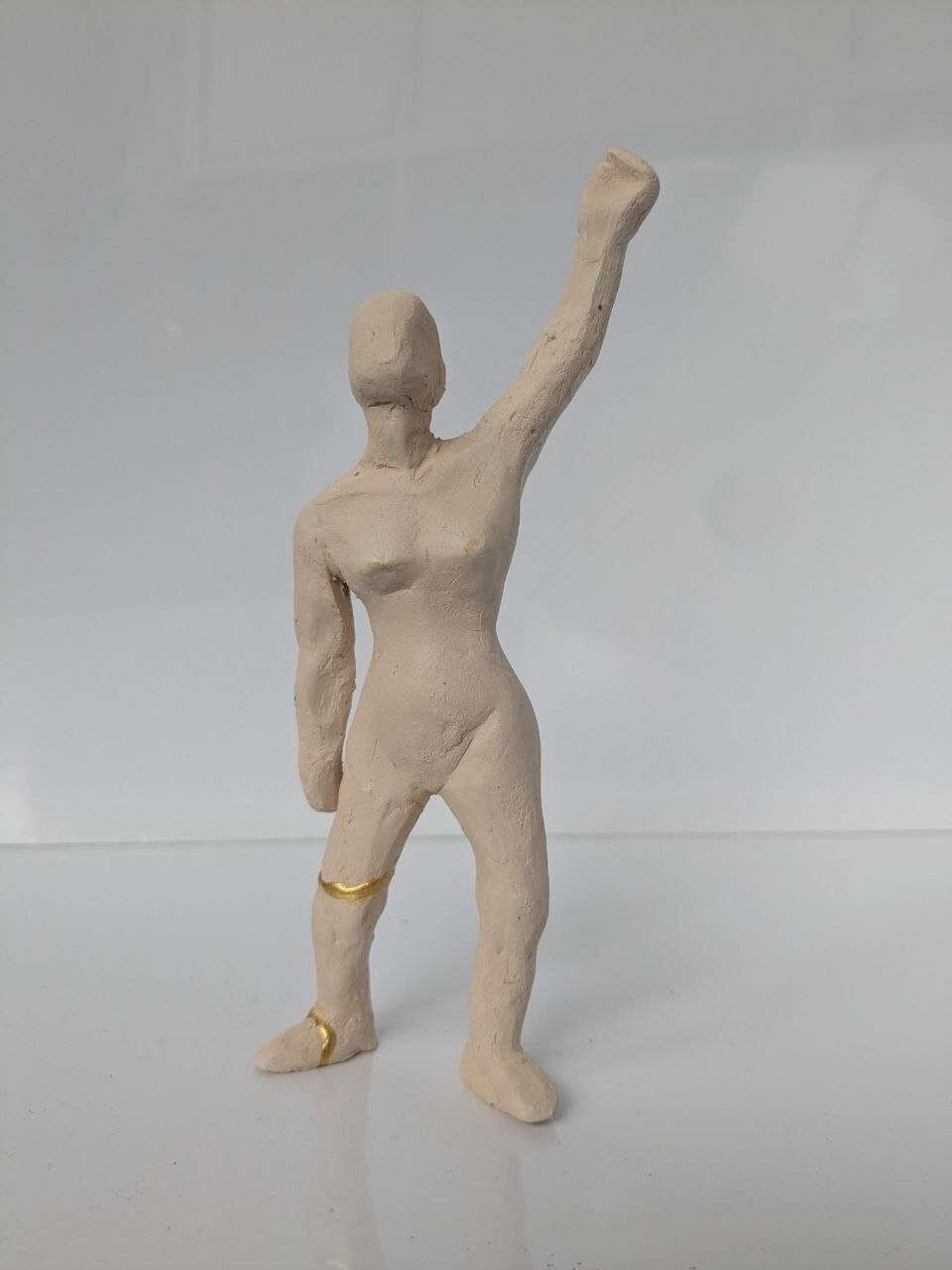
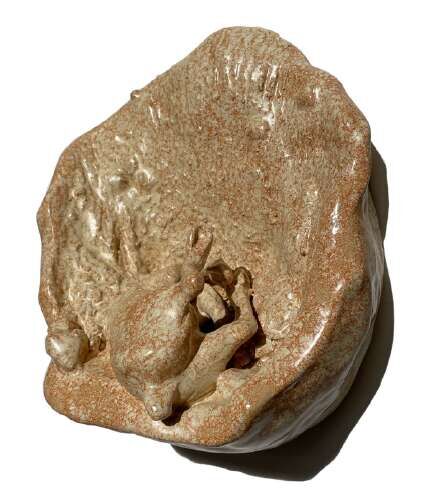
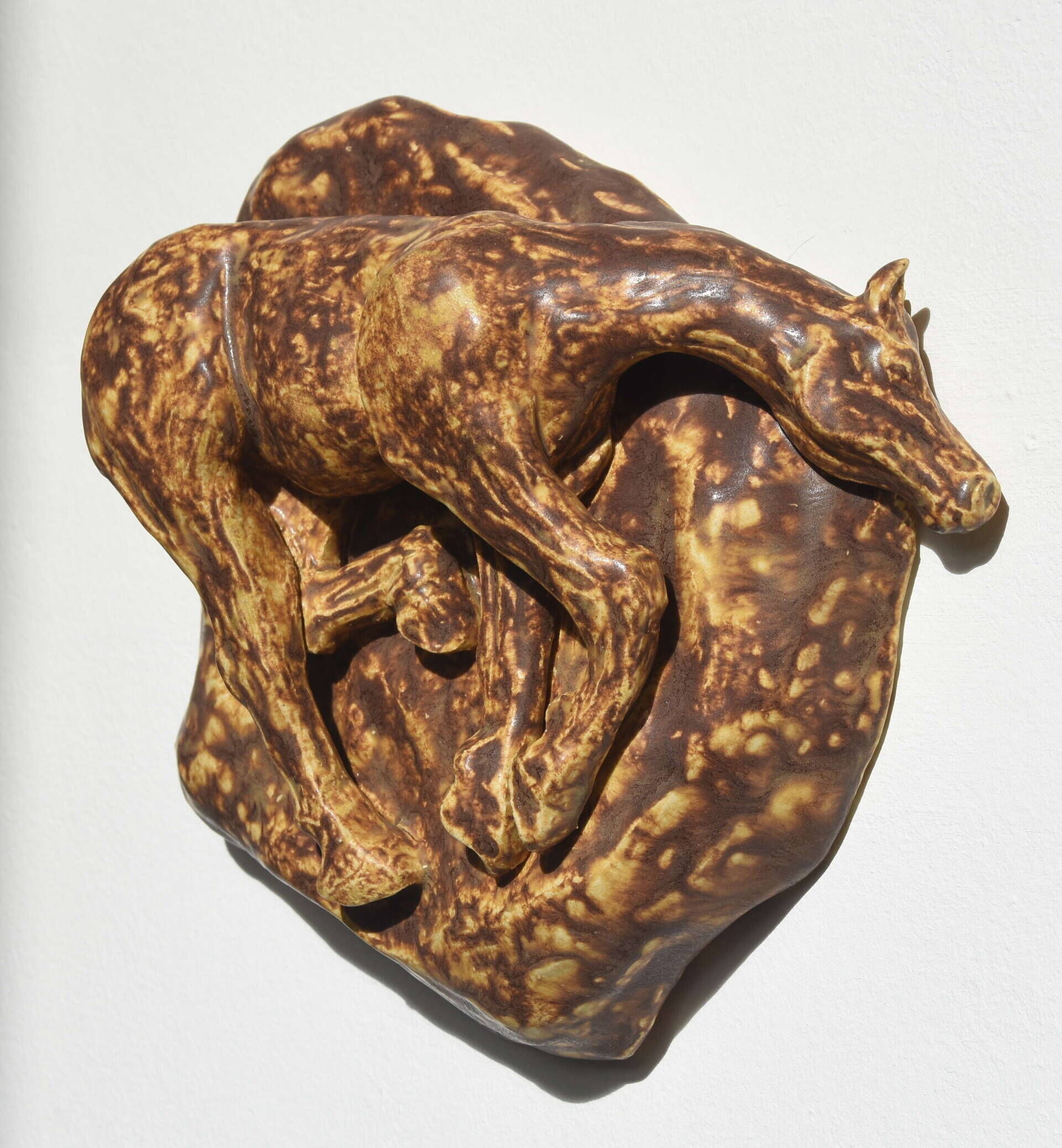
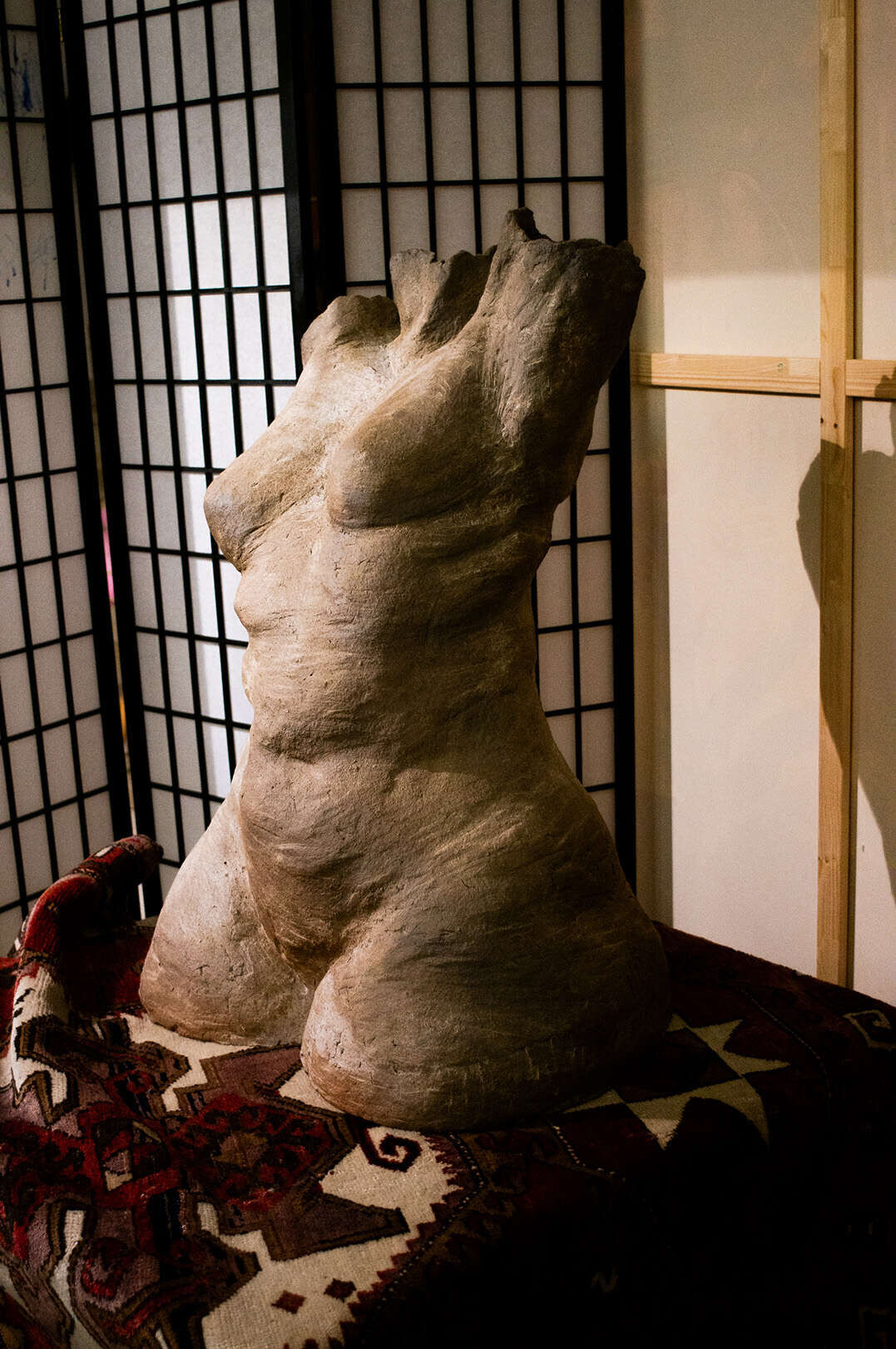
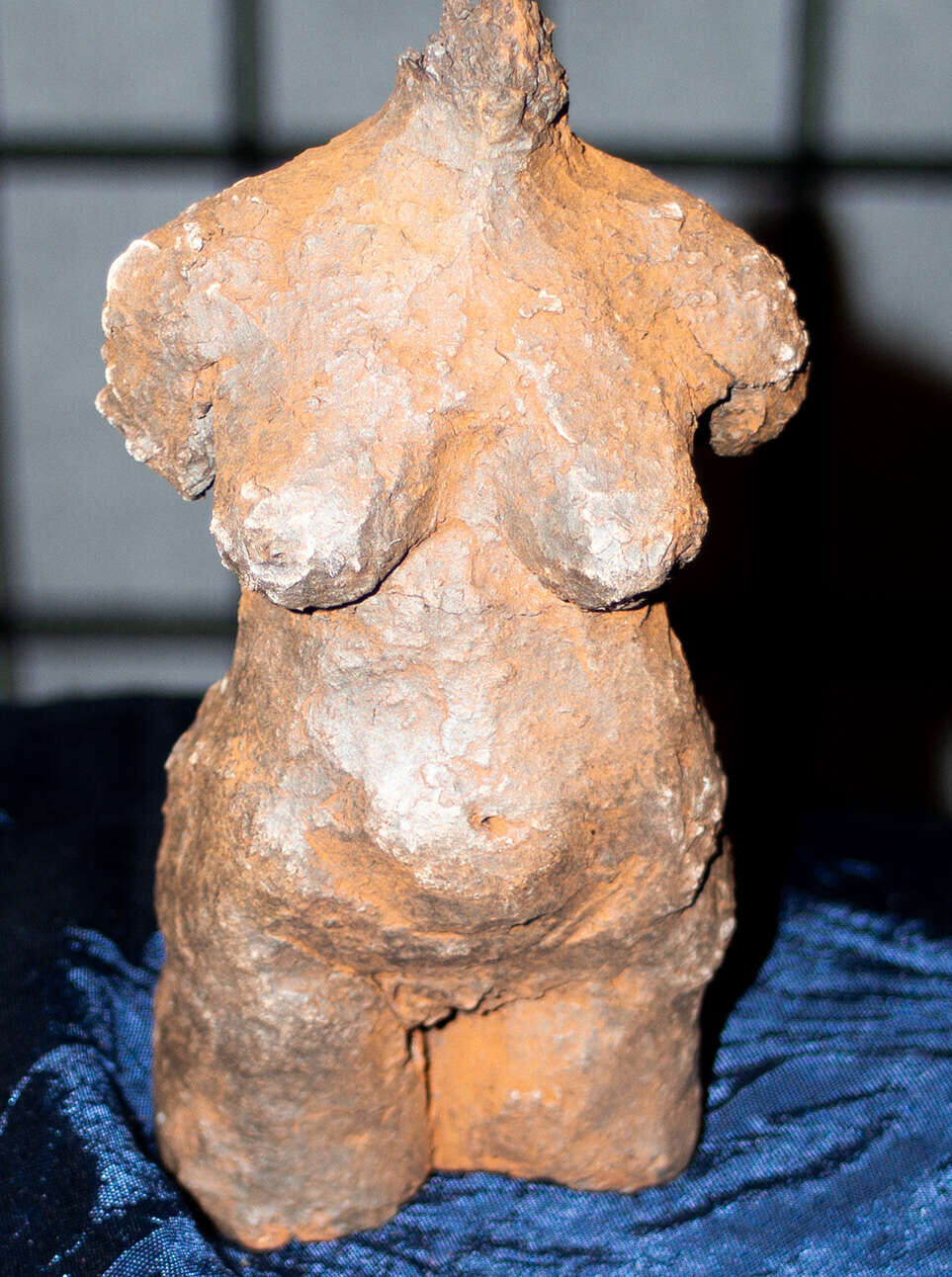
Ceramic sculptures tell stories of touch, time and transformation. From an earthy, seemingly unremarkable material, figures, bodies, abstract forms or poetic objects emerge that transform spaces and radiate a special sense of tranquillity. Clay is made malleable with water, worked by hand, modelled or thrown on a potter’s wheel, and finally fired in a kiln. It is precisely this process – from its soft state to its permanent form – that makes ceramic sculptures so fascinating. They appear at once primal and timeless, fragile and astonishingly durable.
Abstract forms, animal figures or dynamic sculptures: the variety of forms found in ceramic sculptures is enormous. Some ceramic art sculptures are glazed and coloured, whilst others are deliberately left in their raw state, with visible fingerprints and cracks. Ceramic sculptures openly reveal their creation process and thus seem particularly approachable. Whether in the living room, the office, the garden or a surgery – ceramic art sculptures add a touch of character without being overpowering. Anyone who chooses ceramic figures is bringing art with history and character into their own environment. Each piece is unique, shaped from natural materials and shaped by individual decisions made during the creative process. This is precisely where their special appeal lies – and their quiet strength.
Ceramic art – The long history of clay
Ceramics are among humanity’s oldest materials. Long before metal or glass were widely used, craftspeople shaped vessels, figurines and objects from clay. The oldest known ceramic finds are almost 30,000 years old and demonstrate how early the desire to combine form and meaning arose. Ceramic sculptures thus form part of a tradition that goes far beyond mere decoration.
Ceramics developed independently in various regions of the world. In China, the Middle East and Europe, early pottery cultures emerged which not only used clay but also decorated it, painted it and imbued it with symbolic meaning. Artworks such as the Venus of Dolní Věstonice or the Venus of Willendorf are regarded as early examples of sculptural art in ceramics. Here, too, it is already evident how ceramic sculptures addressed themes of the body, fertility and spirituality.
After the ancient world, clay and ceramic art in Europe temporarily lost some of its artistic prestige, but enjoyed a resurgence during the Renaissance – for example, through the Della Robbia workshop in Florence. Glazes, colours and reliefs restored ceramics to its status as an artistic medium in its own right. This development continues to have an impact today and shapes the approach to ceramic sculpture in contemporary art.
More than just clay – a natural material in transformation
Clay is a material with extraordinary properties. It can be shaped, cut, built up and altered whilst it is still damp. Firing permanently sets the ceramic sculpture as a decorative figure or work of art. Ceramic sculptures can last for millennia, as archaeological finds impressively demonstrate. At the same time, ceramic art is highly sensitive to the production process: temperature, drying time and glaze determine the surface, colour and structure.
This blend of control and unpredictability is what makes it so appealing. Small cracks, stresses or distortions are not flaws, but part of the aesthetic language. Ceramic sculptures thus radiate a natural tranquillity that often has a subconscious effect. The material is grounding, warm and approachable – a marked contrast to industrially manufactured objects.
Even beyond their function as decorative figures and outside the realm of art, ceramics play an important role: in medicine, technology and architecture. It is precisely this versatility that demonstrates why ceramic sculptures are not only decorative, but also culturally and materially significant. They combine ancient knowledge with contemporary expression.
Ceramic figures
The figure is at the heart of many ceramic works. Whether depicting humans, animals or abstract forms – ceramic sculptures utilise three-dimensionality to actively shape space. Unlike a painting, contemporary ceramic art can be experienced from different angles; its effect changes depending on the light and location, and it enters into direct dialogue with its surroundings.
As far back as the Renaissance, there was debate over whether sculpture or painting was the more powerful form of expression. Ceramic sculptures take this idea further: surface, volume and material interact. Smooth surfaces can contrast with rough sections, and glazes with untreated clay. Ceramic sculptures can appear light and fragile or solid and grounded – depending on the message the artists are seeking to convey. Figurative ceramics, in particular, allow emotions to be conveyed subtly. Small gestures, postures or proportions are enough to create tension, tranquillity or movement. In this way, ceramic sculptures become silent narrators that speak without words.
At the same time, ceramic sculptures form part of a long art-historical tradition of famous figurative works. As far back as antiquity, ceramic masterpieces such as the Meidias Hydria from the 5th century BC were created; their finely crafted figures demonstrate how ceramics were used in a narrative and highly detailed manner even in early times. In the modern era, artists such as Peter Voulkos radically expanded our understanding of ceramics: His large-scale, gestural sculptures broke away from classical forms and made the creative process itself visible.&Karel Appel used ceramics to create expressive, almost raw figurative heads, as in “Tête”, whilst Hundertwasser regarded ceramics as a colourful, organic design element. Jeff Koons embraced the medium and rendered iconic forms such as the “Balloon Dog” in porcelain, thereby placing ceramics within the context of contemporary pop and conceptual art. Artists such as Jennifer Lee and workshops such as Struktuur 68 have played a key role in establishing ceramic figures as an independent, serious art form – situated between craft, sculpture and free expression.
Ceramic artists at the Student Art Market
At Student Art Market you can buy ceramic sculptures – by young artists who are reimagining the medium whilst respecting its history. Here, sculptures are created for the living room, office or practice – works that experiment, pose questions and reveal individual artistic styles. These are not mass-produced items, but carefully crafted unique pieces.
The process of creating a ceramic sculpture is labour-intensive: shaping, drying, firing, glazing – often several times over. Minor variations can never be fully planned for. This is precisely what makes each of these ceramic sculptures unique. Anyone who buys such a work of art is making a conscious choice for art with character, whilst at the same time supporting emerging talents on their journey.
Whether a small figurine, an abstract form or a larger piece: anyone wishing to buy ceramic art brings a special atmosphere to their spaces. Ceramic sculptures have a subtle yet lasting impact. If you’re looking for abstract clay sculptures that combine craftsmanship, an awareness of materials and contemporary expression, it’s worth taking a closer look – perhaps the ceramic sculpture that suits you and your space is waiting here. Discover also sculptures made from wood, metal, stone or Mixed media at the Student Art Market.
