Multifaceted and creative – art collages by SKM
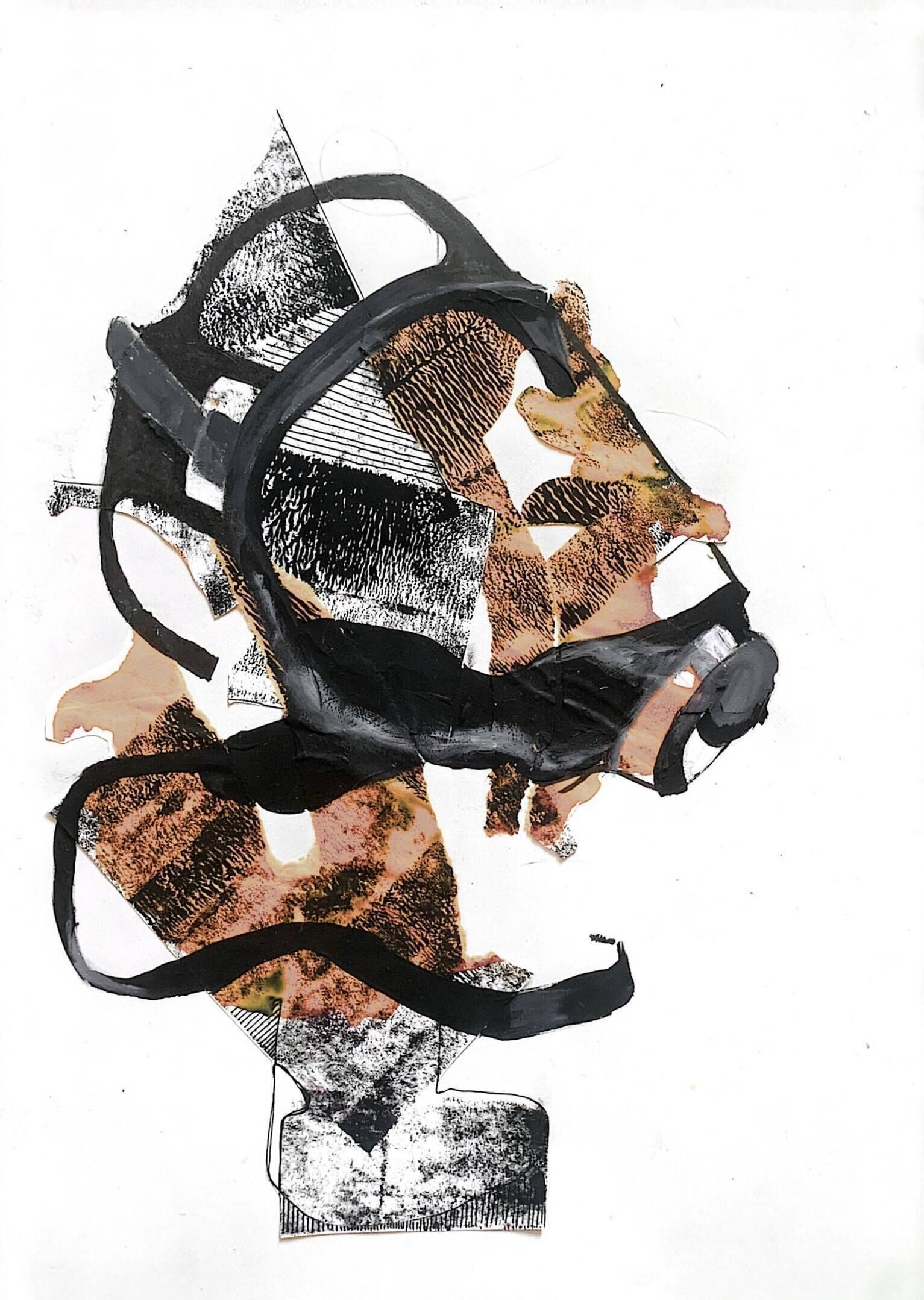
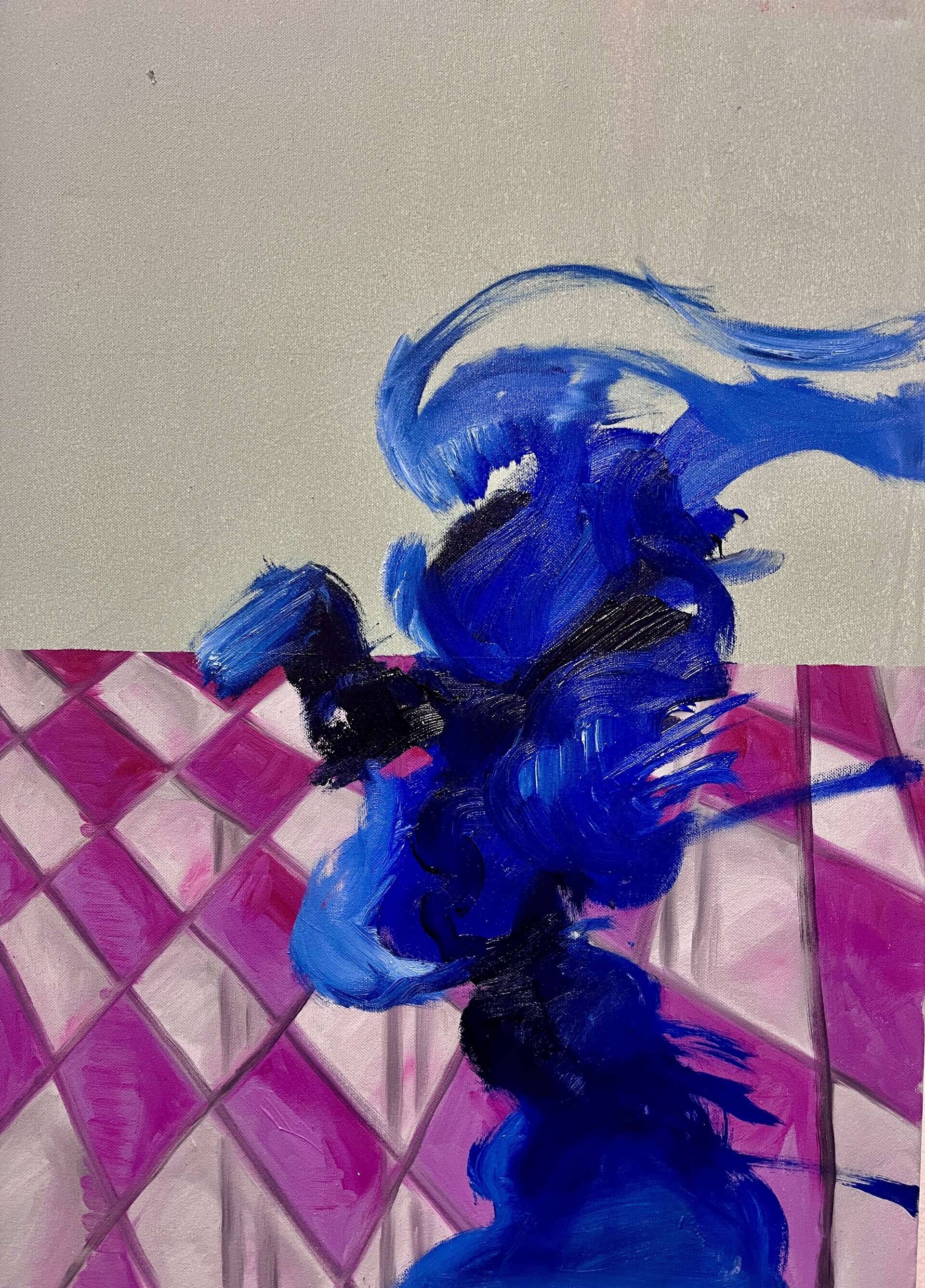
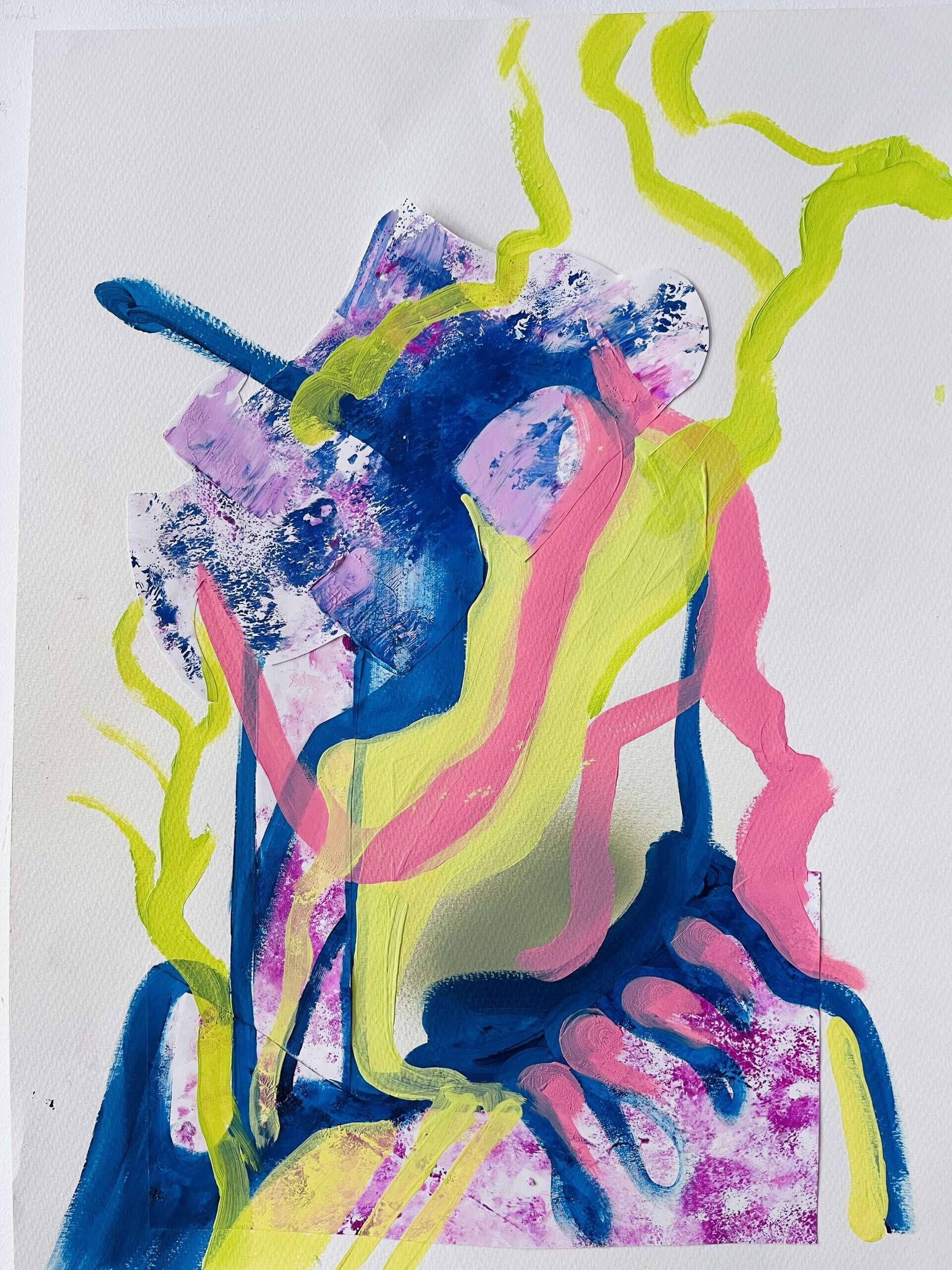
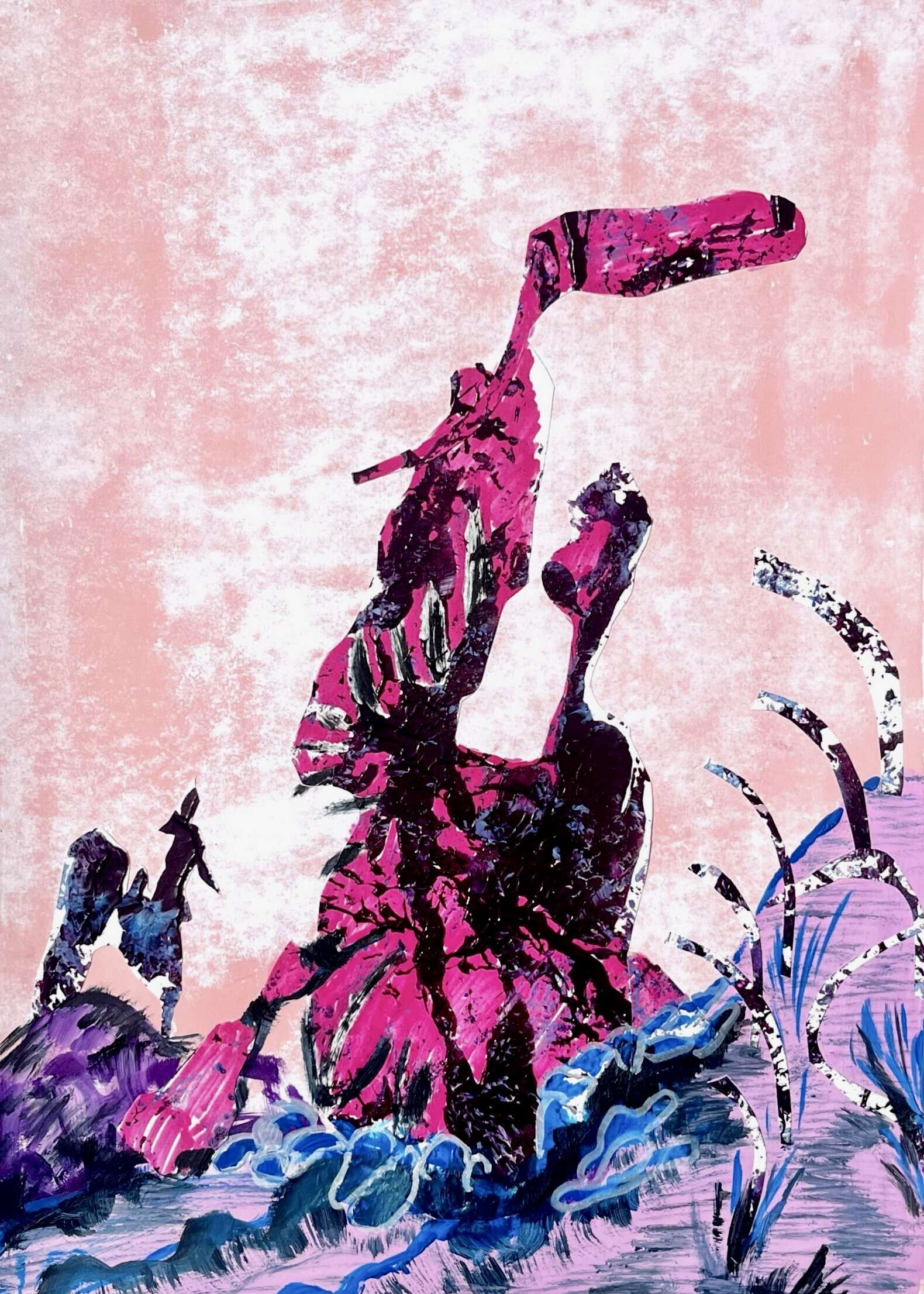
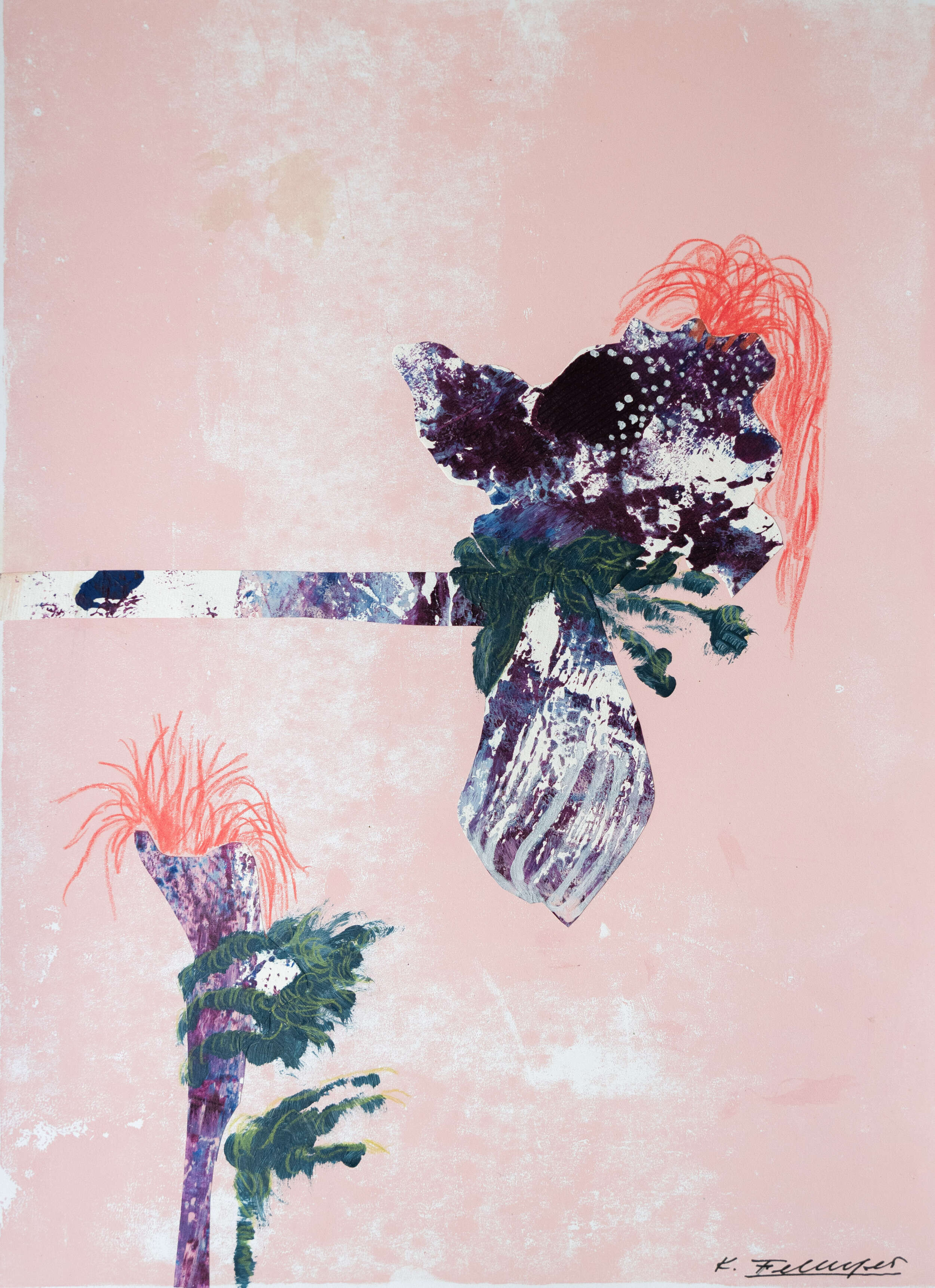
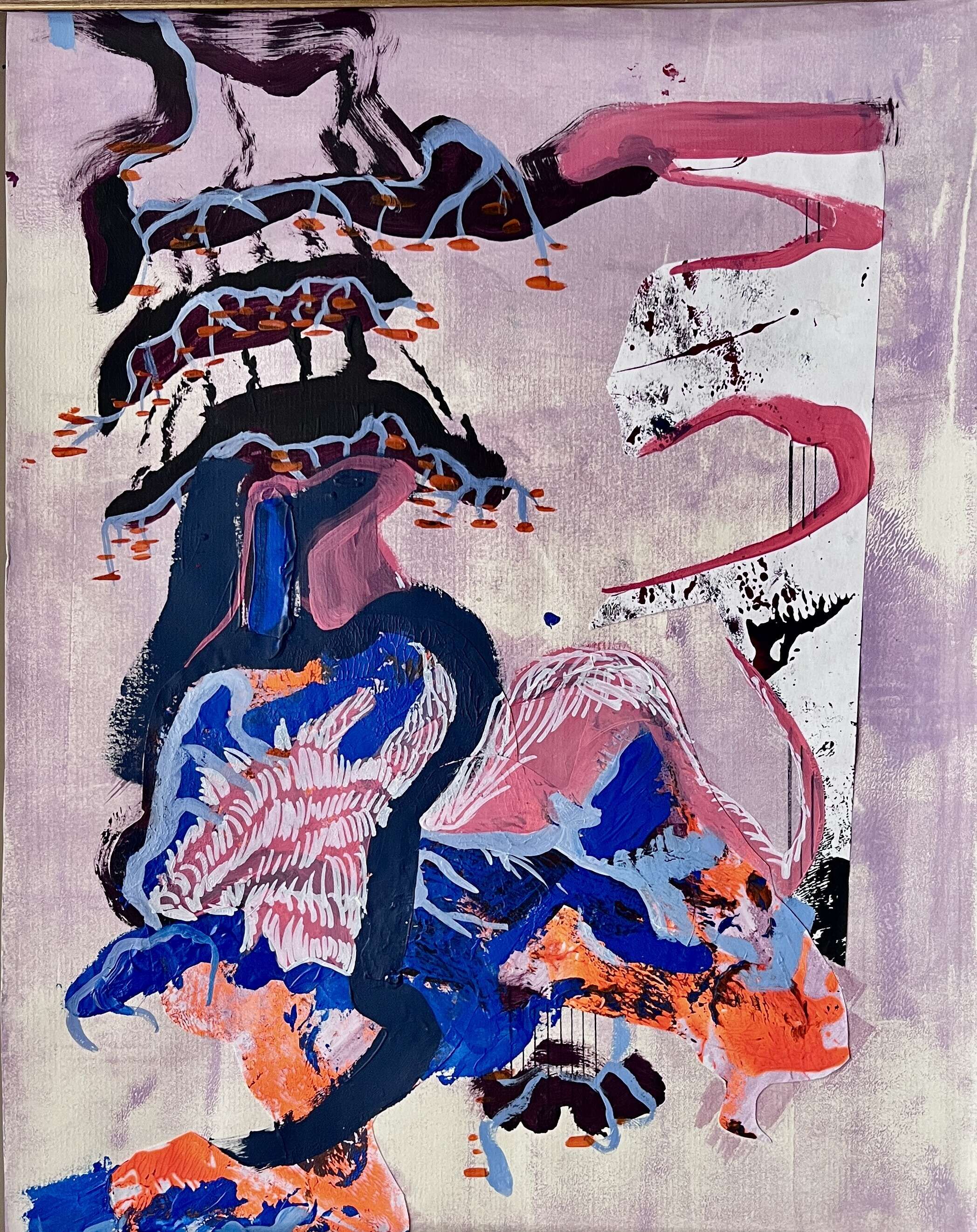
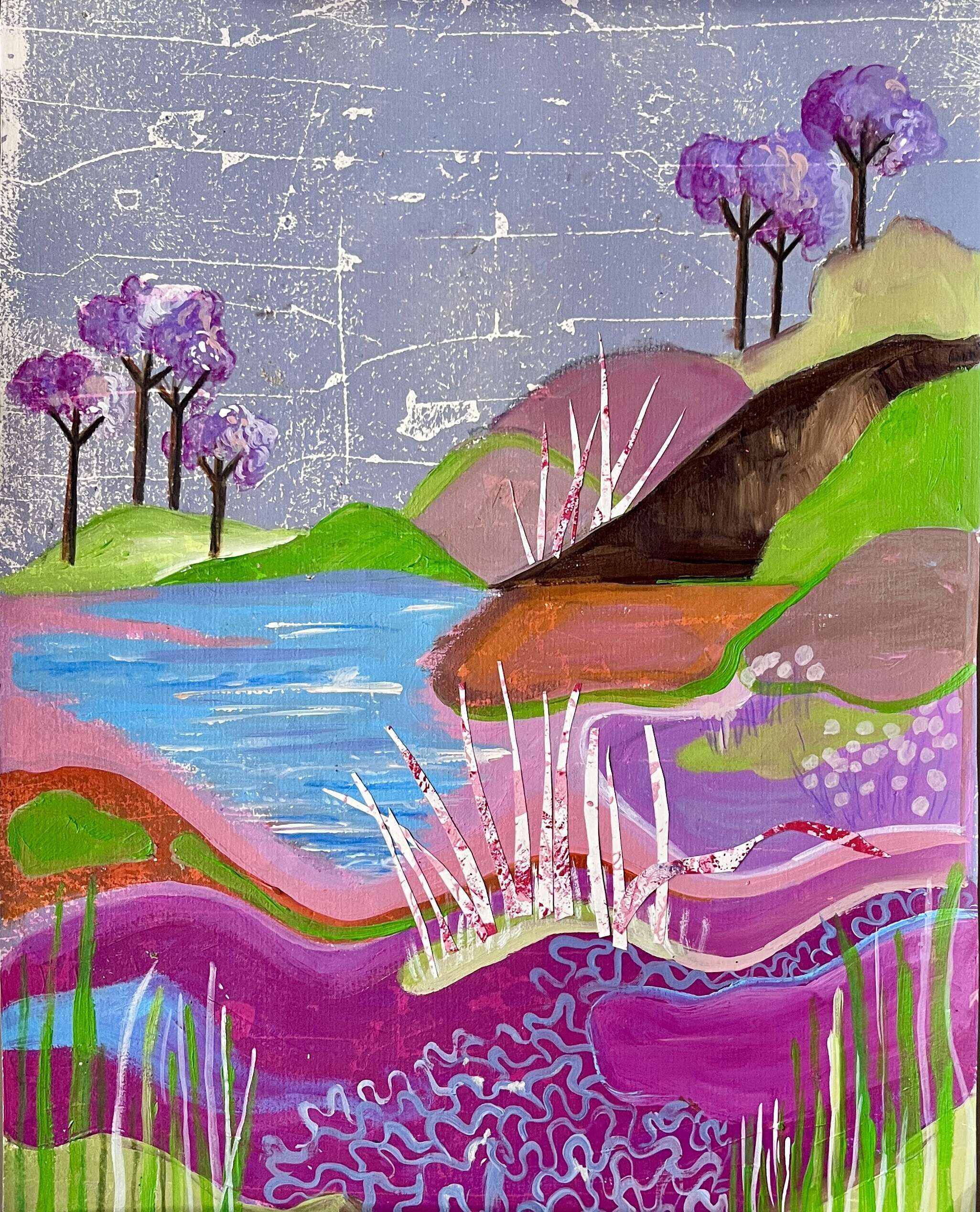
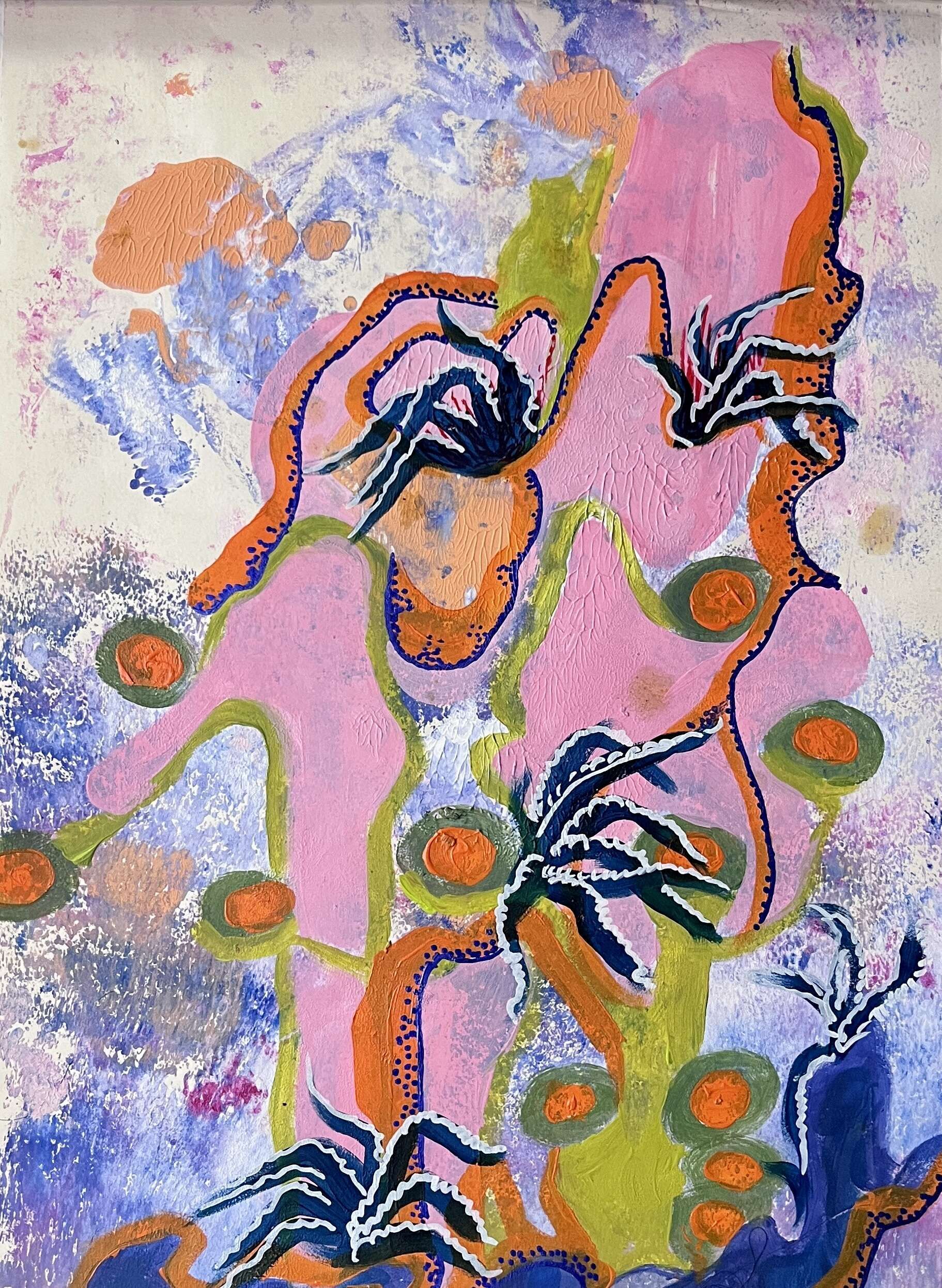
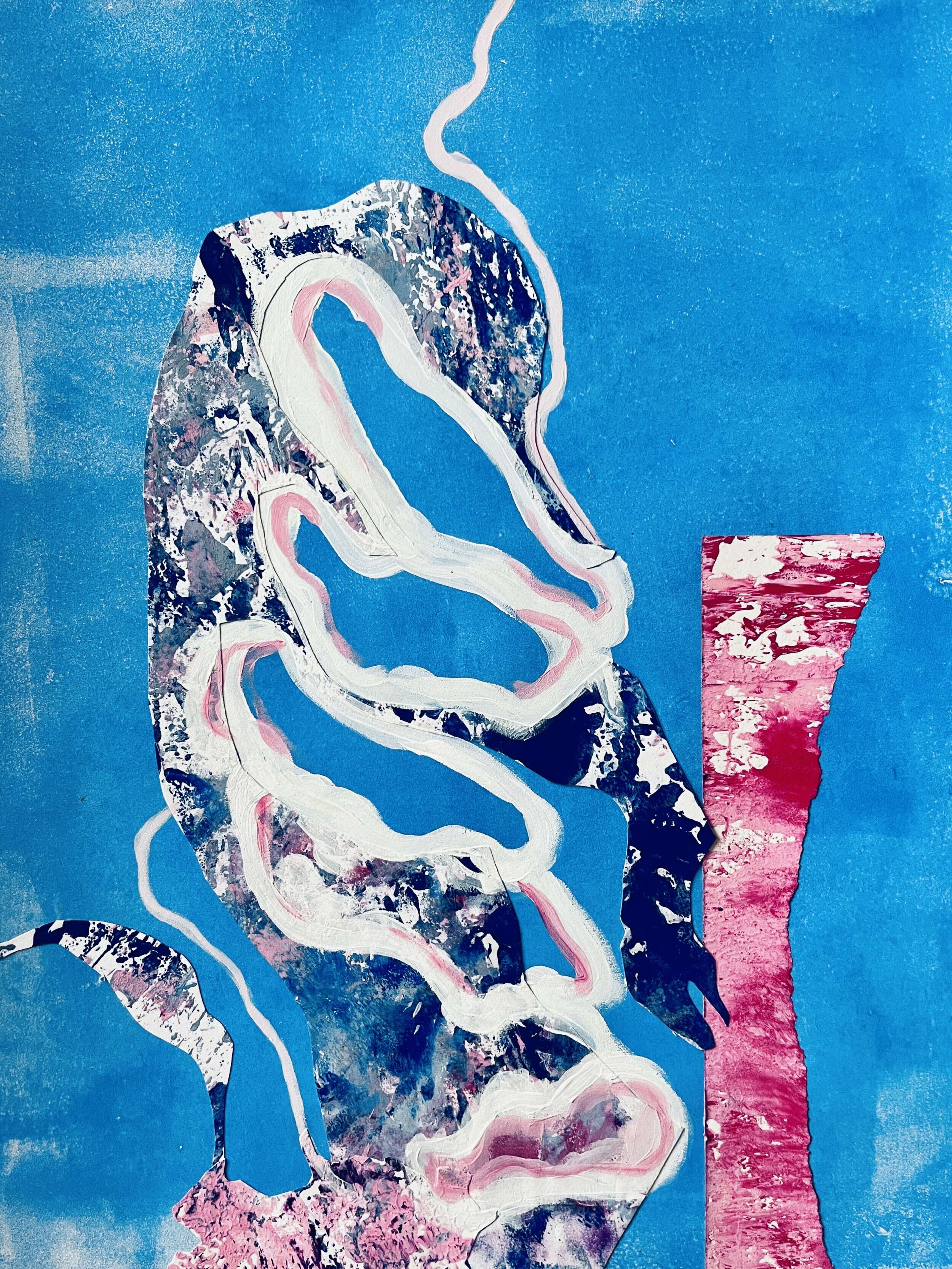
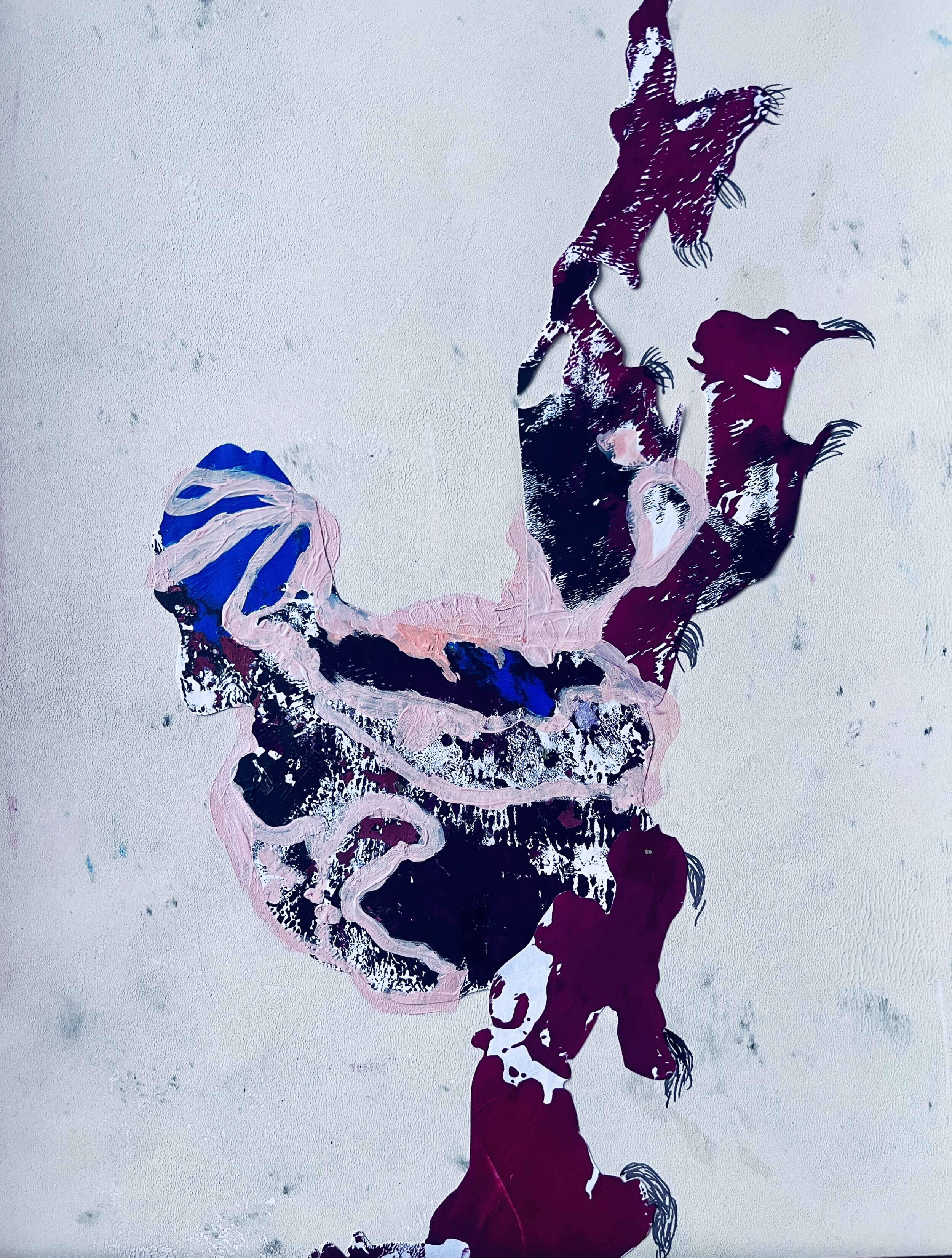
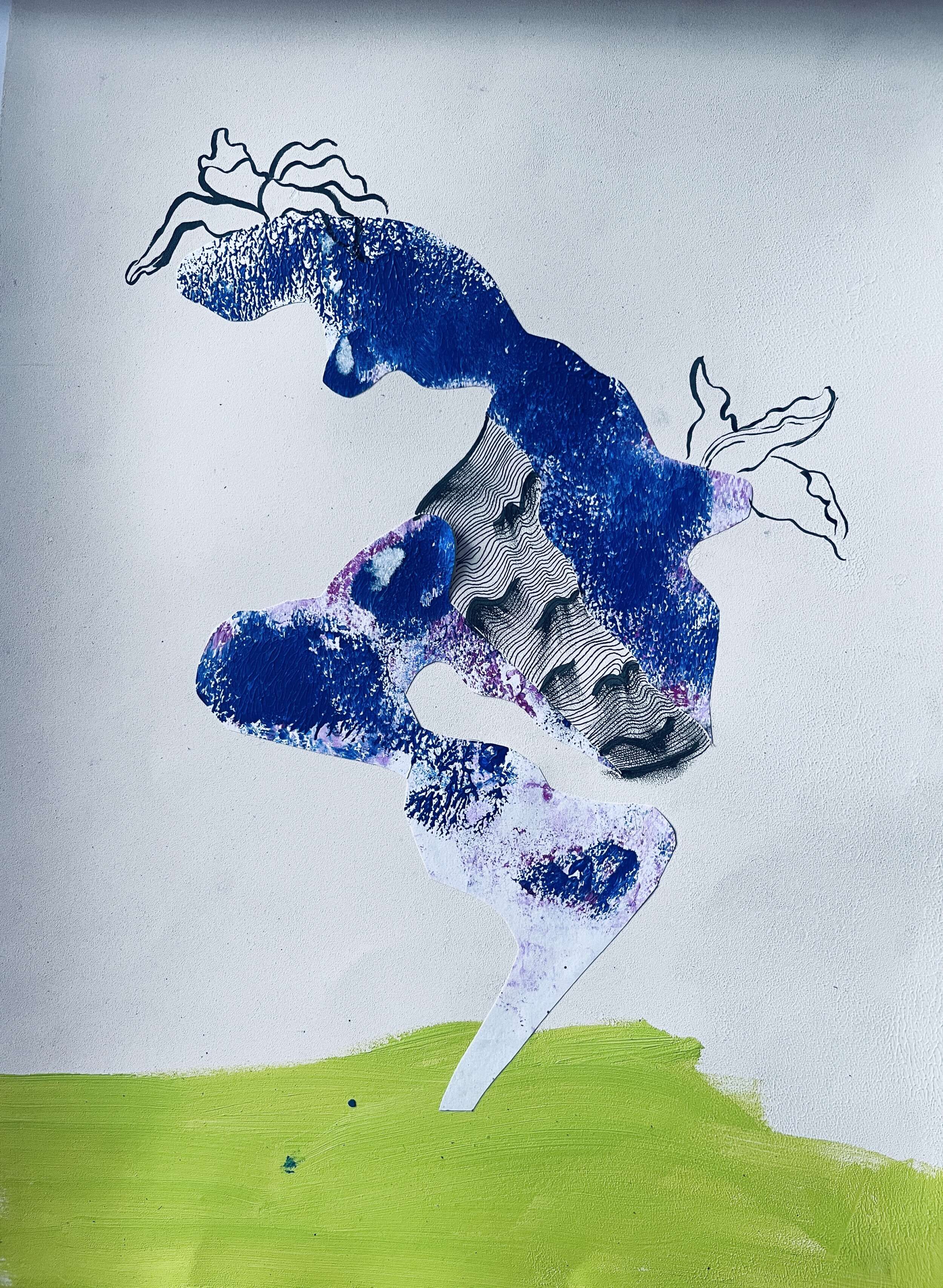
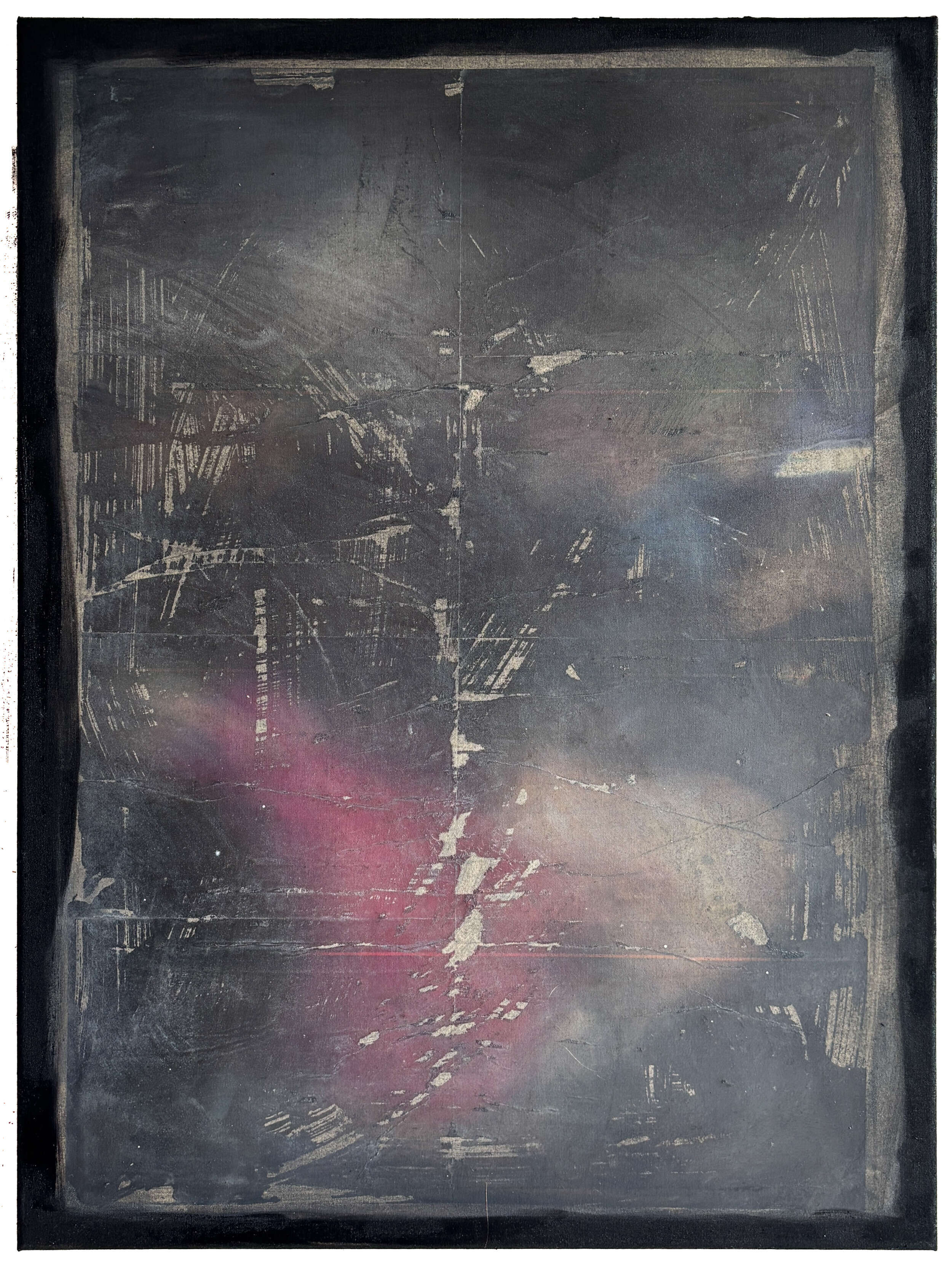
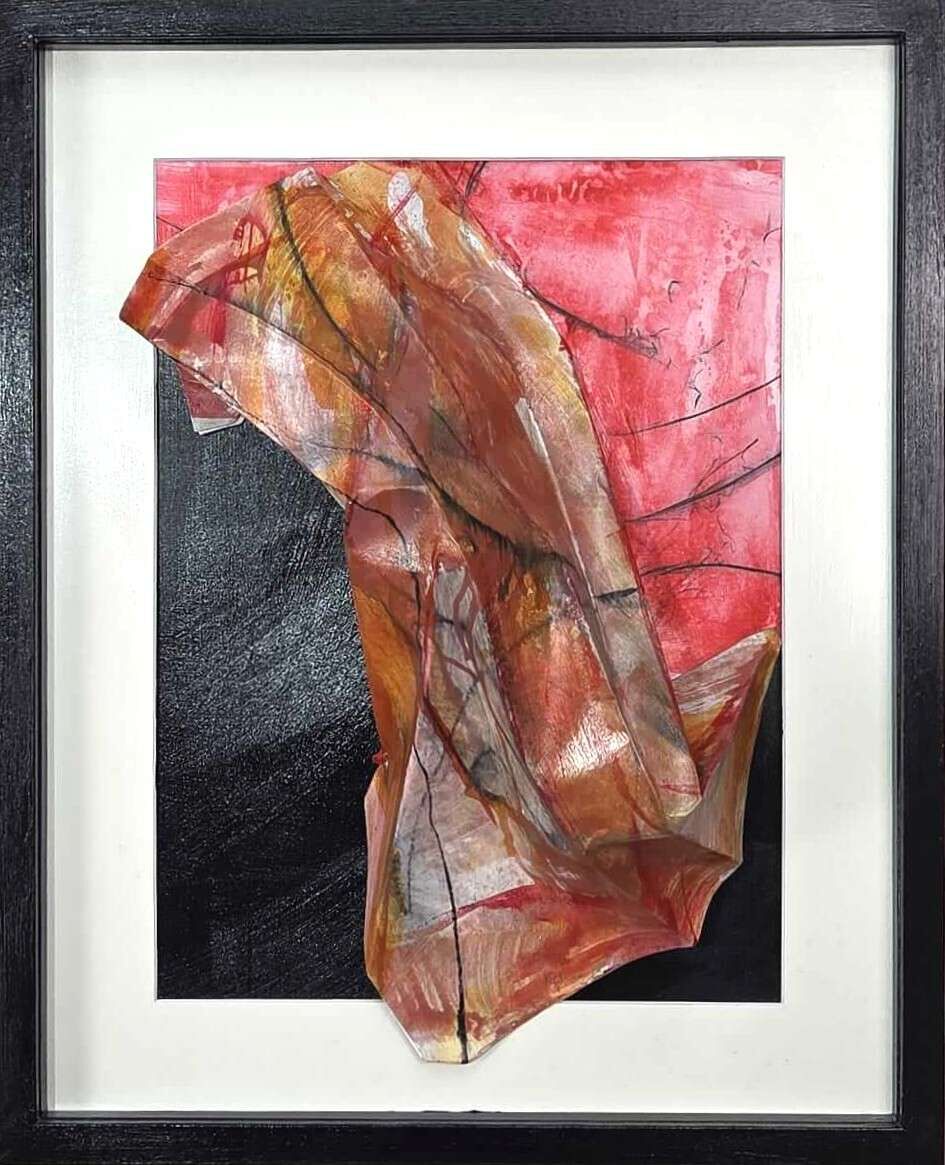
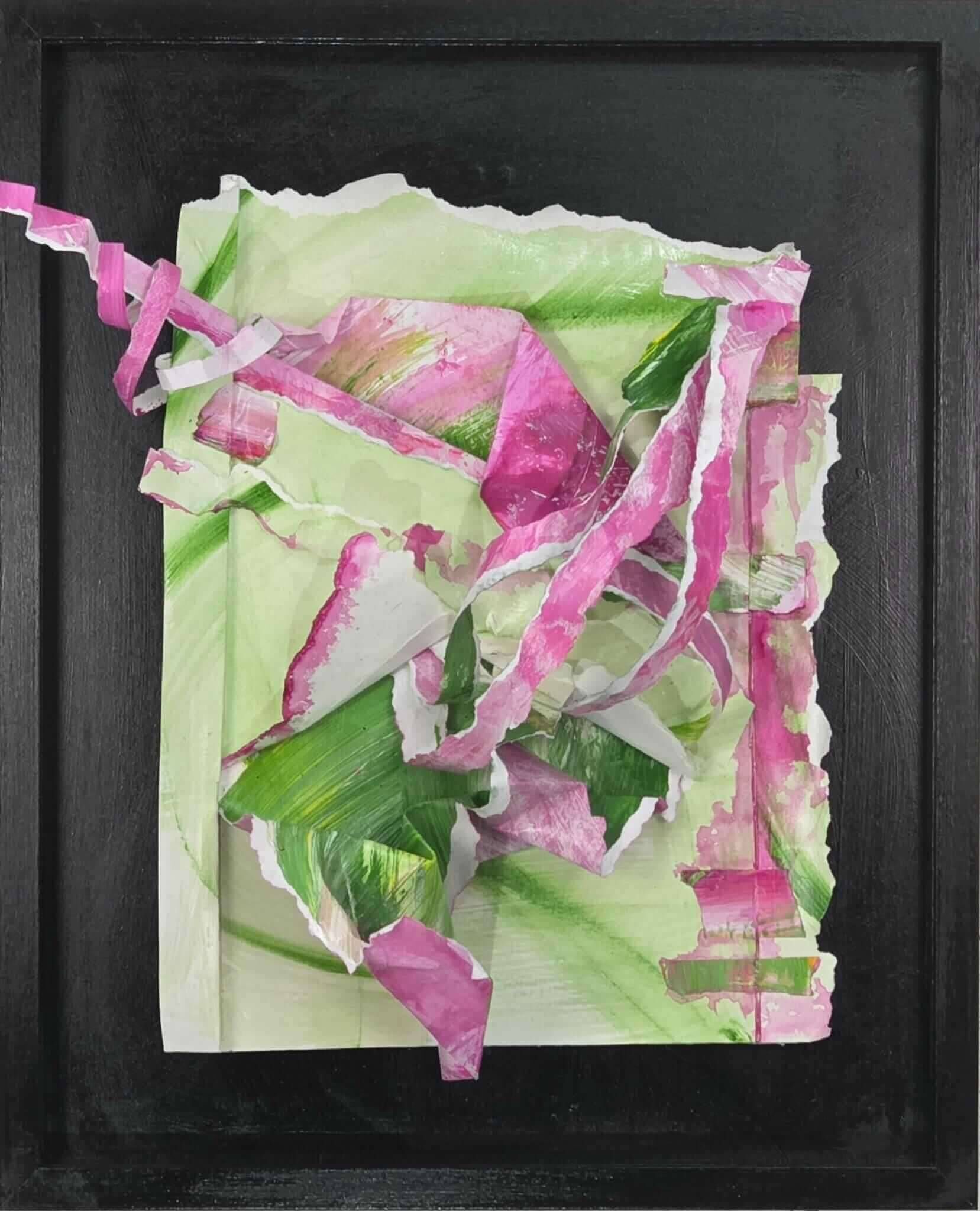
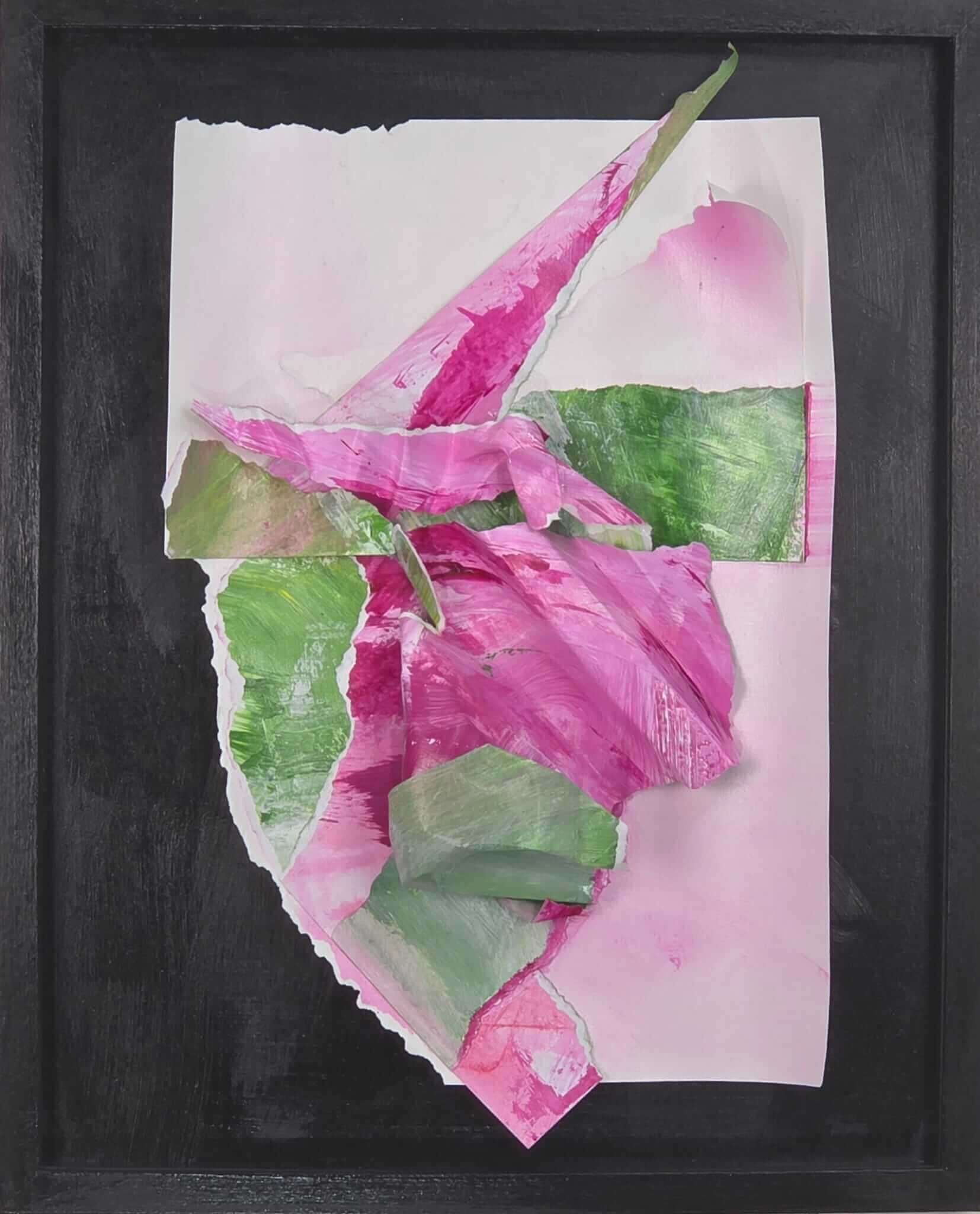
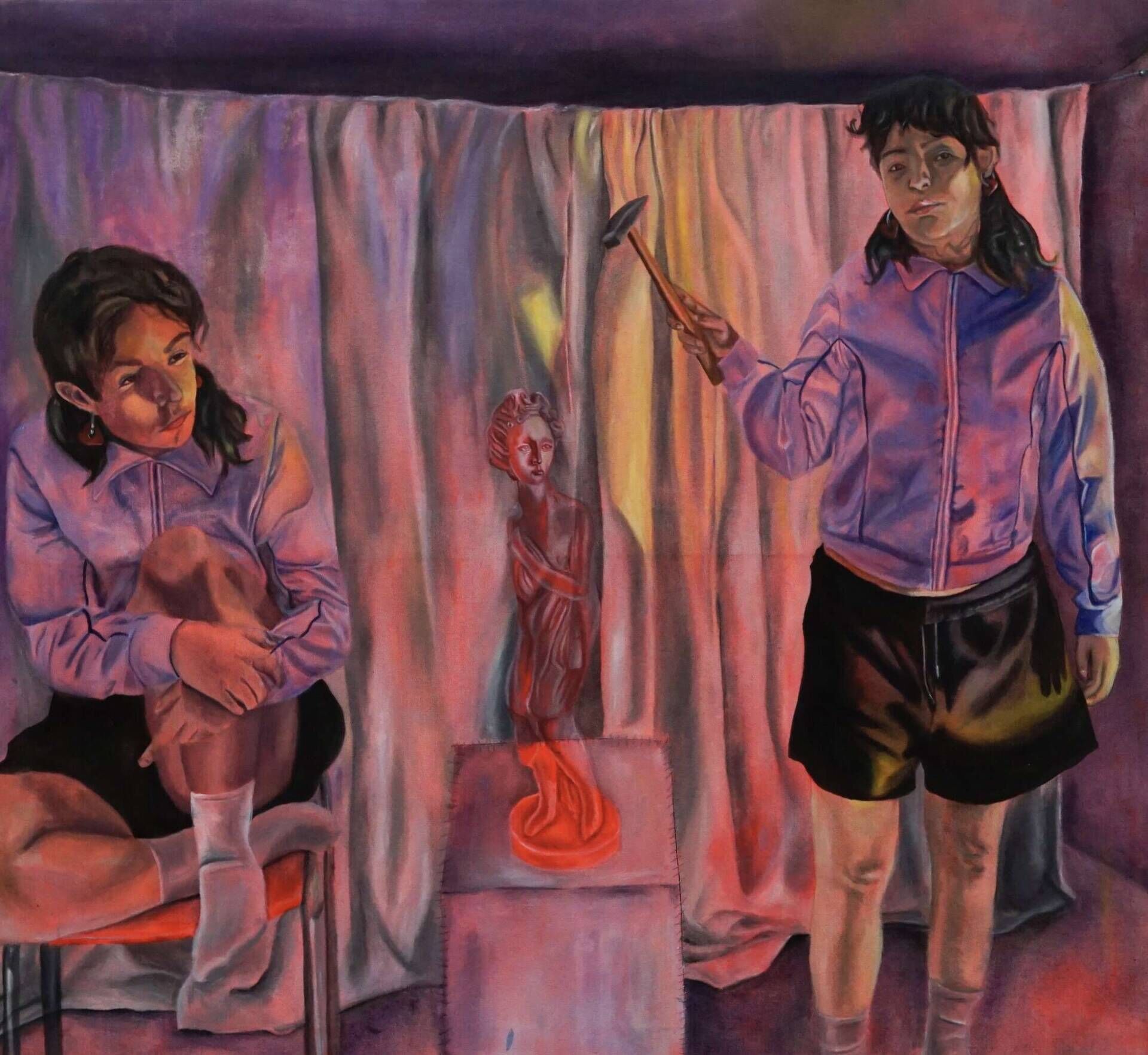
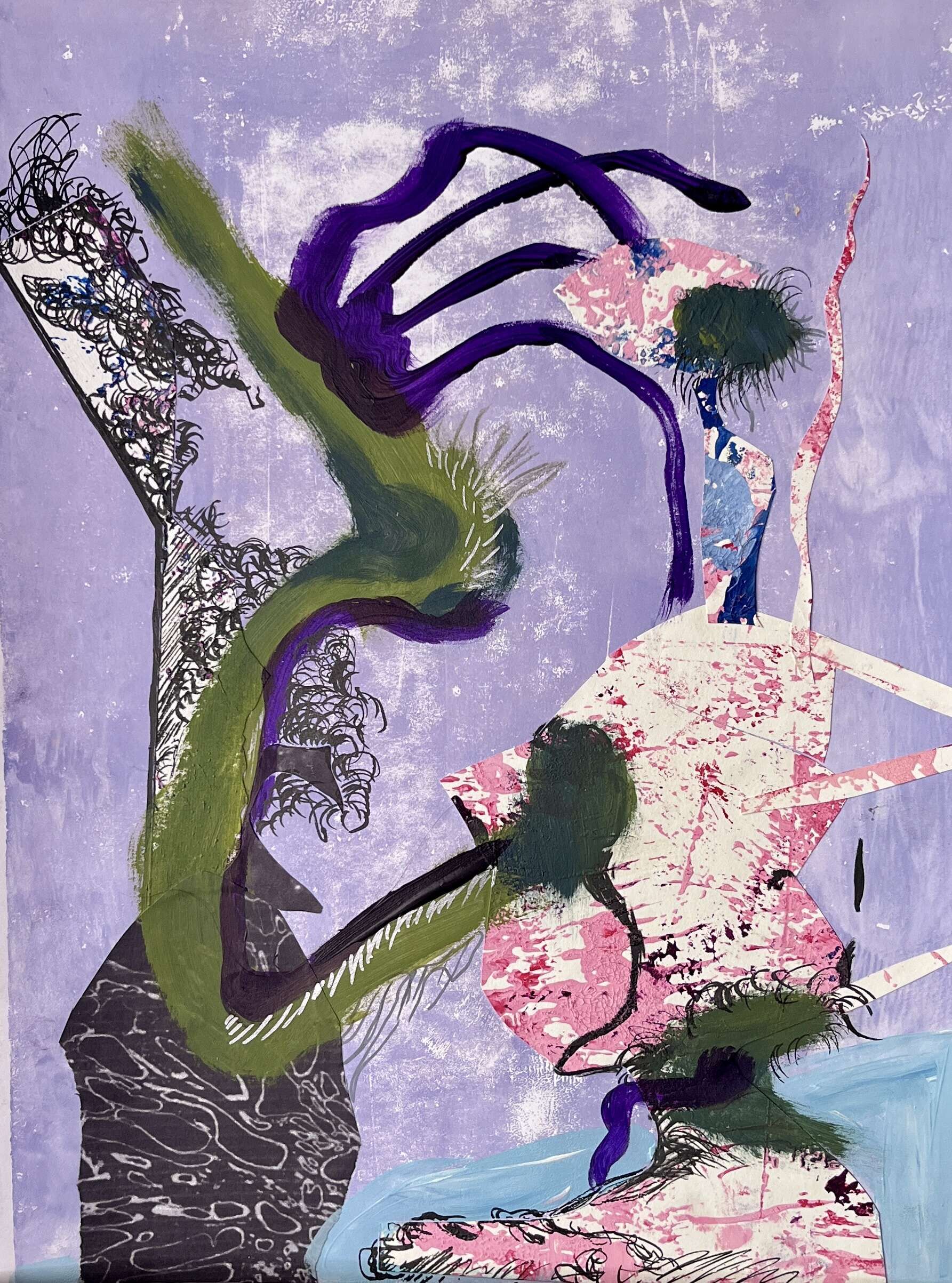
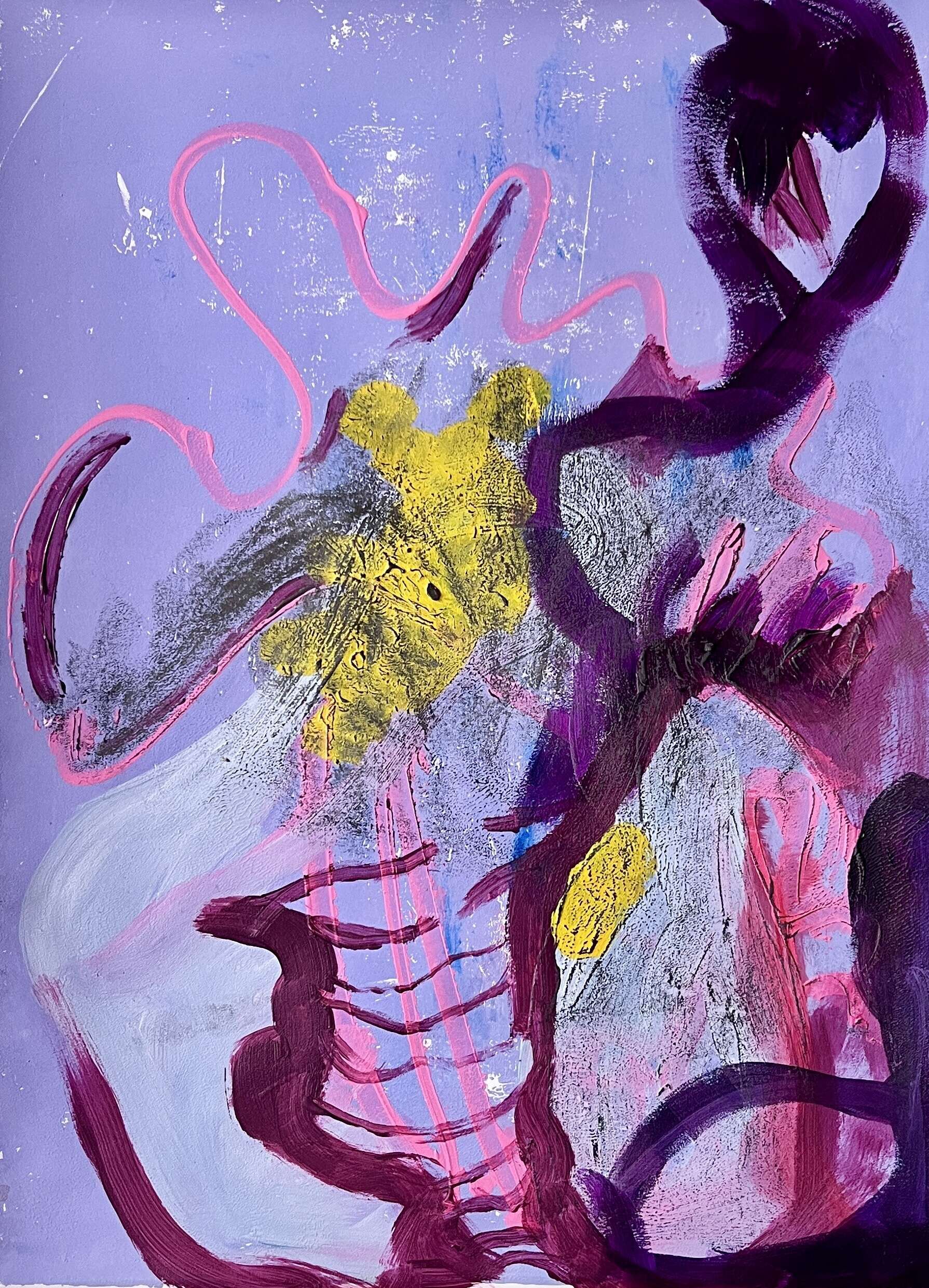
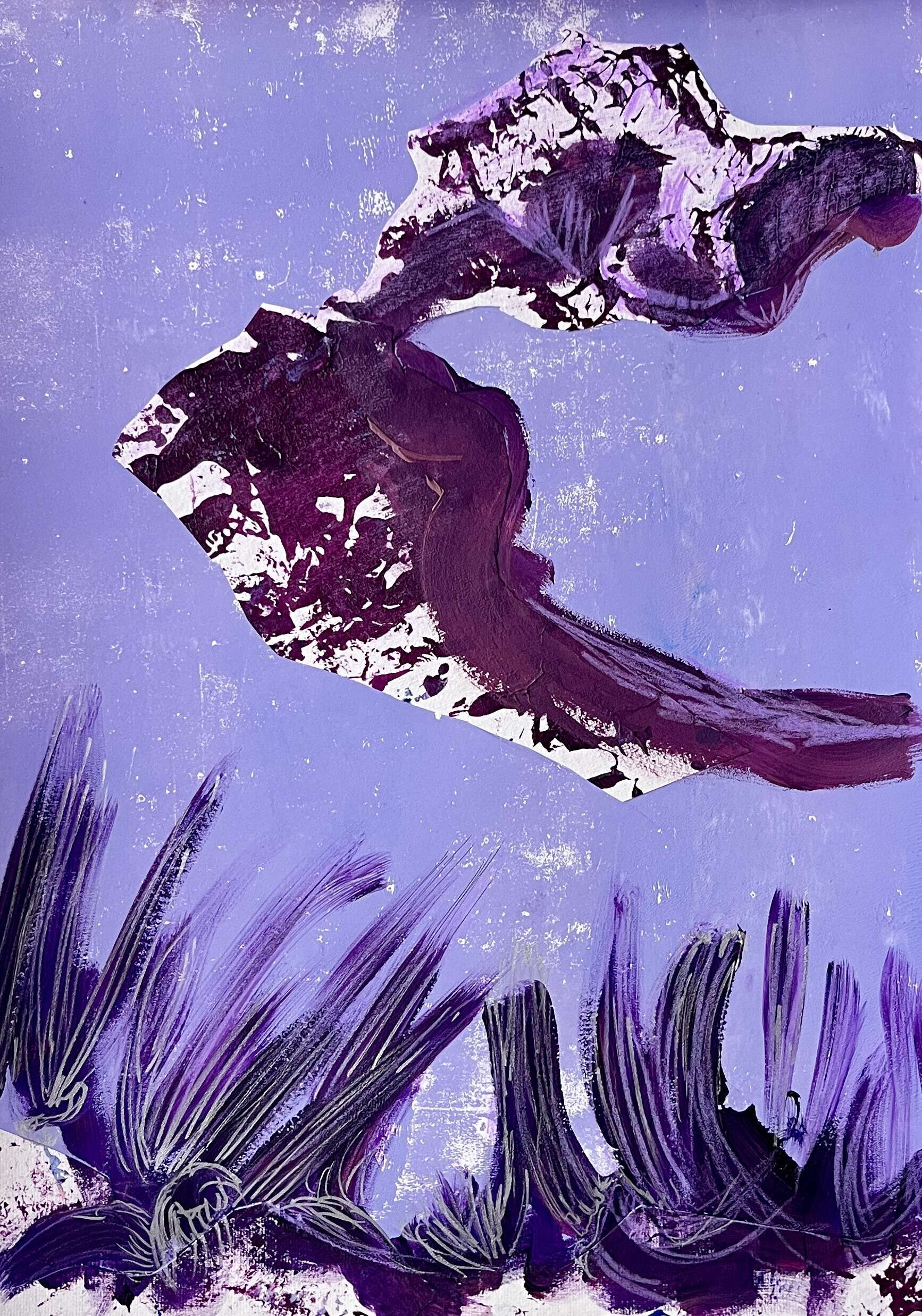
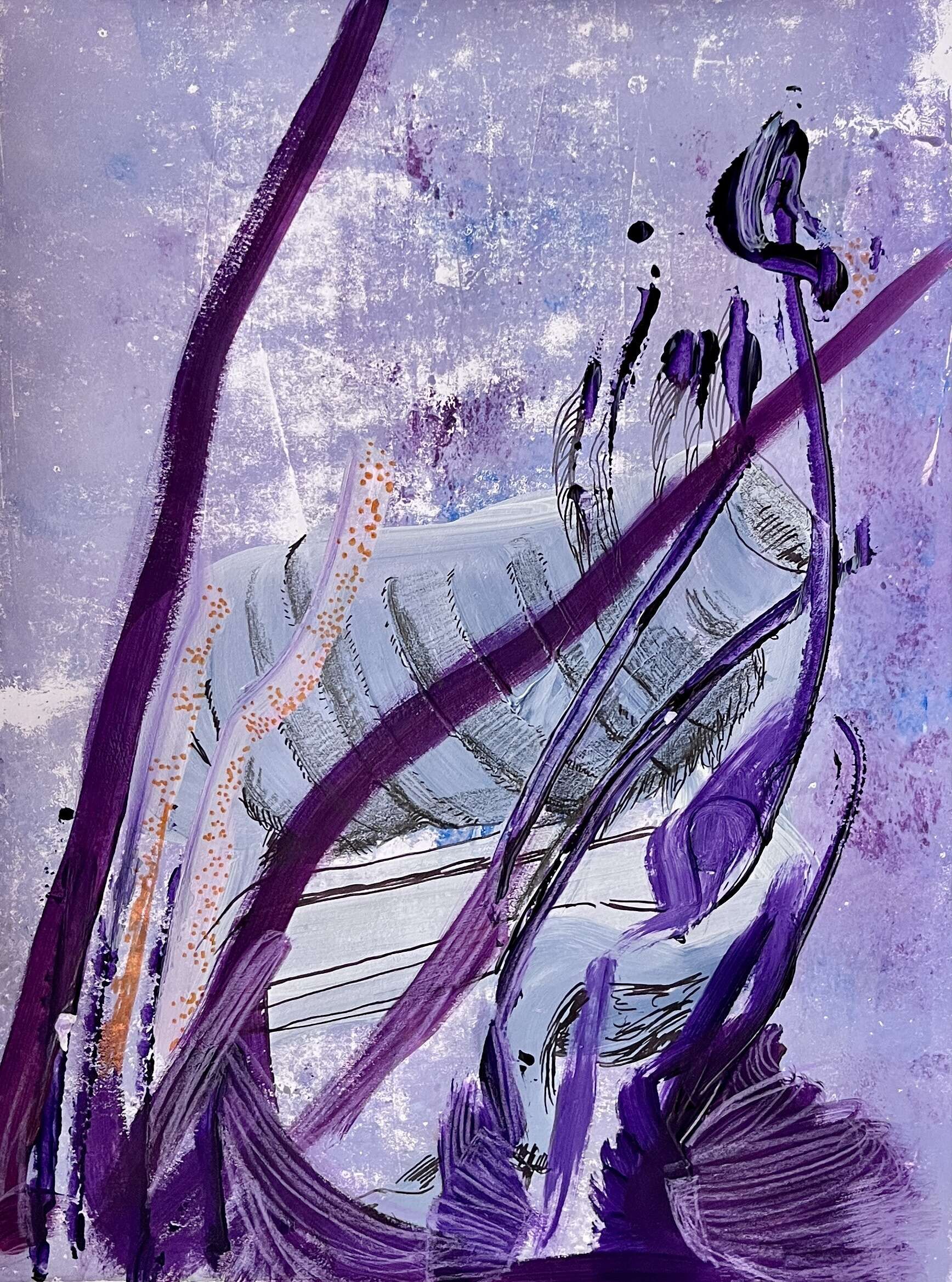
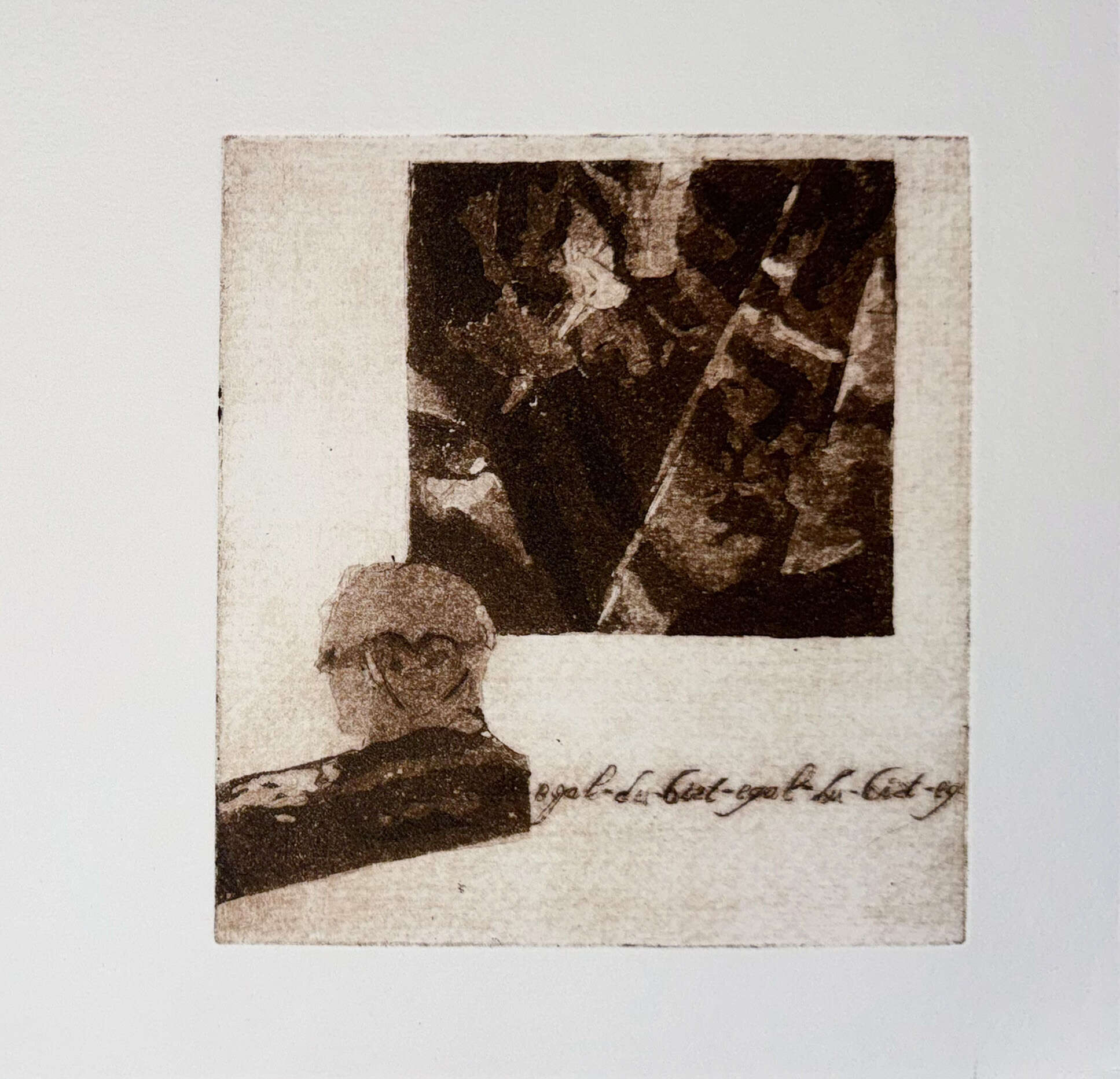
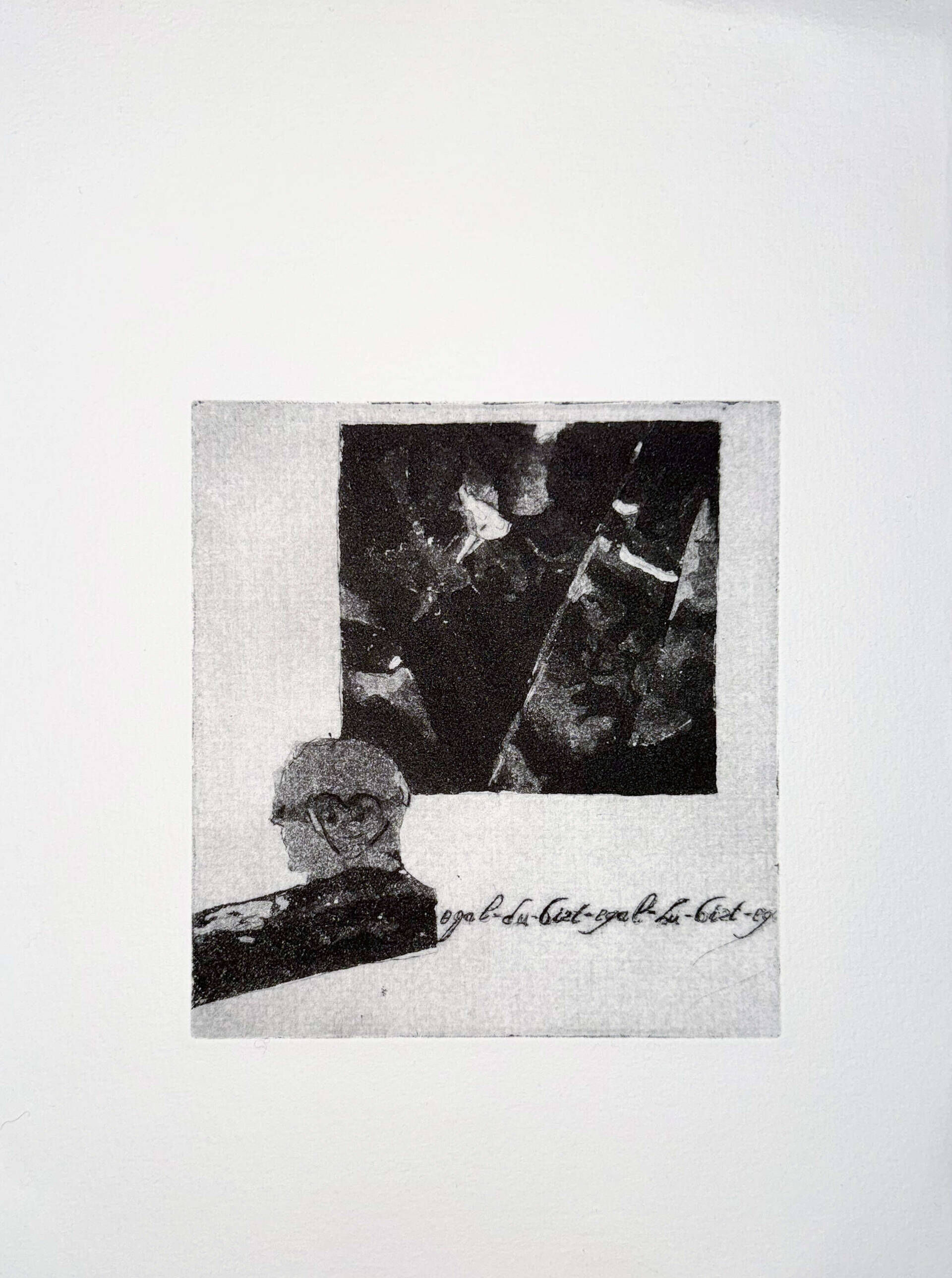
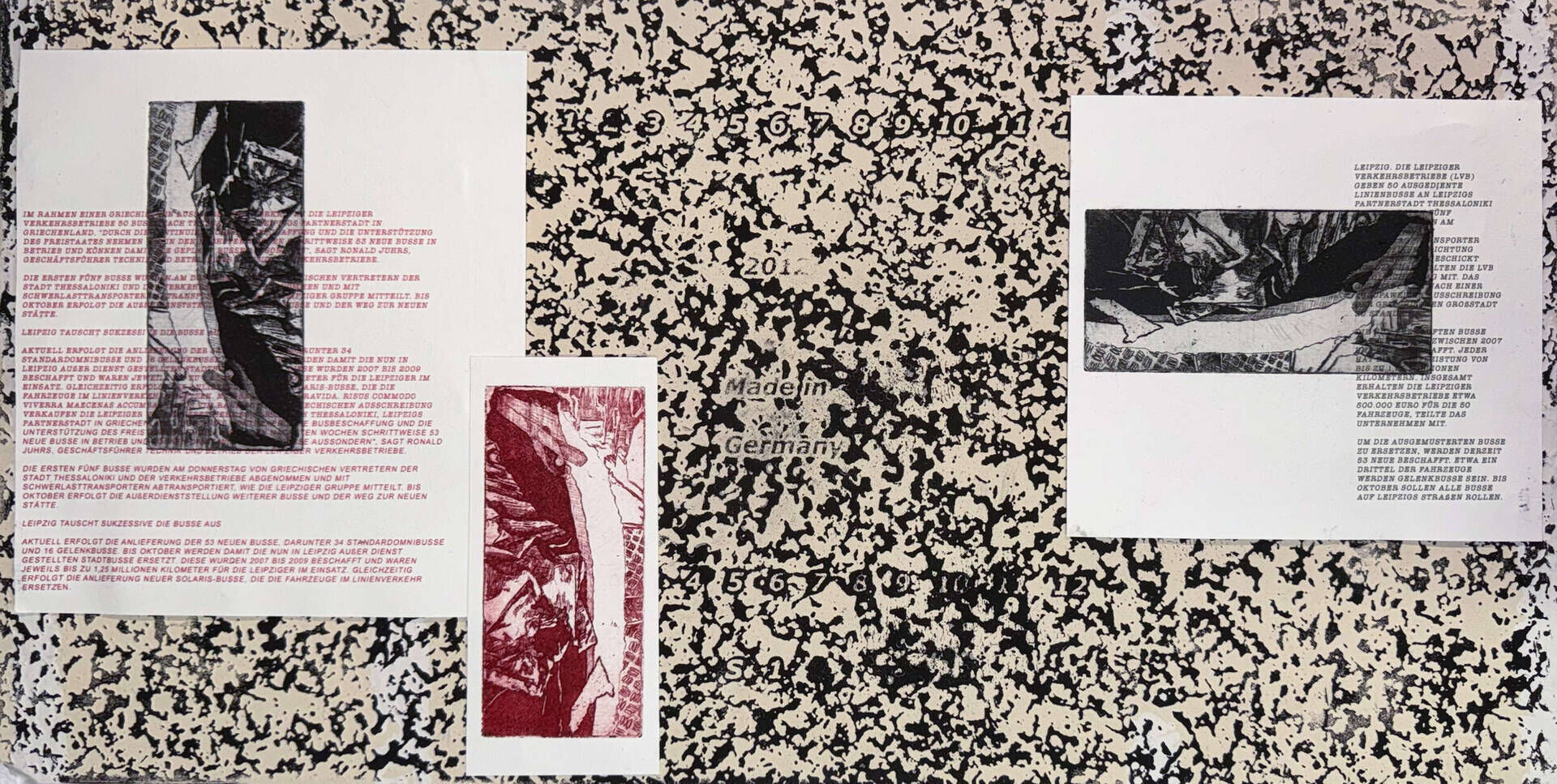
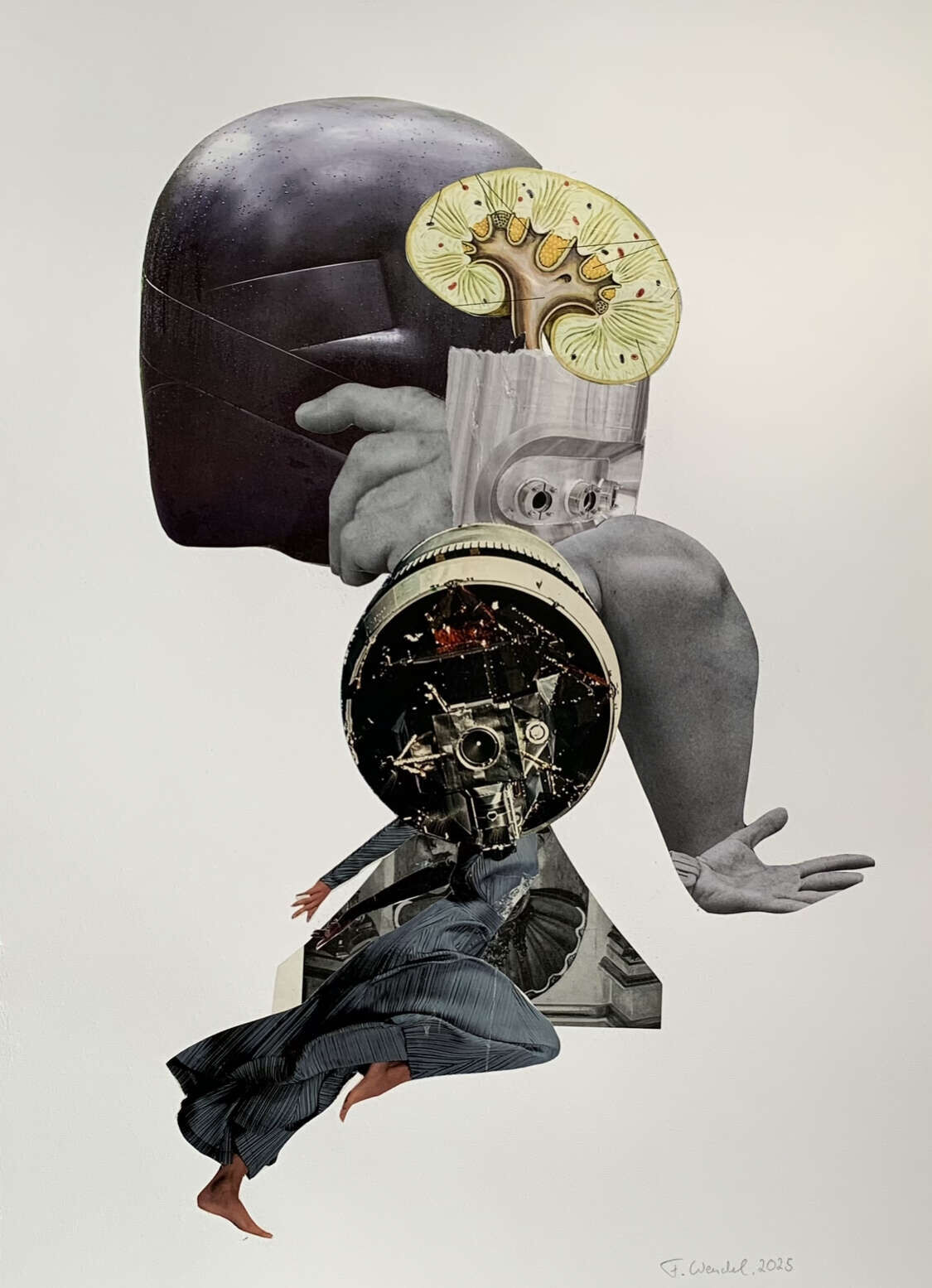
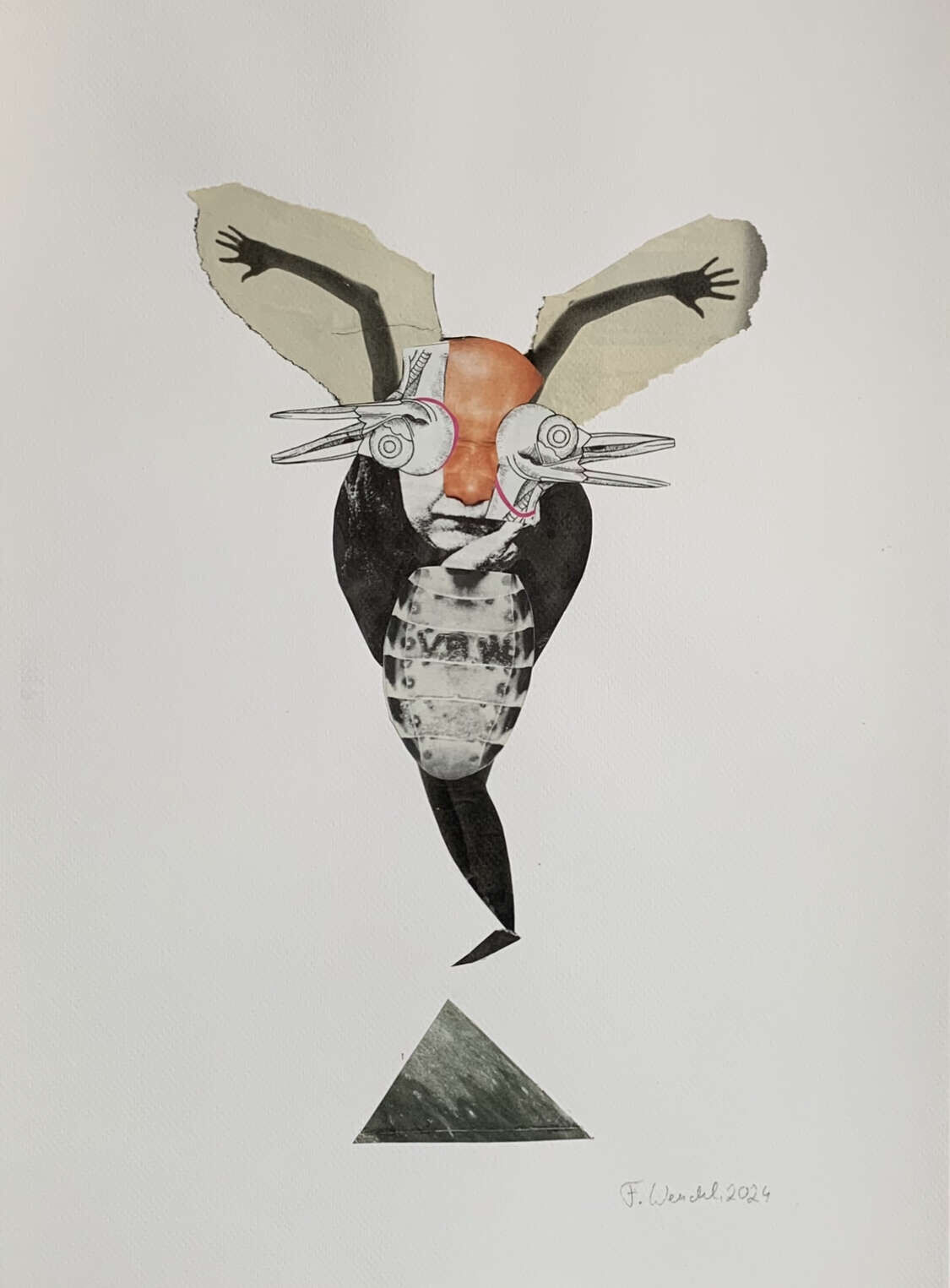
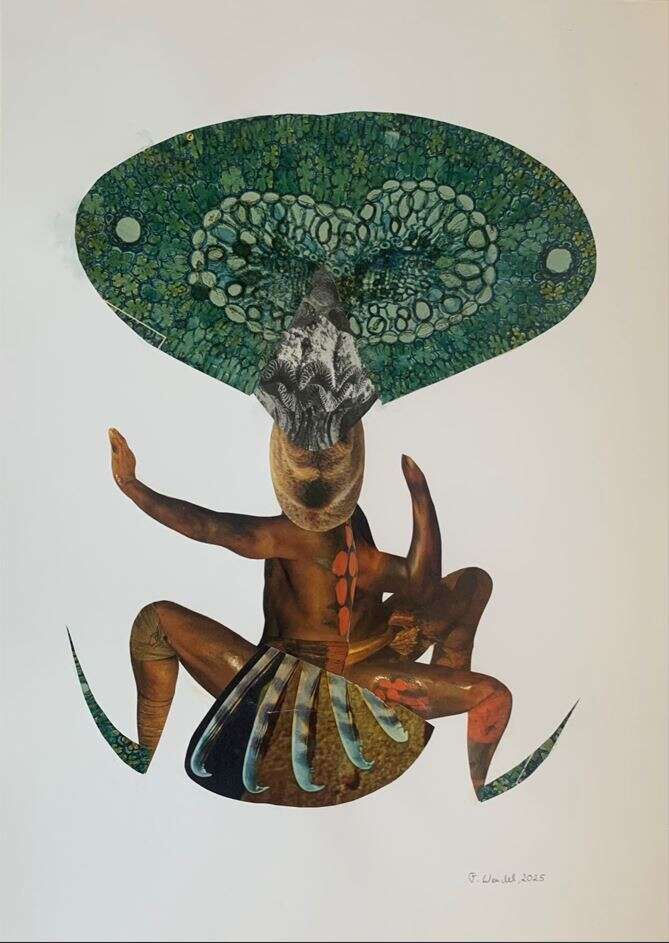
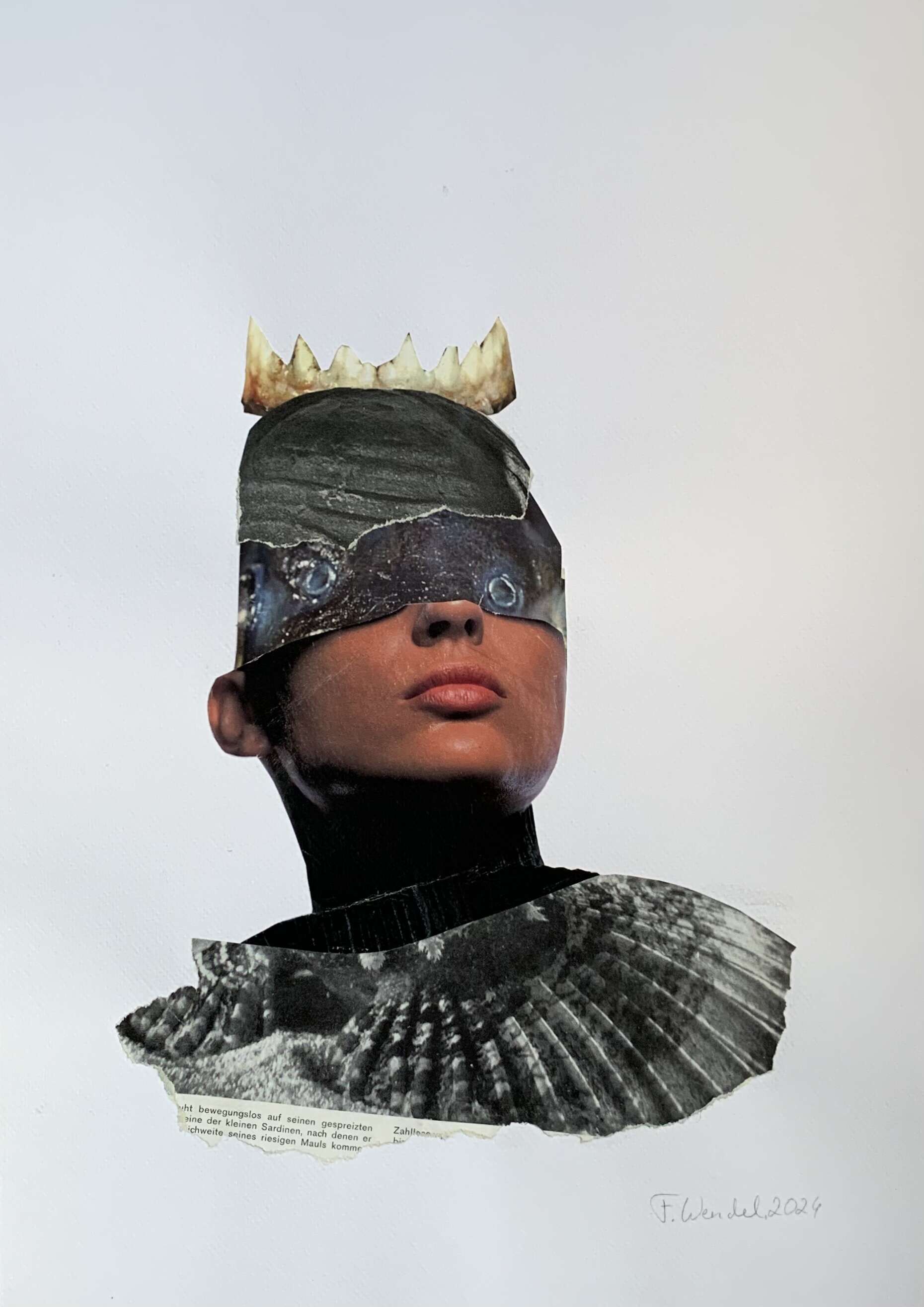
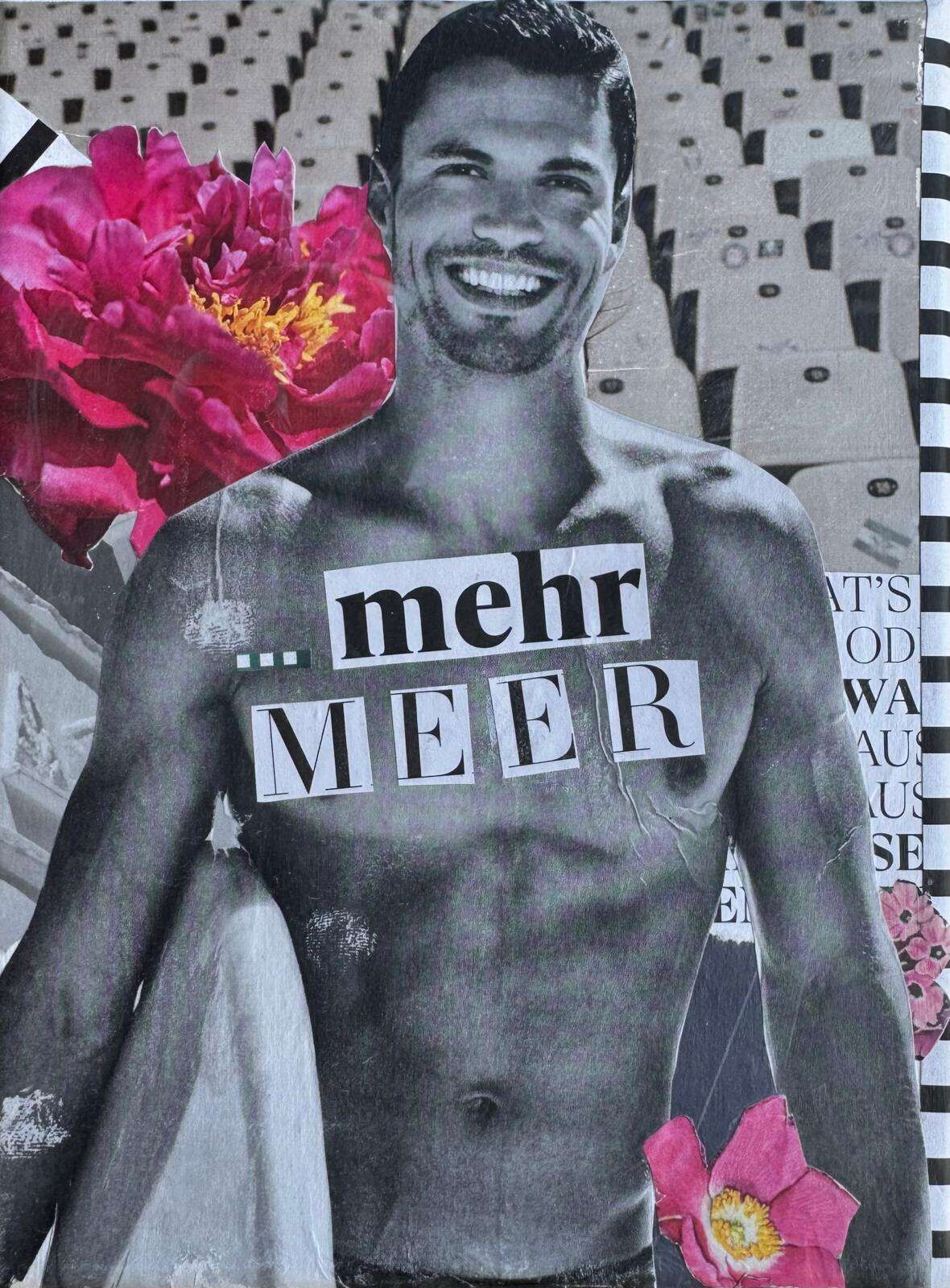
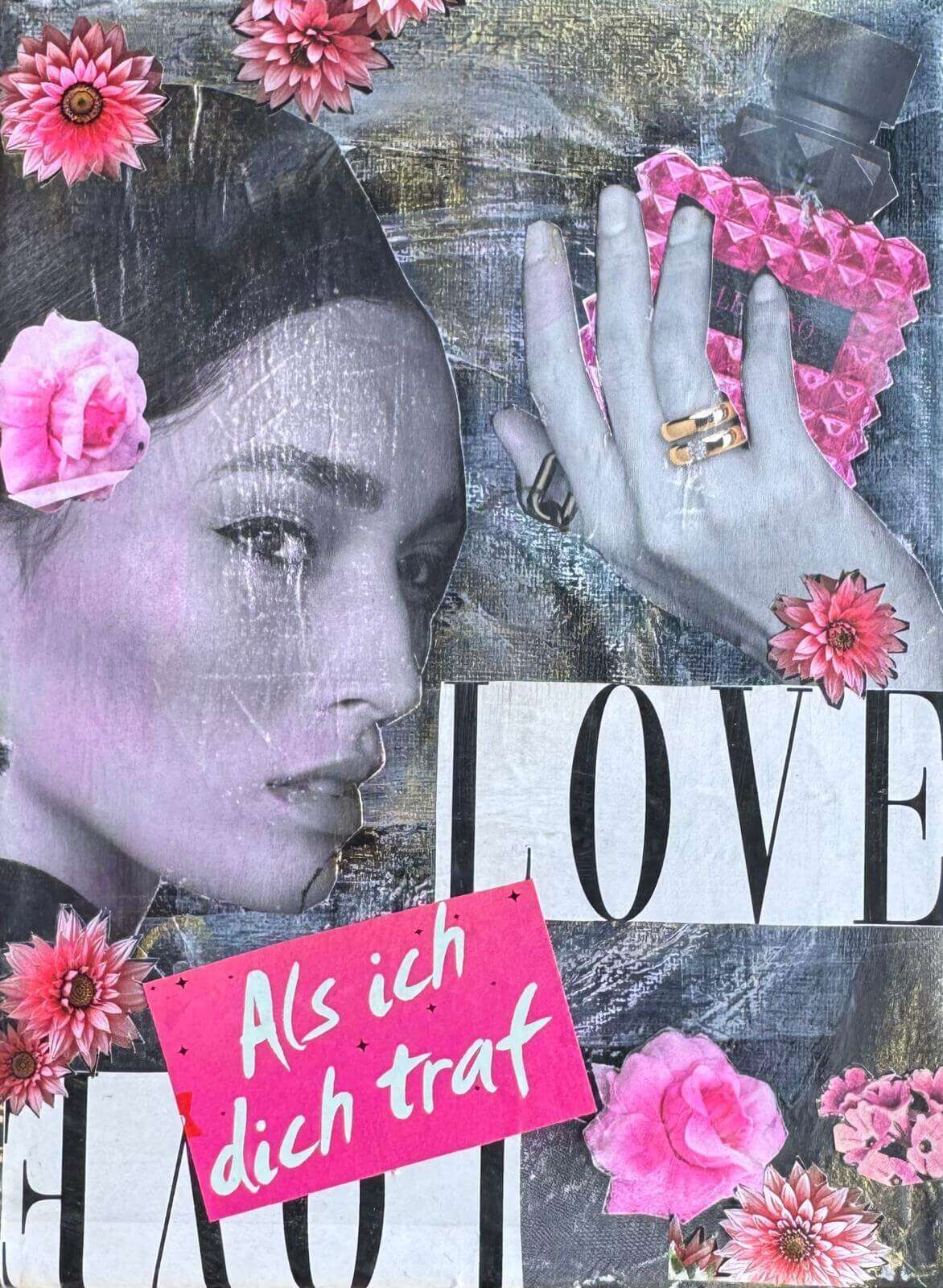
In art collage, motifs are taken out of their original context, combined with other motifs and reassembled. This gives rise to exciting creations that challenge conventions and leave room for interpretation – always in the interplay between the existing and the new. Here you’ll find art collages by young artistic talents – bold, playful, provocative or poetic. Every art collage is a little experiment brimming with ideas.
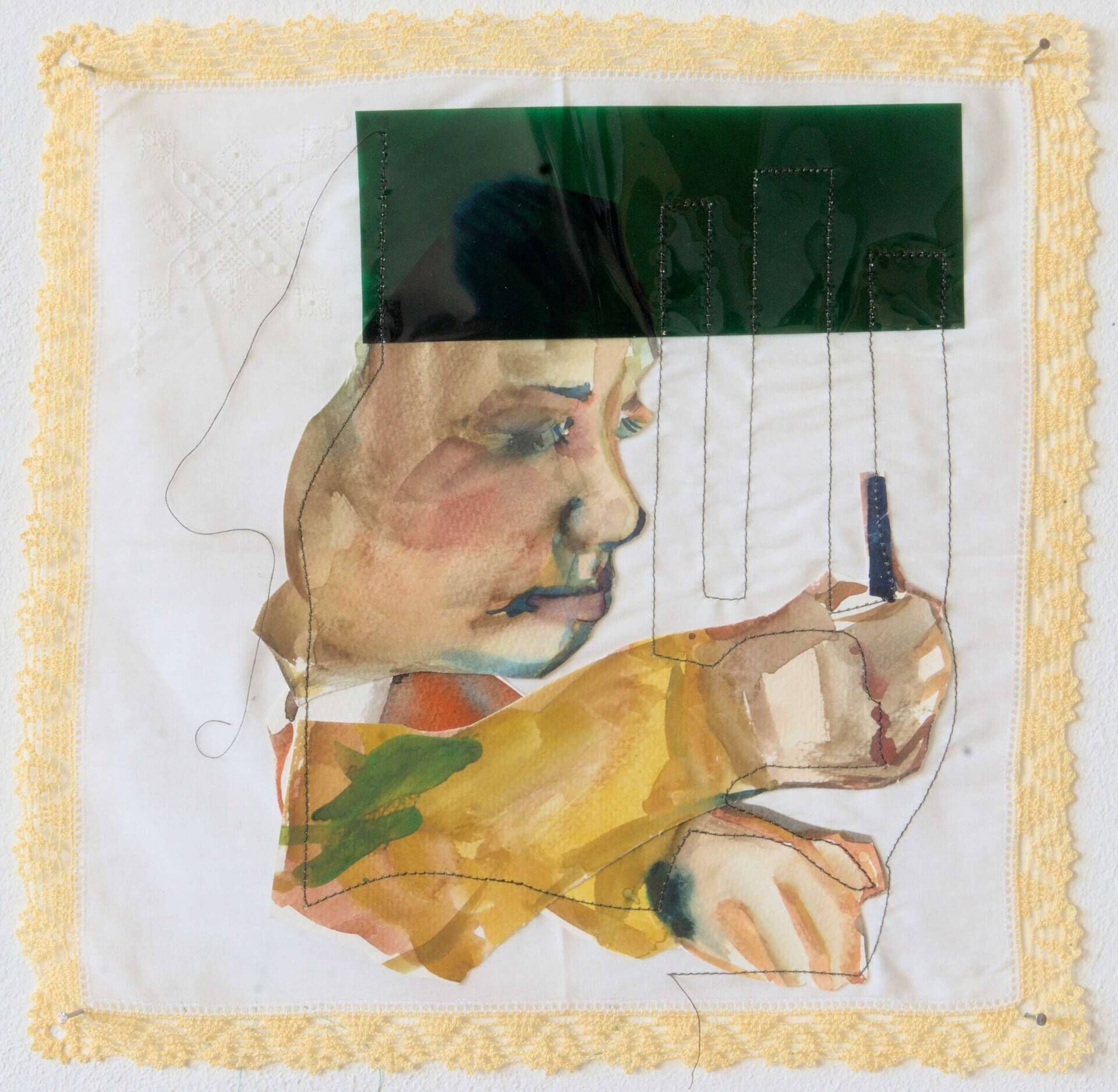
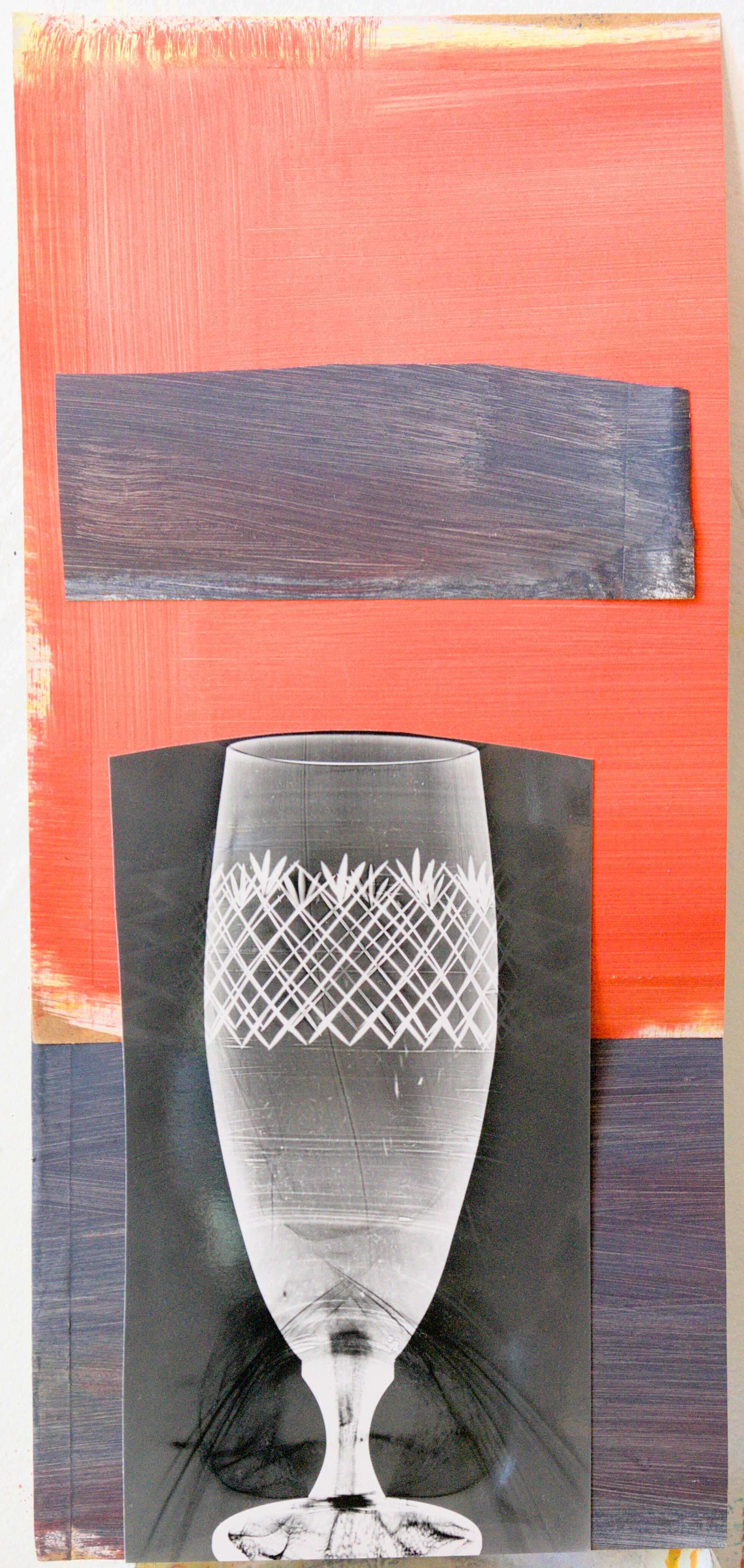
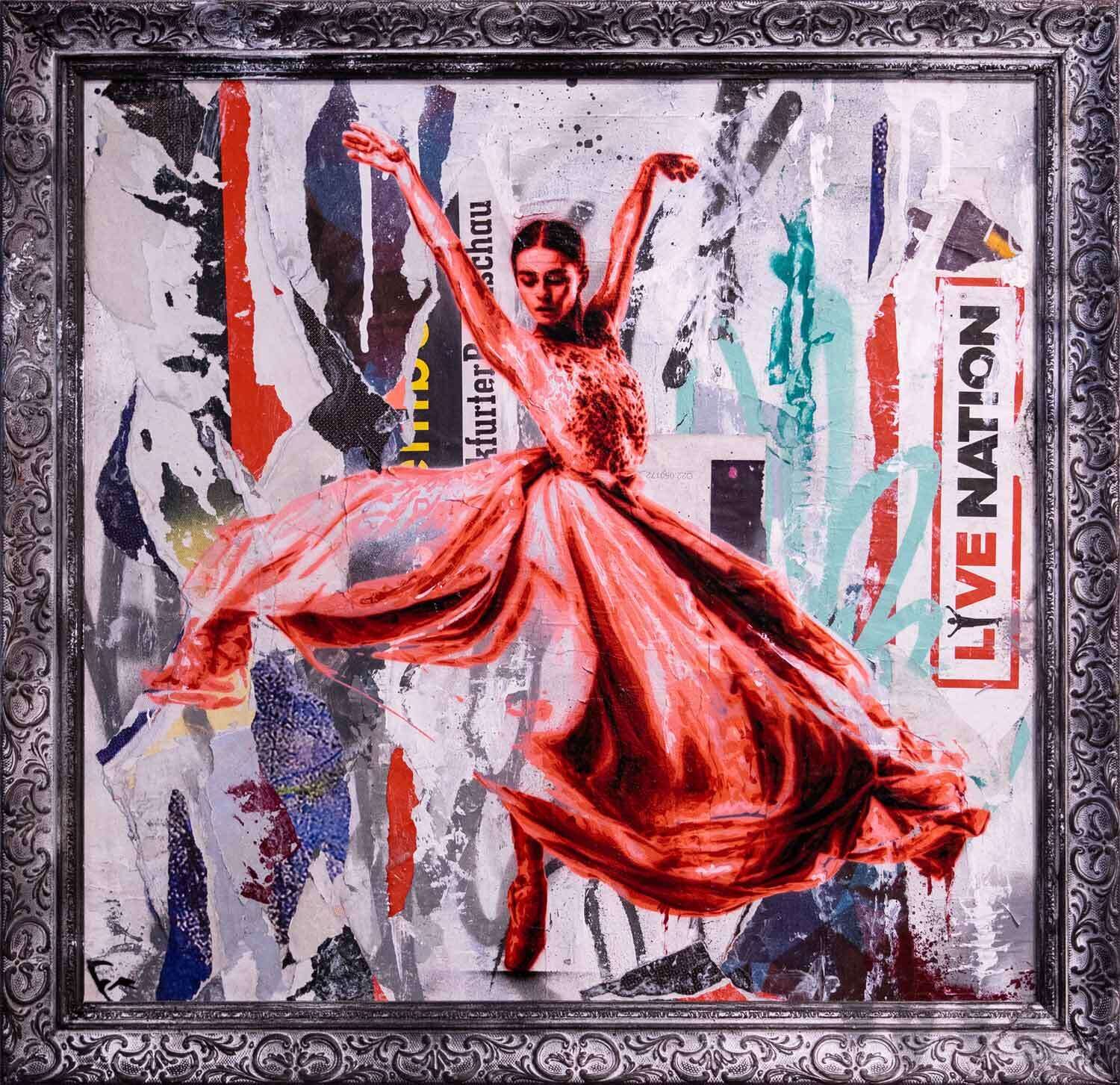
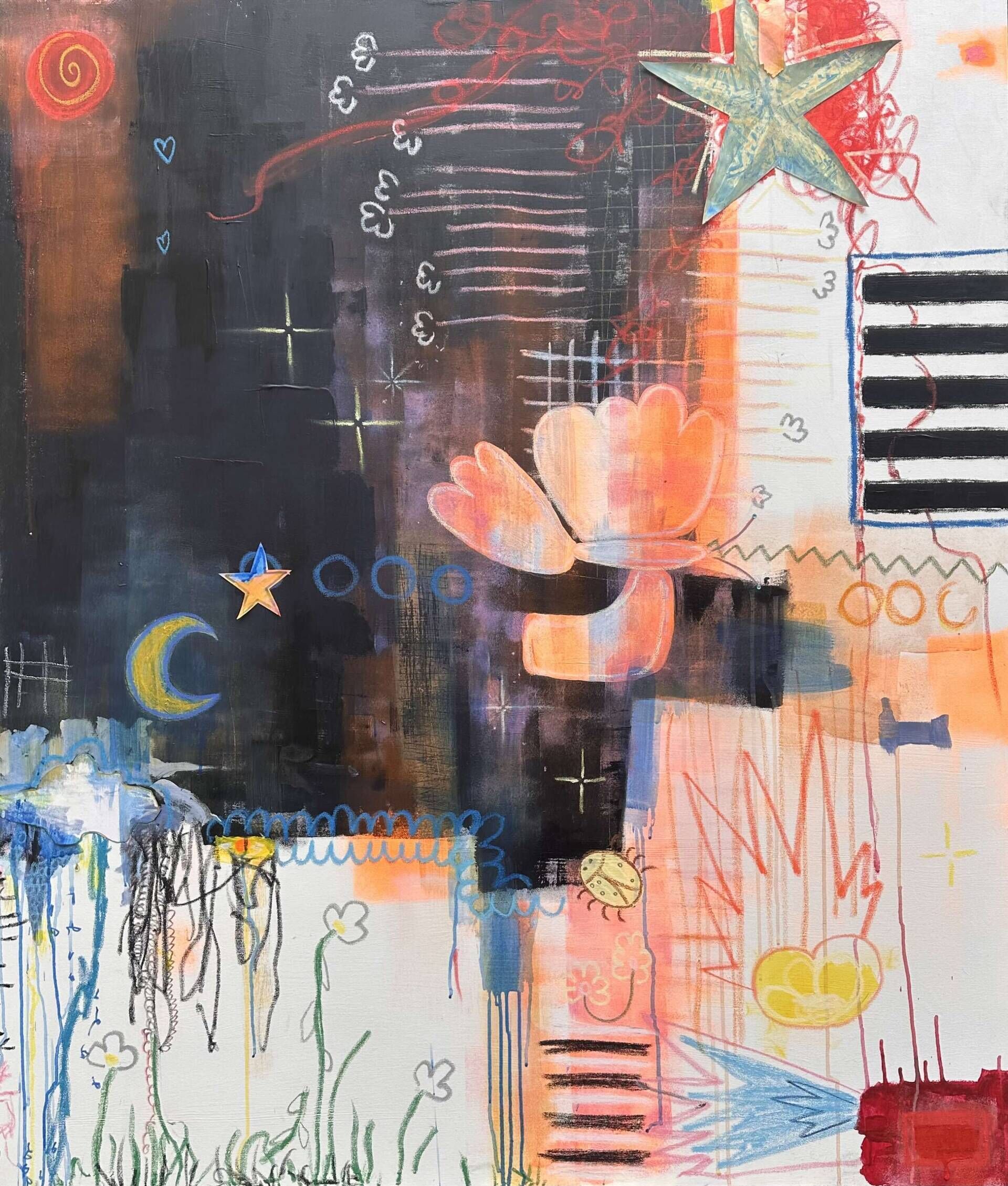
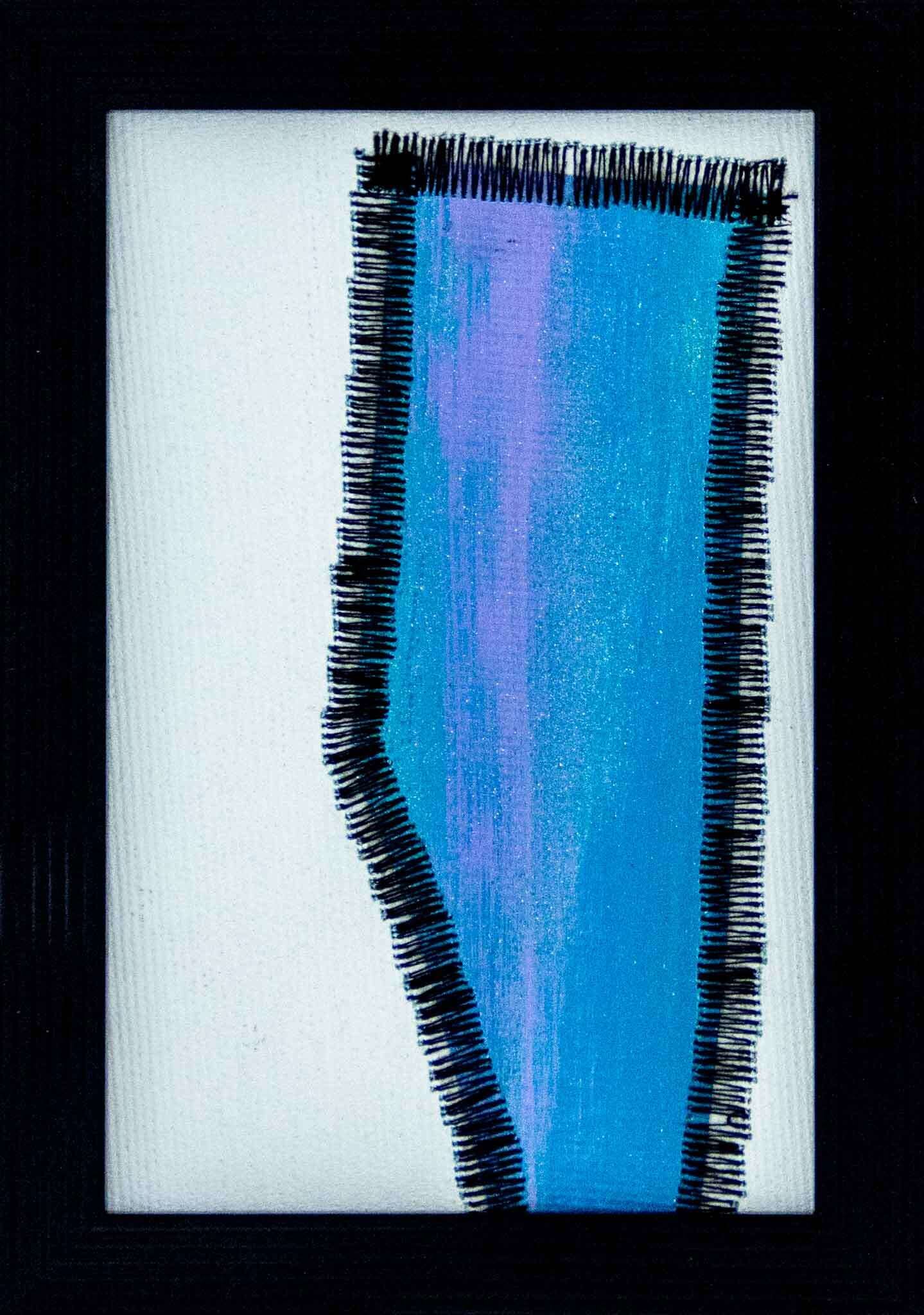
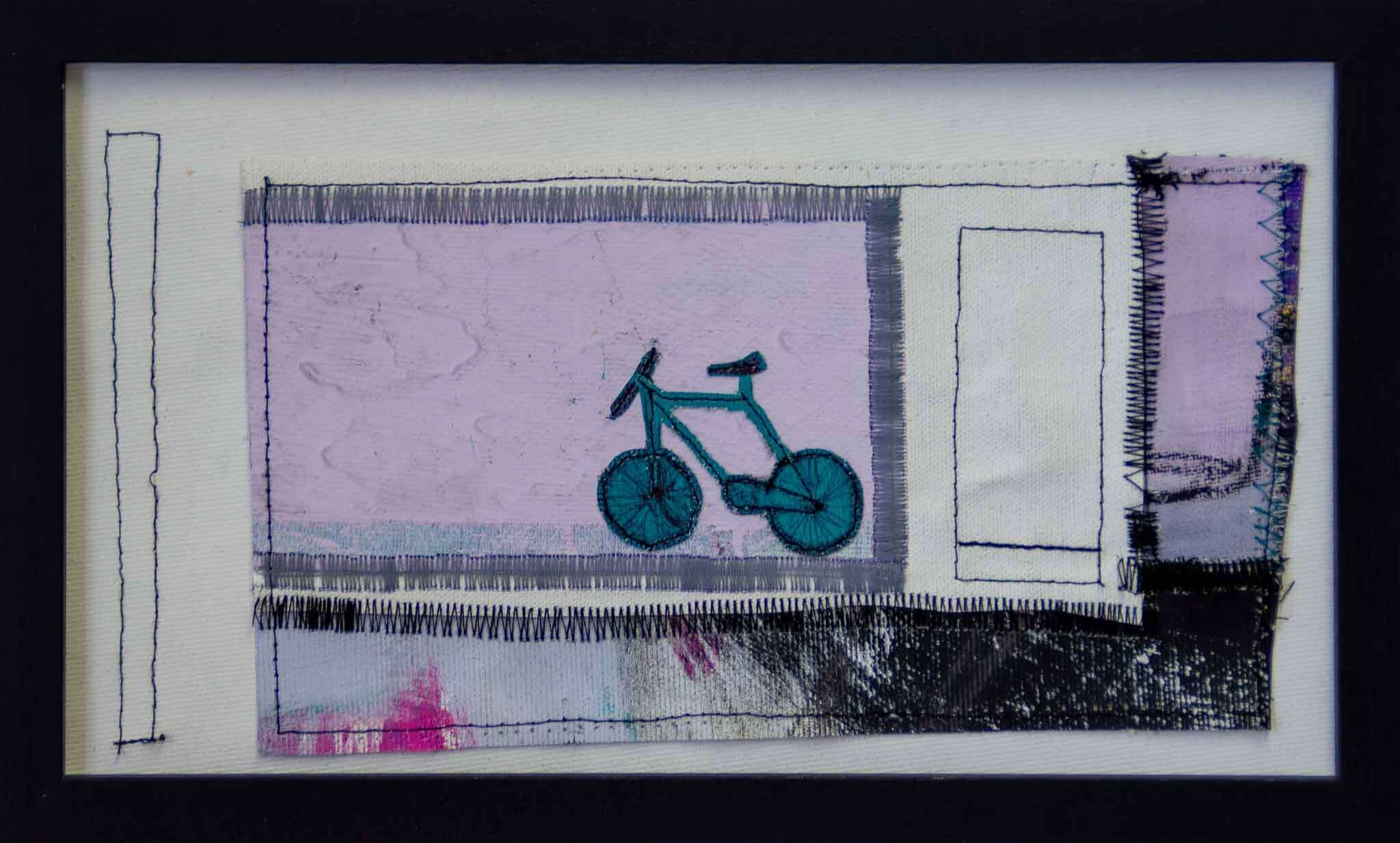
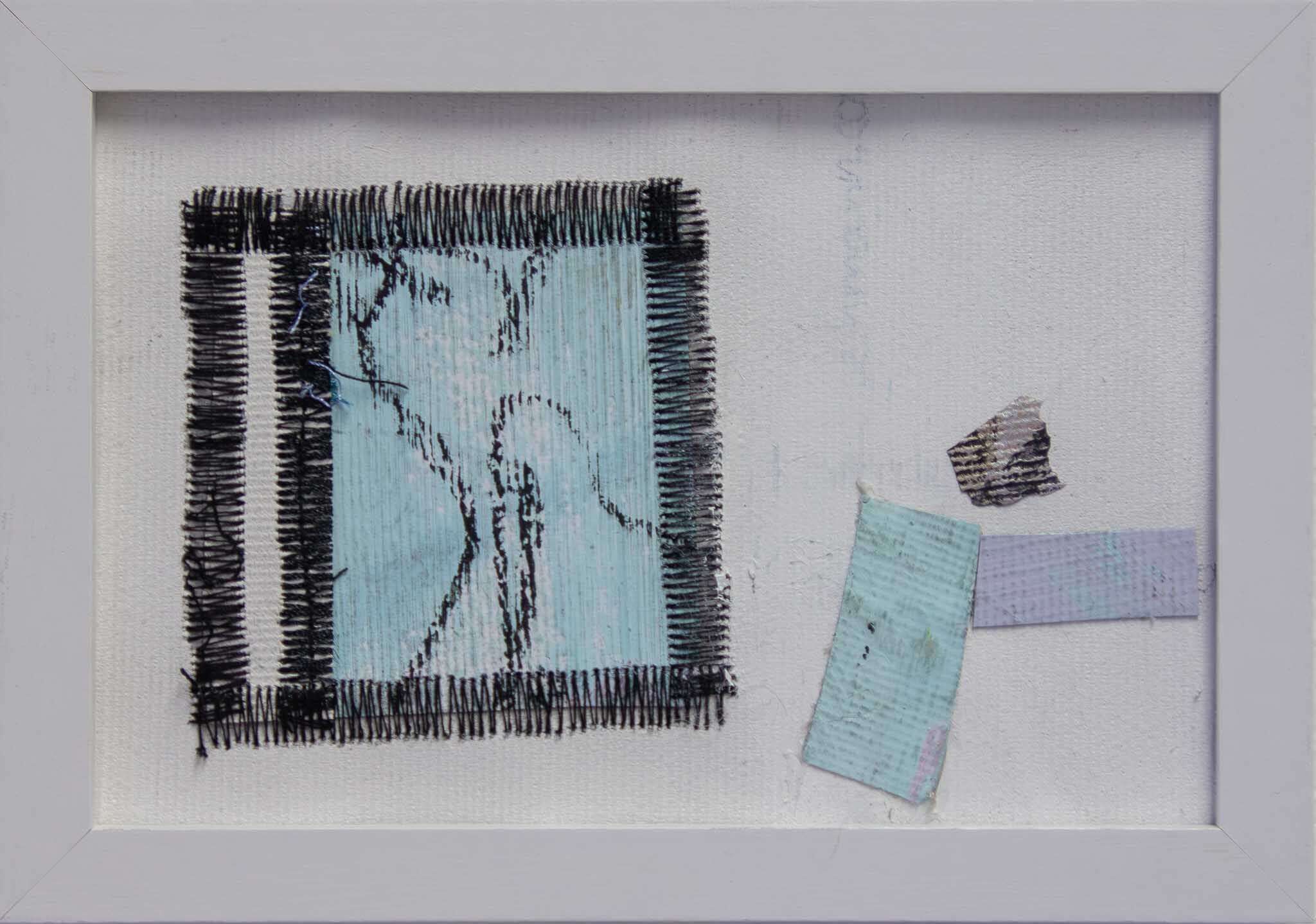
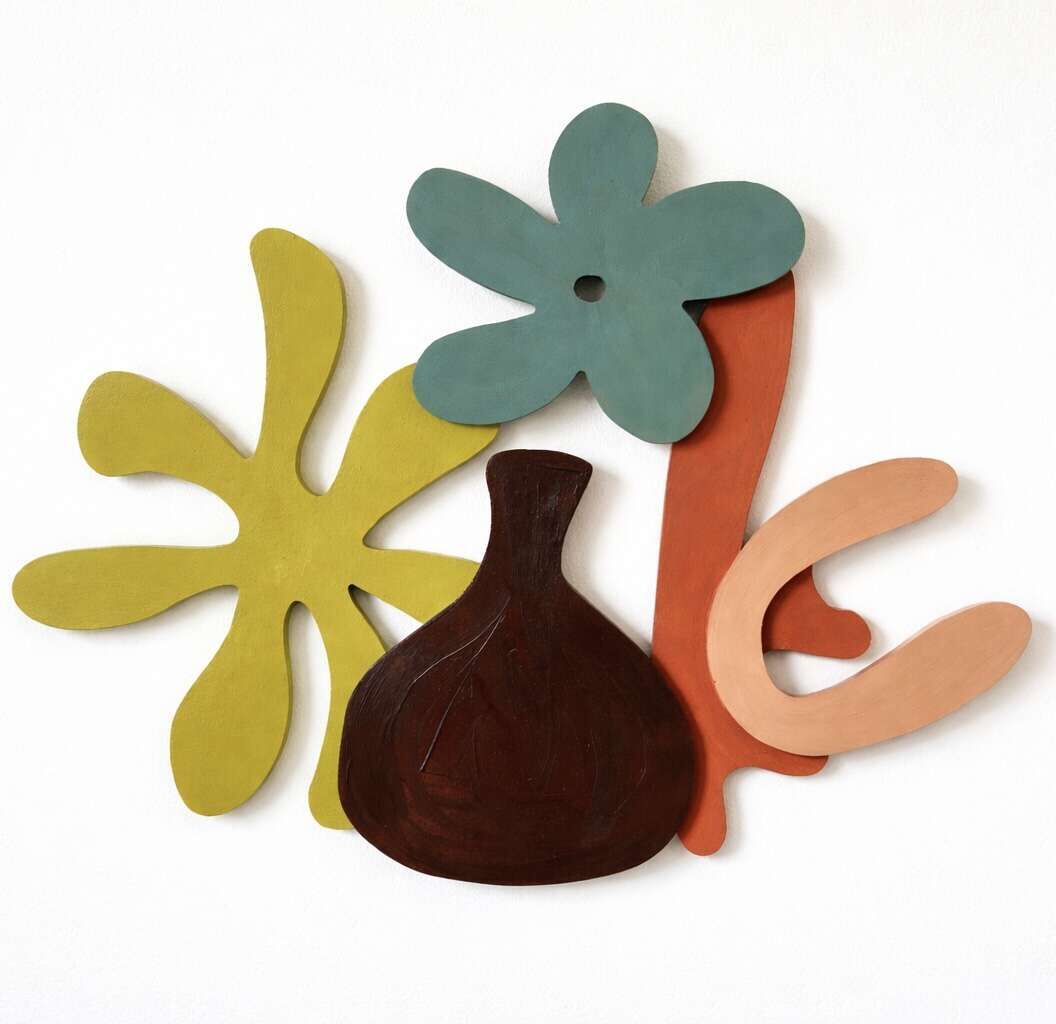
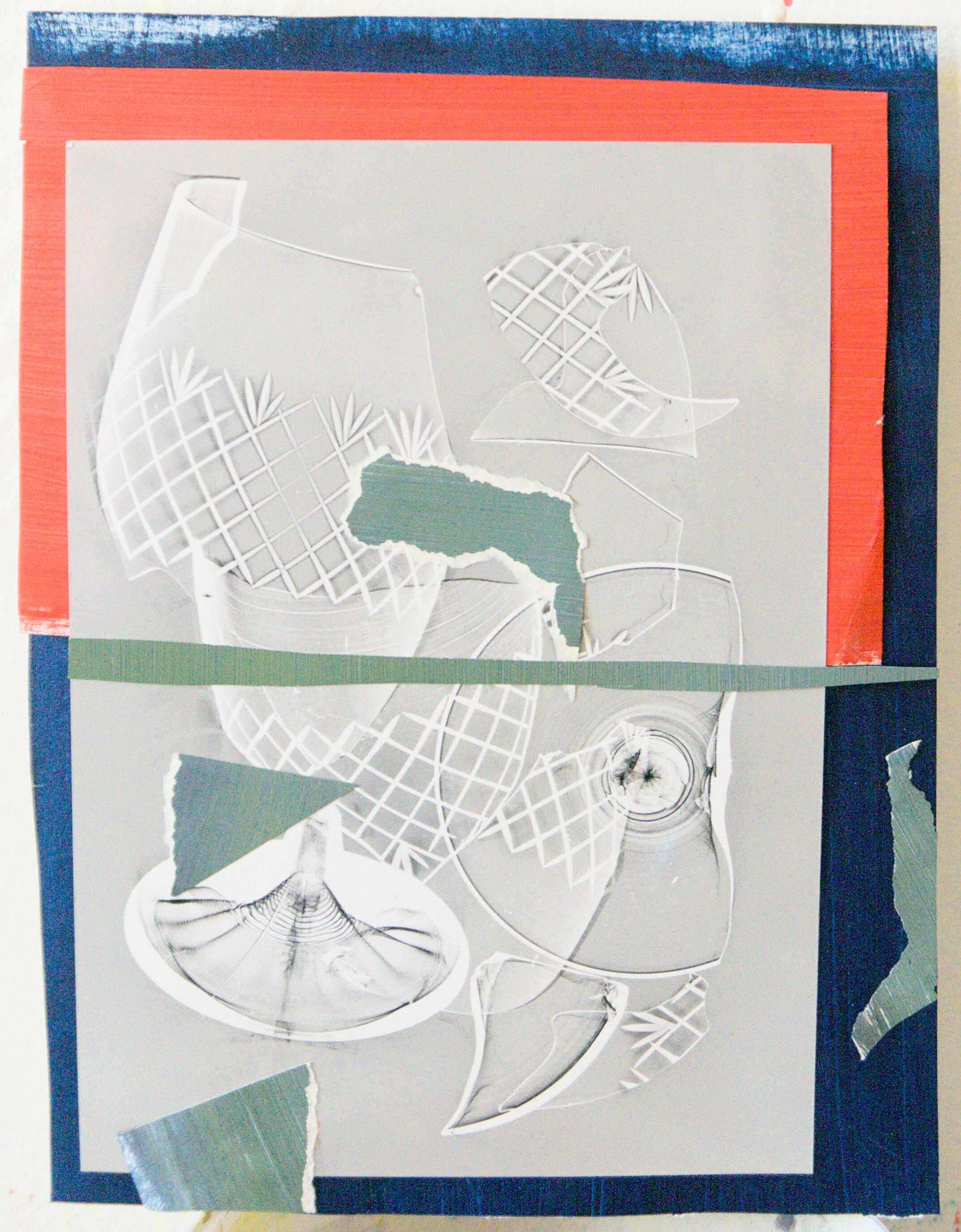
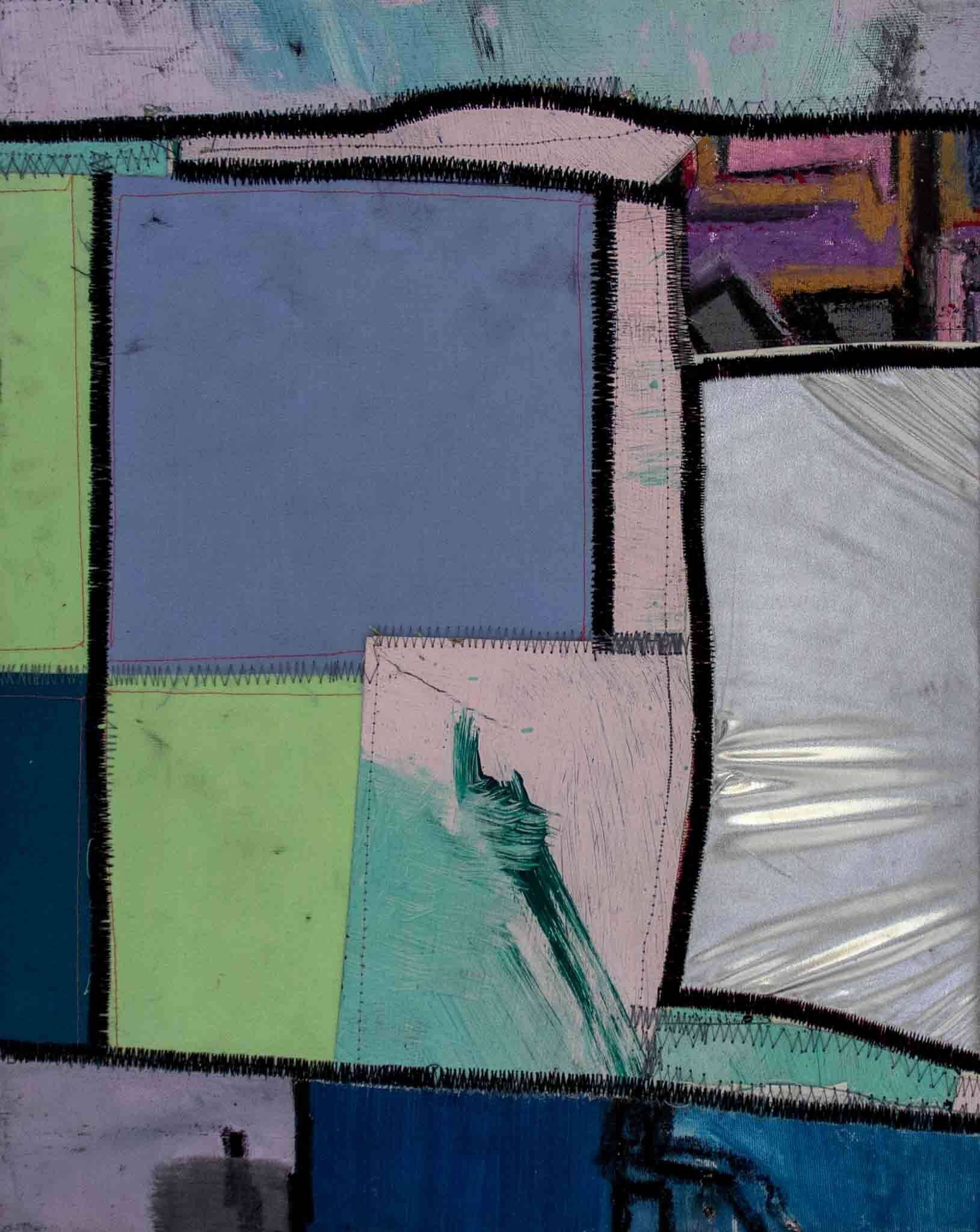
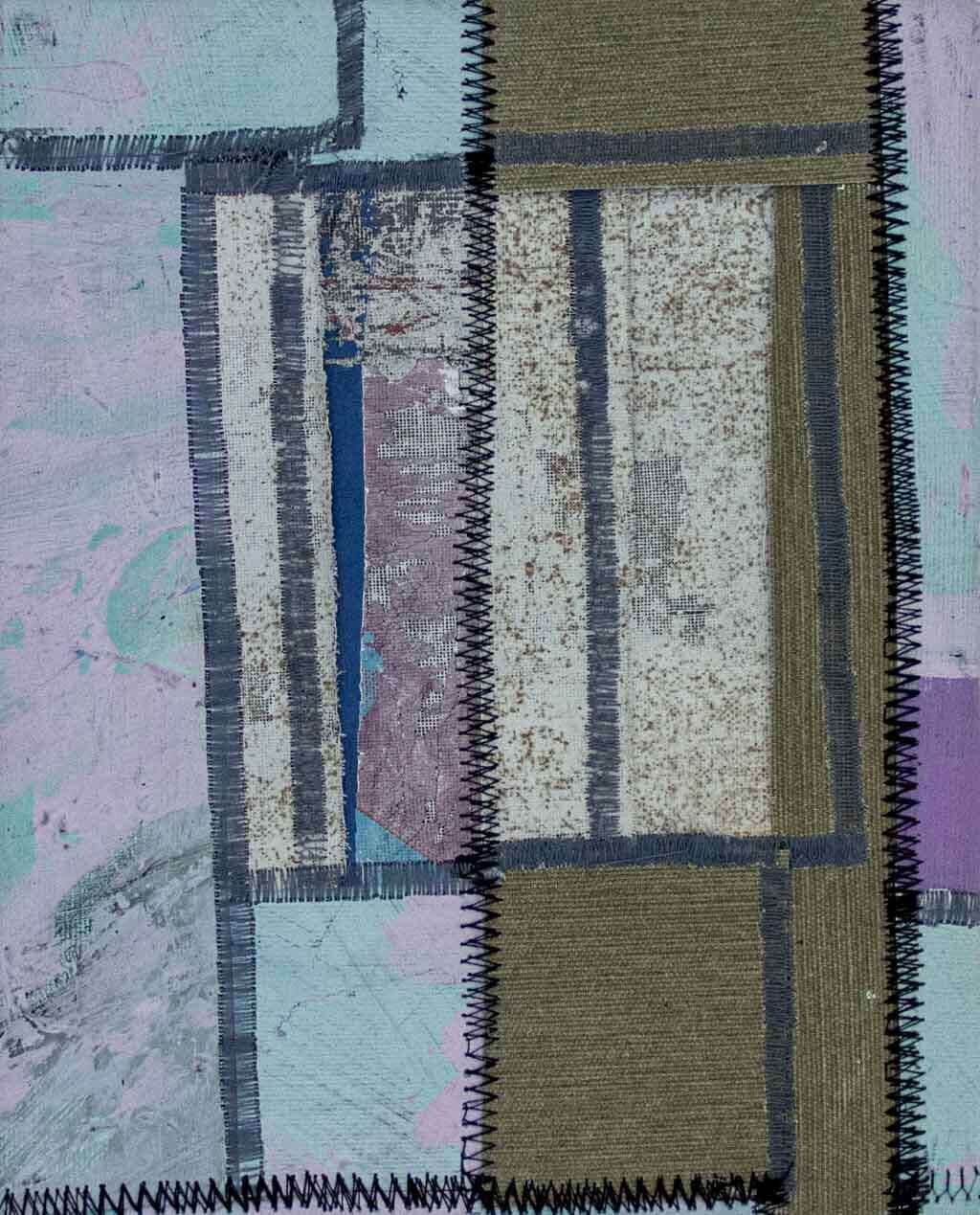
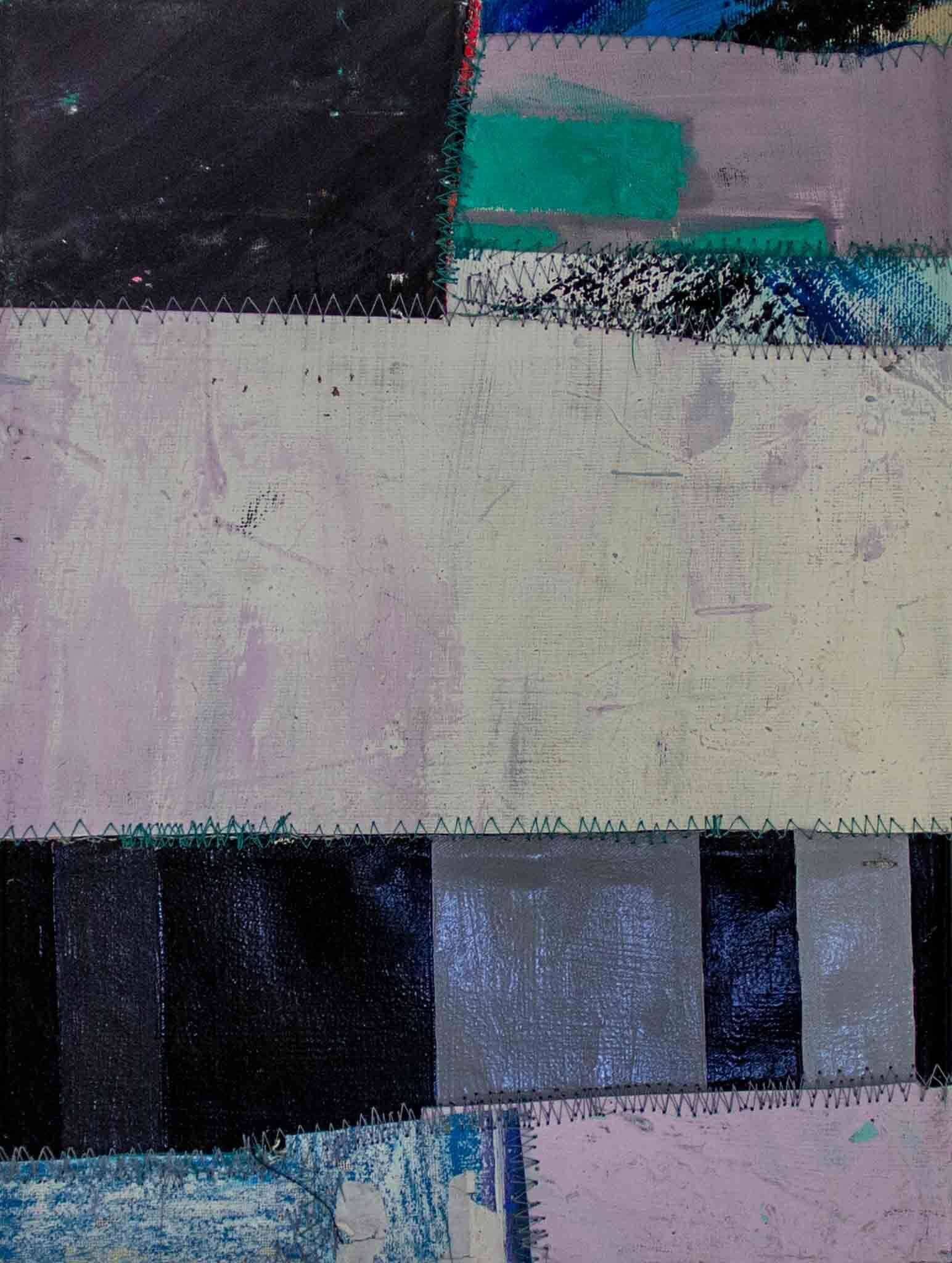
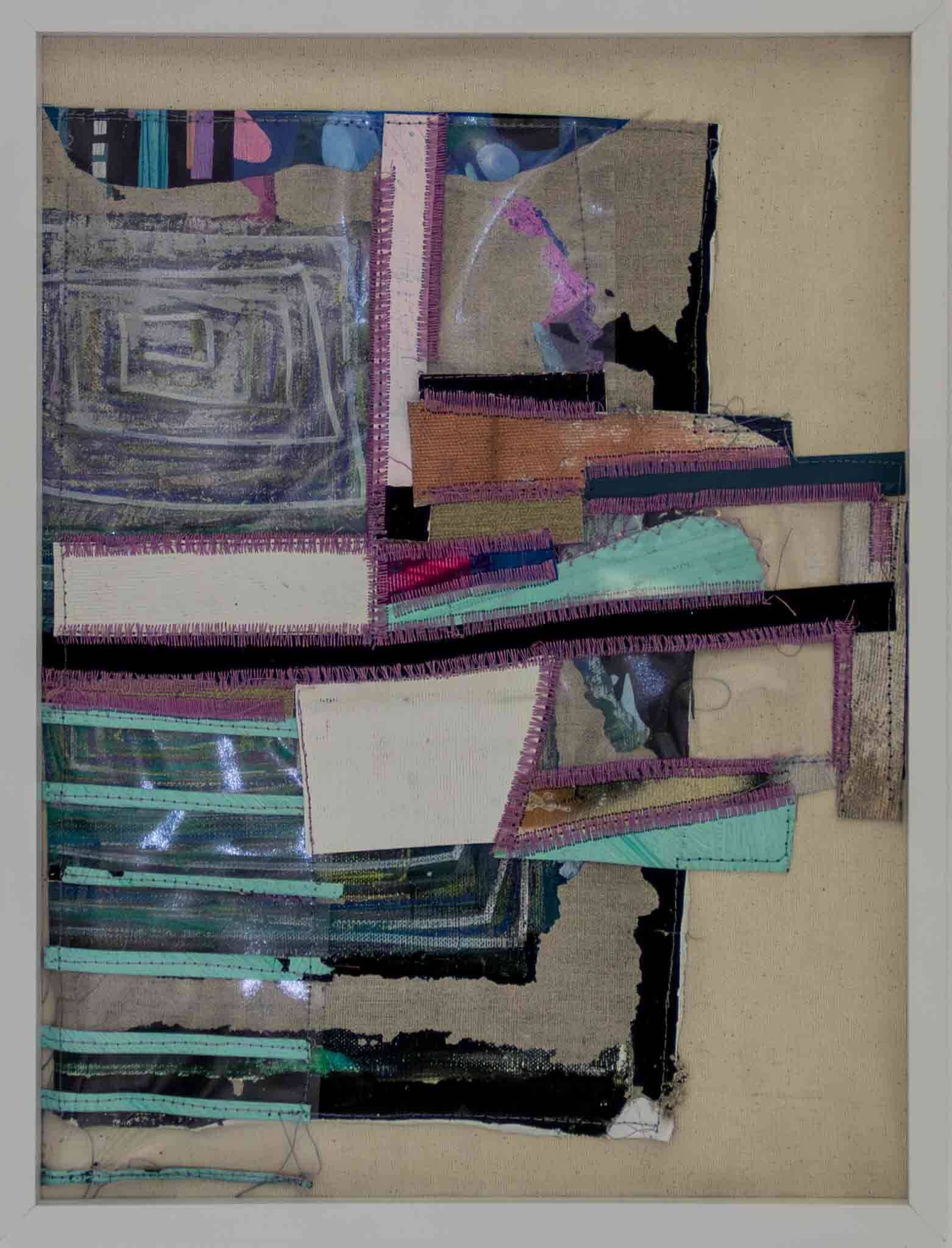
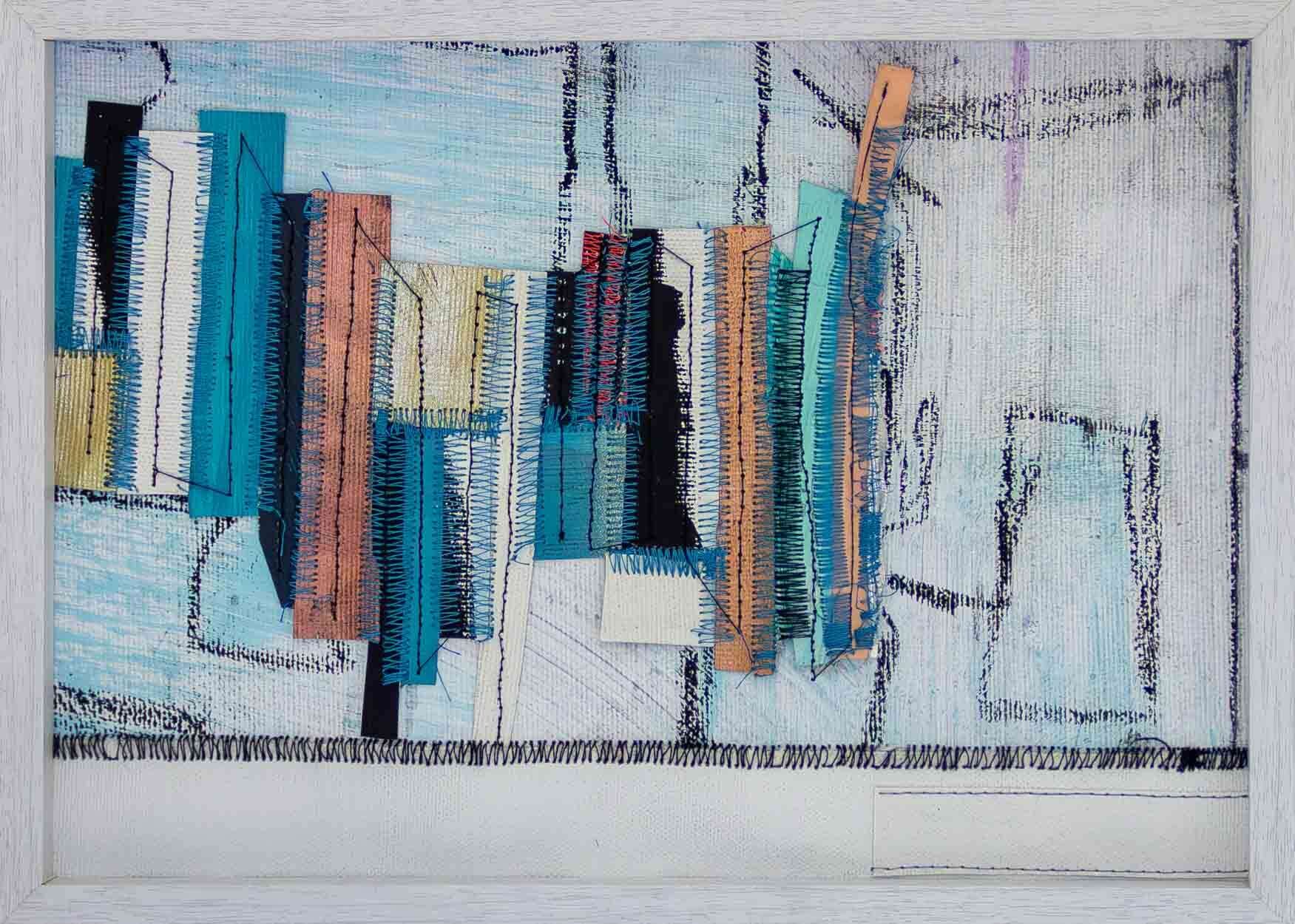
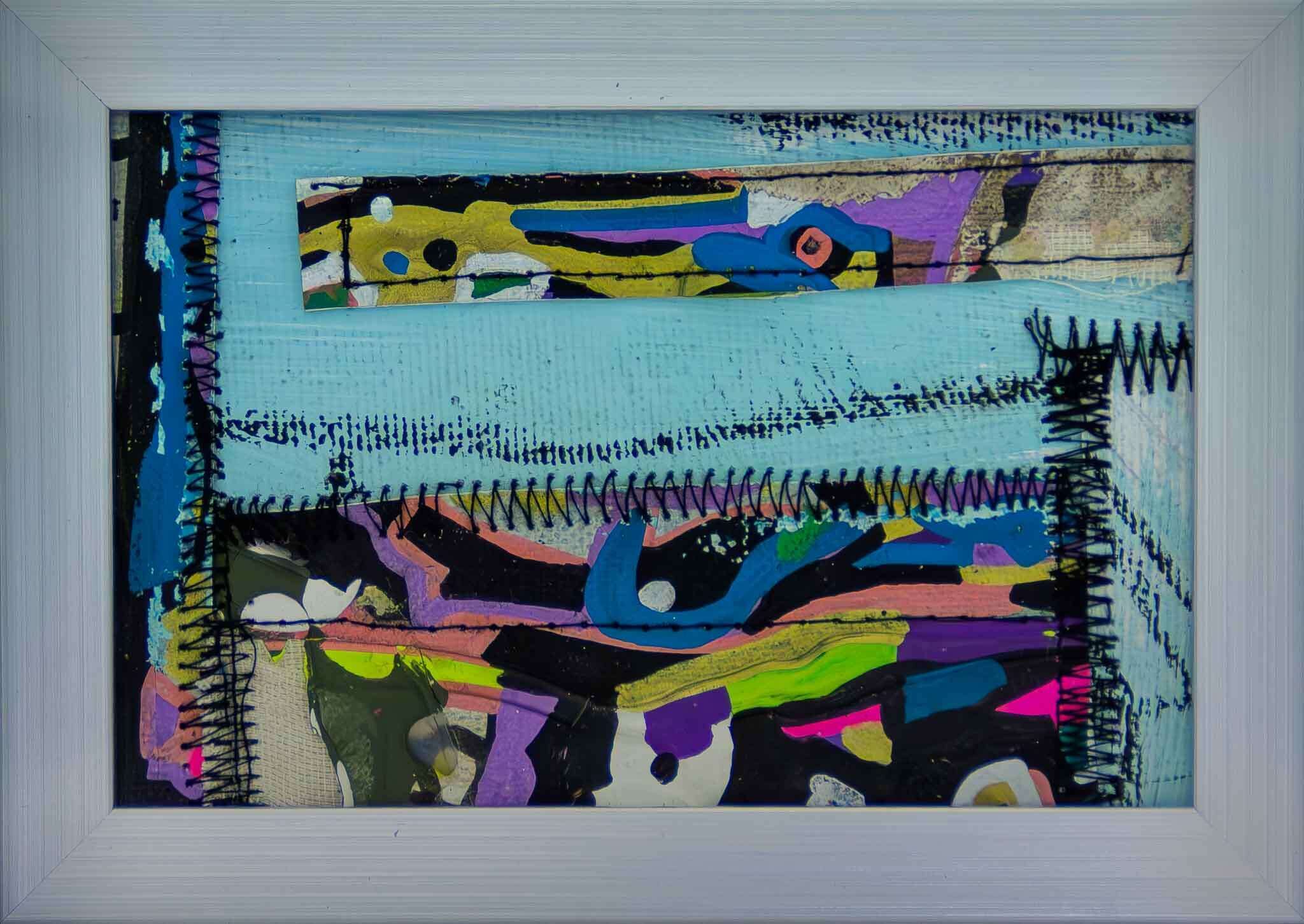
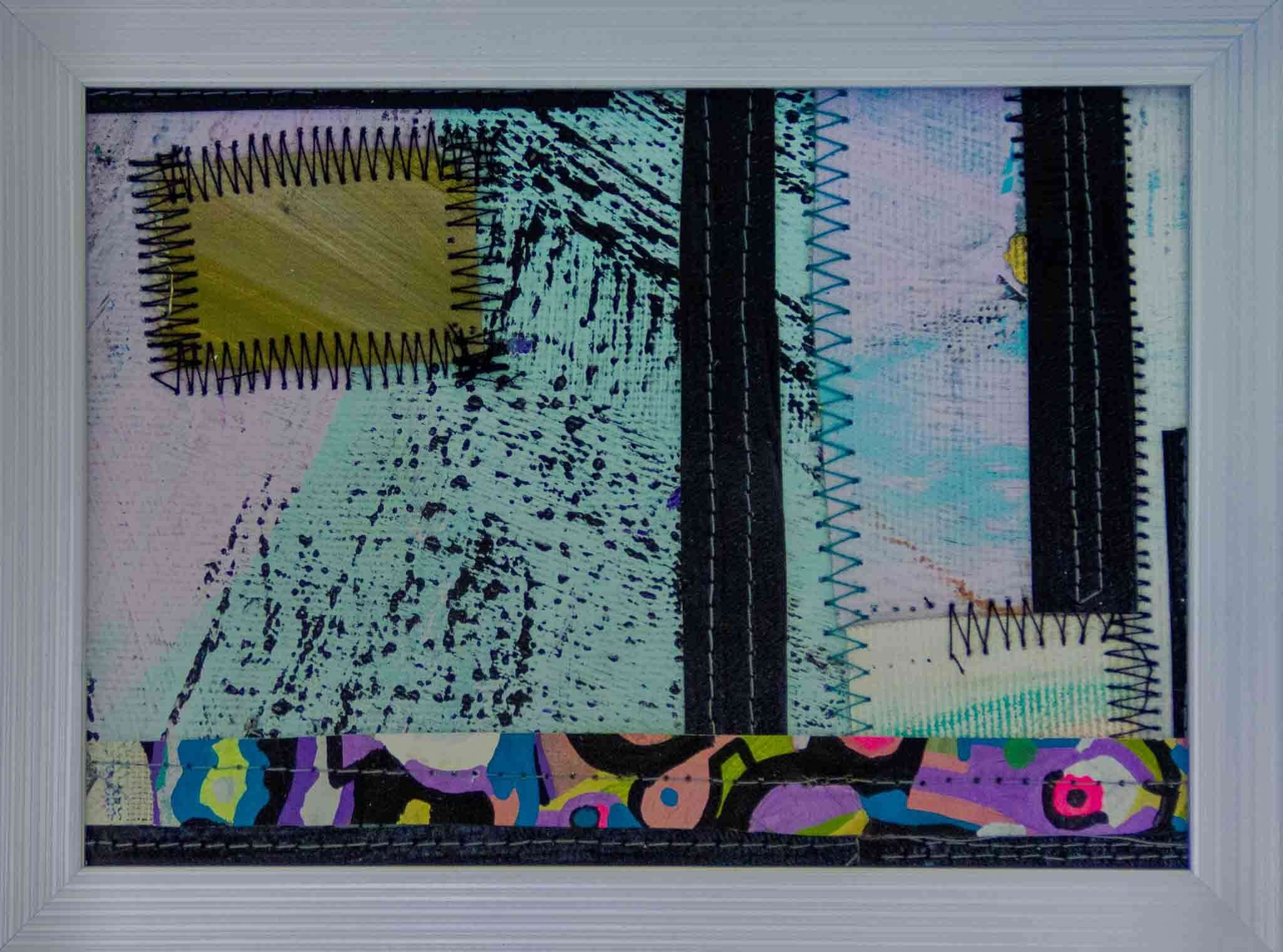
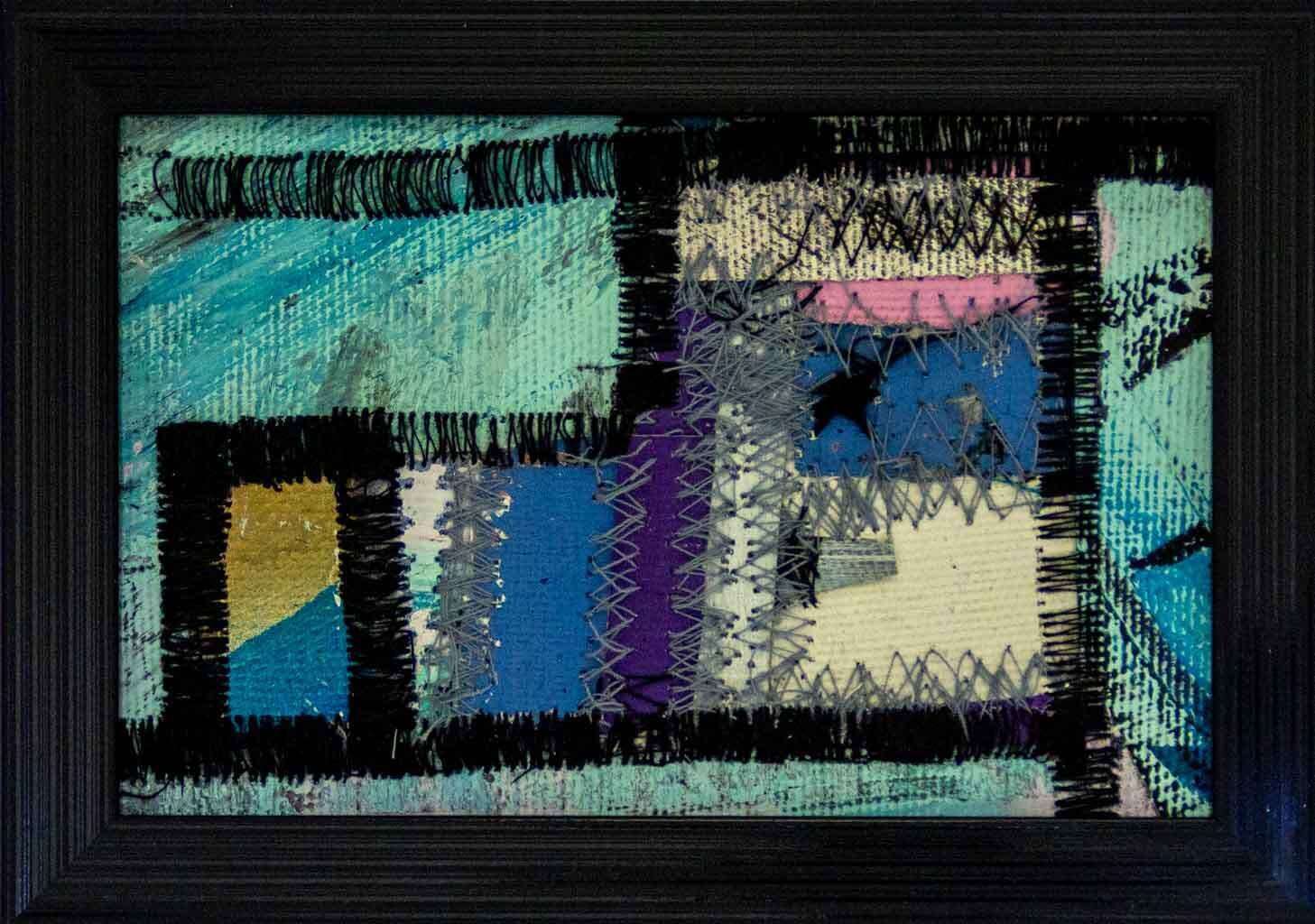
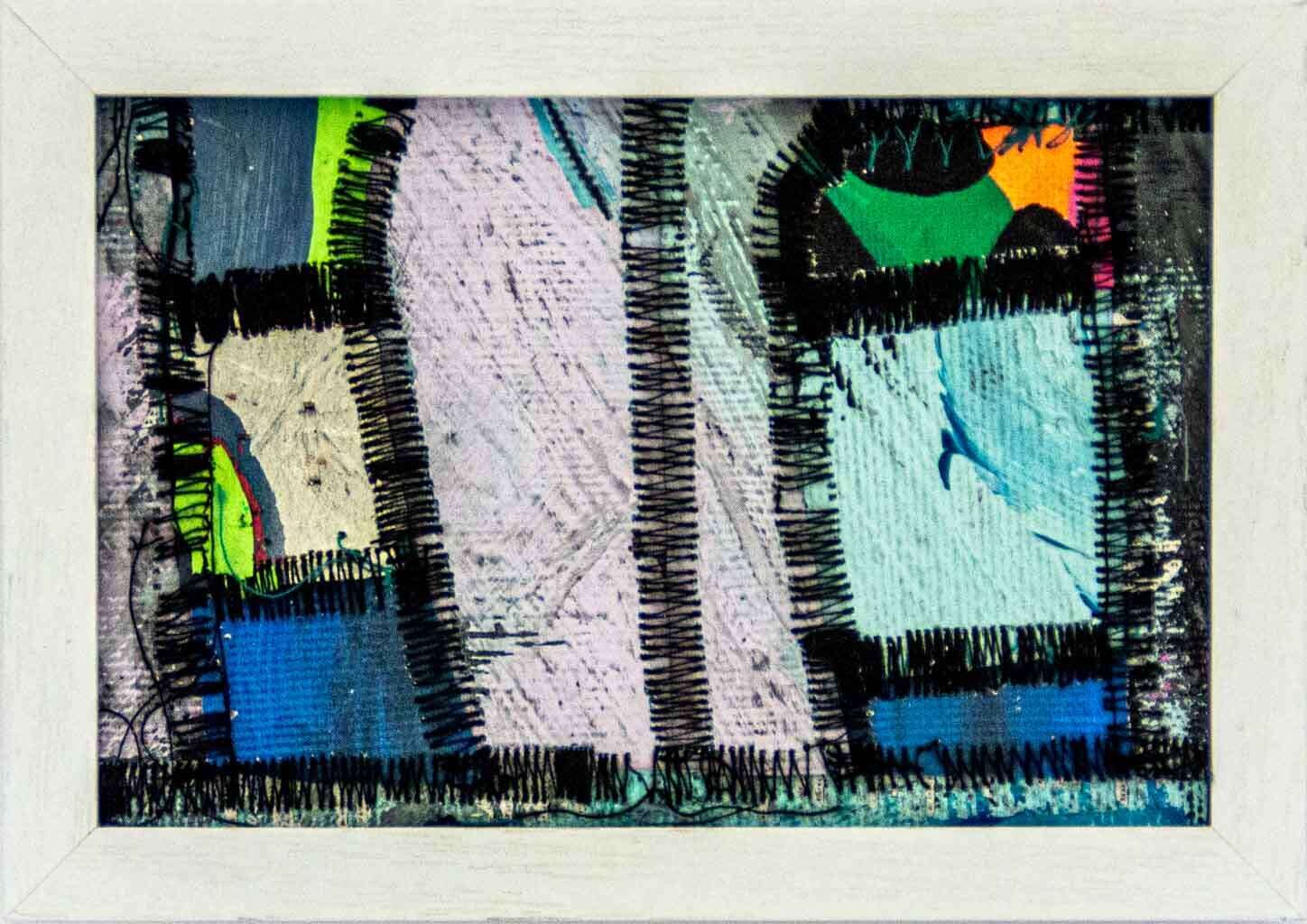
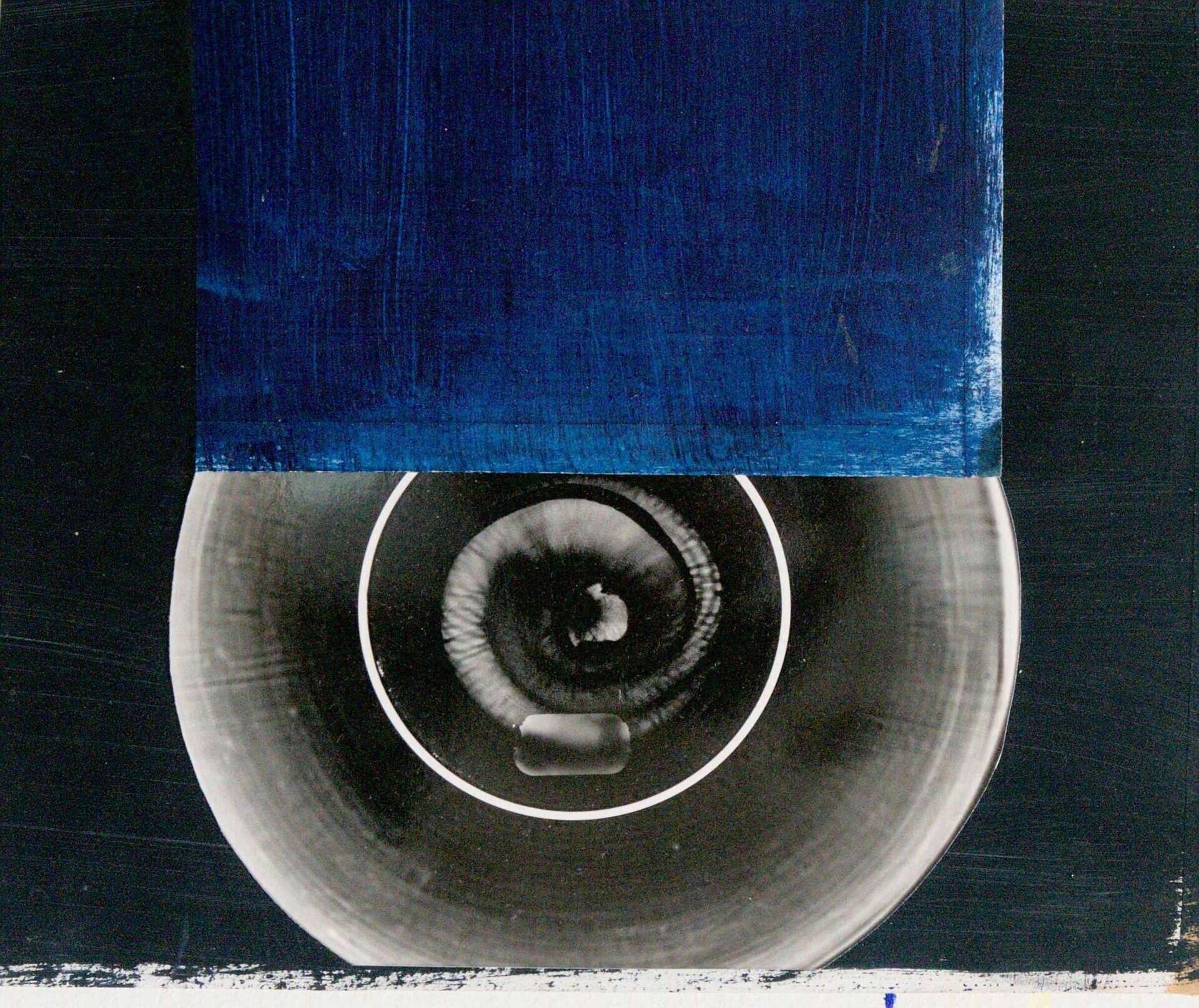
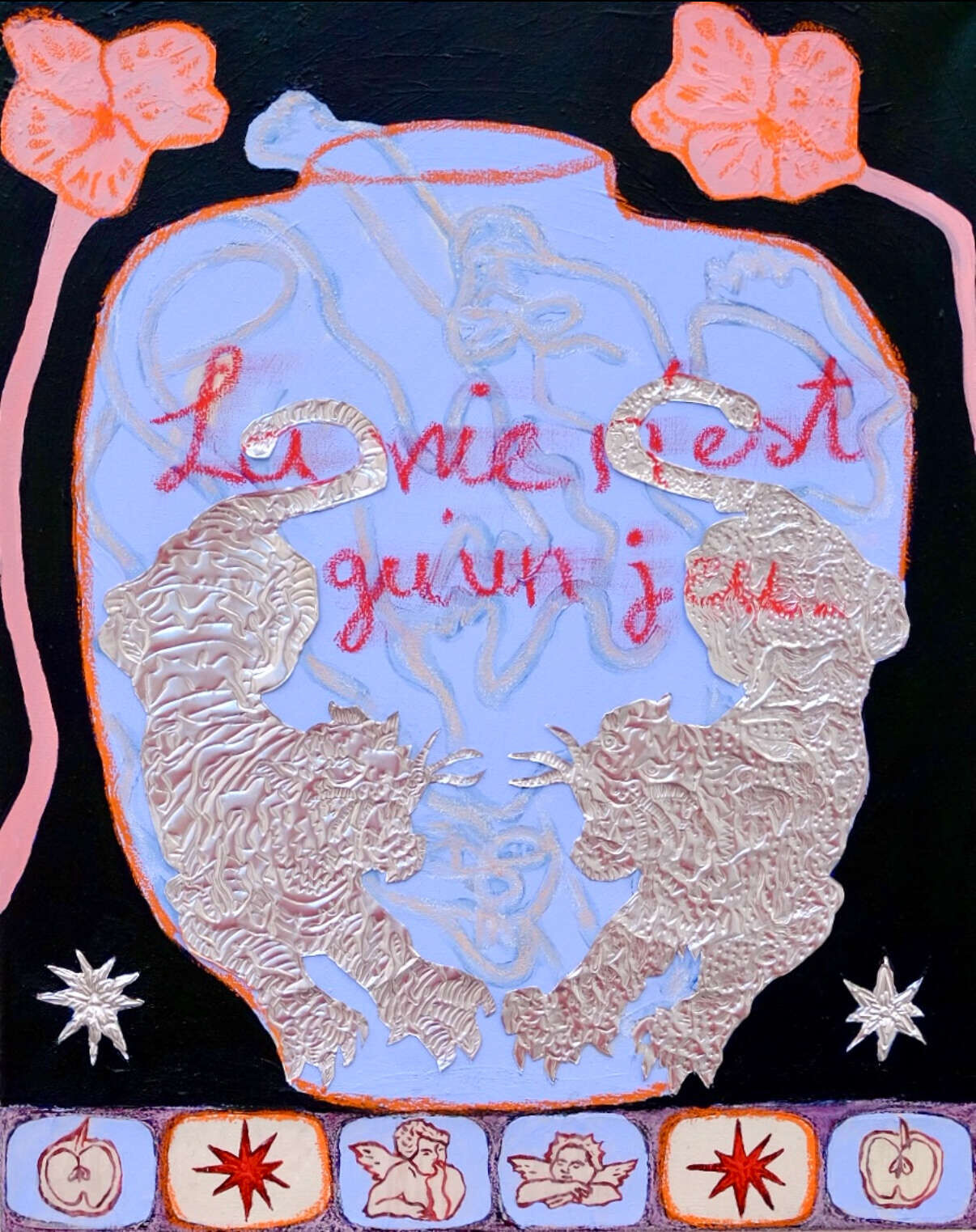
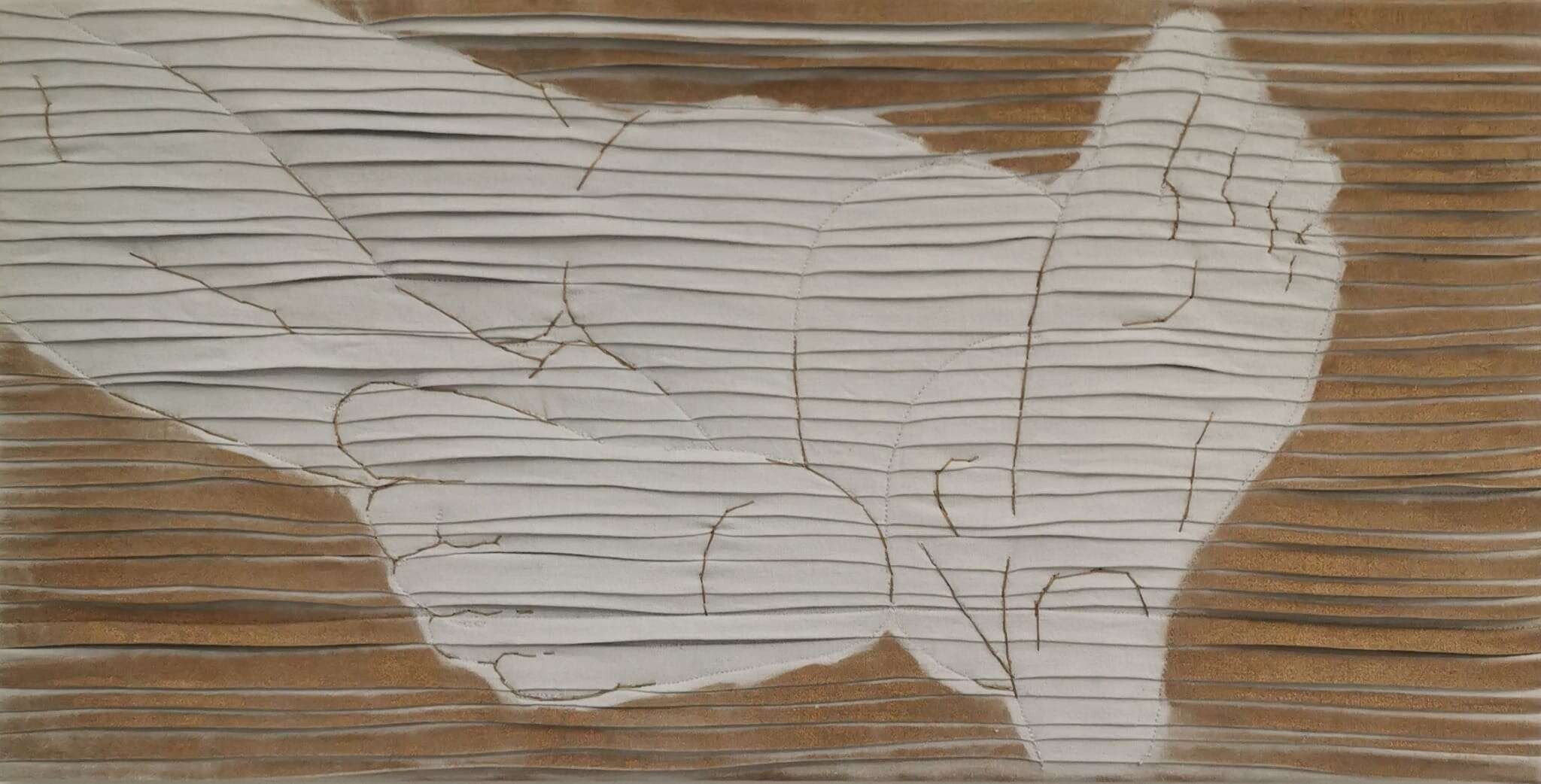
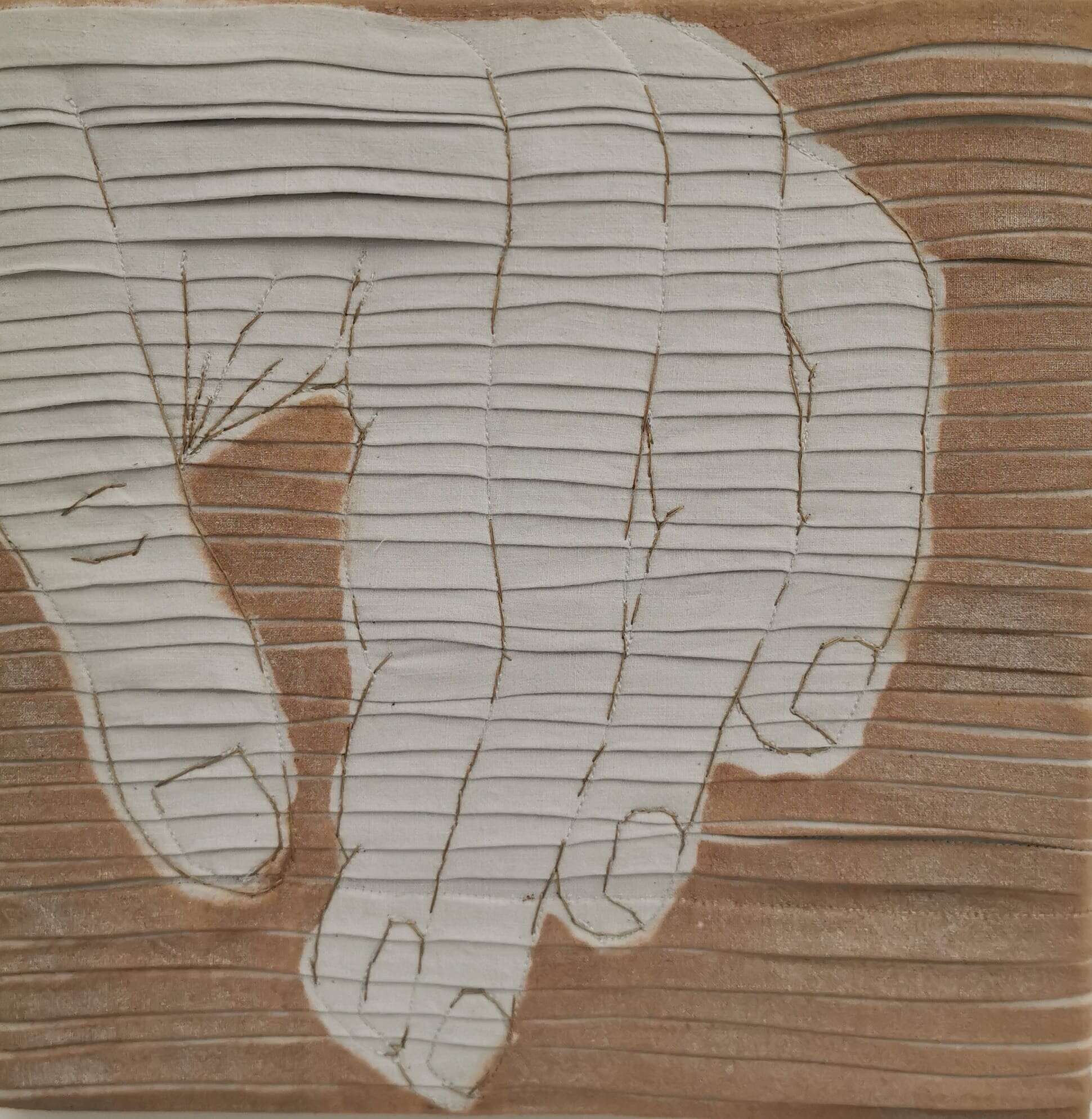
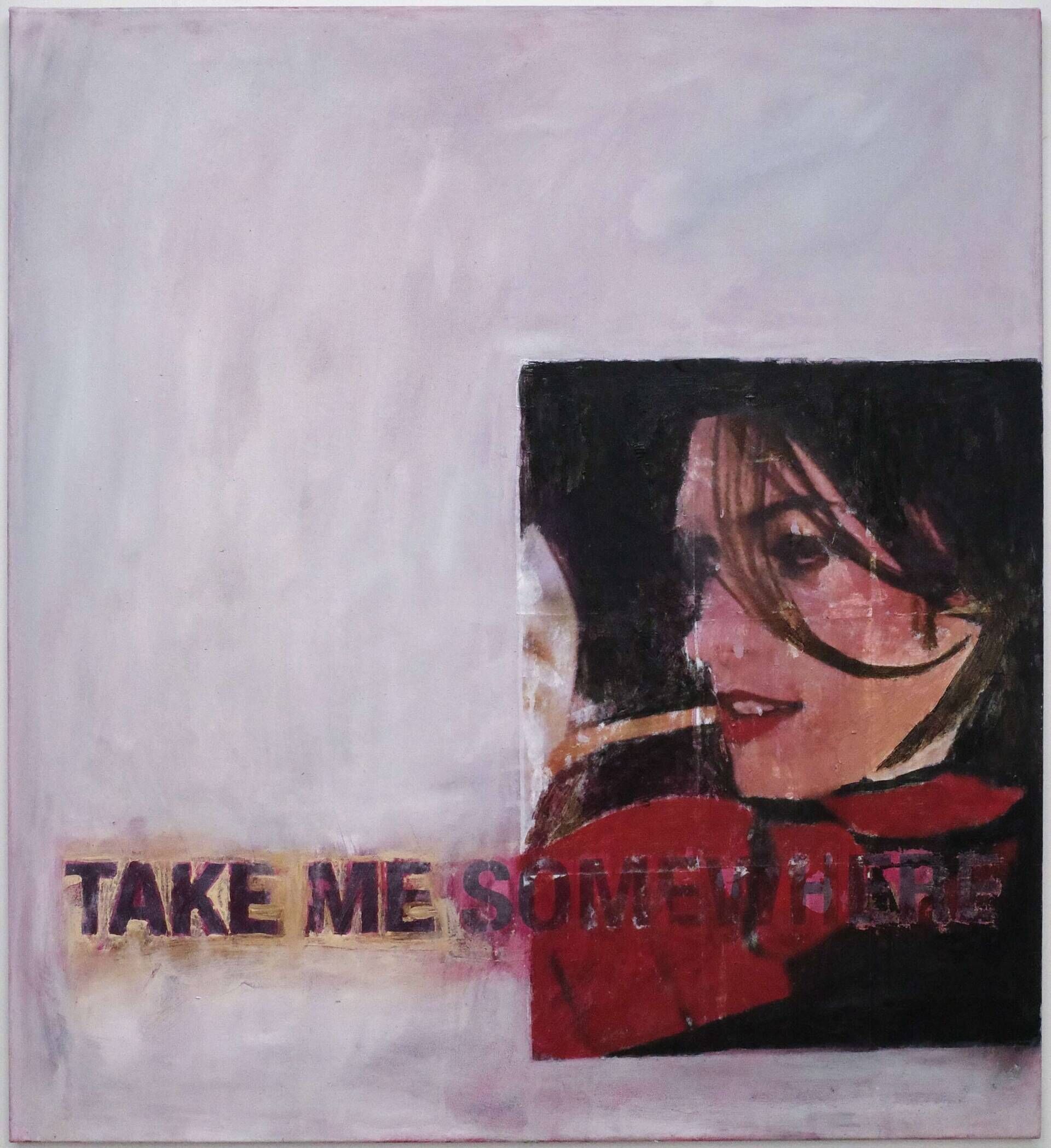
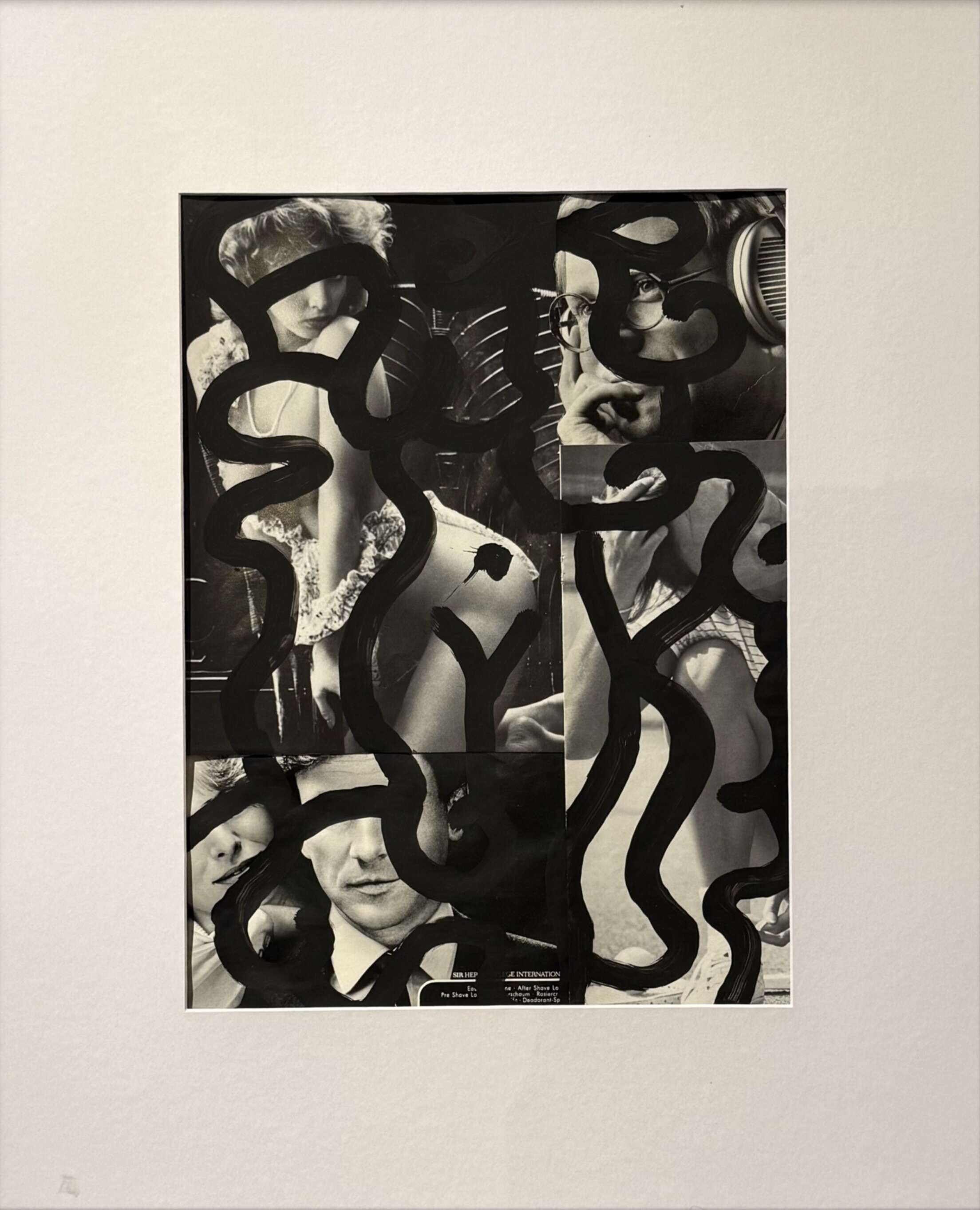

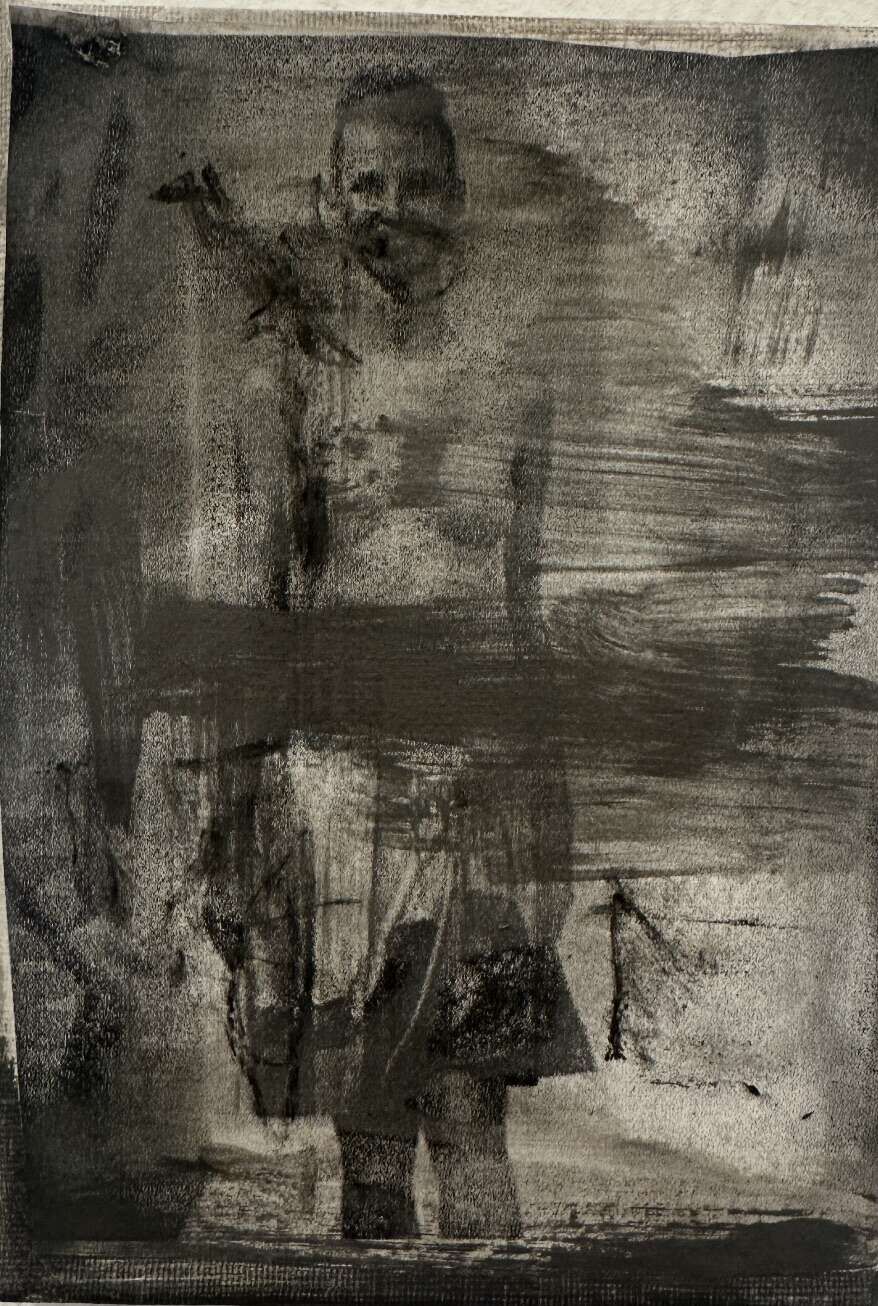
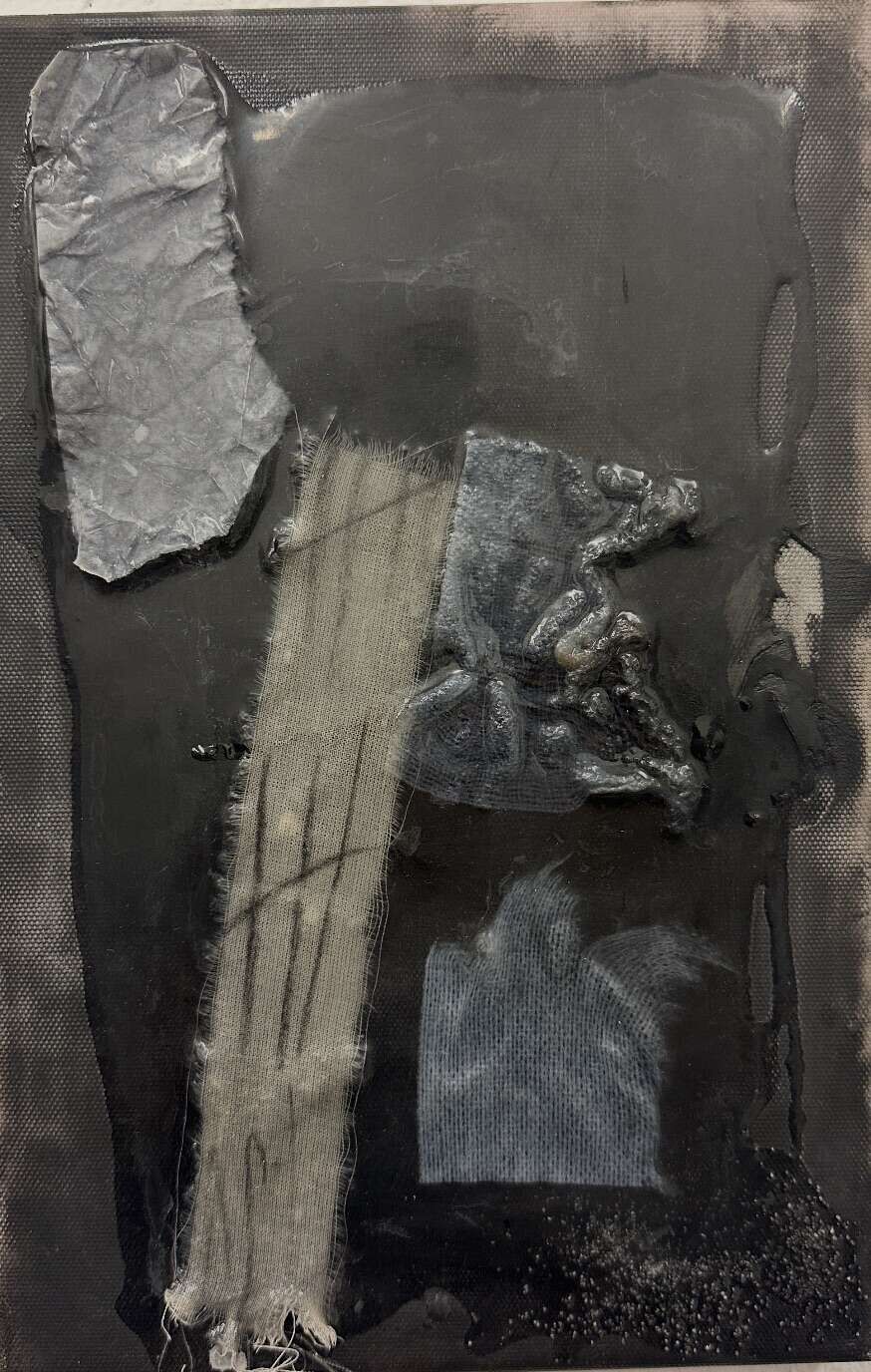
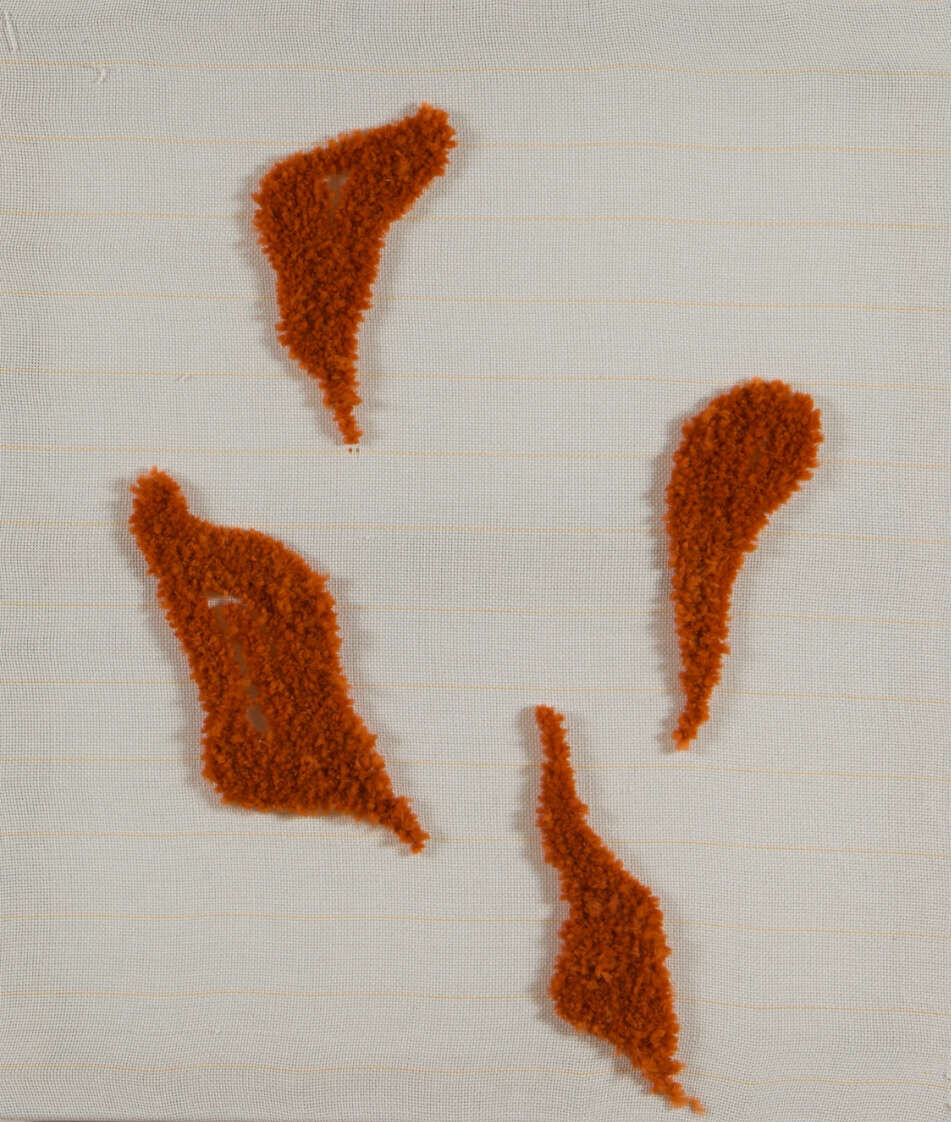
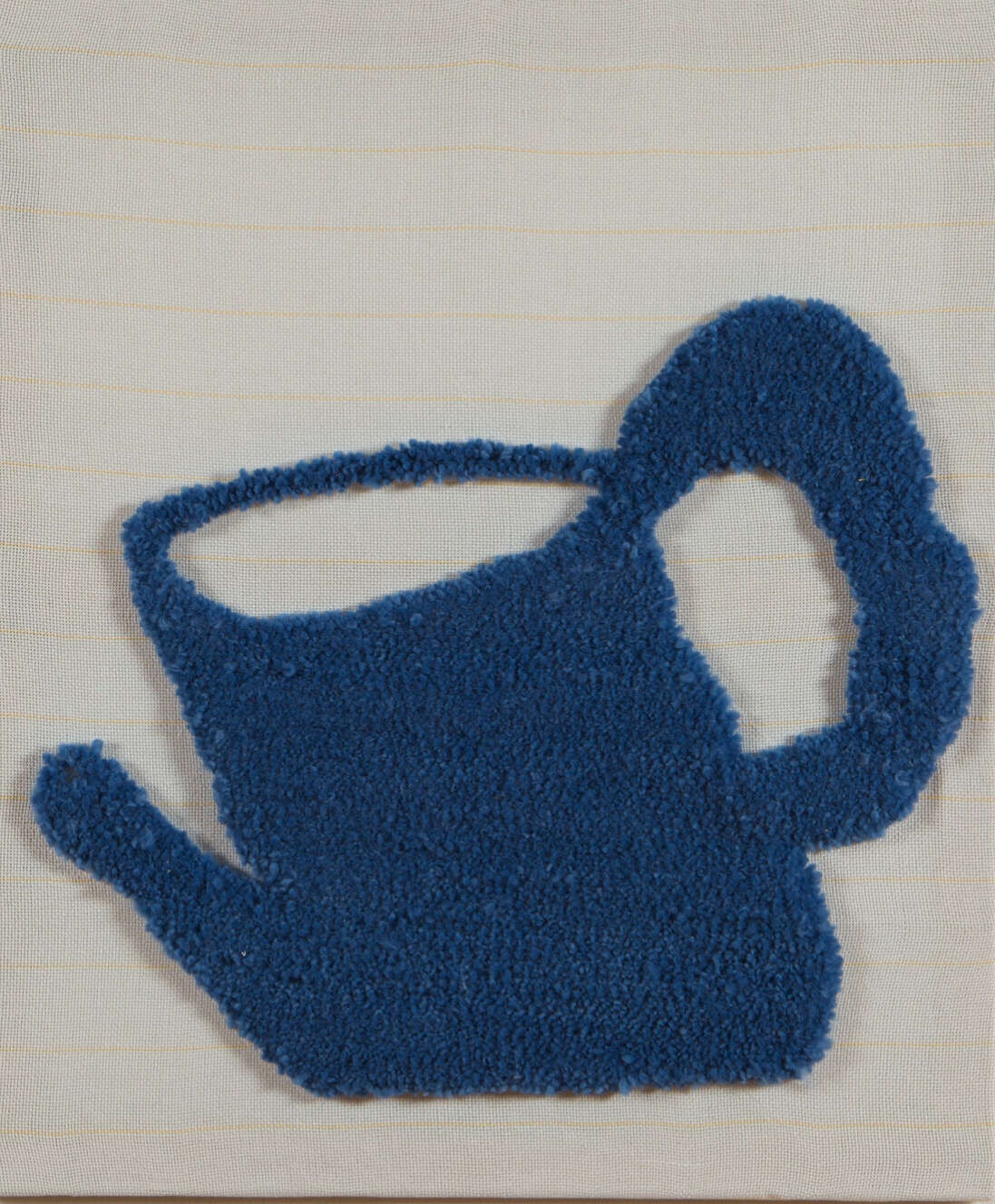
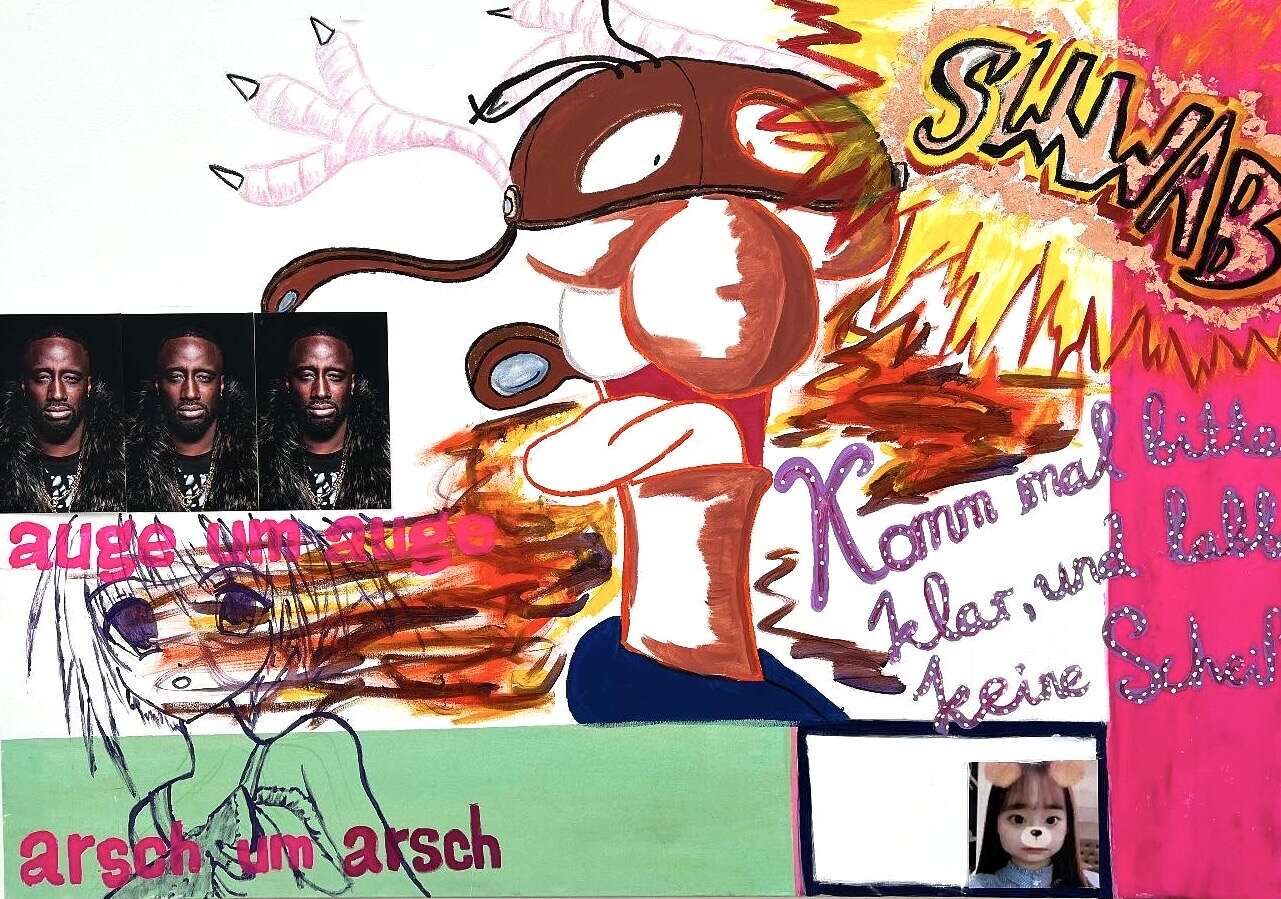
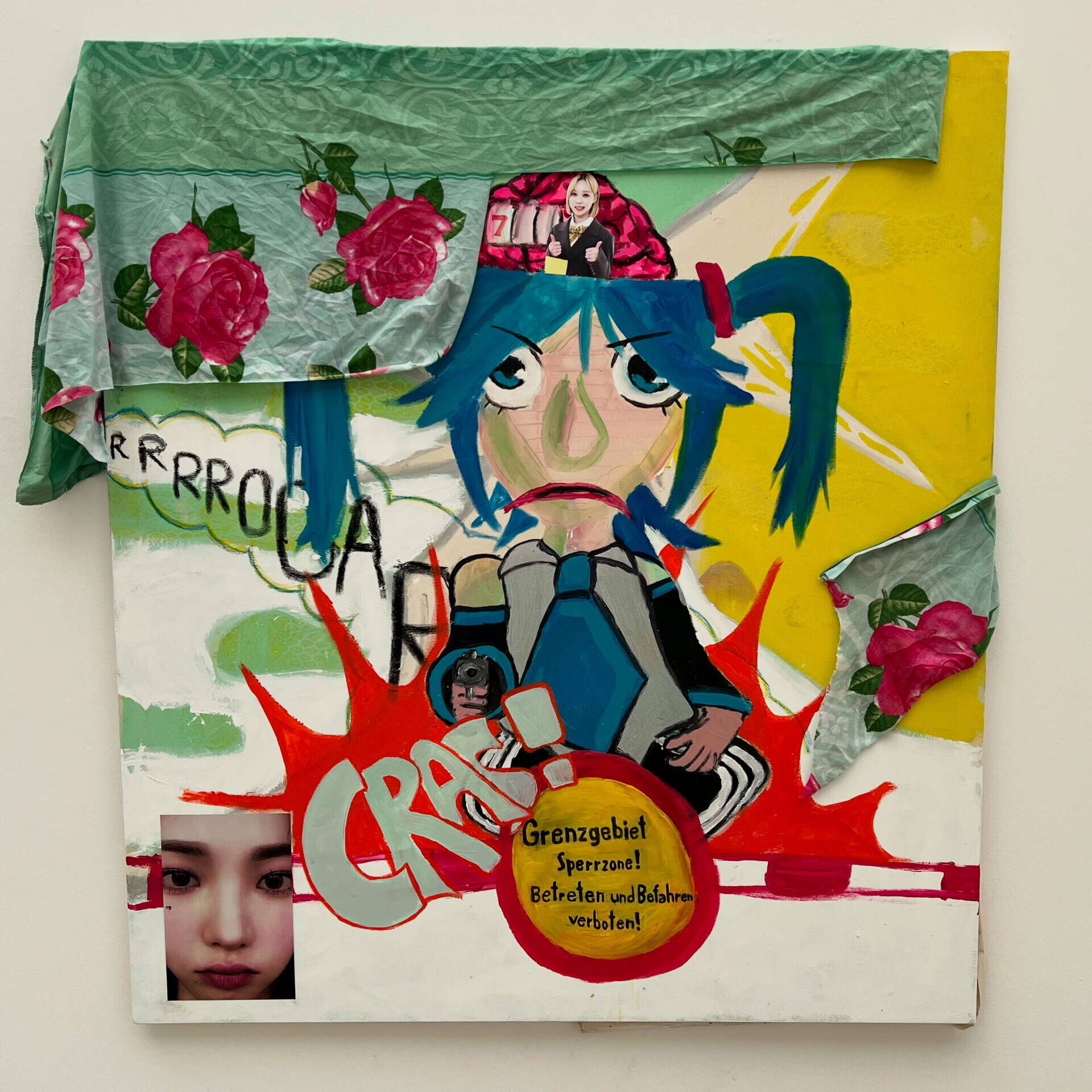
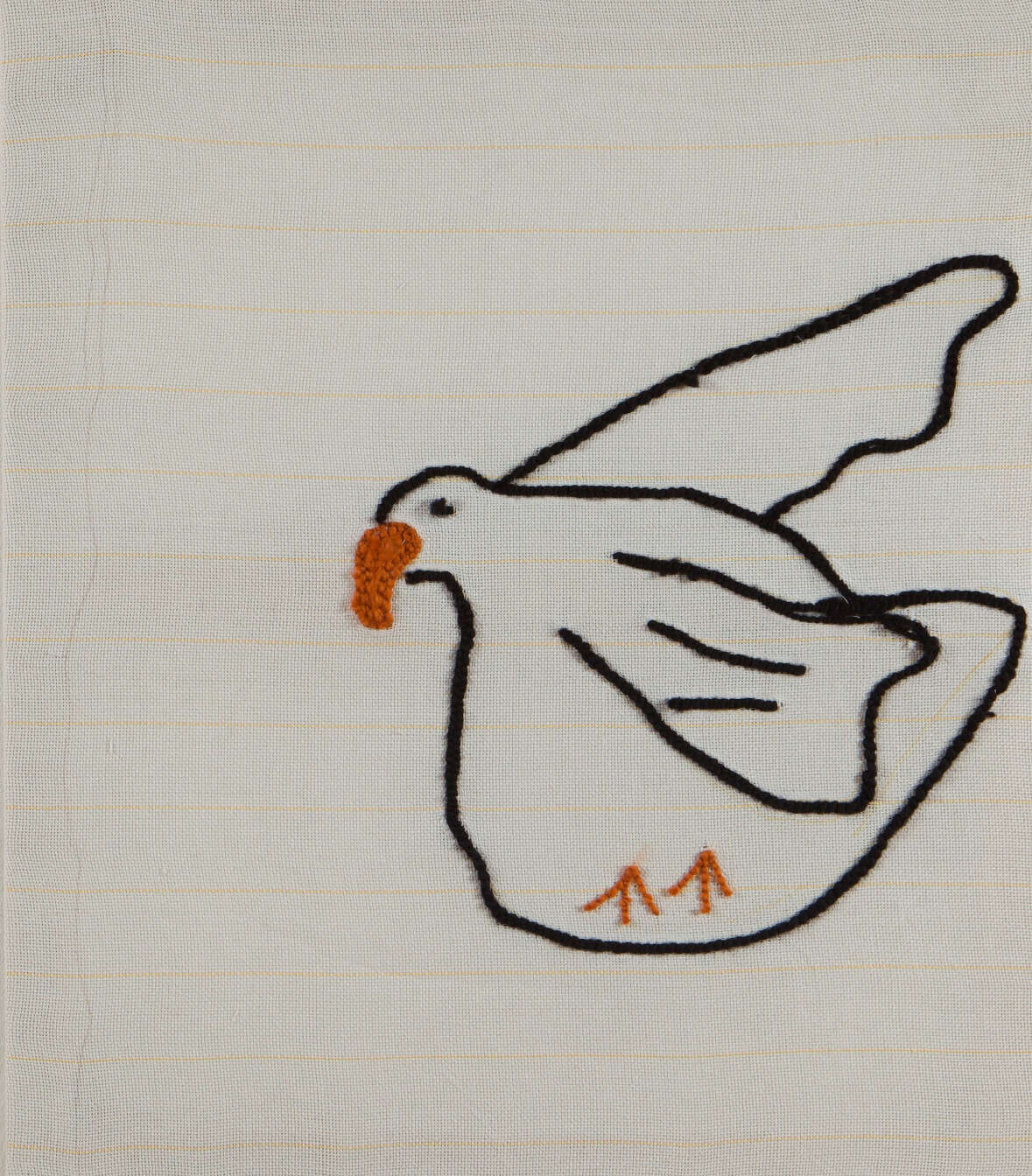
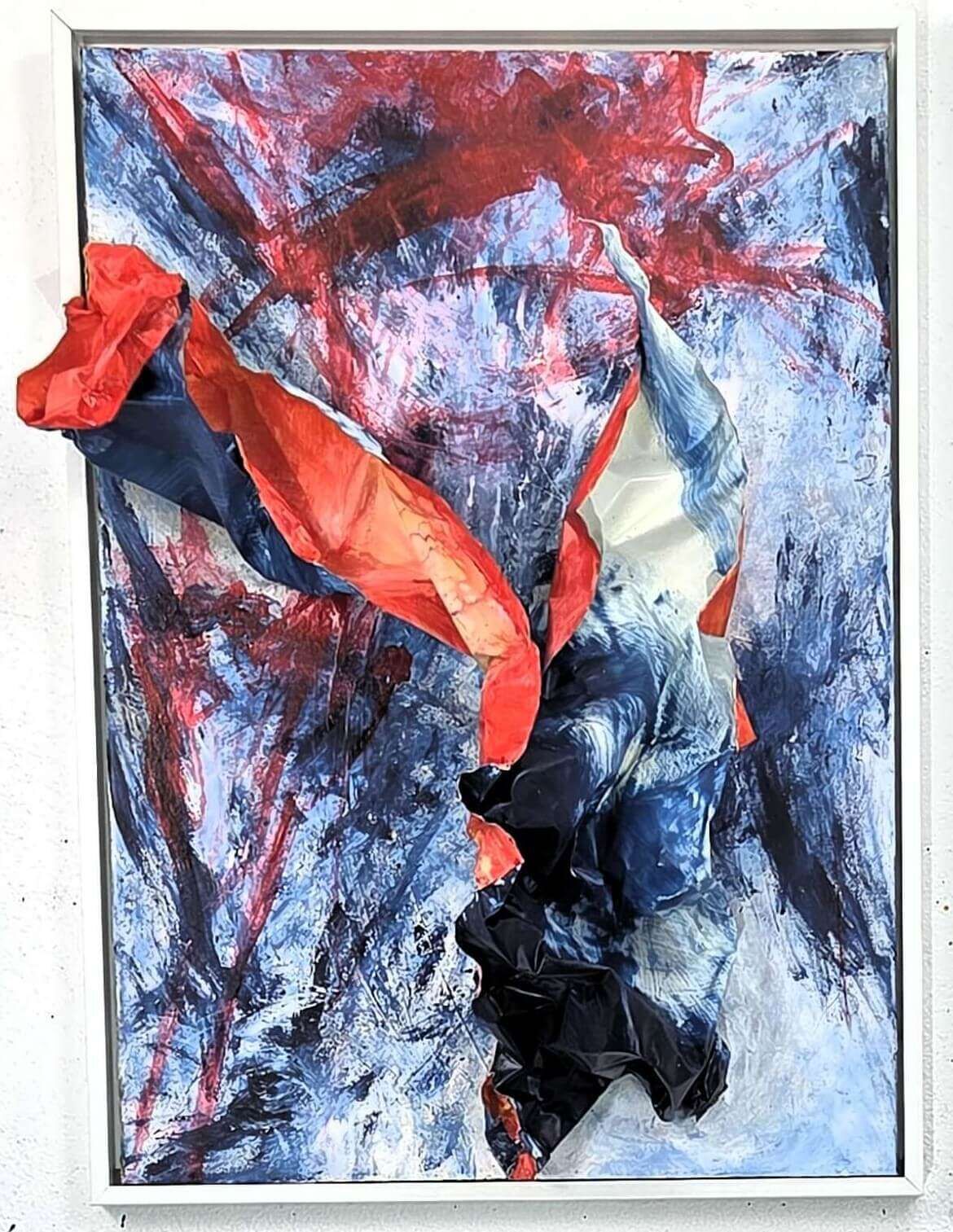
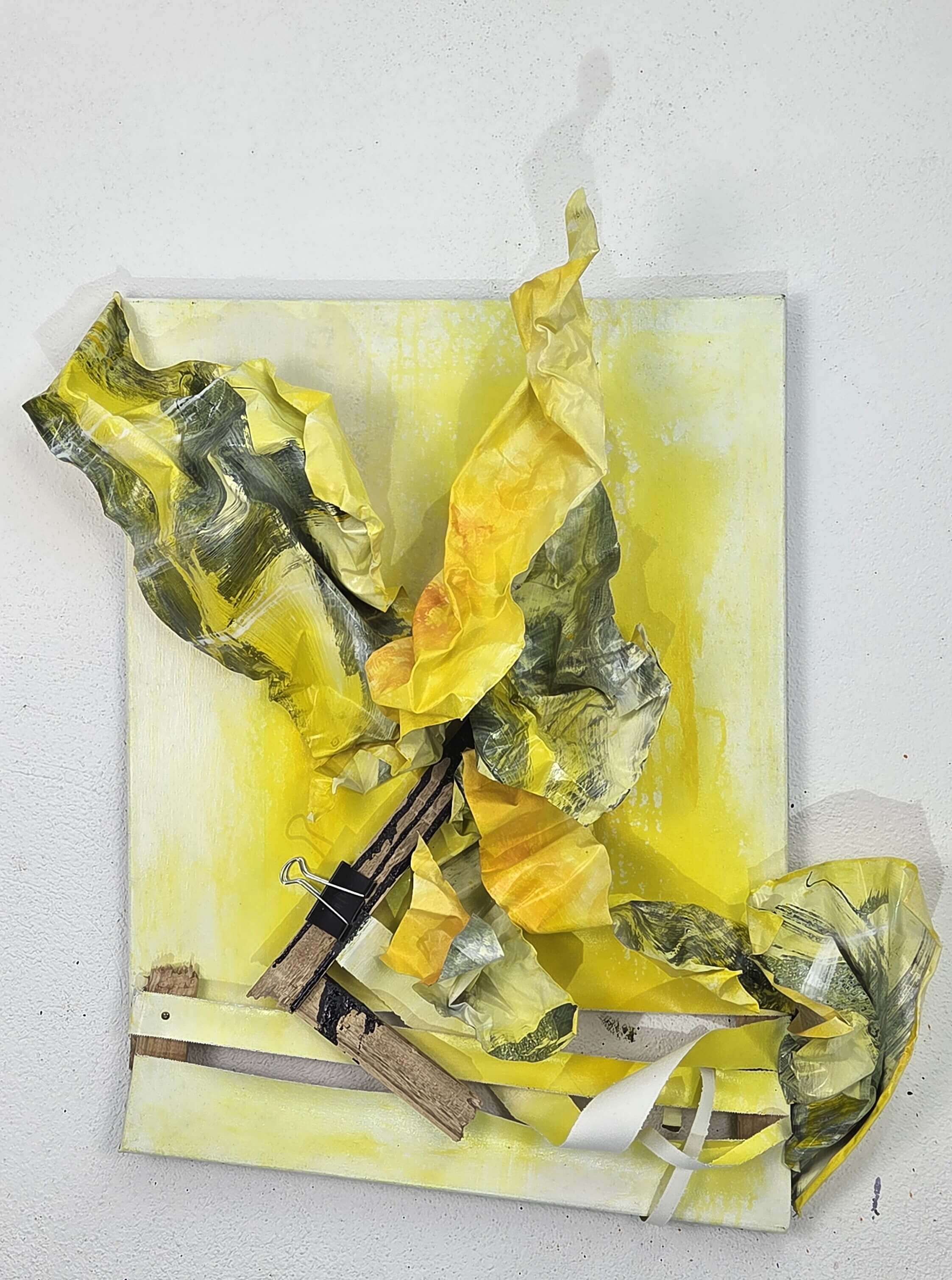
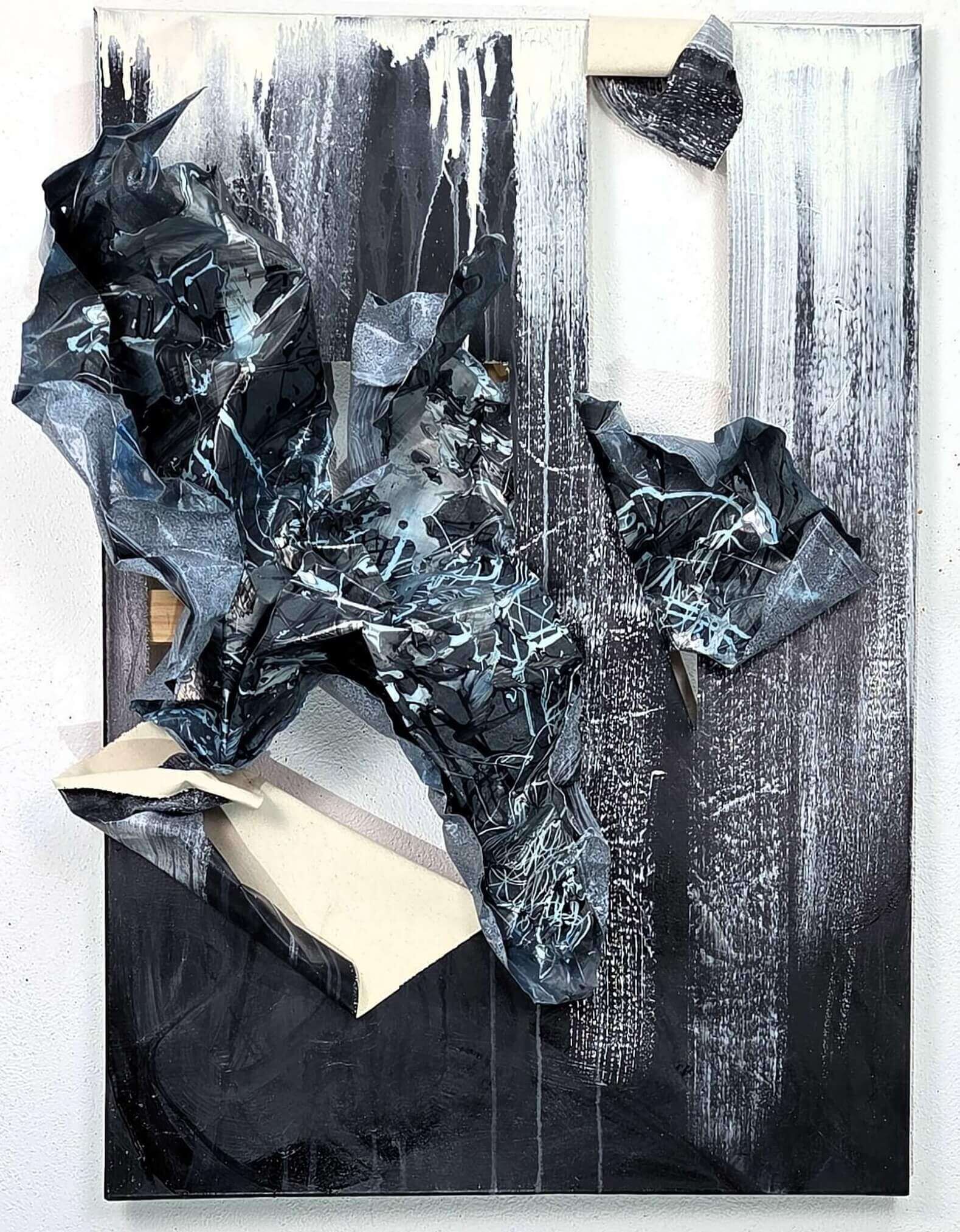
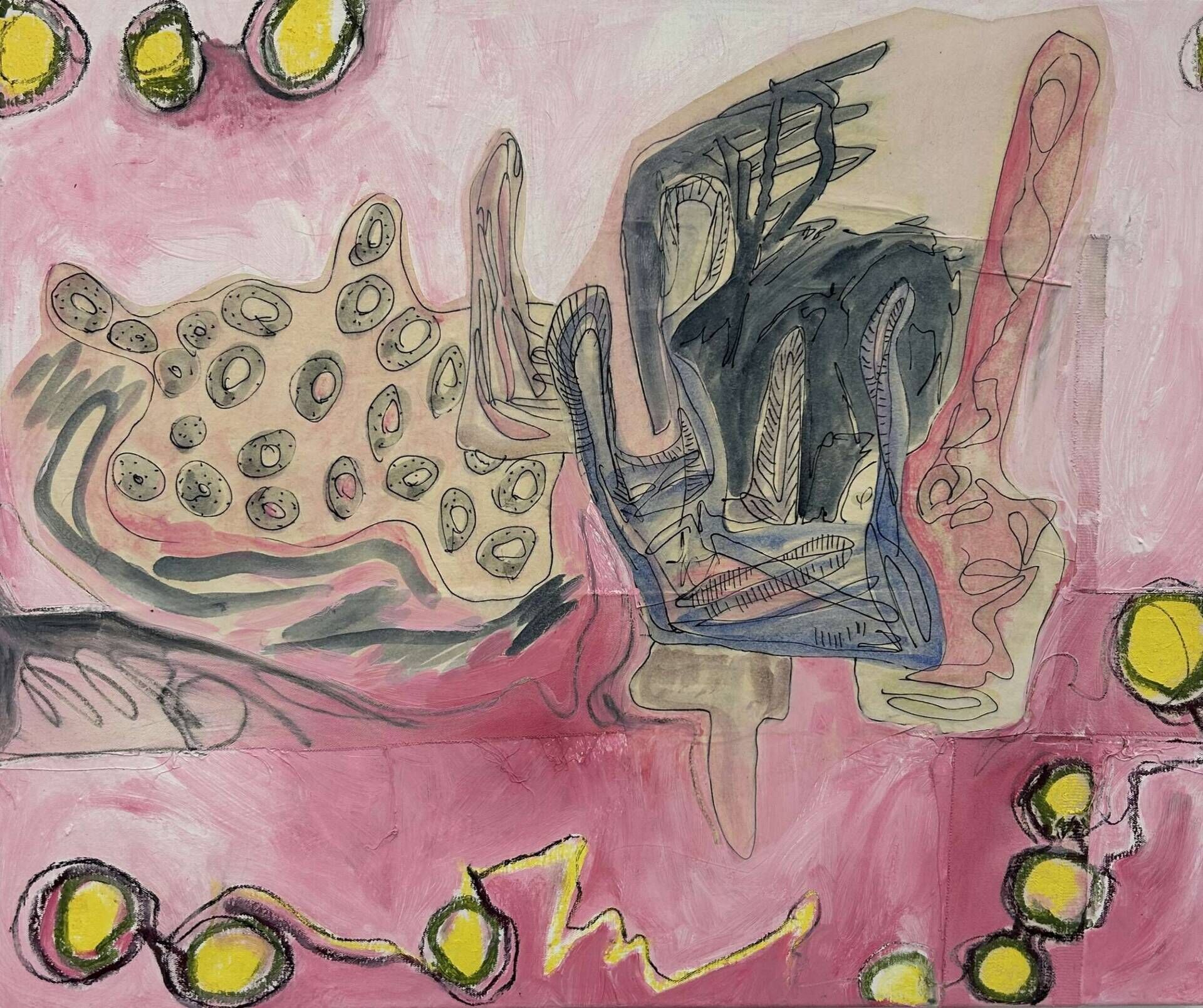
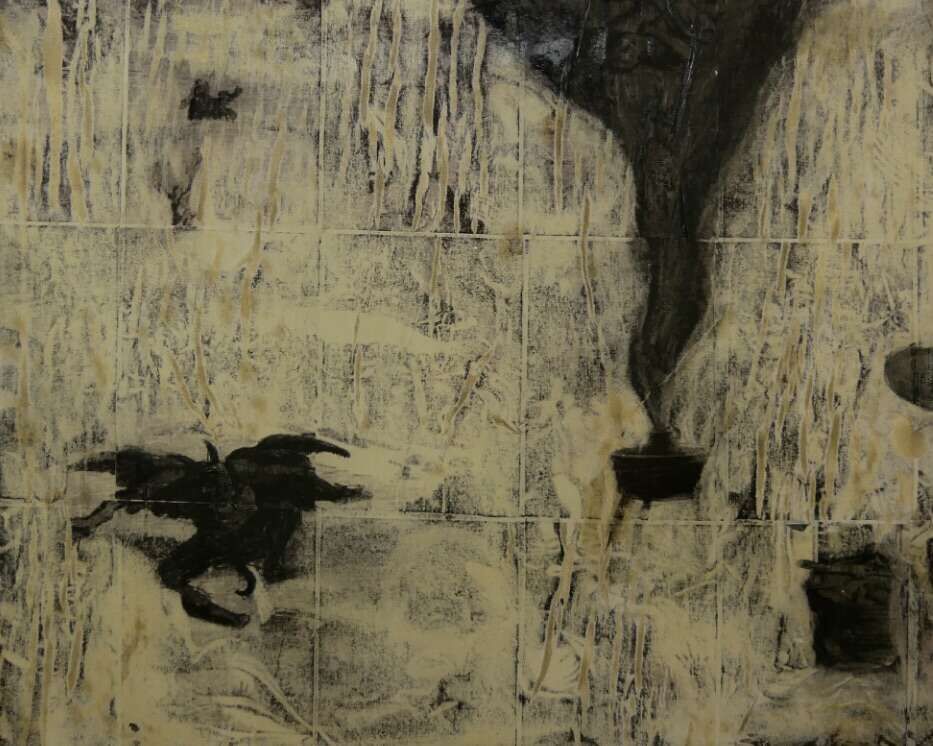
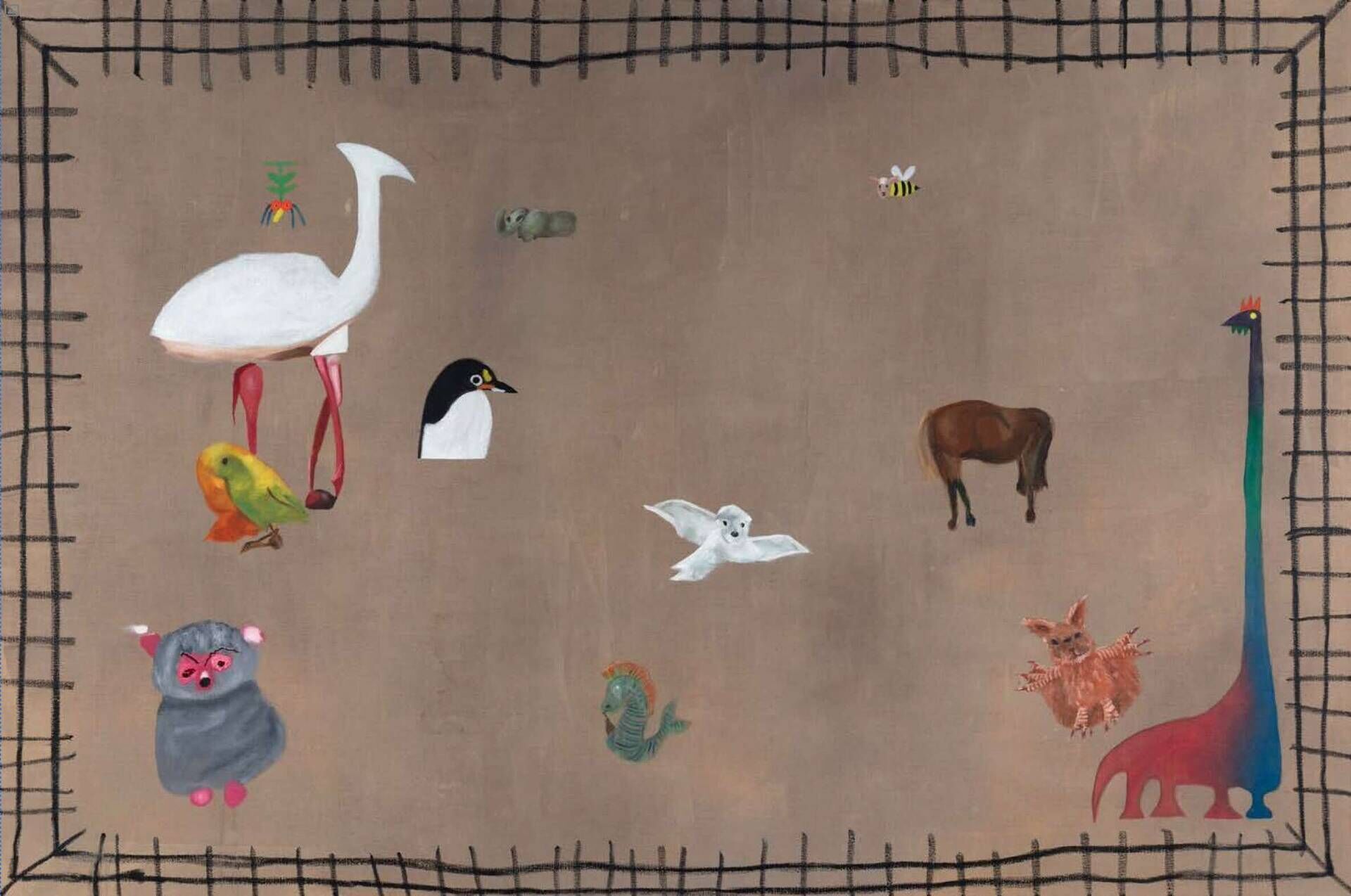
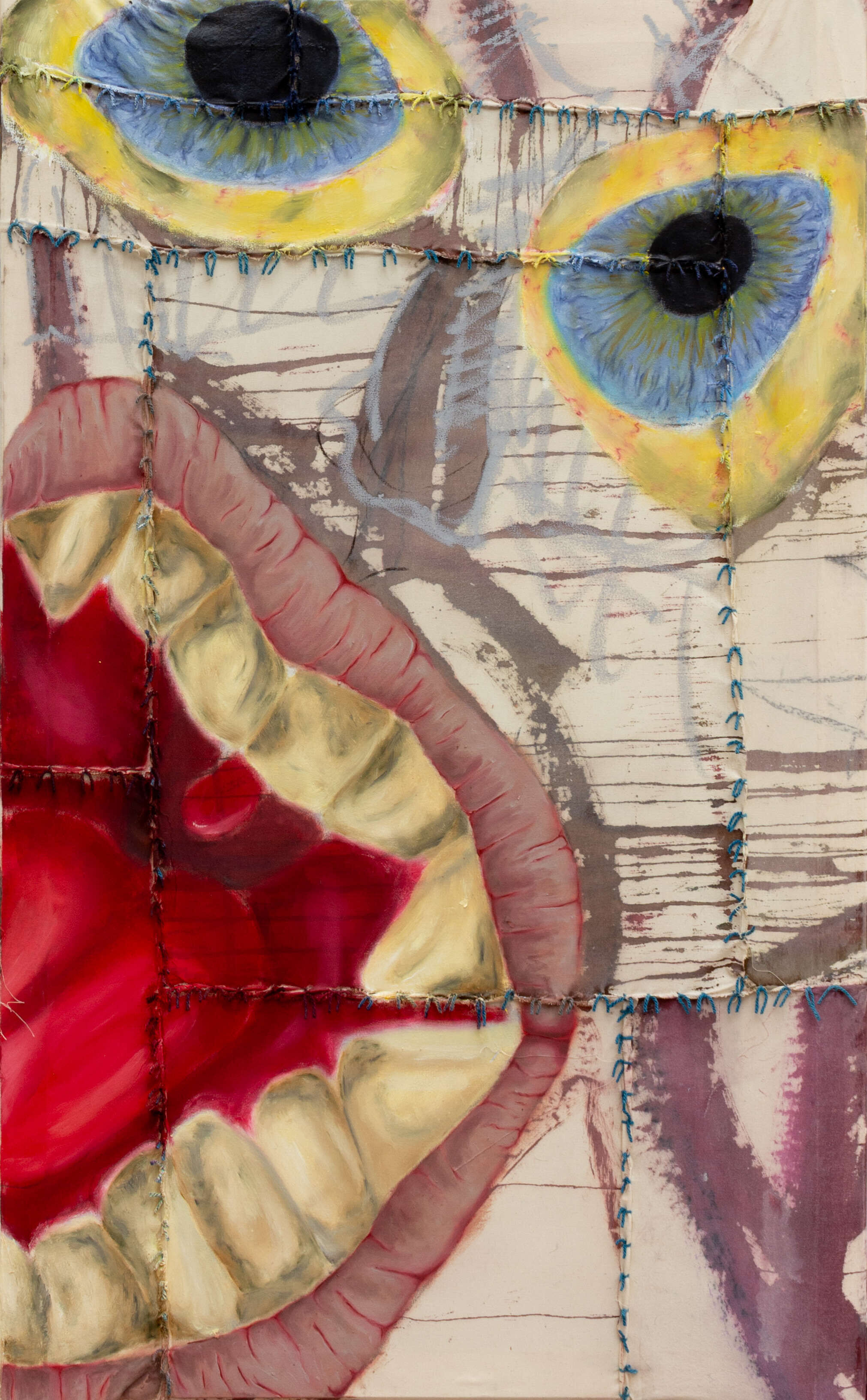
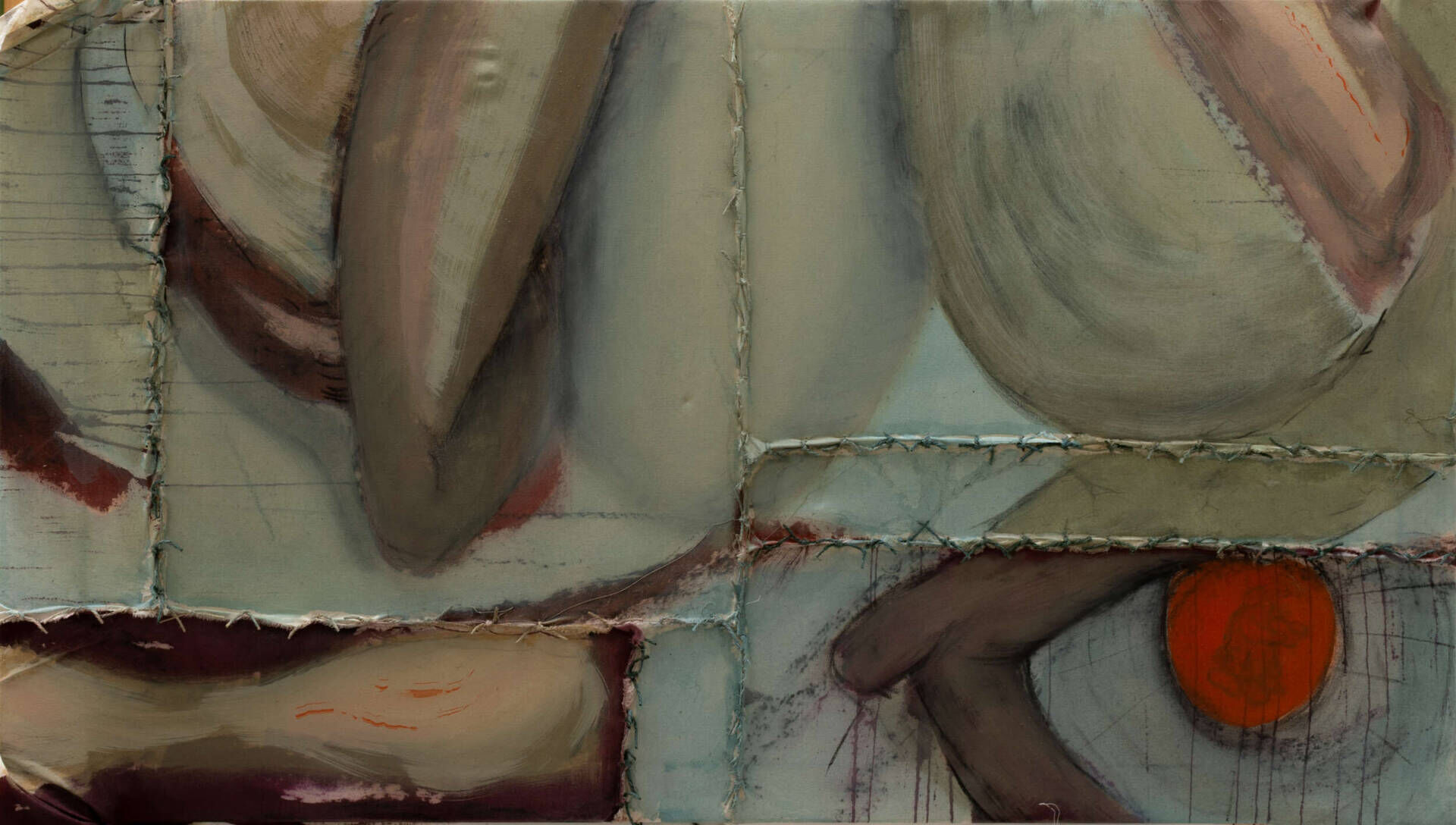
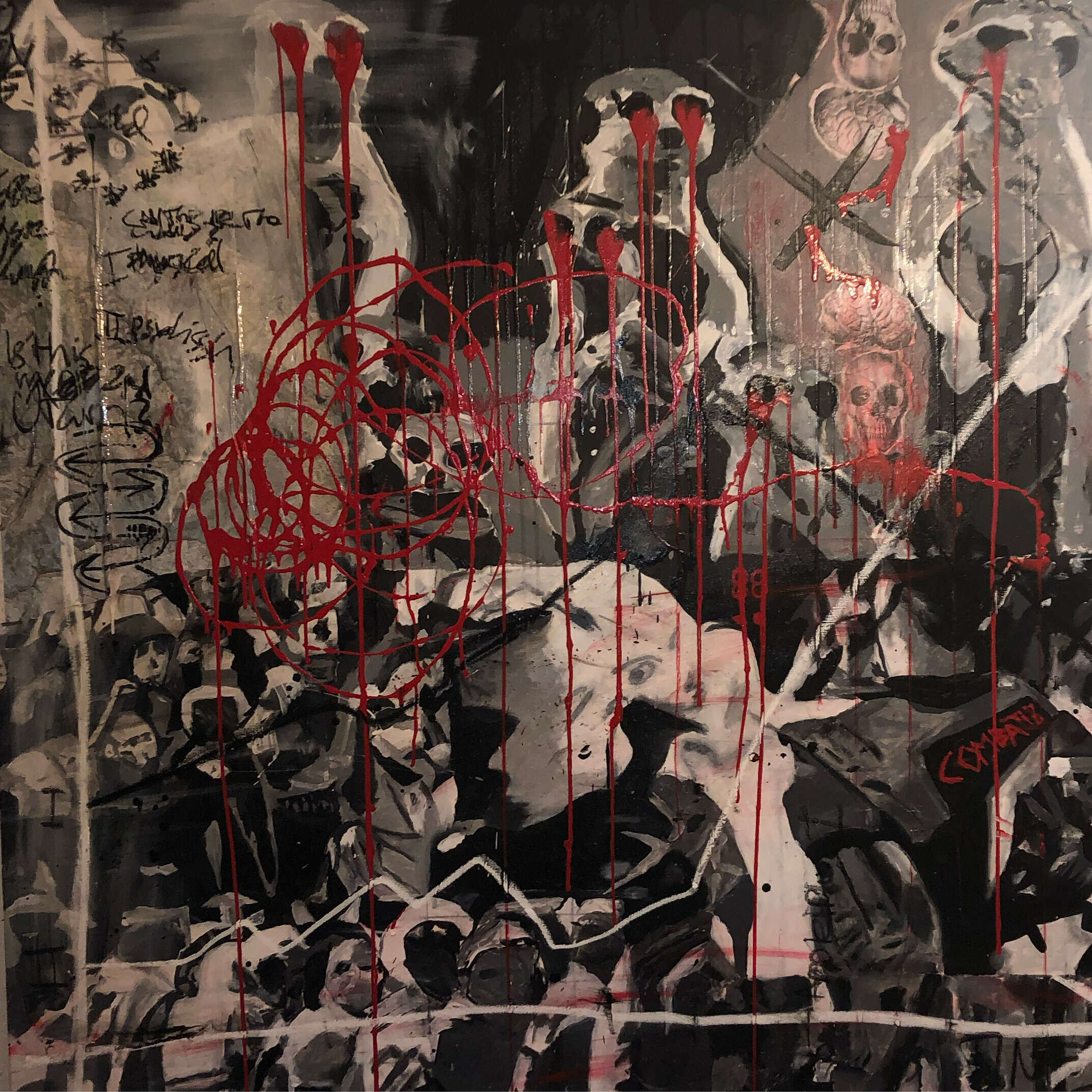
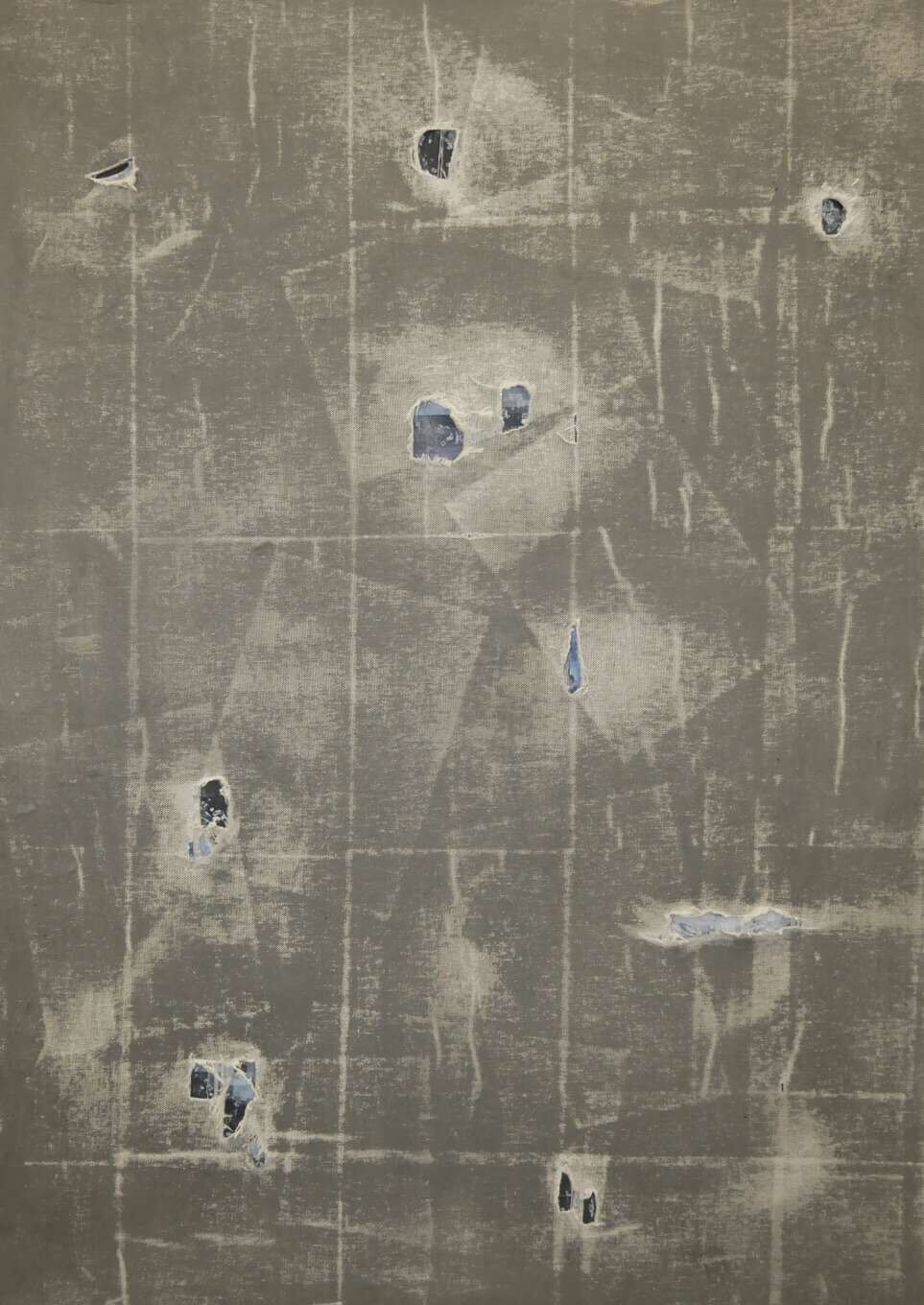
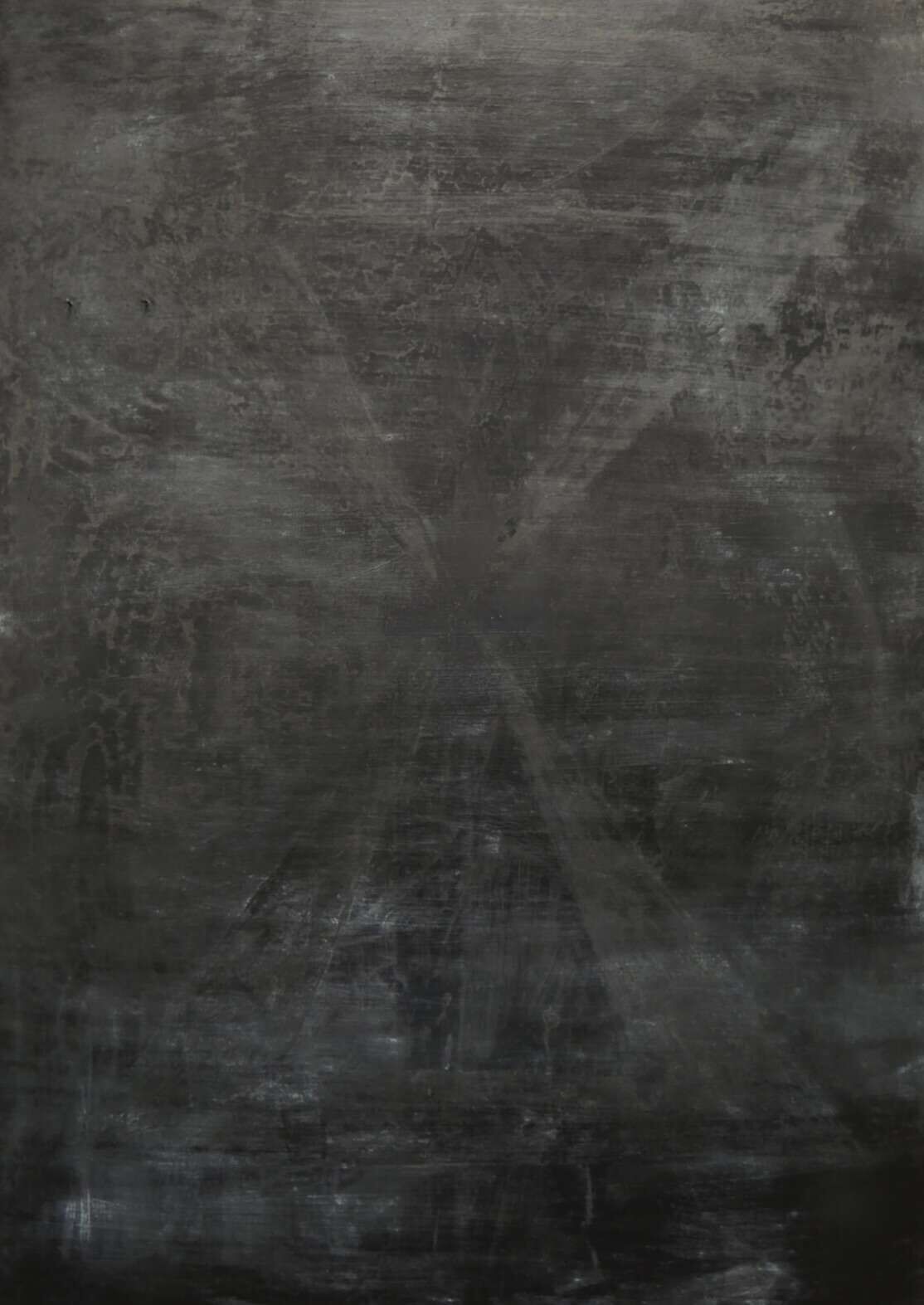
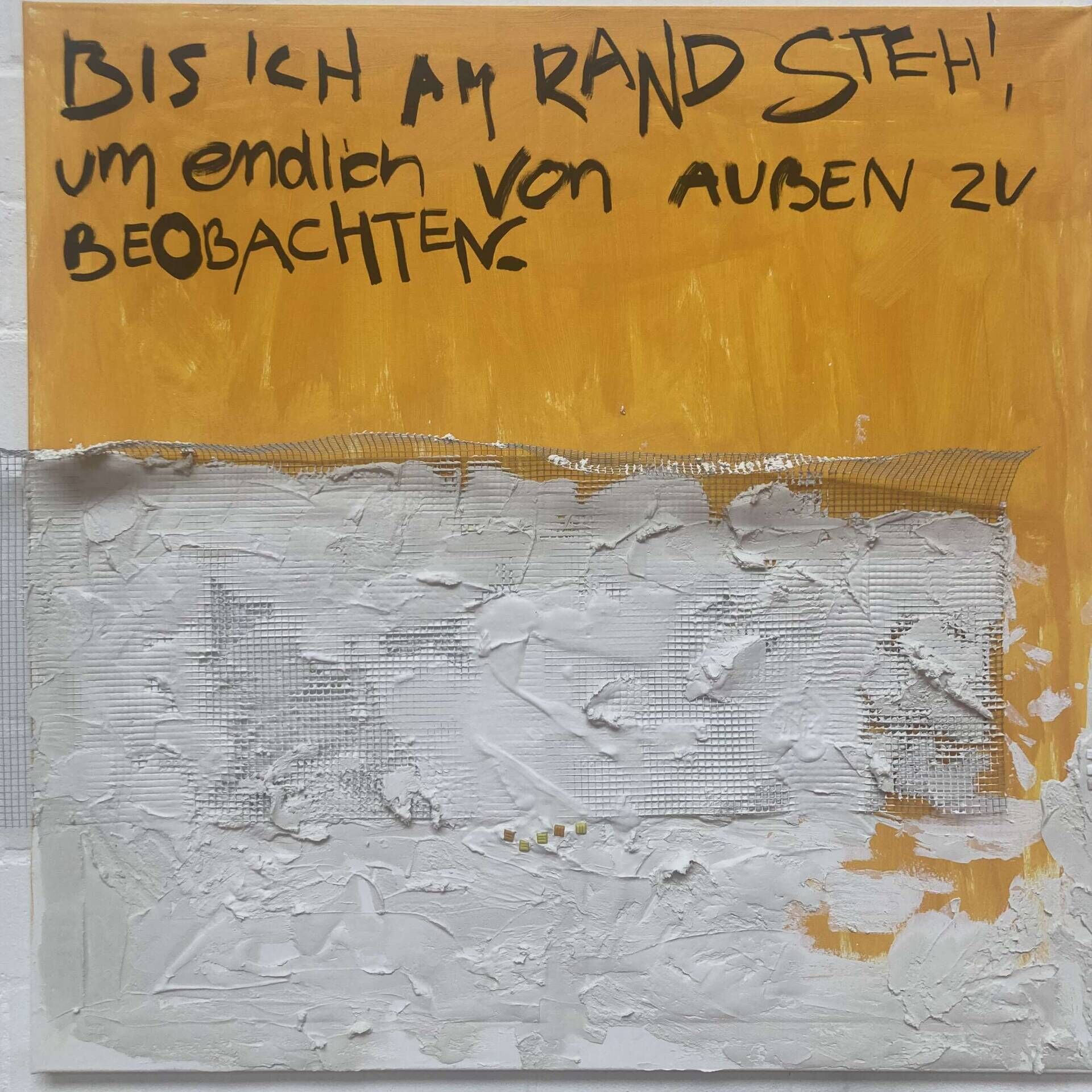
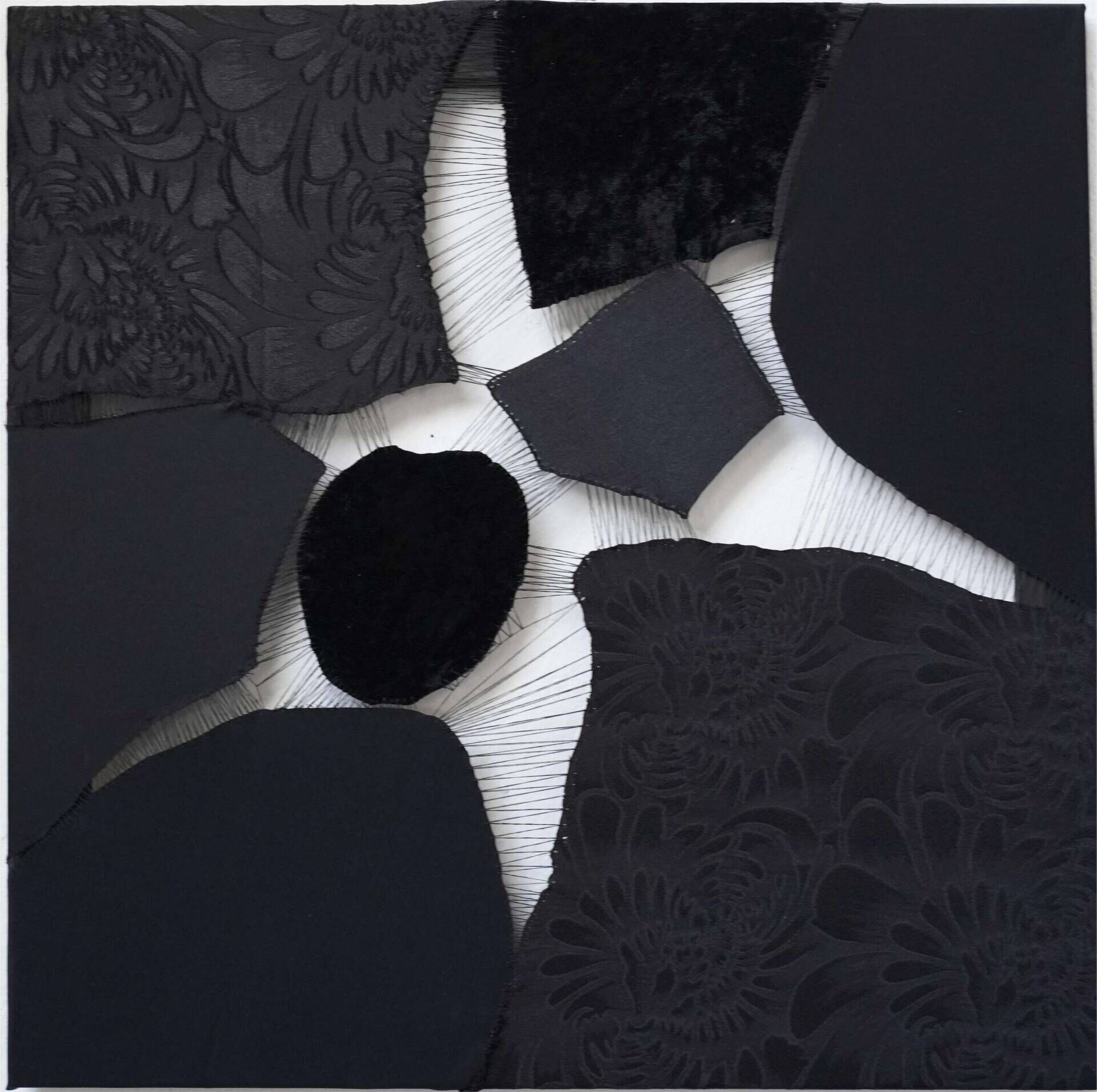
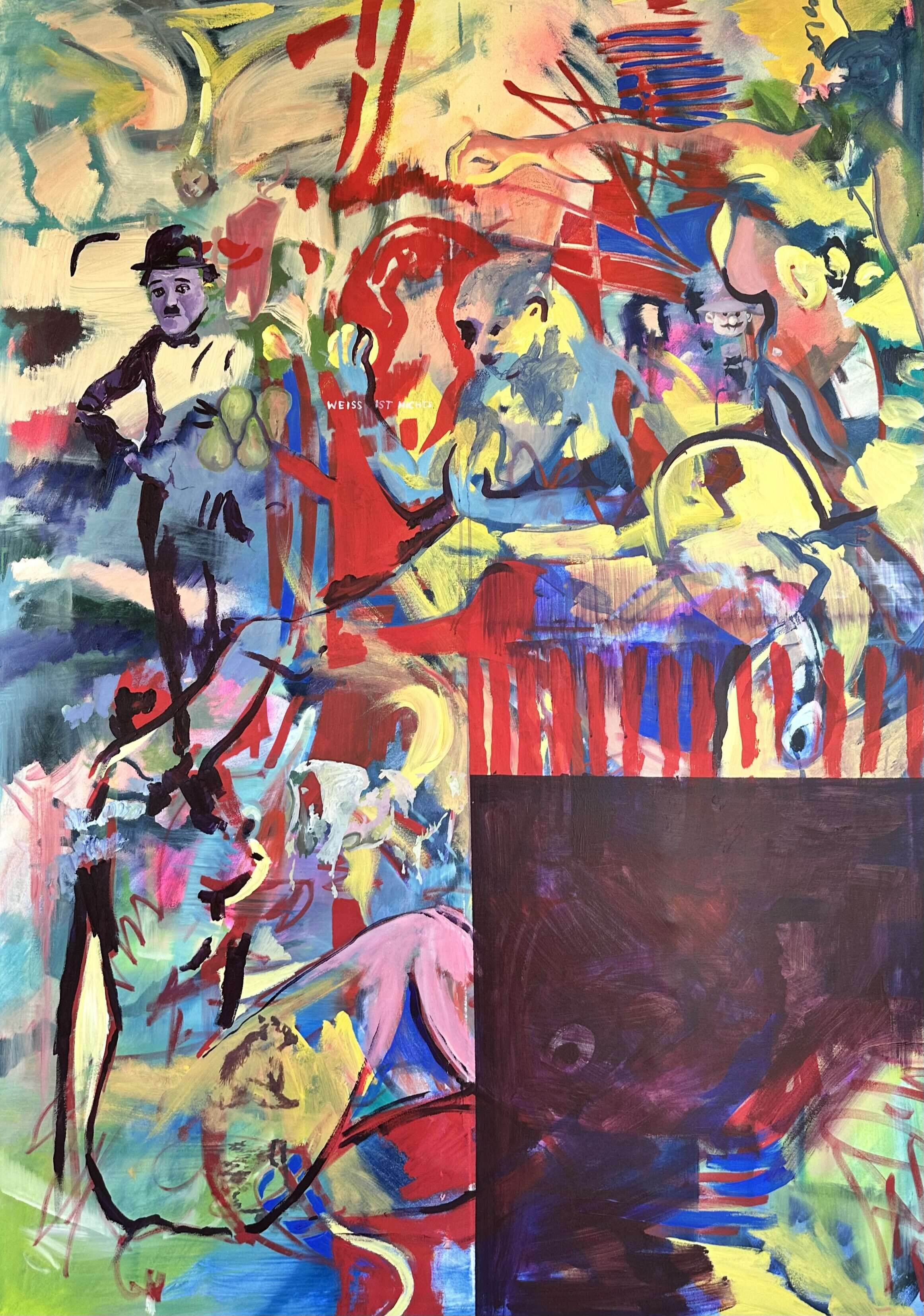
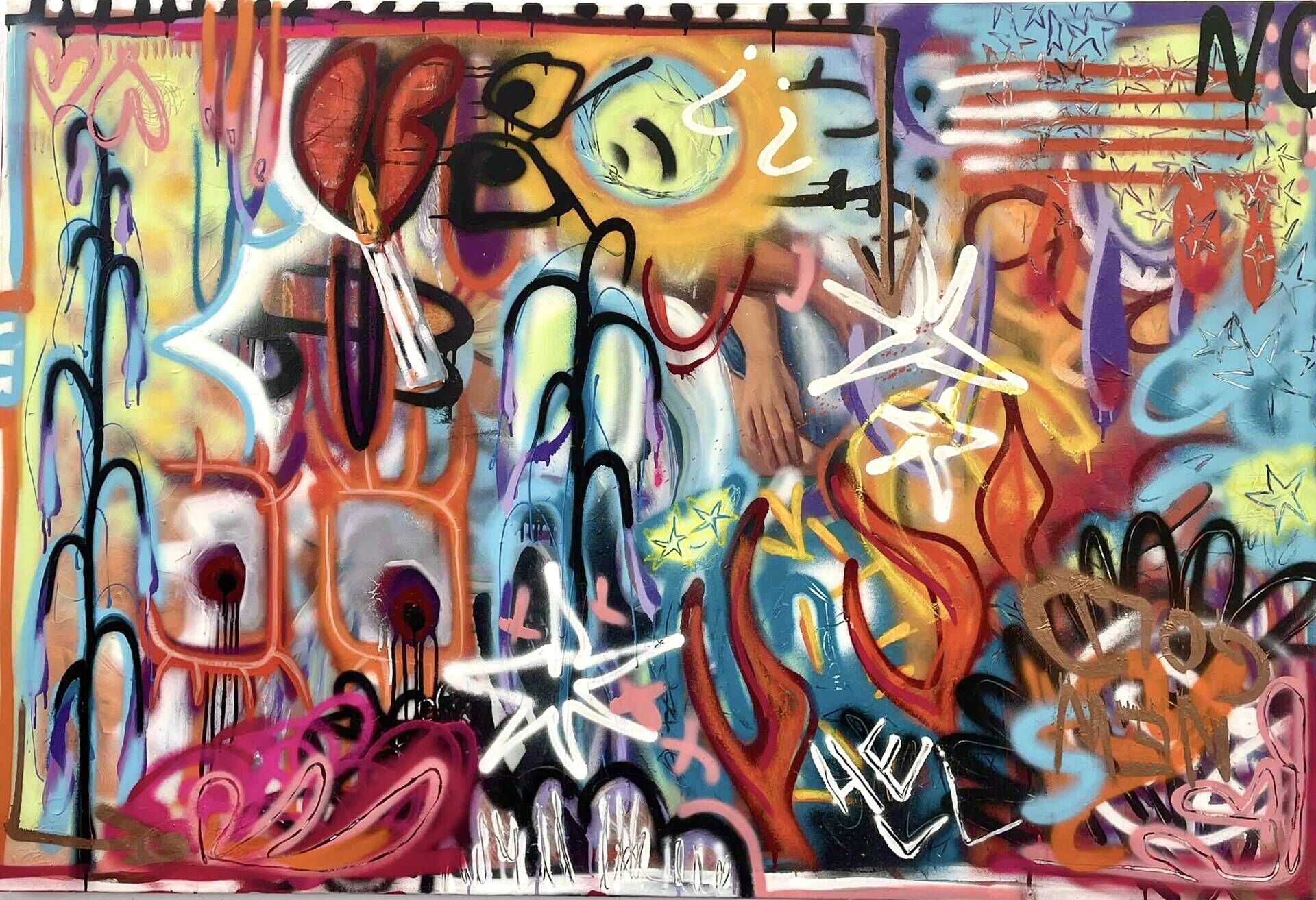
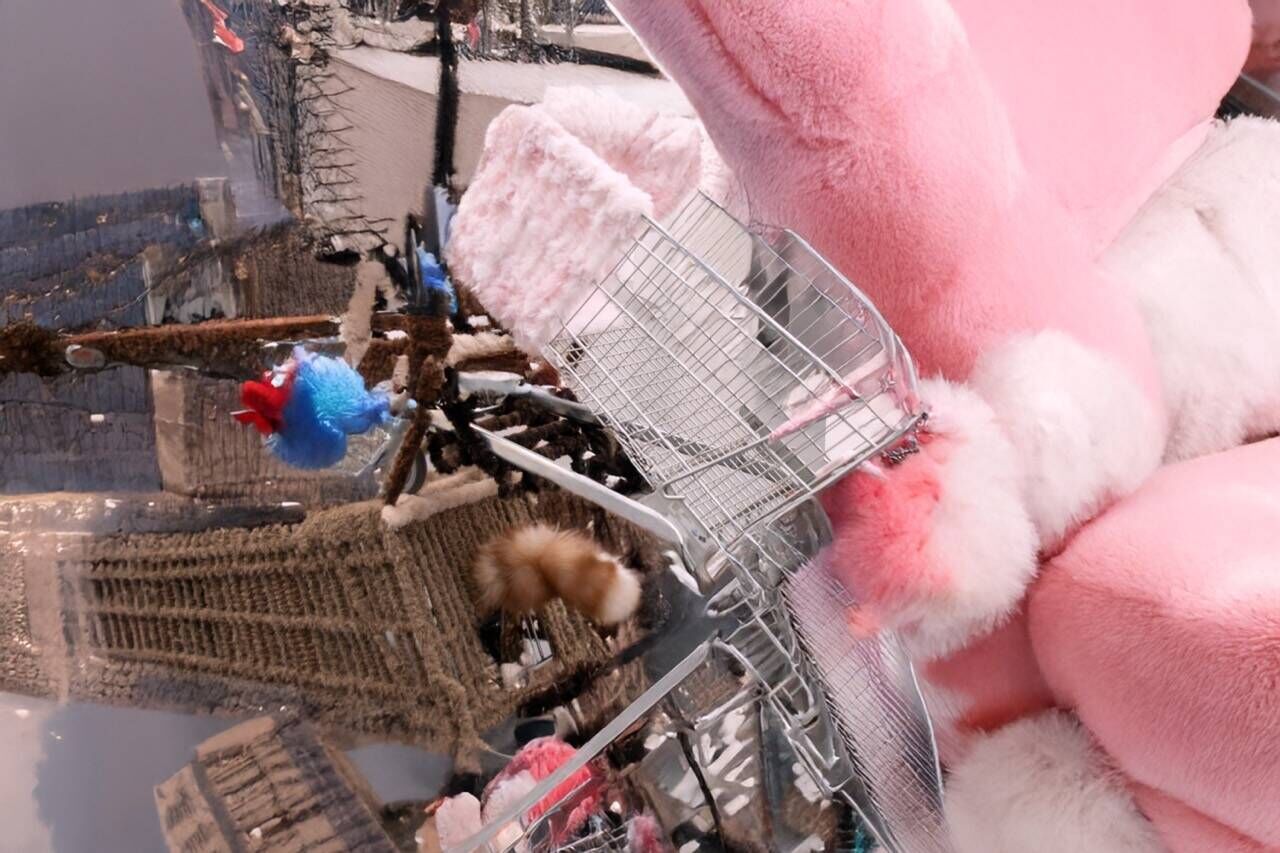
The Art of Assemblage: Collage Painting
Collage painting is an art form that deliberately embraces discontinuities and contrasts, deriving its unique tension from them. Fragments that did not originally belong together merge into new, multi-layered compositions in which contradictions and overlaps have their place – open, fragmentary and subjective, just like our perception today. Emerging at the beginning of the 20th century, this art movement challenged traditional notions of imagery. Pablo Picasso revolutionised it with his work *Nature Morte à la chaise cannée* by using everyday materials on an equal footing alongside painting – an approach that continues to shape collage painting to this day.
What is collage painting?
An art collage is a creative technique in which different materials, images or found objects are brought together on a support. Photographs, paper, fragments of text or objects merge to form a new whole. In an art collage, meaning arises not from a single motif, but from the relationship between the parts. This is precisely where its narrative power lies.
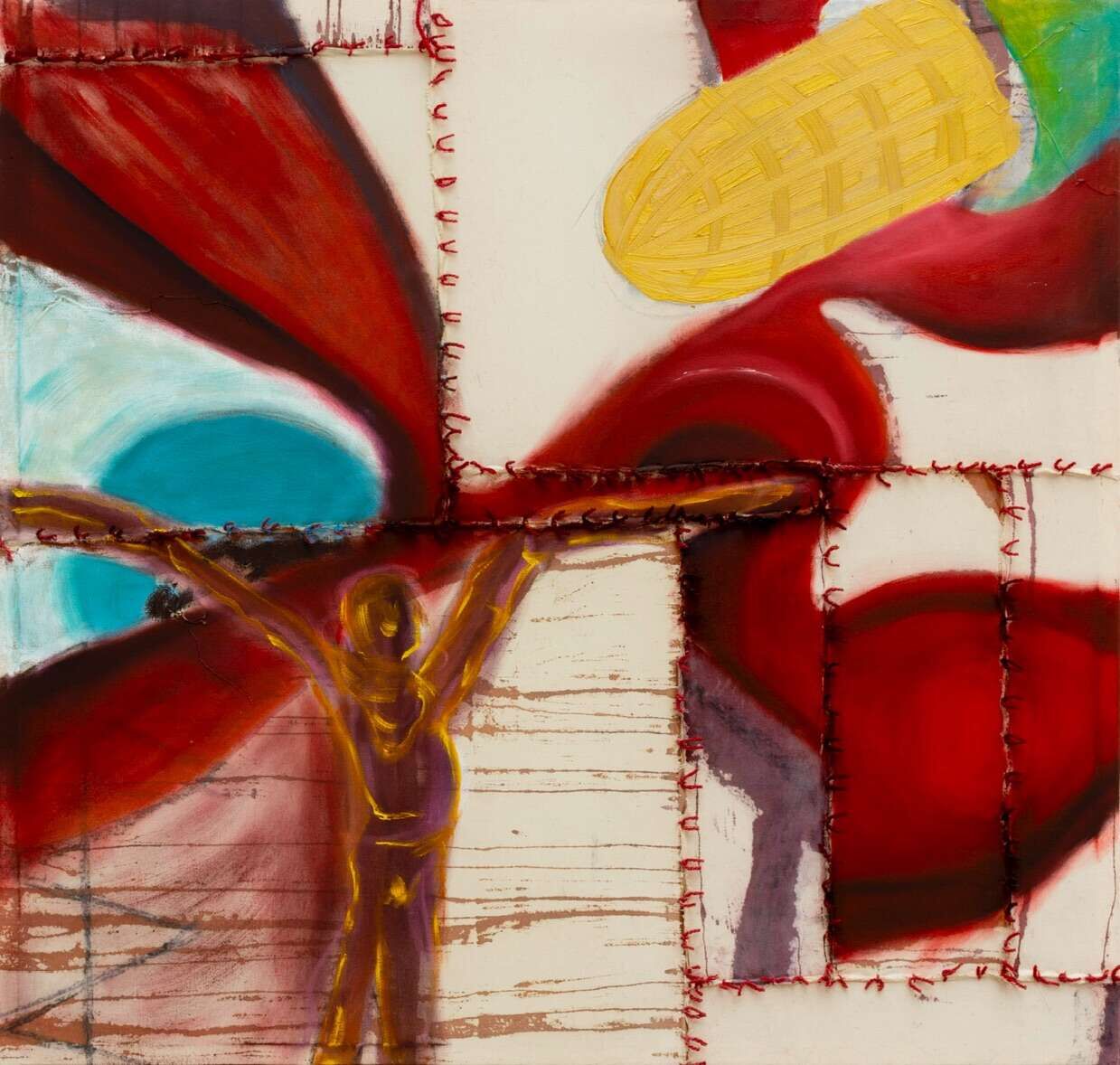
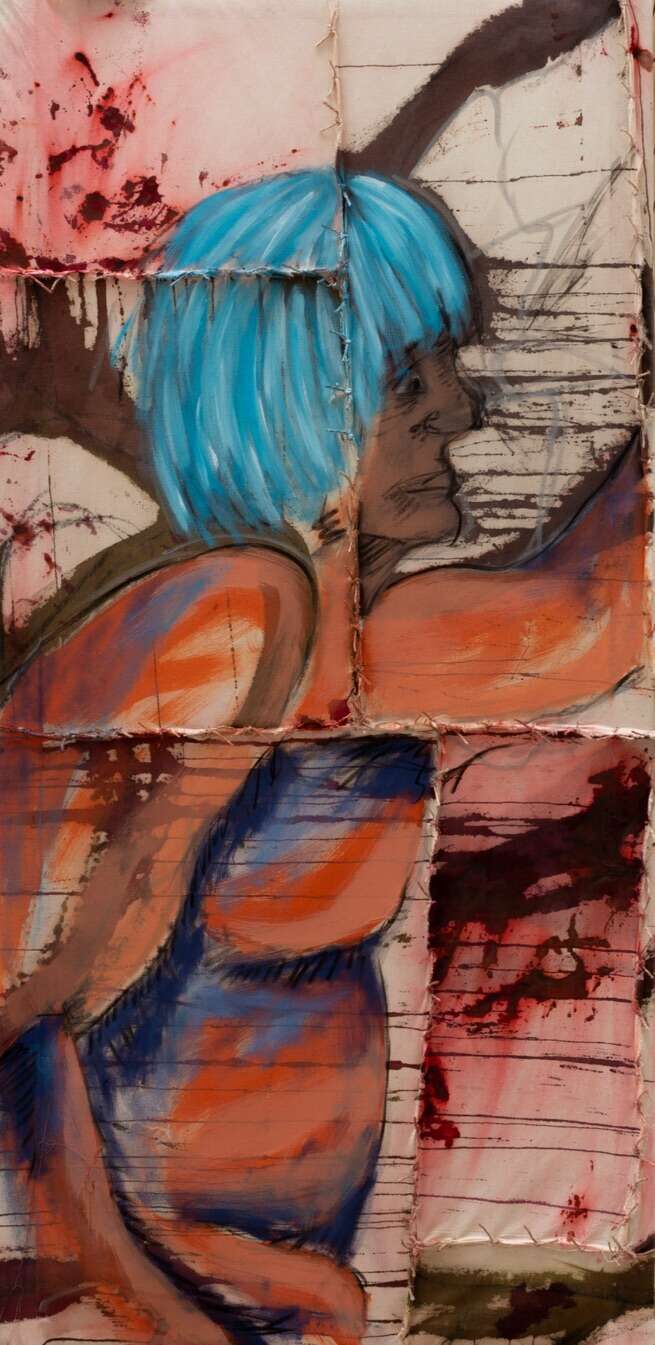
In collage painting, this principle is expanded: painted surfaces meet glued elements, textures meet colour, reality meets interpretation. Collage painting thus opens up almost limitless possibilities. Materials such as newspaper cuttings, fabrics or photographs are complemented with brushes, pens or markers. This results in works with depth, rhythm and visual complexity. Art collage not only appeals to the eye, but also invites interpretation.
Materials, methods, possibilities: the development of collage
The techniques of artistic collage are as diverse as its history. As early as the beginning of the 20th century, artists began to break away from traditional notions of imagery and incorporate materials beyond paint and canvas. In addition to paper and photography, wood, metal, fabric or organic elements found their way into the works. Particularly influential was Pablo Picasso, who demonstrated through his early experiments that everyday materials can be an equal part of a work of art. This openness continues to have an impact to this day. Many contemporary artists deliberately combine collage painting with recycled elements and sustainable approaches. Through cutting, tearing and layering, pictorial spaces are created that dissolve the traditional boundaries of painting and generate new meanings.
In collage painting, these materials are deliberately combined with paint. What was still regarded as a radical break by Picasso and Georges Braque was still regarded as a radical break, quickly developed into an artistic language in its own right. Painted surfaces create calm, depth or cohesion, whilst glued fragments generate friction, rhythm or disorientation. Collage painting thrives on these contrasts and on the deliberate play with expectations. Overpainting, transfer techniques or visible breaks make the creative process transparent and lend the works a particular tension. Collage art thus becomes an open stage for experimentation and new visual ideas.
Historically, collage painting developed at a rapid pace. Following Picasso, the Dadaists took up the art form to question social orders, whilst Surrealists worked with the logic of dreams and the subconscious. Later, Pop Art artists incorporated images from the worlds of consumerism and the media, thereby reflecting their era. Today, the spectrum of collage painting ranges from handcrafted, analogue works to digital compositions. Digital art collage also follows the same basic principle: the deliberate combining, shifting and rearranging of image fragments – only with different tools.
Influential figures in collage art
Kurt Schwitters is regarded as one of the most consistent pioneers of collage painting. With his so-called ‘Merzbilder’, he elevated everyday scraps, found objects and seemingly worthless items to the central element of his collage works. Ticket stubs, newspaper fragments and packaging were not used decoratively in his collage technique, but were deliberately left visible. In doing so, Schwitters brought reality directly into his collage works and posed the question of what art is actually permitted to consist of. His works make it clear how collage not only creates new forms, but also reflects social conditions – raw, fragmented and honest.
Hannah Höch took this approach further and gave modern collage painting an explicitly political dimension. In her photomontages, she deconstructed images from advertising, the press and politics to expose existing power structures. The portrayal of gender roles, in particular, was at the heart of her work. Höch’s works are multi-layered: humorous and incisive at the same time, formally precise and thematically uncomfortable. Her collage art demonstrates how effective the juxtaposition of disparate visual worlds can be in questioning and reordering social narratives.
In the second half of the 20th century, the focus of collage painting shifted increasingly towards media images and consumer culture. Barbara Kruger translated the principle of collage painting into a clear, graphic visual language. By combining iconic photographs with pithy texts, she created works that directly address power, body image and social control. Richard Hamilton, too, used everyday images to highlight the aesthetics and values of consumer society and to deliberately intertwine art and pop culture. Finally, Peter Beard took the art of collage in a very personal direction. His works resemble visual diaries in which photographs, drawings and materials from his own life merge together. This demonstrates just how diverse and adaptable collage painting is – ranging from socially critical to deeply autobiographical, always close to reality and yet artistically condensed.
Discover high-quality collage artworks by young talents
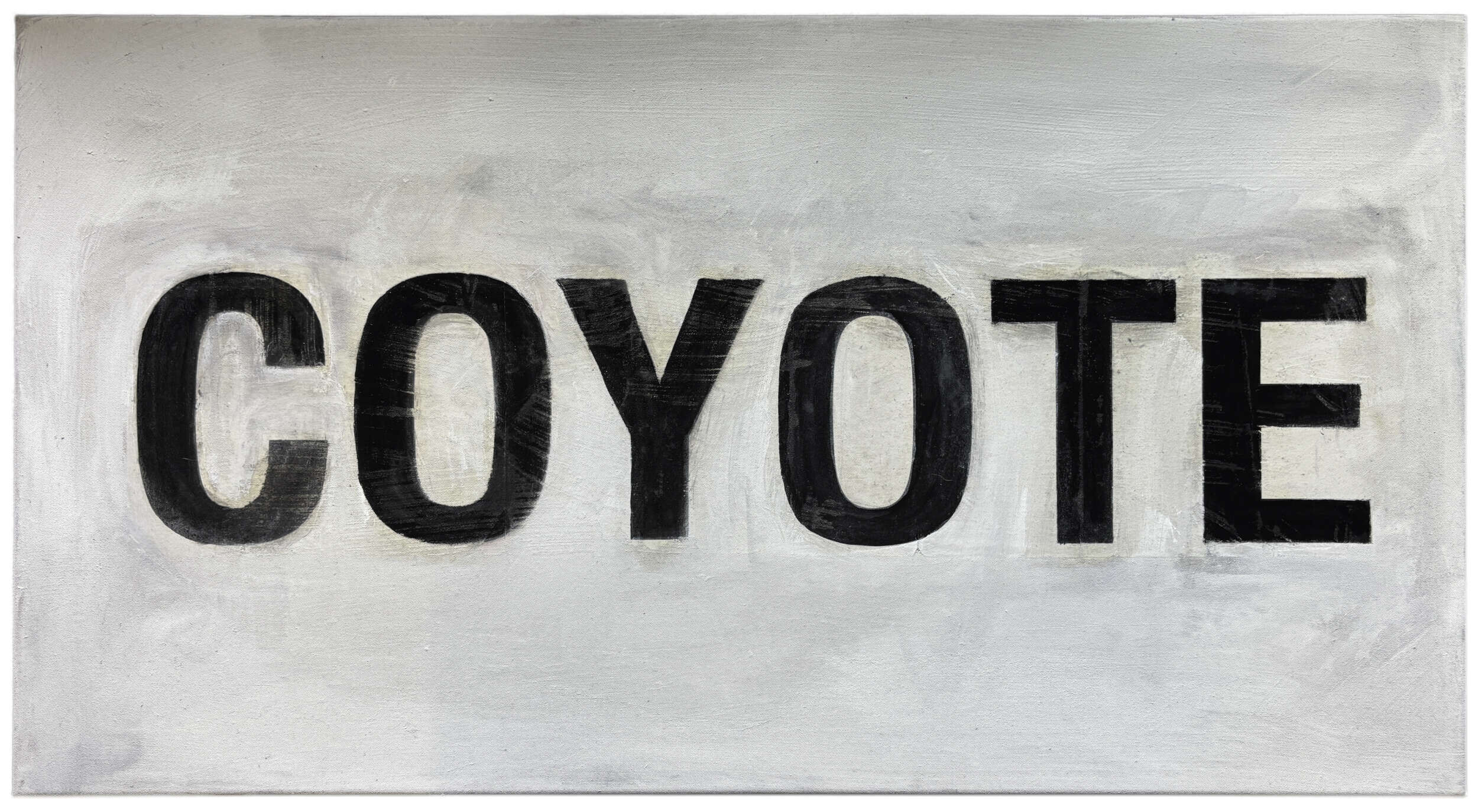
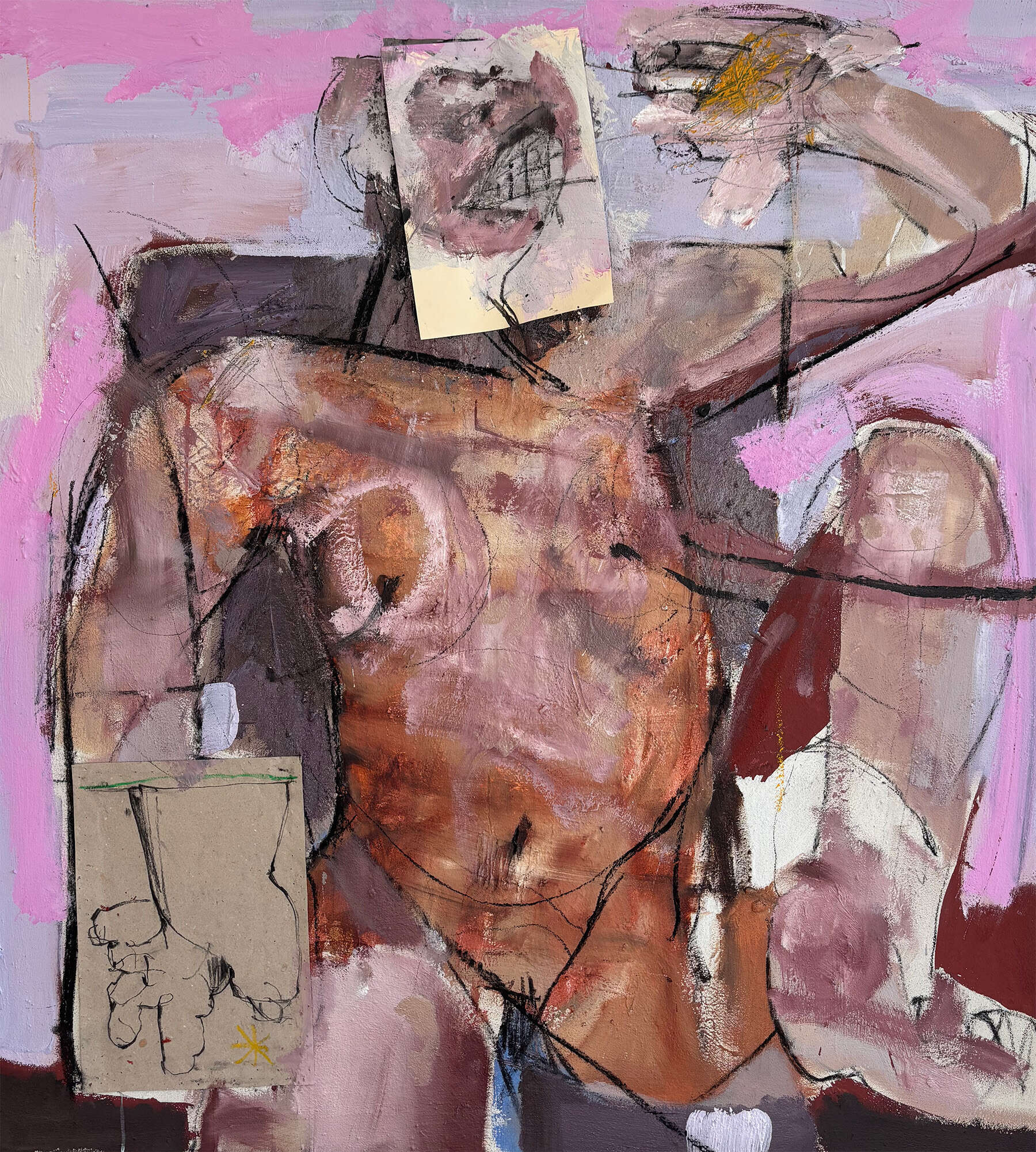
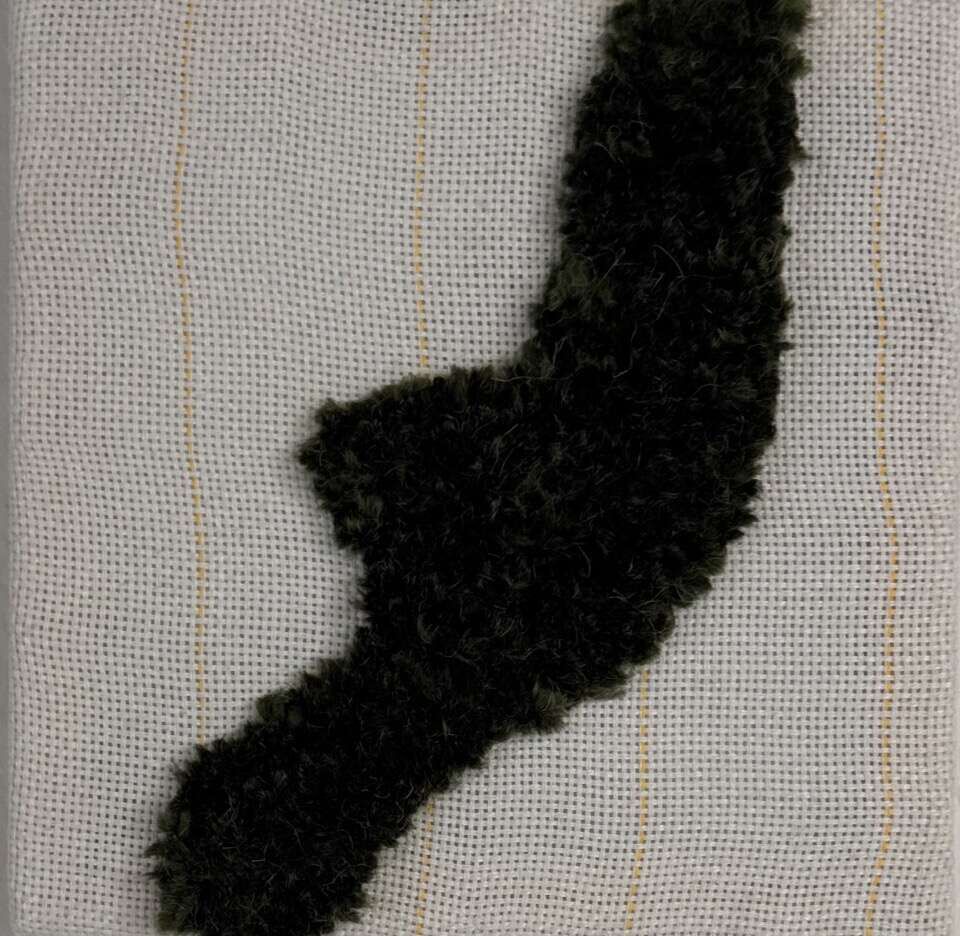
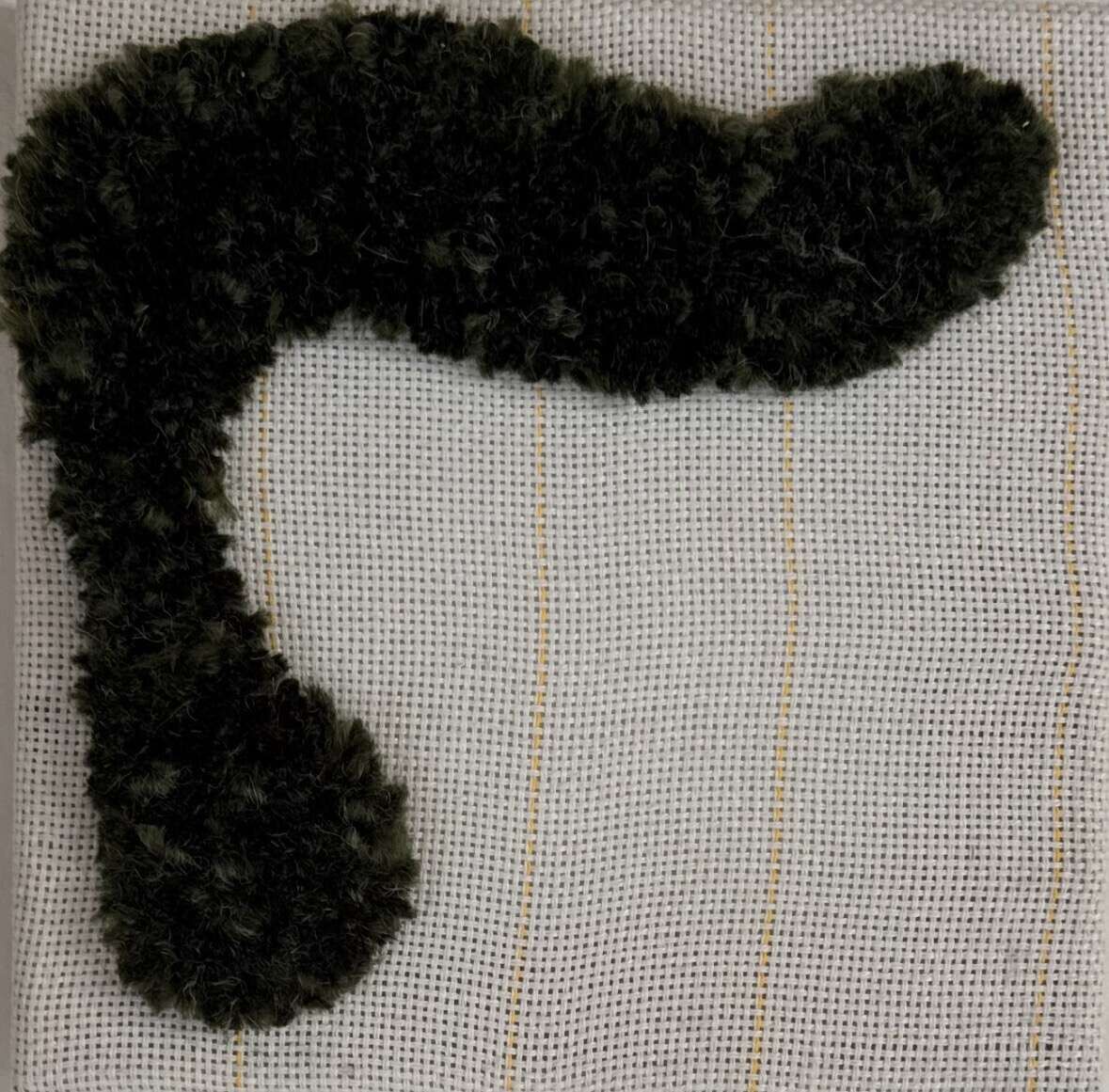
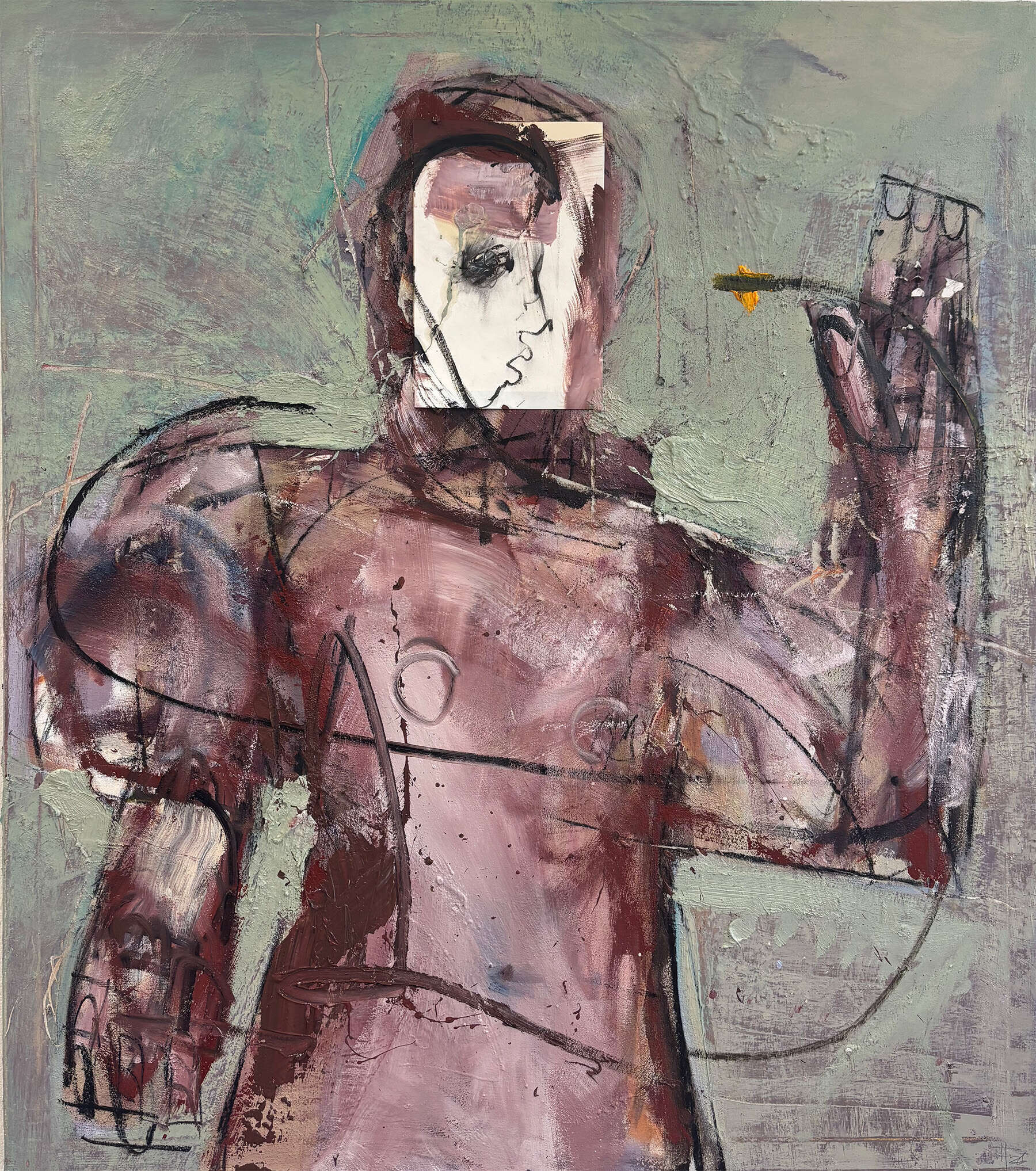
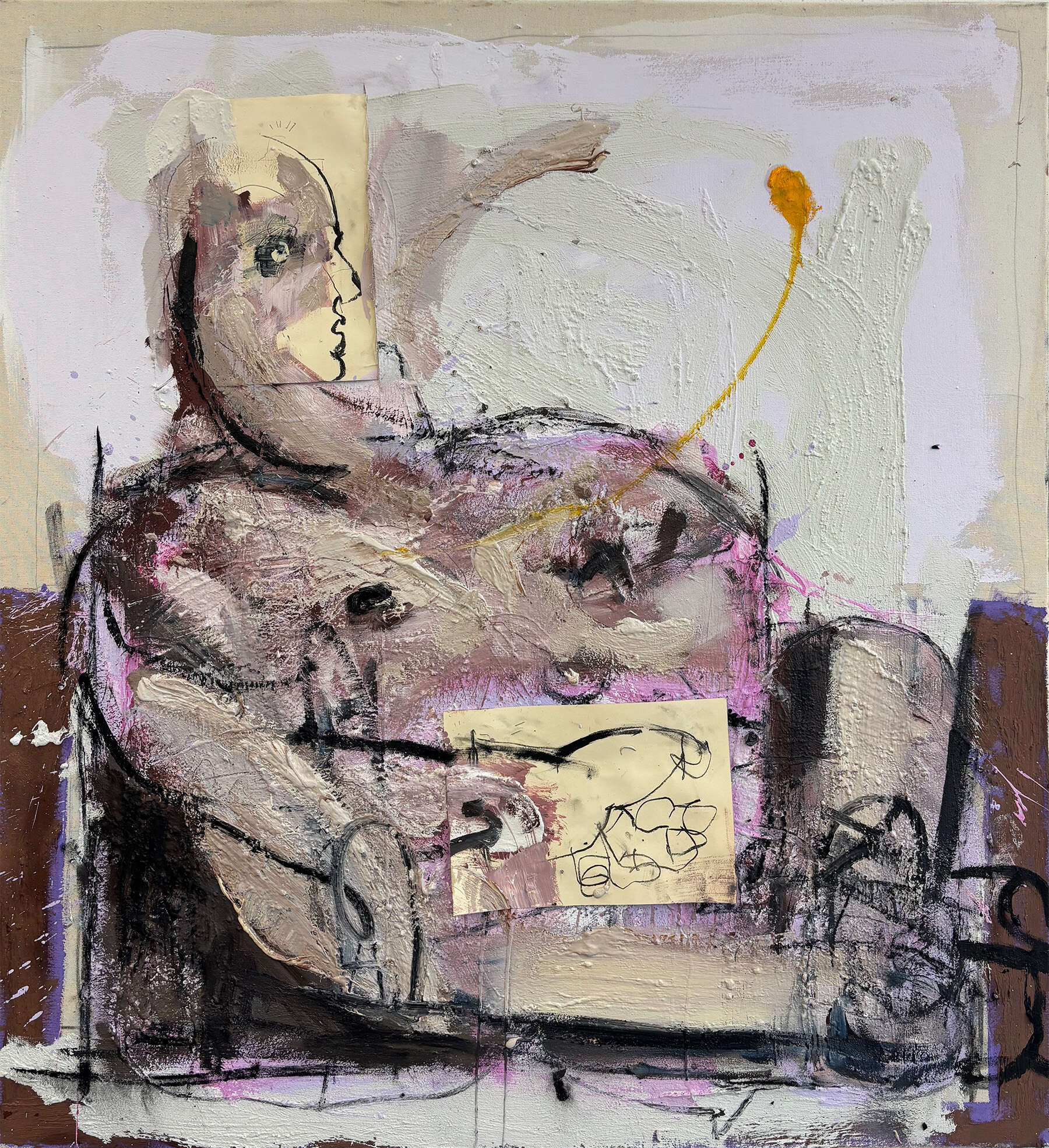
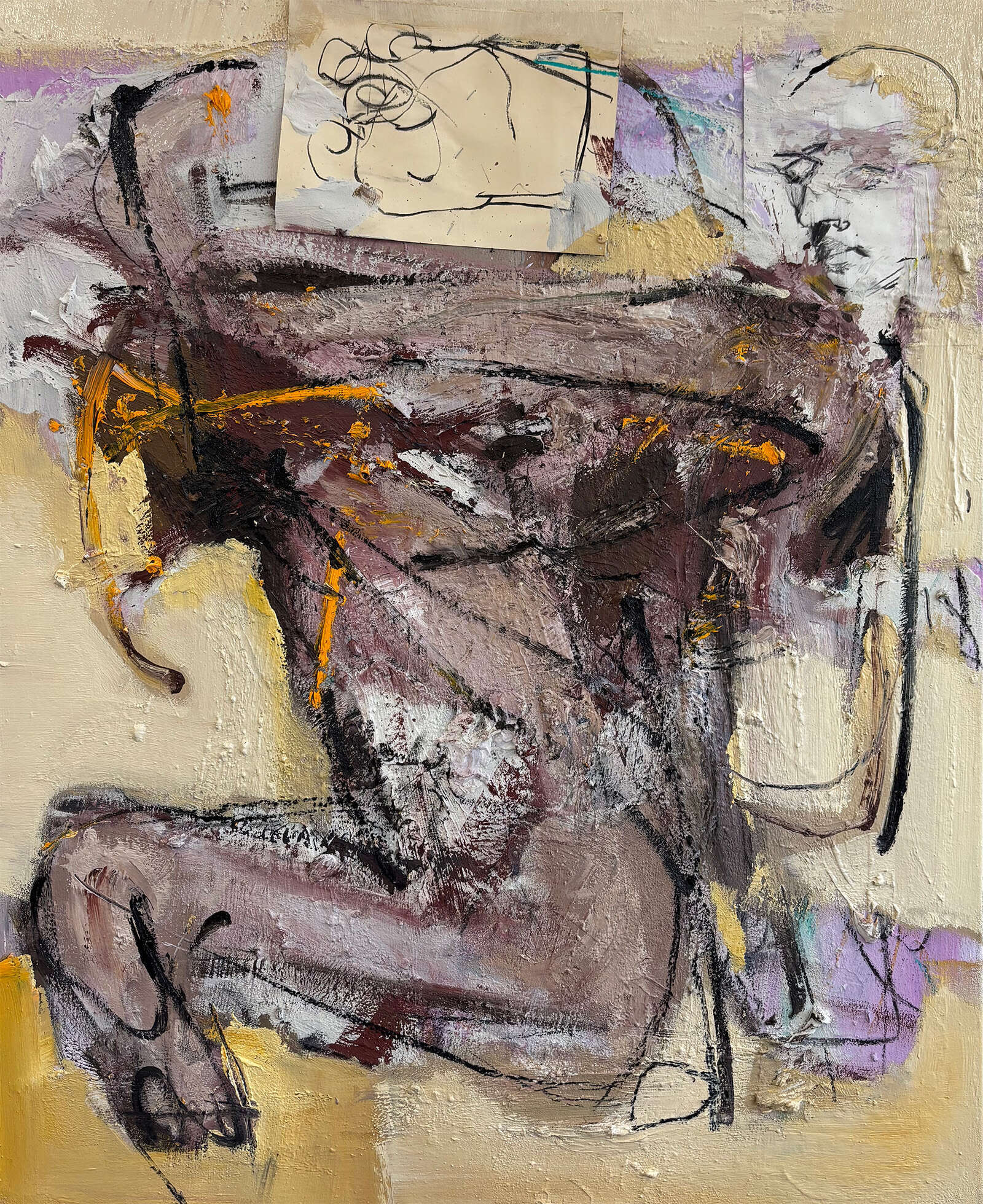
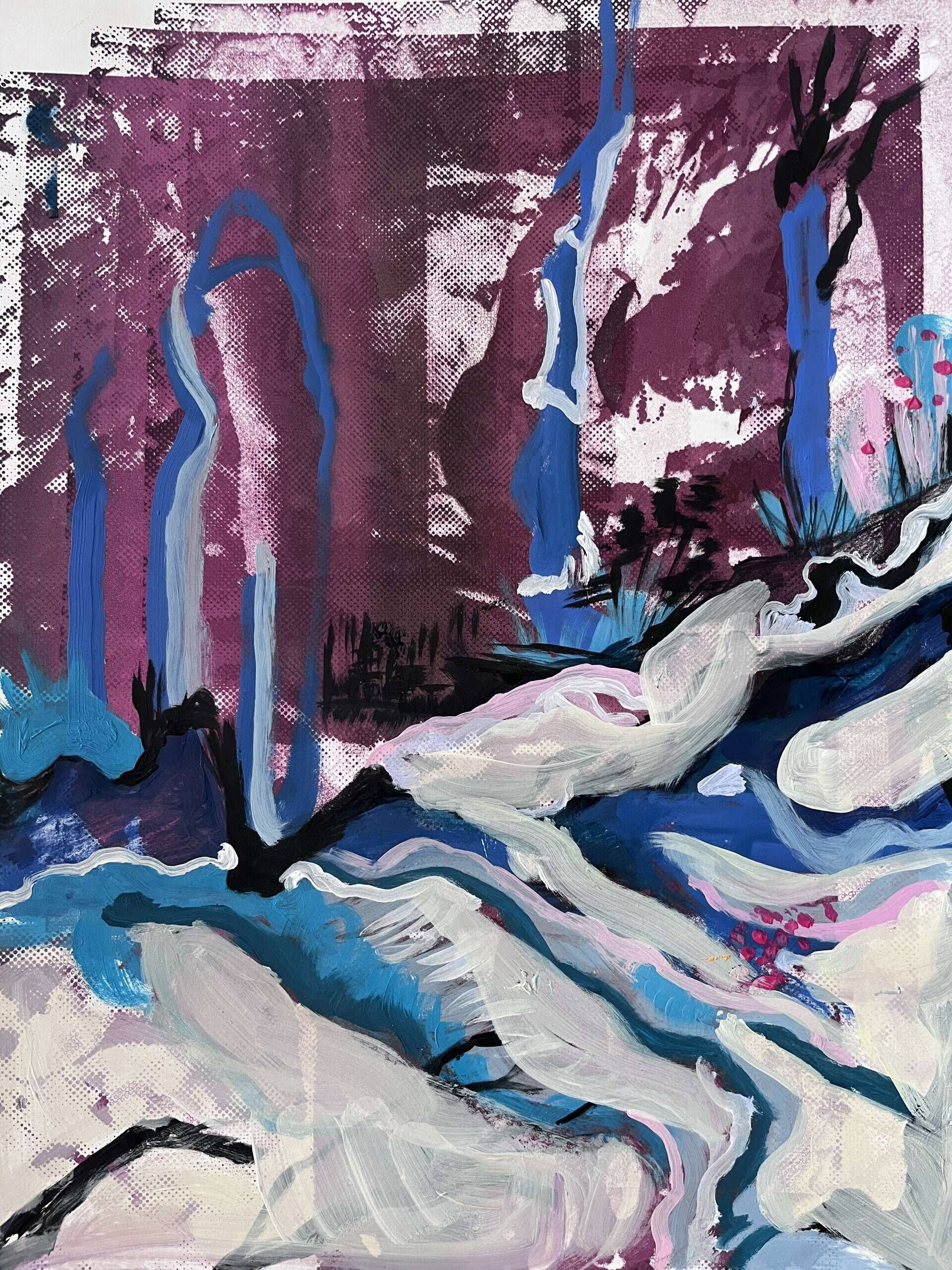
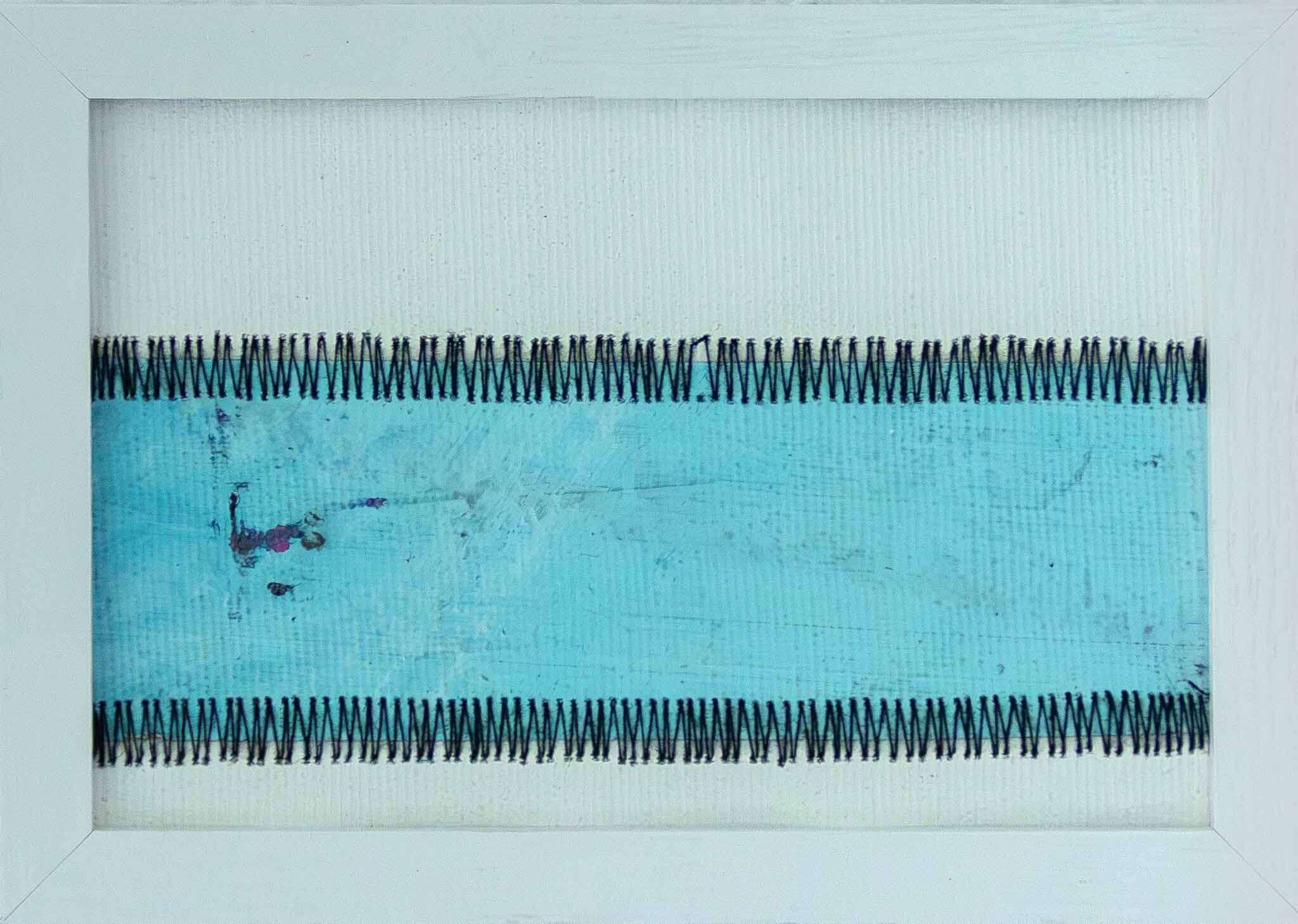
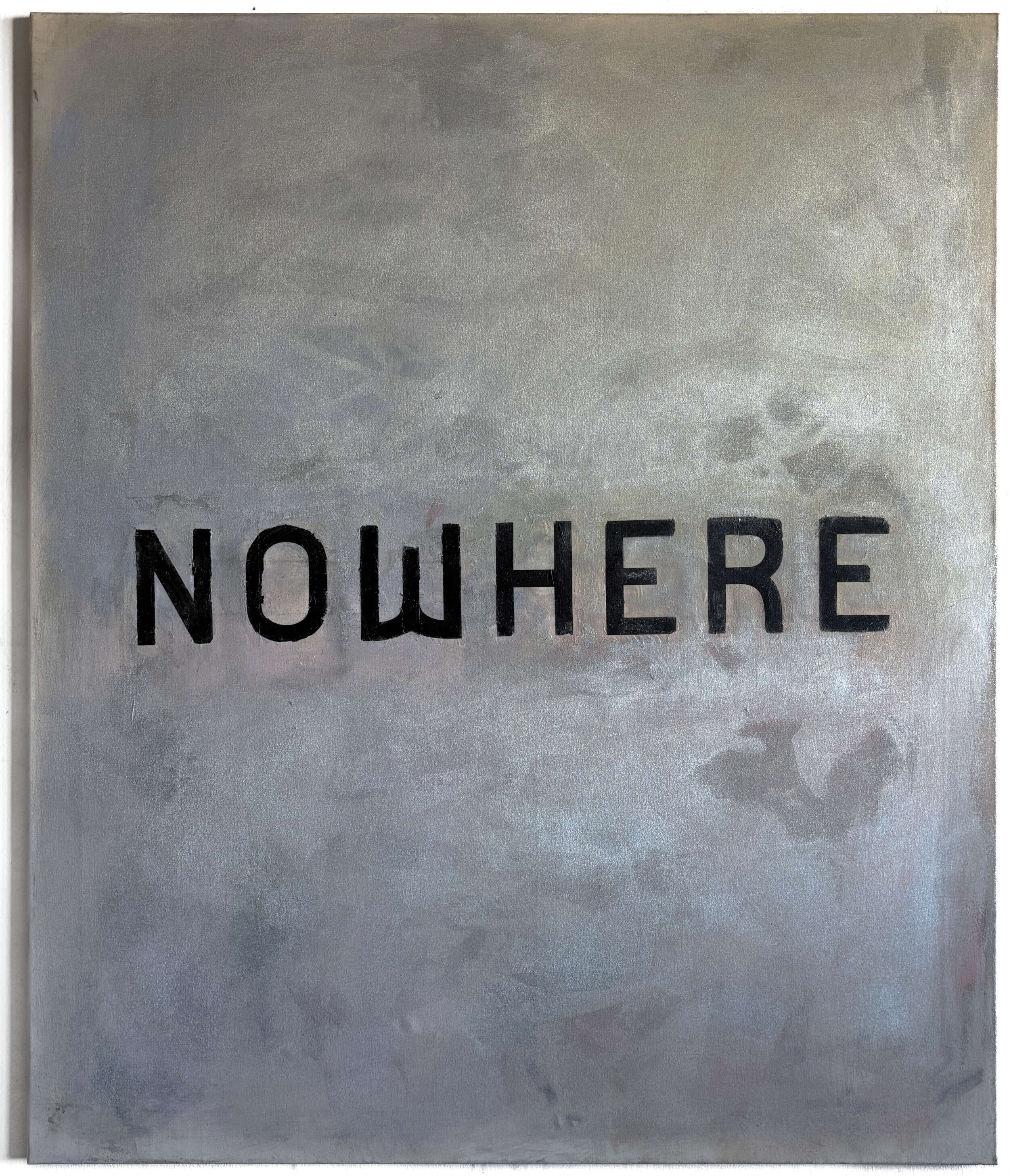
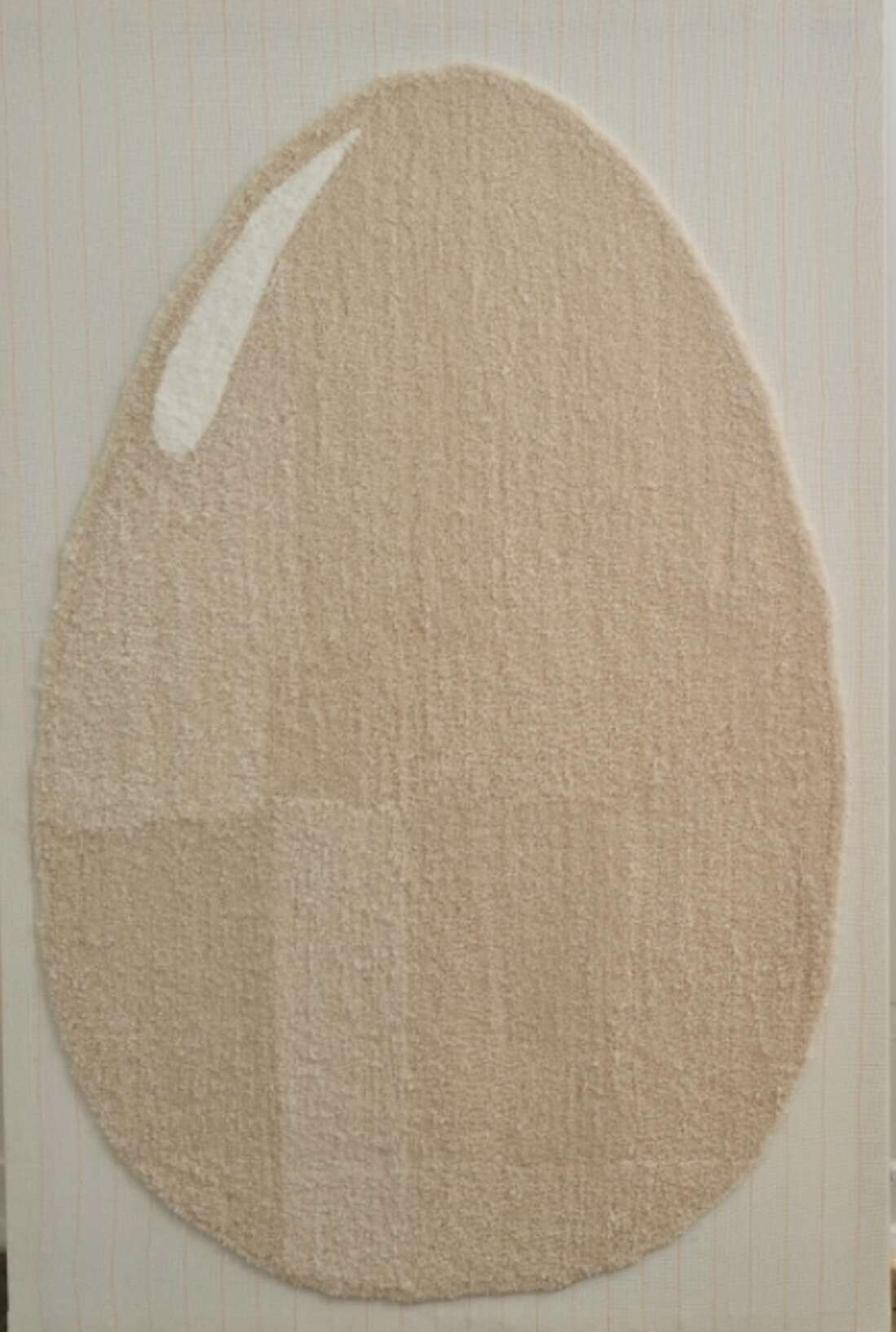
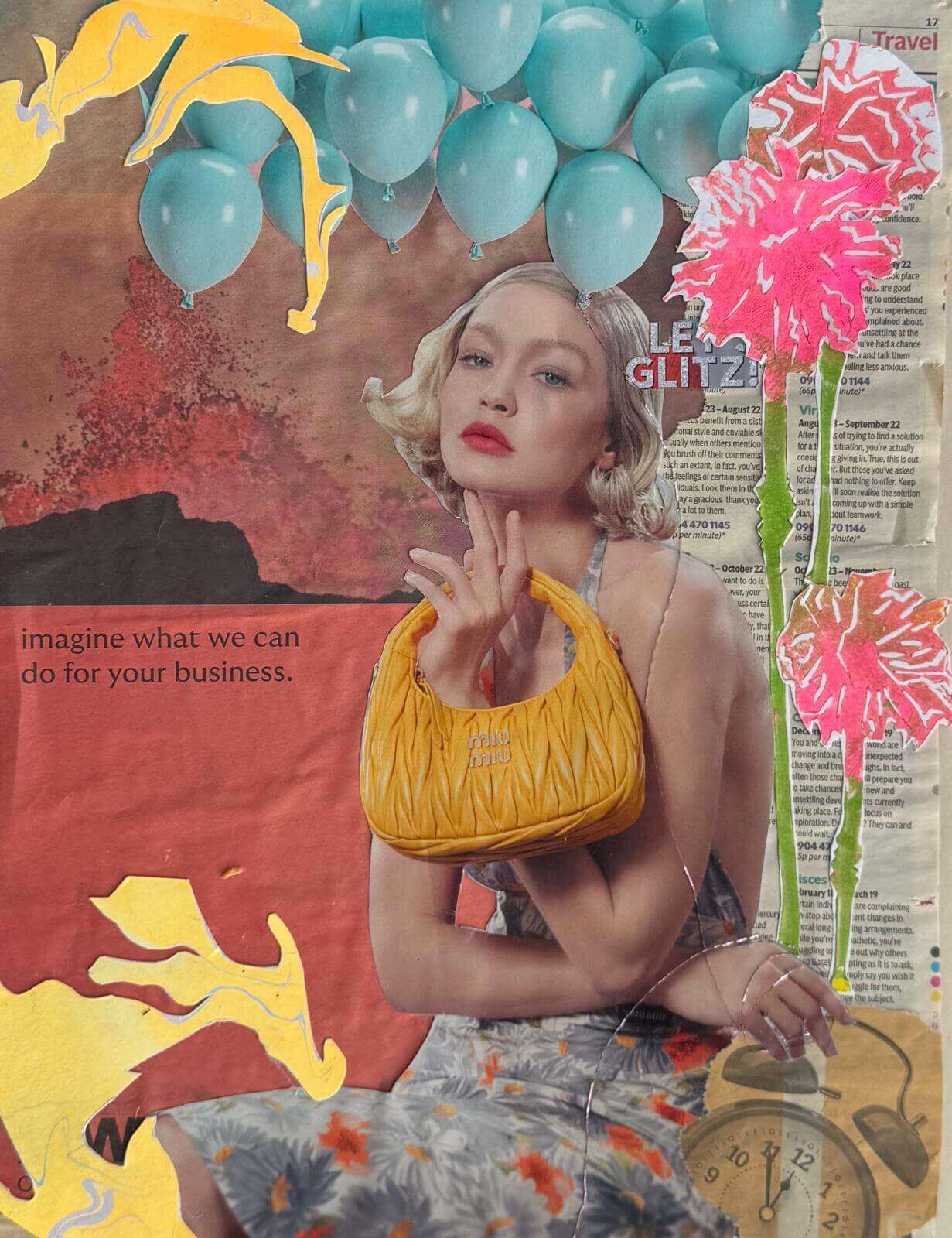
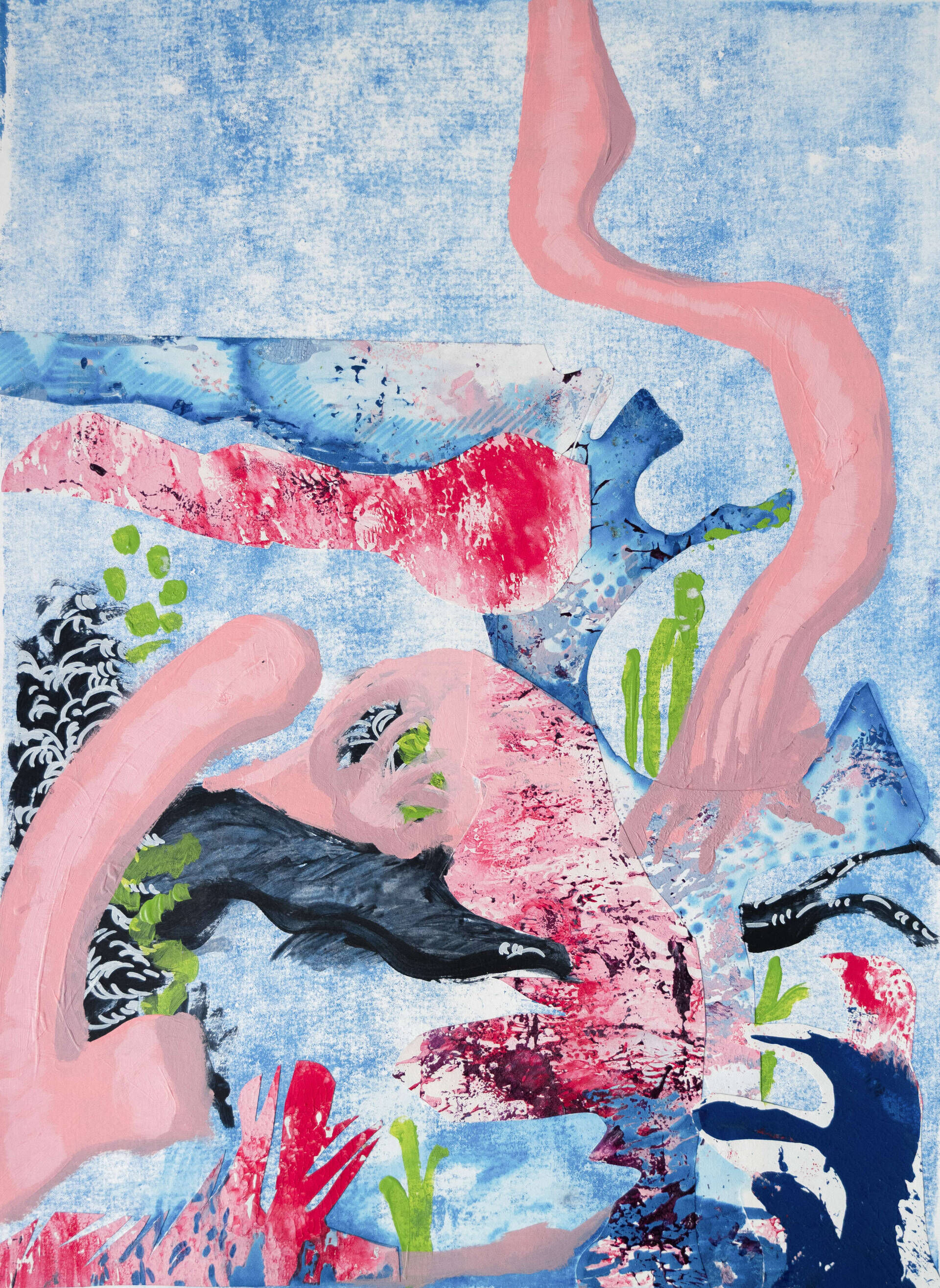
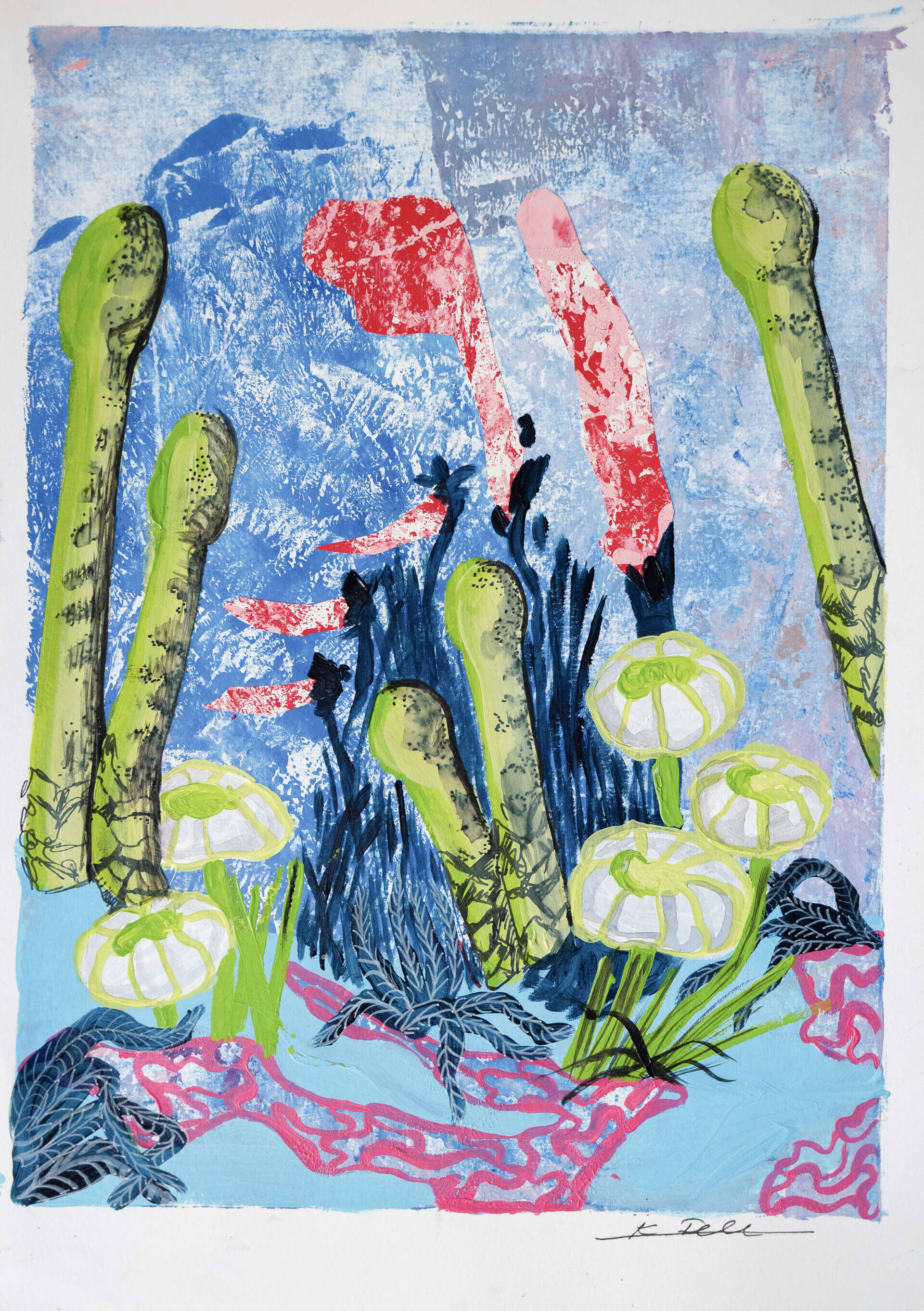
Today, collage painting is being reimagined by a new generation at the Student Art Market. Young artists combine classical techniques with personal themes, digital influences and social issues. Collage painting often comes across as raw, honest and immediate. Here you’ll find carefully curated collage paintings by up-and-coming artists. Collage painting is ideal for collectors seeking character rather than perfection. Buying collages is not just an aesthetic choice, but also a conscious way of supporting young artists. Collage painting embodies diversity, a spirit of experimentation and authenticity. Every work is a one-of-a-kind piece, every image an open space for thought. If you’d like to buy collage art, at SKM you’ll find works with depth, character and personality – art that endures and can be rediscovered time and again. Here we present a selection of our contemporary collage artists.
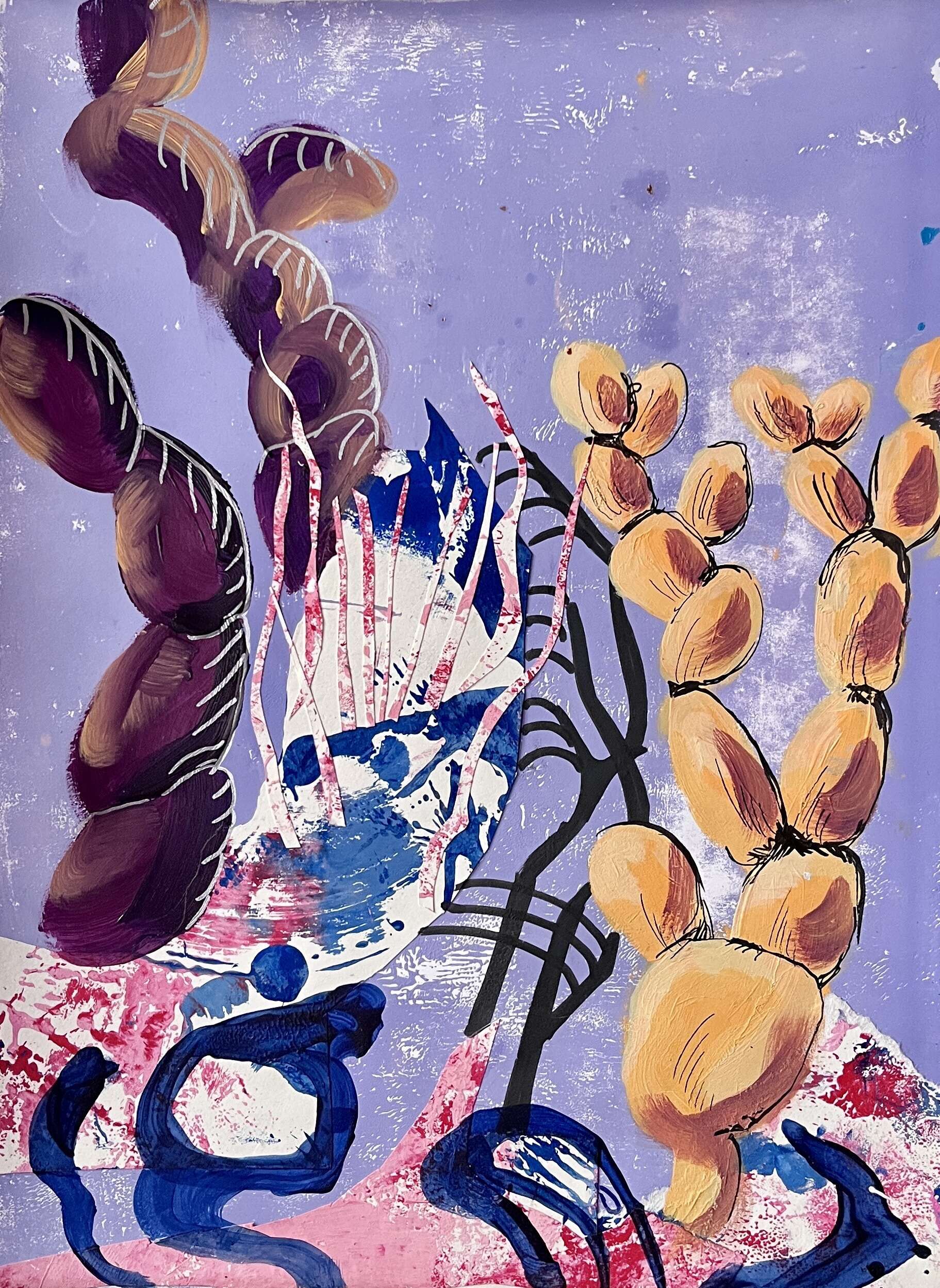
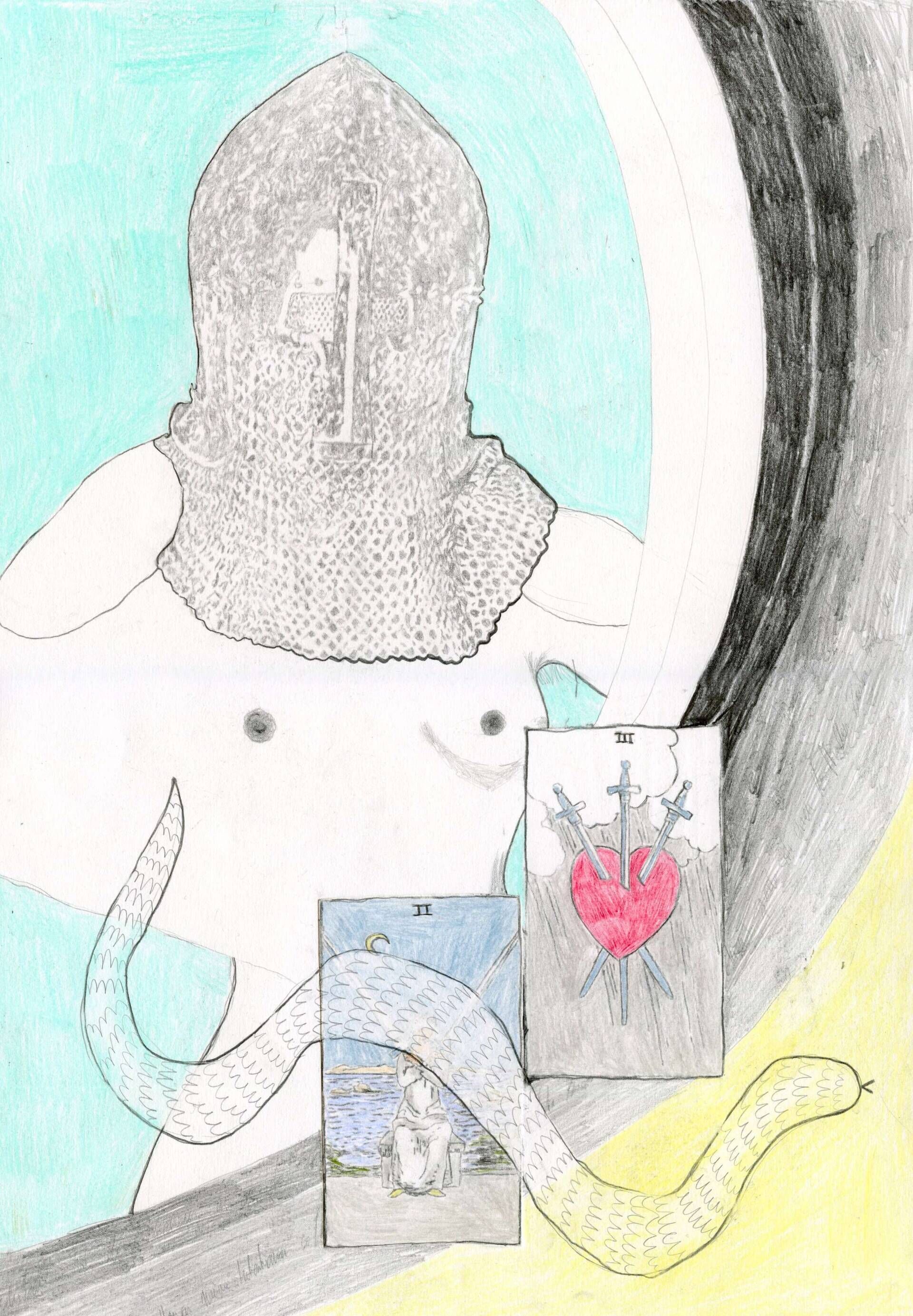
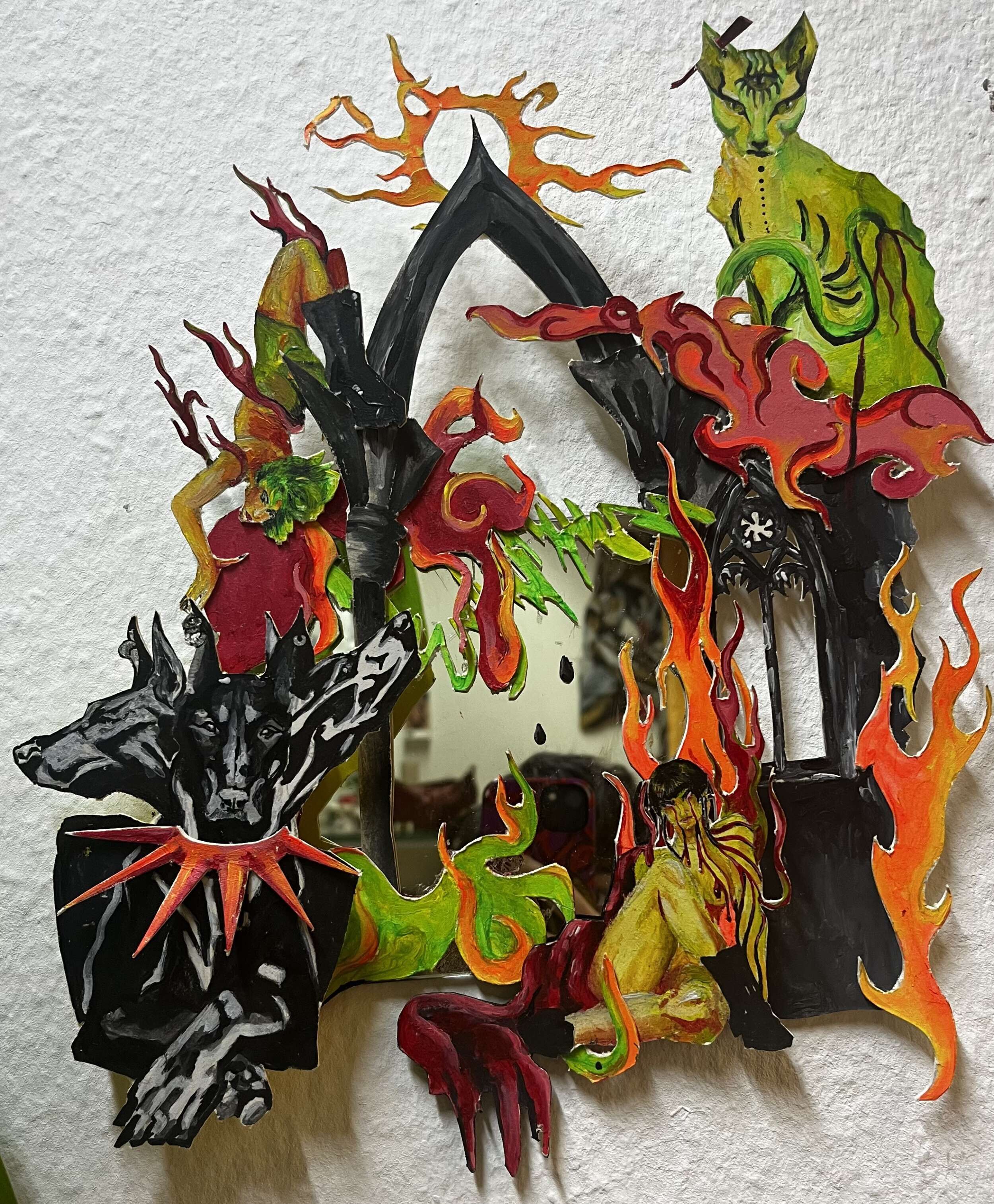
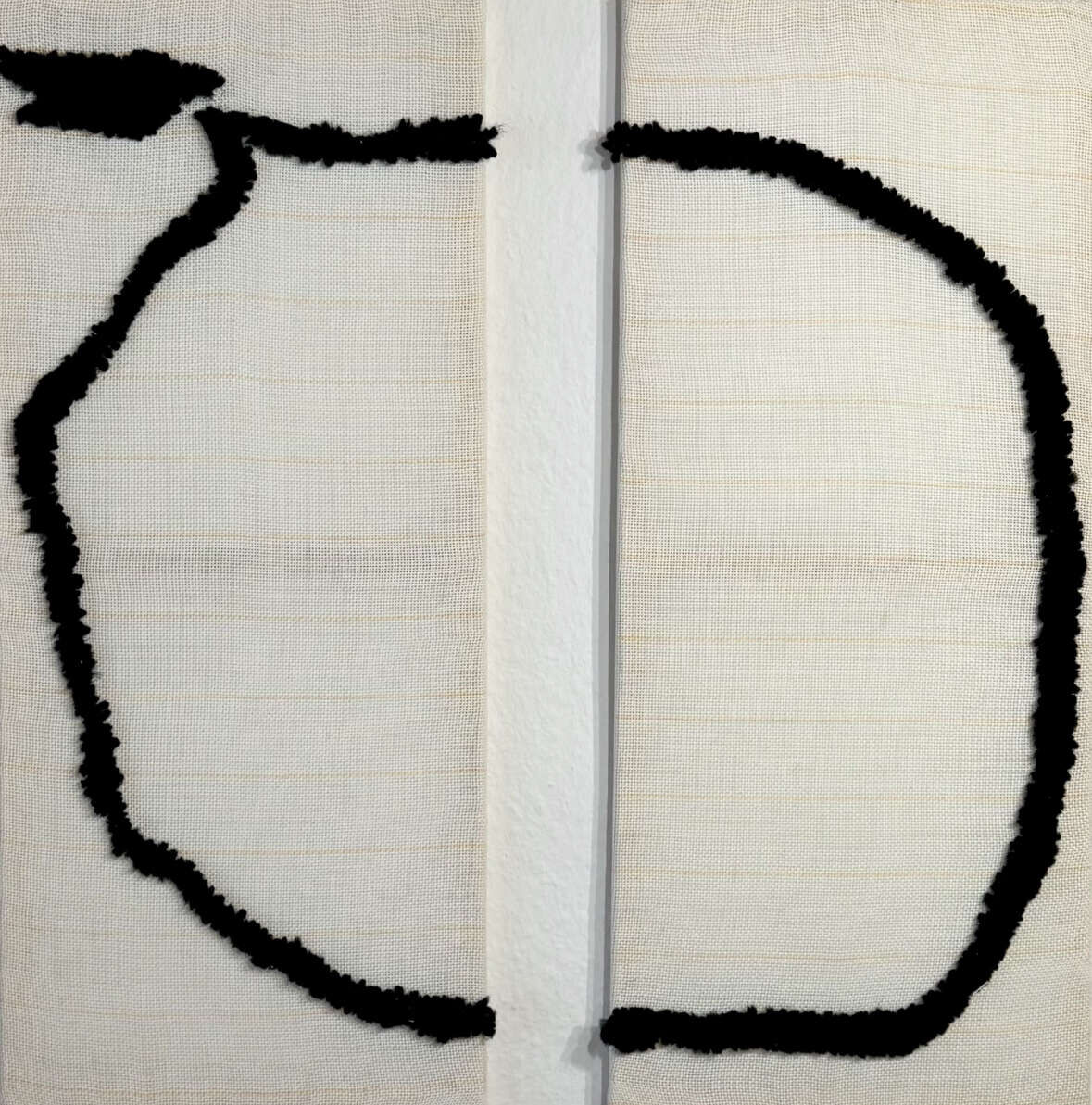
Maria-Sophie Rother is studying at the Alanus University of Arts and Social Sciences. Her collages and paintings focus on intuition and the present moment. Strong lines meet delicate details, creating a representation of states of mind and emotions. Her works capture moments and strike a balance between expressiveness and subtle nuance – resulting in emotional compositions that touch the viewer immediately.
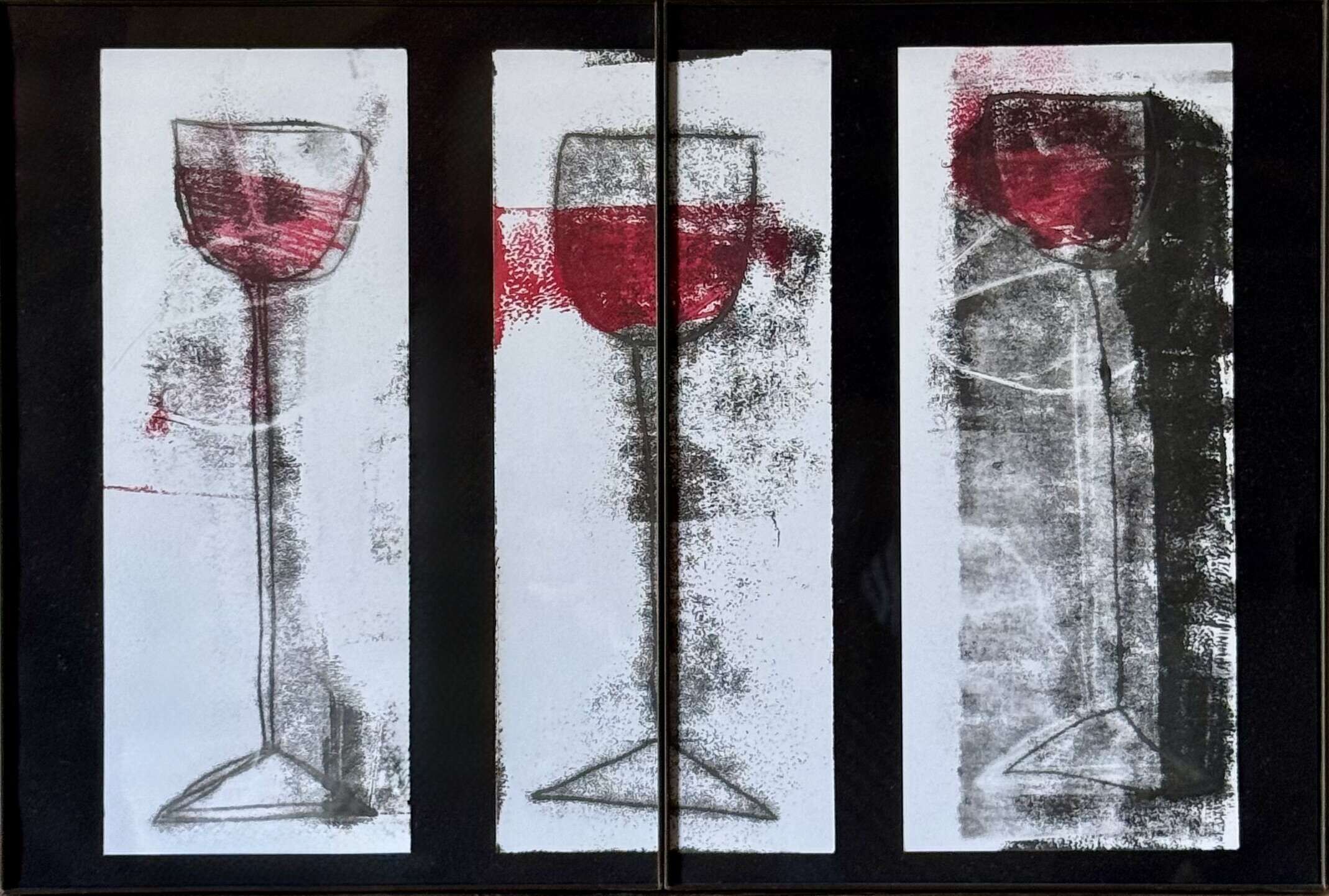
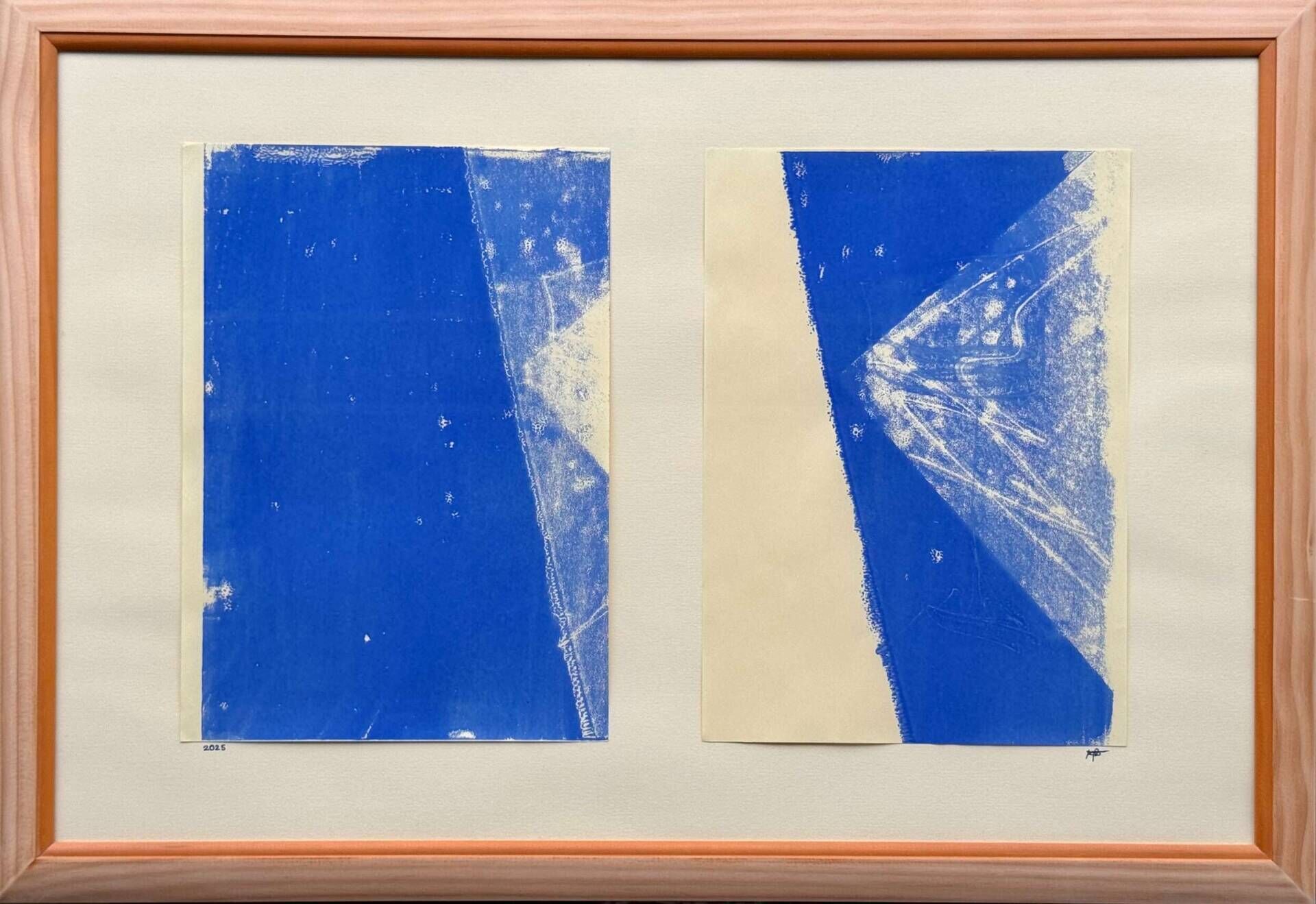
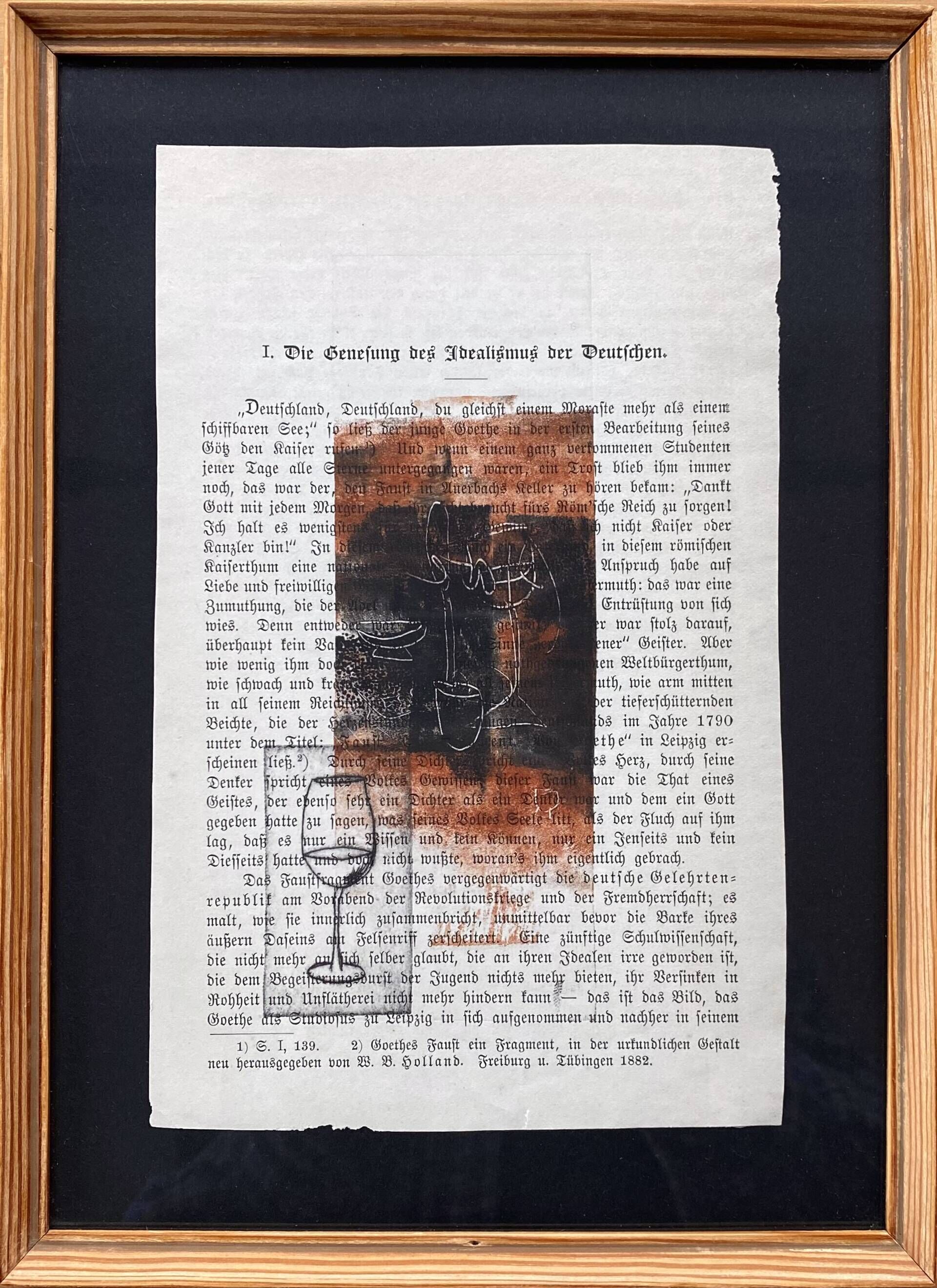
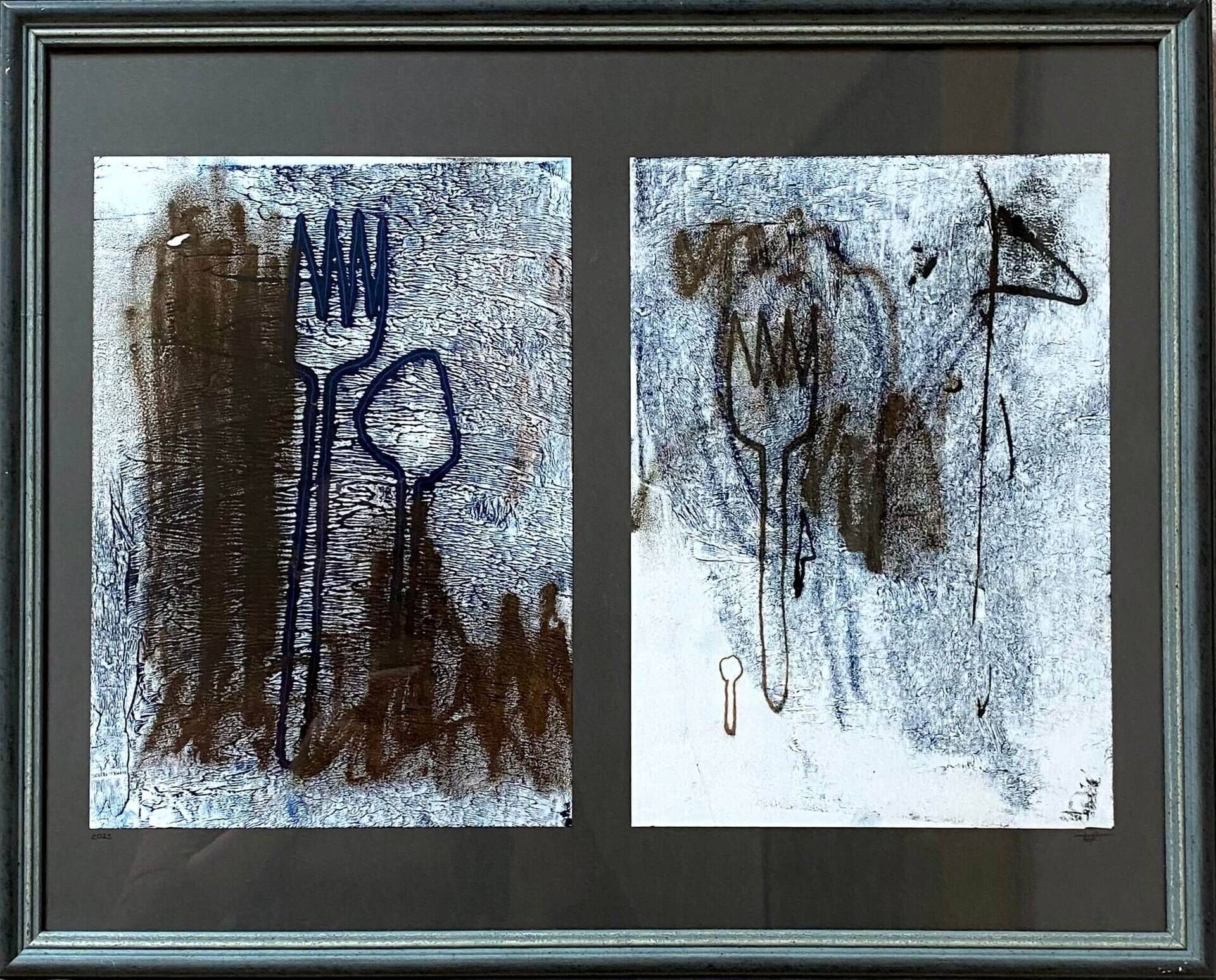
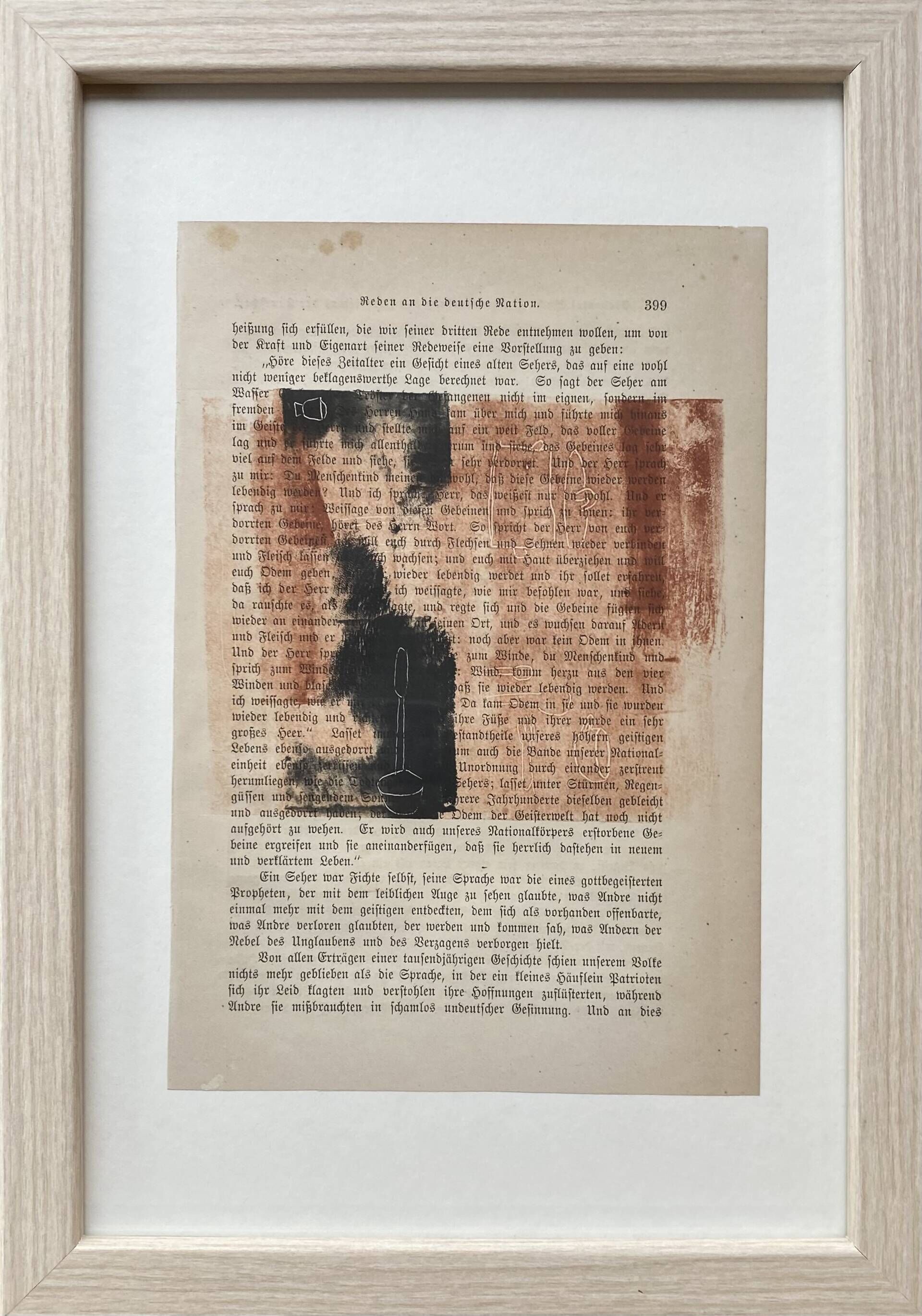
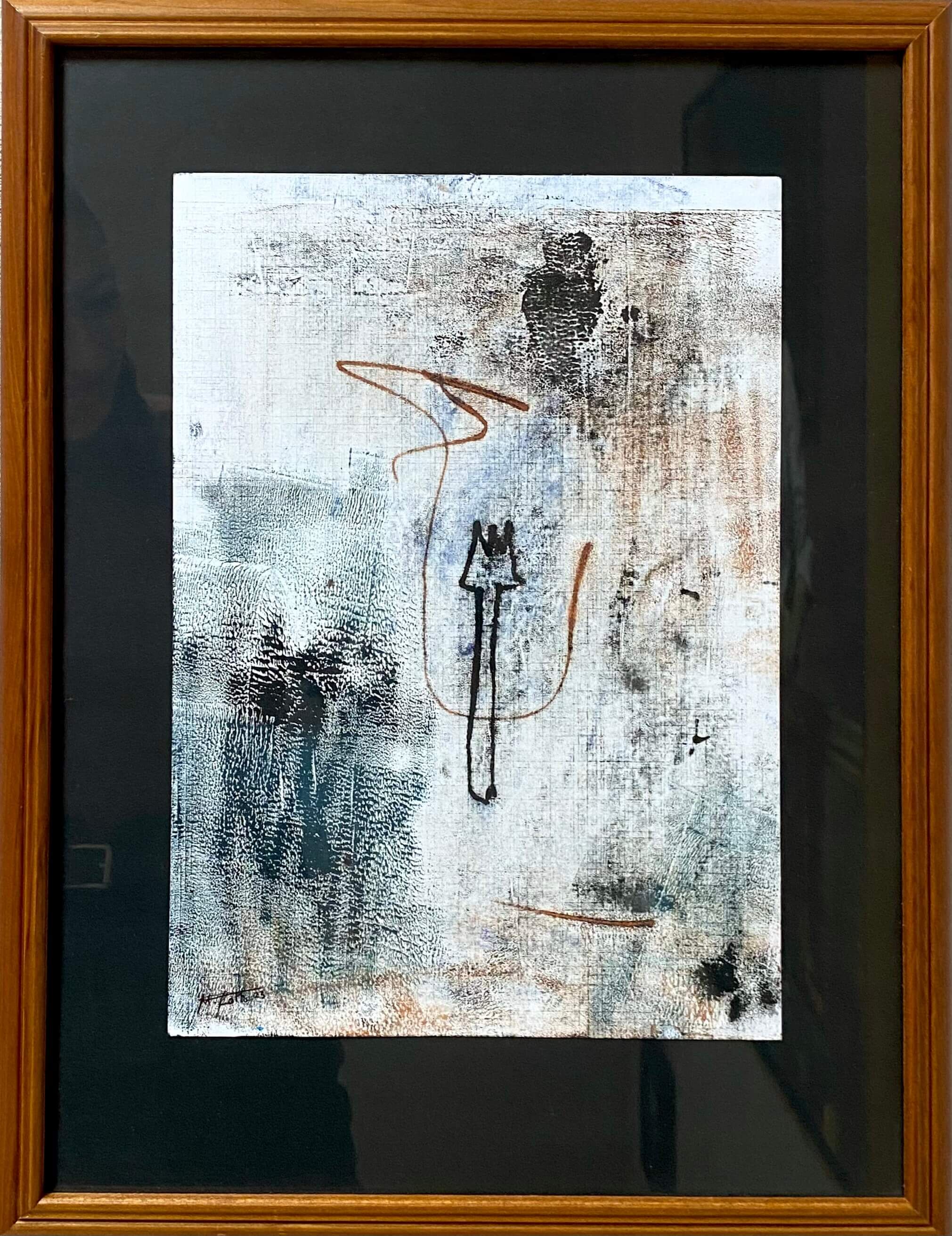
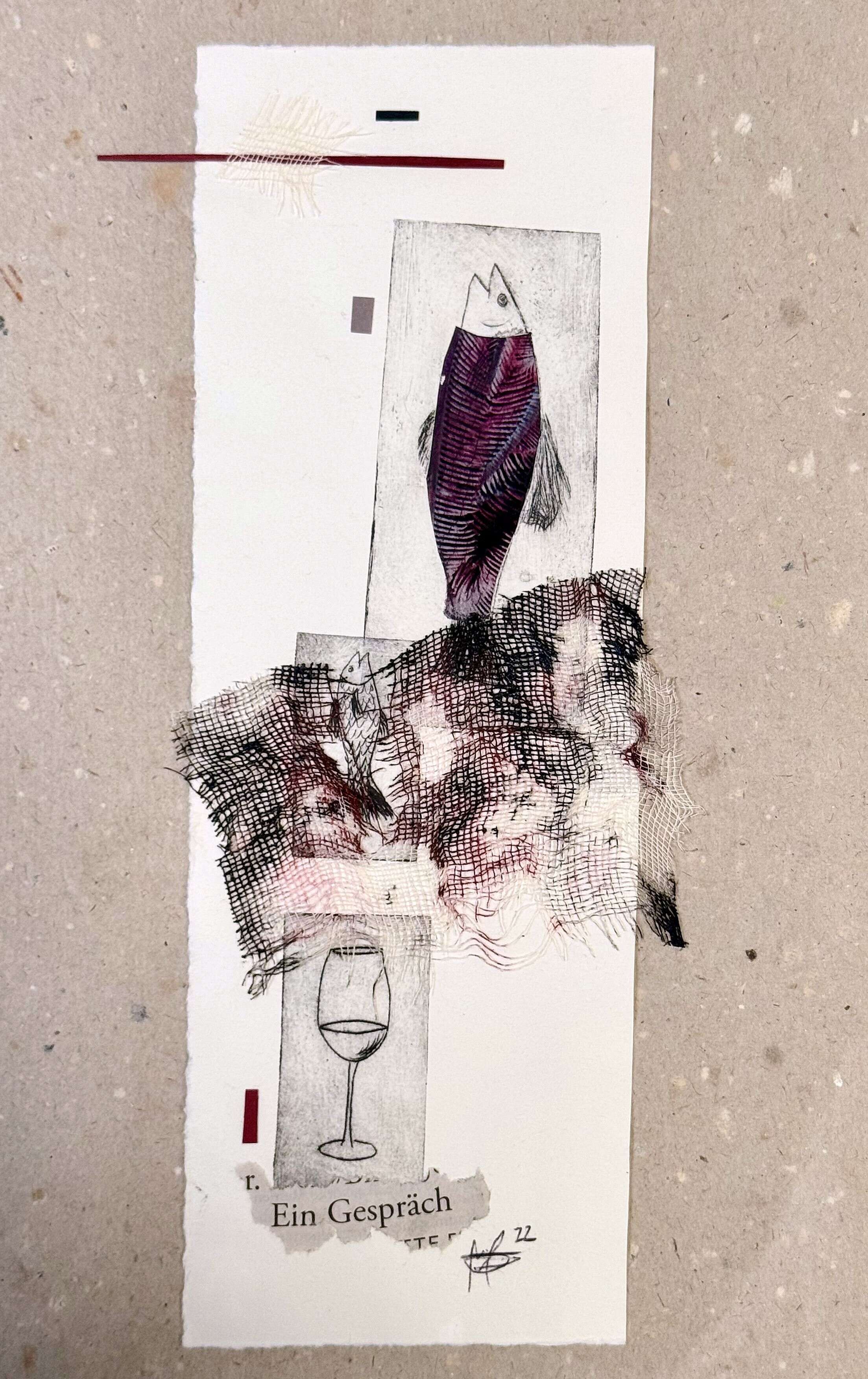
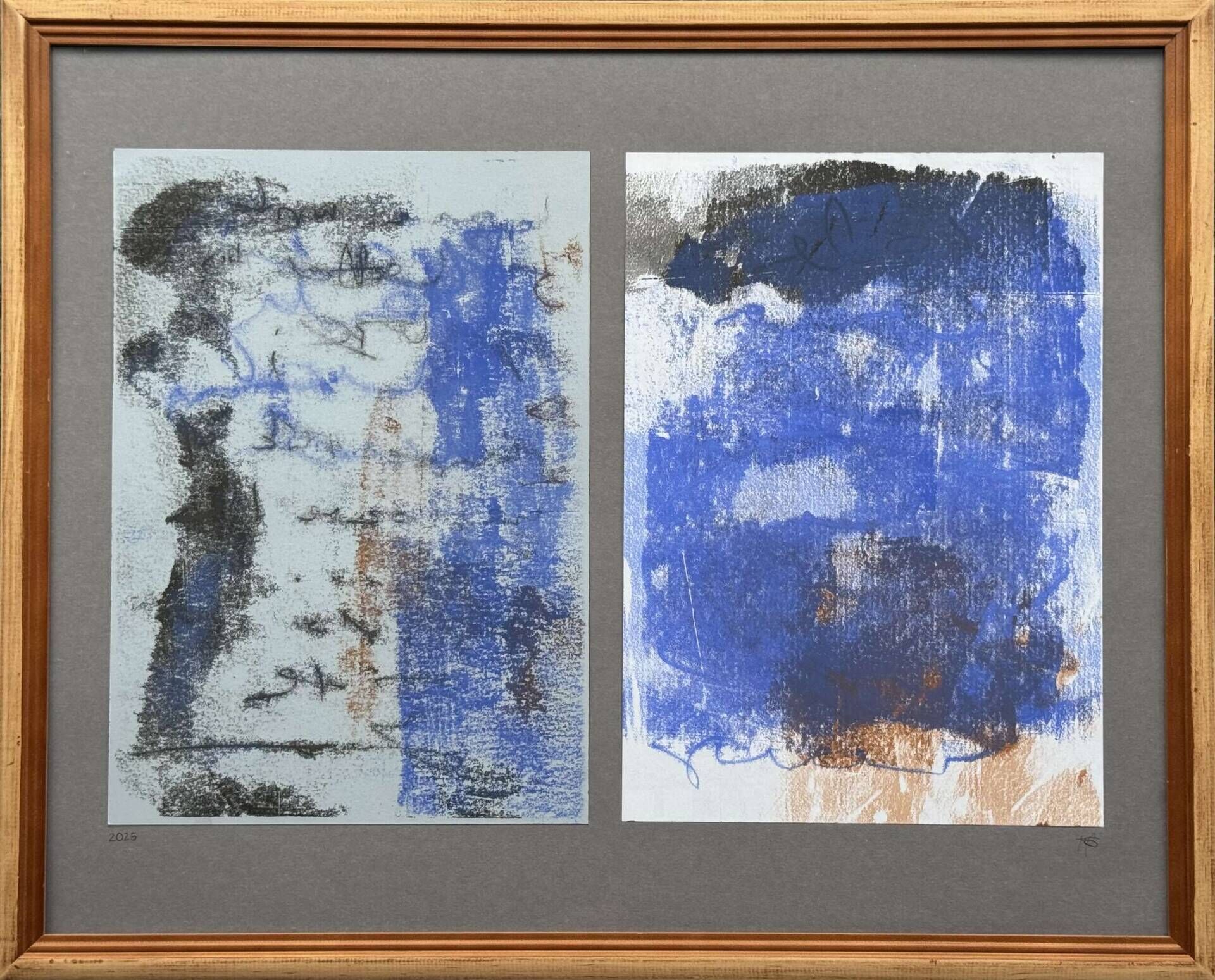
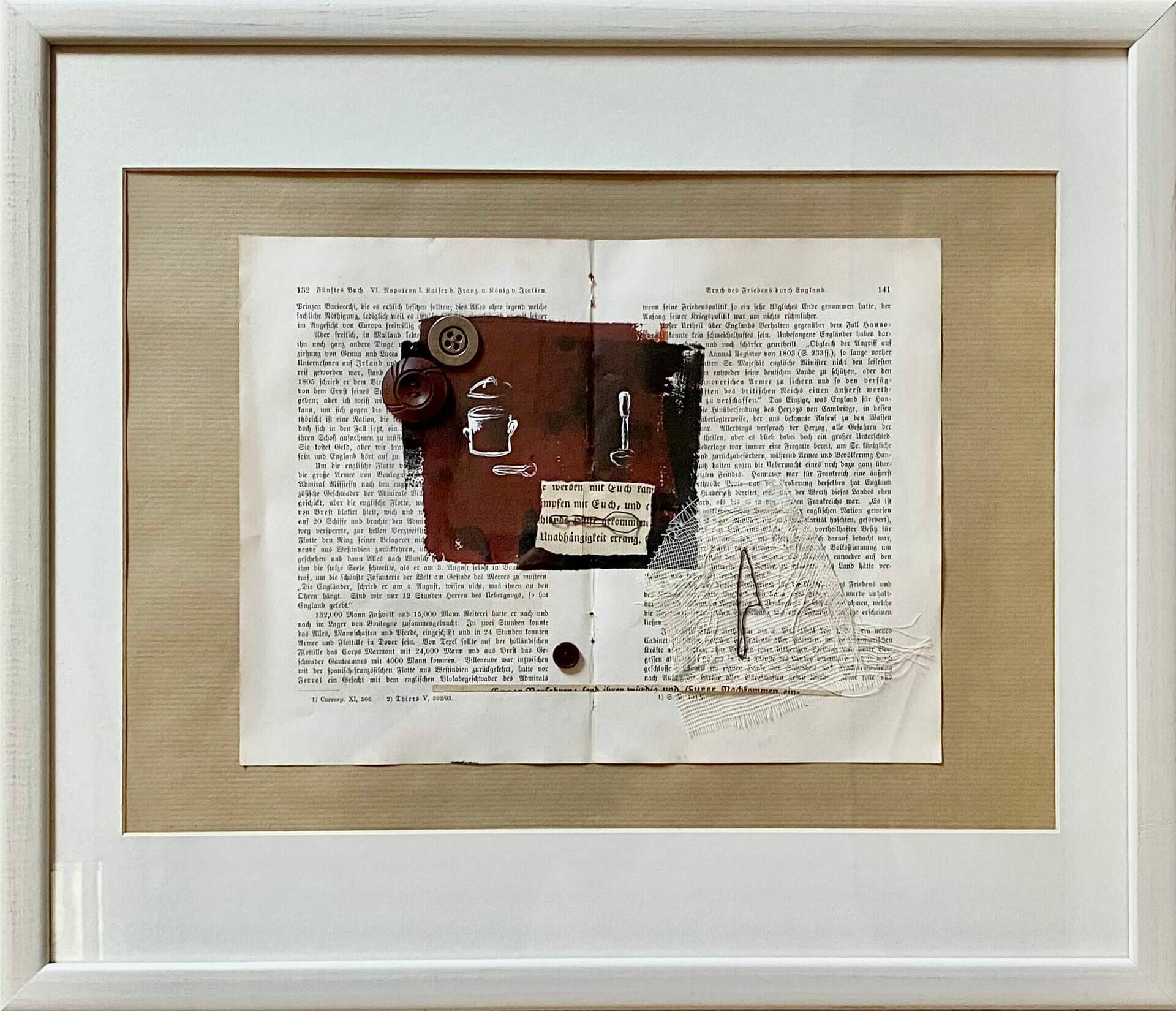
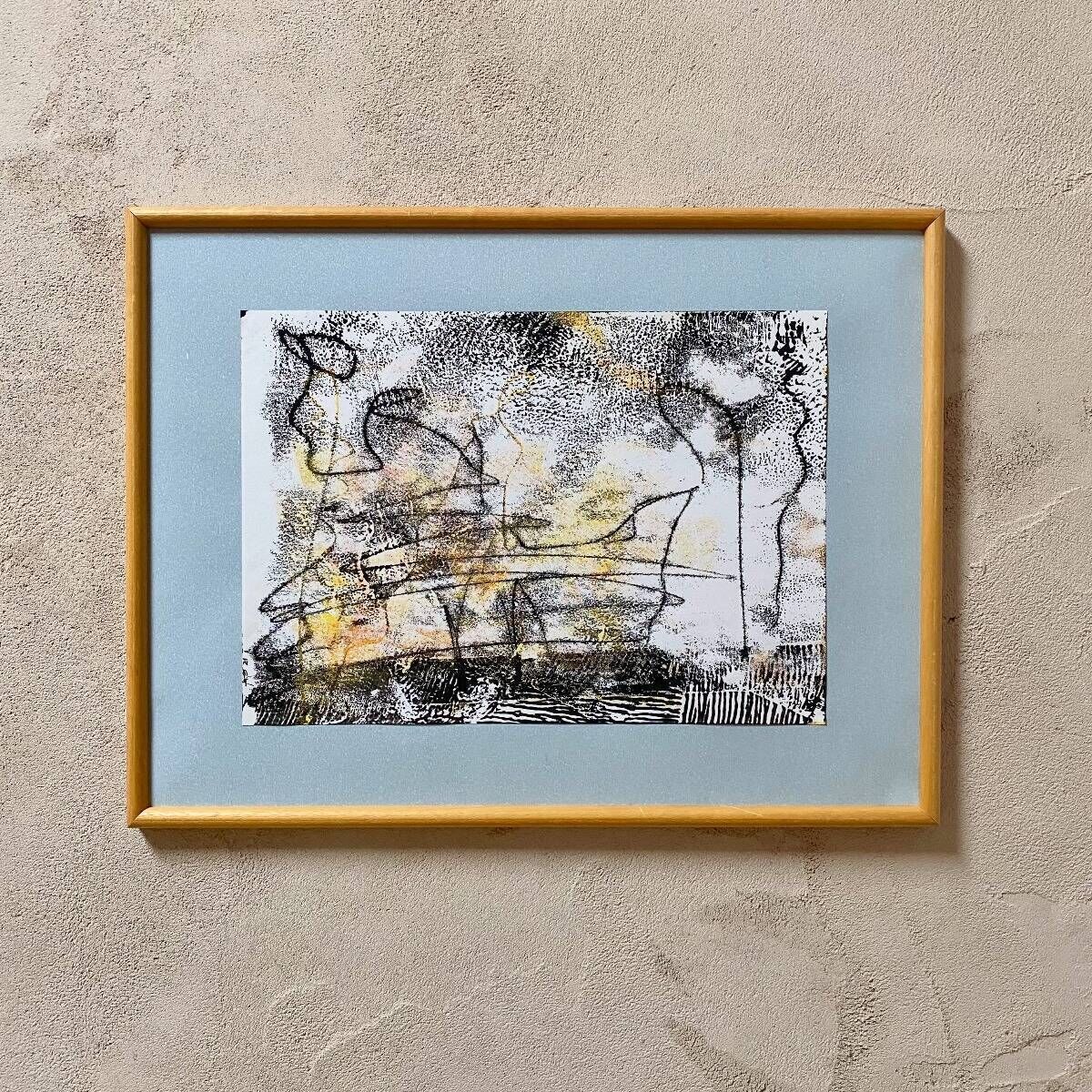
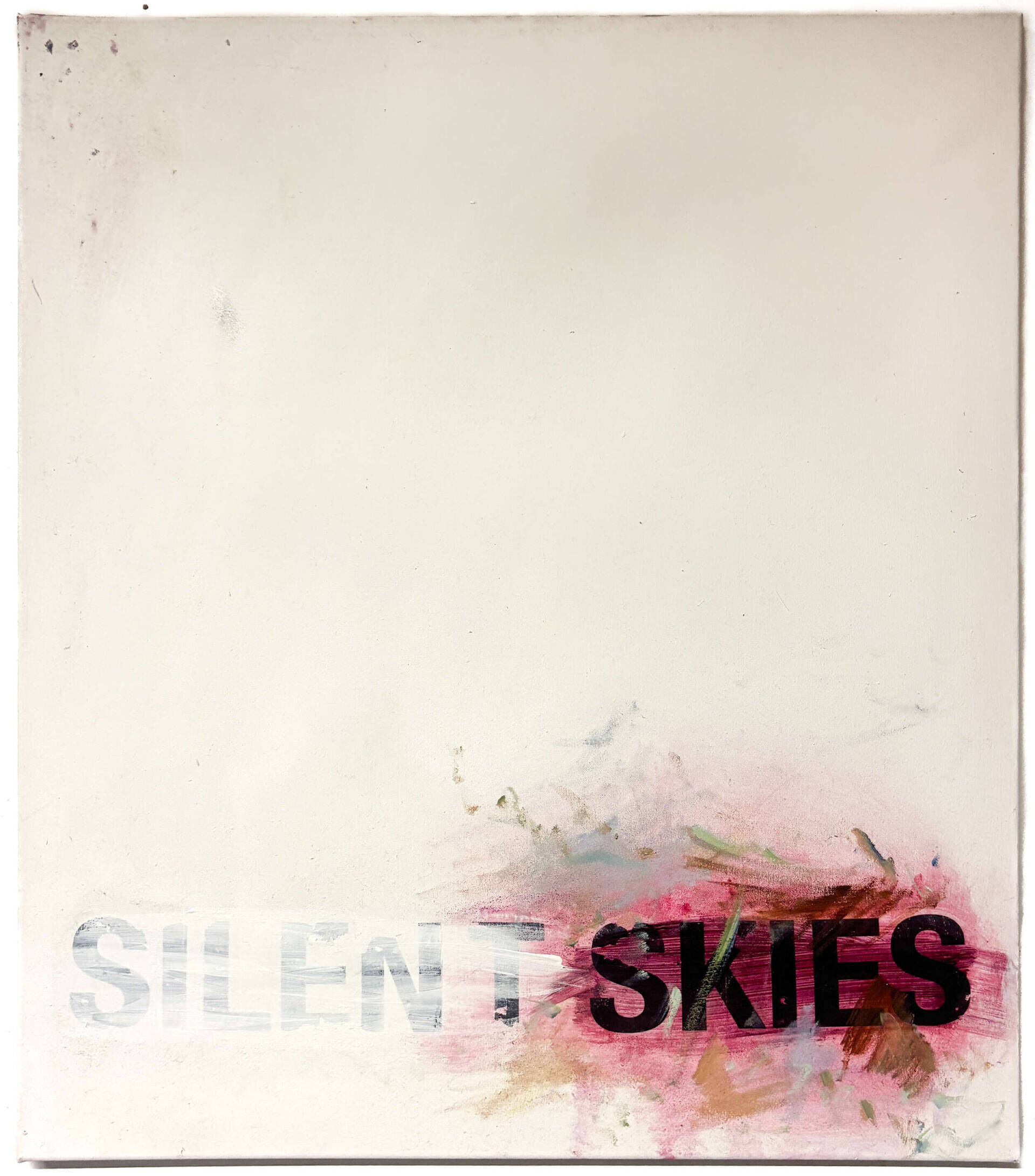
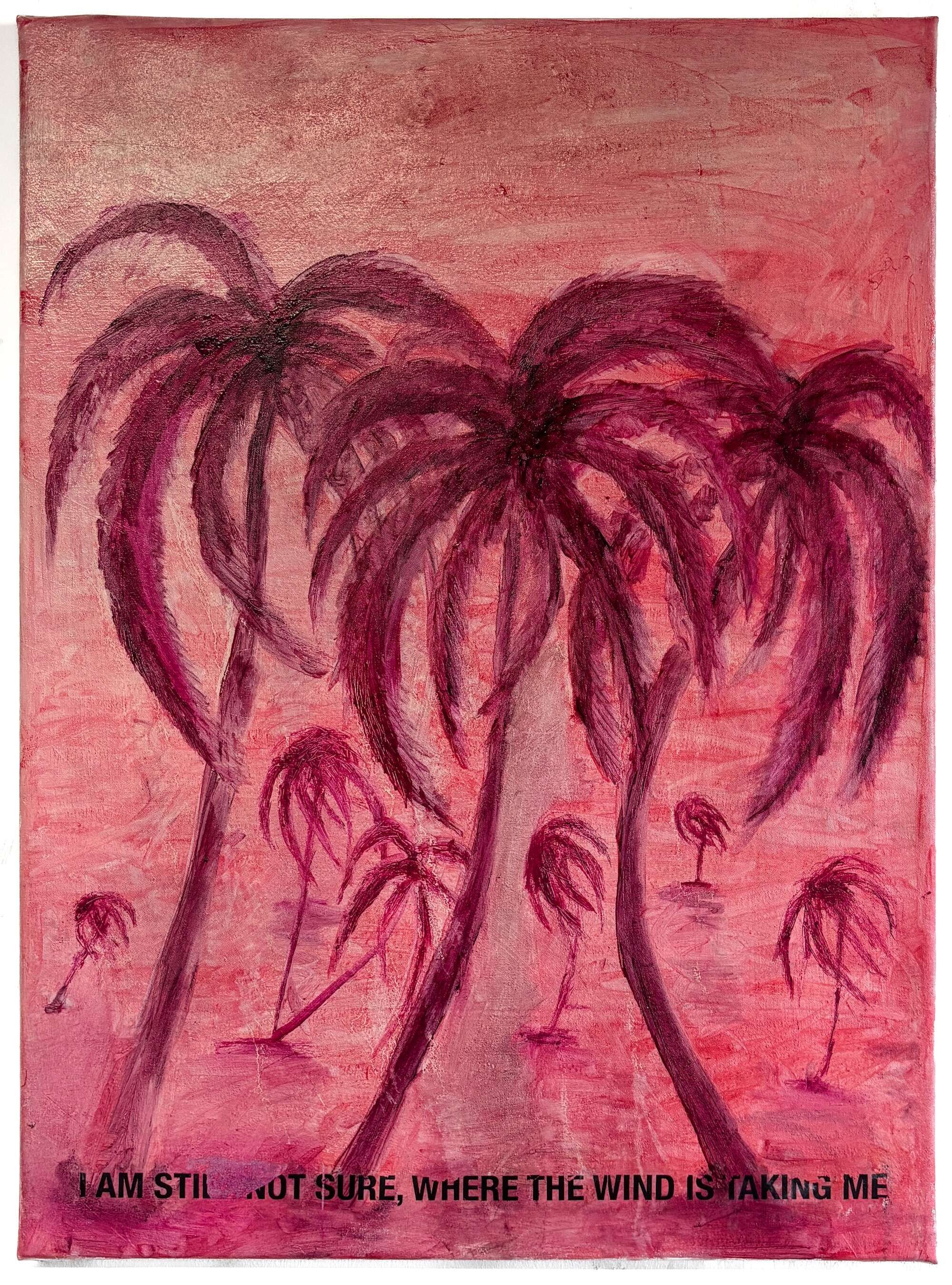
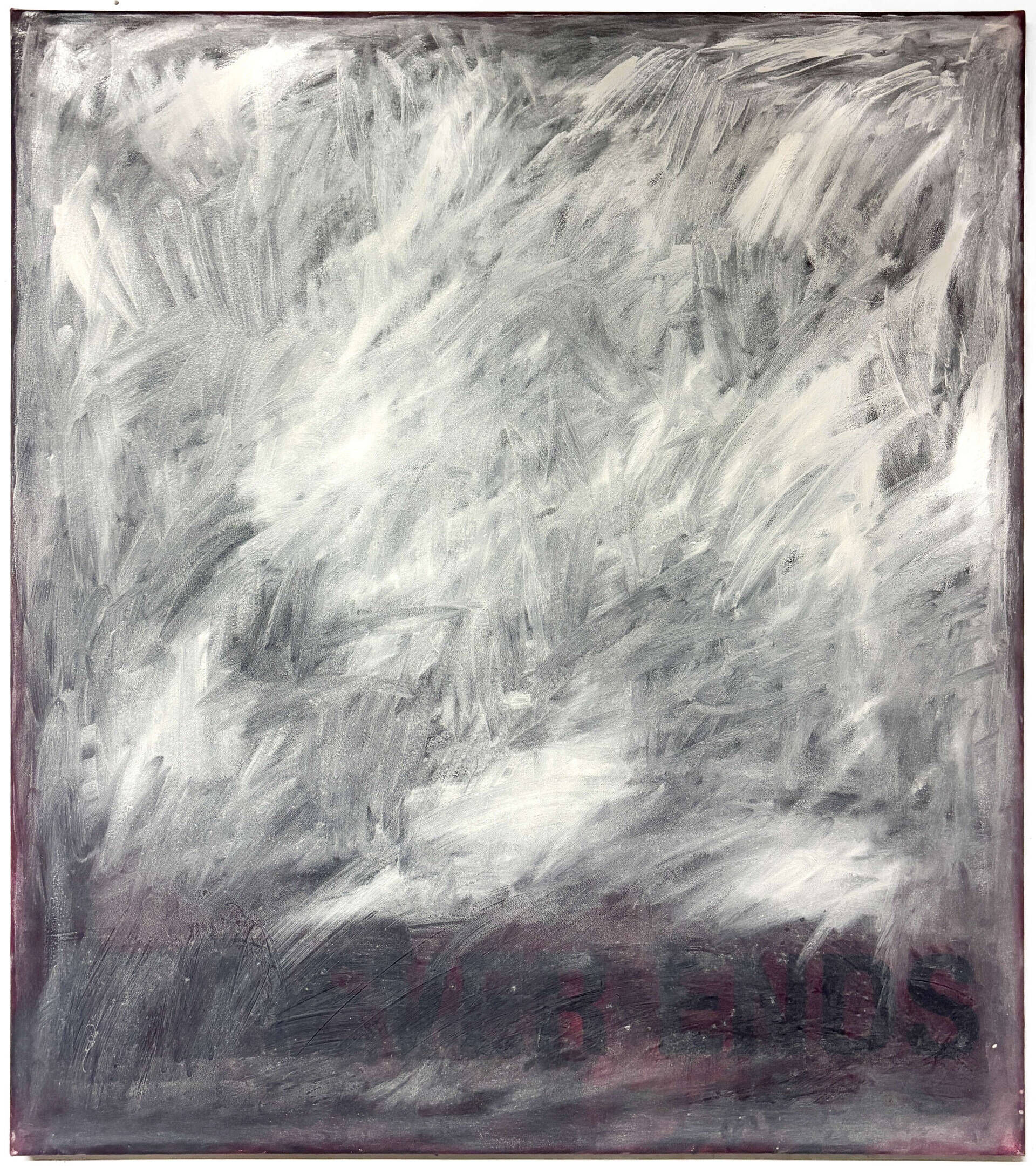
Lenny Renz studied art at the UdK Berlin and the ZHdK Zurich. His works combine painting, printmaking techniques and materials such as wax, tape, oil and transfer printing. Lenny deliberately experiments with processes: overpainting, reworking and the interplay between planned concept and the subconscious characterise his collage-style painting. Each work reflects an intense engagement with material and colour, in which spontaneity and craftsmanship remain palpable.
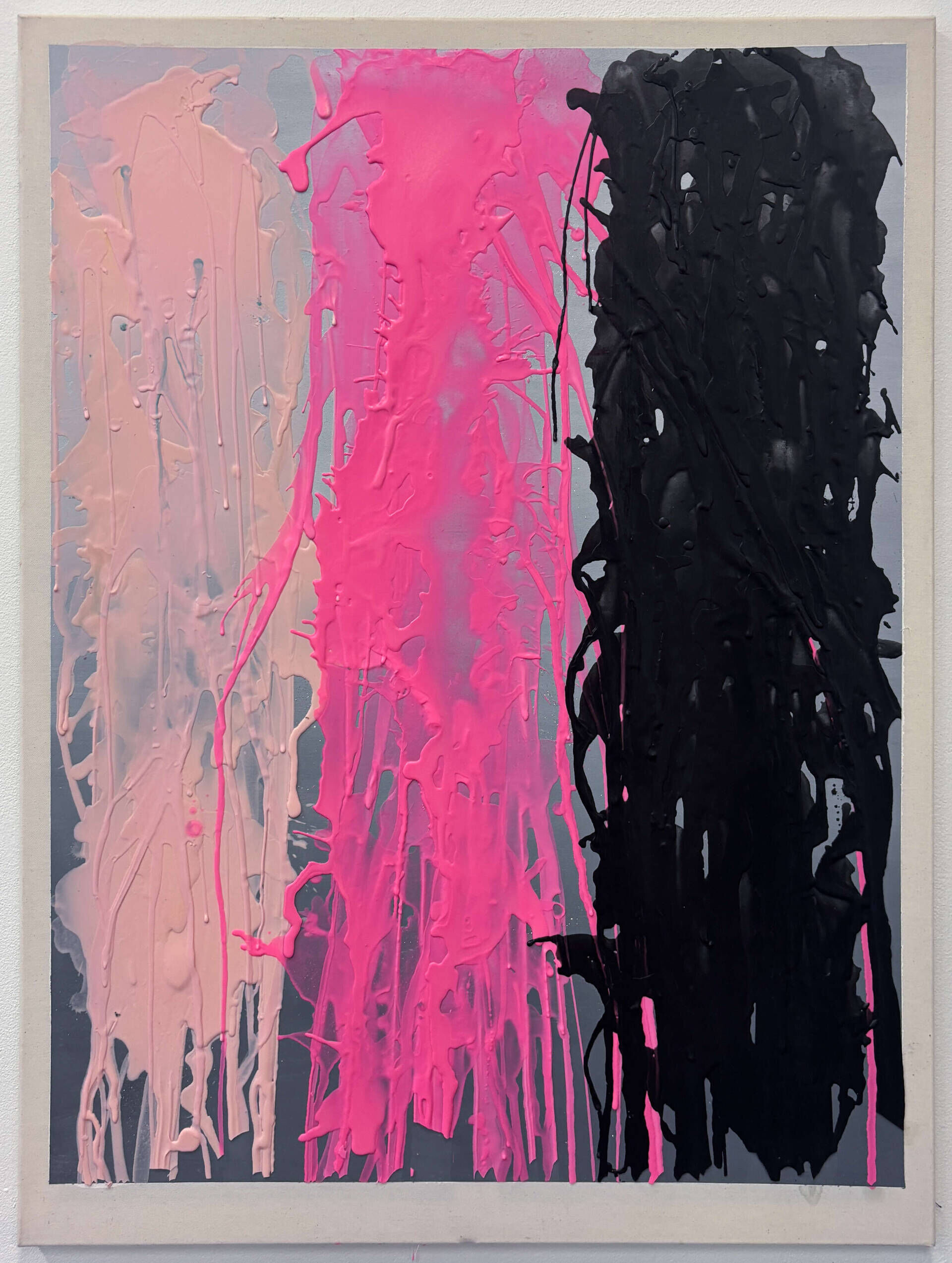
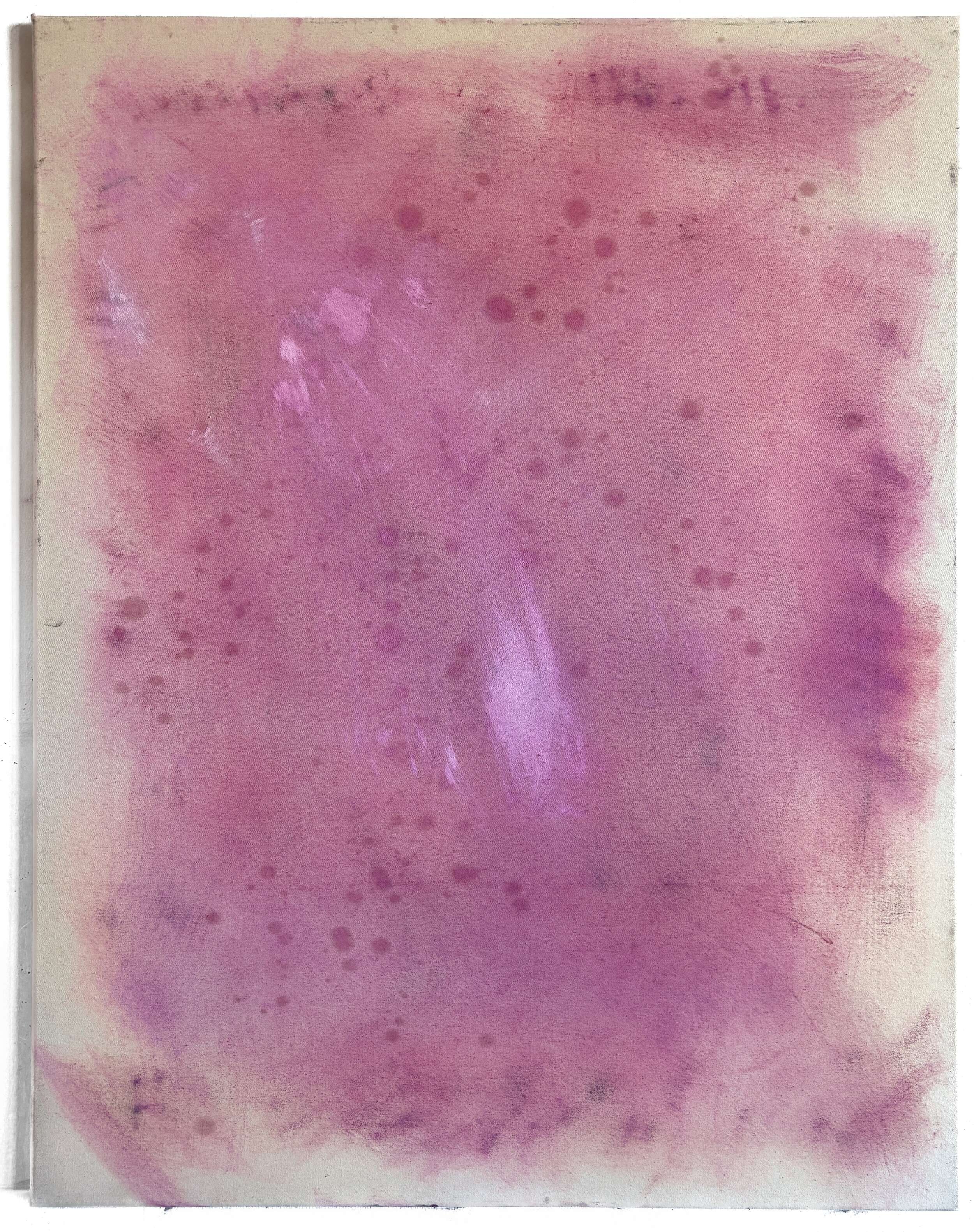
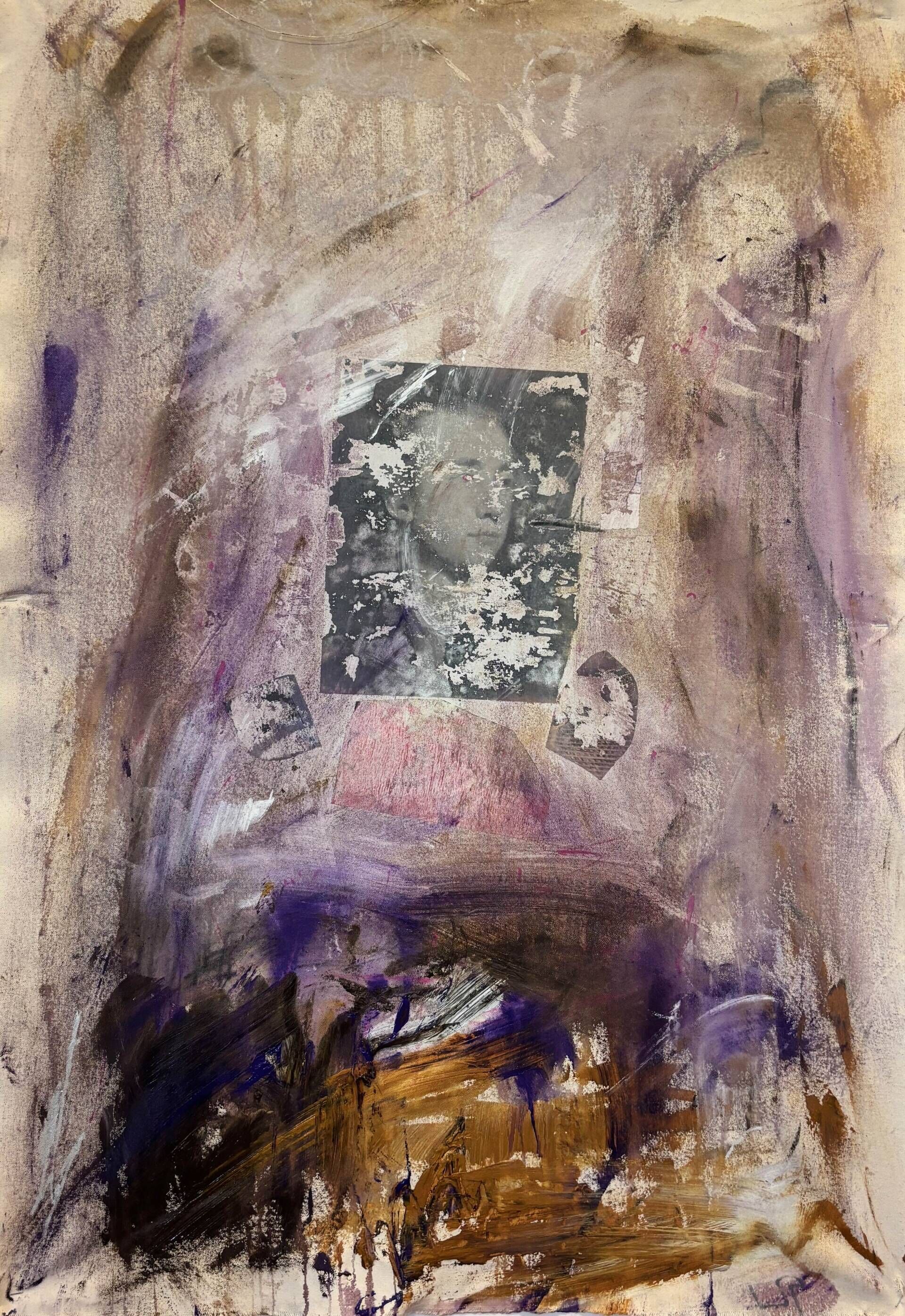
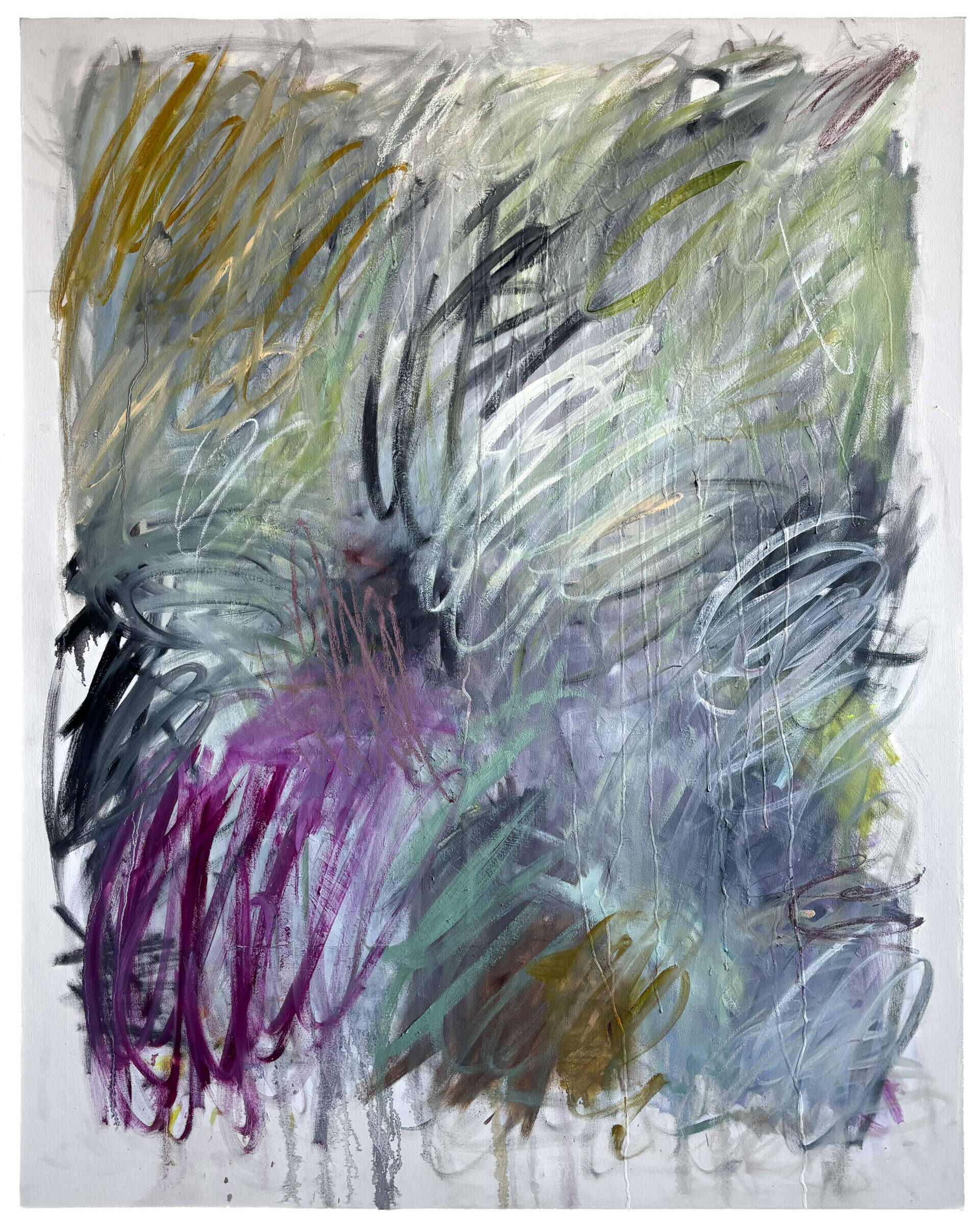
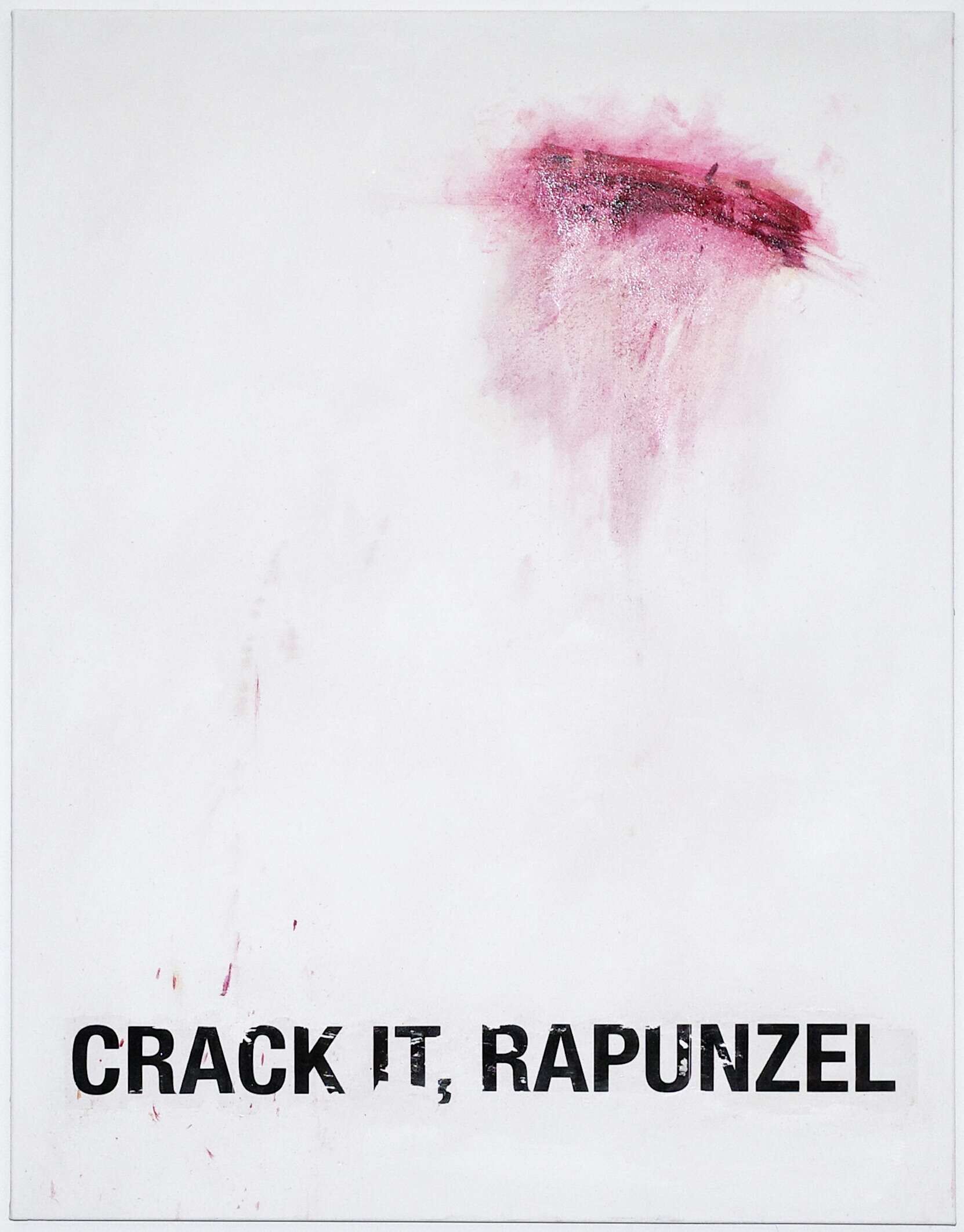
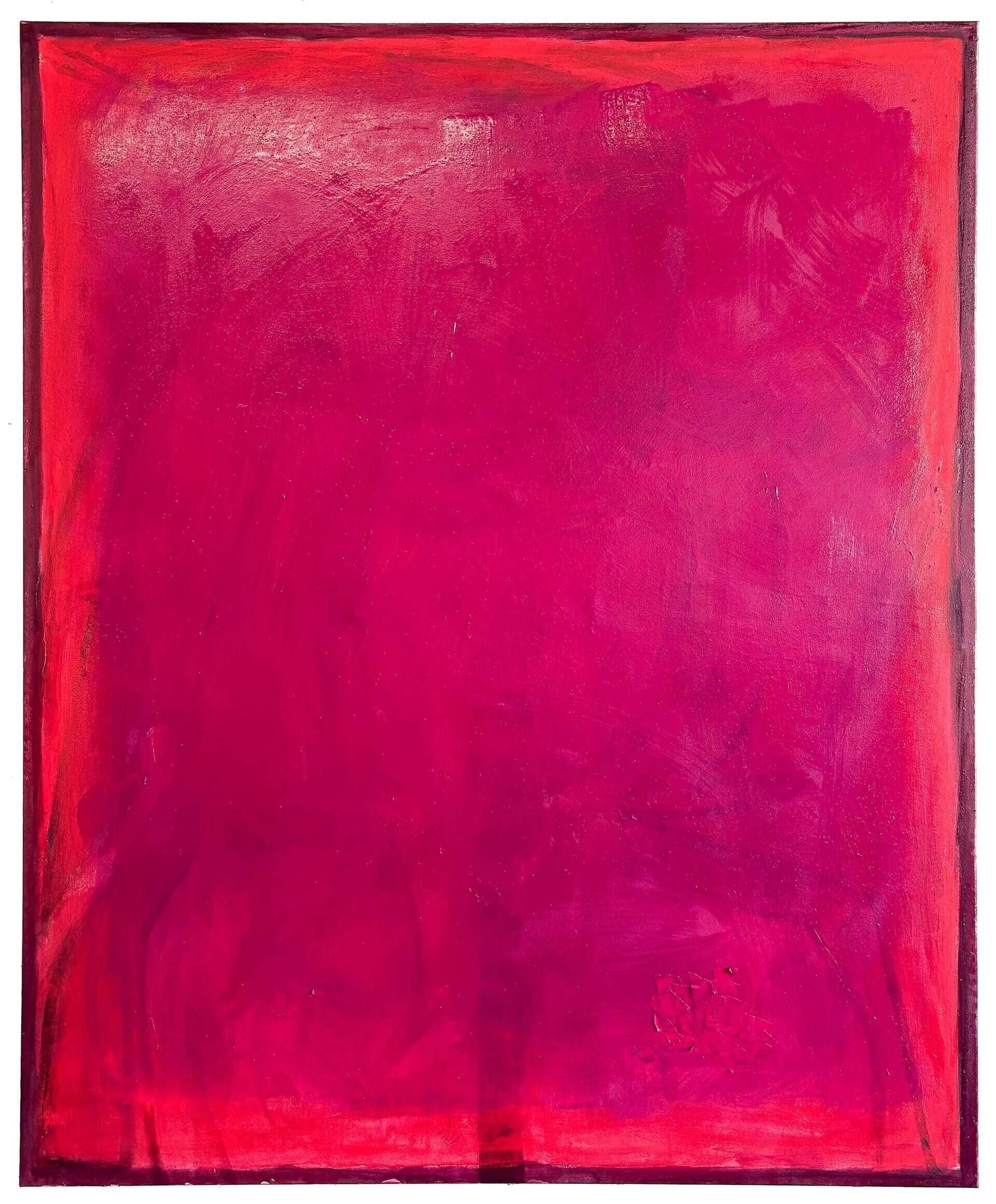
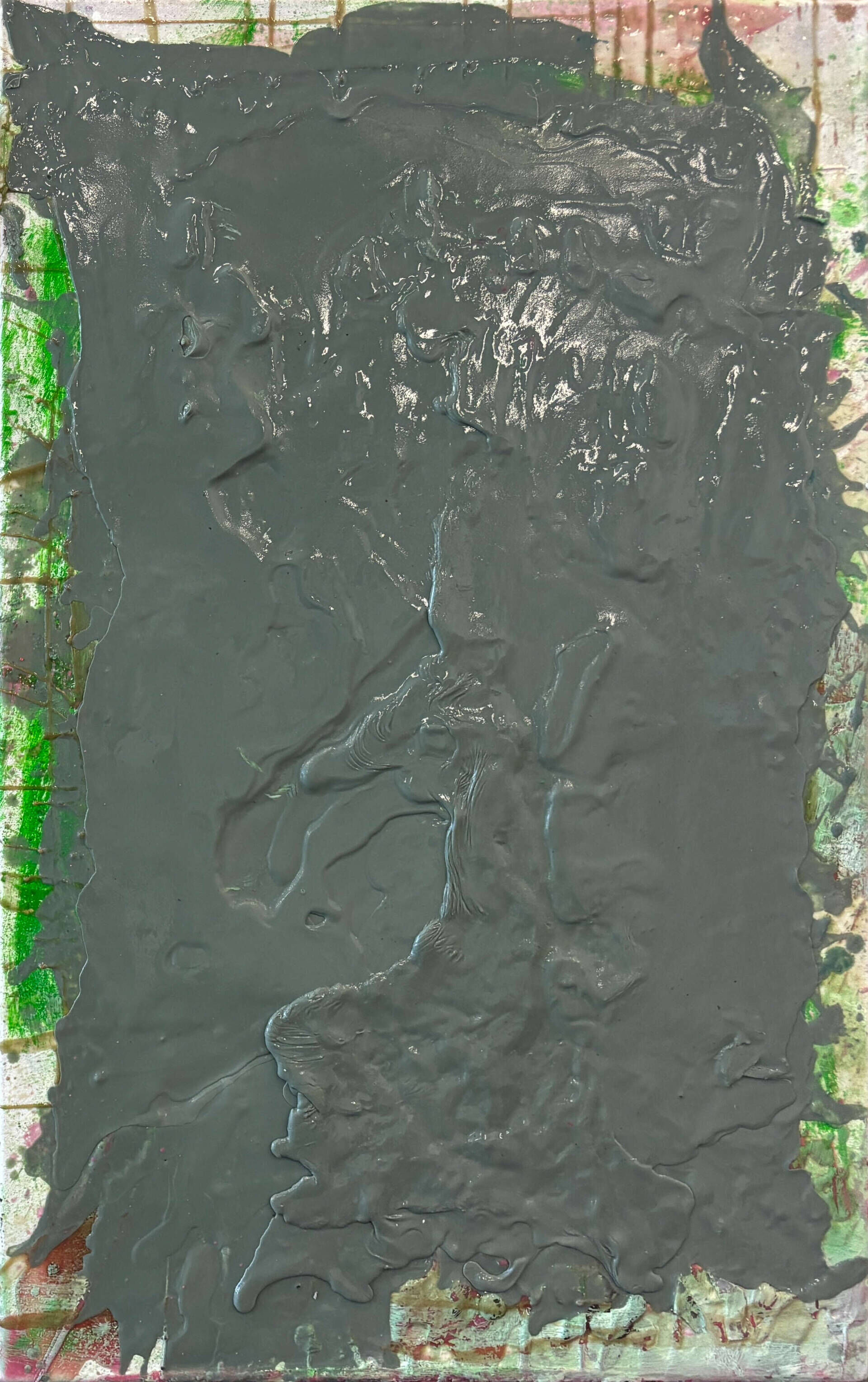
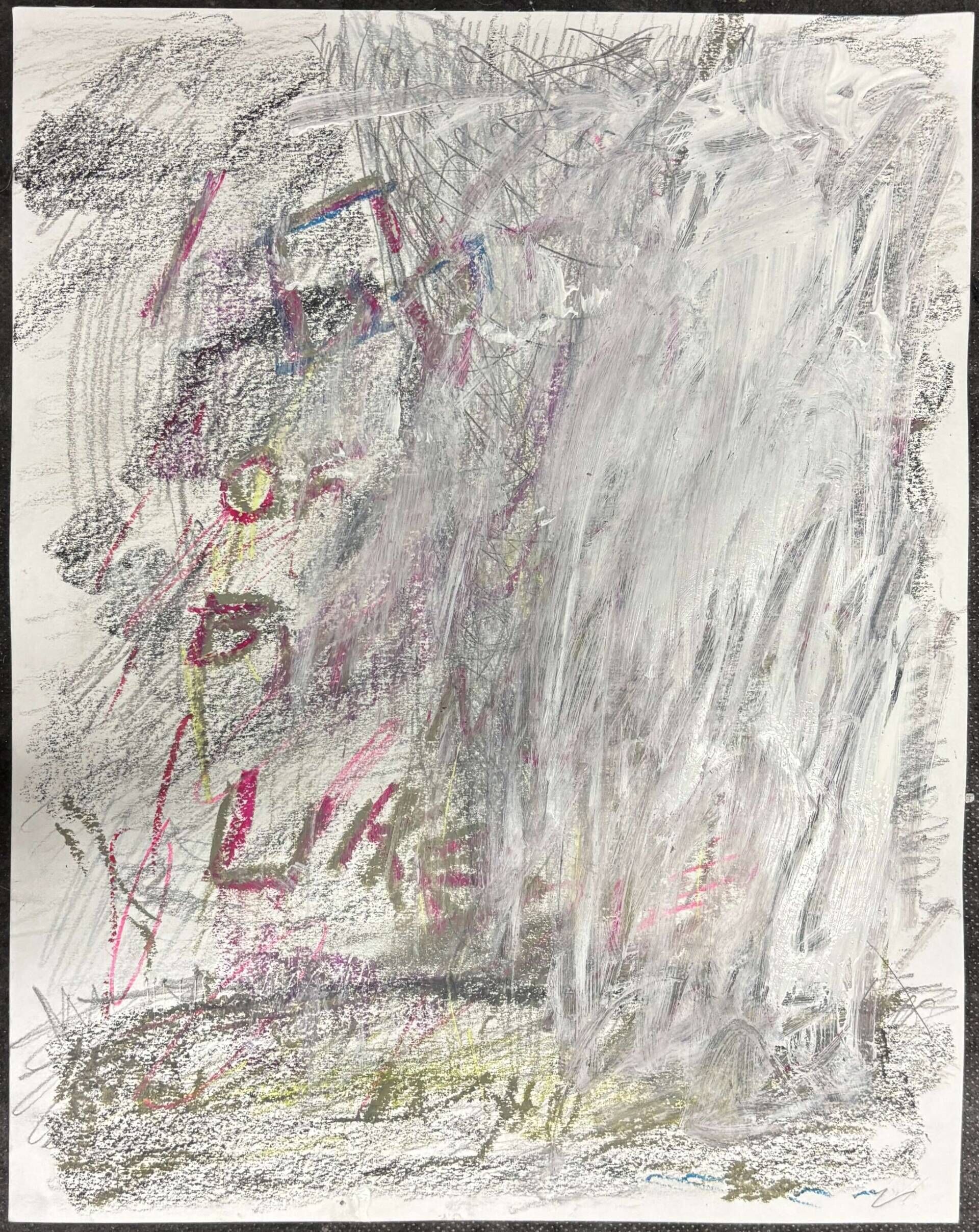
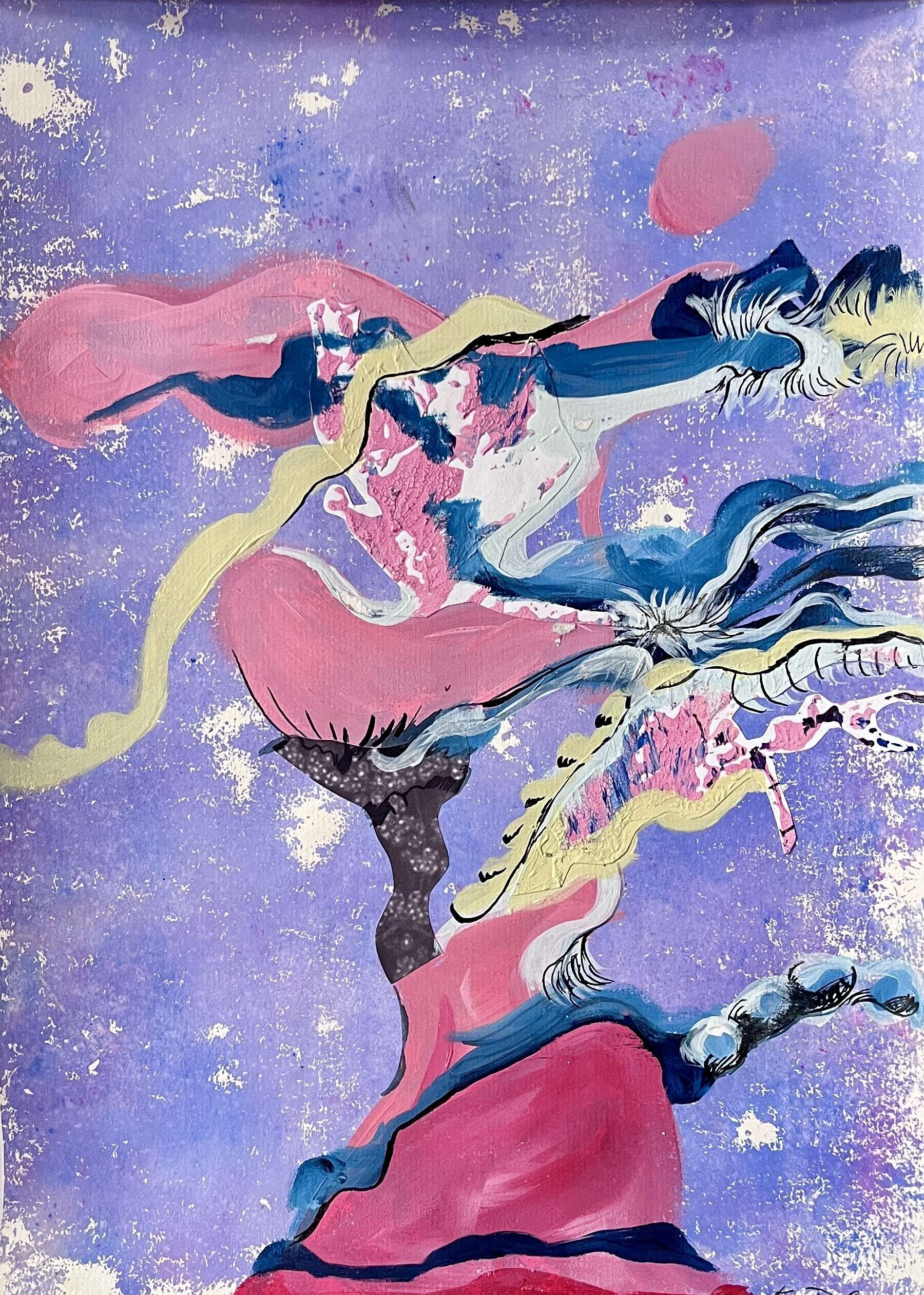
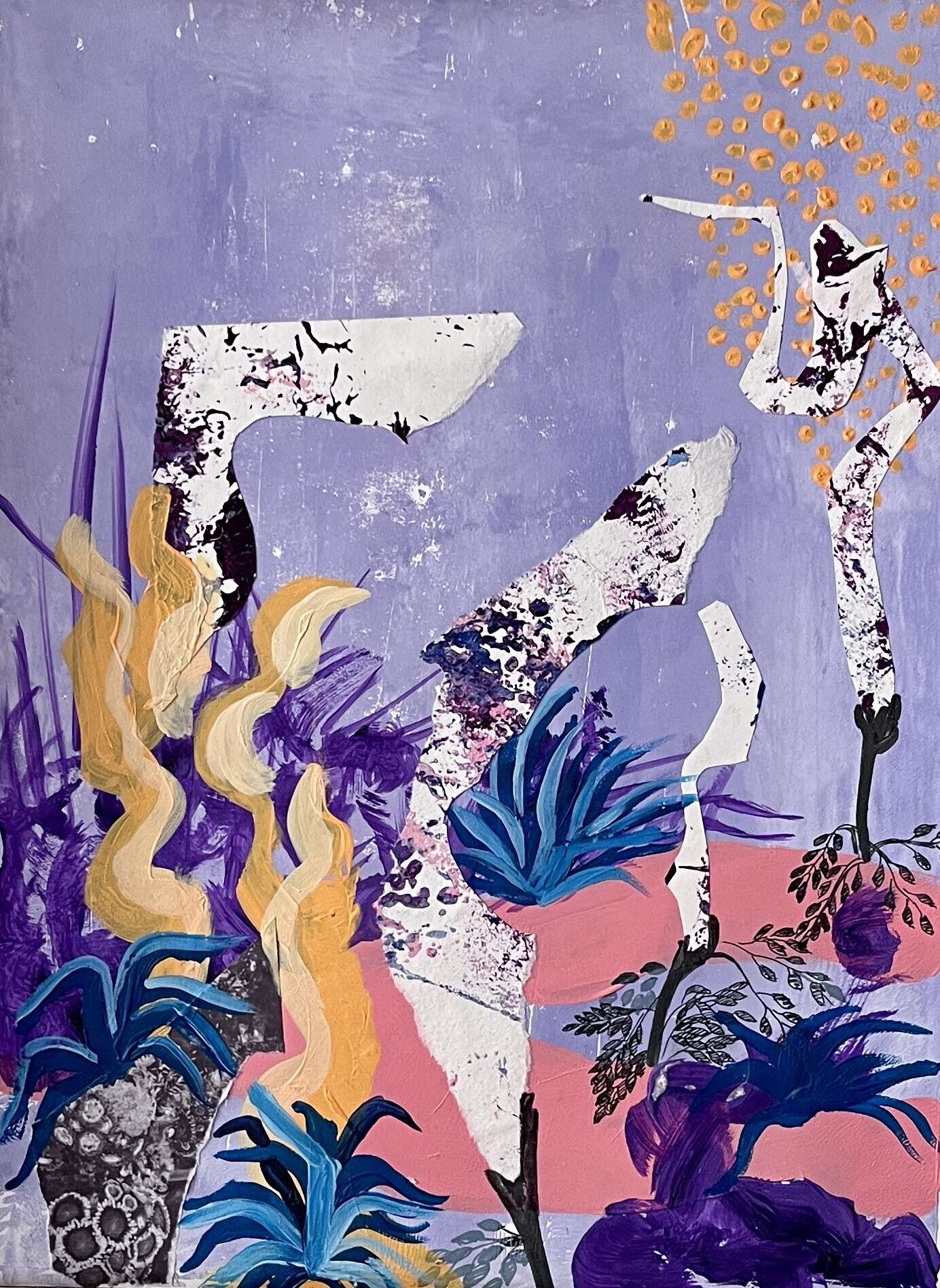
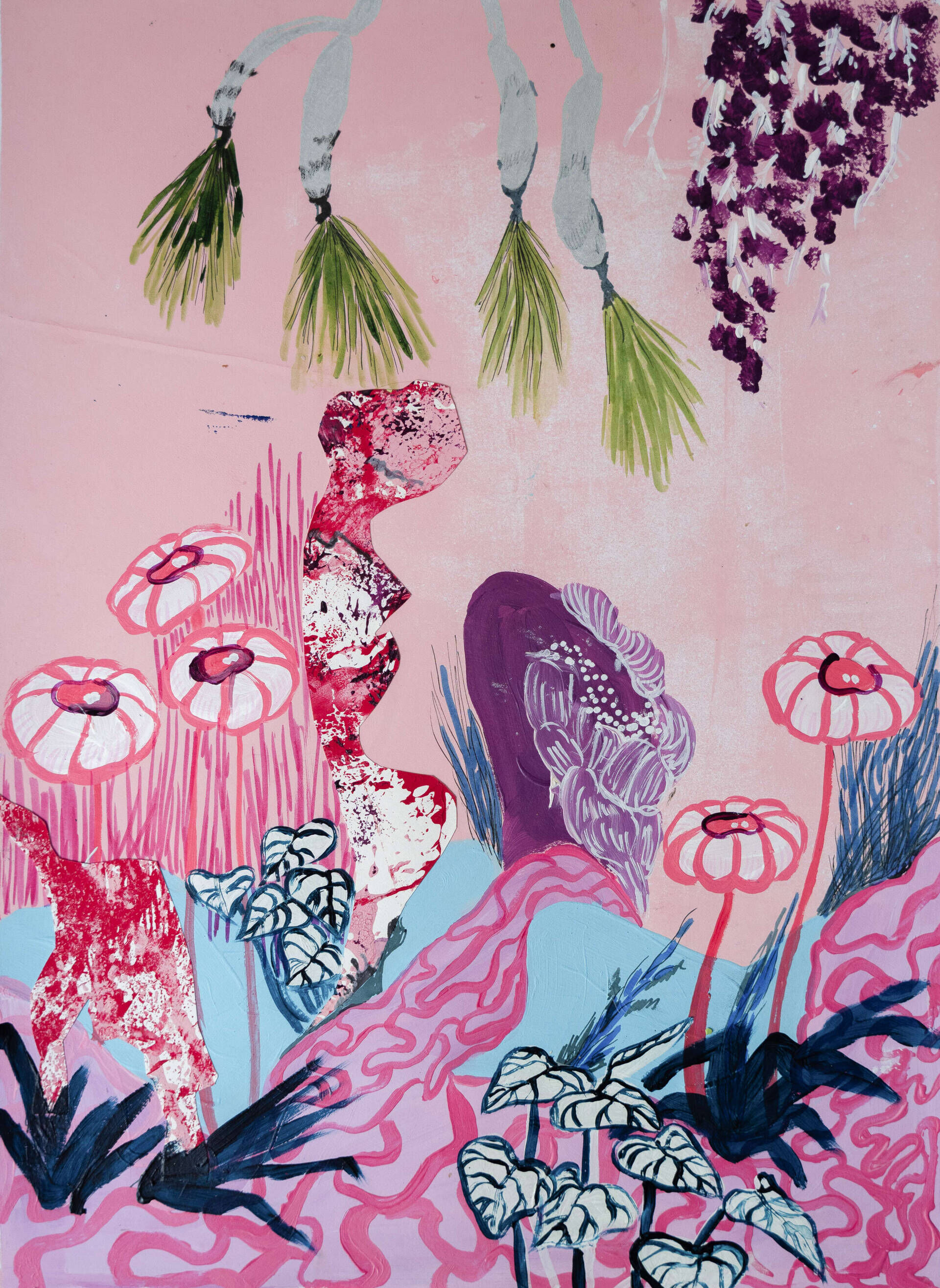
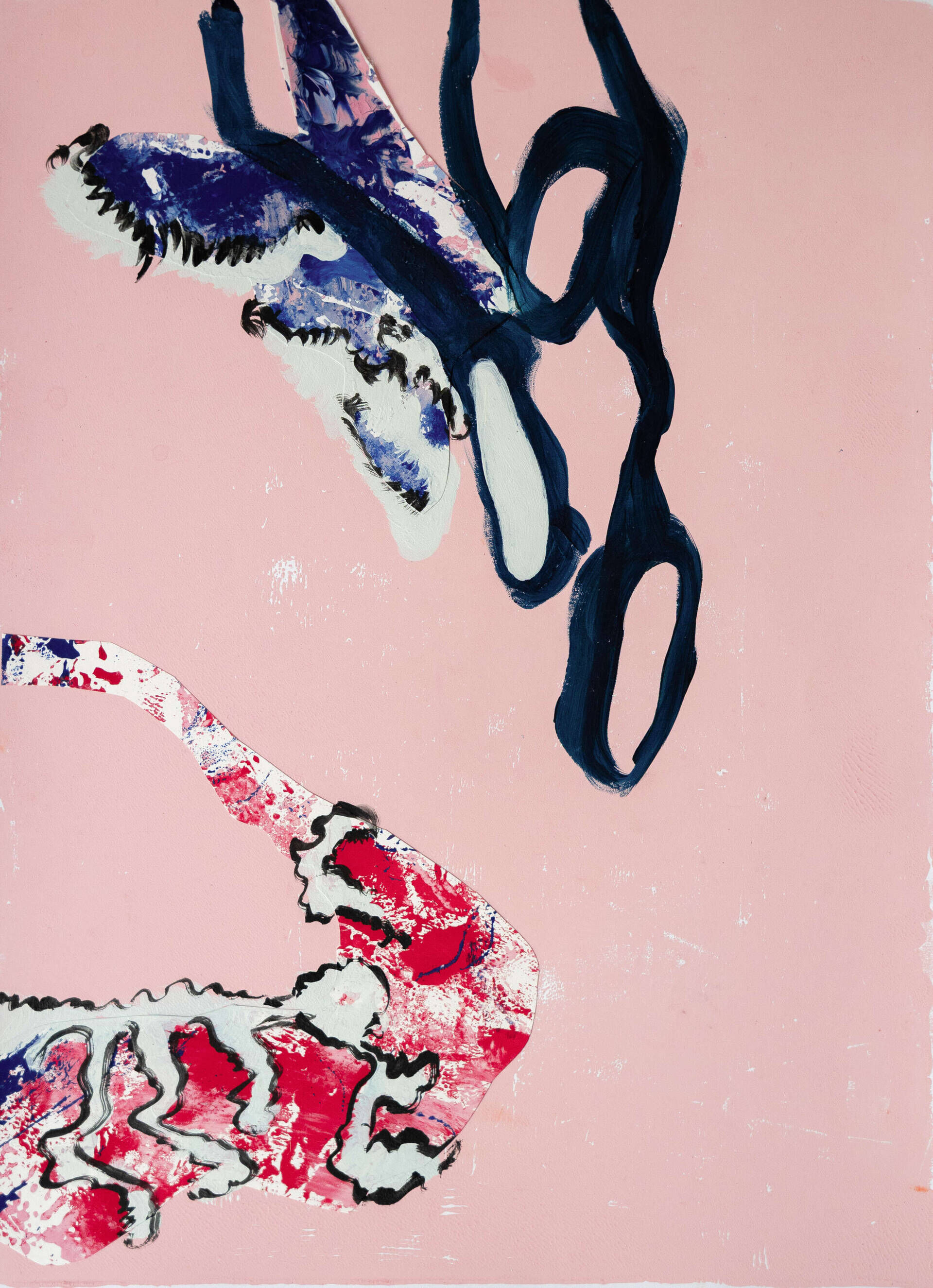
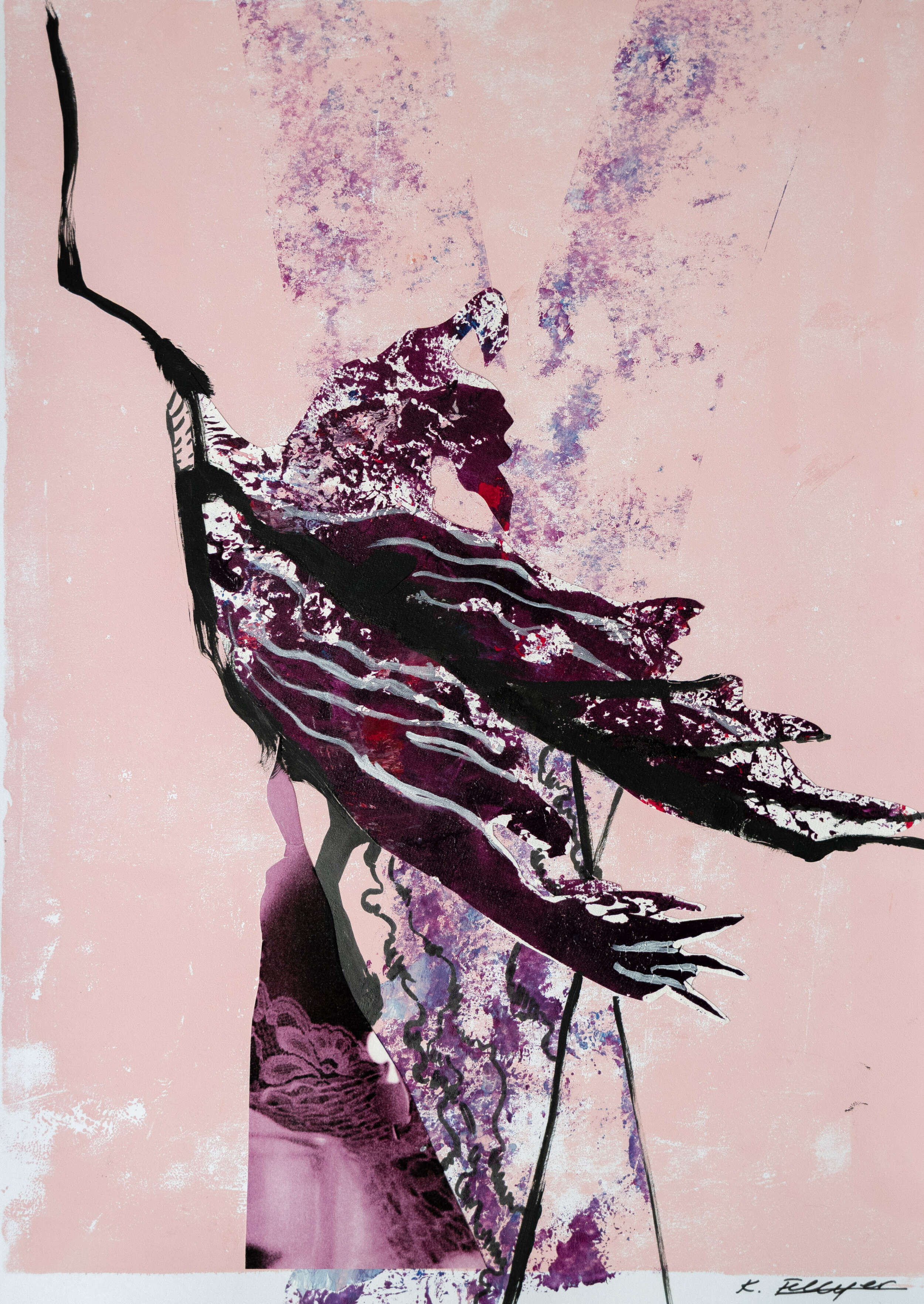
Kiki Felzinger is studying Fine Art at the Berlin University of the Arts. Her works emerge from a struggle with identity and reveal the tension between figuration and abstraction. Through the elaborate layering of colour, figures, landscapes and organic forms emerge, anchoring real elements whilst simultaneously blurring them. Kiki’s collages and paintings open up spaces for reflection, authenticity and pause – art that deliberately challenges whilst offering space for experience.