When many parts come together to form a whole – the mosaic
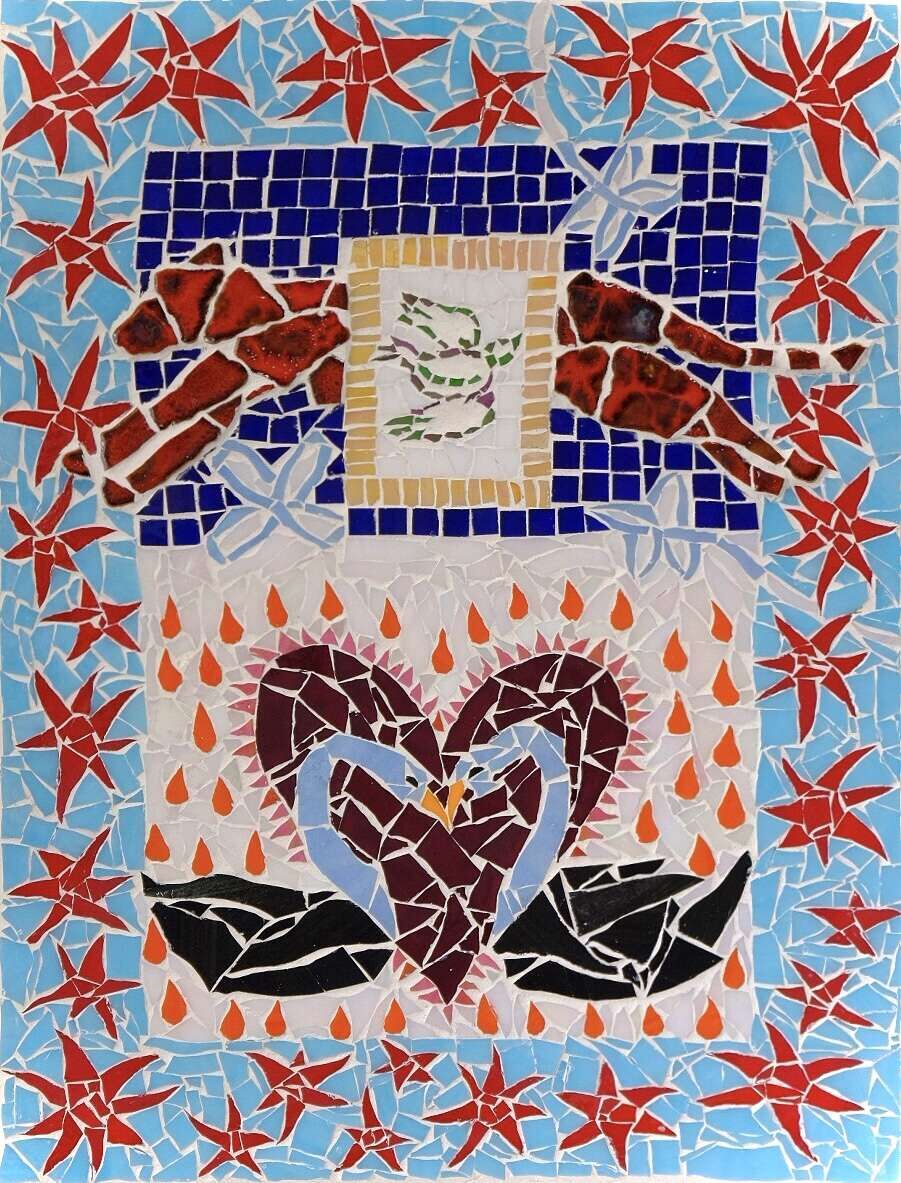
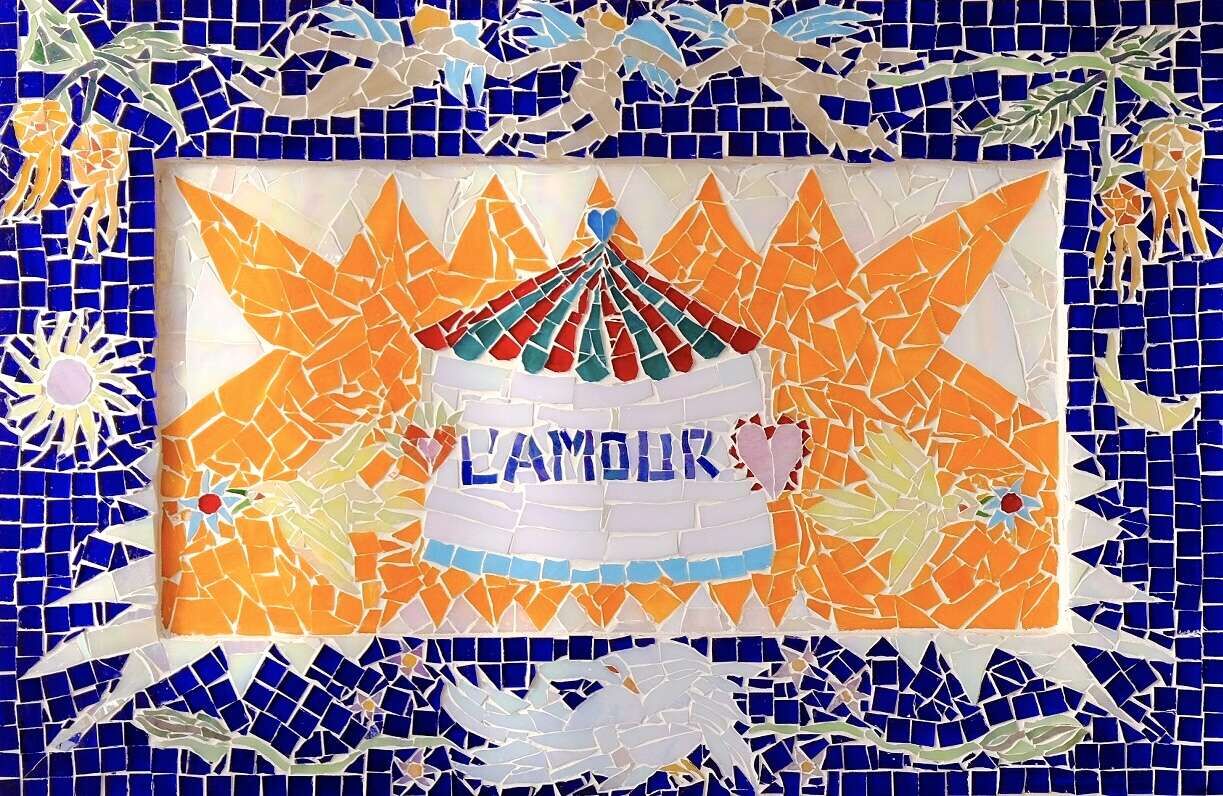
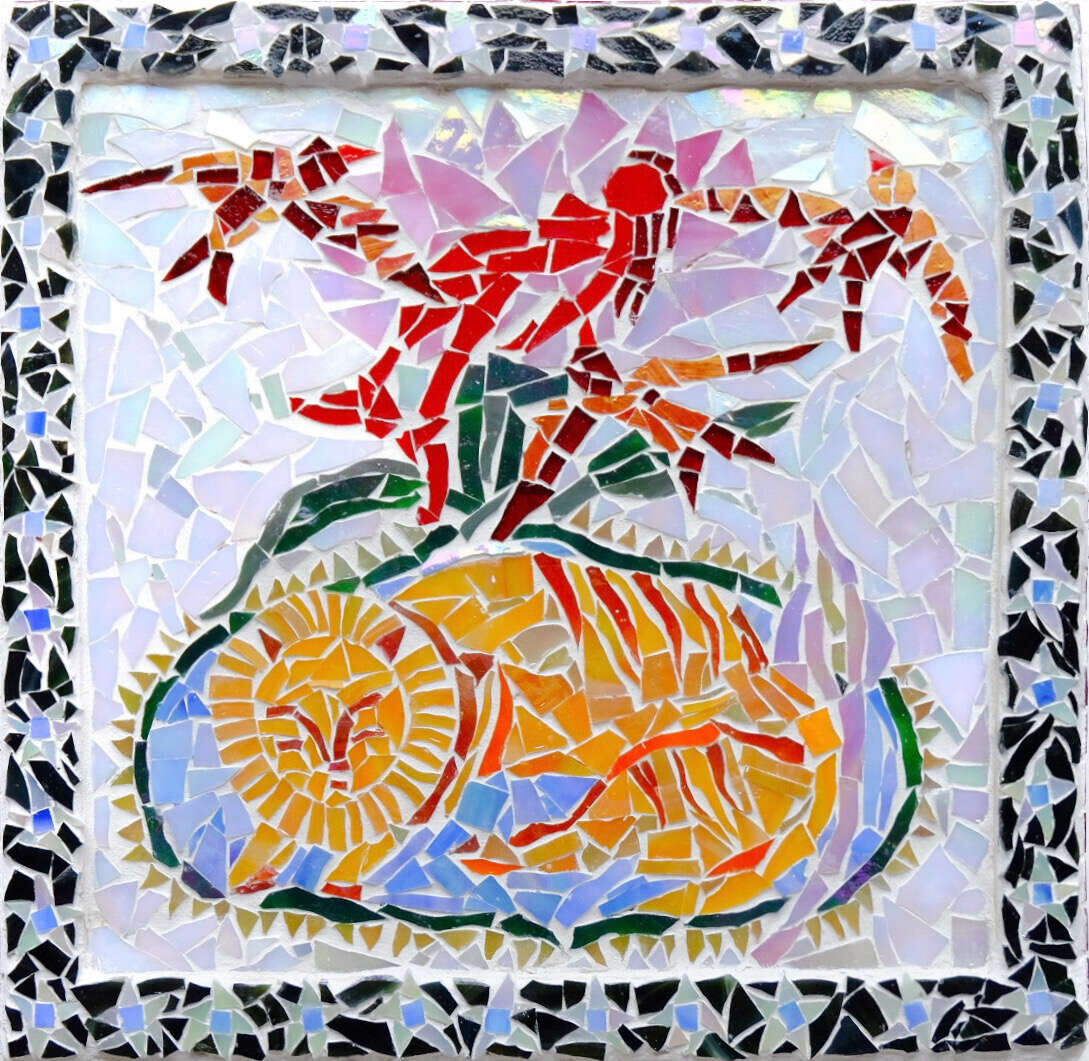
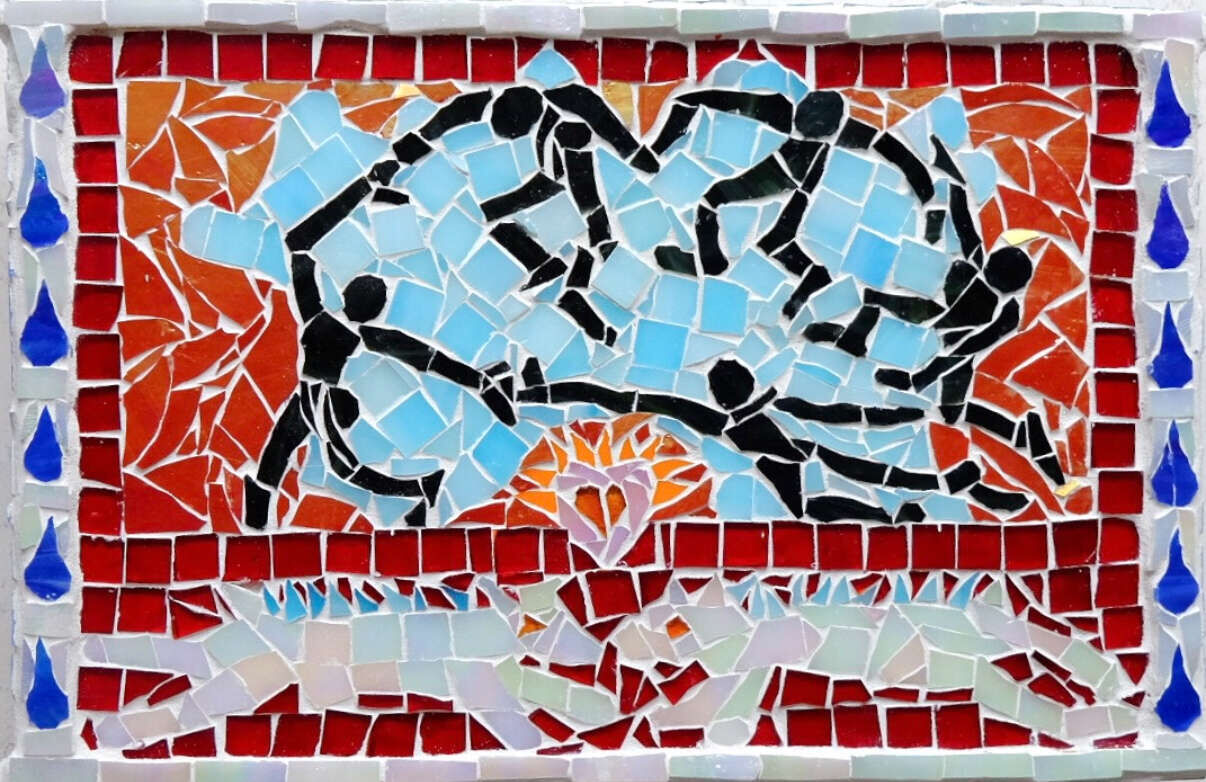
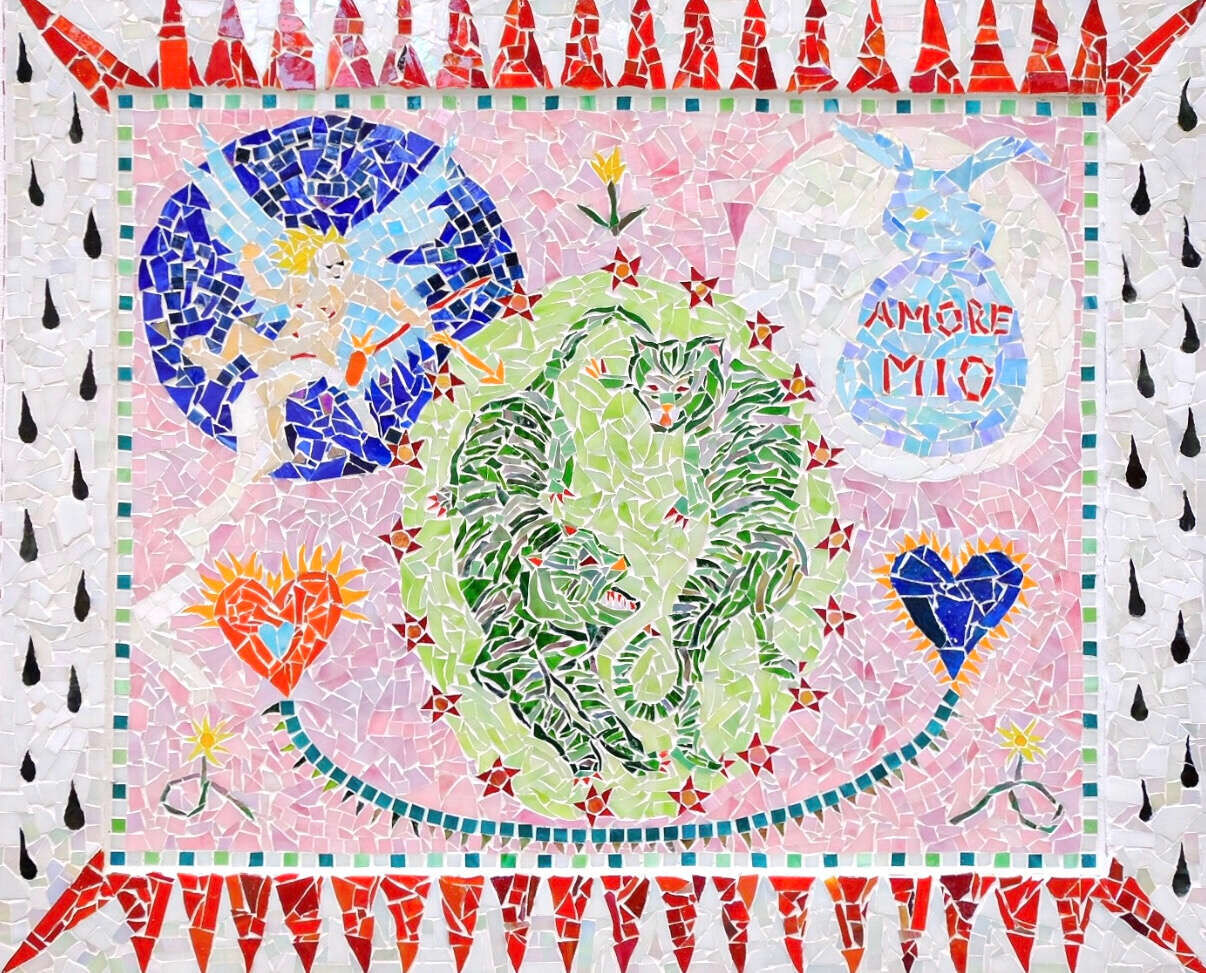
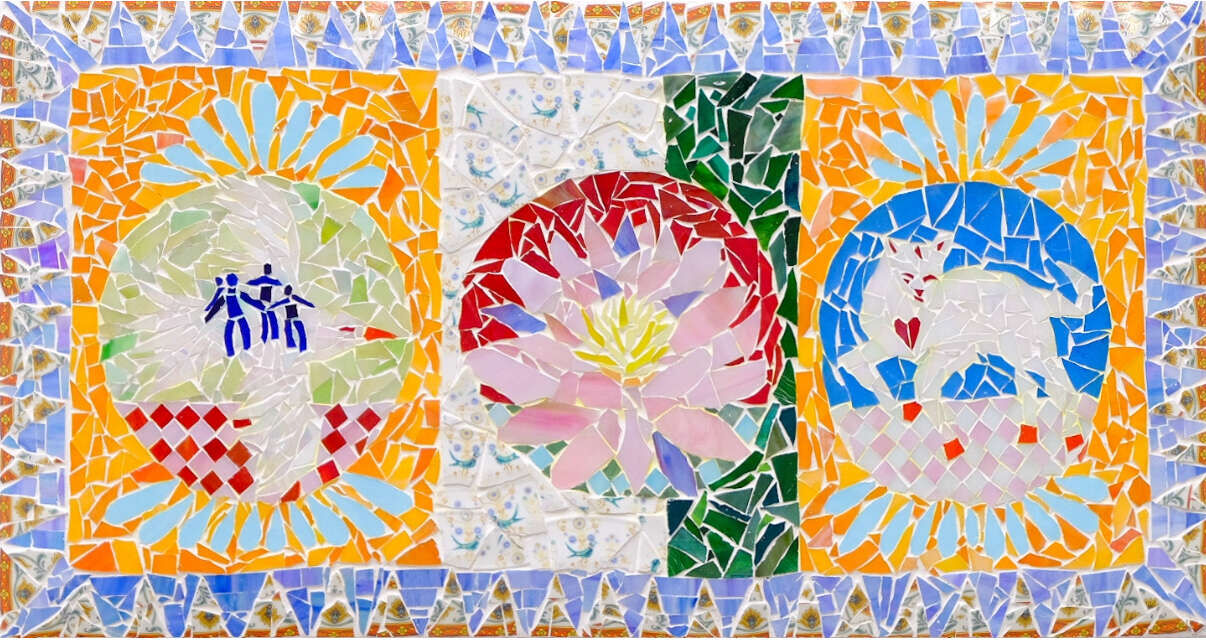
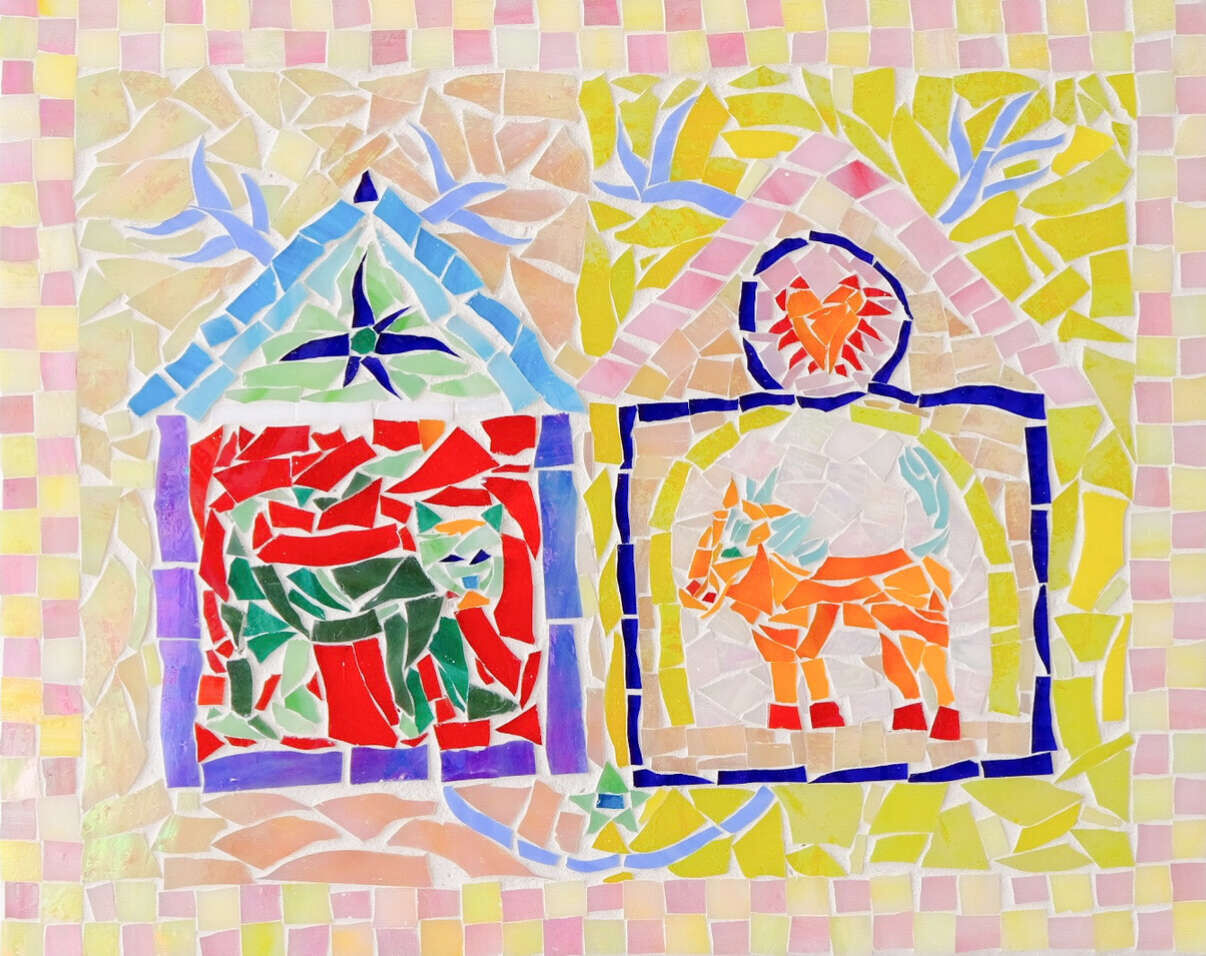
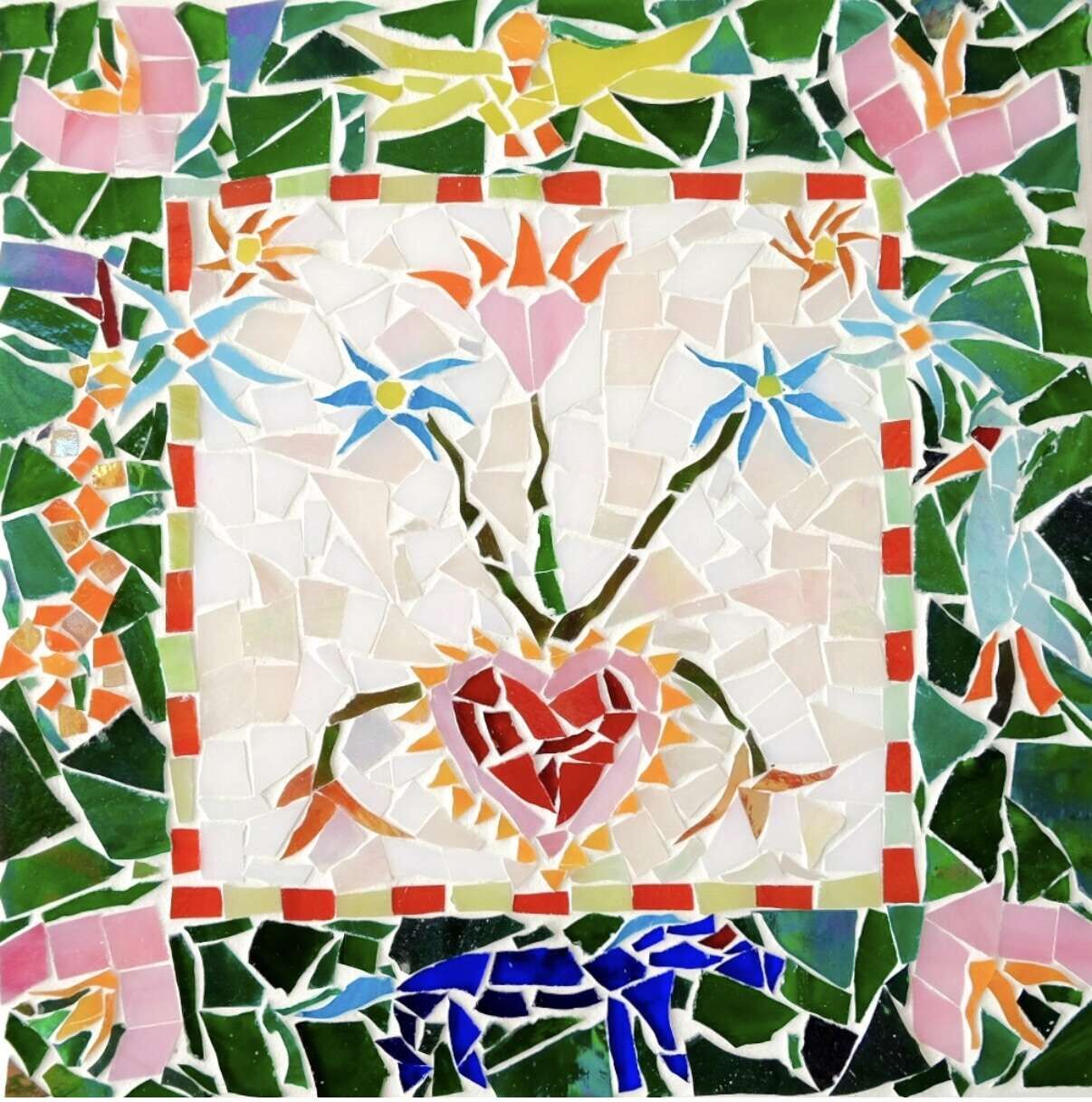
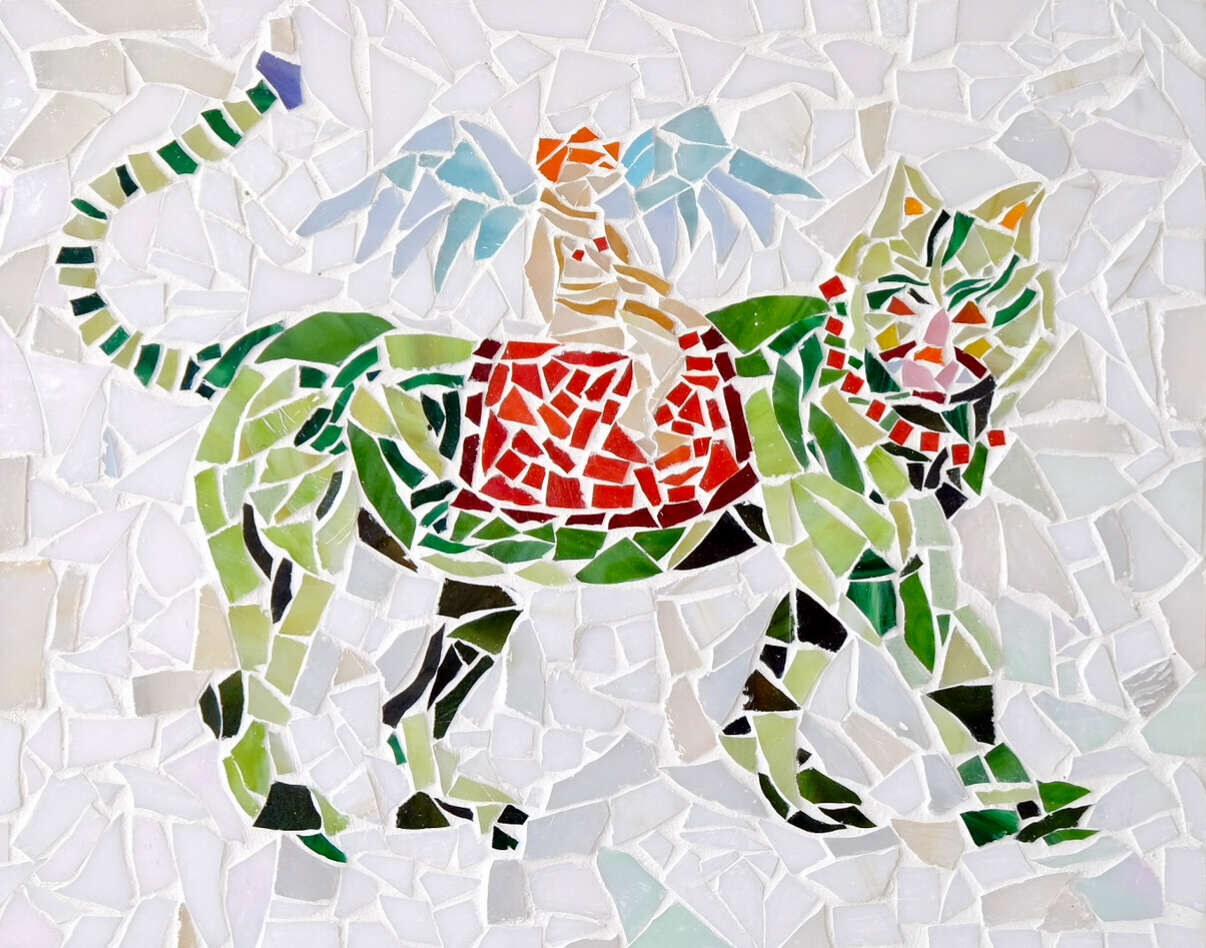
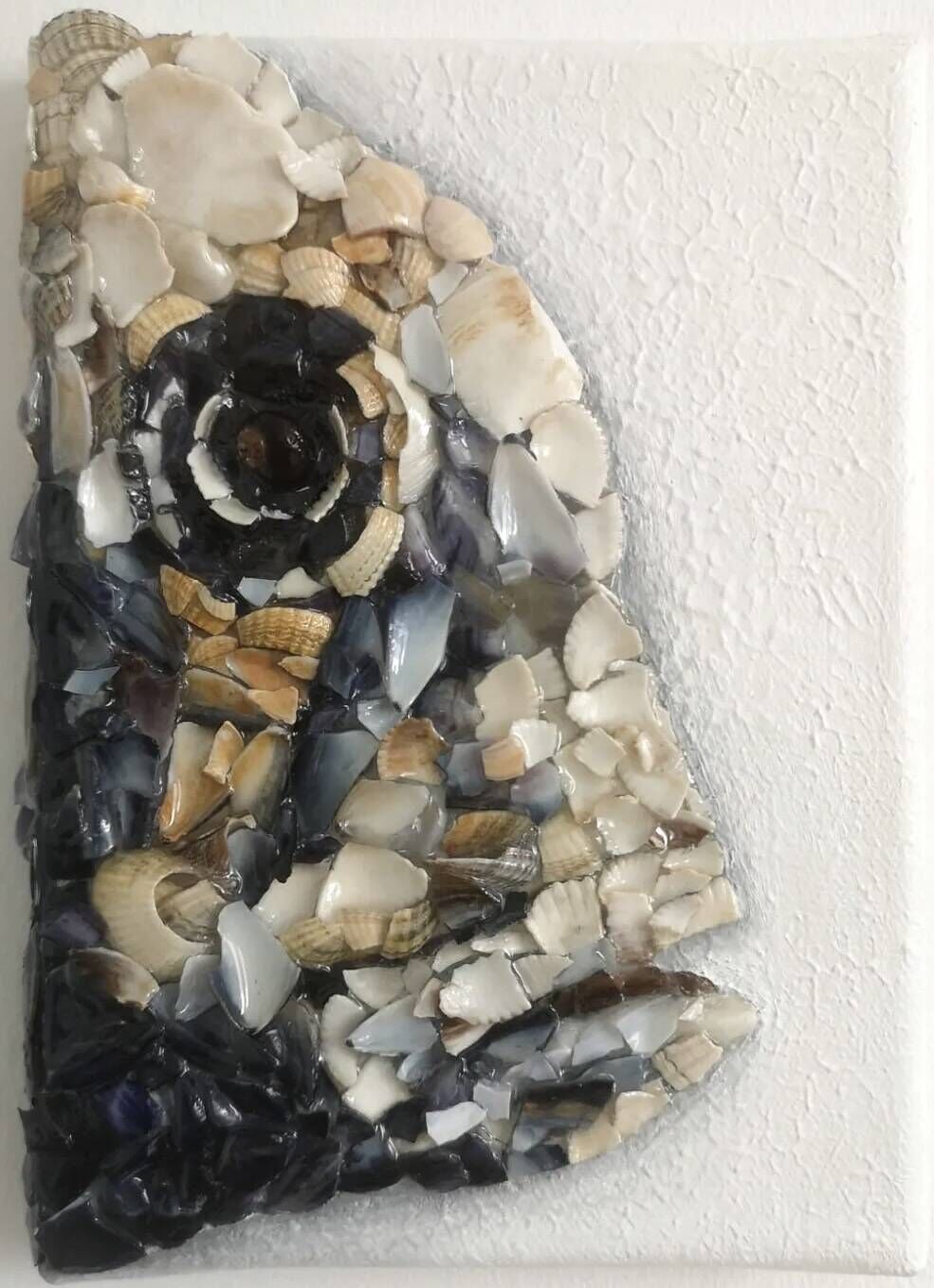
Mosaic artworks combine individual elements to create striking scenes. As if they had always belonged together, the SKM artists assemble small pieces into a harmonious whole. As a viewer, you can discover the work again and again on different levels: each piece as an individual element, the interplay of smaller sections, and the work as a whole. We offer mosaic artworks with richly detailed colours and textures that lend your space a new sense of depth. Every piece is a unique original.

Mosaic art: Timeless art rediscovered
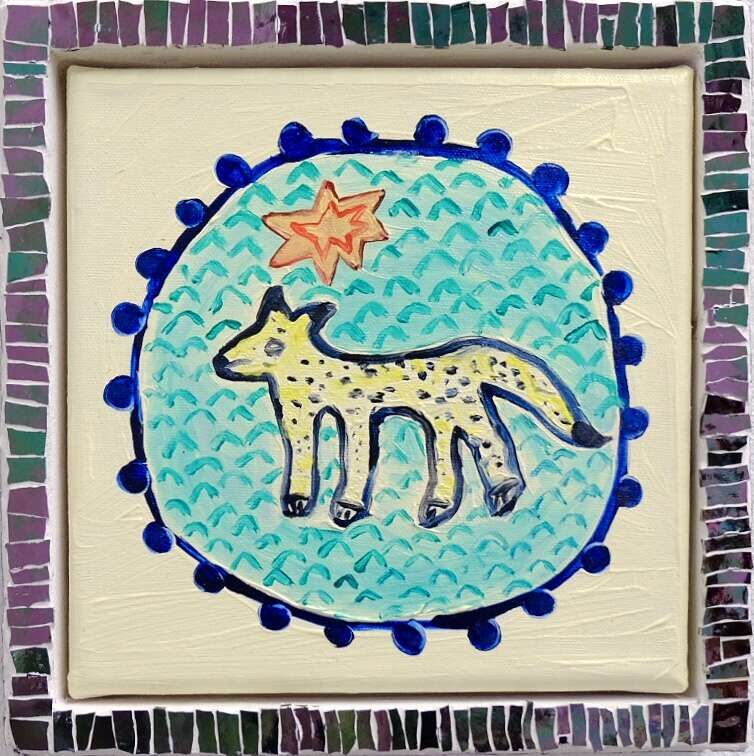
Mosaic art combines patience, precision and creative expression in a unique way: Countless tiny fragments come together to form a harmonious whole that is both meditative and artistically sophisticated. Modern mosaic art reinterprets this traditional technique and instantly lends rooms depth, texture and a sense of quality – one reason why many people are rediscovering mosaic art today. They are not merely decorative, but tell stories that unfold layer by layer. For collectors, mosaic artworks – whether online or in physical form – offer timeless yet modern appeal. At the Student Art Market, you’ll find works created by young mosaic artists that demonstrate just how freely, experimentally and innovatively the next generation is interpreting art through mosaics and murals.
The popularity of mosaic artworks is rightly on the rise, as their unique combination of texture, colour and light lends each piece its own dynamic quality, which changes depending on the viewing angle and instantly imbues rooms with character and atmosphere. Modern mosaic art, in particular, captivates with this complexity and its tangible materiality, which provides a soothing contrast to the smooth, digital aesthetics of our everyday lives. Mosaic artworks represent genuine craftsmanship: they demonstrate just how powerful wall art can be when created through patience, precision and traditional skill – and that is precisely what makes them so valuable, both emotionally and aesthetically.
Mosaic art between tradition and modernity
The historical roots of mosaic stretch far back in time – from ancient Roman floors to Byzantine church walls. Yet although this history is impressive, today it primarily plays an inspiring supporting role. Contemporary mosaic art and murals are no longer bound by traditional patterns, but are being reinterpreted by young artists. Instead of strictly symmetrical forms, we see mosaic collages in art and mosaic works featuring abstract colour fields, organic structures or experimental materials.
It is precisely this freedom that makes contemporary mosaic art so exciting. Artists combine glass, ceramics, stone or recycled elements to create mosaic works that possess energy, depth and emotional resonance. Sustainable approaches are also gaining in importance: many mosaic pictures are created from leftover materials or through upcycling processes – an aspect that further characterises mosaic art for modern generations. At the Student Art Market, you’ll find precisely this kind of mosaic artwork: contemporary, free-thinking and with a distinct artistic signature. This demonstrates just how diverse mosaic art can be today.
Icons of mosaic art
Famous mosaic artworks have shaped art history over millennia and demonstrate the cultural power of these murals. One of the most famous examples is the Byzantine mosaics of Ravenna, whose golden backgrounds and finely set stone fragments still shine today as if they had only just been created. The mosaic paintings of Hagia Sophia also rank among the world’s most significant works of art – their blend of spirituality, craftsmanship and radiant colours remains unique to this day.
Yet mosaic art is not confined to antiquity or the Middle Ages. Modern murals such as those by Niki de Saint Phalle, who made her vibrant mosaic sculptures famous worldwide, demonstrate just how vibrantly this technique is used today. The artist Antoni Gaudí also set new standards in Barcelona: his mosaic works in Park Güell combine architecture, nature and abstract forms in a completely new way. These famous works continue to inspire contemporary artists to this day and demonstrate just how versatile this art form can be – expressive, monumental or poetically subtle.
Buying unique mosaic art – an investment with a future
Mosaic artworks are not only decorative eye-catchers, but also a sound investment: Their depth of material, precision of craftsmanship and unique quality make modern mosaic art particularly attractive to people who wish to collect art consciously. Works by young artists in particular offer great potential, as the student art market allows you to discover original murals whose value may rise as their reputation grows. At the same time, they have a powerful spatial impact – texture, light reflections and a tactile presence create atmosphere and depth. The artworks of young talents demonstrate courage, a spirit of experimentation and a distinctive personal style; each piece tells its own story. Whether rich in colour, minimalist or featuring unusual combinations – mosaic artworks bring character to your rooms. With every purchase, you support artists who are passionately developing their mosaic art, and bring genuine craftsmanship into your home that inspires and endures.
Find out more about exciting art movements in our articles on street artists, the Symbolism in art or famous art photographers. Here, we’d also like to introduce you to a few of our exciting mosaic artists:
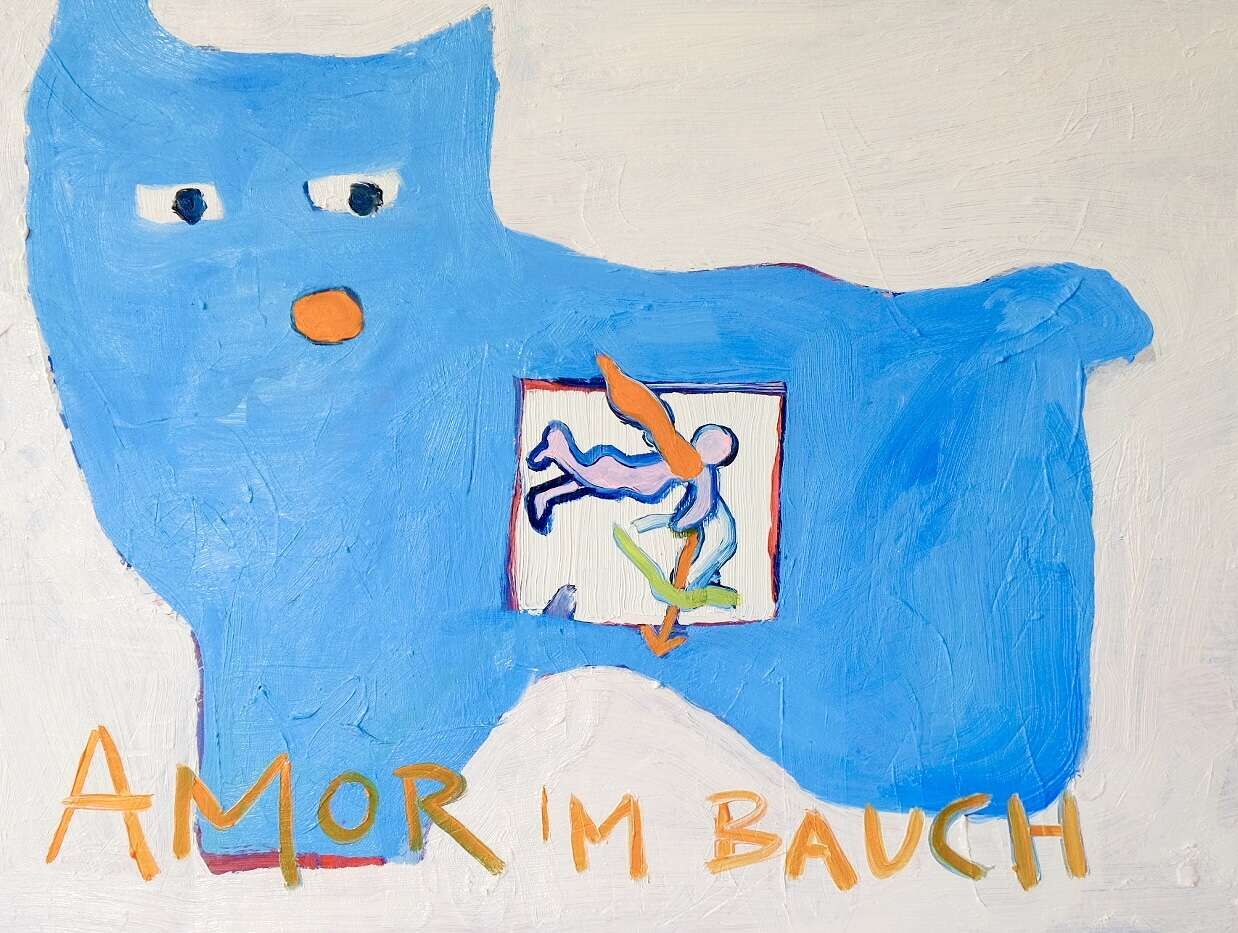
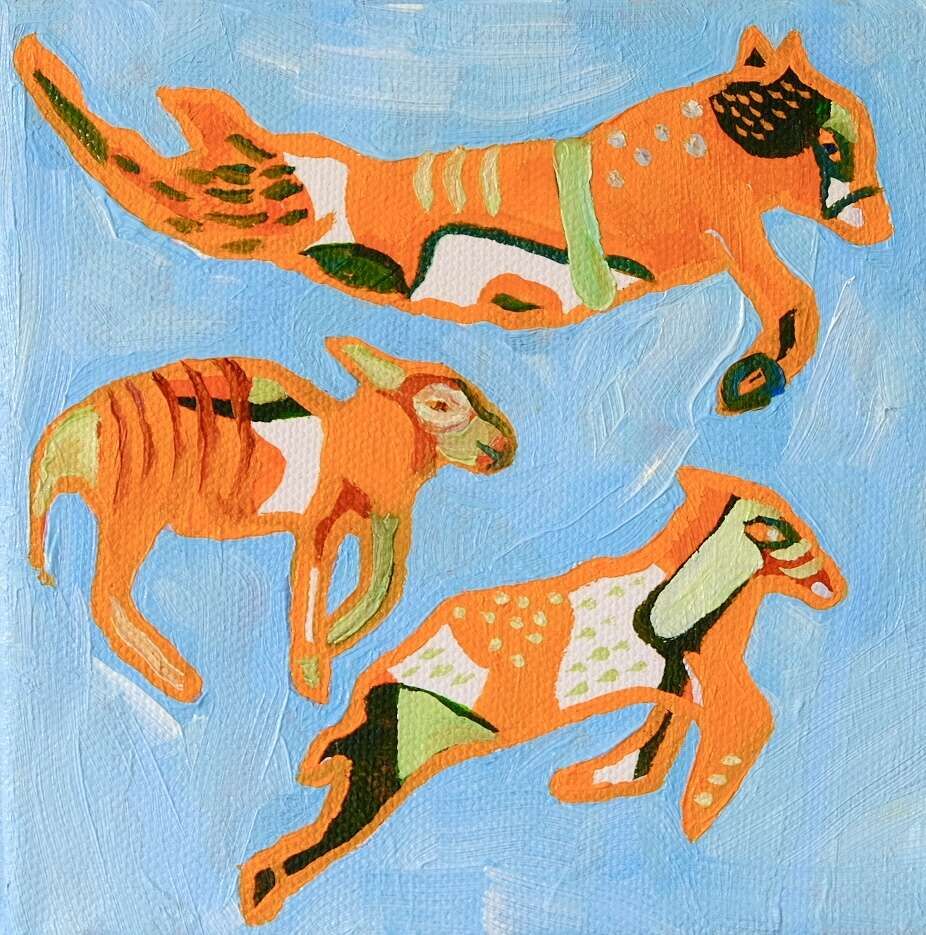
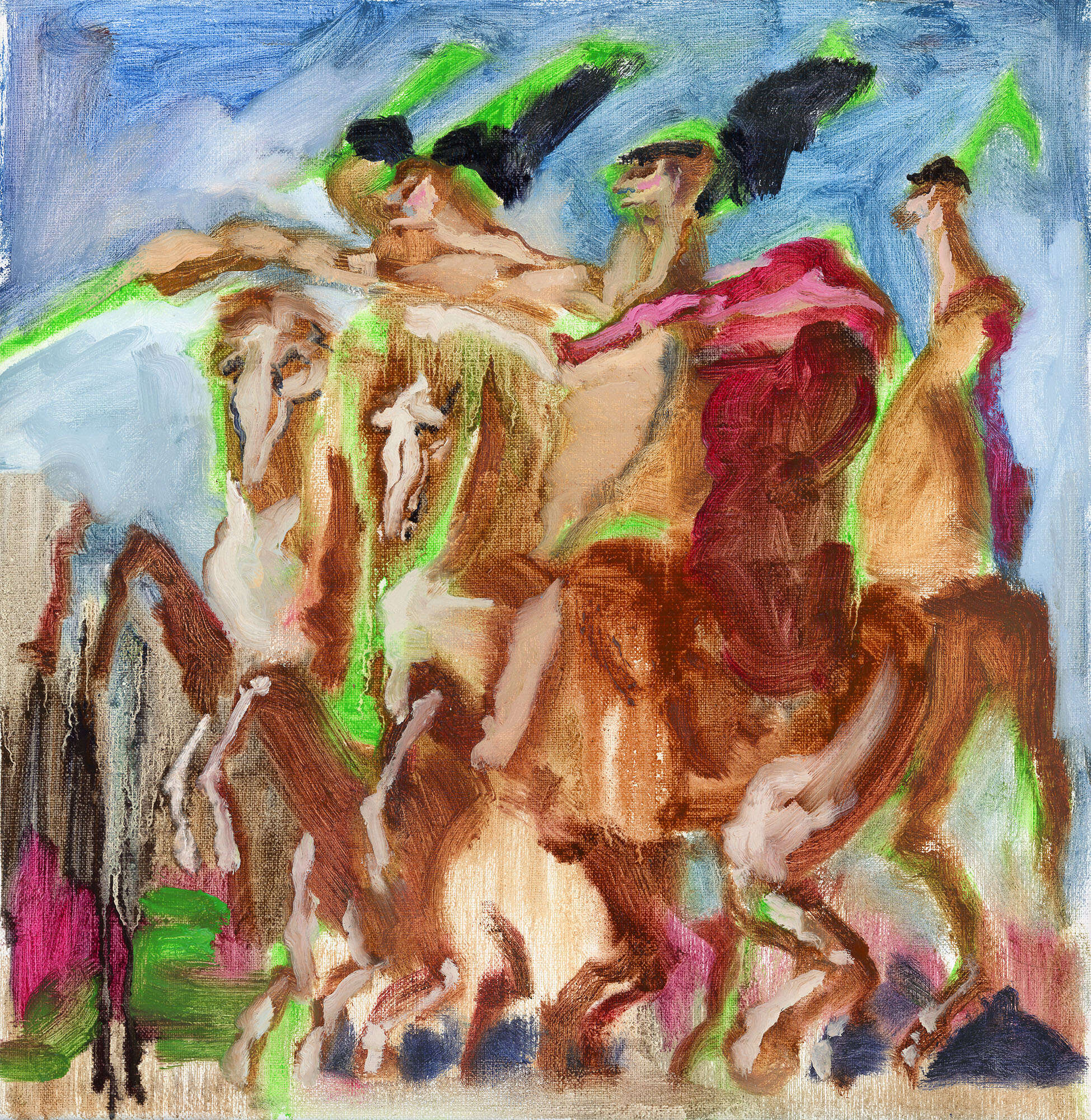
Anna Leisner lives and works in Karlsruhe and studied at the Academy of Fine Arts in Karlsruhe under Corinne Wasmuth. Her painting navigates the tension between dream and reality, where human figures, animals and mythical creatures meet ornamental forms. Using oil painting, mosaics and printmaking, she creates visual worlds that appear like poetic interstices – places where emotion, memory and symbolism are interwoven. Her works grow organically; patterns dissolve, figures emerge and vanish again, creating a visual rhythm reminiscent of the logic of dreams. Leisner’s art speaks quietly yet powerfully of closeness, otherness and the transitions that shape our humanity.
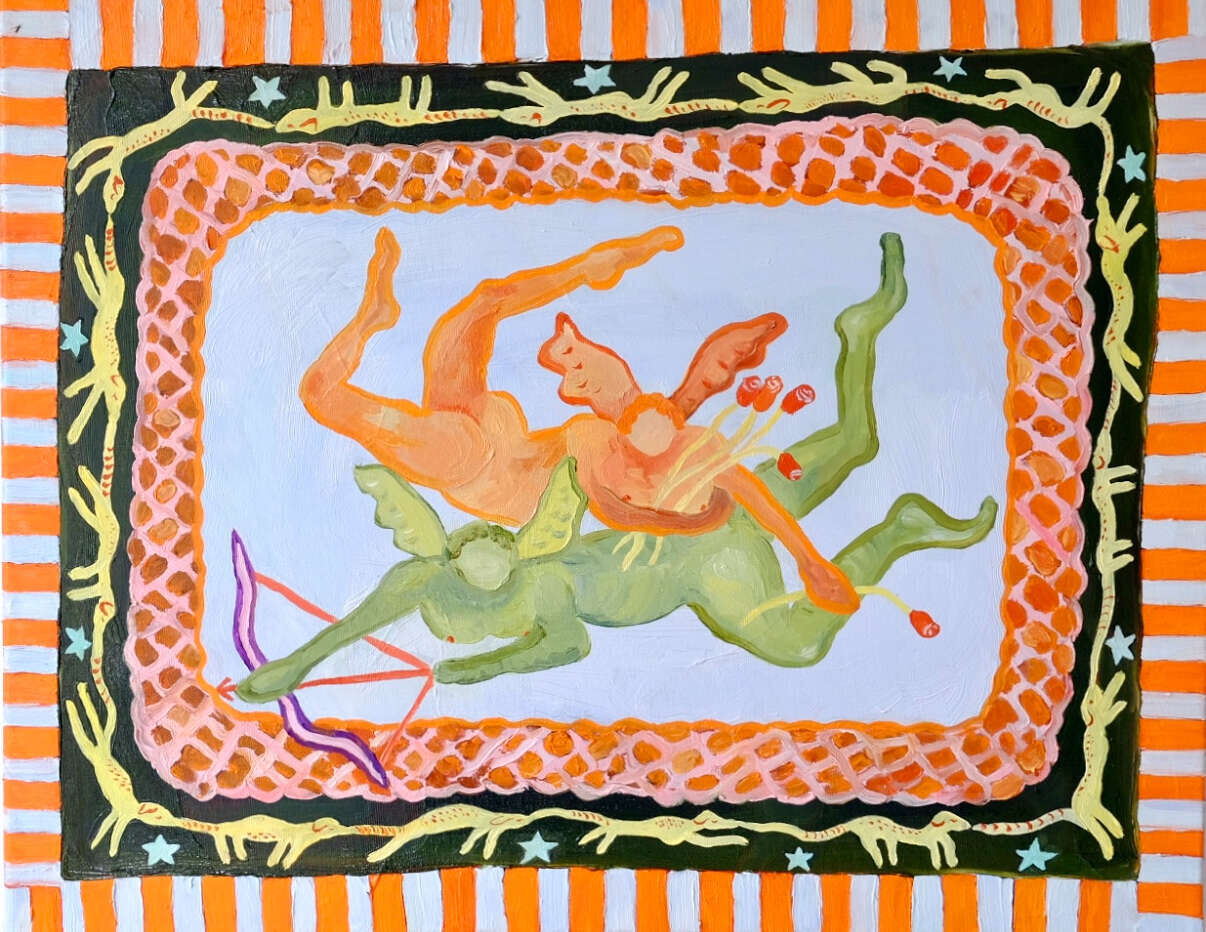
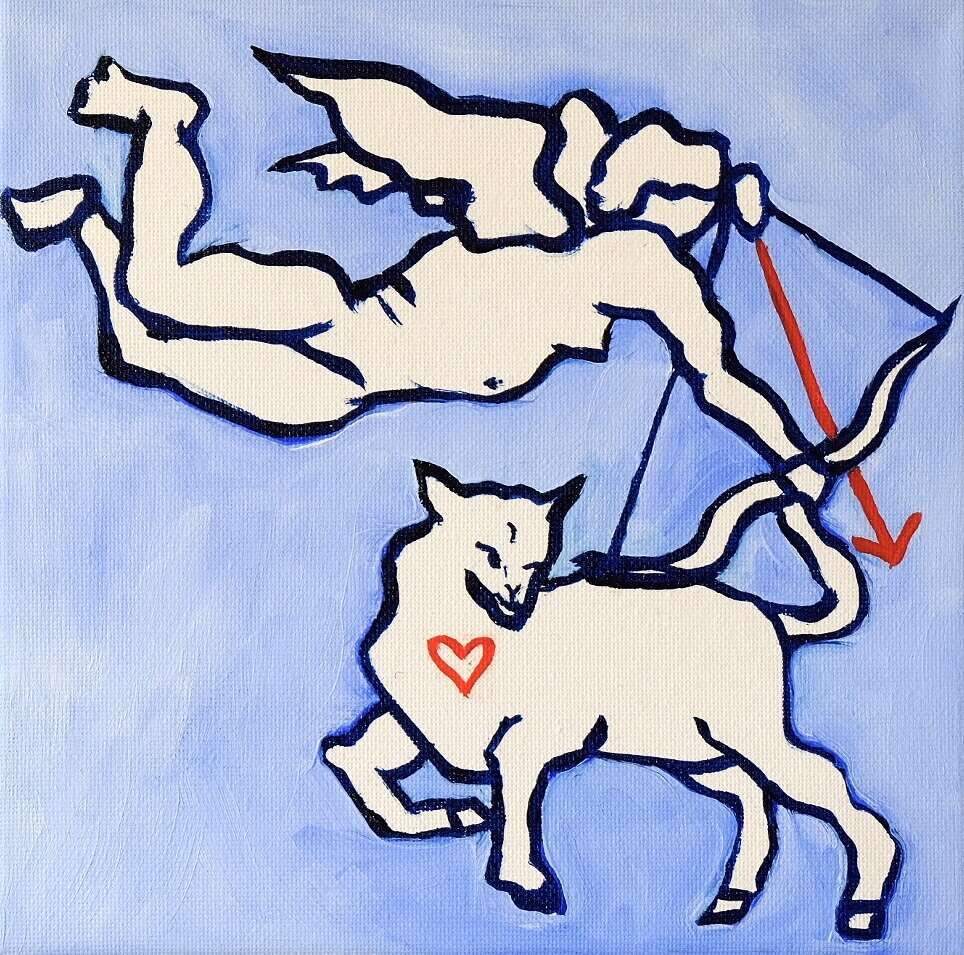
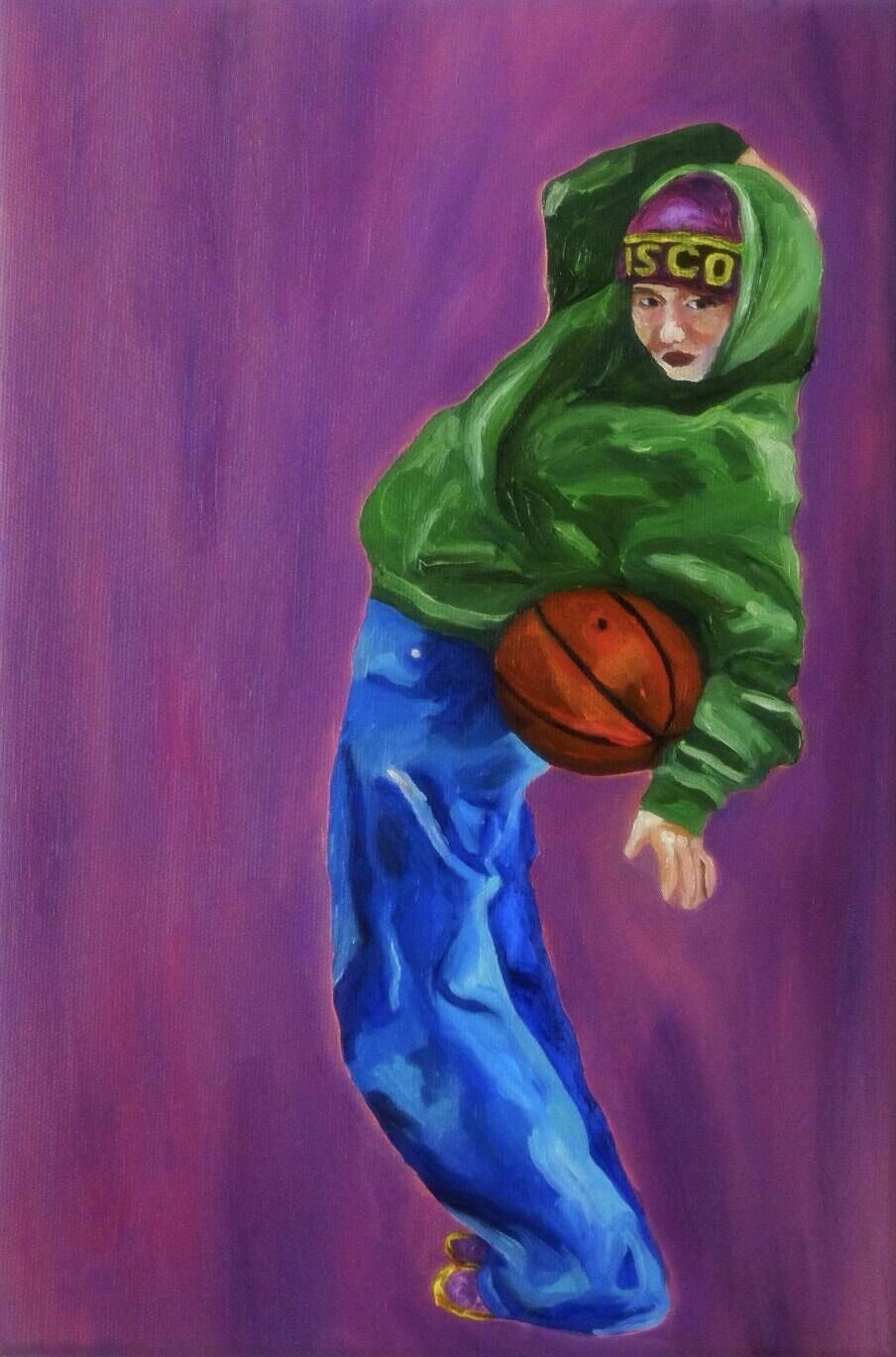
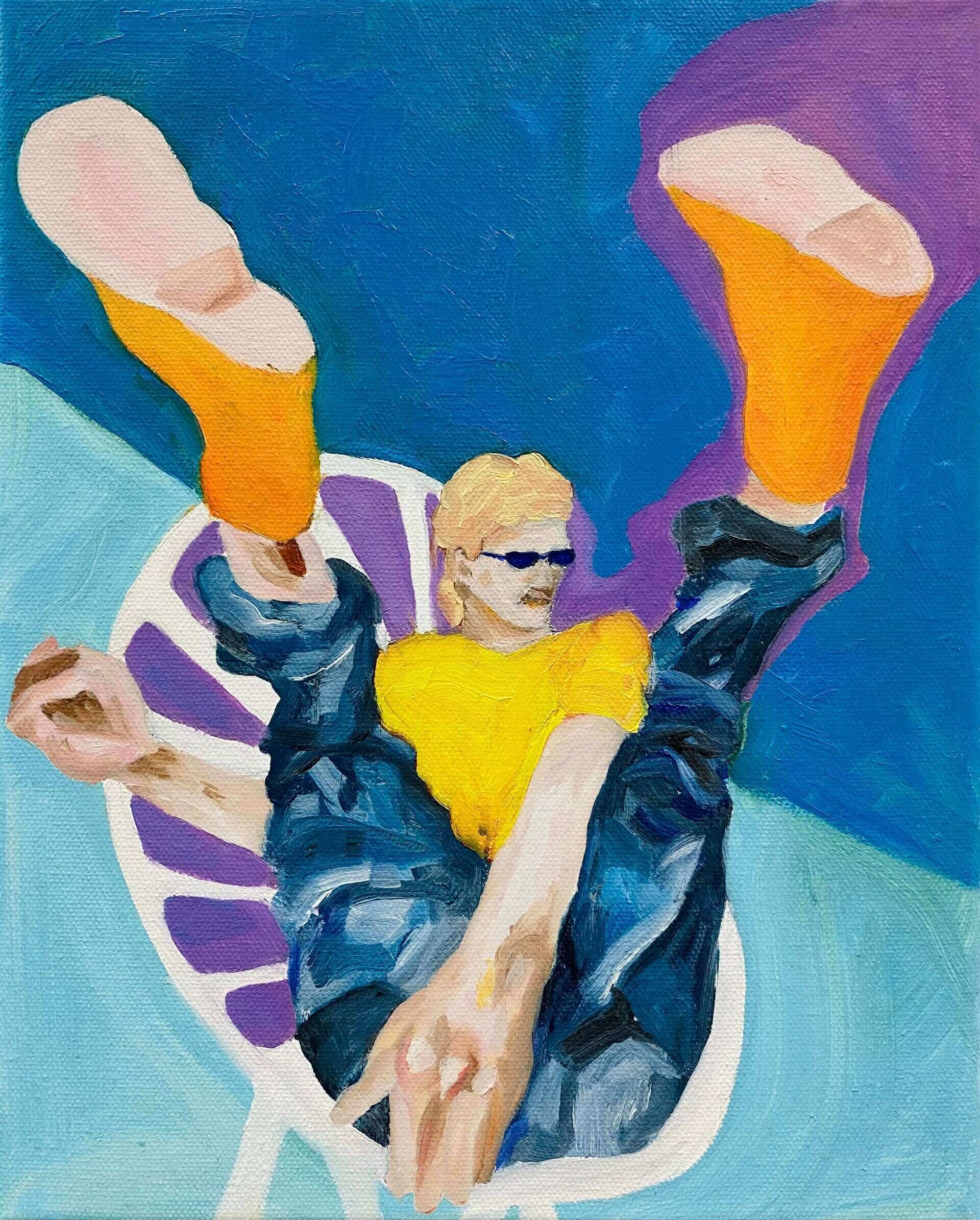
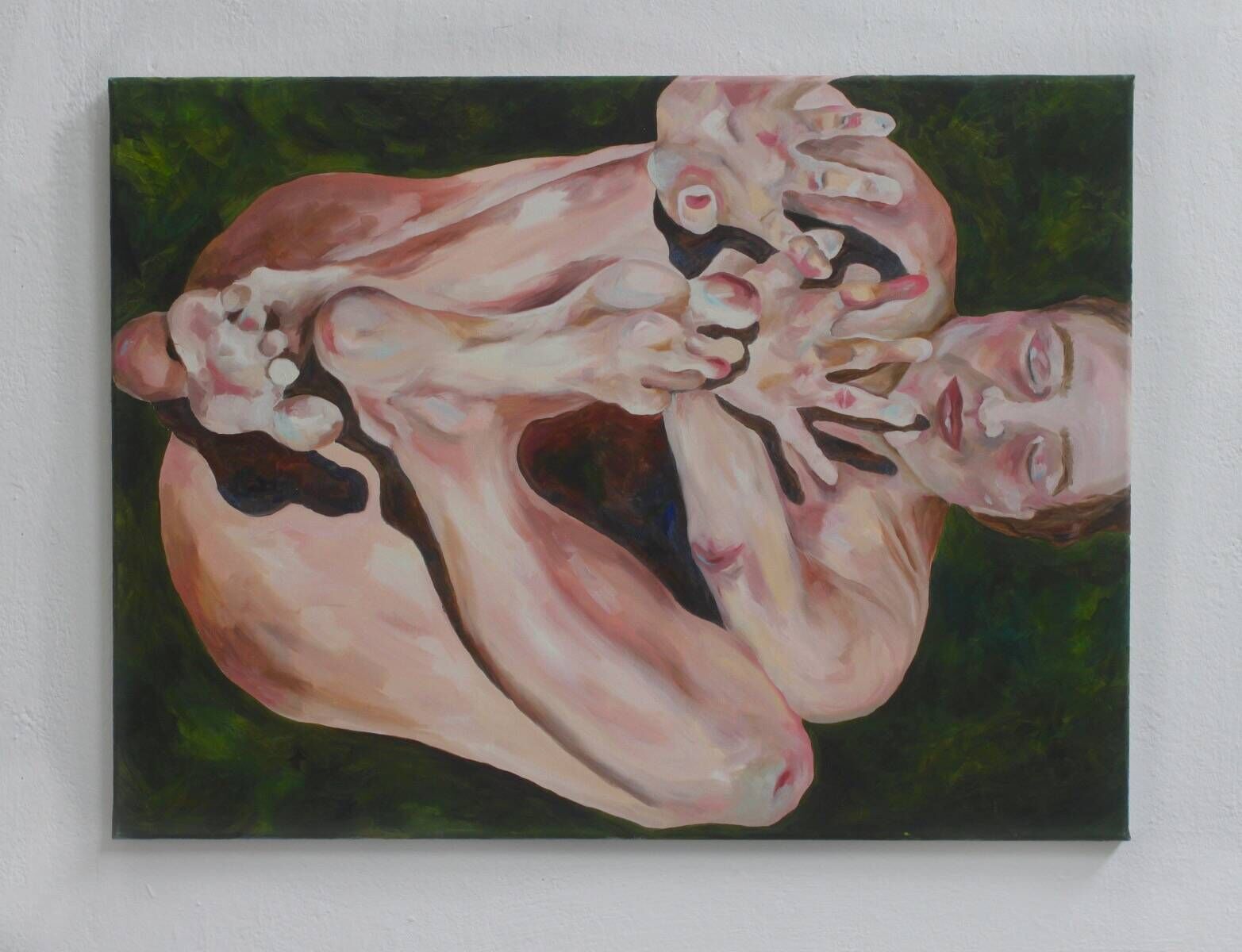
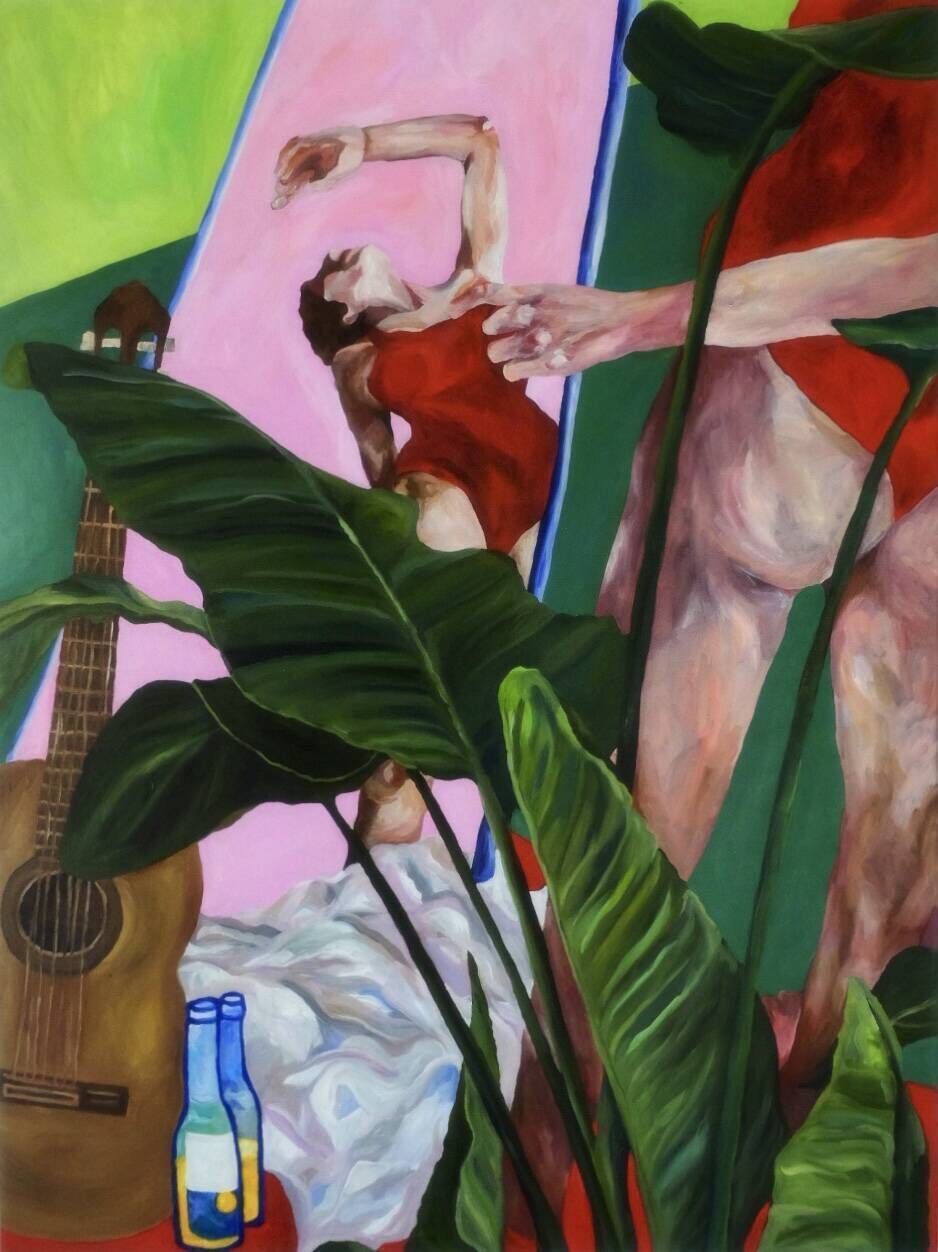
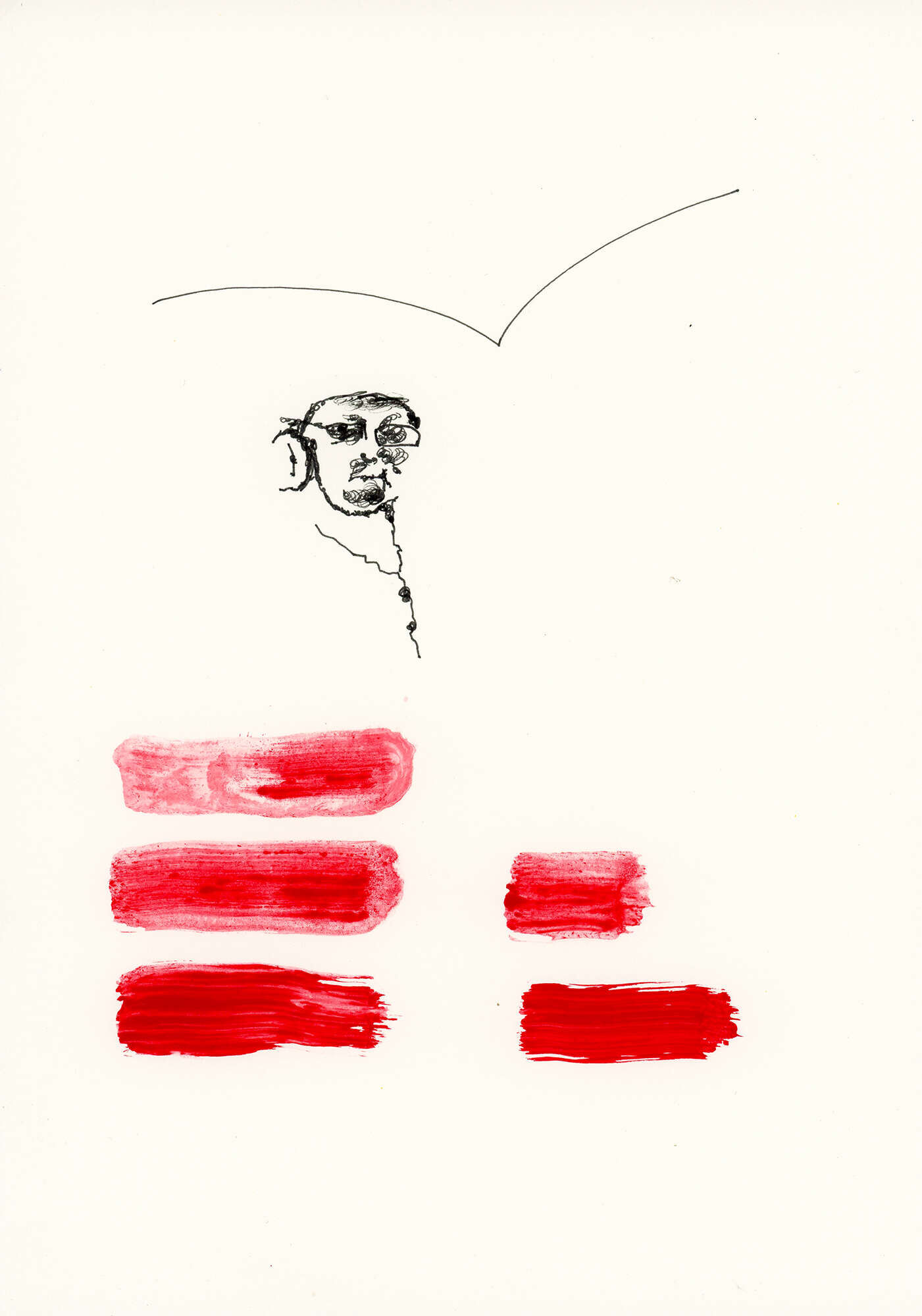
Paula Victoria Aldea, who trained in art education and therapy at Alanus University and is currently a Master’s student in art therapy, closely links her personal history with her artistic work. A wheelchair user since the age of 13, she explores themes such as inner strength, acceptance, resilience and inclusion. This approach shapes her entire body of work: for her, art becomes a space for drawing strength, for making things visible and for self-understanding. As a member of the Posthorn art collective, she is actively committed to artistic positions in line with Article 24 of the UN Convention on the Rights of Persons with Disabilities. Aldea’s works possess an authentic emotional depth – they are an expression of a life that transforms challenges and turns them into creative energy.
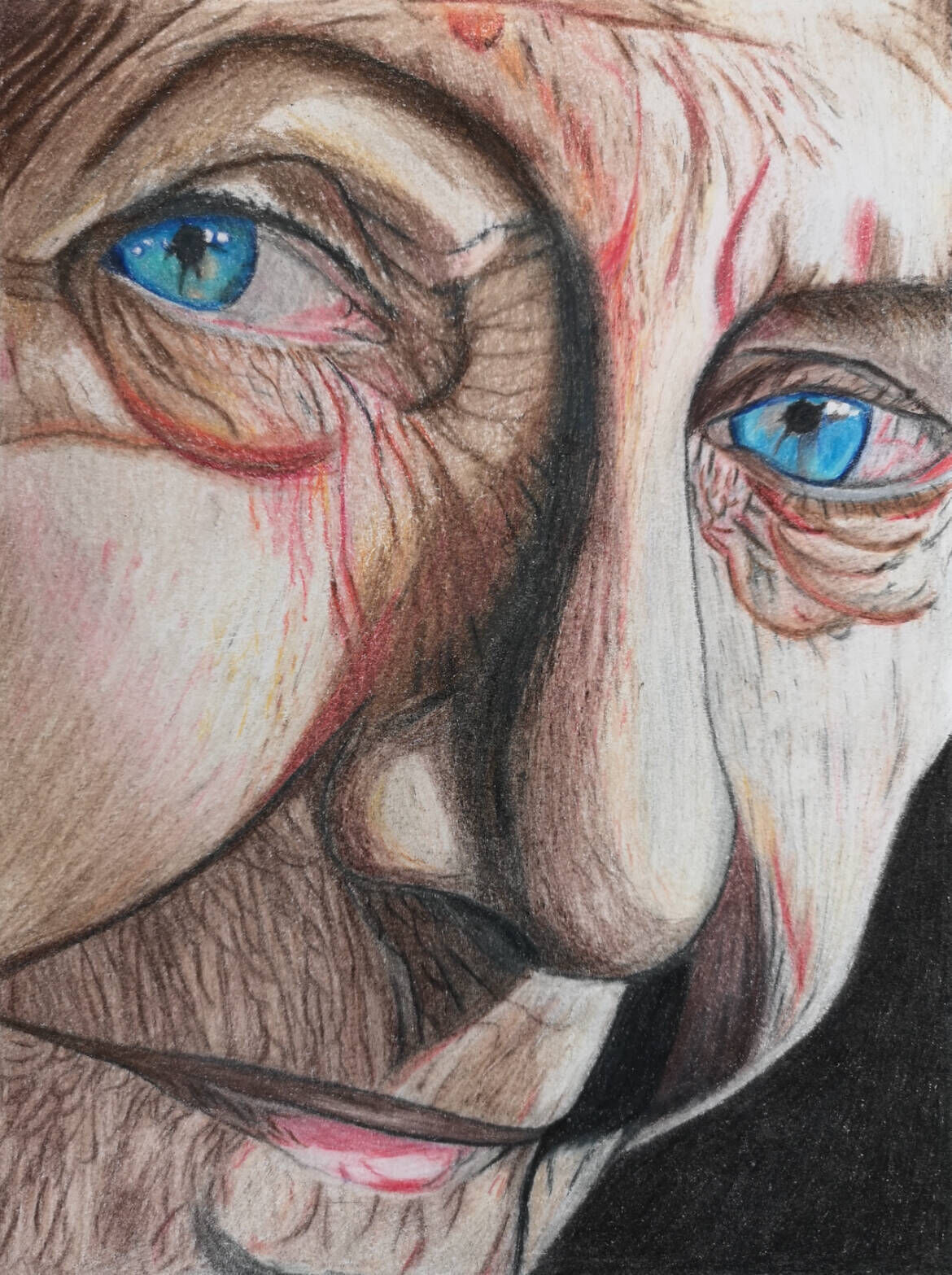
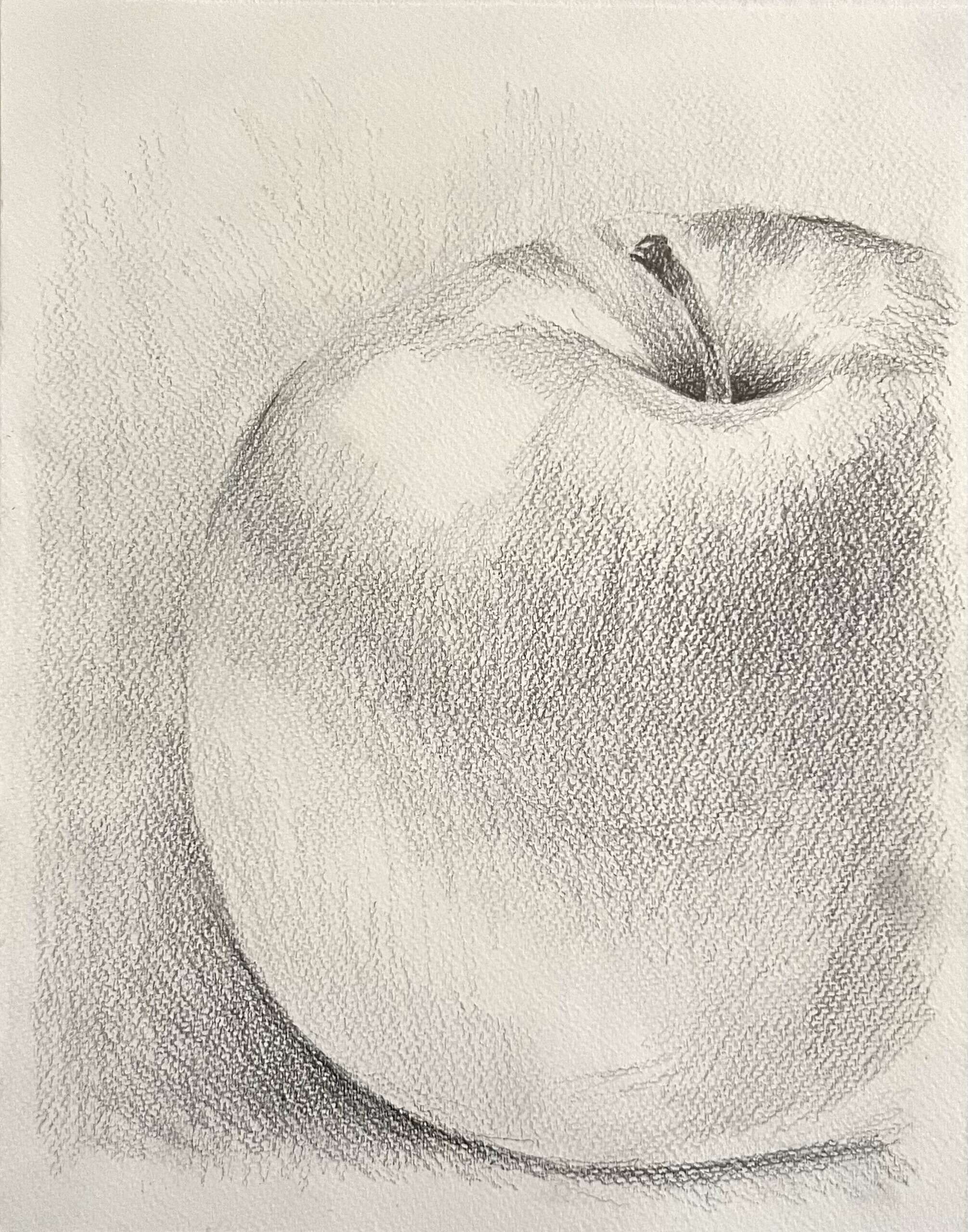
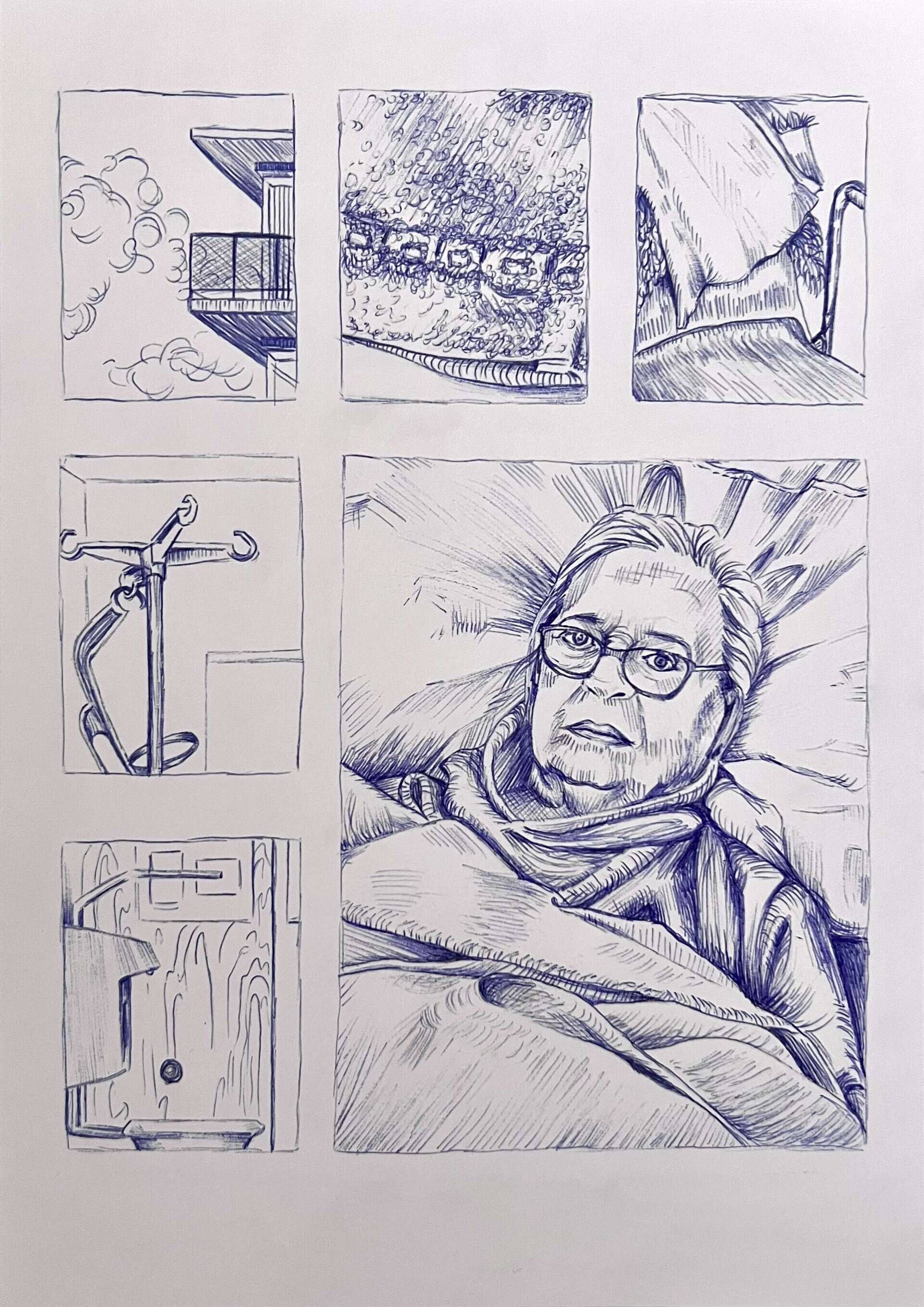
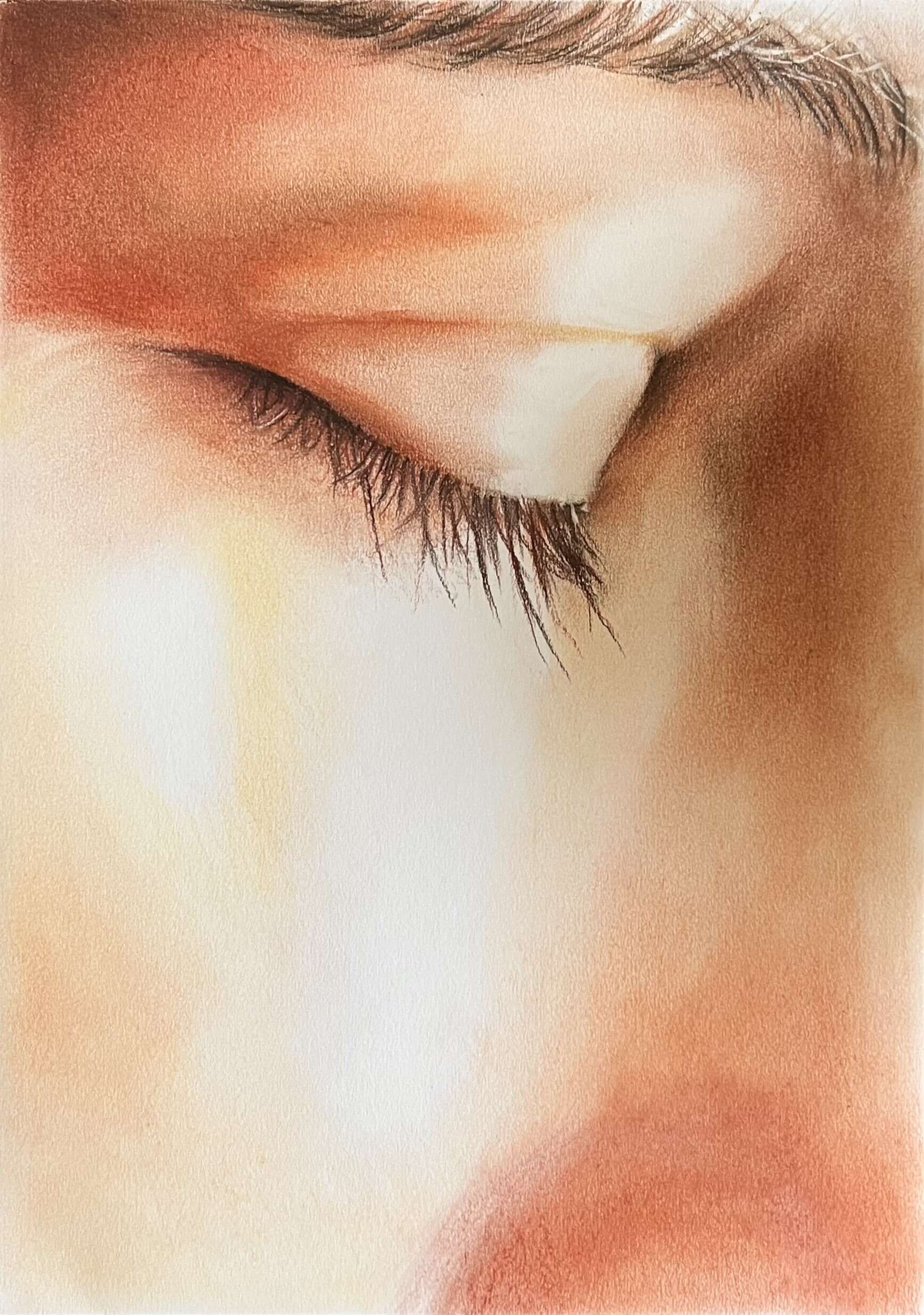
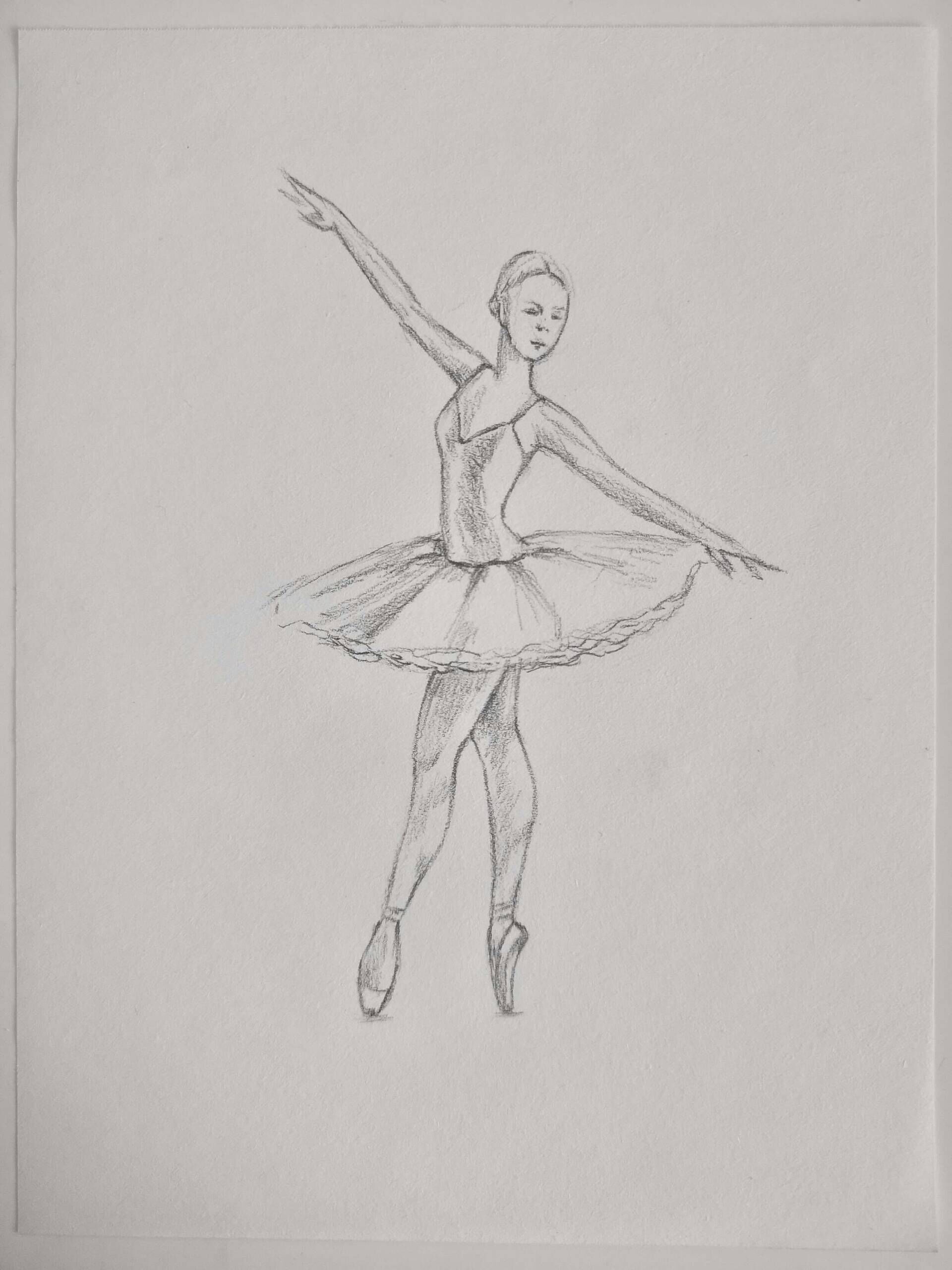
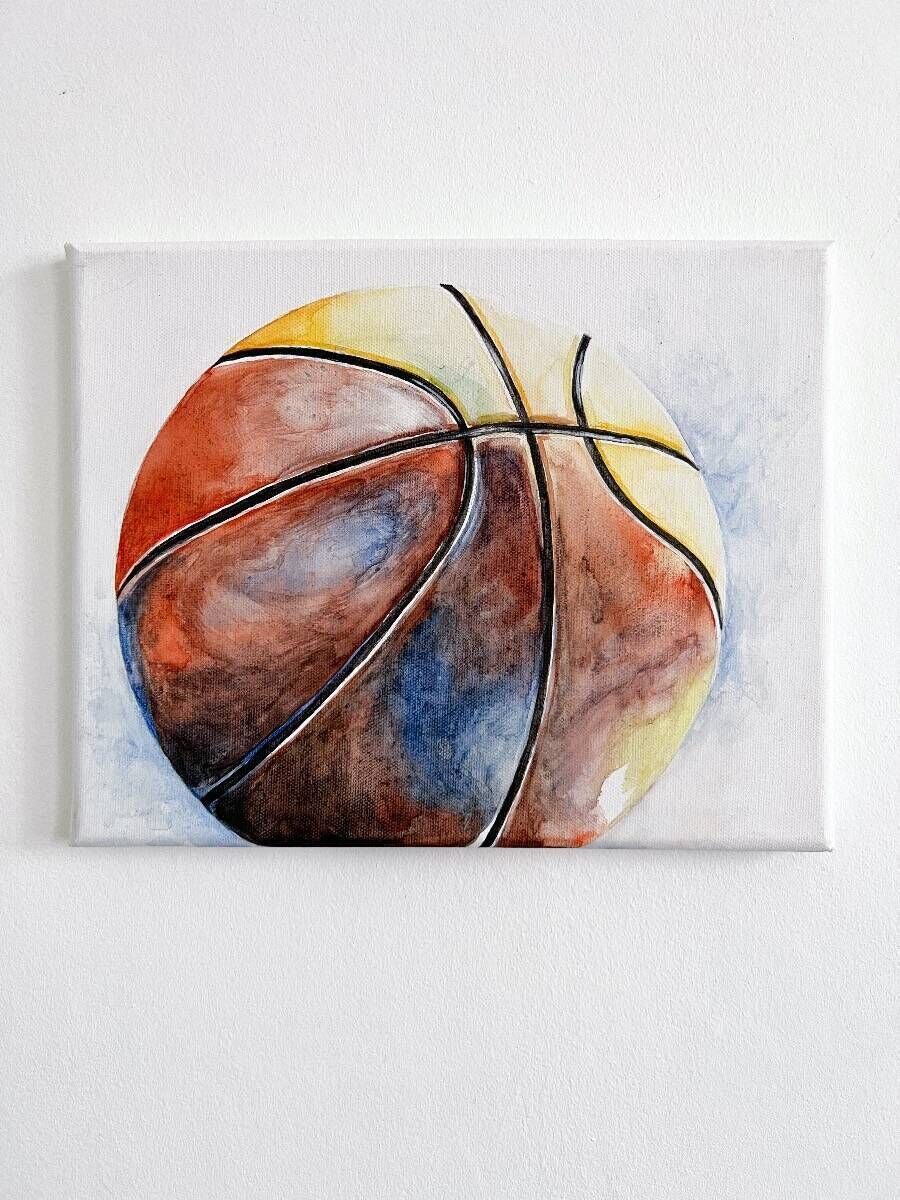
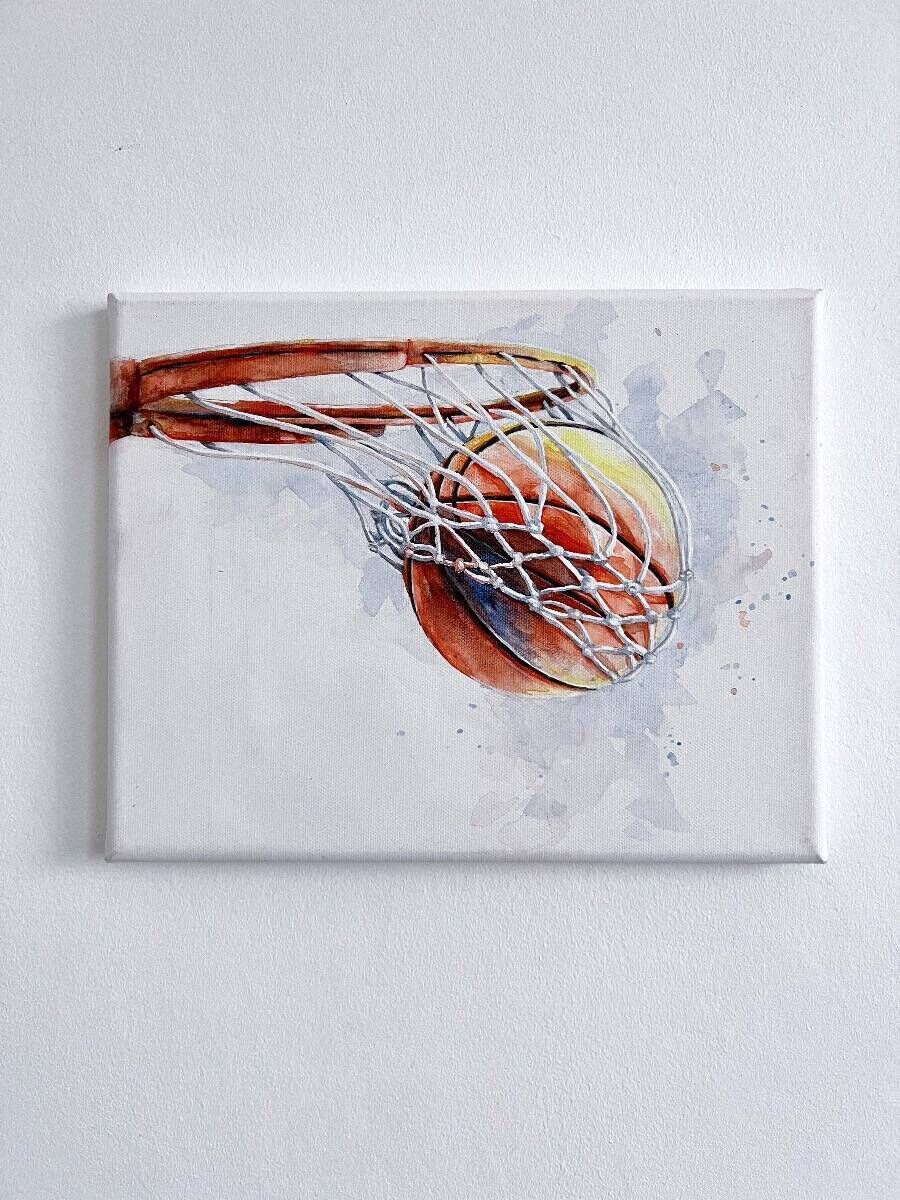
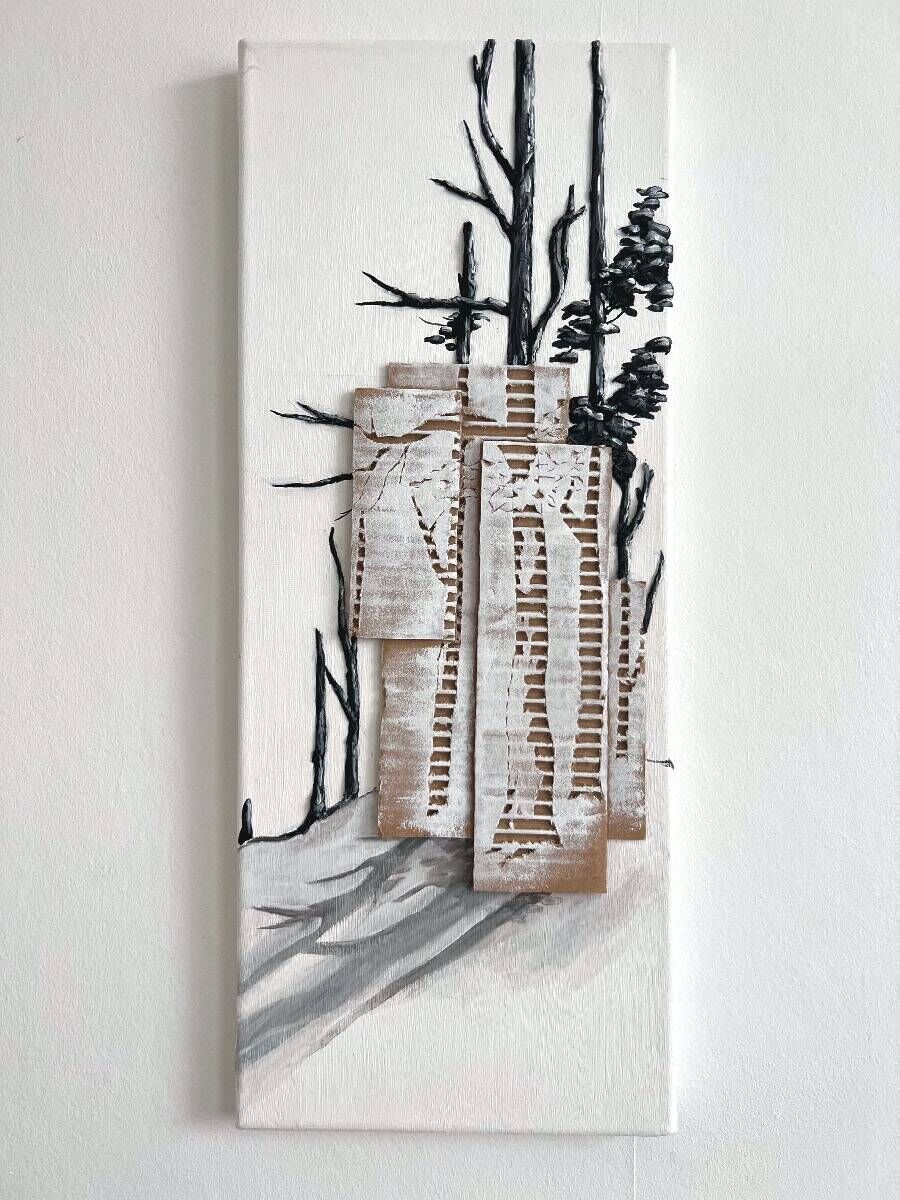
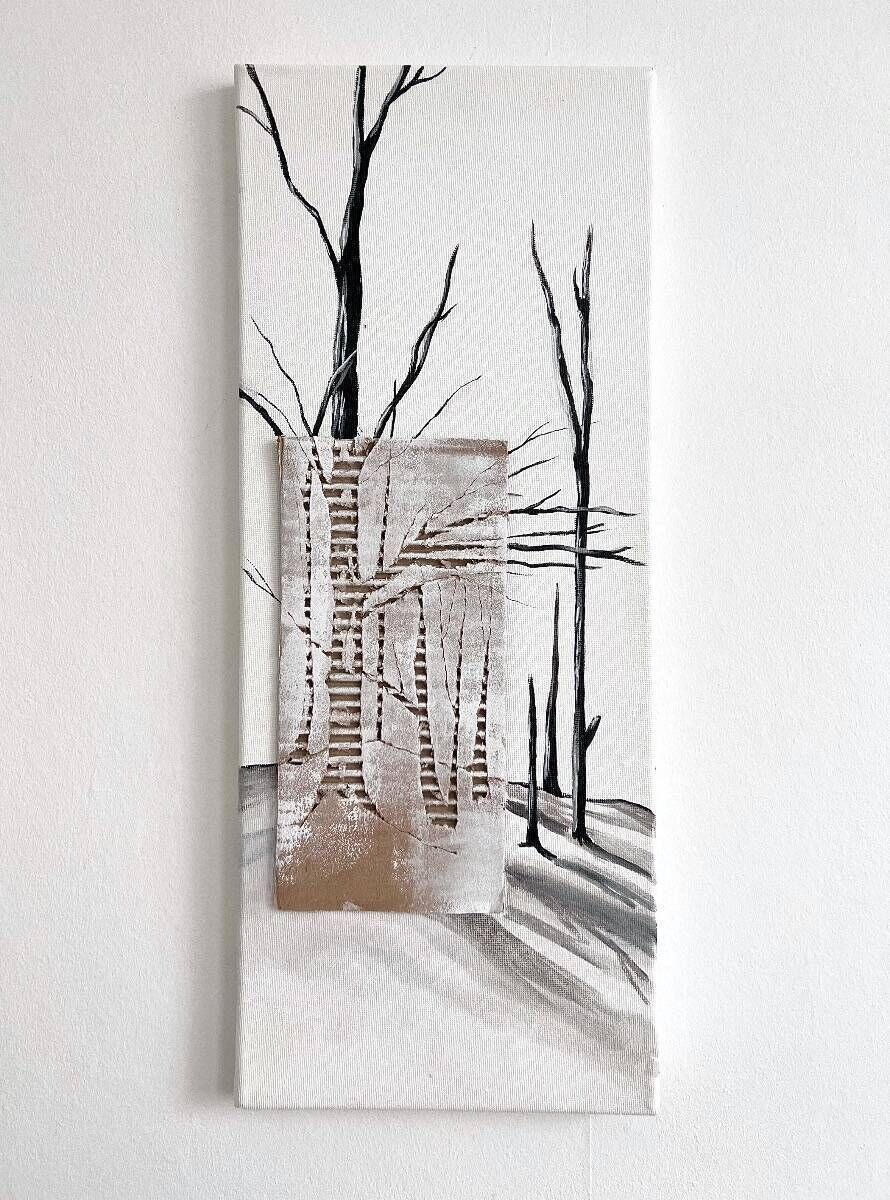
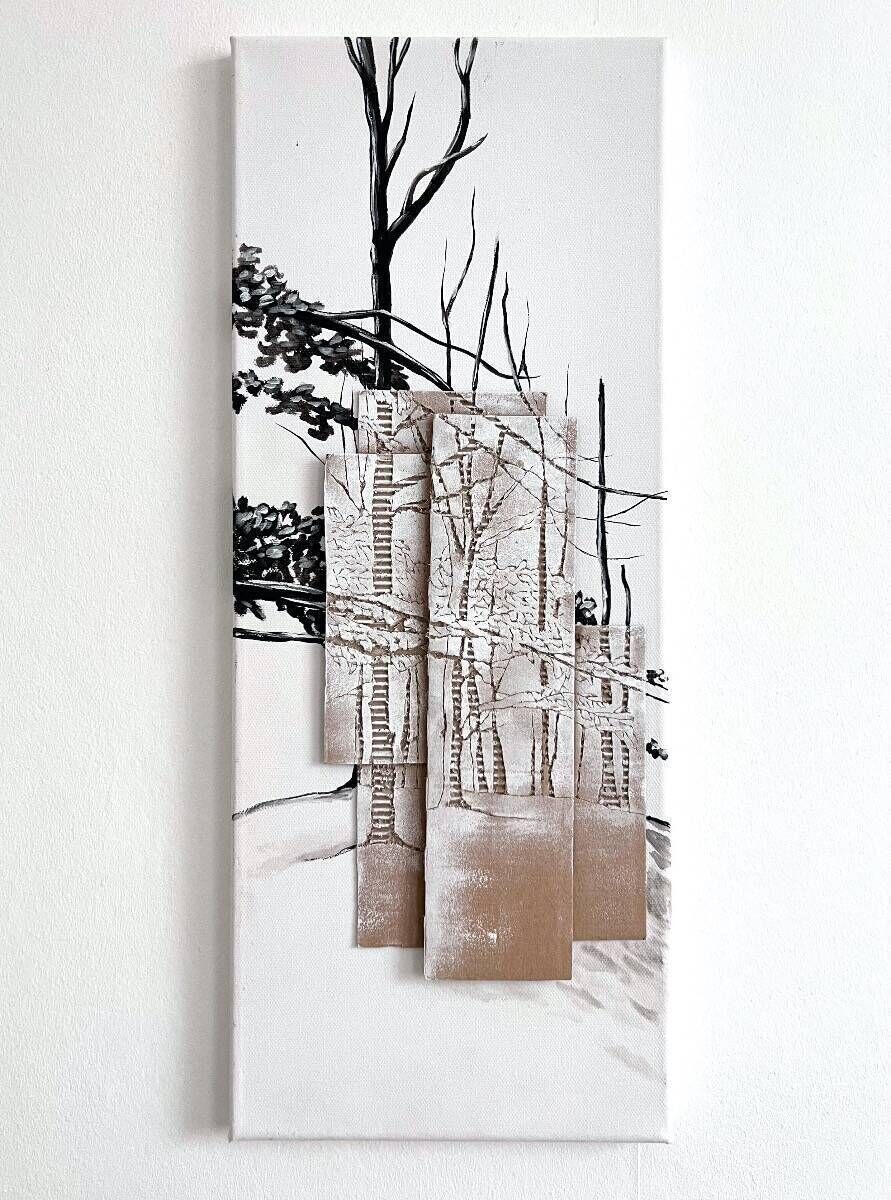
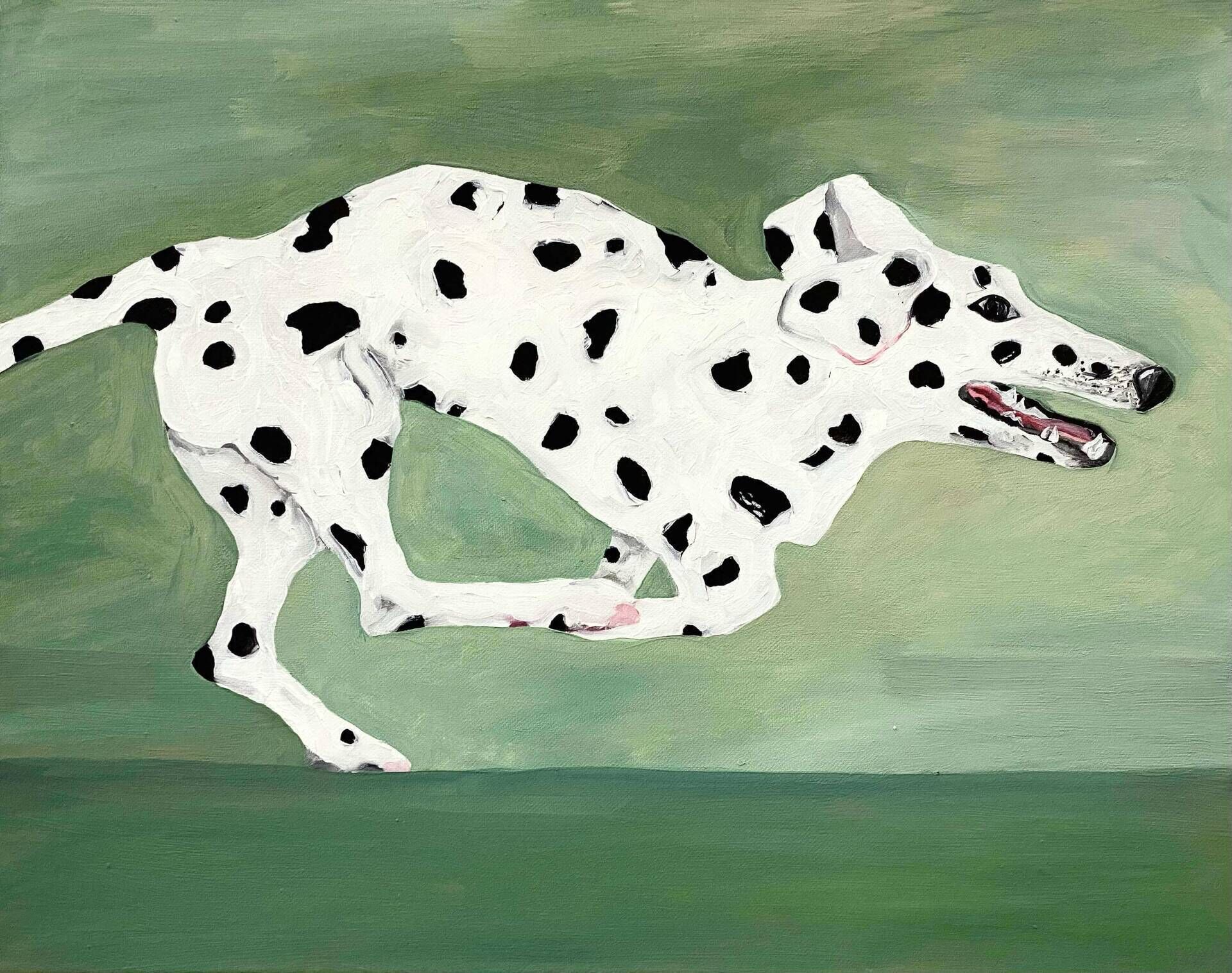
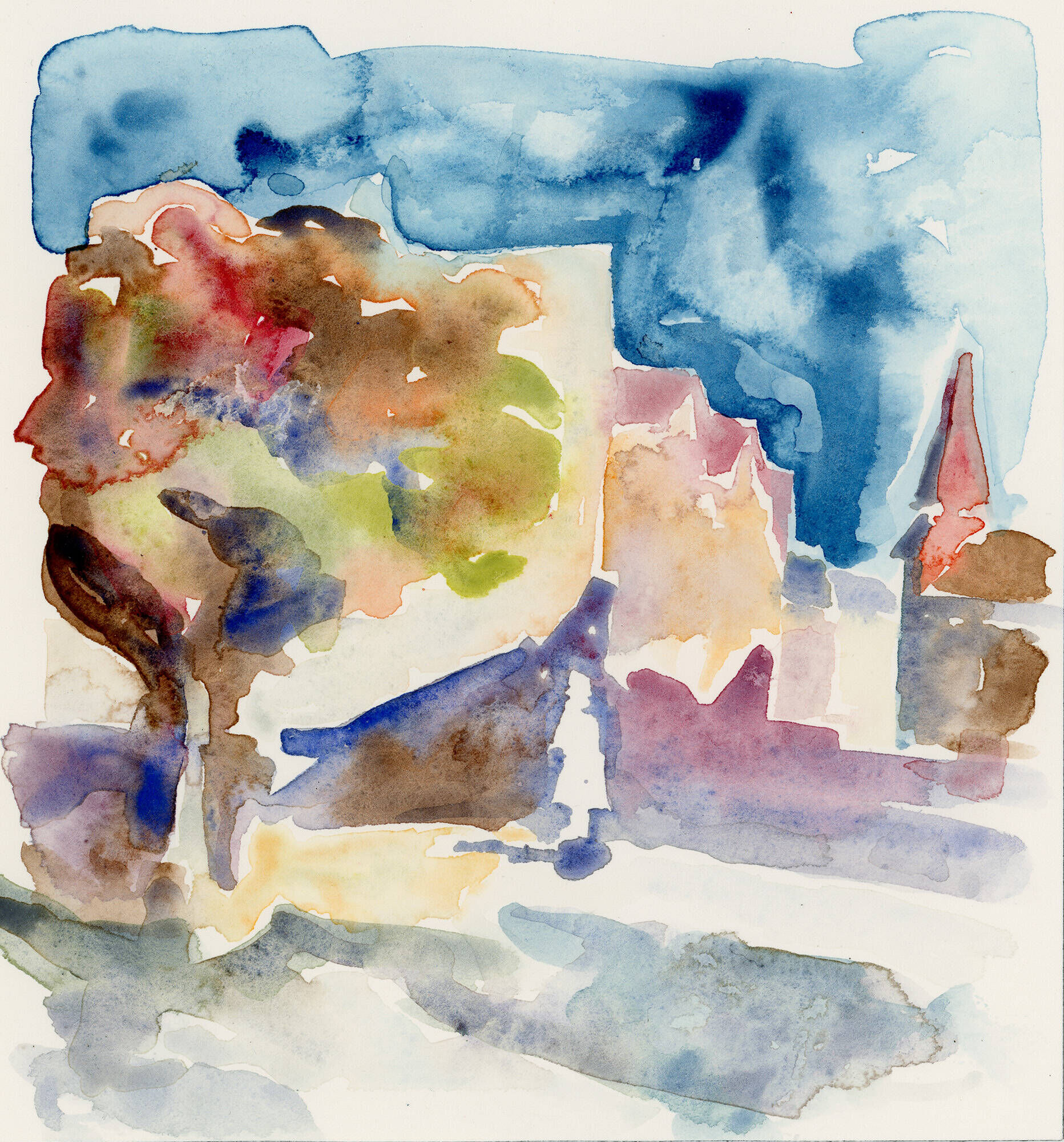
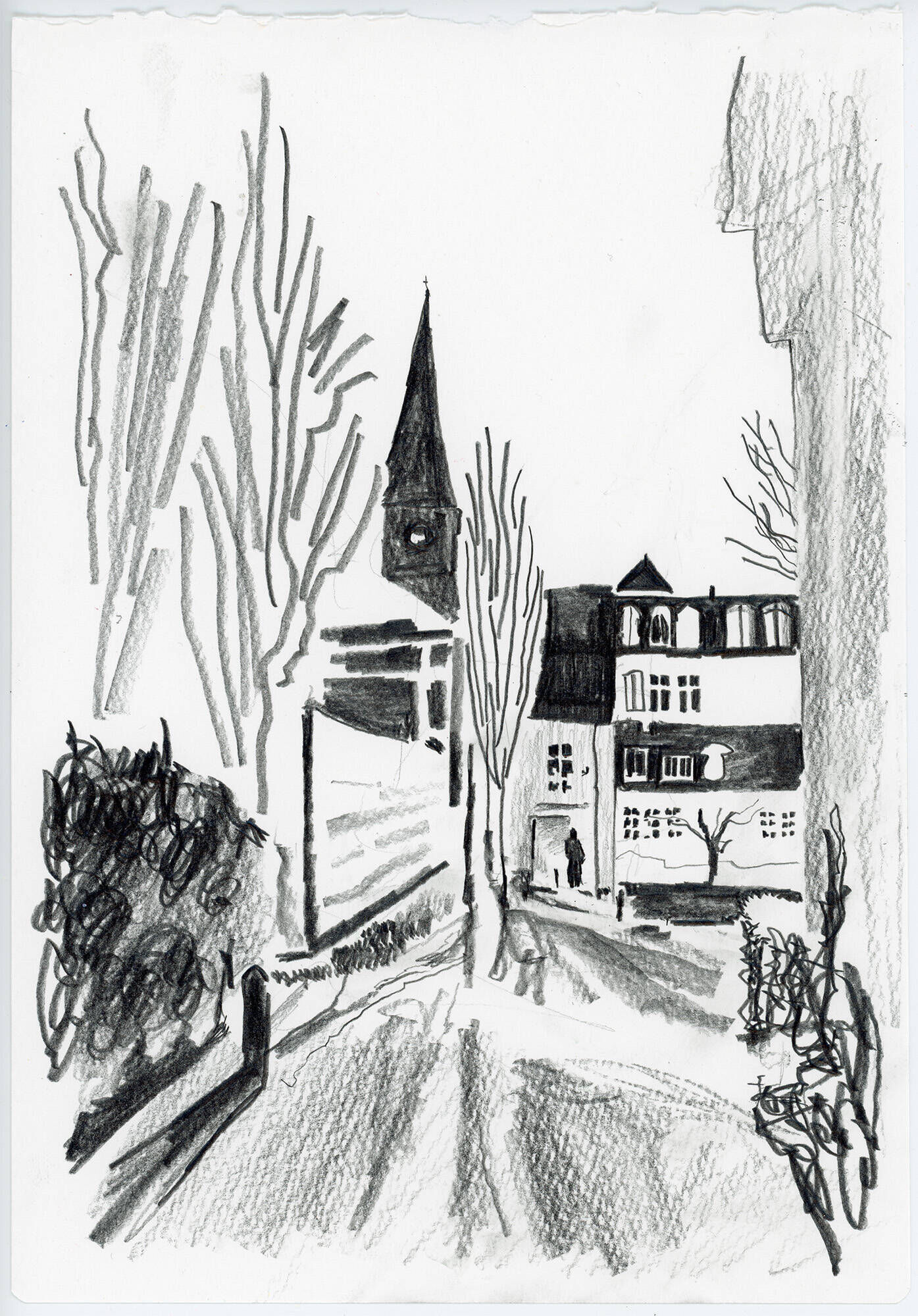
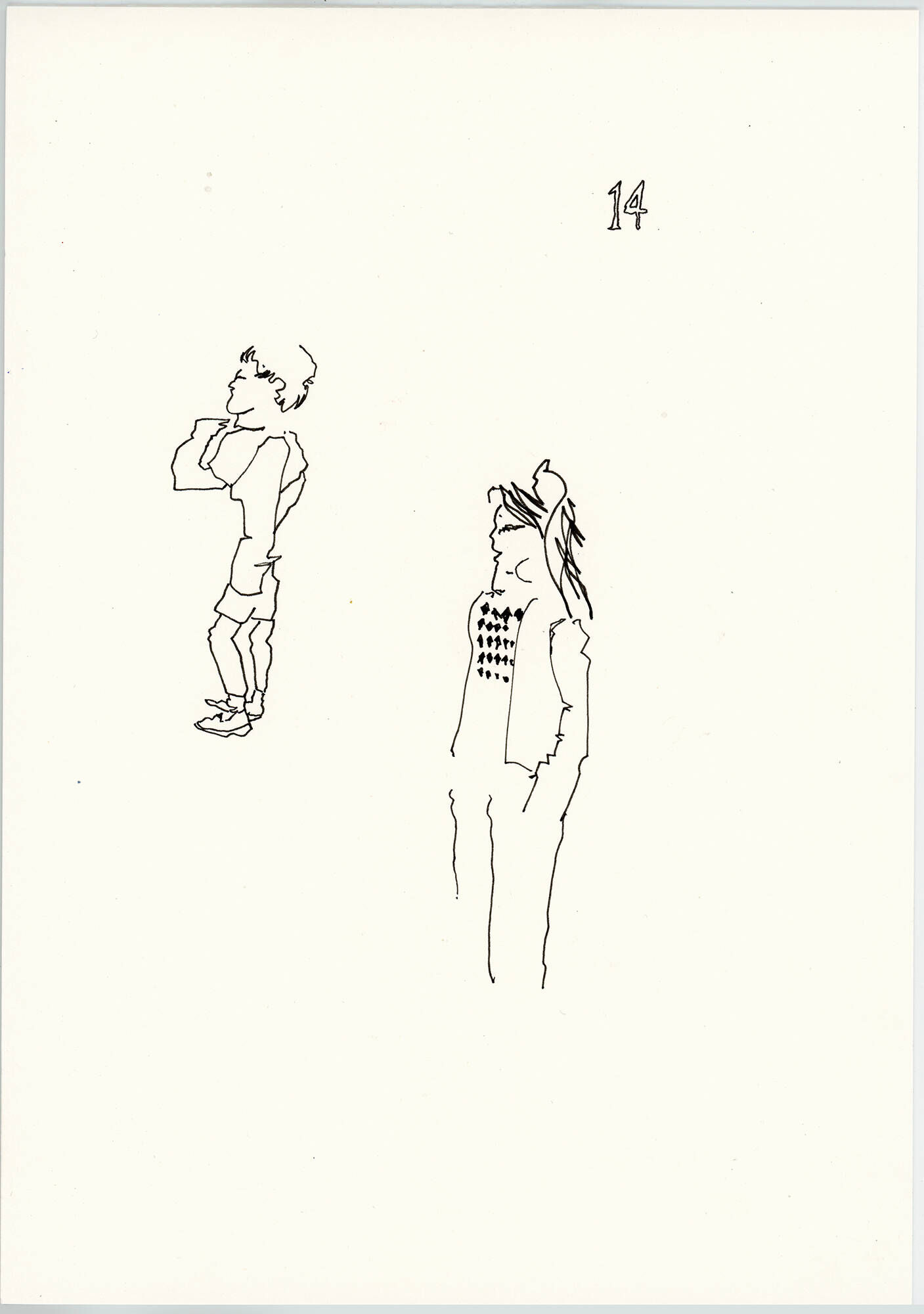
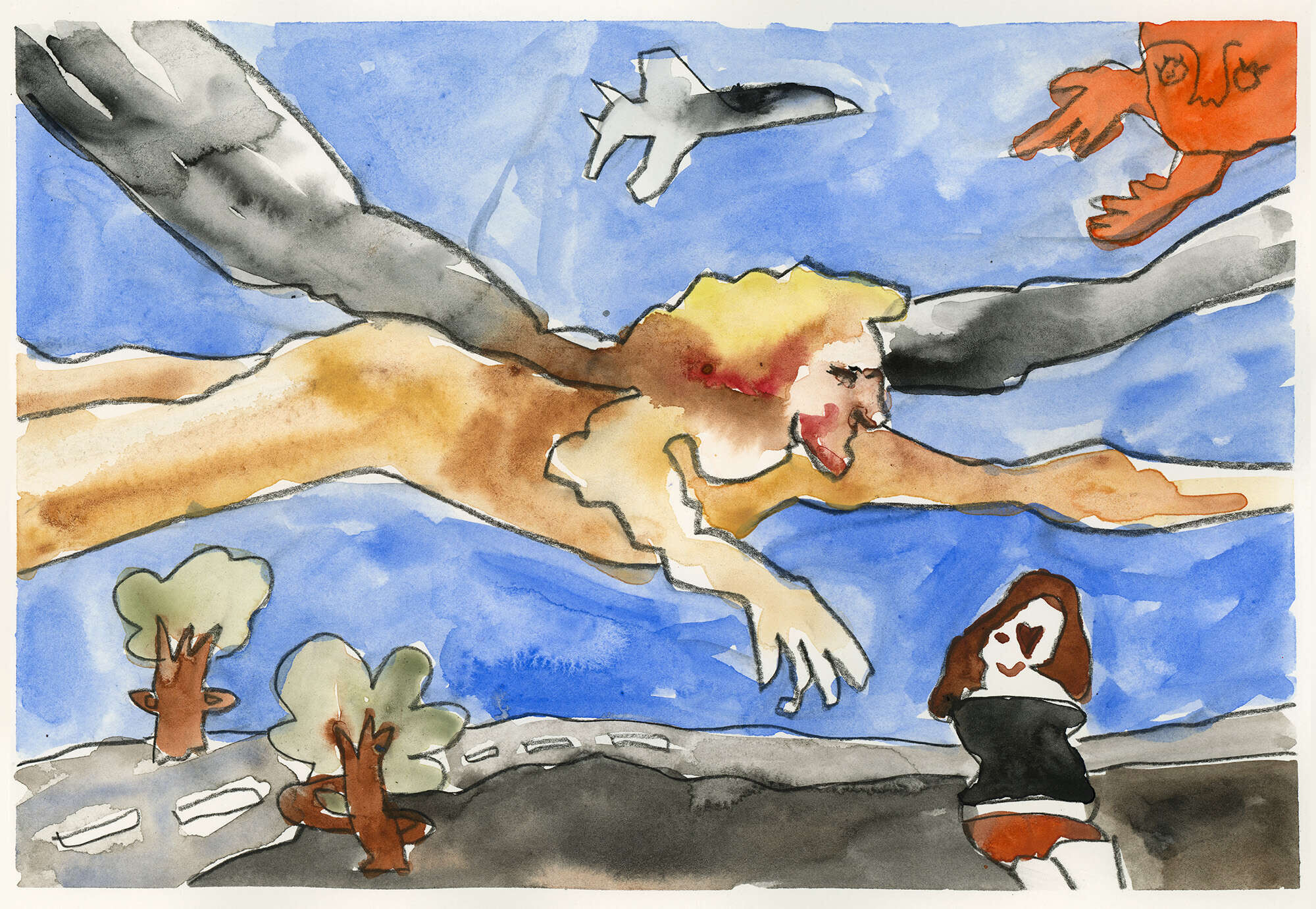
Lukas Häring (*2001 in Japan) brings a multicultural background and a varied education to his artistic practice. After spending his childhood in Berlin, he received intensive training in academic drawing under Dmitrijs Schurbin and later studied at the University of the Arts. He now lives and works in Aarhus. In his works, Häring combines classical realism with the aesthetics of digital pop culture – manga, cartoons and video games meet finely observed studies of nature and everyday scenes. This blend creates dynamic visual narratives that are both contemporary and technically sound. Alongside his digital work, he is currently devoting more time once again to painting on canvas. His works have already been exhibited in Berlin, Leipzig and Aarhus and impressively demonstrate how tradition and modernity can merge in a playful way.
Frequently Asked Questions about Mosaic Pictures
Ein Mosaikbild ist ein Kunstwerk, das aus vielen kleinen Einzelteilen – sogenannten Tesserae – entsteht. Diese bestehen oft aus Glas, Keramik, Stein oder anderen Materialien und werden zu einem größeren Bild oder Muster zusammengesetzt. Durch die Vielzahl an Farben und Oberflächen entstehen einzigartige Licht- und Struktureffekte. Mosaikbilder werden sowohl in der Kunst als auch in Architektur und Innenraumgestaltung eingesetzt.
Die Kosten für einen Quadratmeter Mosaik können stark variieren und hängen vom Material, der Herstellungsweise und dem Detailgrad ab. Industriell gefertigte Mosaike liegen oft zwischen 30 und 150 Euro pro Quadratmeter. Handgefertigte oder künstlerische Mosaike sind deutlich teurer und können mehrere hundert bis zu tausend Euro pro Quadratmeter kosten. Zusätzlich können Montage- und Materialkosten anfallen.
Zu den bekanntesten Mosaikbildern gehören die byzantinischen Mosaike von Ravenna, etwa in der Basilika San Vitale oder Sant’Apollinare Nuovo. Auch die prachtvollen Mosaike der Hagia Sophia in Istanbul sind weltweit berühmt. In der Antike zählen die römischen Bodenmosaike aus Pompeji oder dem Haus des Fauns zu den bedeutendsten Beispielen. Moderne Ikonen wie Antoni Gaudís Mosaike im Park Güell in Barcelona sind ebenfalls international bekannt.
