Investing in art – our graduates’ mature works
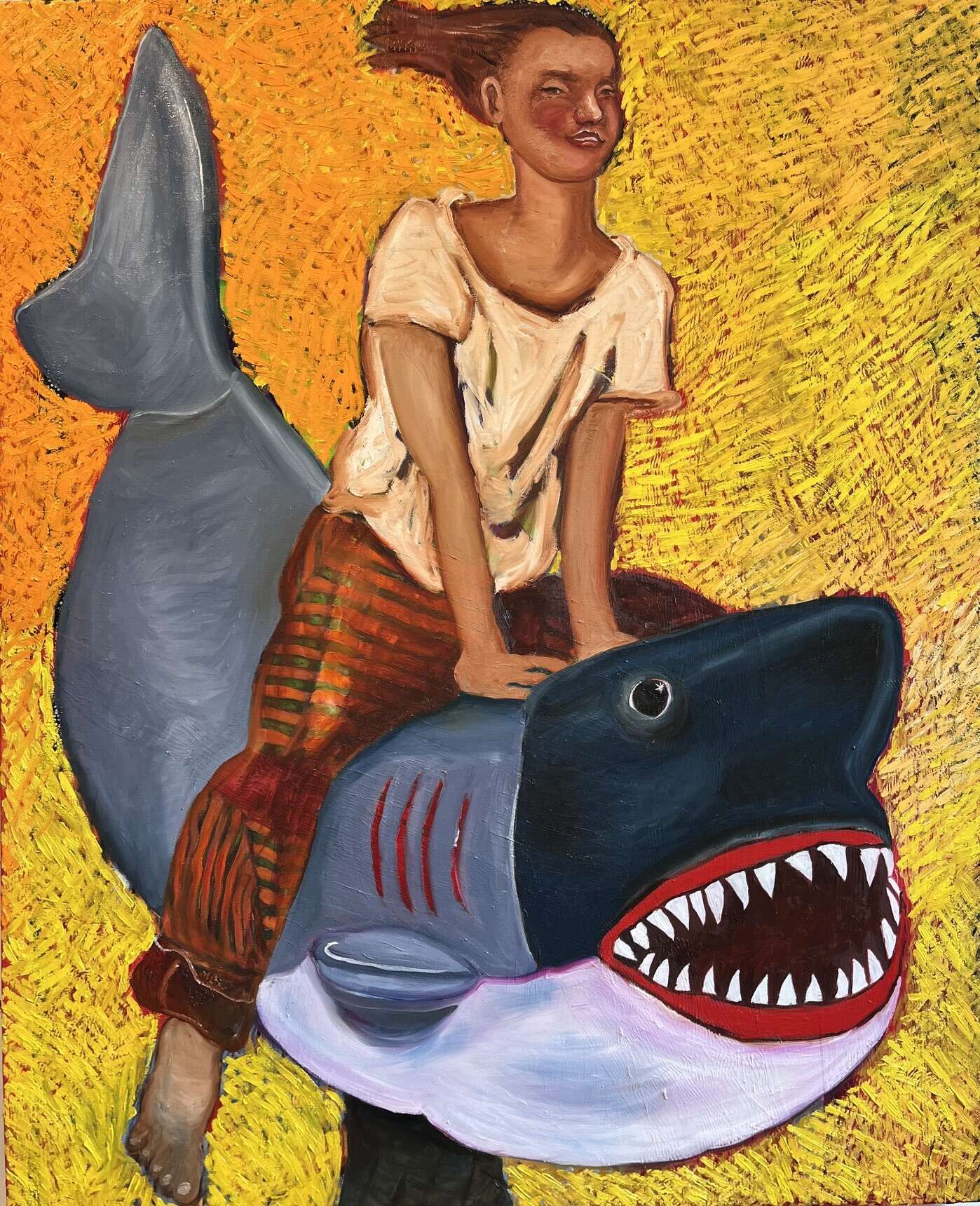
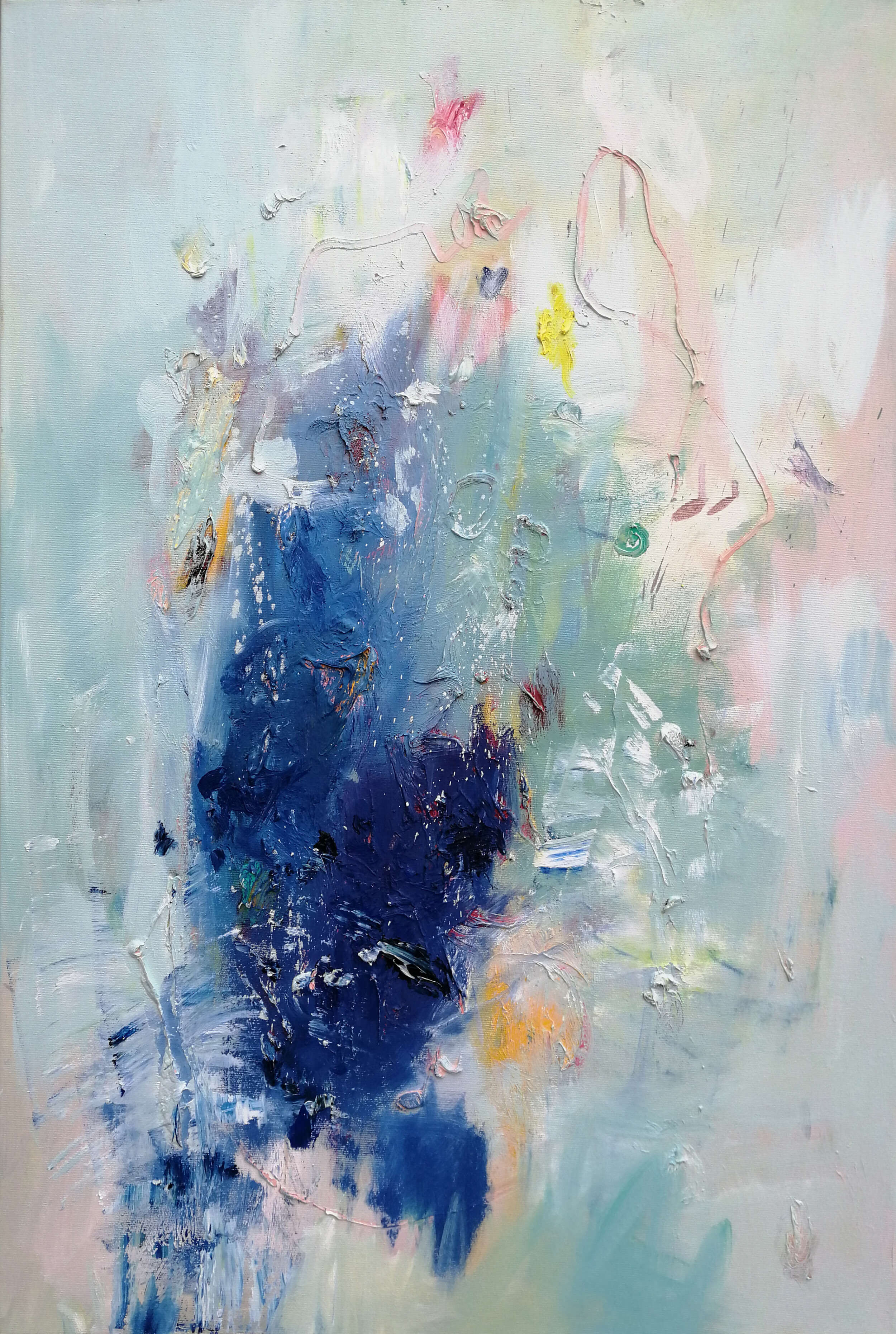
Our graduates’ works often display a noticeably more mature artistic style. Here you will find pieces that mark the next step in their artistic development – thoughtful, technically assured and full of personality. Art by graduates is particularly well-suited to anyone who thinks long-term and wishes to invest in sustainable creativity. The works impressively illustrate the development of young talent.
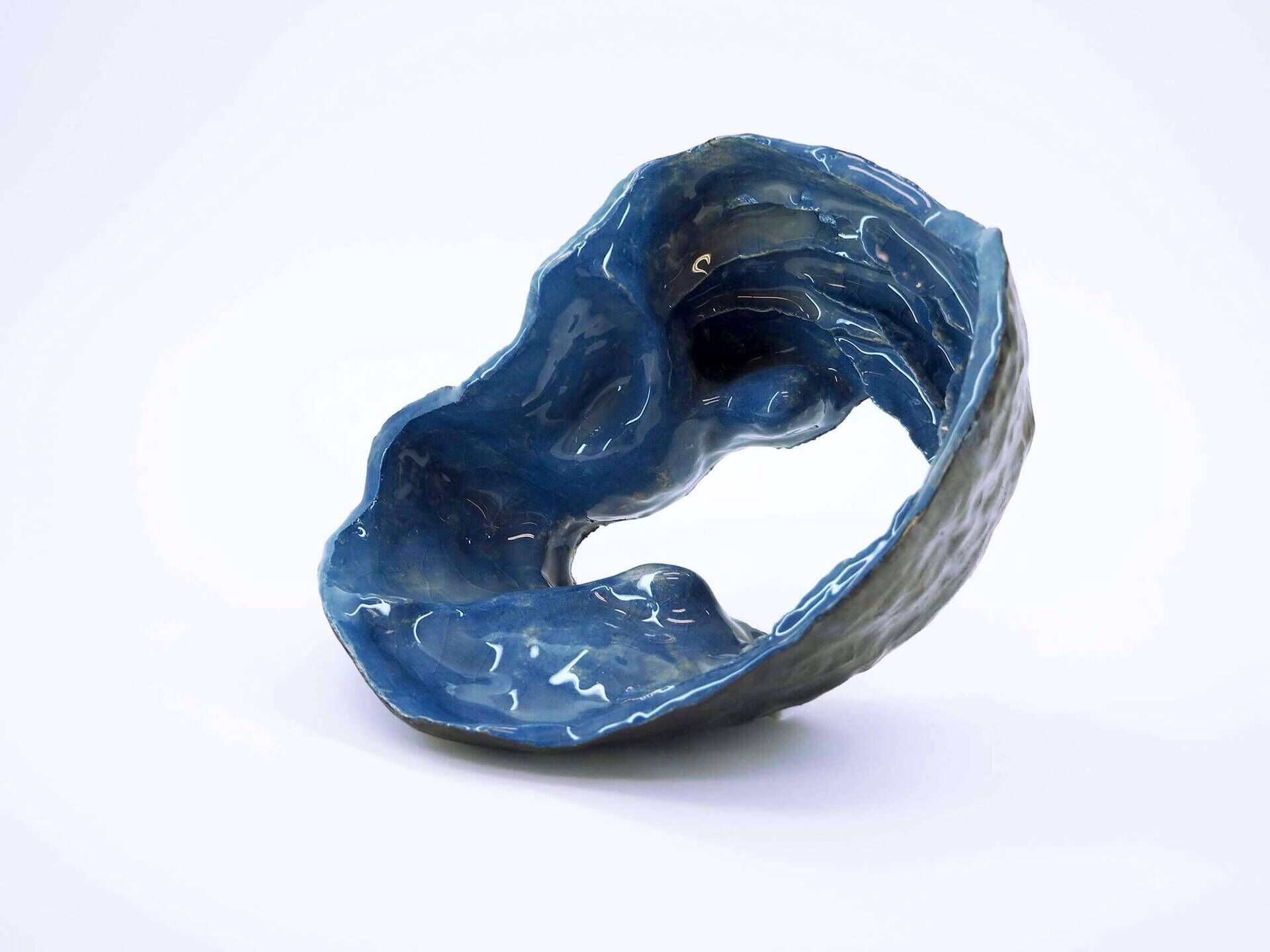
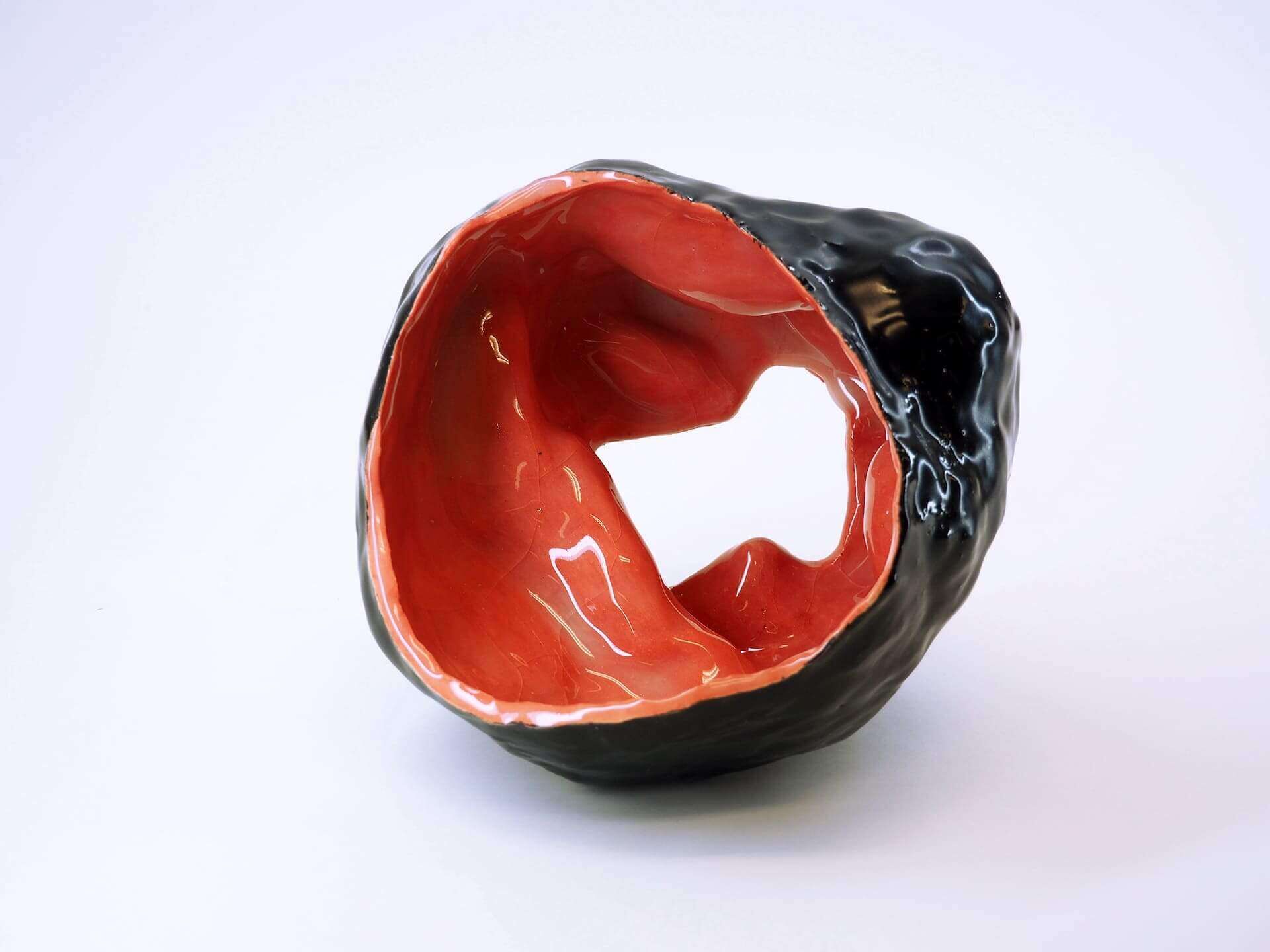
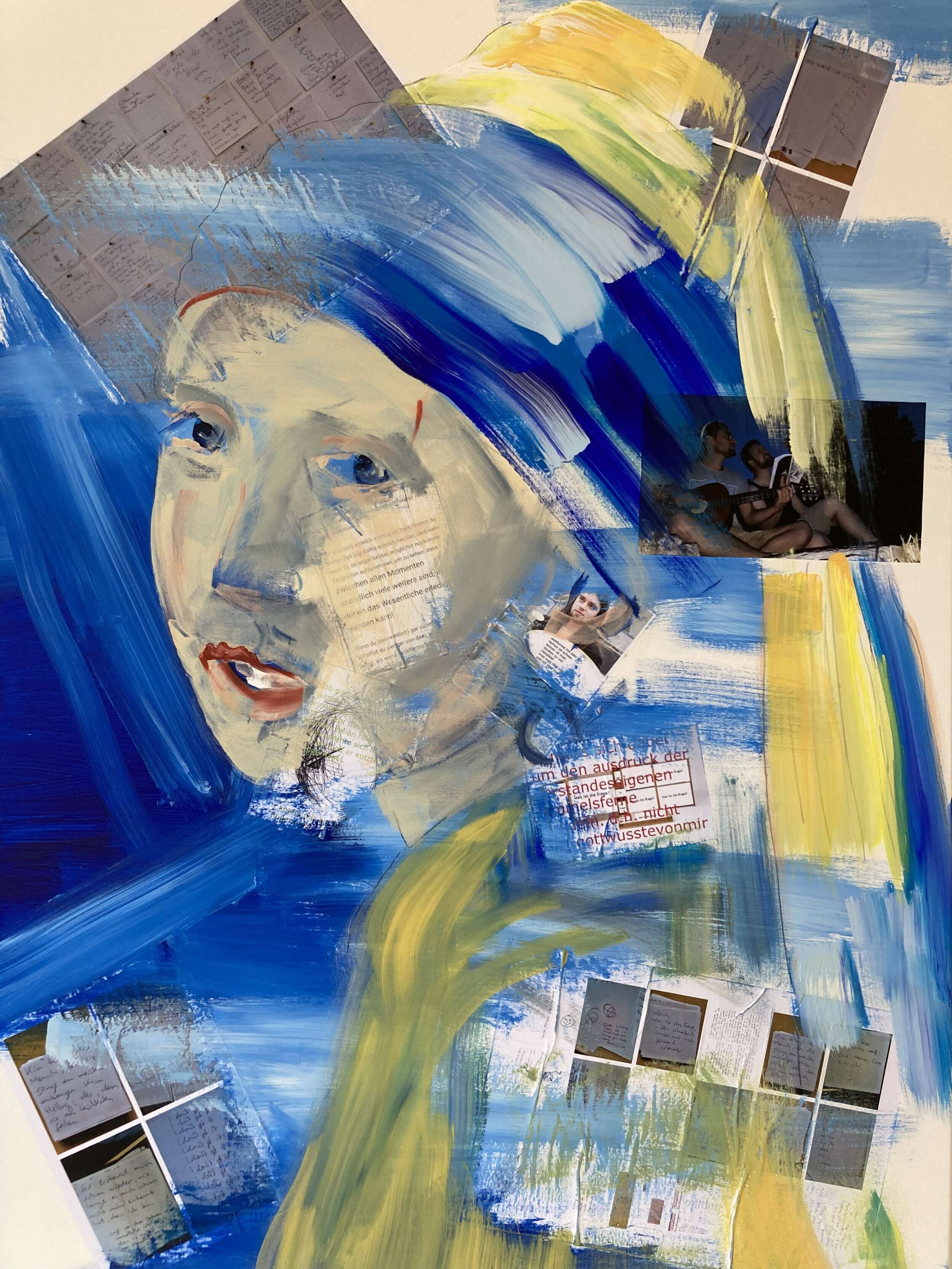
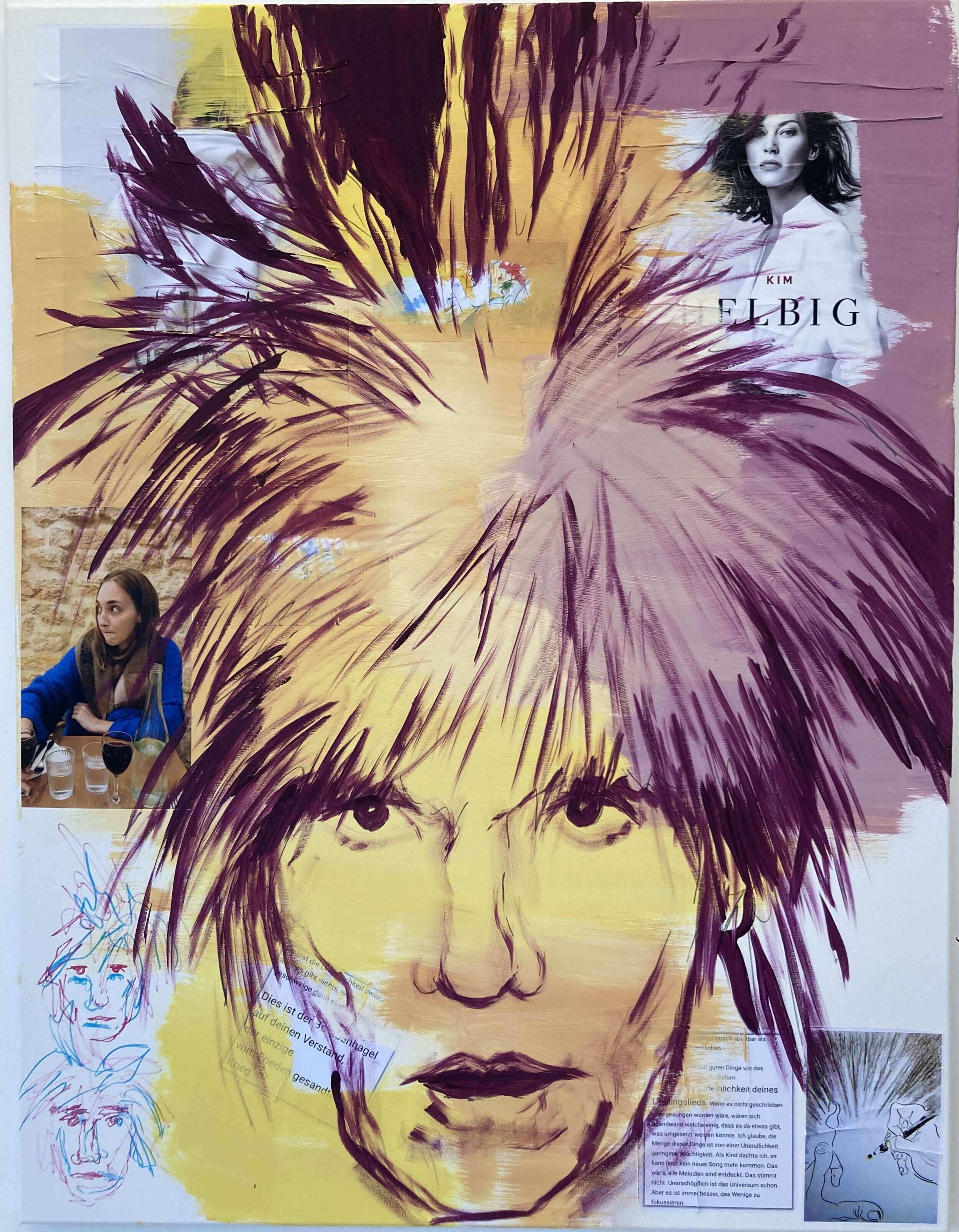
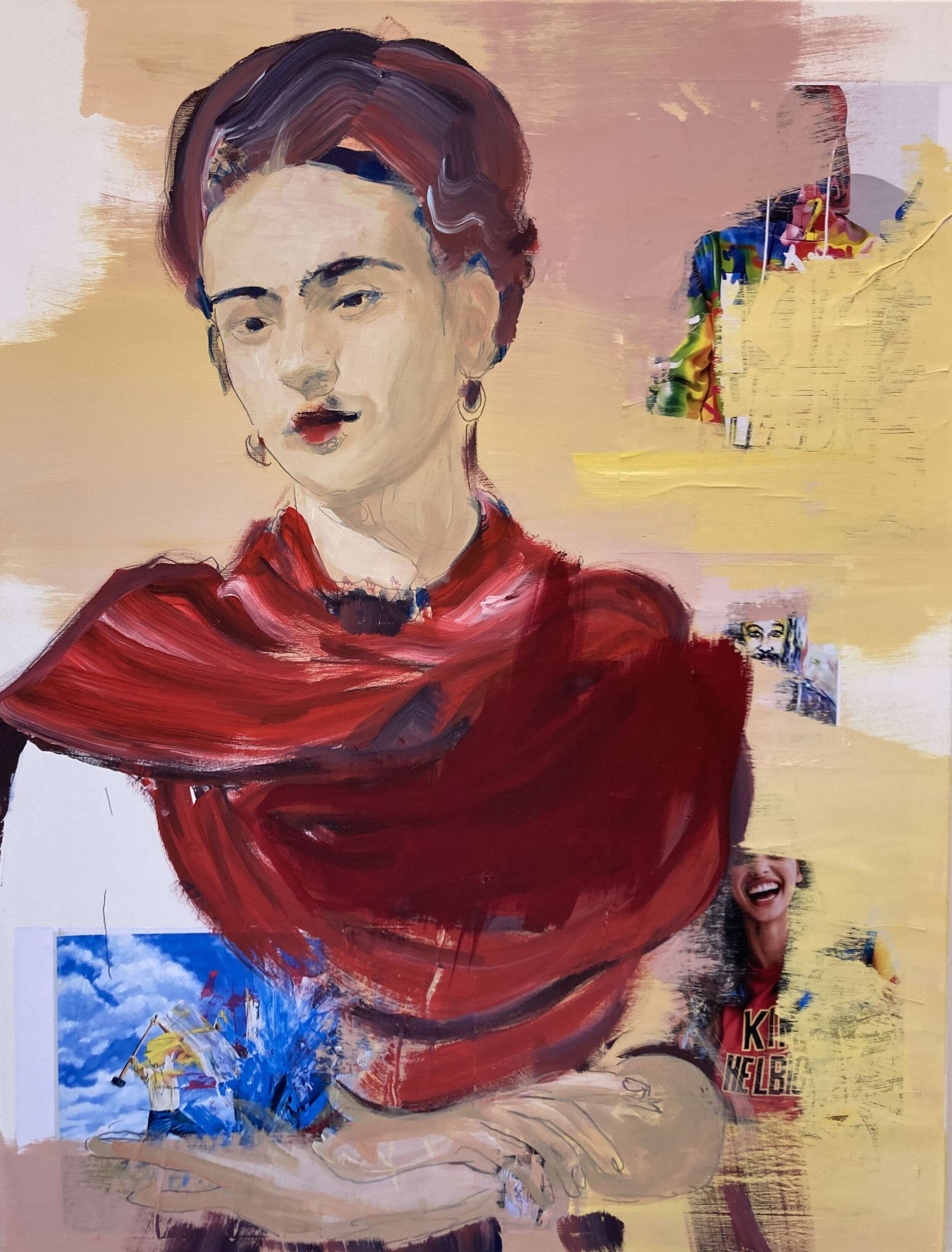
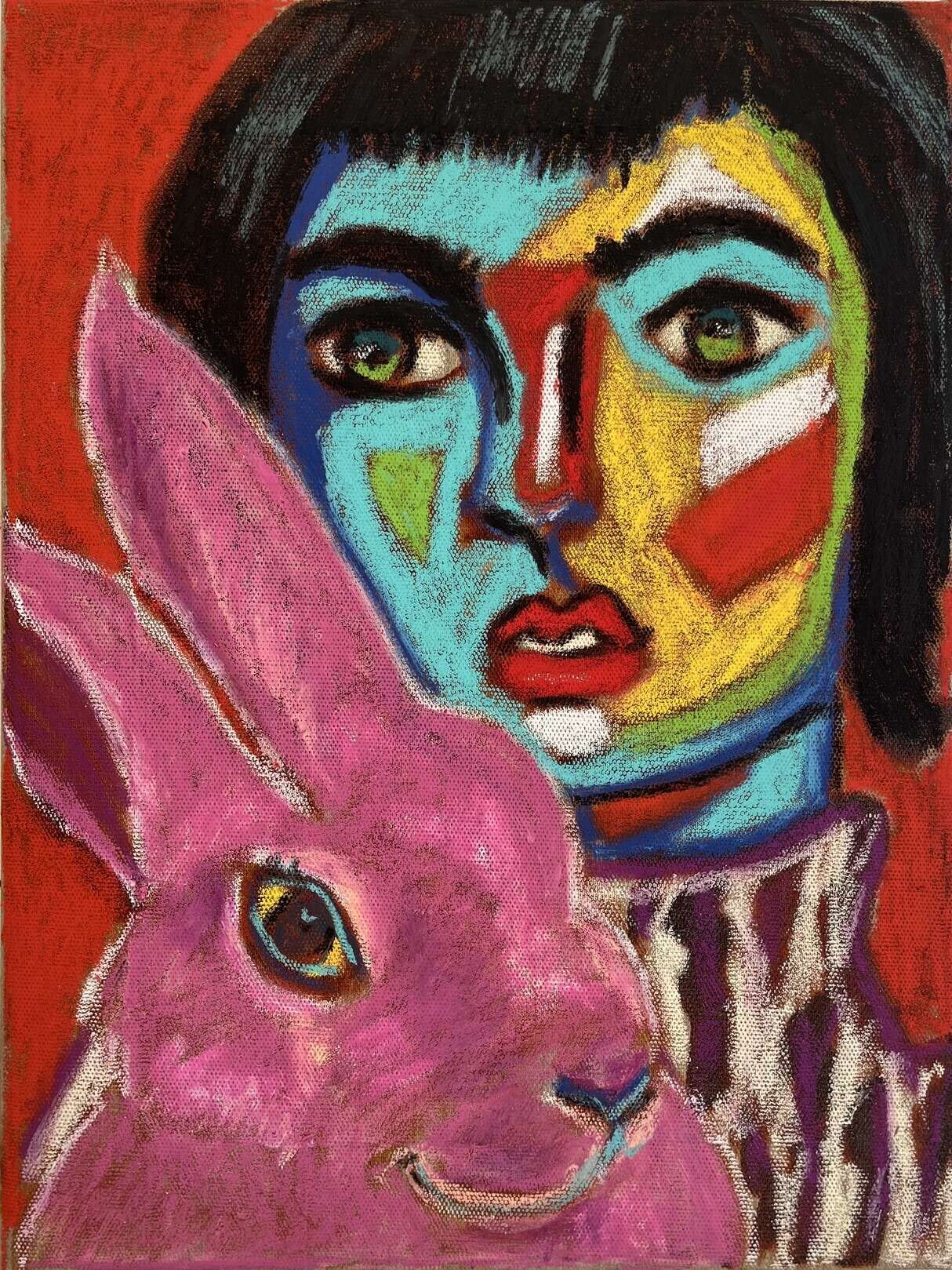
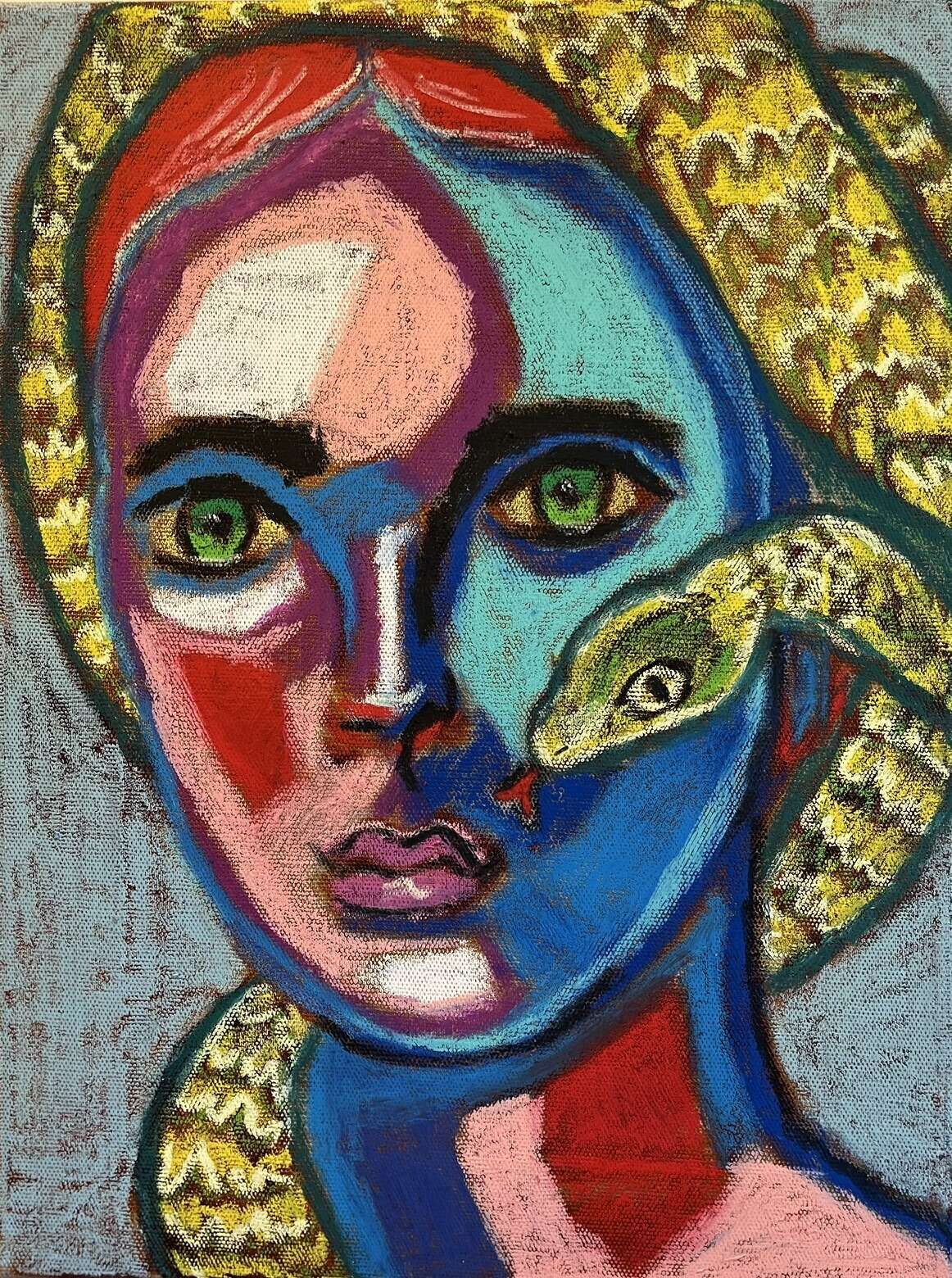
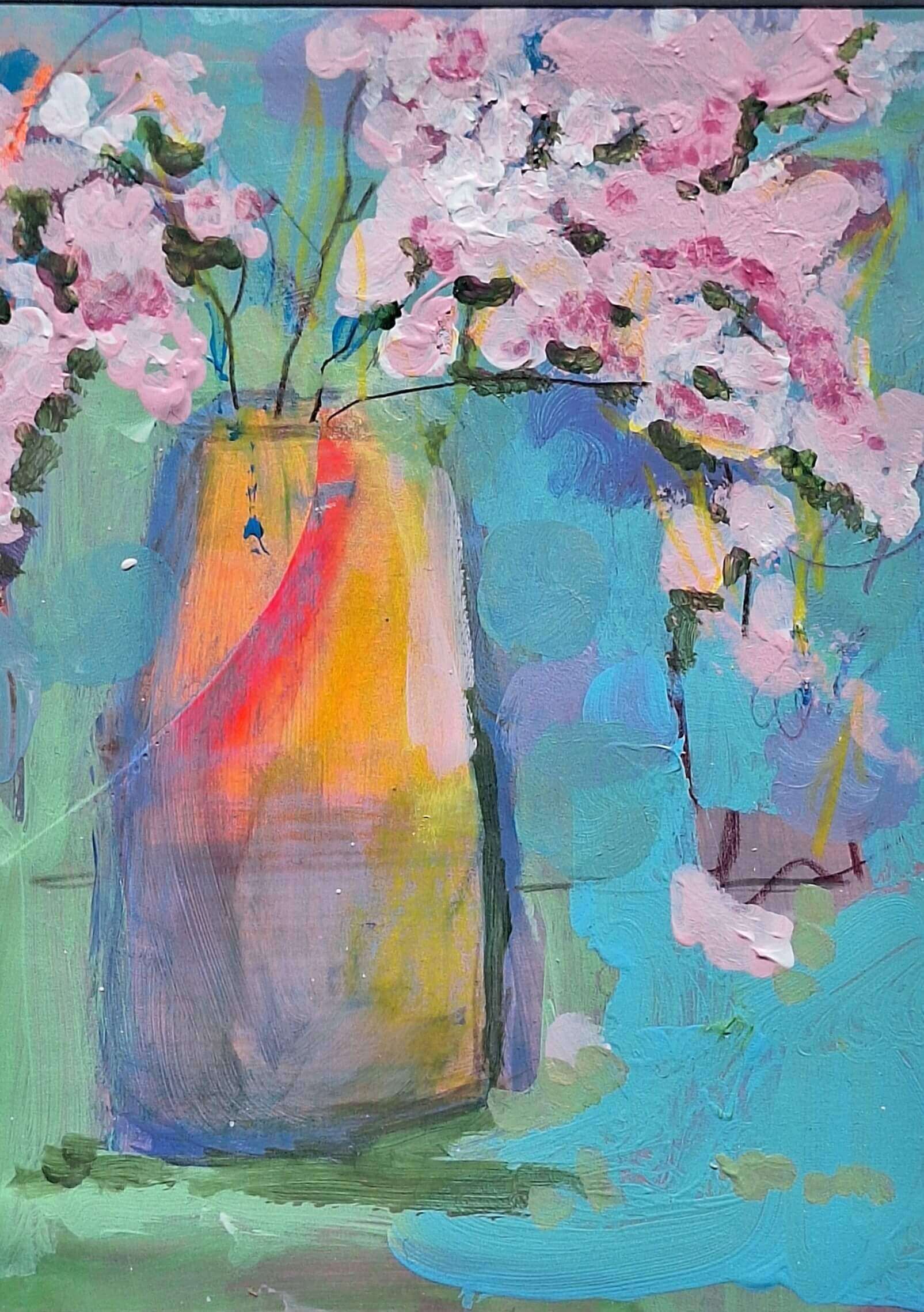
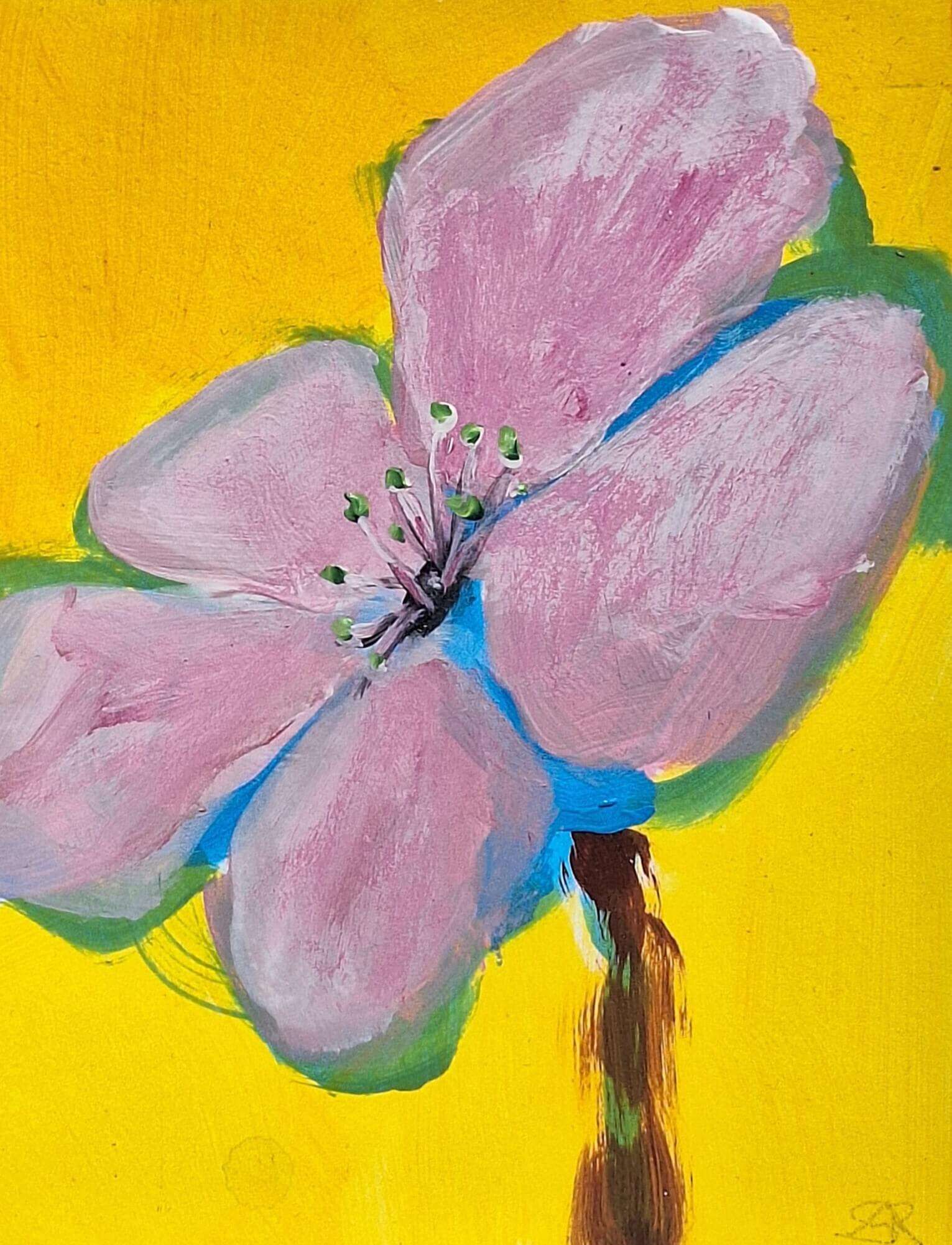
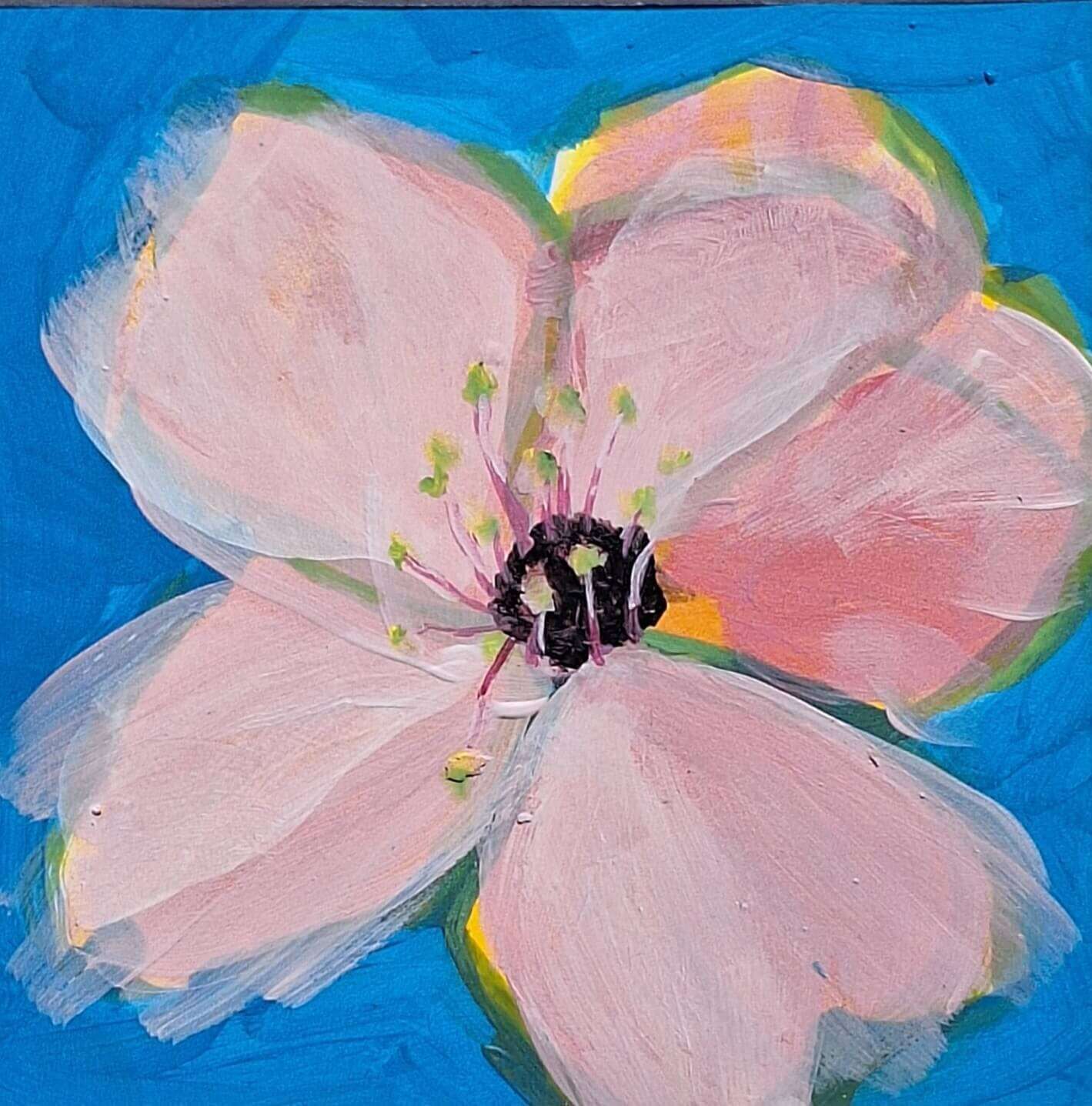
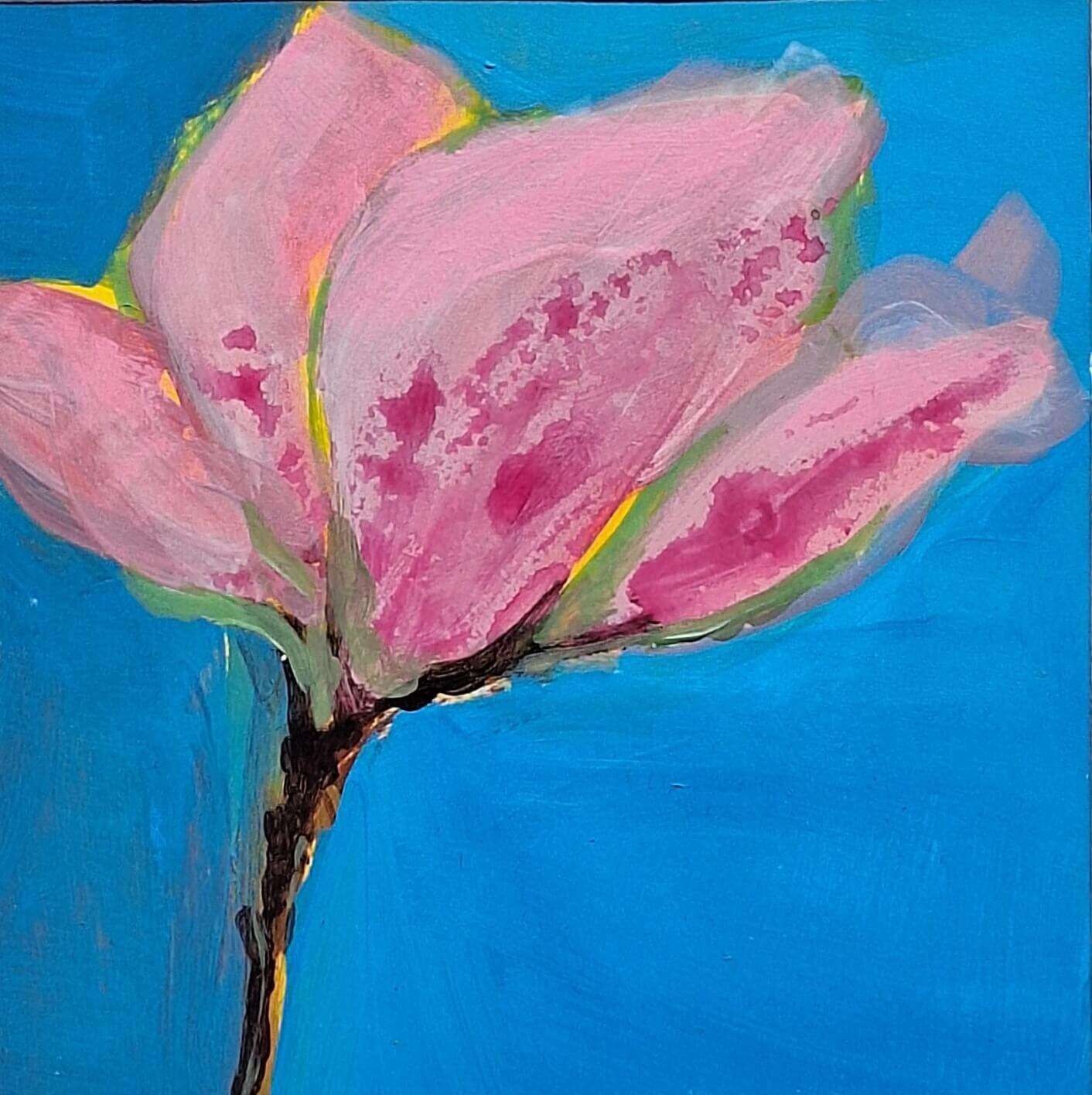
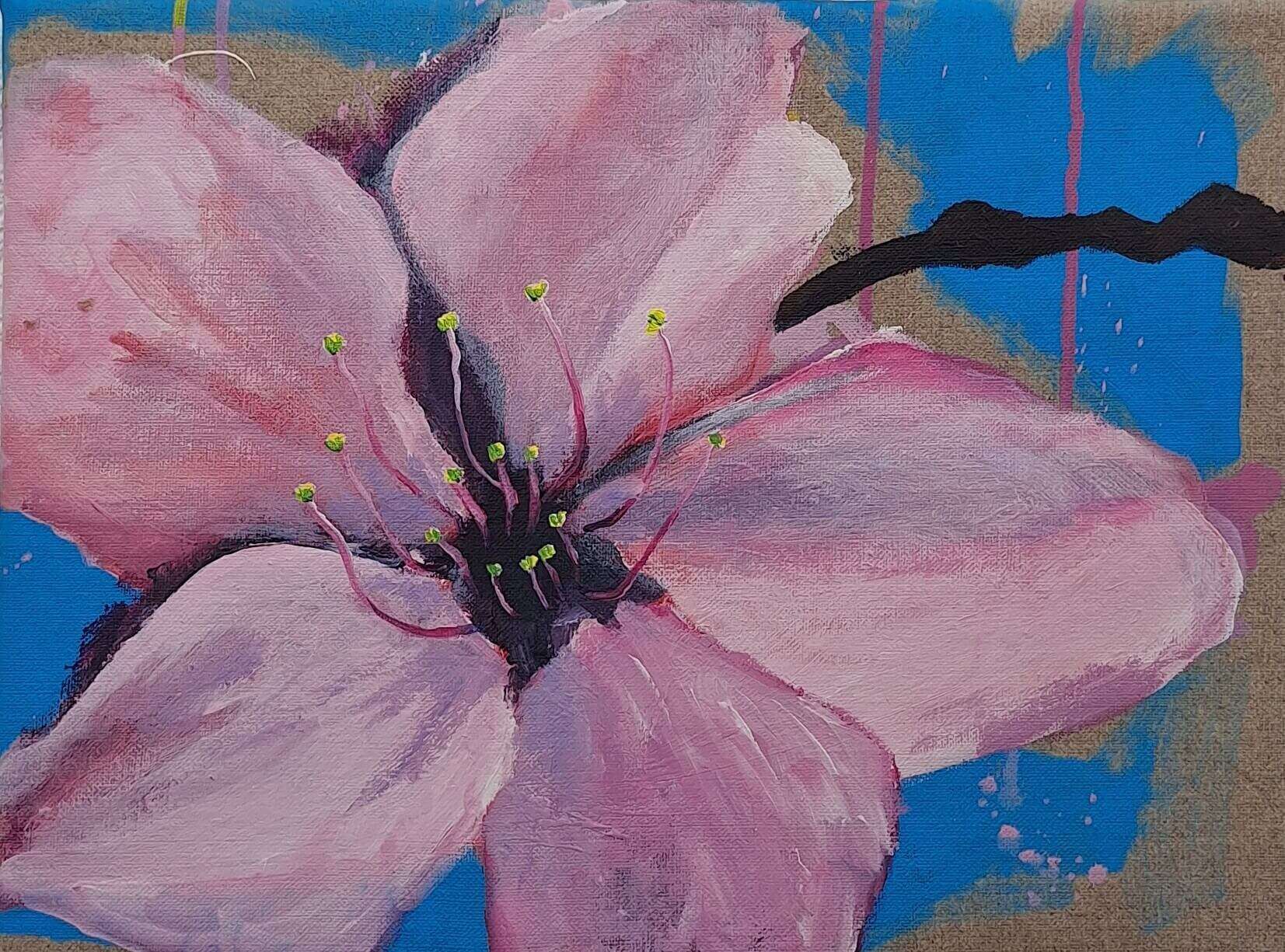
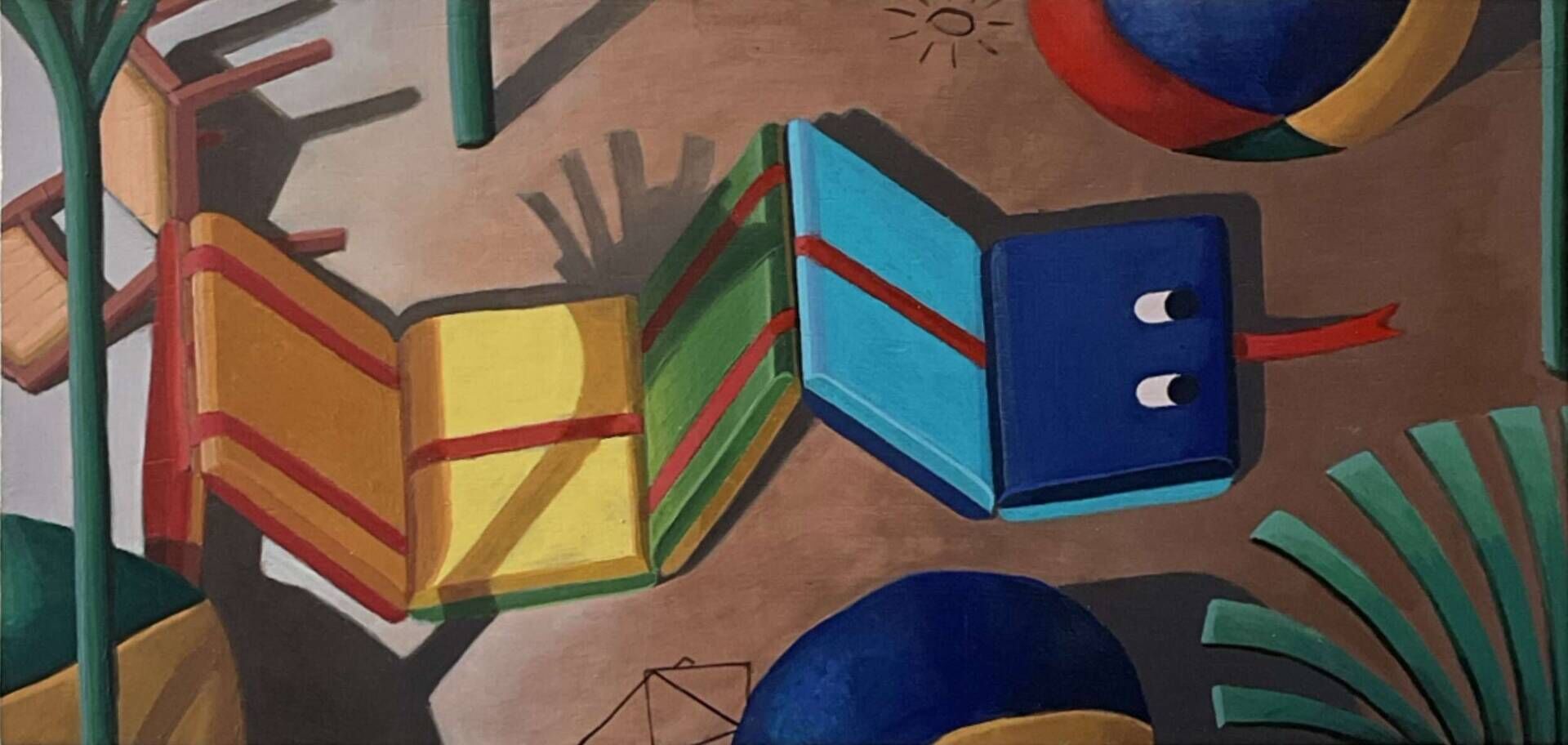
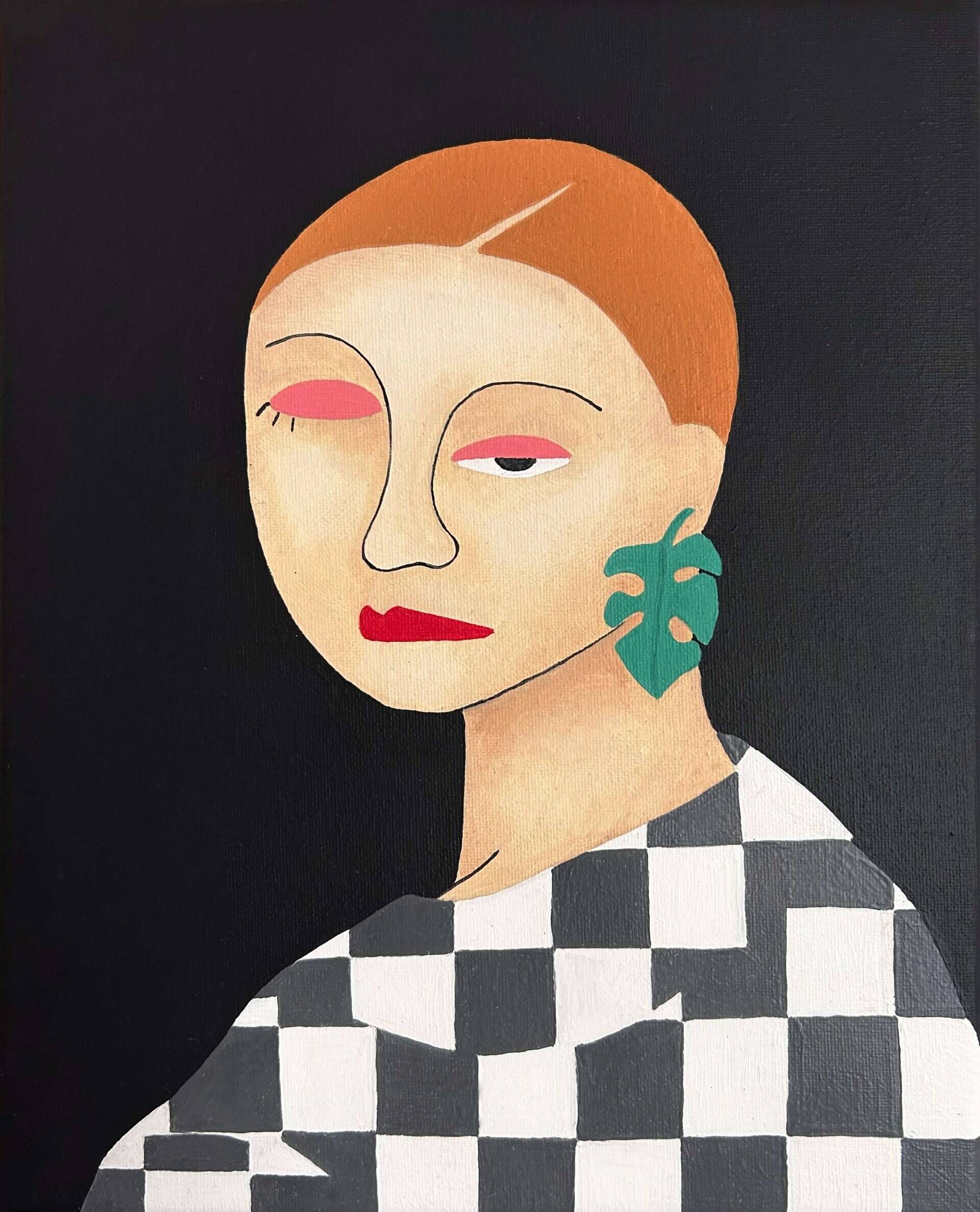
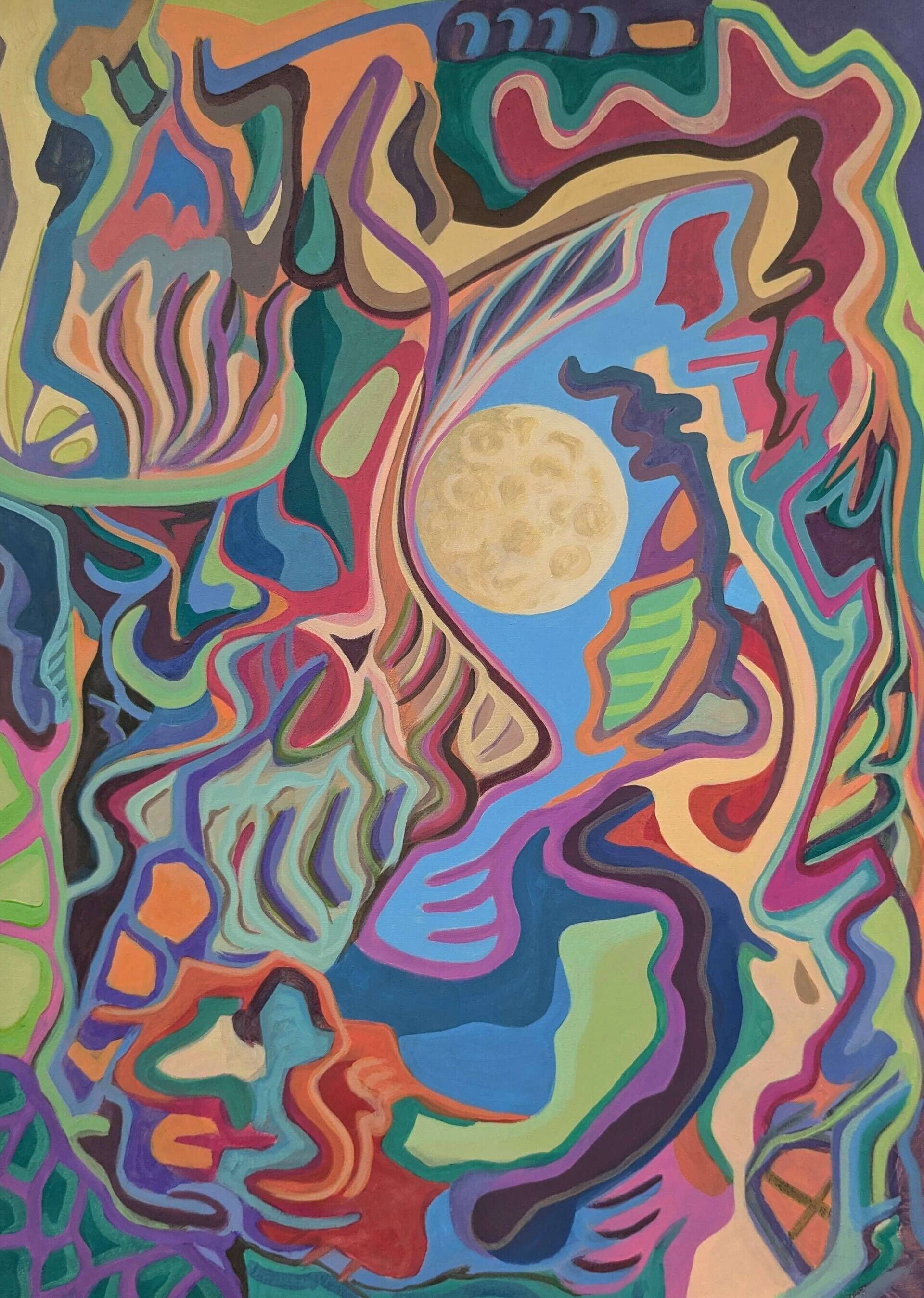
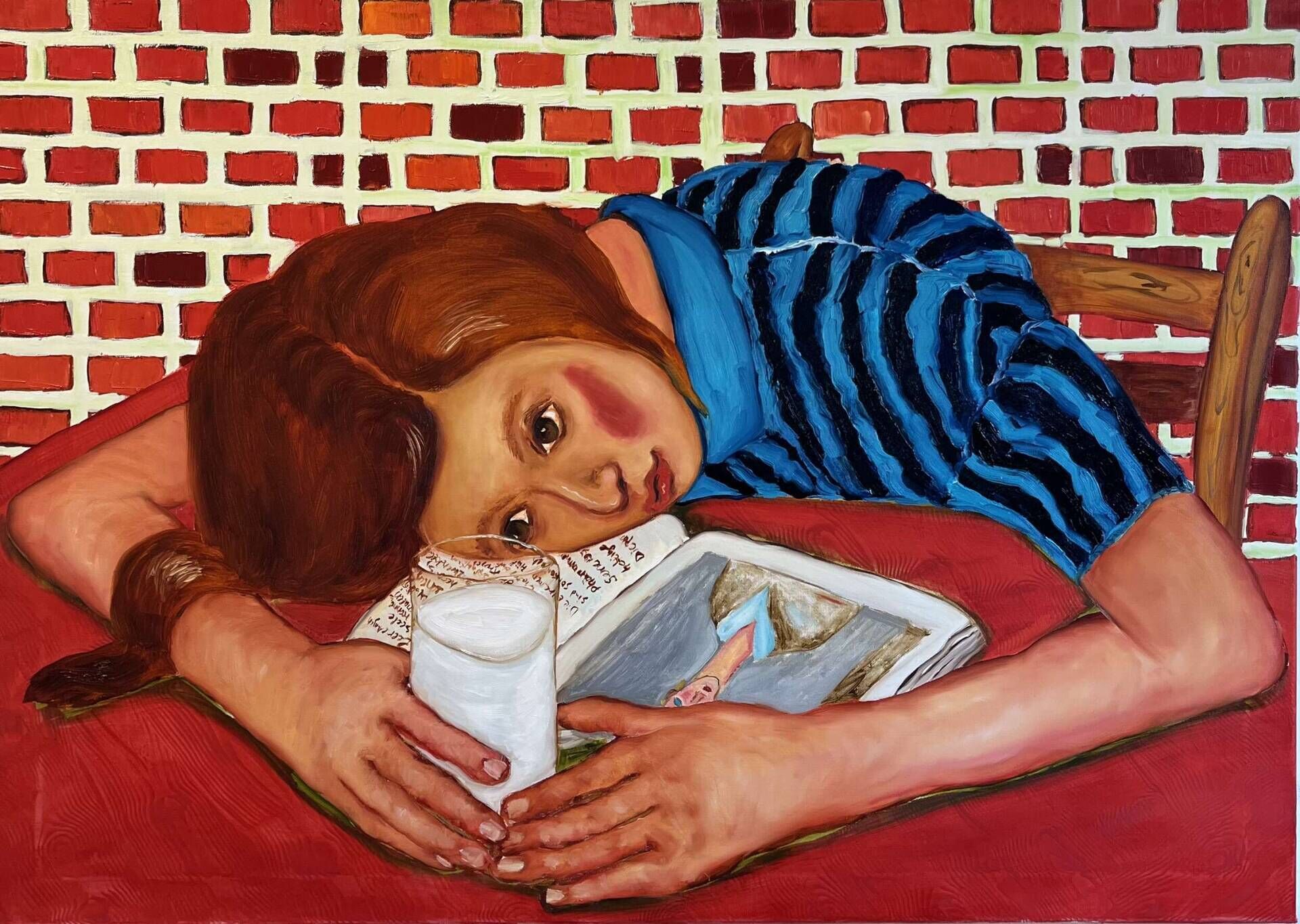
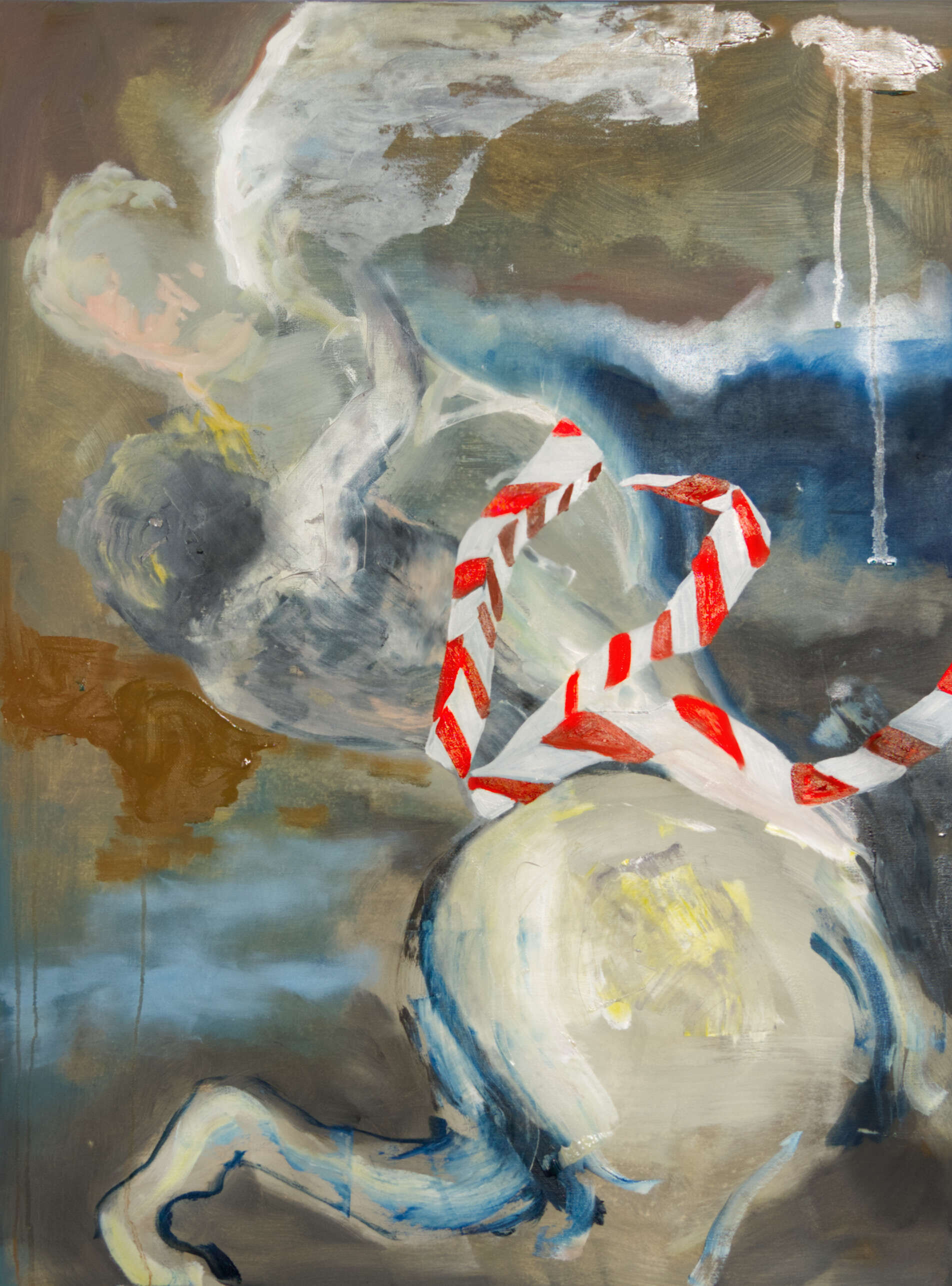
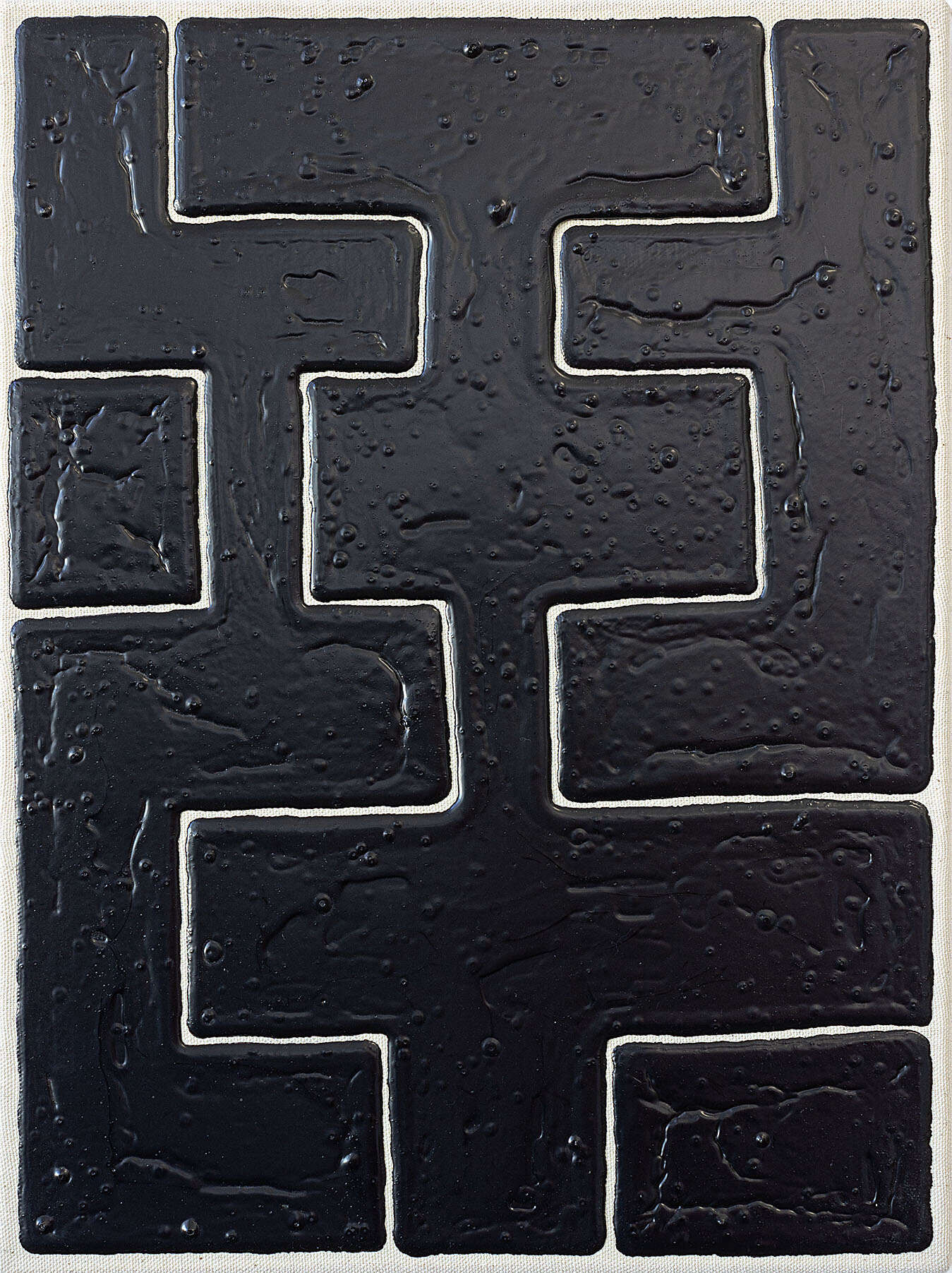
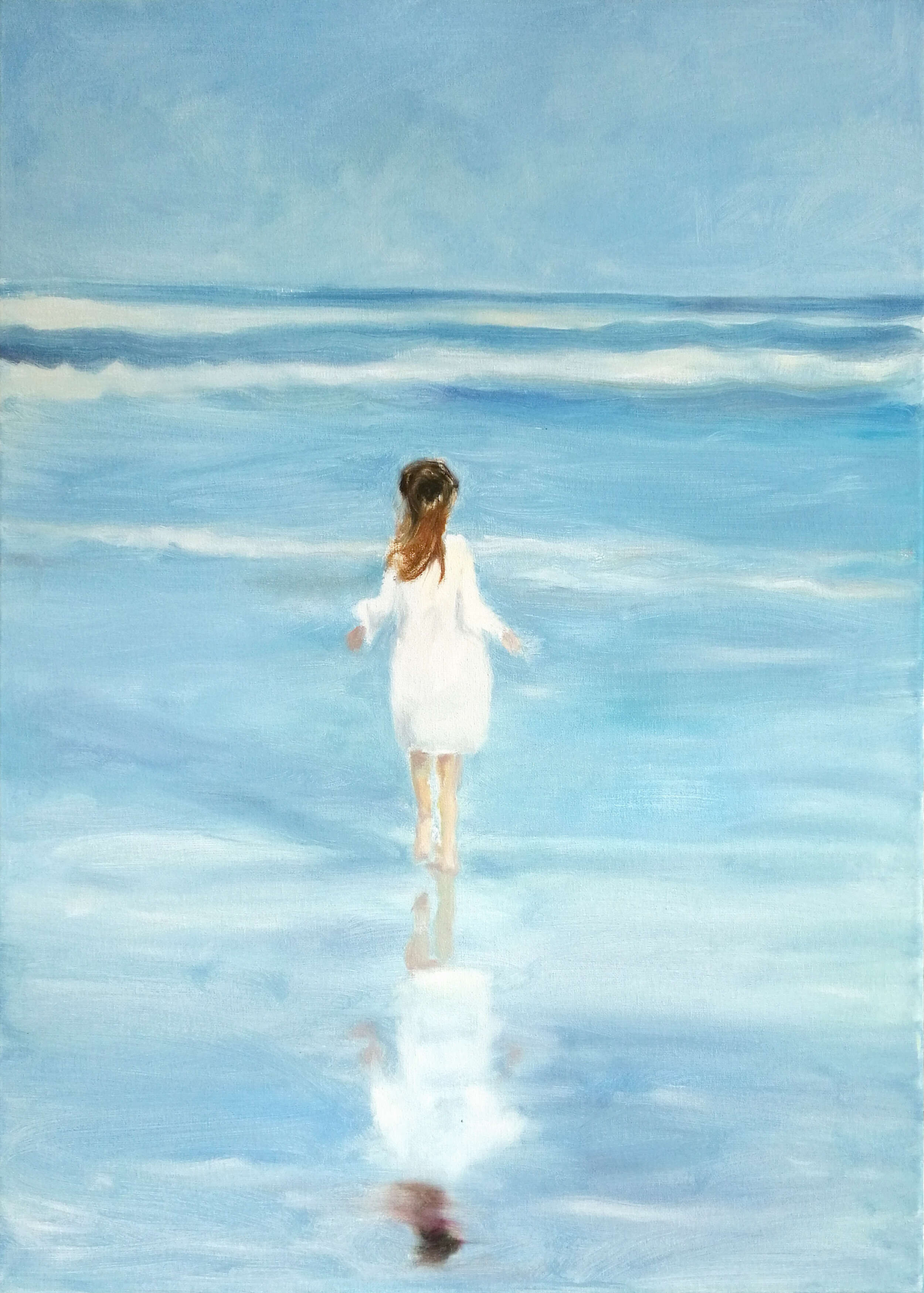
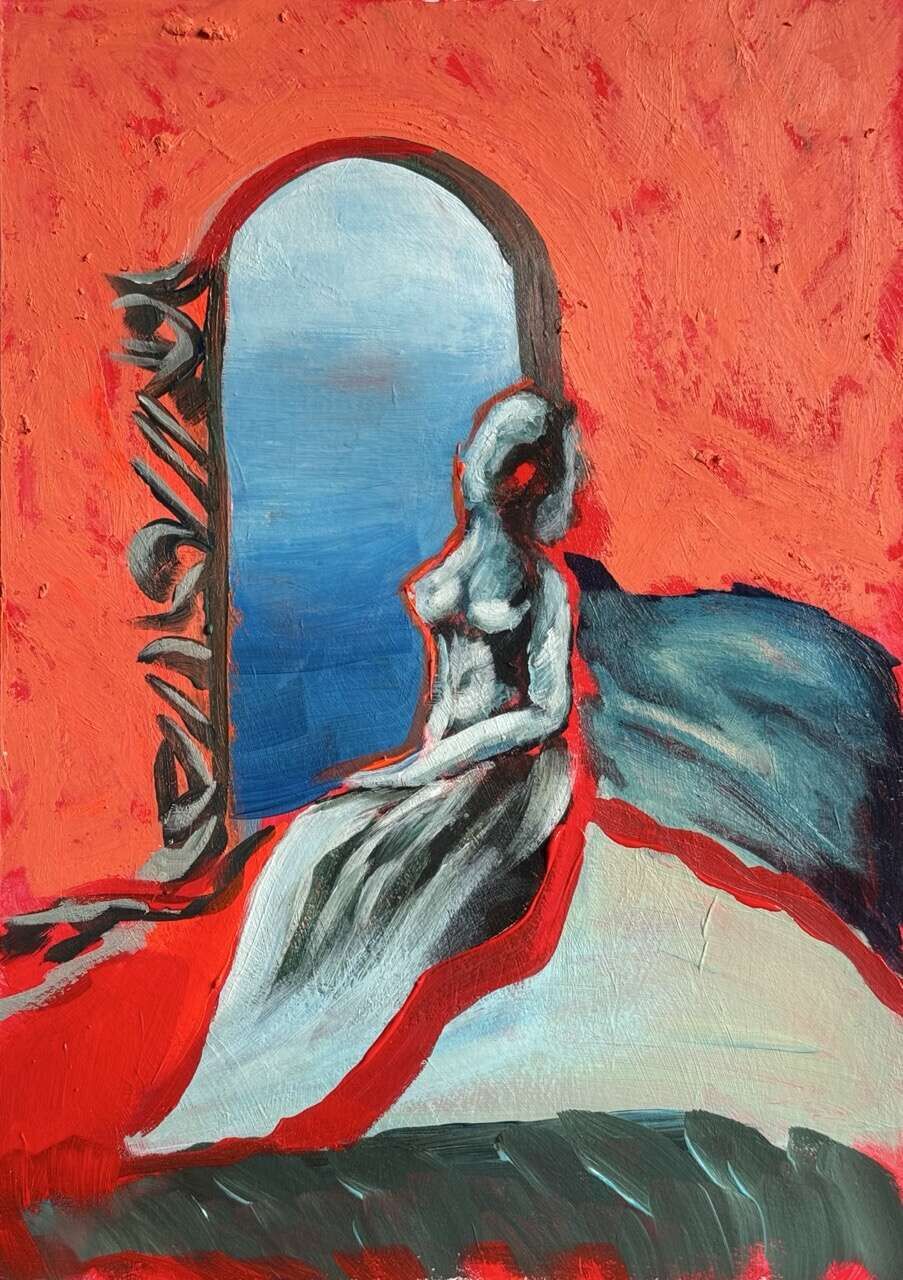
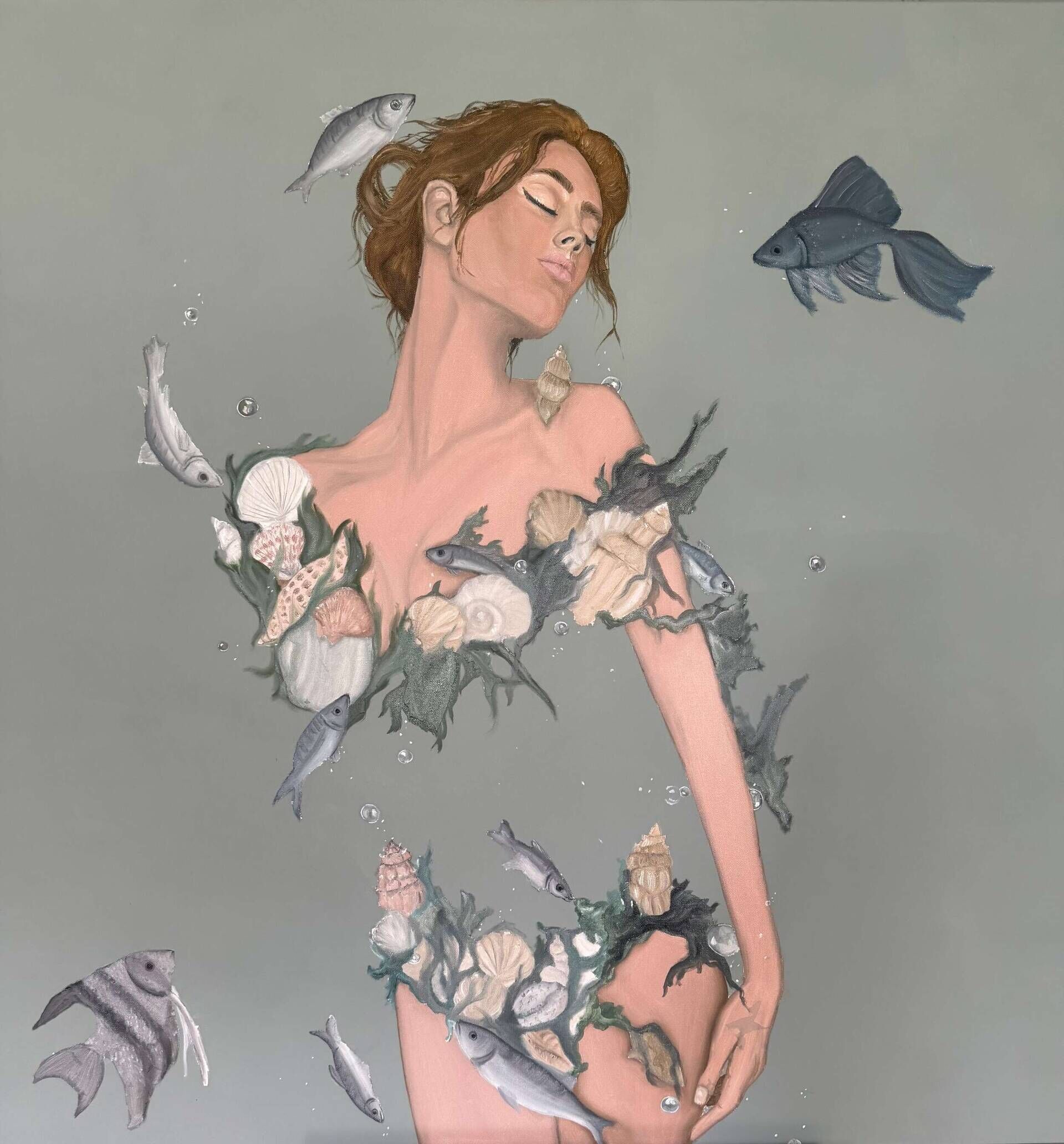
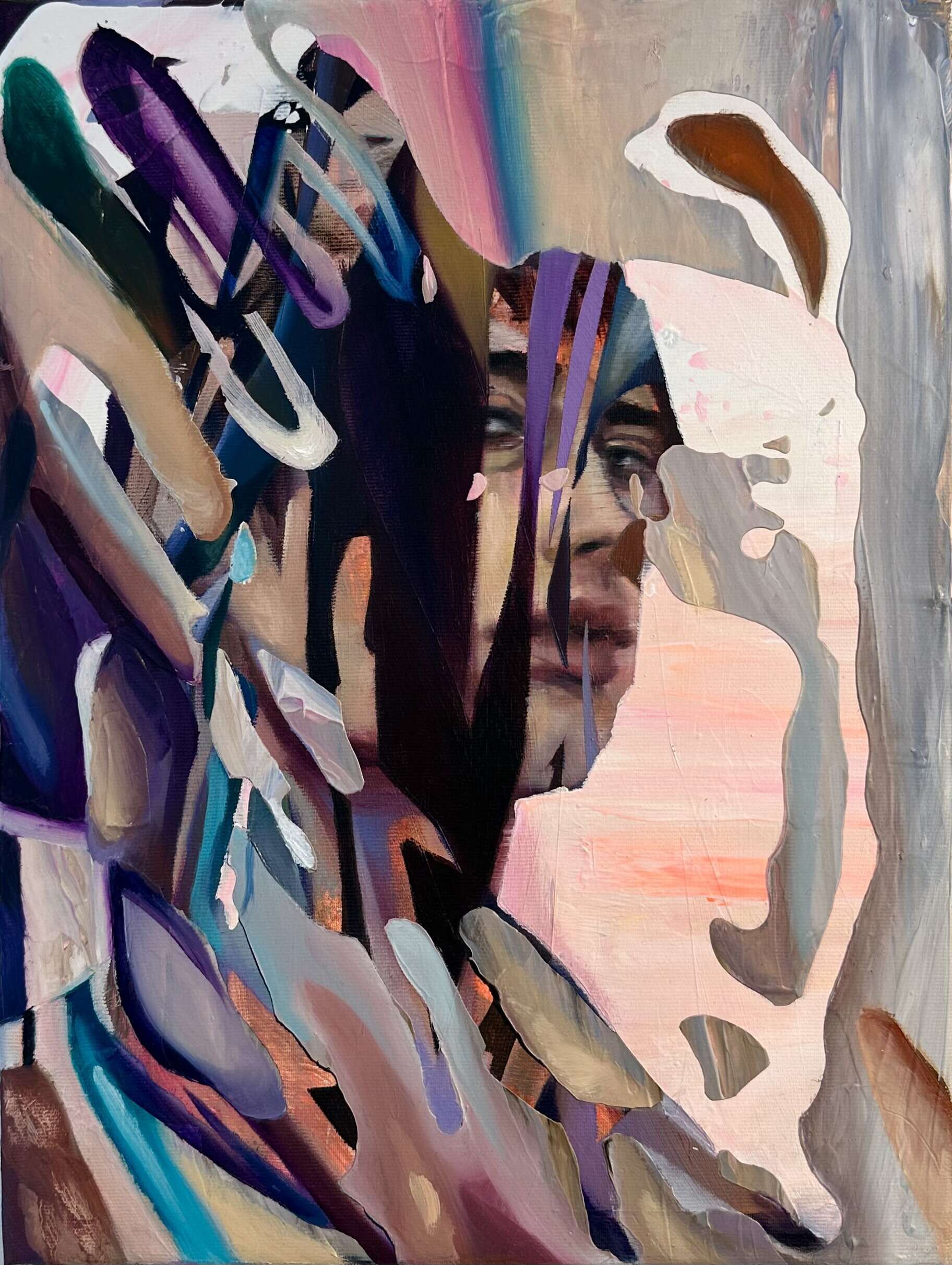
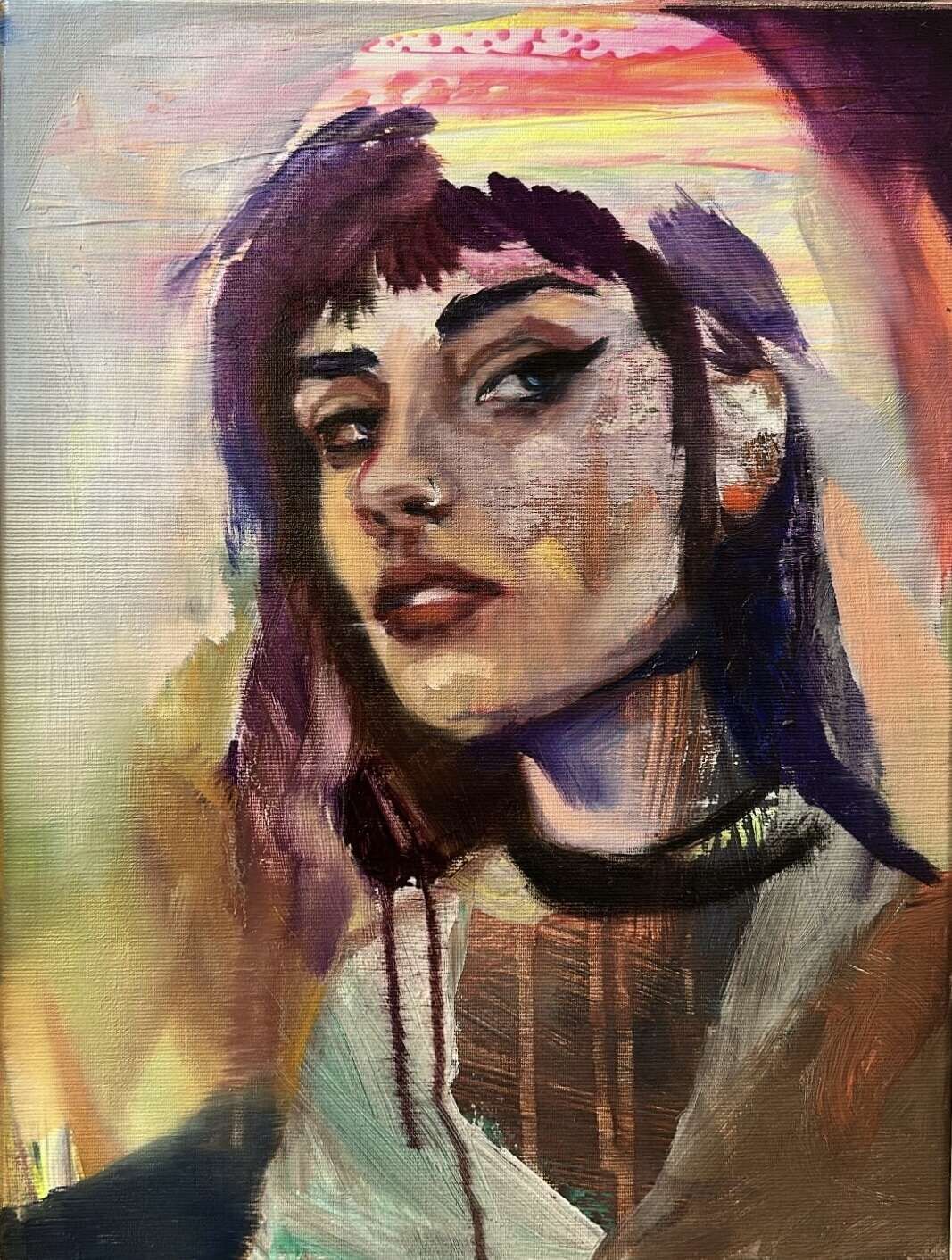
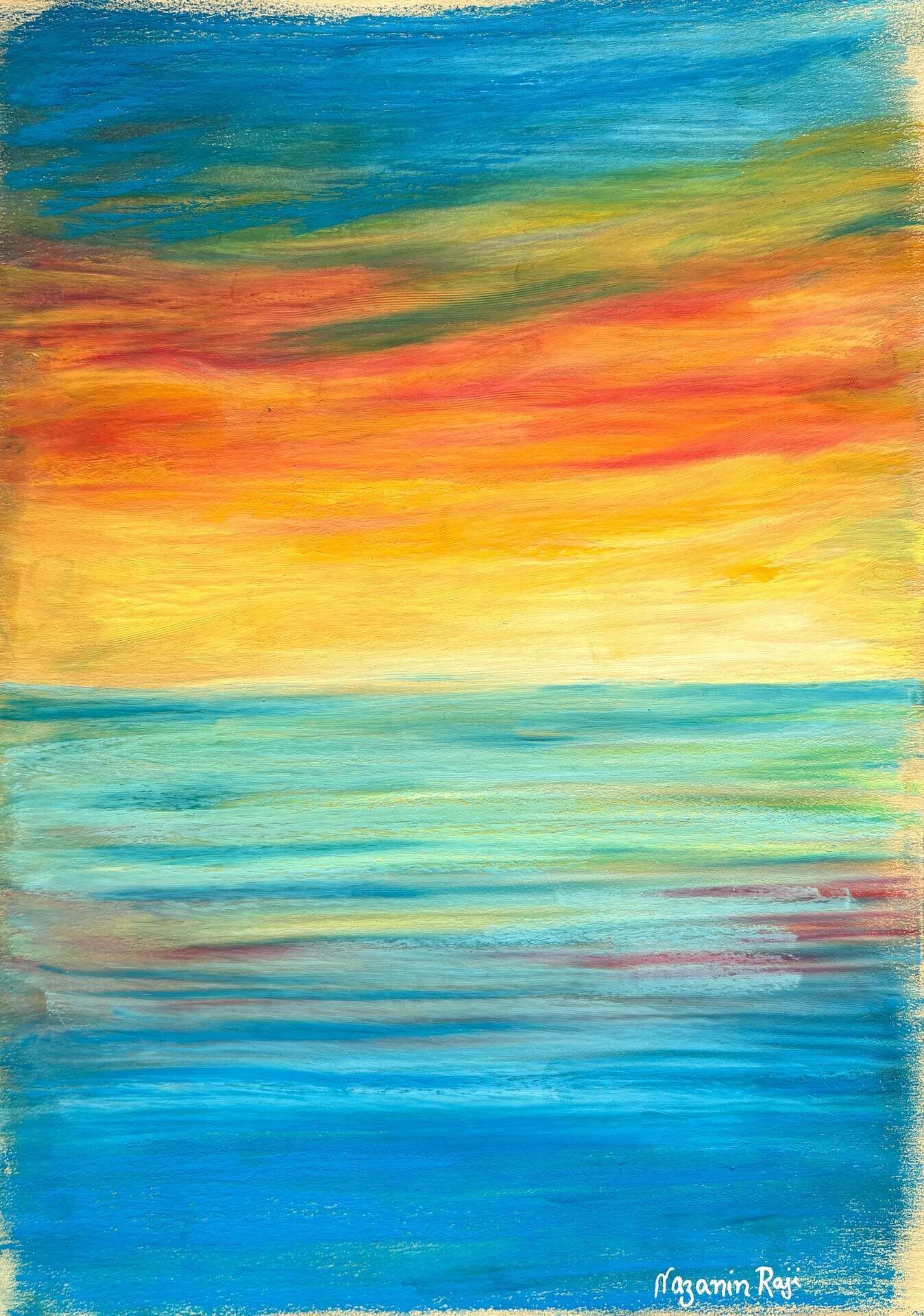
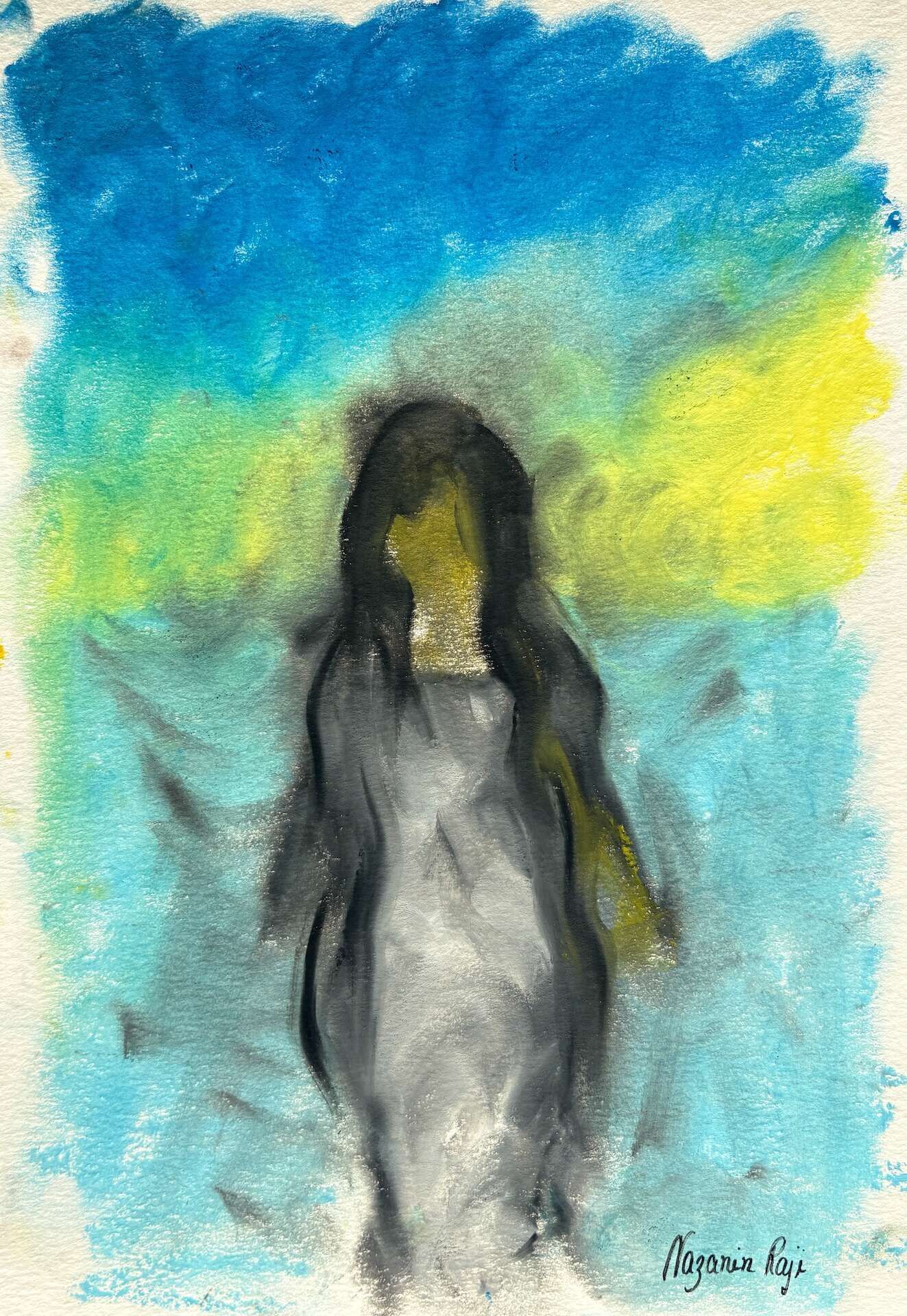
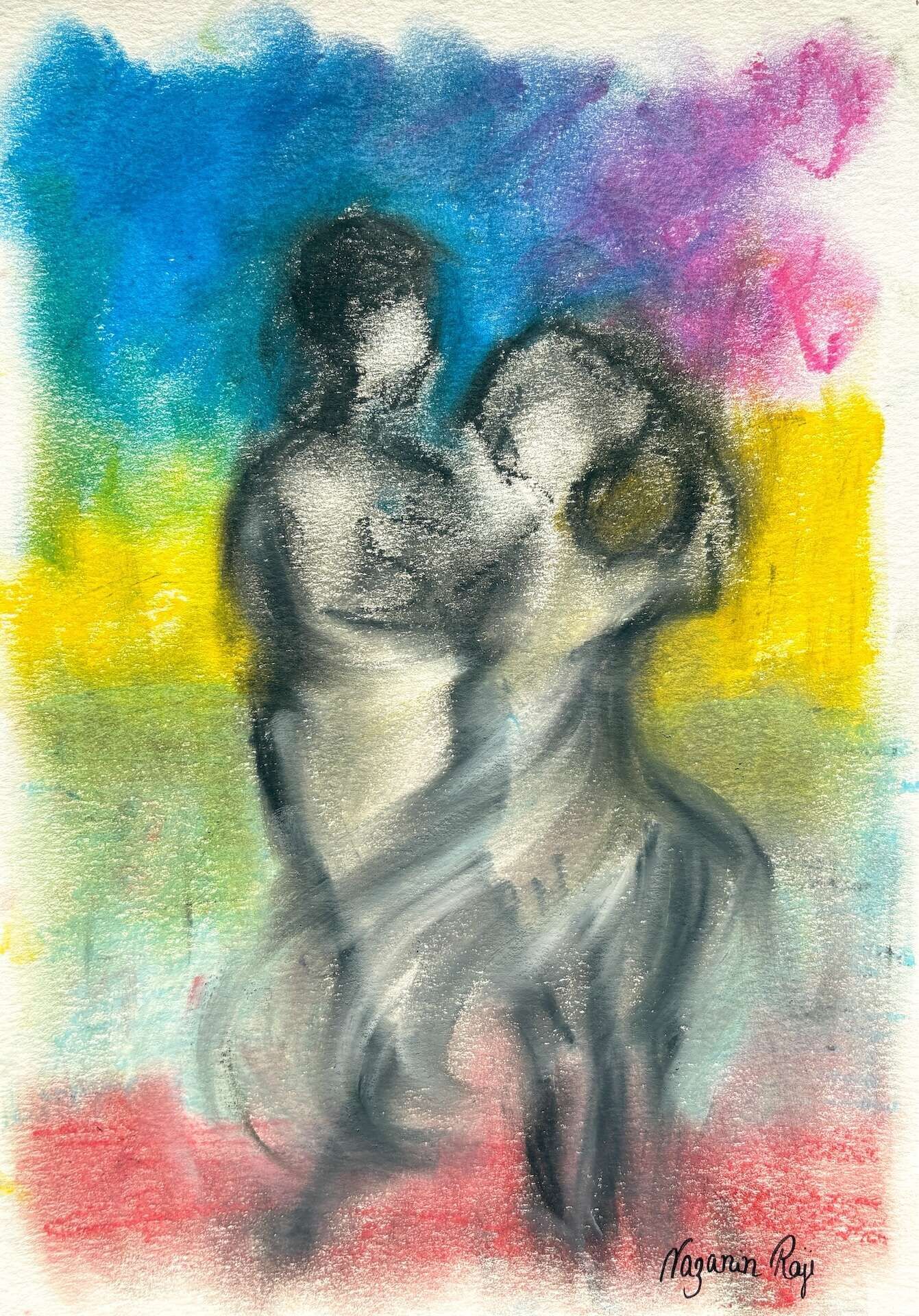

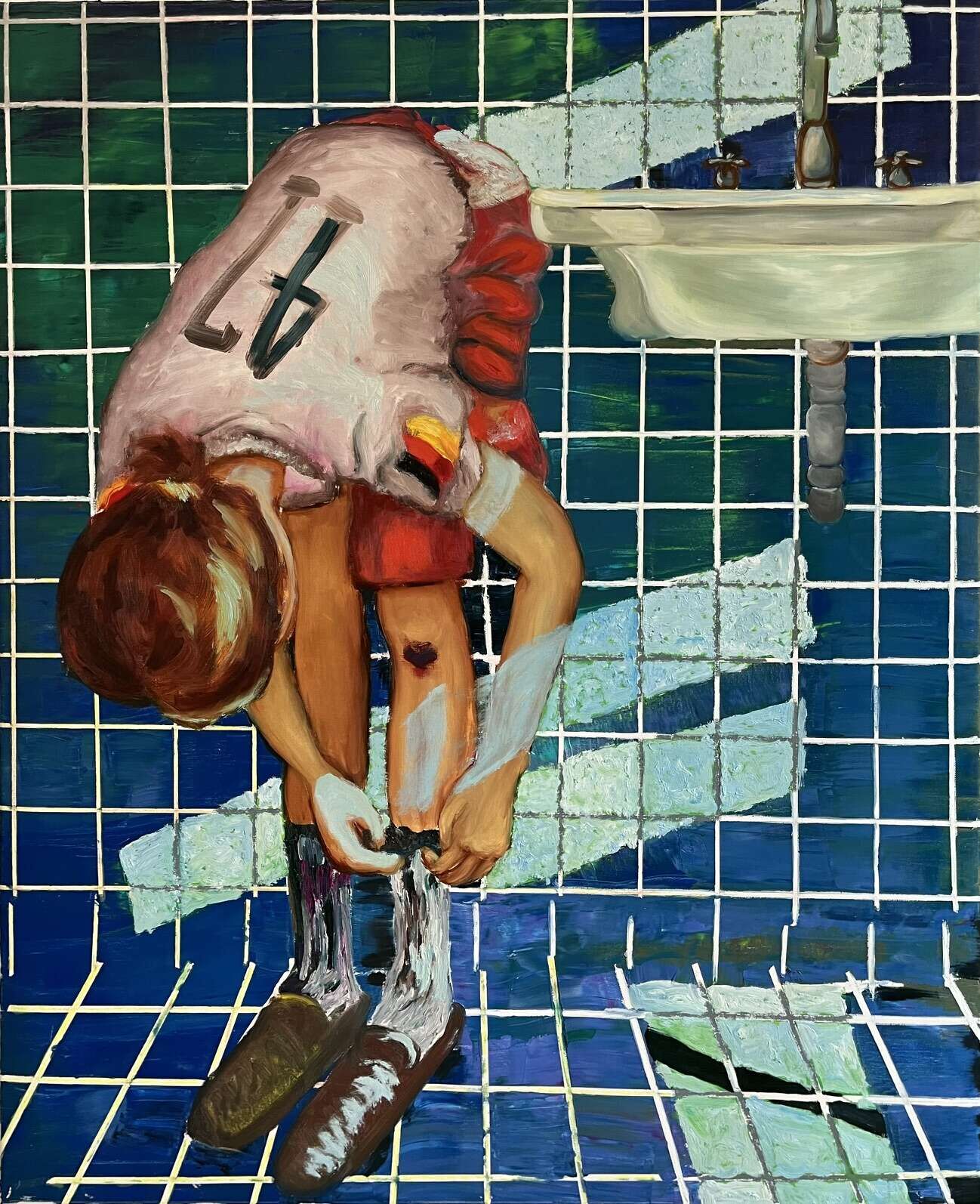
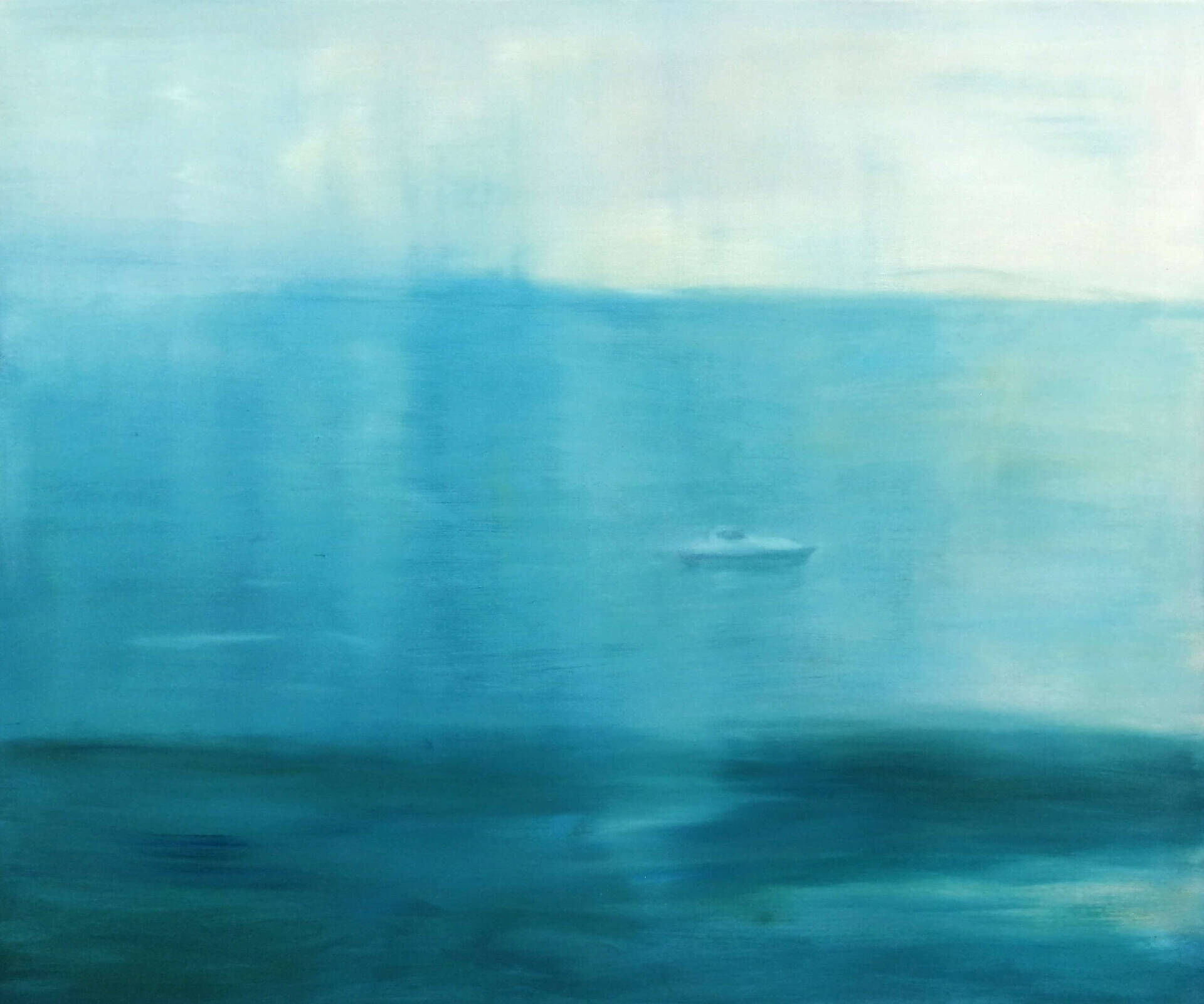
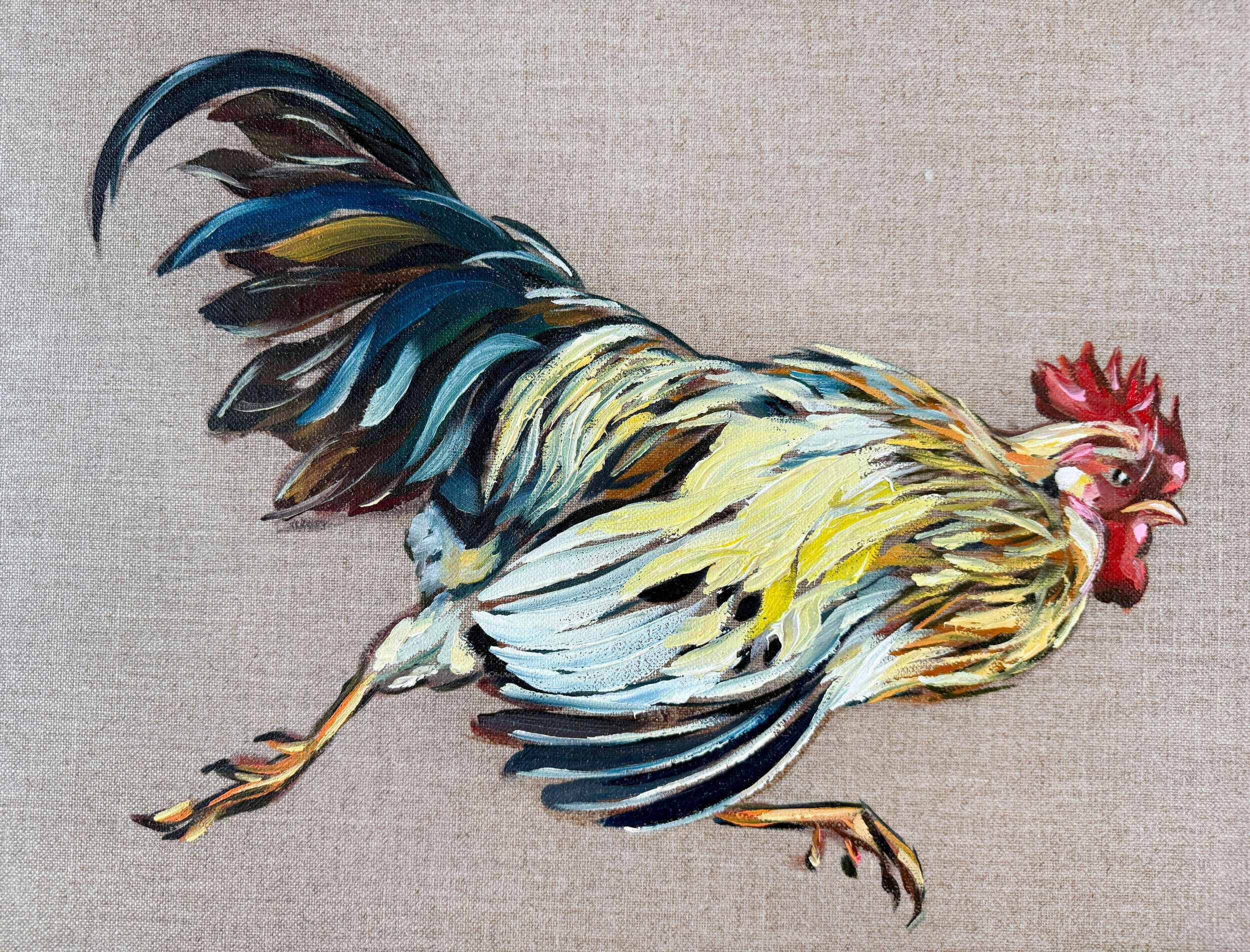
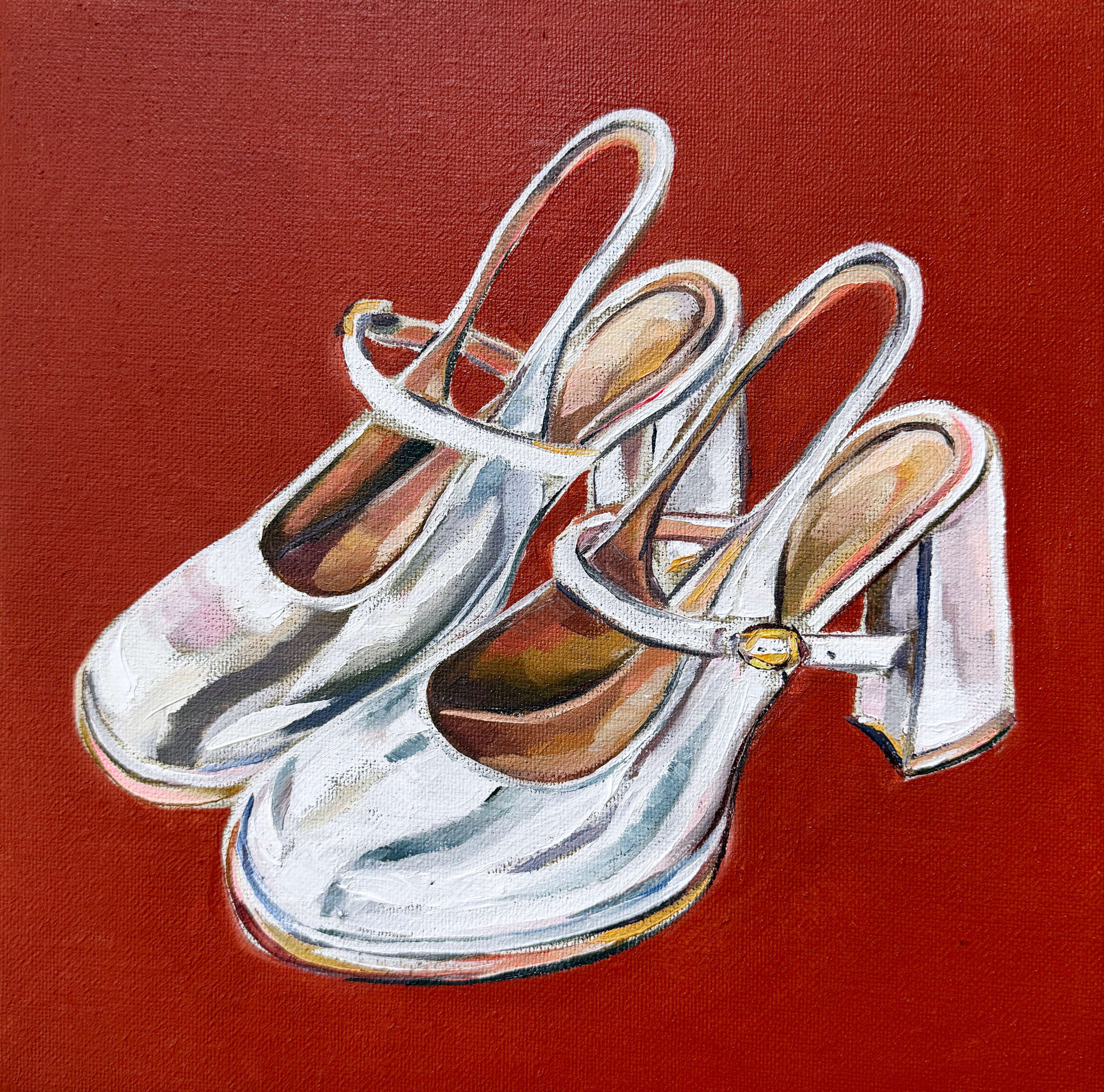
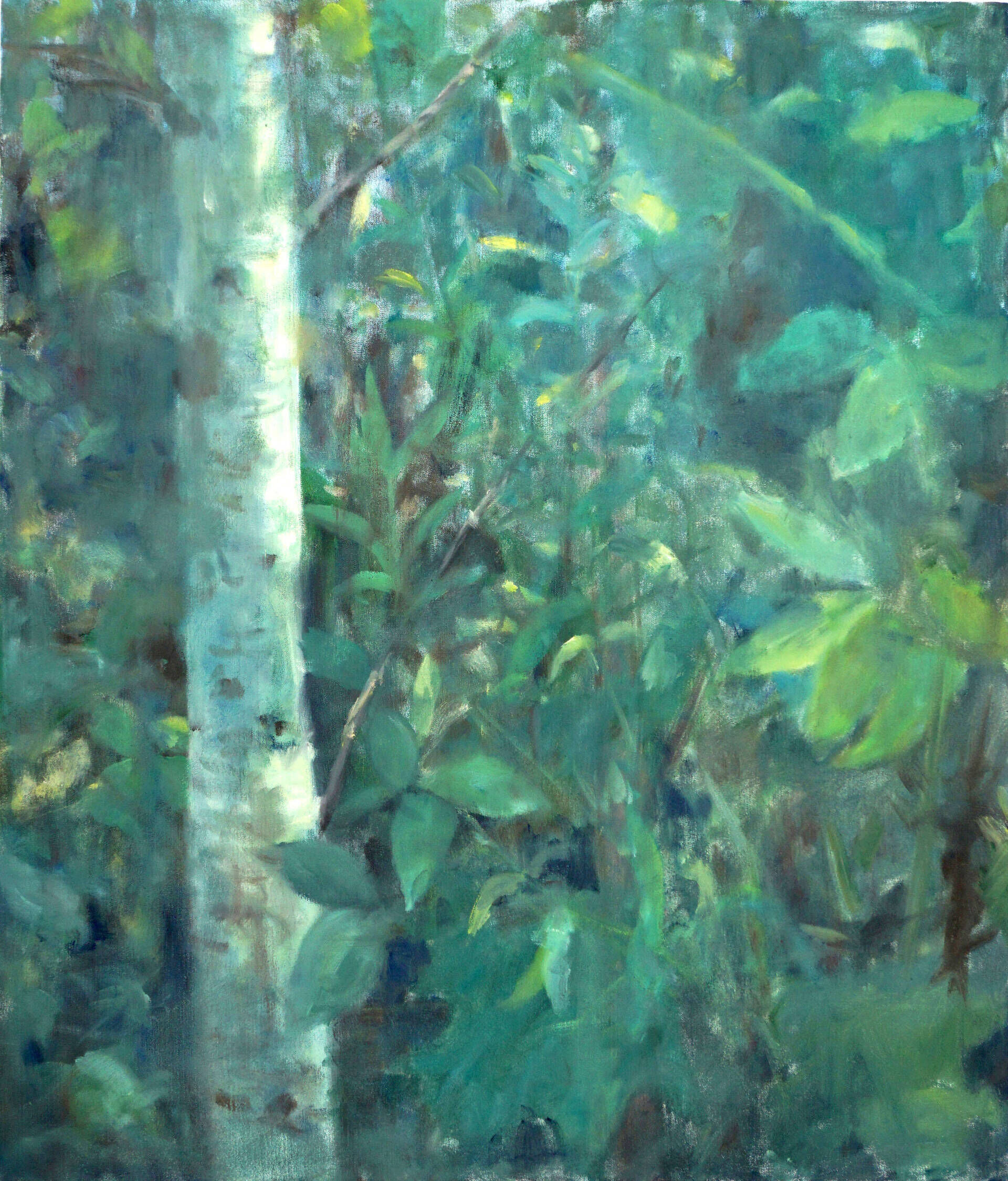
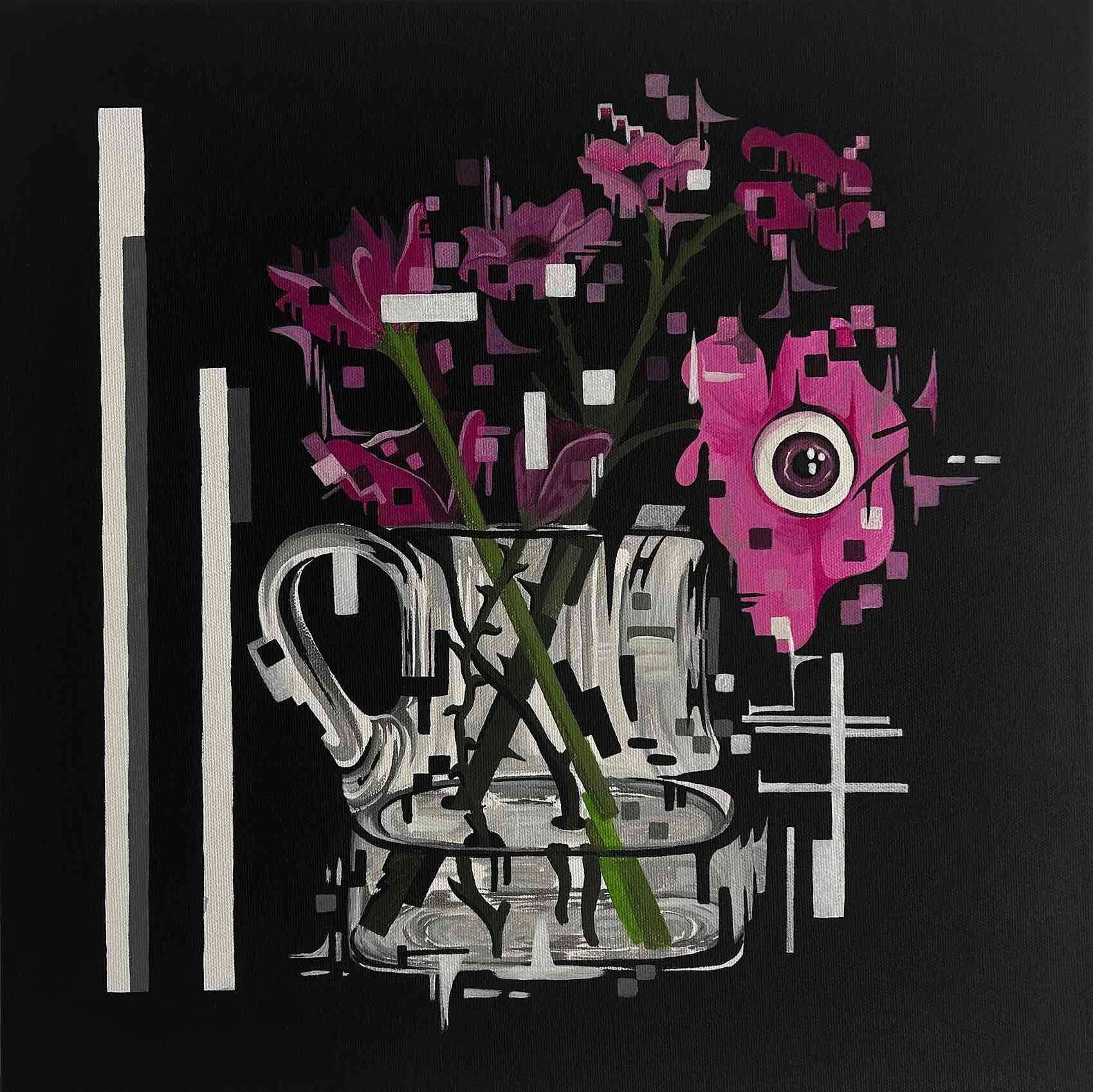
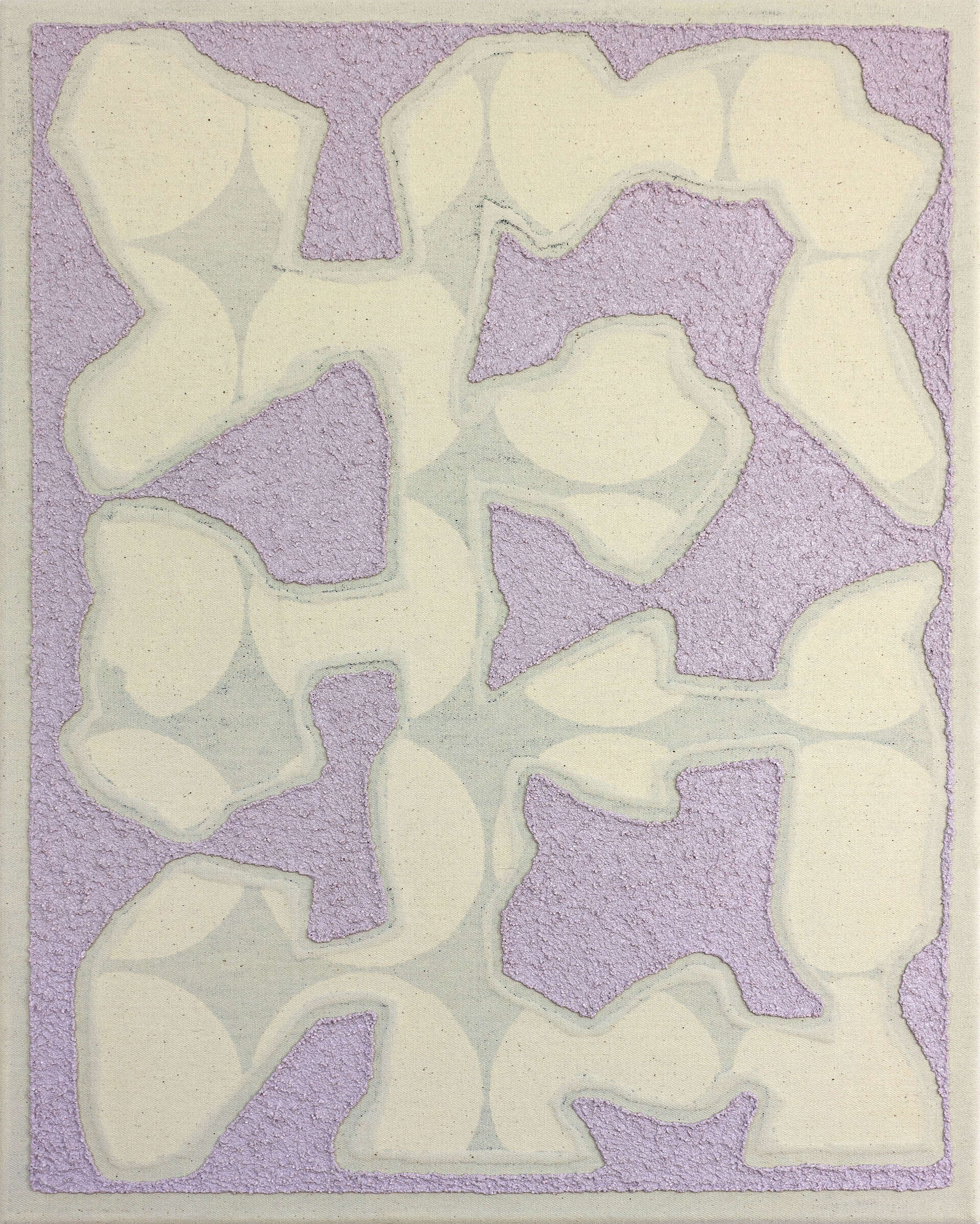
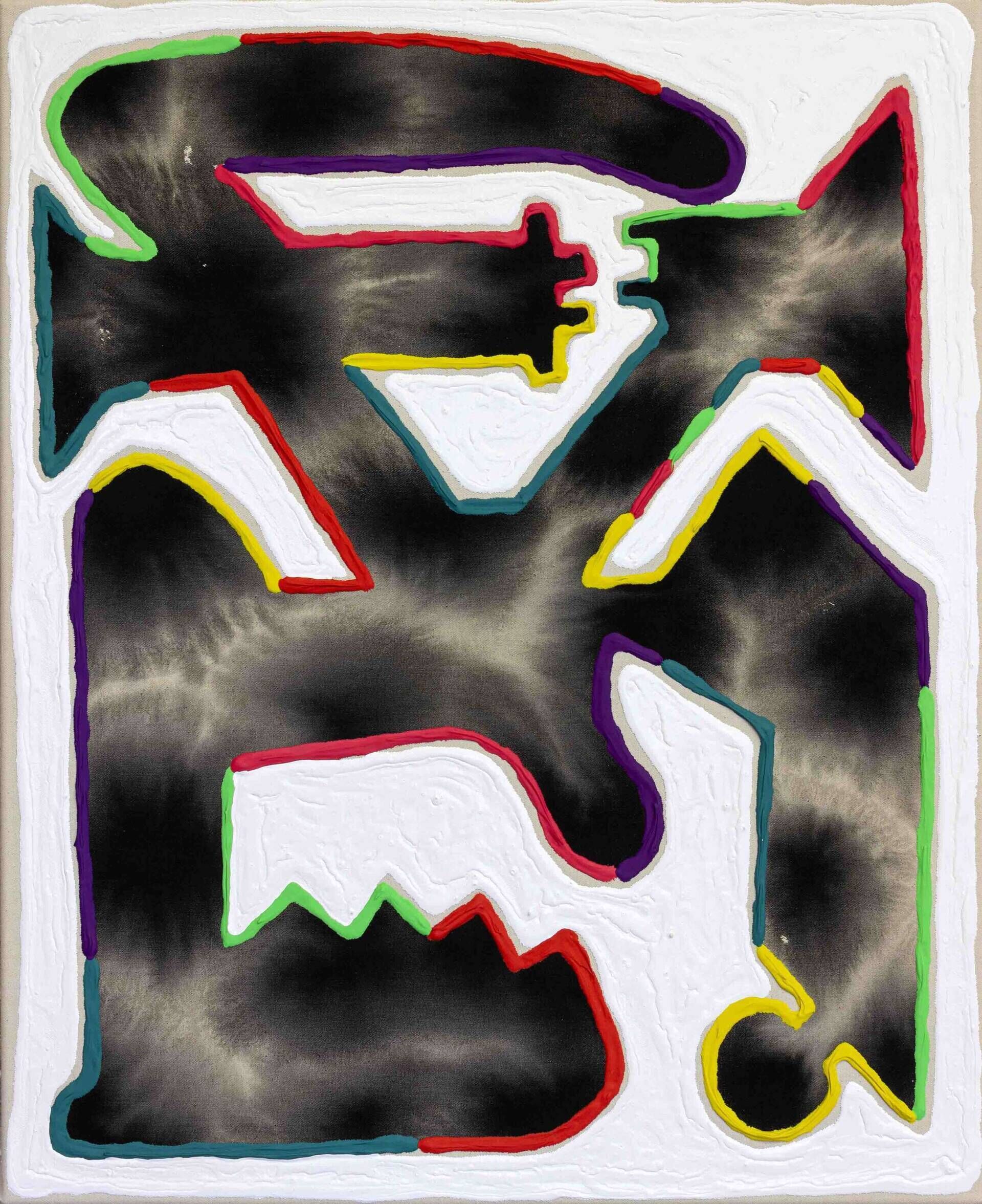
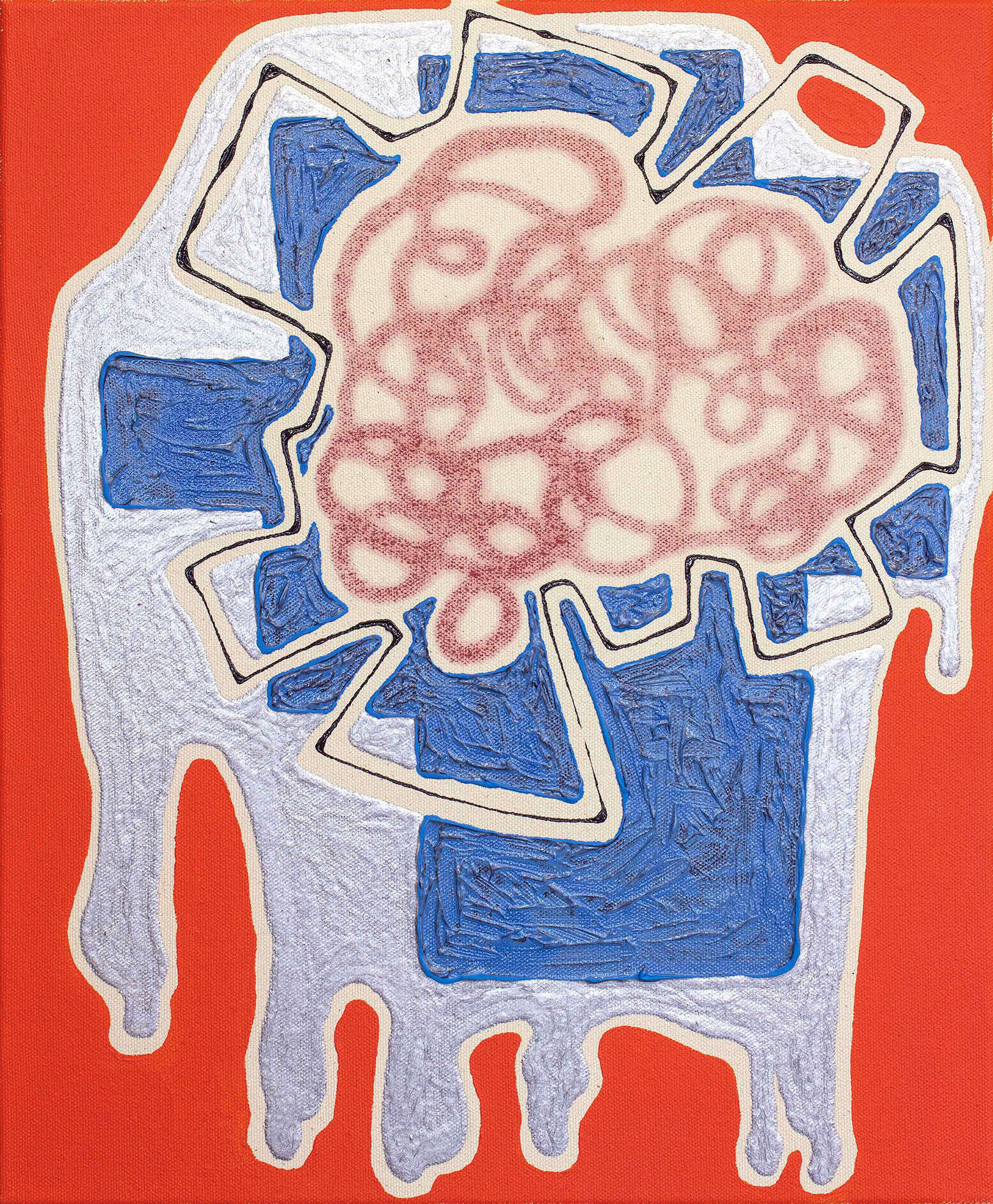
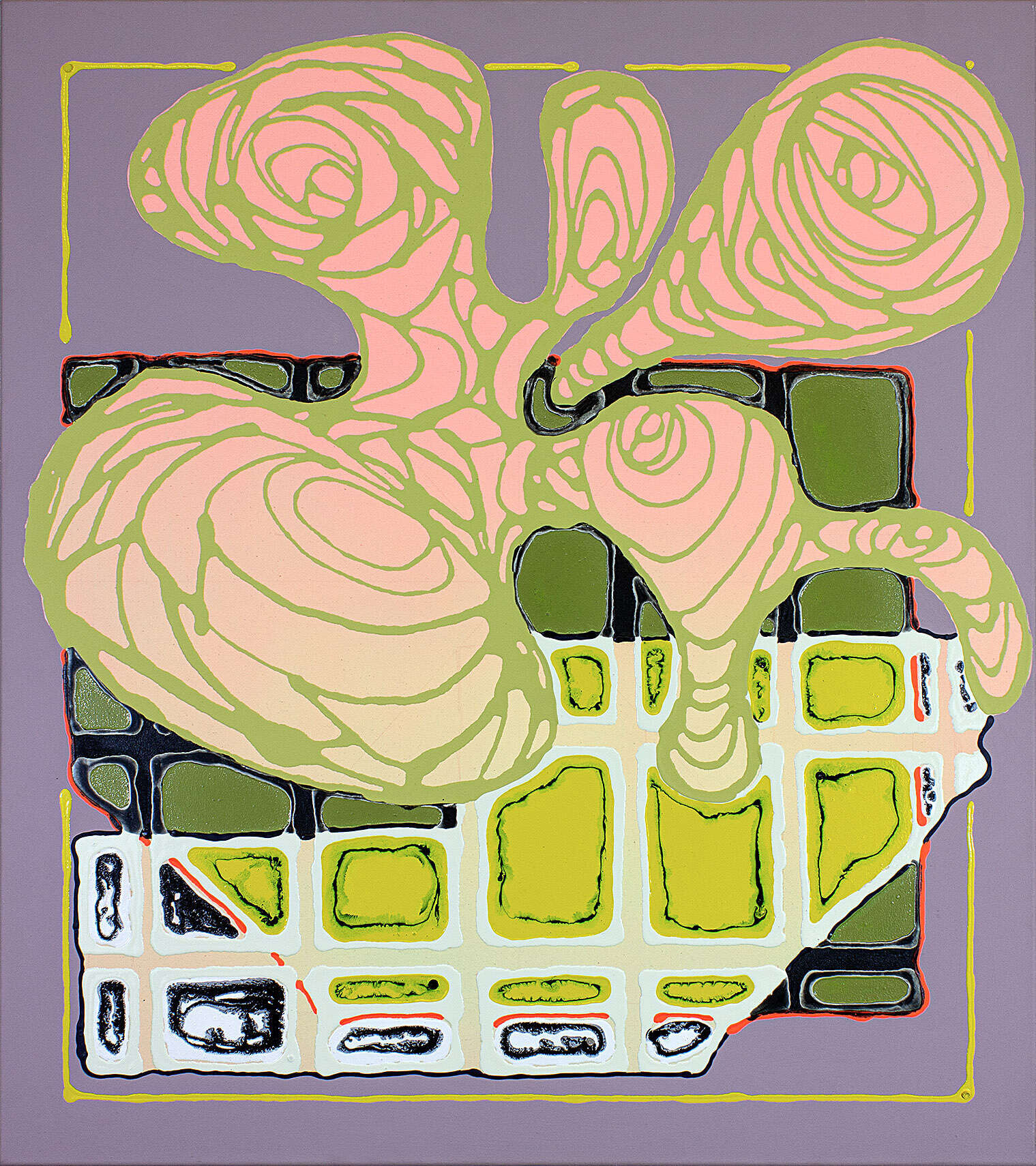
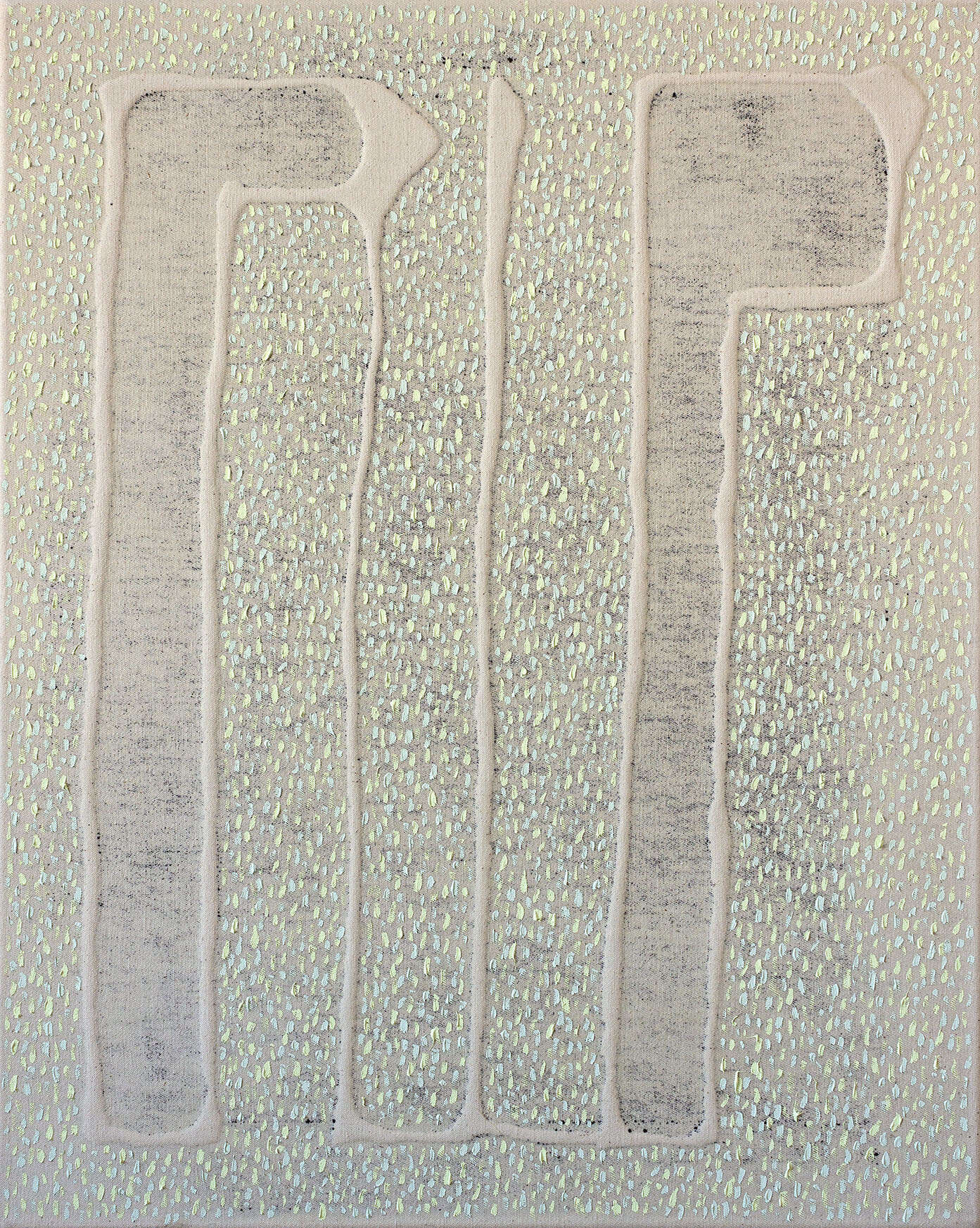
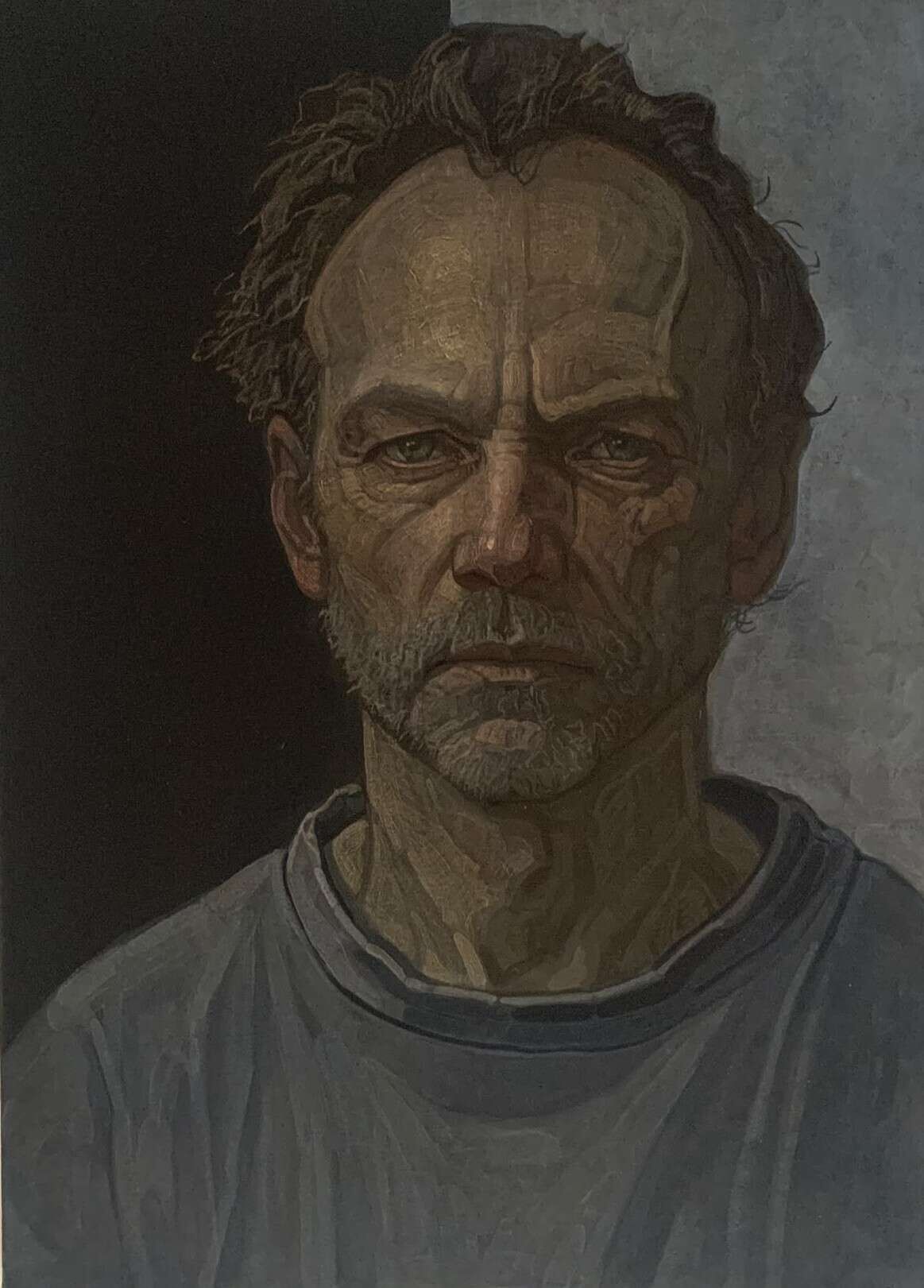
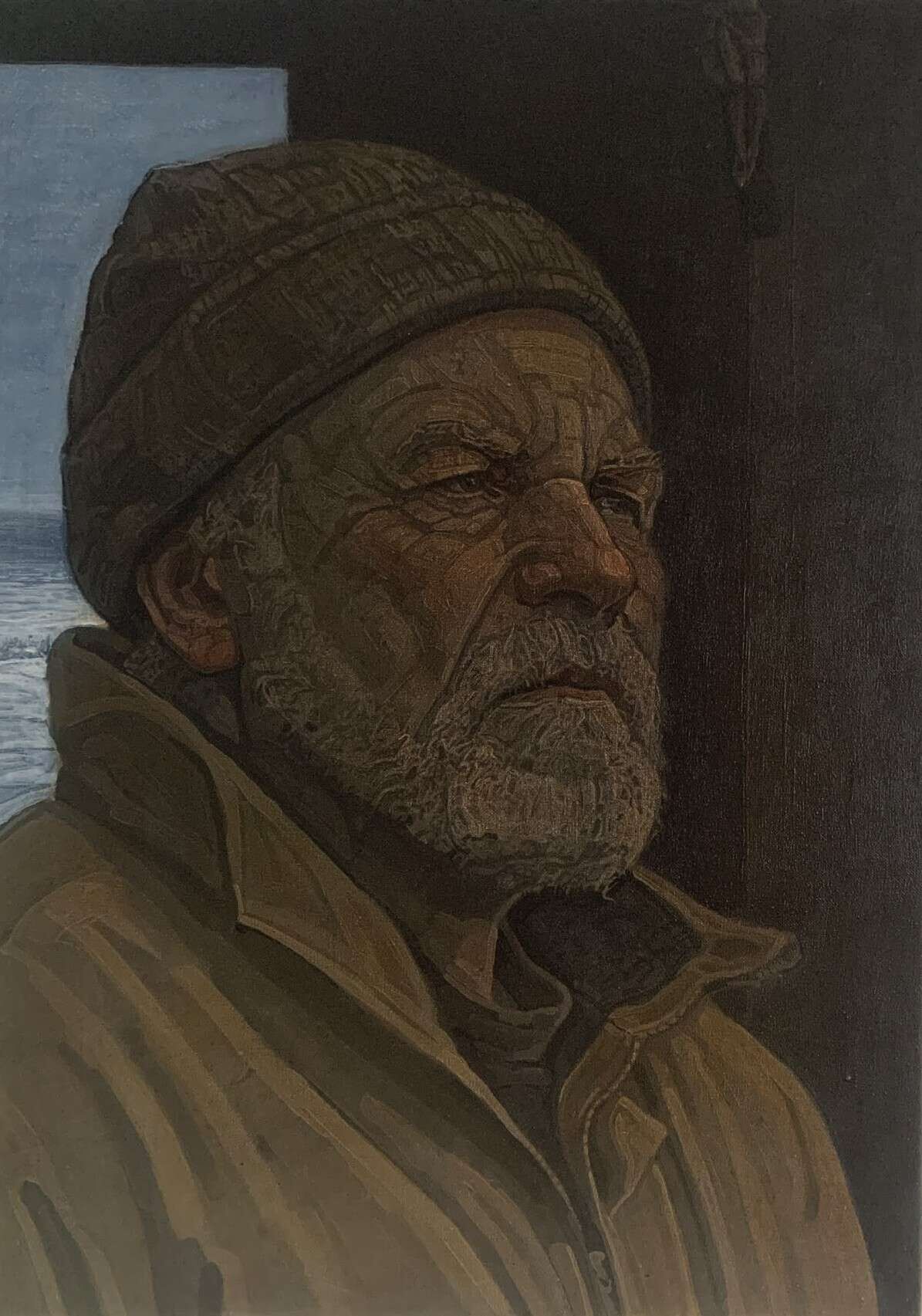
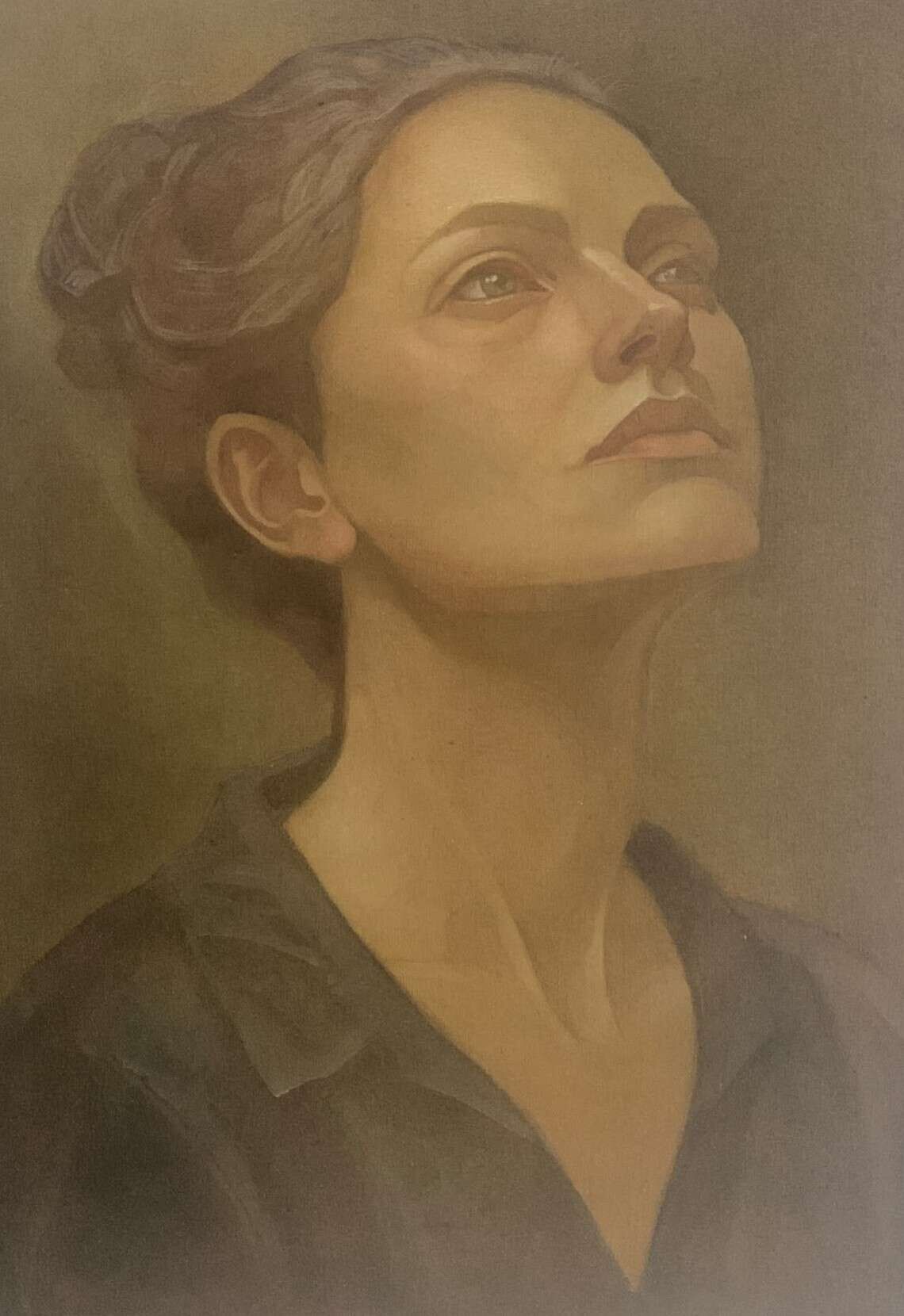
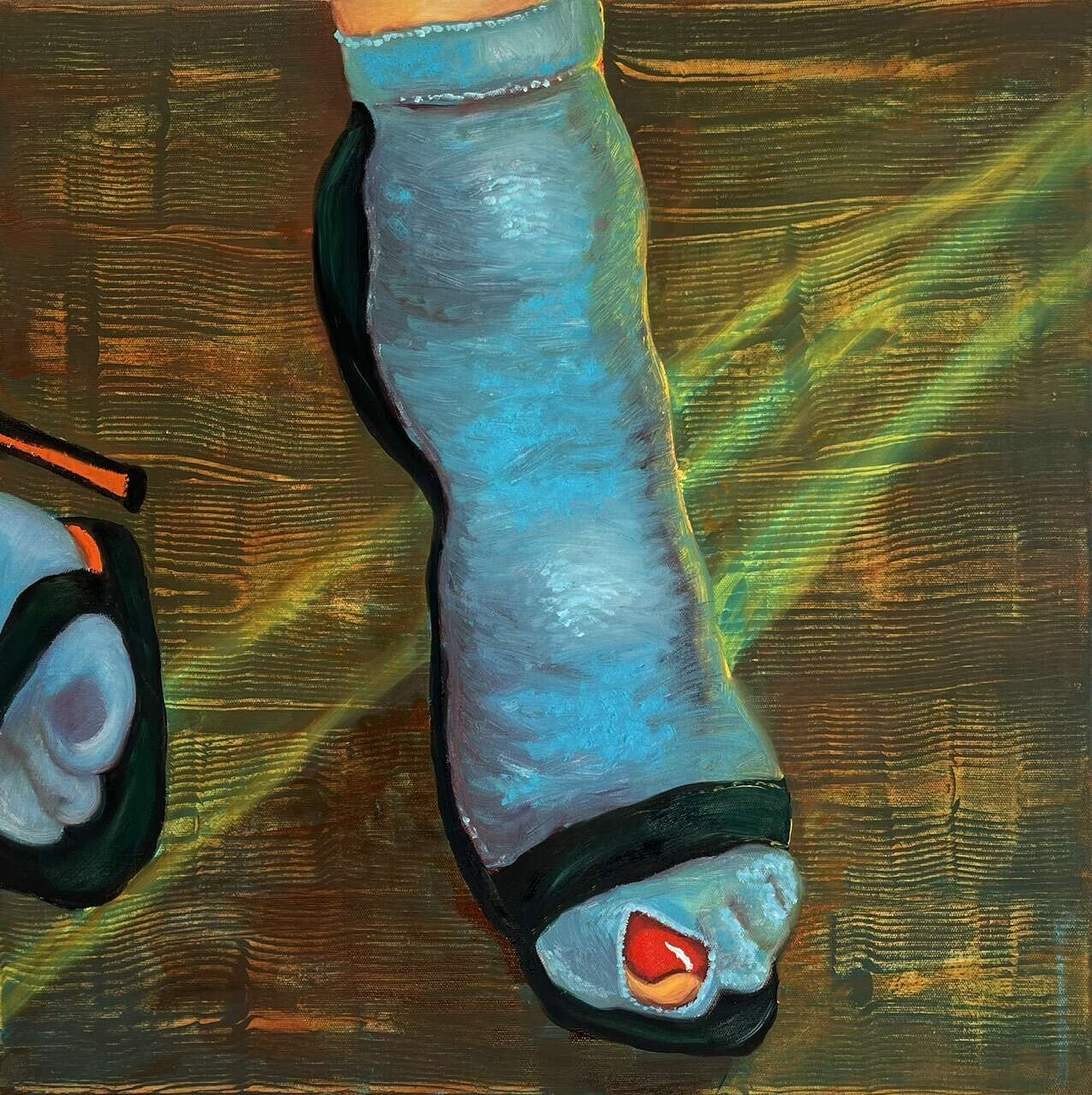
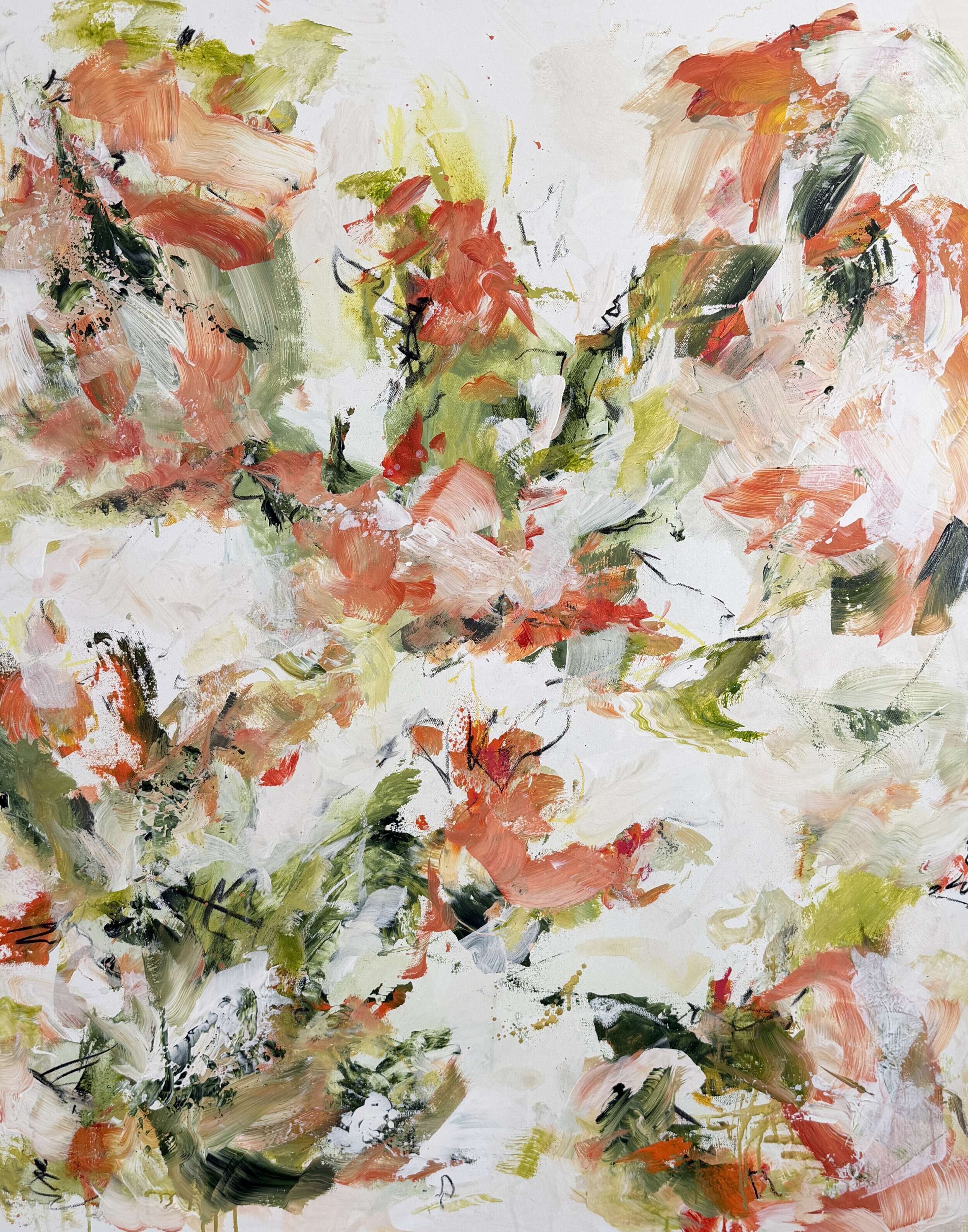
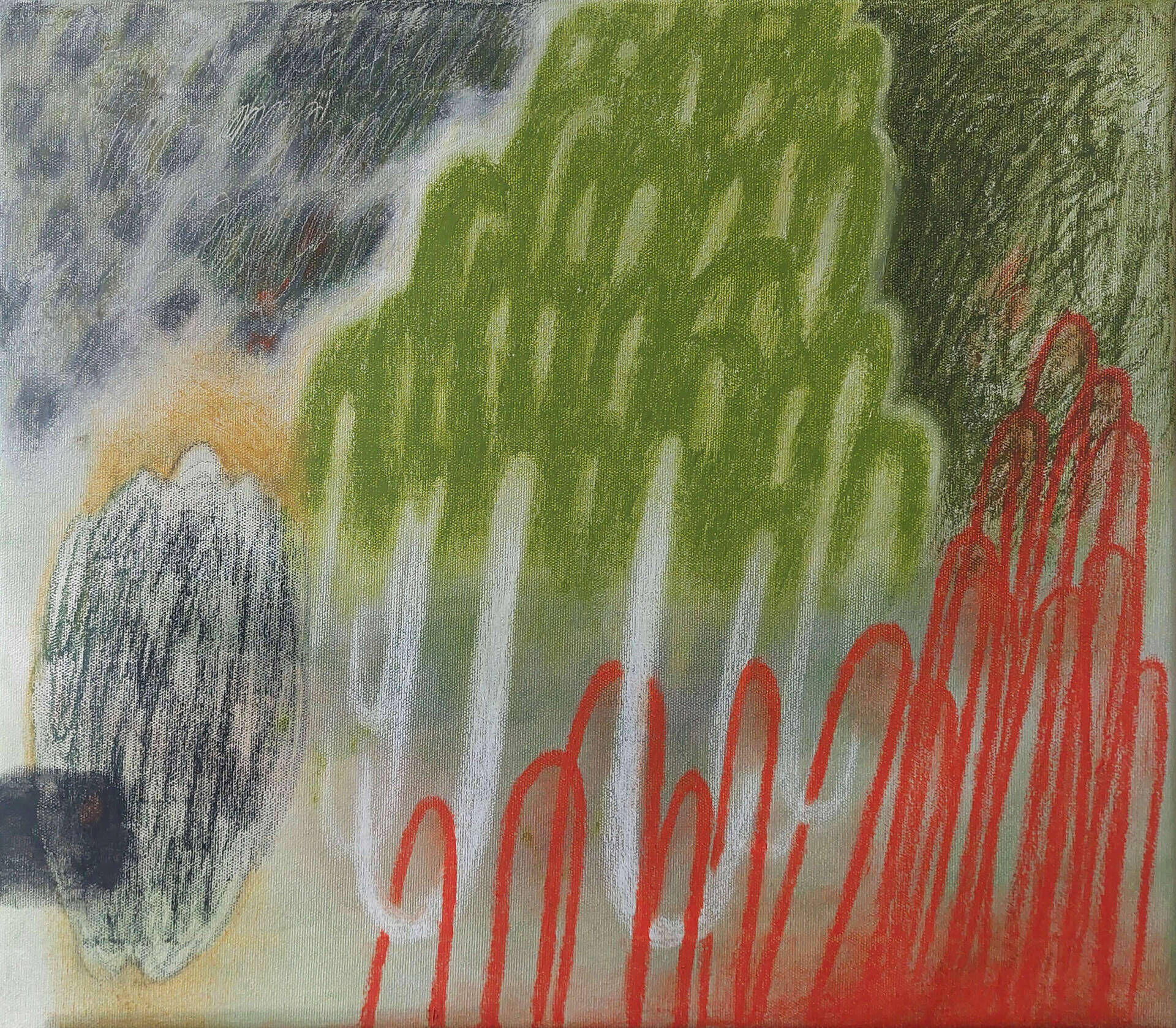
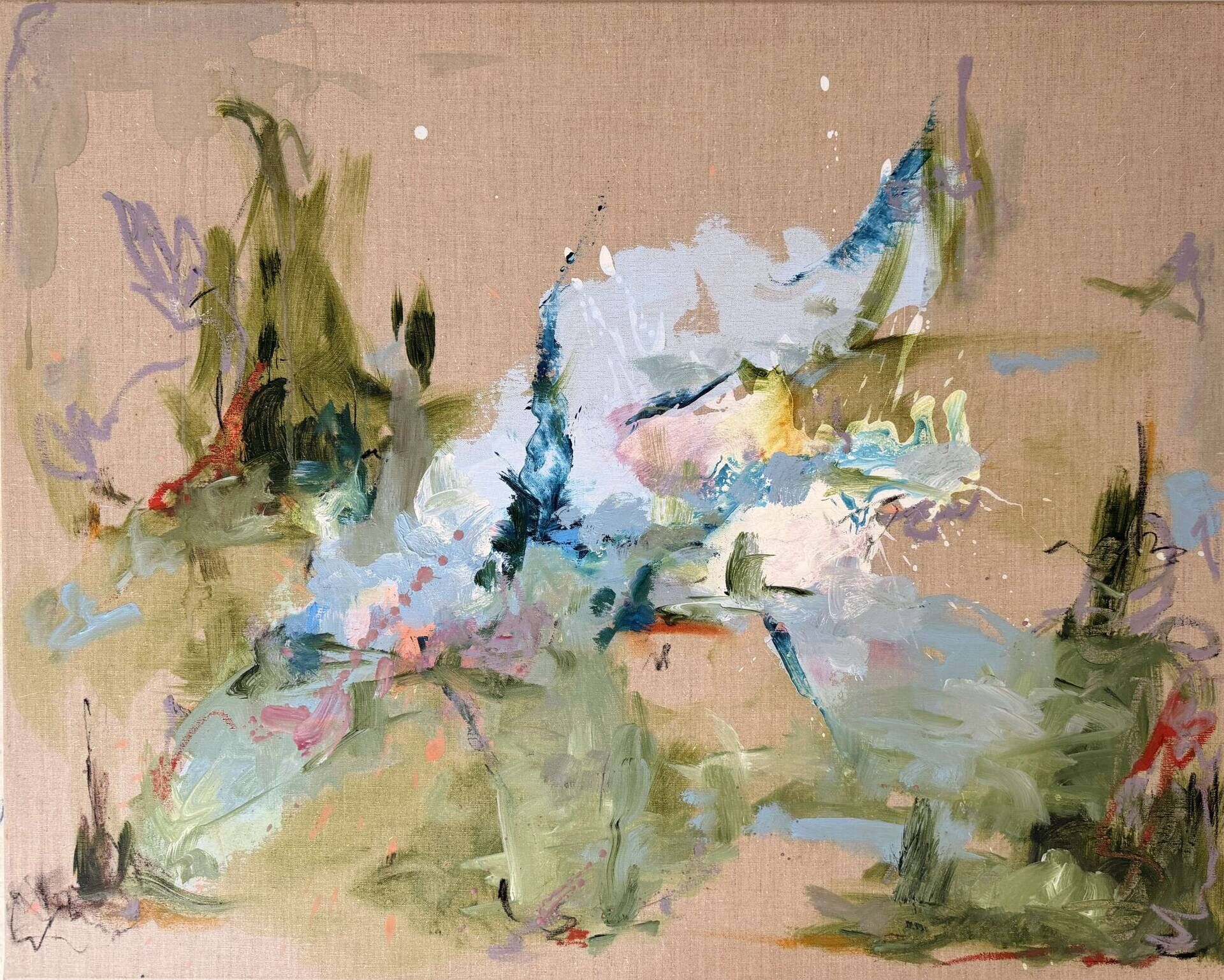
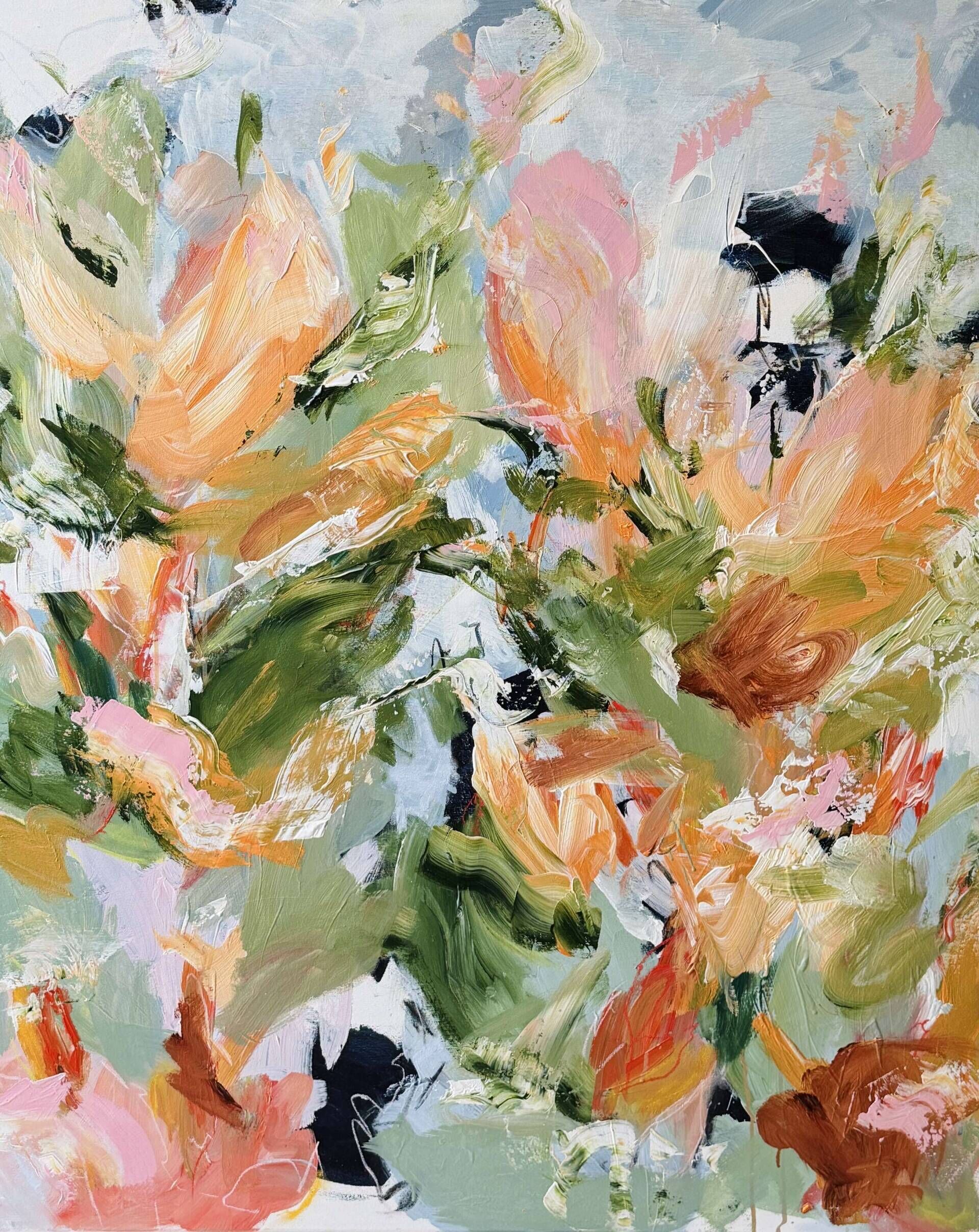

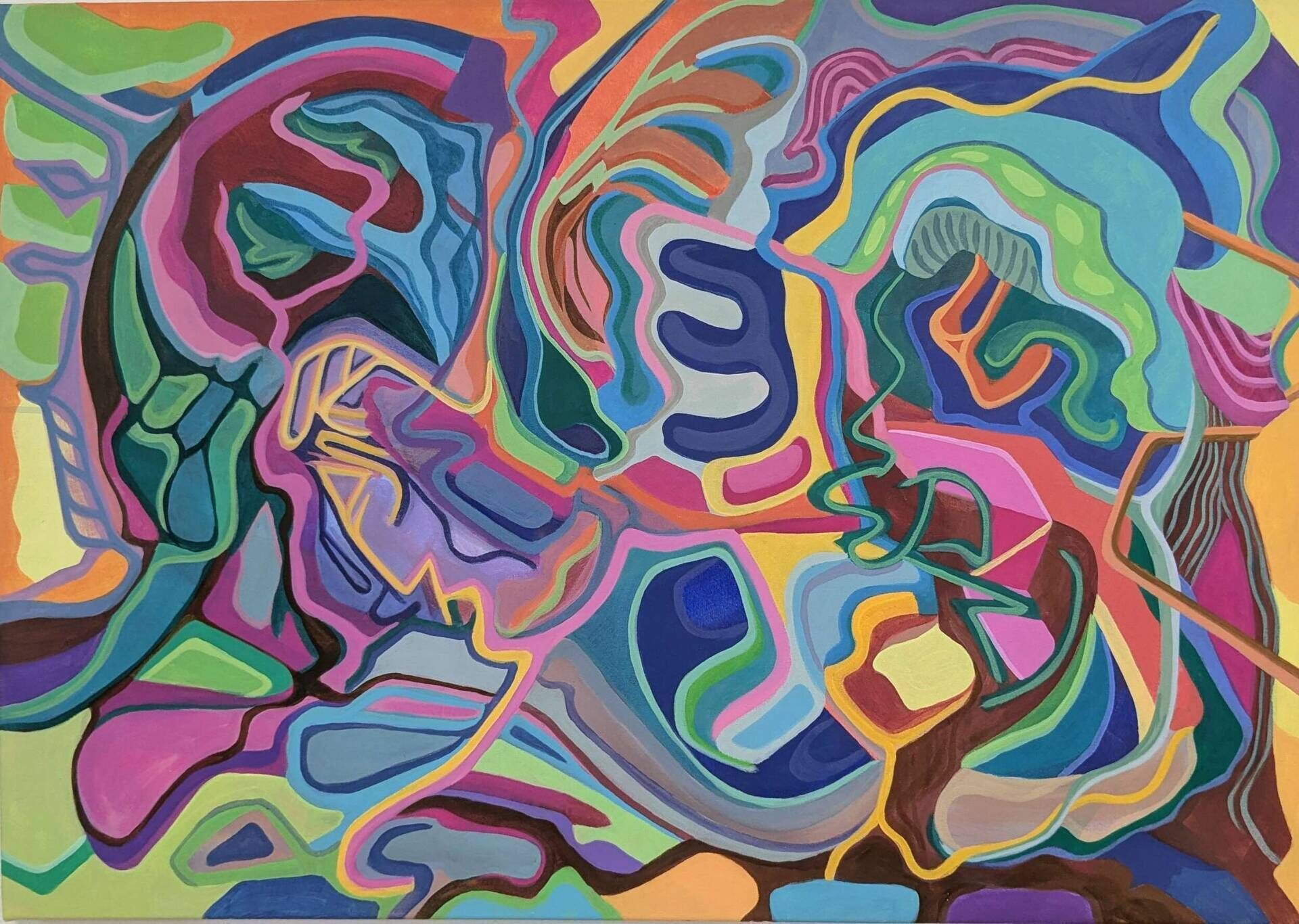
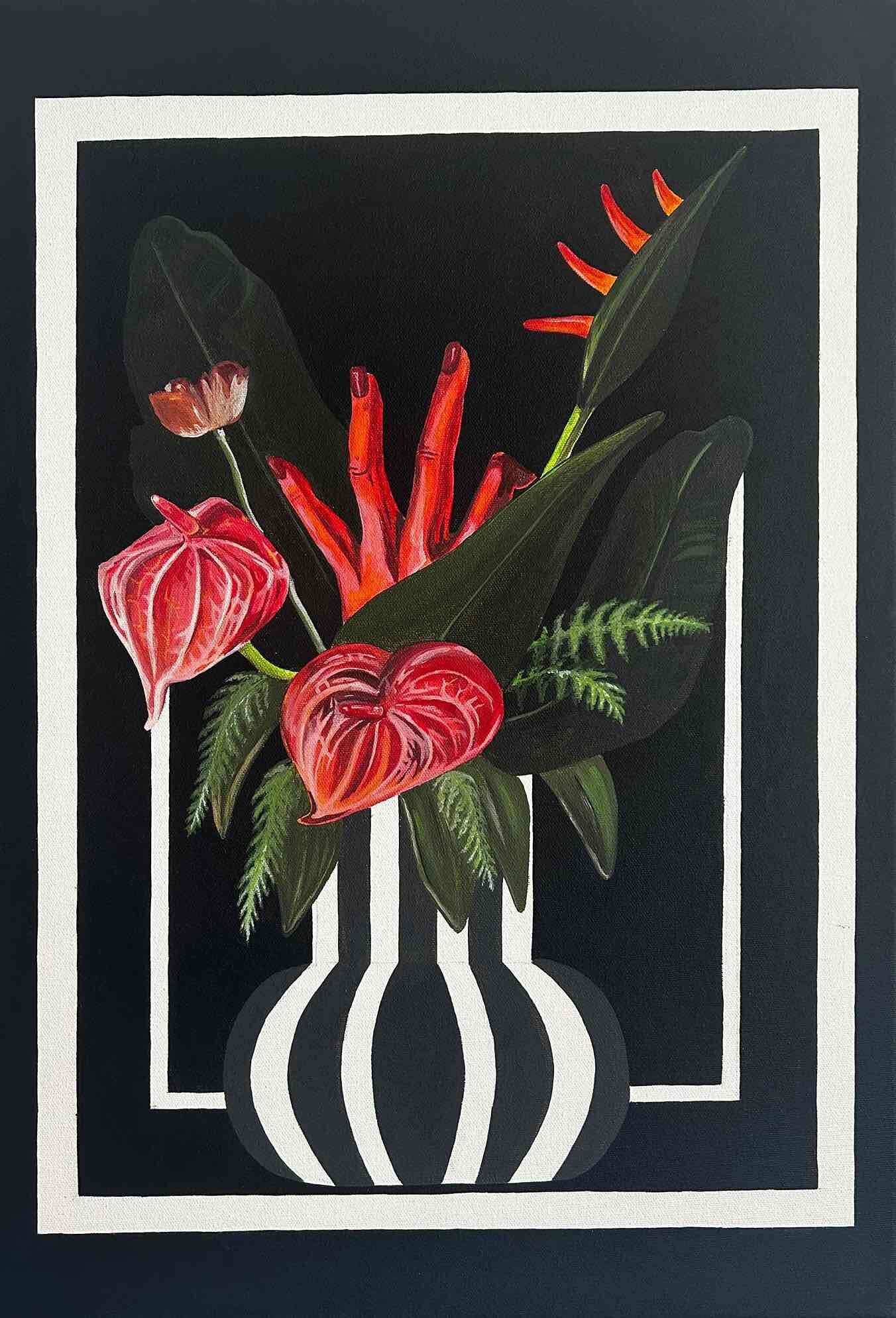
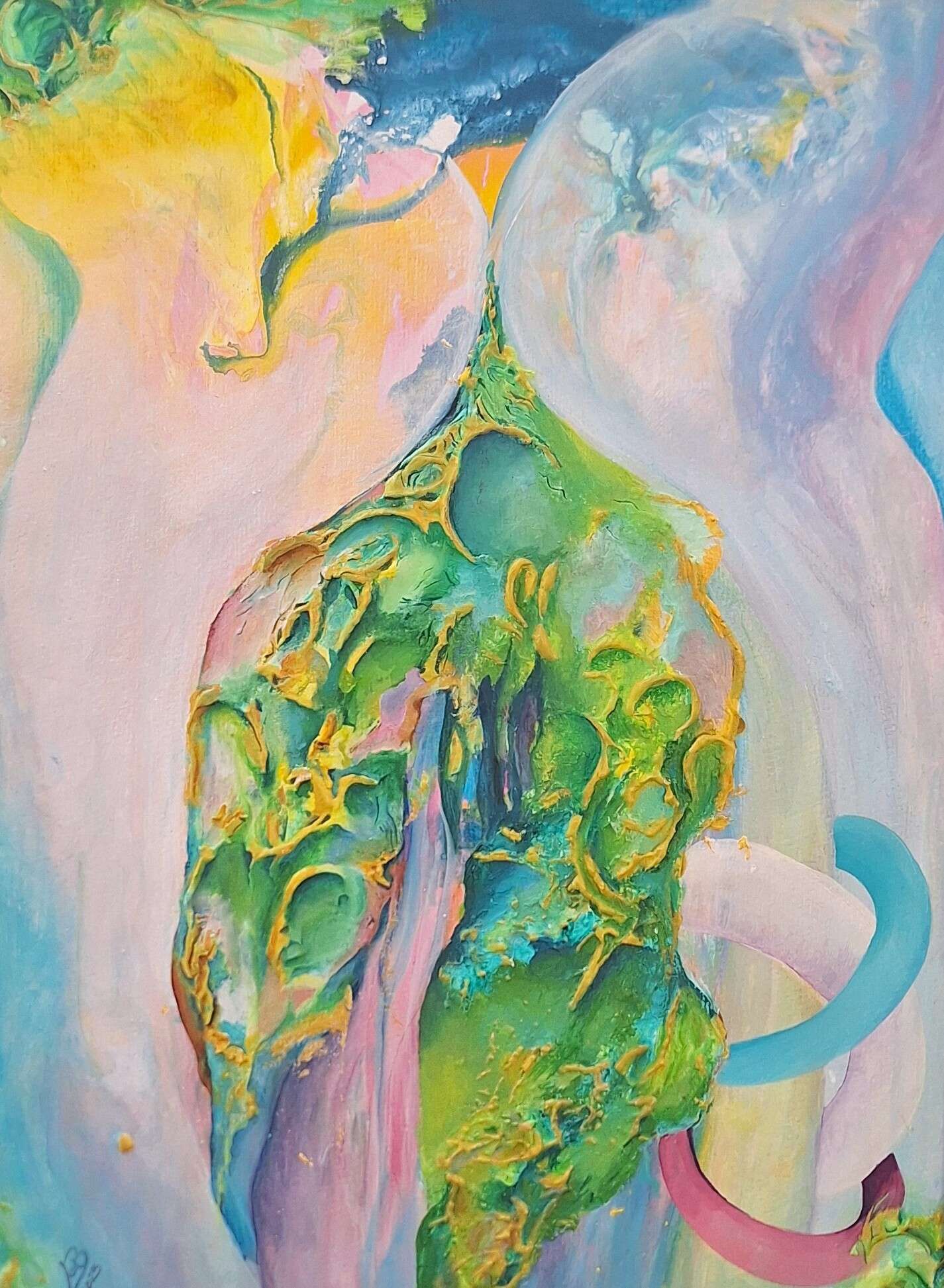
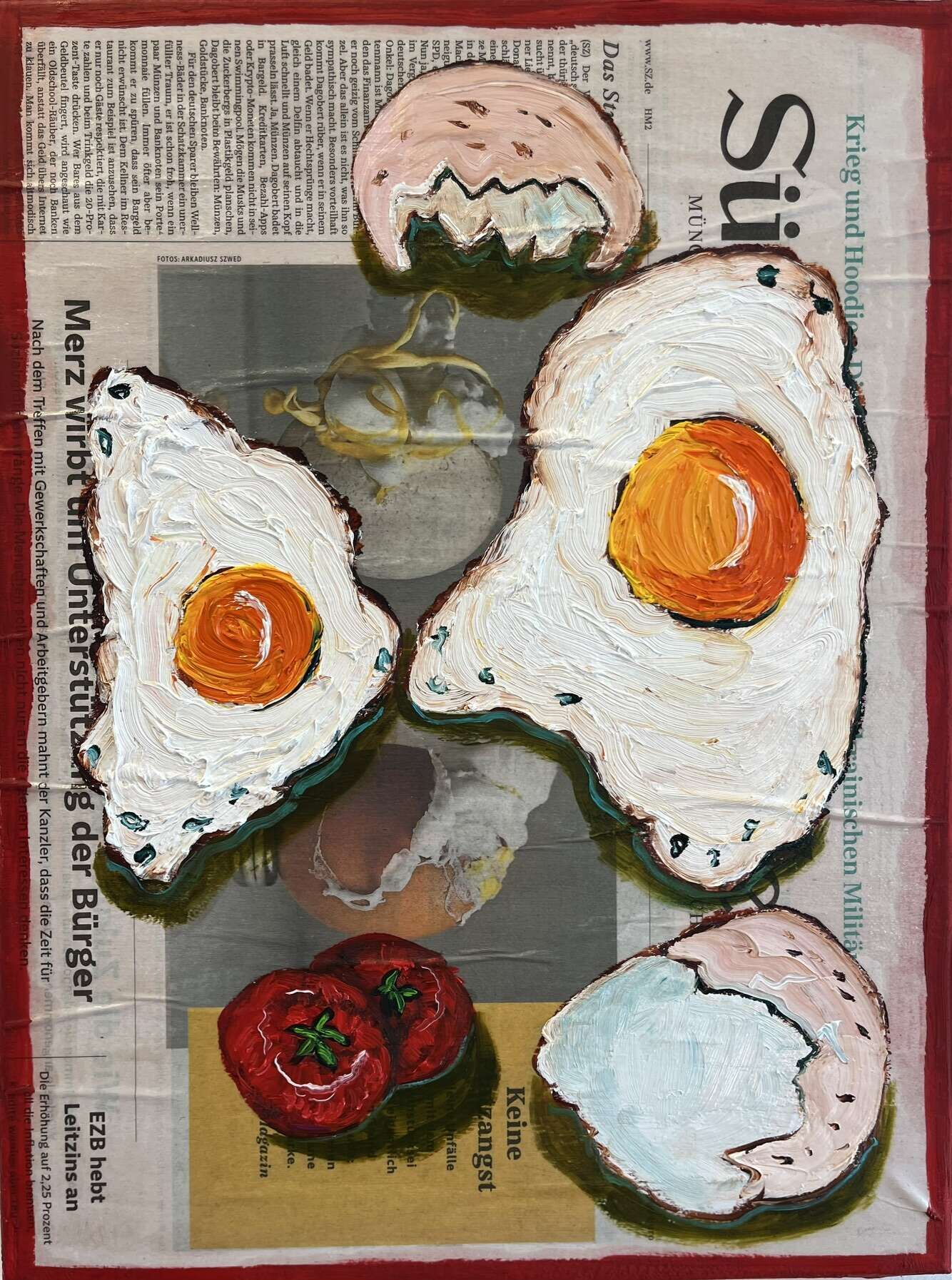
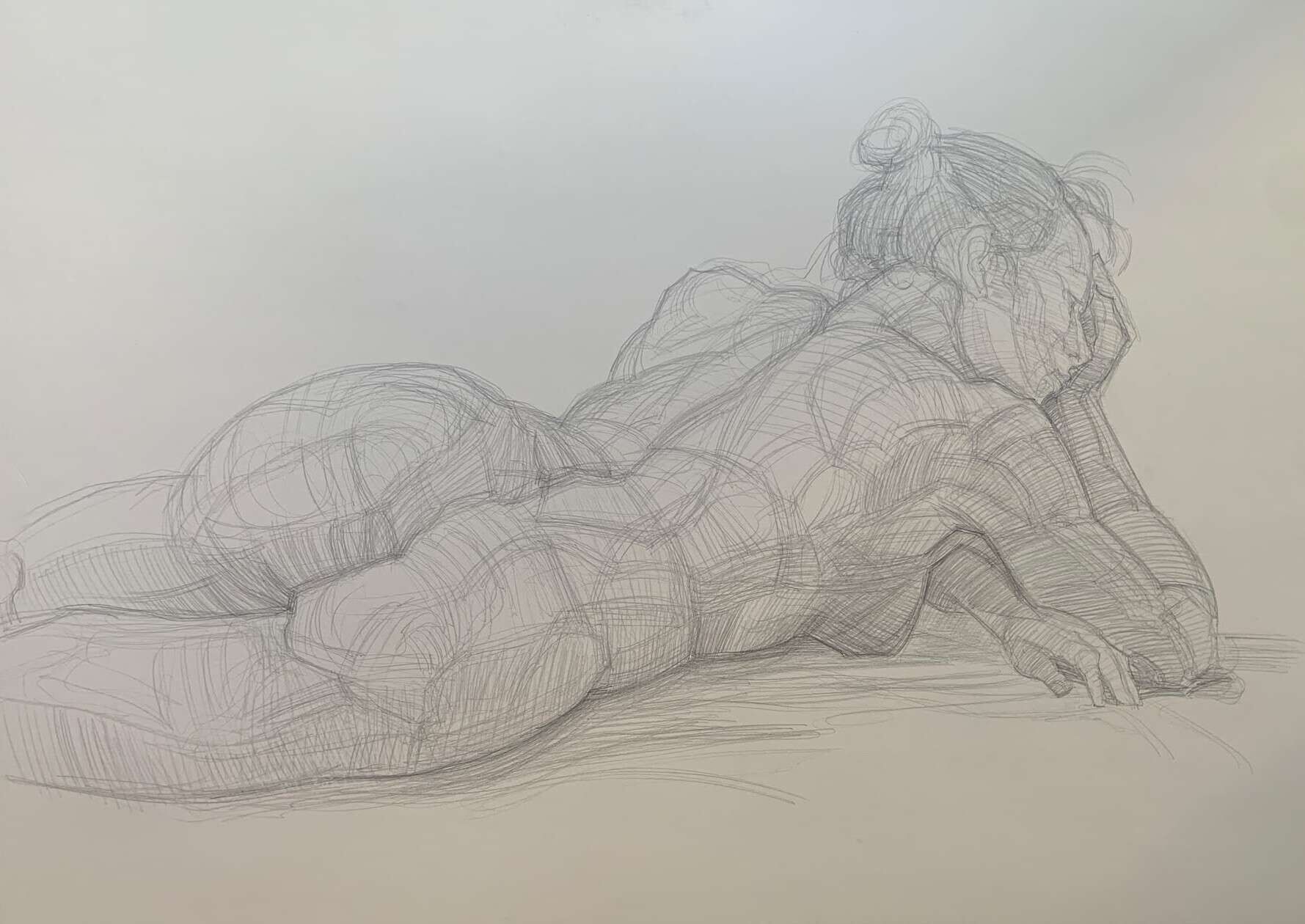
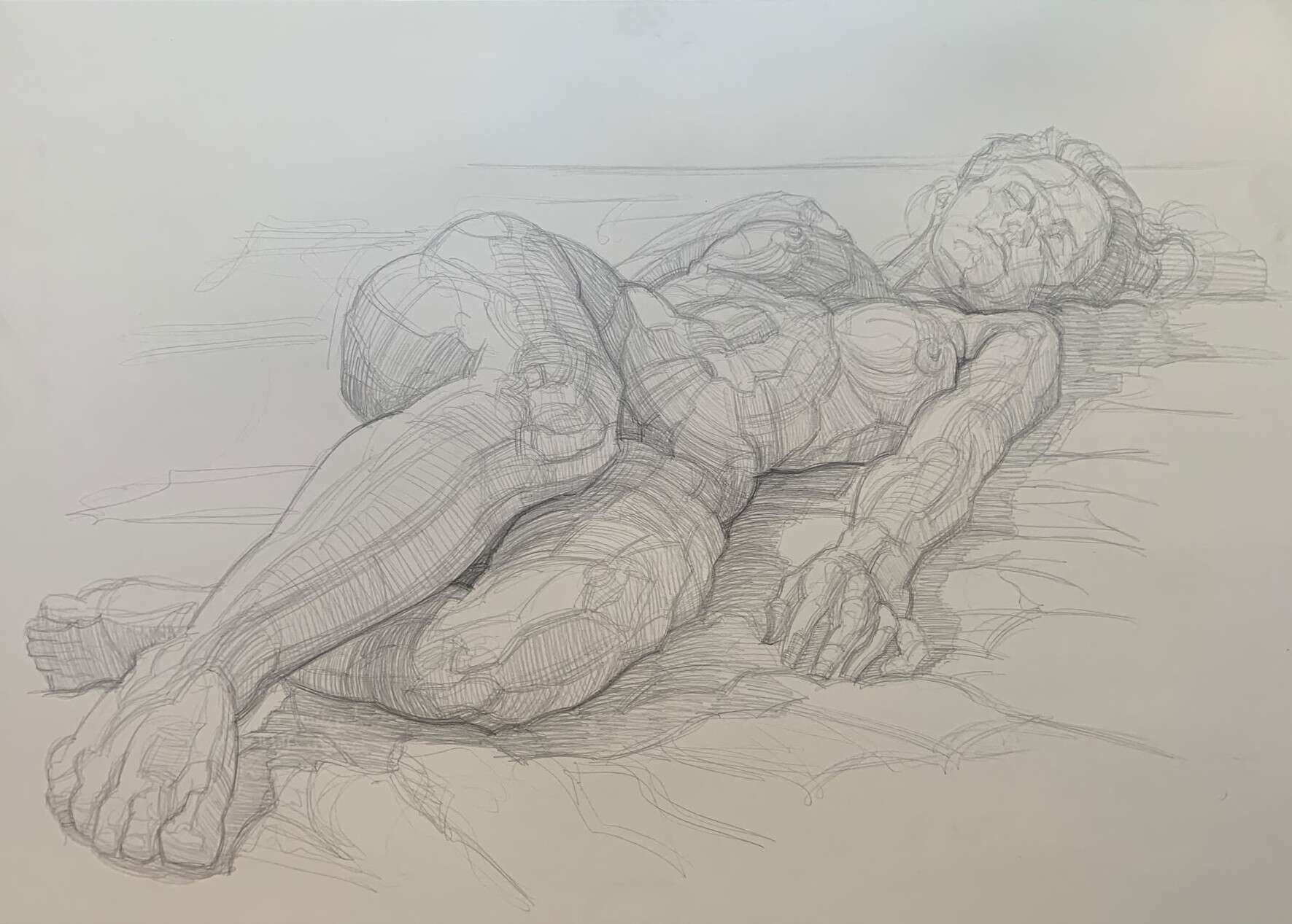
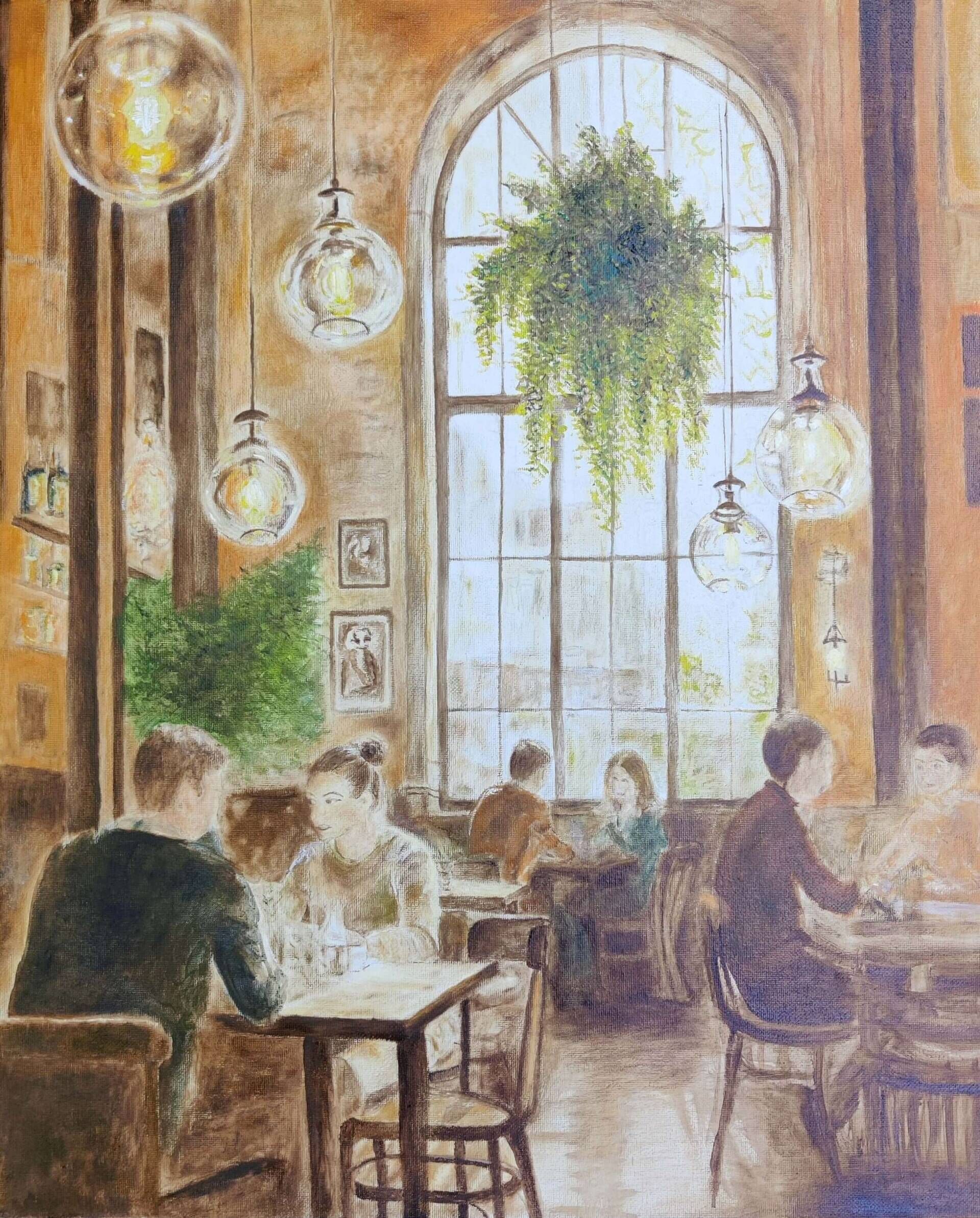
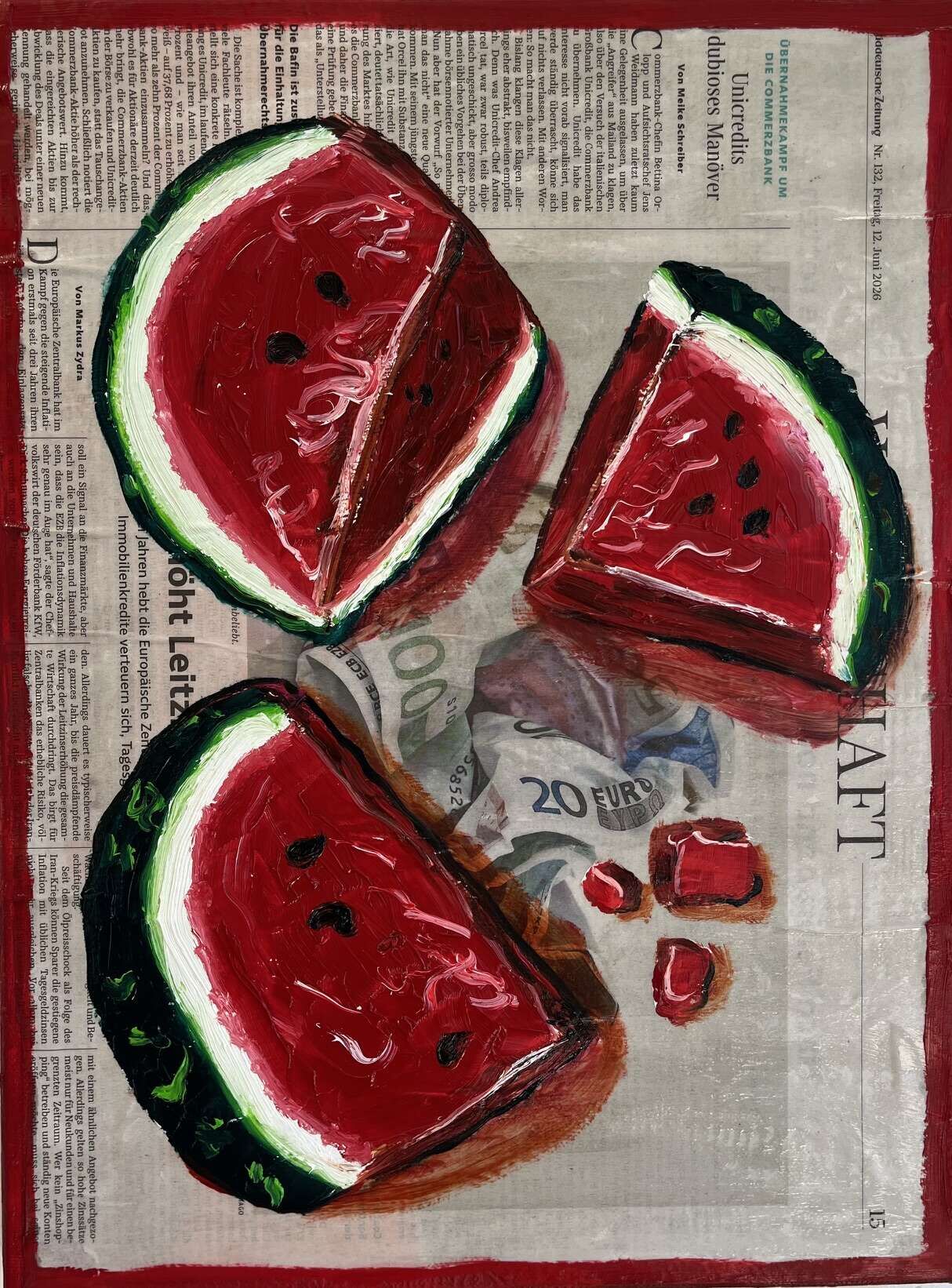
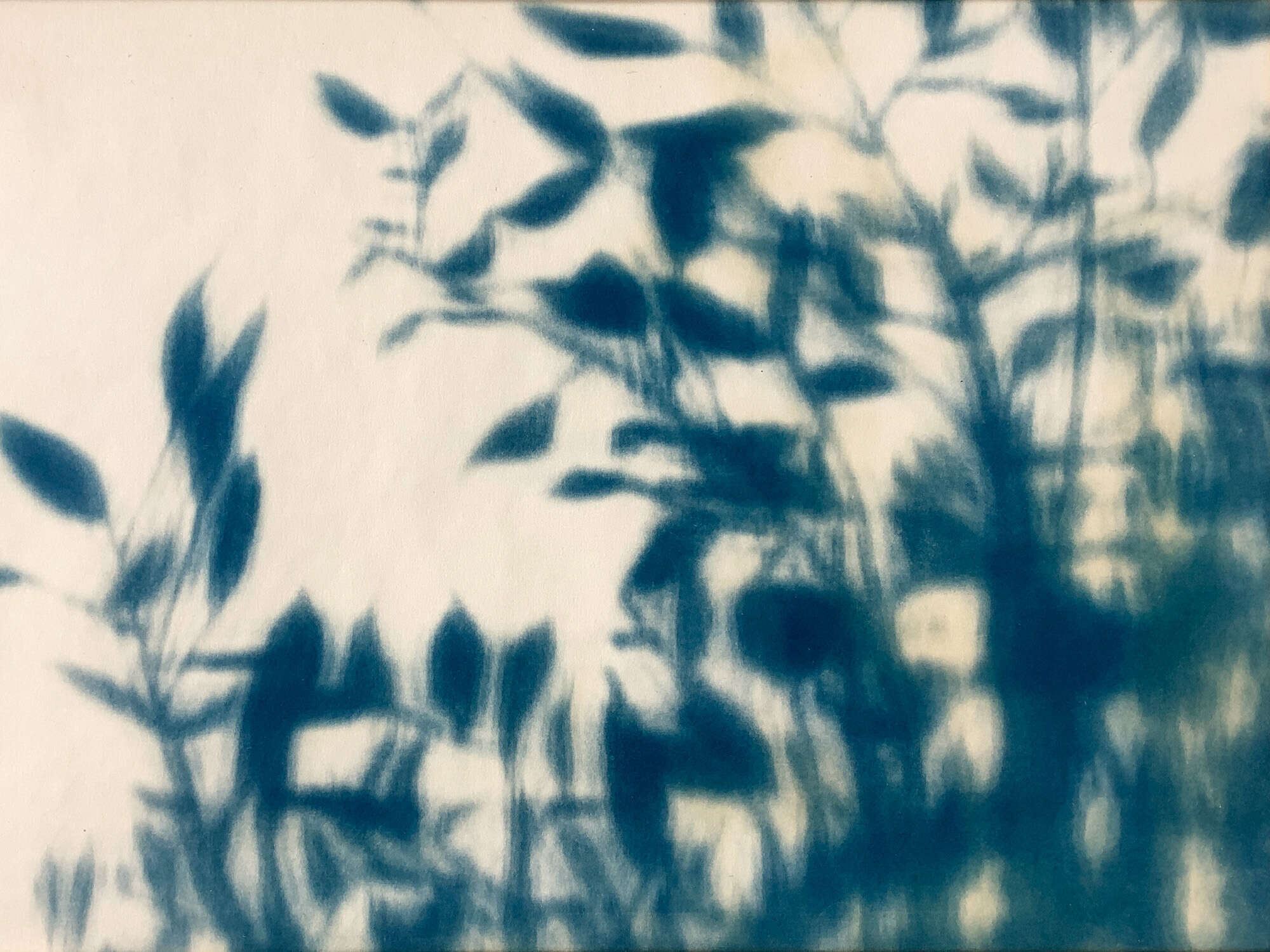
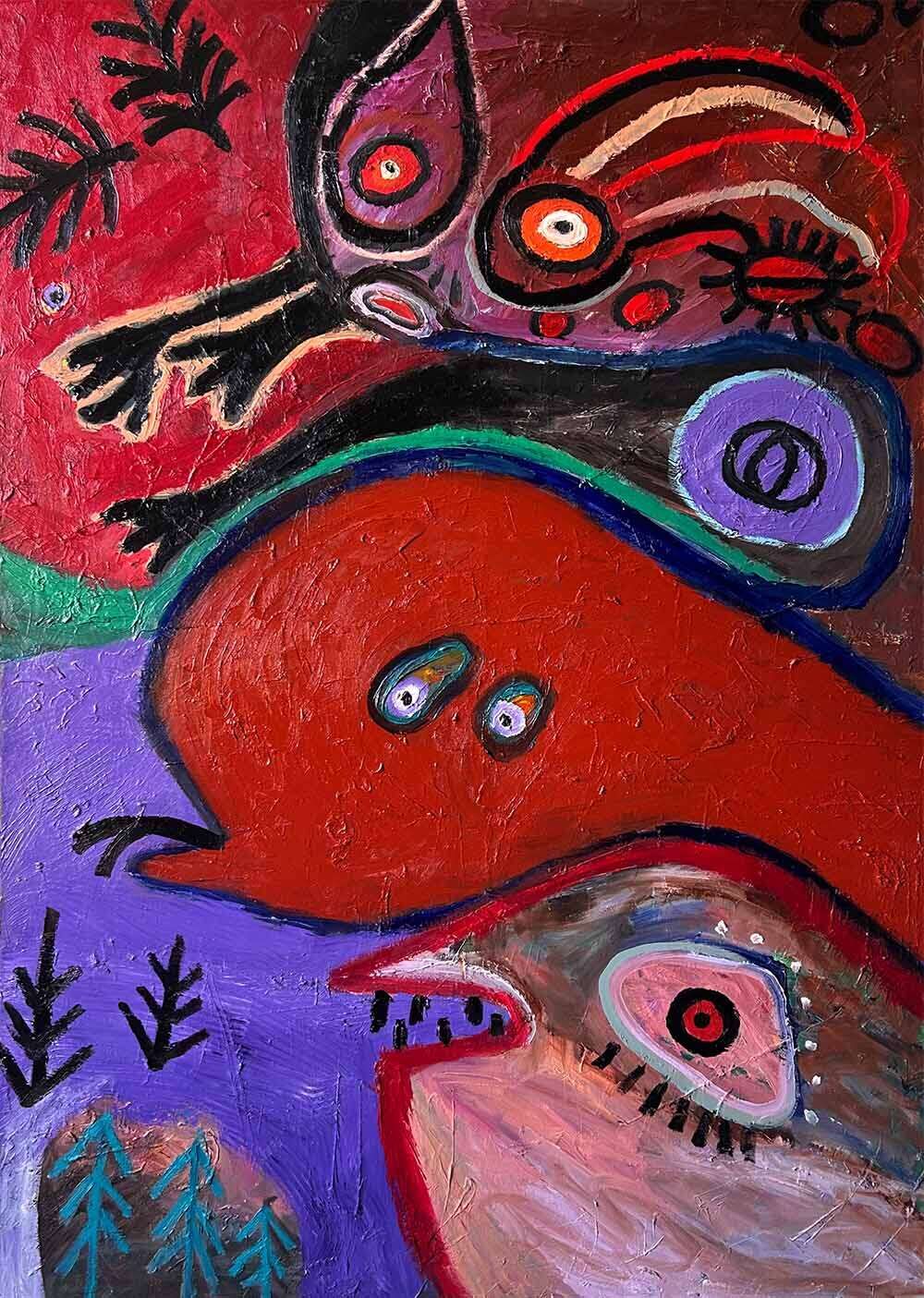
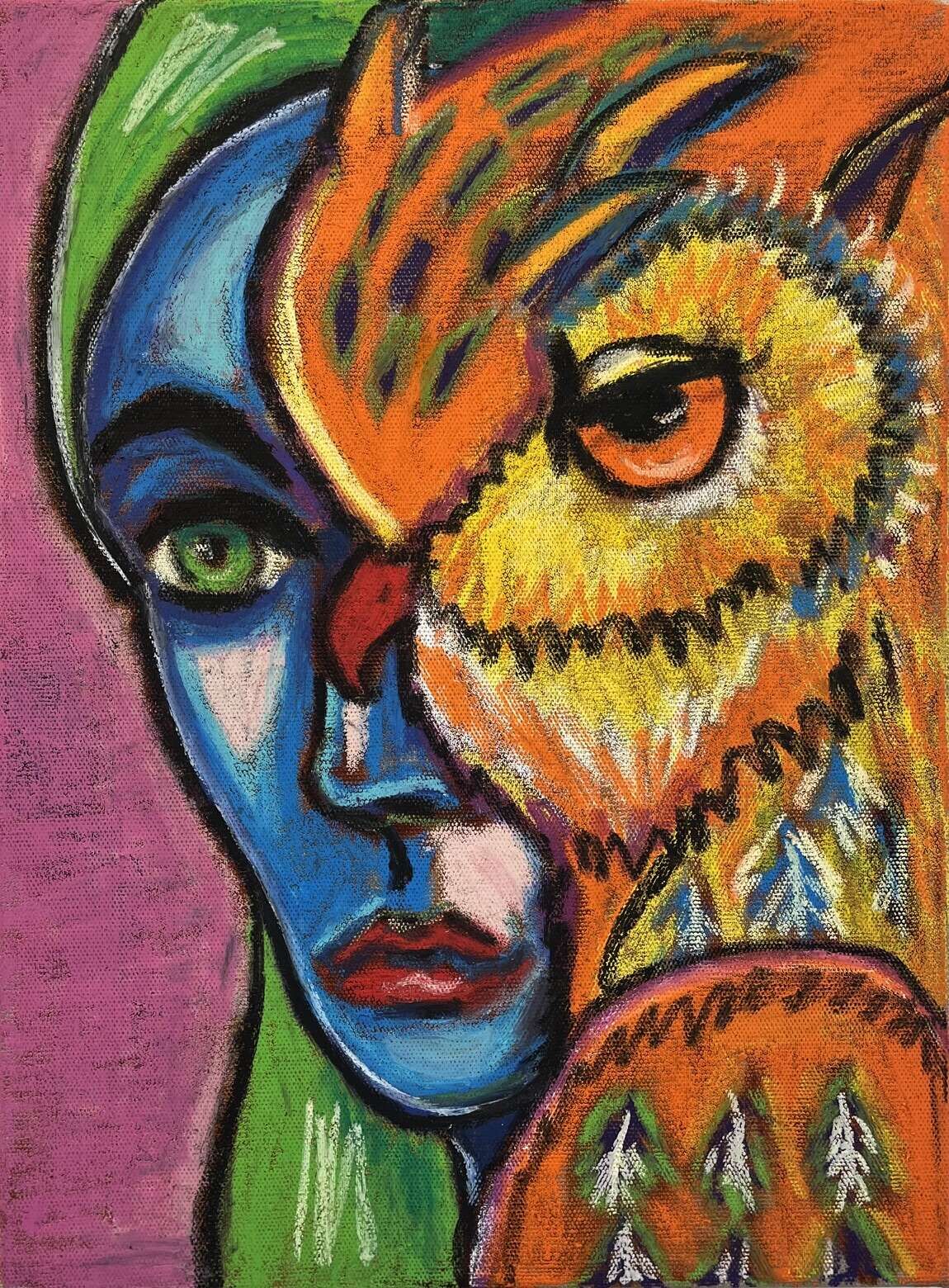
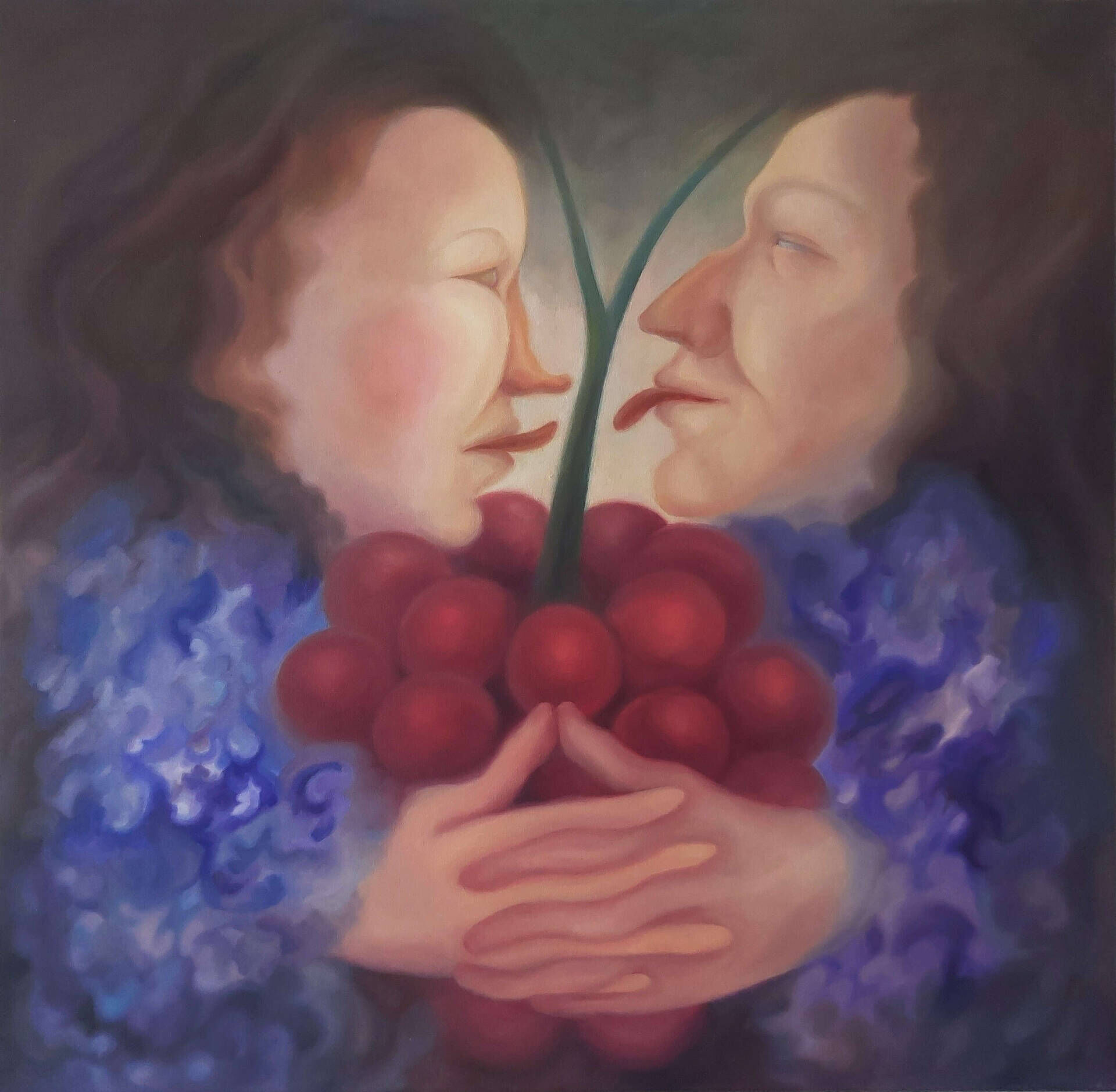
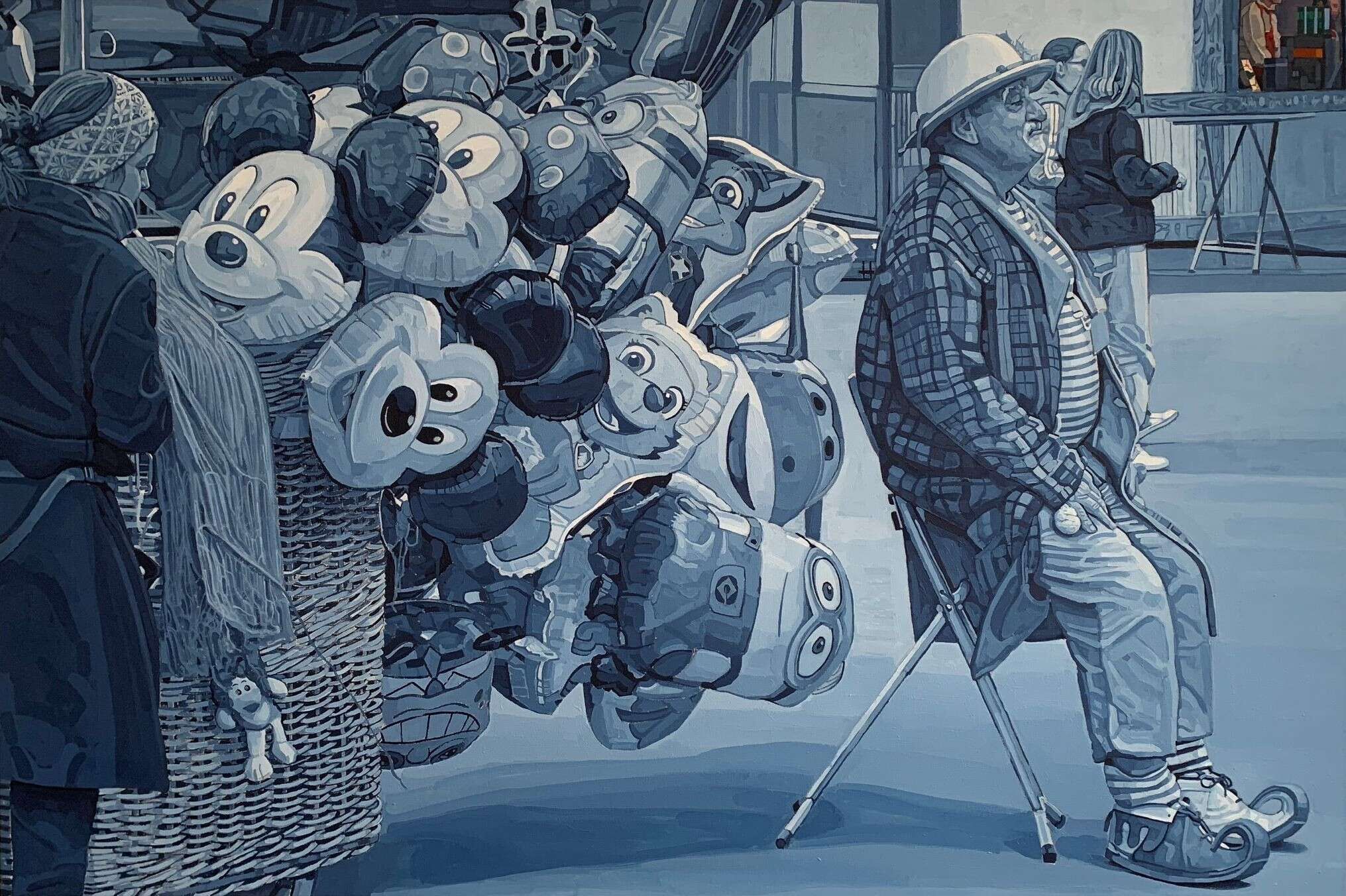
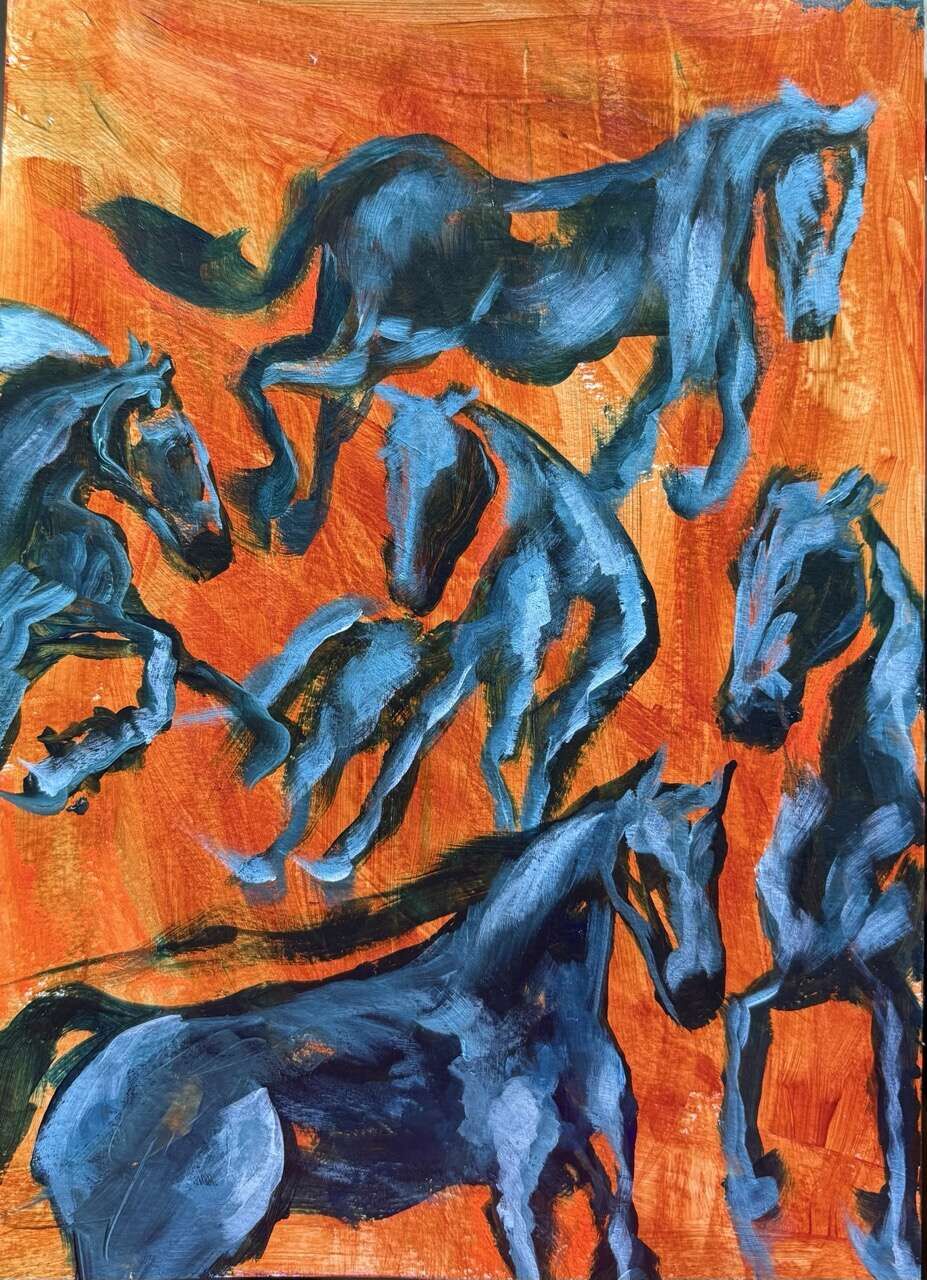
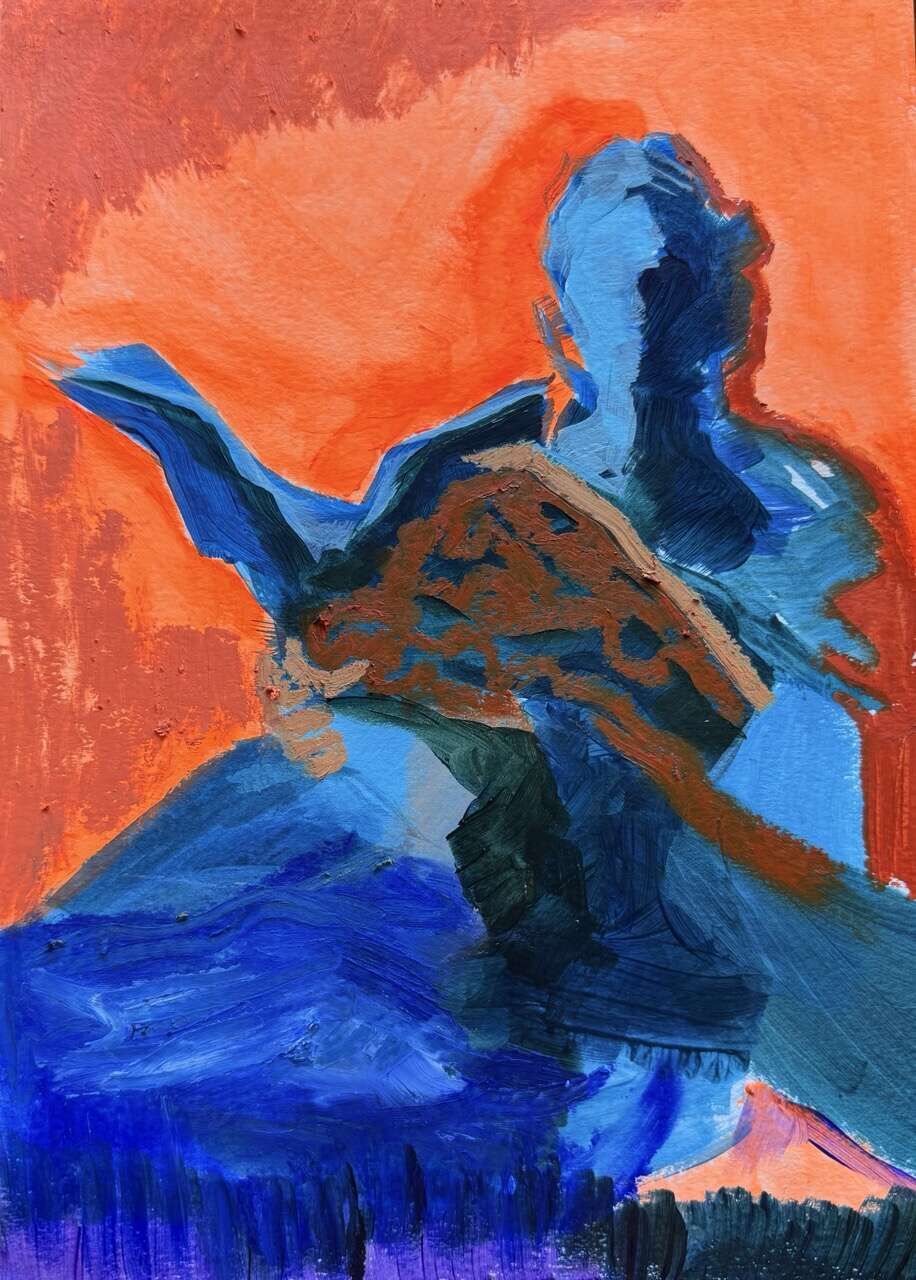
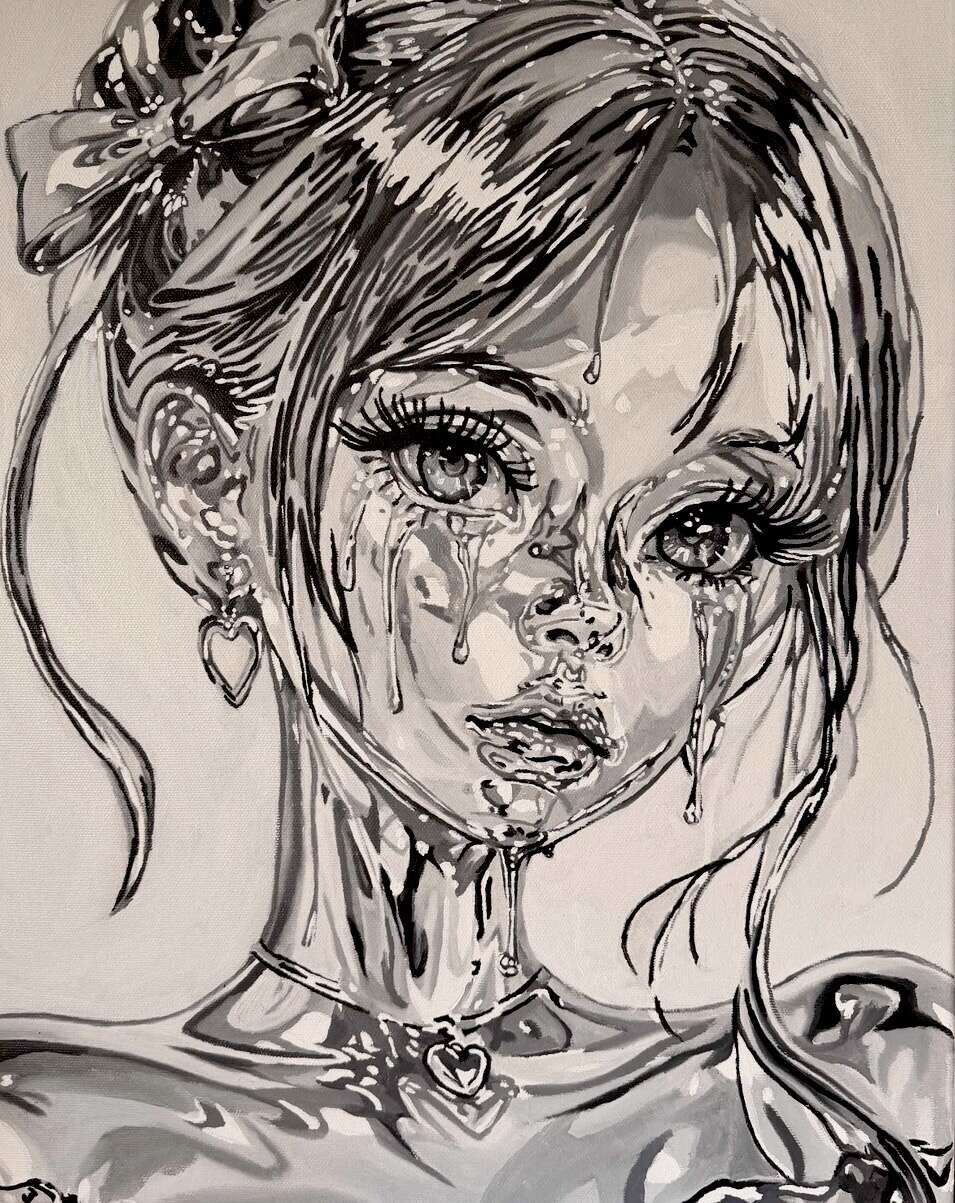
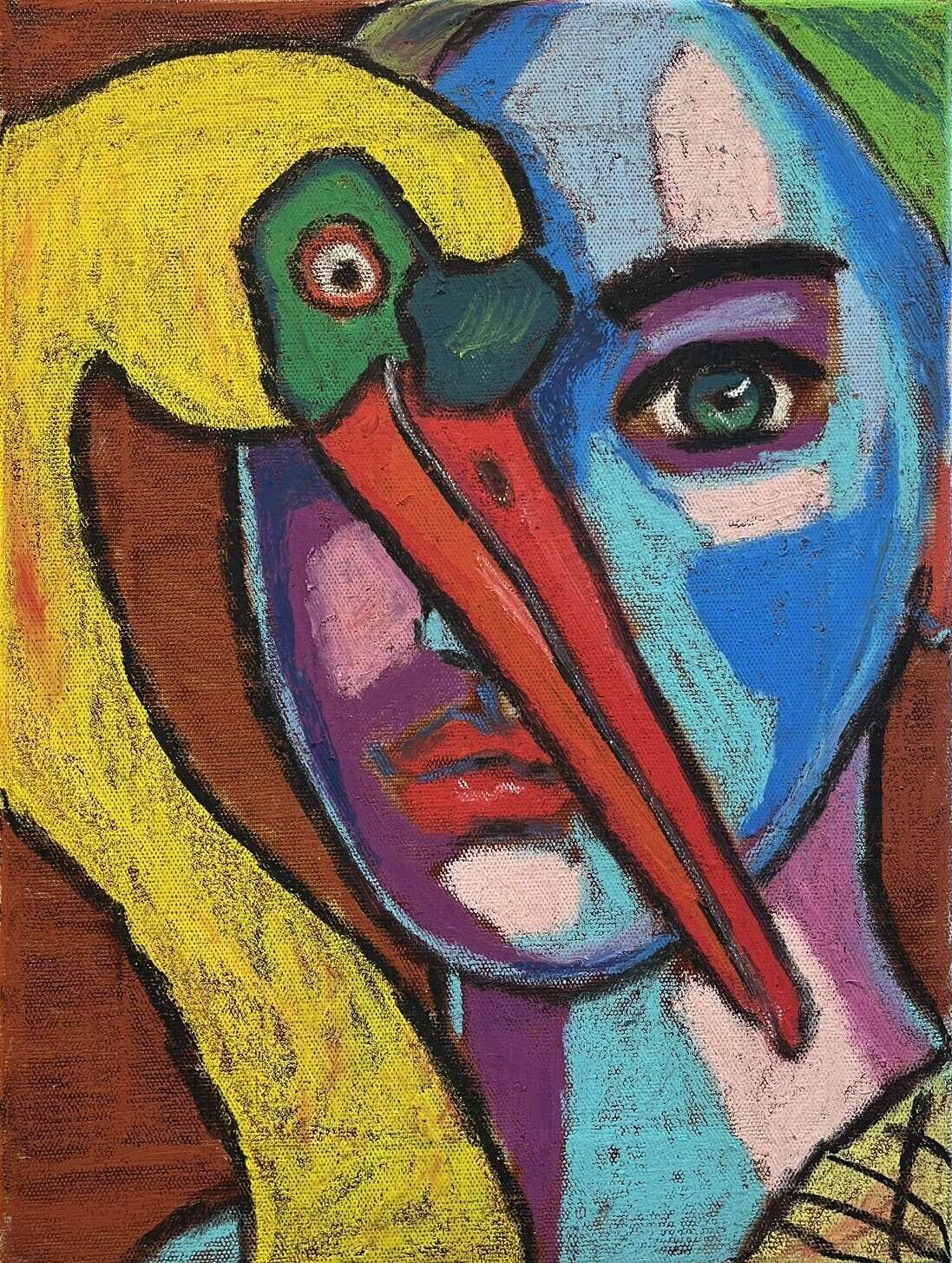
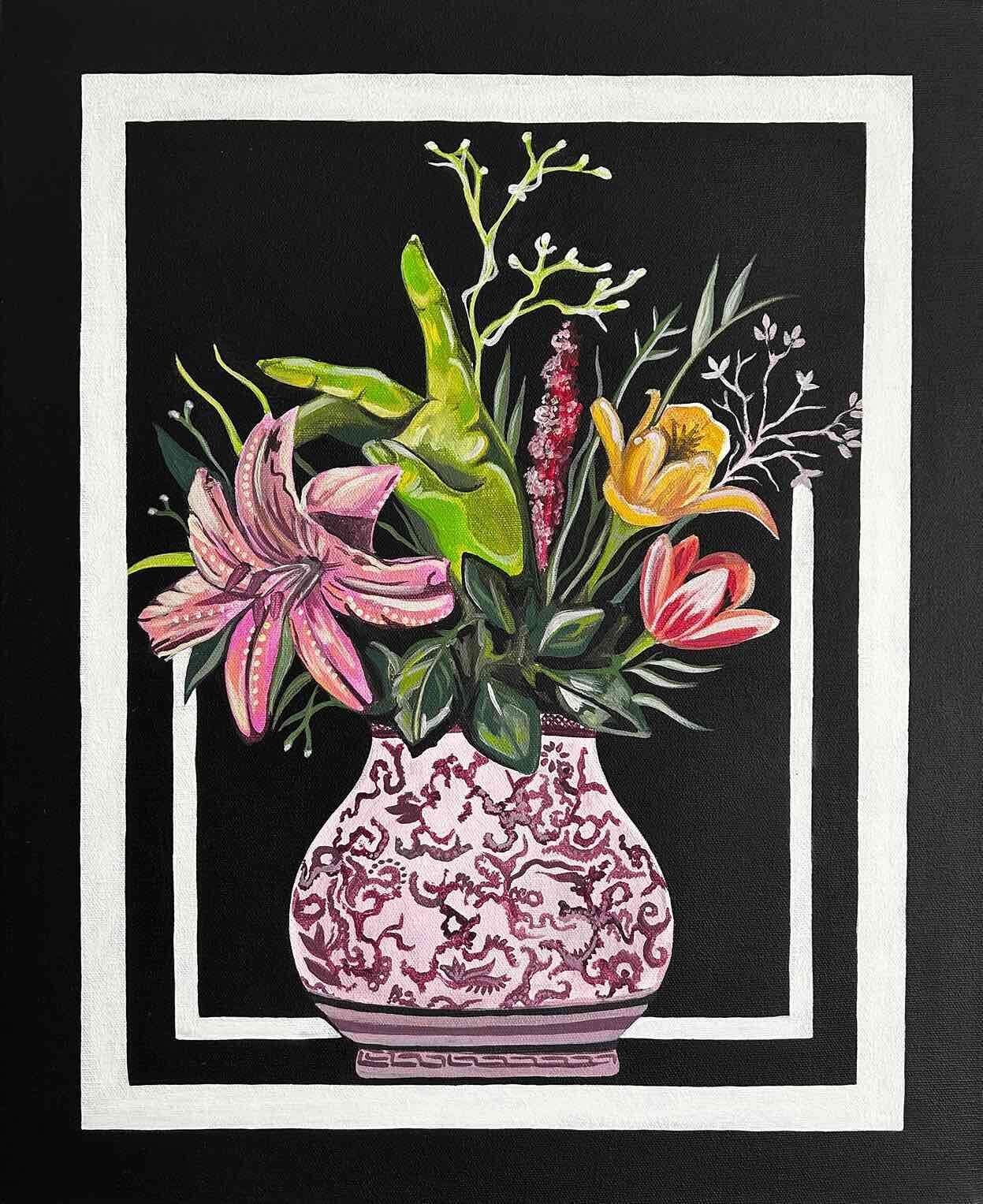
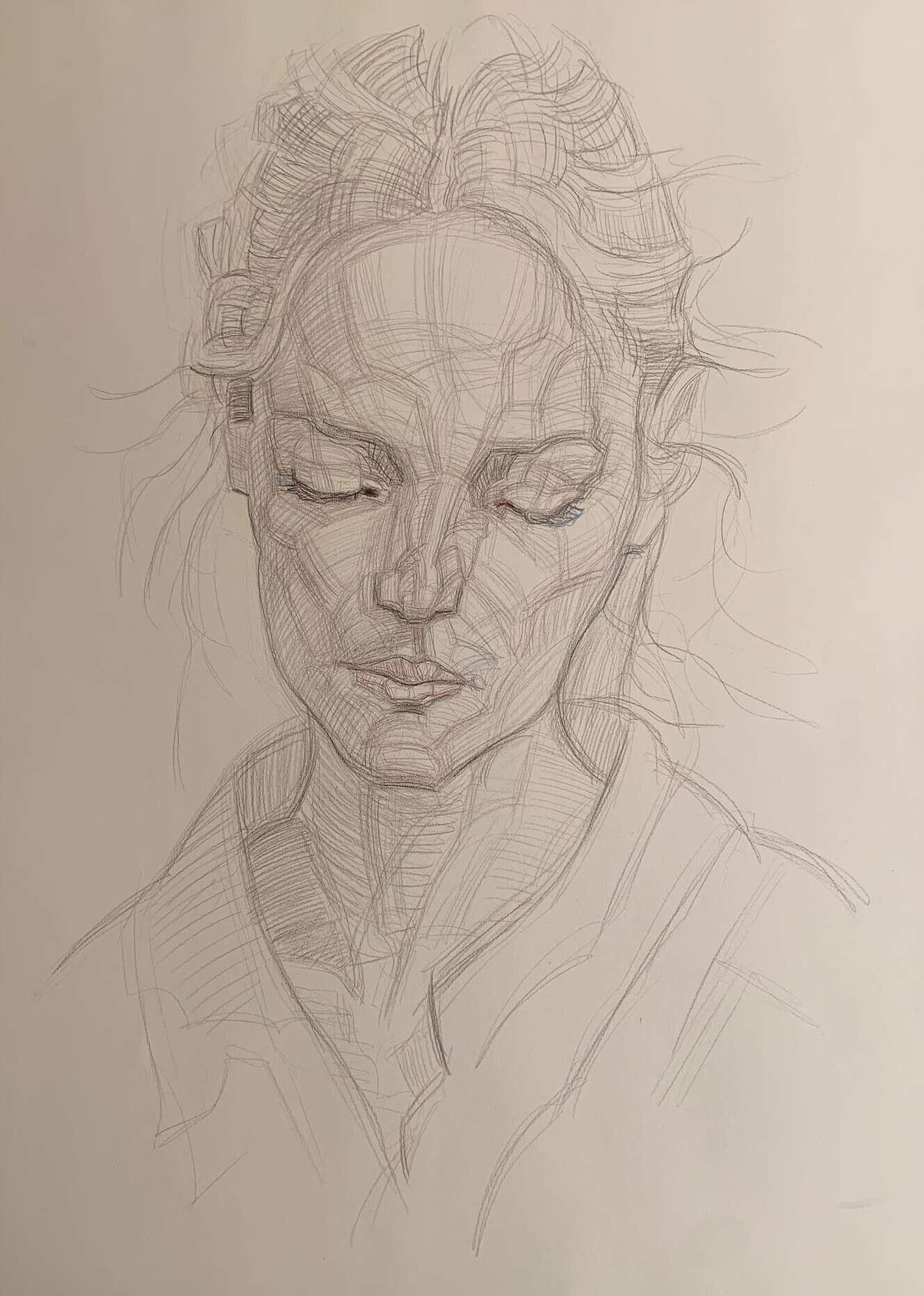
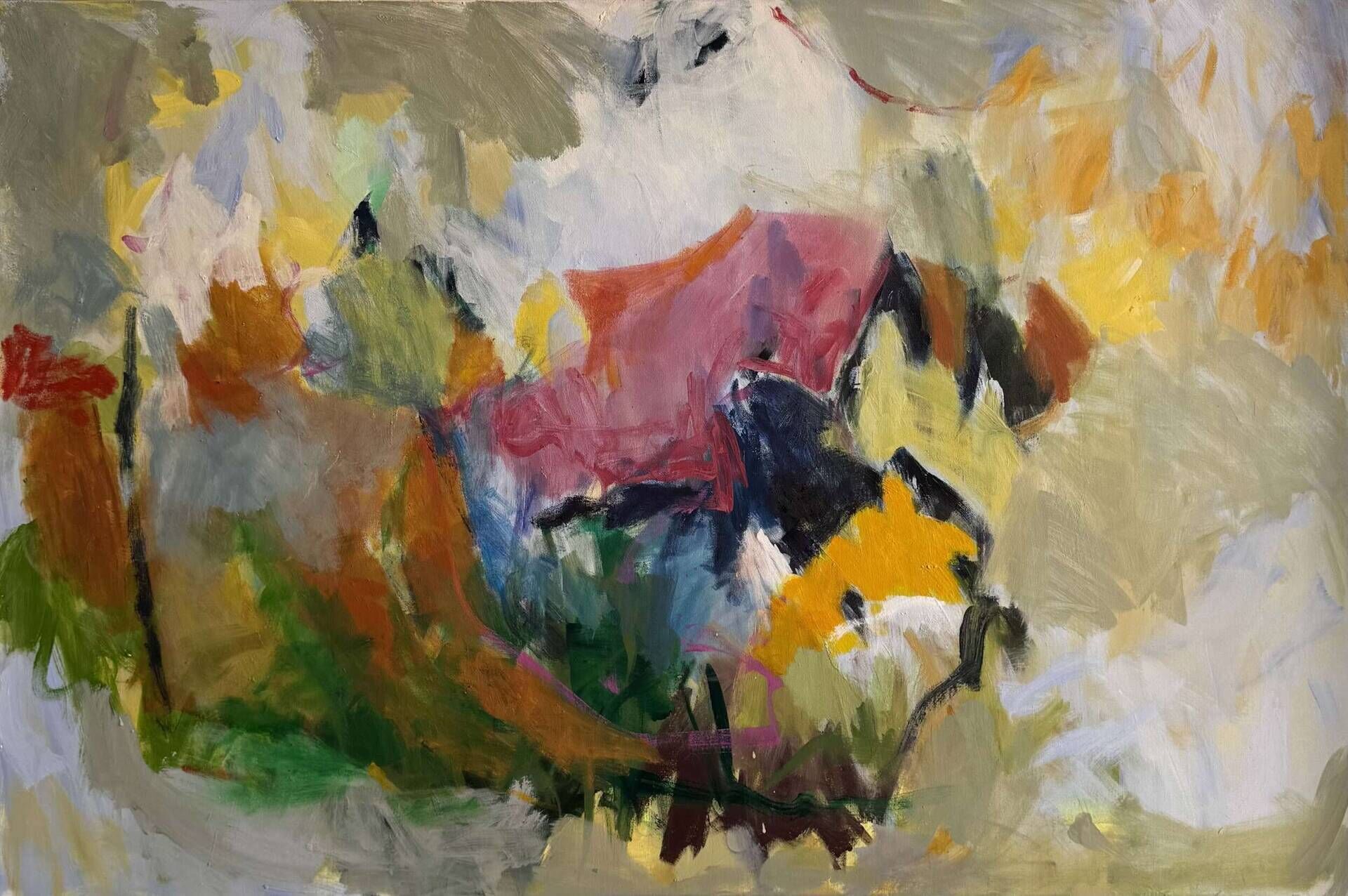
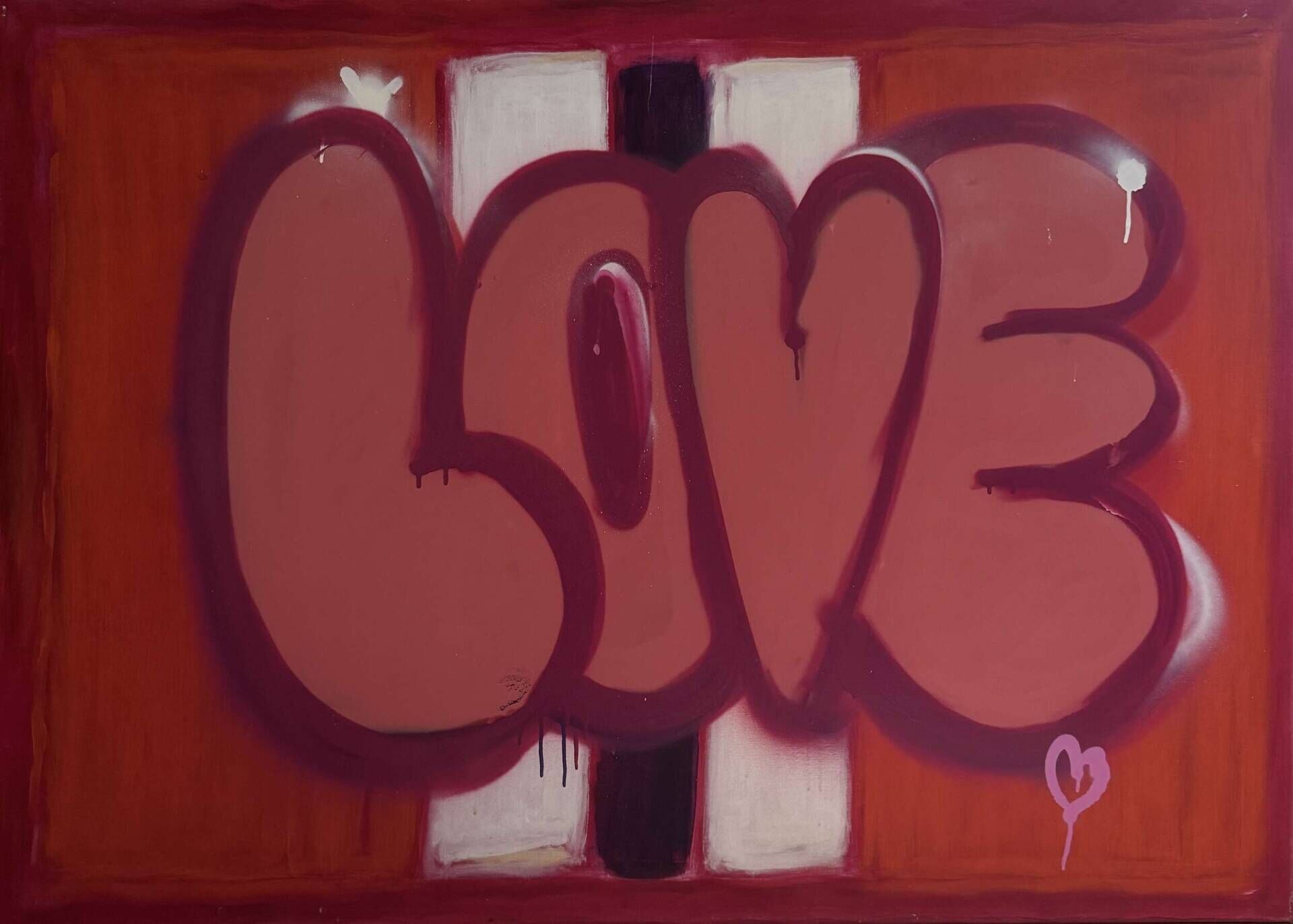
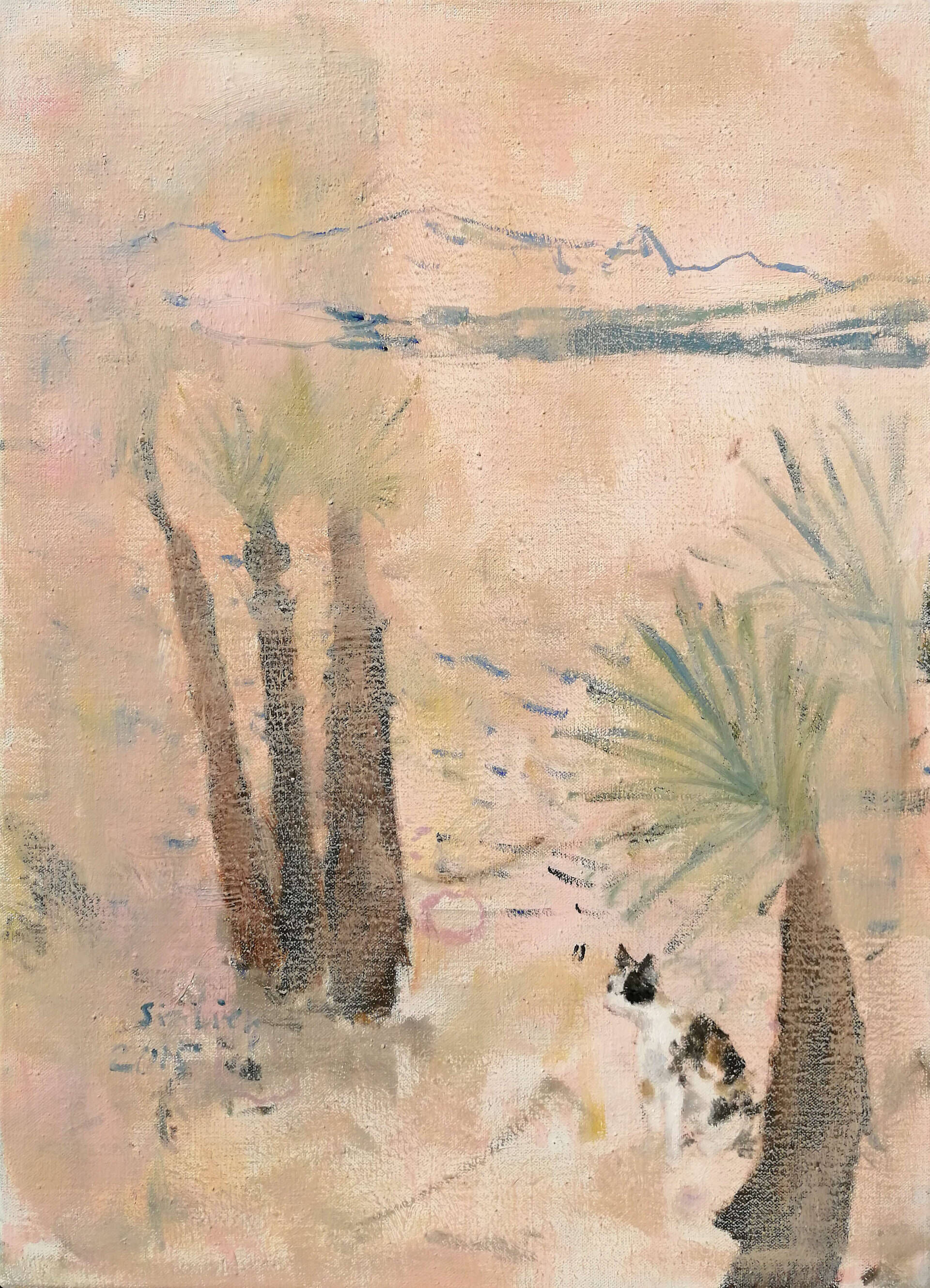
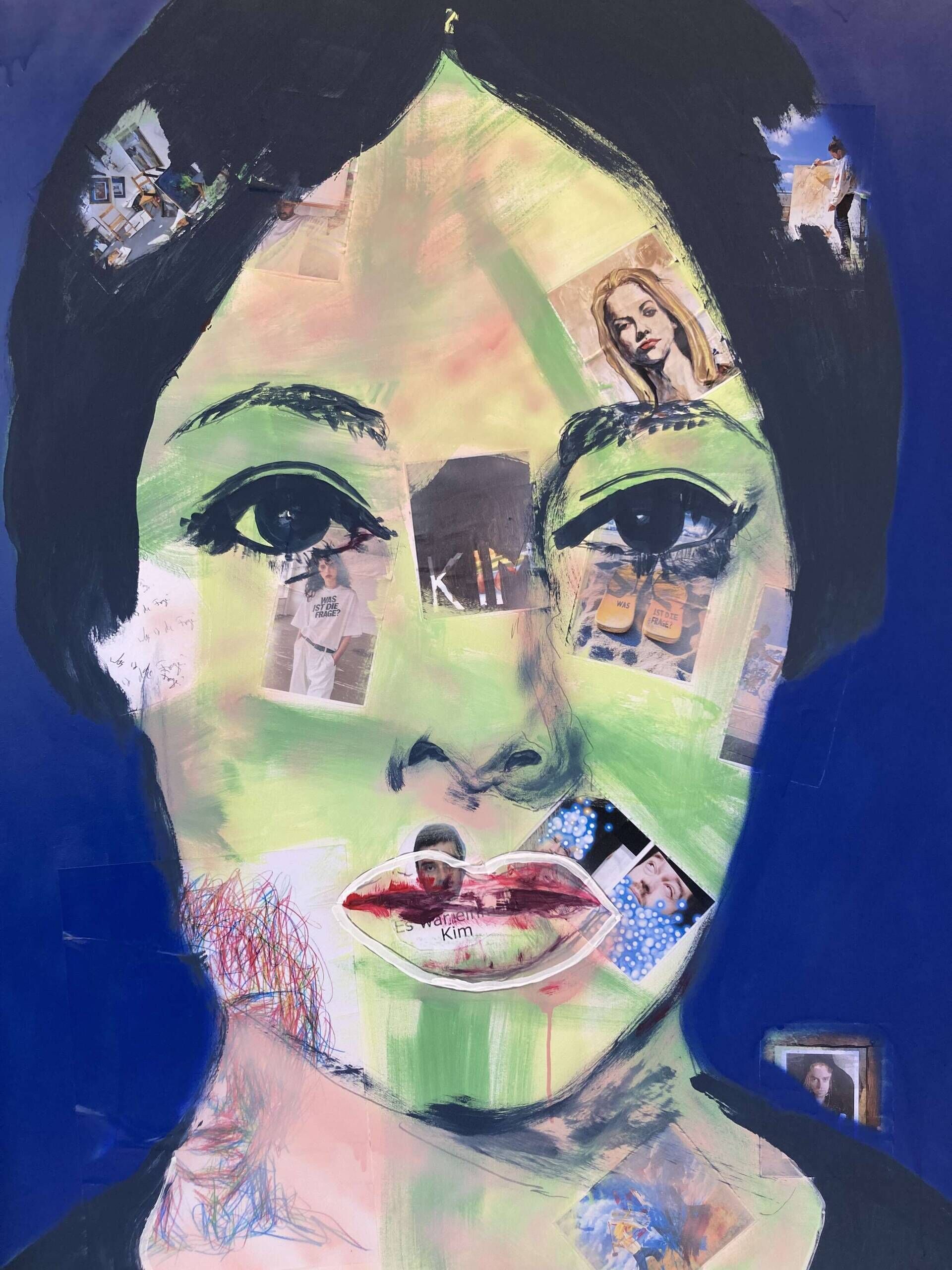
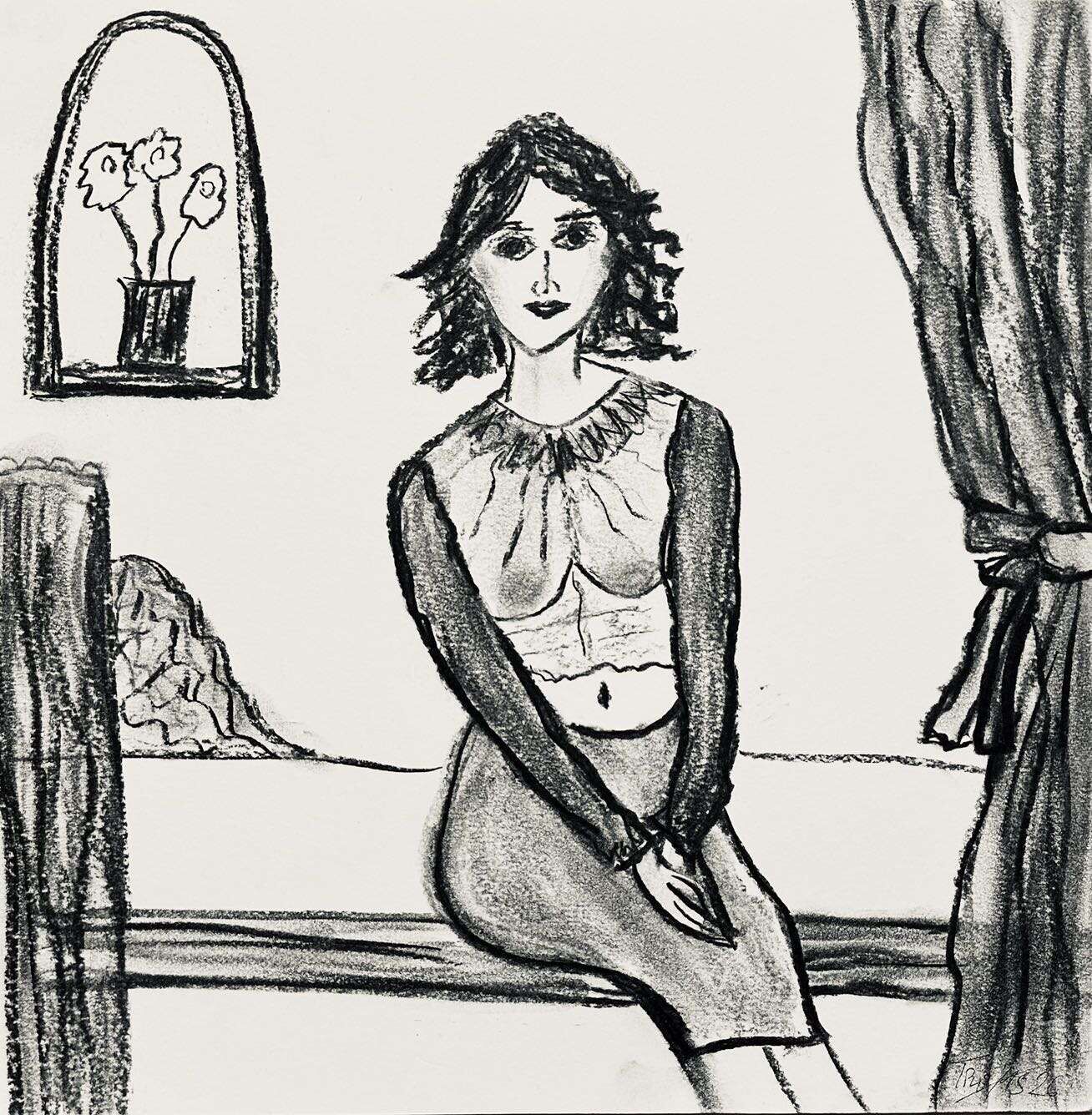
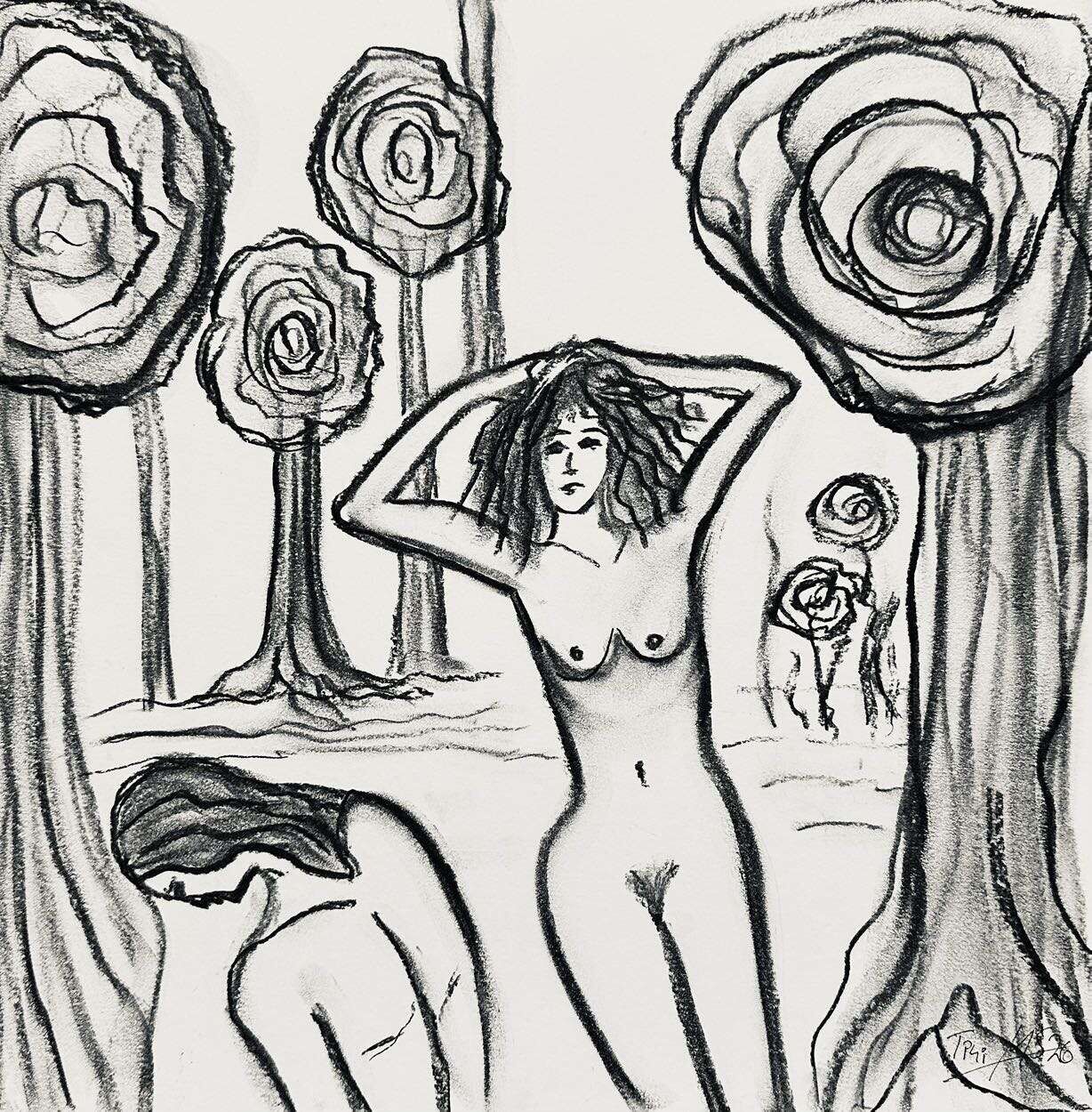
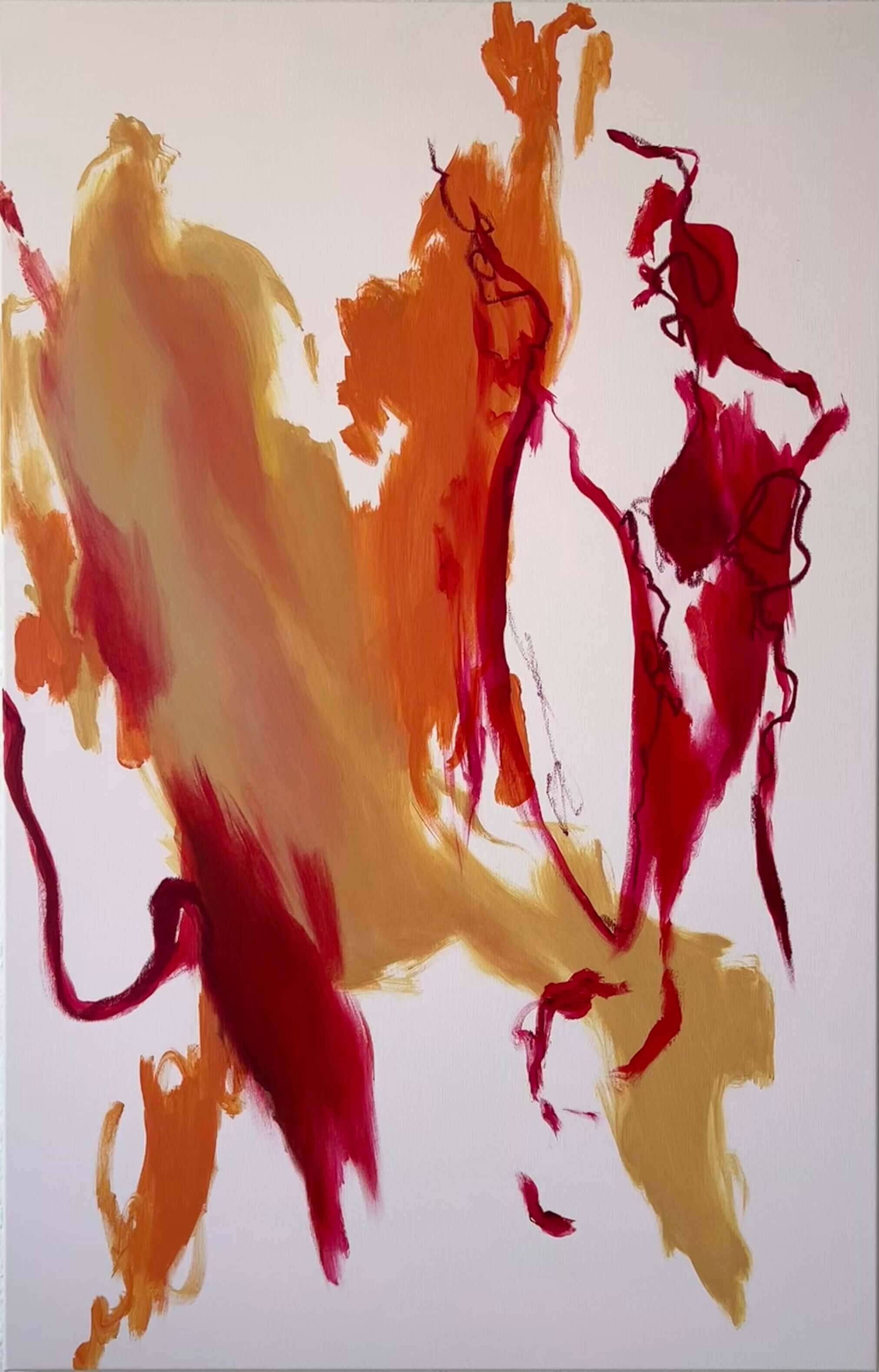
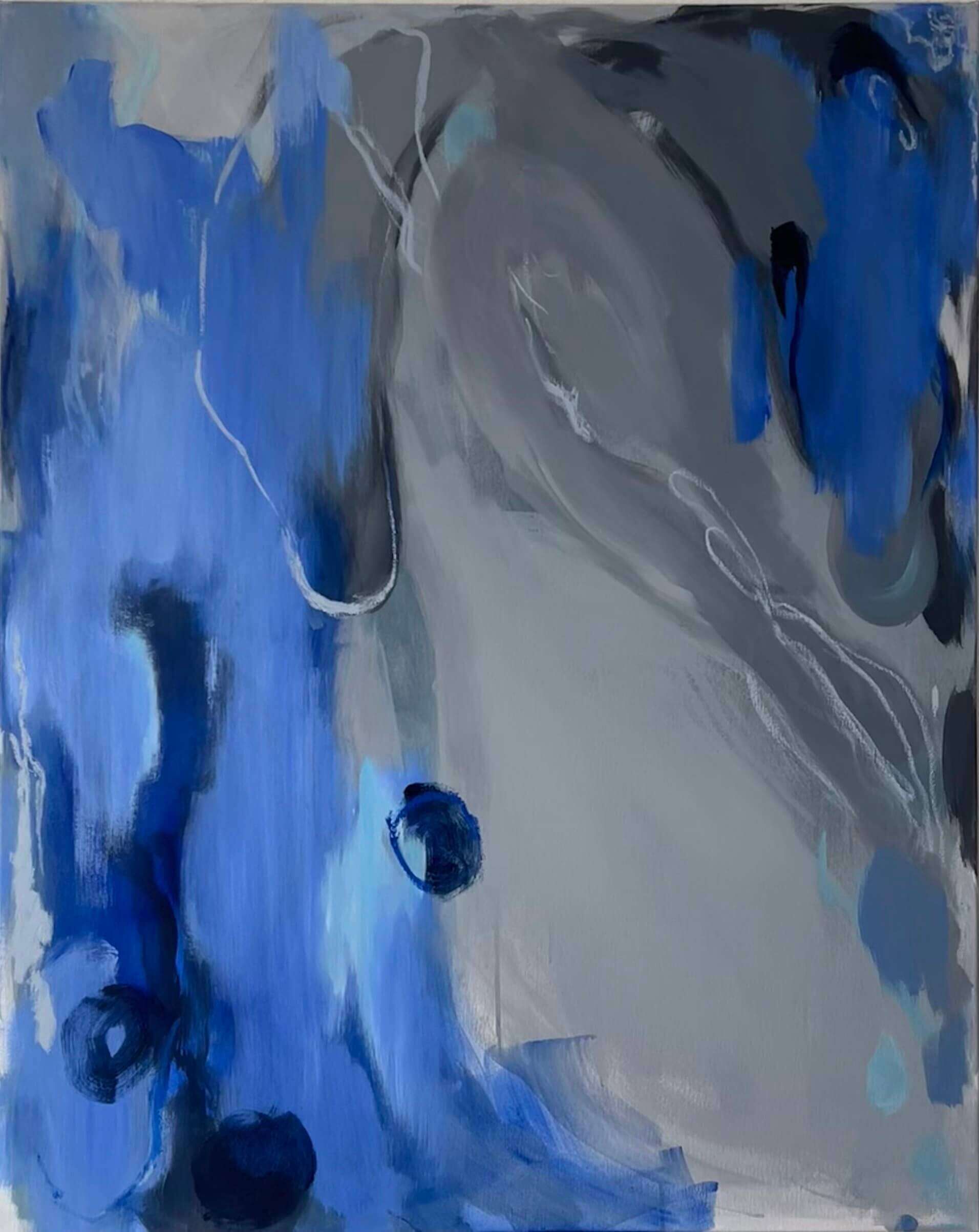
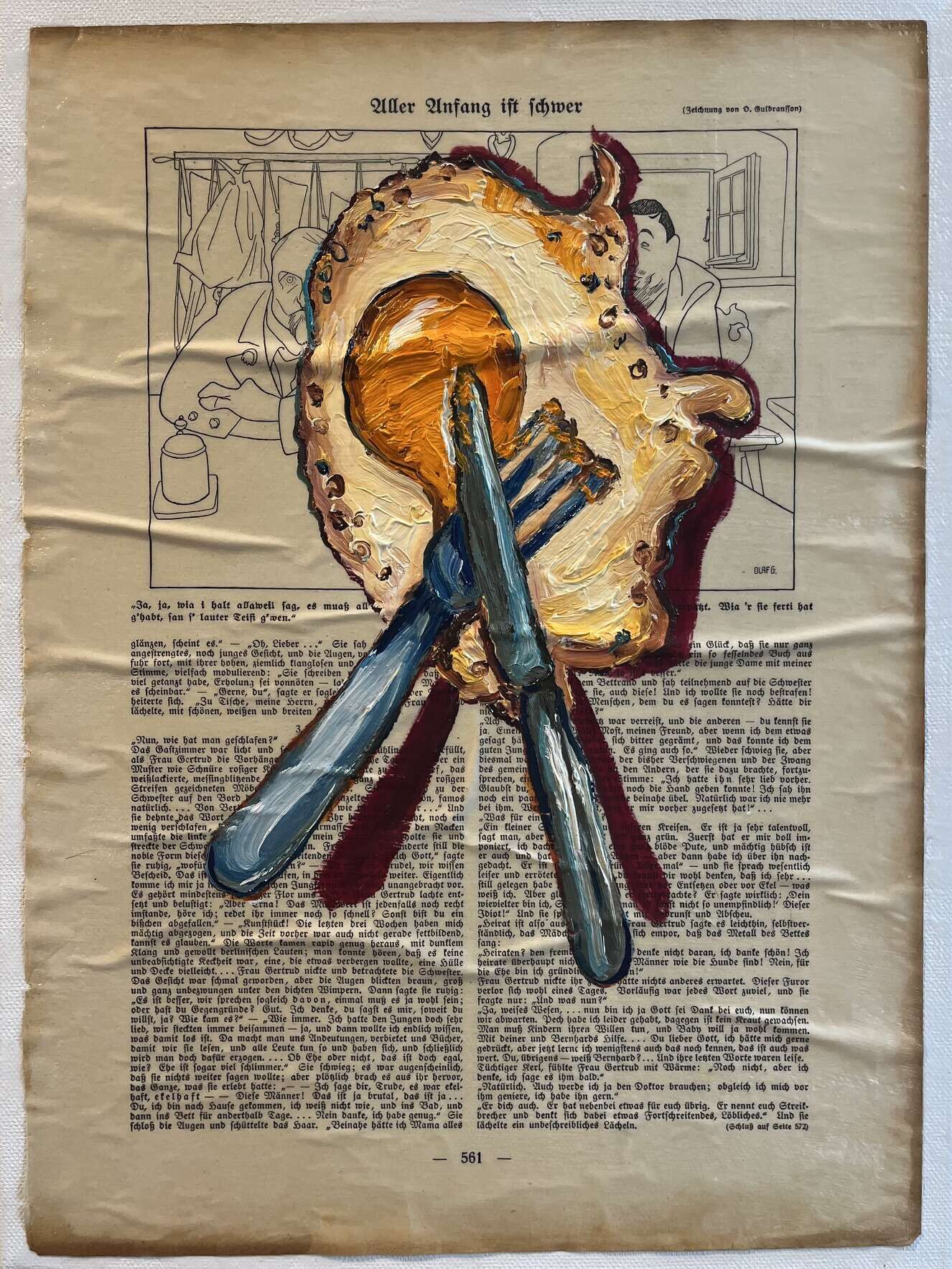
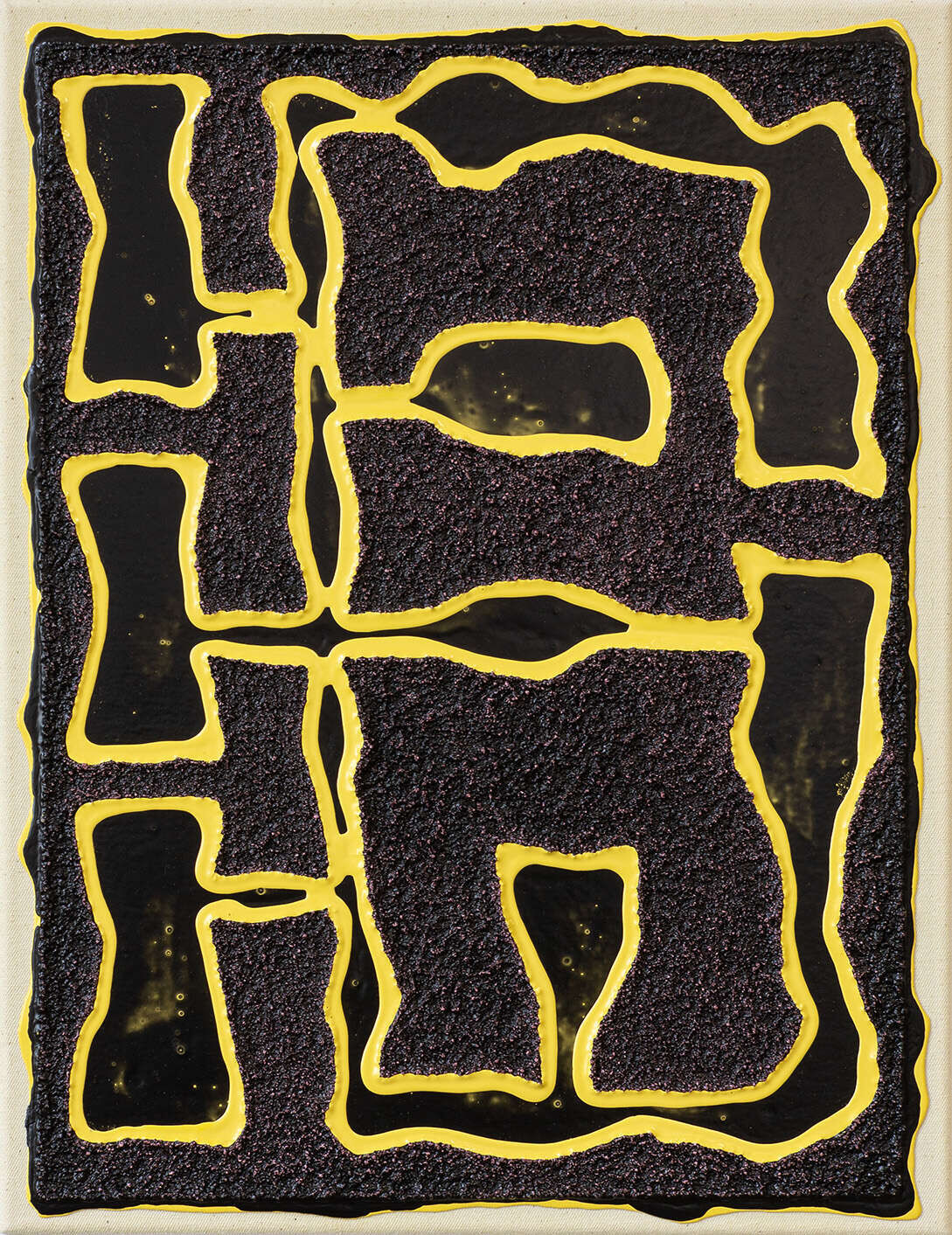
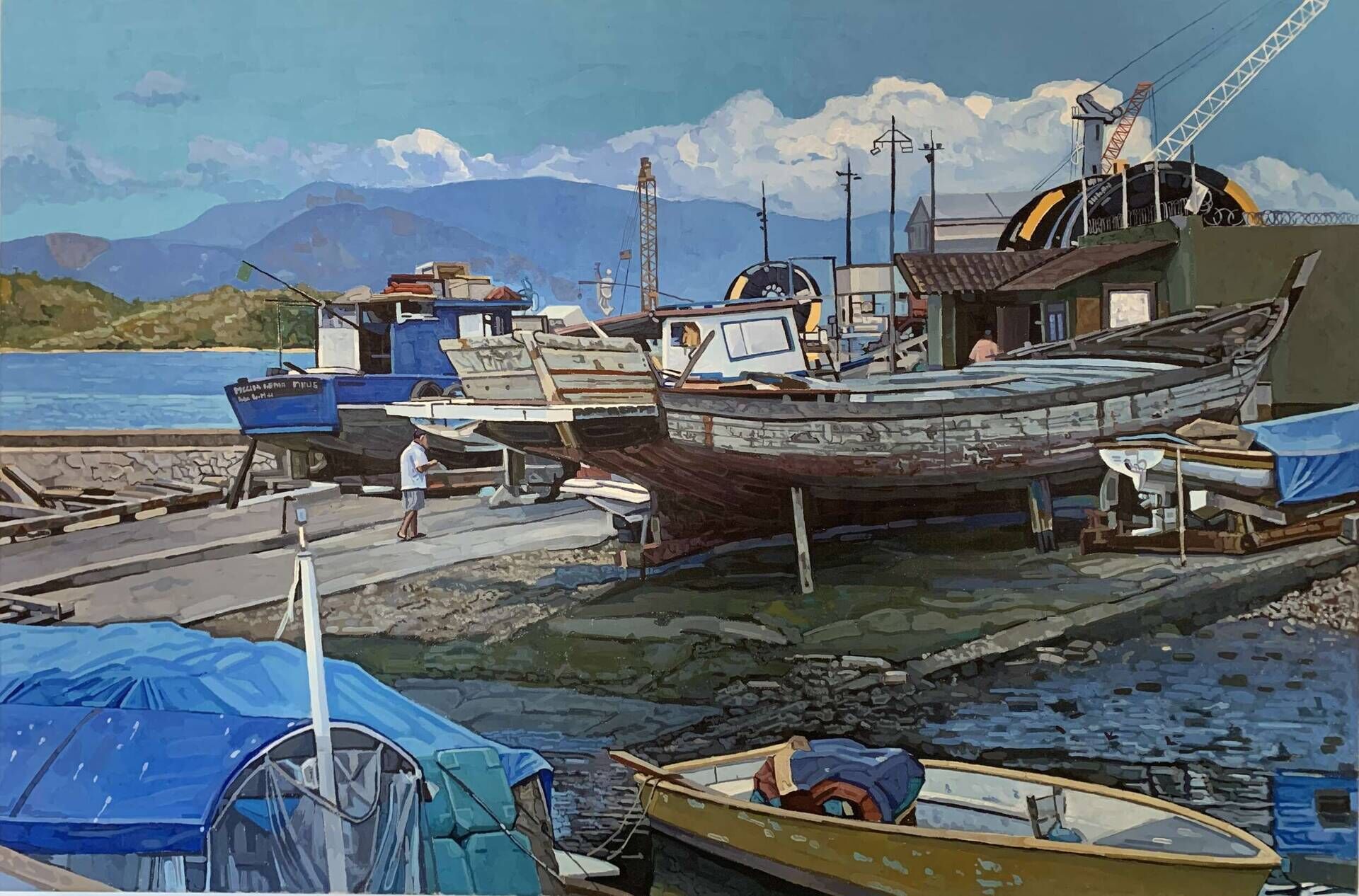
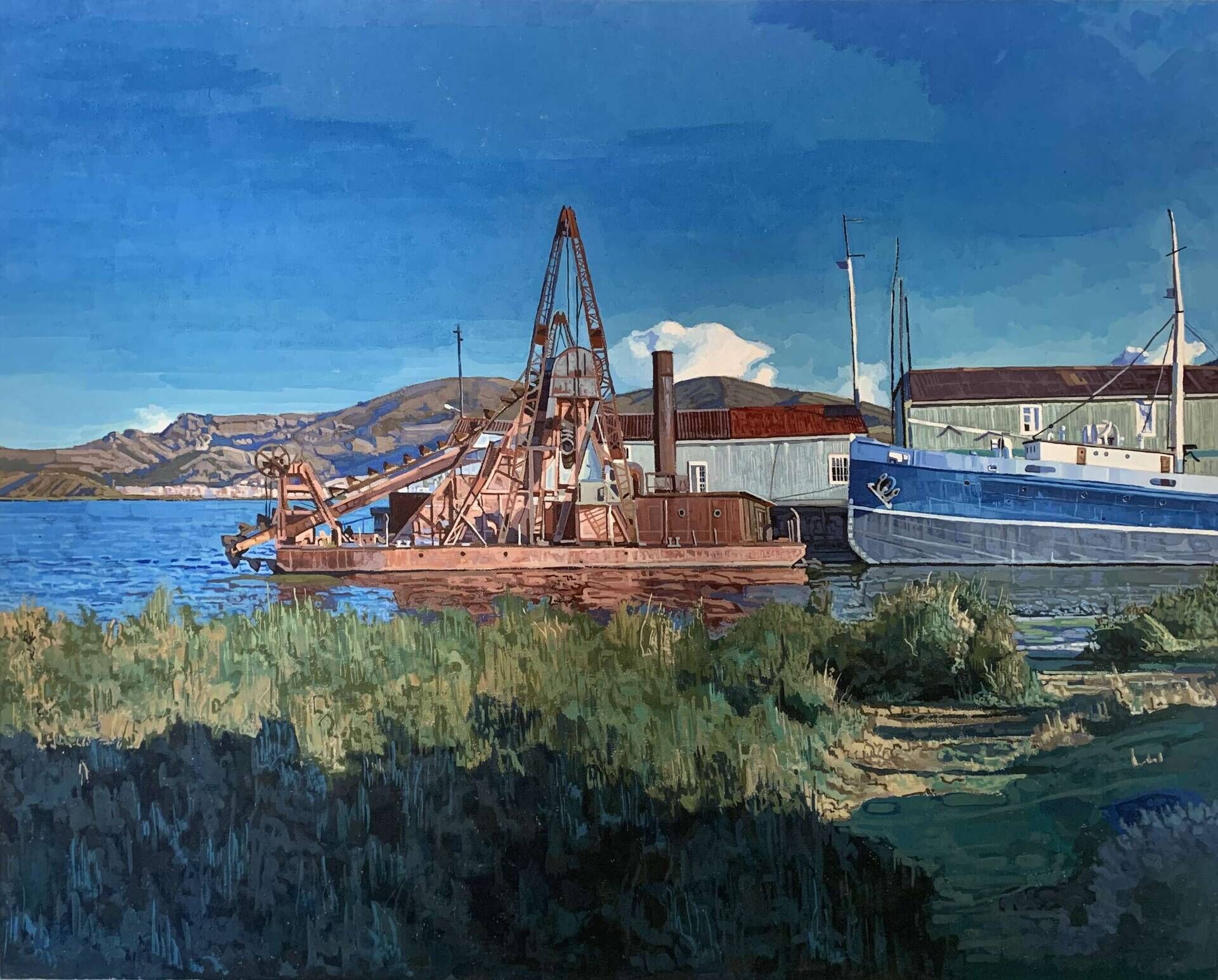
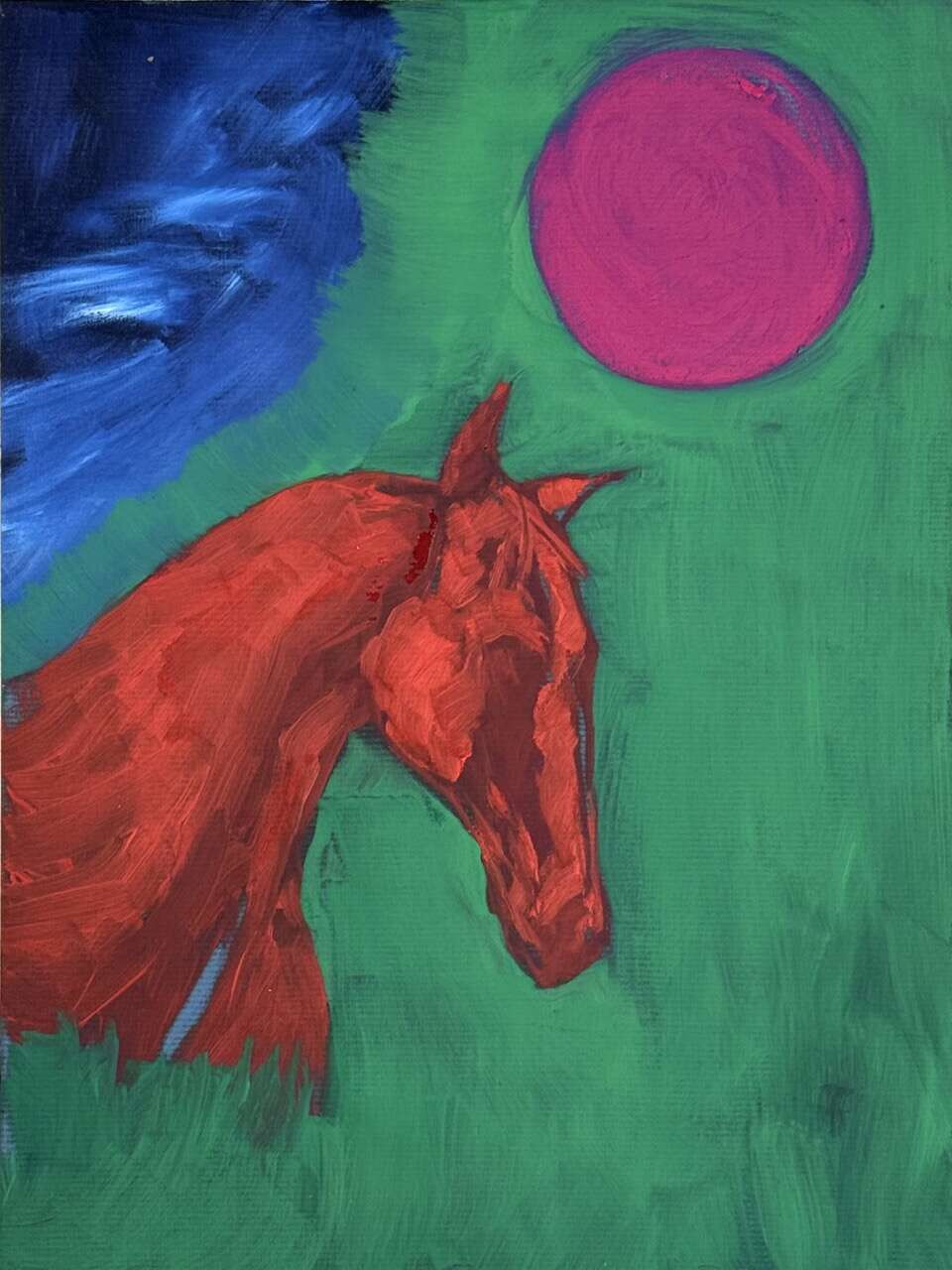
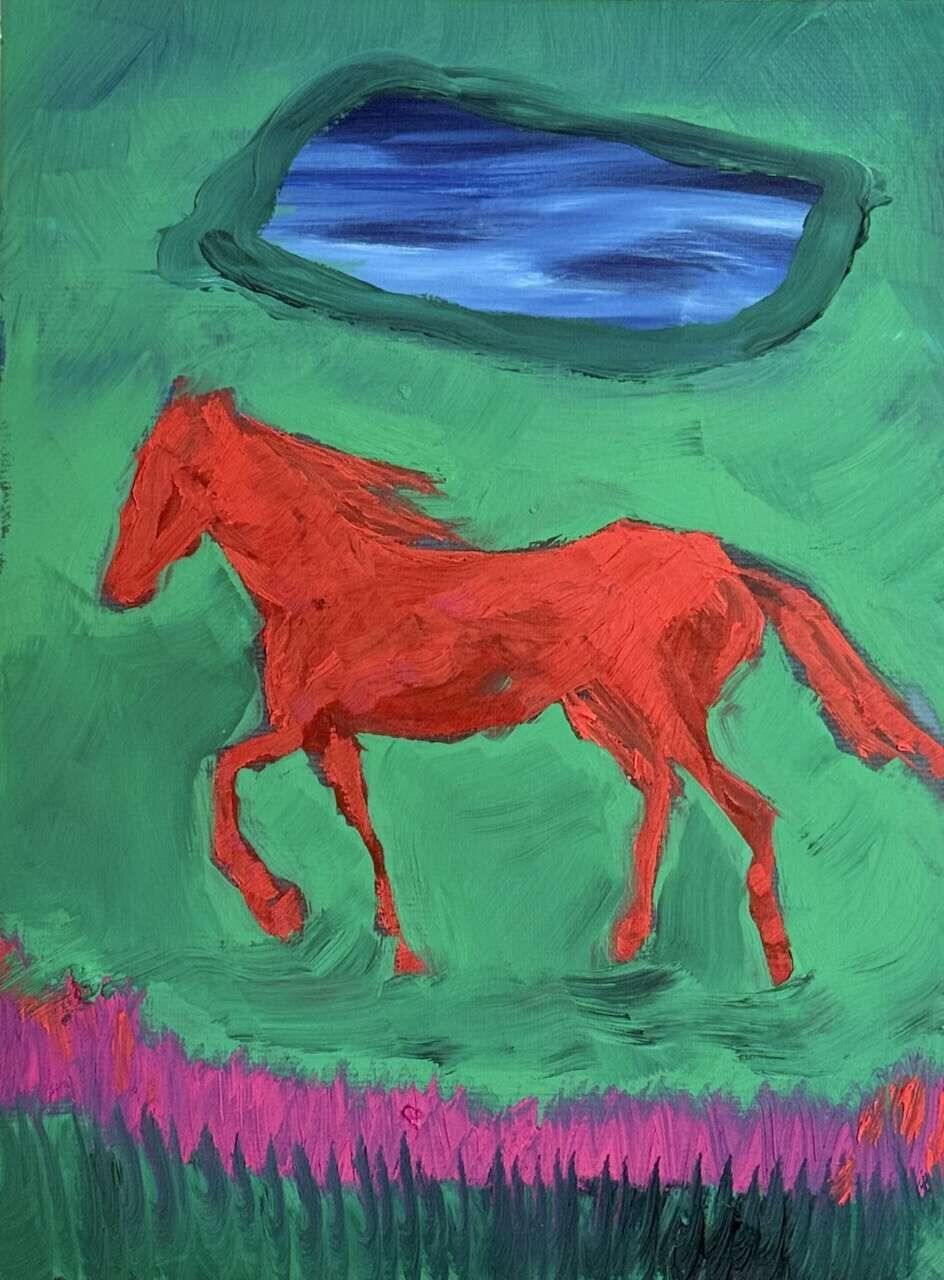
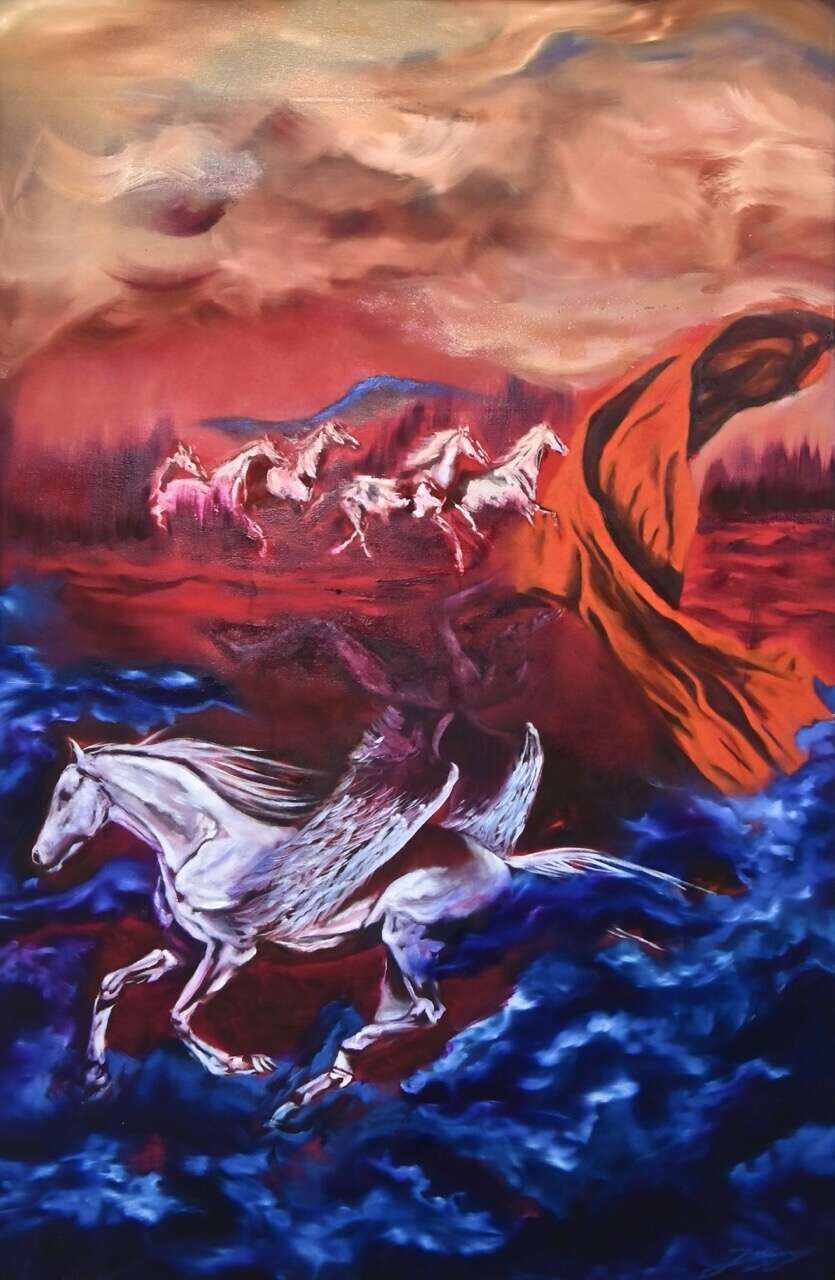
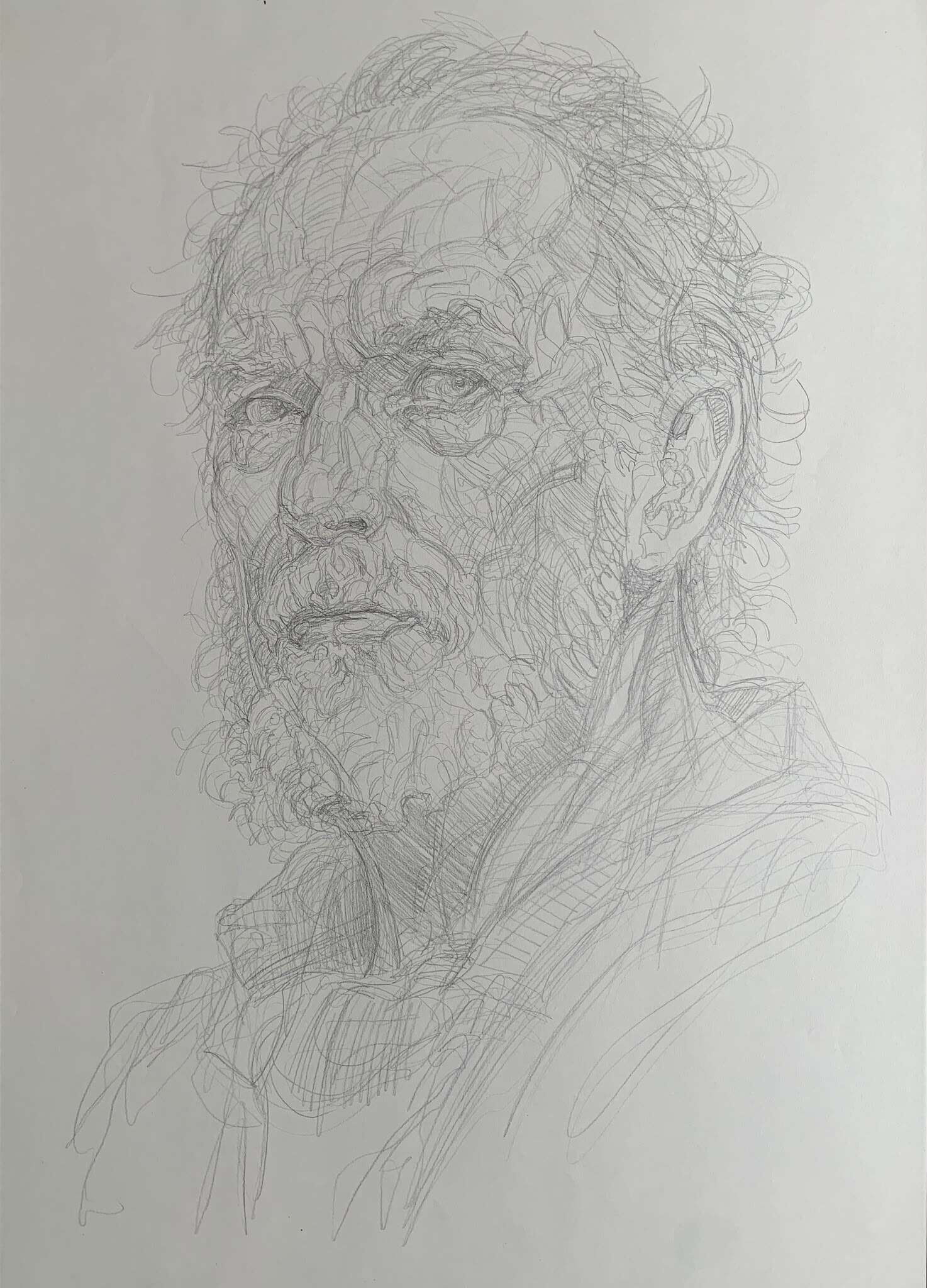
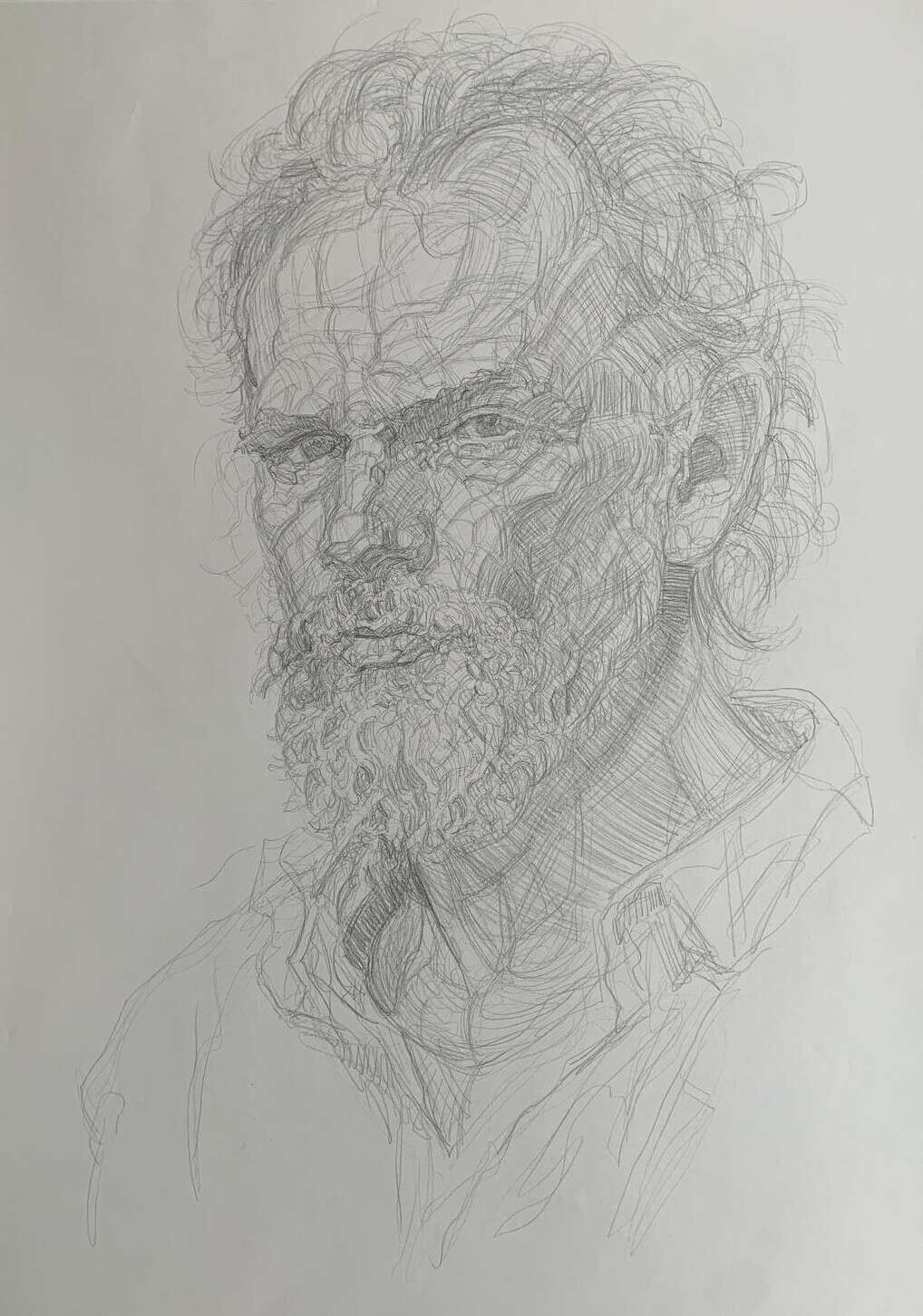
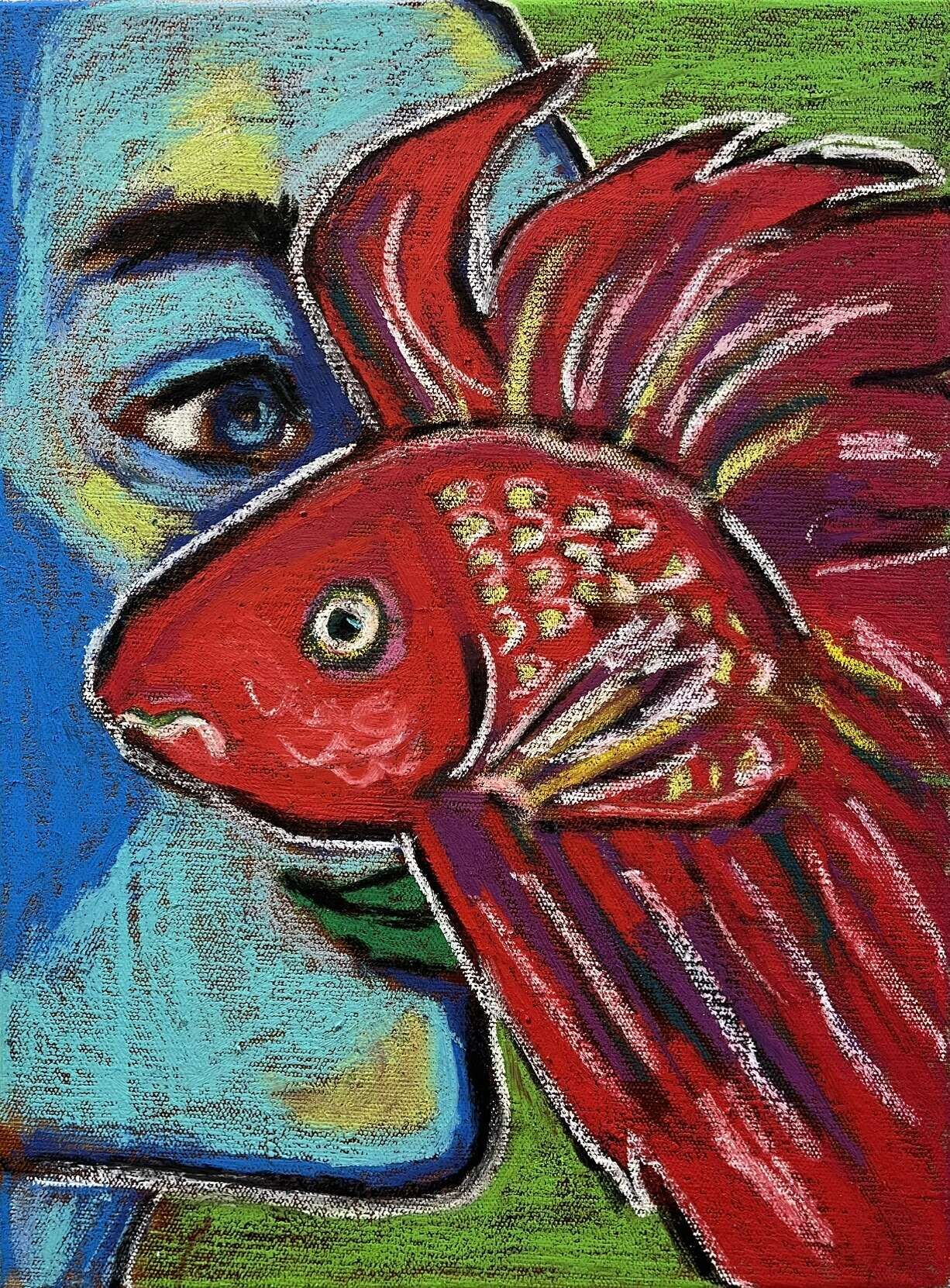
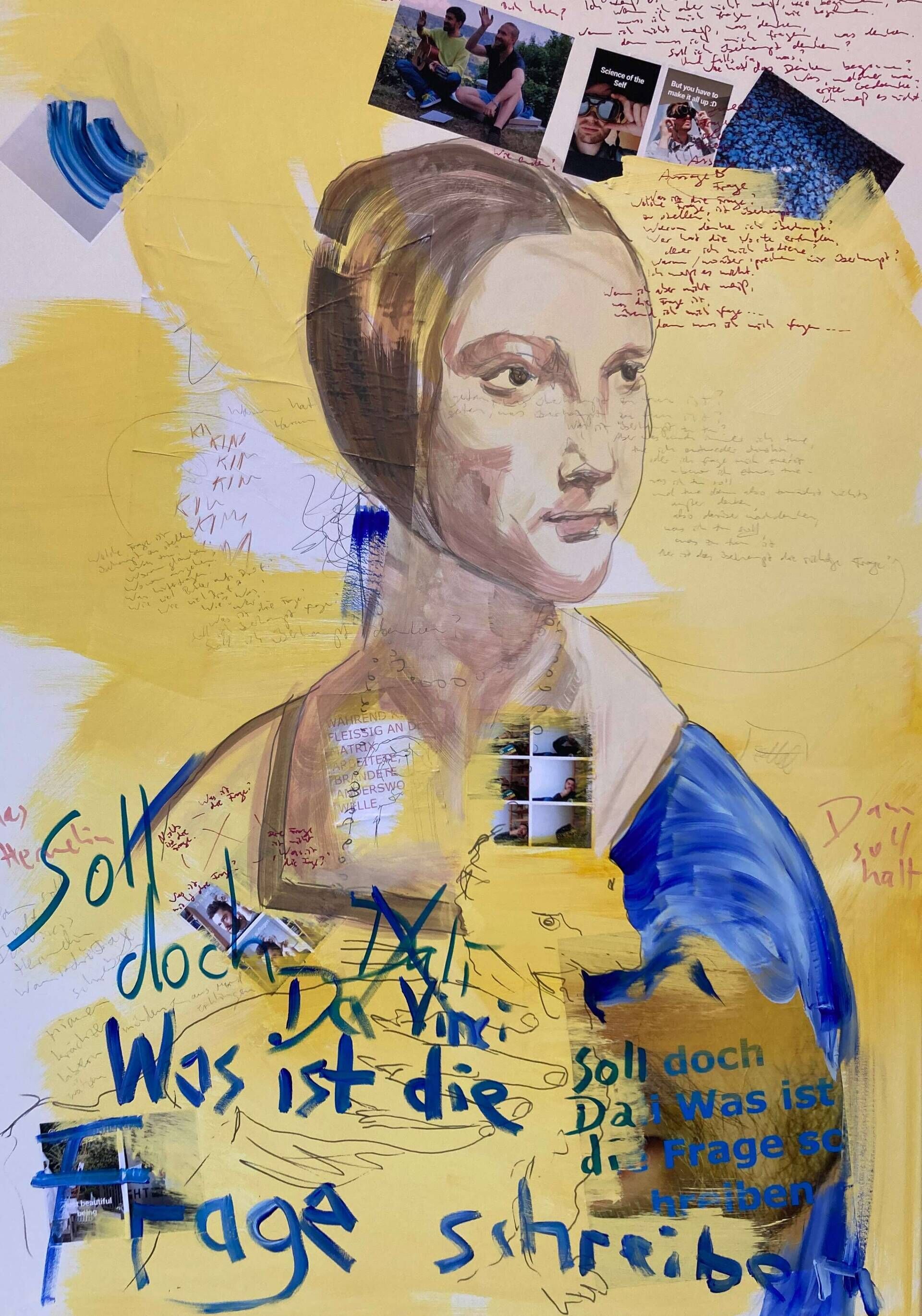
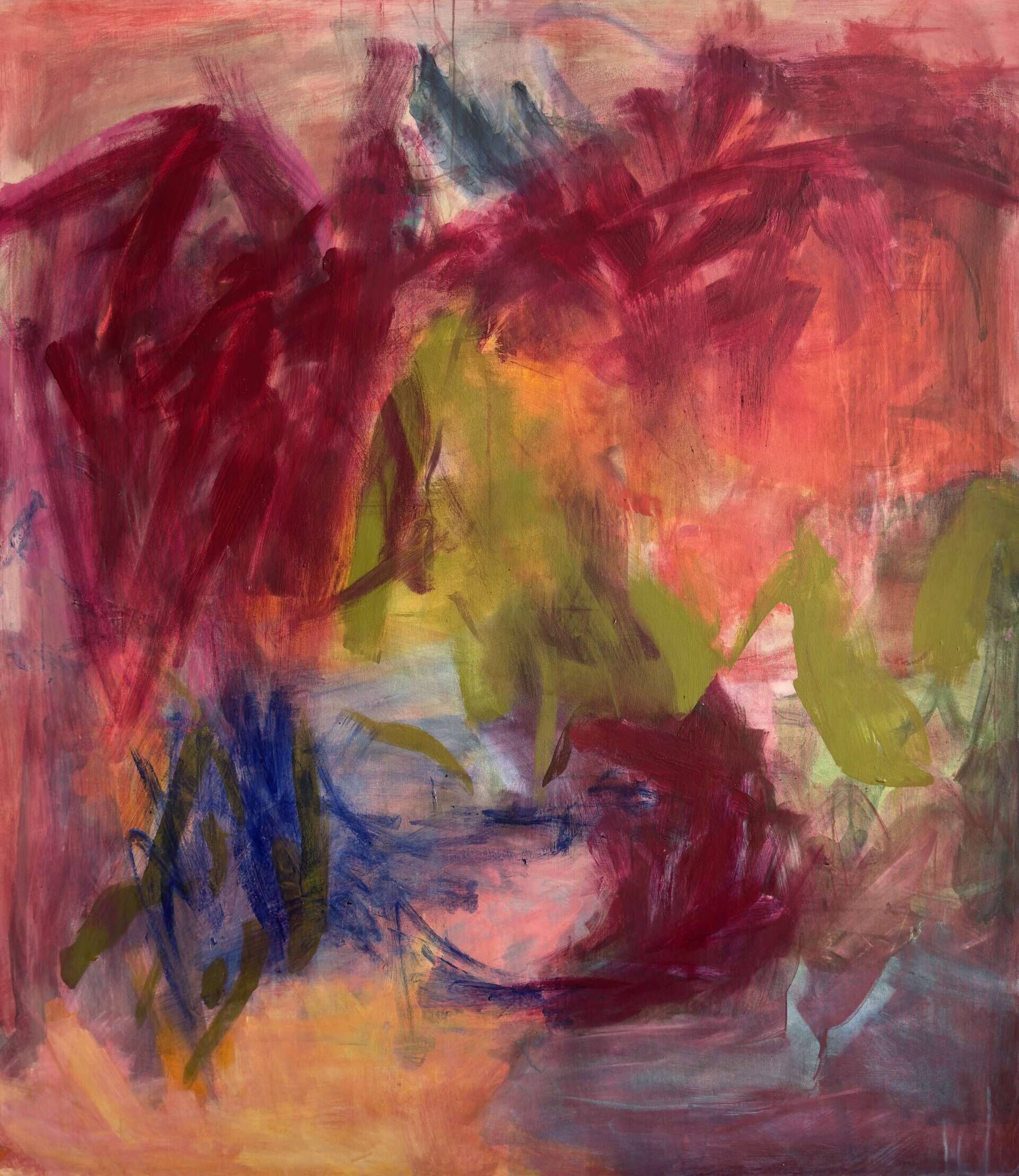
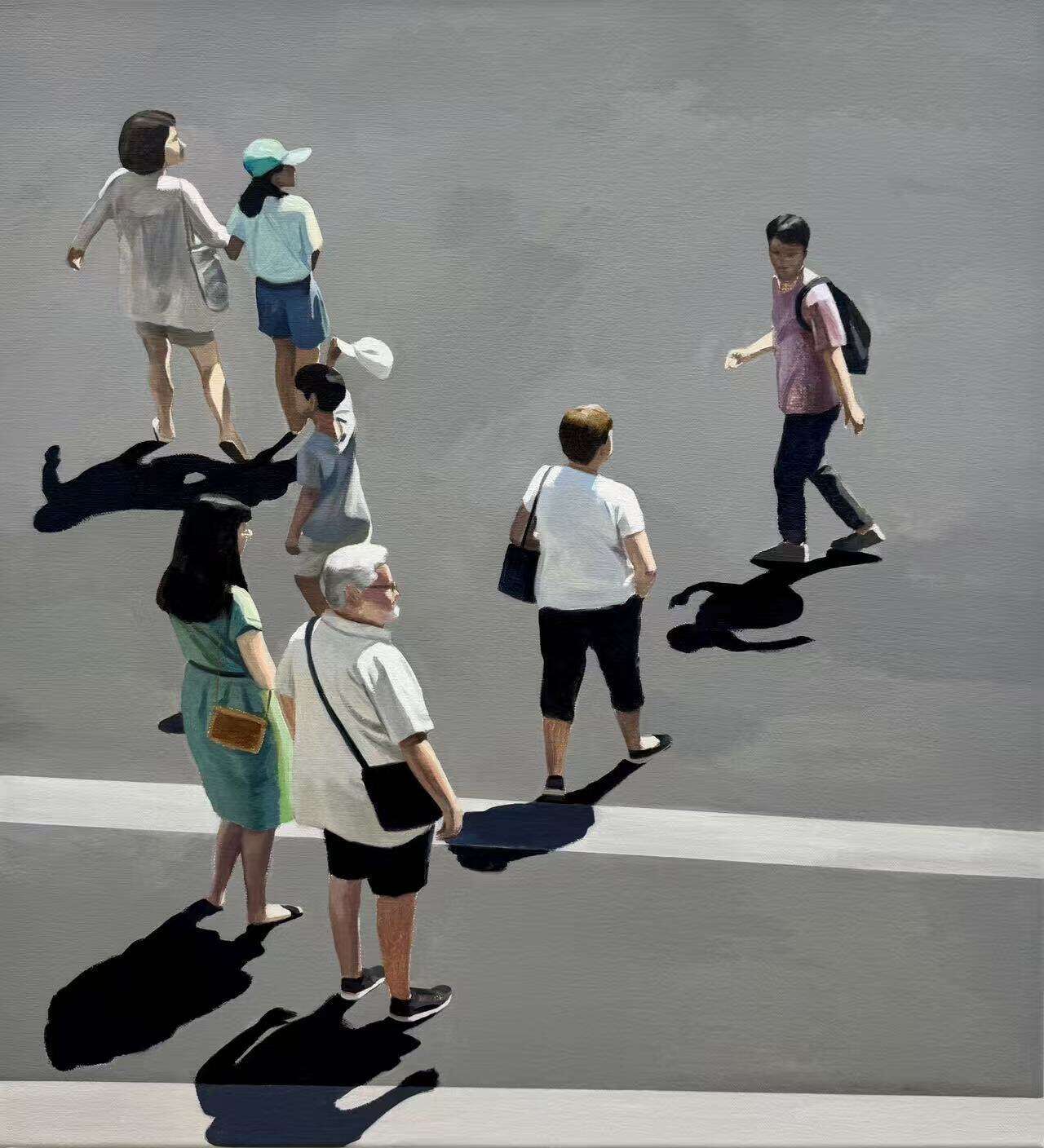
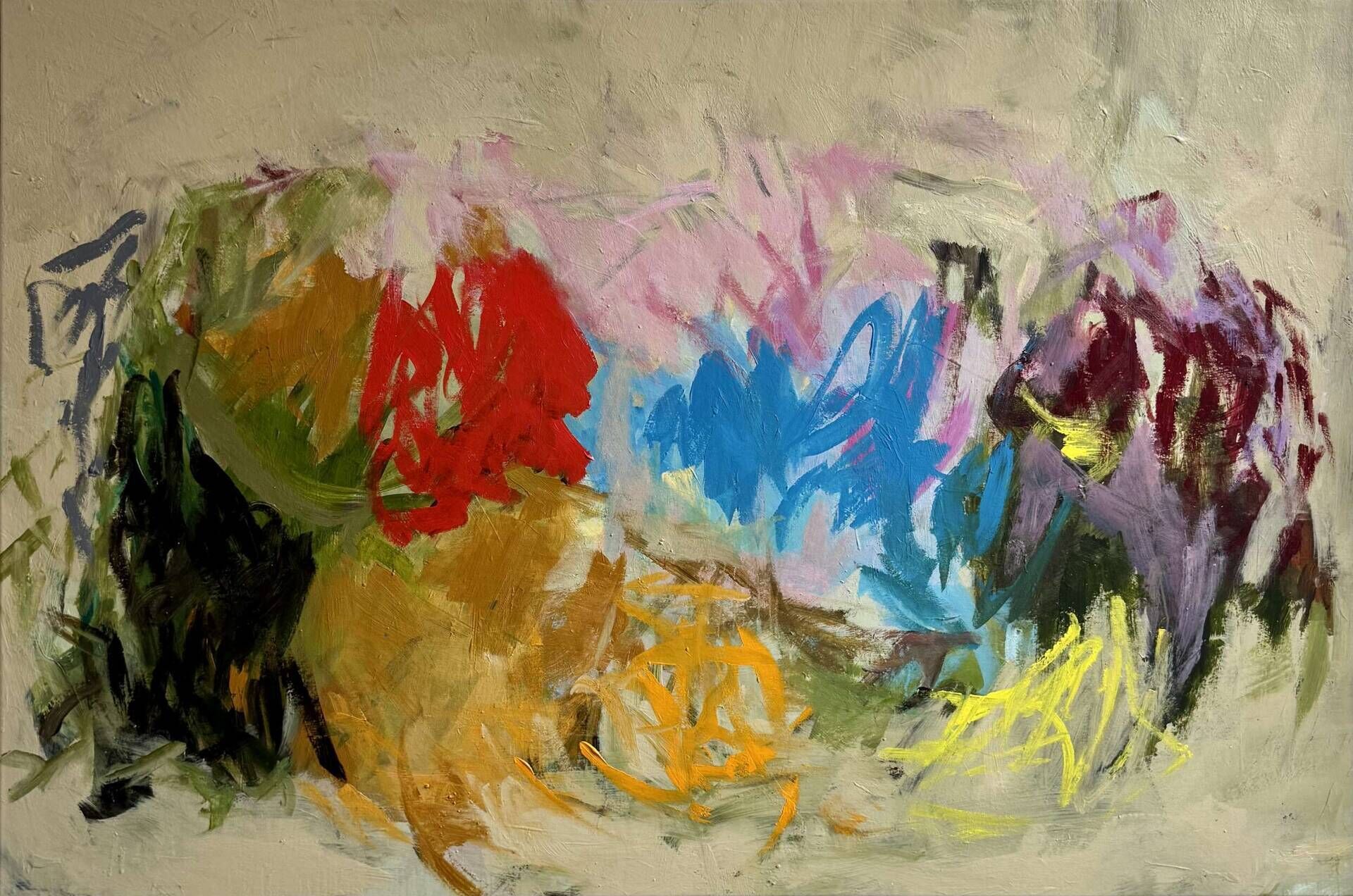
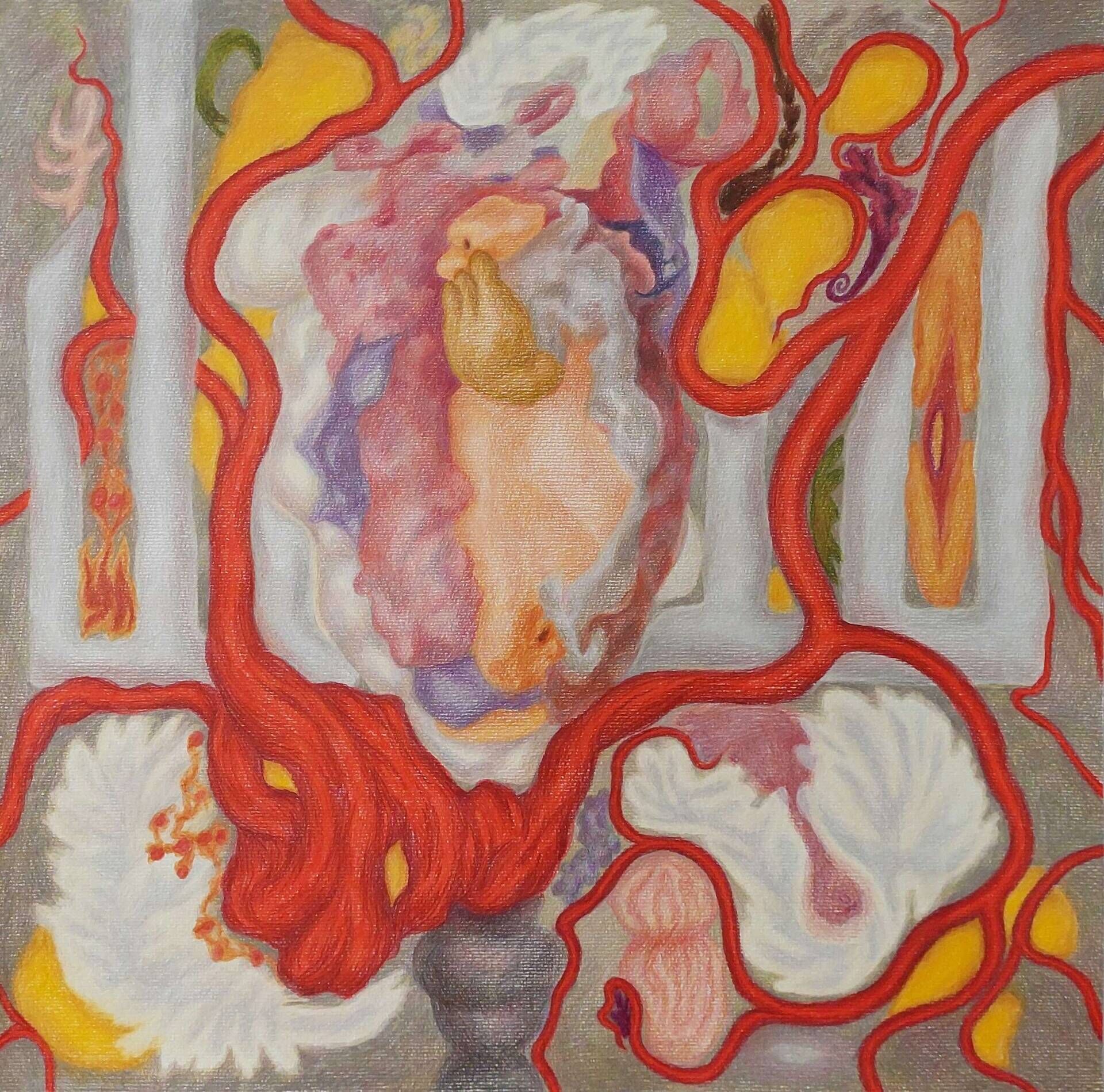
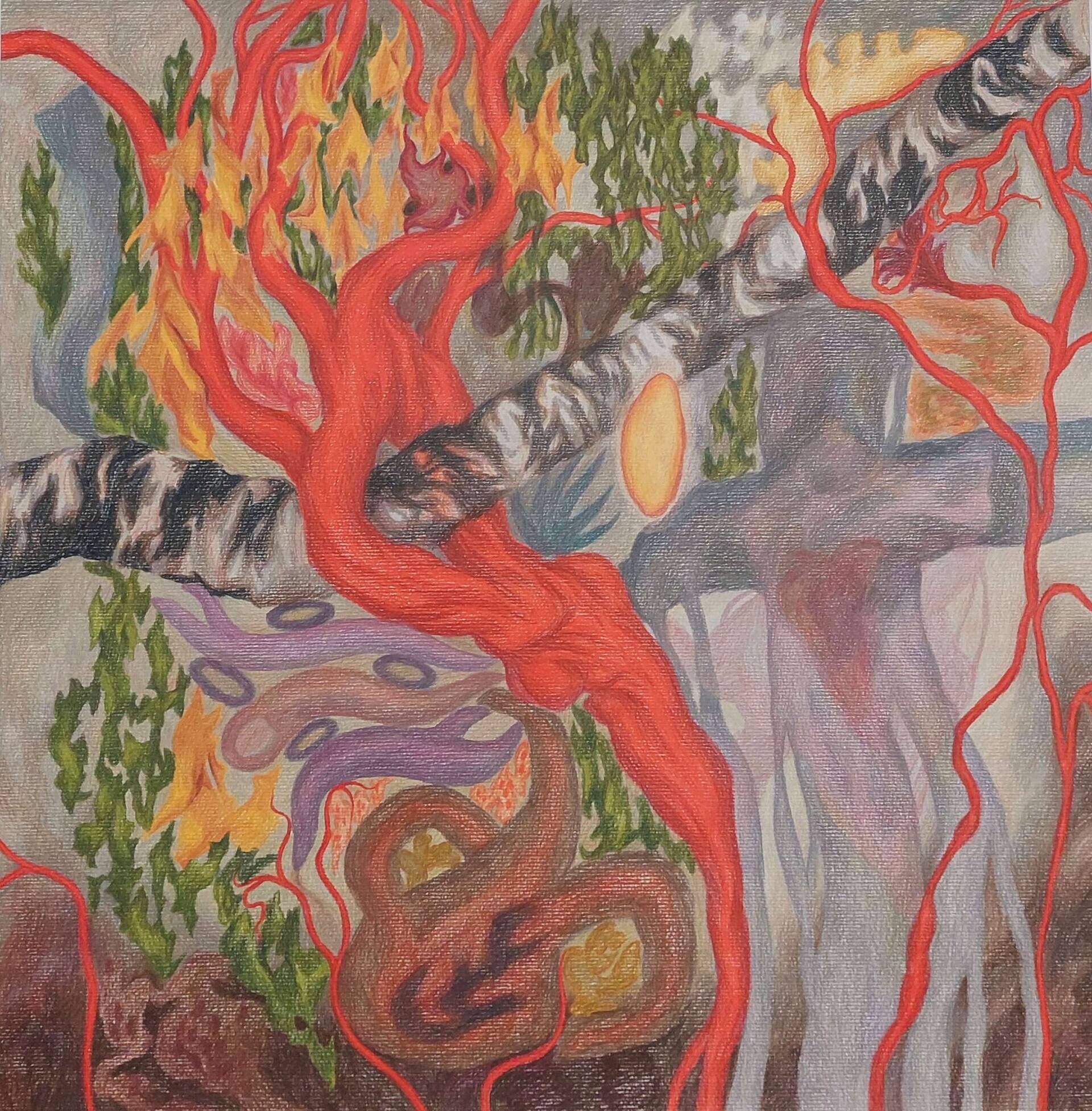
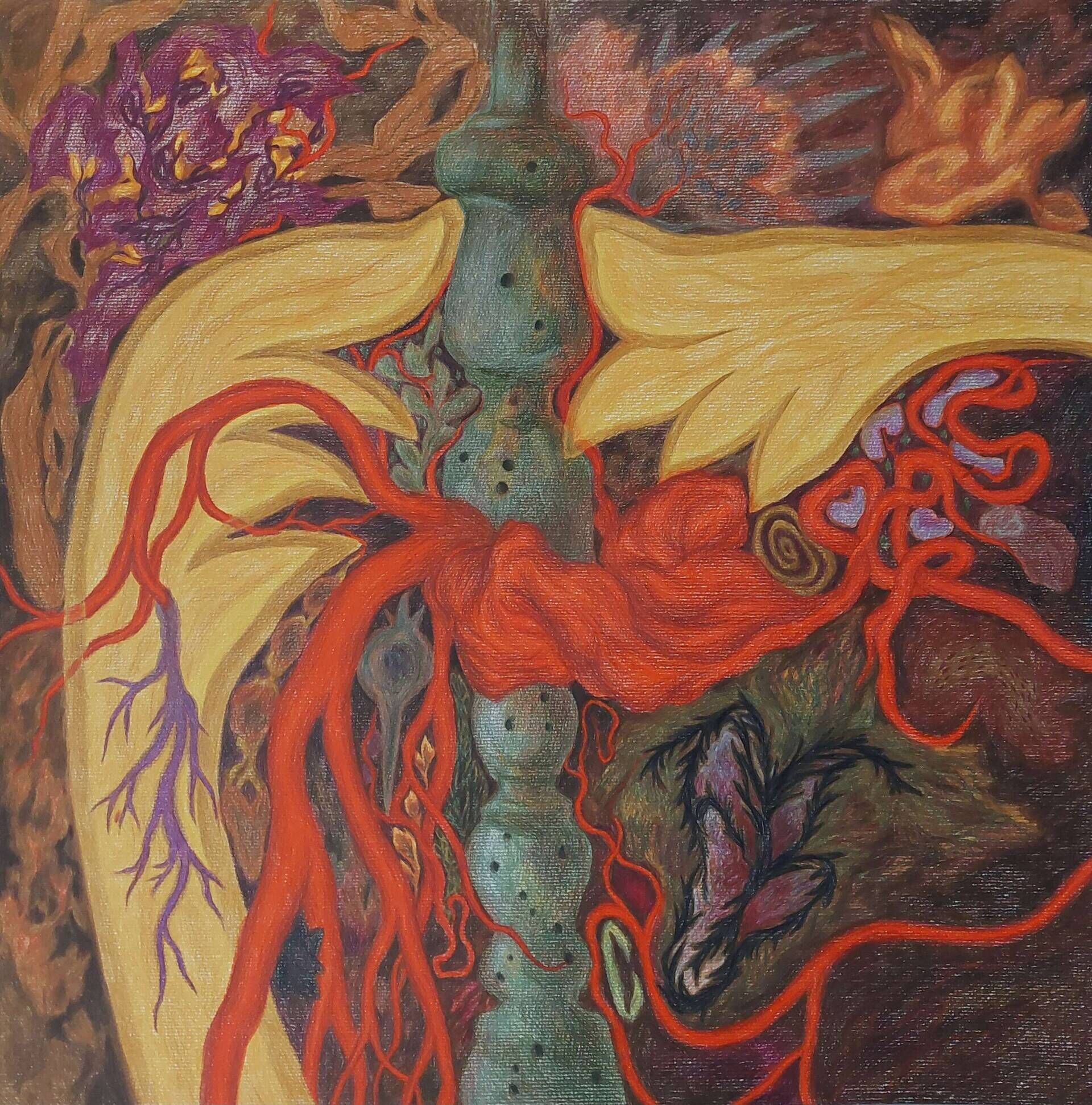
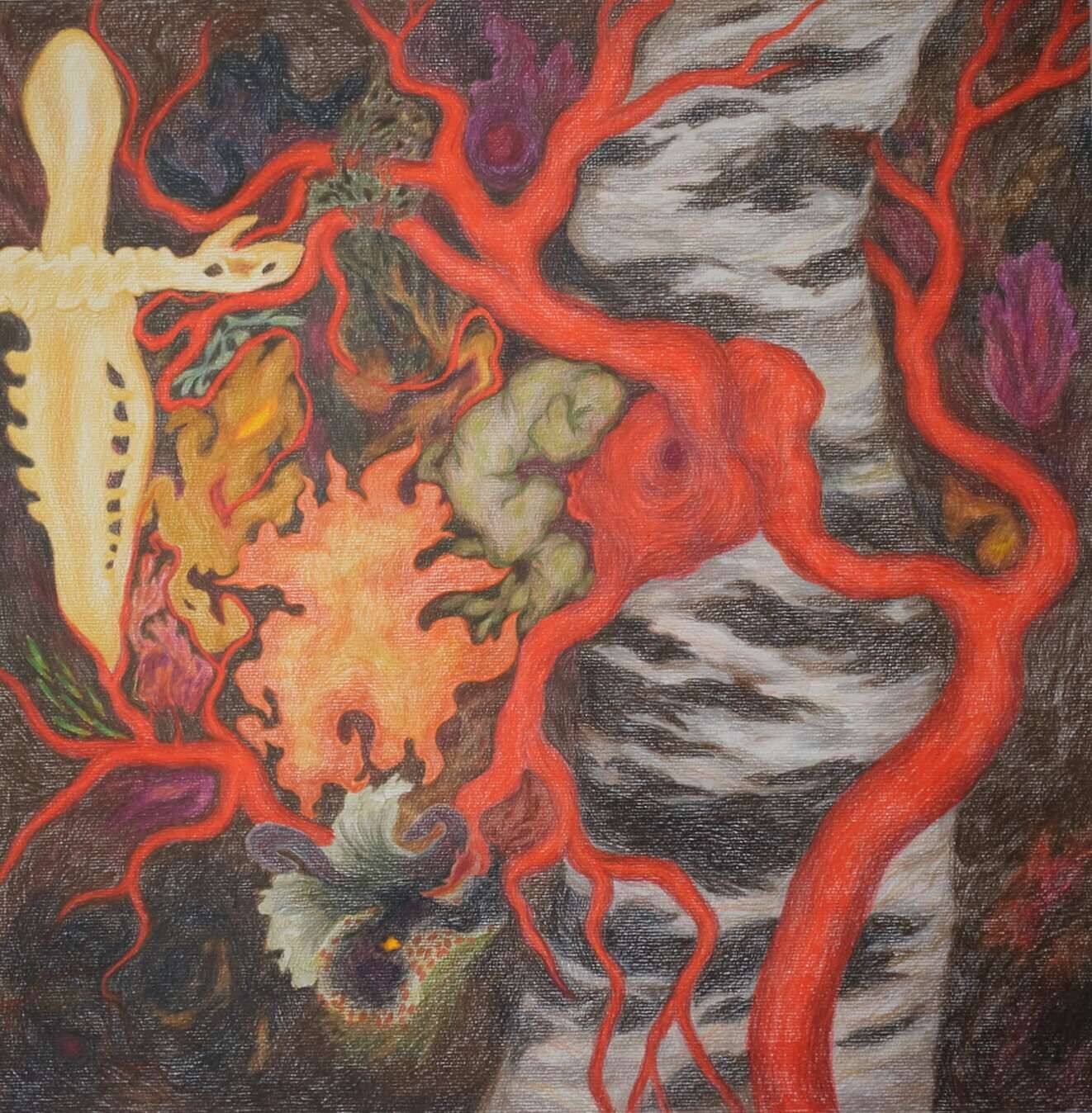
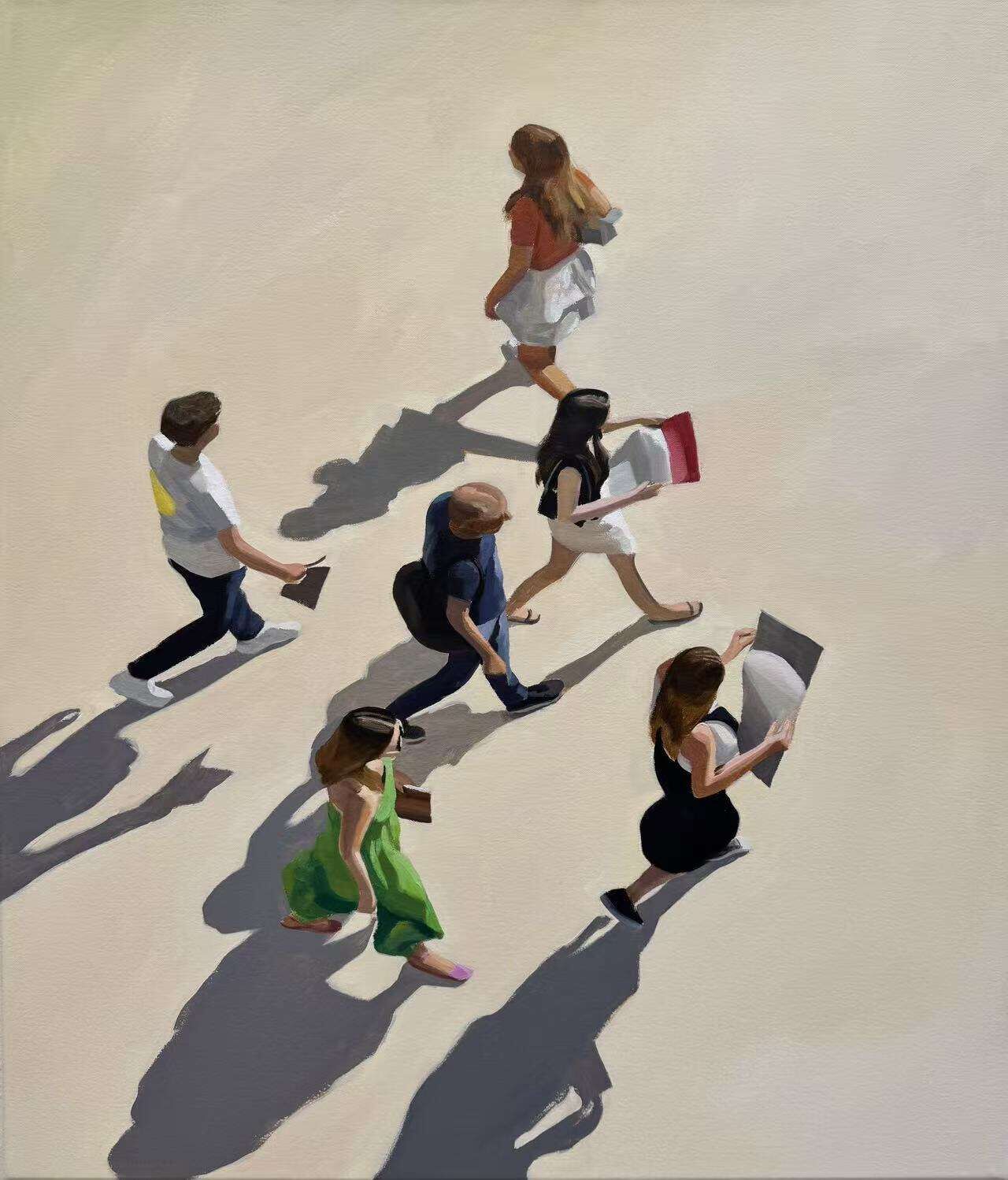
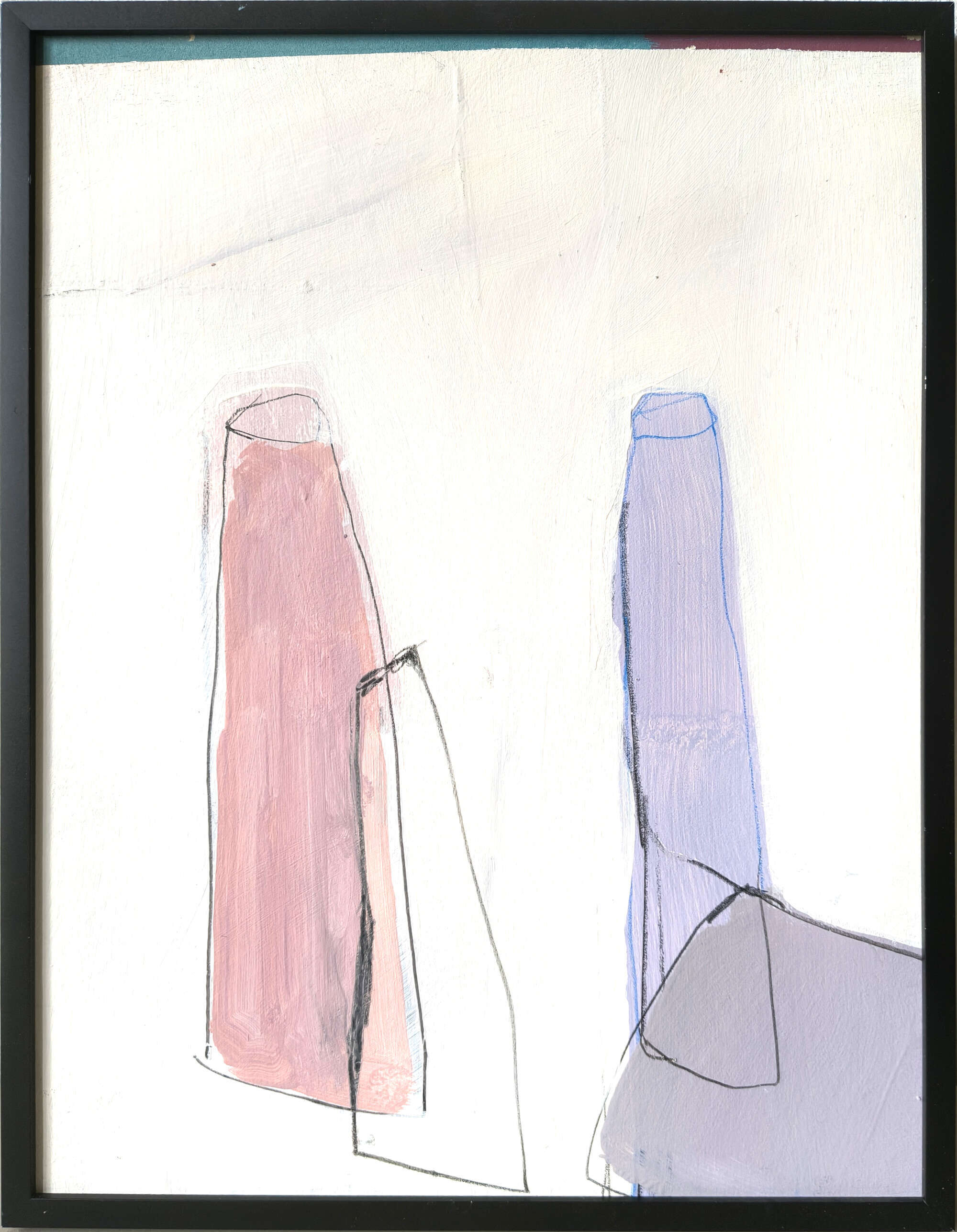
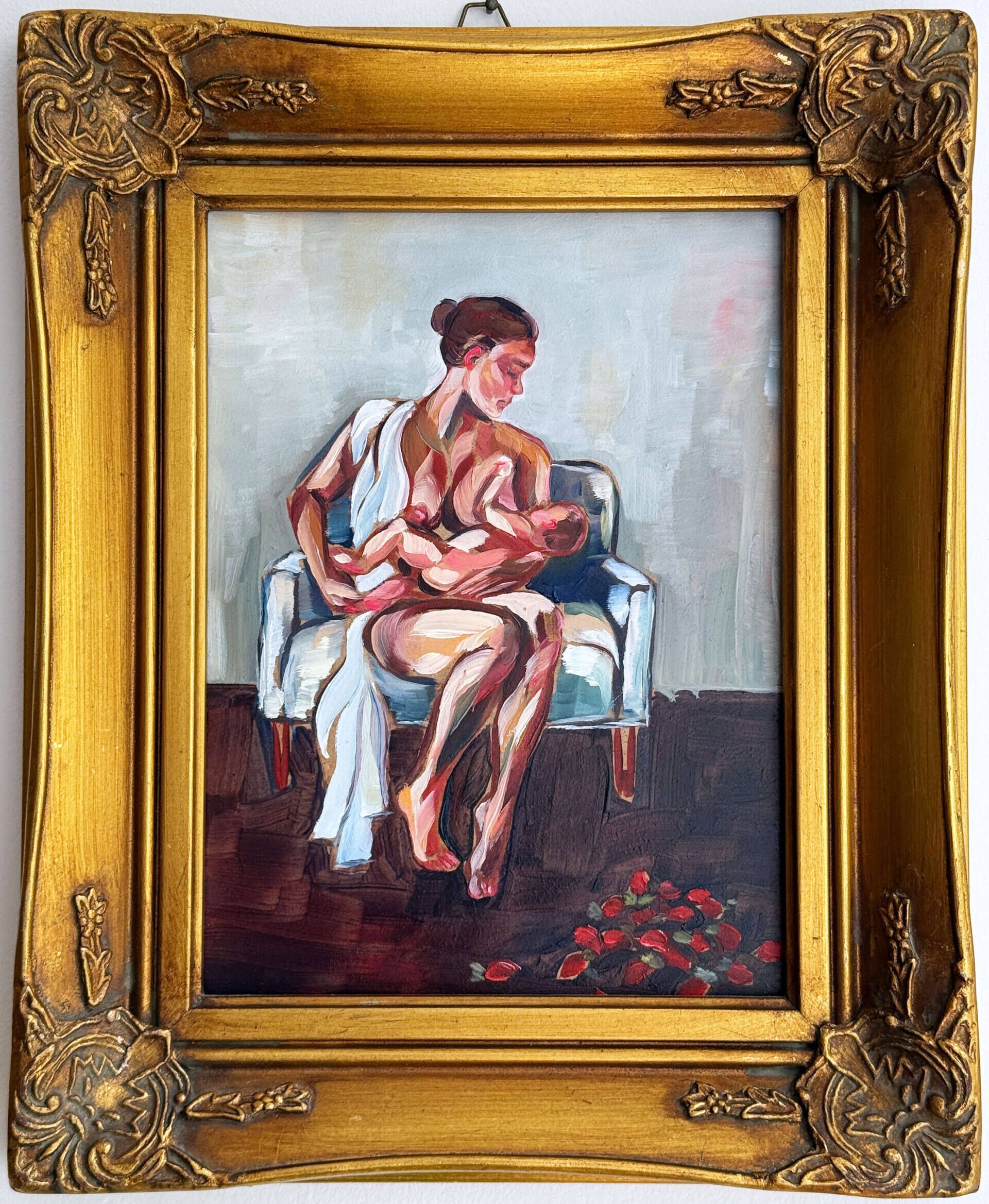
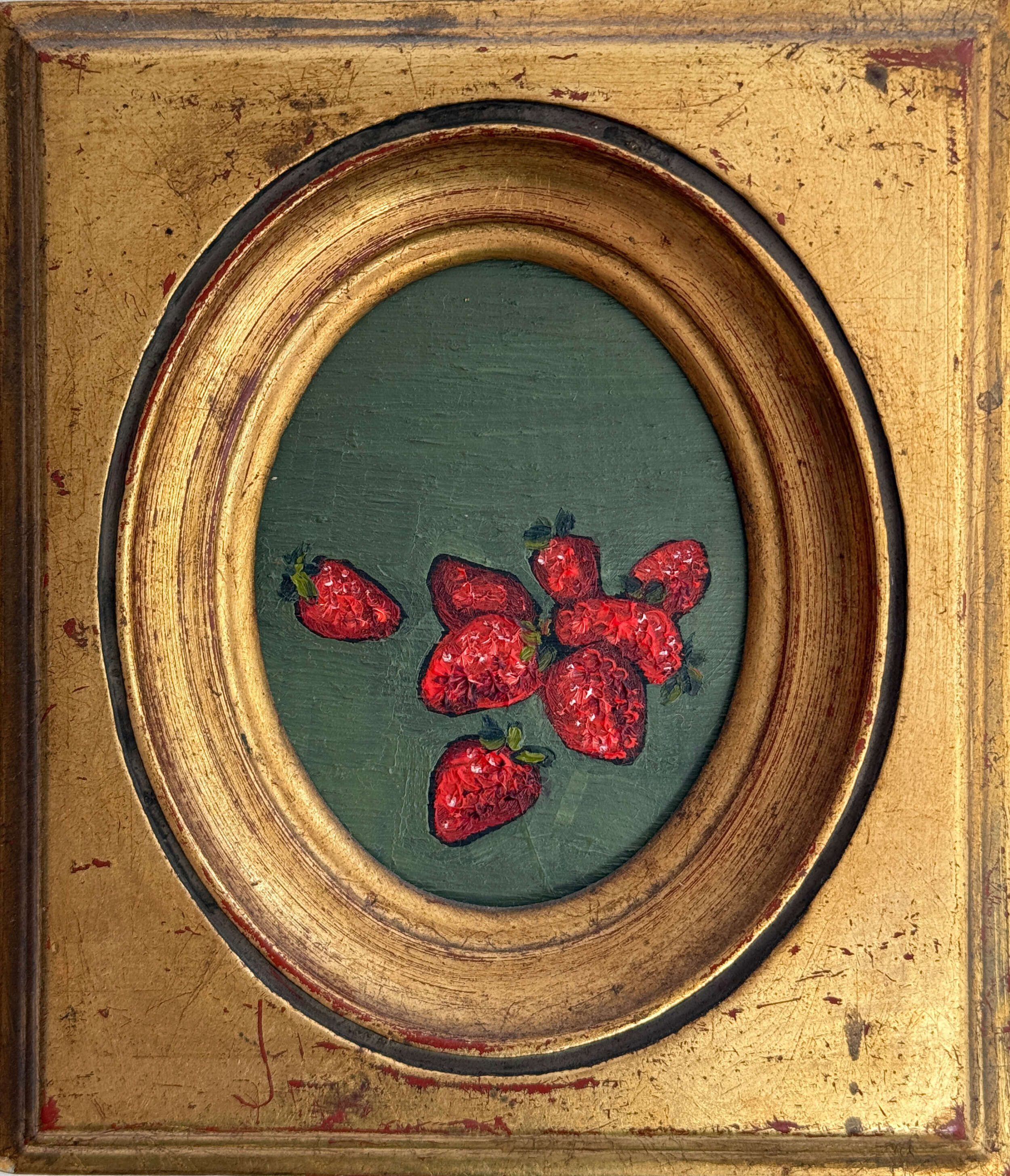
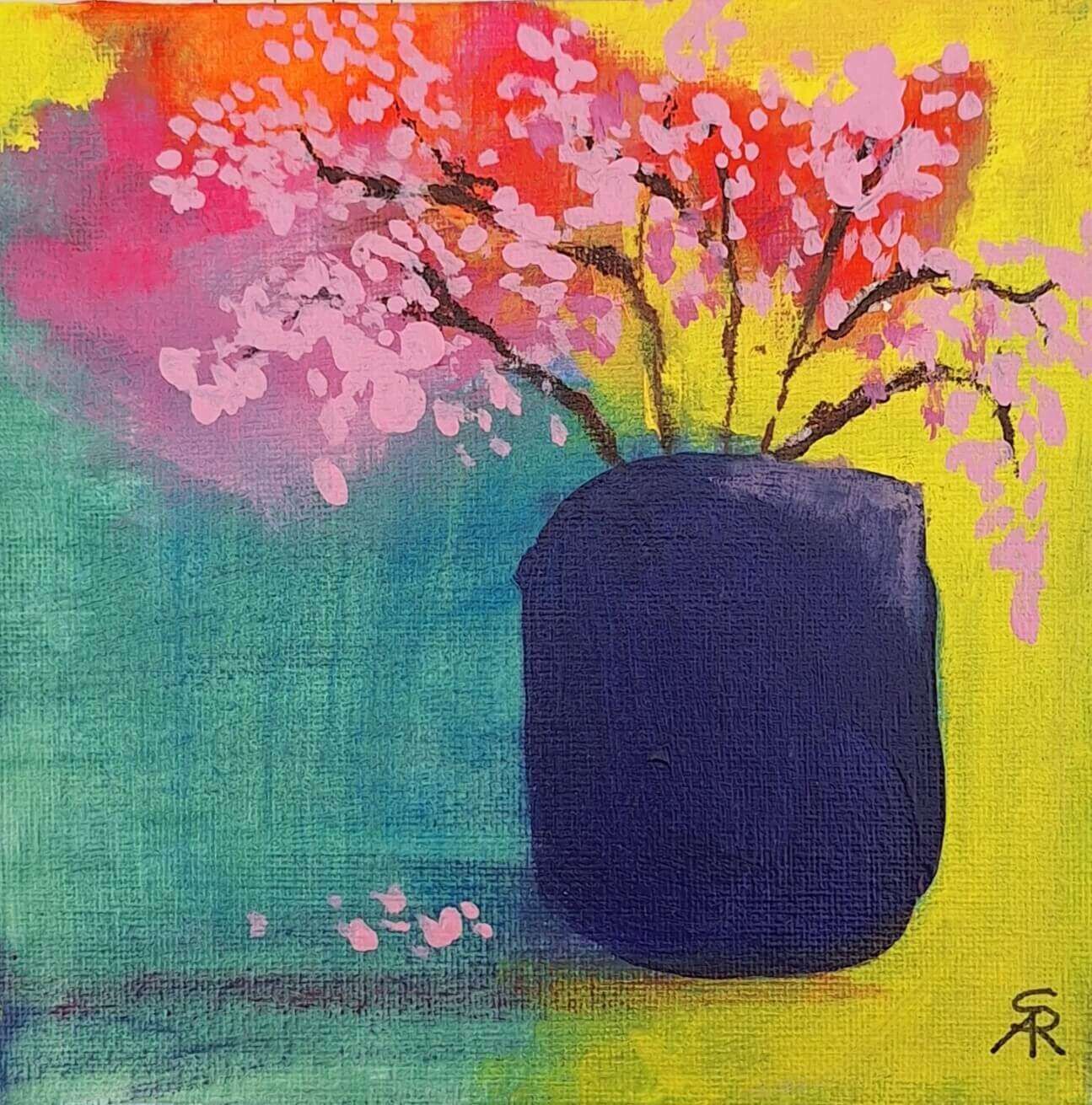
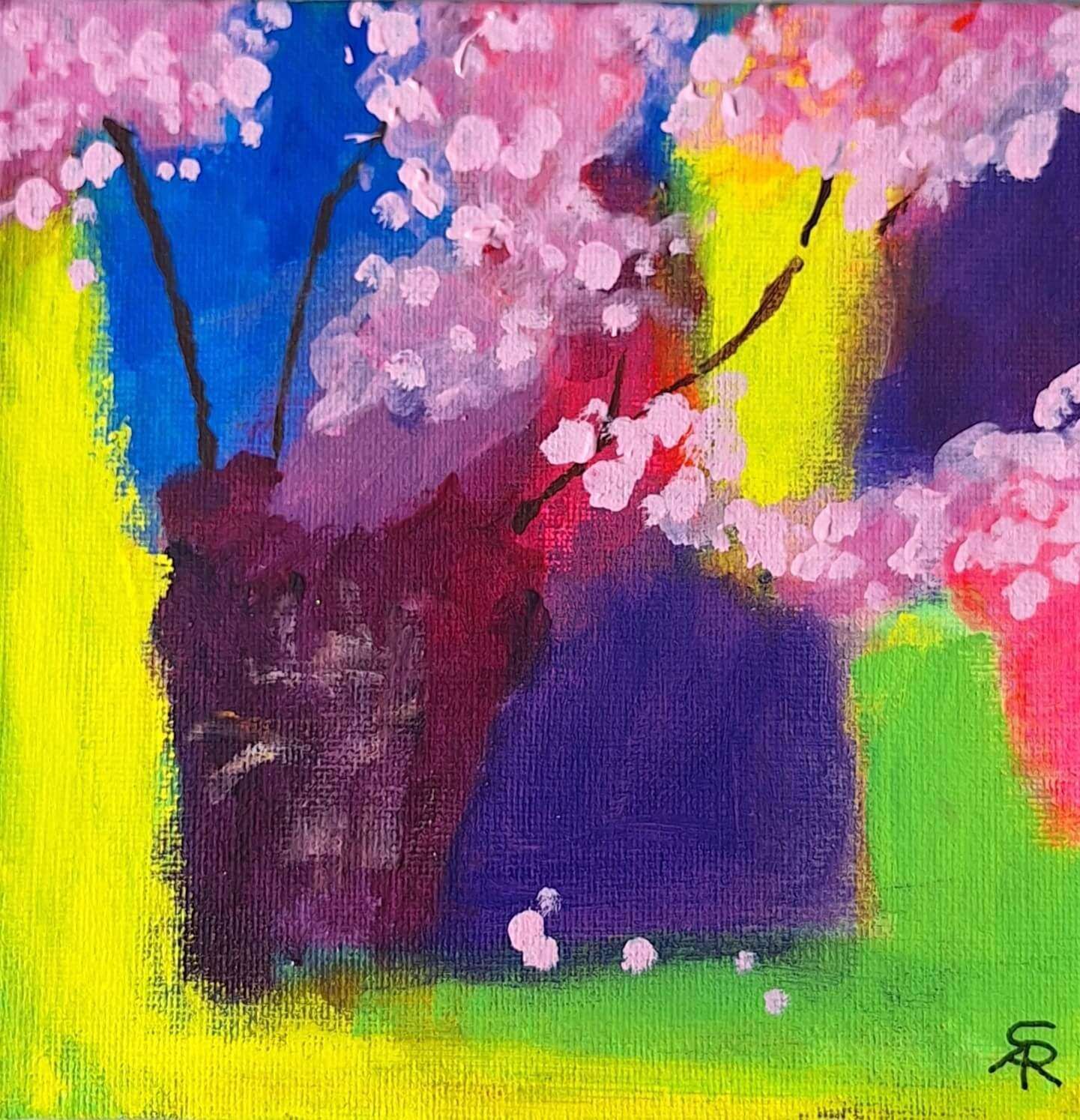
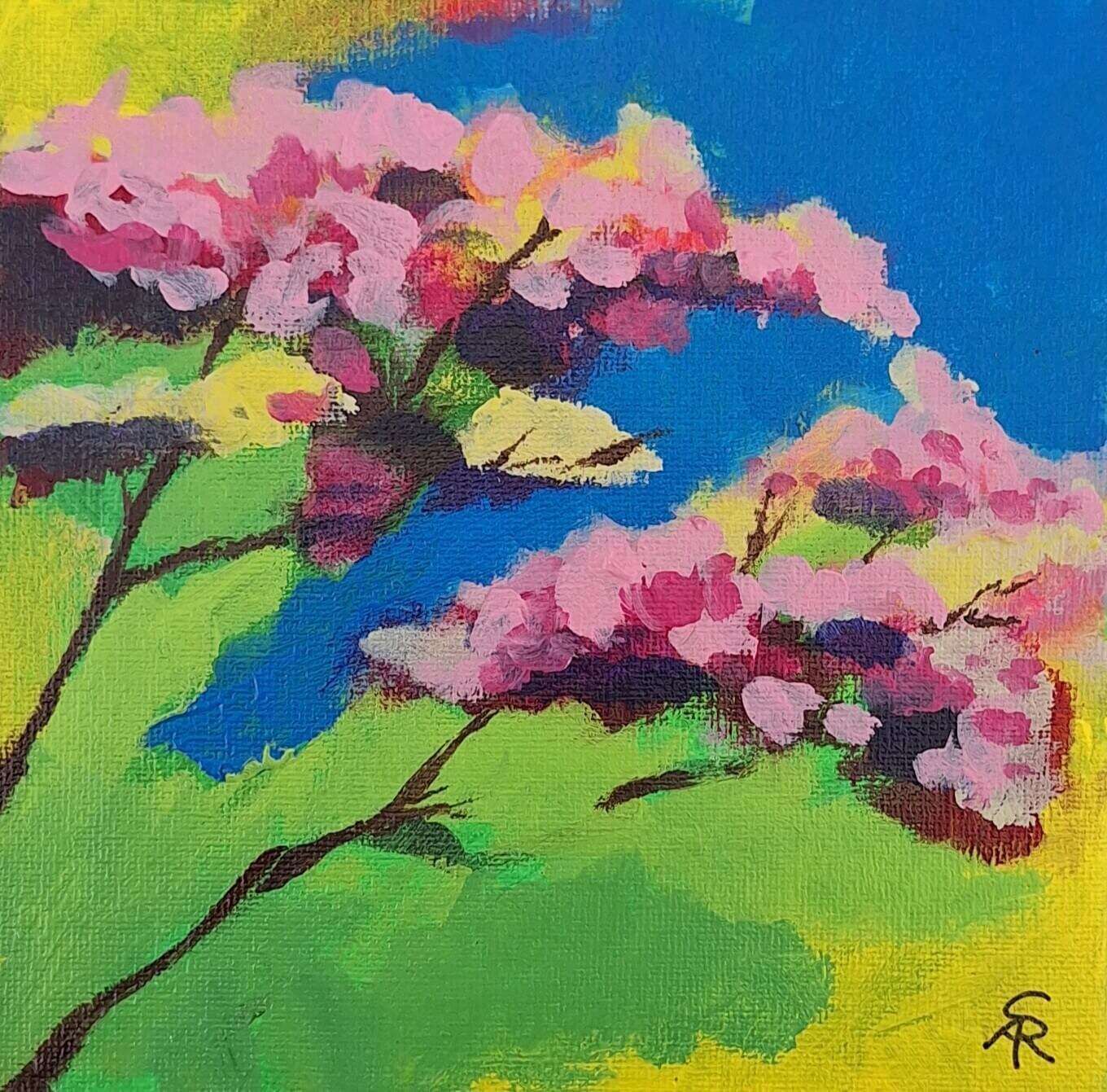
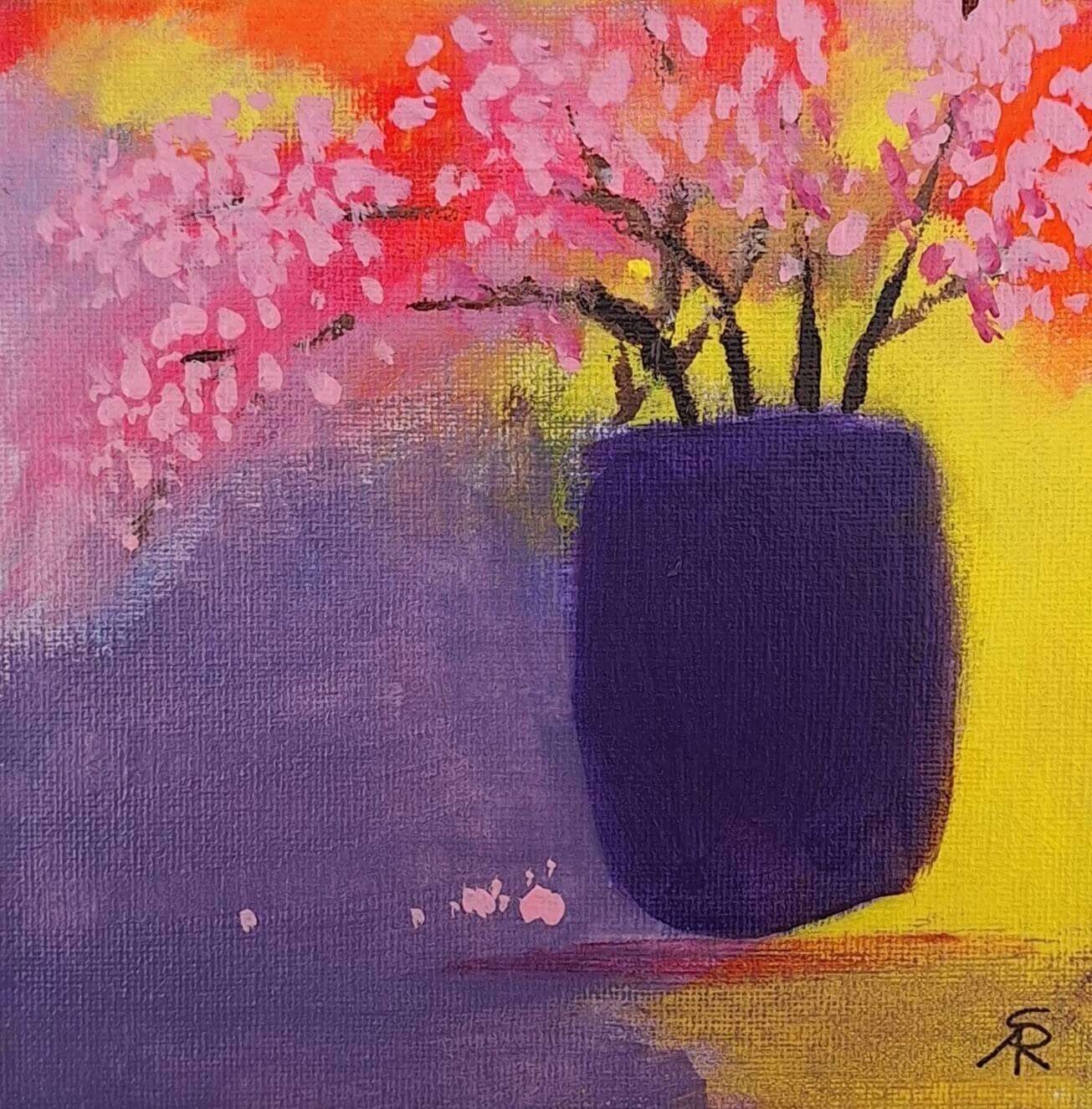
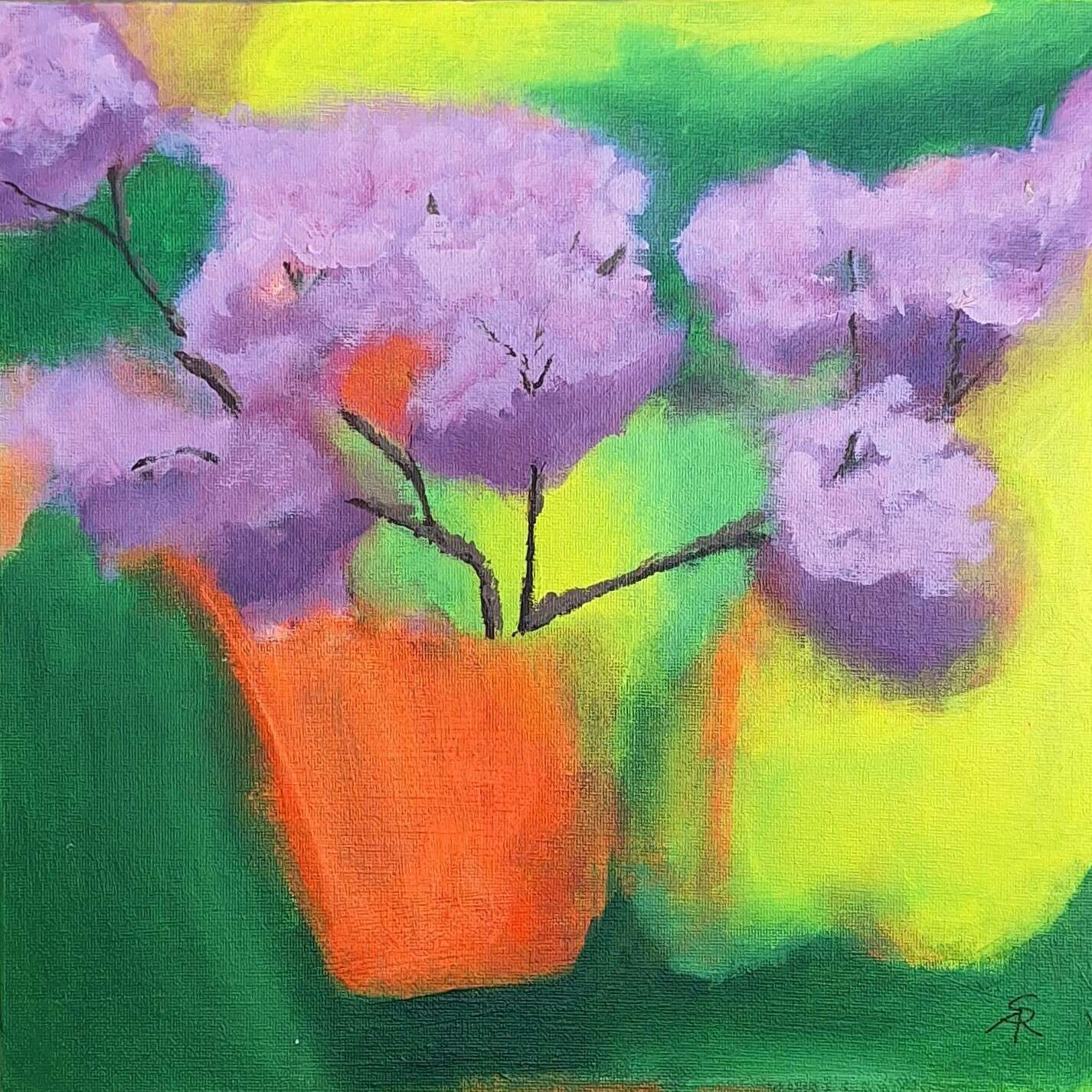
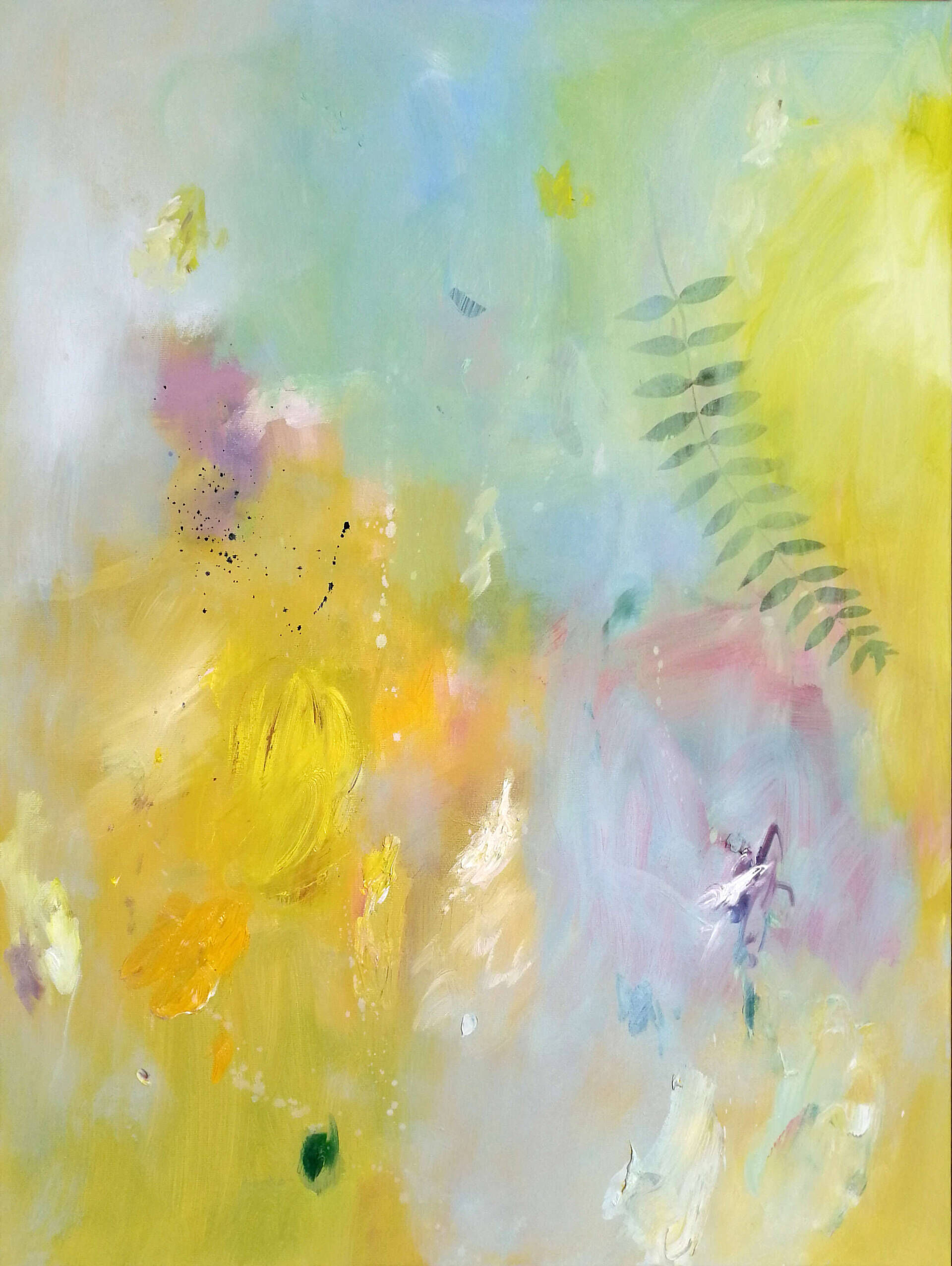
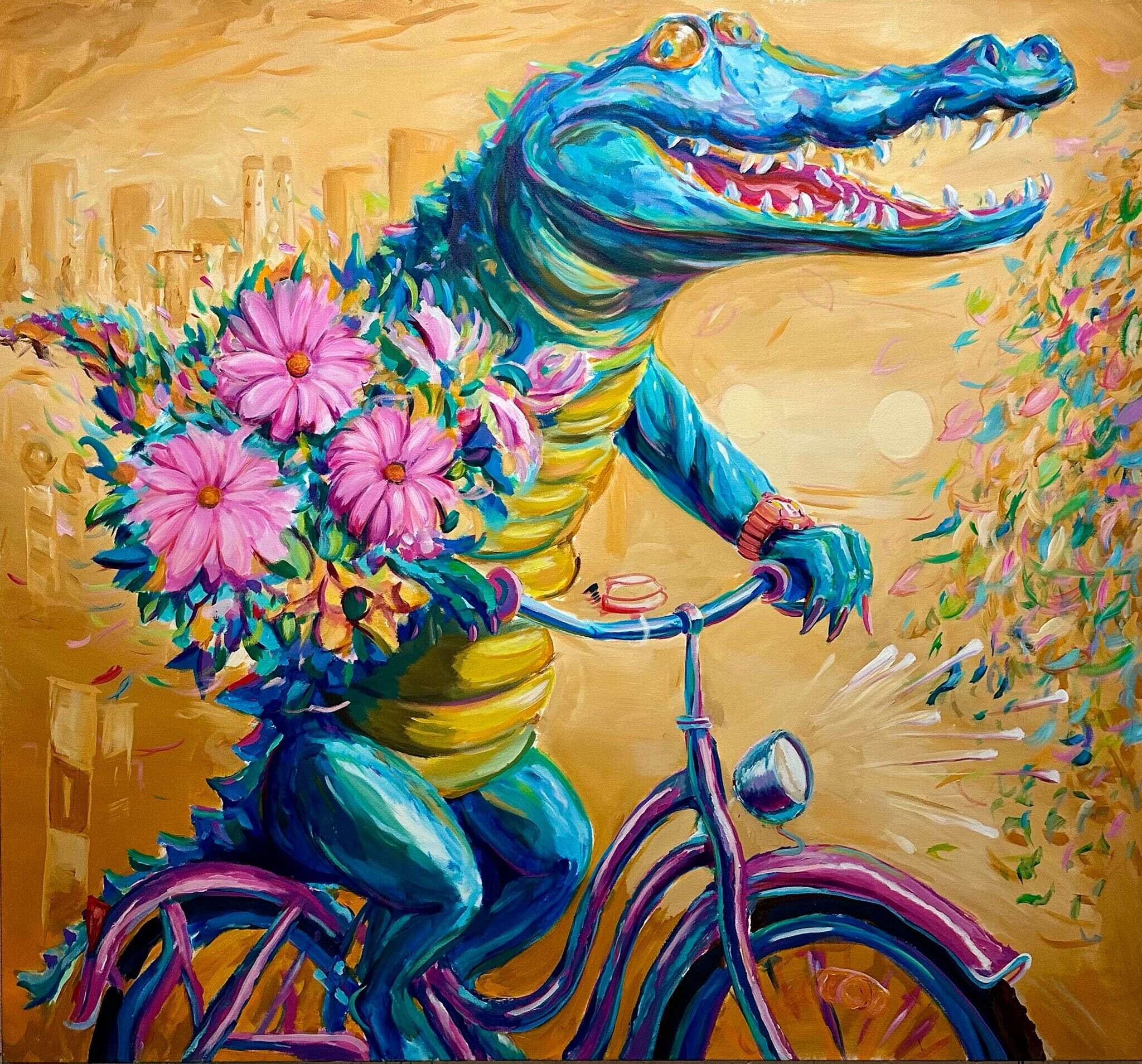
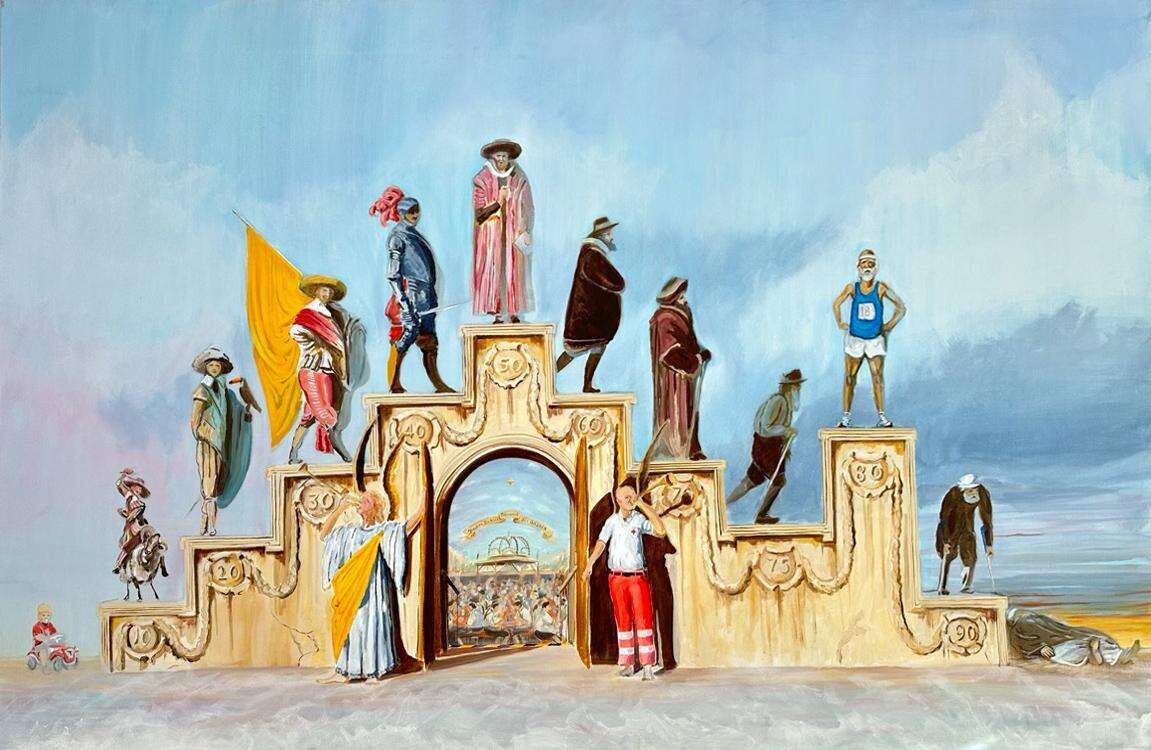
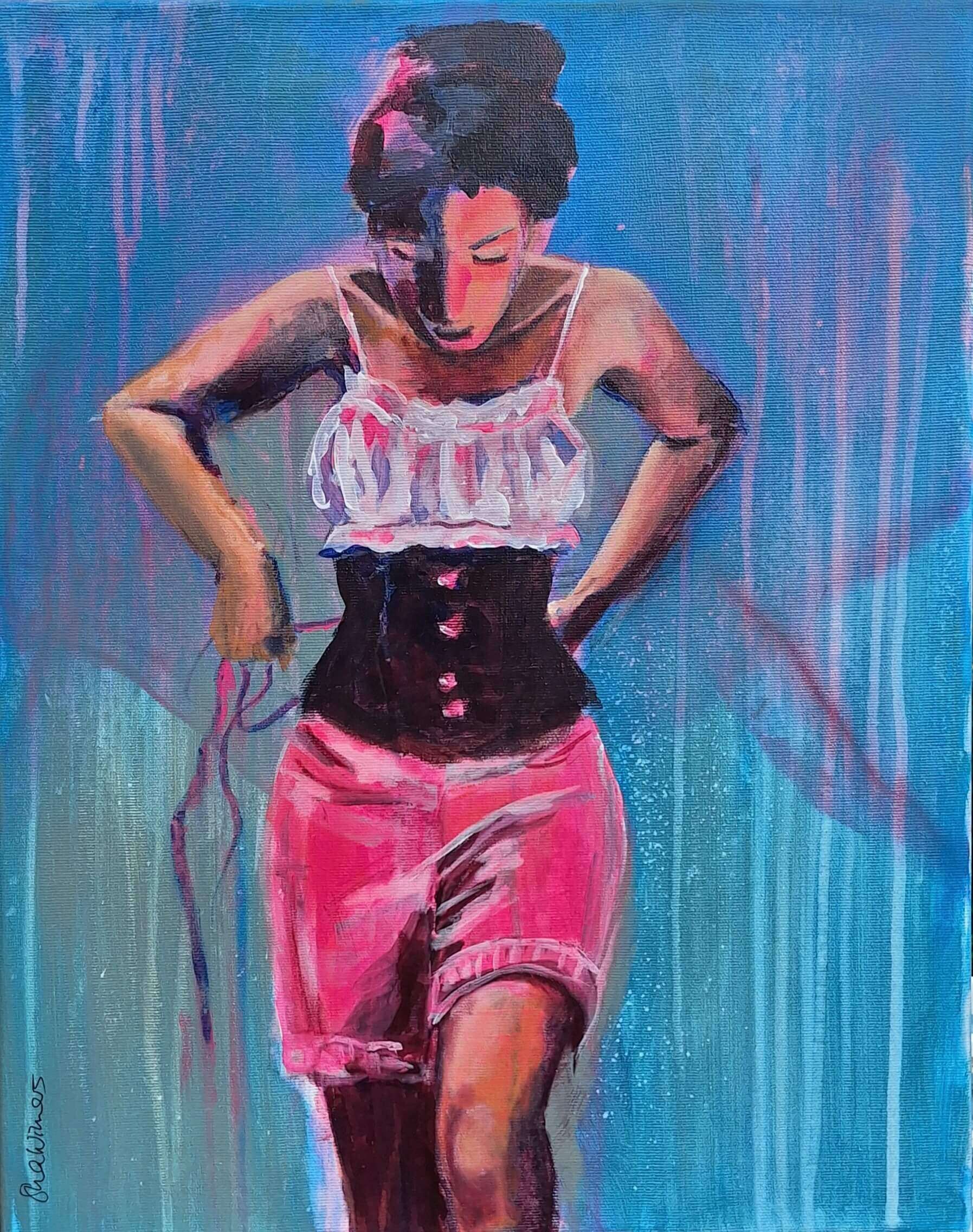
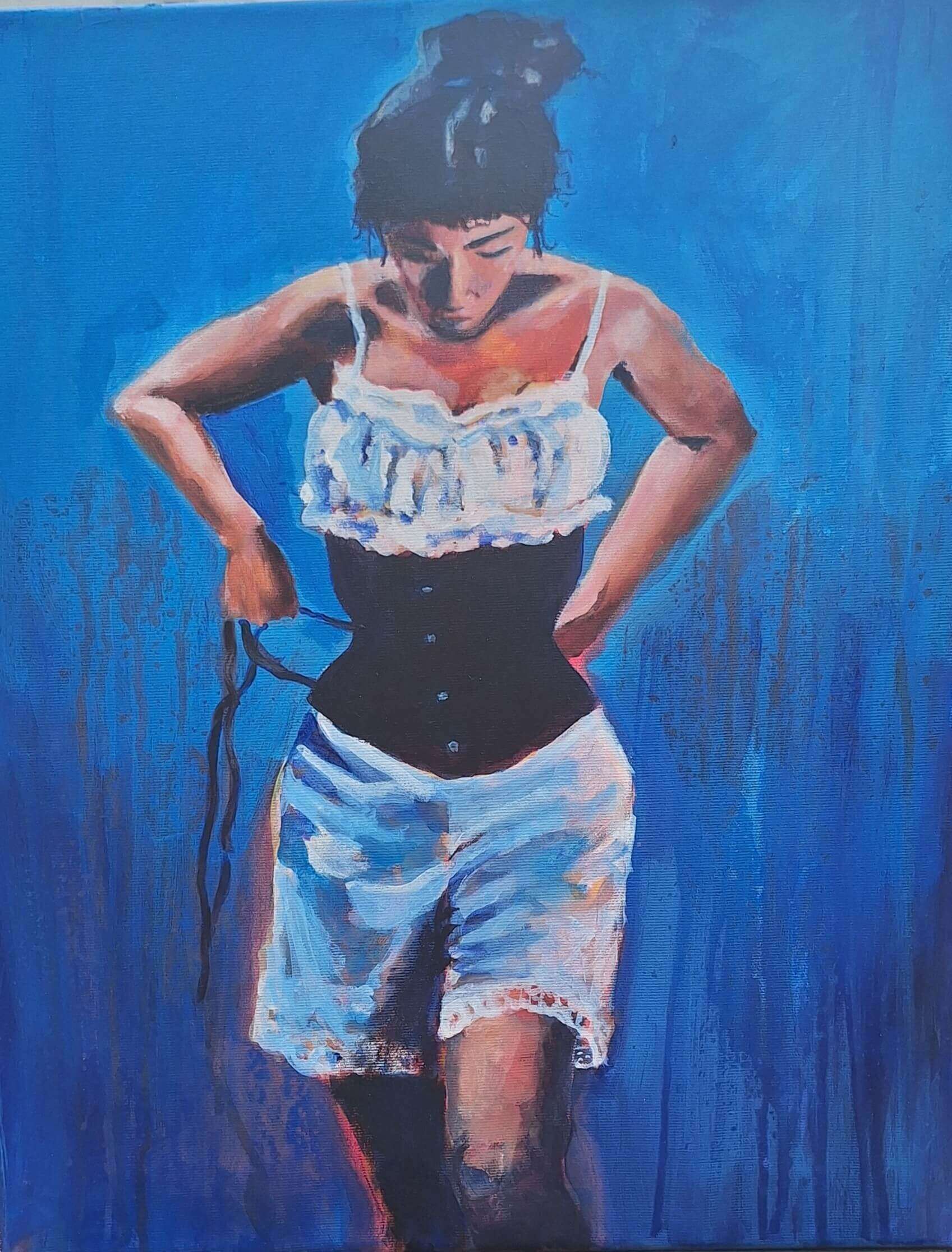
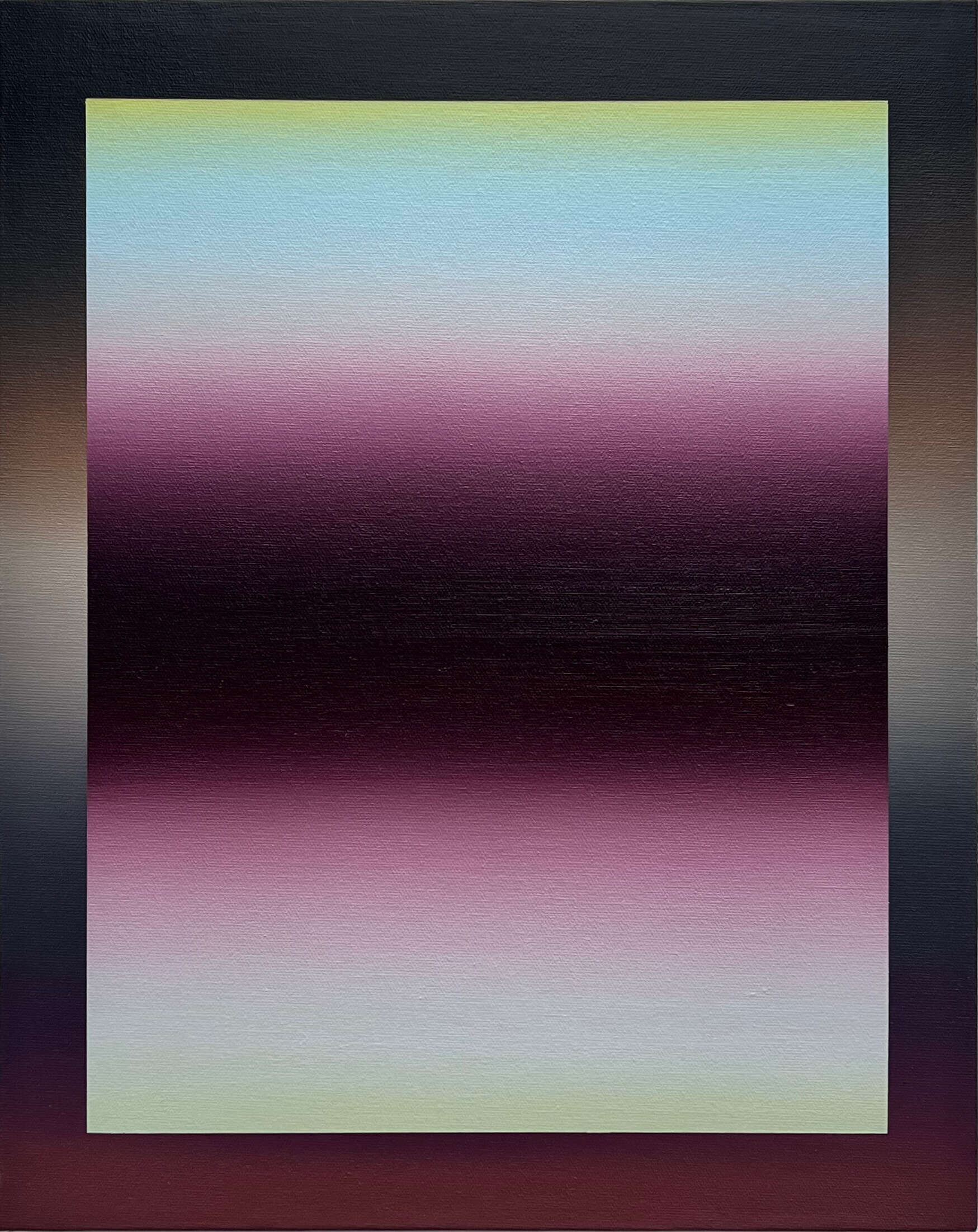

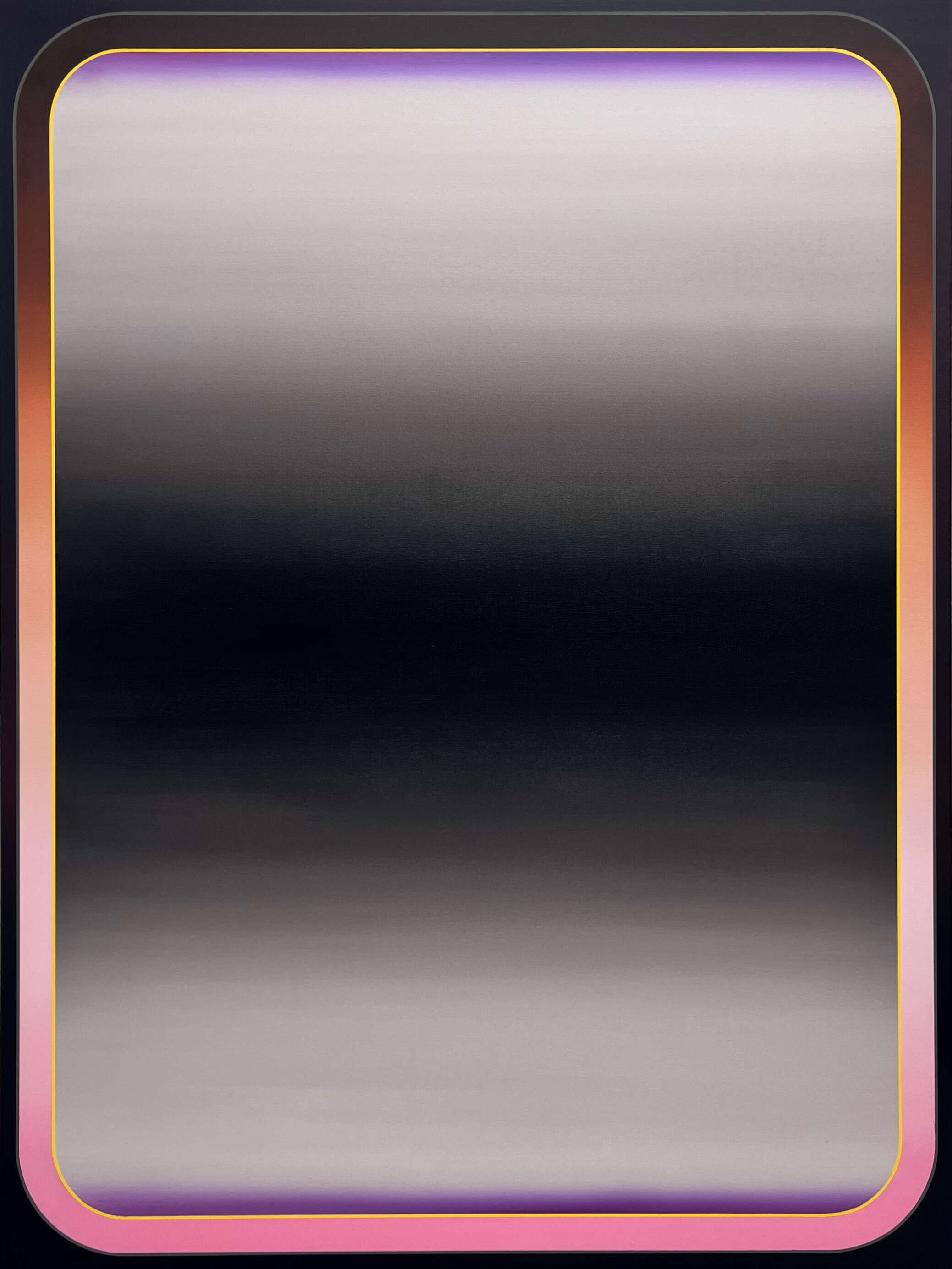
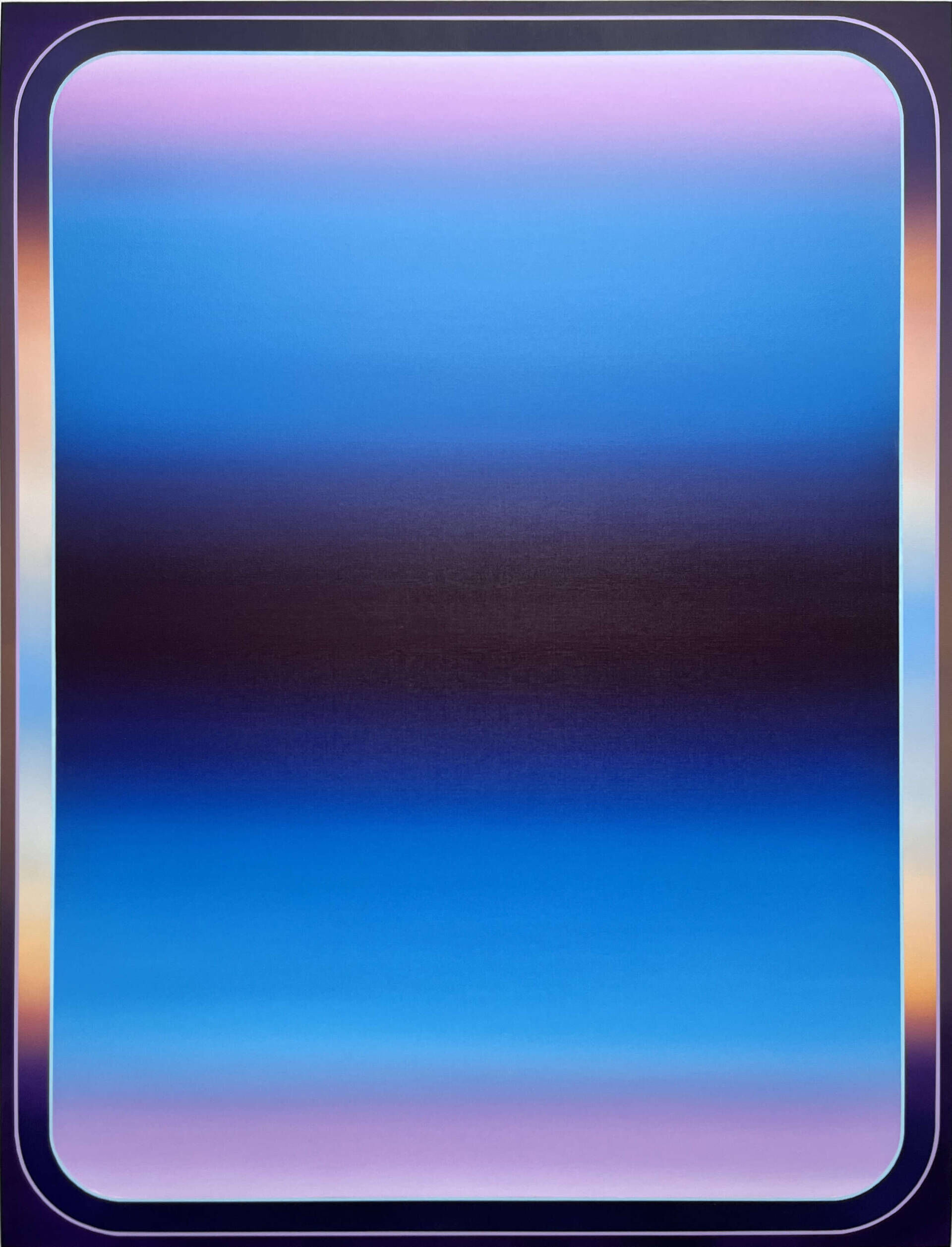
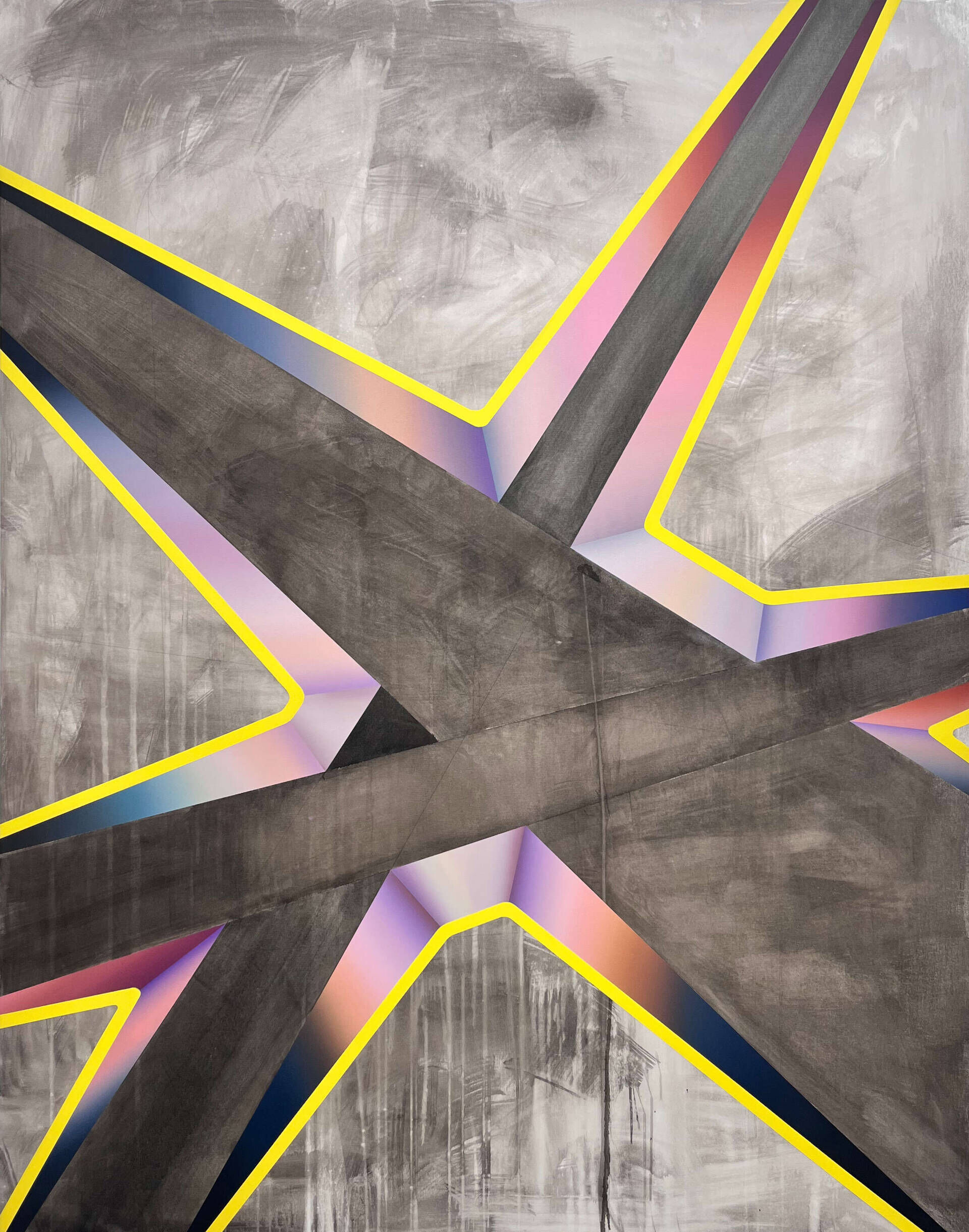

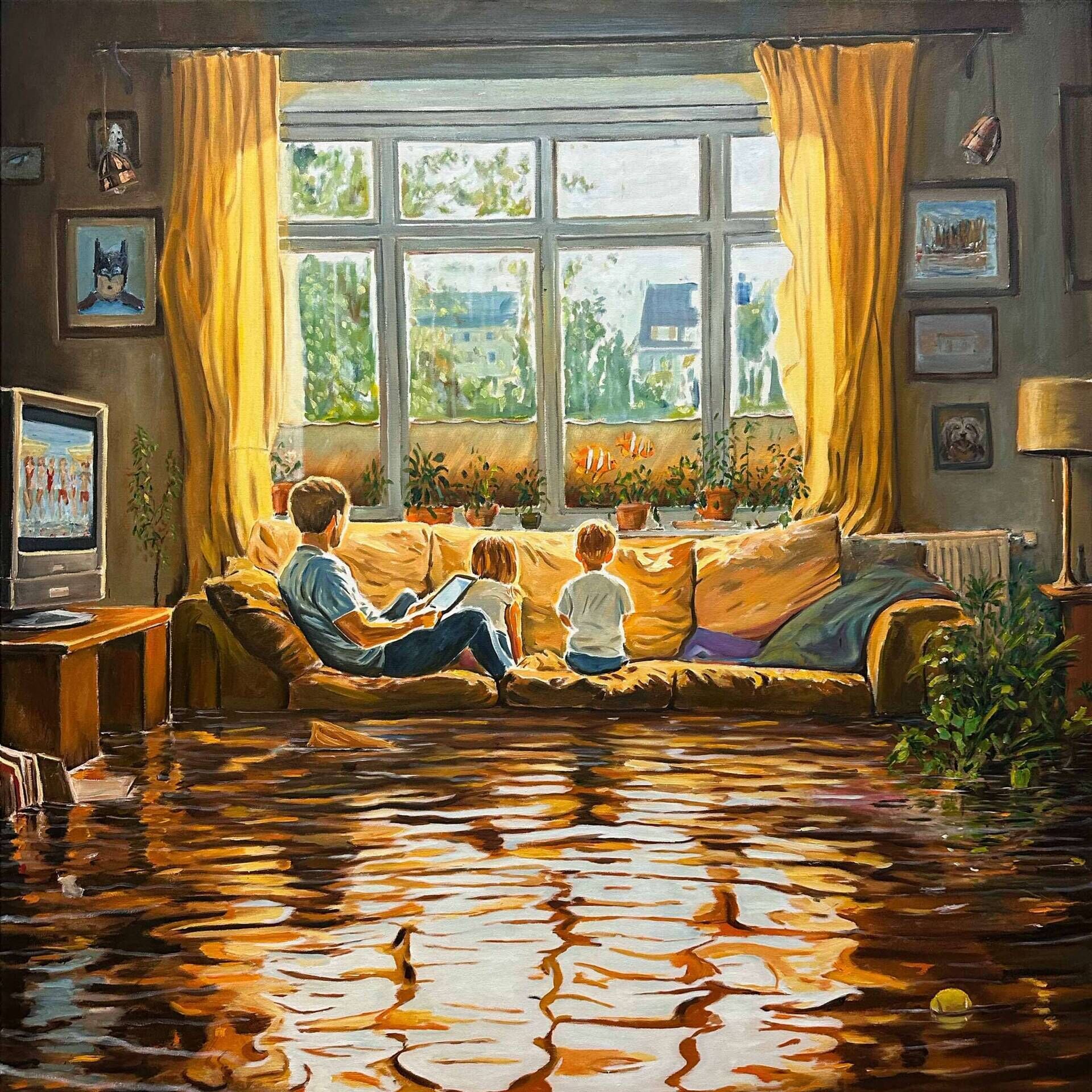
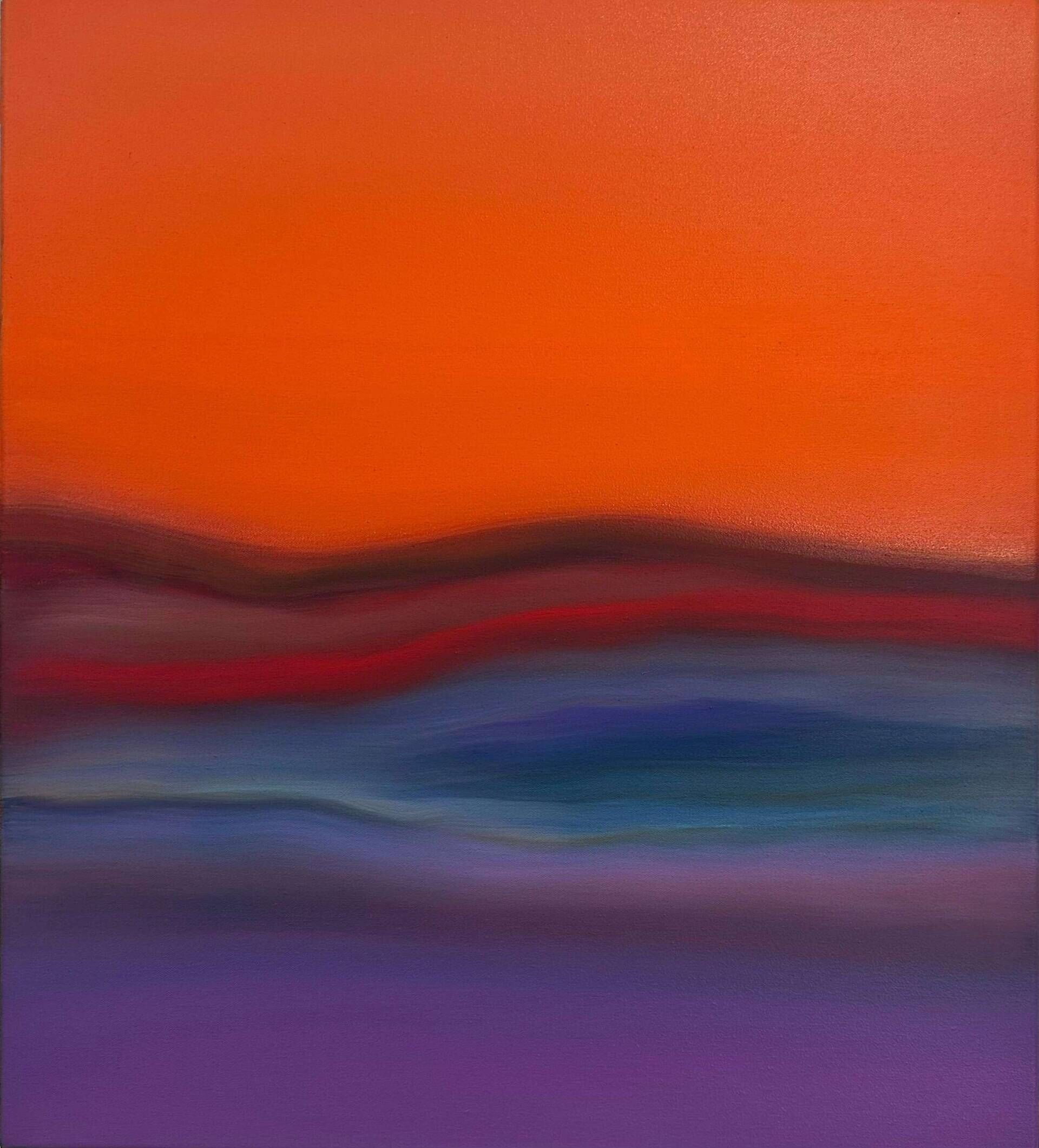
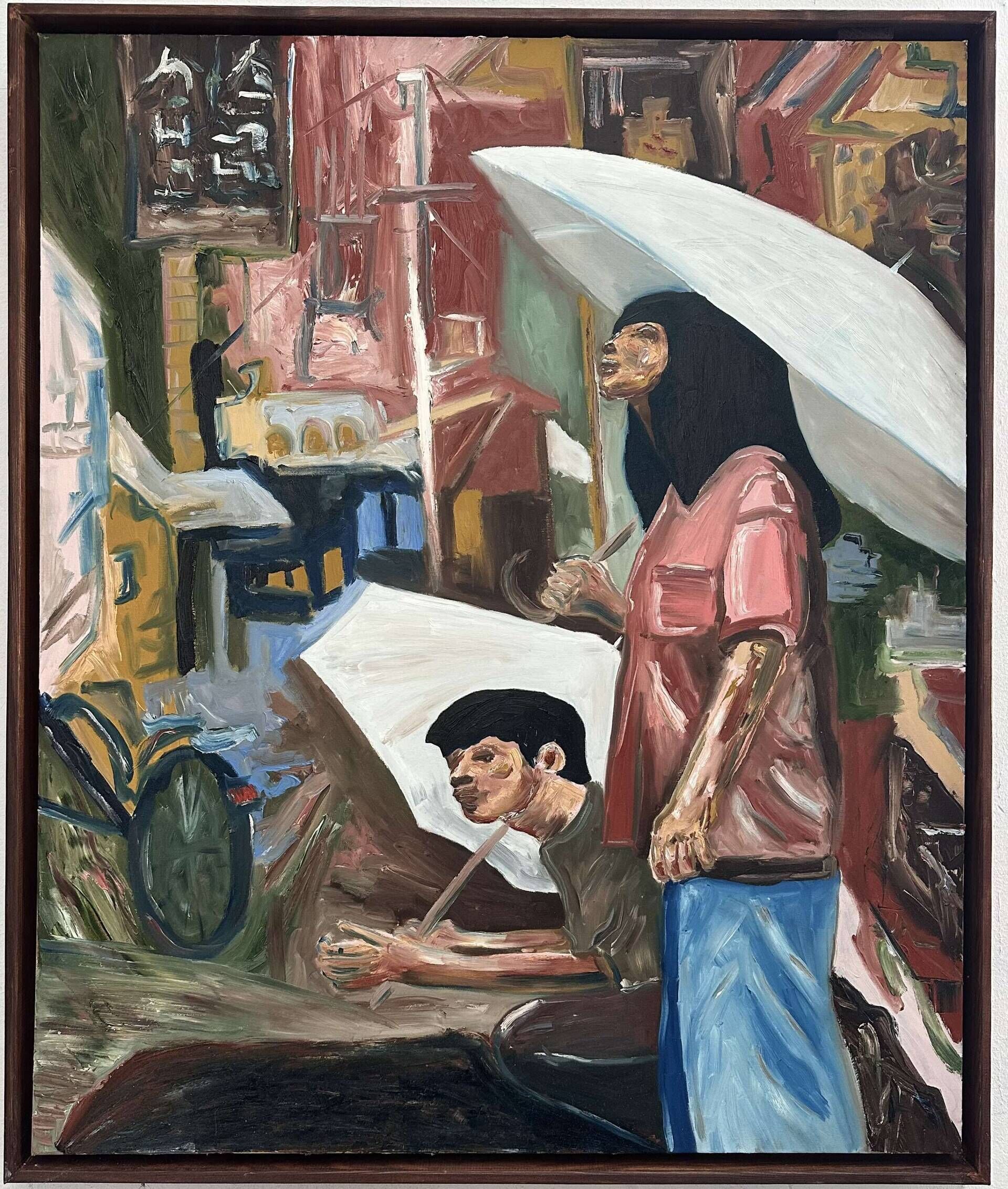
Investing in art with promising works by our graduates
If you invest in art, it’s particularly worth taking a look at our graduates. Their works already combine a mature artistic voice with the creative freedom of the early stages of their careers – a combination that makes them an exciting investment opportunity for collectors and investors. They have only just completed their art degrees, yet already possess a distinct visual language, a recognisable style and initial exhibition experience. It is precisely this combination that makes art by graduates so promising for those wishing to invest in art: it is professional, individual and yet affordable.
When investing in art, the value for them isn’t solely monetary – you’re also investing in development, talent and the future. And this is precisely where the appeal lies: graduates are at a stage where they have found their path but still have room to grow. Their work evolves, their profile rises, and the potential for appreciation in value is very real – whilst at the same time you acquire an original piece that enriches your space and is also of an impressive technical standard. It’s the ideal starting point for using art both as an investment and as an aesthetic enhancement in your home.
Buying art as an investment – why art investments make sense
Art has been a stable form of investment for centuries – and it differs significantly from traditional investments such as shares, ETFs or property. When you invest in art, you acquire a physical asset, unaffected by financial fluctuations and unexpected market movements. This is why art is such an attractive investment. It does not suddenly lose value in the event of a crash, but remains intact, visible, tangible and ever-present. For many investors, this is what makes art so attractive as an investment: value, stability and aesthetic appeal go hand in hand.
Furthermore, the art market has been growing steadily for years. Reports such as the Knight Frank Wealth Report or the UBS Global Art Market Report reveal clear trends: High-net-worth investors who invest in art are increasingly turning to art as a long-term hedge and means of diversification. Art is not subject to the same cycles as the DAX or the property market – it follows its own logic, with its own performance and its own demand. Investing in artworks therefore makes this part of your wealth less dependent on the stock market.
So, if you want to invest in art, you’re buying more than just a beautiful object. Investing in art expands your portfolio to include an asset class that performs independently and also brings you pleasure. And you don’t need millions in your bank account to do so; you can make your investment in art through Studierenden Kunstmarkt on any budget.
Value investments on a budget – the potential of emerging talent
One of the most attractive ways to invest in art is through young and up-and-coming artists. Artworks by recent graduates, in particular, offer enormous potential at a fair entry-level price. Whilst works by established artists can quickly cost four- or five-figure sums, you can often still invest in emerging talent at affordable prices – without compromising on quality.
The appeal here lies in the potential for growth. Nobody knows who will become the next big name in the art world, but that is precisely where the opportunity lies. Early works by artists who go on to achieve success often see impressive increases in value on the secondary market. A telling example: anyone who bought early works by Jean-Michel Basquiat could not have imagined at the time just how significant he would one day become – today, his artworks fetch record prices at international auctions. Of course, there are no guarantees – but there are trends. That’s why you can seek personal and free advice on your art investment or discover promising talents in our Artist of the Month category. If you want to invest in art, it’s best to do so sooner rather than later. At the same time, by supporting students at Kunstmarkt, you’re helping creative talents on their journey, enabling them to hold exhibitions and providing them with materials and time for new works of art. Investing in art is not only financially sound, but also has a cultural impact.
Discover the Artist of the Month
Tips for successful art investments
Before you invest in art for the first time, it’s worth taking a look at a few basic tips for successful art investments. The most important one: don’t just buy based on potential value, but on what you believe in. A work that speaks to you will stay with you in the long term – and that is precisely what makes art so special.
Research: Find out about the art market, get to know artists, follow their development, and keep up to date with exhibitions, prices and grants. If you engage with the scene regularly, you’ll quickly get a feel for where exceptional talent is emerging and where it’s best to invest in art. At our private viewings at the SKM Gallery in Leipzig, for example, you can meet the exhibiting artists in person. You can sign up here for the SKM Gallery newsletterso you never miss another opening.
Build a network: Make contacts with gallery owners, curators and other art collectors. A strong network can provide valuable information and opportunities. As a SKM Friend, you’ll have the chance to attend our exclusive artists’ dinner and chat with the artists and other interested parties at your leisure.
Long-term perspective: Art investments are generally long-term. Be patient and do not expect immediate returns when investing in art. The value of artworks often increases over years or even decades.
Authenticity and condition: Pay attention to quality and condition. Craftsmanship, technique and materials are essential for long-term value retention. On the Student Art Market, you receive a certificate of authenticity for every artwork directly from the artists – a crucial factor for any future increase in value.
Diversification: Invest in a variety of artists, styles and periods to increase your chances. There is no ‘right’ way to collect art, but there are various tactics for spreading the risk.
Artist of the Month
A particular highlight for anyone investing in art or looking to treat art as an investment is our category Artist of the Month. Here we showcase talents who have distinguished themselves through strong sales, exceptional professionalism, consistent quality or outstanding artistic development.
This section offers you a curated selection of promising artists and makes it easier to get started if you’re wondering which art by young artists is currently an exciting investment. The award is given to each artist only once – this does not mean that the artists are any less impressive in other months, but rather that they have stood out particularly during this period.
For you, this serves as a valuable guide: You gain access to talented artists who are making an impact, are in demand, and whose work is compelling both aesthetically and in terms of its potential. Many collectors use this category as a starting point for new investments – a blend of inspiration and a thirst for discovery.
Collecting art on the Studierenden Kunstmarkt
So if you’re looking to invest in art, the graduates featured on the Studierenden Kunstmarkt offer an excellent starting point: a mature artistic voice, individual styles, high potential for development and moderate entry-level prices. Art as an investment is not a question of wealth, but of perspective – and that is precisely why it is worth starting now with small investments and discovering the diversity of young art for yourself.
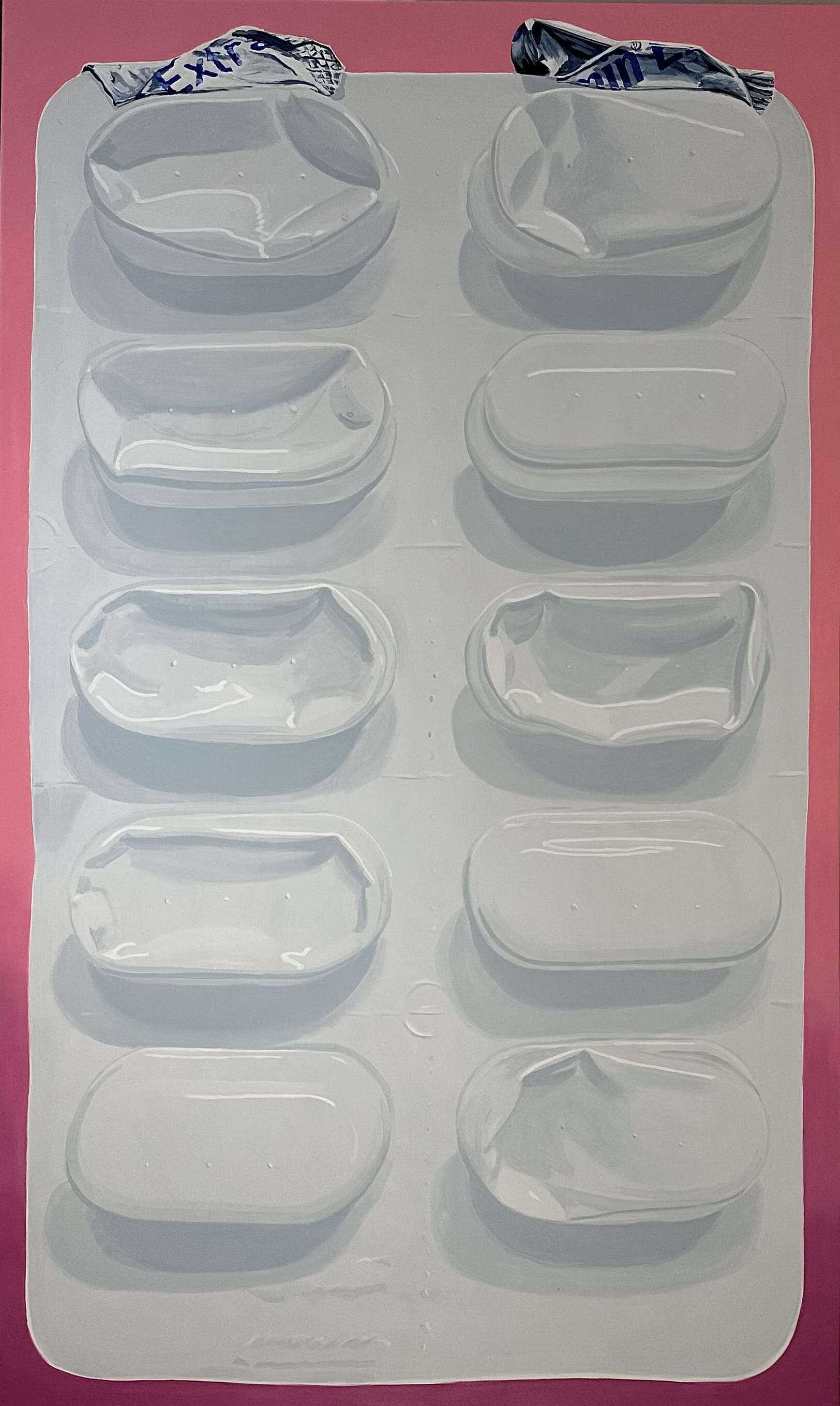
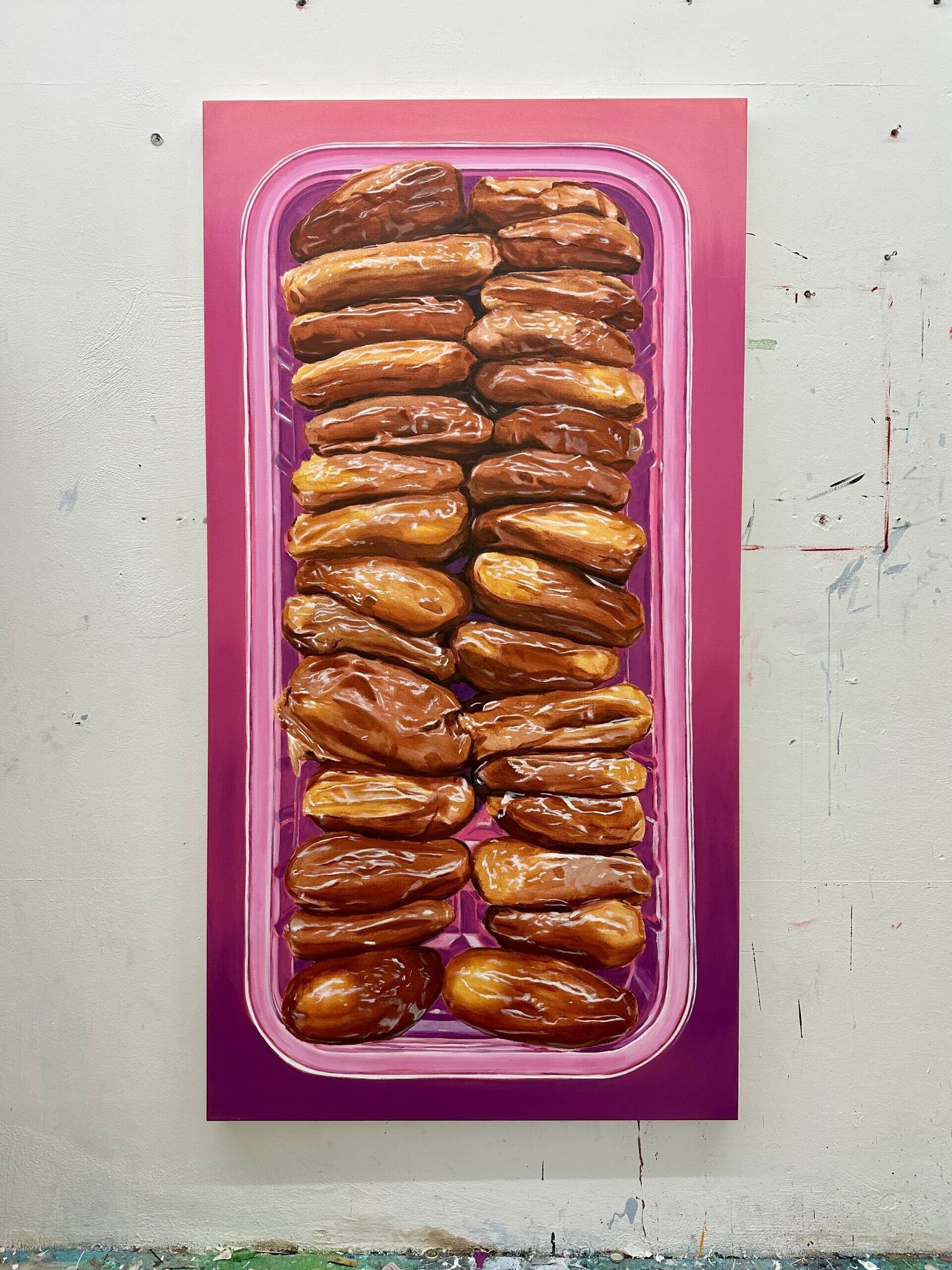
Among our graduates, you’ll find a diverse range of artistic styles that capture the human experience in unique ways. For example, you can invest in art in the form of expressive etchings. The artworks by SKM artists are the ideal starting point for art as an investment.
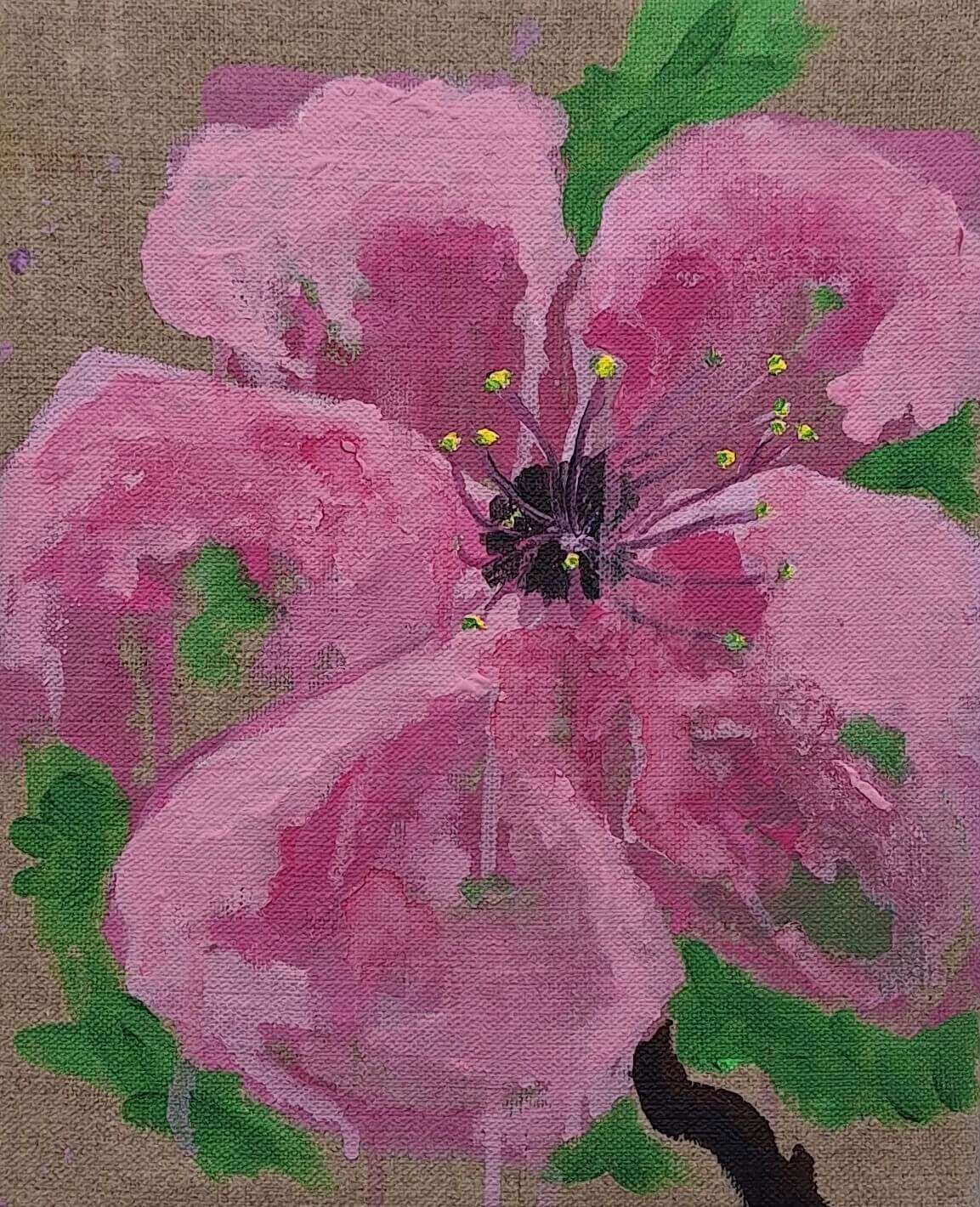
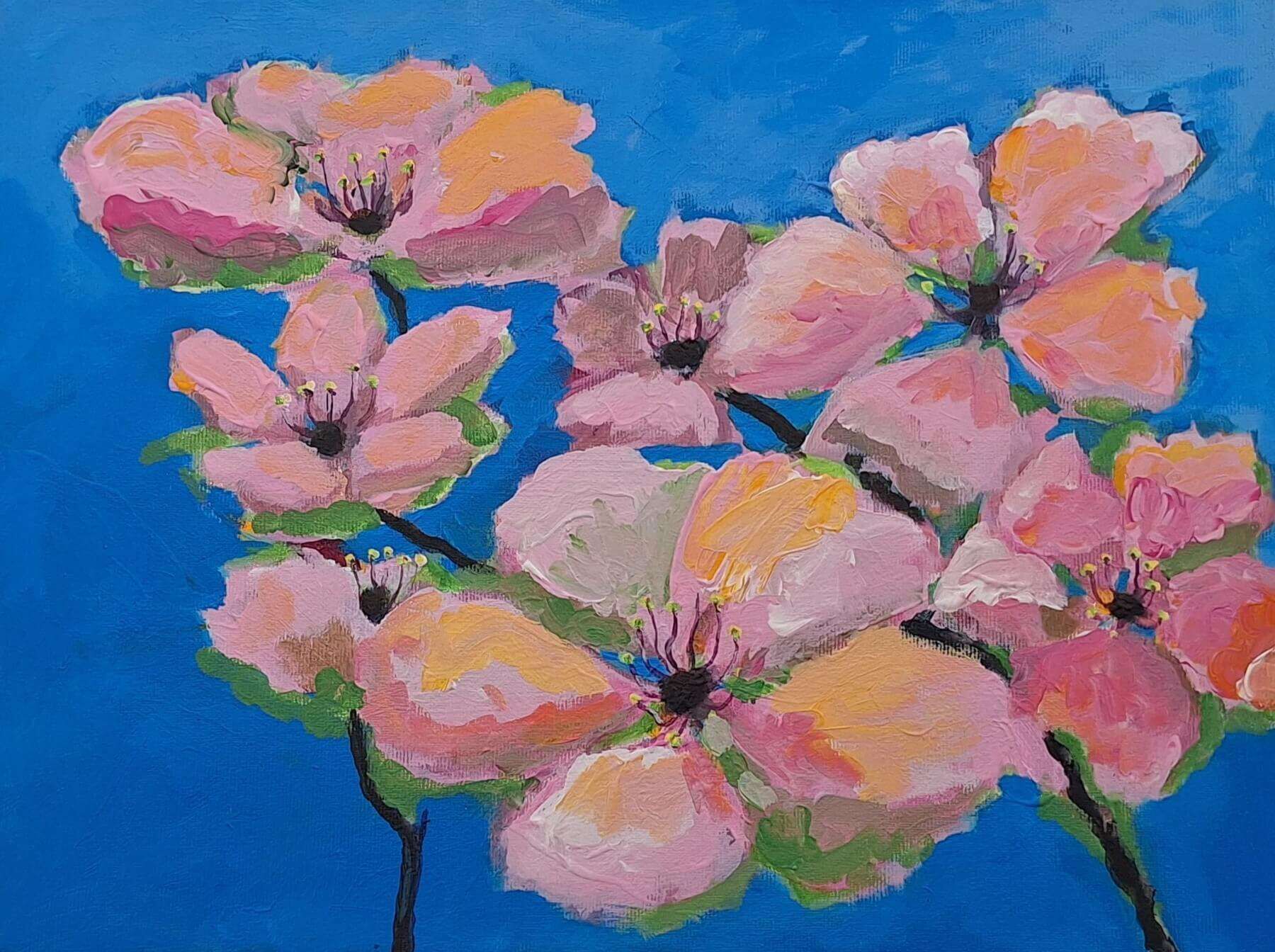
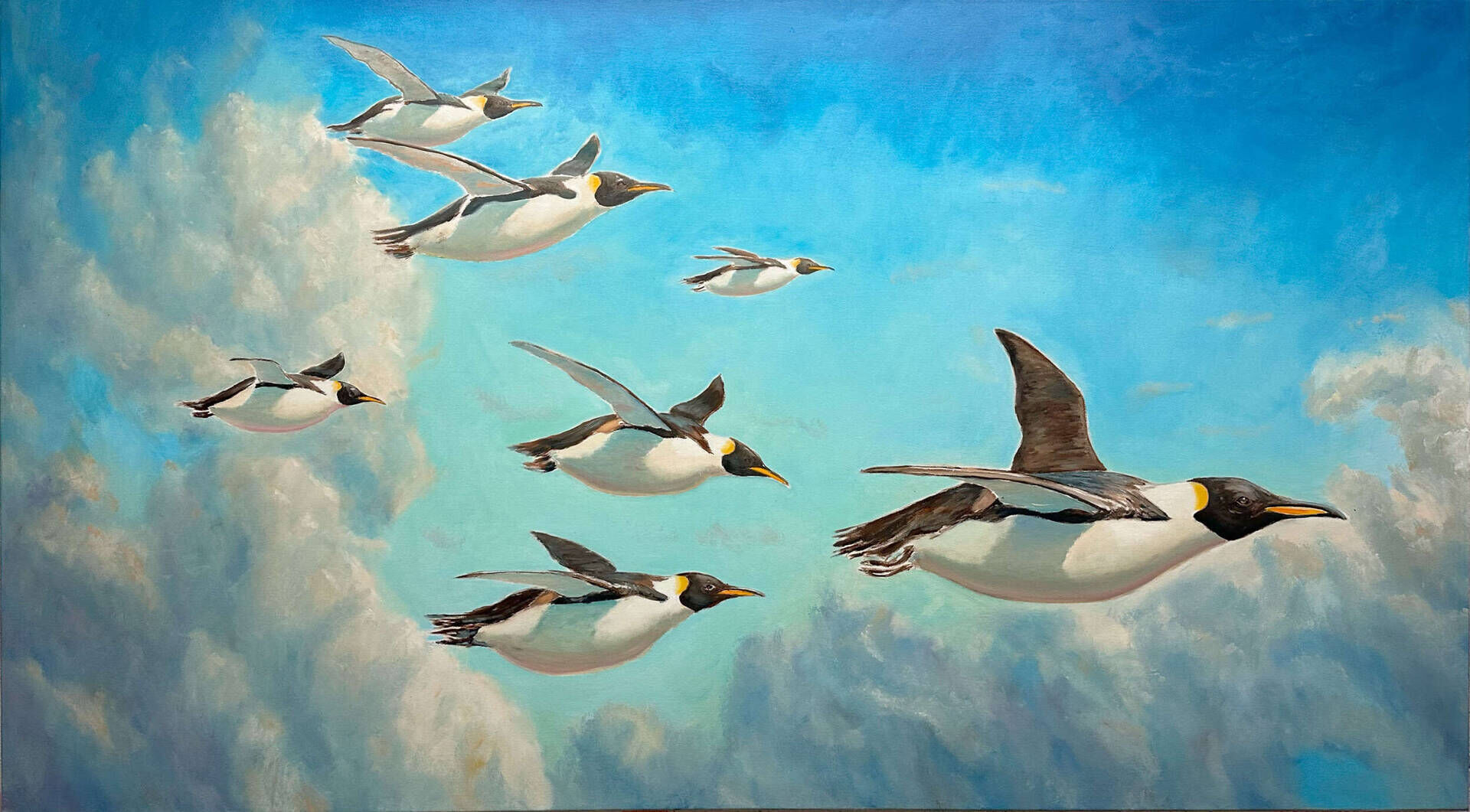
Valerie Cee focuses on emotional colour schemes full of naturalness, which radiate both warmth and tranquillity.
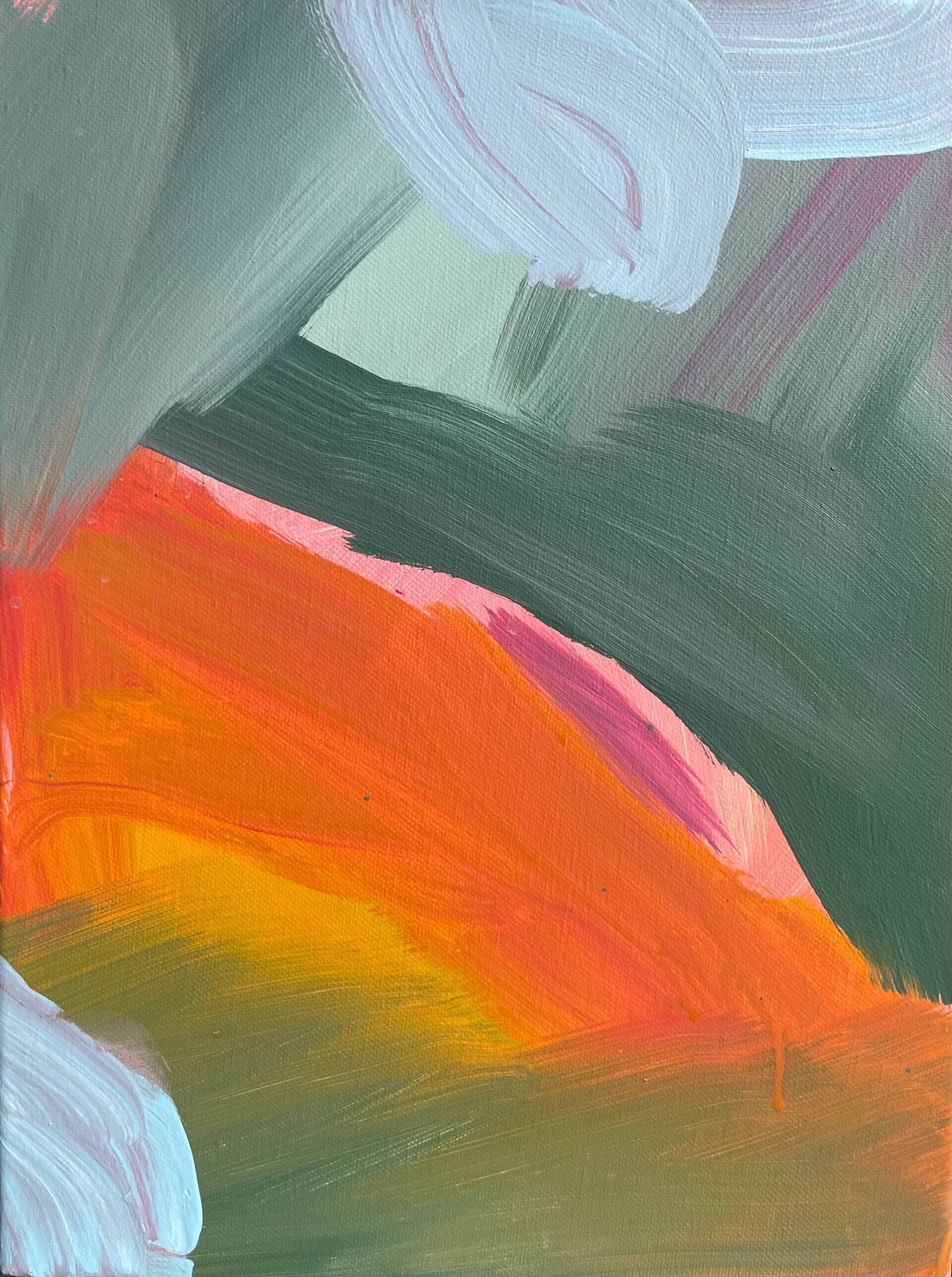
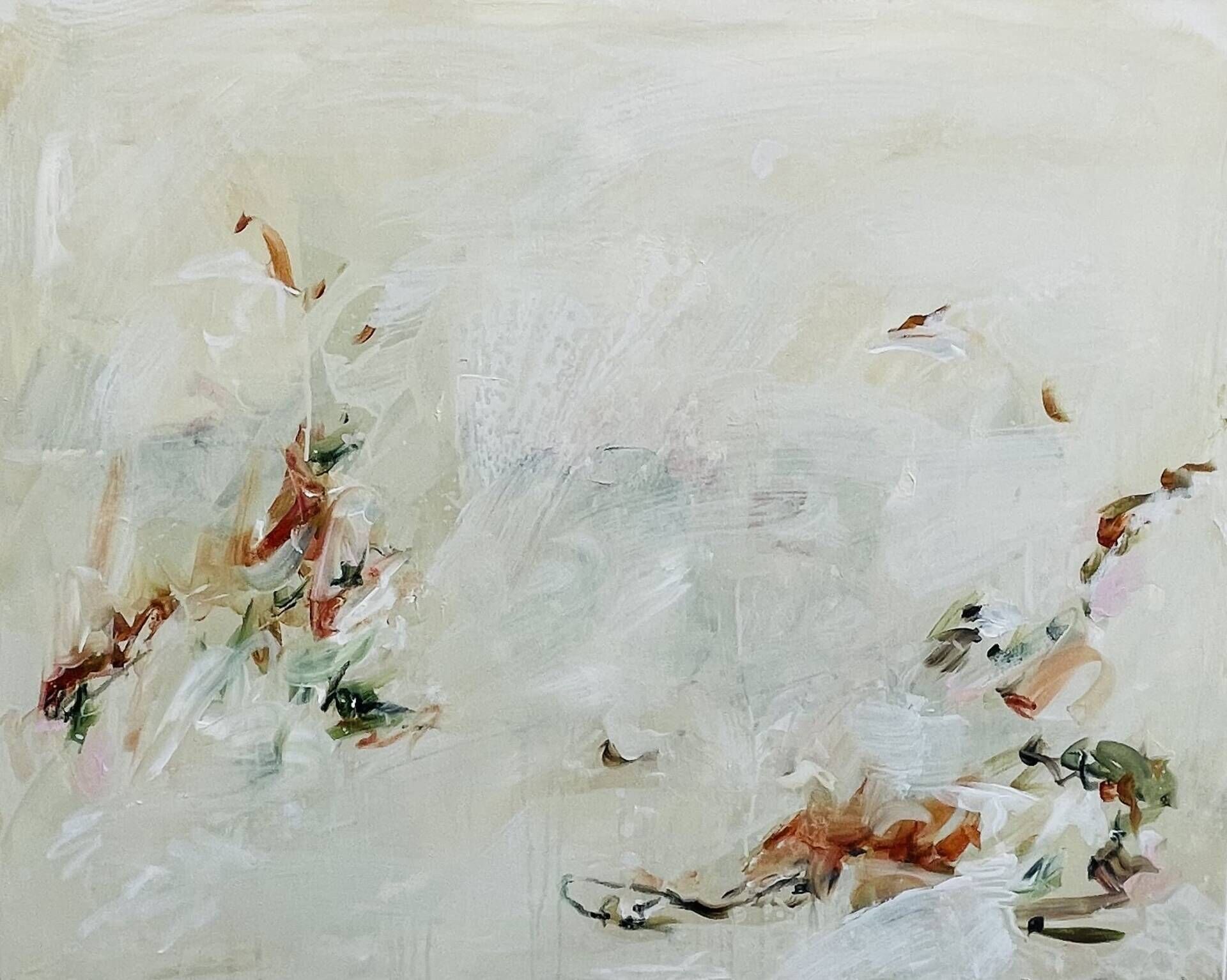
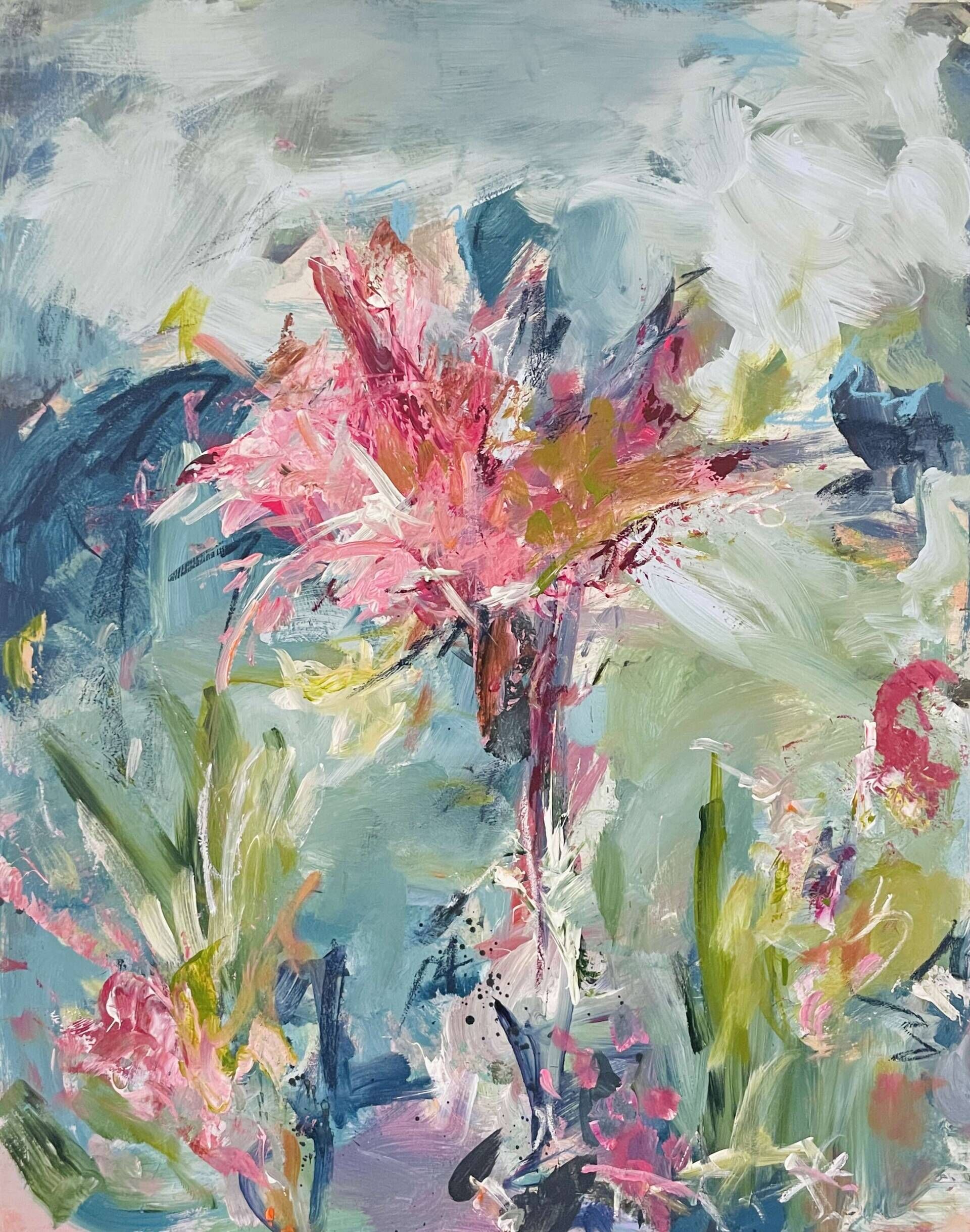
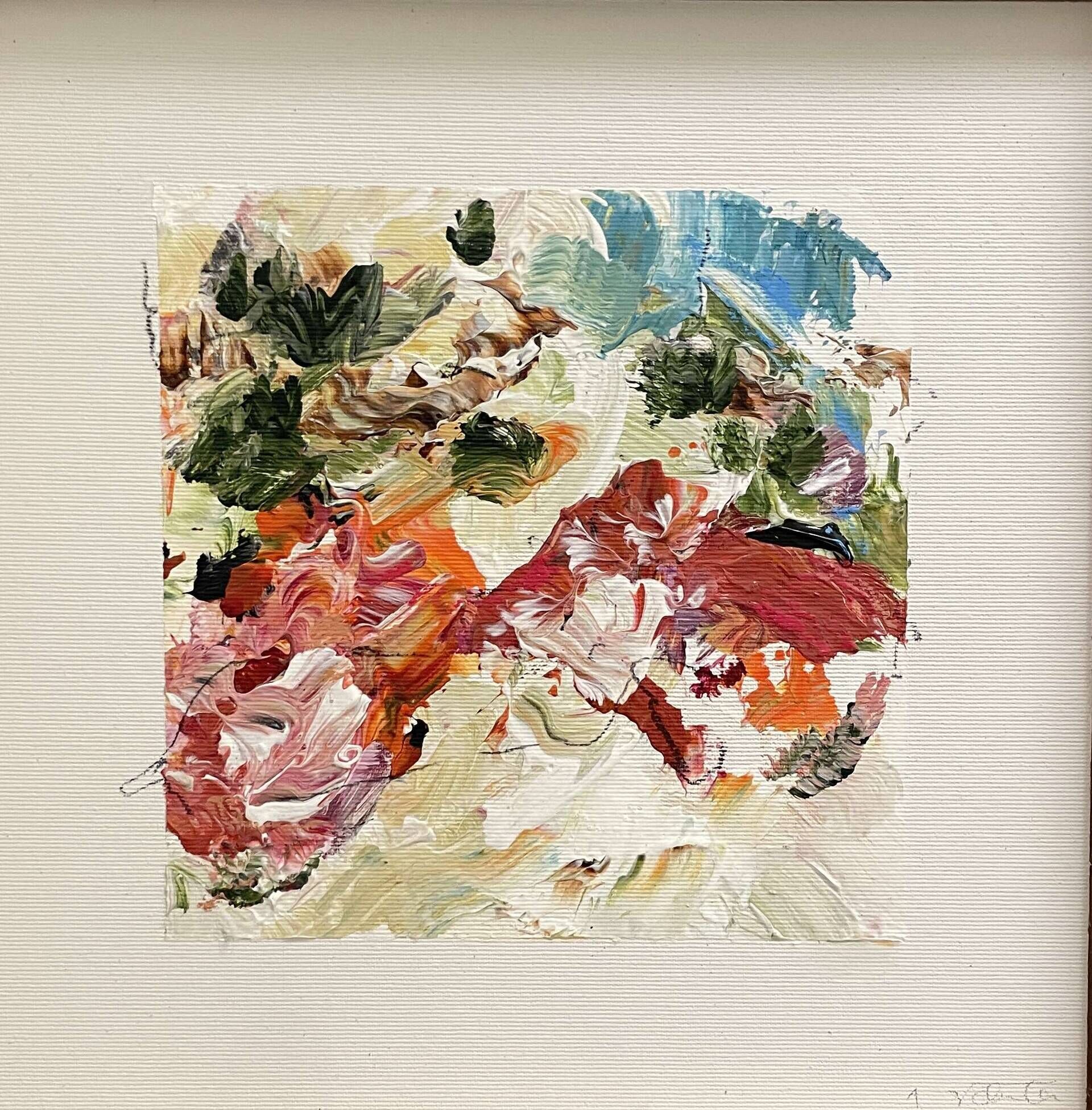
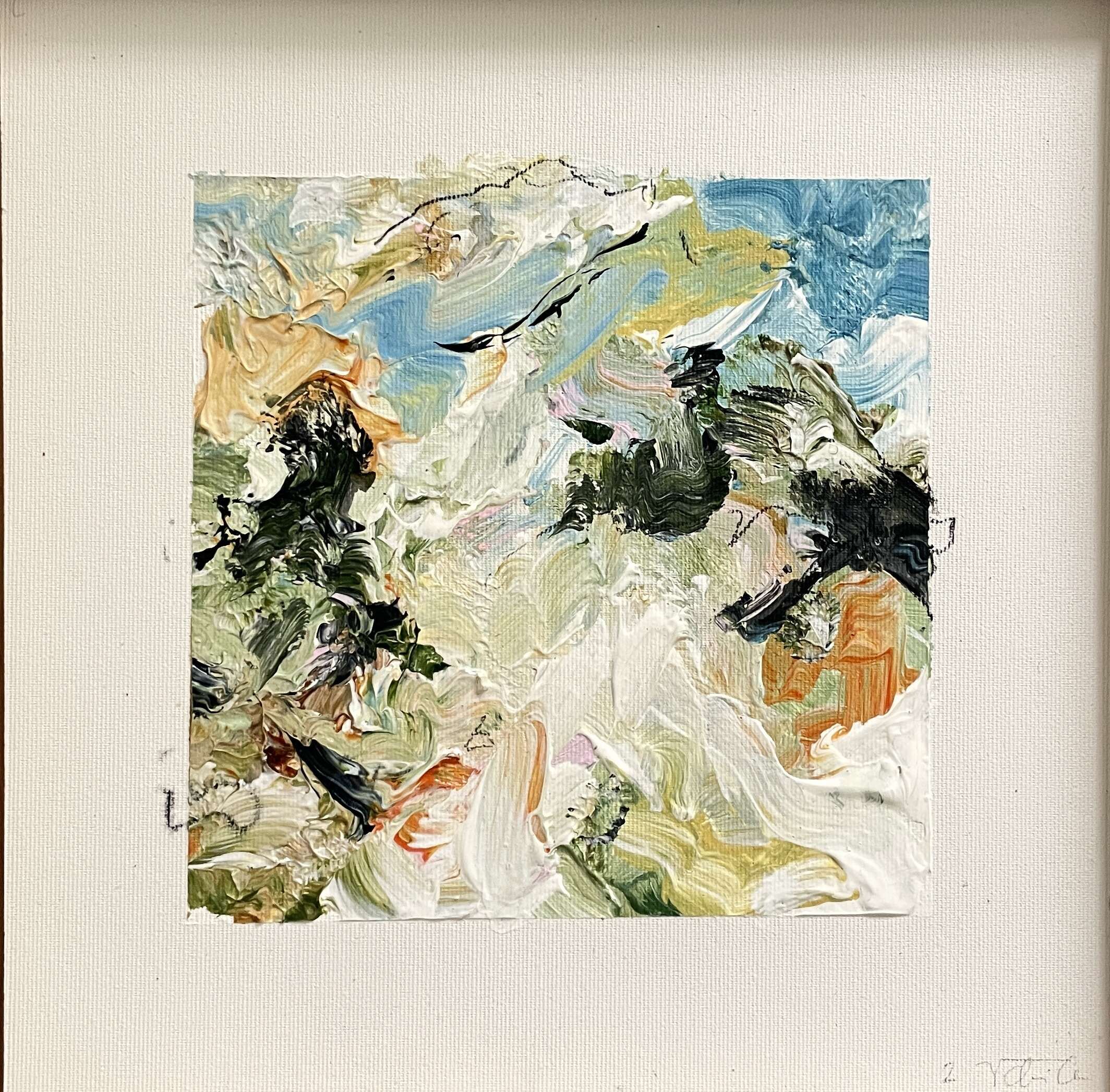
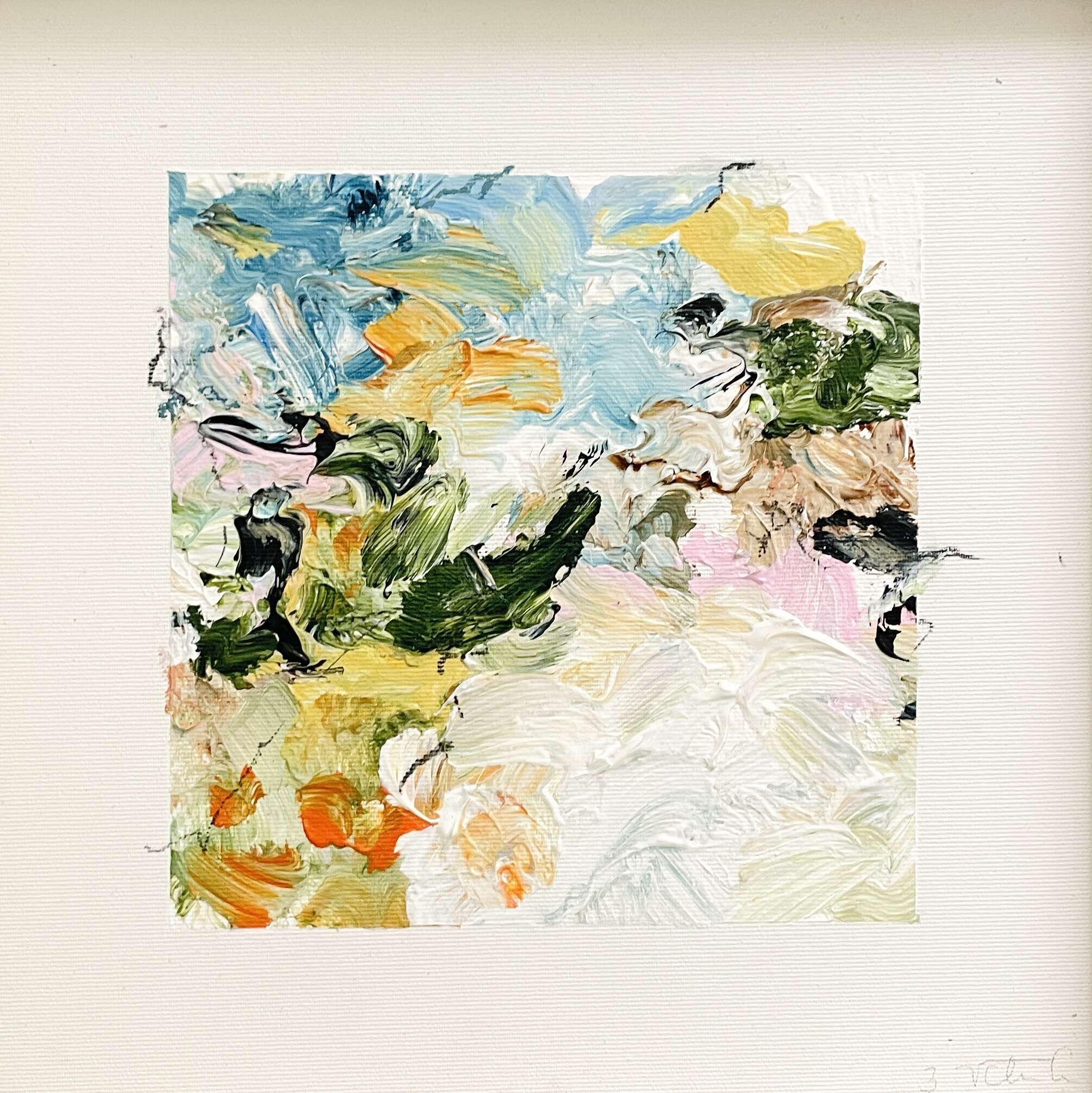
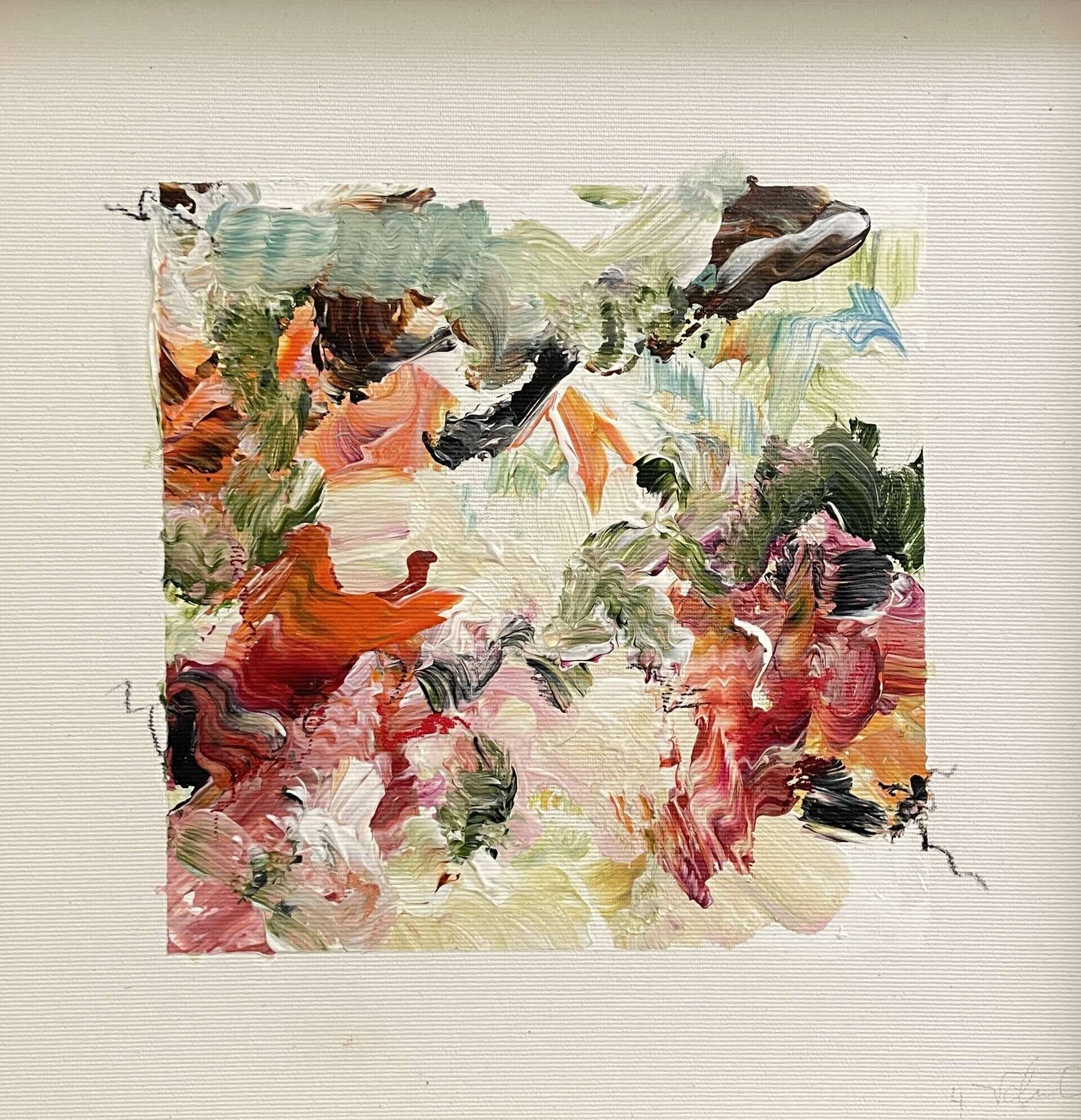
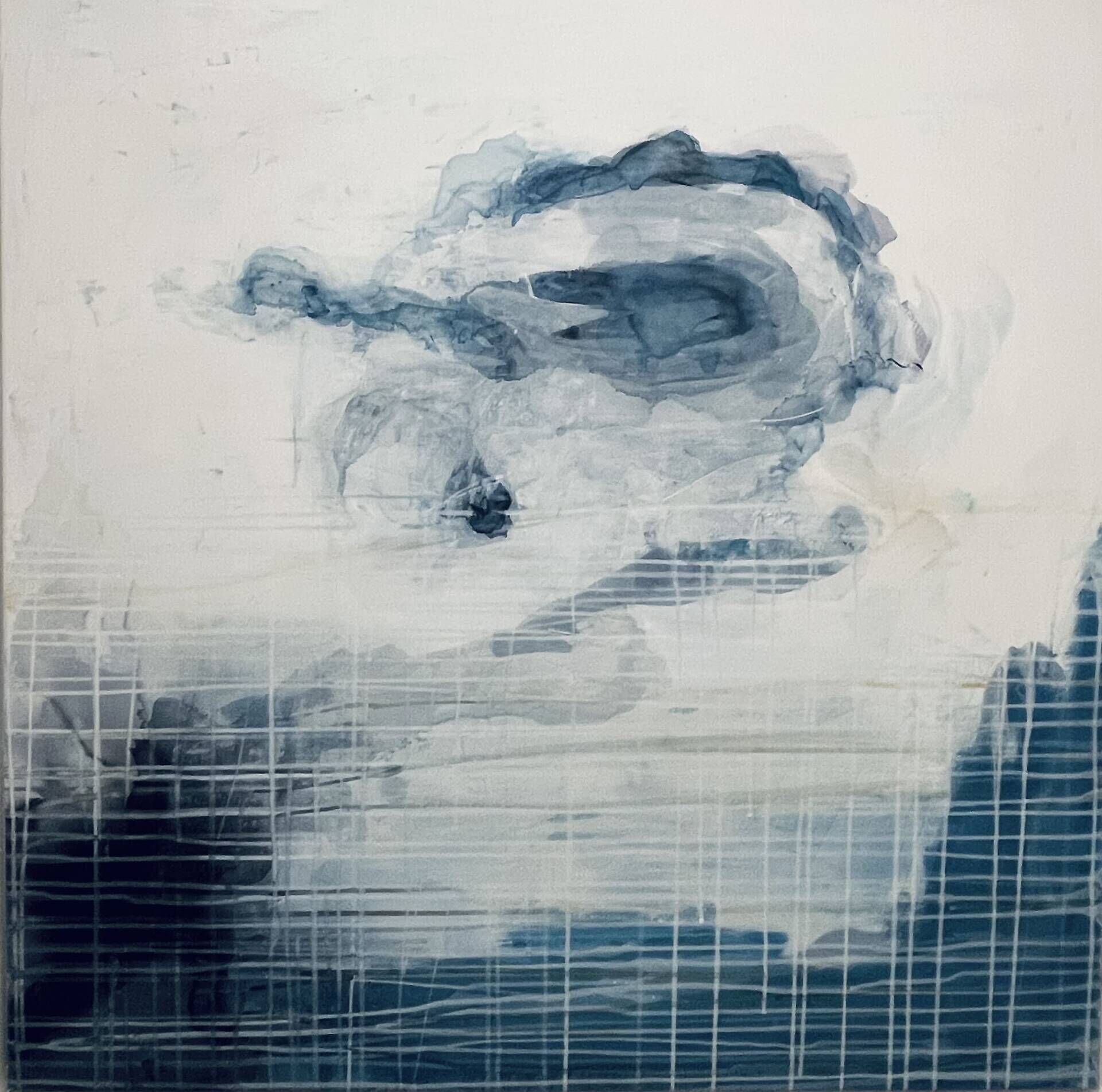
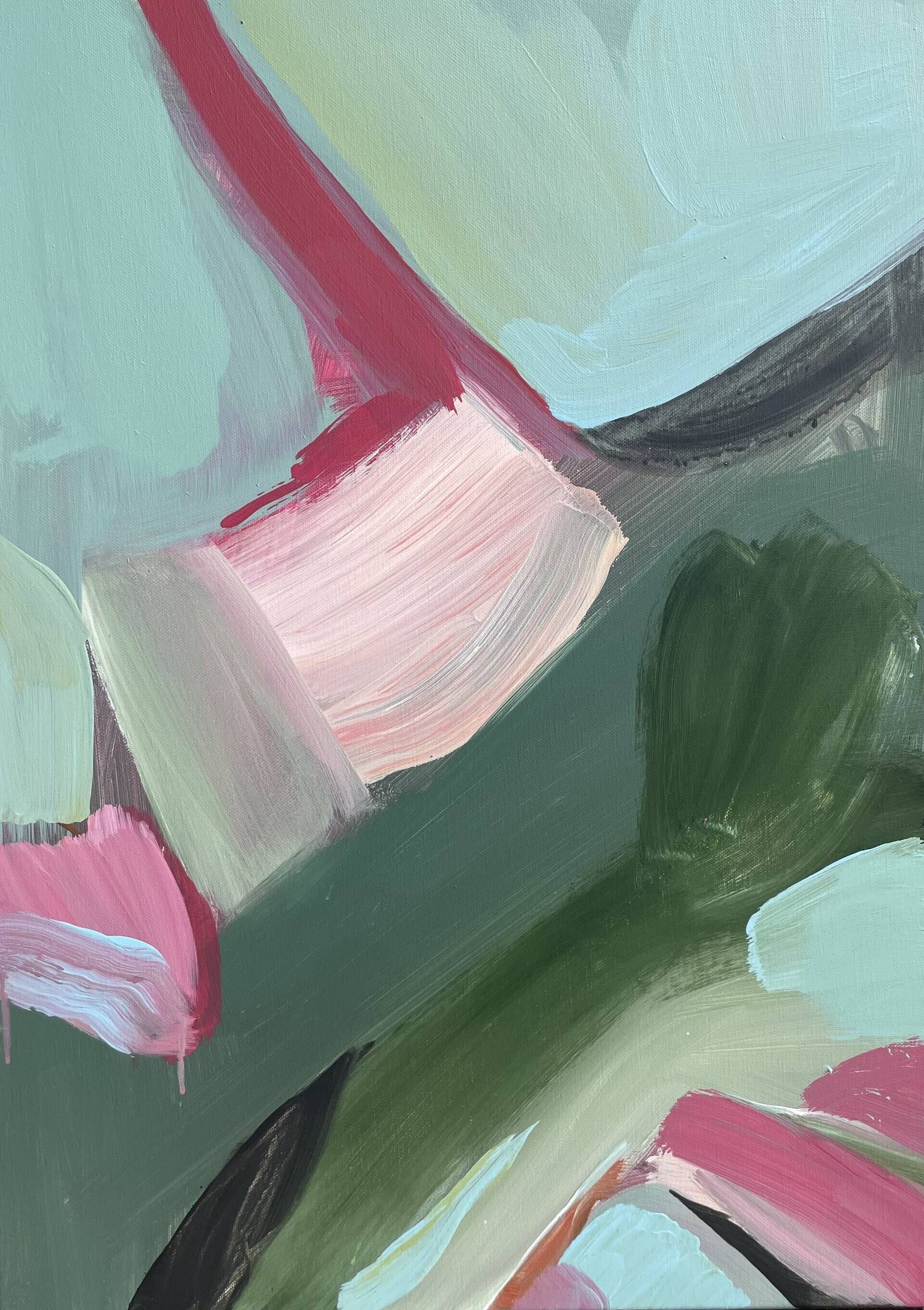
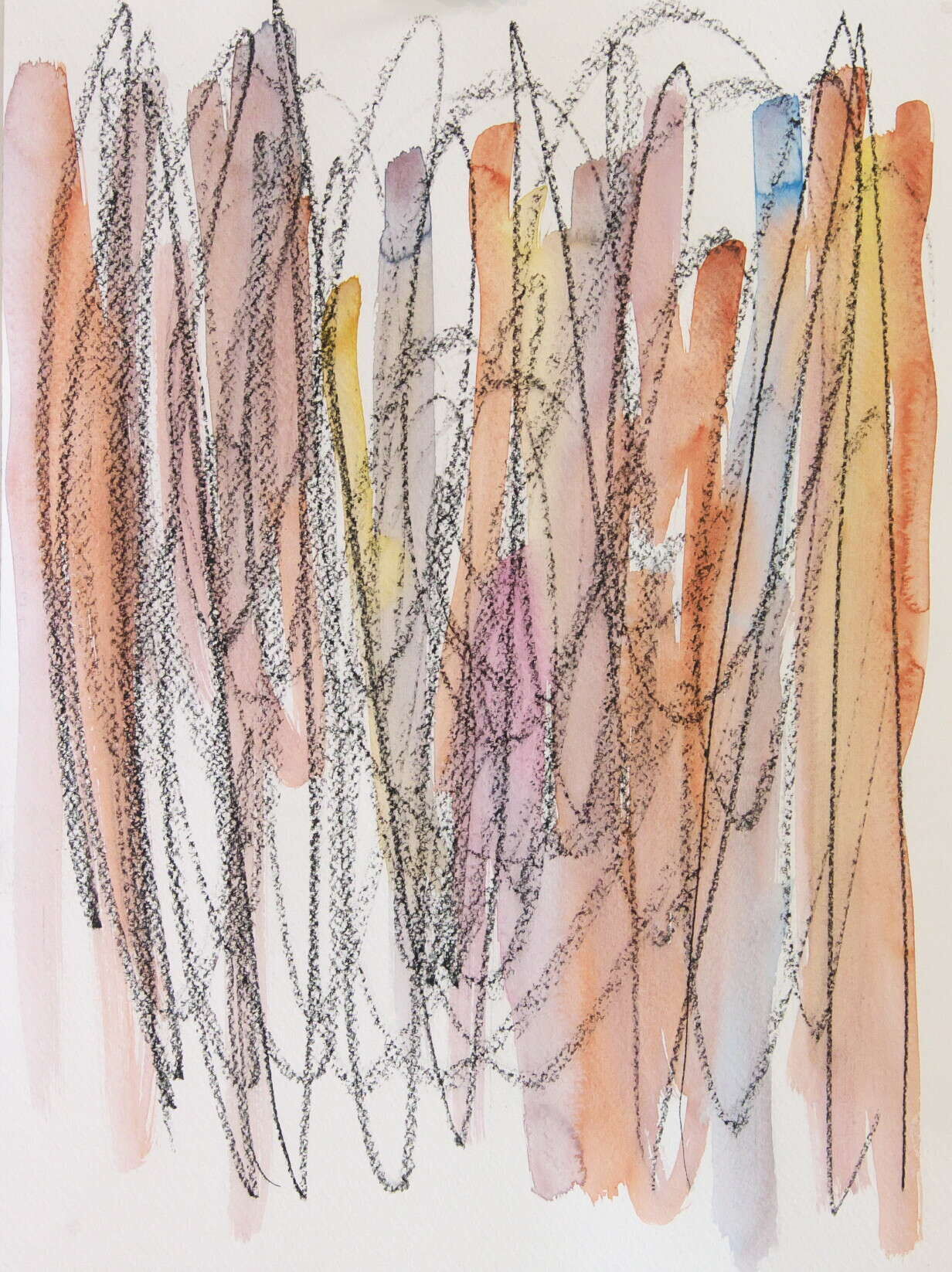
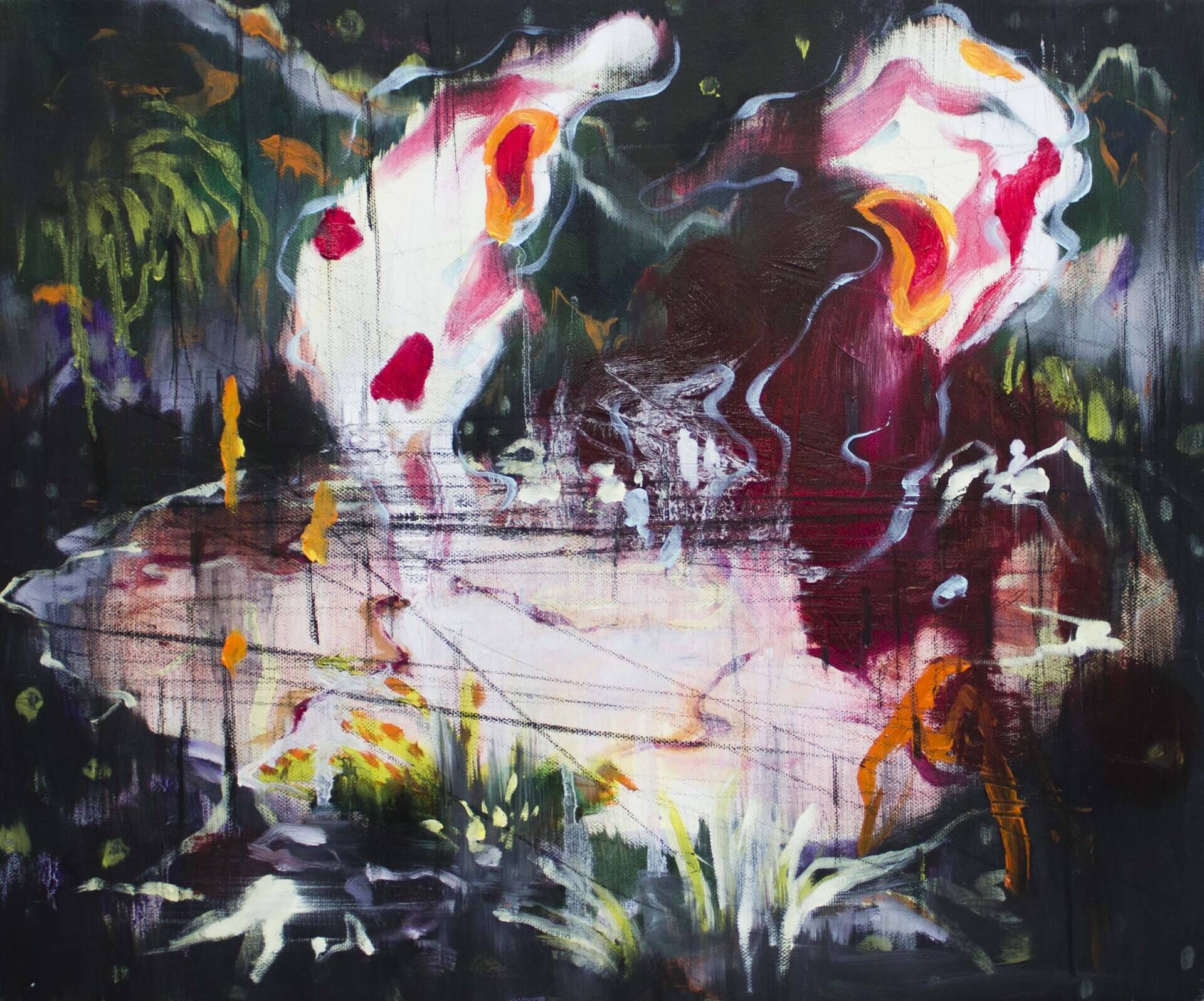
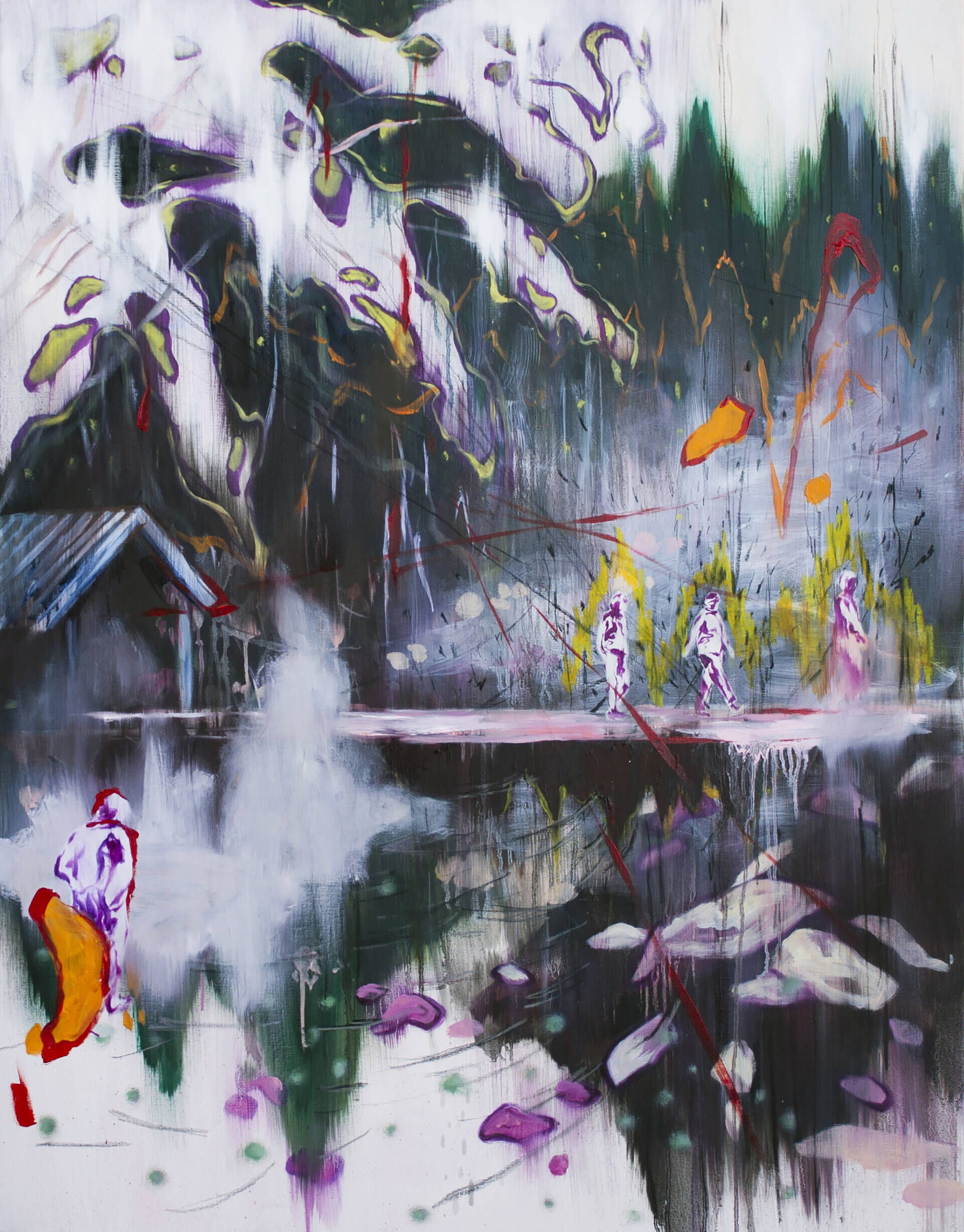
Eunjeong Kim, on the other hand, creates finely detailed abstractions that oscillate between delicate flow and explosive energy.
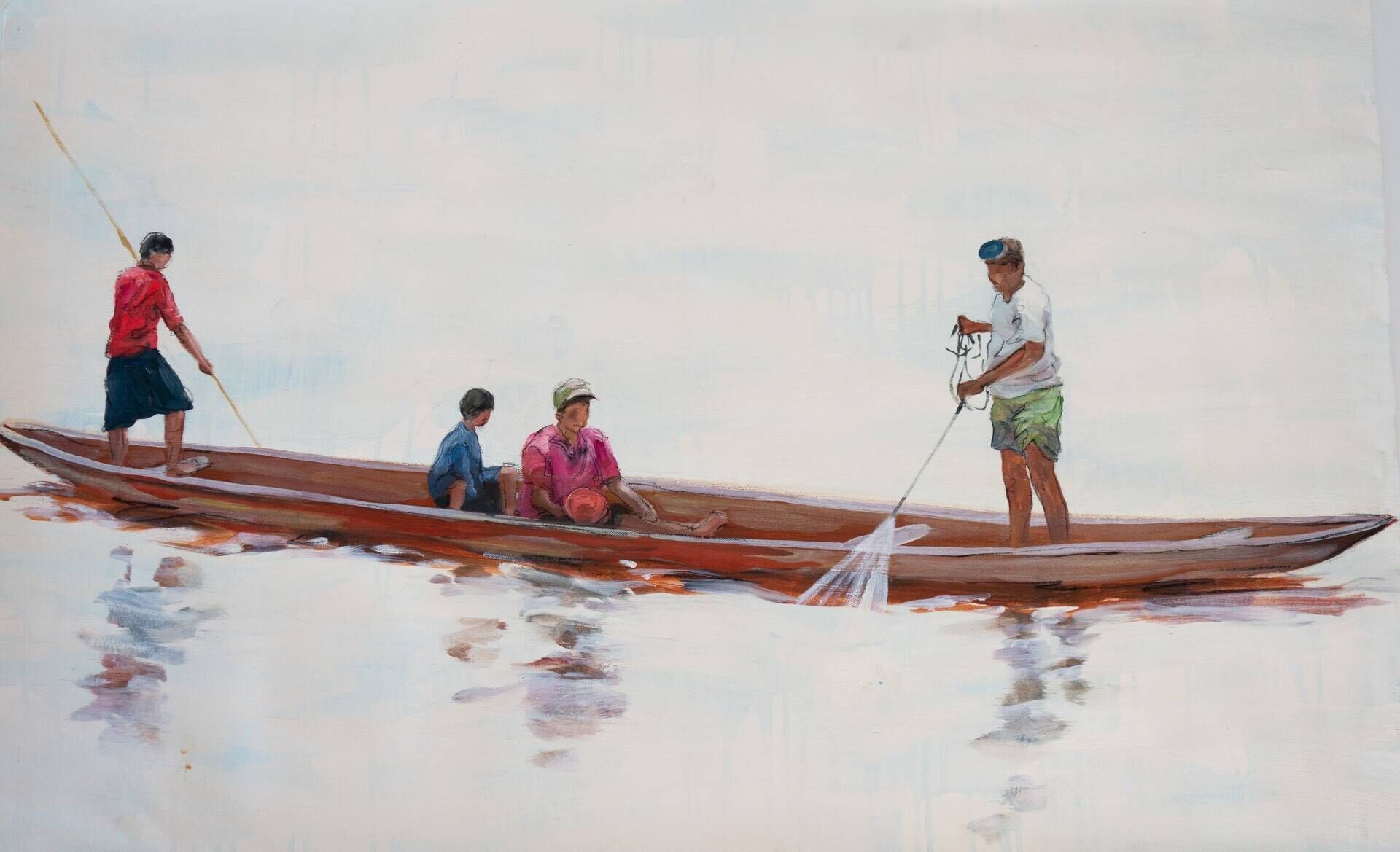
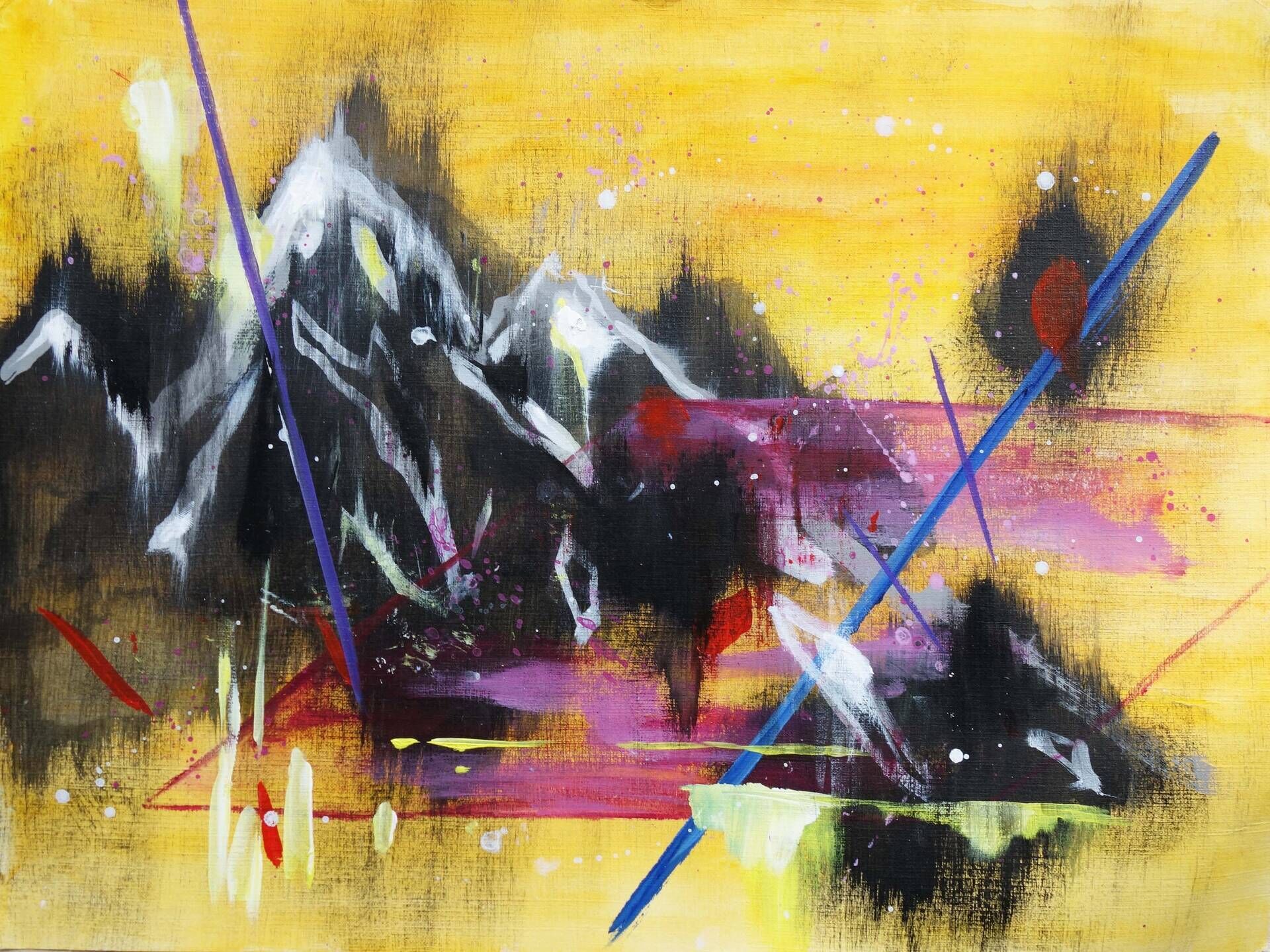
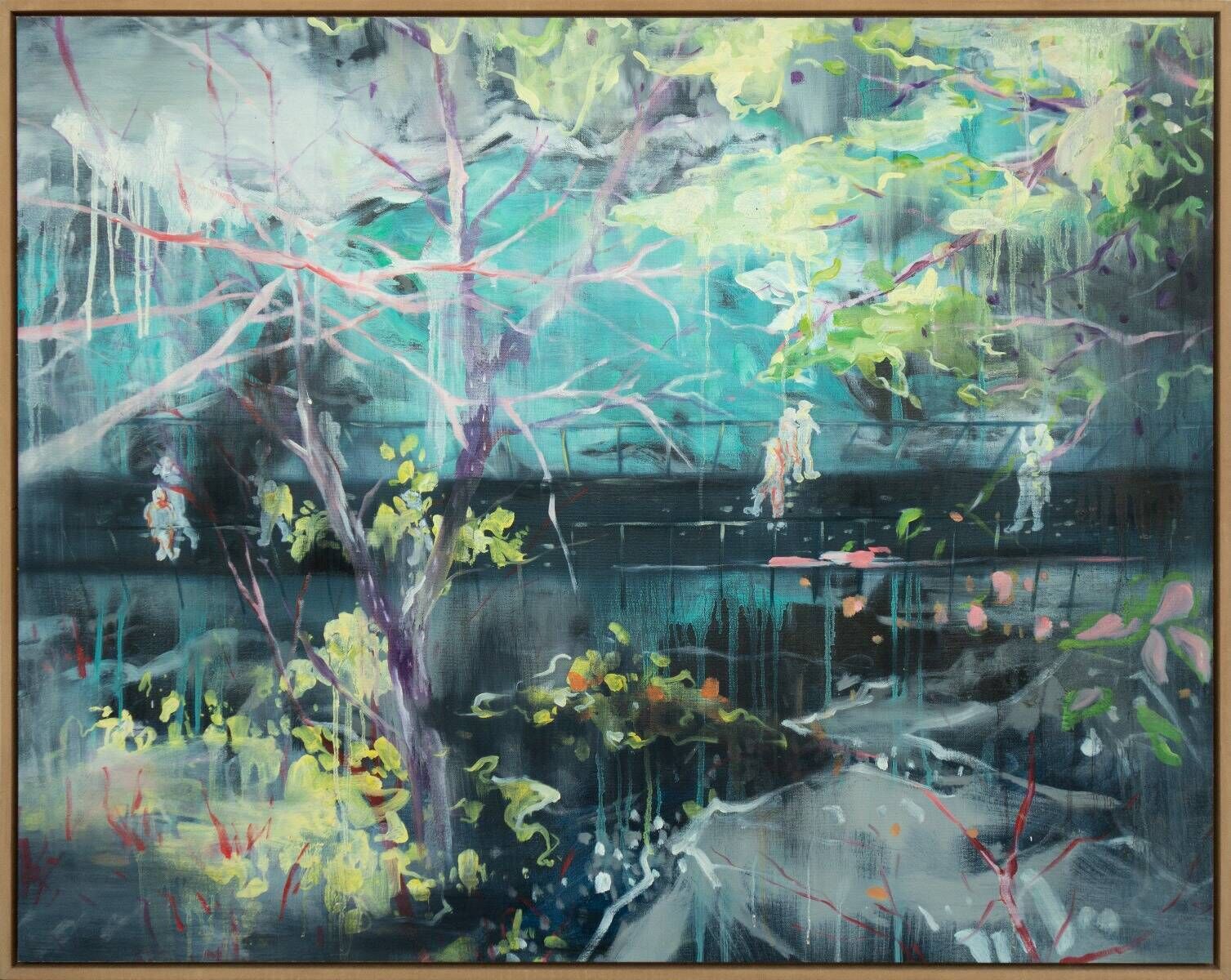
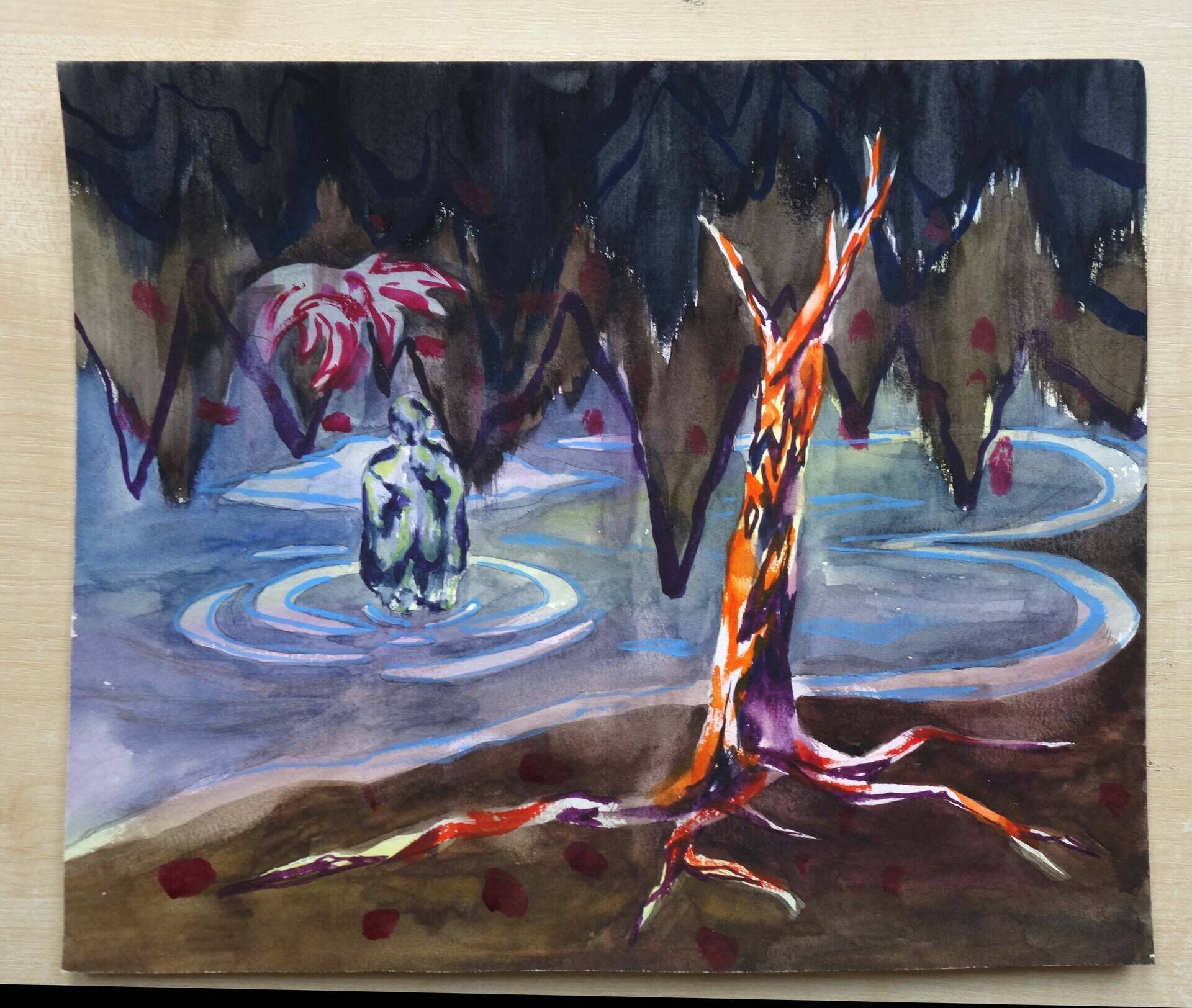
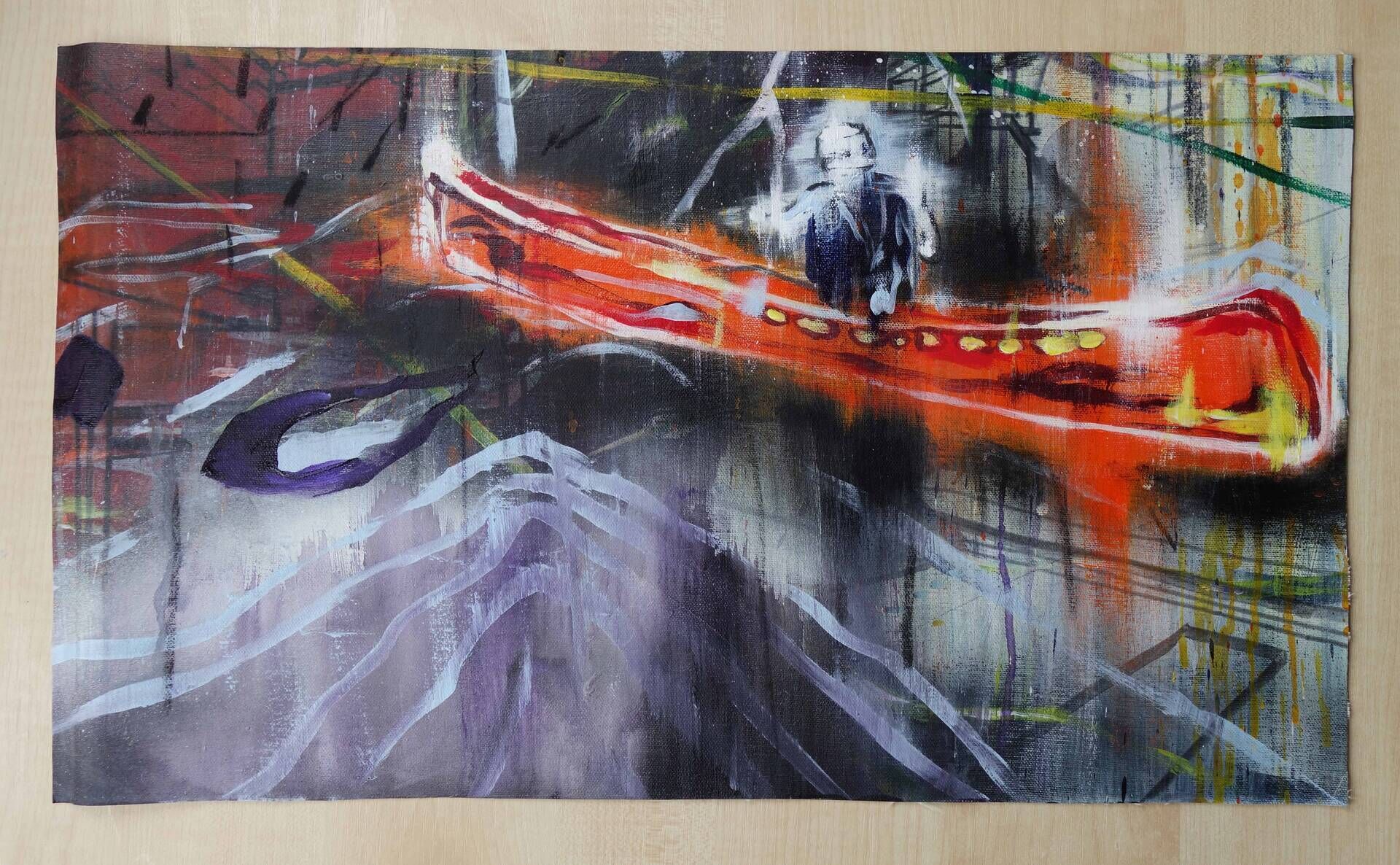
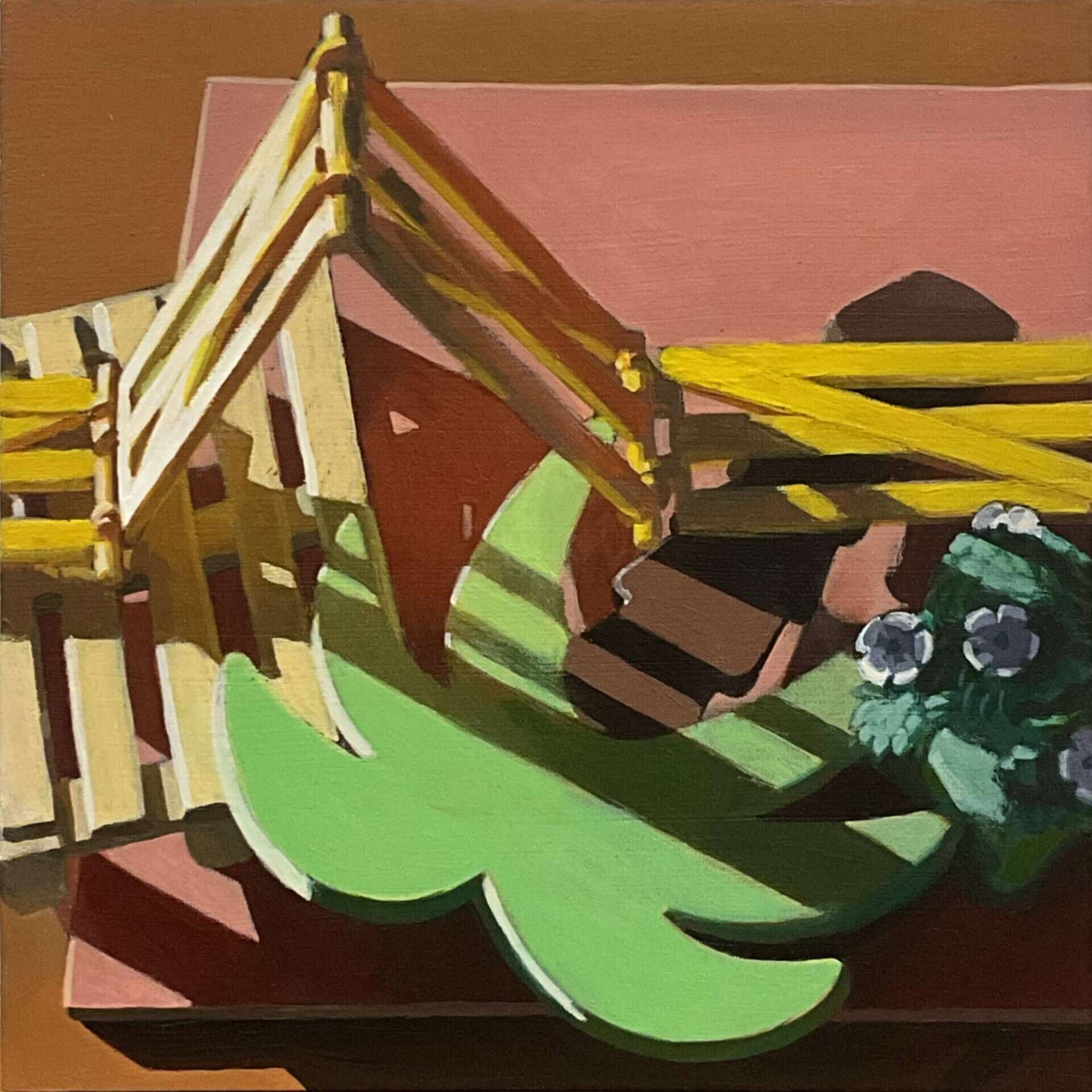
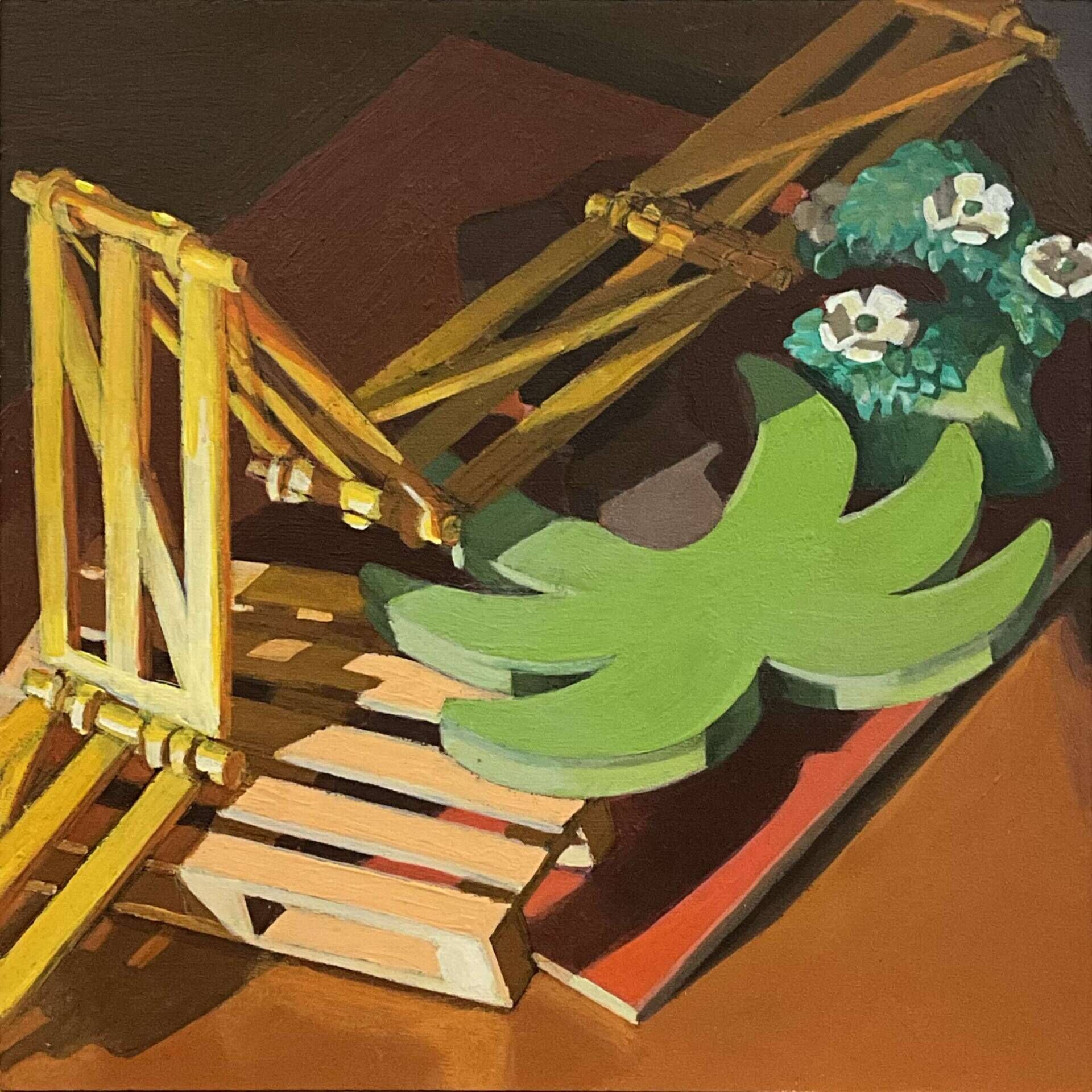
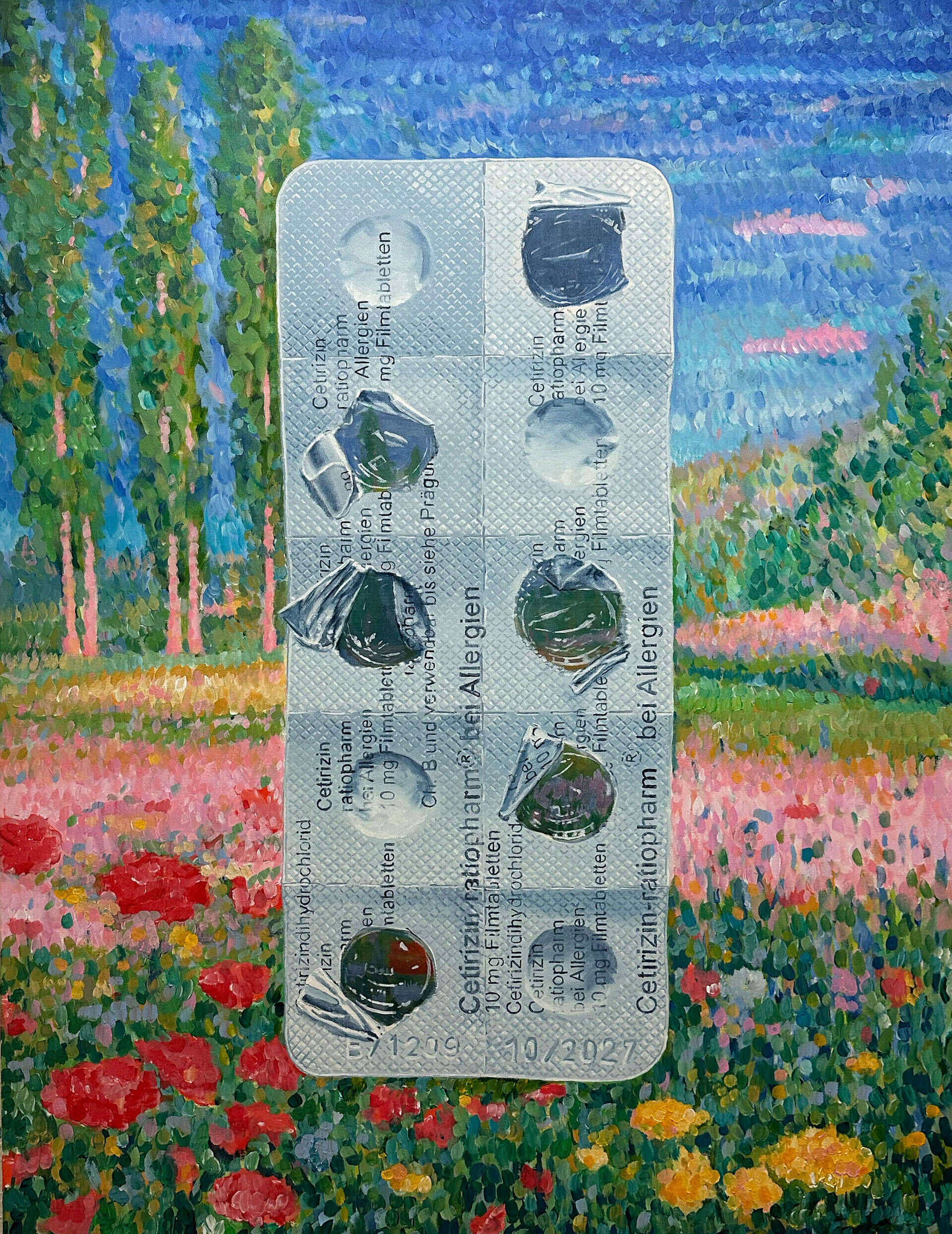
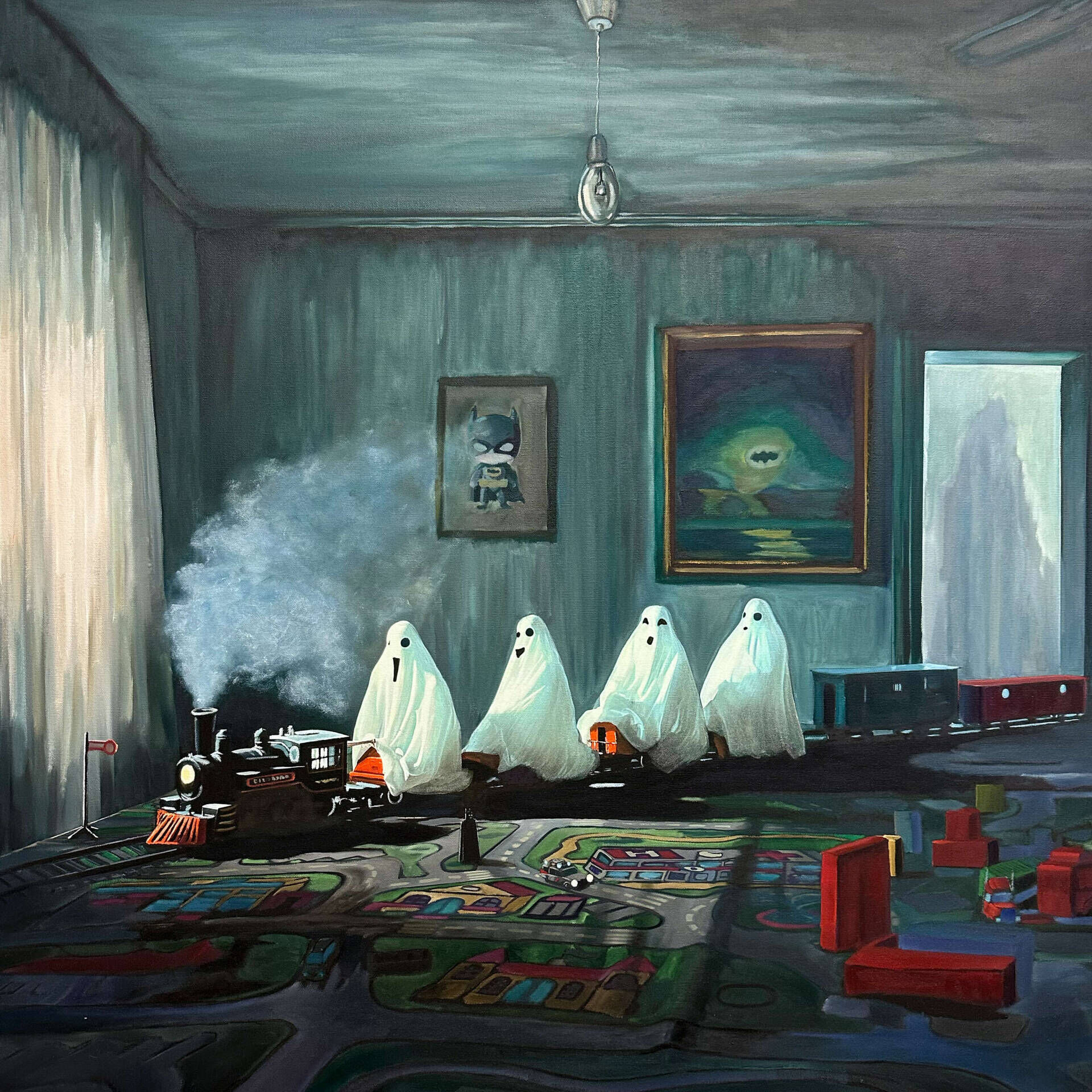
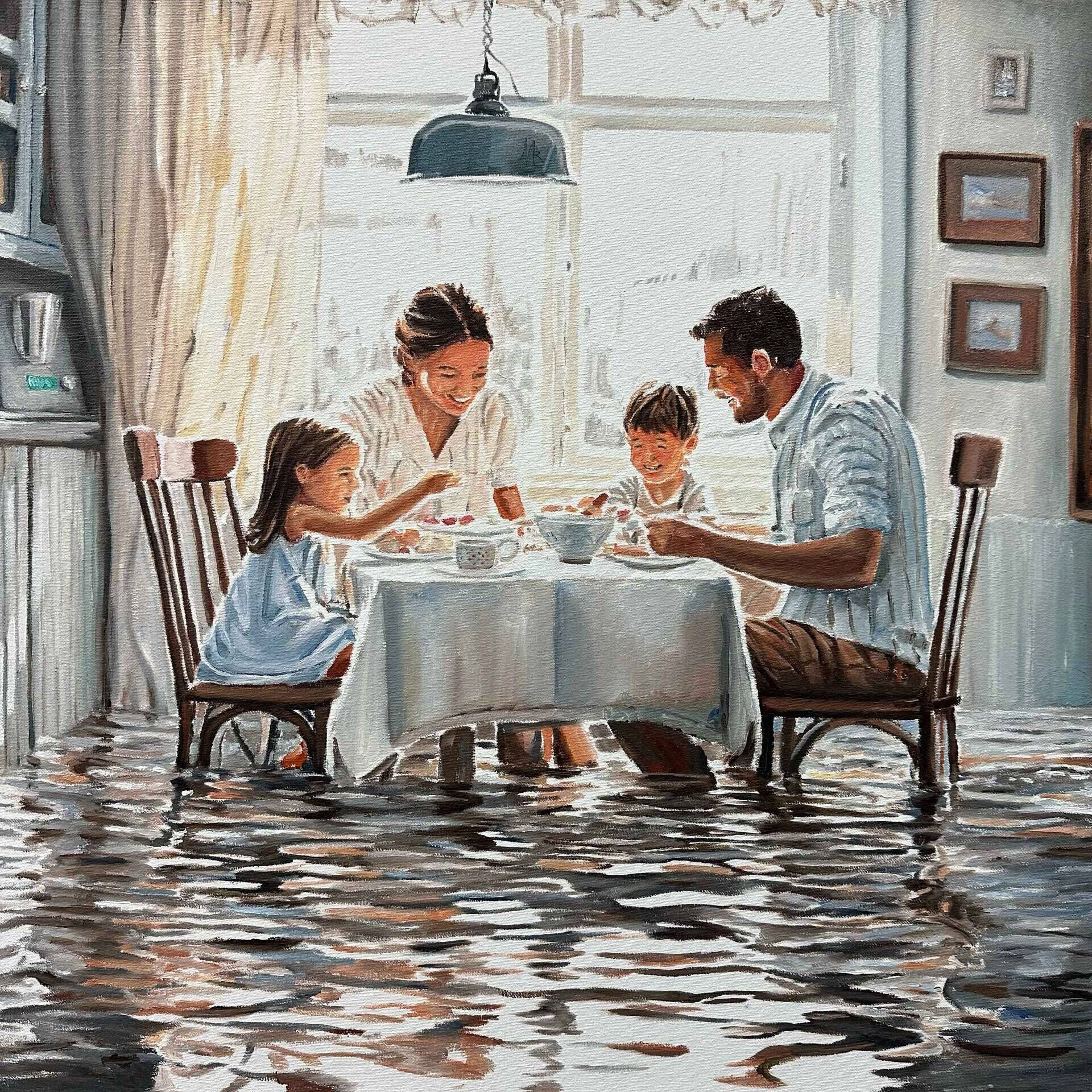
Toninho Dingl impresses with his perfectionist attention to detail, which he combines with a light-hearted sense of humour.
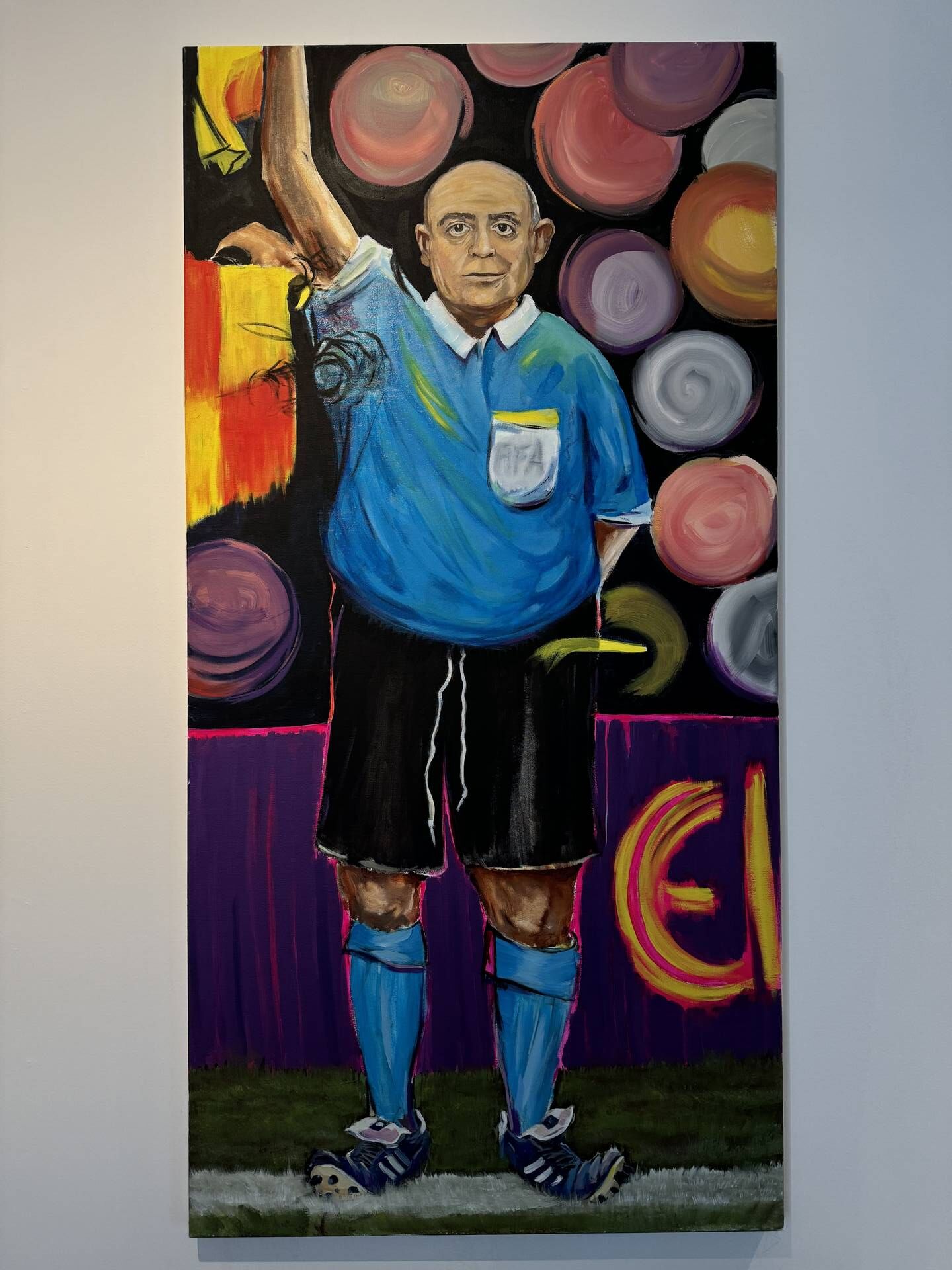
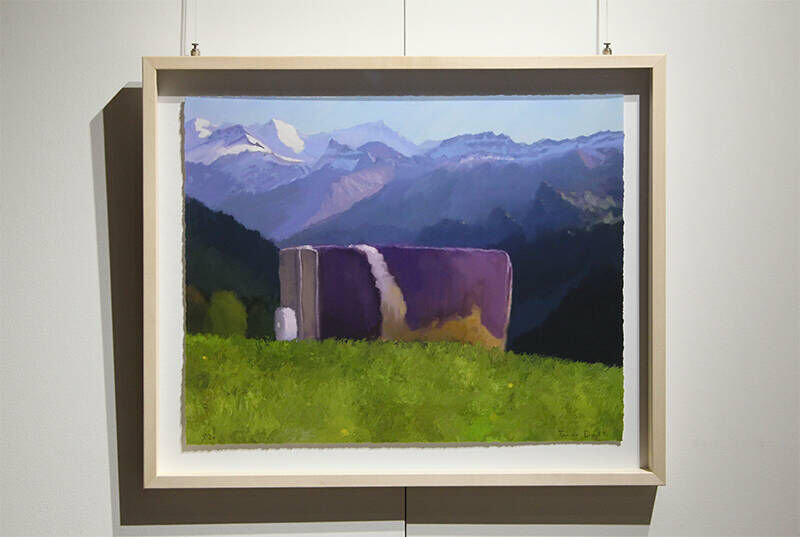
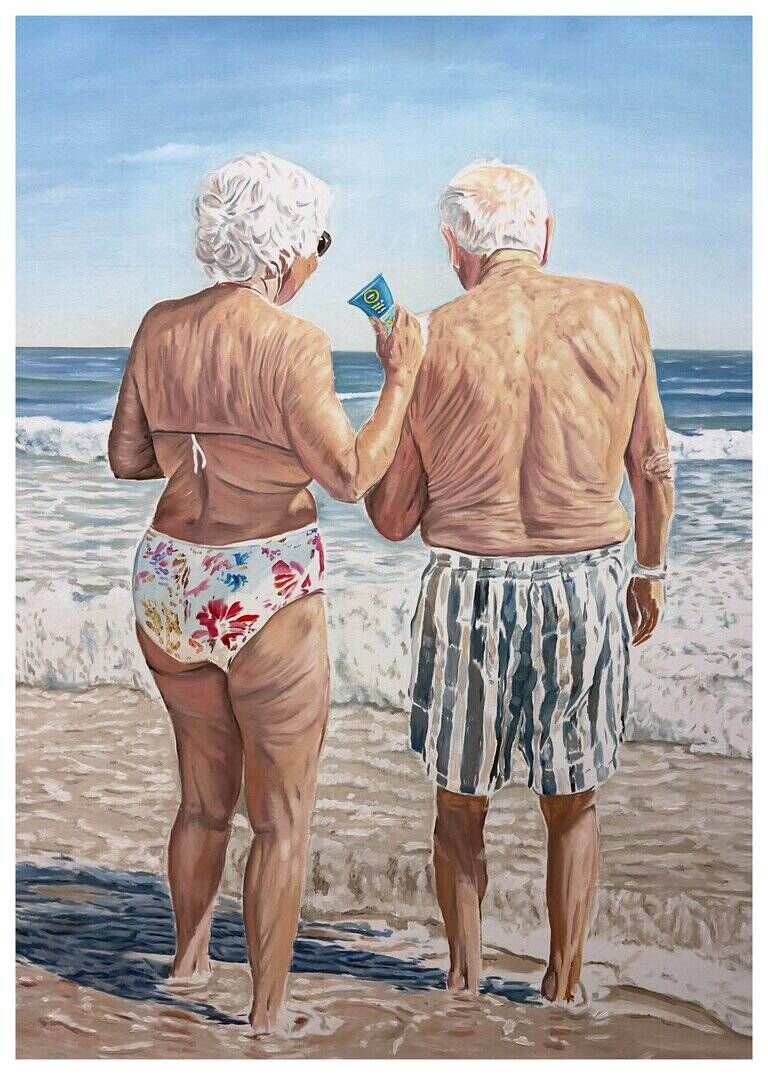
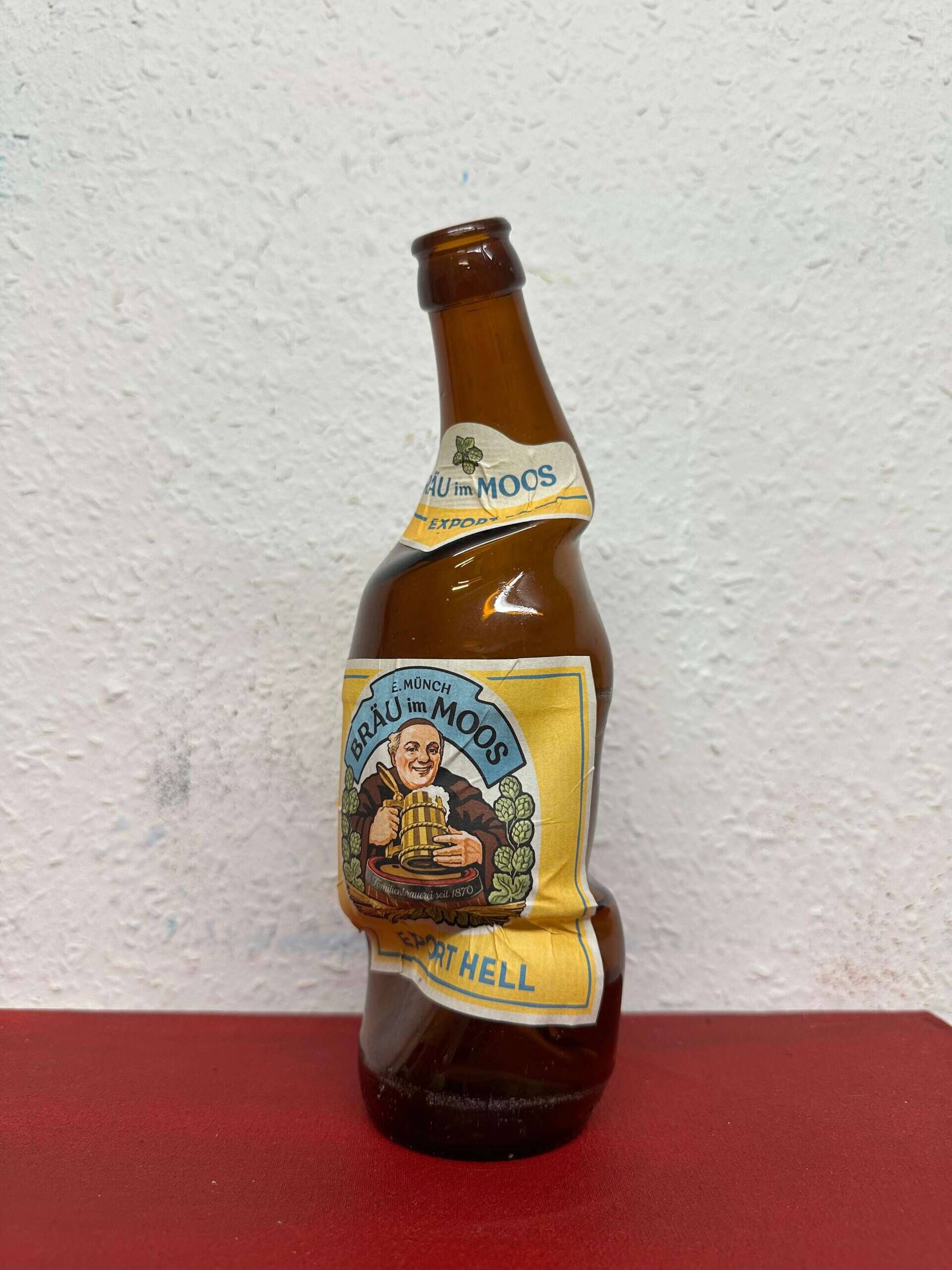
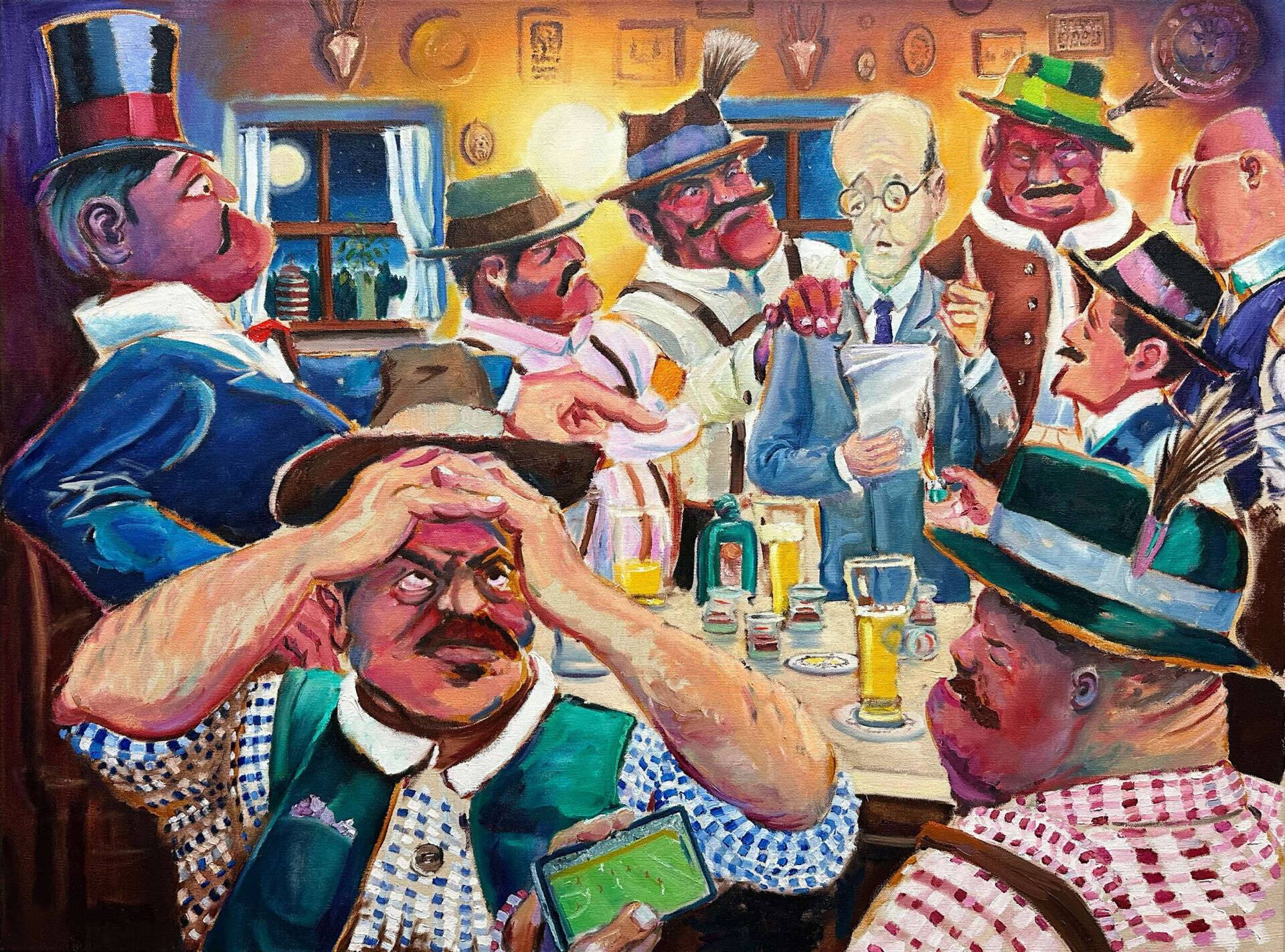
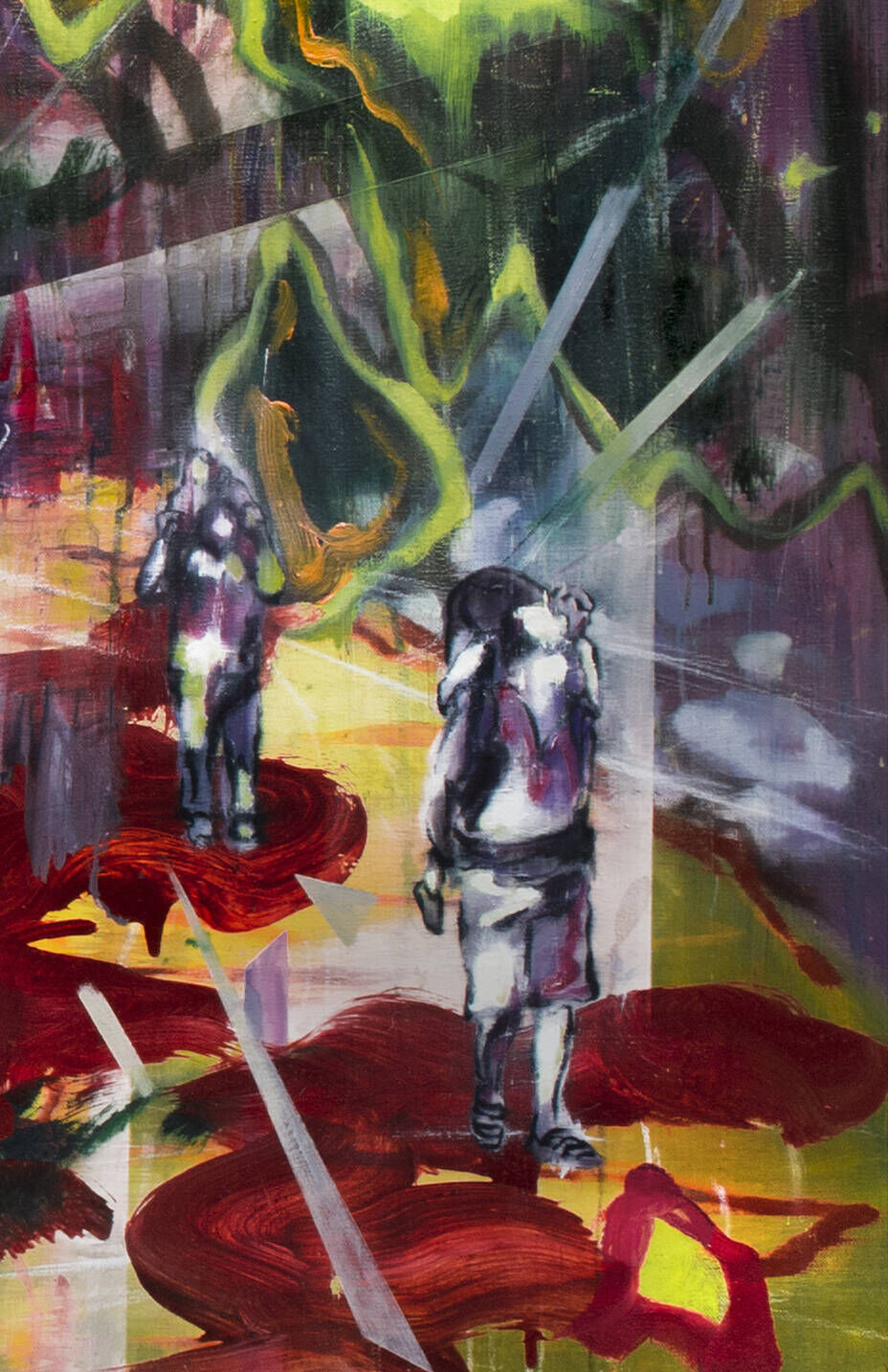
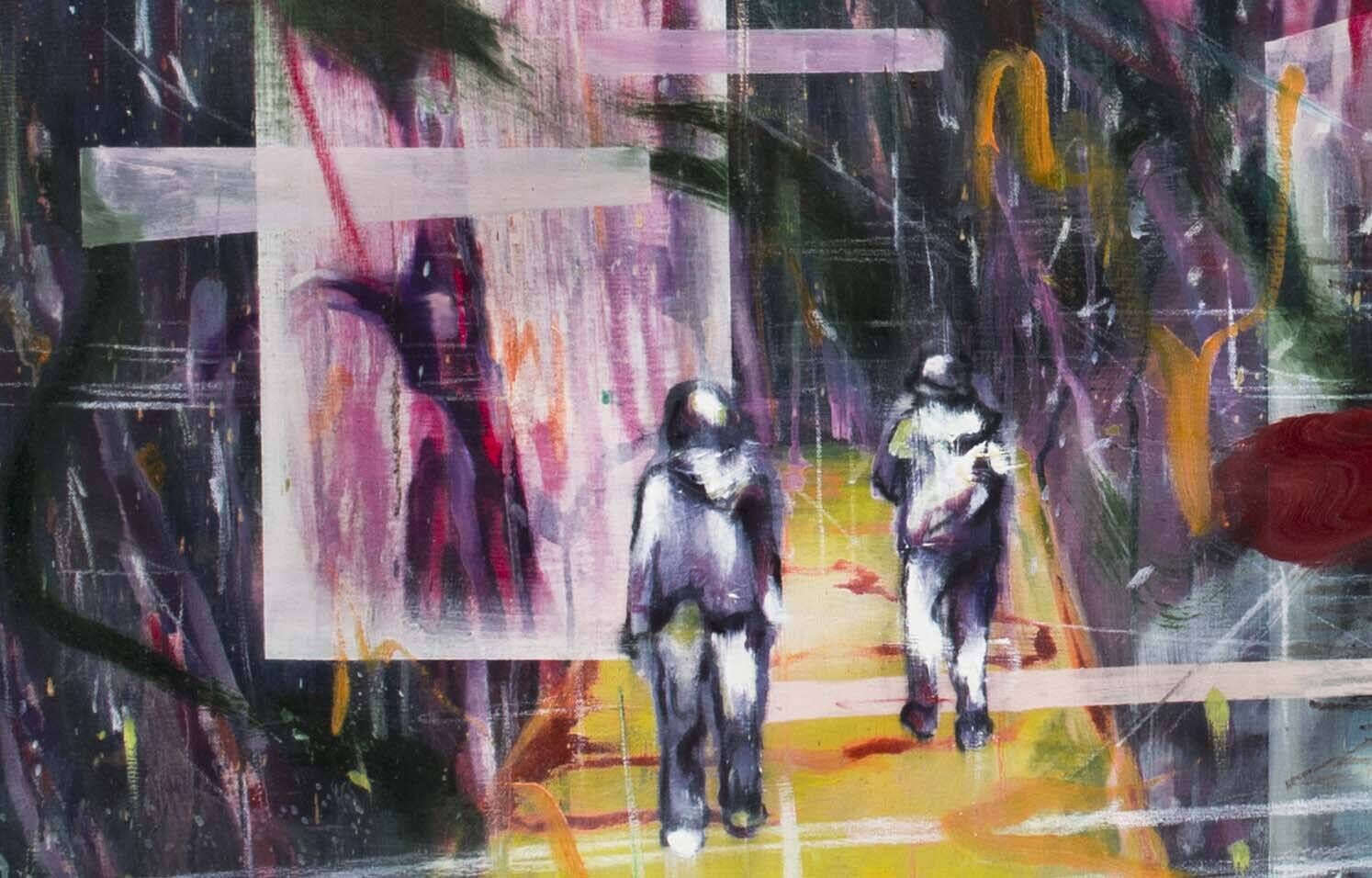
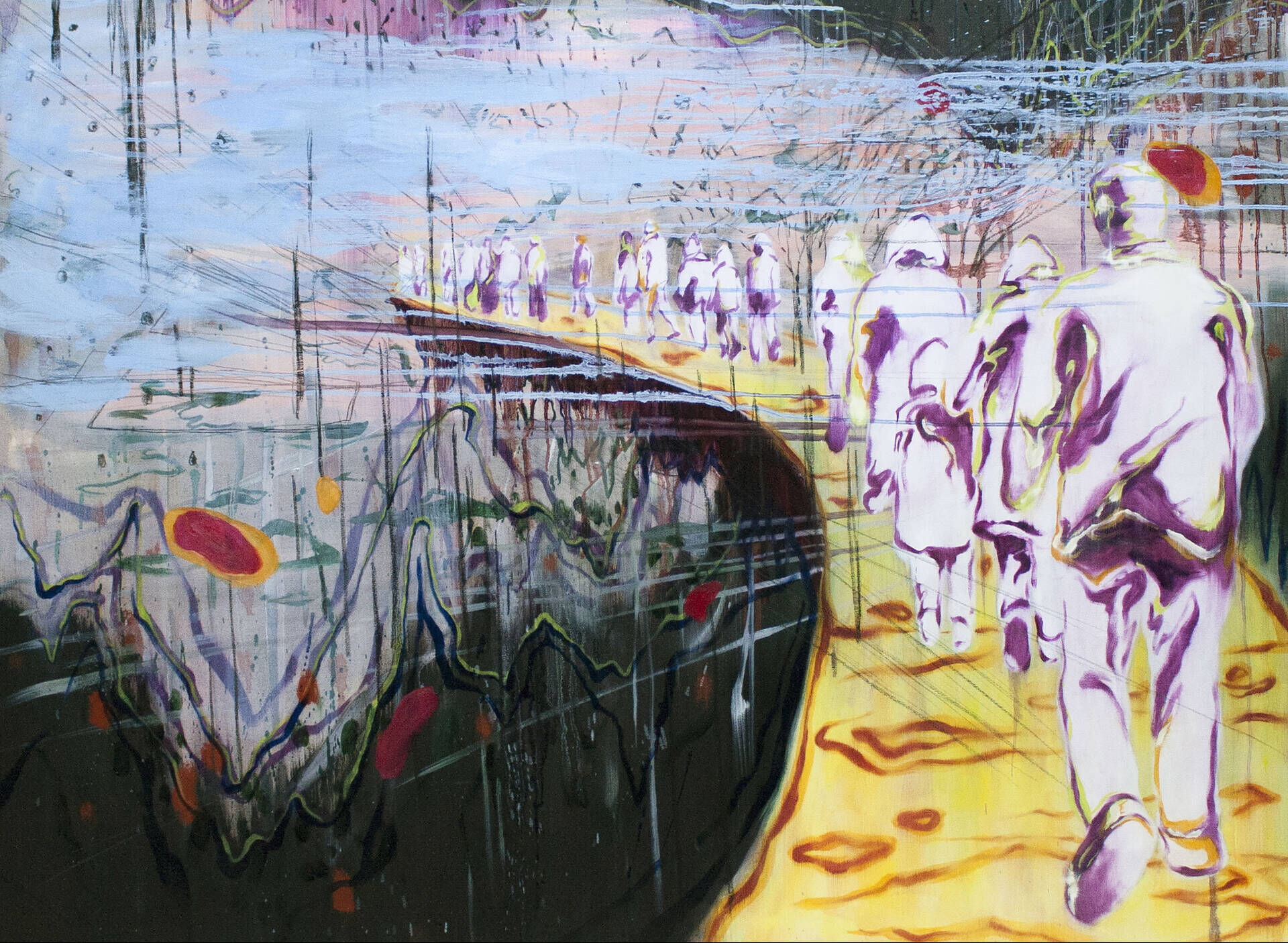
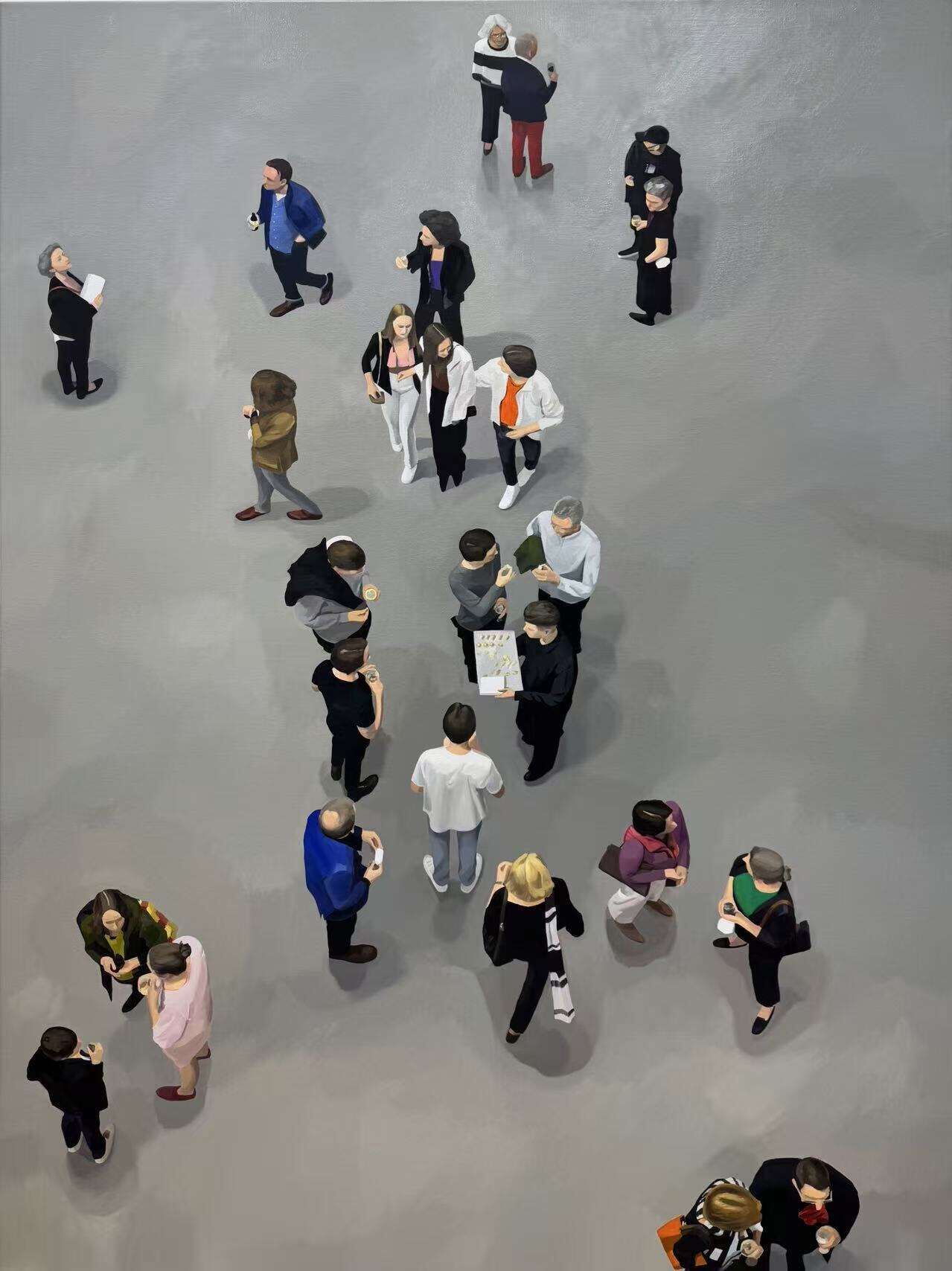
Fancheng Xu focuses on people in groups, individually or as a moving crowd – always with remarkable attention to detail.
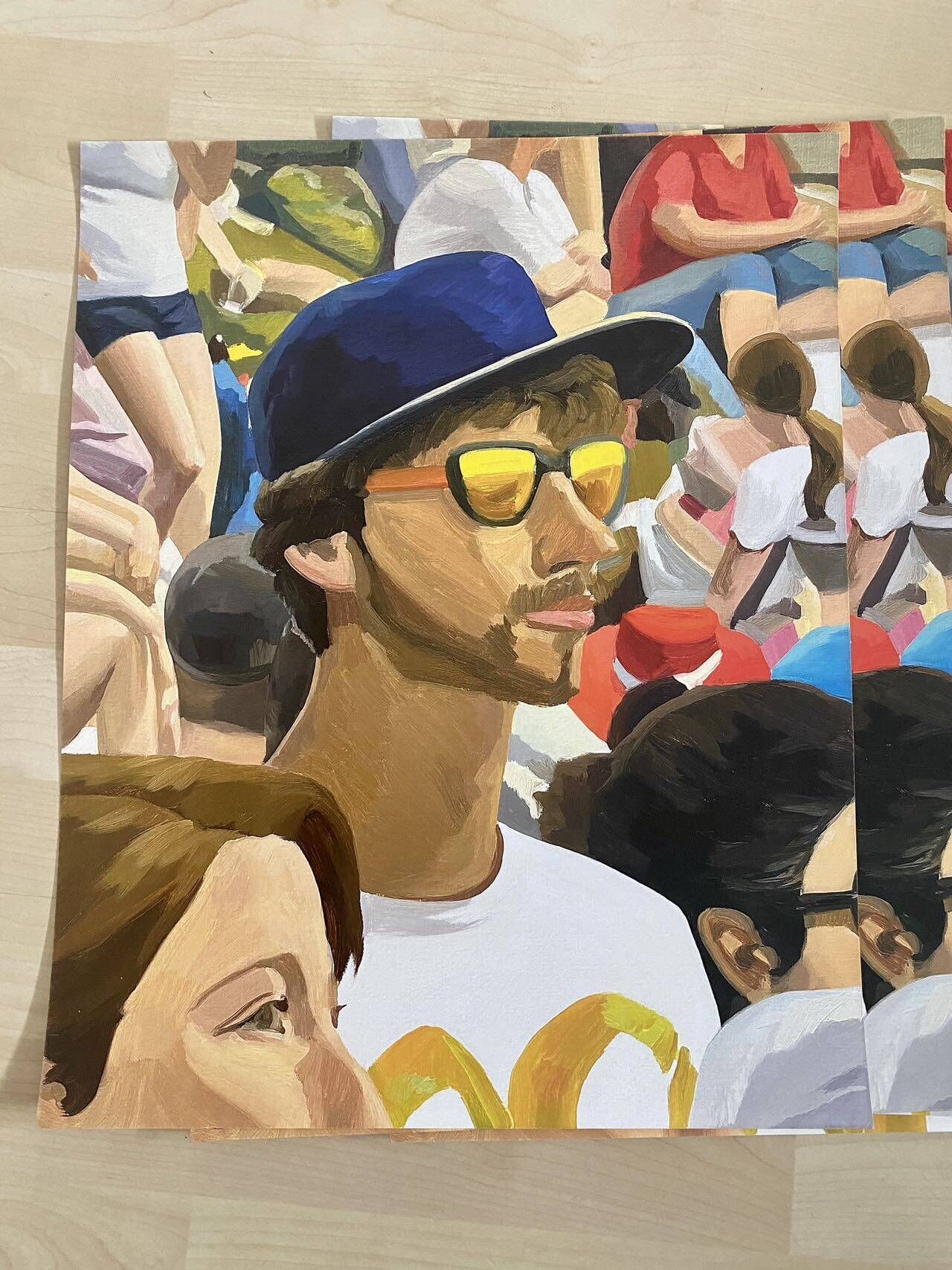
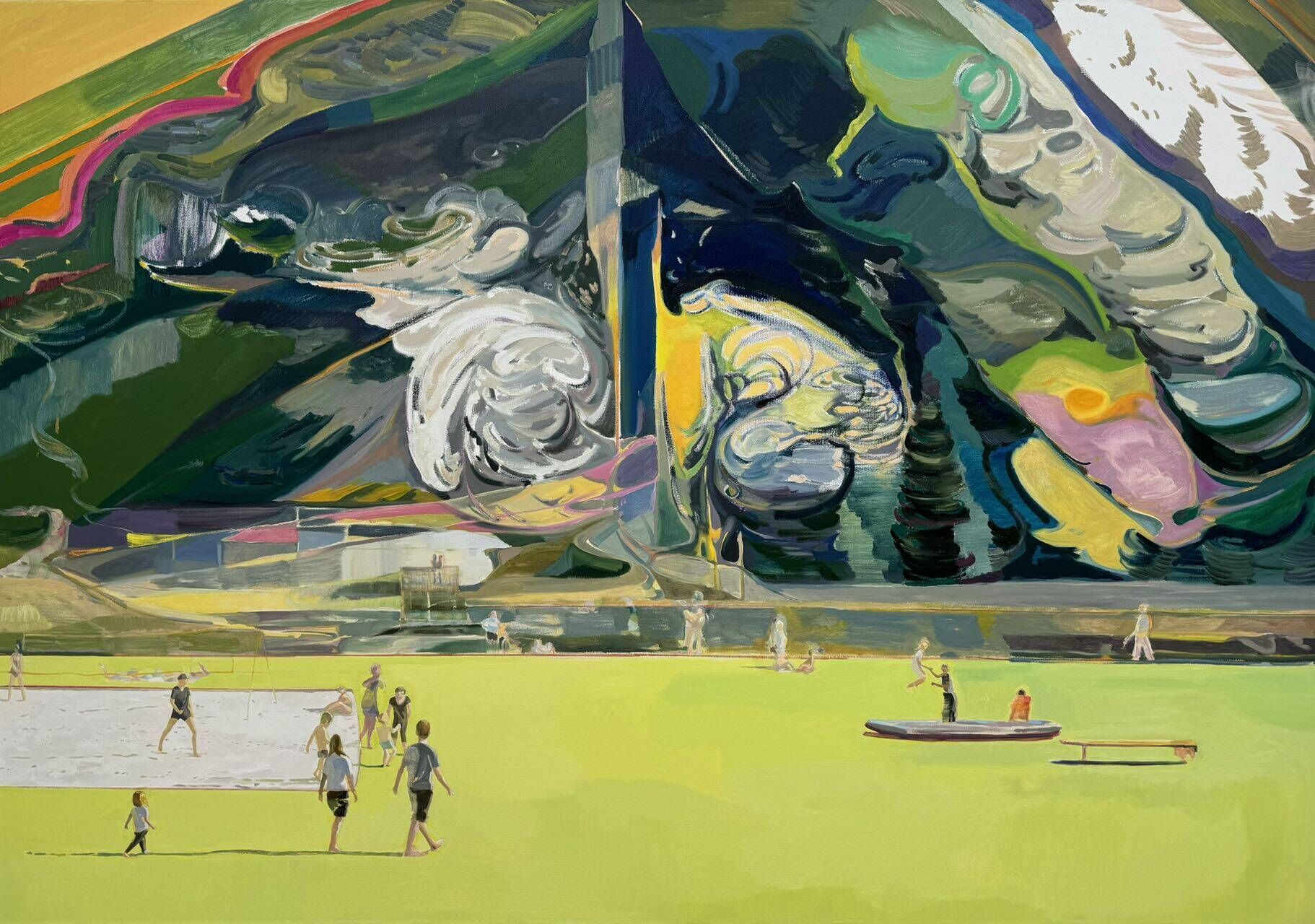
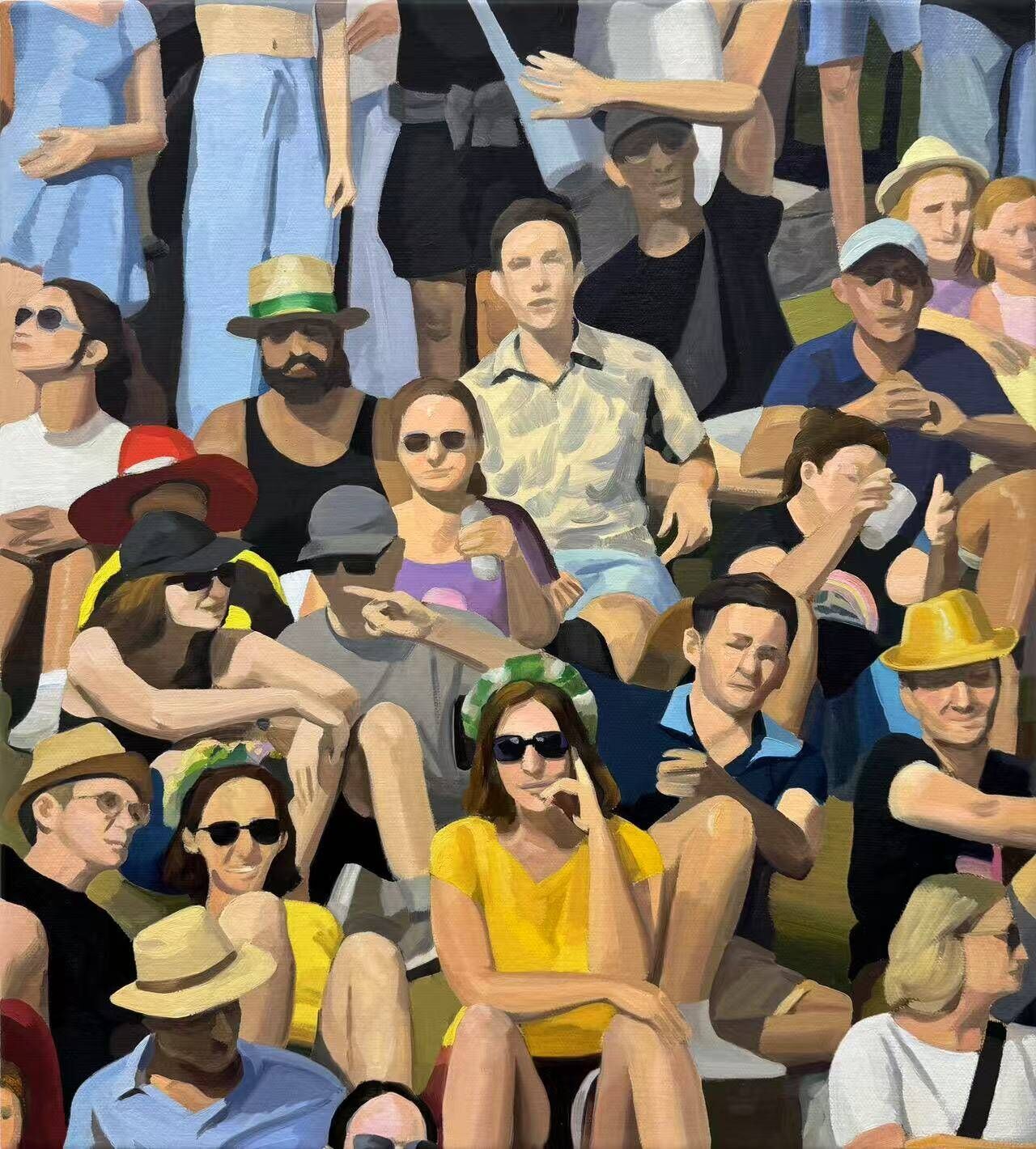
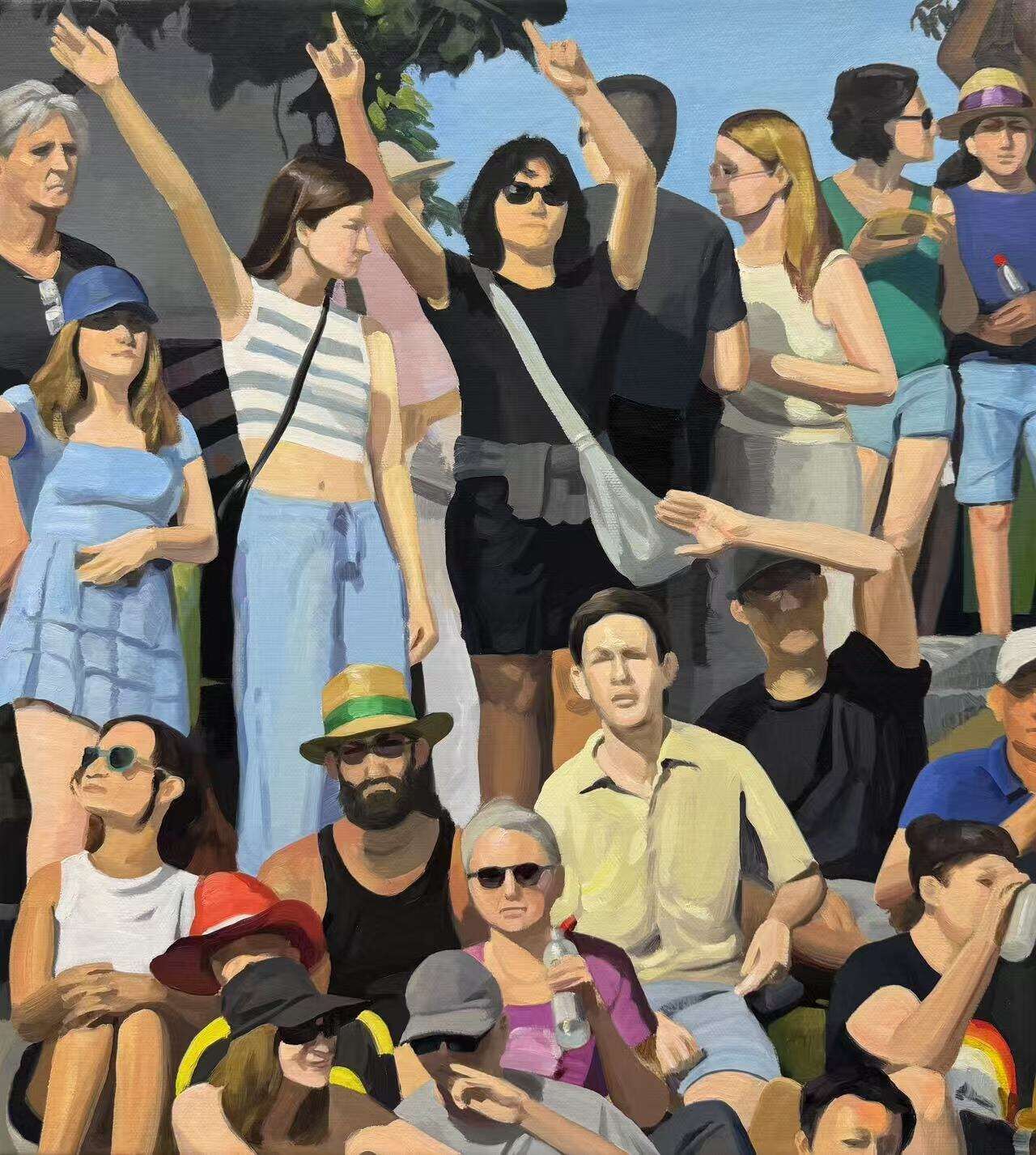
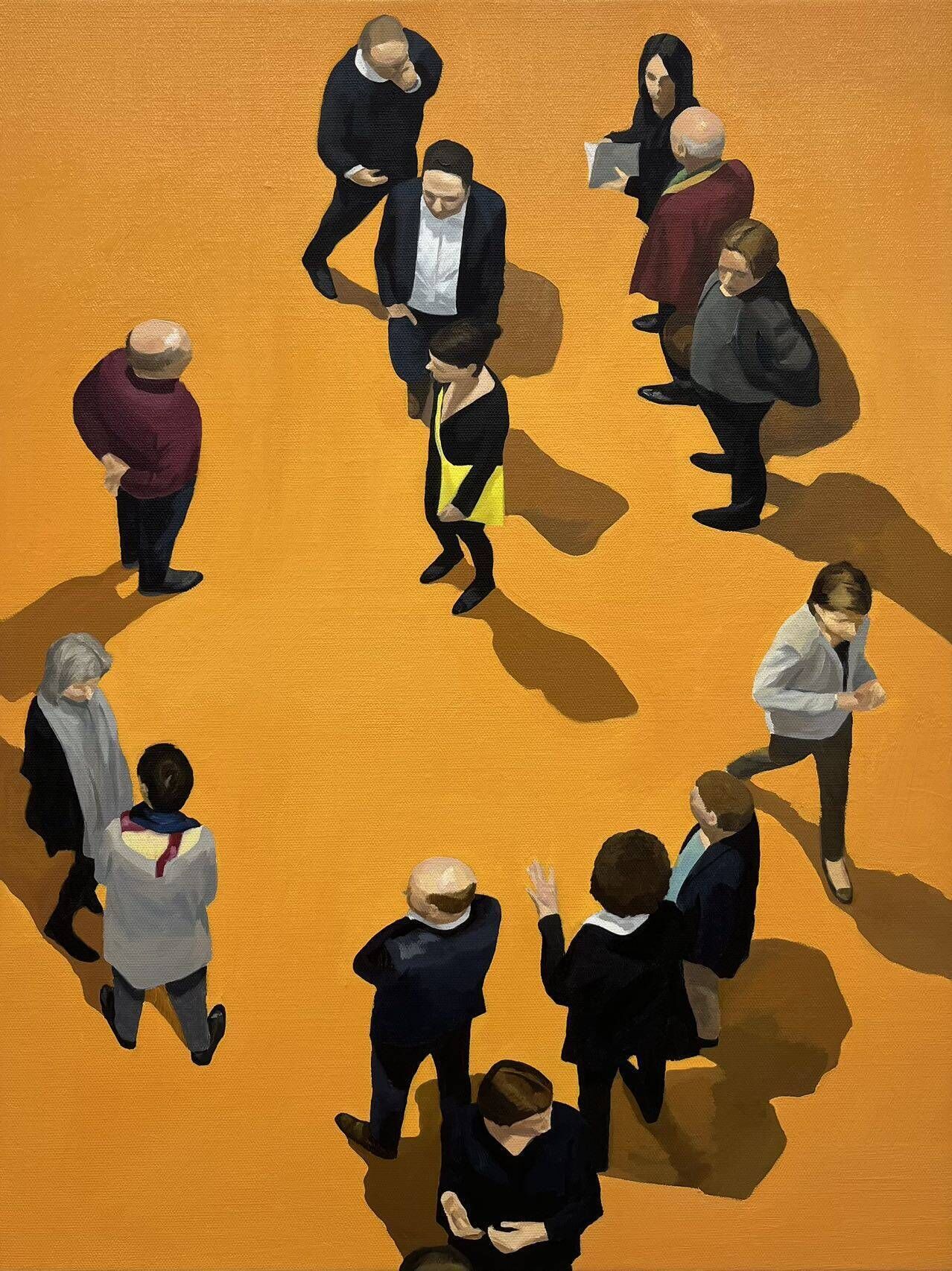
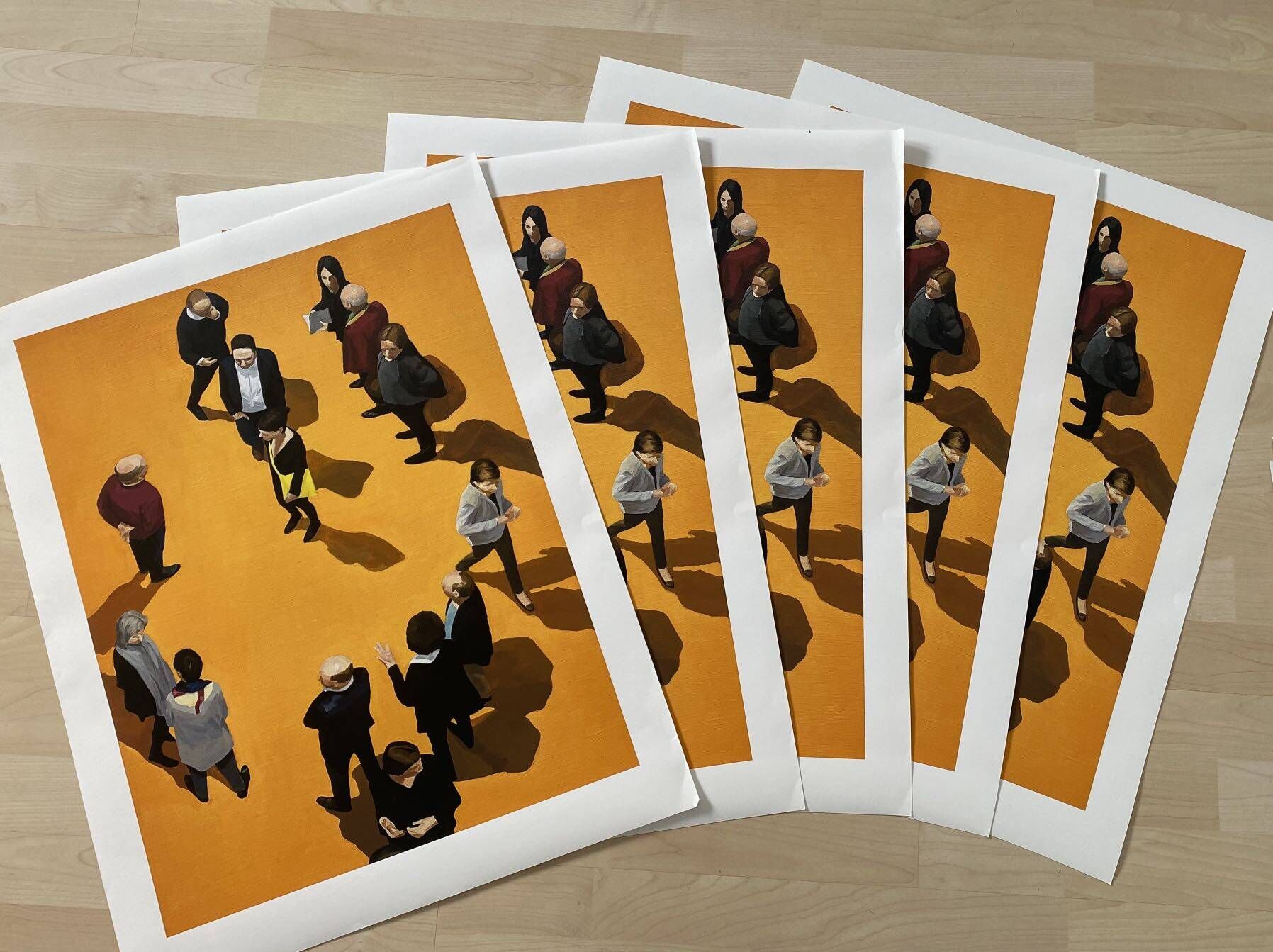
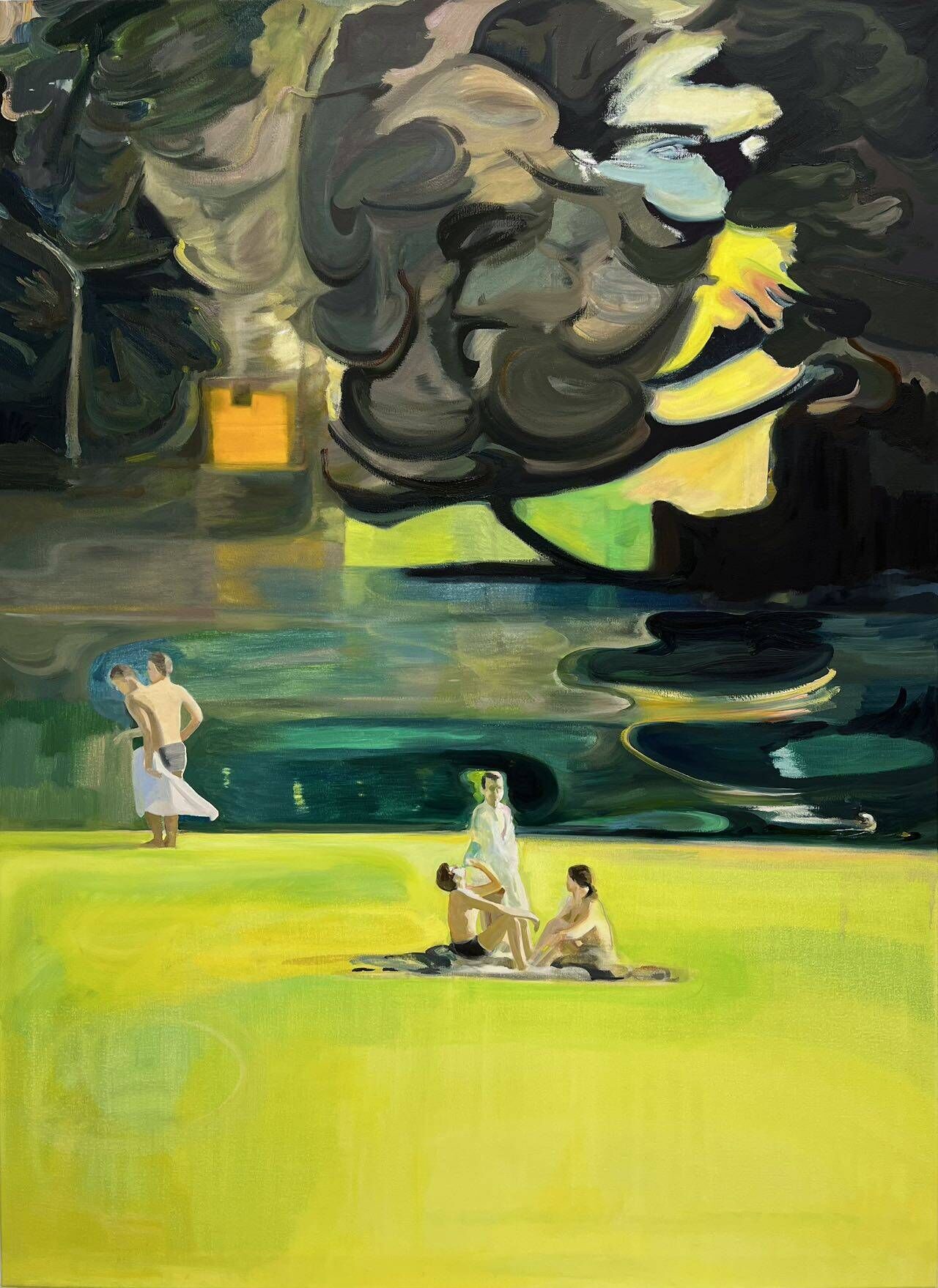
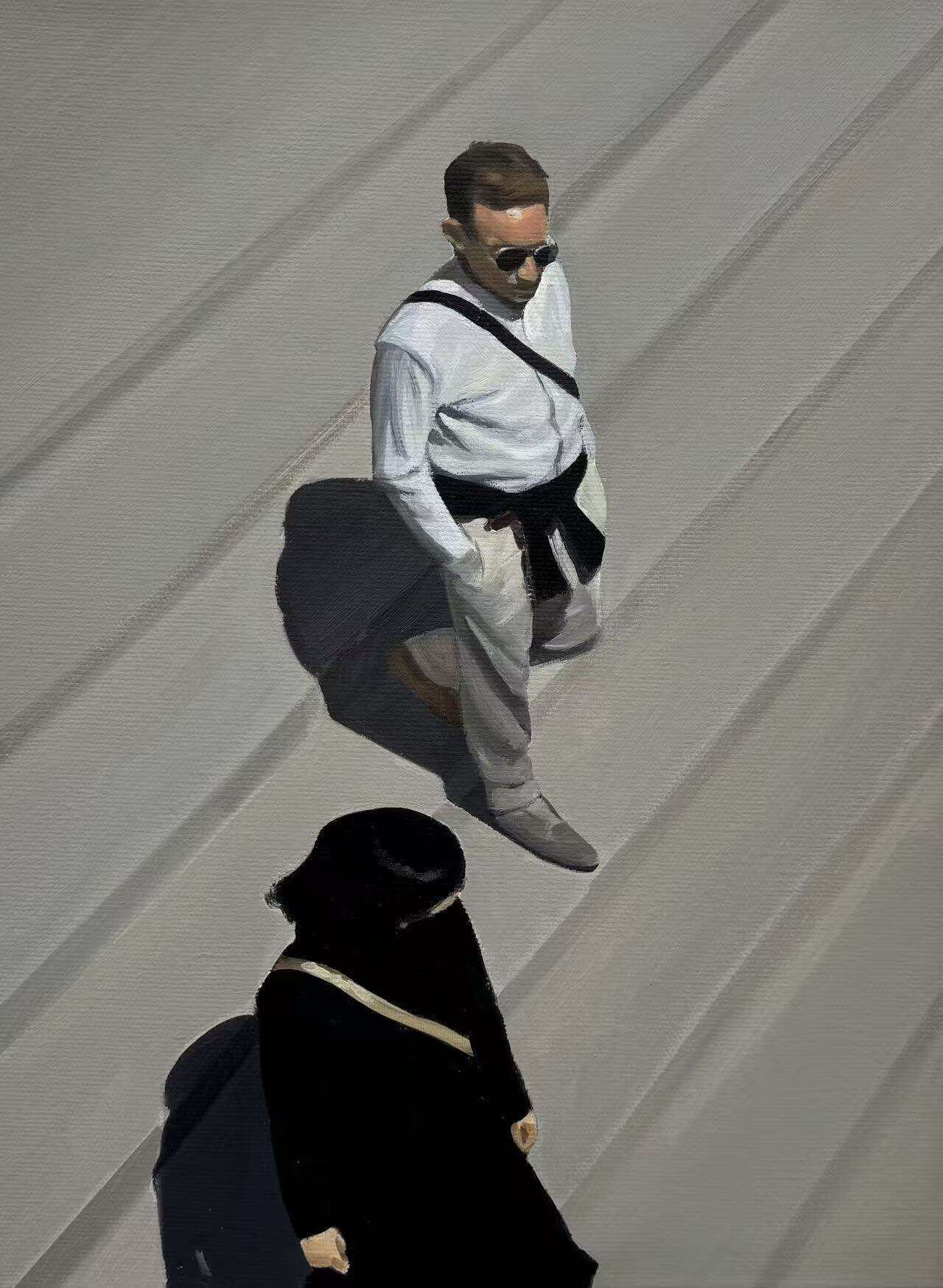
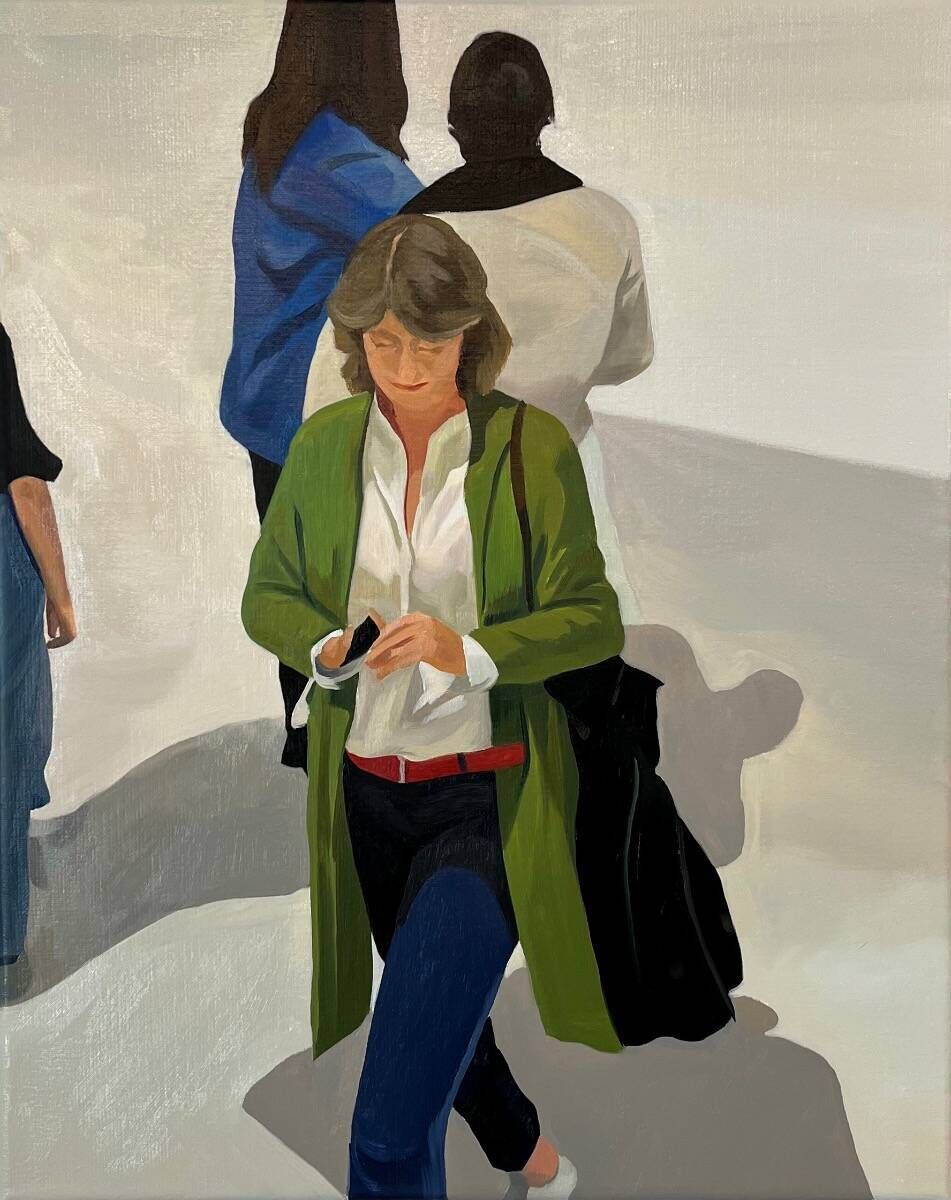
Kaan Ege Önal creates expressive portraits that are instantly recognisable thanks to their distinct style.
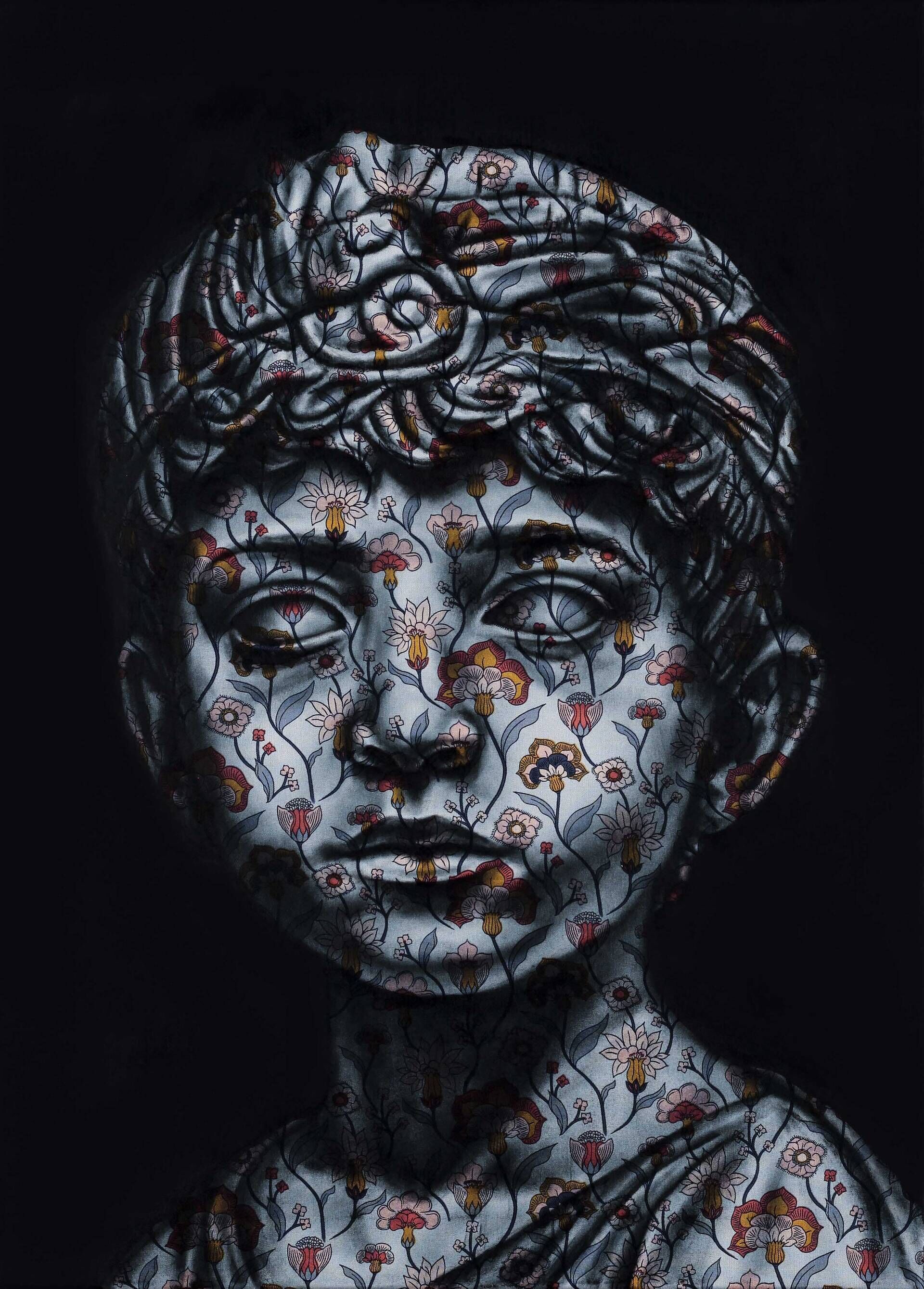
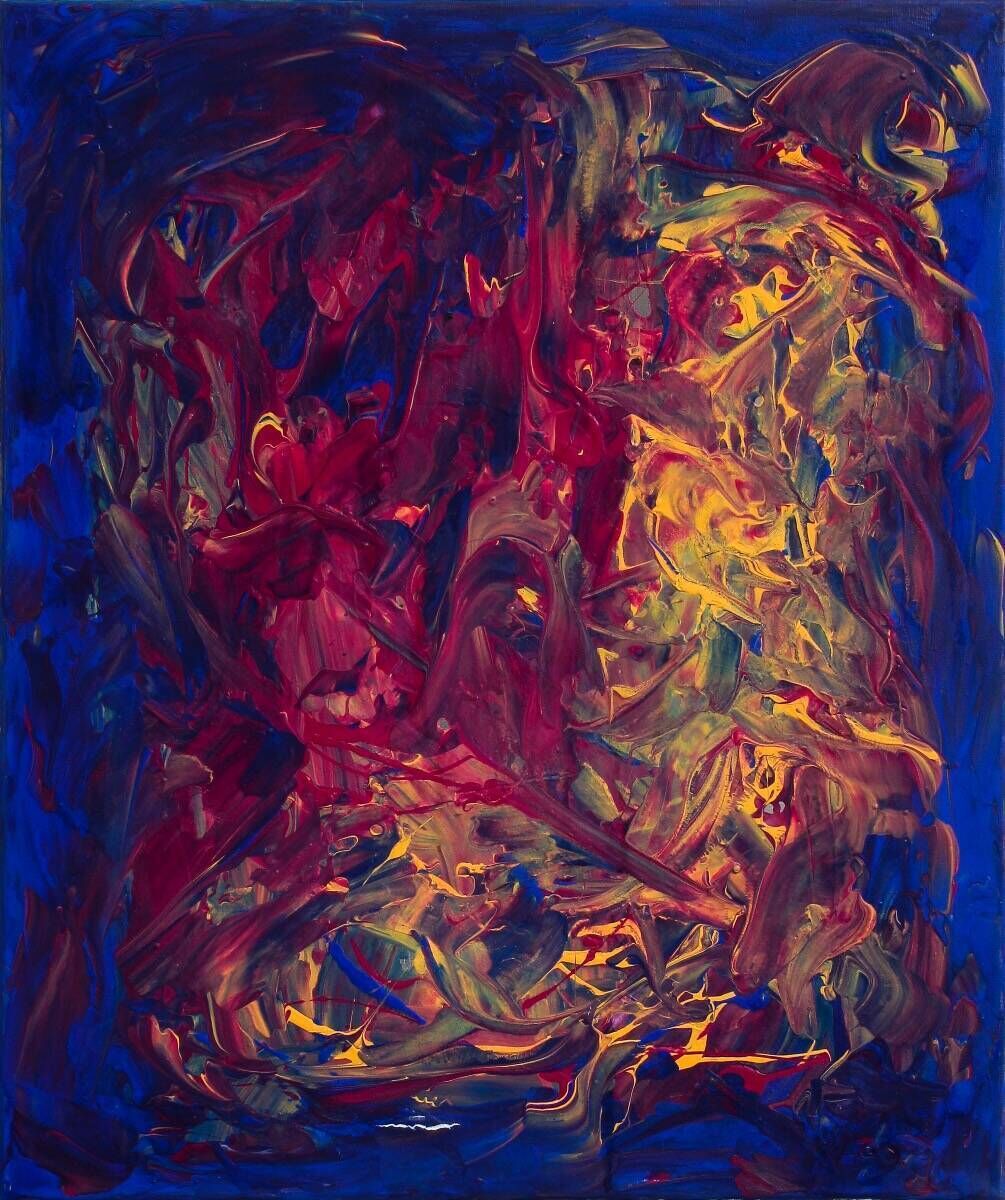
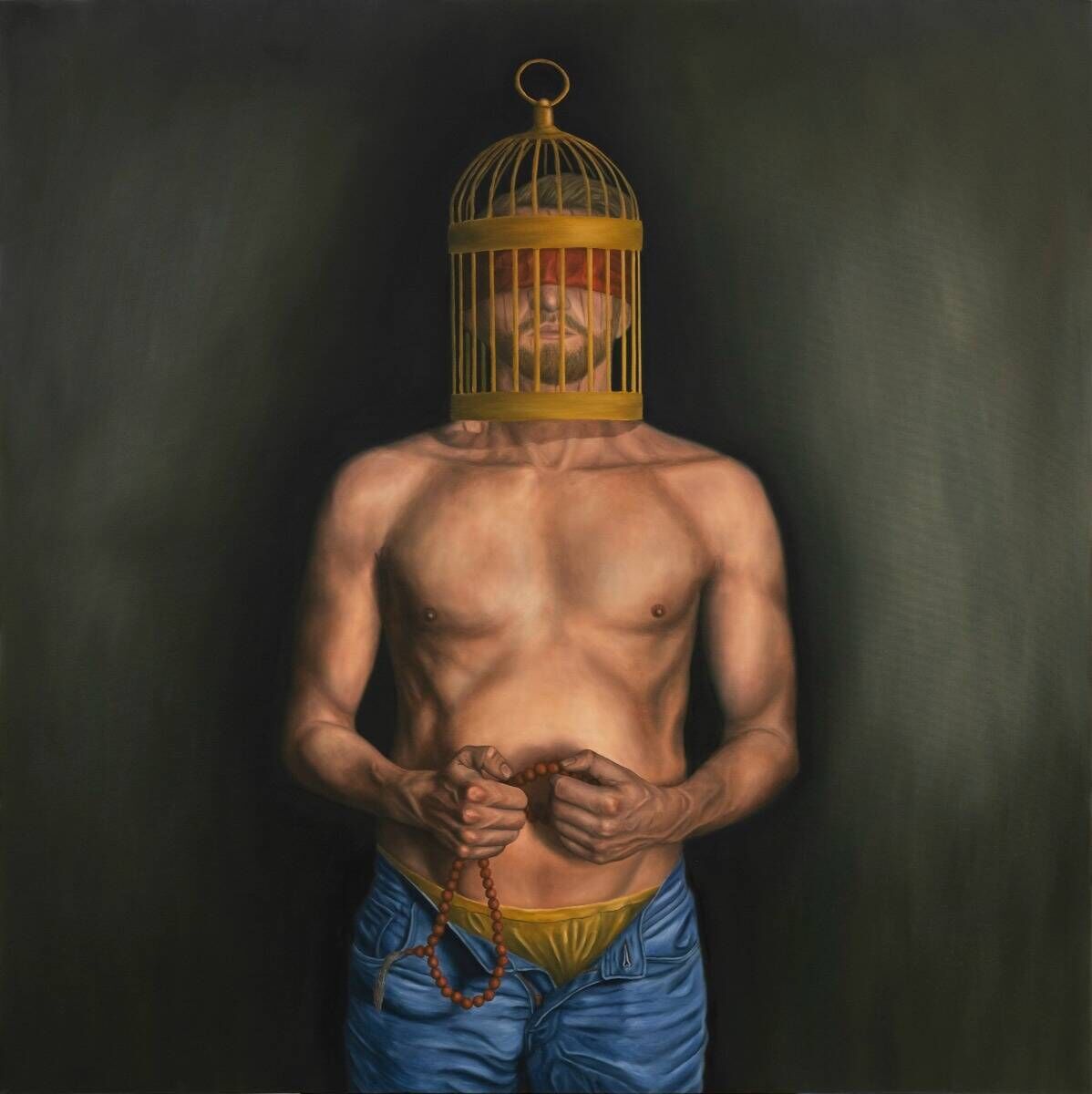
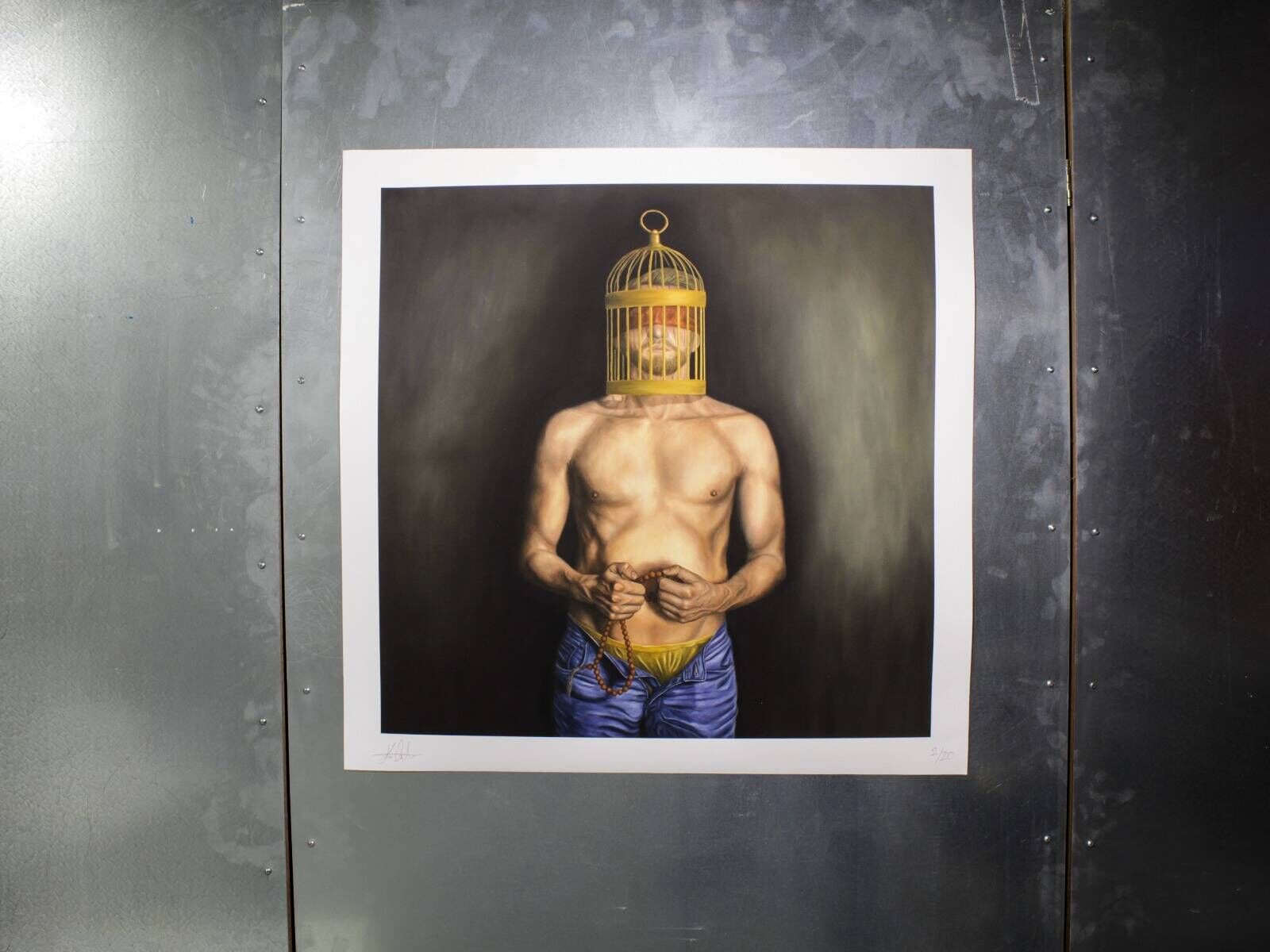
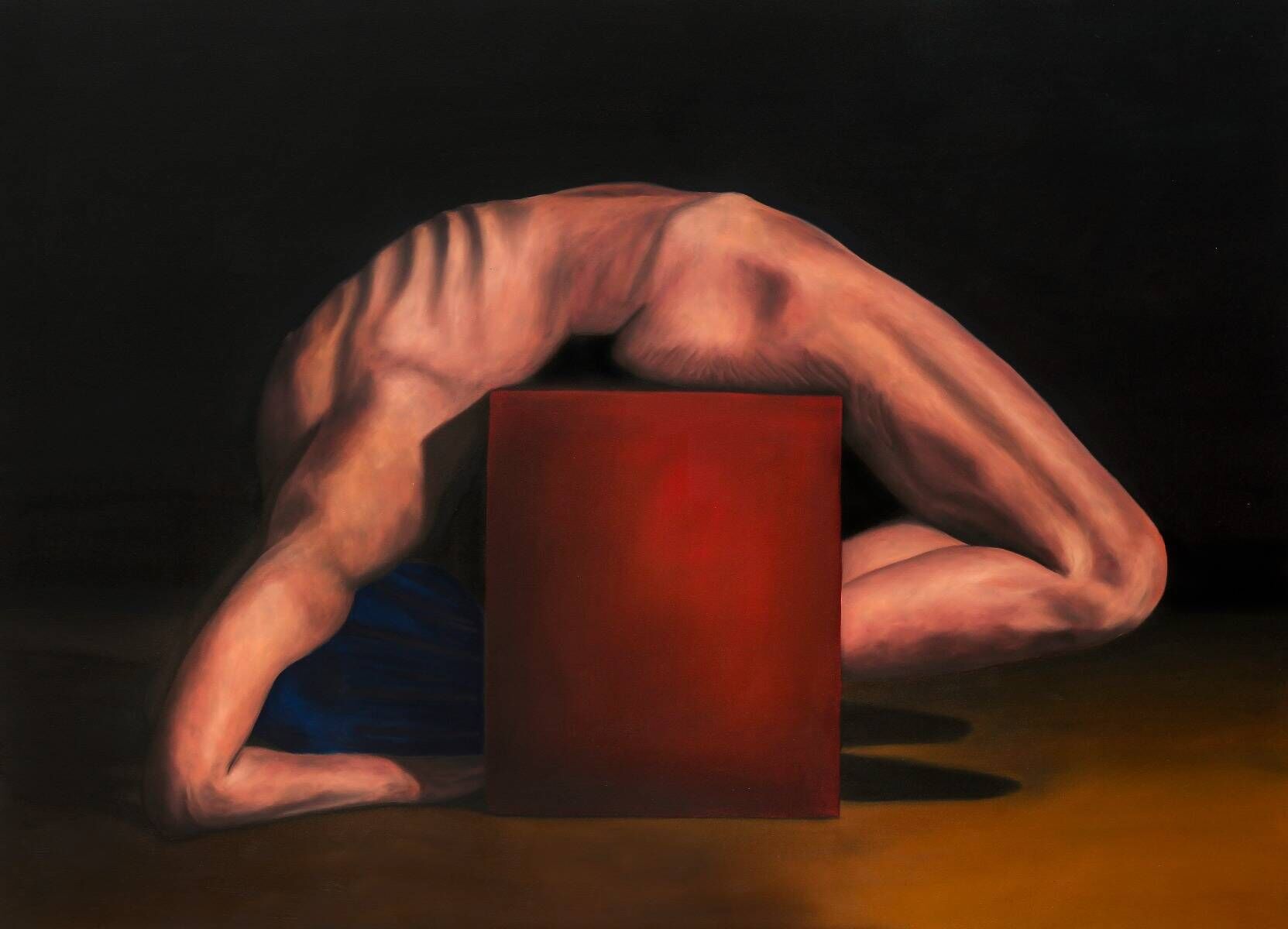
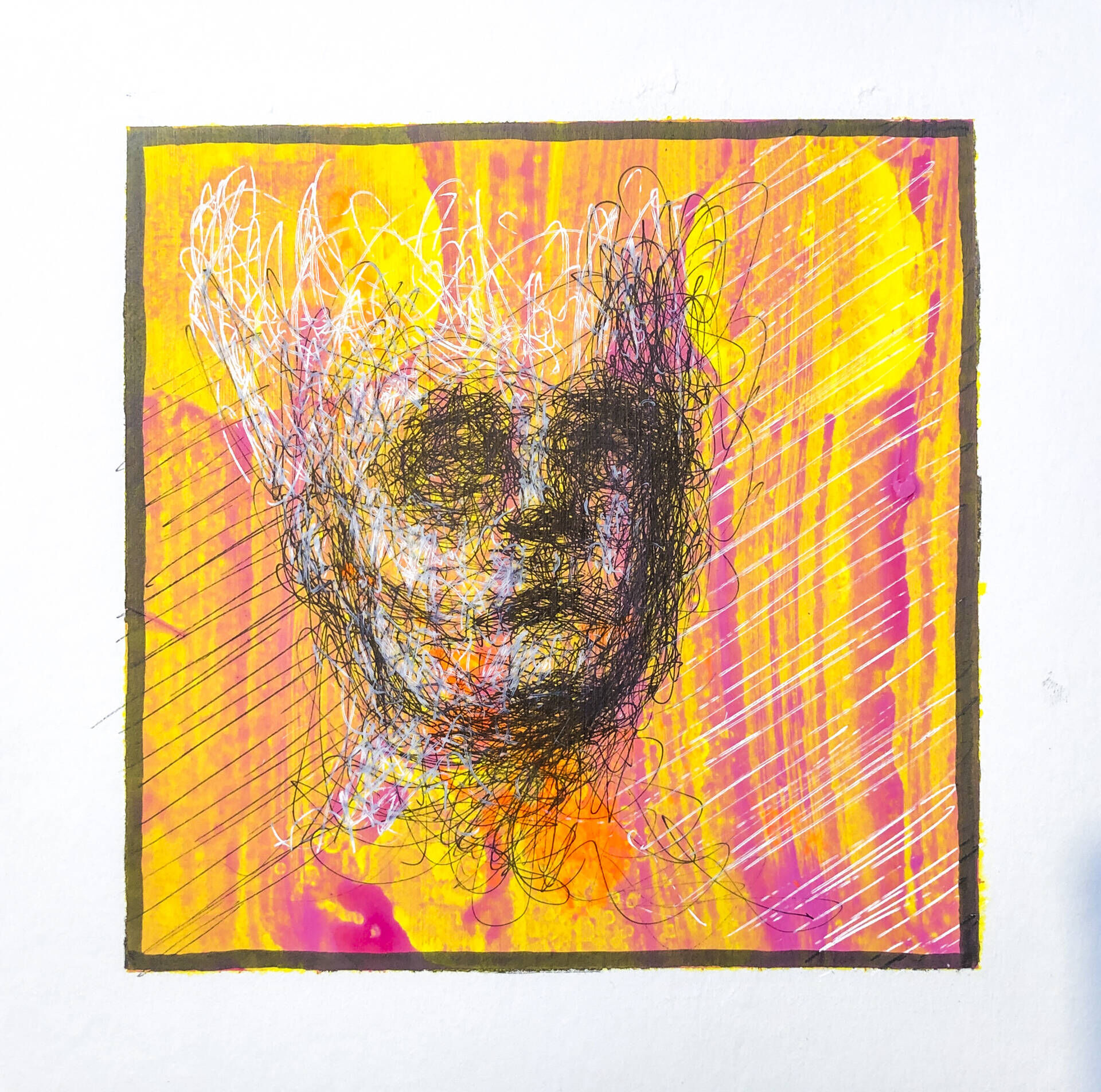
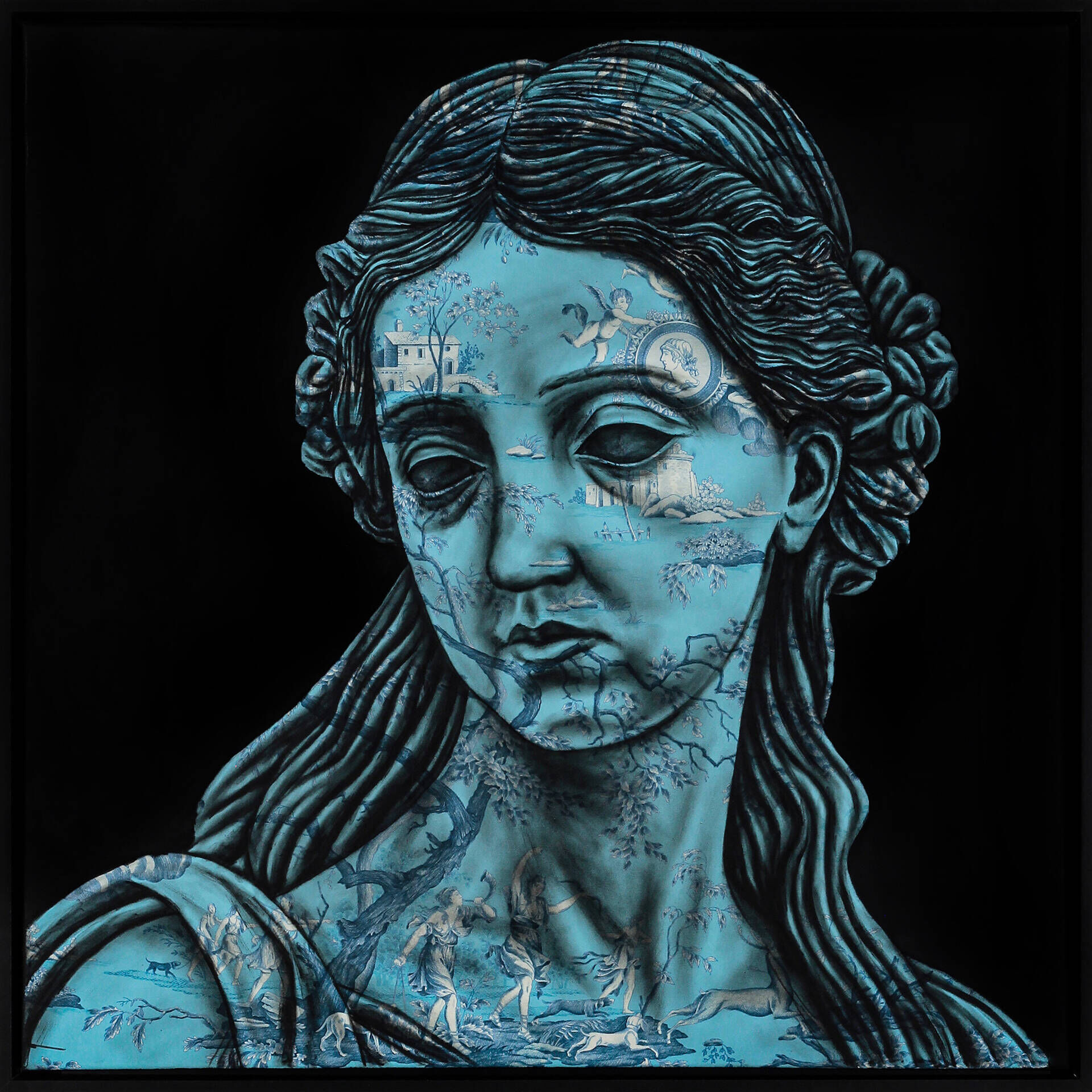
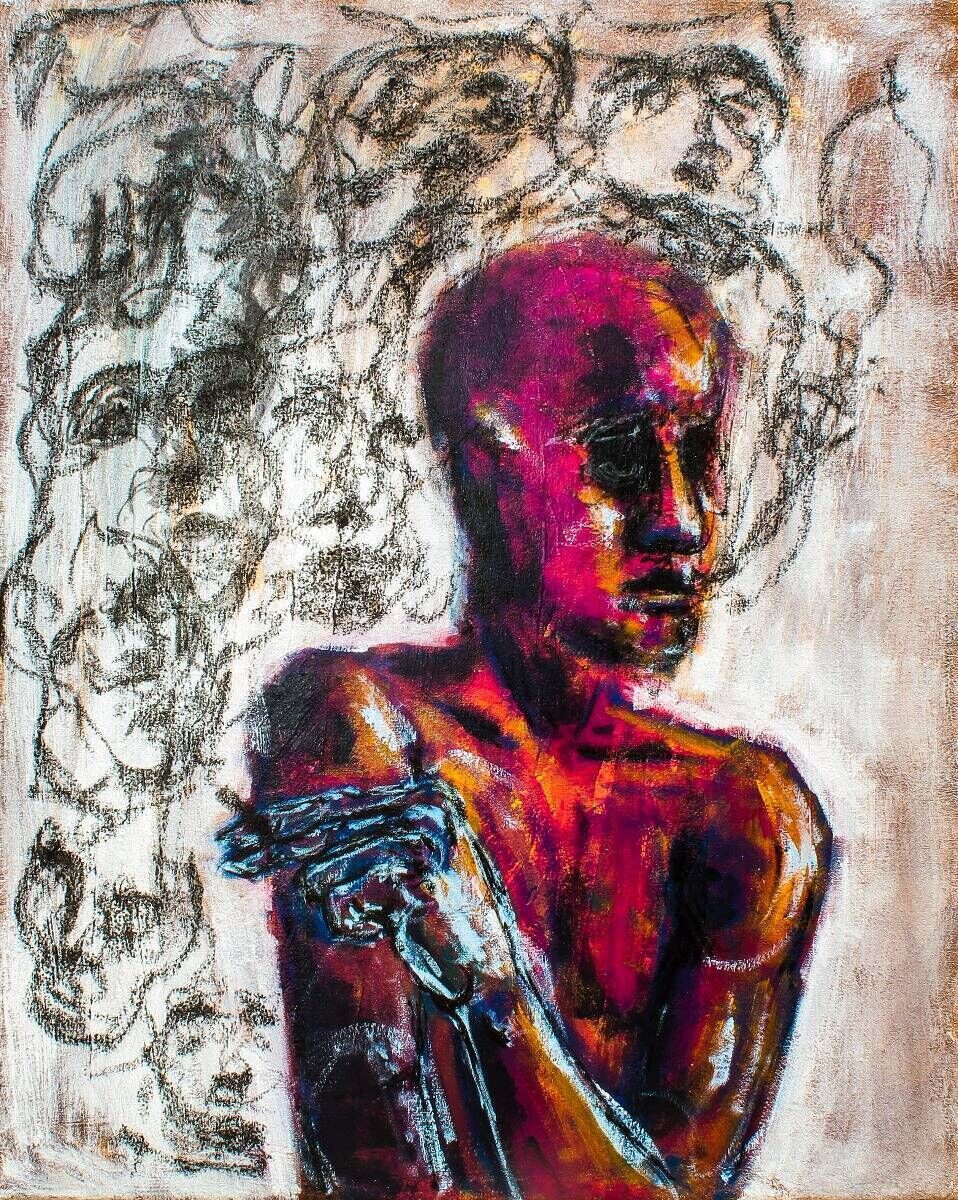
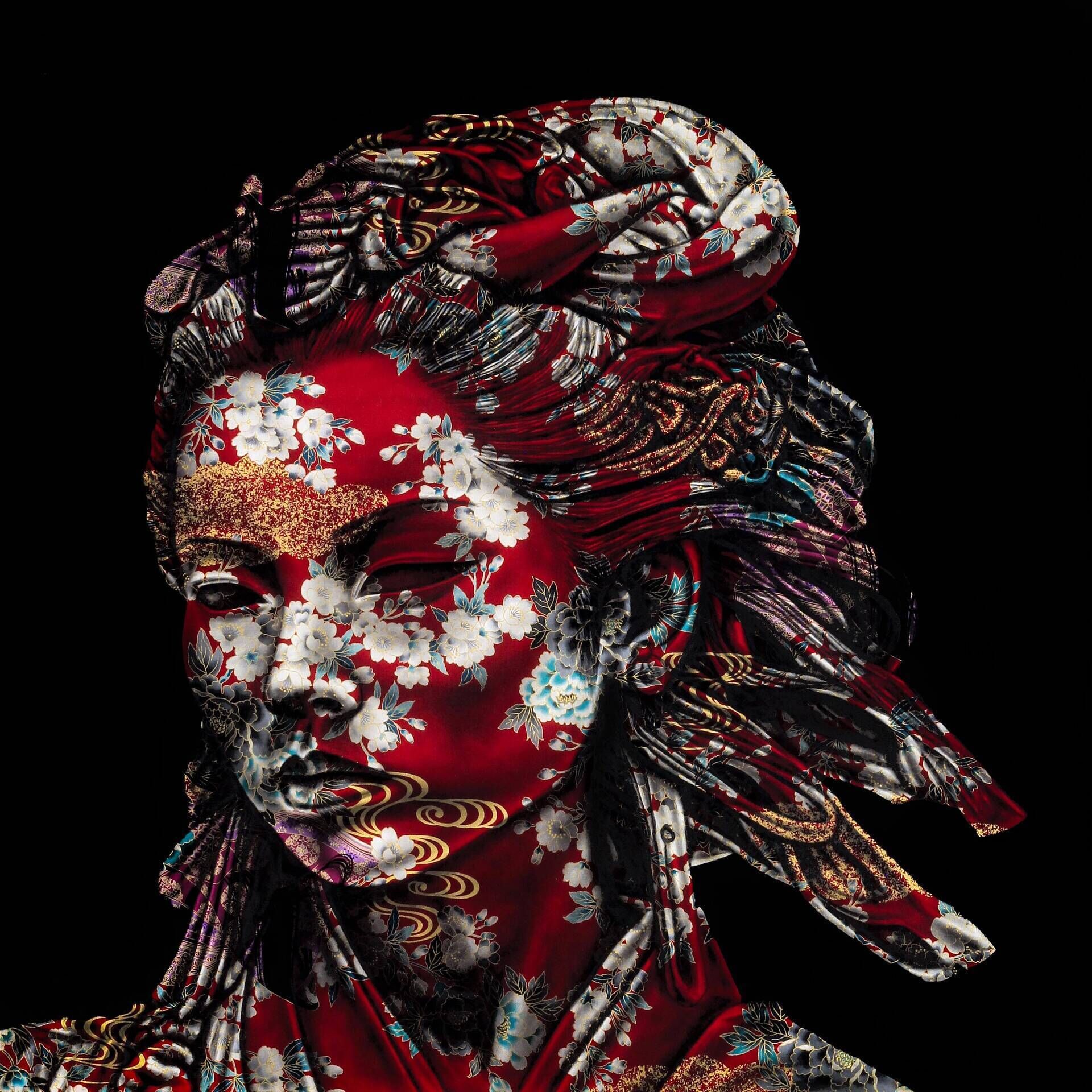
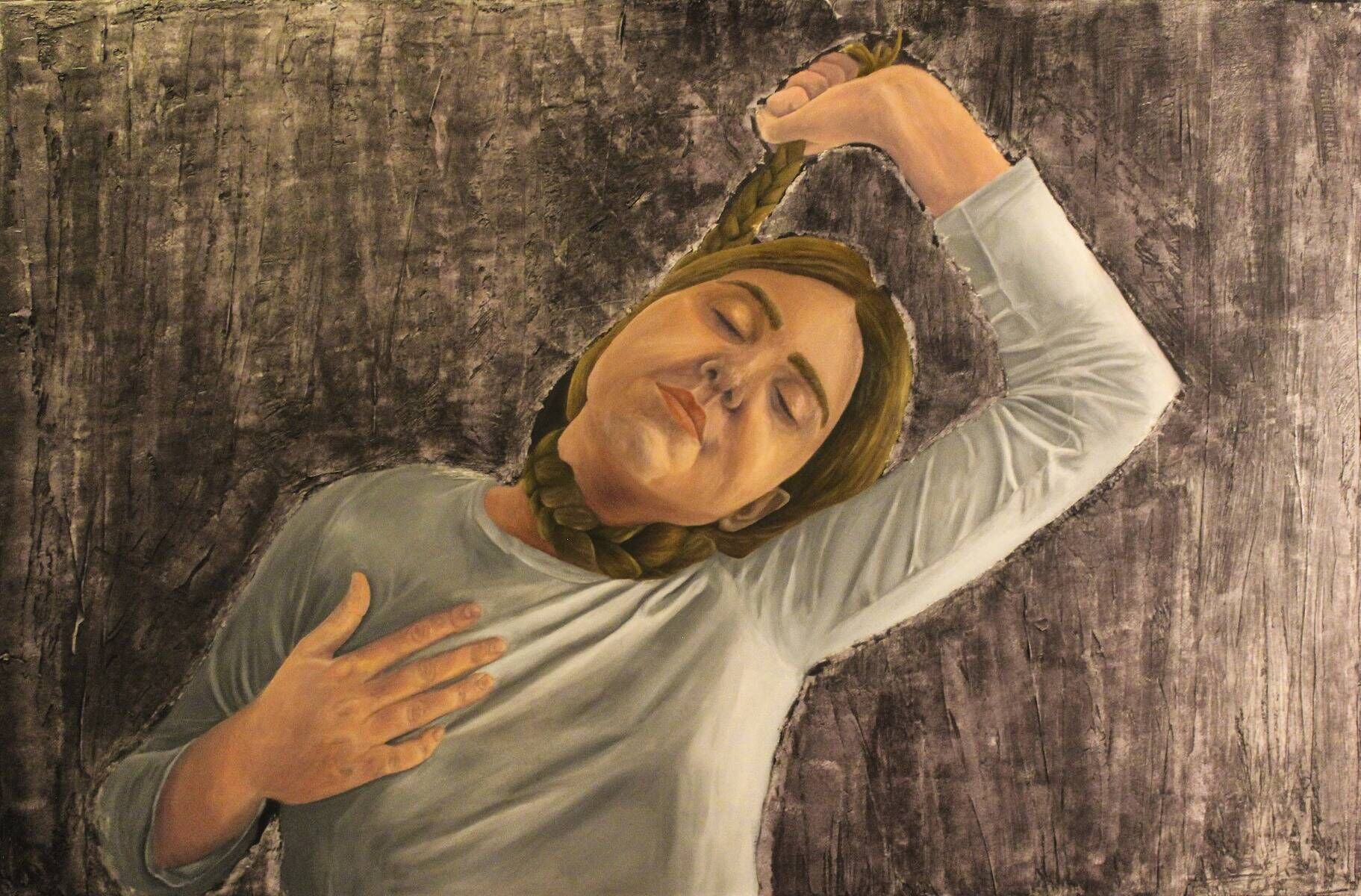
Together, these artists demonstrate just how multifaceted contemporary art is and that investing in art need not be complicated.
Frequently asked questions about art by graduates and art investment
Ja, Kunst kann eine sehr sinnvolle Investition sein. Du erwirbst etwas, das deinen Alltag bereichert und langfristig an Wert gewinnen kann. Besonders Originale und handgemalte Werke bieten Potenzial, da sie einzigartig bleiben. Wichtig ist, Kunst zu wählen, die dir gefällt und die du gerne in deinem Raum siehst. Bei Studierenden Kunstmarkt kann sich eine Investition besonders lohnen, da die Künstler*innen zu Beginn ihrer Karriere stehen. So erwirbst du die Kunstwerke zu einem fairen Preis mit Potential zur Wertsteigerung.
Besonders lohnend sind Originalwerke, limitierte Editionen und Arbeiten aufstrebender Künstler*innen. Diese haben ein größeres Wertsteigerungspotenzial als Massenware oder Poster. Auch Kunst mit zeitgenössischen Themen und klarer Handschrift kann langfristig spannend sein. Entscheidend ist: Qualität und Individualität zählen mehr als Trends.
Beginne mit klaren Kriterien: Budget, Stil und Format. Kaufe am besten Originale junger Talente, bevor sie im Preis steigen – Plattformen wie Studierenden Kunstmarkt bieten dafür ideale Bedingungen. Setze auf seriöse Quellen und prüfe Technik, Material sowie die künstlerische Entwicklung. Und: Investiere nur in Werke, die dich langfristig ansprechen.
Kunst kann eine stabile und langfristige Wertanlage sein, vor allem im Vergleich zu schnell schwankenden Märkten. Sie ist unabhängig von kurzfristigen Krisen und behält ihren emotionalen und materiellen Wert. Gleichzeitig genießt du den ästhetischen Nutzen jeden Tag. Garantien gibt es nicht – aber gut ausgewählte Kunst bleibt beständig.
Originale, Unikate und hochwertige Mixed-Media-Arbeiten sind besonders vielversprechend. Auch Werke mit klarer künstlerischer Handschrift oder gesellschaftlichem Bezug entwickeln oft stabilen Wert. Achte auf gute Materialien, handwerkliche Qualität und erkennbare künstlerische Entwicklung. Limitierte Editionen können ebenfalls sinnvoll sein.
Aufstrebende Künstler*innen, die eine eigene Bildsprache entwickeln und aktiv ausstellen, bieten oft das größte Potenzial. Studierende und Absolvent*innen renommierter Kunsthochschulen sind besonders spannend, da ihre Preise noch zugänglich sind. Künstler*innen mit klaren Themen und hoher Wiedererkennbarkeit bauen langfristig ein stabiles Marktprofil auf. Und am wichtigsten: Ihr Werk sollte dich persönlich überzeugen – das ist immer die beste Grundlage für eine gute Investition.
