Digital art as a modern form of expression
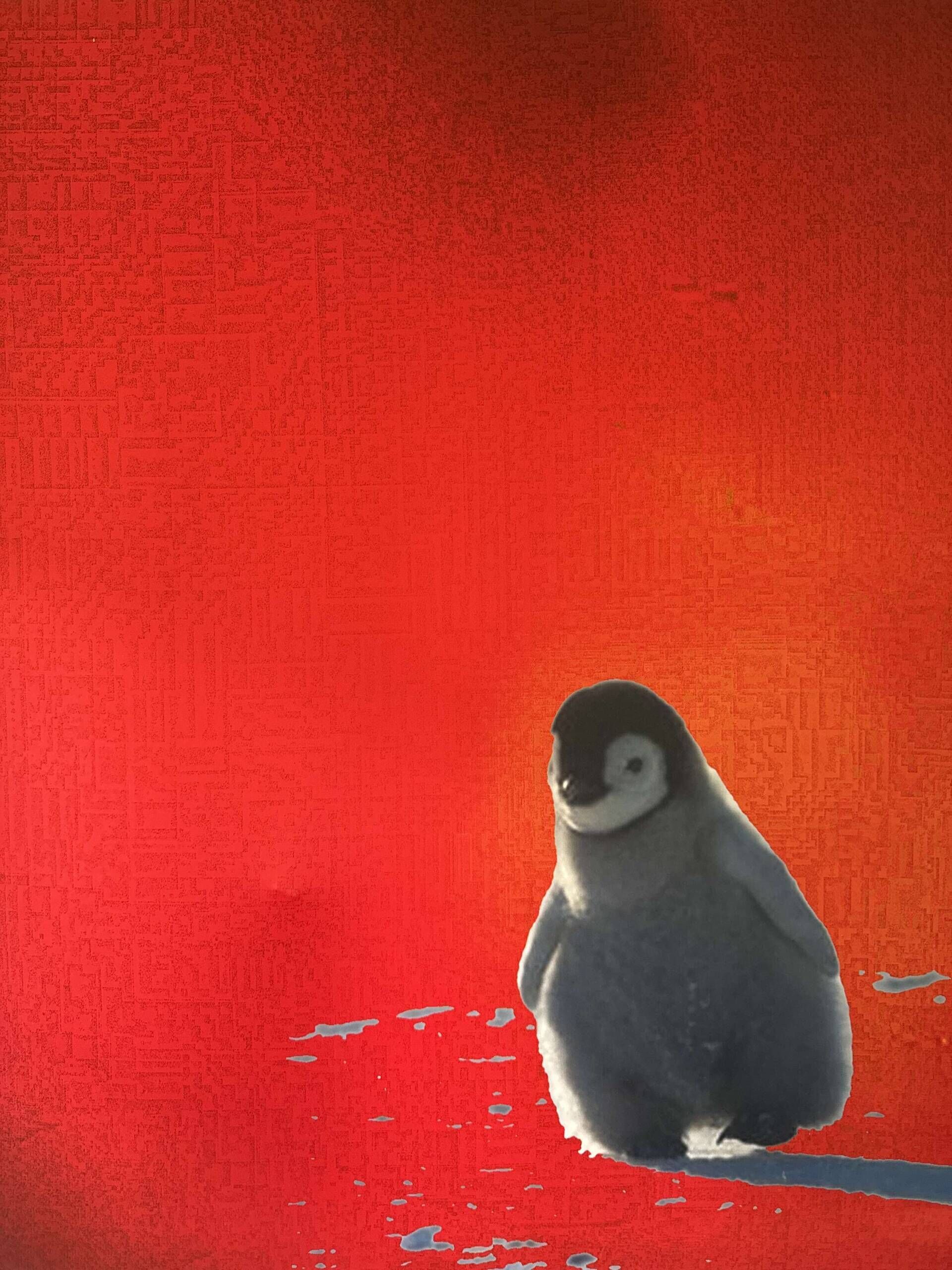
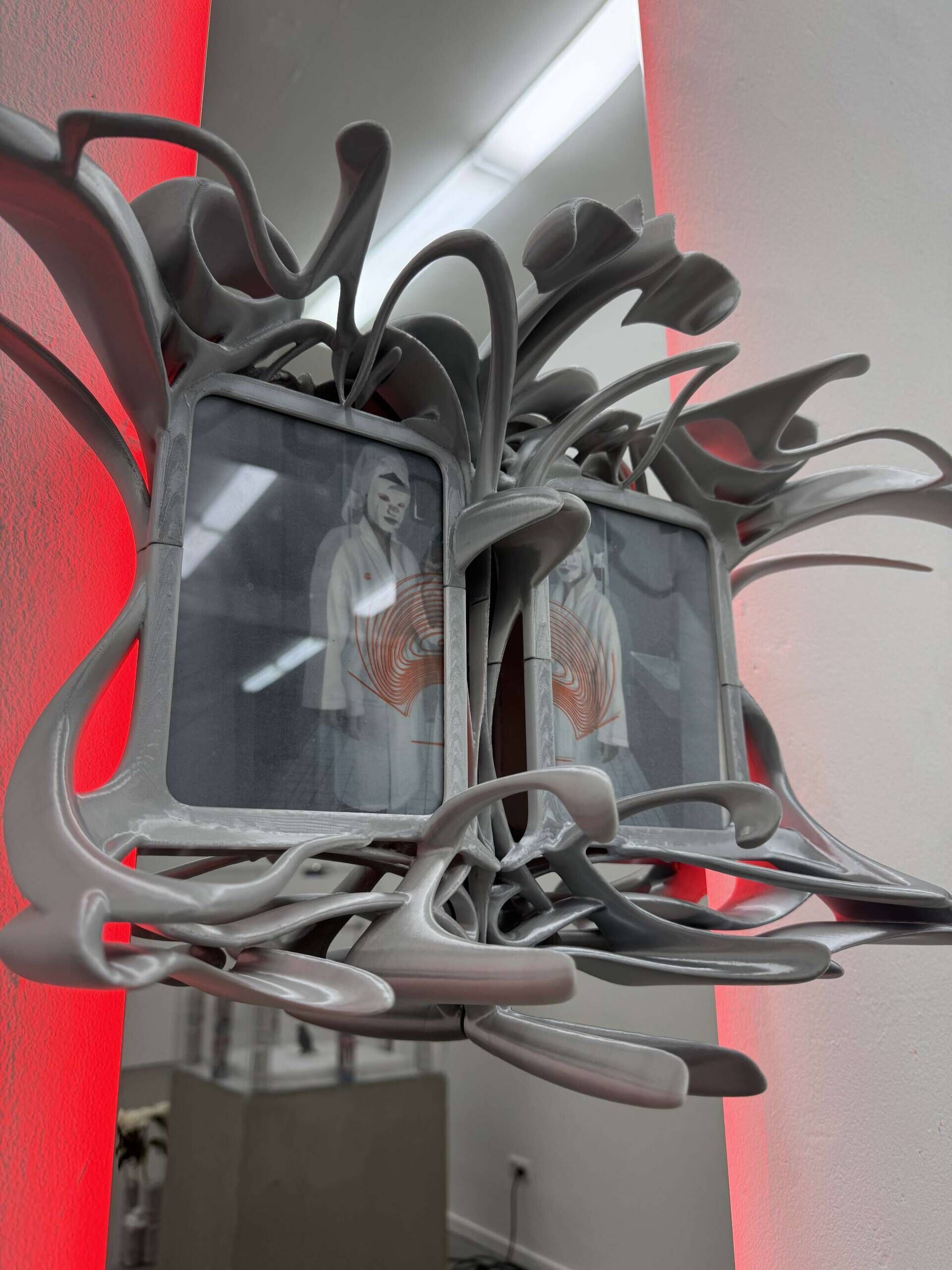
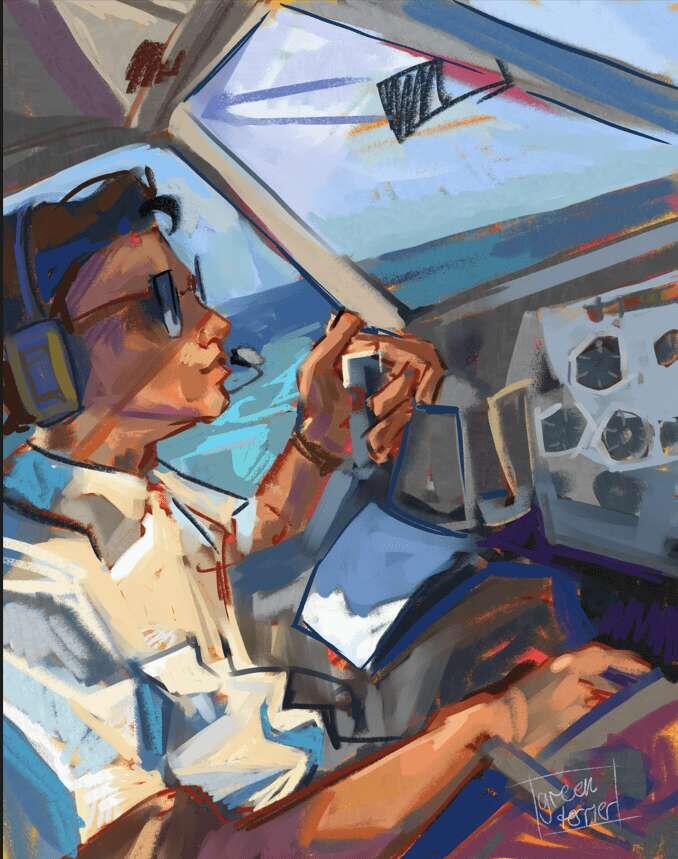
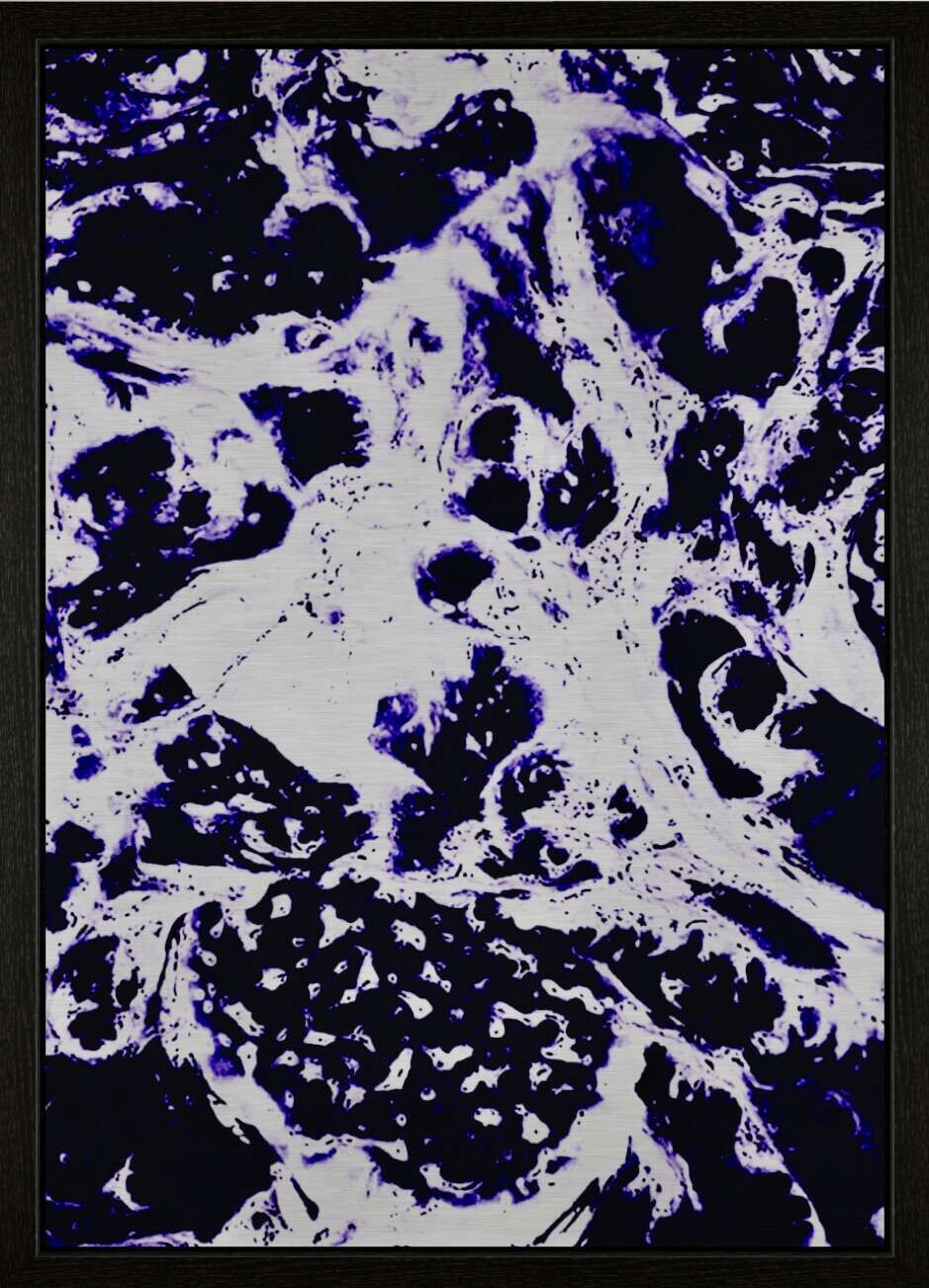
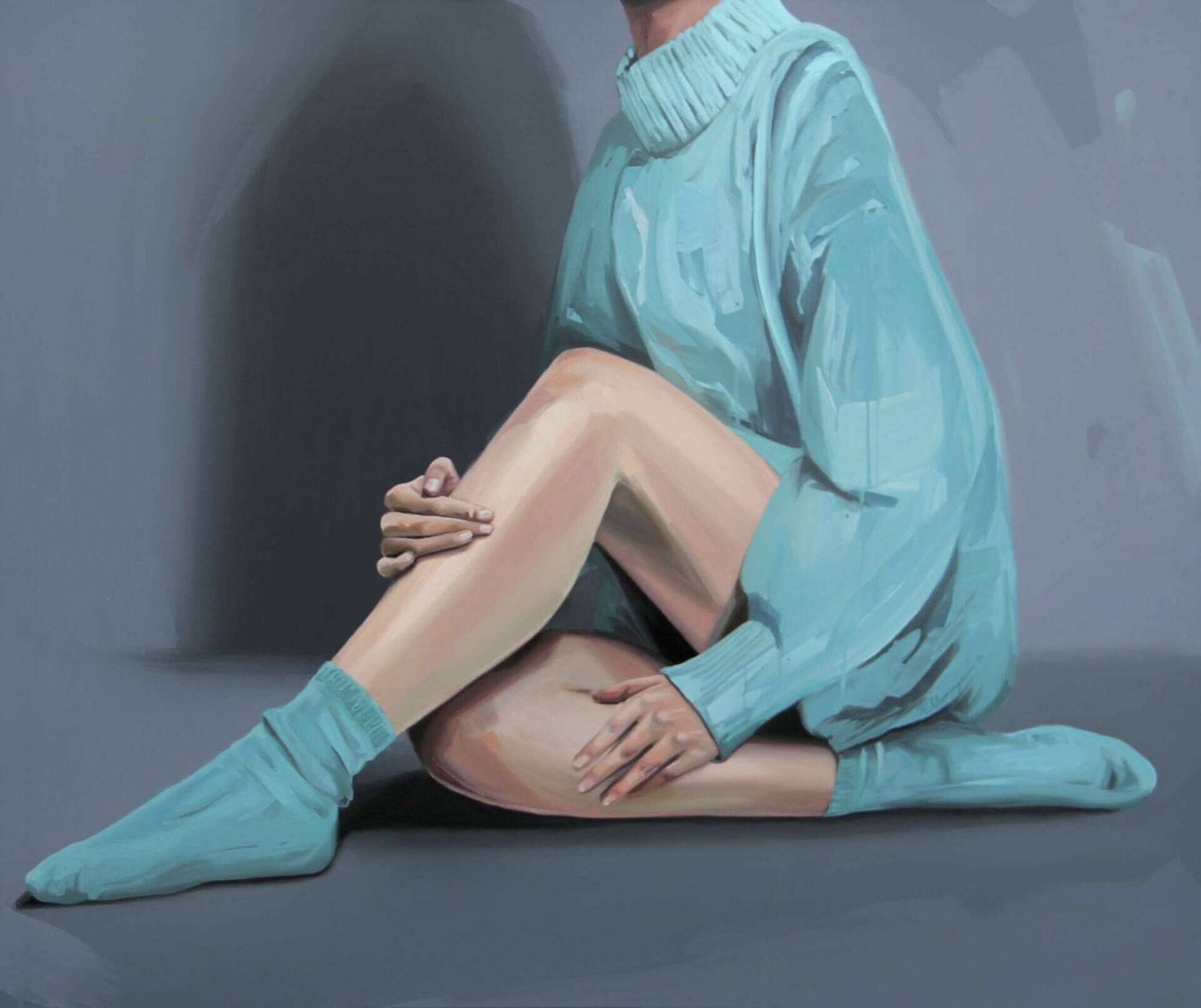
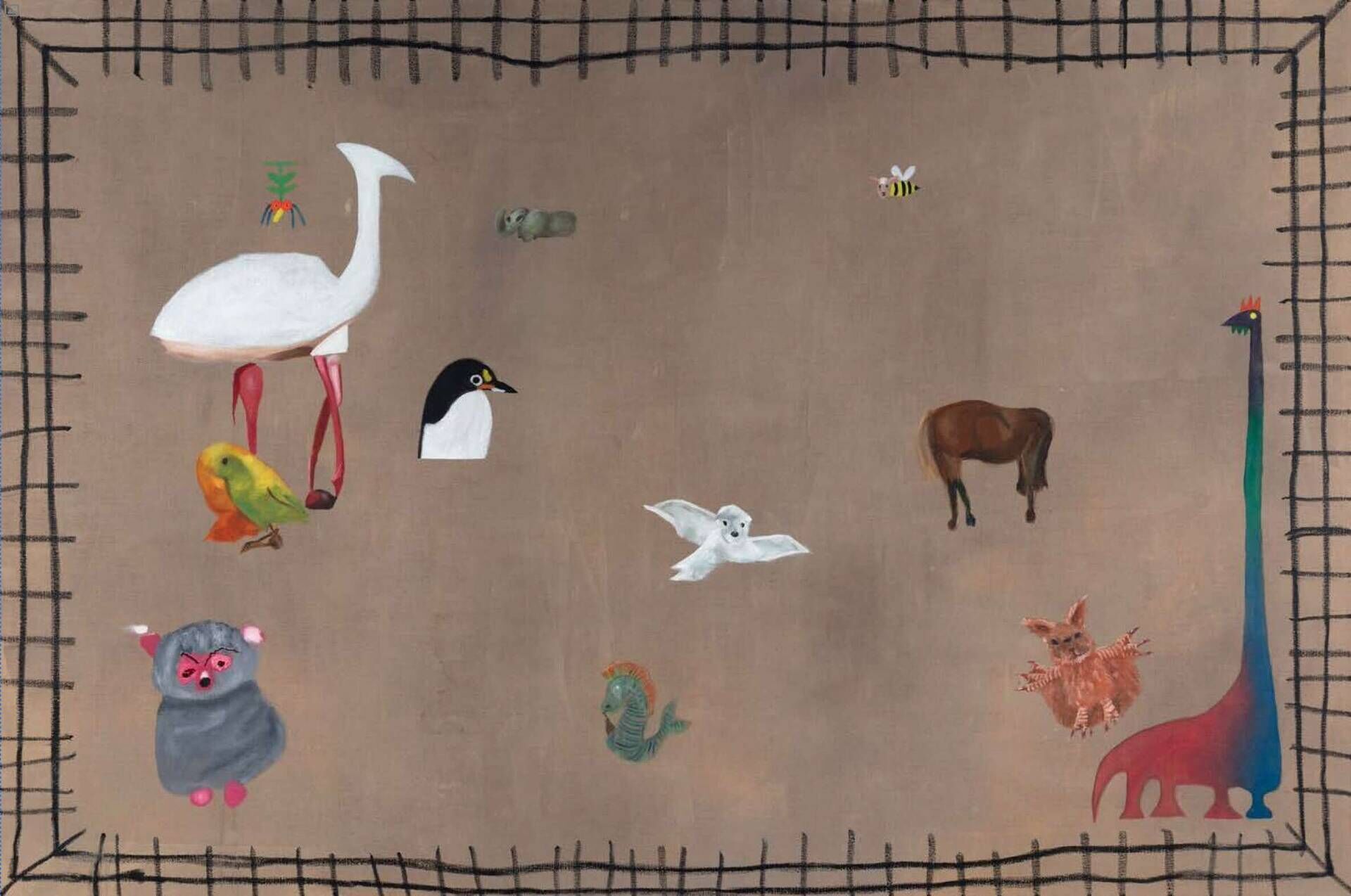
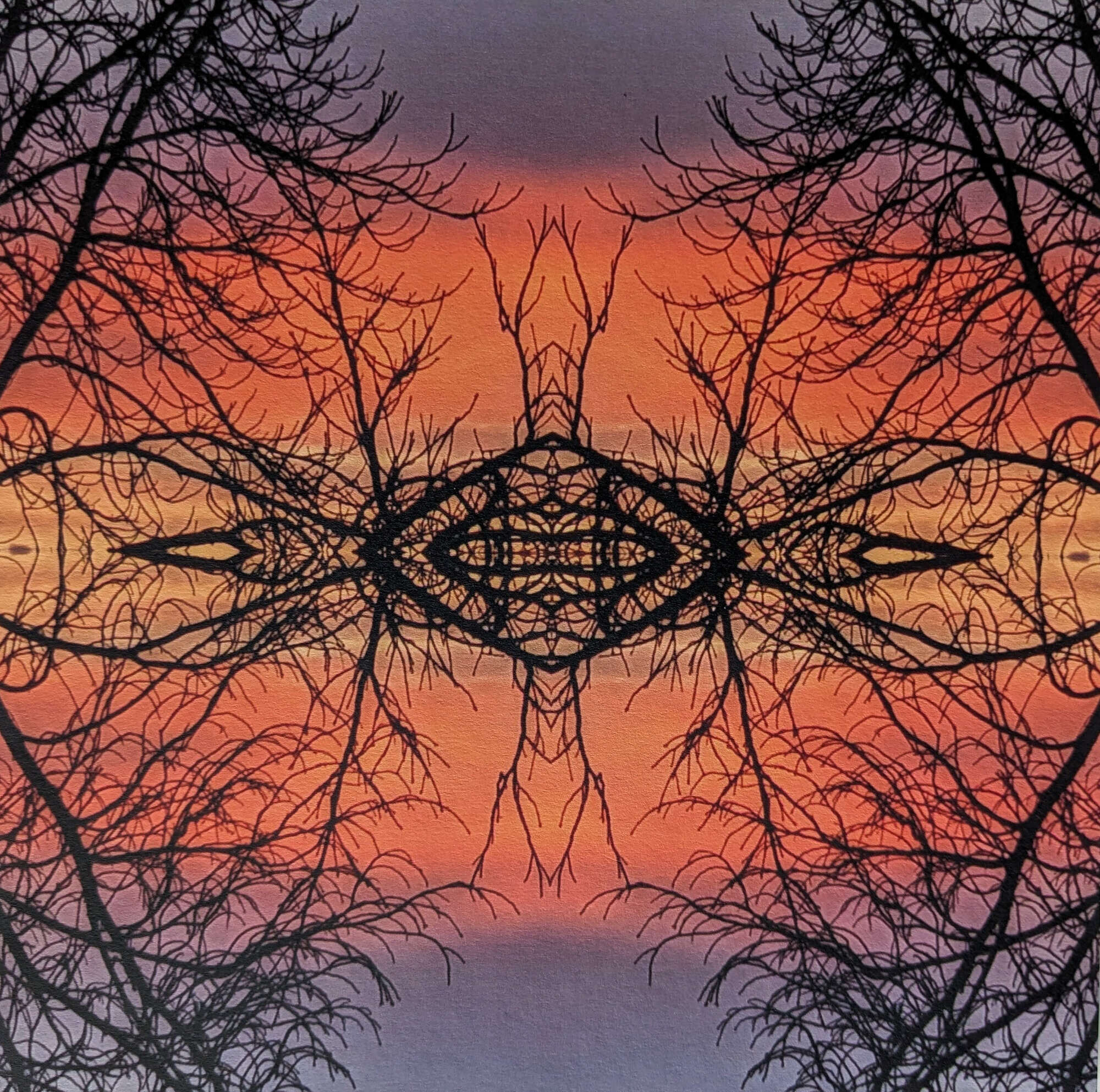
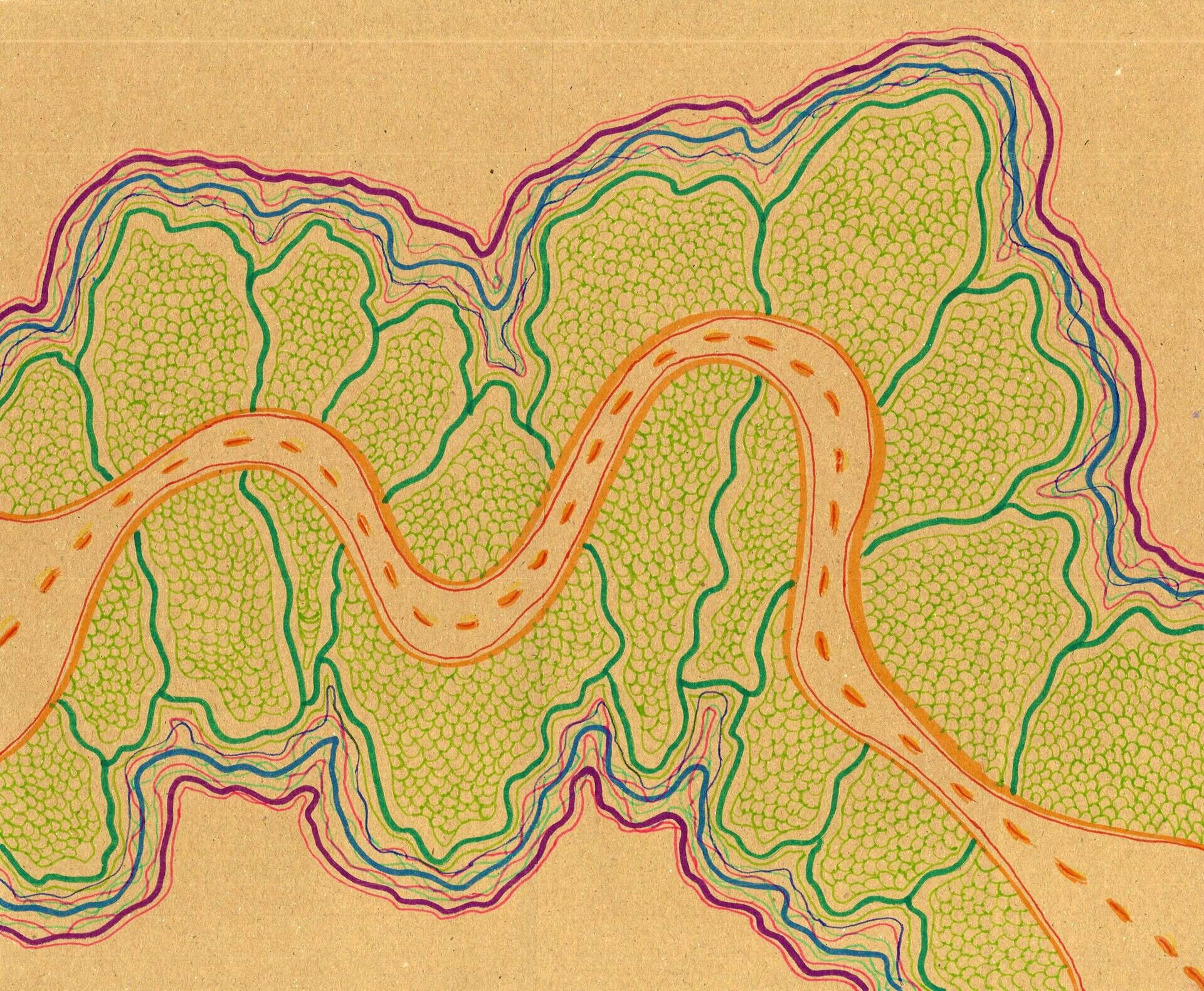
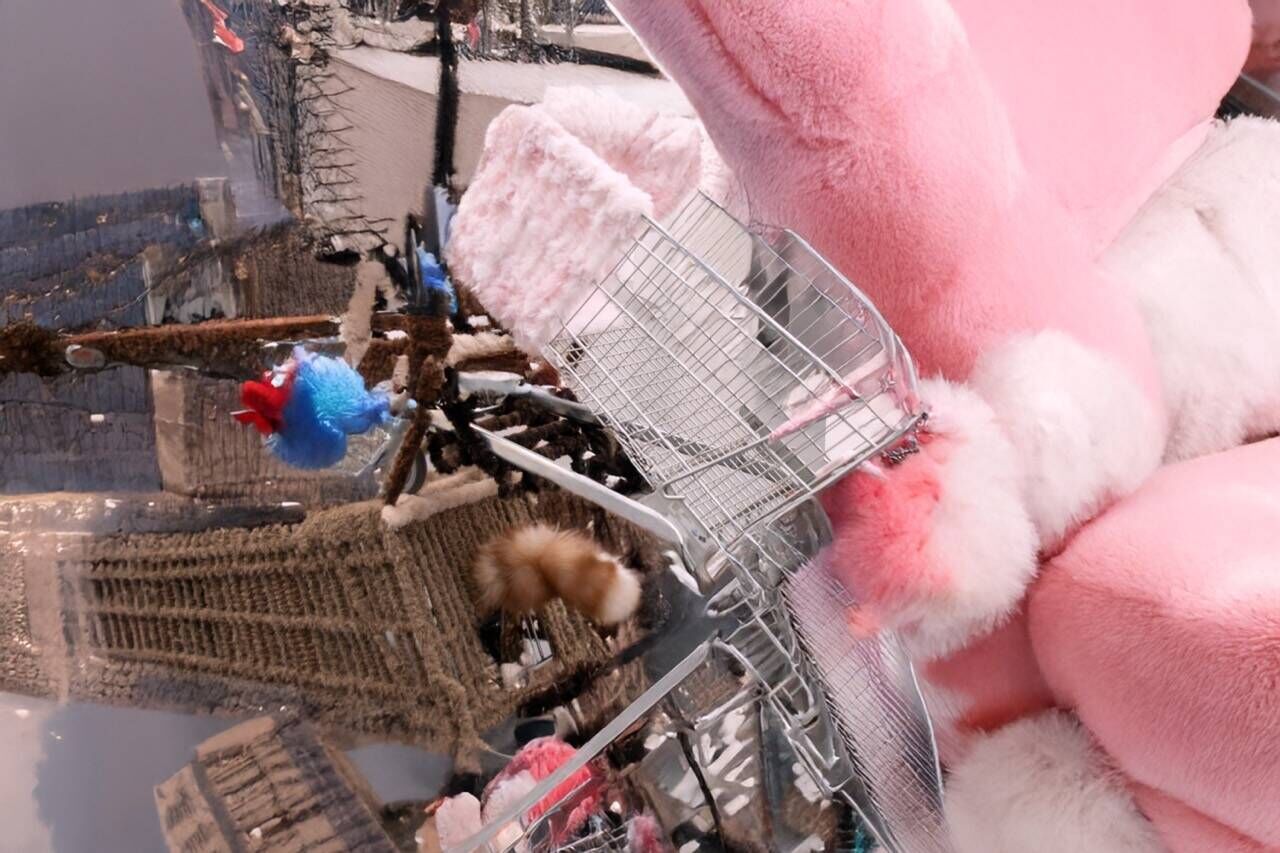
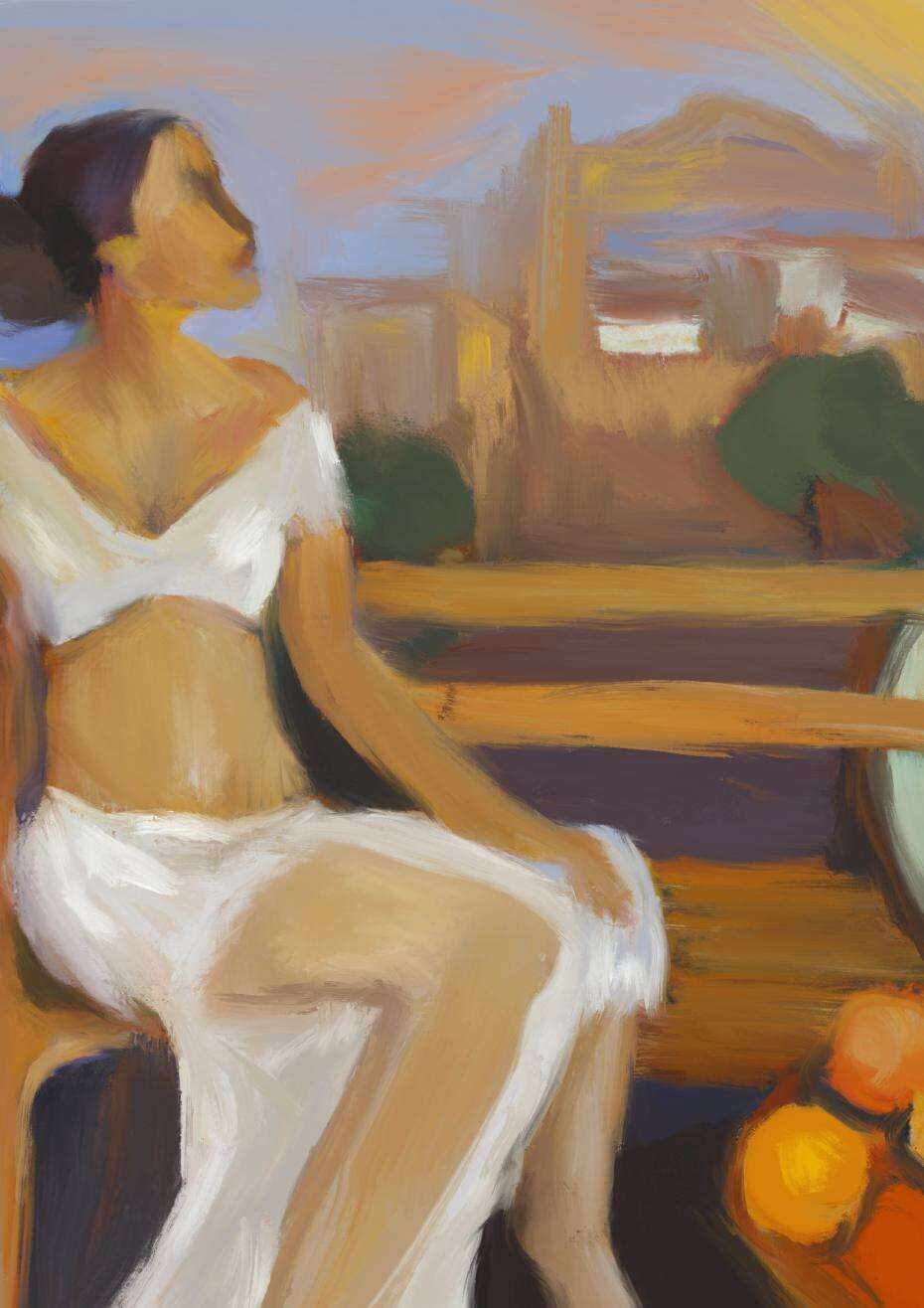
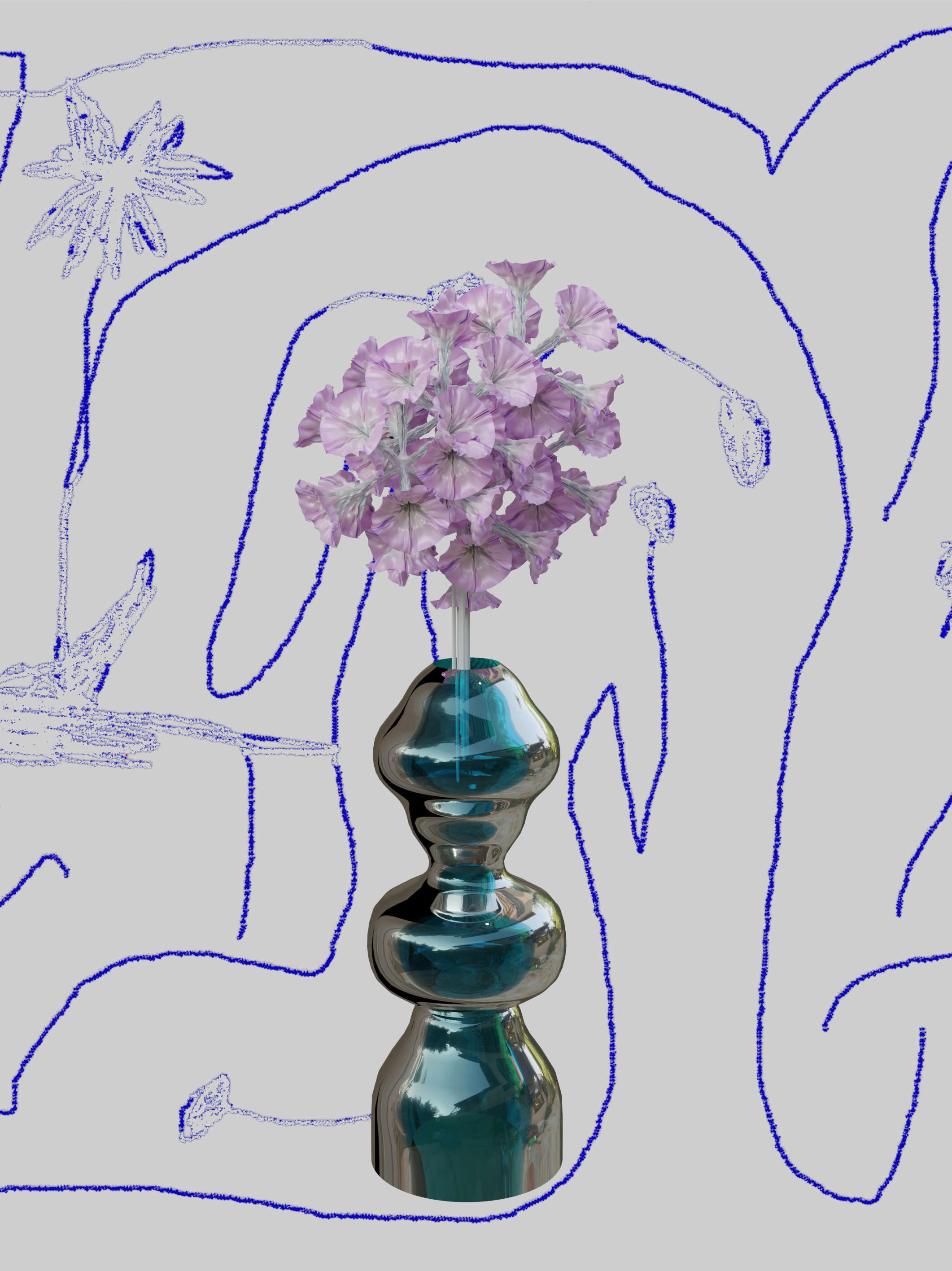
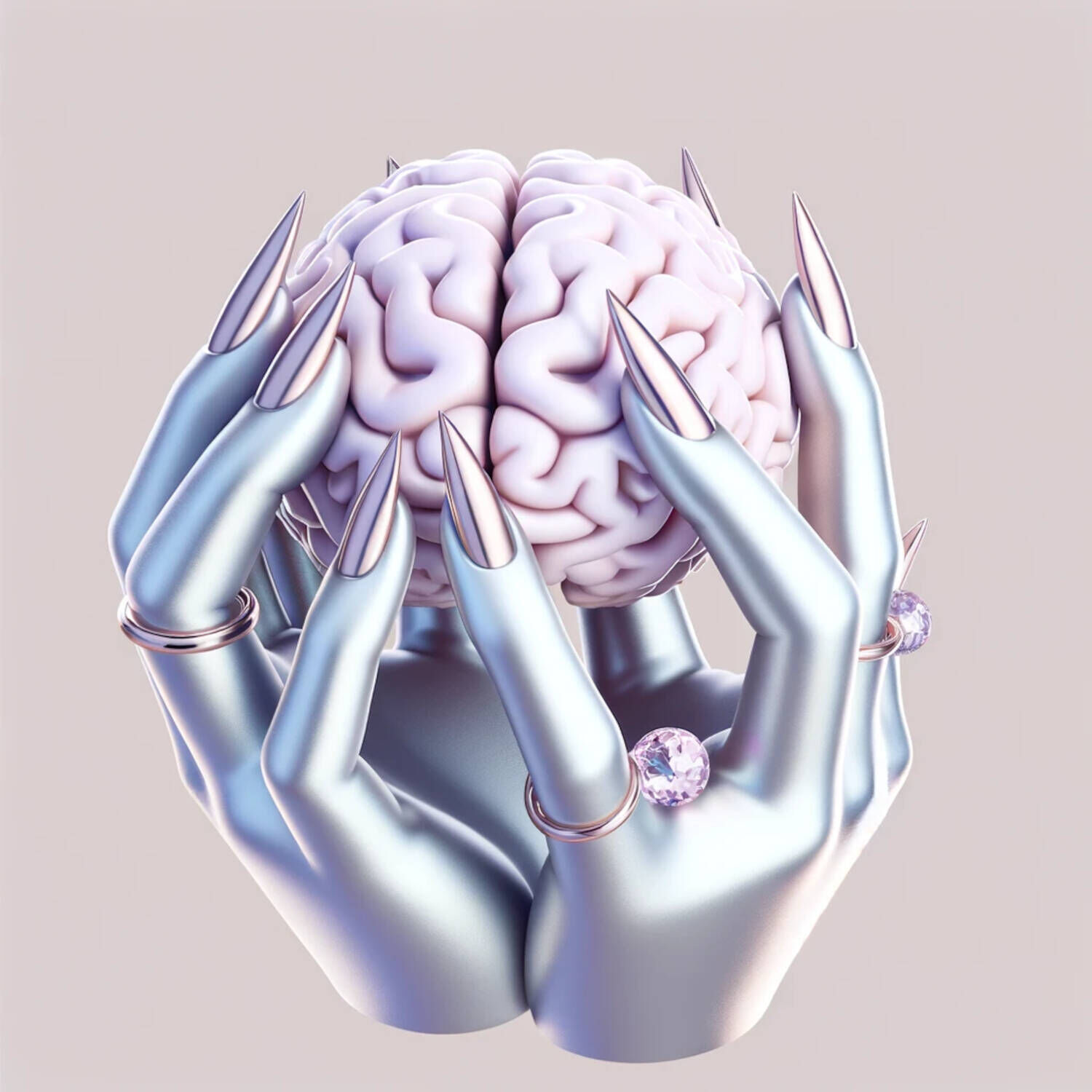
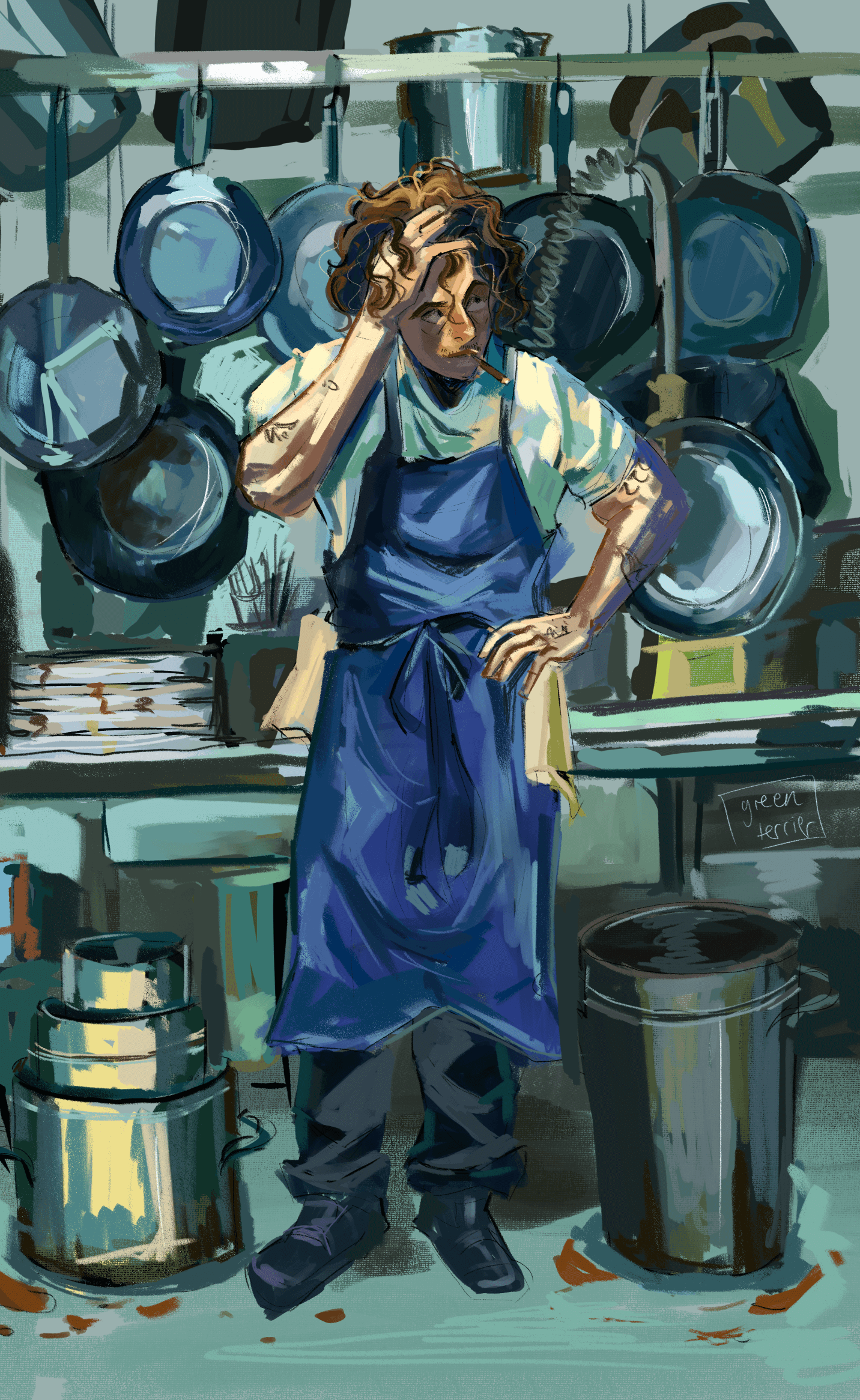
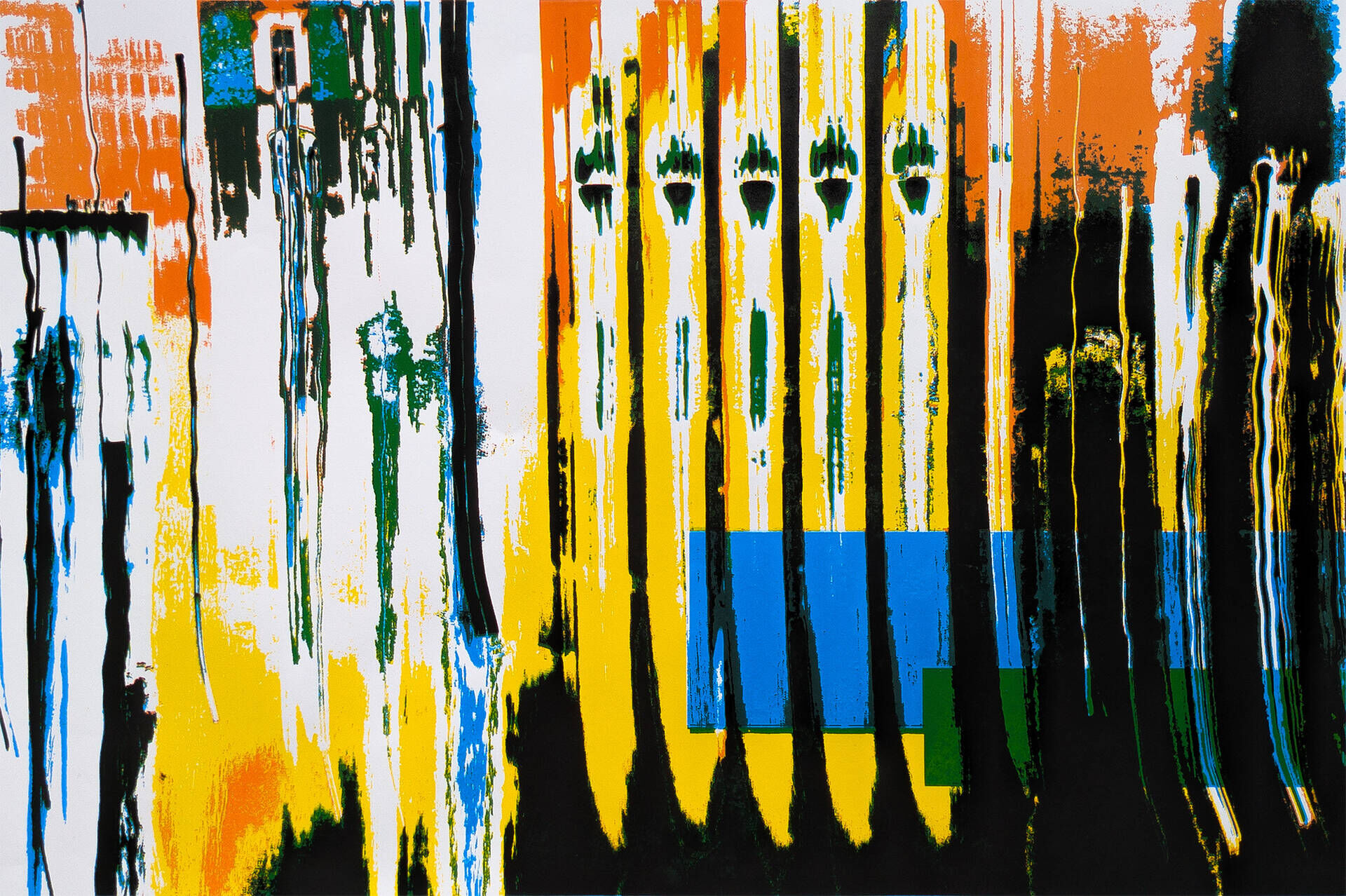
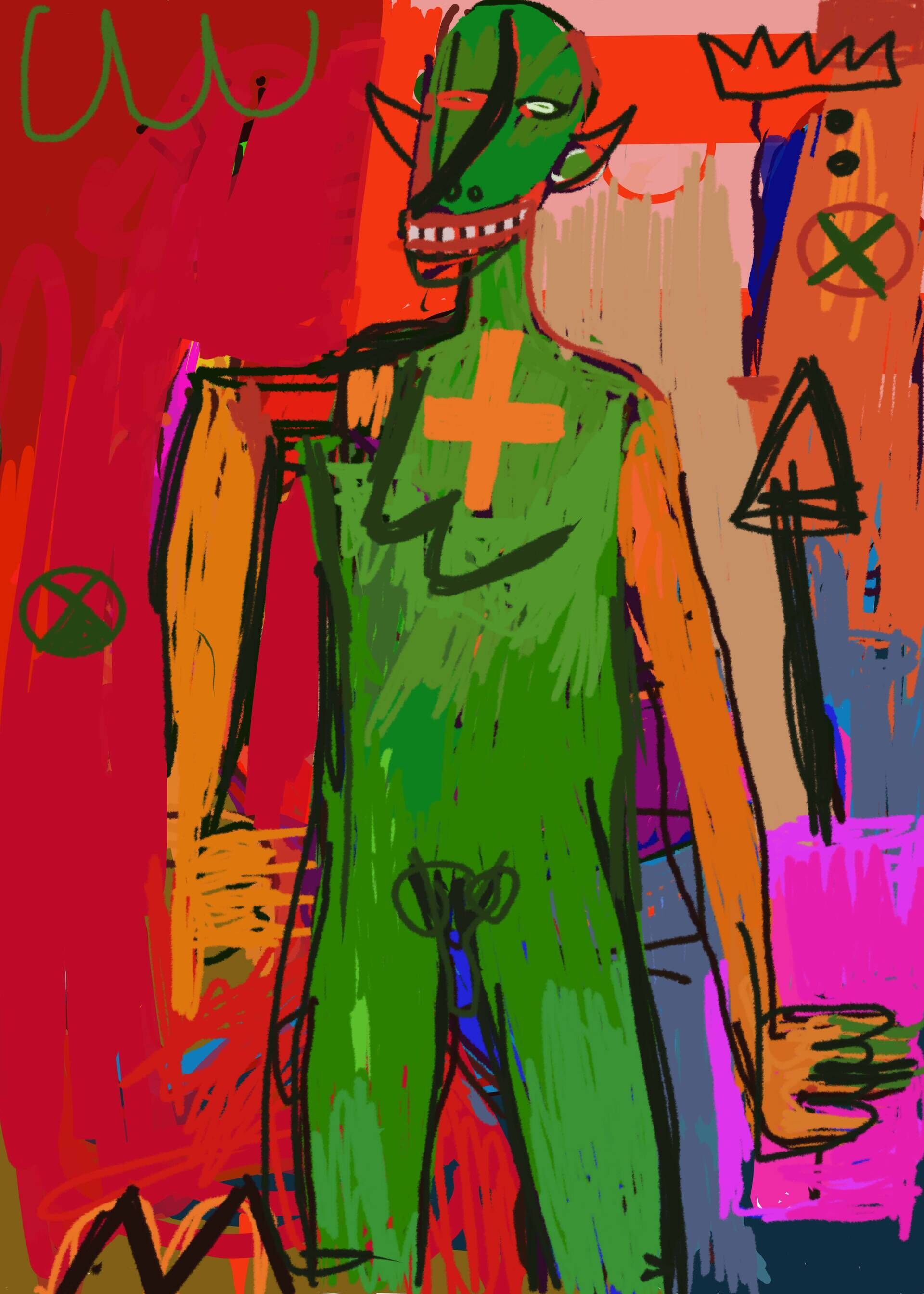
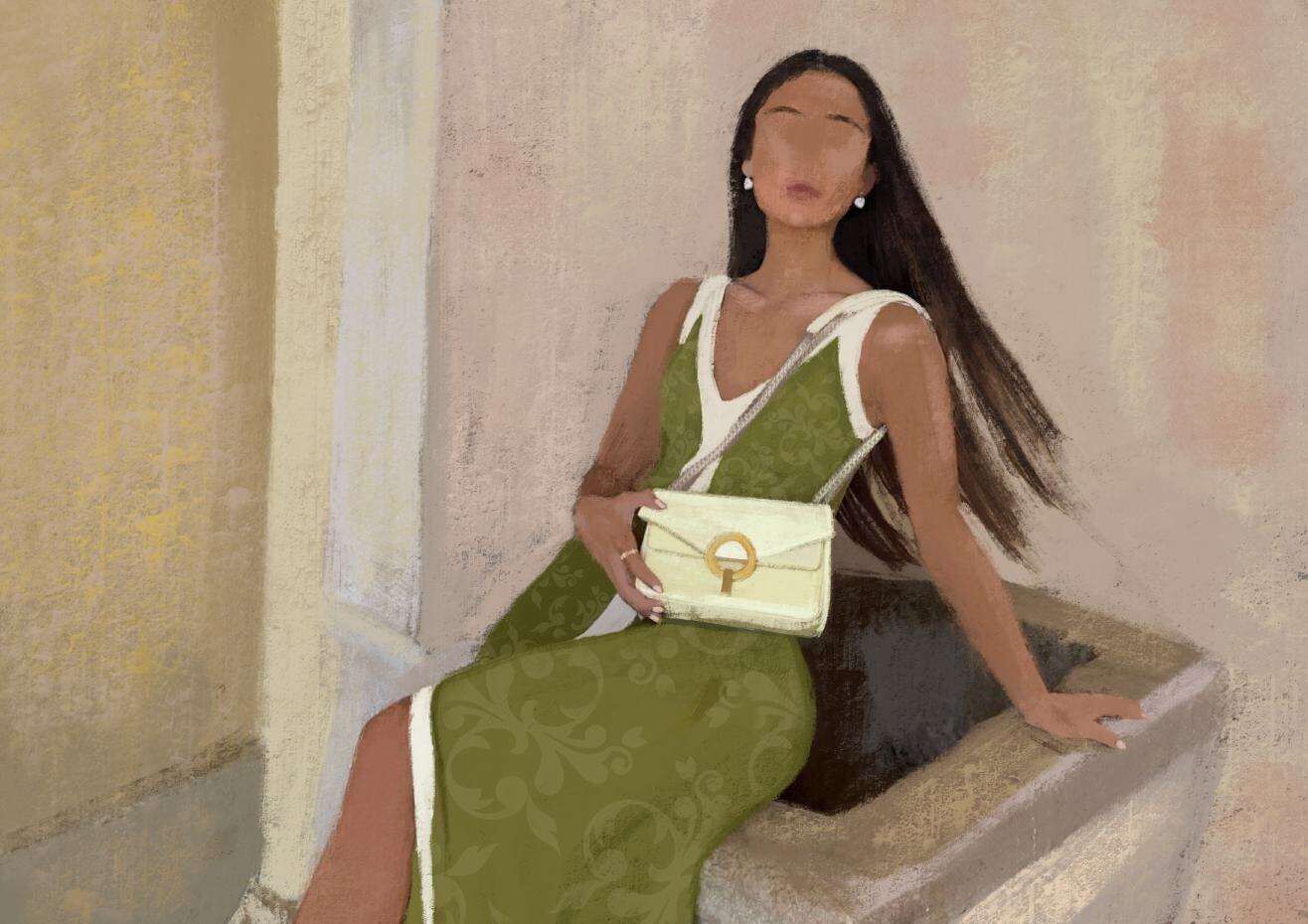
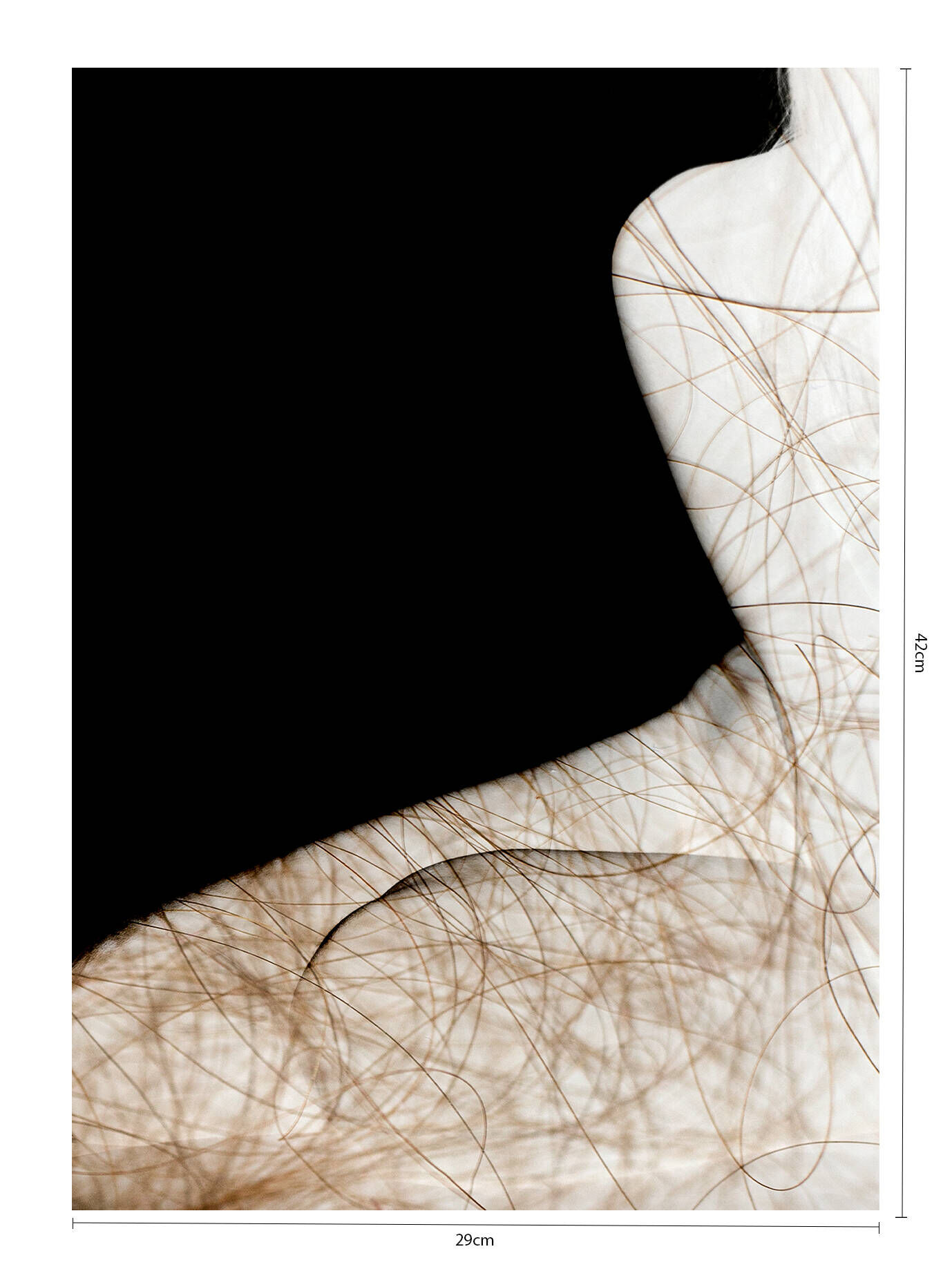
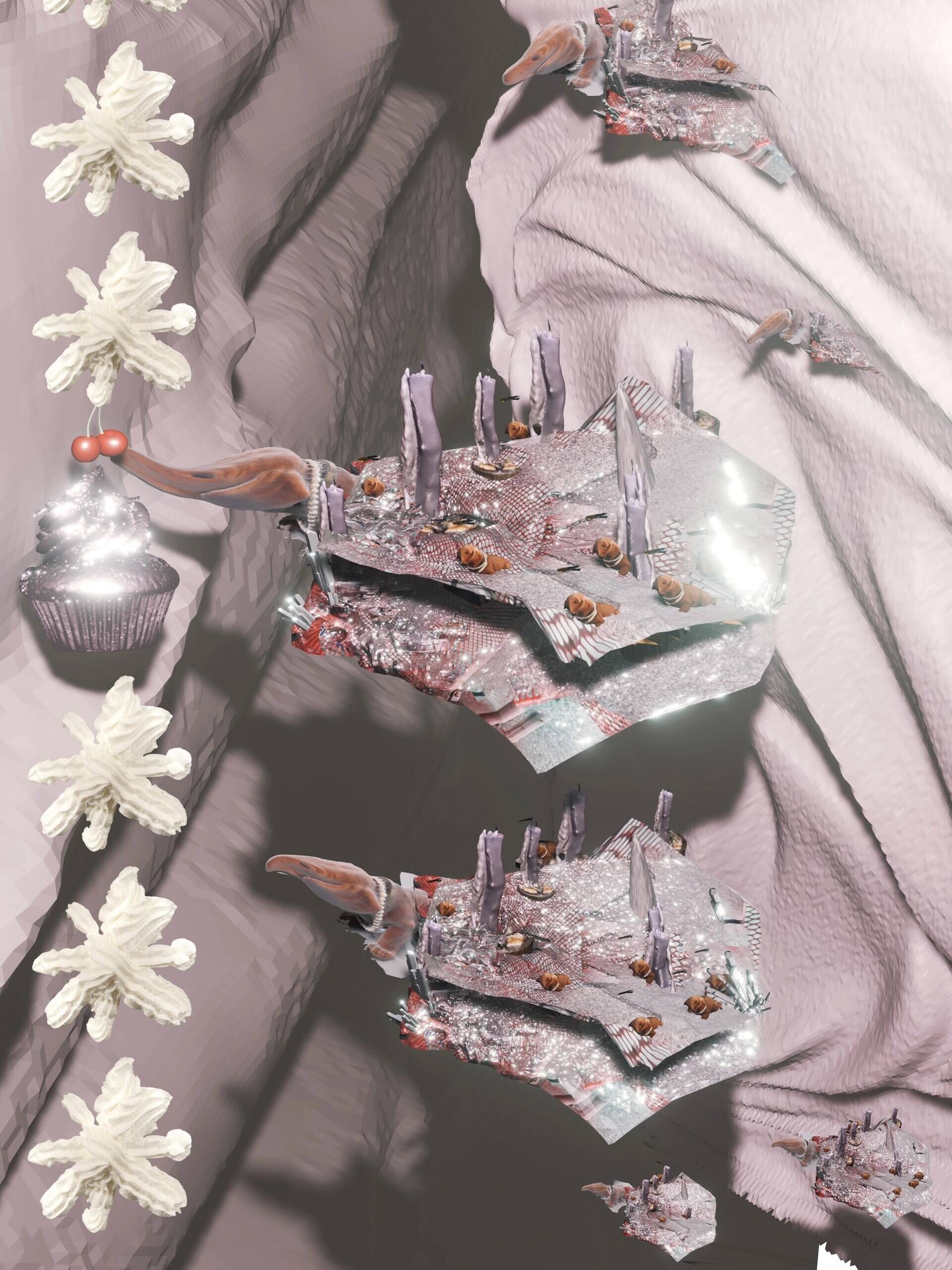
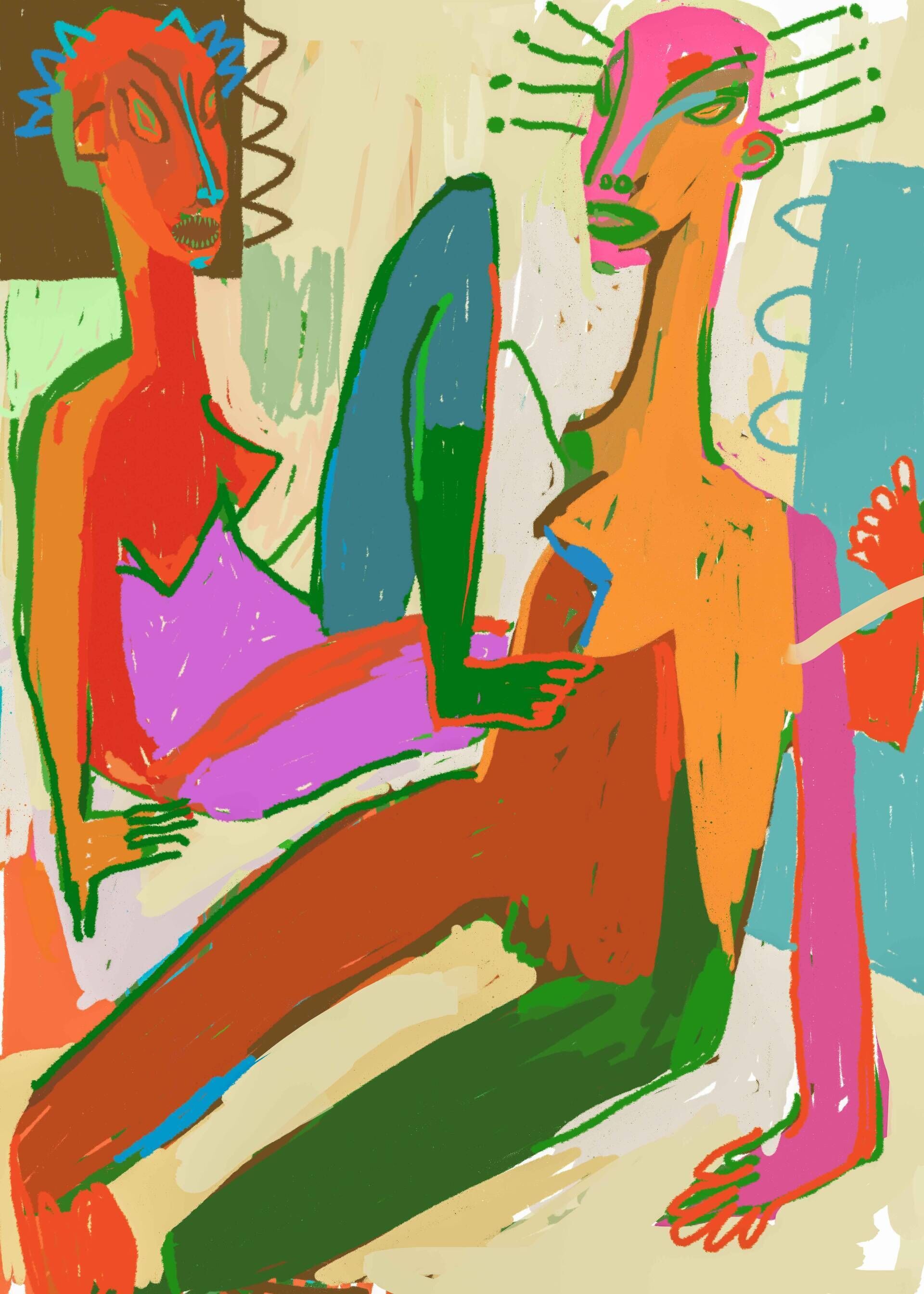
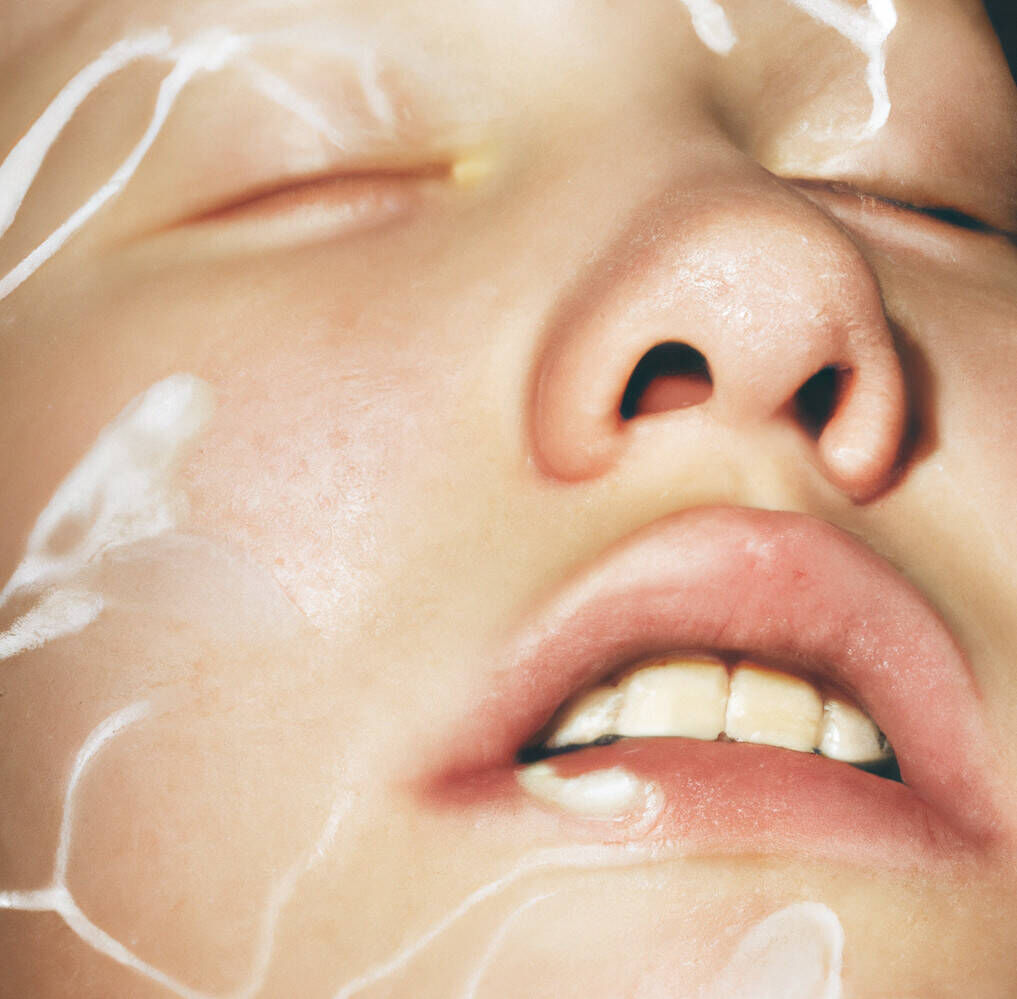
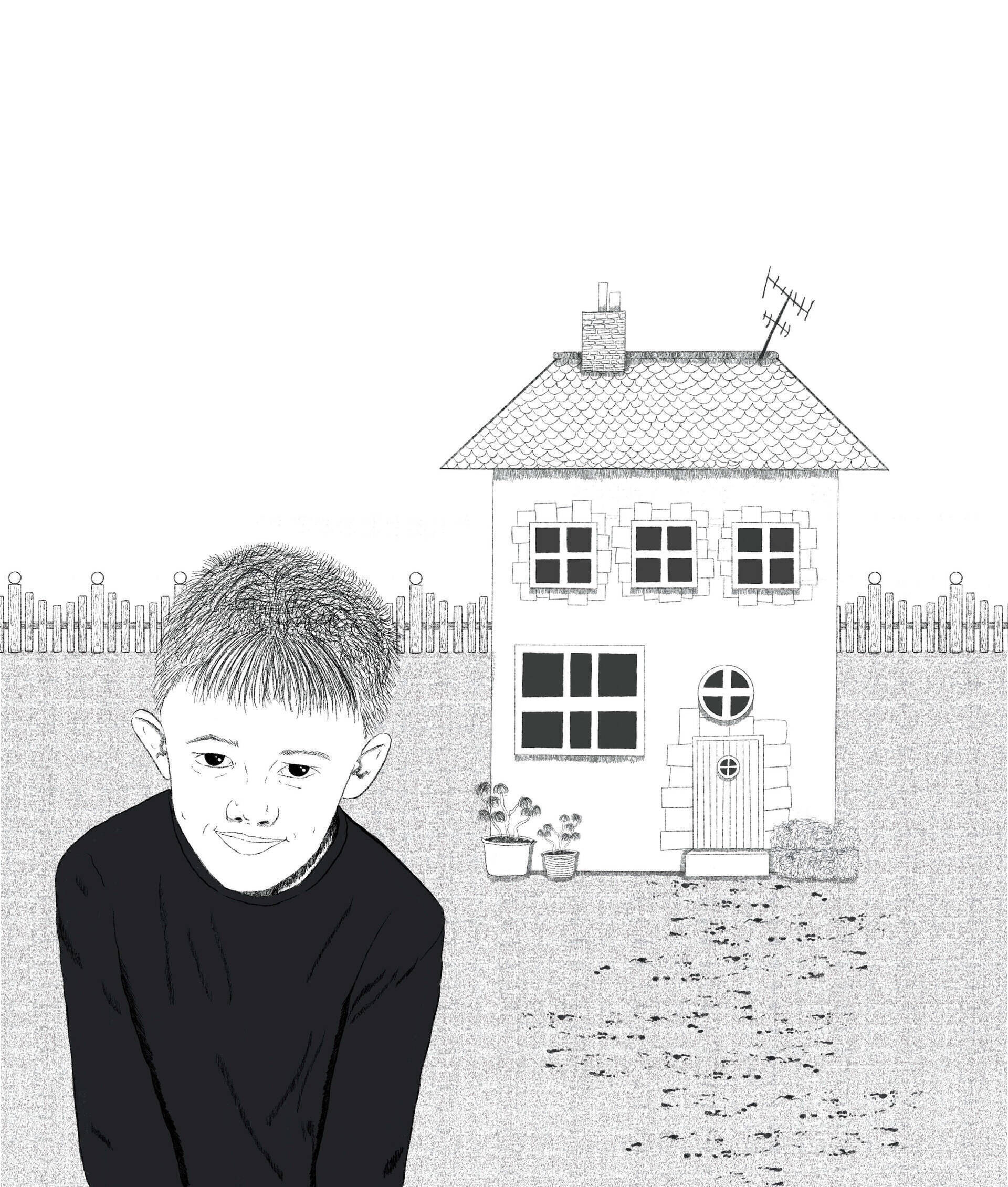
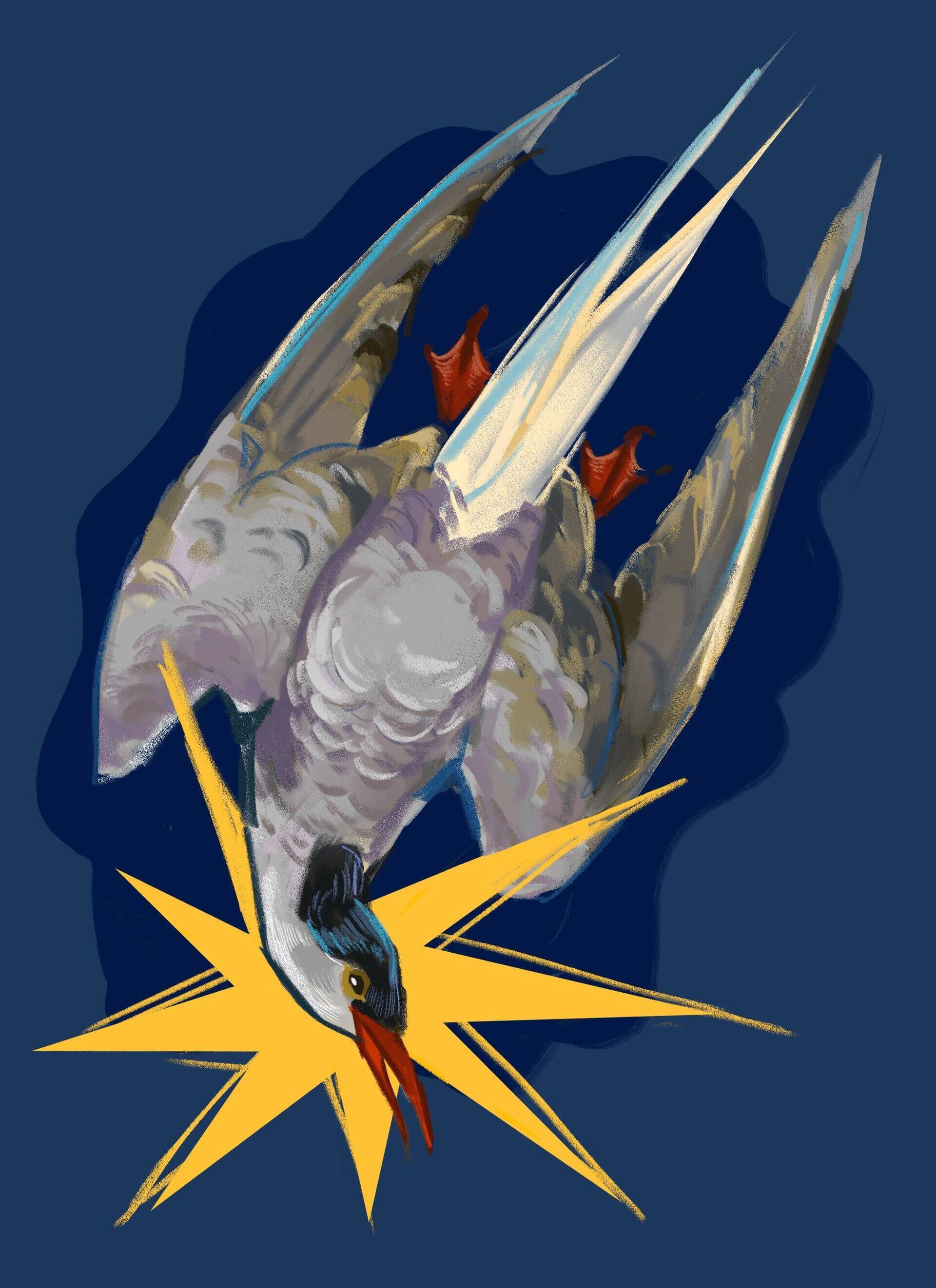
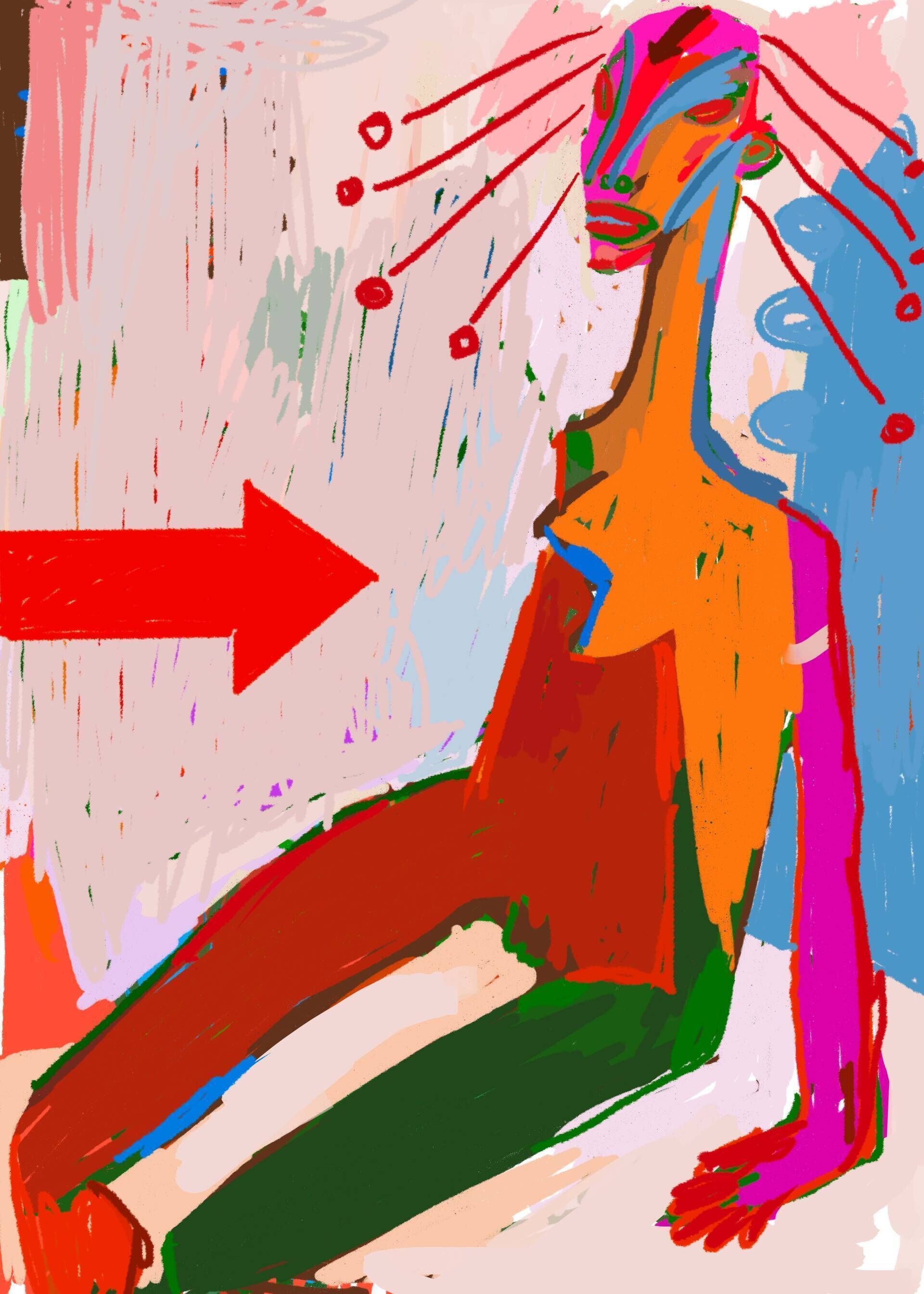
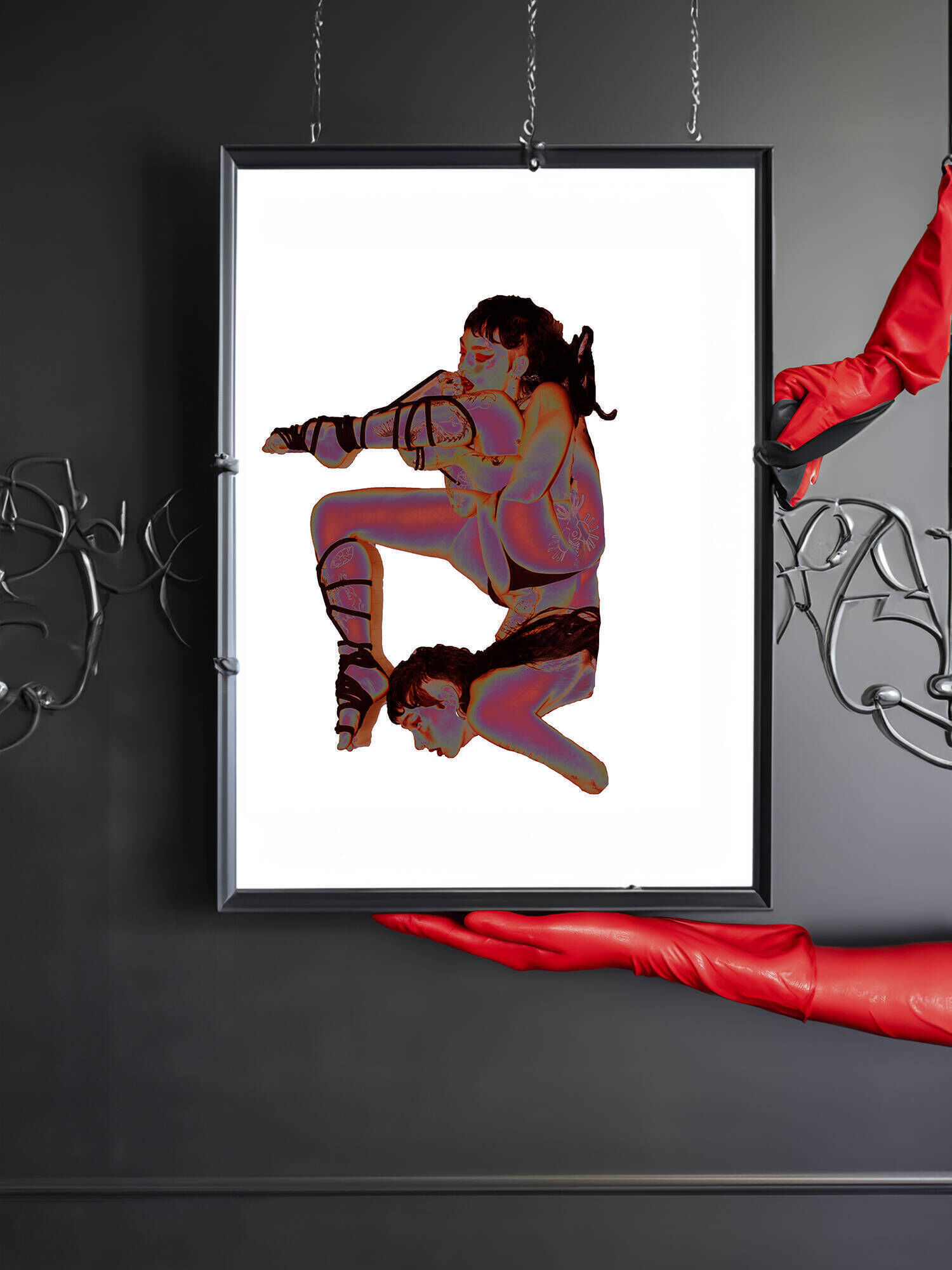
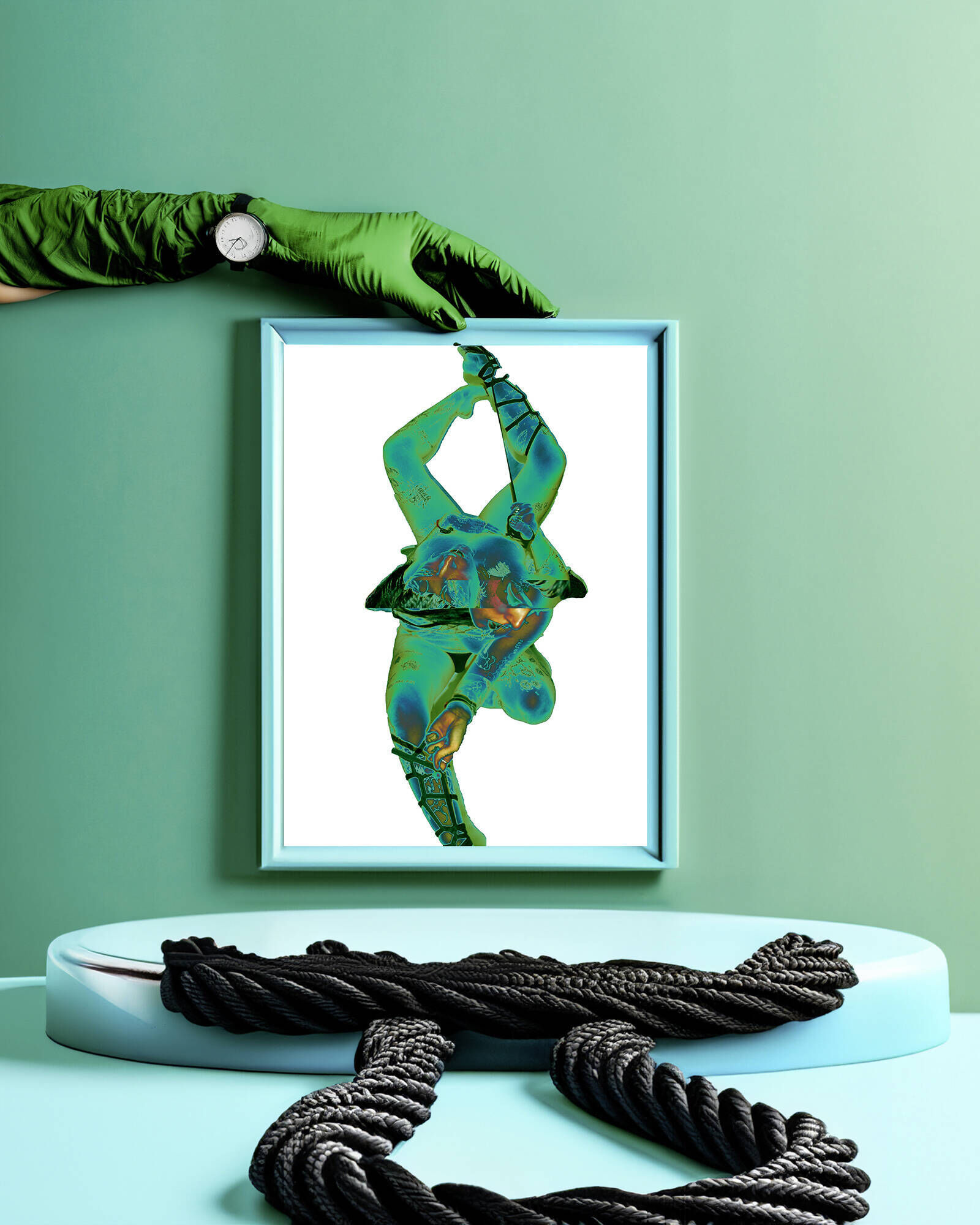
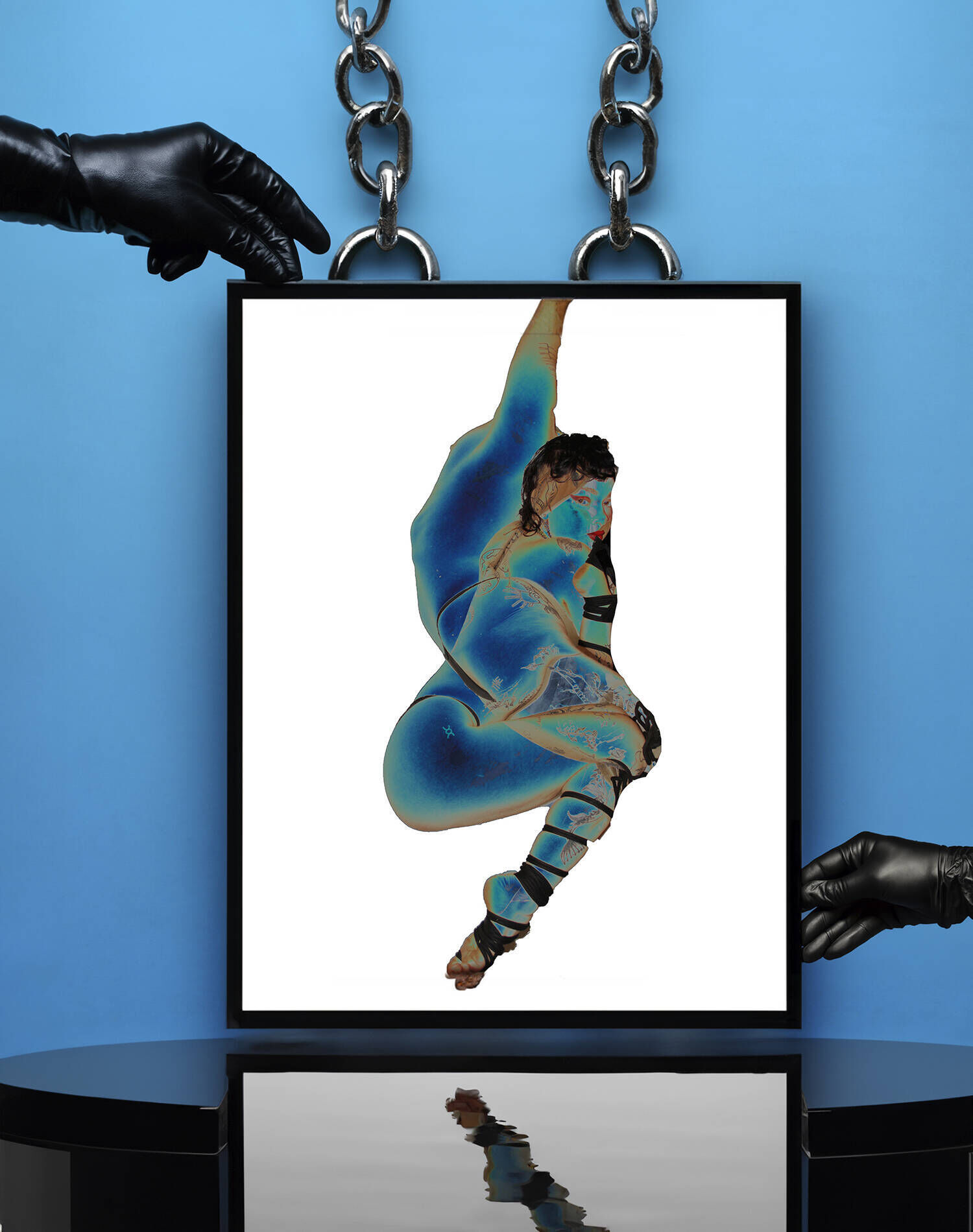
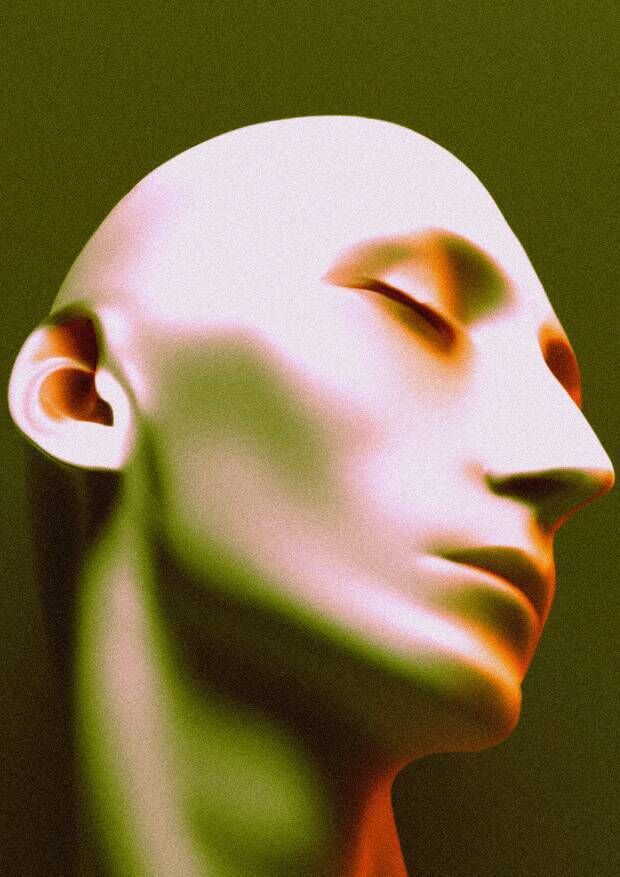
Art created by artificial intelligence, NFTs or robots that paint? Here, it is still people who bring their creativity to the canvas. Yet we are all surrounded by technology every day, and this has also found its way into art. Through digital art, the SKM artists express their relationship with and experience of technology, using creativity as an outlet. Subjective impressions can be stylised using technical tools, whilst an affinity for or aversion to technology can be depicted. (Digital) art knows no boundaries.
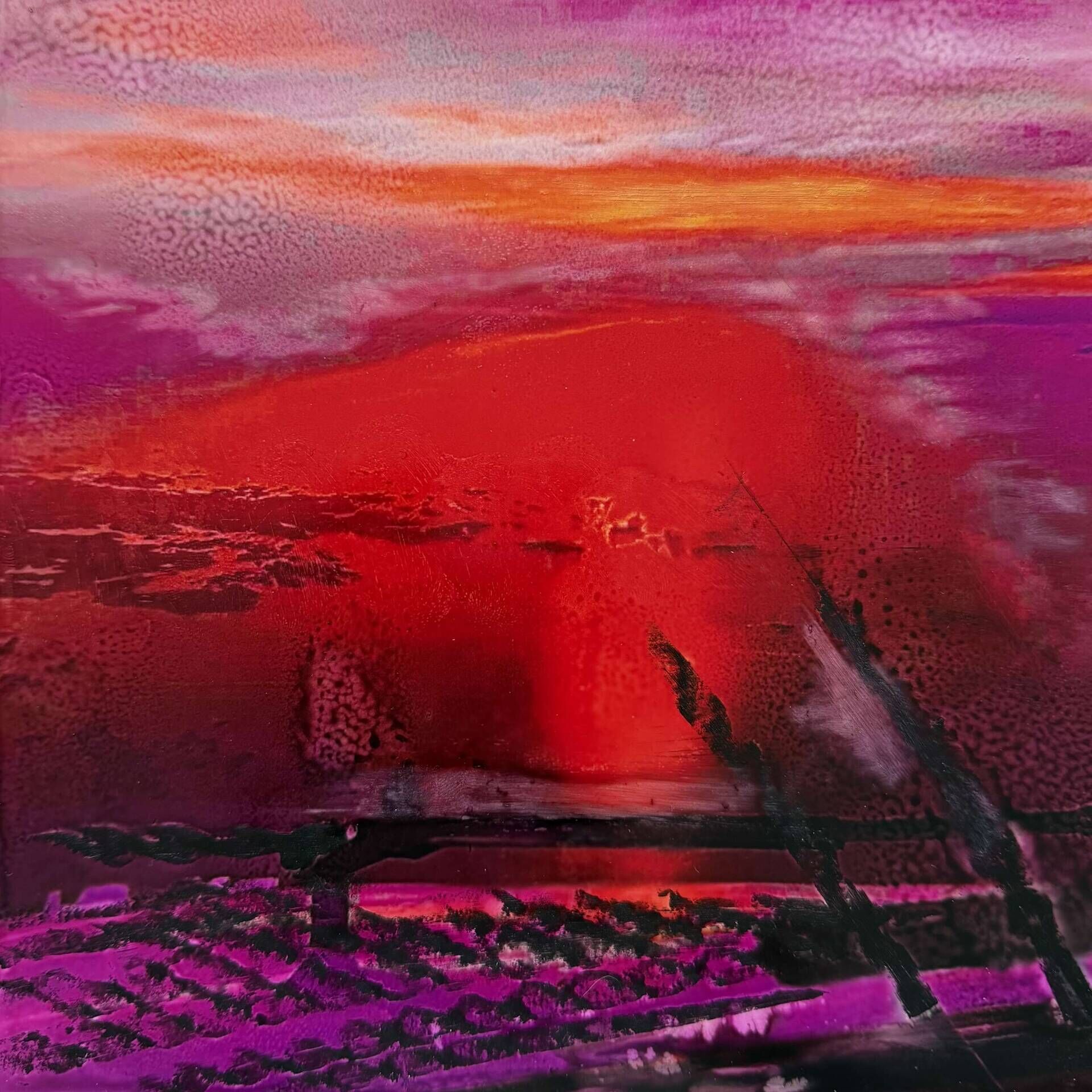
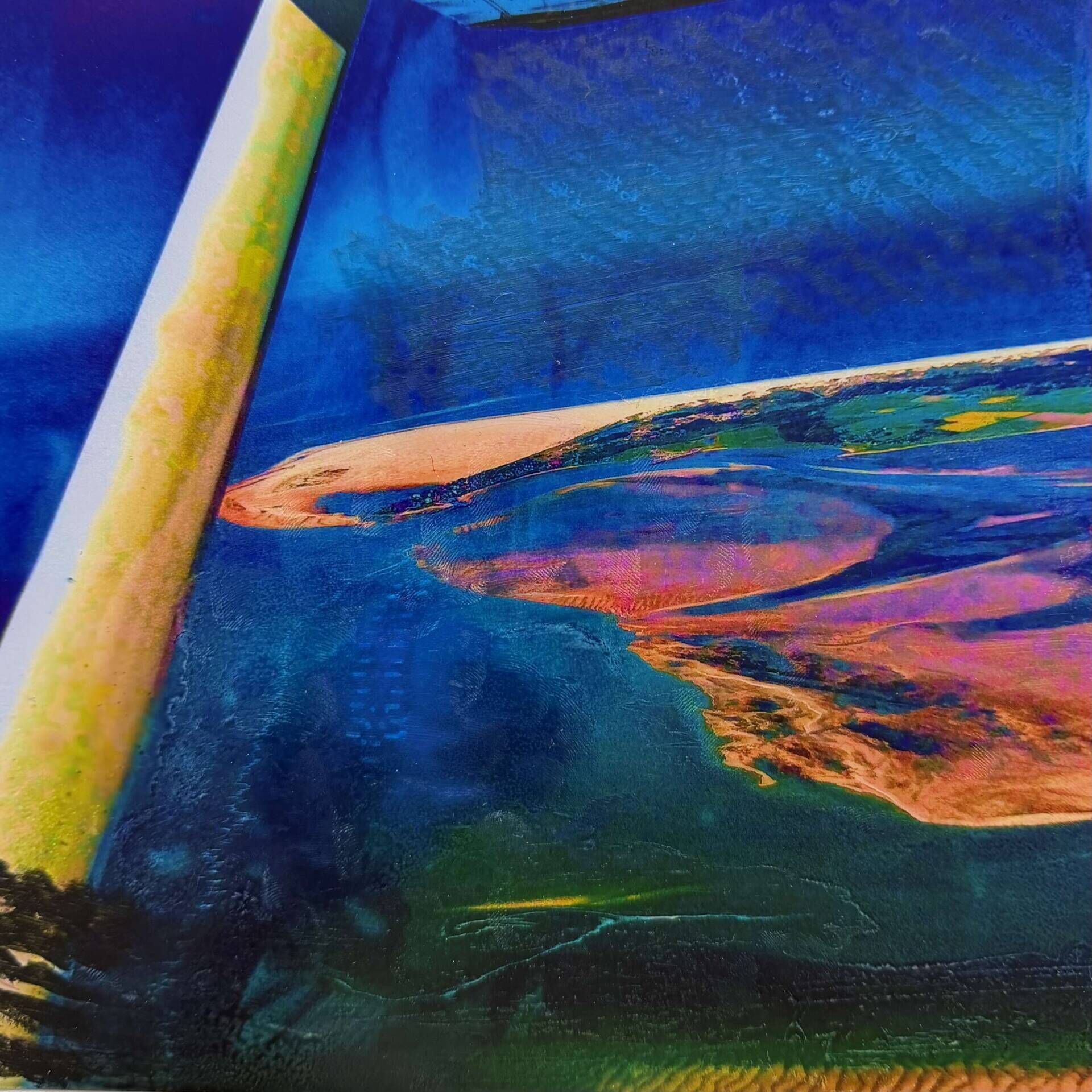
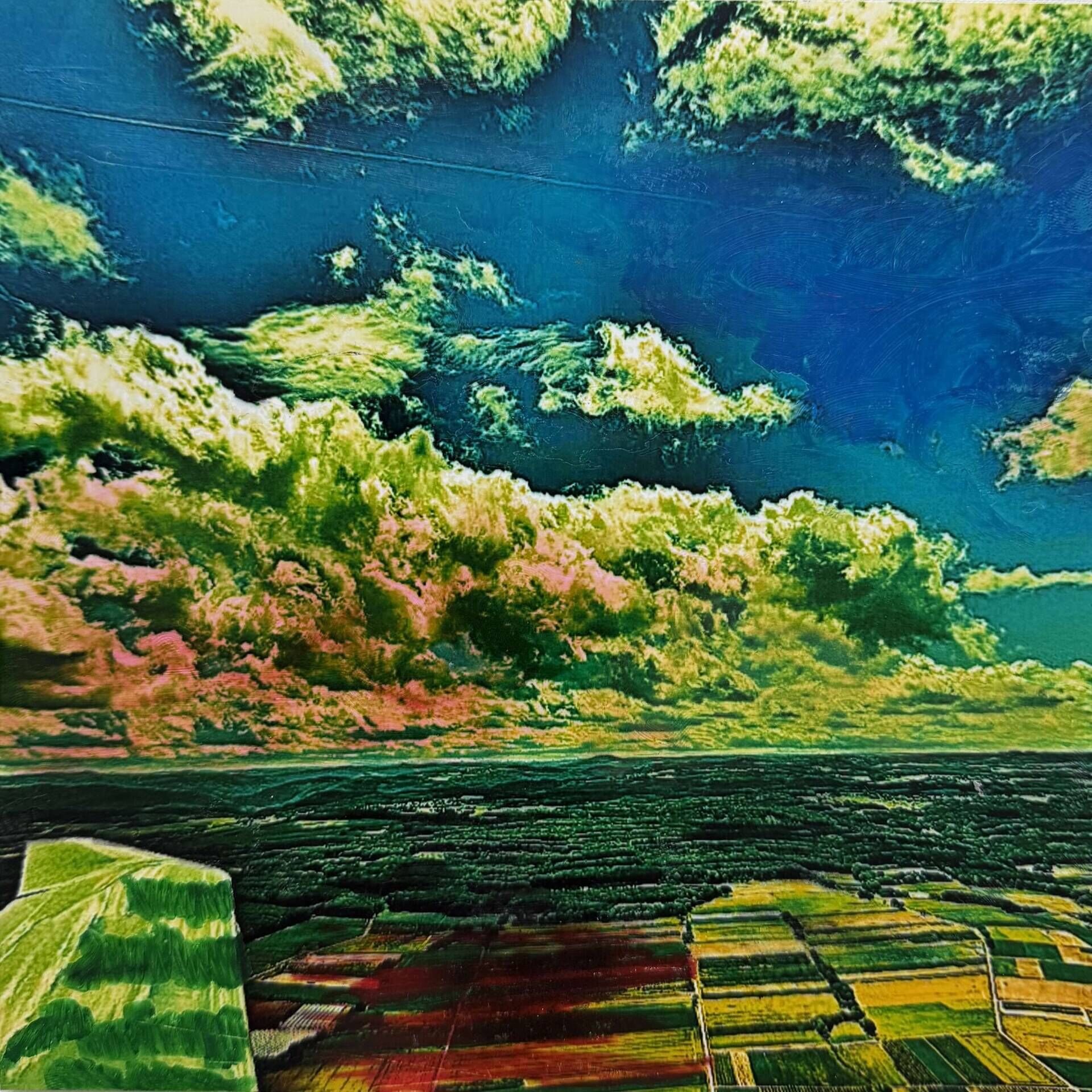
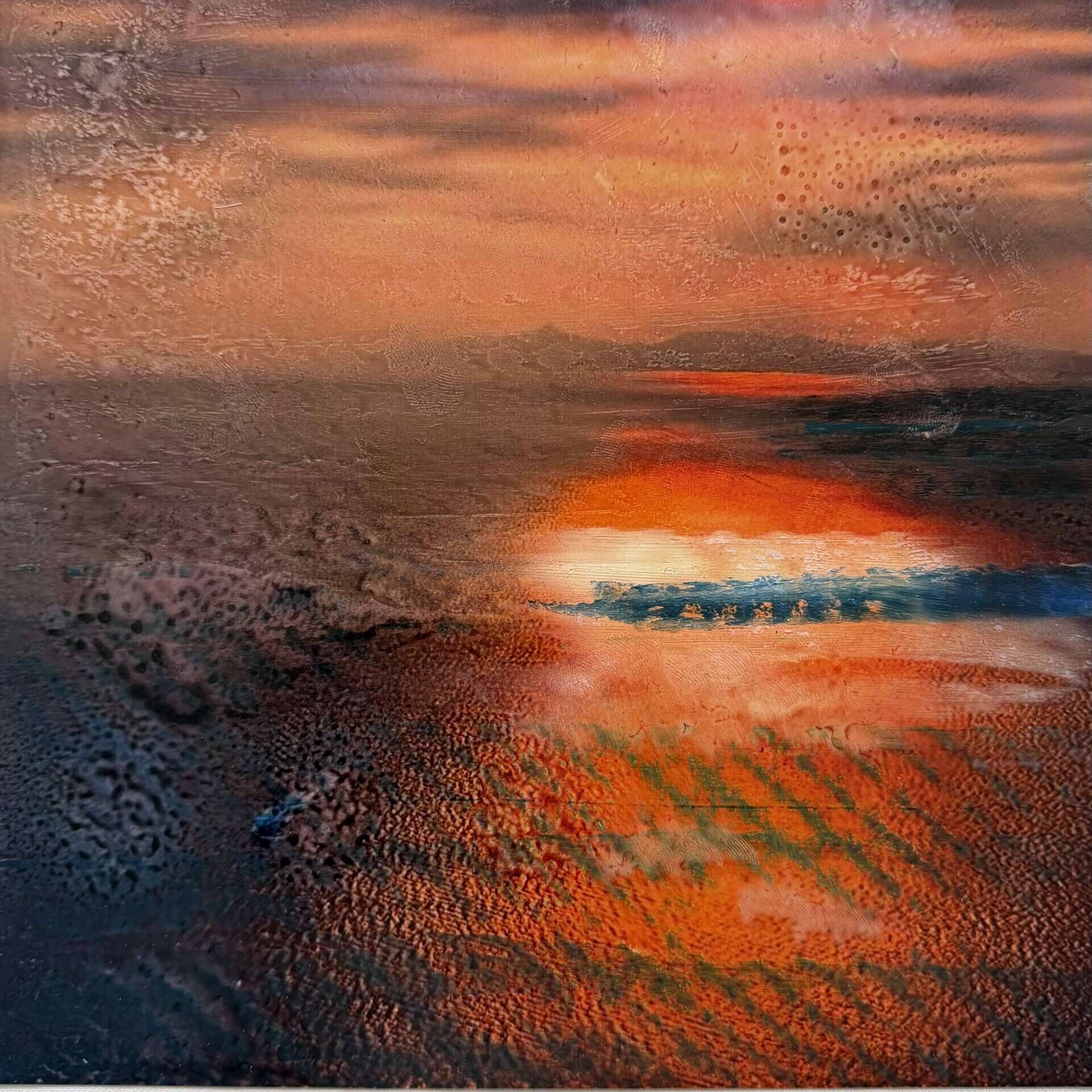
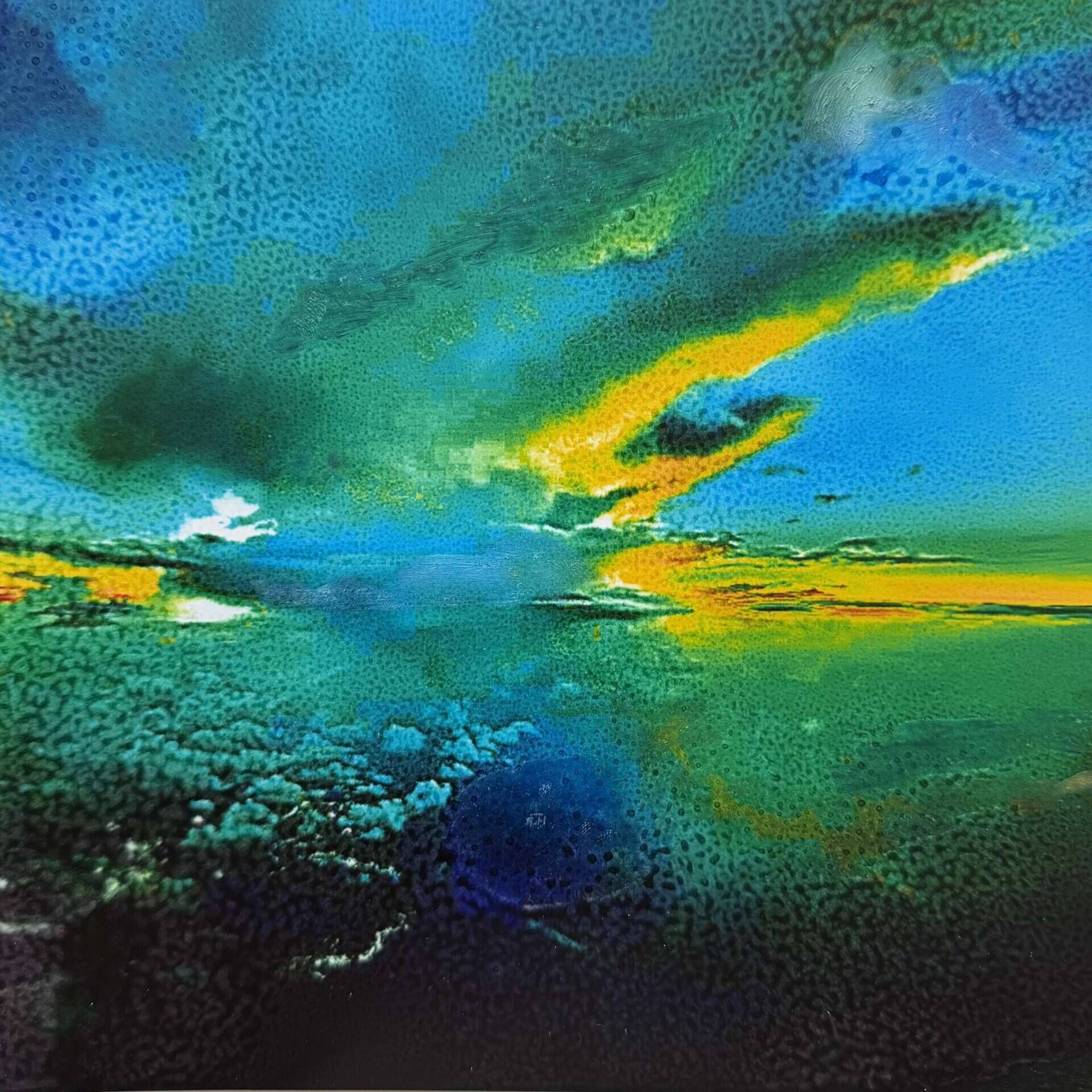
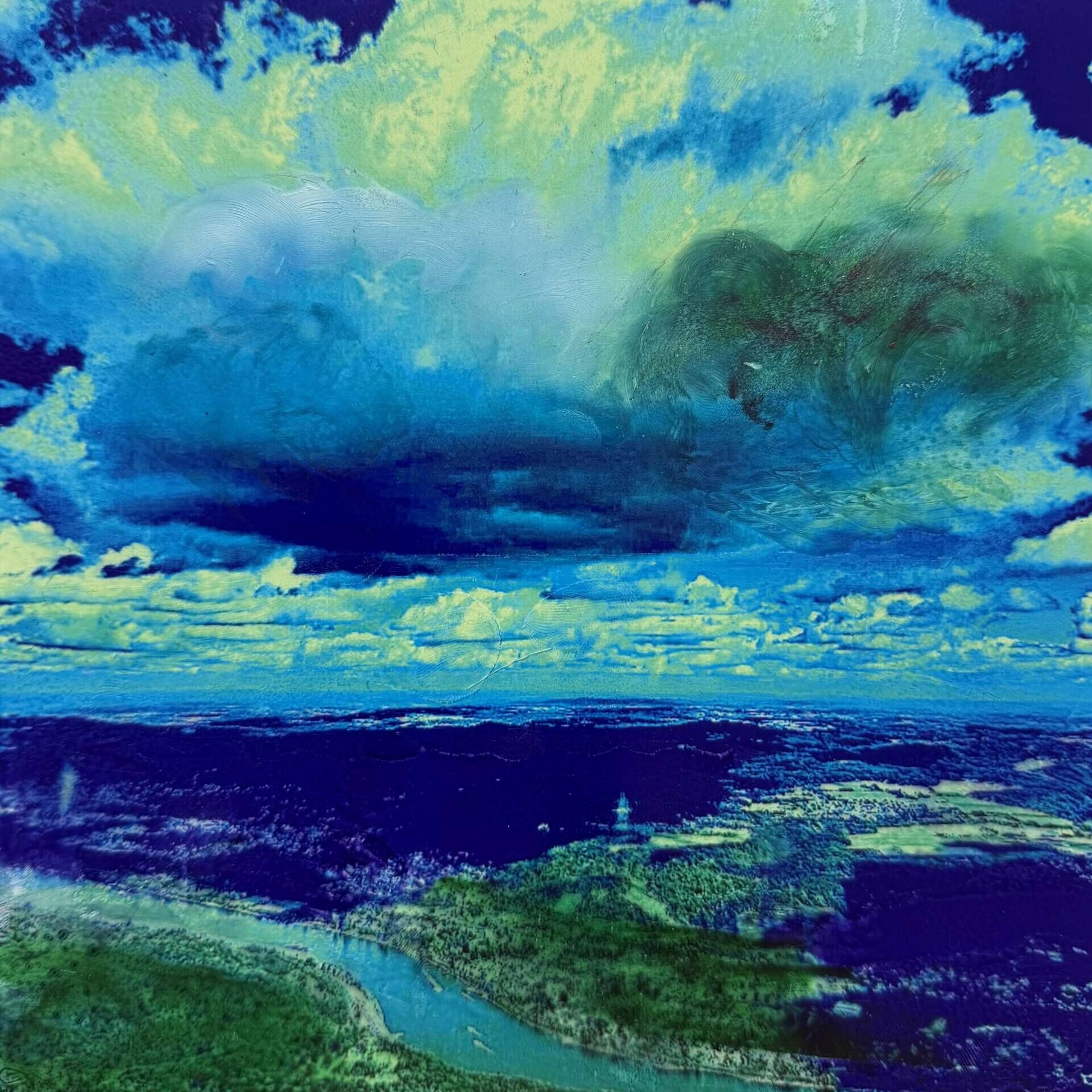
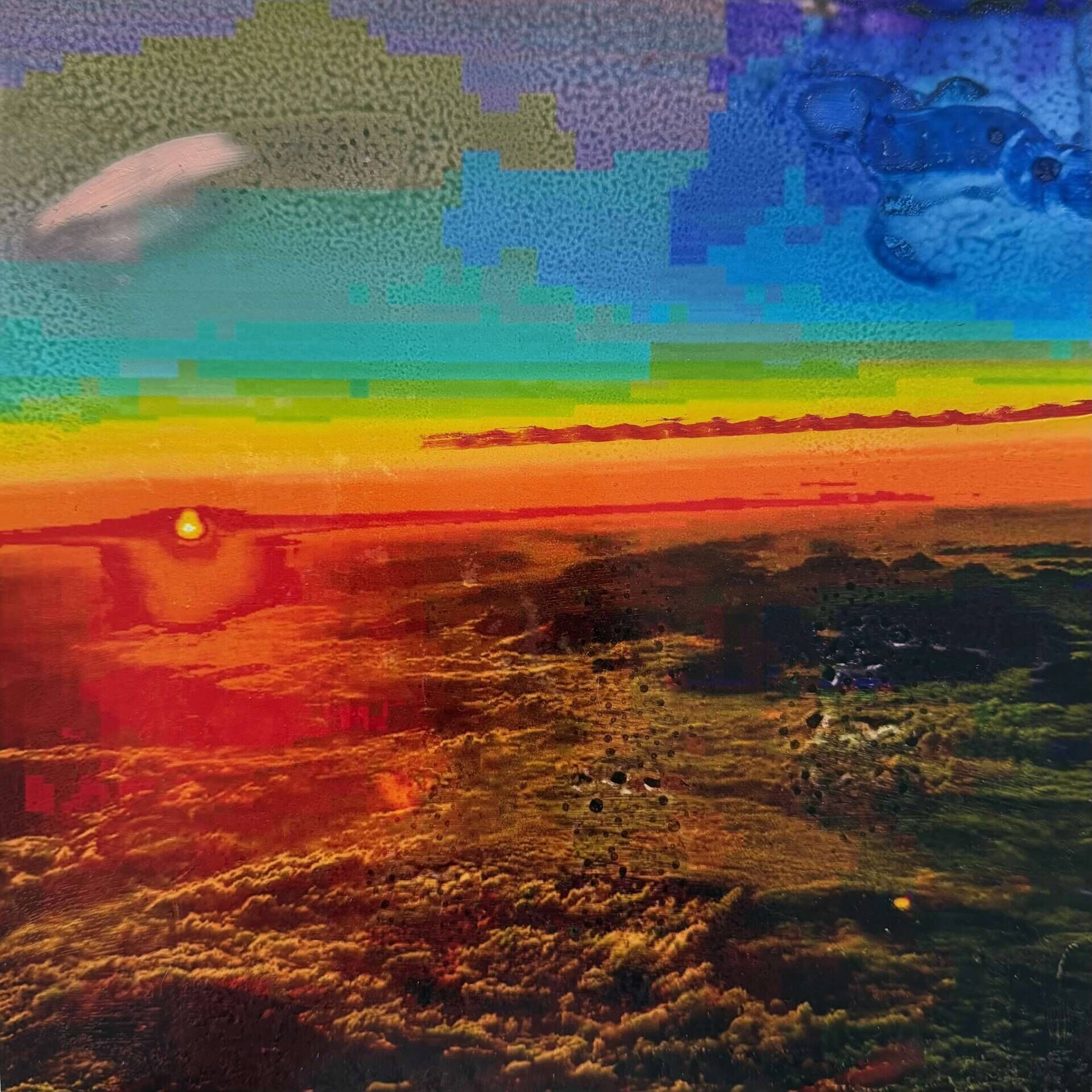
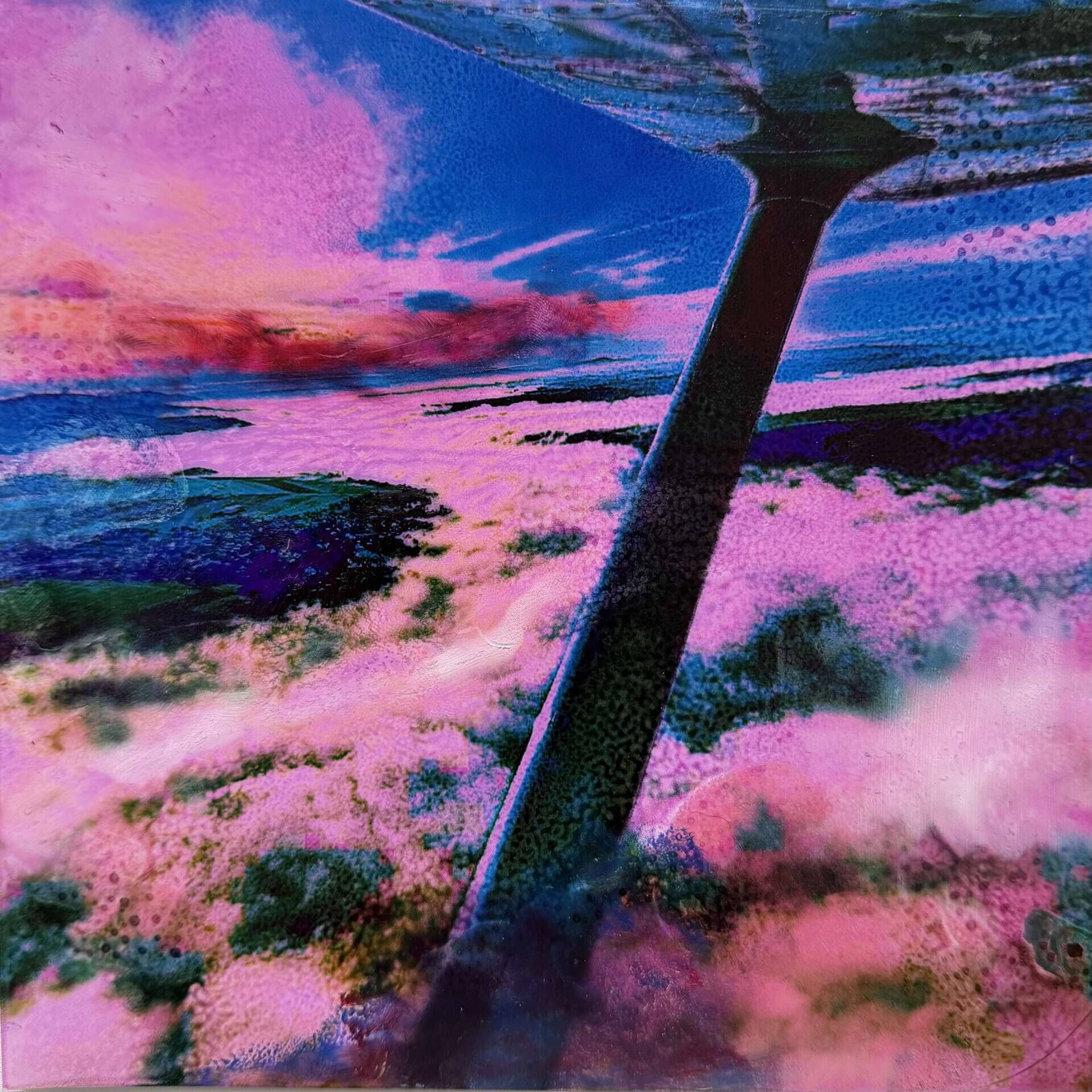
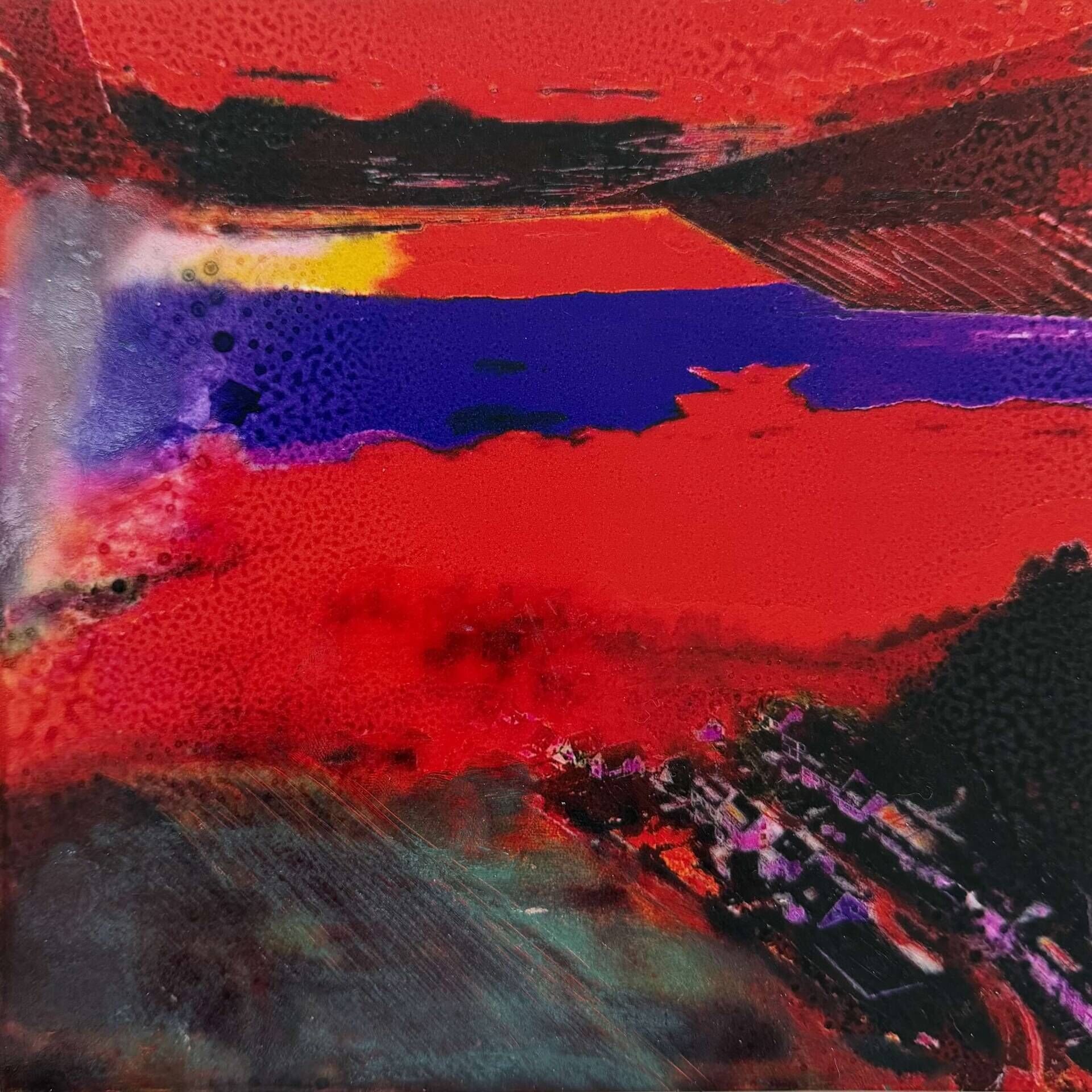
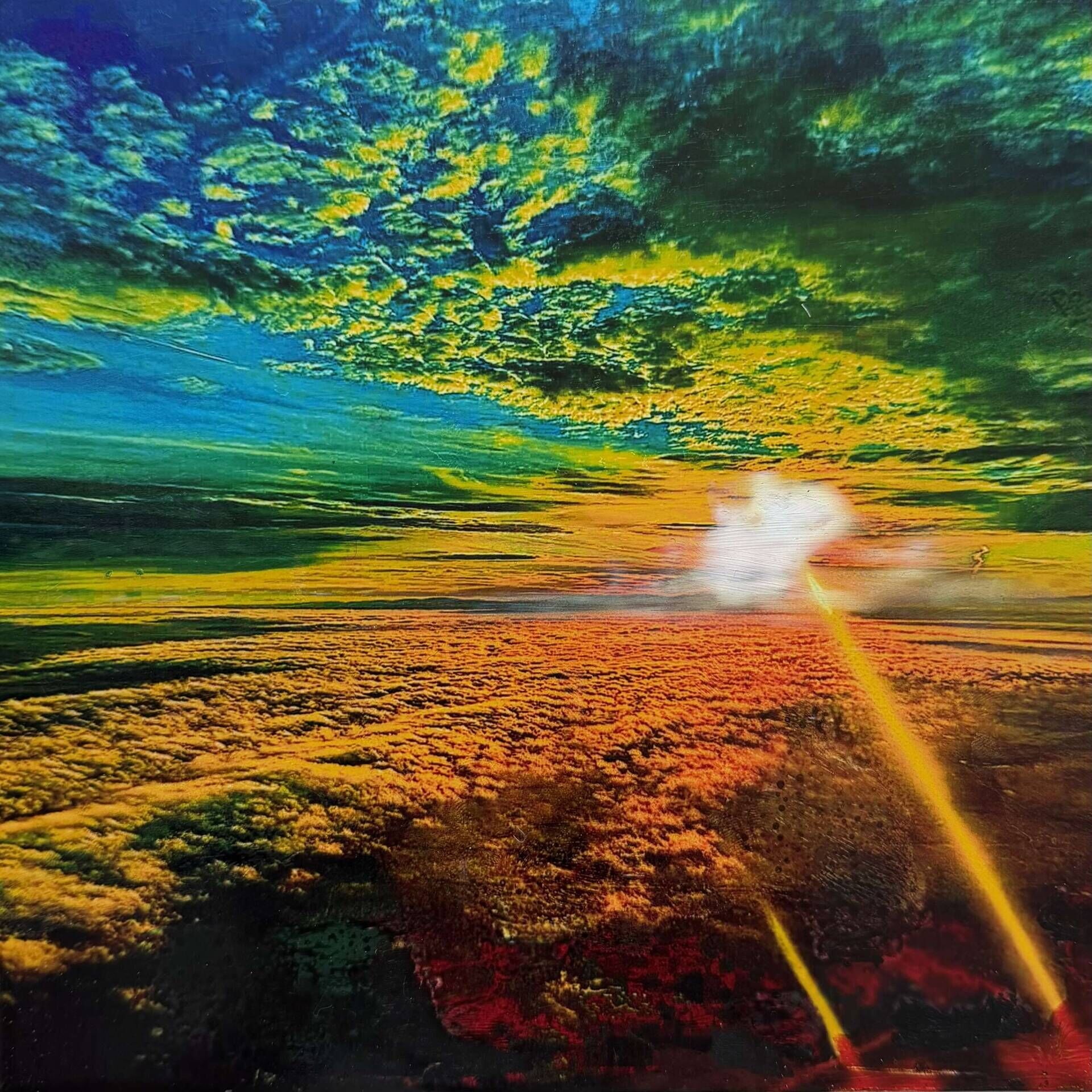
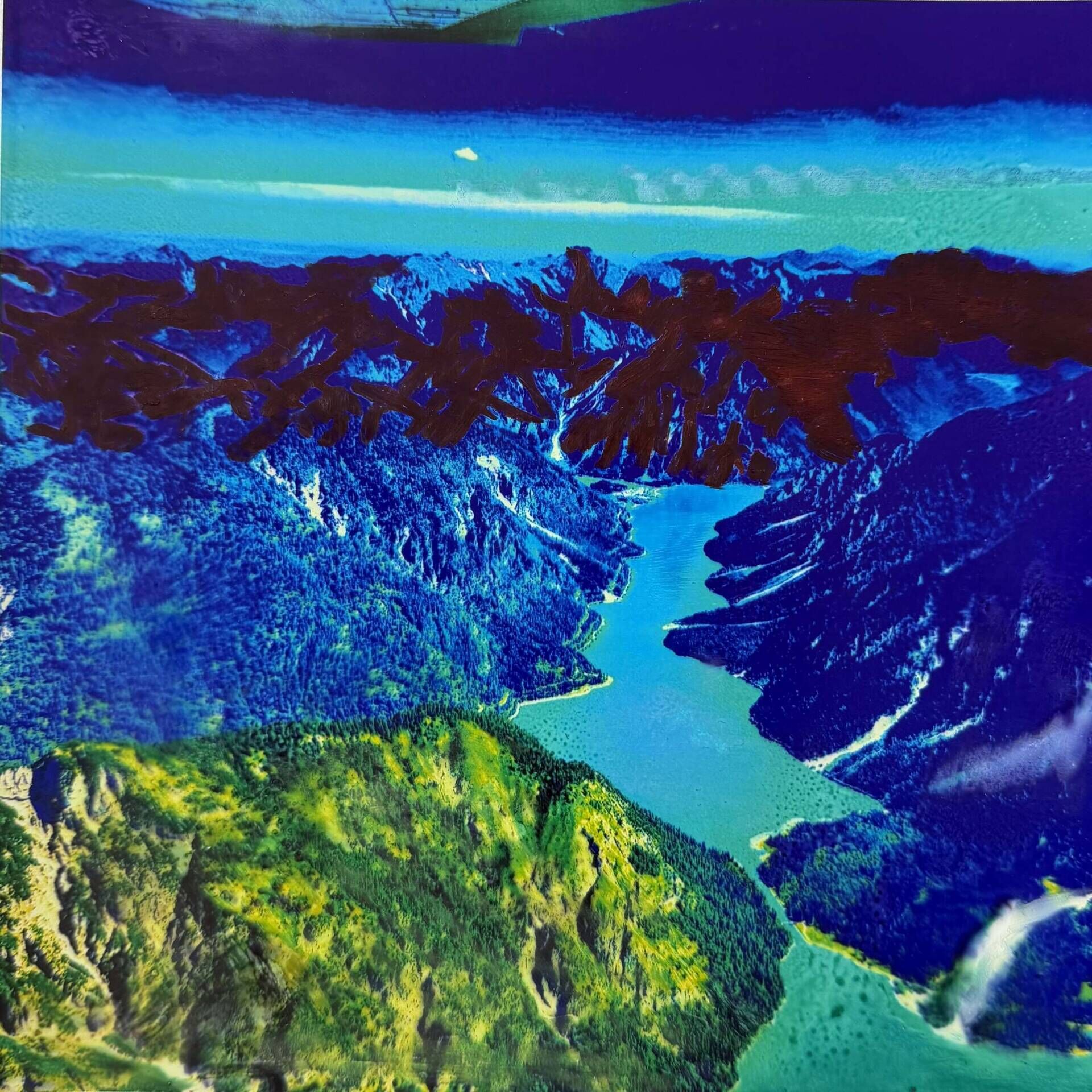
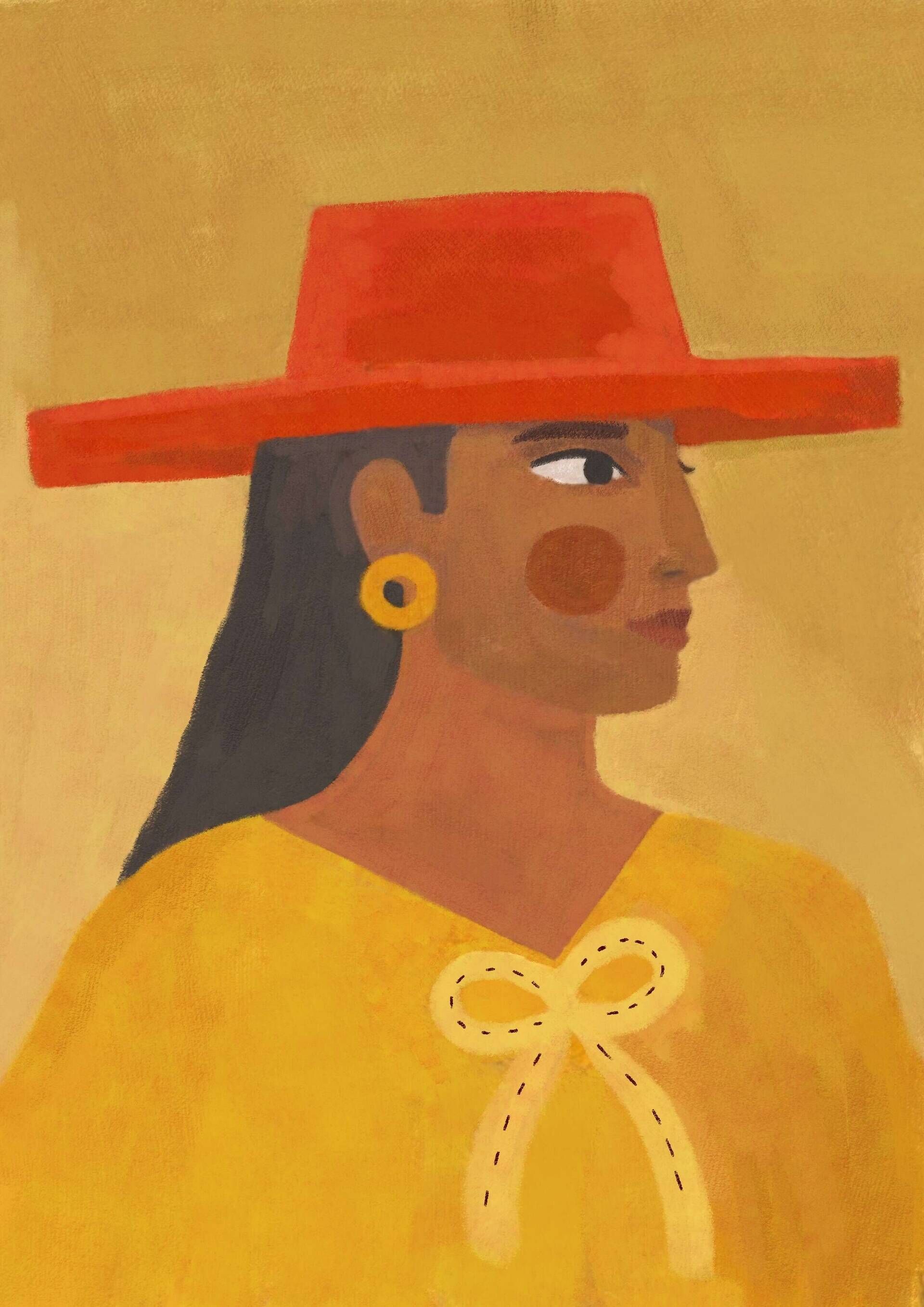

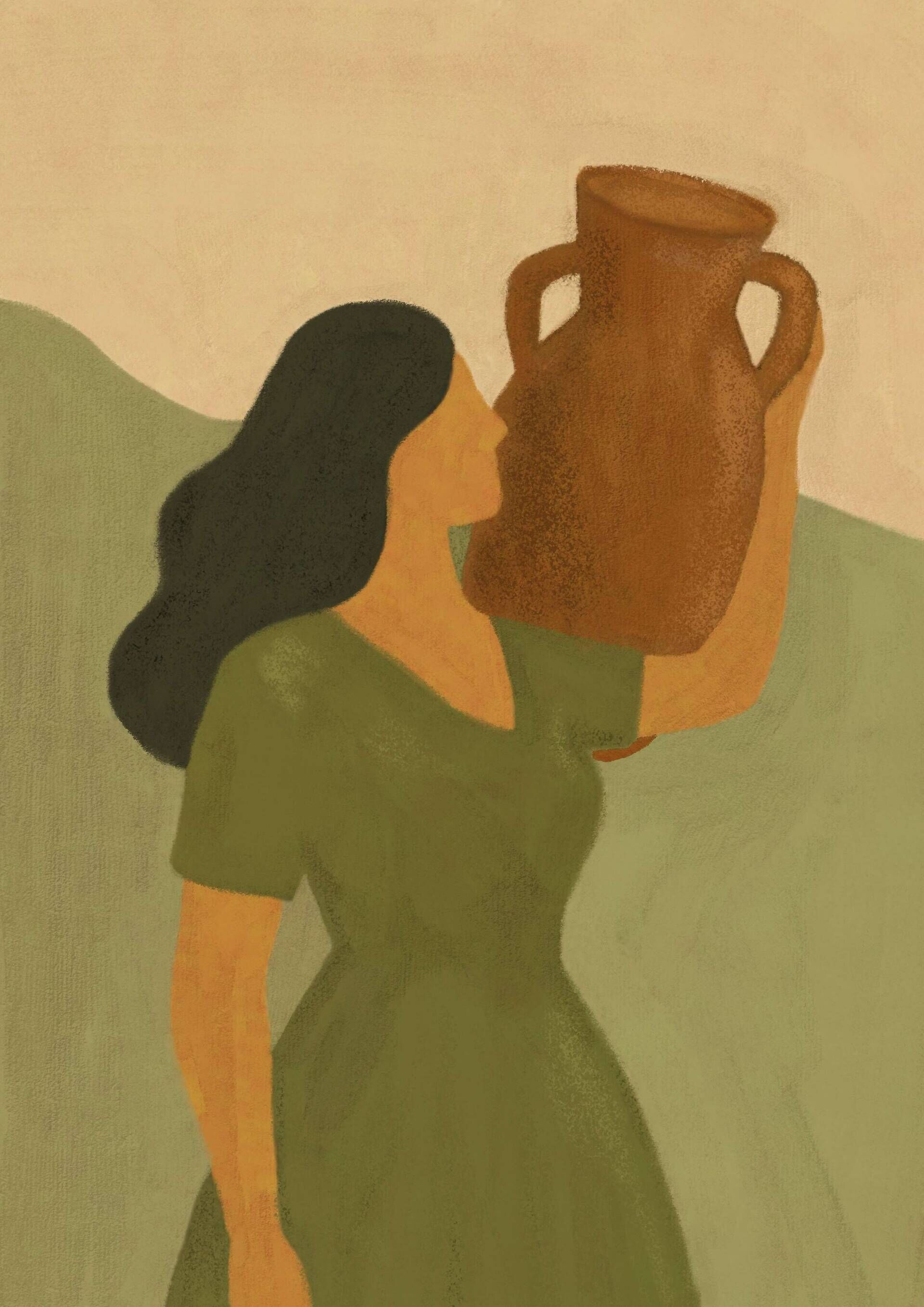
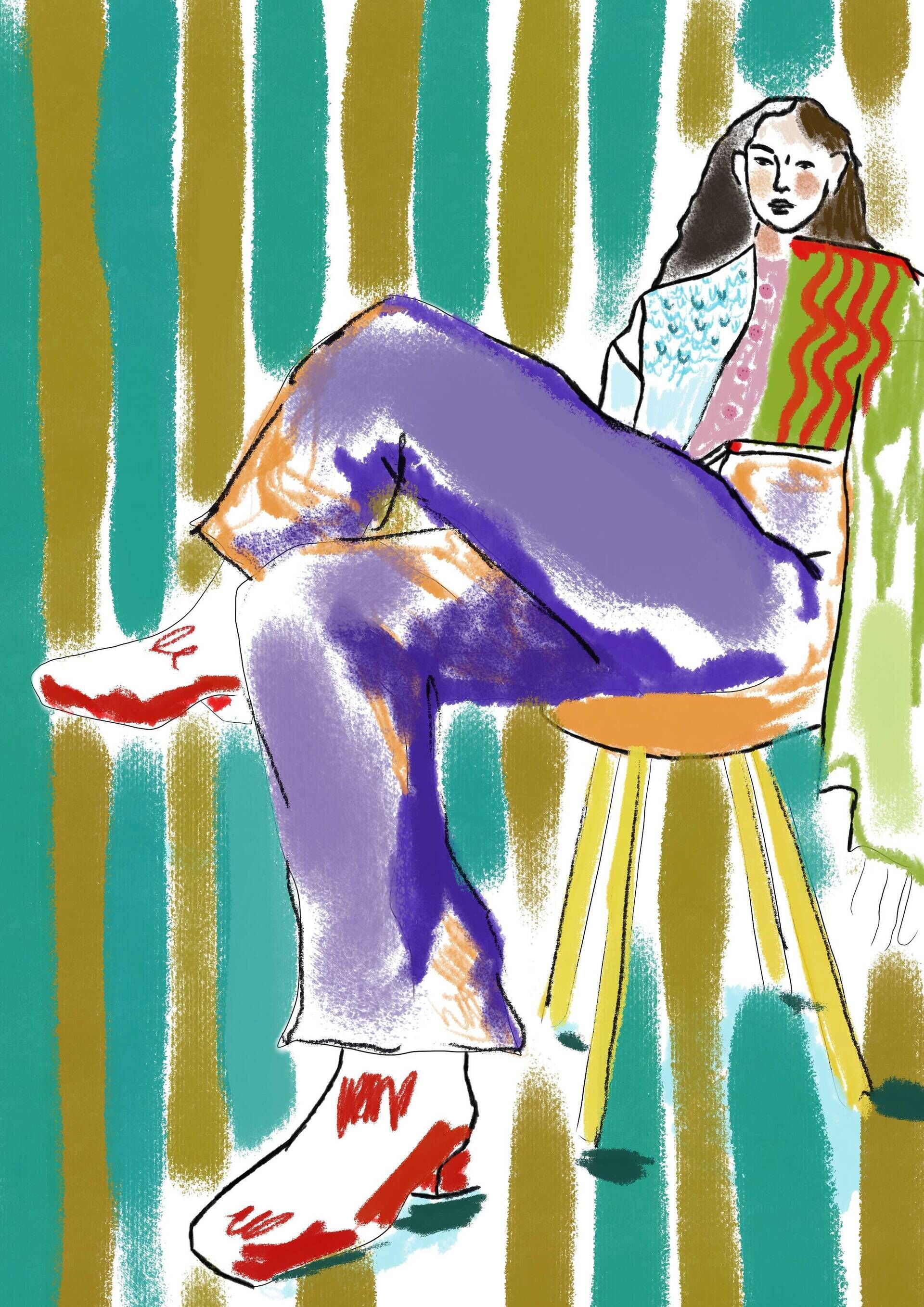
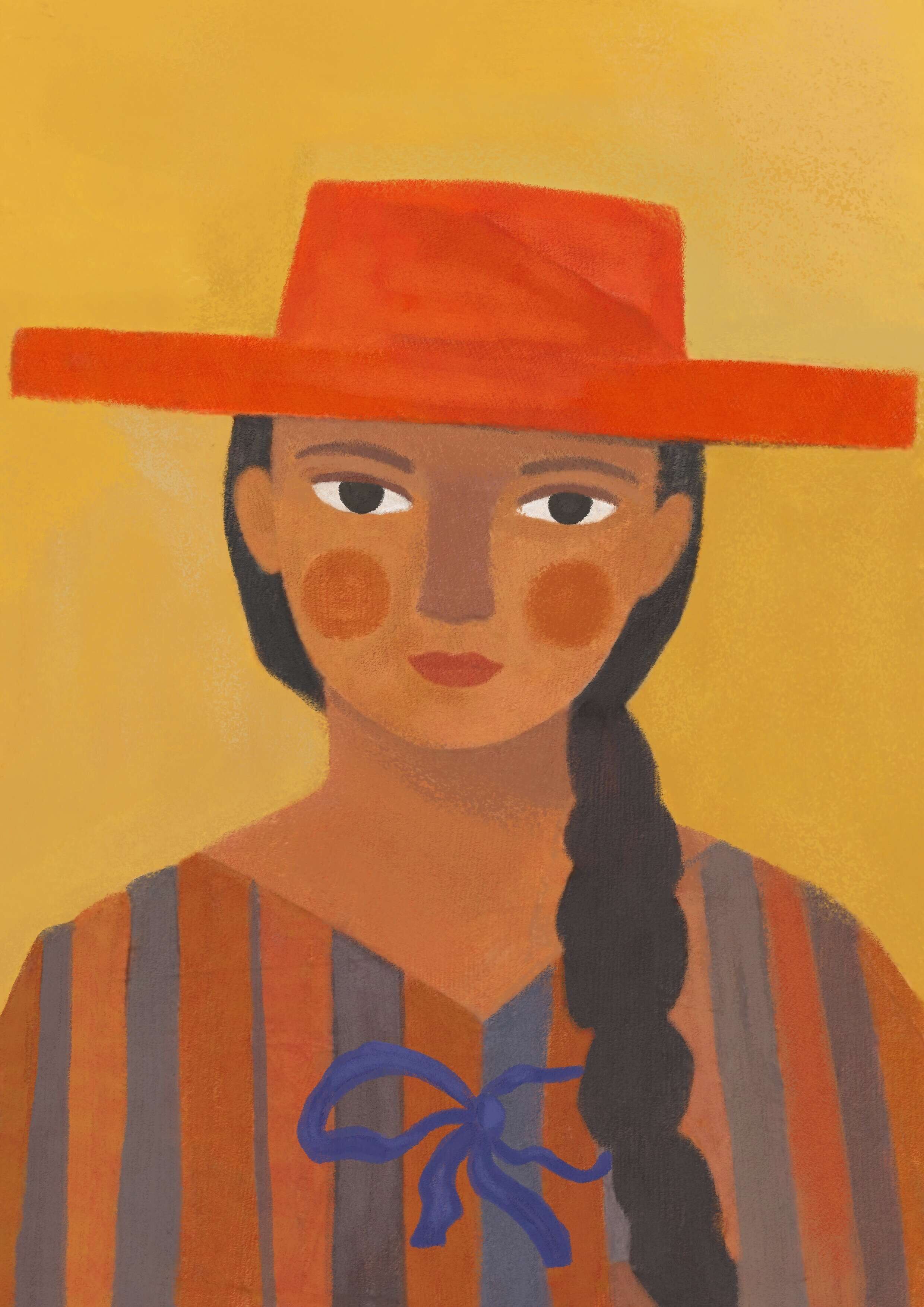
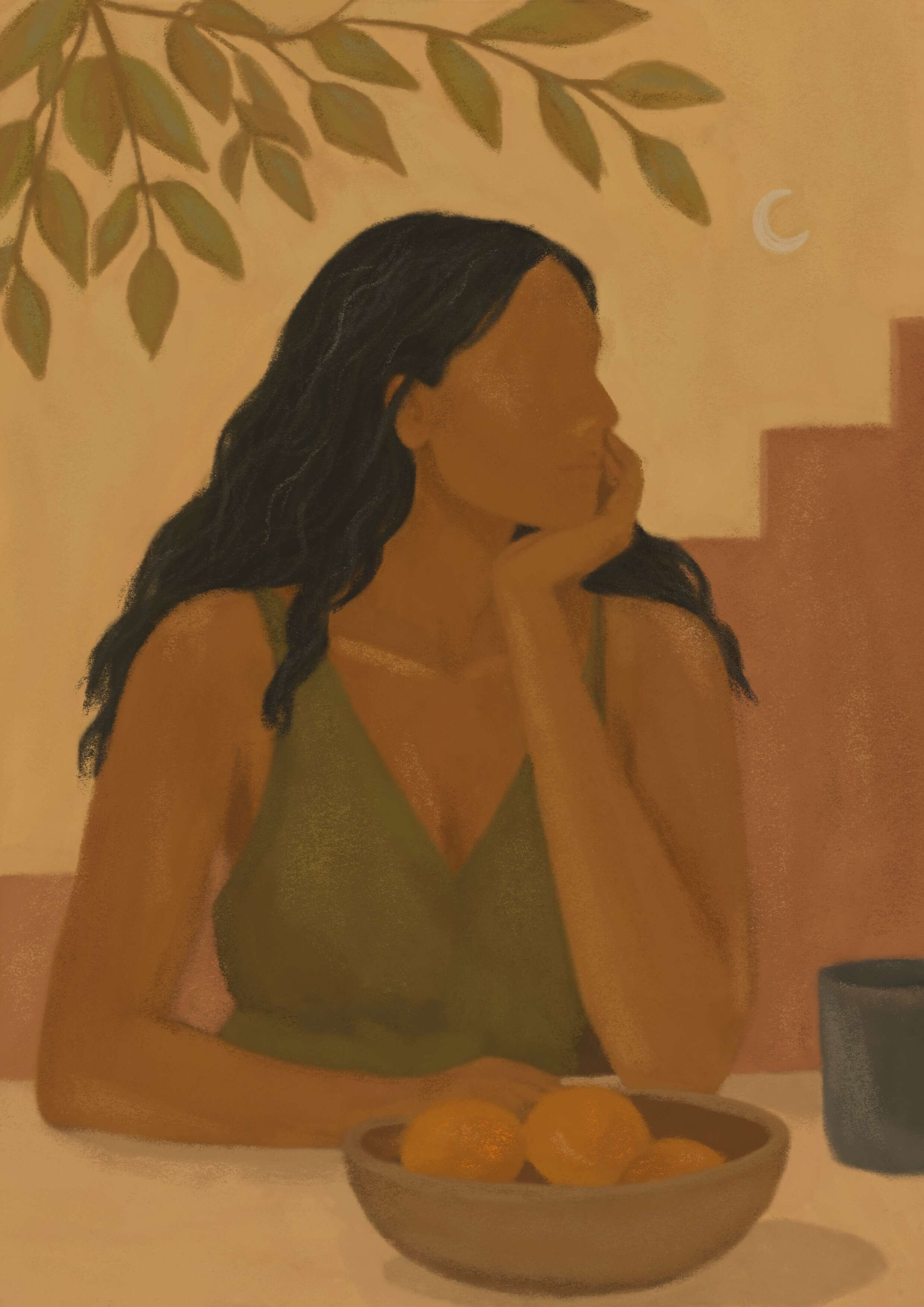
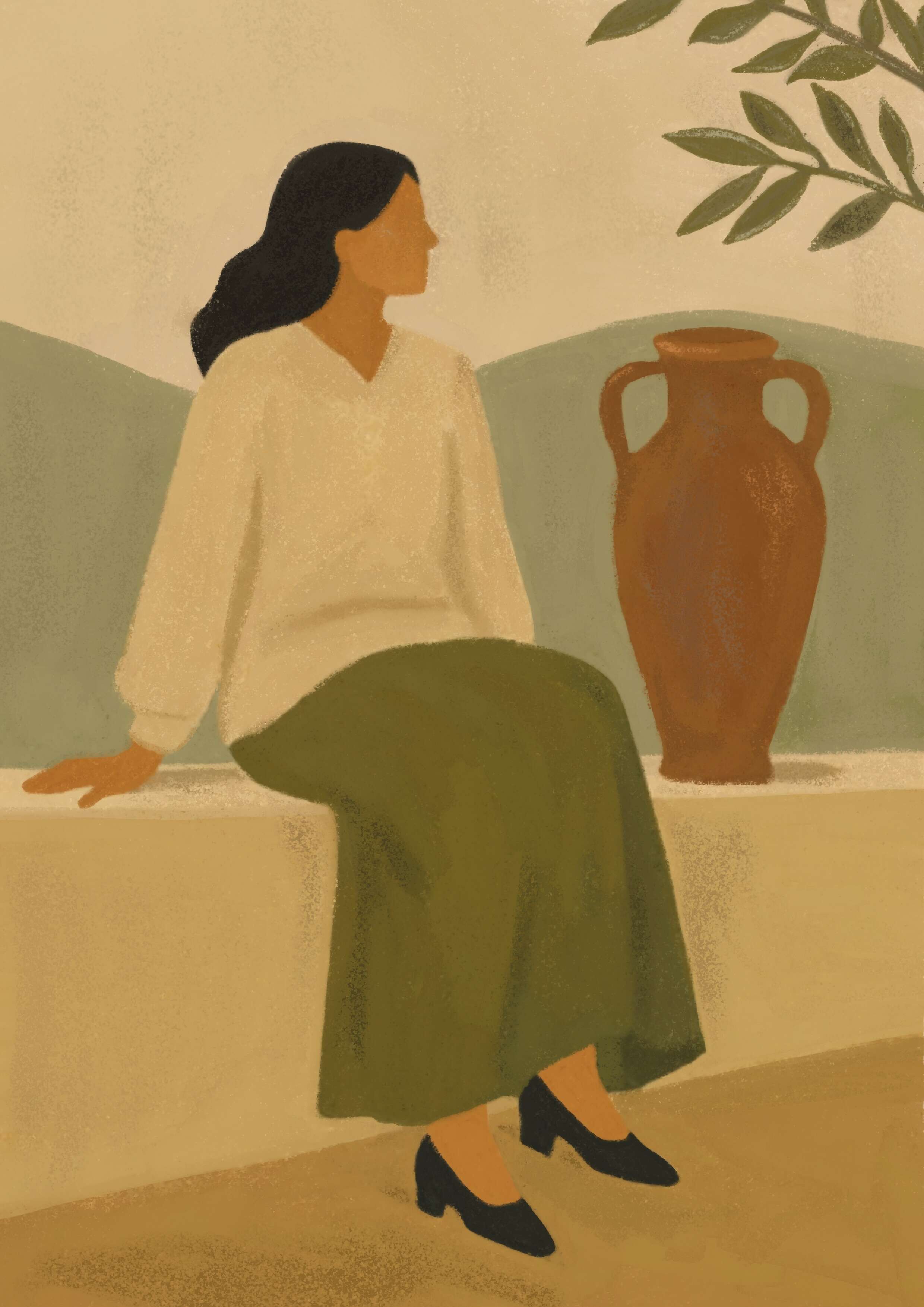
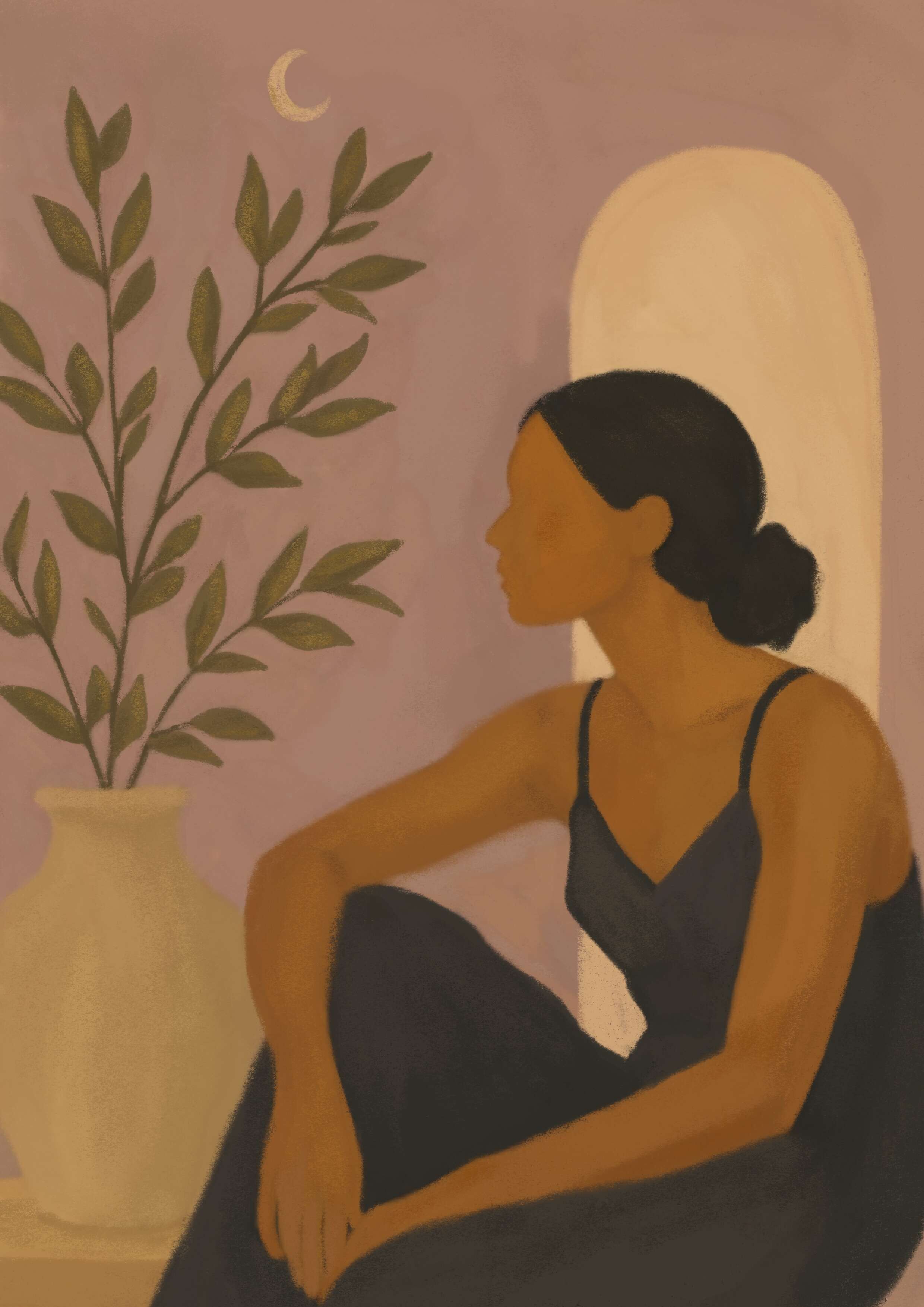
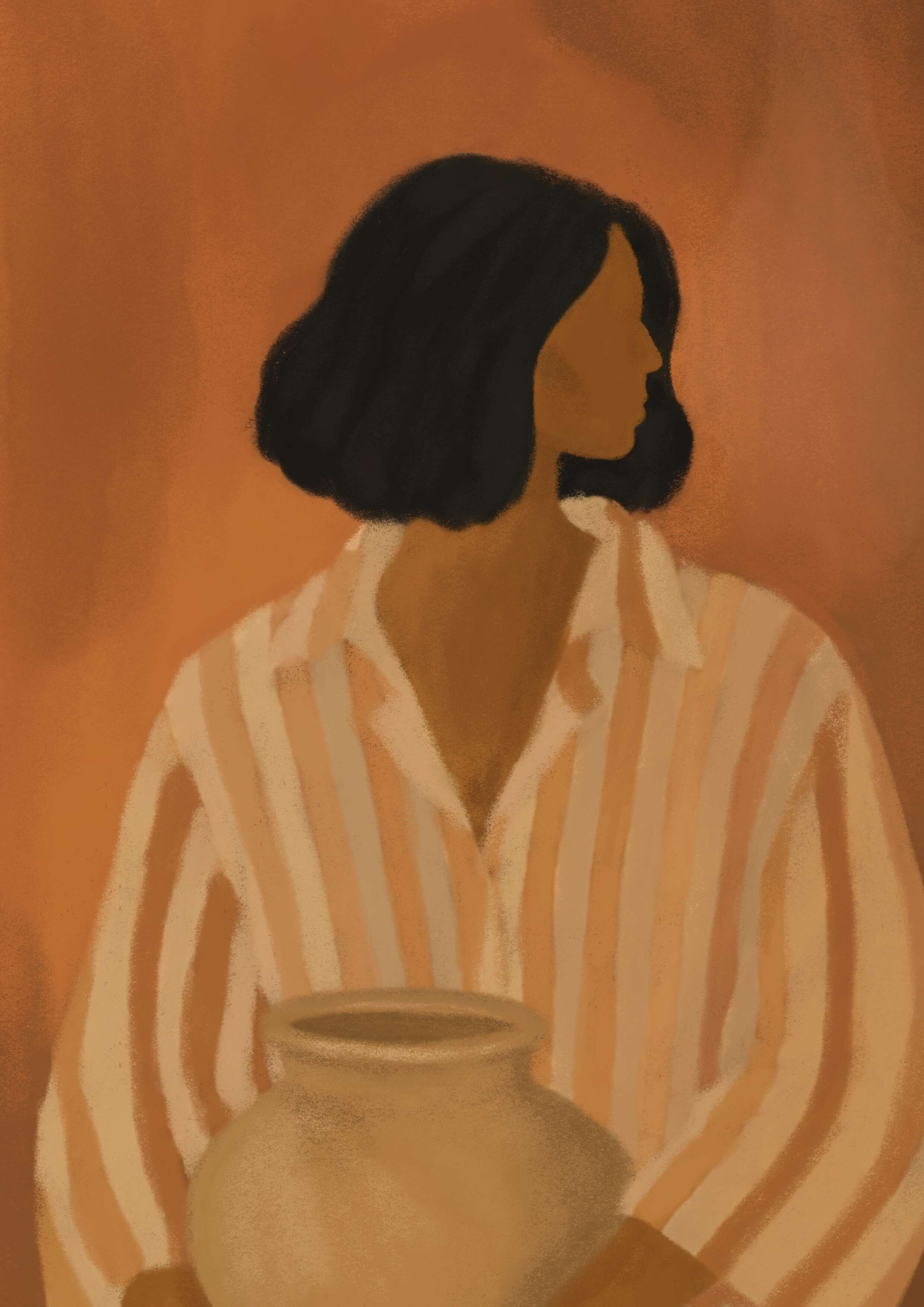

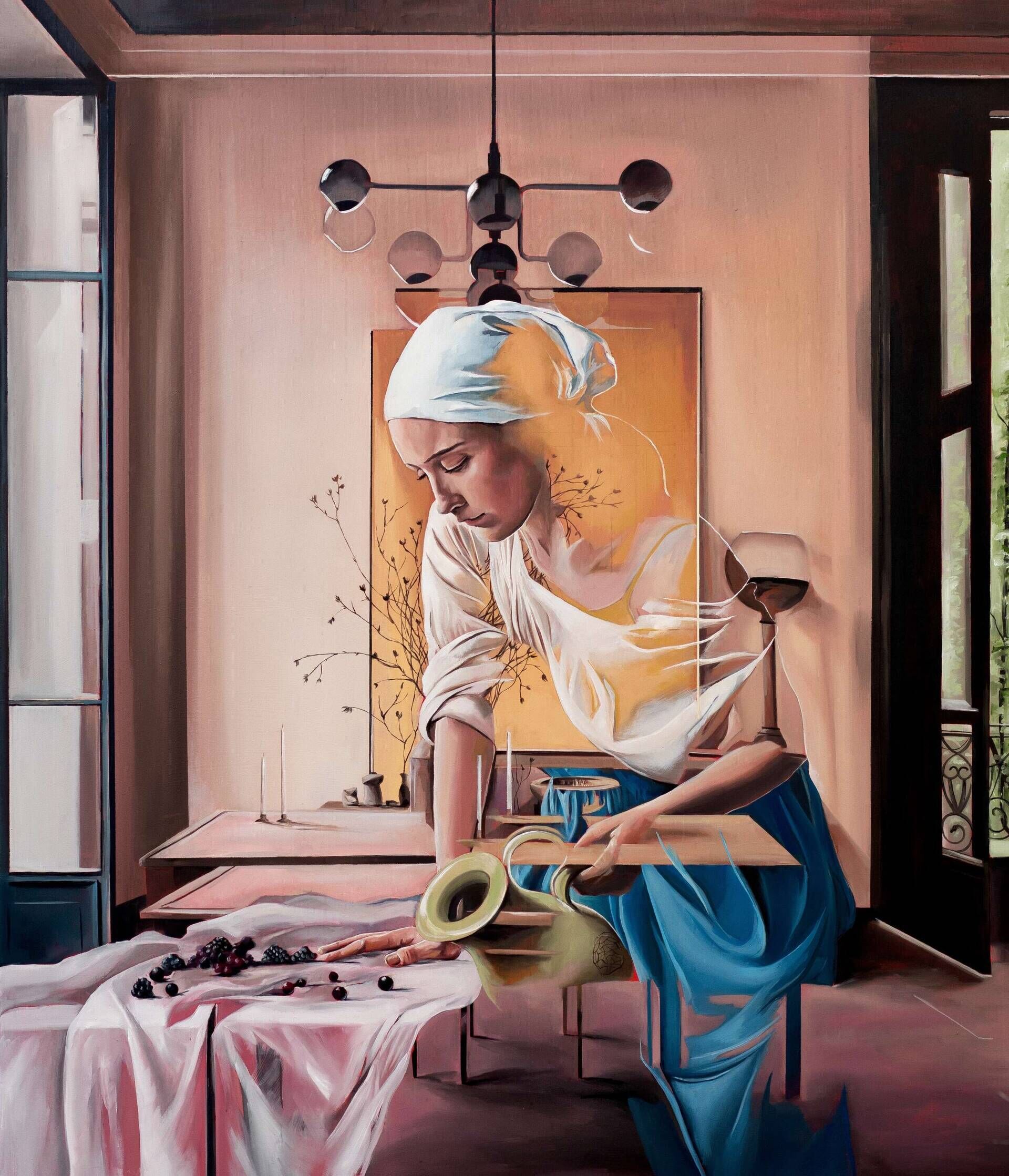
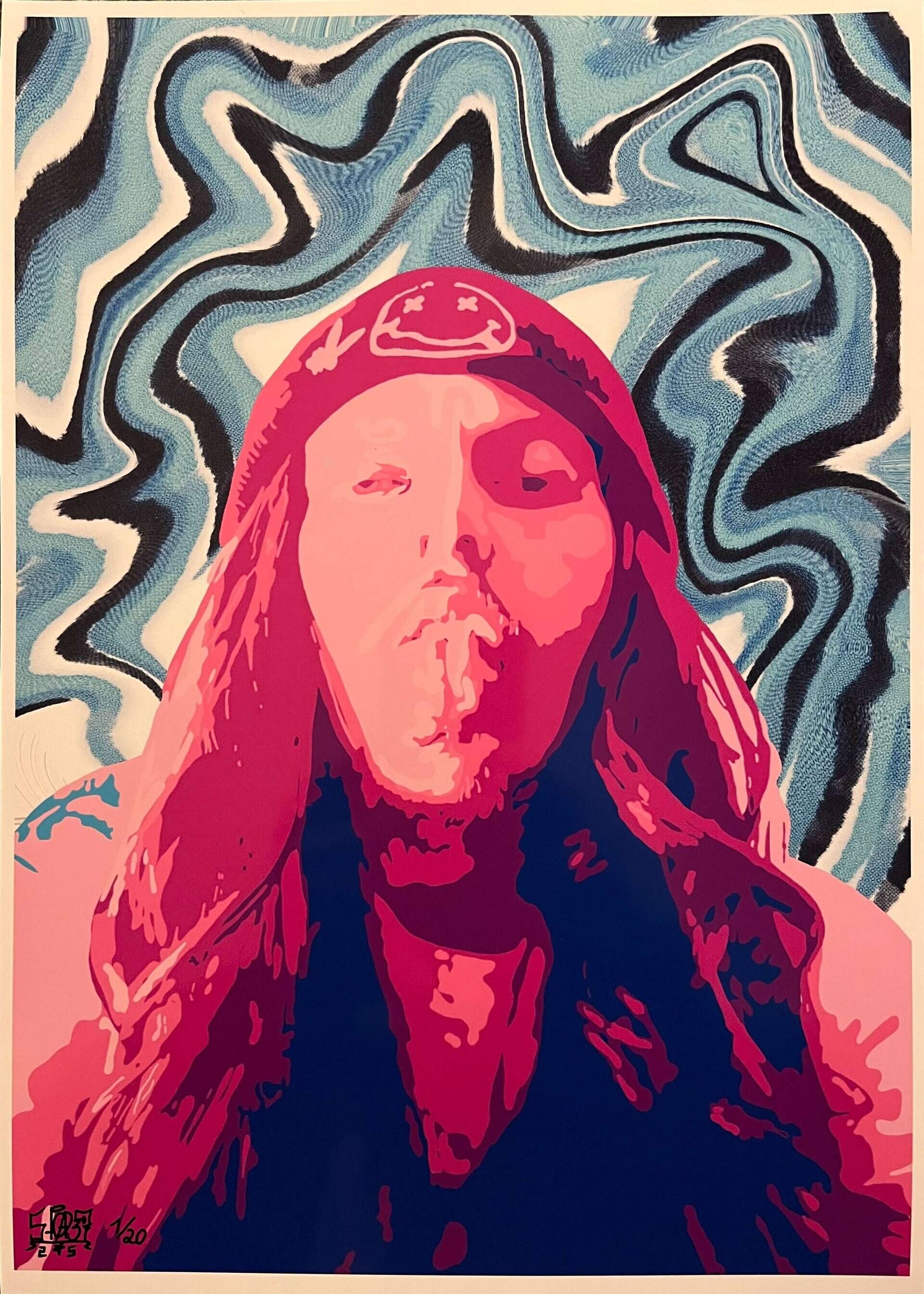
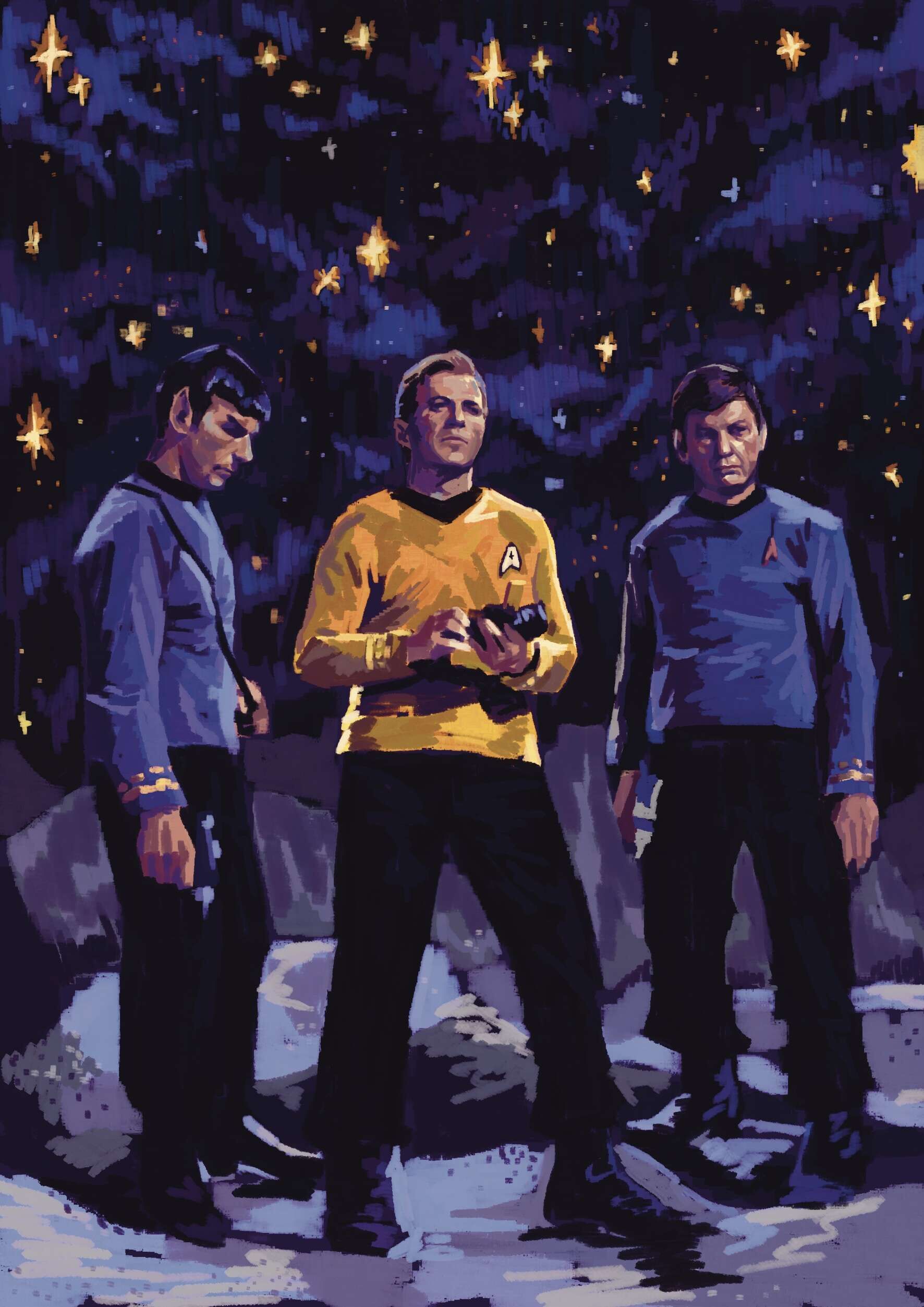
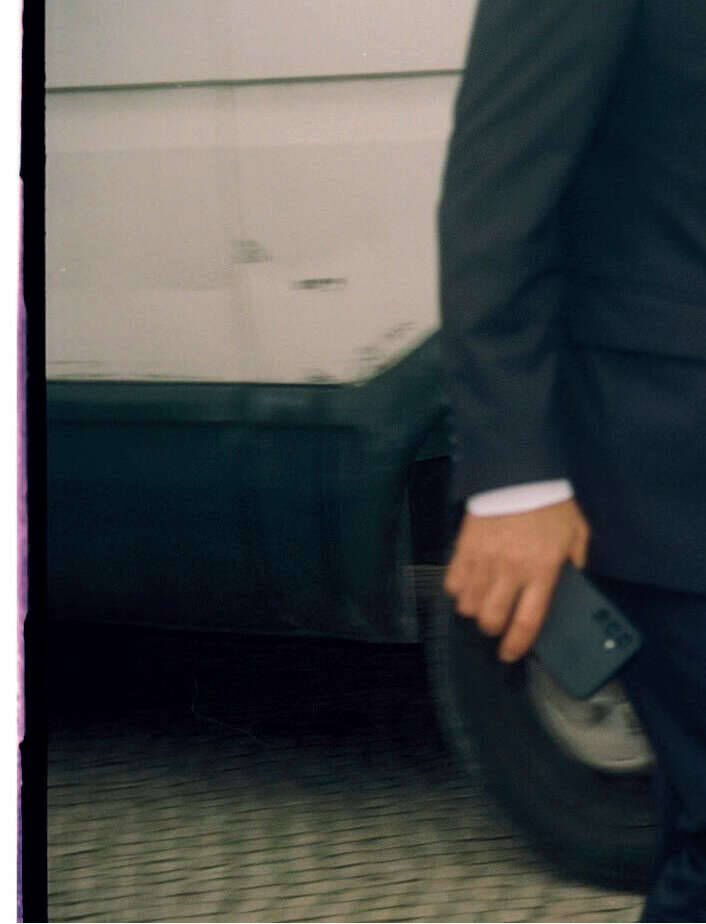

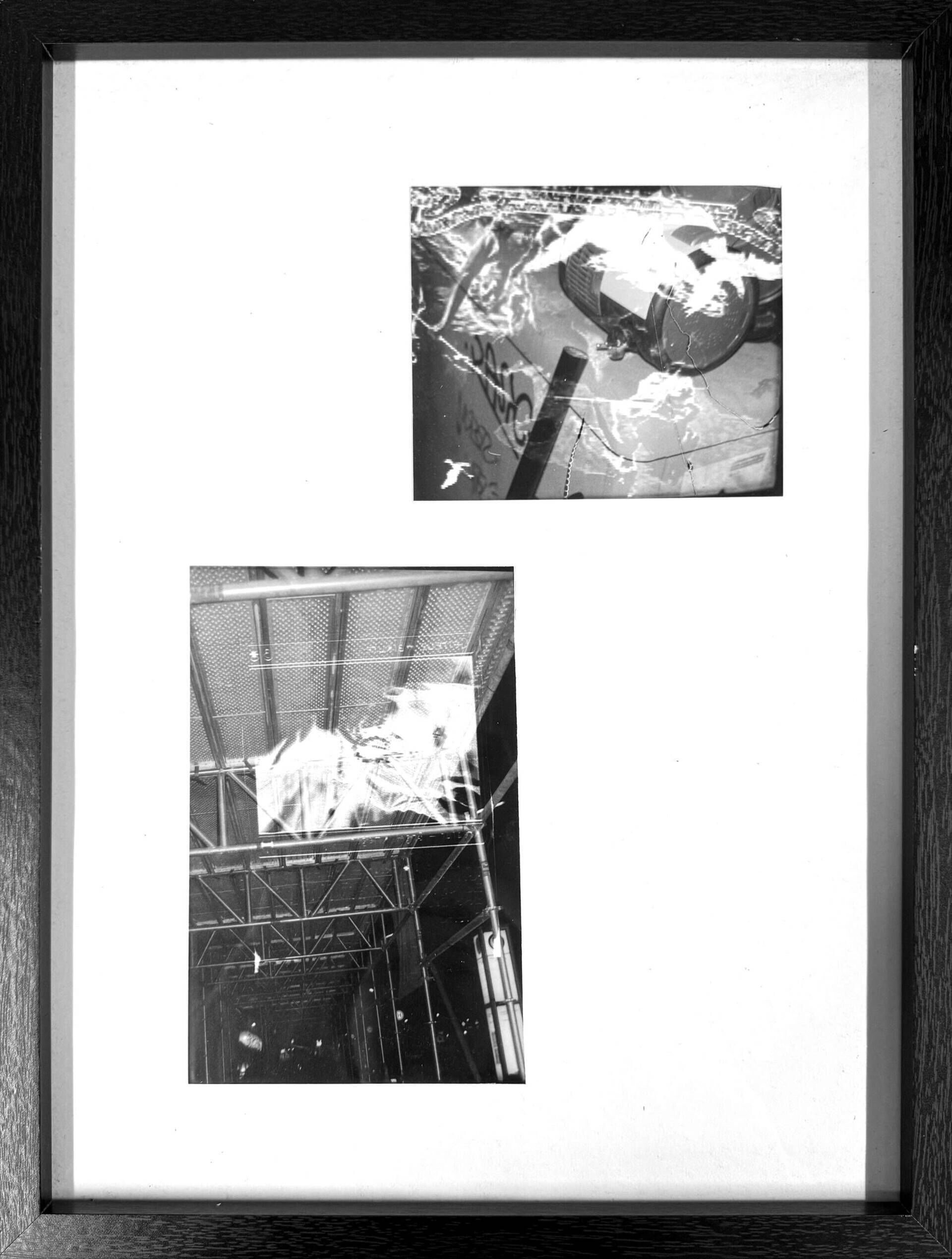
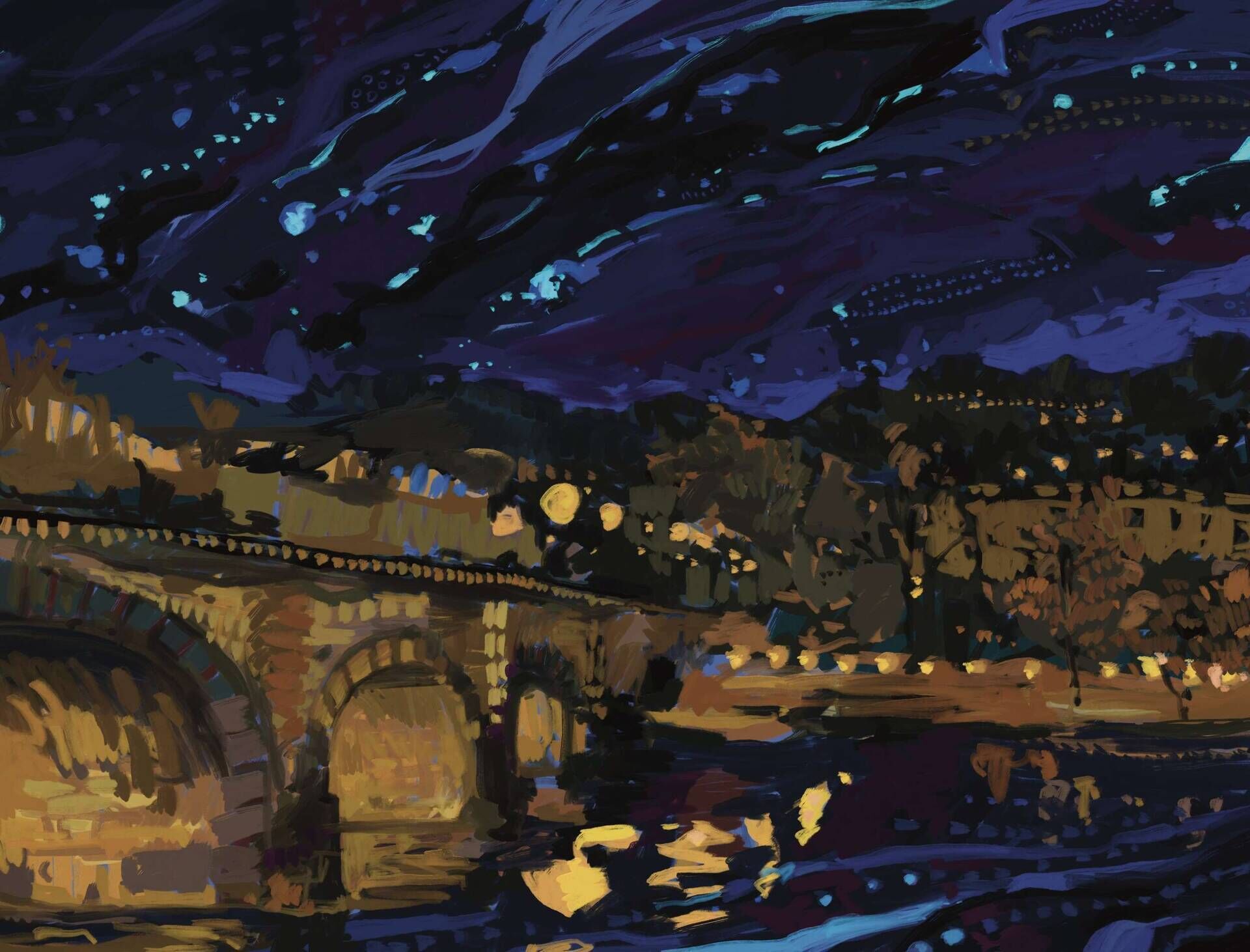
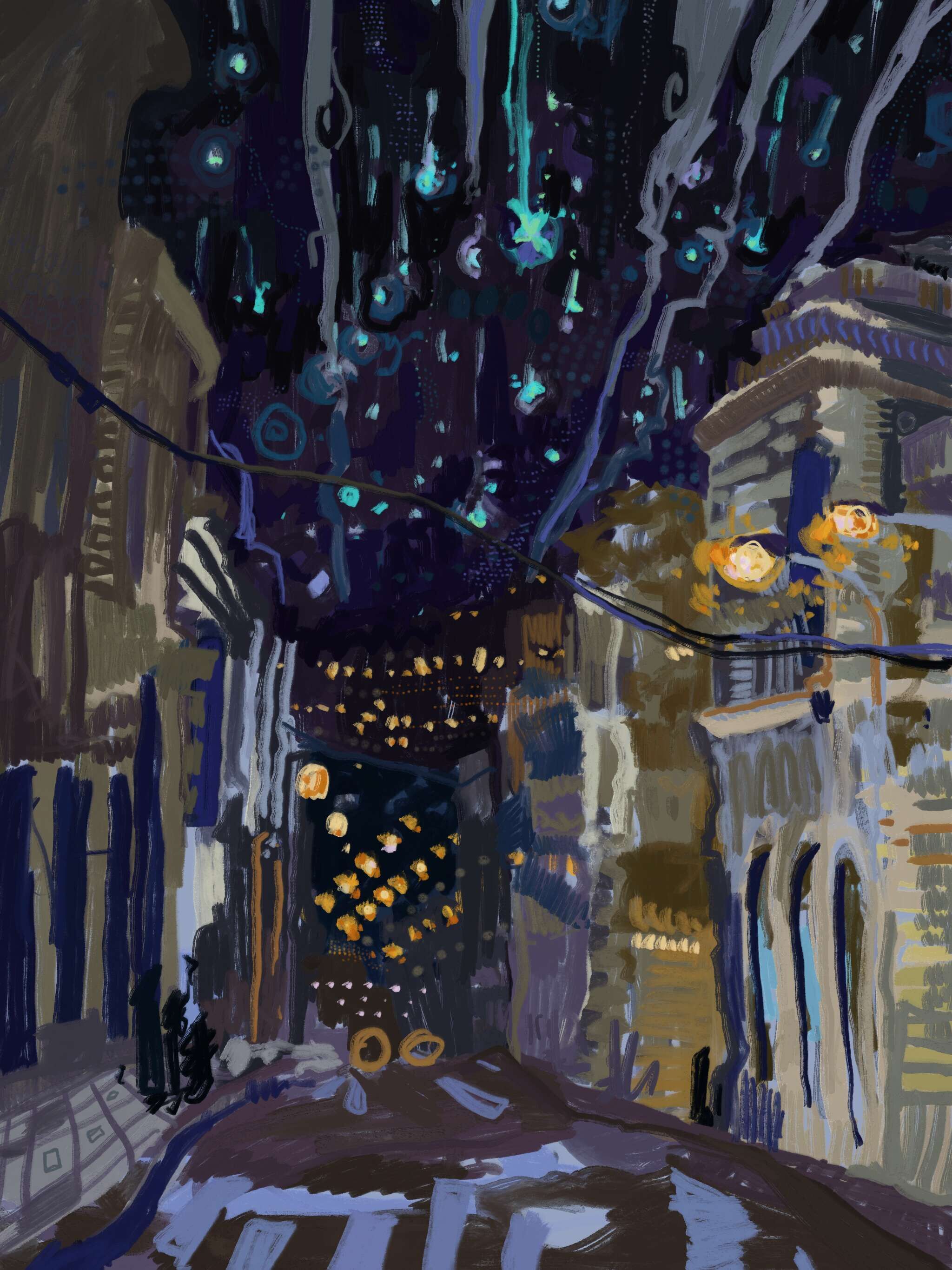
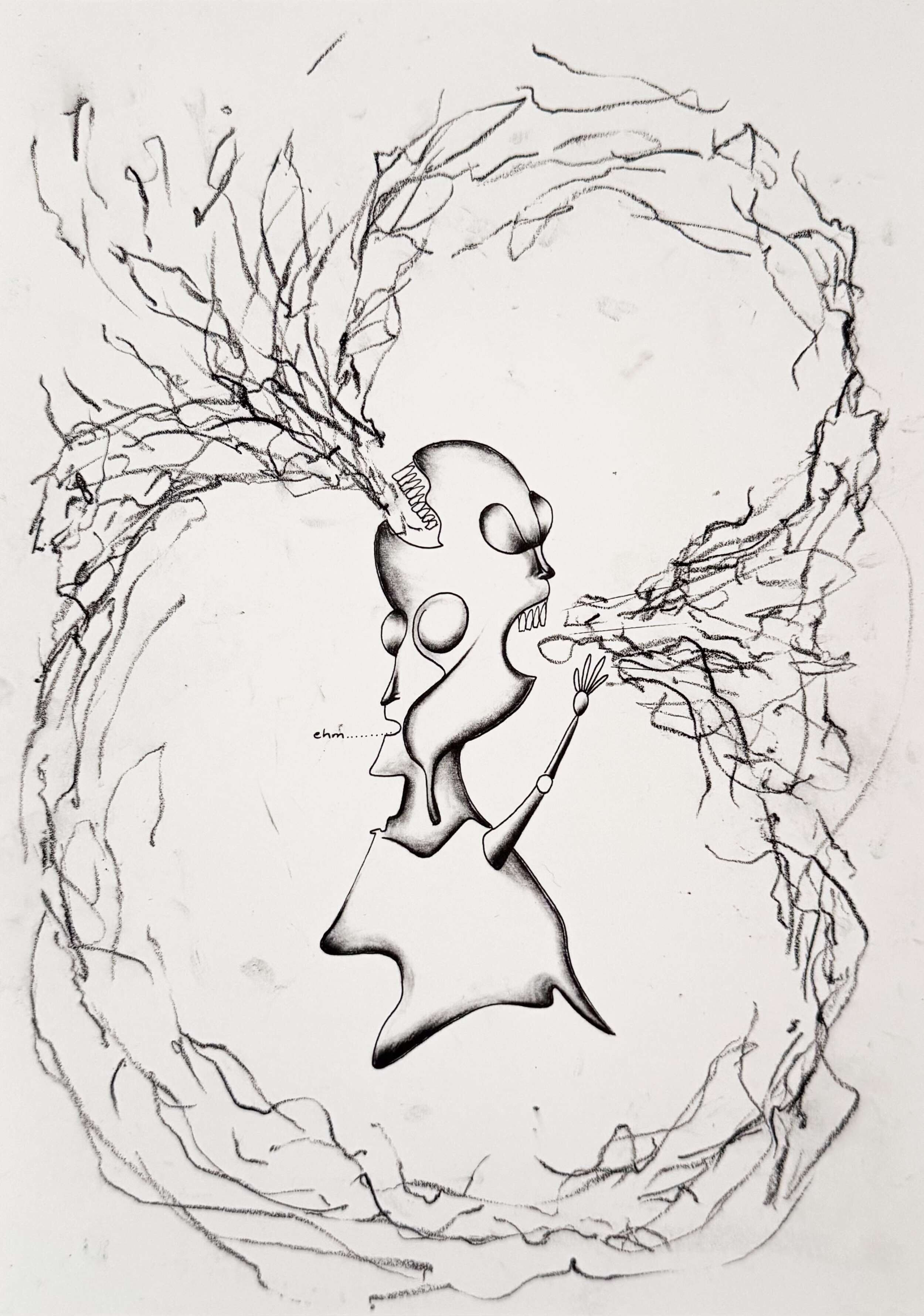
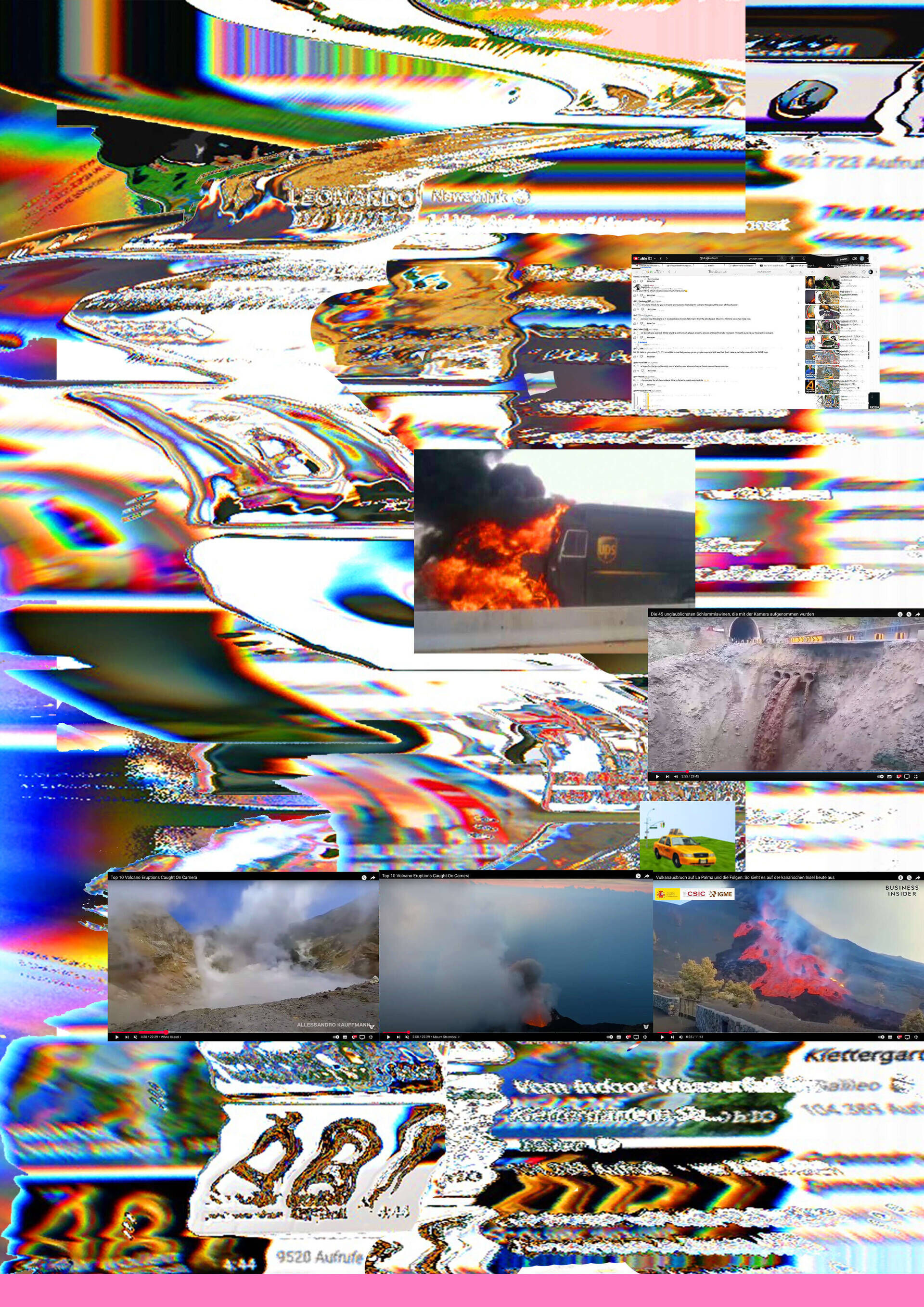
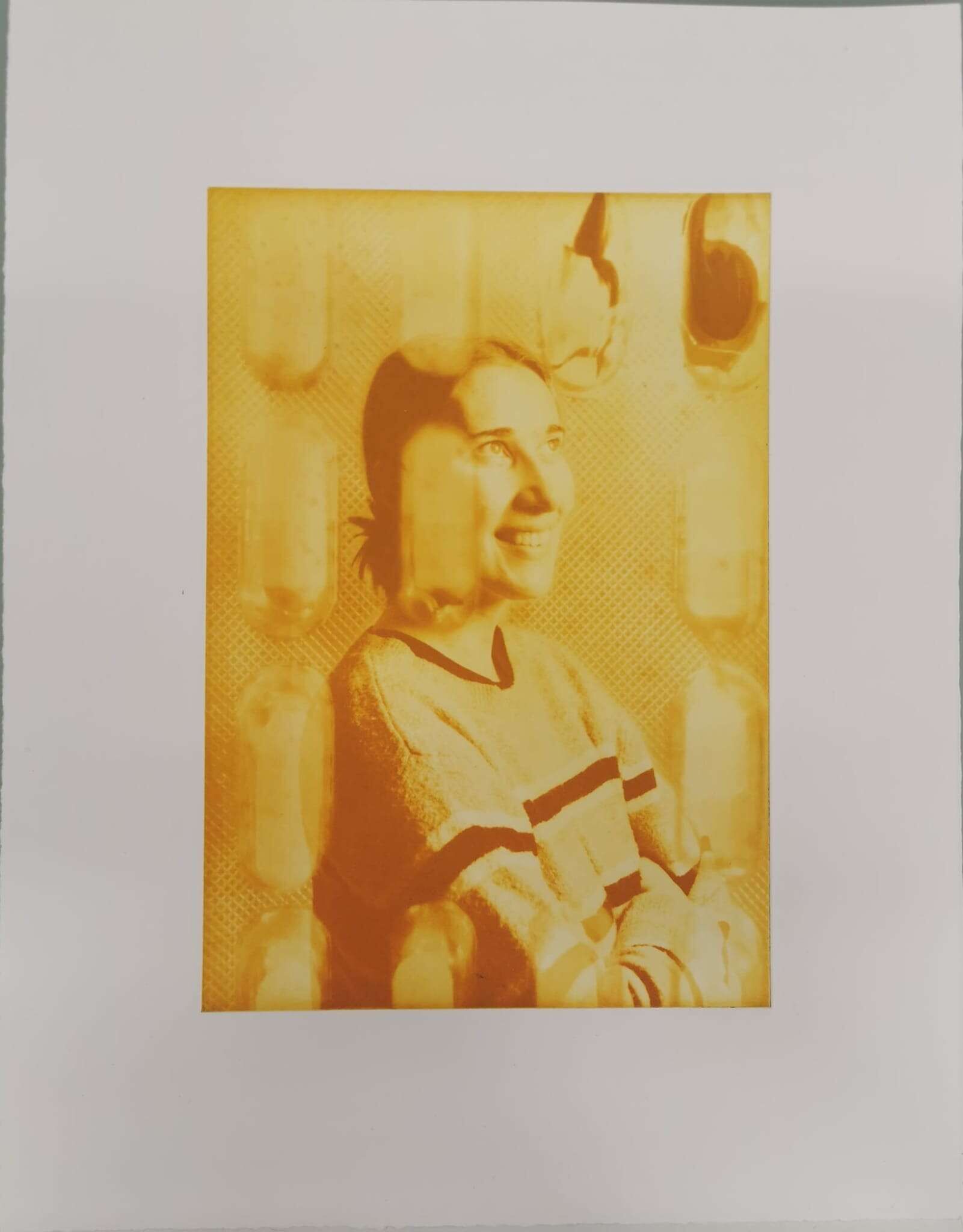
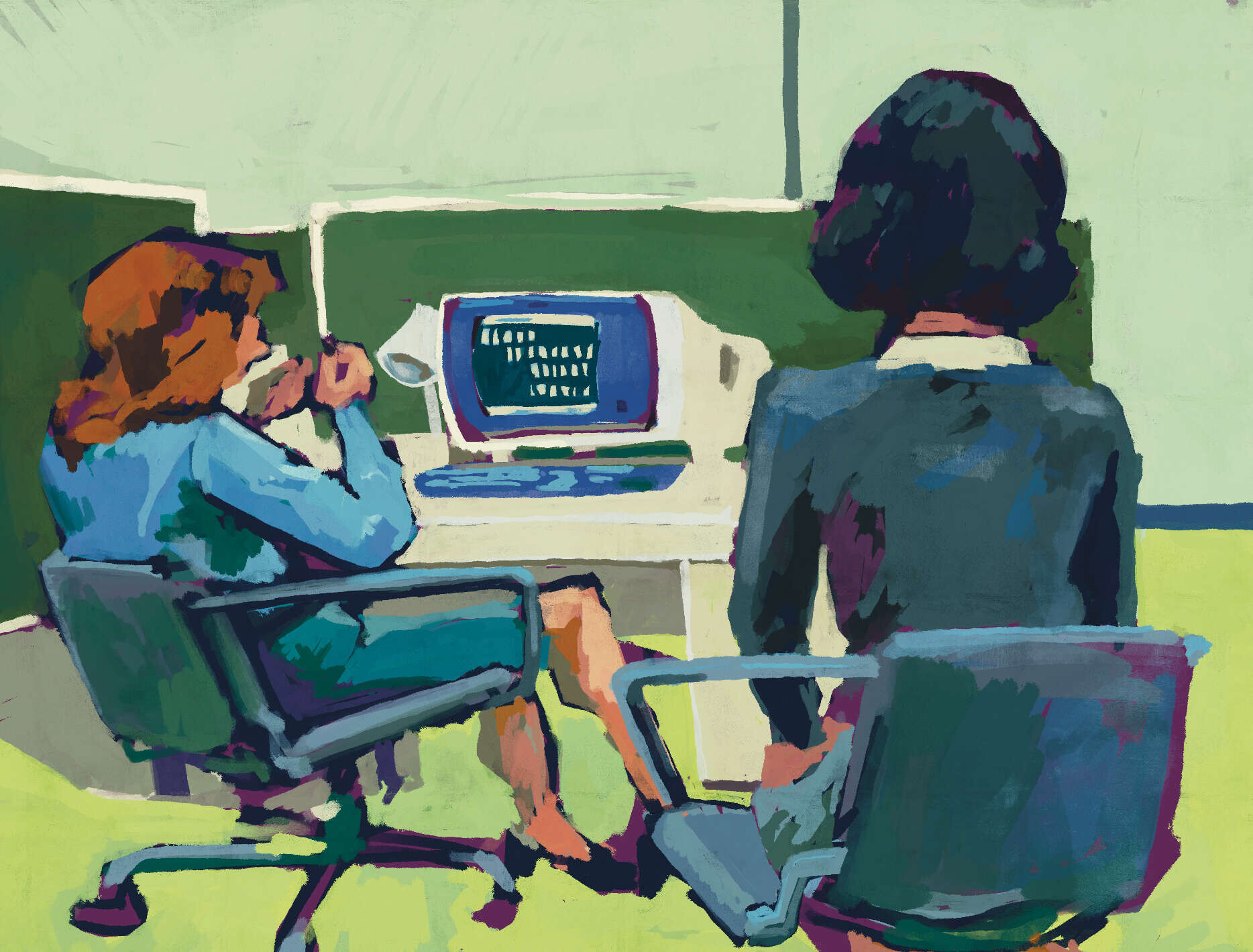
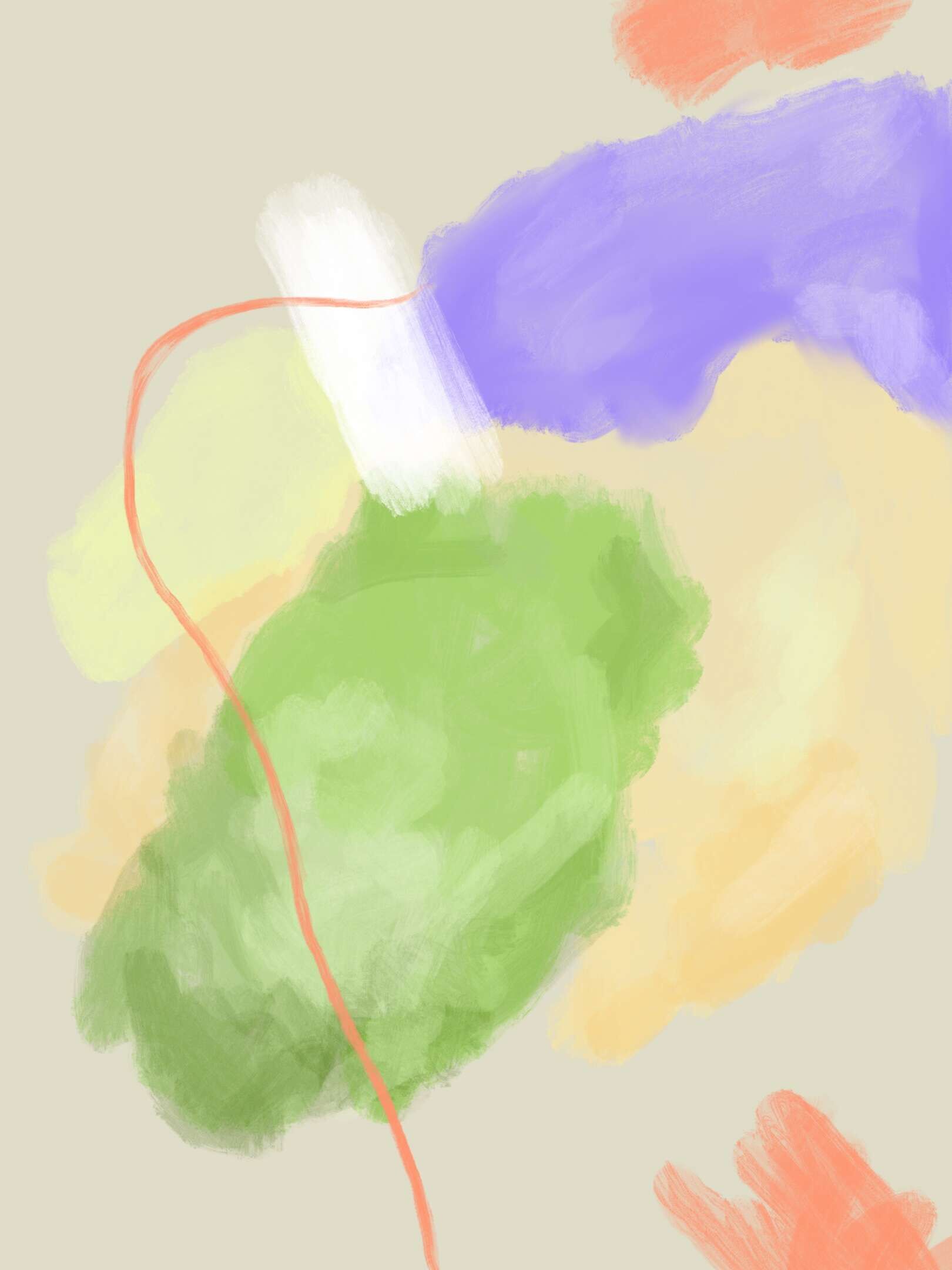
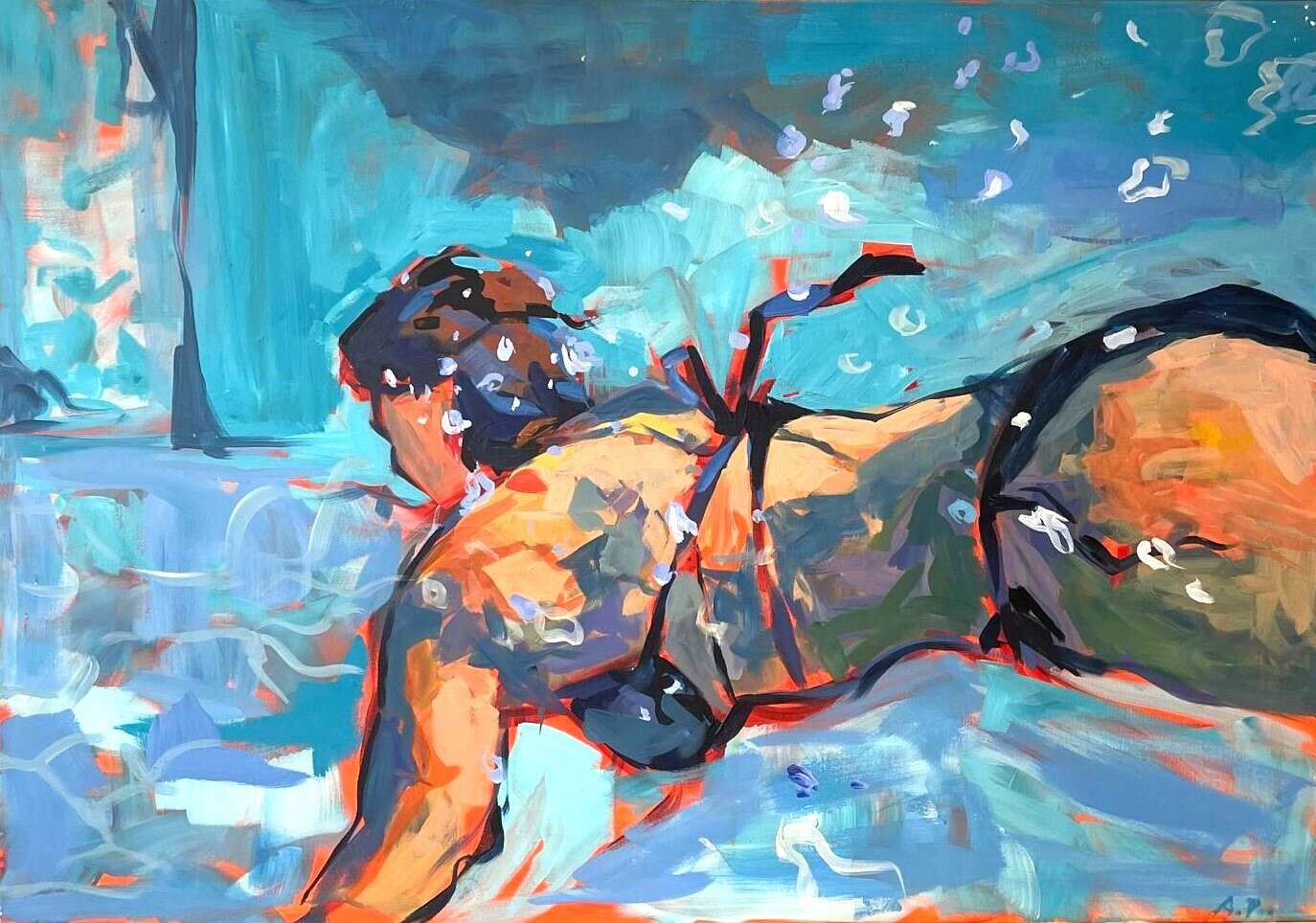
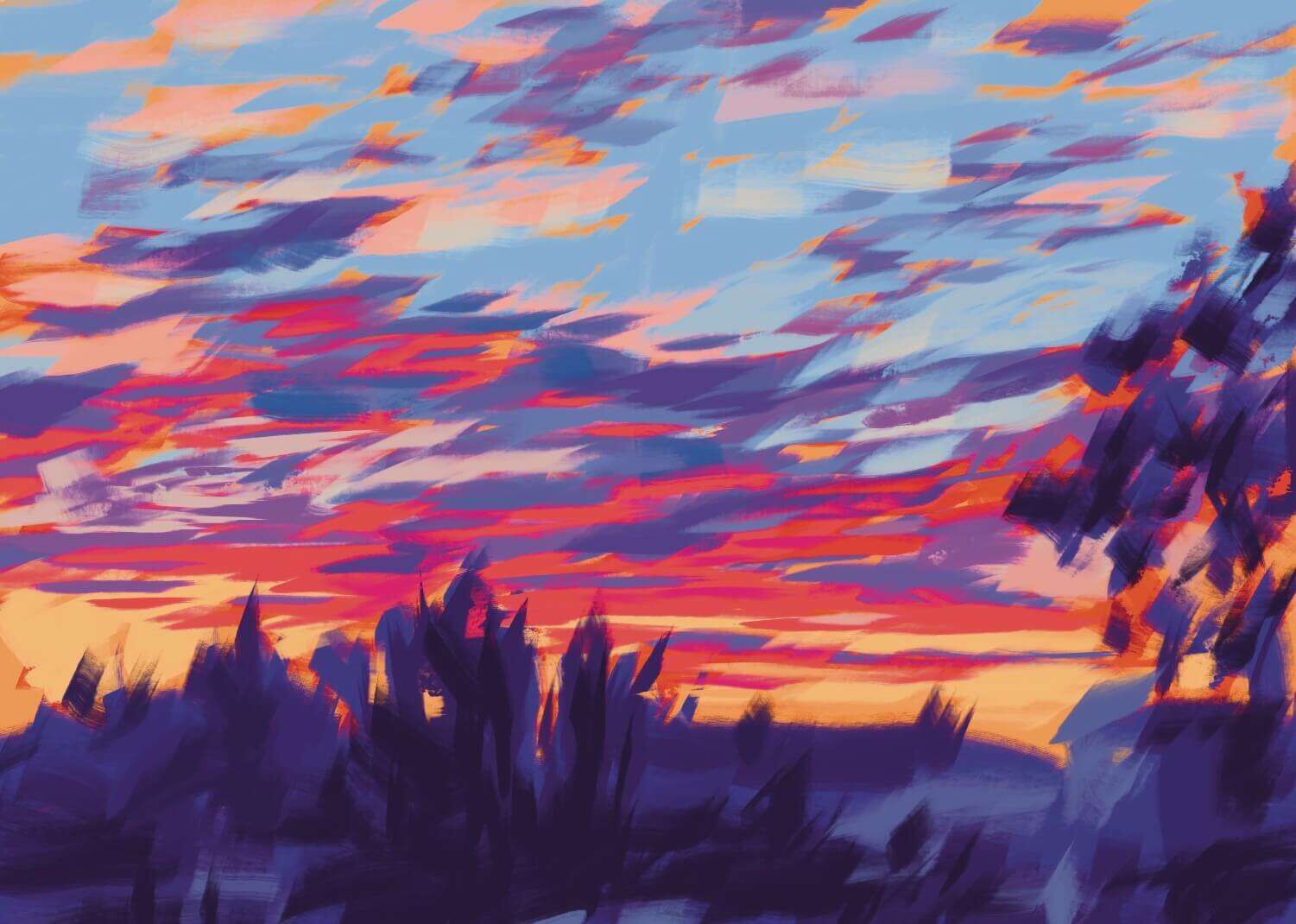
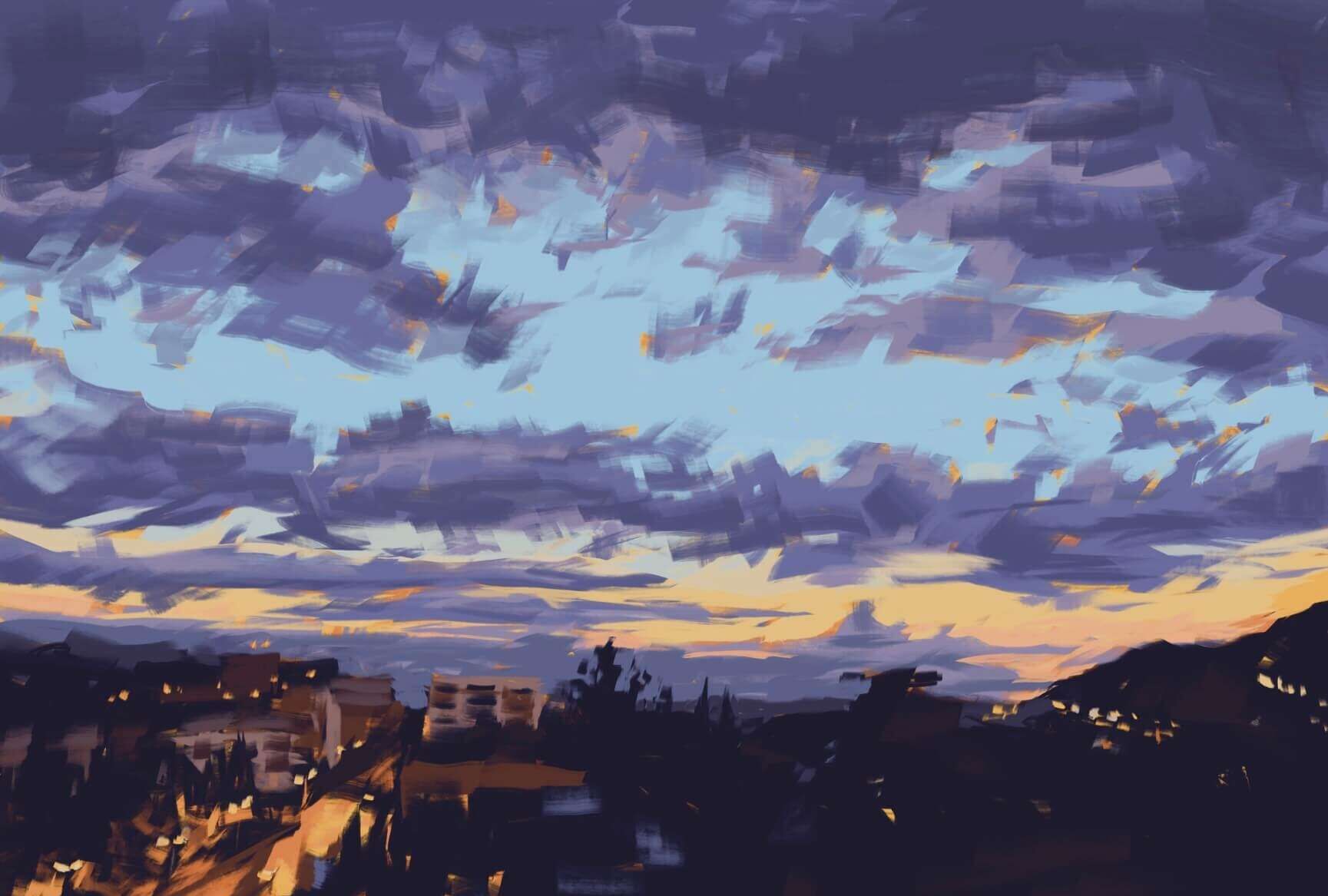

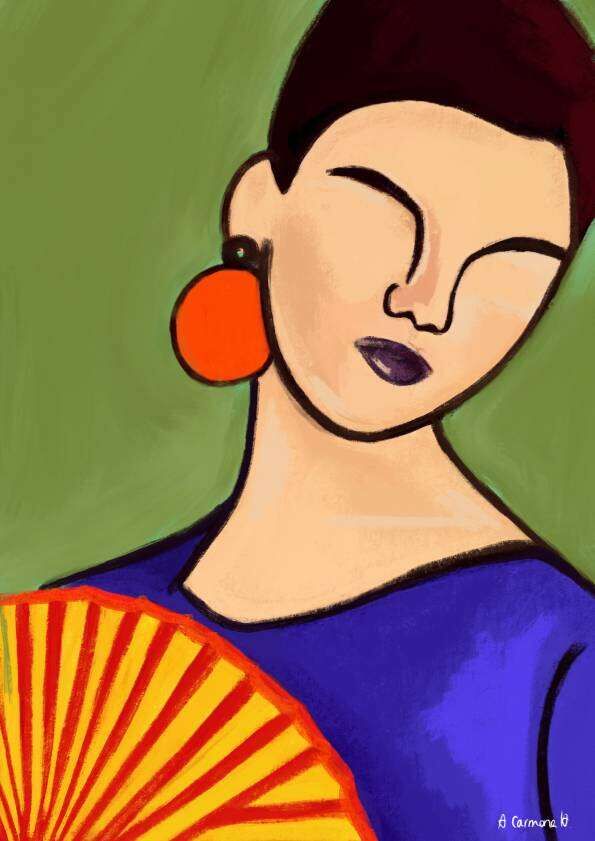
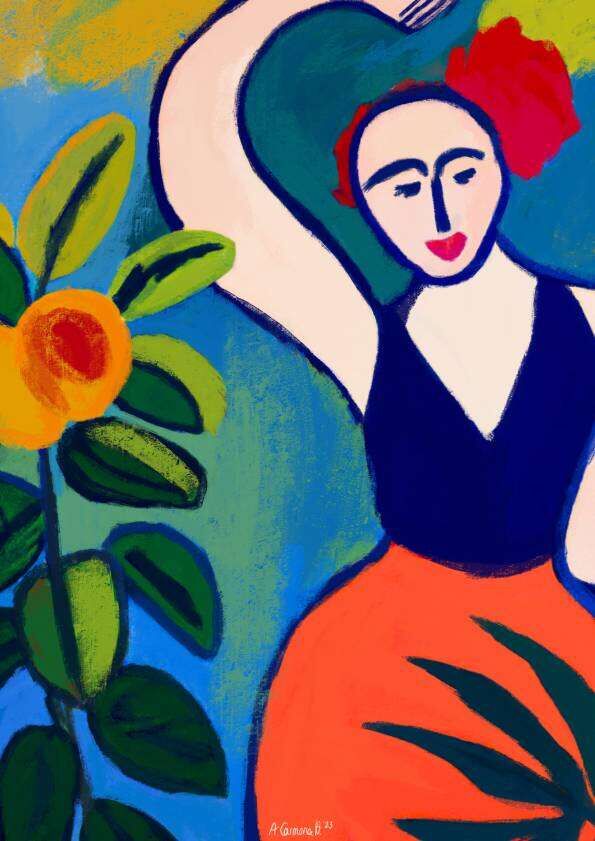
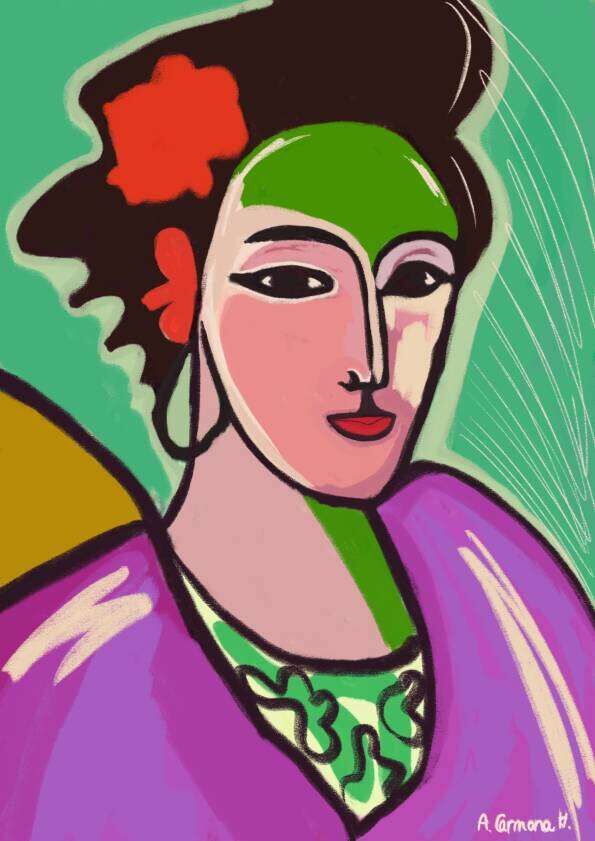
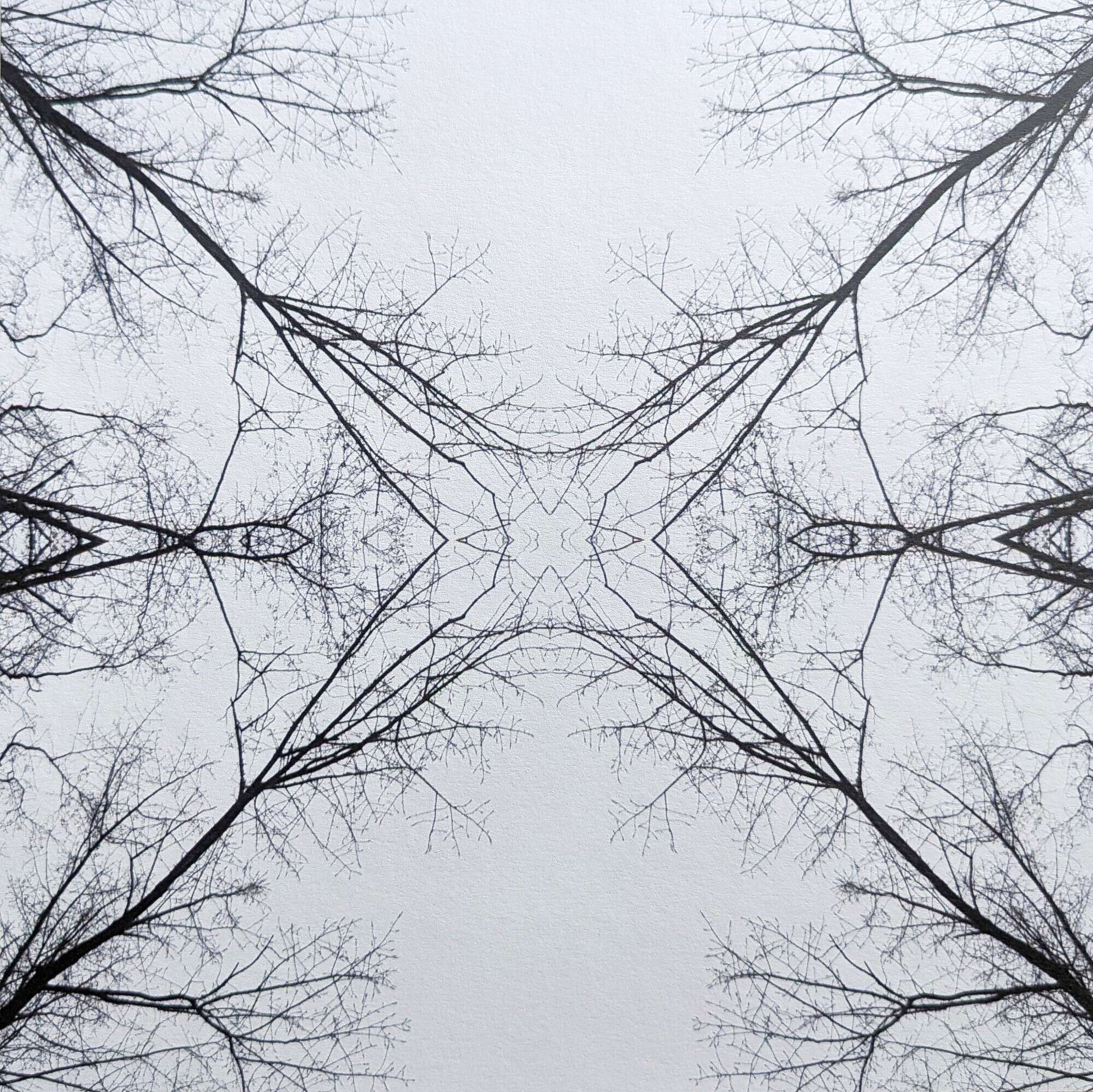

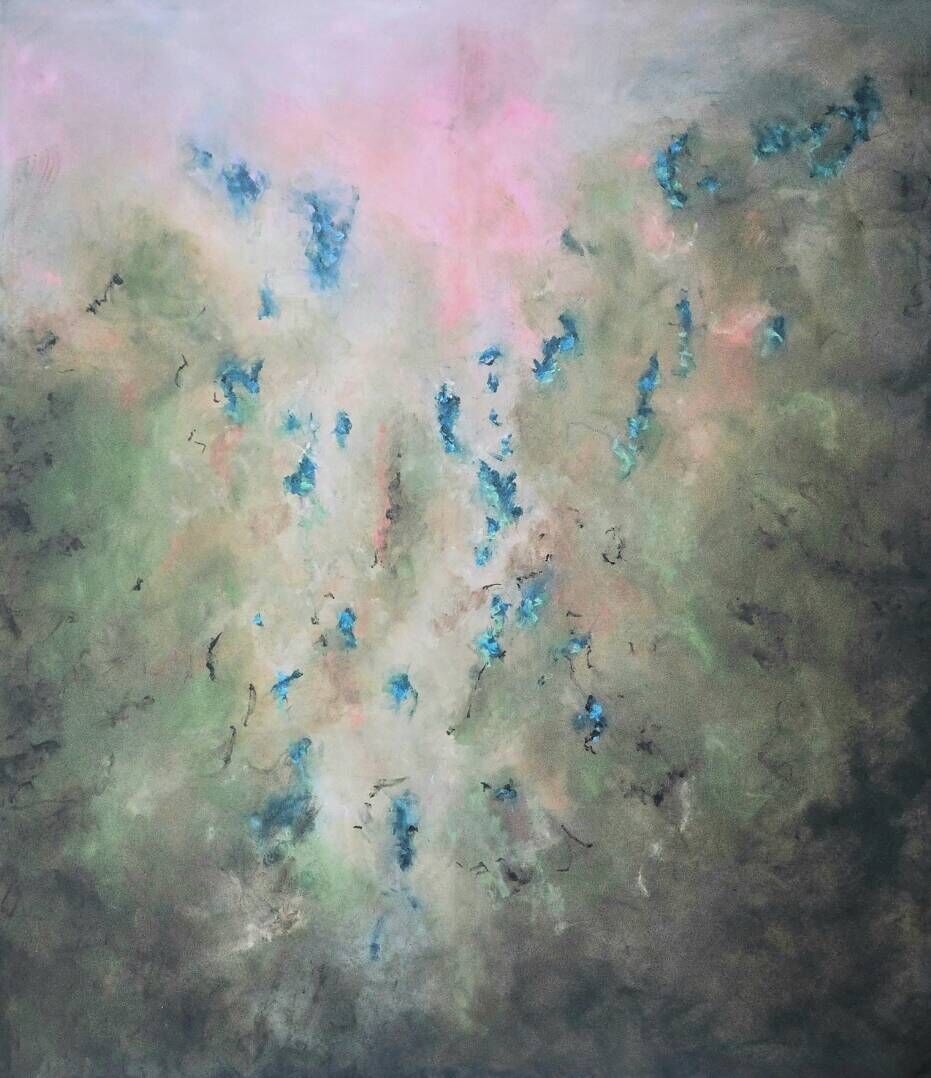
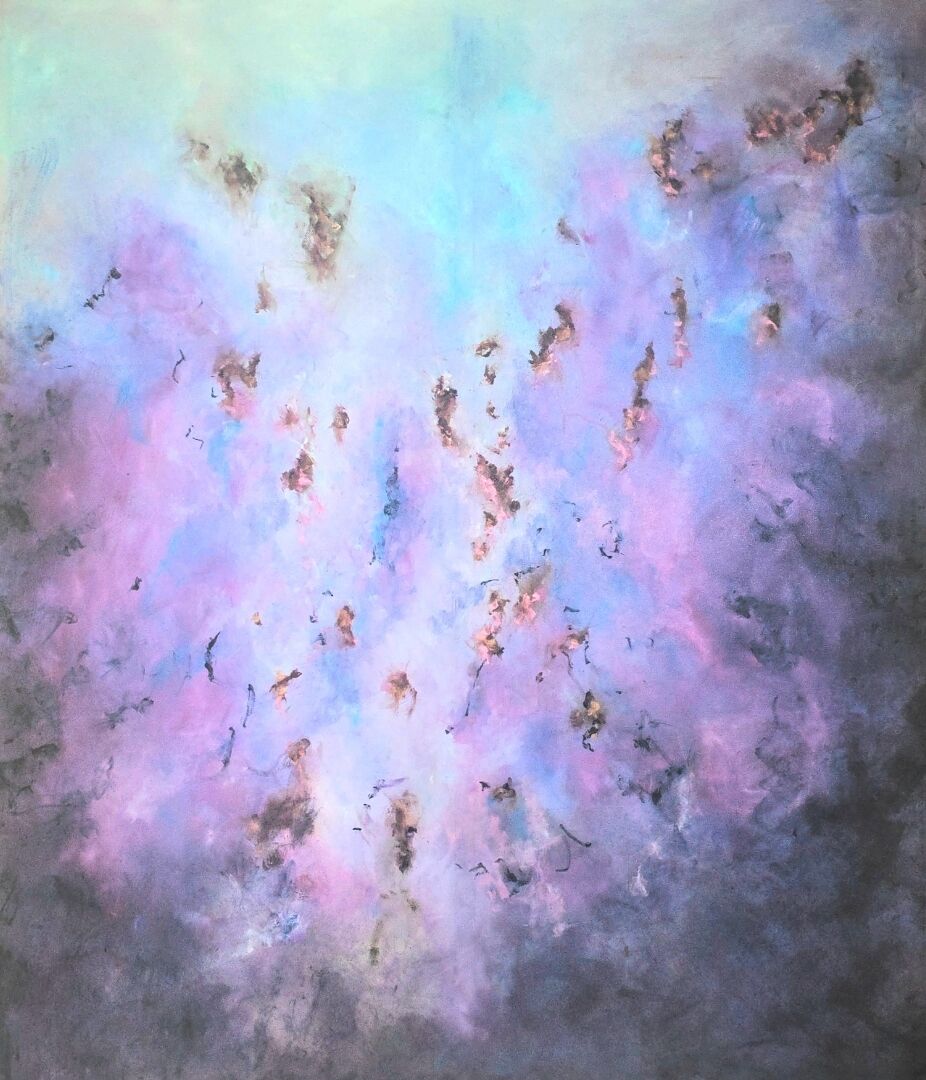
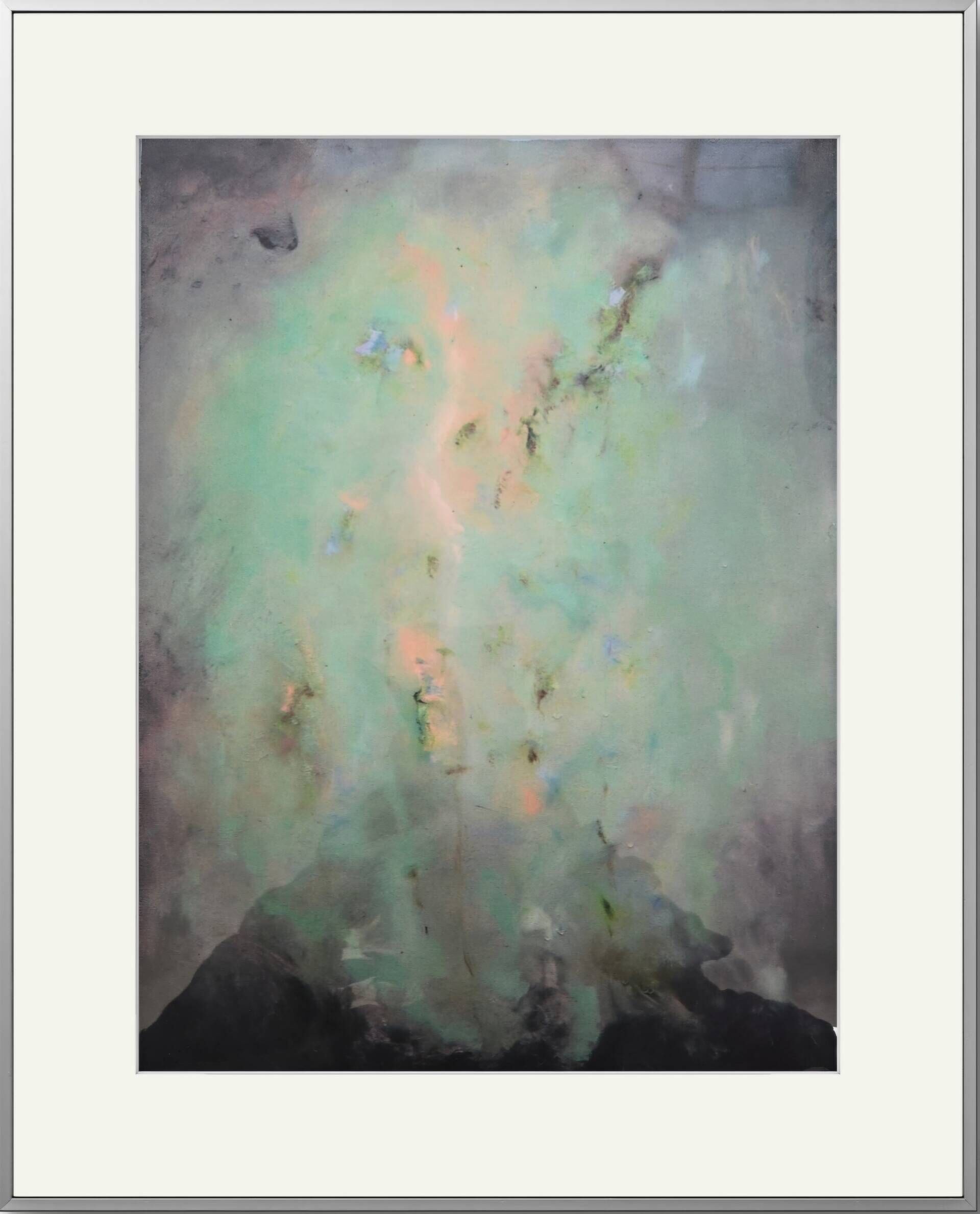
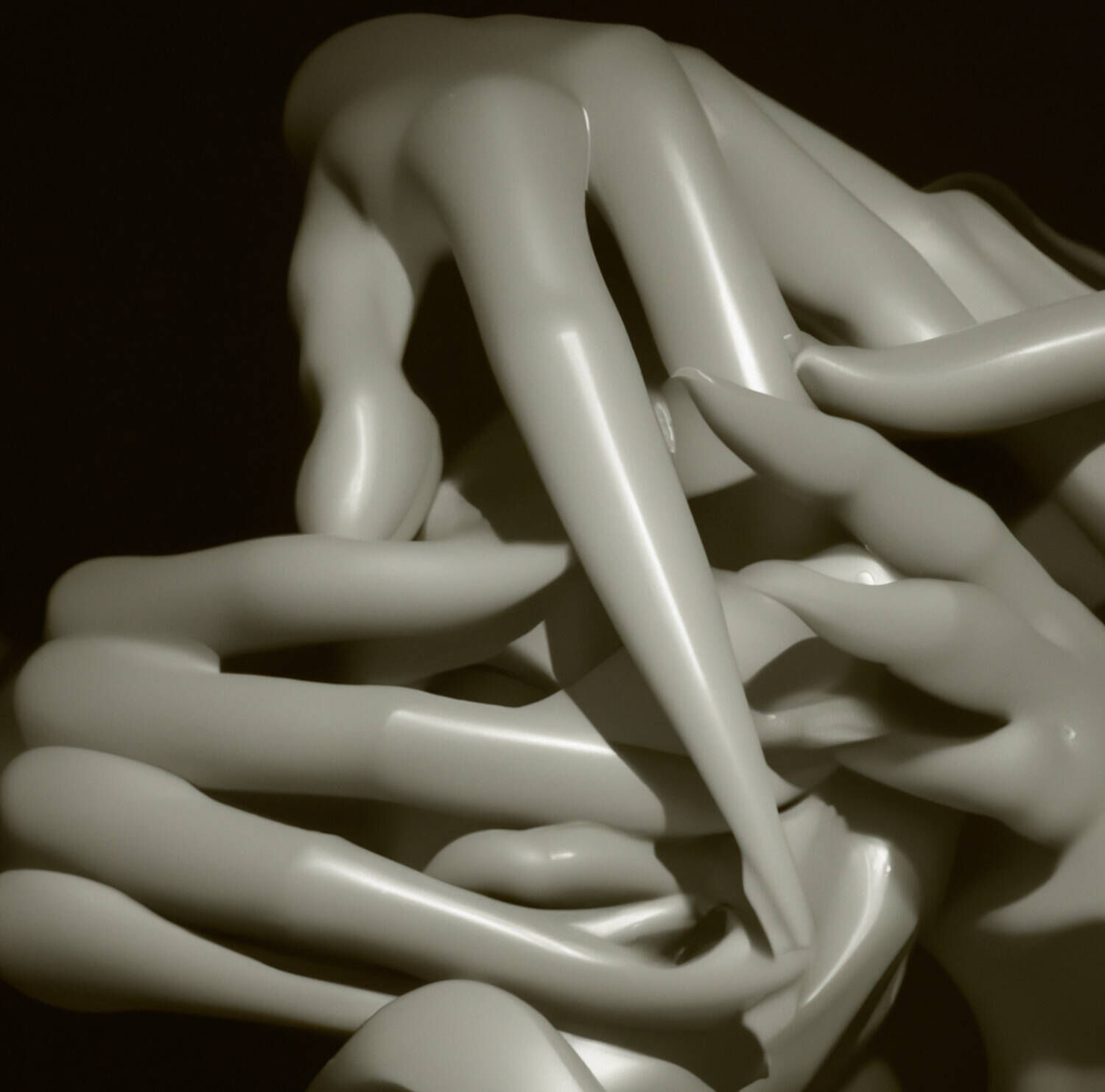


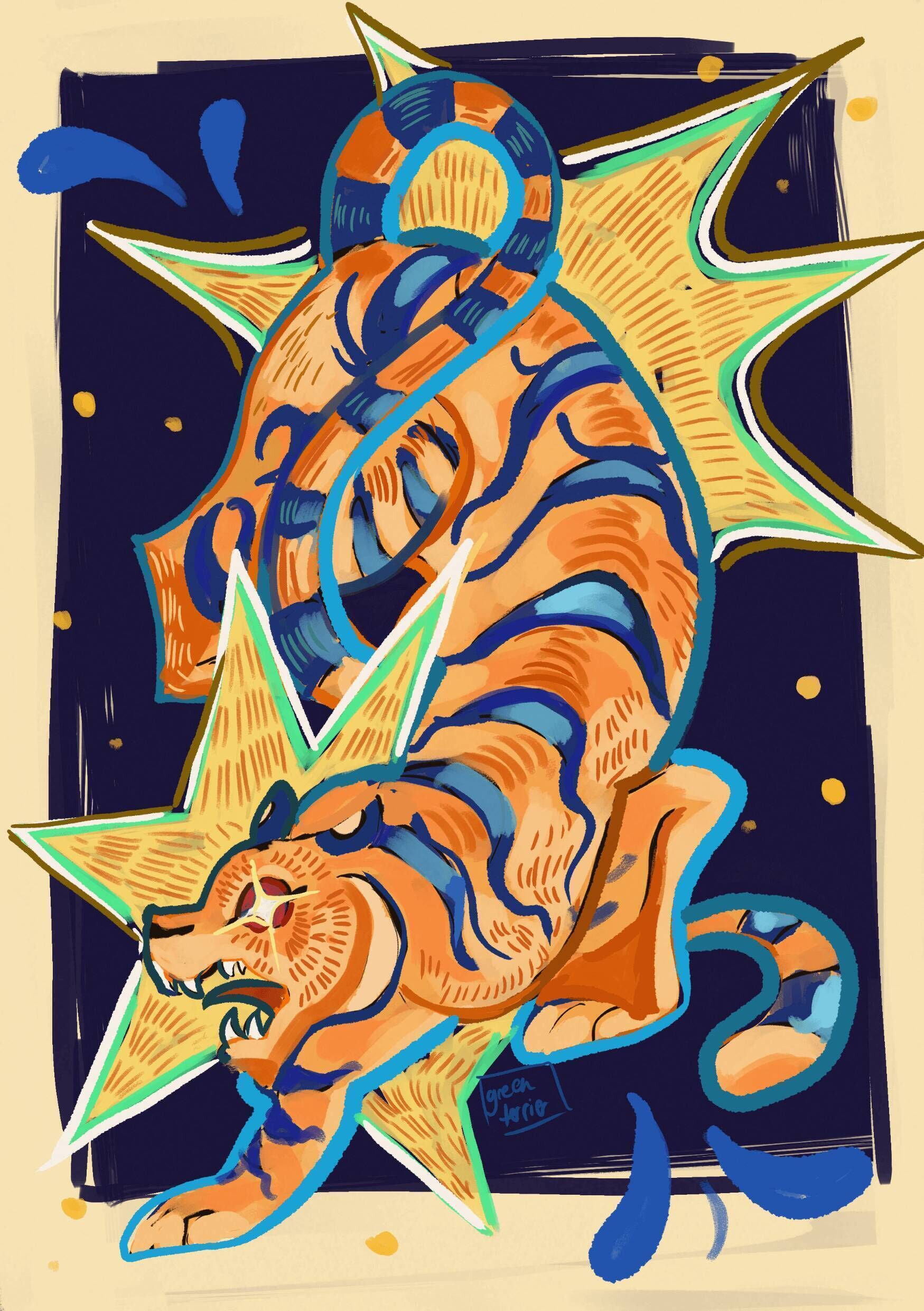
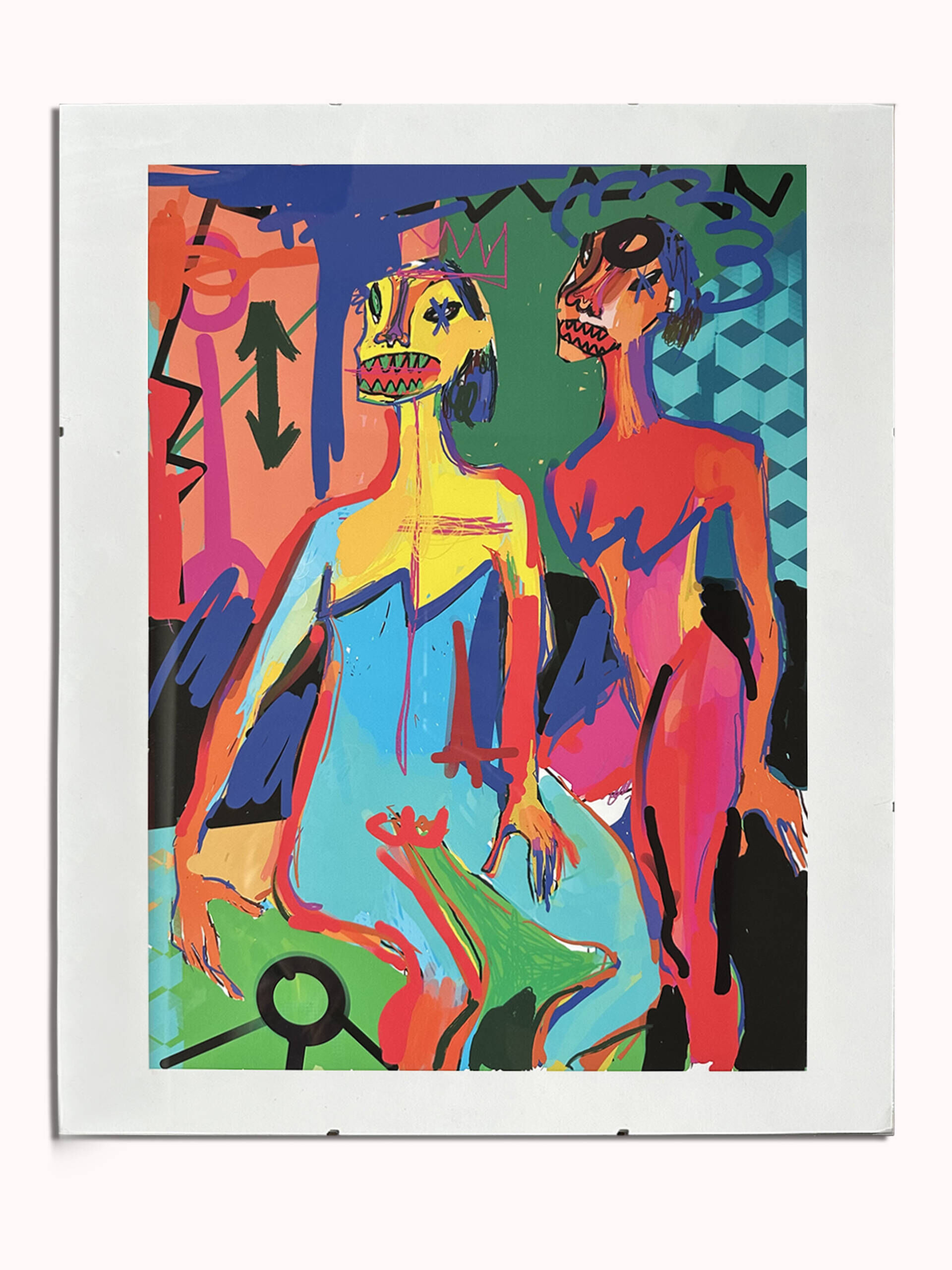
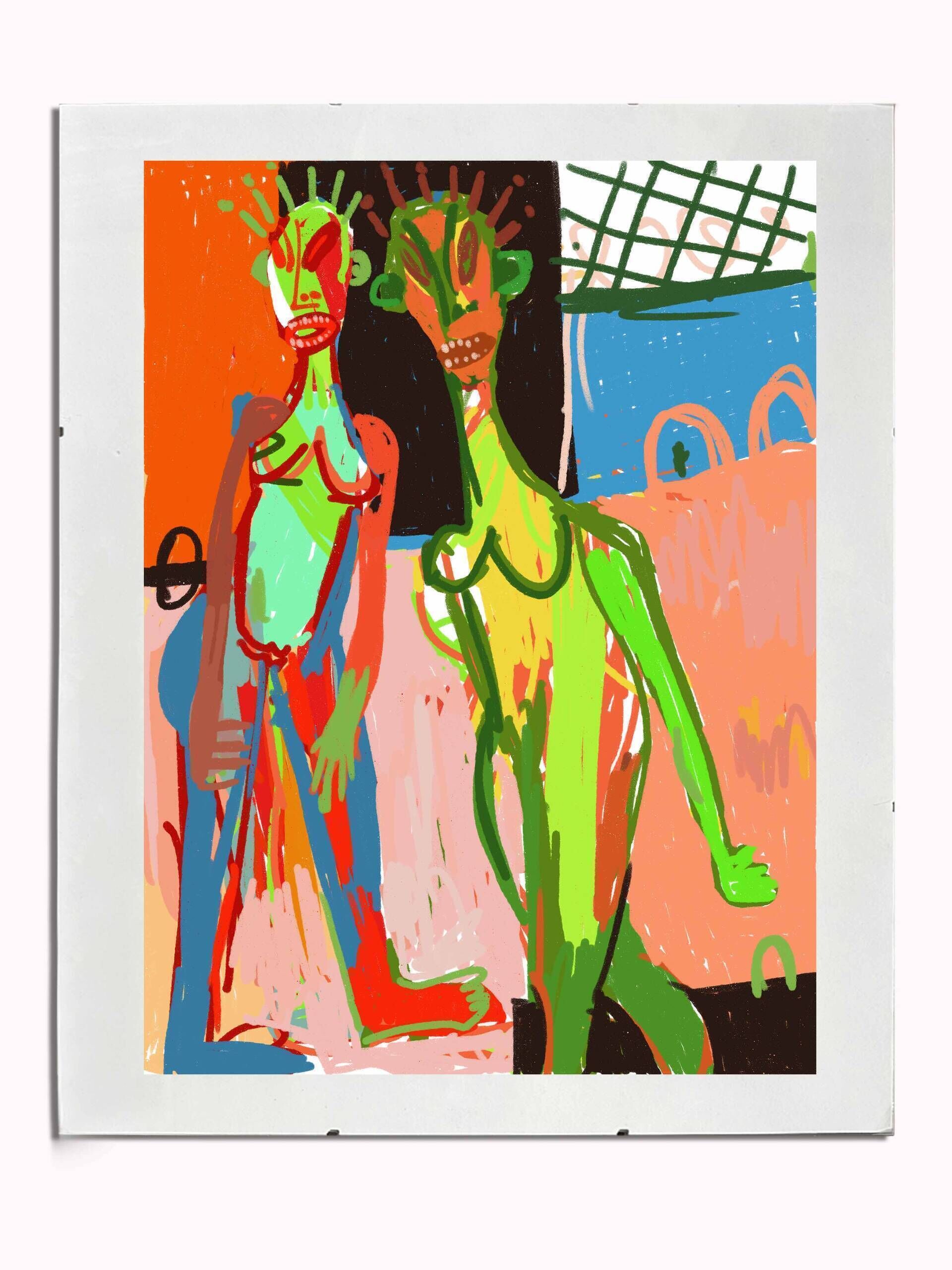
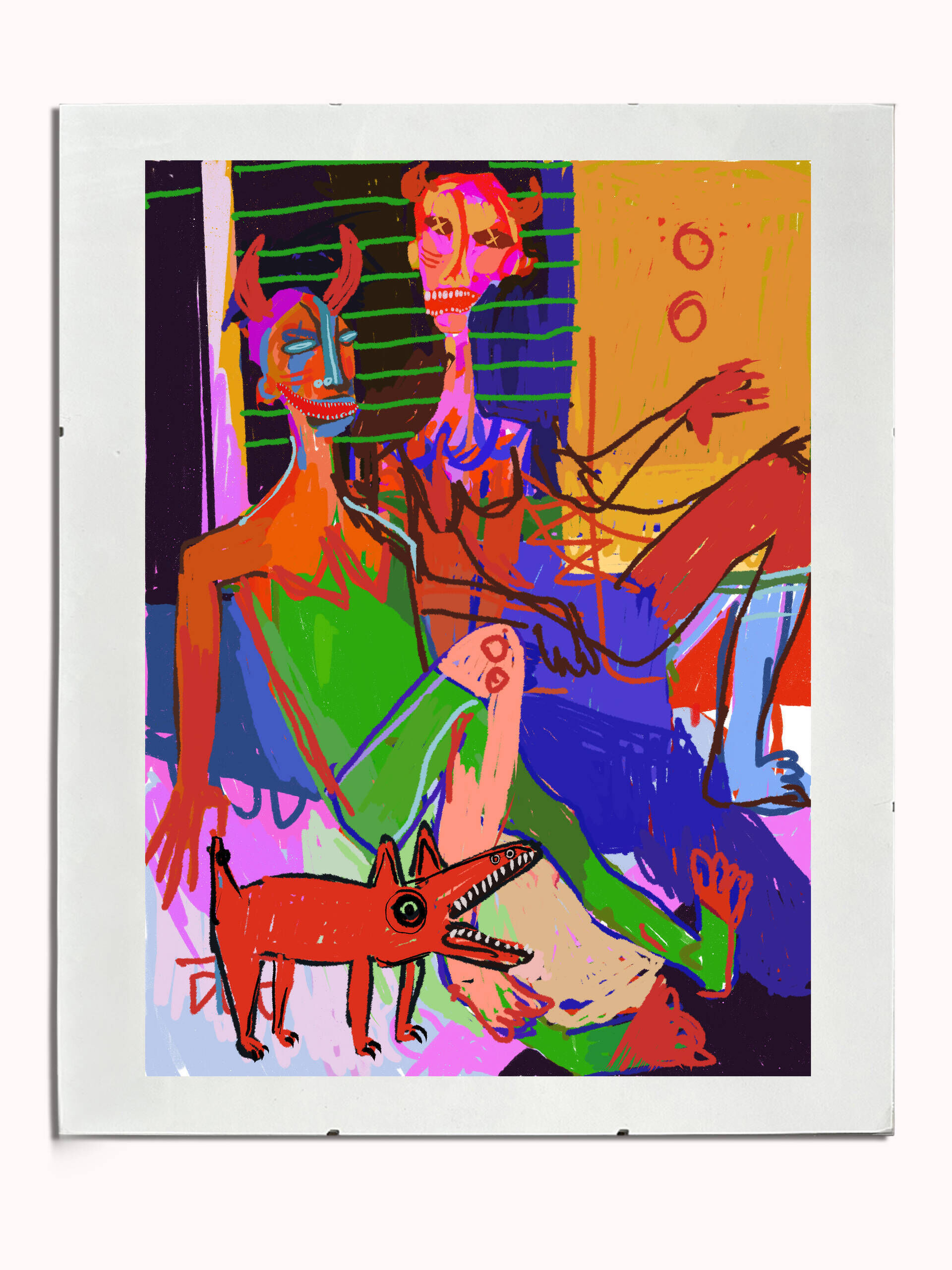
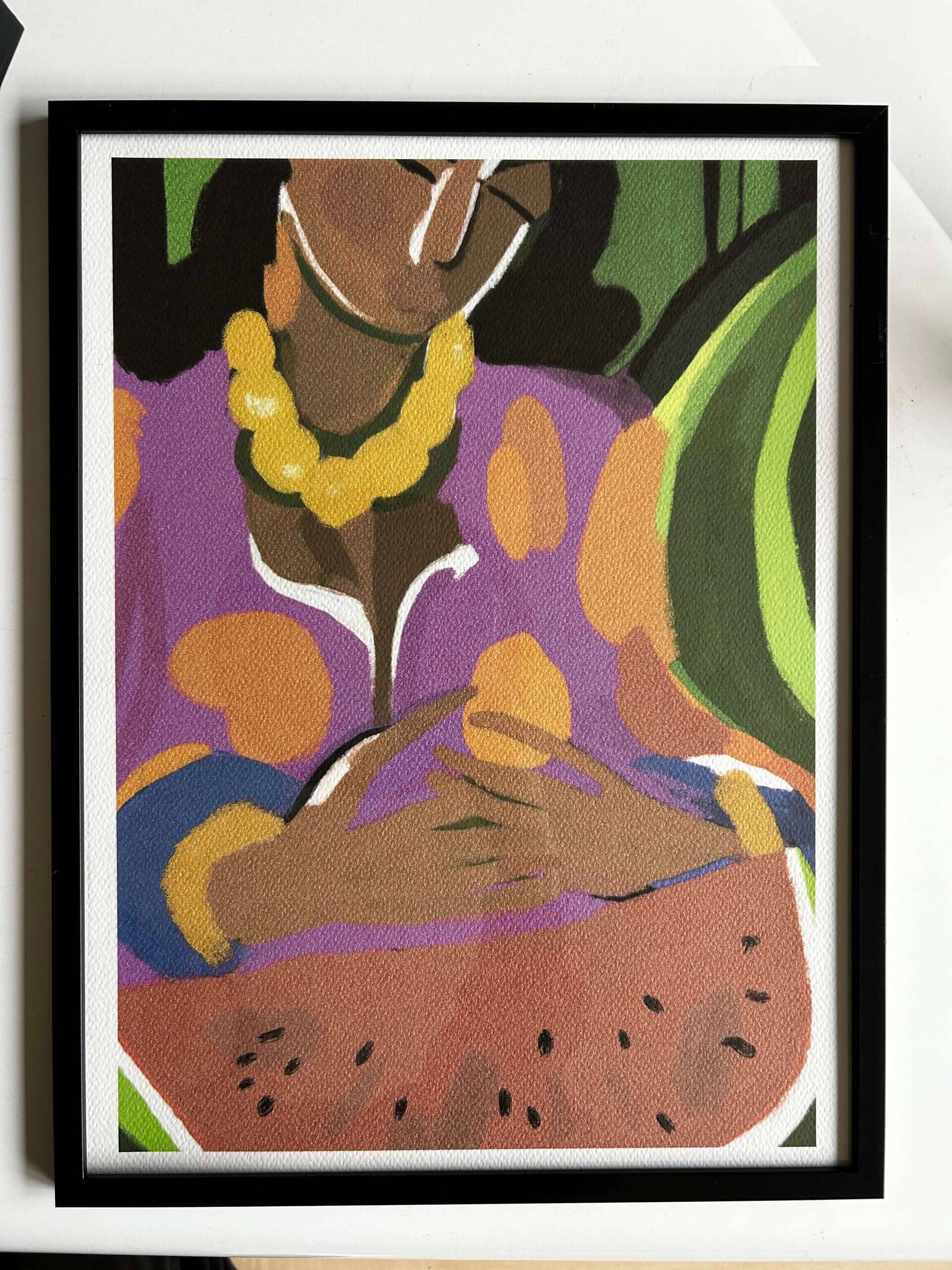
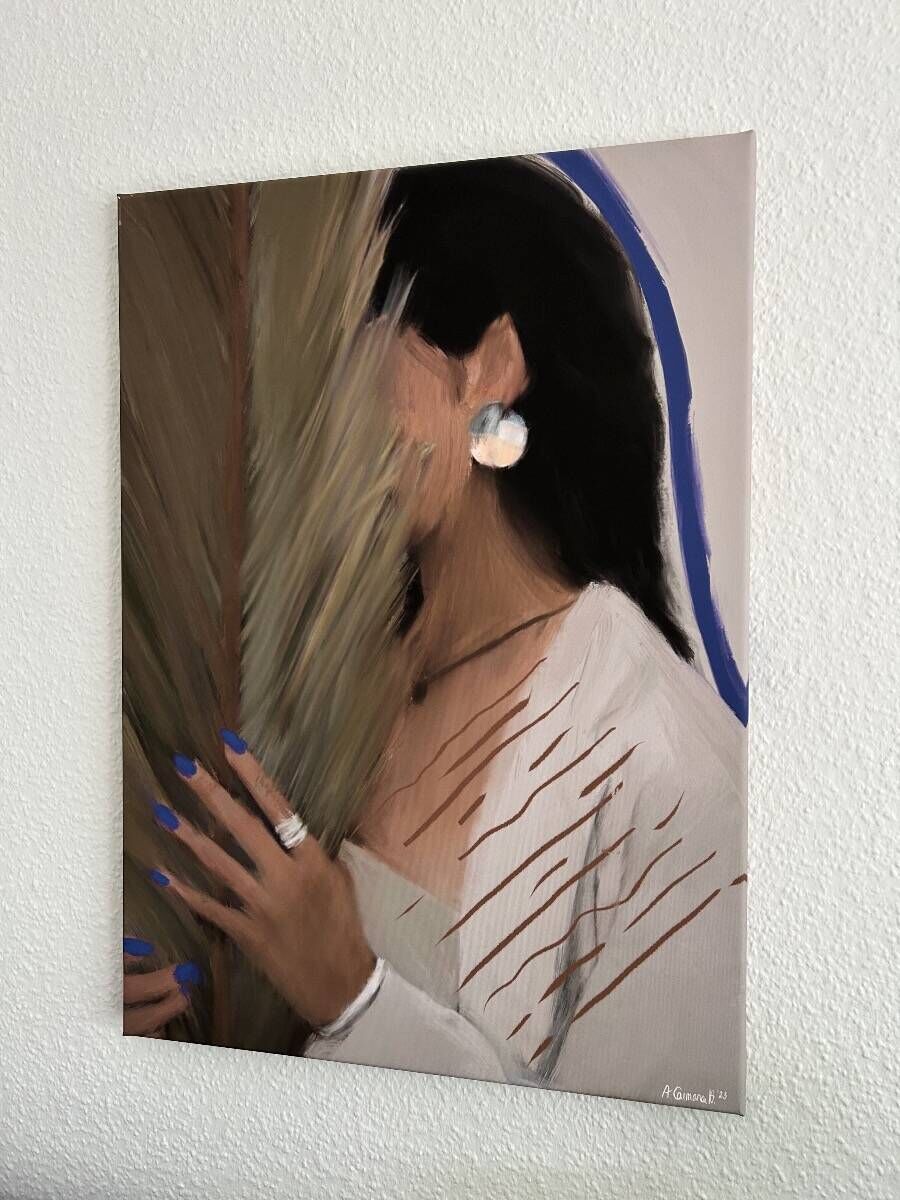
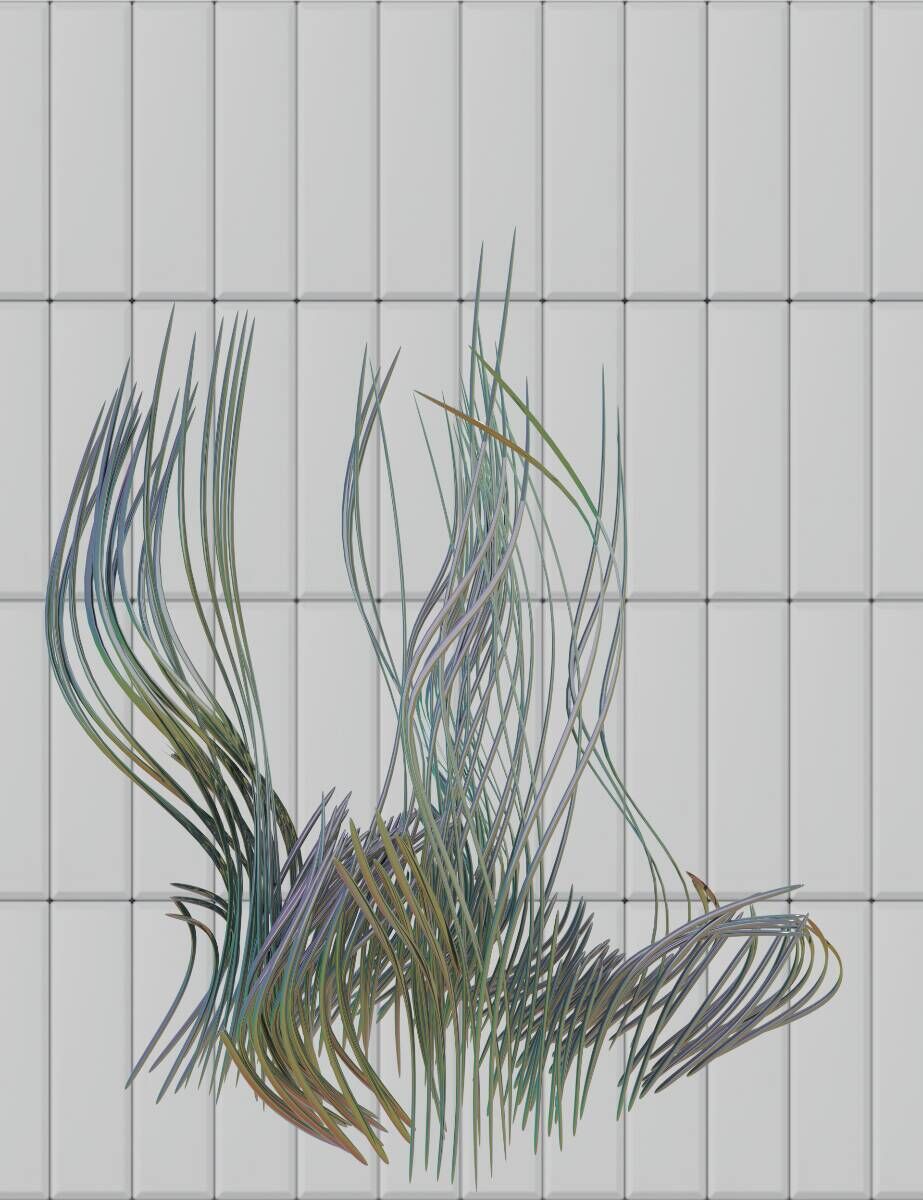
Digital art – the new era of creative expression
Digital art has revolutionised the way we conceive, create and experience creative forms of expression. Whilst brushes, canvases and traditional photography once dominated, digital art now opens up boundless possibilities: Artists work with graphics tablets, specialised software, artificial intelligence or complex algorithms, creating works of impressive diversity and technical sophistication. Surreal landscapes, hyper-realistic portraits, abstract forms or generative patterns demonstrate just how closely technology and intuition are intertwined. Digital art is therefore not a passing fad, but a logical evolution of art history – vibrant, ever-changing and full of new aesthetic possibilities.
At the same time, the relevance of digital art is growing steadily. Computer-generated works have been popular with collectors and enthusiasts for many years, not only in private homes but also in professional settings such as foyers, doctors’ surgeries, law firms or conference rooms. Online galleries such as Studierenden Kunstmarkt now offer direct access to digital art for anyone wishing to buy digital images. Digital artists and technology are jointly pushing the boundaries of the familiar and creating digital artworks that convey atmosphere, identity and visual modernity.
What defines digital artworks?
Digital art is an umbrella term for works created using digital technologies. This ranges from digital painting and 3D models to AI-generated images. Despite its modern tools, digital art is based on the same fundamental creative principles as traditional art: composition, emotion, expression and intention. The difference lies in the means – not in the meaning. At its core, digital art works with digitally encoded information. Artists use computers, software, scanners, graphics tablets or cameras to create, shape and refine images. Some works exist exclusively in the digital realm, whilst others are printed or even incorporated into physical installations. In this way, digital art blurs the boundaries between virtual and real-world experiences.
The concept of digital art only became established in the 1990s and has since encompassed all artistic works created with the aid of digital technology. Whether using a graphics tablet, image-editing software or complex computer processes: digital art describes a practice in which artists express their creativity through digital tools that differ from traditional methods only in terms of medium, not in artistic ambition.
Digital techniques: boundless diversity
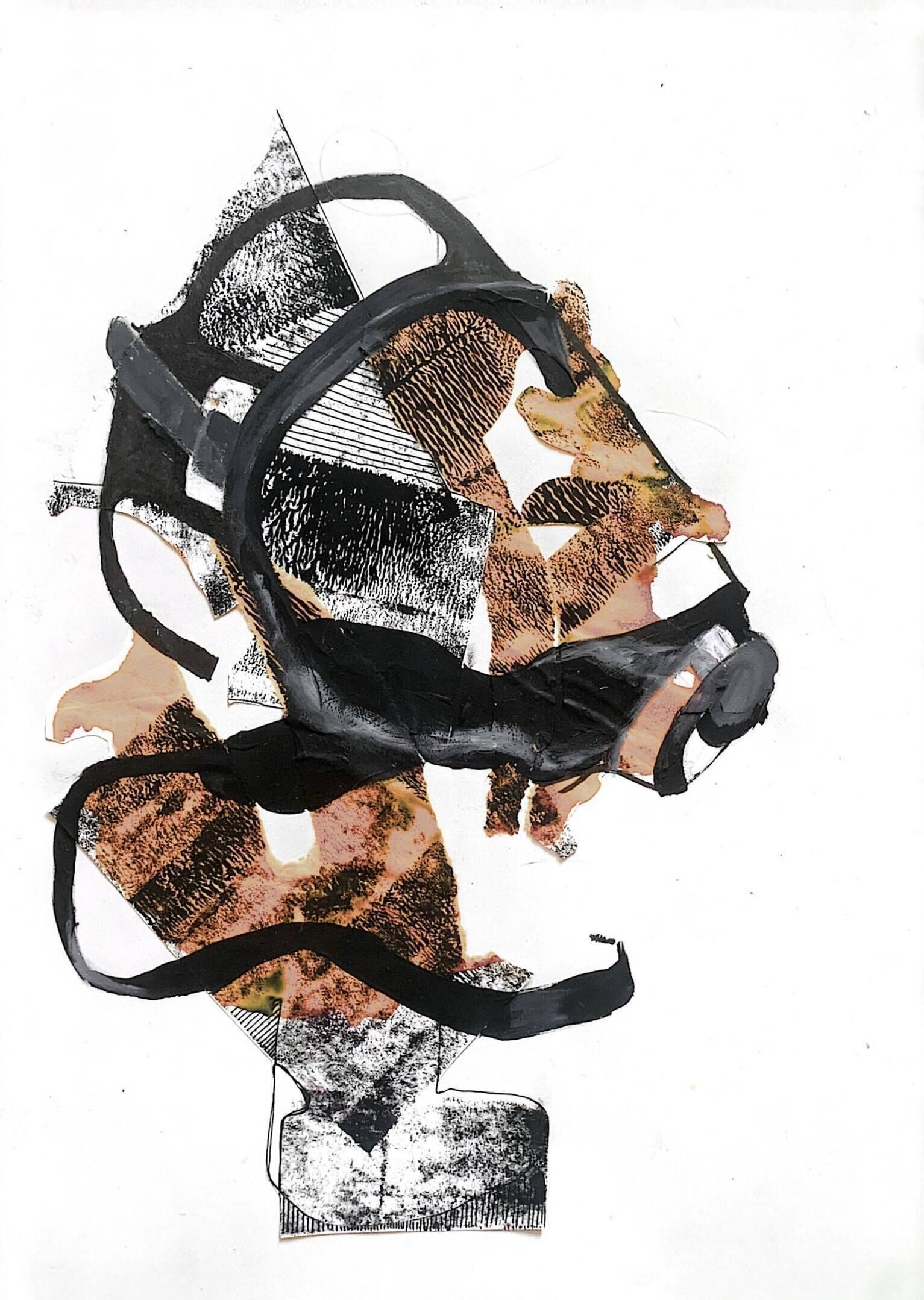
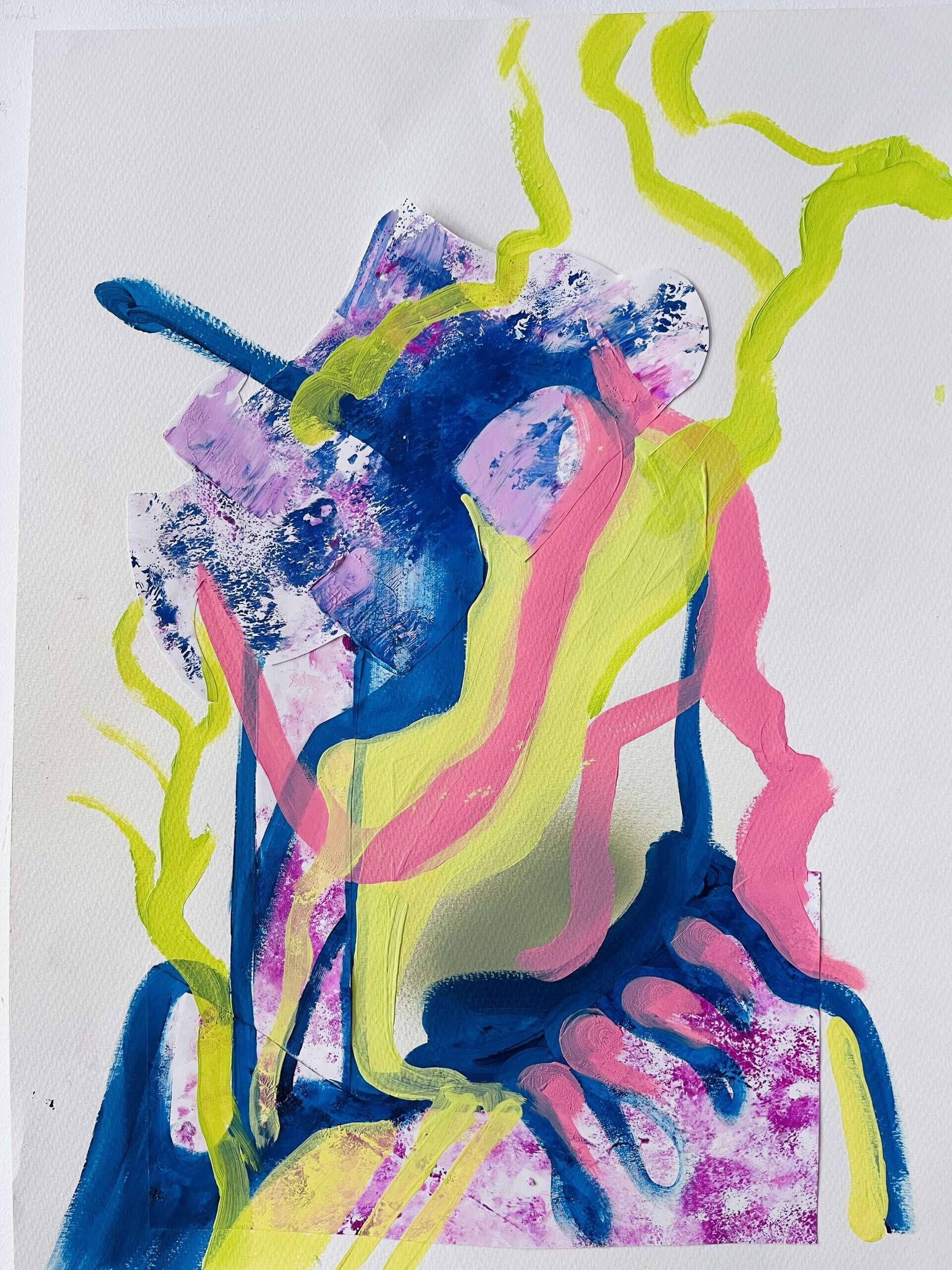
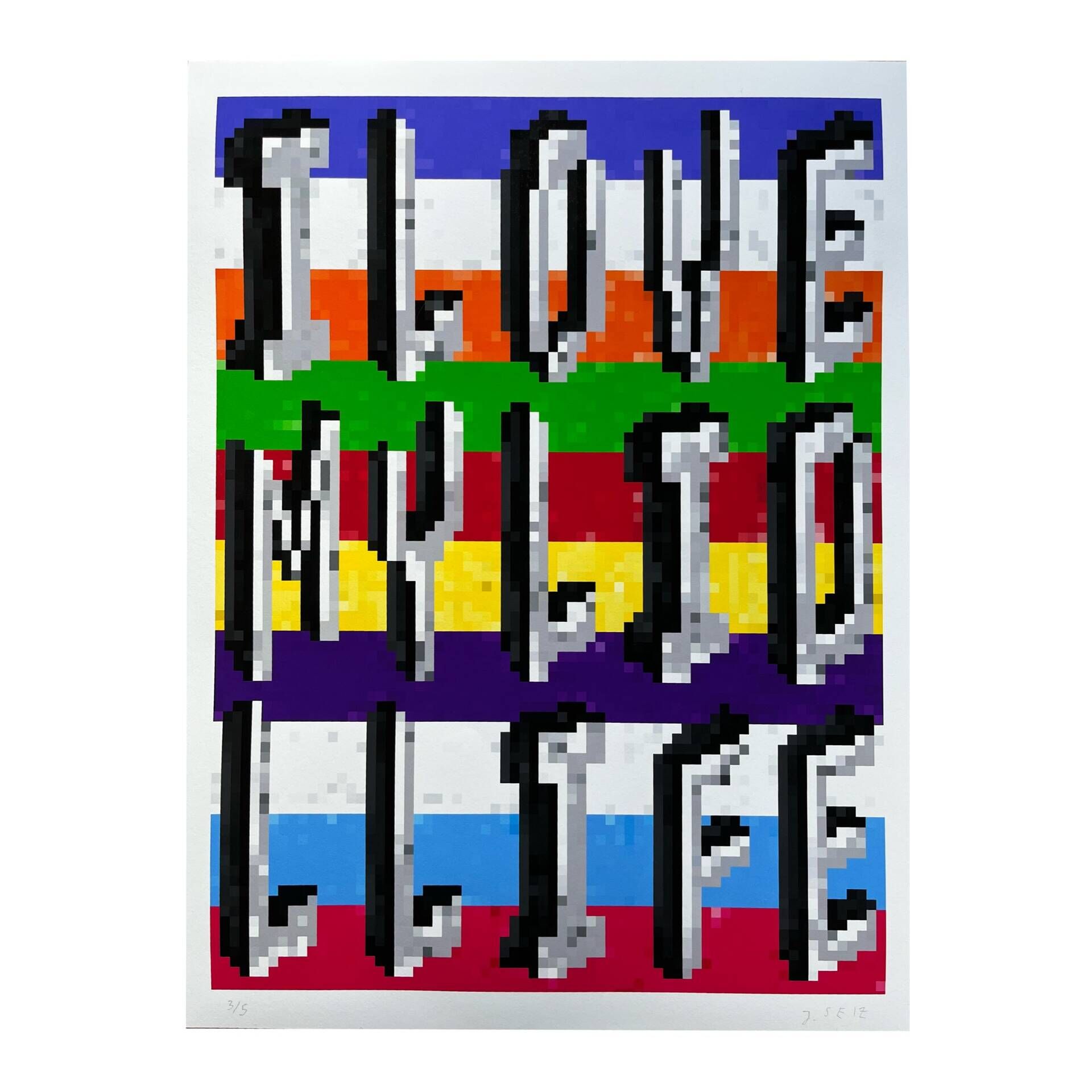
Today, digital art encompasses an impressive range of techniques that seamlessly bridge the analogue and digital worlds. Digital painting is a central field within this: Using pressure-sensitive tablets and programmes such as Photoshop or Procreate, artists create works ranging from realistic to experimental, supported by precise control over colour, texture and light. Complementing this, vector graphics produce clear, scalable motifs and shape illustrations, icons and design objects. Digital collages also broaden the scope of digital art by weaving together image fragments, textures and graphic elements into new compositions, thereby blurring the boundaries between photography, painting and design. Among the more innovative forms are pixel art, fractal art and generative art, in which algorithms or AI enable new patterns and visual worlds – always underpinned by human creativity.
Digital photography is also an important field: Digital cameras and editing tools such as Lightroom or Capture One form the modern darkroom, in which a single photograph can give rise to numerous interpretations. Mixed media gains new means of expression in the digital realm when analogue drawings, paintings or photographs are combined with digital editing. This gives rise to integrated digital art, which offers almost limitless freedom. Photopainting – the artistic reworking of photographic images – also combines the fundamentals of photography with digital painting and uses techniques such as matte painting to create realistic or fantastical scenes. Overall, digital art is proving to be a dynamic field that expands upon traditional methods, opens up new perspectives and allows for creative experimentation like almost no other medium.
How NFTs are redefining the art market
Non-fungible tokens (NFTs) are among the most exciting innovations in digital art, as they enable, for the first time, a clear distinction between the original and a copy. Based on blockchain technology, every NFT has a unique hash code, which makes it forgery-proof and identifies it as an individual digital artwork. The spectacular sale of Beeple’s work “Everydays: The First 5000 Days” for 69 million US dollars demonstrates the enormous market potential of digital art. For artists, NFTs open up entirely new possibilities: digital works can be traded as one-offs, limited editions or open editions, whilst smart contracts enable automatic royalties on resales. In this way, creative artists benefit not only from the initial sale but also from increases in value, creating a form of artistic self-determination that has scarcely been realised before and making digital art an attractive investment opportunity.
Digital paintings and drawings on the student art market
Digital art combines modern technologies with artistic expression and creates visual worlds that go far beyond traditional techniques. It is no longer a short-lived trend, but a steadily growing field that fascinates collectors, creatives and art lovers alike. Precisely because digital drawings are so versatile – whether in the home, in a practice or in the office – they are becoming increasingly important. Digital art conveys a sense of modernity, creates atmosphere and adapts effortlessly to different styles and spaces. Anyone wishing to buy digital art recognises the exciting investment opportunity: demand is rising steadily, and the variety is greater than ever before.
Online galleries such as the Student Art Market offer art enthusiasts direct access to a wide selection of digital artworks – from experimental compositions to aesthetically refined design objects. Here you’ll find works by up-and-coming talents who can often be discovered even before they make their breakthrough – a decisive advantage for anyone who wish to invest in young art. At the same time, artists are pushing the boundaries of what art can be today using graphics tablets, creative software and even algorithmic thinking. This combination of technological innovation and artistic vision makes digital art not only aesthetically appealing, but also culturally relevant and forward-looking. Digital paintings are therefore a genuine alternative to traditional works – flexible, modern and with growing collector’s value.
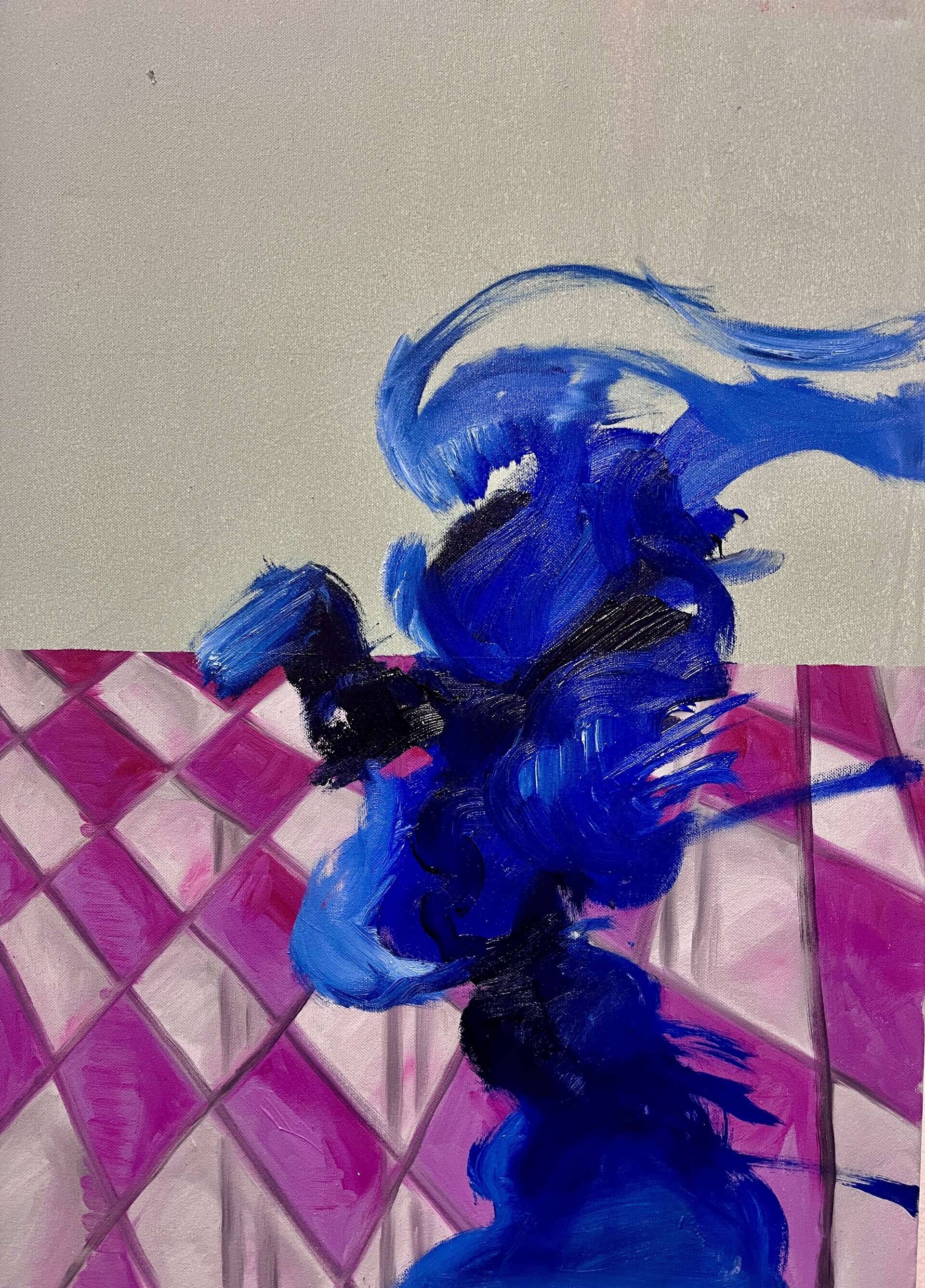
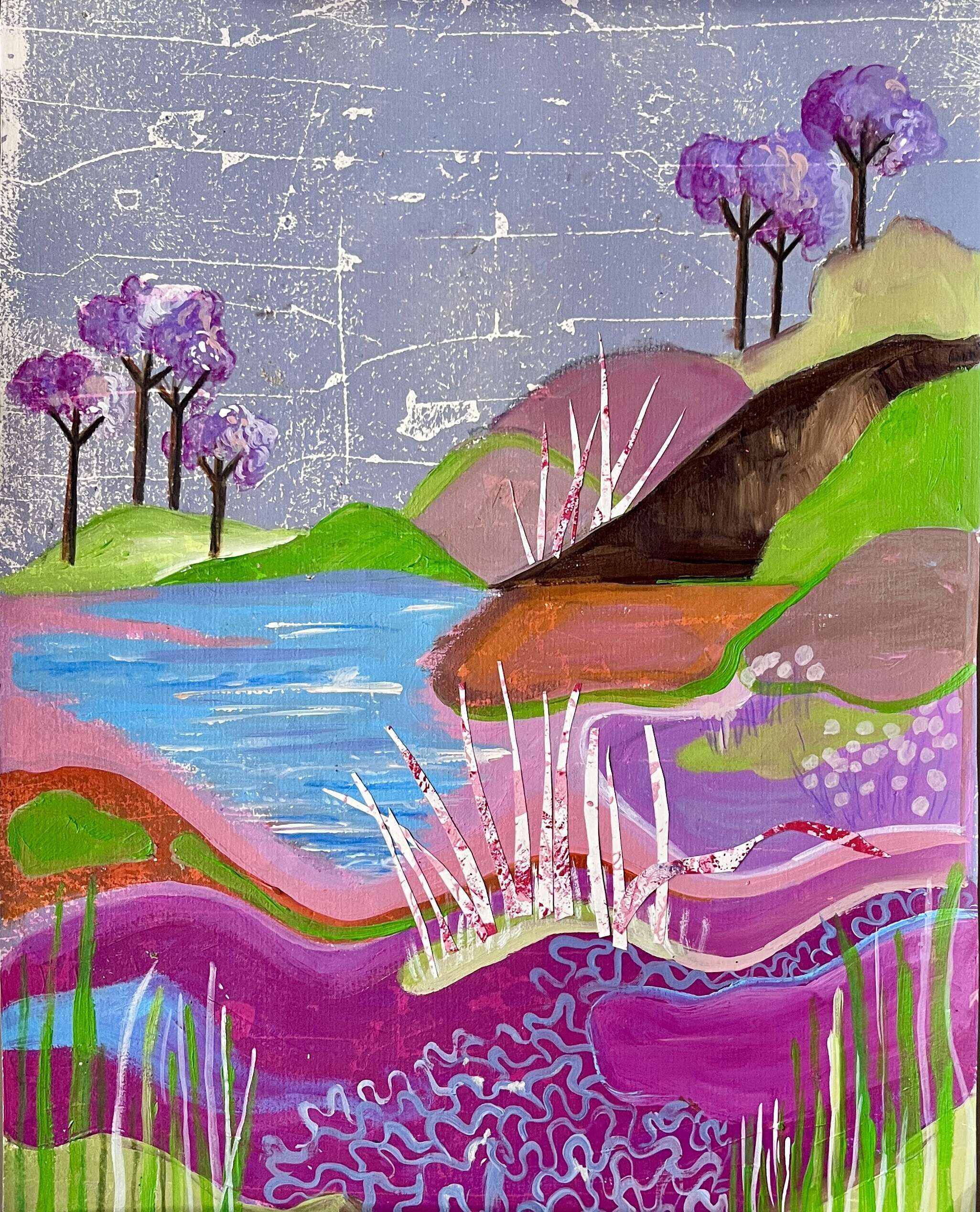
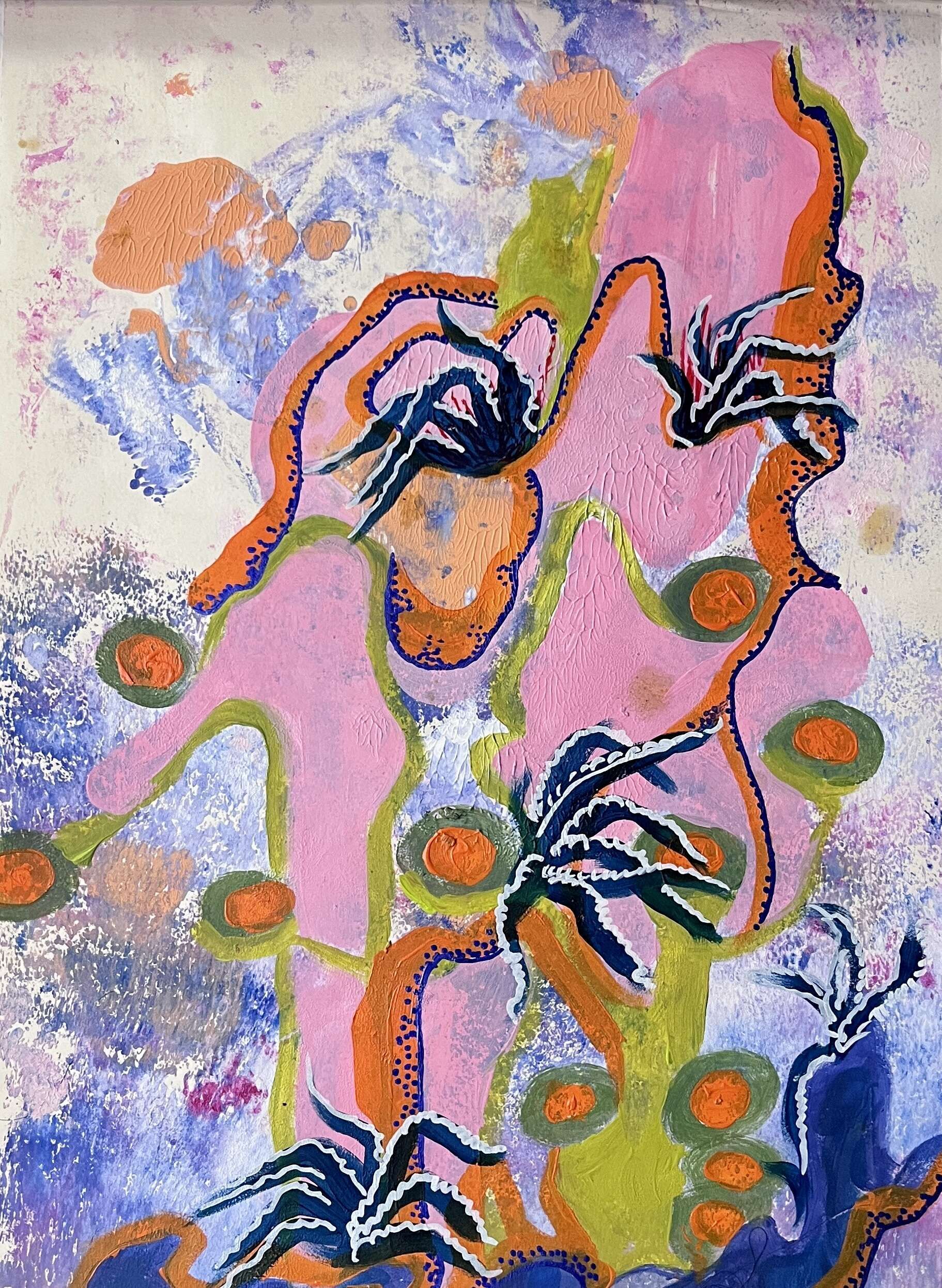
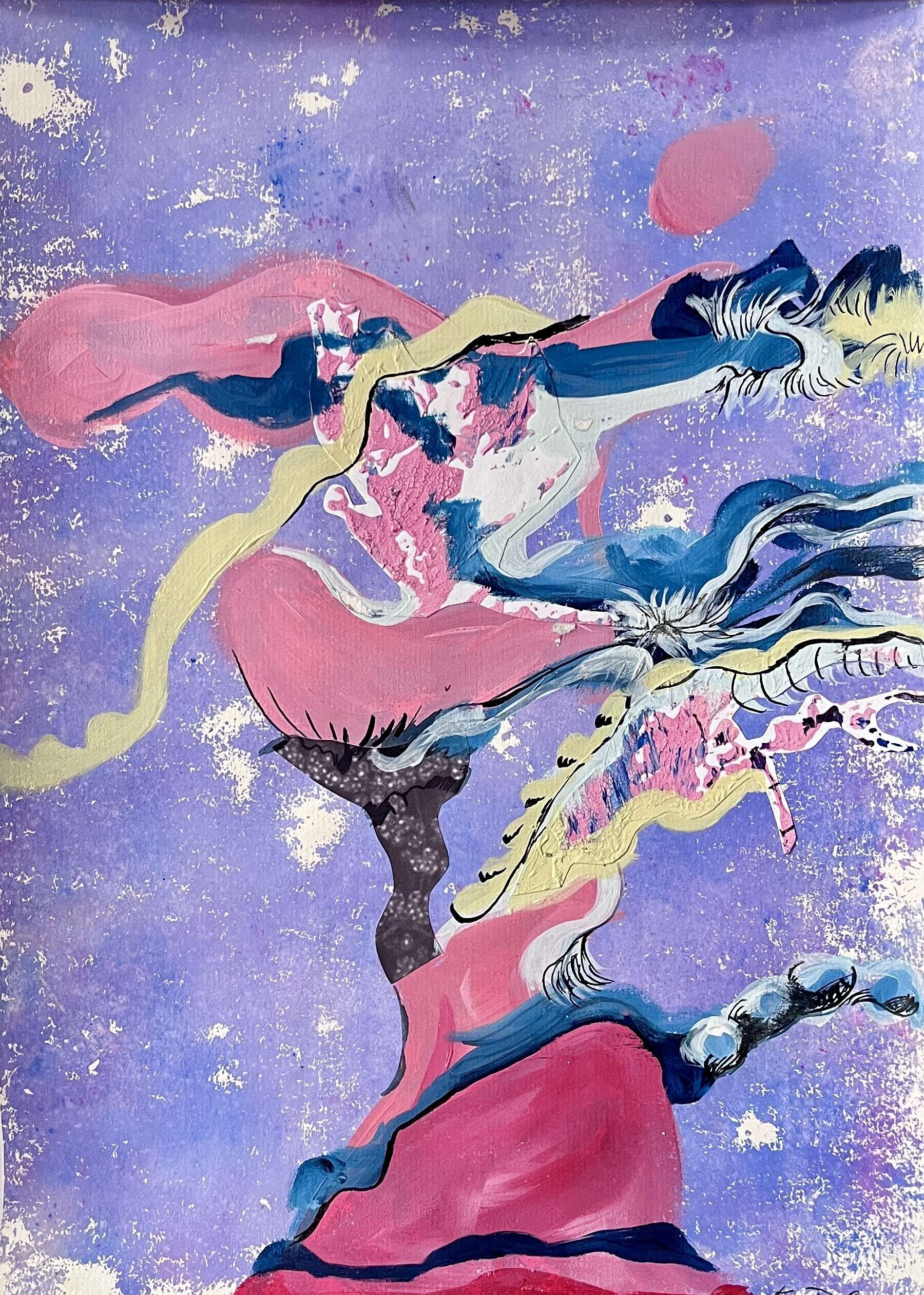
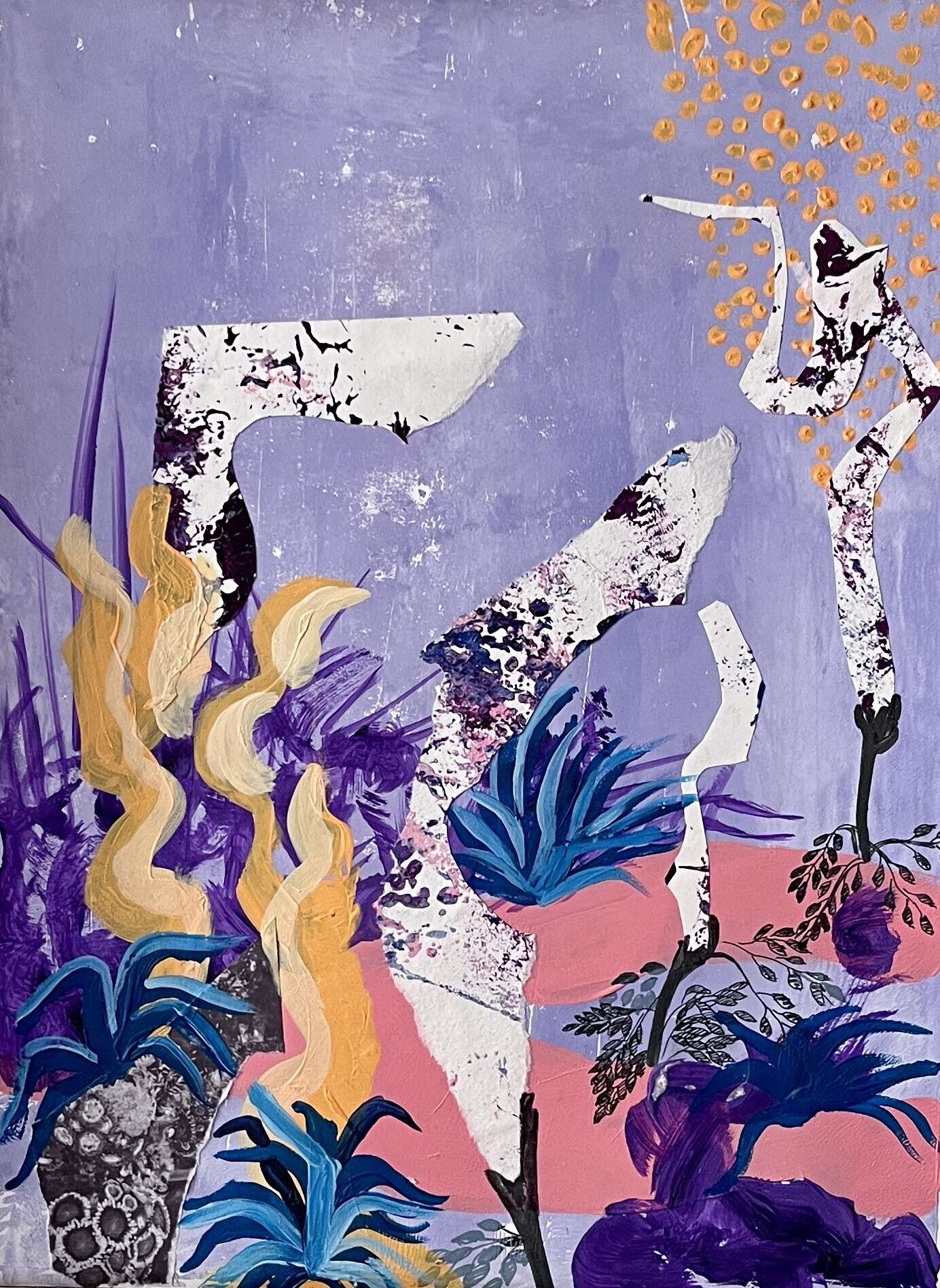
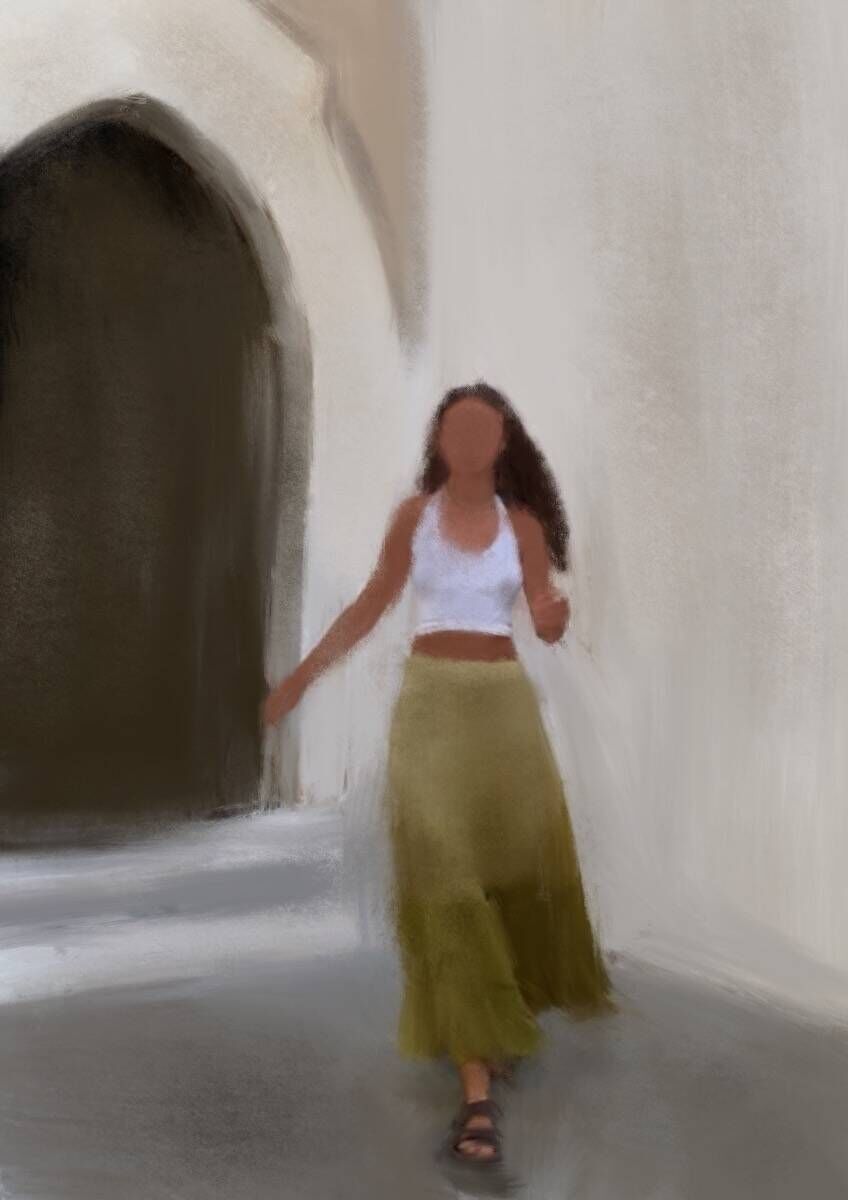
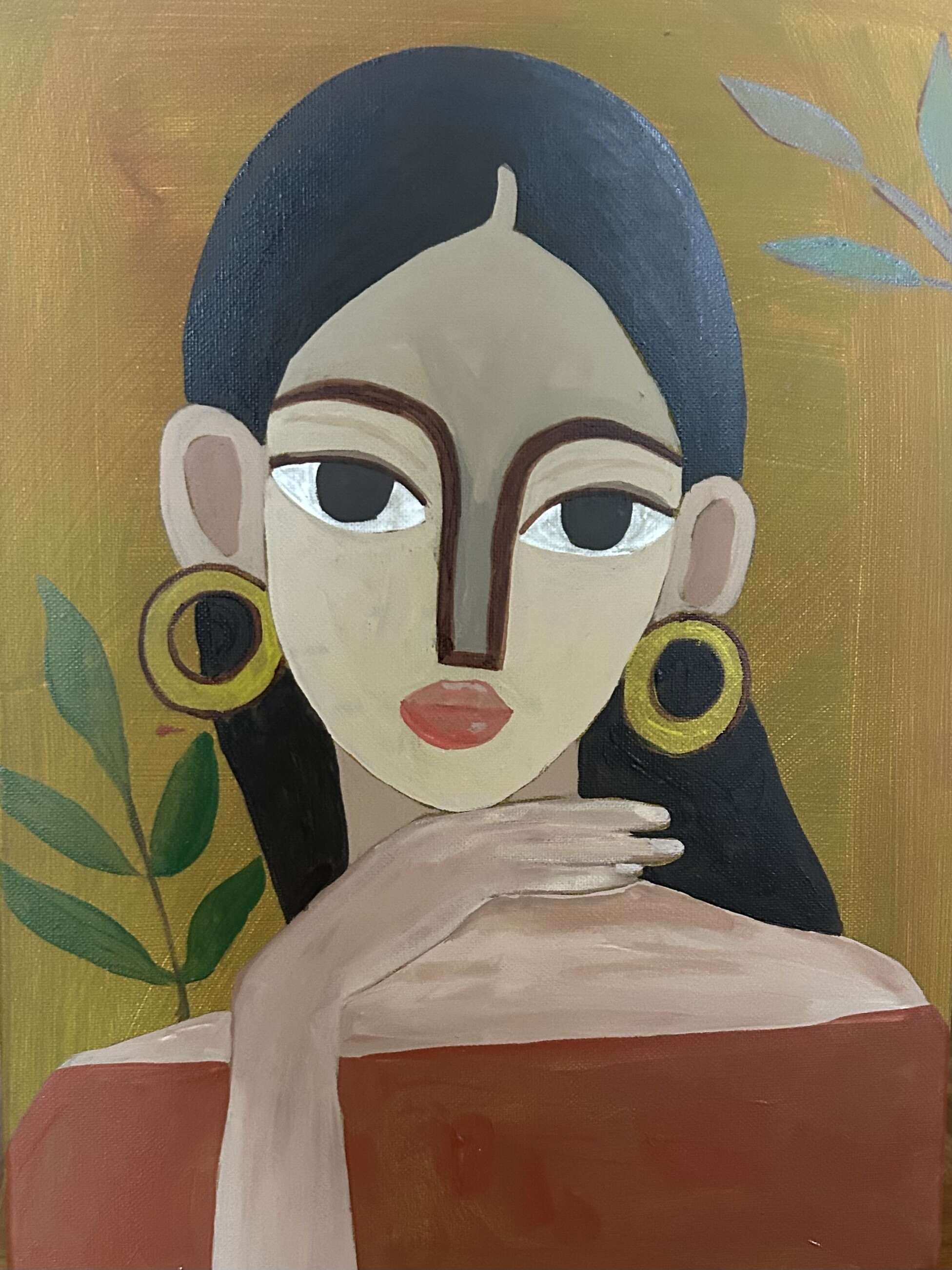
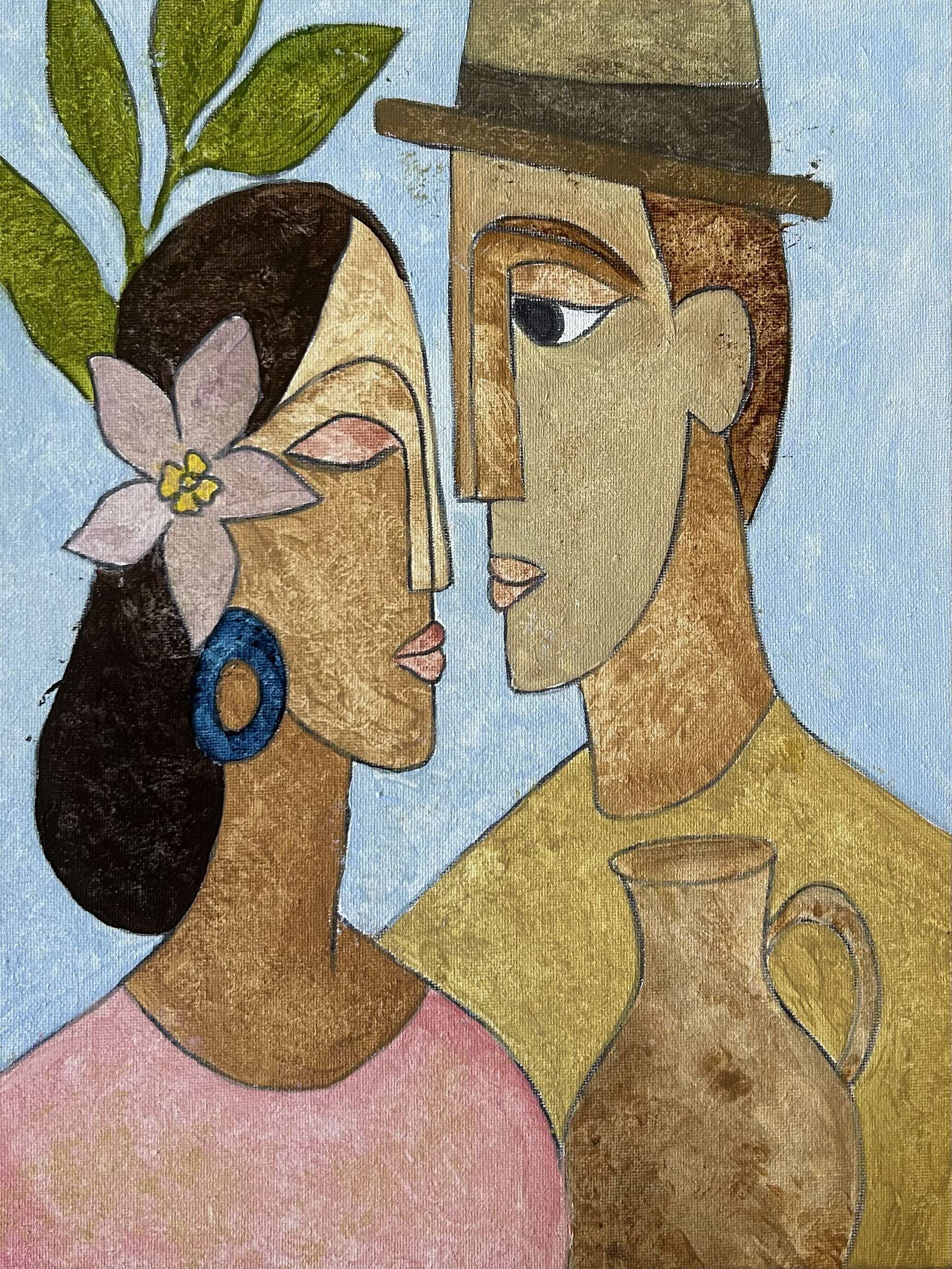
Ana Carmona Hernandez combines a love of experimentation with a keen sense of colour and form in her artistic practice. She is studying art at the University of Duisburg-Essen and draws inspiration from the diversity of creative techniques. Whether working digitally or with acrylics on canvas – Ana uses a variety of media to capture the facets of everyday life and bring emotions to life. Her works are characterised by playful curiosity, openness and an approach that emphasises the beauty in the interplay between observation and free interpretation.
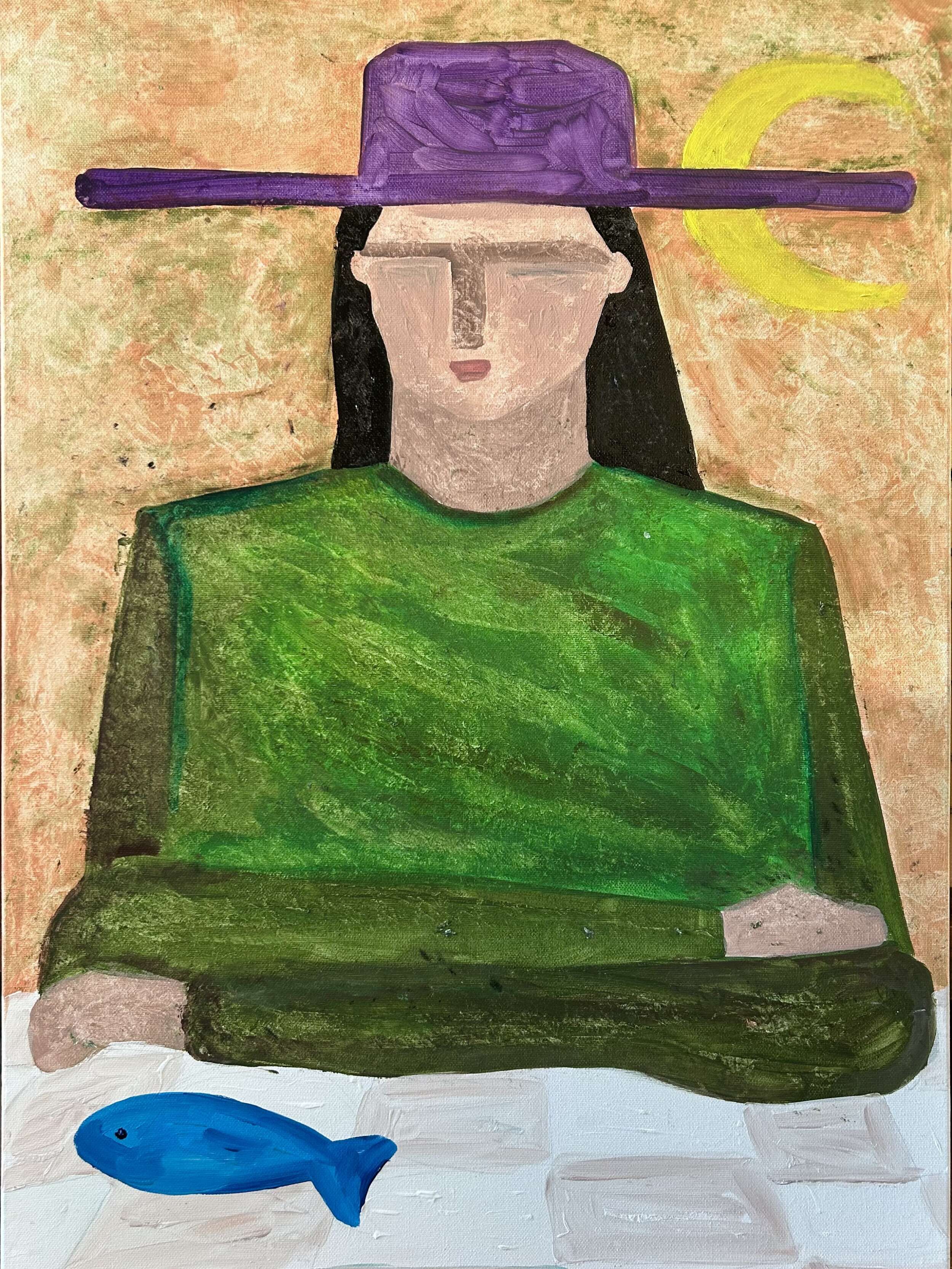
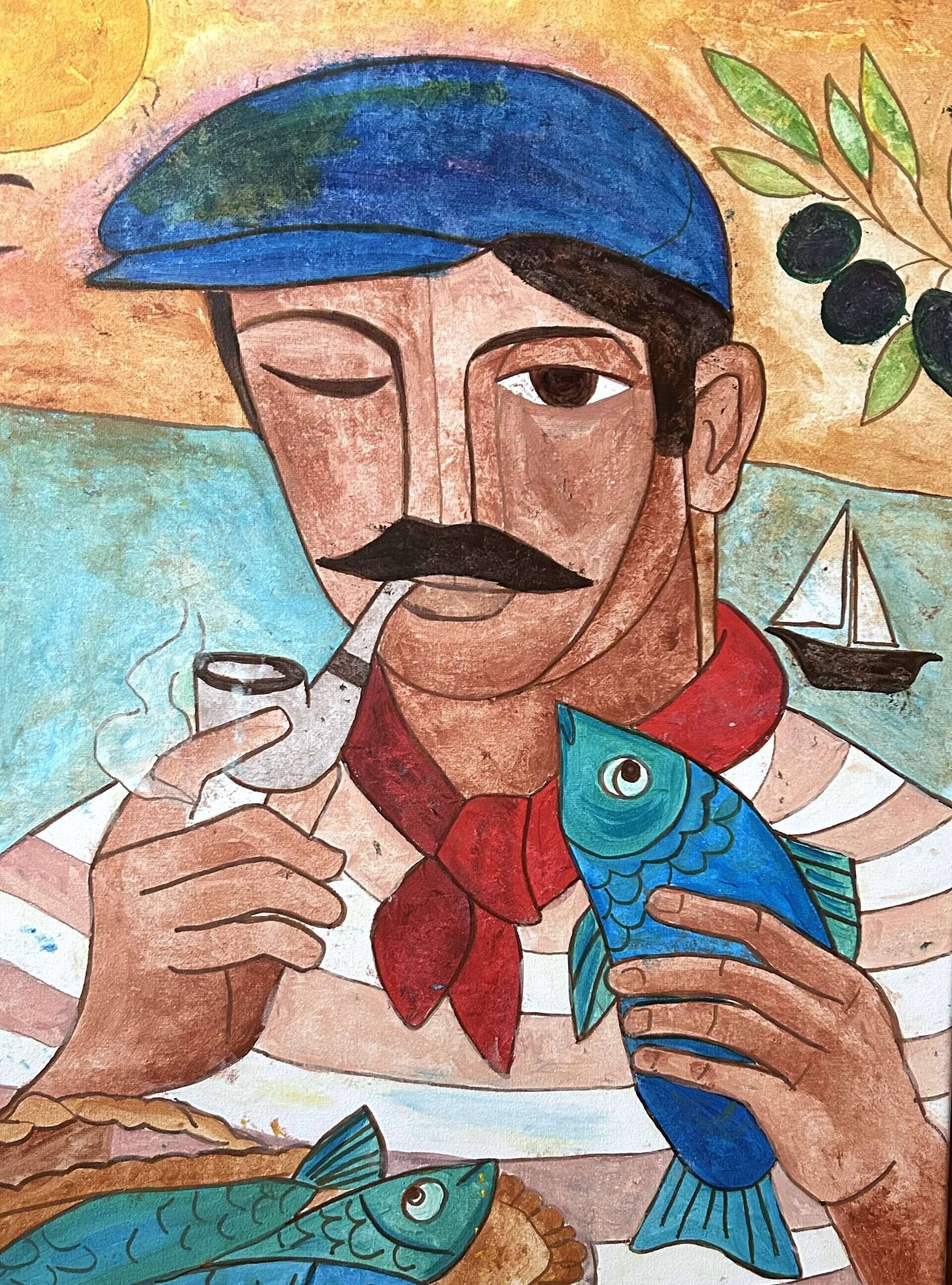
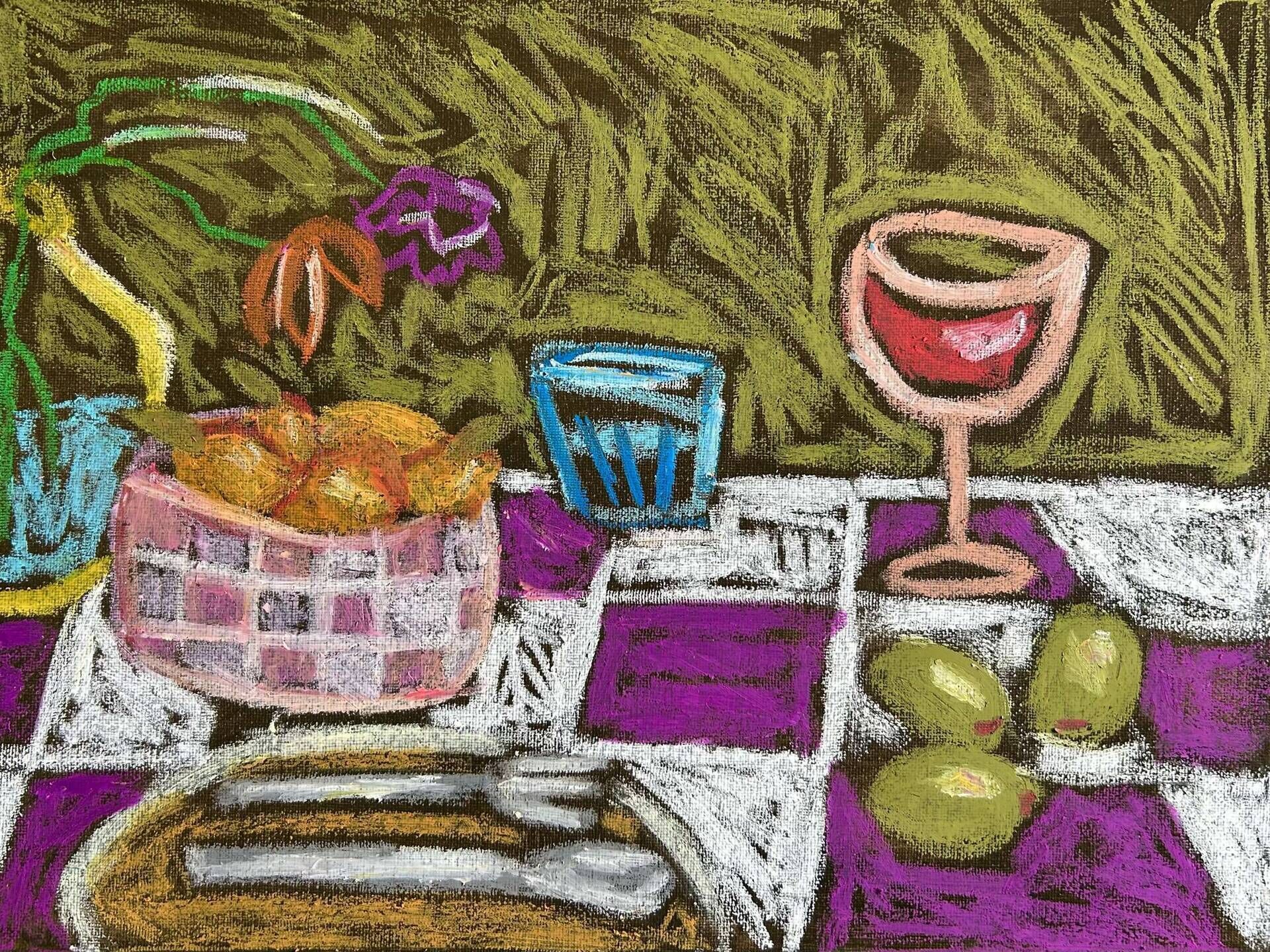
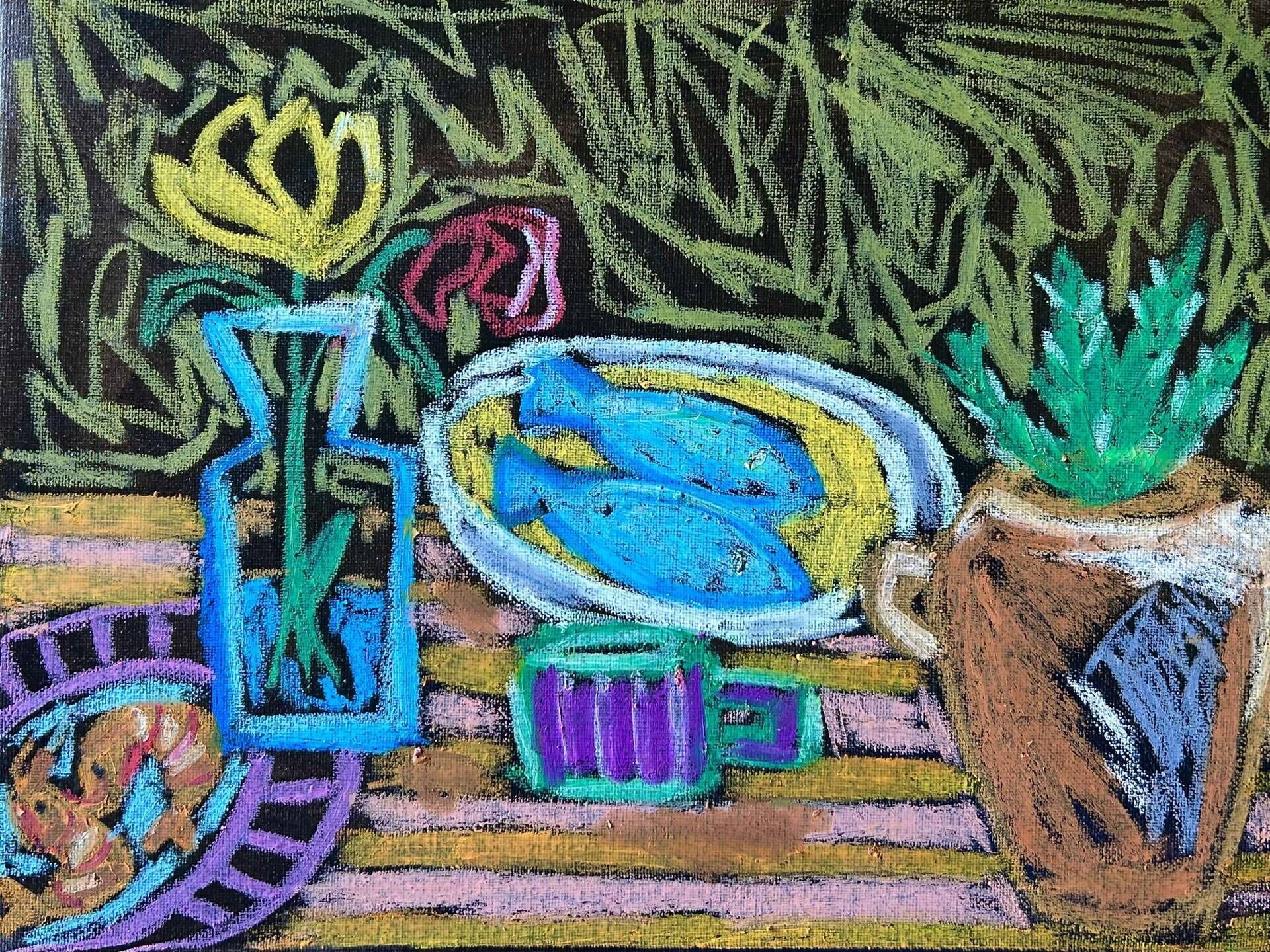
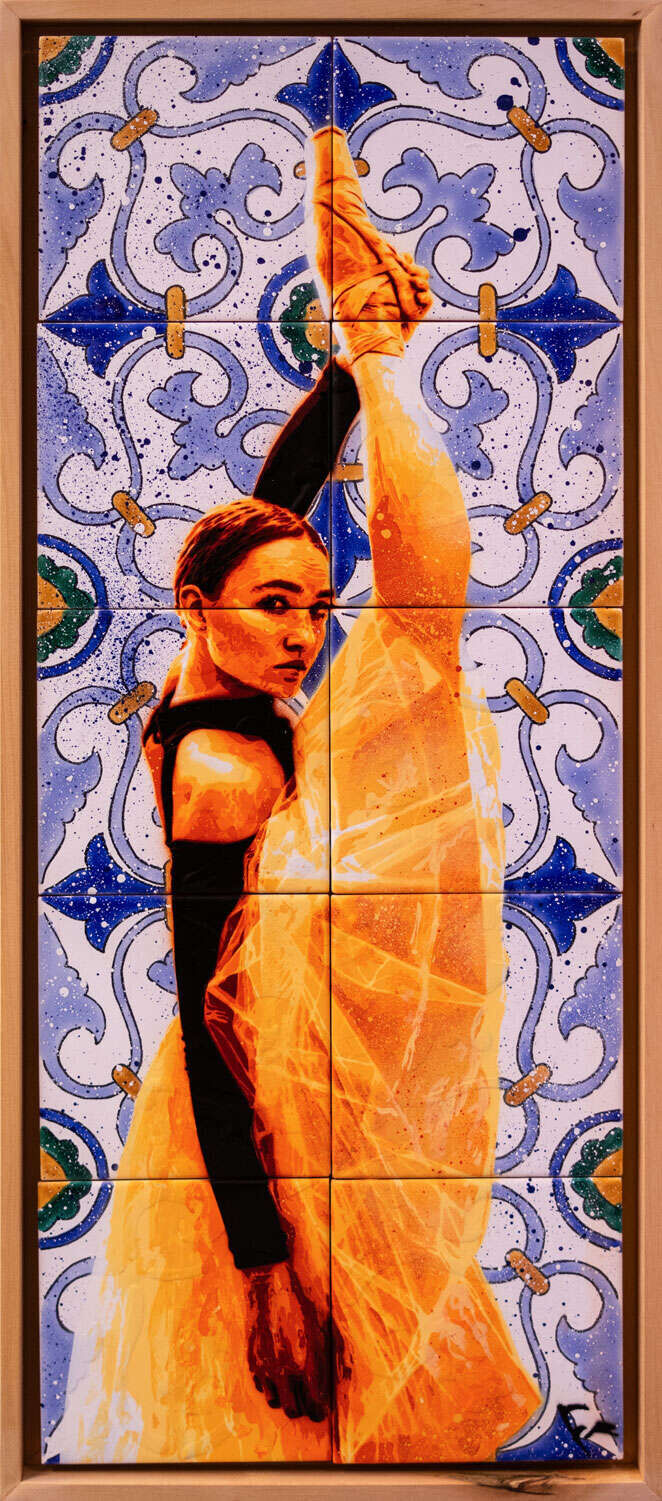
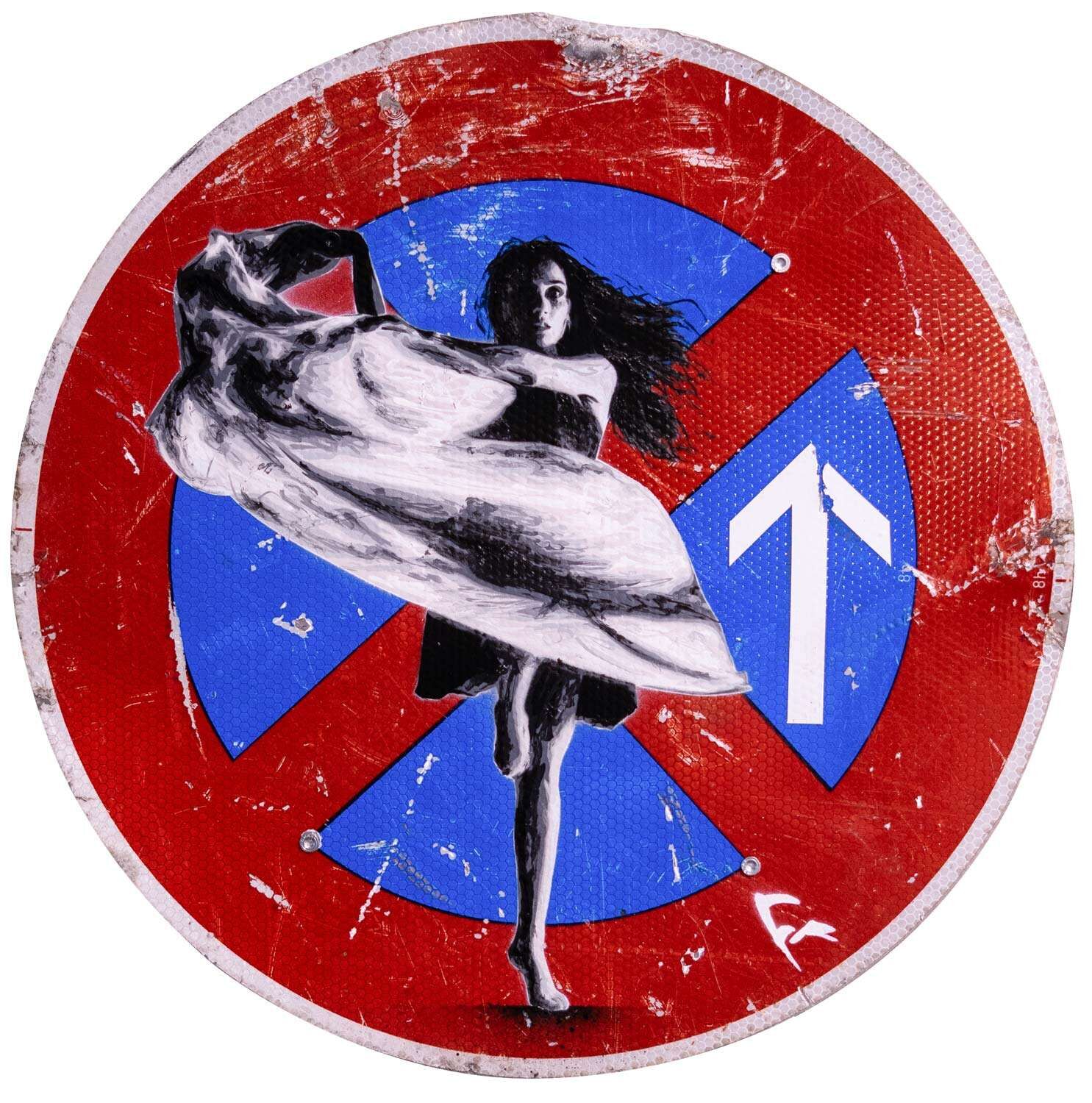
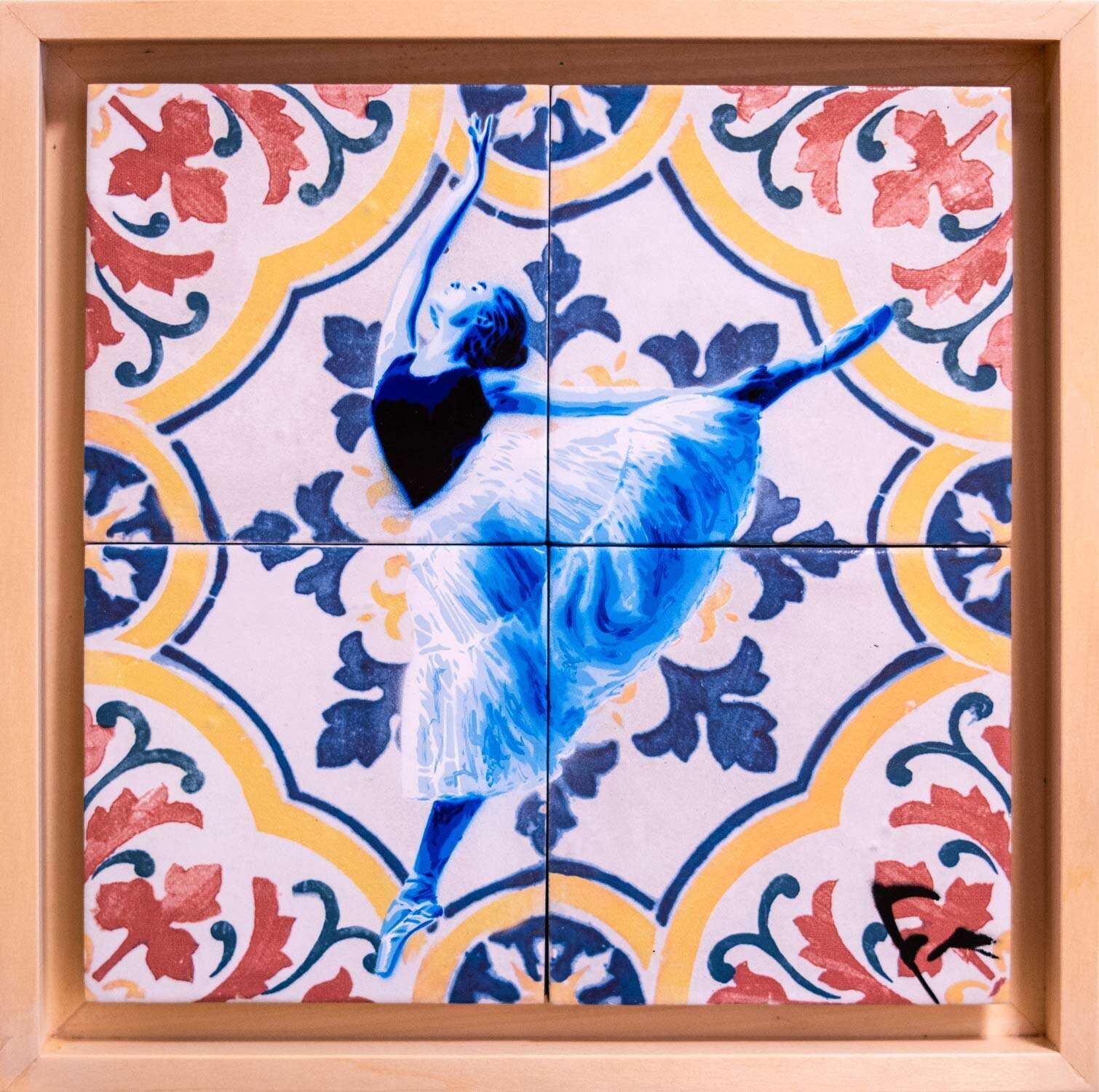
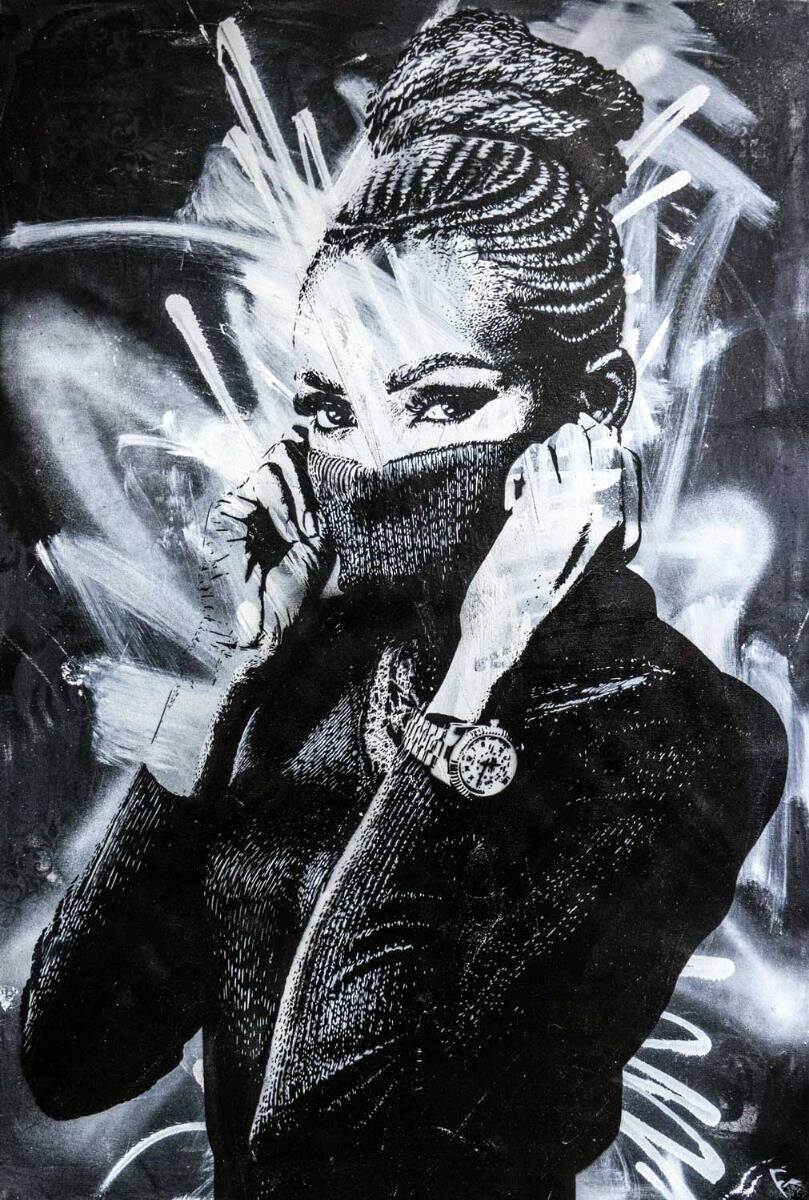
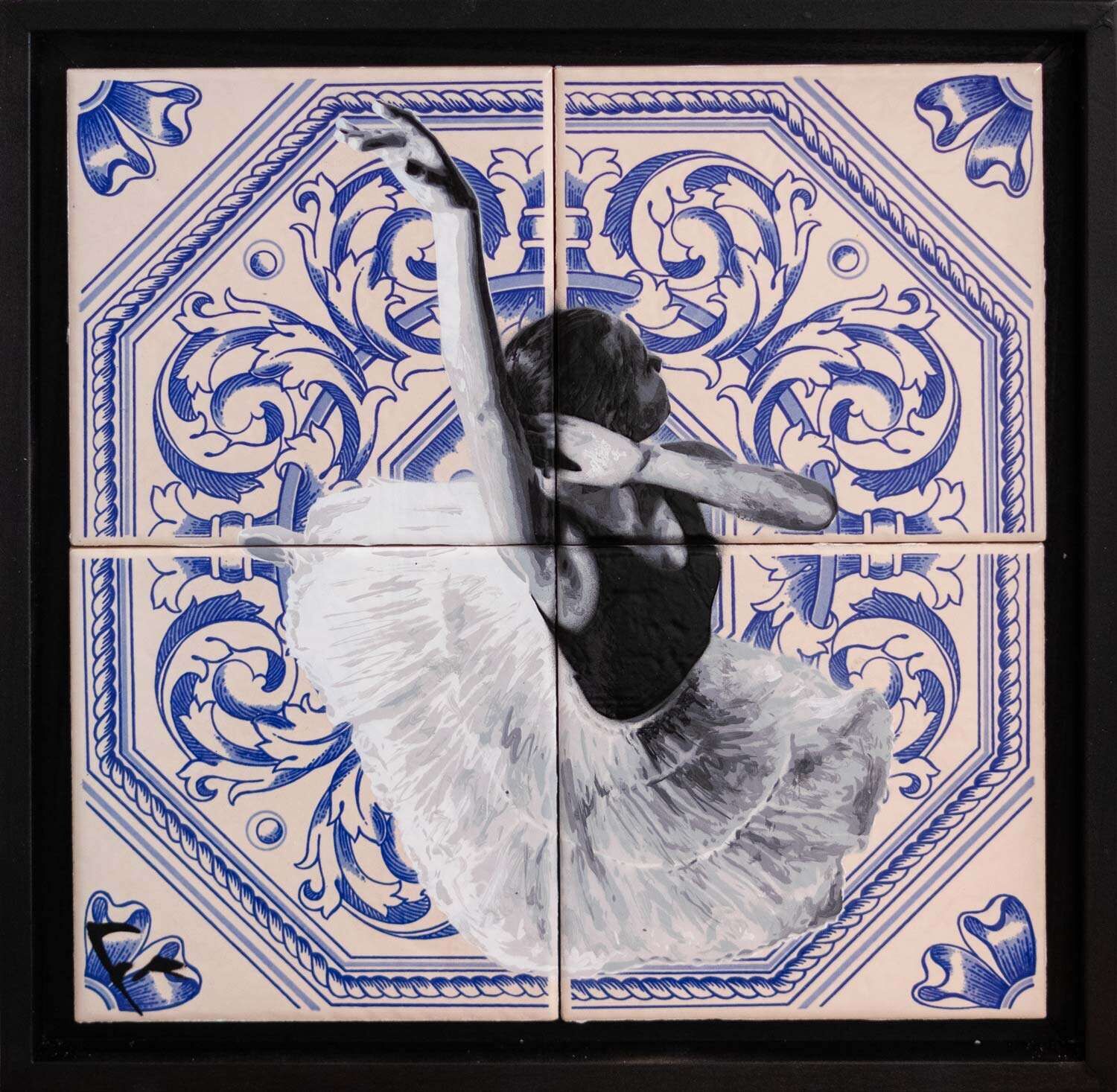
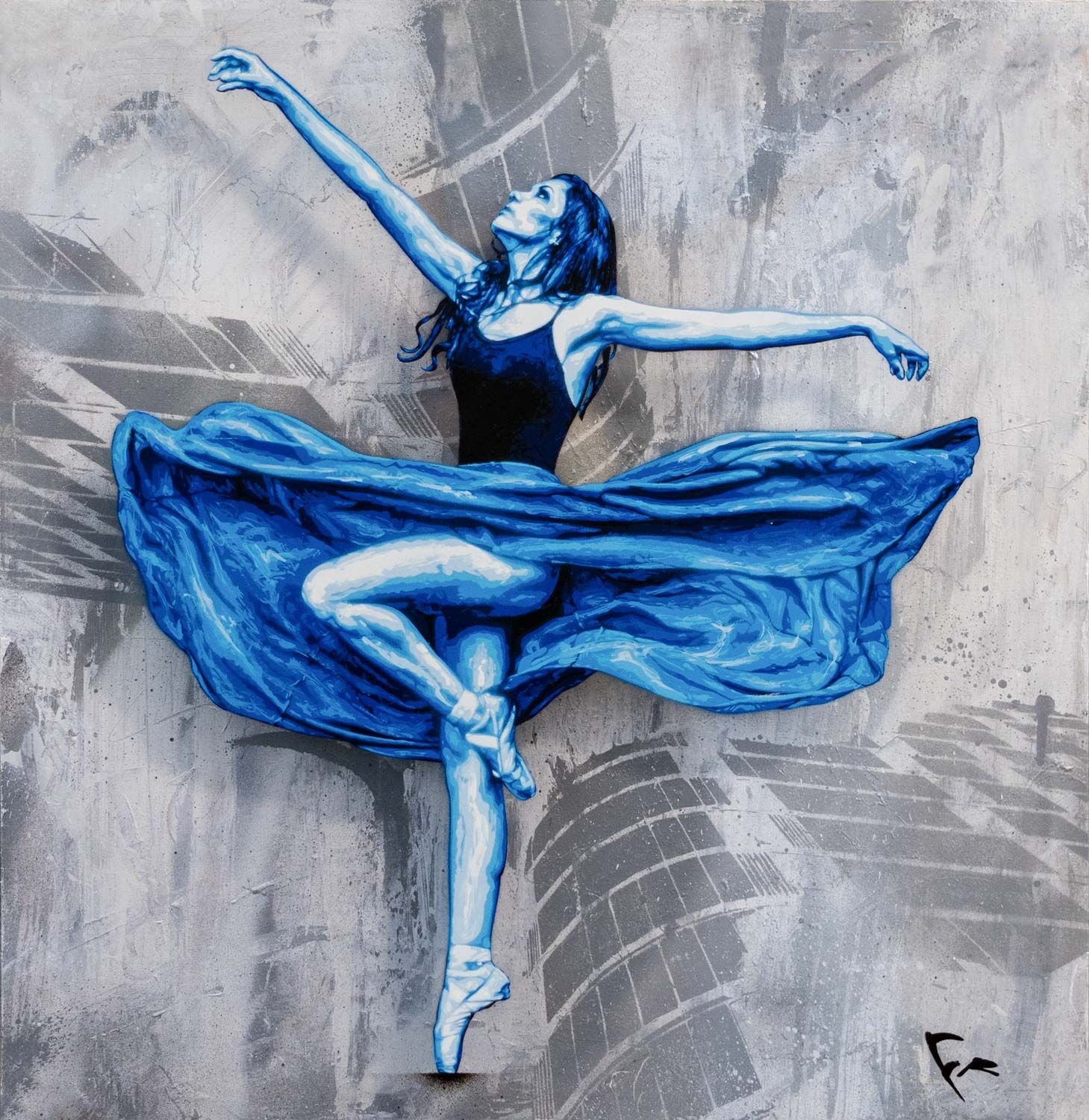
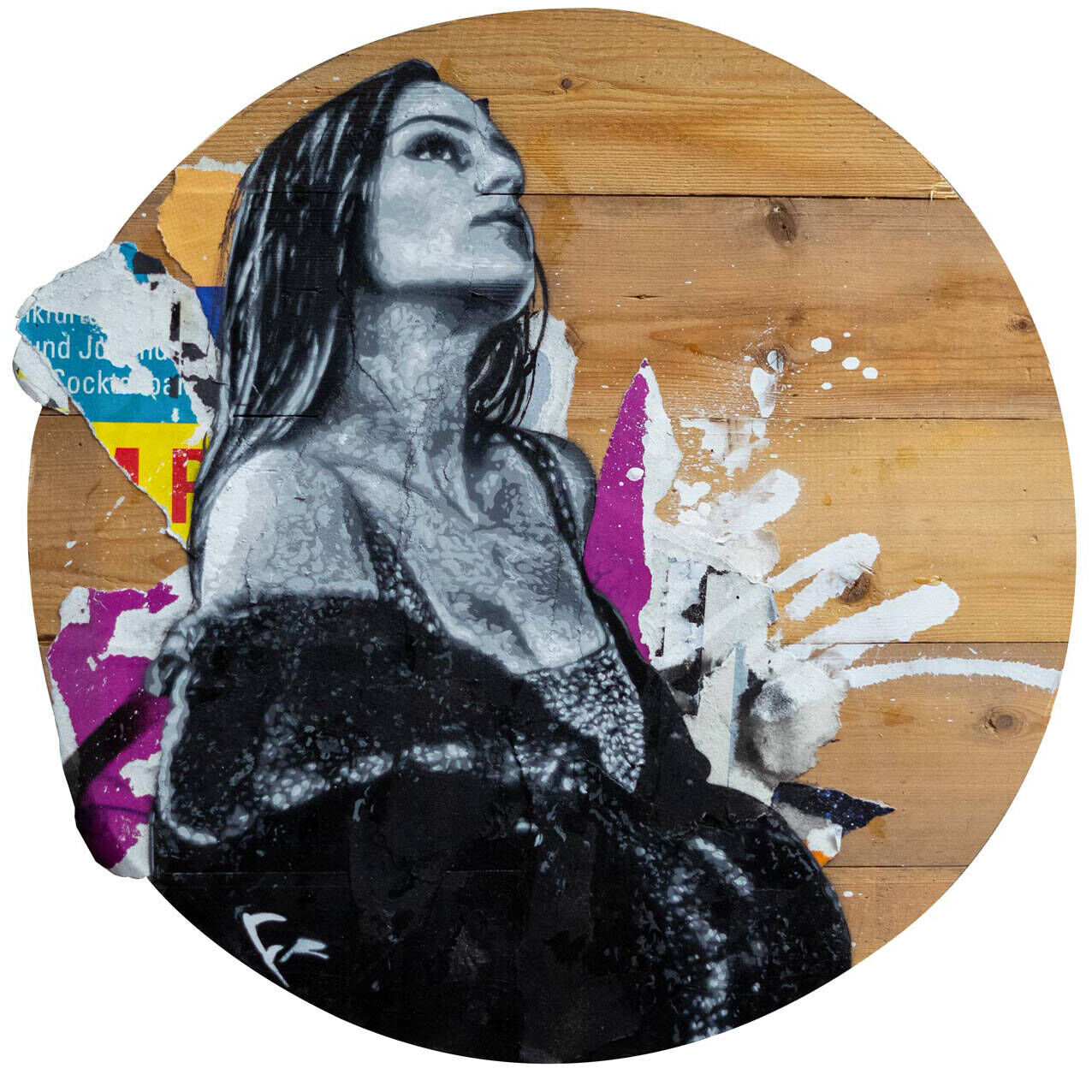
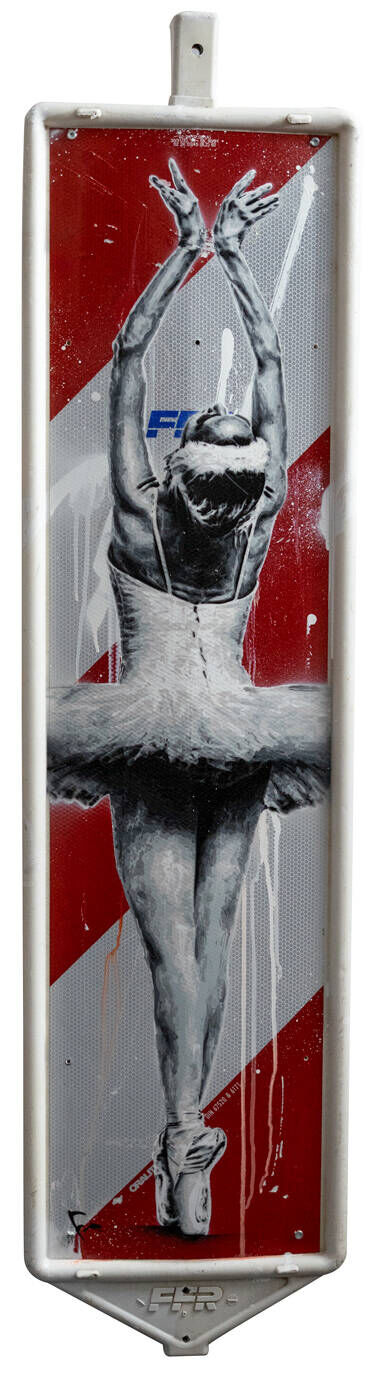
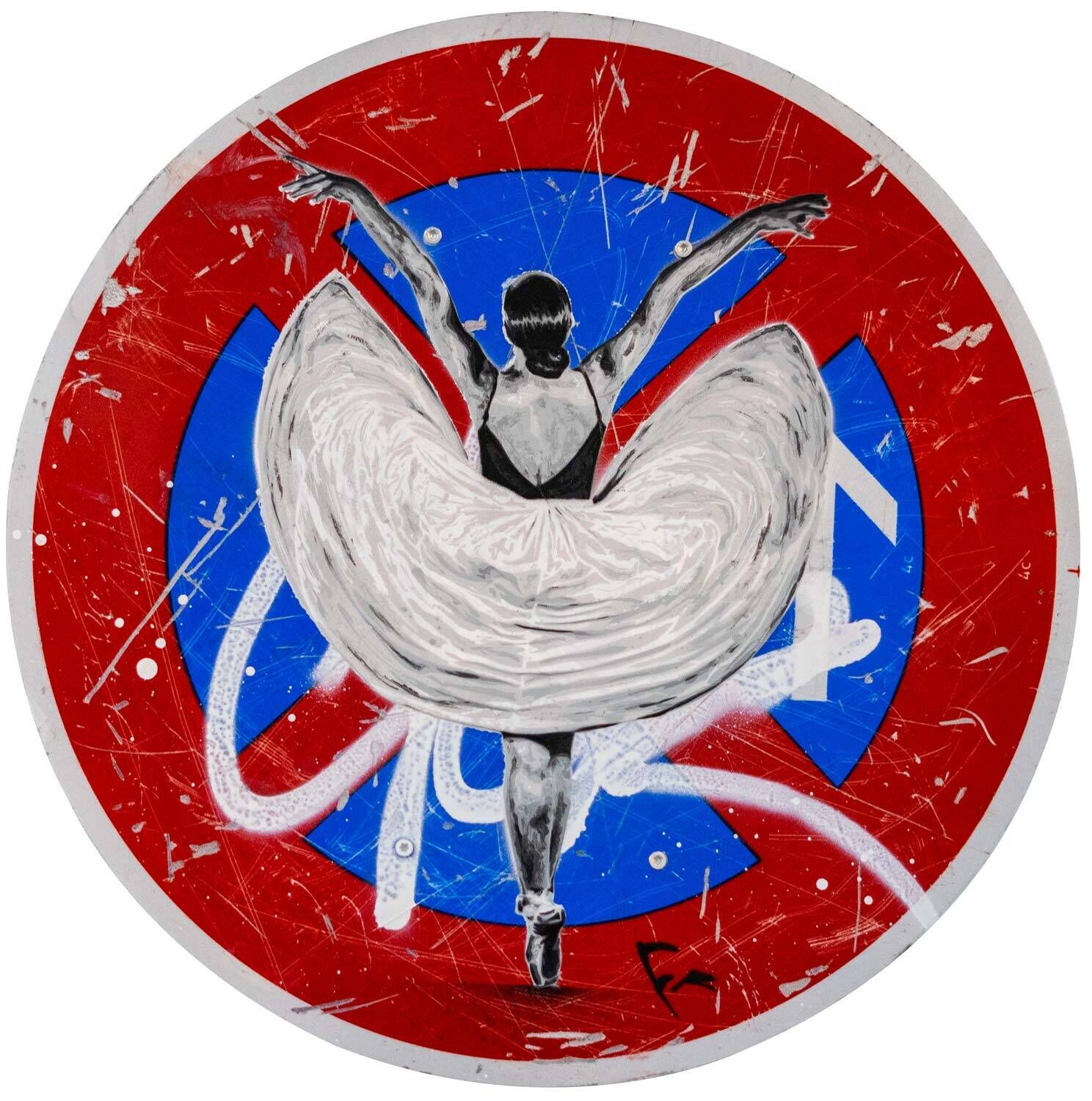
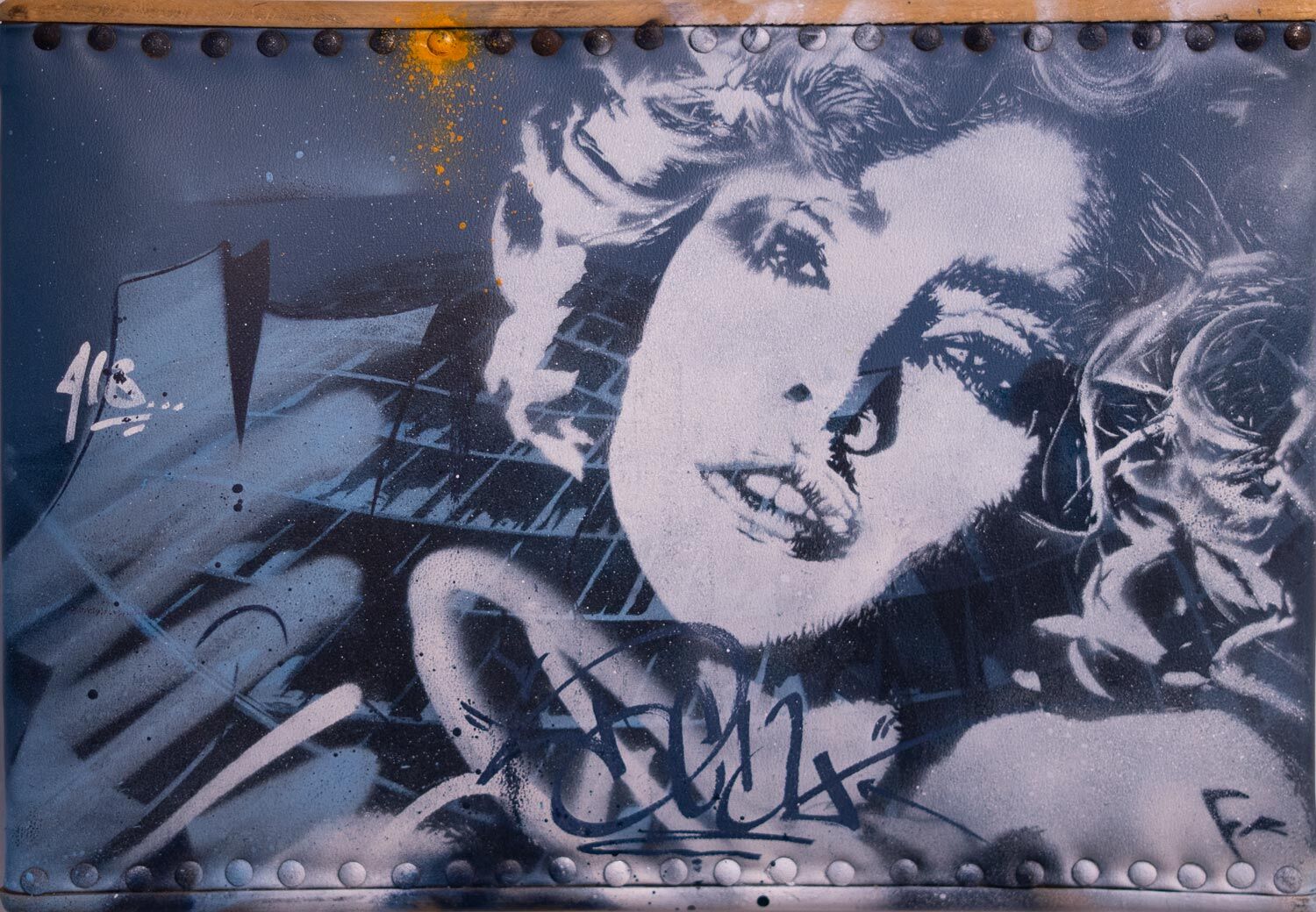
Frederick Reifsteck is studying art at Goethe University in Frankfurt am Main and has been part of the Student Art Market since August 2023. His works emerge from a dynamic interplay of precise craftsmanship and urban rawness. Frederick initially creates his portraits, dance and movement motifs using stencils he has cut out himself, which he then refines with gestural, impulsive brushstrokes. This combination of control and spontaneity characterises the unmistakable energy of his works. He also chooses unusual surfaces such as old road signs or wooden panels, into which he breathes new narrative life. National galleries and art fairs now feature prominently in his career, which is guided by a consistent interplay of contrasts.
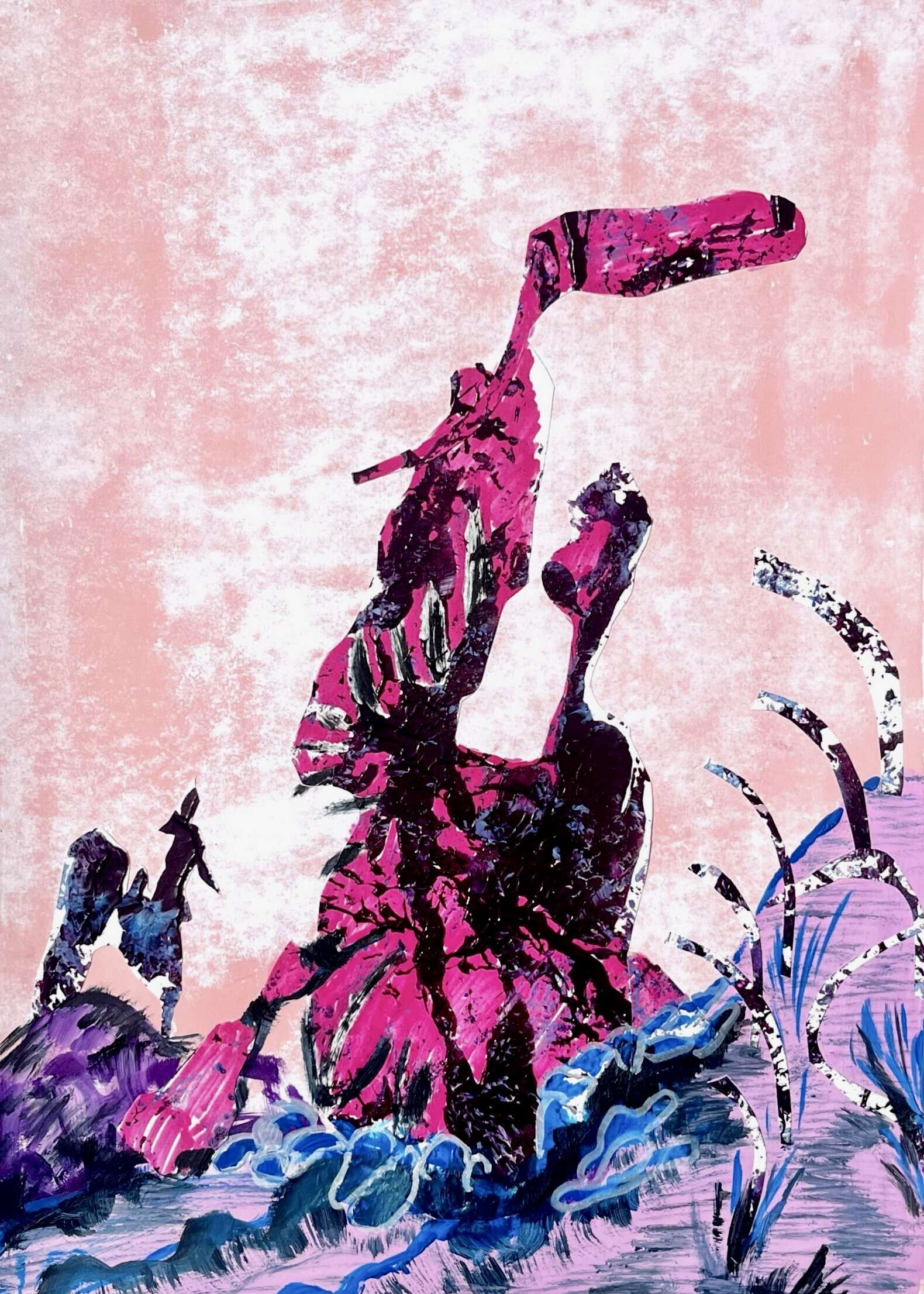
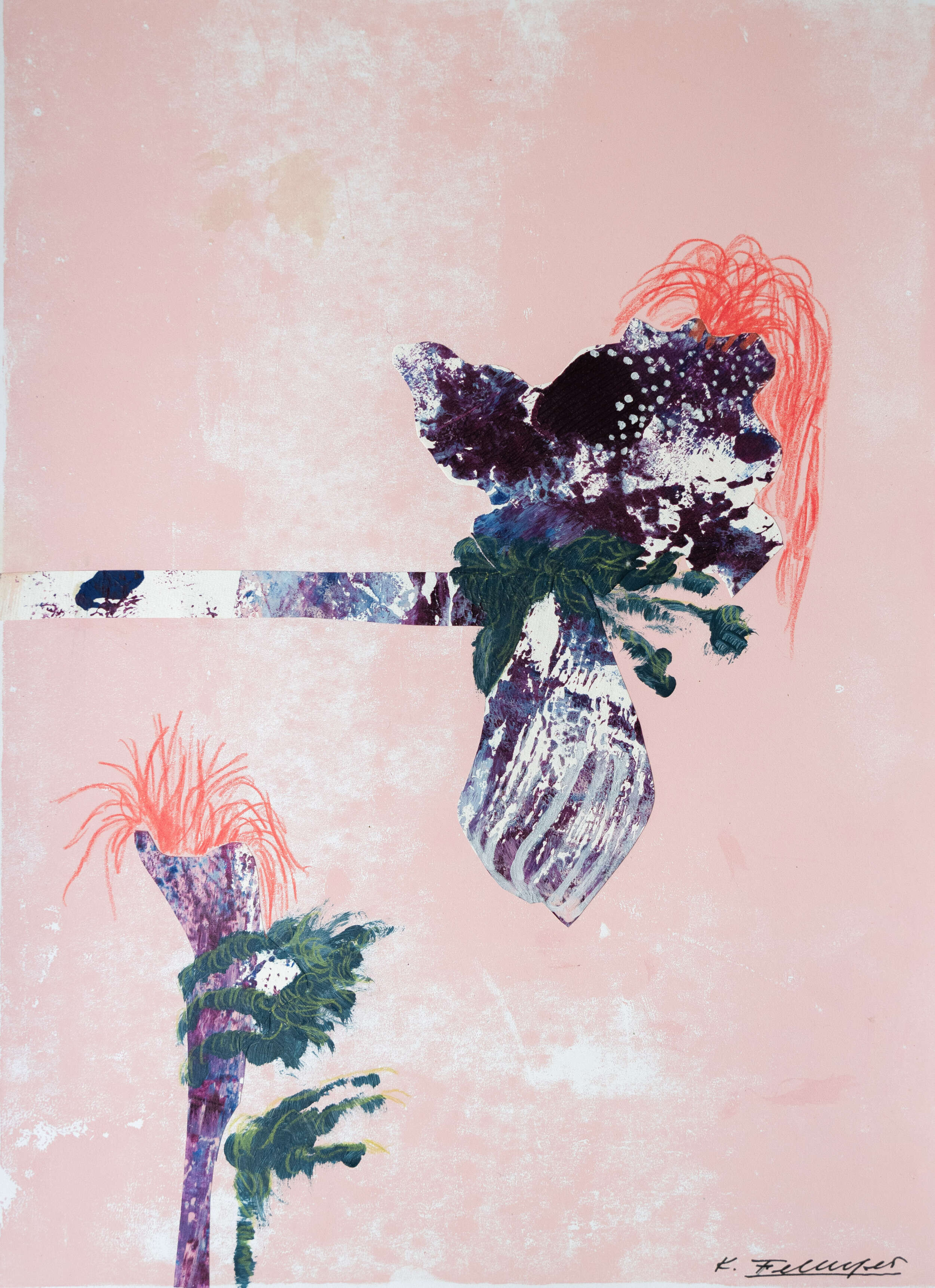
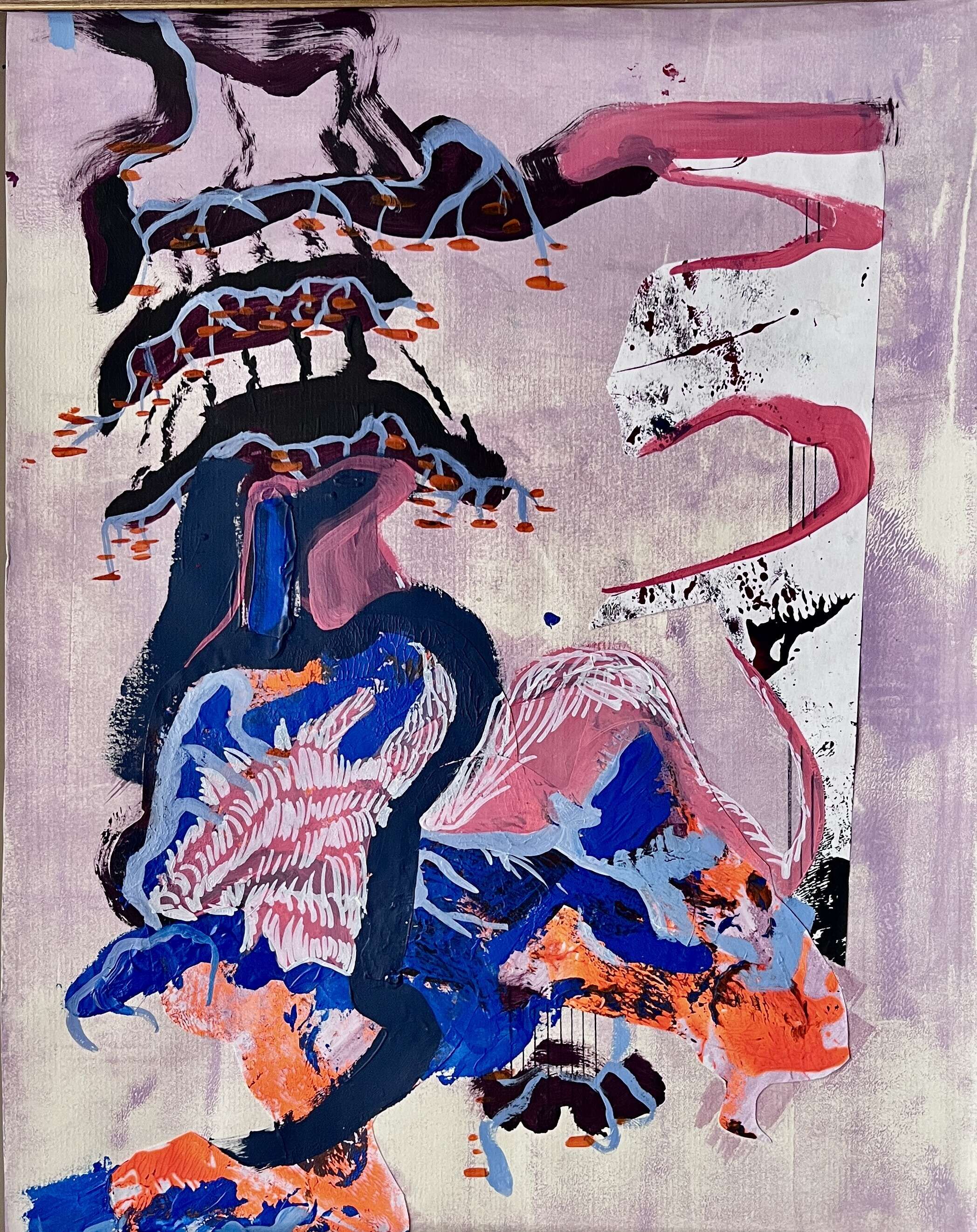
Kiki Felzinger, a fine art student at the Berlin University of the Arts, develops a style of painting that conceives of identity as a process of exploration and a field of tension. Over the course of months, she layers paint, reworks materials and strips back canvases – until a resistance emerges that becomes the foundation of her visual worlds. Amidst abstracted figures, fragments of landscape and cactus-like formations, a sensitive exploration of social experience, fragility and inner perception emerges. Shaped by her life story, spanning Transnistria and East Germany, her works carry within them the echo of harsh realities as well as moments of quiet suggestion. Kiki’s art opens up an in-between space that invites us to pause and raises questions about authenticity, action and community. Her projects range from exhibitions to workshops – always underpinned by an approach that offers spaces for reflection rather than ready-made answers.