Mythological paintings and their stories
Mythological paintings open up a world in which divine figures, mythical creatures and ancient tales come to life through colour and form. For millennia, these depictions have fascinated us because they not only tell stories, but also reflect humanity’s deepest longings, fears and hopes. In every mythological painting, reality, dream and tradition merge to form a truth of their own – a truth that moves us emotionally and inspires us intellectually.
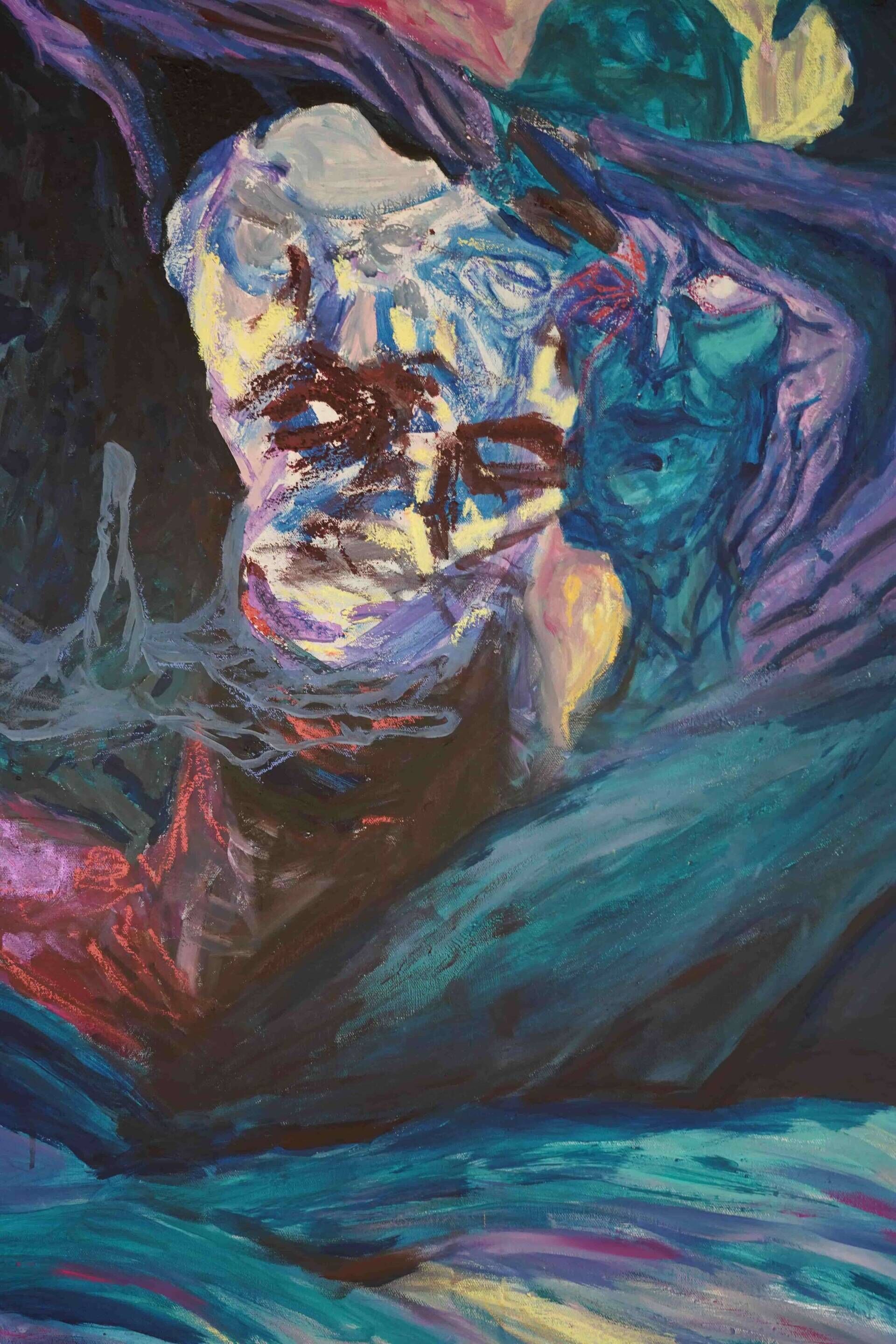
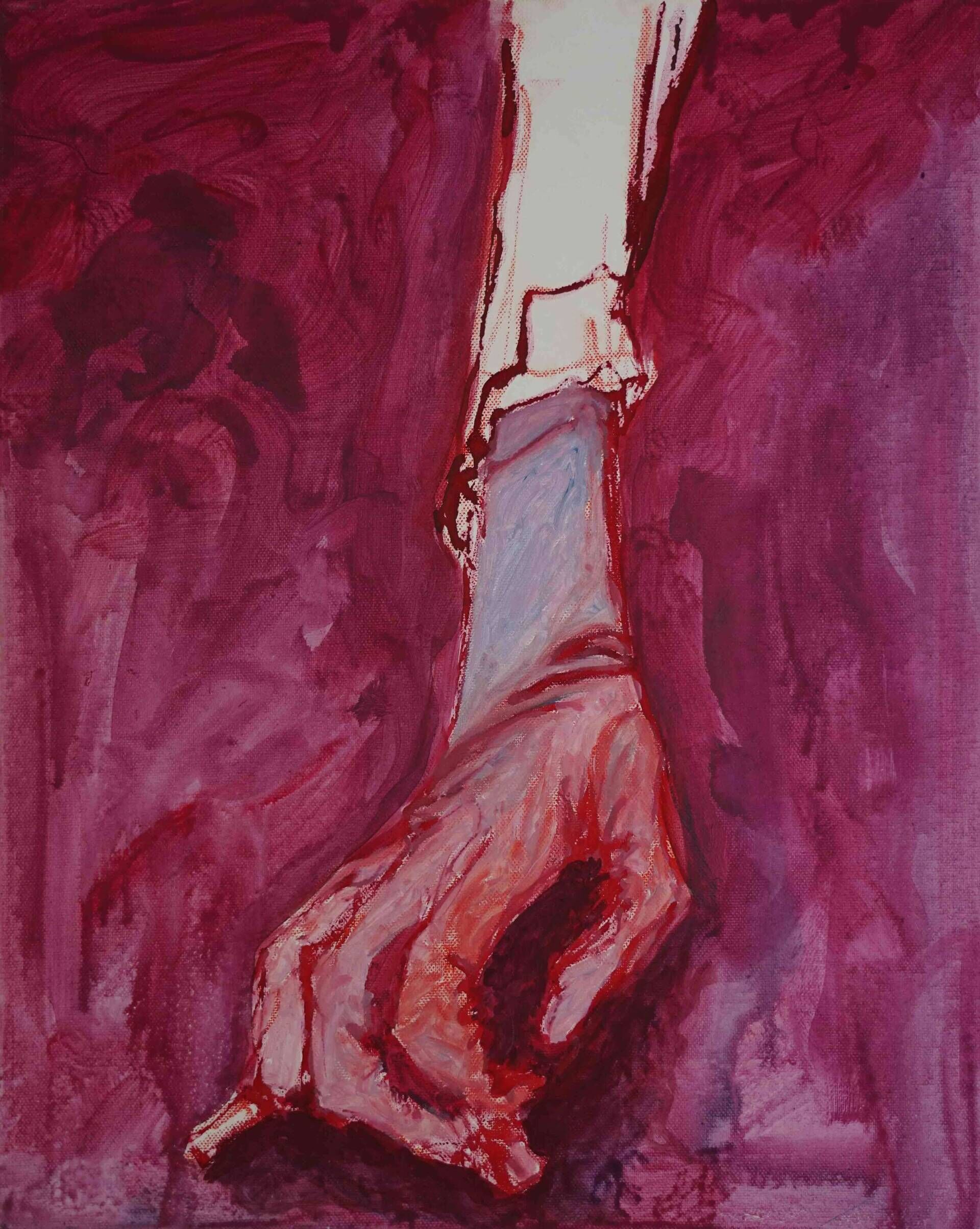
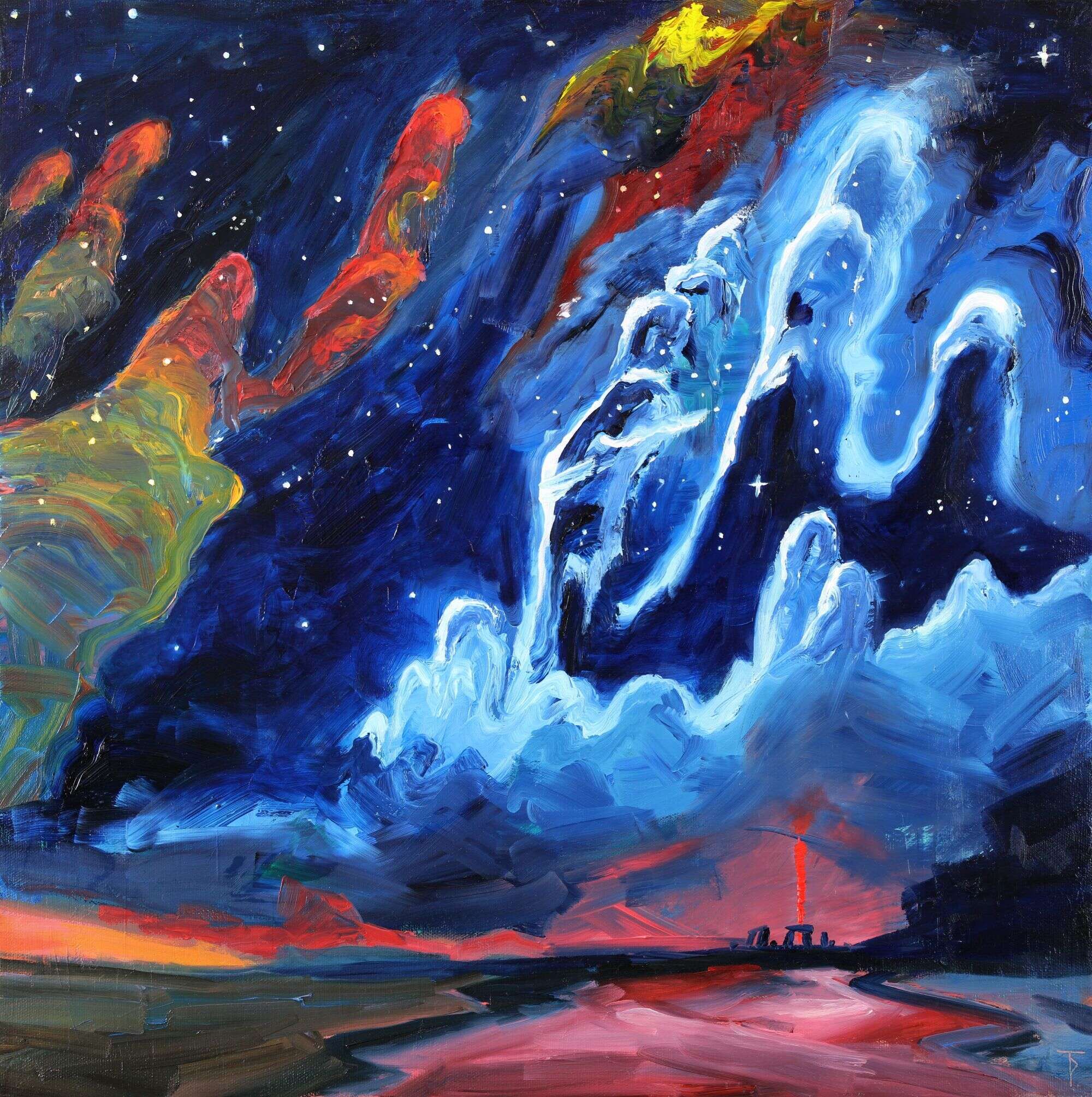
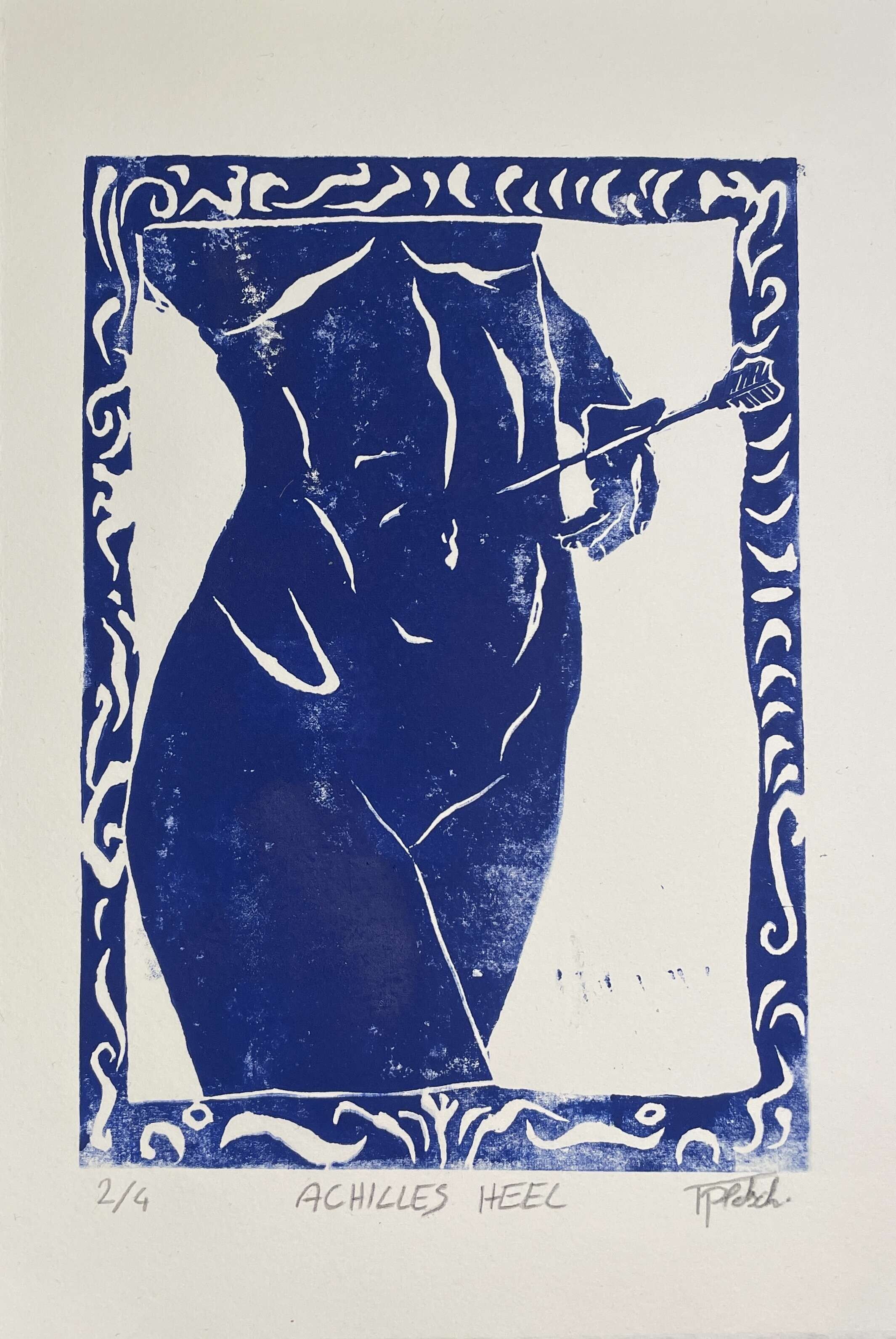
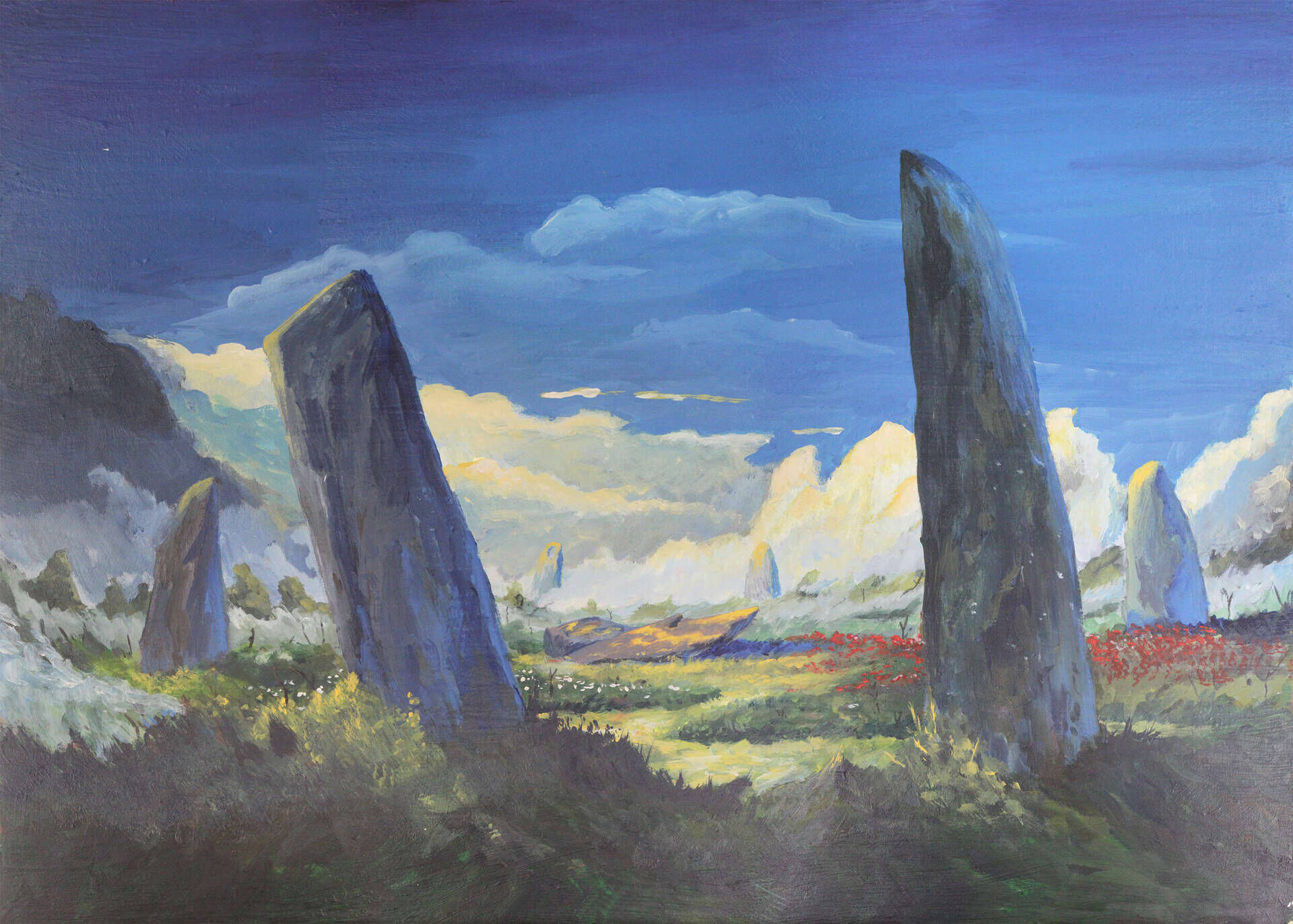
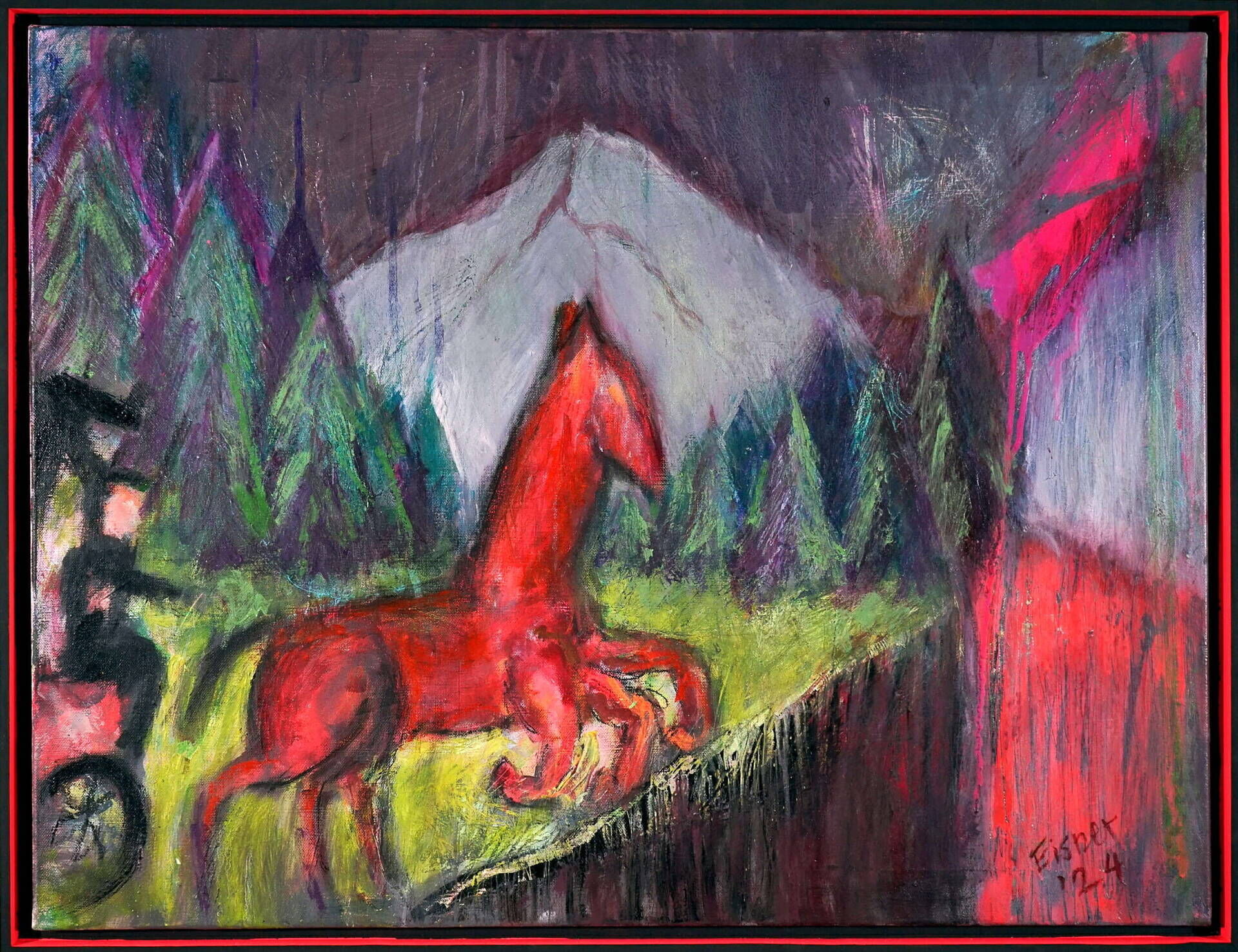
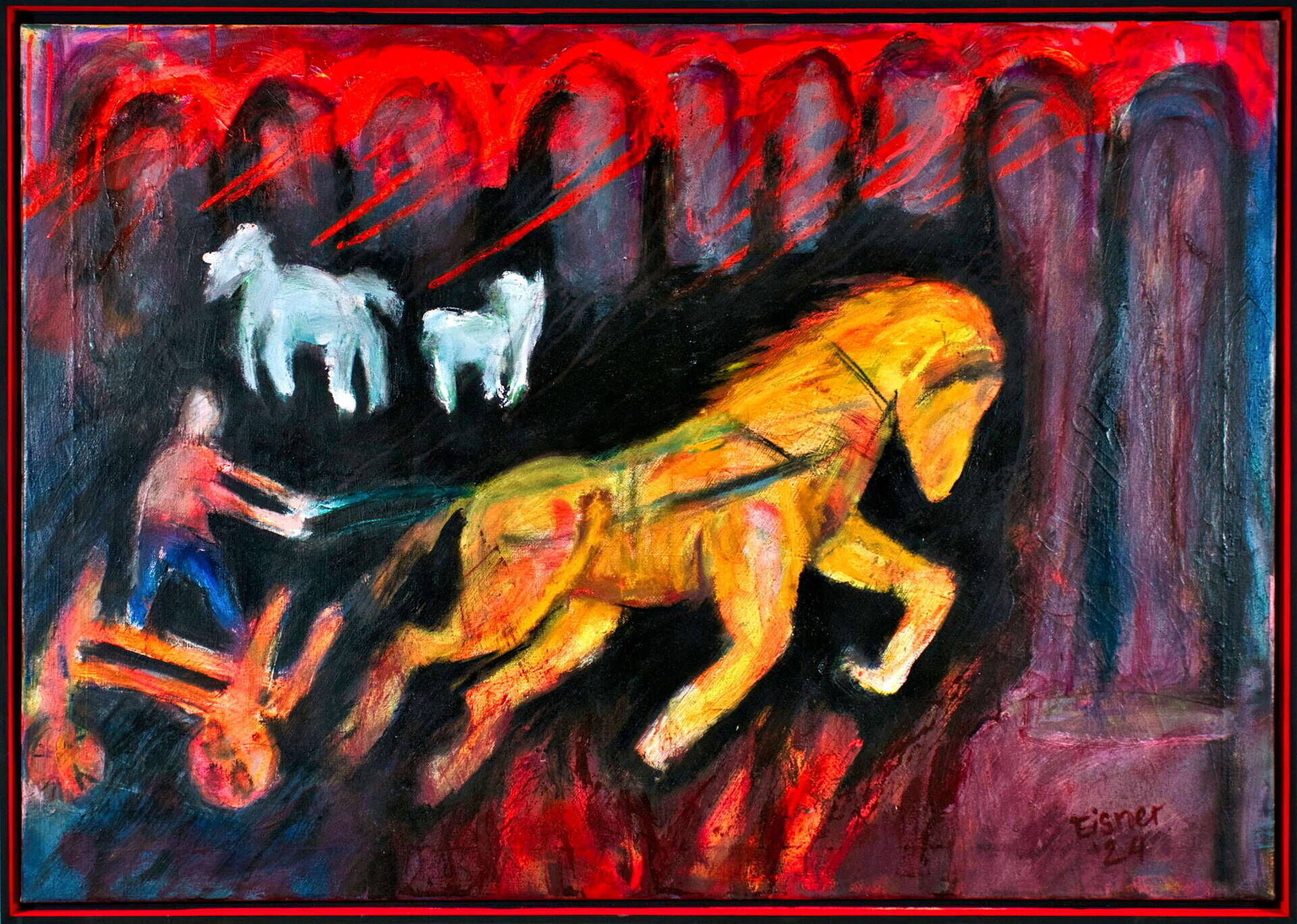
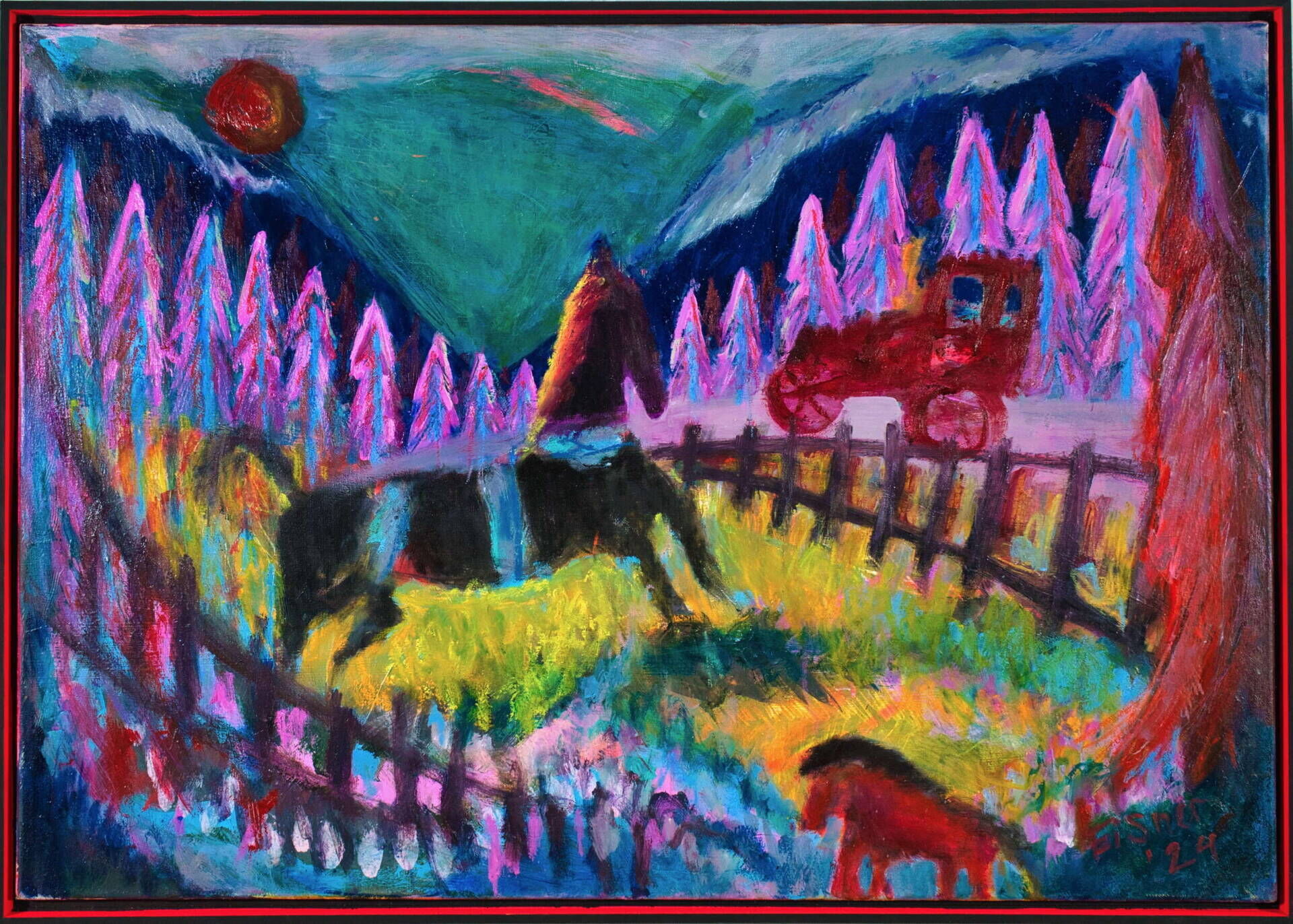
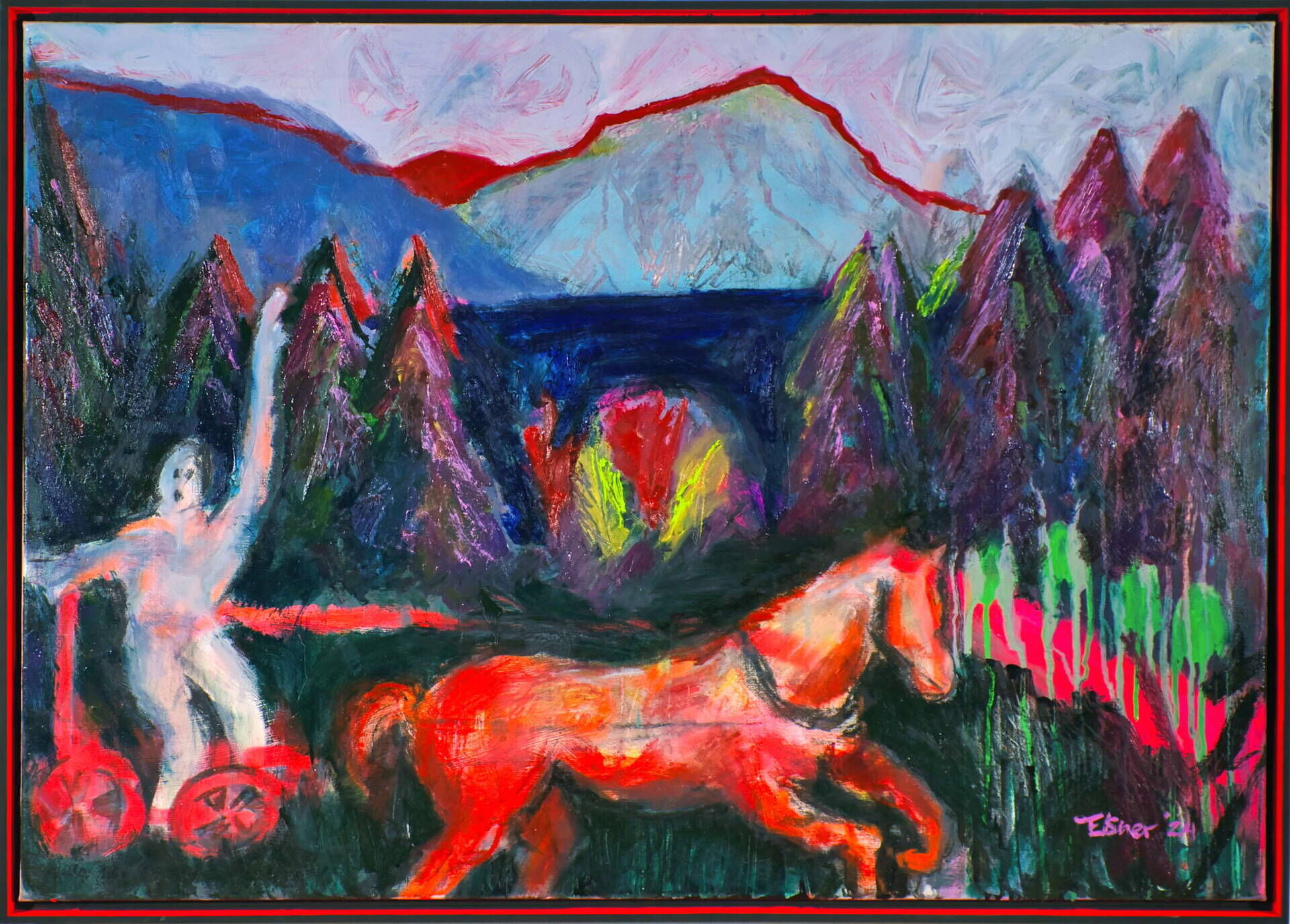
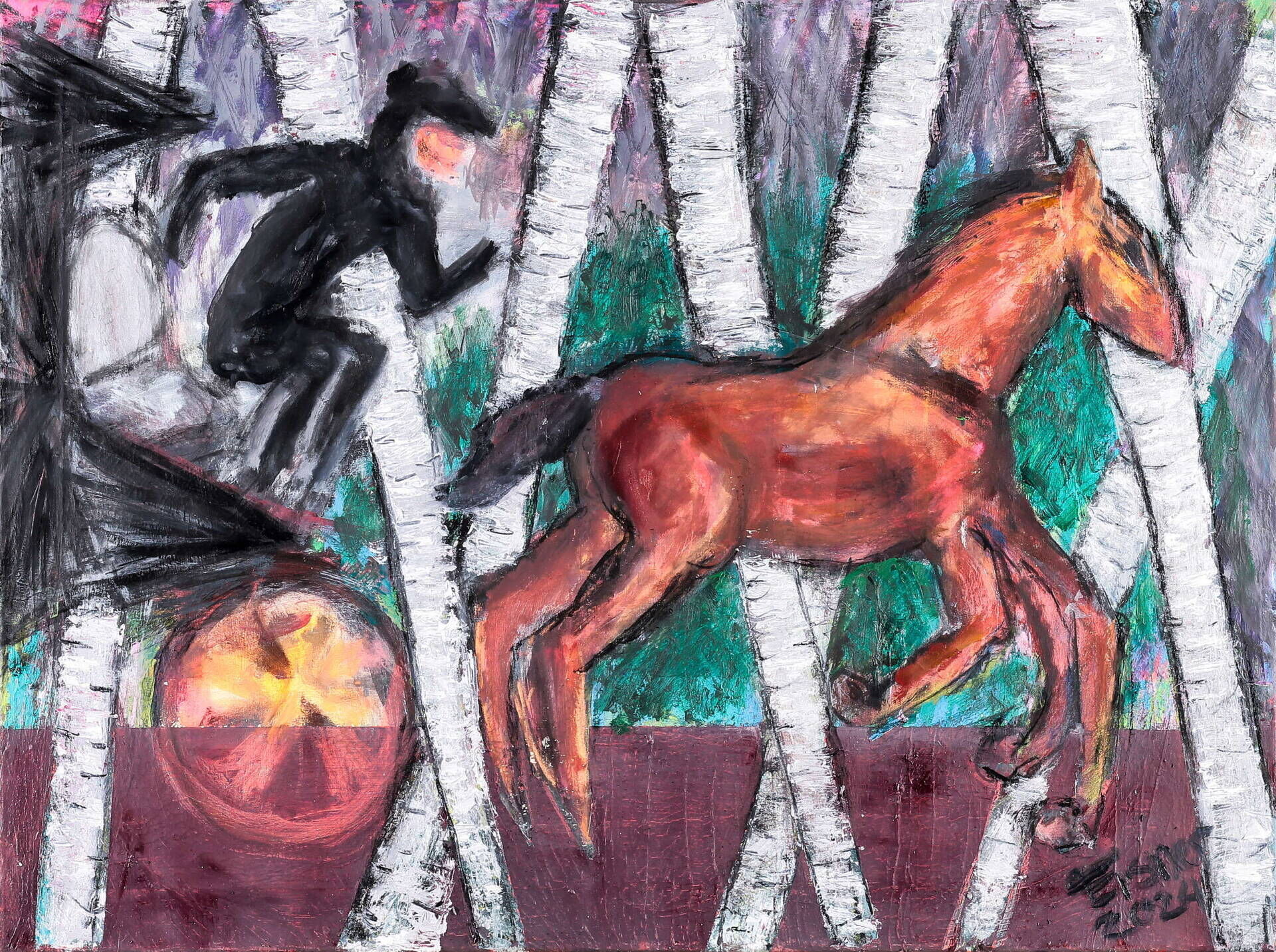
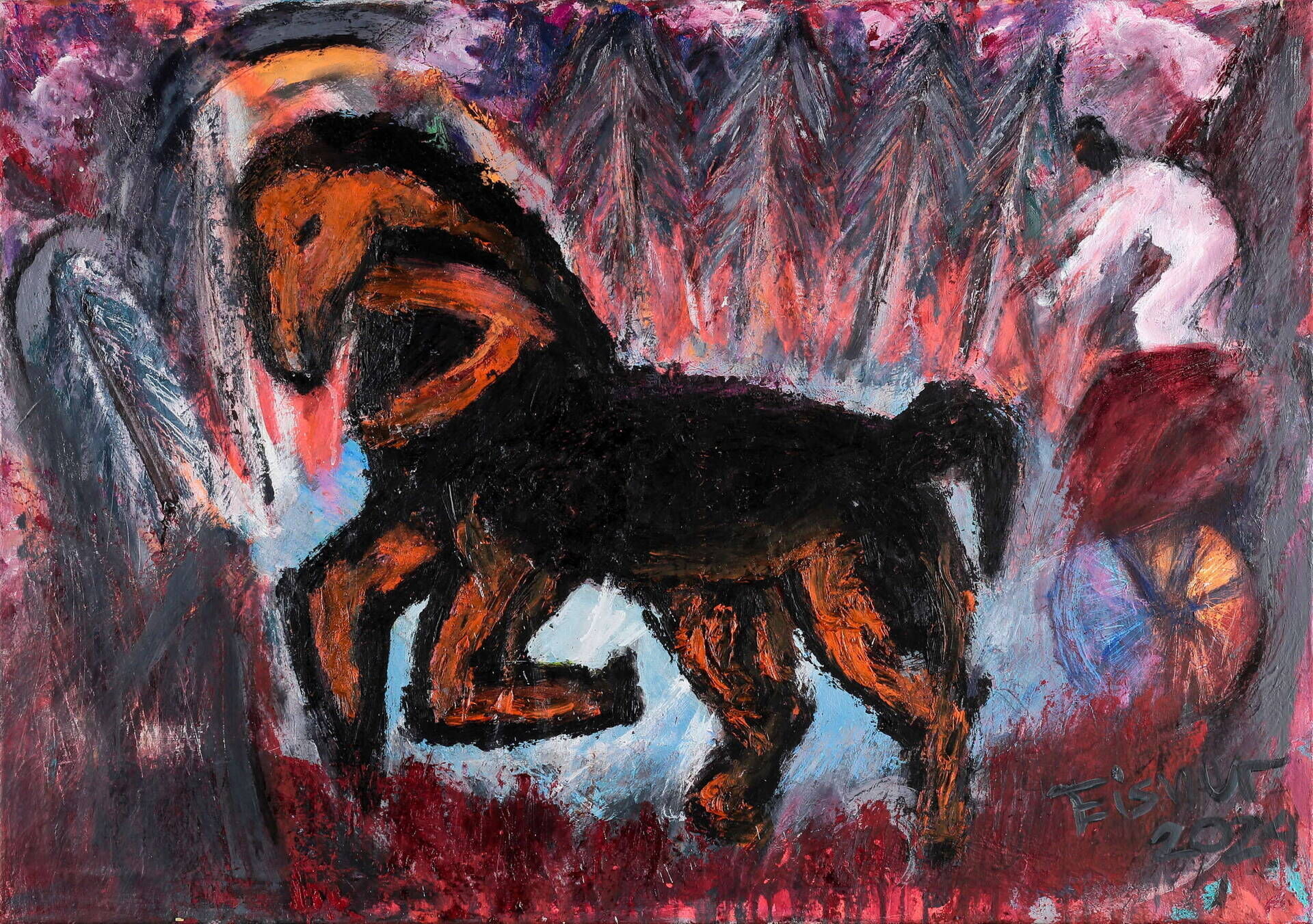
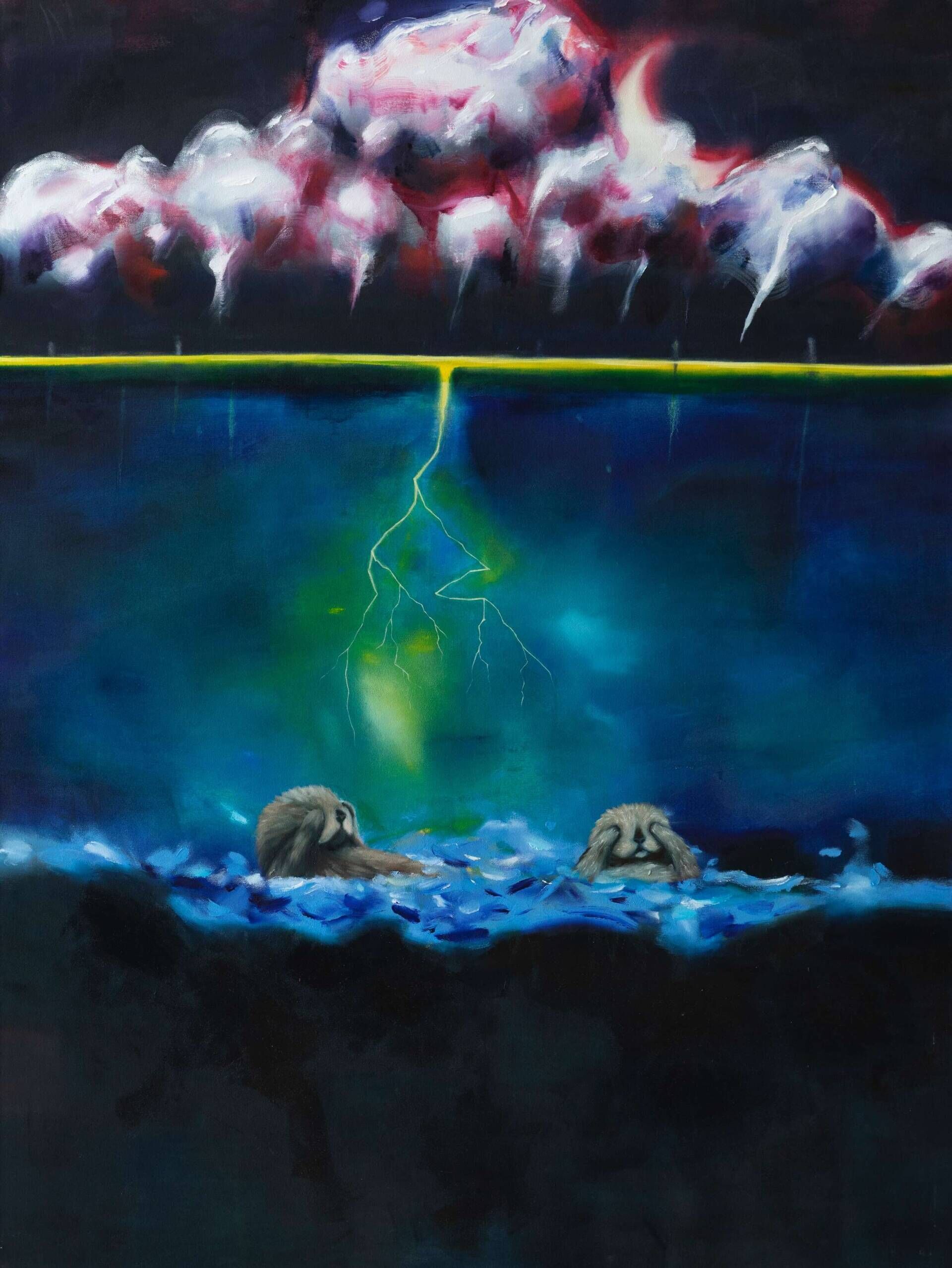
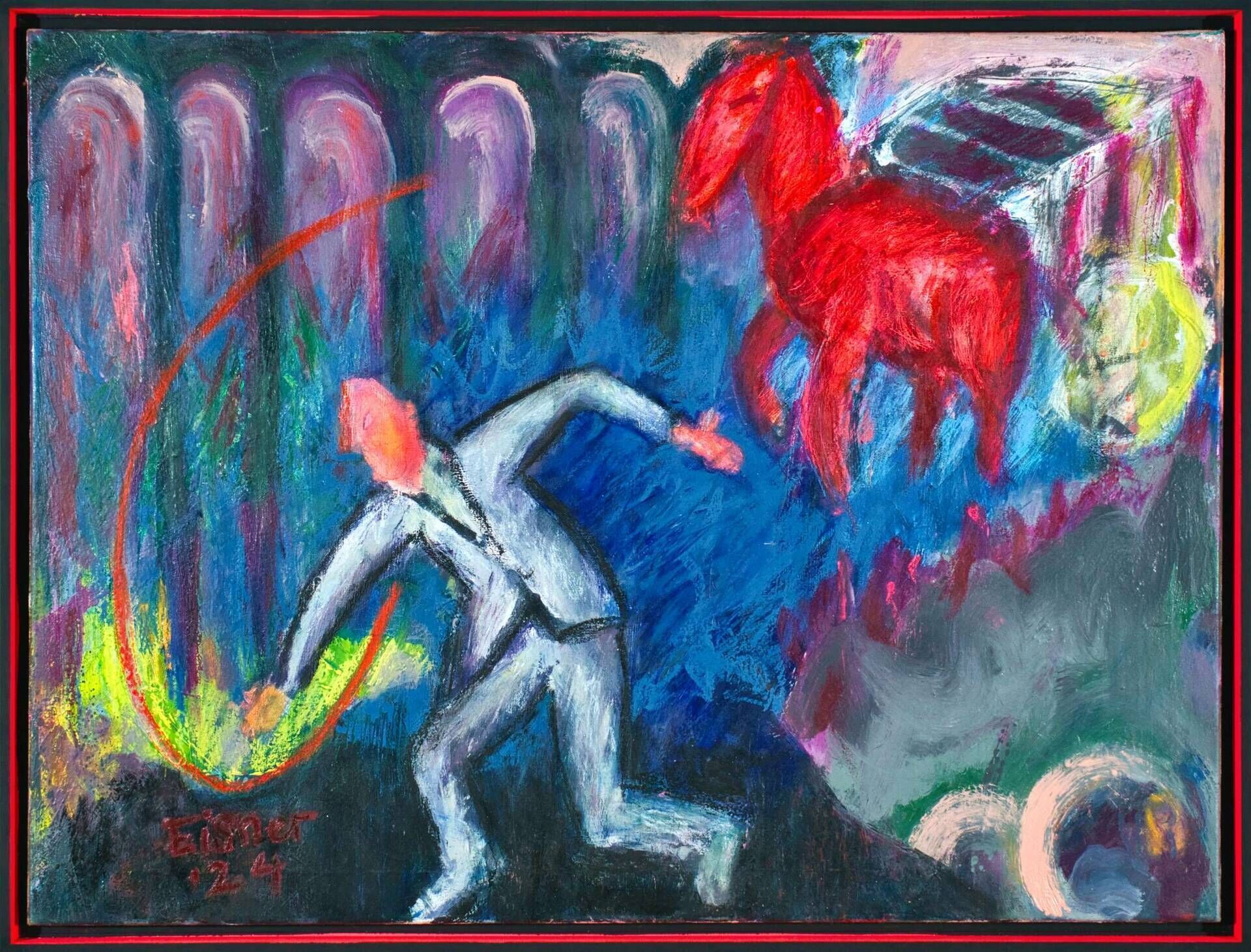
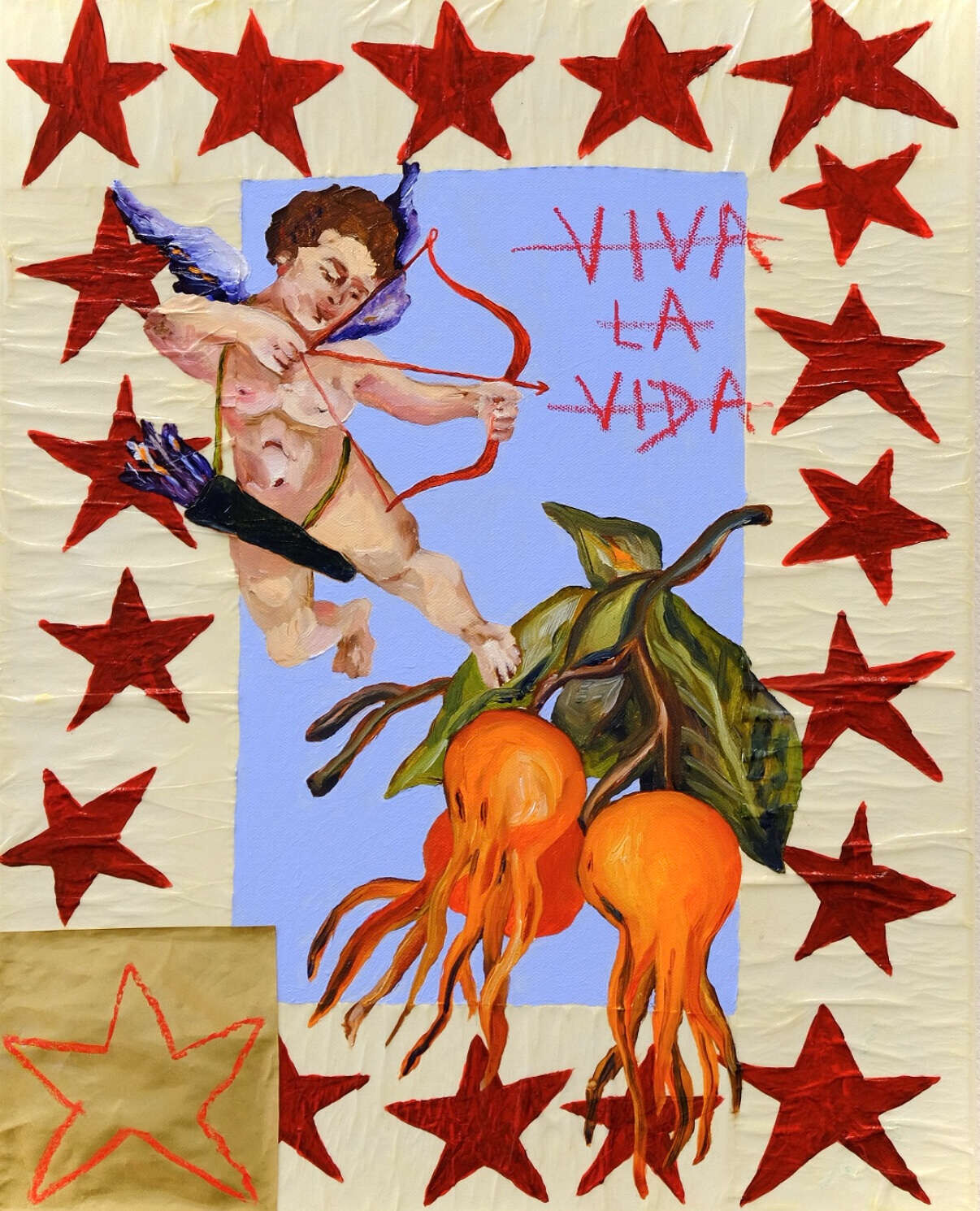
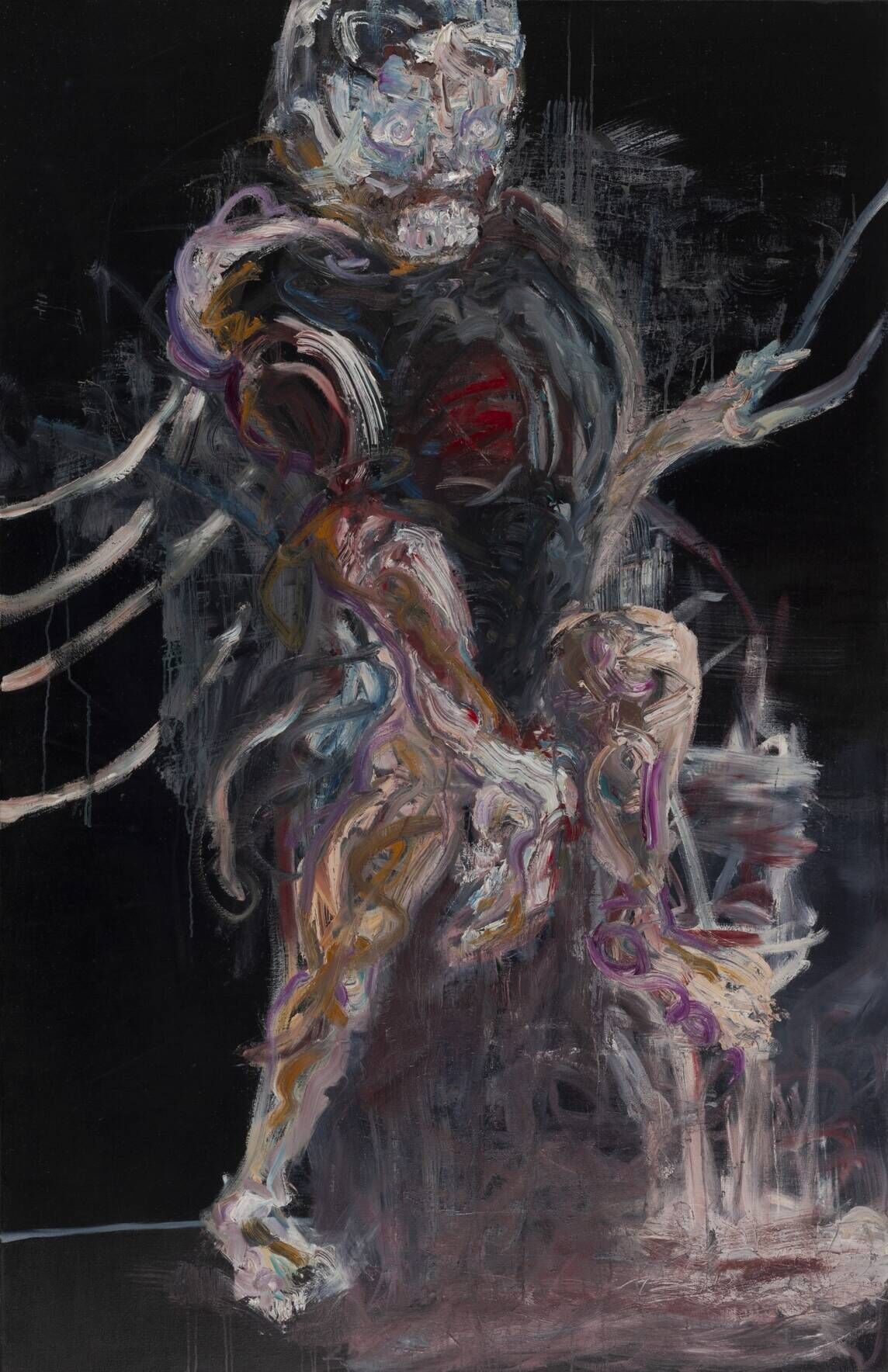
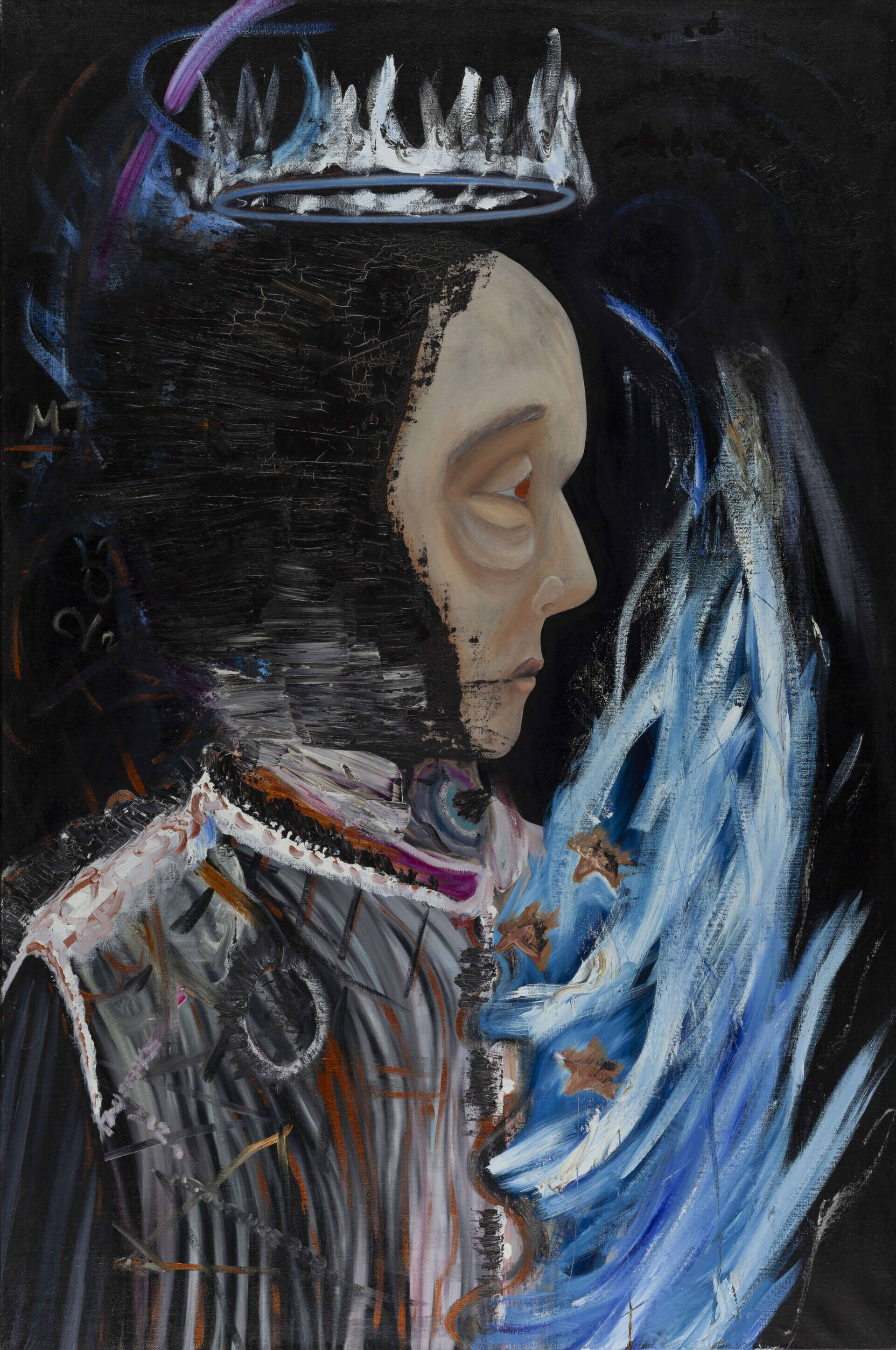
Mythological paintings draw on the ancient myths of Greece, Rome, Egypt and the Nordic regions, reimagining them within a contemporary context. The works often combine heroic scenes with subtle symbolism: the struggle of light against darkness, divine justice, the conflict between fate and freedom. They impress not only through their technical precision, but also through their ability to transport viewers to another world.
A mythological painting brings movement, history and meaning to any room. In a modern living room, a spacious office or a contemplative studio, it becomes a visual focal point – a work of art that continually reveals new details. Mythology conveys strength, endurance and depth. The impact of a mythological painting is particularly evident when it is deliberately placed: Above a sofa or desk, it creates an atmosphere that invites reflection, wonder and daydreaming.
Those who buy mythological paintings are not just choosing art, but a piece of cultural heritage in a modern form. Each work bridges the gap between the past and the present, between myths and humanity. On the Studierenden Kunstmarkt, you’ll find mythological paintings that reinterpret this tension – created by young artists who translate classical themes into our time.
The emotional depth of symbolism and mythology
What makes mythological paintings so special is their emotional depth. They are more than just depictions of ancient stories – they reflect archetypes, collective imagery and primal emotions. A mythological painting can express power, instil calm or ignite passion. It depends on which mythological figure or scene is depicted: the Greek gods Zeus and Hera, for example, represent dominion and order; Aphrodite, love and seduction; and Prometheus, knowledge and rebellion. It is not only paintings of Greek gods that convey these themes – love, power and knowledge are universal motifs that recur throughout all ages and societies. They have a direct effect on the subconscious, making mythological paintings one of the most expressive art forms of all.
In your own home or office, mythological paintings can thus become symbols that reflect your personality, values and ambitions. In modern interiors, they create a fascinating contrast: classical imagery meets clean lines and contemporary architecture. The paintings create depth, tell stories and lend rooms an almost spiritual dimension.
What is Symbolist painting?
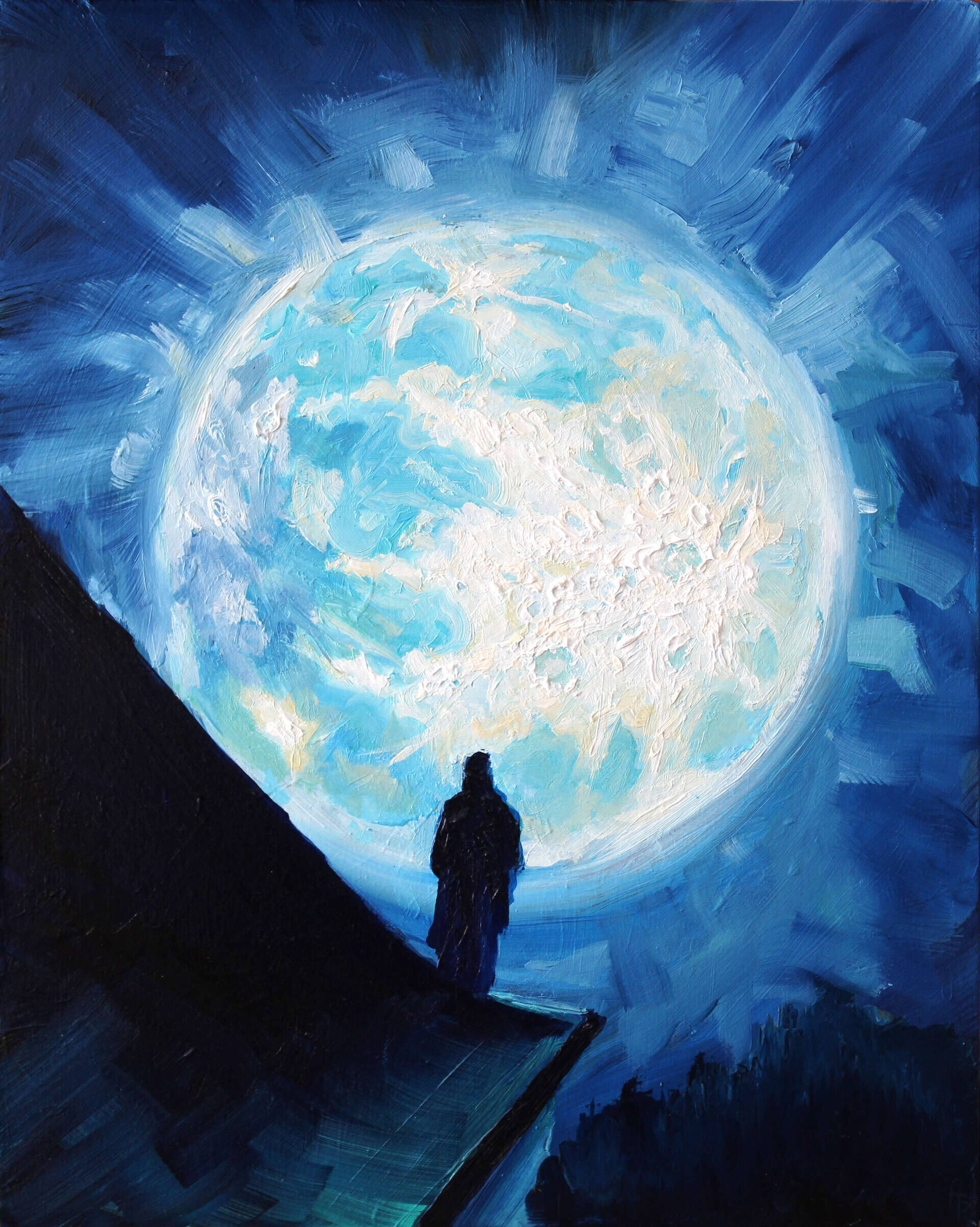
Symbolist painting emerged towards the end of the 19th century as a deliberate departure from the realistic depiction of the world. Rather than depicting the visible, the Symbolists sought to make the invisible tangible – emotions, thoughts, dreams and spiritual states. In Symbolist painting – as the name suggests – the symbol takes centre stage: every colour, every gesture and every object carries meaning.
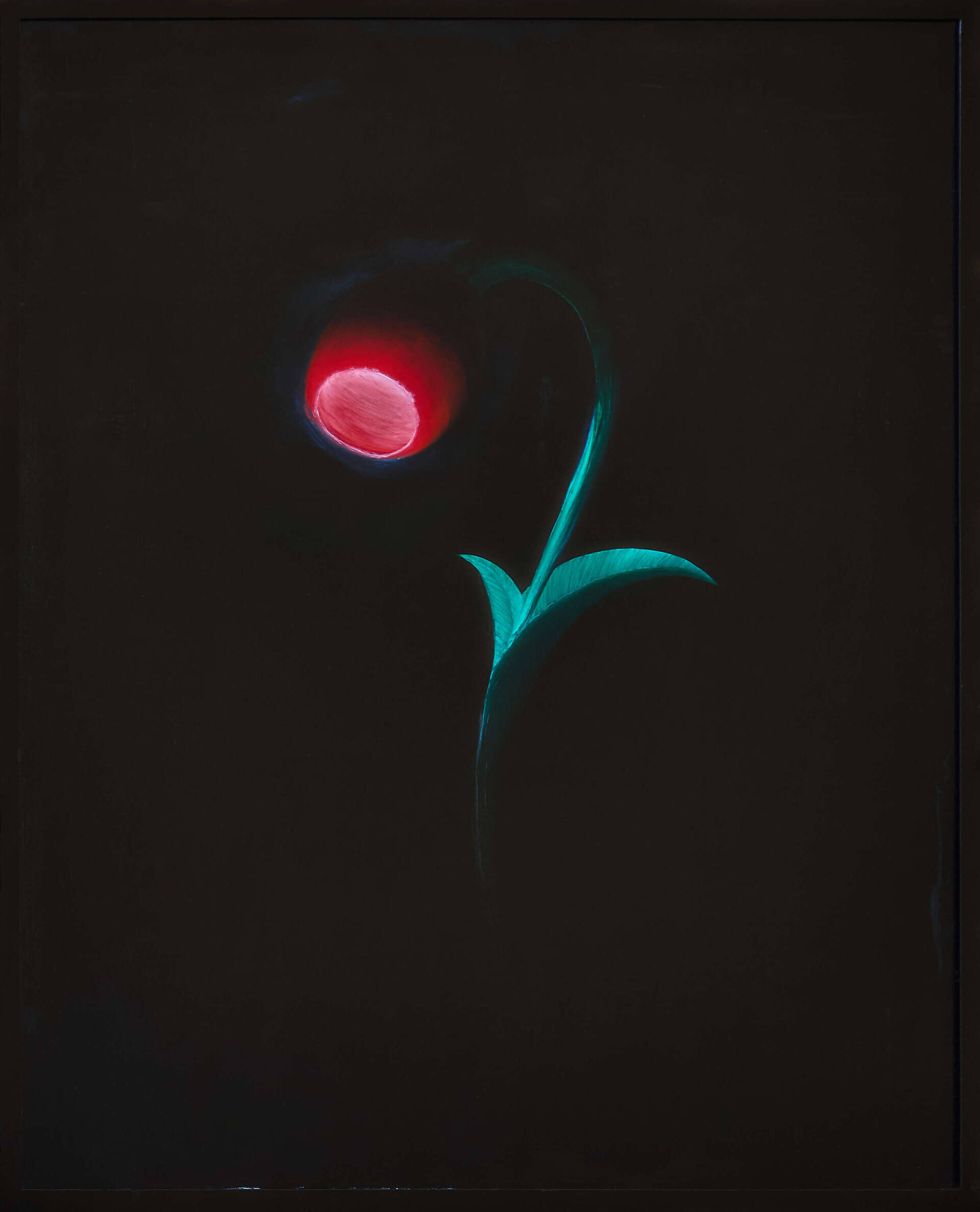
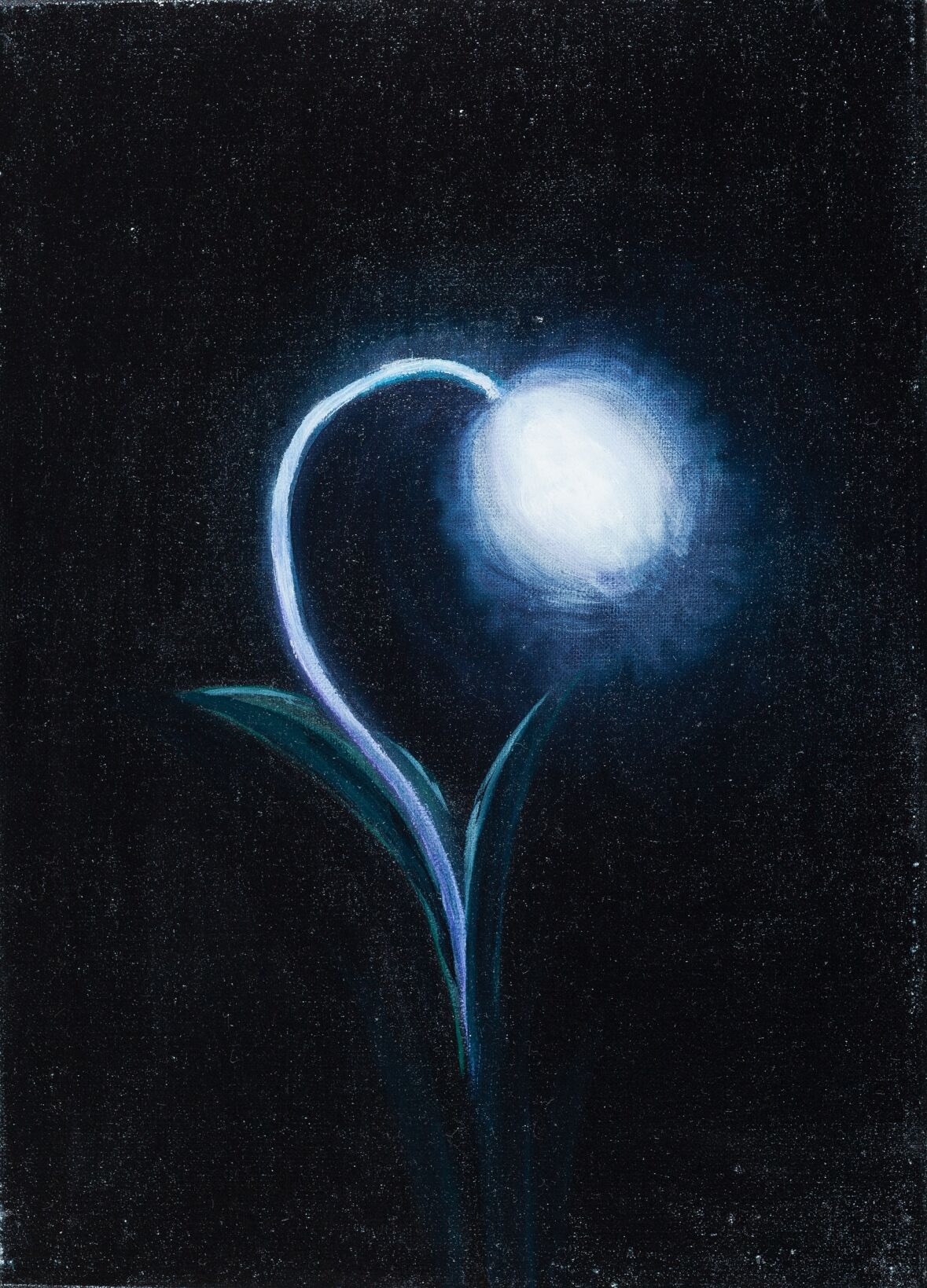
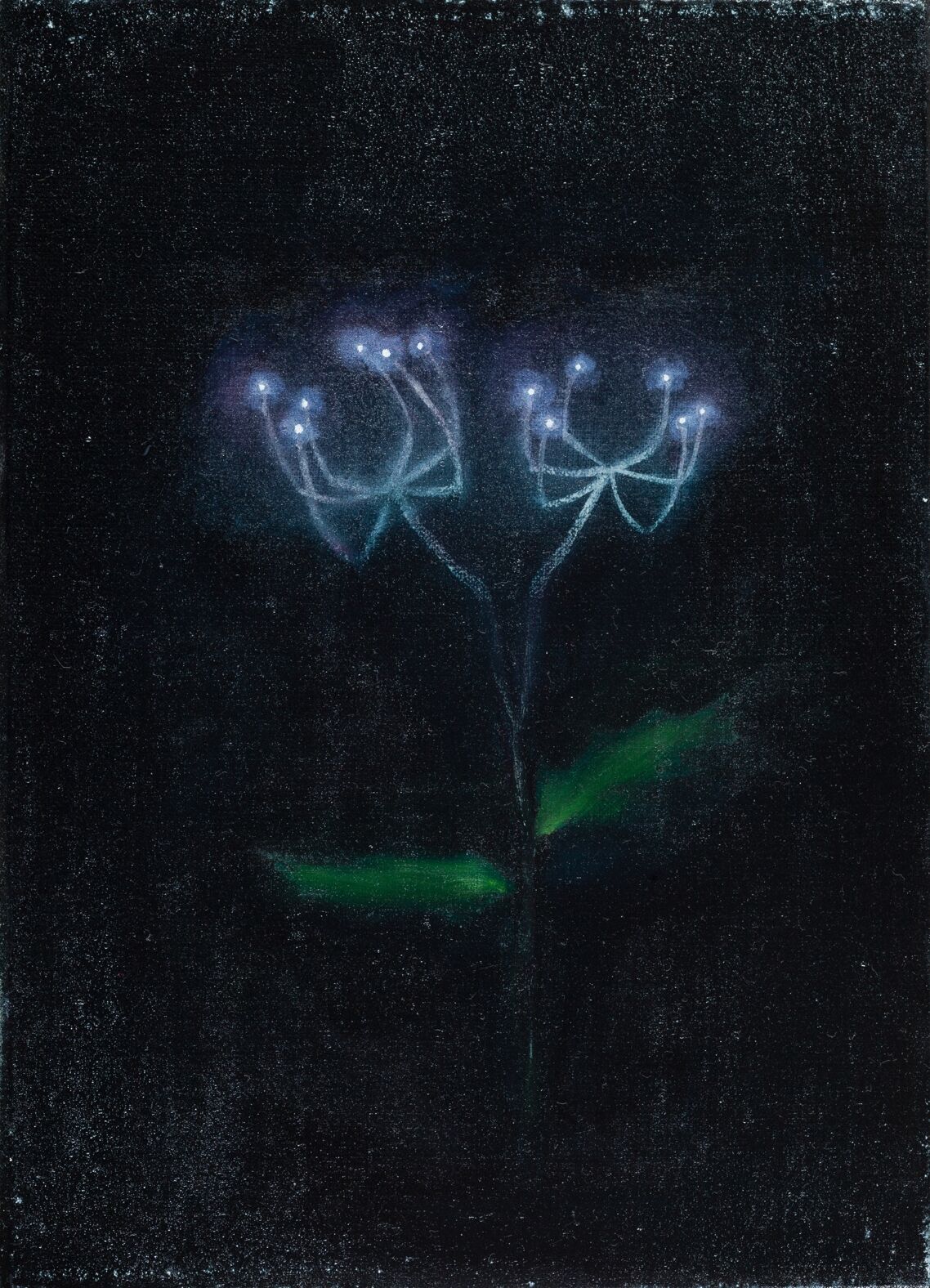
Unlike in mythology, where concrete figures such as gods or heroes appear, Symbolist painting frequently employs metaphors. A flower may represent innocence, a bird freedom, a dark forest the unconscious. In this way, Symbolist painting opens up scope for the viewer’s interpretation and personal understanding – much like in mythological paintings. This is precisely where its power lies – it invites us to feel and reflect at the same time.
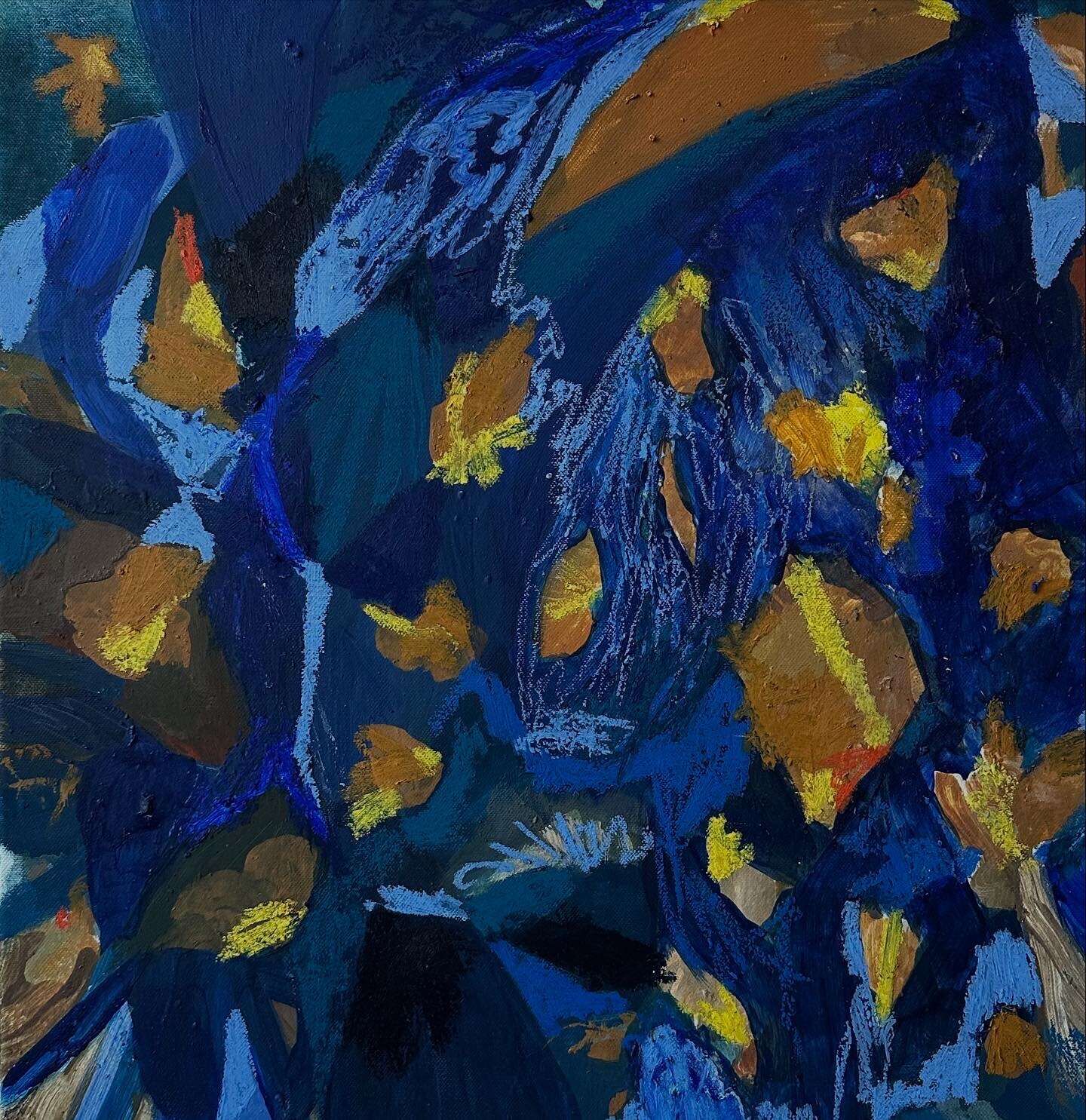
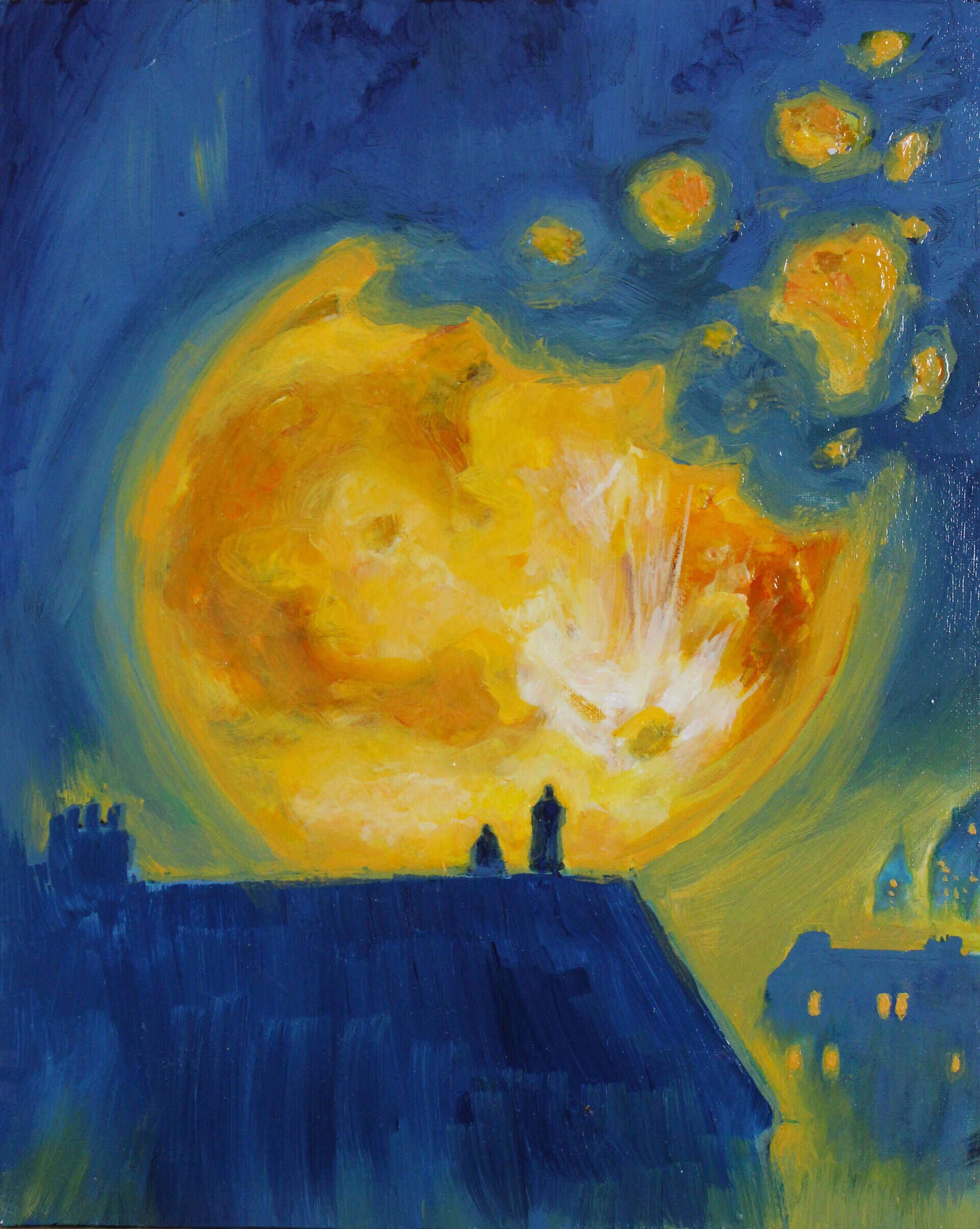
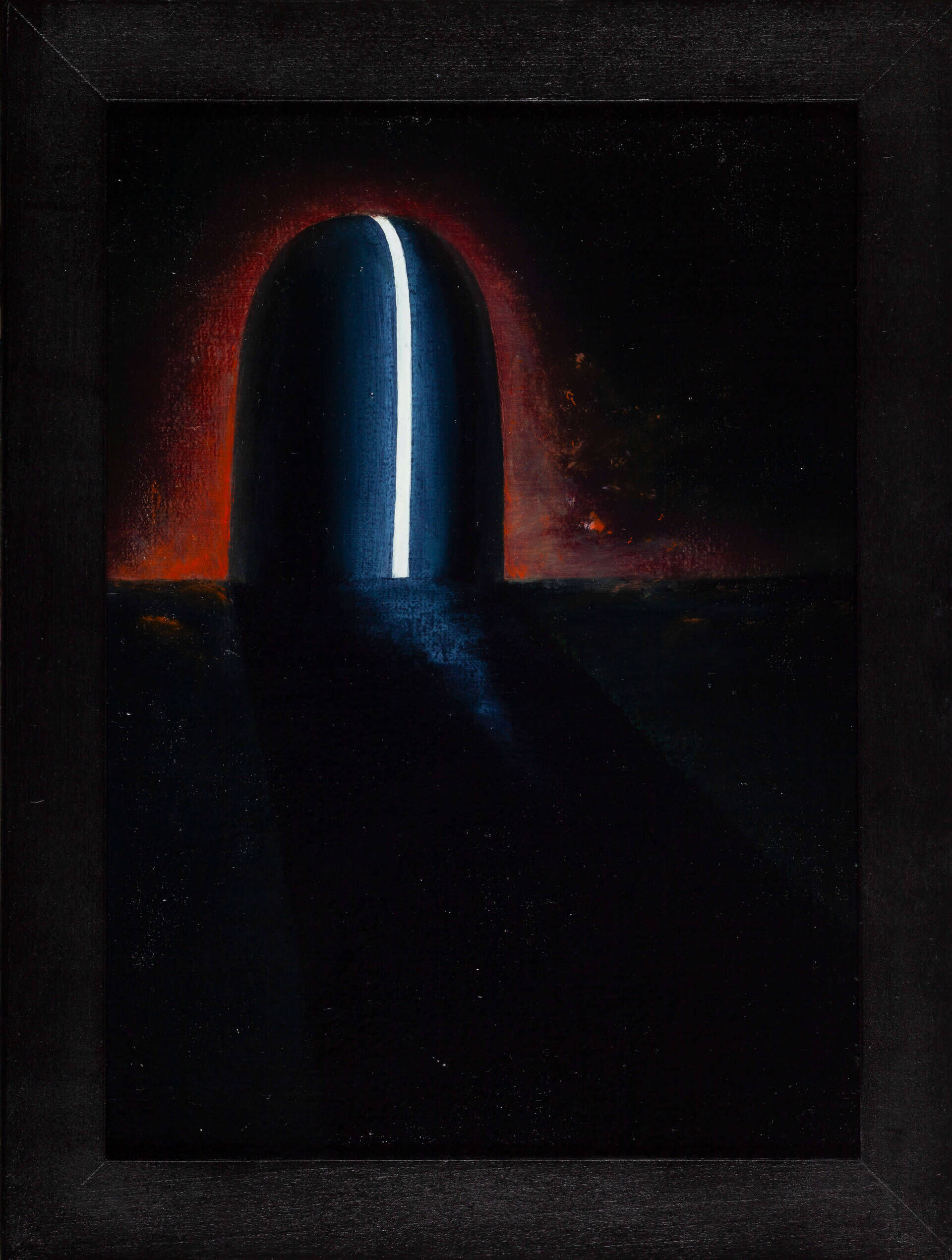
A distinctive feature of Symbolist painting is its poetic use of colour. Deep shades of blue, luminous gold and mysterious shadows create an atmosphere somewhere between dream and reality. Many artists working in this style, inspired by writers such as Baudelaire or Mallarmé, viewed their works as visual poems. This gives rise to Symbolist and mythological paintings that are meant not merely to be looked at, but to be experienced.
Symbolist paintings
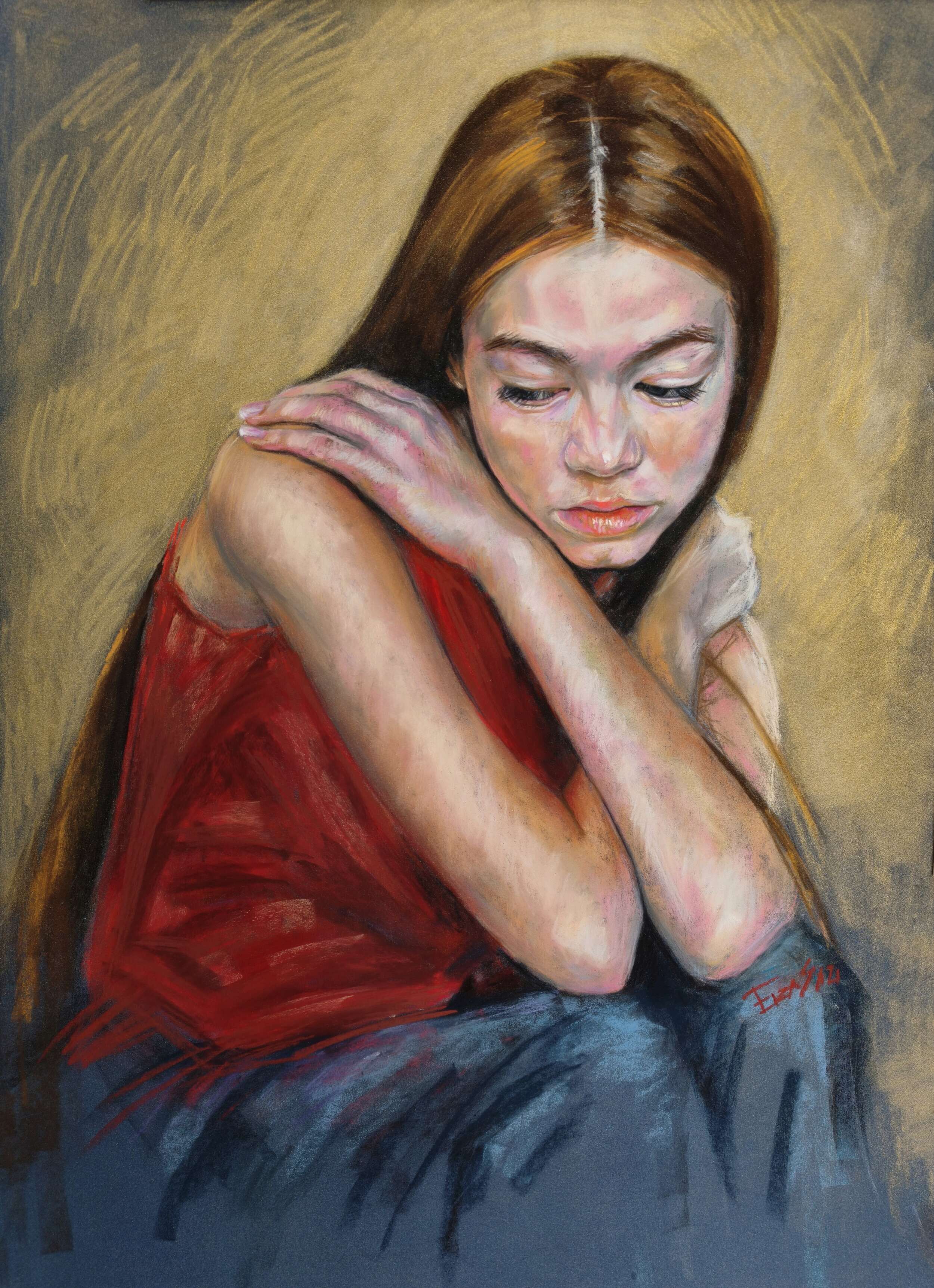
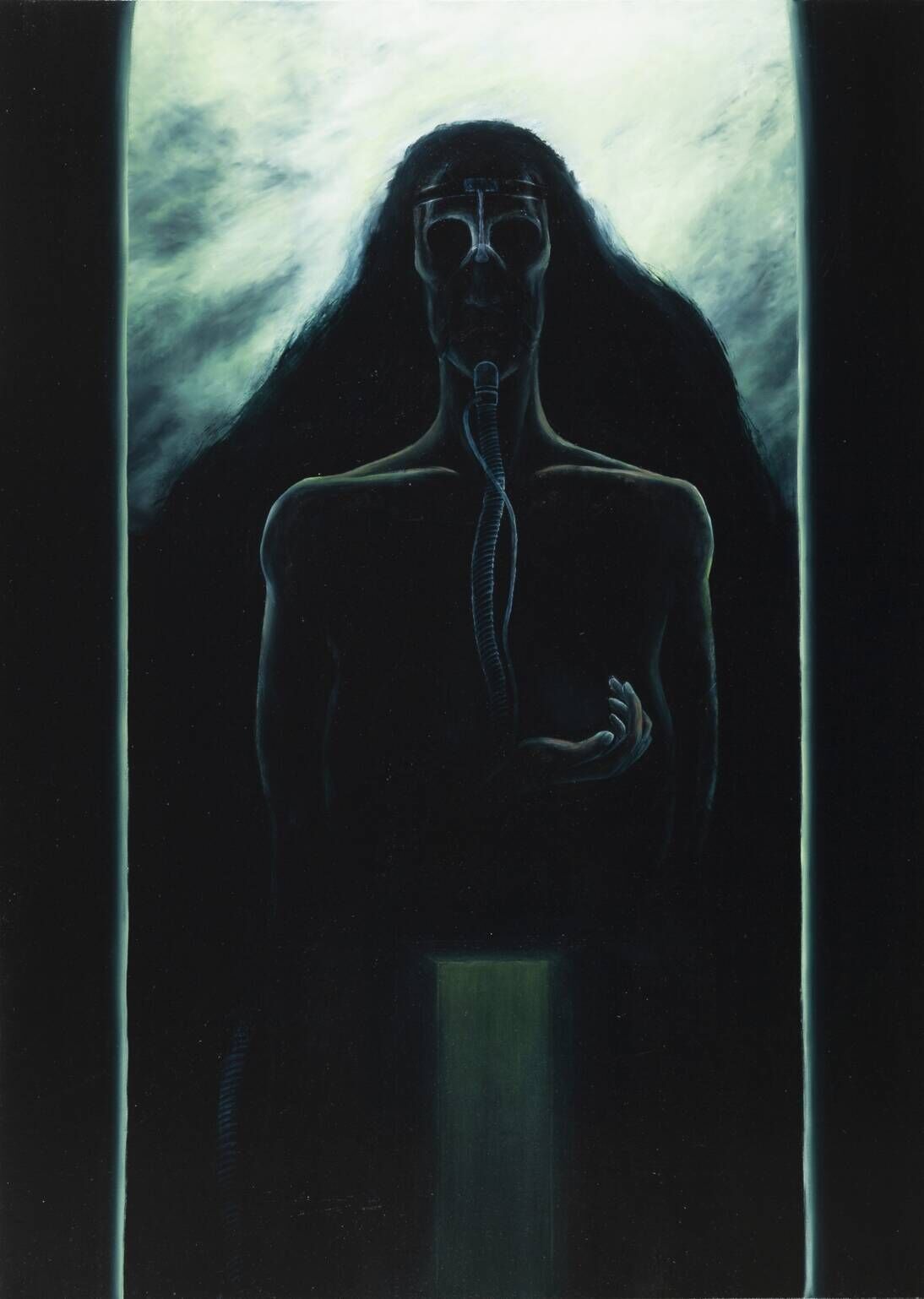
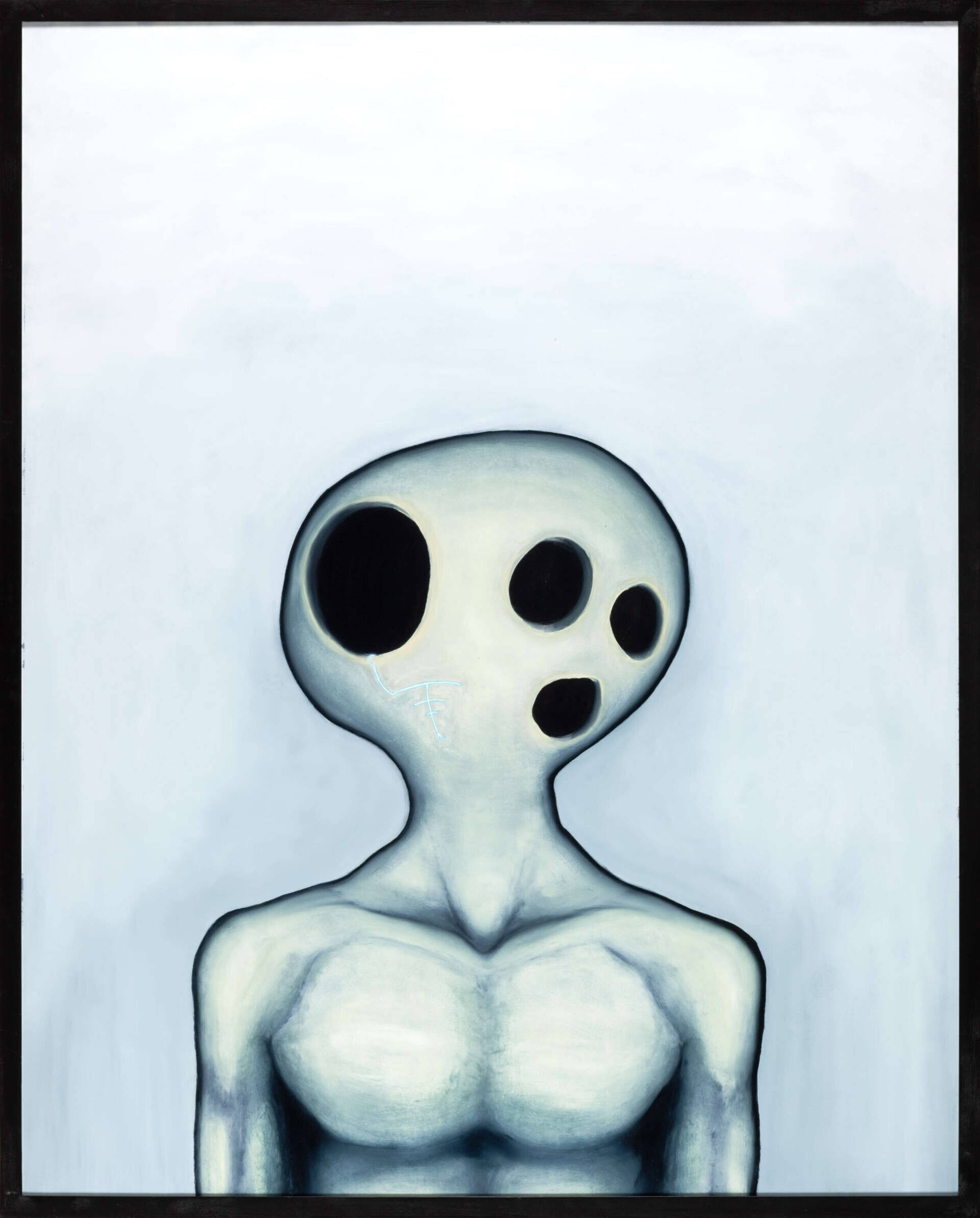
Symbolist art and mythological paintings invite the viewer to embark on a journey into the inner self. These works speak not through external action, but through atmosphere. They convey a sense of longing, melancholy or spiritual elevation. In a room, Symbolist art unfolds an almost magical presence: it draws the eye without being obtrusive, and lends depth and atmosphere to any setting.
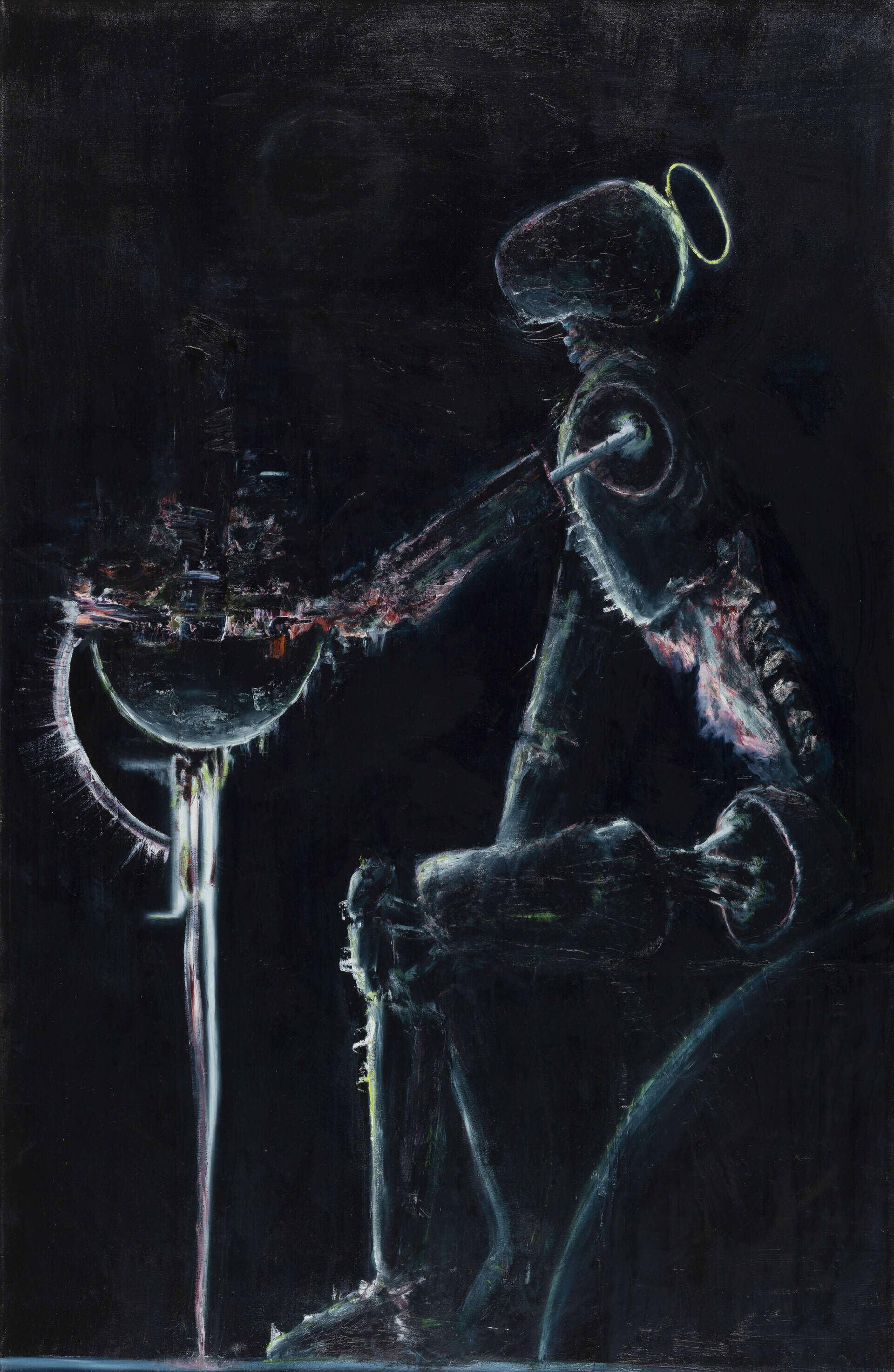
Artists of Symbolist painting create works and mythological paintings that transcend the visible world. They used mythological references to depict emotional or spiritual states. Thus, in many Symbolist artworks, mythological themes merge with modern ideas – for example, the depiction of Psyche, who represents the human soul, or Orpheus as a symbol of art itself. This fusion of myth and symbolism makes Symbolist art one of the most significant bridges between the classical and the modern.
Anyone who chooses Symbolist or mythological paintings for their home or office is making a conscious choice for art that runs deeper. These works create moments of tranquillity and reflection. They encourage contemplation without coming across as didactic, and bring a subtle aesthetic to the room. In a world often characterised by speed, mythological paintings have a calming, almost meditative effect.
Symbolist and mythological paintings are, moreover, excellent investments in timeless art. They lose neither their expressiveness nor their significance. On the student art market, you’ll find Symbolist art that combines this classical depth with a contemporary style. Here, young artists create symbolic worlds that harmonise emotion, meaning and technical skill – all offered at fair prices.
Investing in Symbolist and Mythological Art
A mythological painting or a work of Symbolist art has an extraordinary impact in any room. Whilst mythological paintings impress with their narrative power, Symbolist art captivates through its subtle emotionality. Both art movements share the ability to imbue spaces with meaning. In living rooms, paintings of Greek mythology create atmosphere; in offices, they foster concentration and inspiration; and in practice rooms, they instil a sense of calm and trust.
The combination of both movements is particularly fascinating: a mythological painting with a Symbolist colour palette appears both classical and modern – a real statement piece for art-loving collectors. At the Student Art Market, you’ll discover numerous variations on this combination. Here, works are created that are not merely decorative, but profound in their content.
Anyone who buys a mythological painting or a work of Symbolist art is investing in expressiveness and identity. The artworks on the Student Art Market are hand-painted, unique and created with great passion. They reflect the thoughts and feelings of young artists who combine ancient themes with new perspectives.
Discover mystical works on the Student Art Market
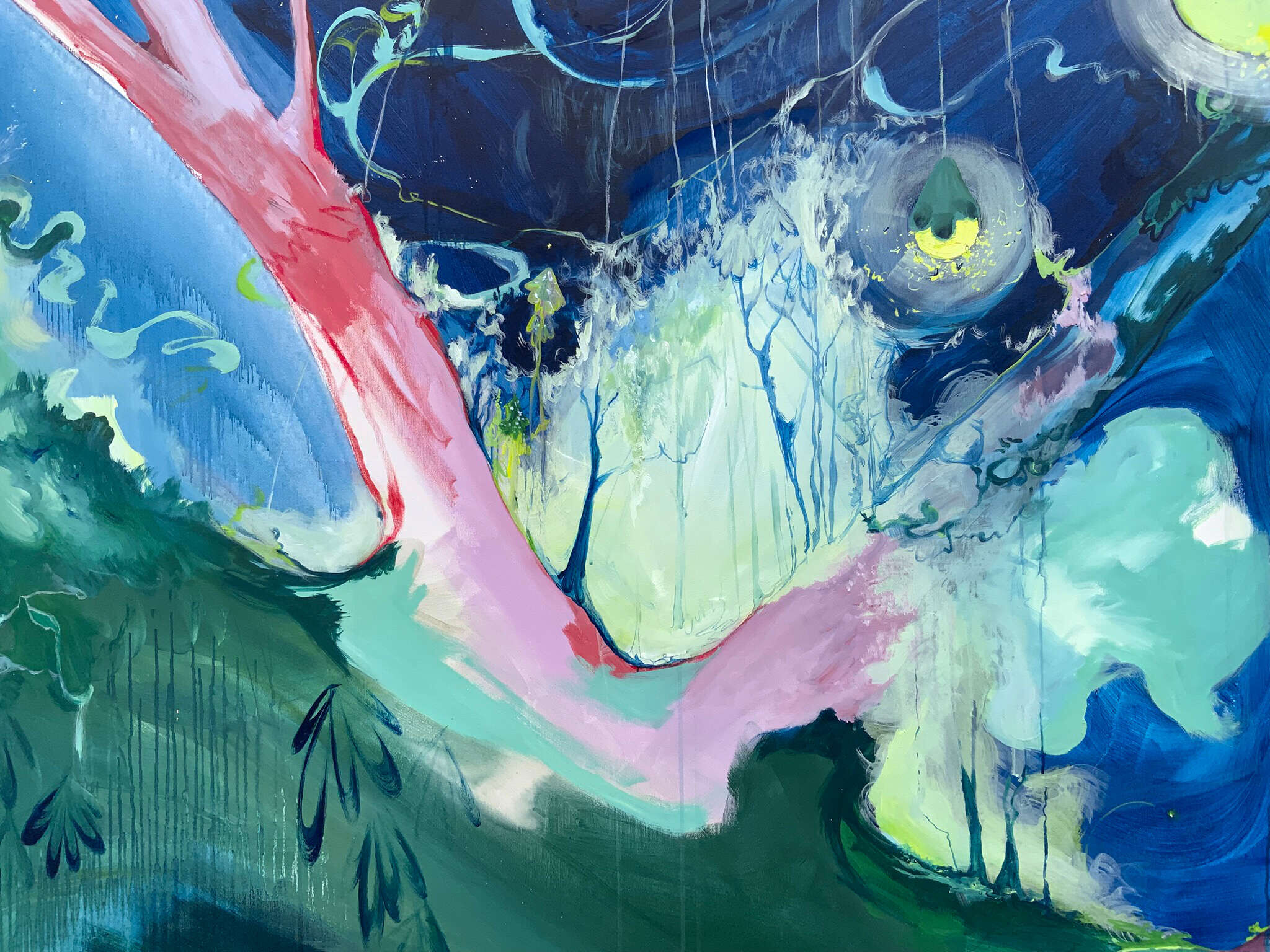
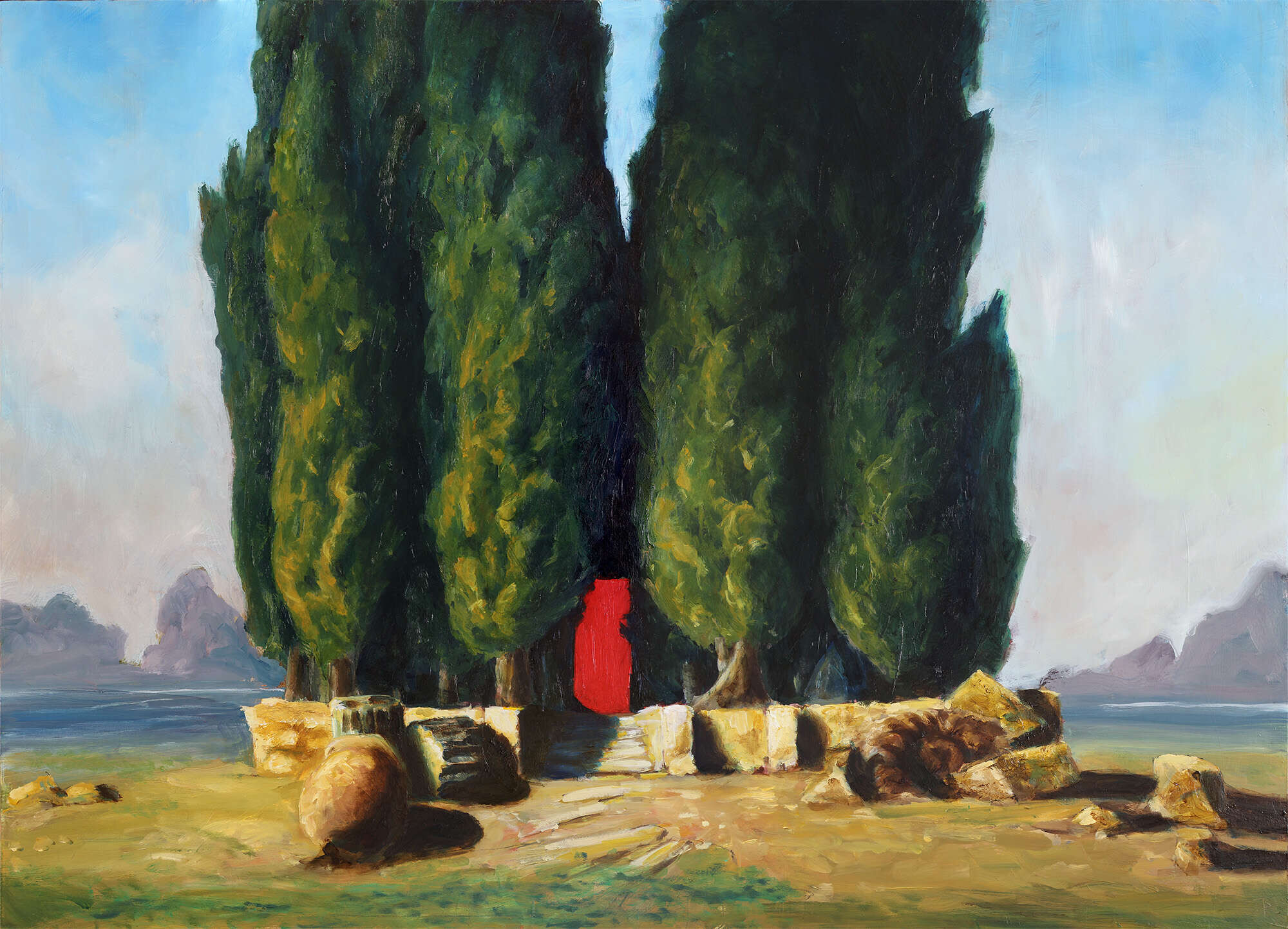
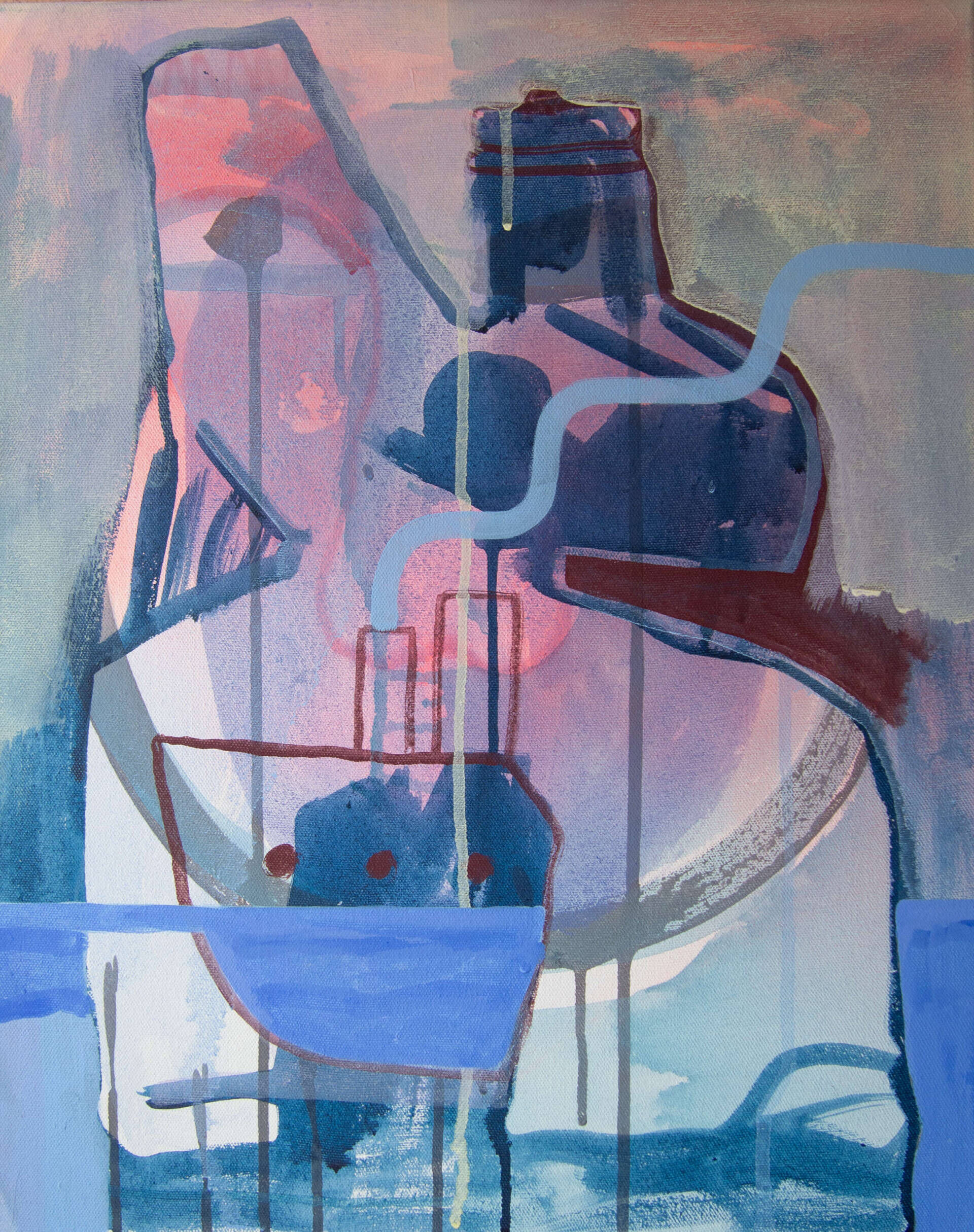
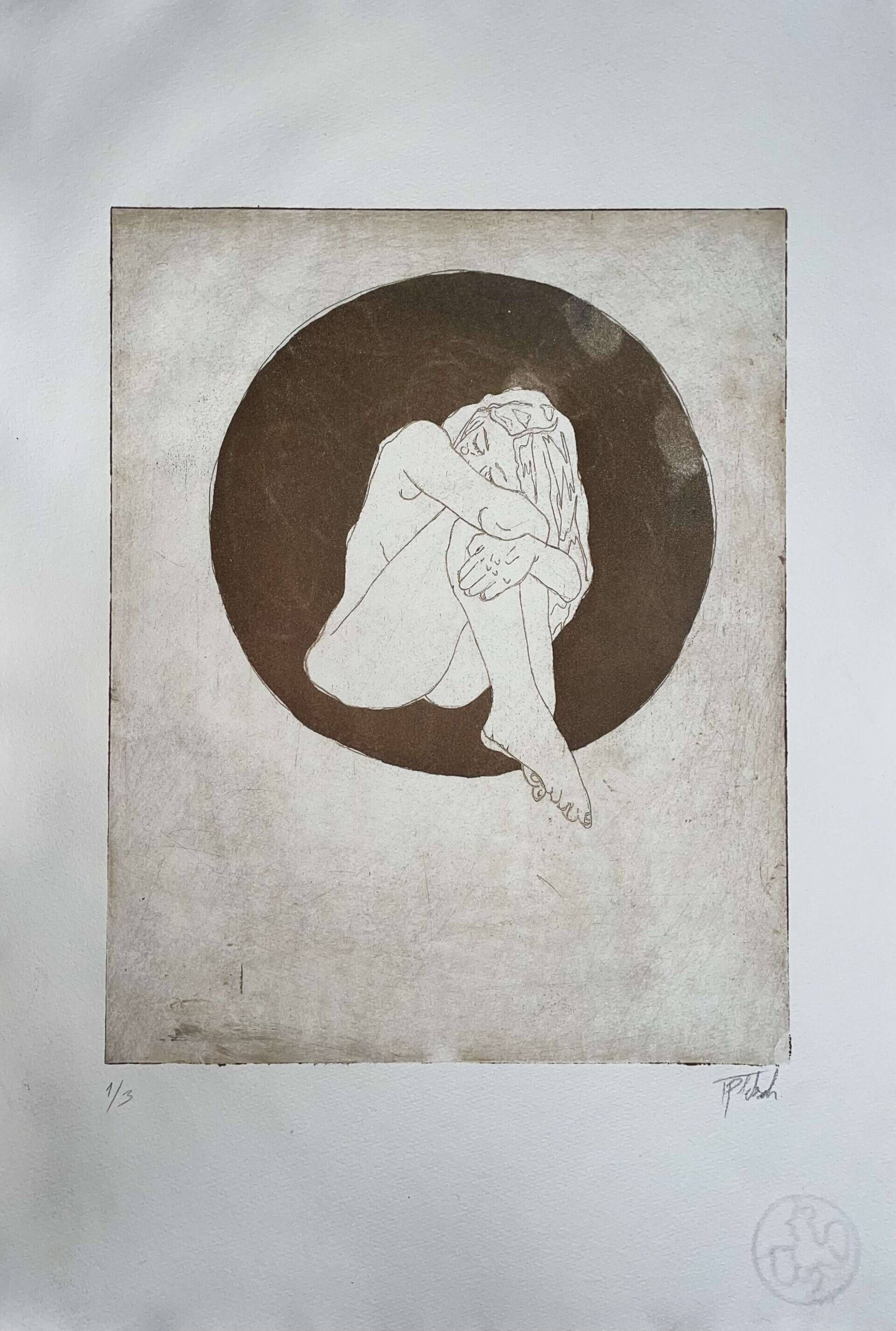
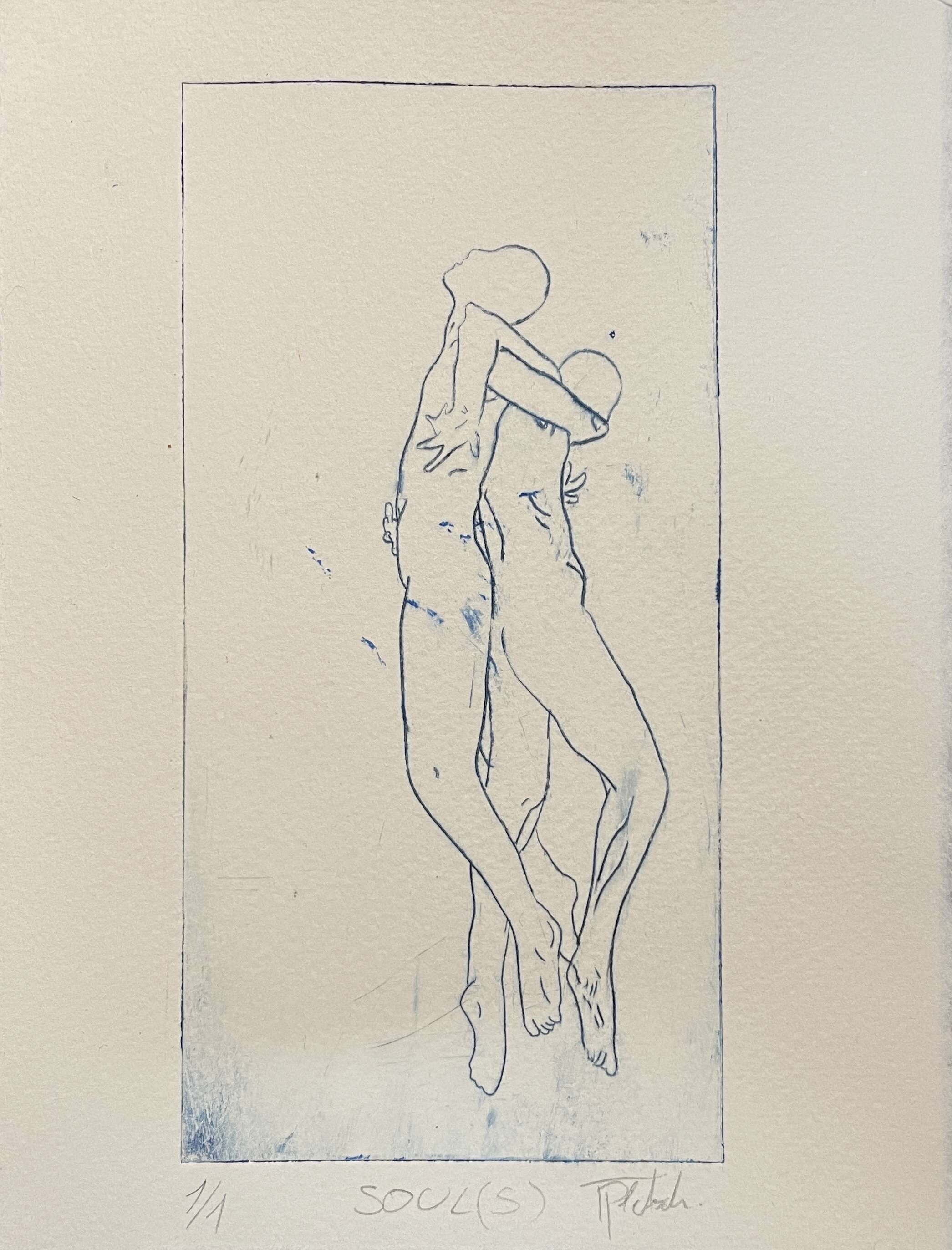
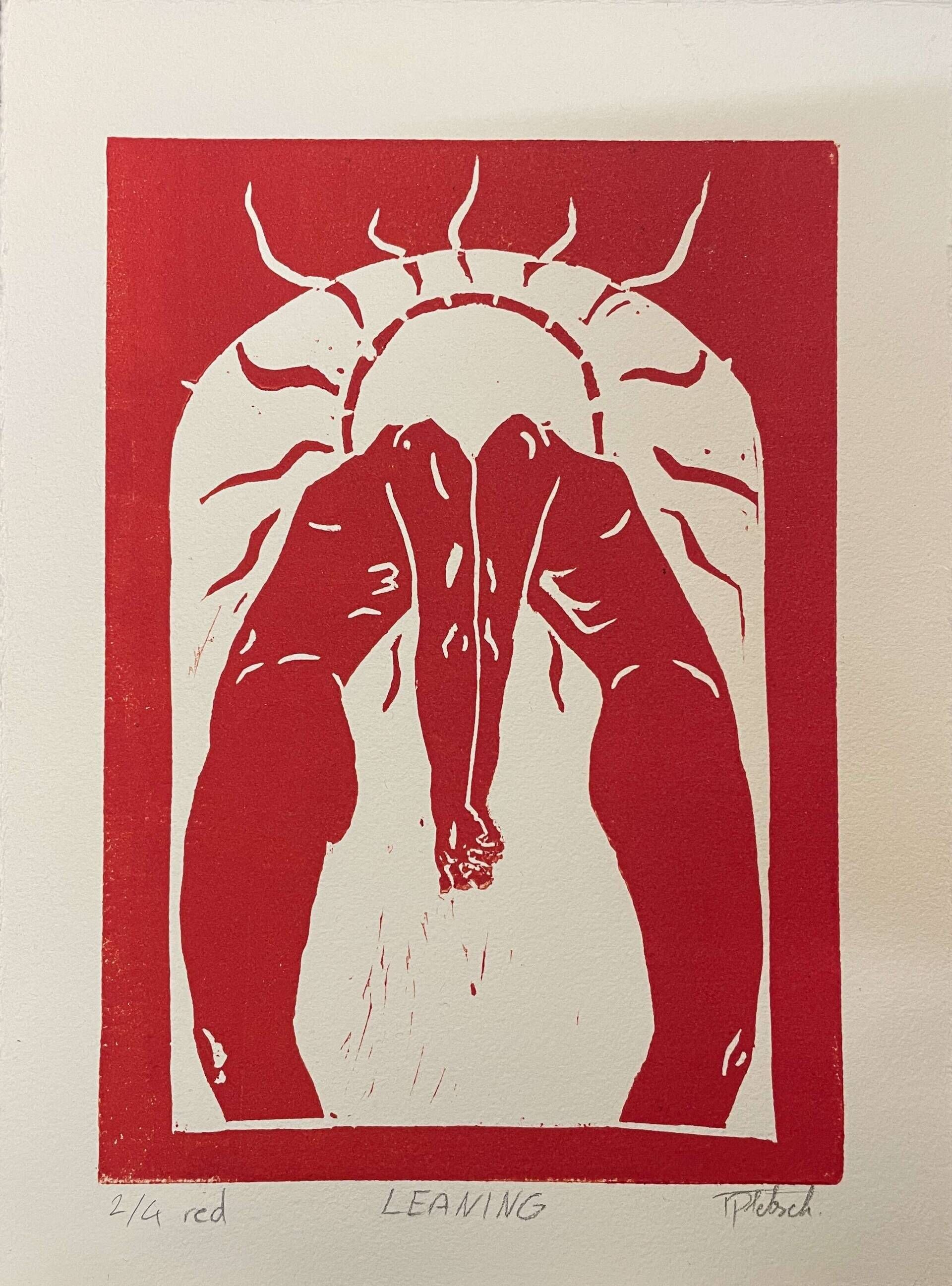
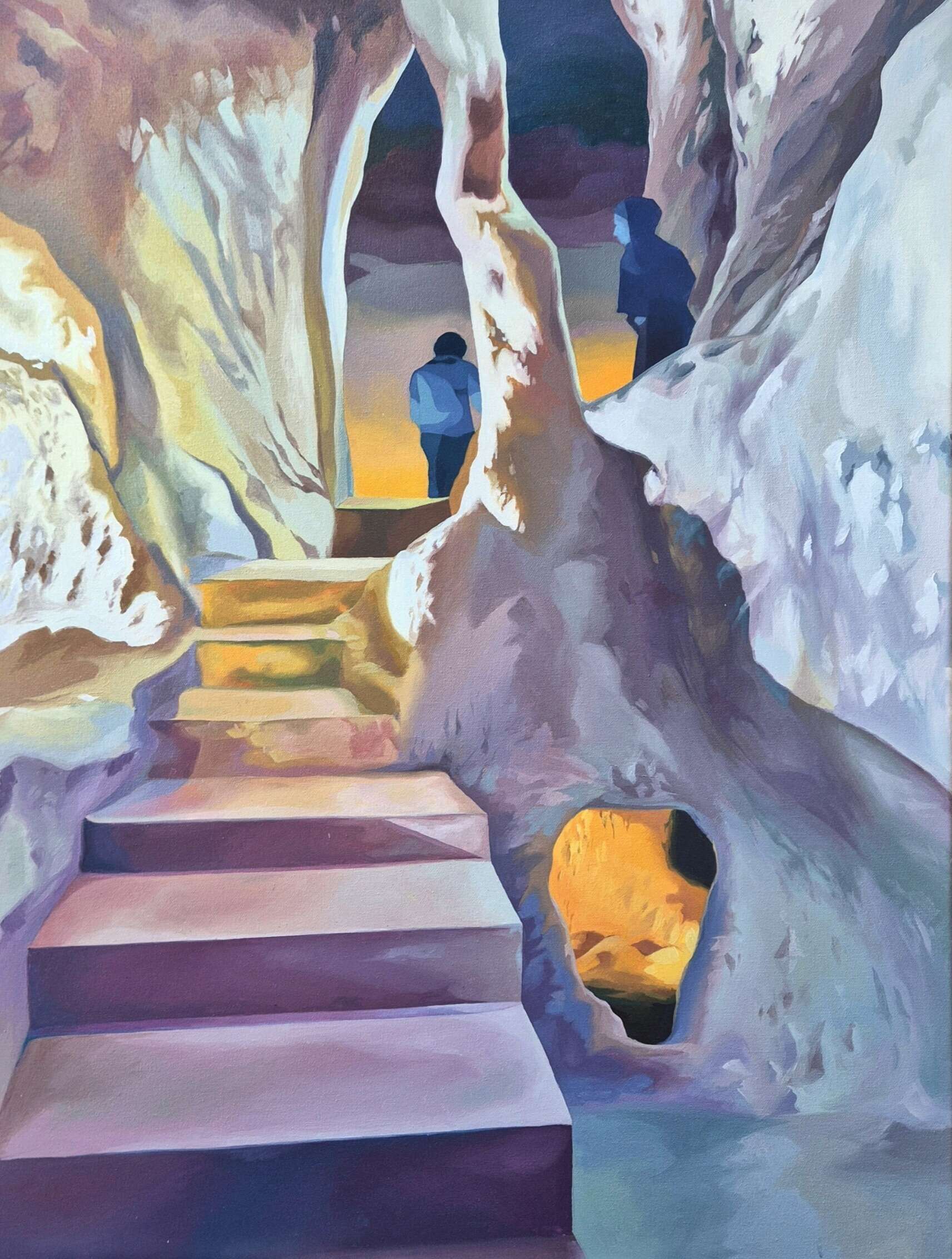
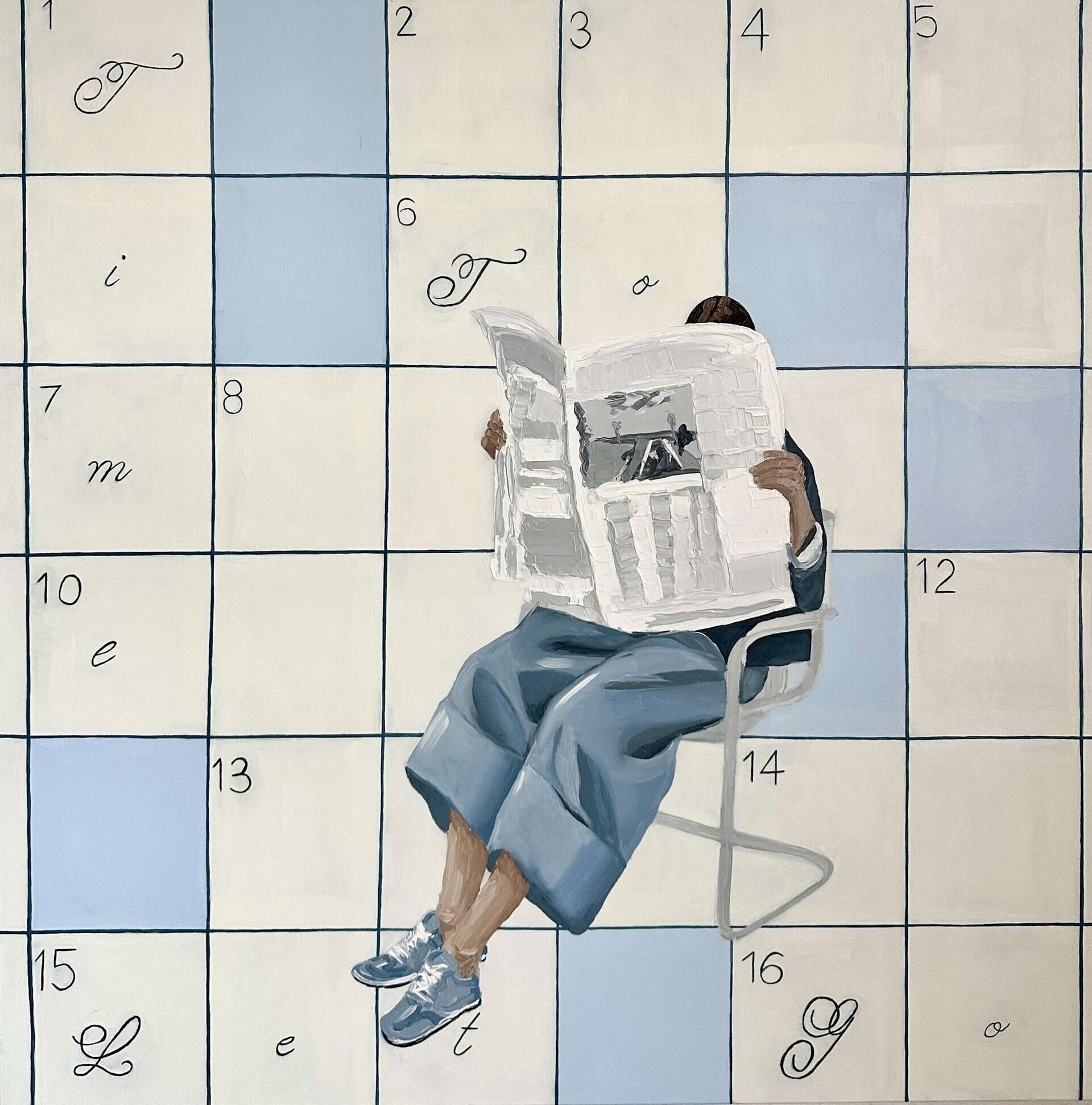
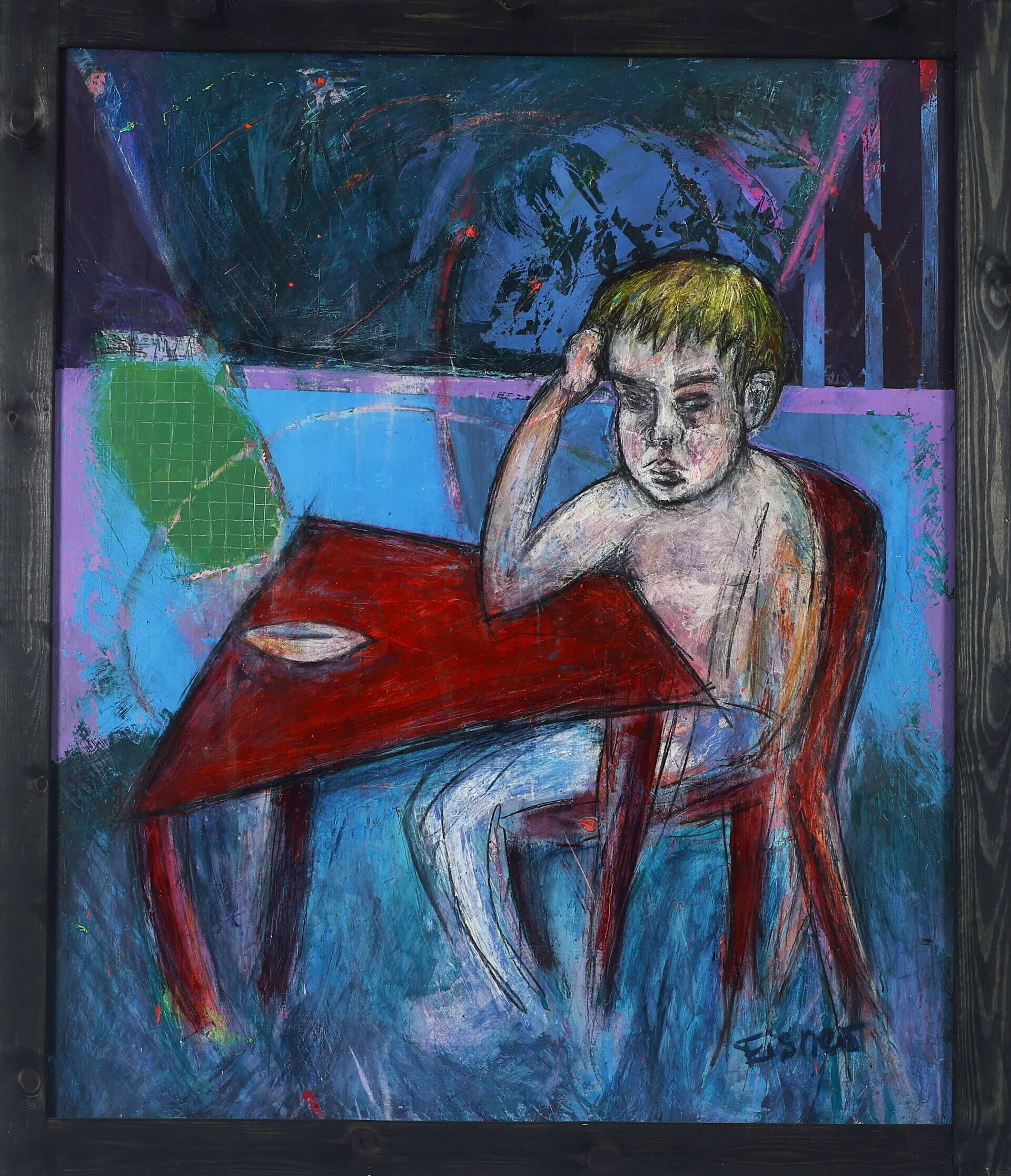
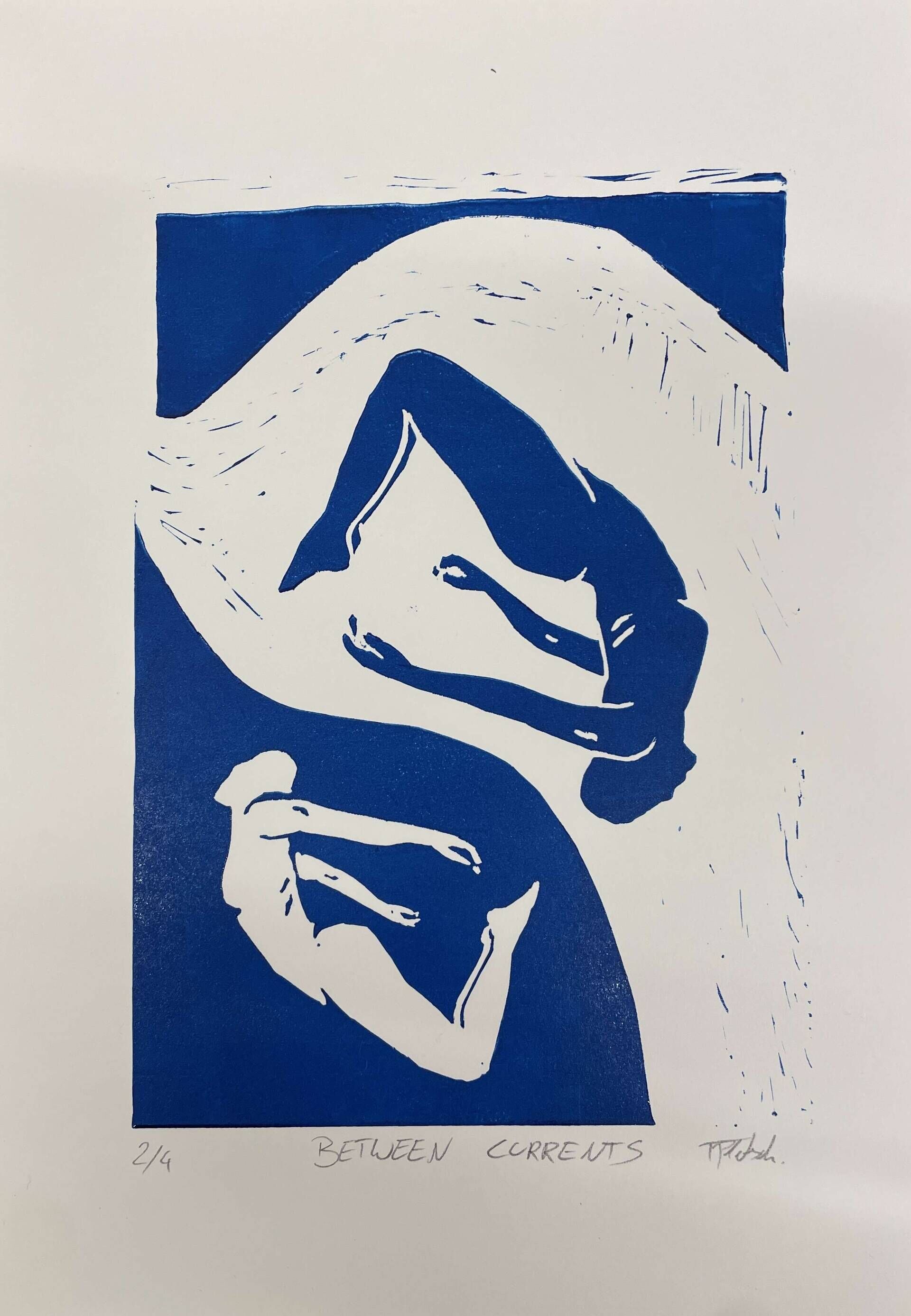
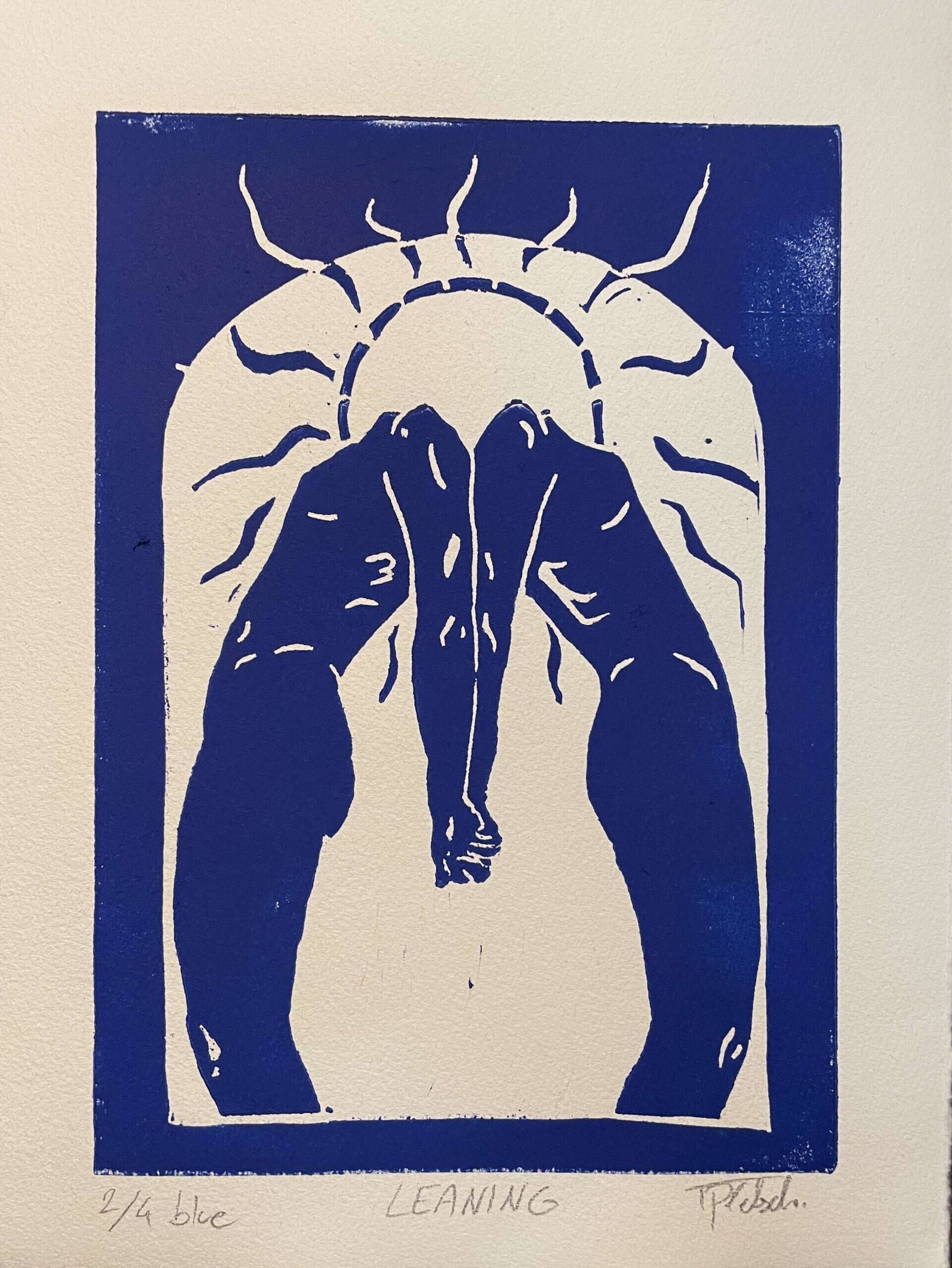
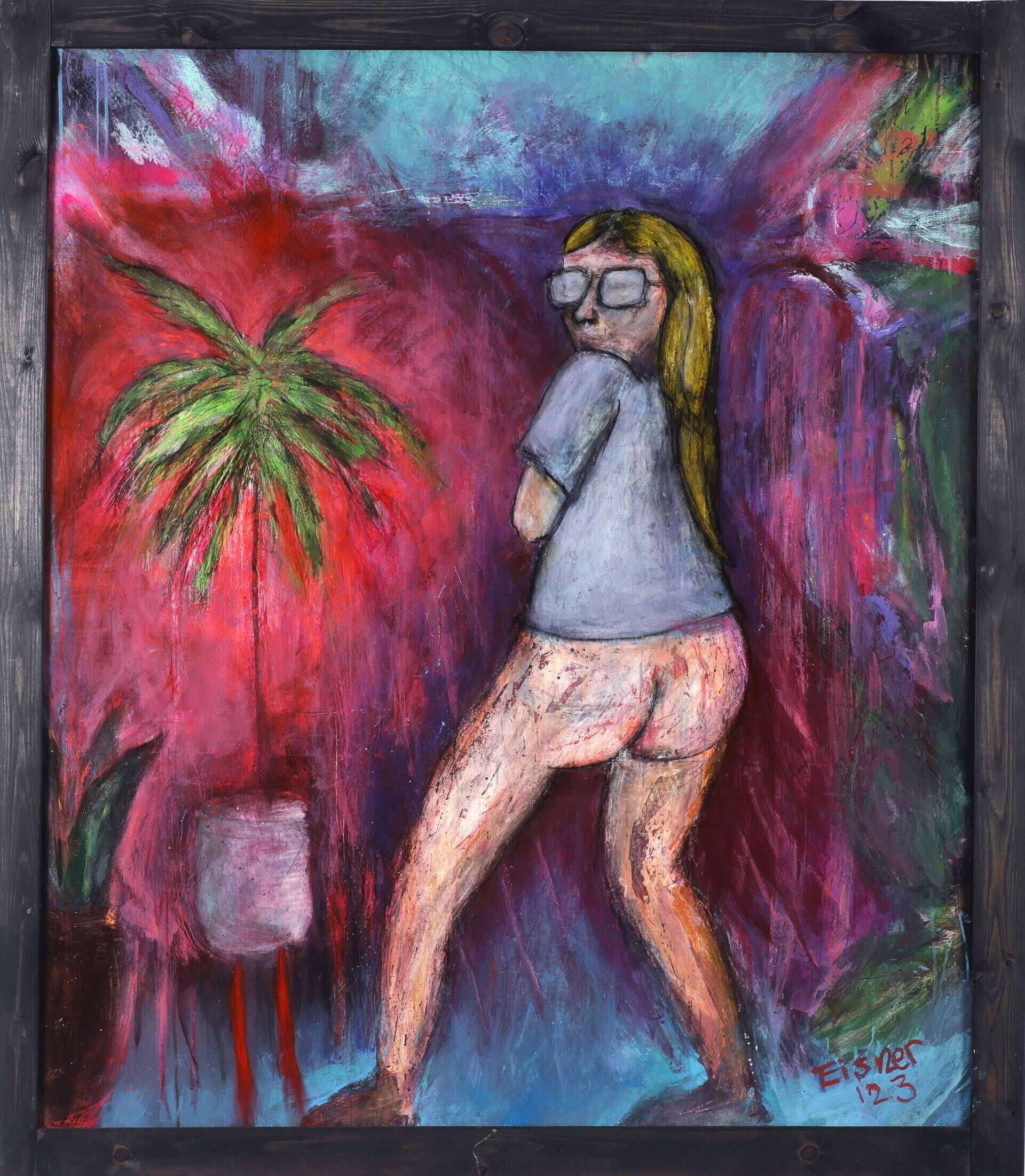
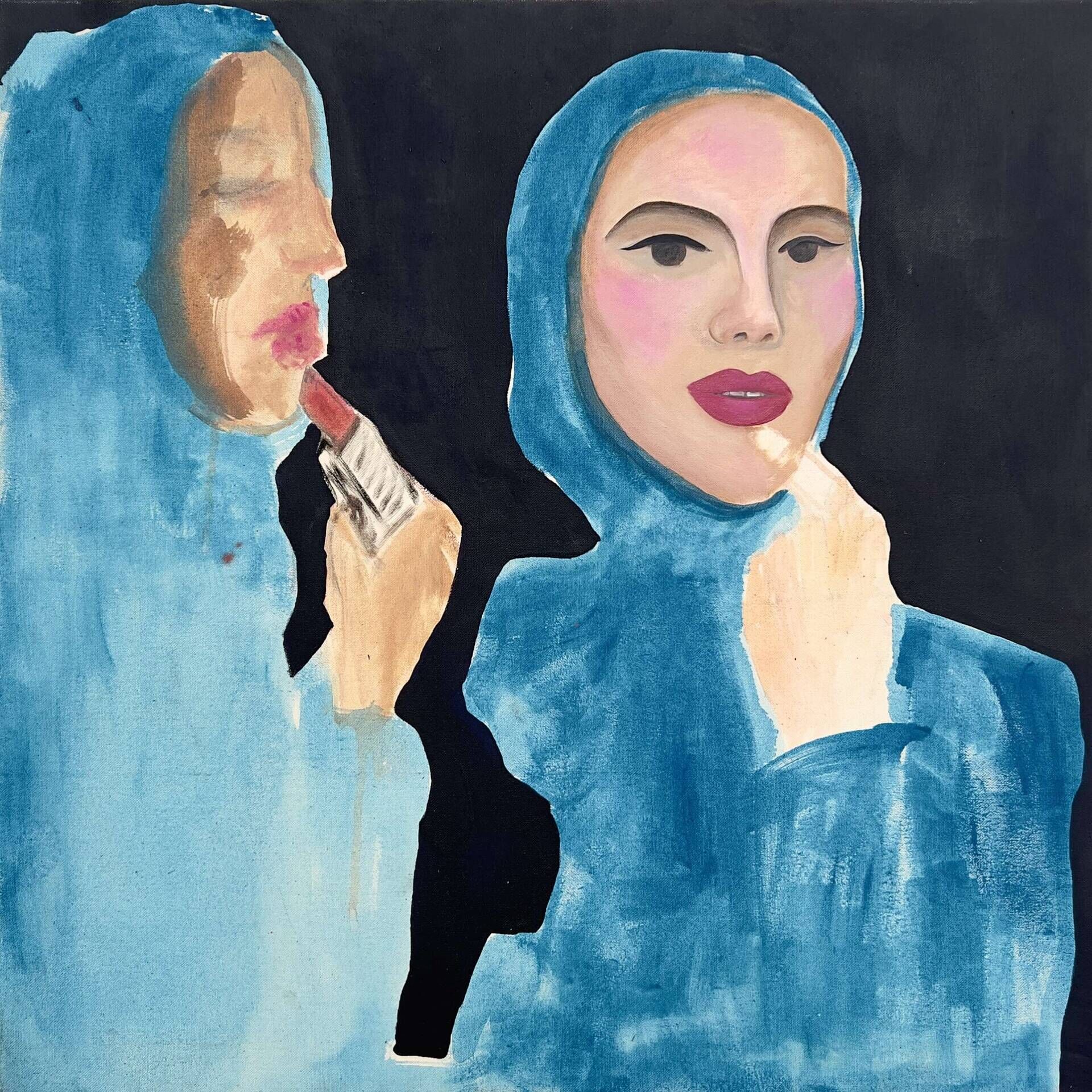
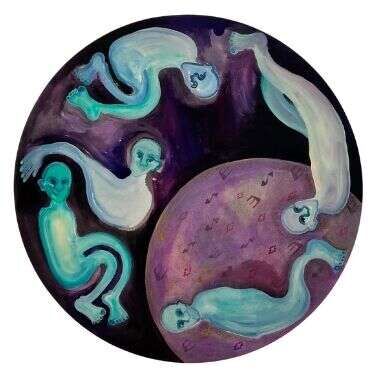
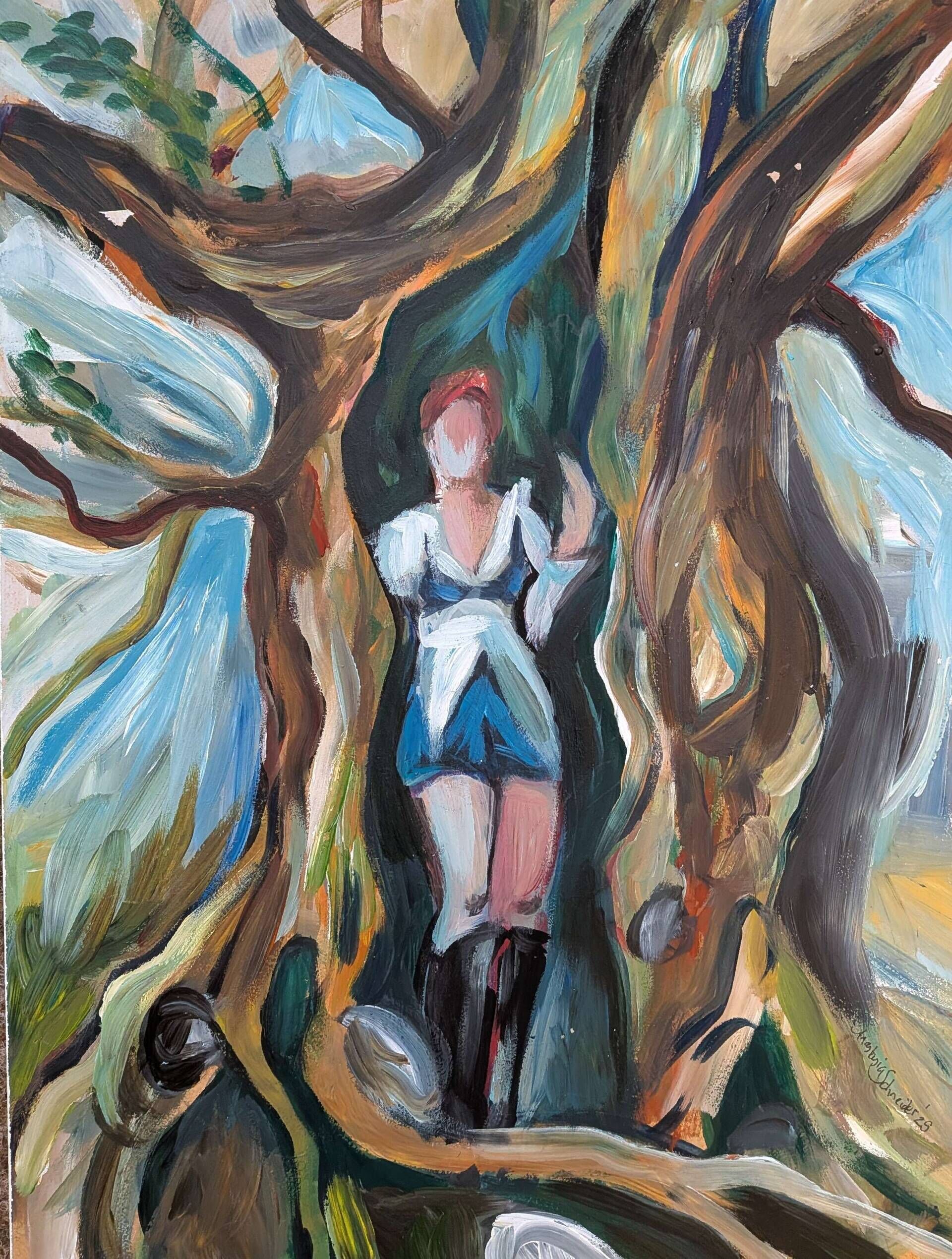
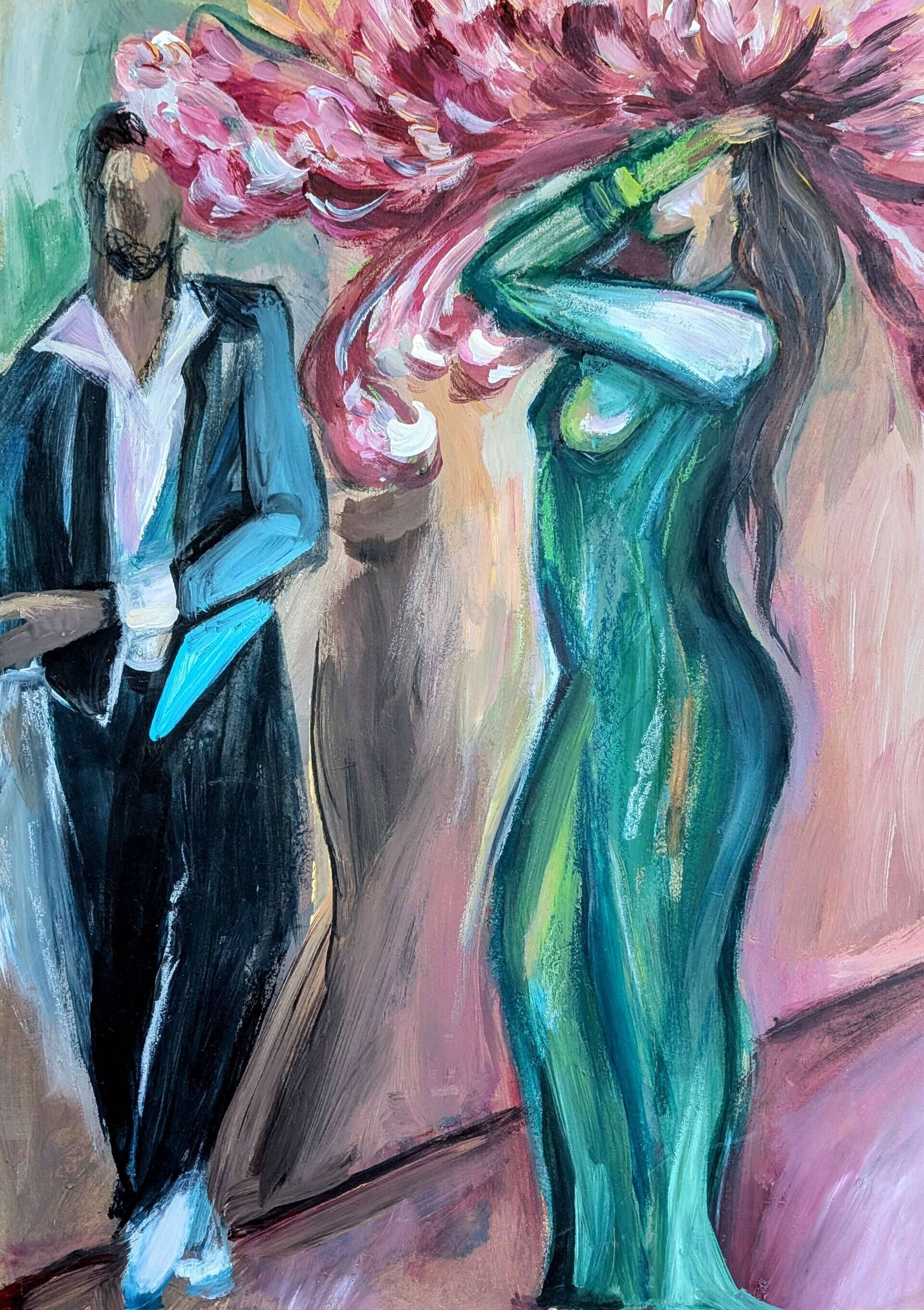
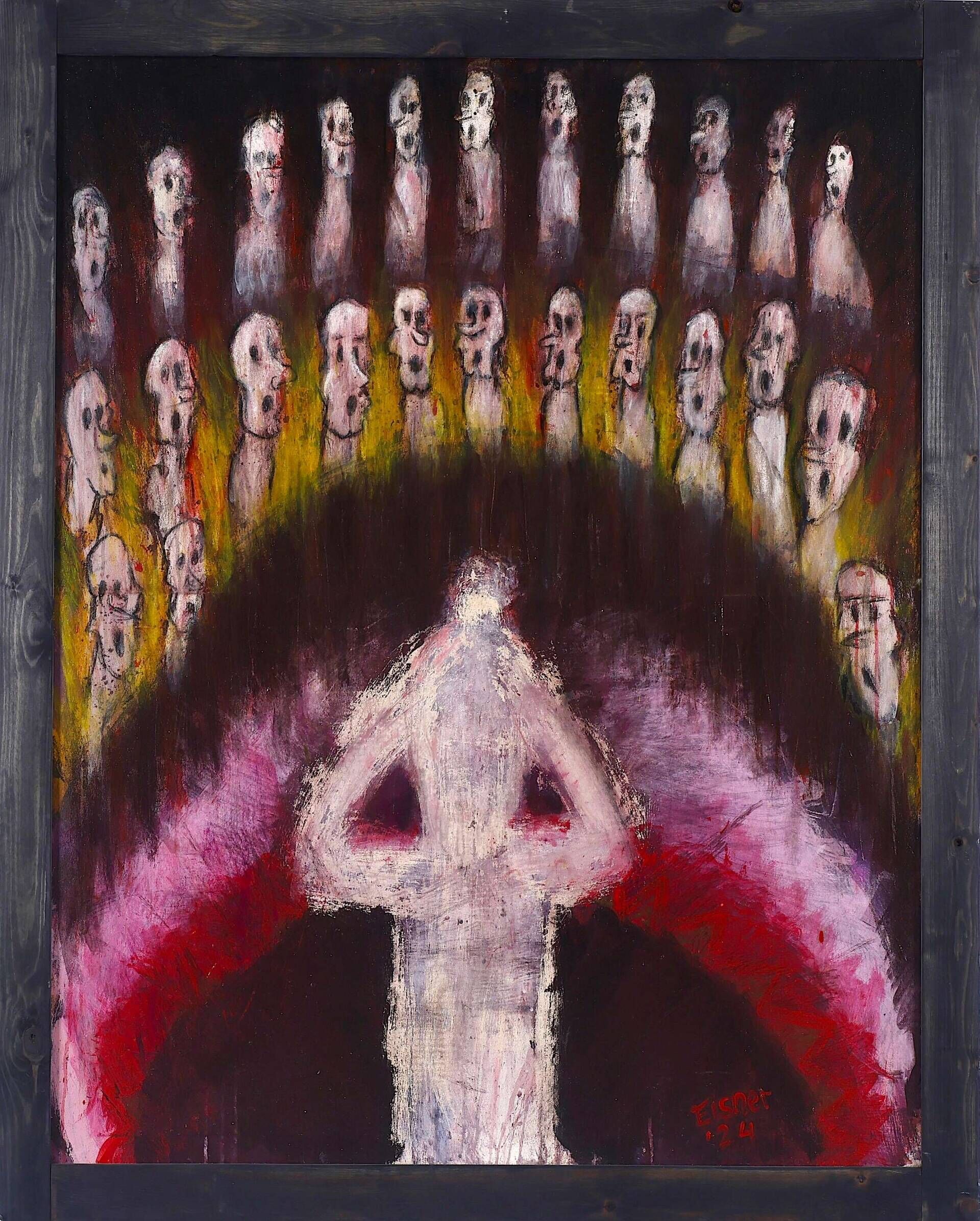
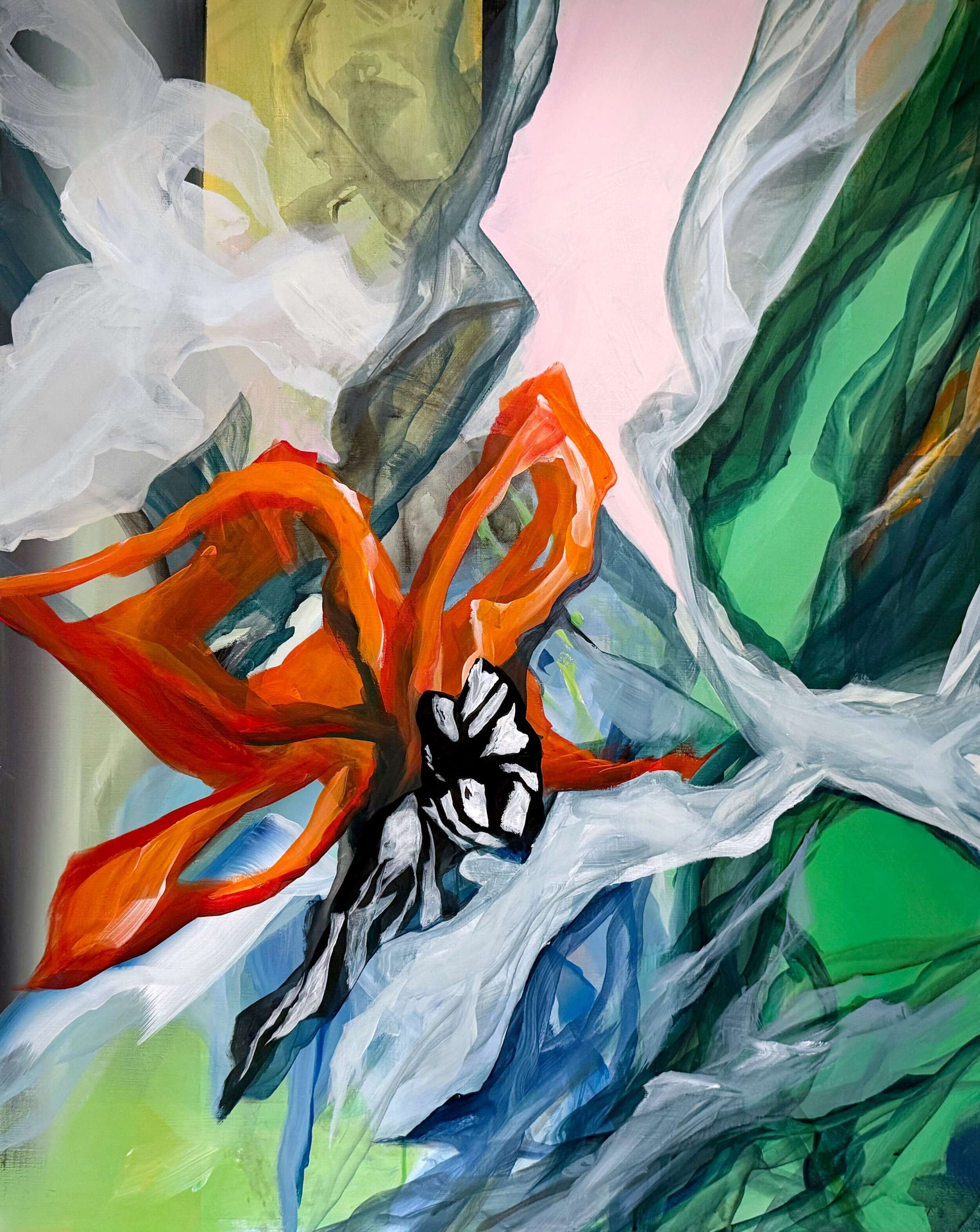
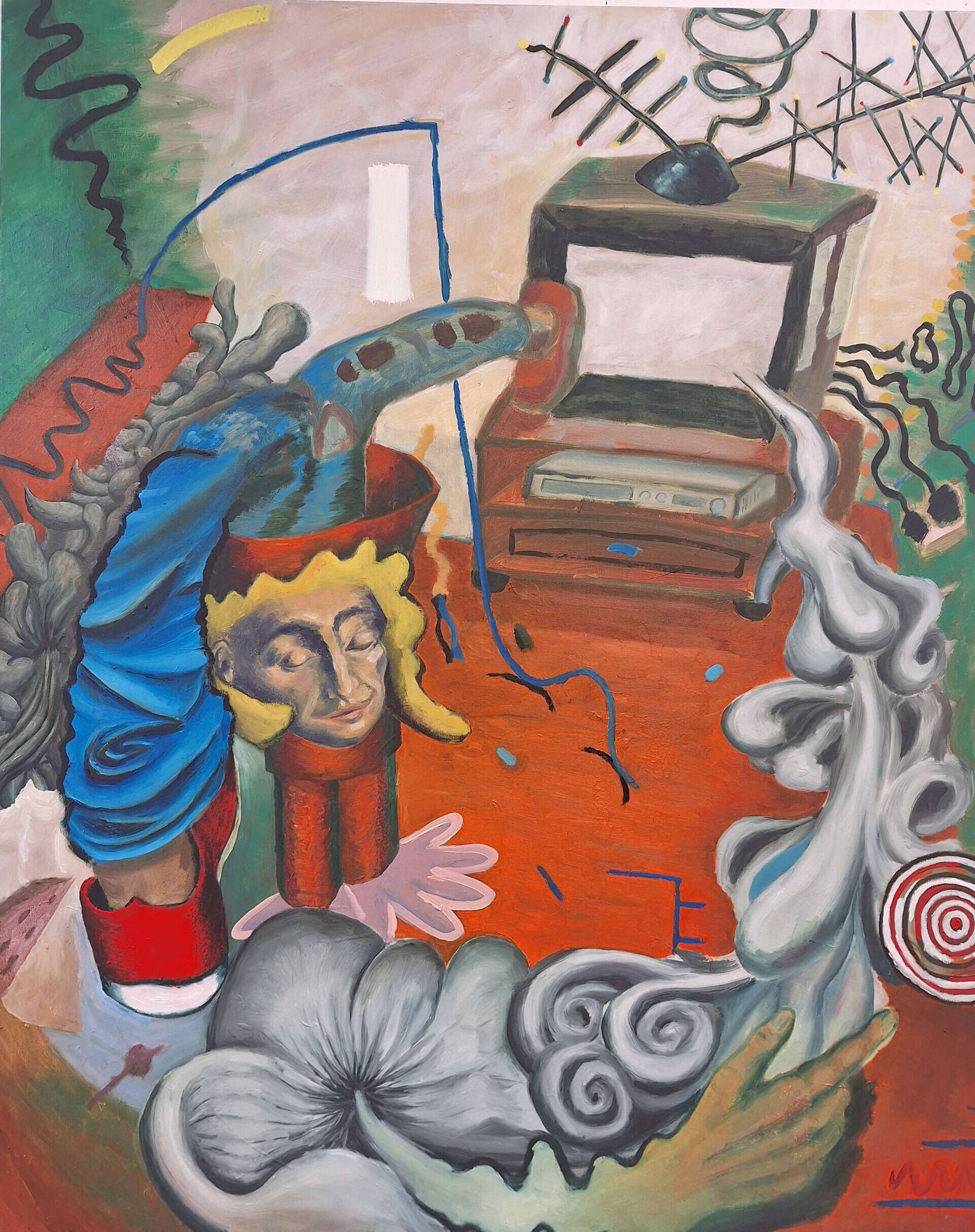
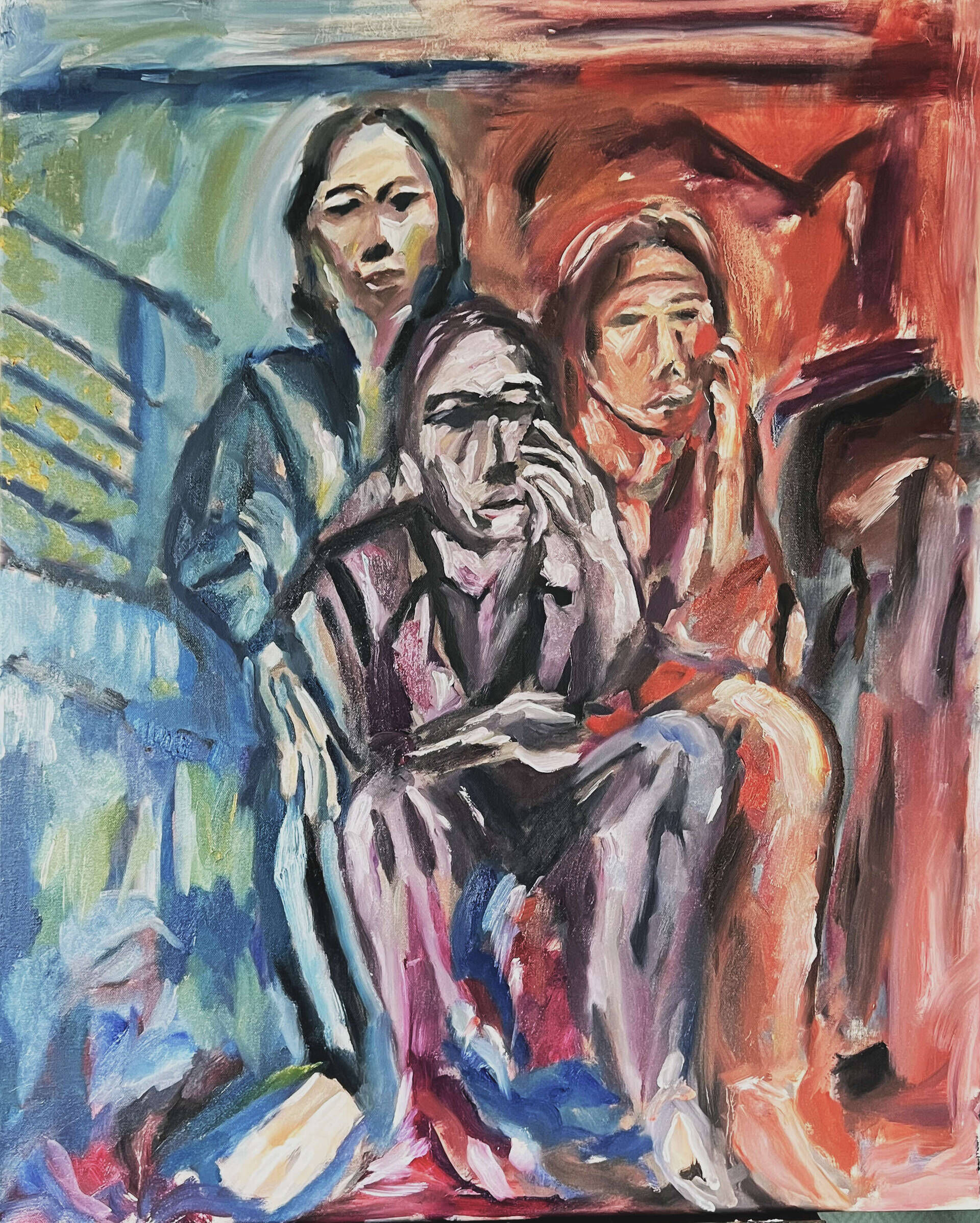
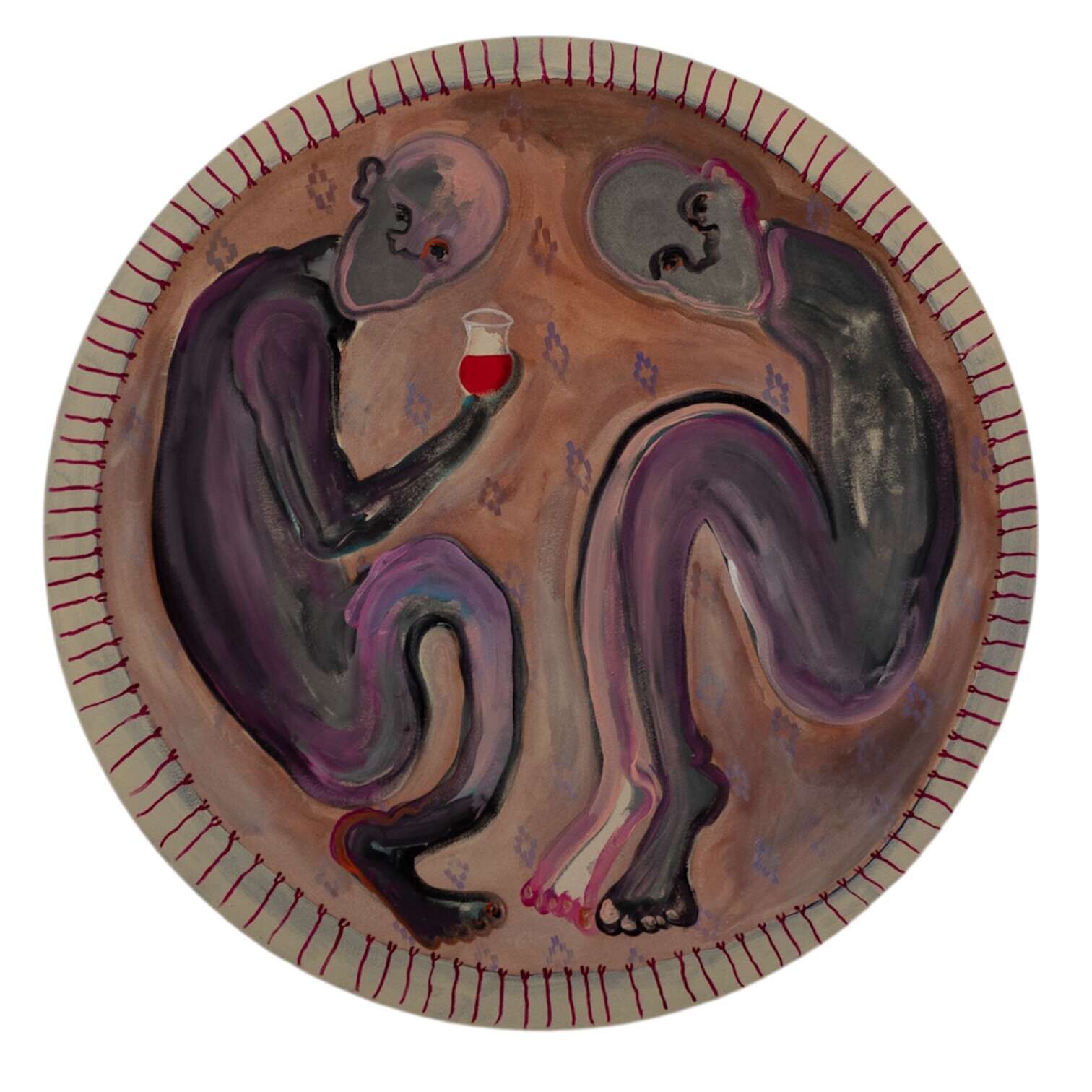
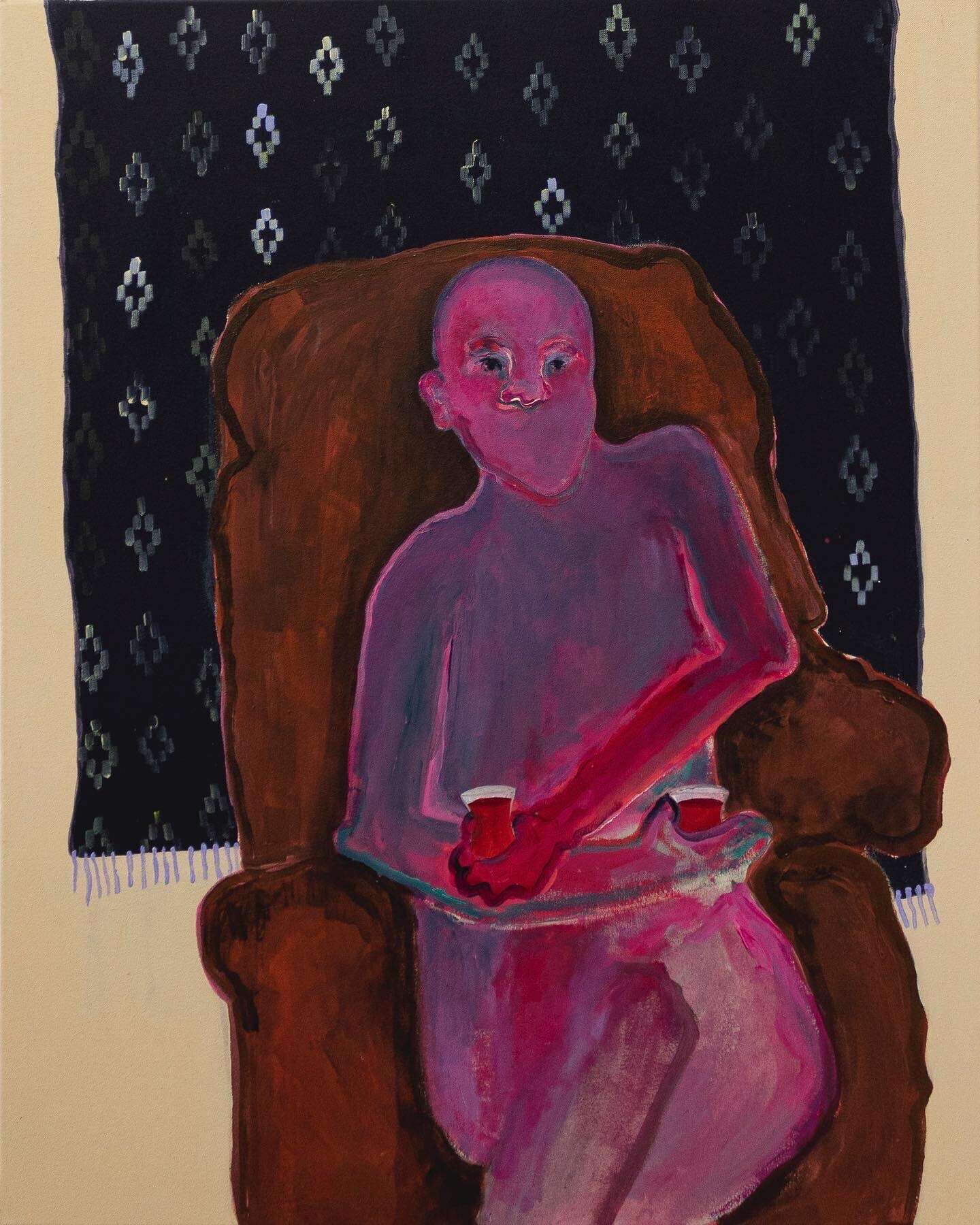
The Student Art Market features outstanding young artists and Symbolists who, with their individual styles, are shaping the categories of mythology and Symbolism.
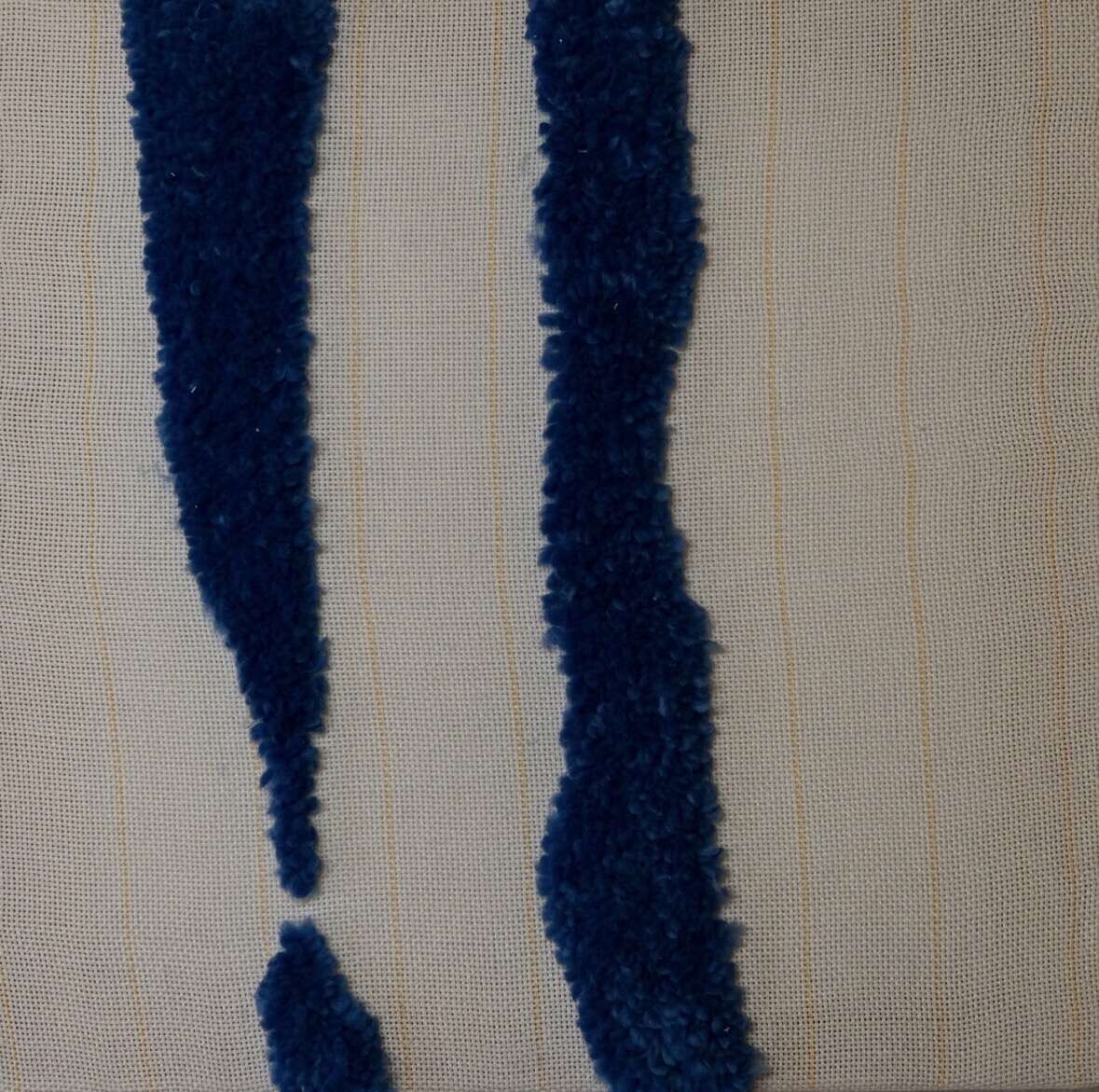
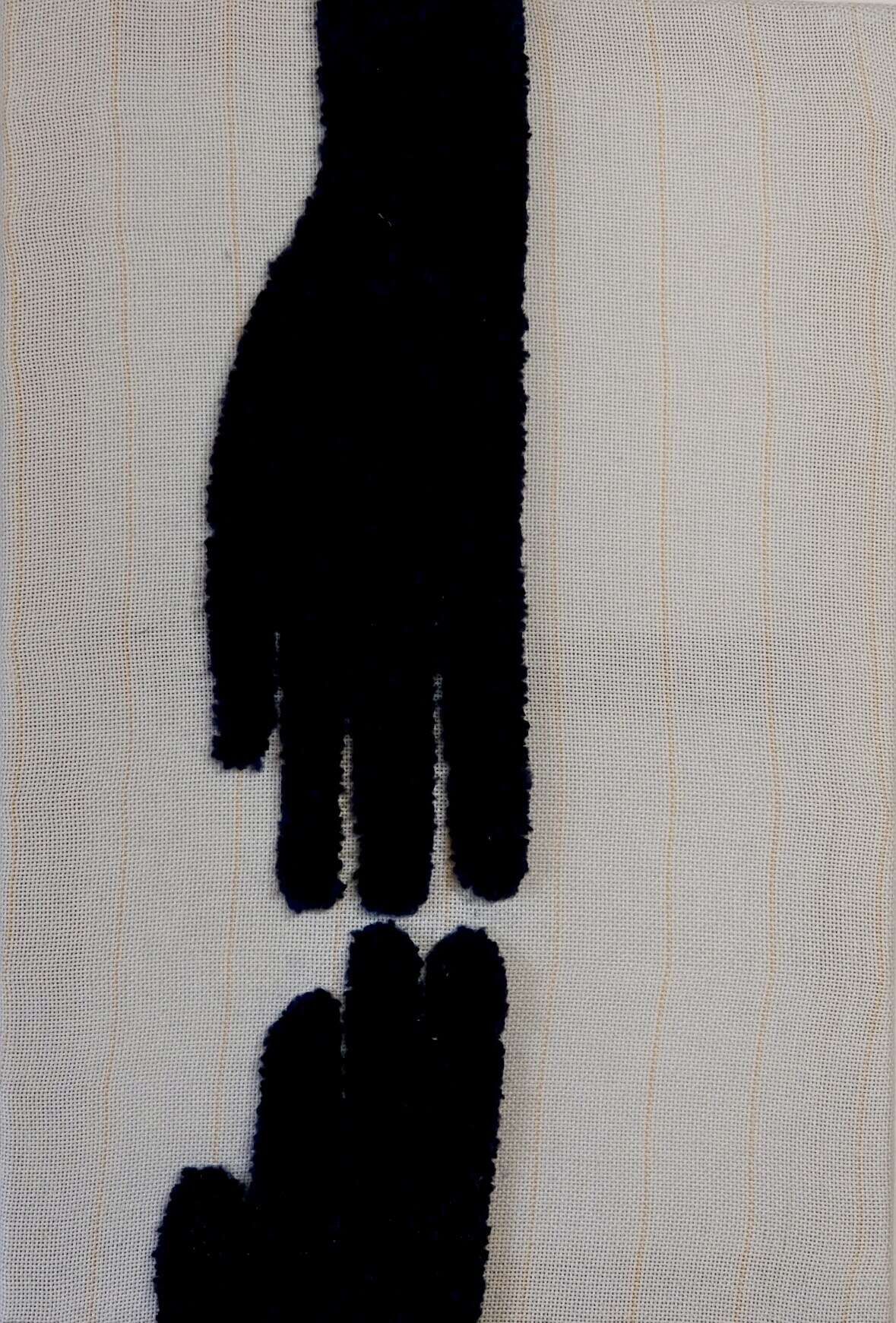
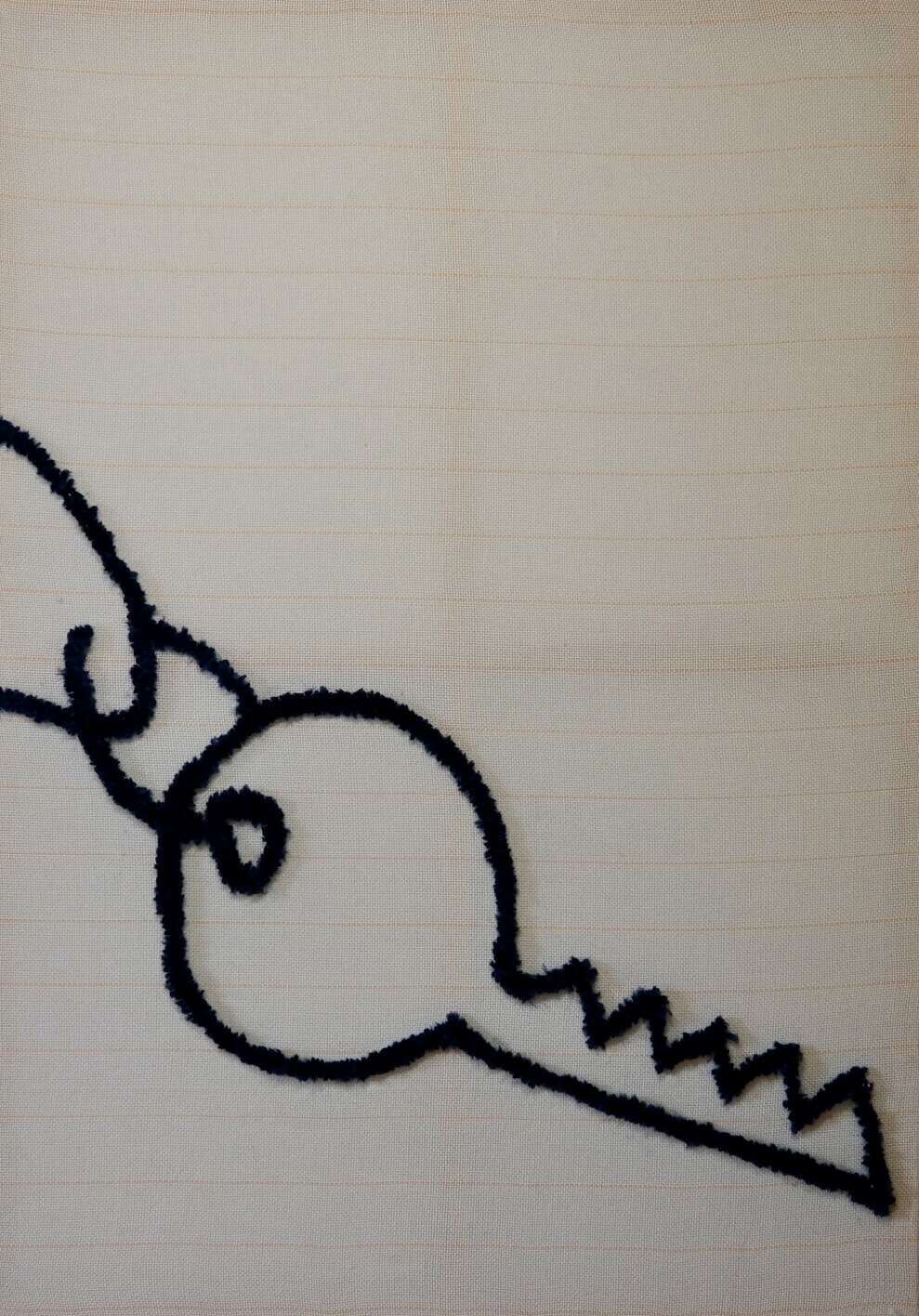
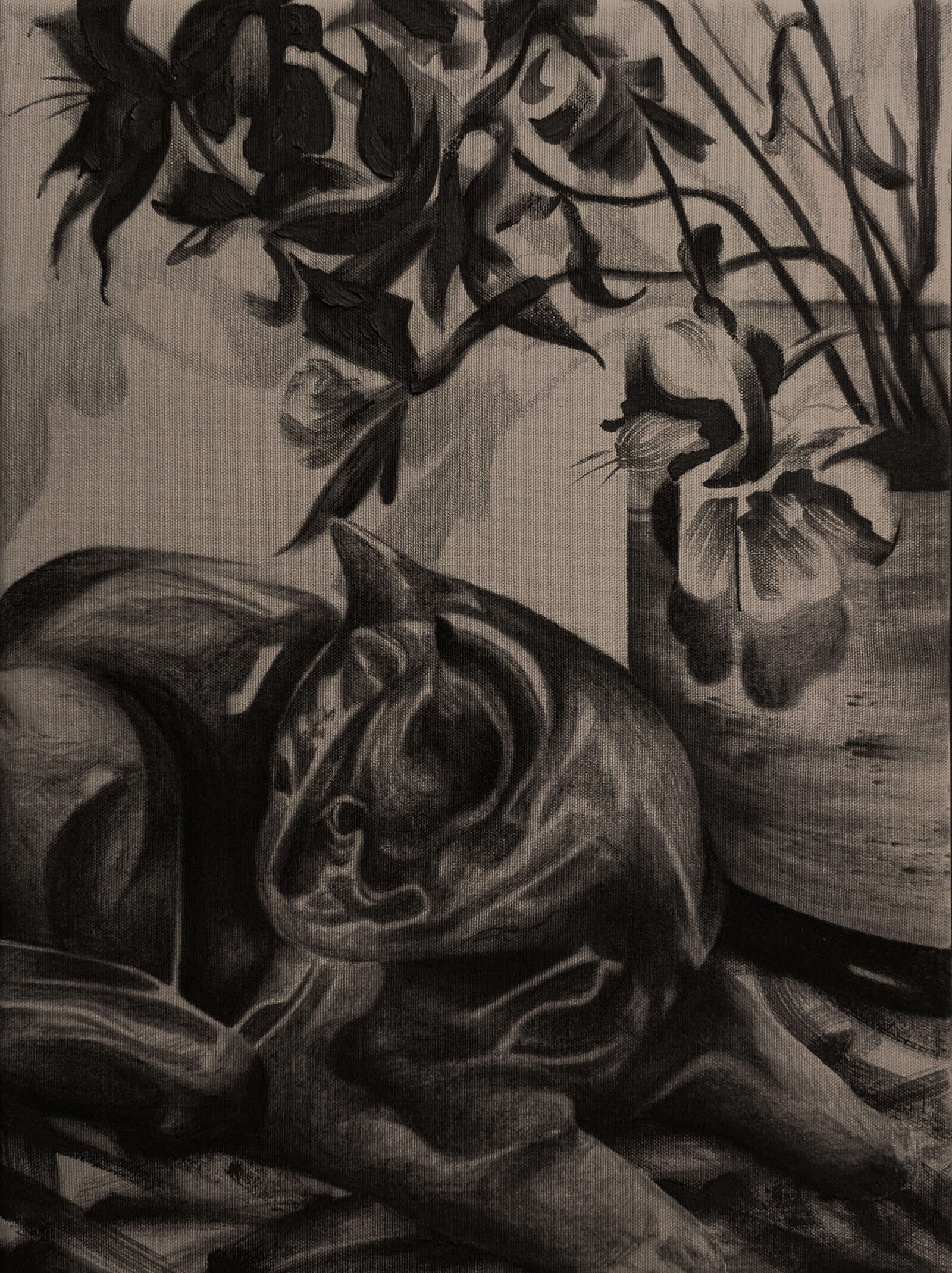
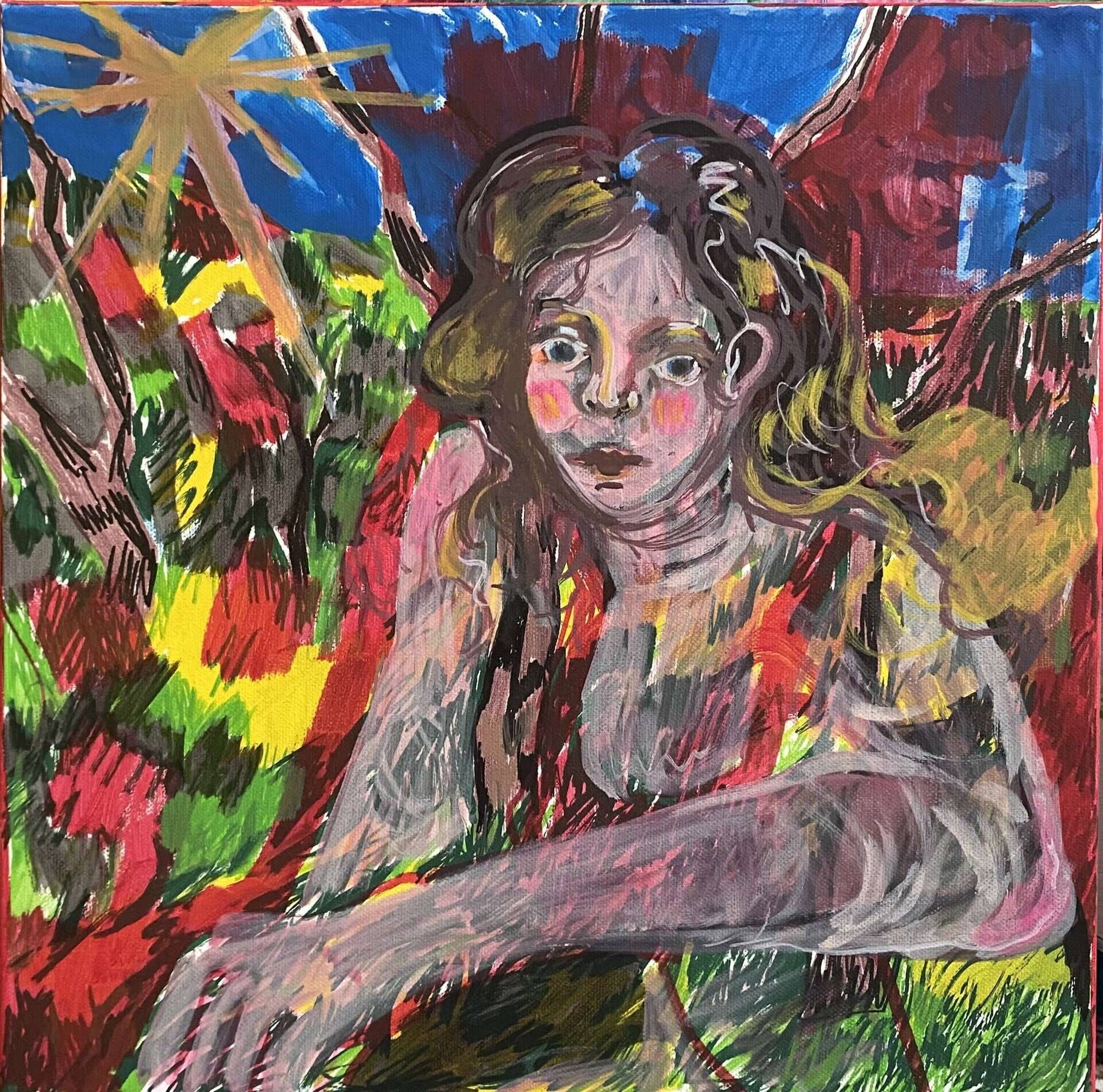
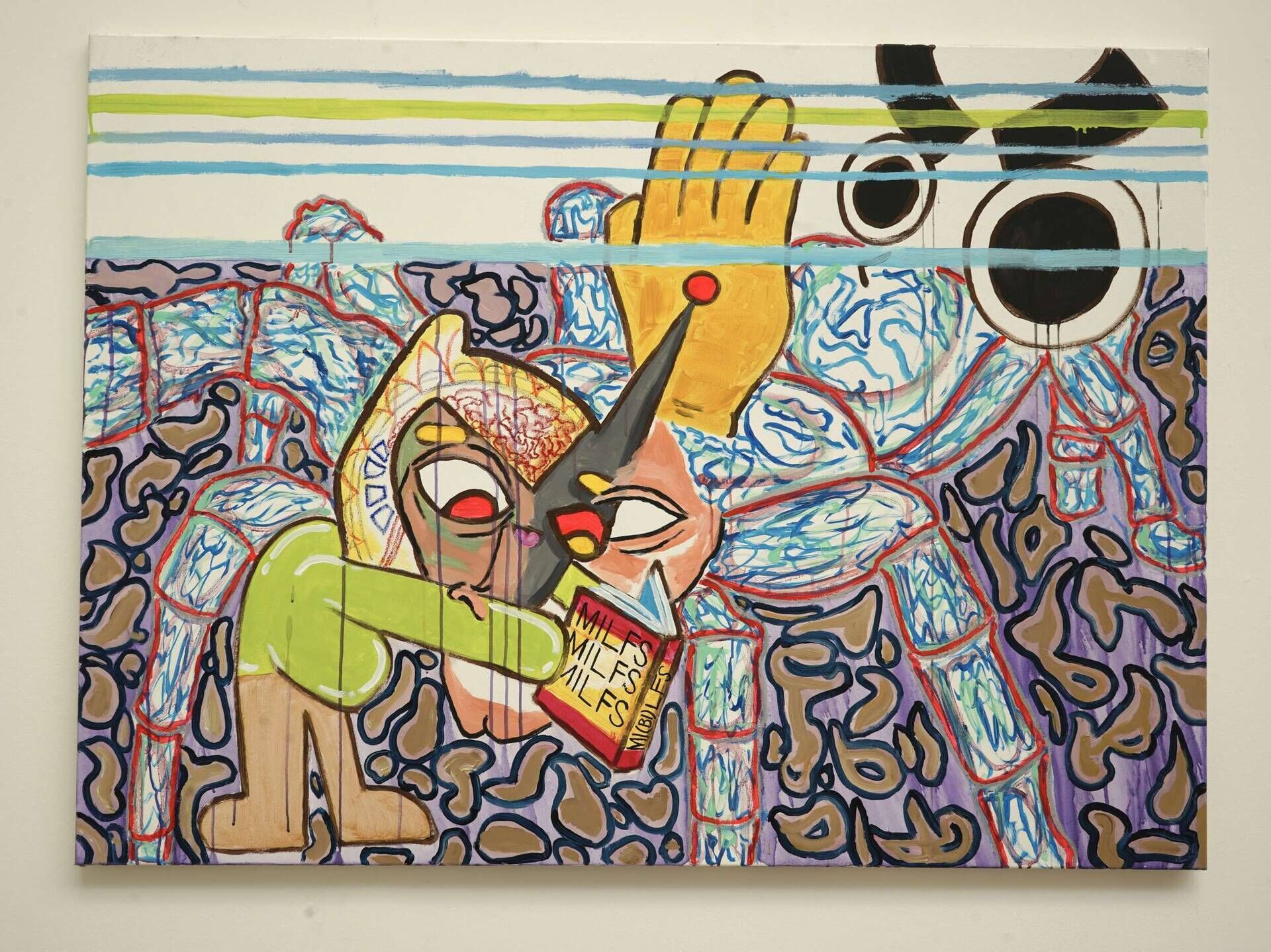
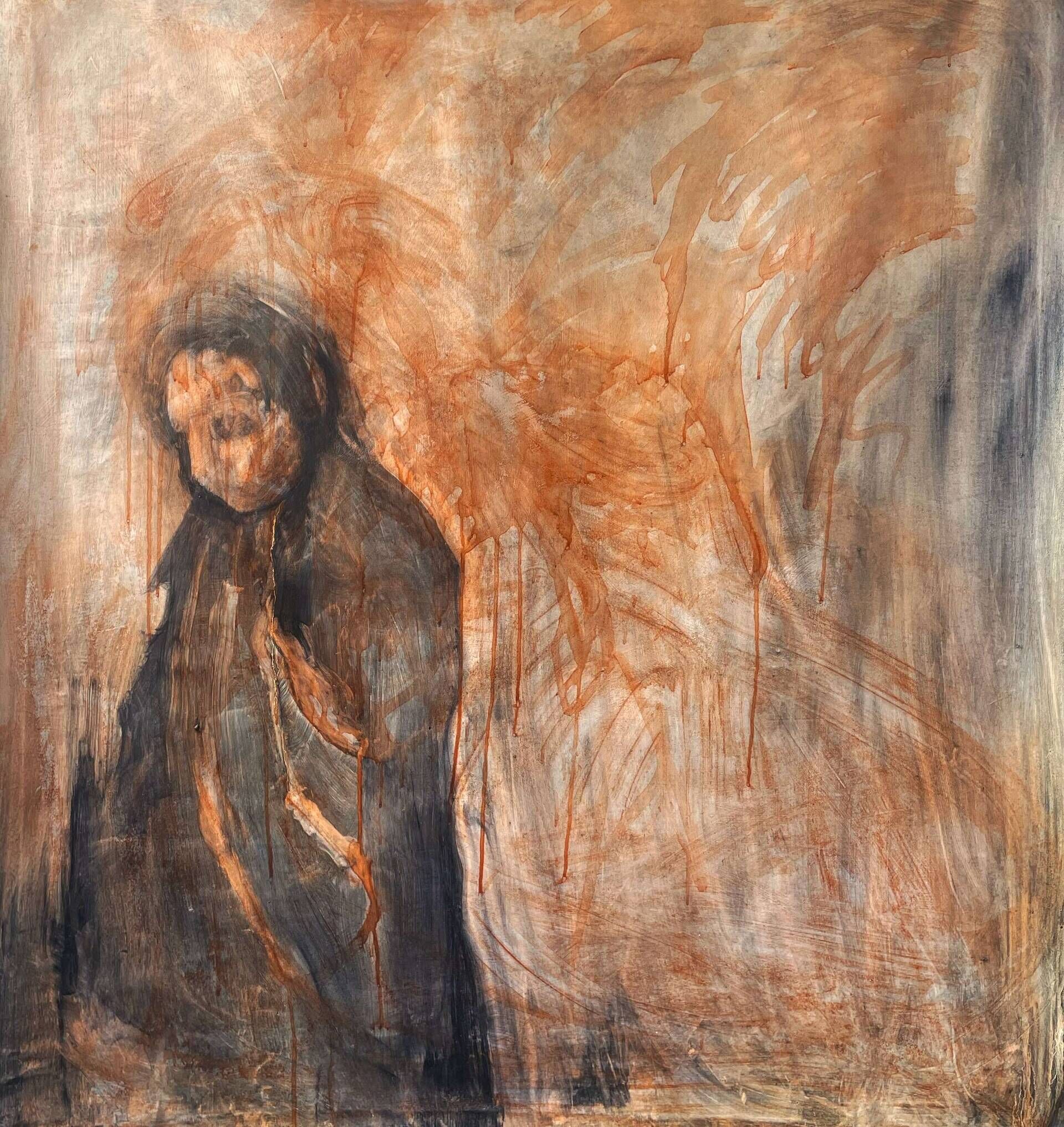
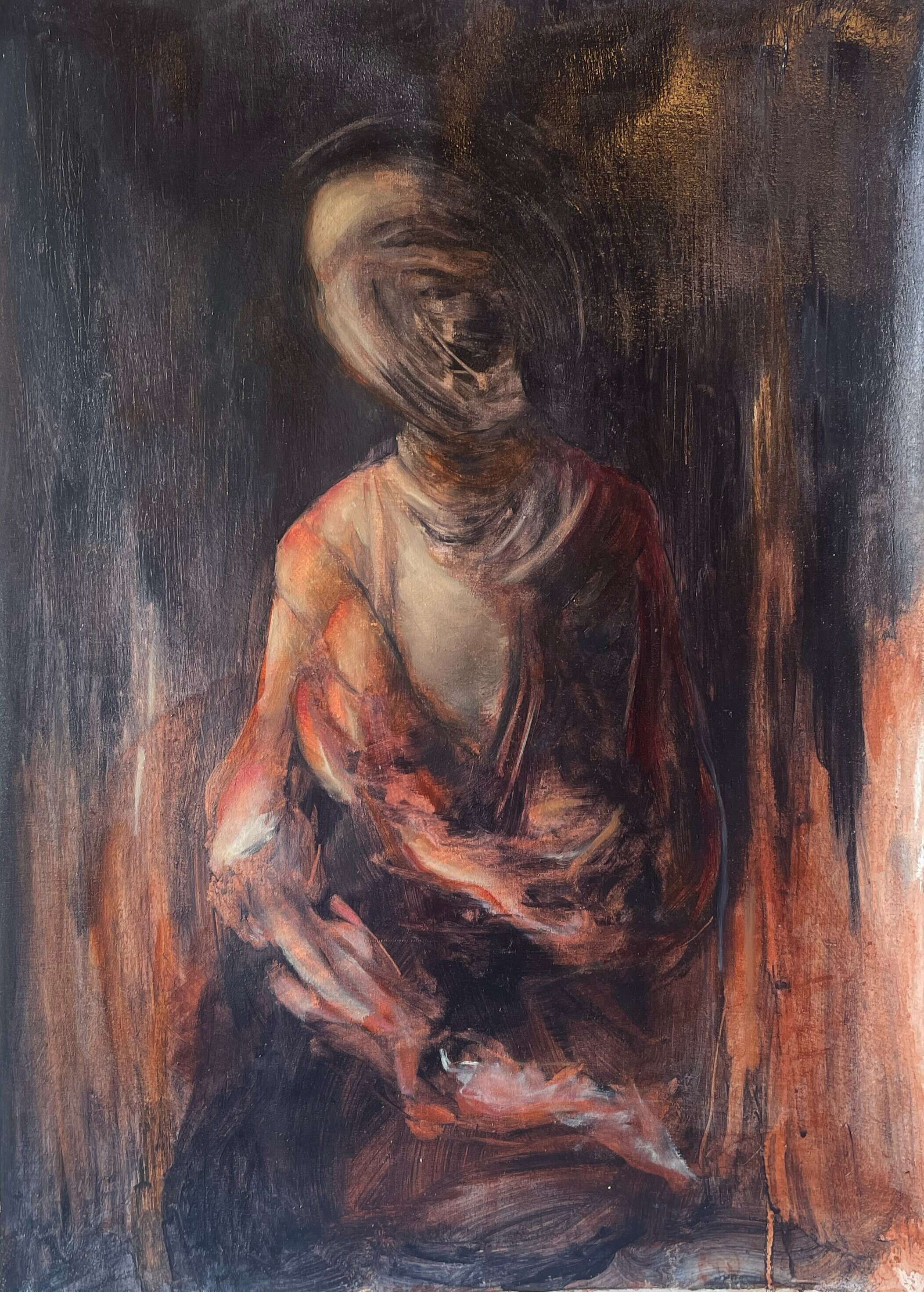
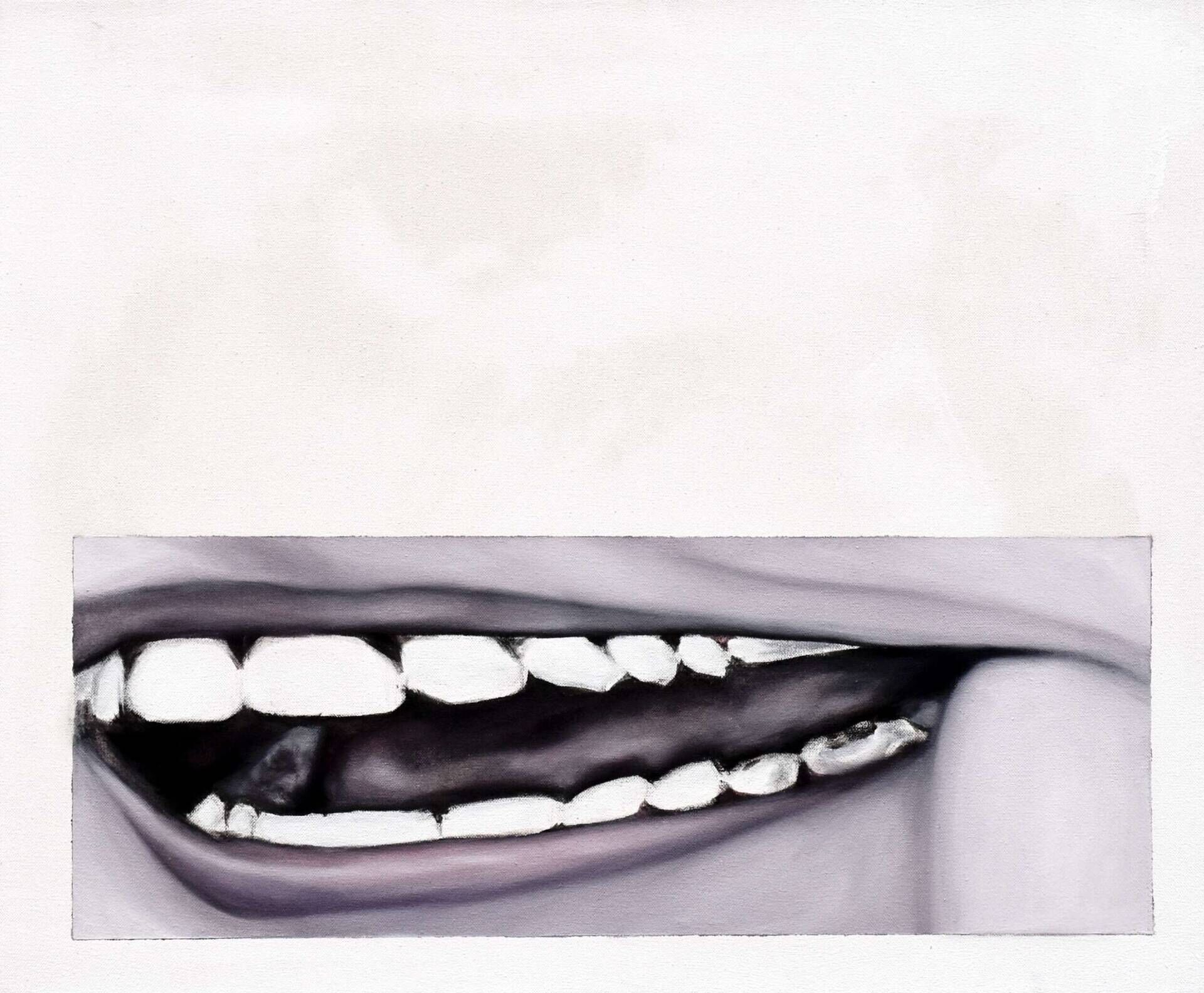
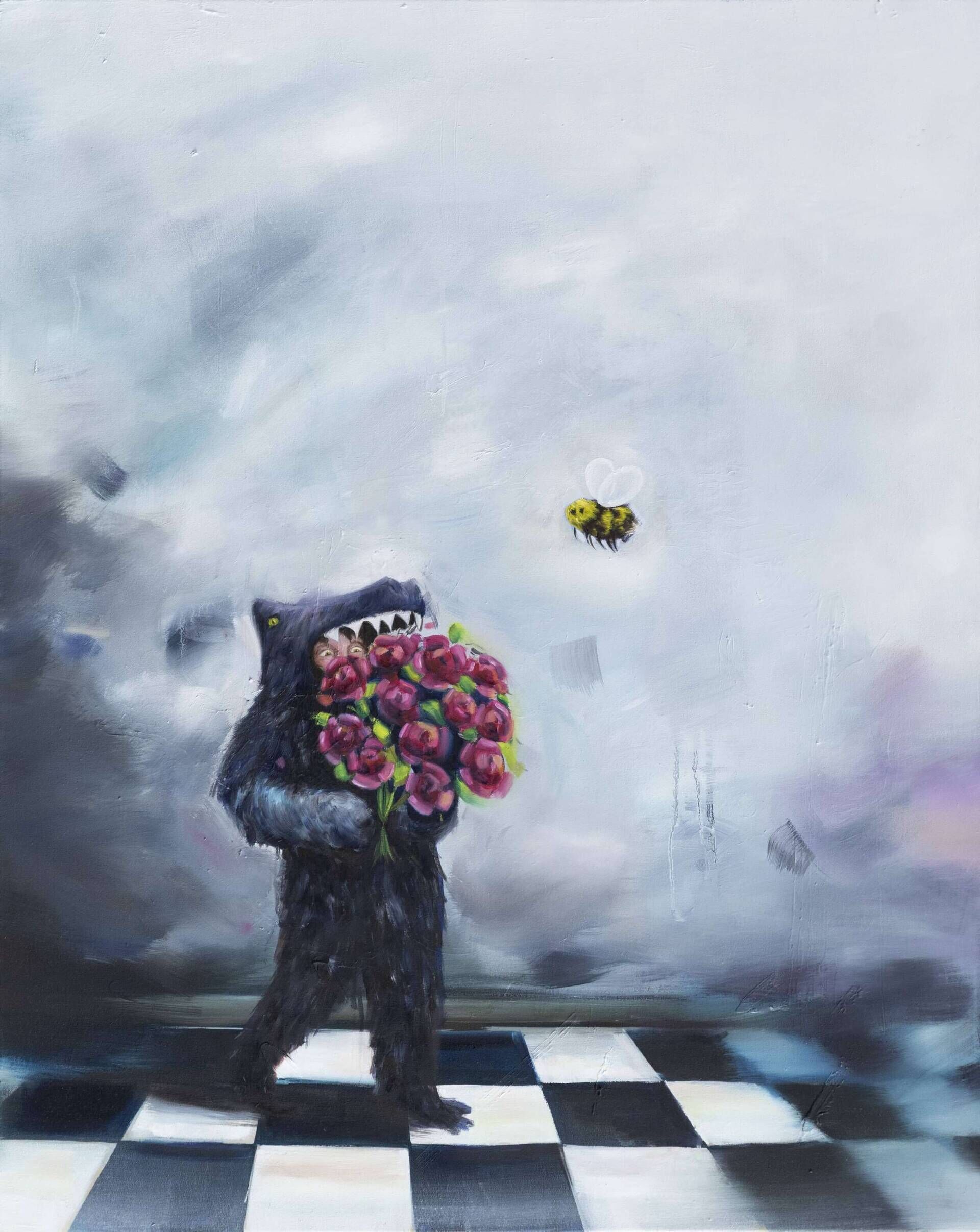
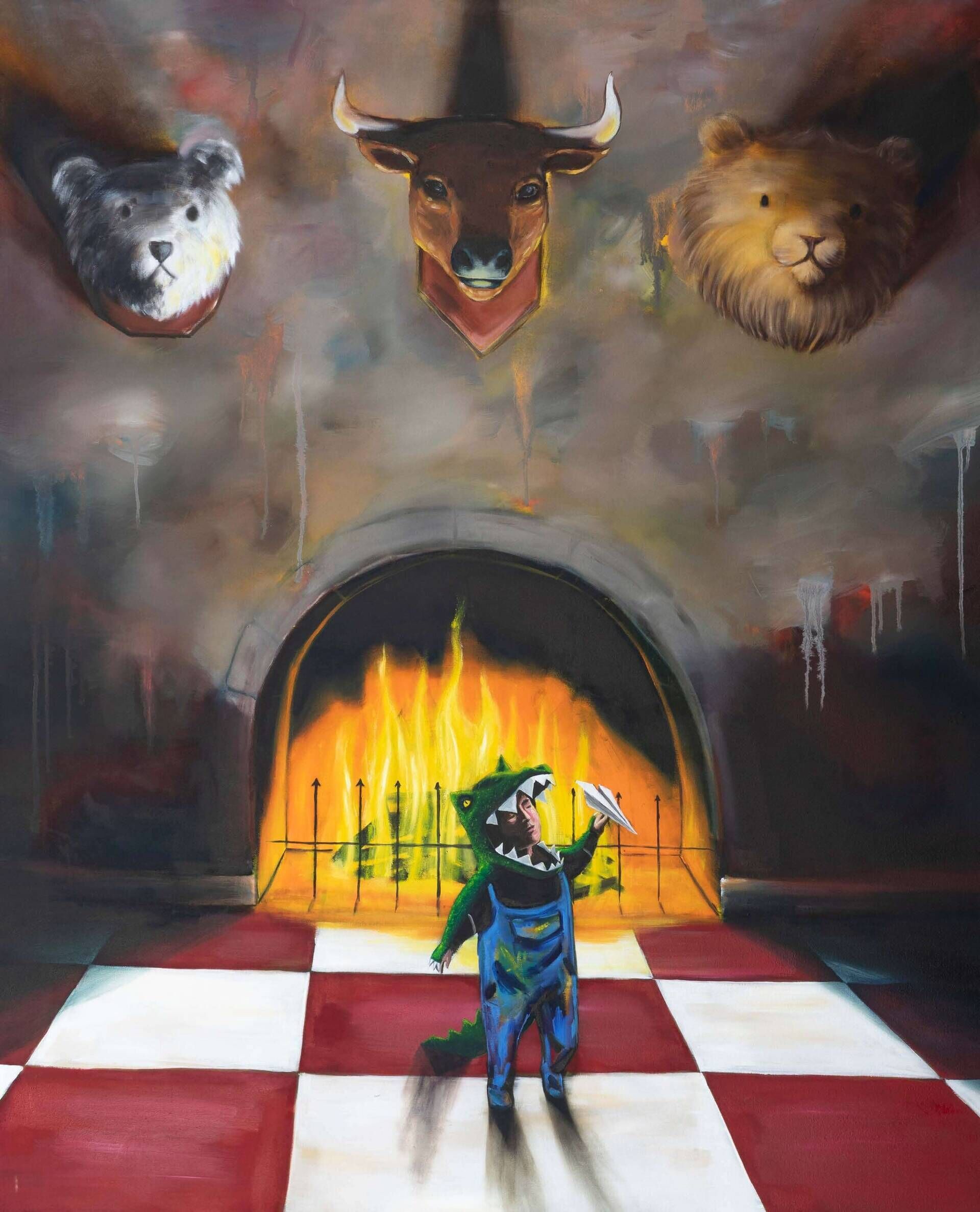
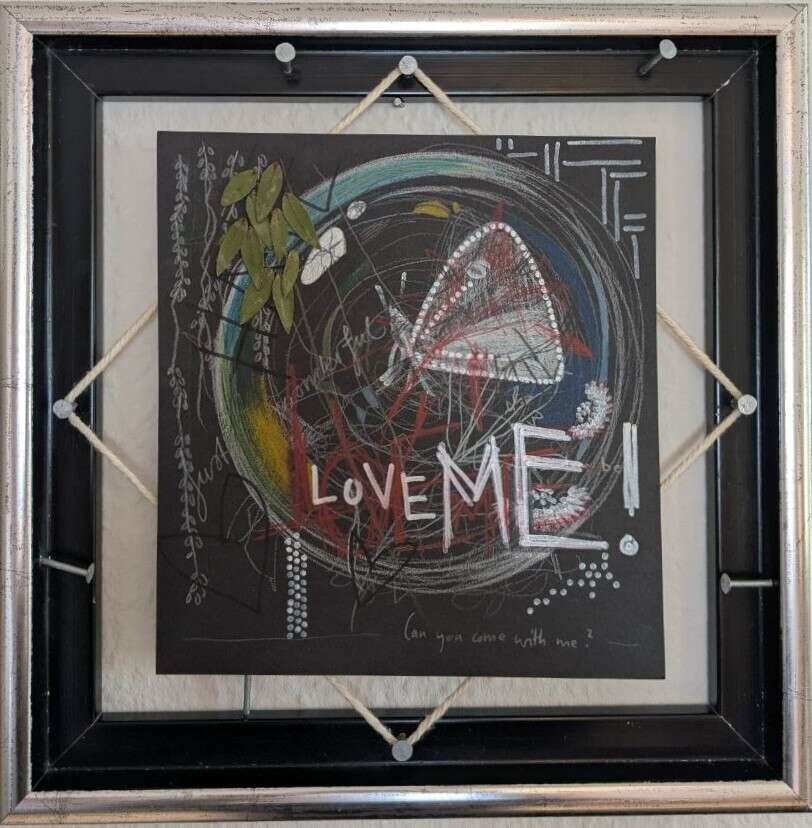
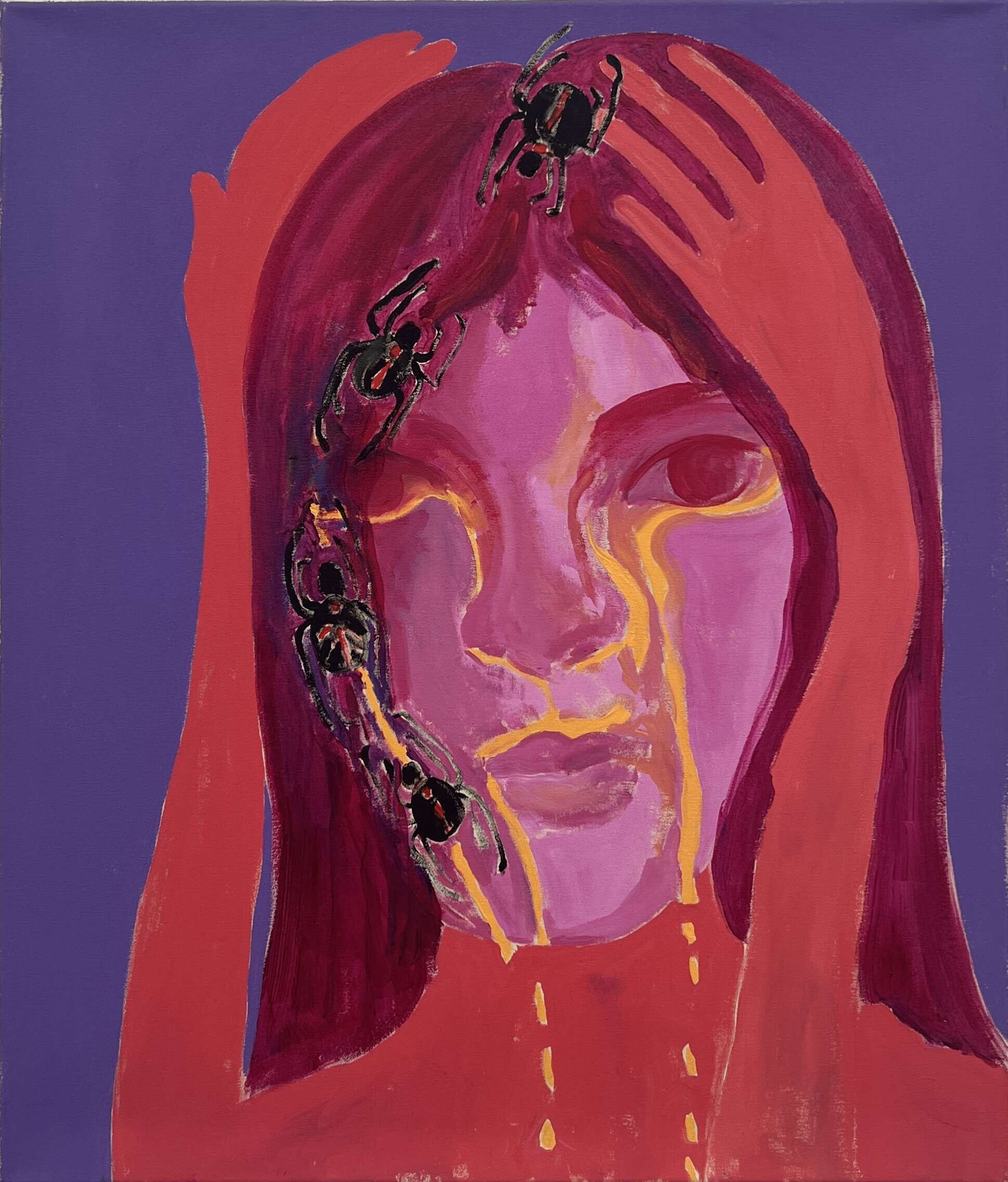
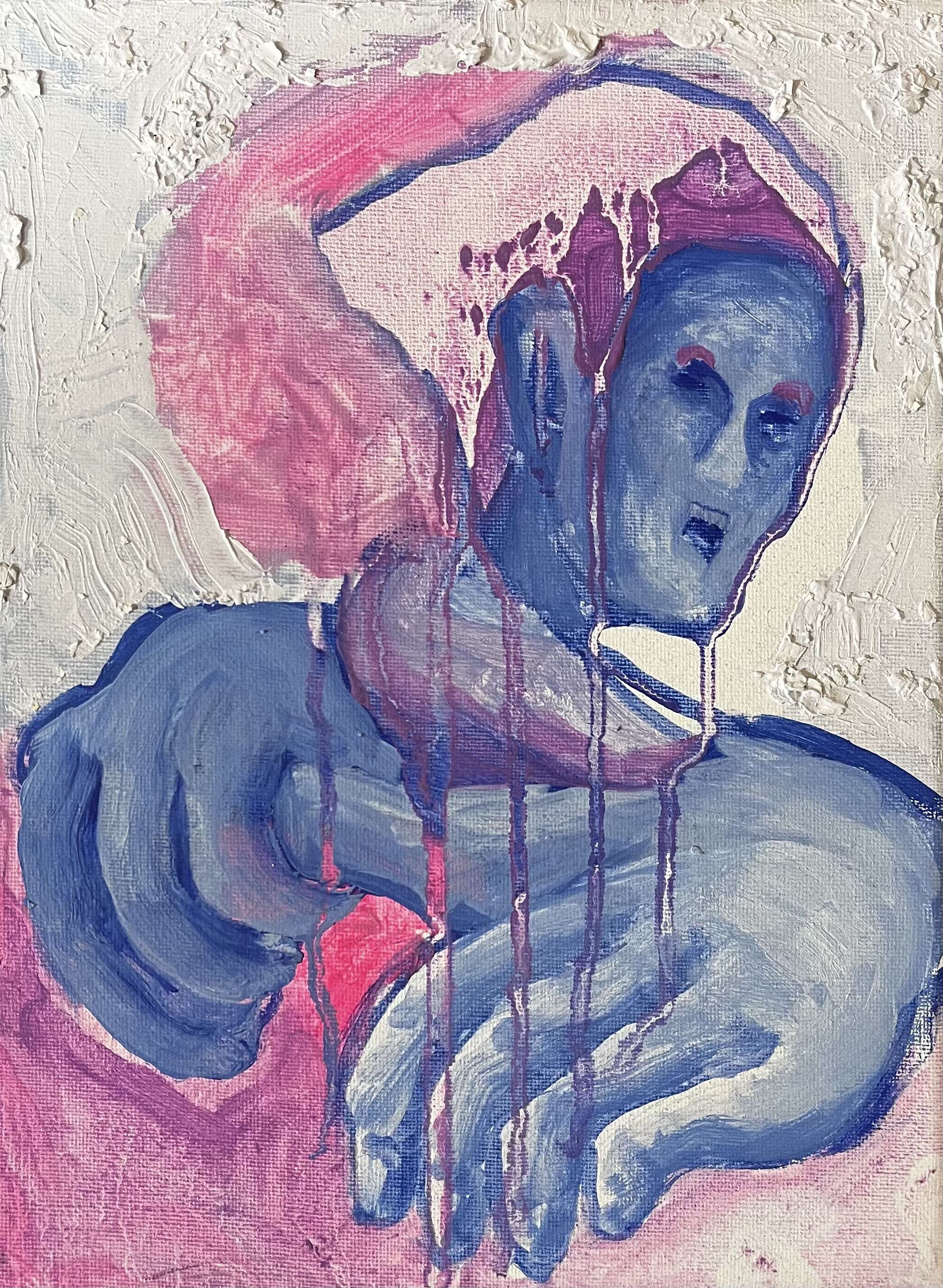
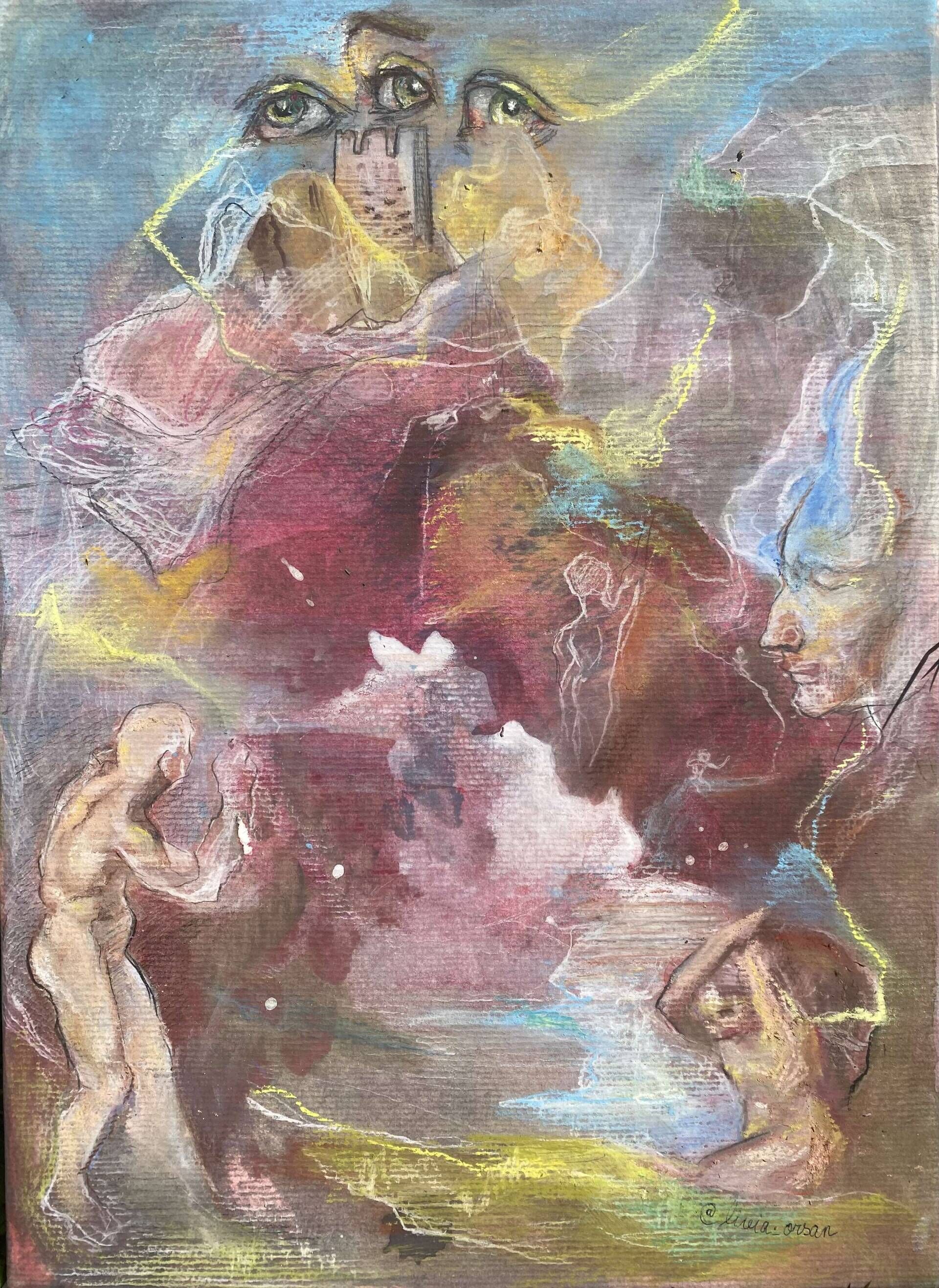
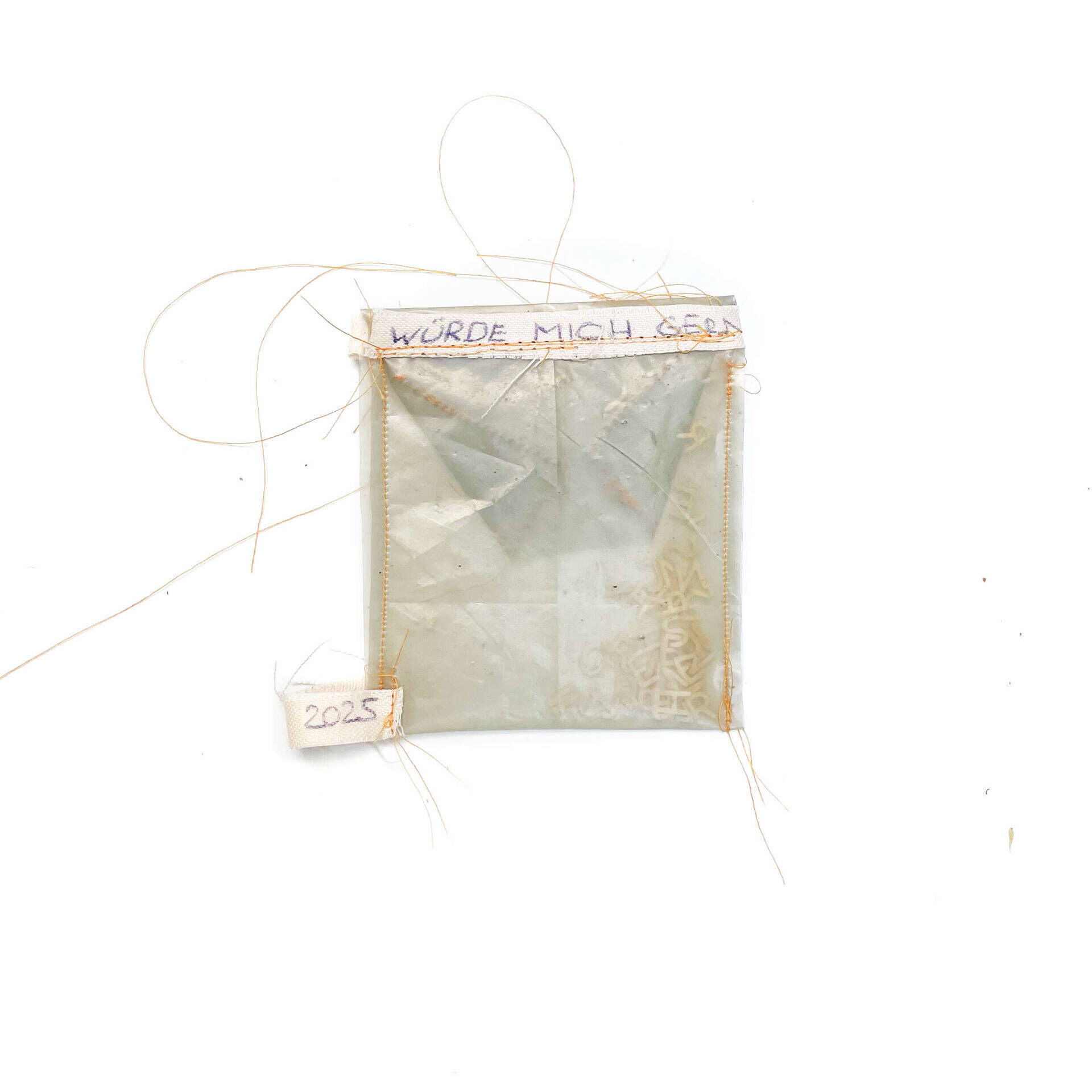
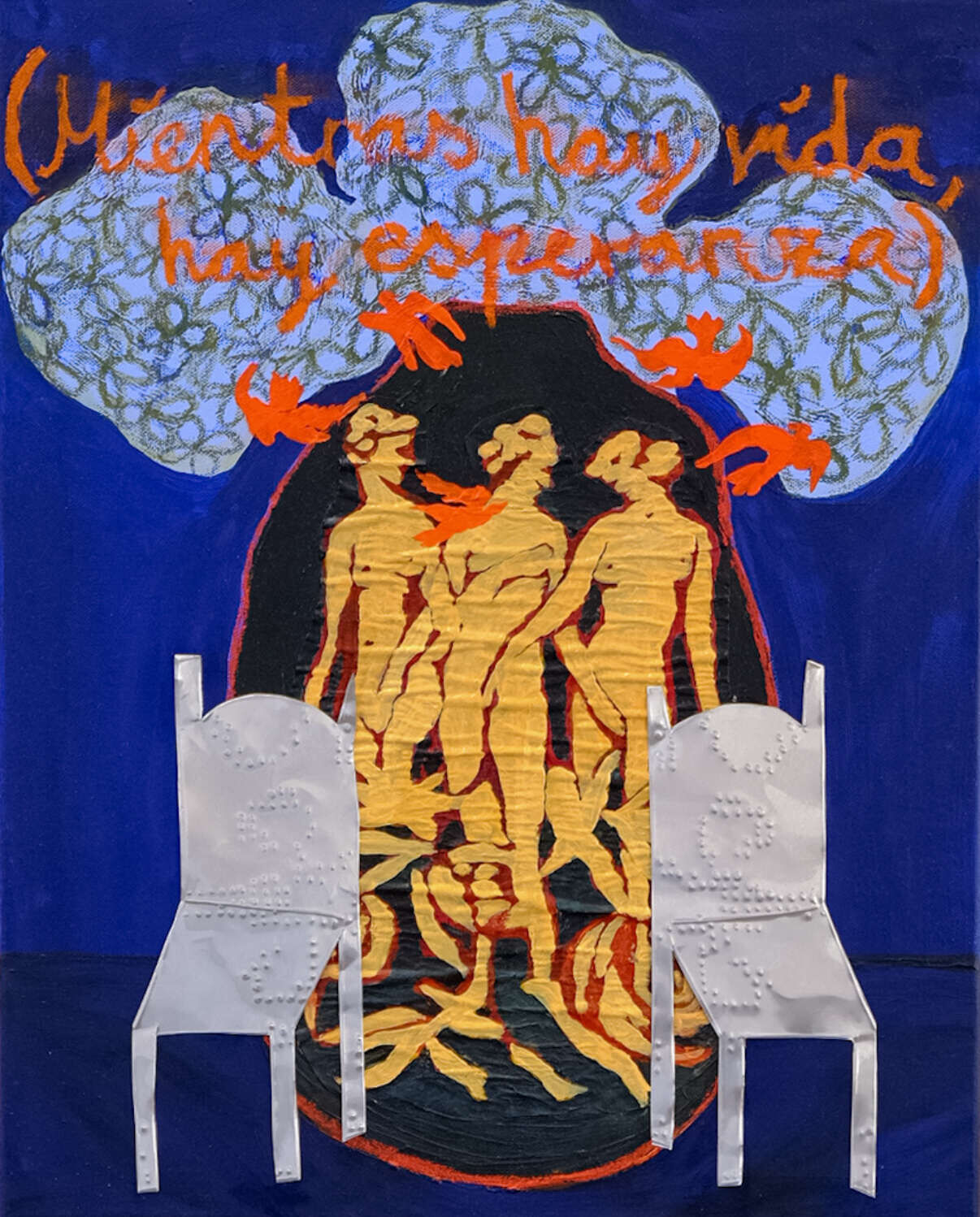
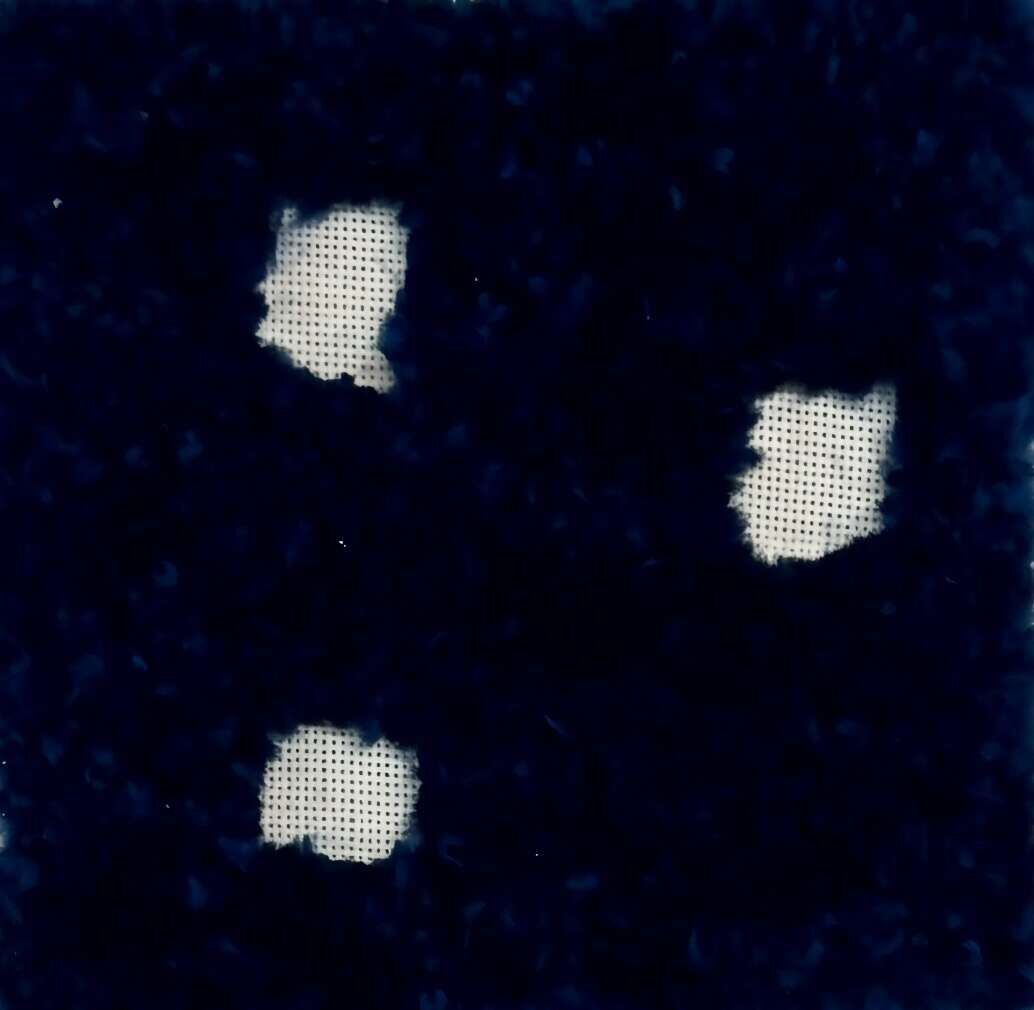
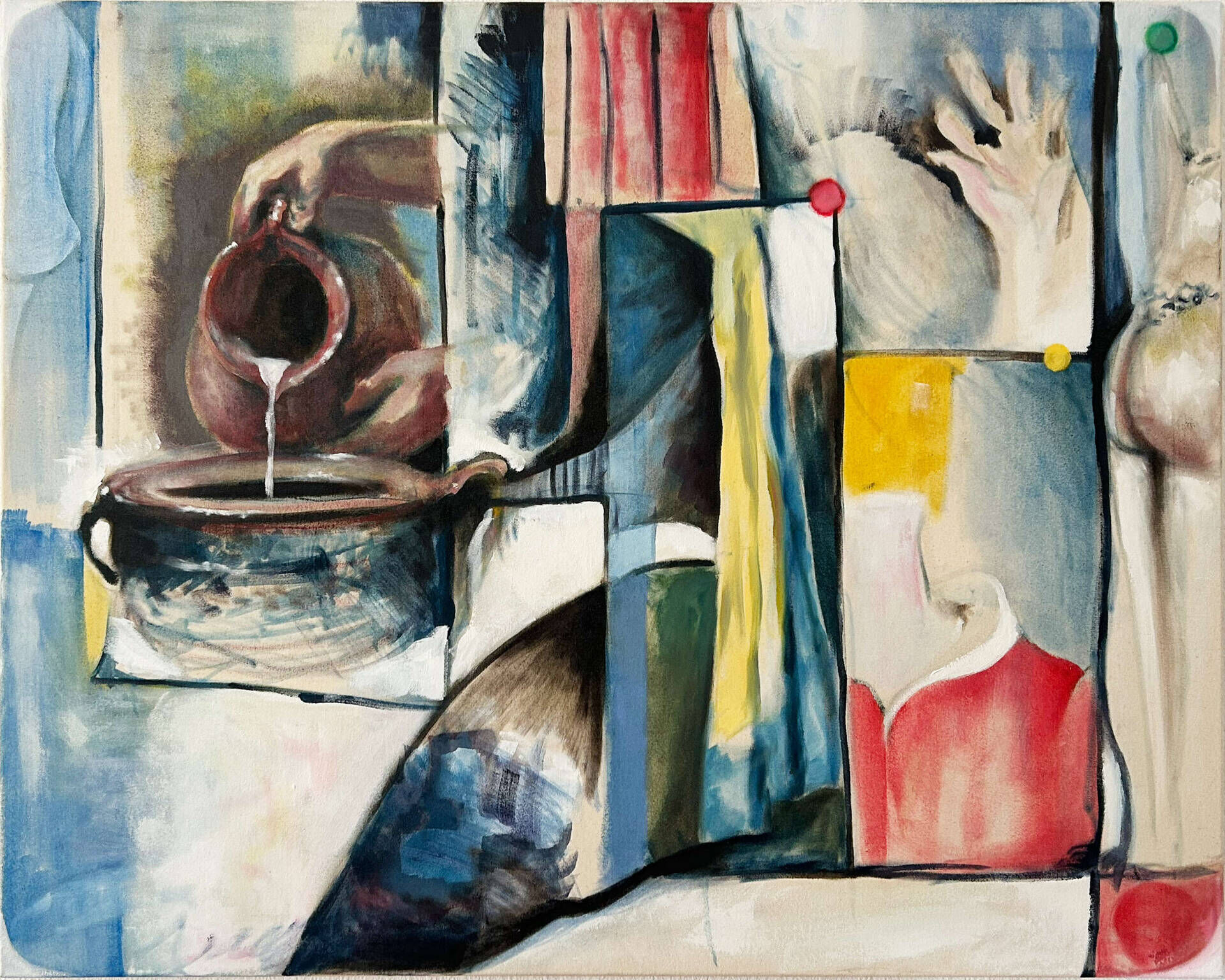
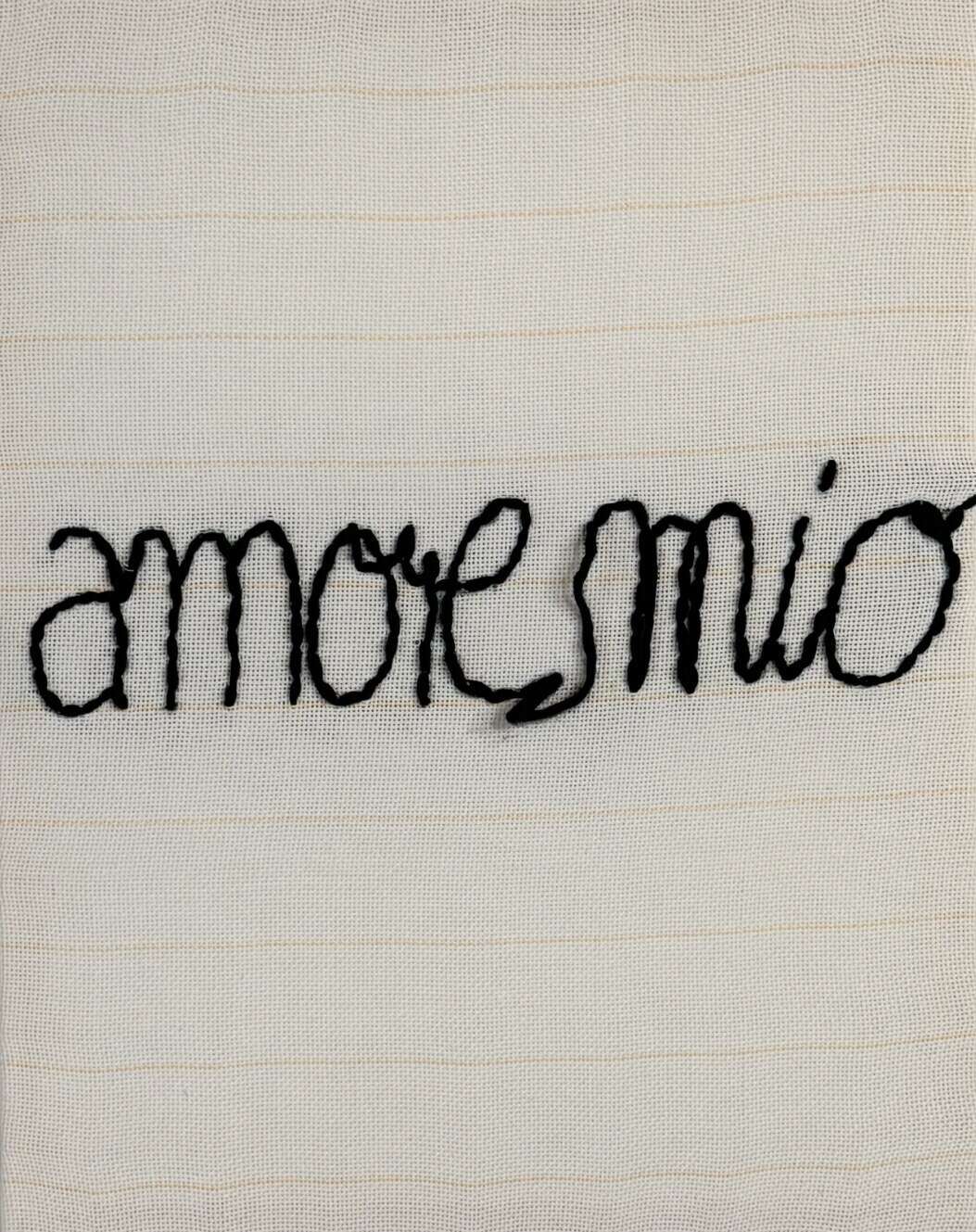
Carmen Moreira plays with multi-layered textures in her works and combines social and feminist themes with a sensitive, almost poetic visual language. Her works appear both powerful and fragile, thereby opening up an intense dialogue with the viewer.
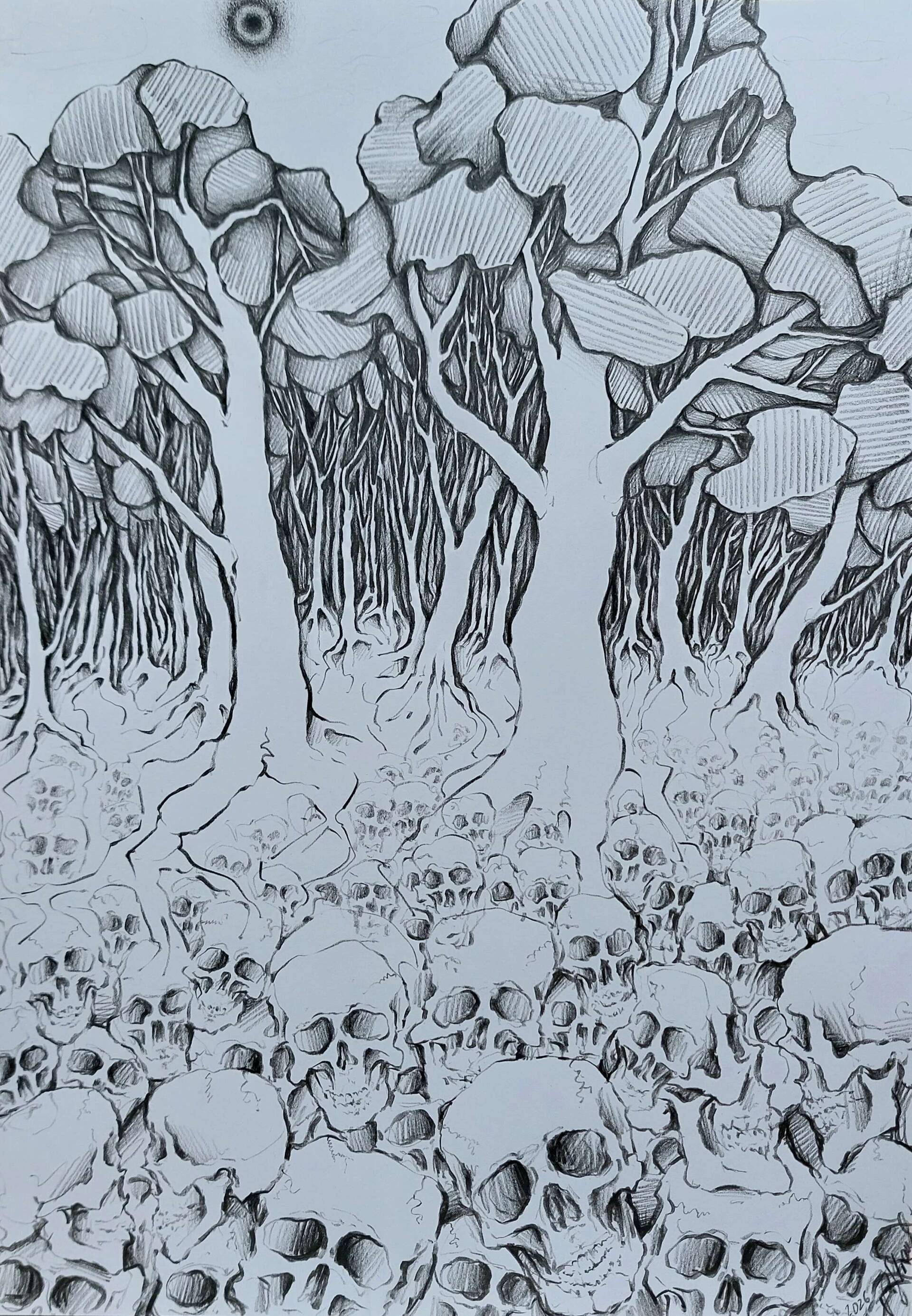
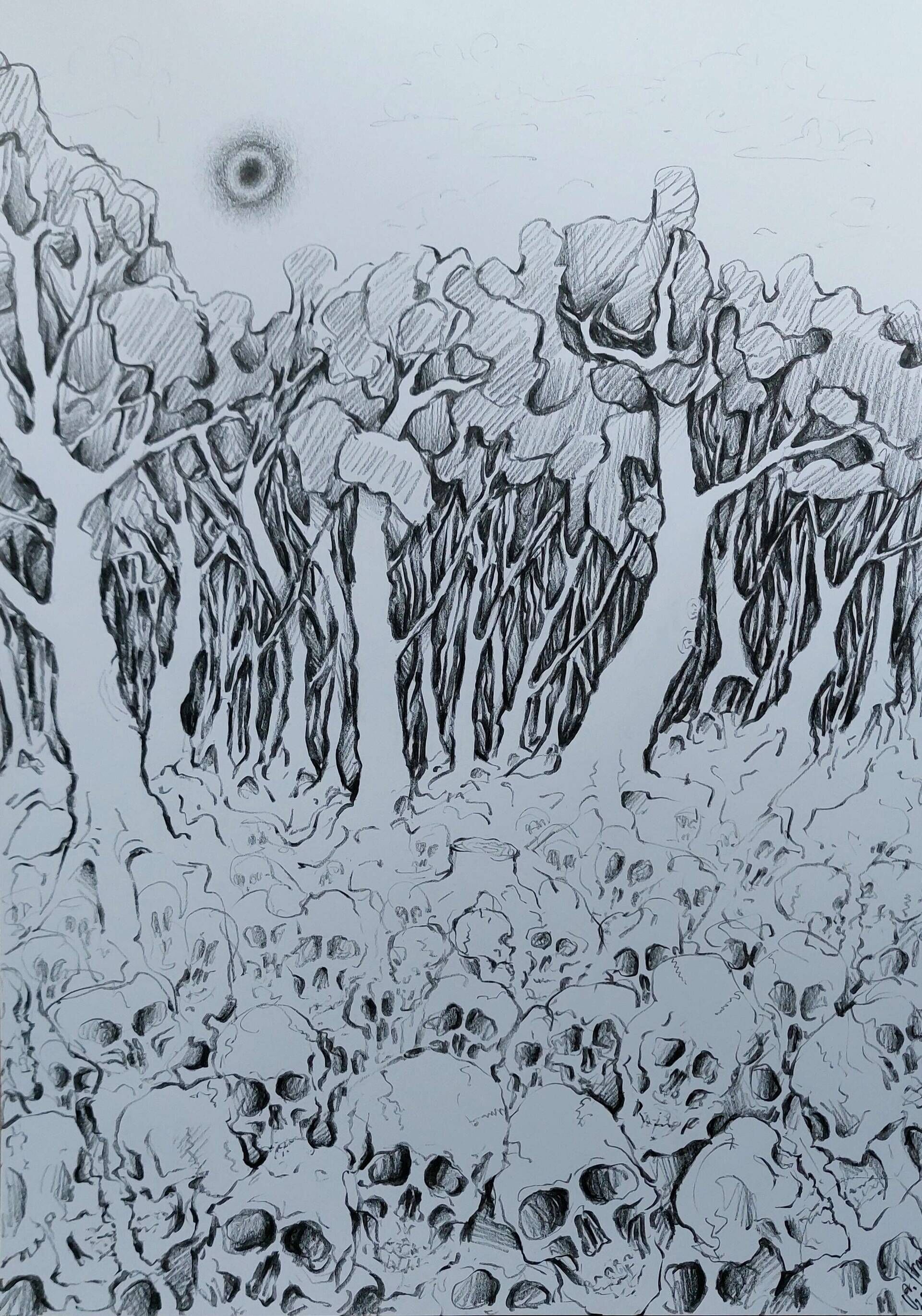
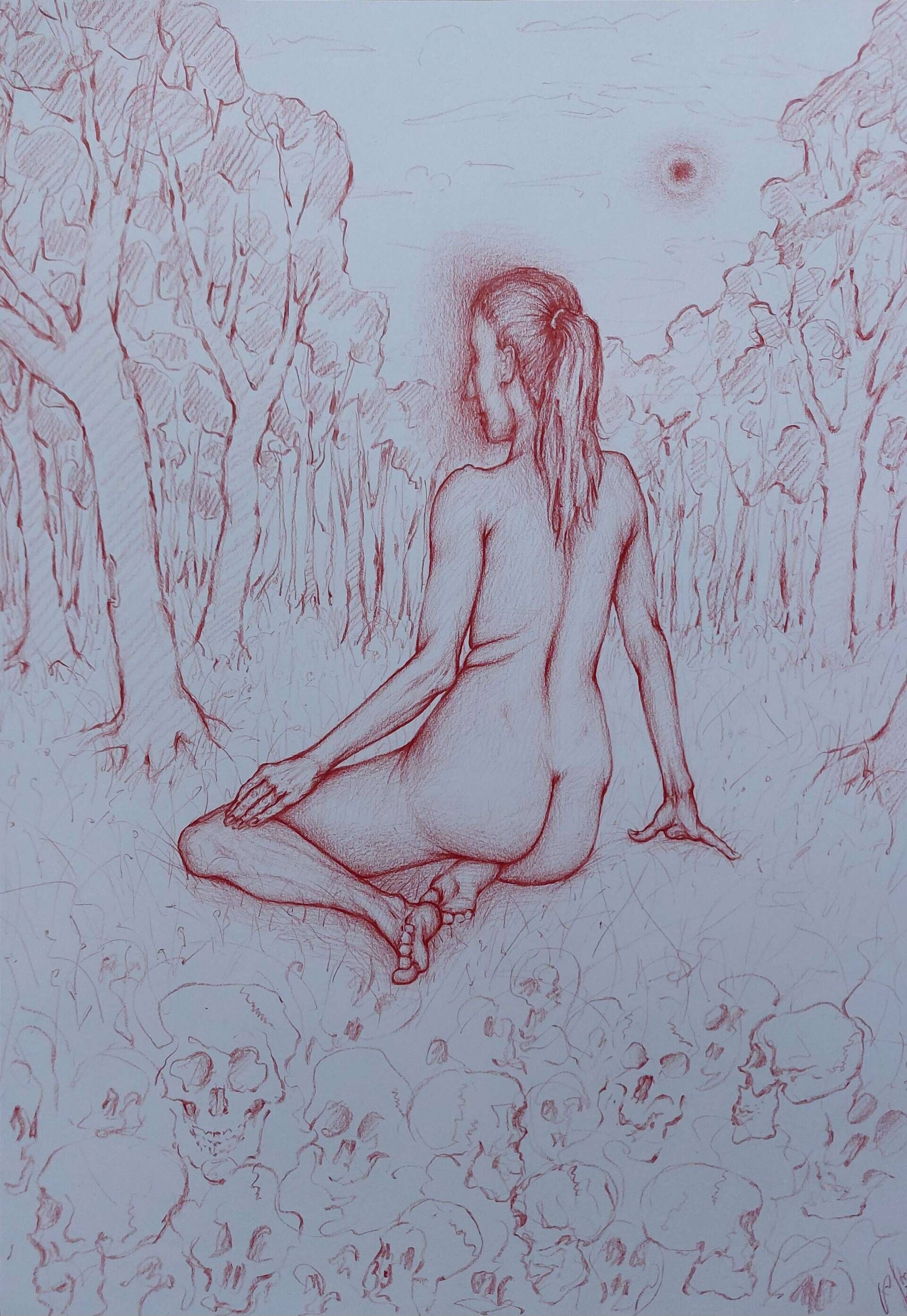
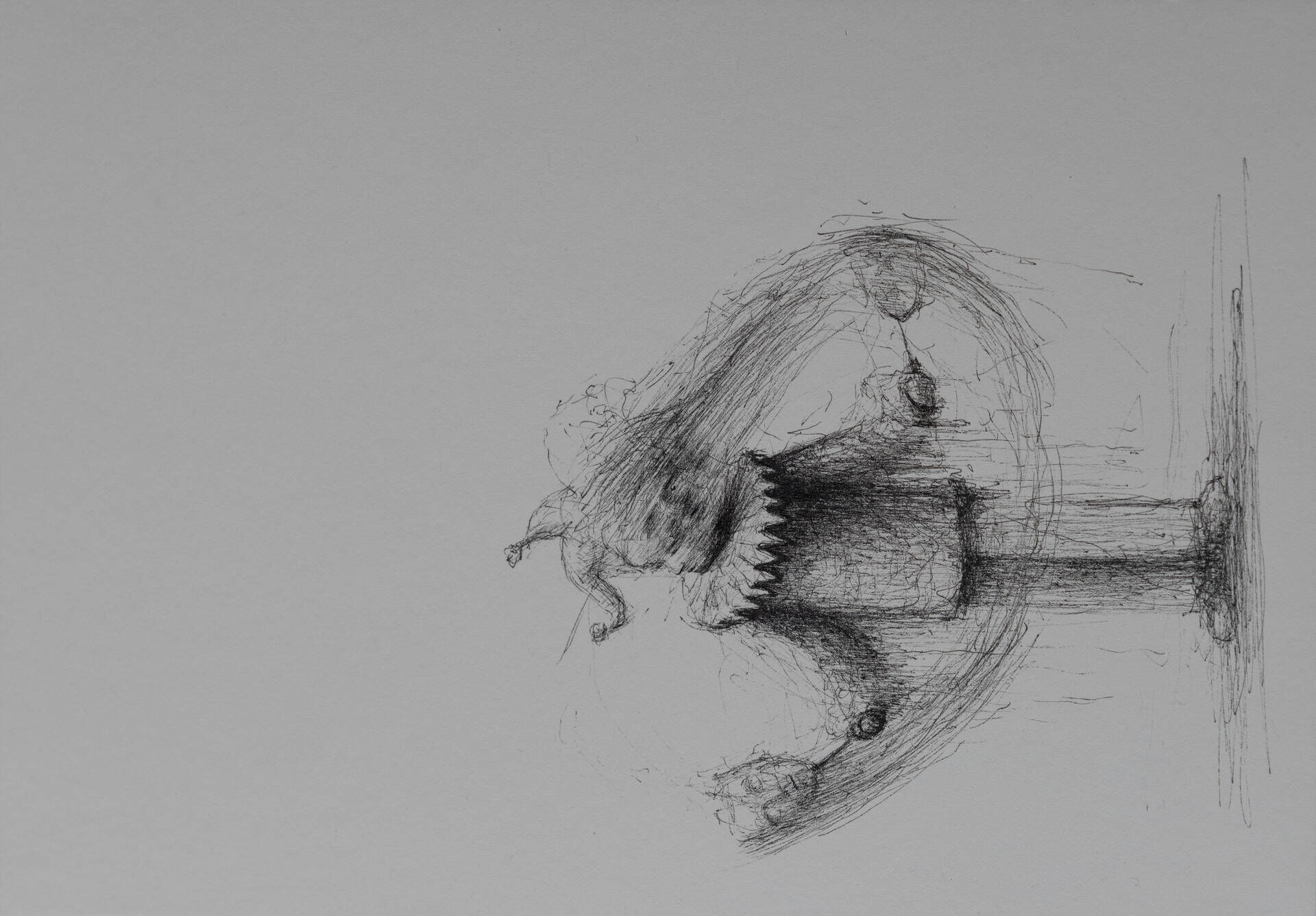
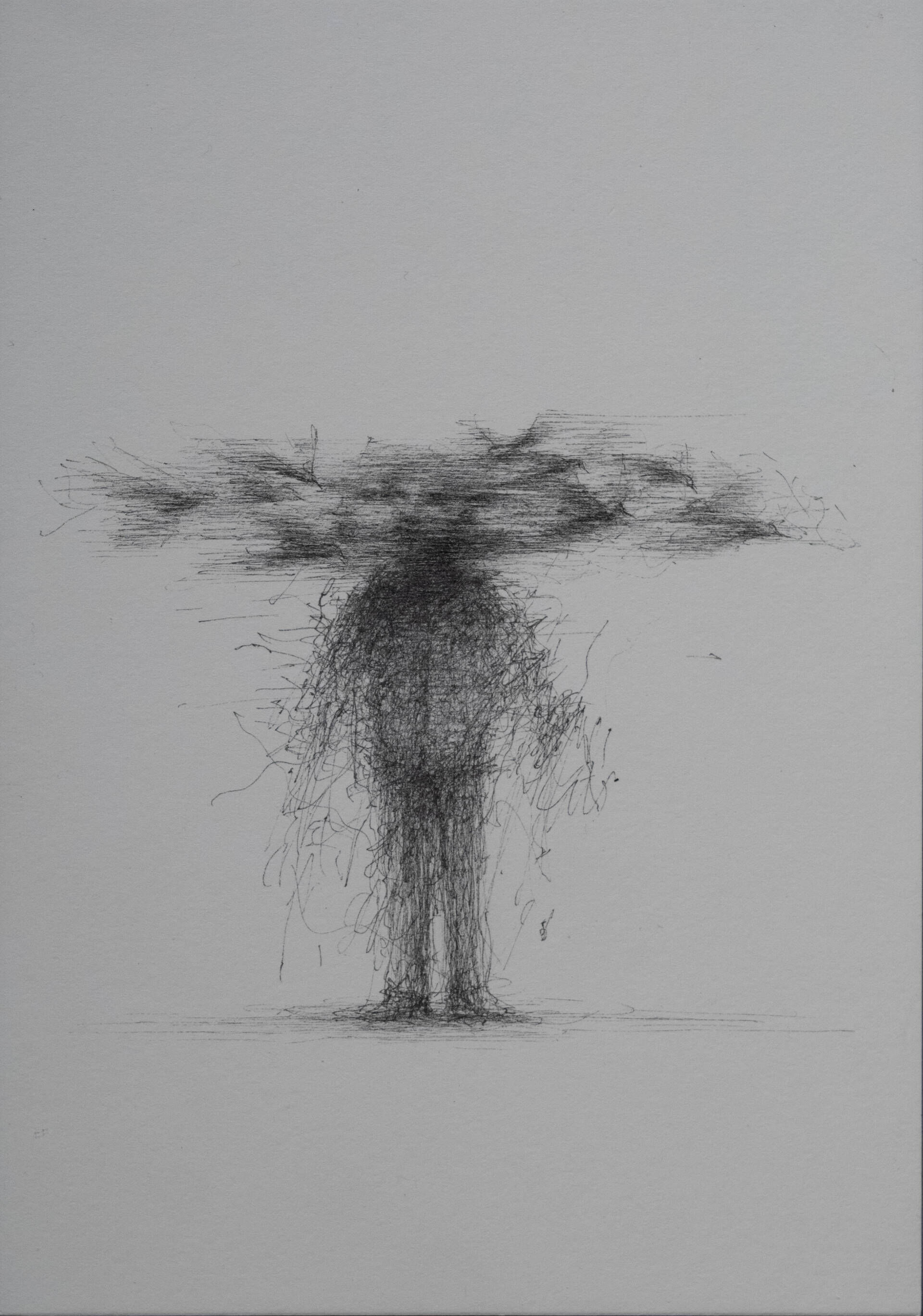
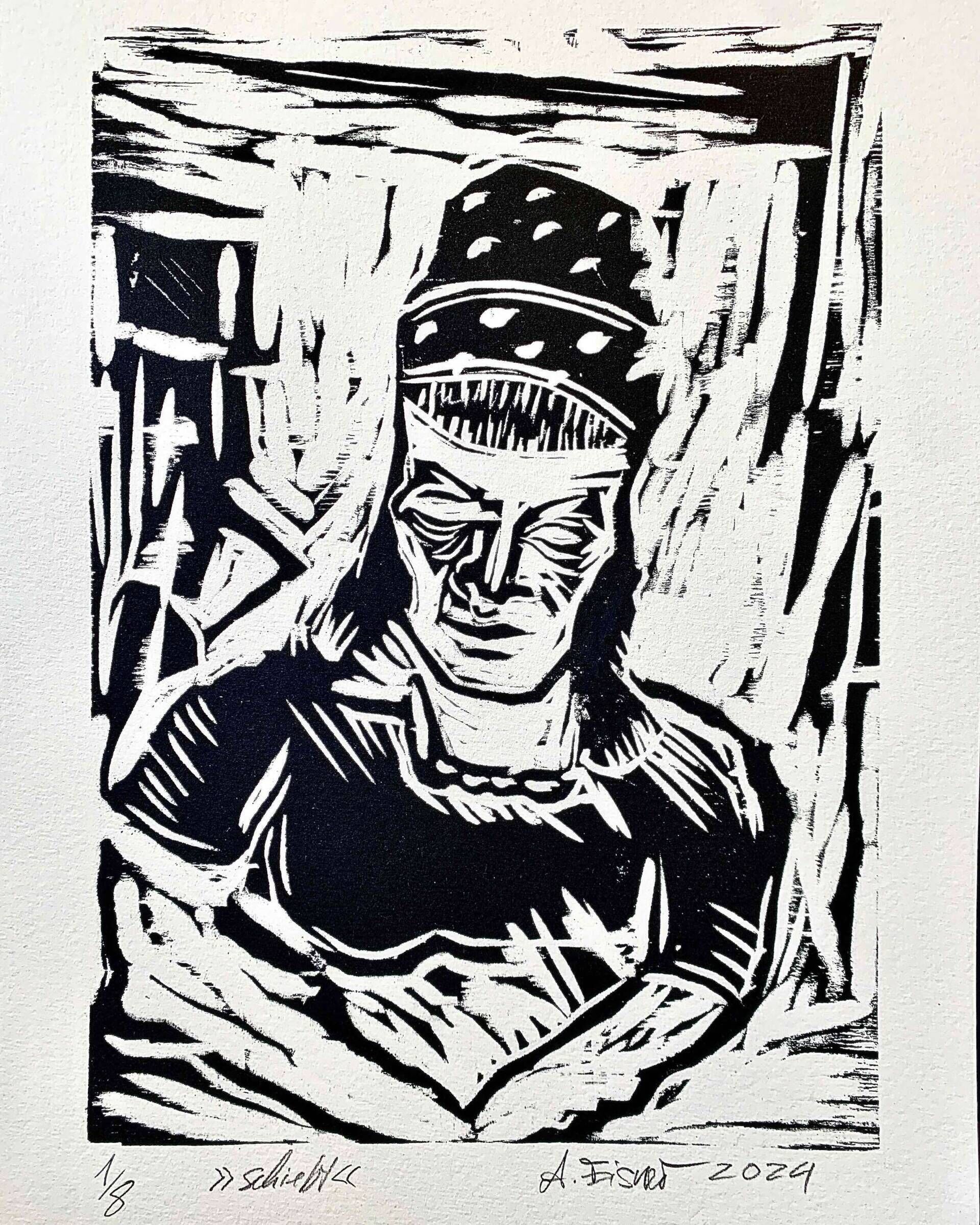
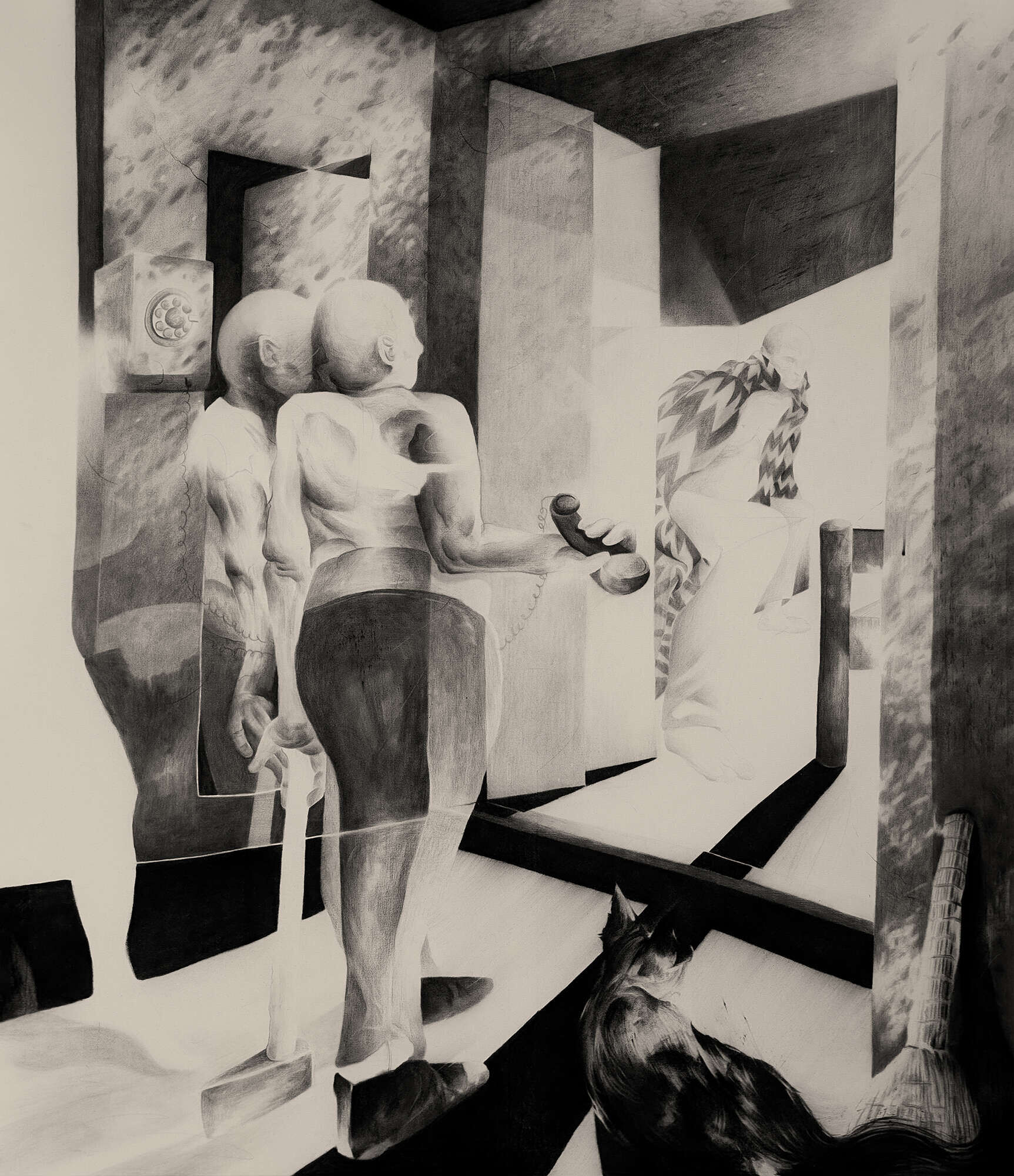
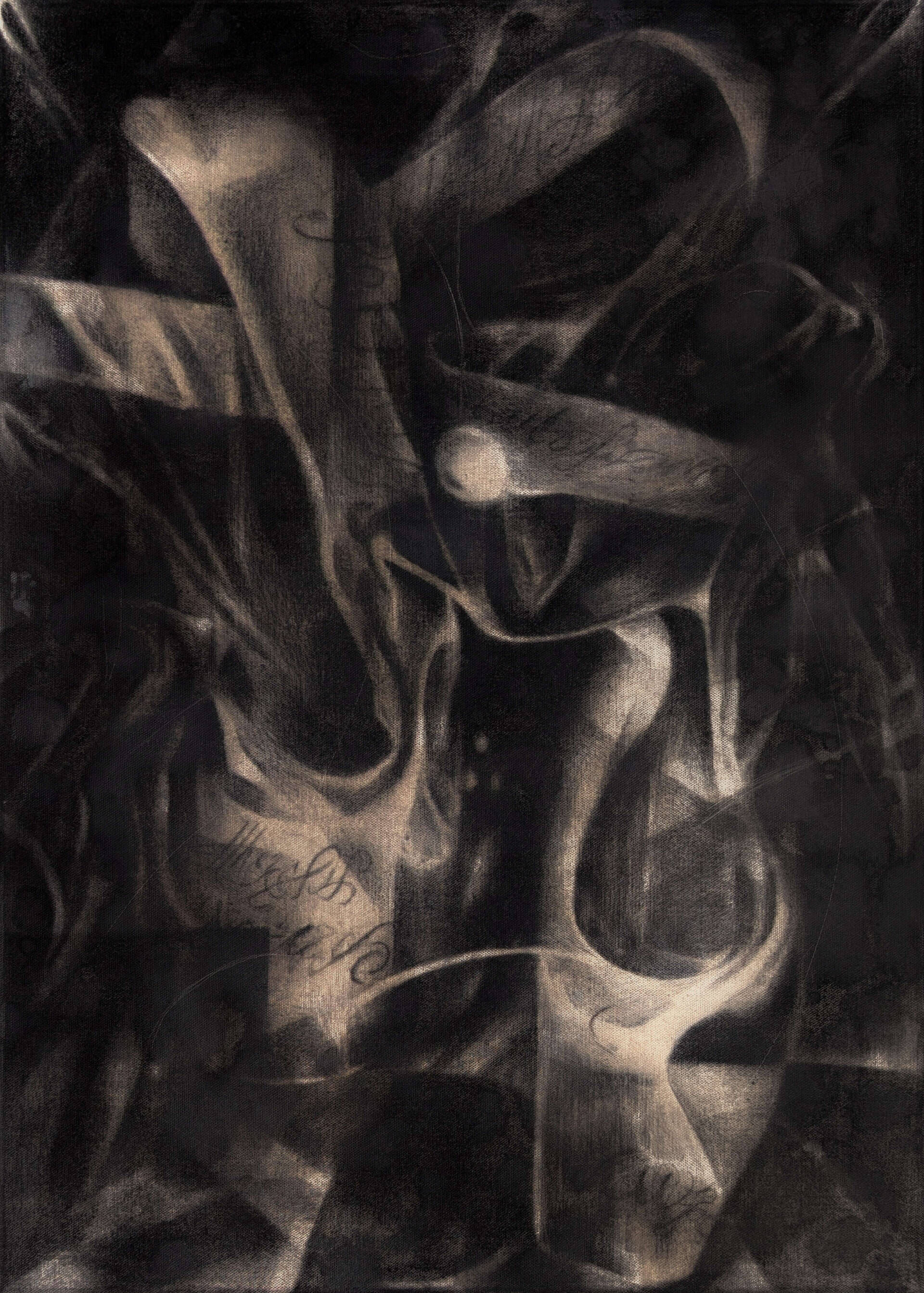
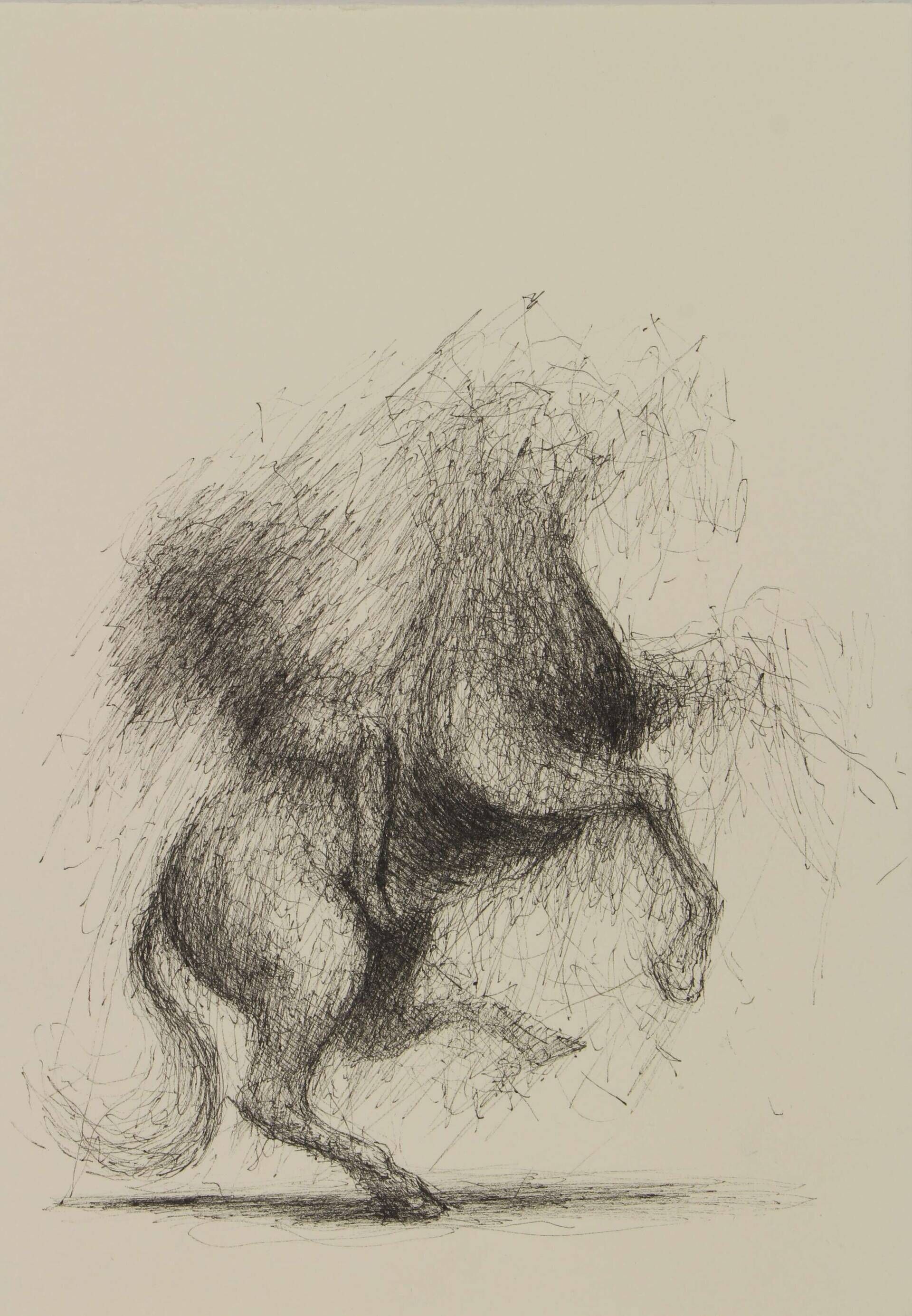
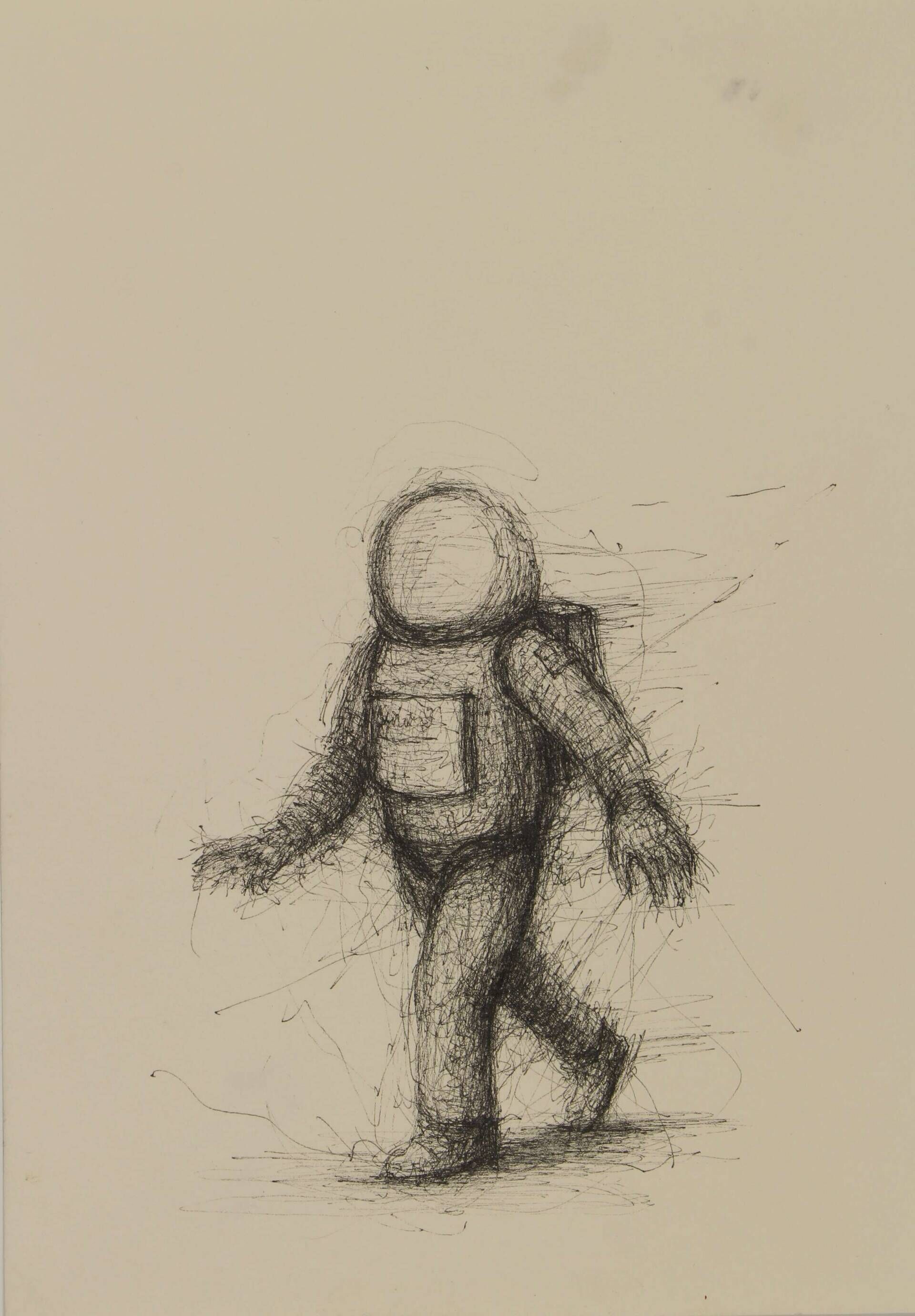
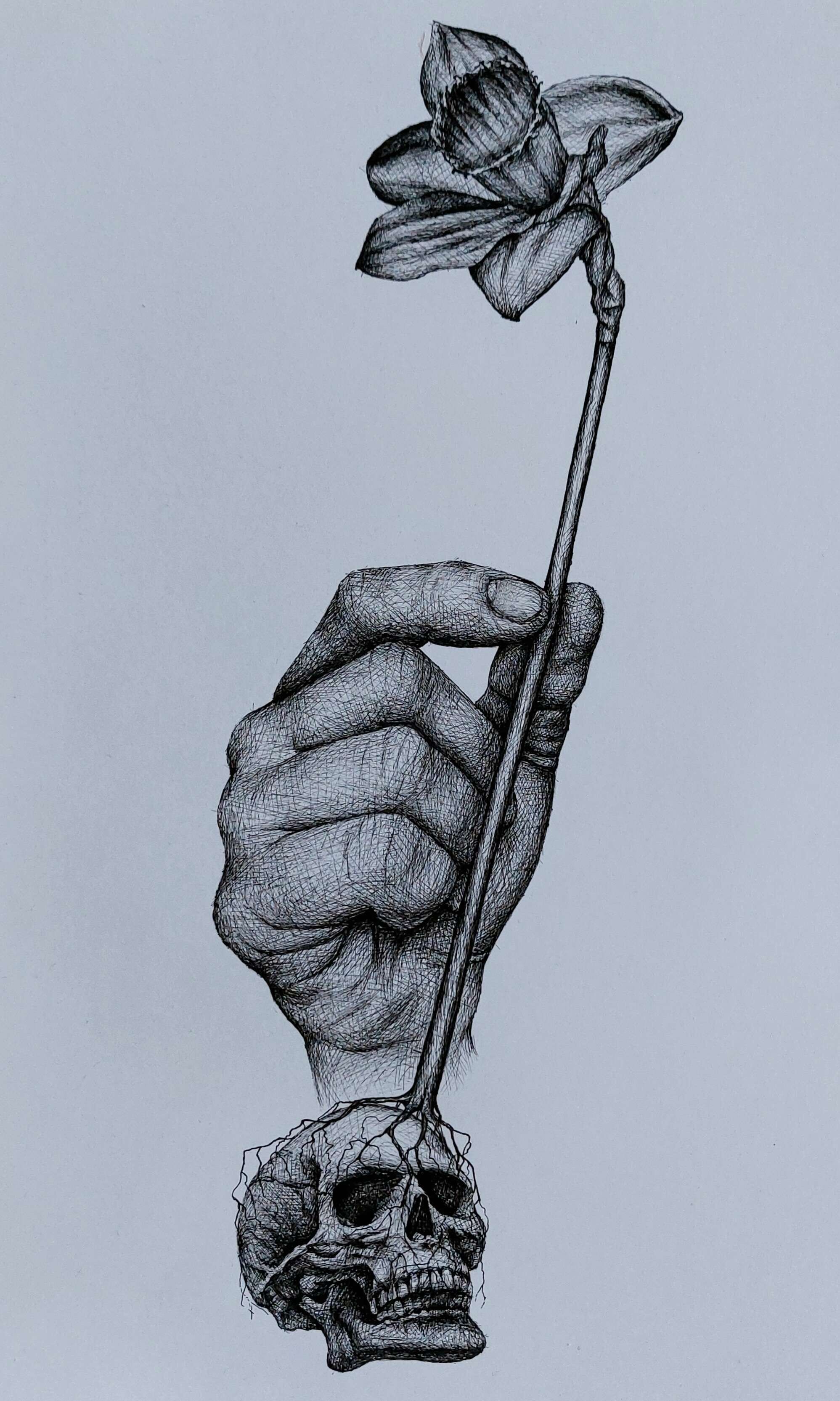
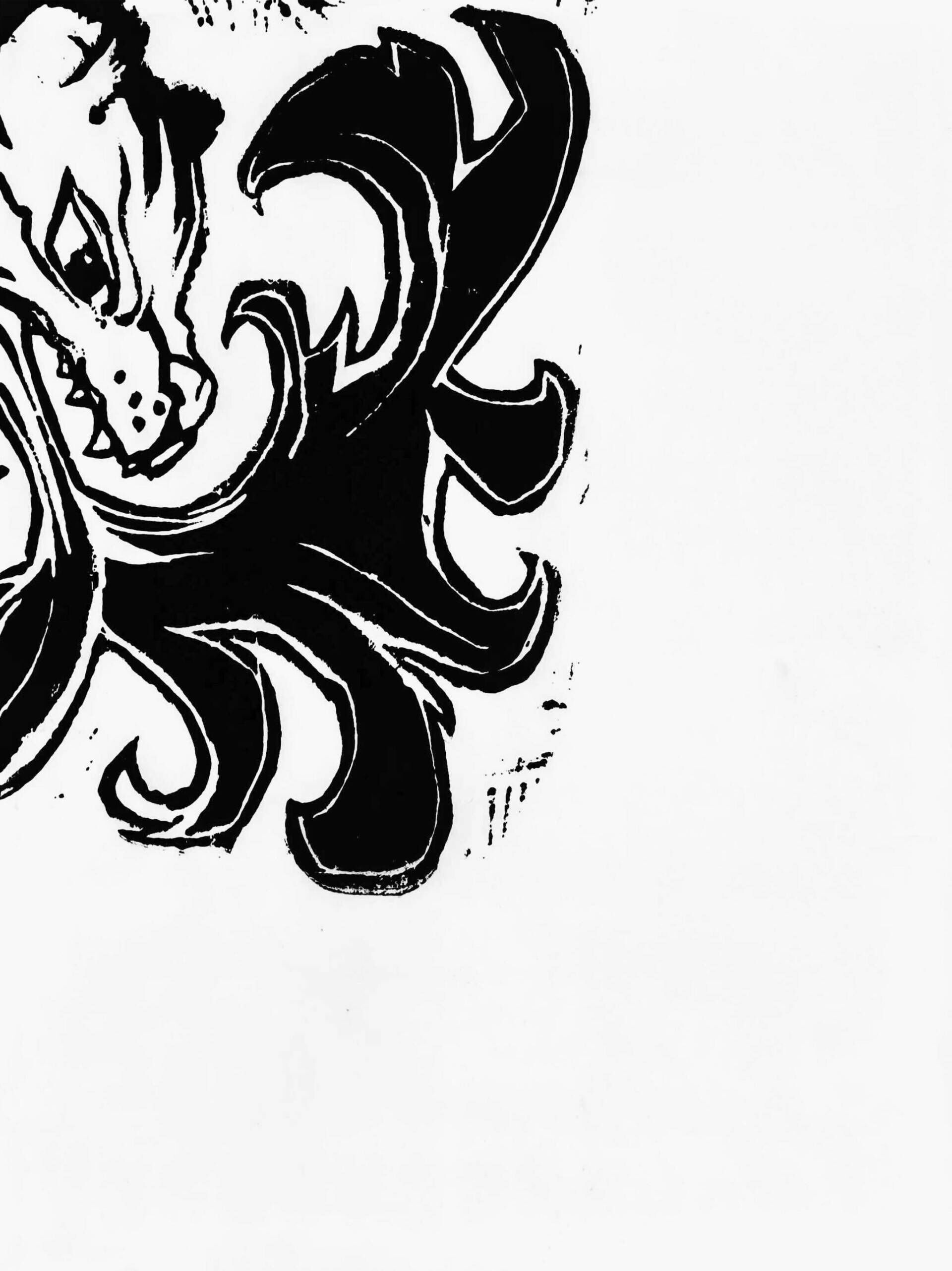
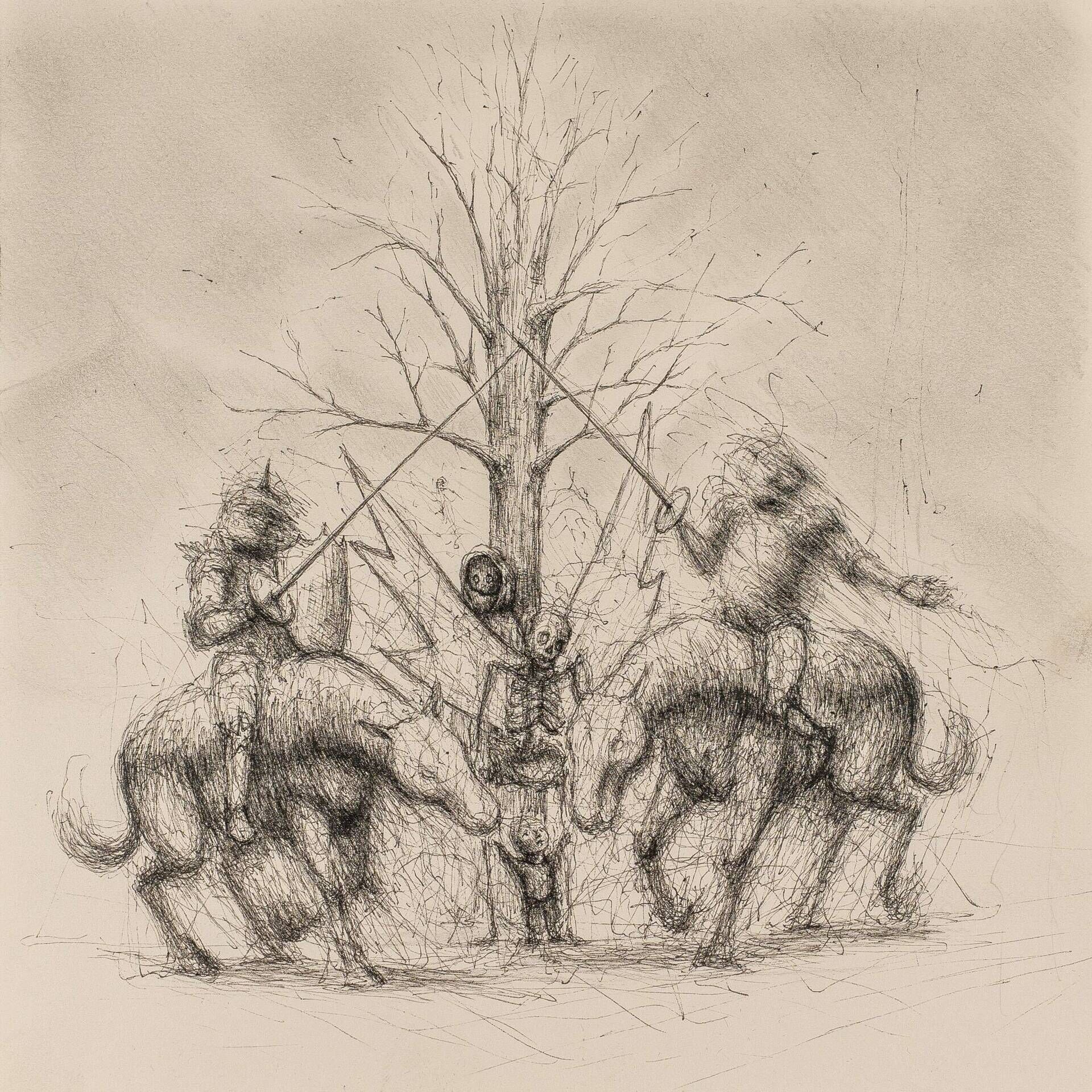
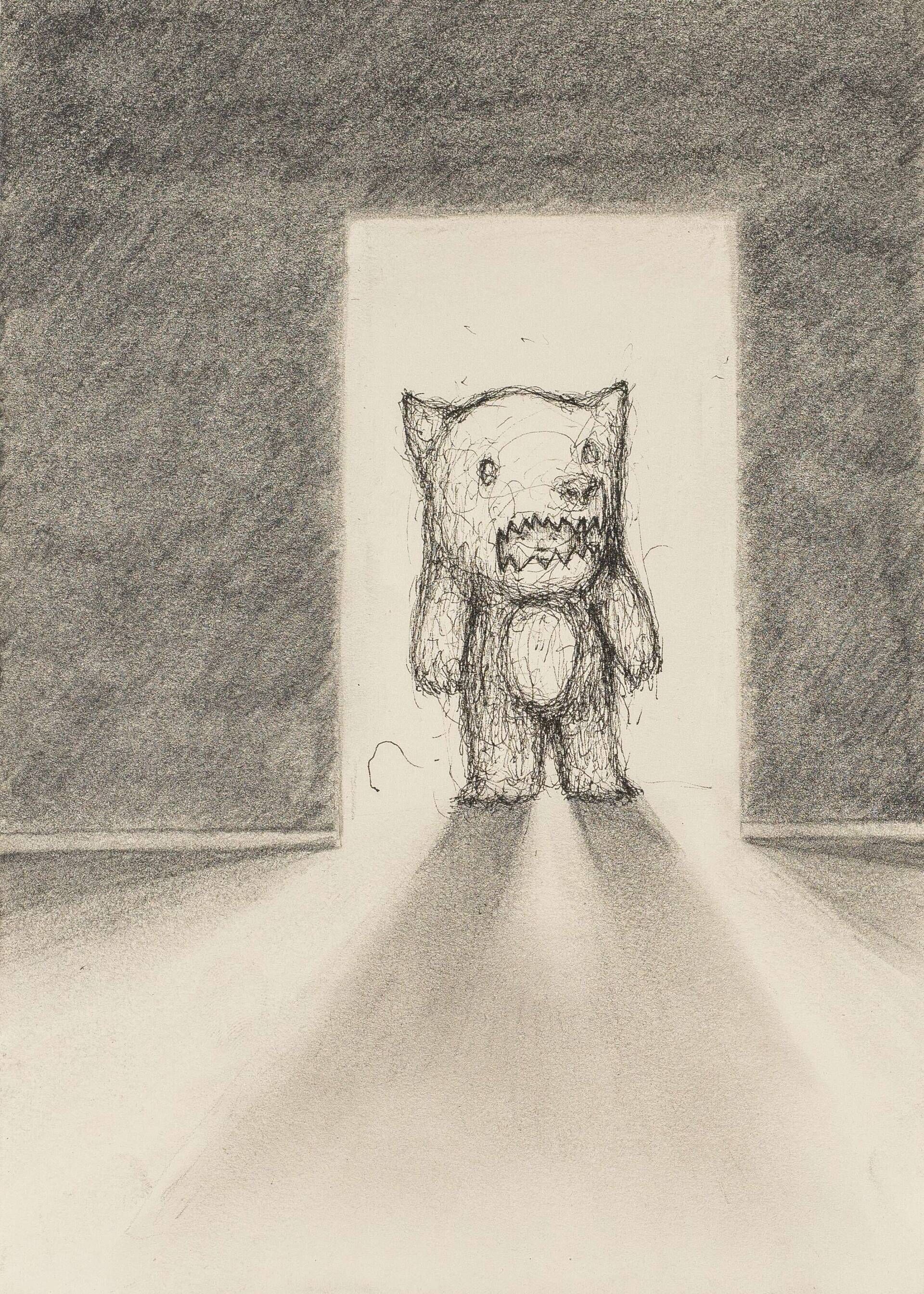
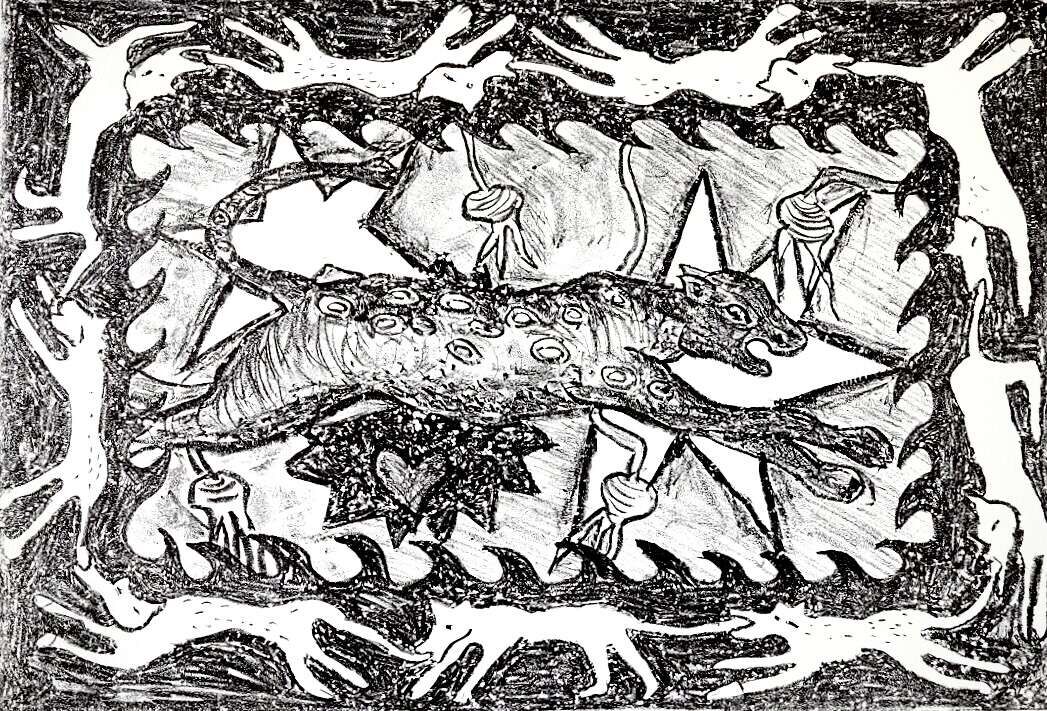
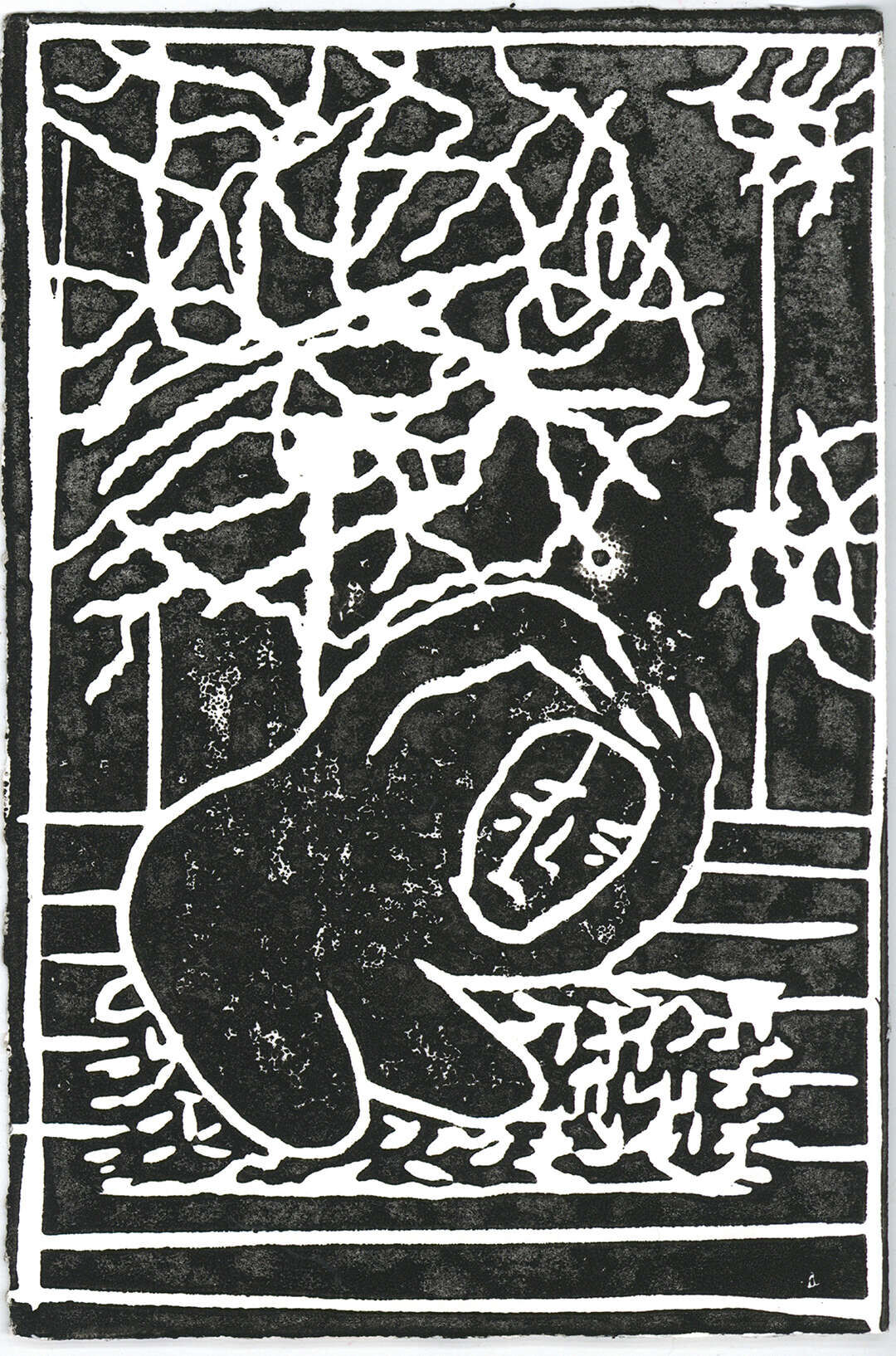
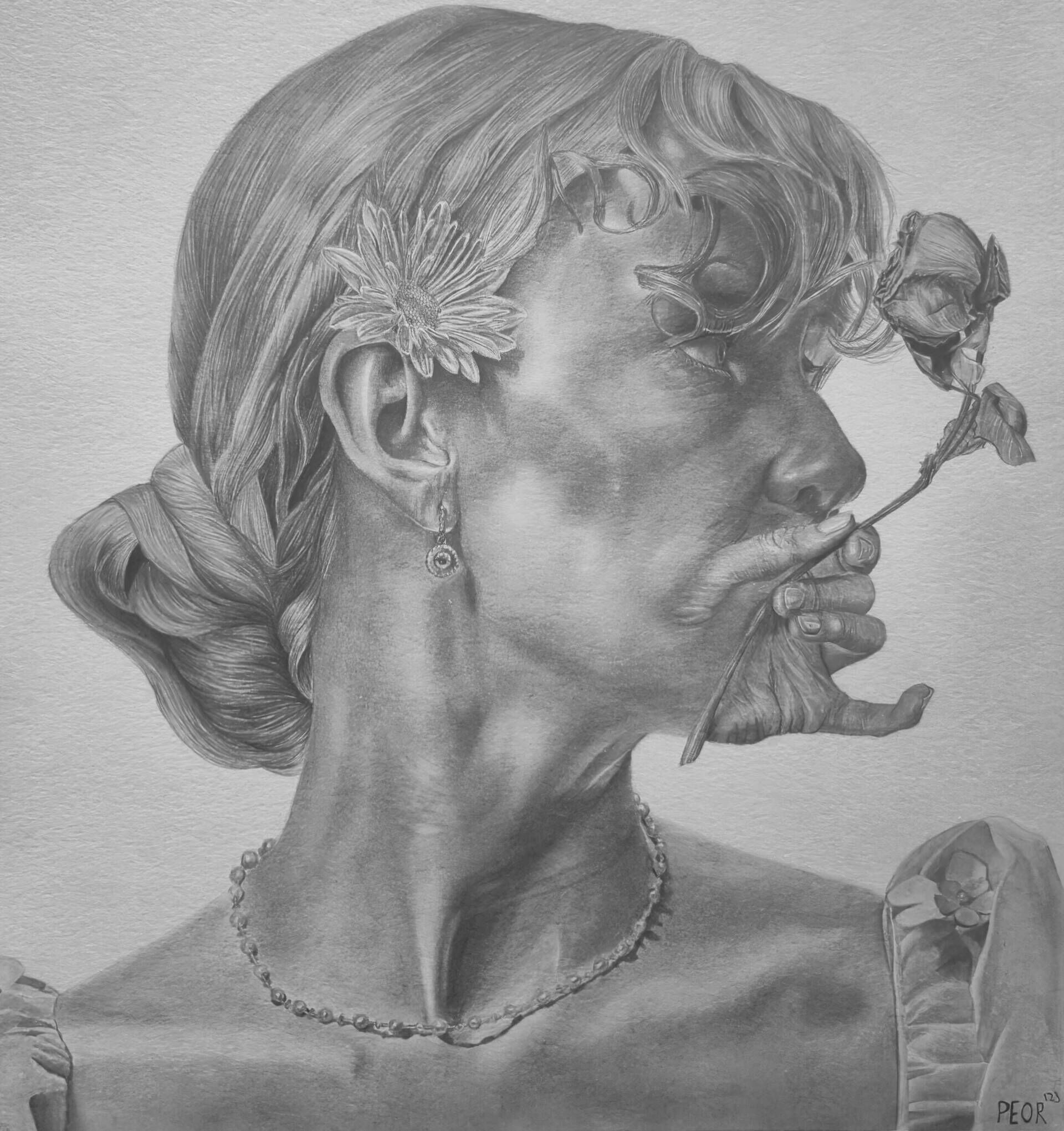
Felix Dörrenbecher captivates with meaningful, meticulously detailed drawings, mostly in black and white, which enthral with their subtle symbolism and emotional depth.
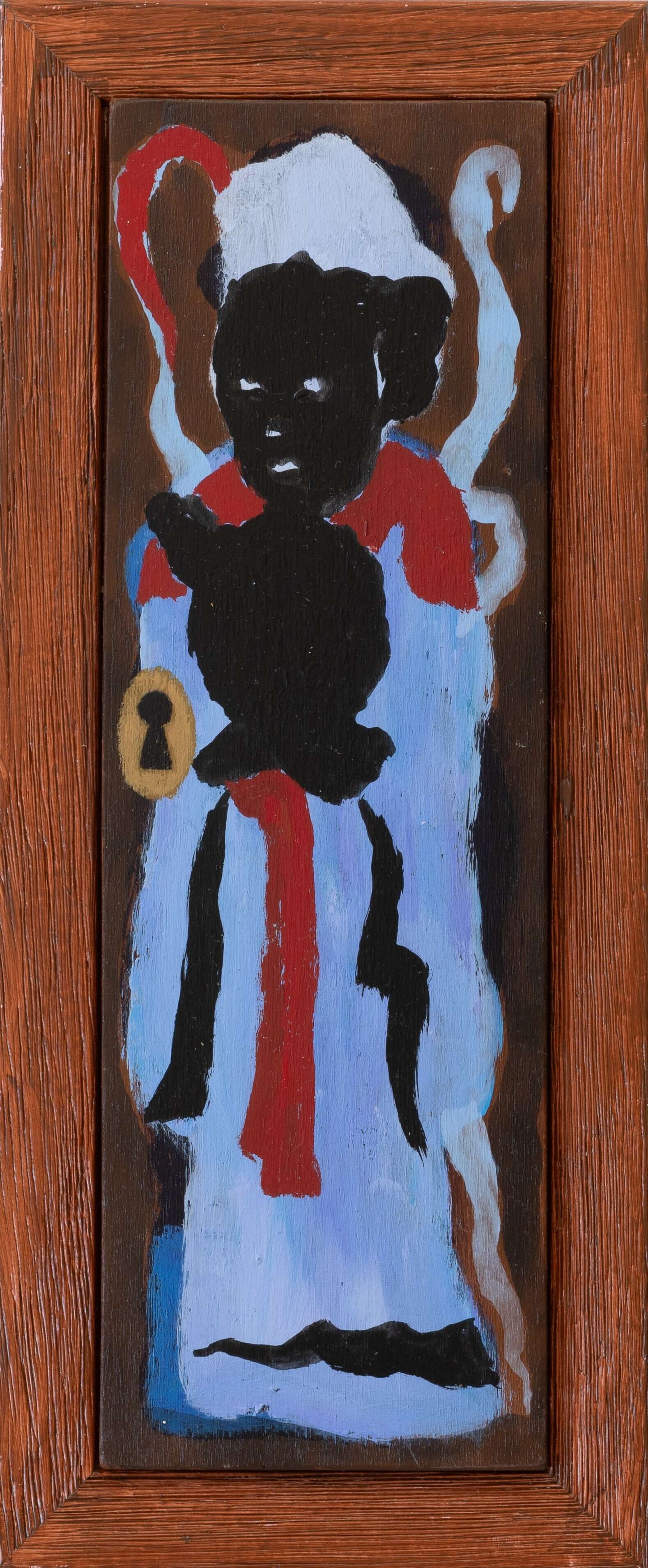
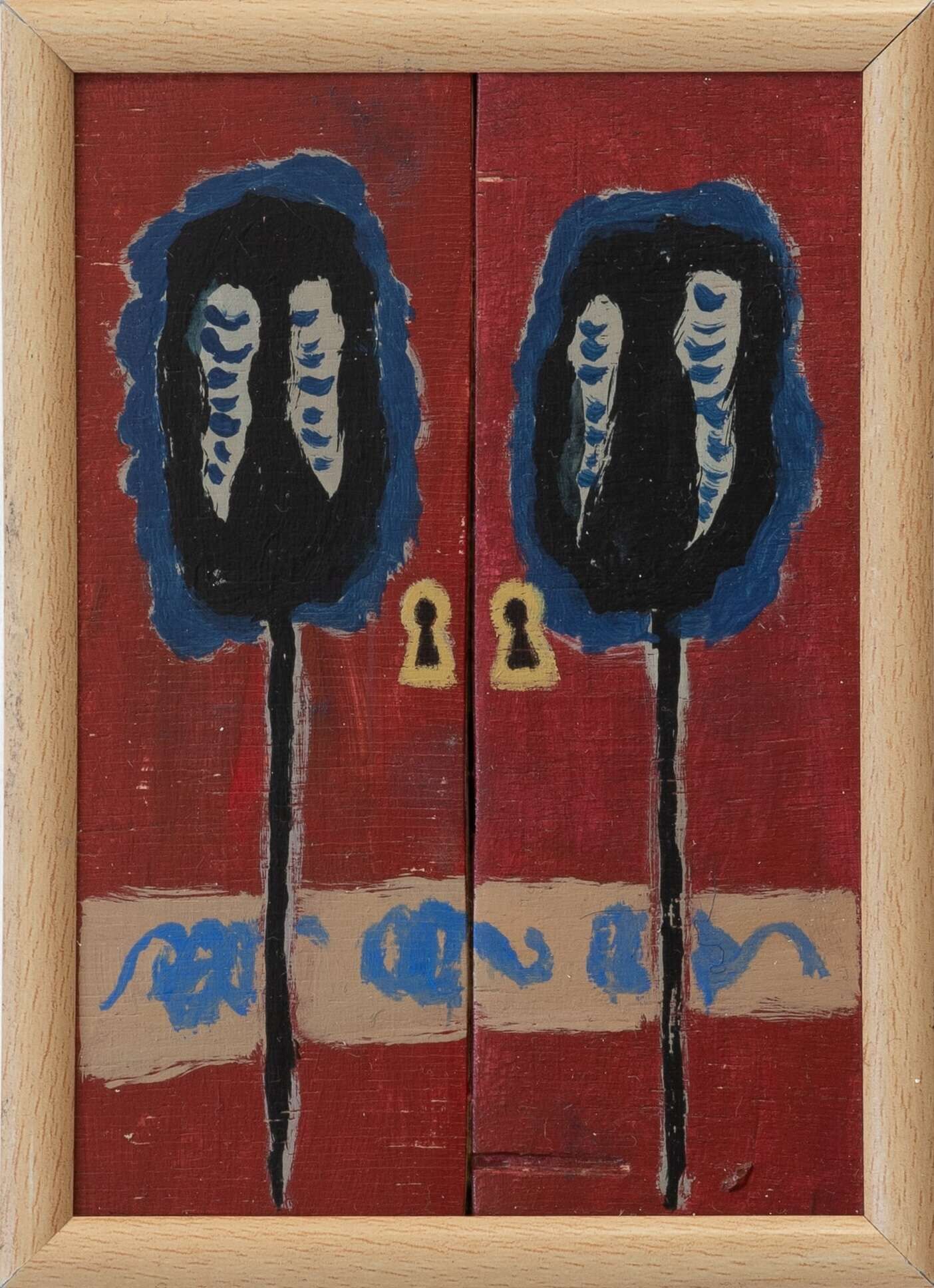
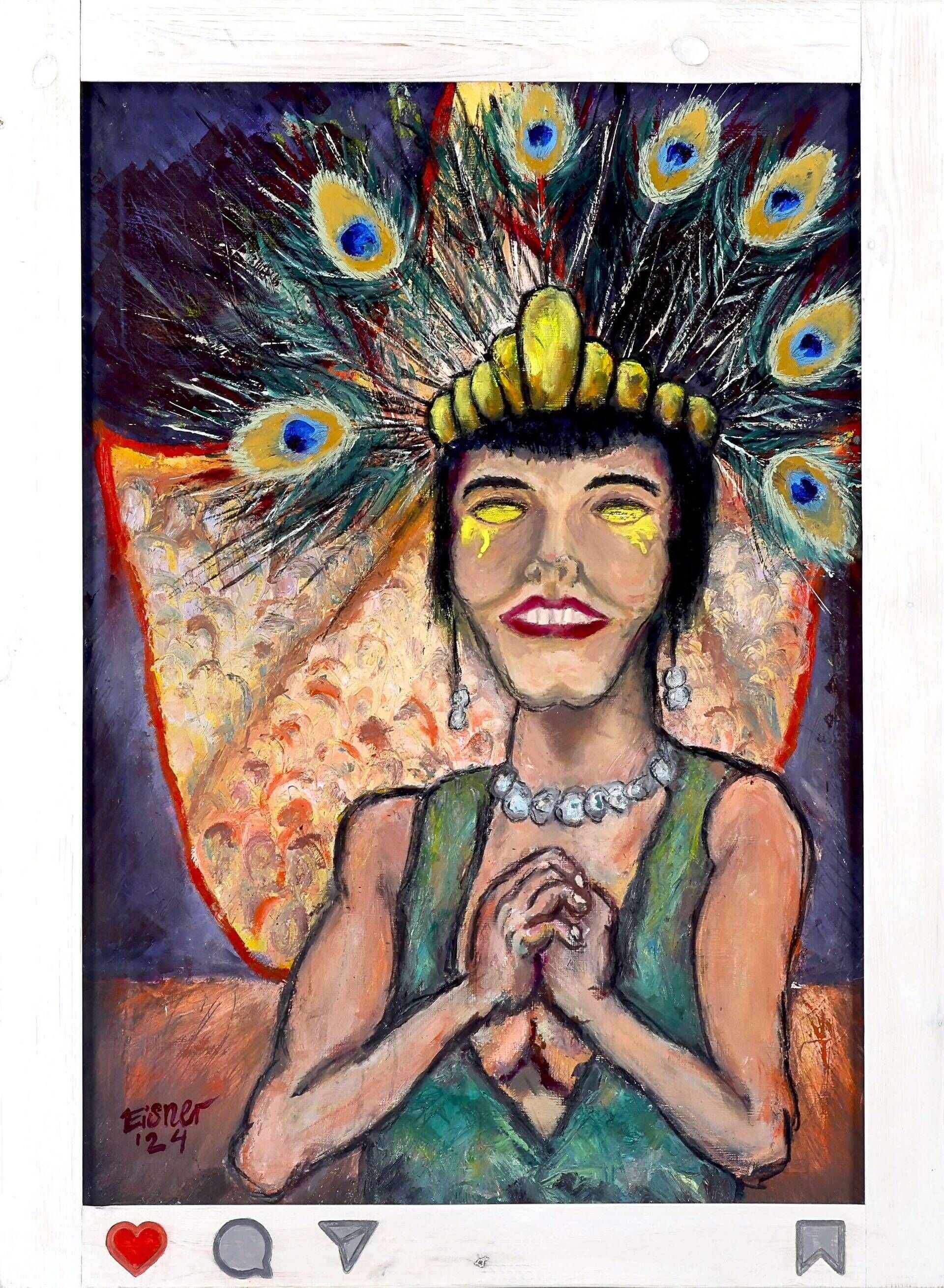
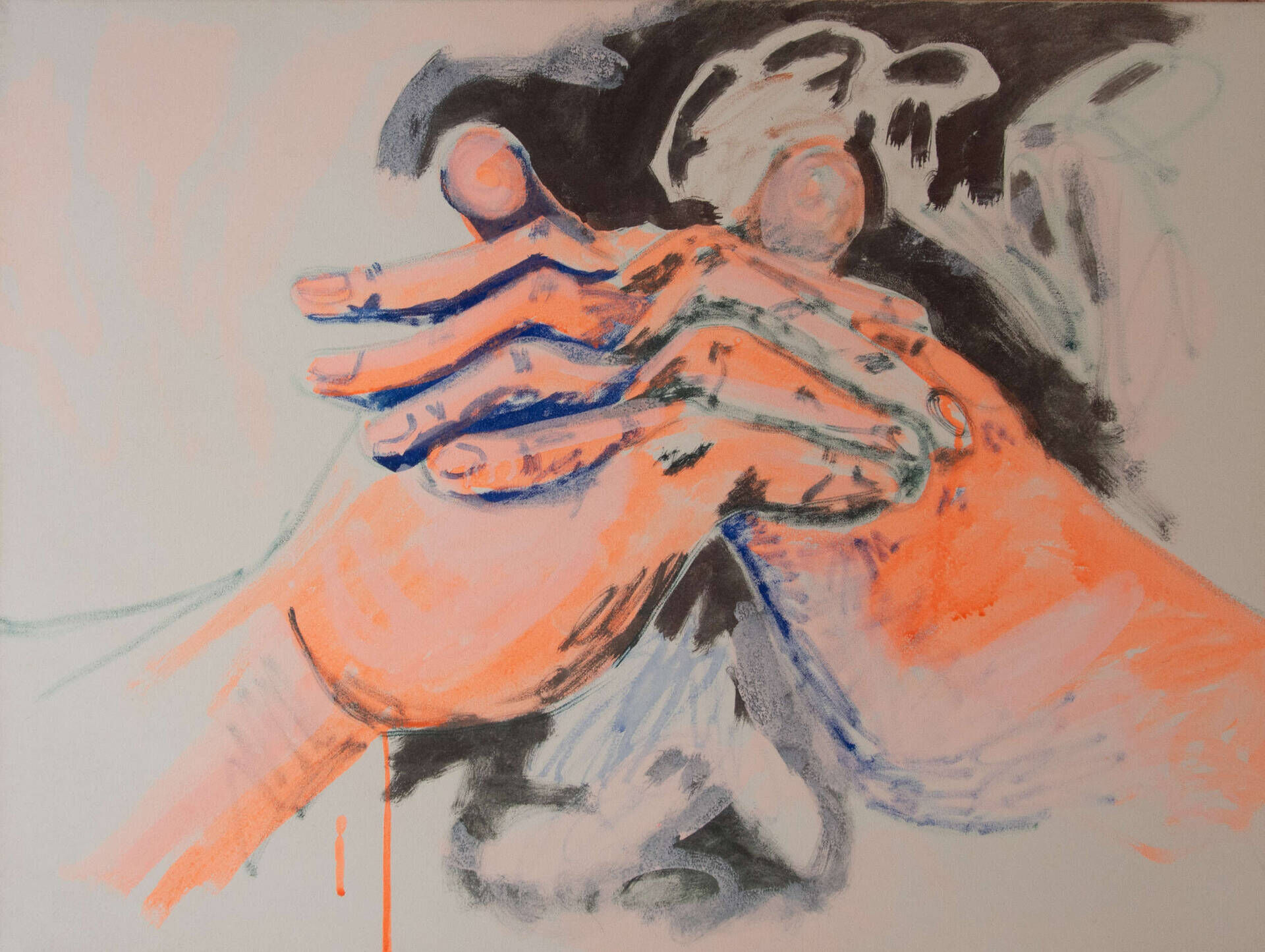
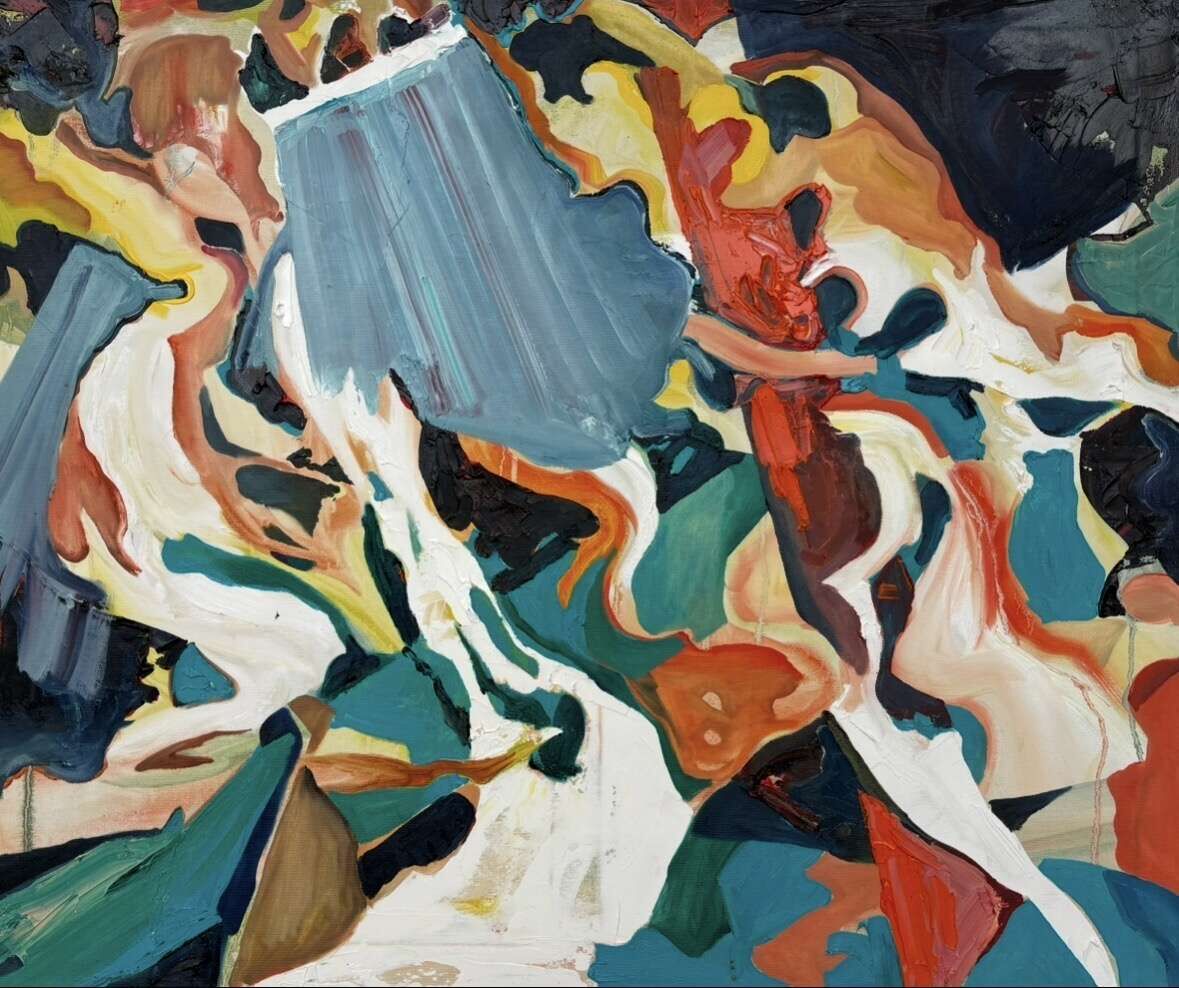
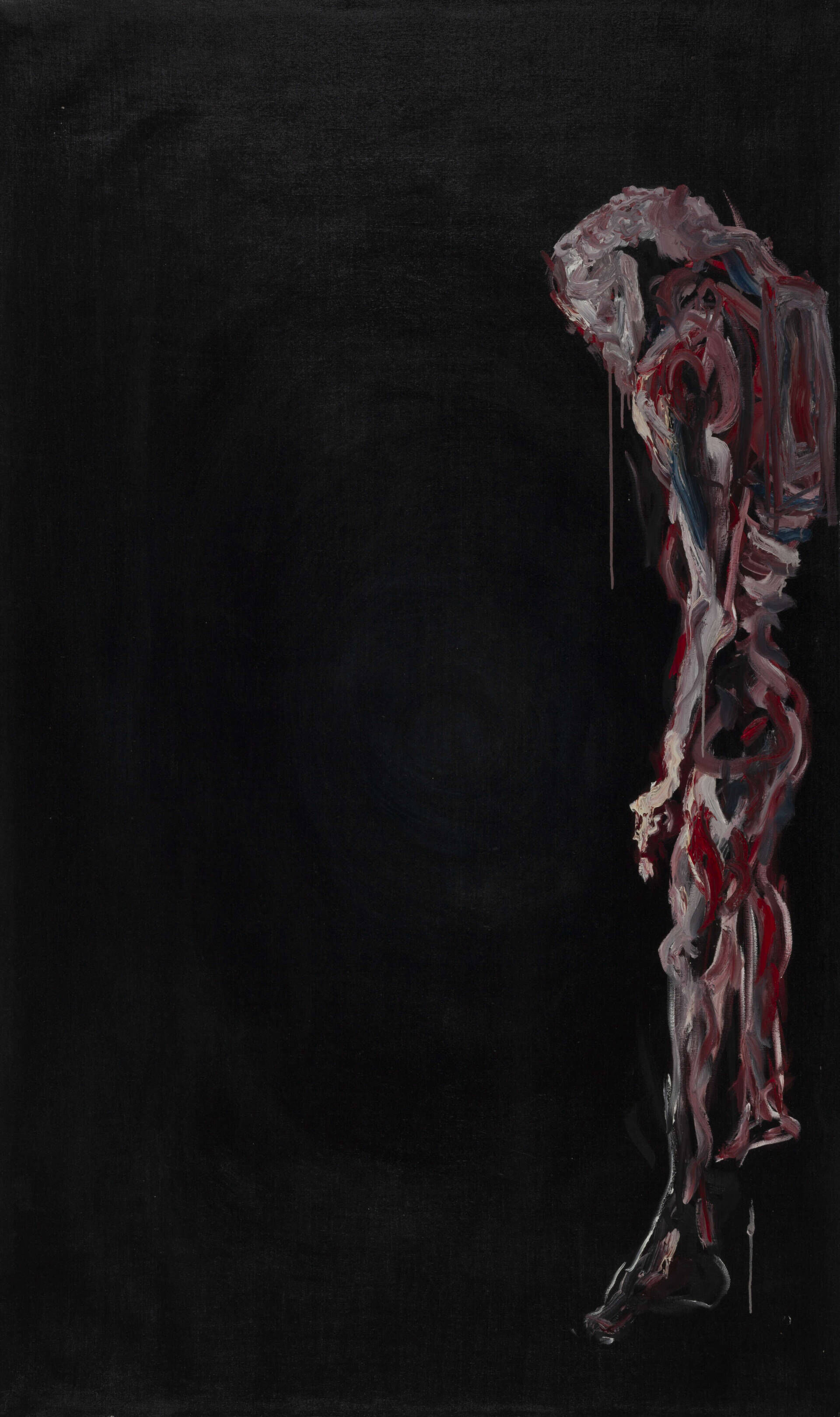
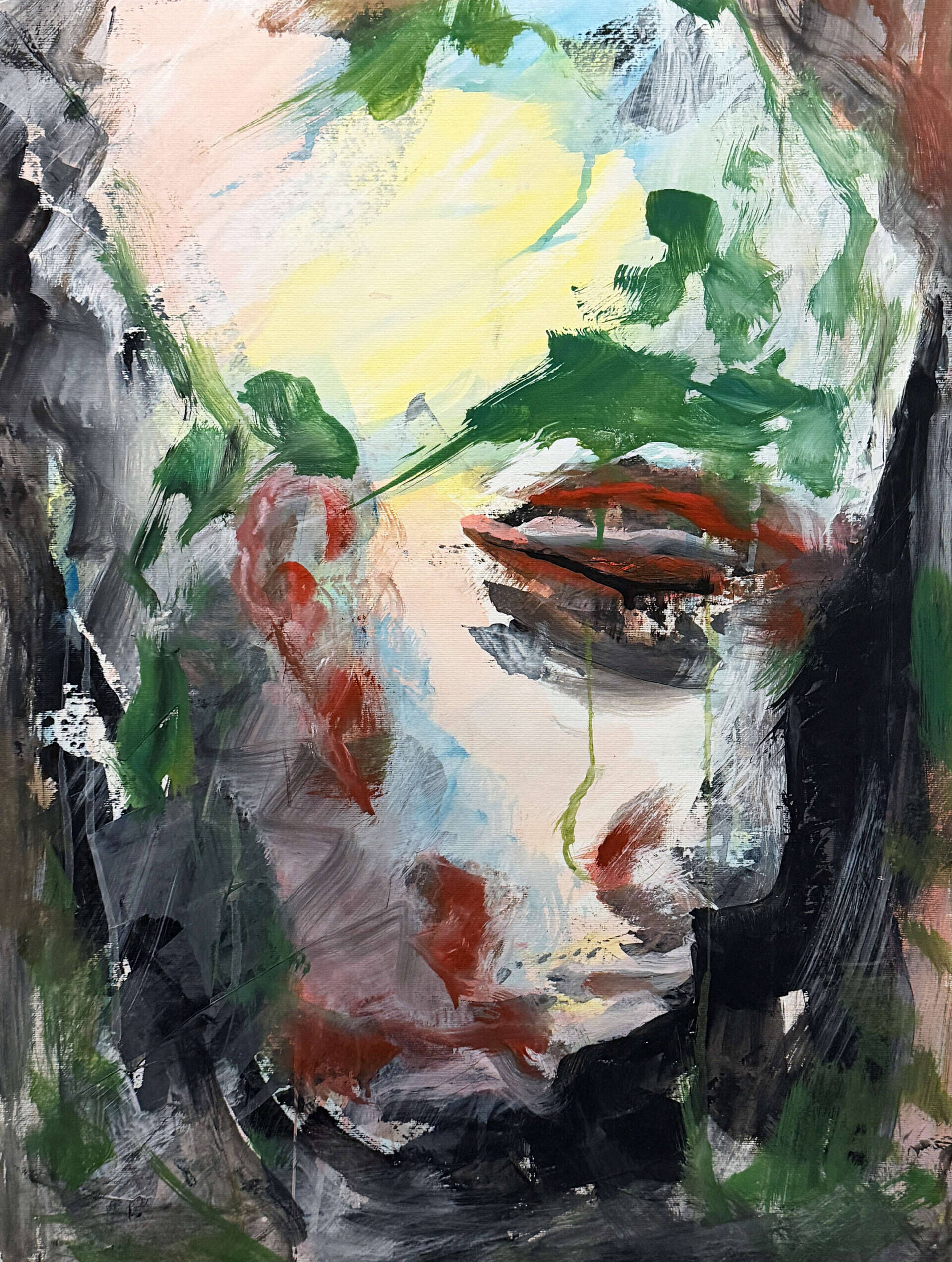
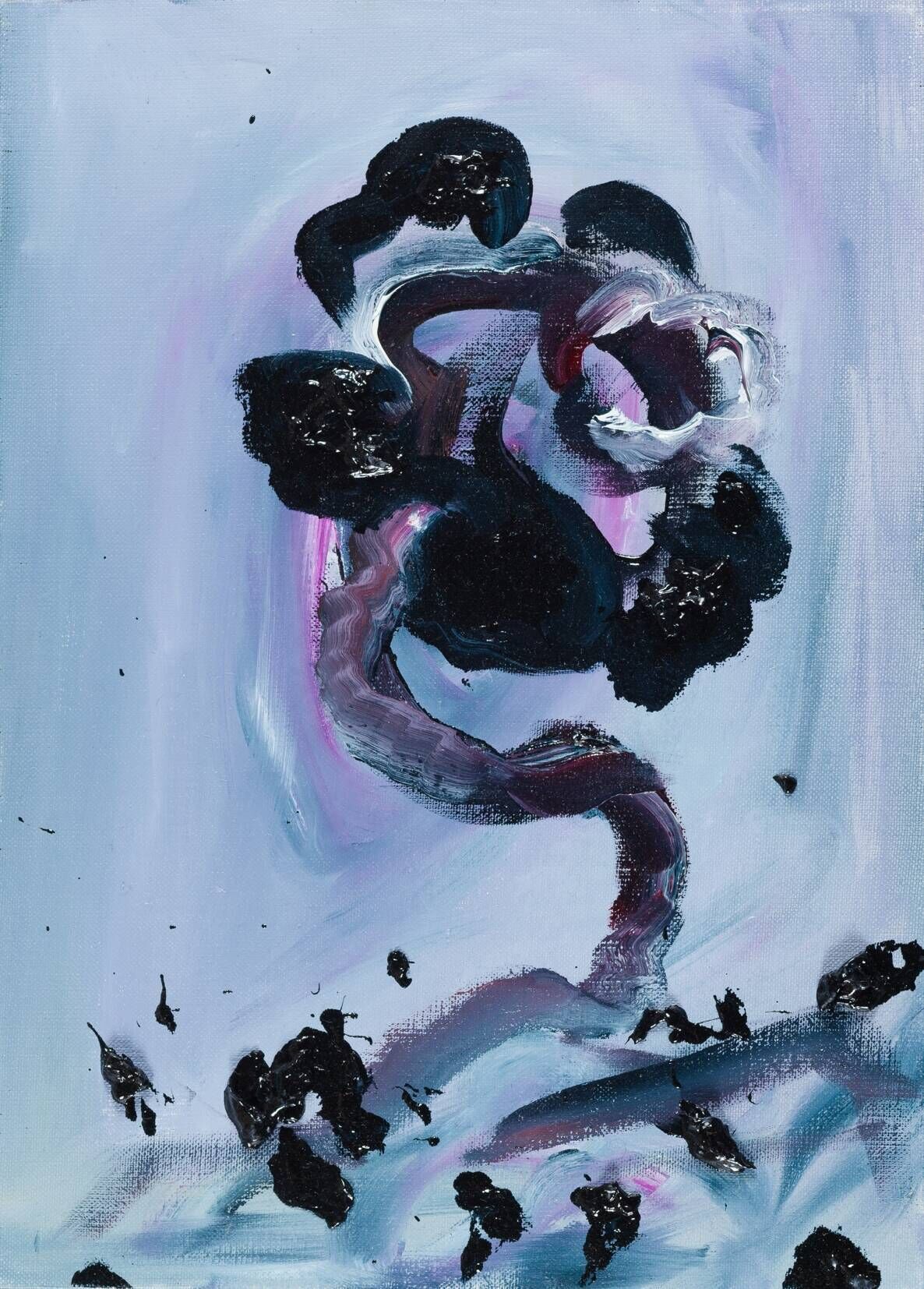
Michael Tauschke on the other hand, relies on strong contrasts and a distinctive, abstract visual language. Using dark tones, bold black and expressive areas of colour, he creates works that balance between chaos and control.