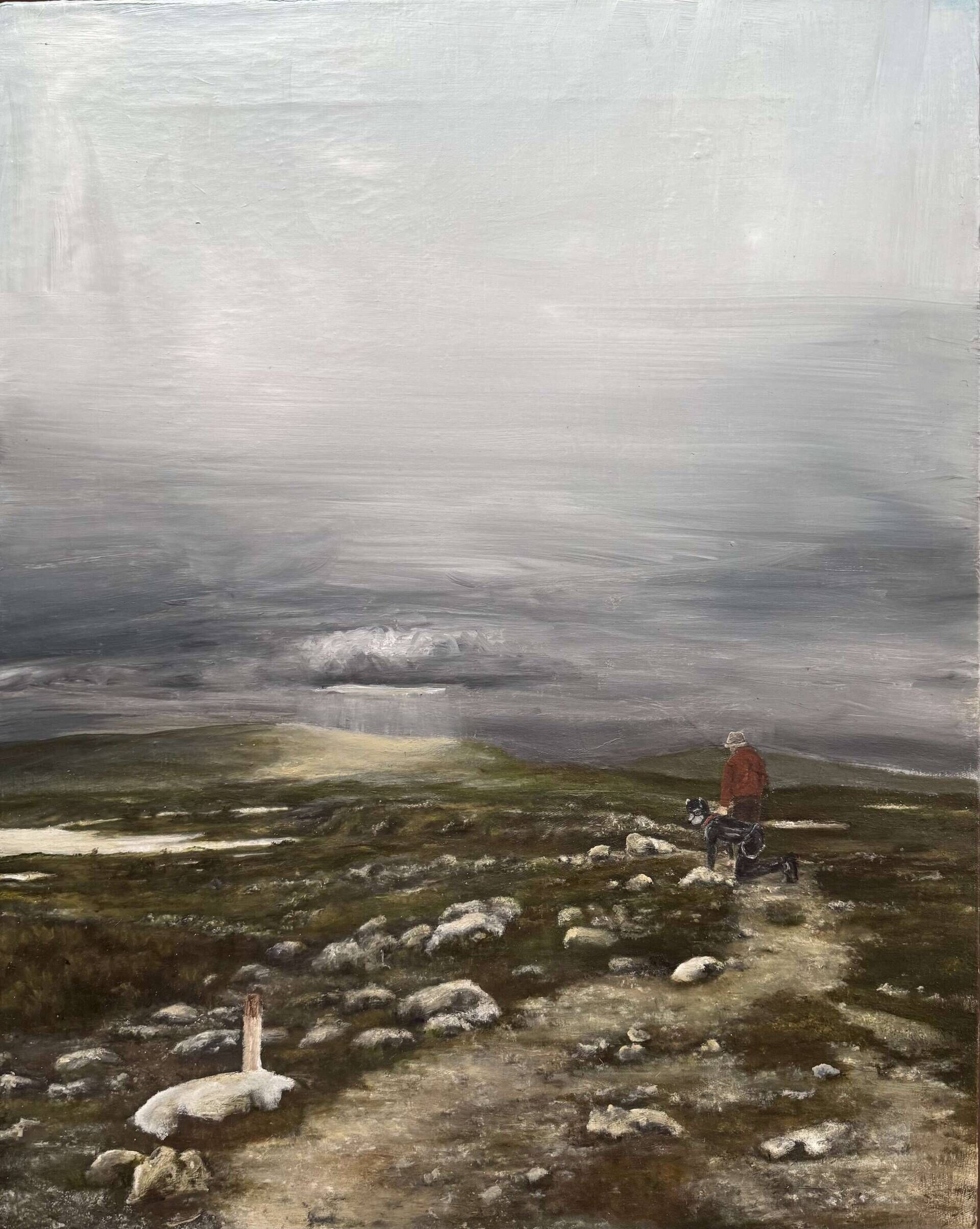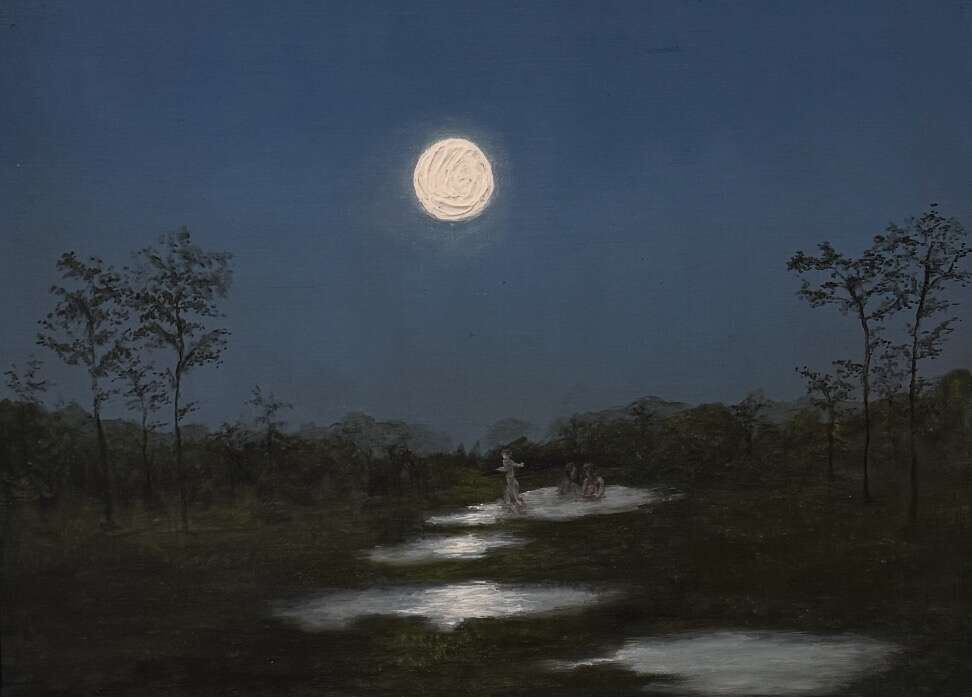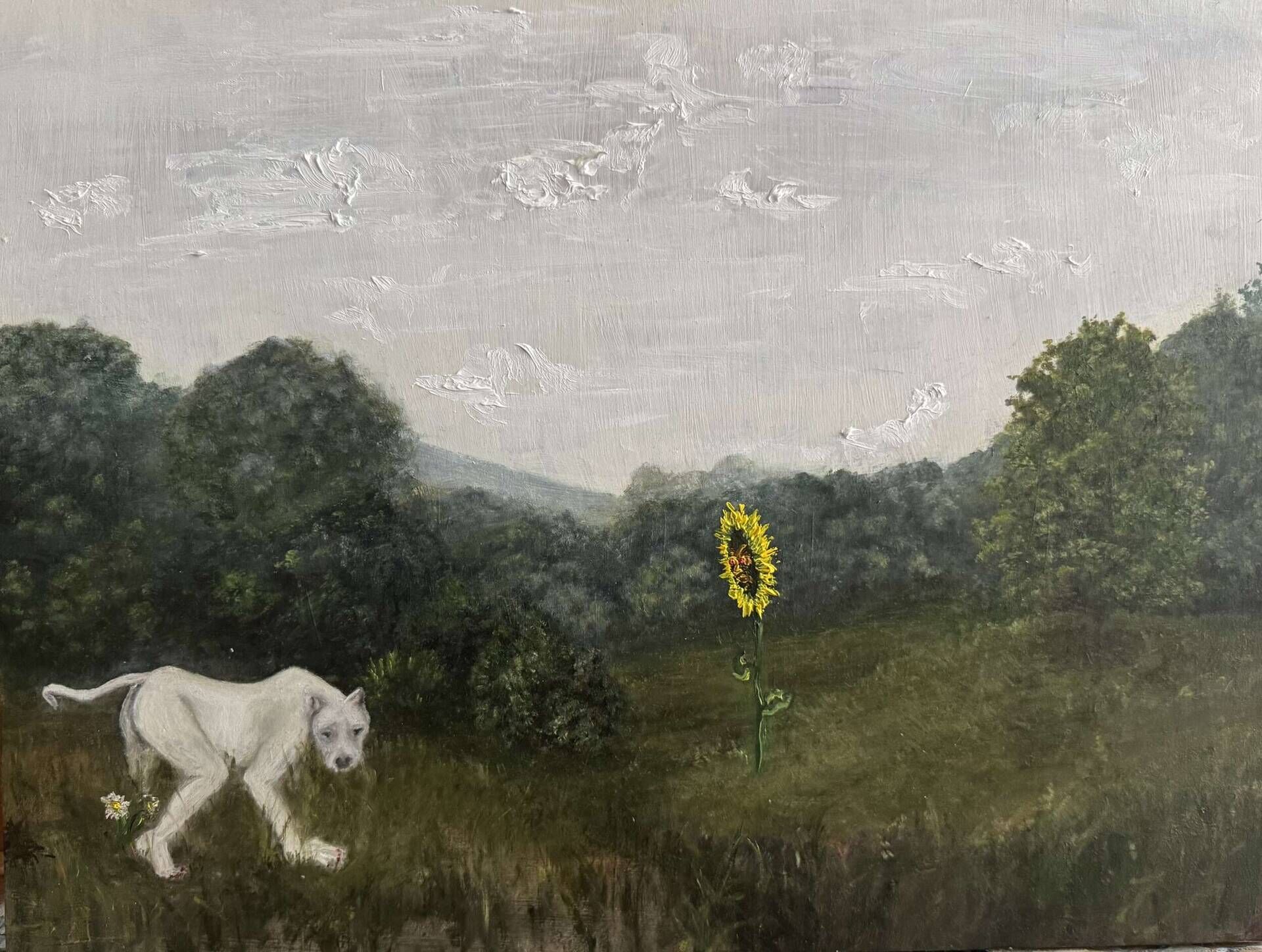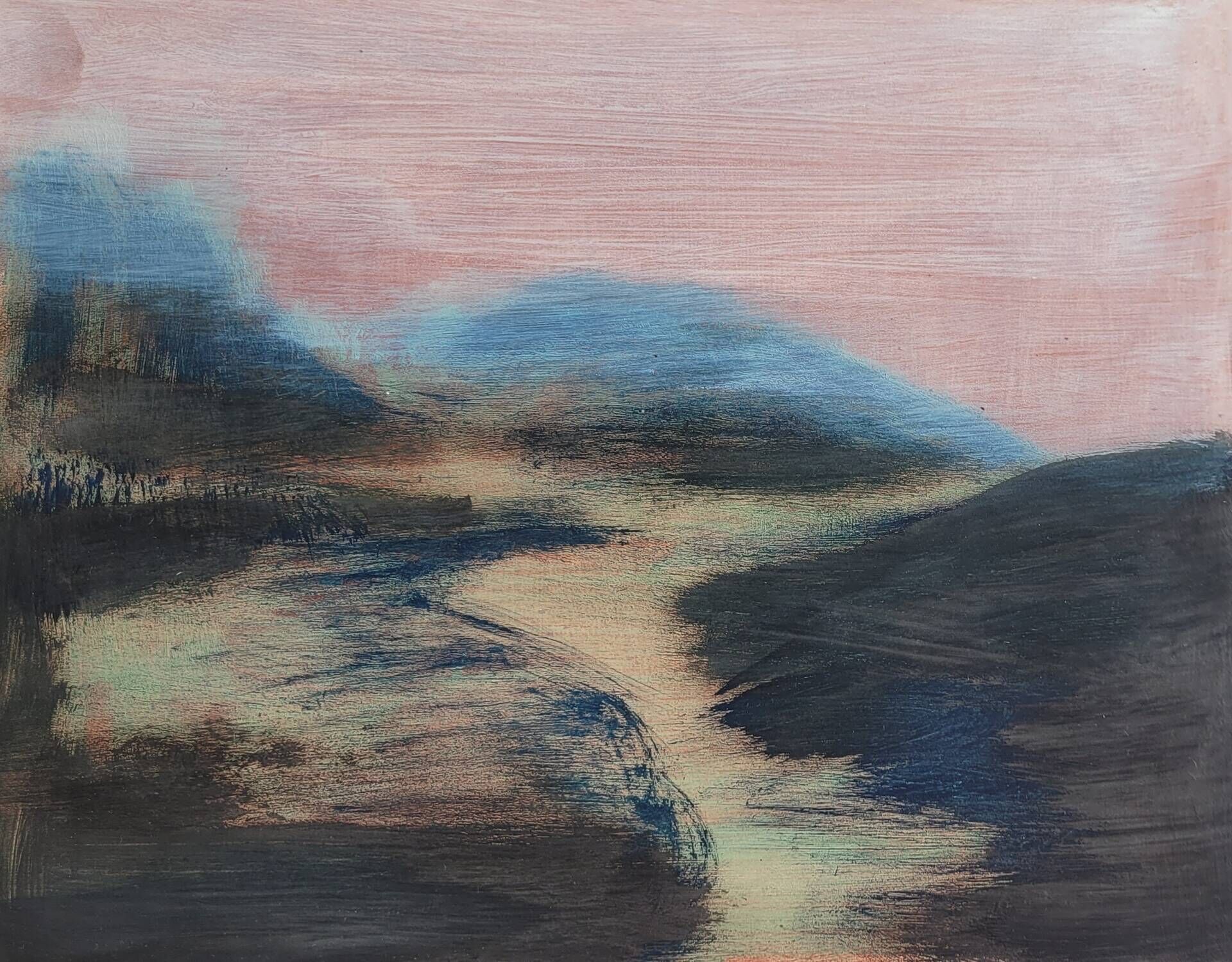
Delicate colours, powerful impact – watercolours
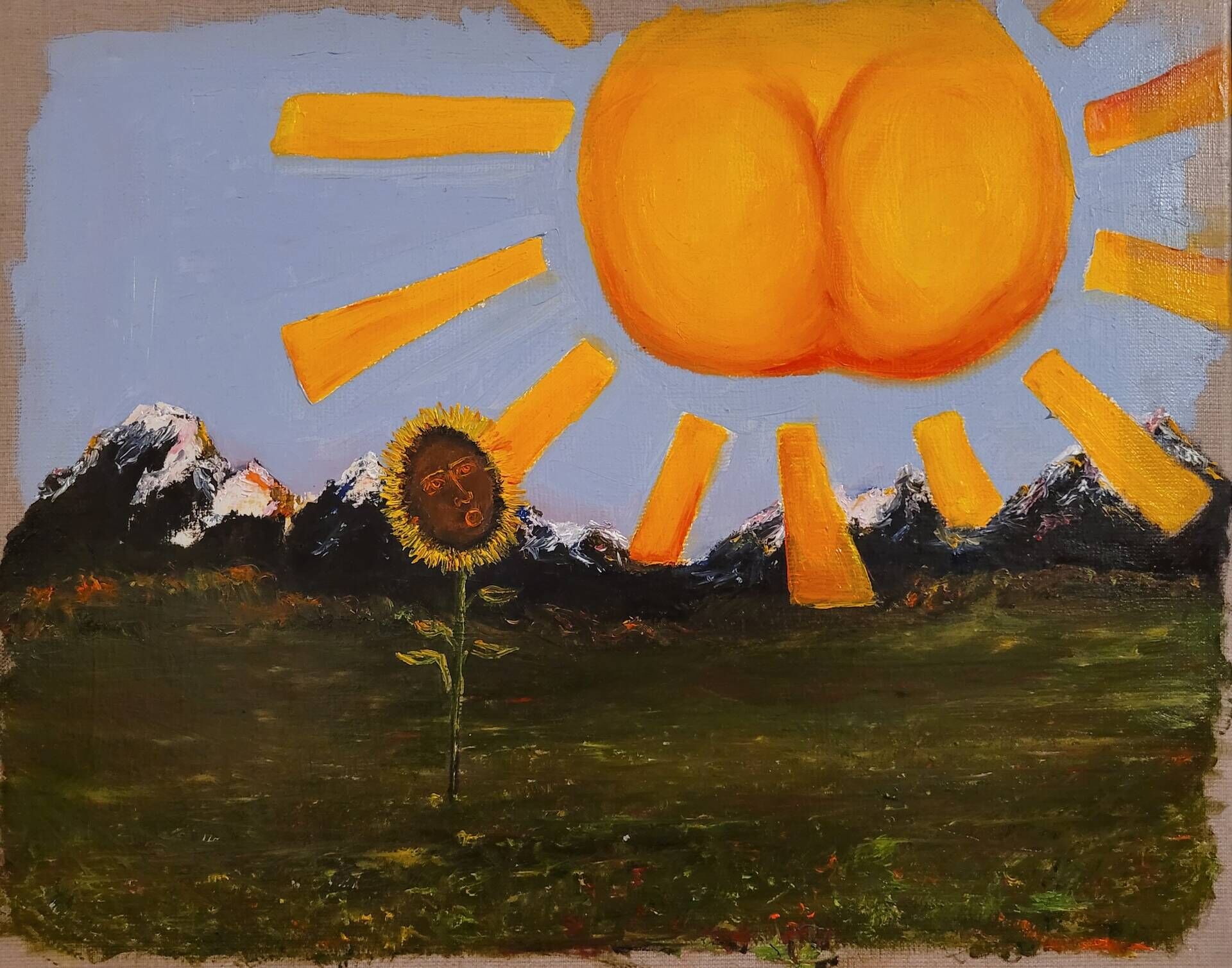
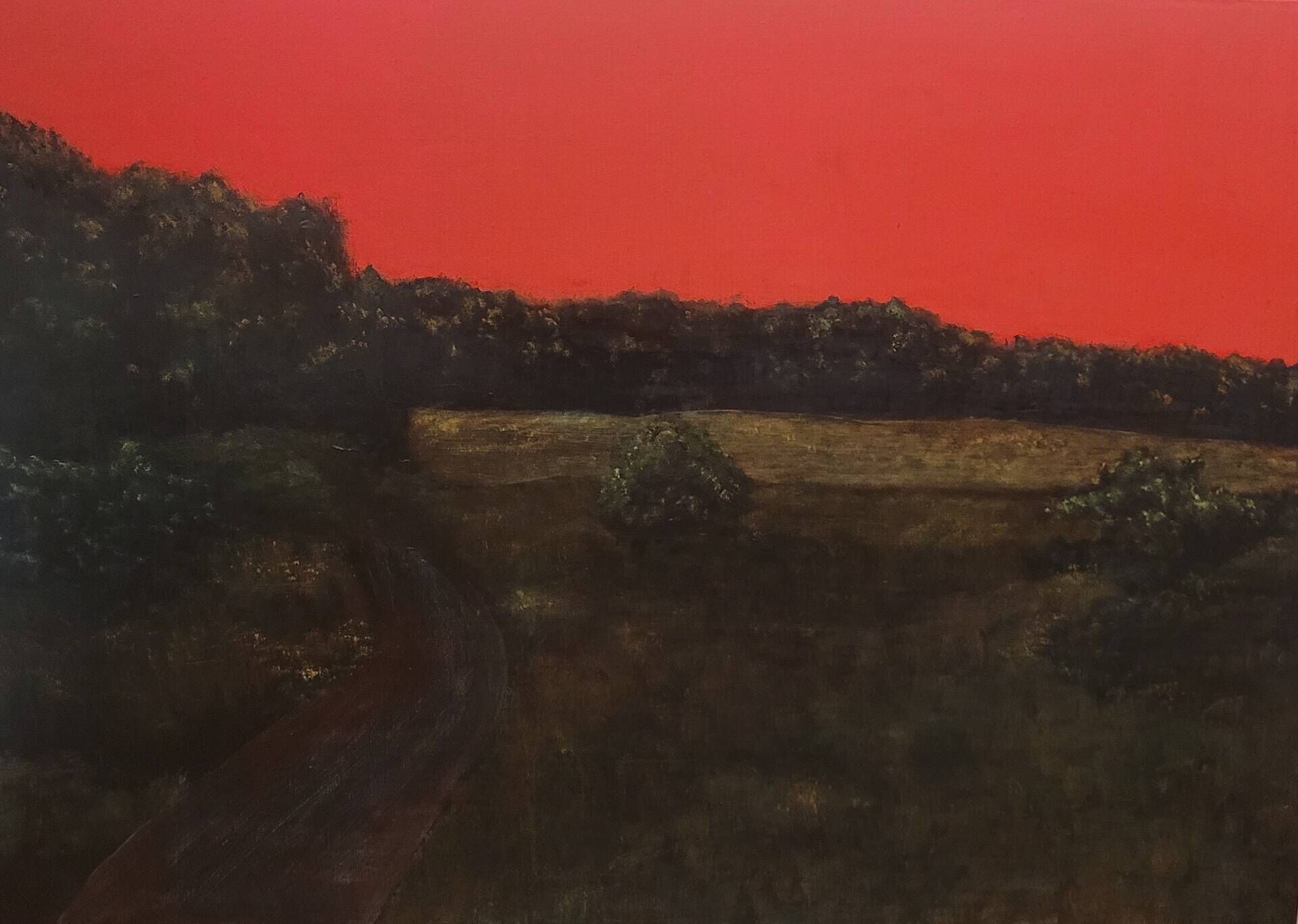
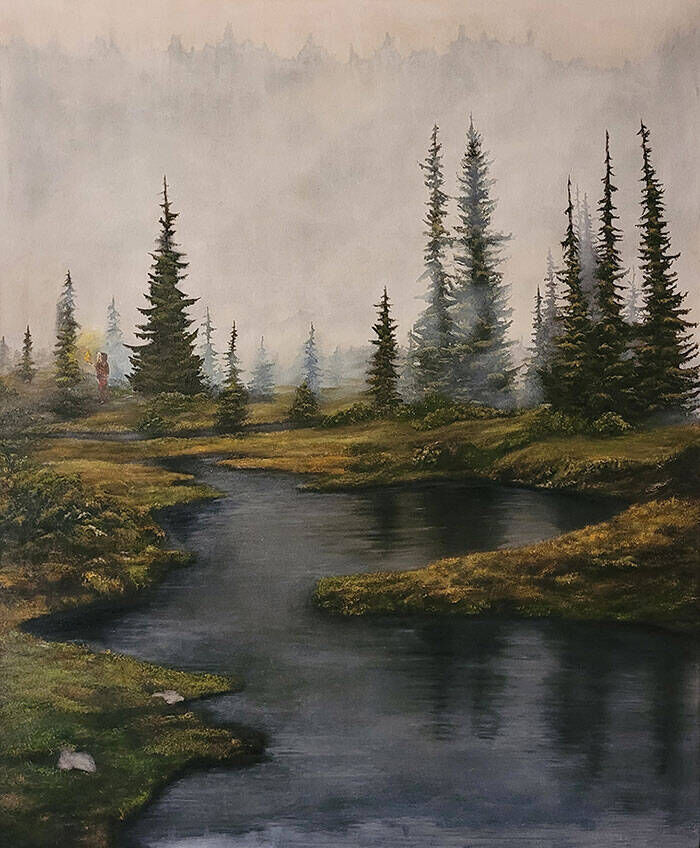
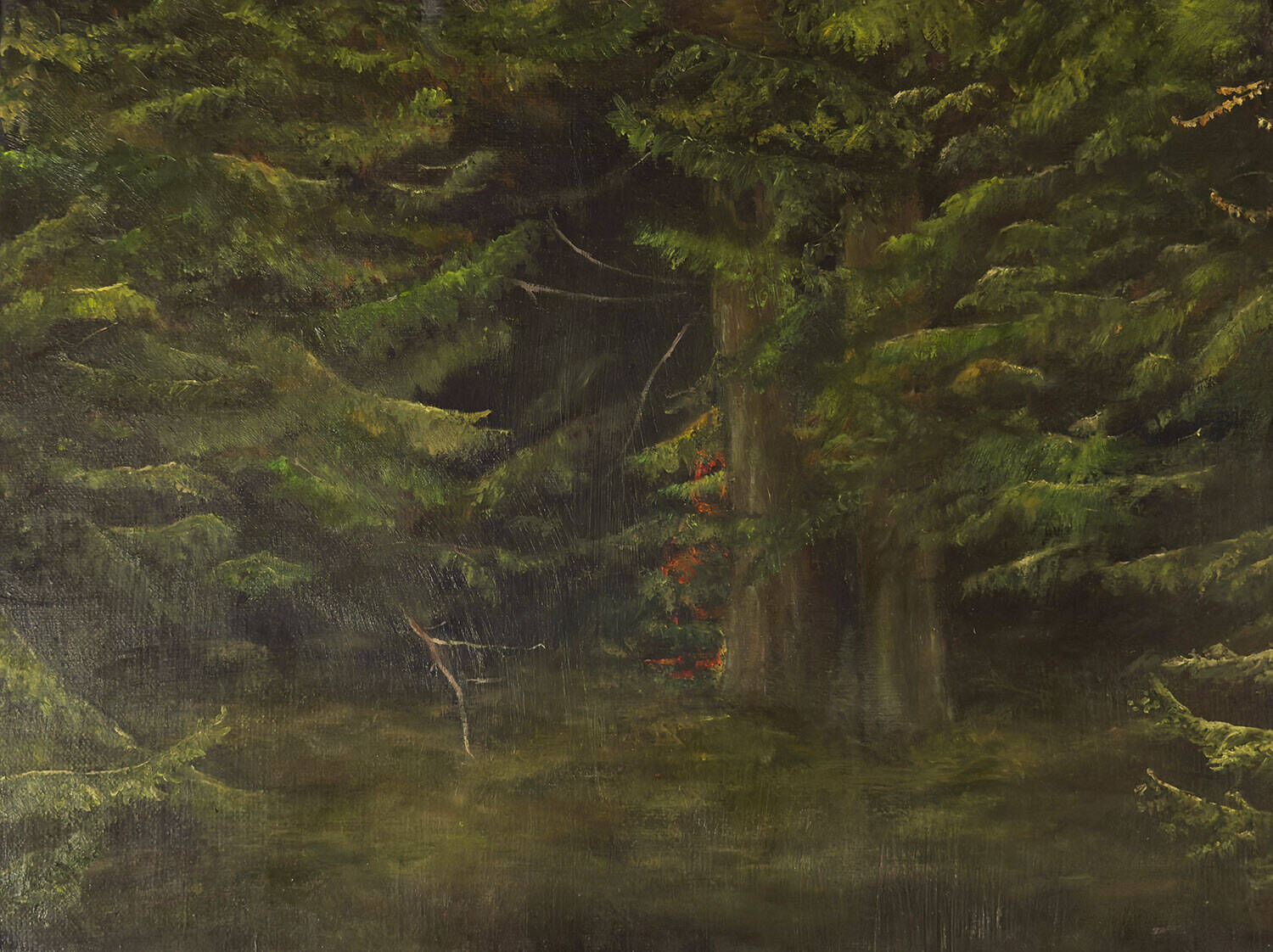
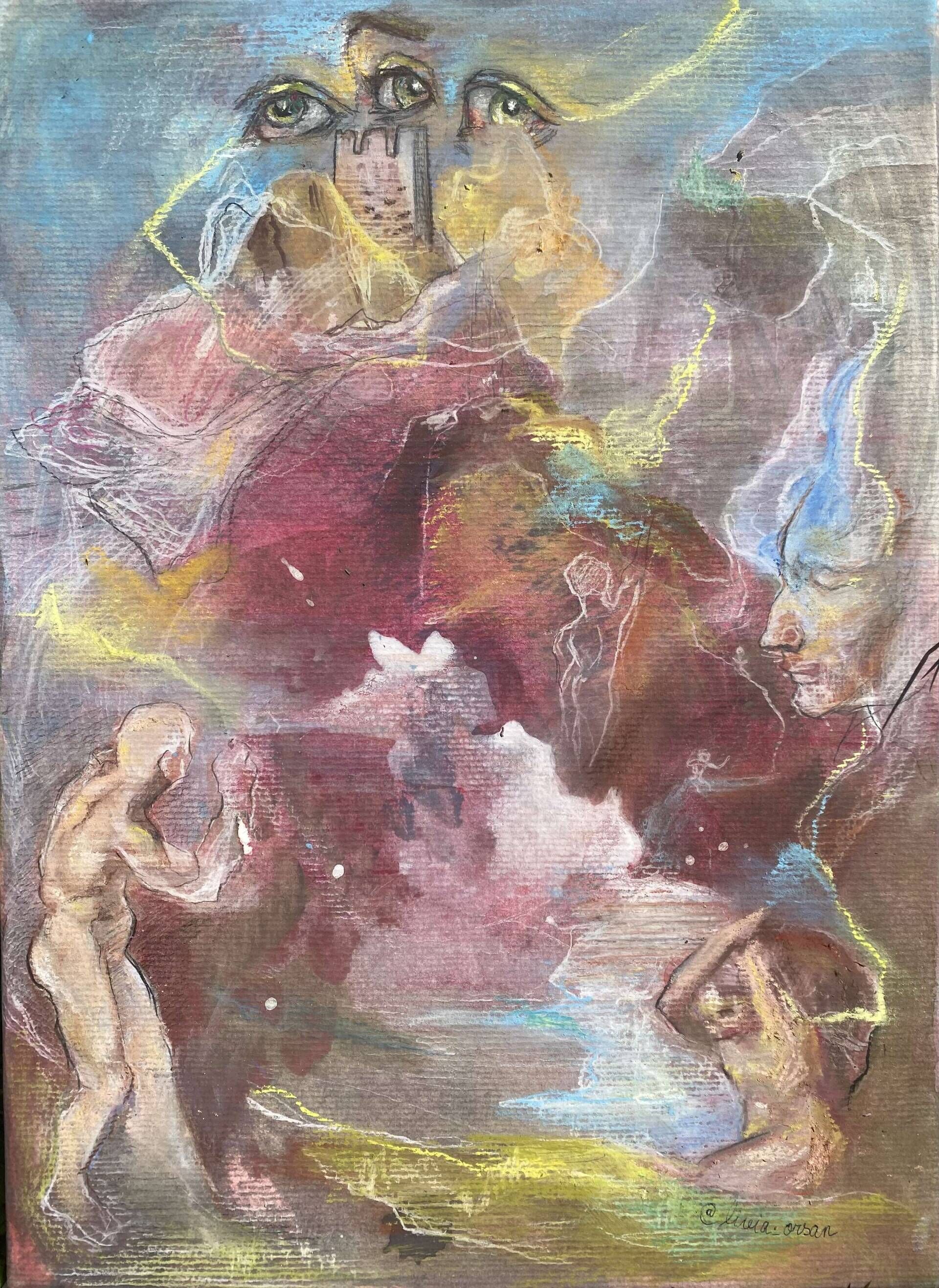
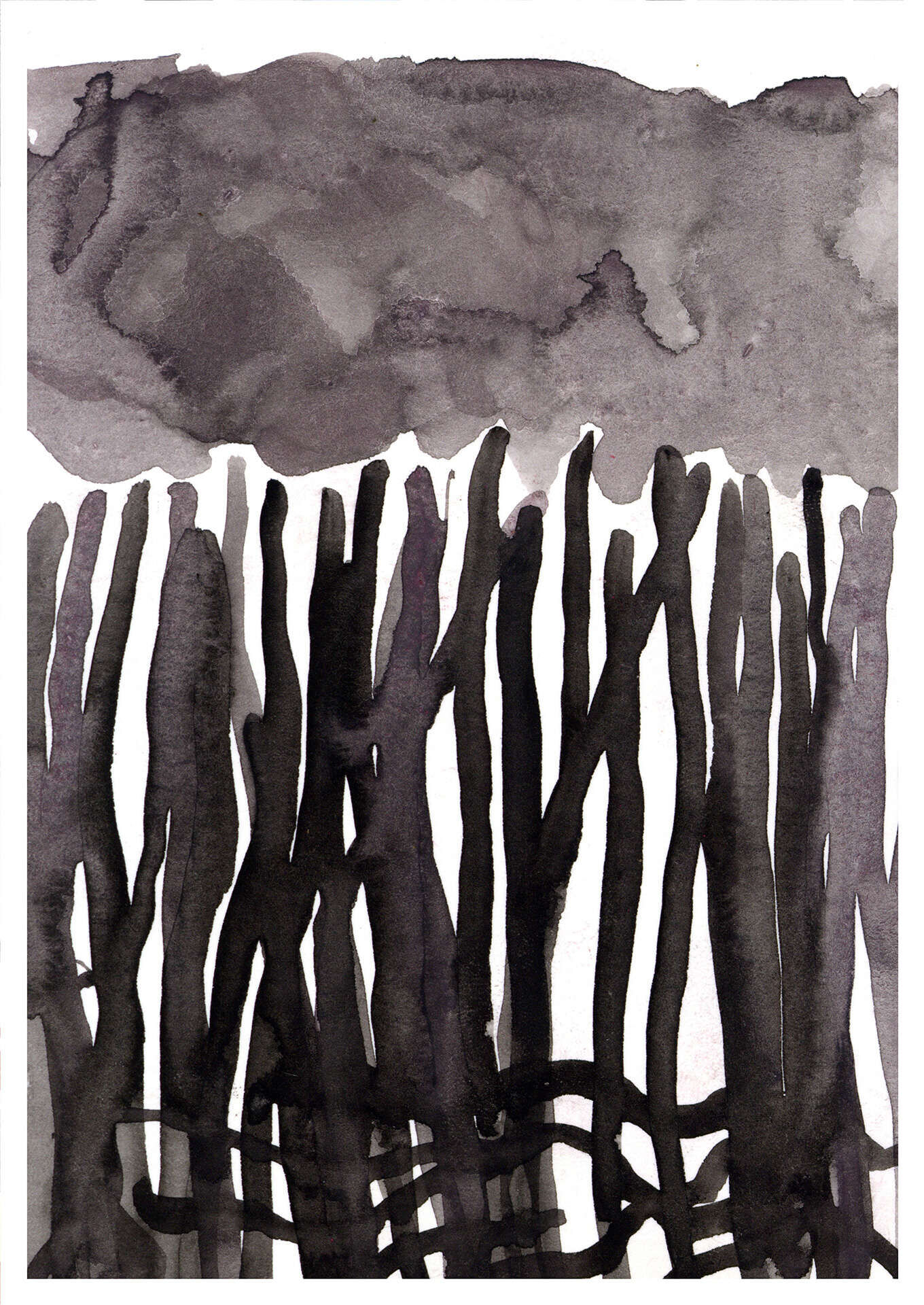
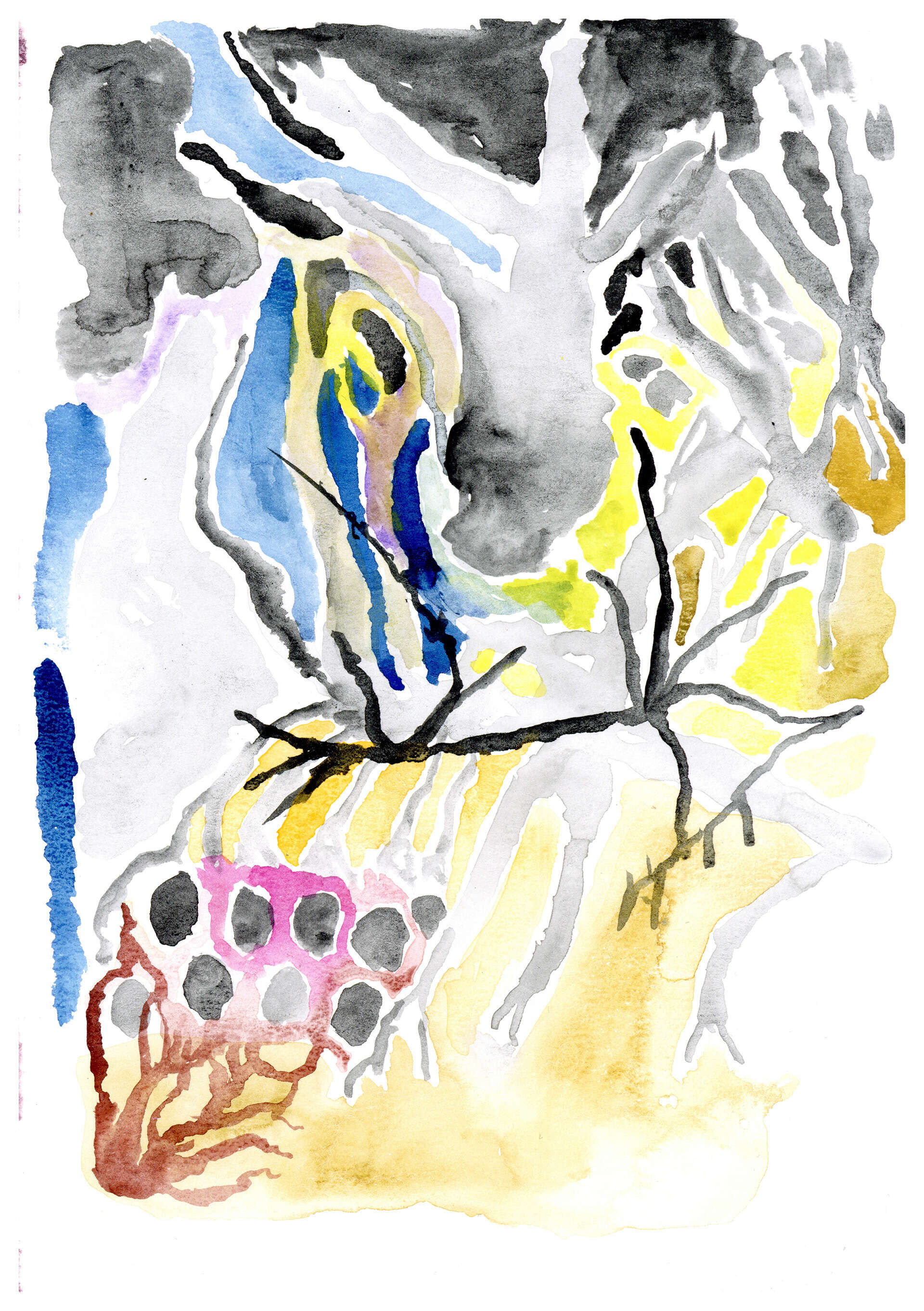
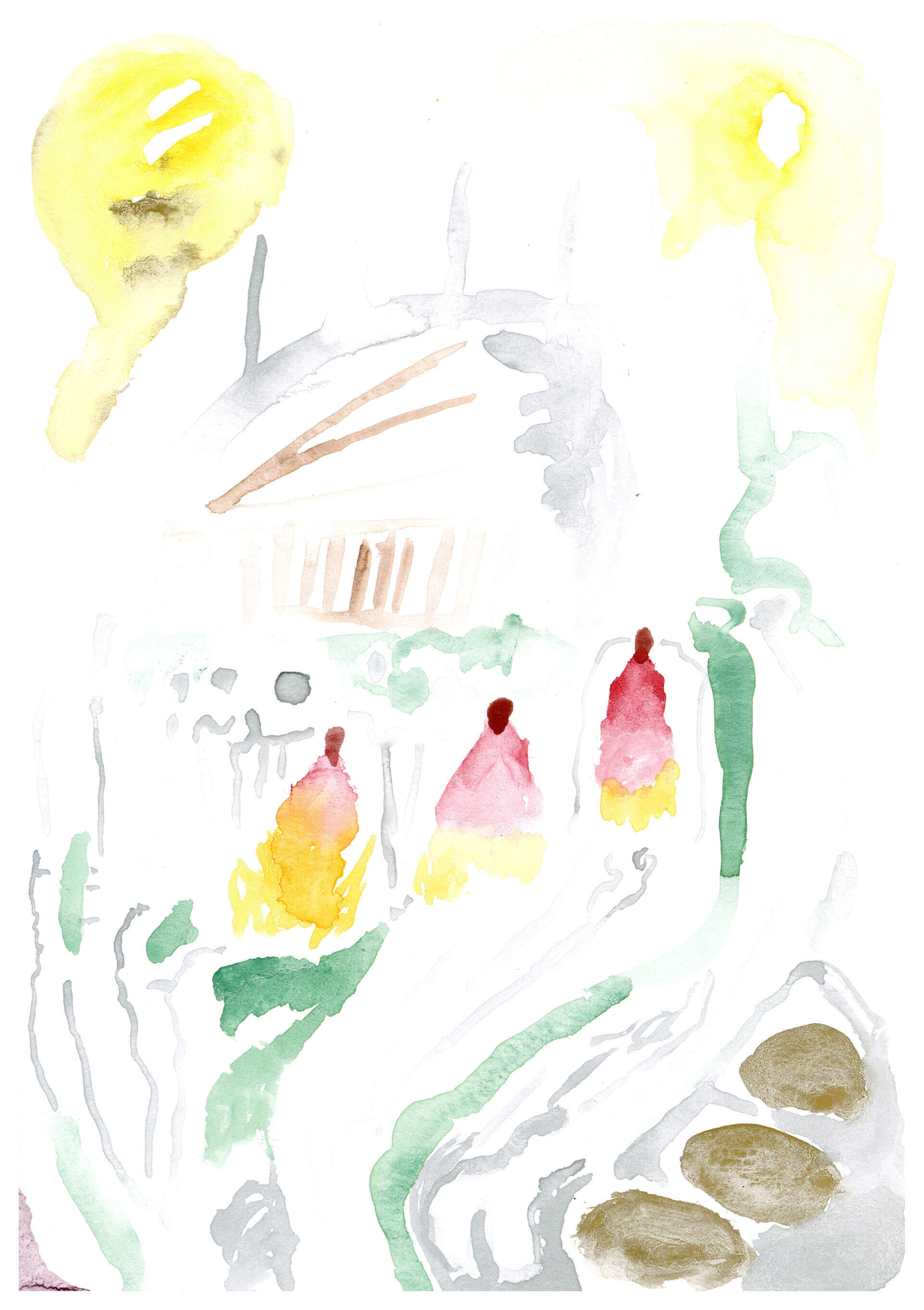
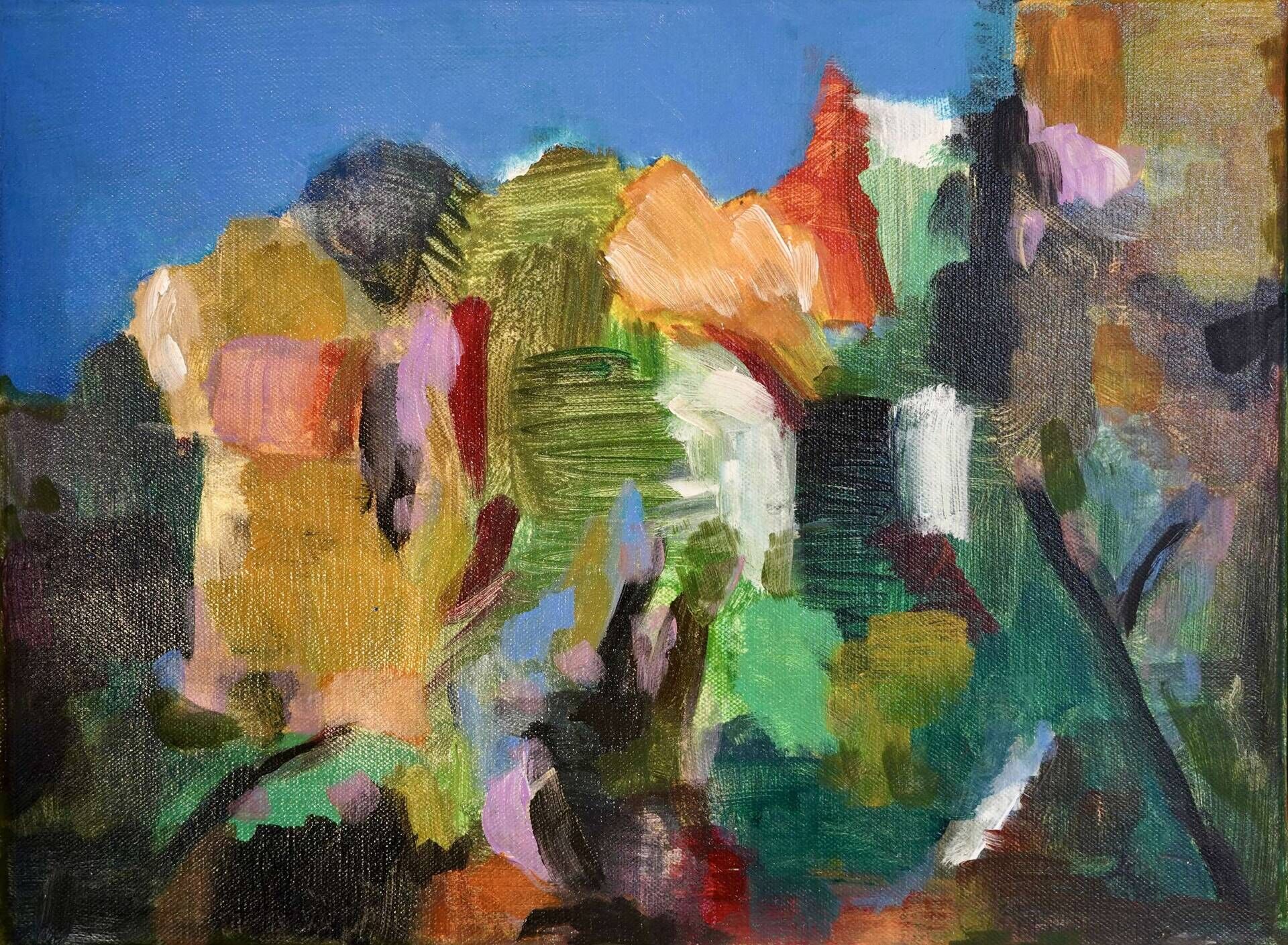
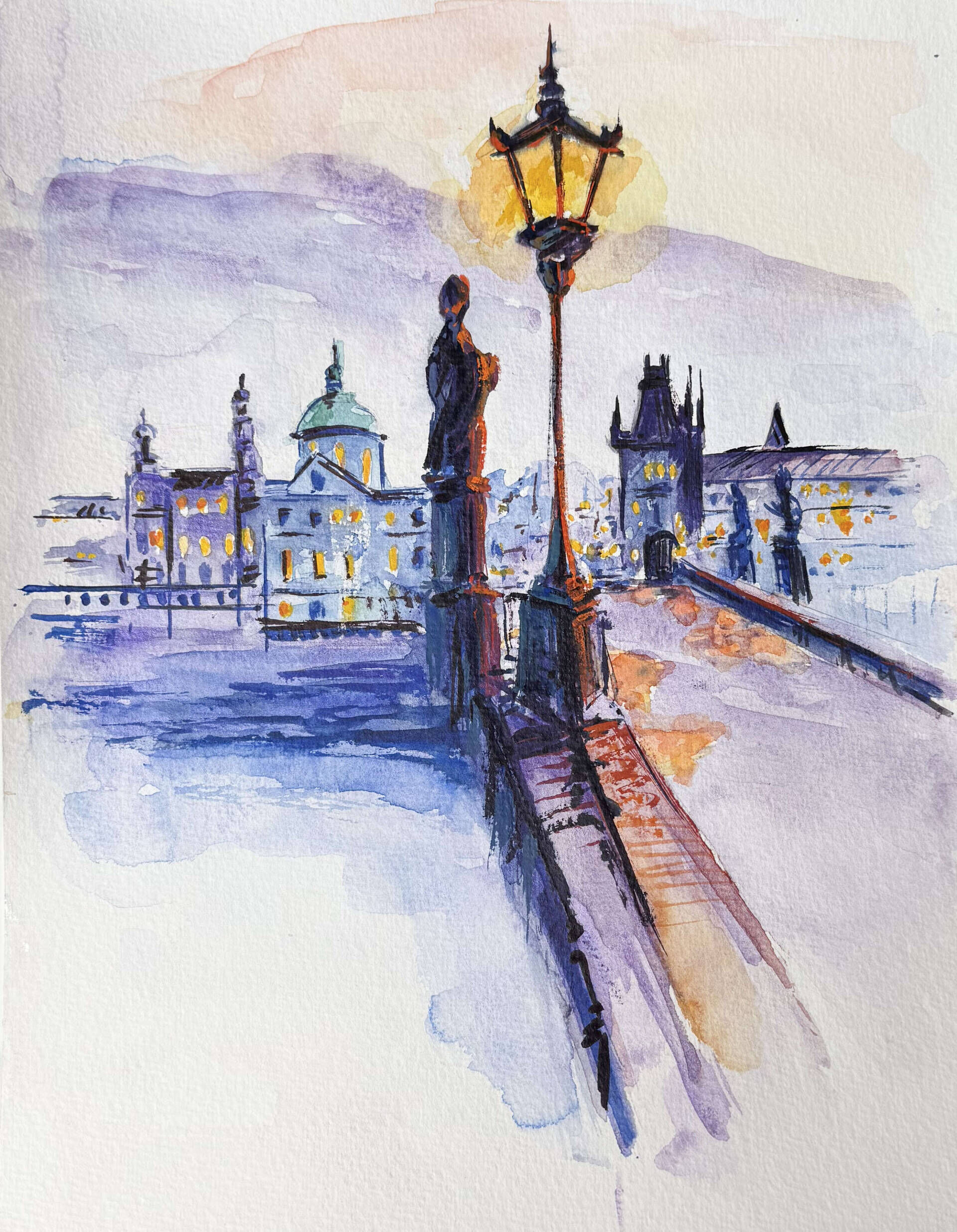
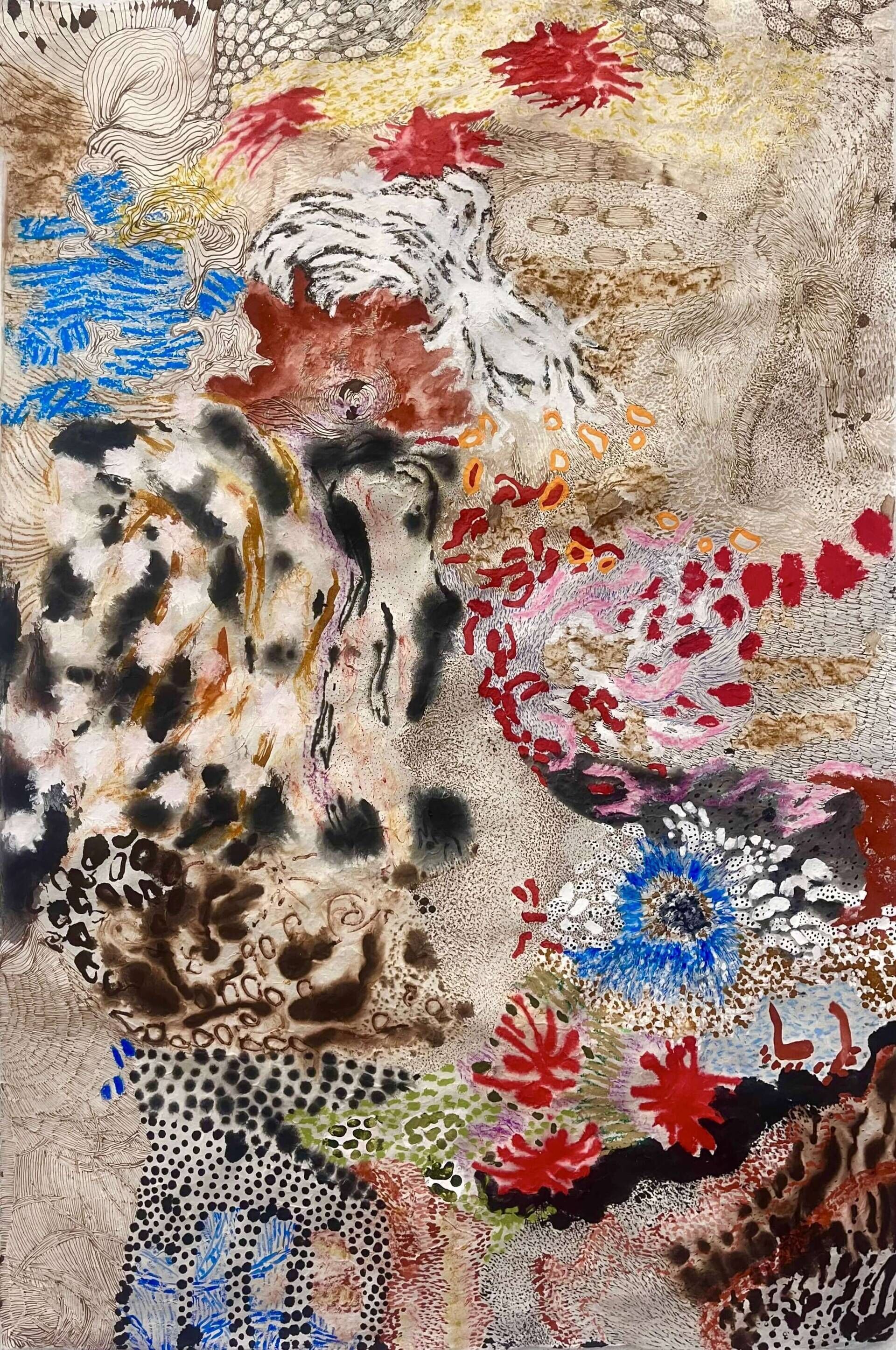
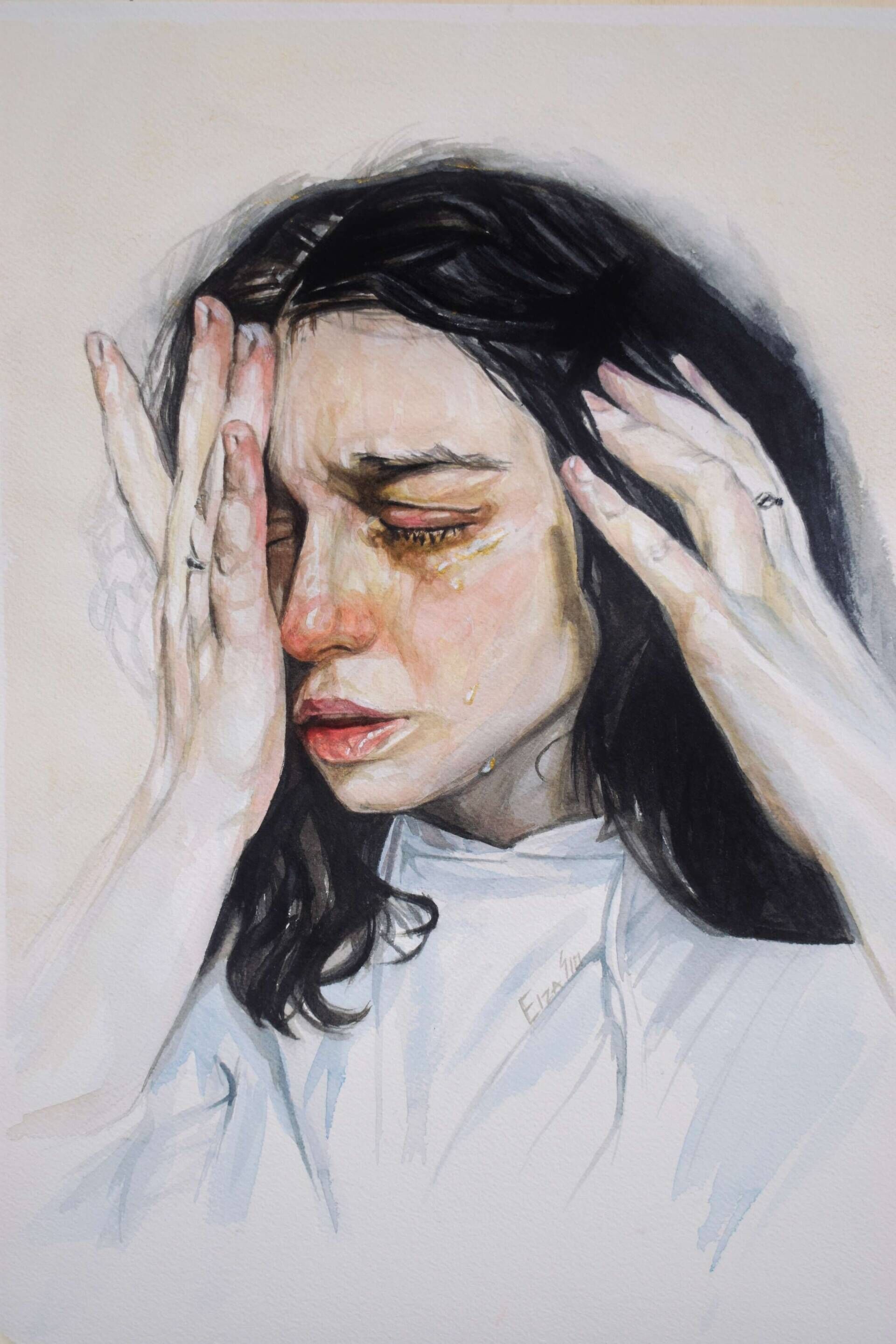
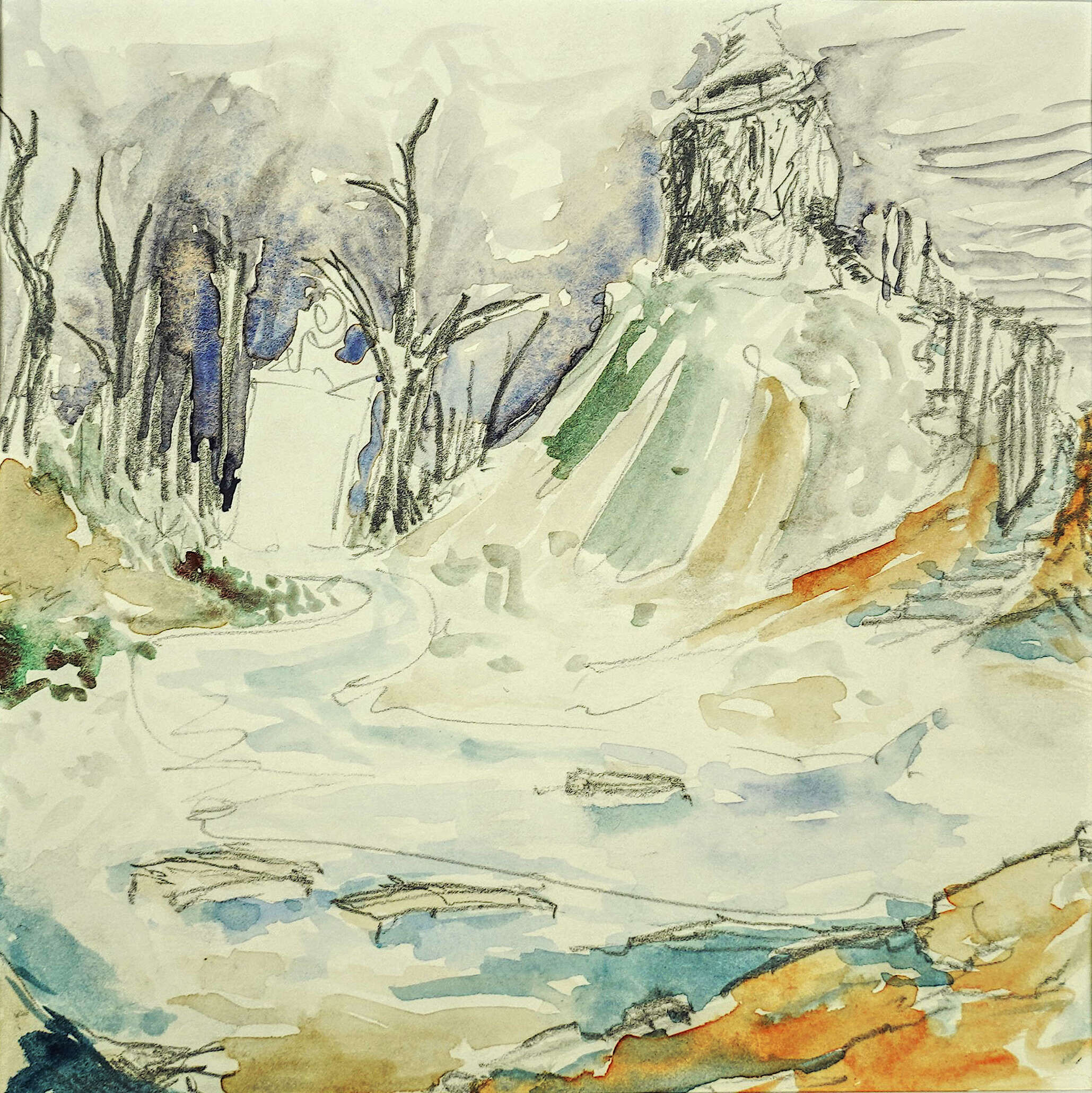
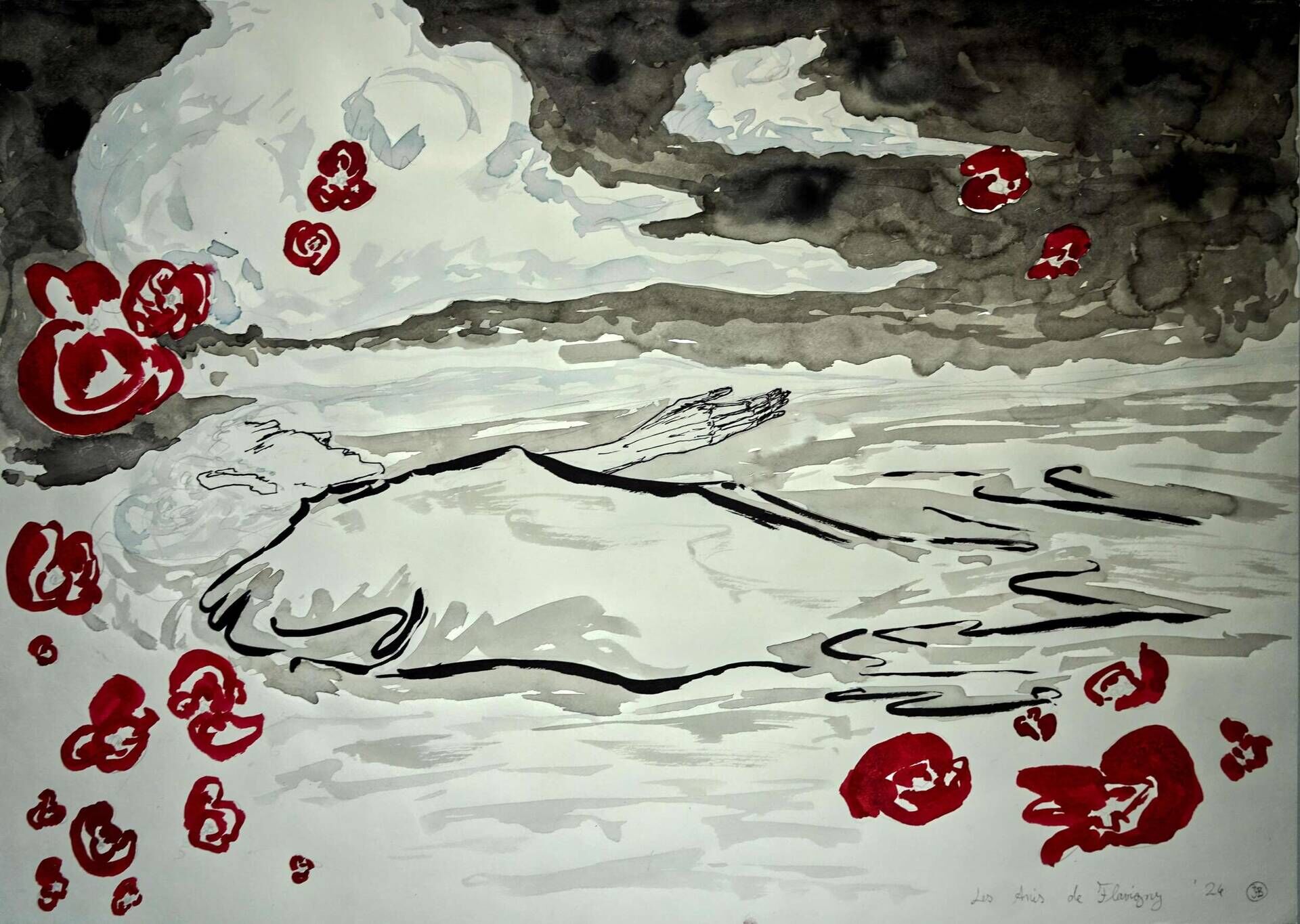
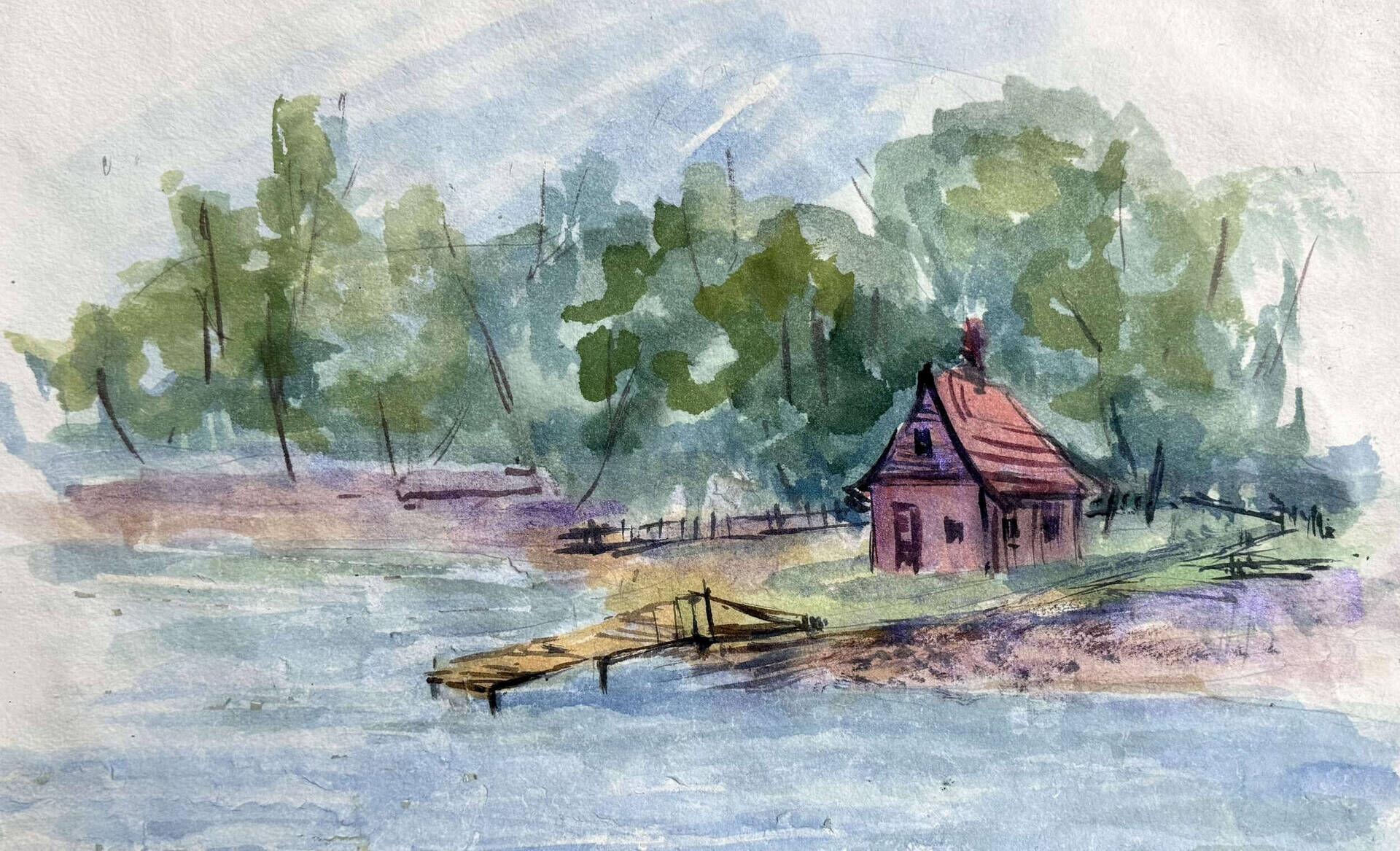
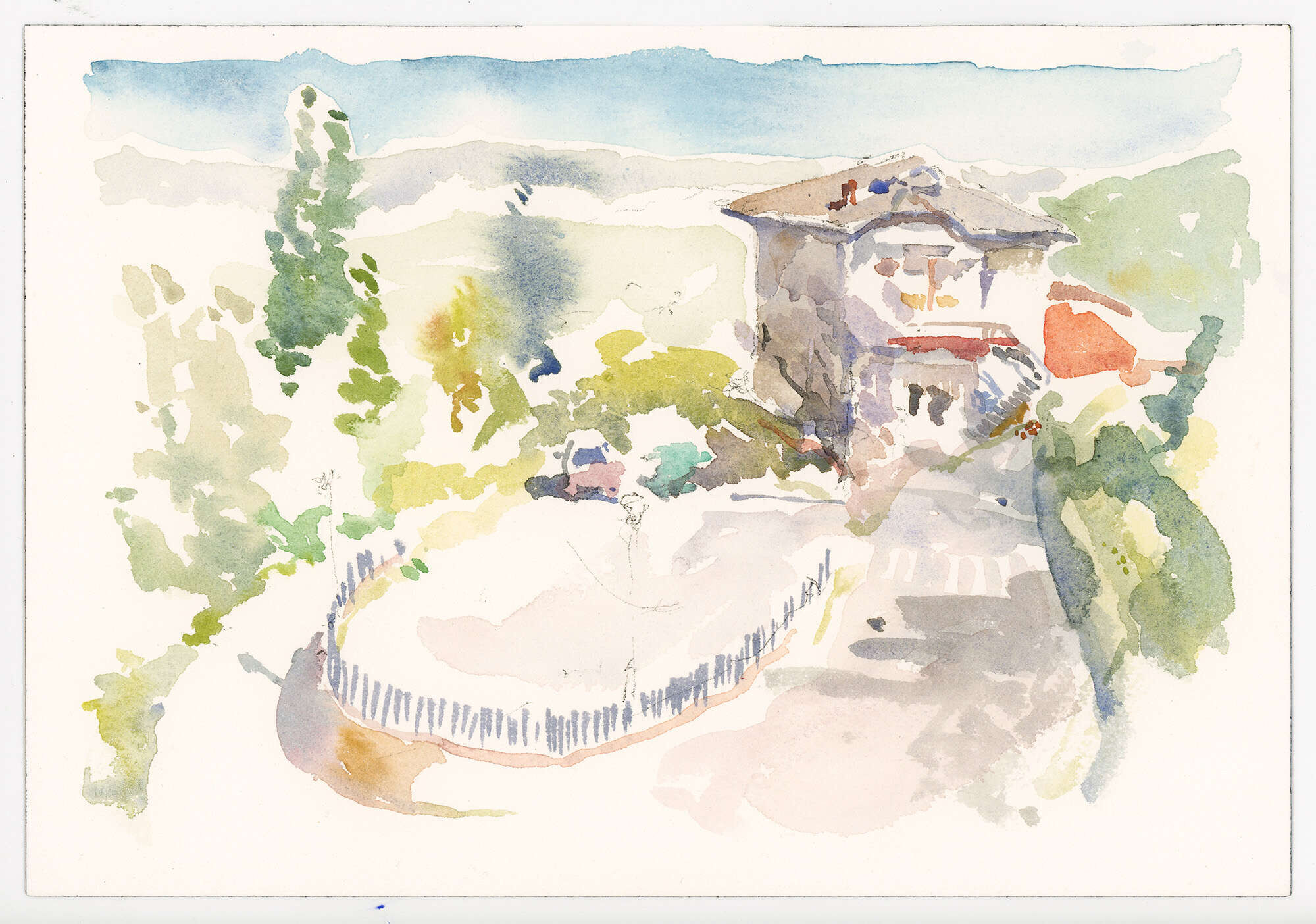
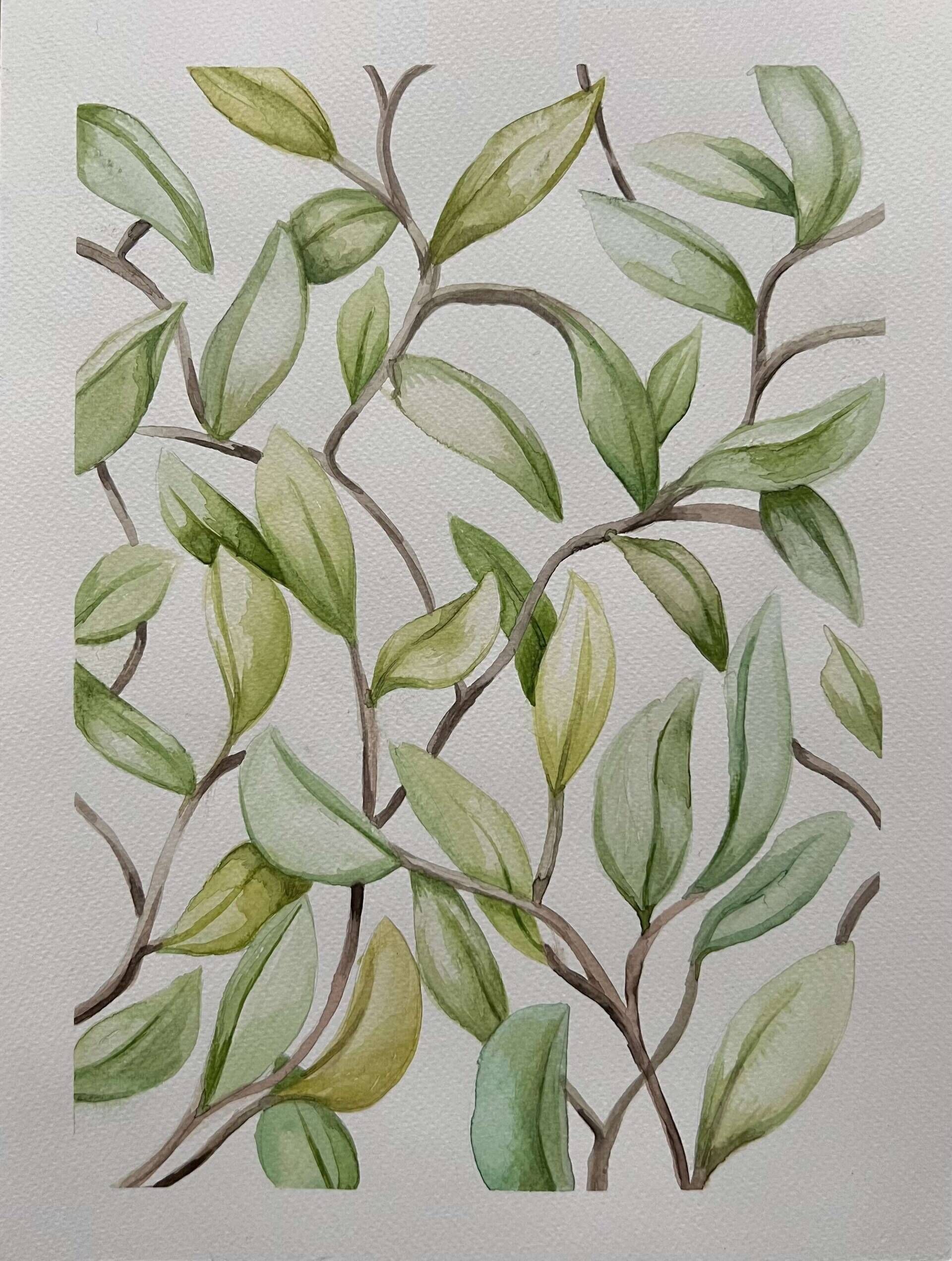
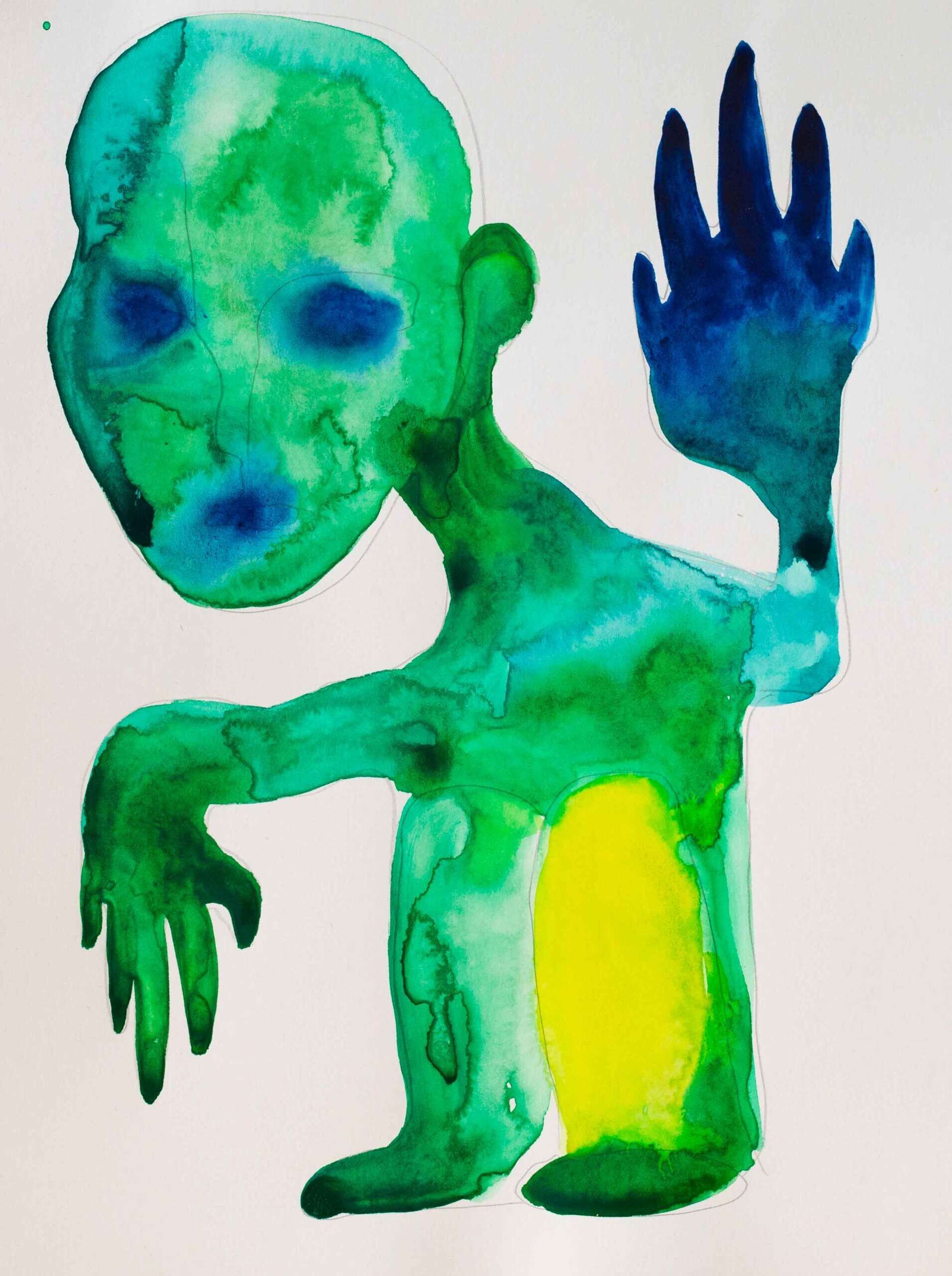
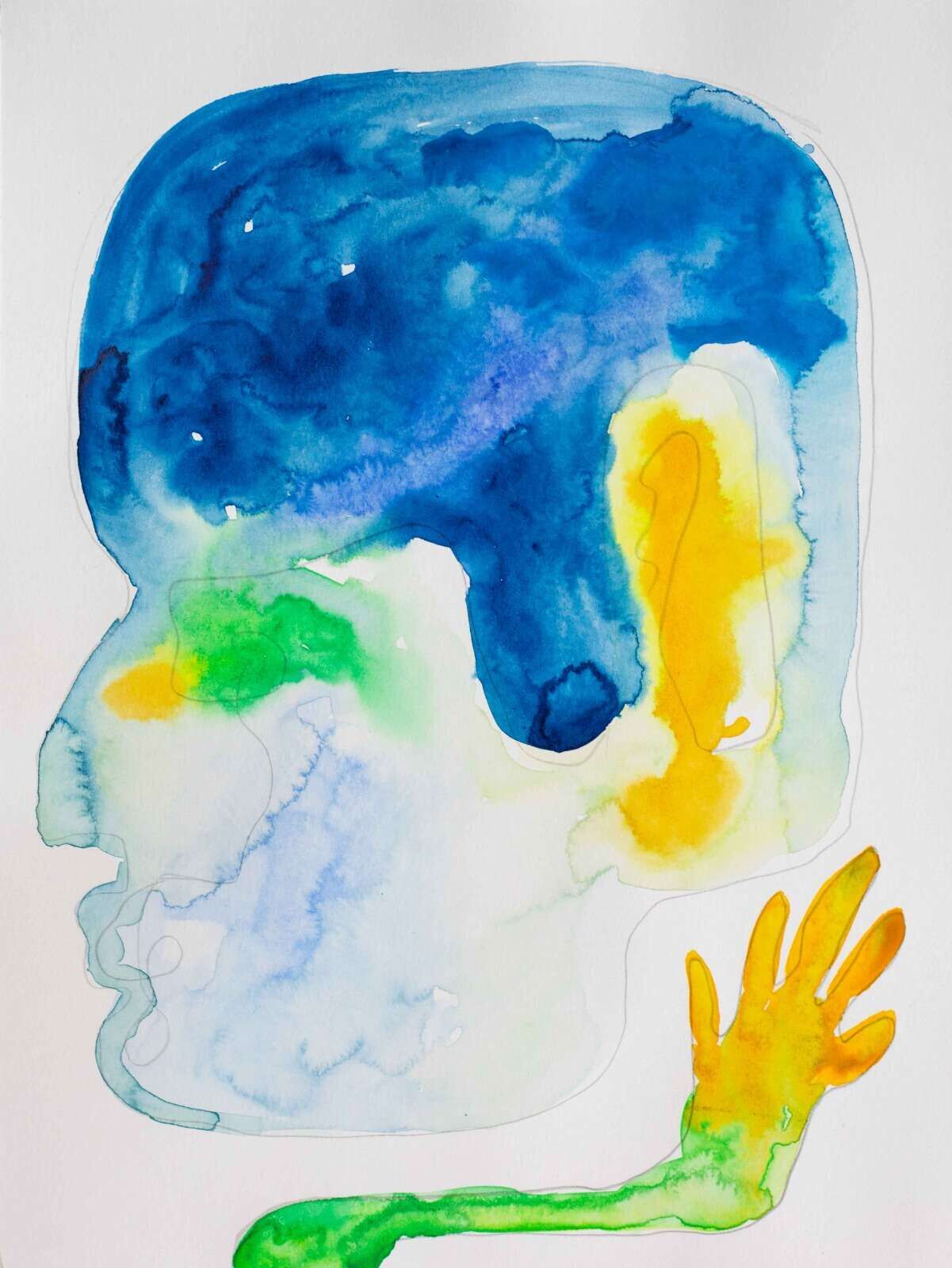
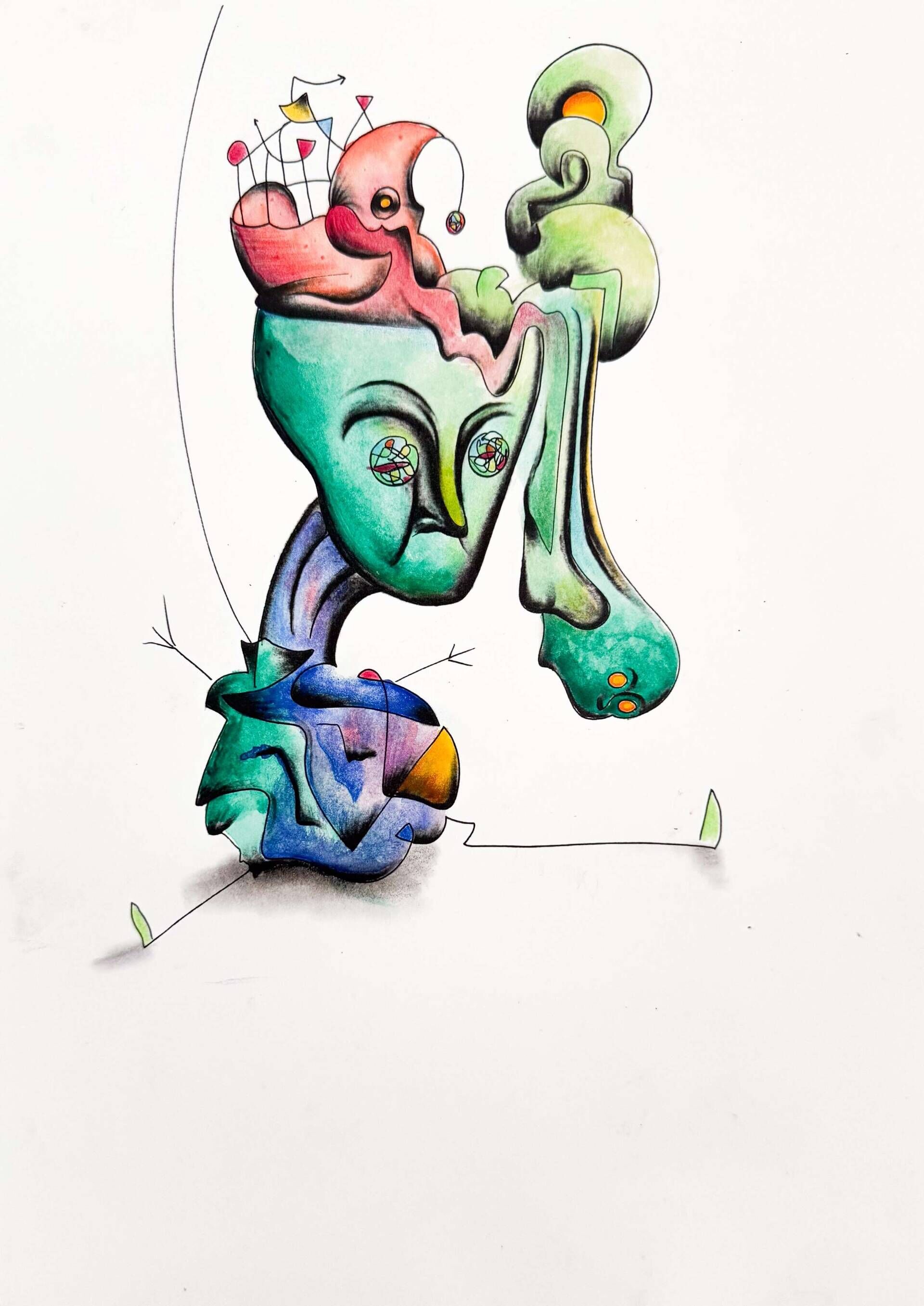
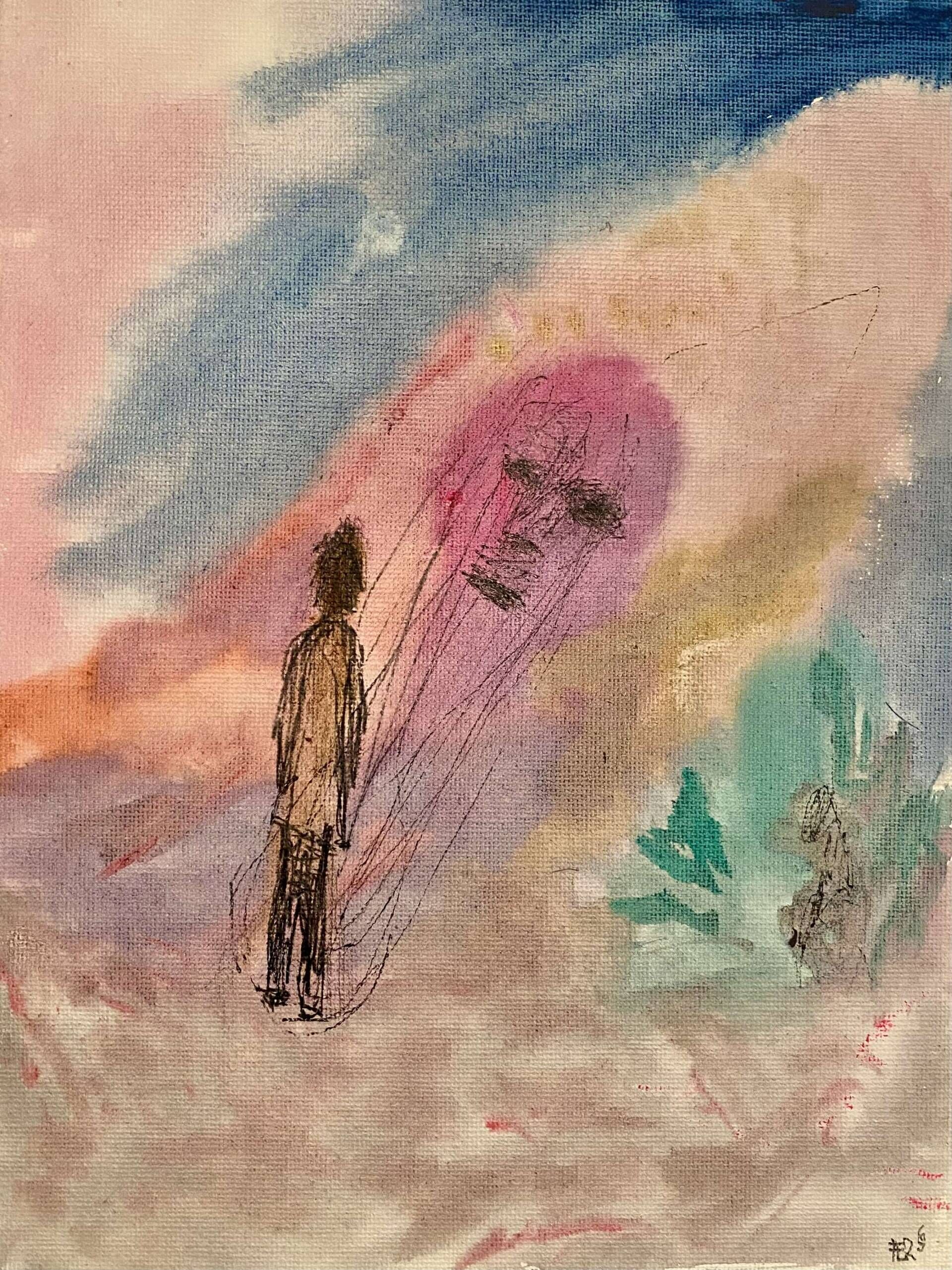
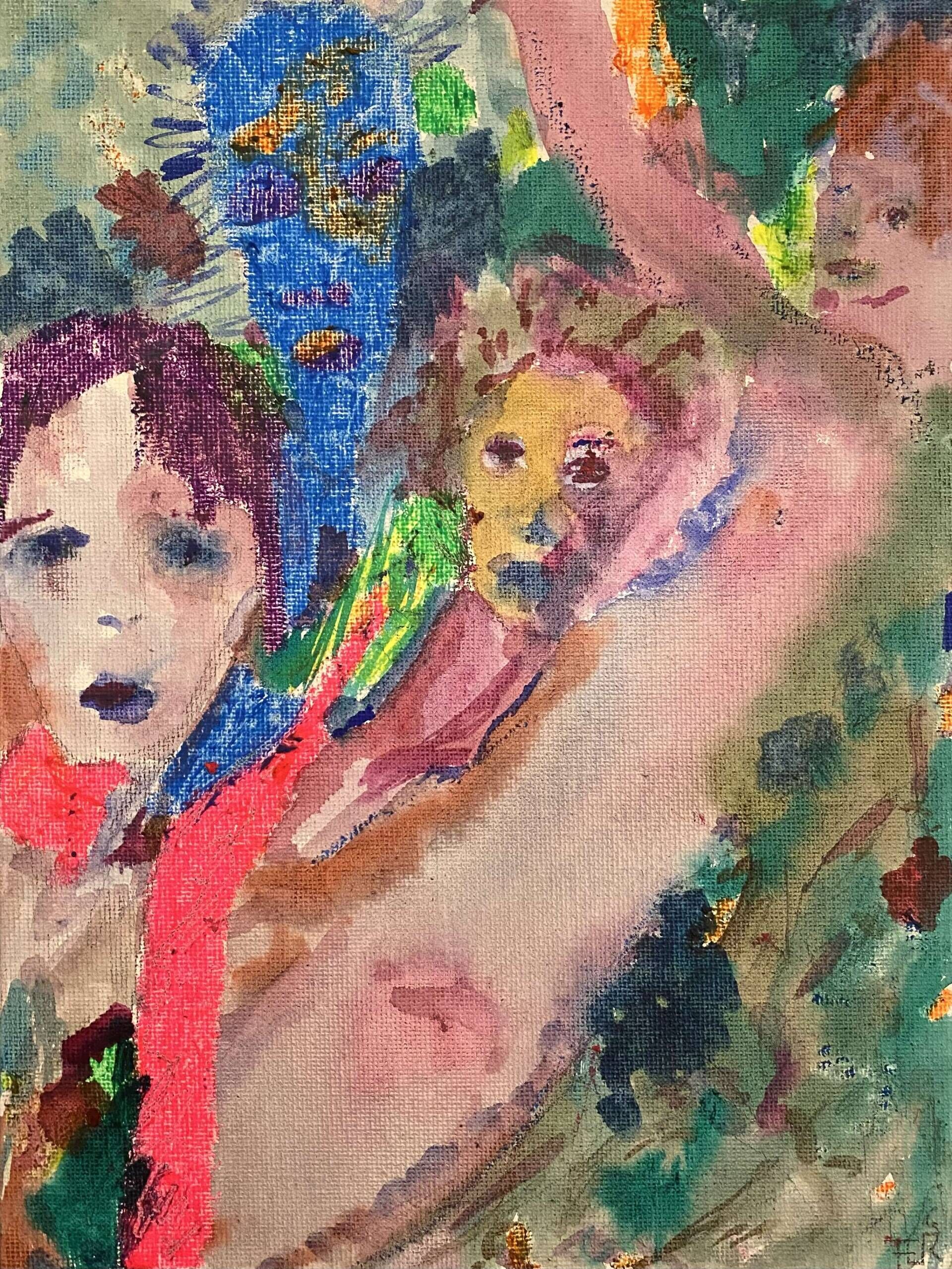
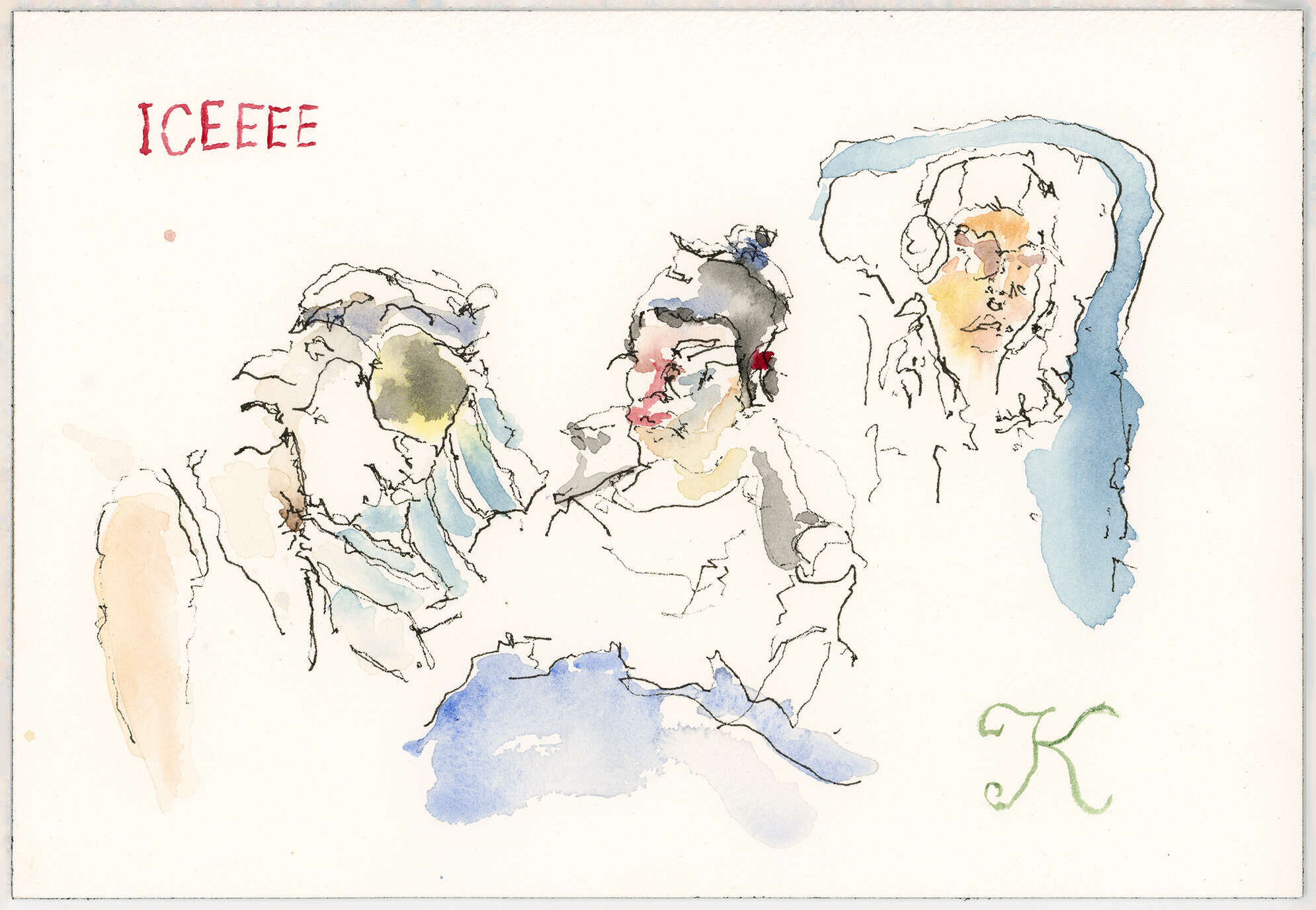
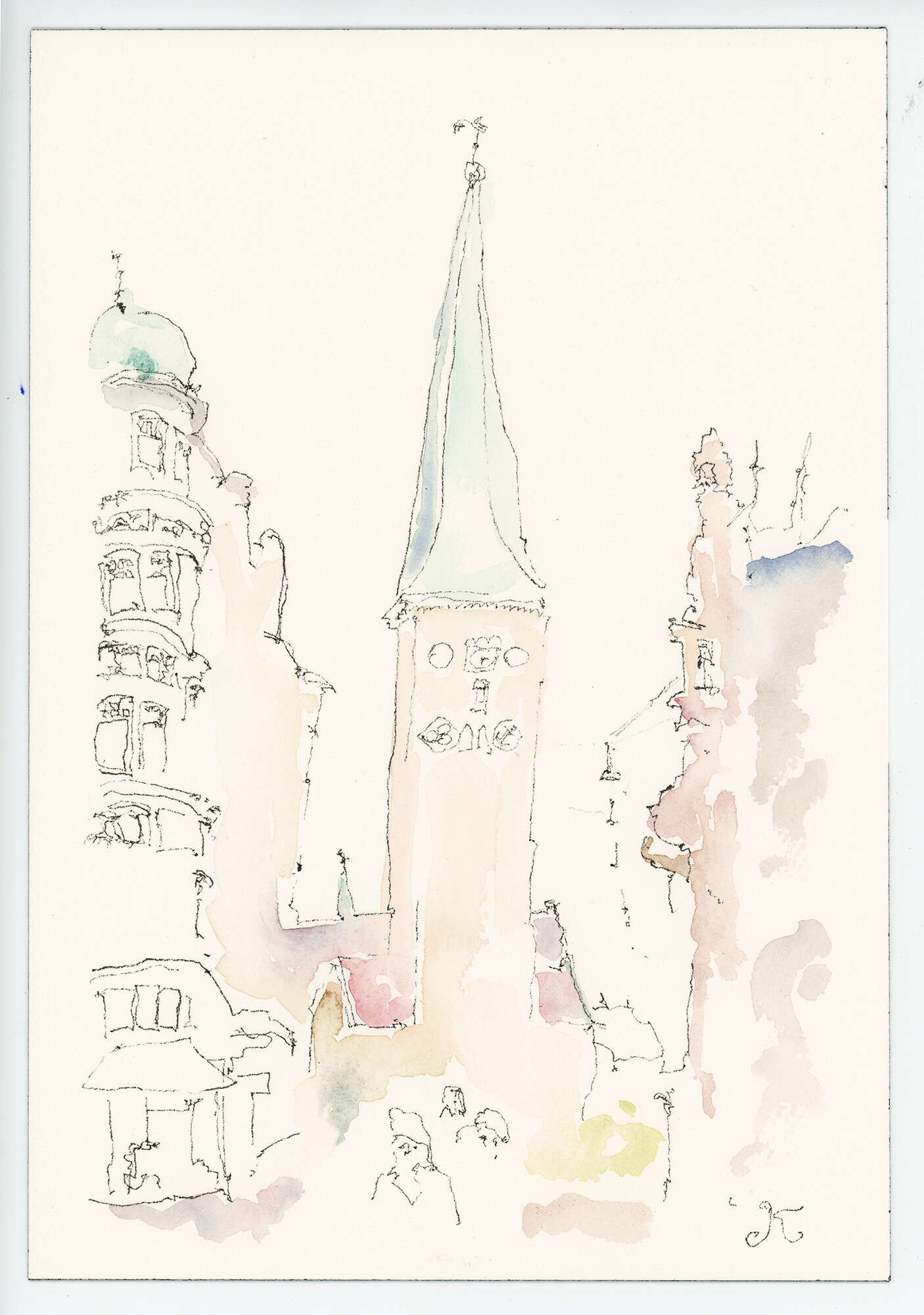
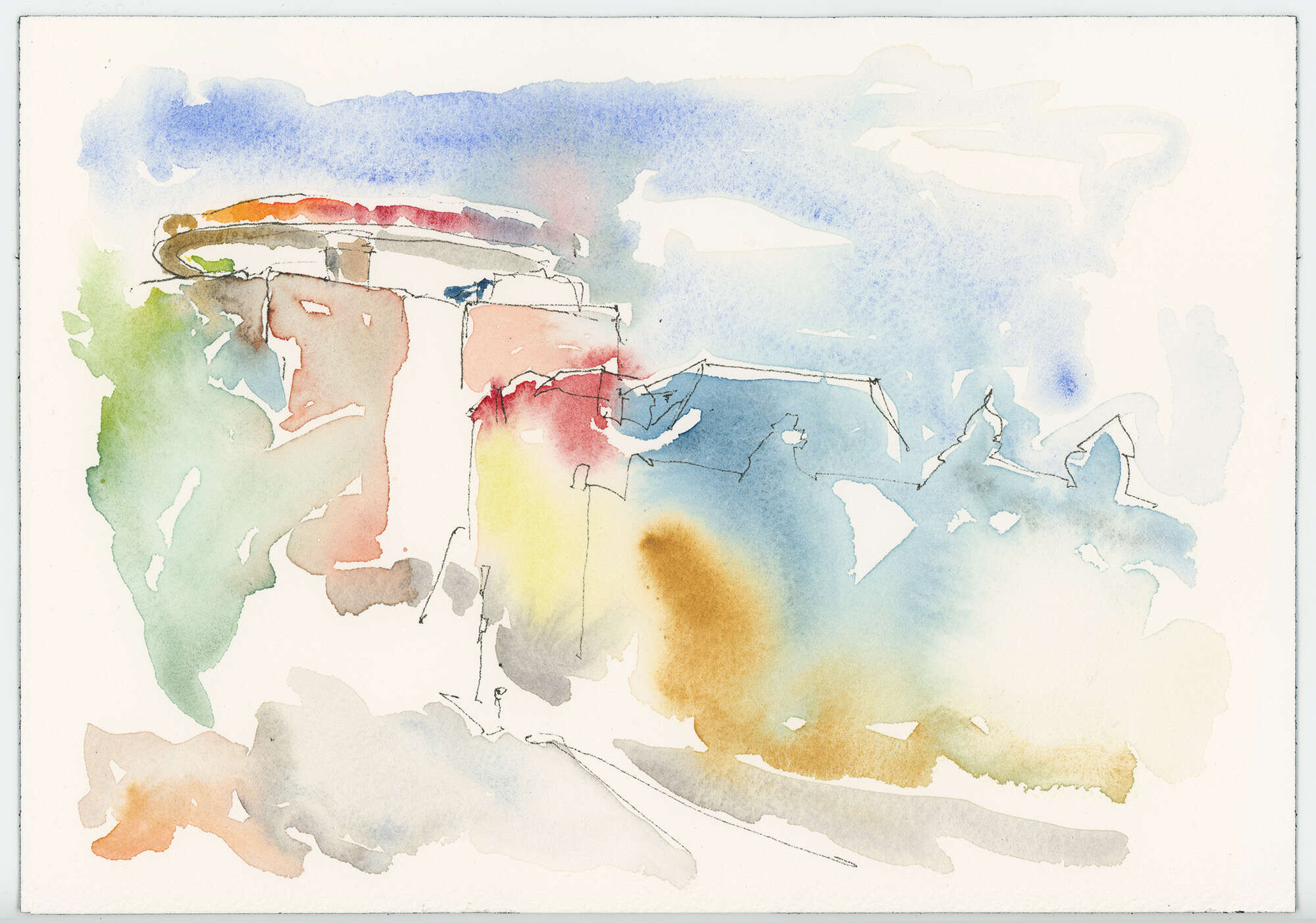
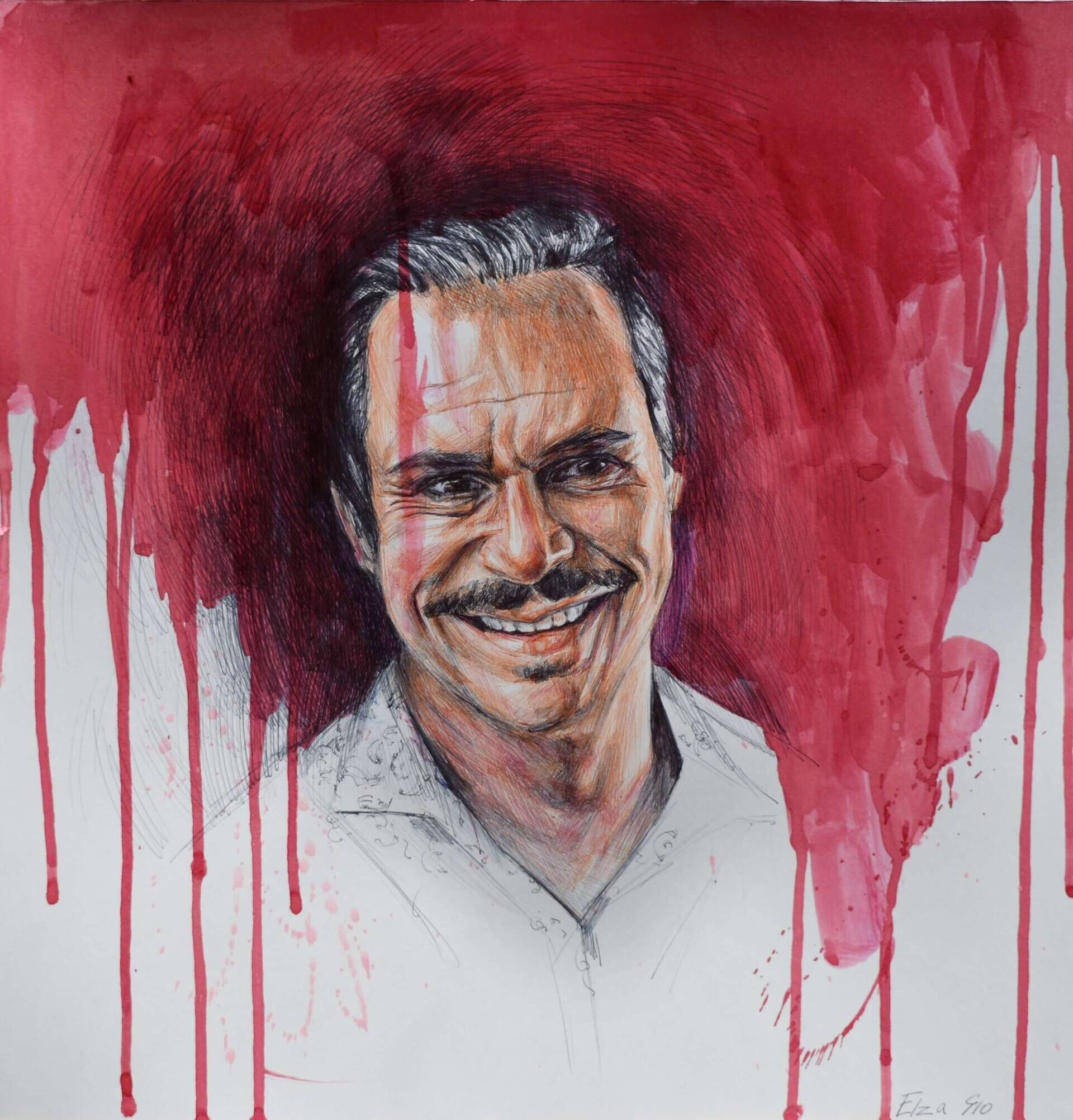
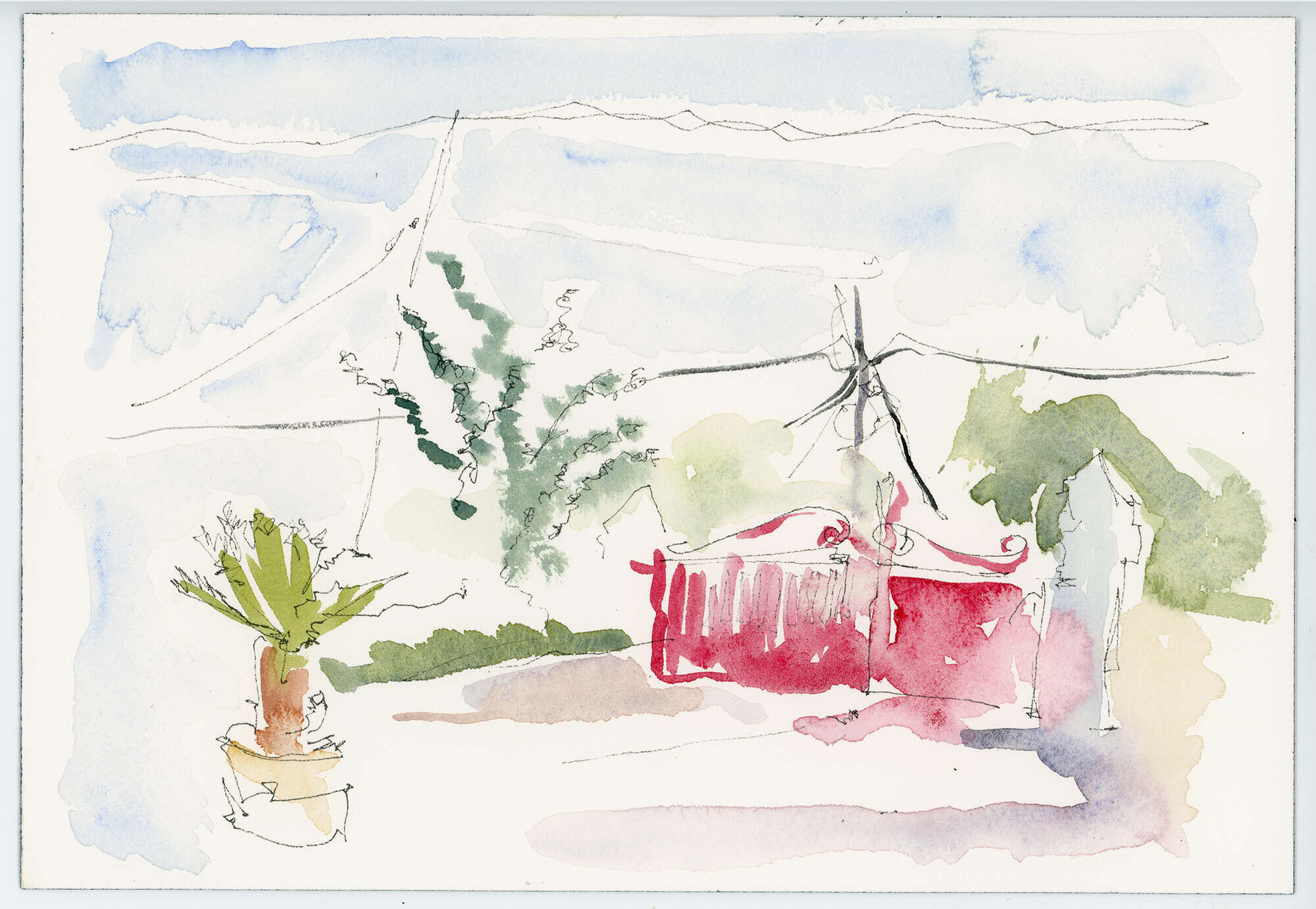
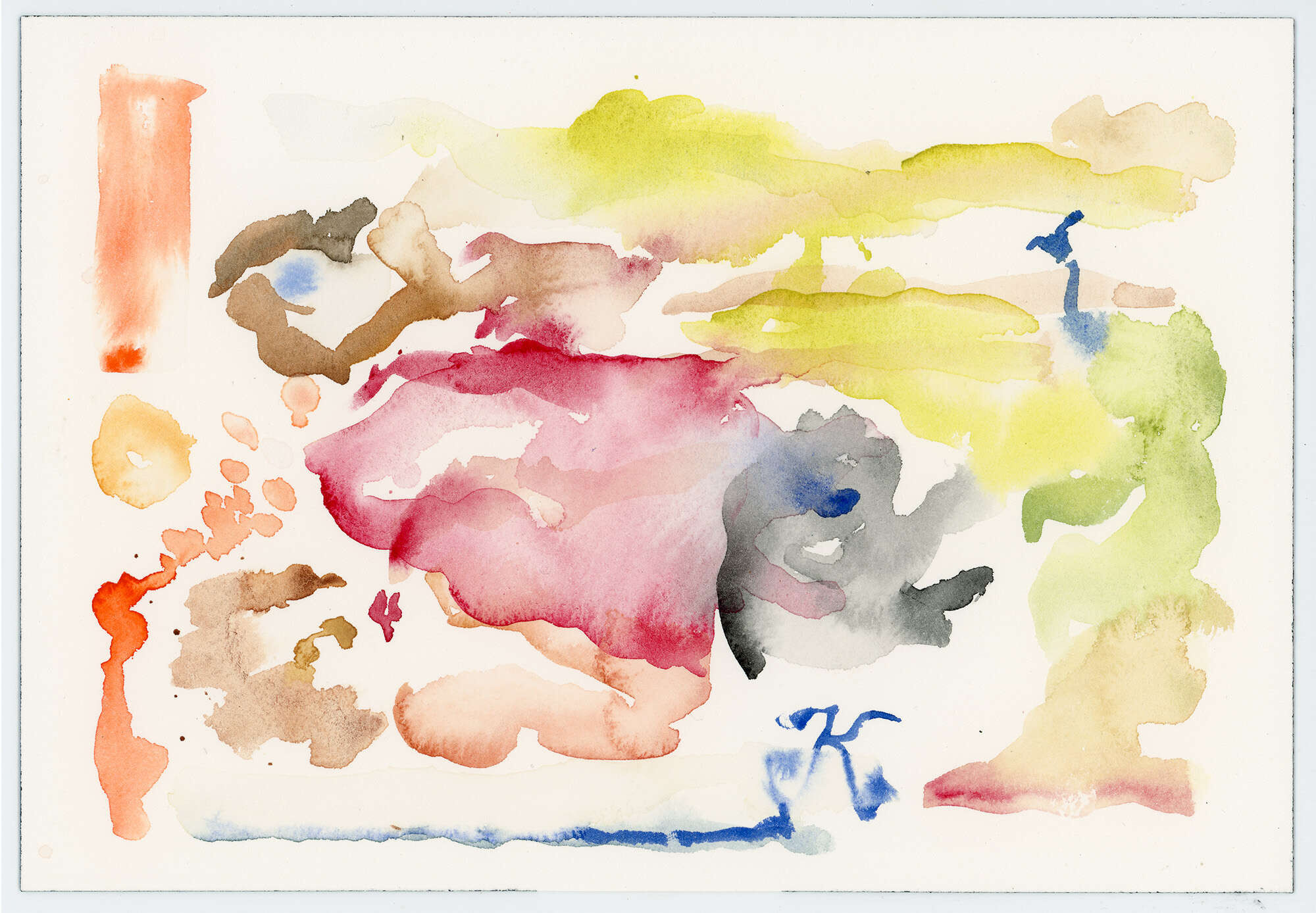
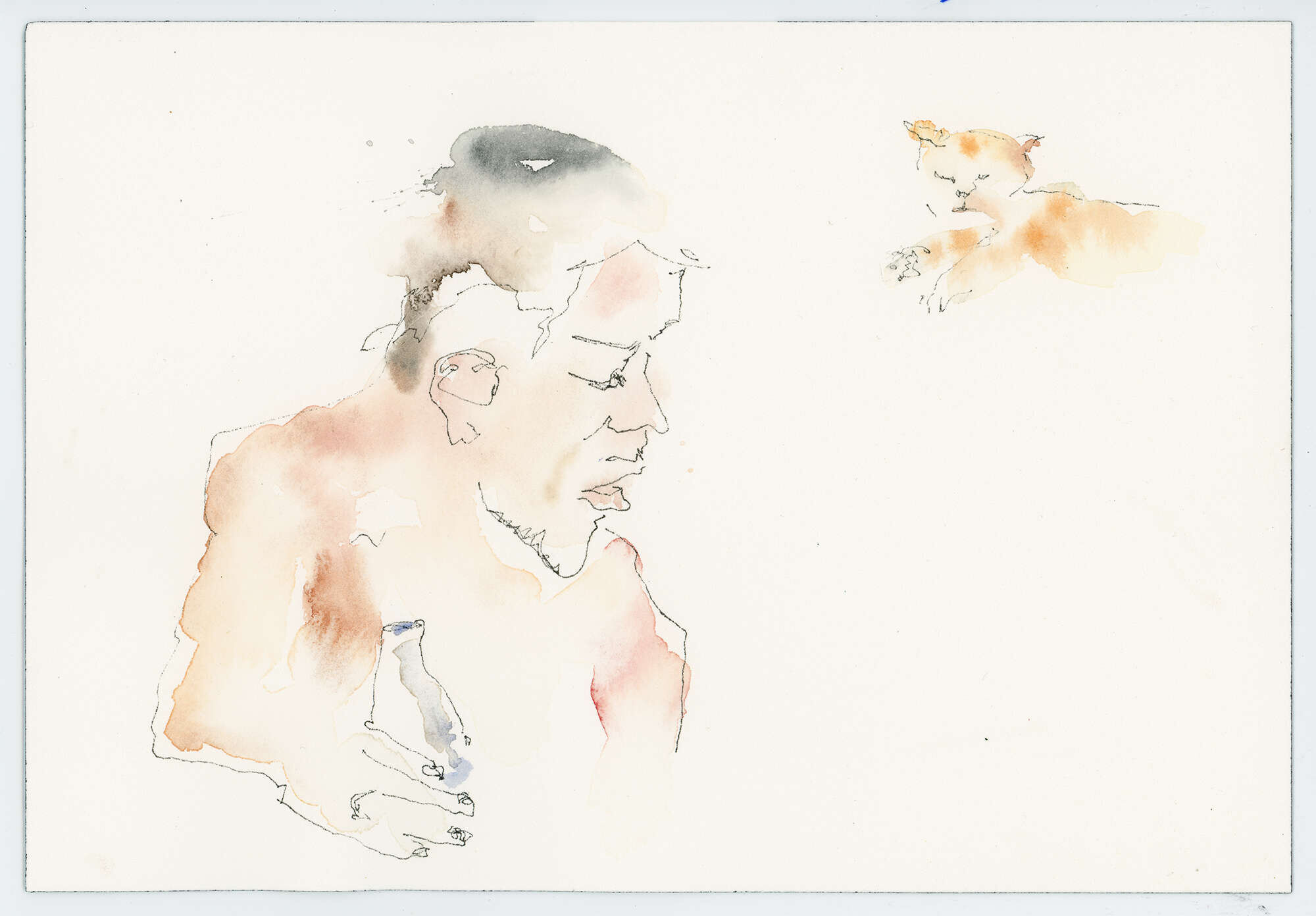
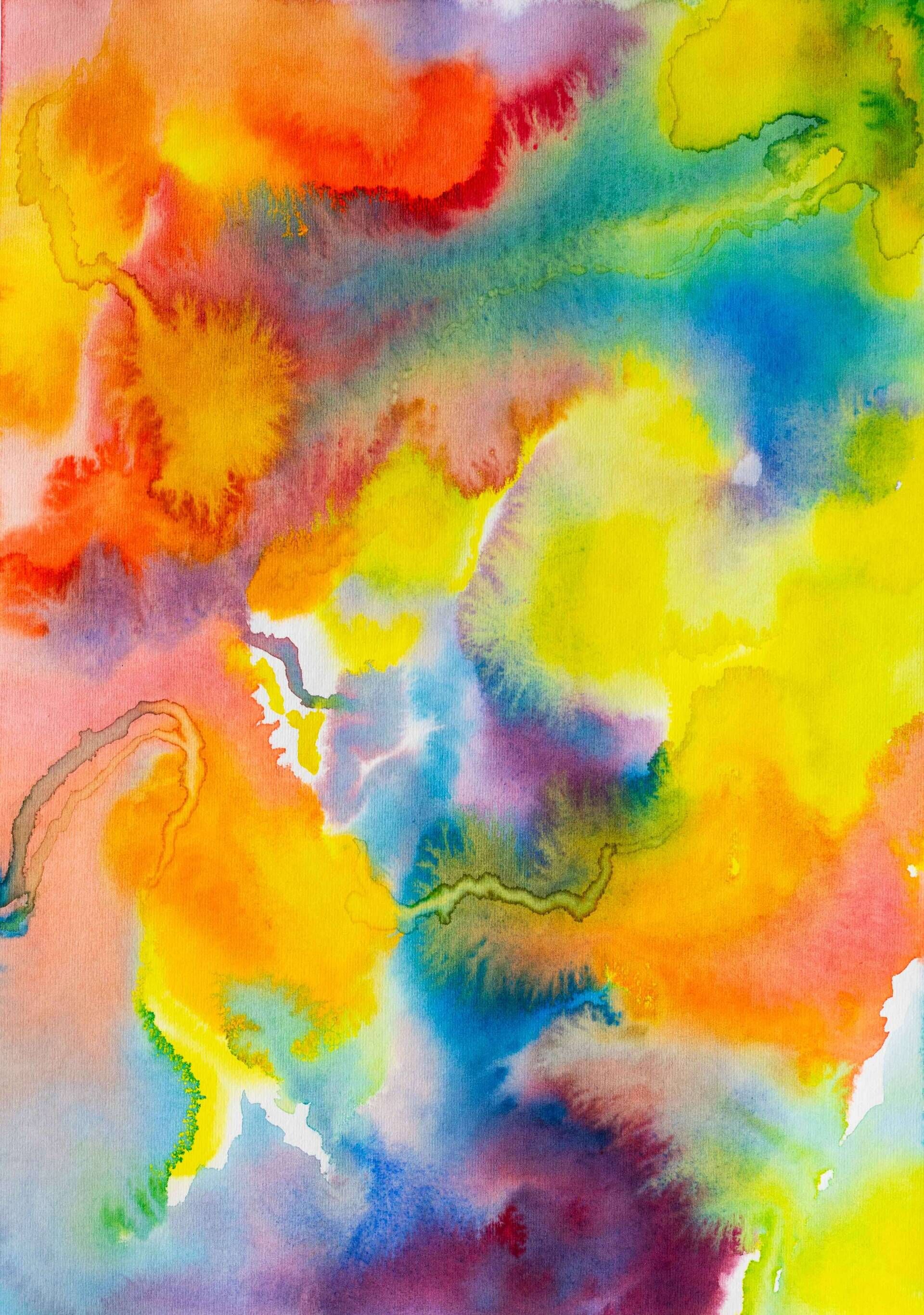
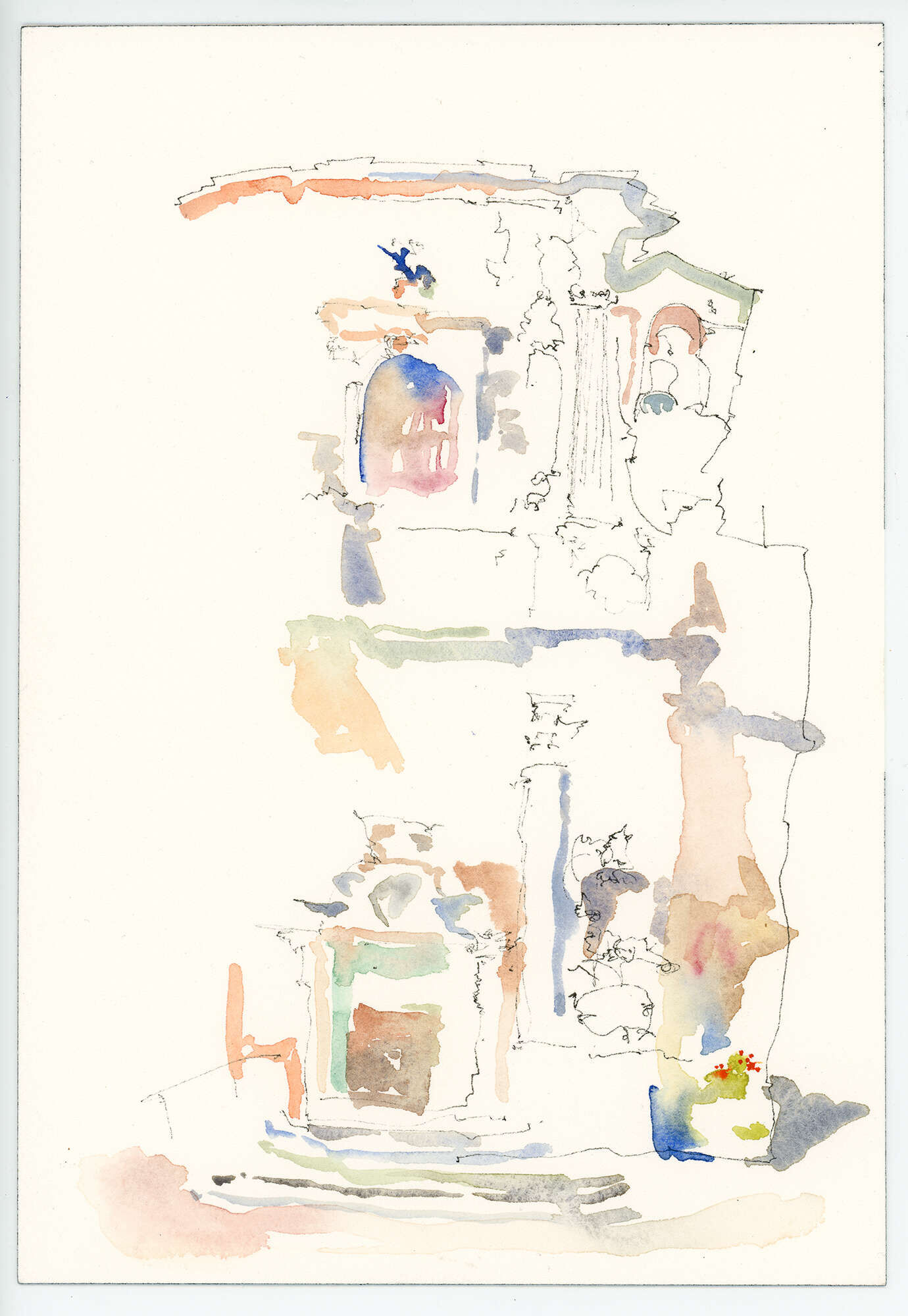
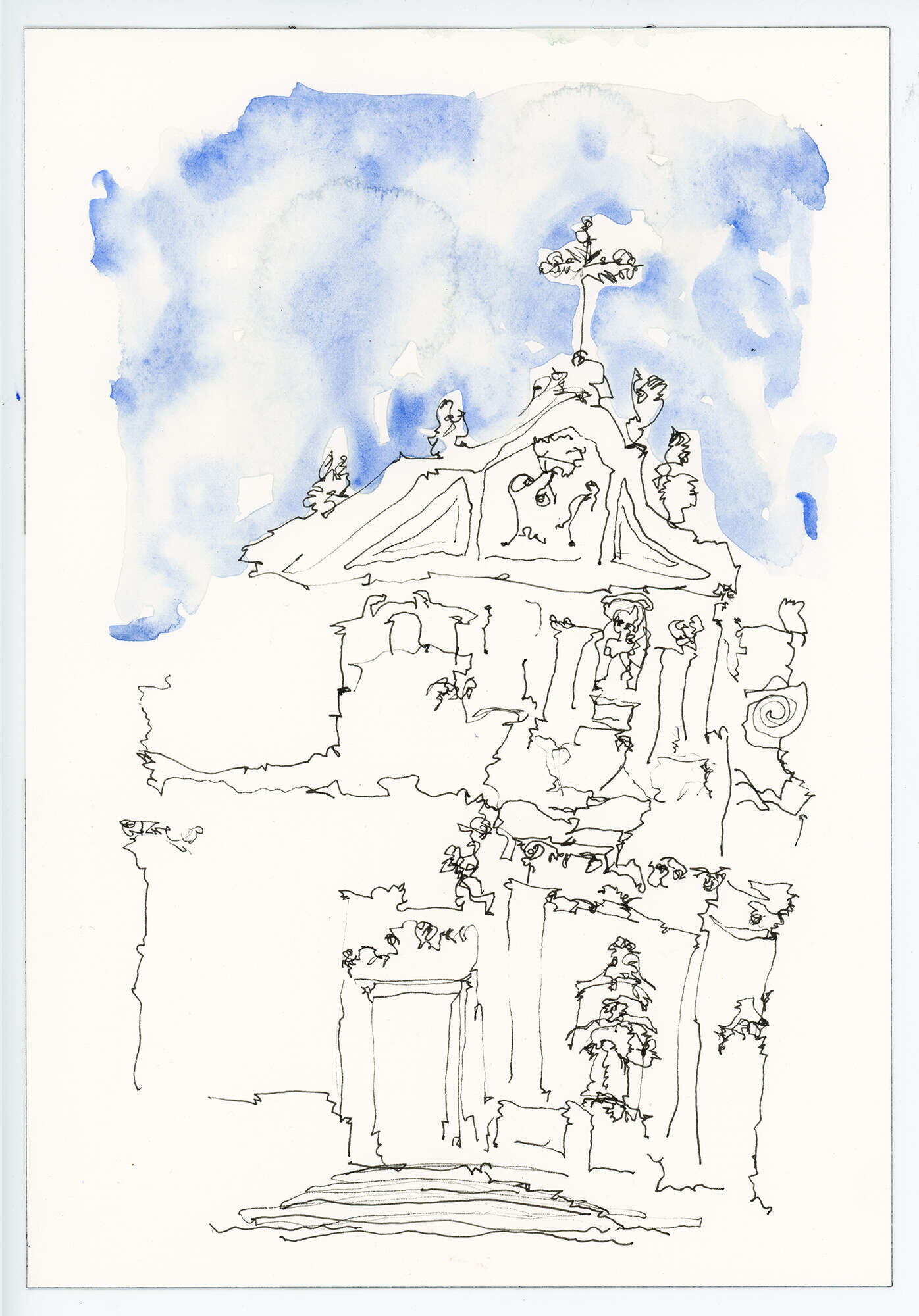
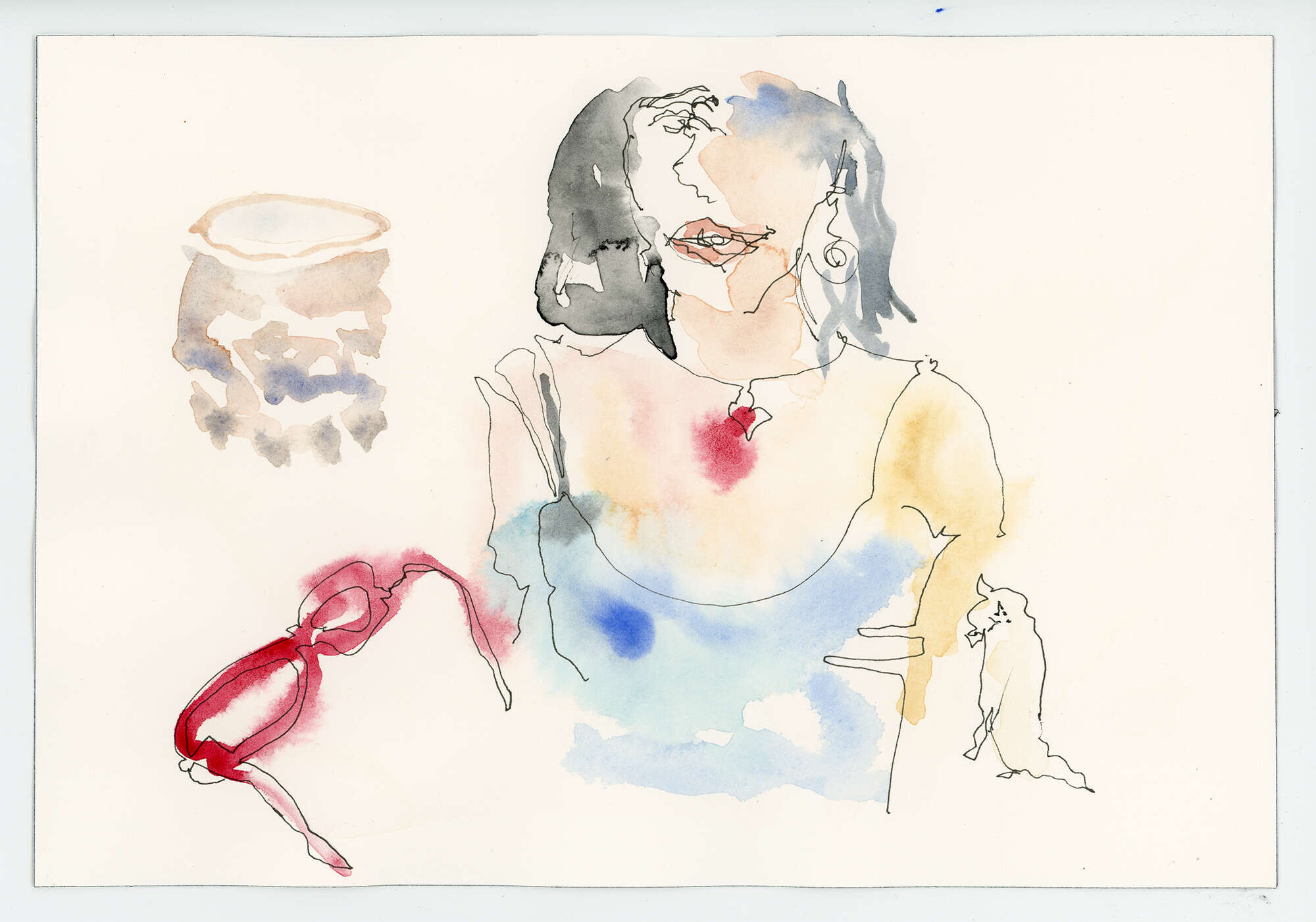
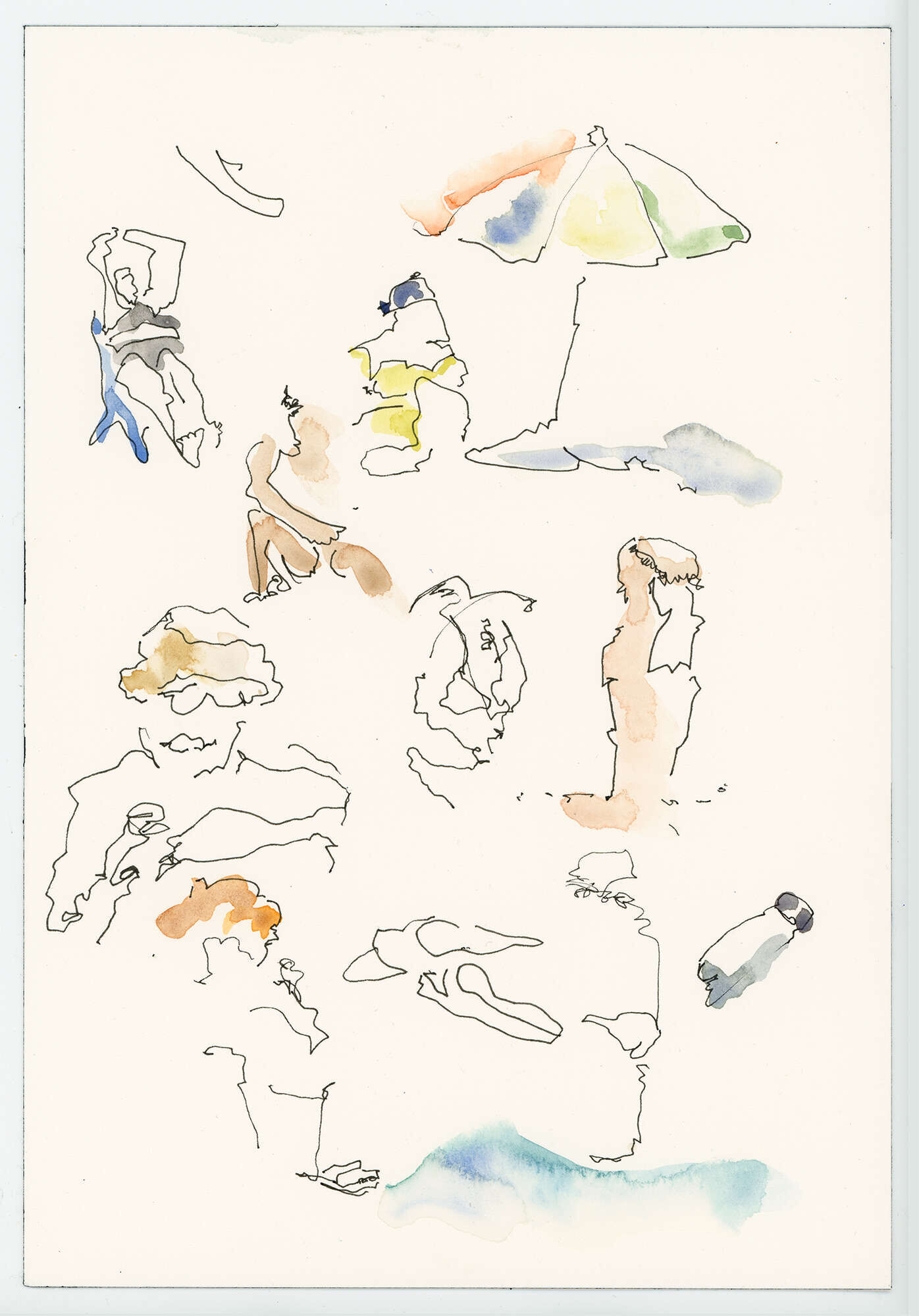
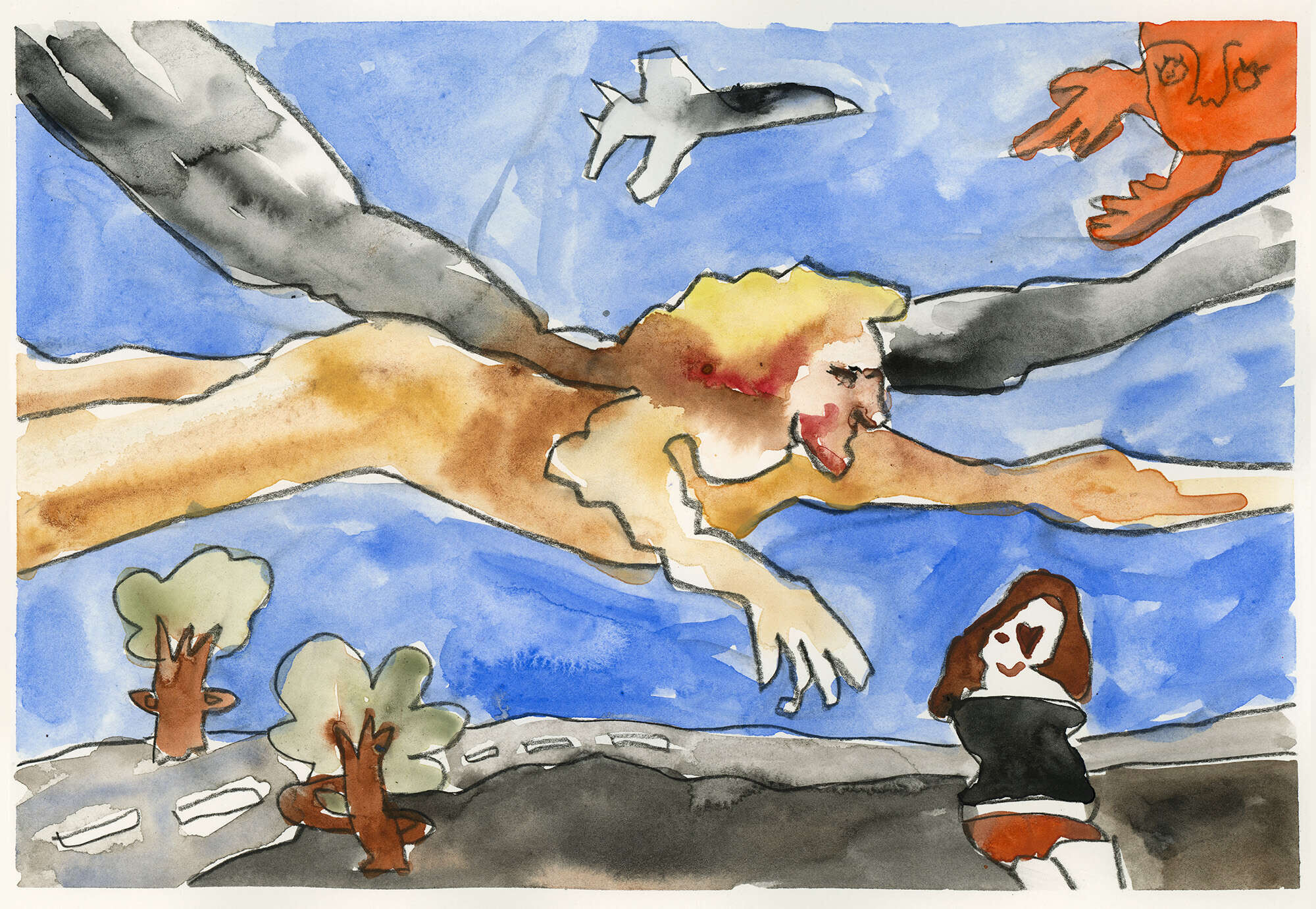
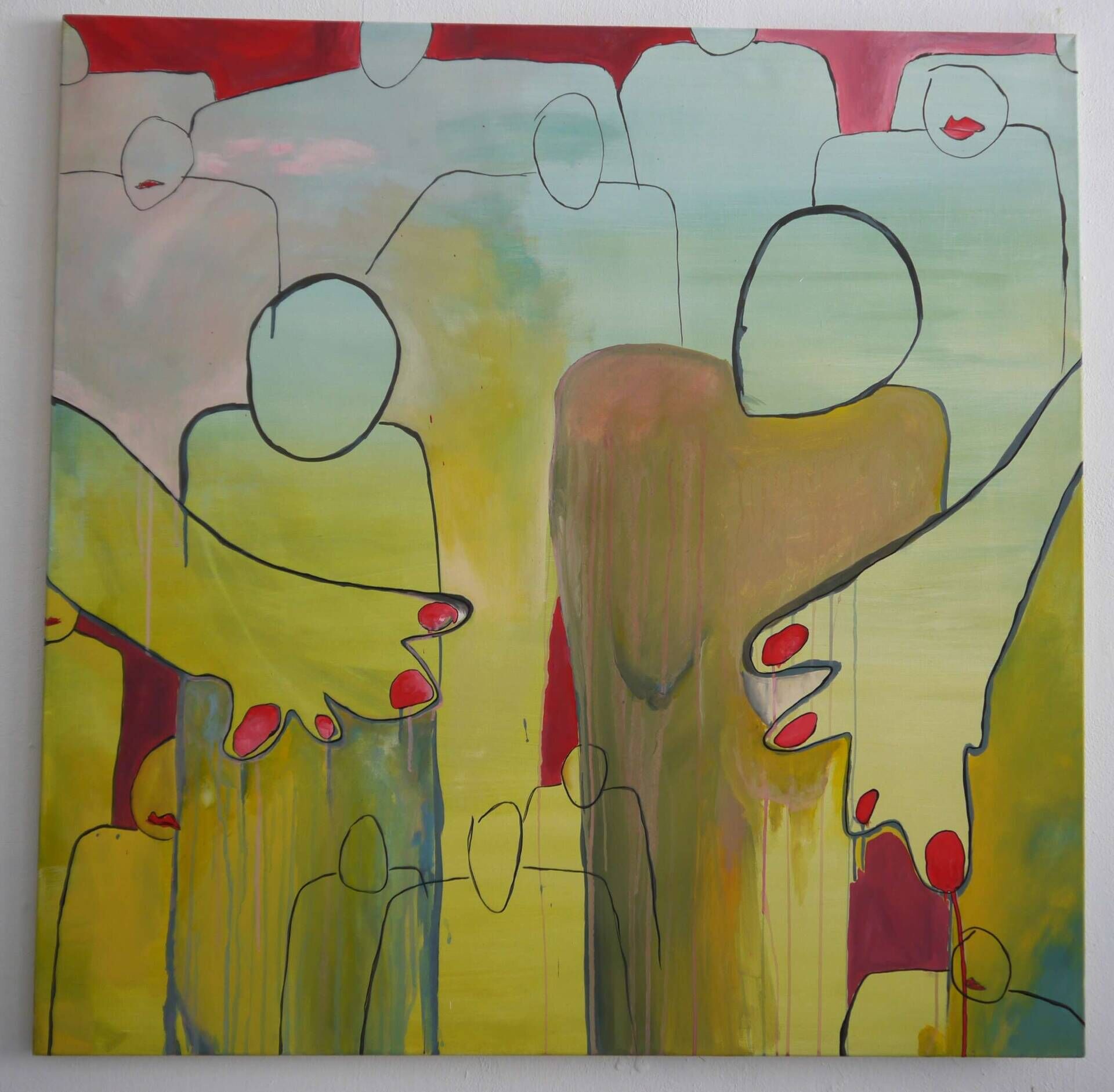
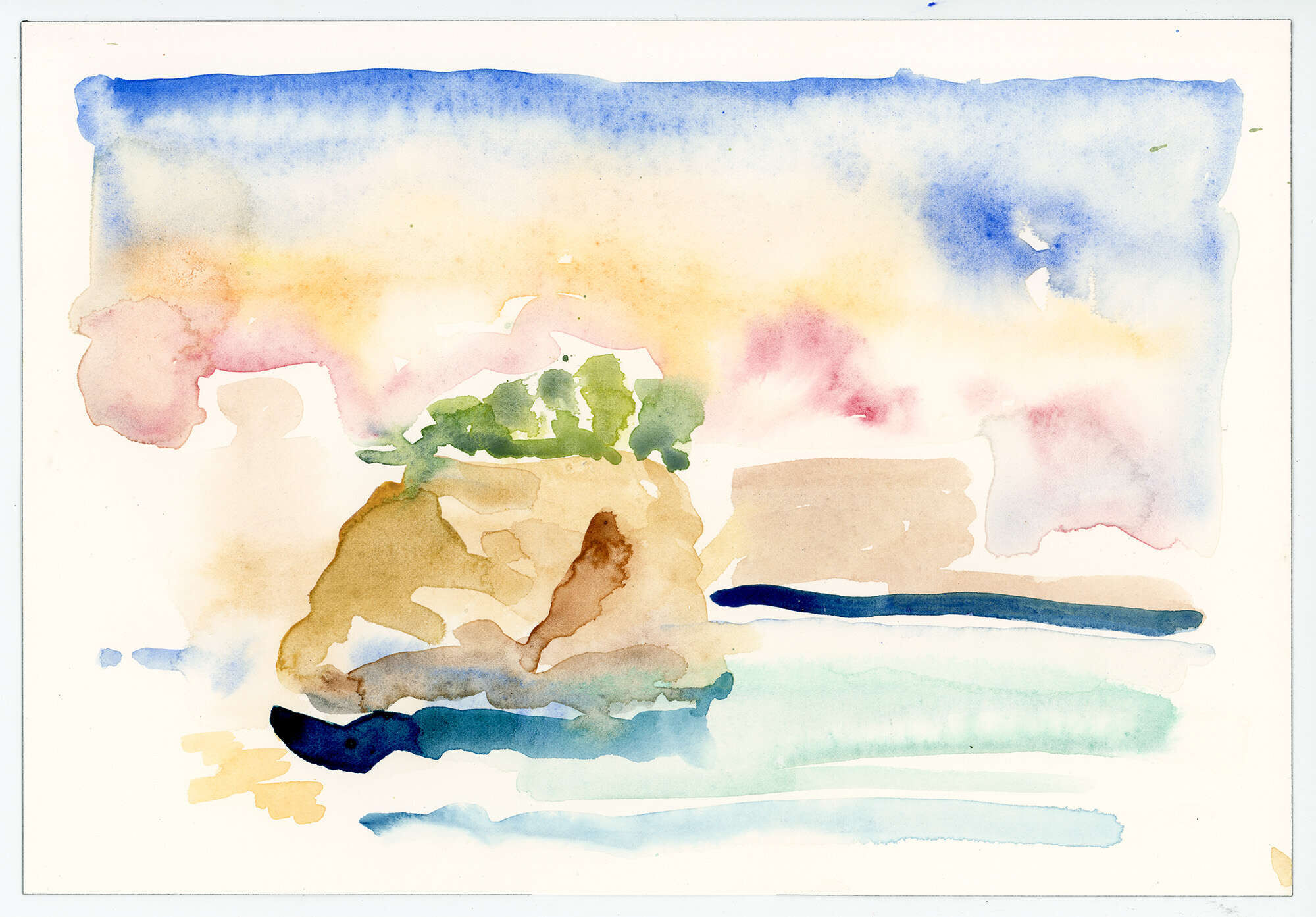
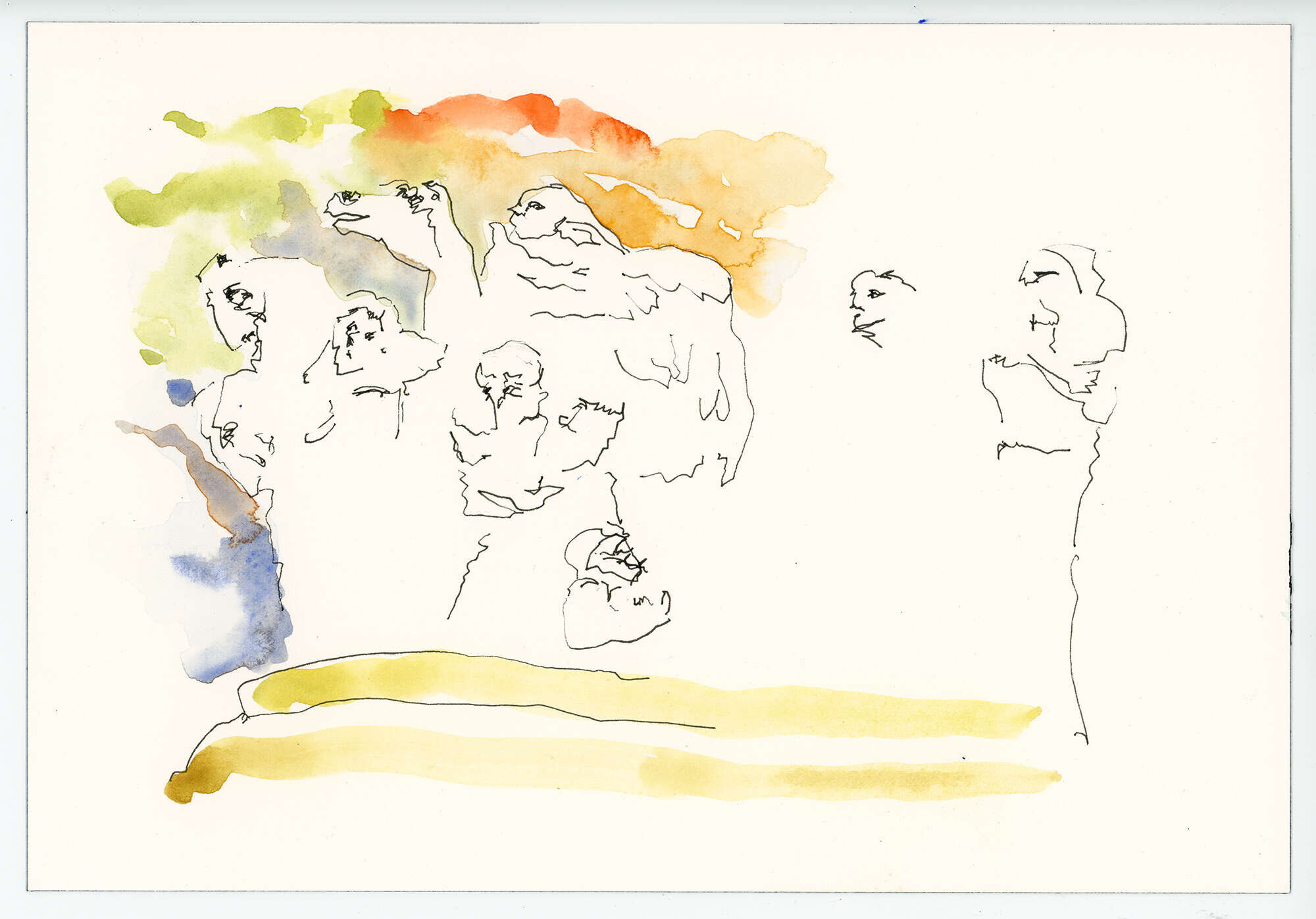
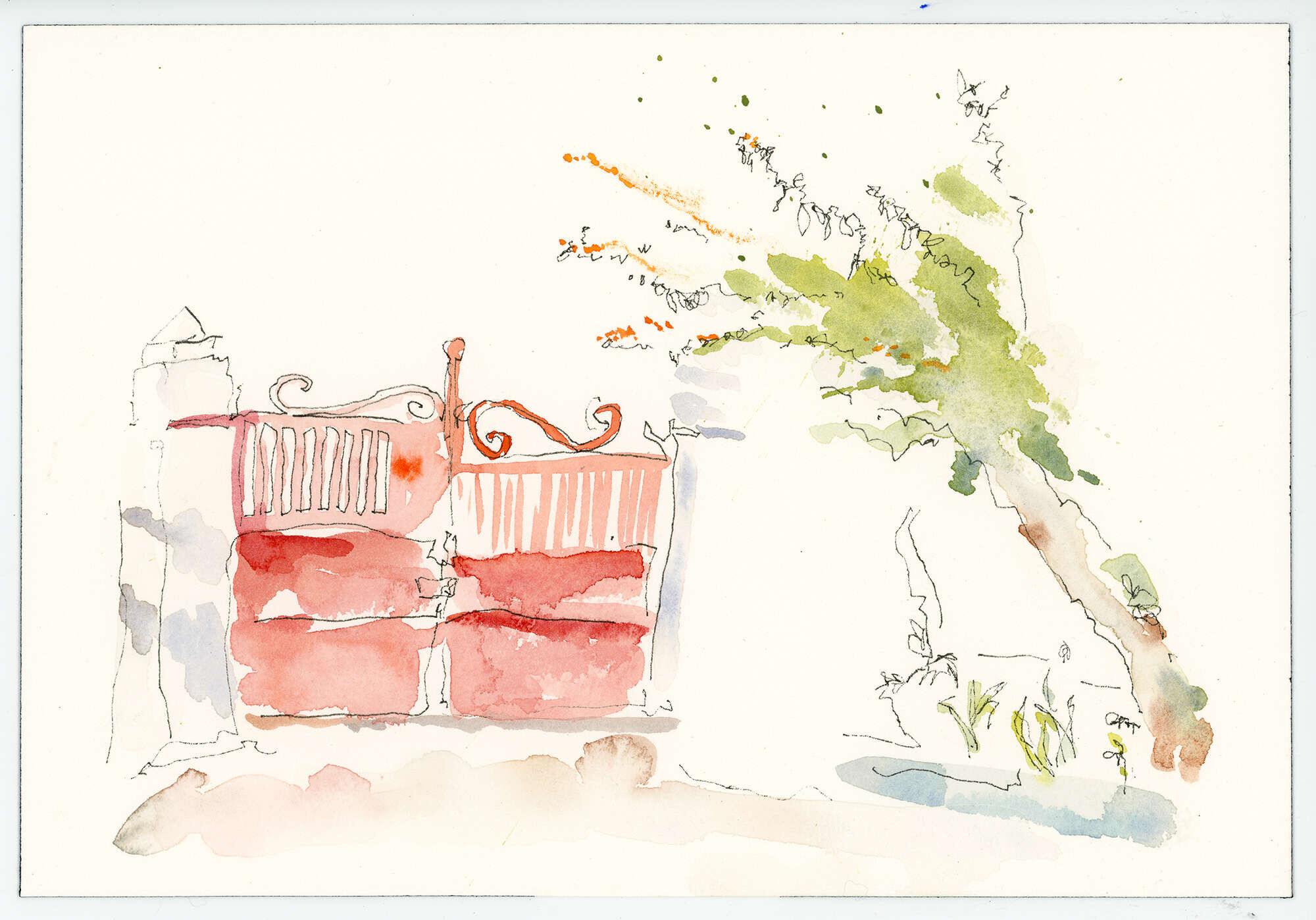
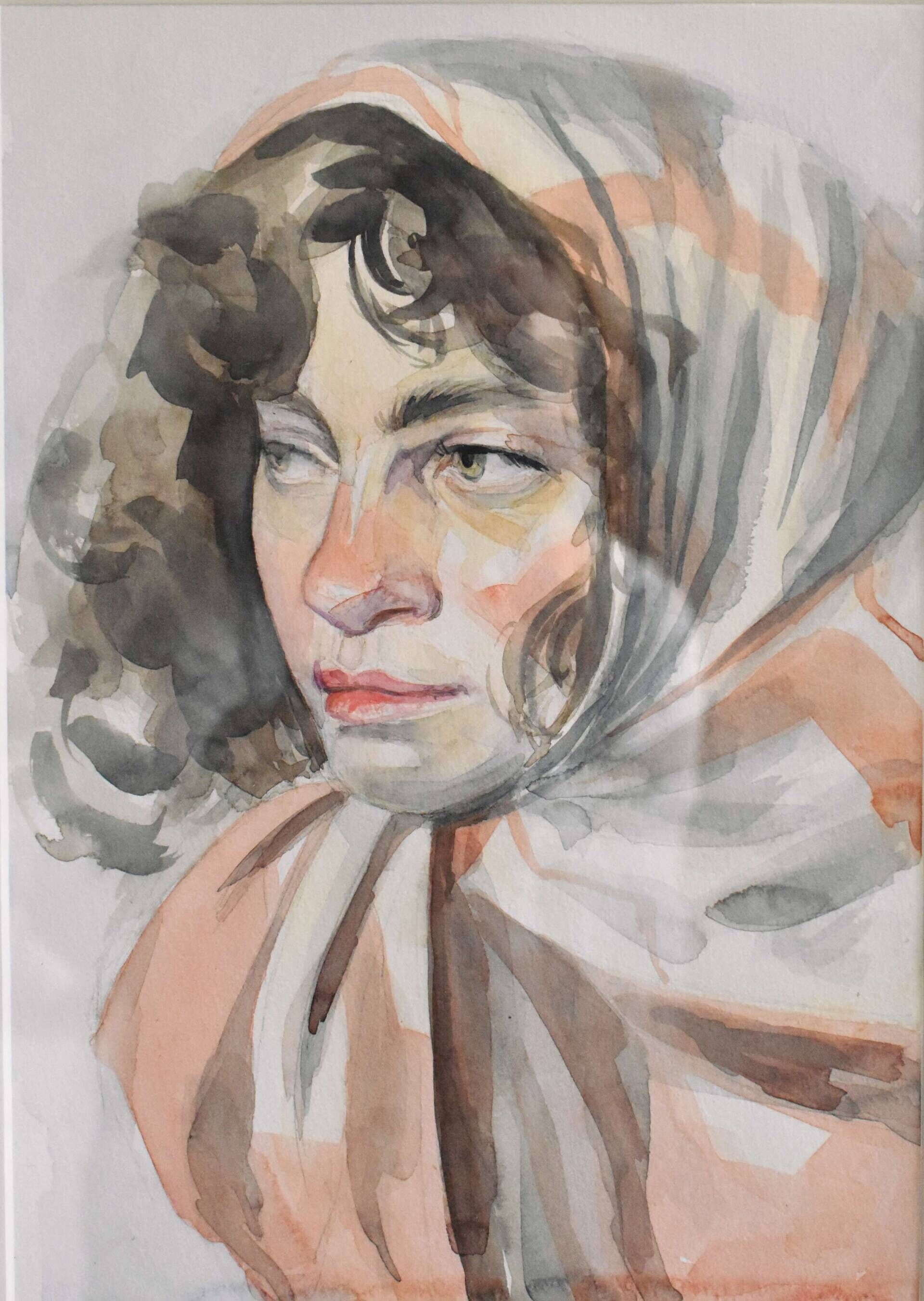
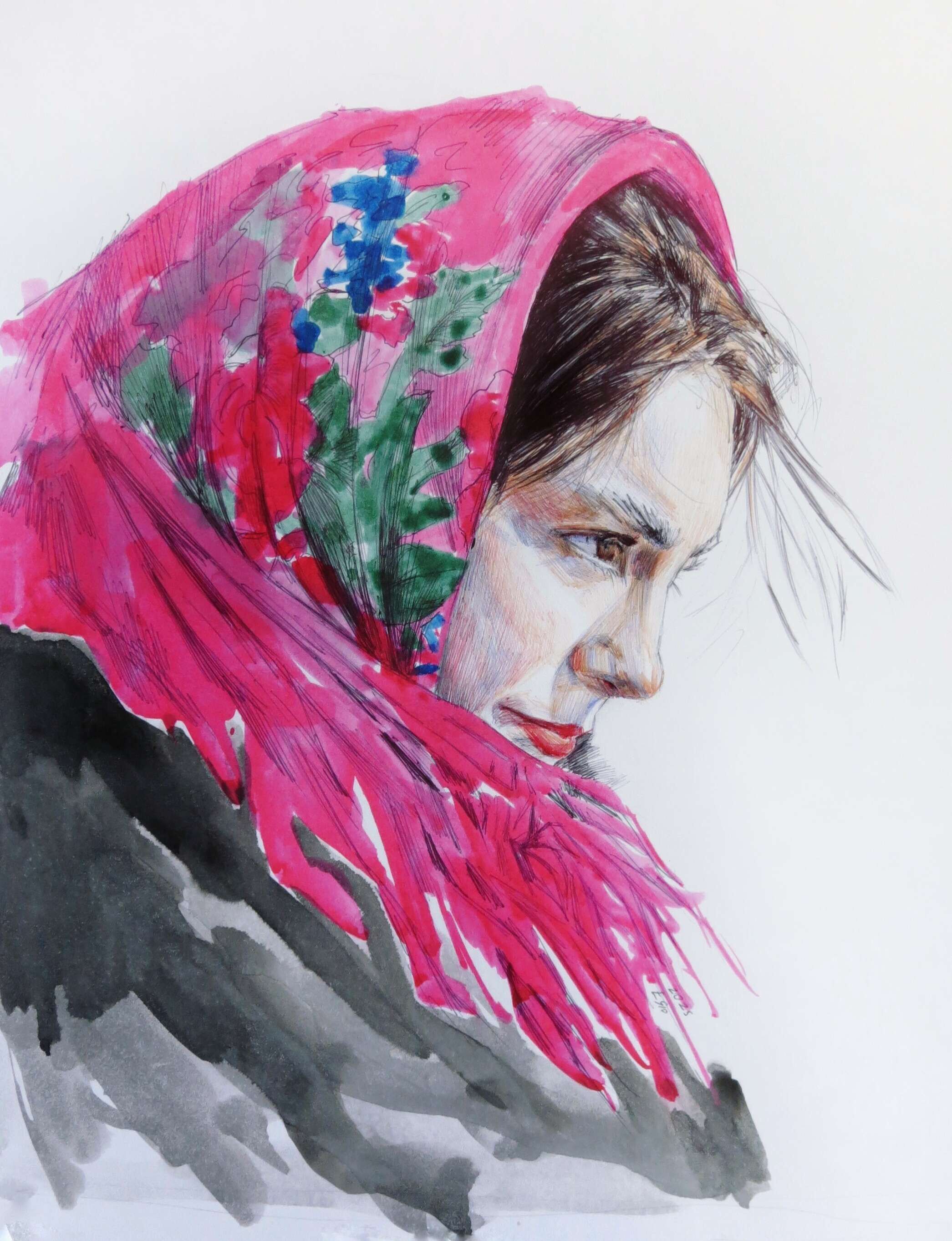
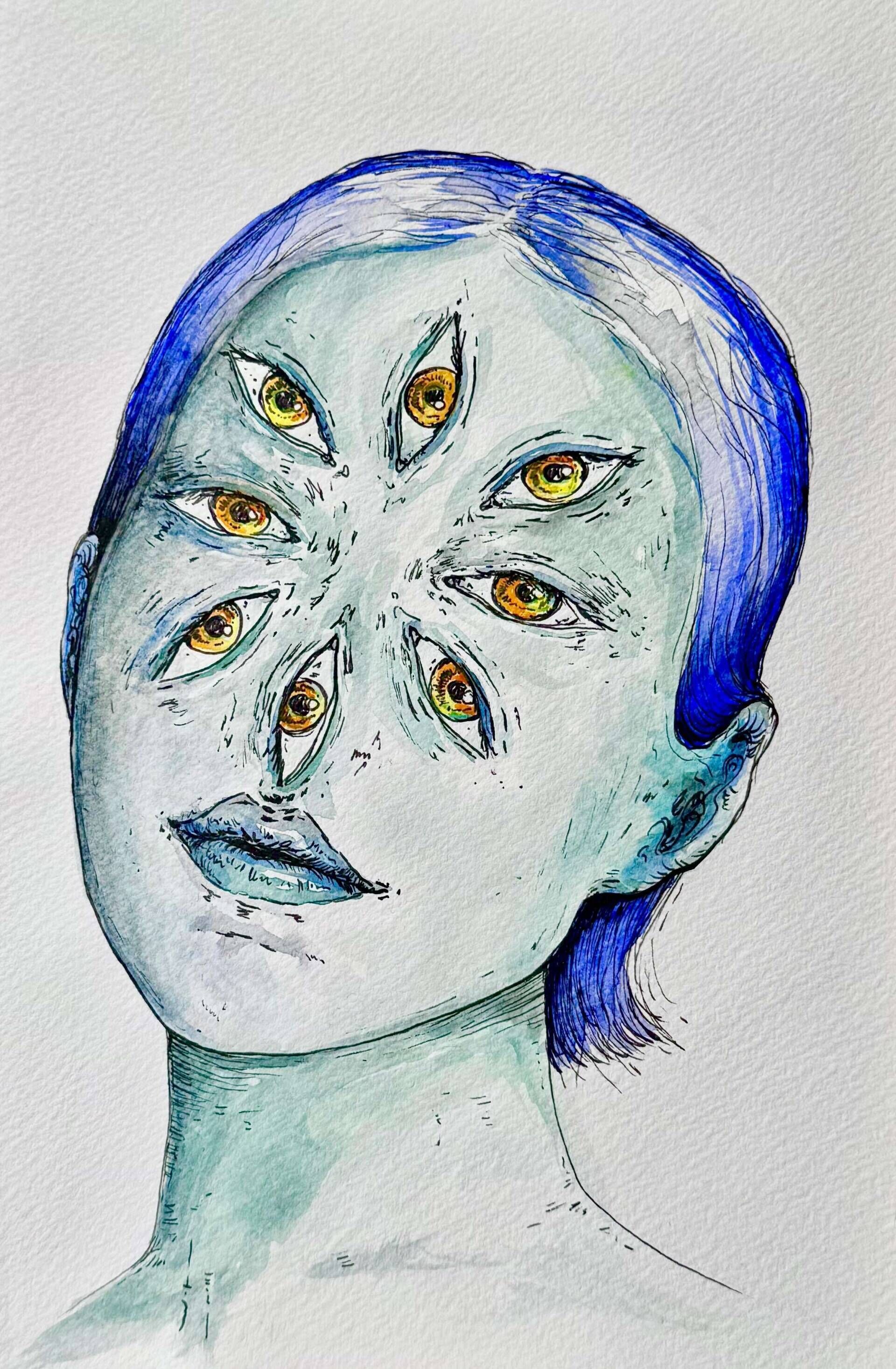
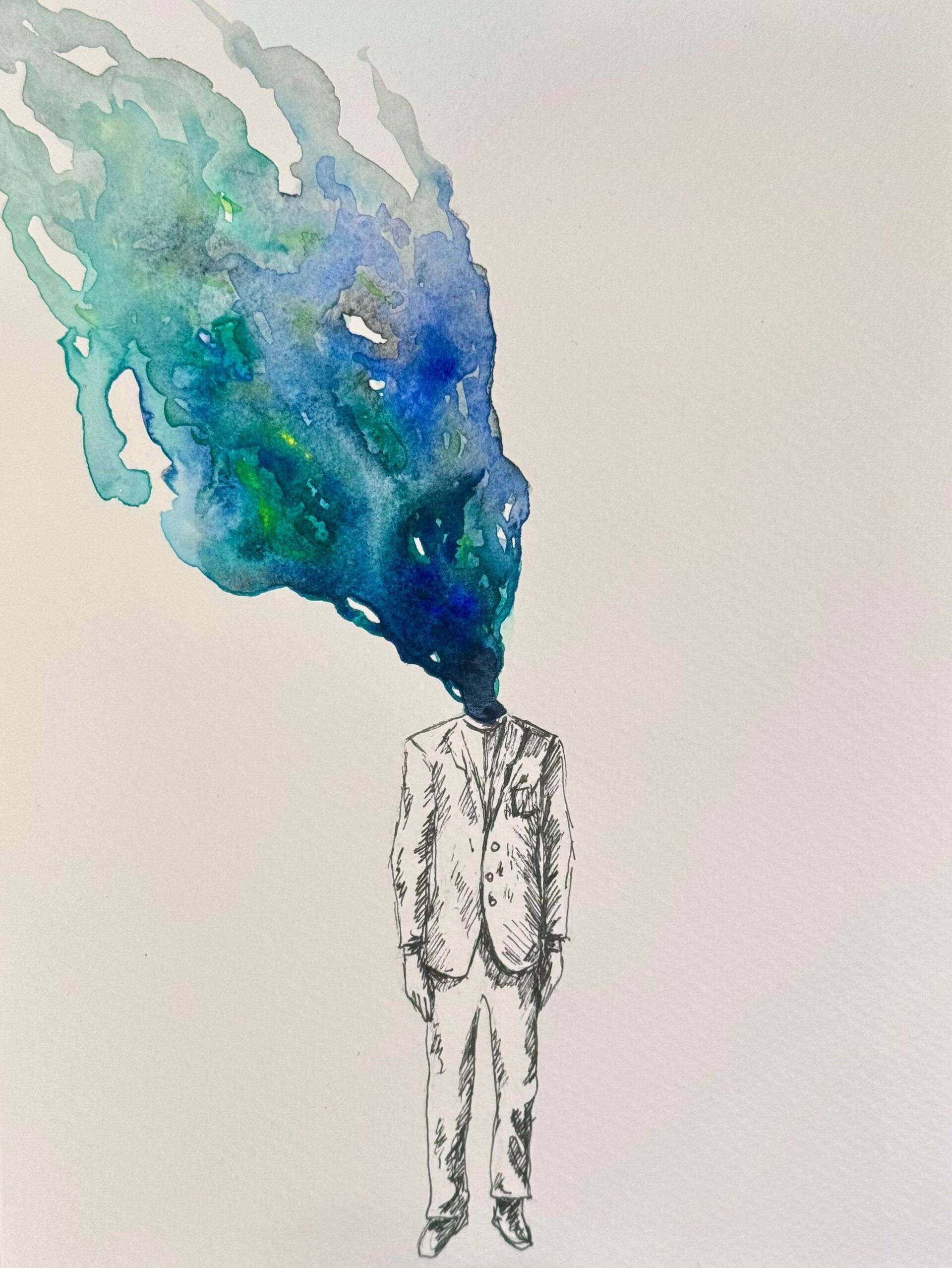
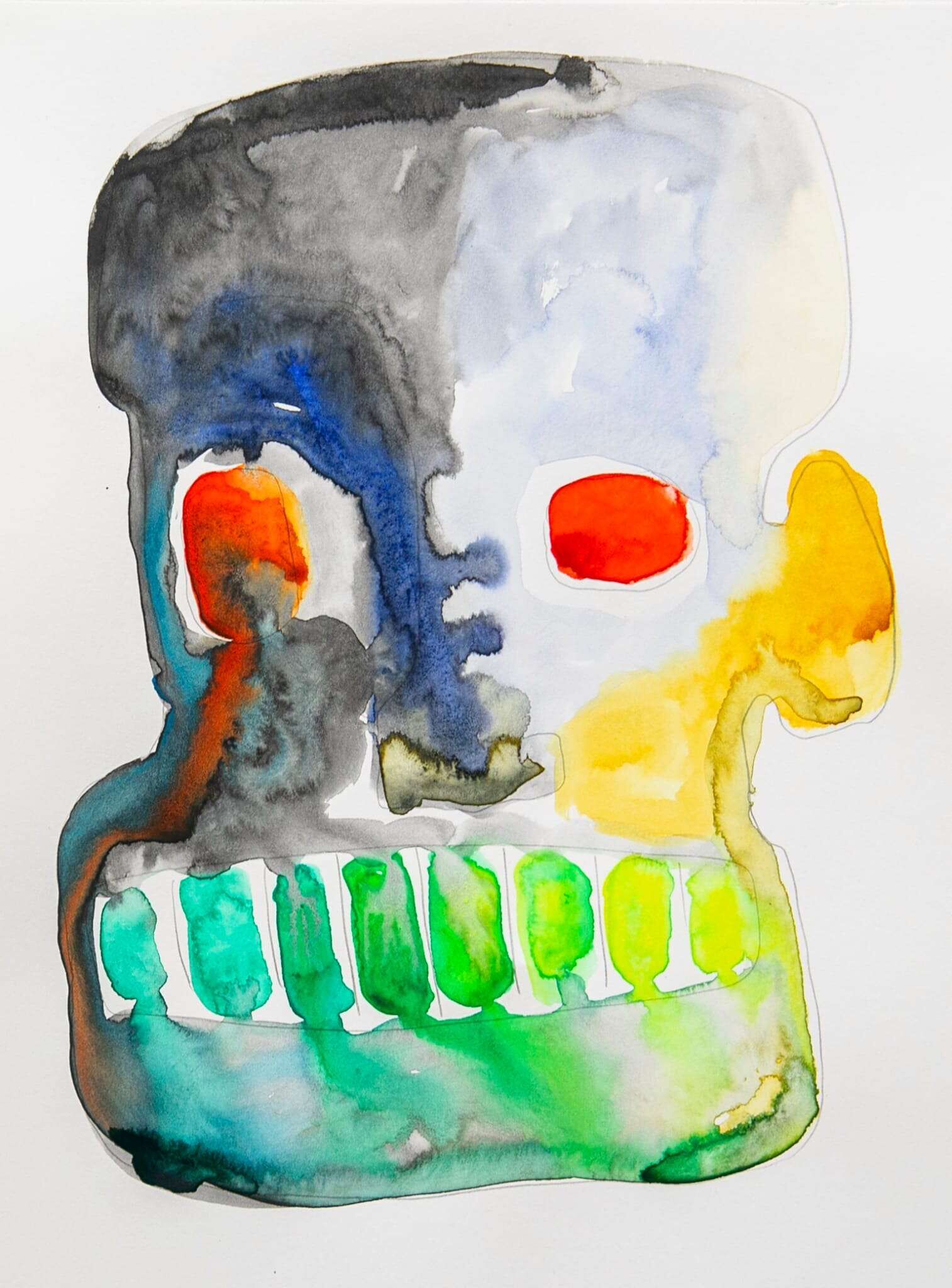
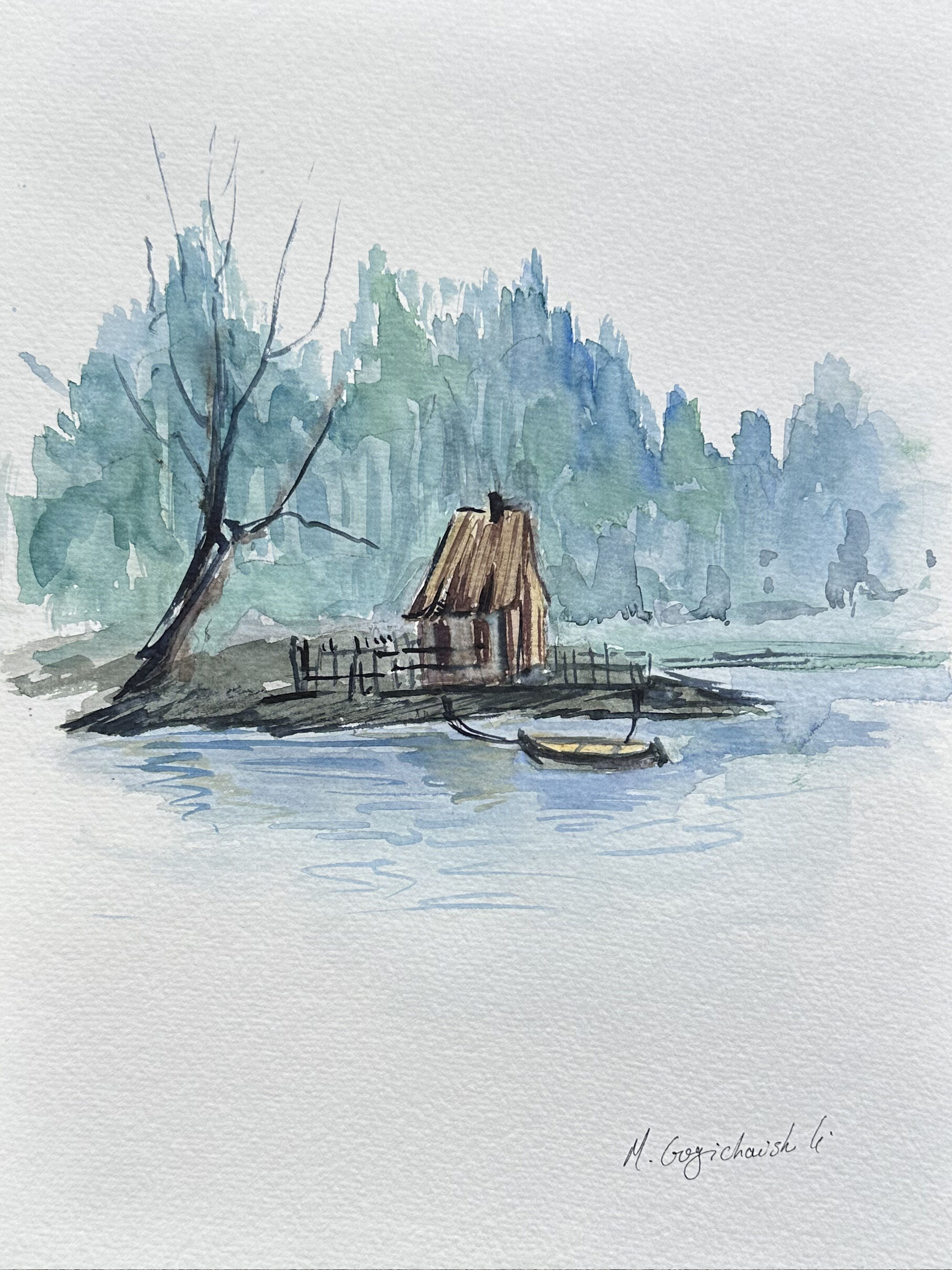
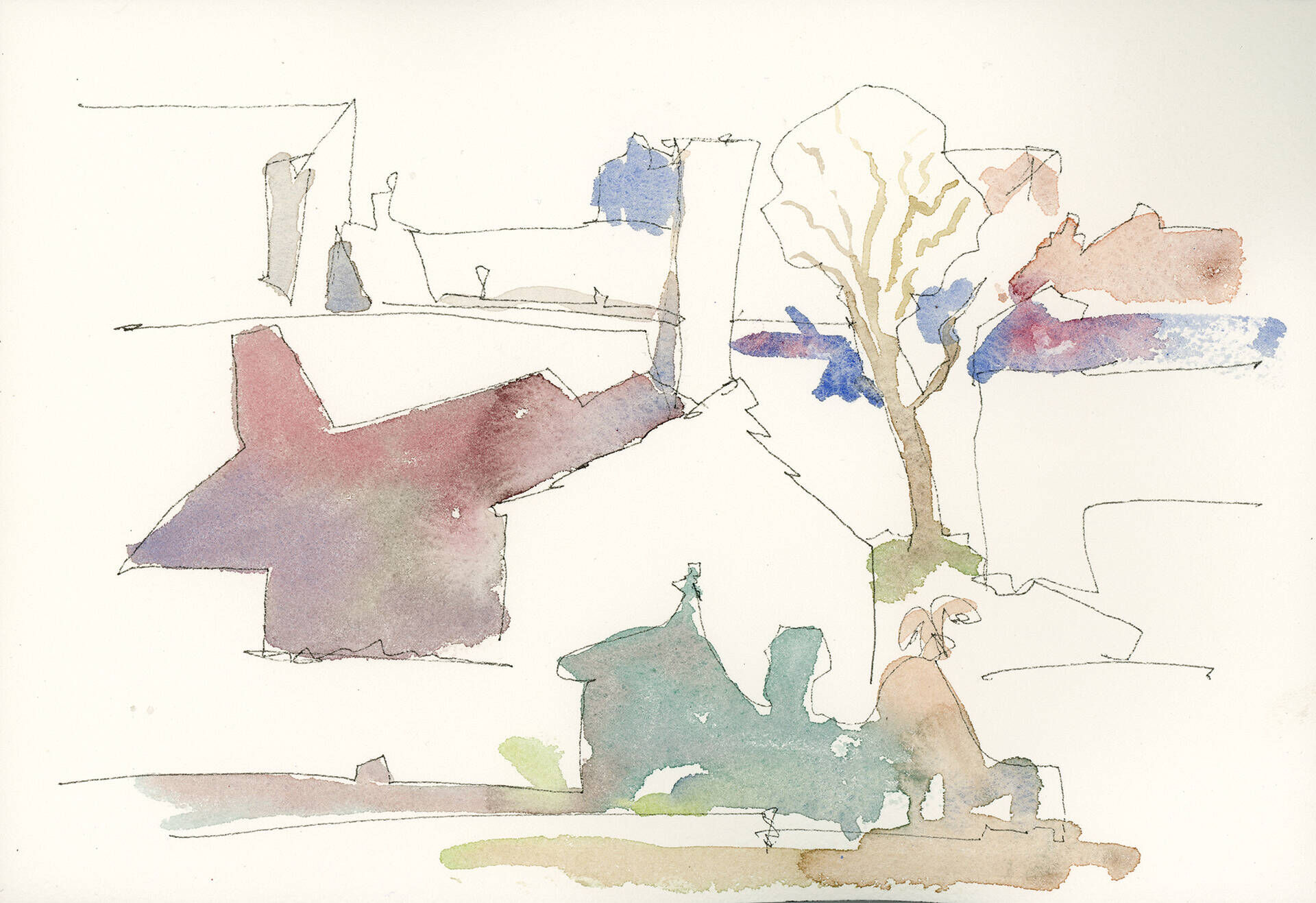
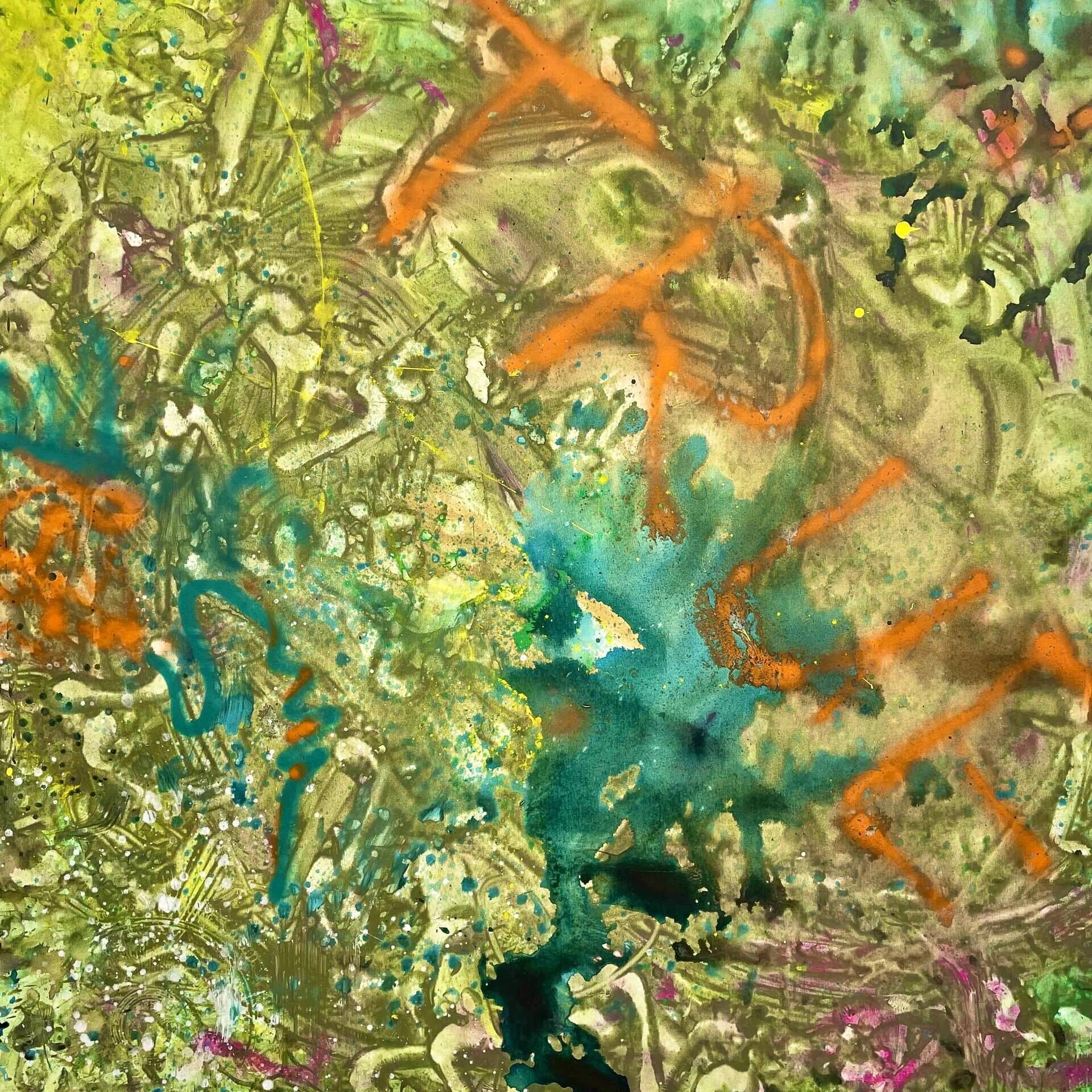
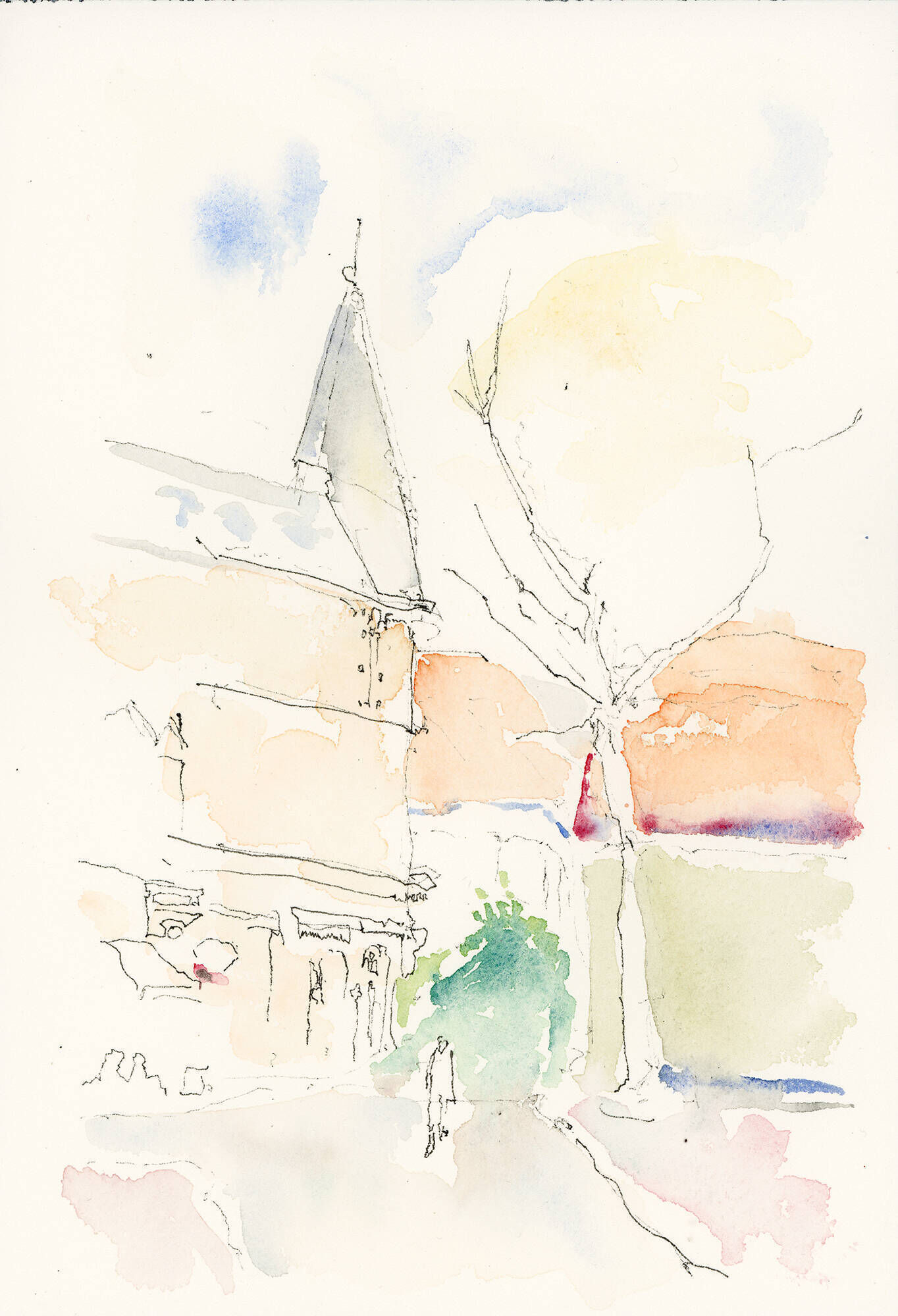
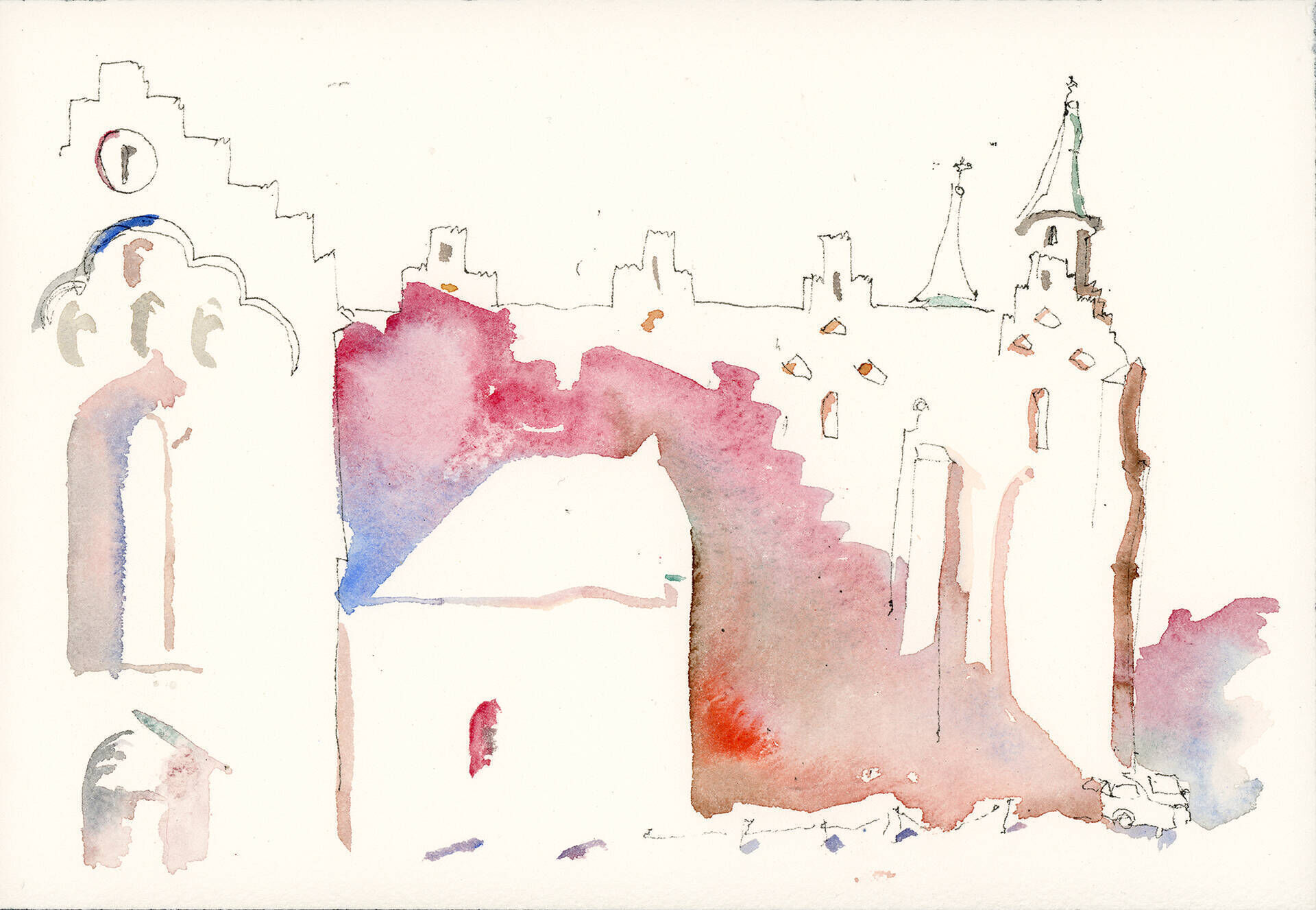
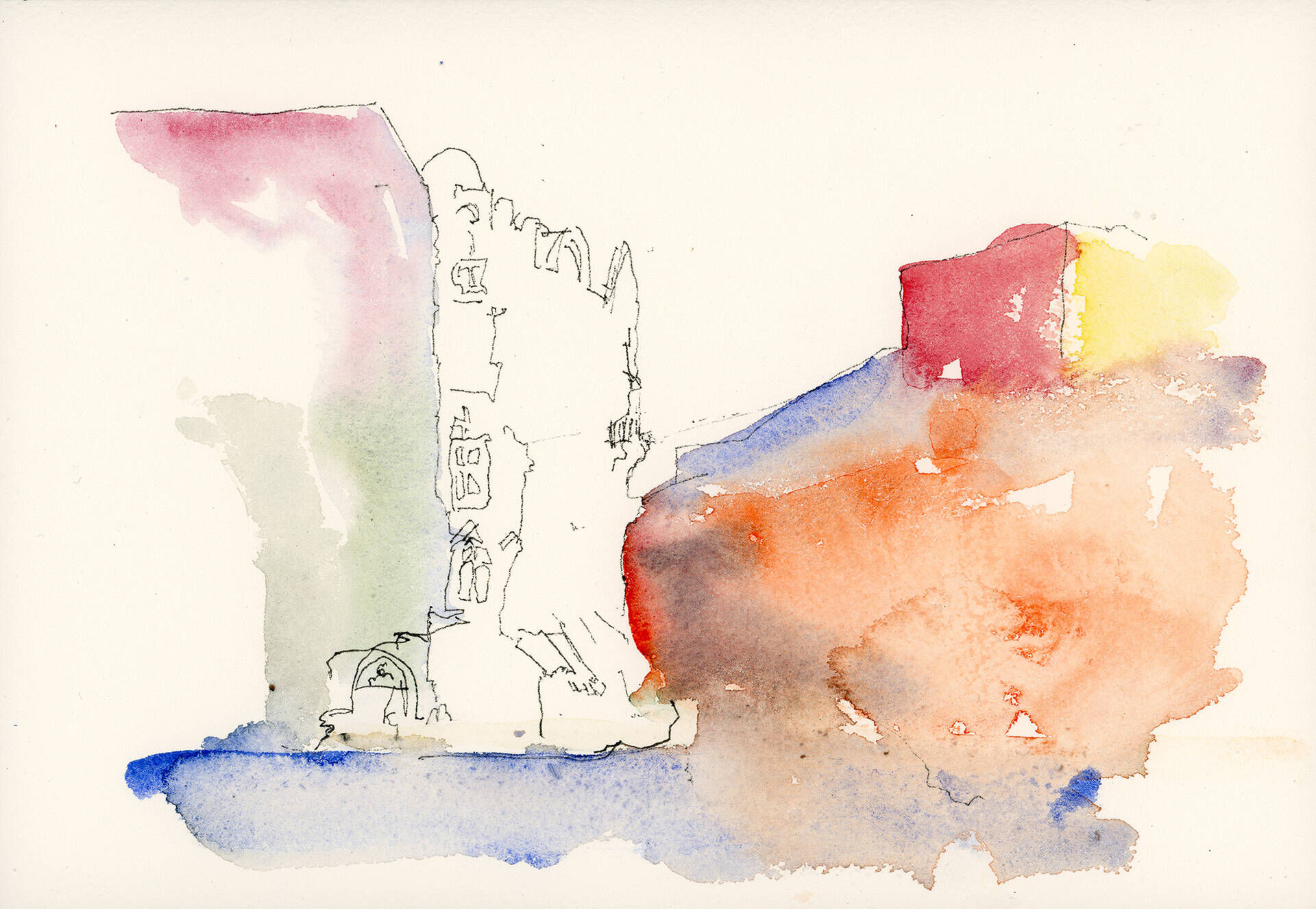
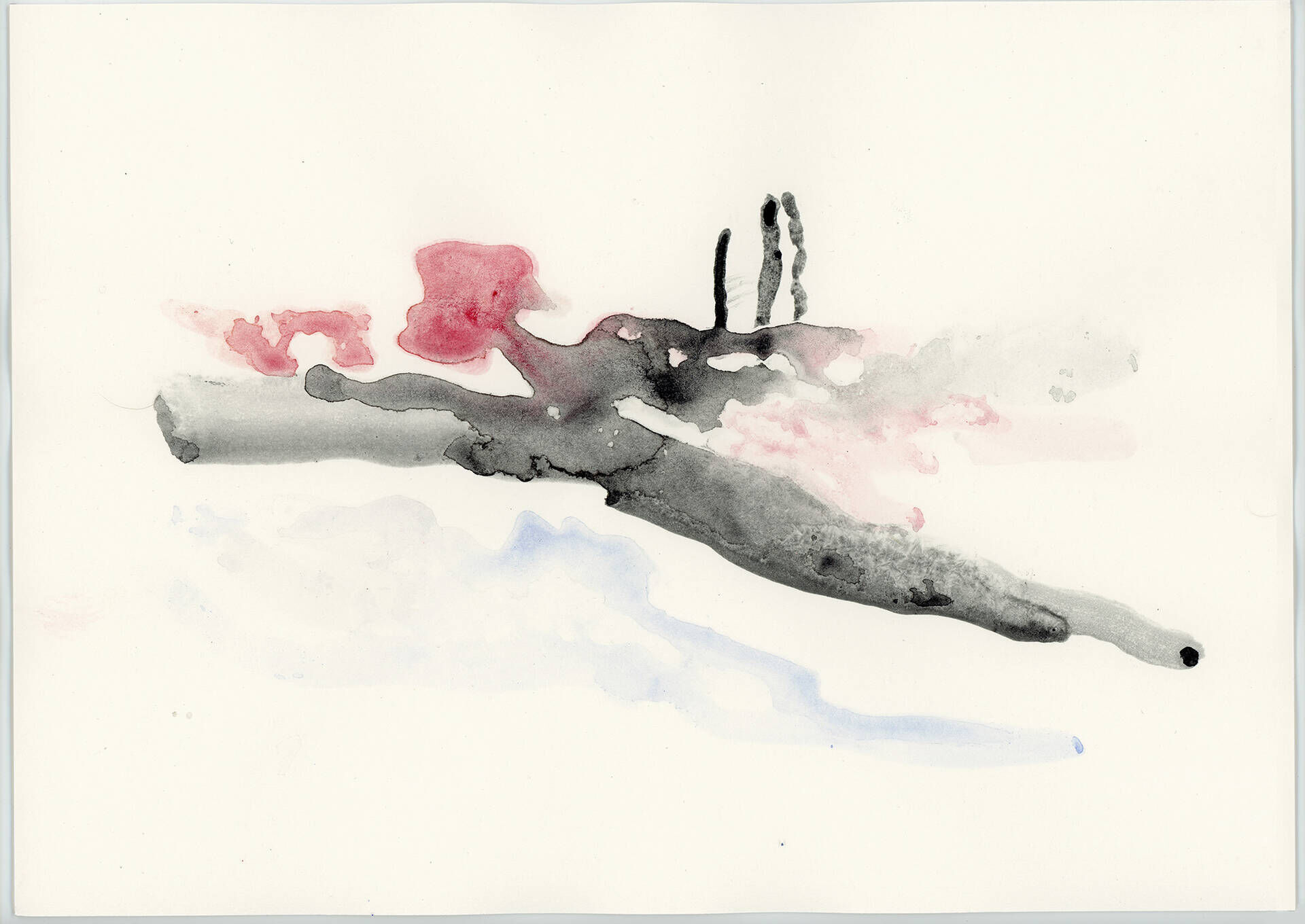
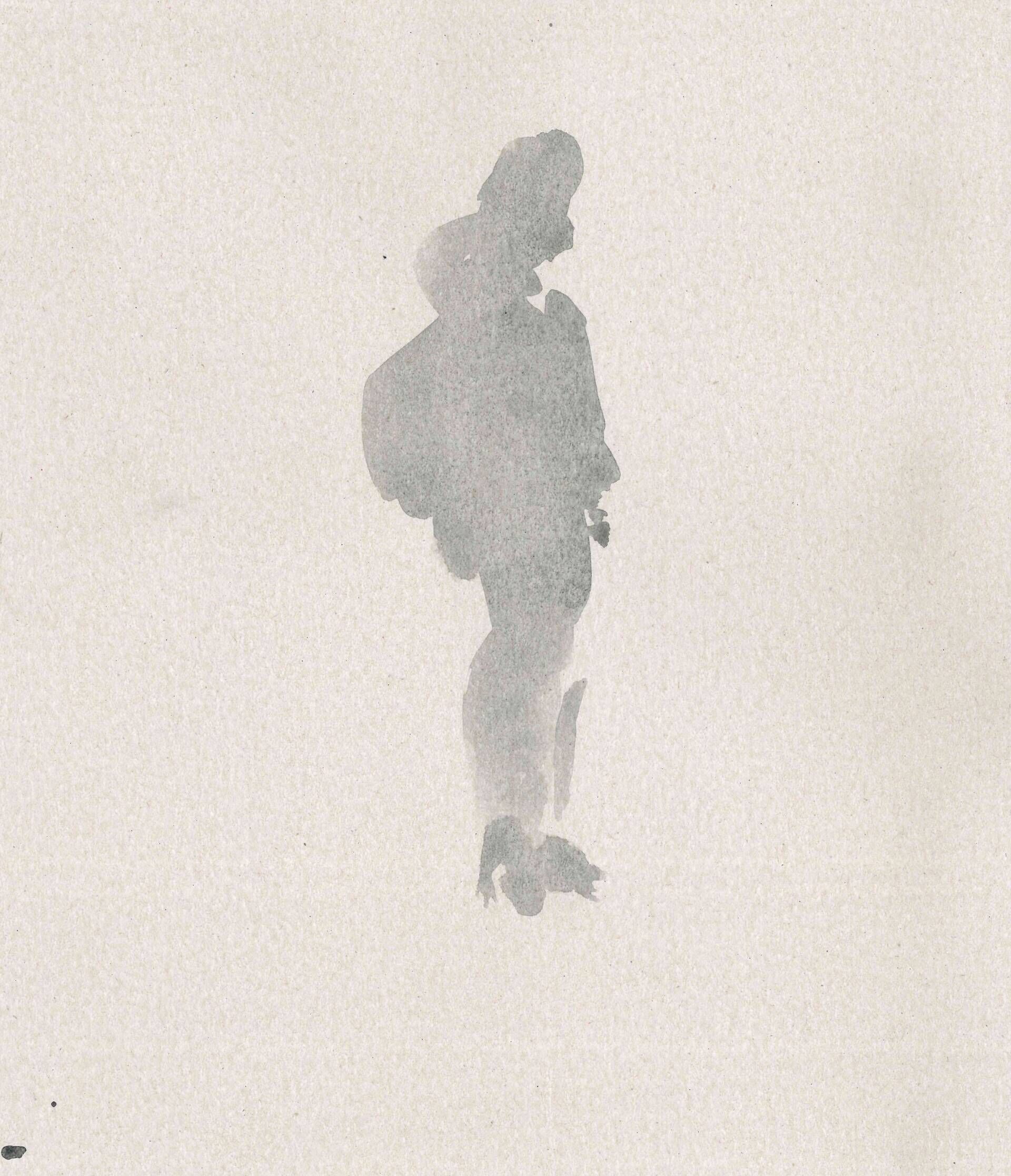
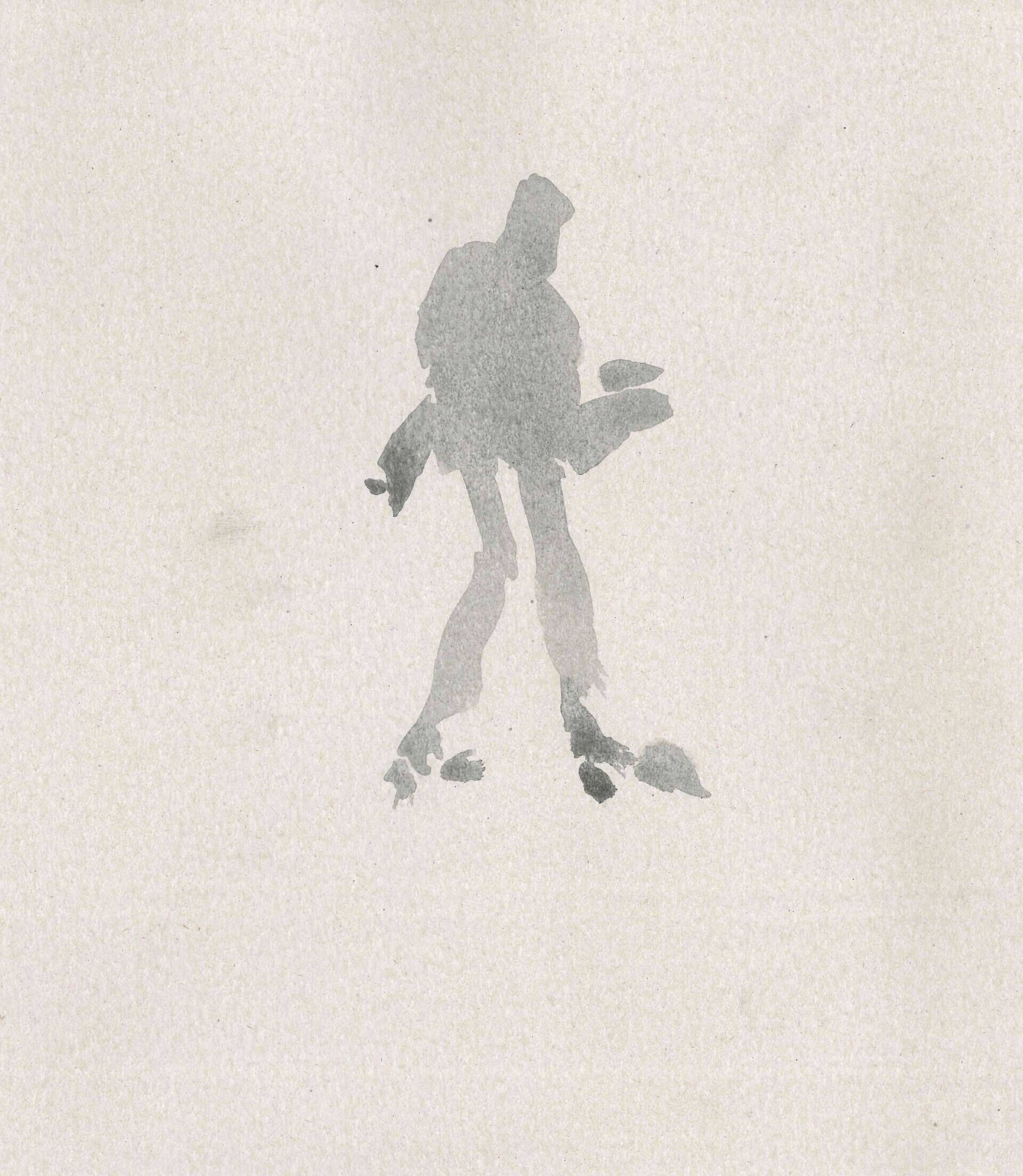
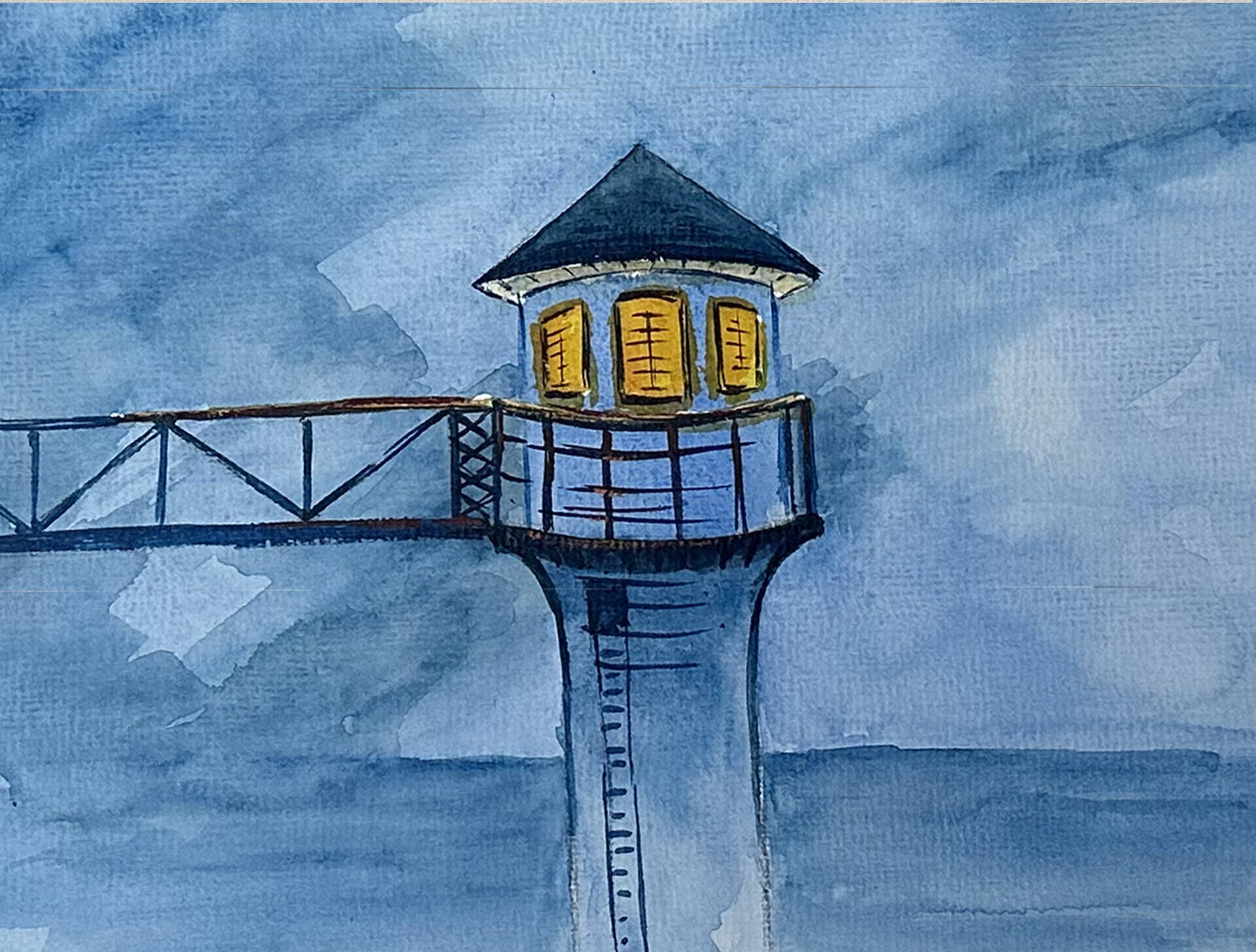
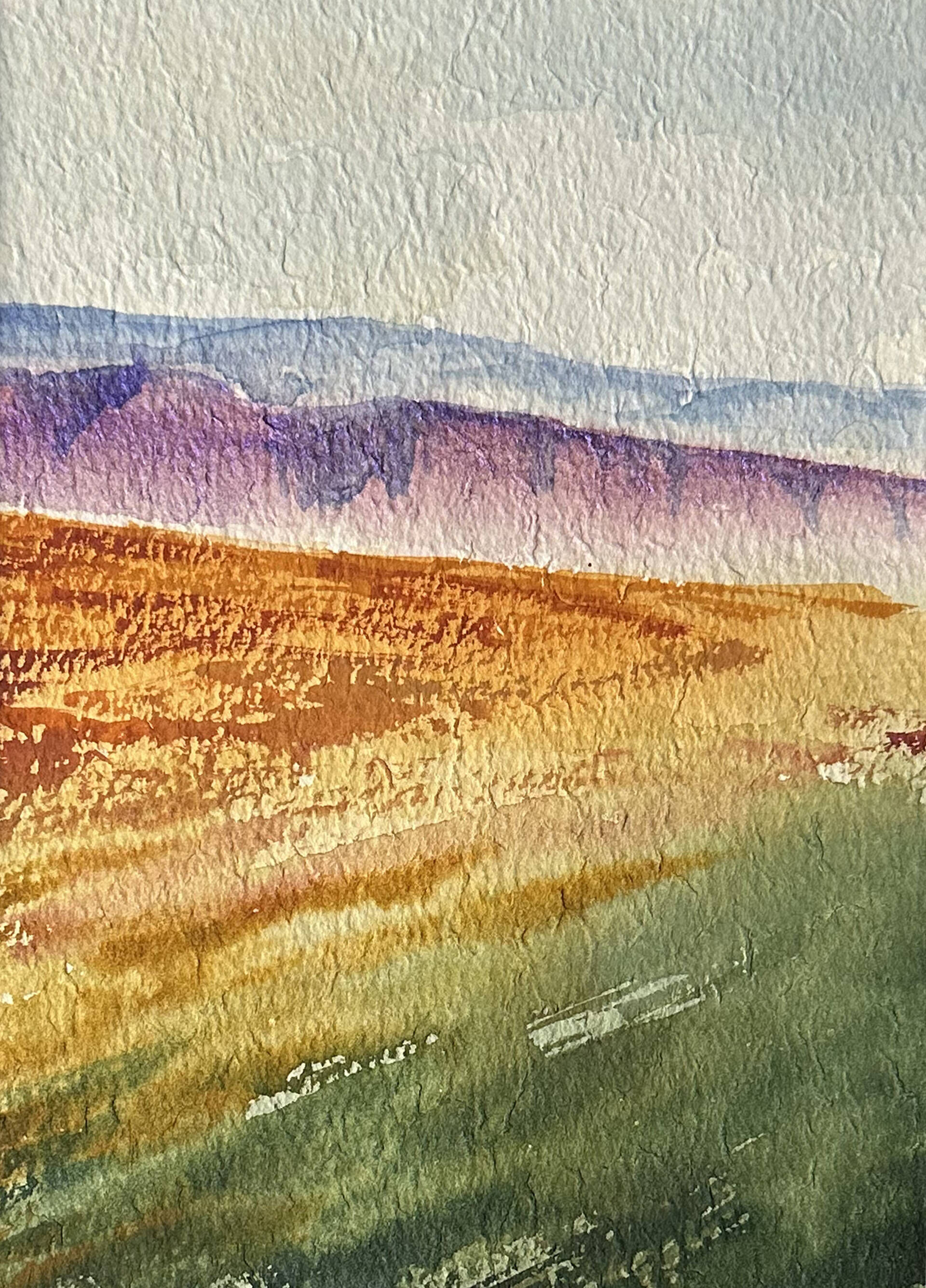
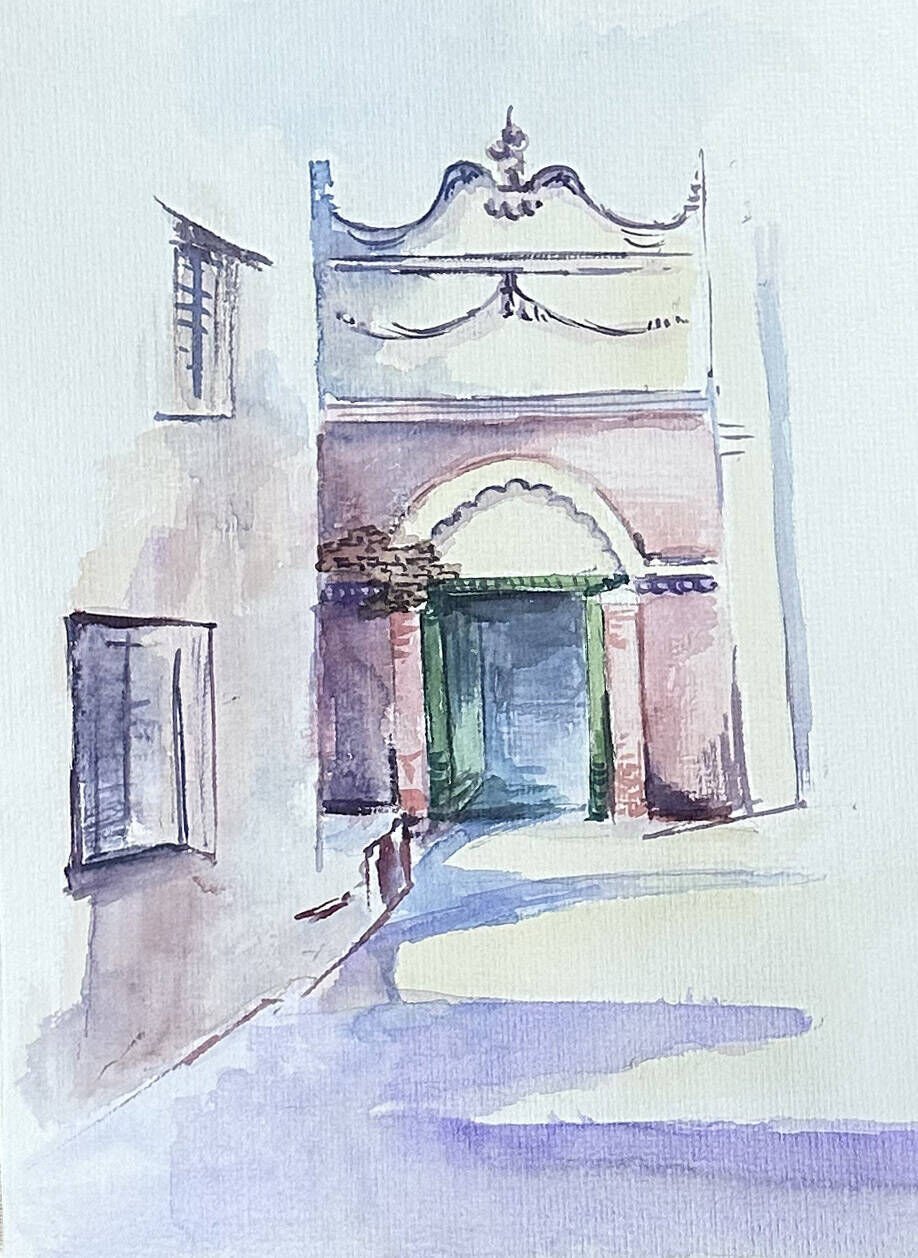
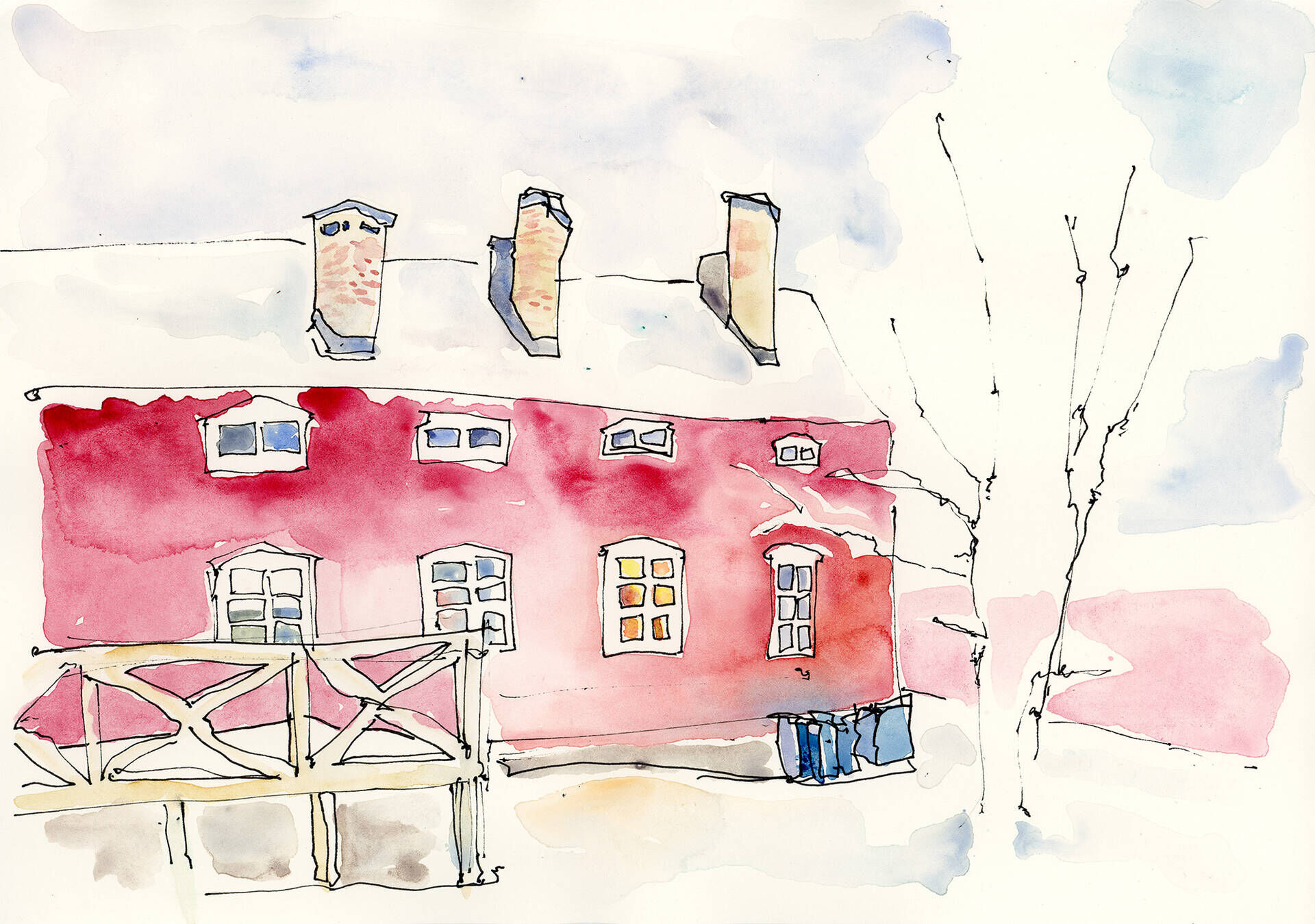
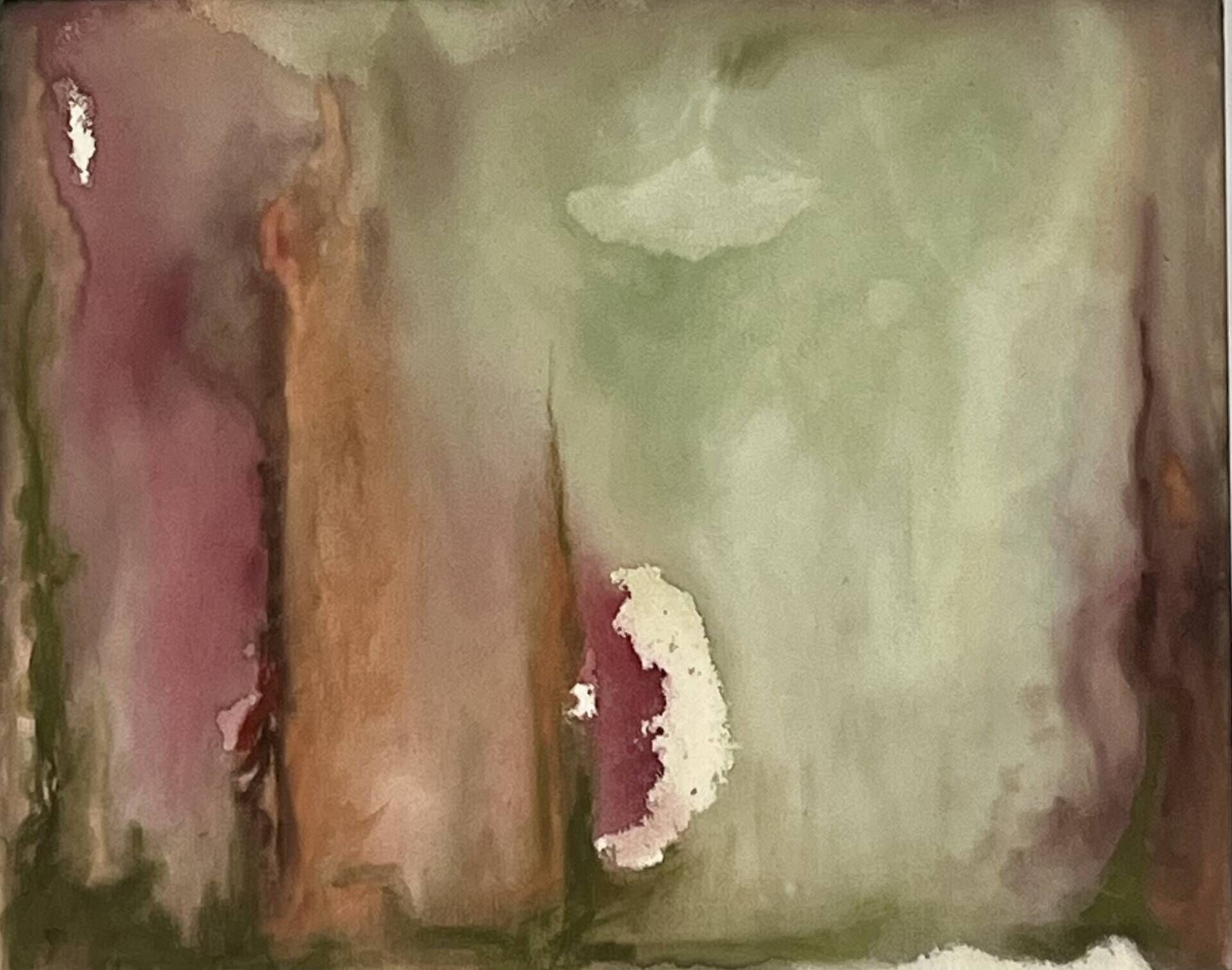
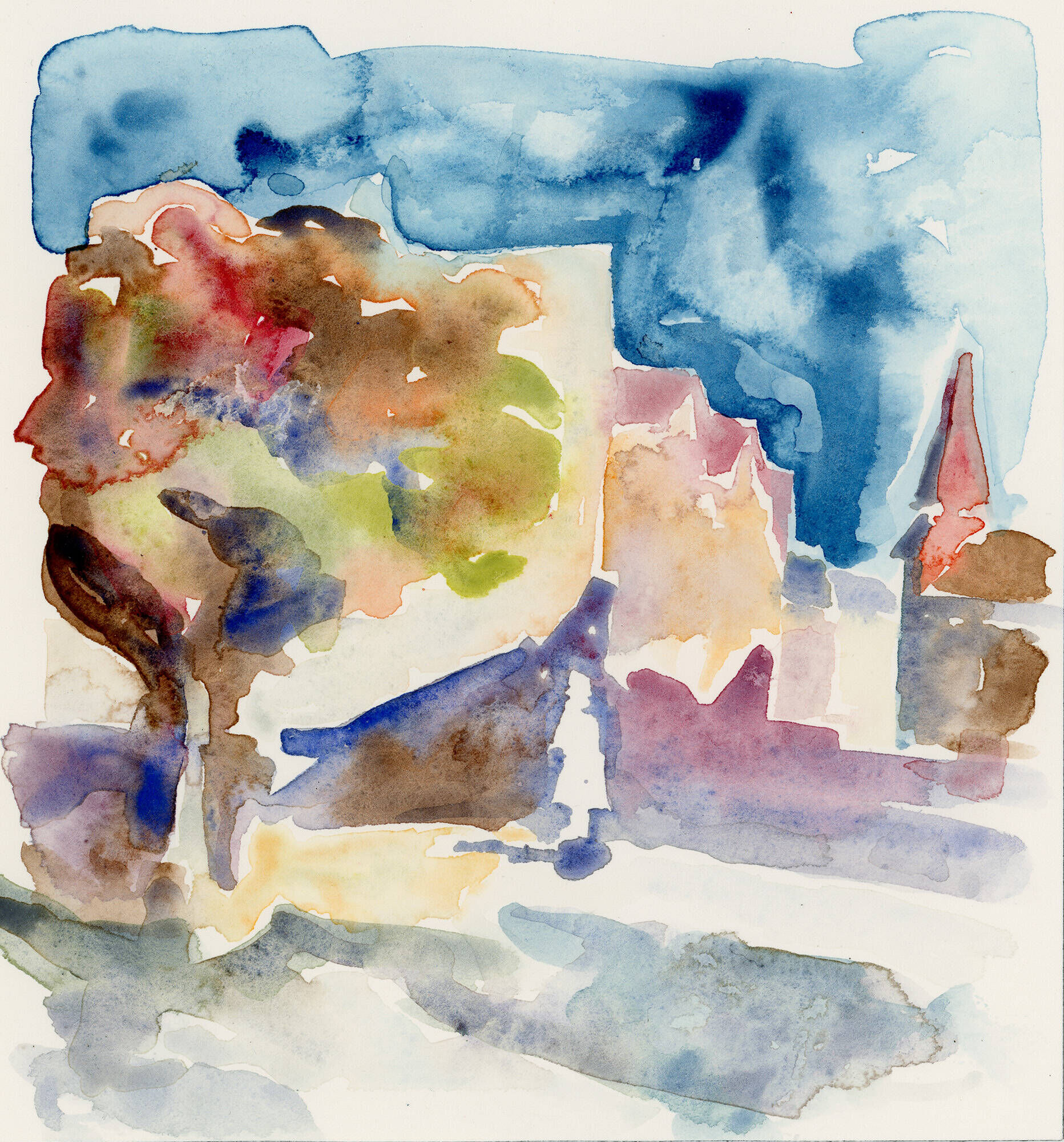
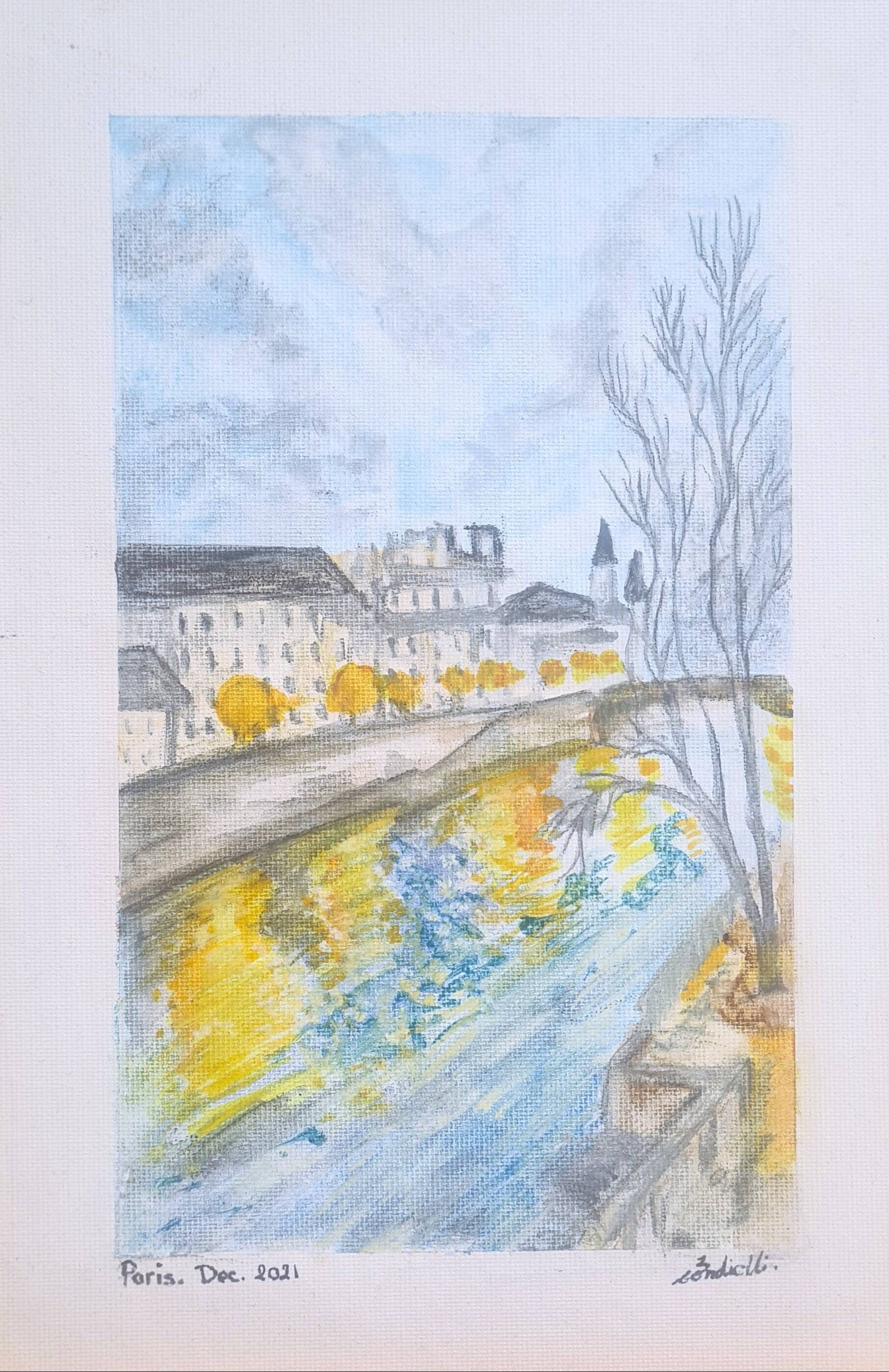
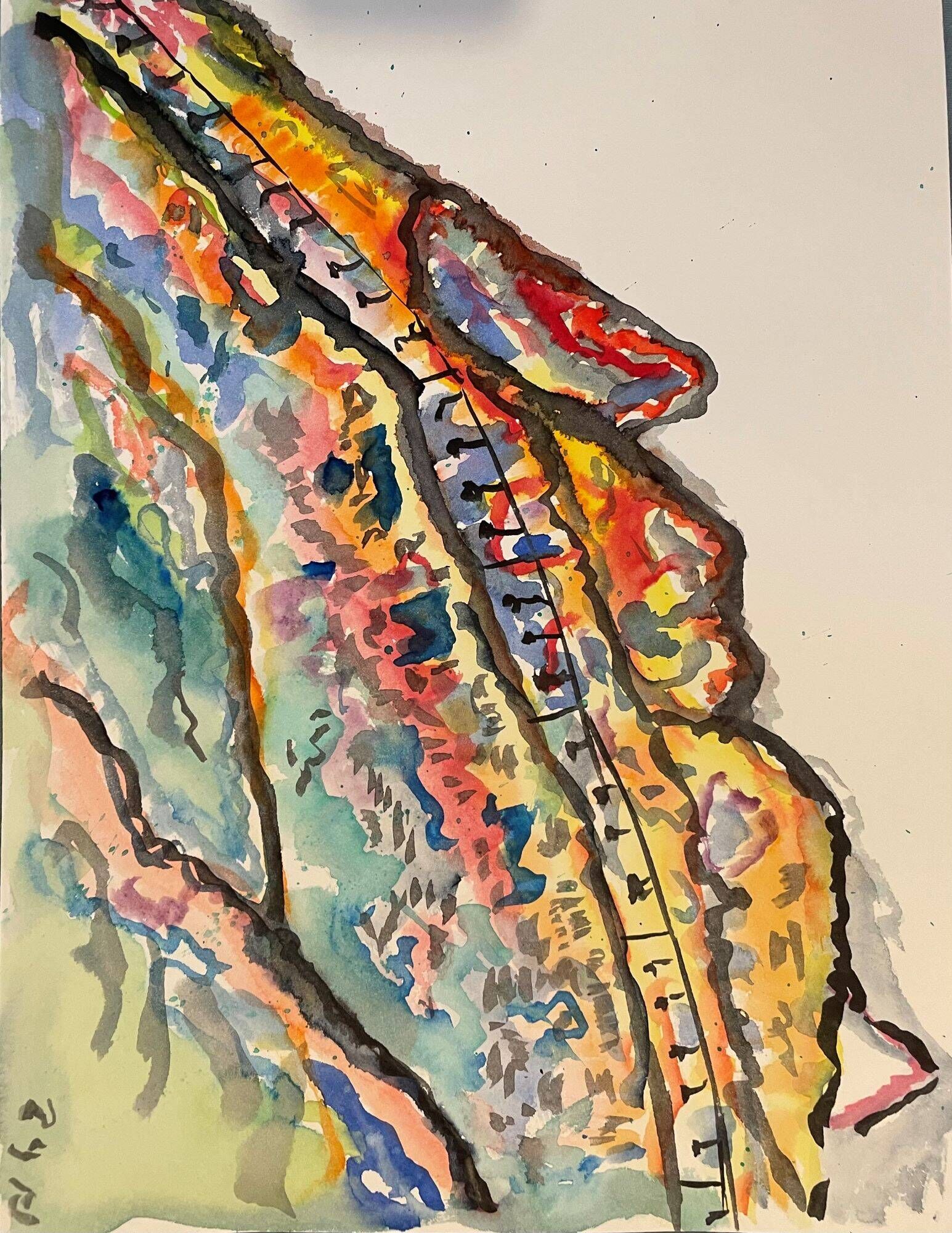
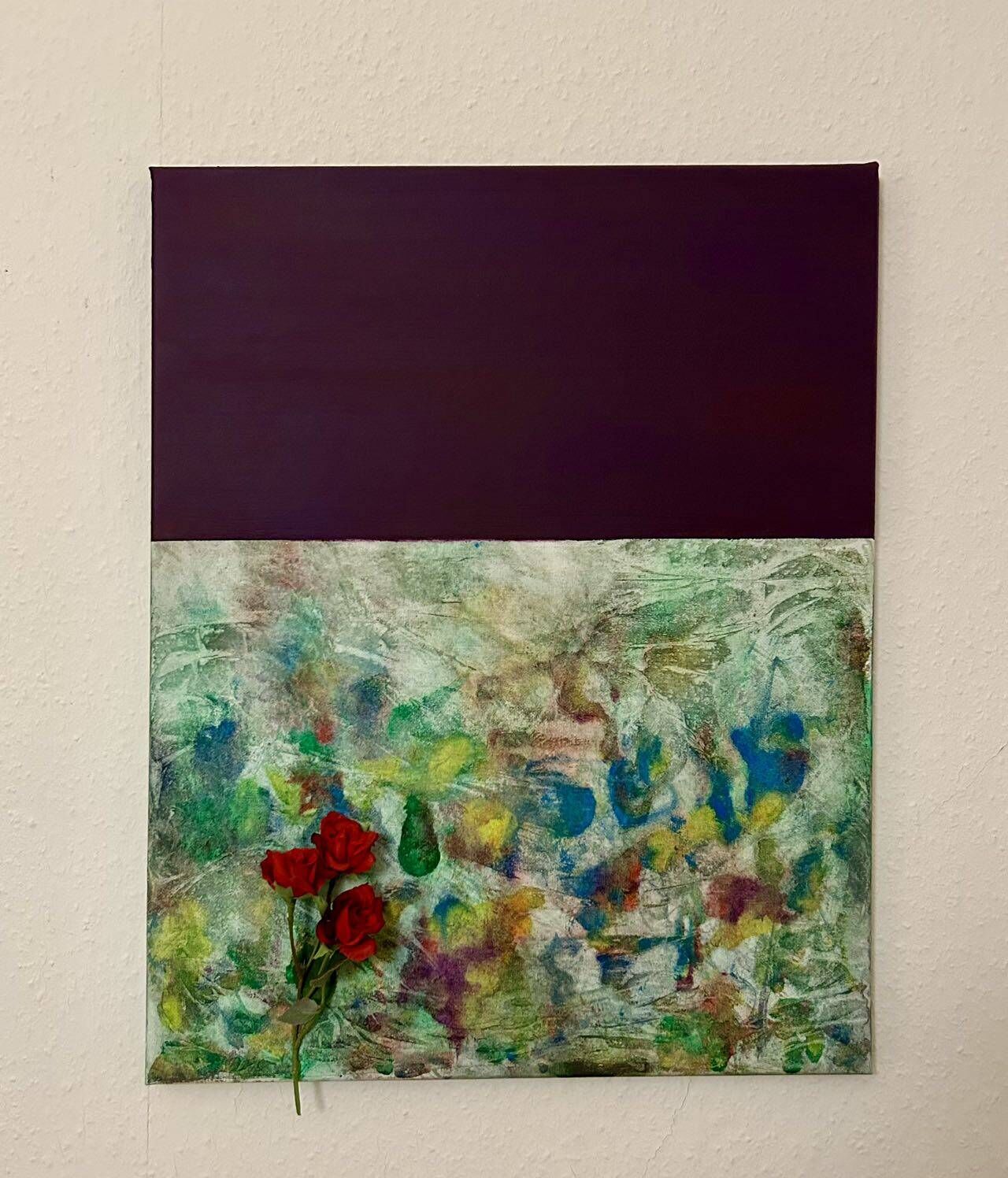
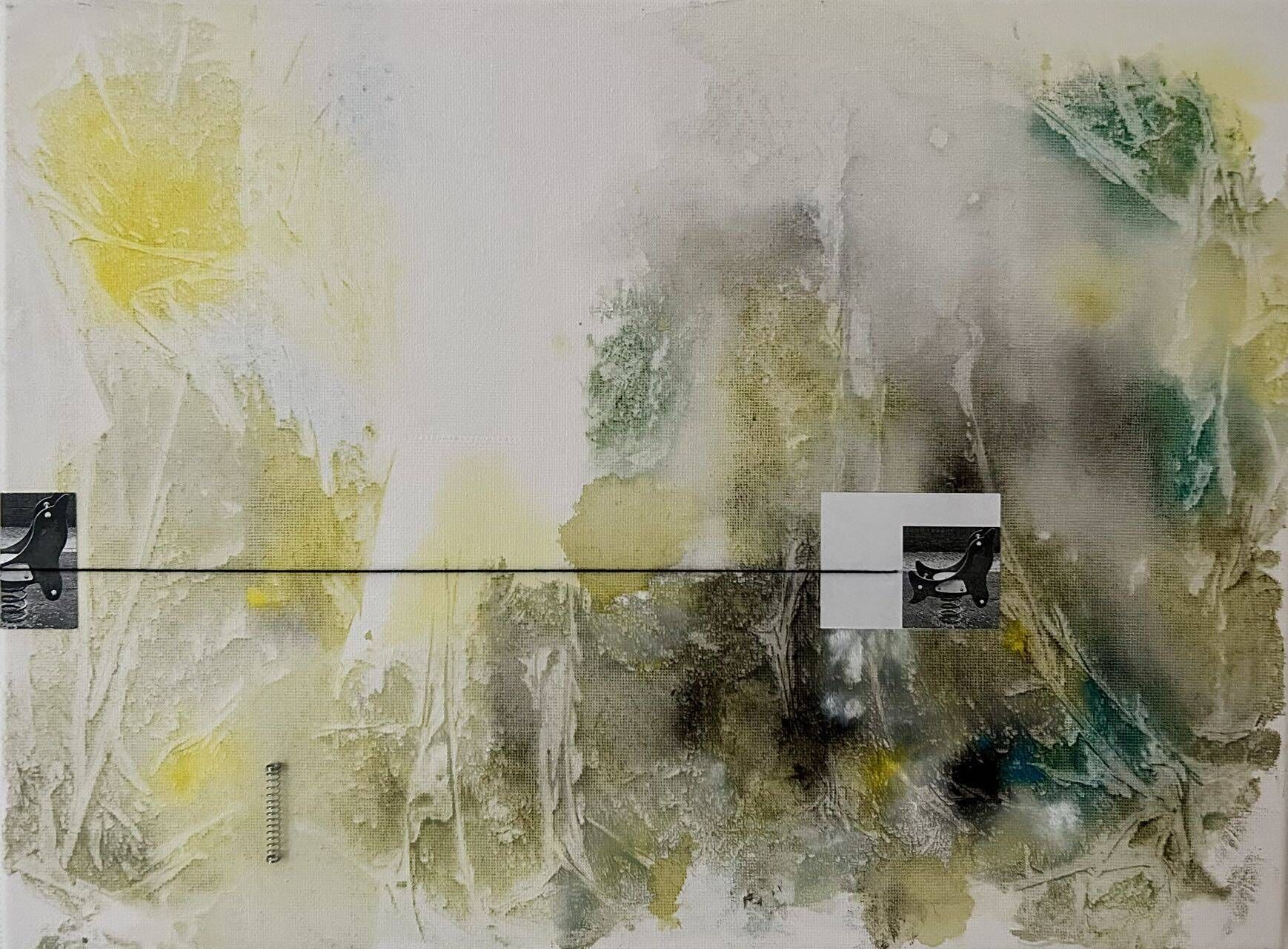
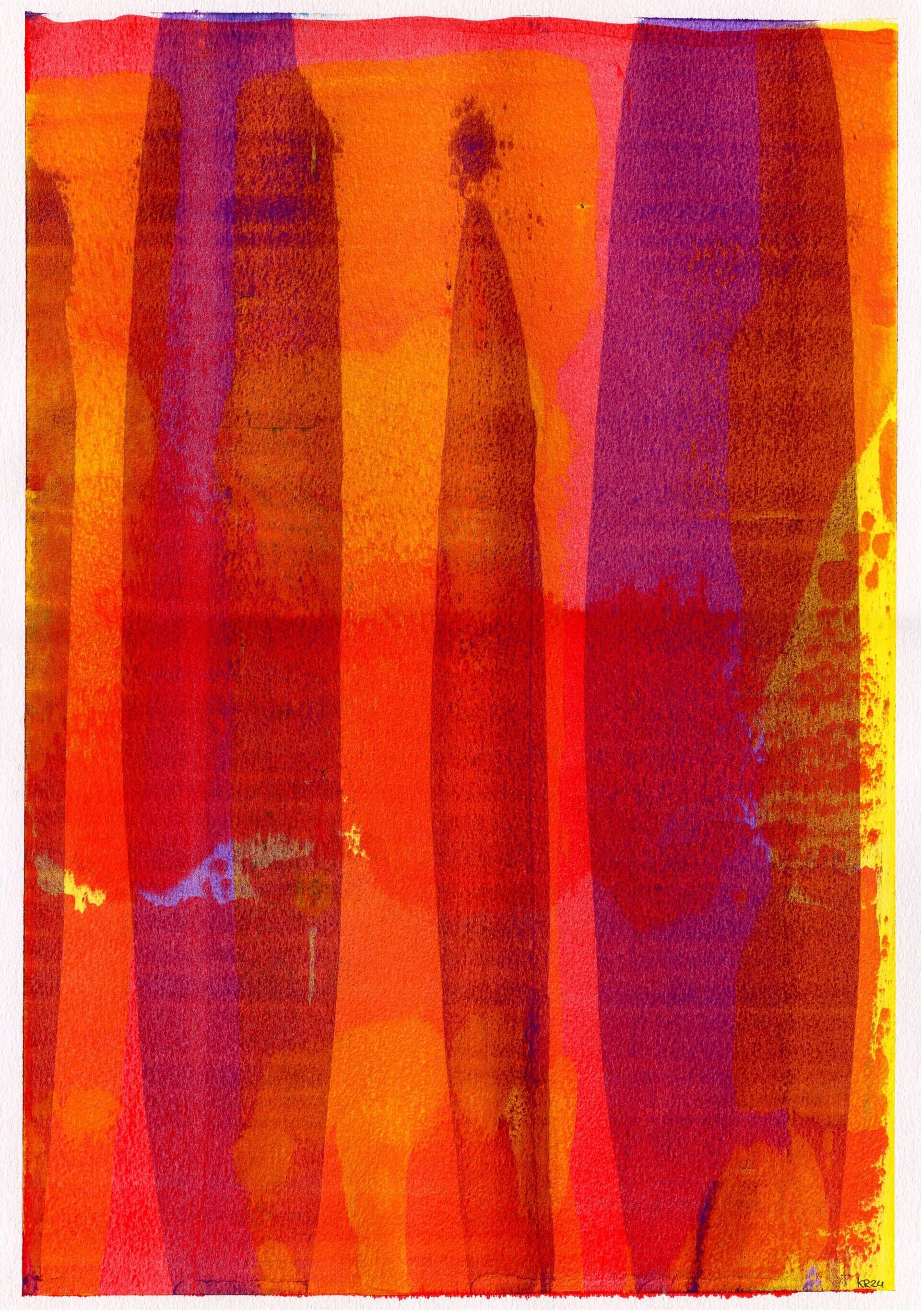
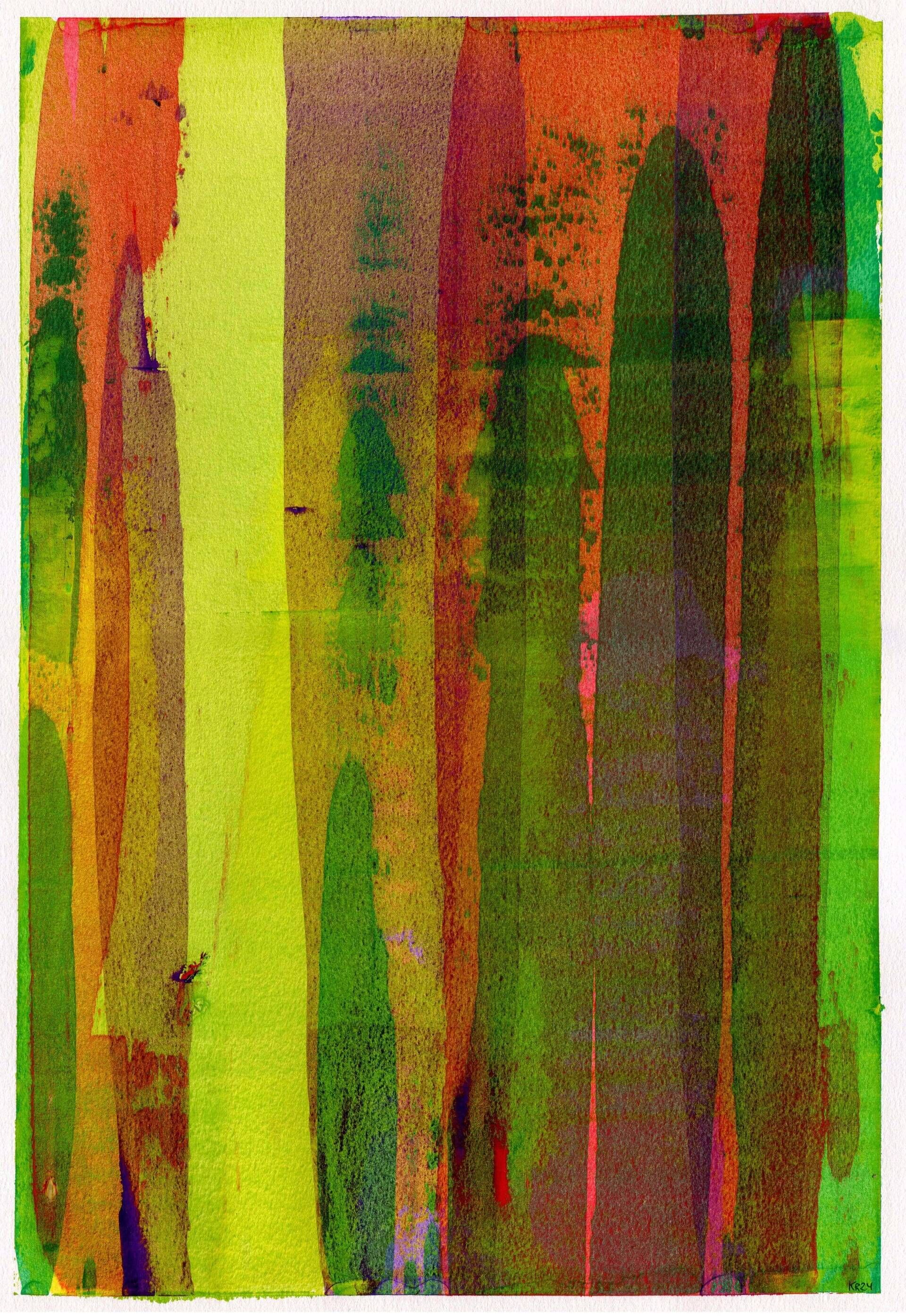
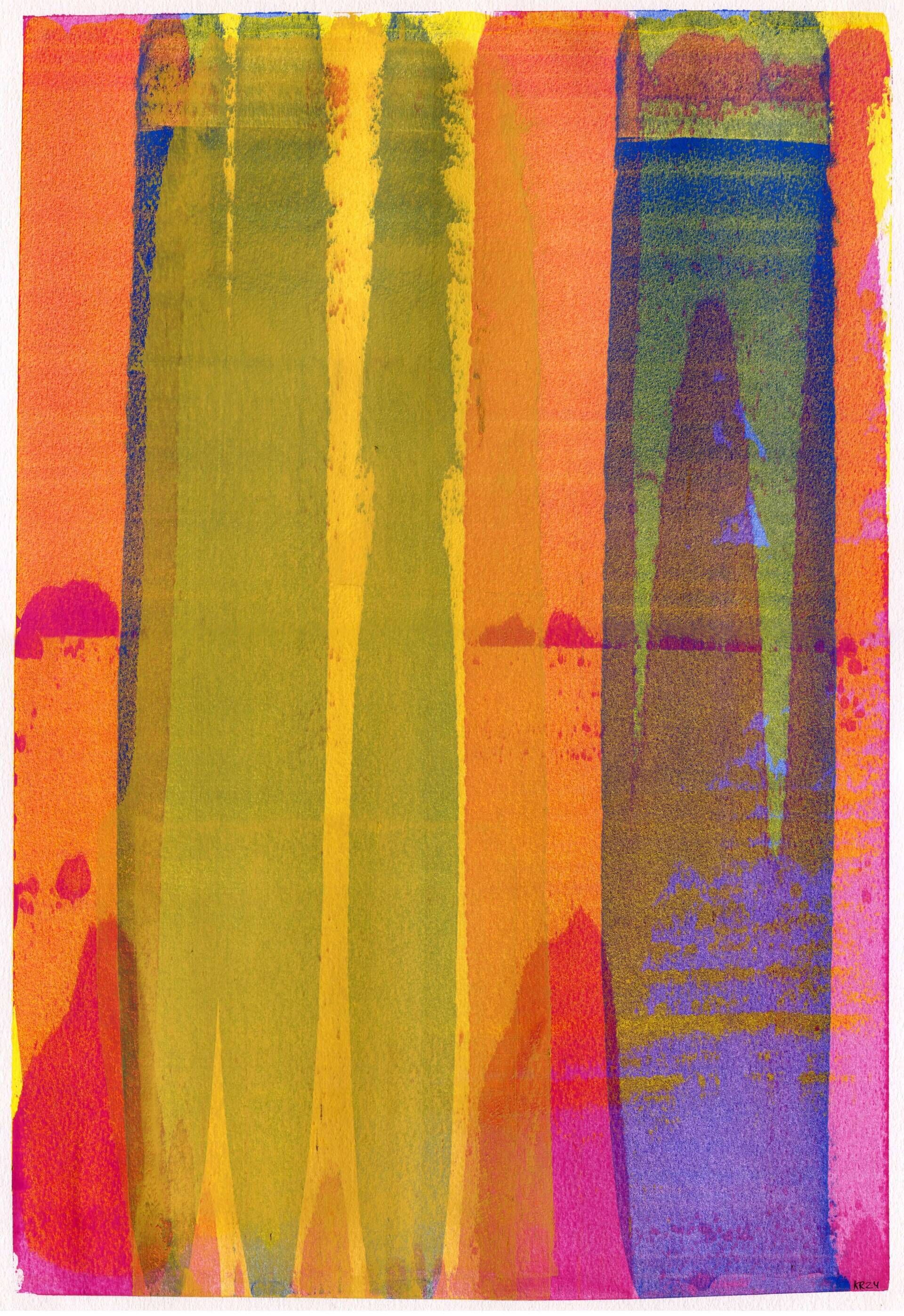
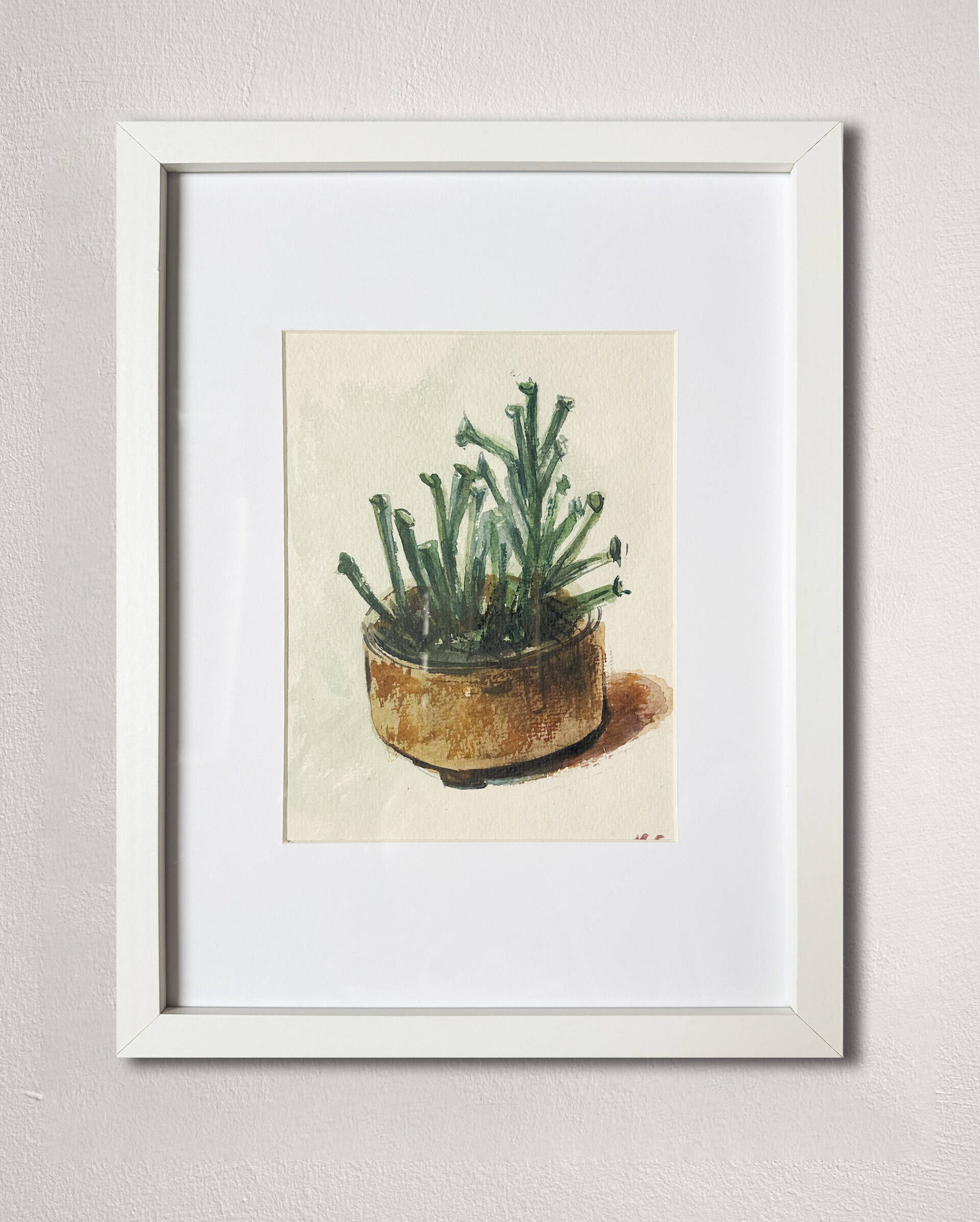
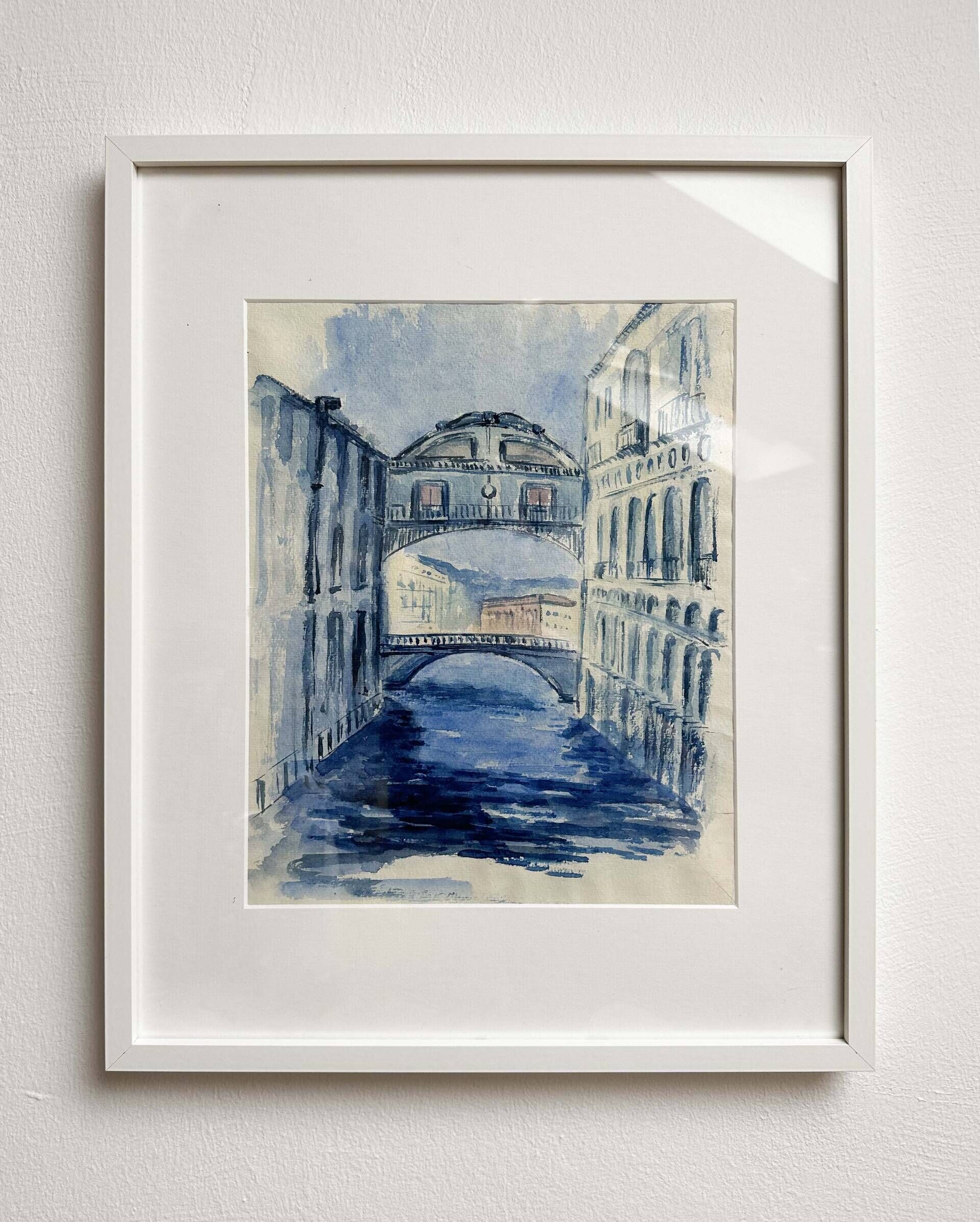
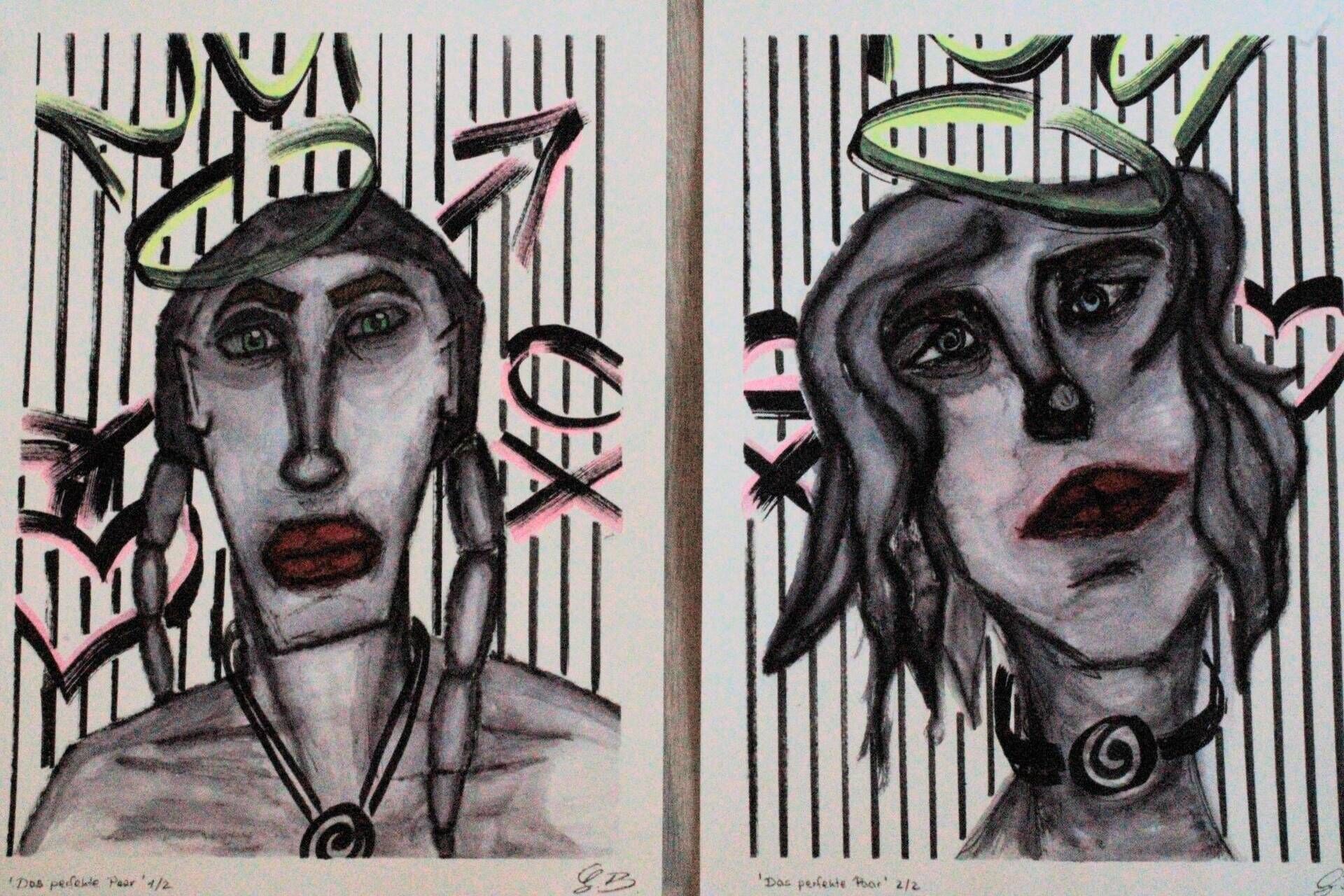
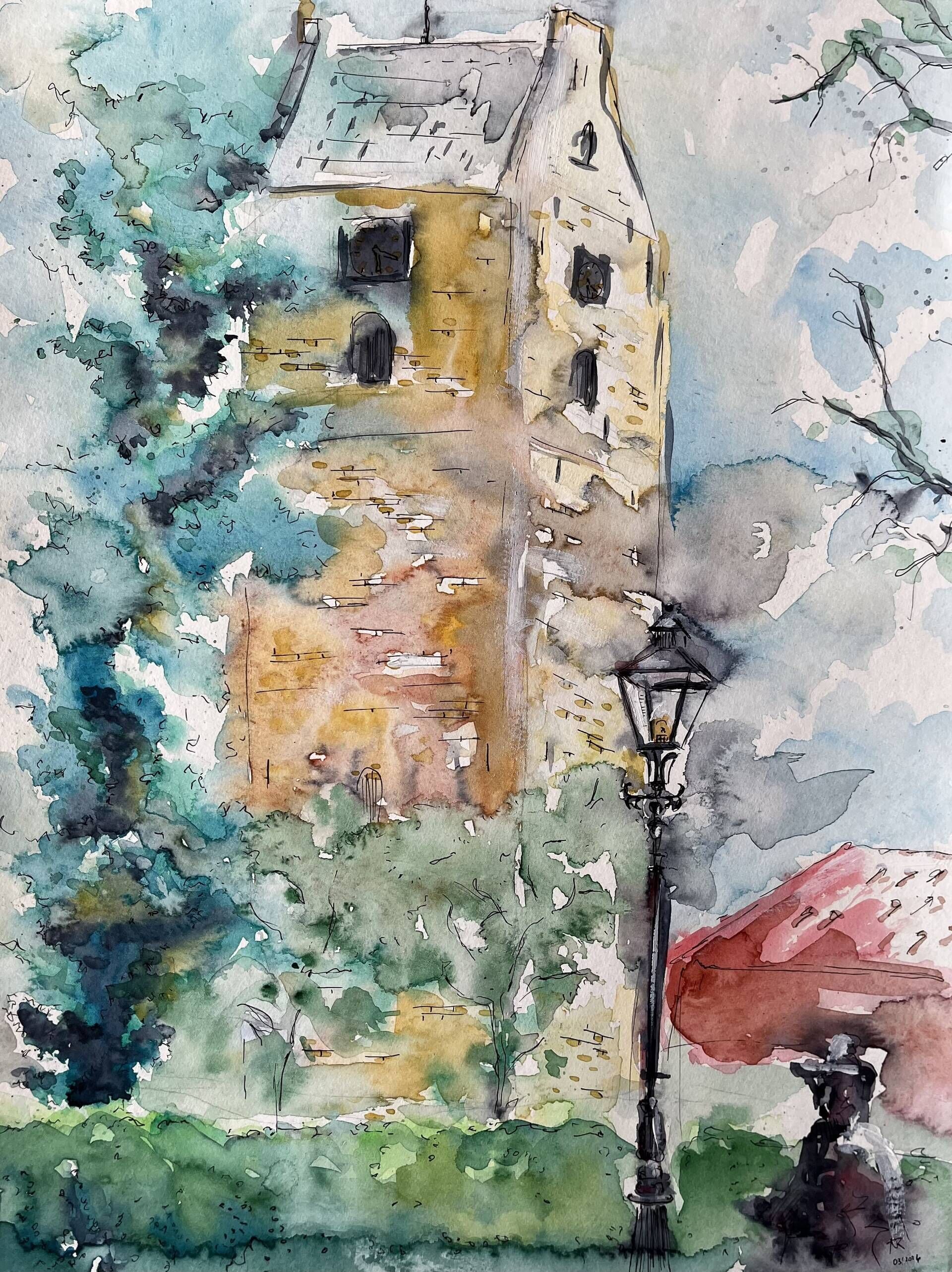
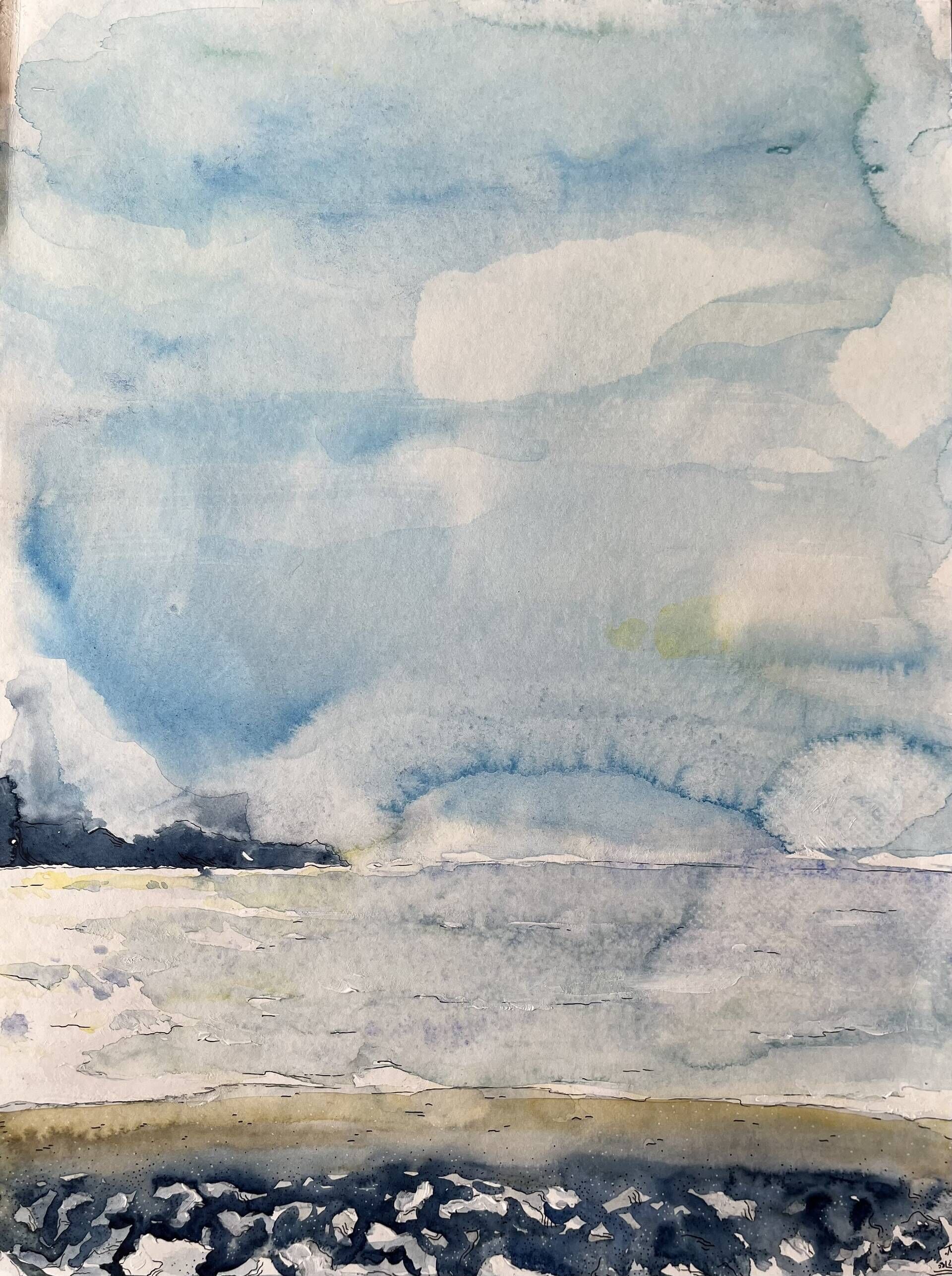
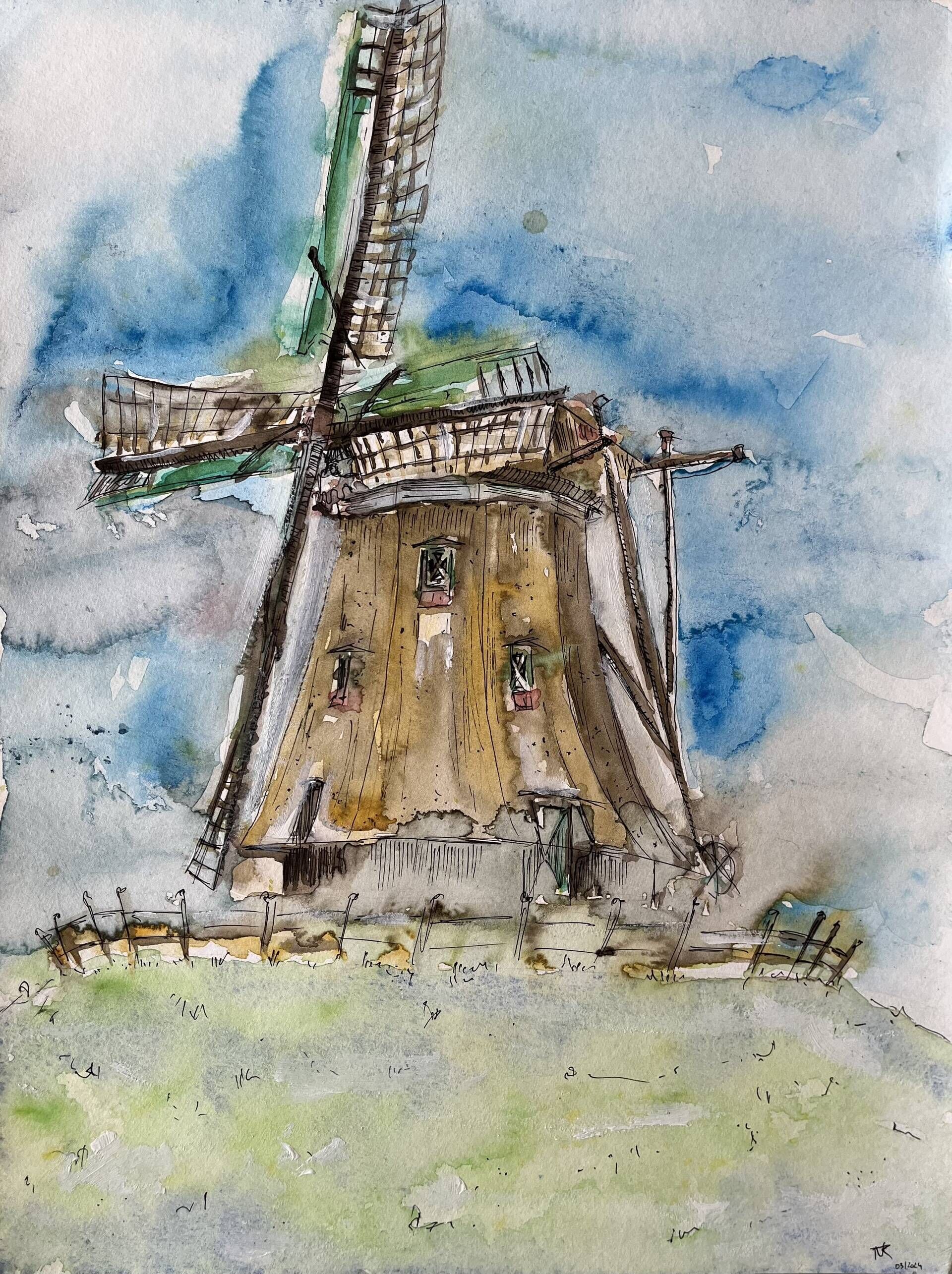
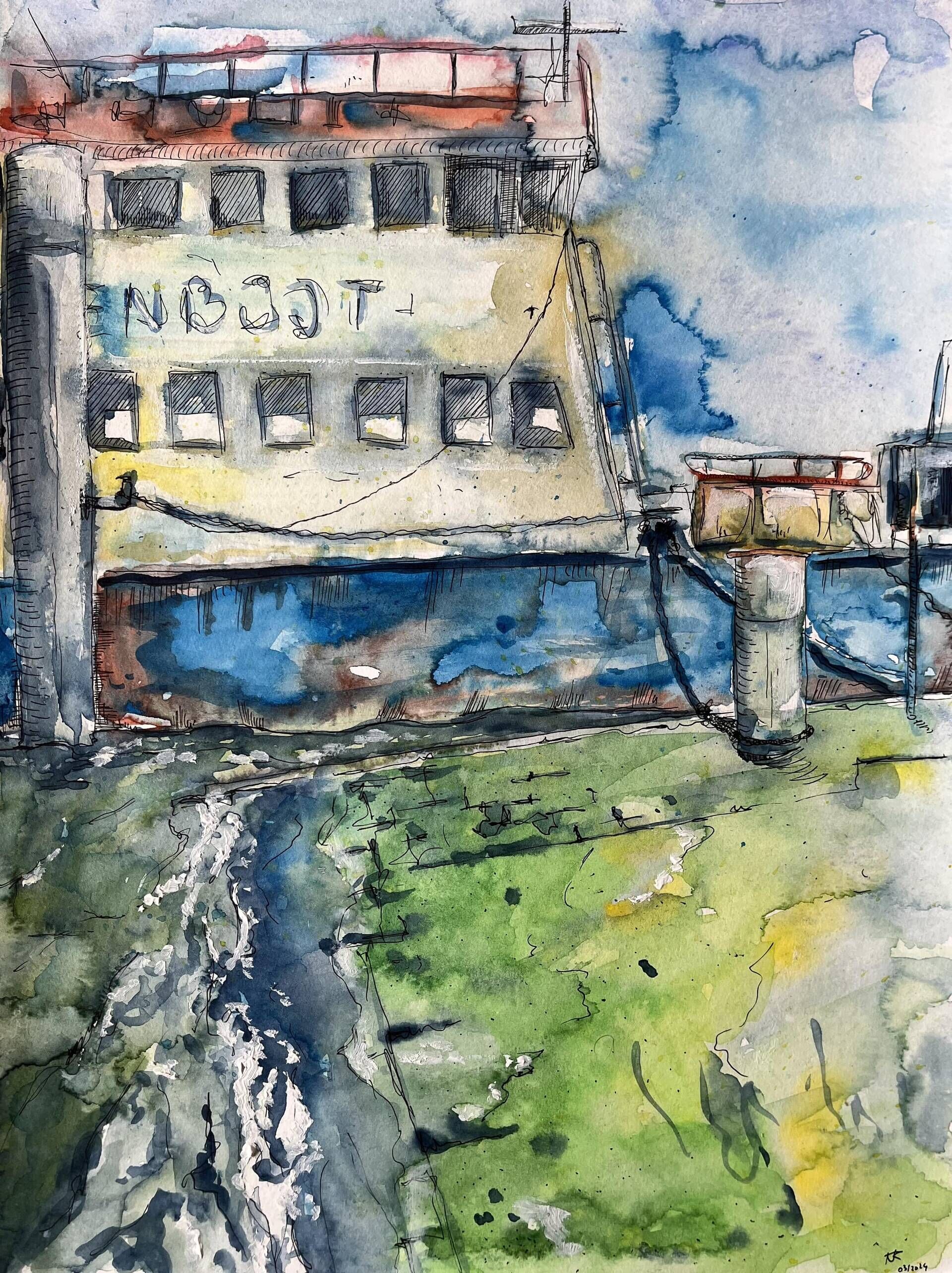
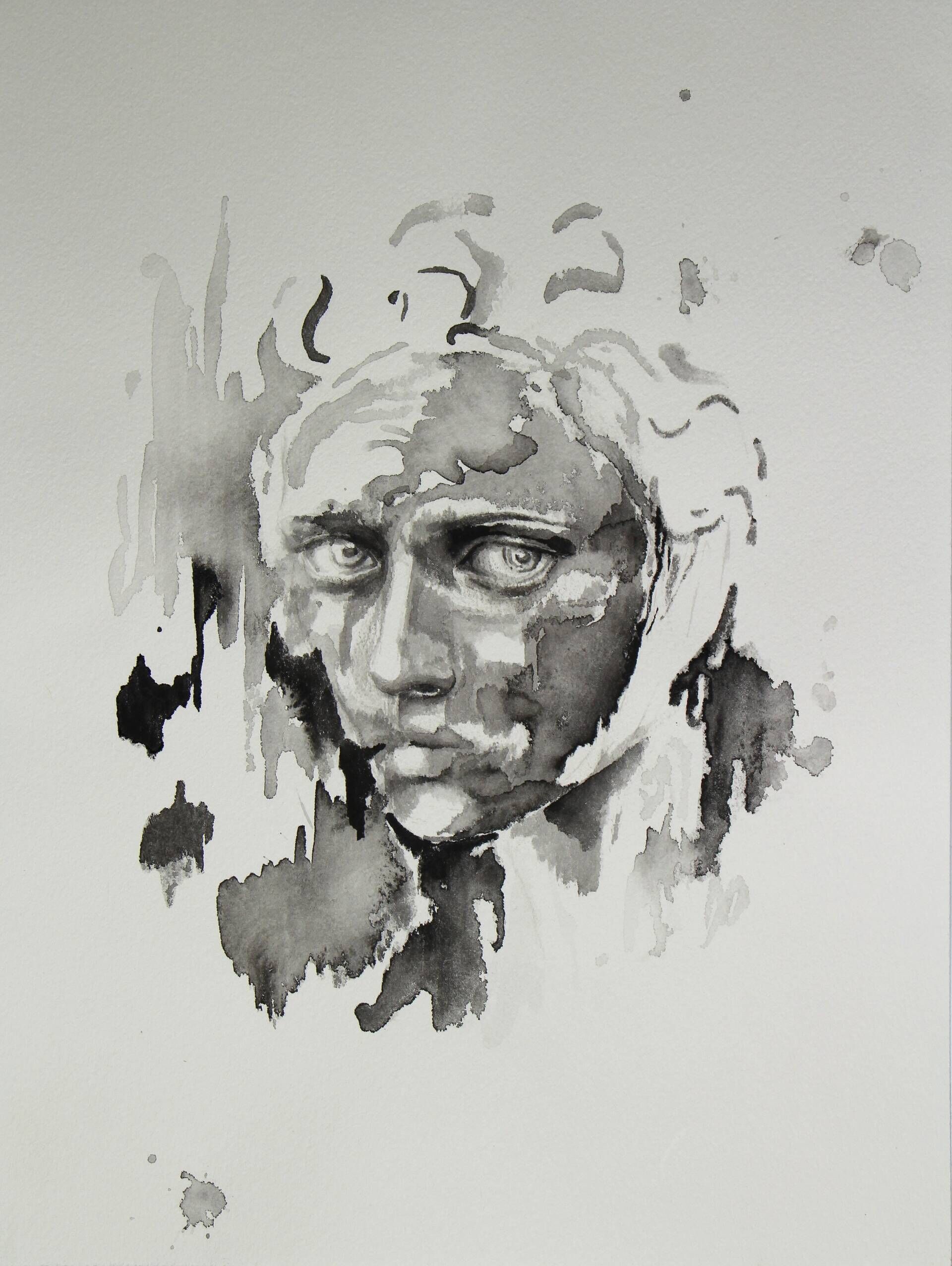
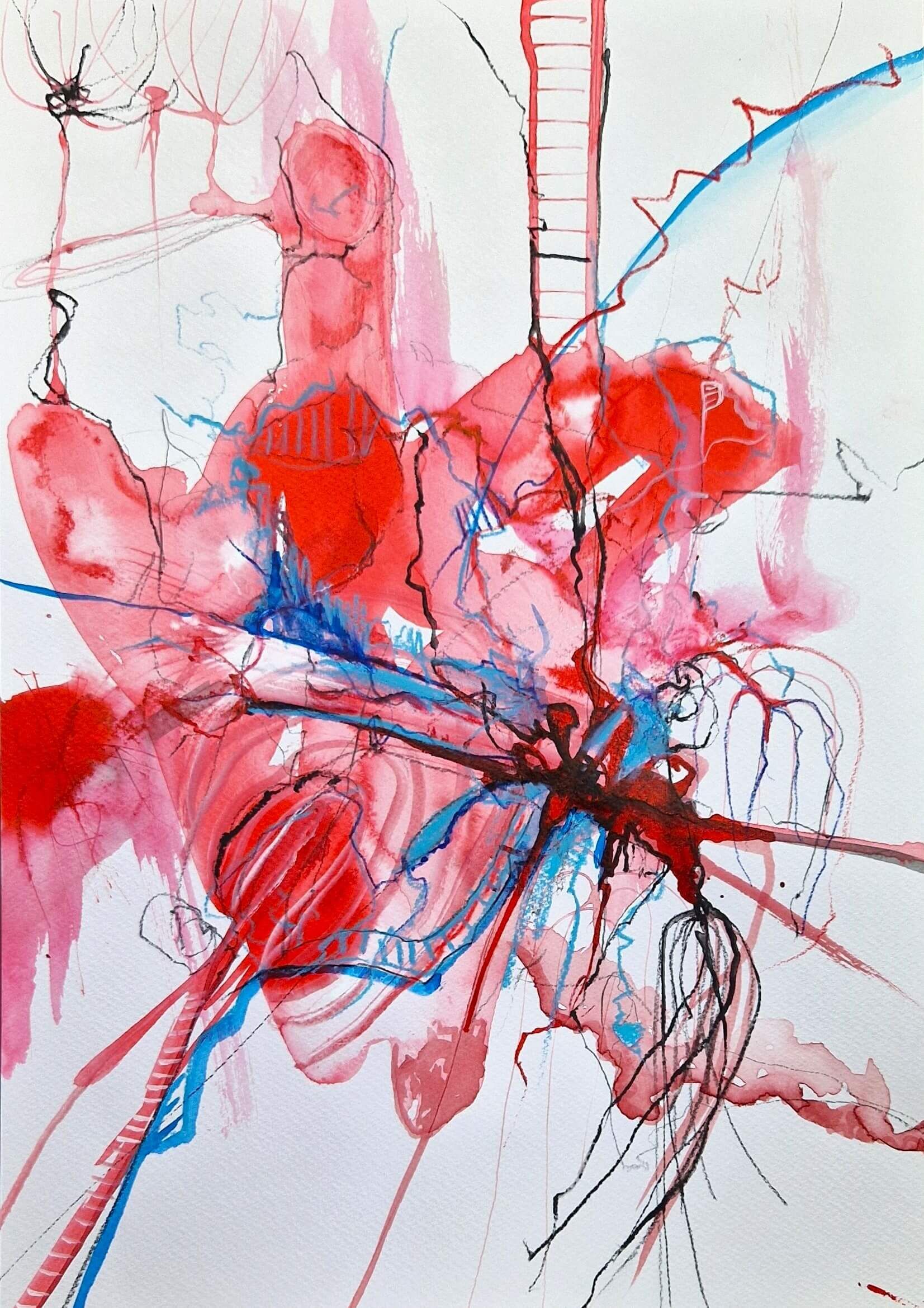
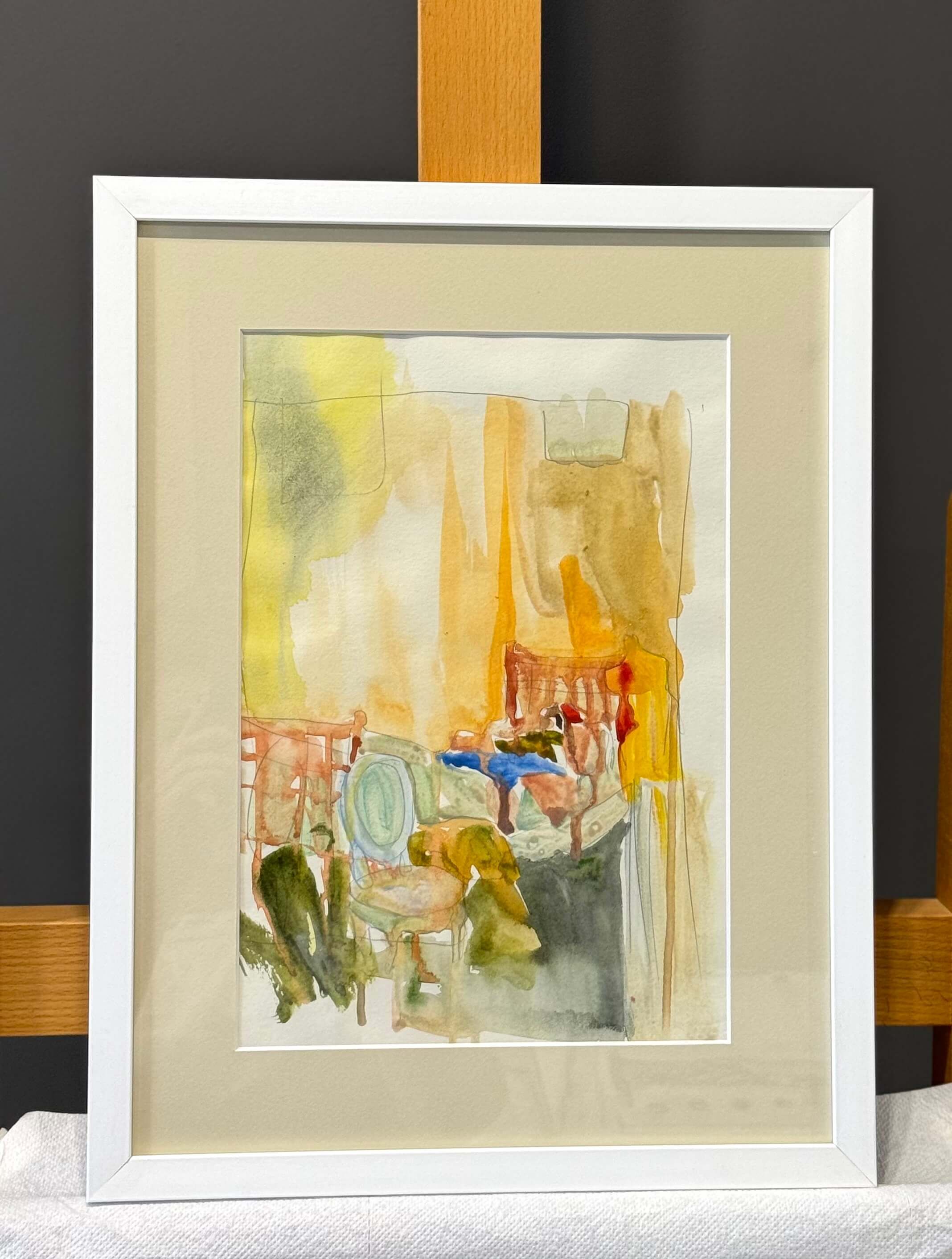
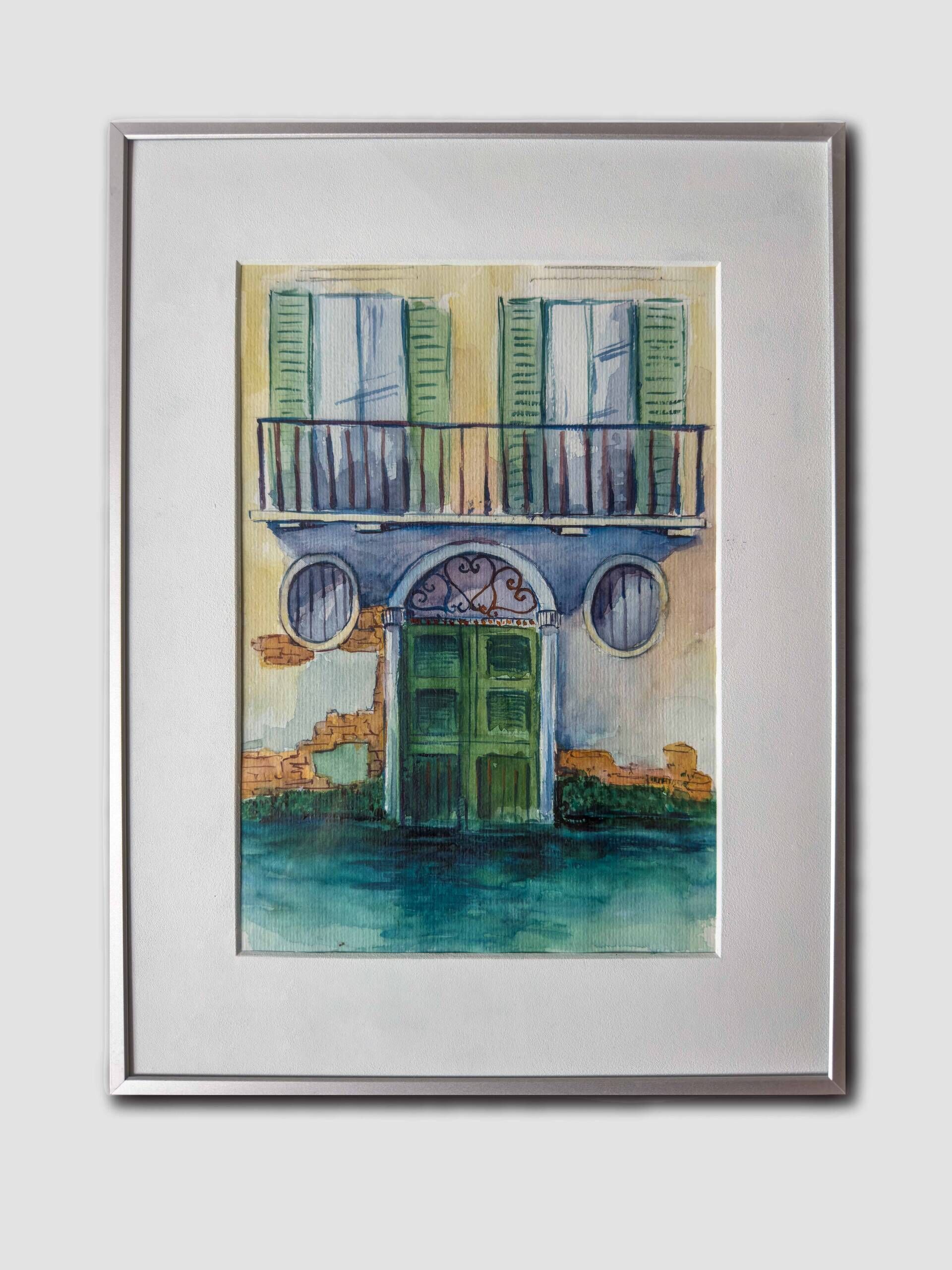
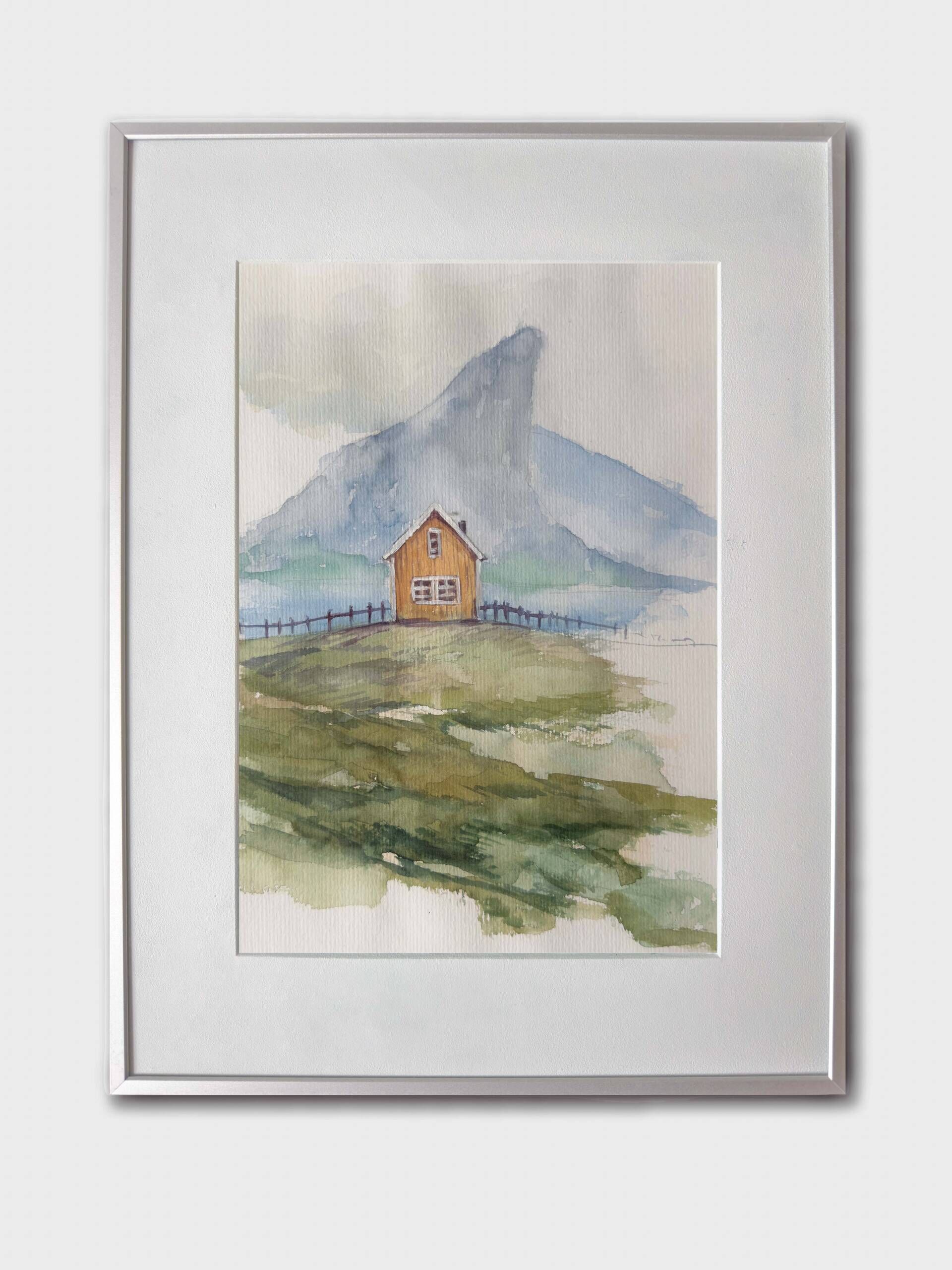
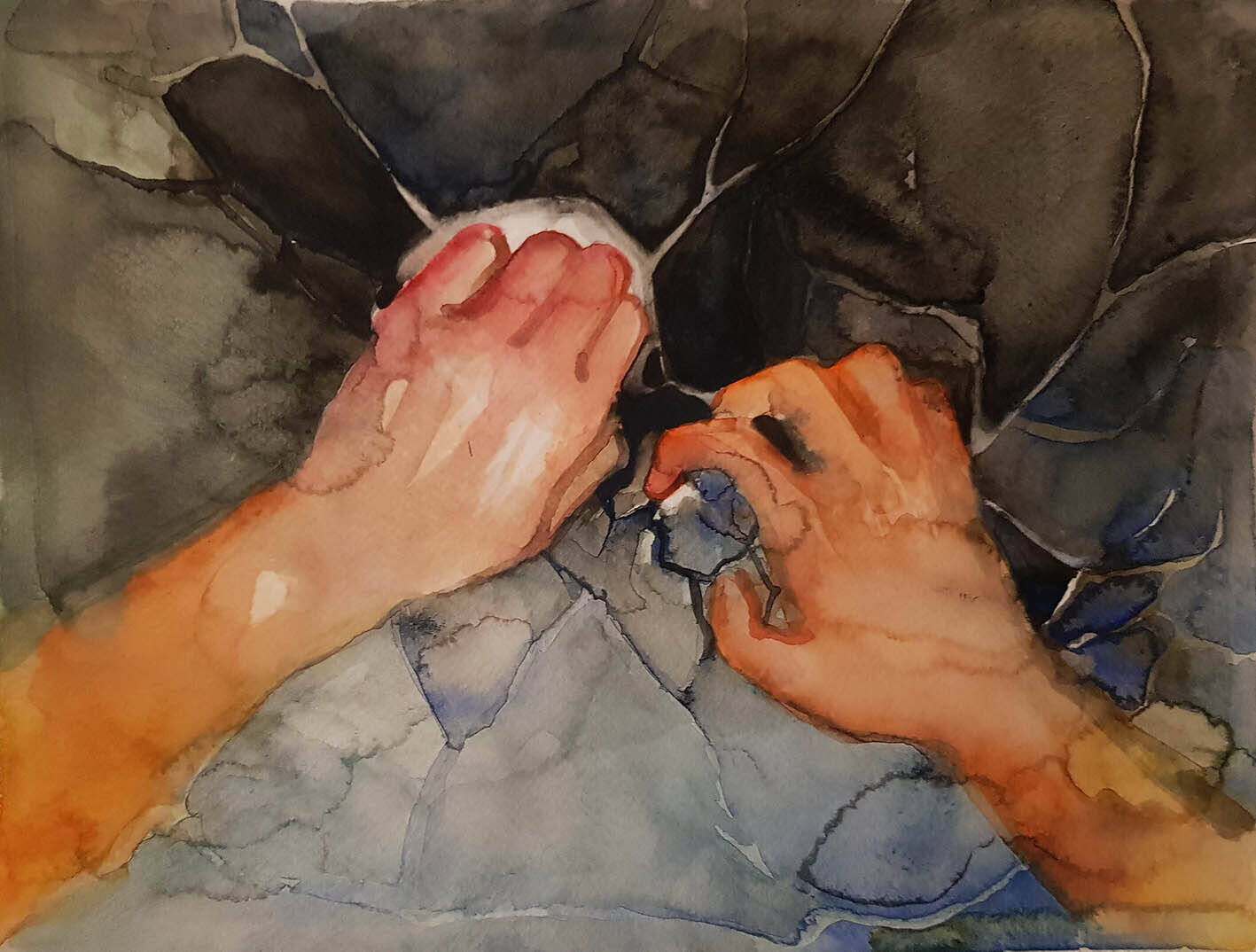
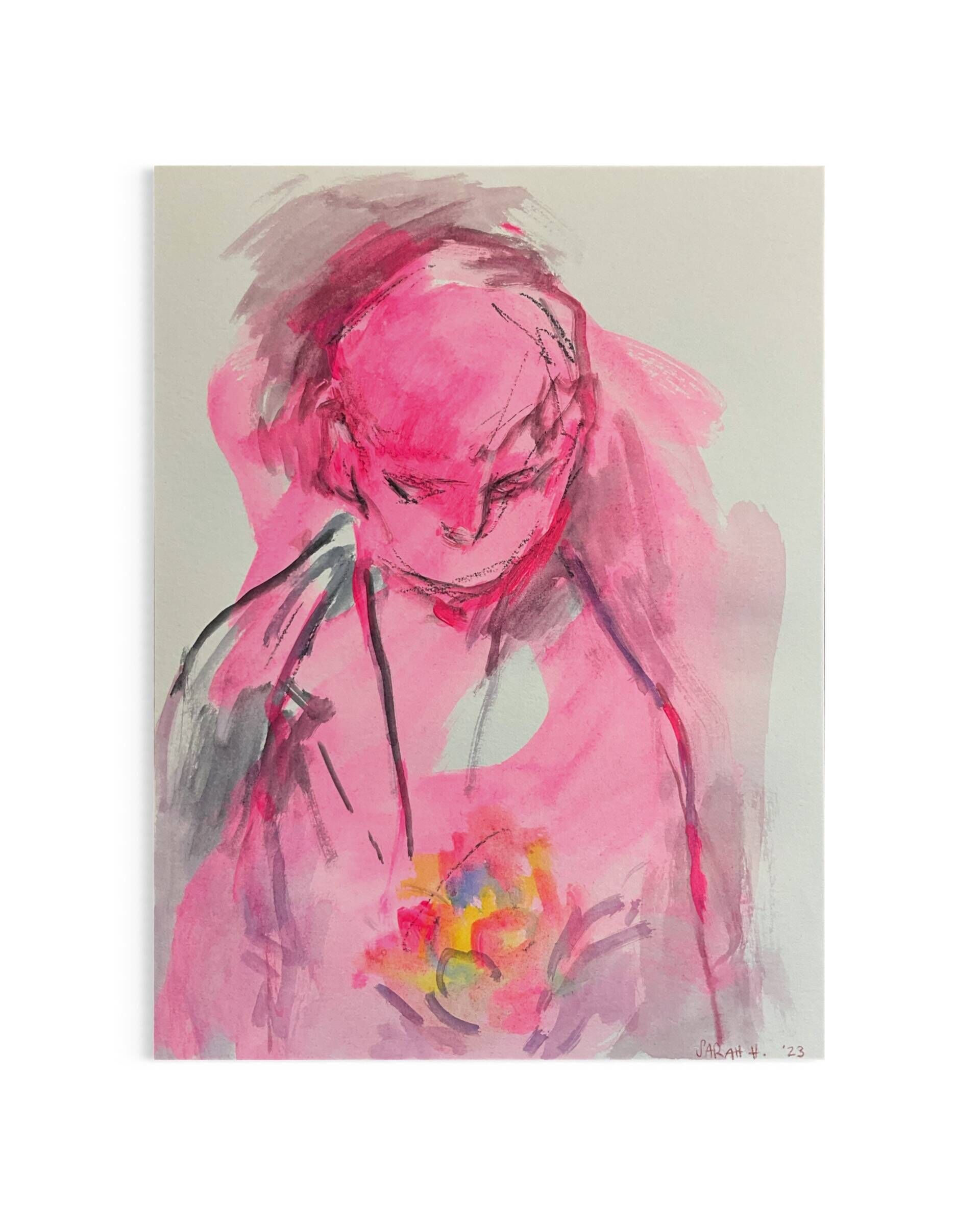
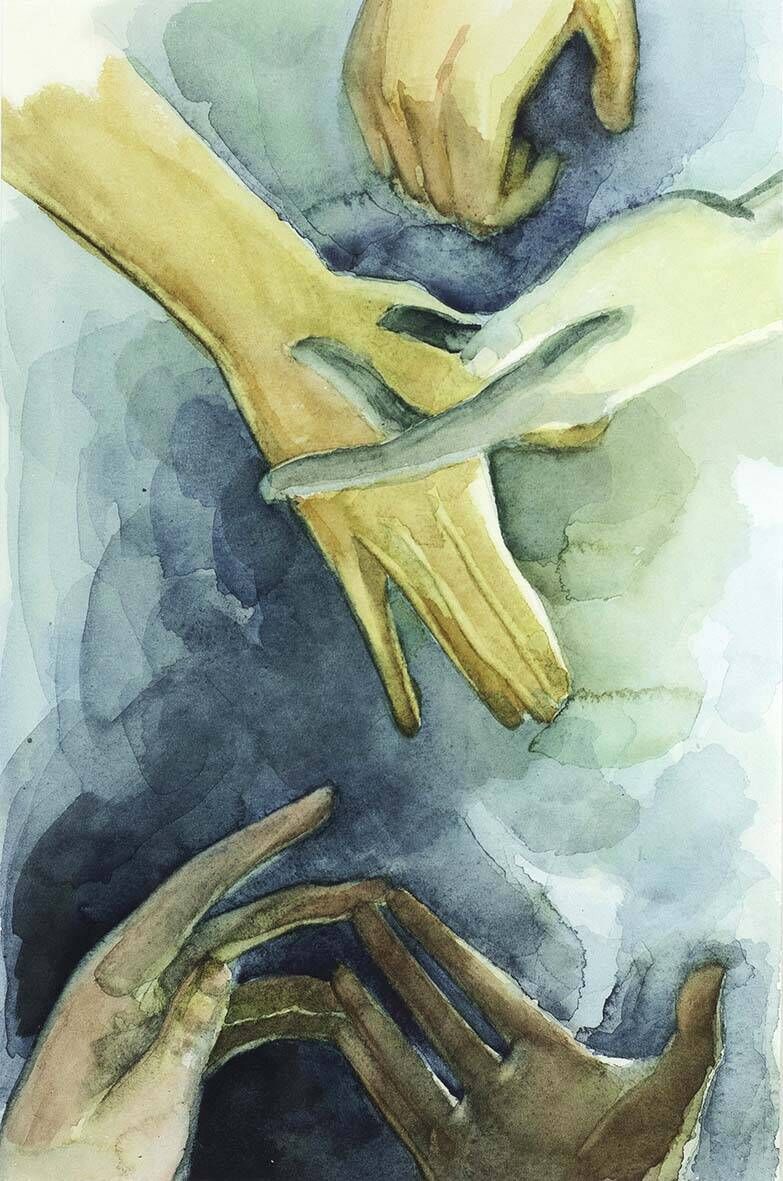
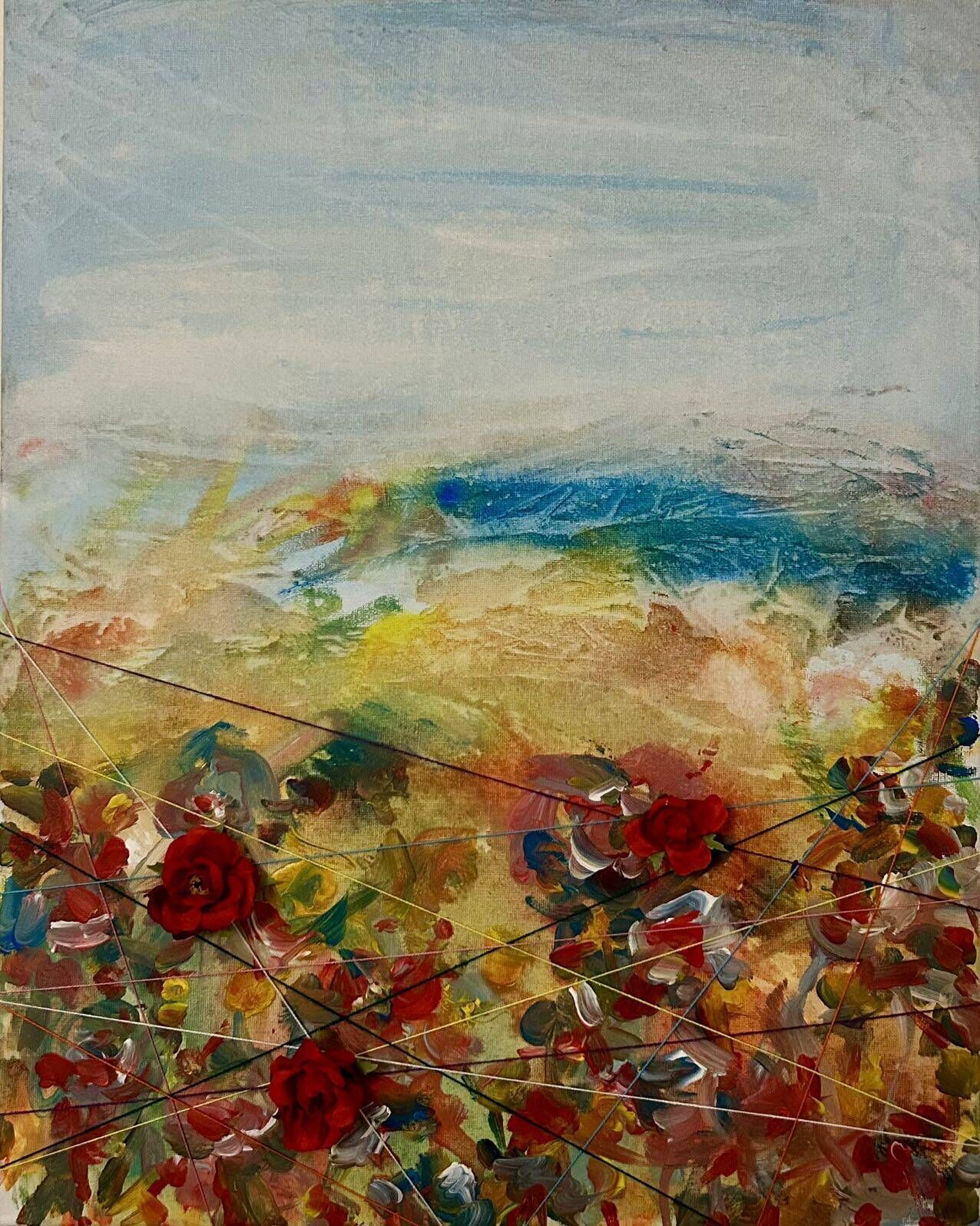
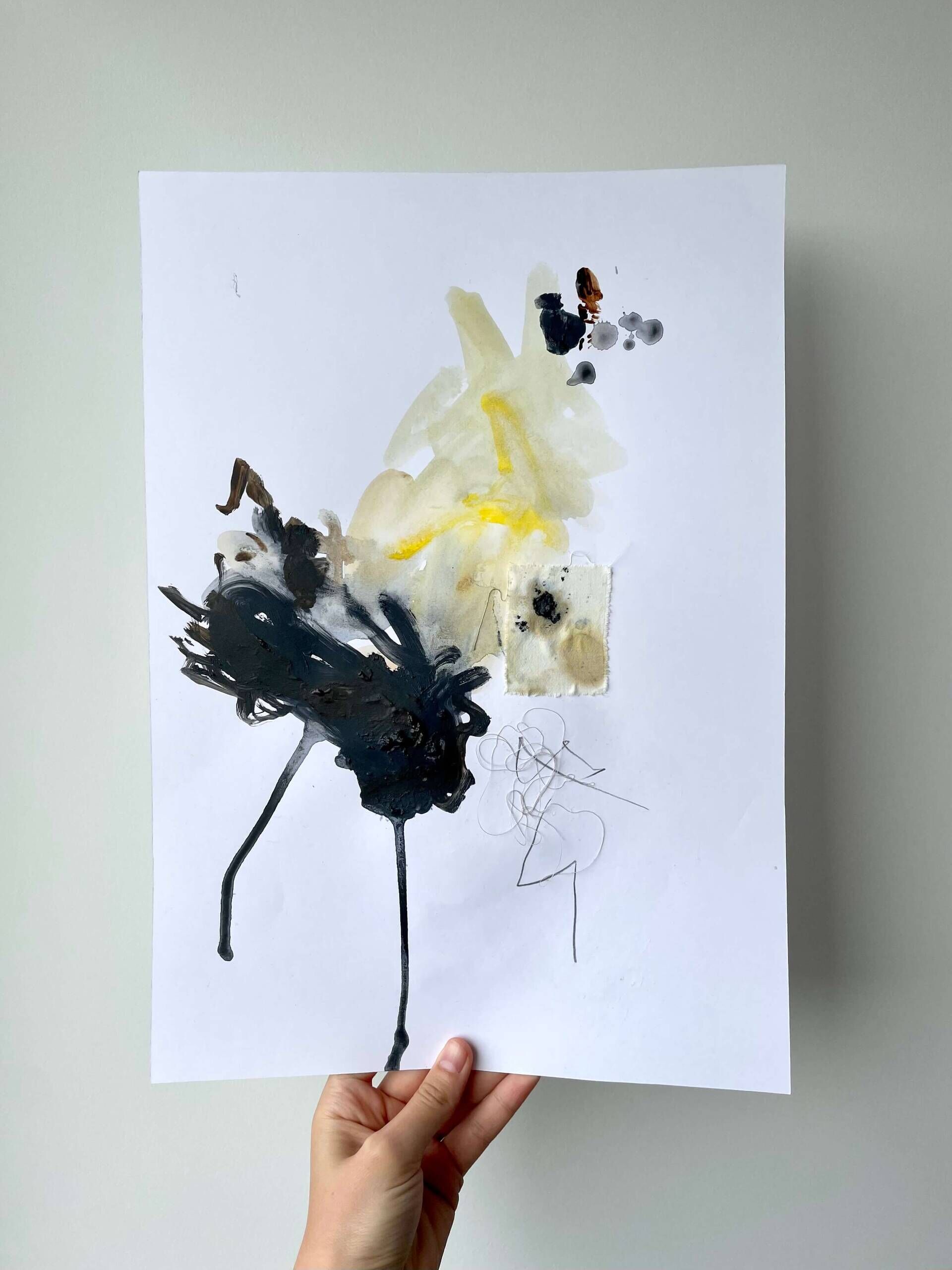
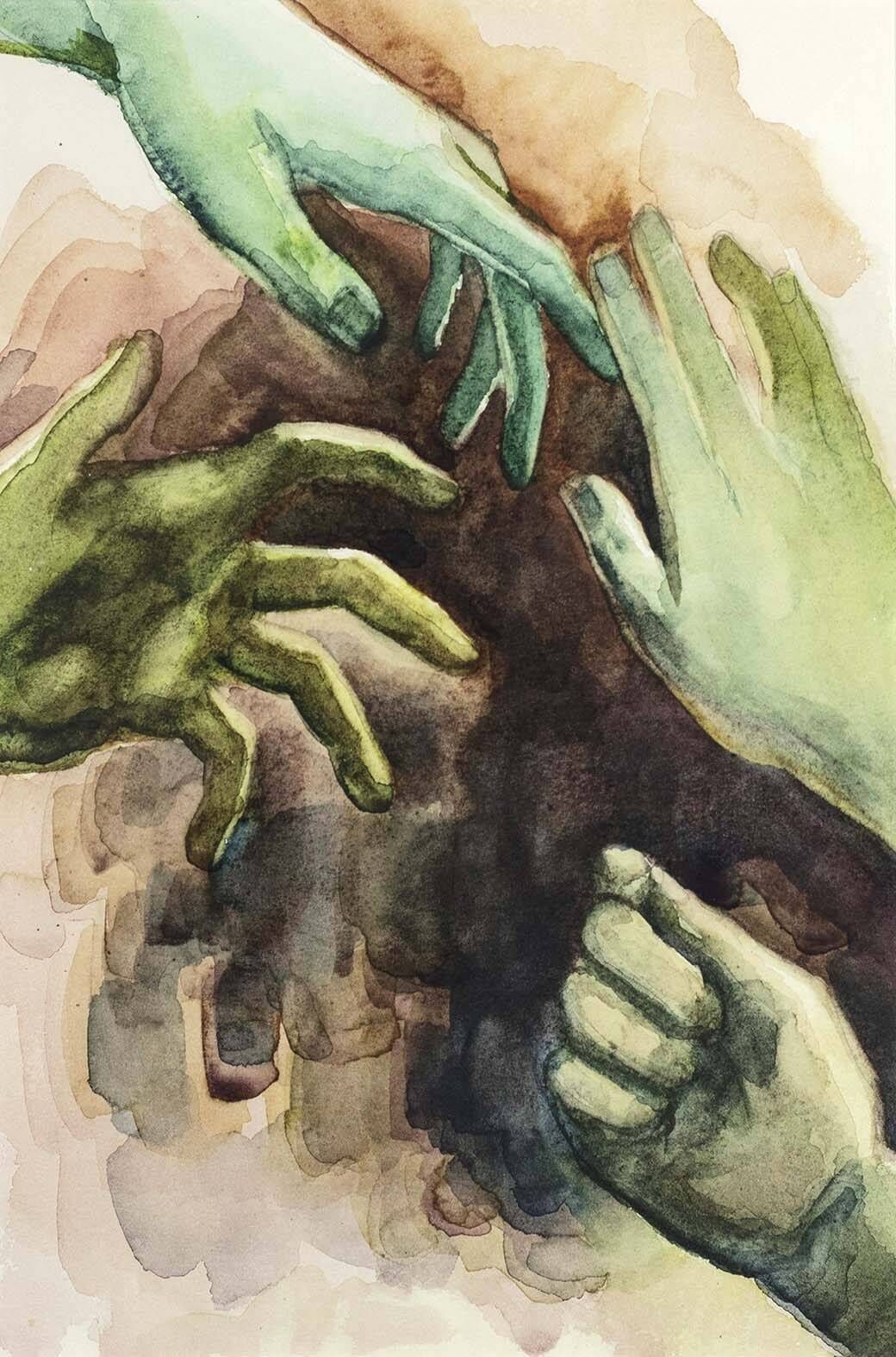
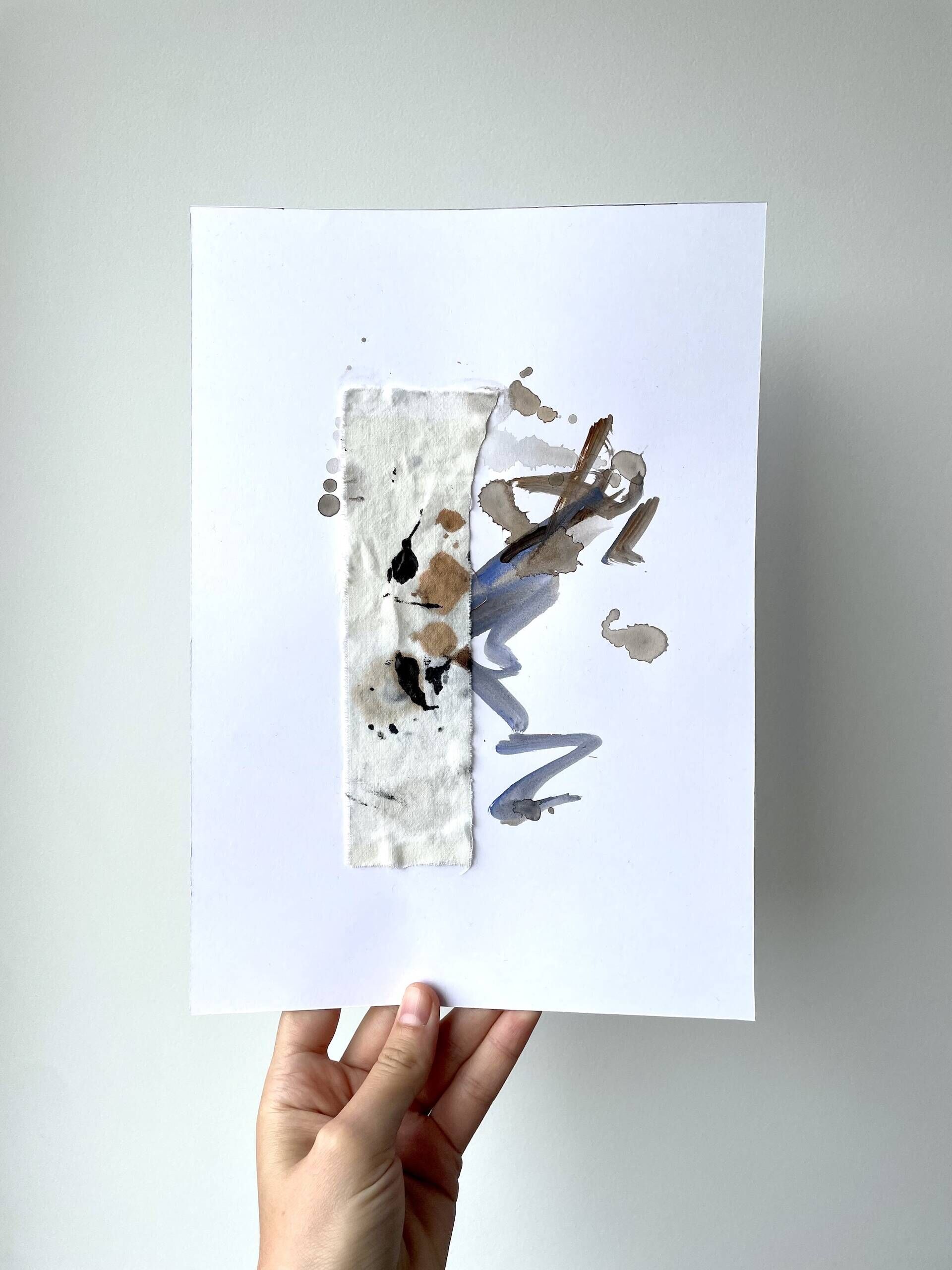
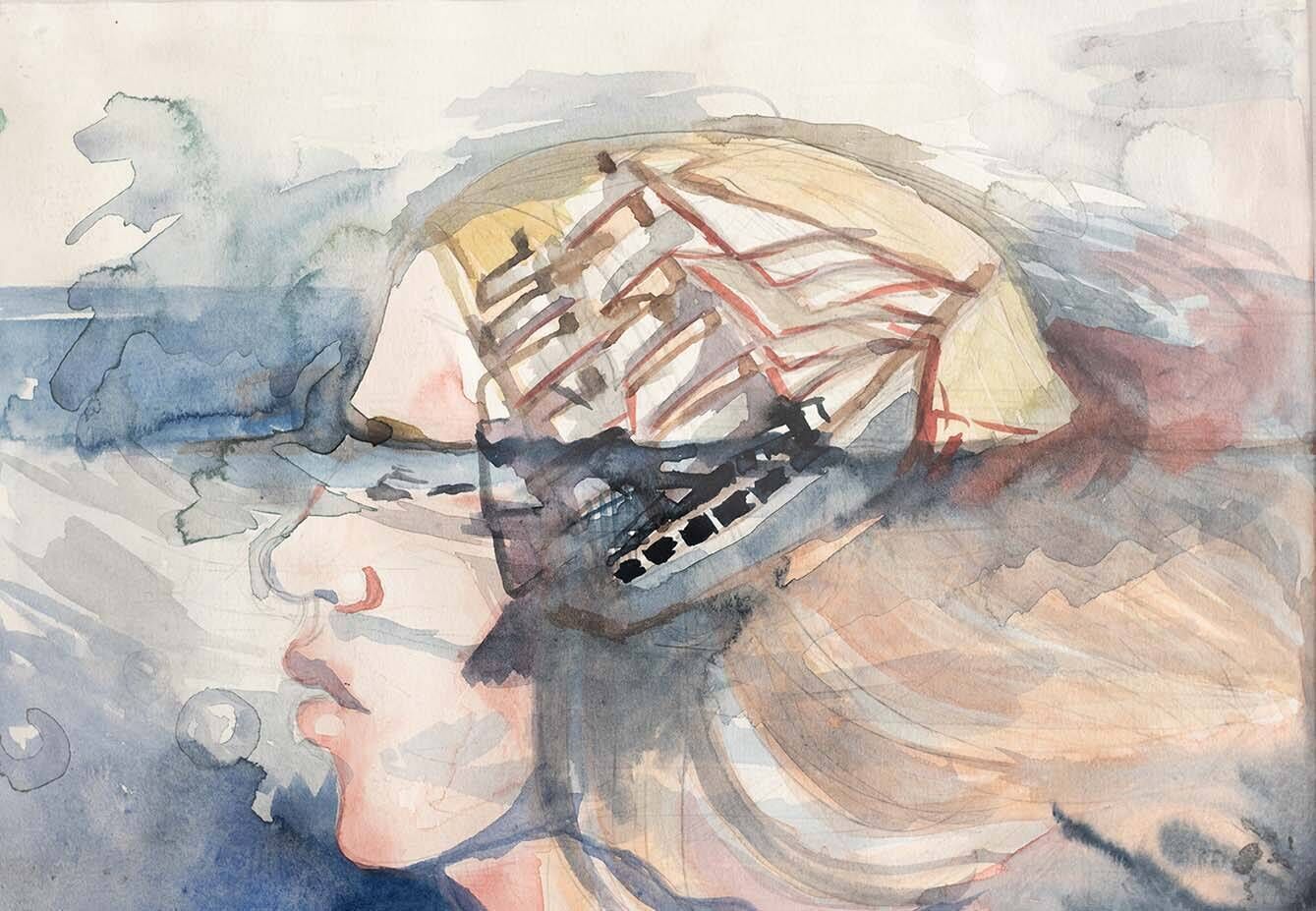
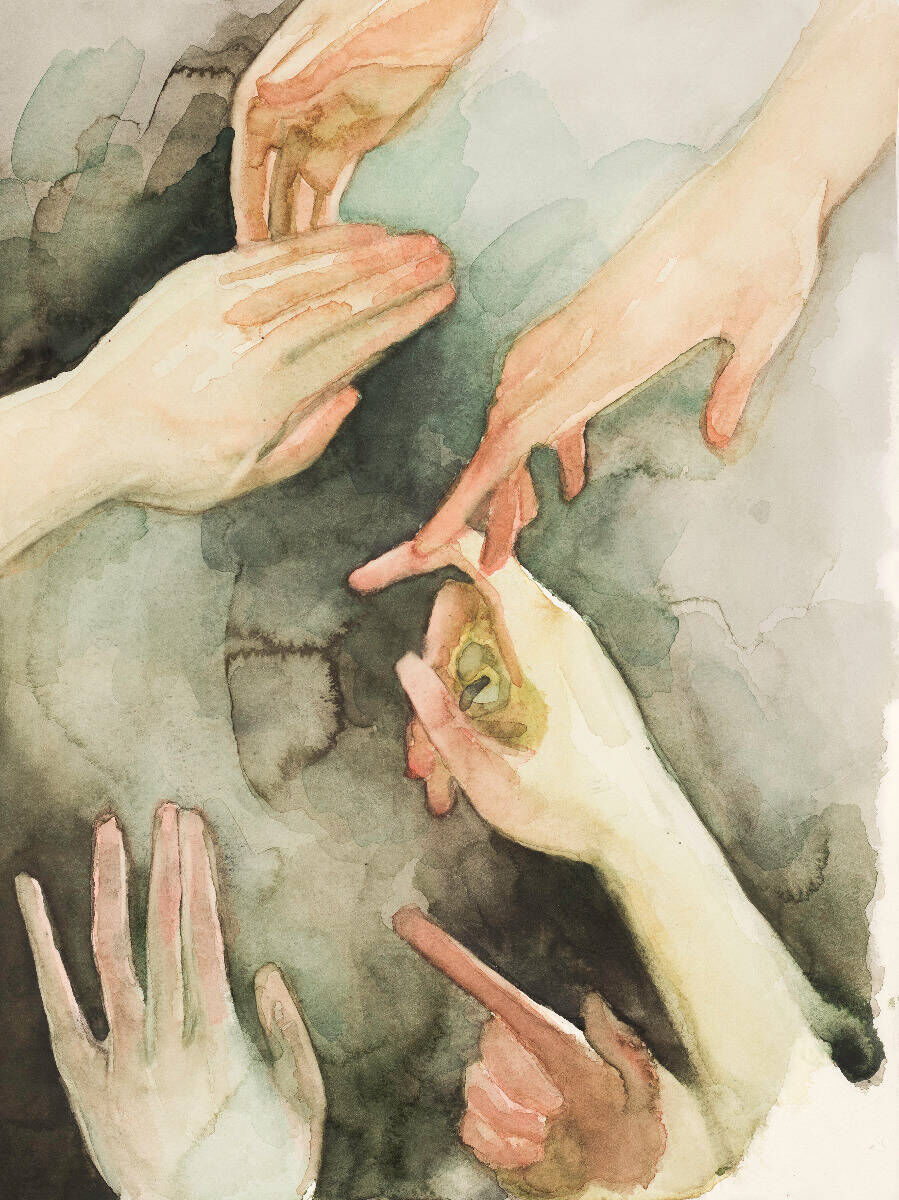
Watercolours thrive on transparency and lightness. In this art form, water and paint blend to create soft shades that are unique every time. At Studierenden Kunstmarkt, you’ll find watercolours featuring a wide variety of motifs and colours ranging from bold to subtle. Discover the piece that suits you and order your original artwork easily online.

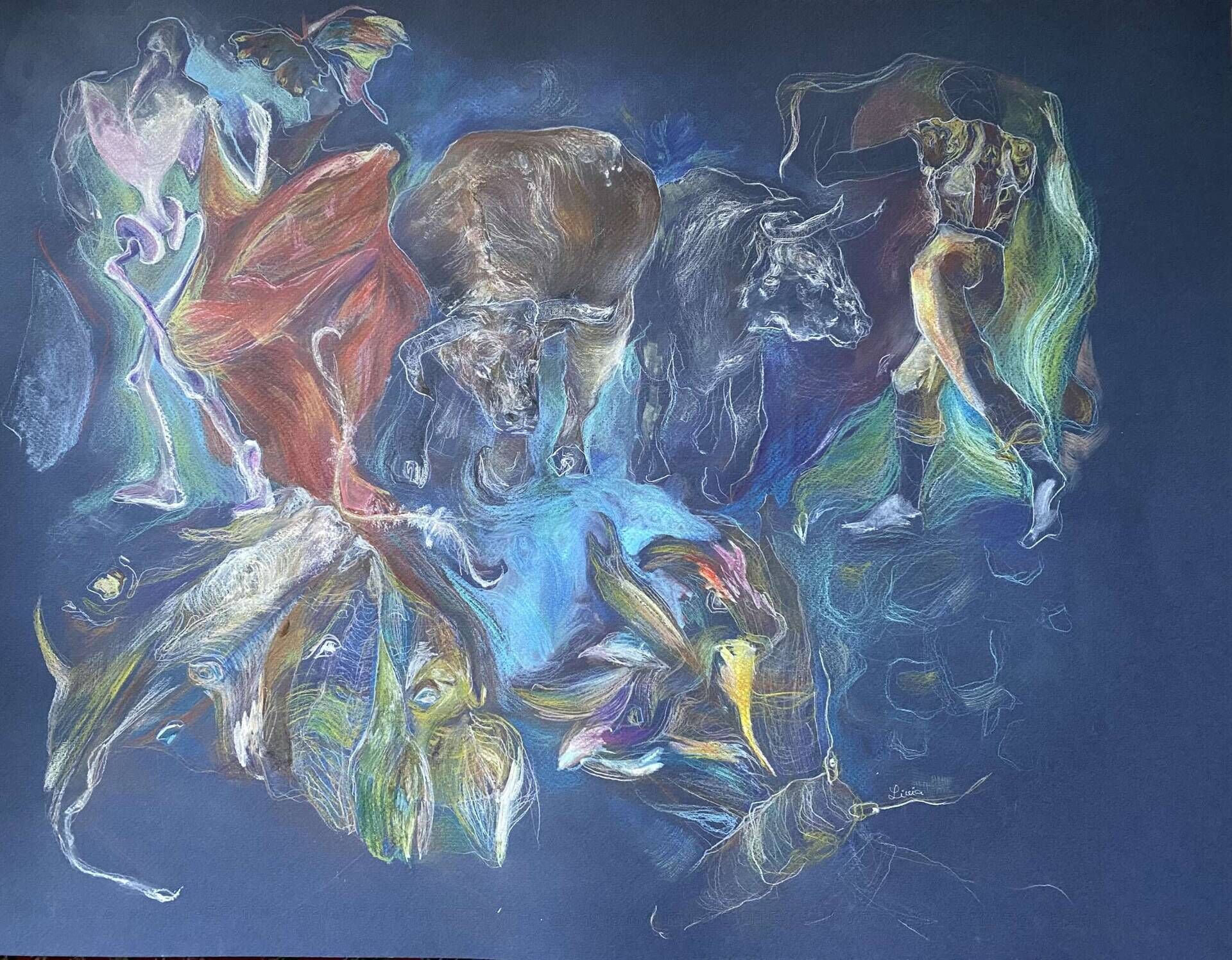
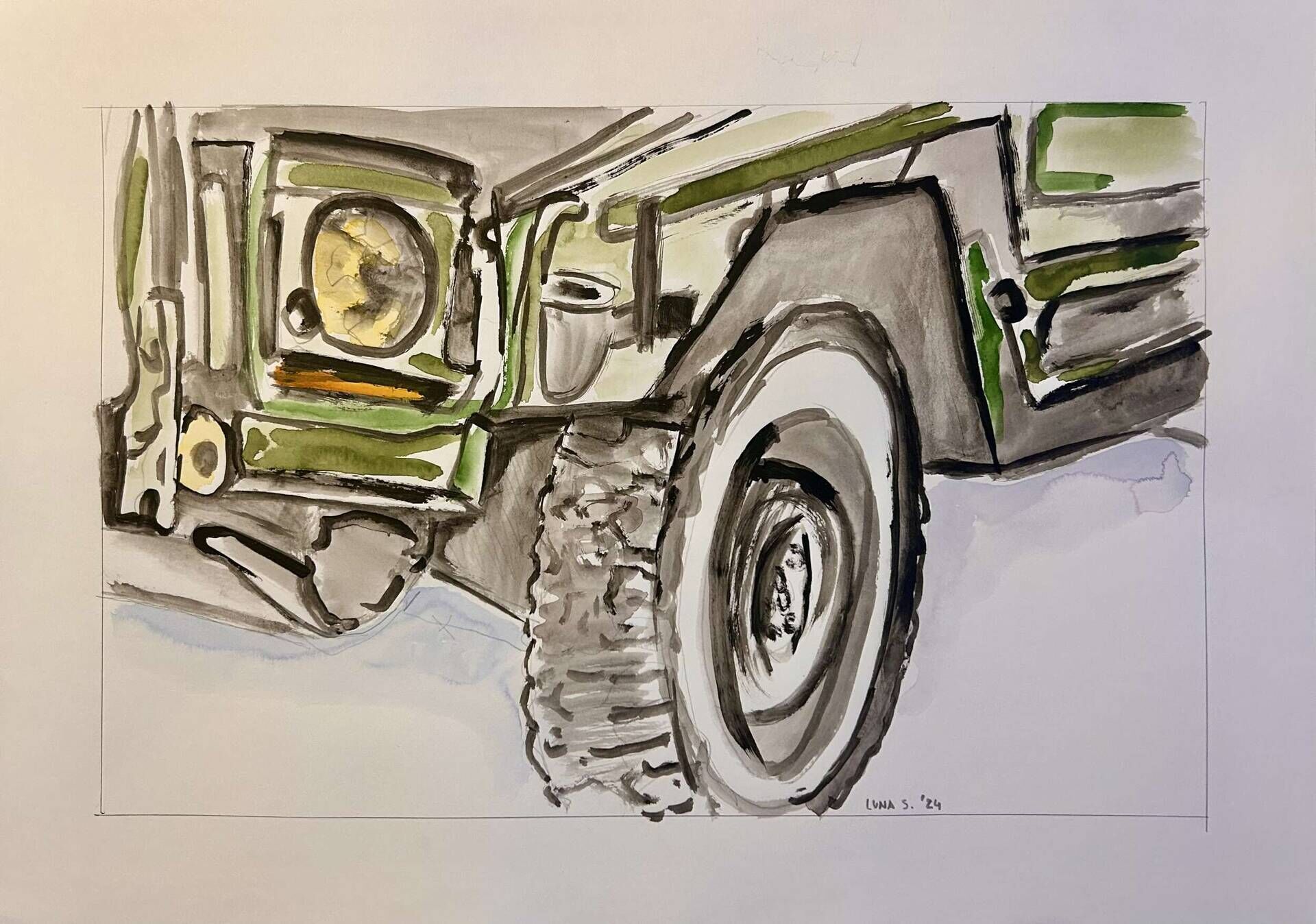
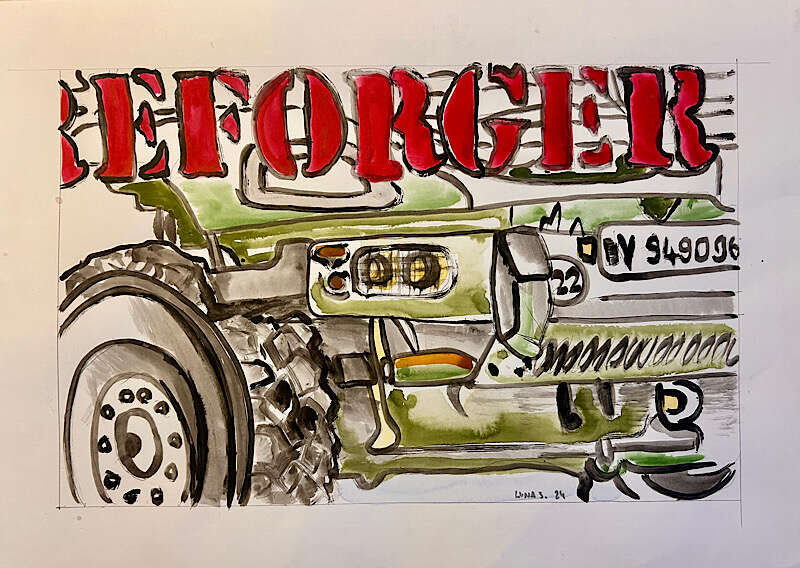
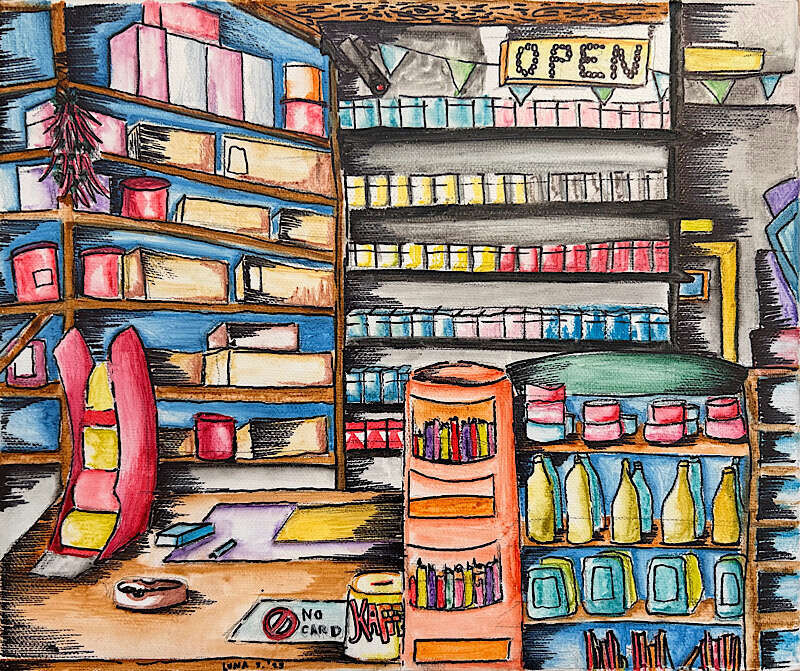
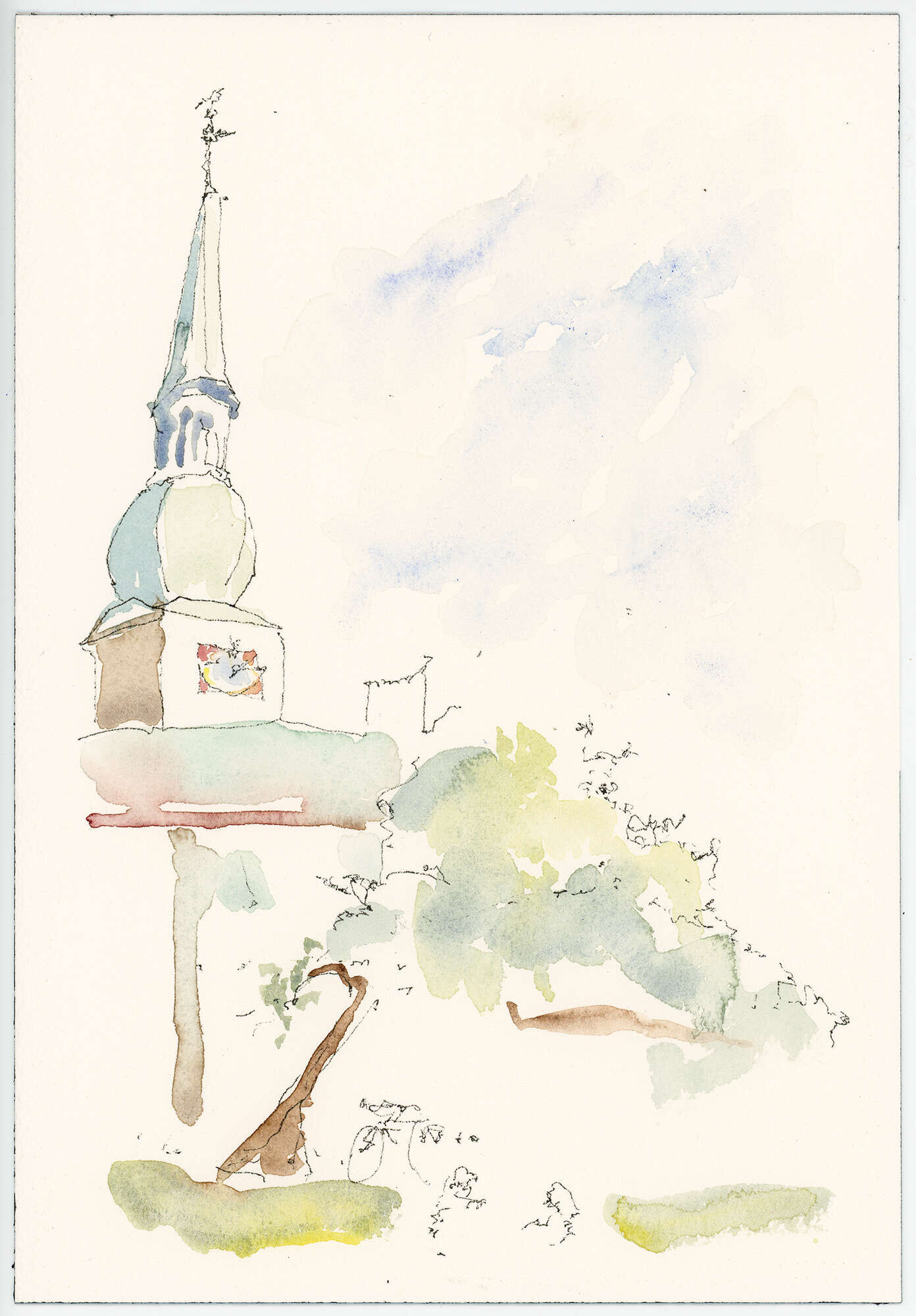
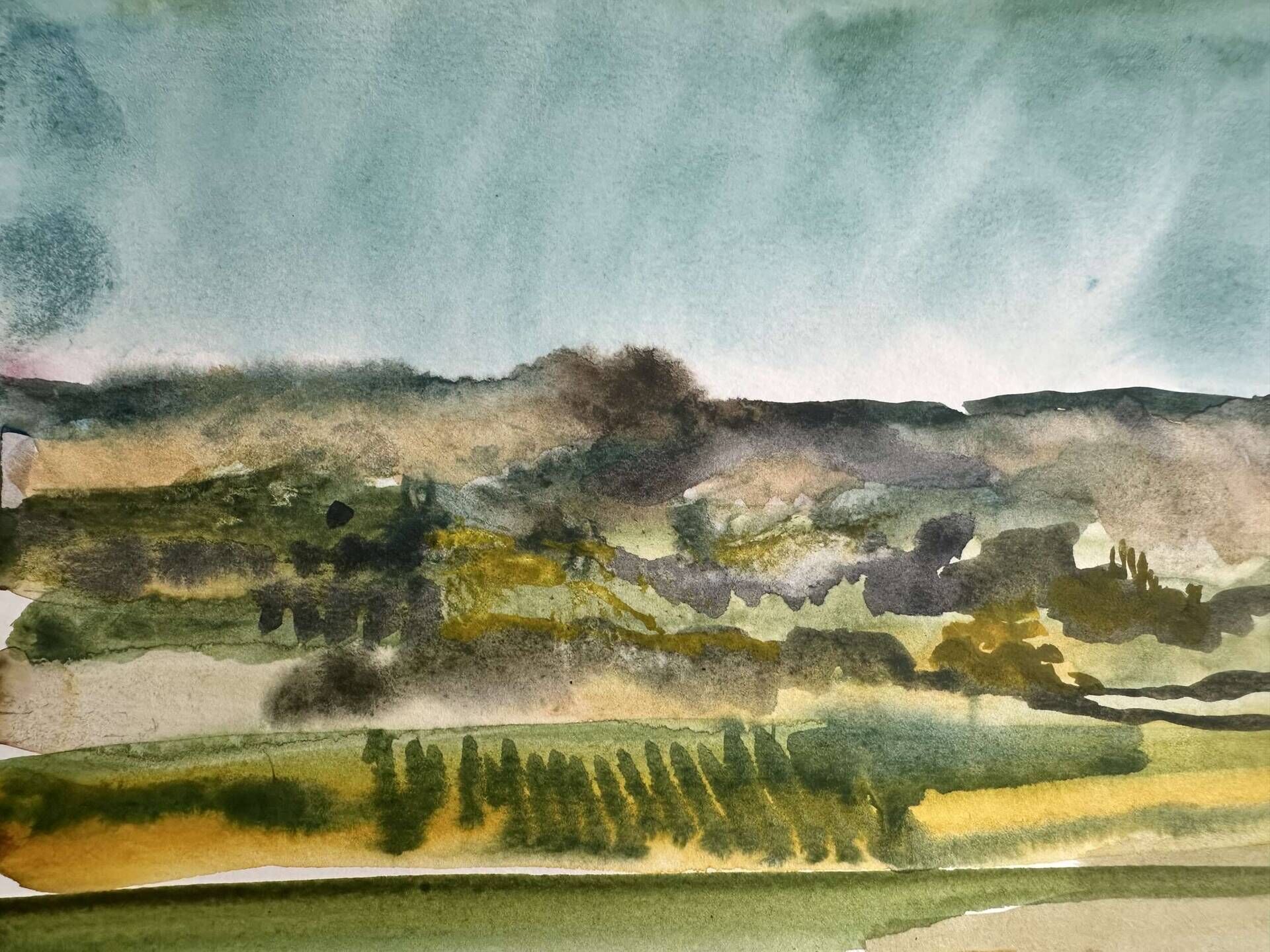
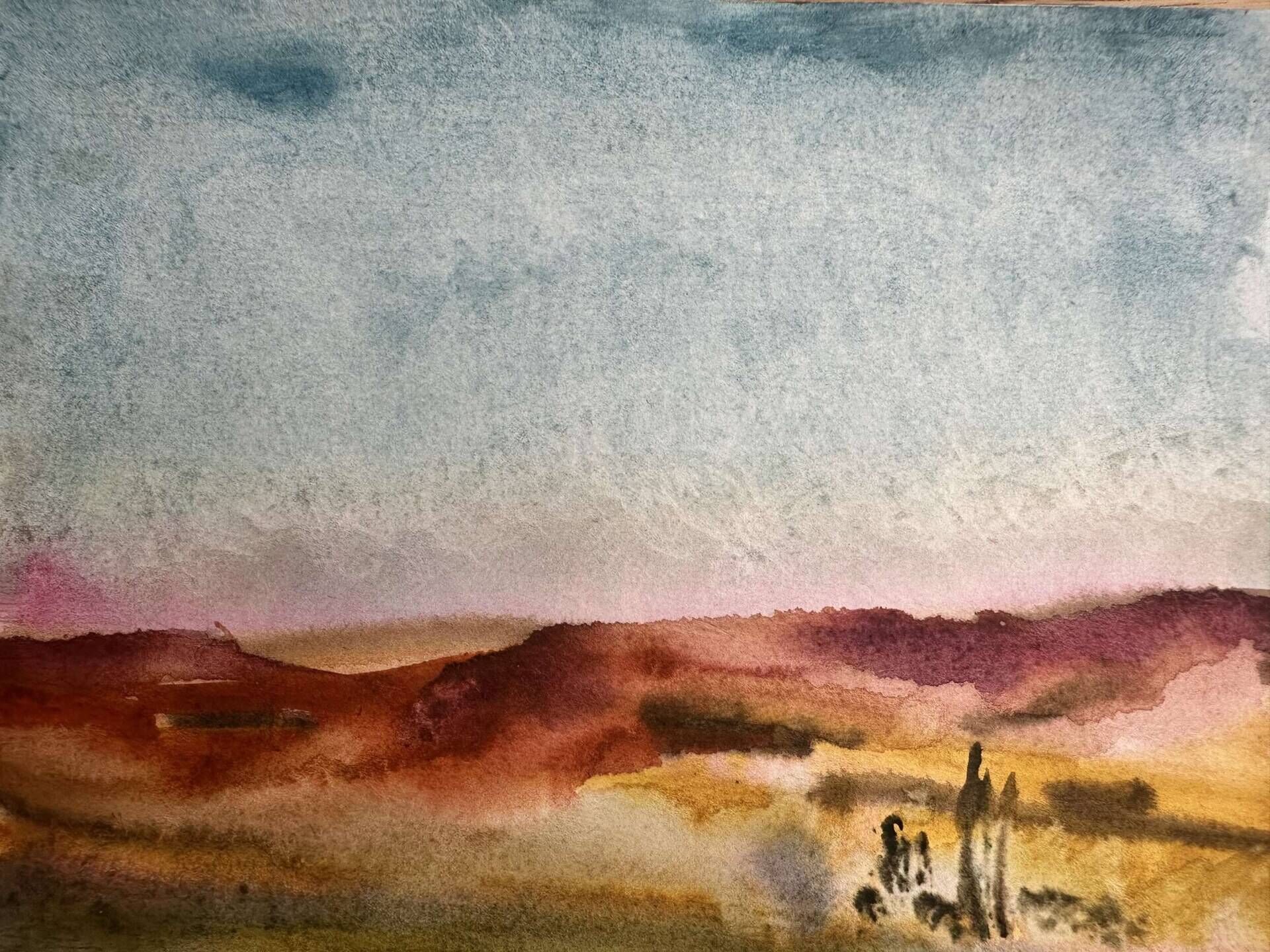
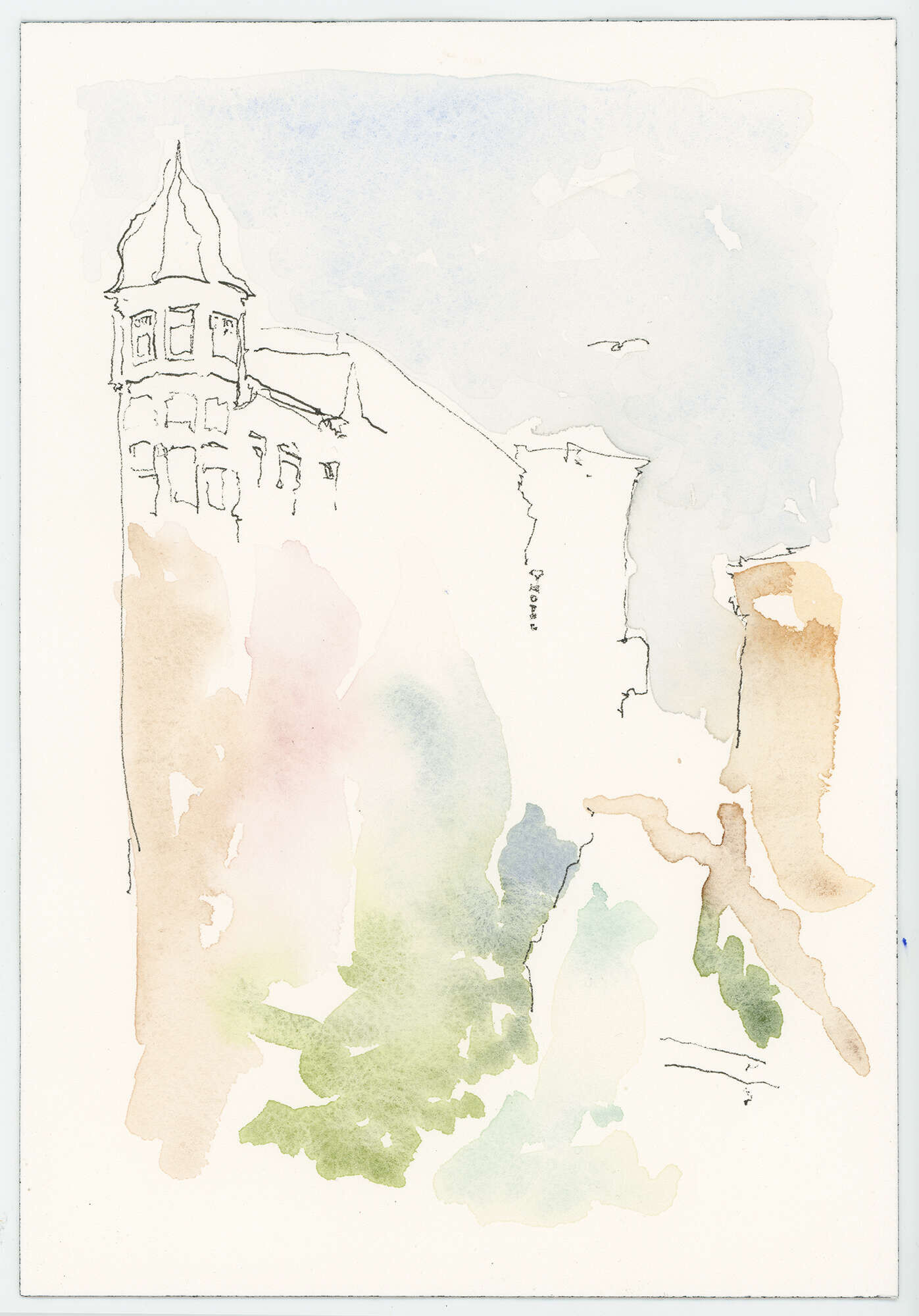


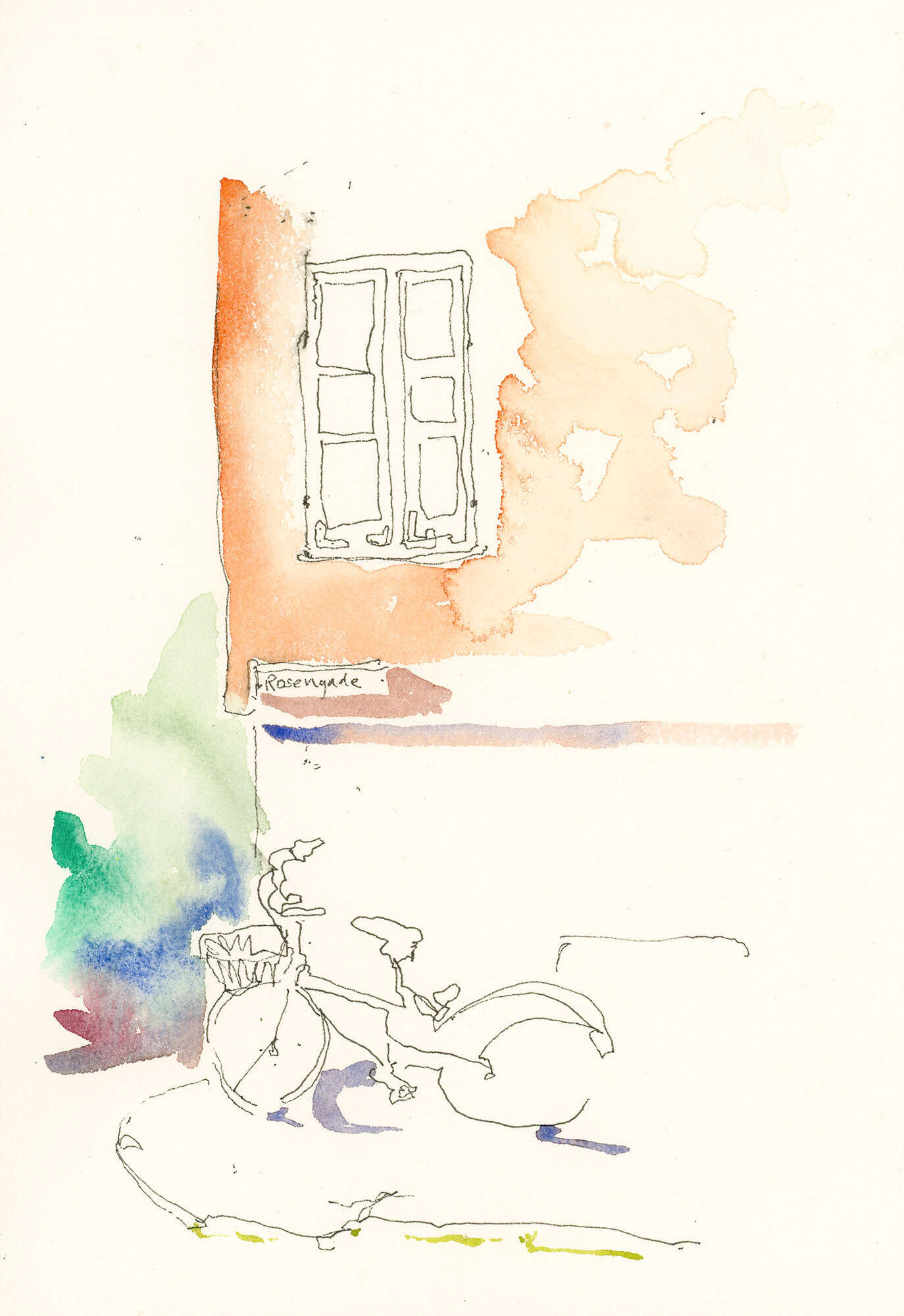
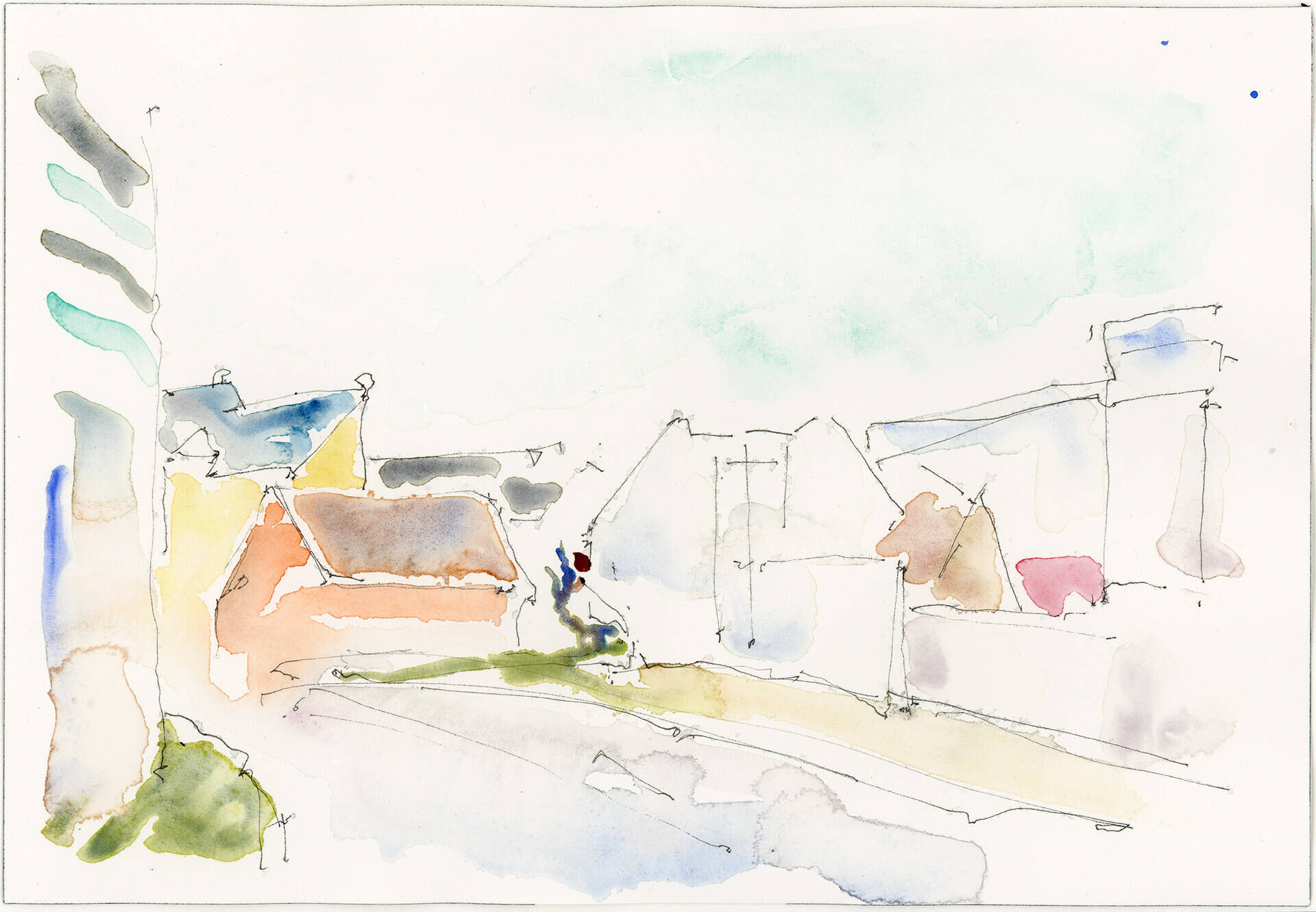
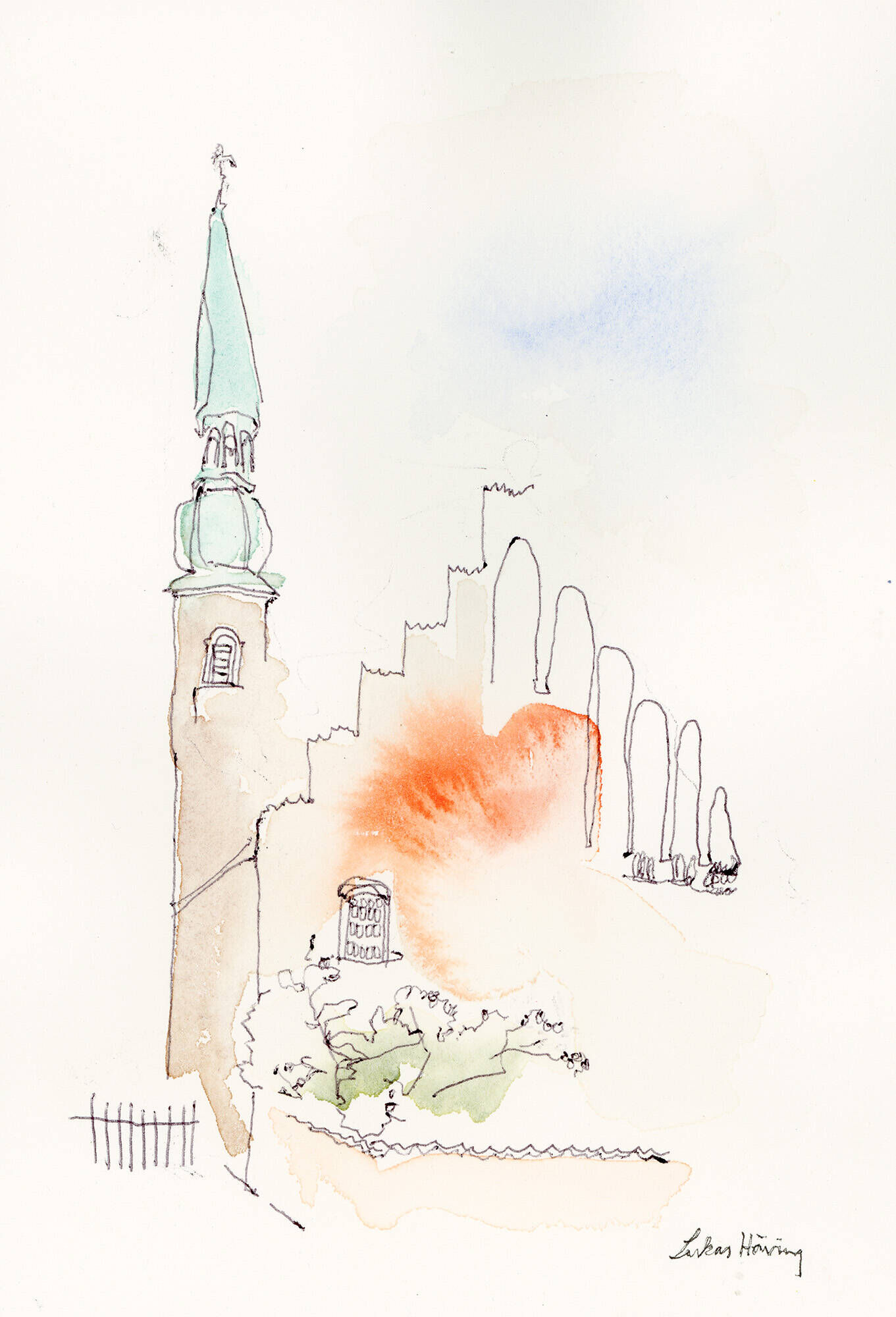
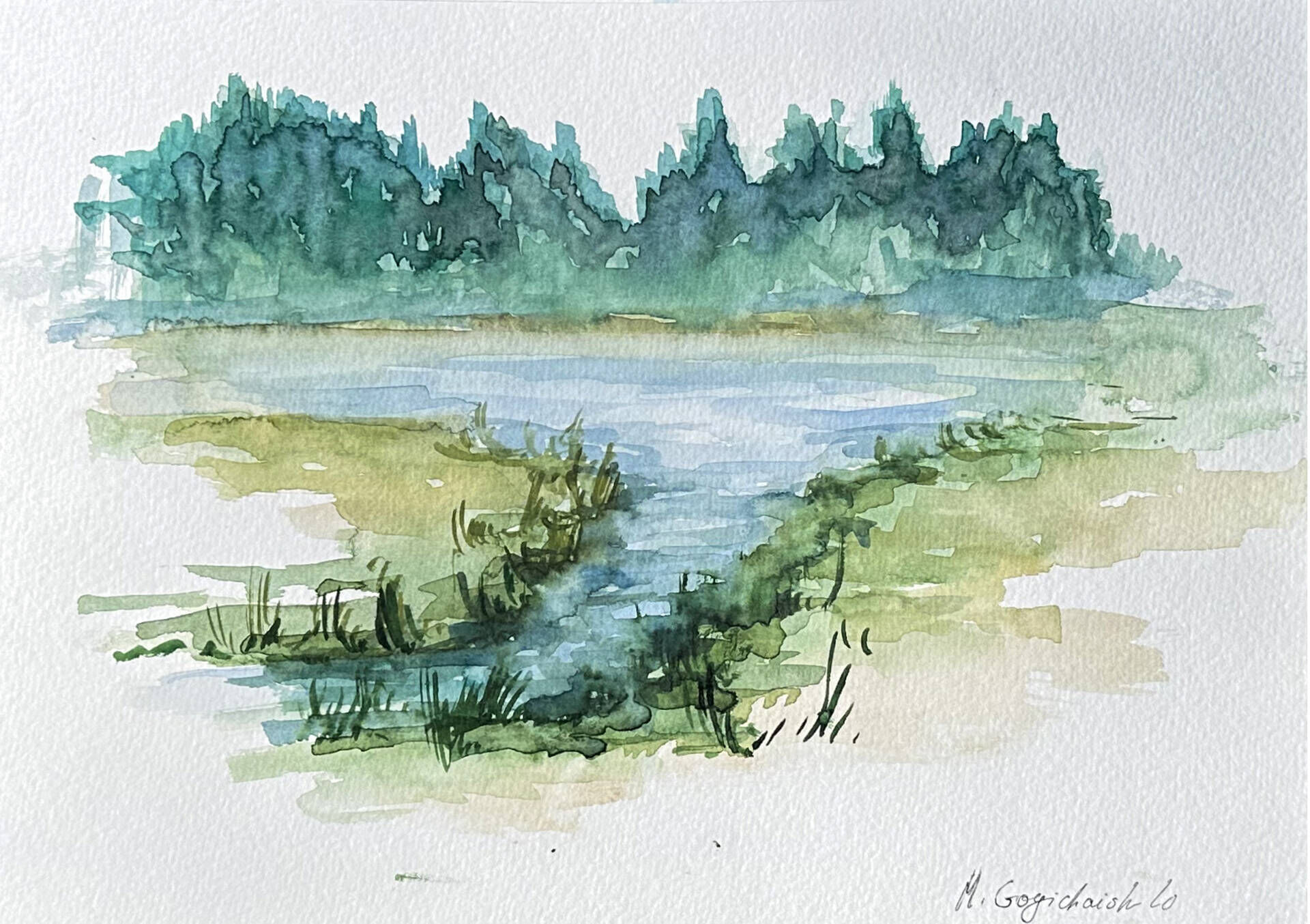
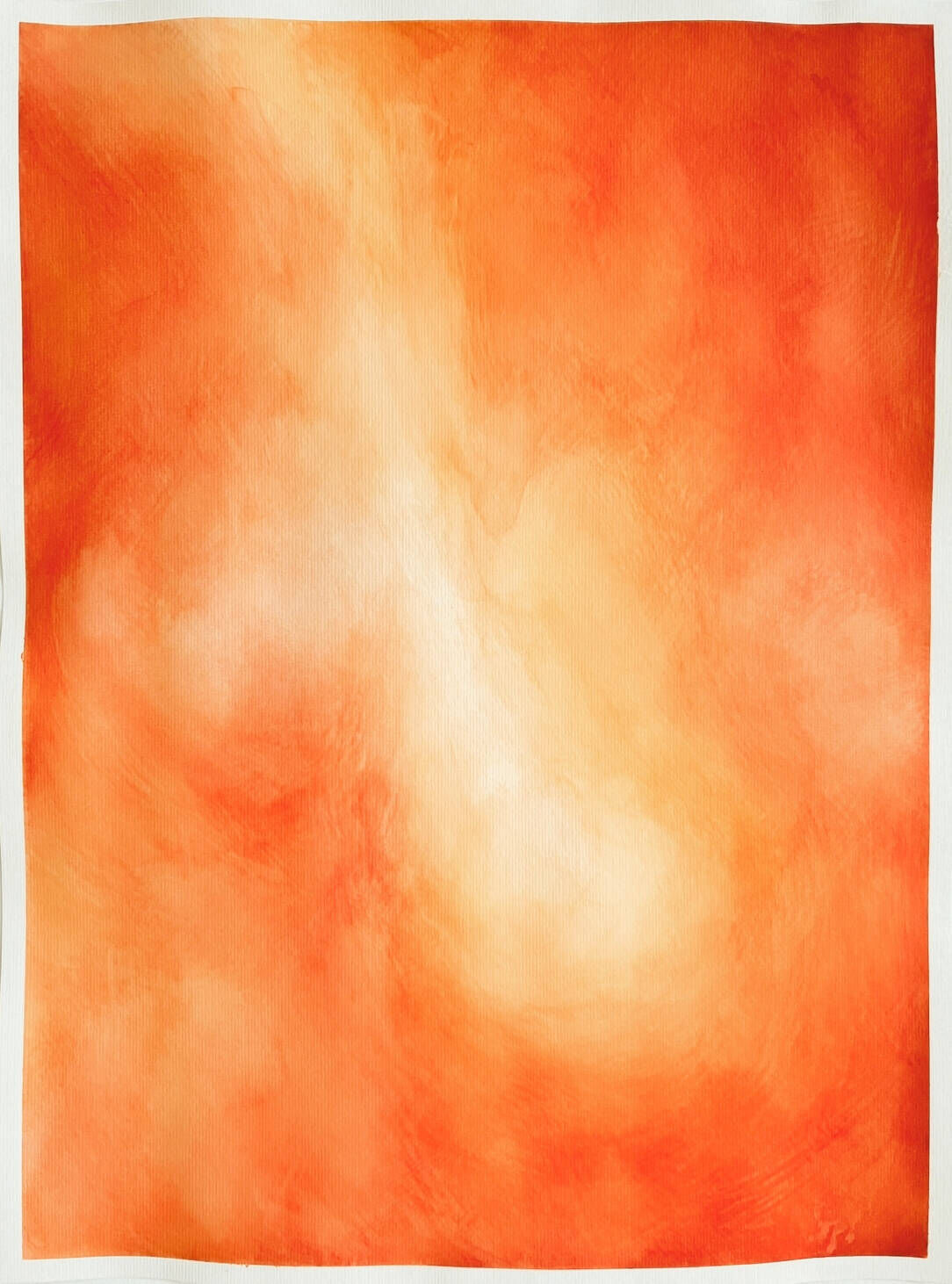
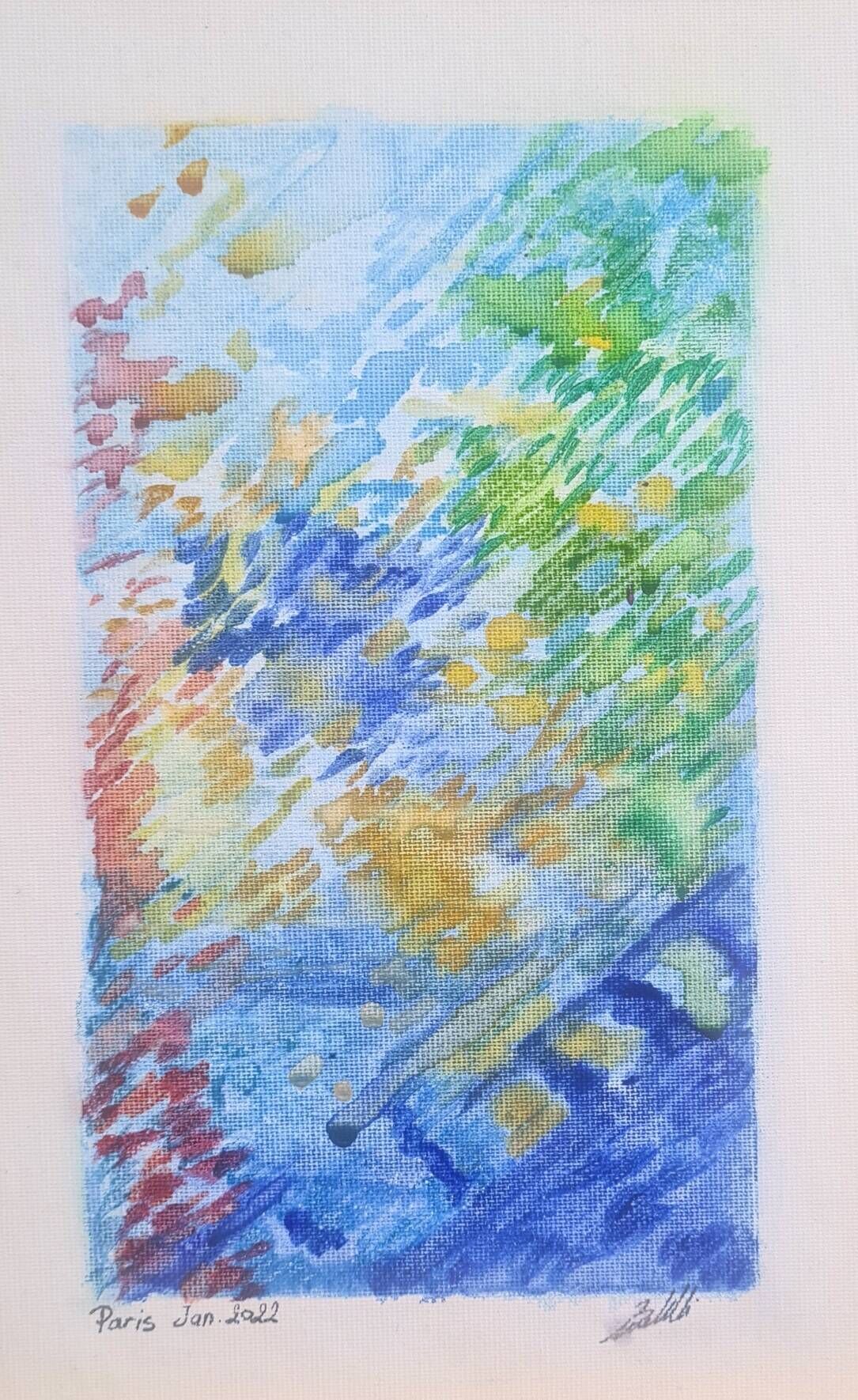
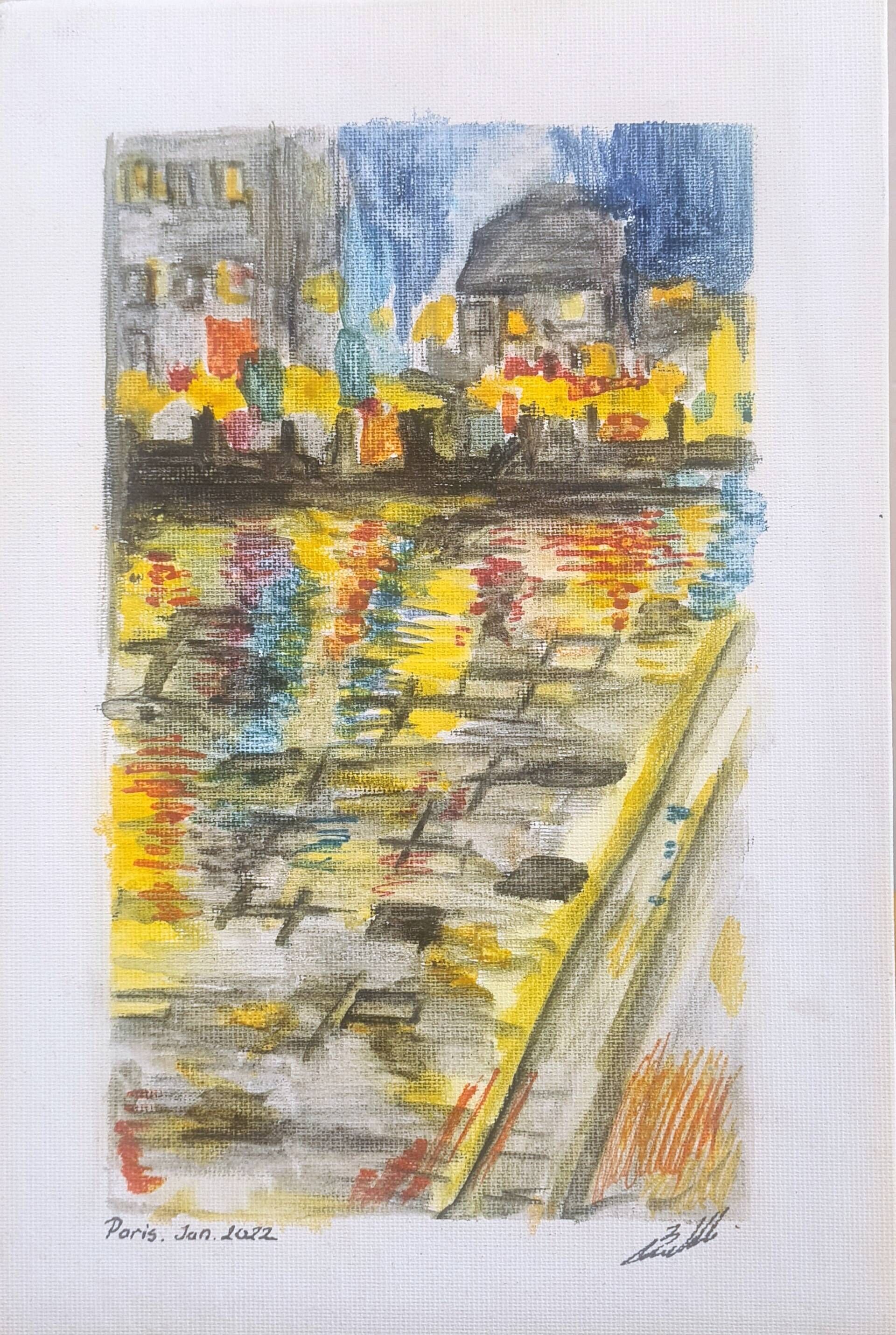
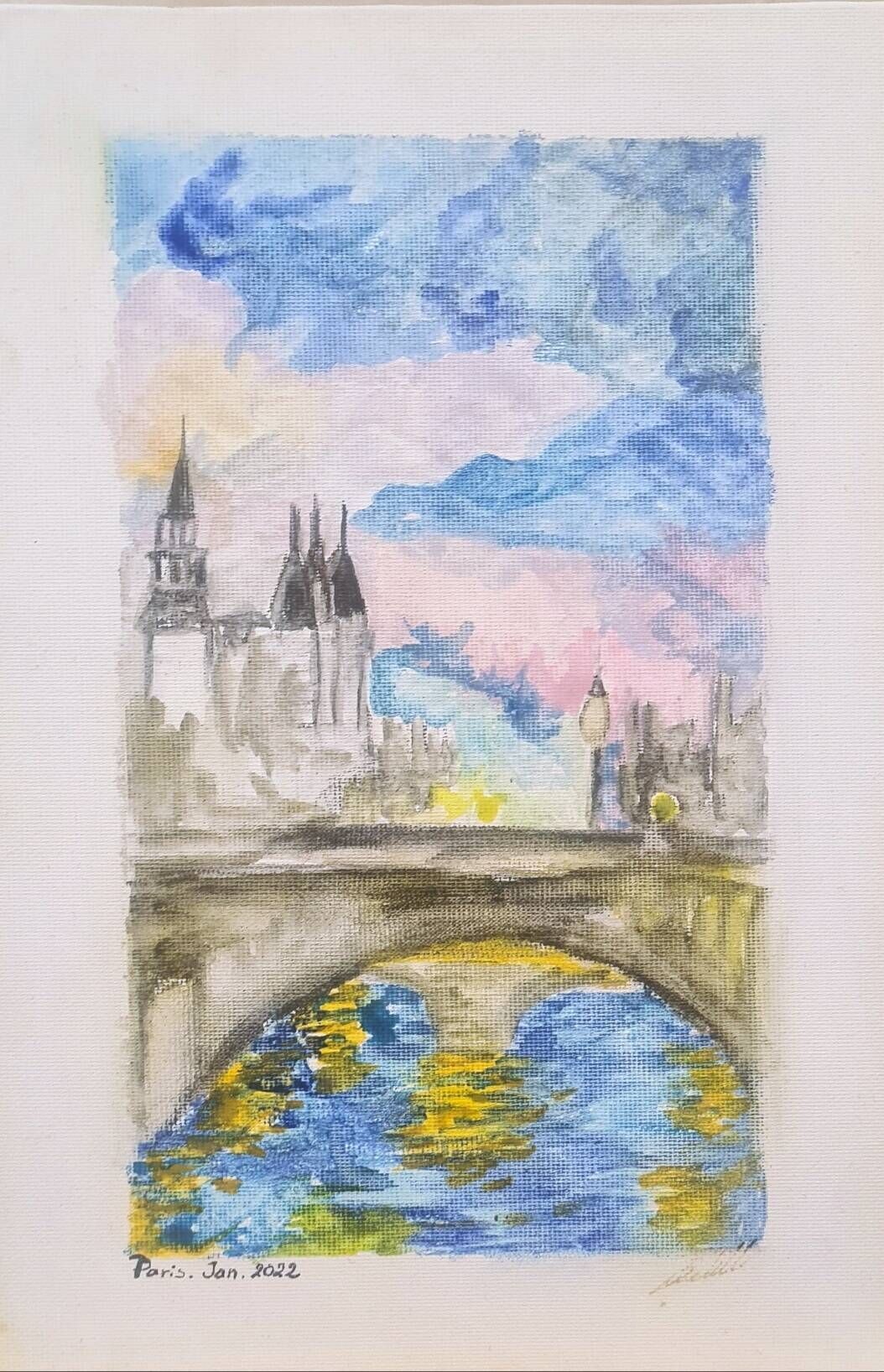
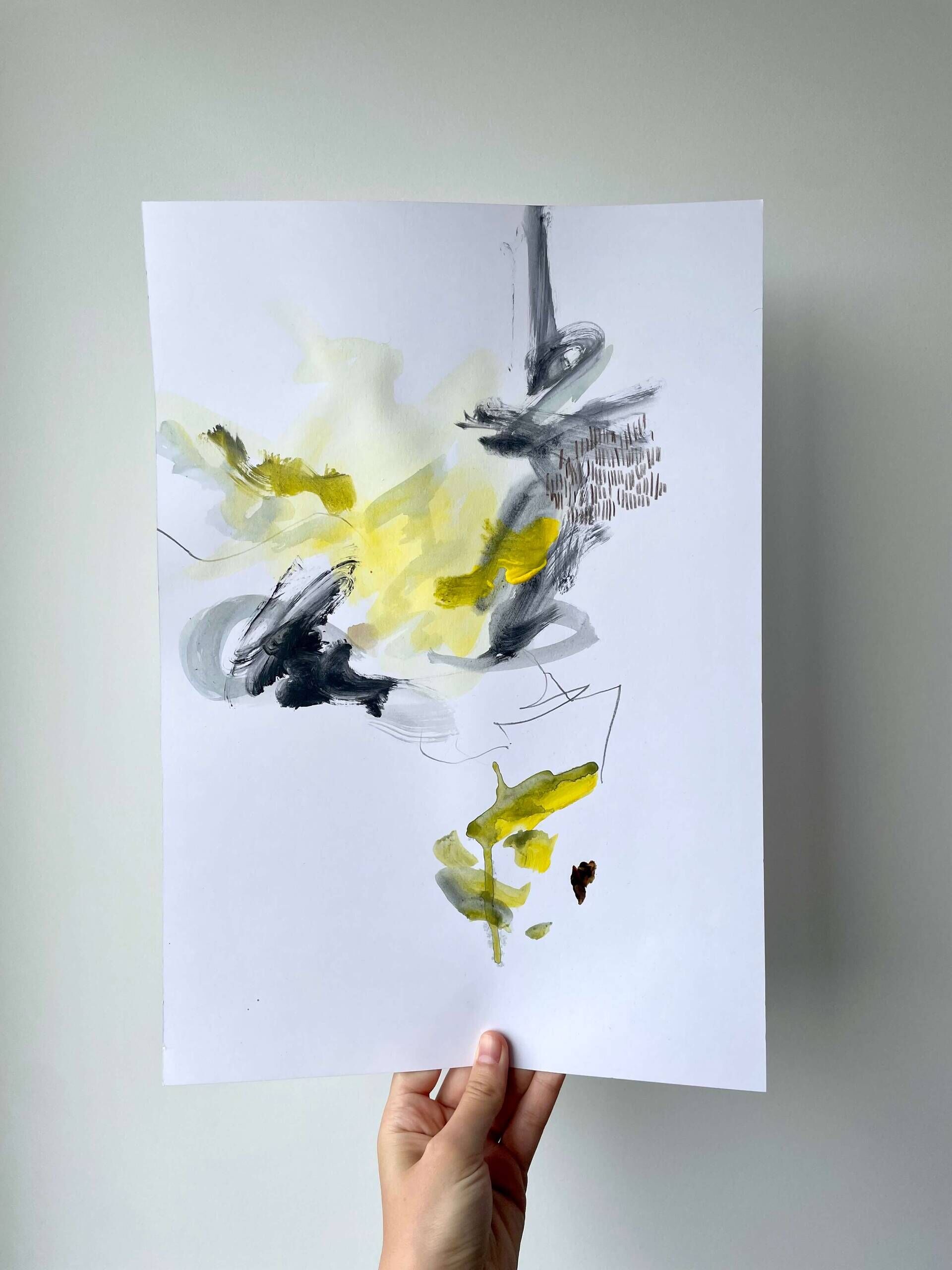
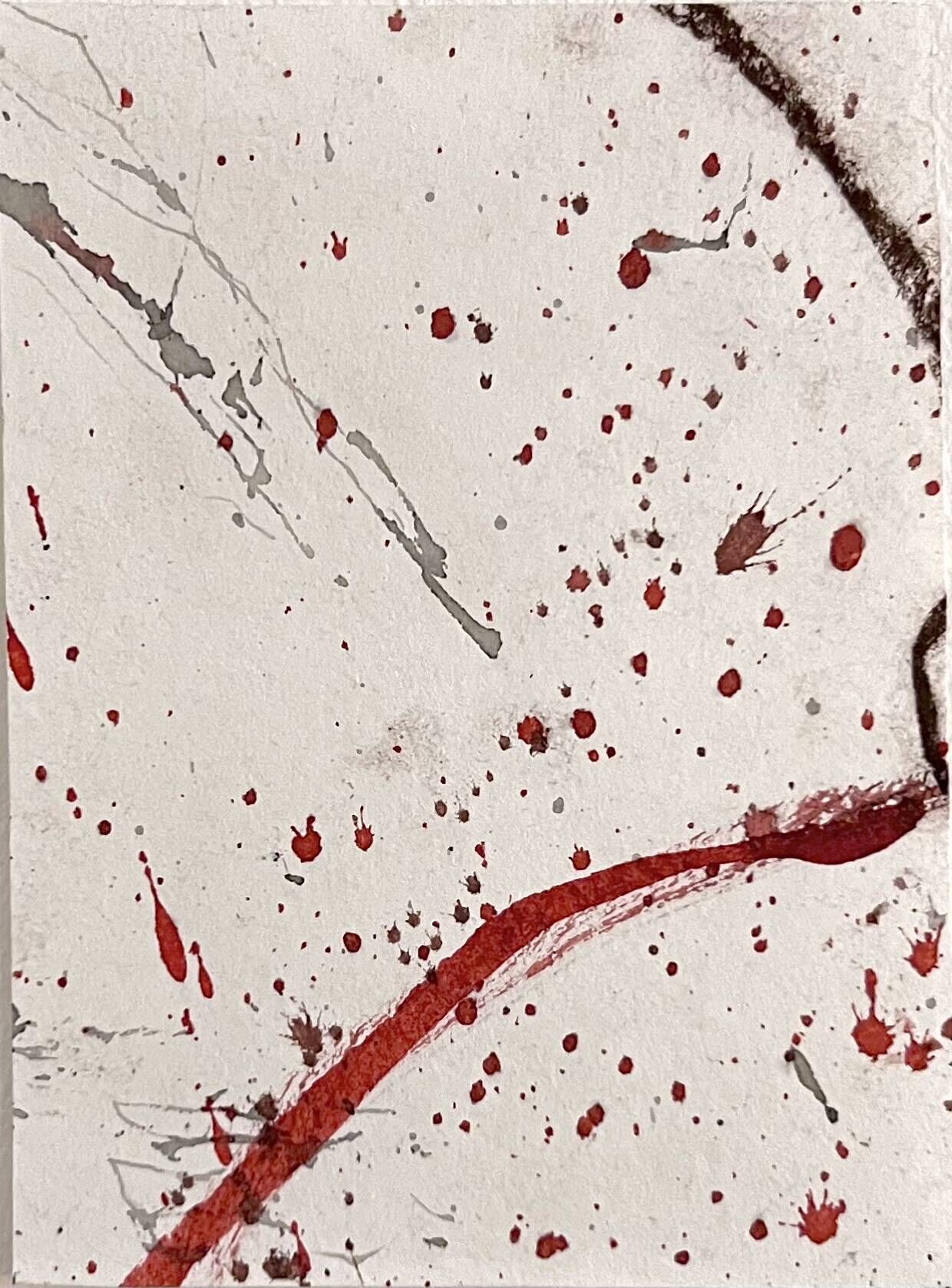
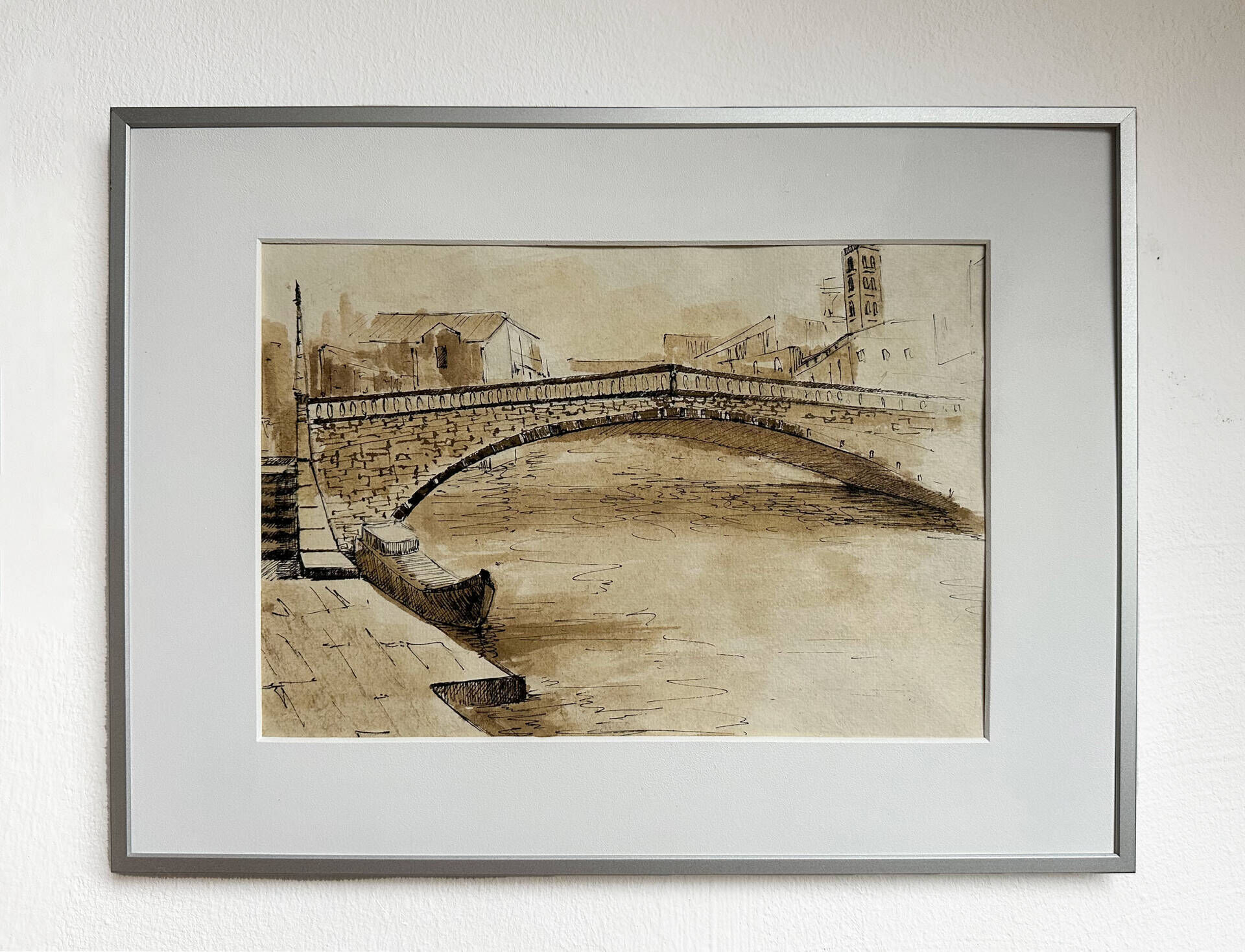
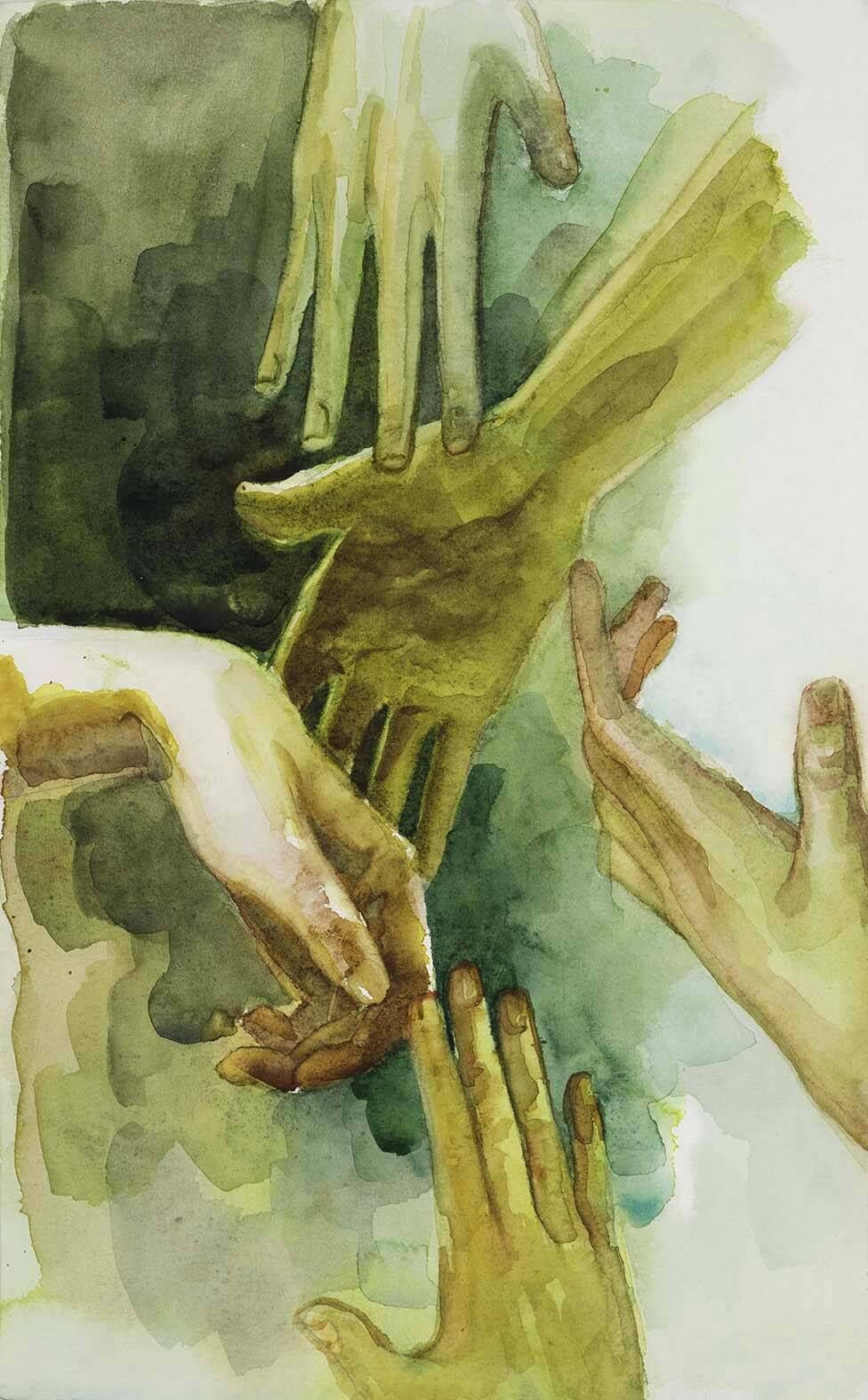
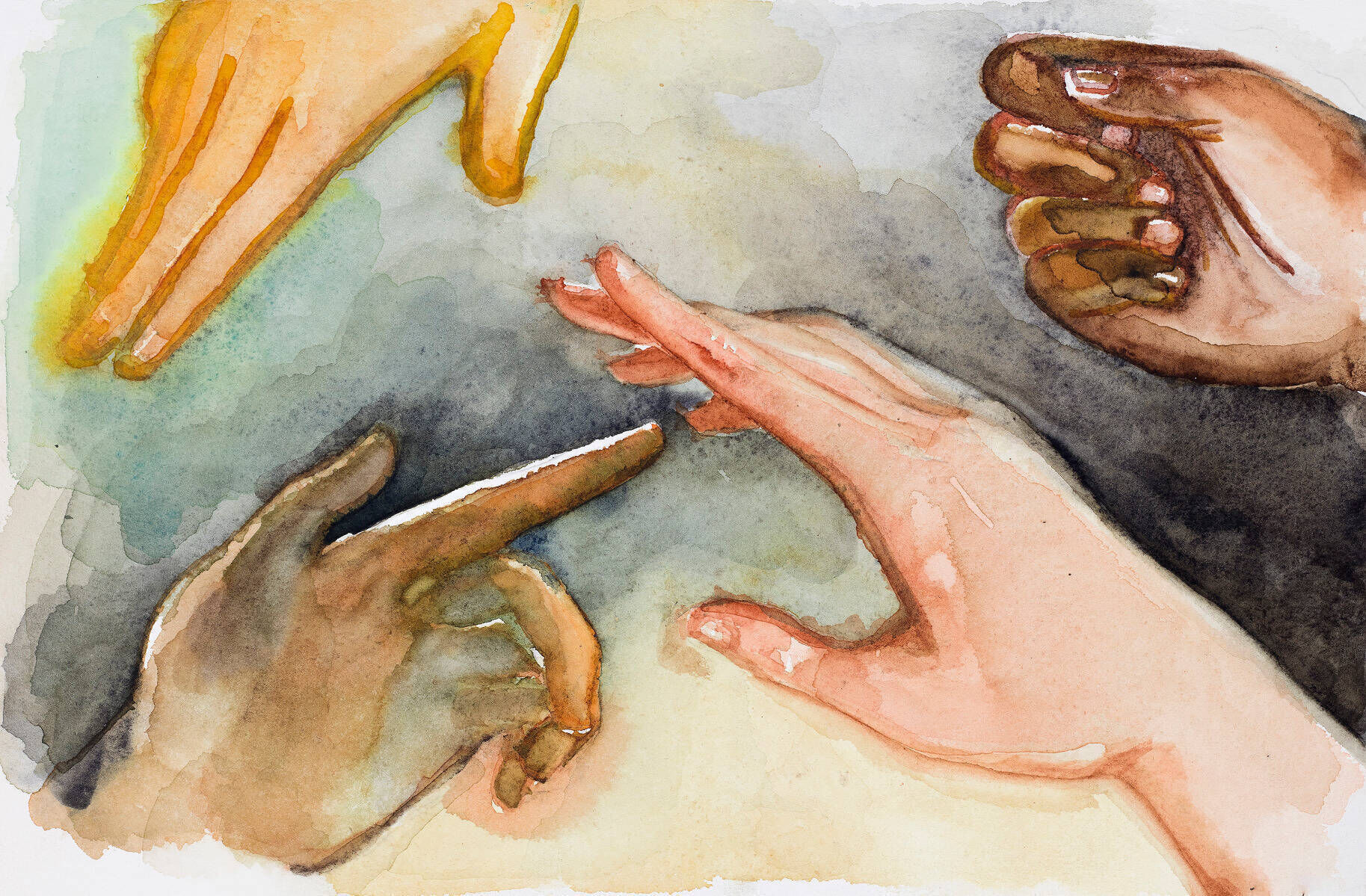
The poetic lightness of watercolours
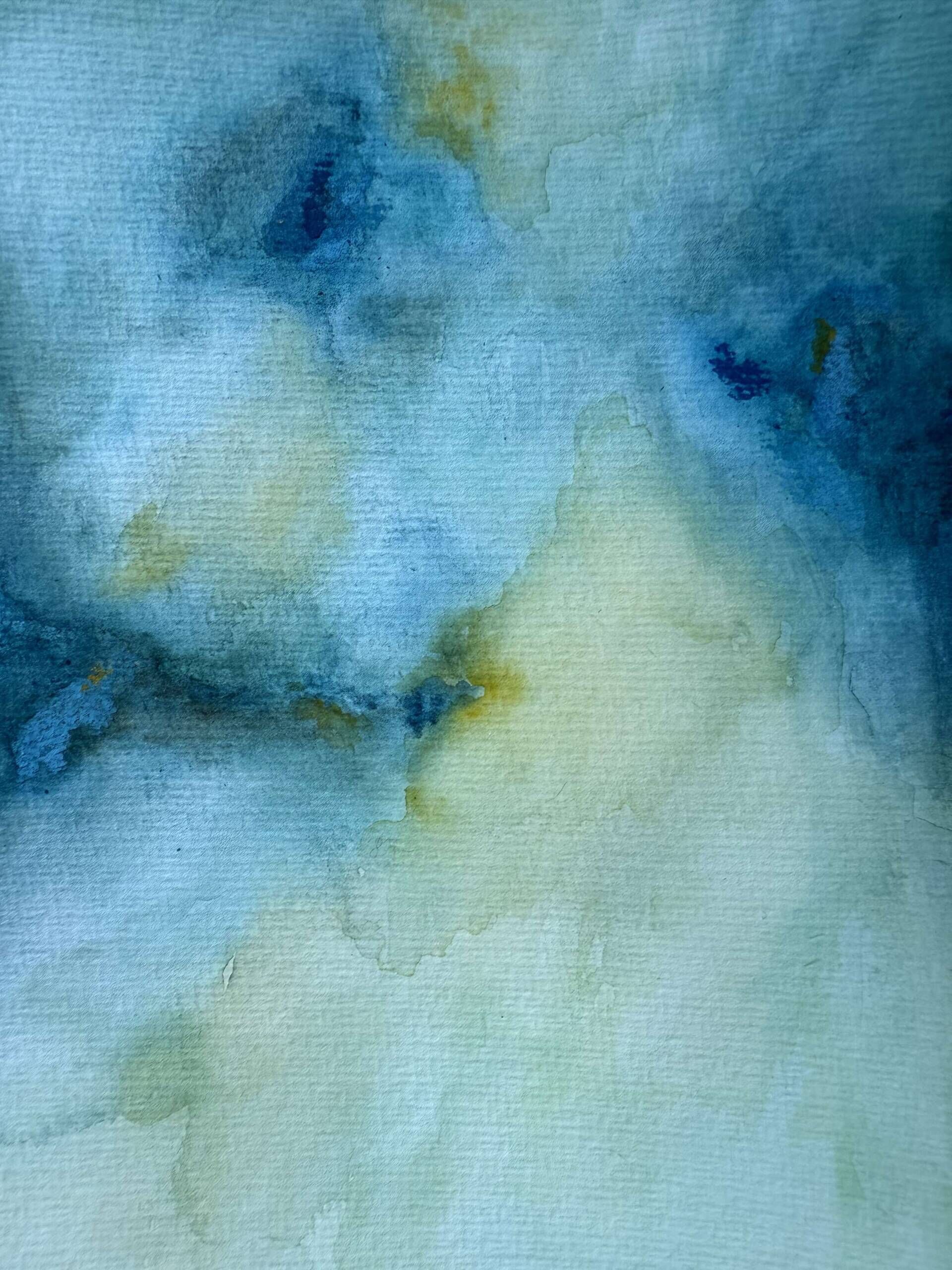
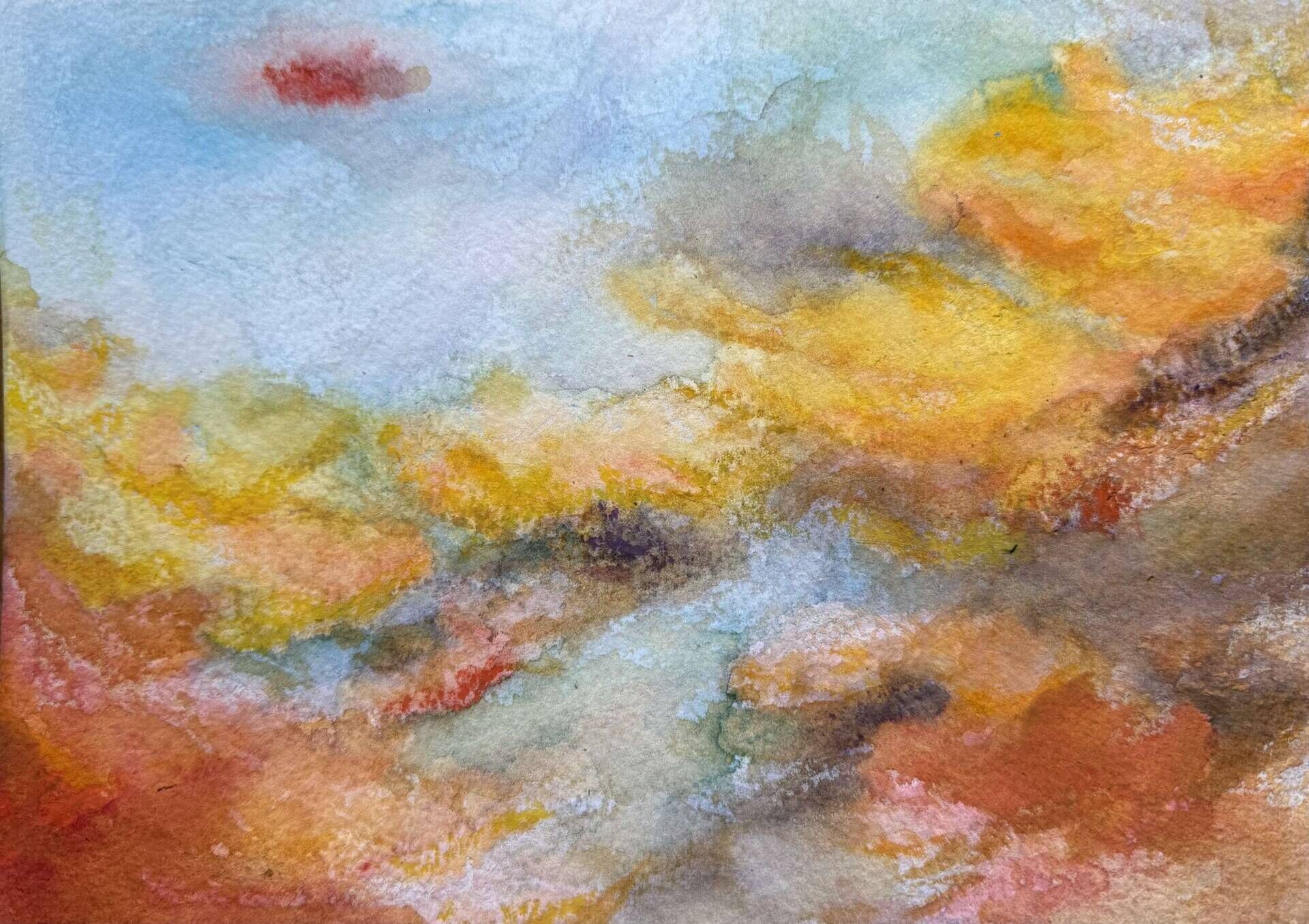
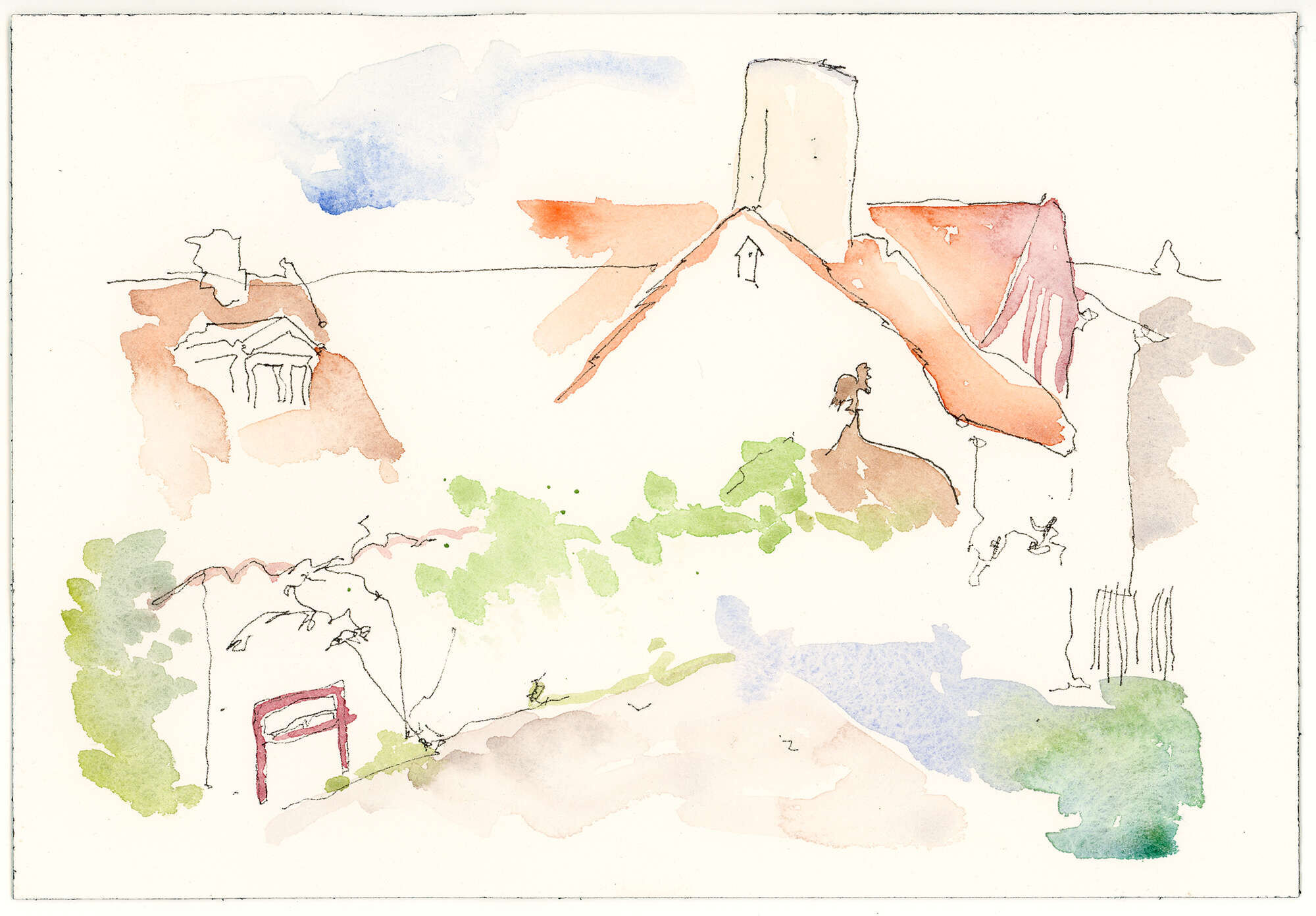
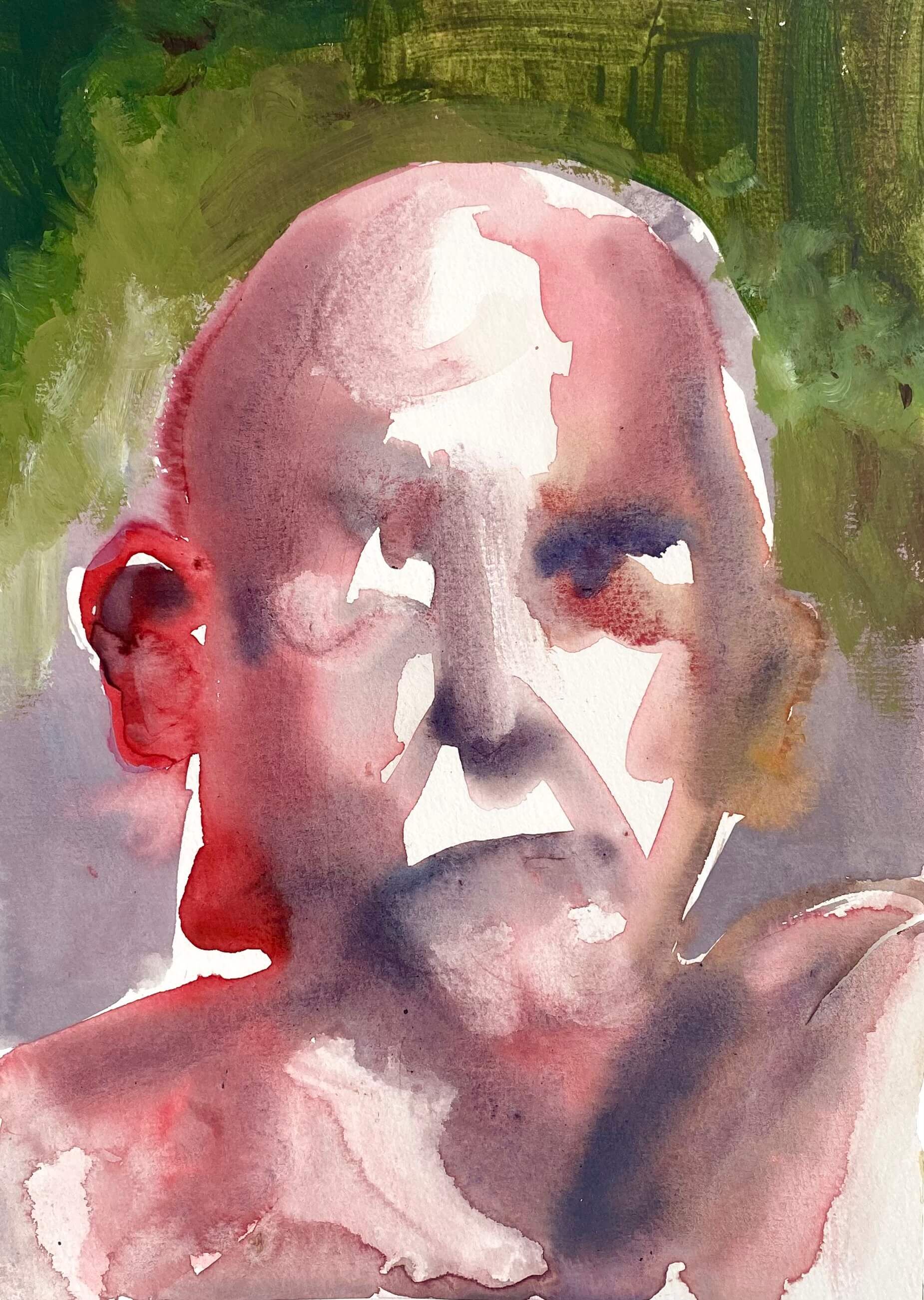
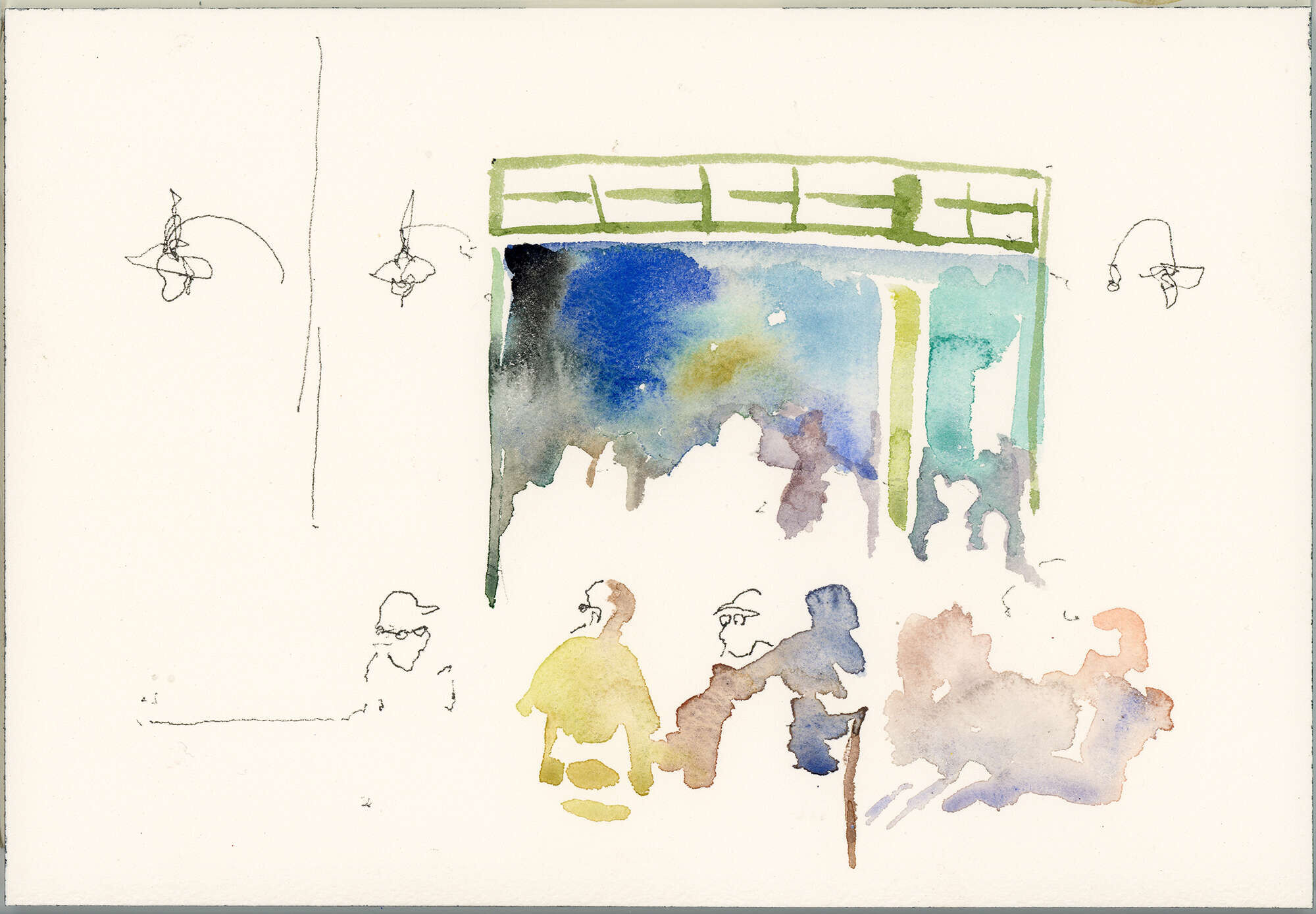
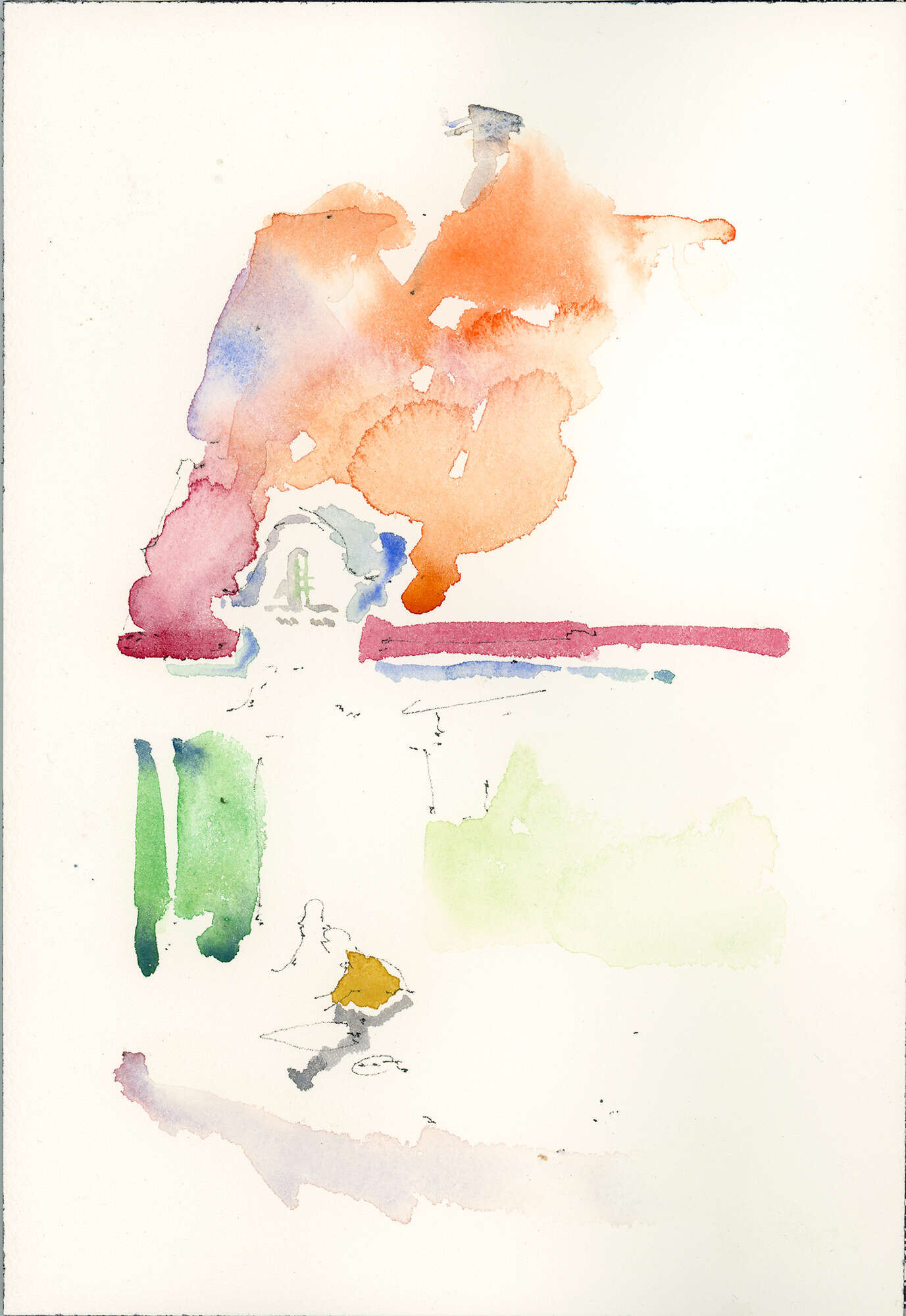
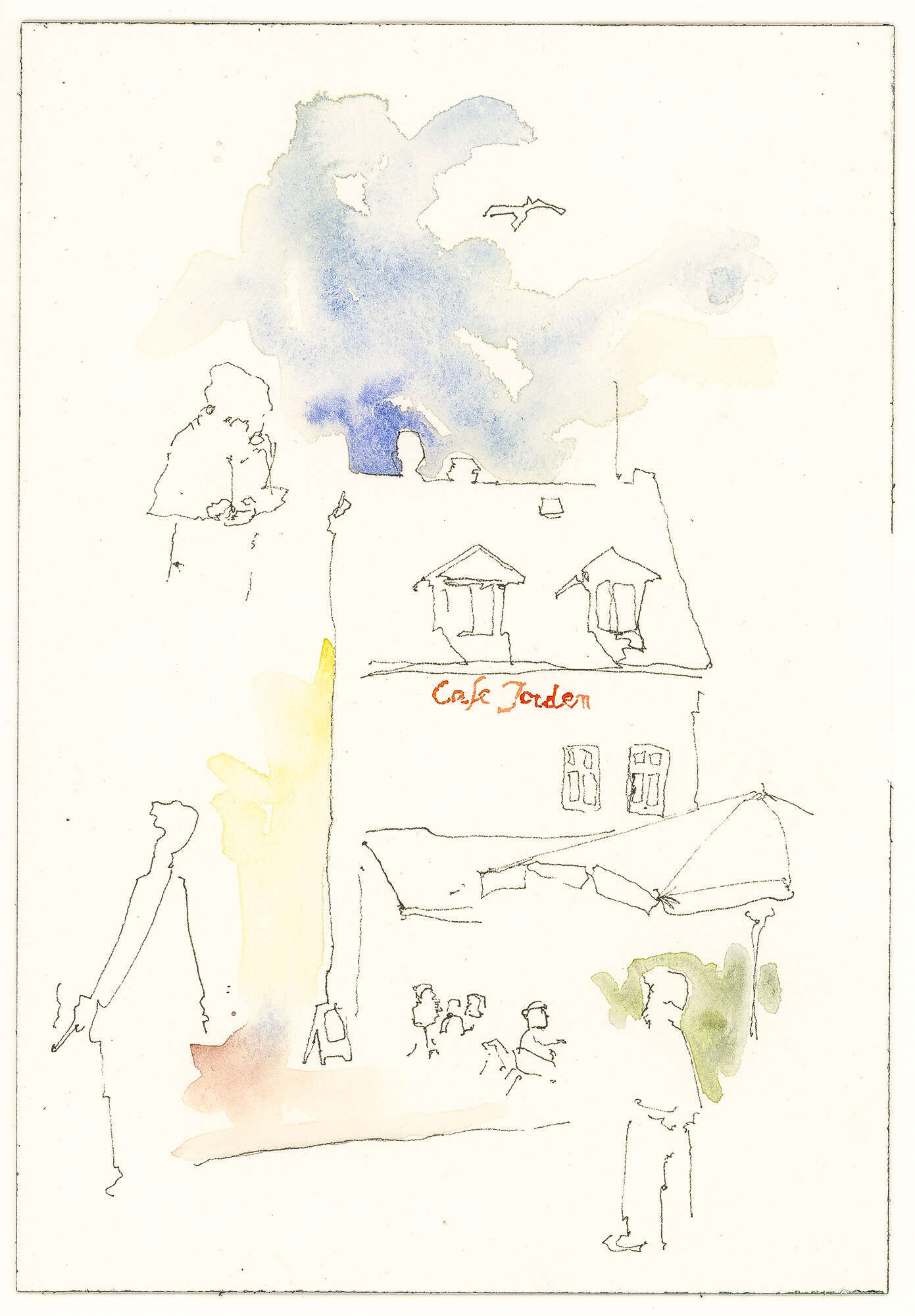
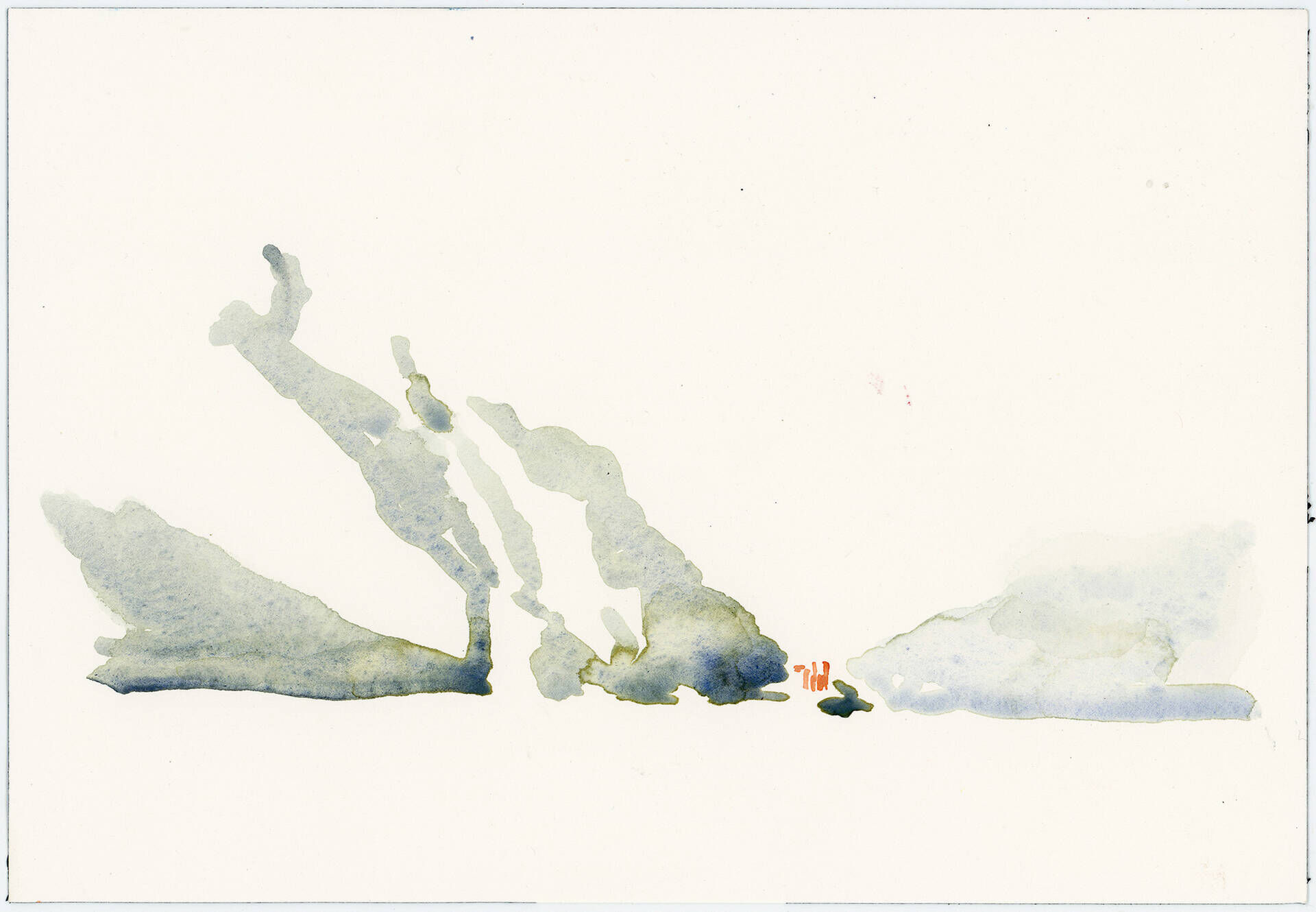
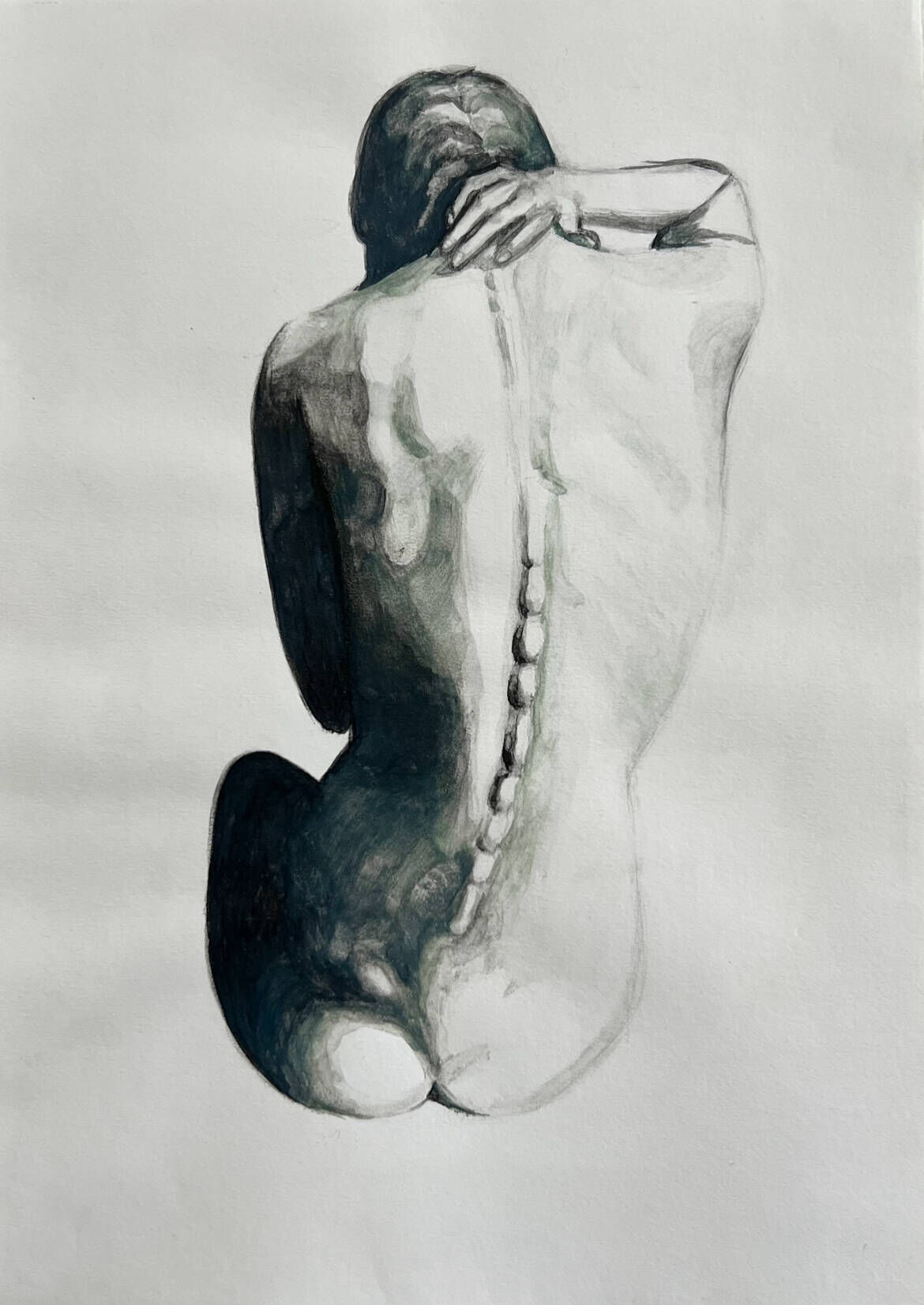
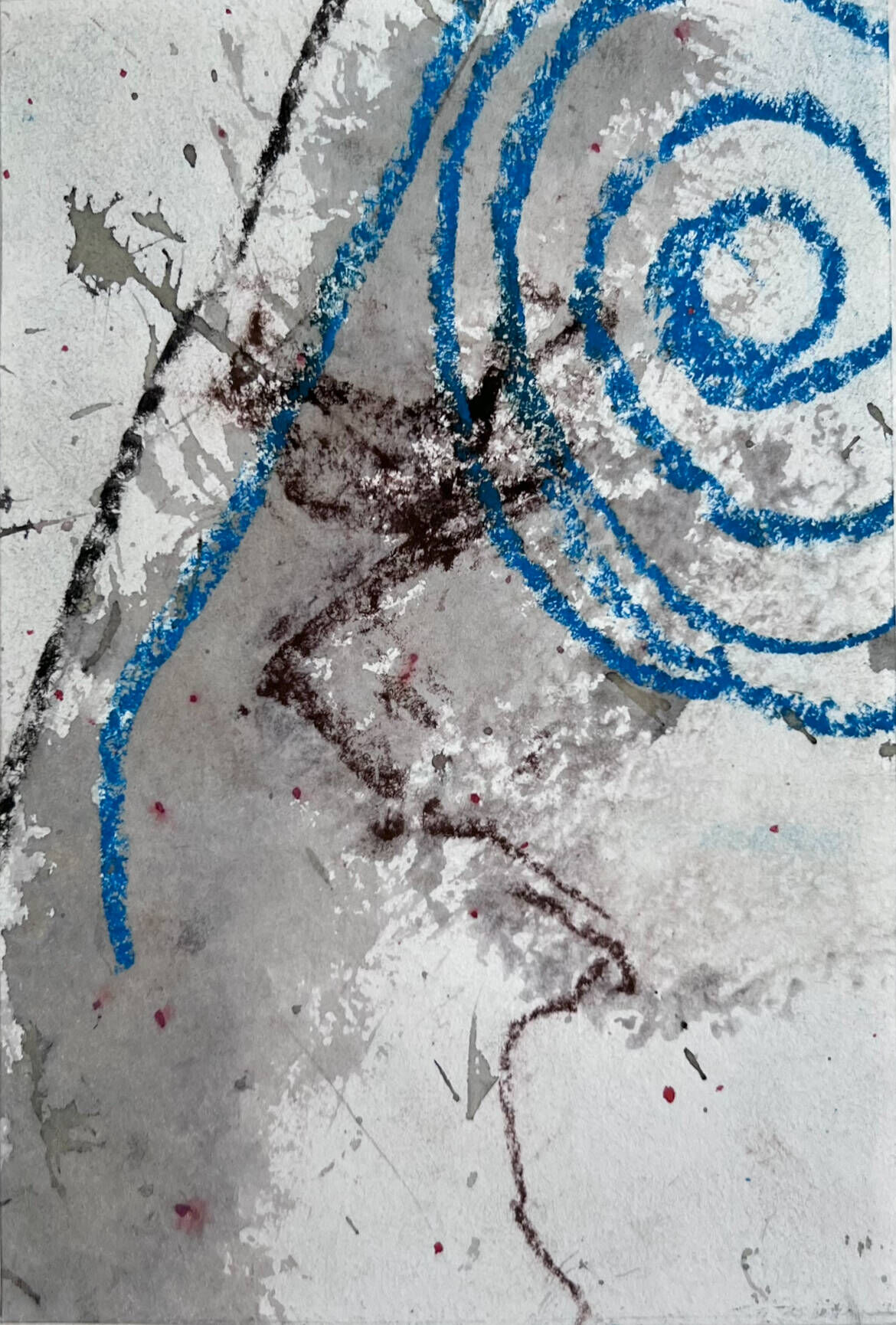
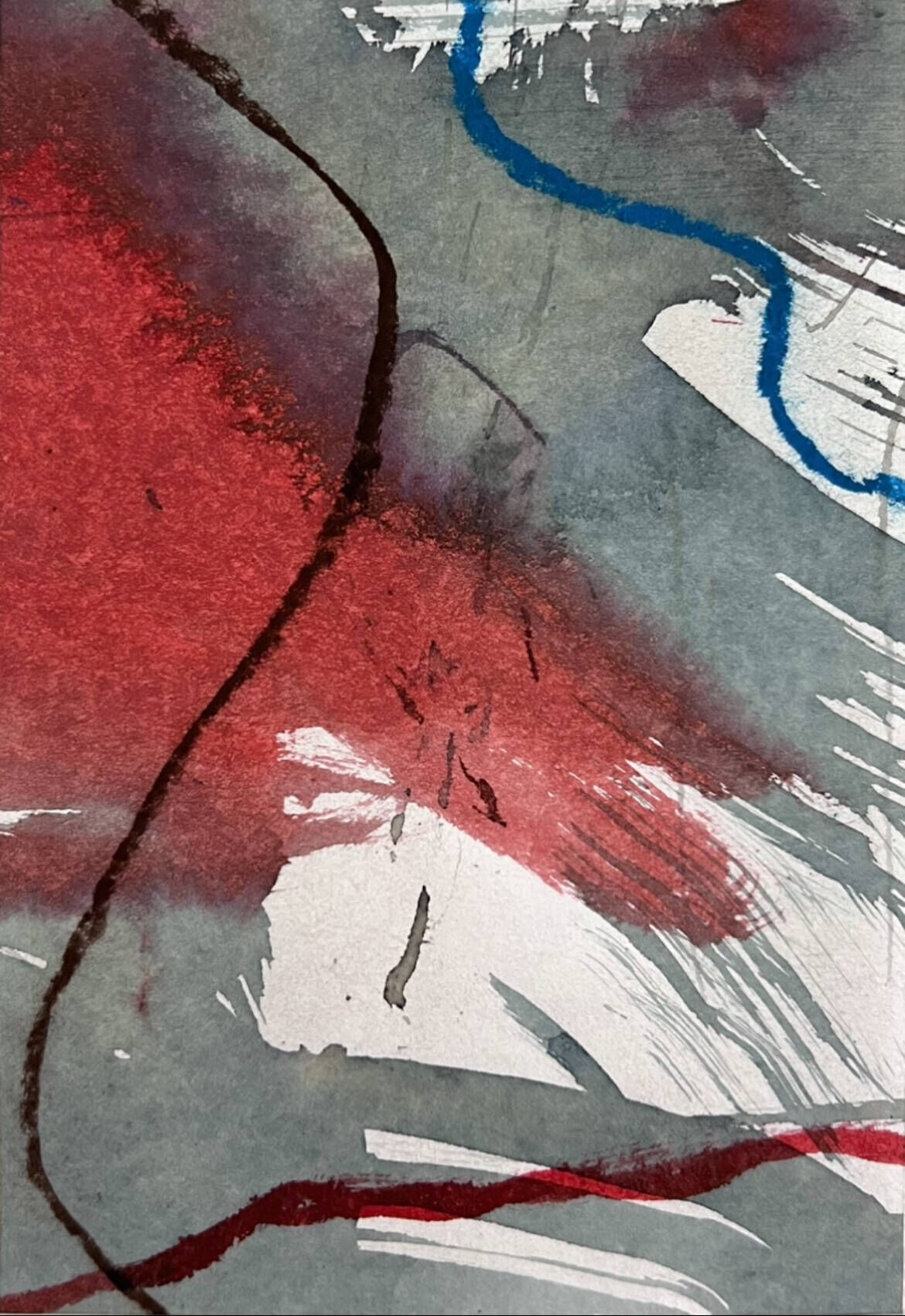
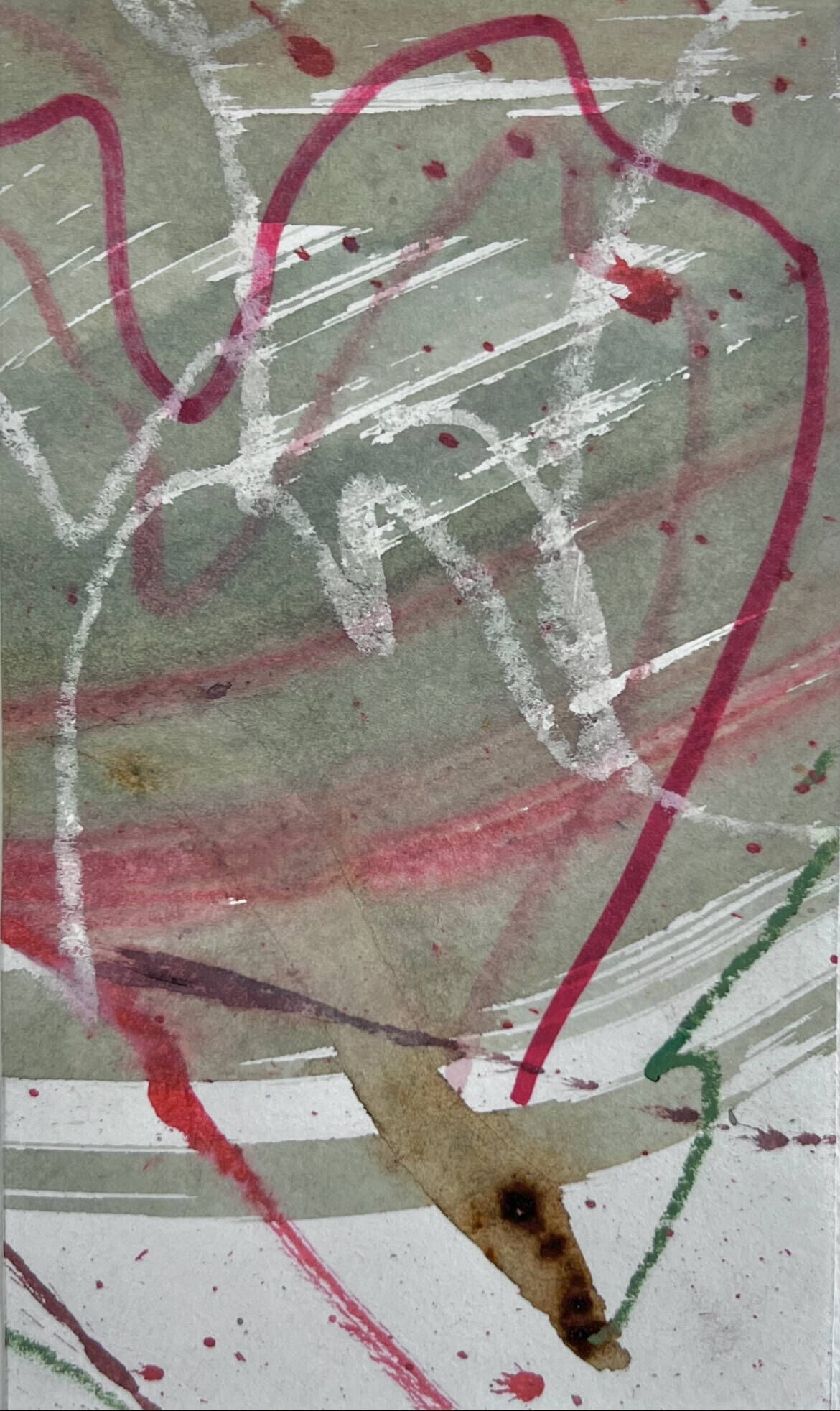
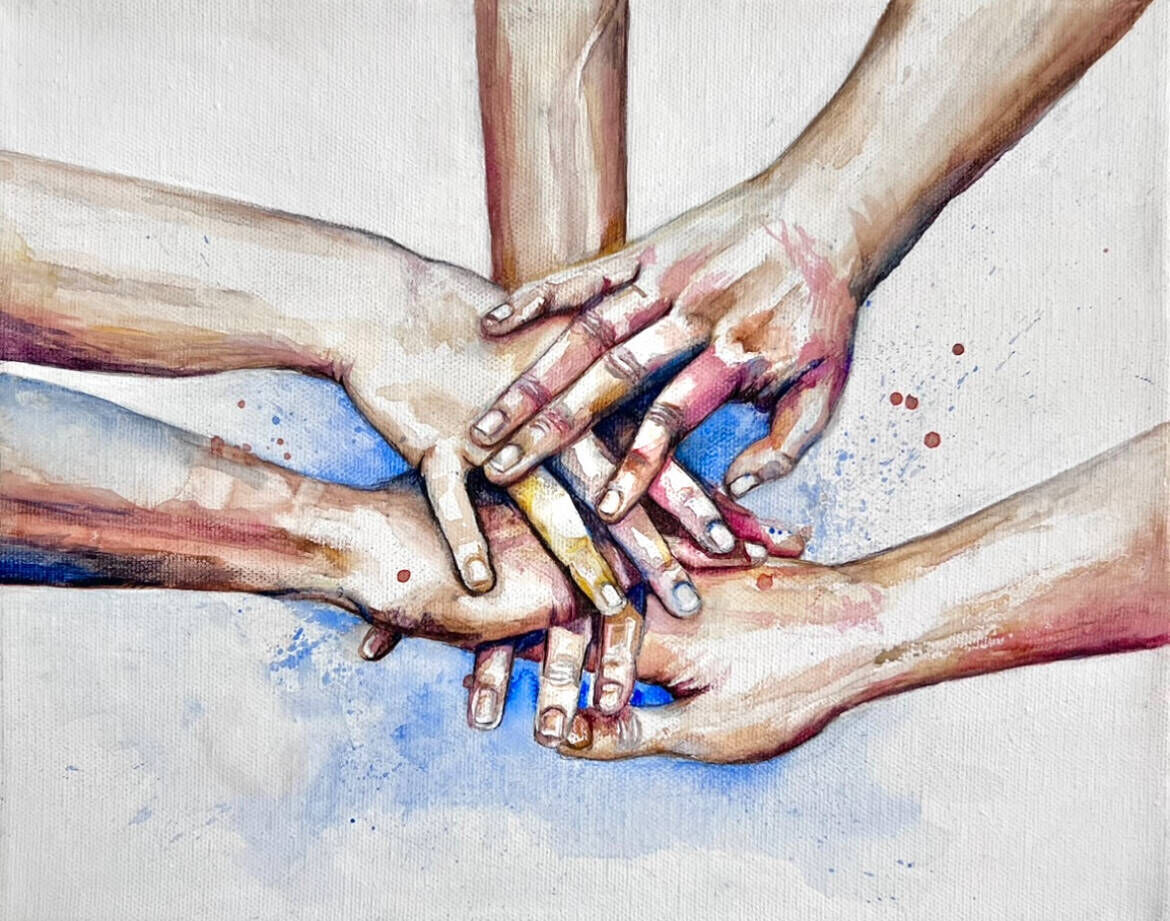
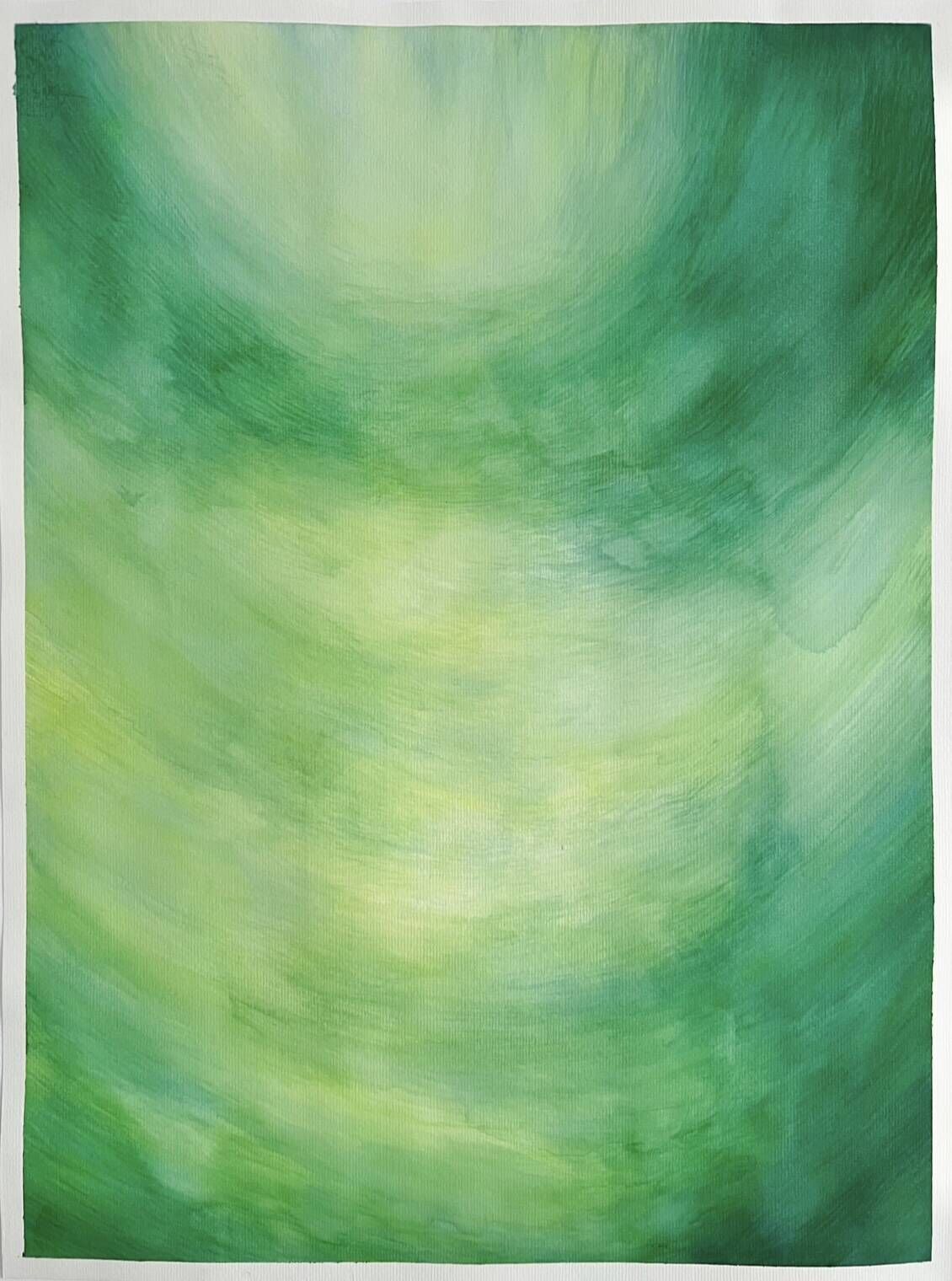
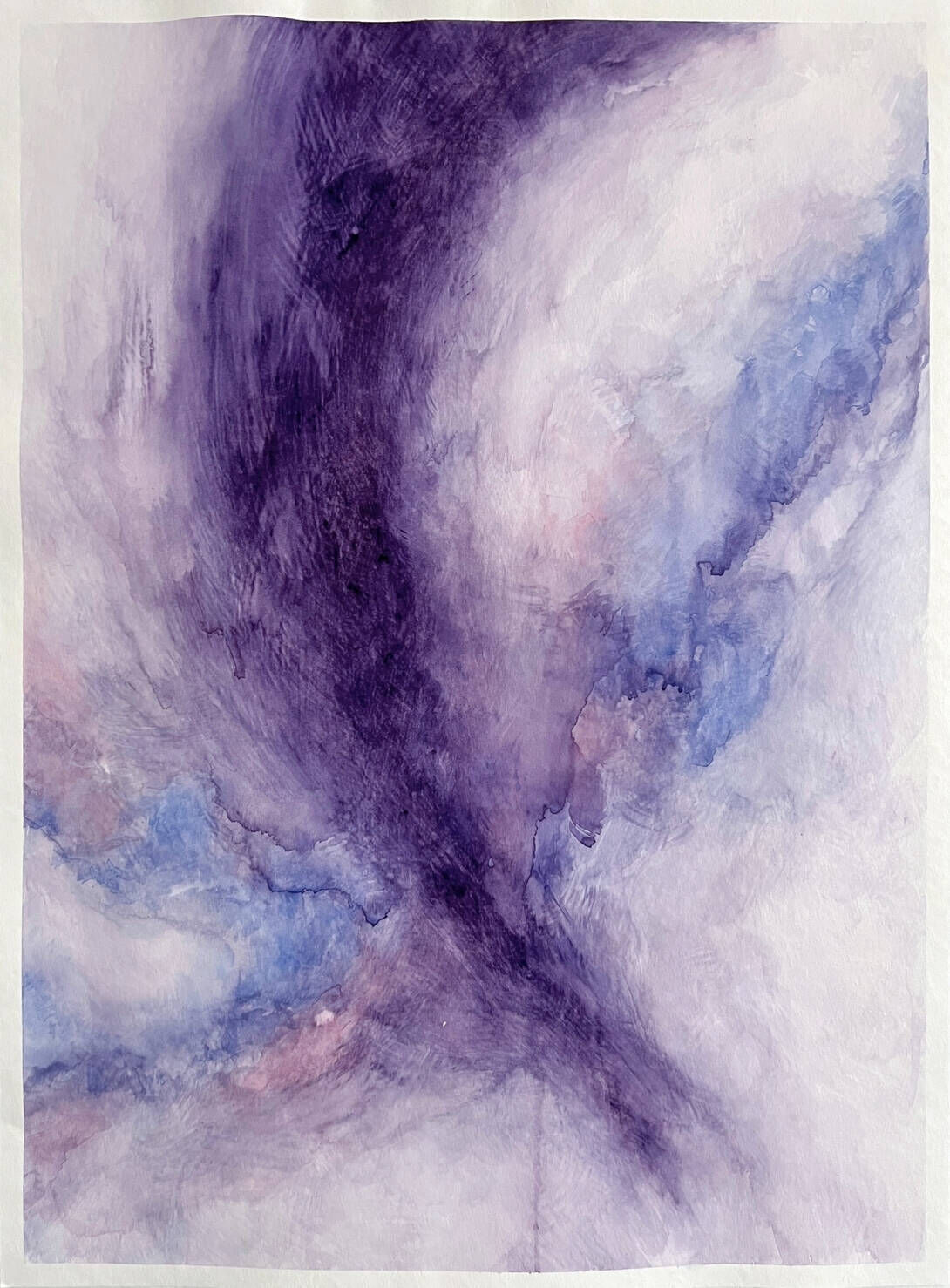
Delicate shades of colour, light-drenched layers and flowing transitions – watercolours are among the most poetic forms of expression in painting. Watercolour paintings emerge where control and chance dance together. Pigment, water and paper react directly with one another; nothing can be planned entirely. That is precisely what makes watercolours so vibrant and moving. Colours bleed, overlap, remain transparent and open. The light does not seem to rest on the picture, but to radiate from it.
A room featuring watercolours never feels heavy or overpowering. Instead, these works exude a subtle presence that conveys tranquillity, lightness or movement – depending on the subject and choice of colours. Vibrant shades of blue, green or red bring energy and freshness, whilst muted earth tones or pastel shades create a relaxed, almost meditative atmosphere. Watercolour paintings blend effortlessly into a variety of interior styles, whether modern, minimalist or classic. What many particularly appreciate is that watercolours do not impose themselves. They invite you to look closely, leave room for interpretation and change their effect depending on the light and time of day. It is precisely in their understated nature that their strength – and their timeless charm – lies.
Masterpieces between precision and dissolution
Famous watercolour paintings impressively demonstrate just how versatile this technique can be and how differently artists approach it. Paul Sandby’s ‘Llandaff Cathedral’ is regarded as an early key work of watercolour painting: with fine, transparent layers of colour and a clear, almost topographical depiction, Sandby combines architectural precision with a tranquil, atmospheric landscape. Here, watercolour serves not merely as a medium for sketching, but as an art form in its own right. Albrecht Dürer’s ‘Hare’ takes this independence to a different level. With the utmost attention to detail, Dürer captures the texture of the fur, the play of light and the physicality of the subject. The work appears almost scientifically precise, yet remains lively and open thanks to the transparency of the colour. It demonstrates that watercolour is not reduced to transience, but can equally convey depth, concentration and technical mastery.
William Turner’s watercolour sketches, such as those associated with ‘Rain, Steam and Speed’, form a stark contrast to this. Here, forms largely dissolve, with colour and water taking the lead. Turner uses watercolour painting to make movement, light and weather phenomena tangible – less as a representation, more as a sensory experience. Later artists such as August Macke build on this freedom, yet use modern watercolour painting to capture colour and emotion in the moment. His watercolours, ranging from figurative to abstract, appear spontaneous, luminous and pared-back; places and scenes become atmospheric images. What unites all these works is the immediacy of the watercolour: each layer of colour reacts to the one before it; every decision is visible and irreversible. Modern watercolours therefore depict not only a subject, but also the process and the moment of their creation – and this is precisely where their timeless fascination lies. If you’re keen on watercolour painting, you might also be interested in our articles on the Impressionist works by Monet, the Salvador Dalí’s melting clocks or Botticelli’s “The Birth of Venus” .
The history of watercolour paintings
The history of watercolours goes back a long way. As far back as ancient Egypt , water-soluble pigments were used on papyrus, as was the case in Asian calligraphy. For a long time, however, these techniques were regarded more as aids for sketches, studies or illustrations. It was not until the Renaissance that people began to watercolour painting to be recognised as an art form in its own right . Albrecht Dürer marked a turning point in watercolour painting. With works such as the famous ‘Hare’, he demonstrated the precision, depth and expressiveness watercolours can possess. Centuries later William Turner took this technique to new heights of emotional and atmospheric intensity. His landscapes appear almost dissolved in the light – a milestone in watercolour painting.
In the 19th century, watercolour drawing experienced a renaissance through plein air painting . Artists such as Cézanne, Delacroix, Nolde and August Macke used the technique to capture light, movement and atmosphere . Macke’s Tunis watercolours, in particular, are still regarded today as the pinnacle of European watercolour art. Watercolours finally became works of art in their own right – no longer merely a preparatory stage, but the ultimate art form.
Buy watercolours at Studierenden-Kunstmarkt
At Studierenden-Kunstmarkt, you can buy genuine watercolours in which this time-honoured technique is reinterpreted by young artists. Here, watercolours are created that draw on both classical motifs such as landscapes, cities or figures, whilst also exploring abstract and experimental avenues. Some works appear calm and understated, others dynamic and expressive – but they are always personal and authentic. Watercolours by young artists reflect their perspective on the world in the here and now. They are often created on the spot, in the heat of the moment, without any corrections. It is precisely this honesty that you can sense. Buying watercolours at the Student Art Market means choosing original art with character – whilst at the same time supporting creative development and artistic freedom.
Beautiful watercolours or delicate gouache works are perfect for entering the world of original art – including as art investment . They are accessible, versatile and yet sophisticated. Every piece is unique; every brushstroke is part of a personal story. At the Student Art Market, you can discover watercolours that not only beautify your home but will be with you for years to come. Perhaps it is precisely this one watercolour that moves you anew every day – quietly, yet profoundly. If you’re still unsure which watercolour painting or which artist to choose, we recommend our free art consultation from our founder, Erich Reich, in person. Here, we’d like to introduce you to a few selected SKM artists whose work includes, amongst other things, high-quality watercolours.
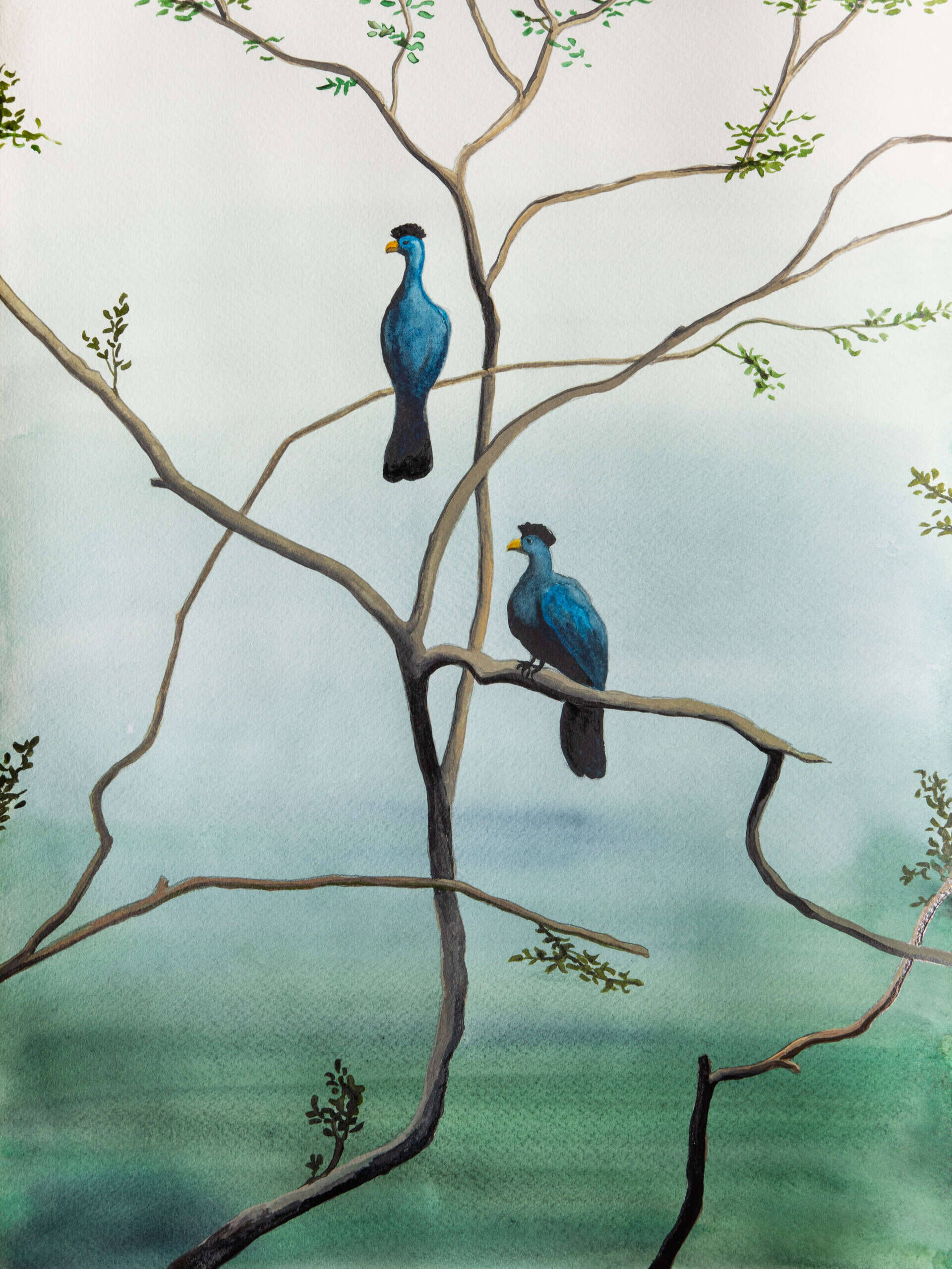
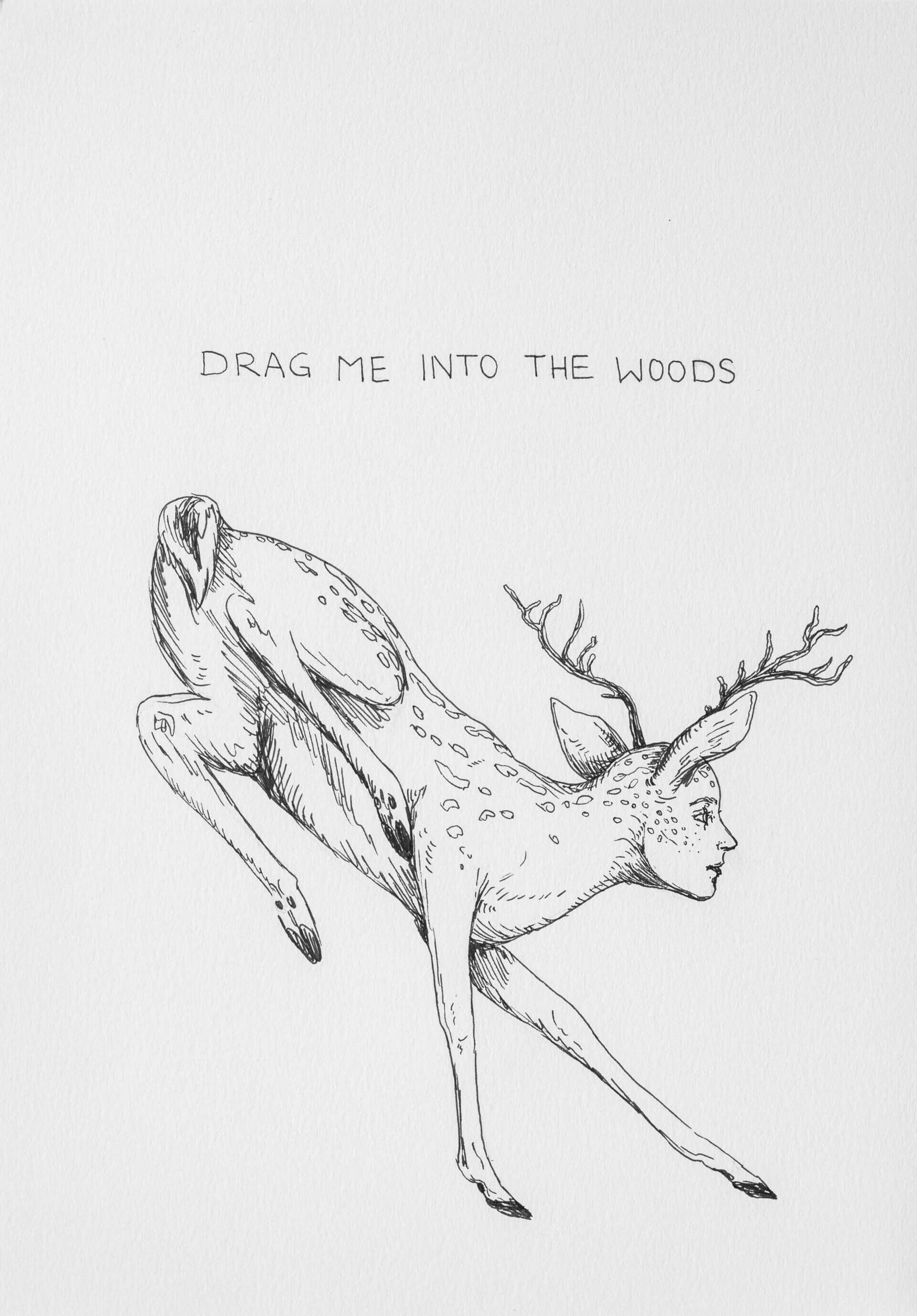
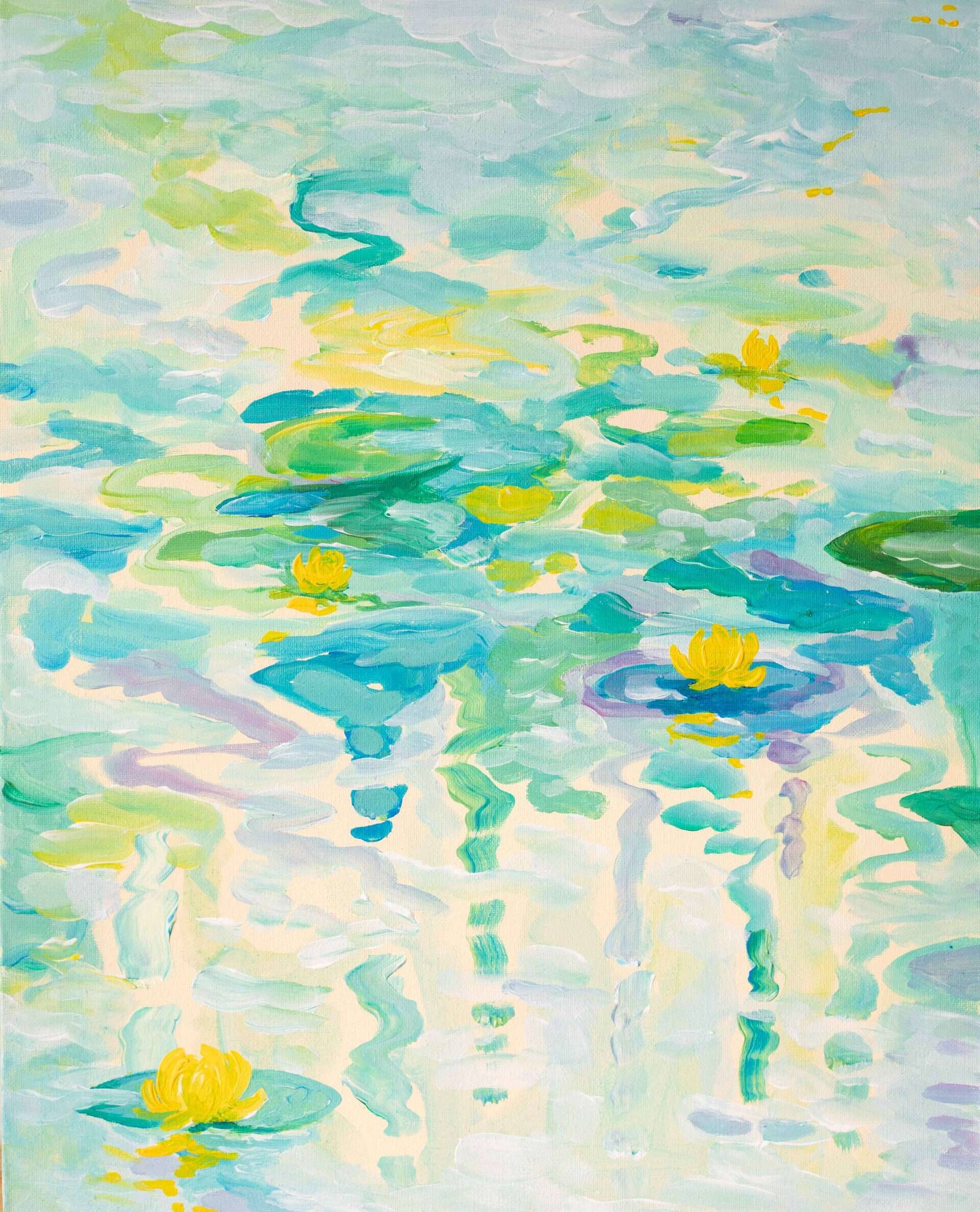
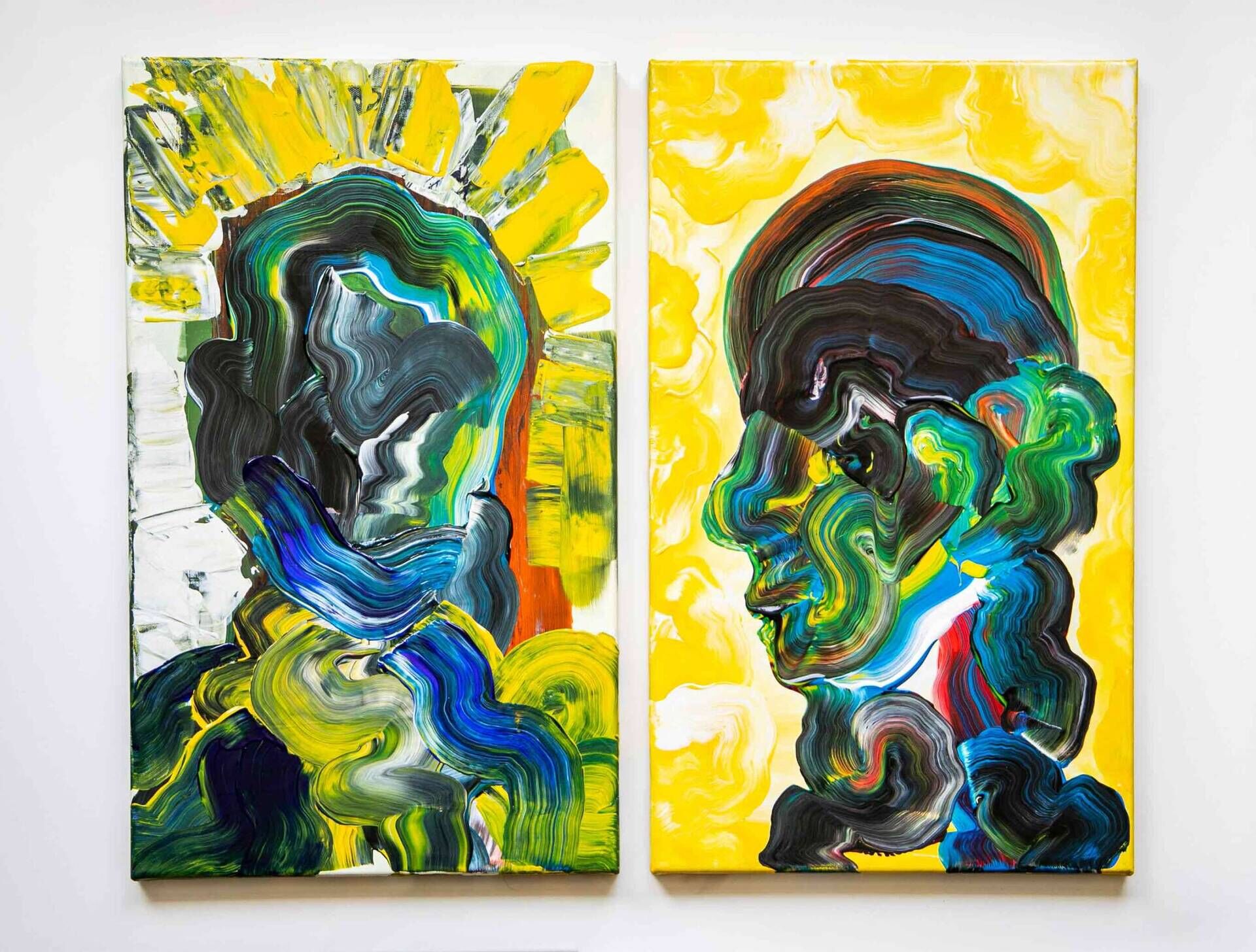
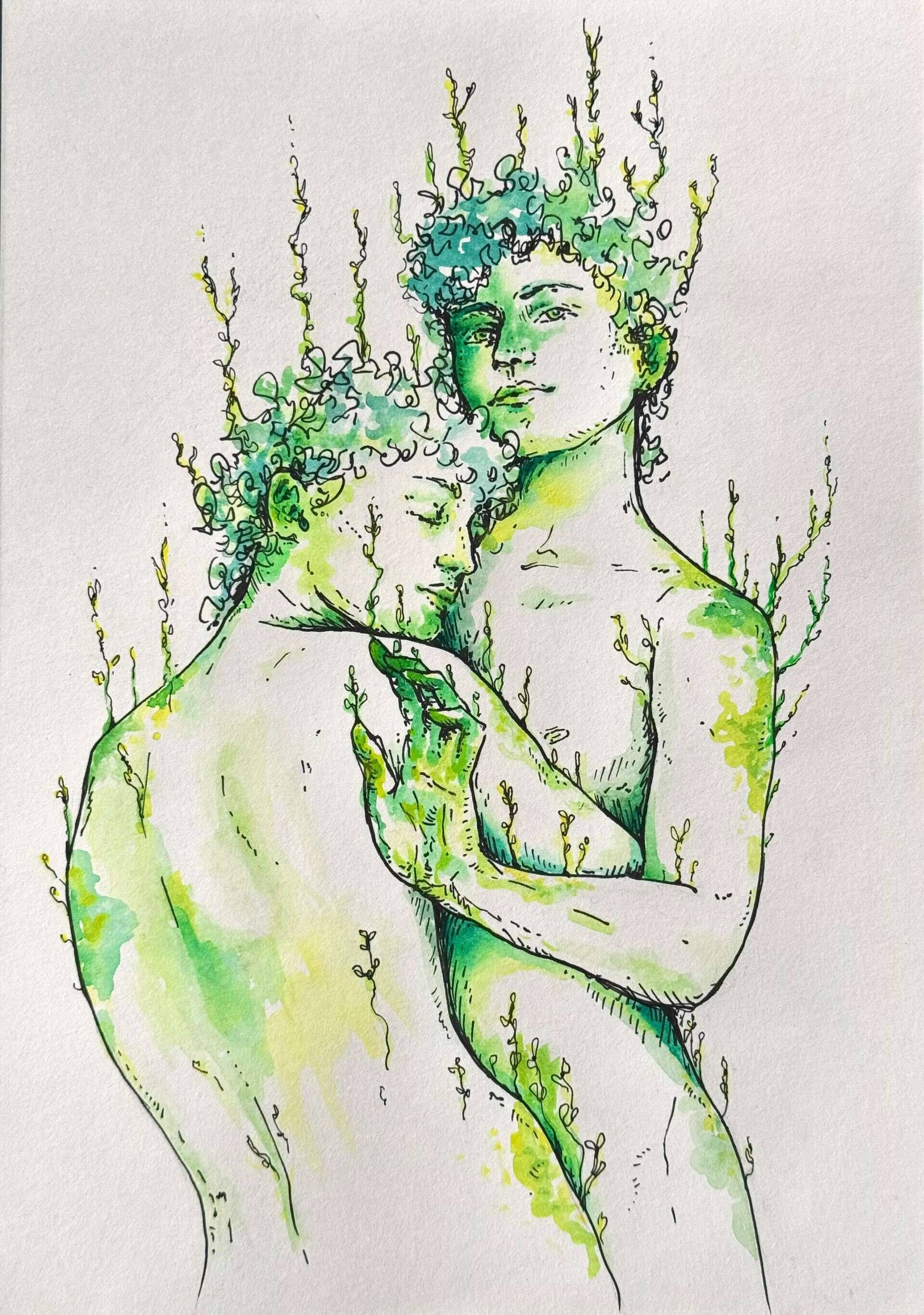
Alina Beck is studying art therapy at the Alanus University of Arts and Social Sciences and, in her artistic work, combines surrealist imagery with an organic, fluid visual language. In her works, humans, animals and nature merge into dreamlike figures that dissolve familiar boundaries and bring inner images to light. Using watercolour, acrylic, oil and ink, she creates multi-layered works that are at once sensitive, intuitive and characterised by a deep emotional perception.
Lukas Häring, born in Japan in 2001, currently lives and works in Aarhus, and combines academic realism with influences from digital pop culture in his art. Drawing on classical painting techniques, he creates visual worlds in which observations of nature, everyday scenes and personal reflections intersect with elements from manga, cartoons and video games. His works tell visual stories that playfully interweave tradition and the present, and are currently being created on canvas once again with renewed vigour.
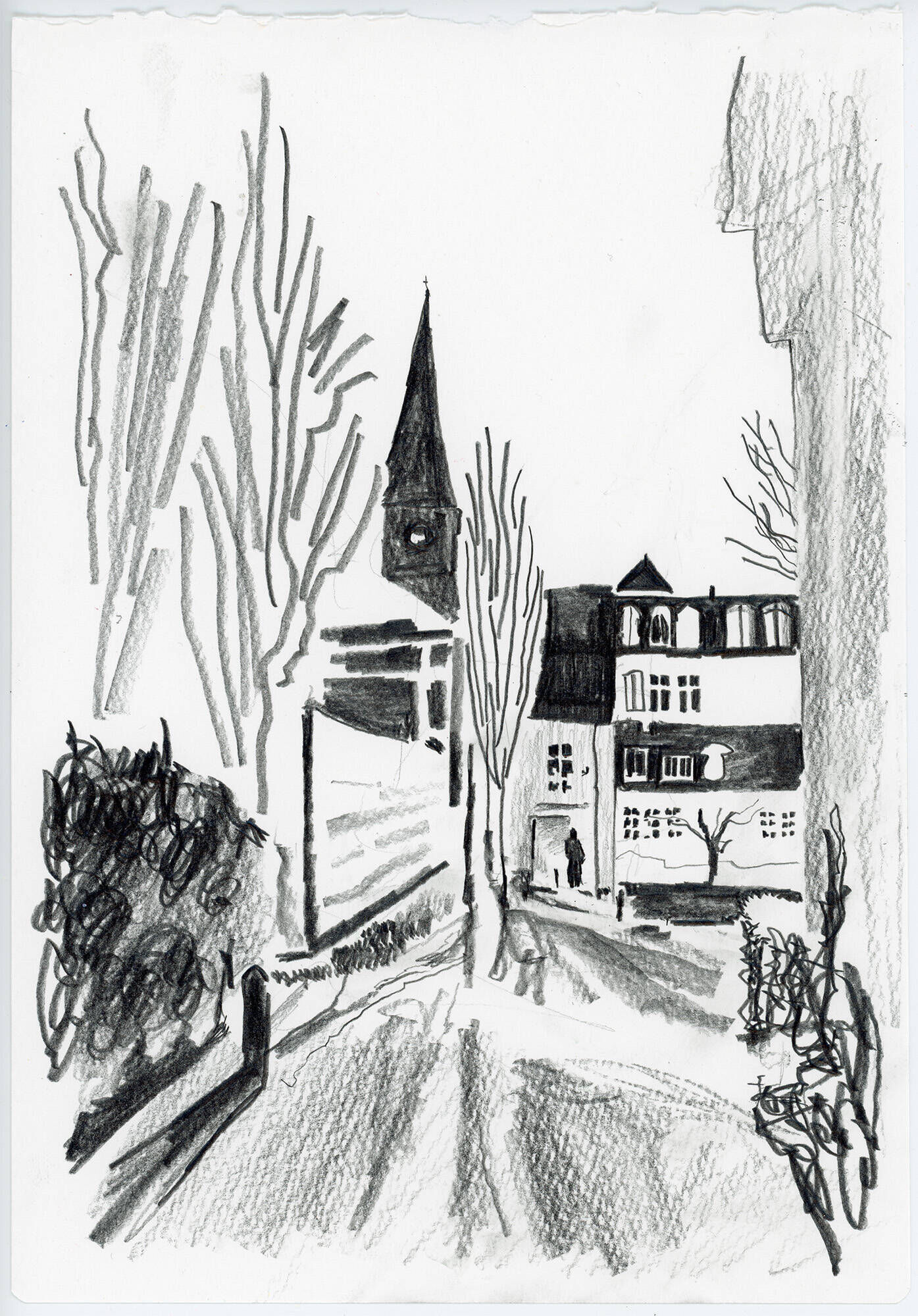
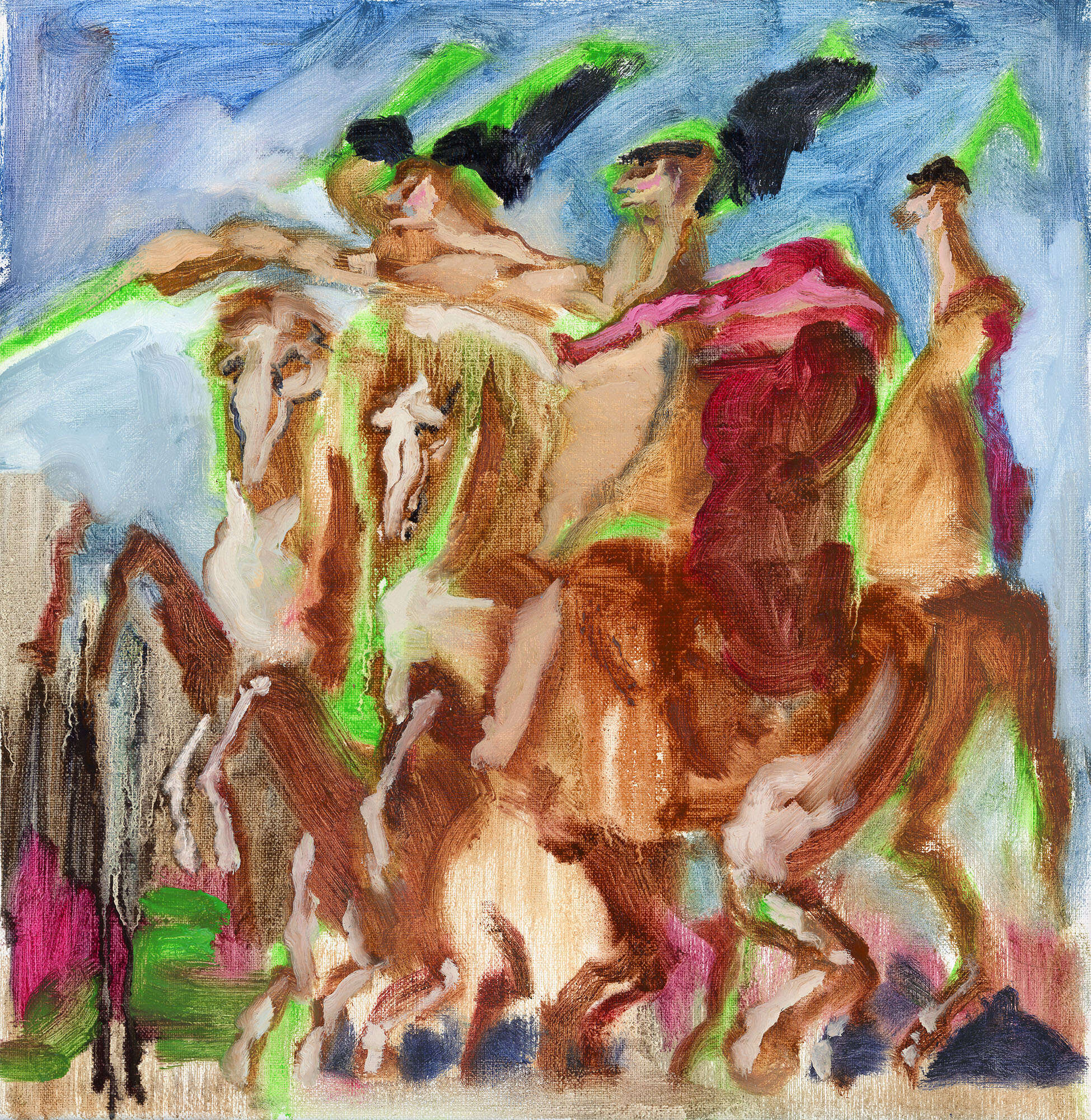
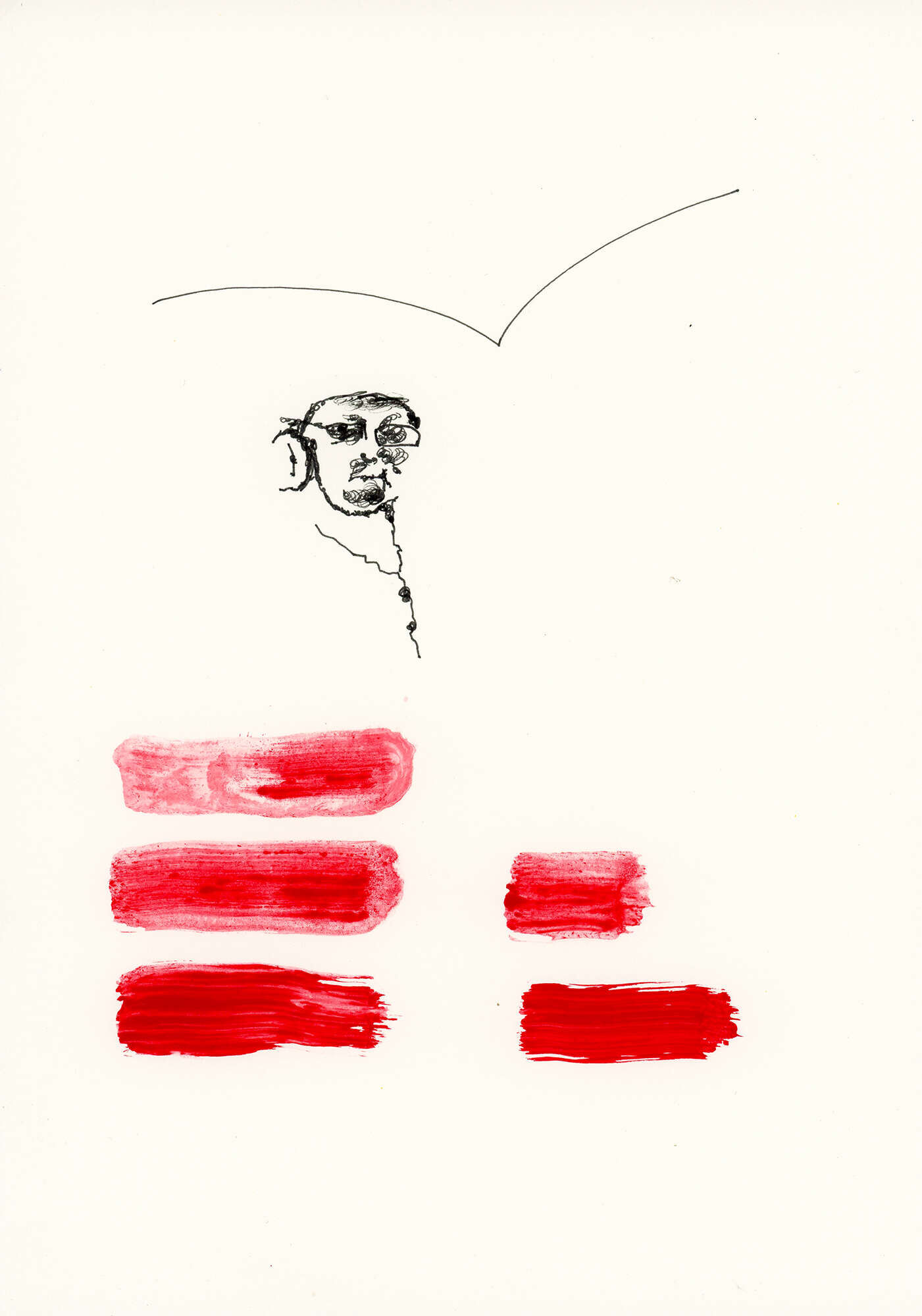
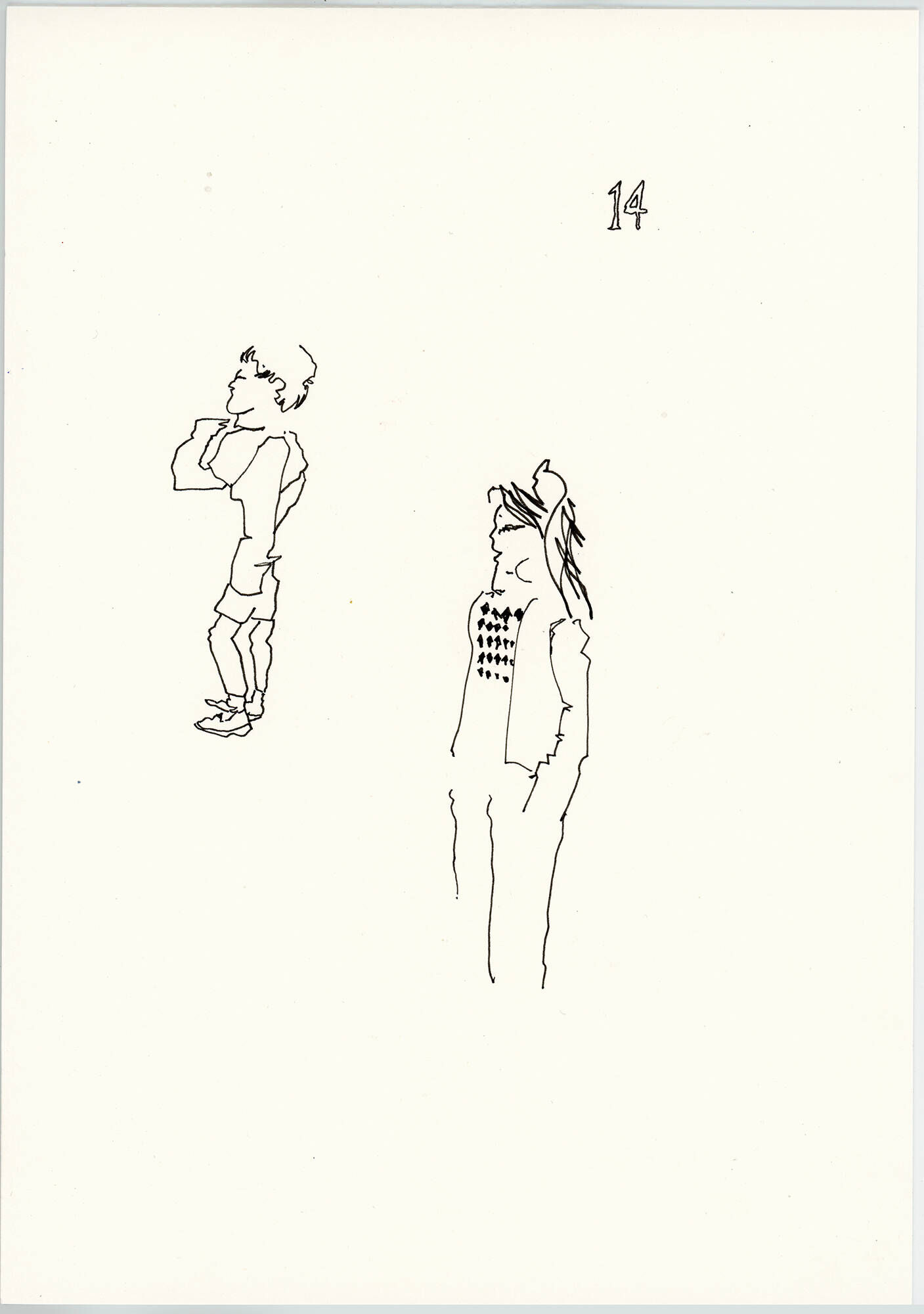
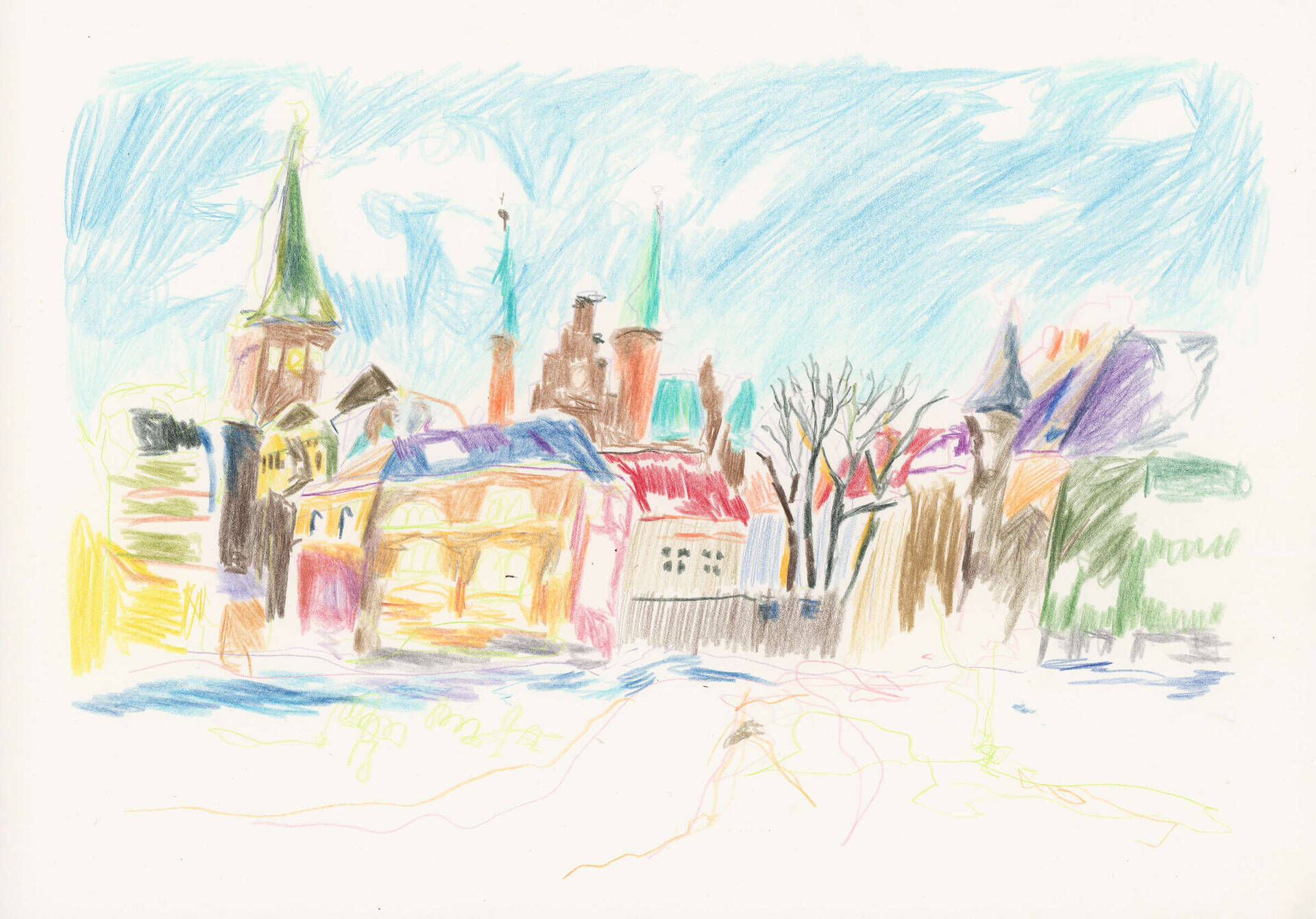
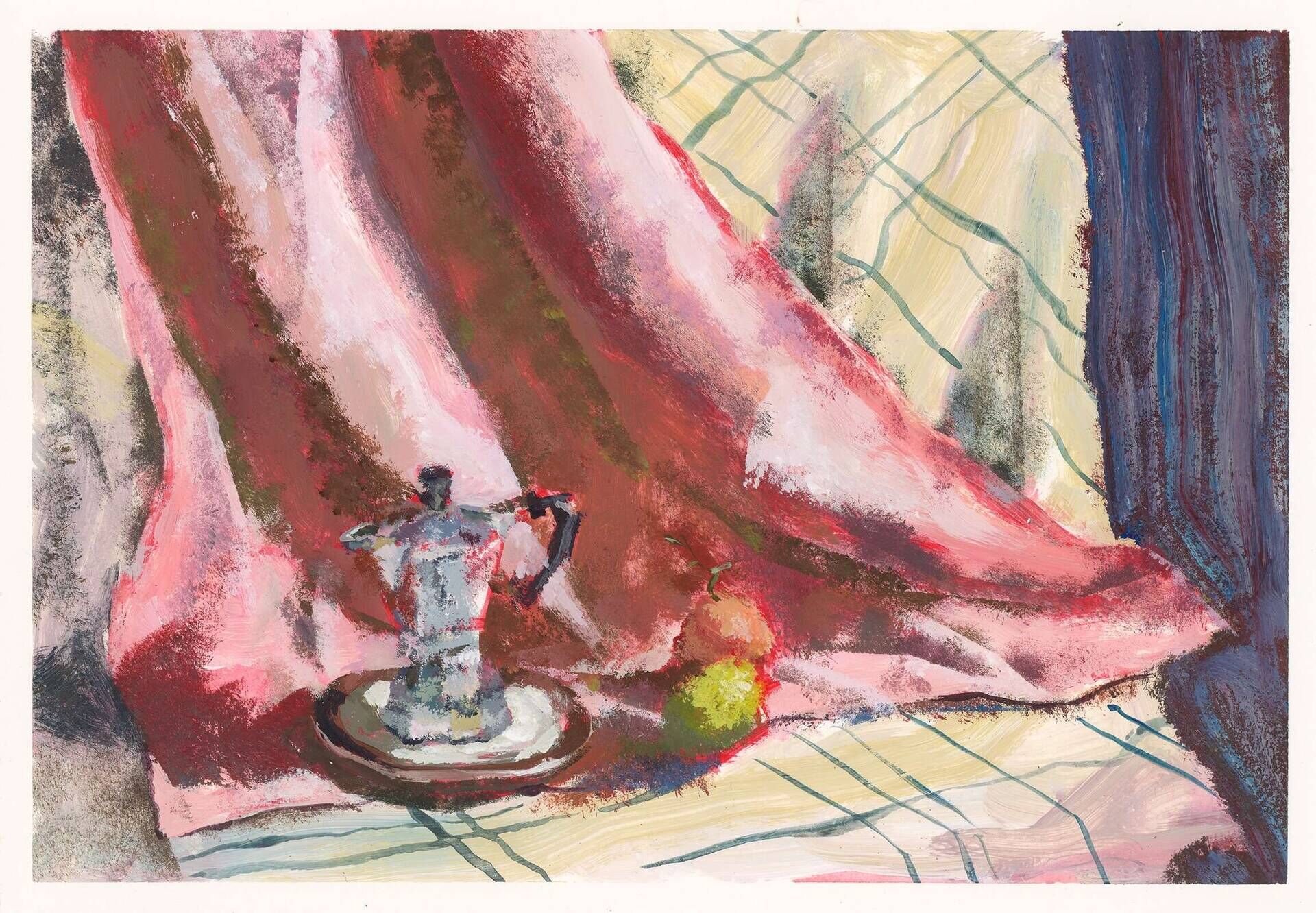
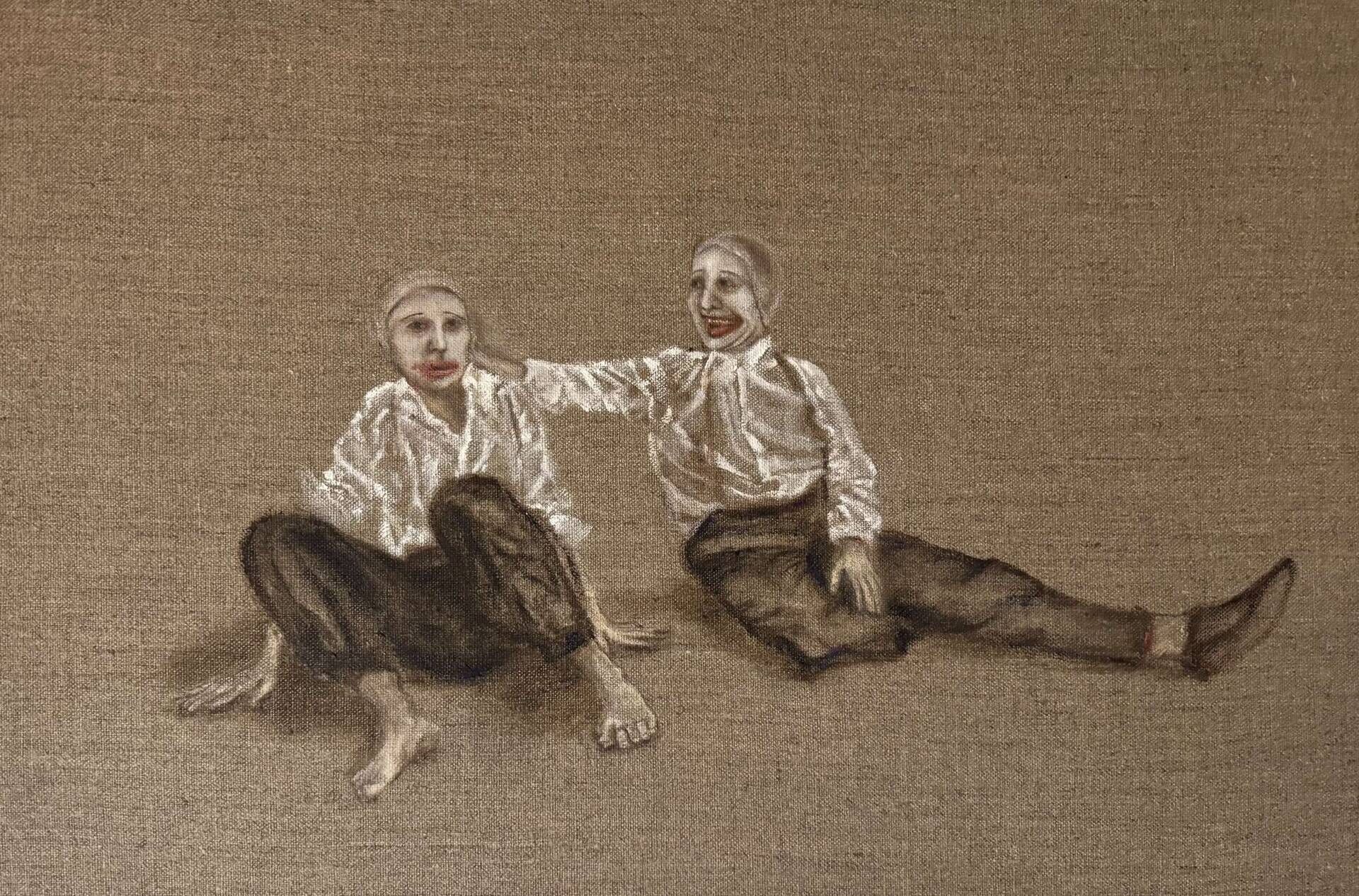
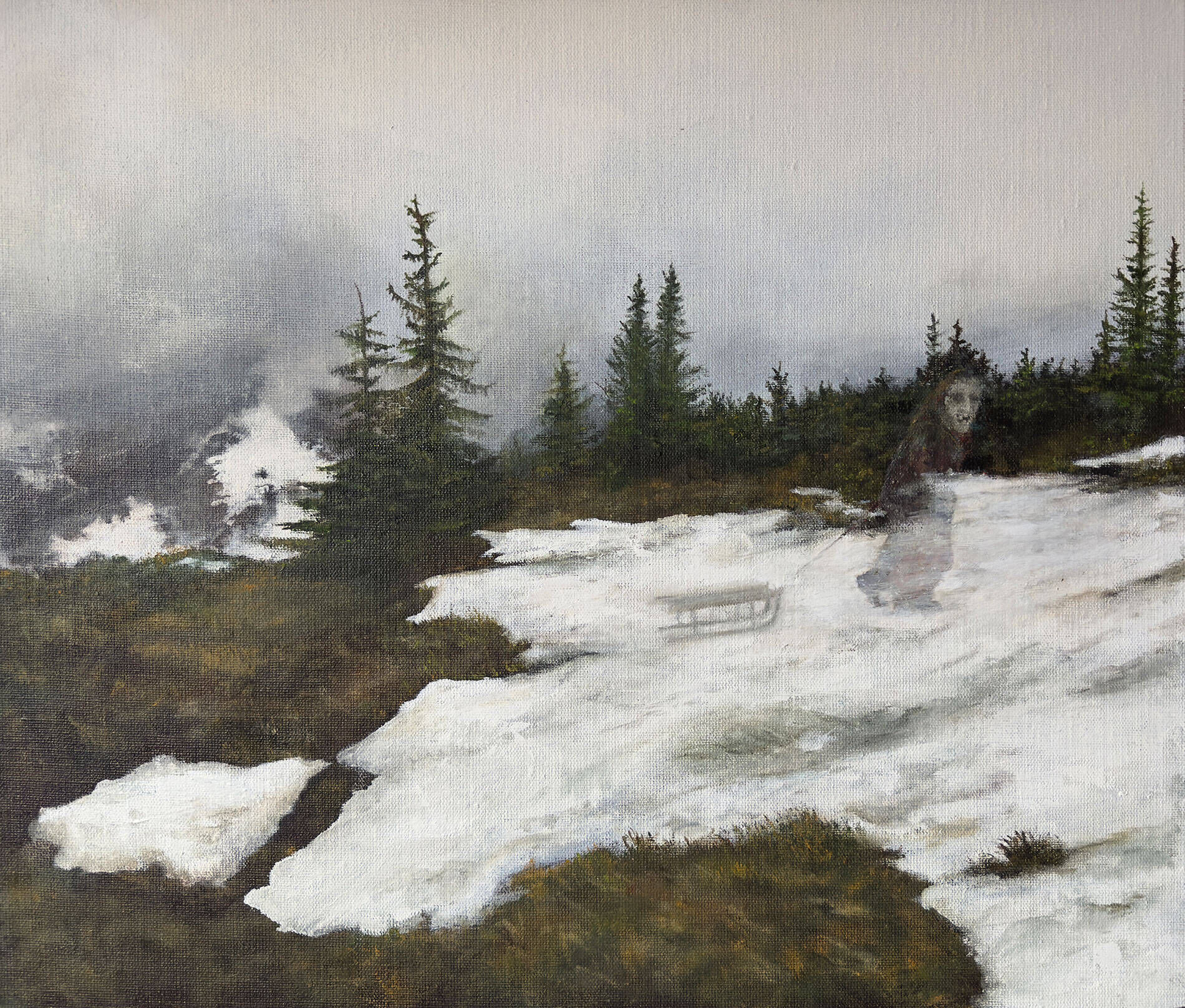
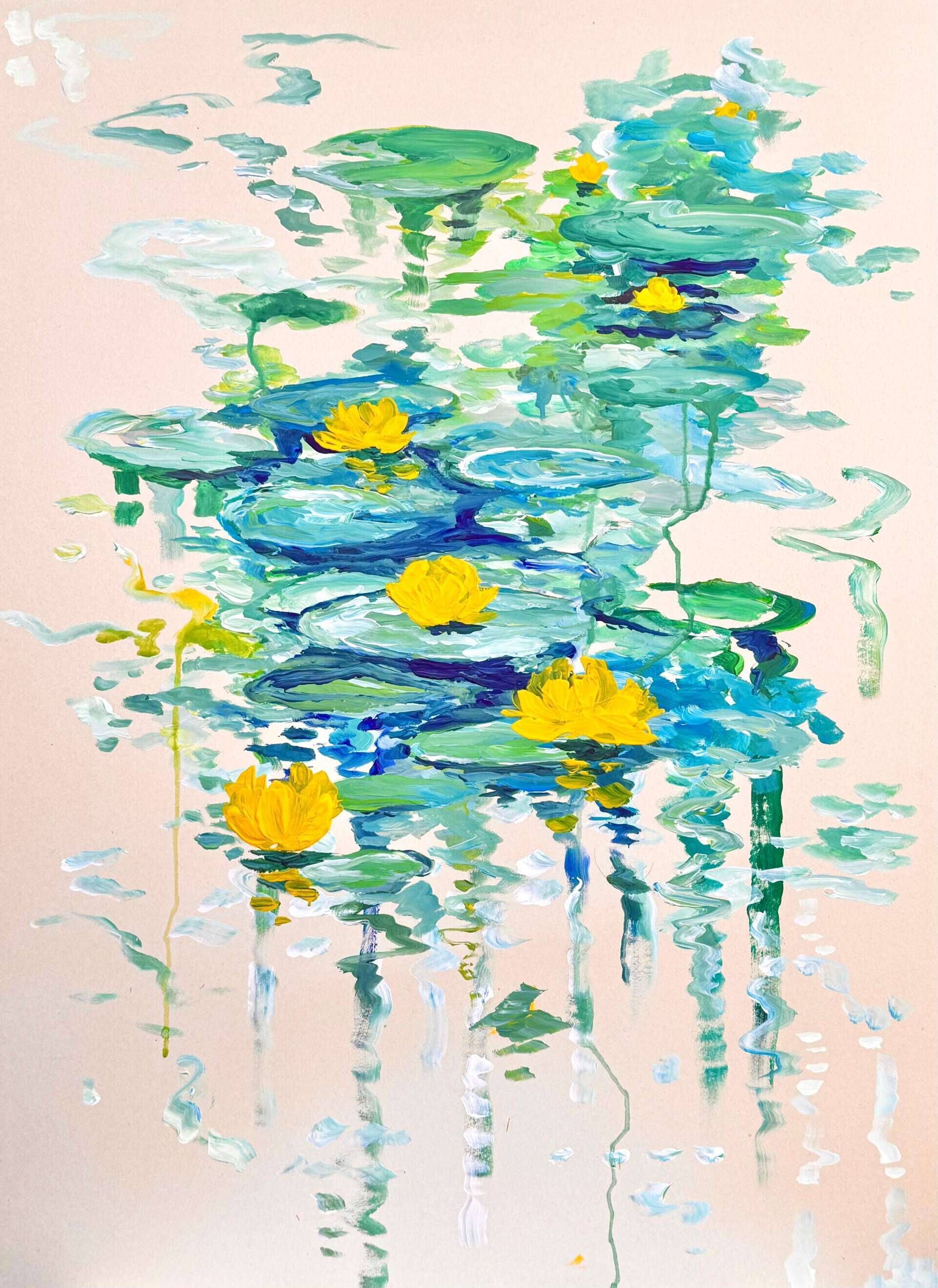
Ricarda Lake has a background in theatre and consistently draws on this experience in her painting. Her works resemble stage sets capturing a fleeting moment – landscapes and scenes appear to be in motion, sparking the viewer’s imagination. In particular, the moment before and after the depicted scene becomes palpable, opening up individual narrative spaces. She is currently studying Fine Art in Wolfgang Ellenrieder’s specialist class at the HBK Braunschweig.