Spirituality reinterpreted in sacred art
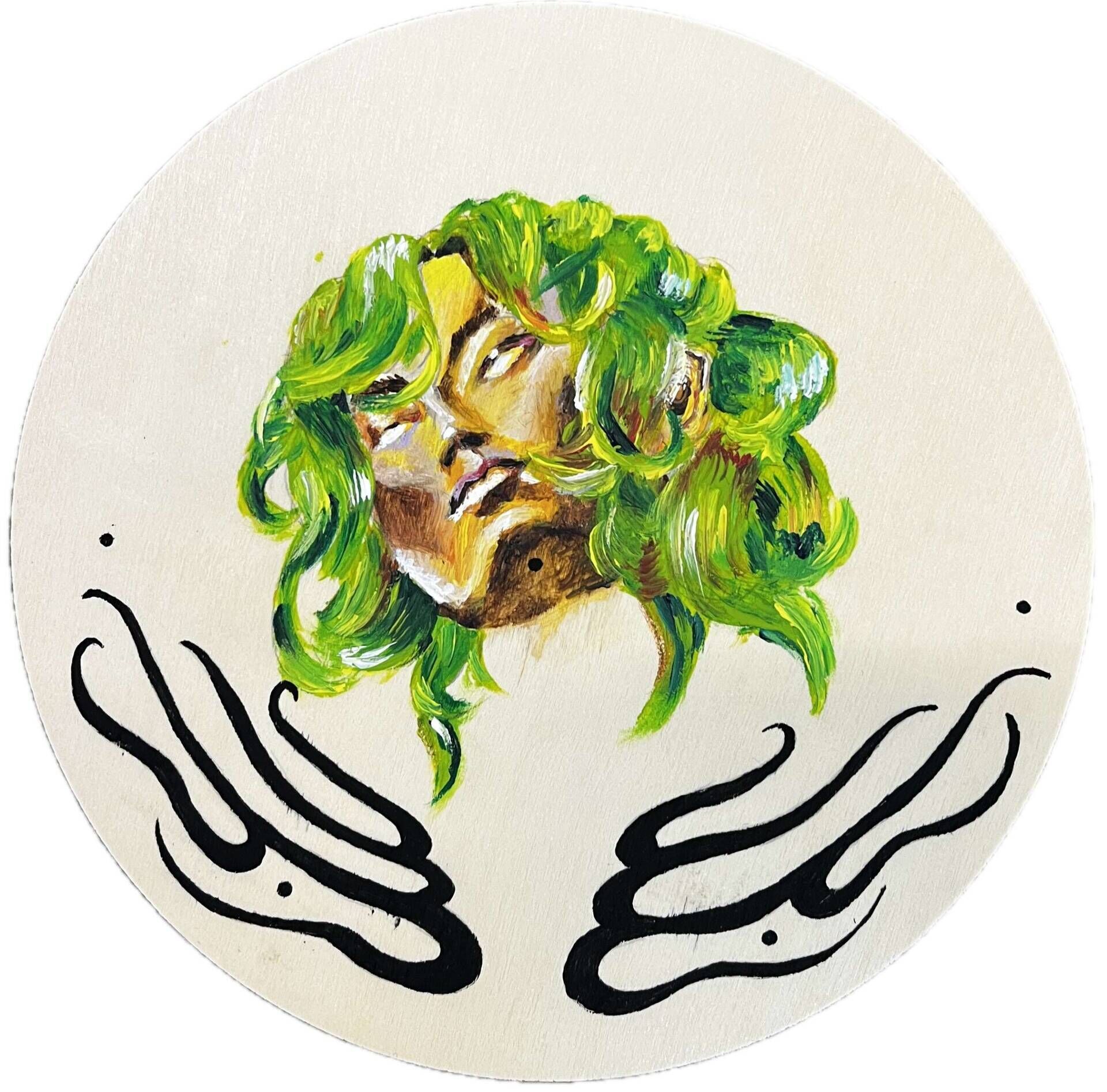
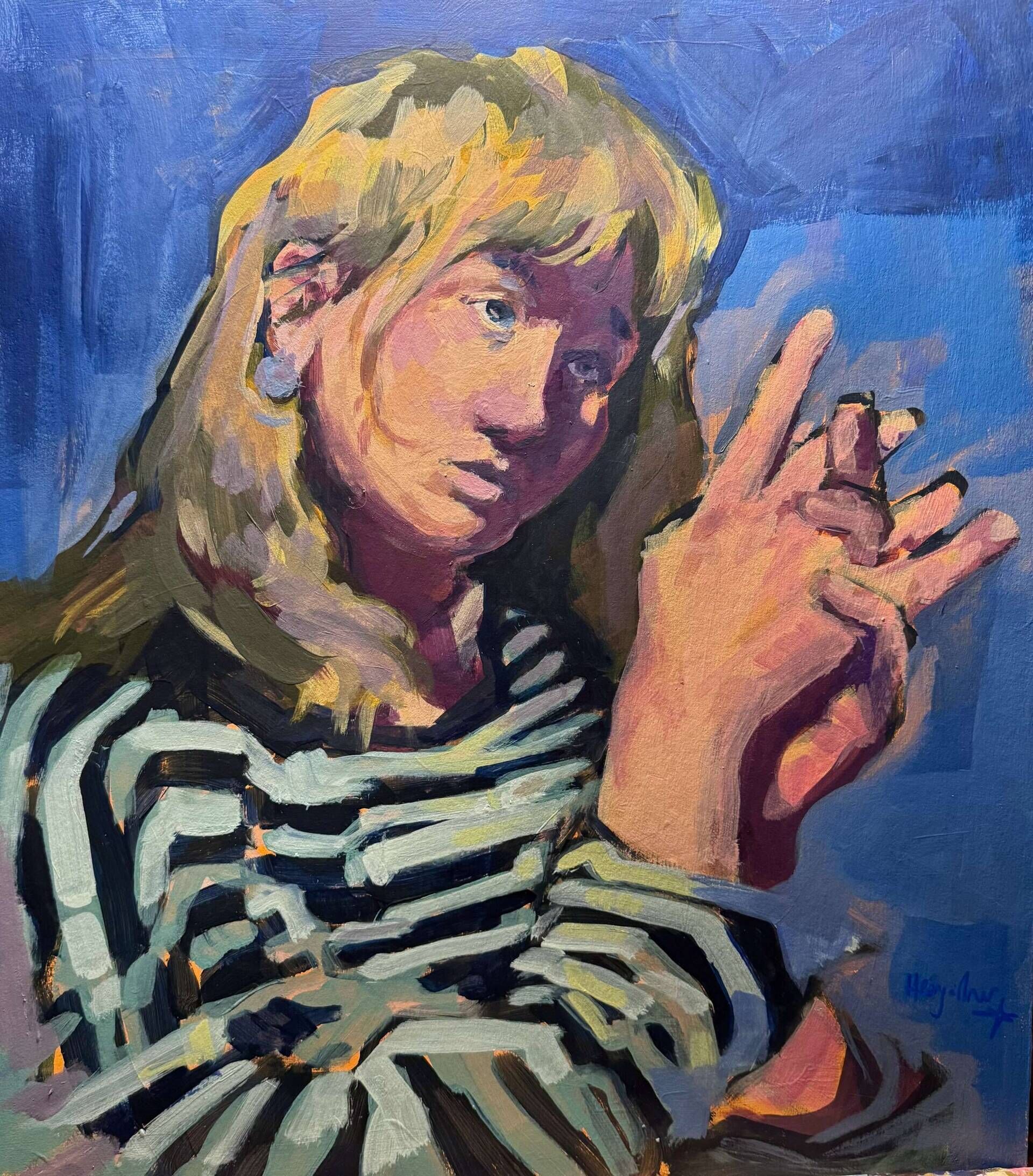
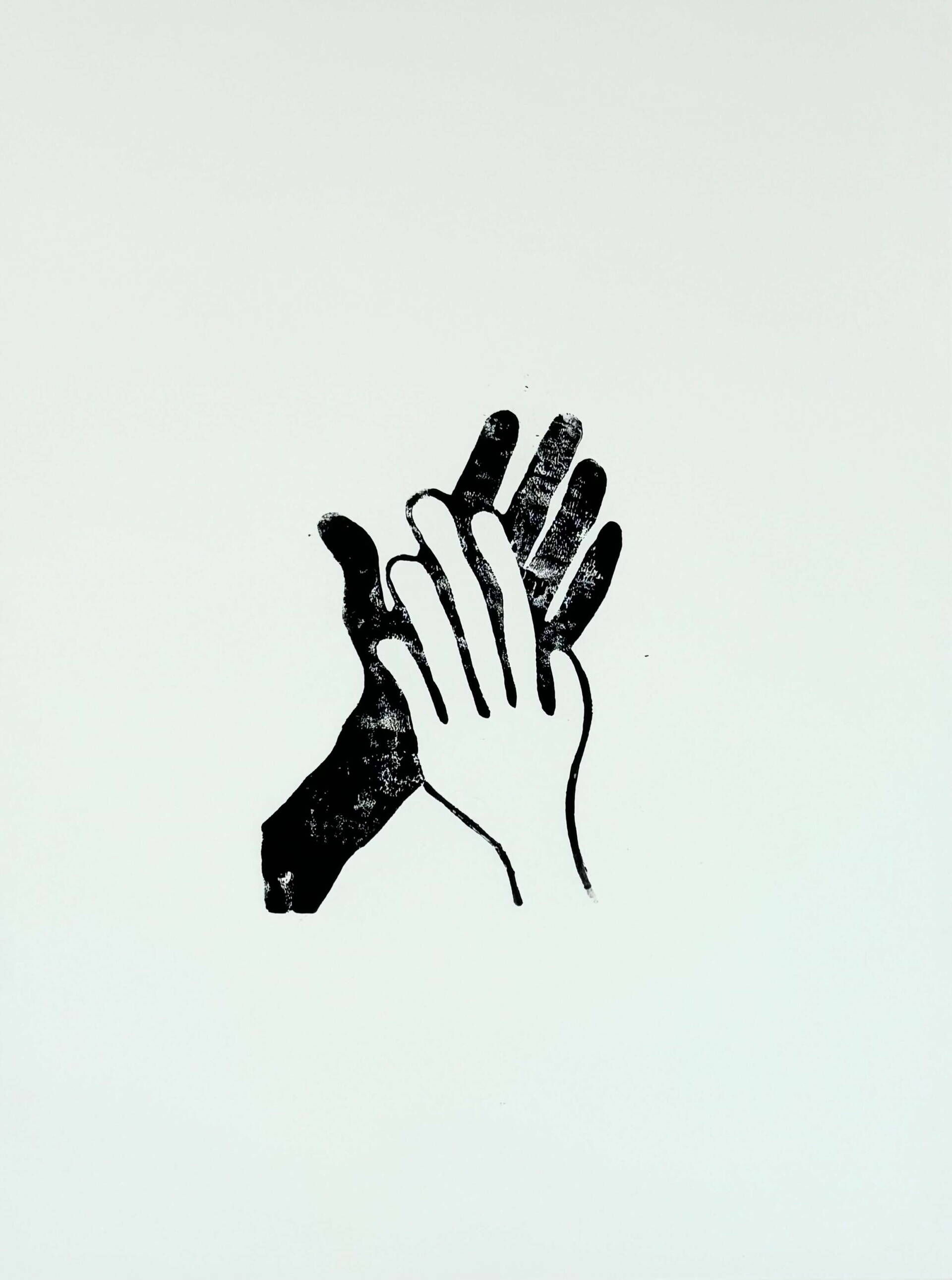
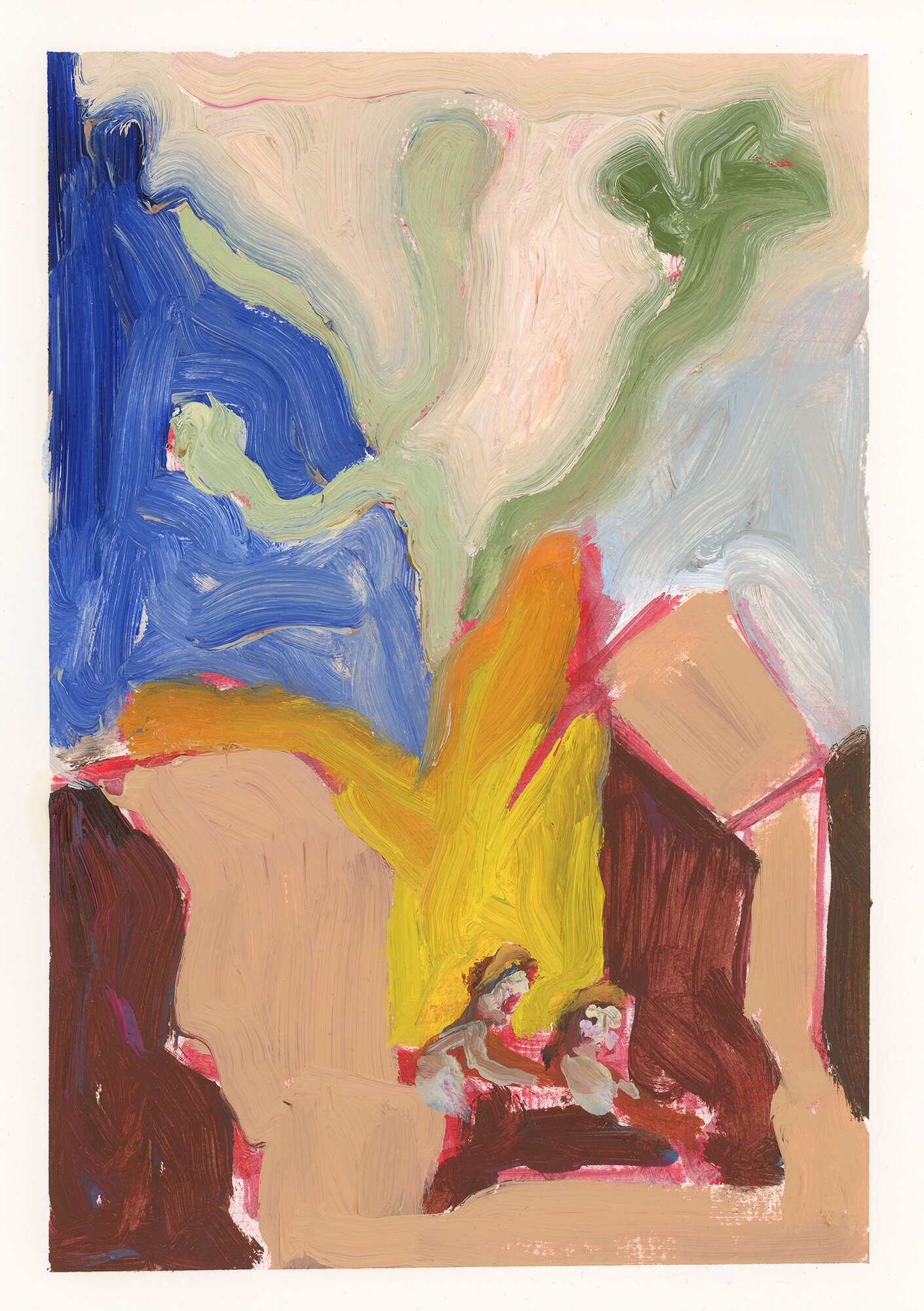
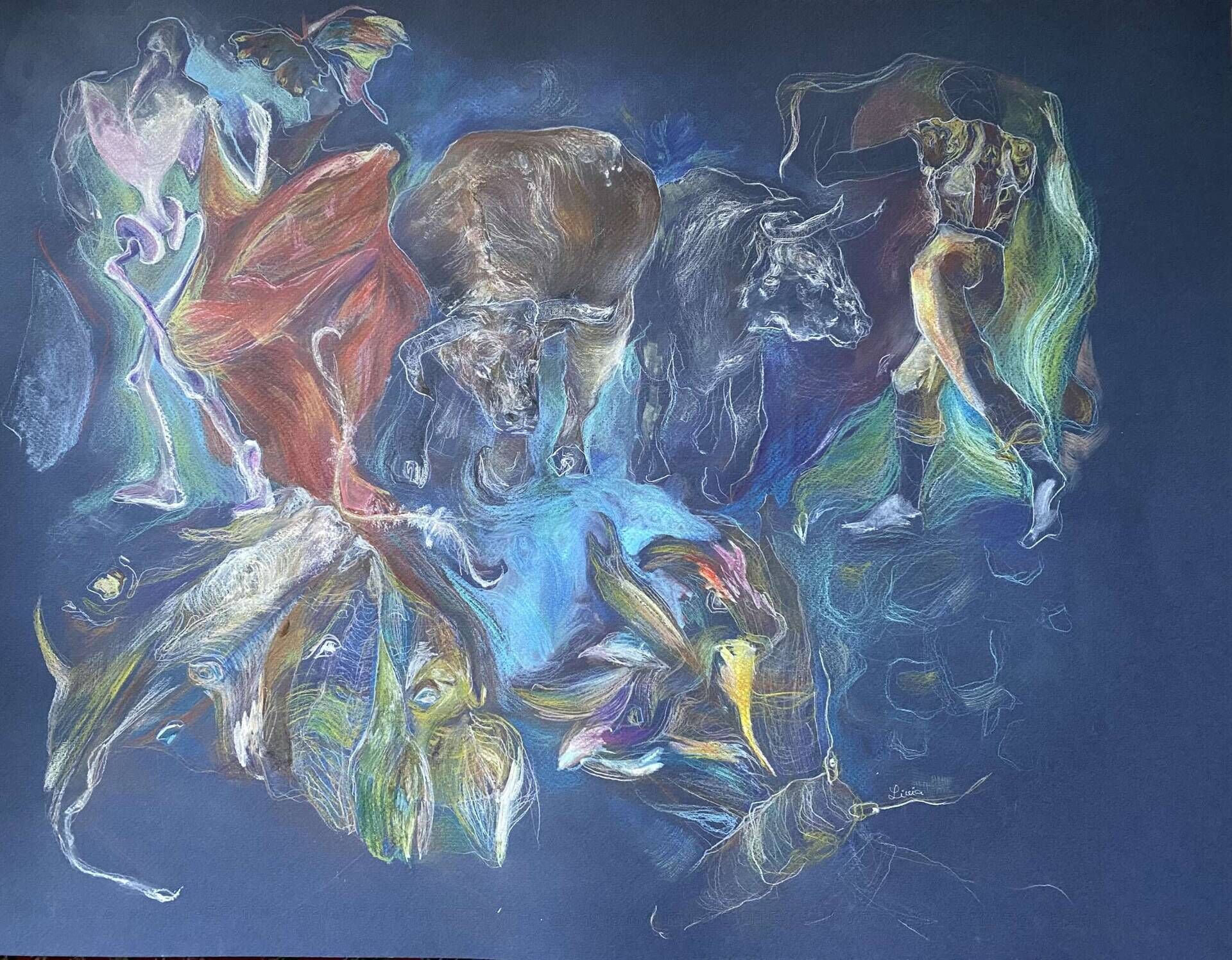
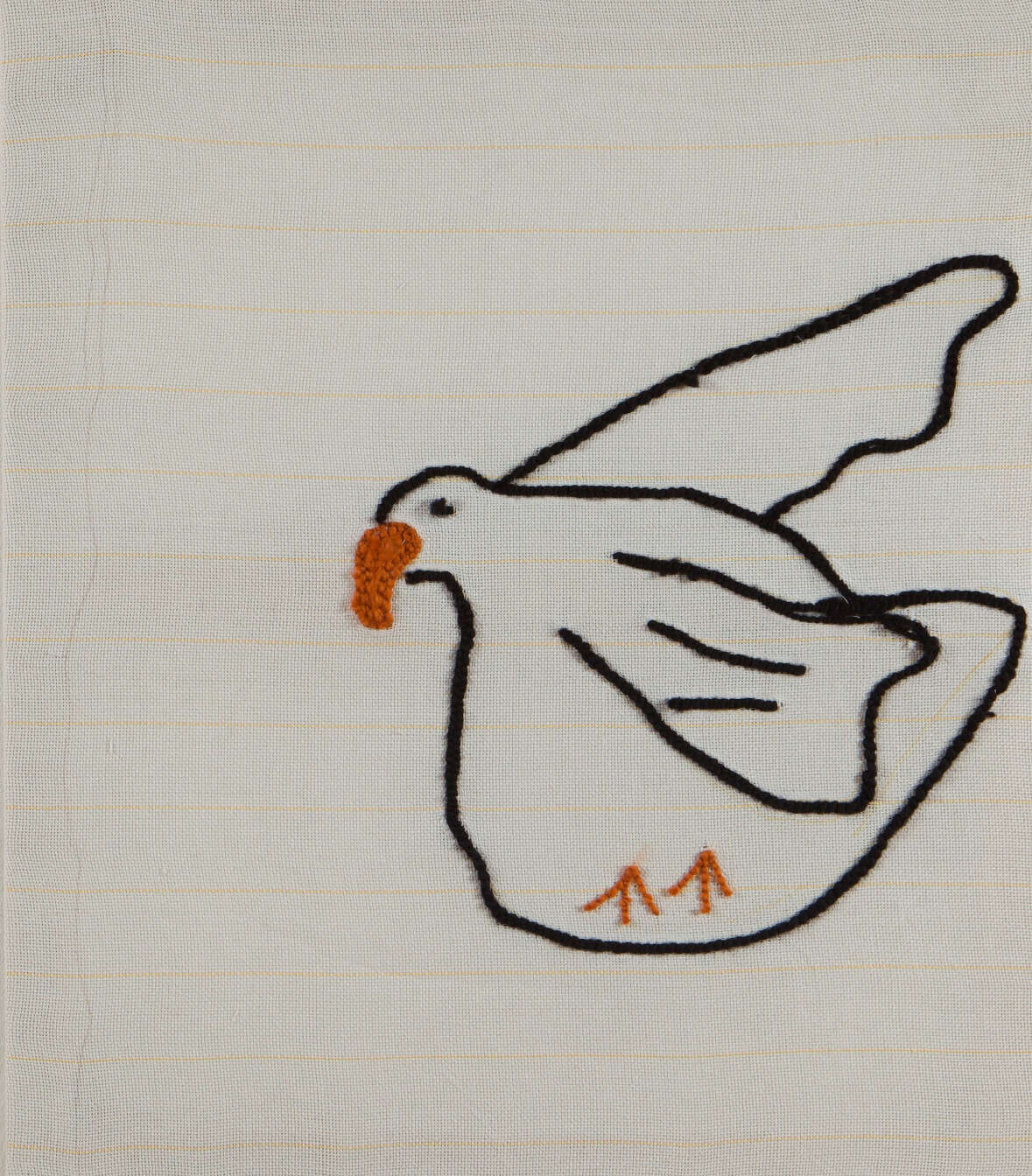
Sacred art creates spaces for silence and reflection. At the ‘Studierenden Kunstmarkt’, young artists reinterpret traditional symbols and infuse their works with their personal perspectives. Spirituality enters into a dialogue with modern visual language, bringing beliefs, admiration and contradictions to the fore. Sacred art moves and surprises – regardless of one’s own faith.
Sacred Art: Faith, History and the Present
Sacred art has accompanied humanity for millennia. Wherever people seek meaning, guidance or a place to pause and reflect, art emerges that transcends its subject matter. Sacred art combines faith, culture and aesthetics – and its influence extends far beyond church interiors. Today, sacred art is increasingly finding a place in private homes, modern offices or meditative retreats, because it imbues spaces with a special sense of depth and tranquillity.
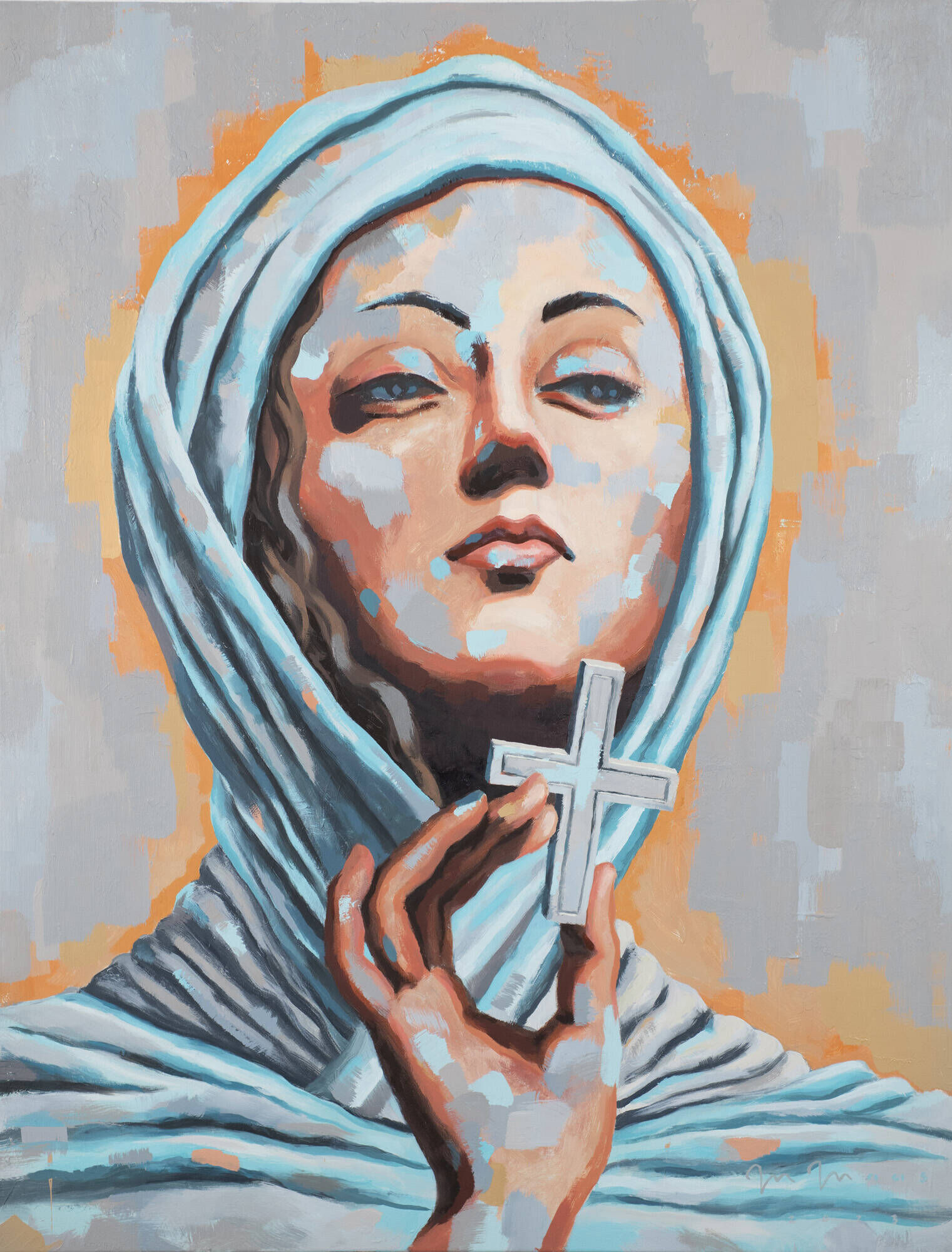
Religious art can have a solemn, narrative or minimalist effect. It offers a glimpse into humanity, spirituality and history. Whether a classical icon, a modern biblical reference or abstract symbolism – Christian art brings an atmosphere of stillness and contemplation to any room. Choosing a piece of art makes a conscious statement that has both an aesthetic and an emotional impact. Particularly in hectic times, modern religious art can create a place where you can find peace, draw strength or regain your focus.
Background and history of sacred art in Europe
Sacred art has a long and deeply rooted tradition in Europe. Christianity, in particular, has shaped the depictions, materials and visual languages that have emerged over the centuries. The so-called ‘Ars sacra’ – that is, sacred art – encompasses painting, sculpture and architecture, as well as fine ecclesiastical works such as vestments, liturgical objects and illuminated manuscripts. In its early development, Christian art served primarily to convey religious content: it recounted biblical stories, strengthened a shared understanding of the faith and provided guidance.
The Byzantine Iconoclastic Controversy illustrates just how crucial sacred art was in the history of faith. Whilst the Eastern Church continues to this day to adhere to strictly stylised icons, a sensuous, worldly style of painting developed in the West. From the Renaissance onwards, artistic expression grew in importance – the individual artist’s style, emotional impact and the depiction of the human condition came more into focus. Christian art did not thereby become any less religious, but rather more multifaceted and aesthetic. The Reformation ultimately brought about radical changes: in many regions, depictions were removed from churches, destroyed or sold. Yet despite such upheavals, sacred art remained alive. Movements such as the Nazarenes in the 19th century even made a conscious effort to revive Christian art and infuse it with a new spirit.
Today, modern Christian art is more diverse than ever: it ranges from traditional icon painting and Romantic depictions to experimental forms that reinterpret spirituality, doubt, hope and identity.
Sacred art in various religions
In Christianity, Christian paintings are deeply rooted in religious practice: they served as teaching aids, sources of inspiration and spiritual guidance. Over the centuries, three motifs in particular – the Virgin Mary, the Crucifixion of Christ and the stories of the saints – have shaped the art, from frescoes to stained-glass windows. Whilst icon painting in the Eastern Churches employs gold backgrounds, clear forms and spiritual simplicity, a more narrative and emotional visual language developed in the West. To this day, sacred art brings a sense of tranquillity, solemnity and cultural depth to spaces. Anyone who buys religious art is bringing a work full of symbolism, history and a powerful presence into their home.
Sacred art is, of course, not limited to Christianity – it is a global phenomenon that plays a central role in almost all cultures. In ancient Greece, it combined religion, politics and aesthetics: temples, statues of gods, reliefs and mythological scenes shaped a visual world whose remnants – such as the Acropolis or the Oracle of Delphi – continue to impress to this day. In the Islamic world, a distinct form of sacred art developed due to the aversion to figurative representations. Calligraphy, ornamentation, geometric patterns and a rich architectural tradition characterise mosques, mosaics and the art of writing. Norse religions left behind runestones, wood carvings and depictions of mythological figures such as Odin, Freya and Thor, which reflect the close connection between spirituality and nature.
Sacred art also holds profound significance in African religions: masks, figurines and ritual objects convey spiritual messages and were used in ceremonies whose symbolic power can still be felt today. In Asian religions such as Hinduism, Buddhism and Shintoism, one finds temple art, mandalas, Buddha figures and intricately detailed paintings, which promote inner peace through their structured, meditative visual language. All these forms of expression demonstrate just how diverse sacred art can be – and that, regardless of its cultural origins, it always touches upon the same fundamental questions: meaning, ritual, community and the search for something greater than ourselves.
From da Vinci to Rembrandt – Great names in sacred art
Sacred art would be almost inconceivable without the great masters of art history. Leonardo da Vinci, Raphael, Michelangelo and Rembrandt created iconic visual worlds that are known throughout the world. Works such as ‘The Last Supper’, ‘The Sistine Madonna’, ‘Madonna in the Rock Grotto’ or Rembrandt’s biblical scenes continue to influence how we perceive sacred art to this day.
Many artists of the Middle Ages and the Early Renaissance remained anonymous because sacred art at that time was often created collaboratively or commissioned by the Church. Yet it is precisely the anonymous austerity of earlier icons that forms a fascinating contrast to the emotional and artistic styles of the Renaissance. This diversity shows that sacred art thrives on its breadth – from the austere form of the icon to the dramatic oil paintings of the Baroque period.
Buy modern sacred art
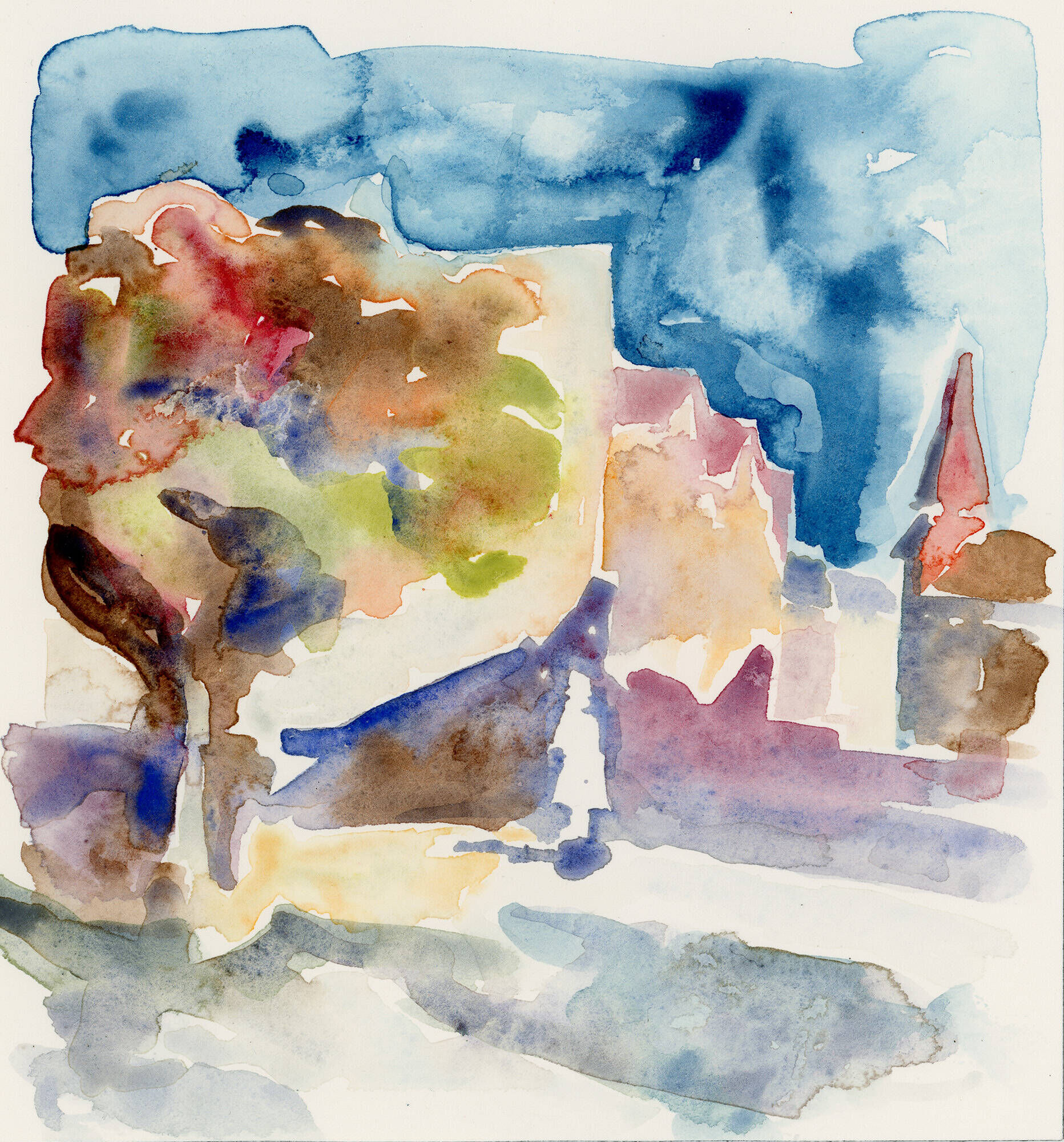
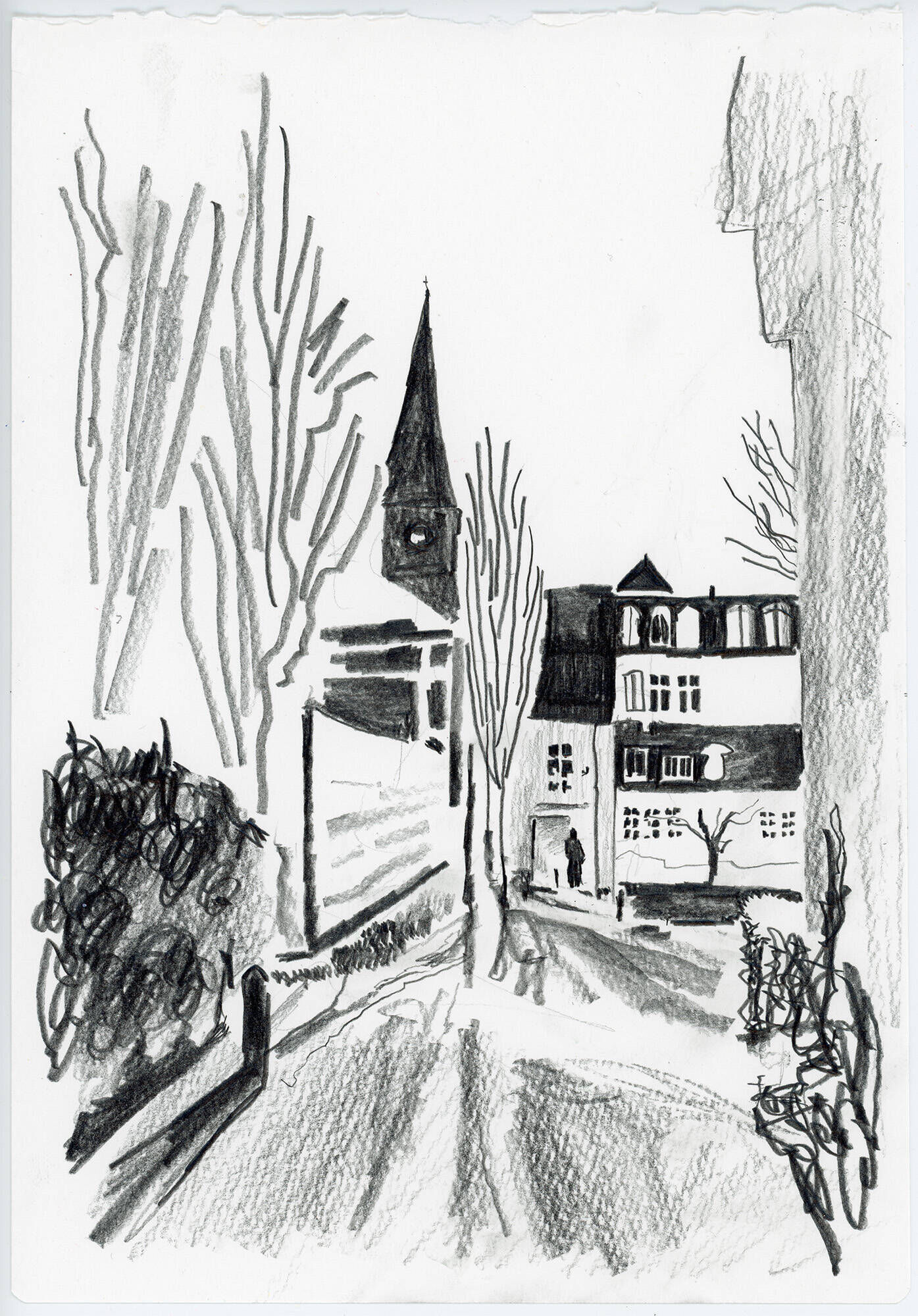
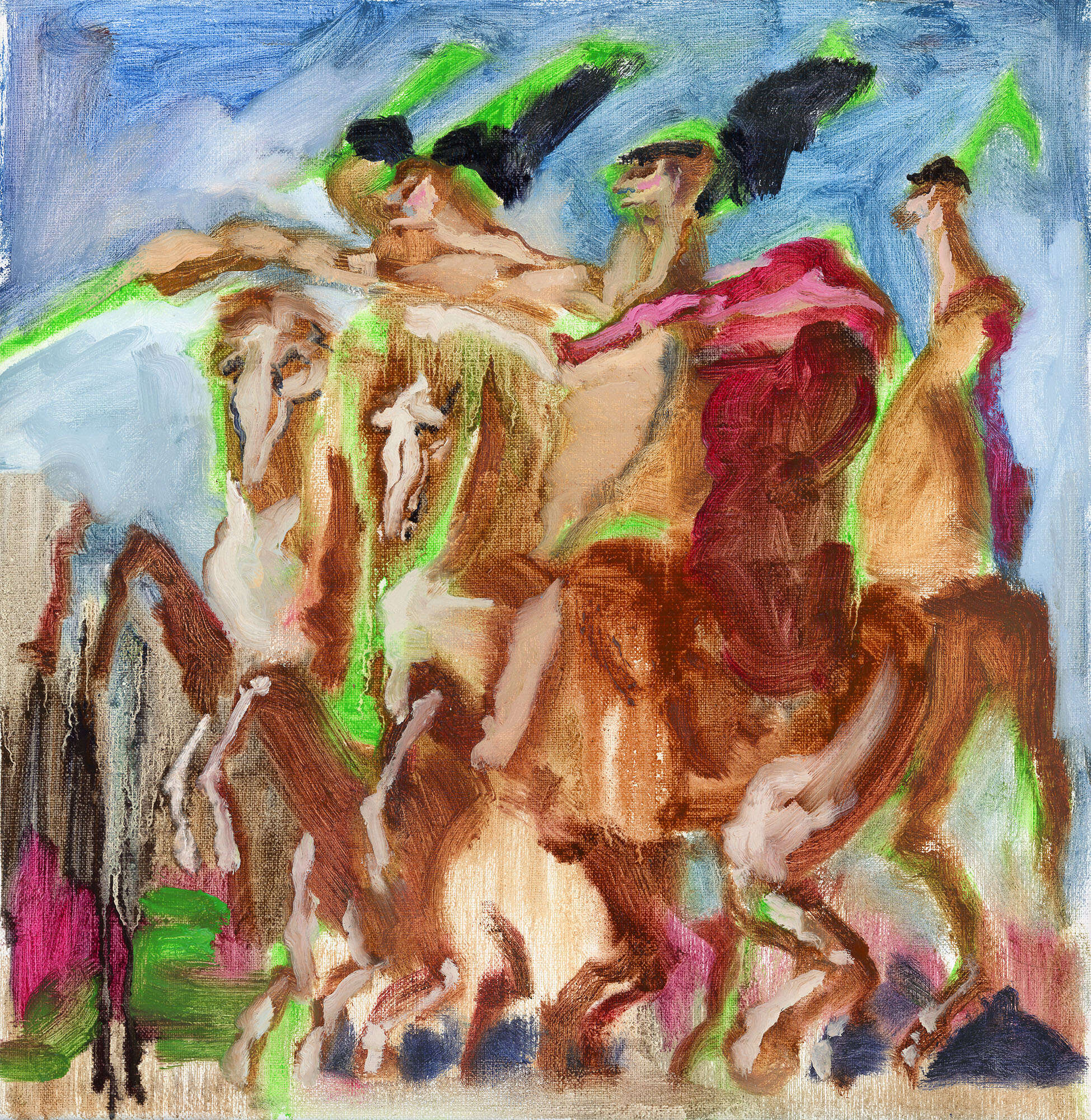
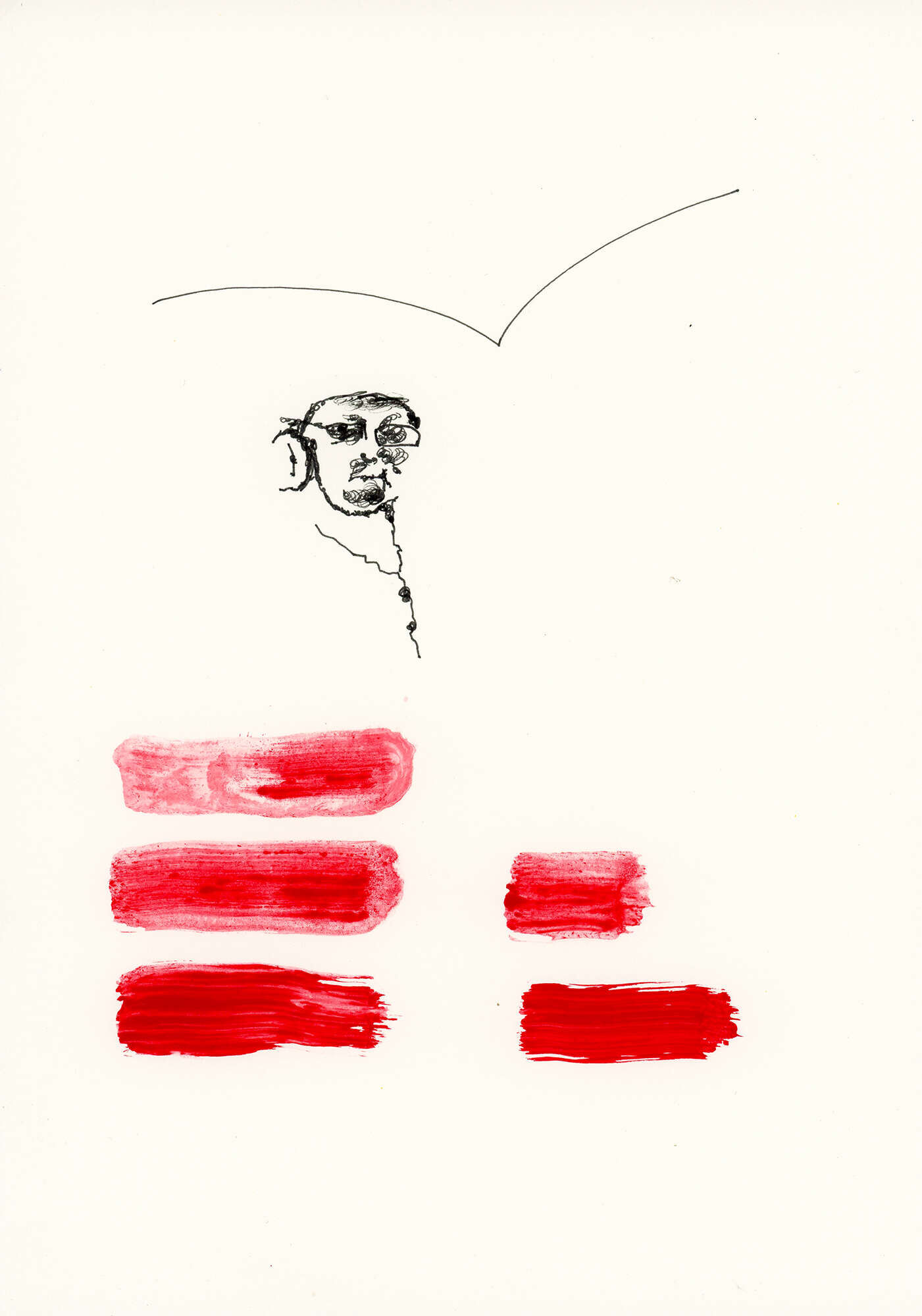
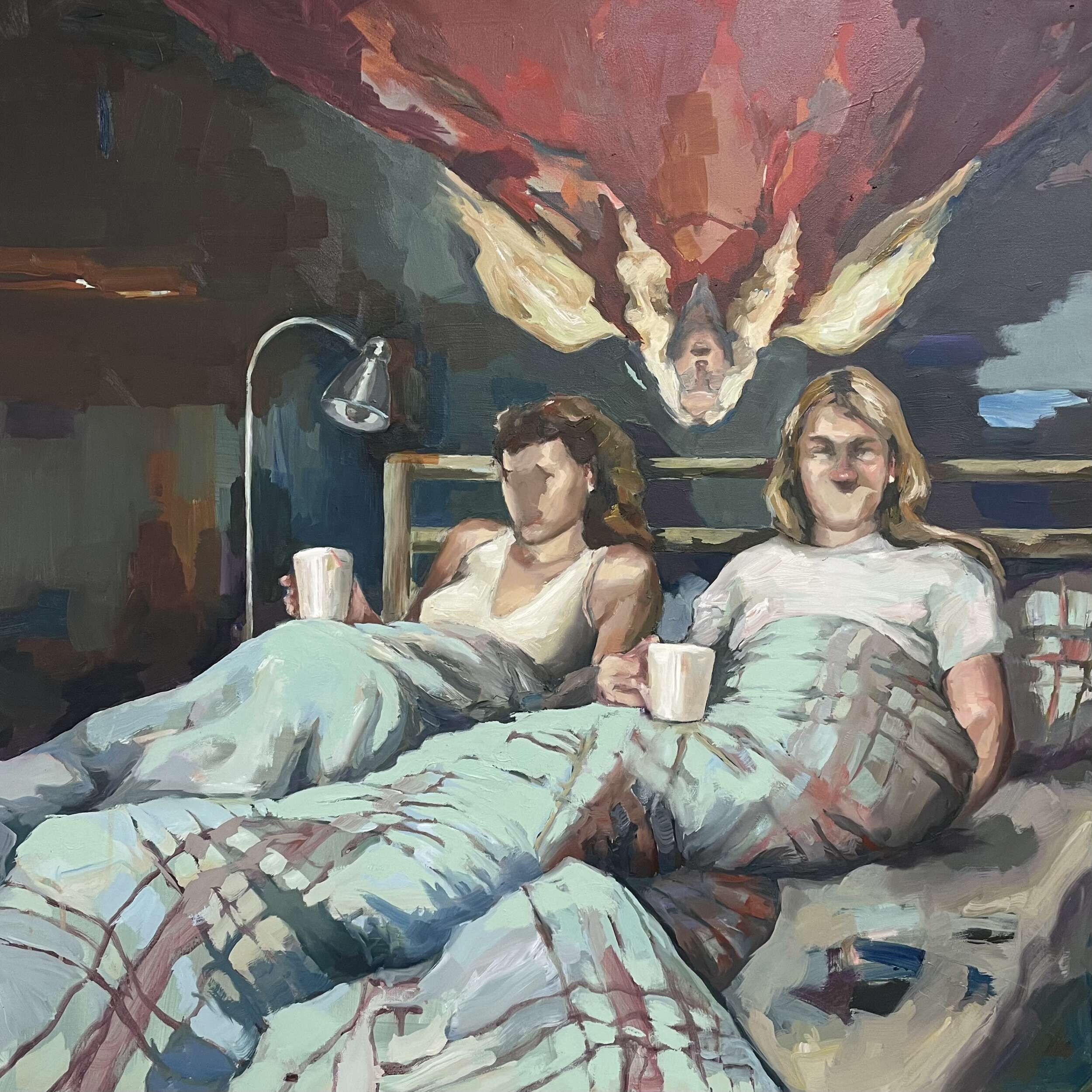
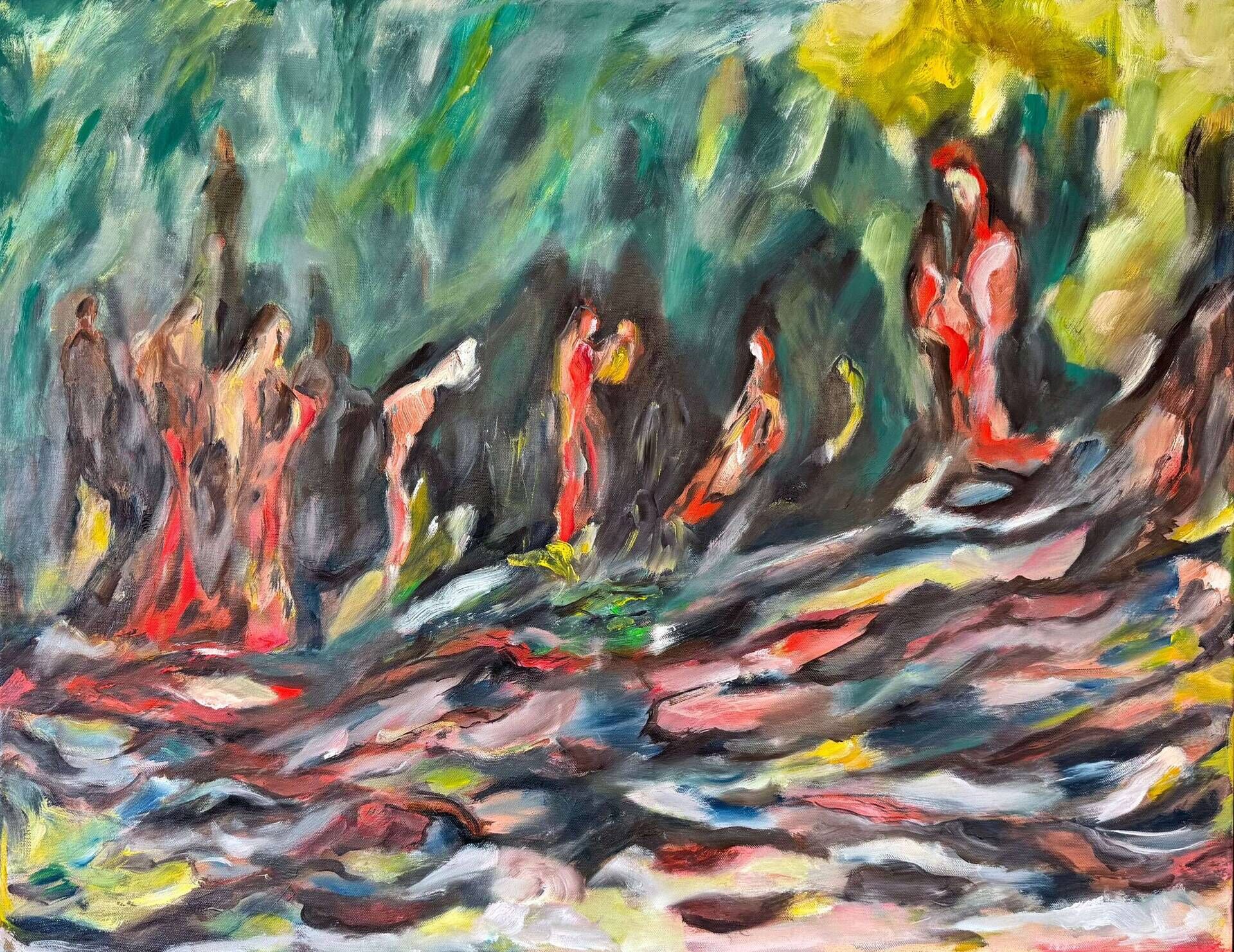
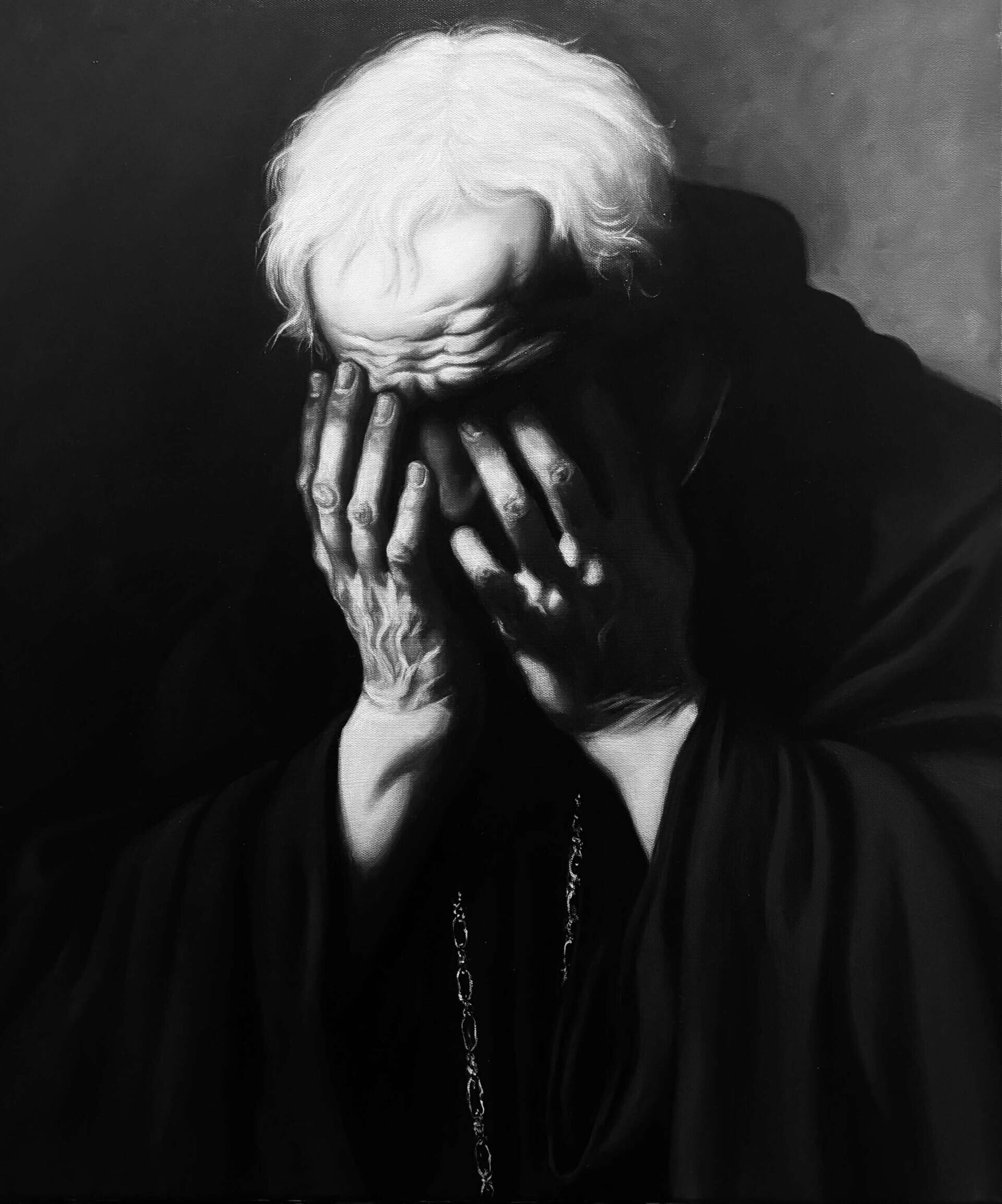
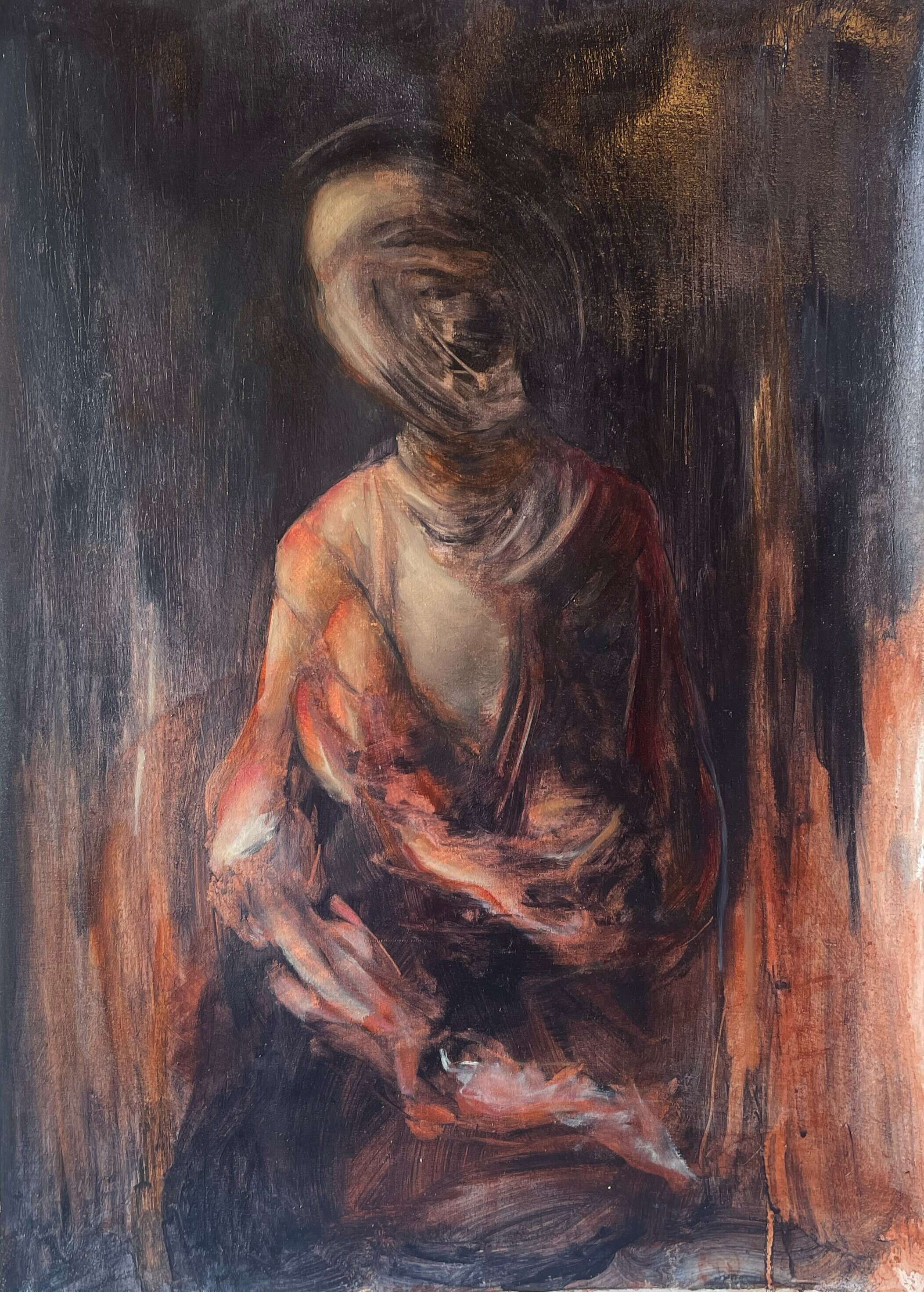
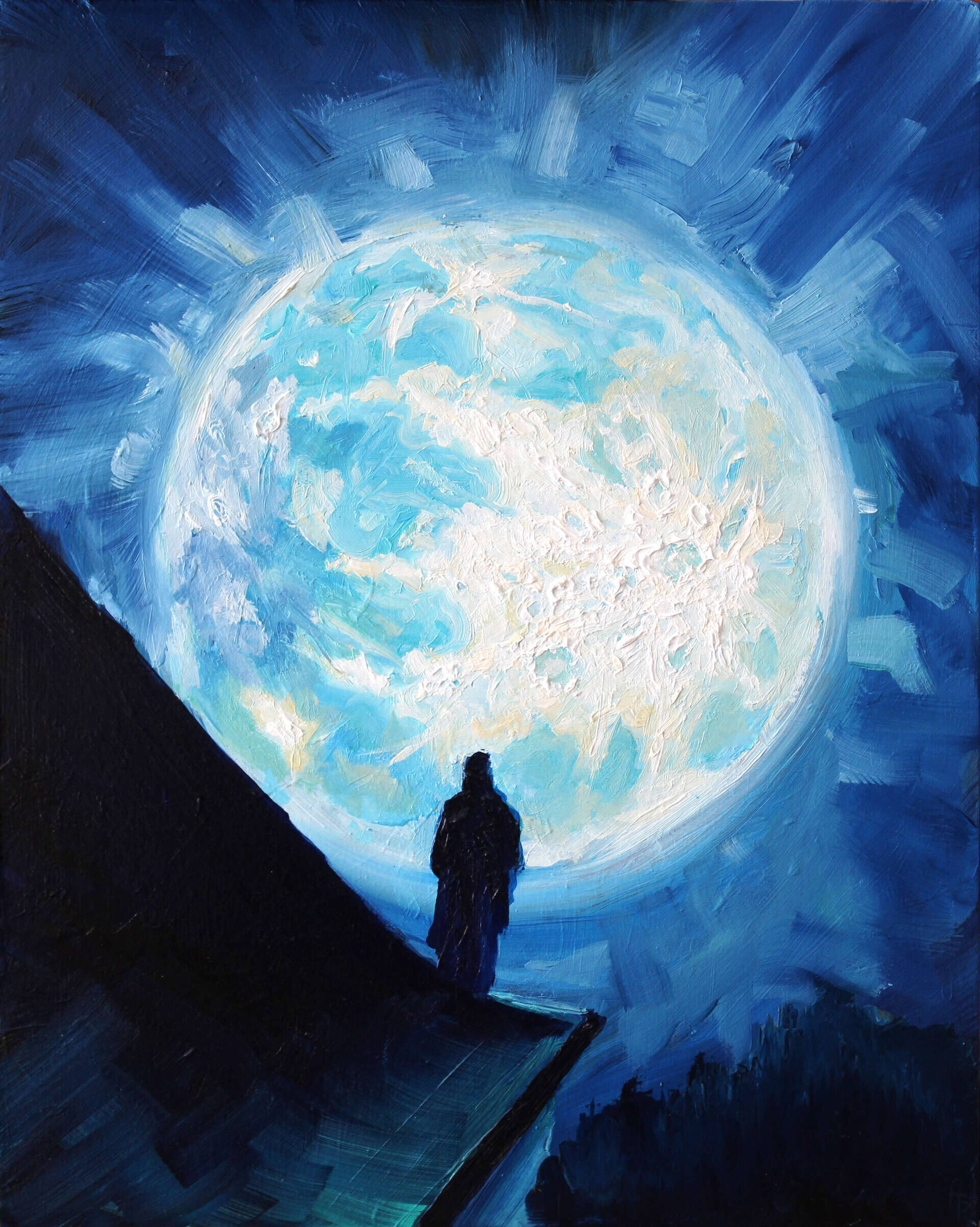
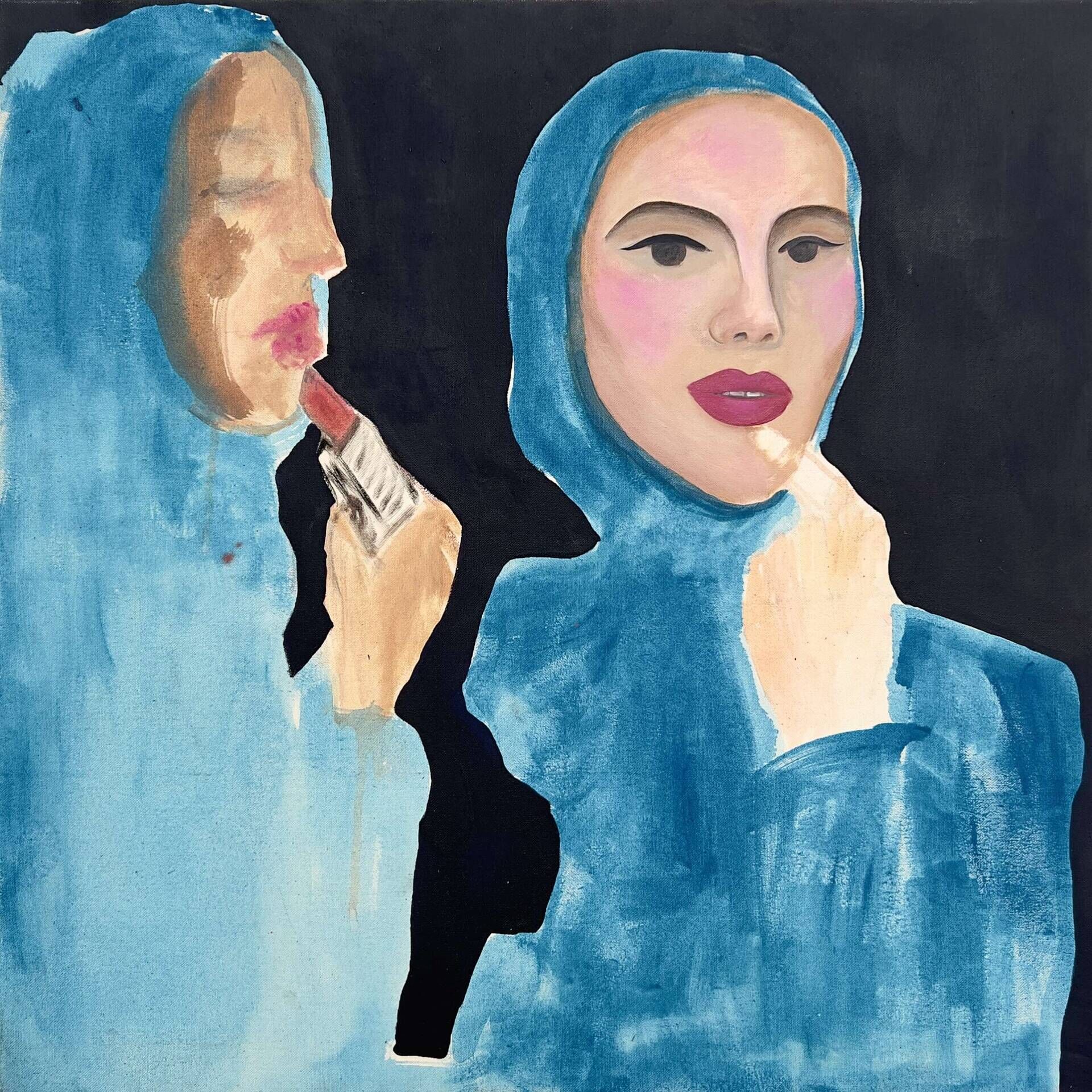
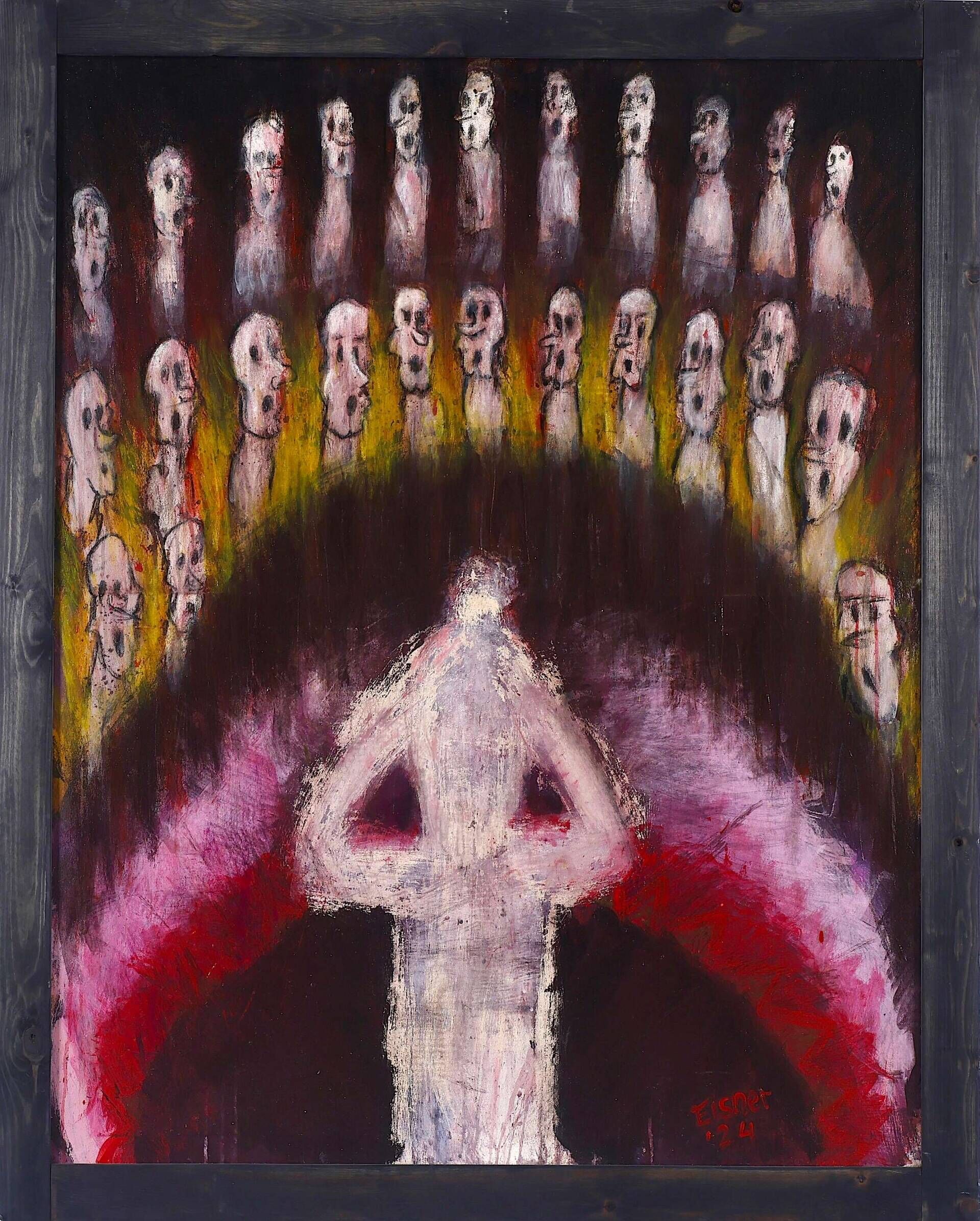
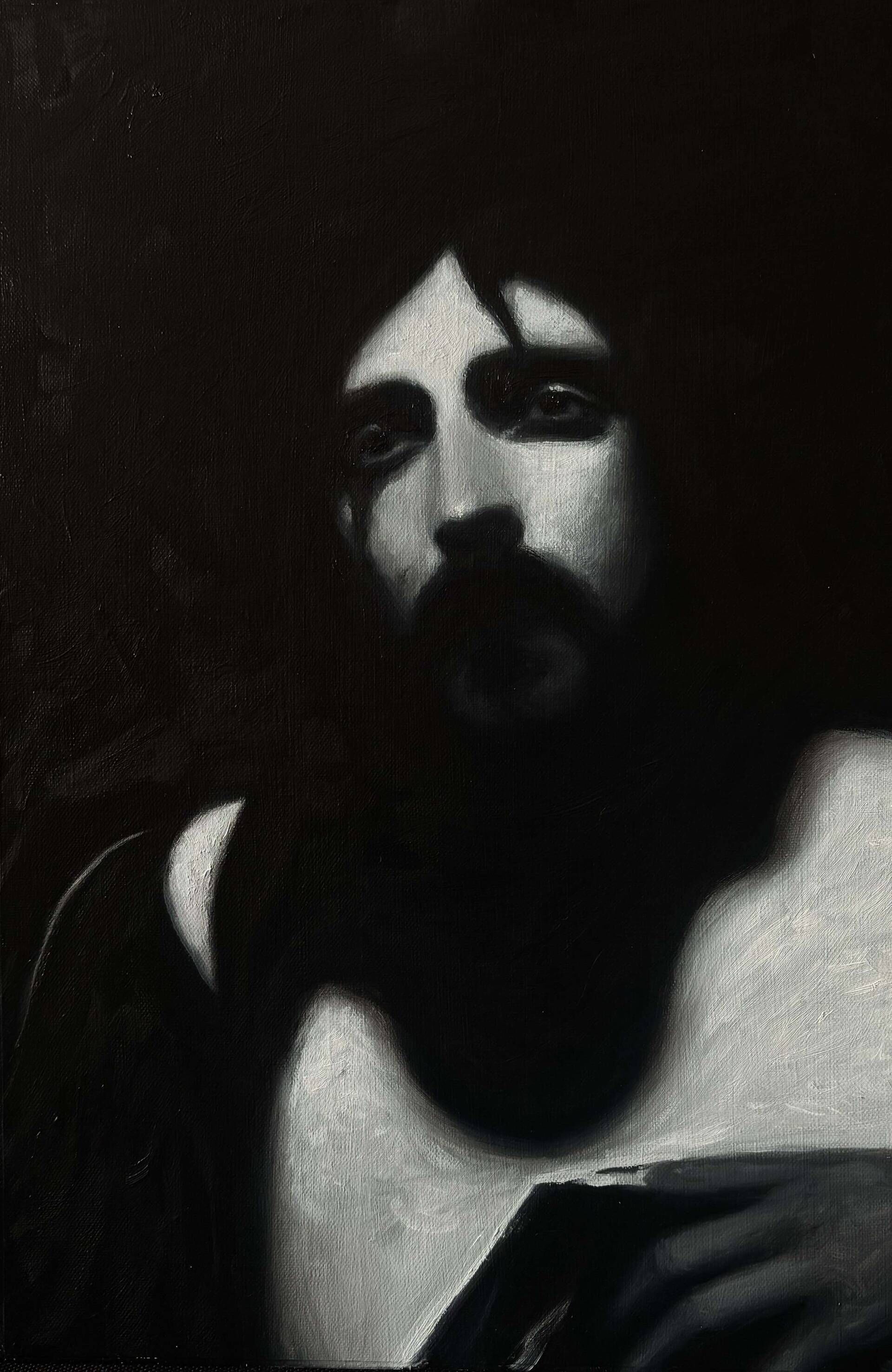
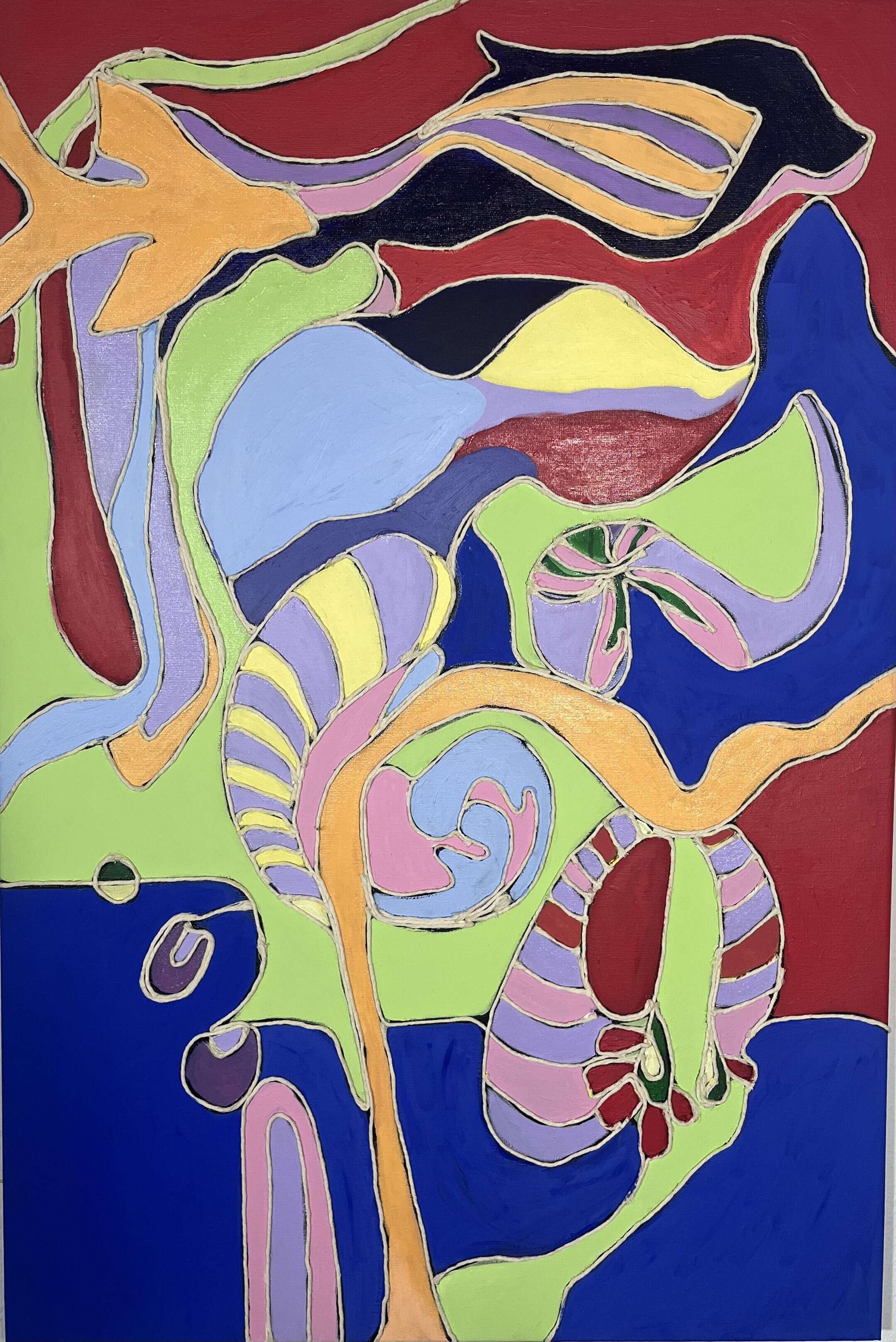
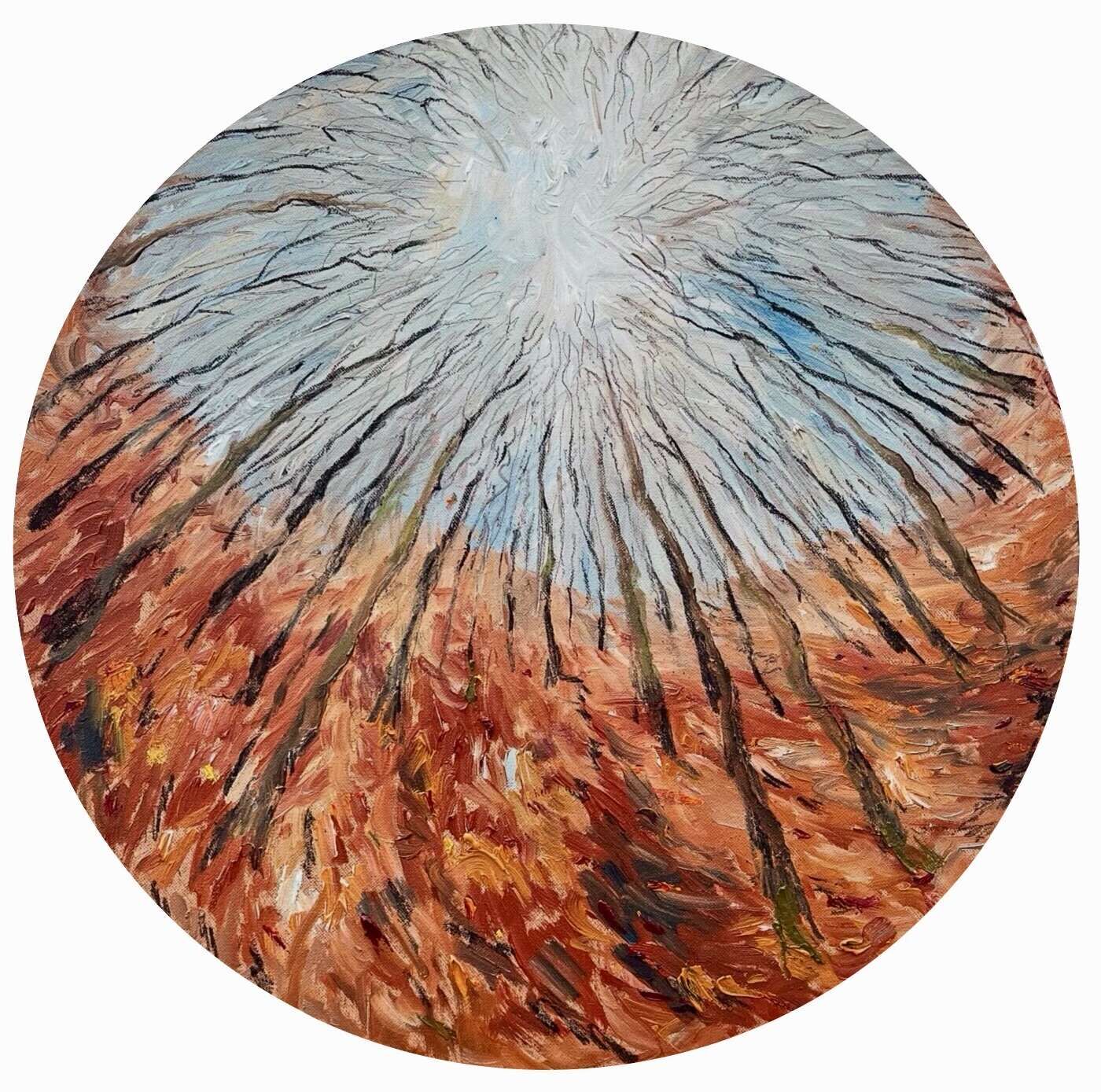
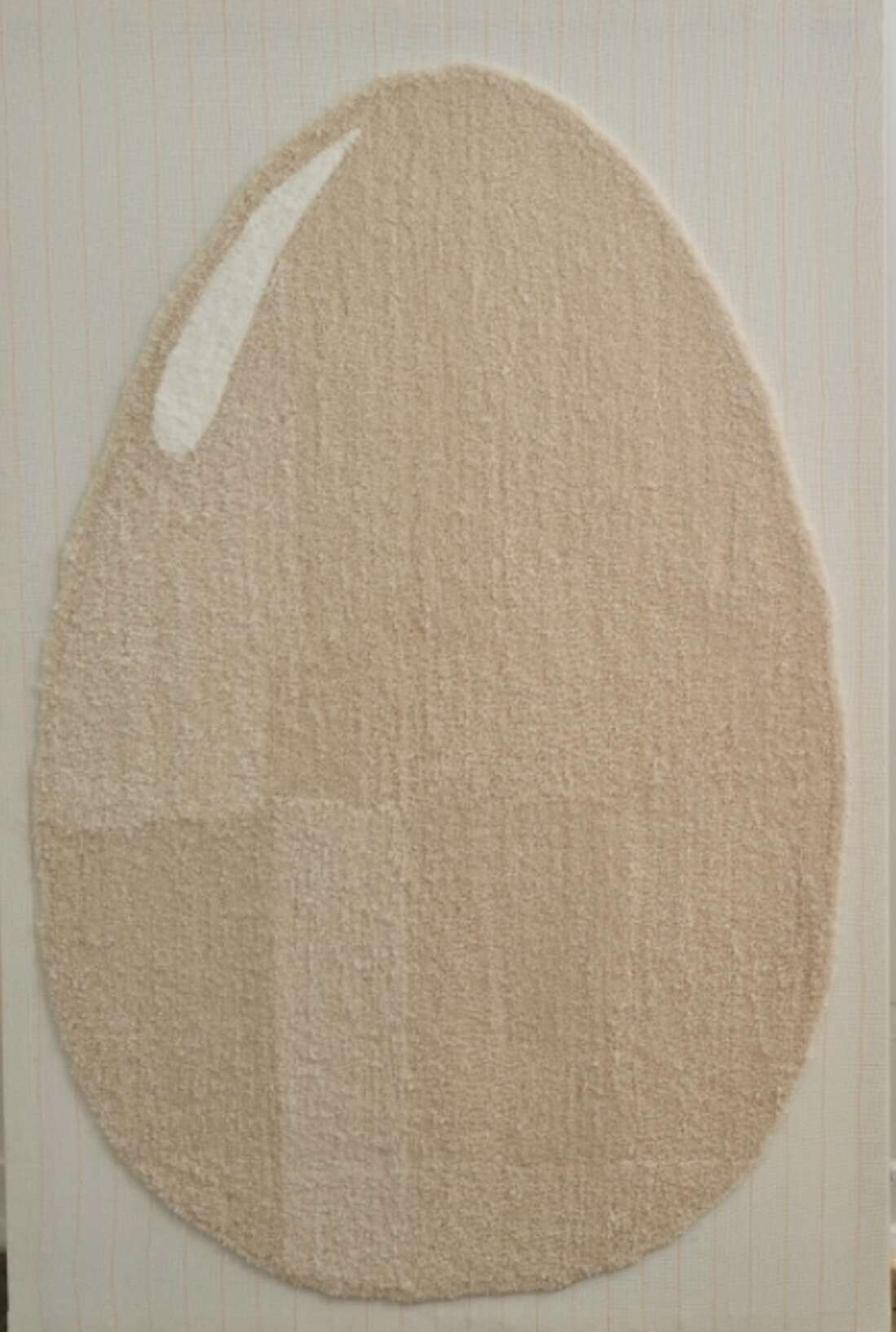
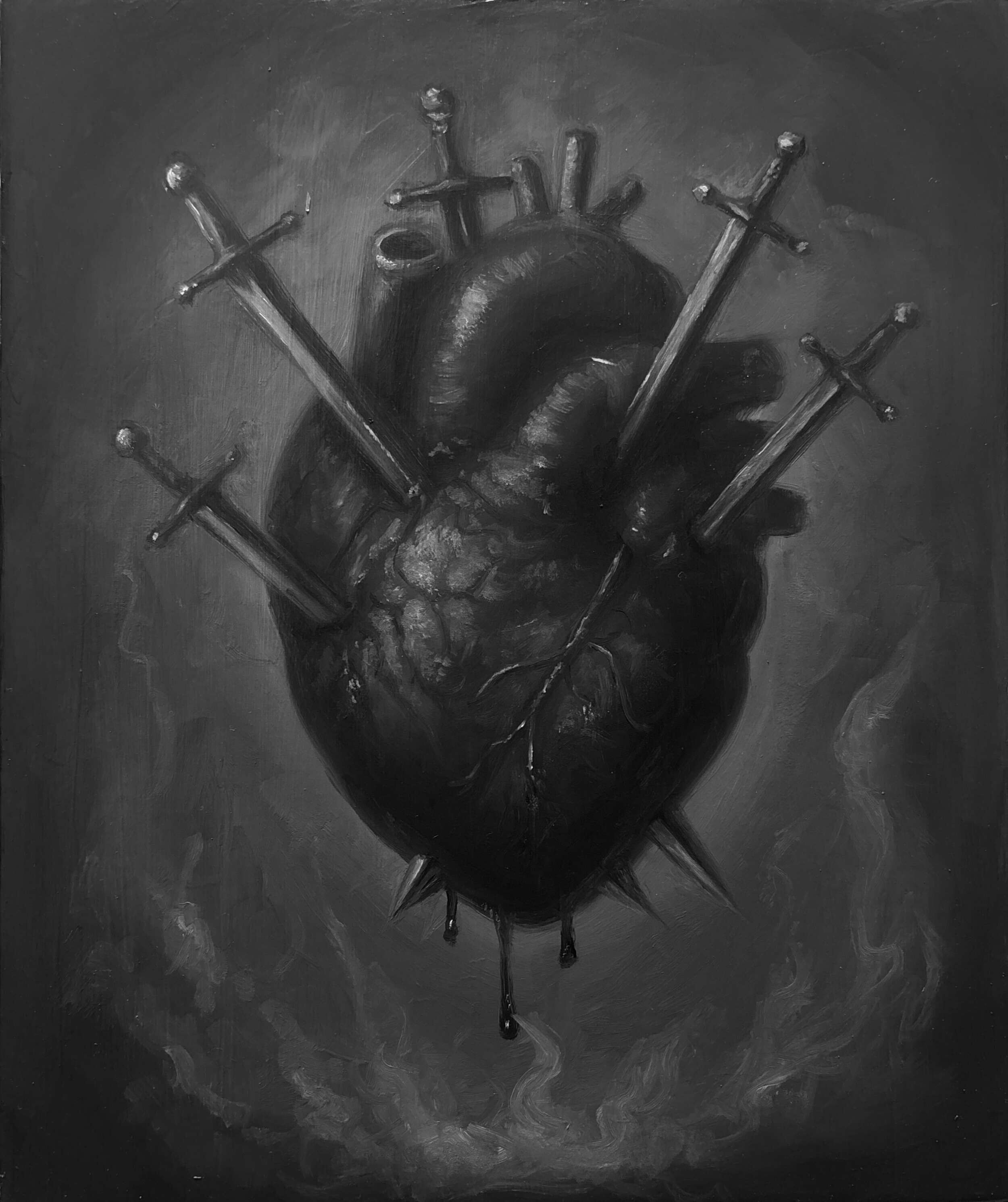
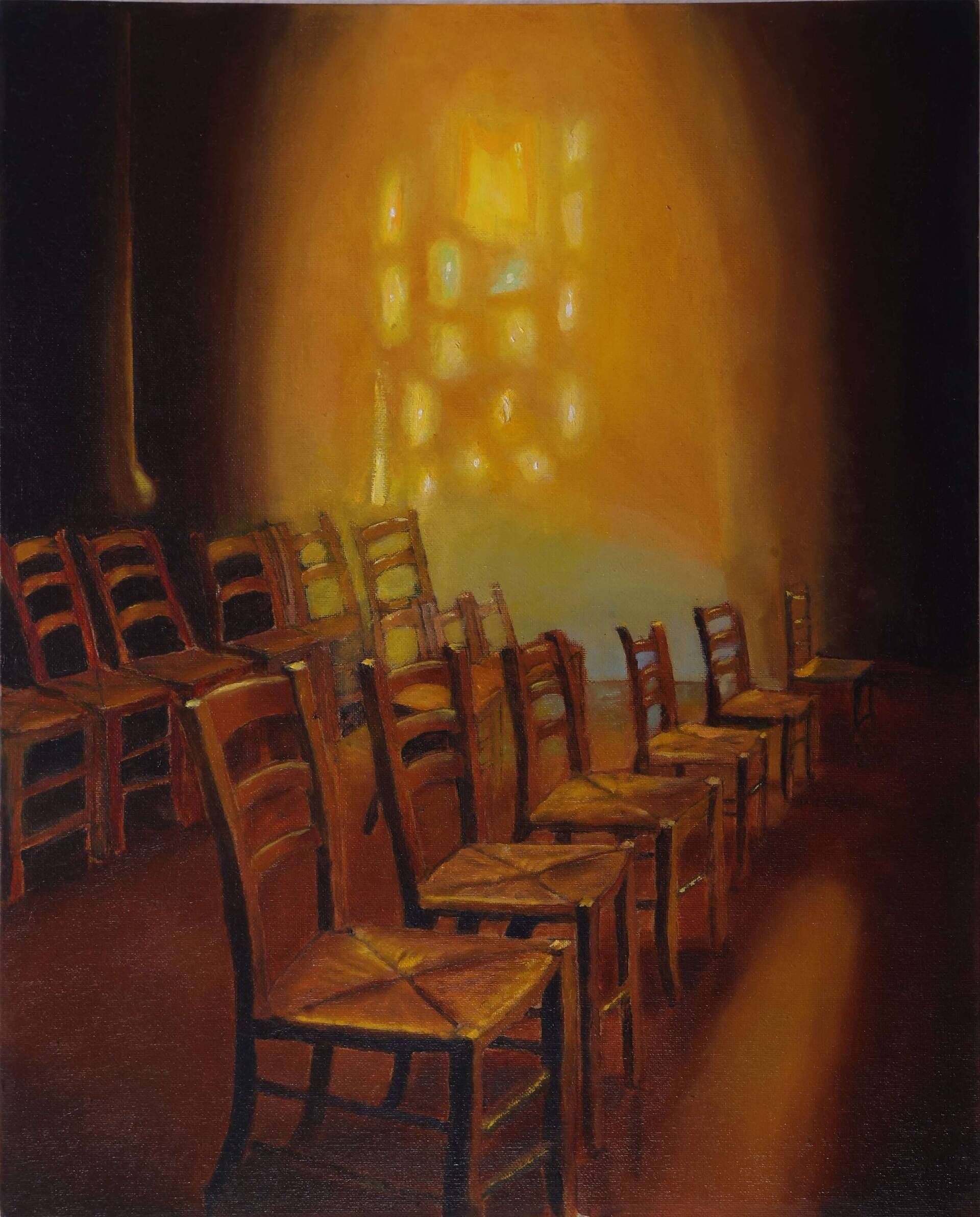
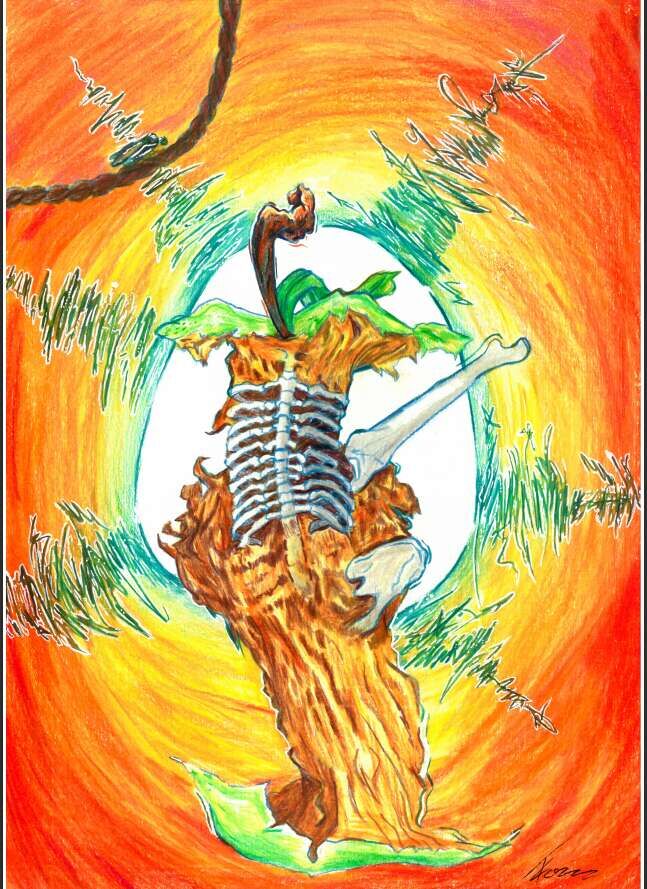
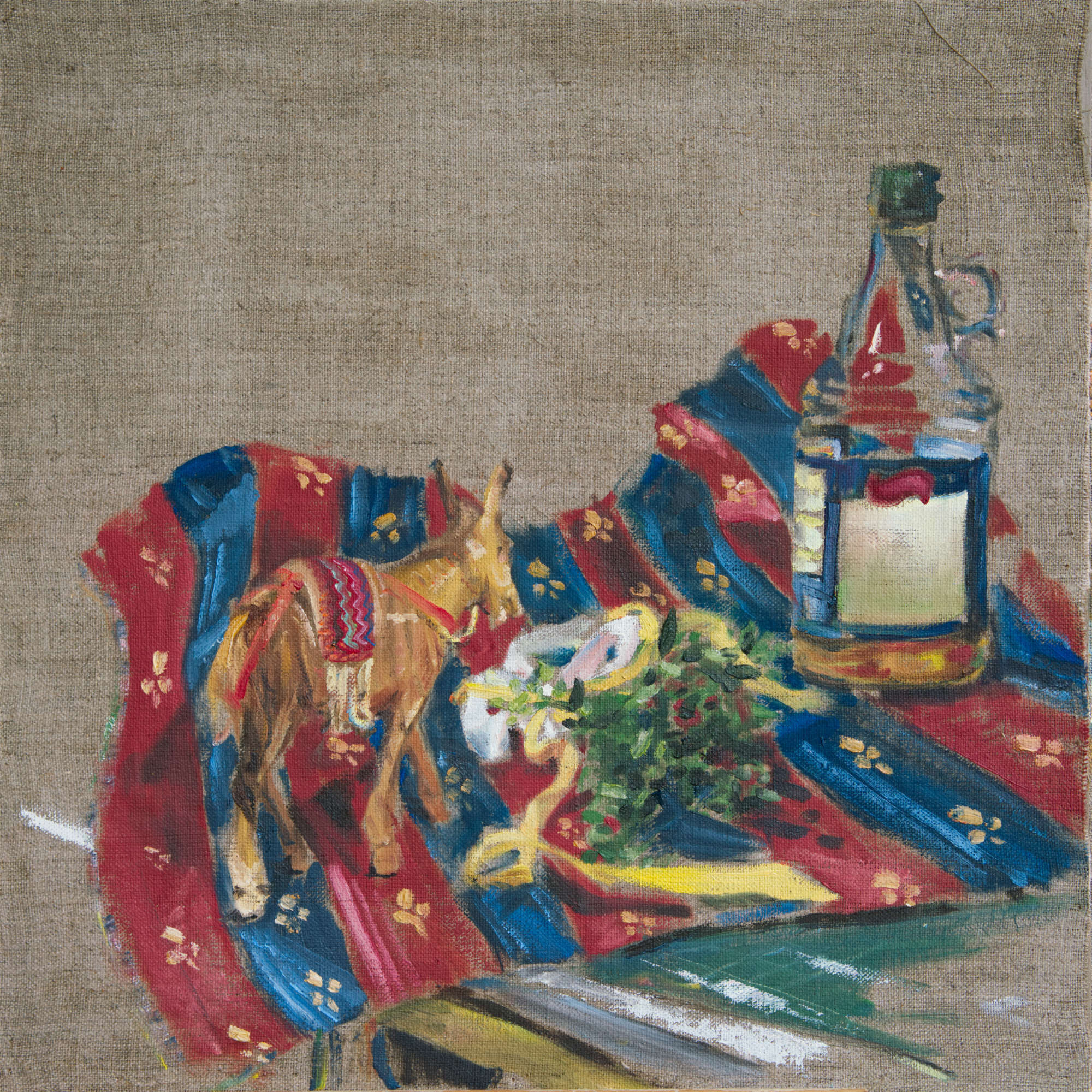
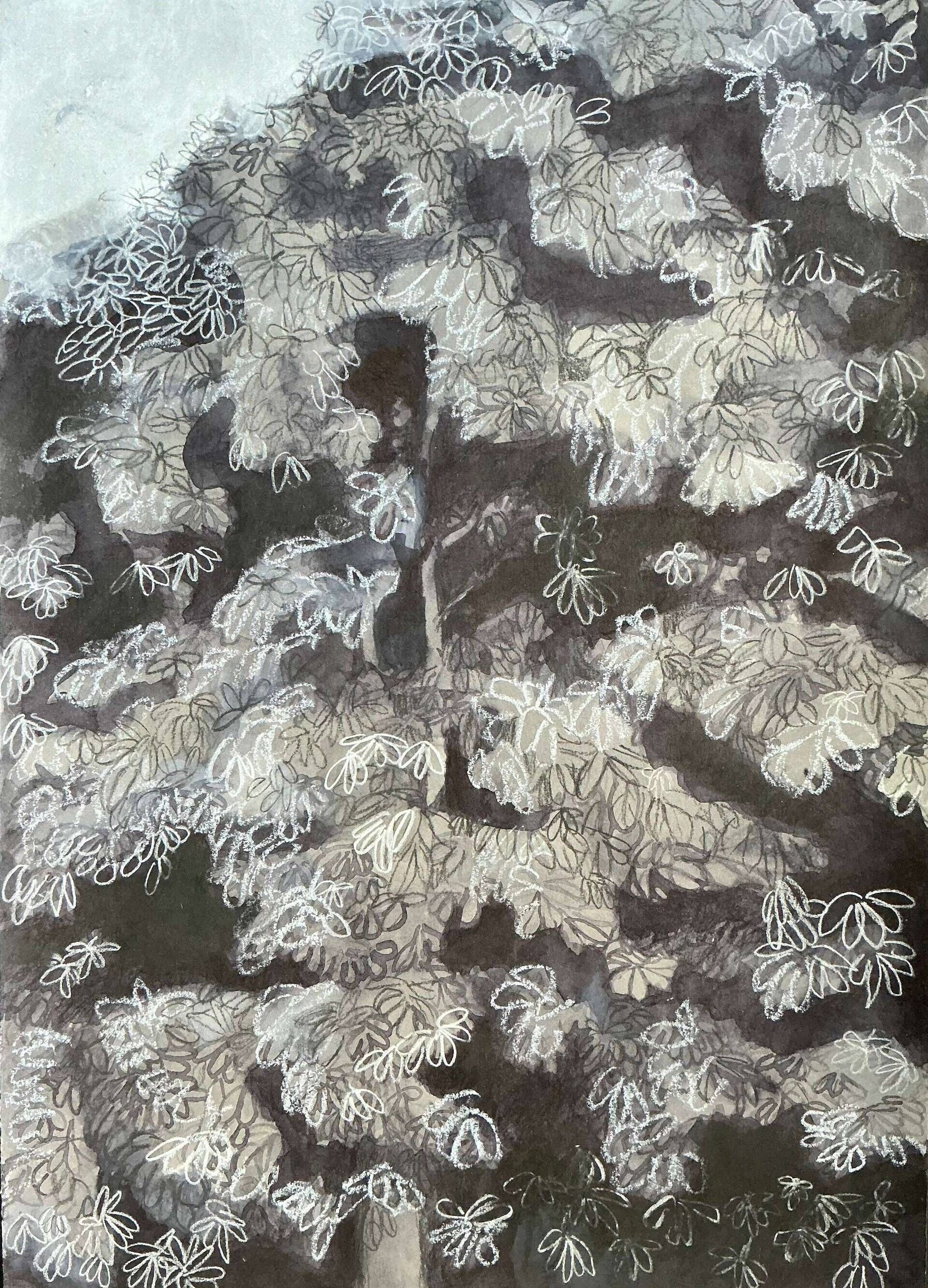
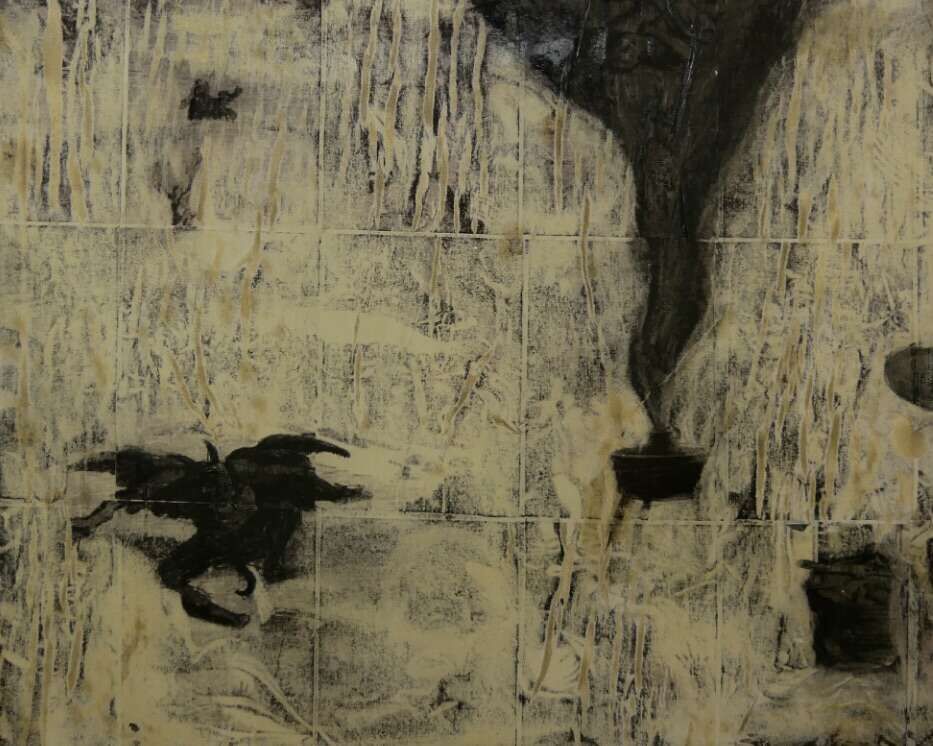
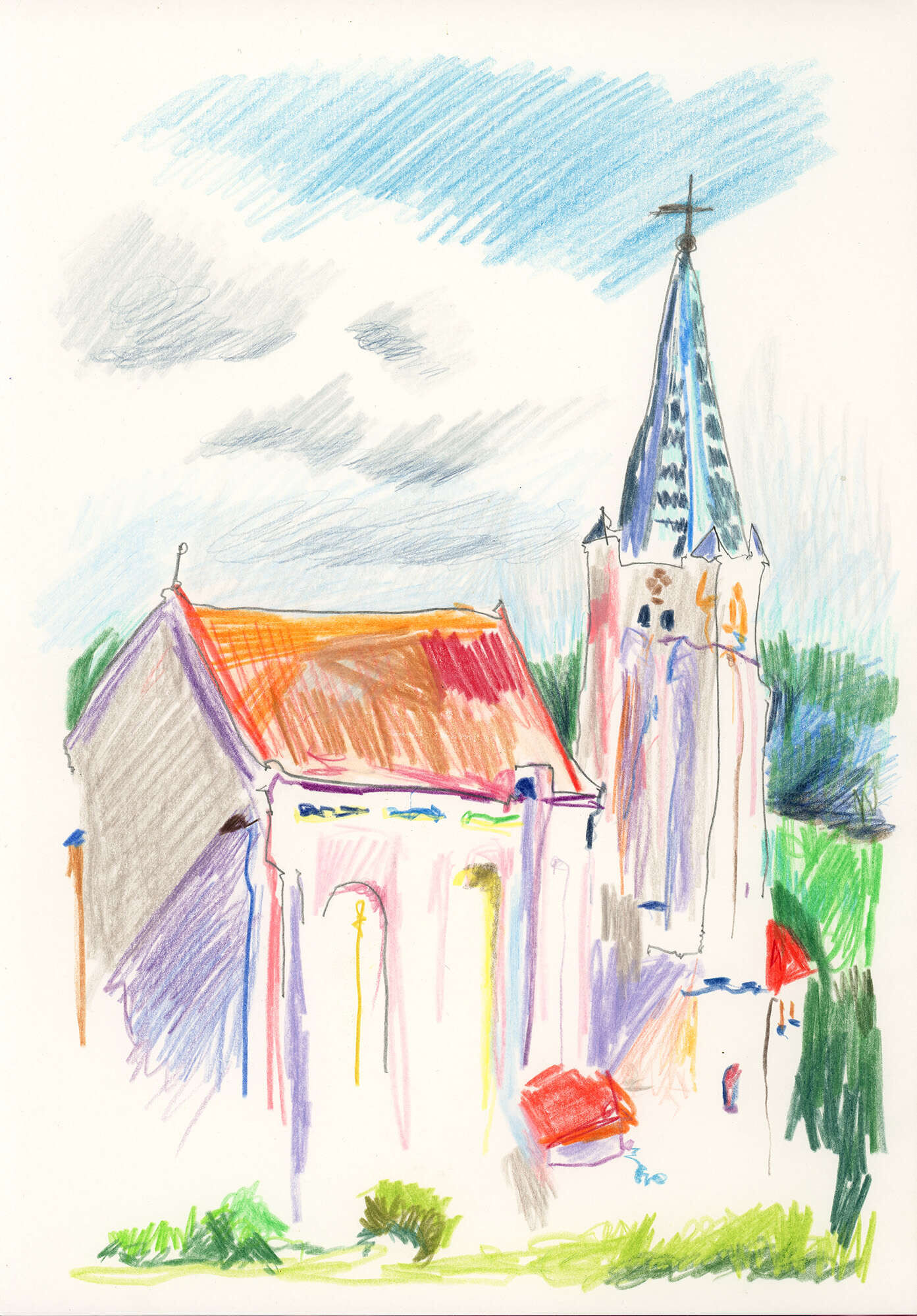
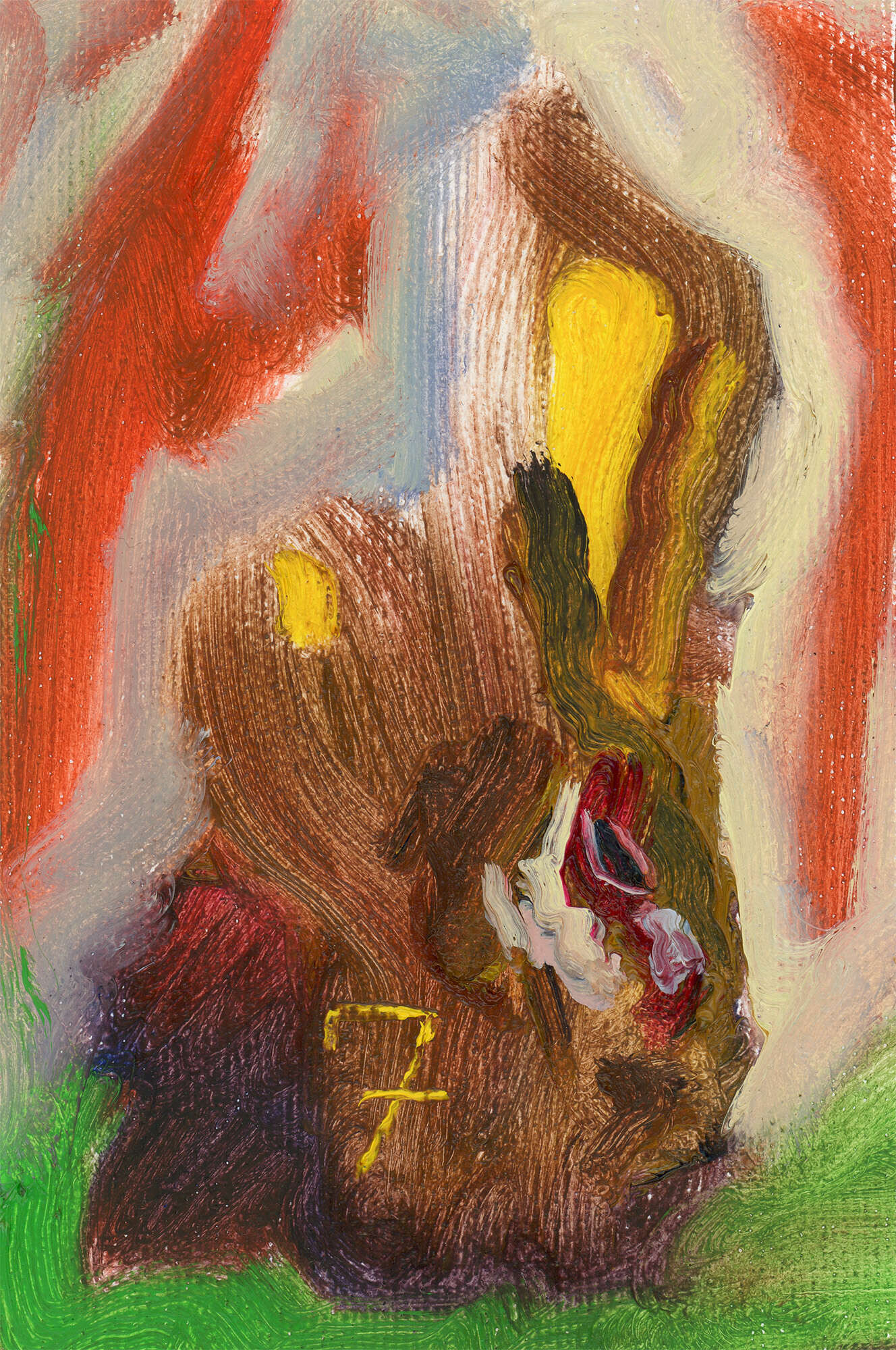
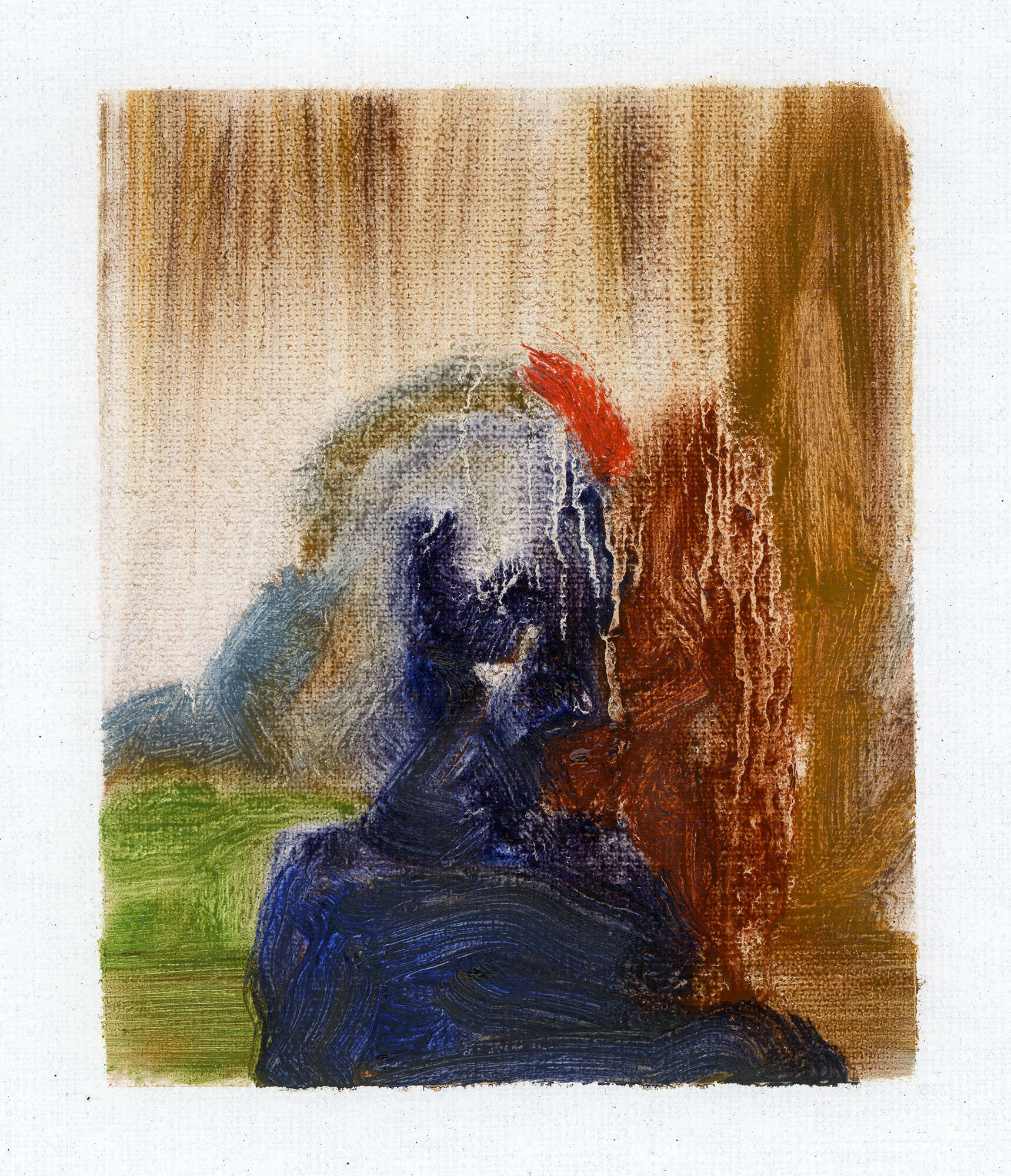
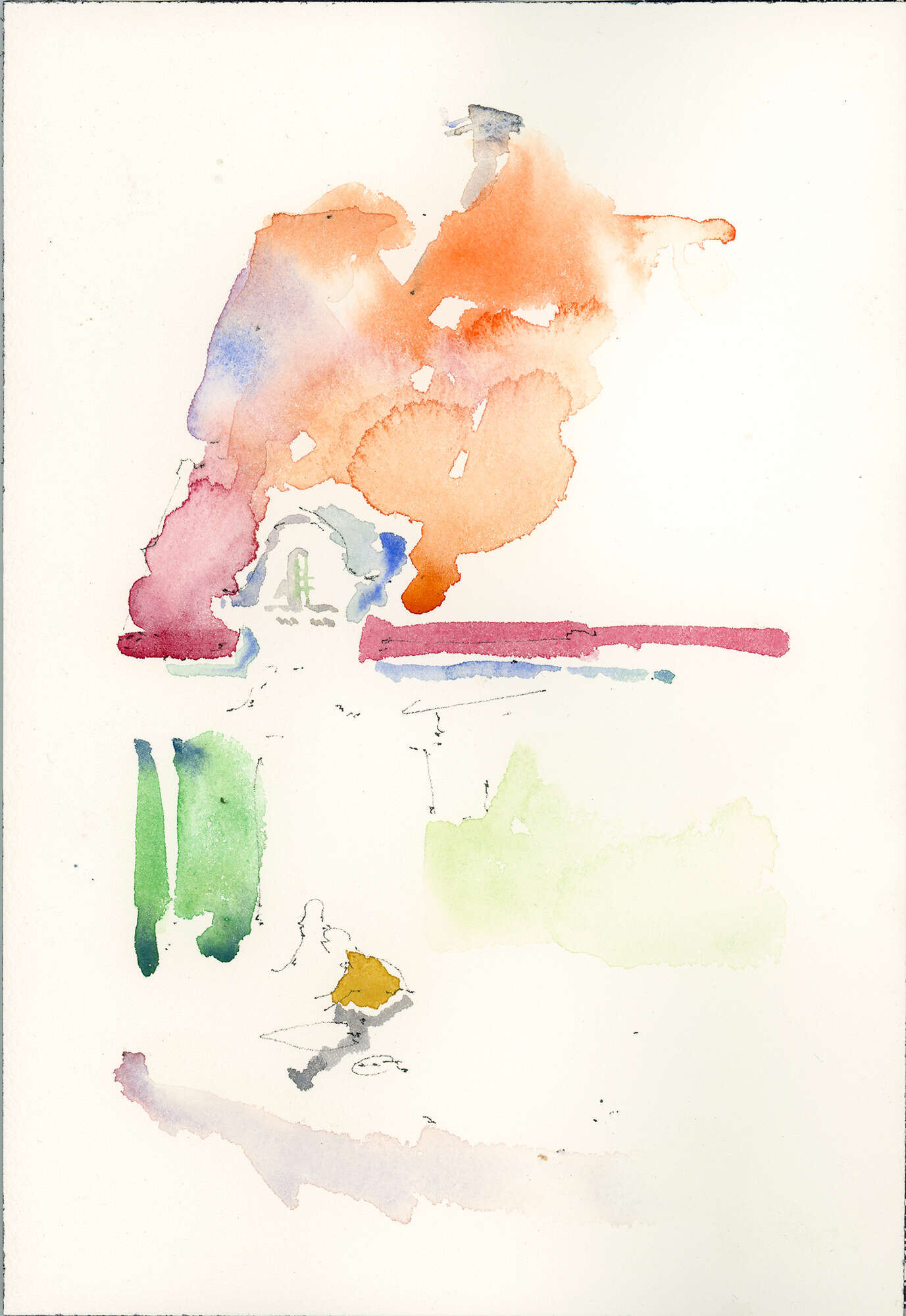
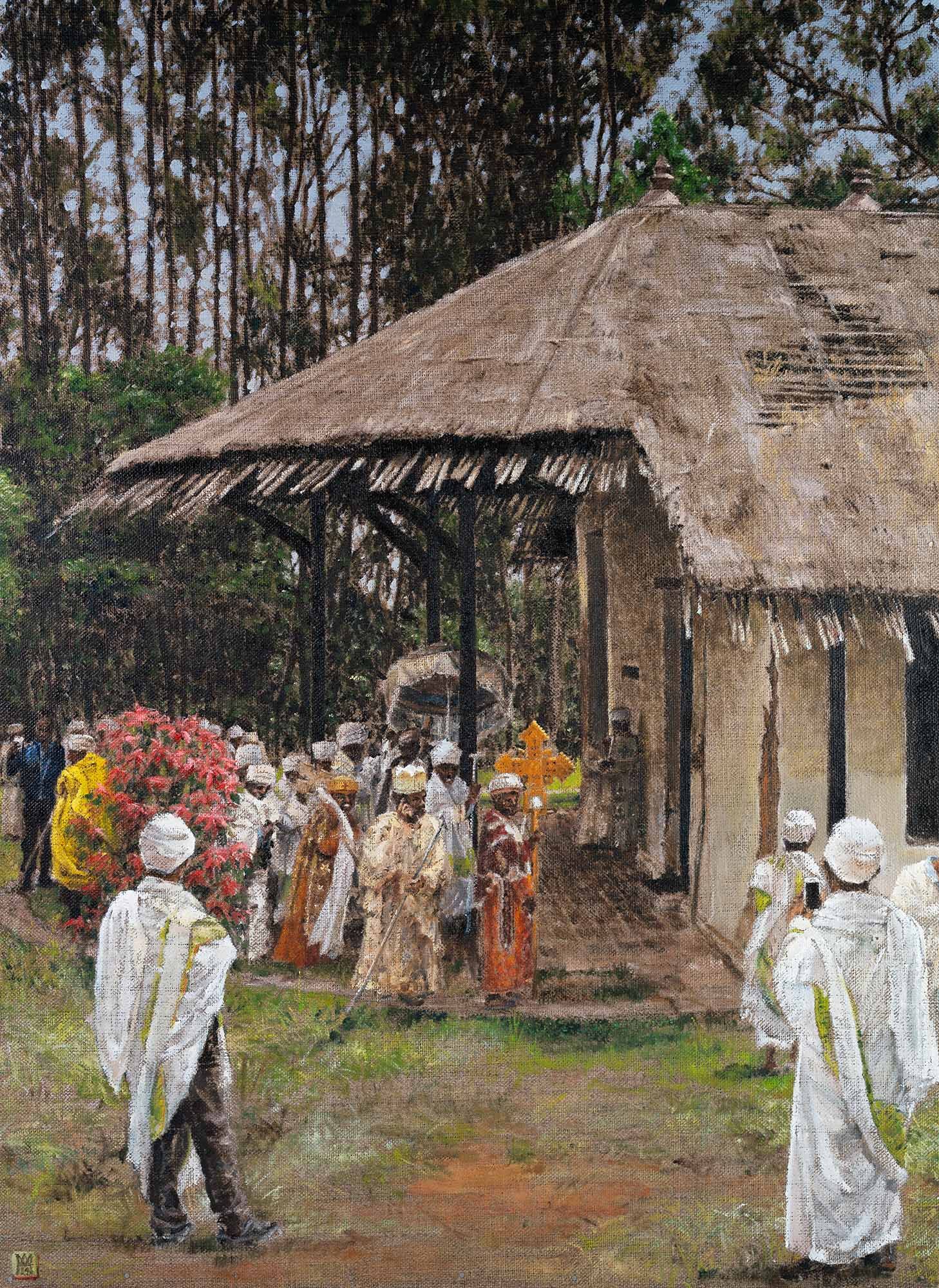
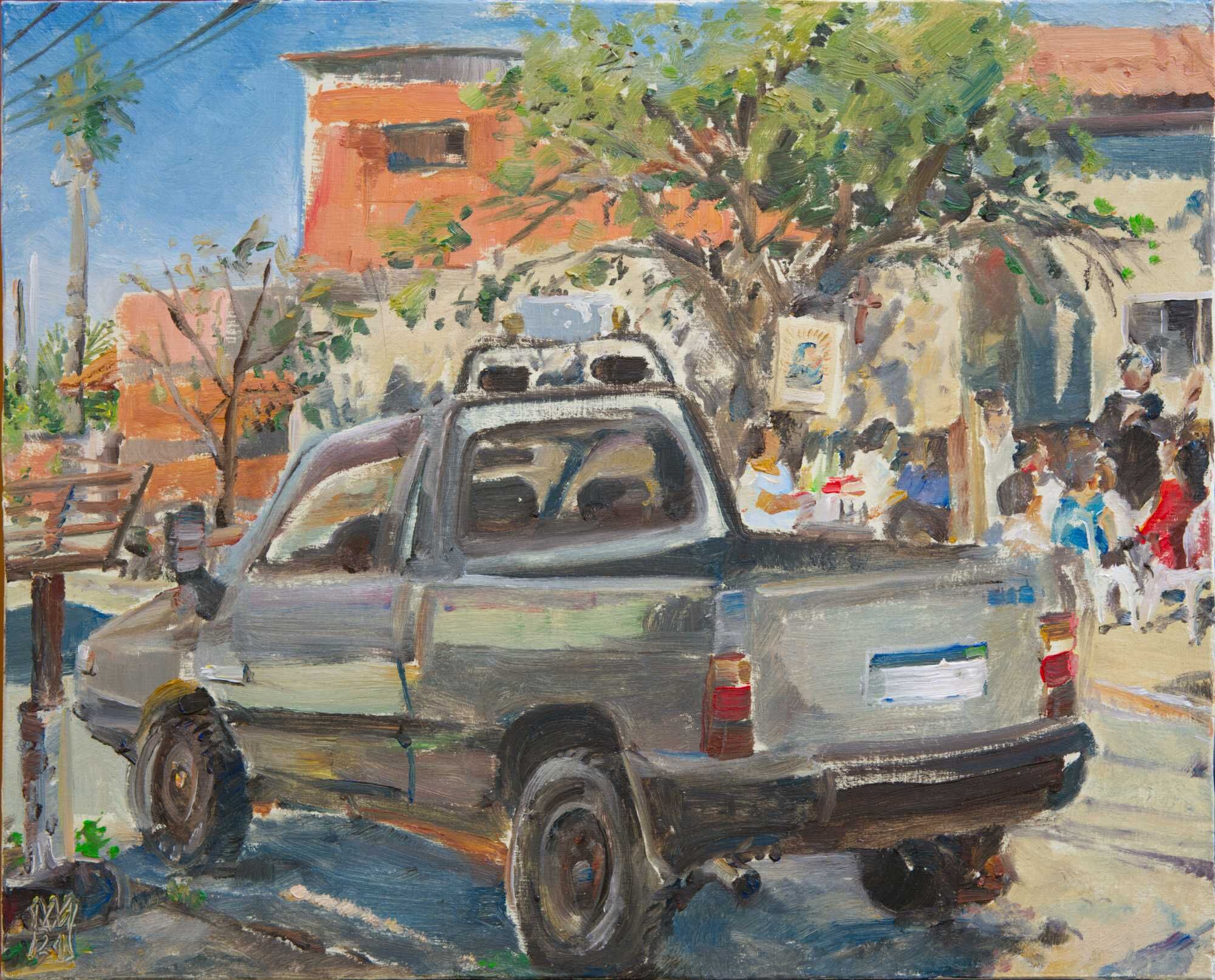
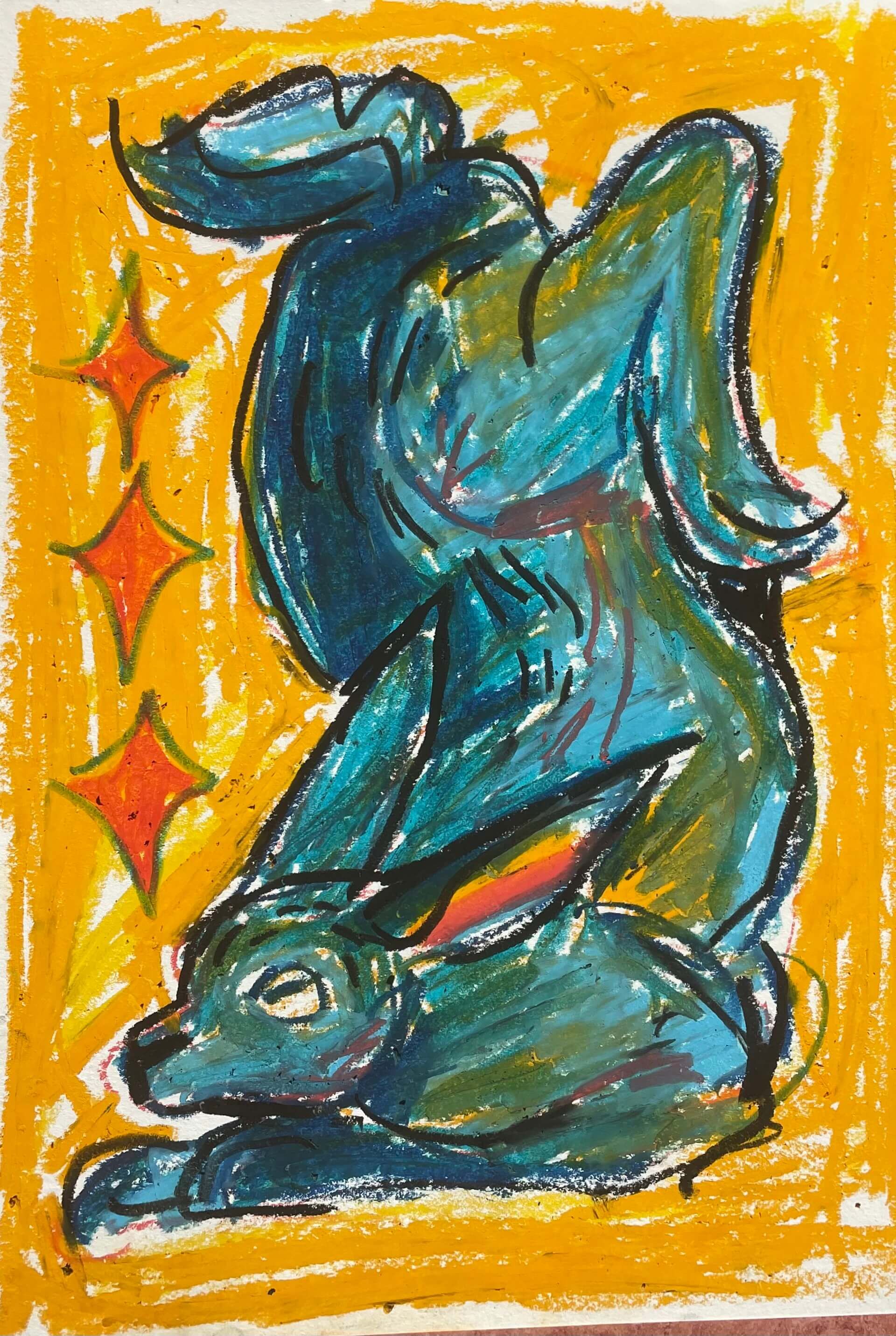
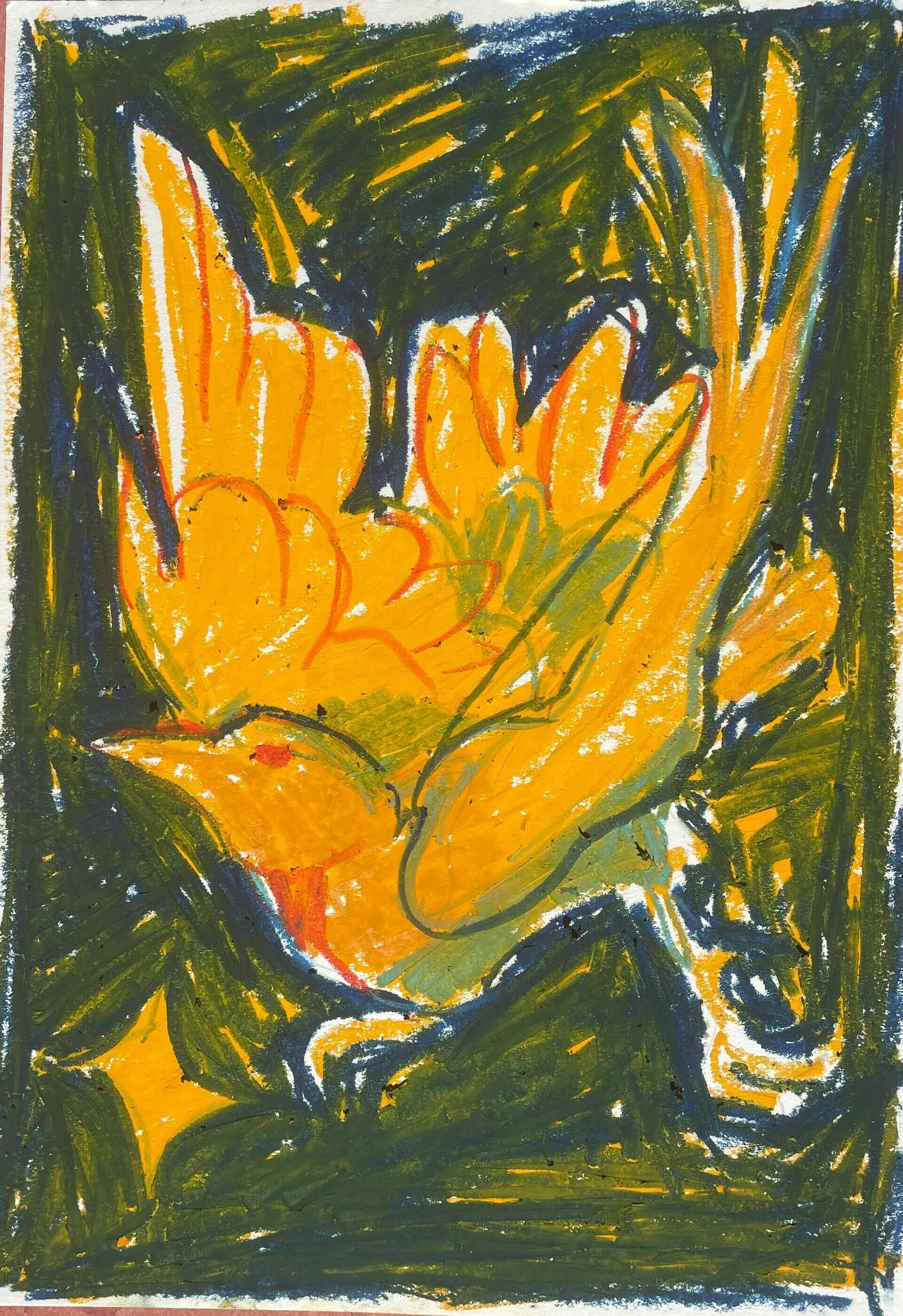
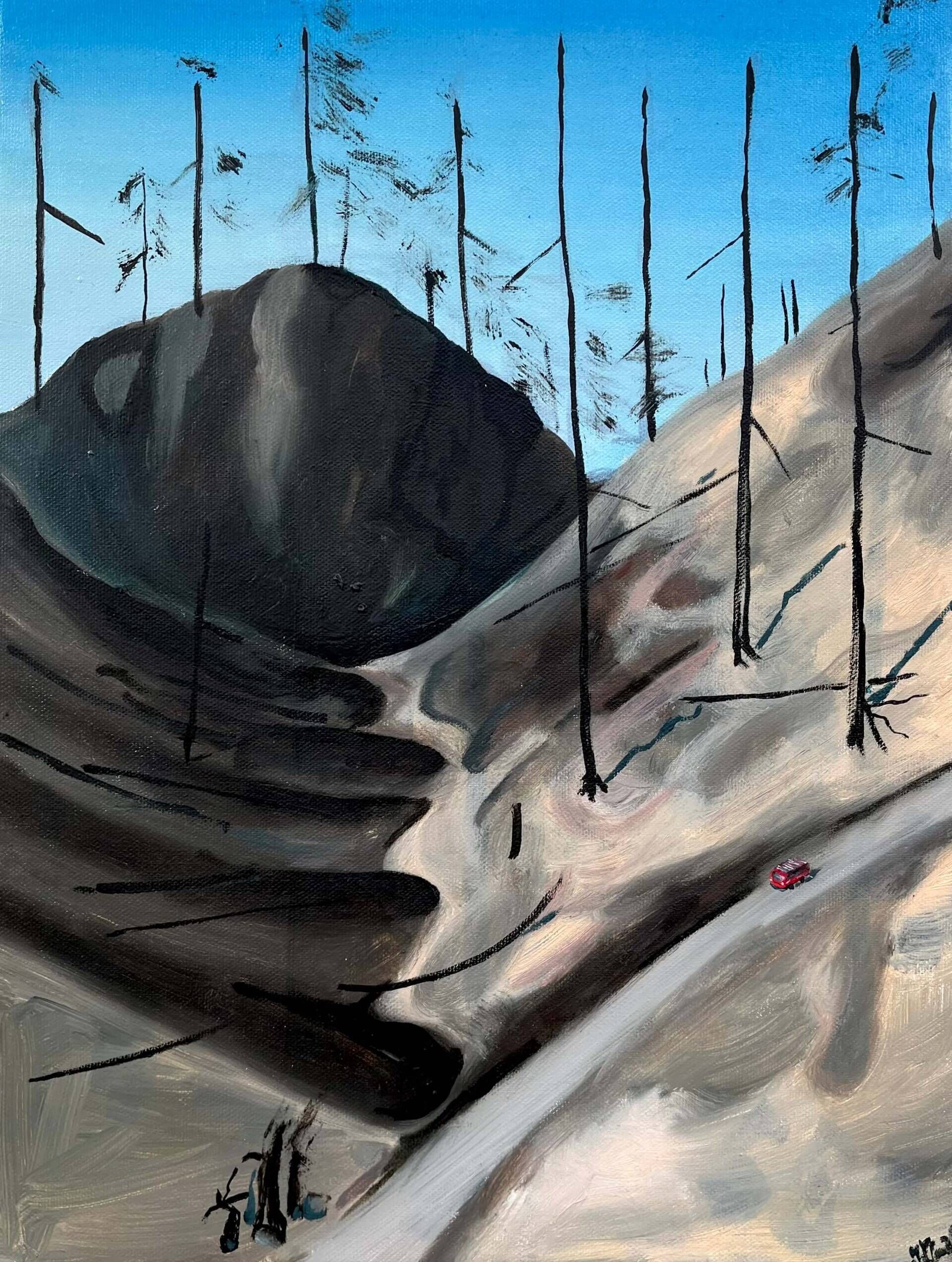
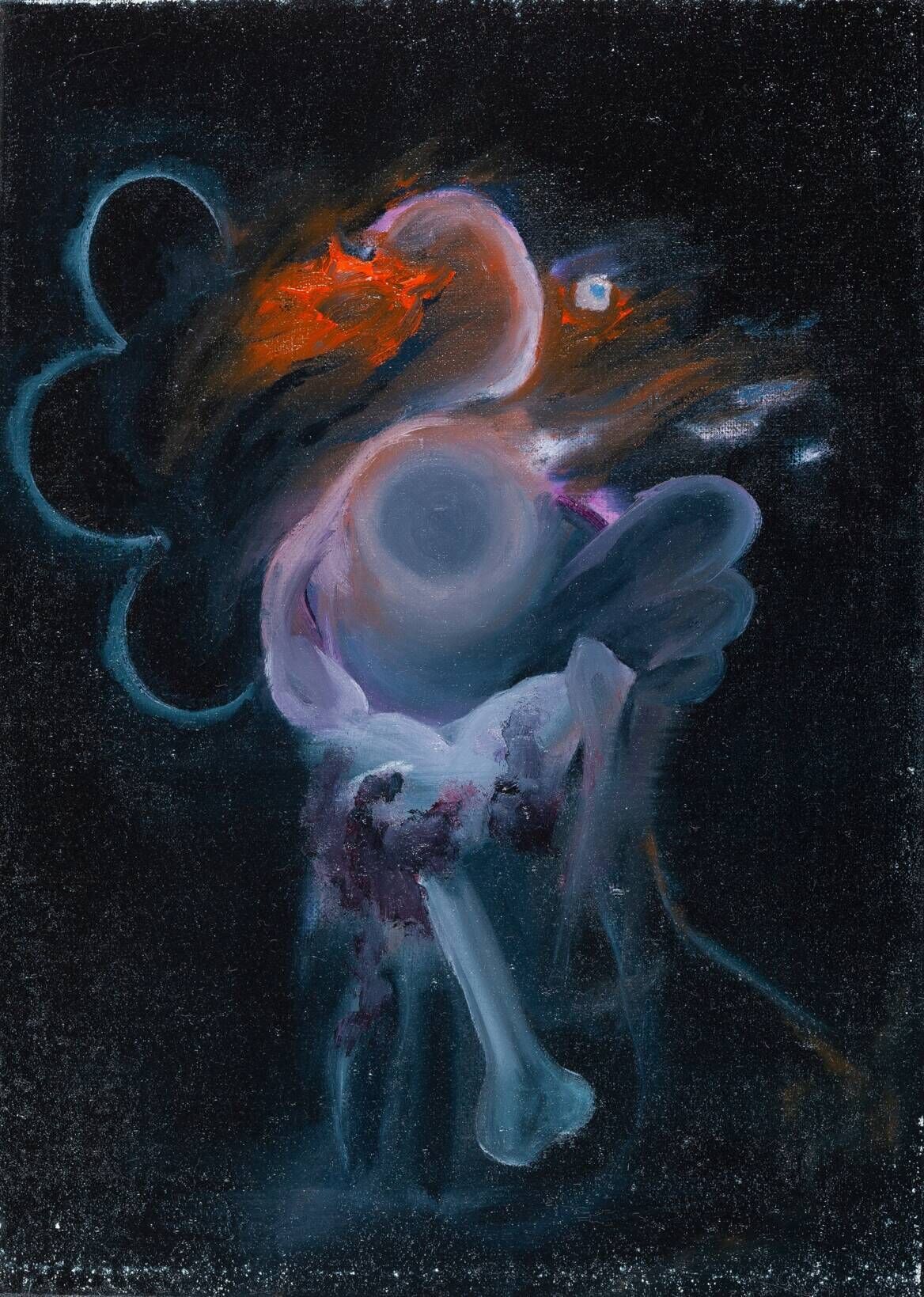
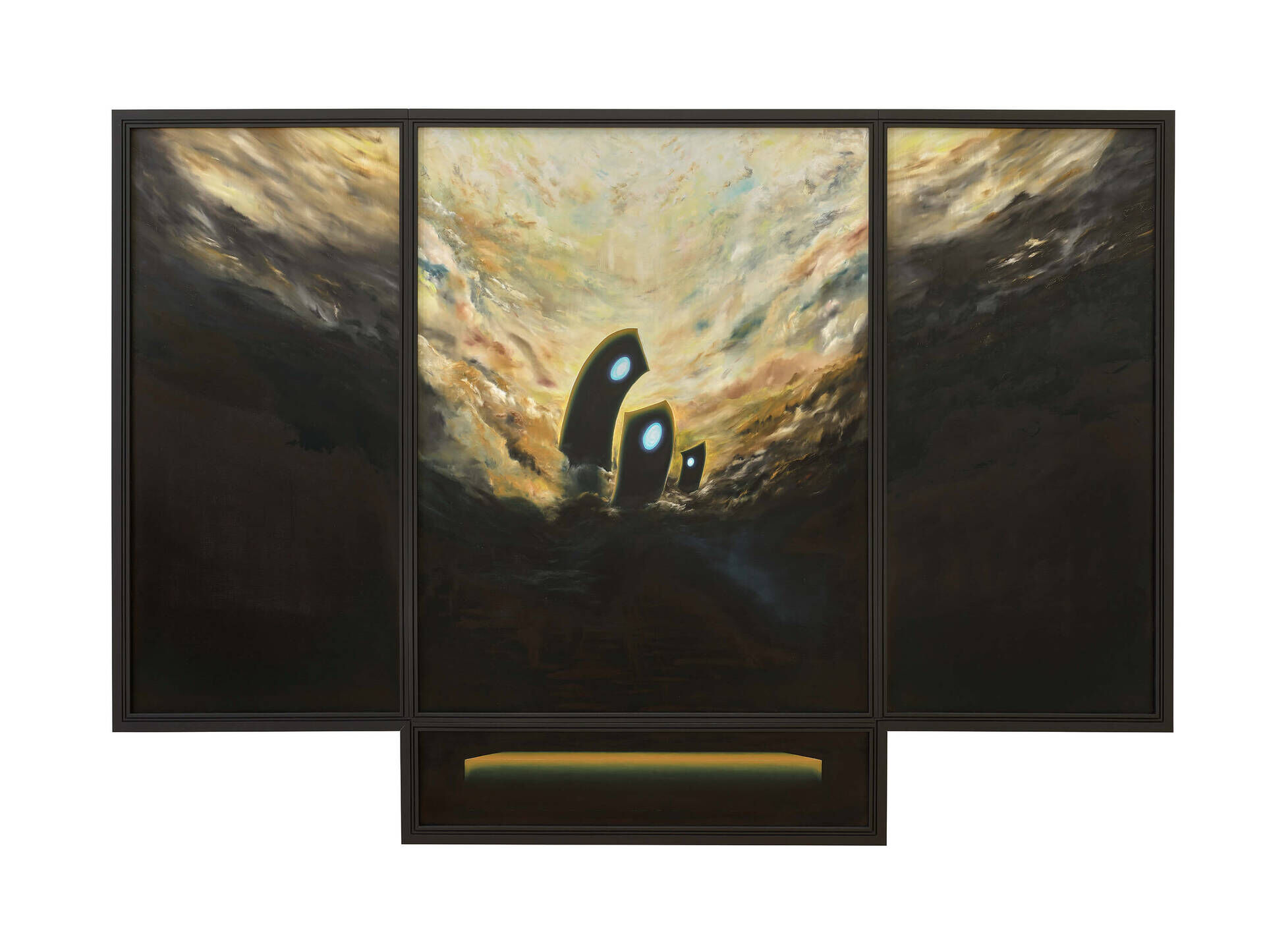
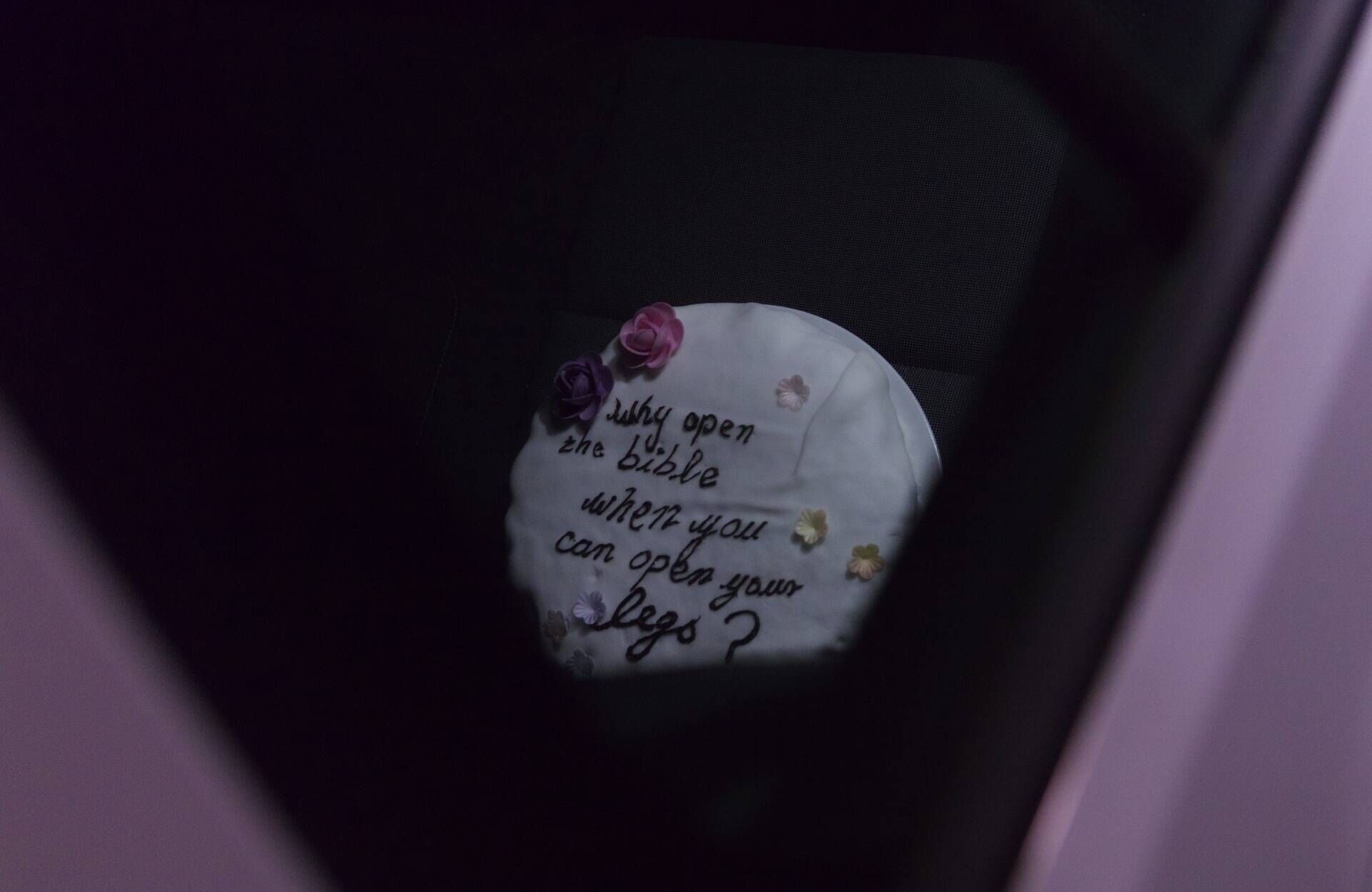
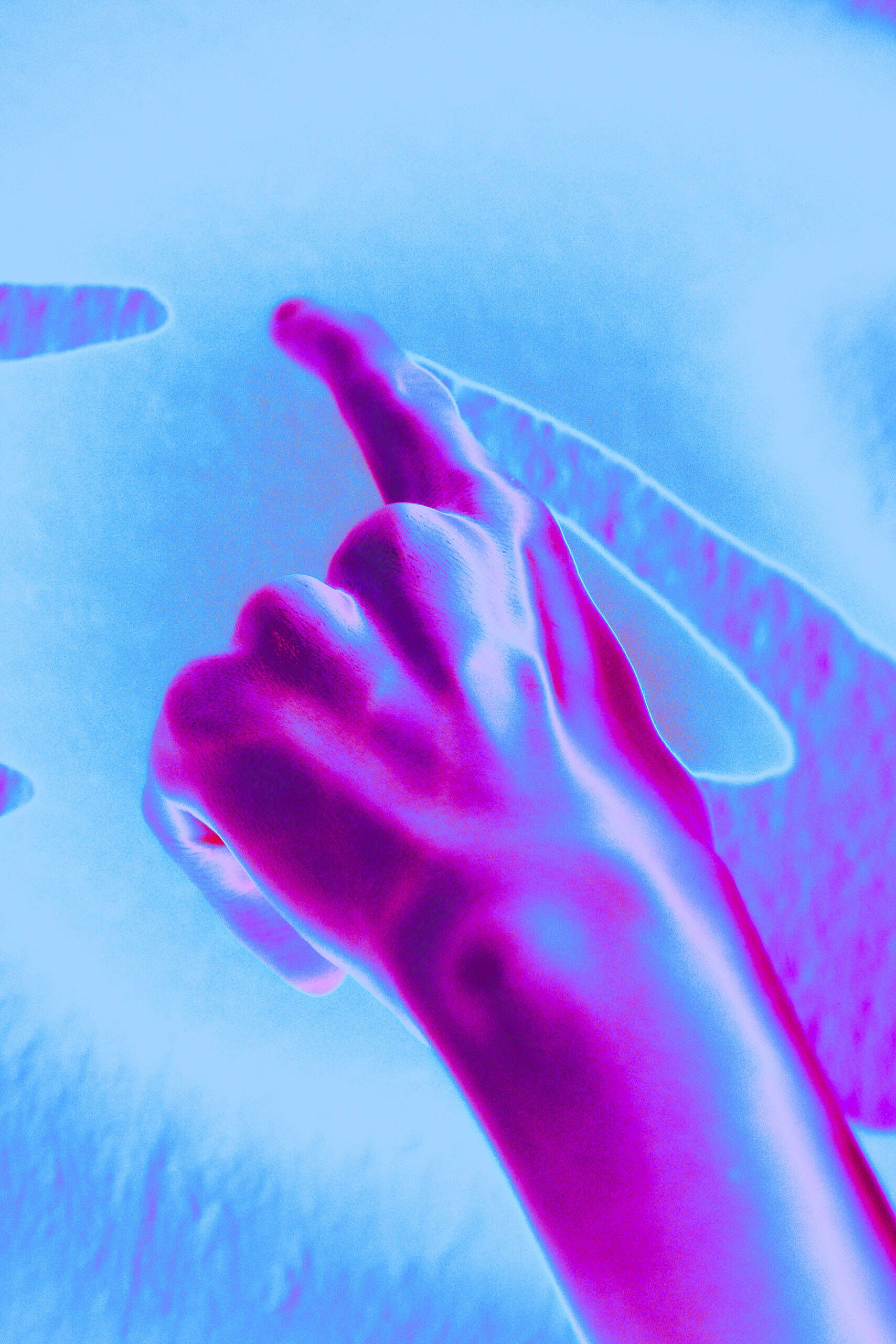
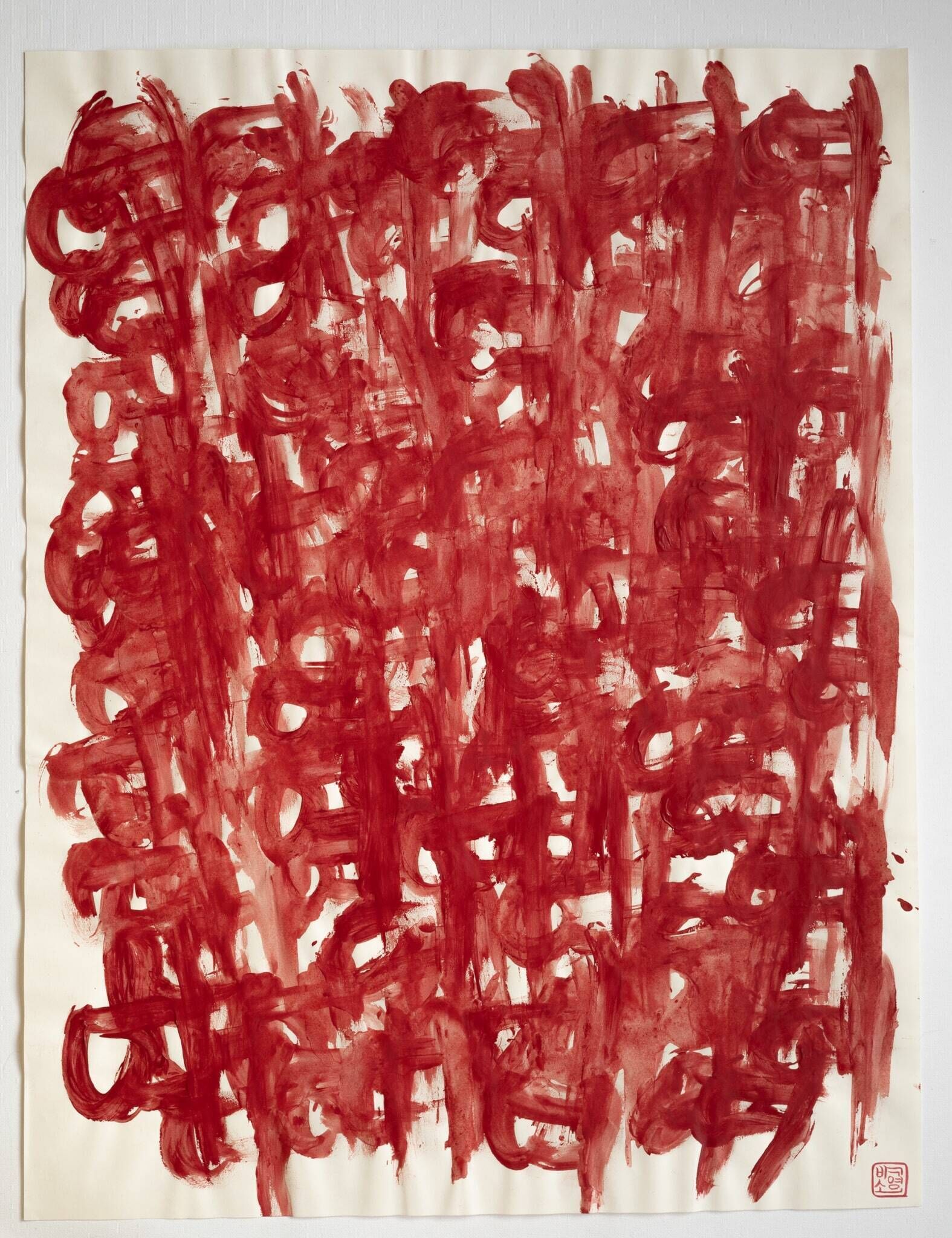
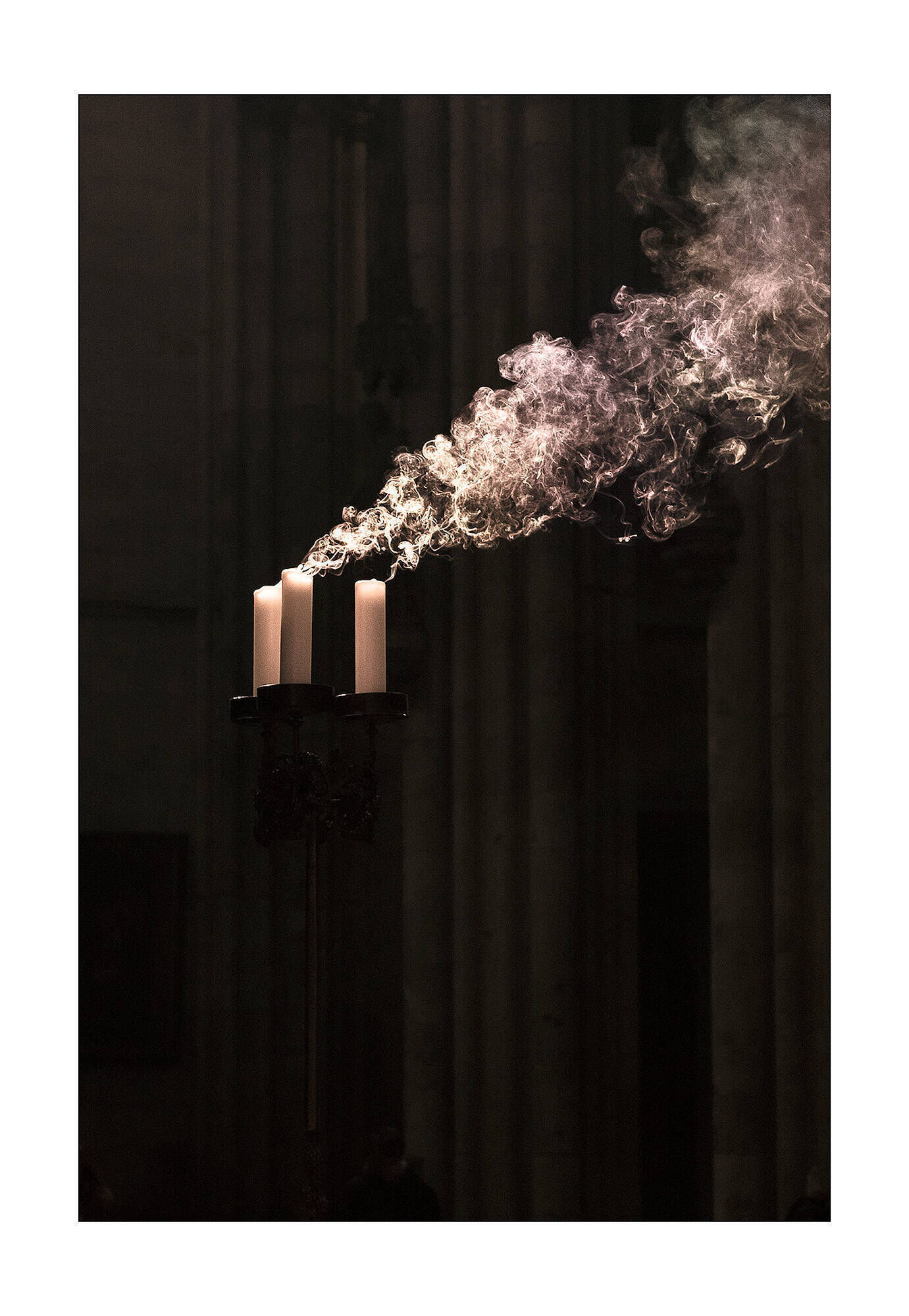
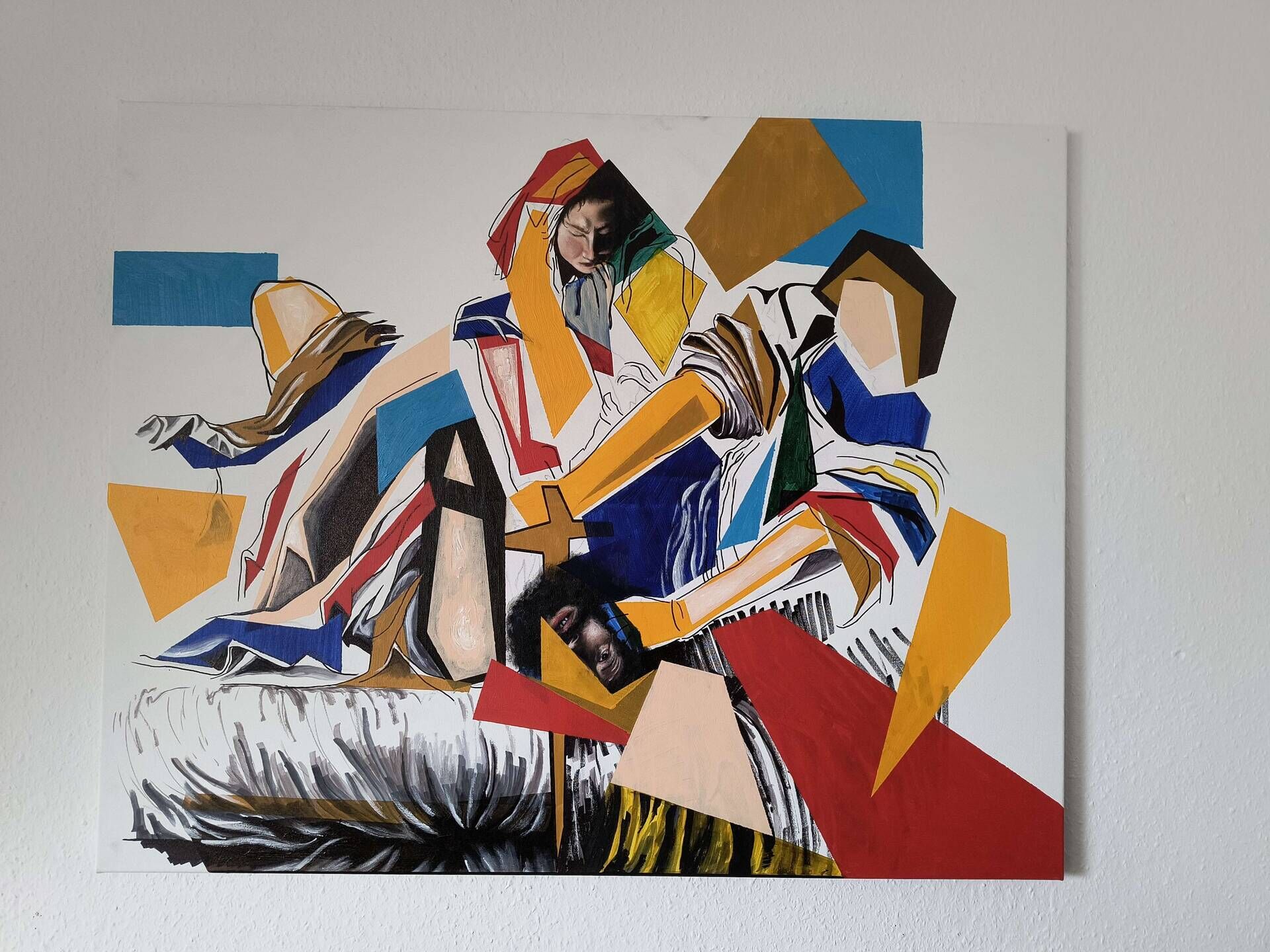
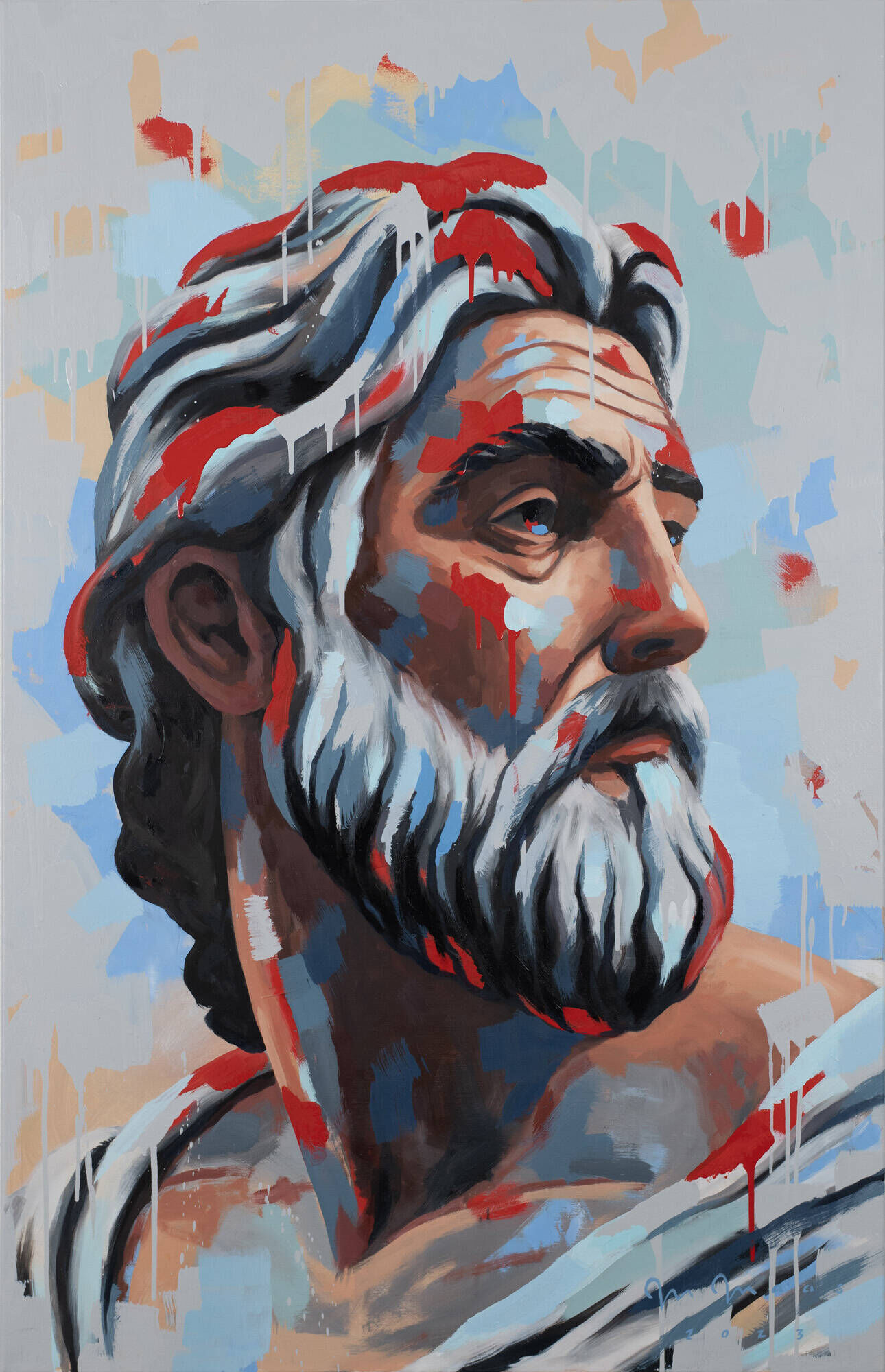
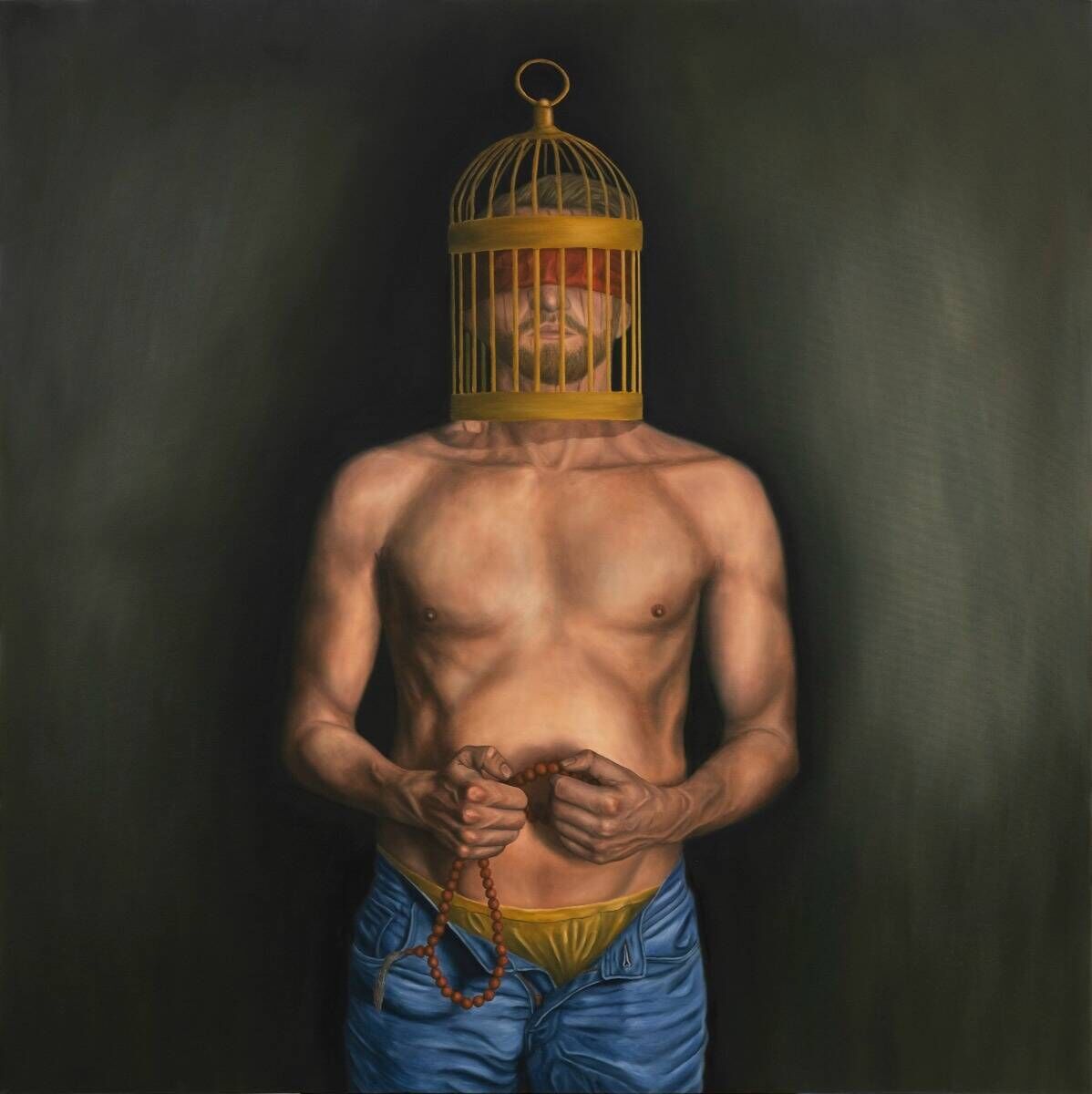
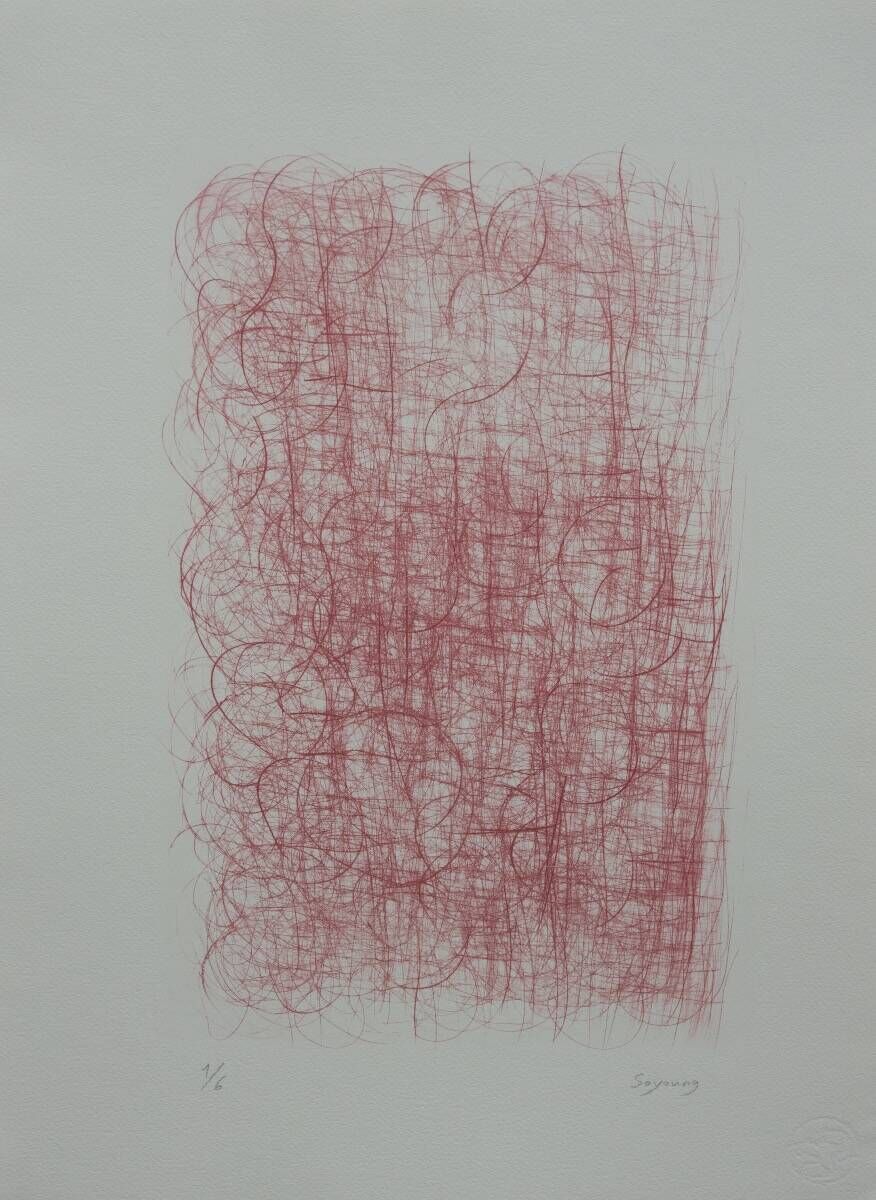
Sacred art is interpreted in many different ways today: Artists engage with religious motifs in a critical, poetic or symbolic manner, removing them from a dogmatic context. Many people no longer buy abstract Christian art out of religious obligation, but because of its special effect – serenity, depth or contemplative tranquillity. Whether in the living room as a meditative anchor, in the office to aid concentration, or in the entrance hall to convey meaning: sacred art shapes spaces in a conscious and atmospheric way. Anyone wishing to buy Christian art is choosing a work steeped in history, symbolism and personal resonance. At Studierenden Kunstmarkt, you’ll find exactly such contemporary interpretations – individual, accessible and diverse:
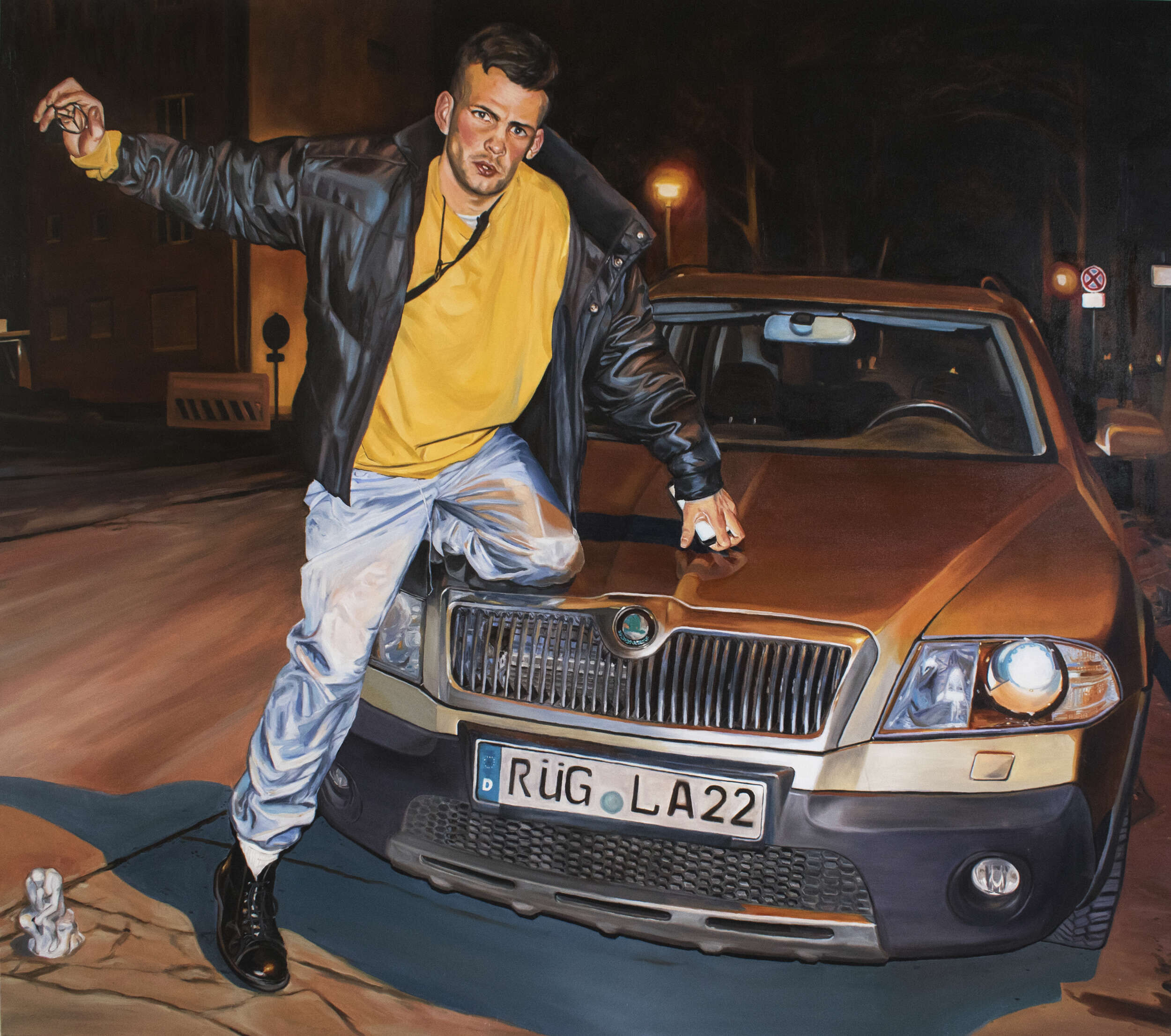
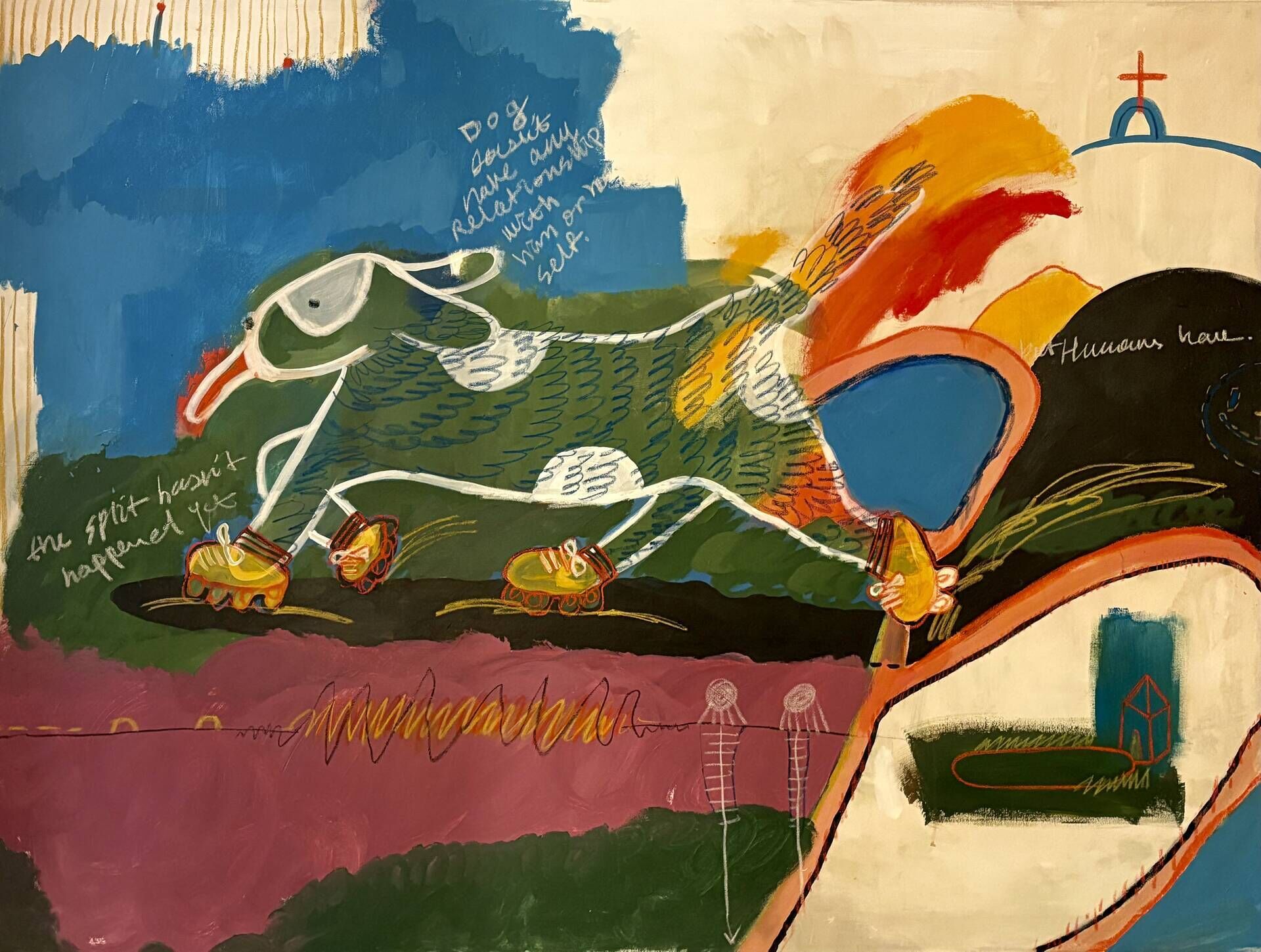
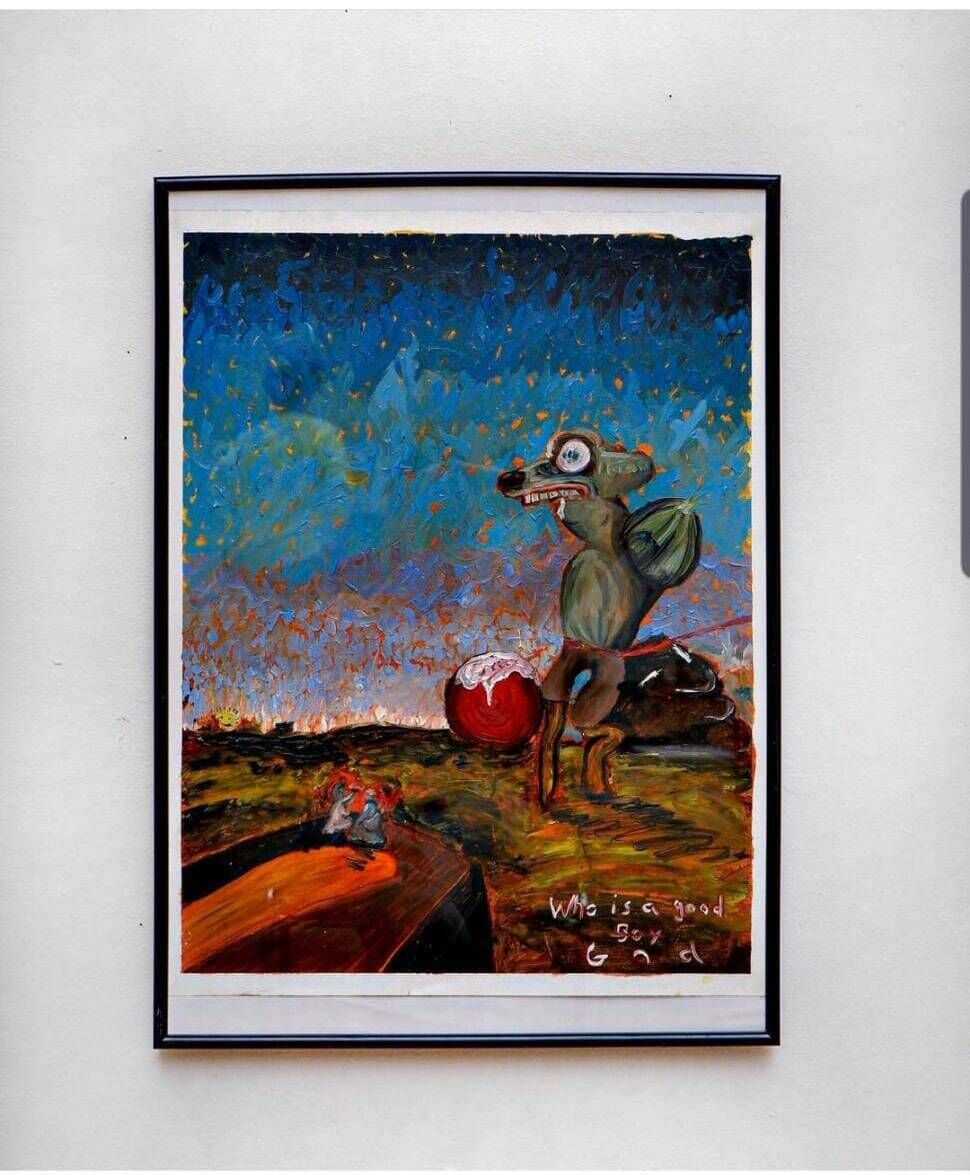
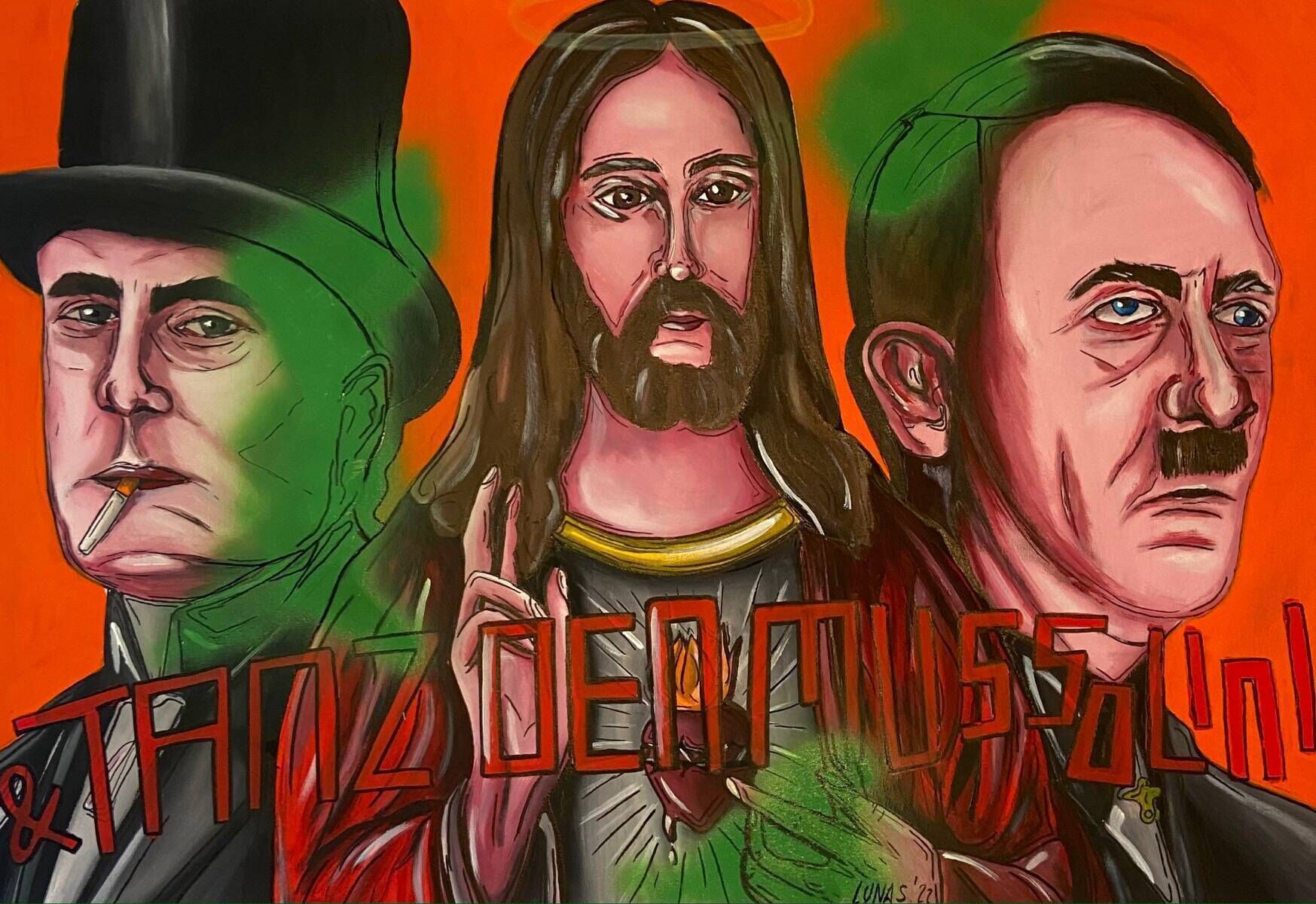
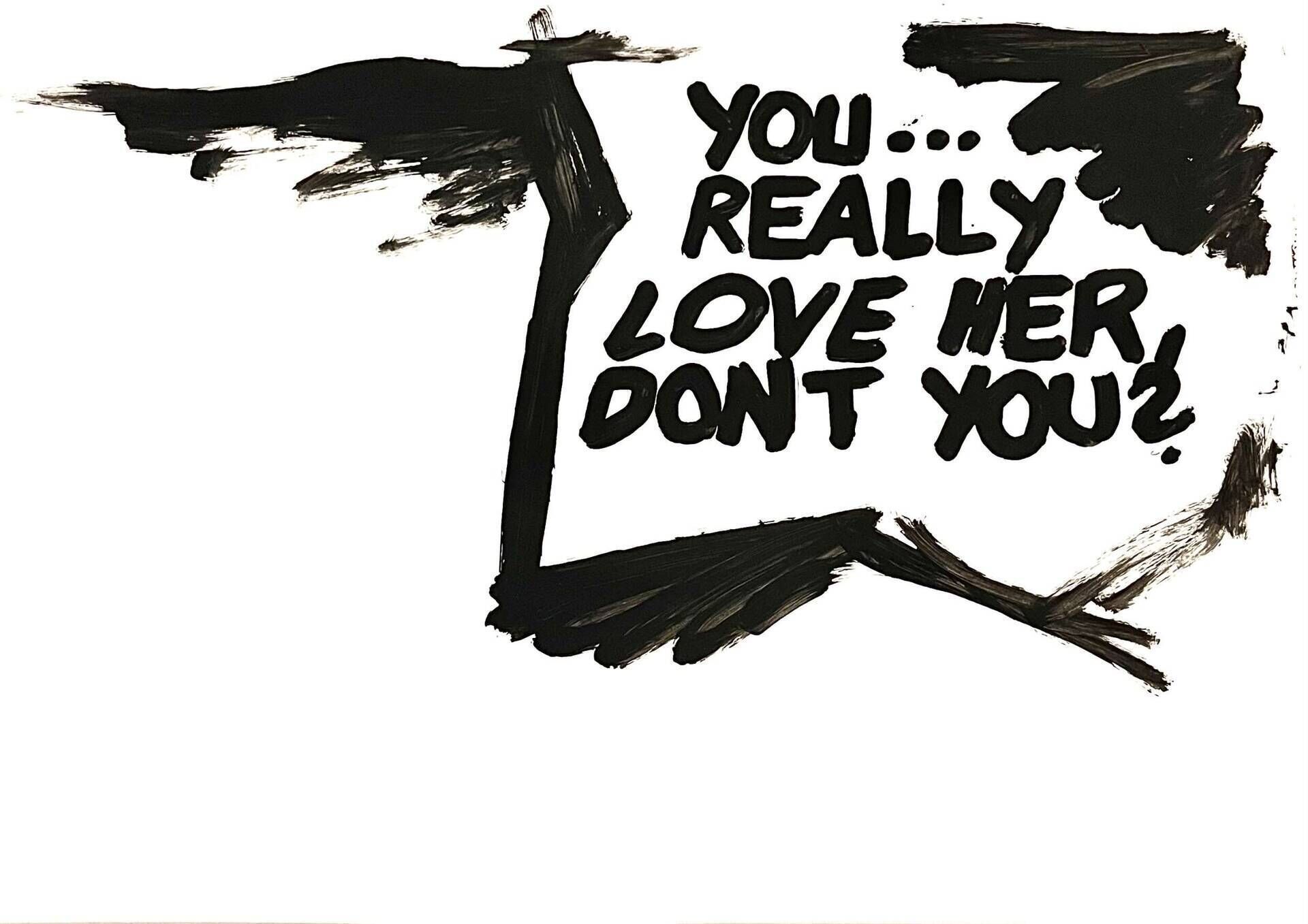
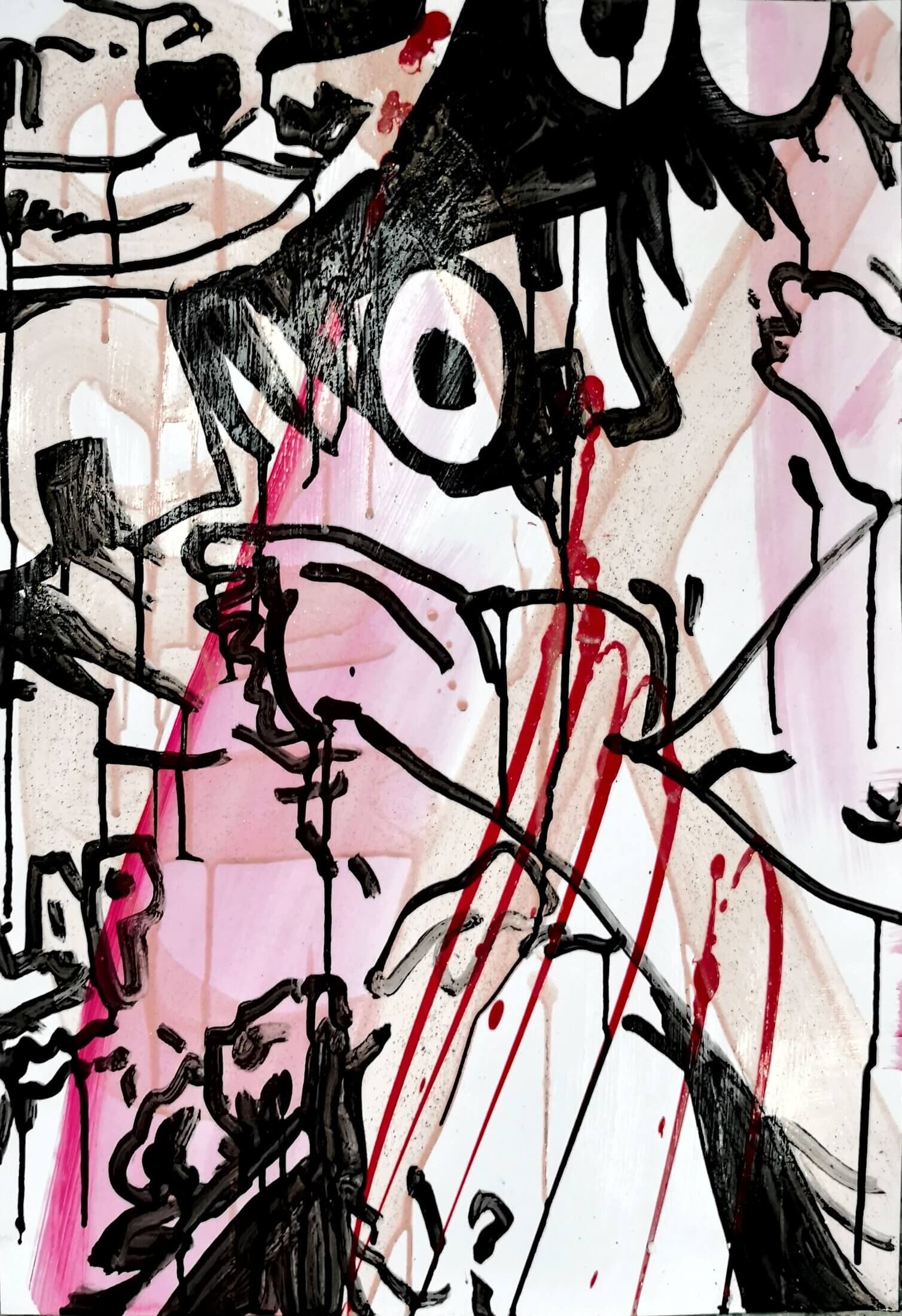
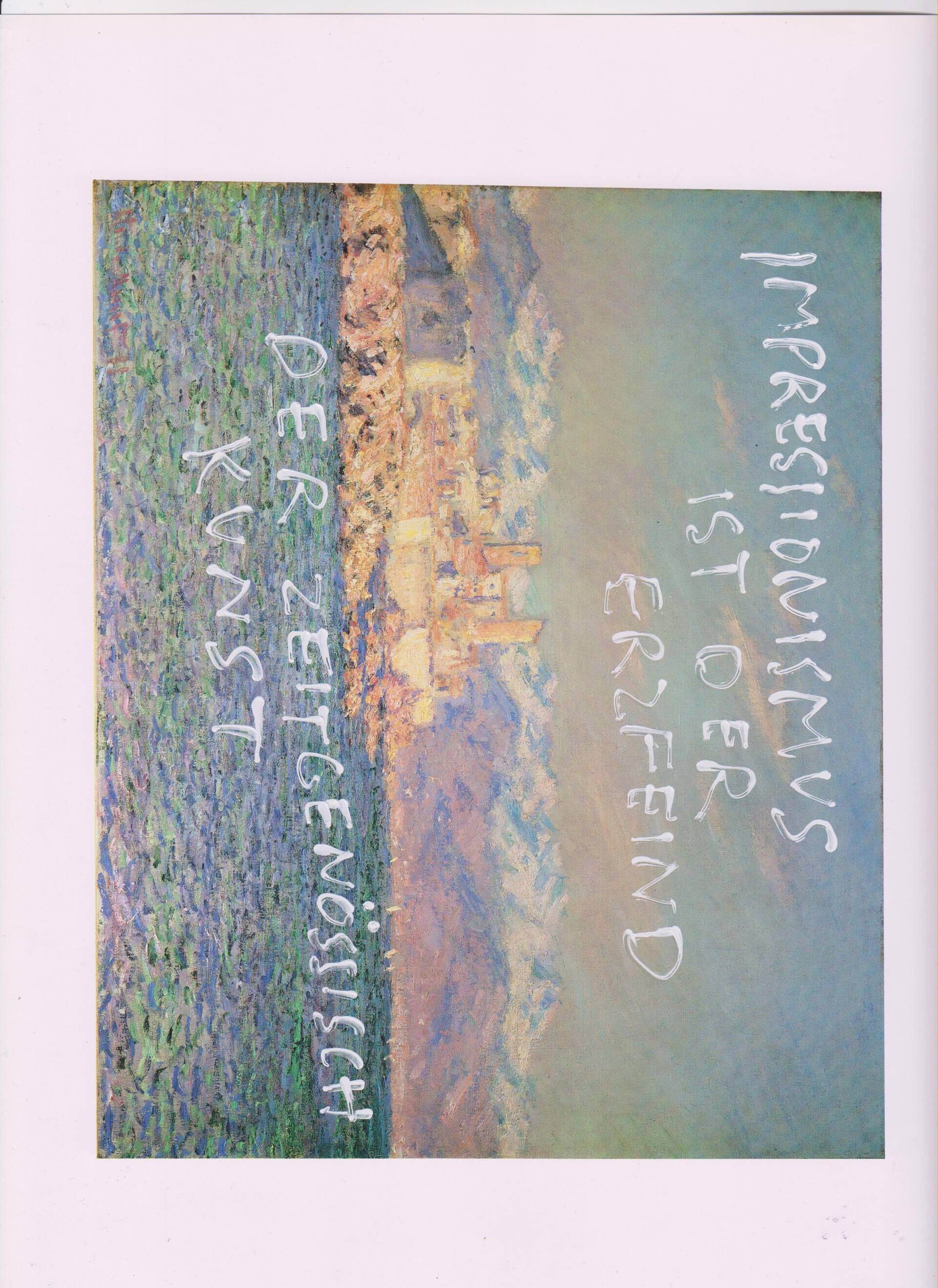
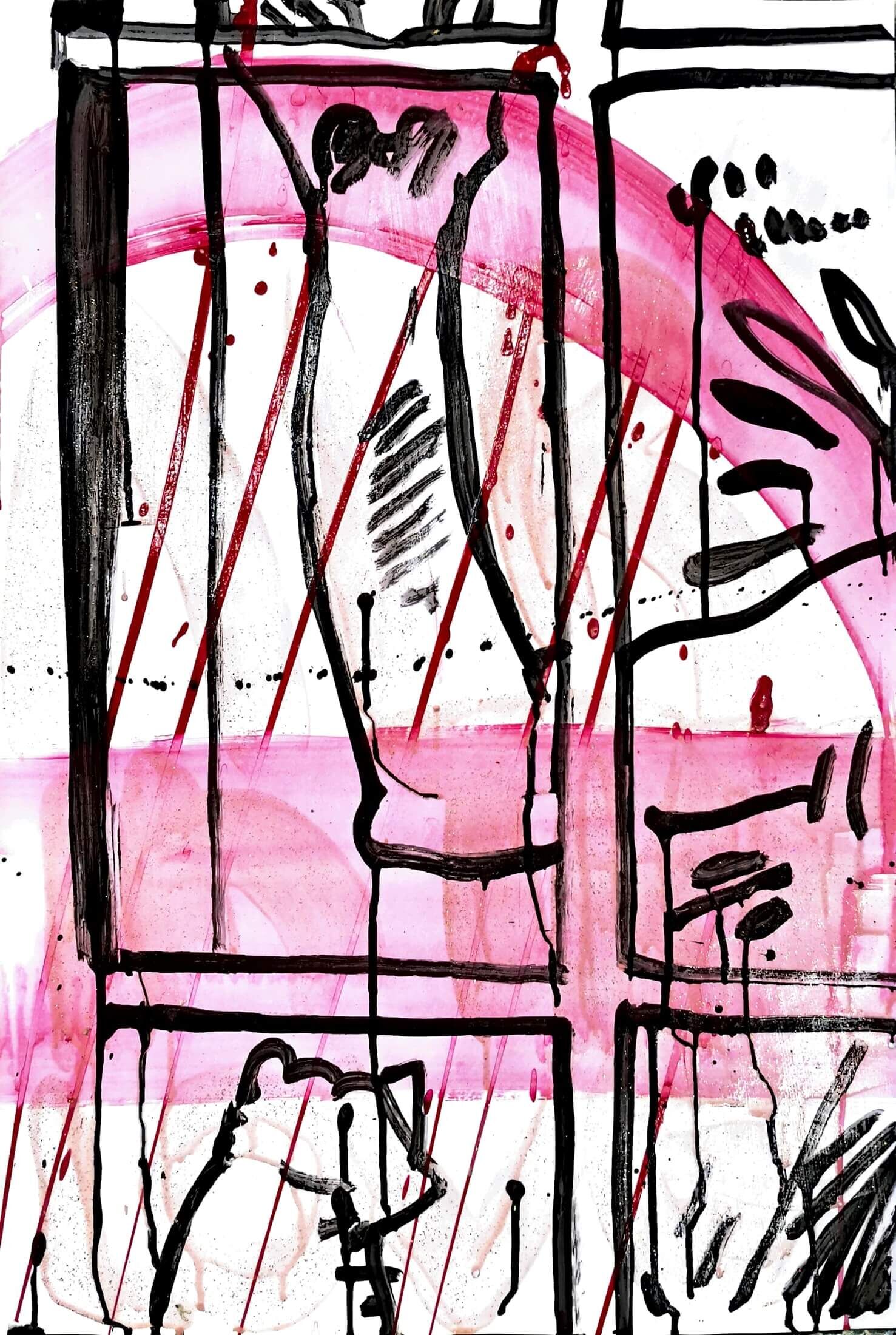
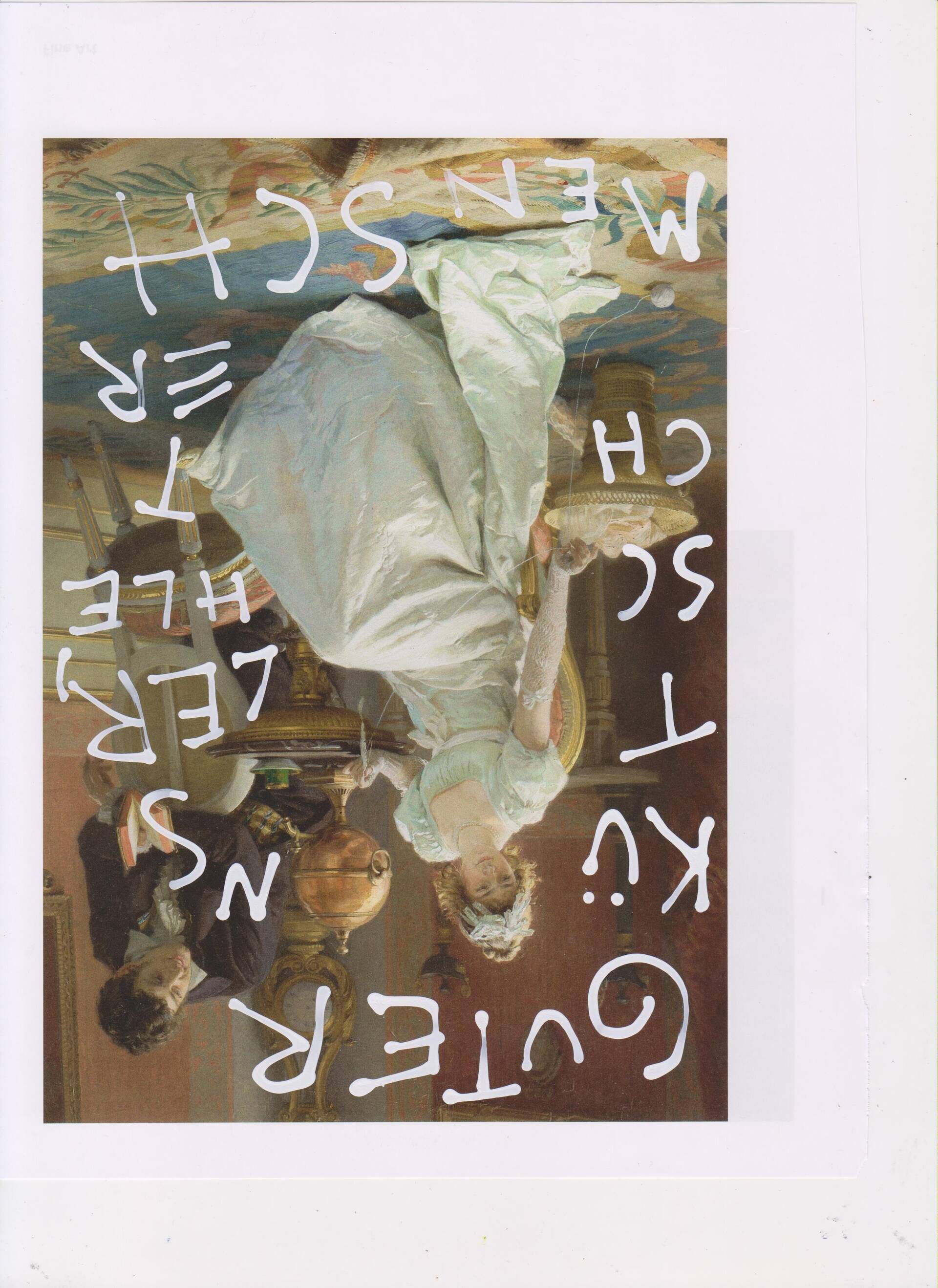
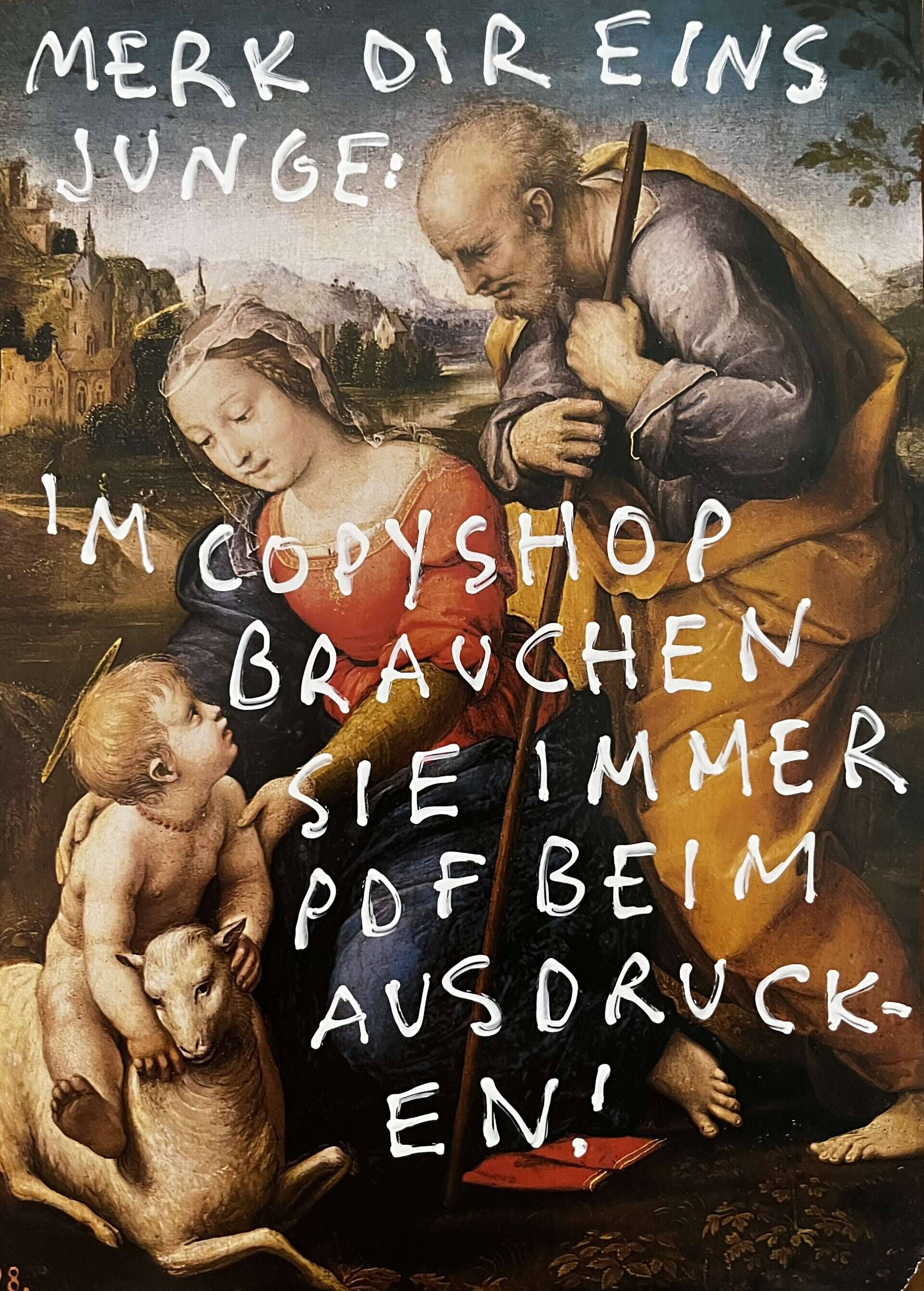
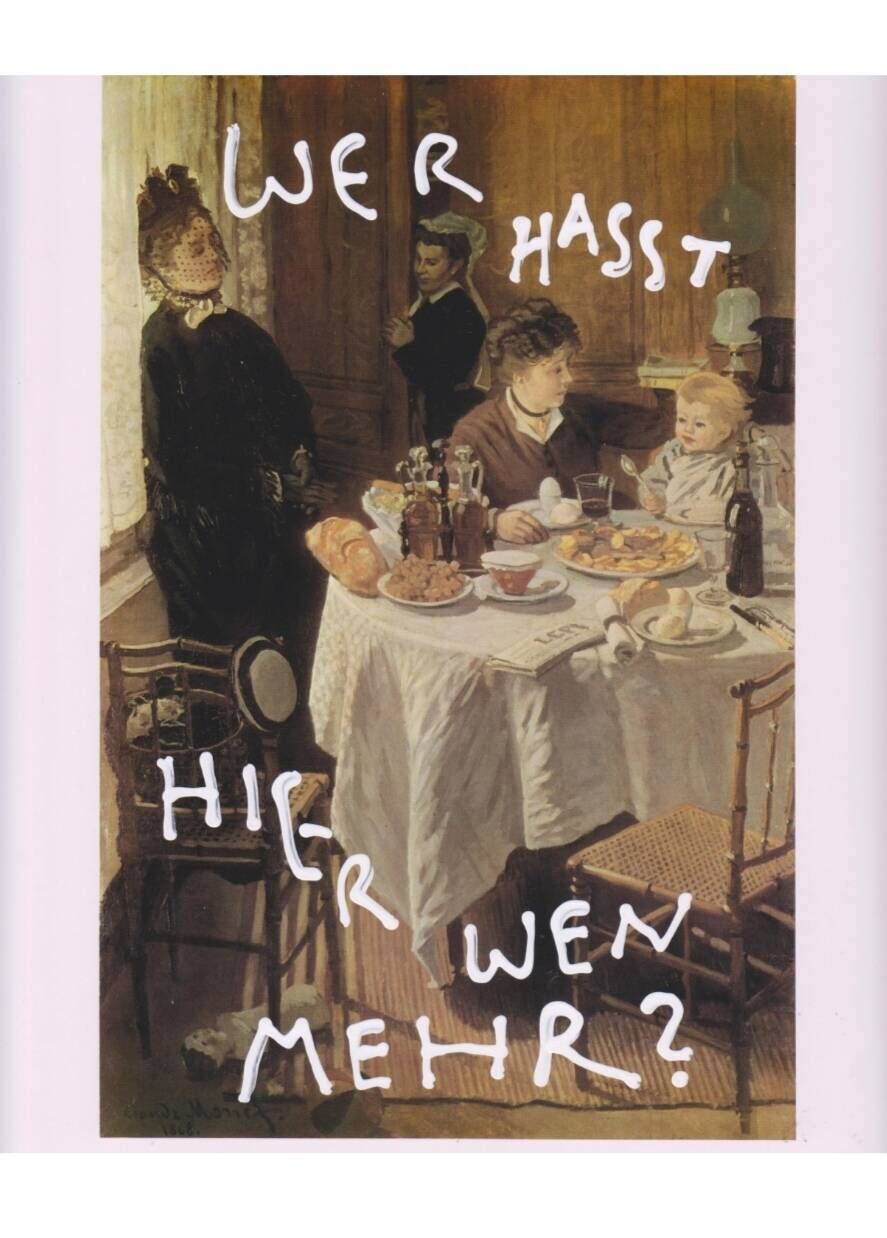
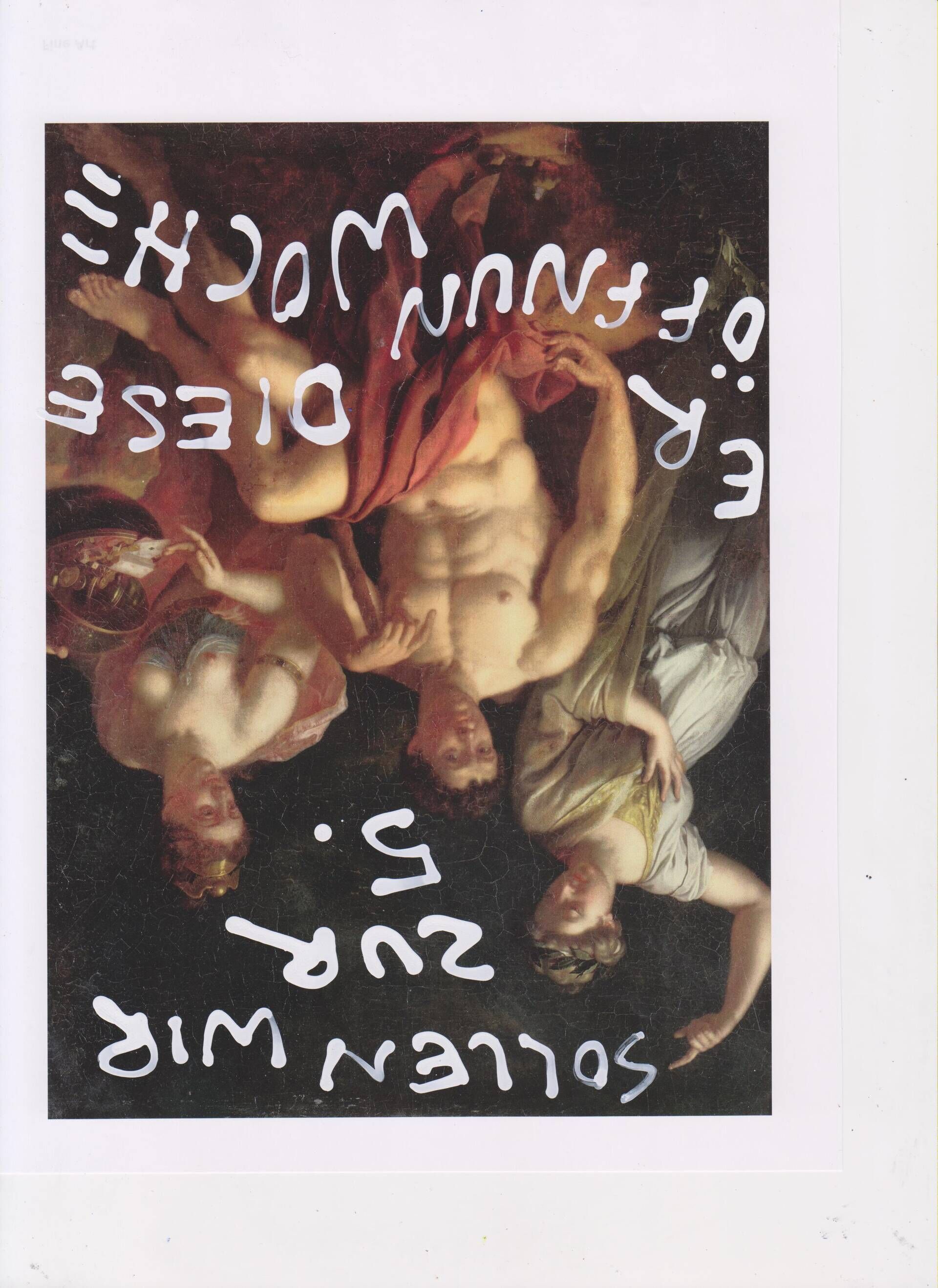
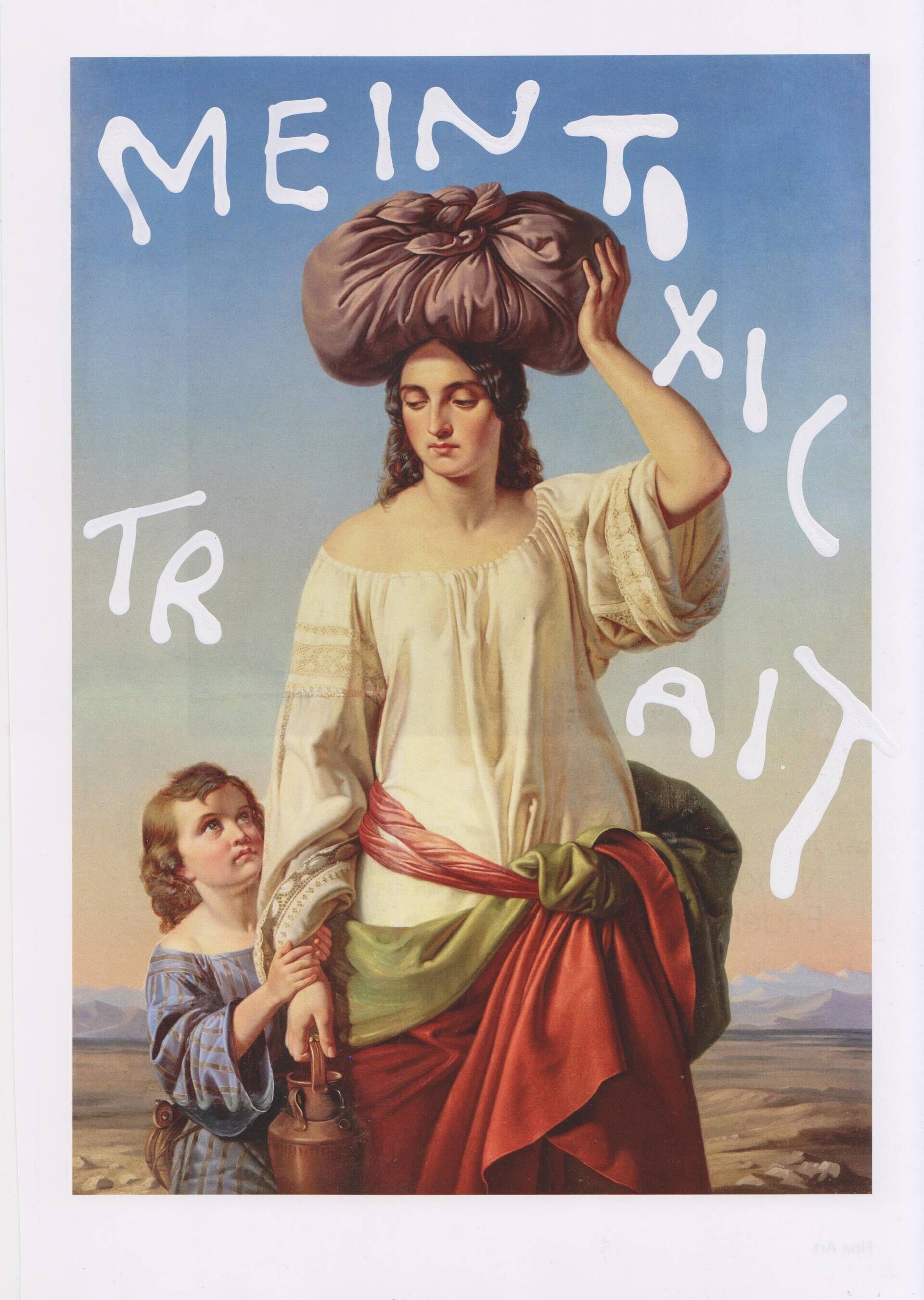
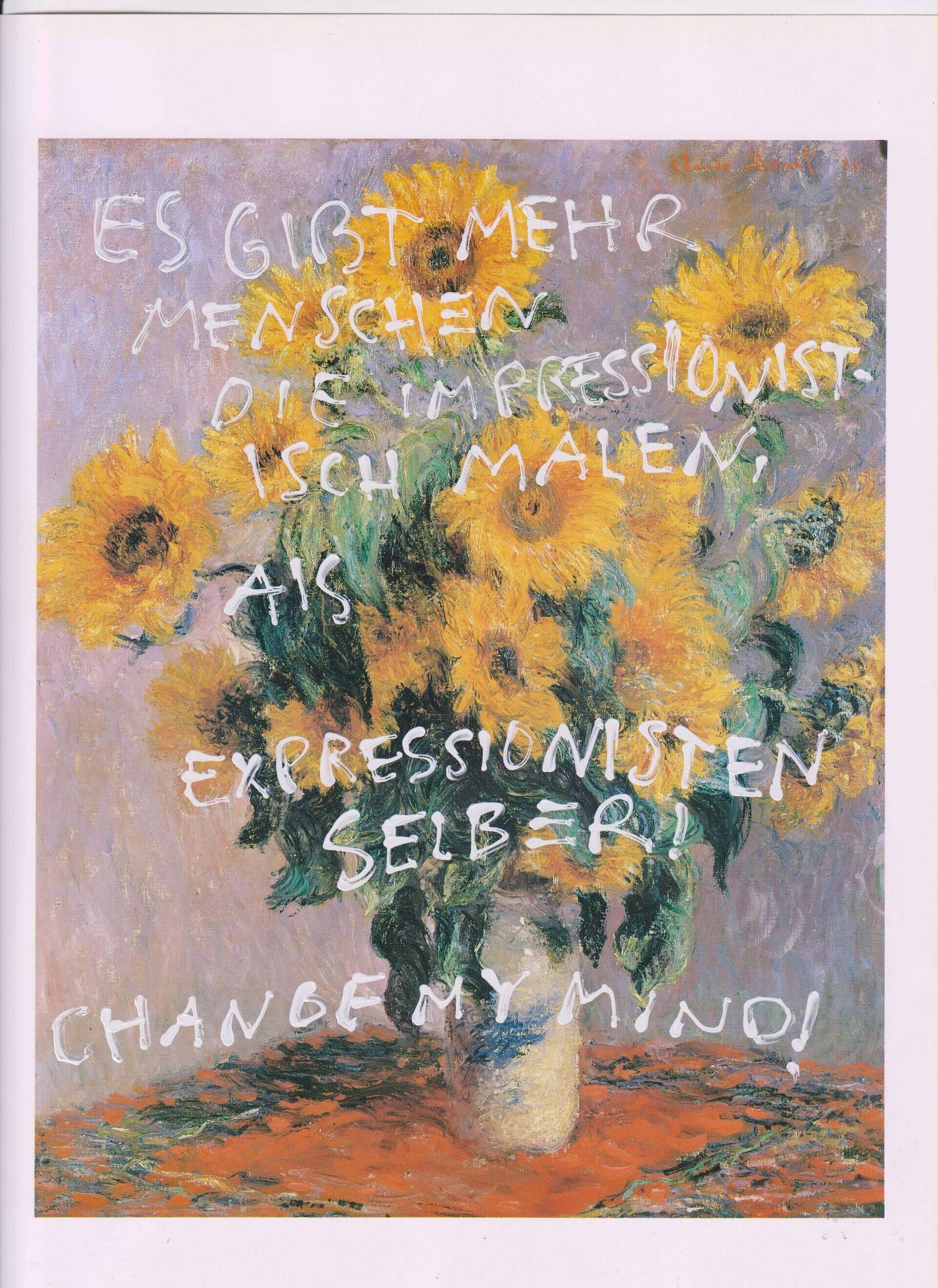
Lucas Ohliger works as a painter at the intersection of irony and institutional critique. In his works, he deliberately breaks with conventional notions of the art world and employs stylistic devices such as ‘Bad Painting’, stark symbolism and playful provocation to humorously expose the mechanisms of art history, art academies and galleries. His painting, with its freedom and complexity, is reminiscent of Polke, Kippenberger or Büttner, and emerges from an energetic process that Ohliger himself describes as combative and liberating. His works have already been shown in numerous national and international exhibitions, including in Venice, Cologne, Bonn and Bergisch Gladbach.
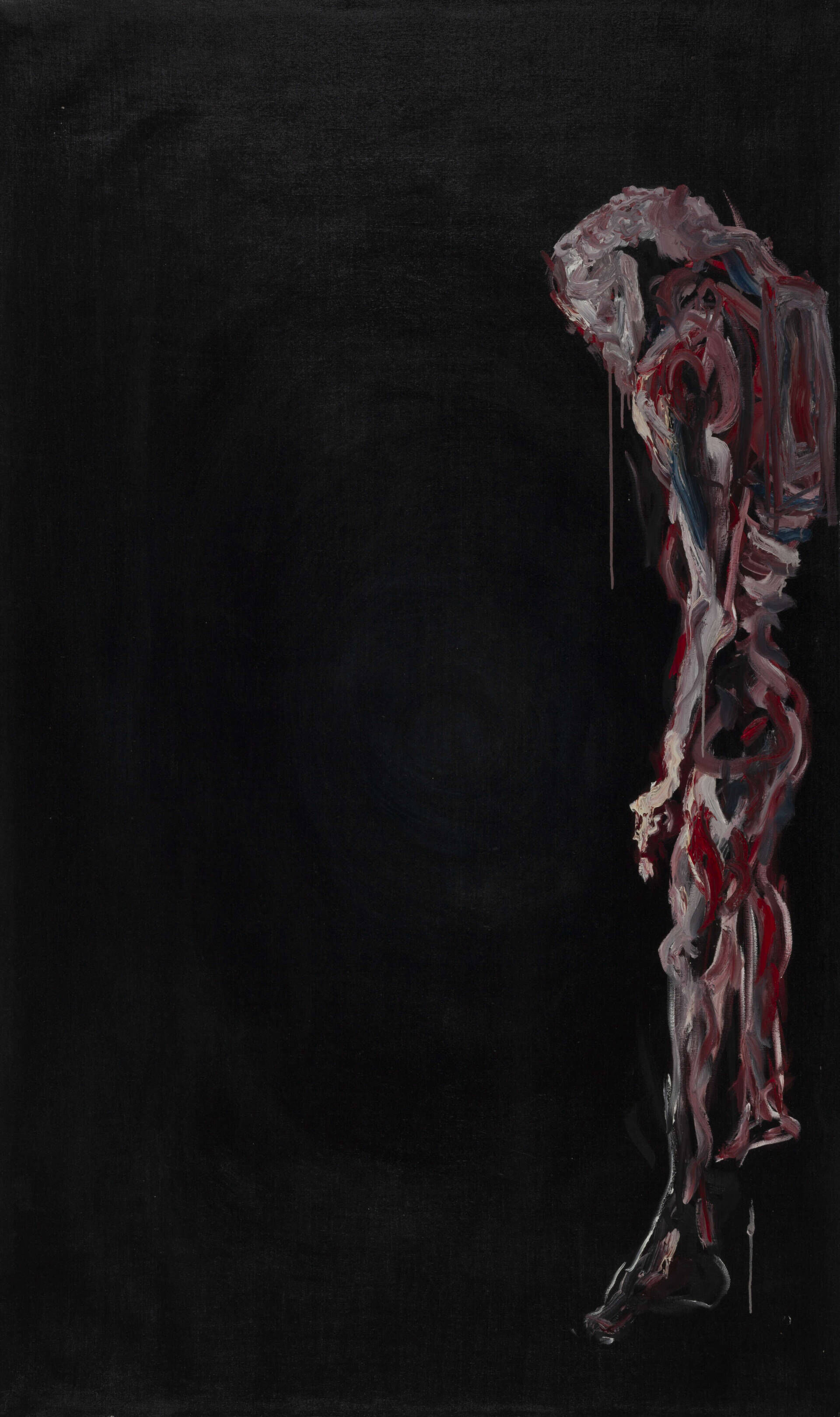
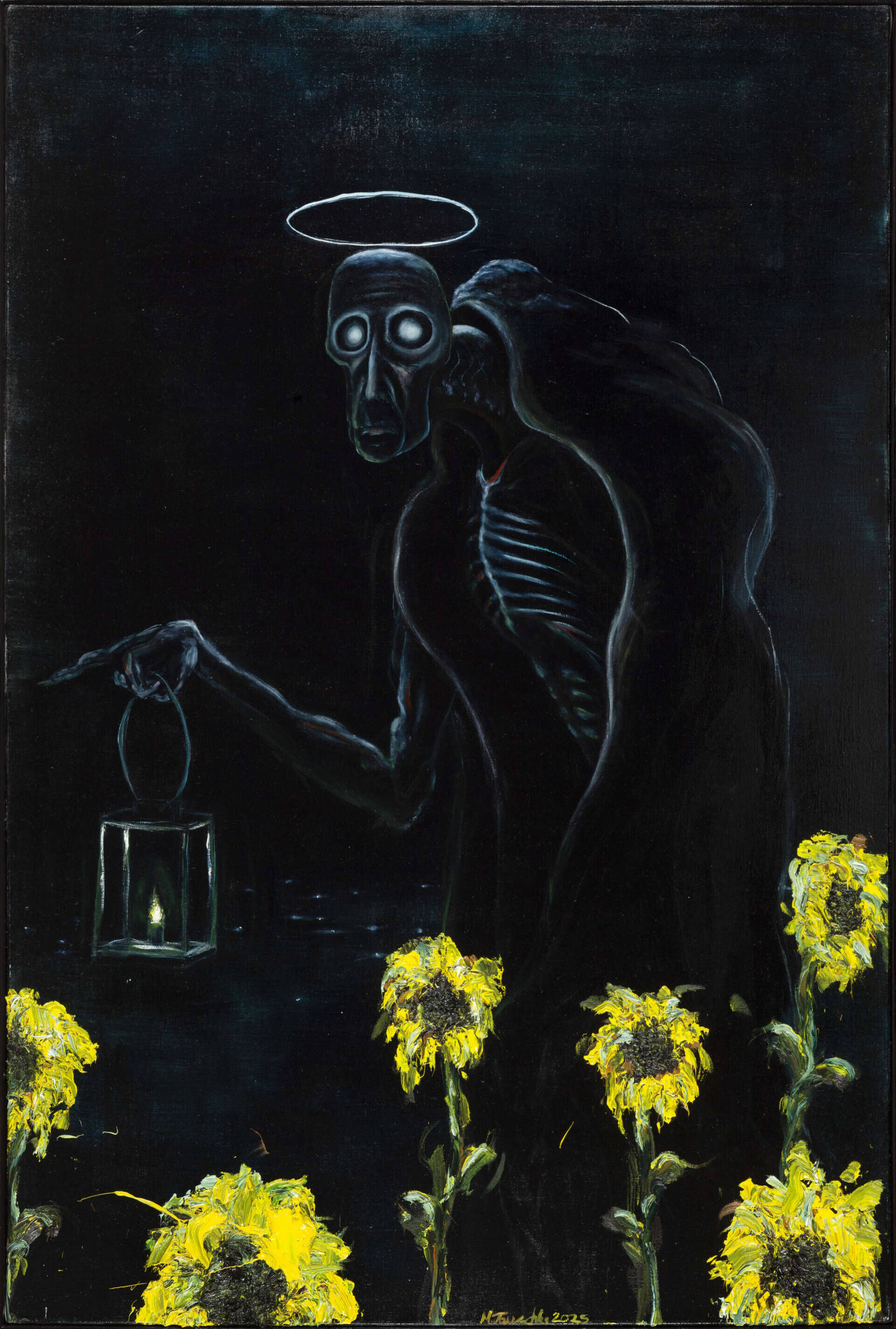
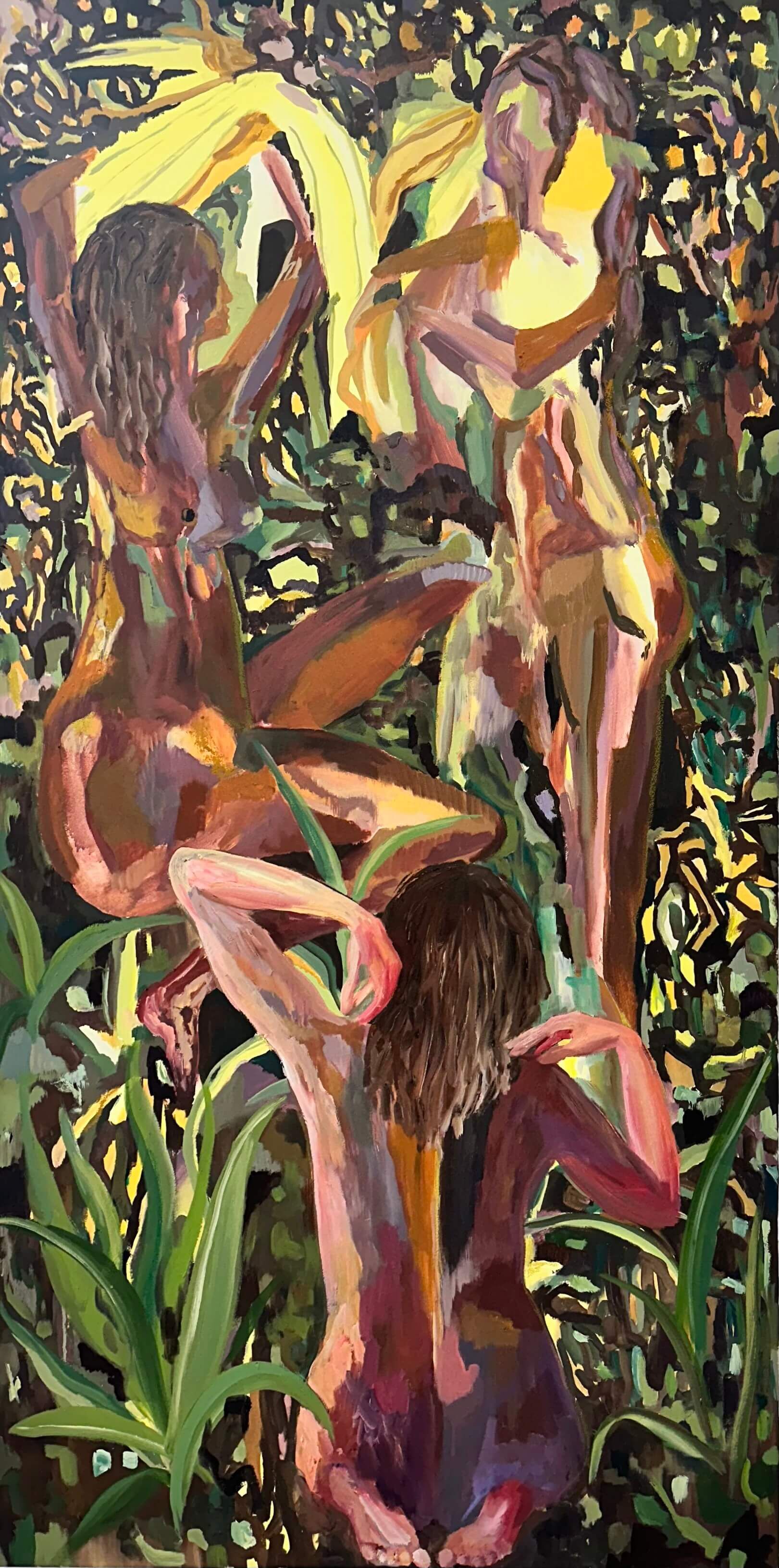
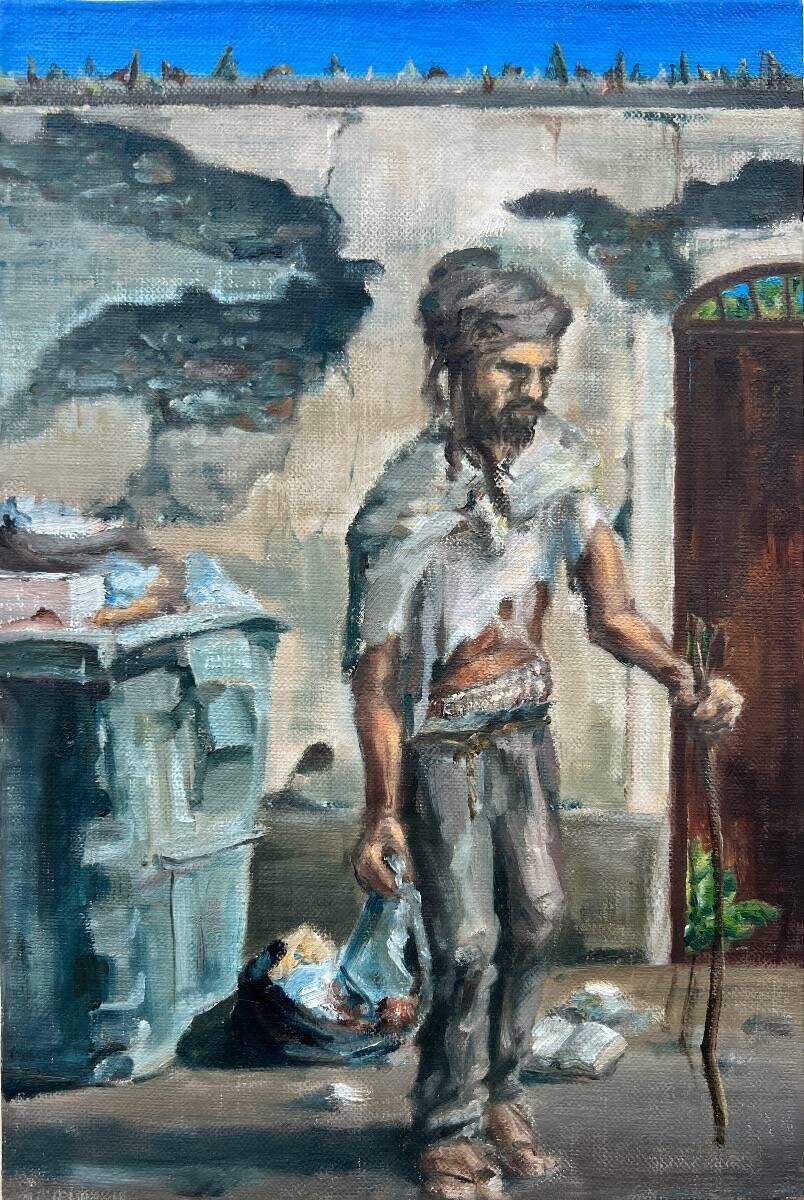
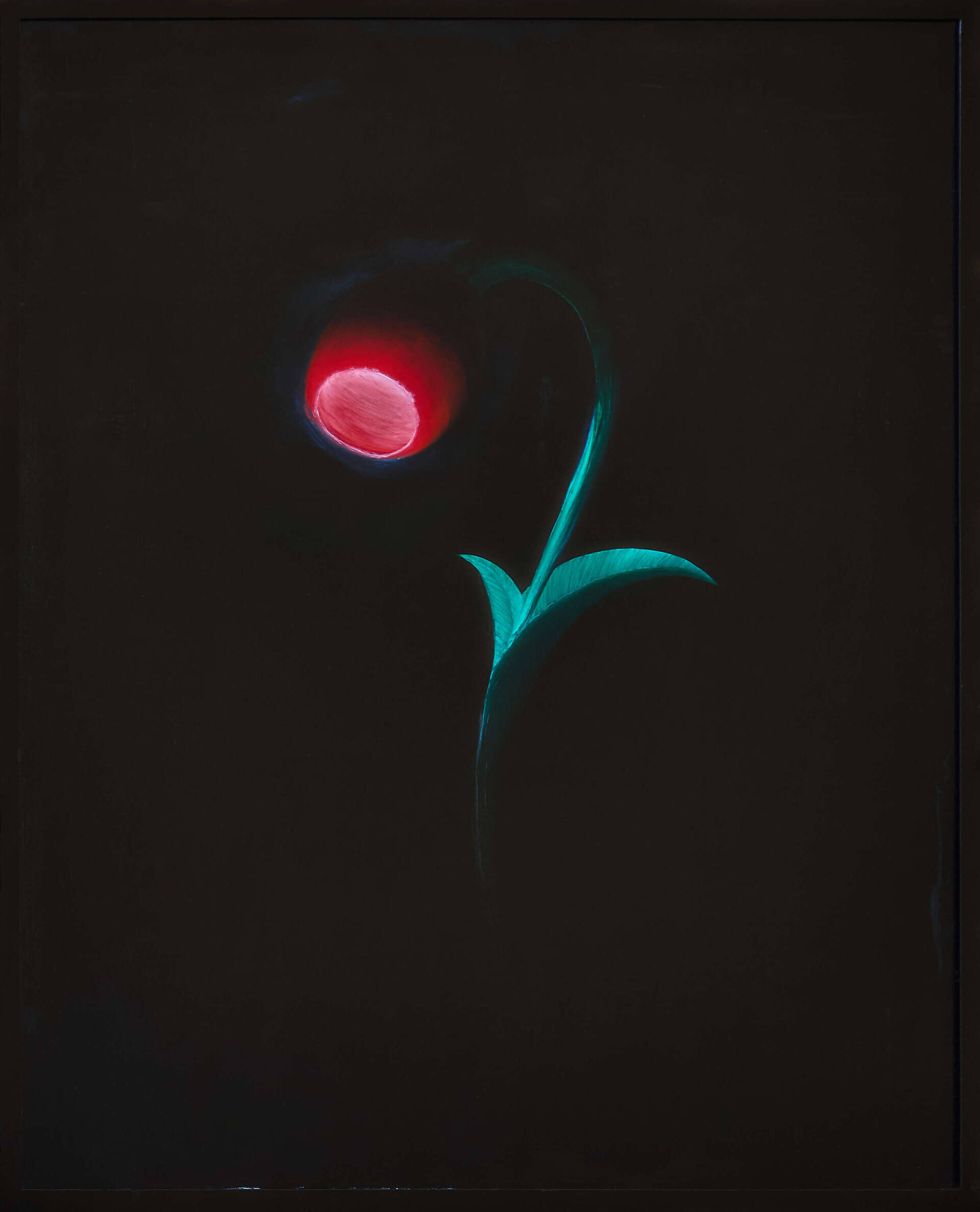
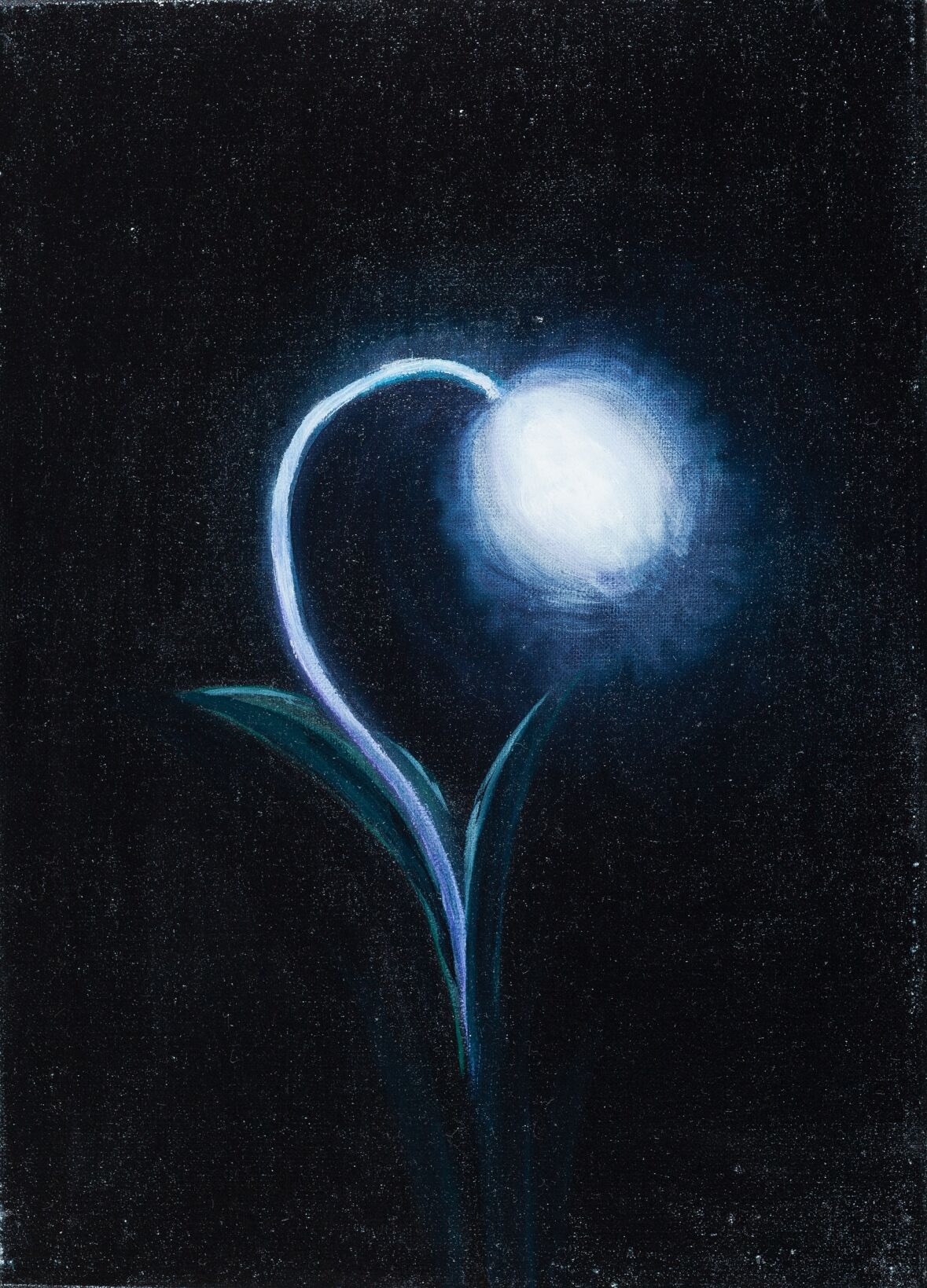
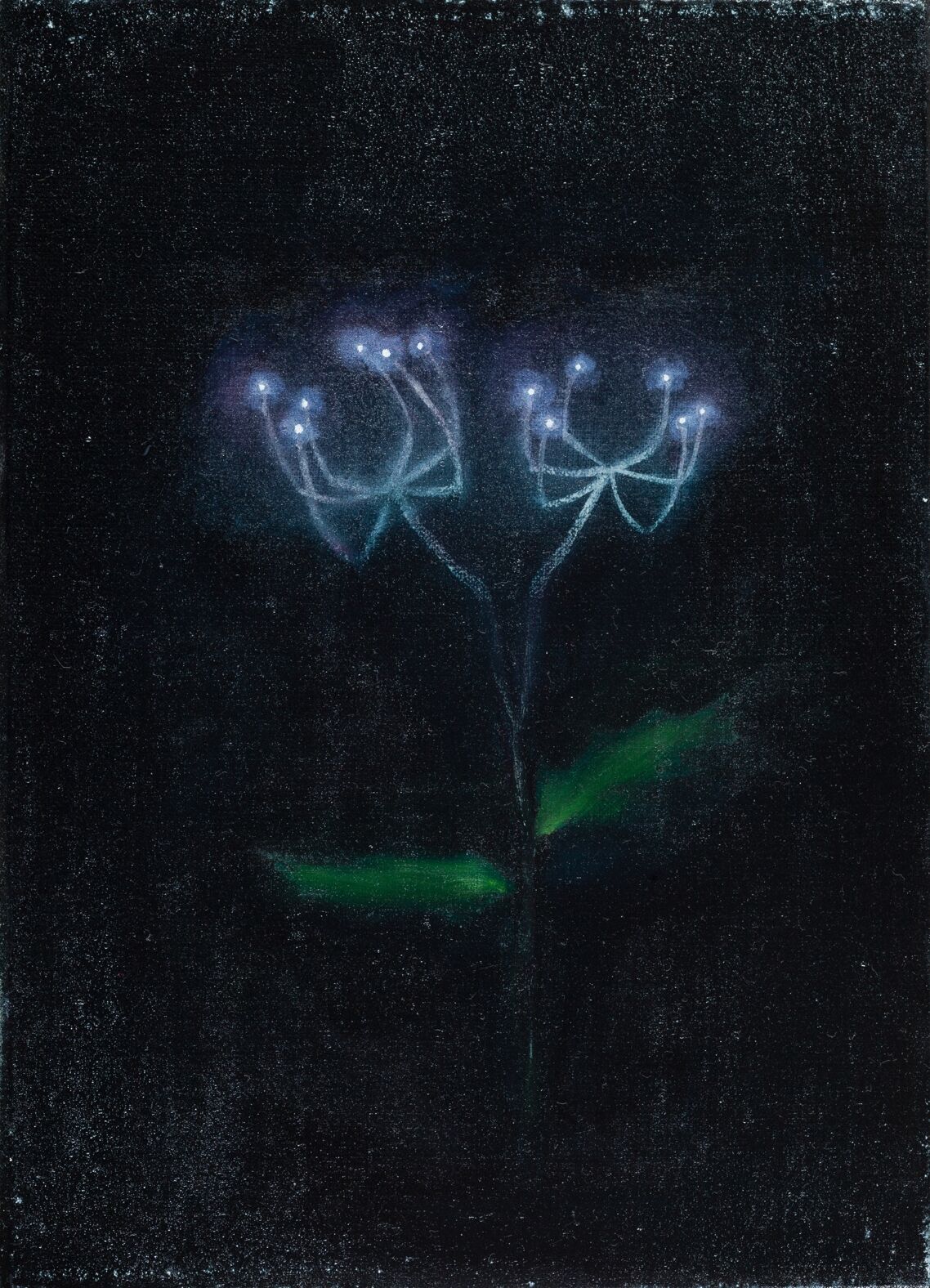
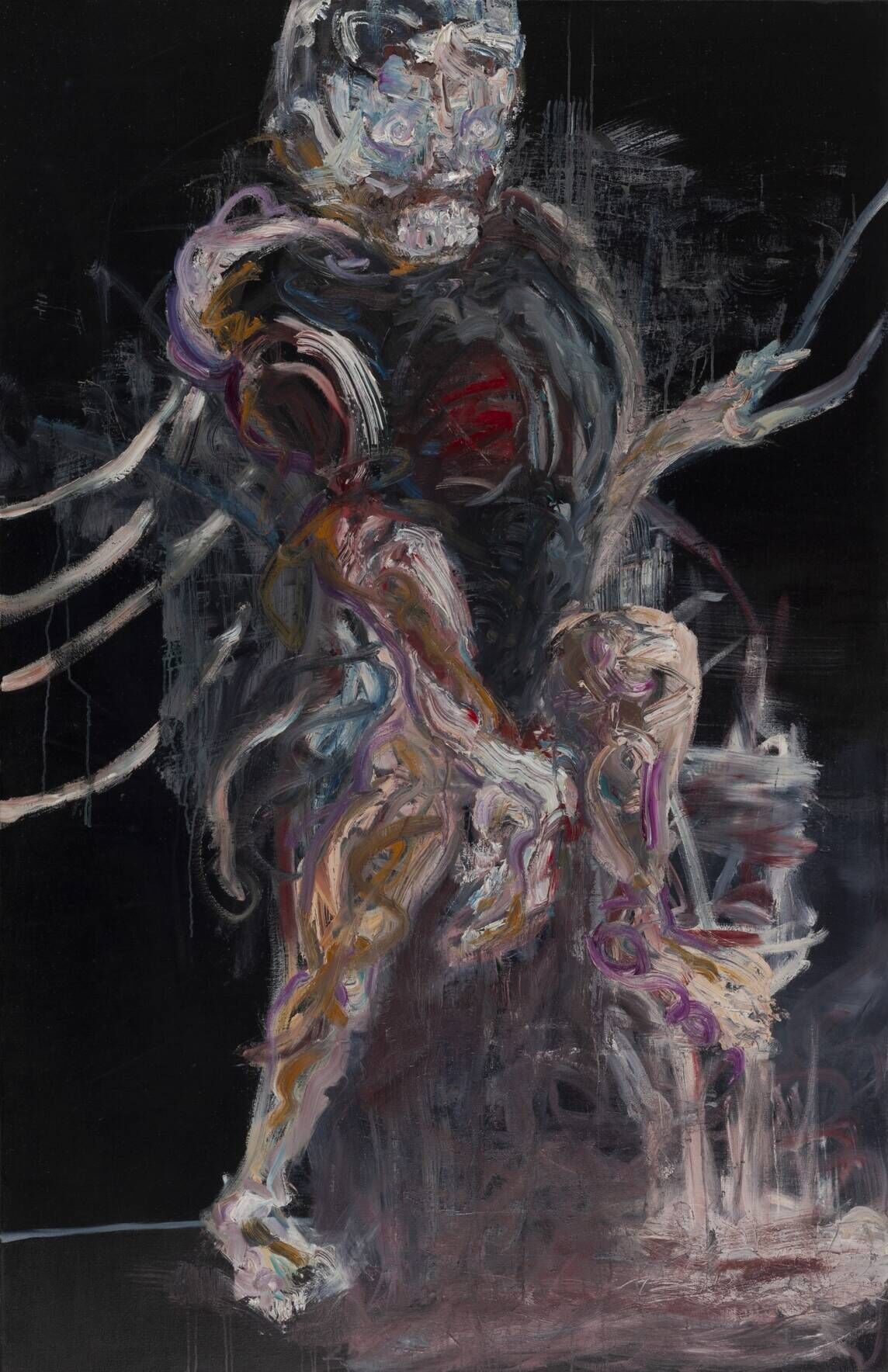
Michael Tauschke focuses his painting on the spaces in between – those moments in which light and darkness, nature and artifice, life and transience merge. Figures and floral motifs become evocative metaphors in his large-scale oil paintings, whilst the light source always plays a central symbolic role. Using a technique that alternates between delicate glazing and vigorous impasto, Tauschke creates works that are both intuitively accessible and remain multi-layered upon closer examination. Since 2024, he has been continuing along this path as a master’s student at the HfBK Dresden under Christian Sery.
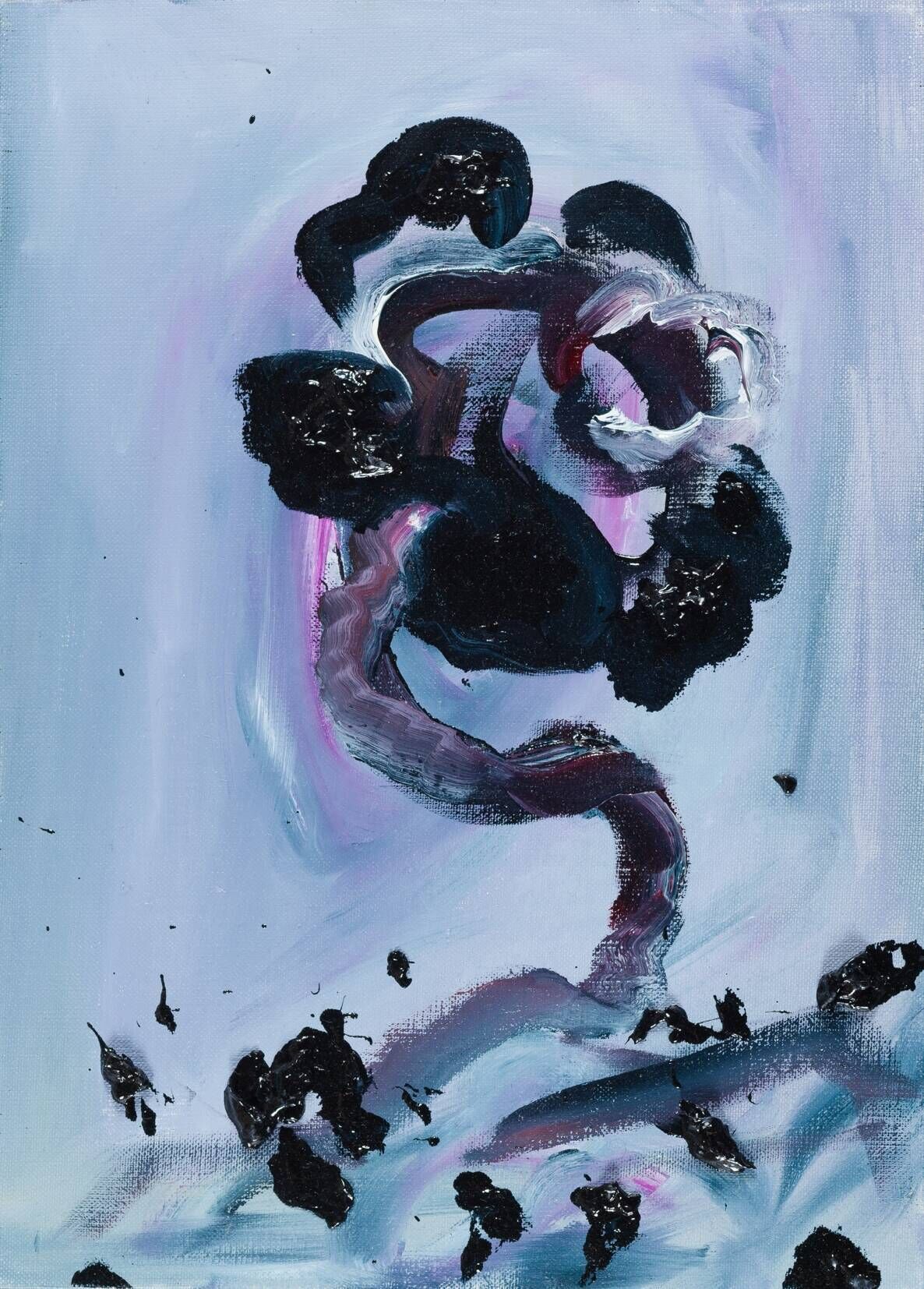
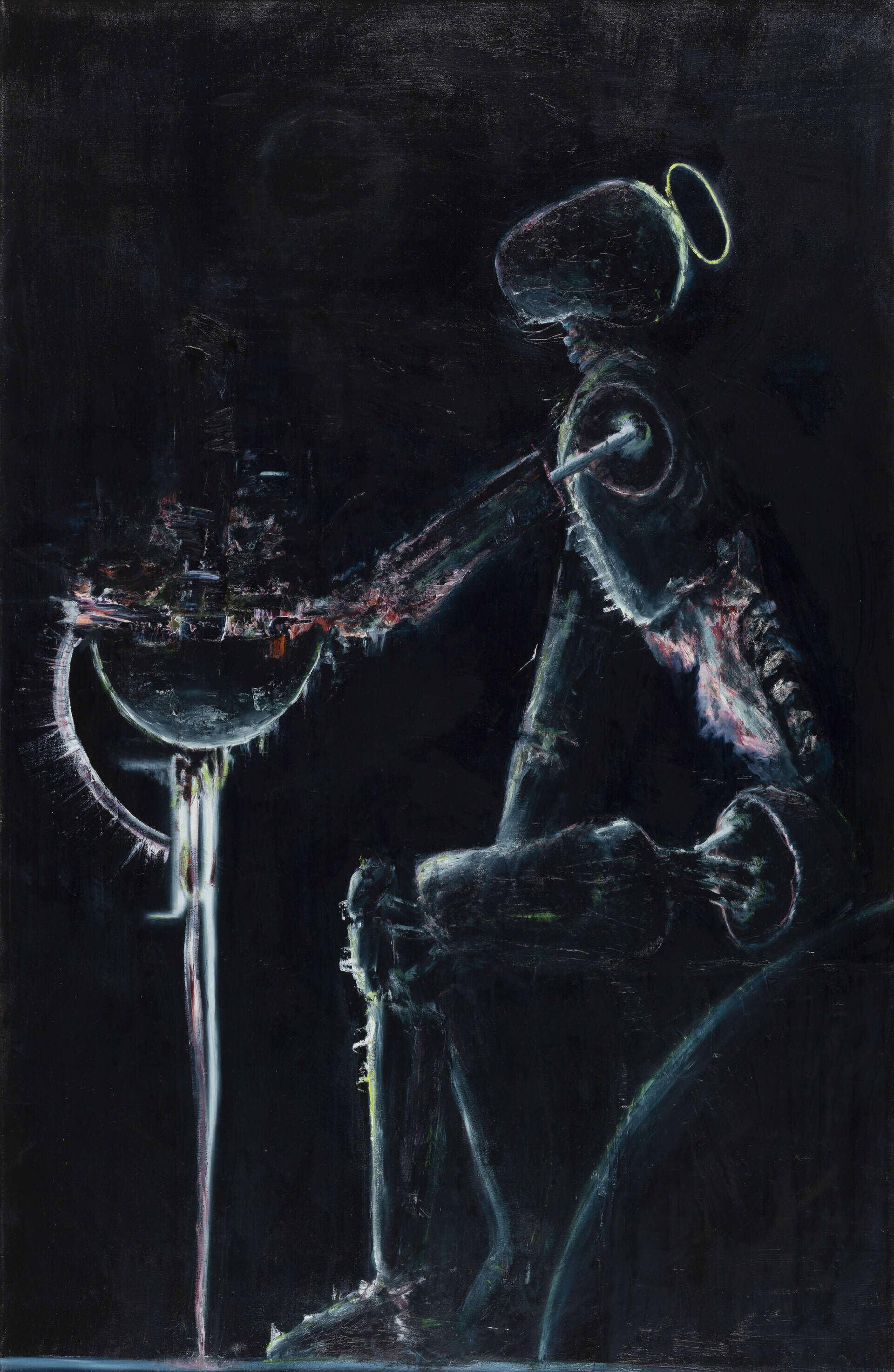
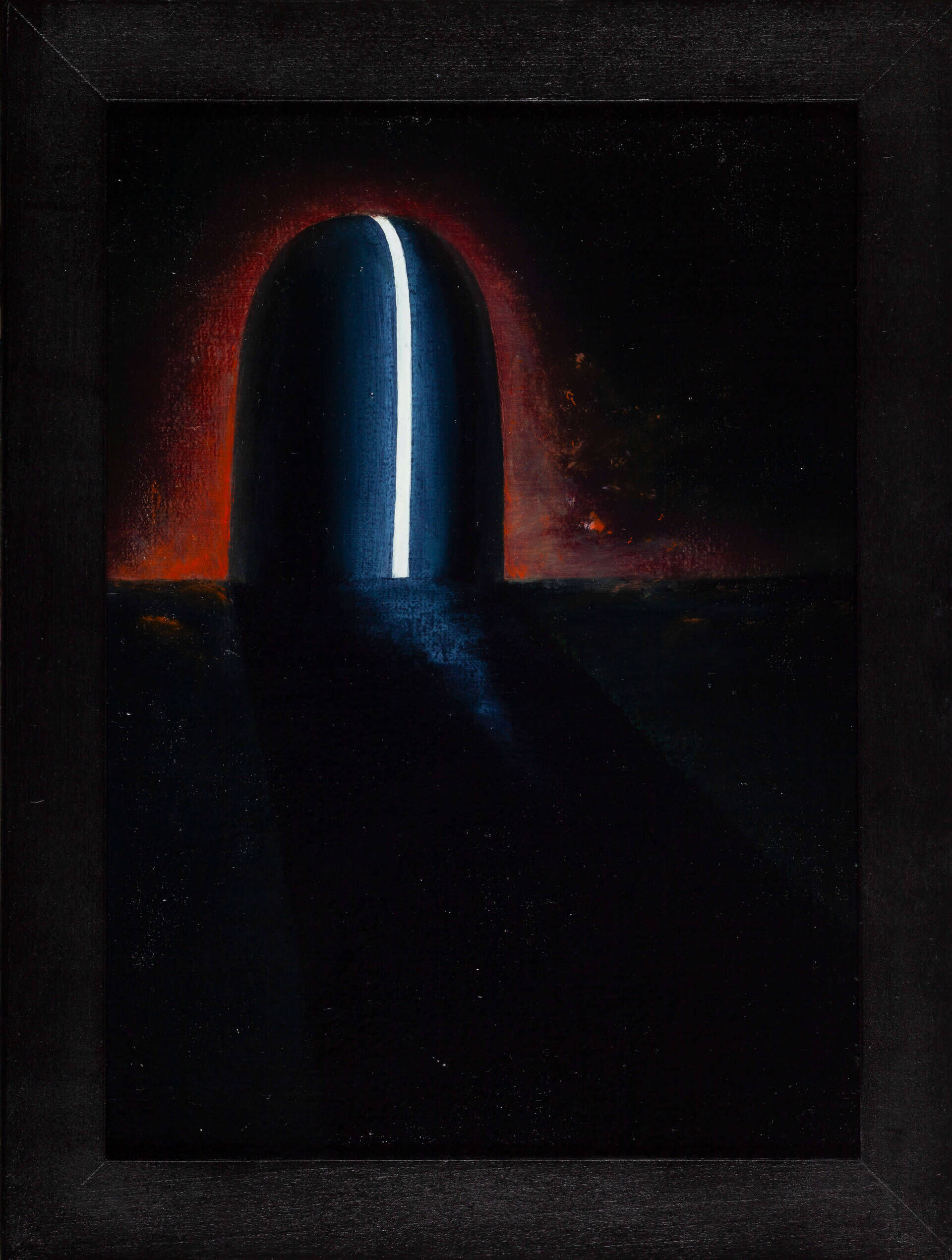
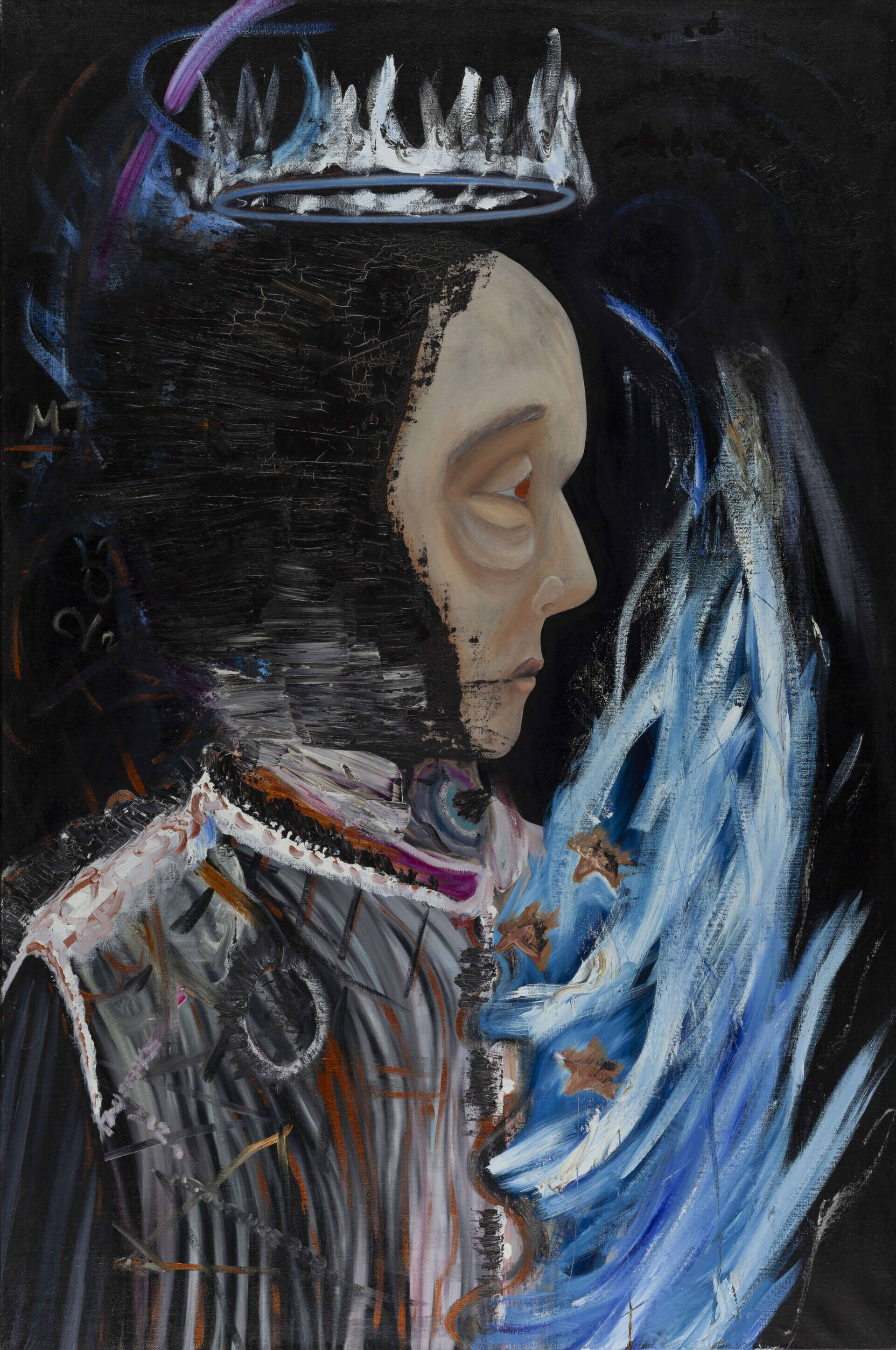
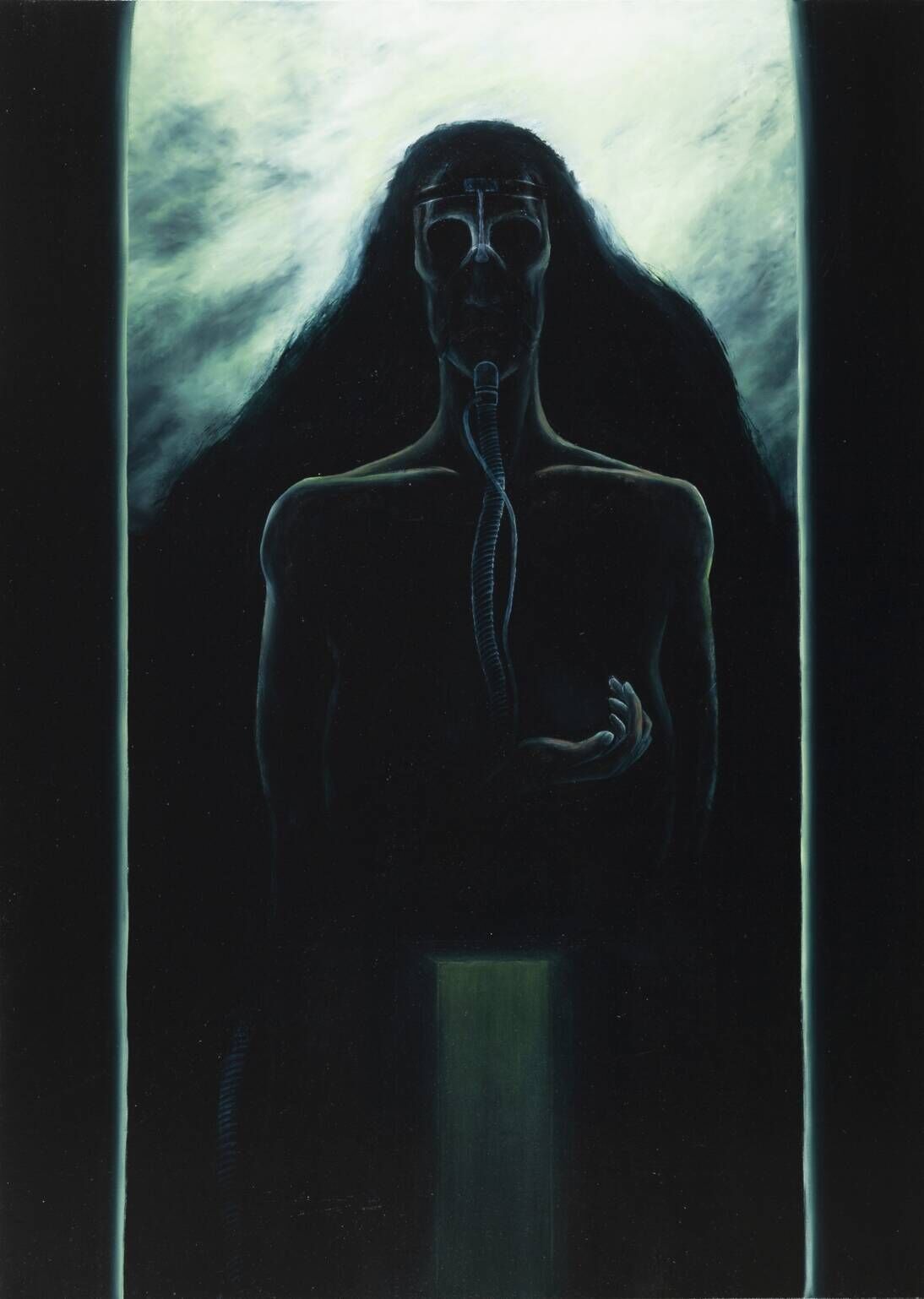
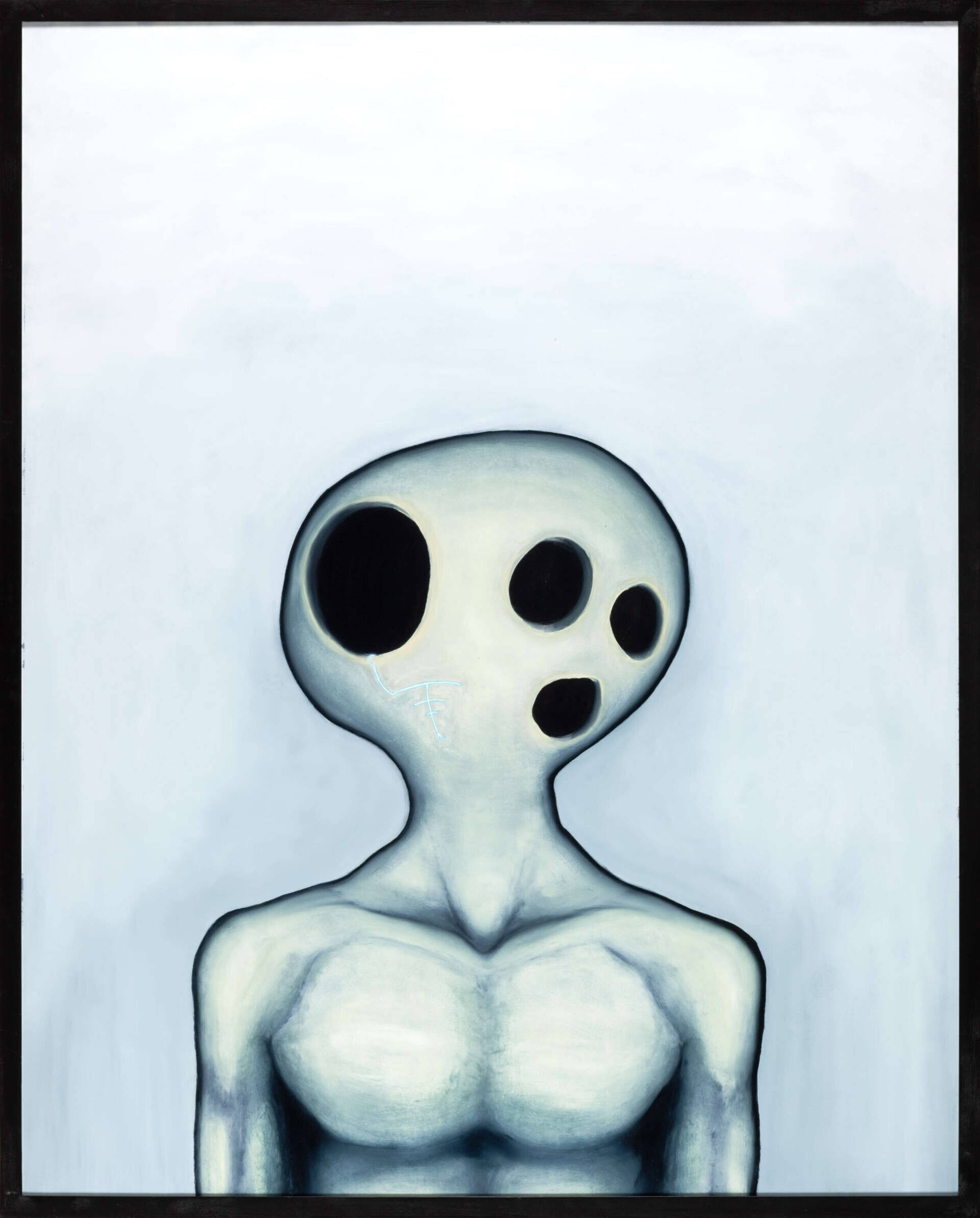
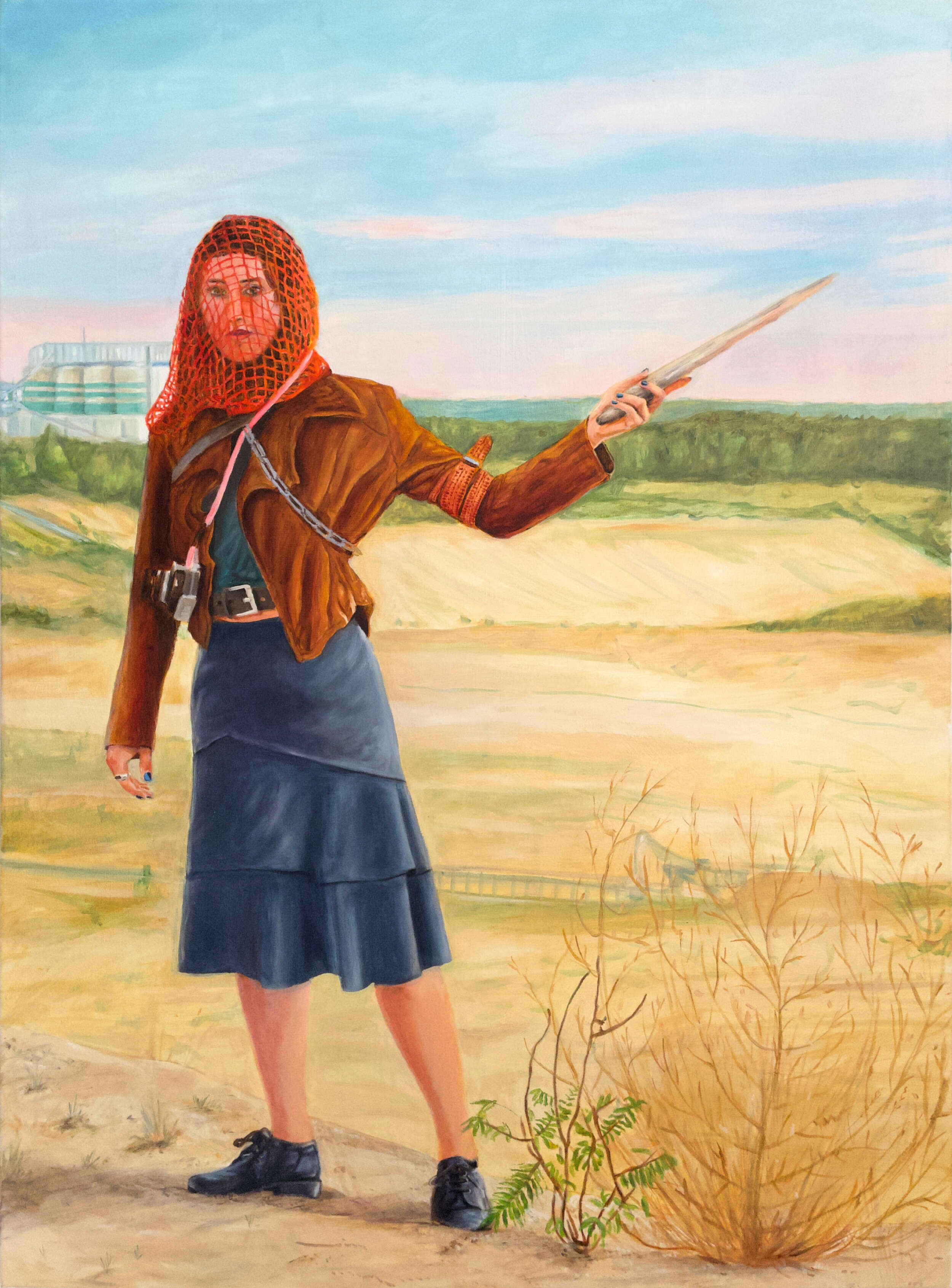
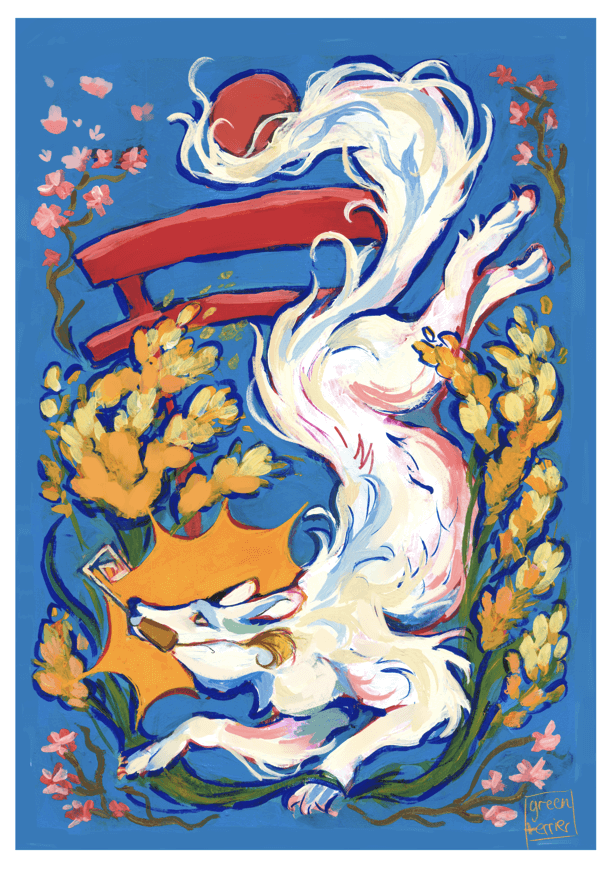
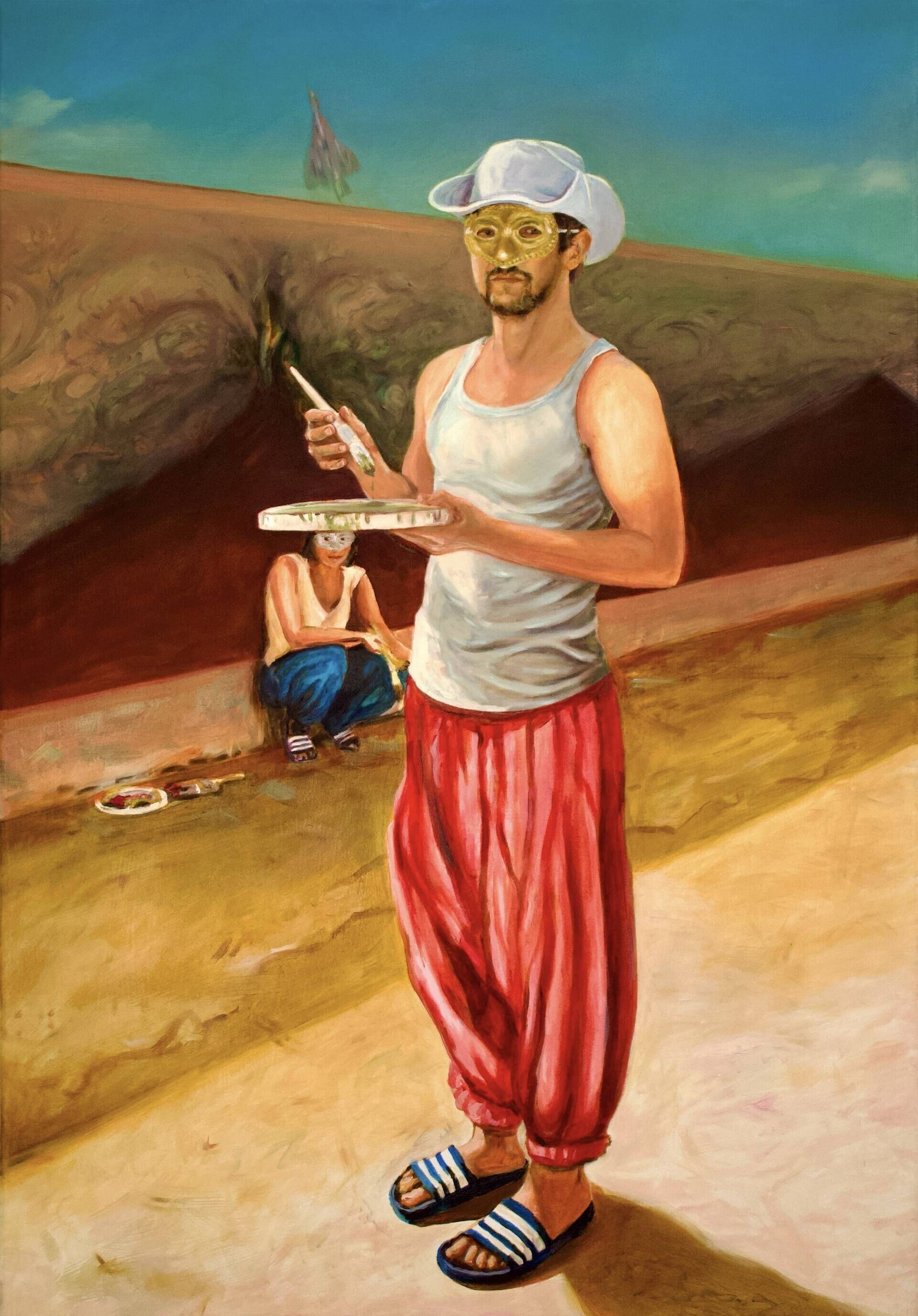
Lukas Häring, born in Japan in 2001 and raised in Berlin, combines precise classical painting techniques with visual elements from digital pop culture in his art. His works straddle the line between academic realism and influences from manga, cartoons and video games, weaving together observations of nature, everyday scenes and personal reflections to create vibrant visual worlds. Following intensive training in realistic painting and studies at the UdK, Häring is now developing a diverse body of work in Aarhus, ranging from oil painting to digital drawings. His works have already been exhibited in Berlin, Leipzig and Aarhus and impressively demonstrate how traditional techniques and contemporary visual language can merge.