Art as an experience at the Performance
Performance art thrives on the moment. At the Student Art Market, you’ll find art that transcends the boundaries between stage and image. The artists make art an immediate experience and invite you to become part of it. Every performance art piece is unique and thrives on interaction with the audience. Buy one-of-a-kind, original works online.
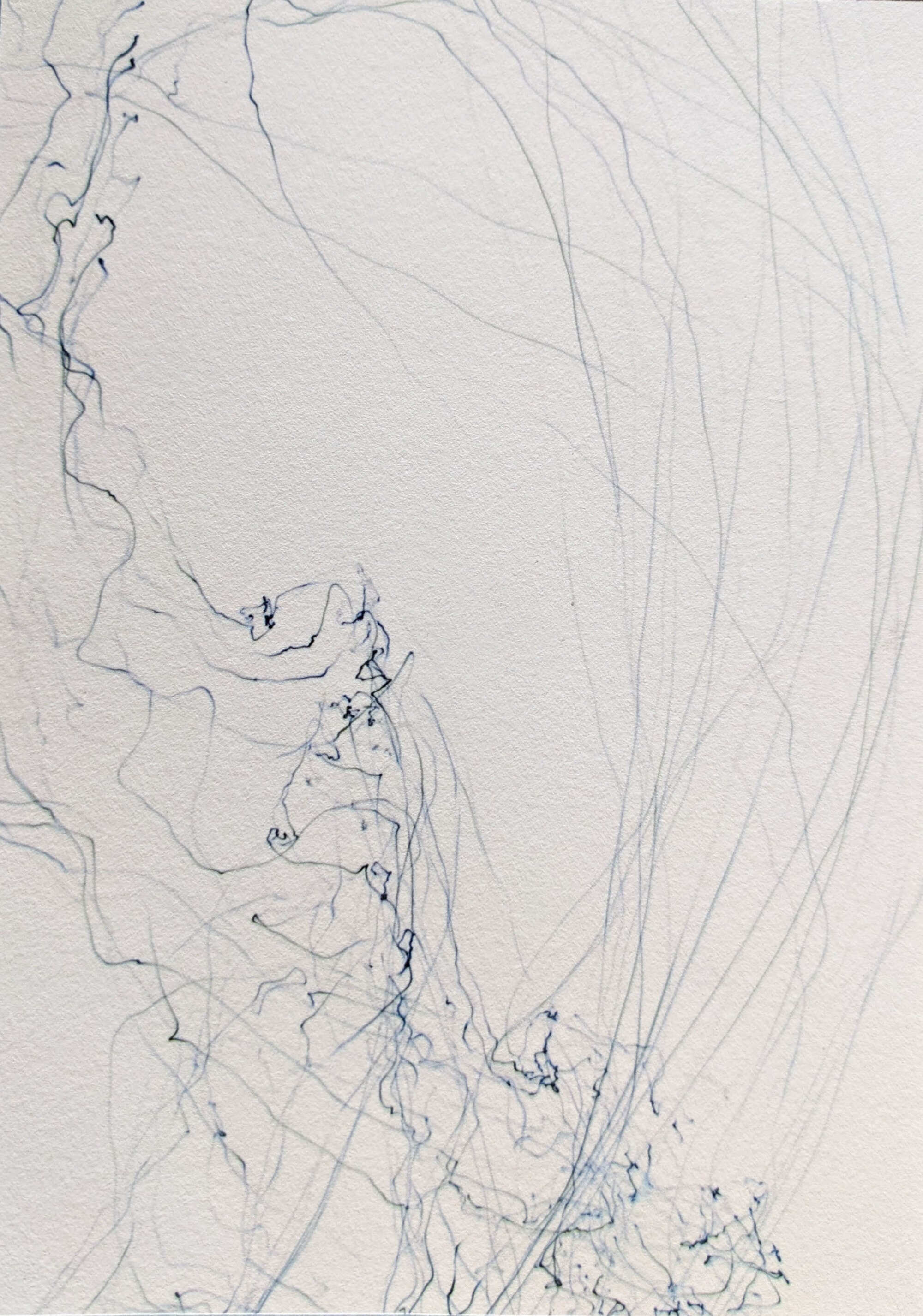
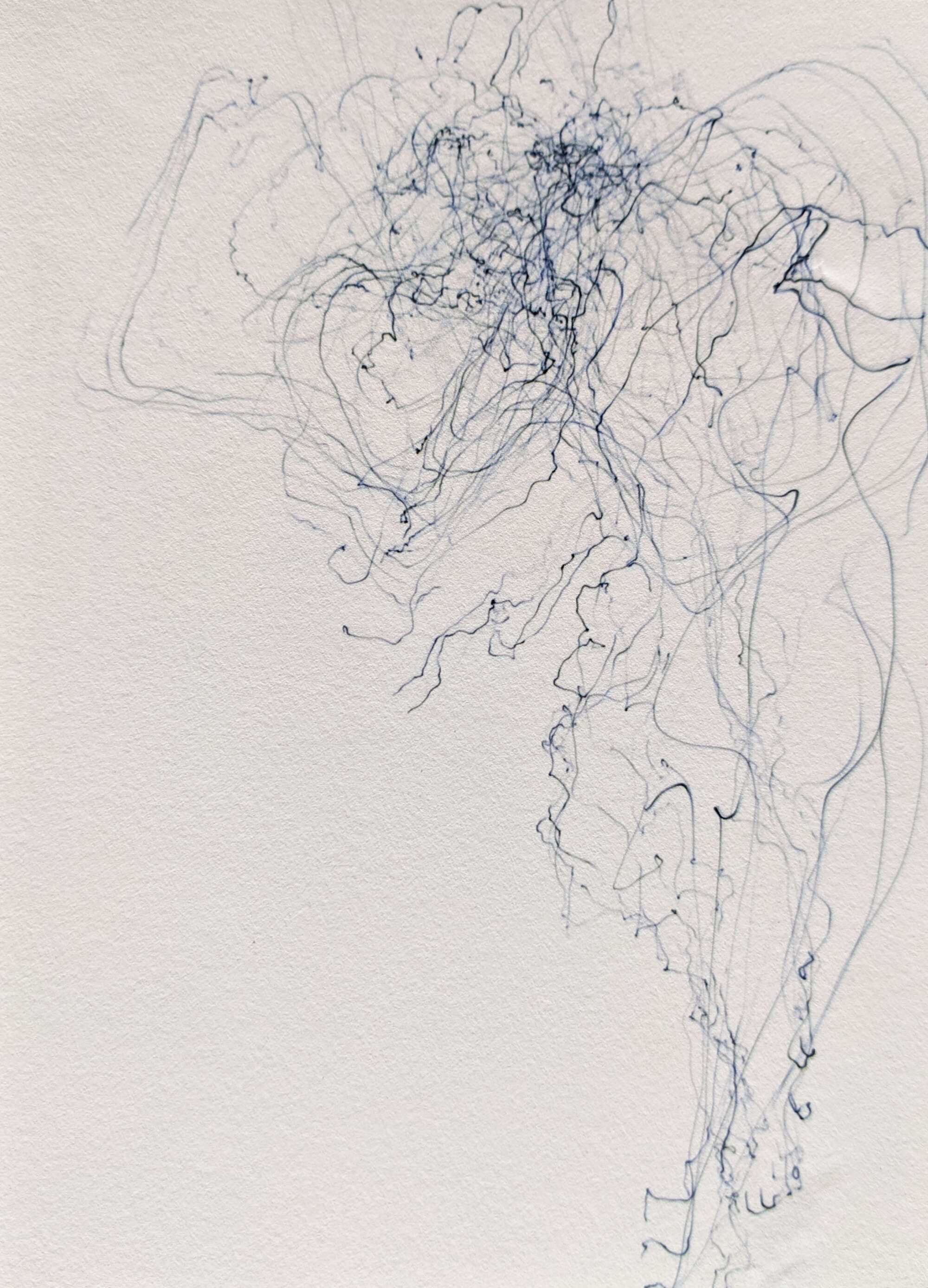
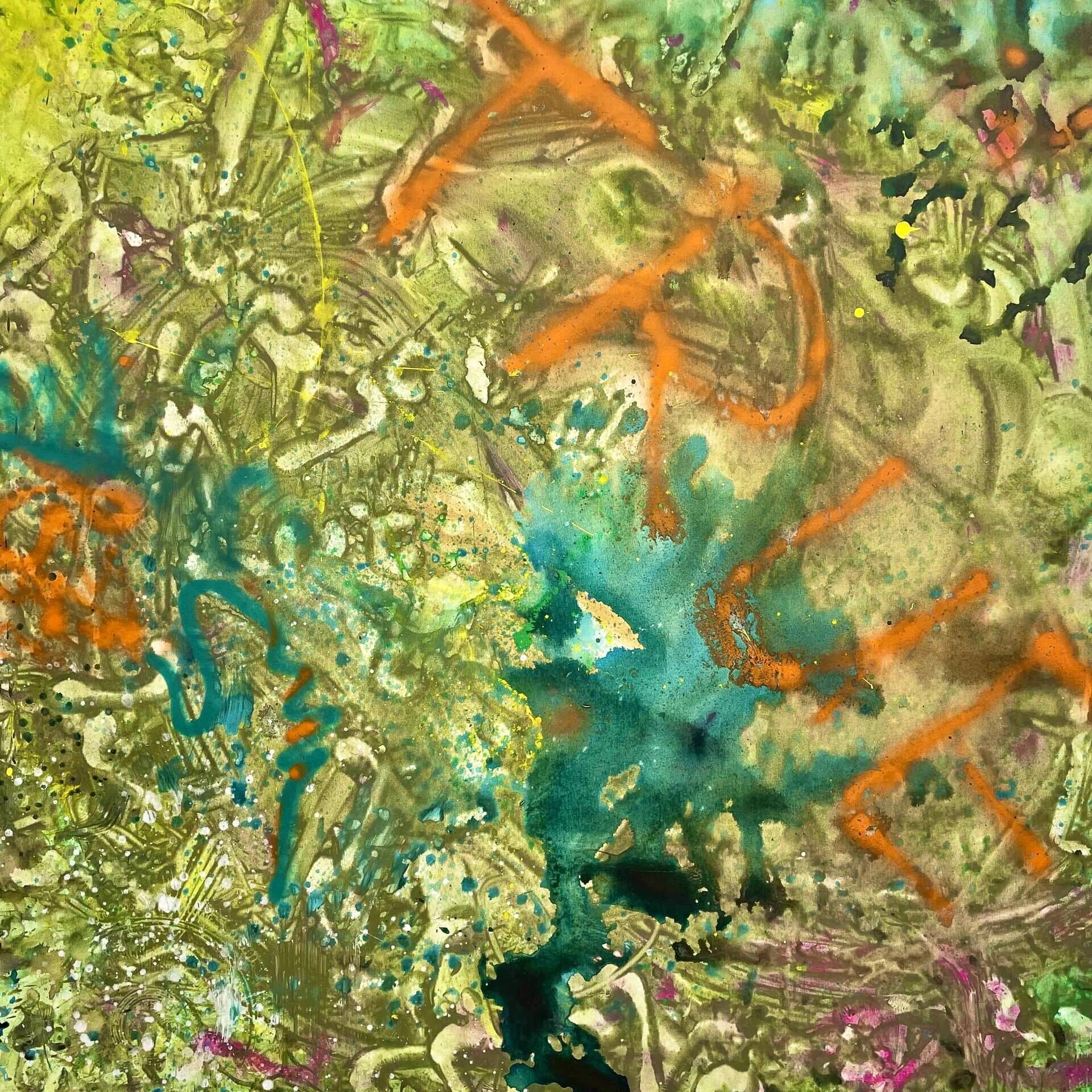
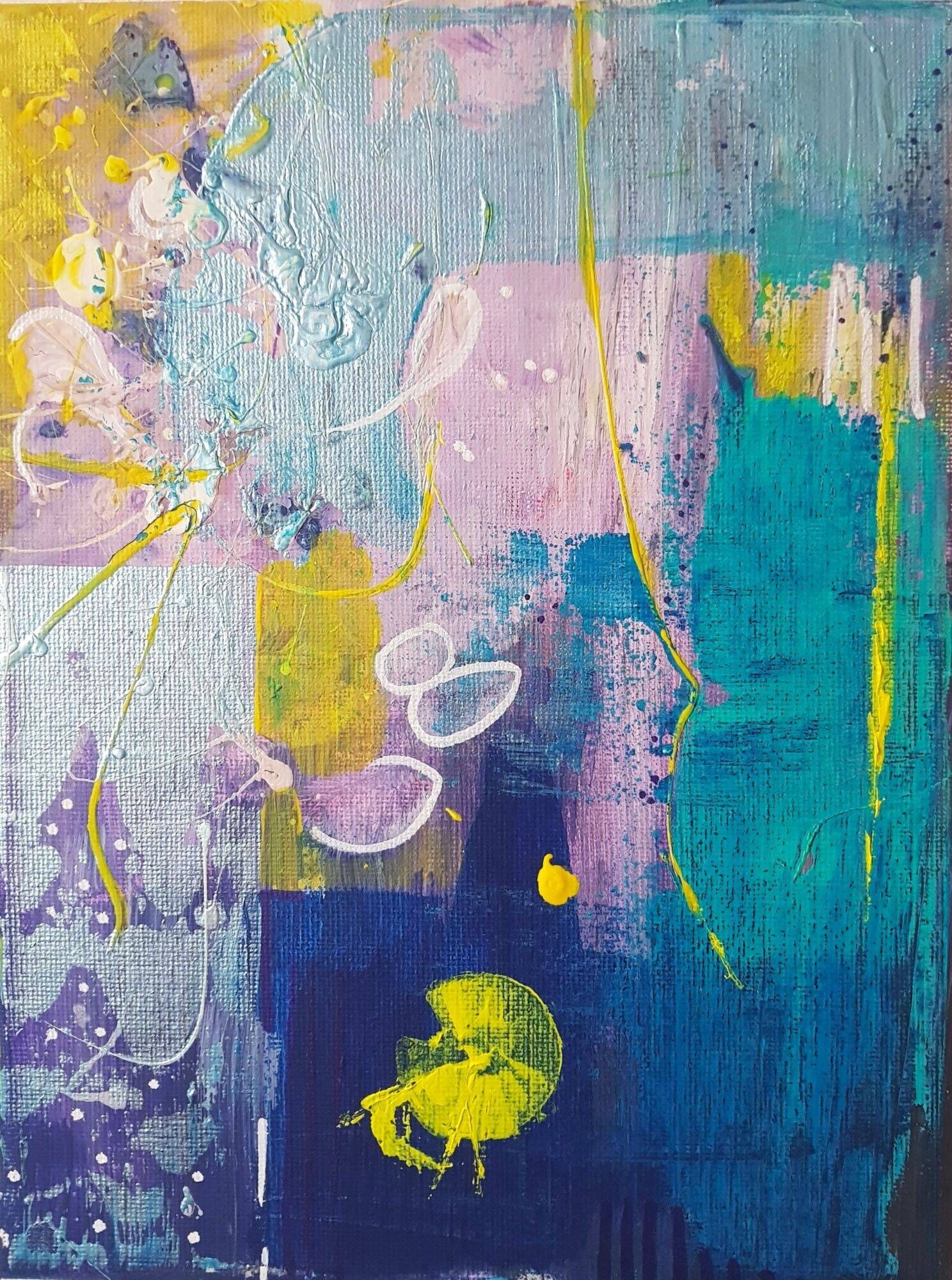
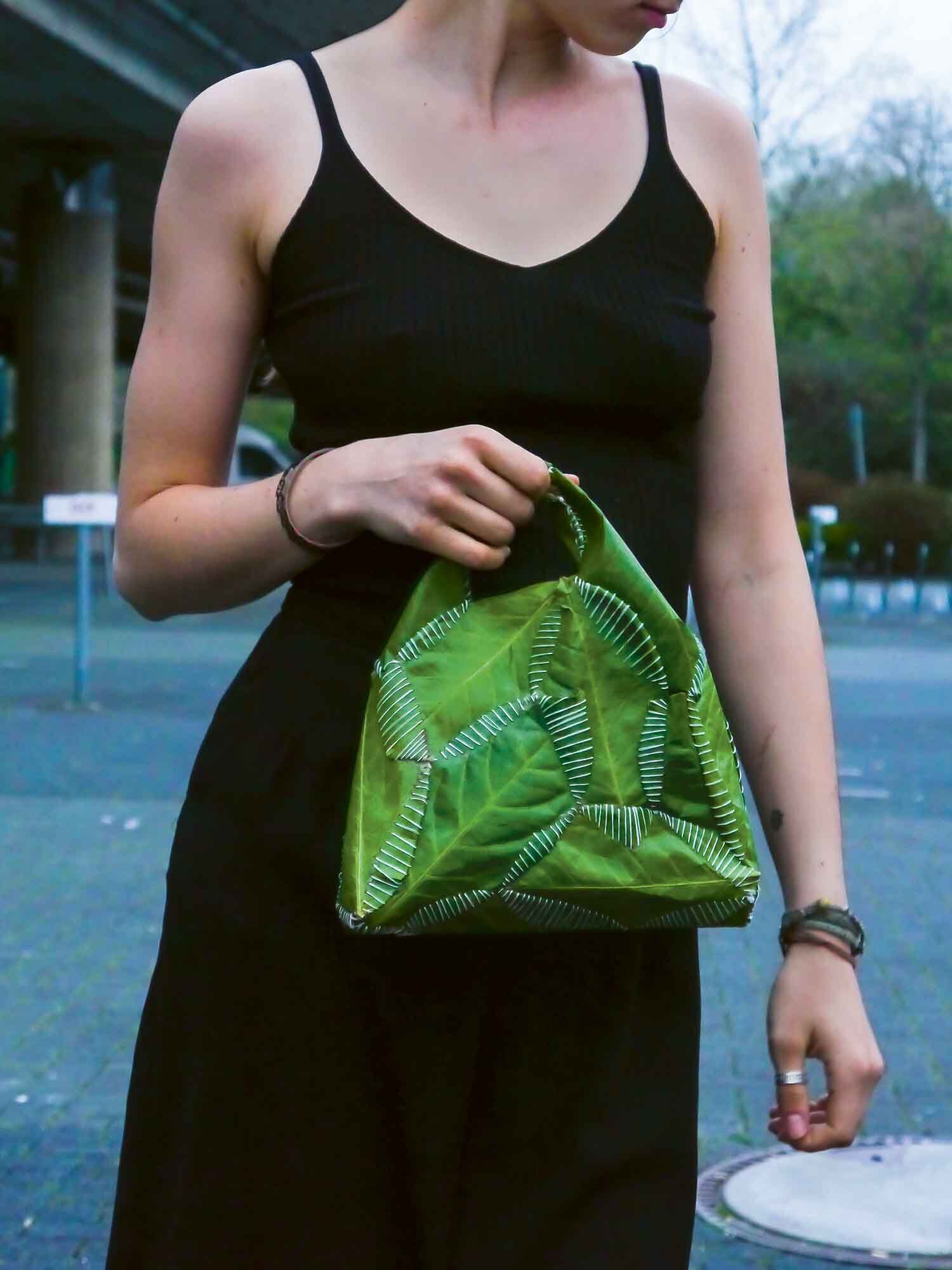
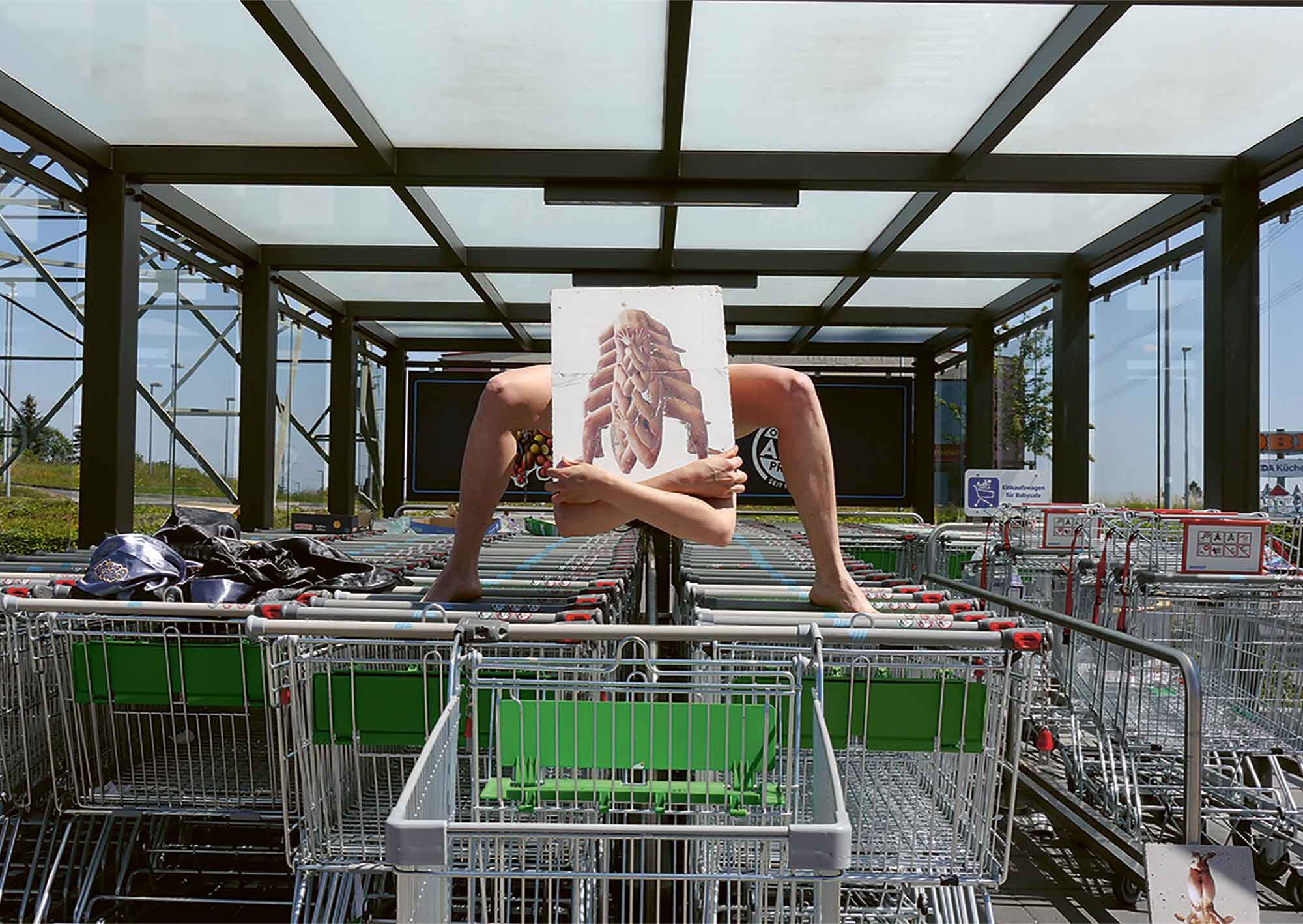
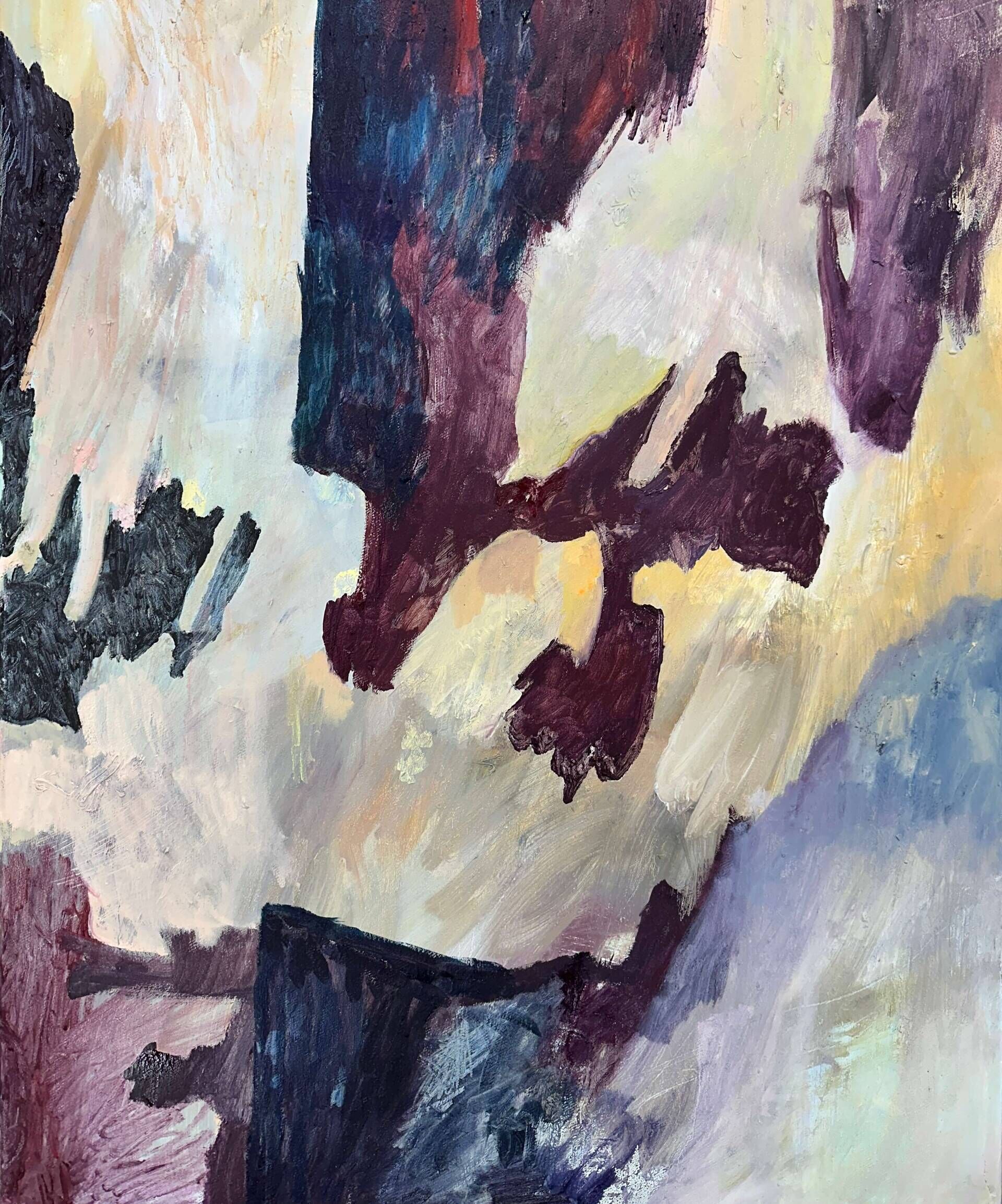
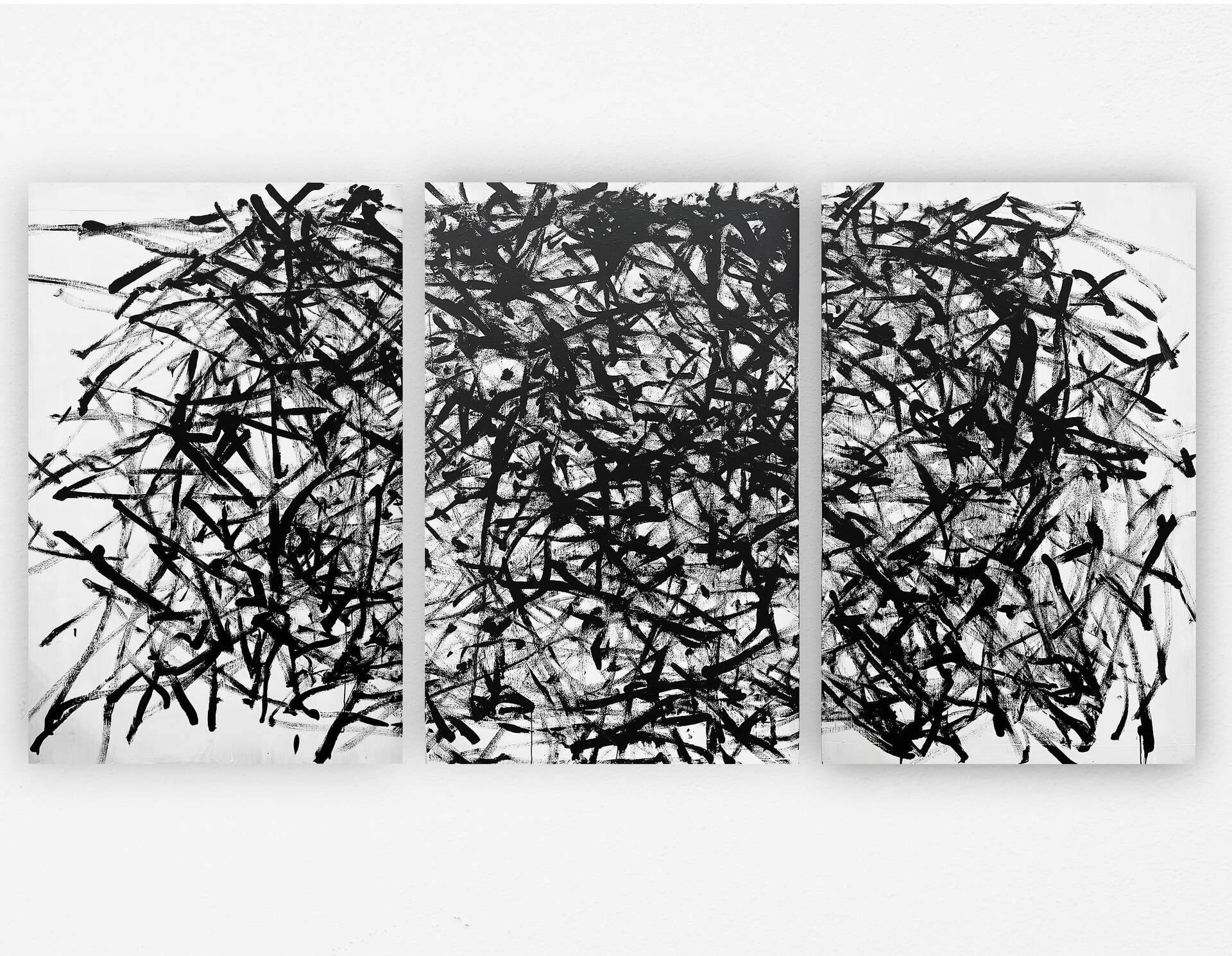
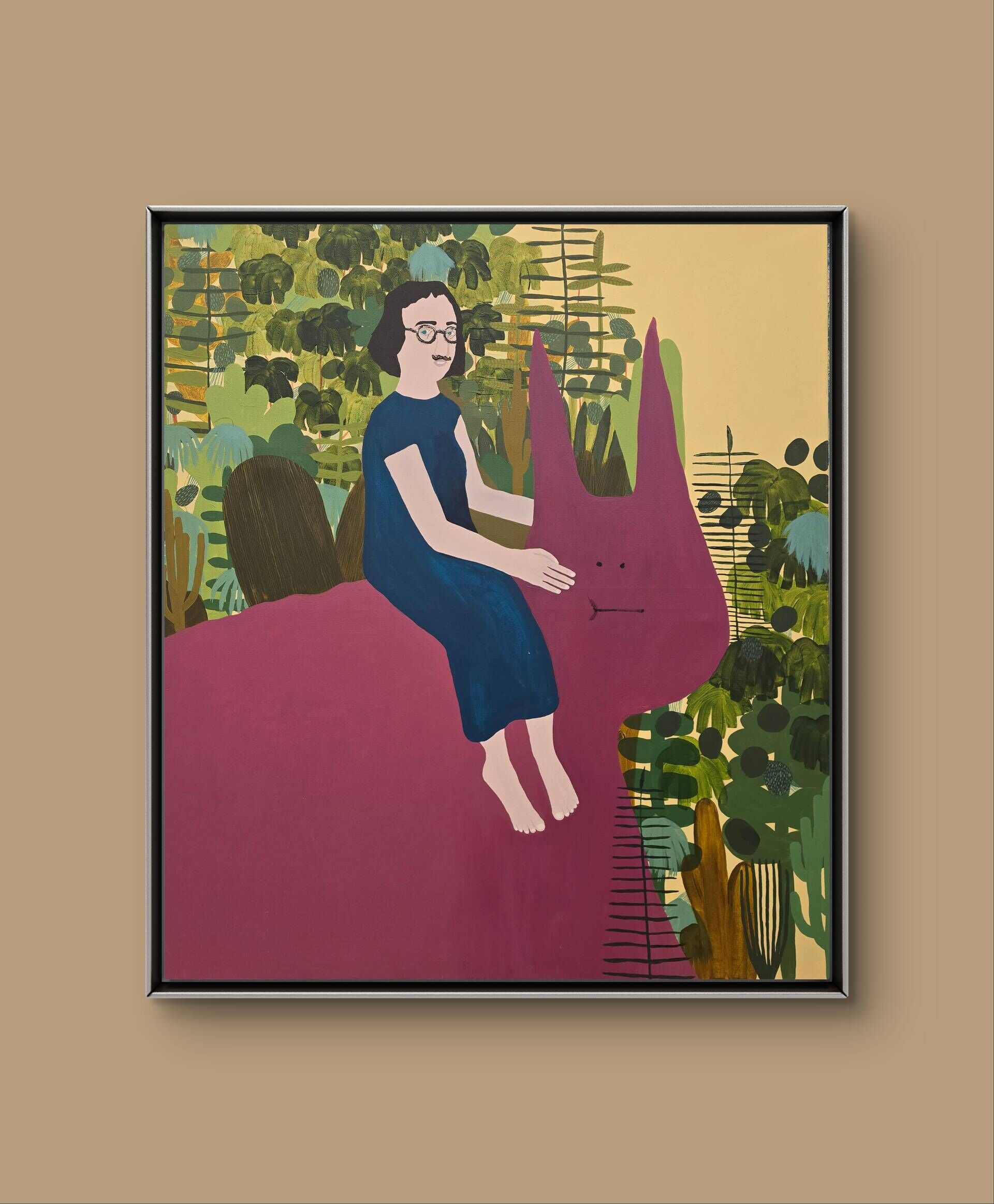
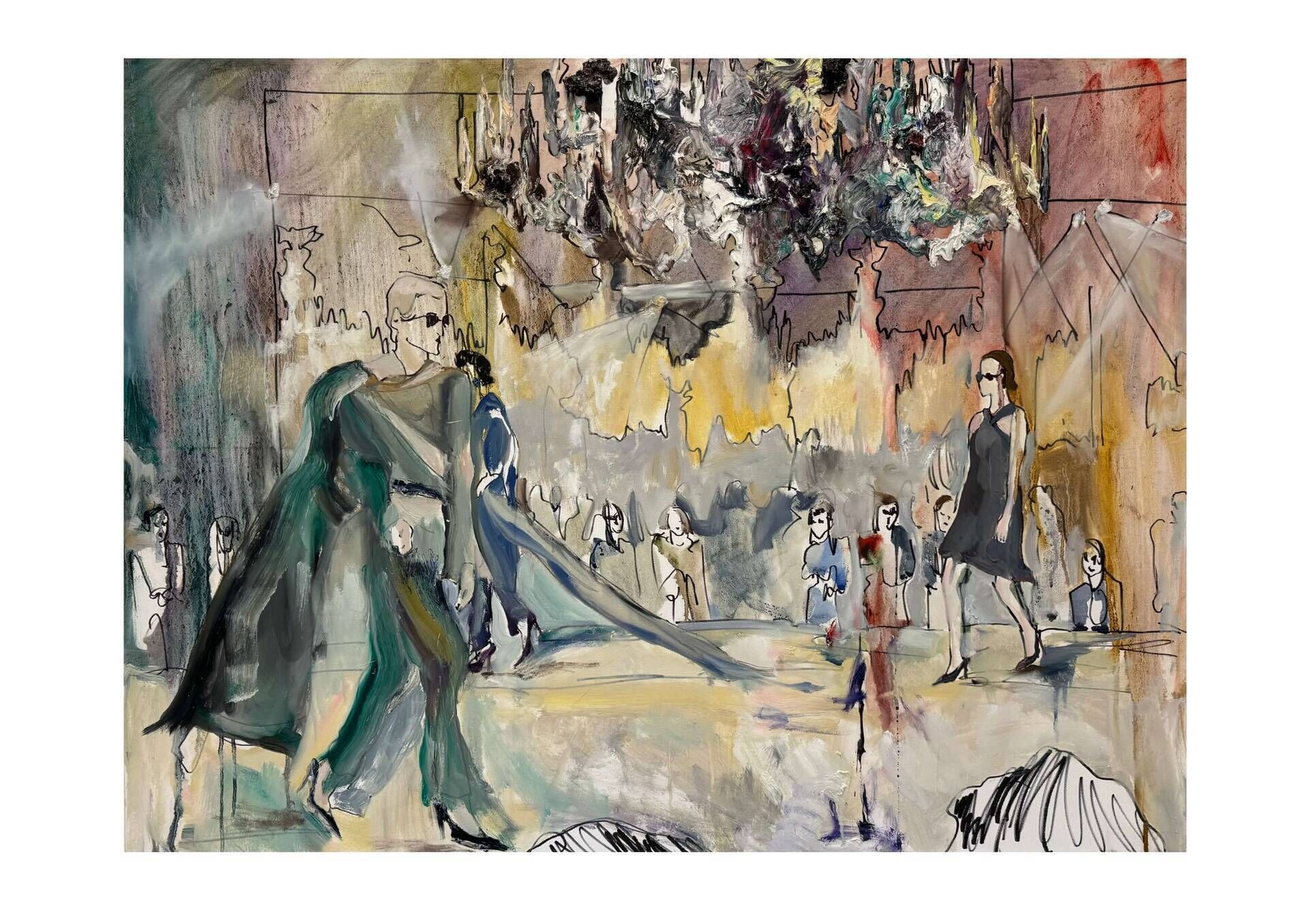
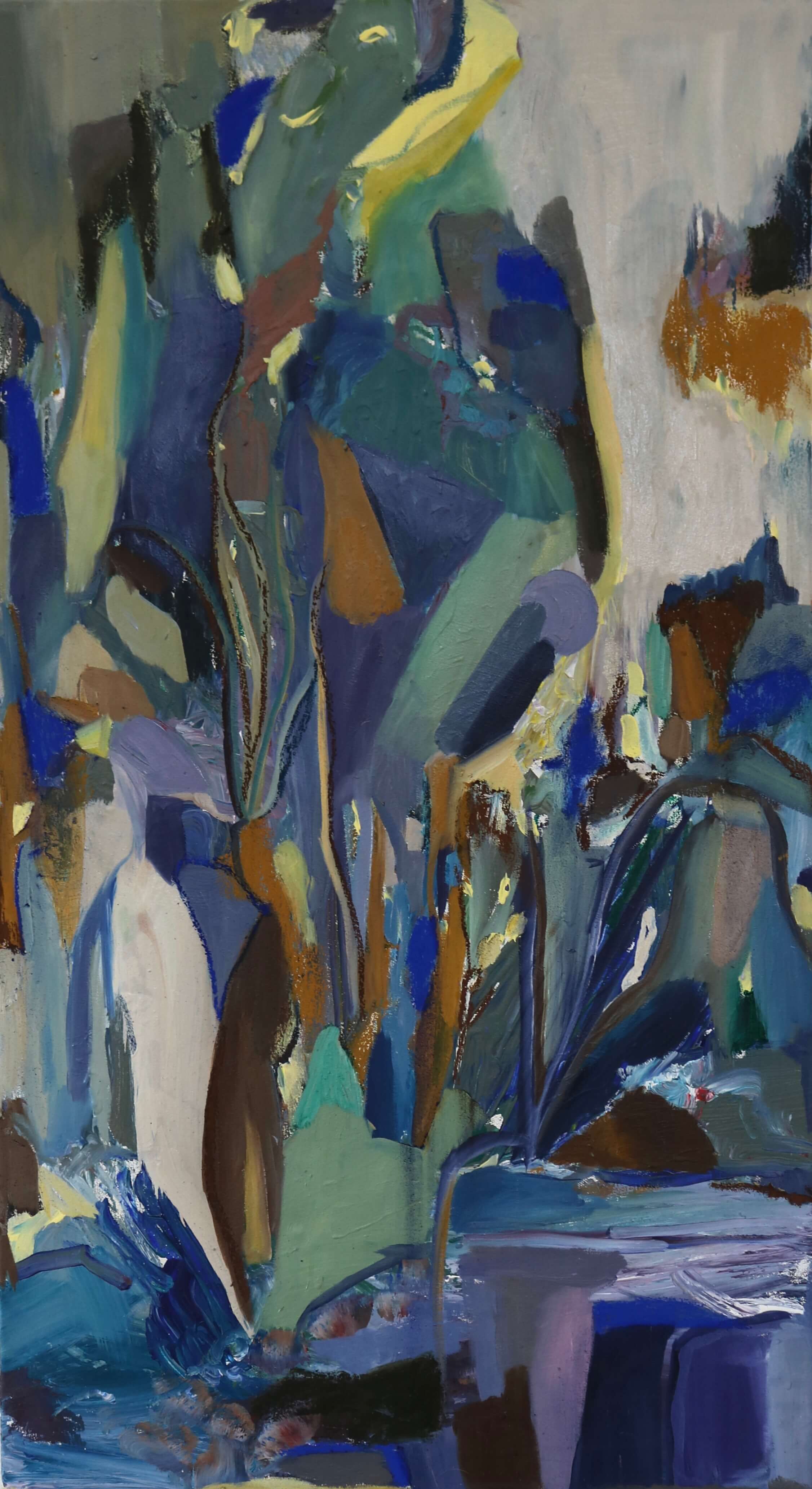
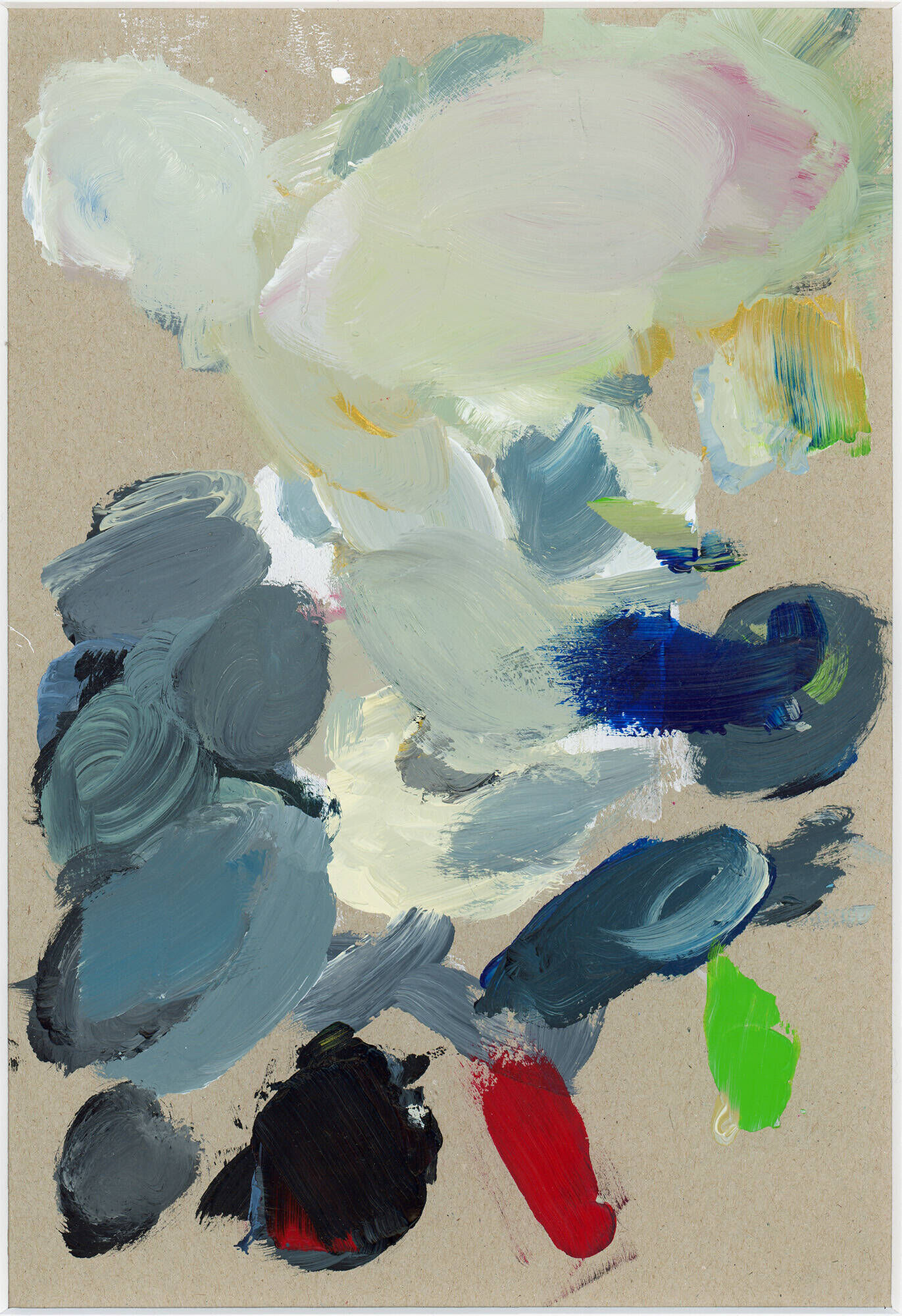
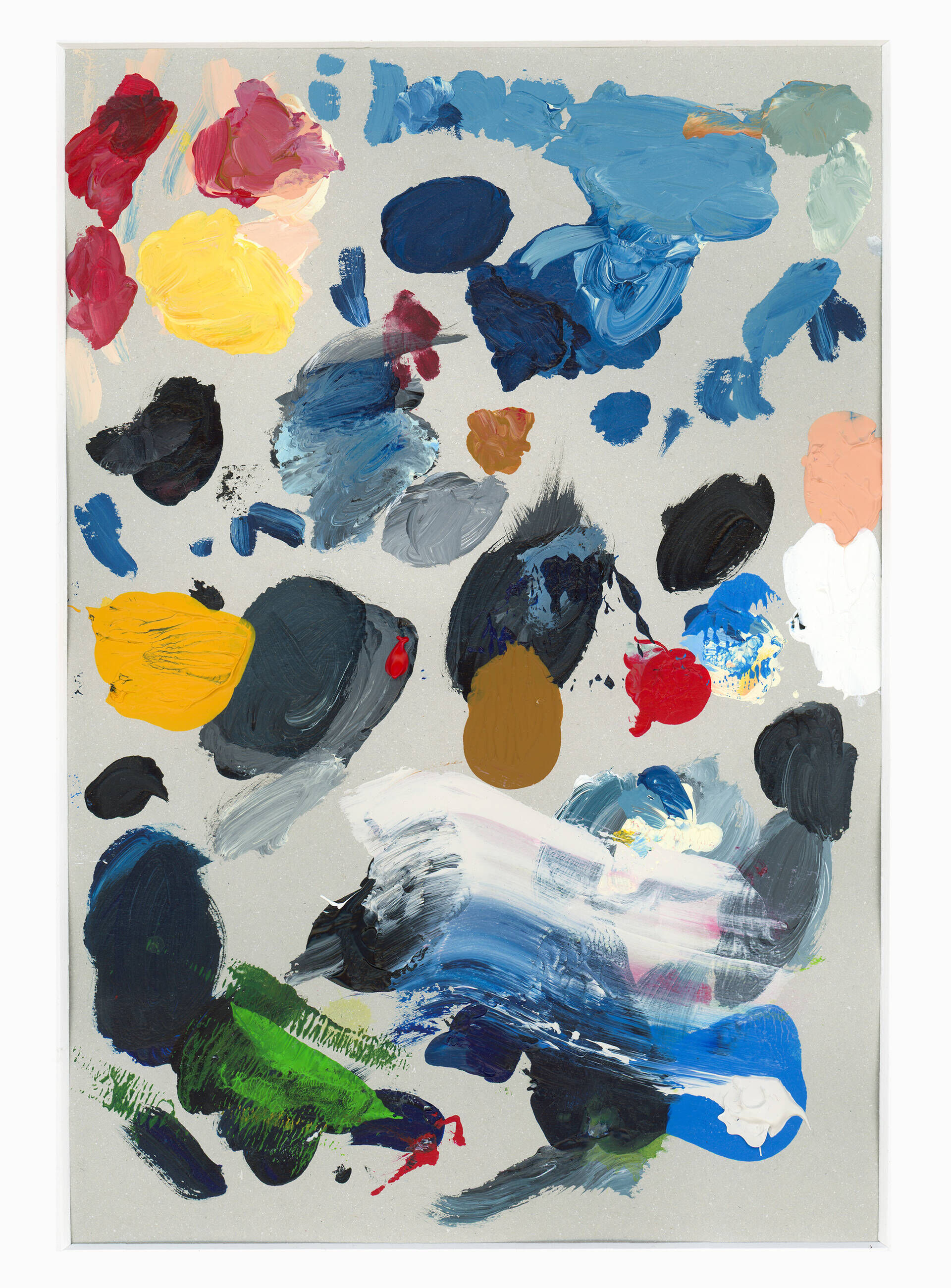
Performance art: The Moment as a Medium
Performance art is the most immediate form of artistic experience – without a canvas, without a plinth, without distance. Artists create works through their own actions: live, physical and ephemeral. This is precisely what makes performance art so fascinating for people who want to experience art, not just view it. At the Student Art Market, you’ll find young artists who are further developing this art form with fresh energy, bold ideas and new formats. Performance art is not an object, but an event that you can witness, document or book for exhibitions, events and private occasions. Photographs and video recordings make these unique moments collectable – and an exciting investment beyond traditional media.
Performance Art – What is it?
Performance art refers to a form of artistic expression in which the action itself – that is, the doing, the body, the presence in space – constitutes the actual work. It is a situation-specific, action-oriented and ephemeral artistic performance. The art form challenges the separability of artist and work, as well as the commodity form of traditional artworks, as the work is created in the moment through the real action of a real person.
Performance art differs fundamentally from theatre or dance: there are no roles, no script and no predetermined plot. The artist and the artwork are one and the same – the body becomes the material, the space the stage, and the audience an active participant. This immediate closeness can be unsettling, but it is its greatest strength, for performance art demands participation rather than mere interpretation. Every action is unique and unrepeatable, arising from the interplay of atmosphere, space, audience members and chance. It thrives on risk and the moment, existing as a fleeting experience that lives on only in memory or through documentation. It is precisely through this that it unleashes its power: vulnerable, courageous, humorous, defiant and experimental – often combined with video, sound, installation or digital formats that push its boundaries even further.
From Dada to Fluxus: How performance became an art form in its own right
The roots of the performing arts stretch back to the early actions of the Futurists, Dadaists and Surrealists of the early 20th century. It was then that performance artists first began to turn the process itself into the artwork – a radical departure from the static art form. However, performance art did not become properly established until the 1960s and 1970s. Movements such as Fluxus, Happenings and Conceptual Art laid the foundations for performance art to be recognised as a discipline in its own right.
Whilst painting and sculpture continued to occupy central positions, performance art offered something that played a major role, particularly after the Second World War: the opportunity to address existential and social issues directly through one’s own body. Artists such as Marina Abramović, Joseph Beuys and Chris Burden shaped action art with bold, often extreme actions that addressed pain, time, endurance and psychological strain. The performing arts became a vehicle for political critique, feminist discourse, personal trauma, social inequalities and physical limits.
Today, performance art is more diverse than ever. Museums are integrating performances into their exhibitions, festivals are dedicating entire programmes to them, and digital formats are also expanding the spectrum of the performing arts. At the same time, the audience that not only wants to see performance art but also to support it – for example, through commissions, documentaries or project-based collaborations – is growing.
From subtle to radical – the spectrum of performance art
Performance art is never mere entertainment. It always makes a statement. Sometimes quiet and poetic, sometimes loud and confrontational. Some performances provoke unease, others a sense of closeness. Some are political, others meditative. Some challenge physical limits, others play with humour or everyday gestures. It is precisely this breadth that makes Action Art so accessible – everyone can find a theme within it that resonates with them.
Many performances address social structures, body politics, feminism, critiques of capitalism or environmental issues. Others explore questions of identity, fear, intimacy or community. Artists use performance art to bring inner conflicts to light or to create a shared experience with the audience that lingers long afterwards. The great strength of the performing arts lies in their flexibility. They can be quiet or loud, visible or hidden, public or intimate; they can follow planned structures or emerge entirely from improvisation.
Iconic moments in performance art
Performance art has produced some of the most defining artistic moments of the 20th and 21st centuries – works that have become cultural landmarks through their simplicity, radicalism or emotional intensity. A famous example is Joseph Beuys’s action “How to Explain Pictures to a Dead Hare” (1965). With his face painted gold and a dead hare in his arms, Beuys walked through a gallery and ‘explained’ the exhibited artworks to it. The performance raised the question of who actually understands art – and whether language or rationality are even necessary for this.
With “The Artist Is Present” (2010), performance artist Marina Abramović created a moment of quiet intensity: at MoMA, she sat on a chair every day for three months, silently looking visitors in the eye. This simple encounter between two people became an emotional experience that redefined closeness, vulnerability and presence.
Yoko Ono and John Lennon also used this art form as a political tool: Their “Bed-In” (1969) transformed a hotel room into a media-covered peace demonstration. Instead of protesting, they stayed in bed for days on end – an absurd, humorous, yet effective form of civil resistance. The Fluxus movement, in turn, radicalised everyday life as art: brushing teeth, chopping vegetables or tearing up paper became performances that deliberately rebelled against traditional concepts of art.
These iconic actions demonstrate the breadth of performance art – ranging from poetic stillness to provocative gestures and Action Painting. They bring home the fact that art need not merely be an object, but can also be an action, an attitude and a moment.
Performance artists at the student art market
Performance art leaves a mark that extends far beyond the moment itself. It creates experiences that linger, spark conversations and connect people in unexpected ways. Anyone who supports the performing arts is investing in an art form that brings social issues to the fore and brings spaces to life with an immediate presence. If you’re curious about what performance art feels like, take a look at the Student Art Market: here you’ll find artists whose work is bold, moving and authentic – art that you don’t just see, but experience.
In our online gallery, you’ll encounter performers who are pushing the boundaries of performance art with fresh ideas. They connect body and space, experiment with rituals, everyday objects, video or sound, and create interdisciplinary projects that you can add to your collection. Buying performance art at the Student Art Market means directly supporting young artistic development – and becoming part of a vibrant, experimental art scene.
Frequently Asked Questions about Performance Art
Performance Kunst ist eine künstlerische Ausdrucksform, bei der der Körper, die Handlung und der Moment im Mittelpunkt stehen. Sie kommt ohne feste Rollen, Skripte oder klassische Bühnenbilder aus und entsteht live vor Publikum. Jede Performance ist einmalig und verbindet Raum, Zeit und Präsenz zu einem vergänglichen Kunstwerk, das oft gesellschaftliche Fragen sichtbar macht.
Ein Performance Künstler nutzt den eigenen Körper, Handlungen oder Situationen als künstlerisches Medium. Statt Objekte zu schaffen, erzeugt er vergängliche Erlebnisse, die oft improvisiert sind und das Publikum direkt einbeziehen. Performance Artists arbeiten häufig interdisziplinär – etwa mit Video, Klang, Installation oder Ritualen.
Zu den bekanntesten Performances zählen Joseph Beuys’ „Wie man dem toten Hasen die Bilder erklärt“, Marina Abramovićs „The Artist Is Present“, Yoko Ono und John Lennons „Bed-In“, sowie Aktionen der Fluxus-Bewegung, die Alltagsgesten wie Zähneputzen oder Kochen zur Kunst erhoben. Diese Werke prägten die Kunstgeschichte und erweiterten das Verständnis von Kunst und Öffentlichkeit.
