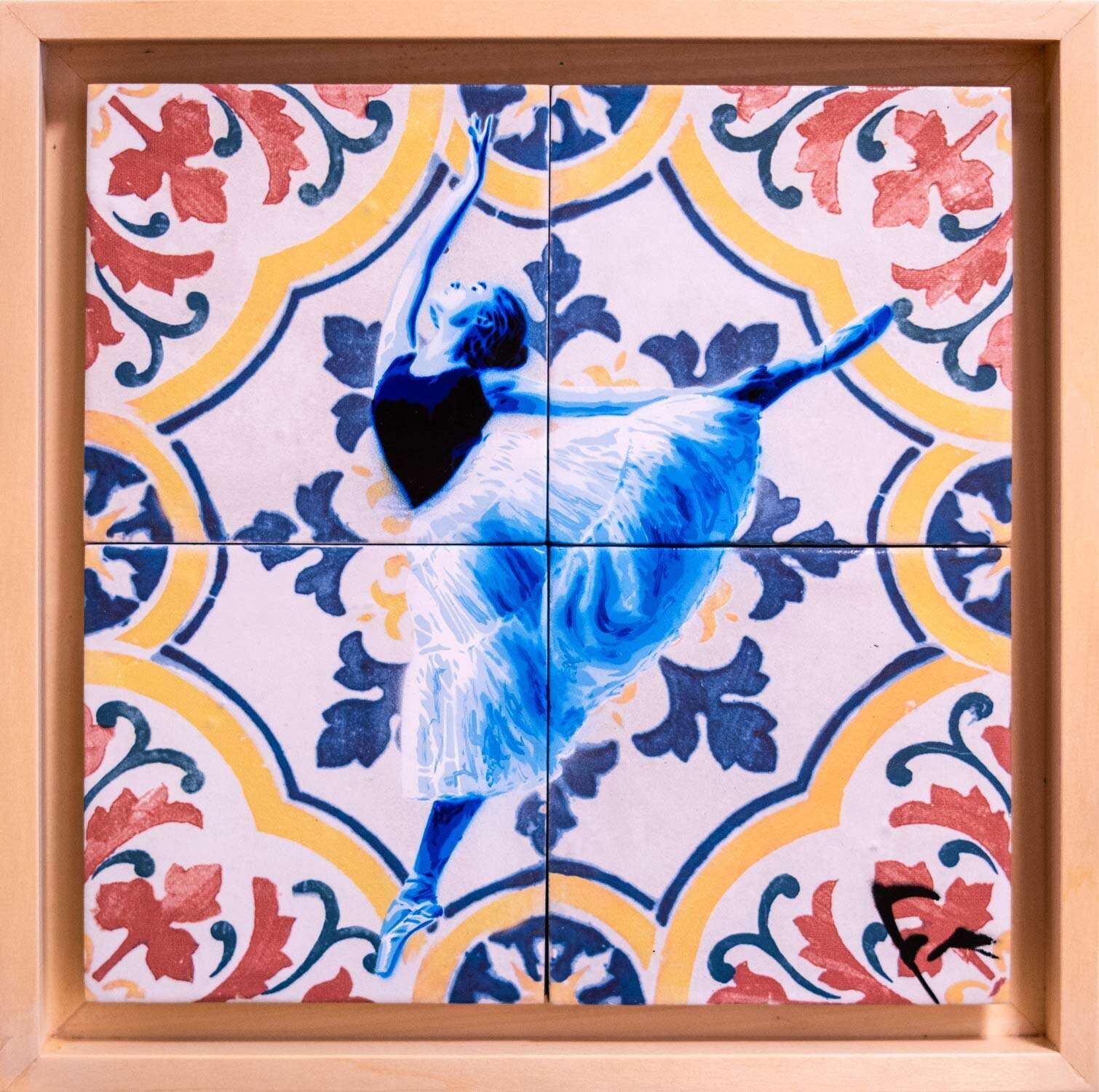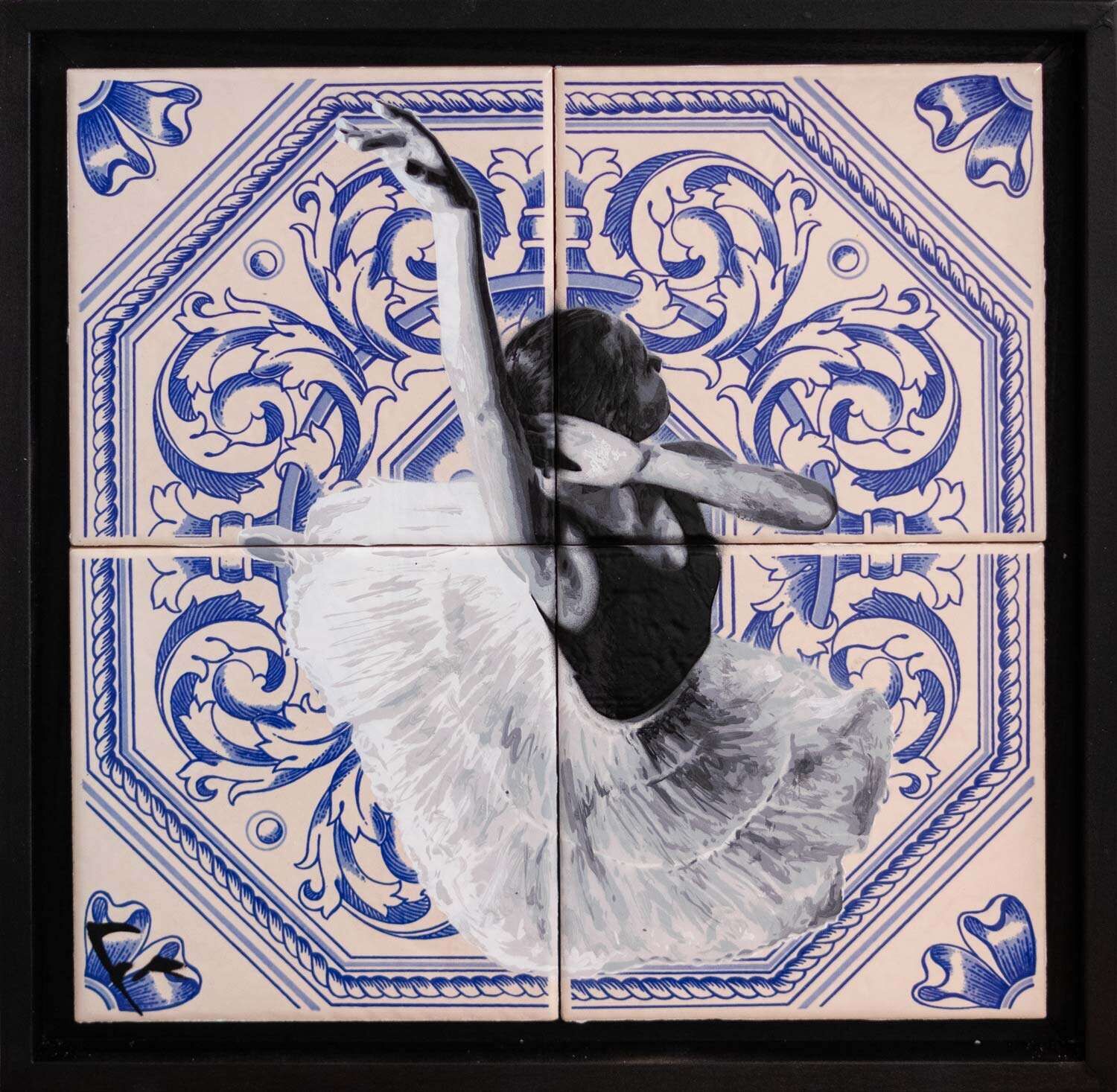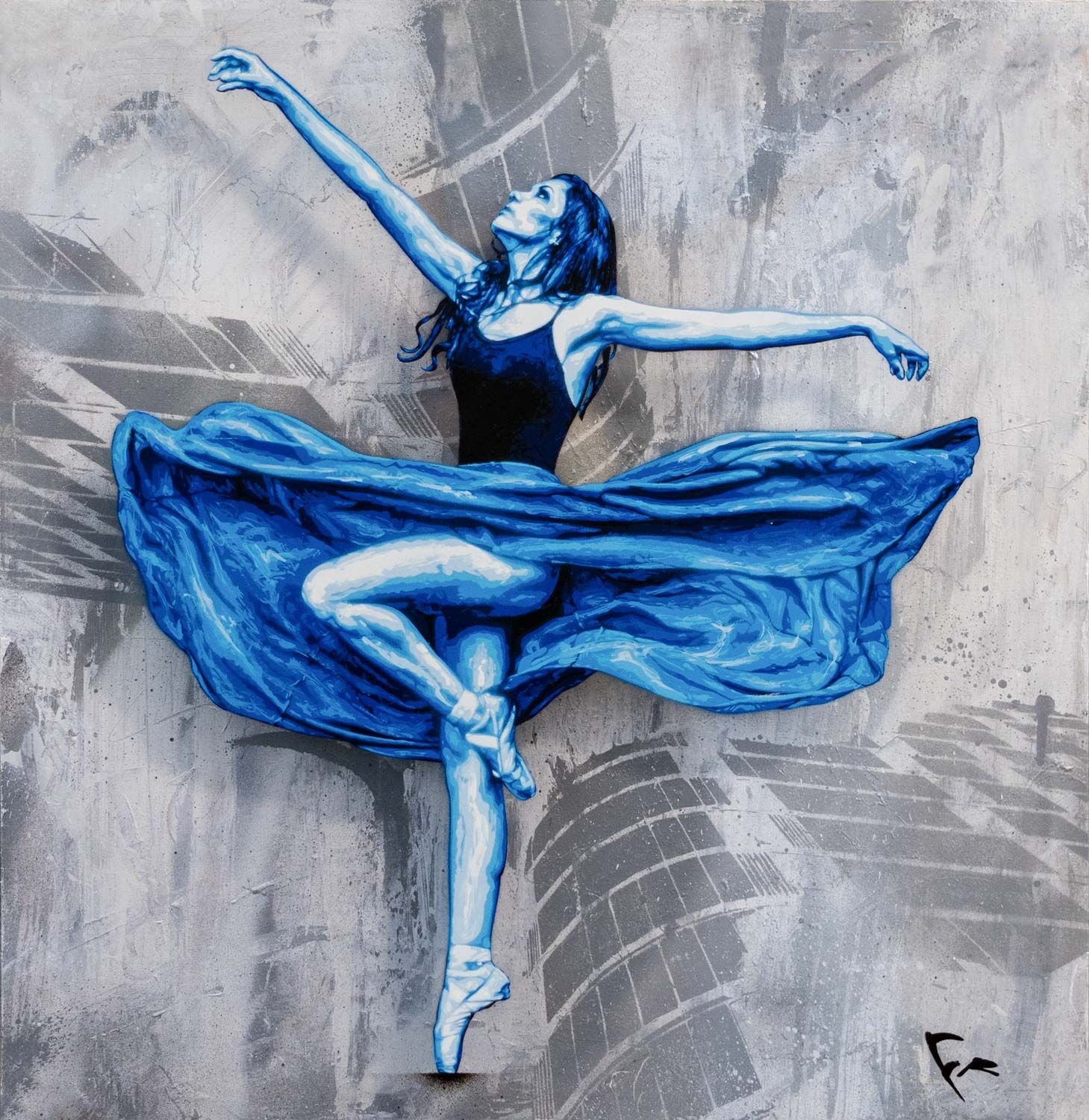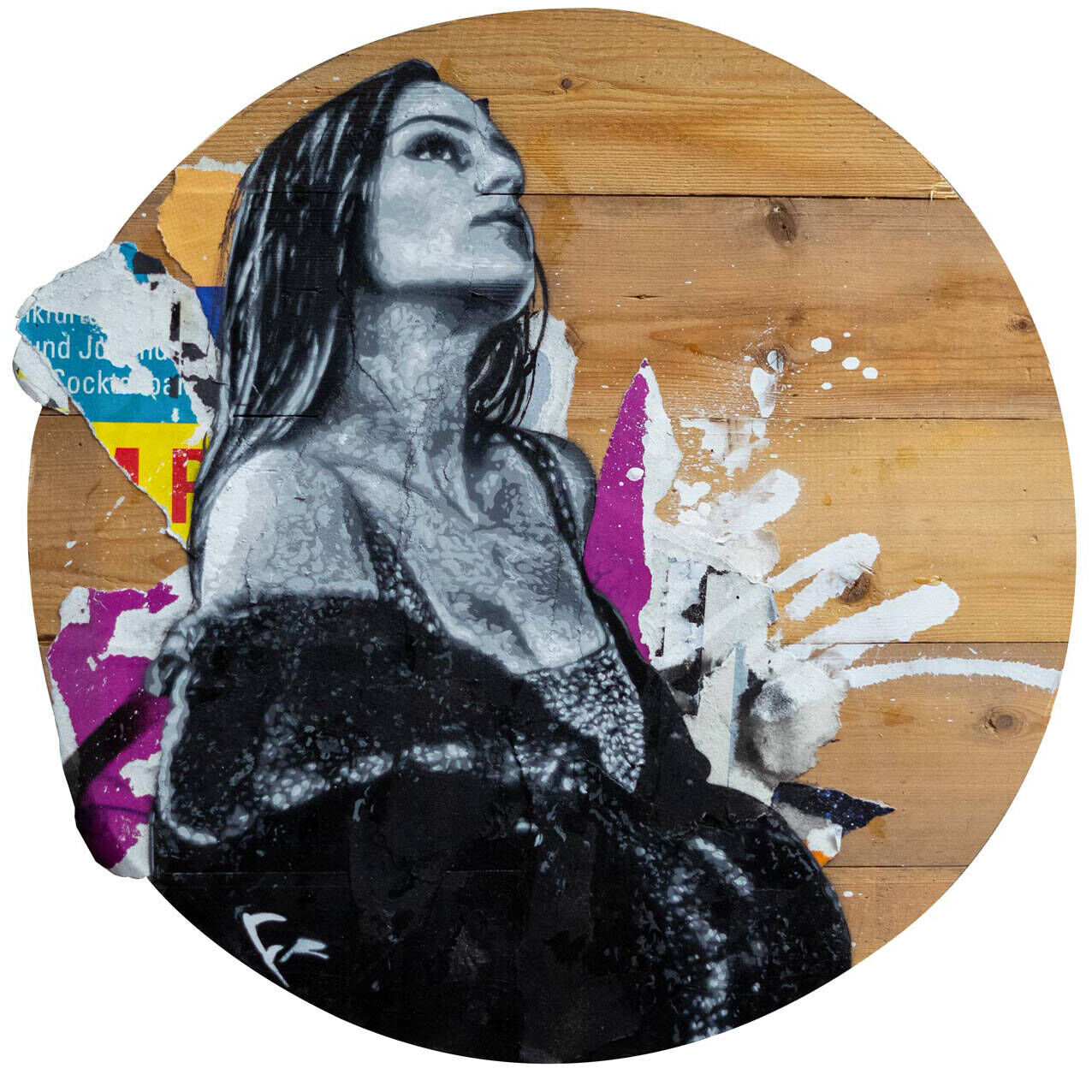
Provocative, cheeky, loud – street art prints
Street art brings the energy of the city to the canvas. Here, creativity meets freedom, and colour meets attitude. Artists transform urban impressions into art that feels raw, honest and direct. Whether graffiti, paste-ups or mixed media – these works tell stories of protest, movement and change. Street art in your home? That means: a slice of city life, captured in colour, texture and expression.
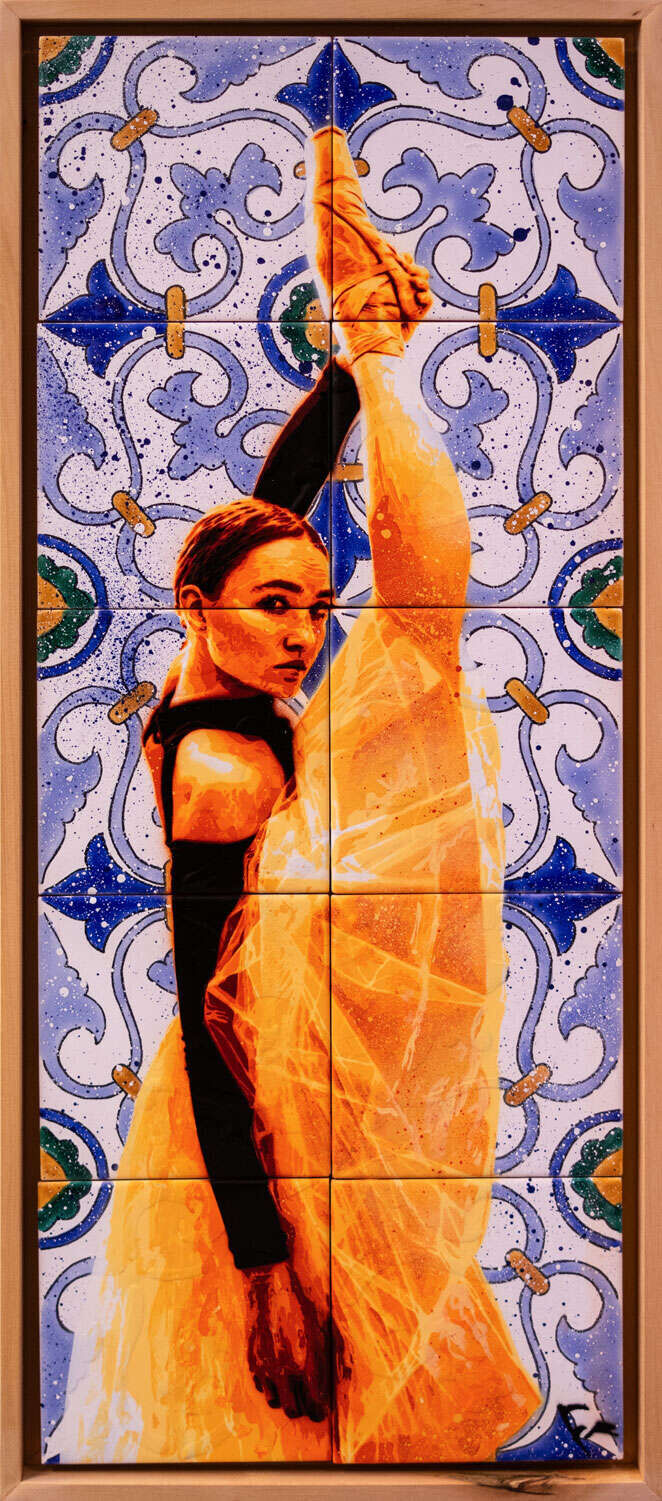
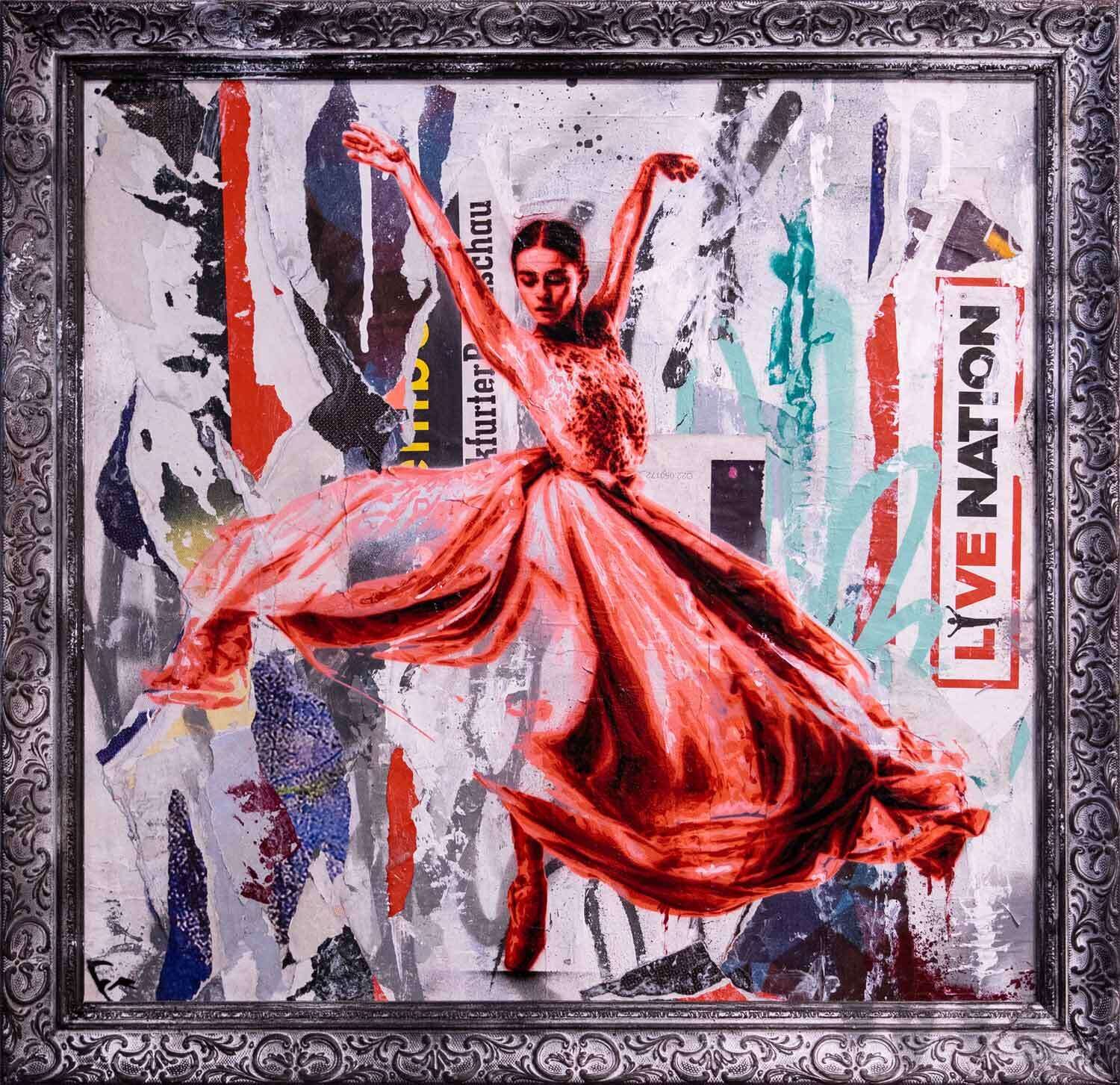
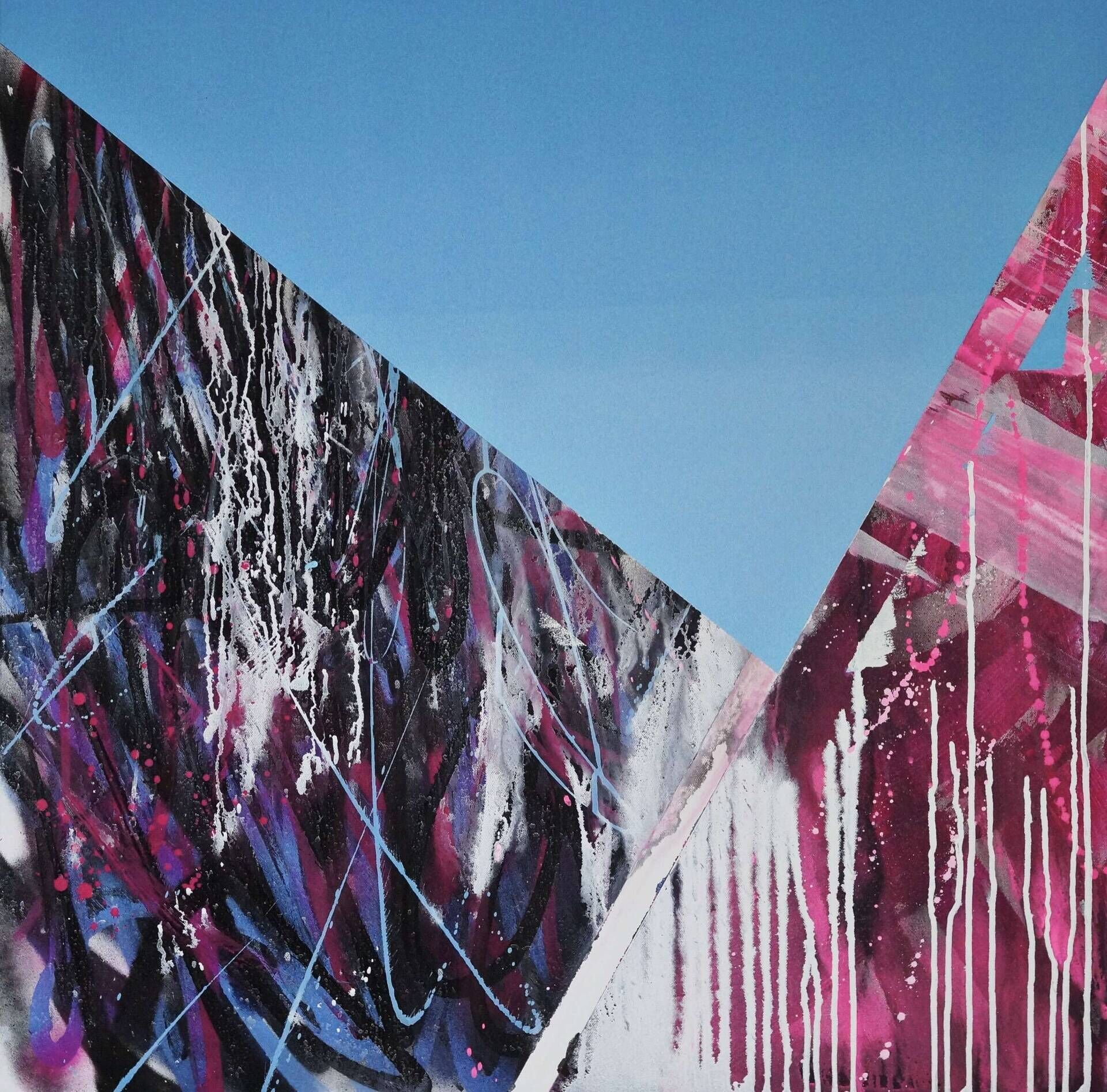
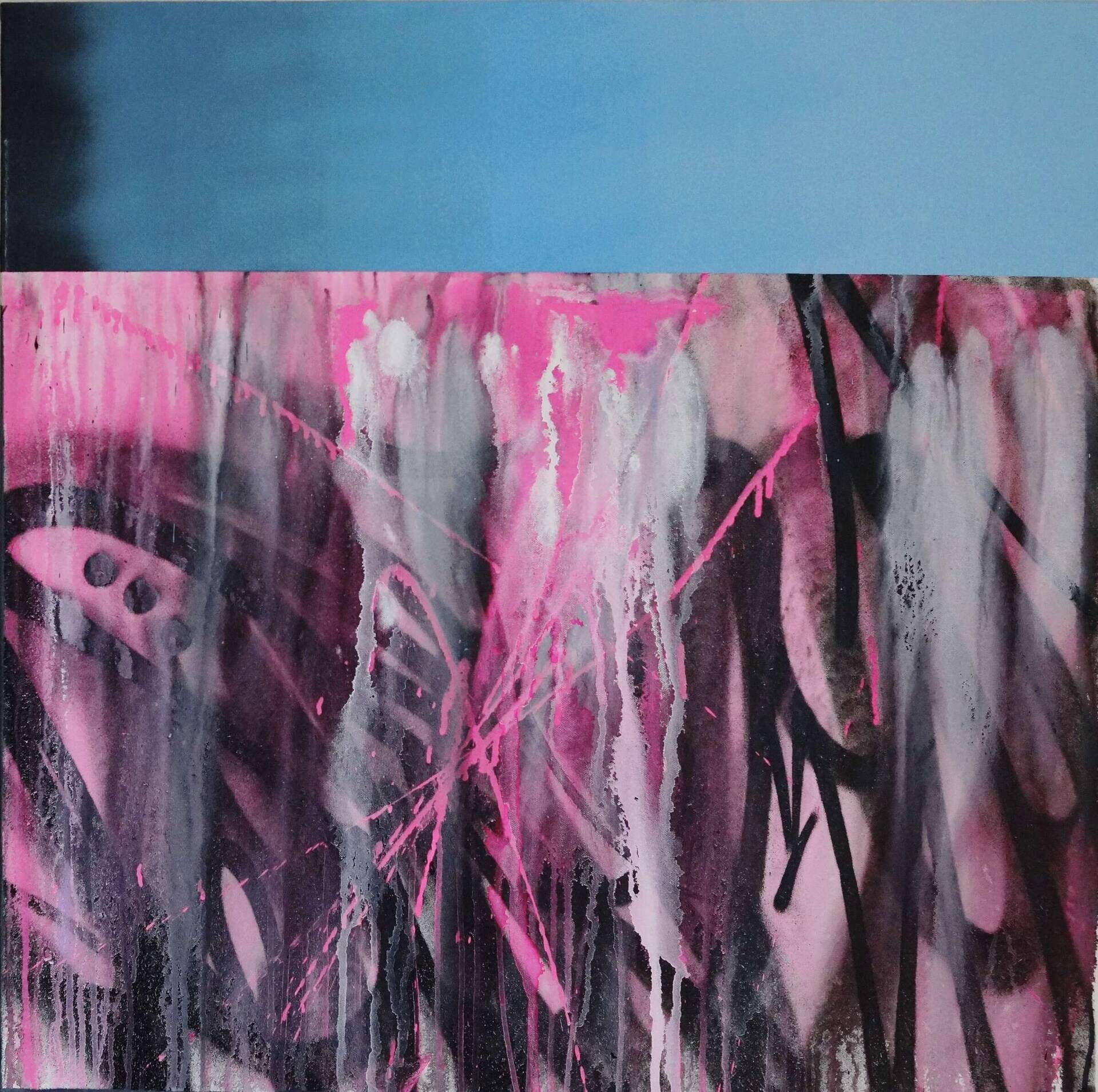
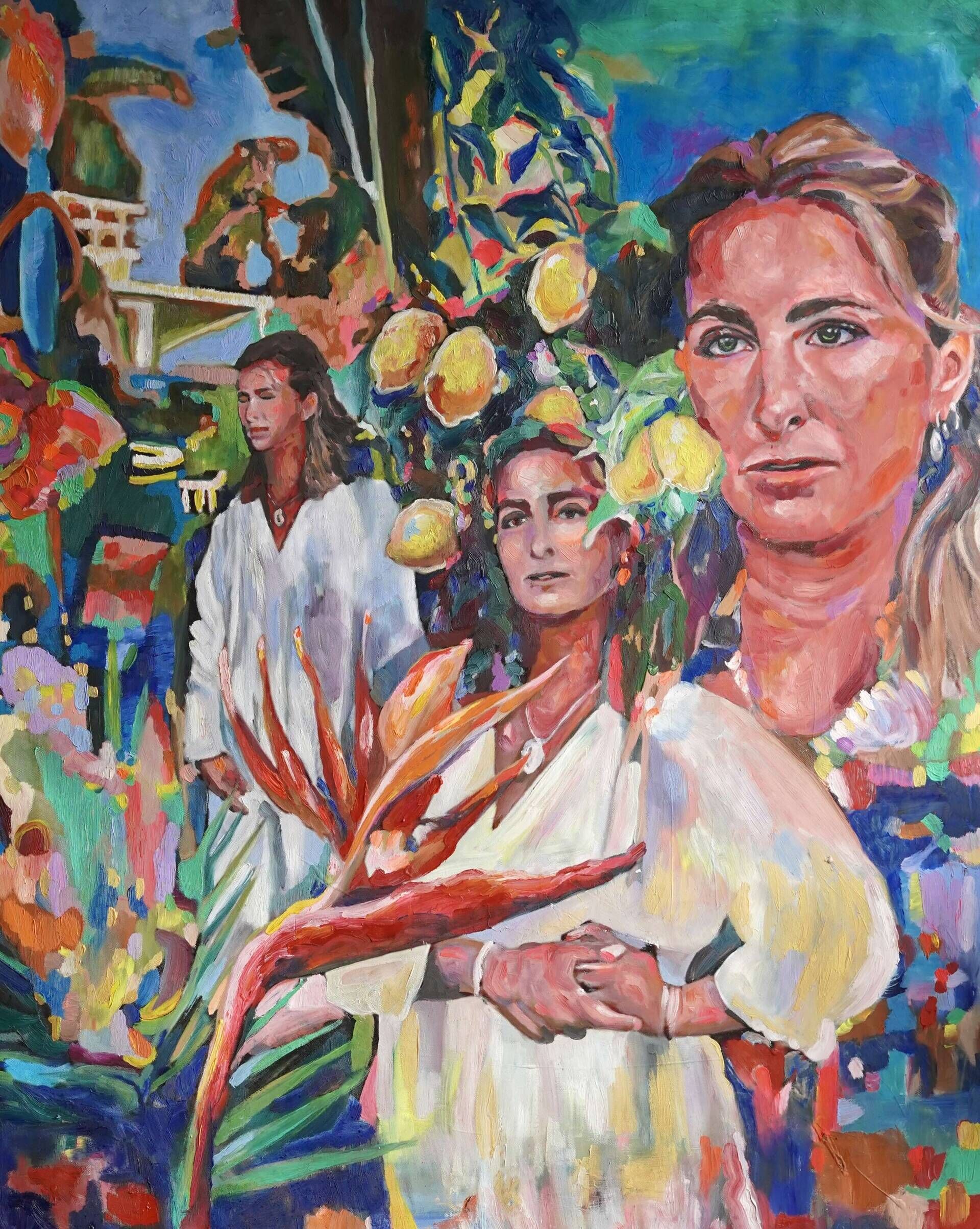
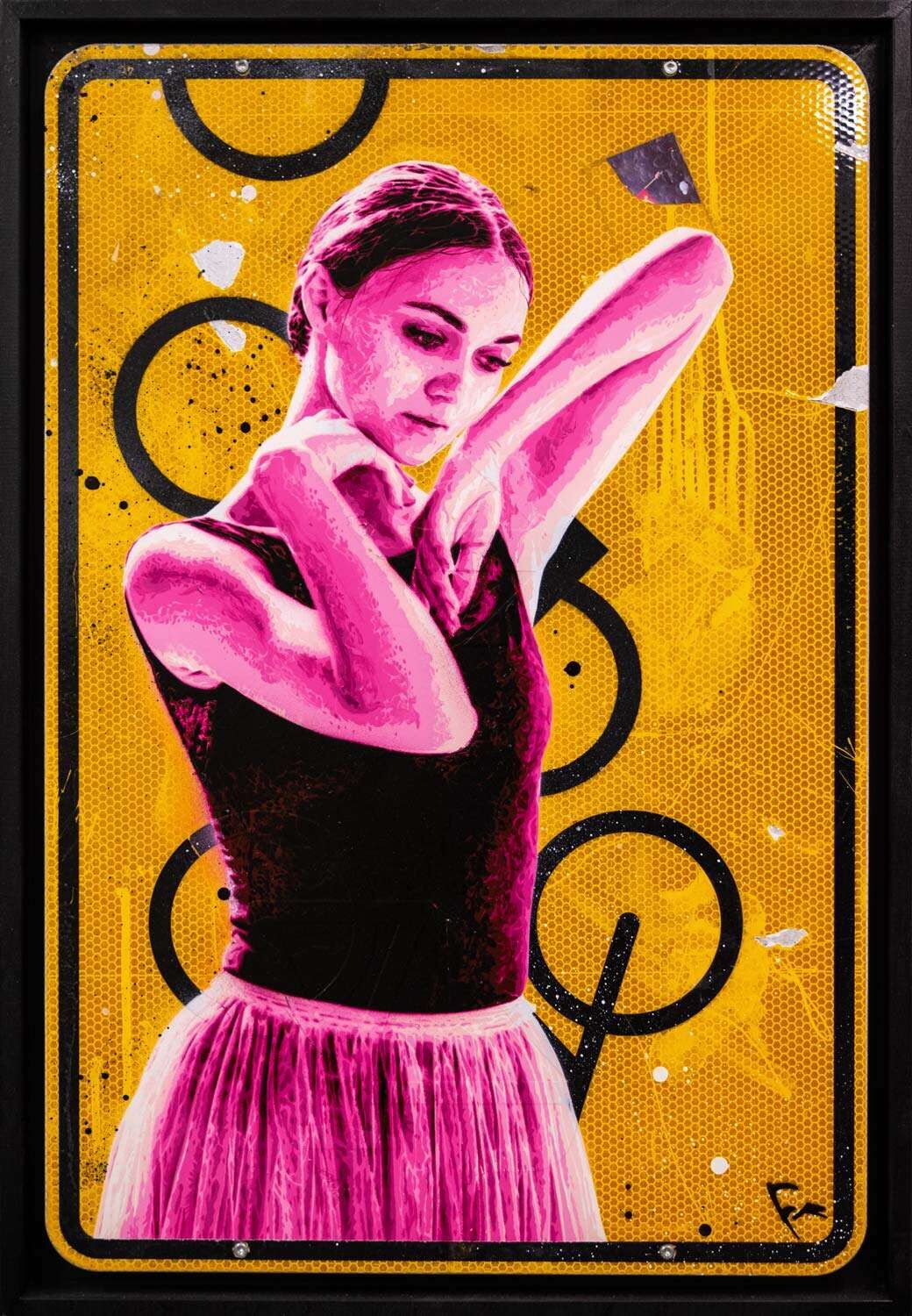
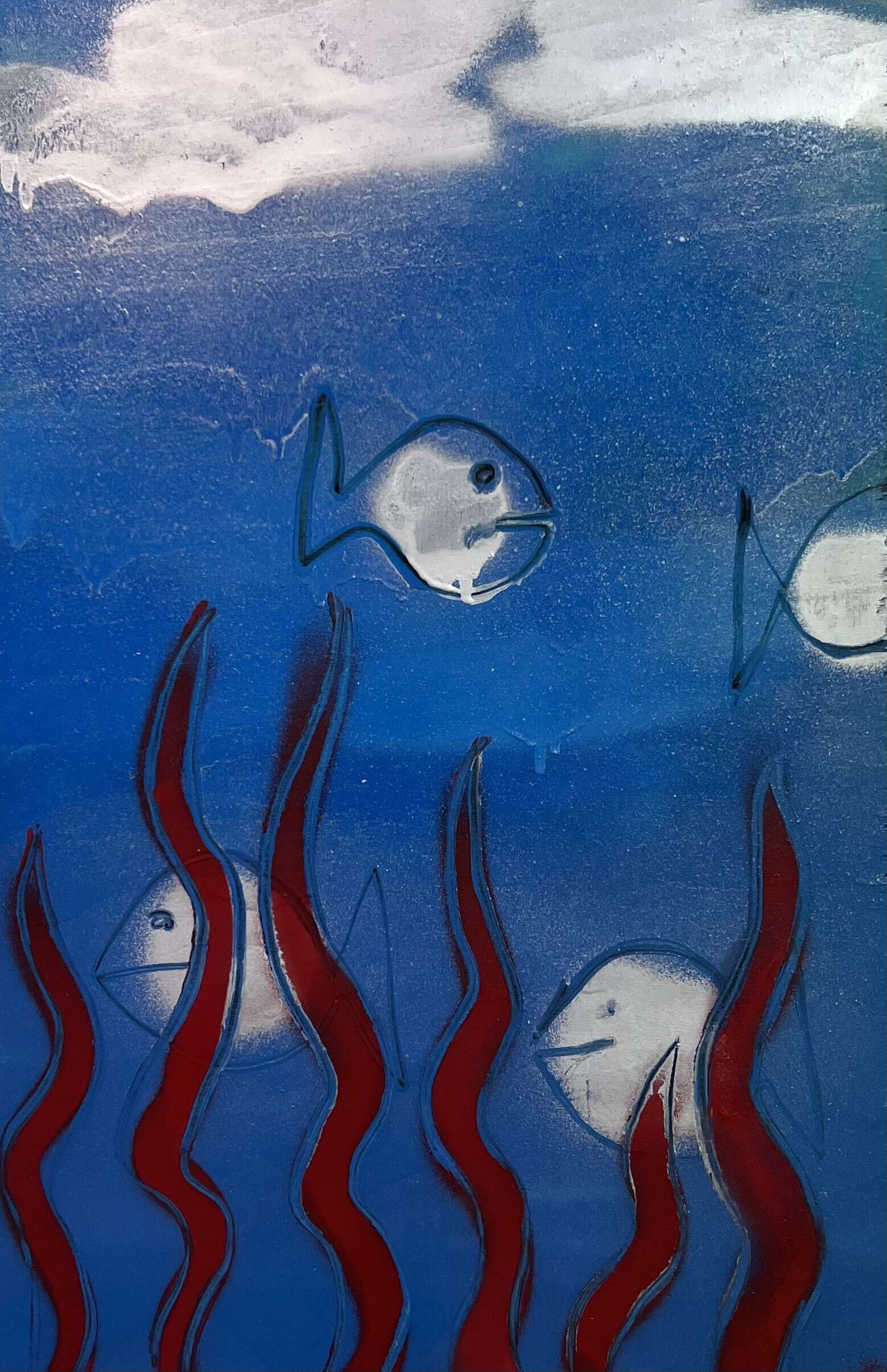
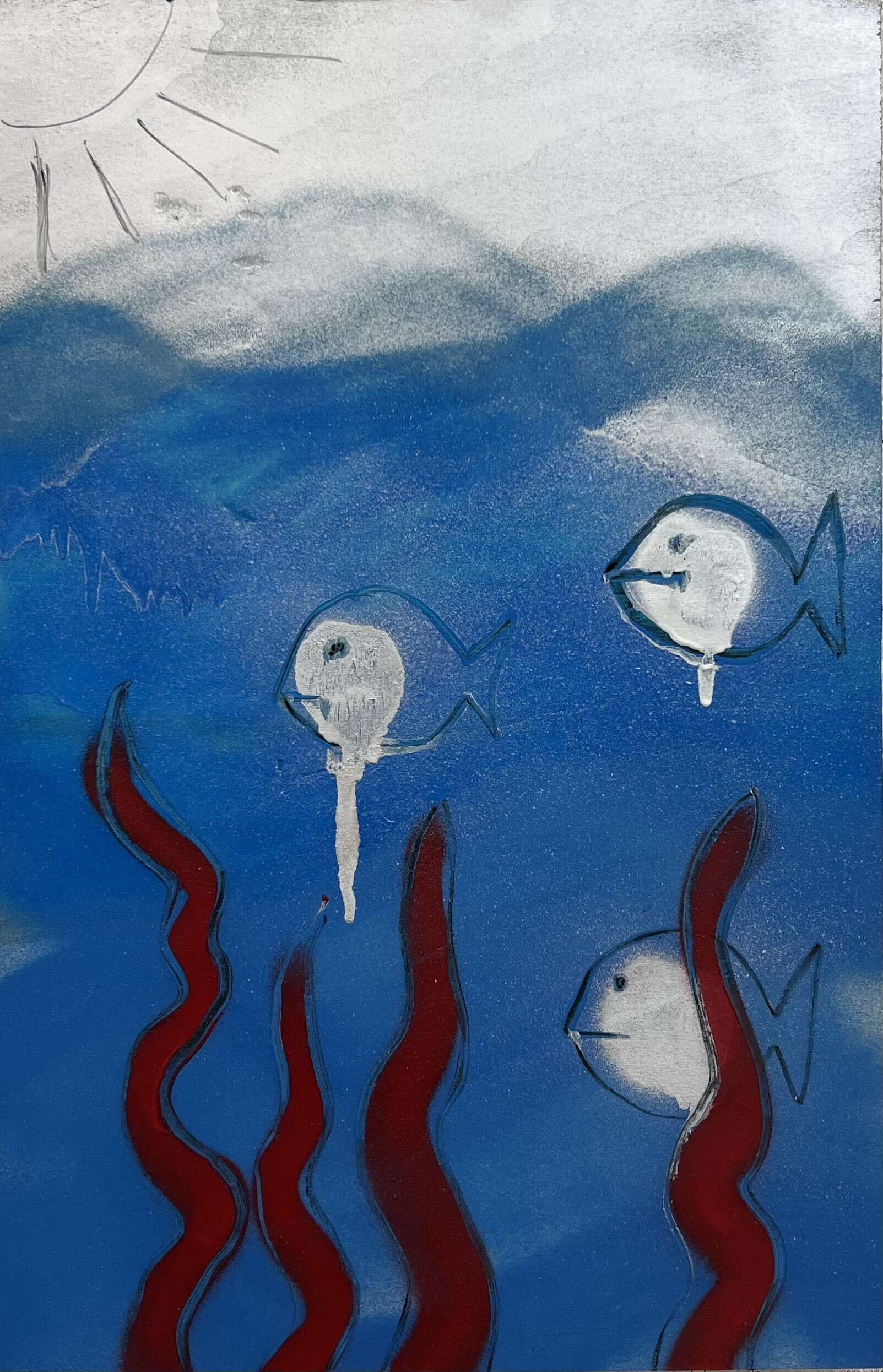
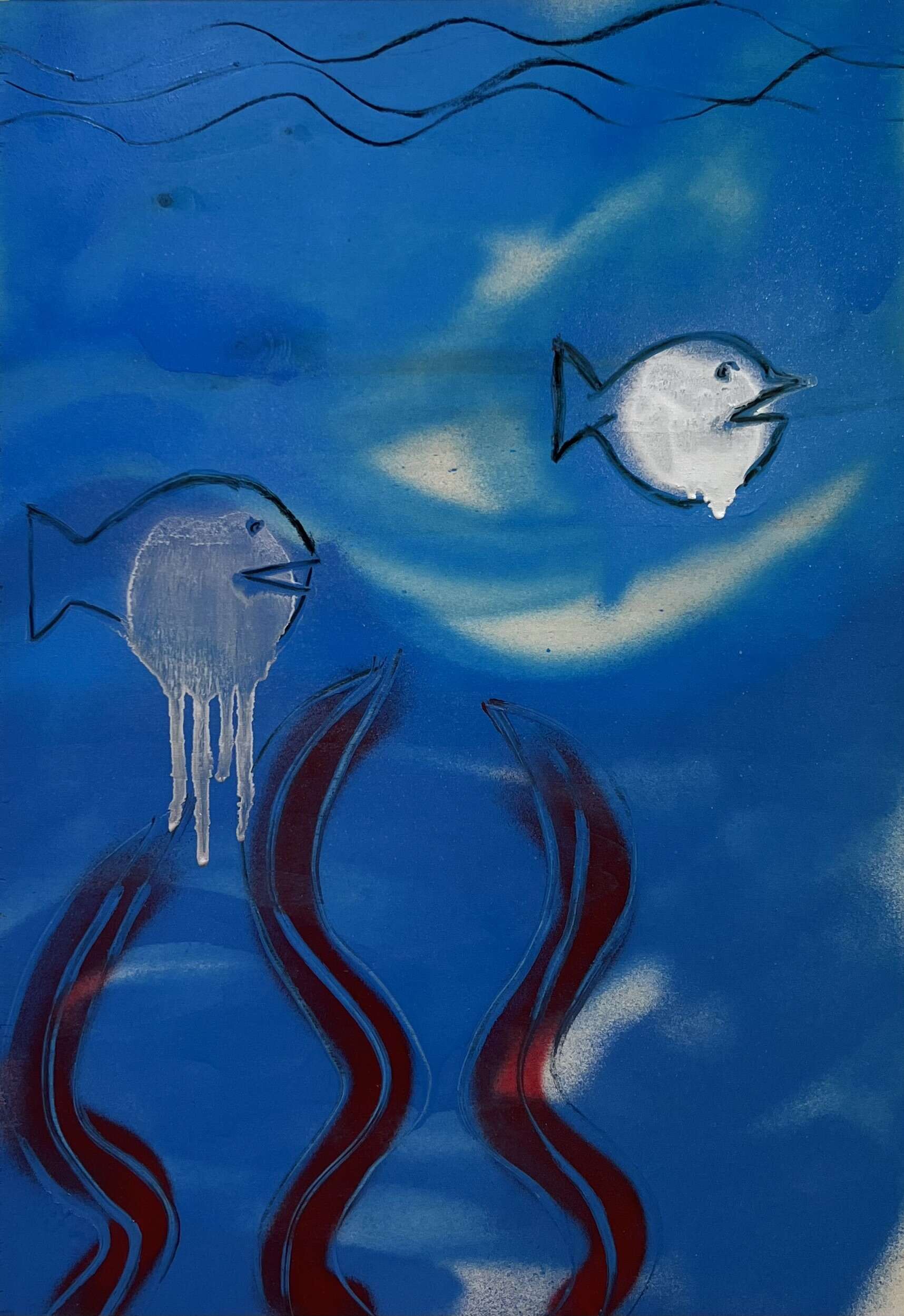
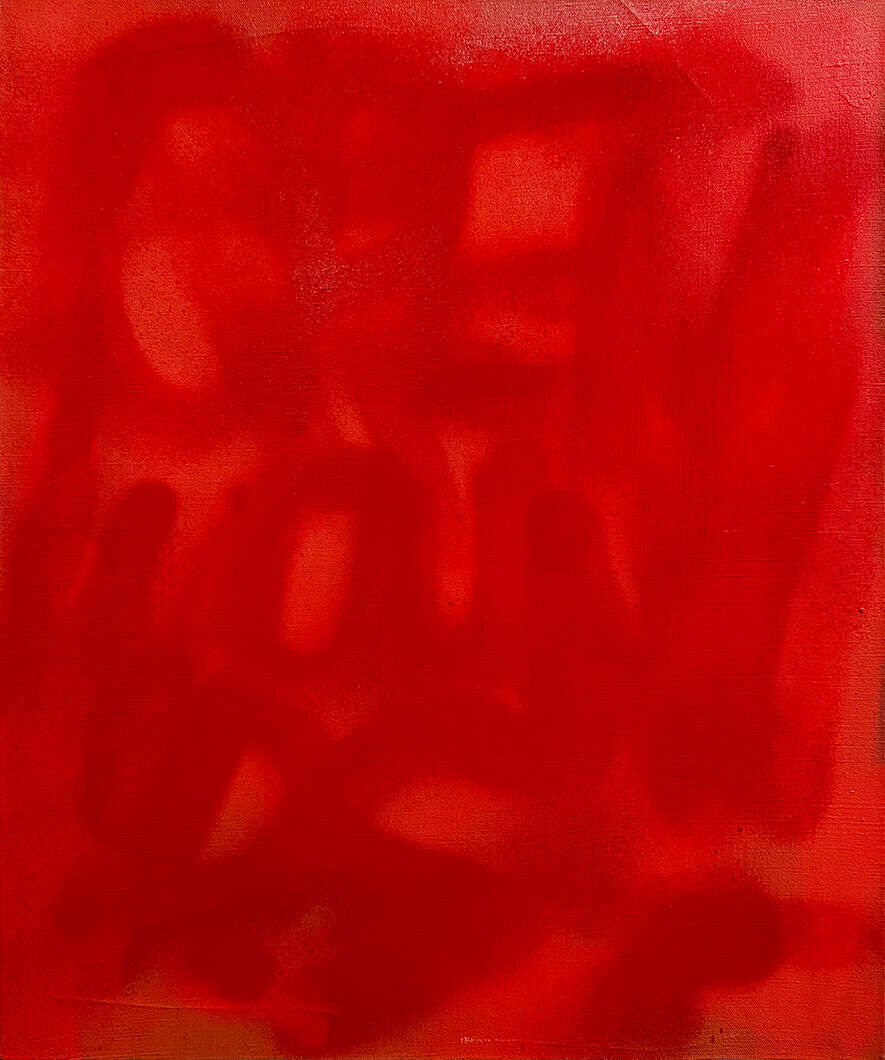
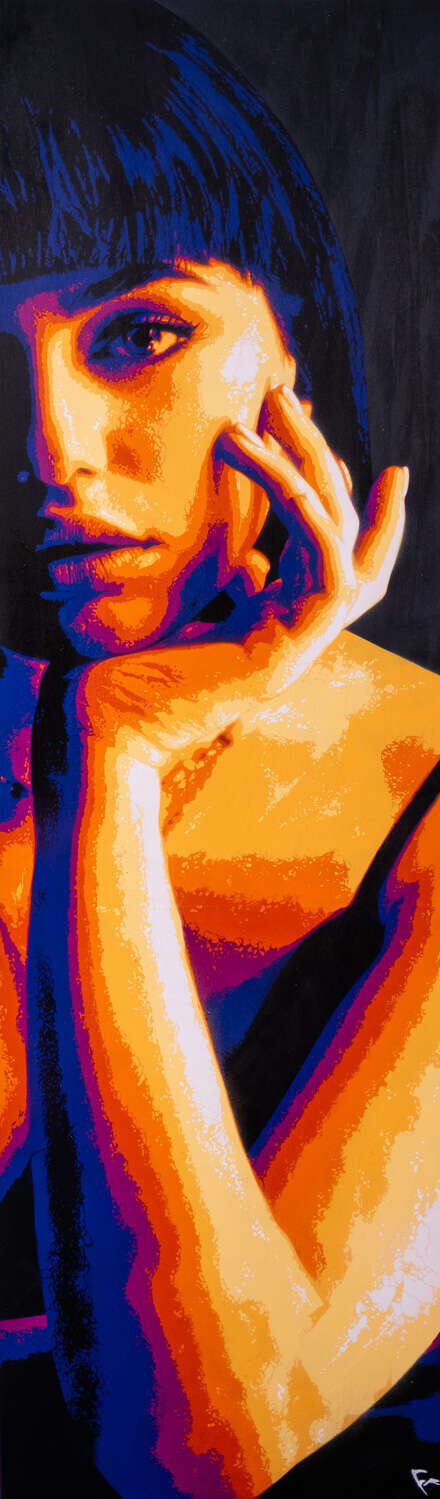
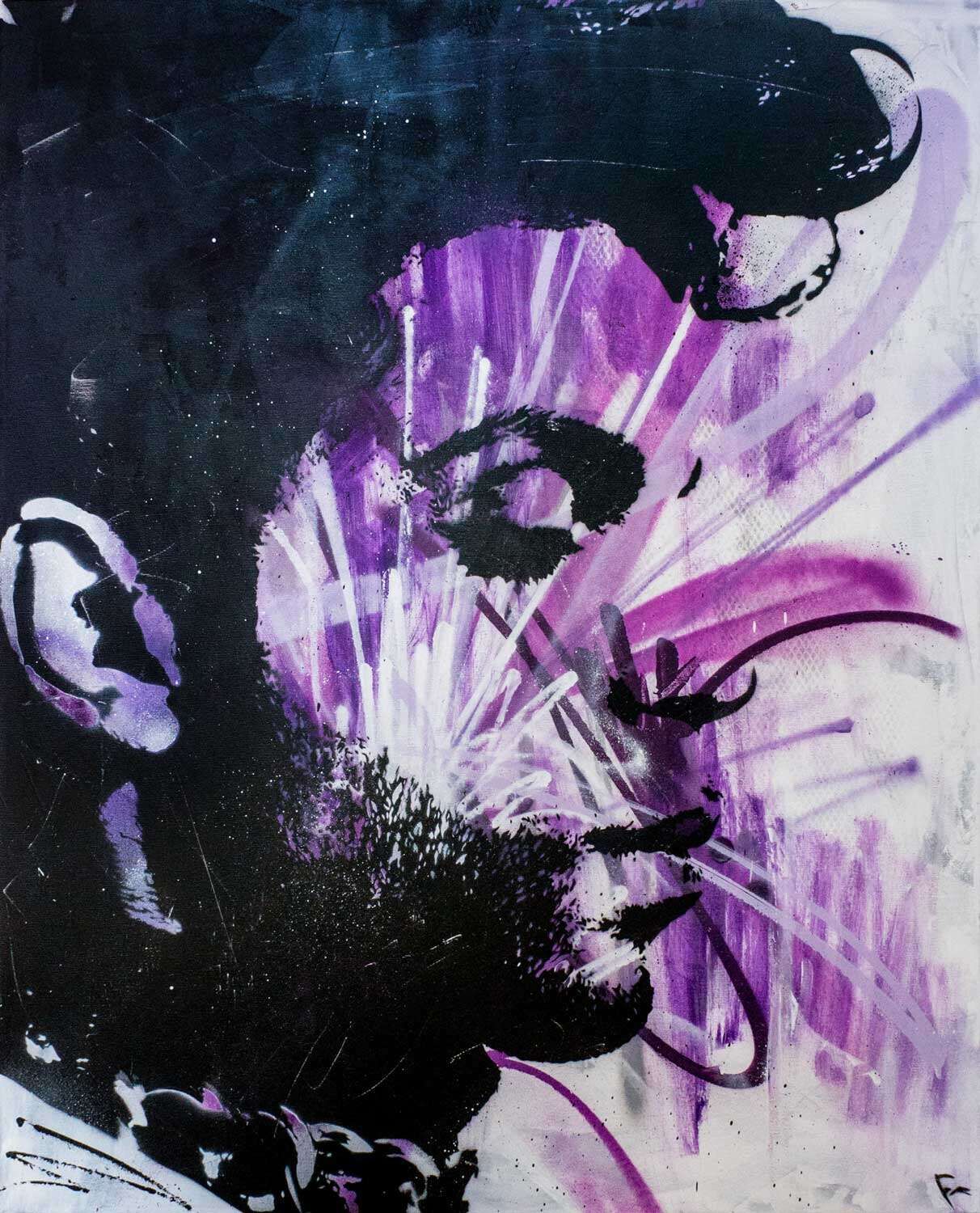
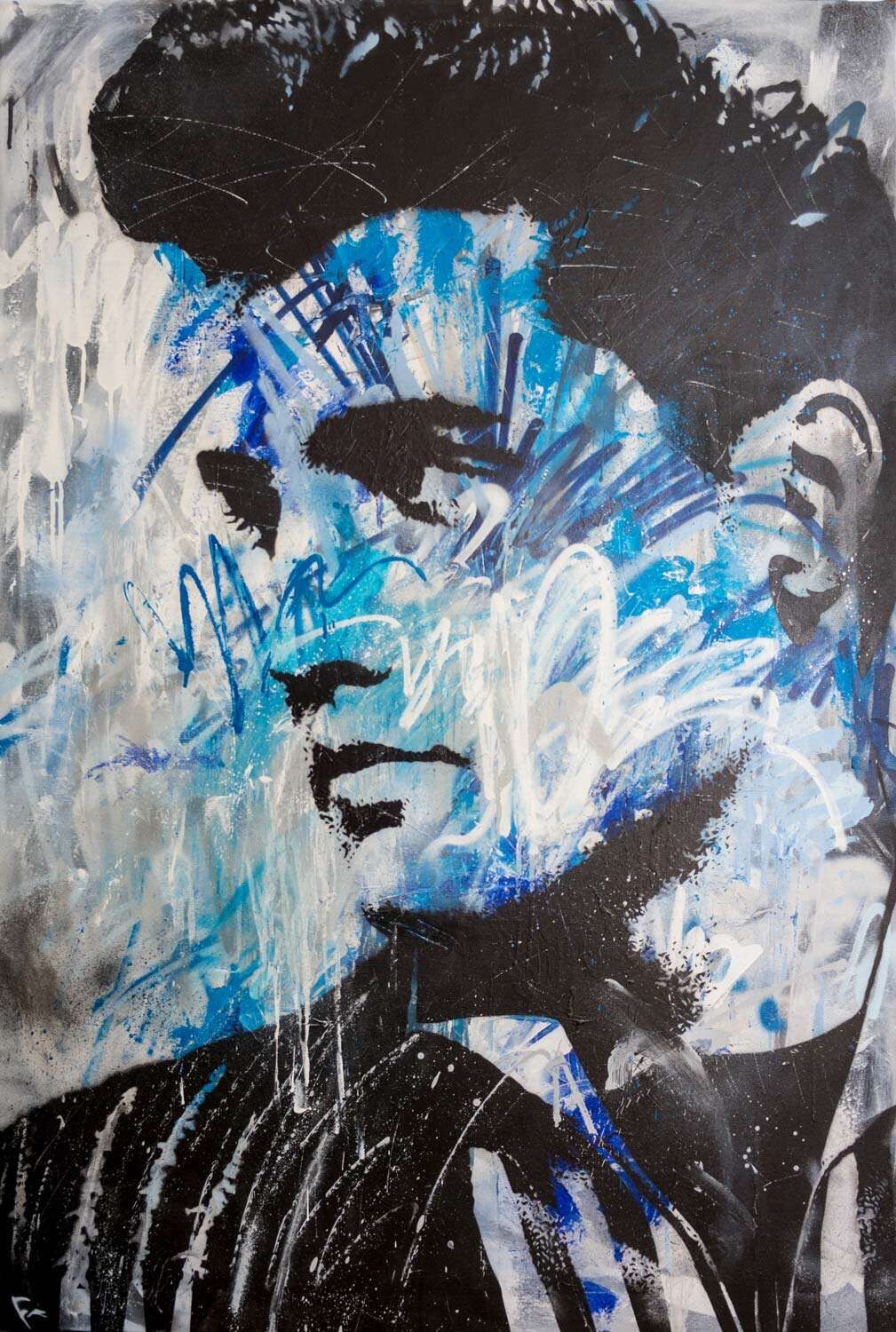
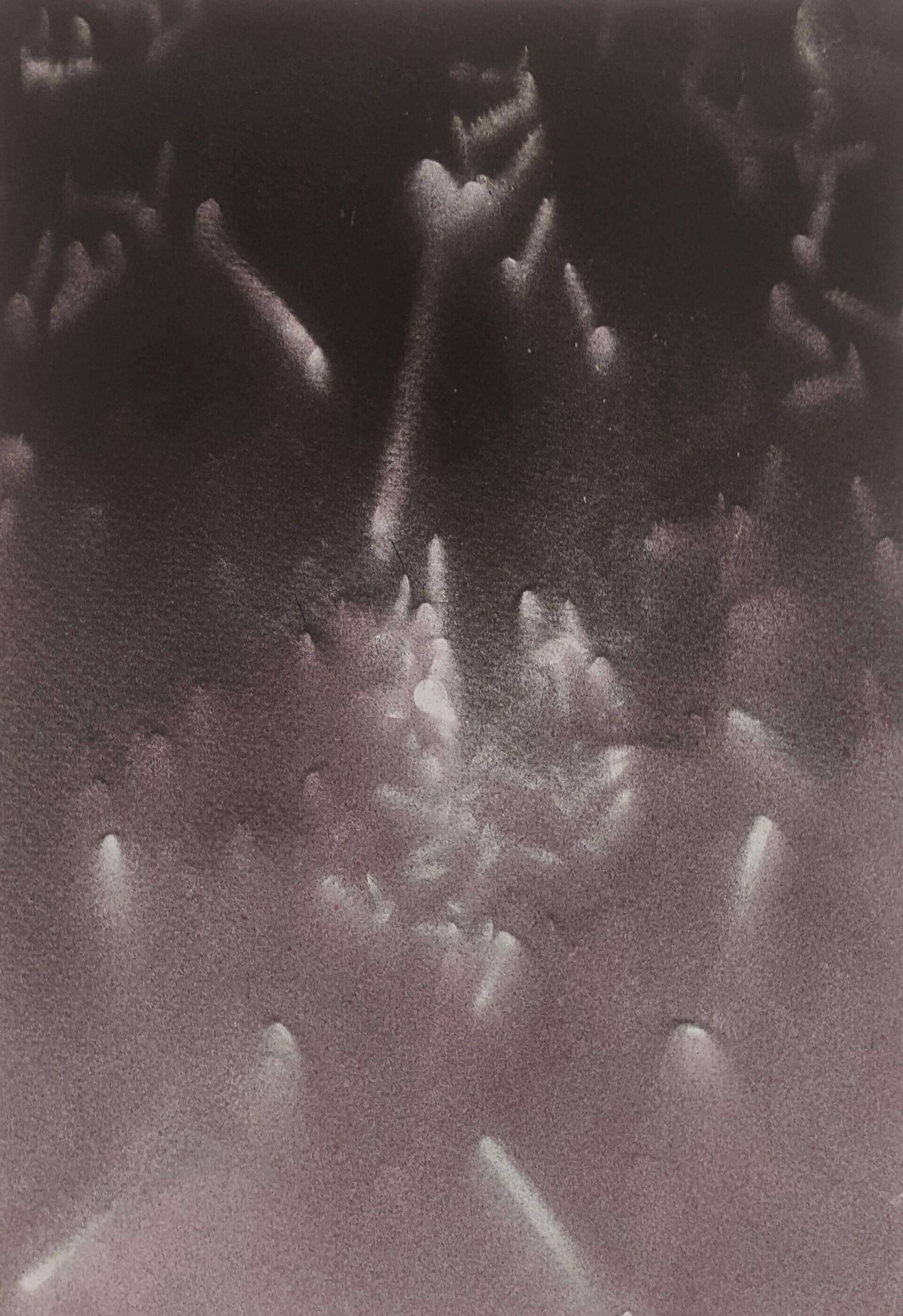
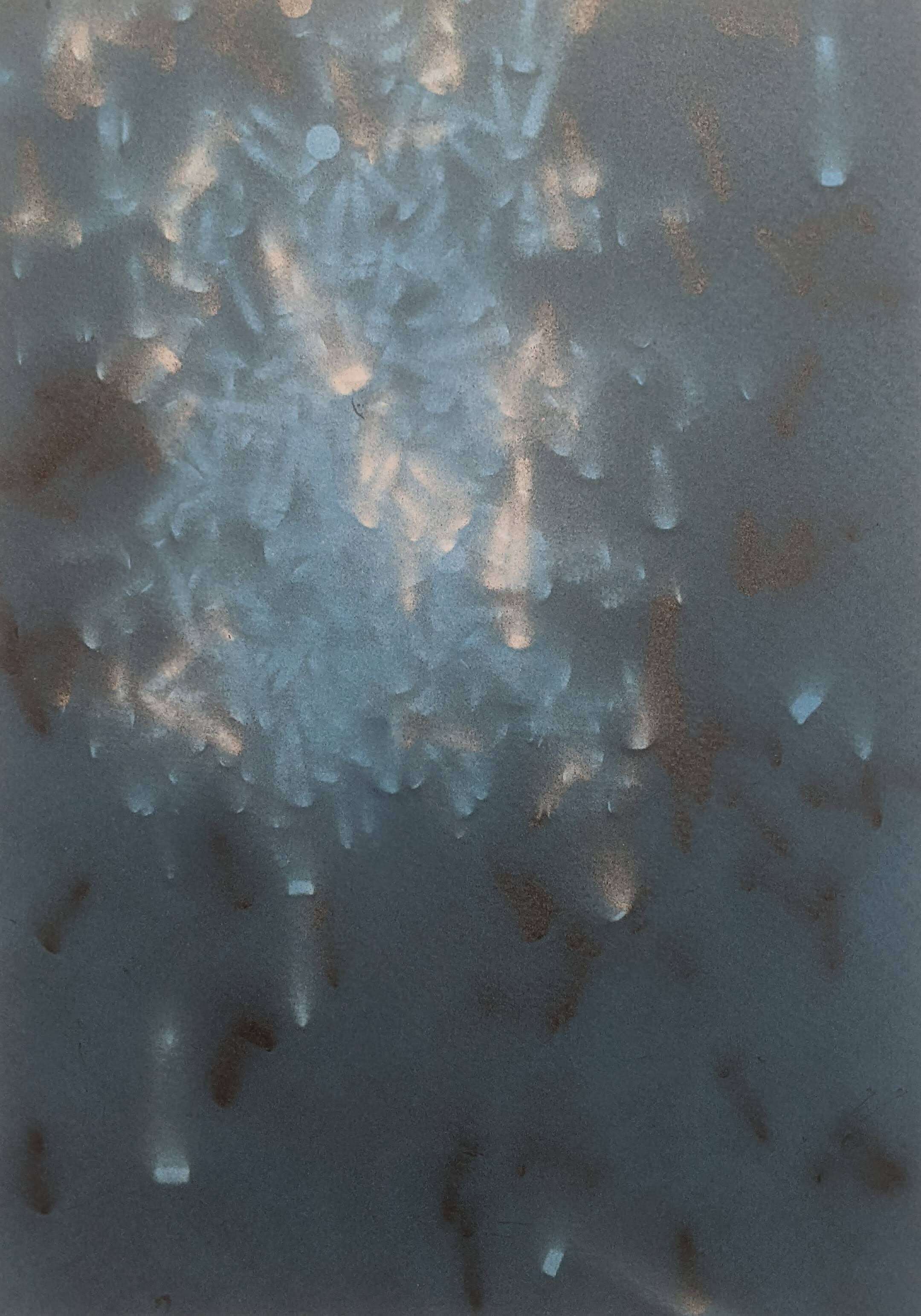
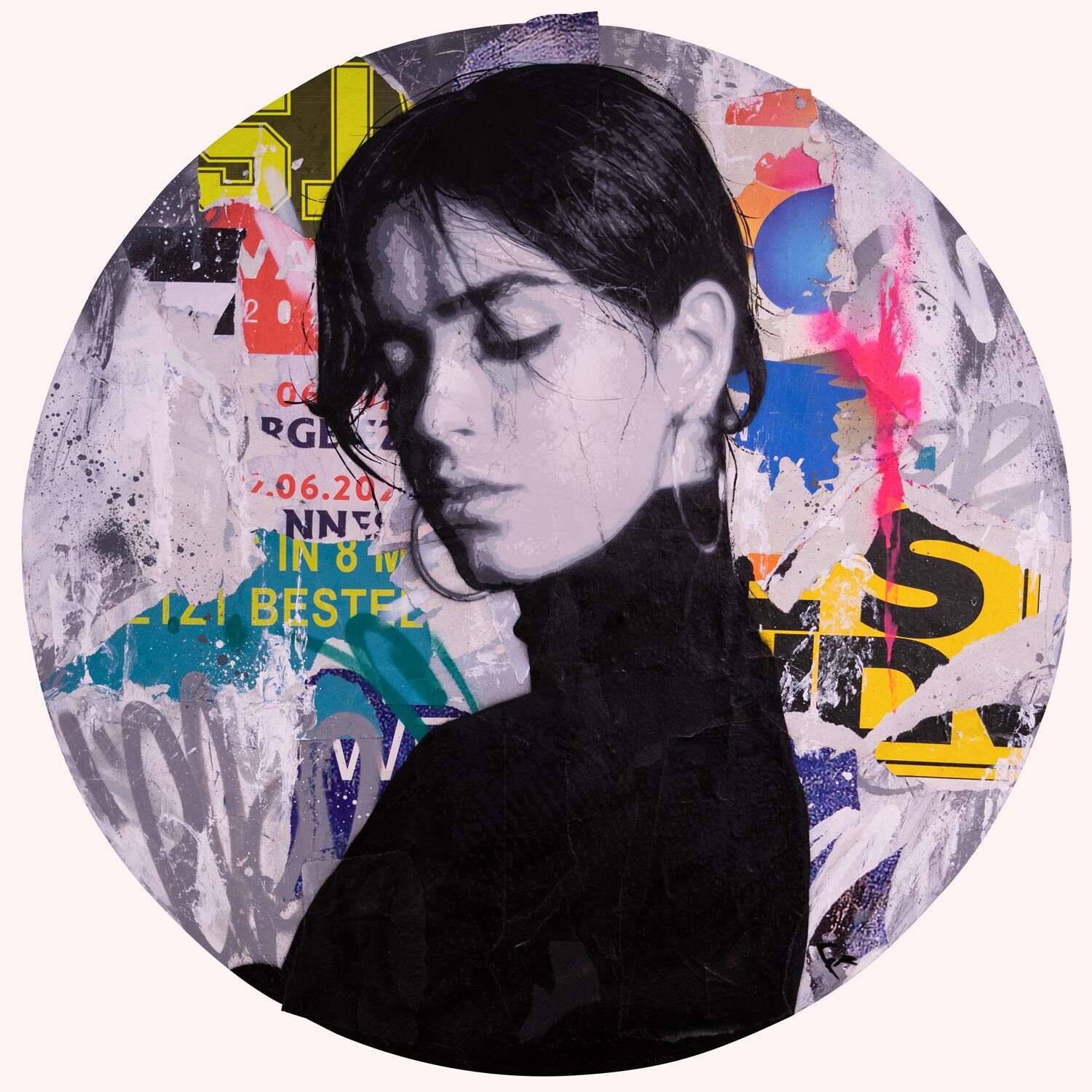
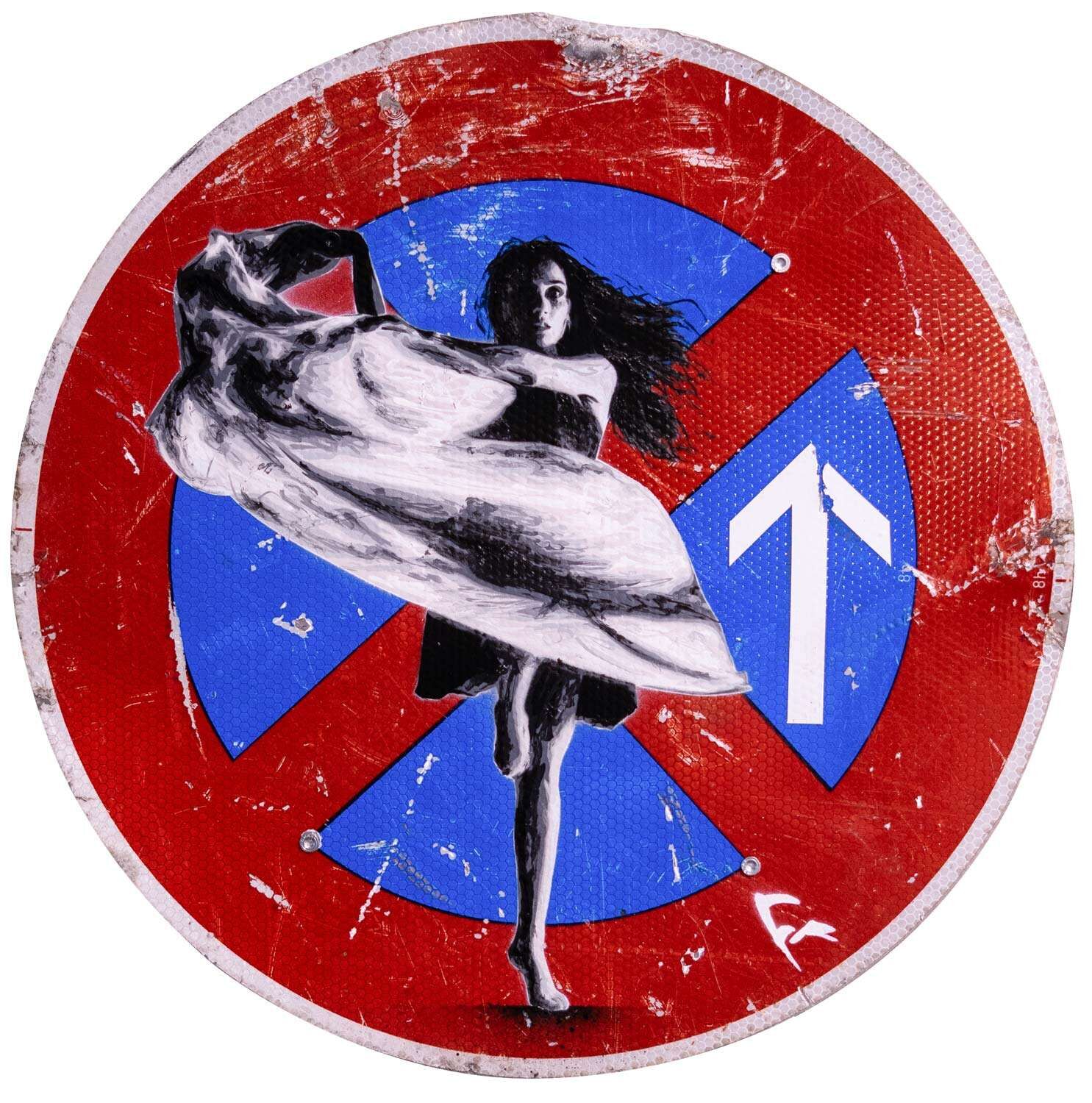
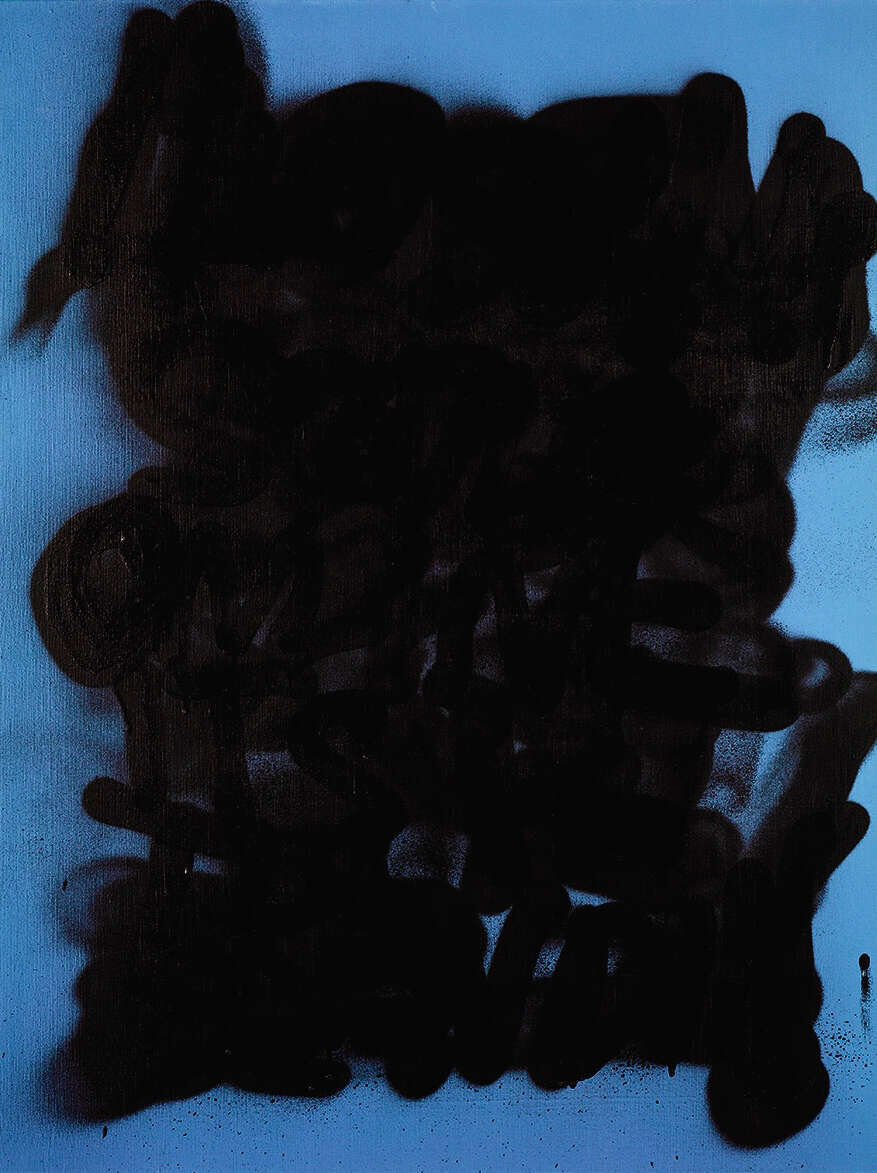
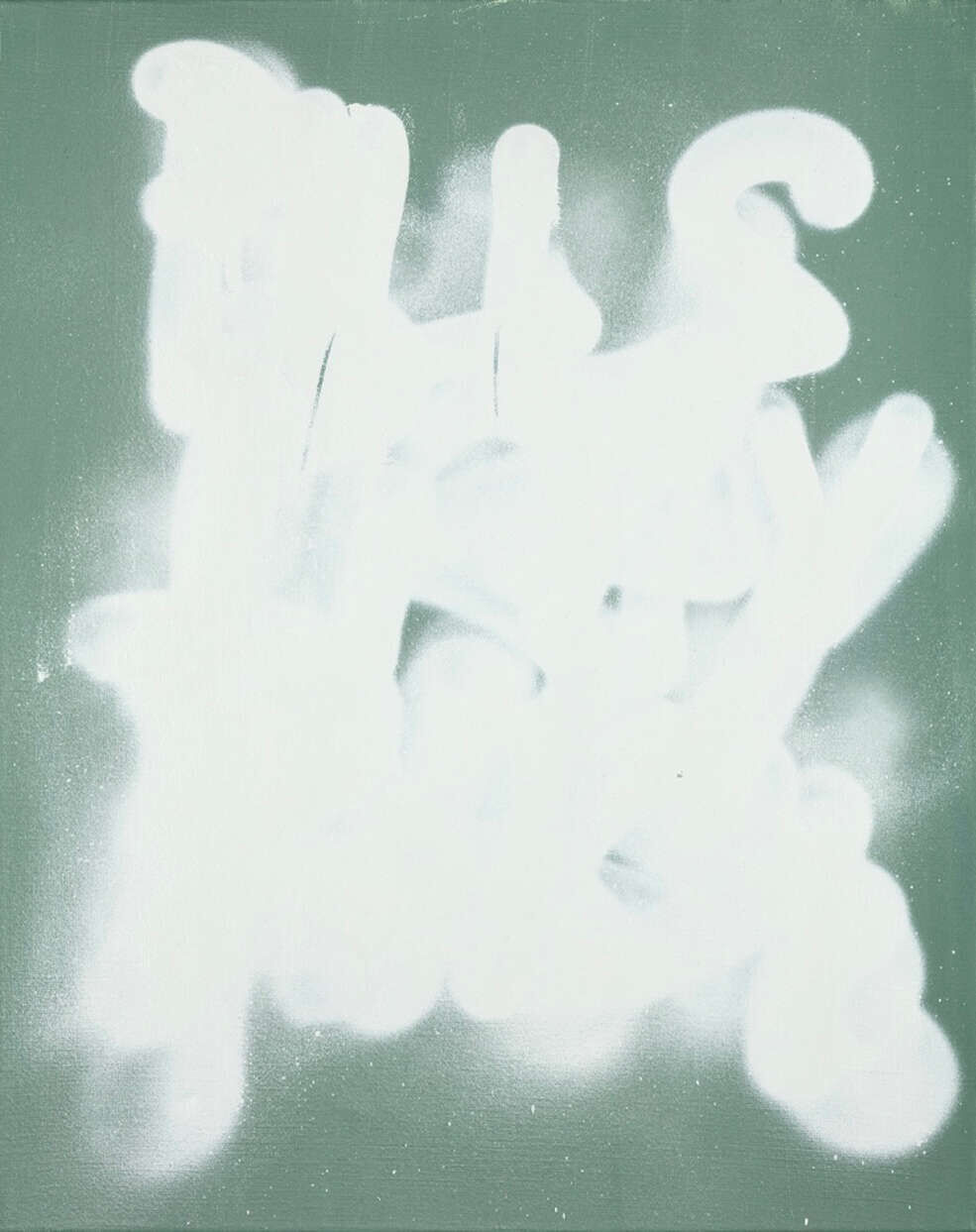
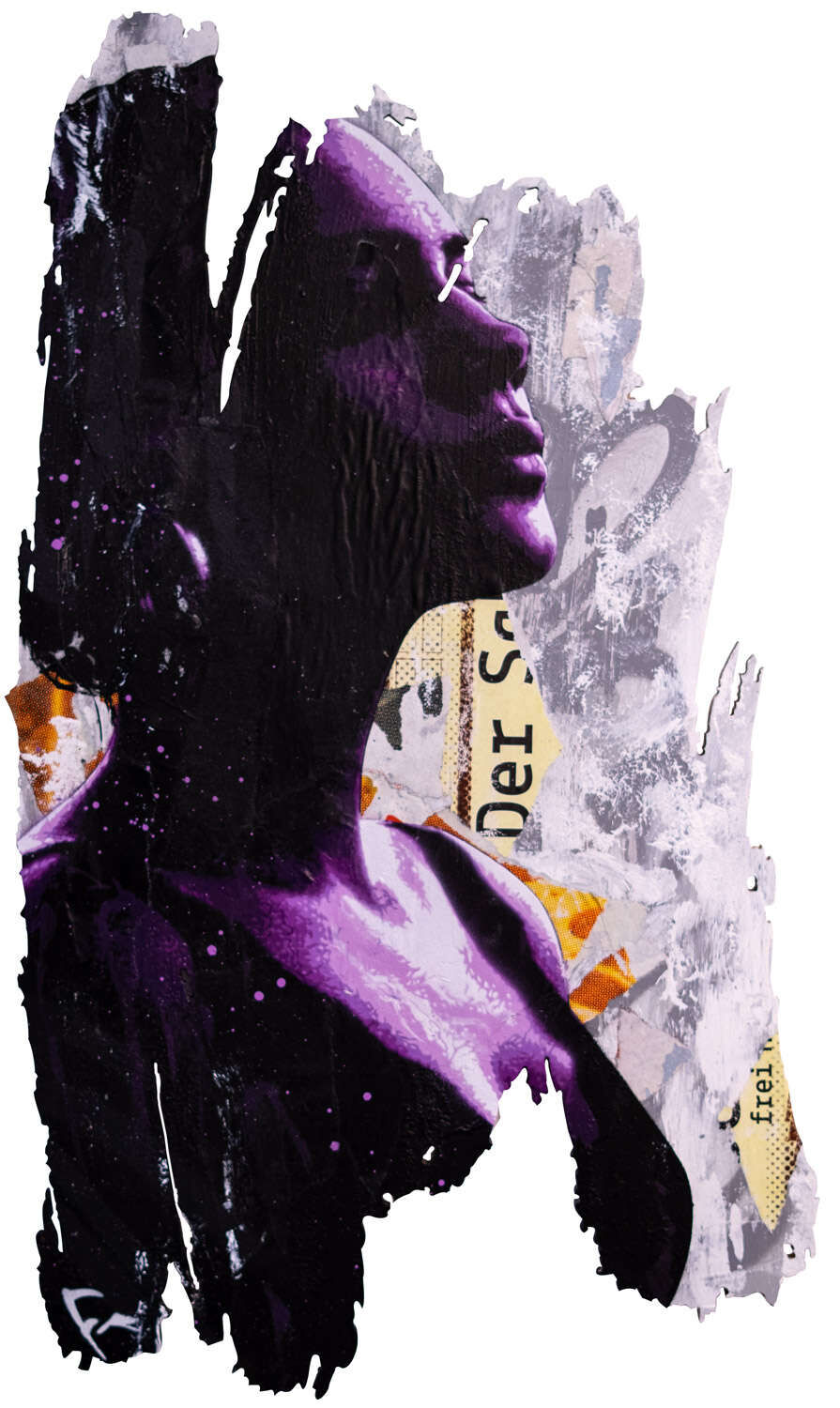
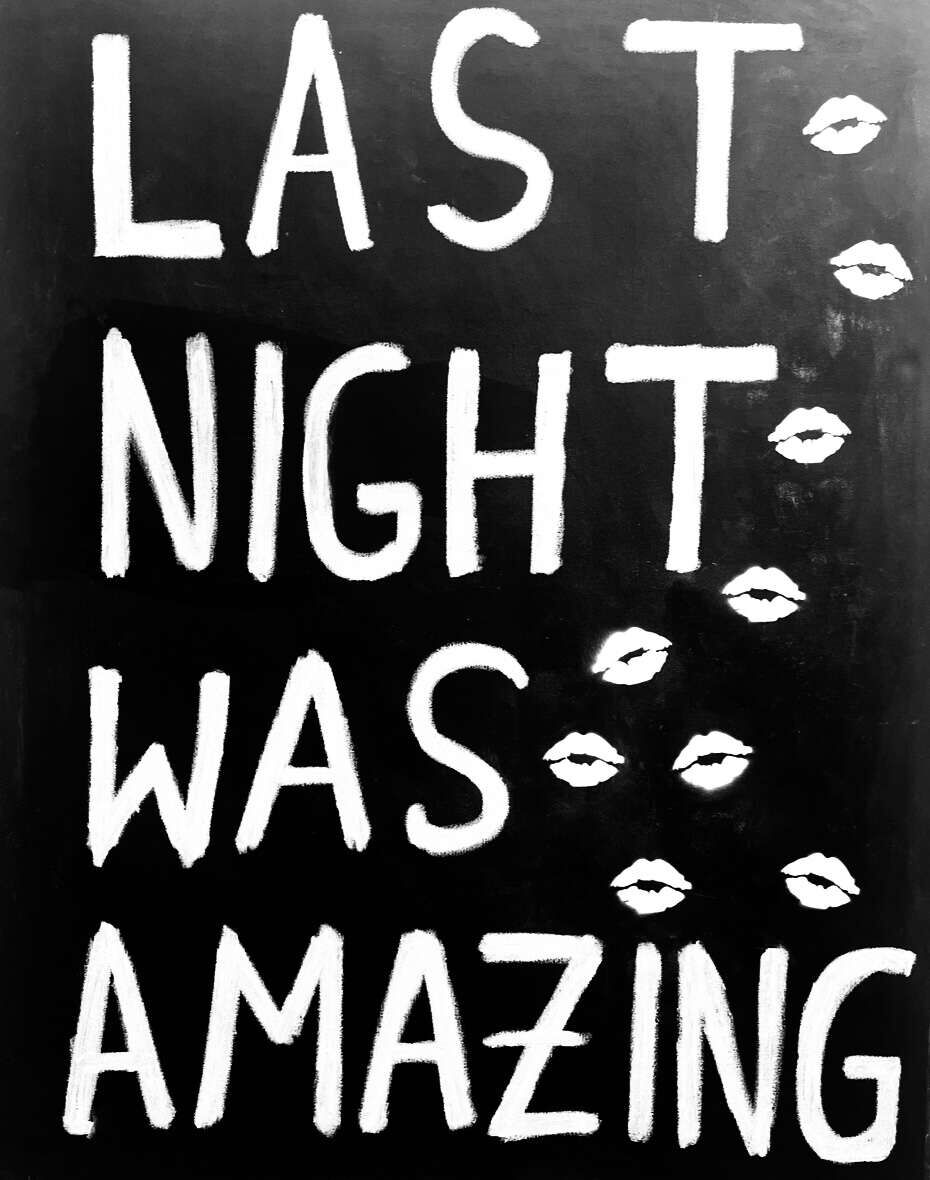
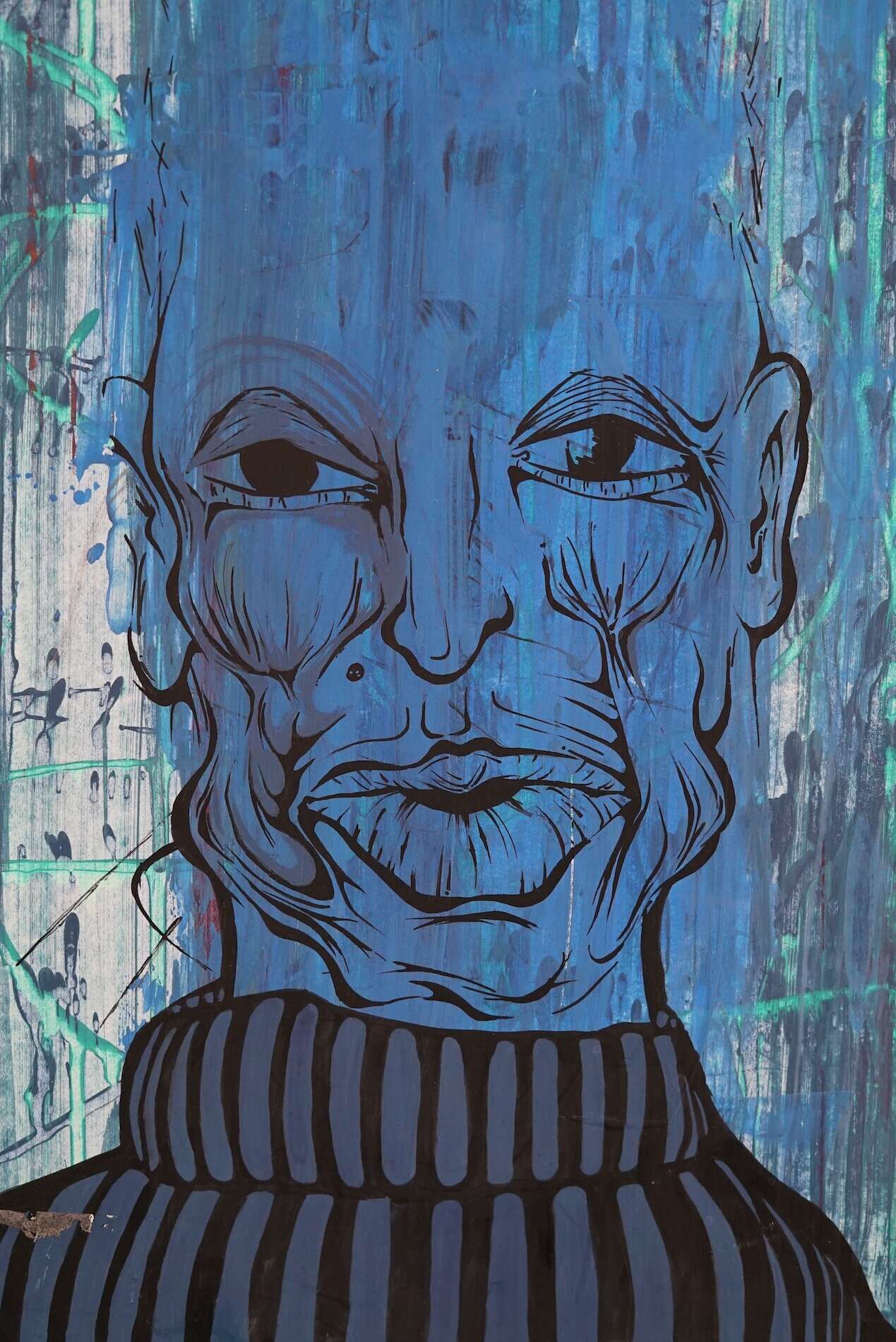
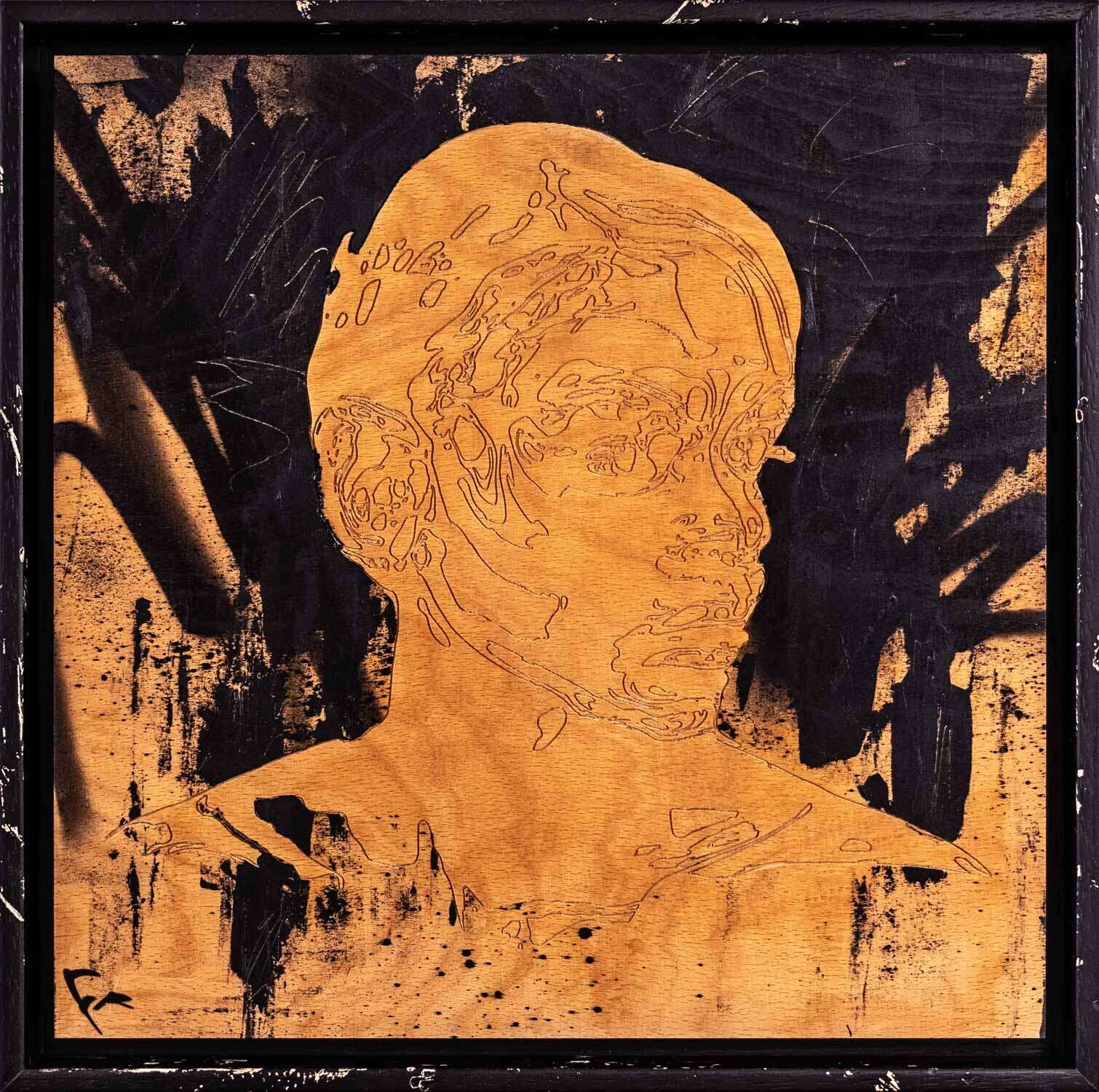

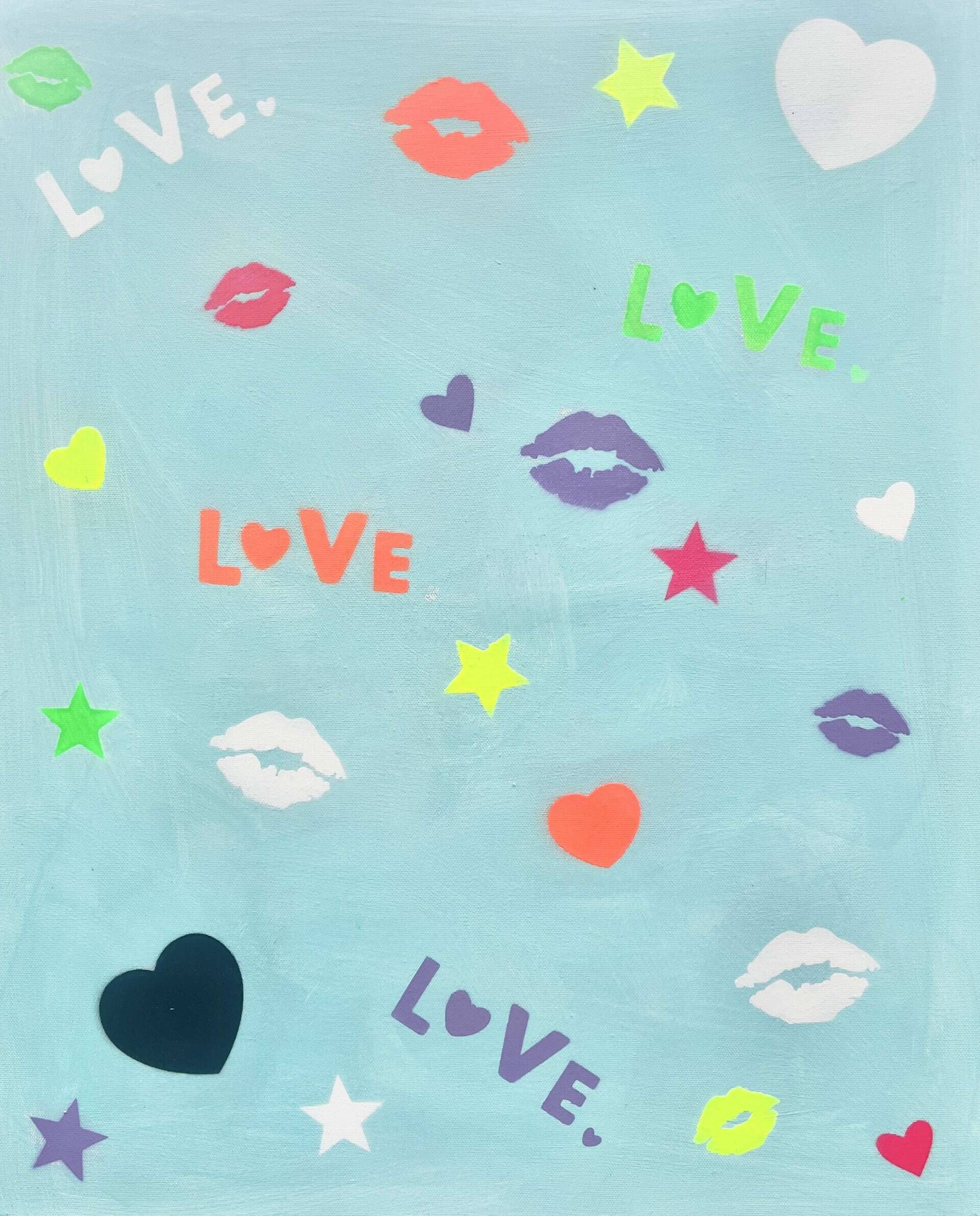
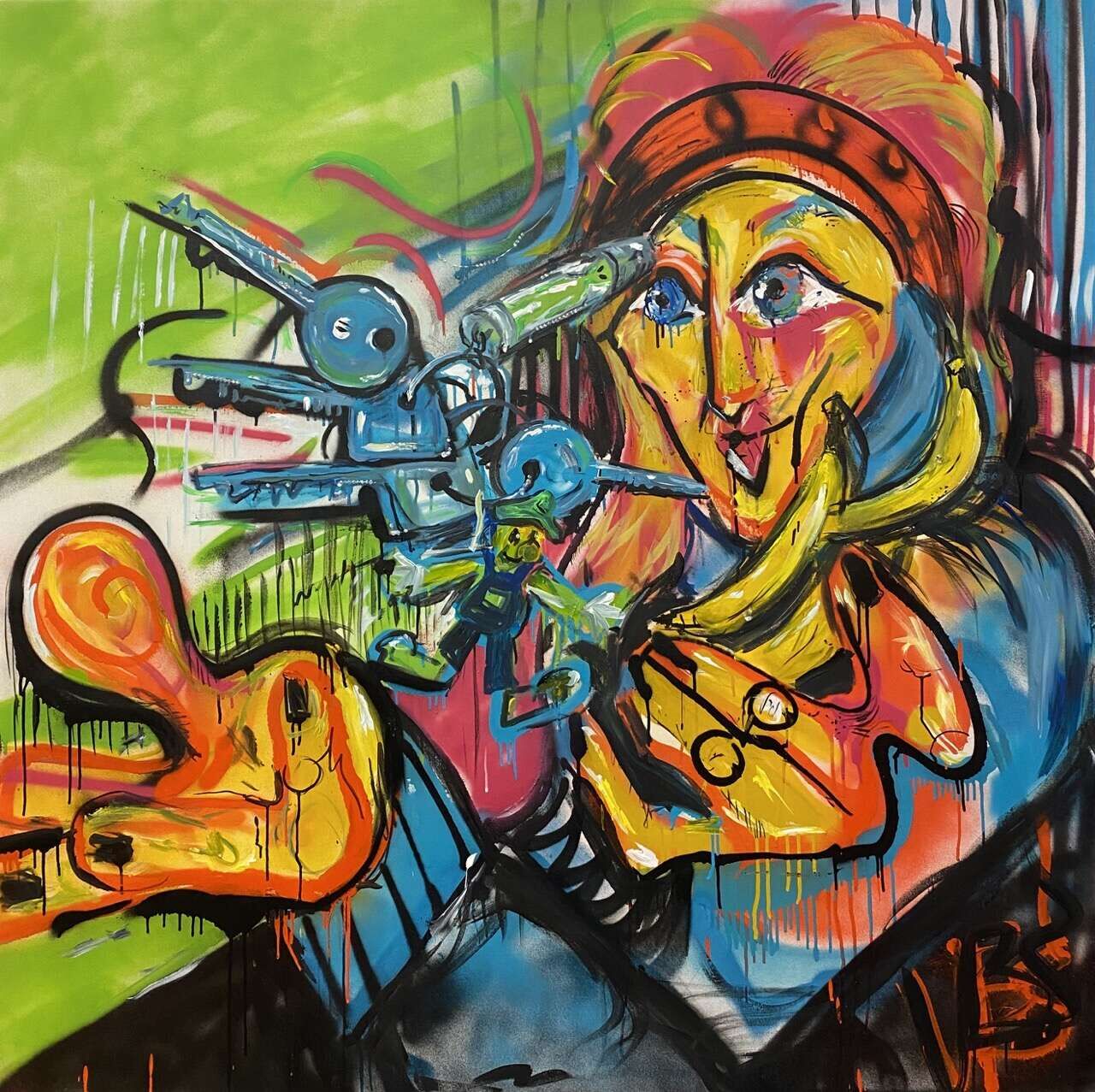
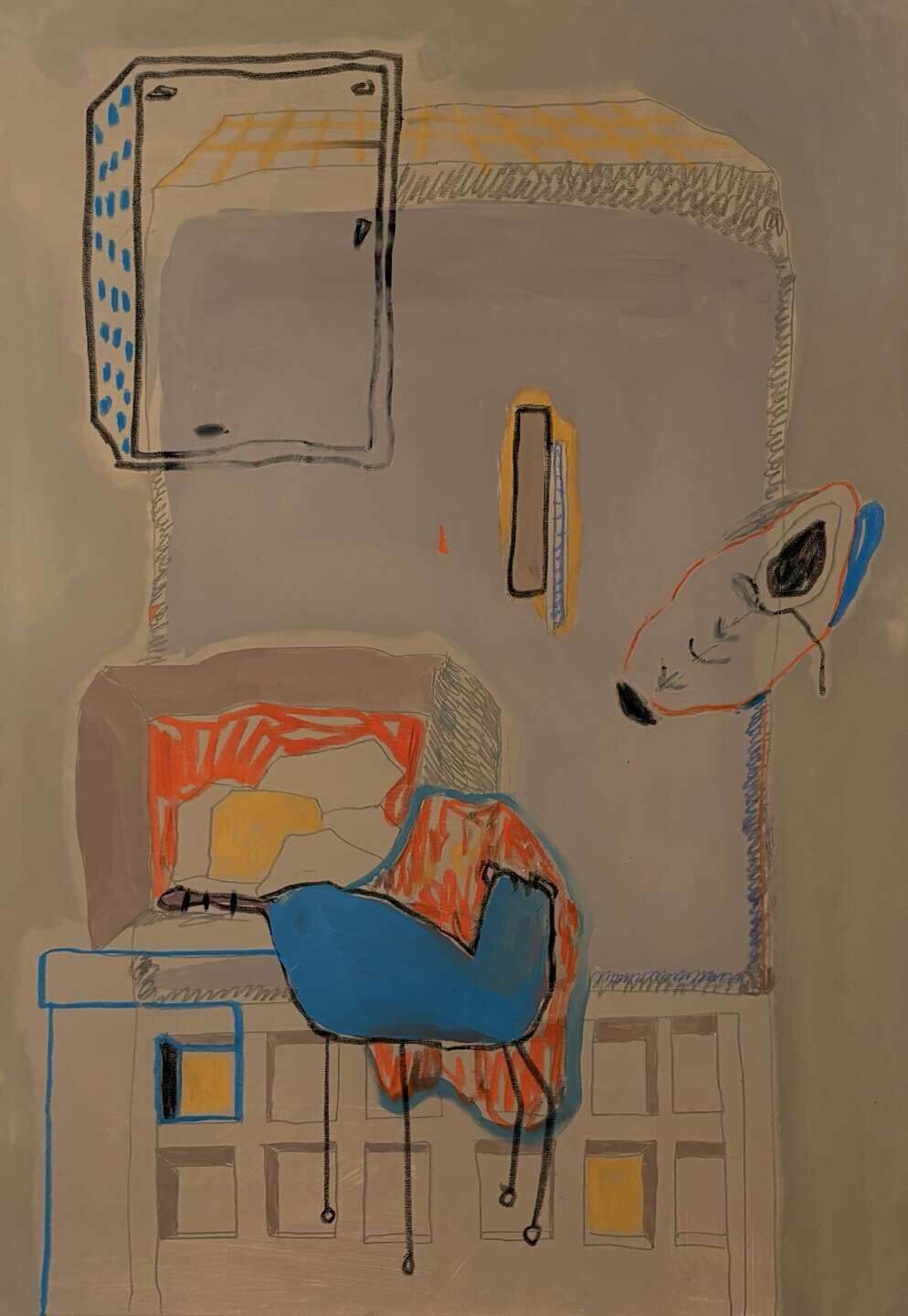
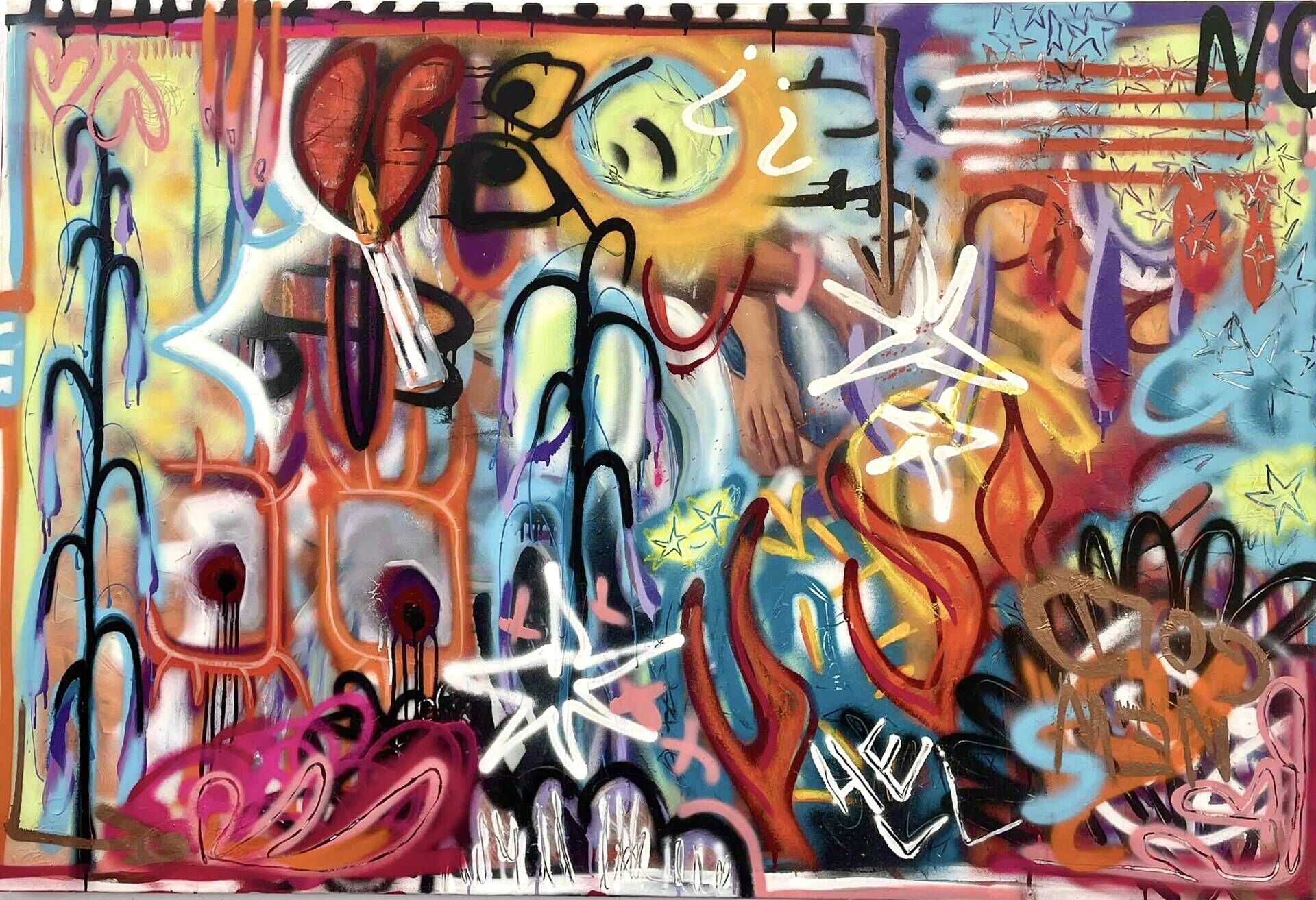
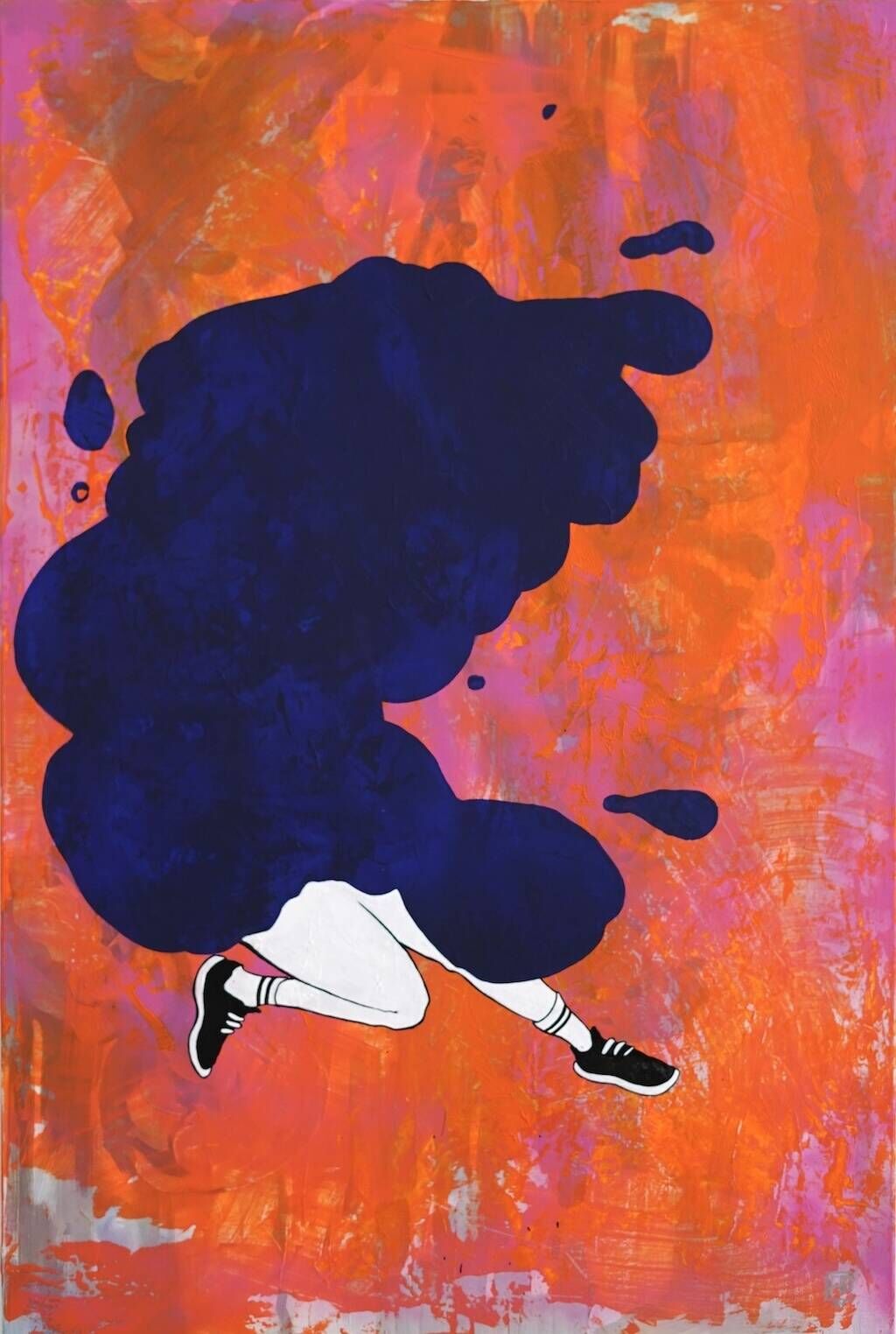
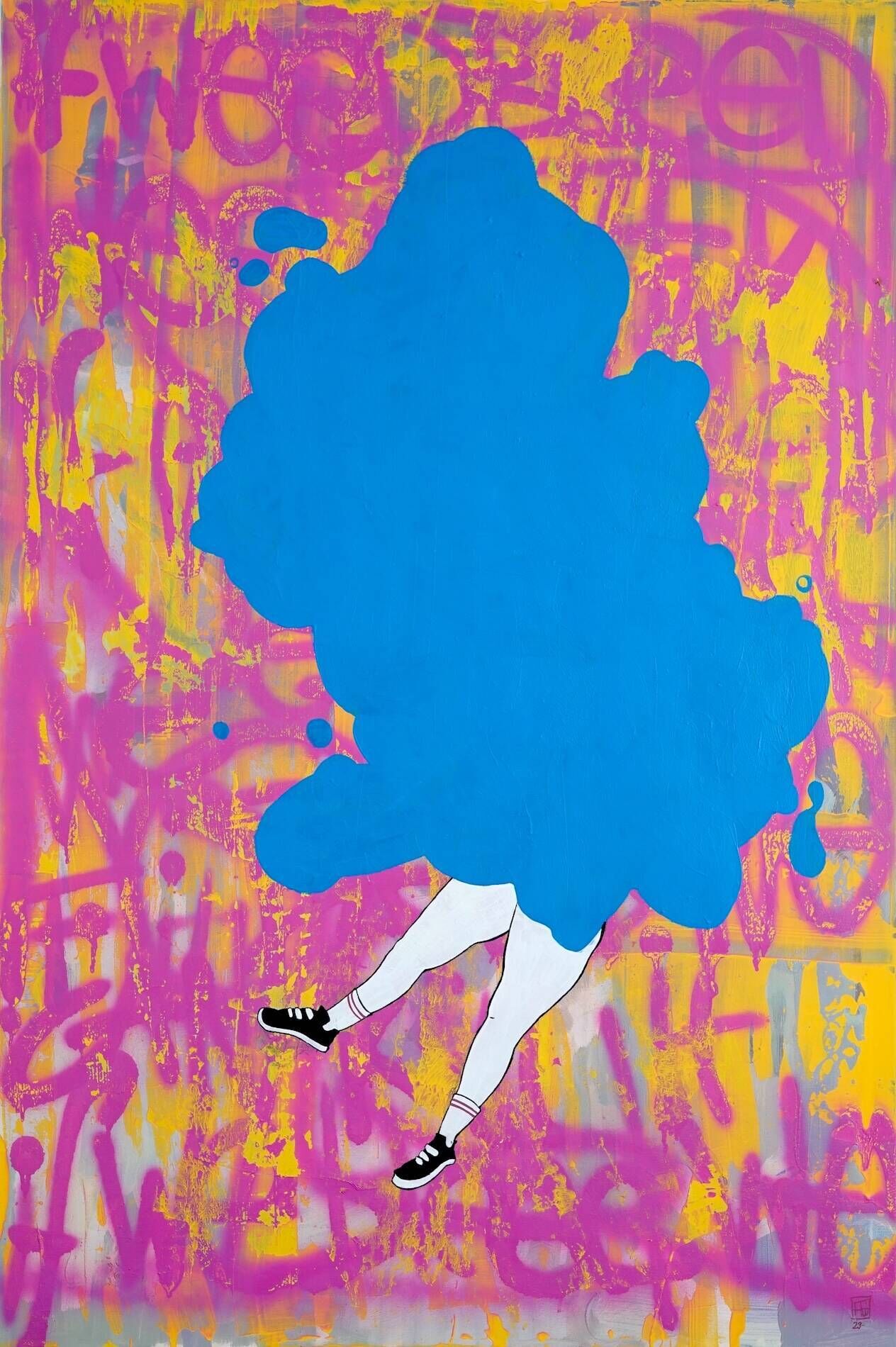
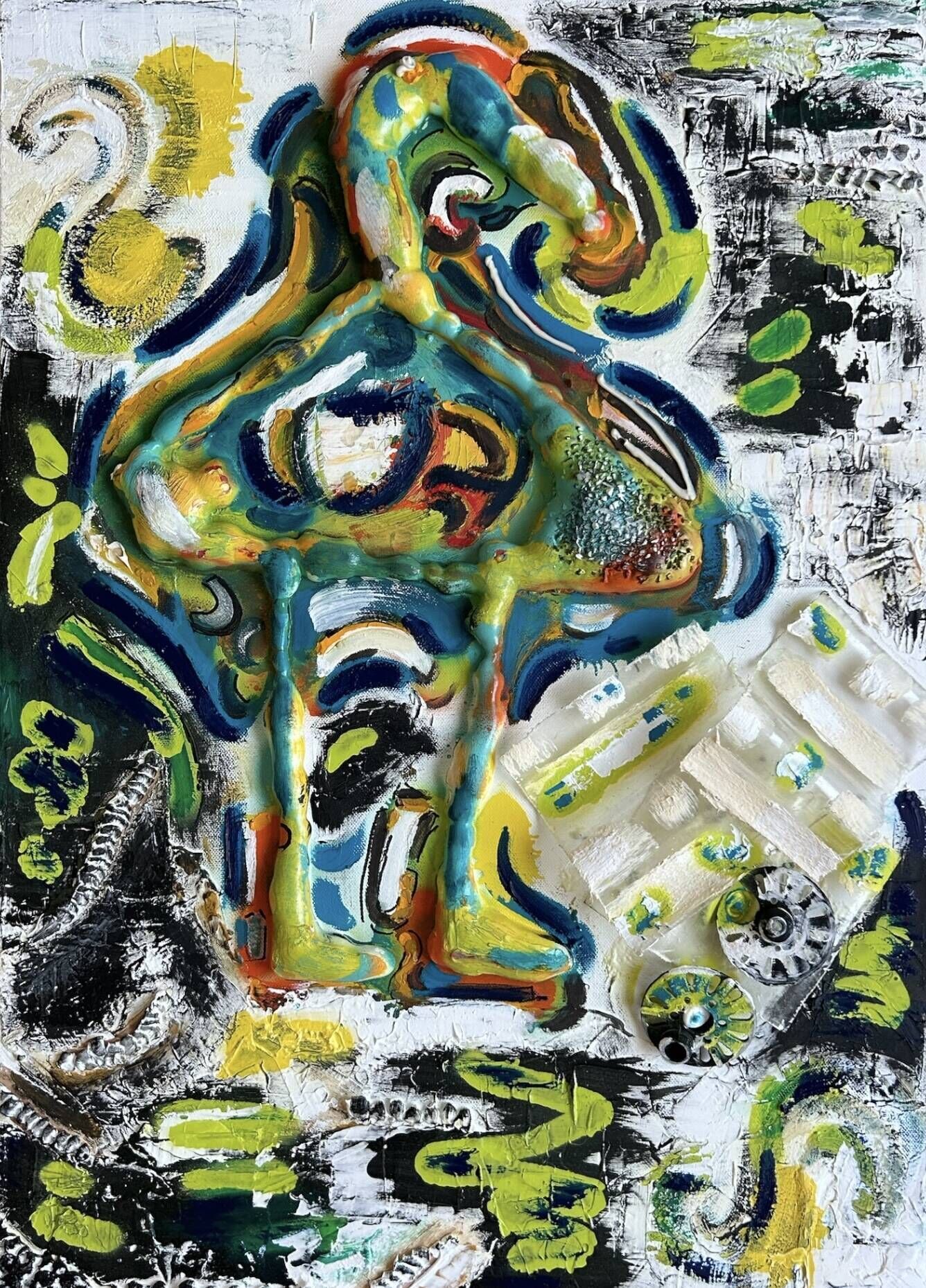
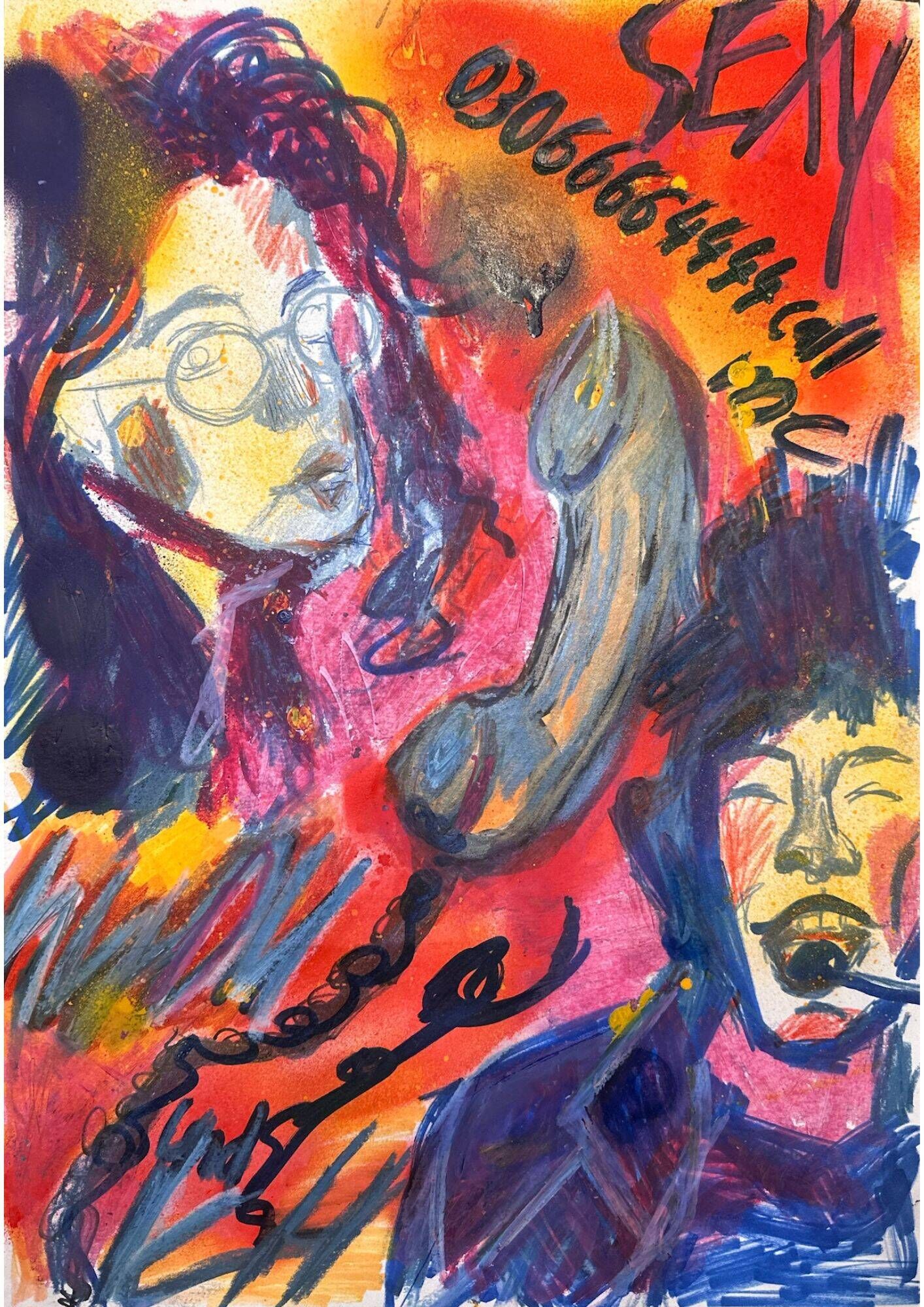
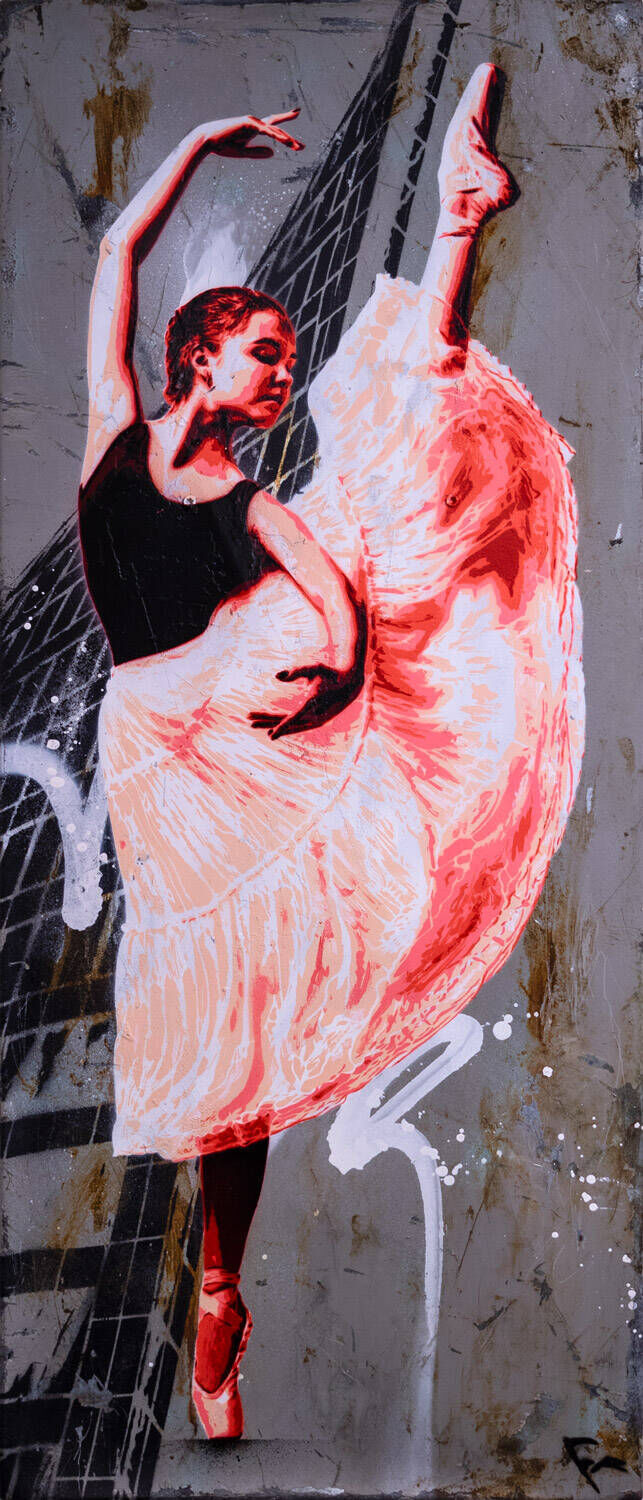
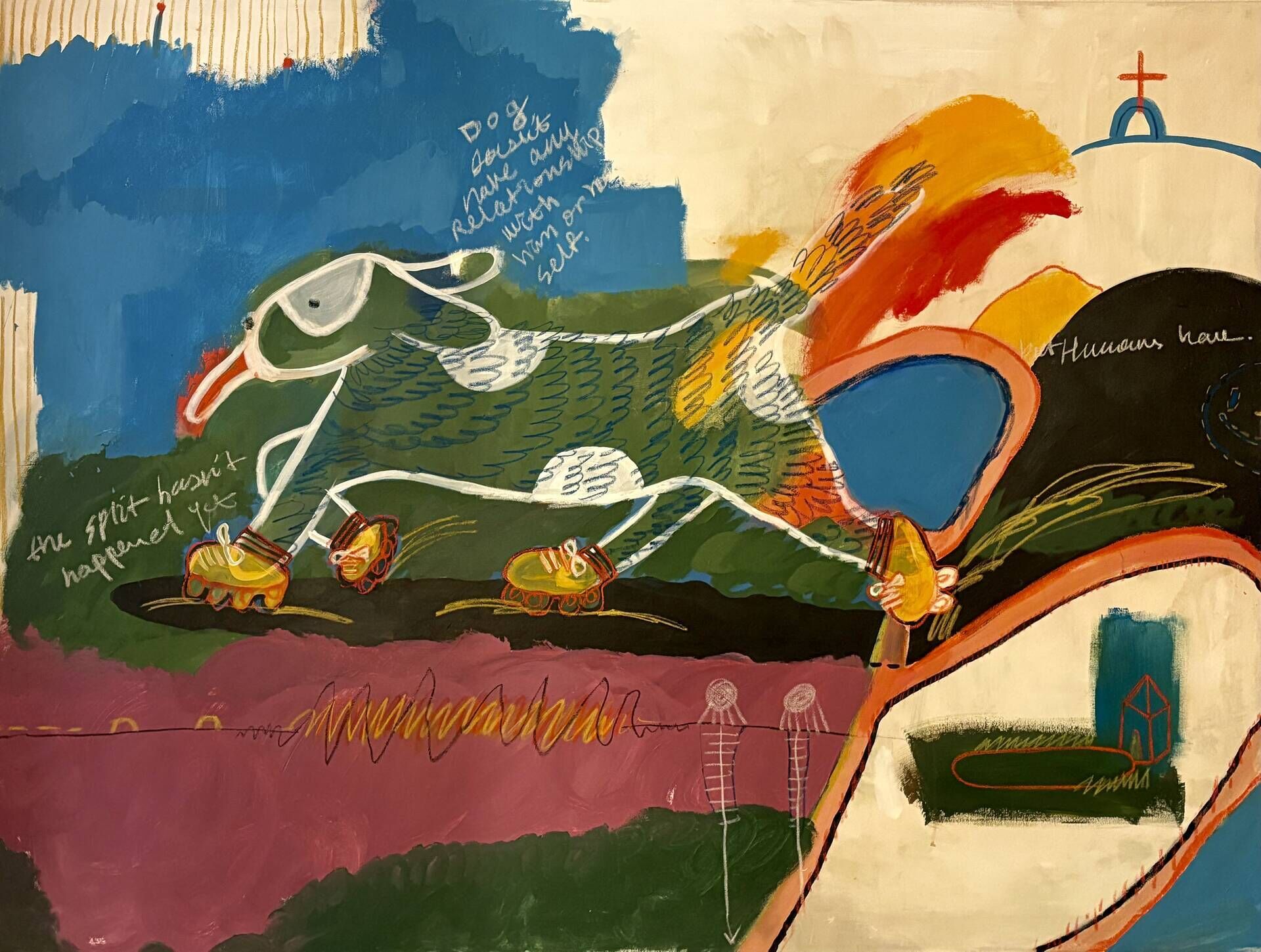
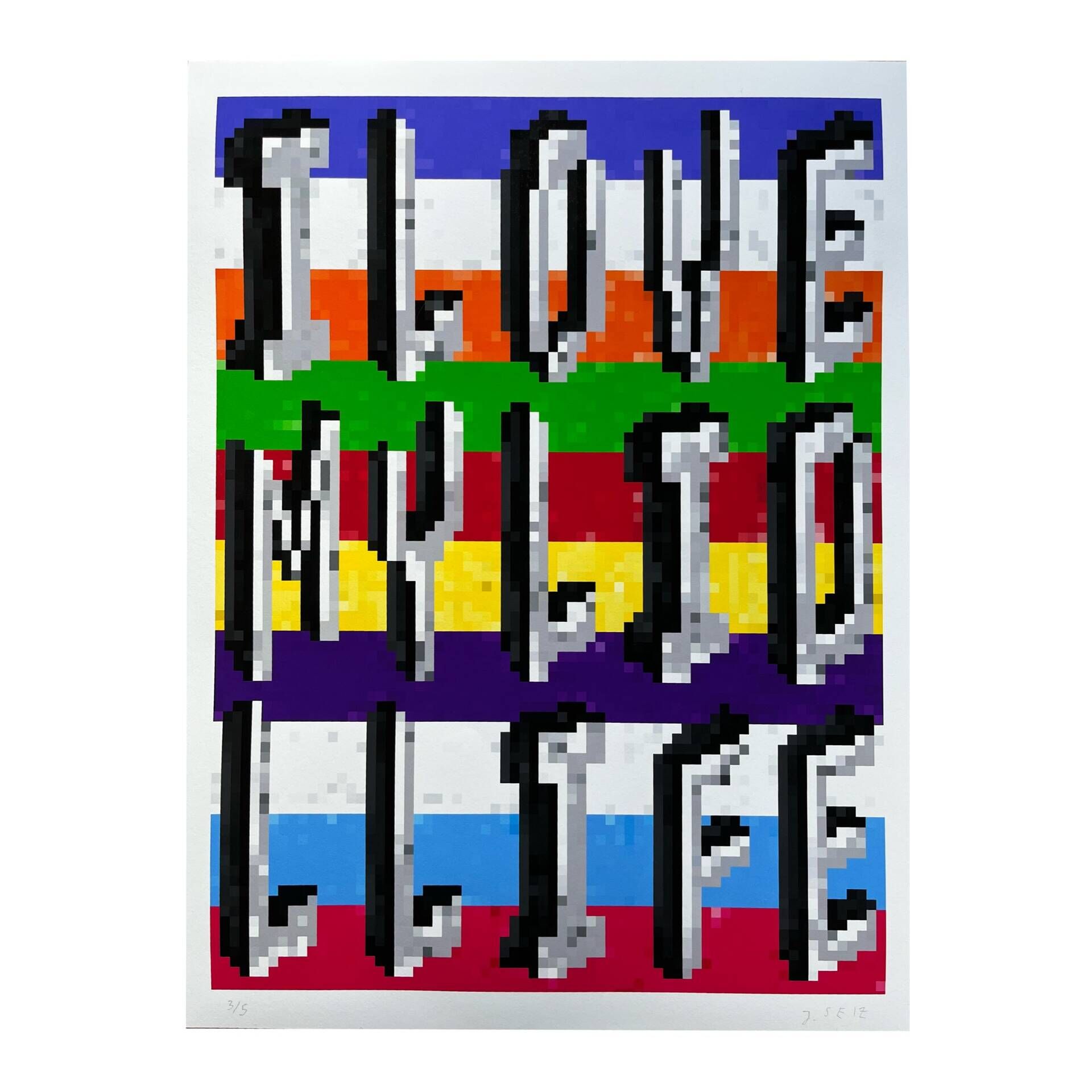
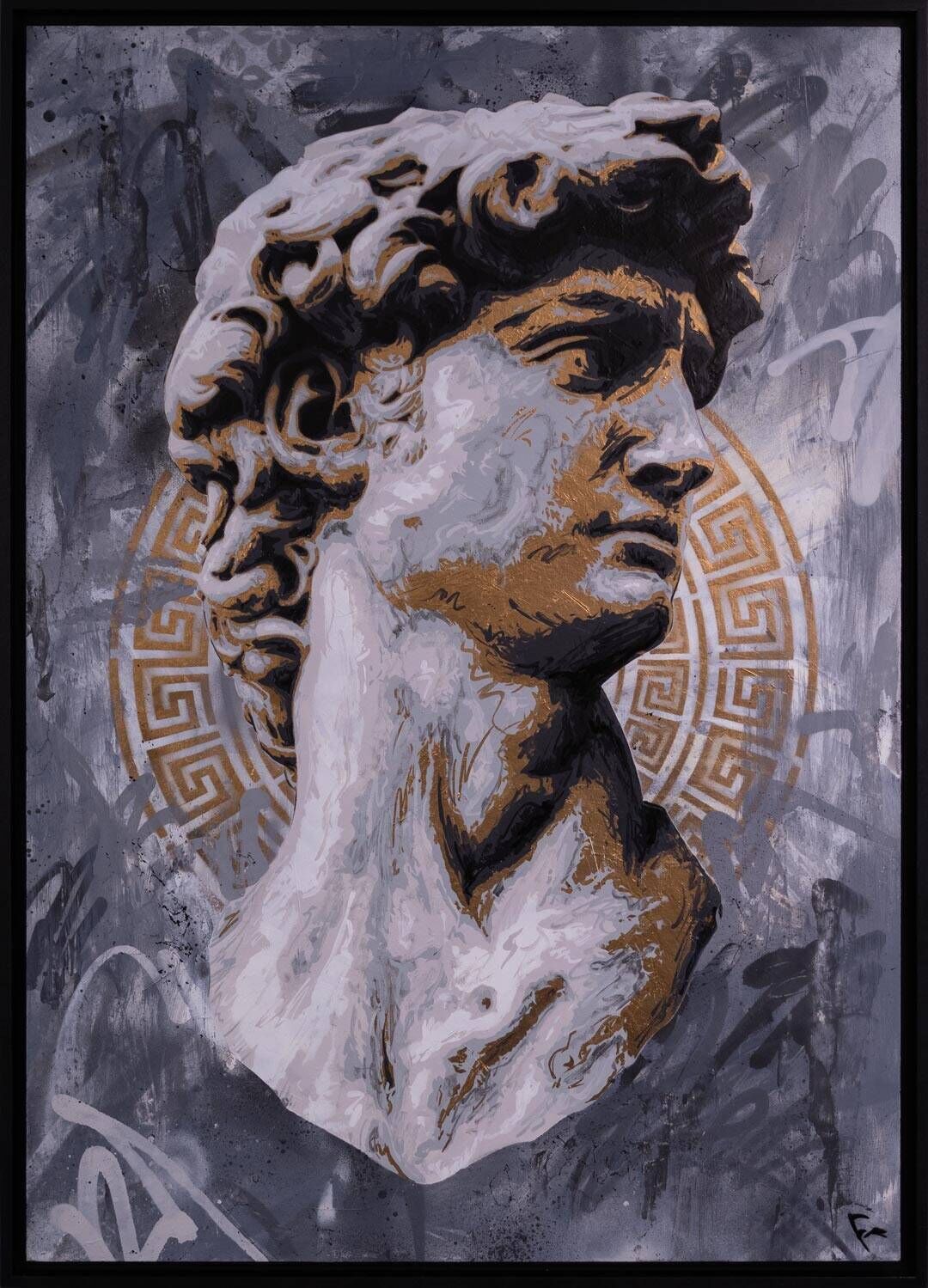
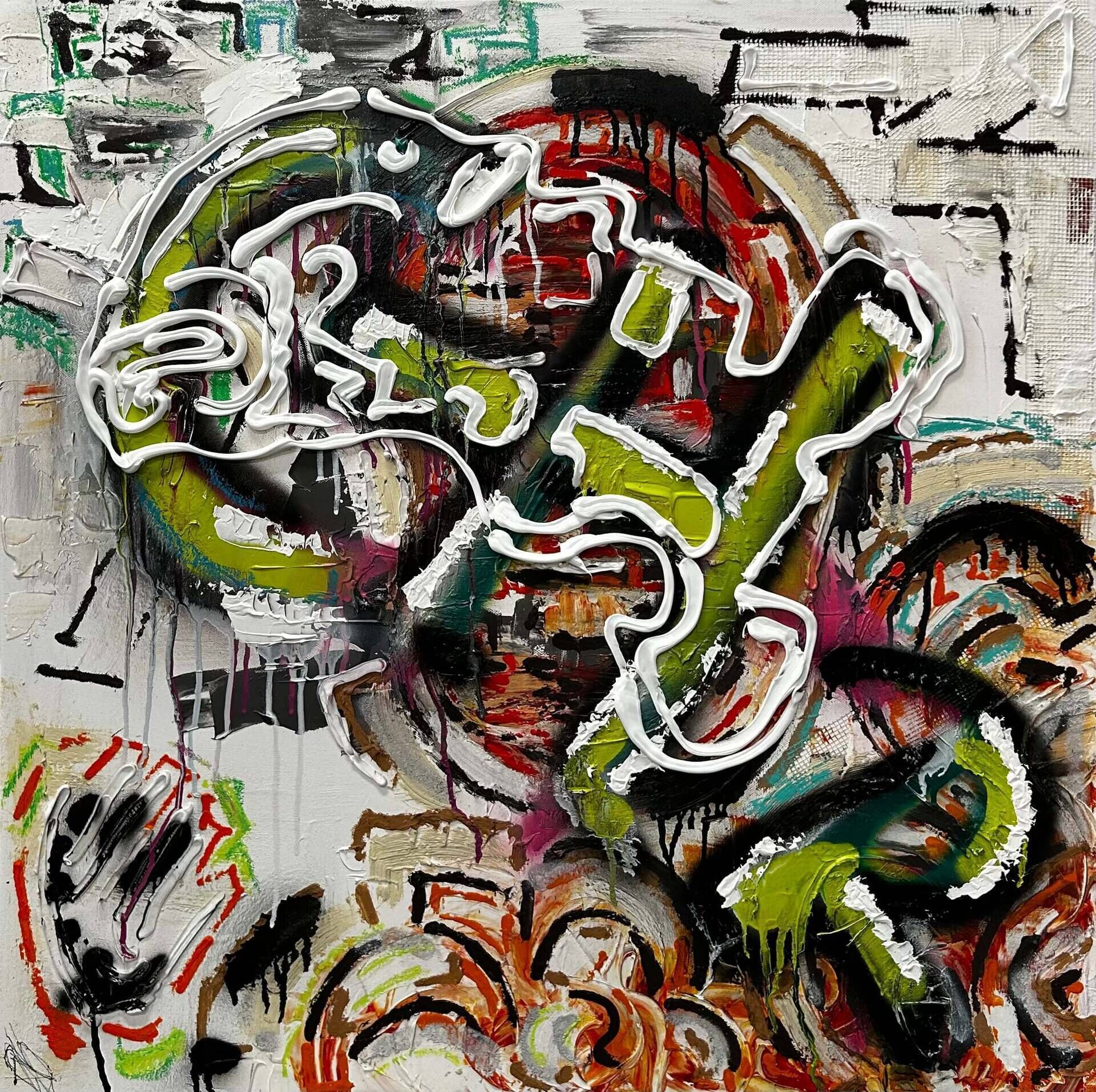
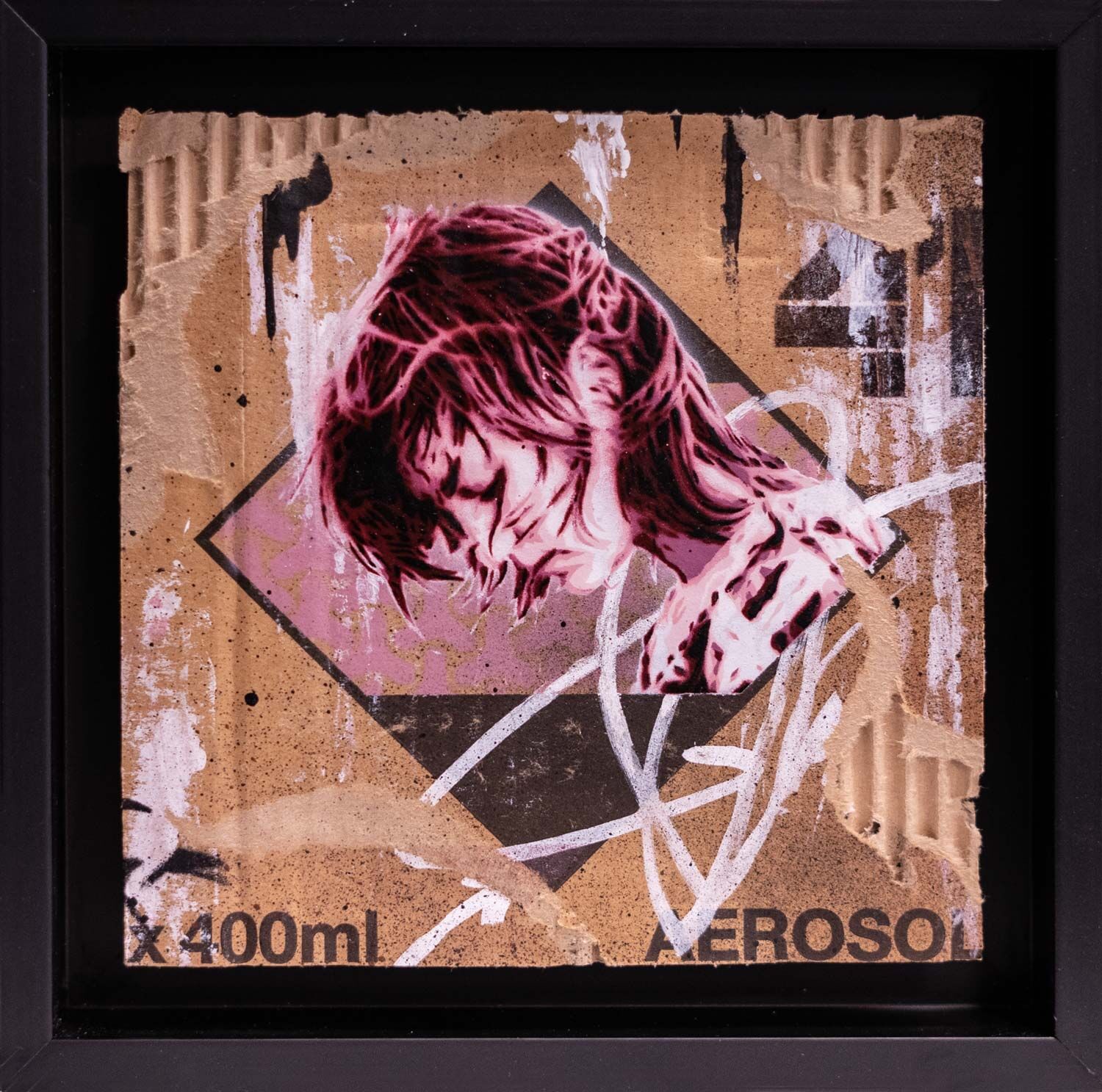
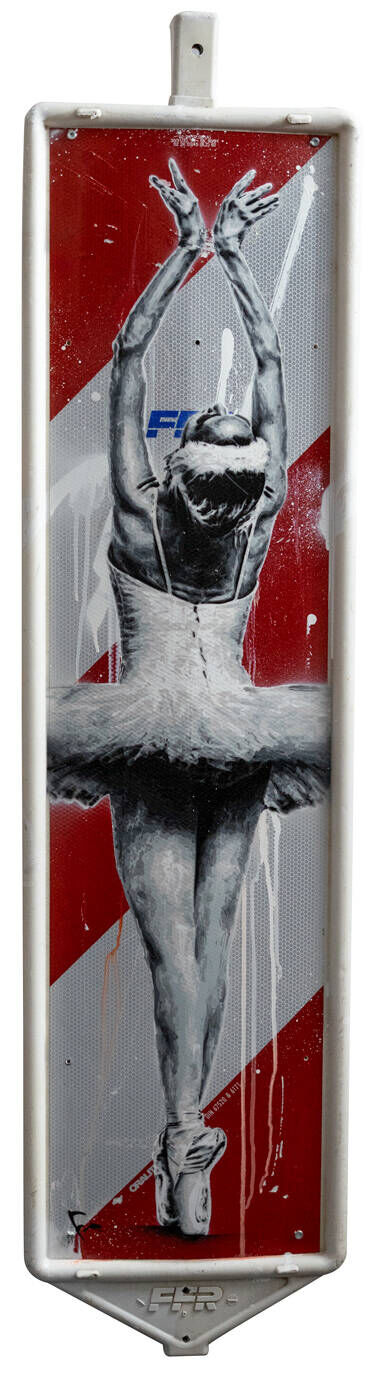
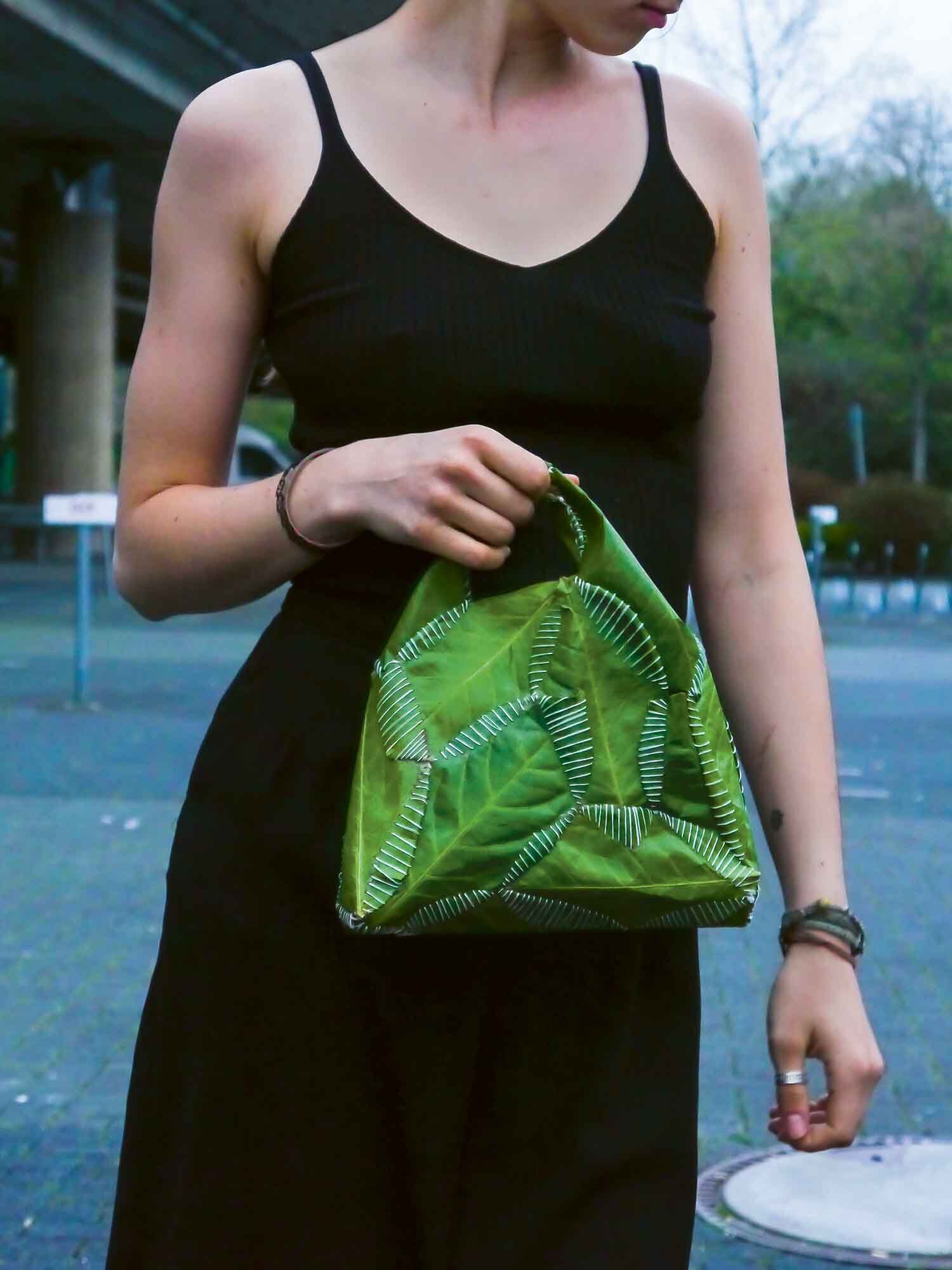
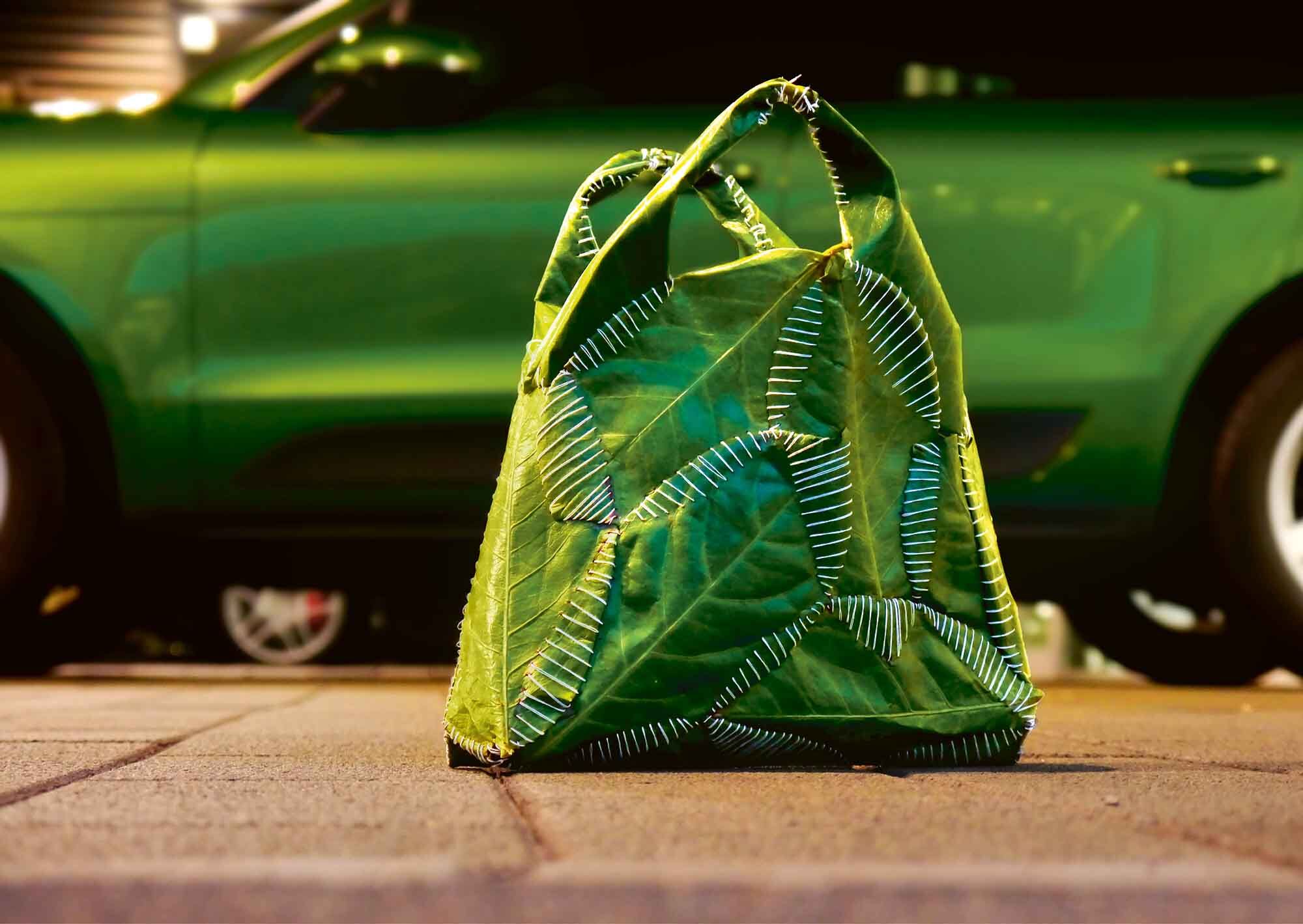
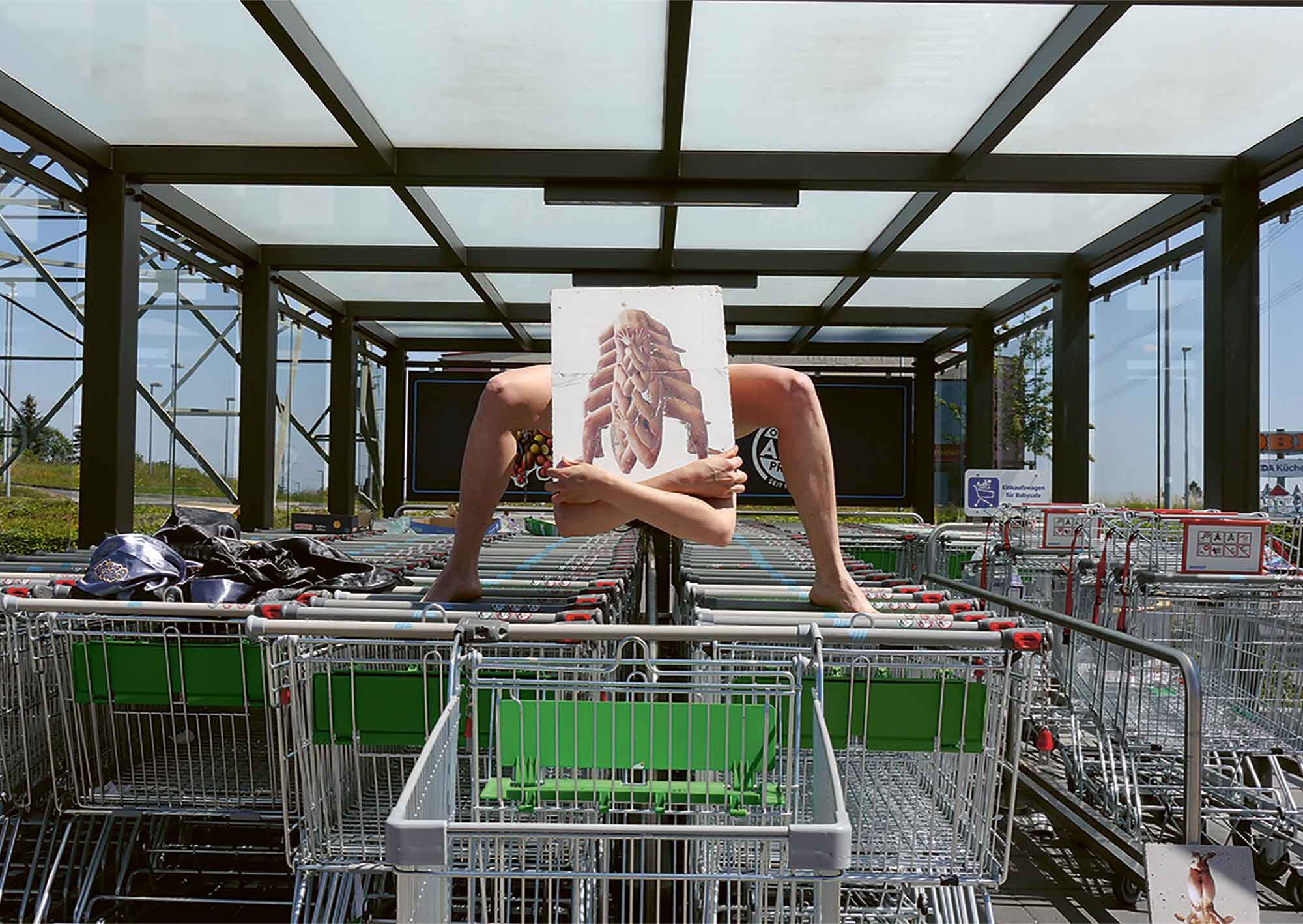
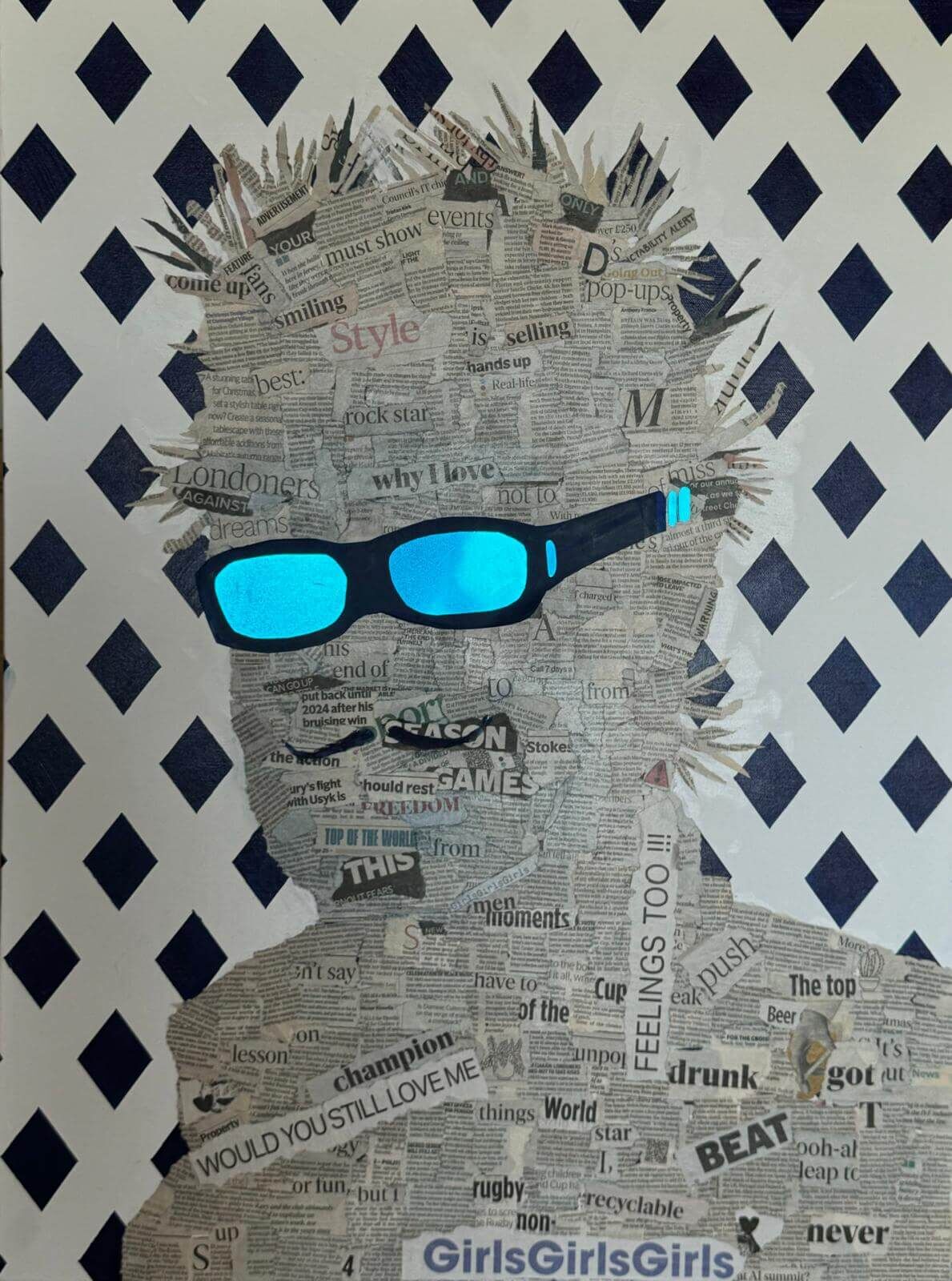
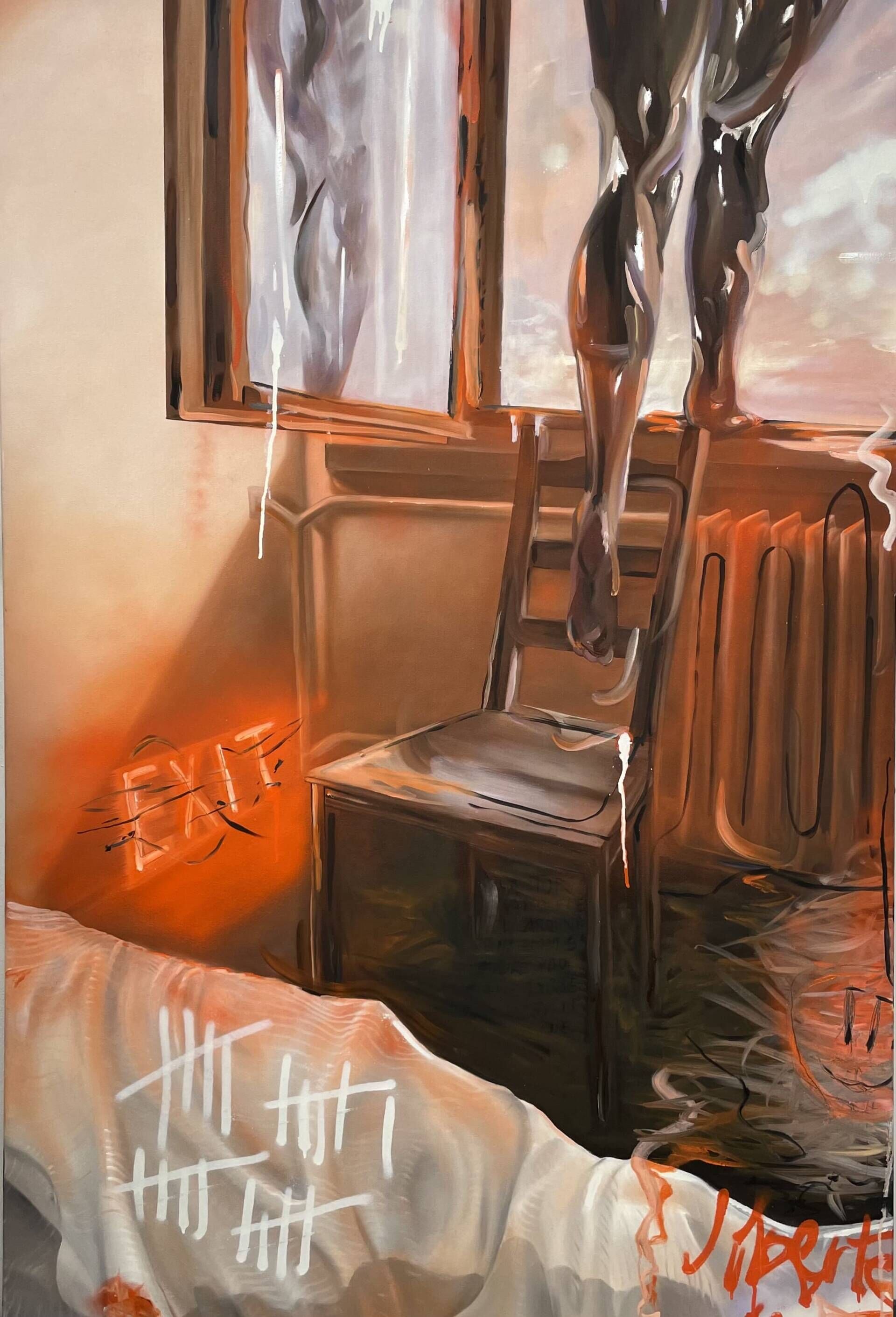
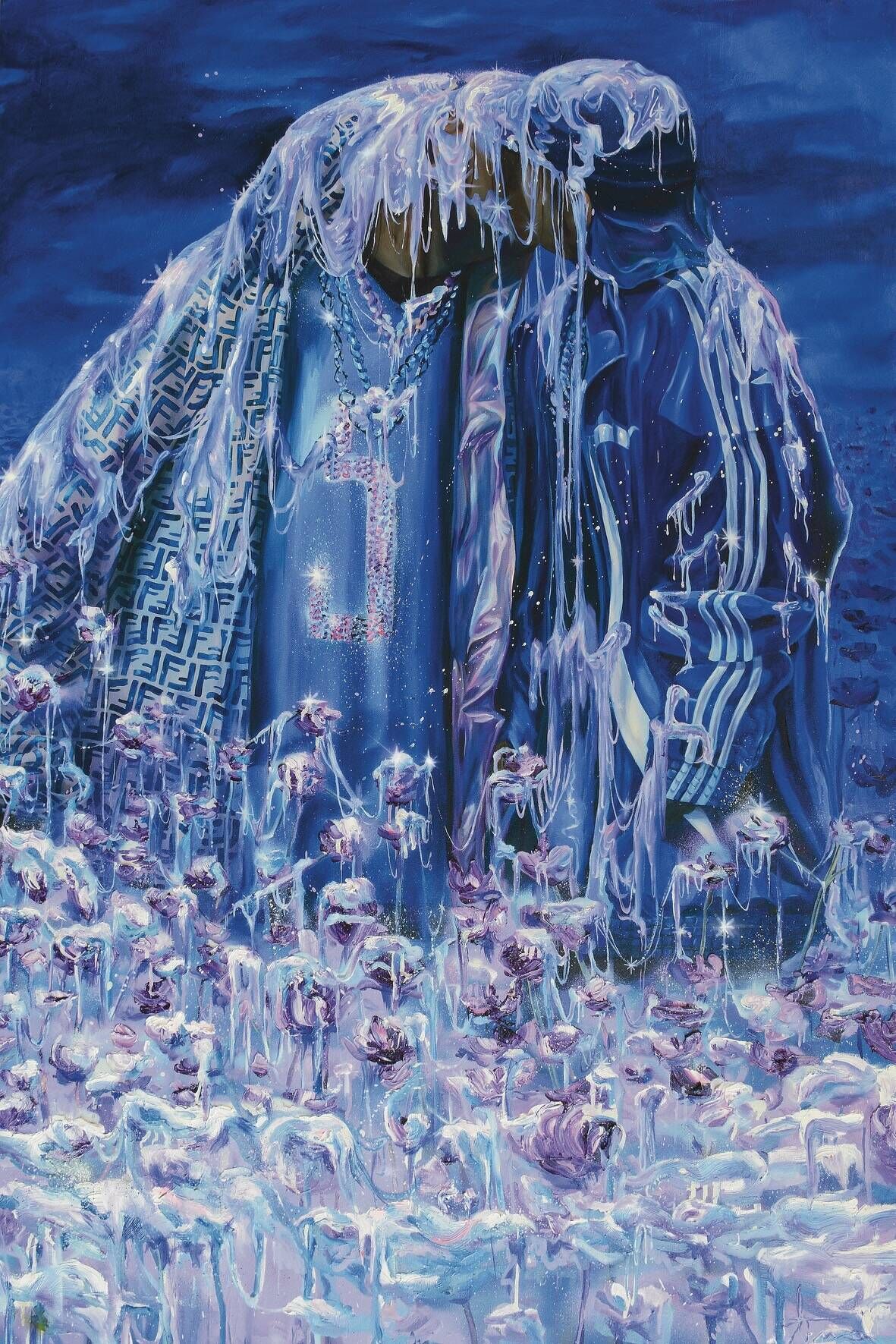
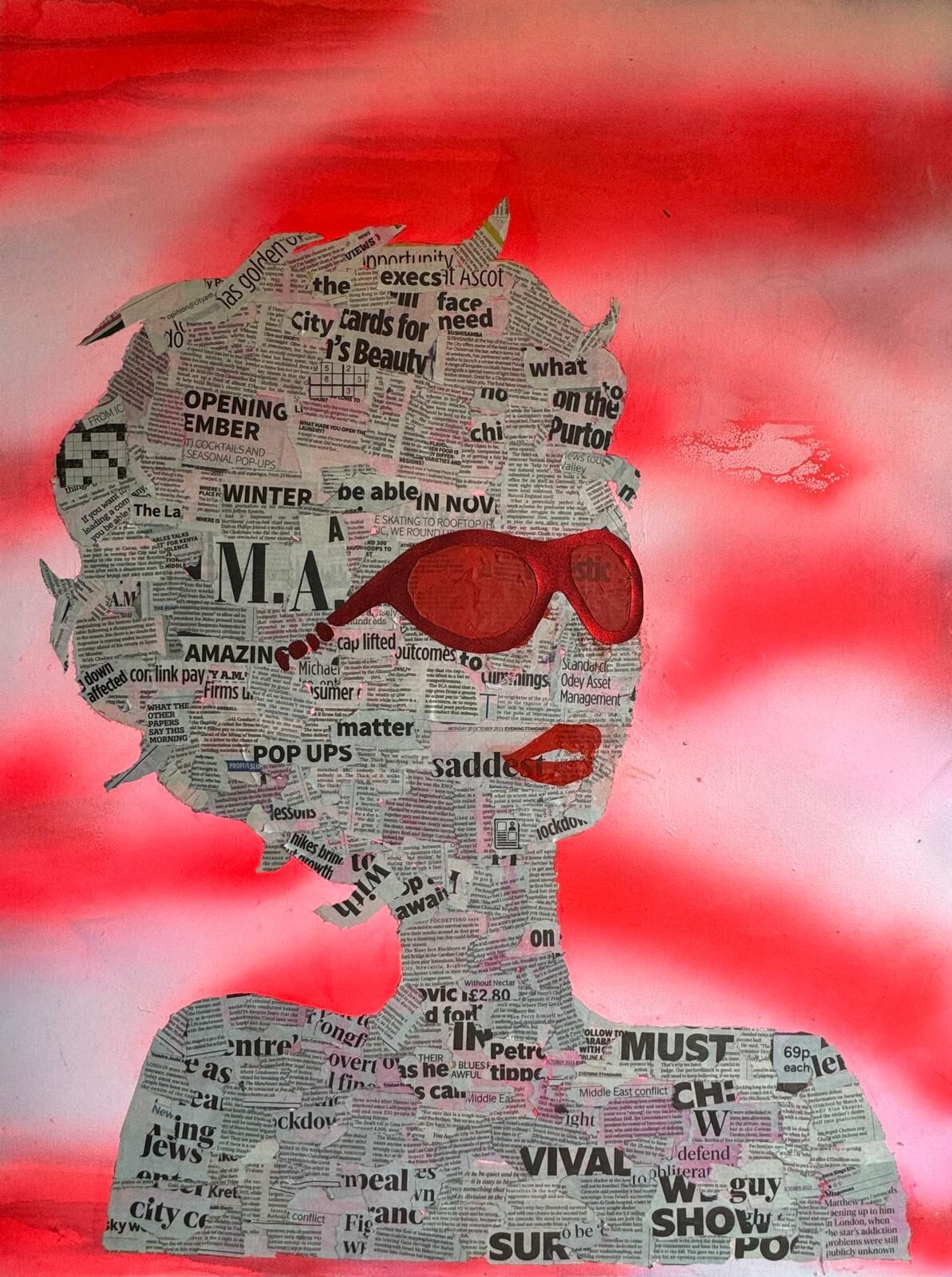
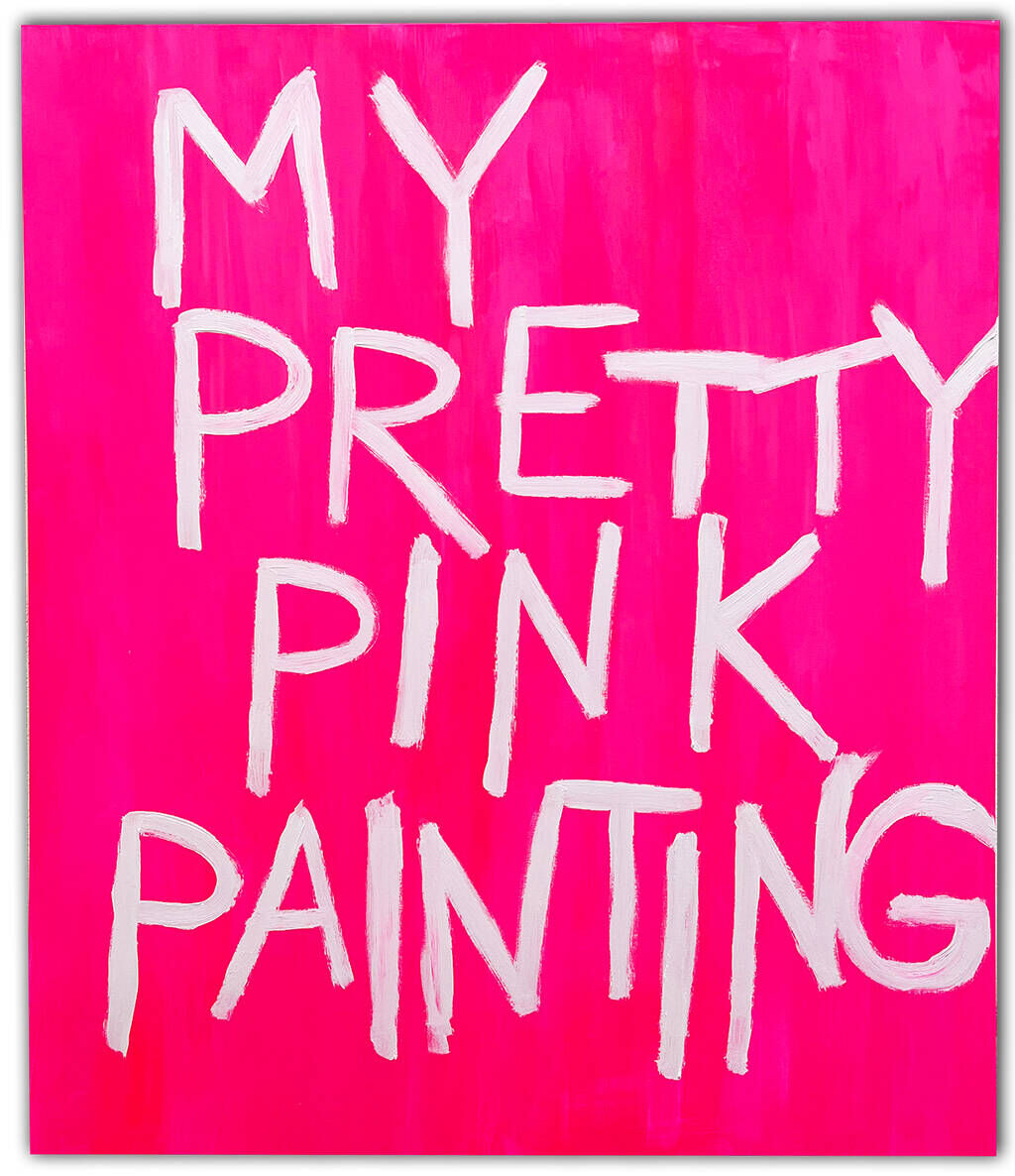
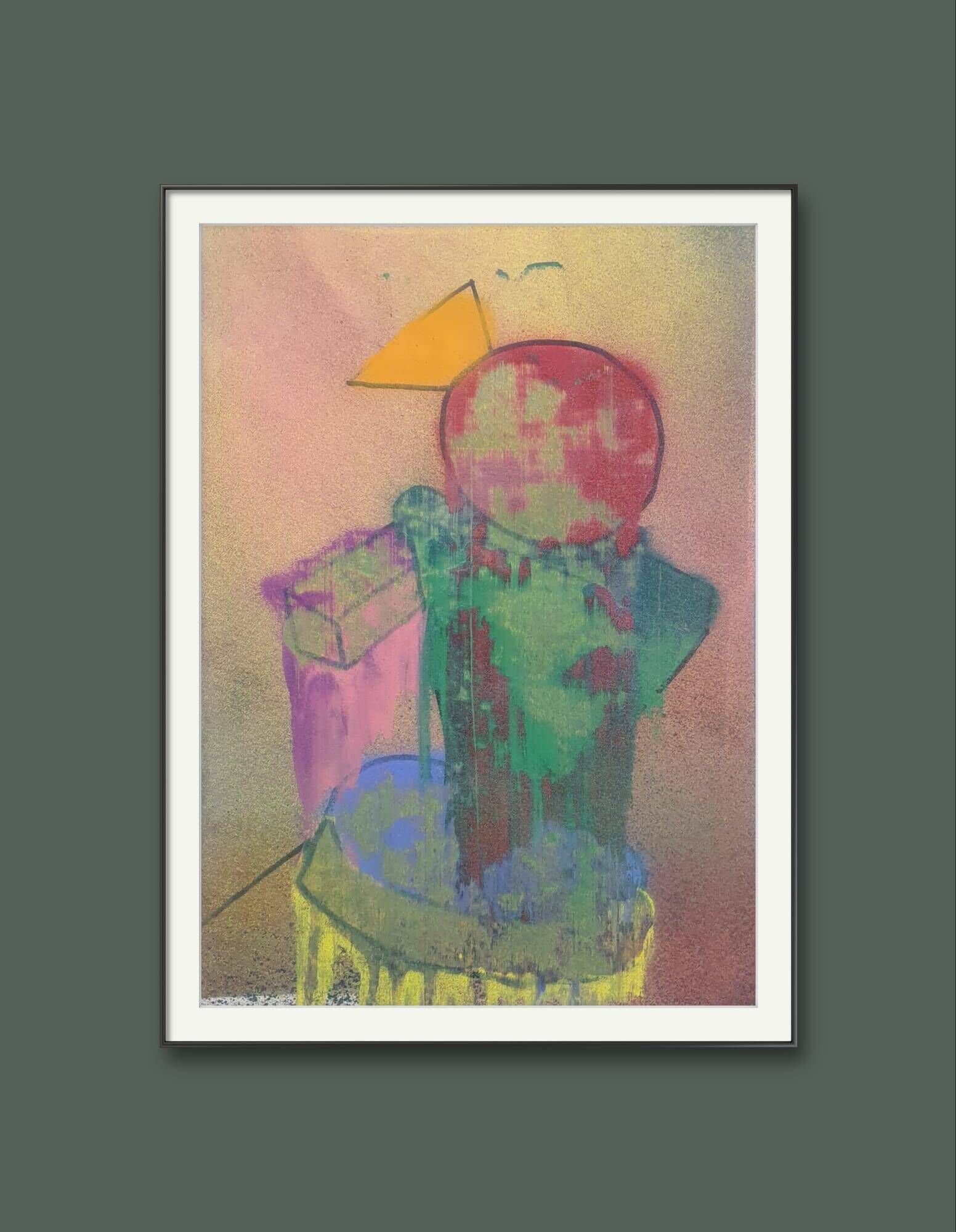
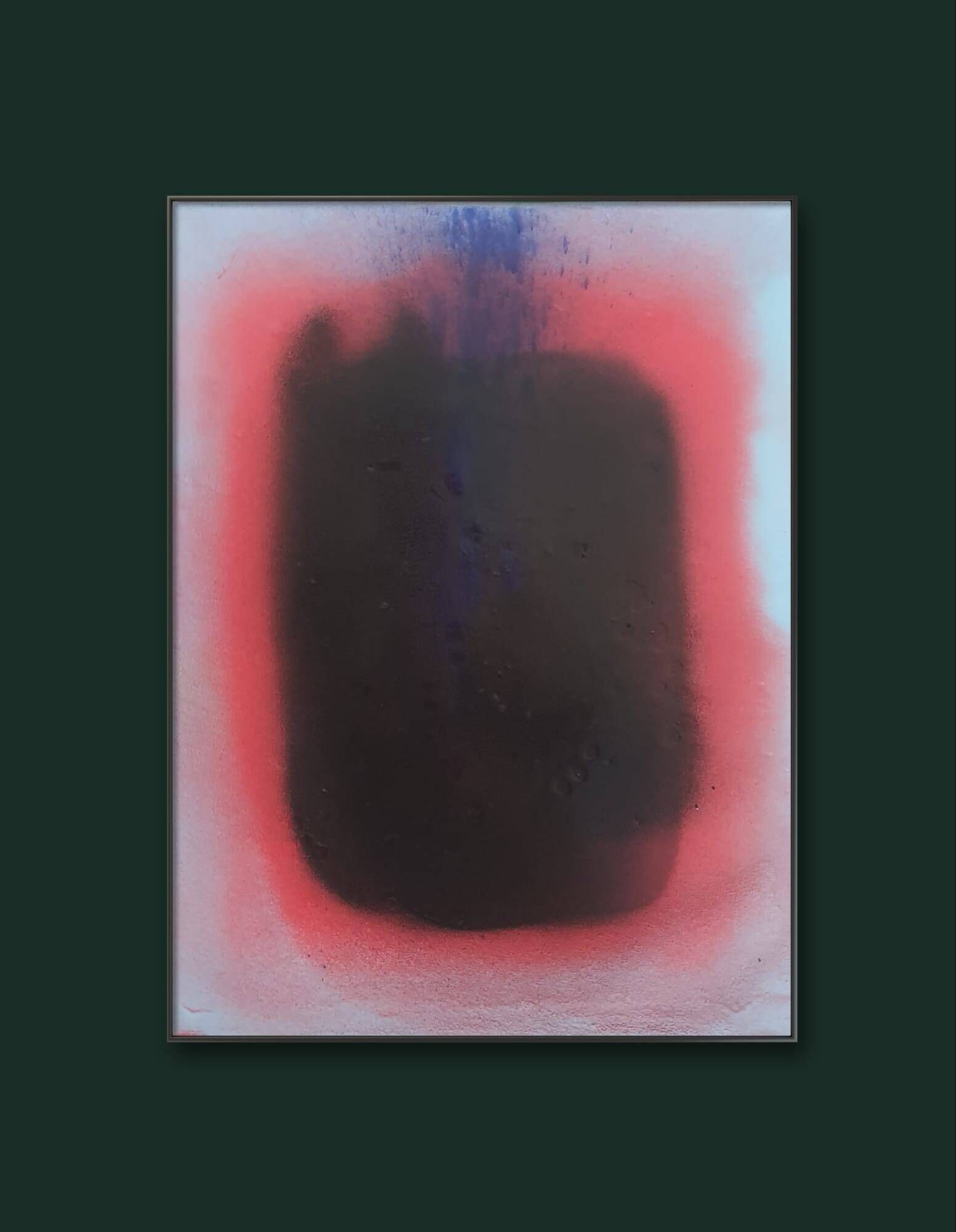
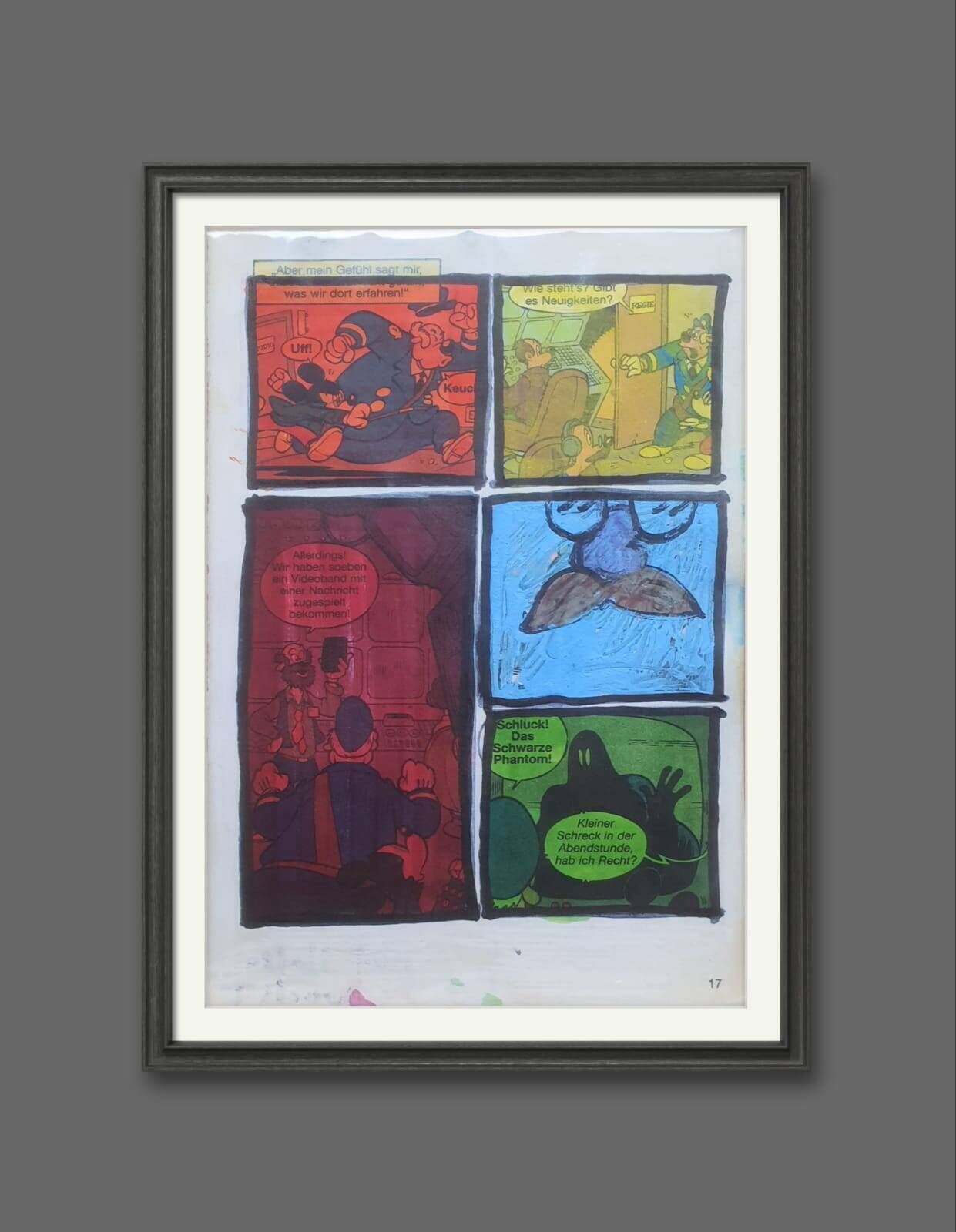
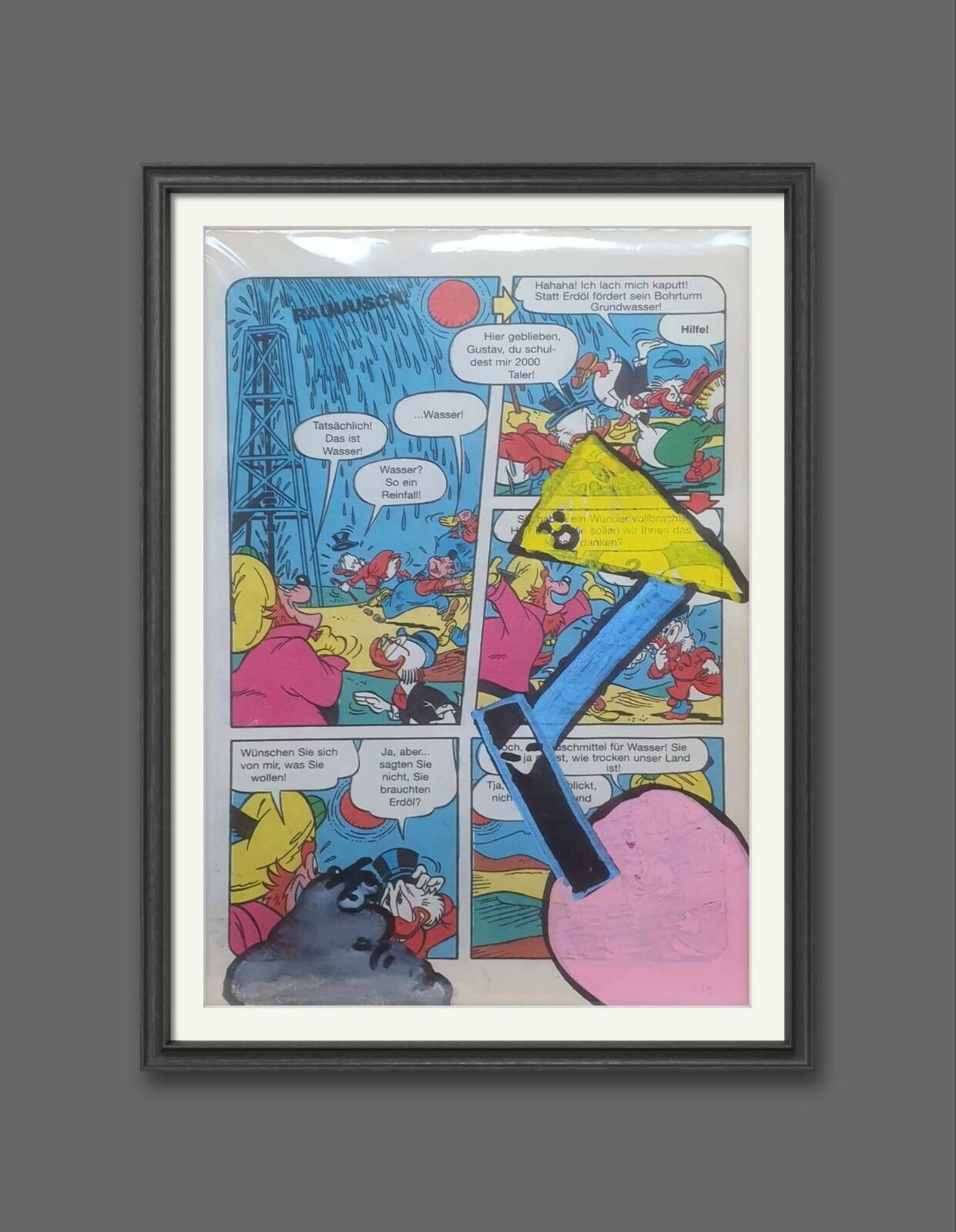
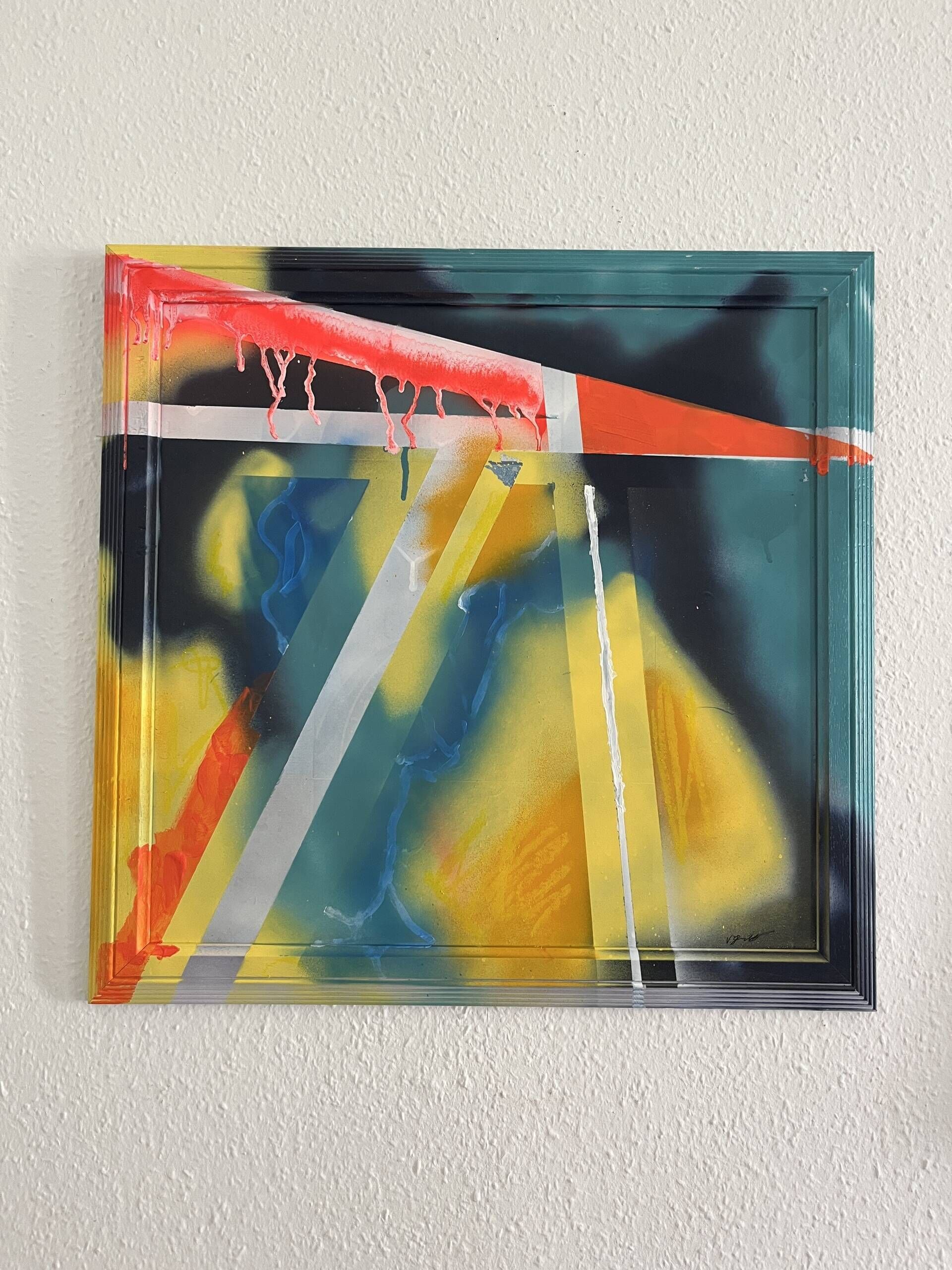
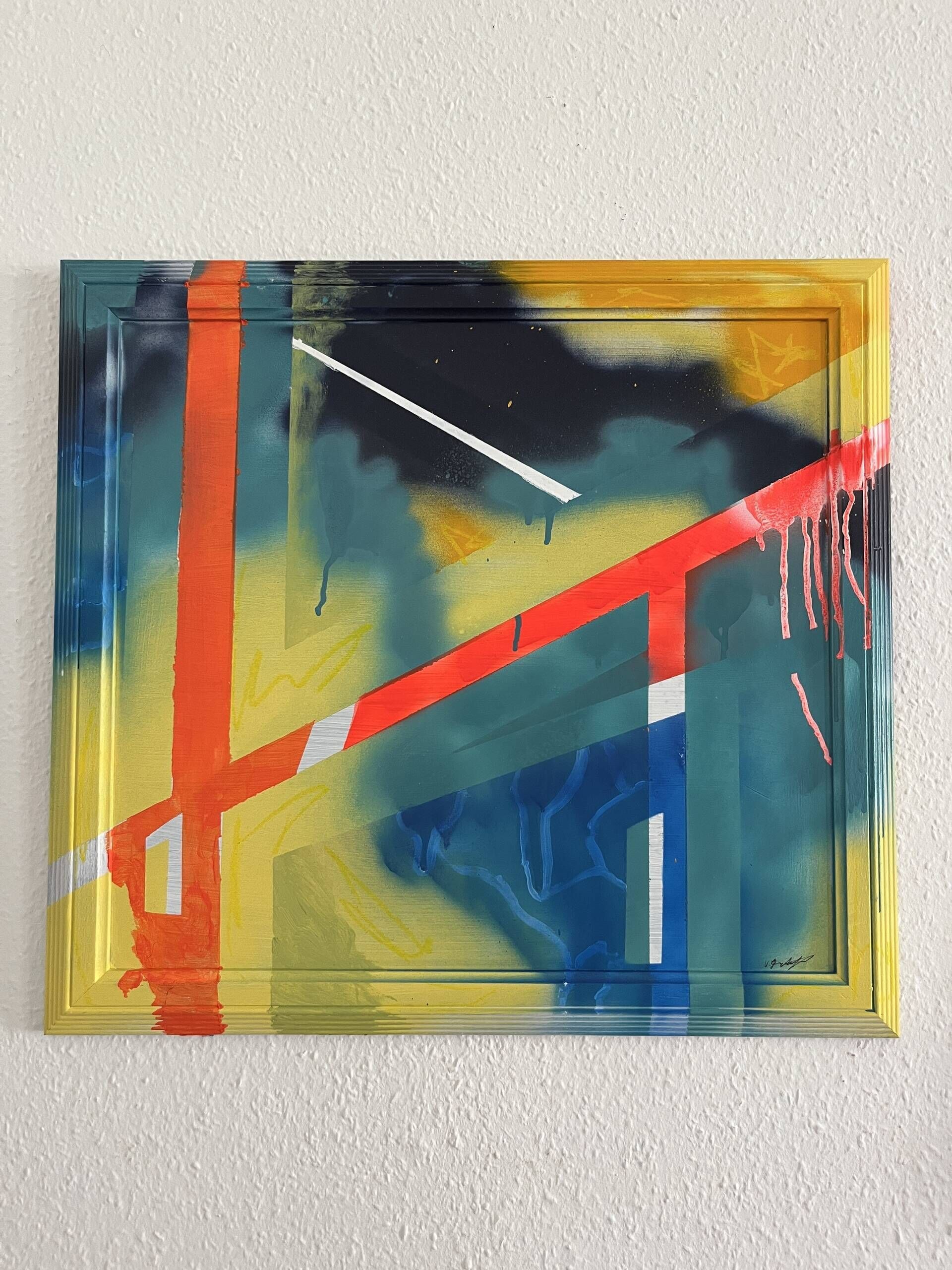
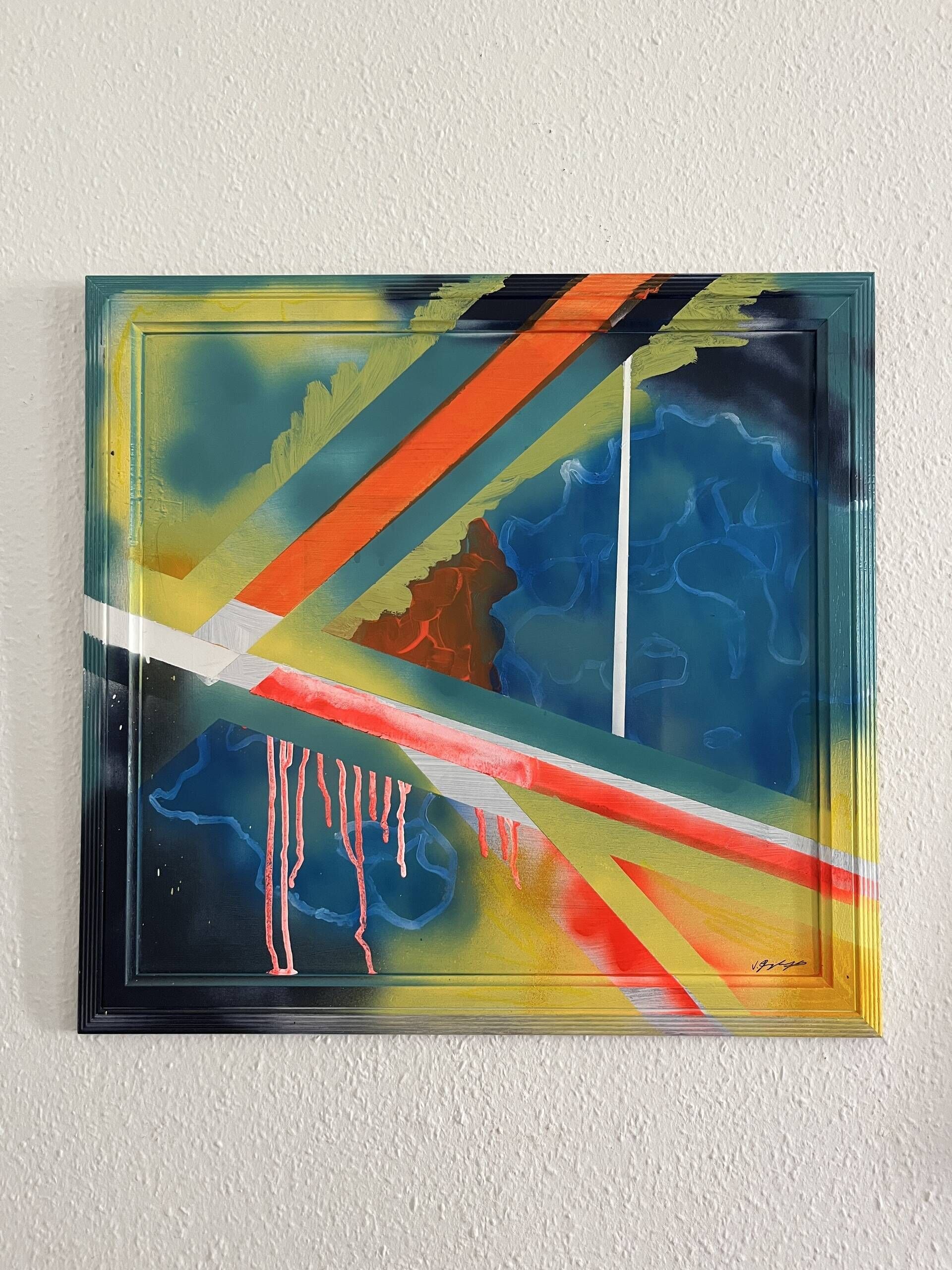
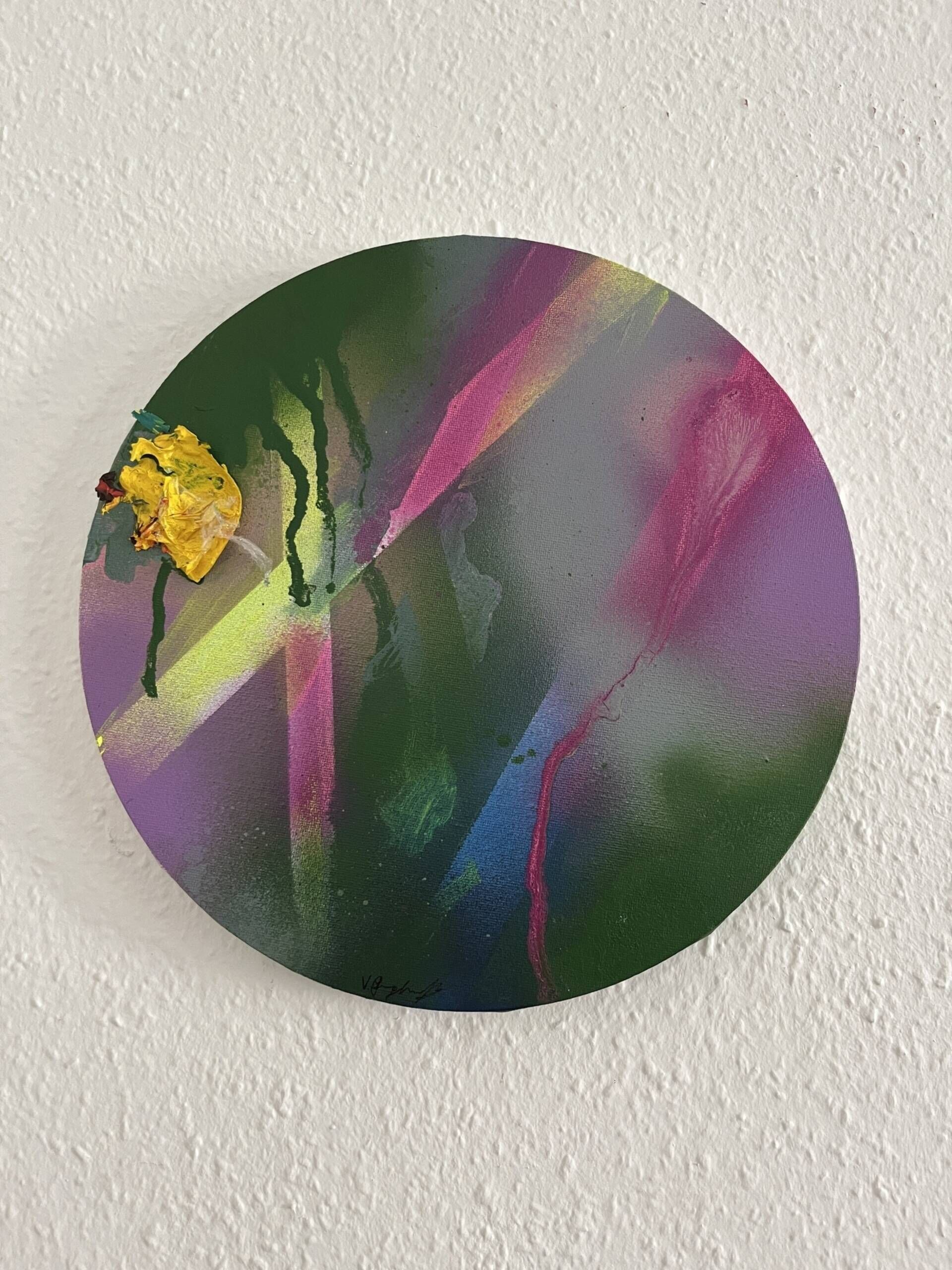
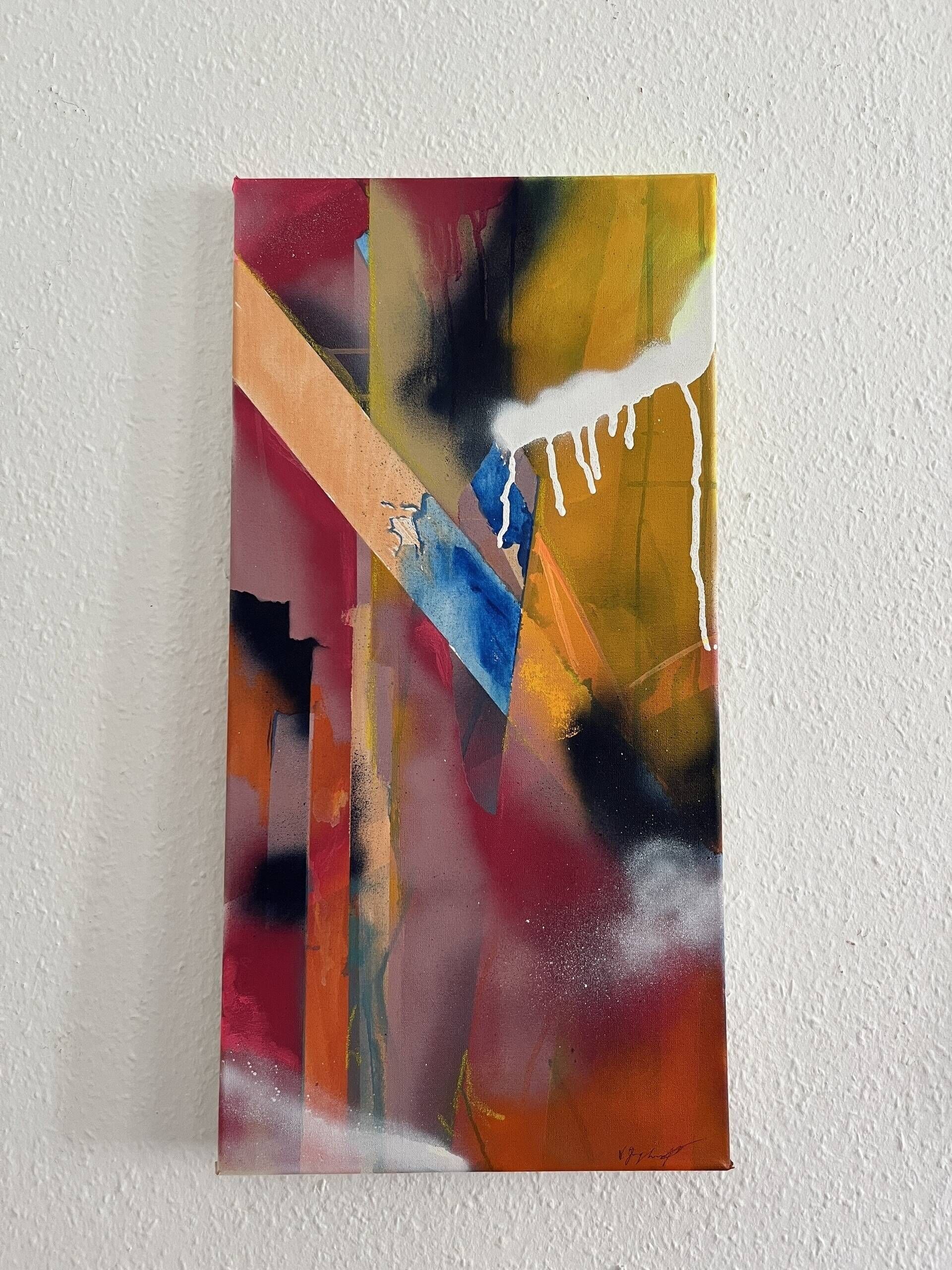
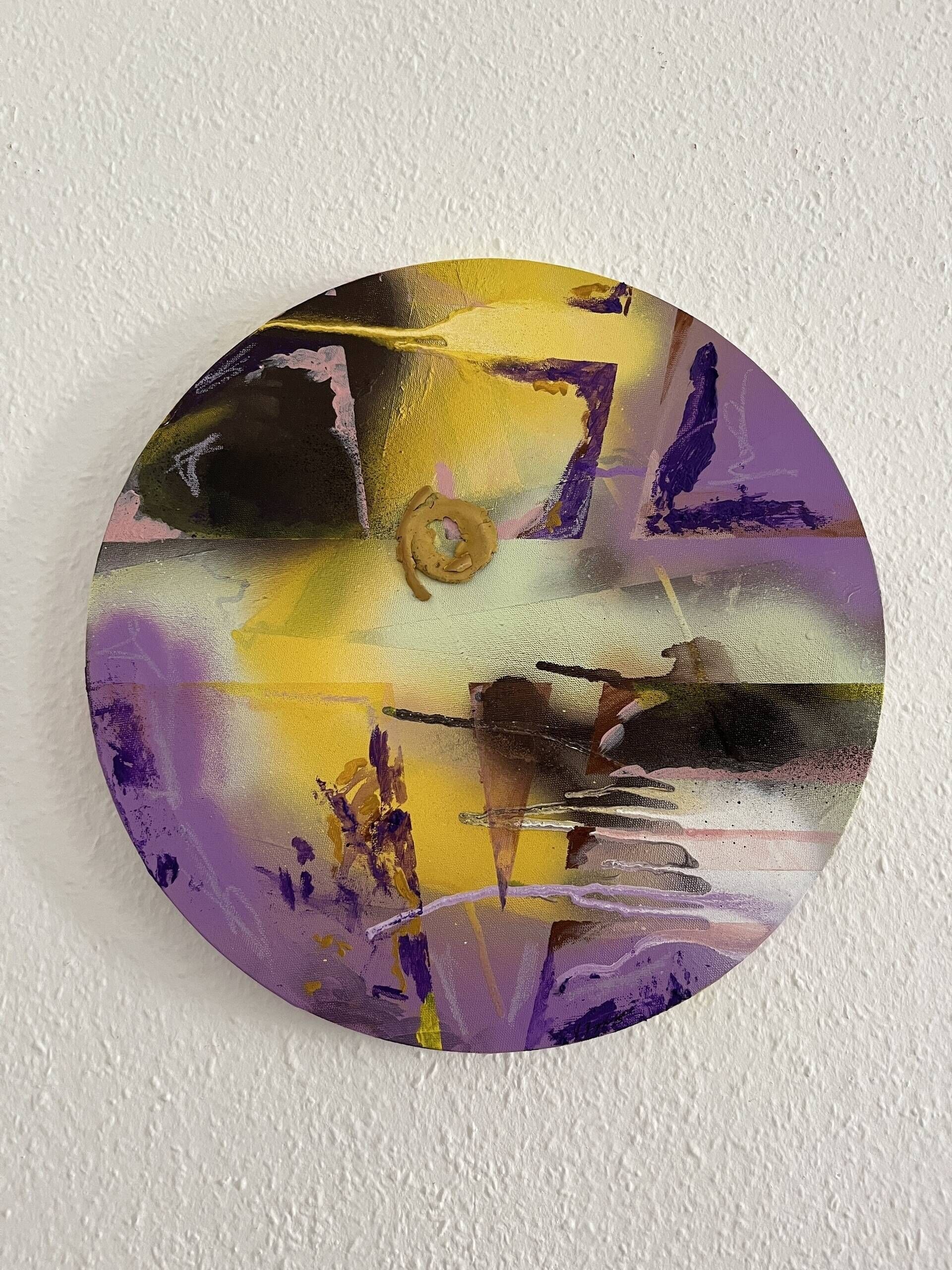
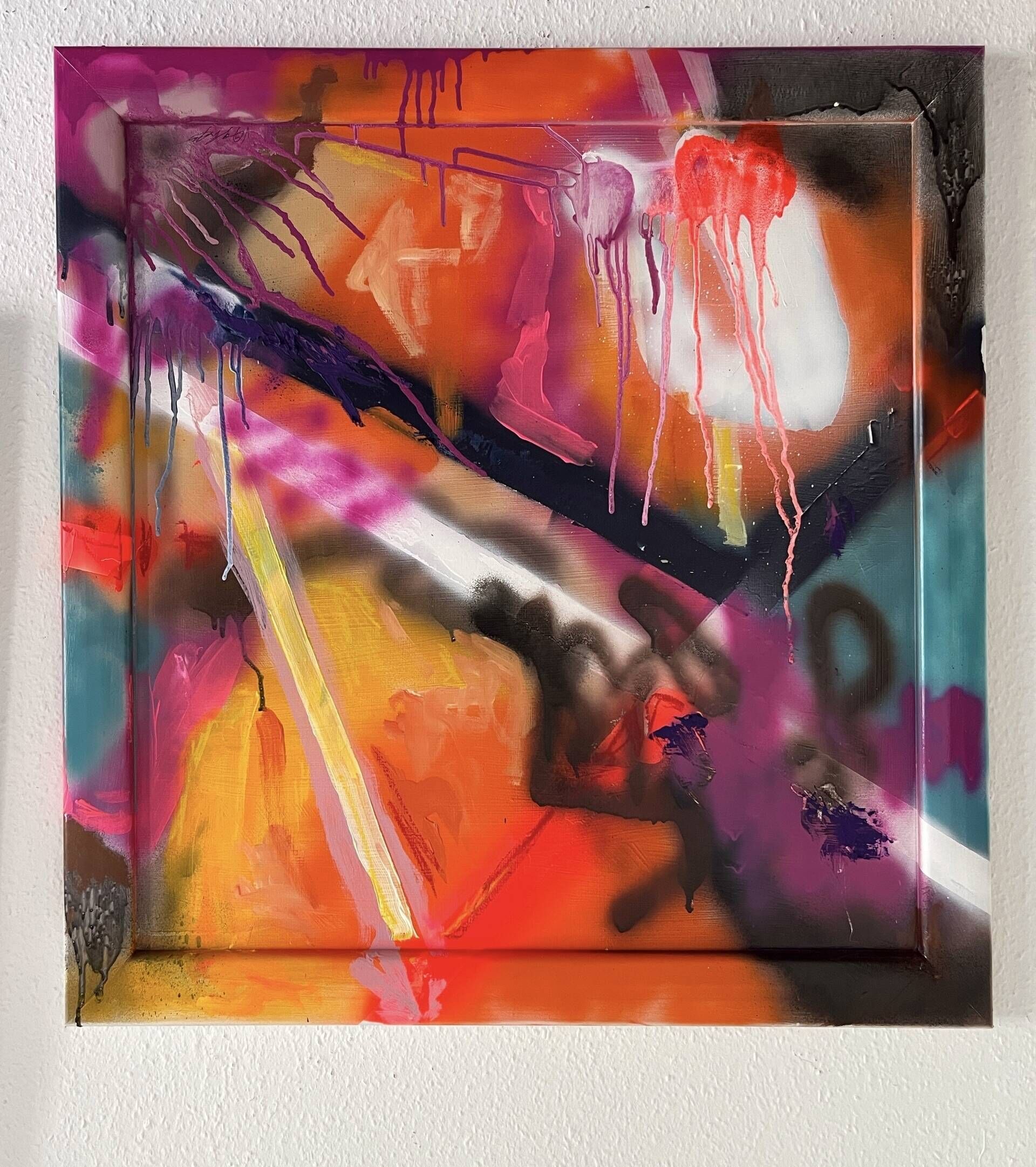
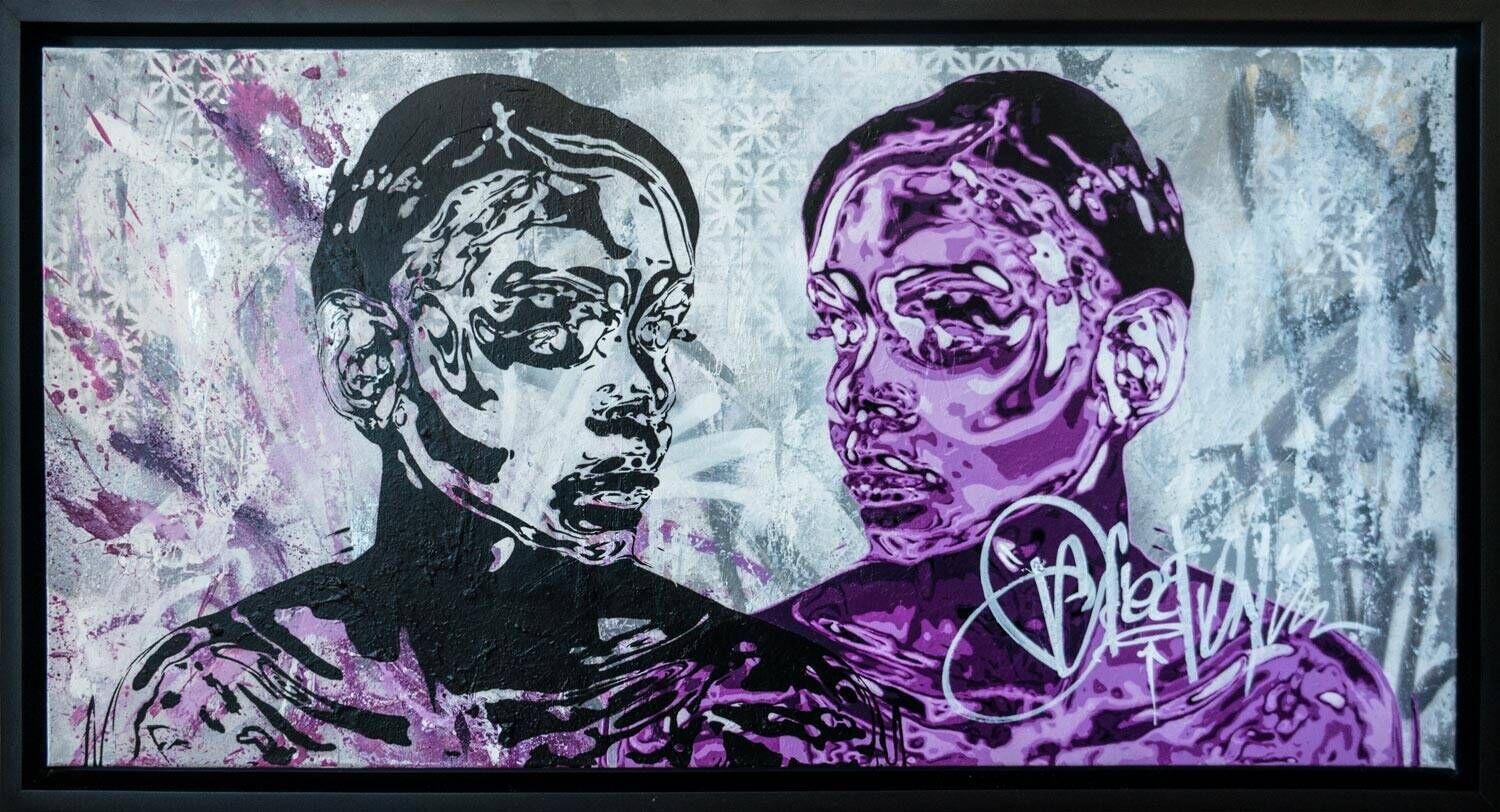
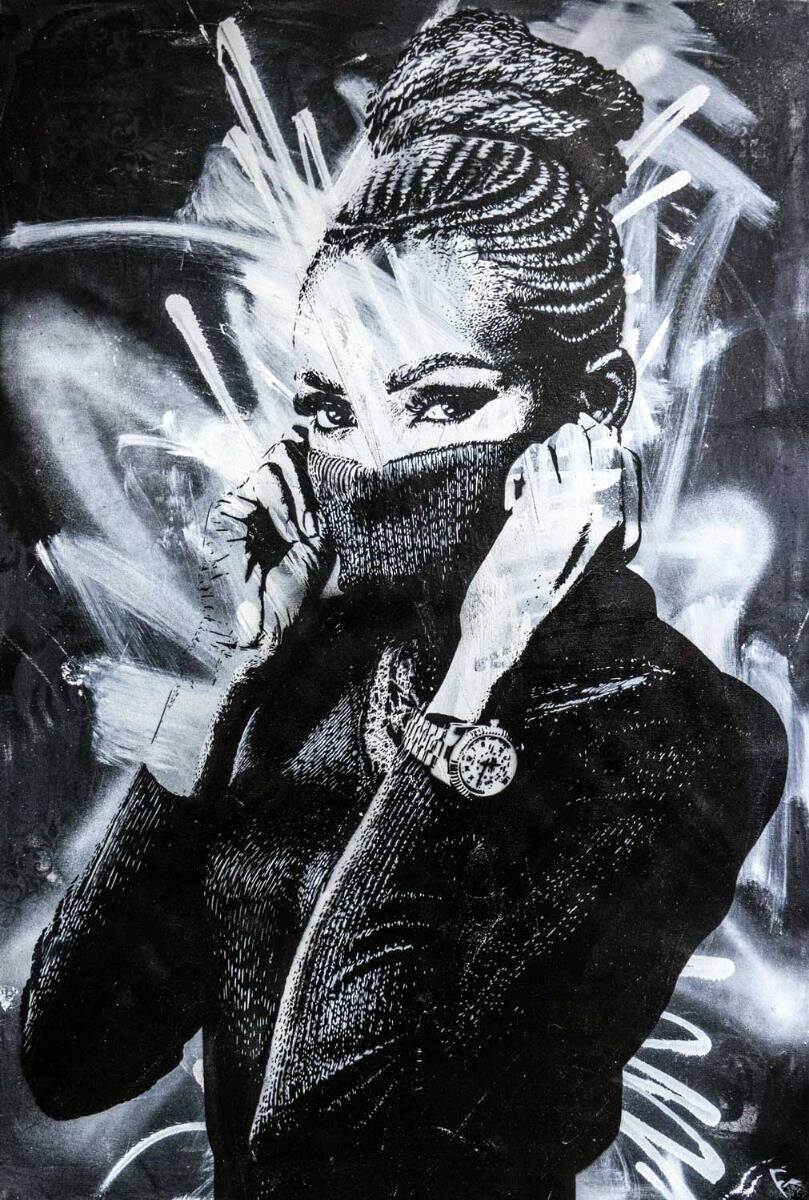
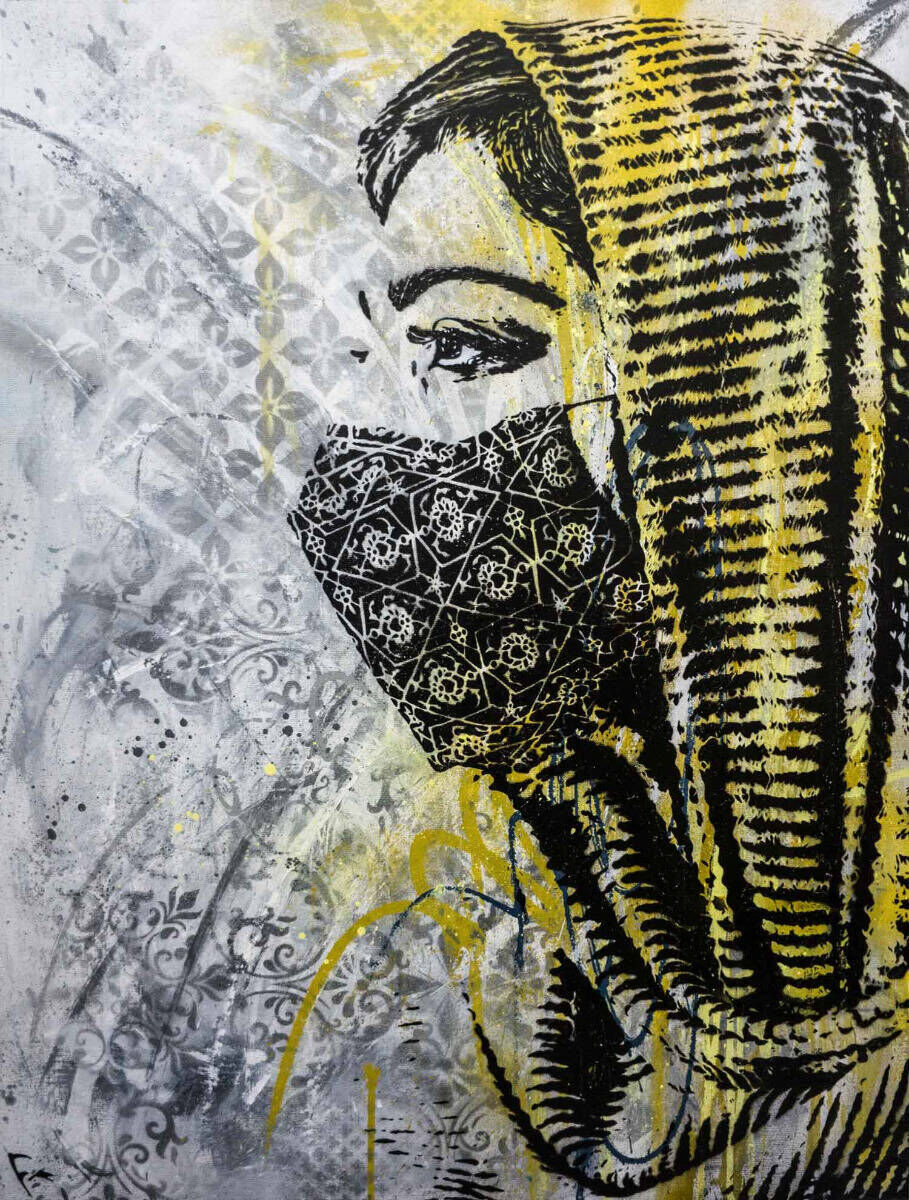
Buy authentic street art prints
Street art is more than just urban decoration – it is expression, attitude and creativity straight from the public space. With us, you can discover and buy original street art by young artists*online, without having to go out onto the streets yourself. Every piece is unique, embodying the energy, the statements and the unmistakable style of the artists. This way, you can bring the vibrant, rebellious and, at the same time, impressively creative world of street art straight into your home.
What are street art pieces?
Street art sheds new light on the question ‘What is art?’ from a fresh perspective. As the name suggests, this contemporary art form combines art and the street – or, more precisely, public spaces, where street art originally emerged. Often created independently in urban settings, the artwork is intended to be visible to everyone without barriers such as gallery visits. Street art differs from graffiti primarily in that it consists mainly of painted images, not just lettering. A well-known exponent is the anonymous artist Banksy. In our article “Banksy’s Artworks: Provocative Artworks in Public Spaces”, you can find out more about the artist.
Street artists do not merely create art; they give rise to a vibrant phenomenon that blurs the boundaries between the street and the gallery.
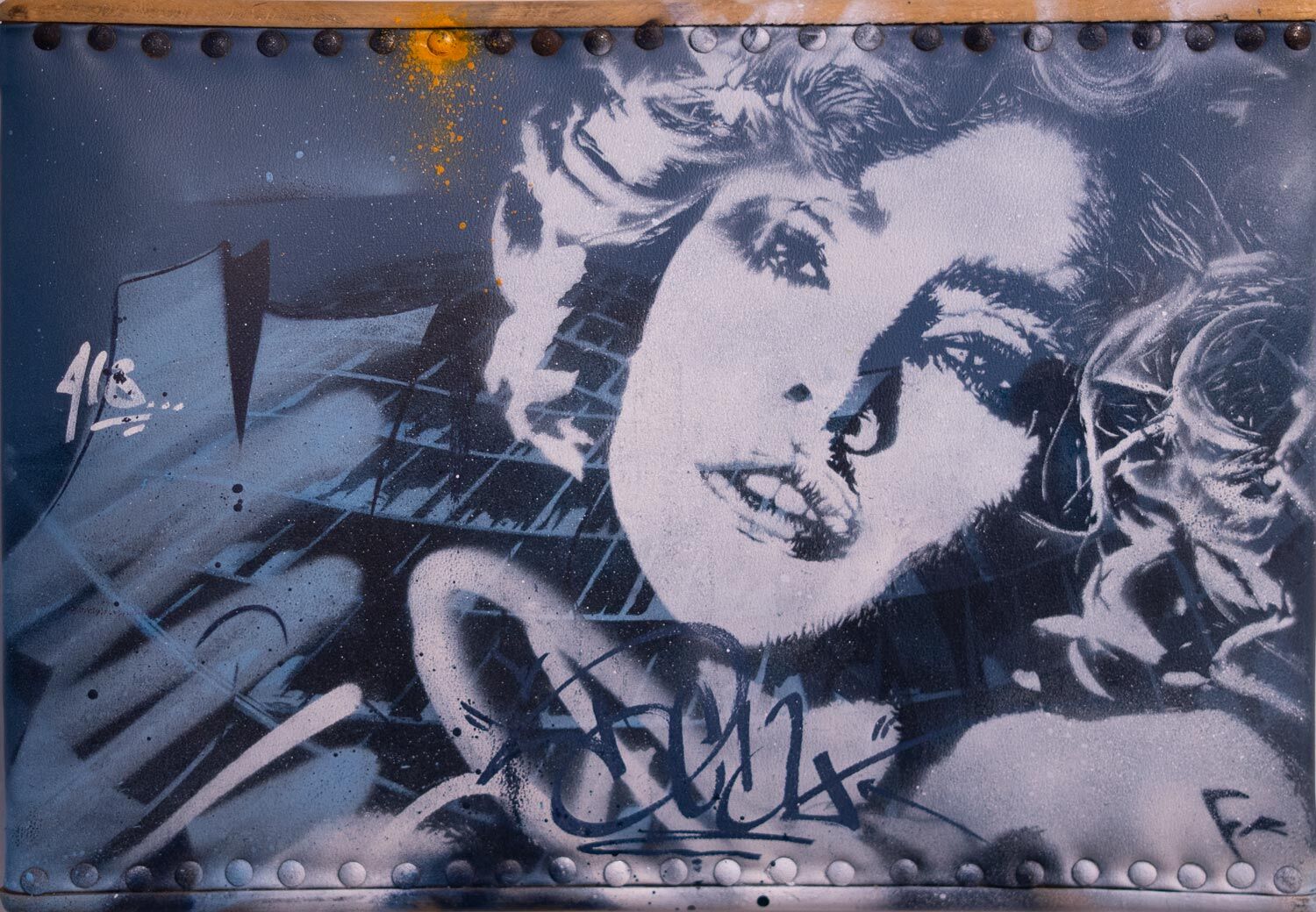
What makes street art special is its unconventional nature and direct connection to people in the city. Artists tell stories, ask questions and encourage reflection. The movement began as a form of rebellion and self-expression, often linked to urban lifestyles and the challenges they present. Street art pieces address social and personal themes, conveying emotions and personality. The techniques and subjects are diverse: powerful graffiti lettering, stencils, vibrant colour compositions or abstract brushstrokes. Each work tells its own story and bears the artists’ distinctive signature – street art paintings are not merely decoration, but statements.
Graffiti art and street art as symbols of freedom
Street art, in particular, embodies rebellion and defiance in its origins, and thus also a quest for freedom and independence. This can also be explained by the historical development of the art form. The origins of street art can be traced back to the early days of the urban graffiti art movement in the 1960s, when it emerged as a form of political protest and cultural rebellion. On the streets of New York, artists began spraying their names and messages onto trains and walls. It was an expression of identity and belonging, conveying political and social messages, as art at that time was largely the preserve of the upper classes. Over time, street art evolved into a significant part of the art scene. Then as now, graffiti art is a way for young people to express their beliefs.
Today, street art is no longer confined to the streets, but has also found its way into renowned galleries and private art collections. From building walls to street art canvas prints and street art prints, you can now hang these vibrant artworks in your home and add a splash of colour to your everyday life. Graffiti art and street art canvas prints often provoke and push boundaries, thereby bringing creative visions to life that are frequently unable to find expression in more traditional art forms. Whether on the street or on canvas, street art is a mirror in which dreams, hopes and visions are brought to life.
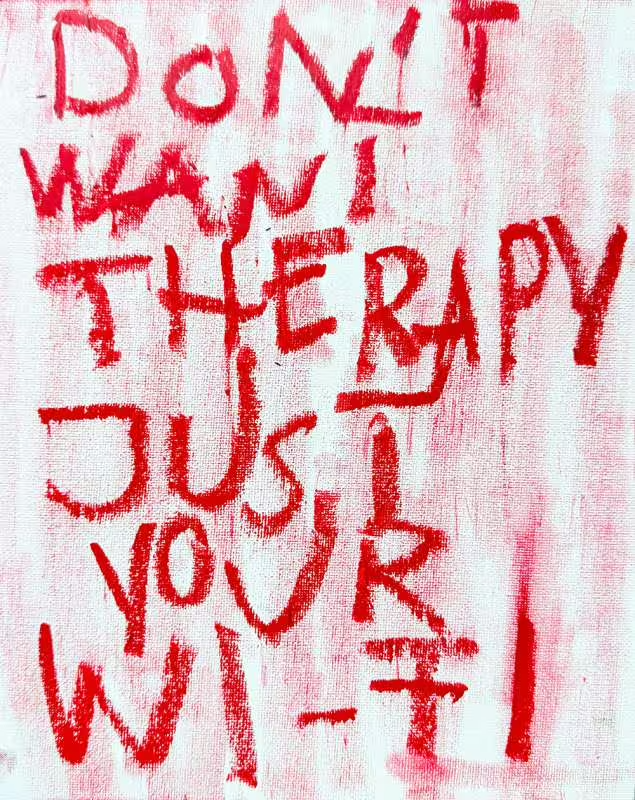
Street art techniques – more than just graffiti images
Street art images make use of many different techniques. Graffiti art is probably the best known. Graffiti artists use various forms to create graffiti street art. The most eye-catching are often murals, which stand out simply because of their size. Often found on drab building façades, large, colourless areas on buildings, bridges or walls are deliberately transformed into artistic designs. The artists are officially commissioned to create these street art pieces, and graffiti art in the form of murals is legal, unlike many other forms of street art.
Somewhat more modest in size and often only visible upon closer inspection are cut-outs. They are discreetly integrated into existing objects – for example, just hands and feet that seem to be climbing out of a letterbox, or an eye watching passers-by through a crack in a wall. Another technique for large-scale street art images is the so-called roll-on. Here, paint is applied using large rollers; with the aid of telescopic poles, even hard-to-reach areas can be covered. Lettering is often applied in this way.
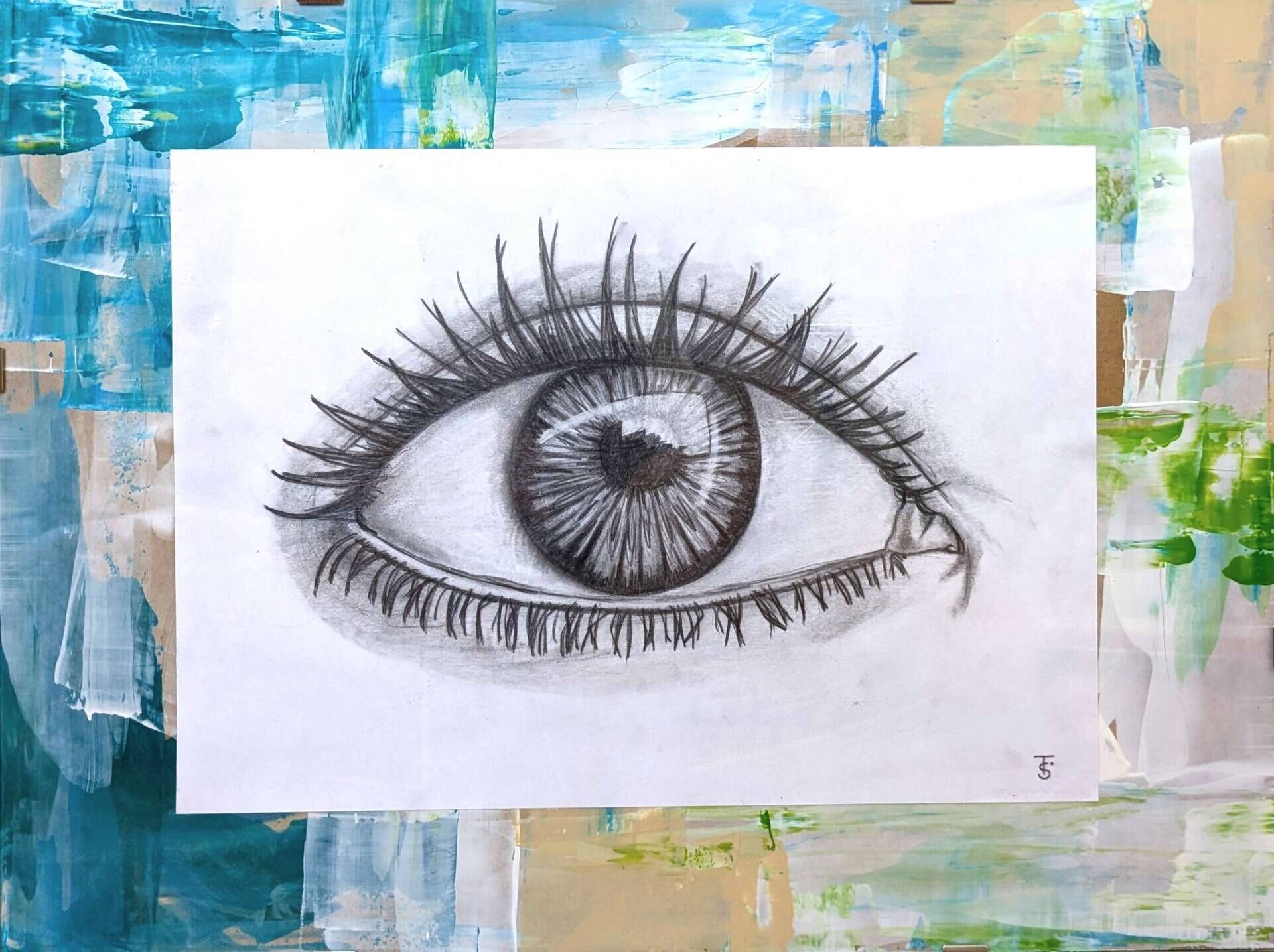
Another technique, alongside graffiti art, which is frequently found in street art images is the use of charcoal. The preconception that charcoal drawings are boring and always black and white is dispelled as soon as you charcoal drawings. The artworks range from classic black-and-white pieces with deep contrasts to colourful detailed drawings. One thing is certain: it certainly won’t be boring.
Street art artists at the Student Art Market
We represent a large number of art students from all over Germany, whose art you can discover from the comfort of your own home. Here you’ll also find a number of artists who create, for example, cool graffiti images and street art prints. Street art prints on canvas lend your spaces an urban, modern vibe. To give your home or office a dynamic and lively atmosphere, you should buy graffiti art. Here you can discover all the works at a glance.
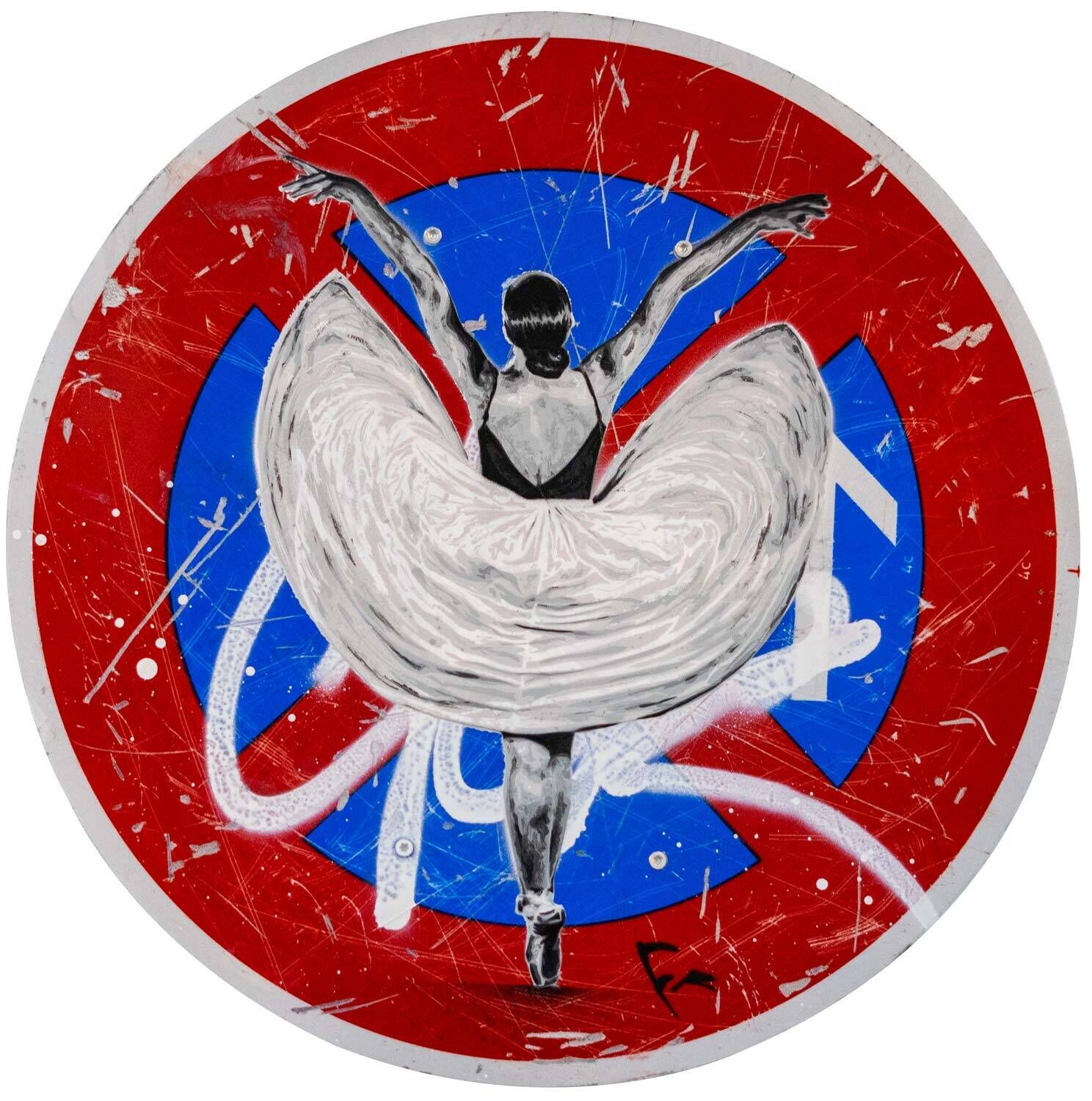
Not sure where to start? Let us introduce you to two of our most sought-after street art artists. Frederik Reifsteck creates exactly what we recognise as classic street art: colourful, modern designs on unusual surfaces such as road signs or skateboards. Using stencils, Frederik often sprays his work in numerous layers until he’s happy with the result. Get to know him here in this interview and find out more about his creative process. Another exciting SKM street artist is Maximilian Dussmann. His works are recognisable by their bright colours, dynamic figures and humorous, provocative slogans that make you think. Be inspired to find your new favourite street art piece soon.
Frequently asked questions about street art images
Im ursprünglichen Sinn erschafft ein*e Street-Art-Künstler*in Kunstwerke im öffentlichen Raum. Heute ist der Begriff weiter gefasst und bezeichnet alle Kunstschaffenden, die Arbeiten im typischen Street Art-Stil erschaffen.
Street-Art ist eine Form der Kunst, die häufig im öffentlichen Raum stattfindet und oft soziale, politische oder kulturelle Botschaften vermittelt. Im Gegensatz zu Graffiti, das oft auf Schriftzüge oder Tags reduziert wird, umfasst Street-Art eine breitere Palette an Techniken und Kunststilen. Typisch für Street Art sind knallige Farben oder provozierende Botschaften.
Graffiti ist eine urbane Kunstform, bei der Bilder, Schriftzüge oder Symbole meist mit Sprühfarbe oder Markern auf Wände, Züge oder andere häufig öffentliche Flächen aufgetragen werden. Graffiti kann sowohl als Kunstform als auch als Ausdruck sozialer oder politischer Botschaften betrachtet werden.
Diese Frage ist nicht so leicht zu beantworten, da die meisten Graffiti-Künstler*innen anonym bleiben. Als einer der ersten bekannten Graffiti-Künstler gilt jedoch „Taki 183“, ein griechisch-amerikanischer Teenager, der seinen Schriftzug (Tag) mit seiner Straßennummer überall in New York hinterließ.
Das Wort „Graffiti“ stammt aus dem Italienischen und bedeutet „eingekratzte Zeichnungen“ (von „graffiare“ = kratzen). Heute bezeichnet es künstlerische oder symbolische Schriftzüge und Bilder im öffentlichen Raum.
Graffiti gibt es schon seit der Antike. Bereits in römischen Städten wie Pompeji wurden politische Botschaften oder künstlerische Zeichnungen an Wände geritzt oder gemalt. Das moderne Graffiti, wie wir es heute kennen, entwickelte sich jedoch in den 1960er Jahren in den USA.
Our most sought-after street artists
Aileen Clausager, an art student at Canada’s oldest art university (the Ontario College of Art & Design).
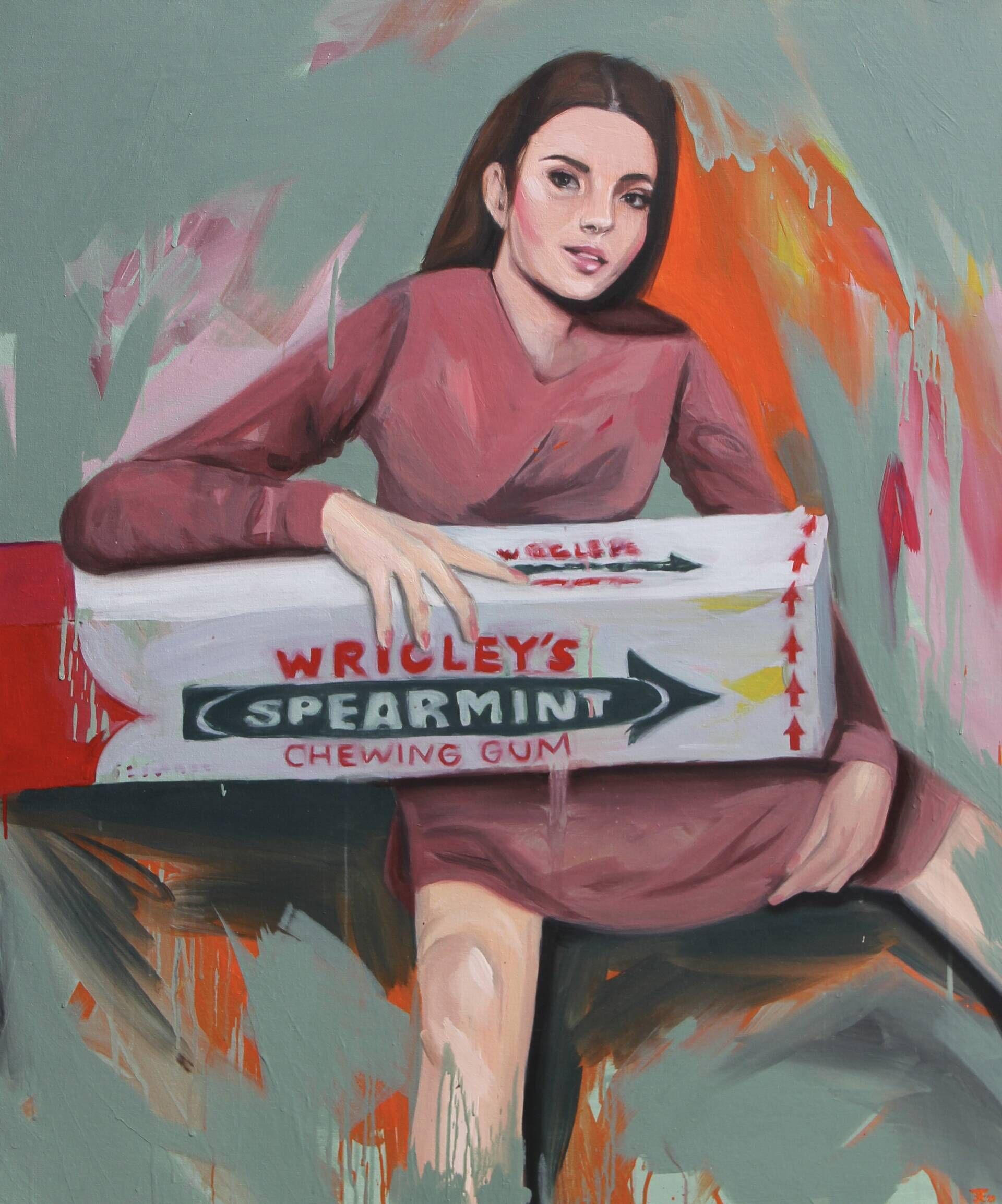
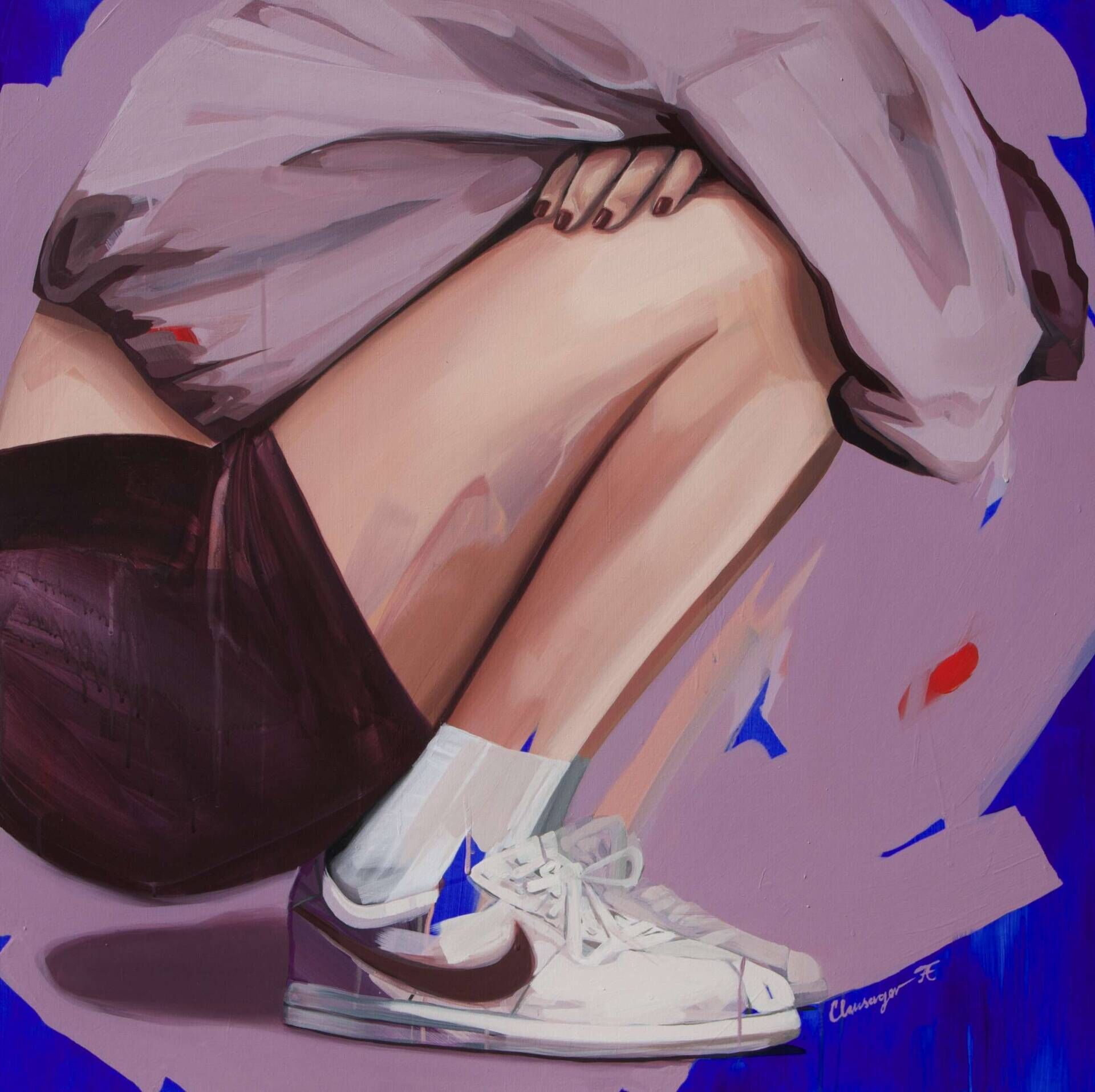

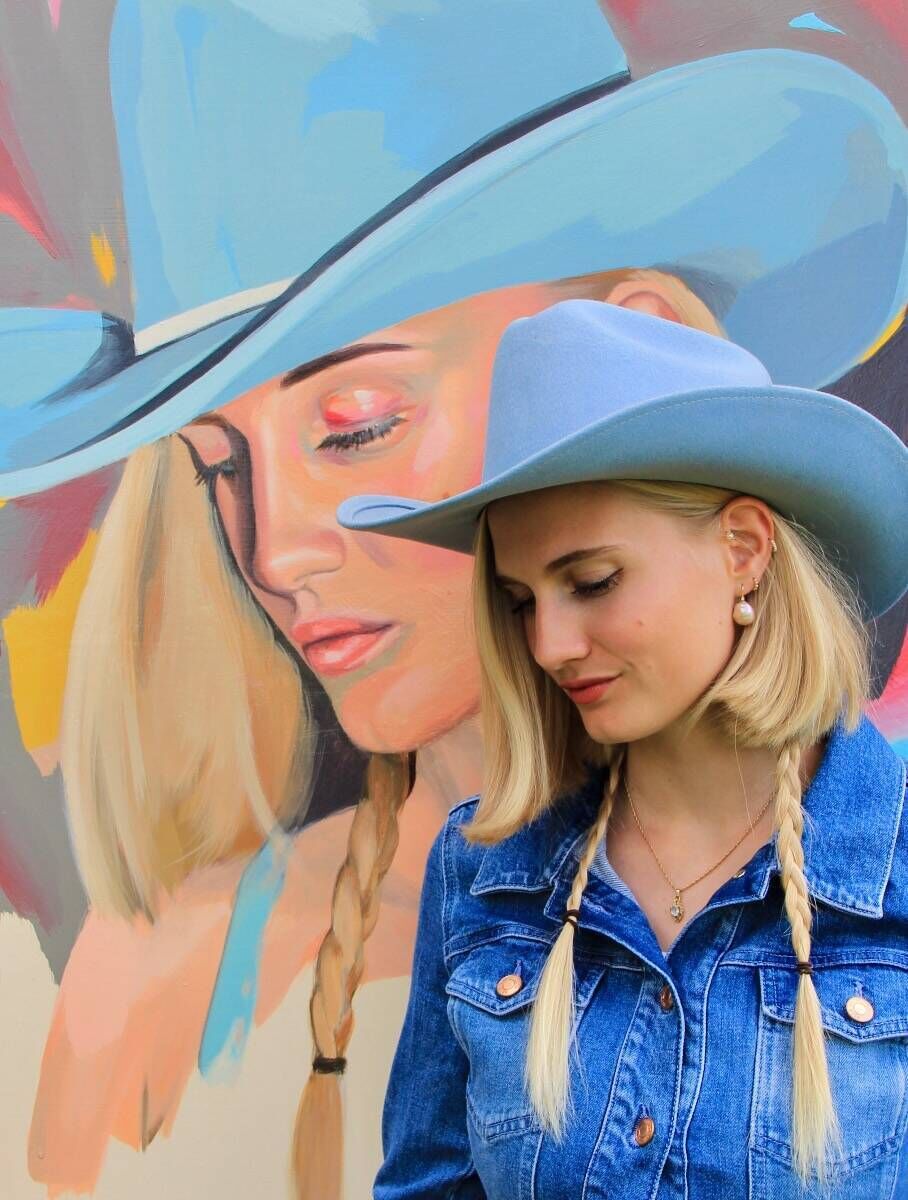
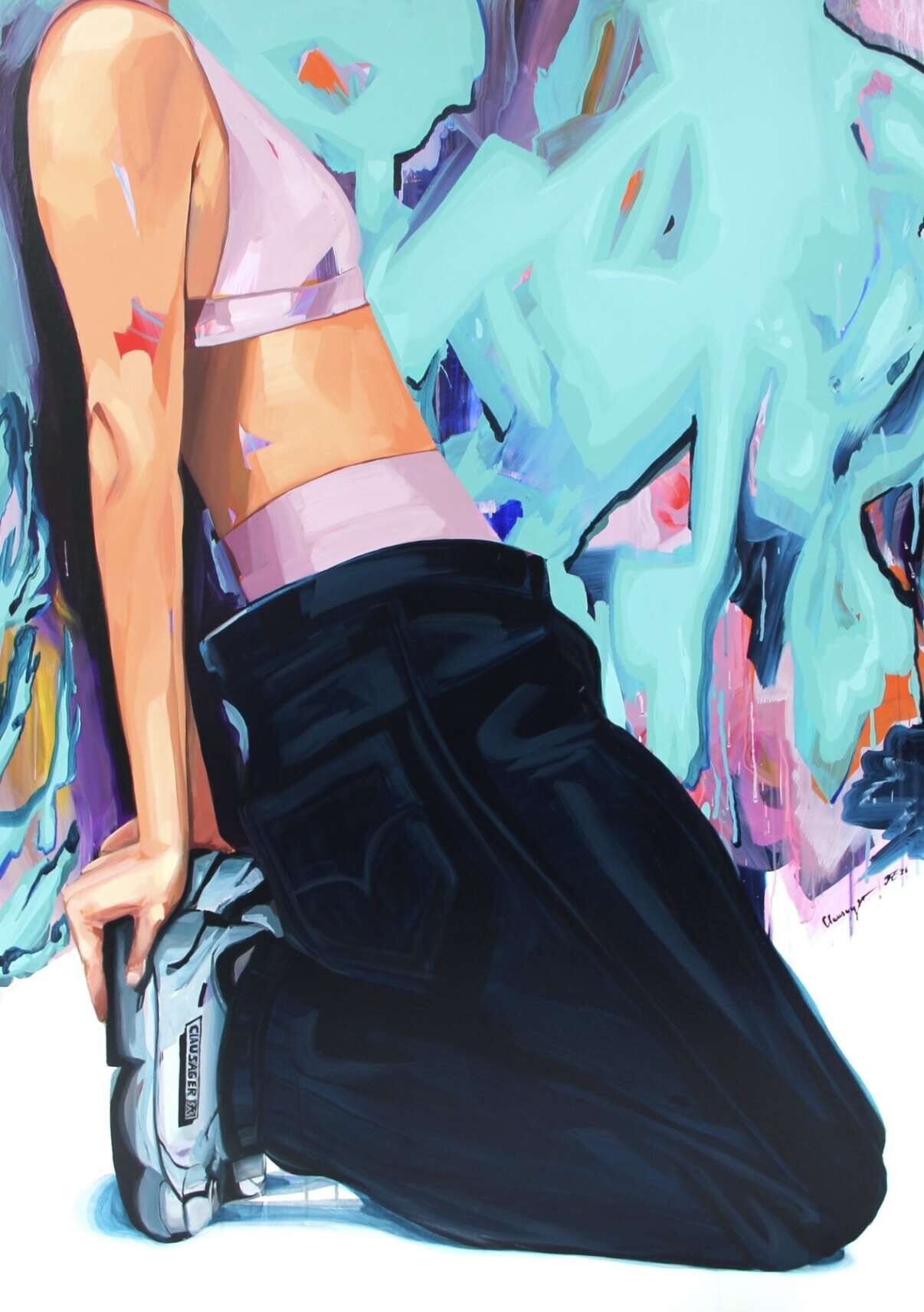
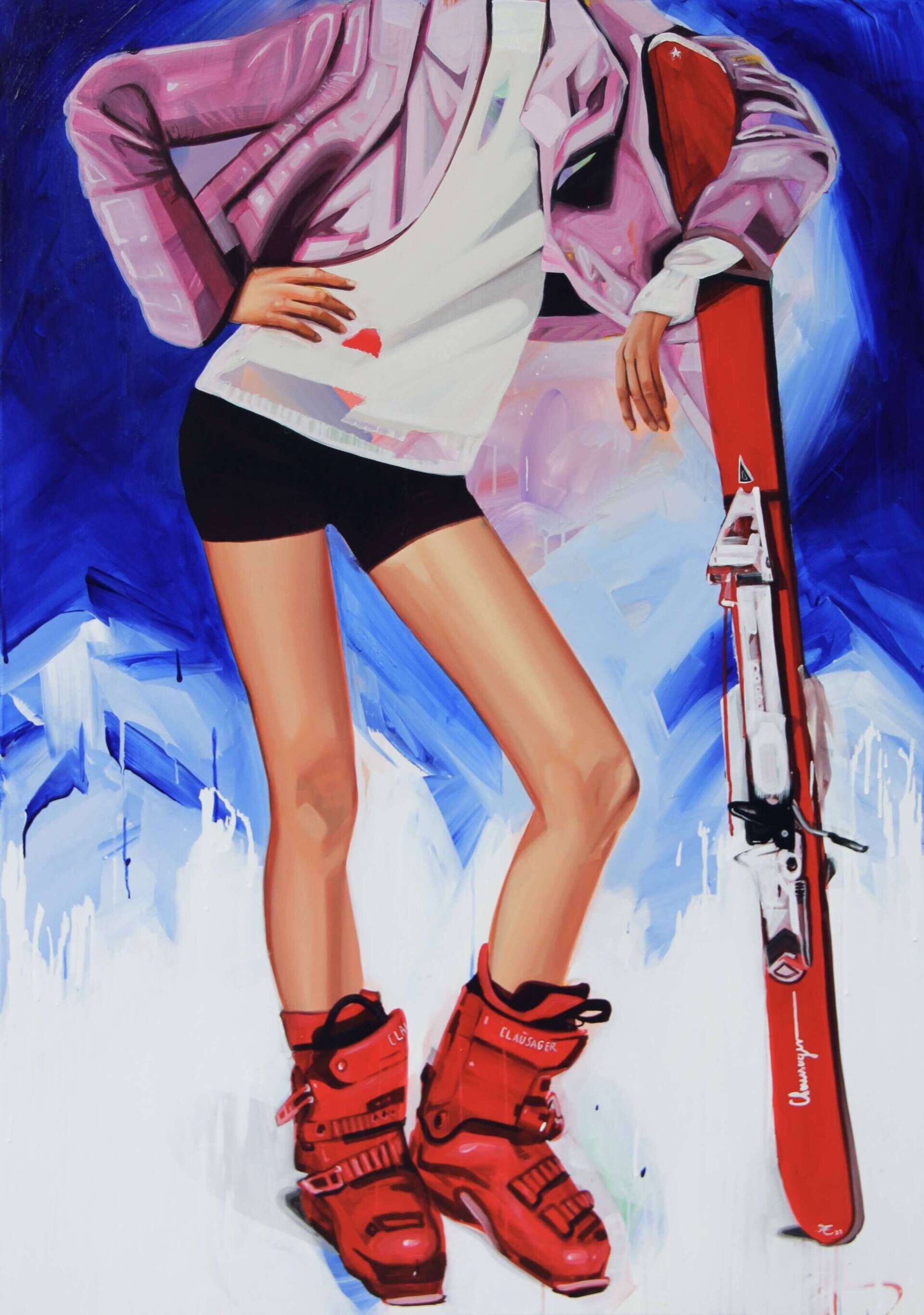

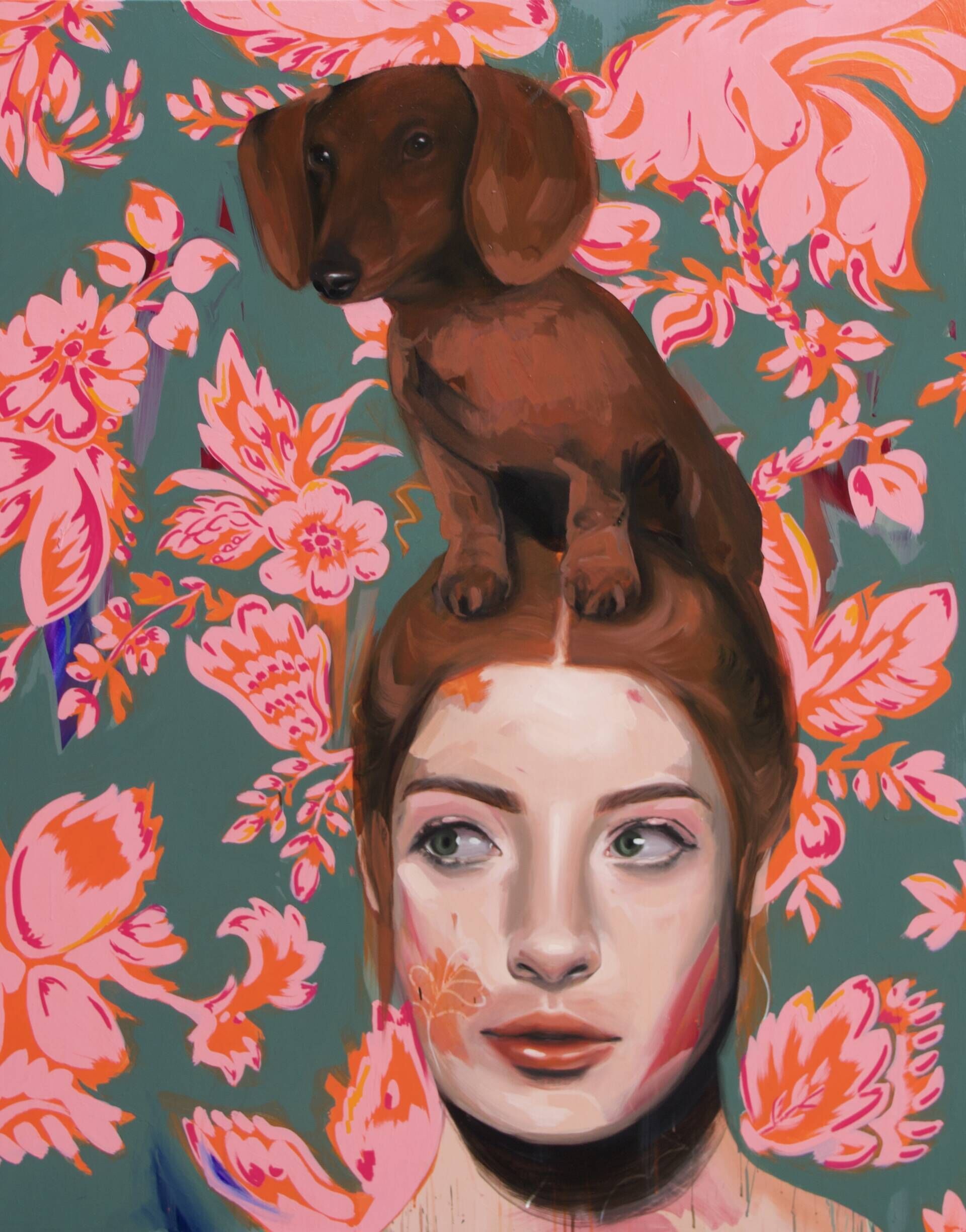
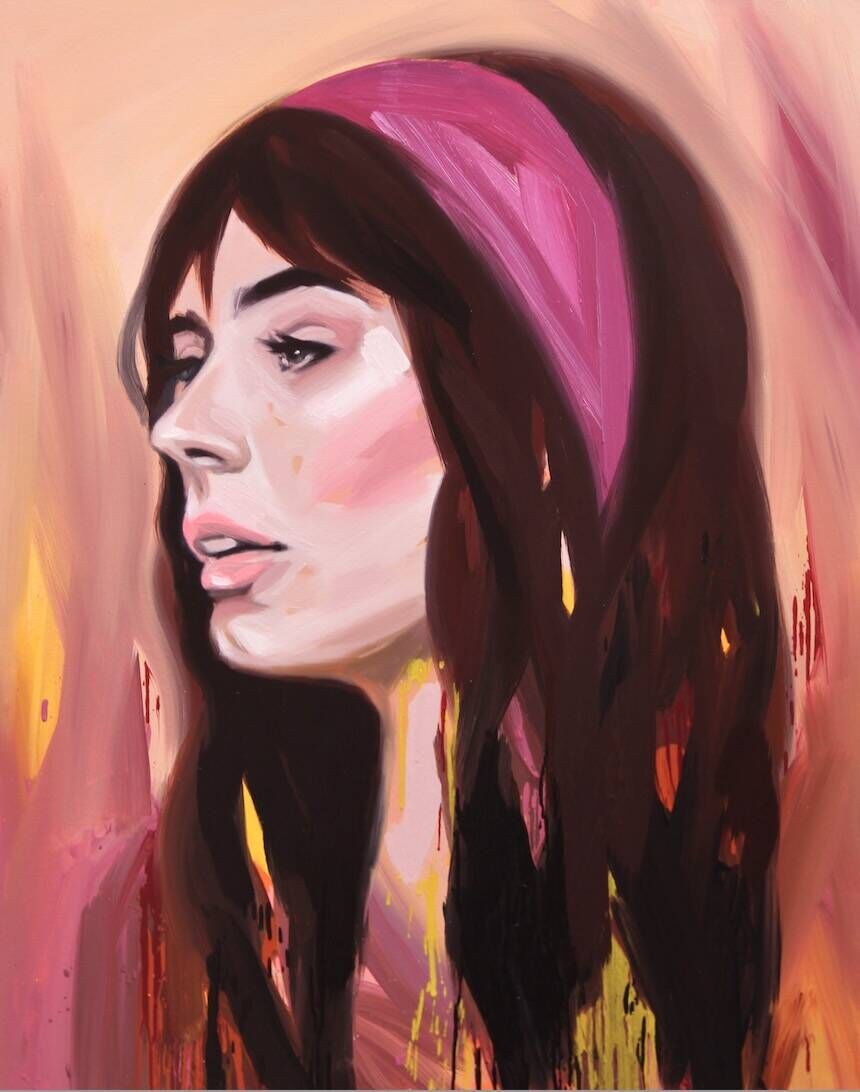
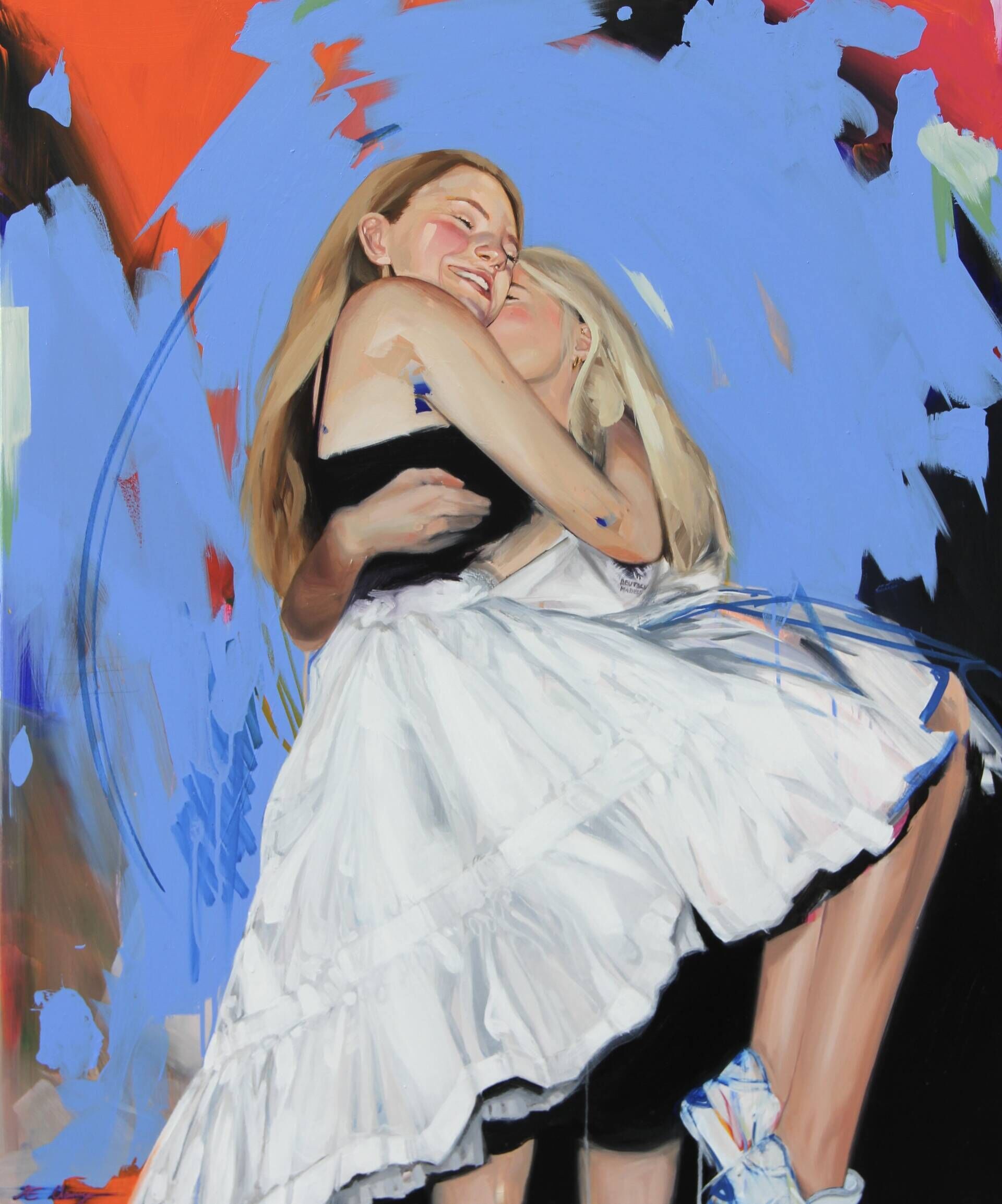
Tom Freudenberger is in his final year of art studies in a sculpture class in Dresden. However, he spent most of his time at university in a class specialising in experimental painting.
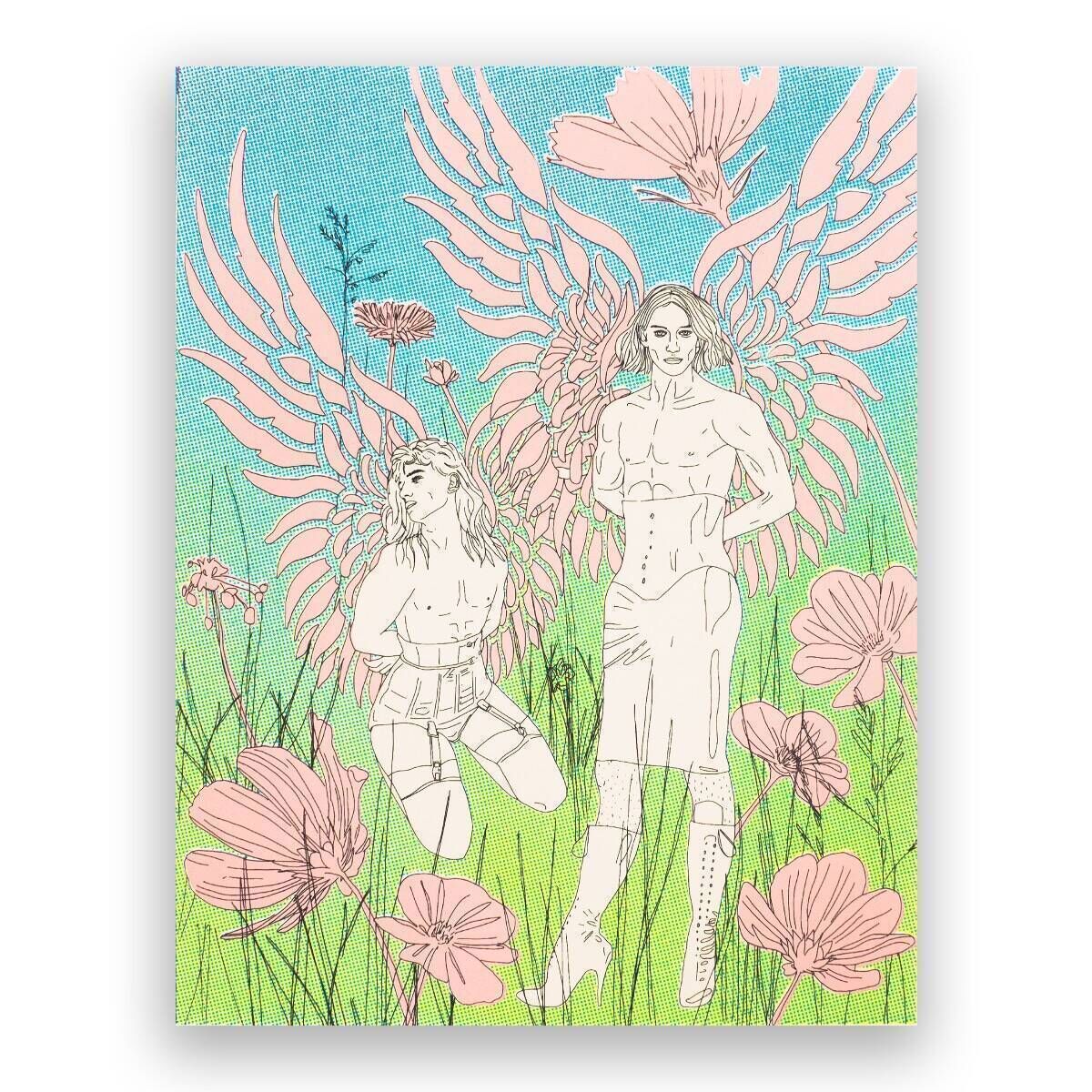
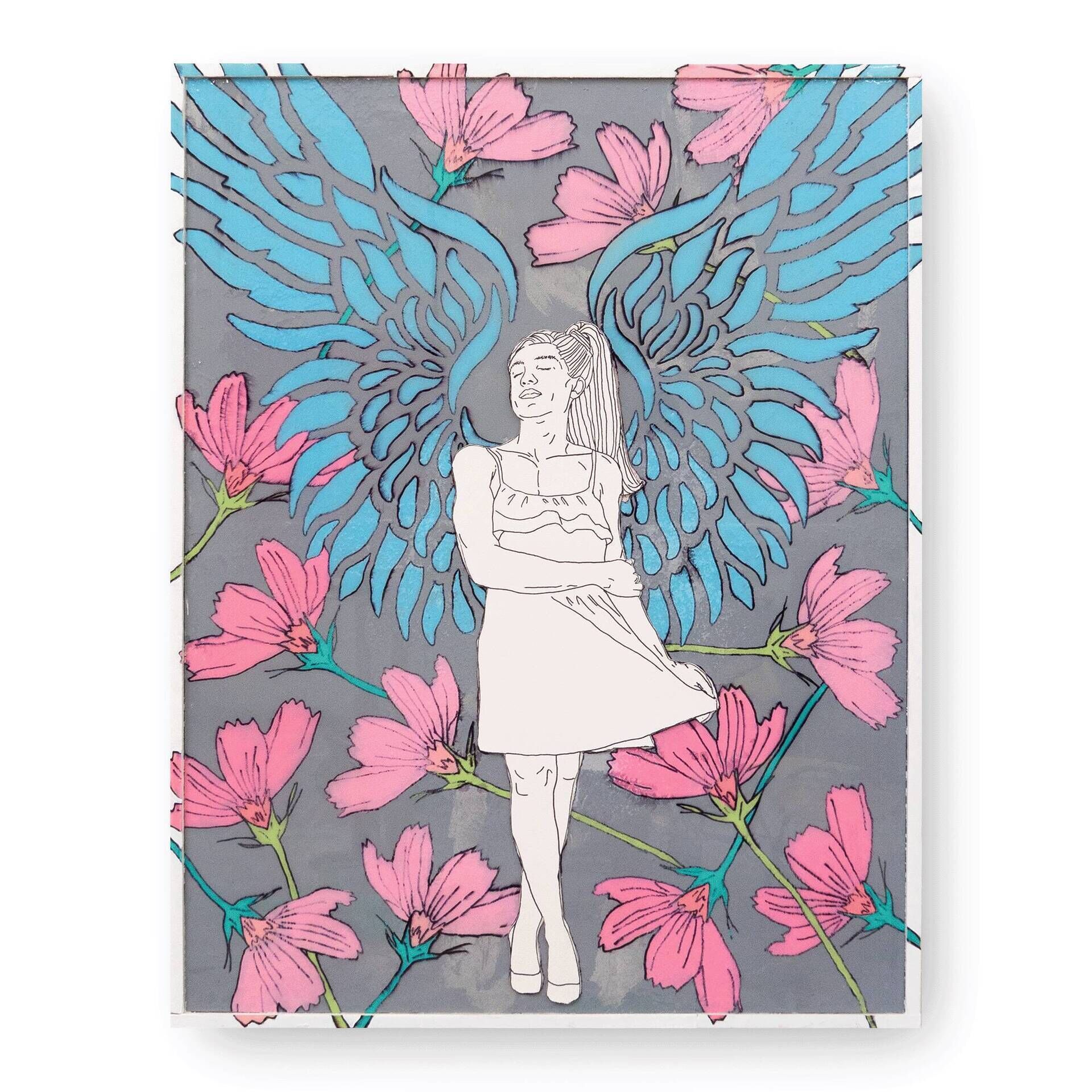
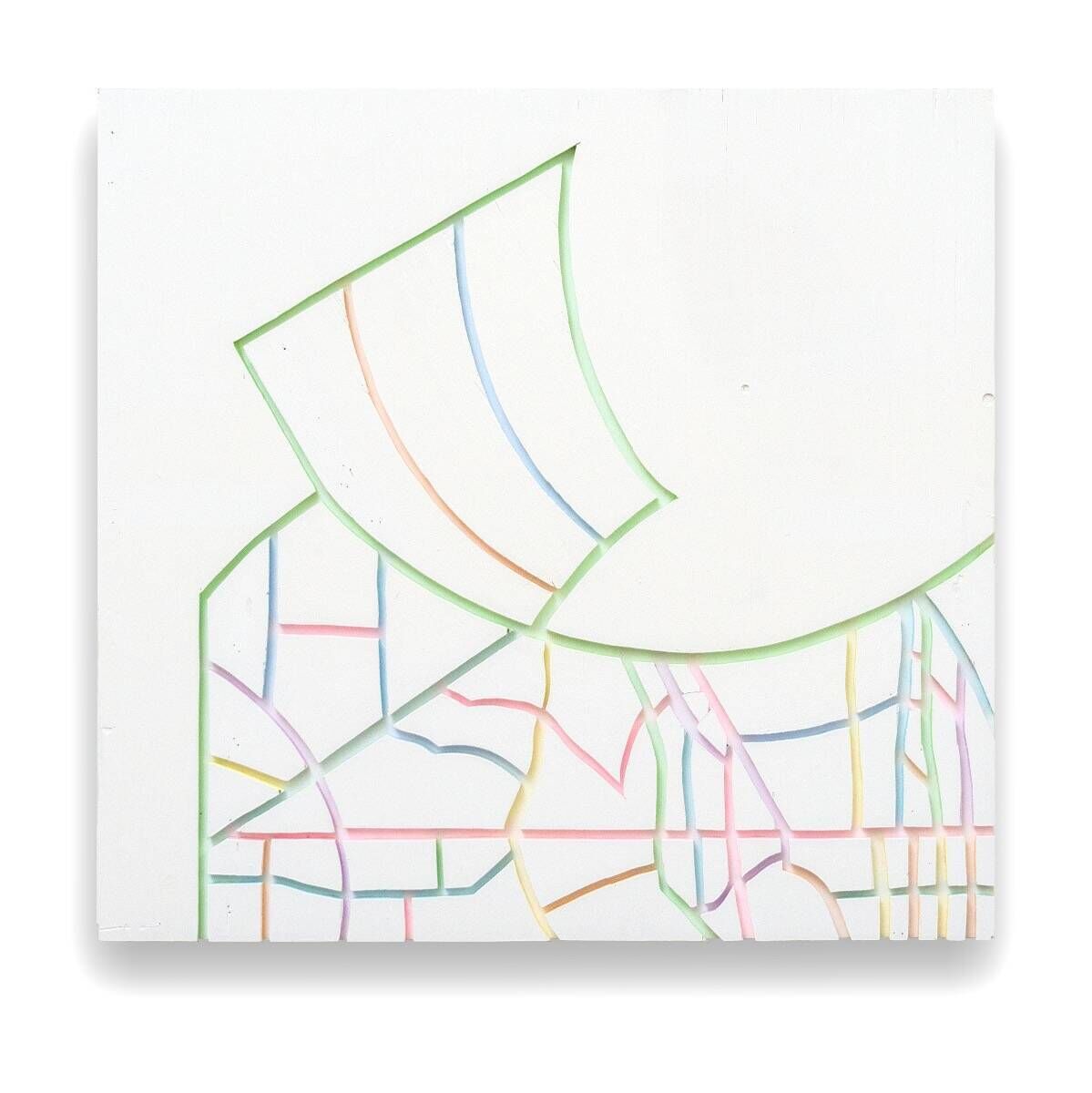
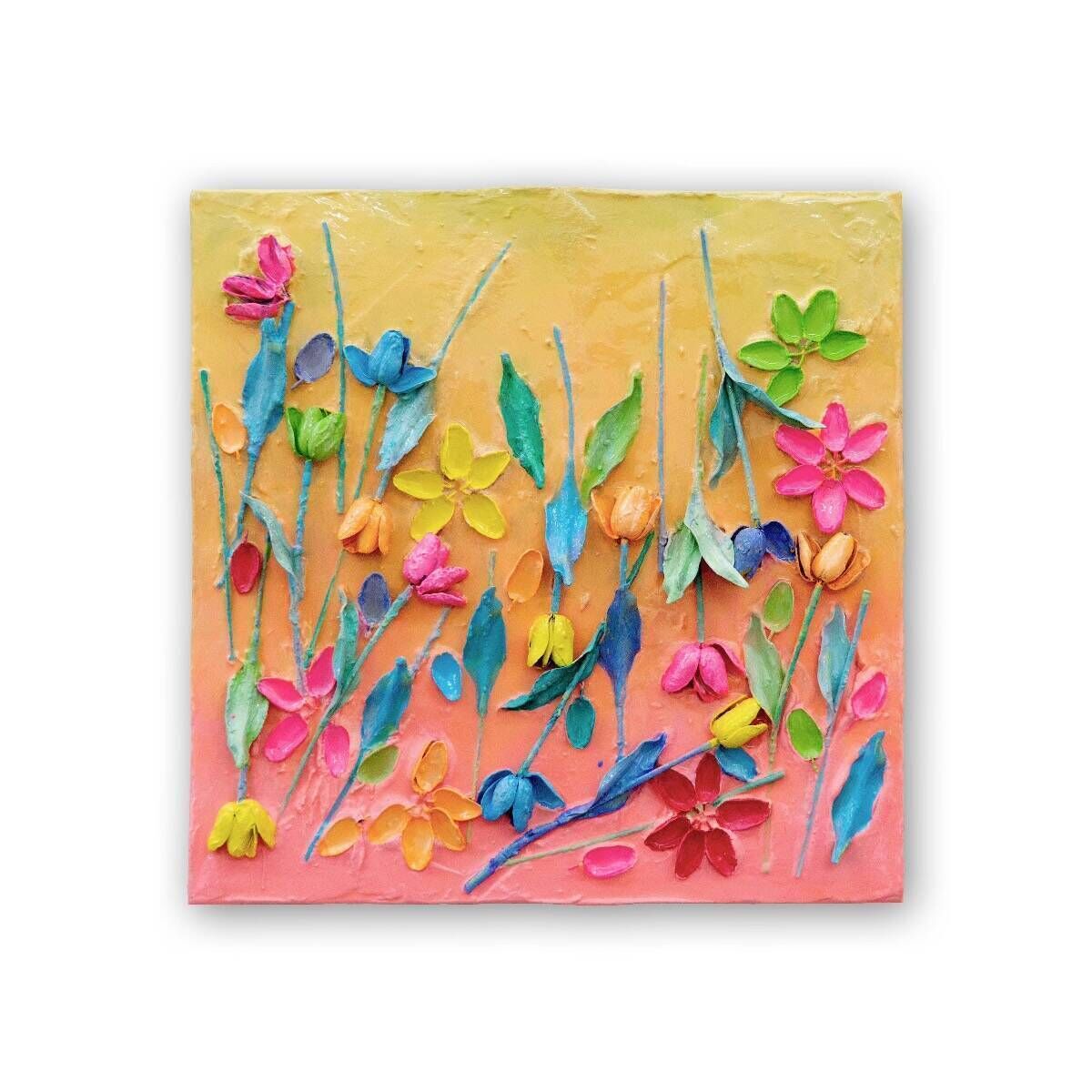
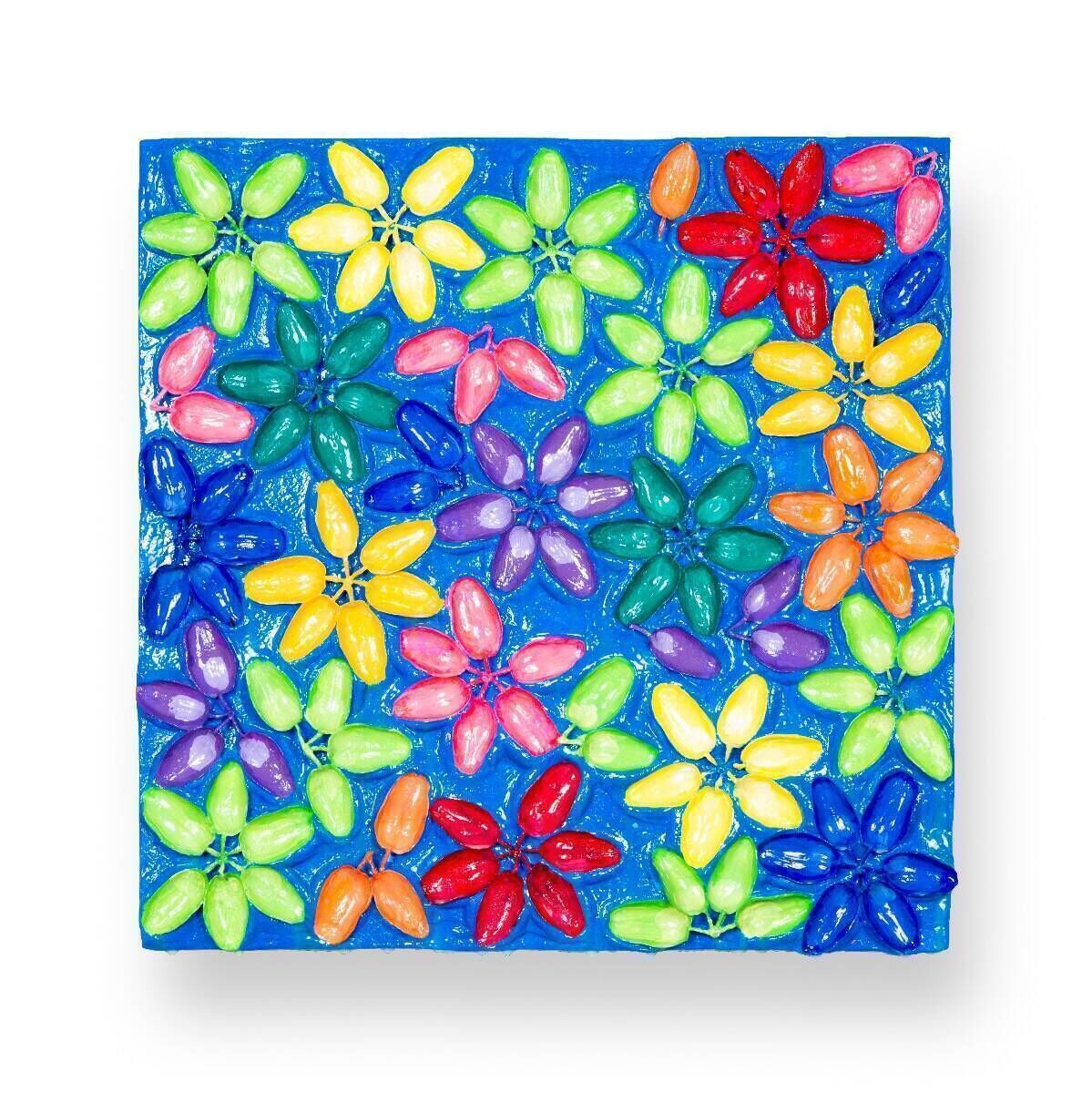
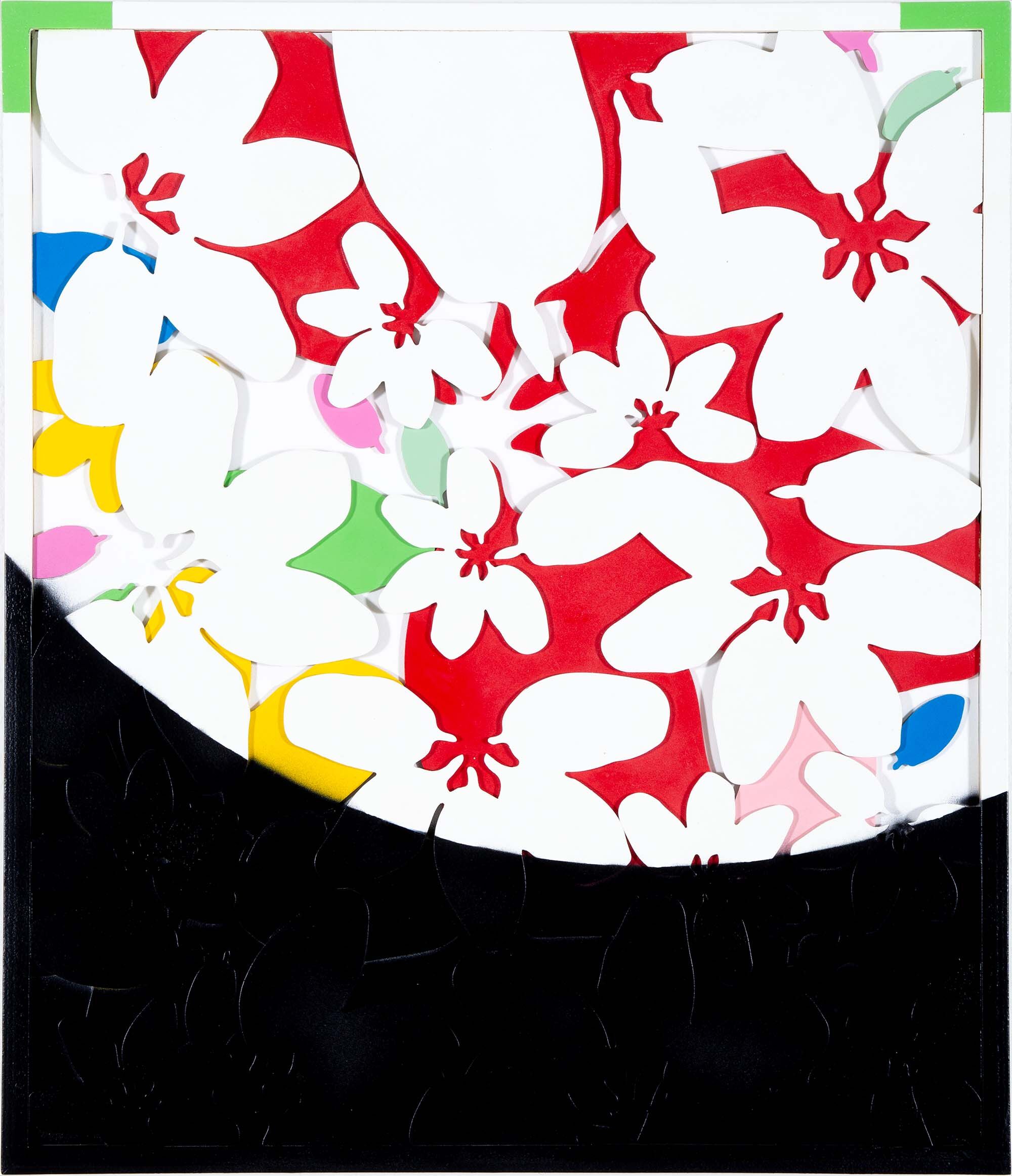
Frederick Reifsteck is studying art at Goethe University in Frankfurt am Main and has been represented at the Student Art Market since August 2023.