
Timeless art prints of the highest quality
Art prints represent a category all of their own in the art world. A print is not simply a copy, but a reproduction created by the artist themselves, into which a piece of the original’s soul is infused each time. Thus, every art print is an original work of art in its own right. At the Student Art Market, you’ll find art prints that combine traditional techniques with contemporary themes – accessible, creative and original.
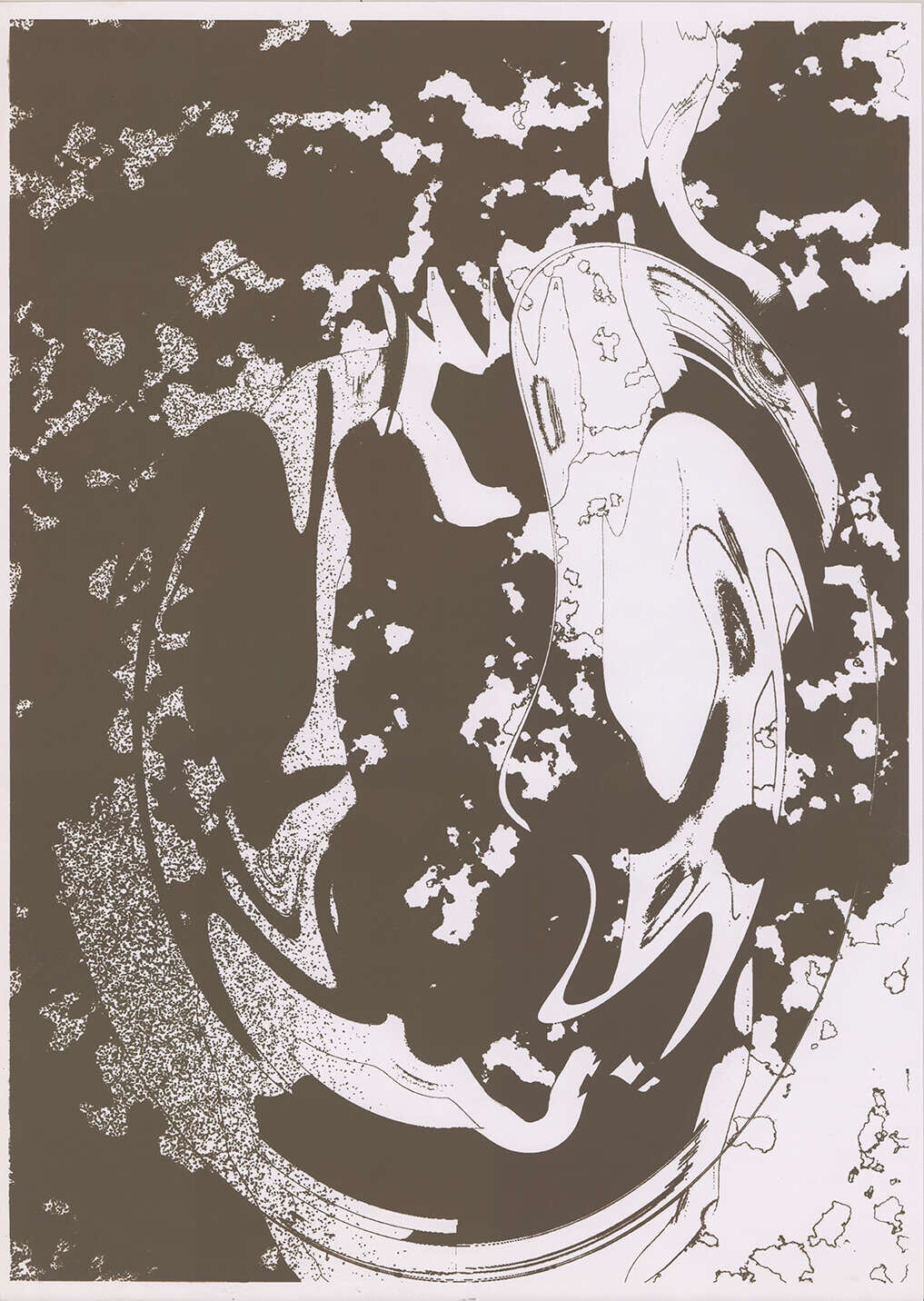
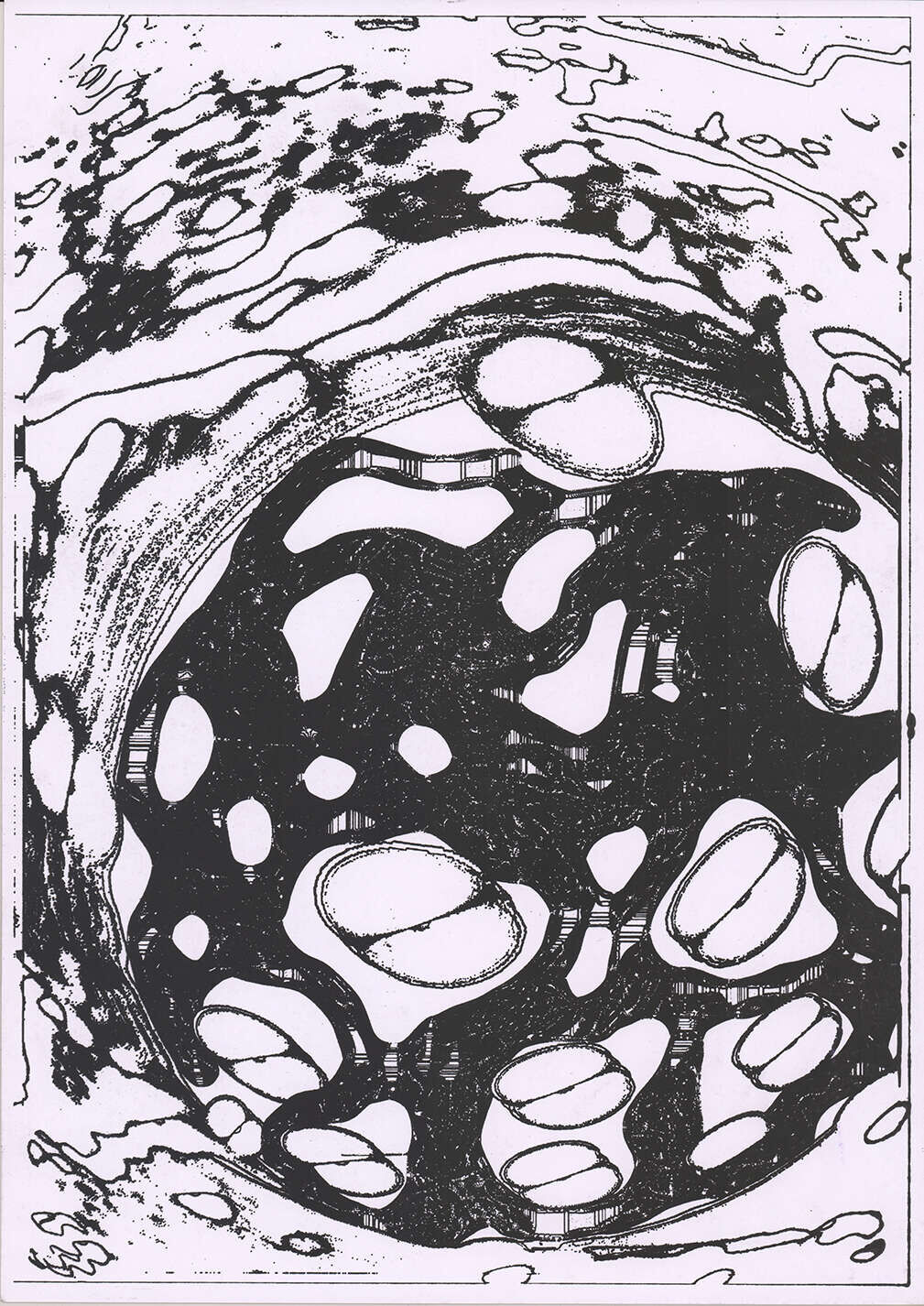
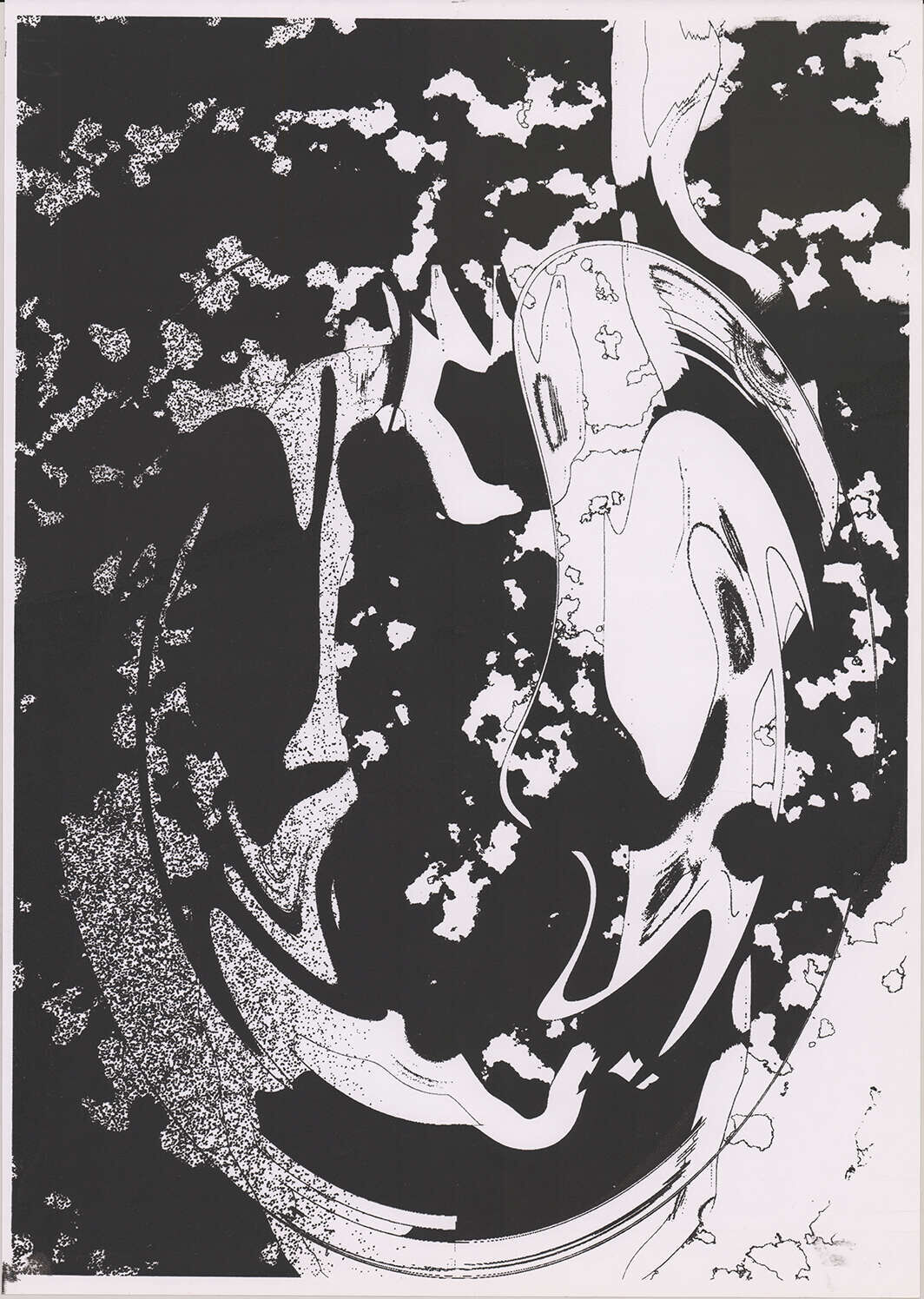
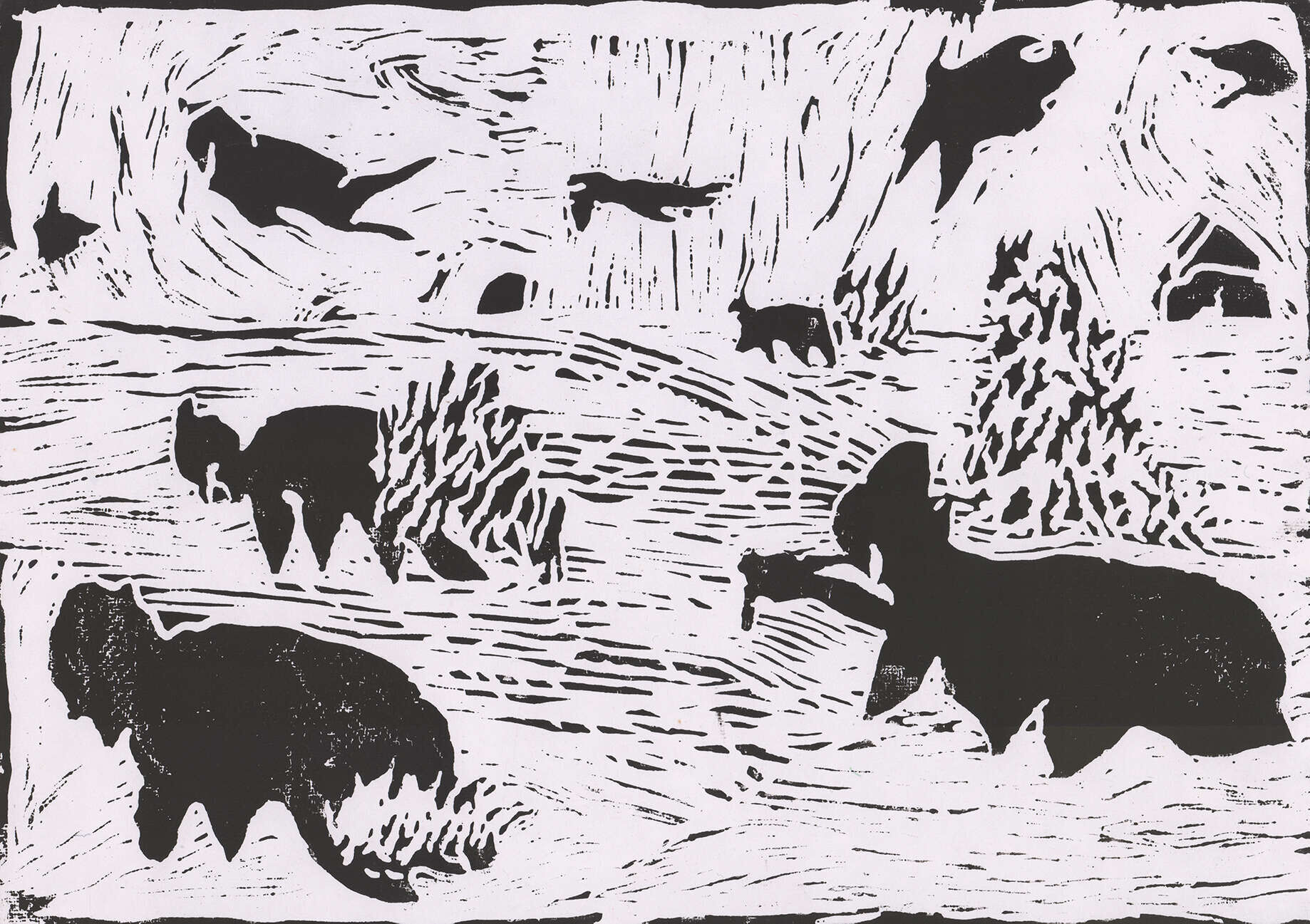
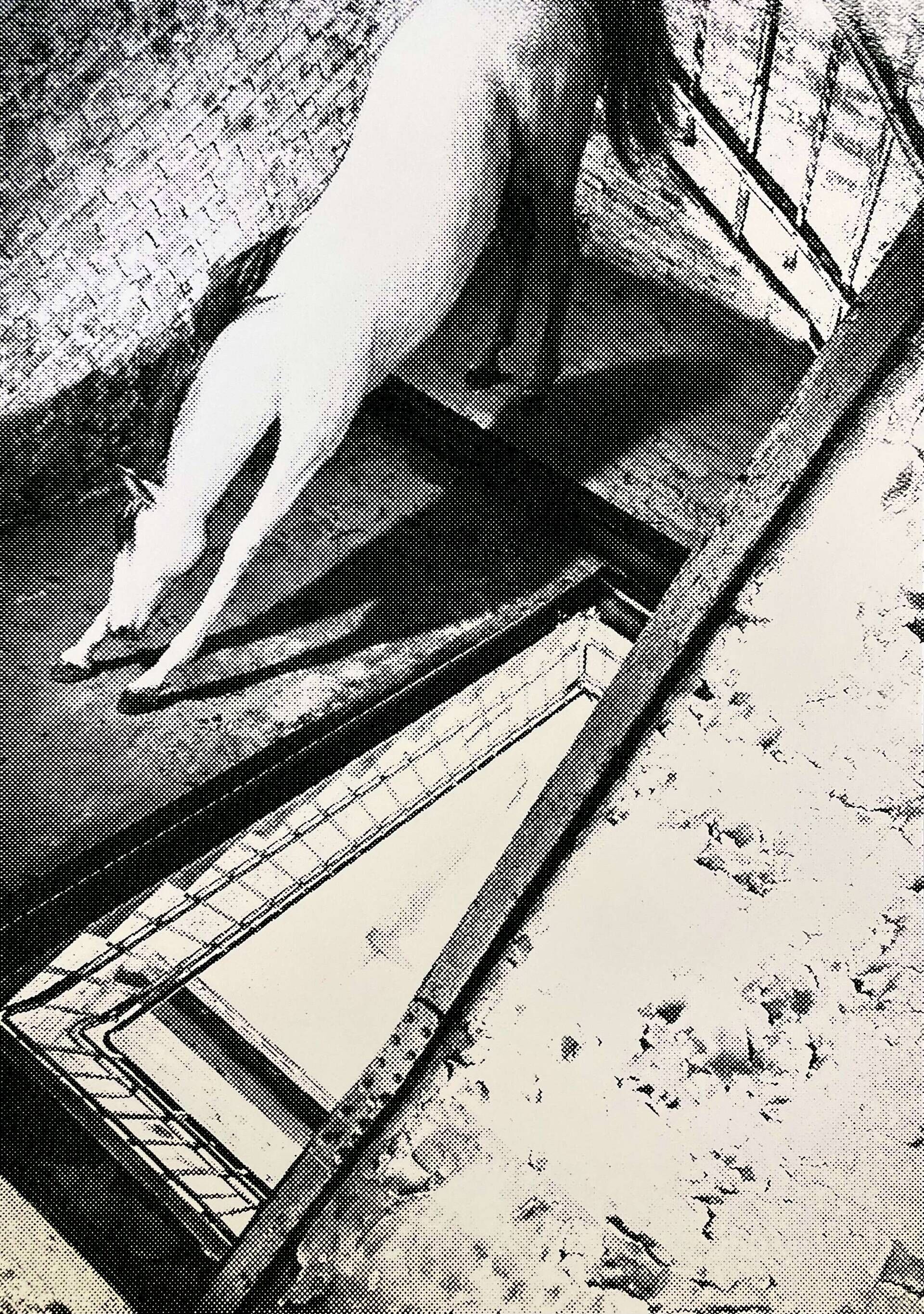
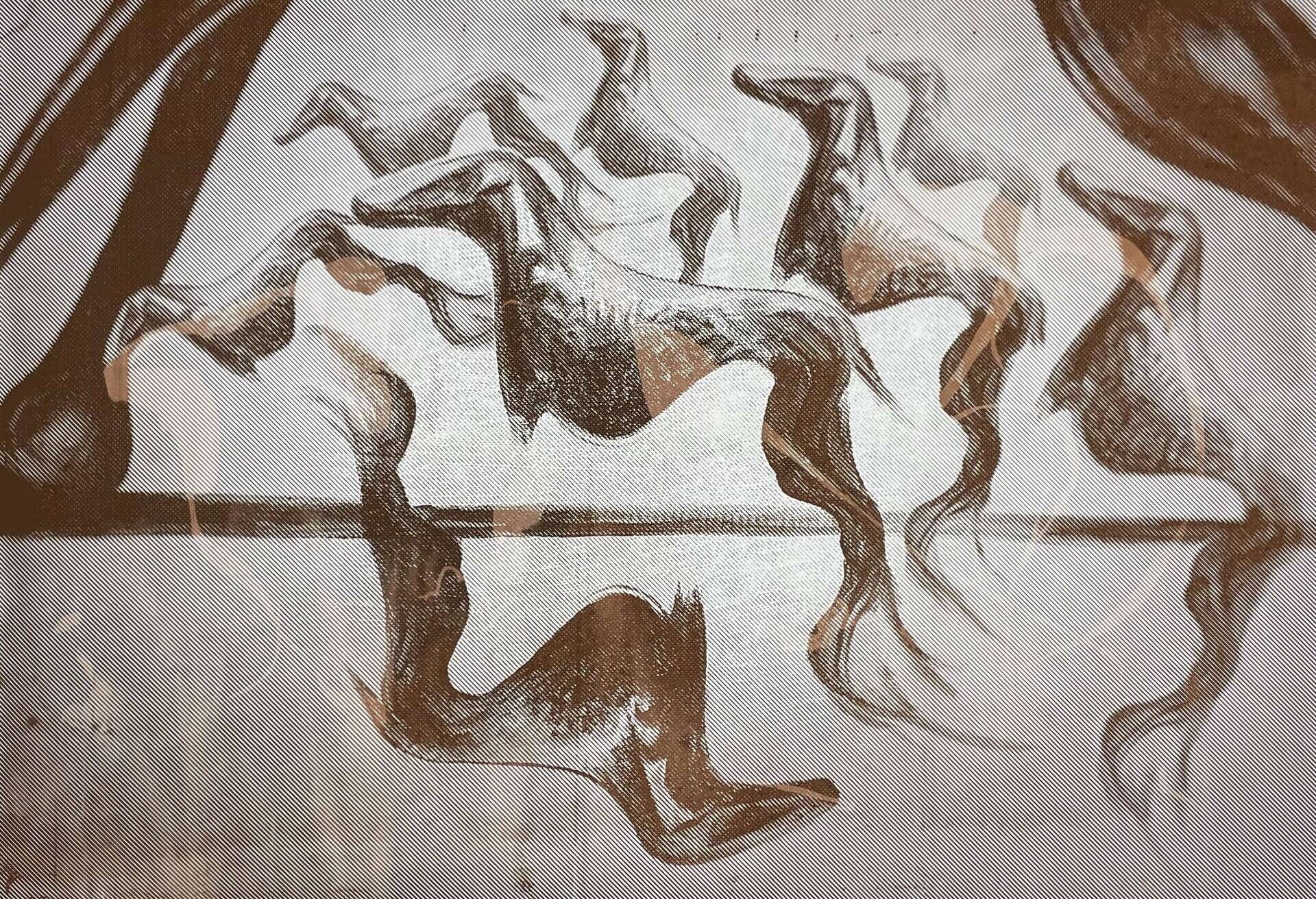
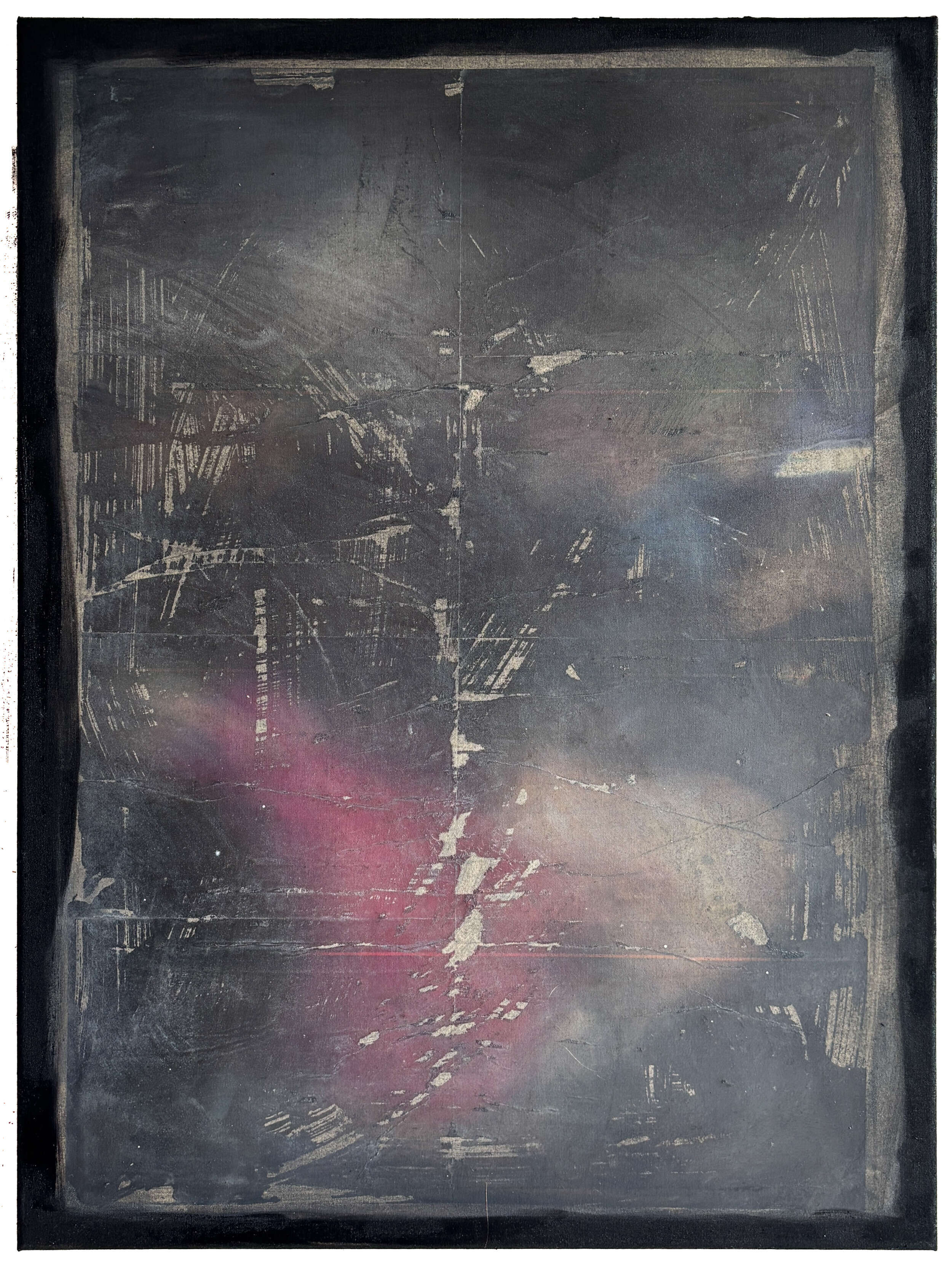
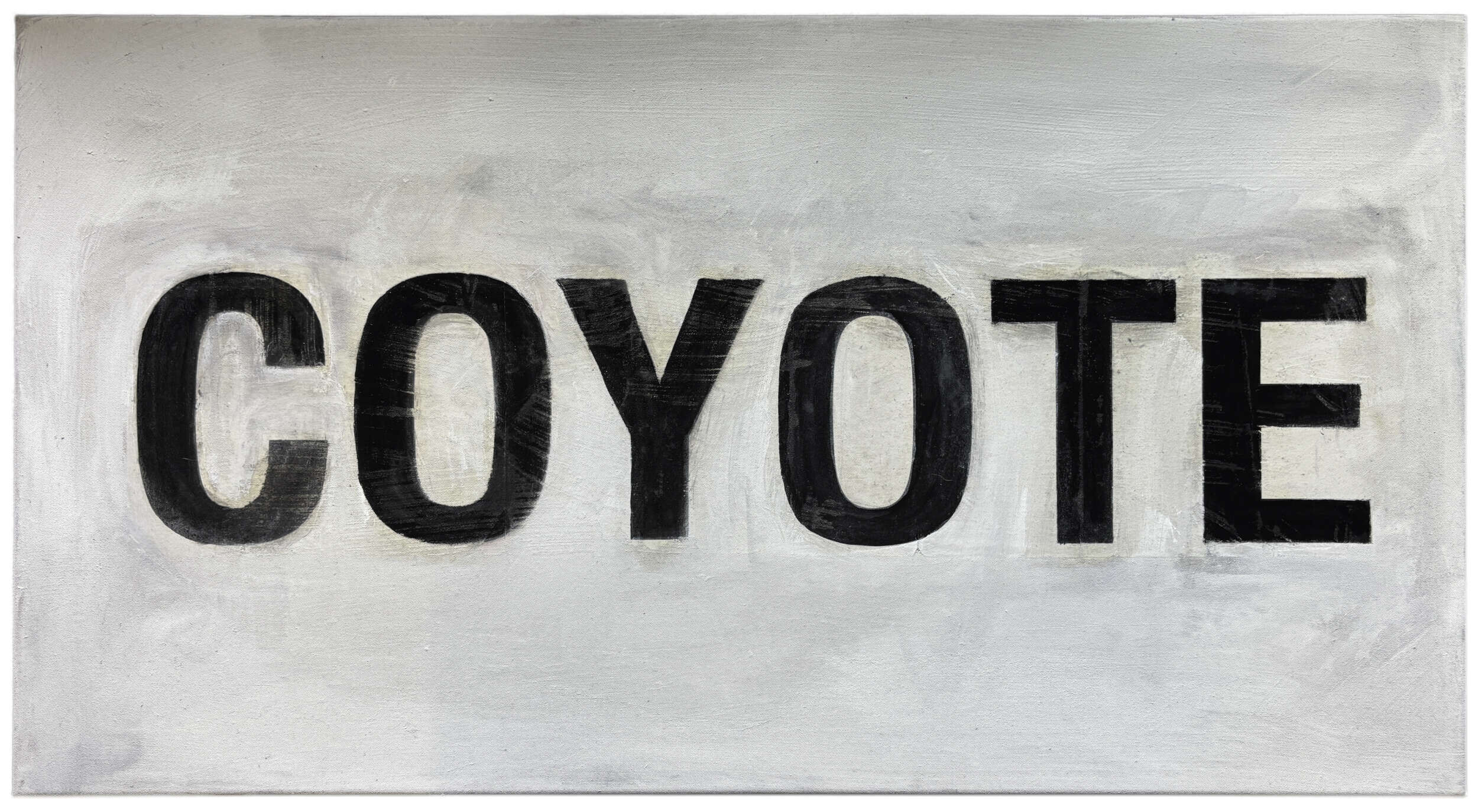
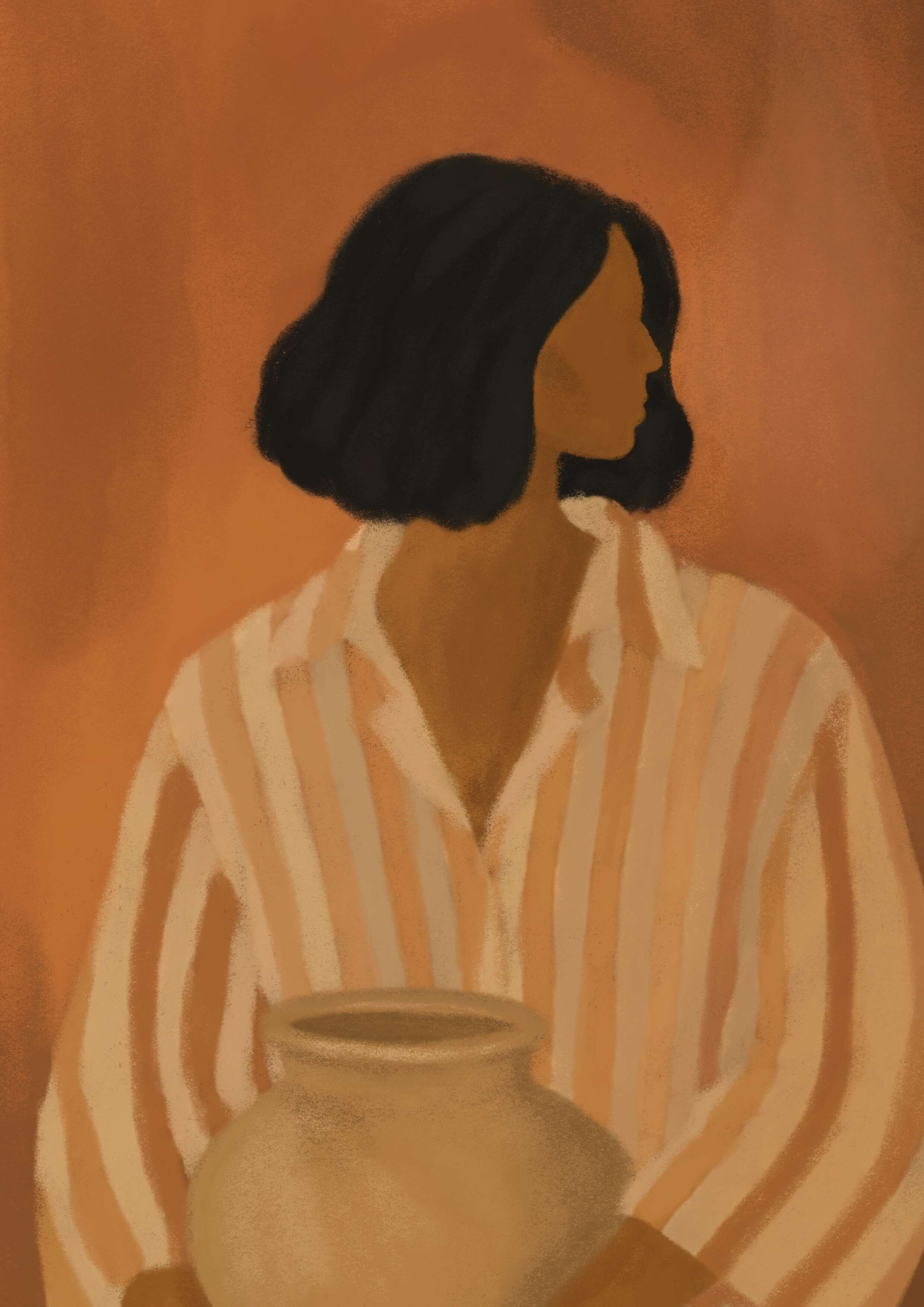
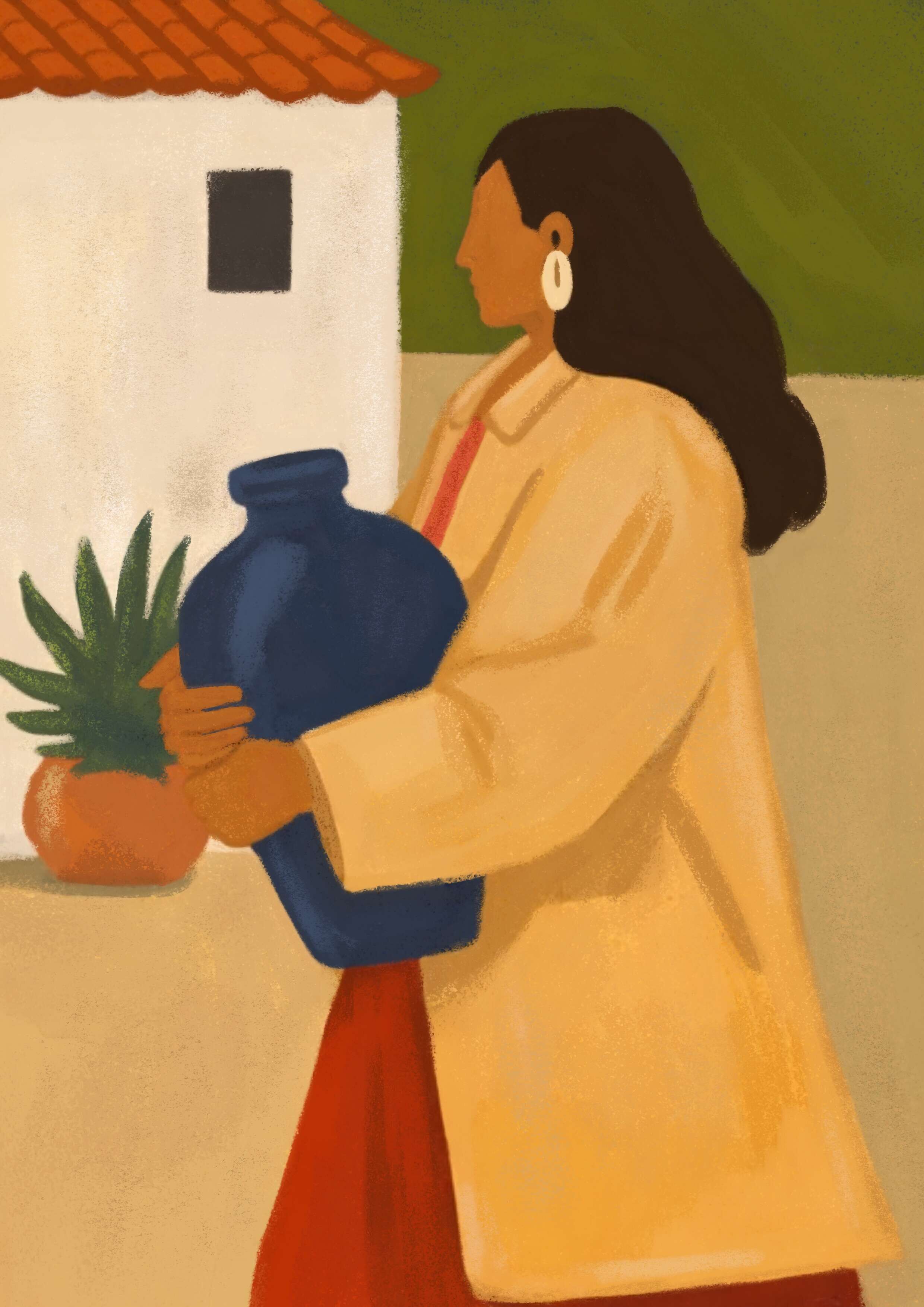
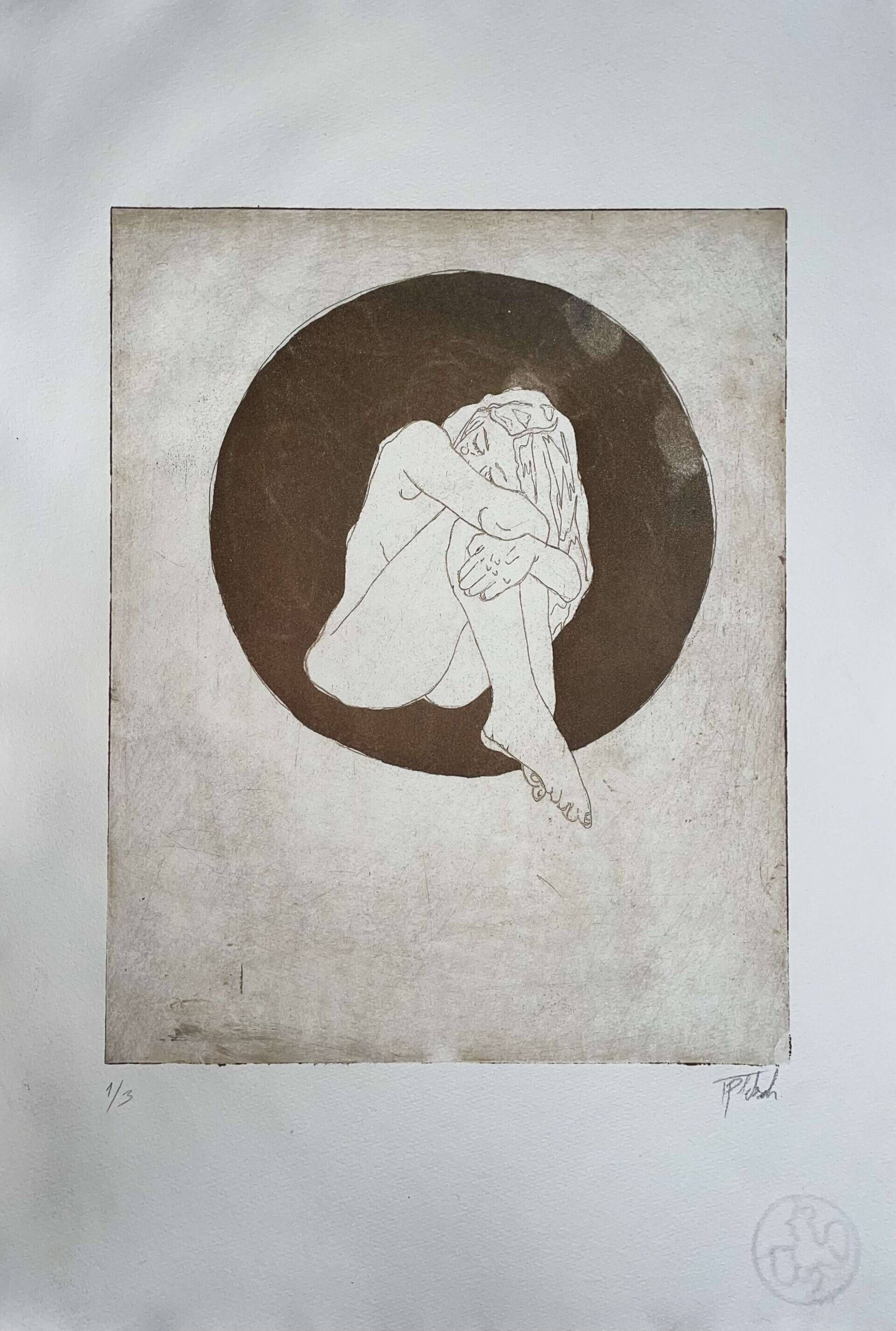
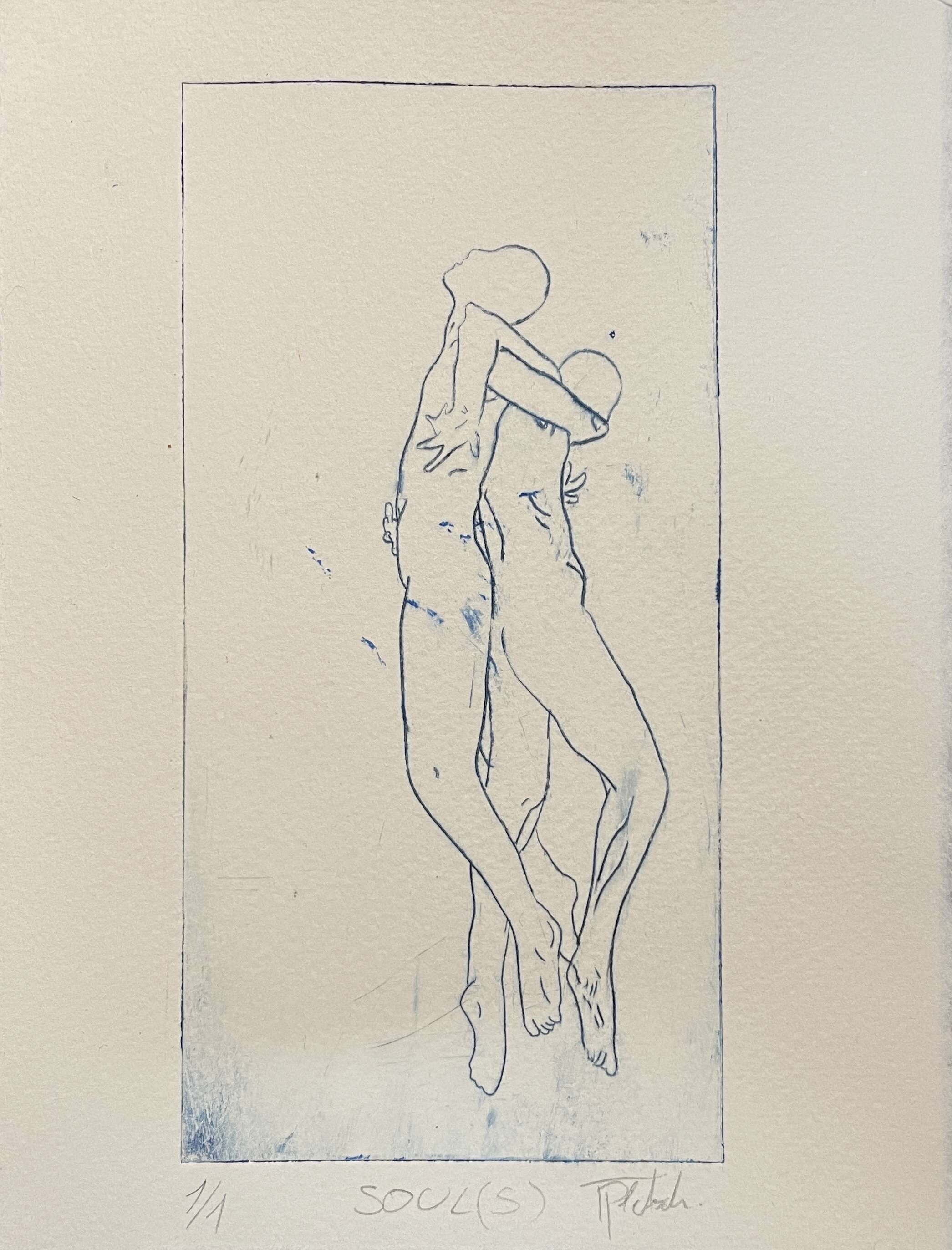
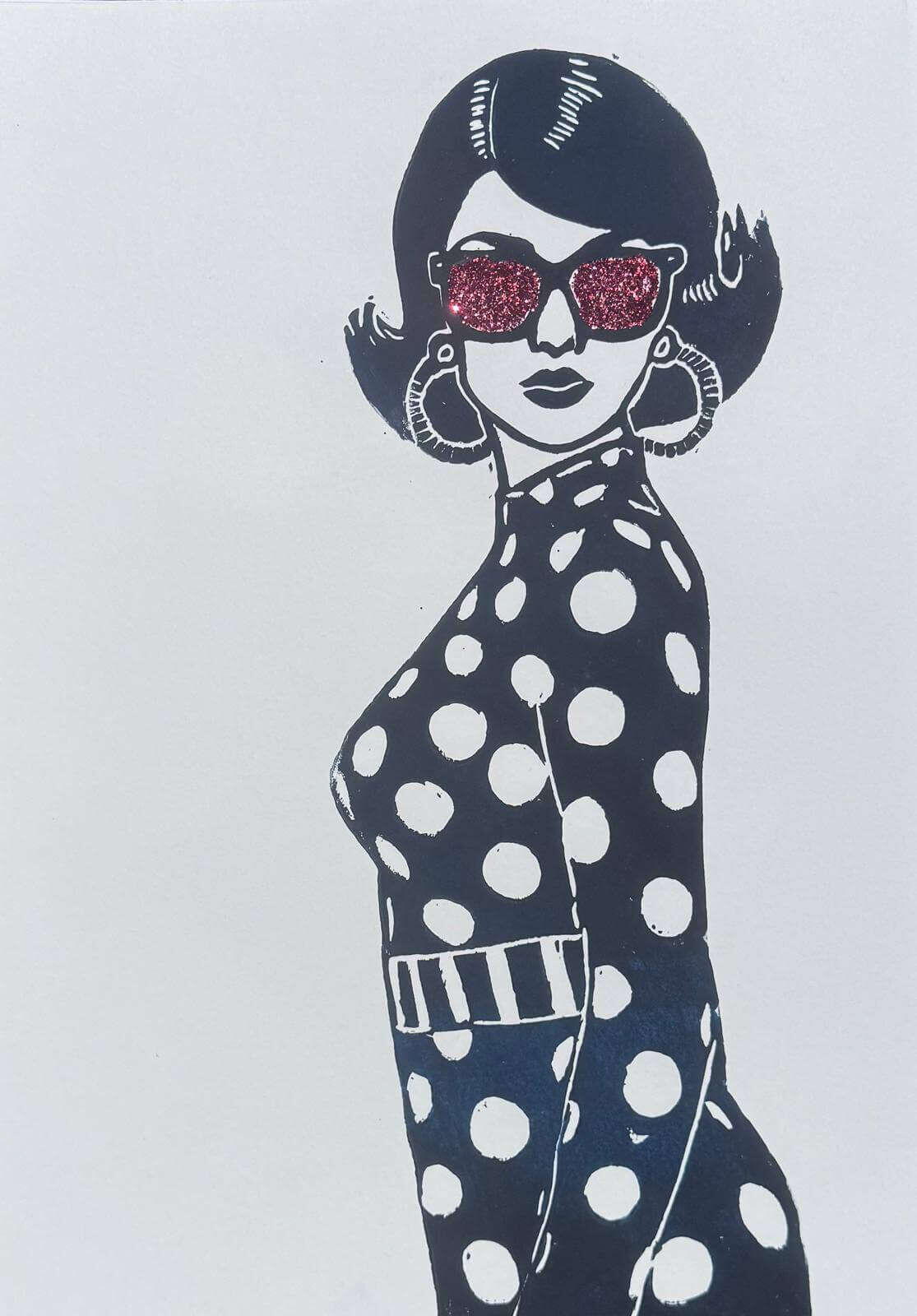
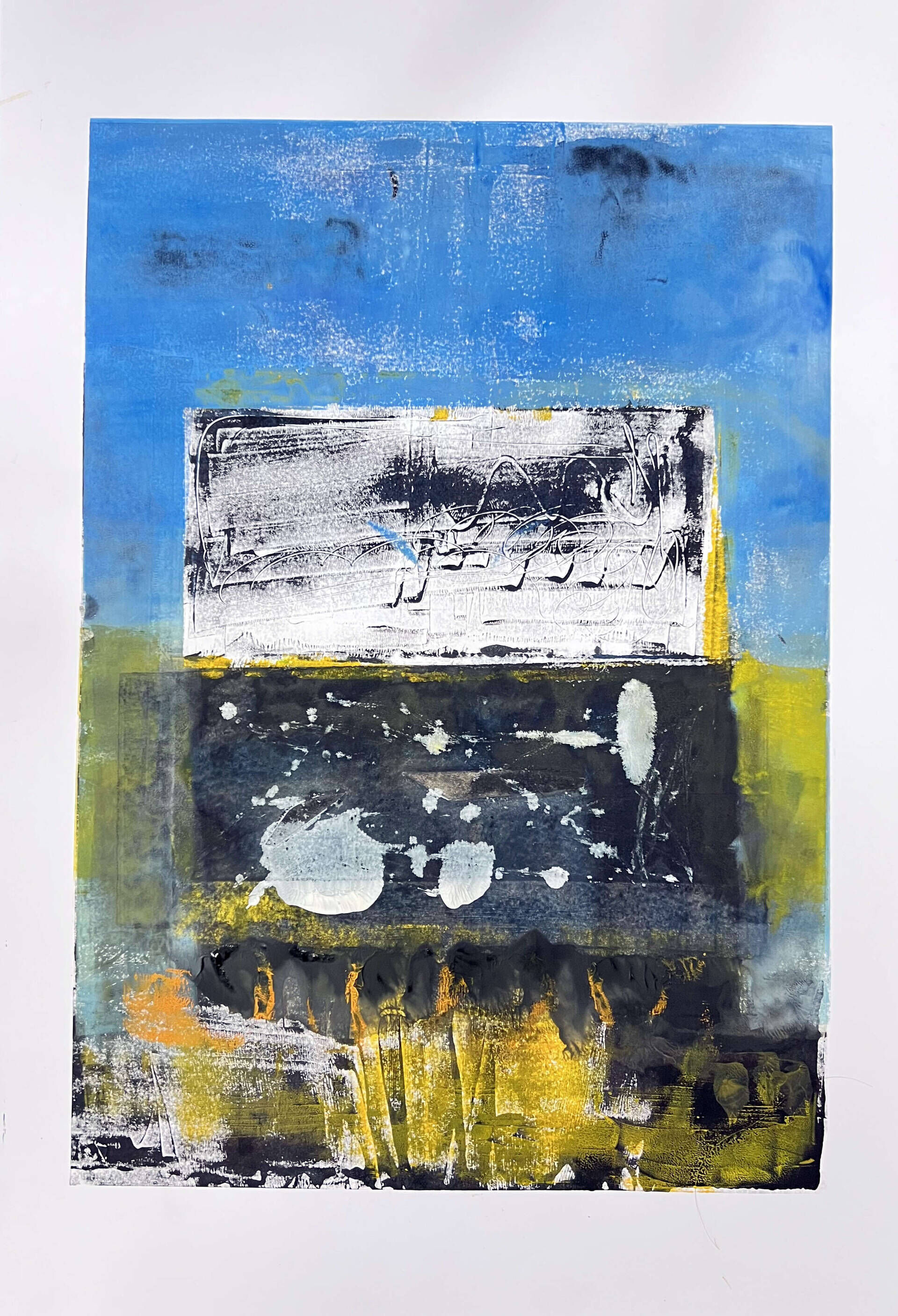
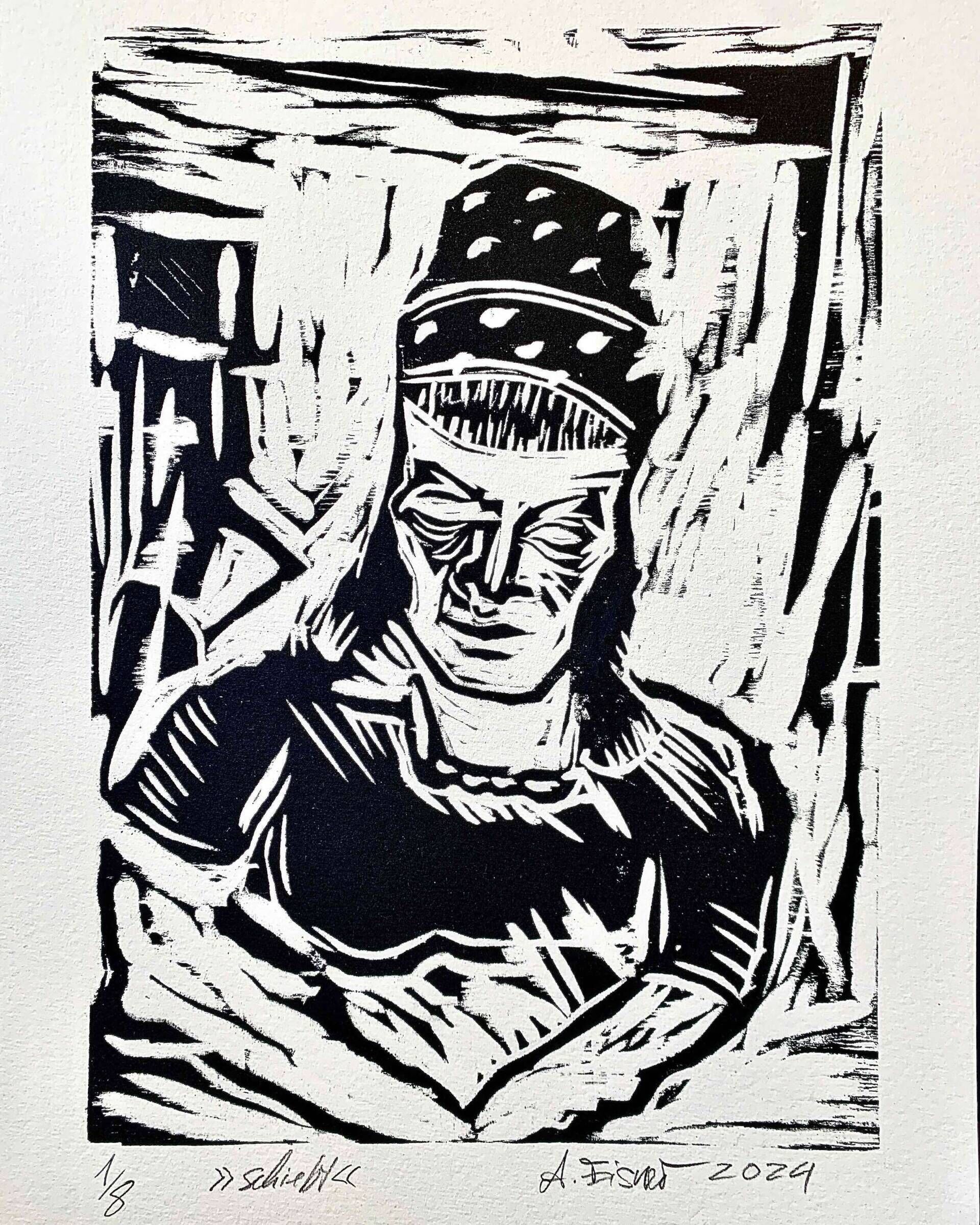
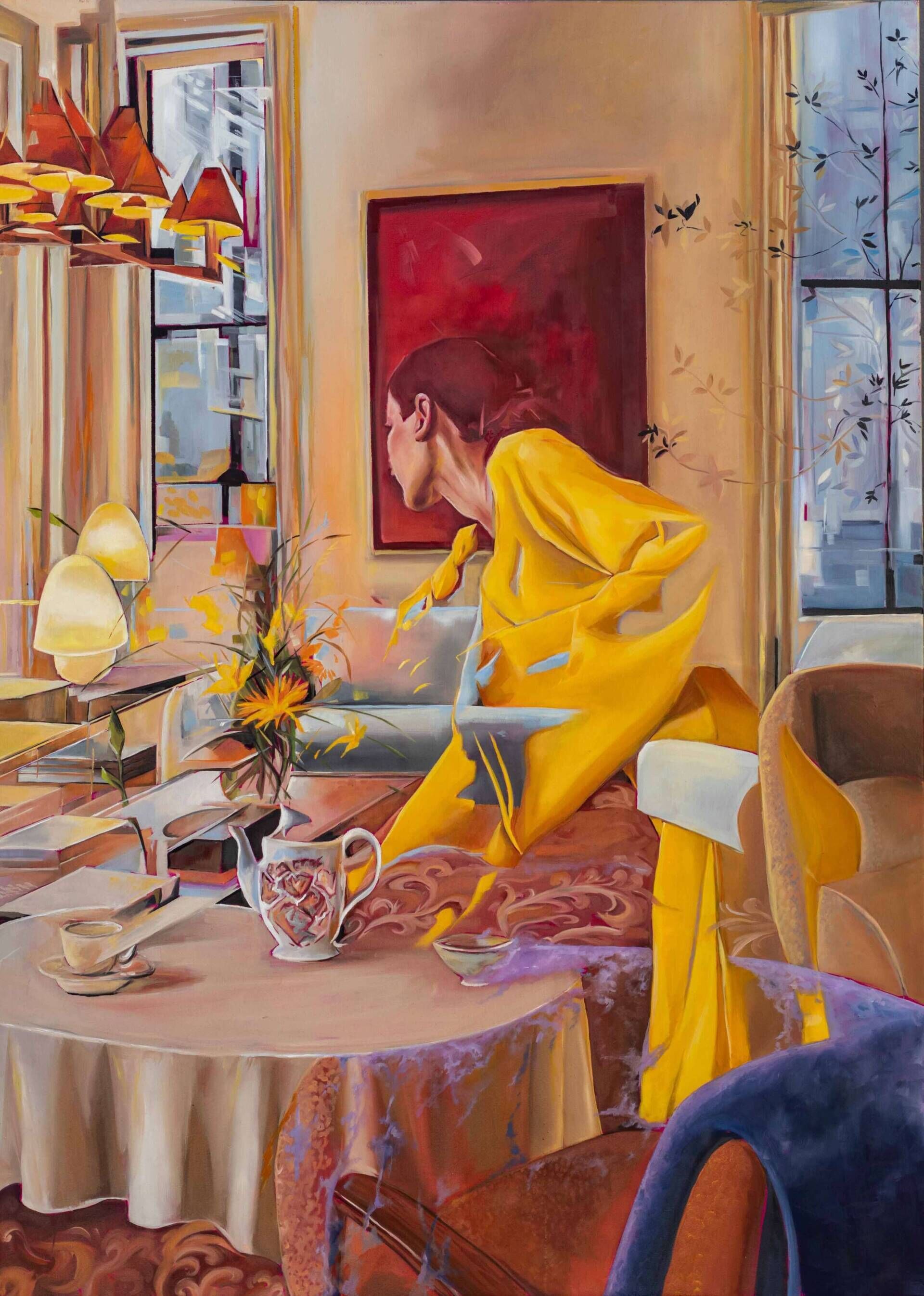
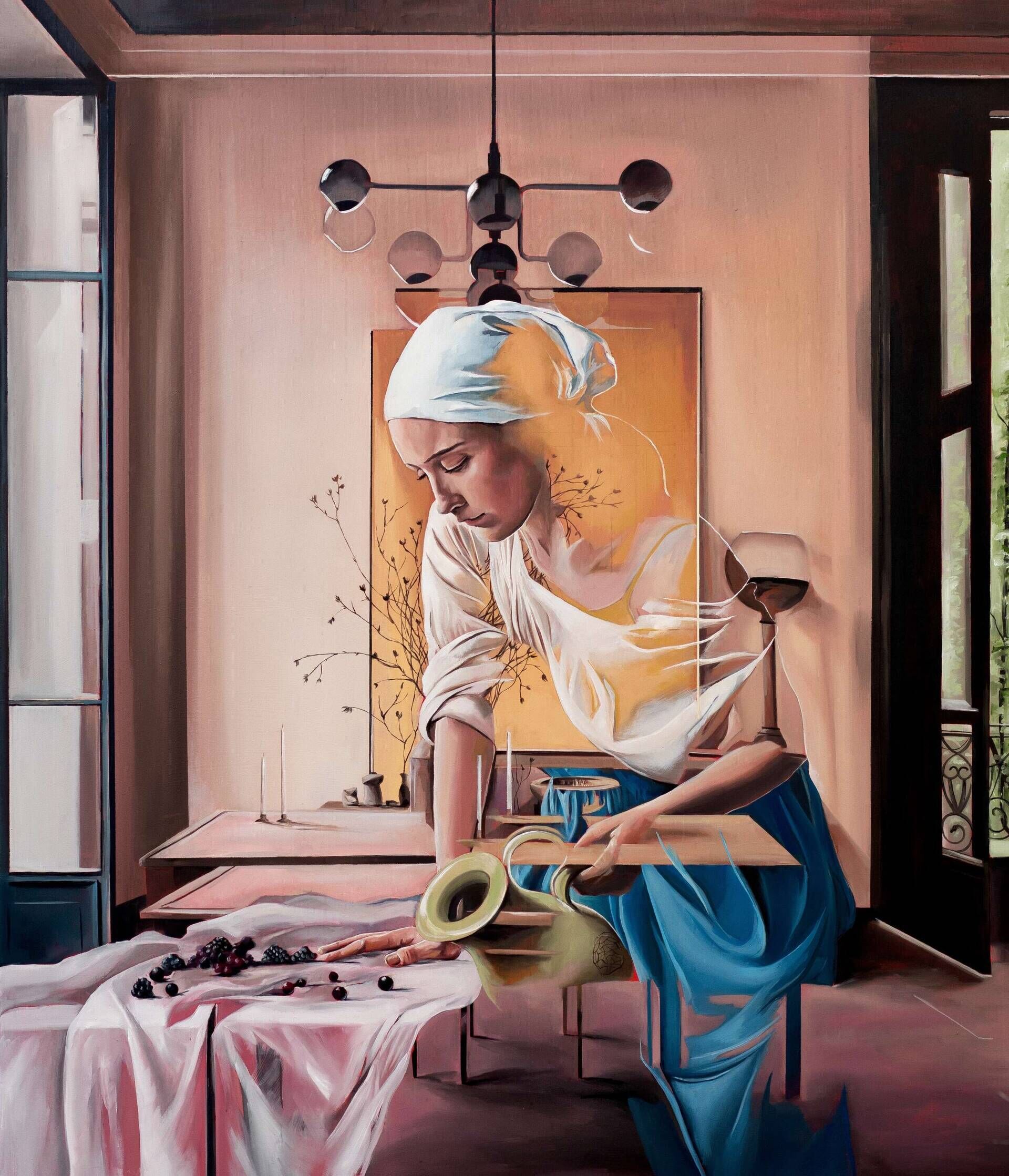
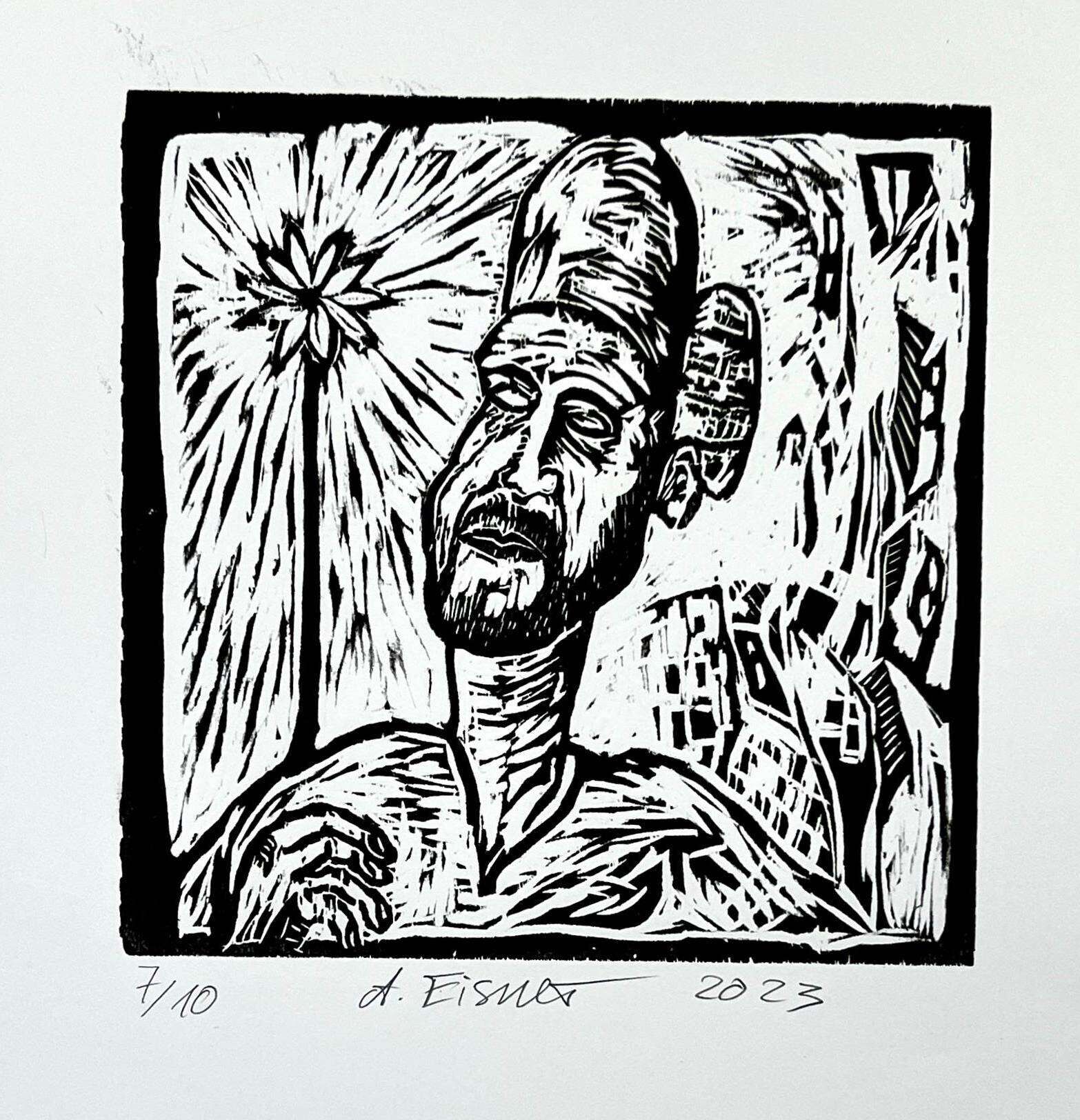
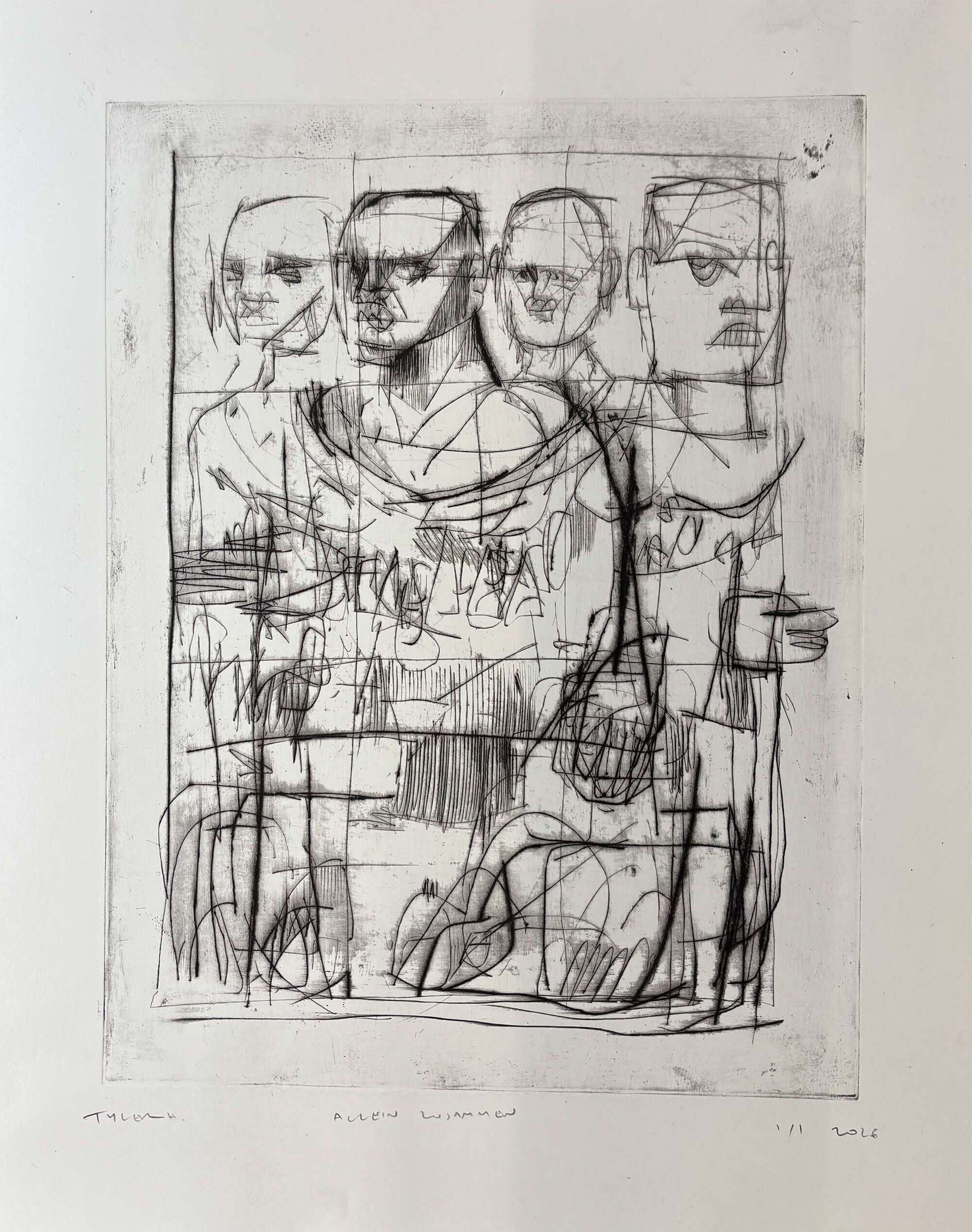
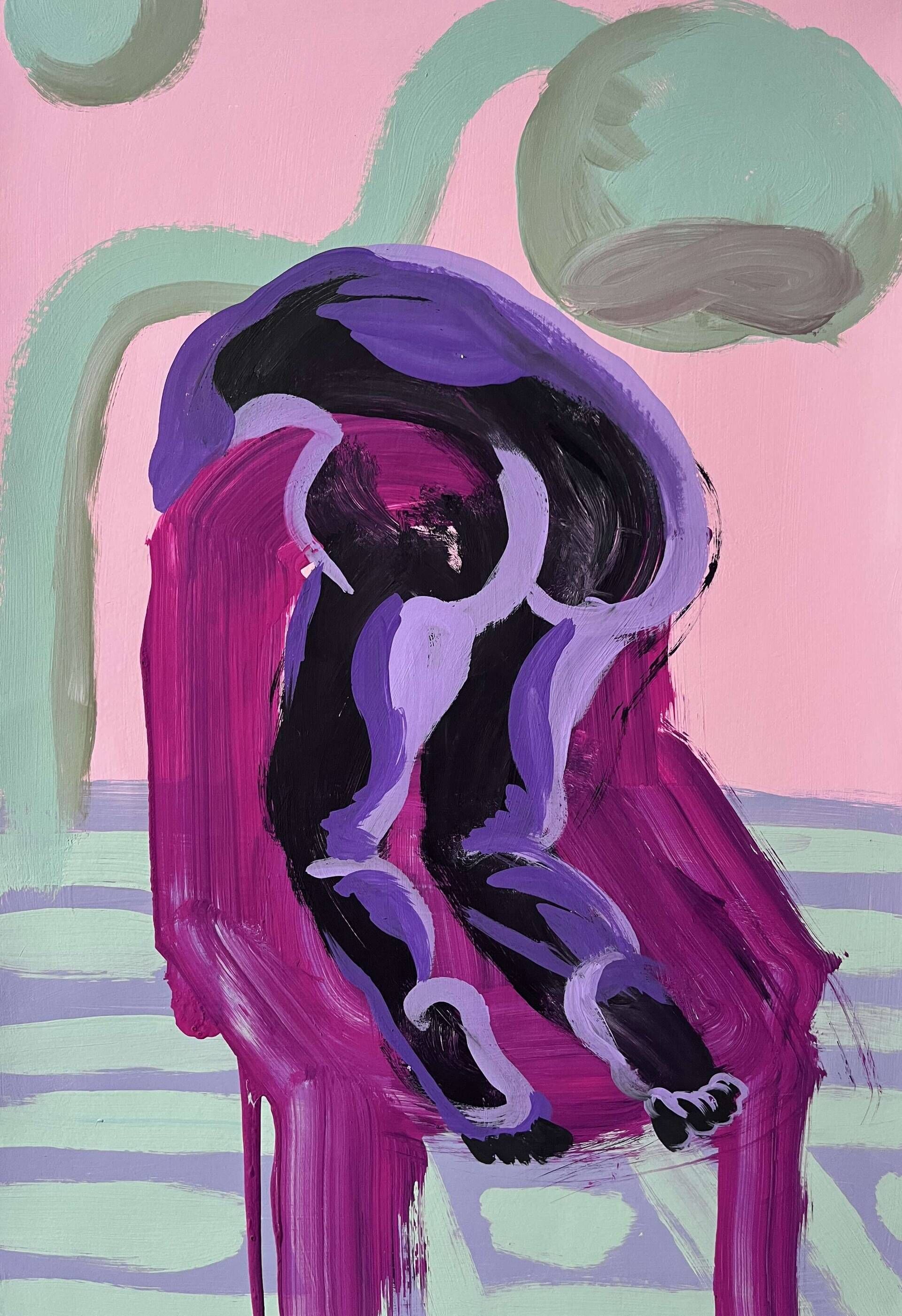

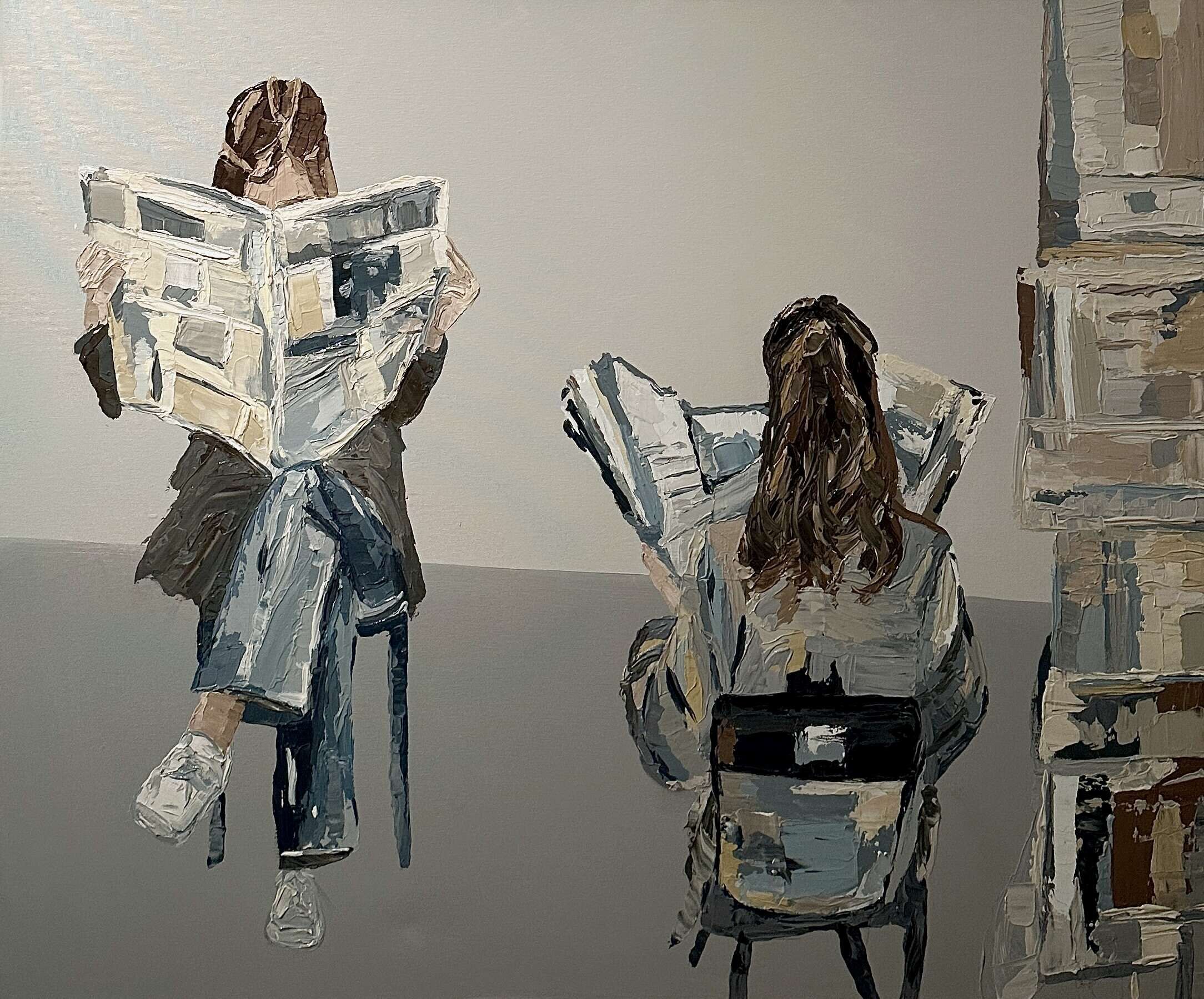
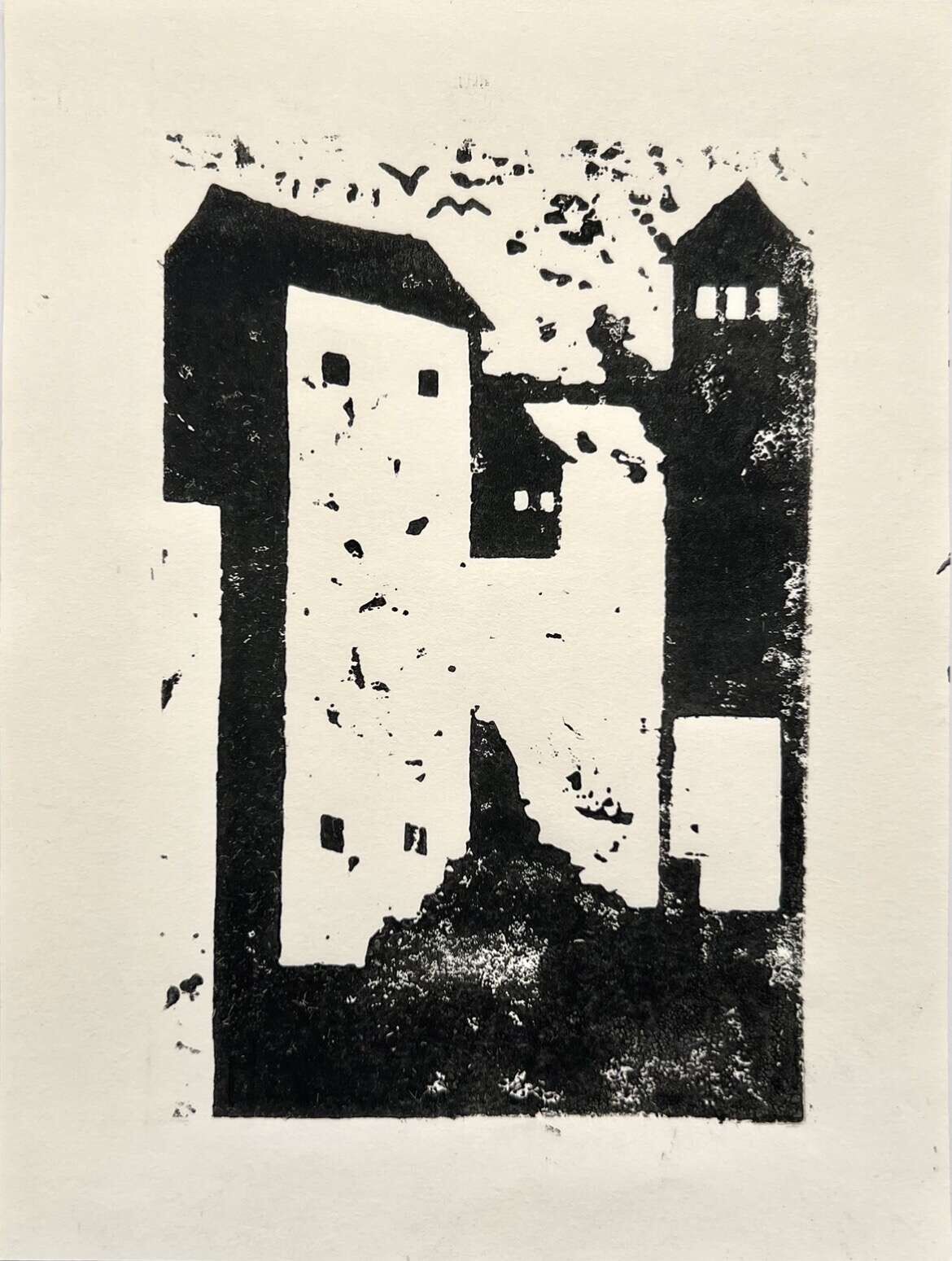
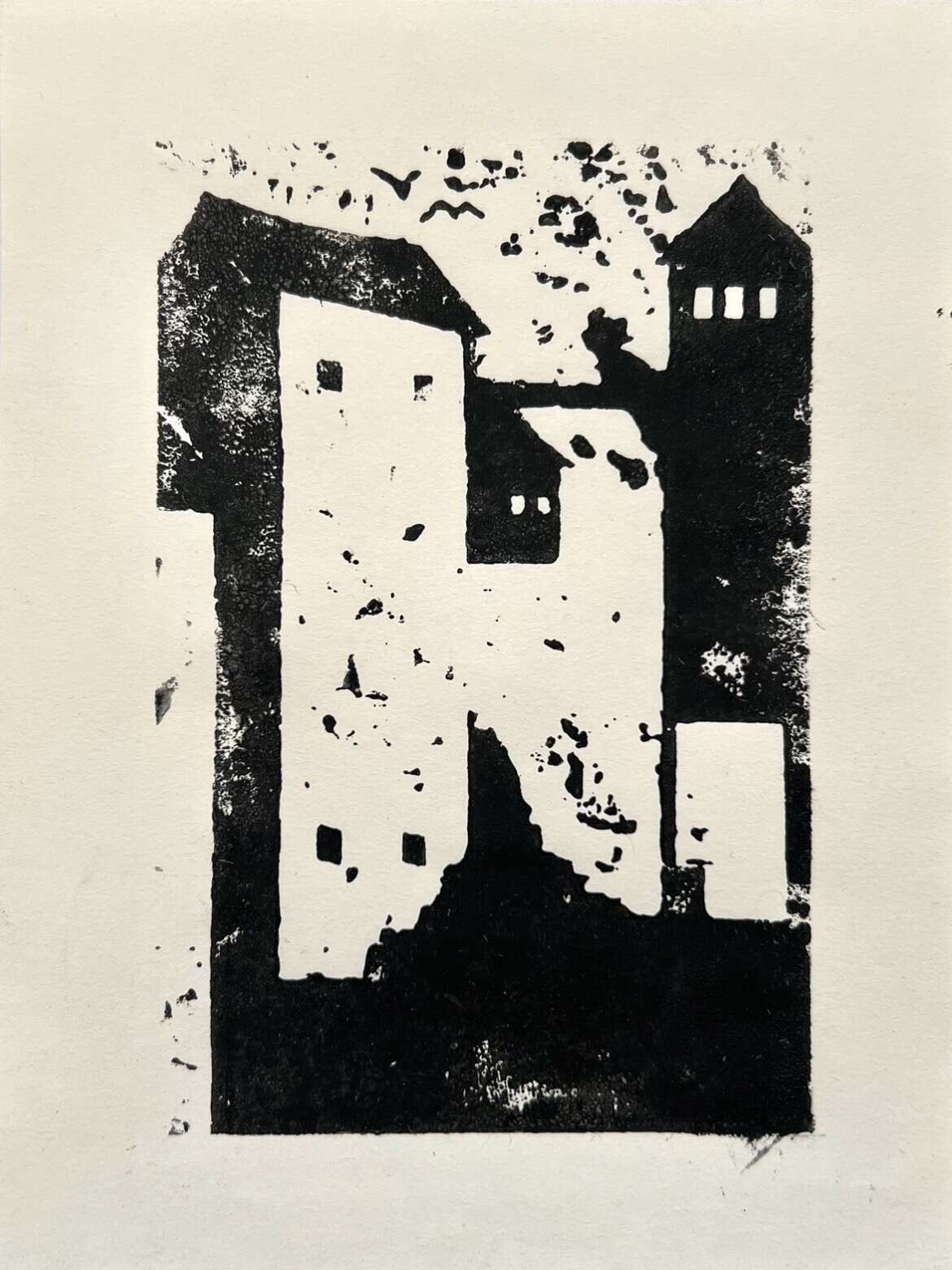
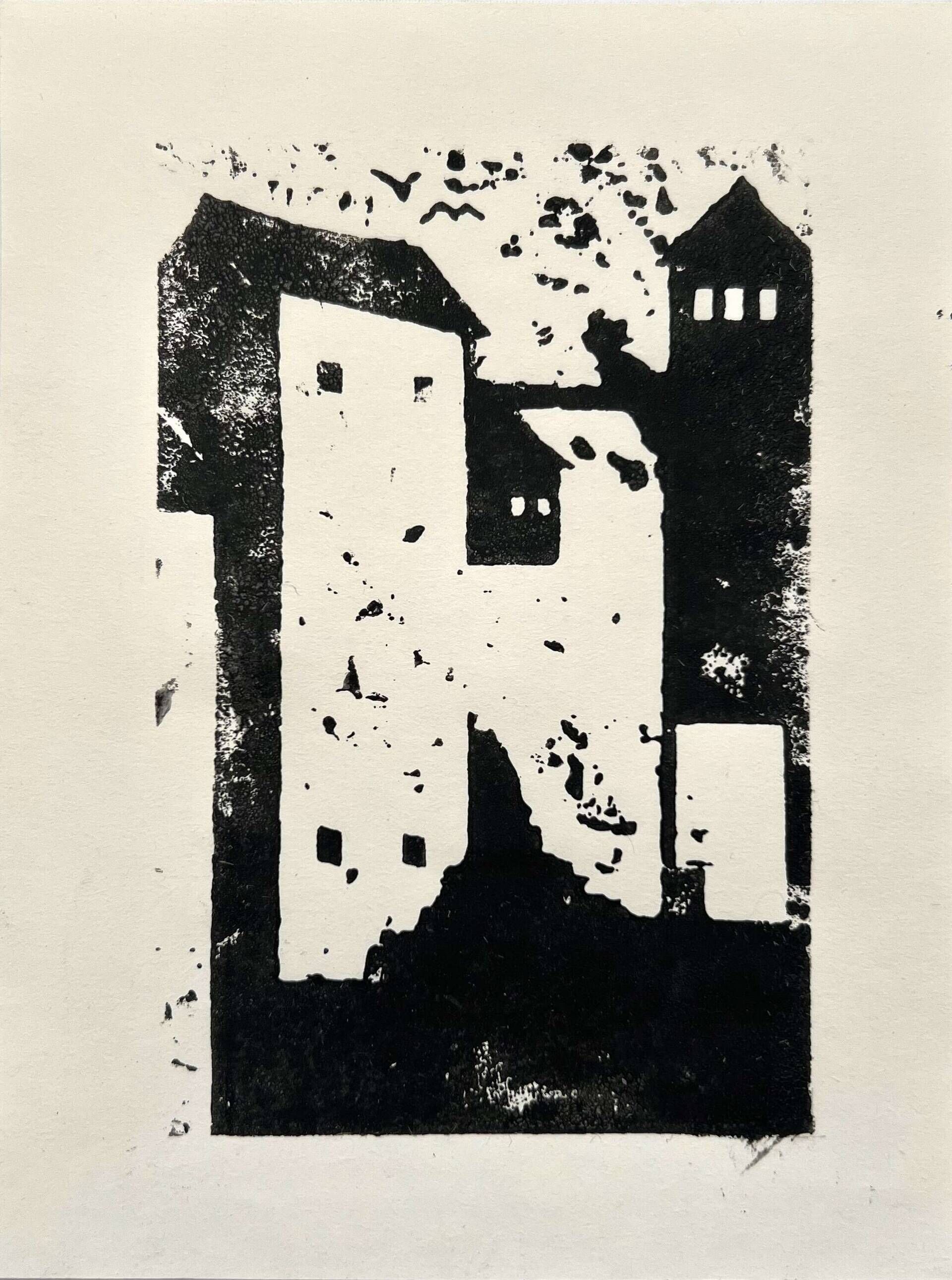
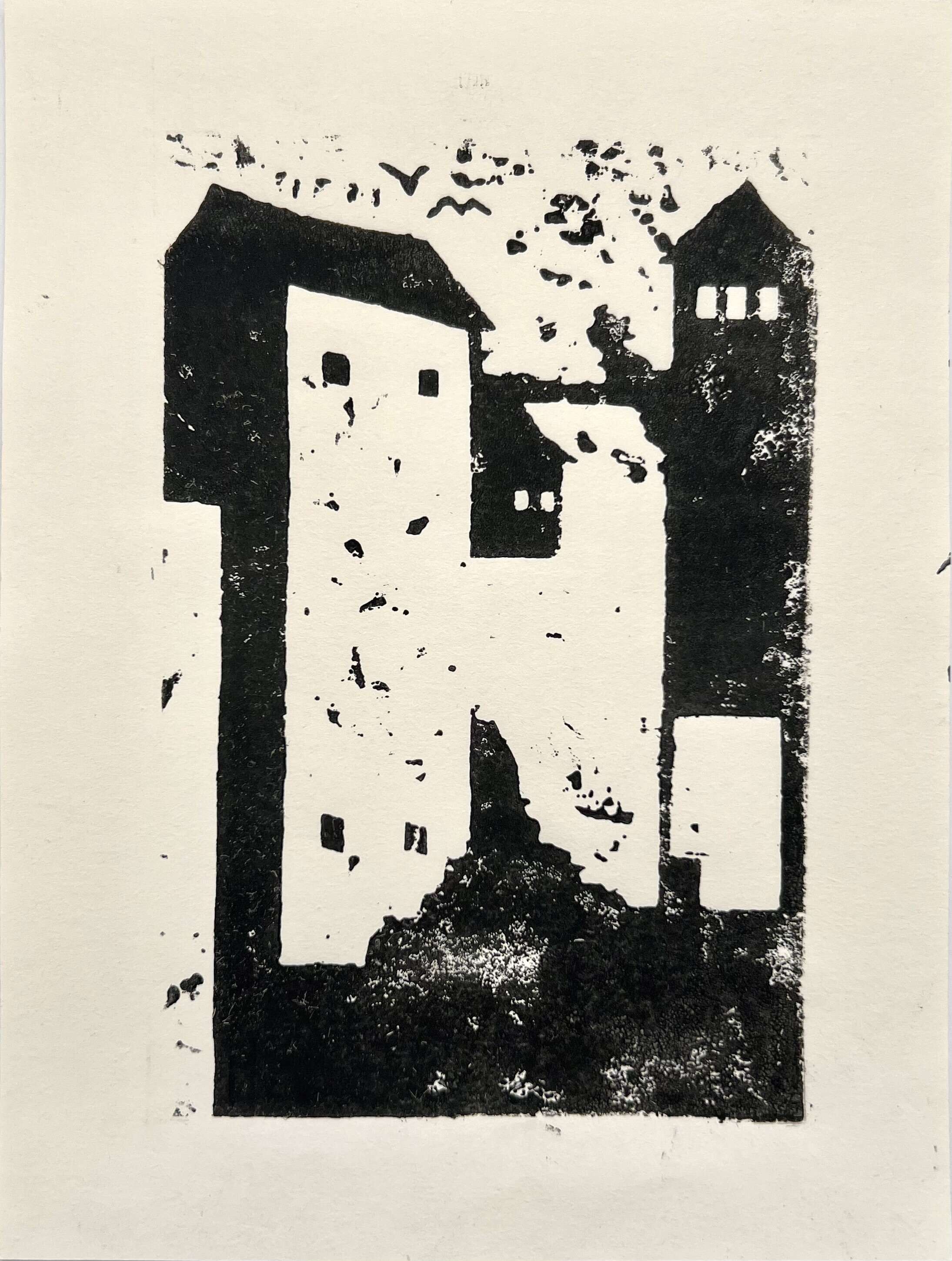
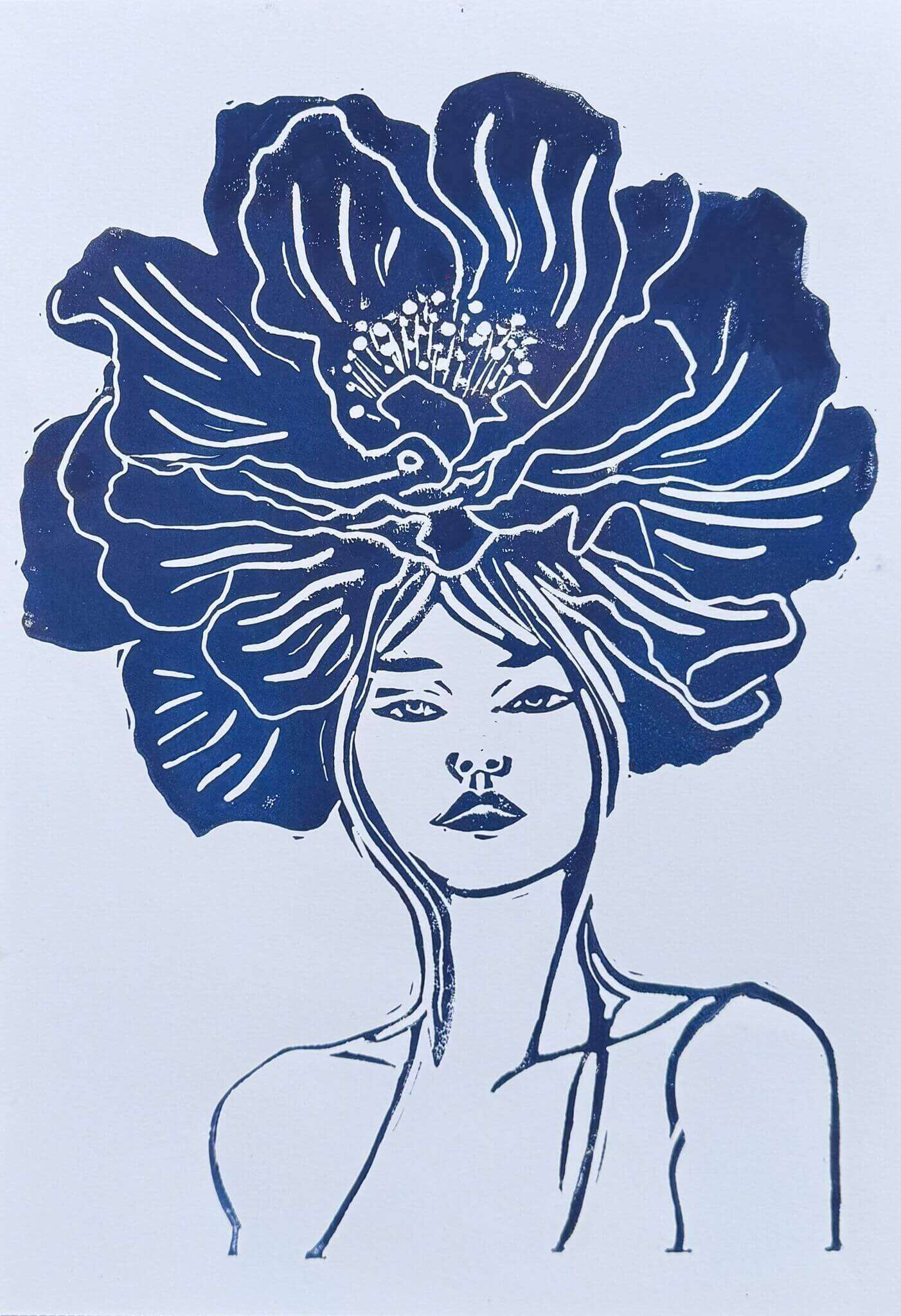
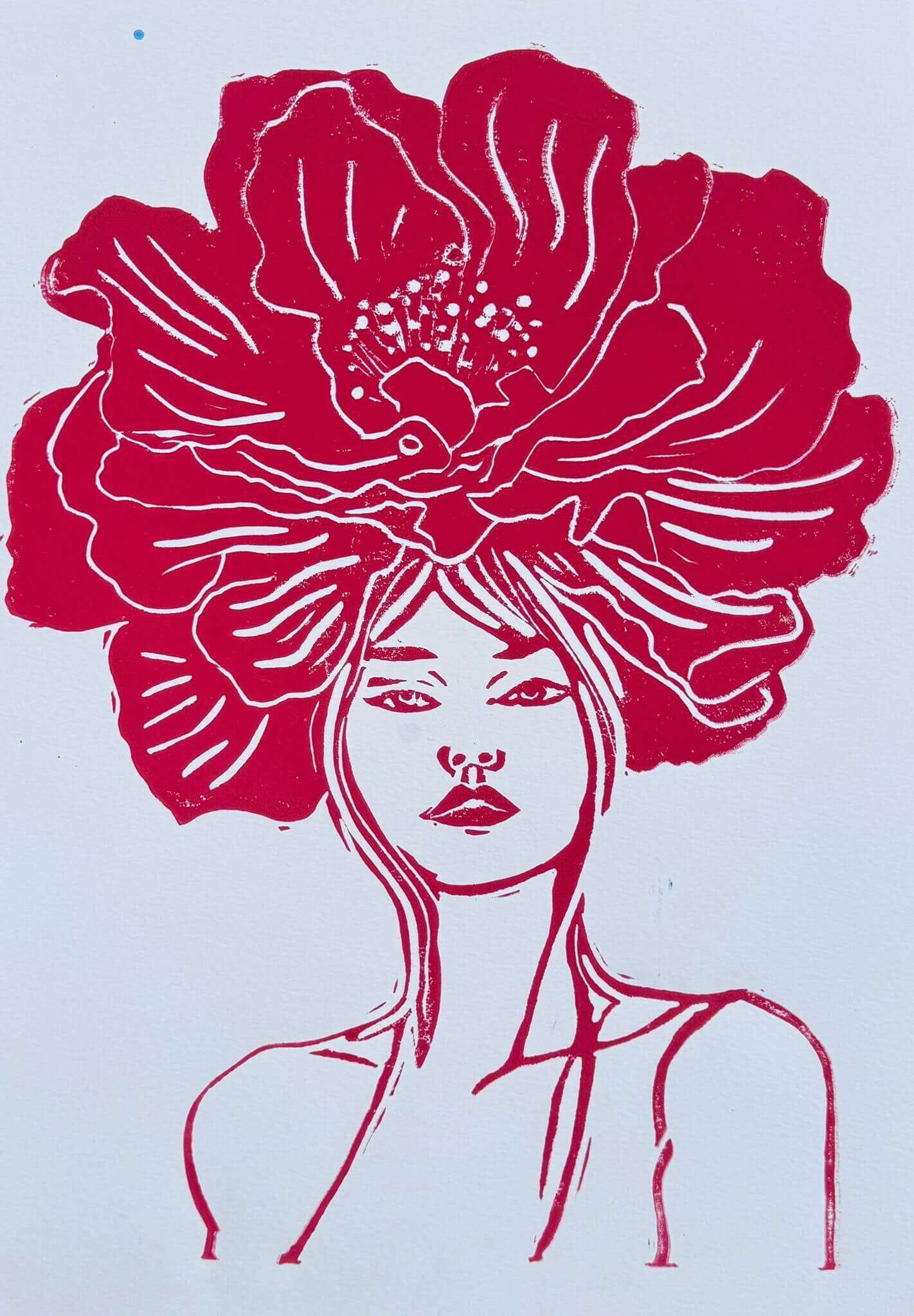
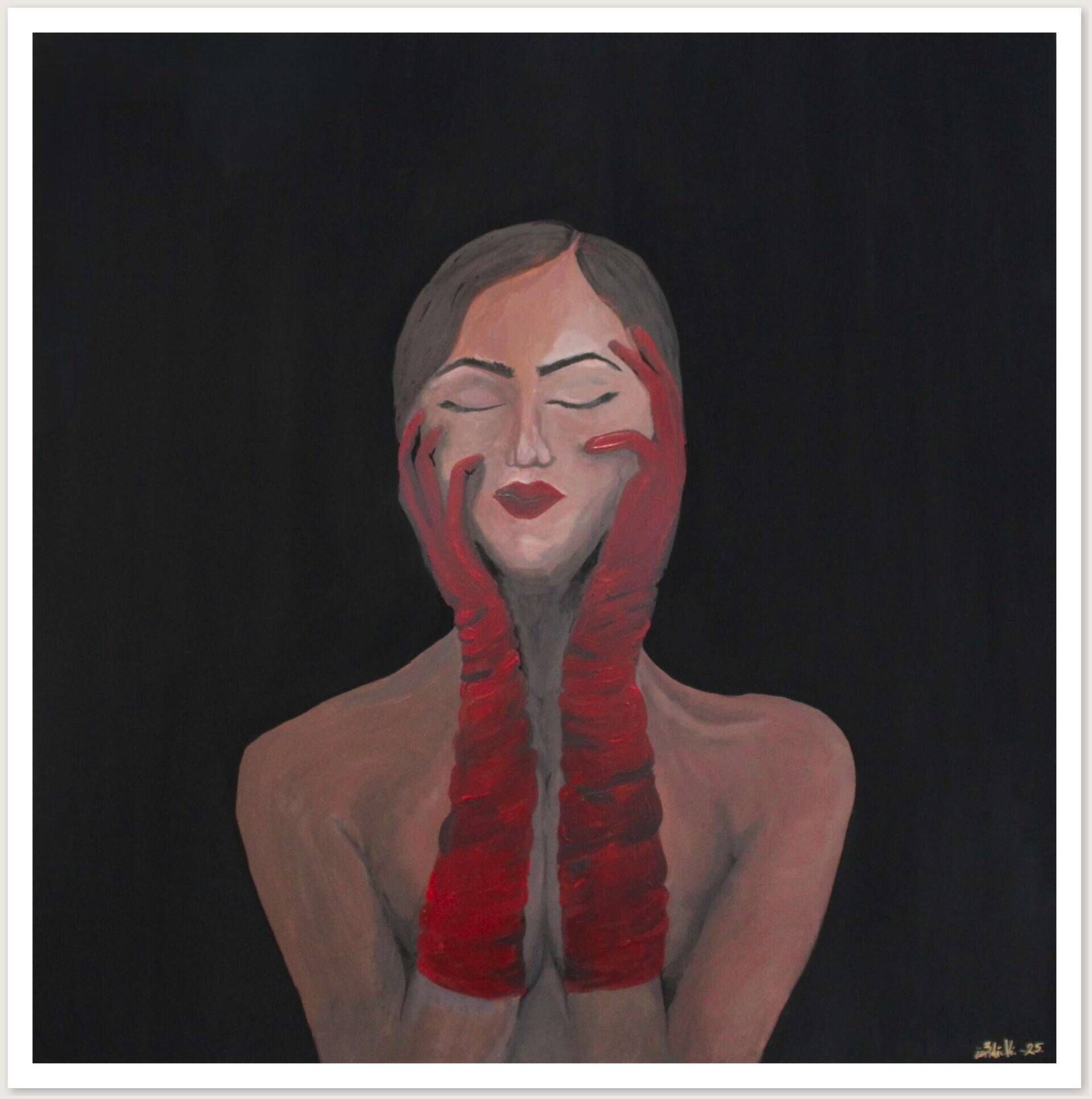
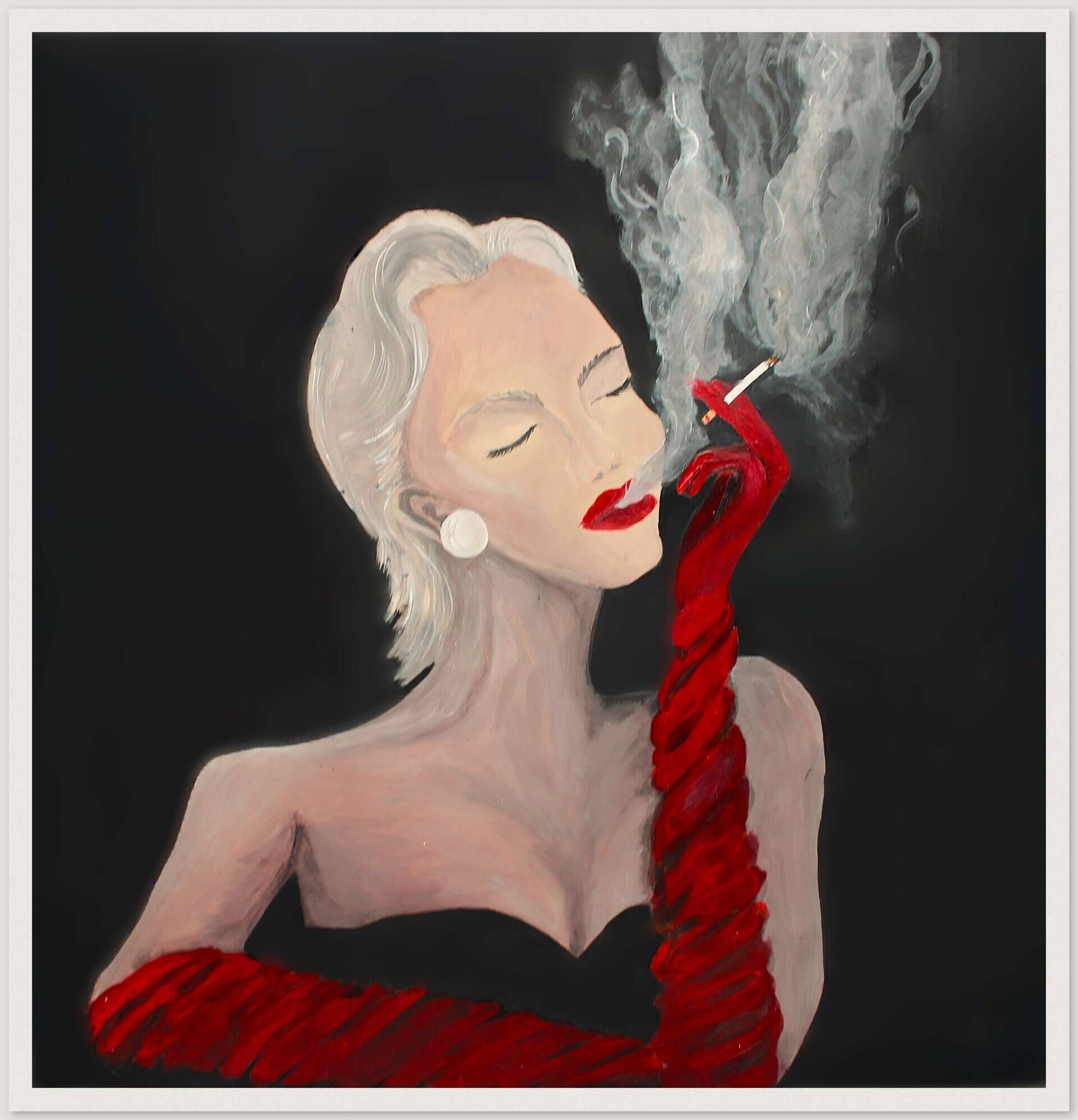
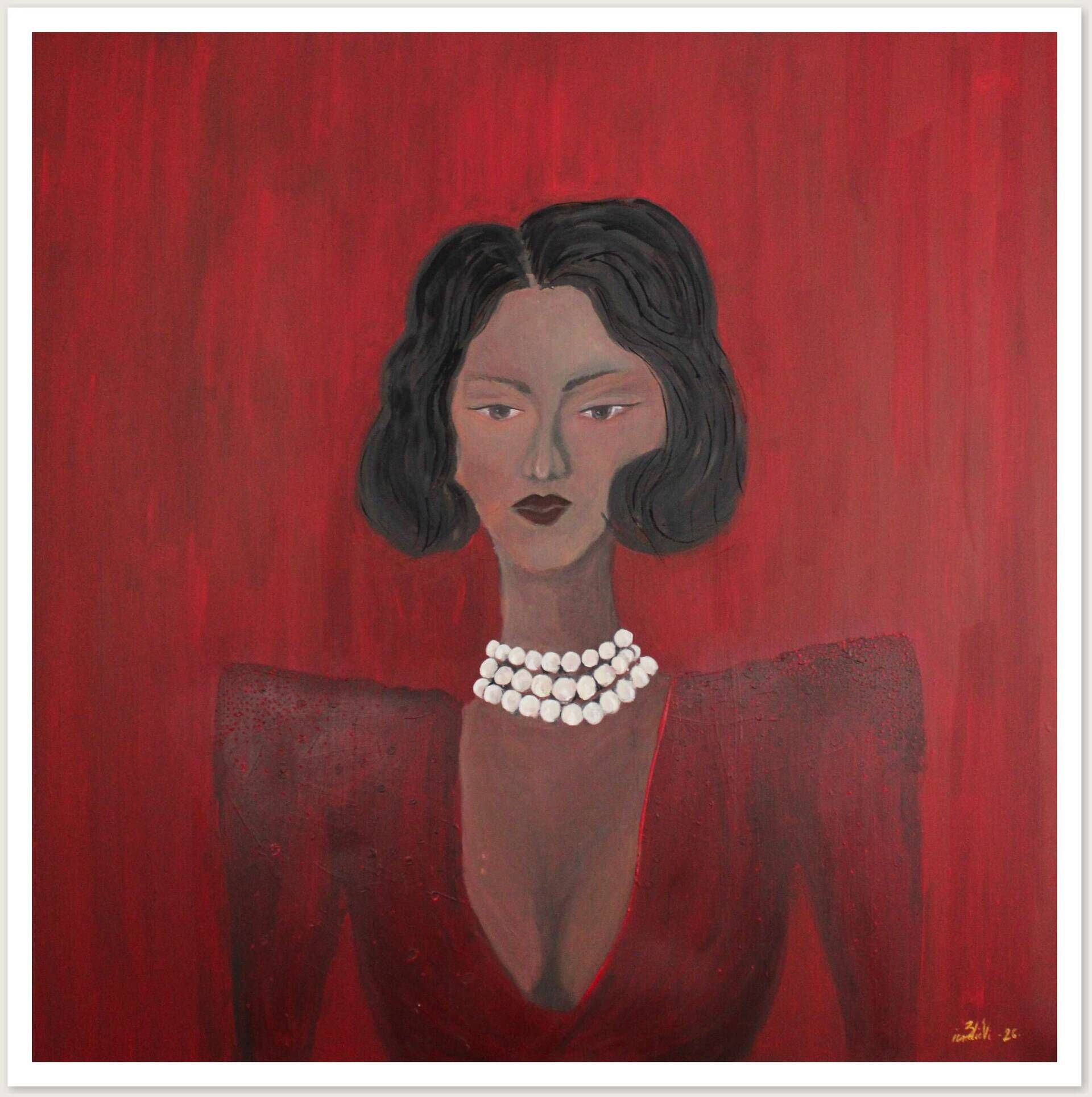
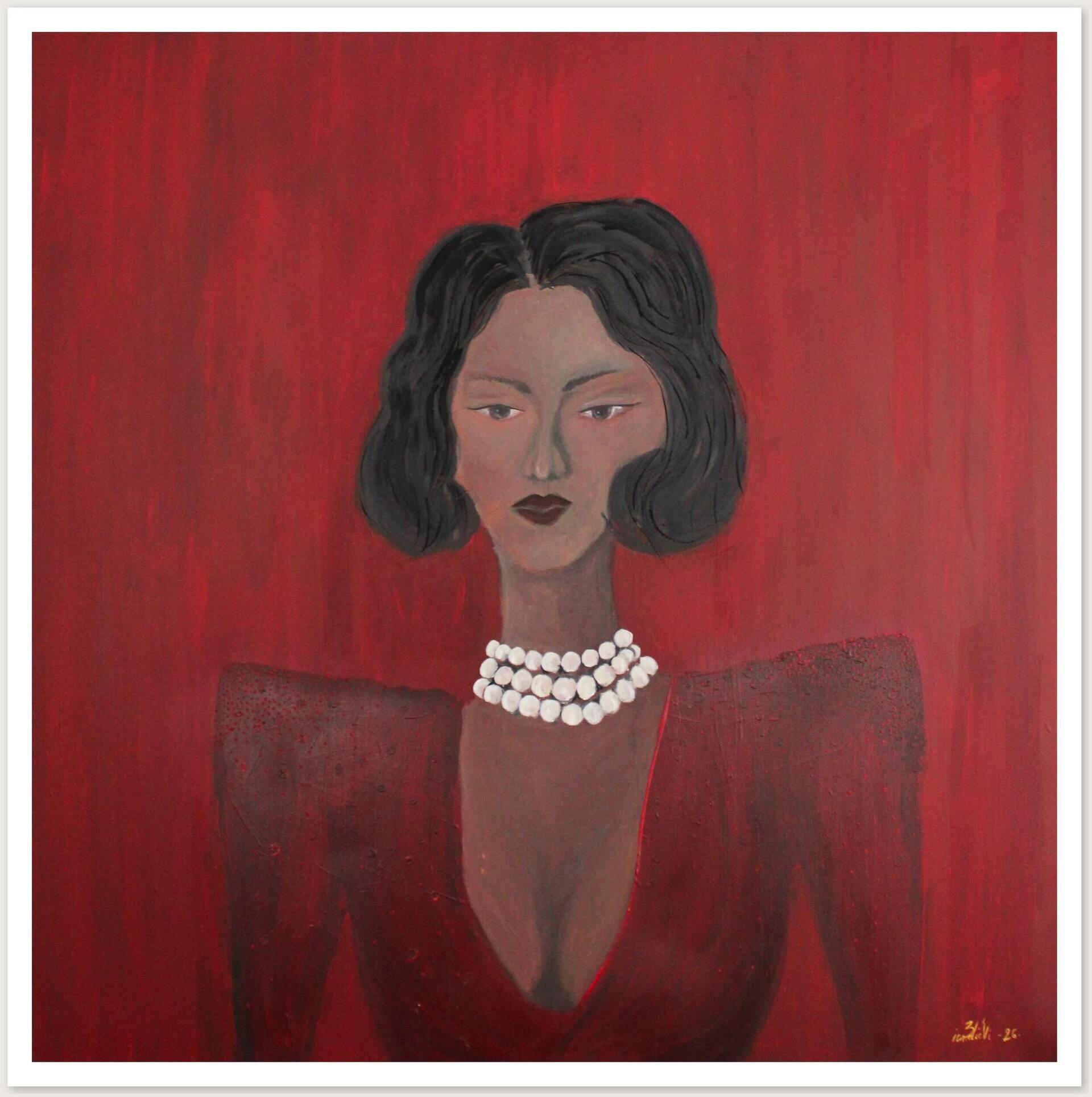
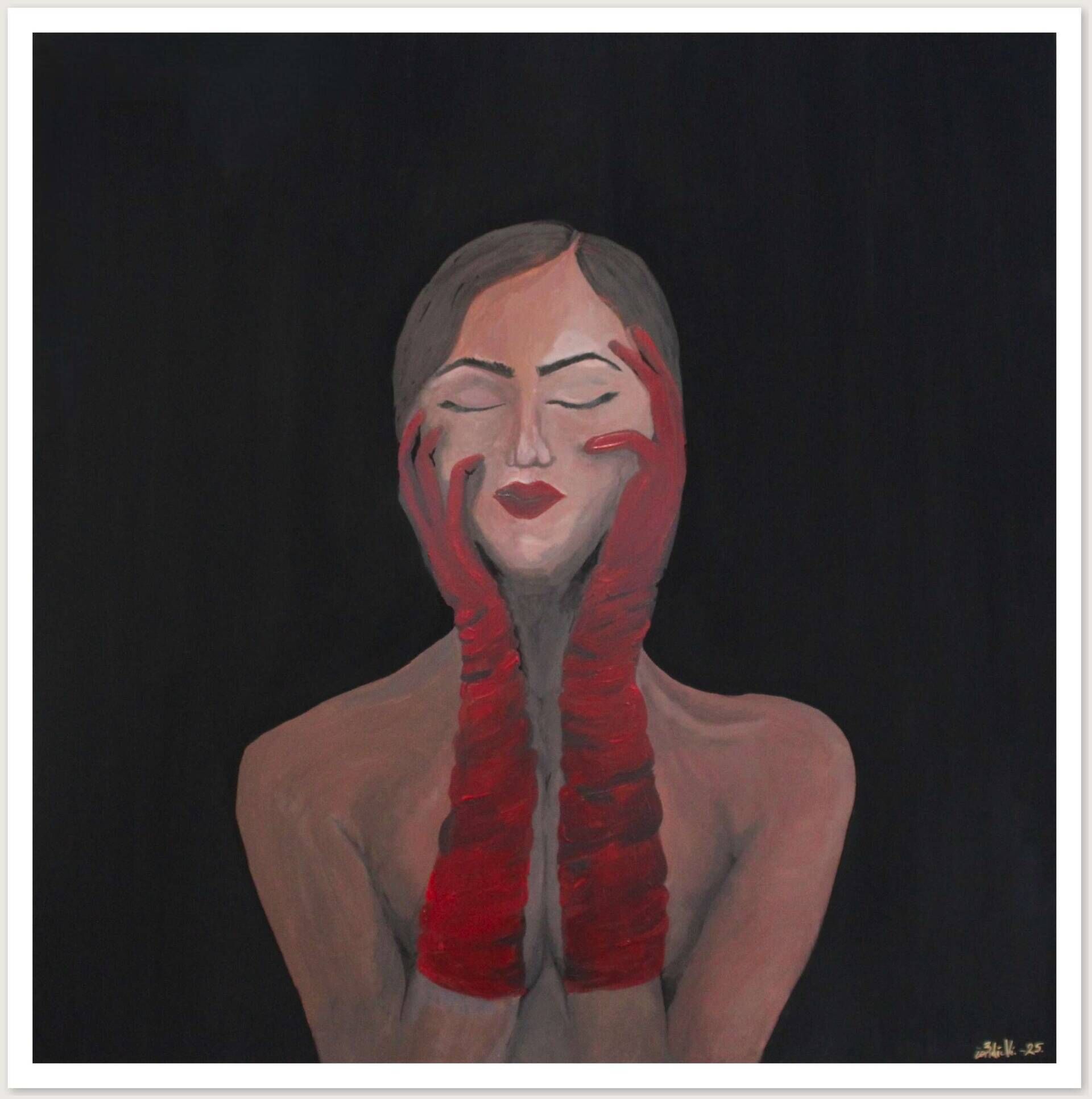
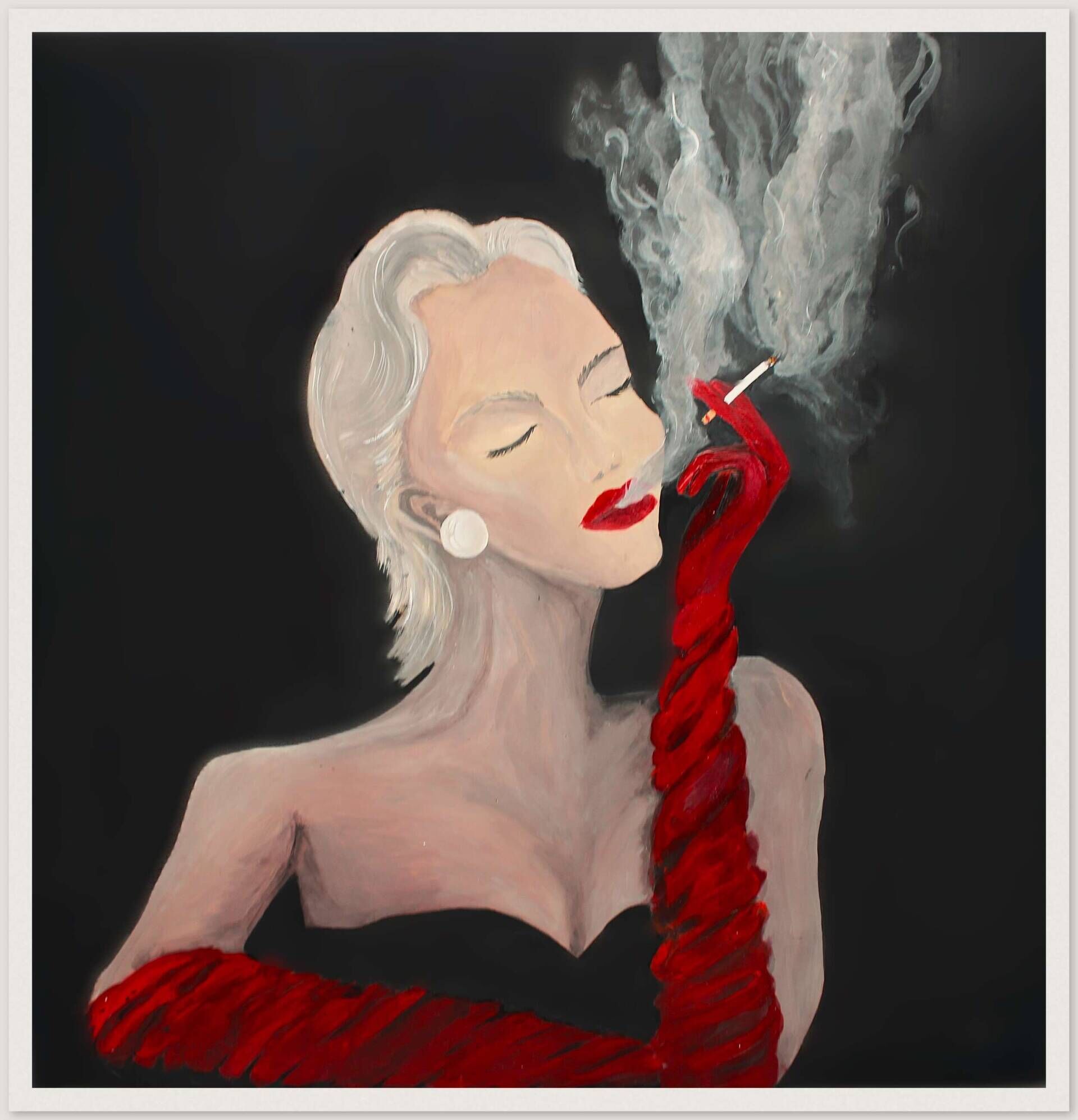
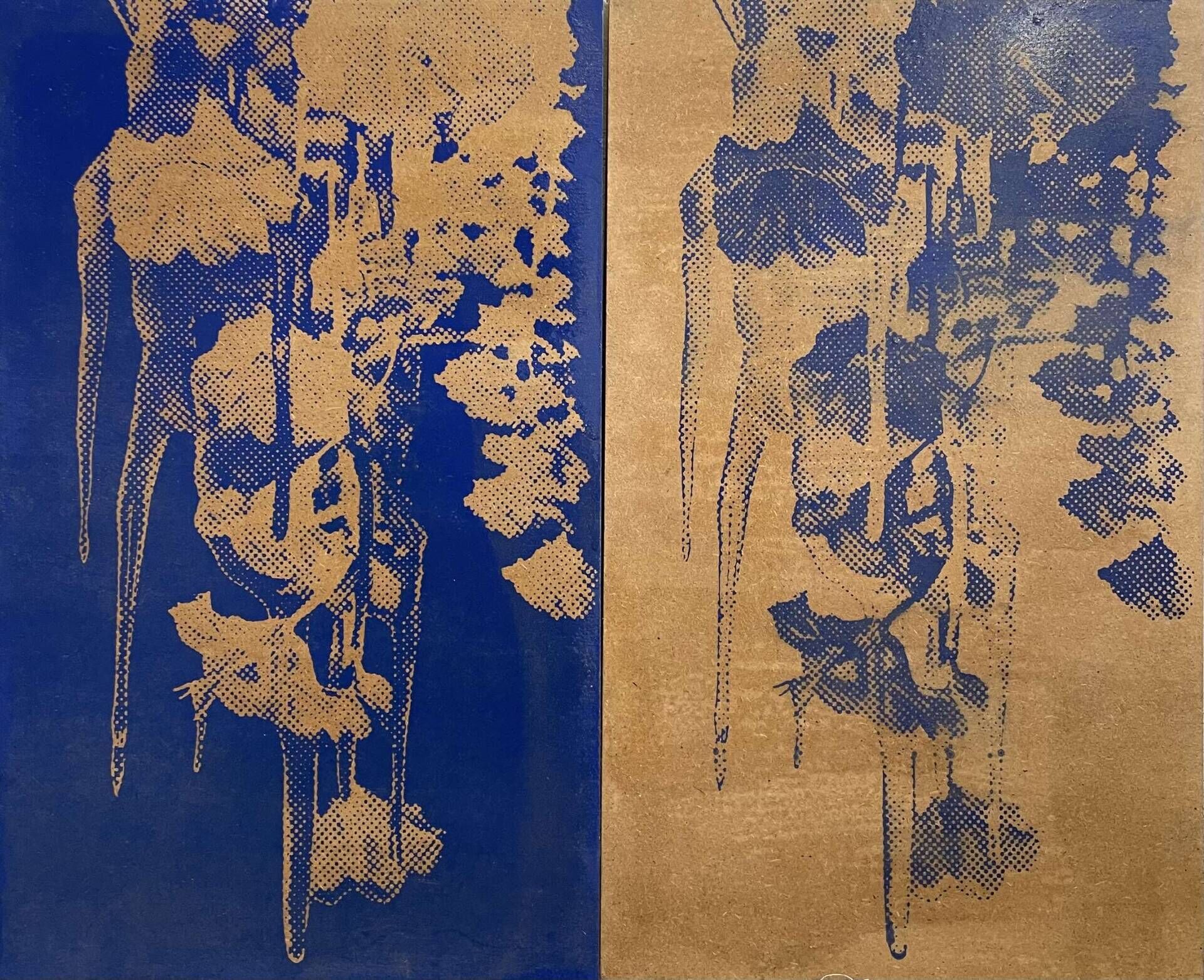
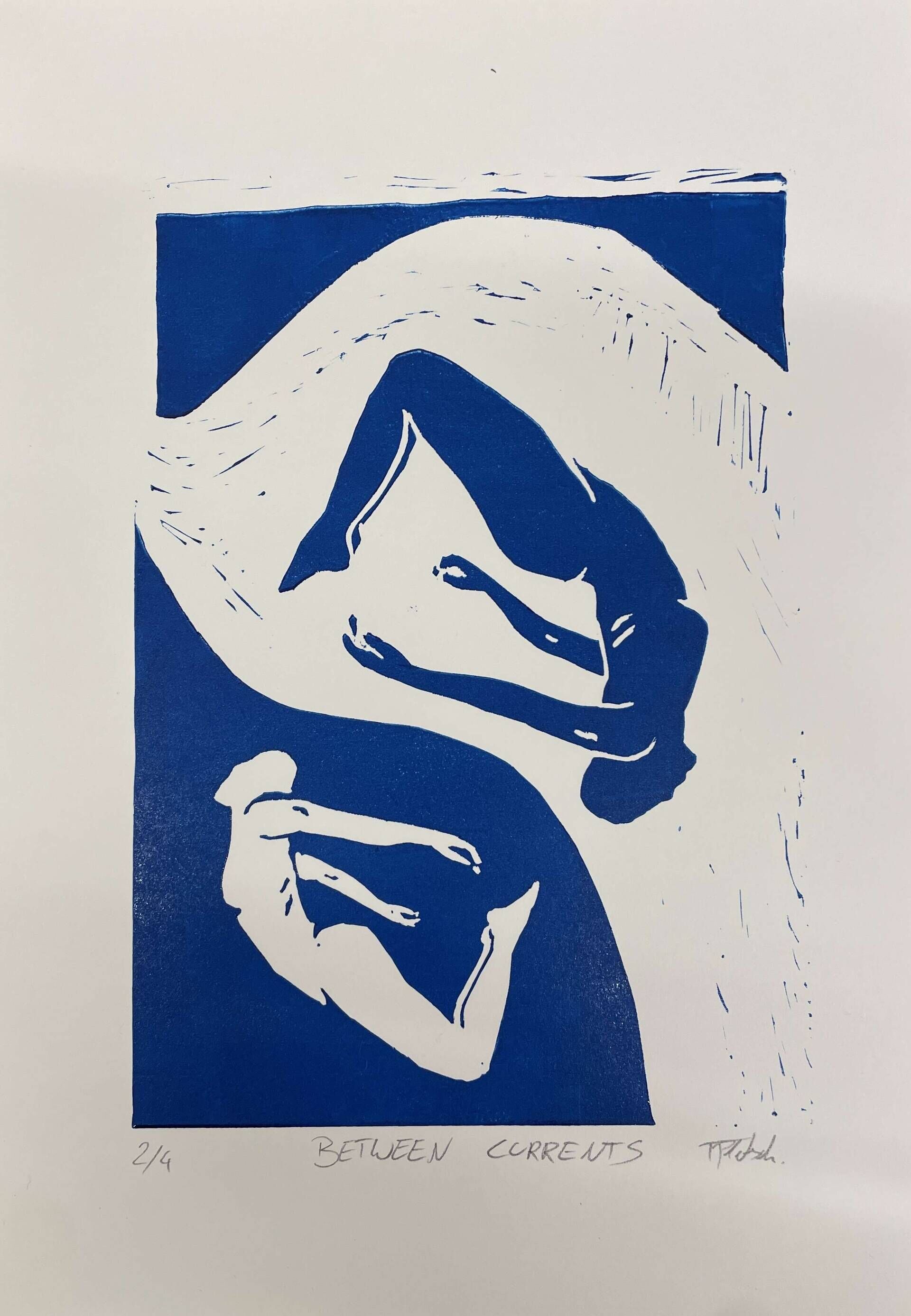
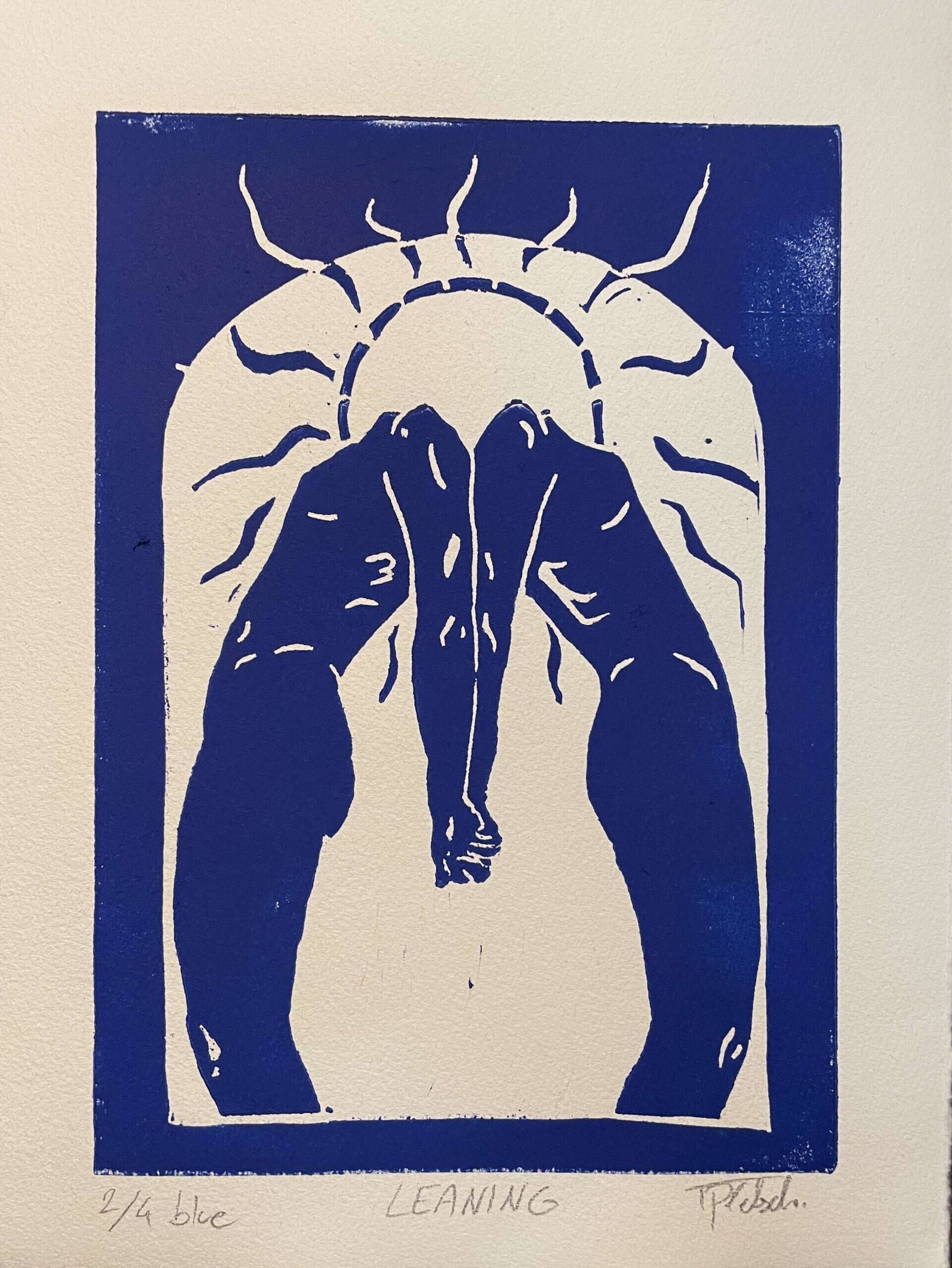
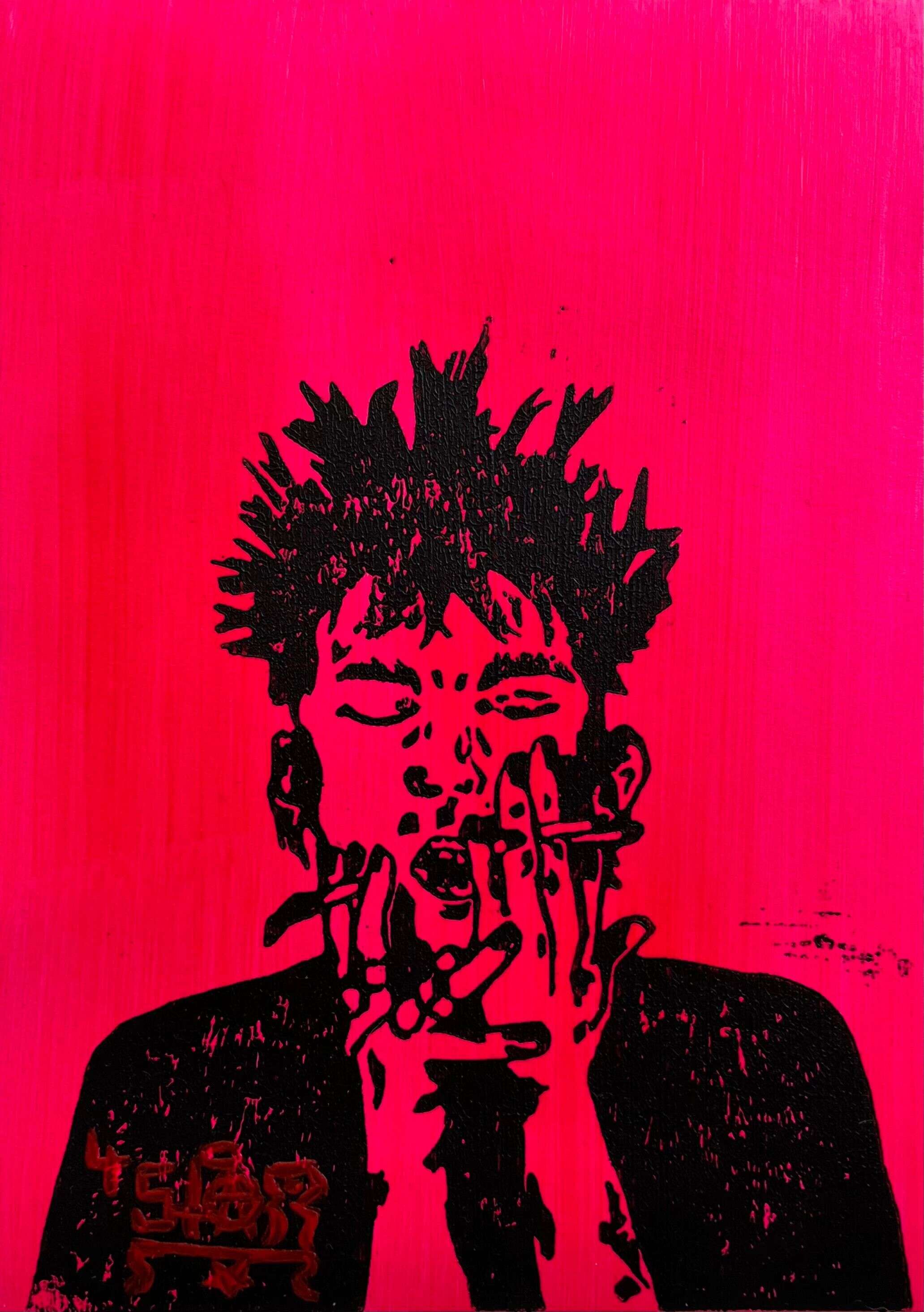
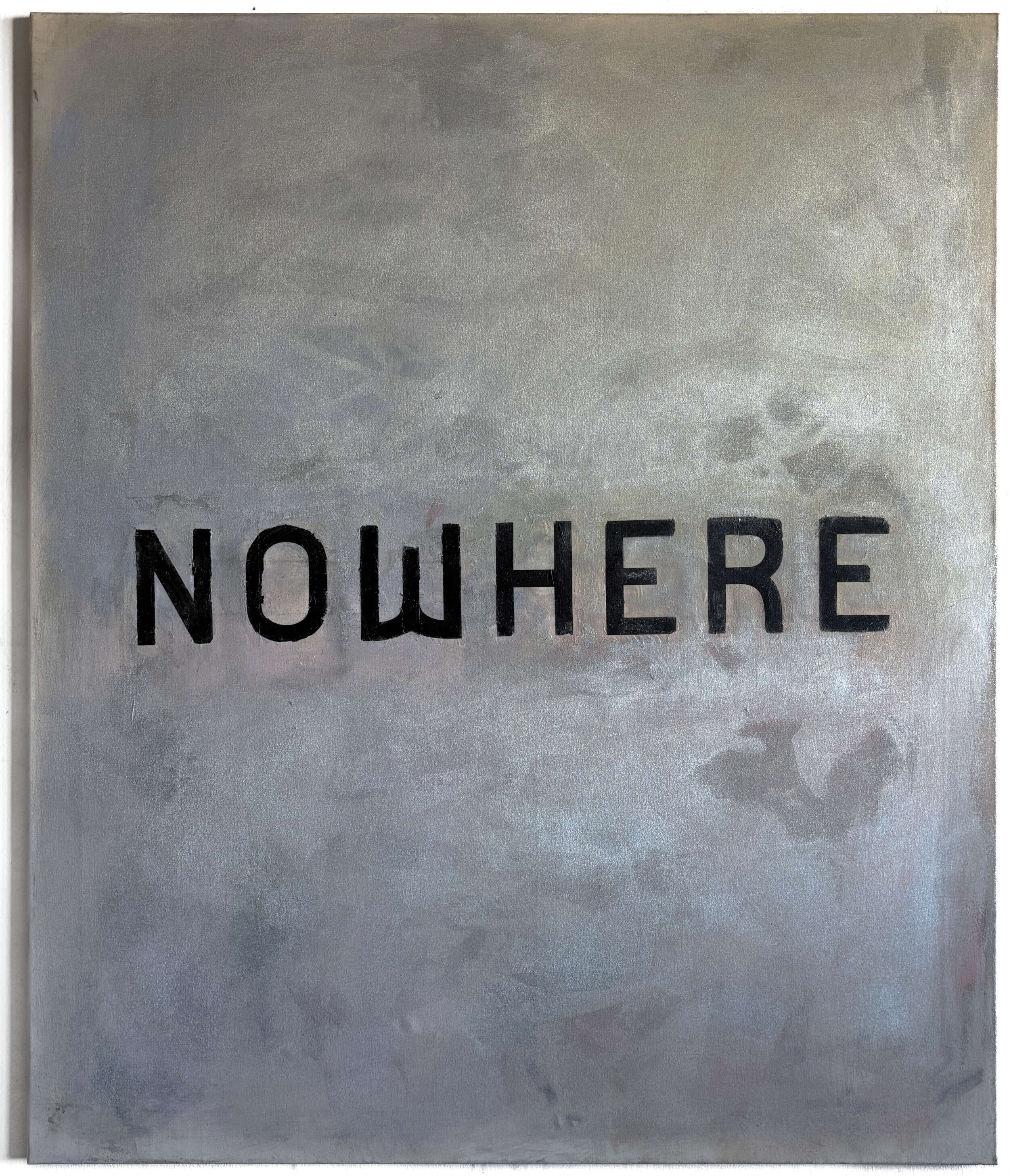
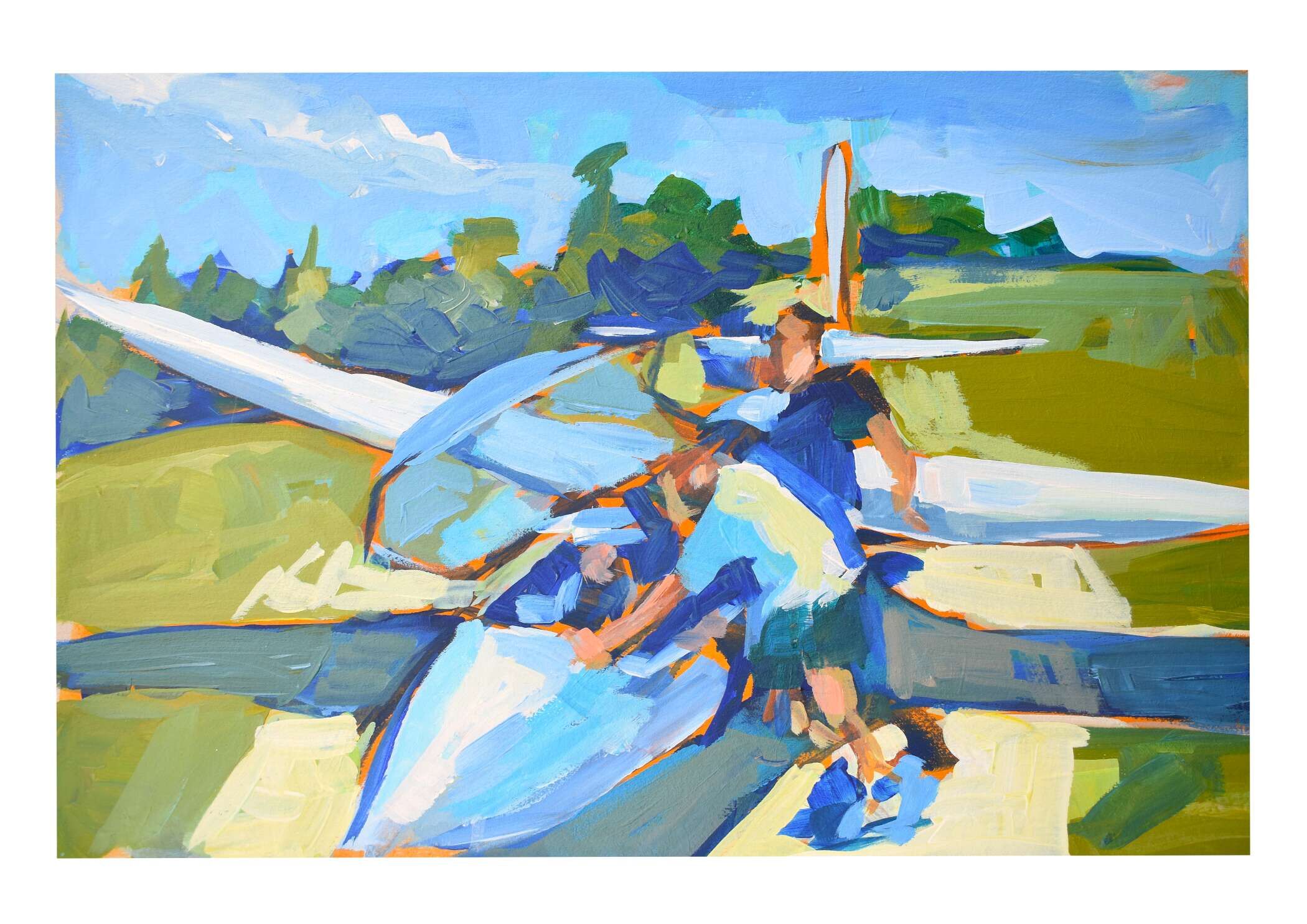
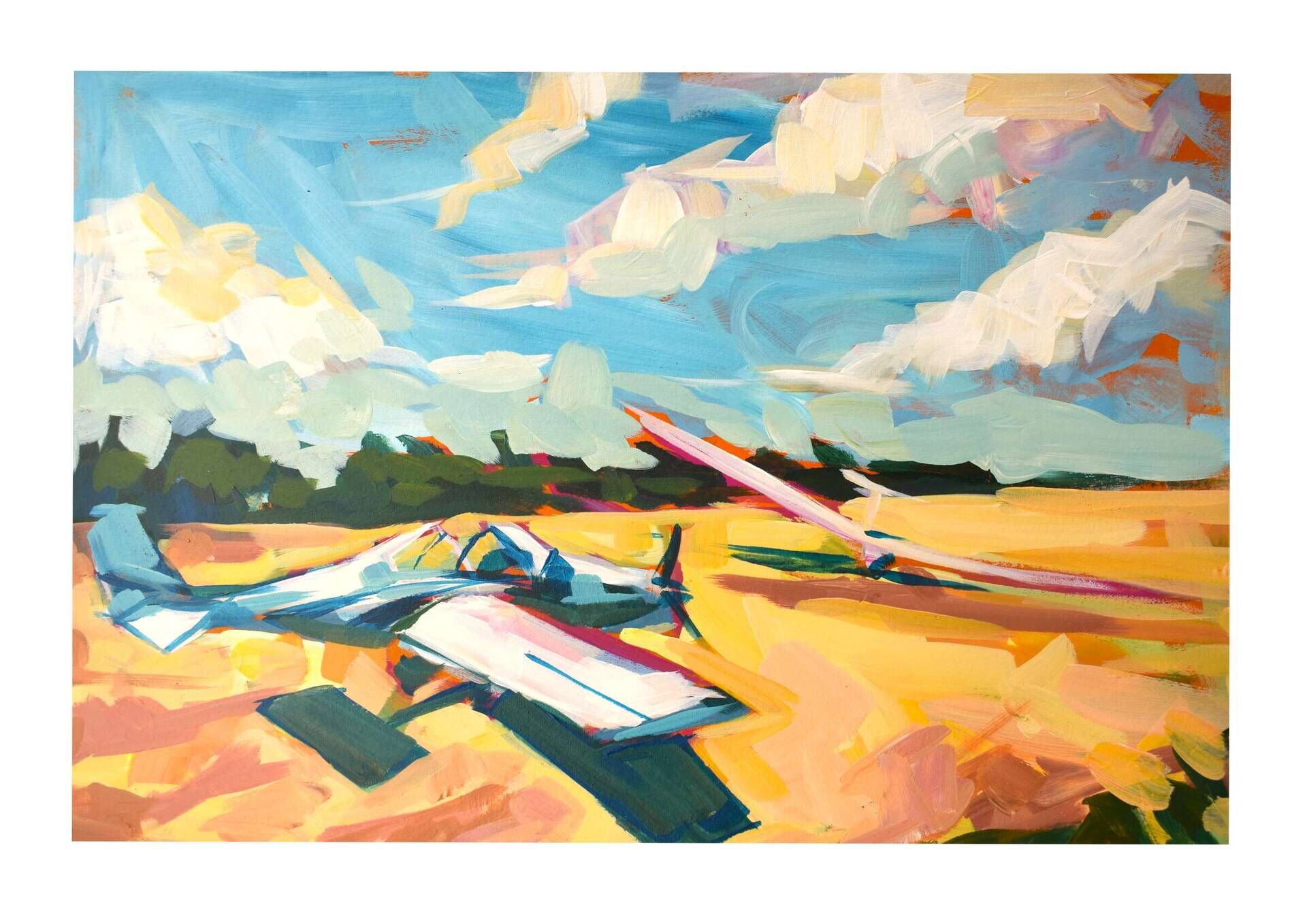
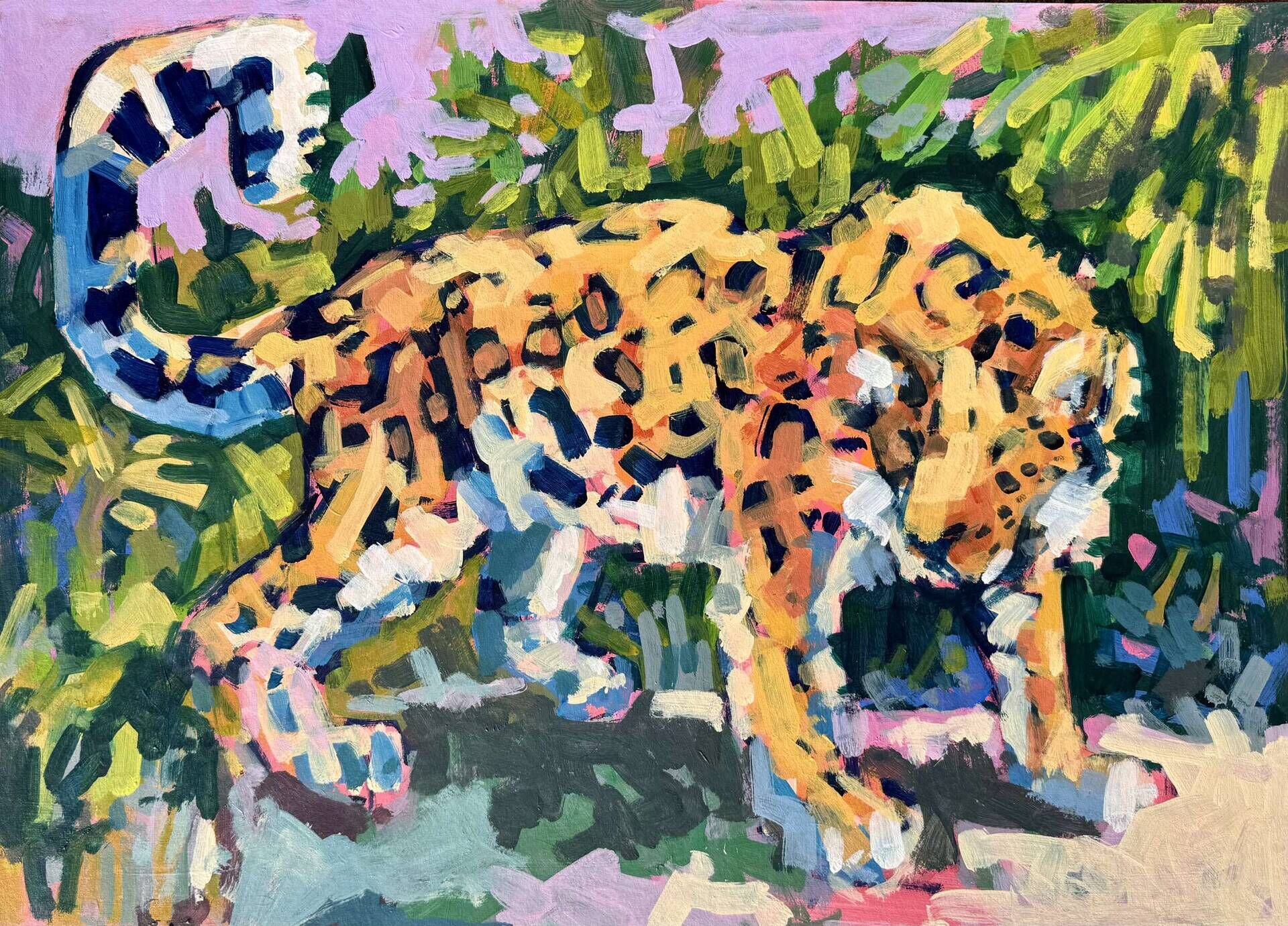
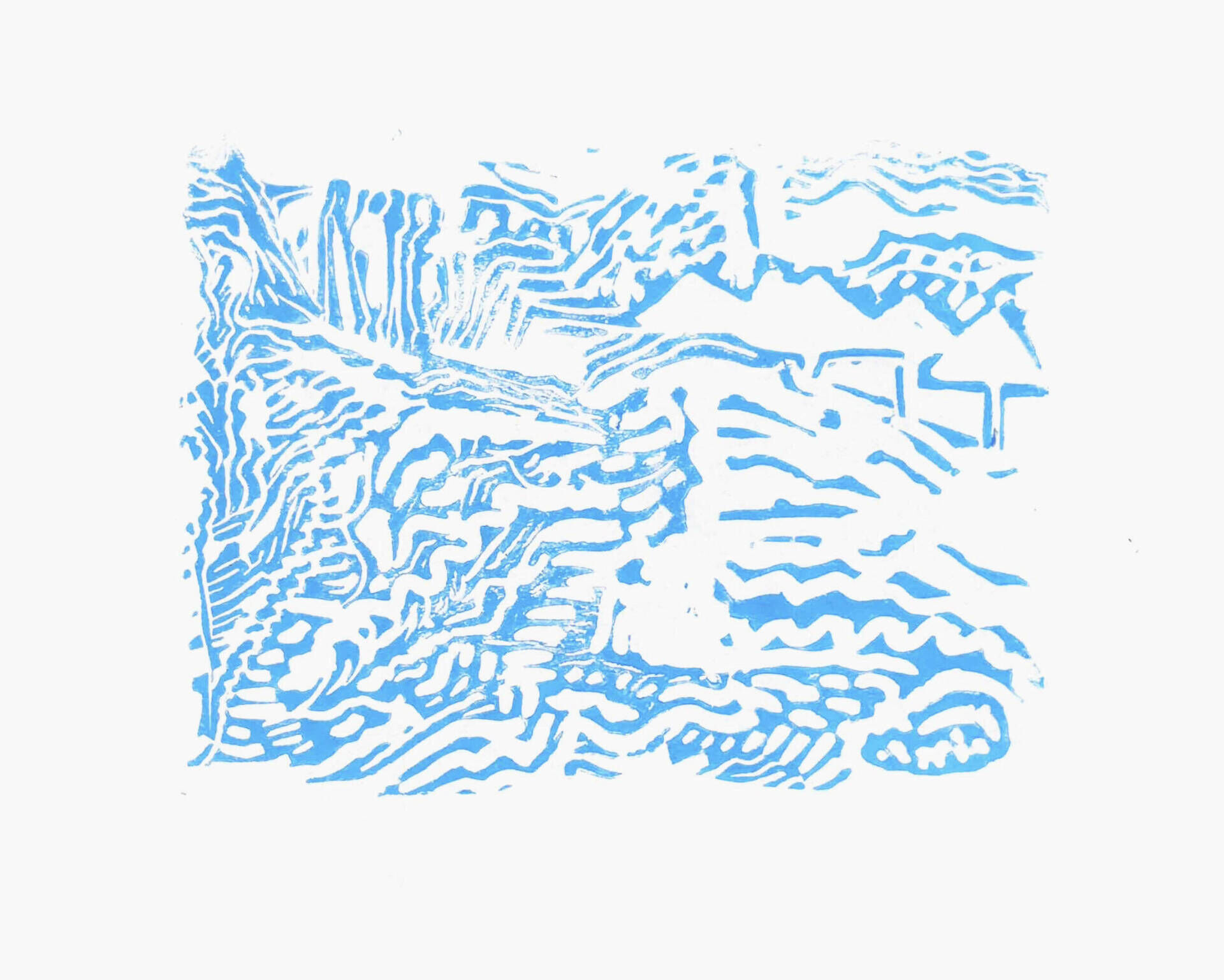
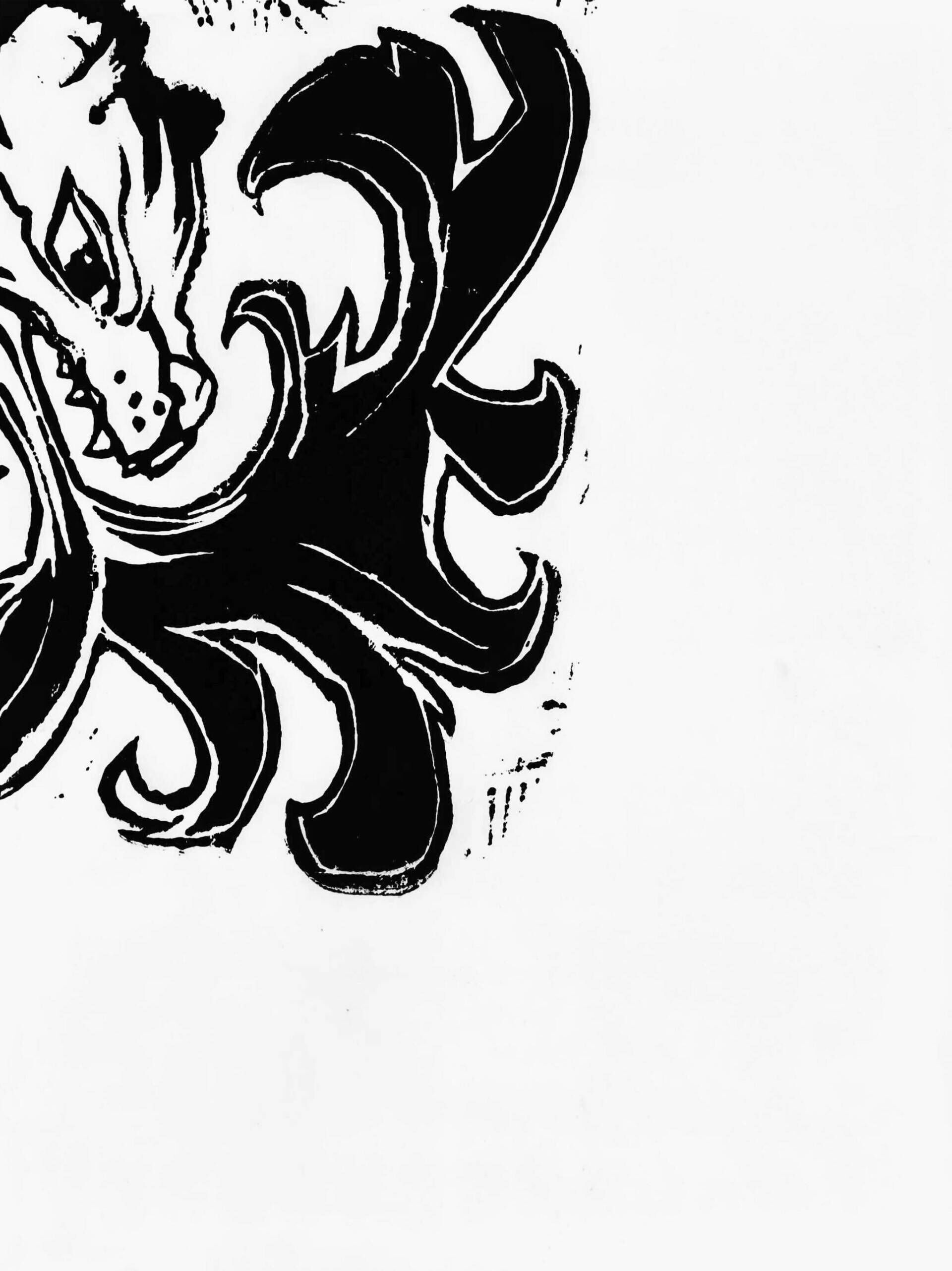
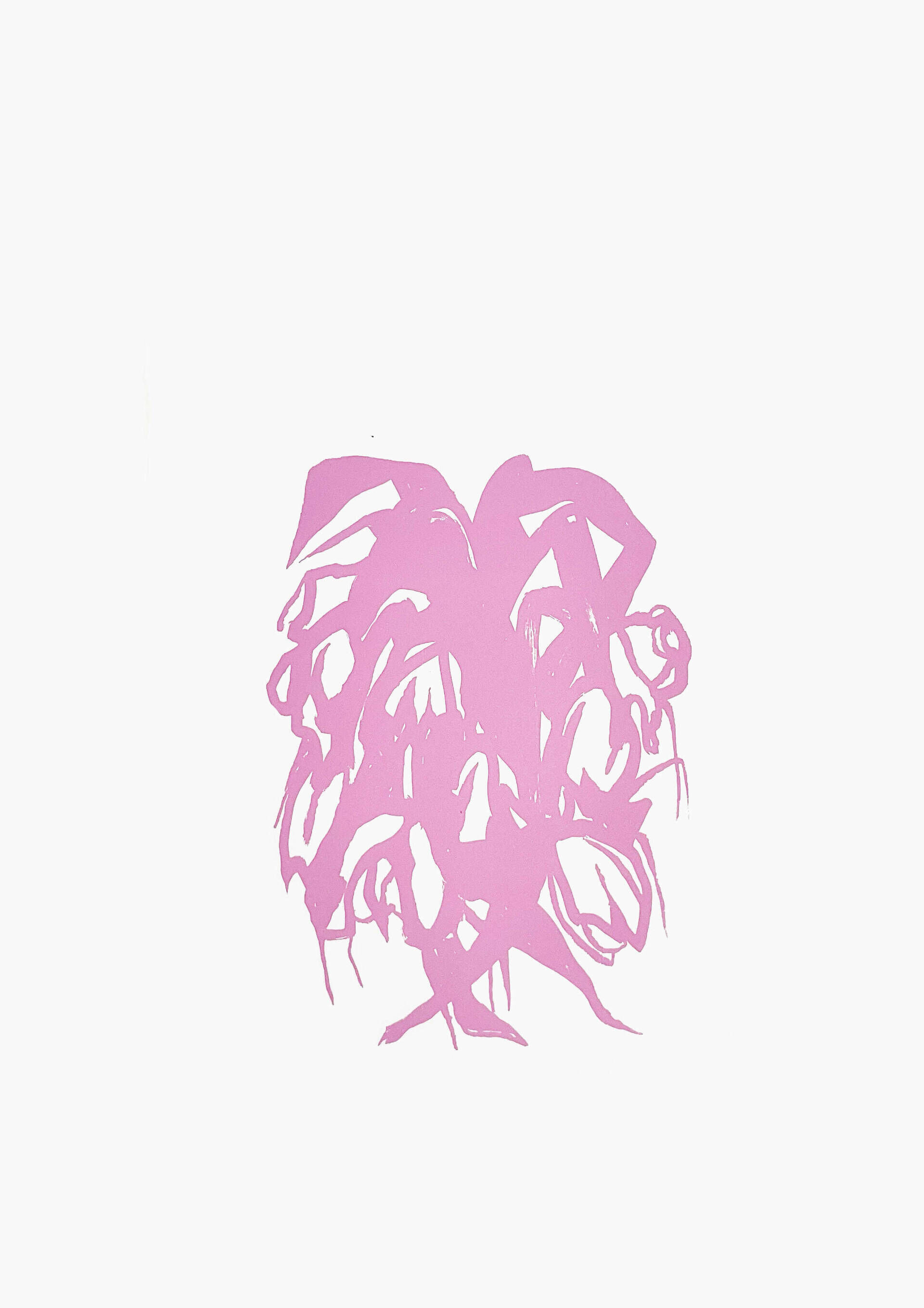
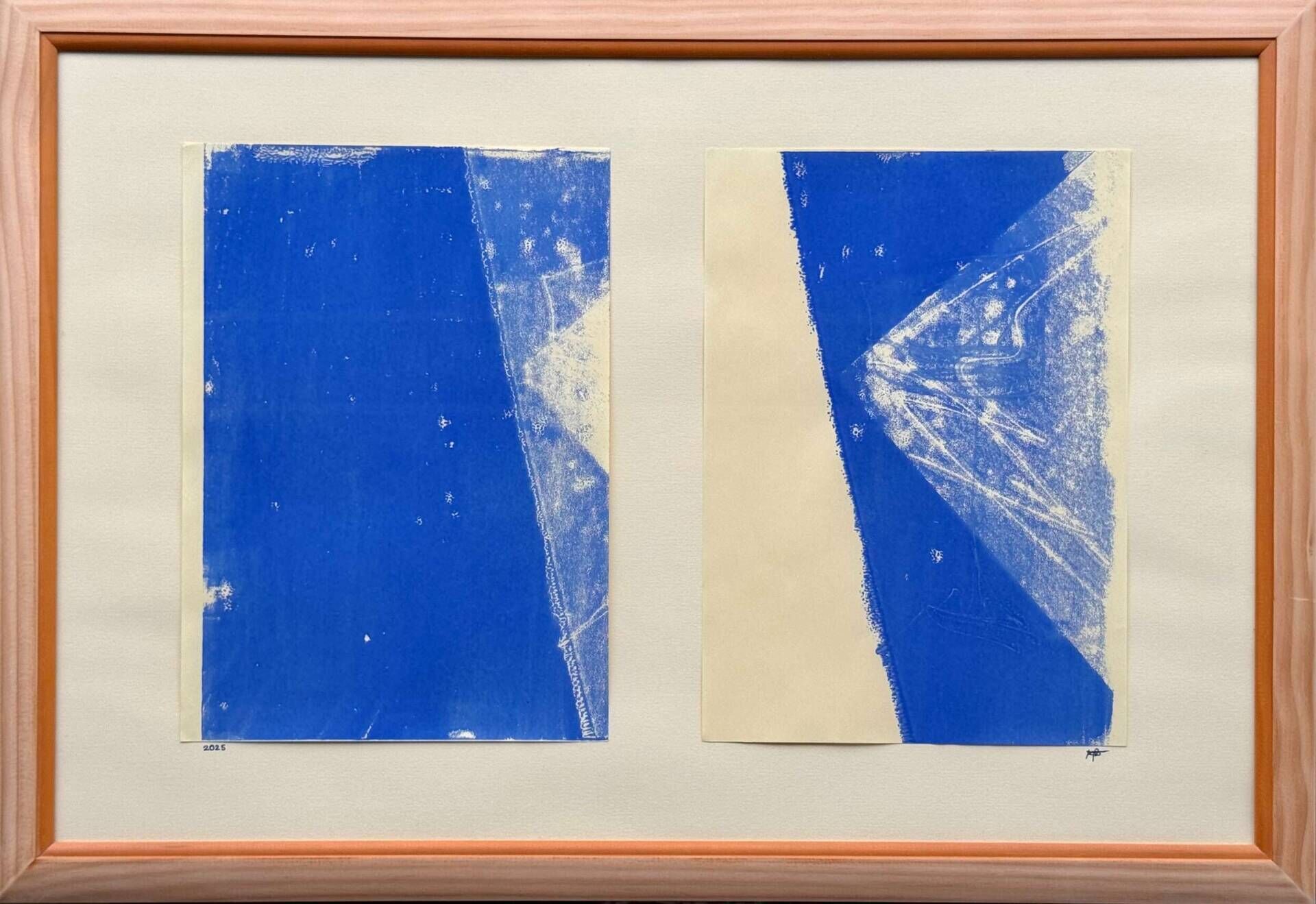
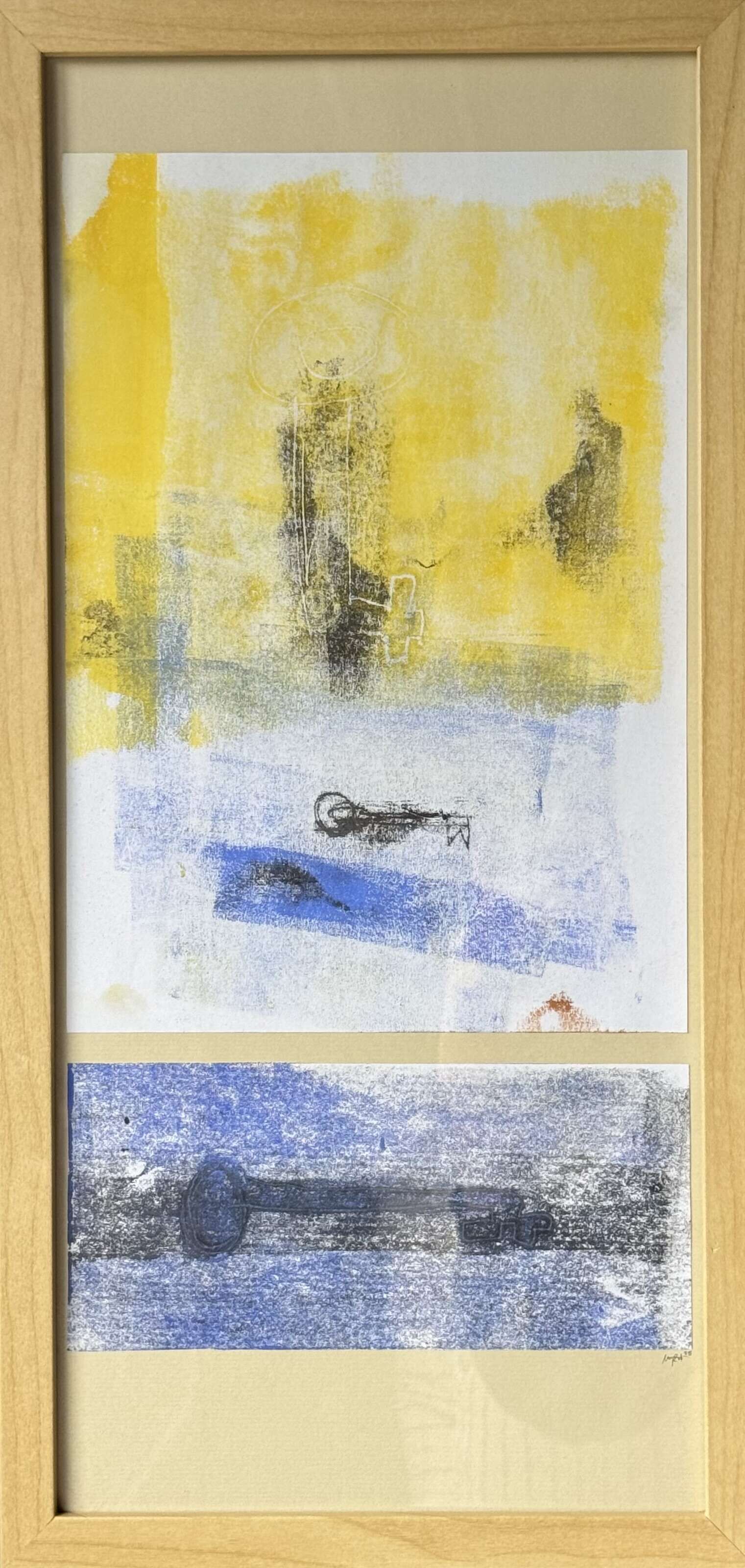
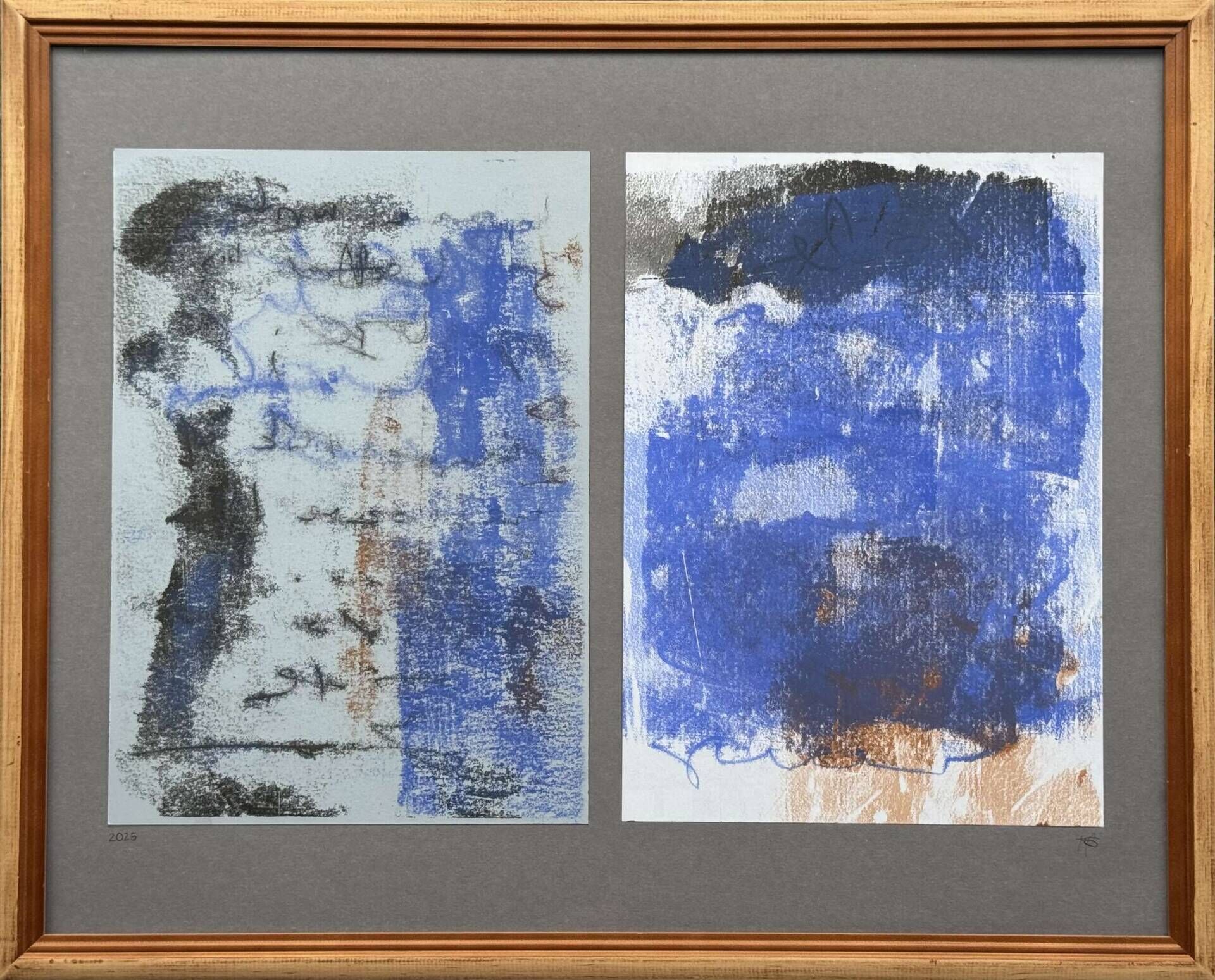
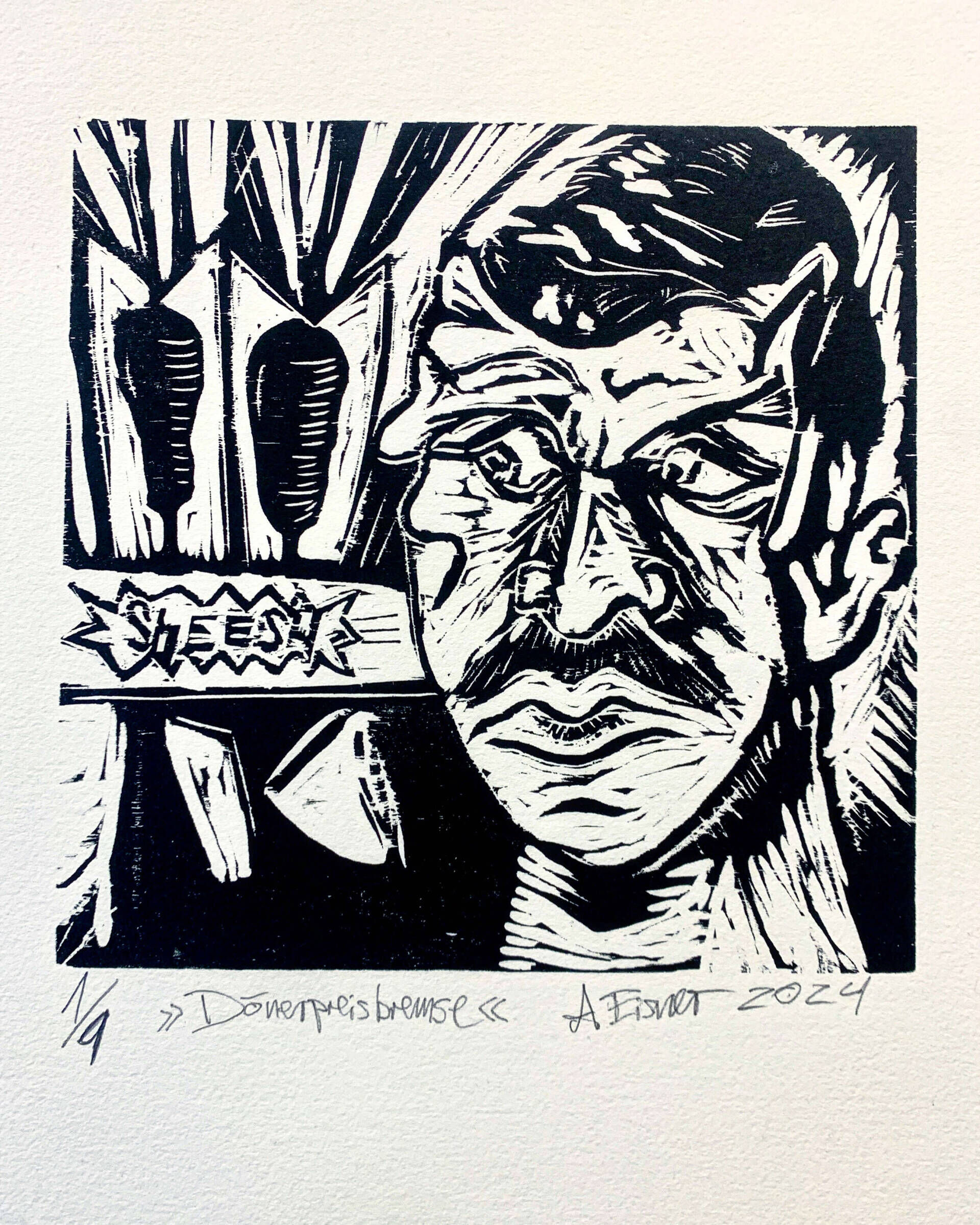
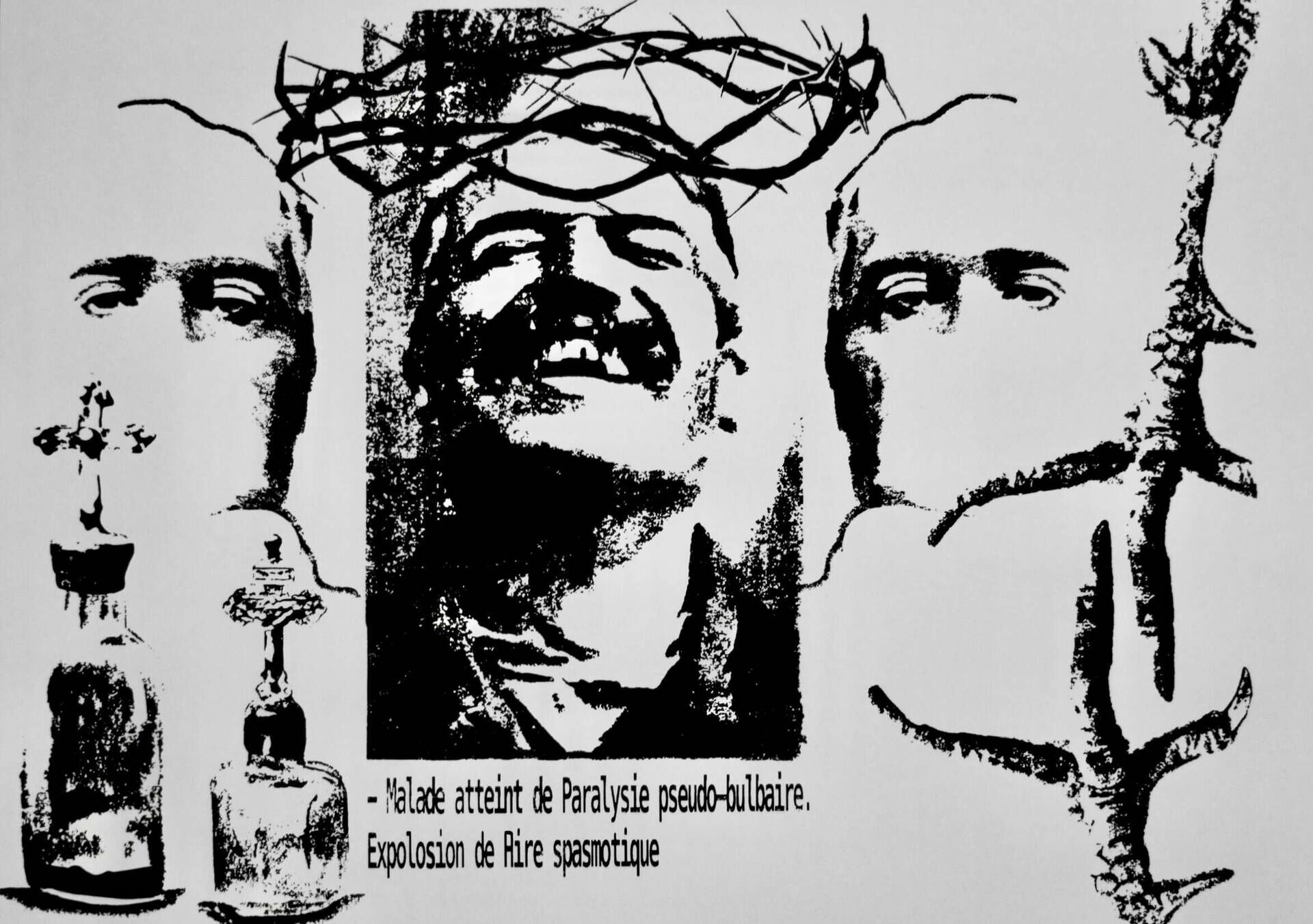
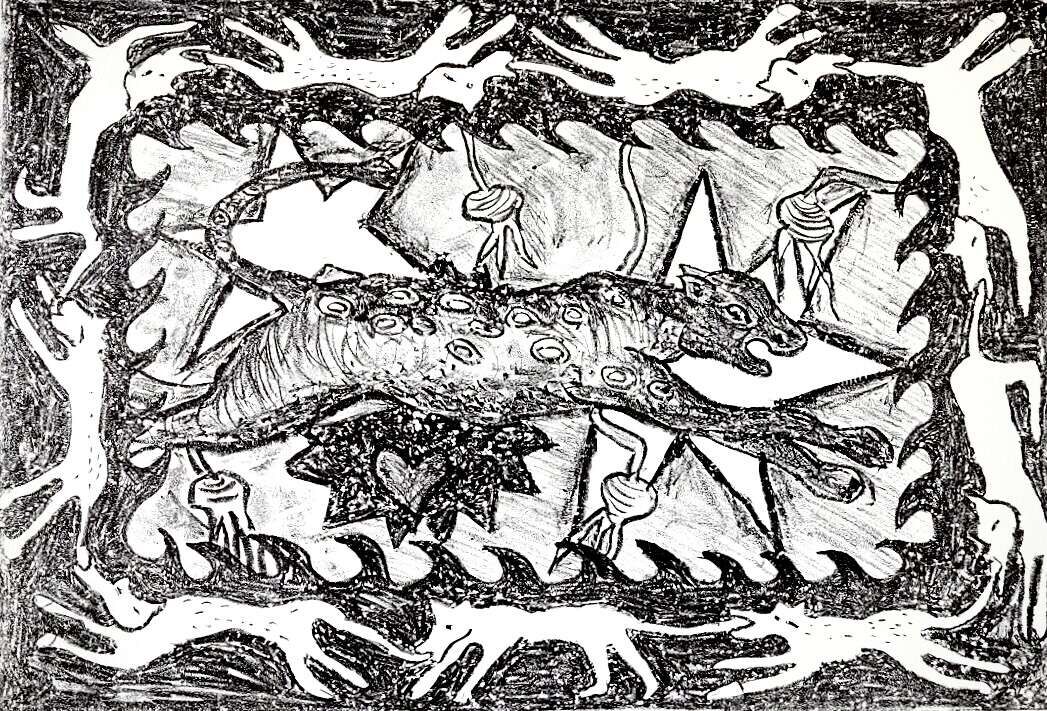
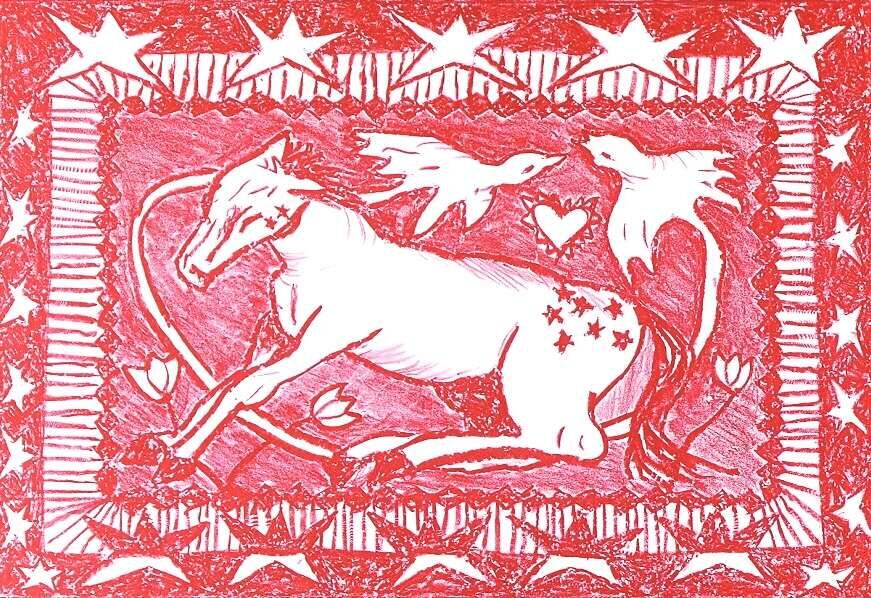
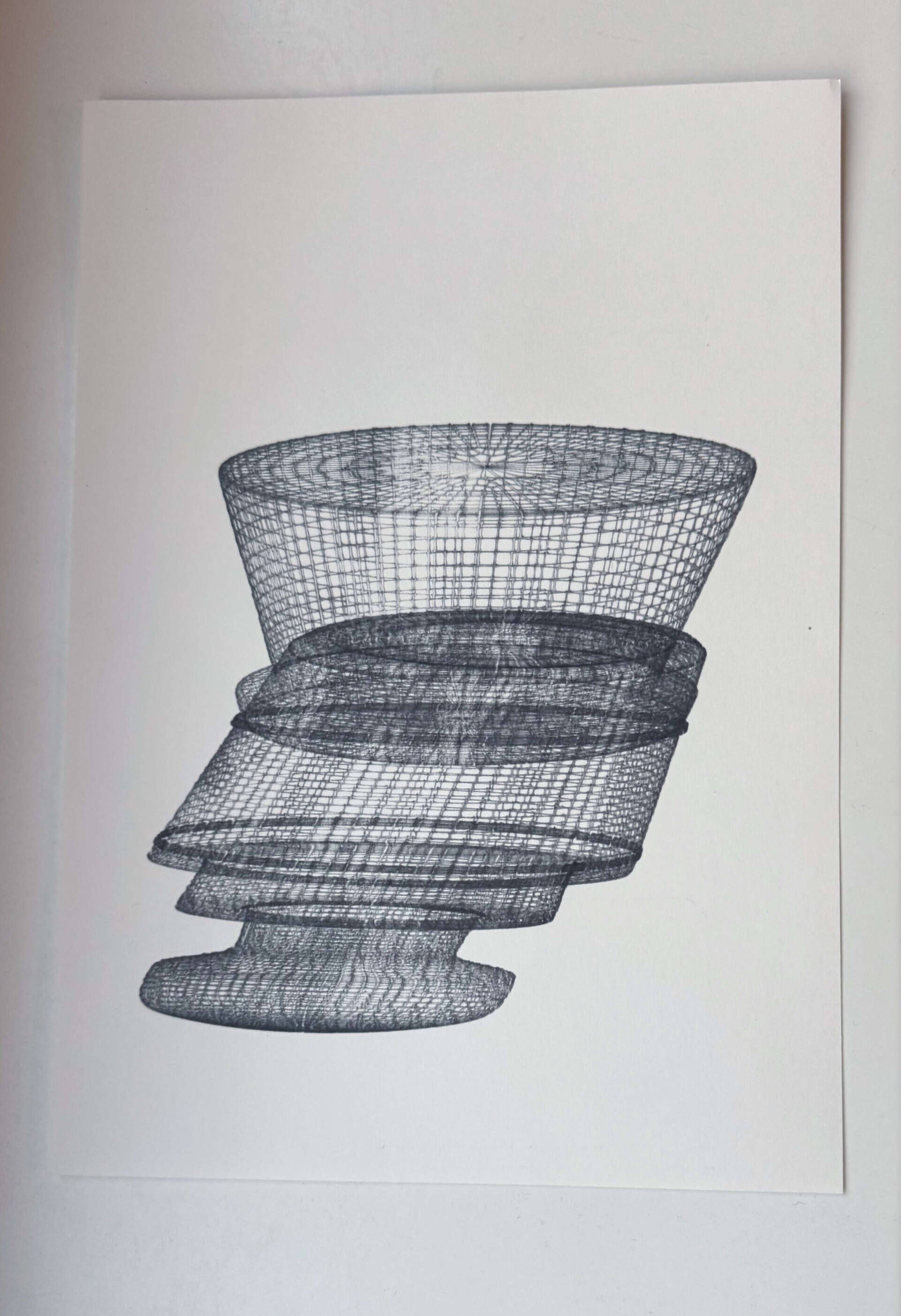
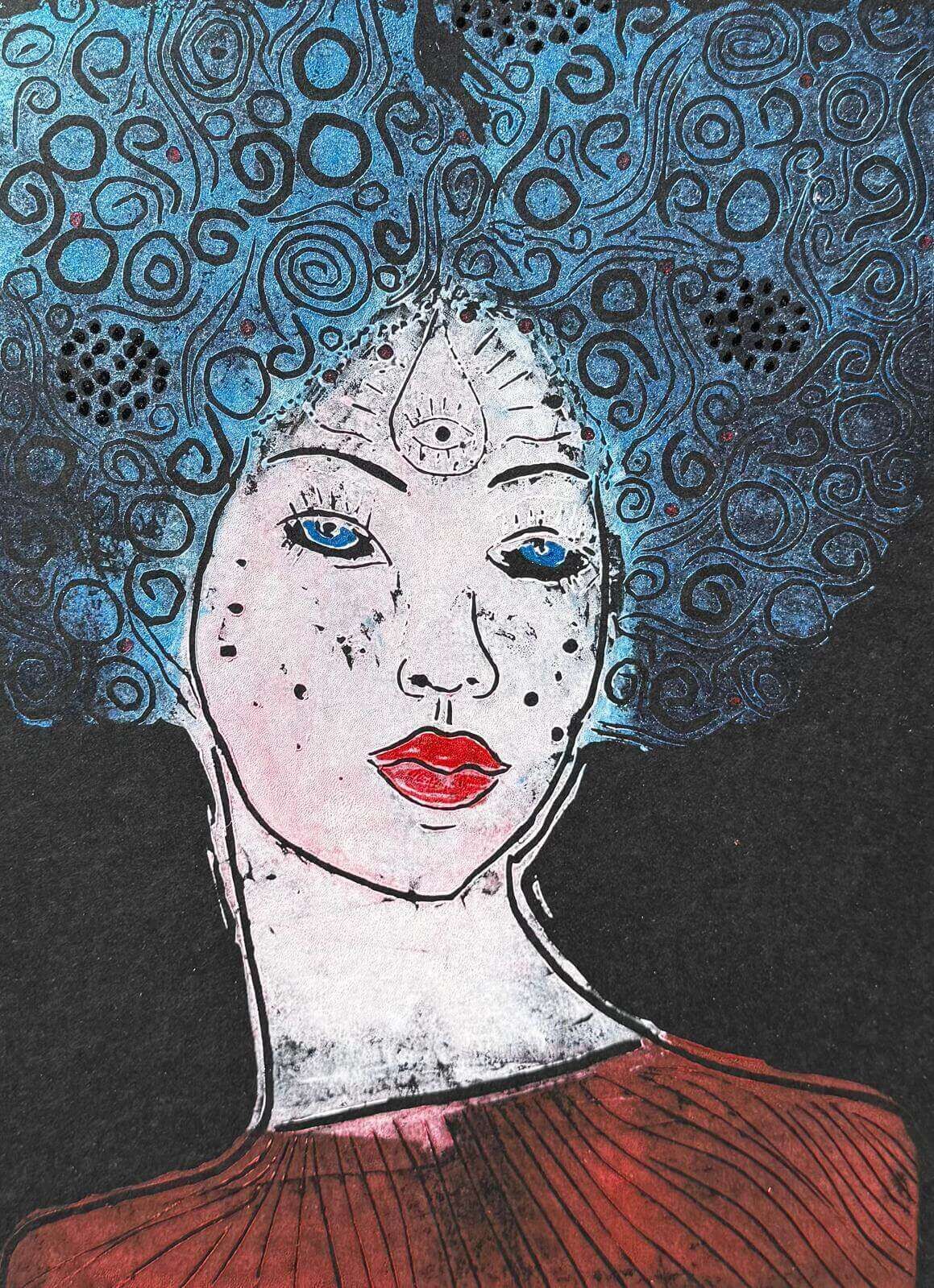
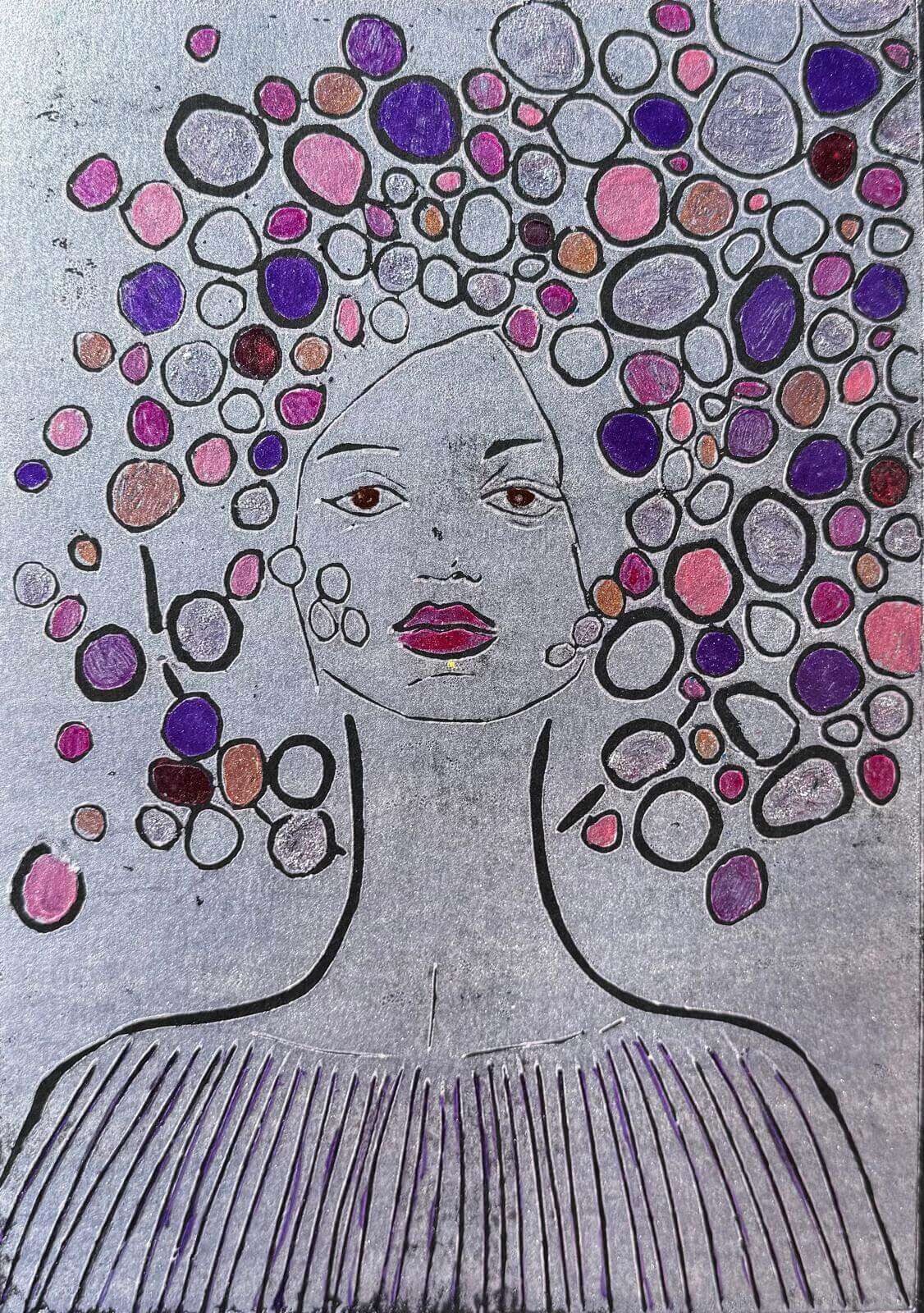
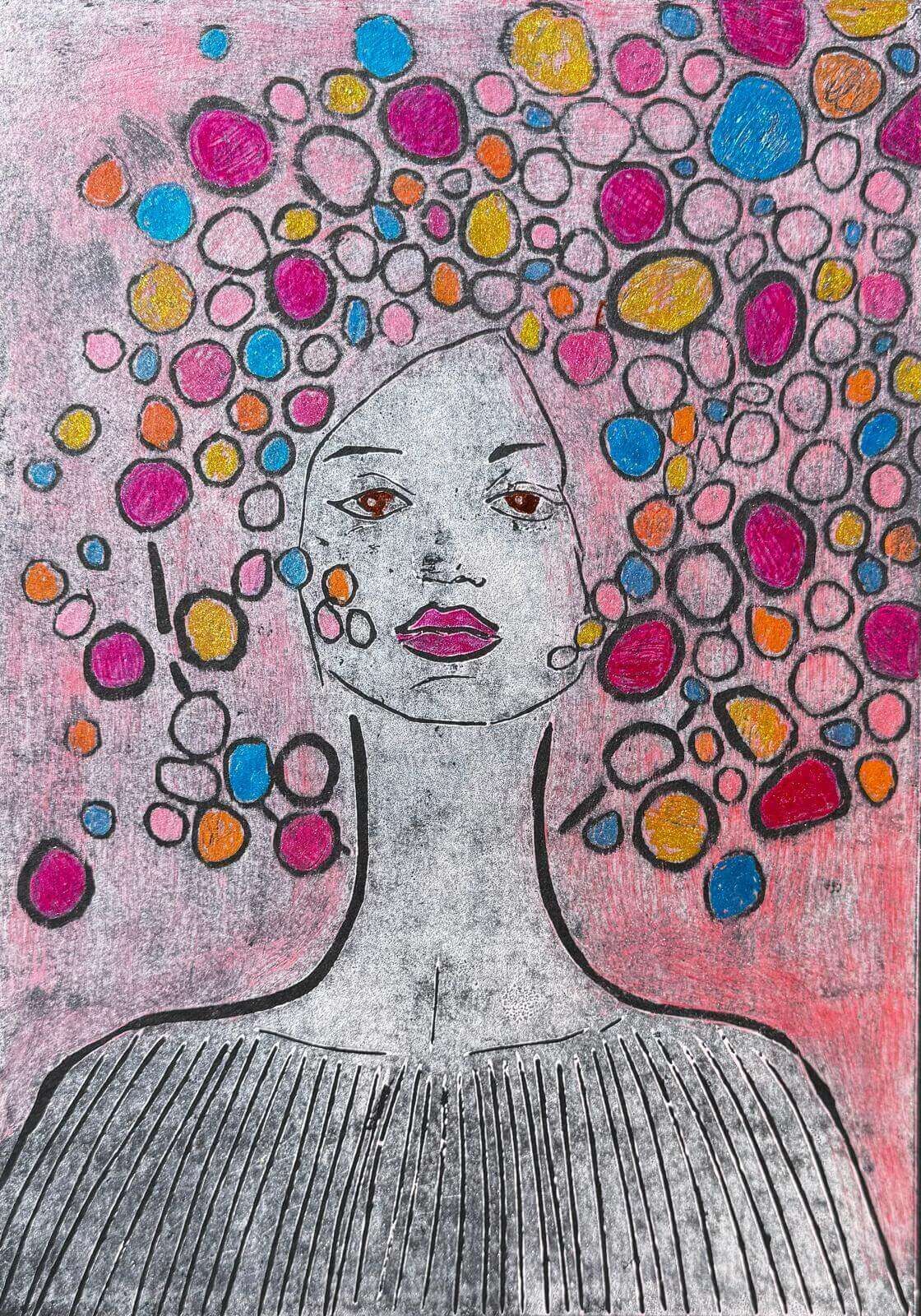
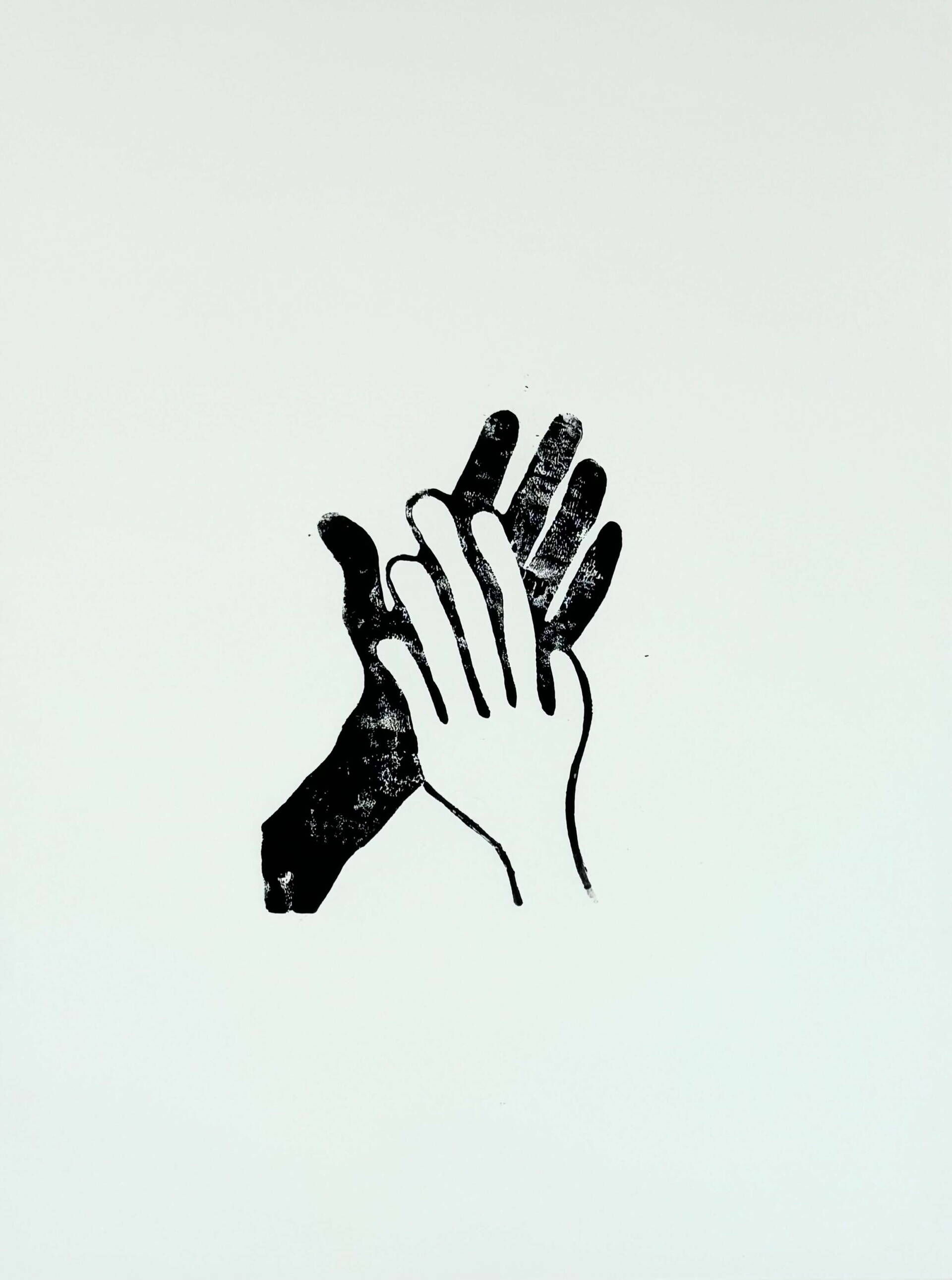
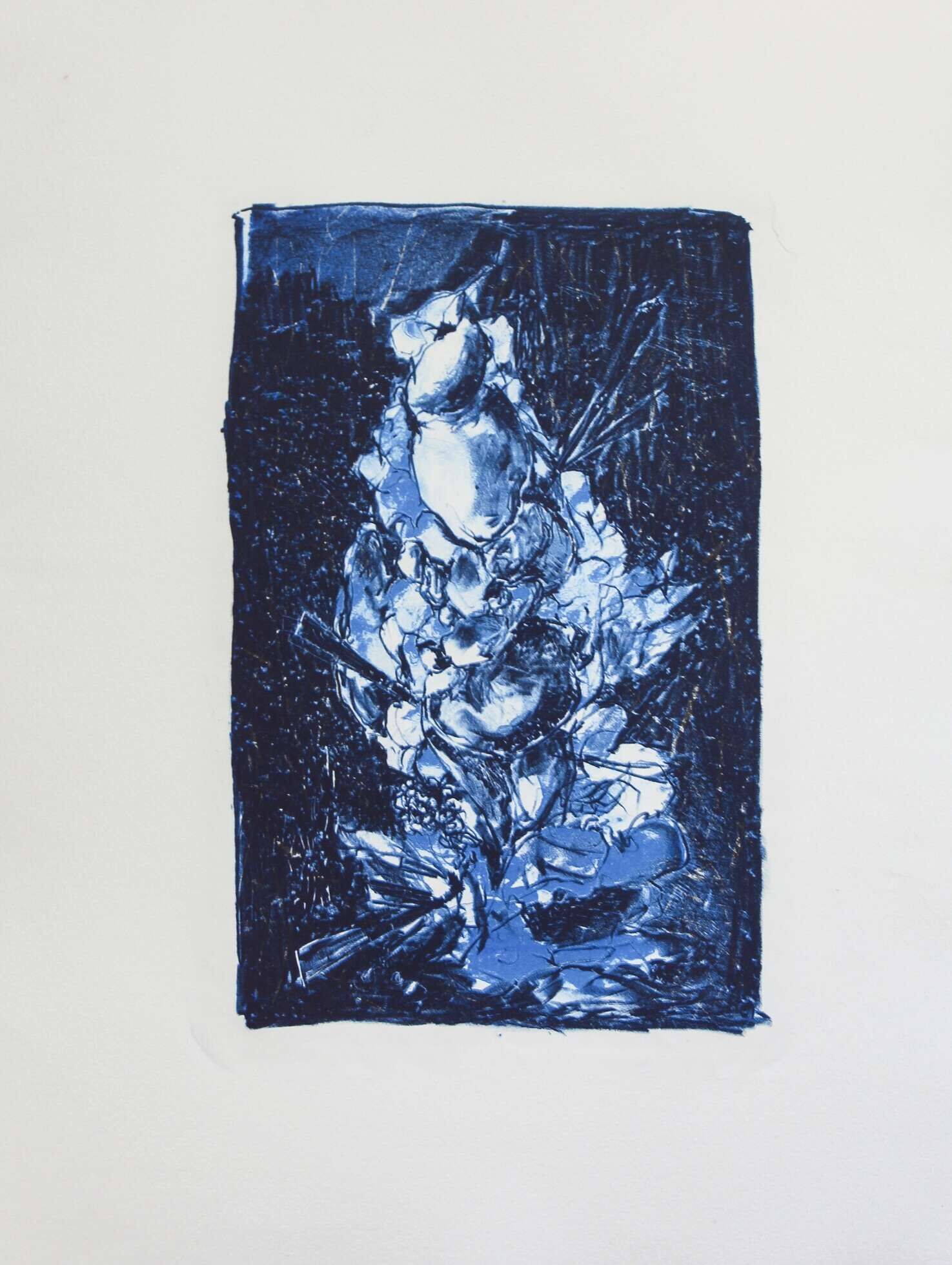
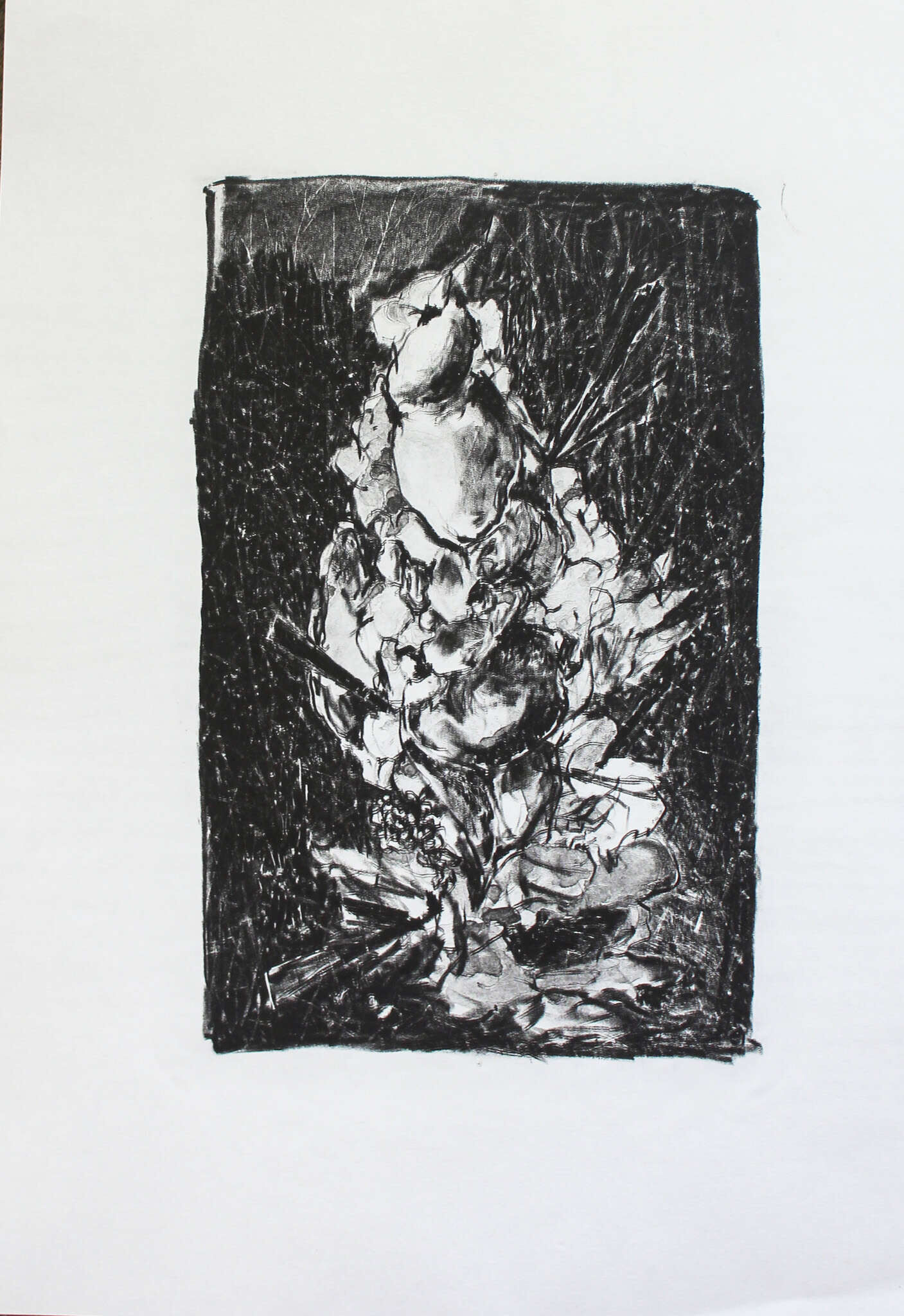
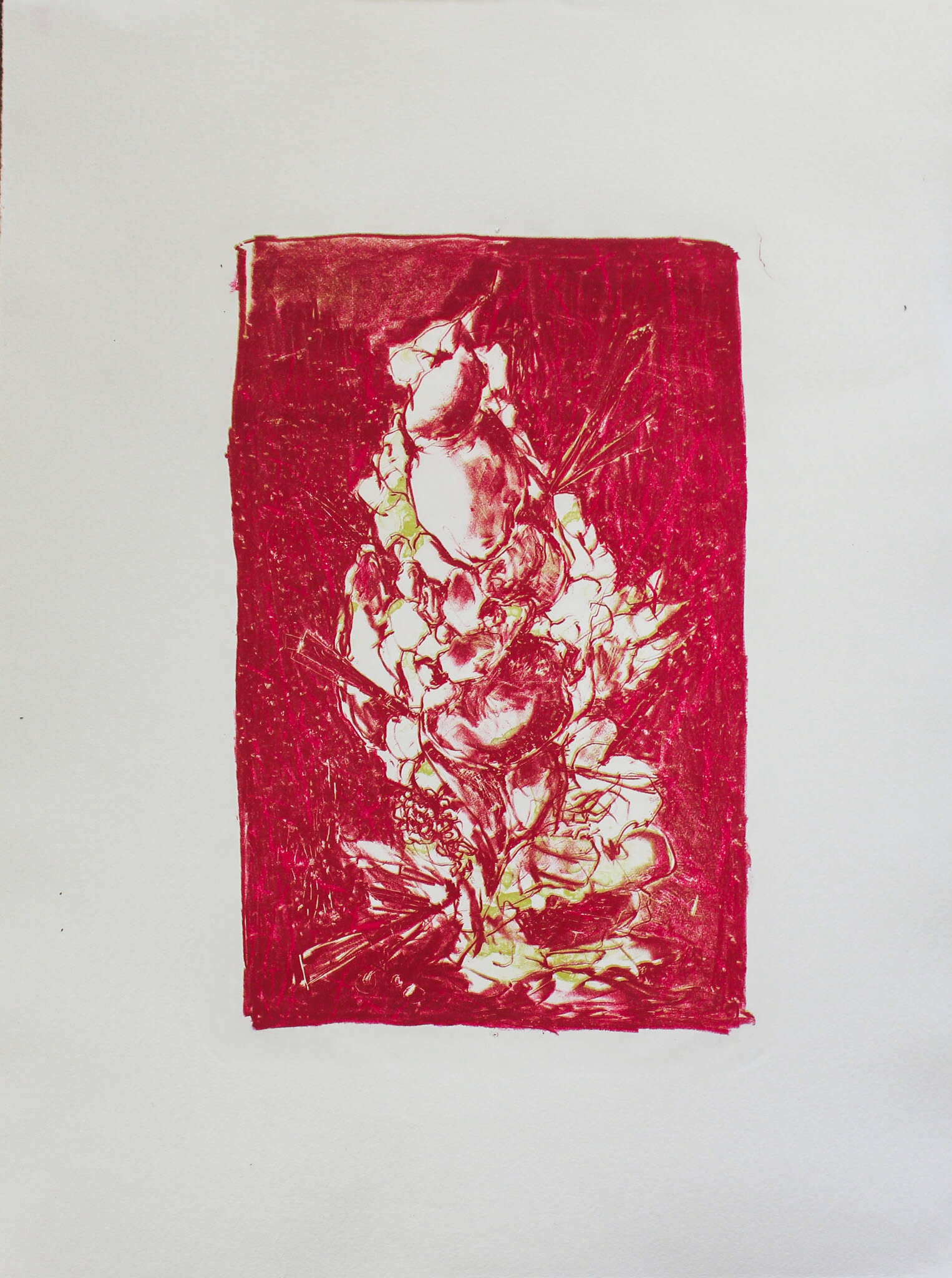
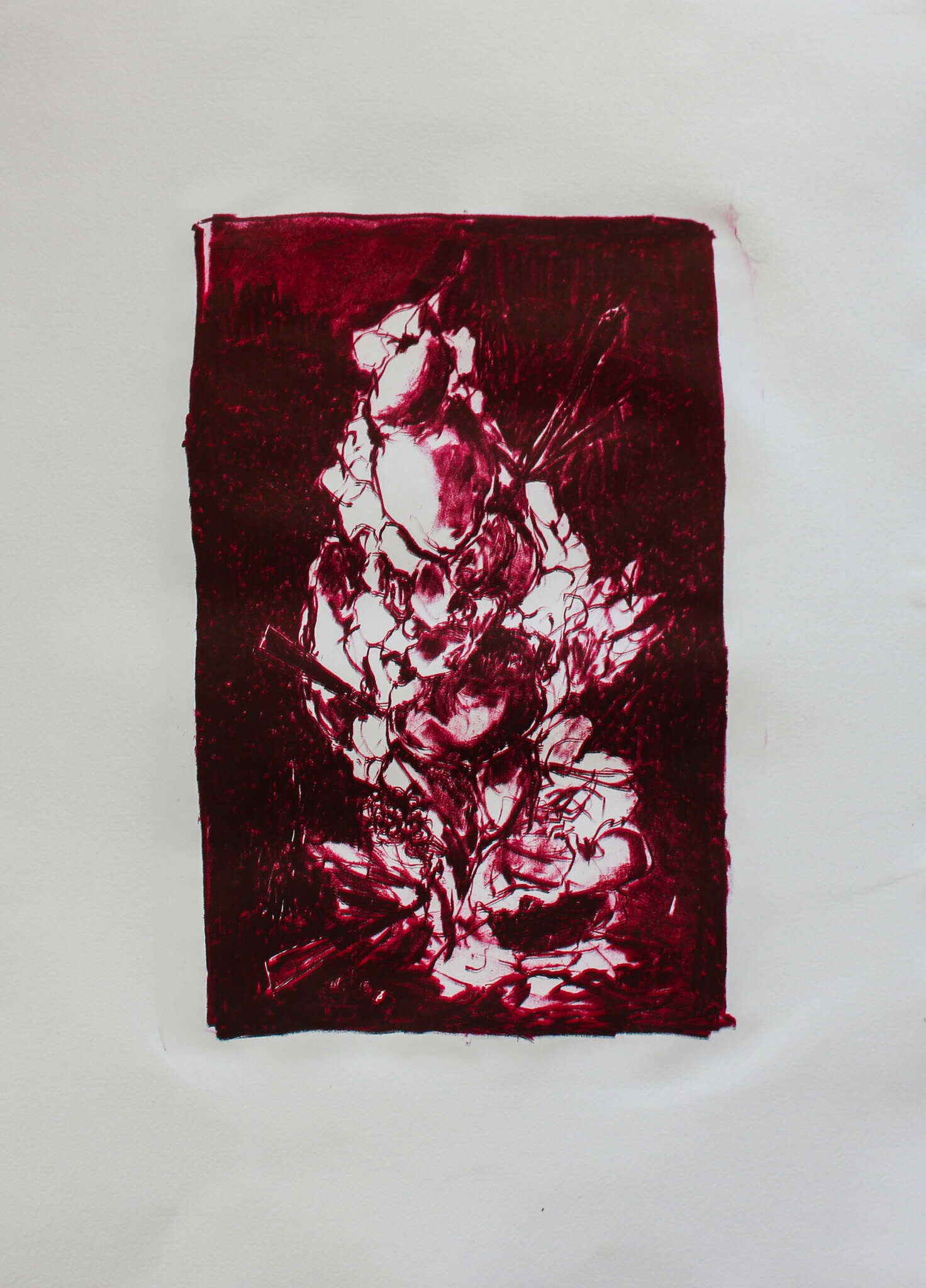
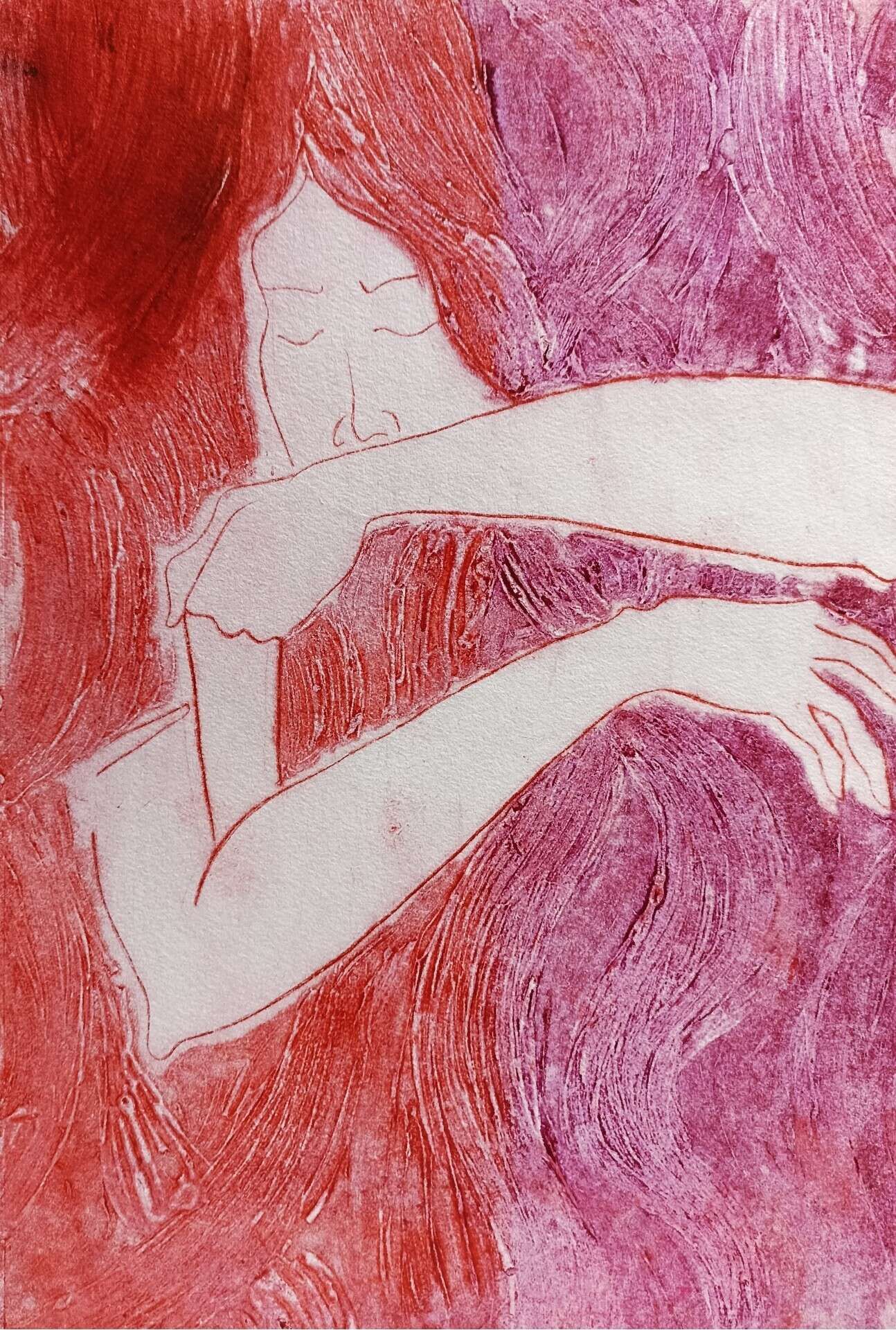
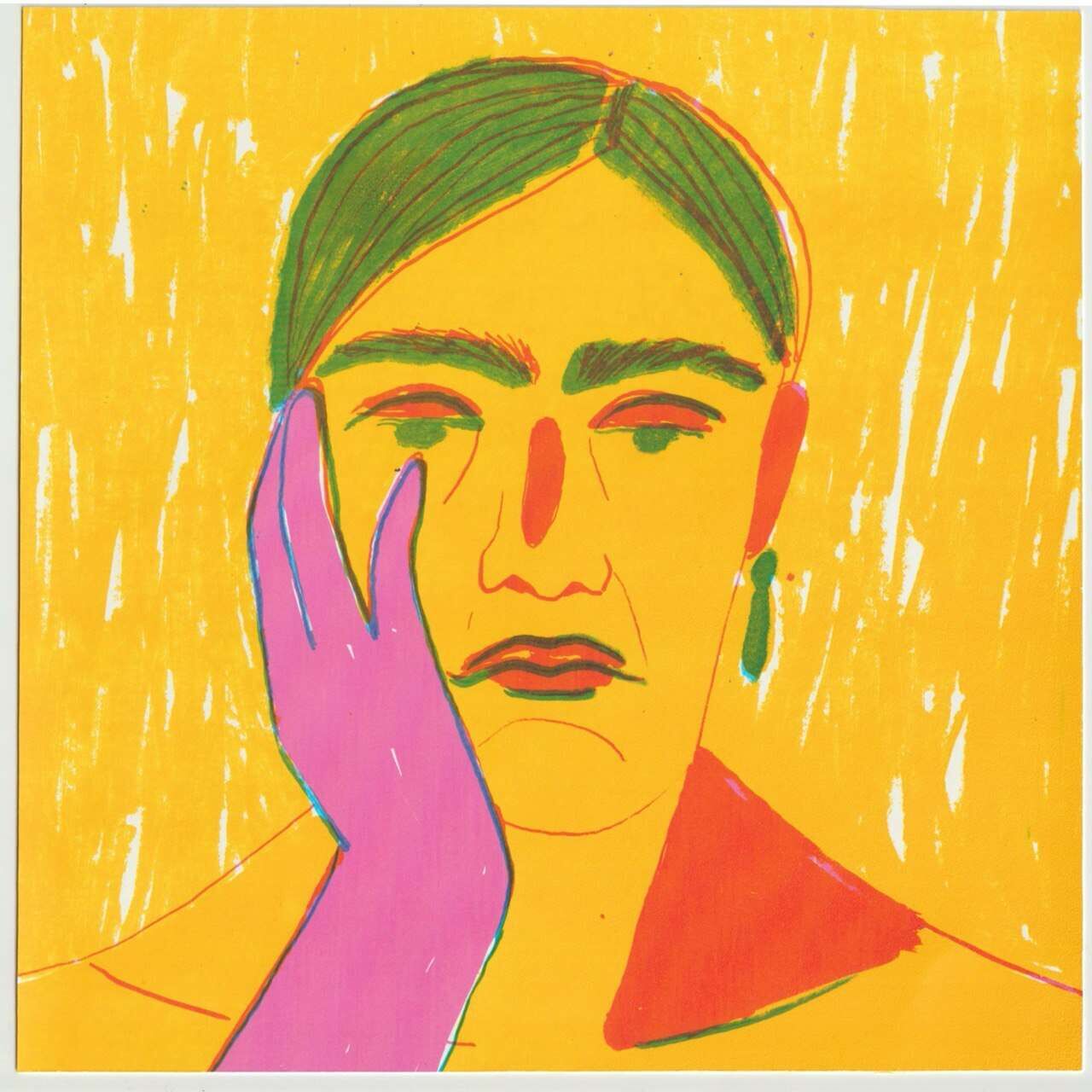
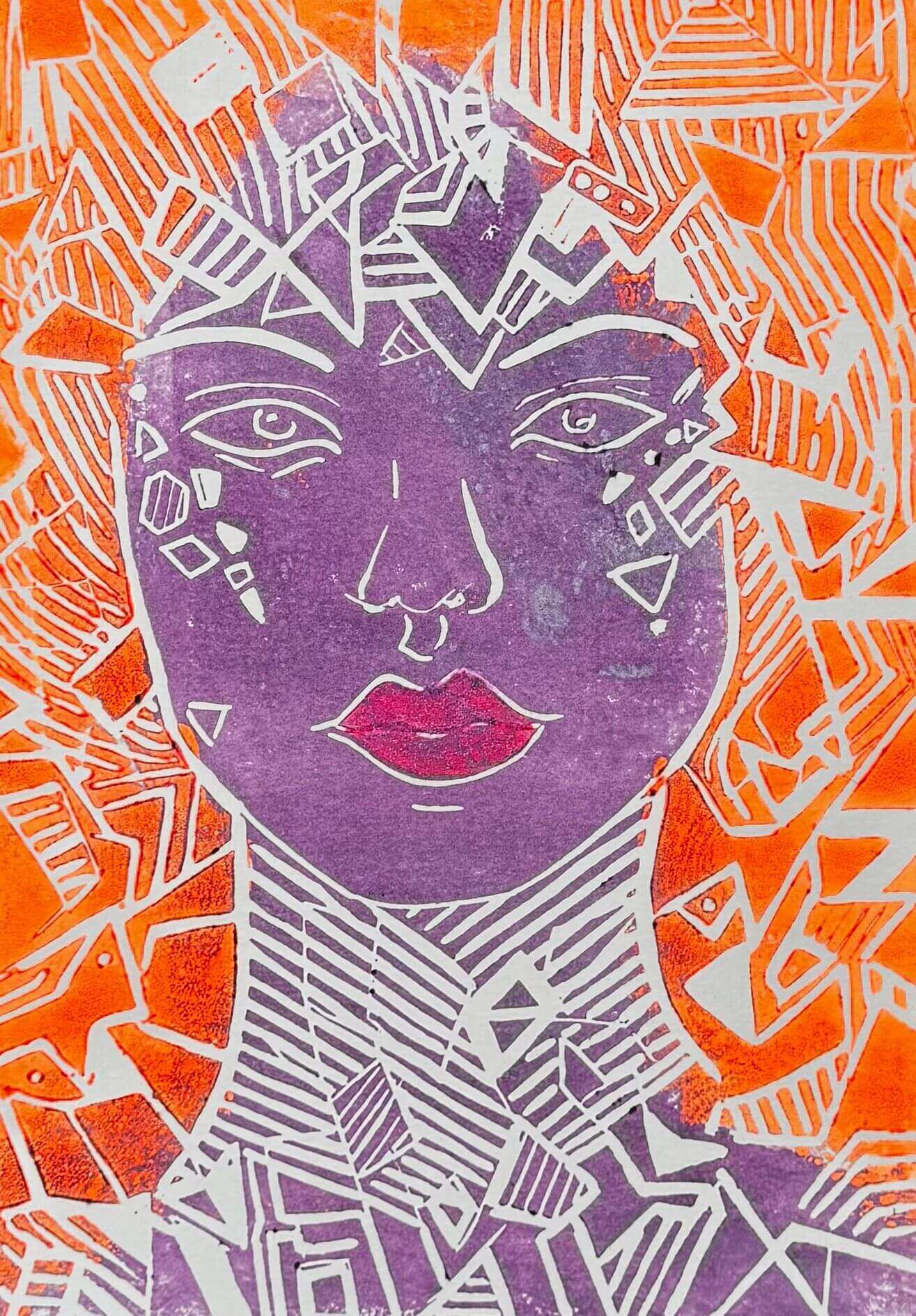
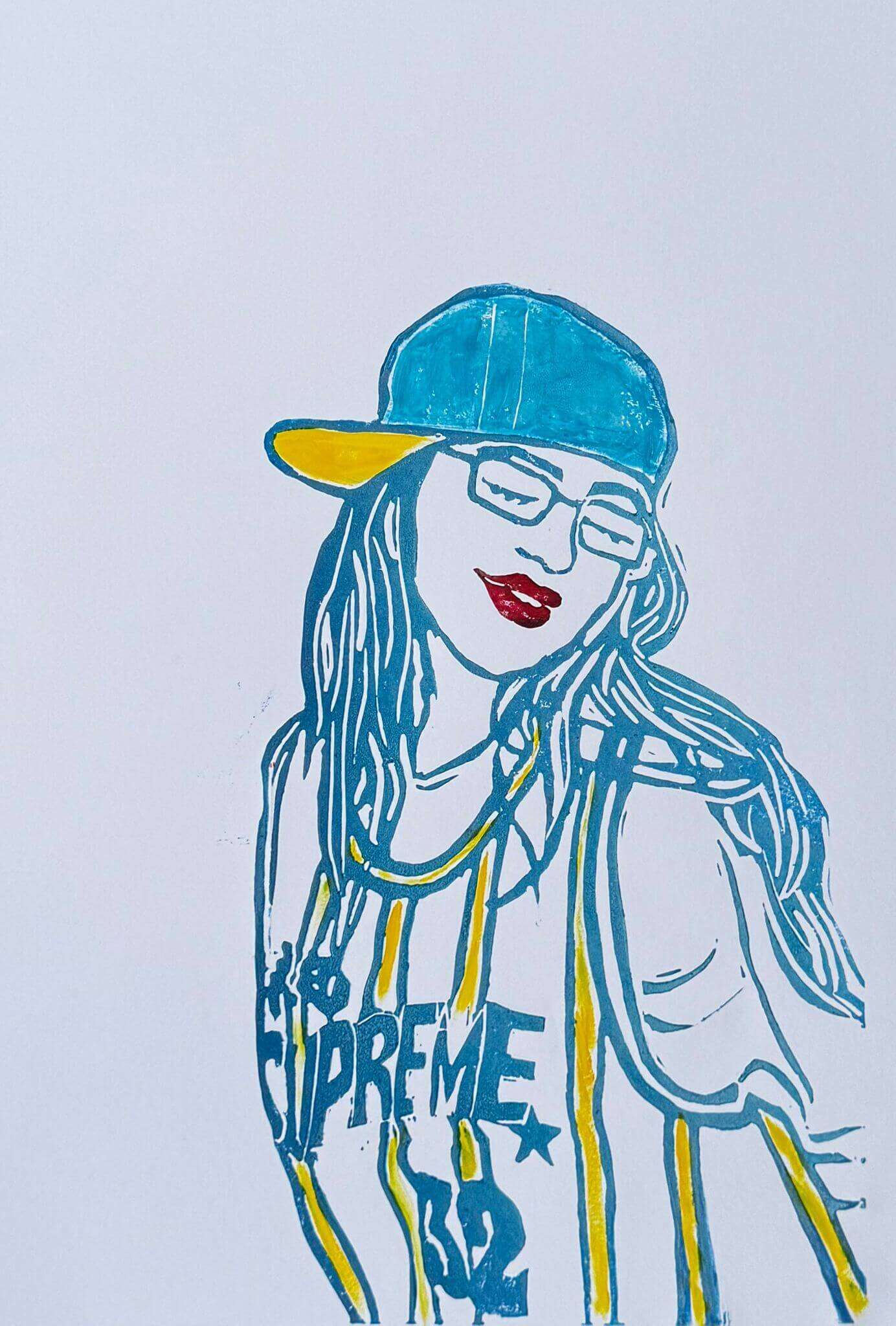


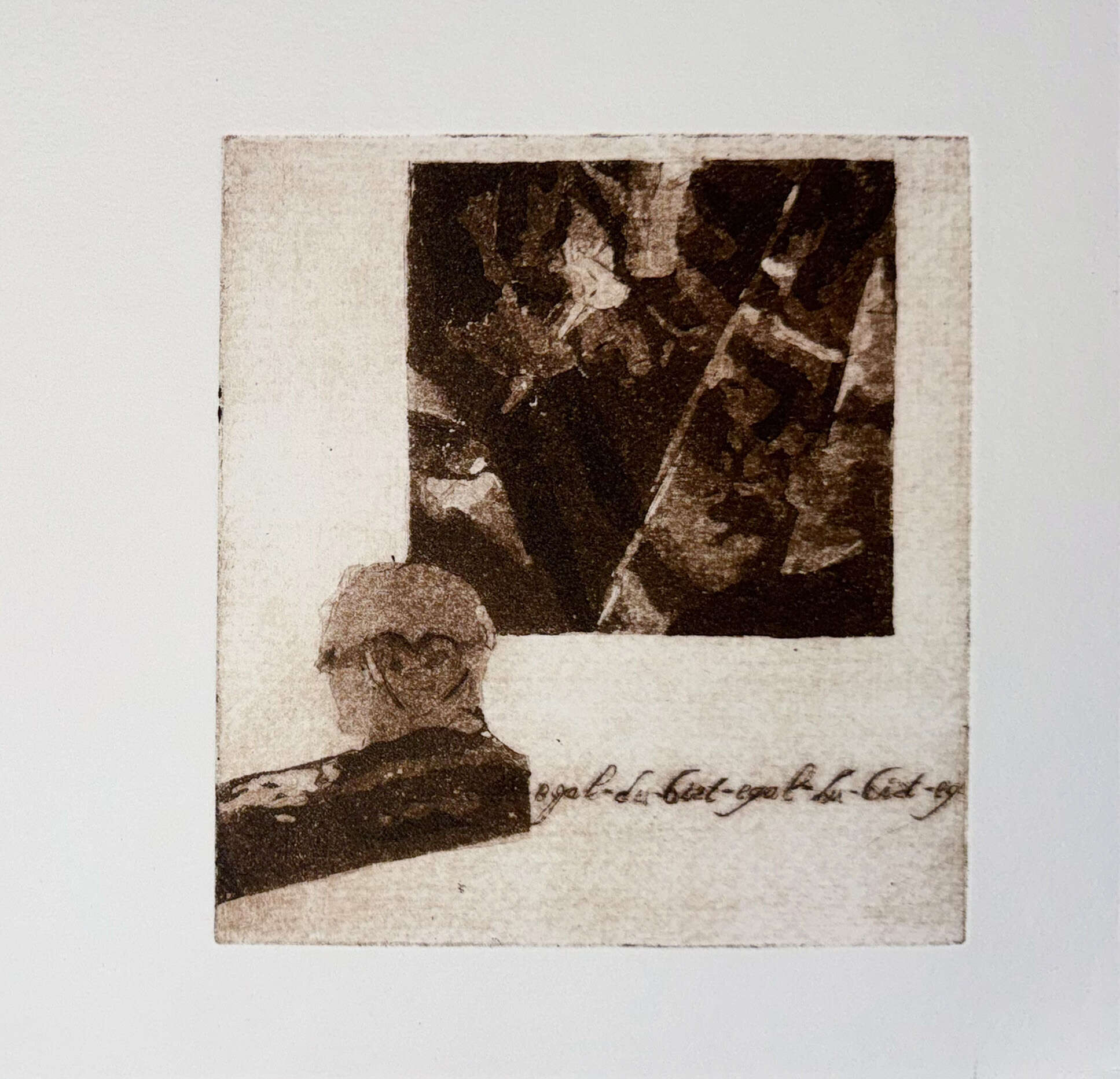
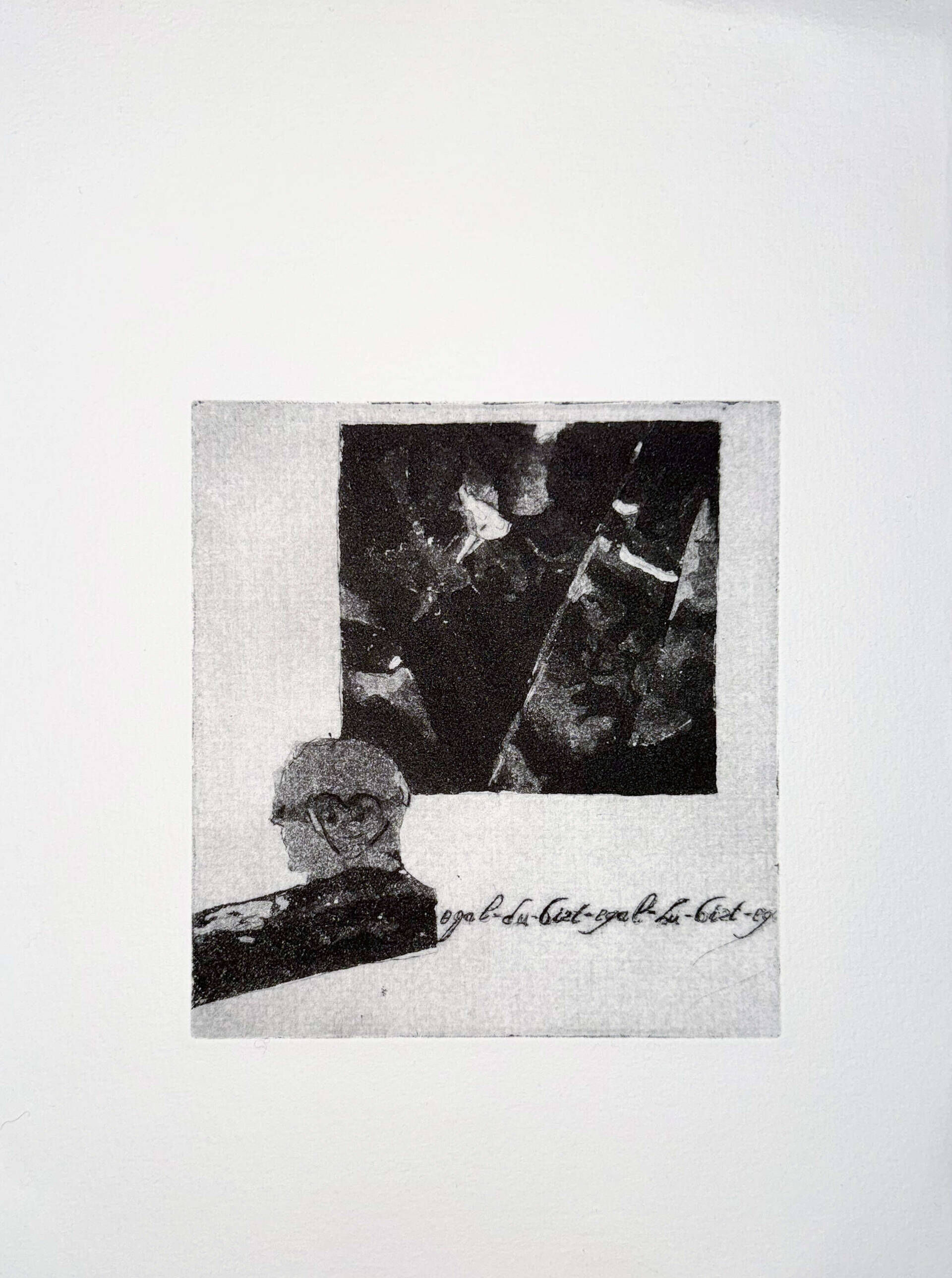
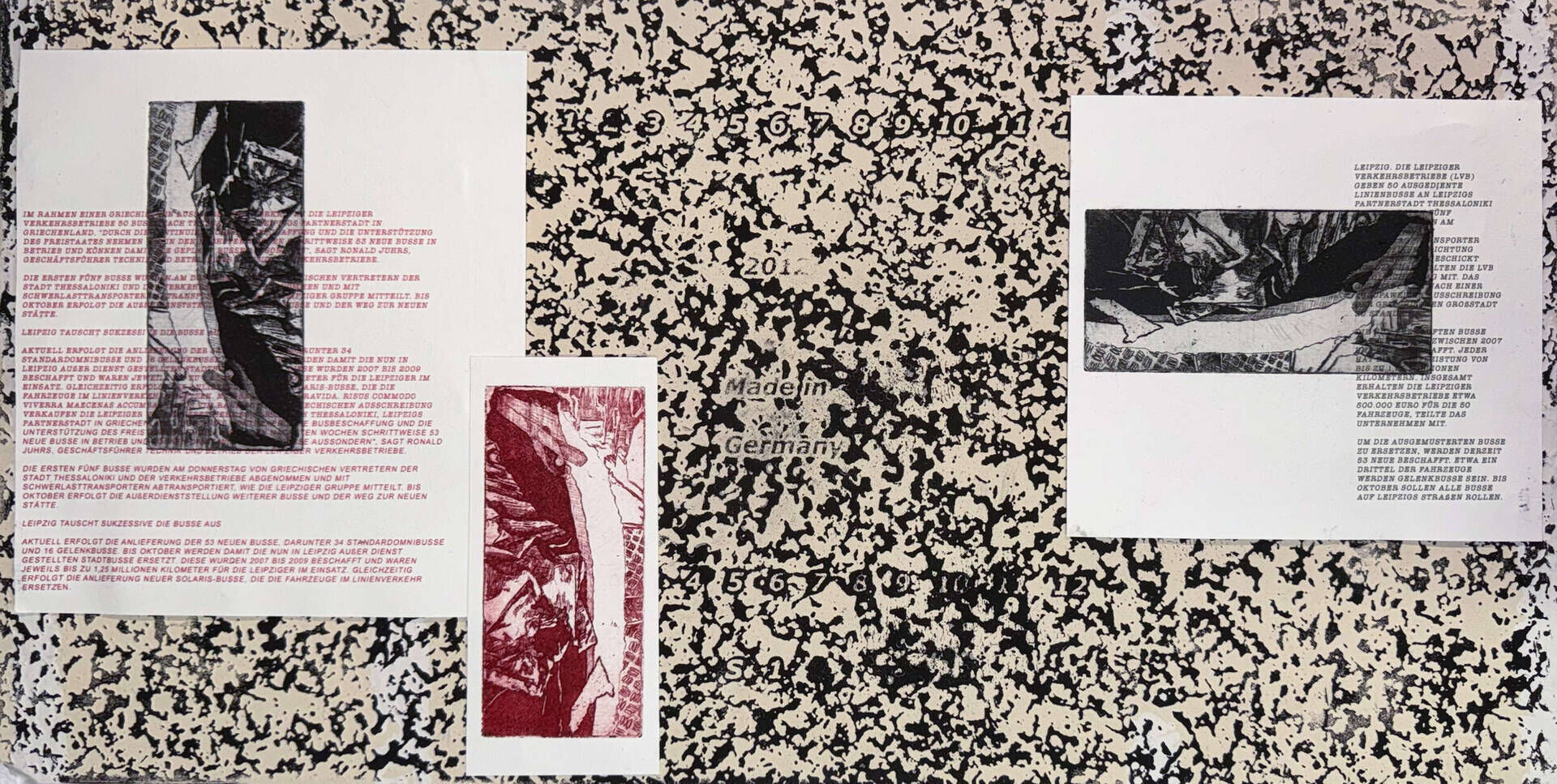
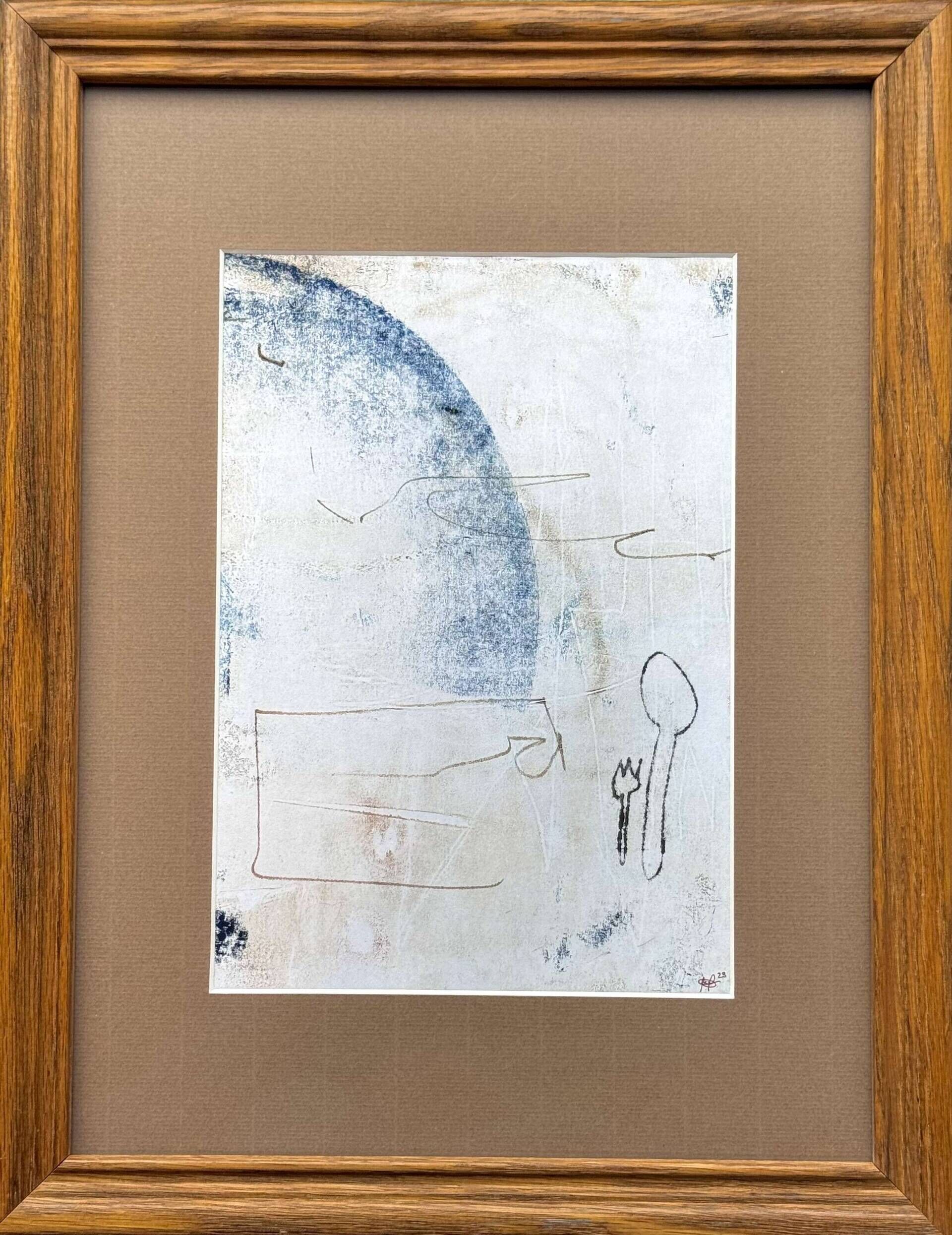
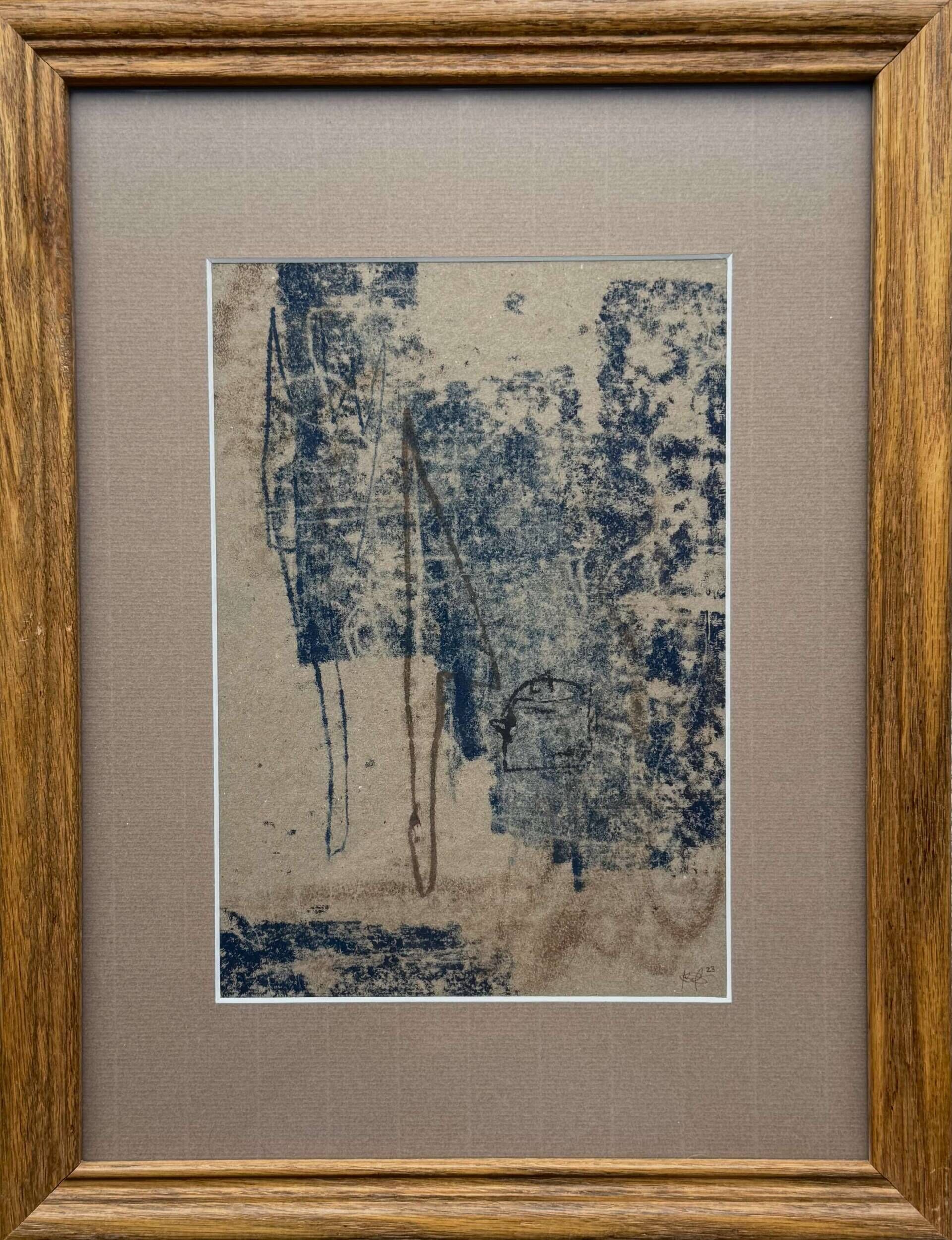
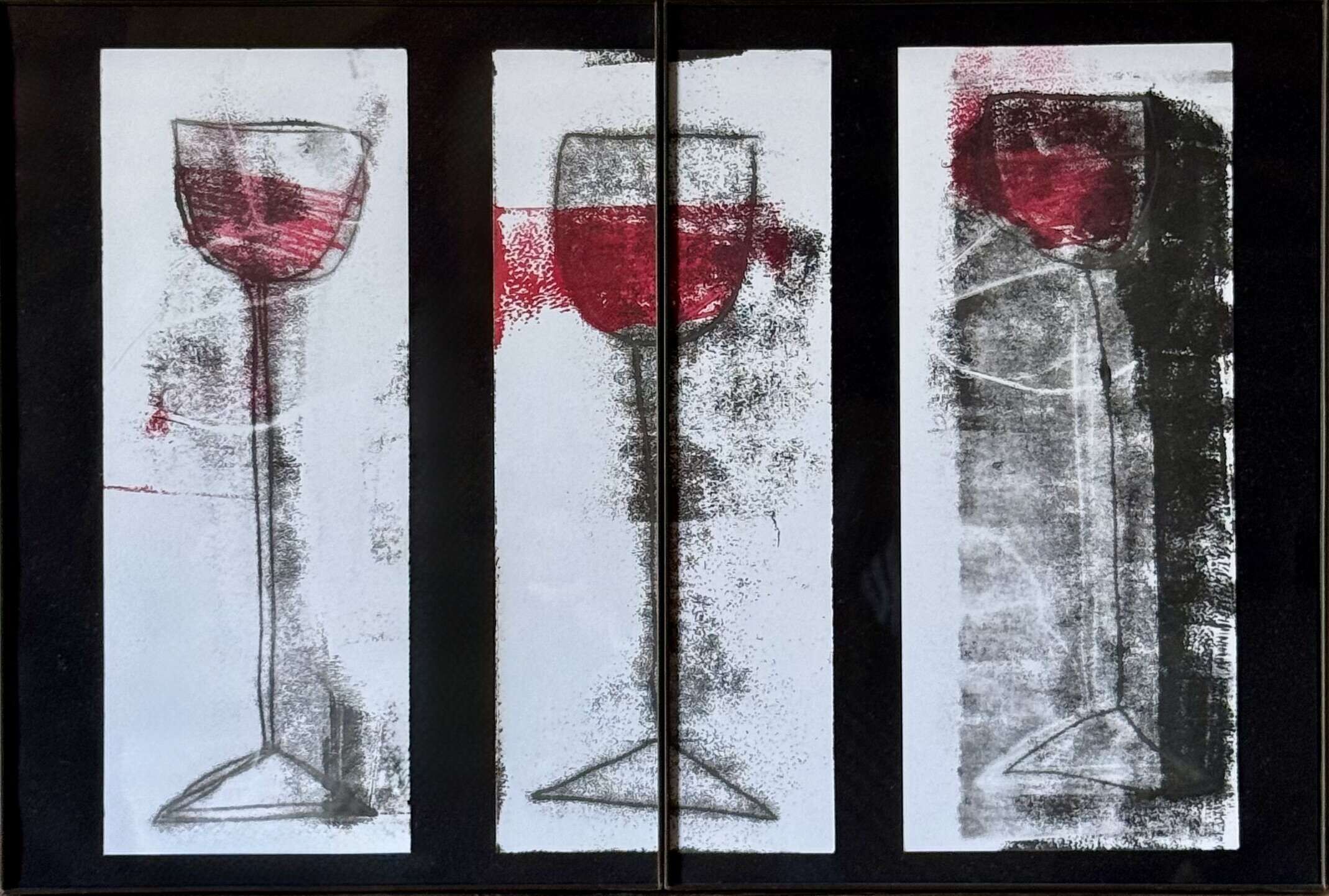
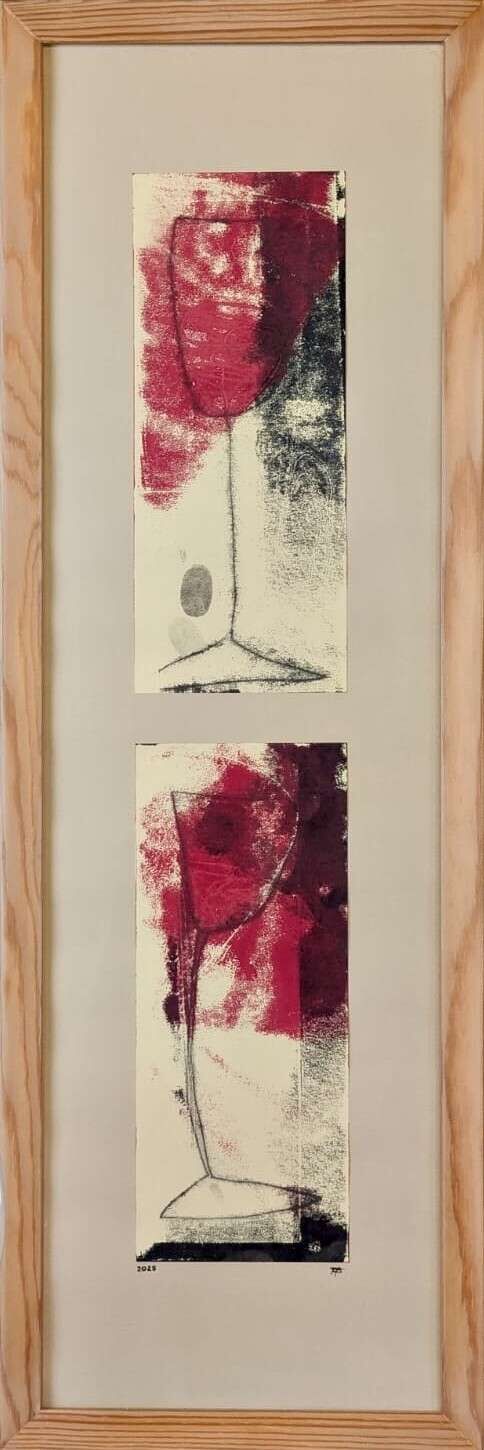
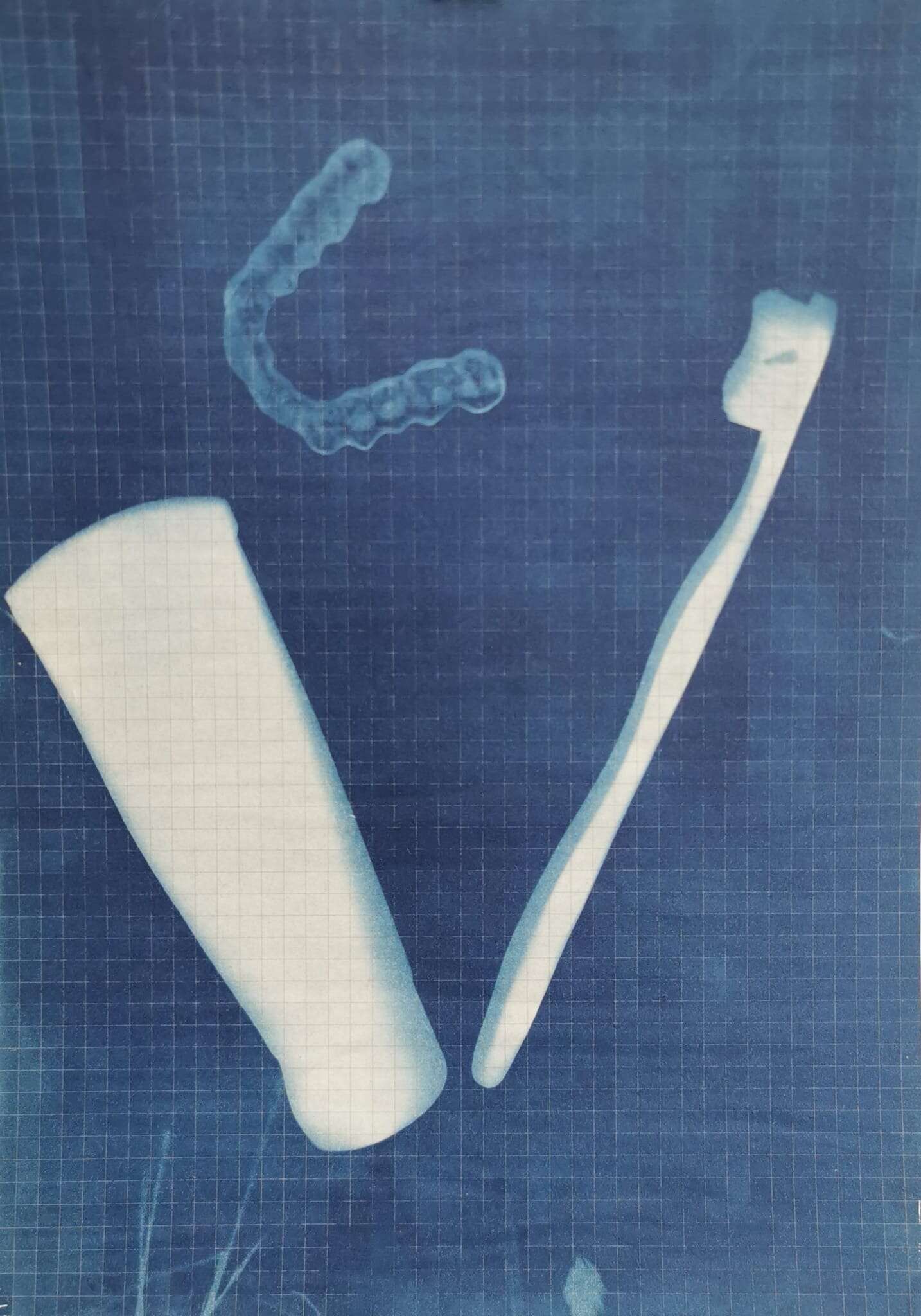
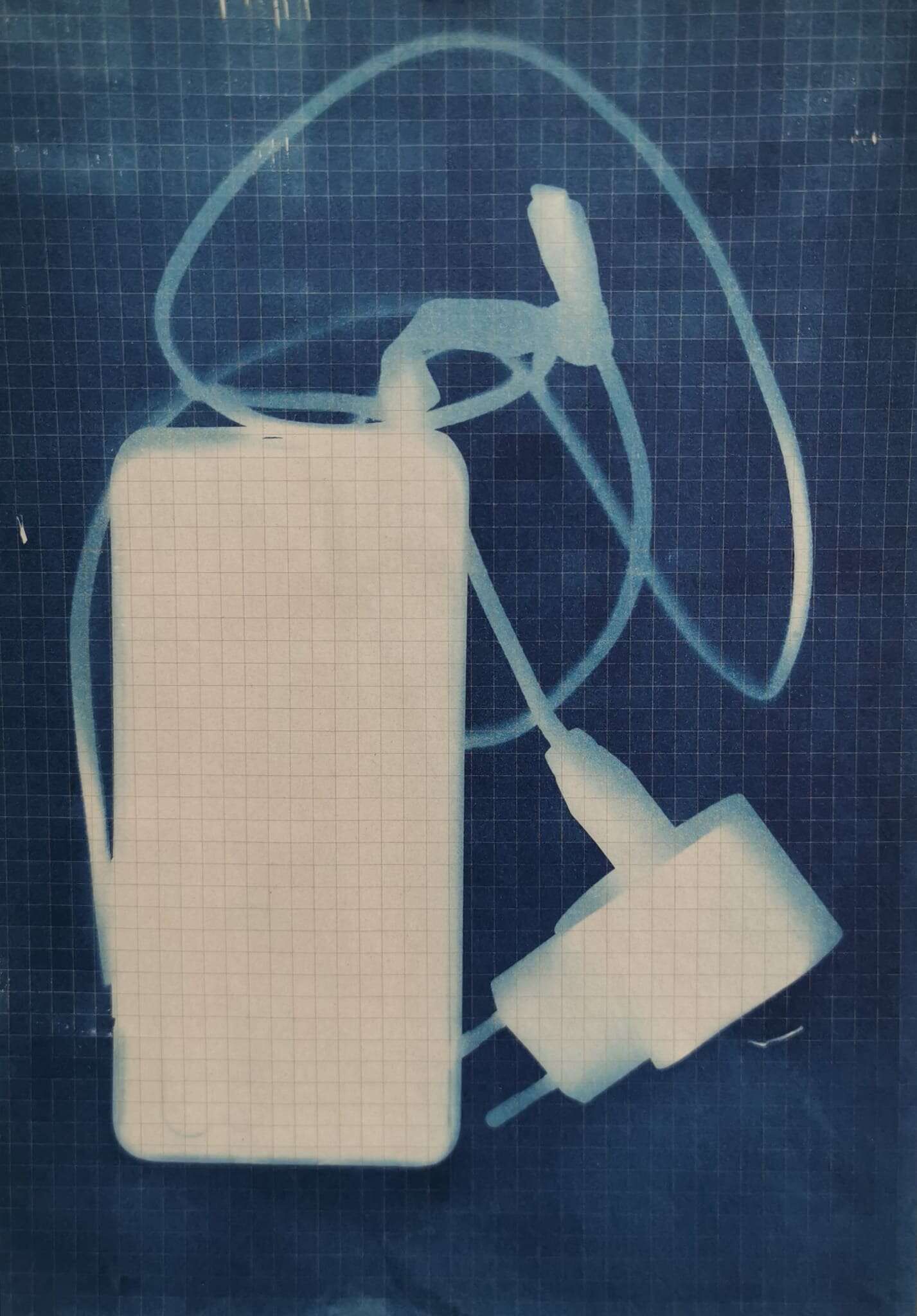
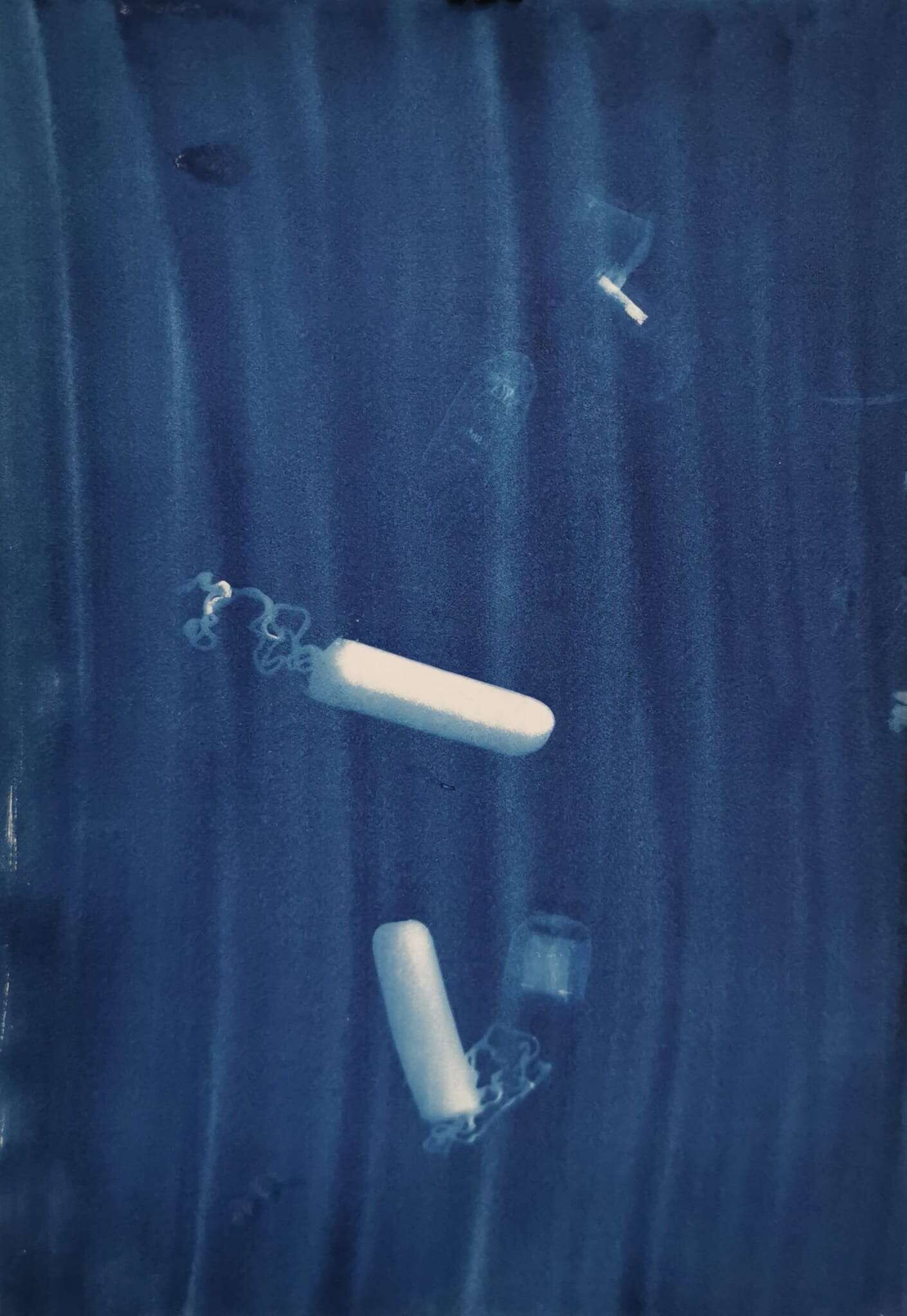
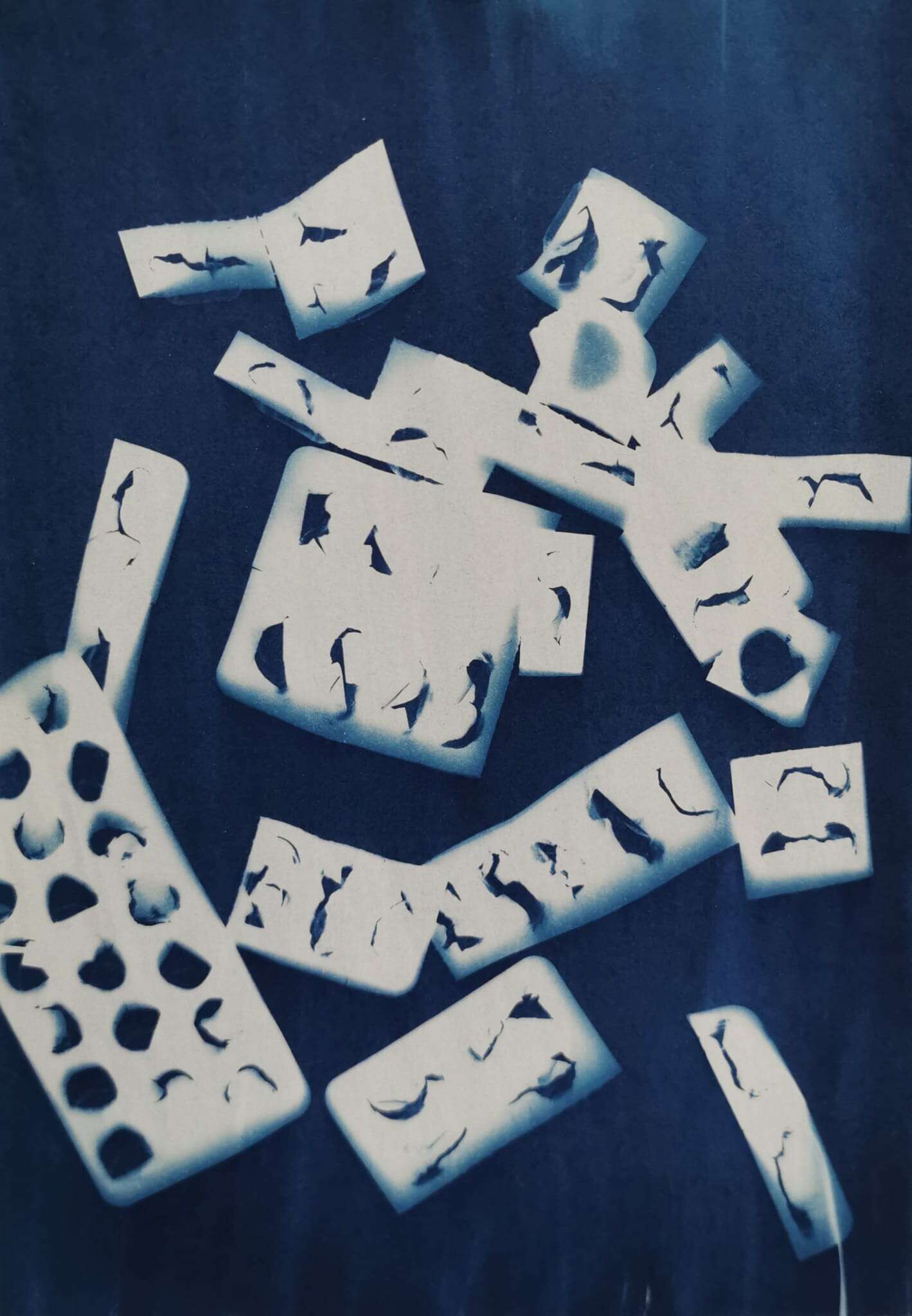
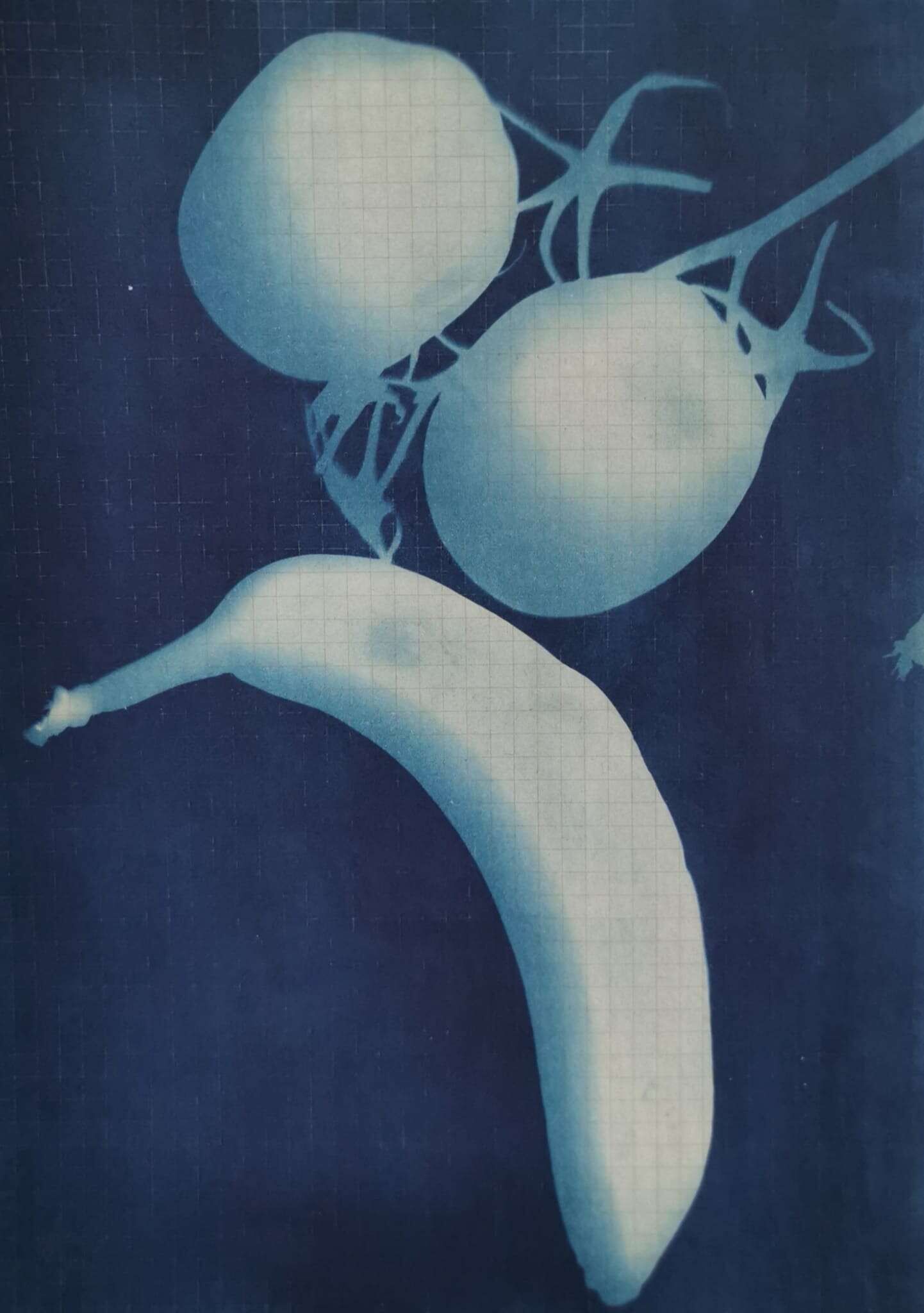
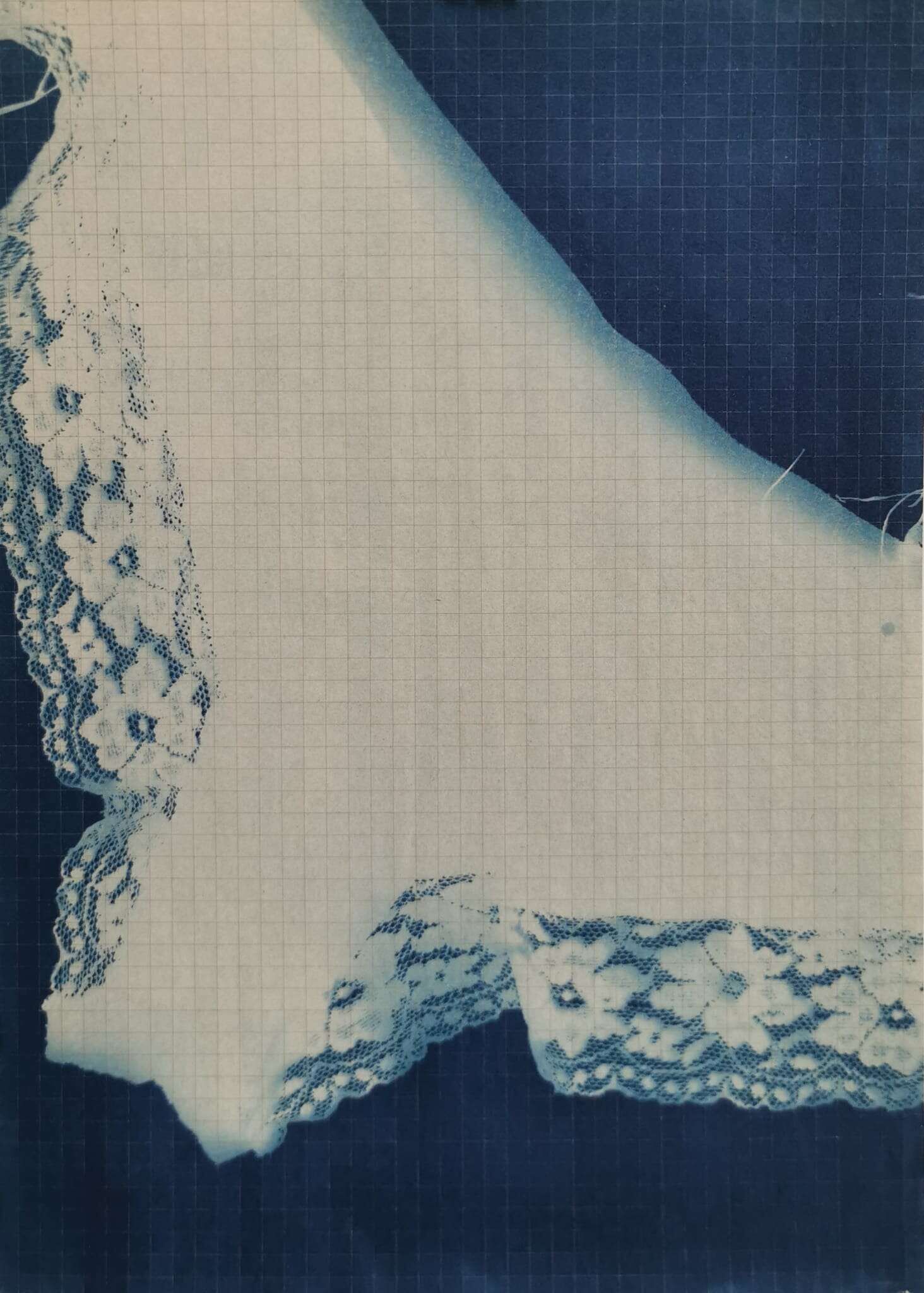
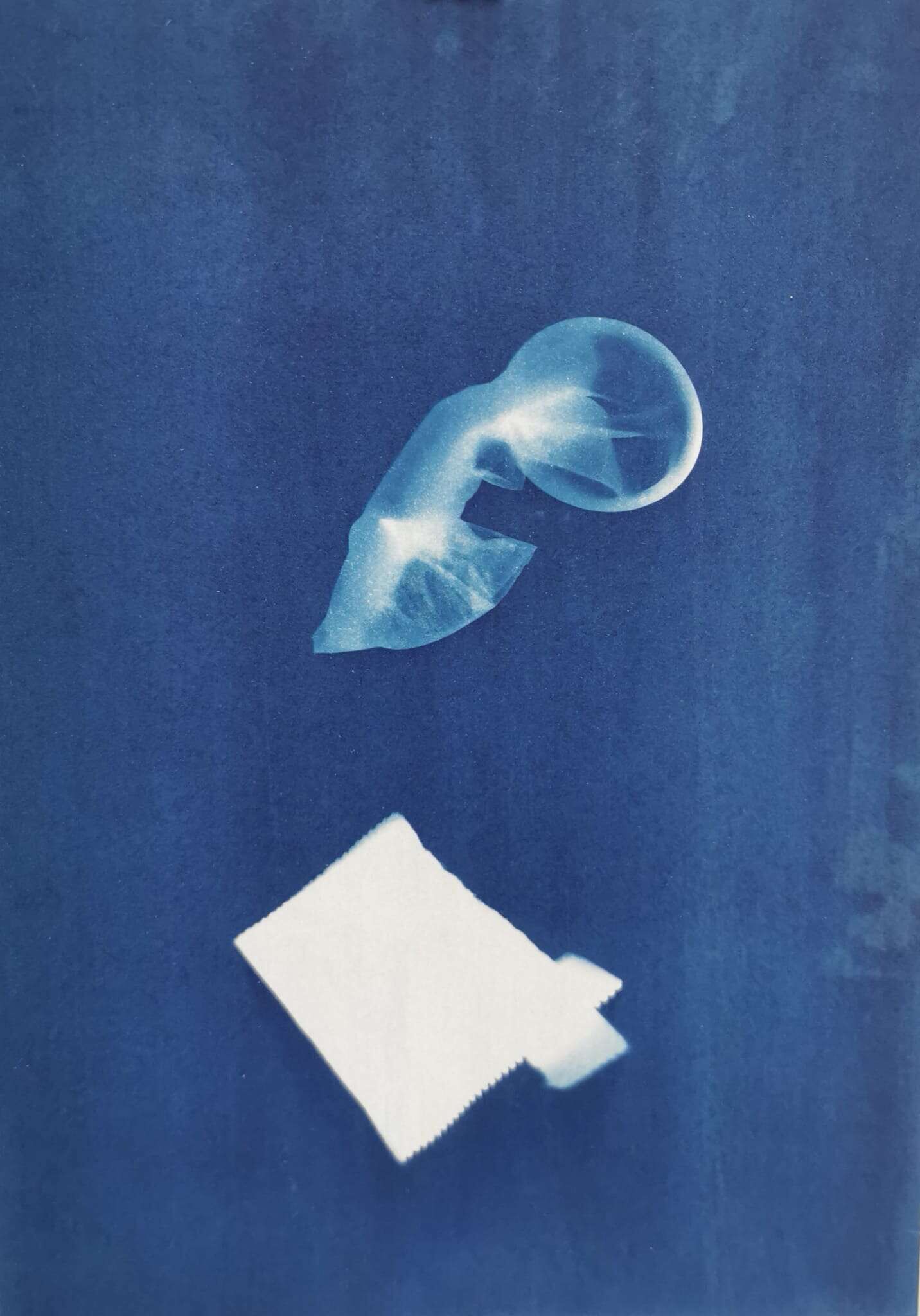
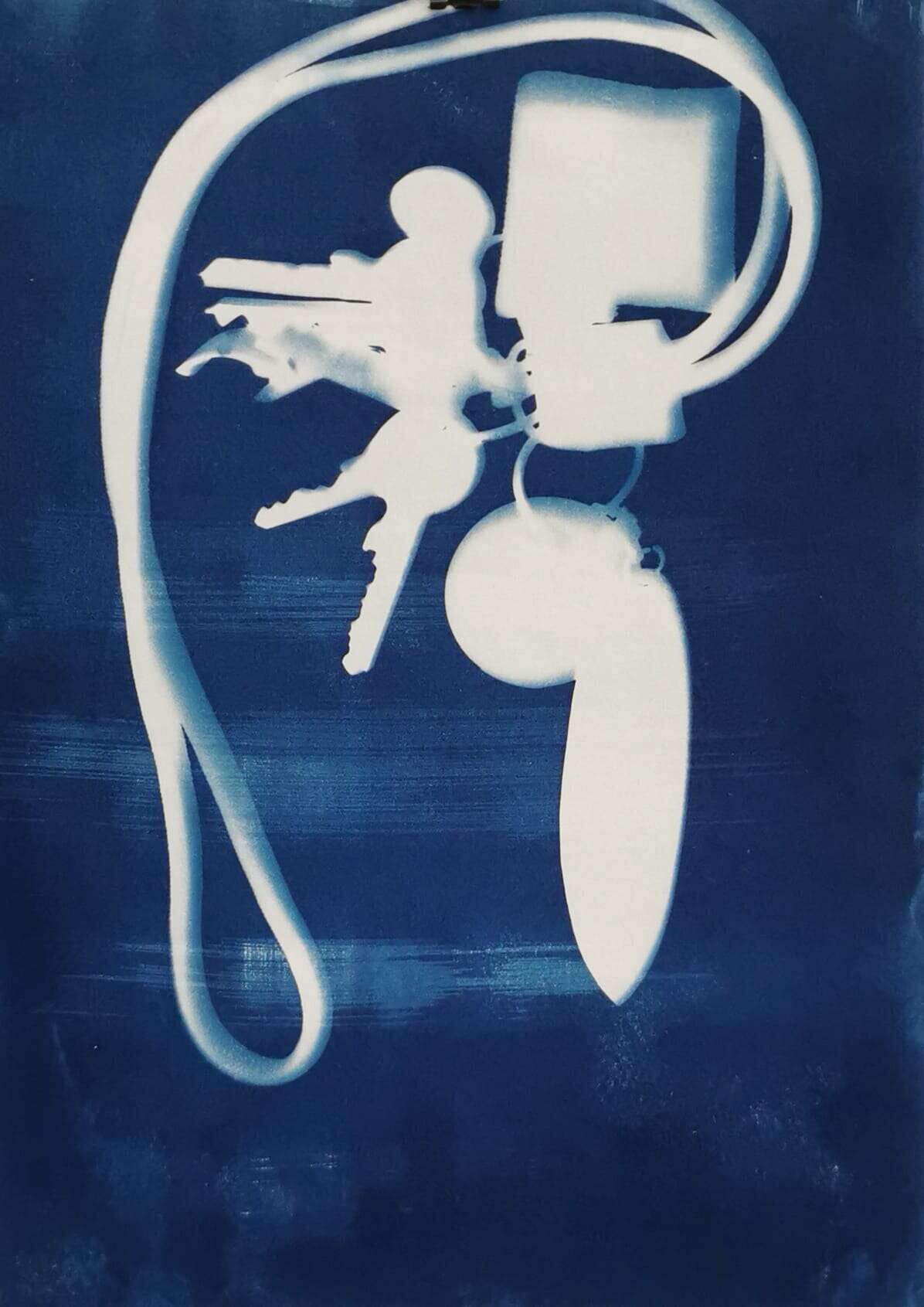
The Diversity of Graphic Art: Techniques and Styles
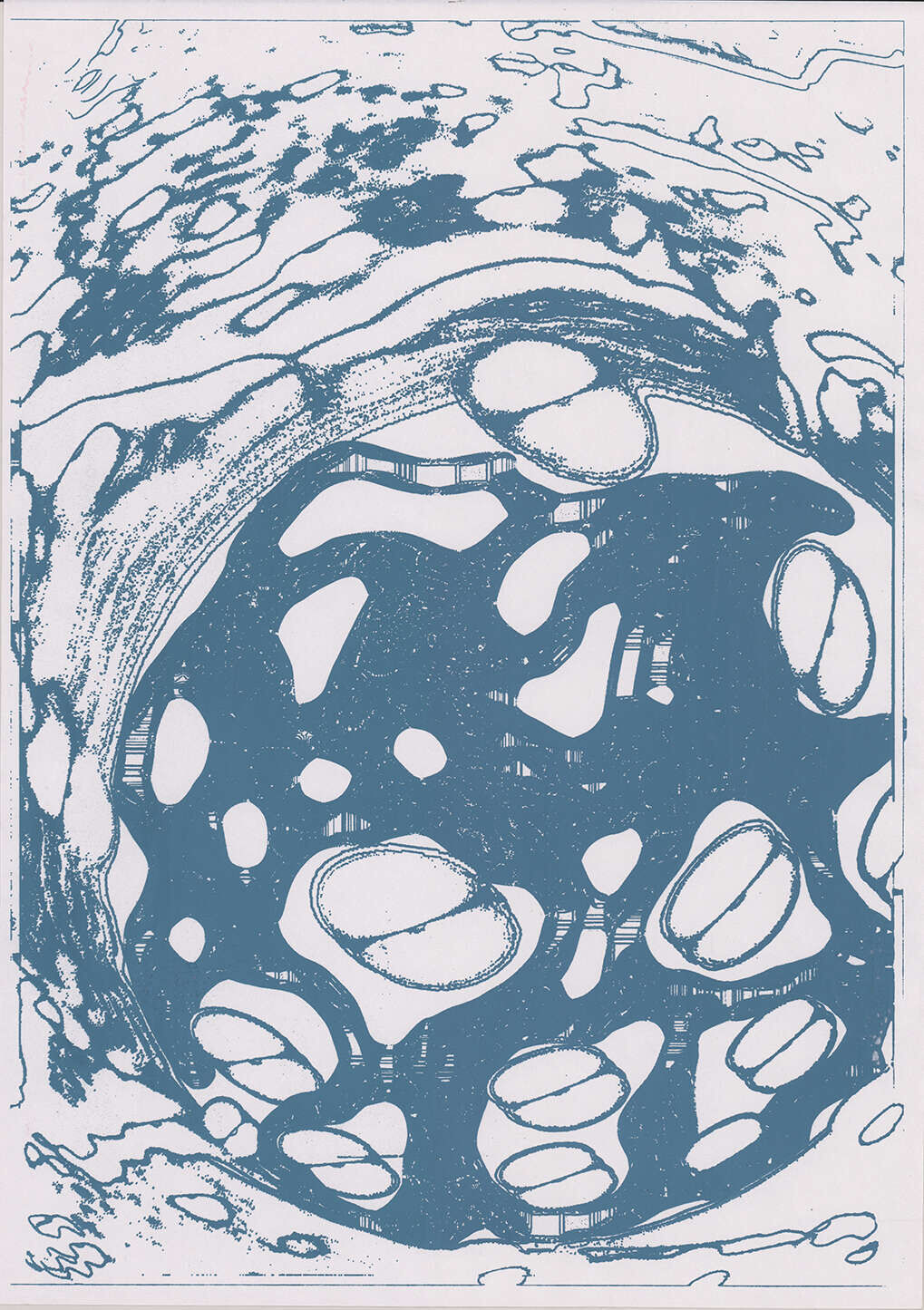
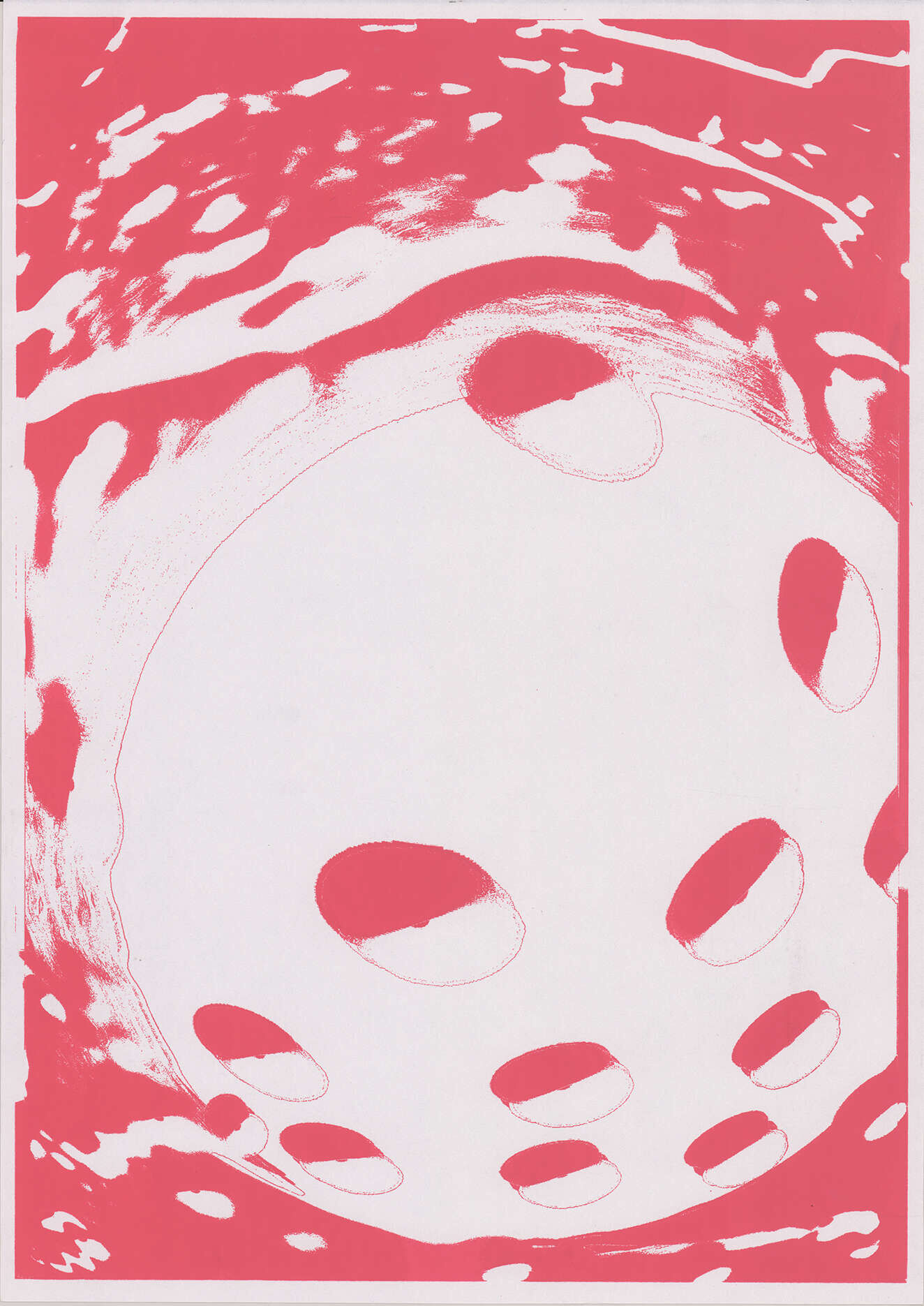
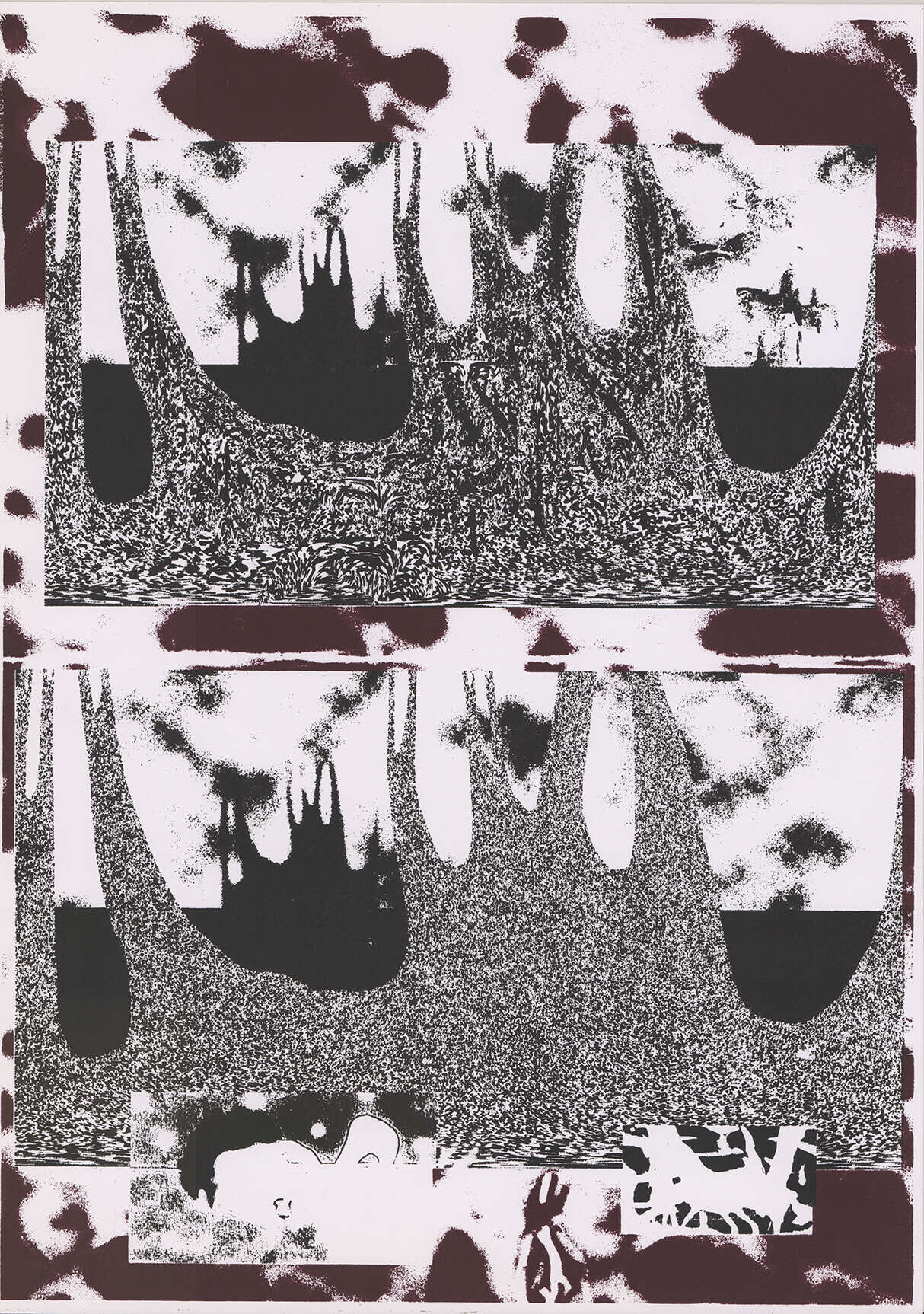
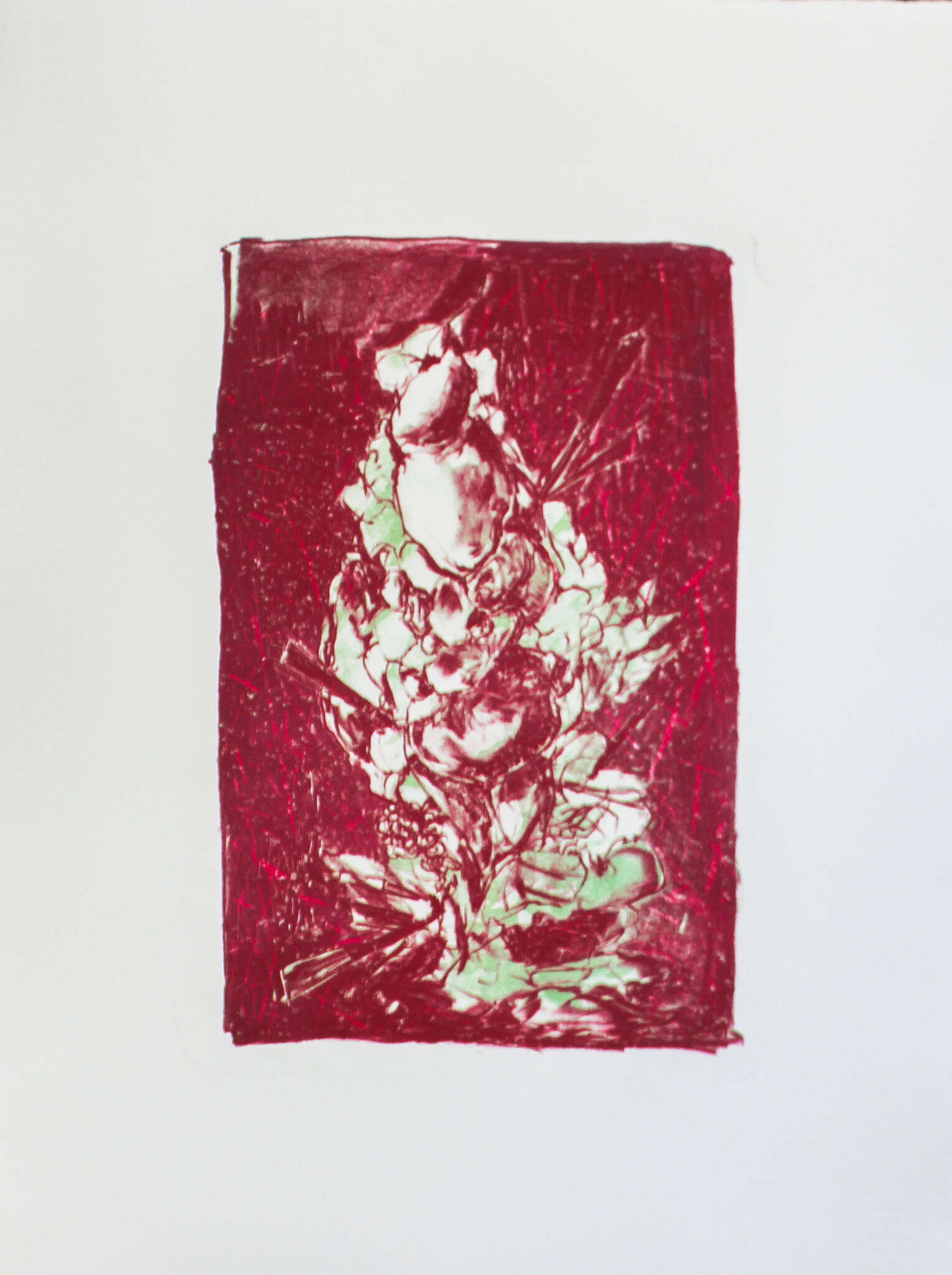
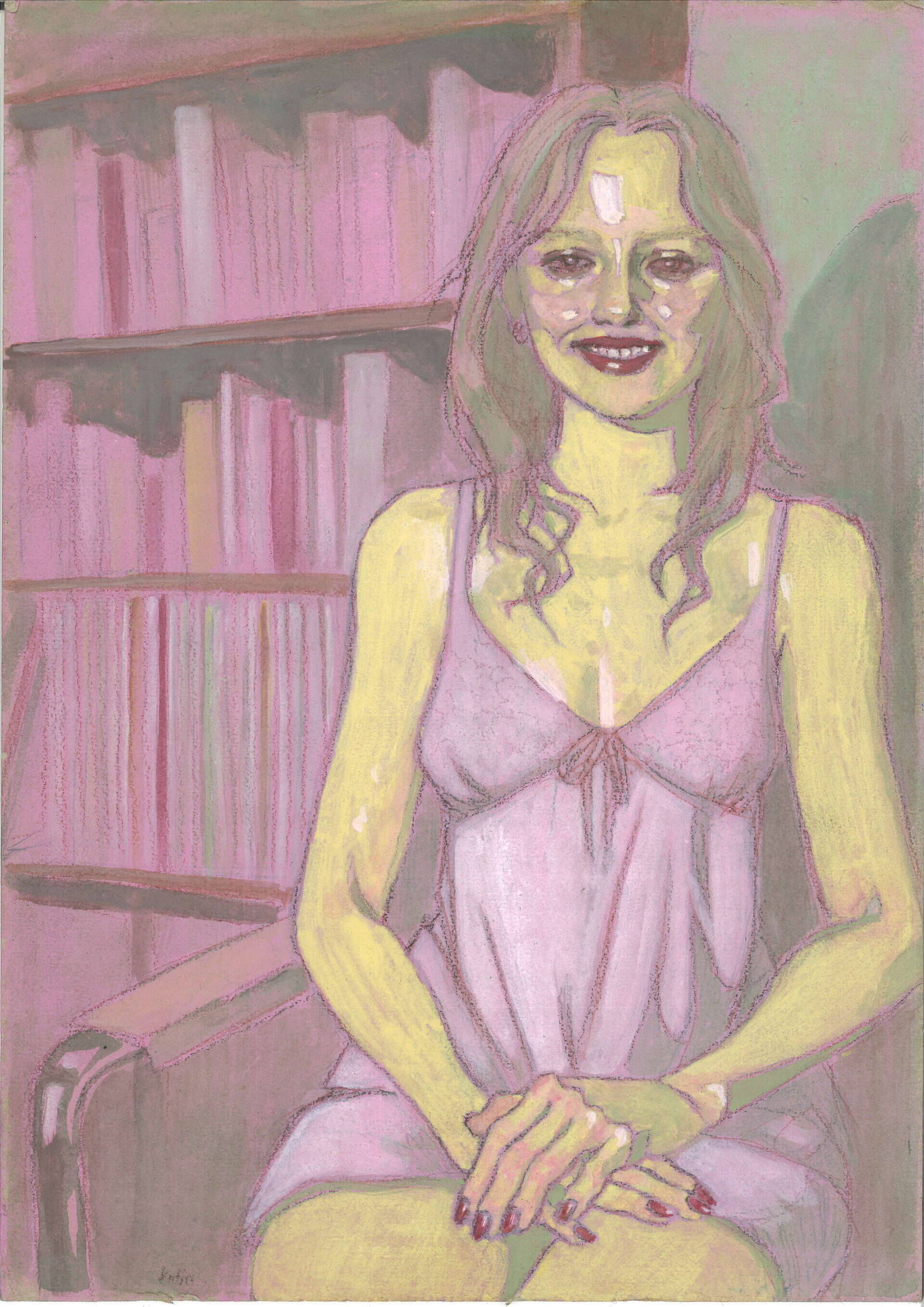
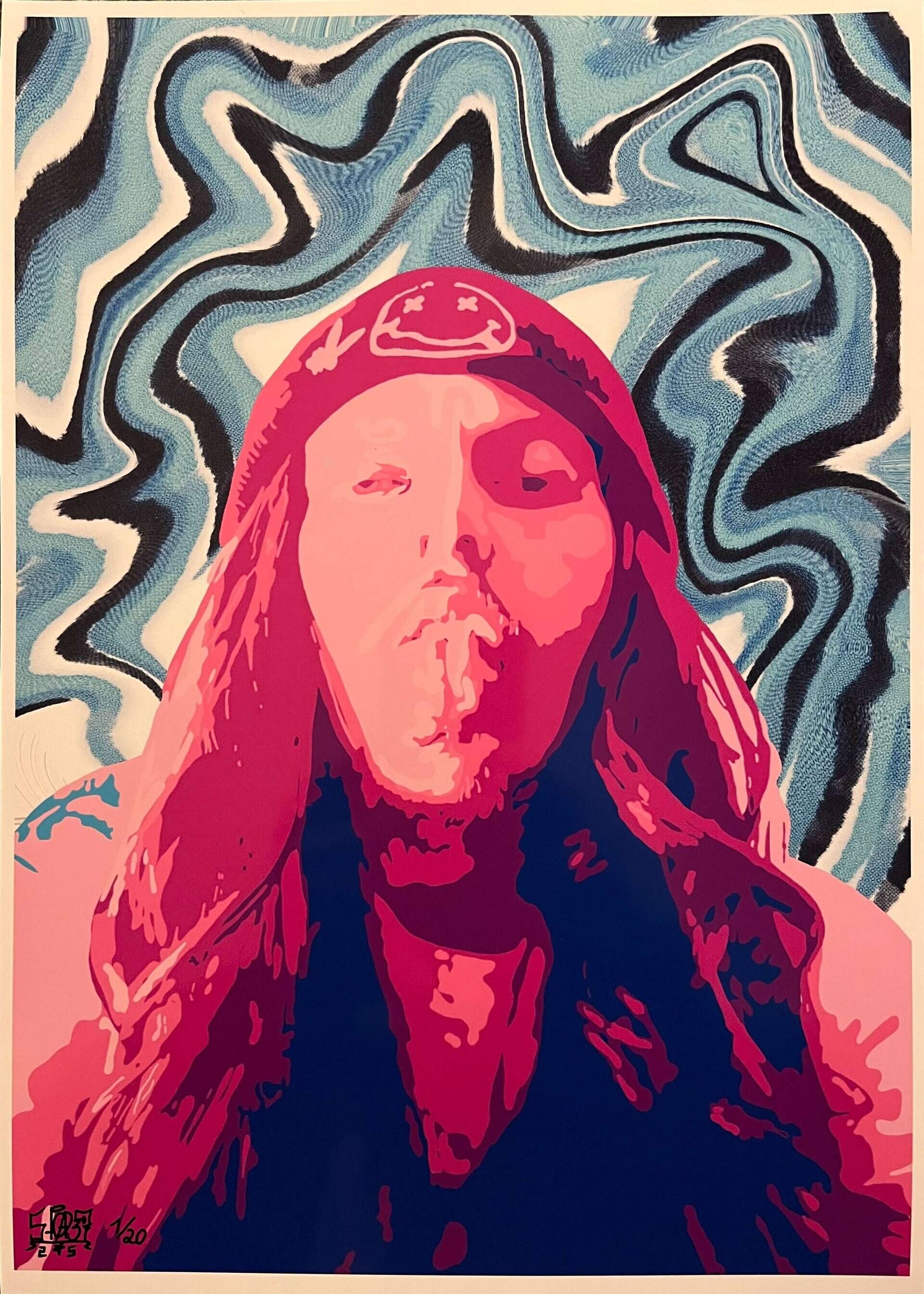
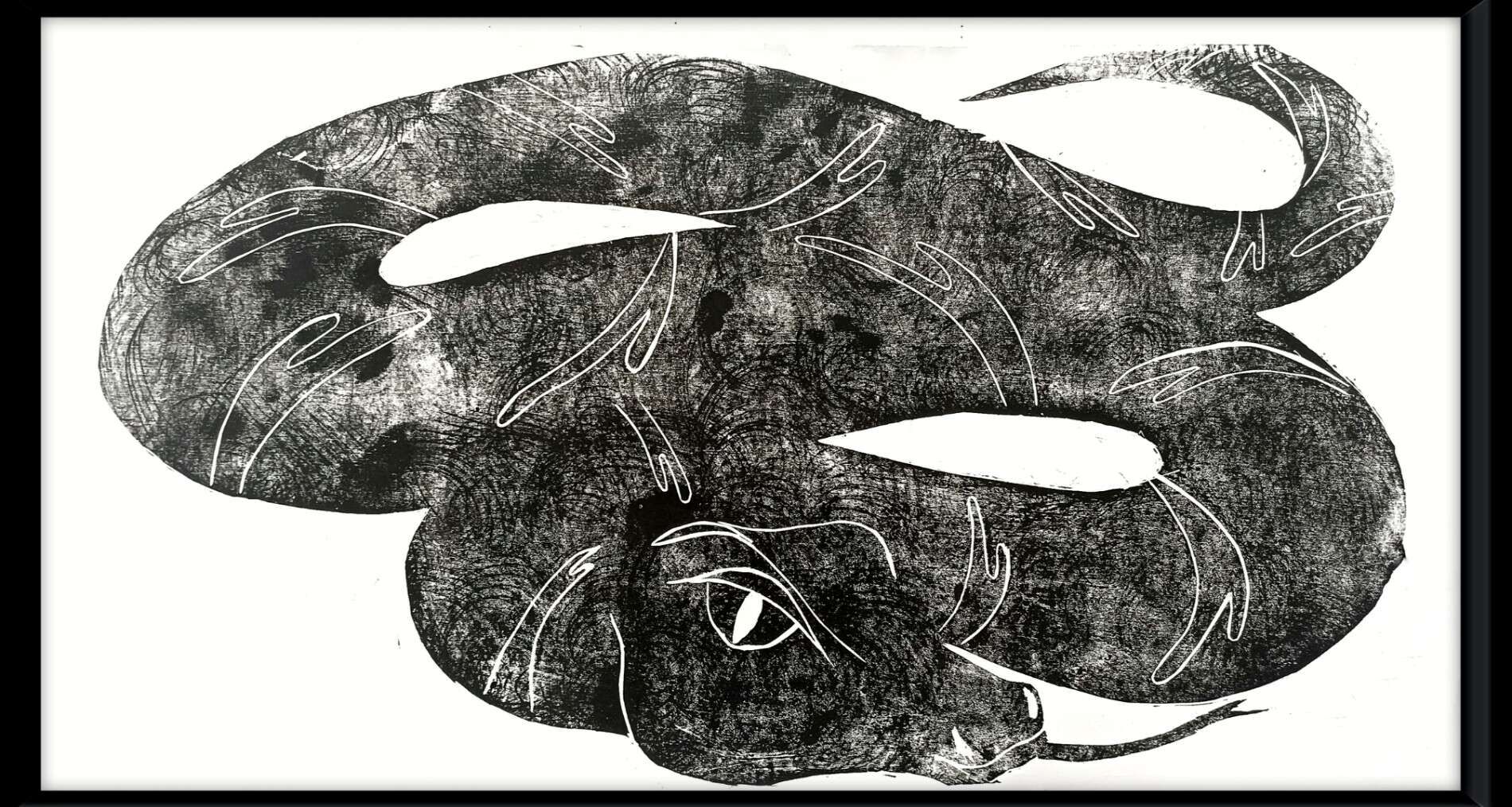
The world of original prints is incredibly diverse – and at the same time one of the oldest forms of visual art. Here, printmaking is not created through spontaneous brushstrokes, but through a deliberate combination of technique, material and idea. If you’re looking to buy prints, you’ll find works in our collection that uniquely combine craftsmanship and artistic expression.
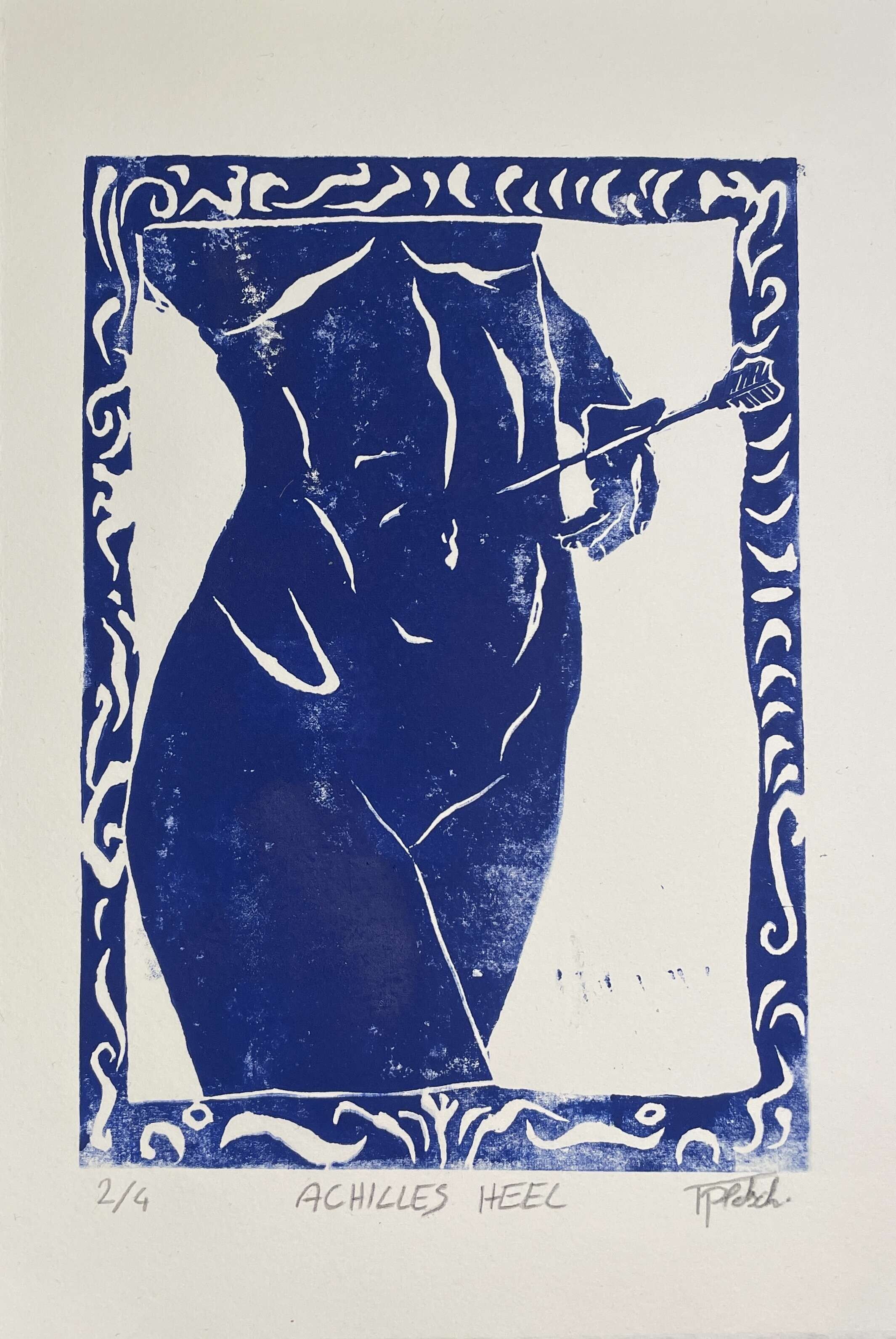
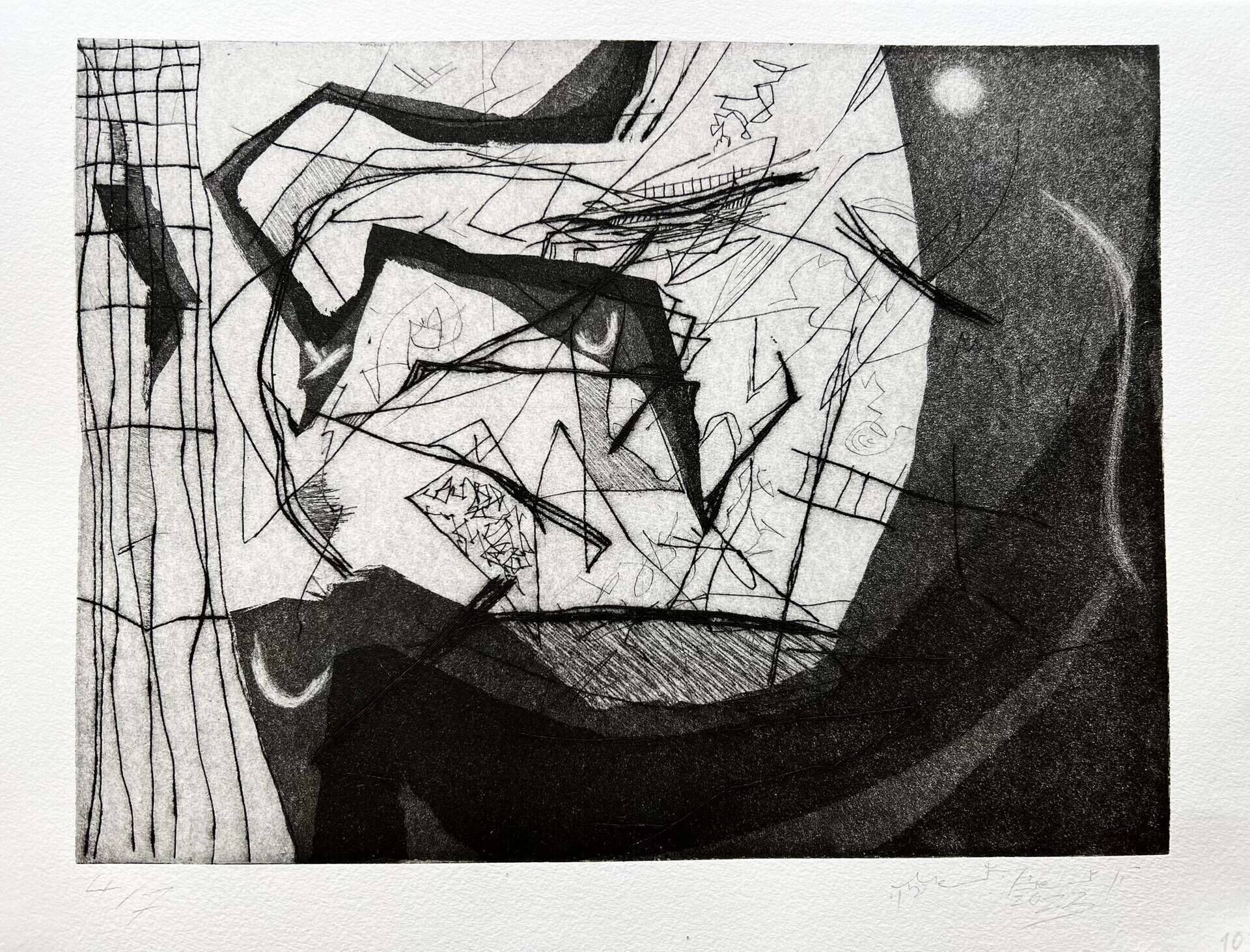
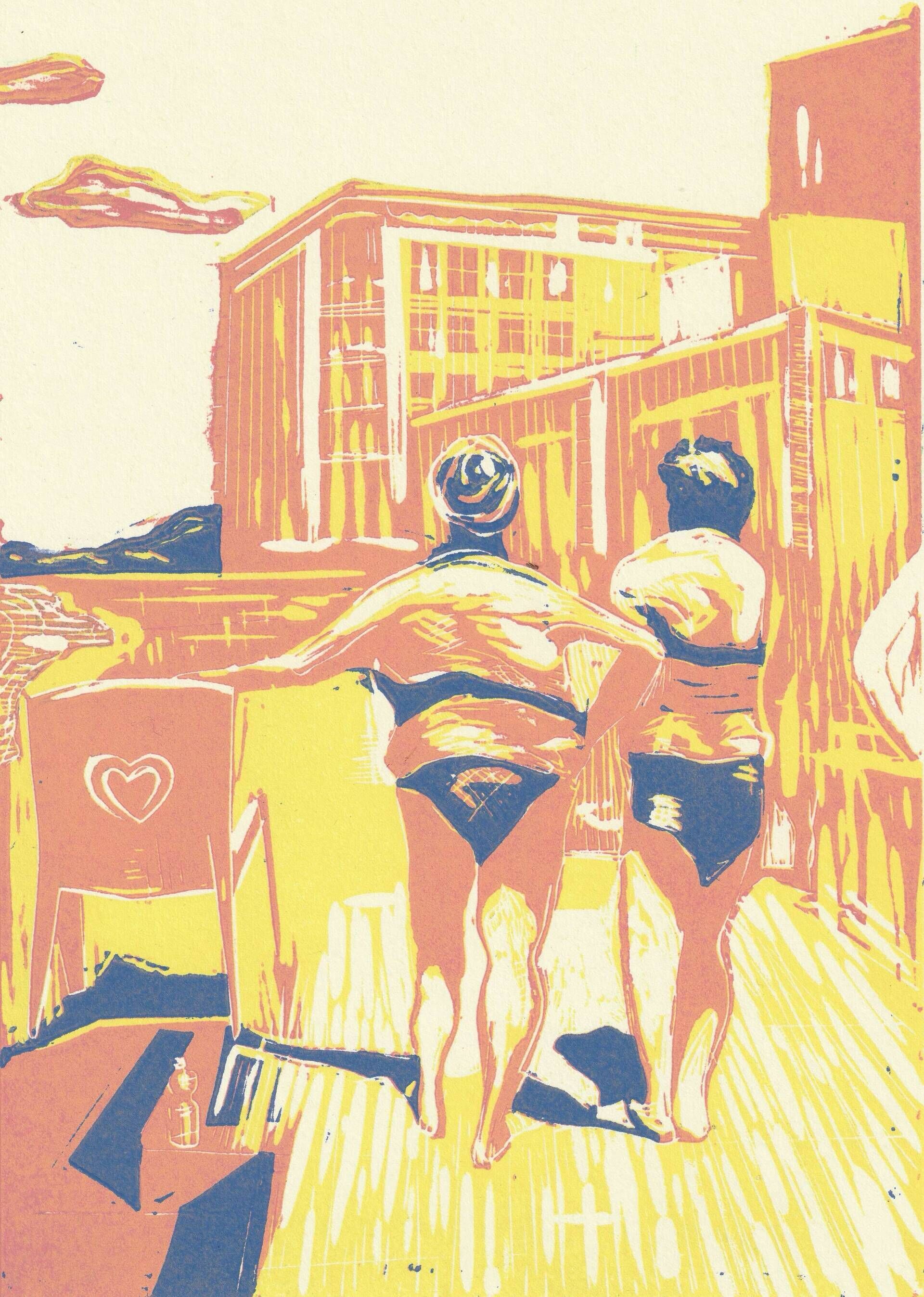
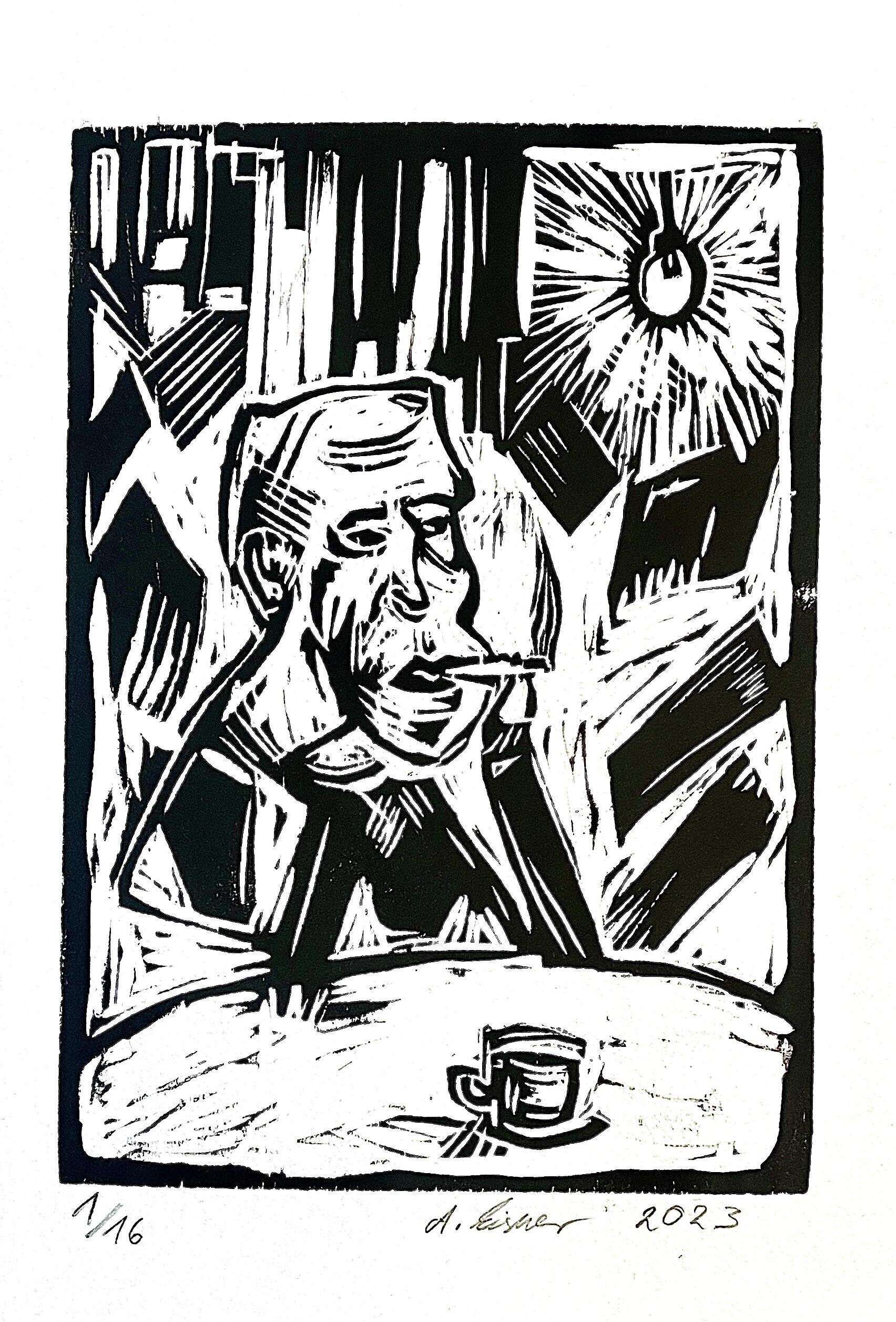
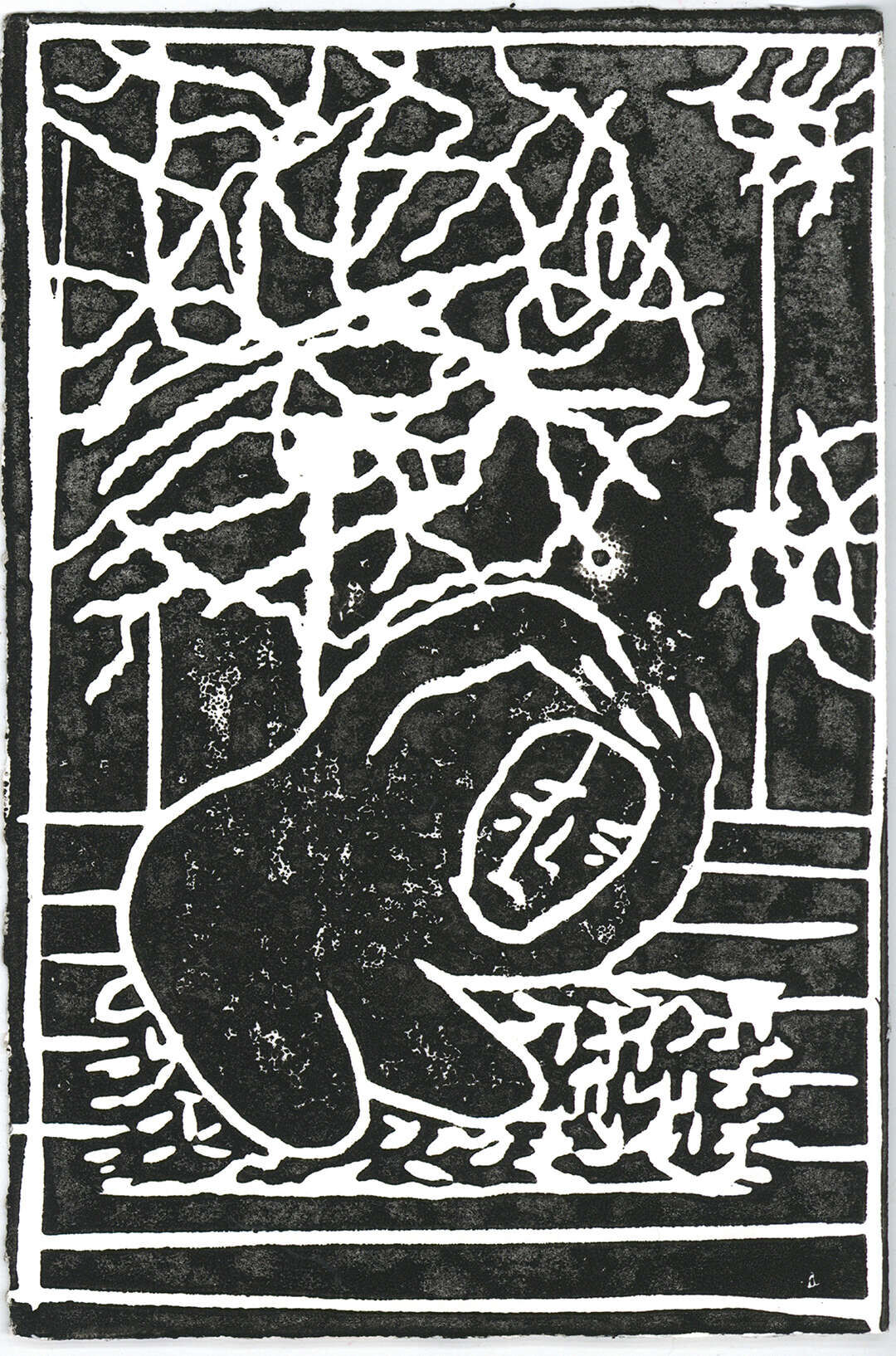
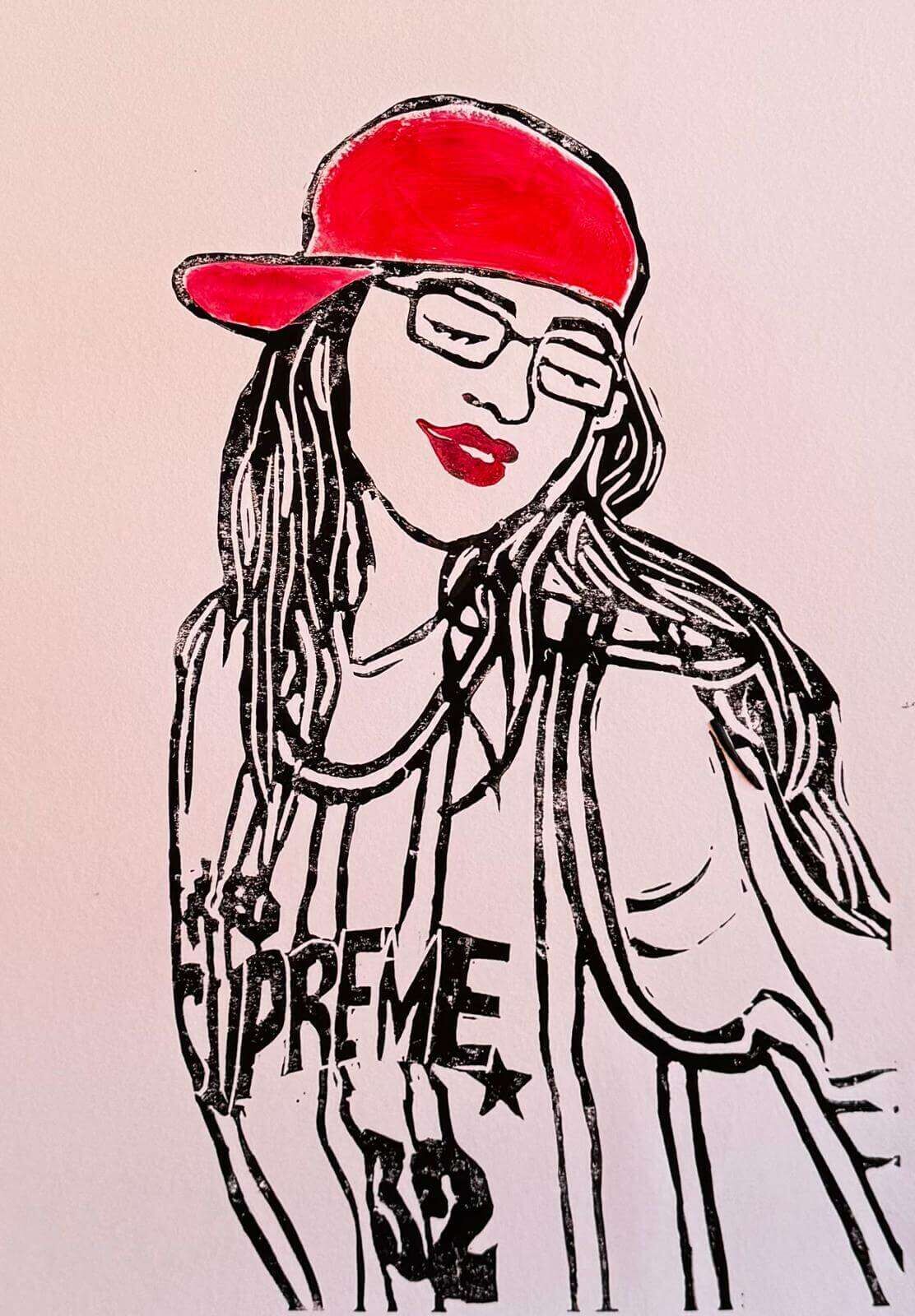
Printmaking is an art of patience and precision. Every line, every area is created through meticulous work on the printing plate. The moment when ink meets paper is always a brief moment of suspense – no two prints are ever quite the same. Whether linocut, etching or screen printing – every printmaking technique has its own character and tells its own story. Many of our artists experiment with traditional printmaking techniques and give them a modern twist. This results in contemporary prints that appear timeless yet convey something deeply personal.
Printmaking and graphic art
Printmaking in all its forms
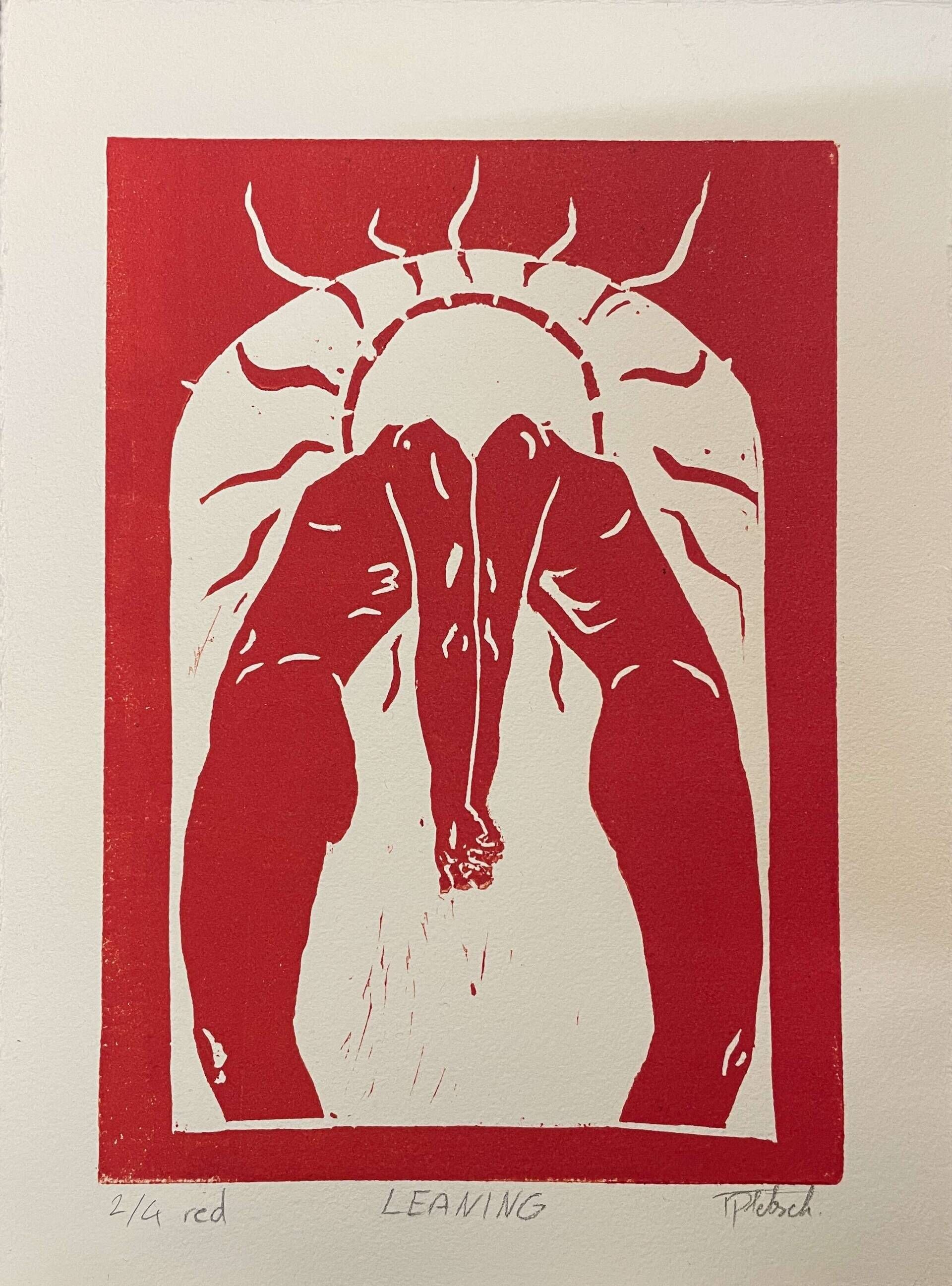
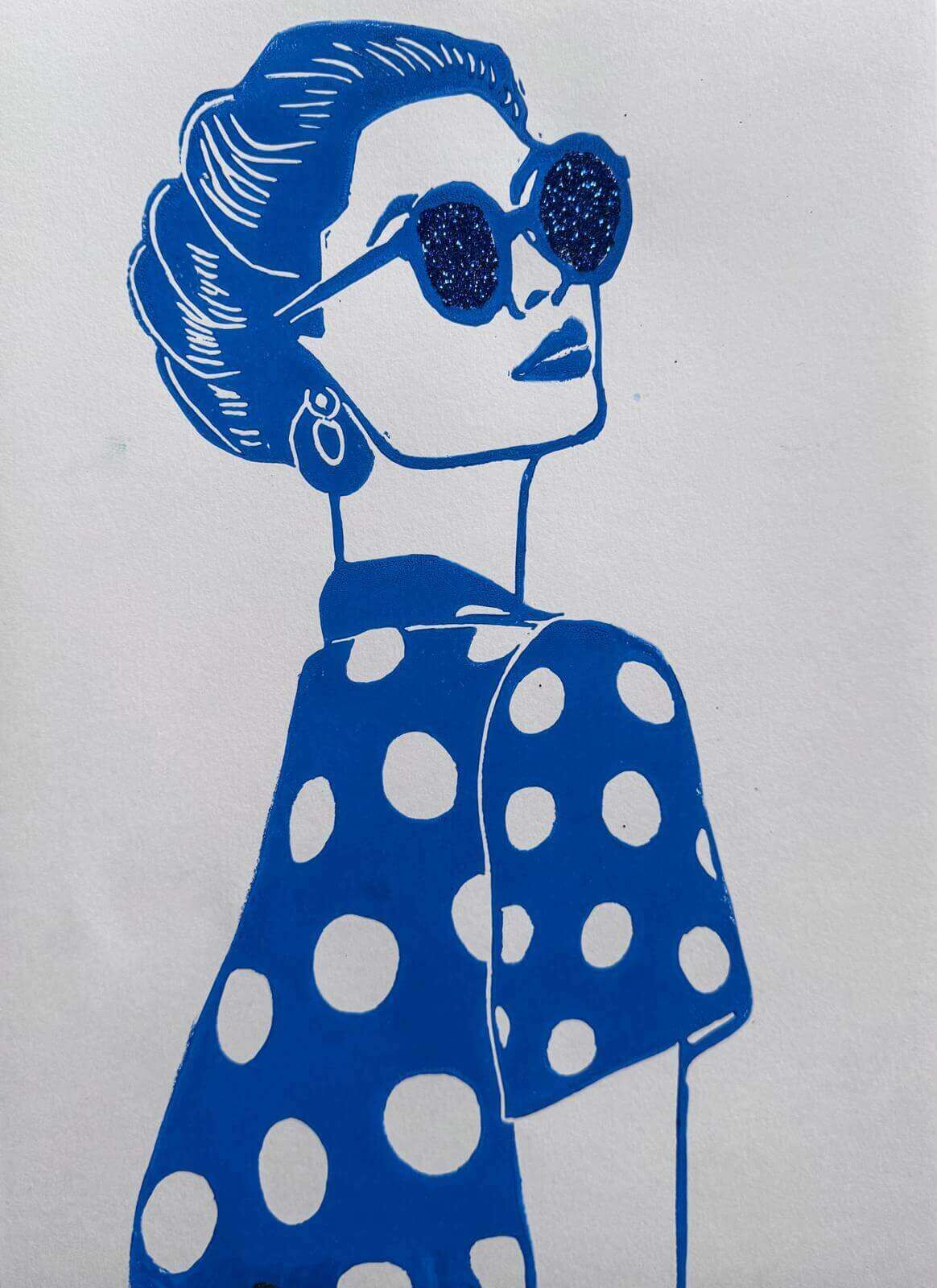
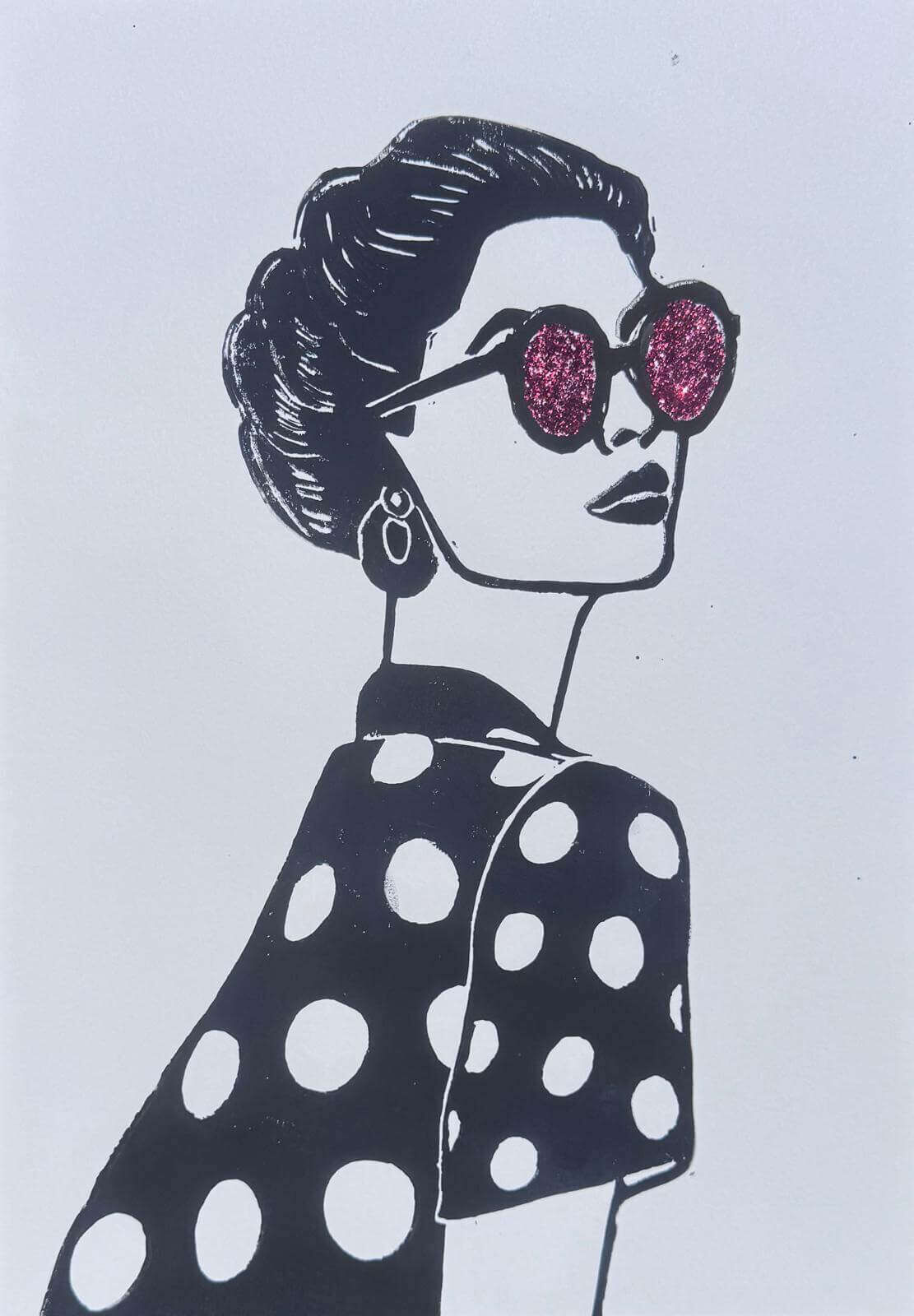
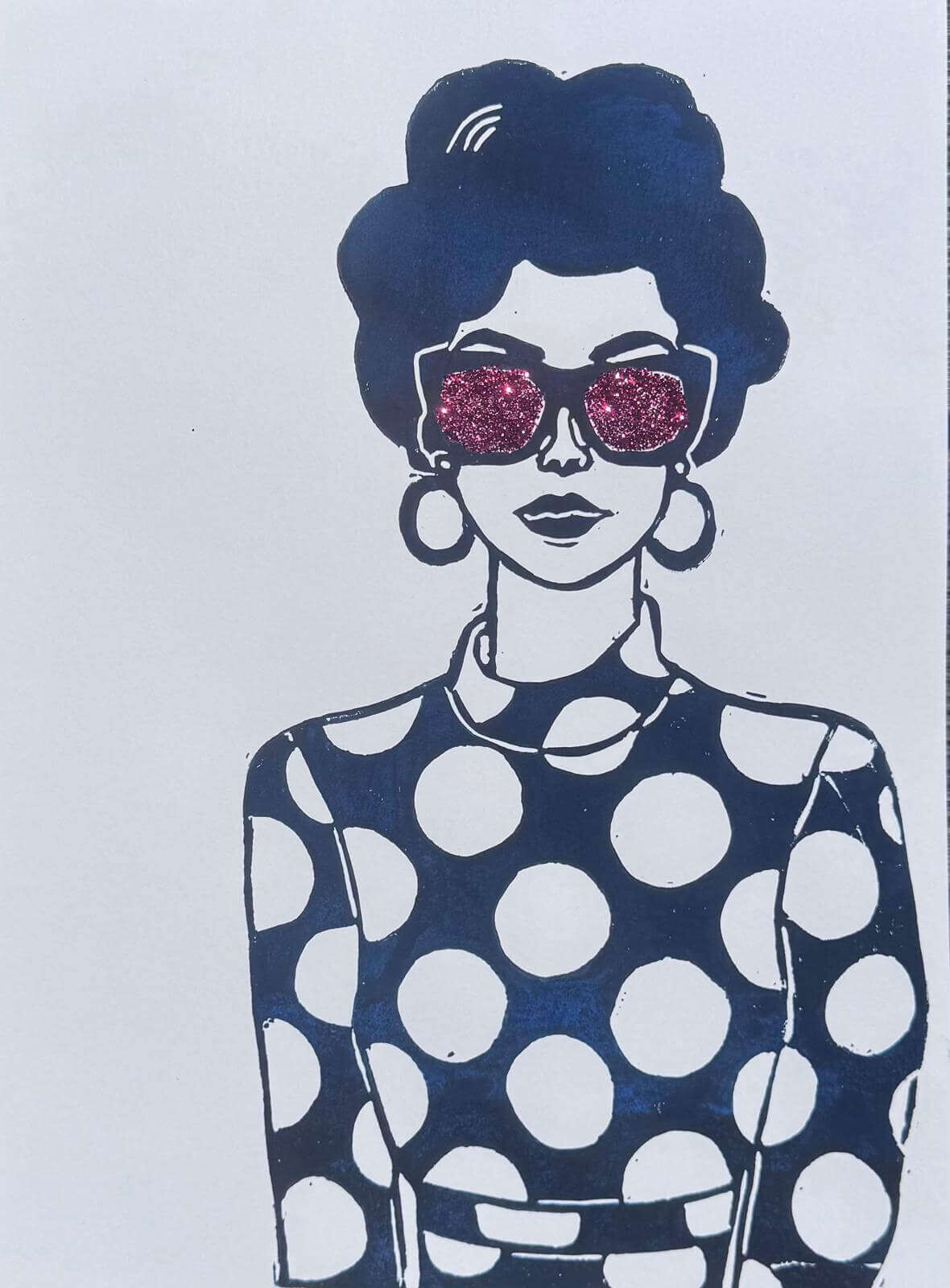
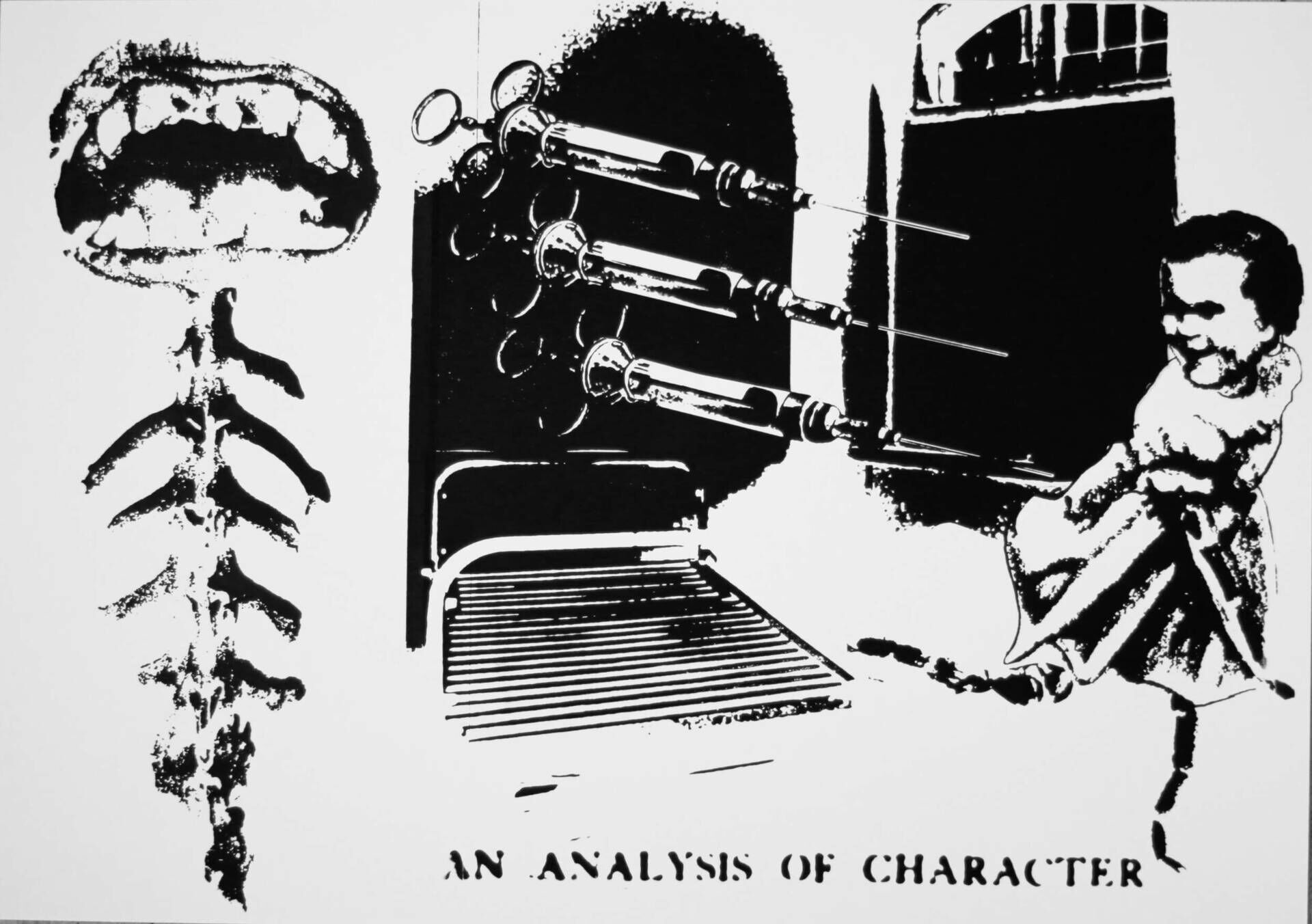
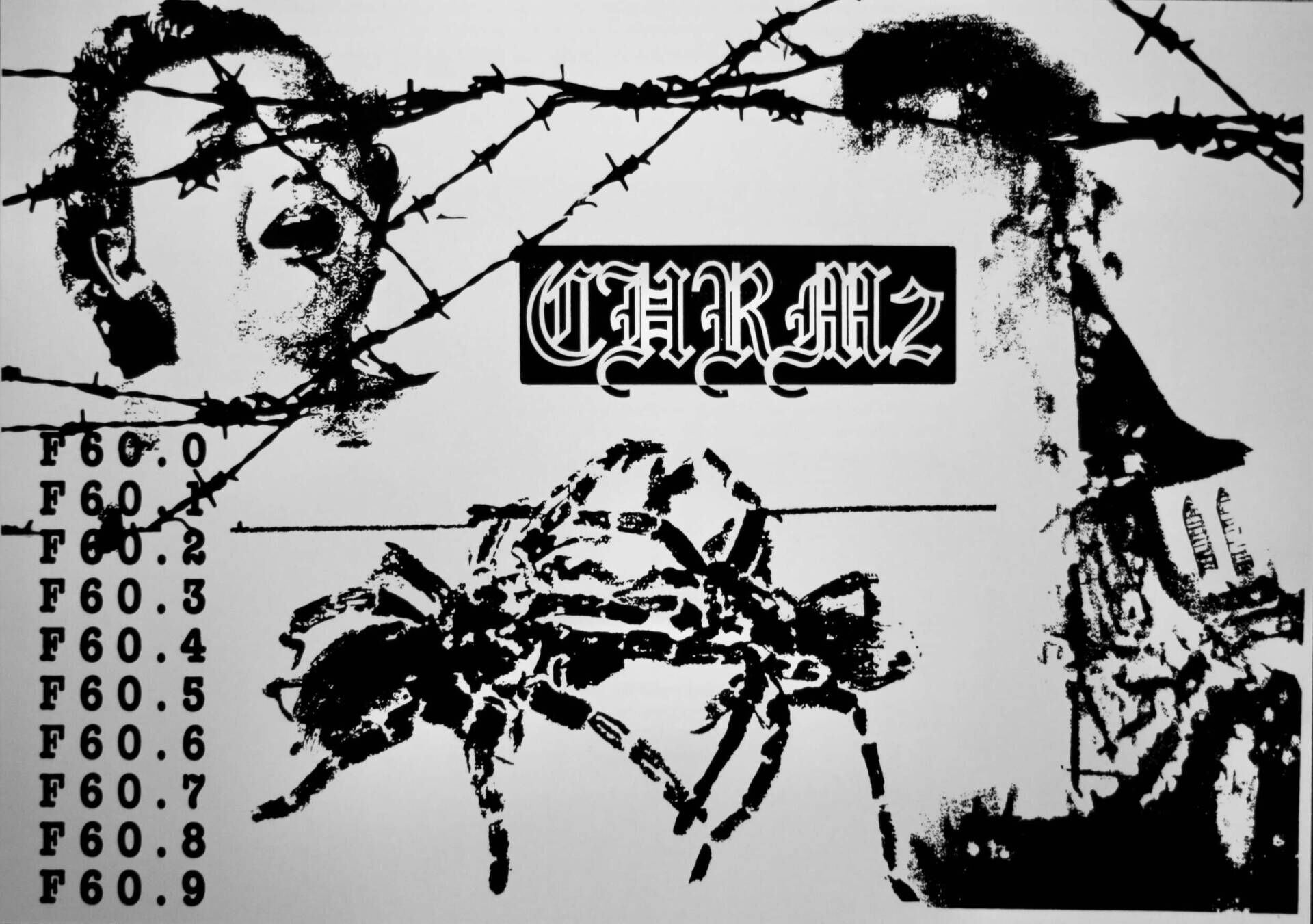
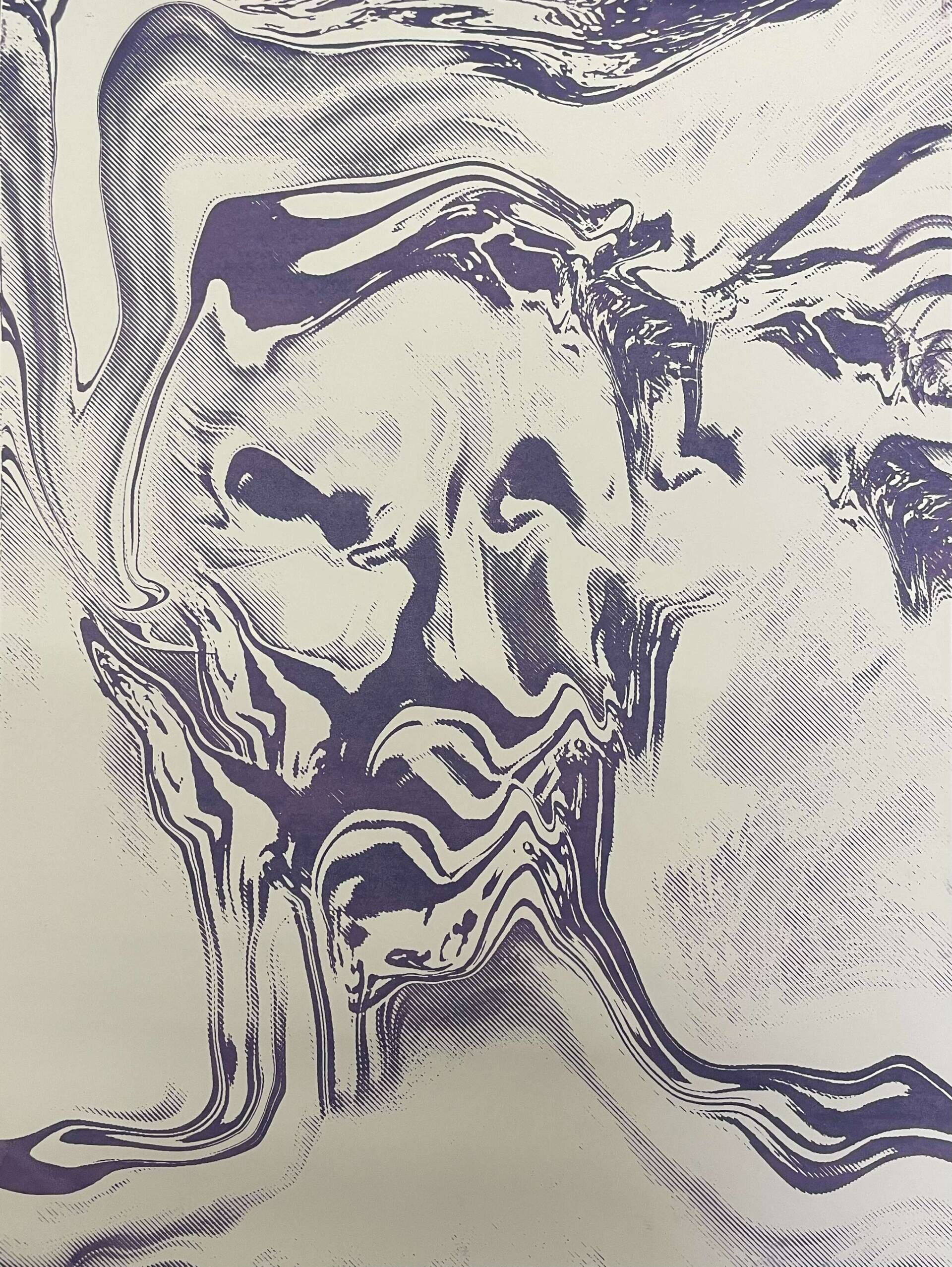
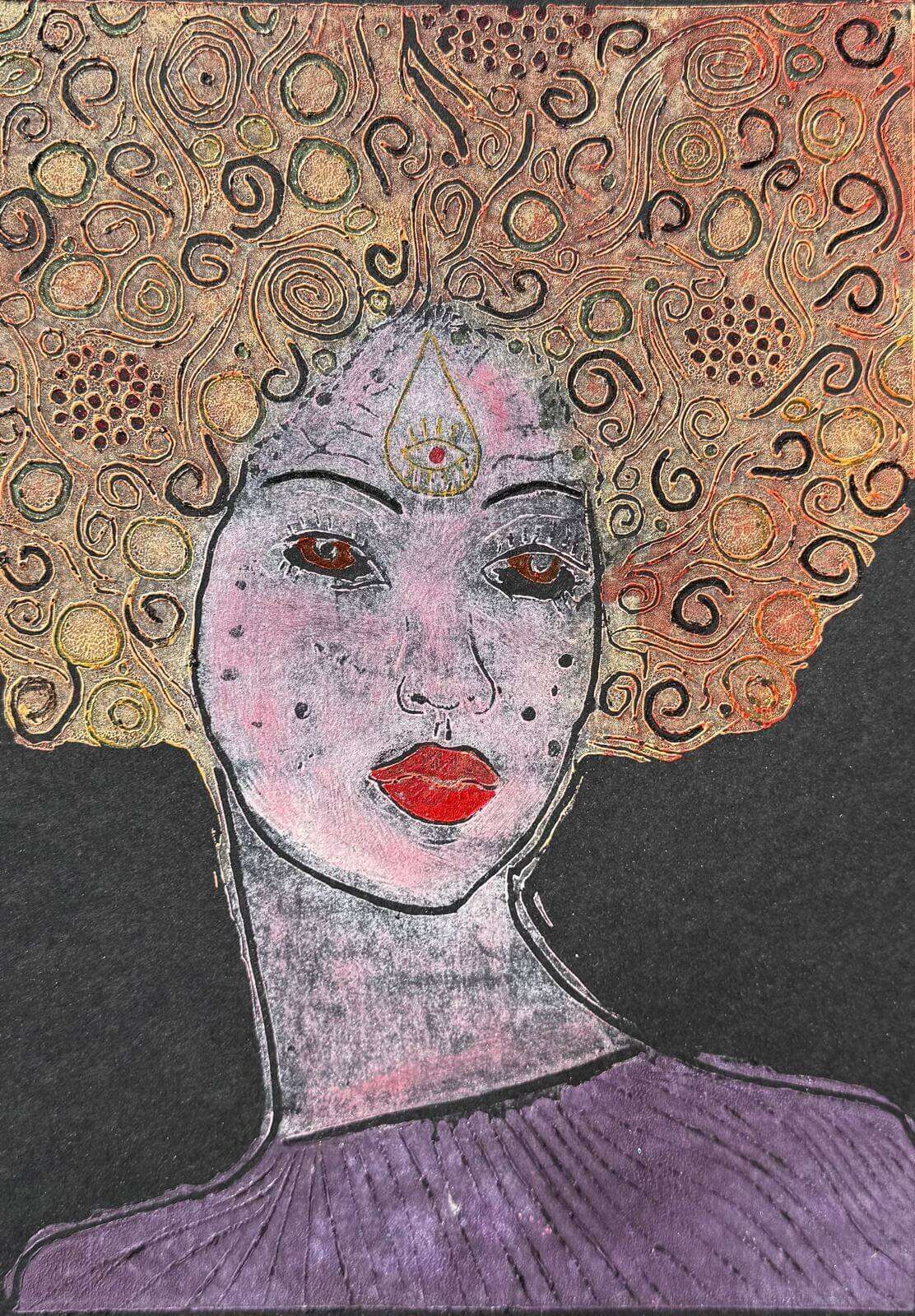
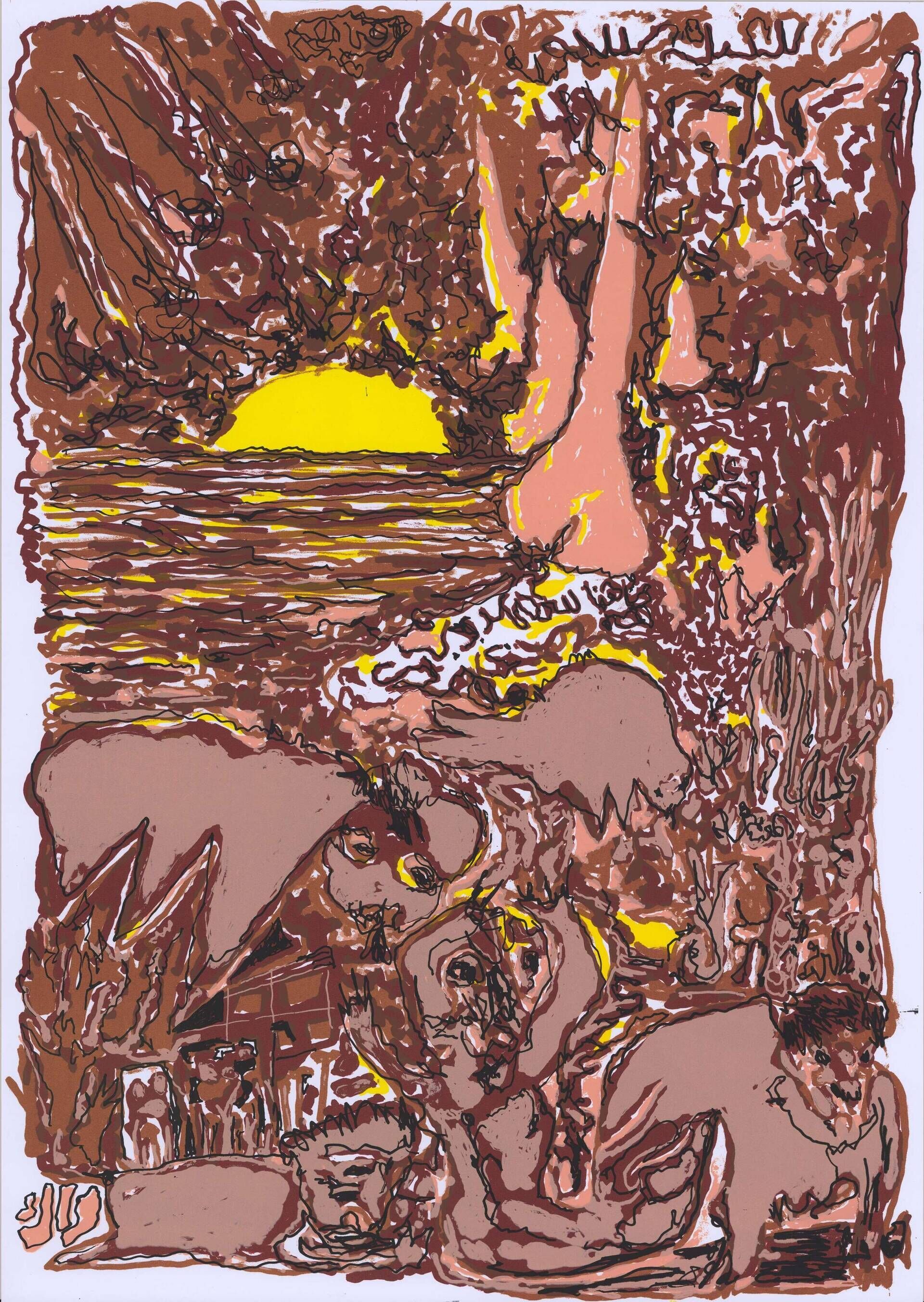
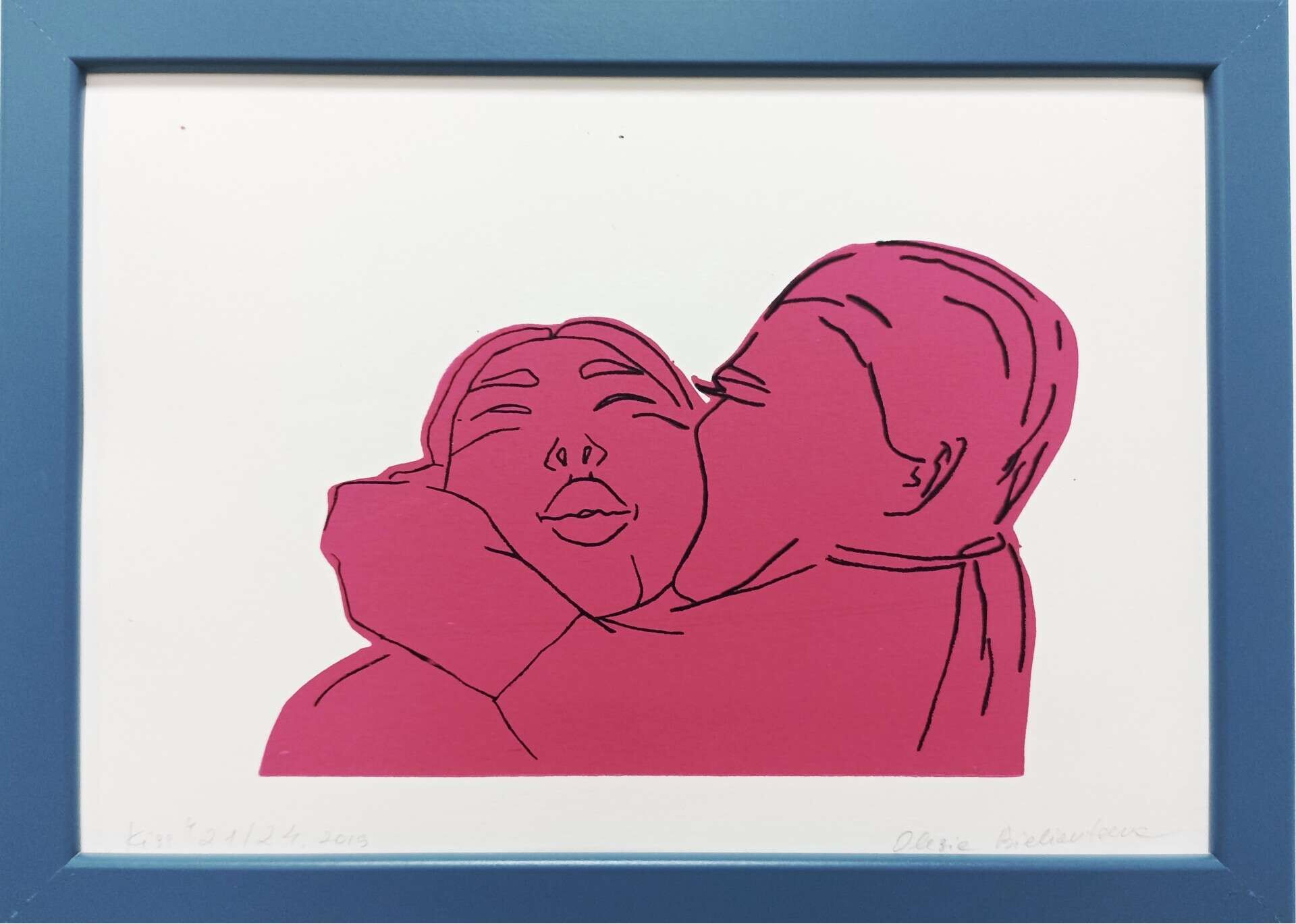
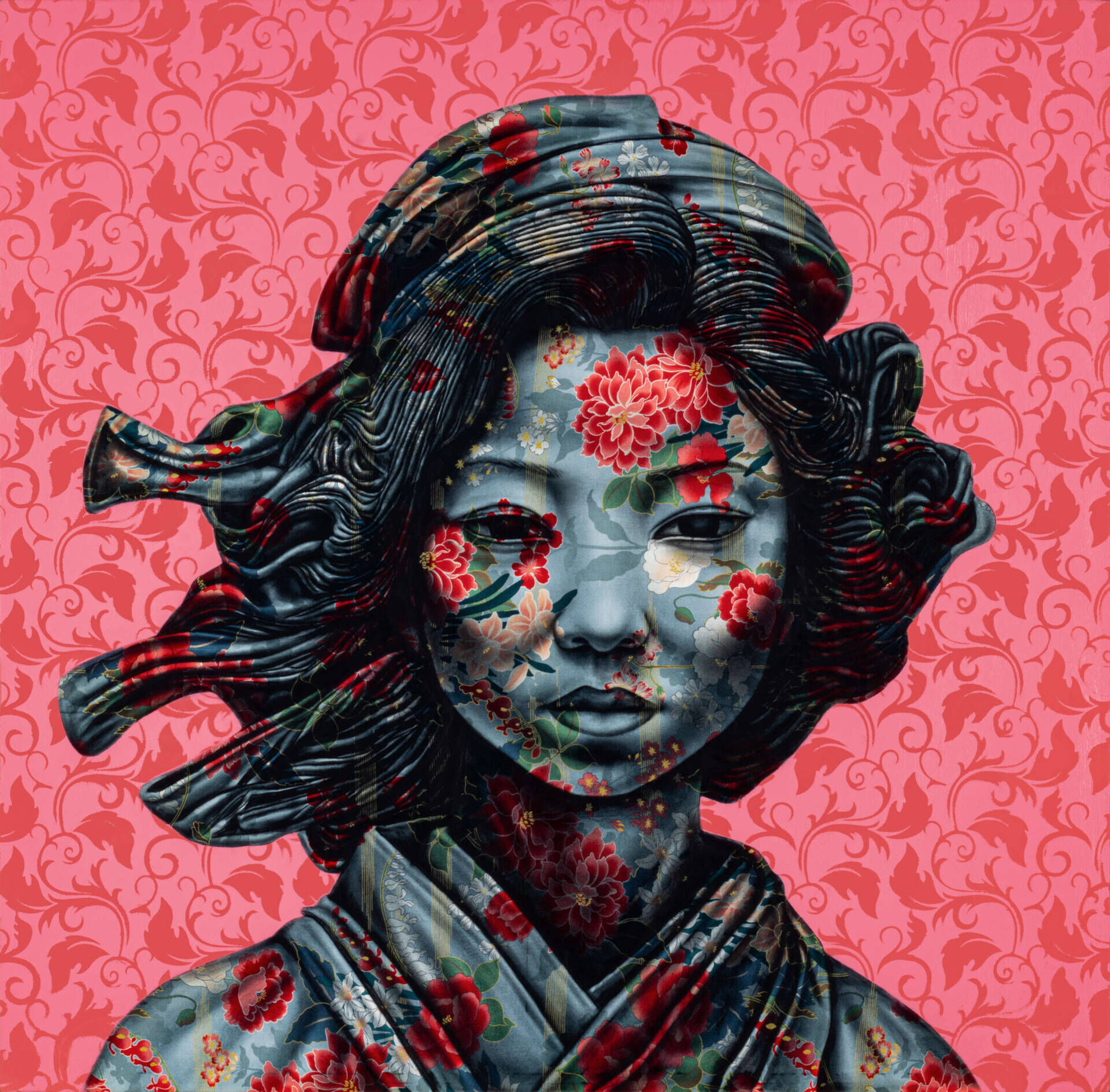
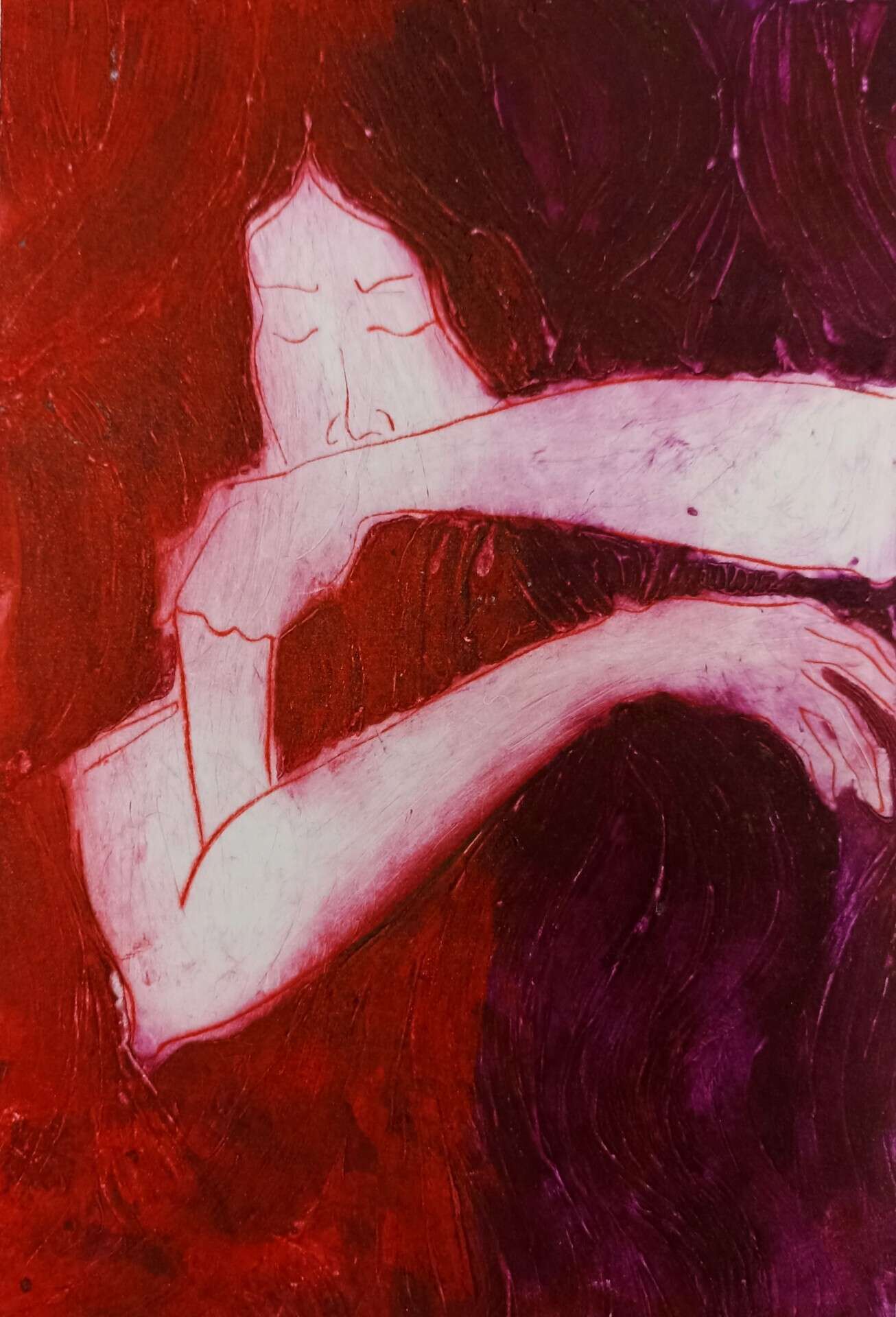
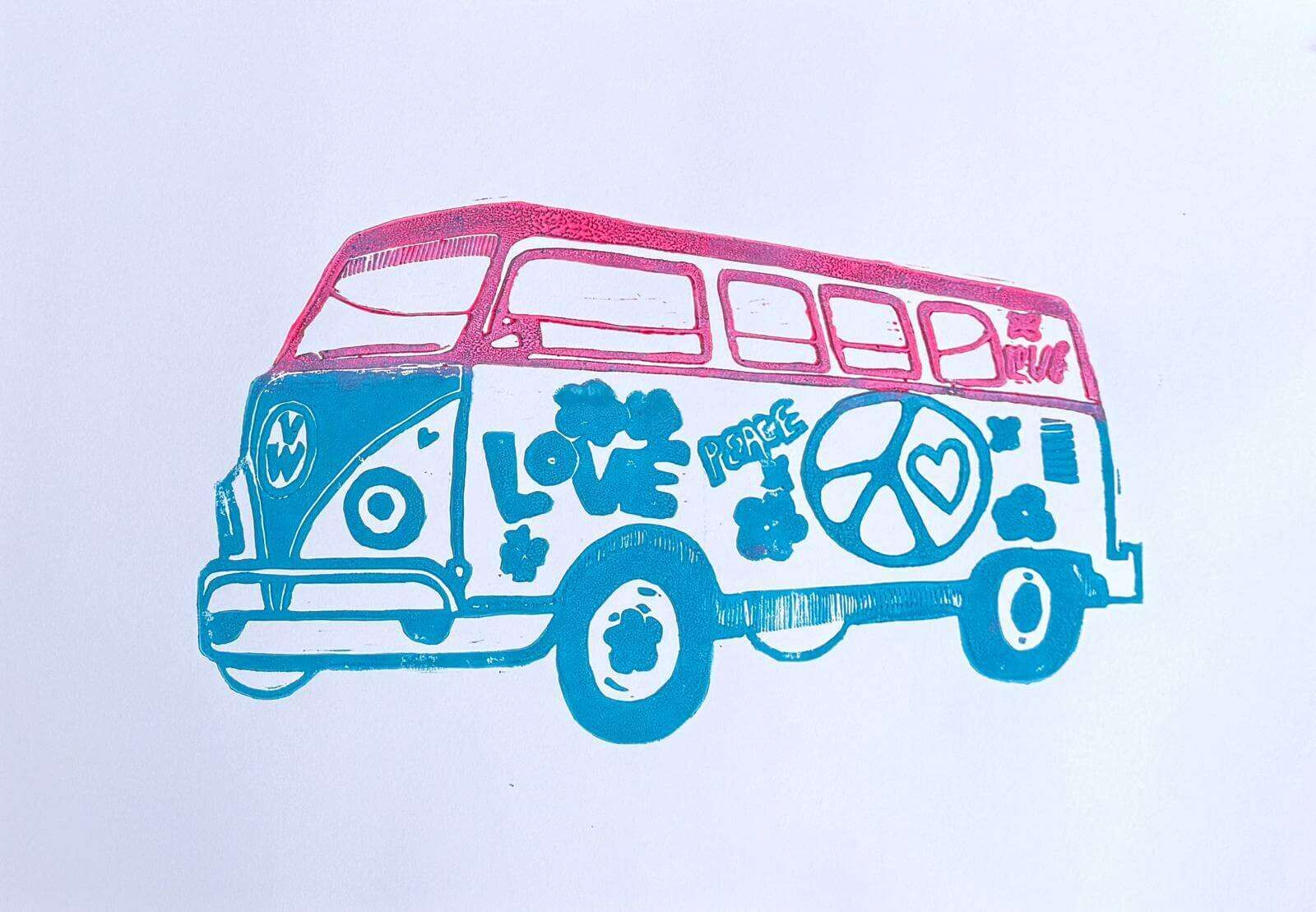
Printmaking brings together a fascinating variety of artistic techniques – each with its own character and expression. In relief printing, best known for woodcut or linocut, only the raised areas of the material are used to print, much like a stamp. The resulting print is often clear, high-contrast and characterised by a distinctive, direct craftsmanship. In intaglio printing, which includes techniques such as etching and copperplate engraving, the ink collects in the fine recesses of the plate and is transferred to the paper under heavy pressure – resulting in prints rich in detail and subtle nuances. Lithography is based on the principle that oil and water repel each other. Here, the printing and non-printing areas lie on the same plane, which allows for a soft, painterly effect. Finally, screen printing, or serigraphy, works with stencils: The ink is pressed through a fine mesh onto the substrate, resulting in vibrant, often graphically clear compositions in graphic art.
Each of these graphic art techniques demands technical skill, patience and a deep understanding of materials, colour and subject matter. In their modern drawings, artists experiment with lines, textures and layers, creating rhythmic structures, subtle transitions and surprising depths. The result is graphic art that strikes a balance between precision and experimentation, between traditional craftsmanship and contemporary expressiveness.
Is this still an original or already a copy?
This is a question one frequently encounters in graphic art – and it is a valid one. In painting, an original is always a unique piece. In printmaking, however, the original consists of the artist’s design and the printing plate produced by the artist. Every print produced from it is an original print. The edition is limited and numbered, for example 12/50 – the twelfth print in a series of fifty. Once the edition is complete, the printing plate is usually rendered unusable to prevent further reproductions. Reproductions, on the other hand, are copies produced using photomechanical or digital processes and do not possess the same artistic value as an original print.
The crucial difference in printmaking lies in the process. An original print is designed and executed entirely by the artist themselves. The idea, the printing plate and the printing process all originate from a single source. Every line and every area is created deliberately and transferred to paper by hand. Although several prints may be produced from the same printing plate, each one is slightly different – sometimes with a little more ink, sometimes with fine textures or a subtle colour gradient. These differences make every print unique. The paper, the pressure applied during printing and the timing of the print also influence the result. Thus, despite being part of an edition, each work remains individual – no two prints are alike.
Original prints are produced in limited editions, the size of which is determined by the artists themselves. A number such as 12/50 indicates that it is the twelfth print in a series of fifty. Each print bears a signature confirming its authenticity and authorisation. In addition, there are E.A. (Épreuve d’artiste), i.e. artist’s proofs, or H.C. (Hors de Commerce) – works that are not for sale. Both are considered originals, as they are produced from the same printing plate. Once the edition is complete, the printing plate is often rendered unusable to prevent reprints and ensure exclusivity.
Buy prints at Studierenden Kunstmarkt
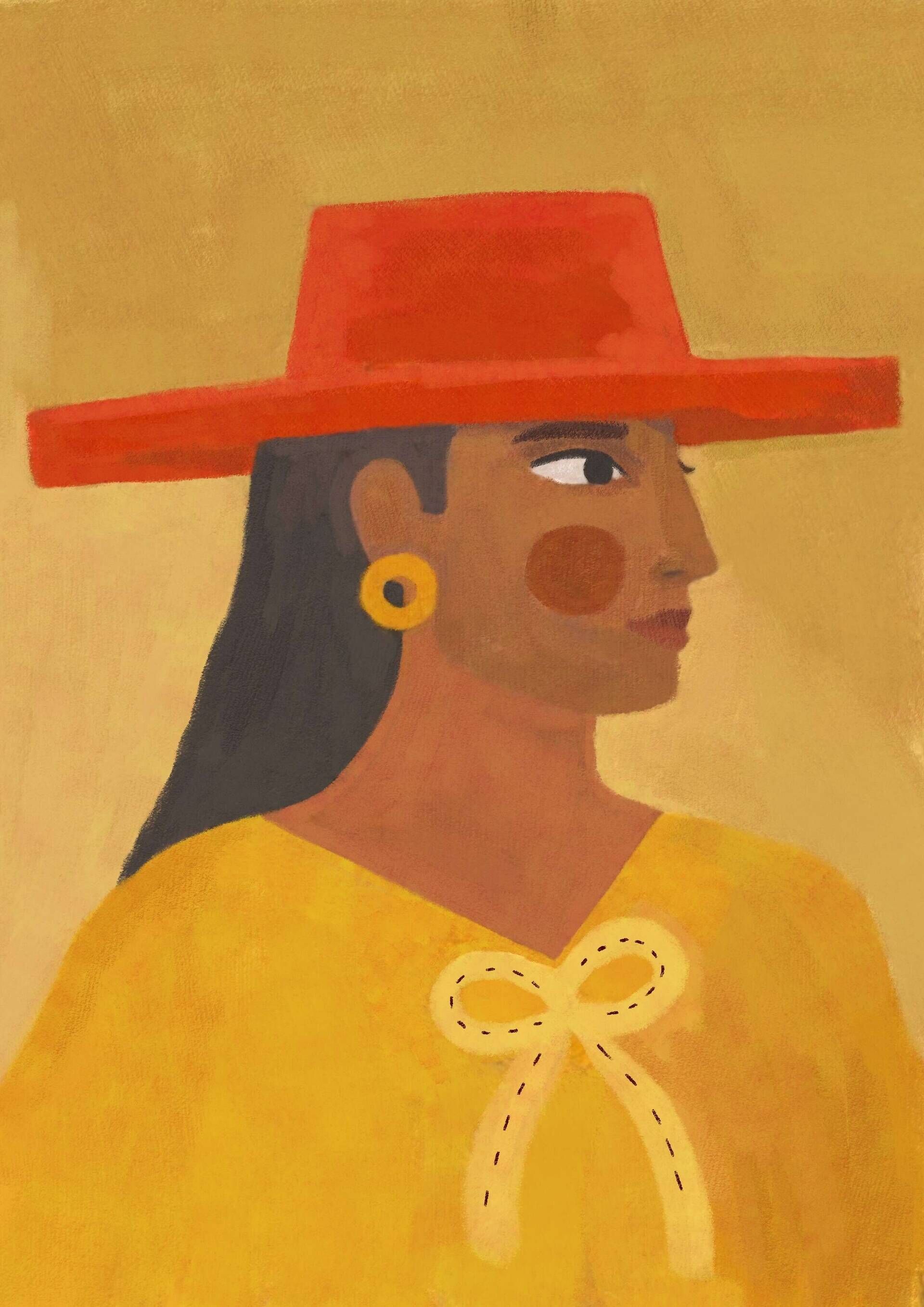
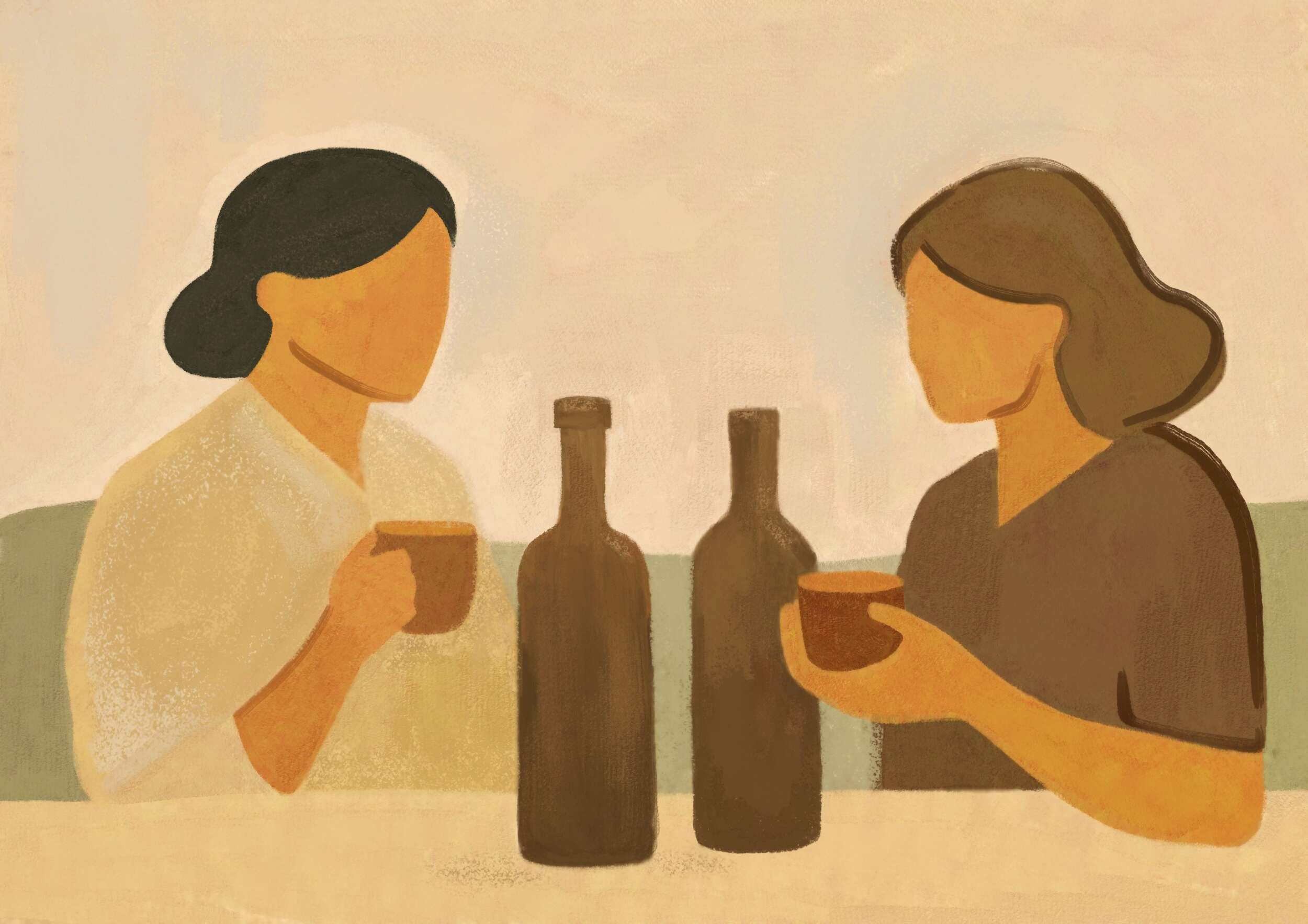
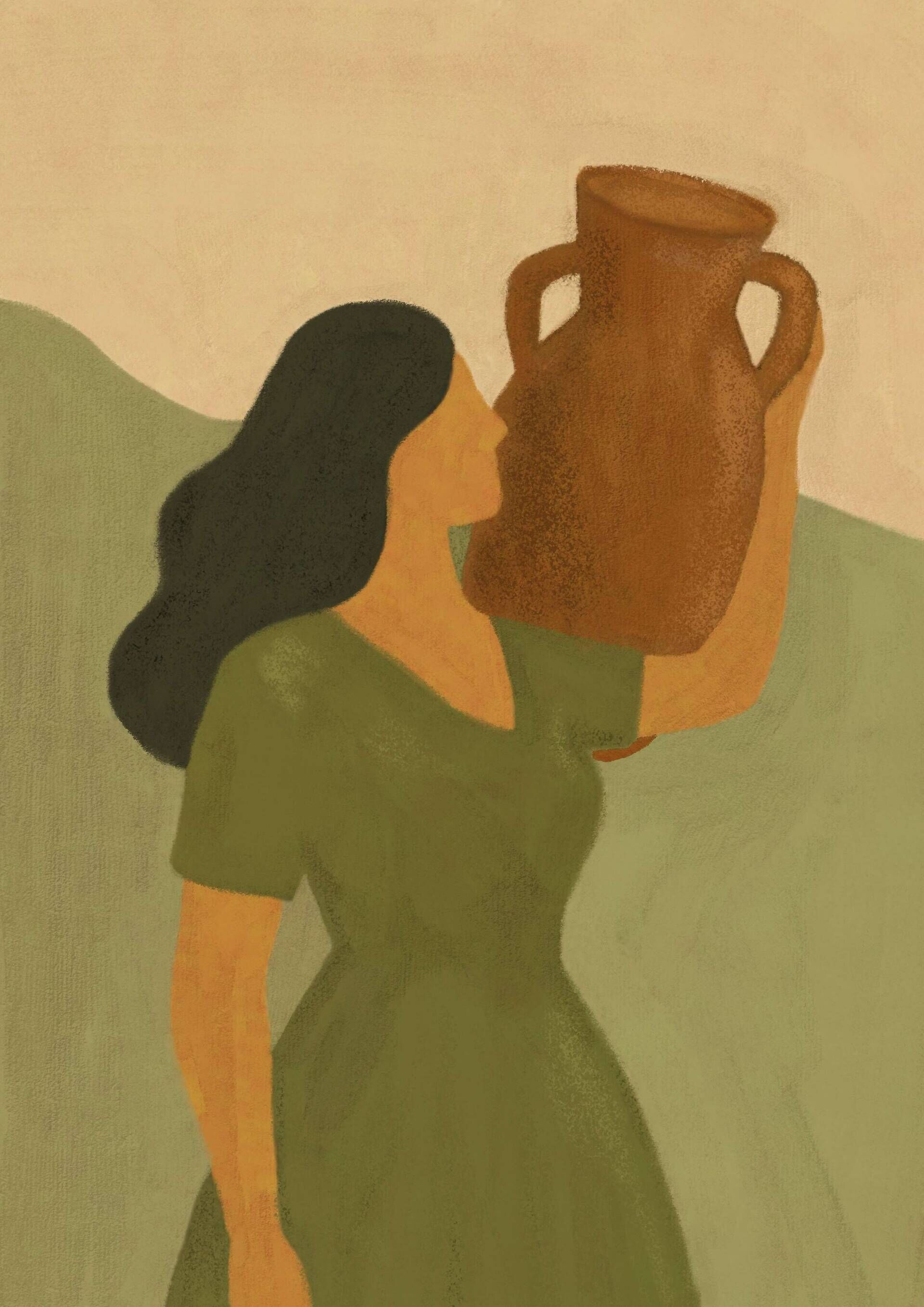
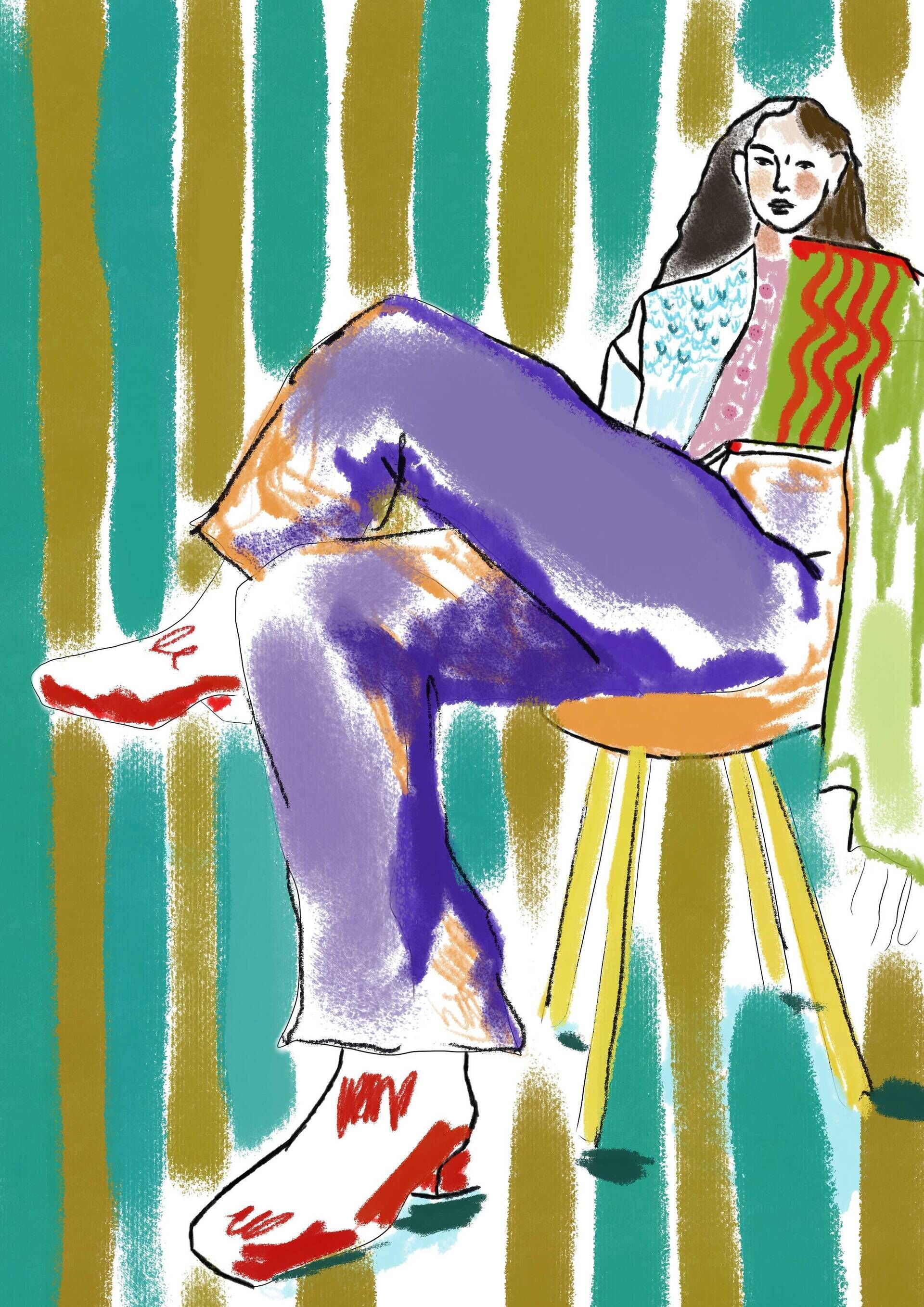
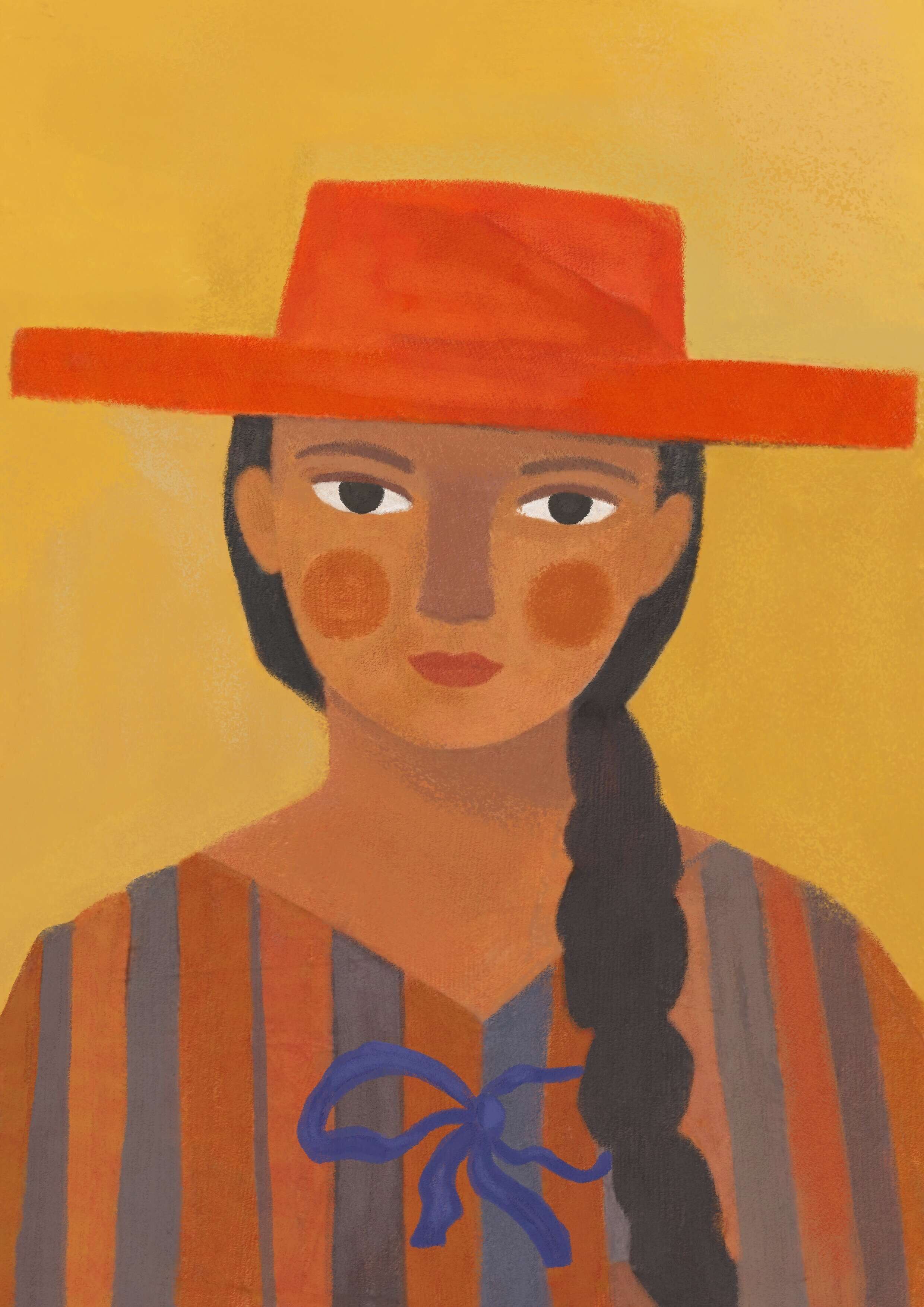
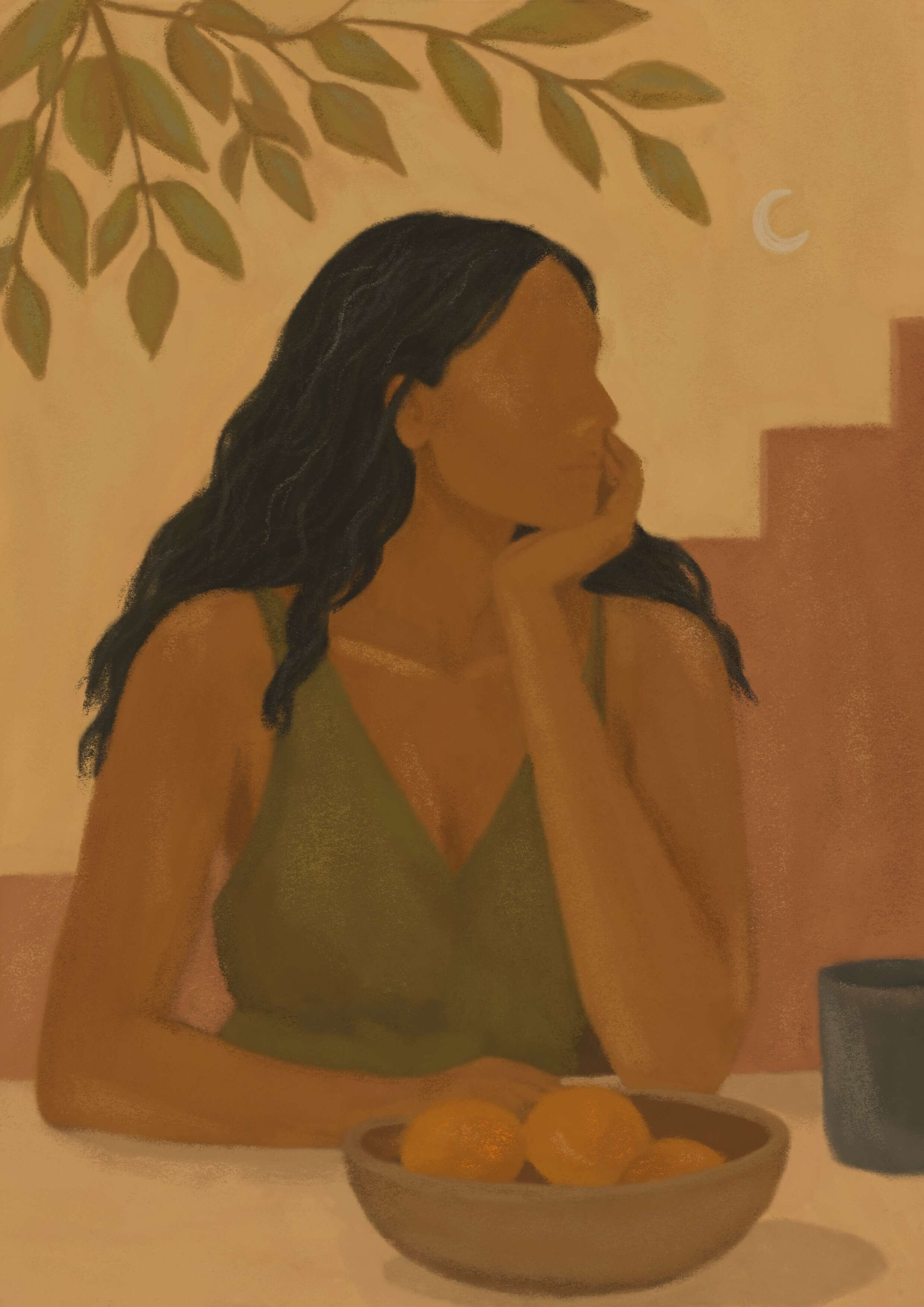
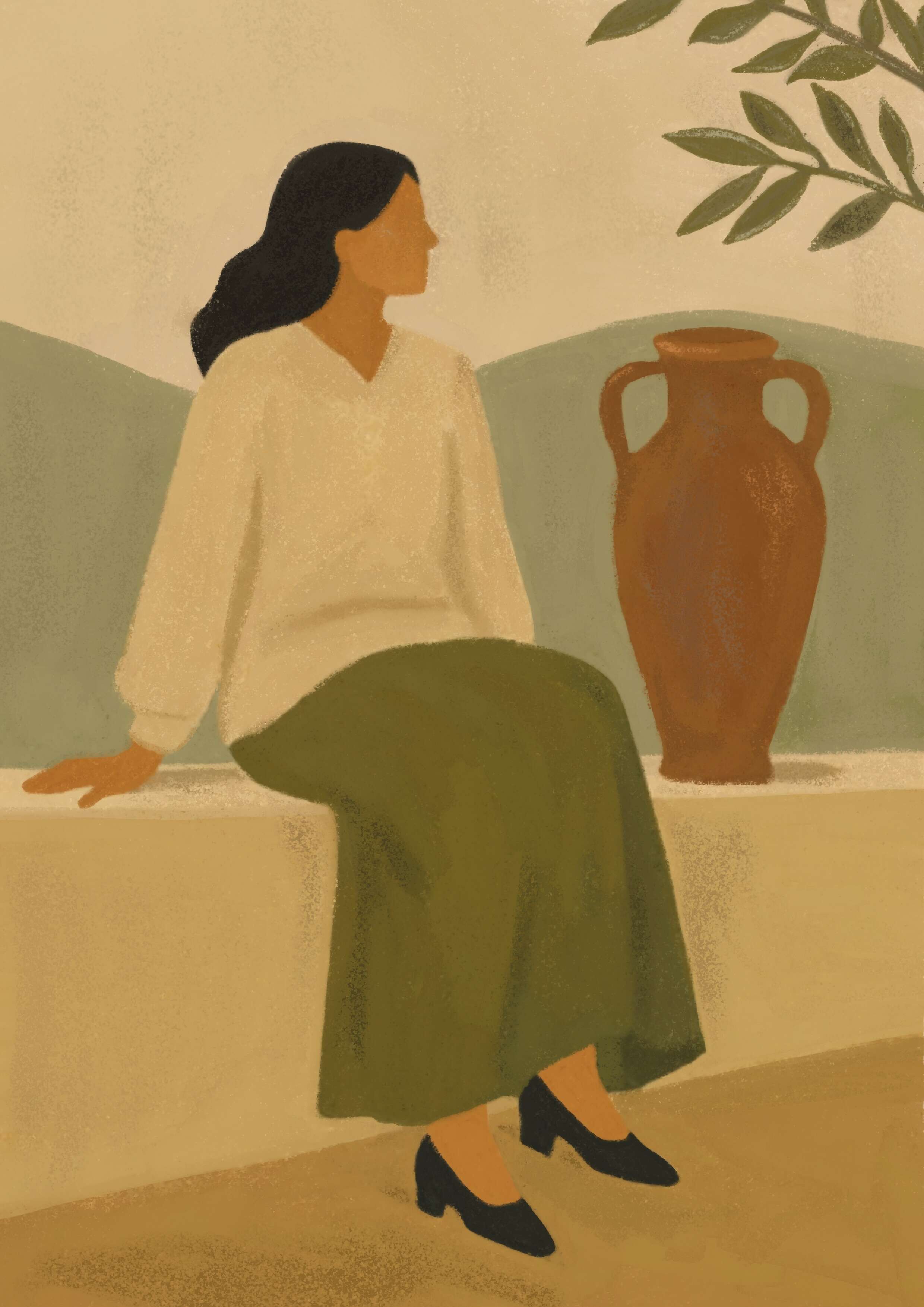
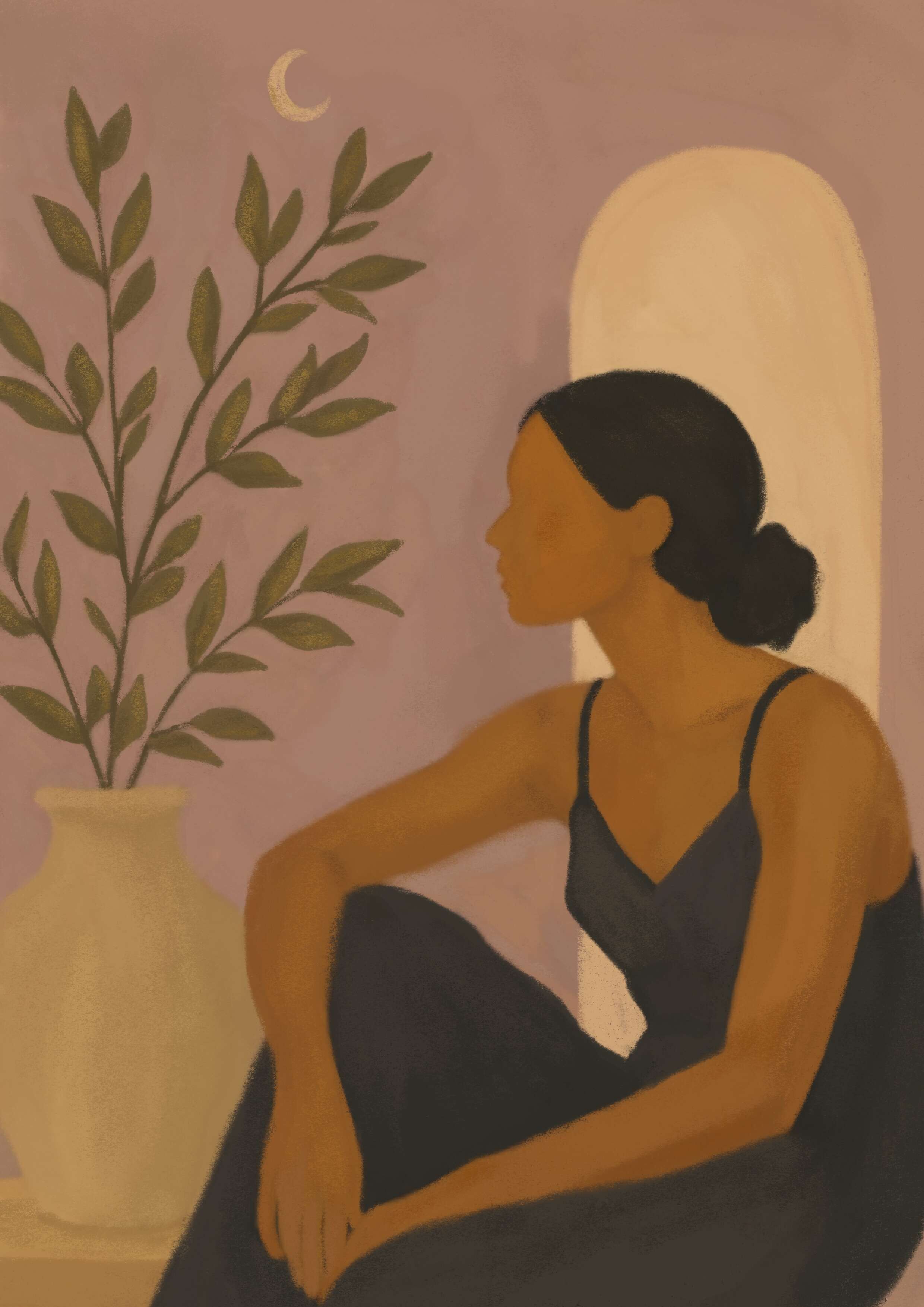
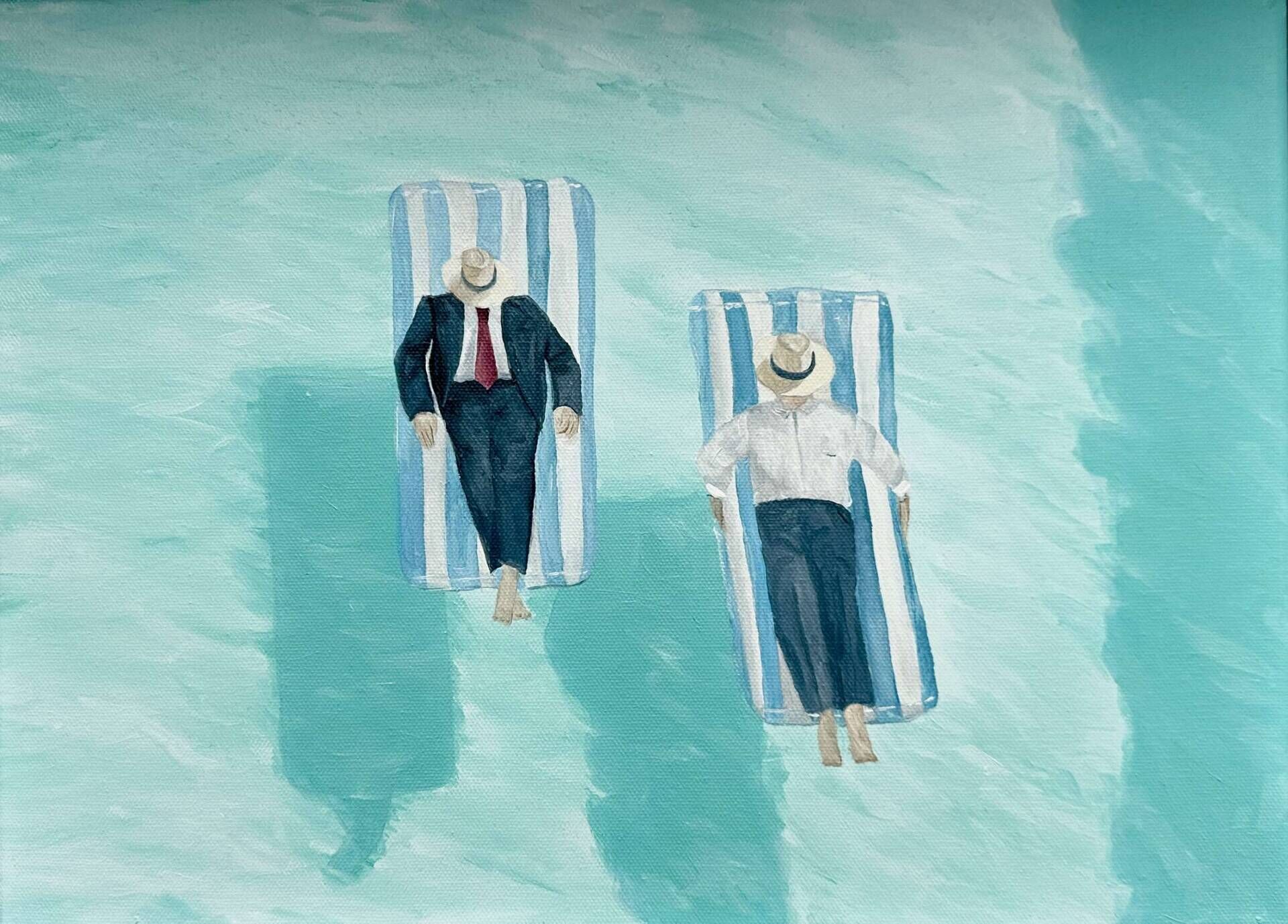
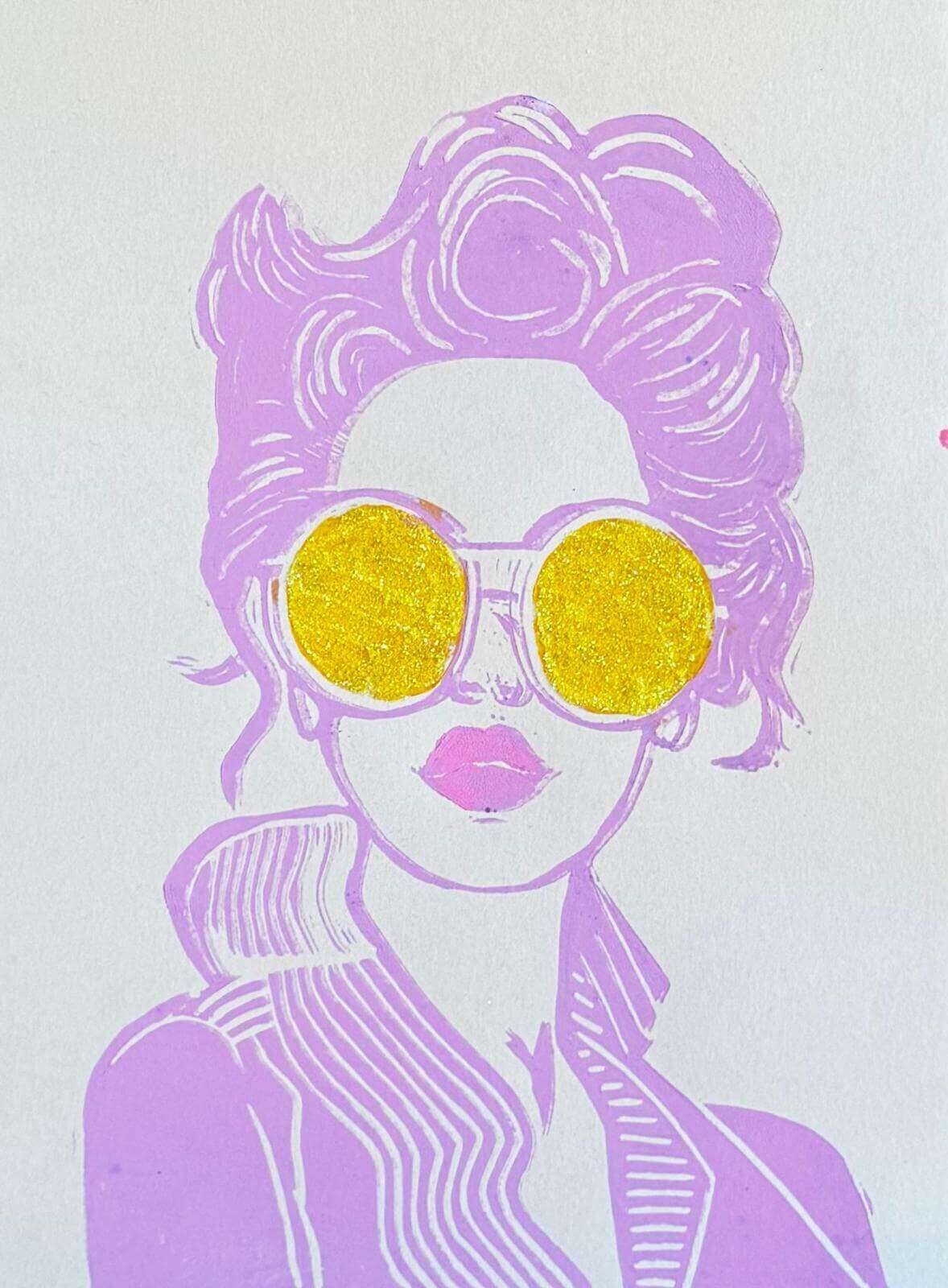
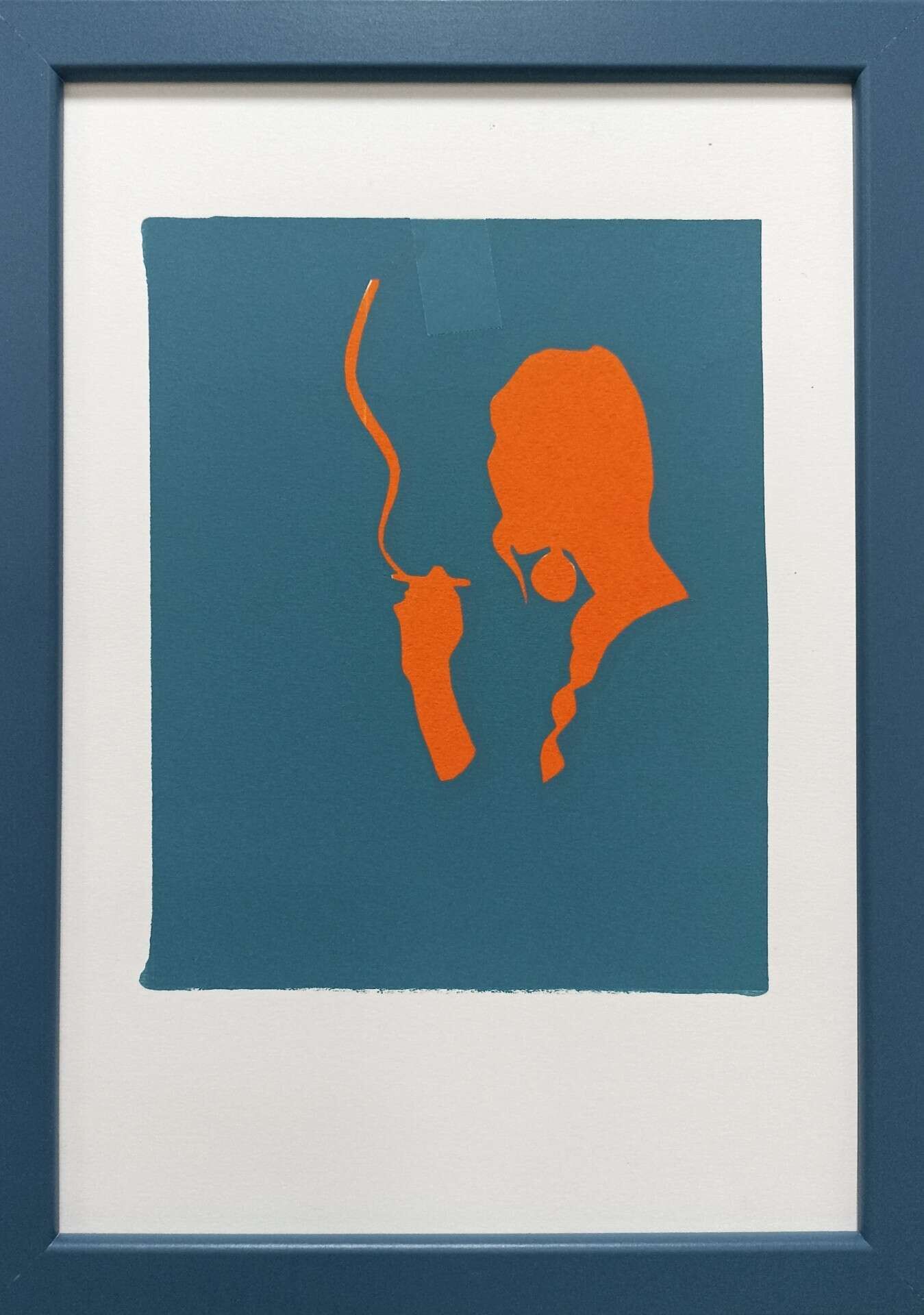
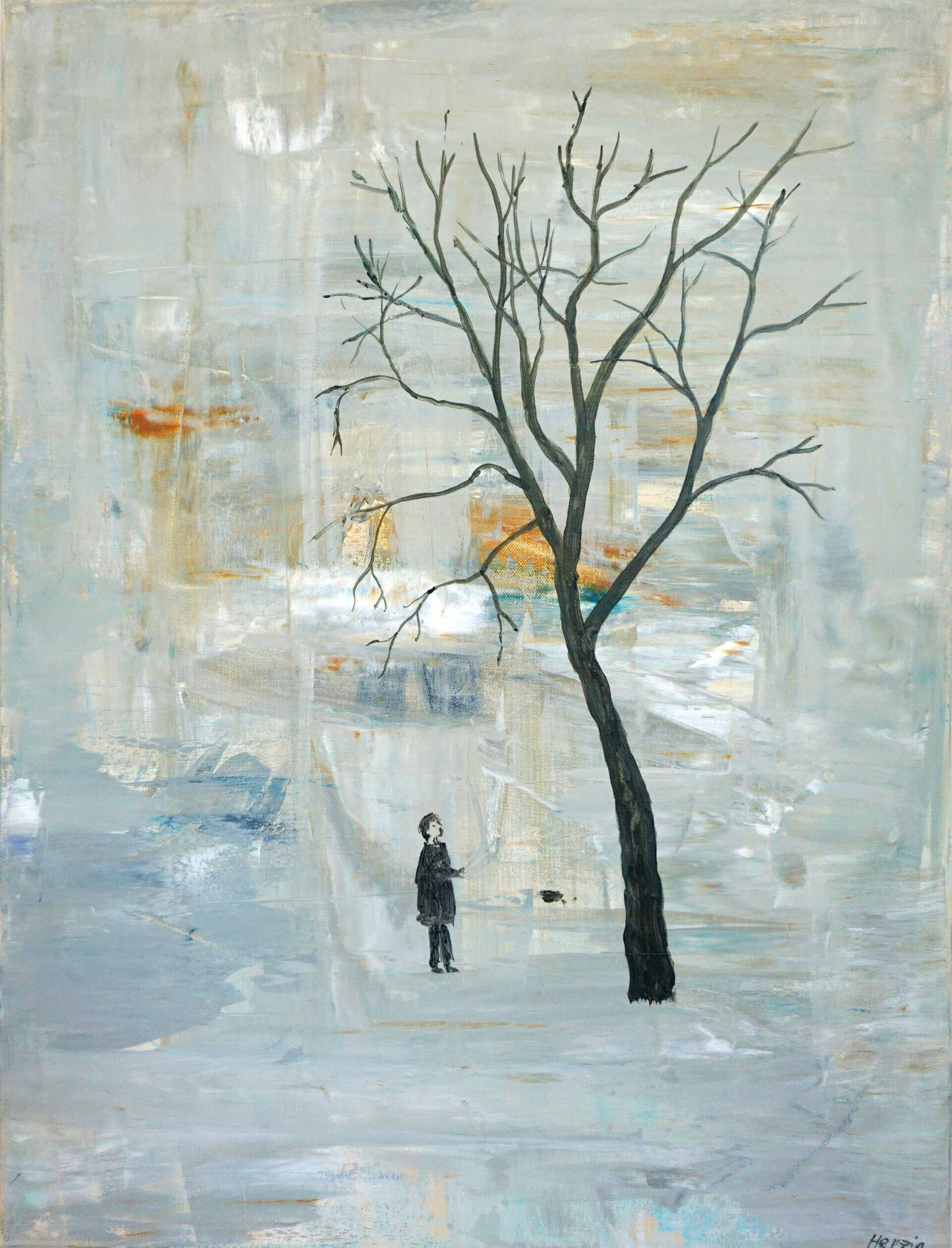
At Studierenden Kunstmarkt, you’ll find a diverse selection of contemporary print art that impressively showcases the varied styles of young artists. Sophie Bäumer creates poetic linocuts in which floral and figurative motifs merge, creating a delicate balance between sensitivity and expressiveness. Fancheng Xu, on the other hand, often depicts his characteristic figures from a bird’s-eye view – minimalistically composed, yet full of movement and emotional depth. The works of Julia Von Solemacher are instantly recognisable: her cheerful portraits in delicate pastel shades radiate lightness and a zest for life. Christian Herzig in turn focuses his prints on people in nature; his works appear tranquil, observant and, at the same time, very personal, as if one were becoming part of the scene oneself.
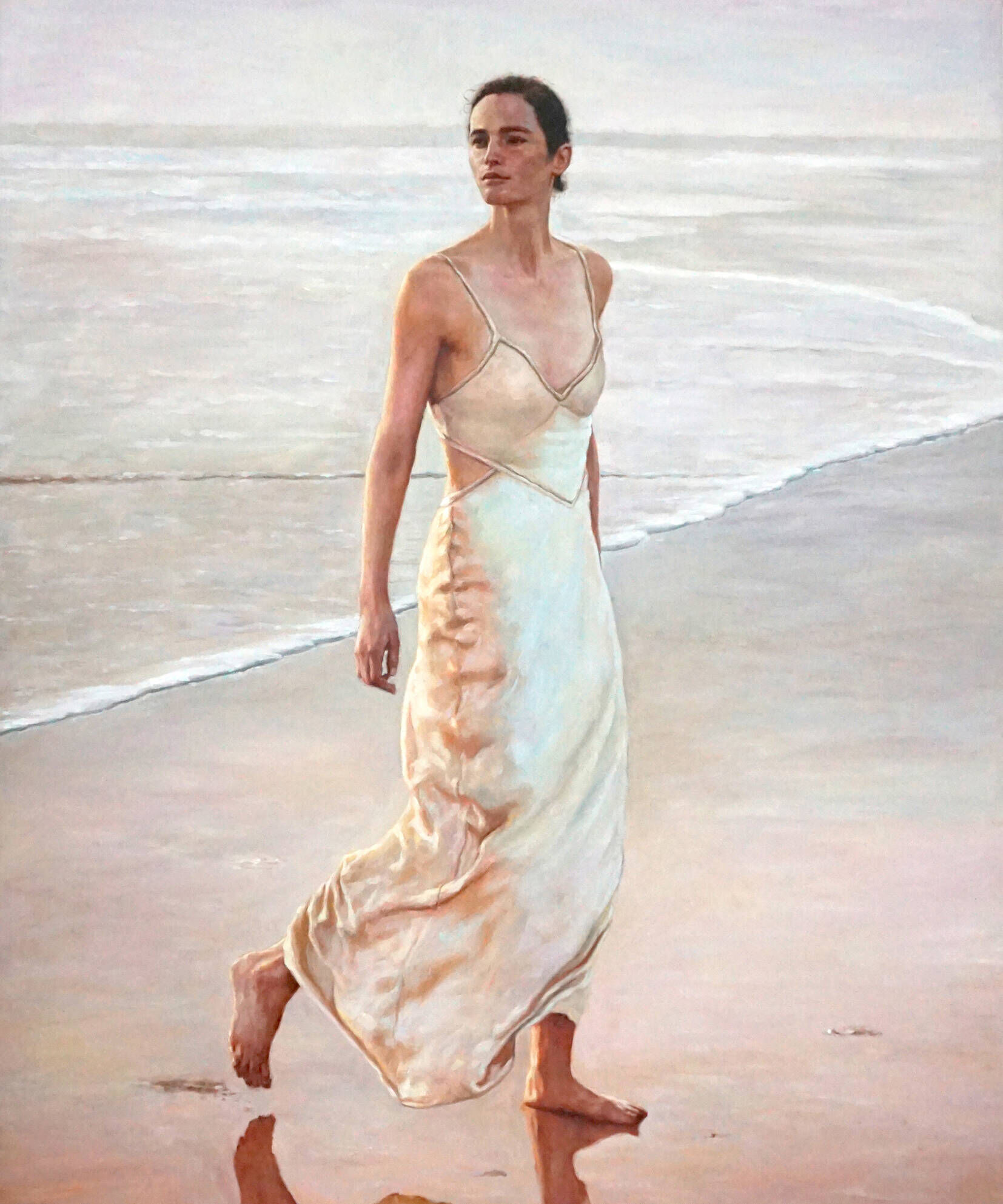
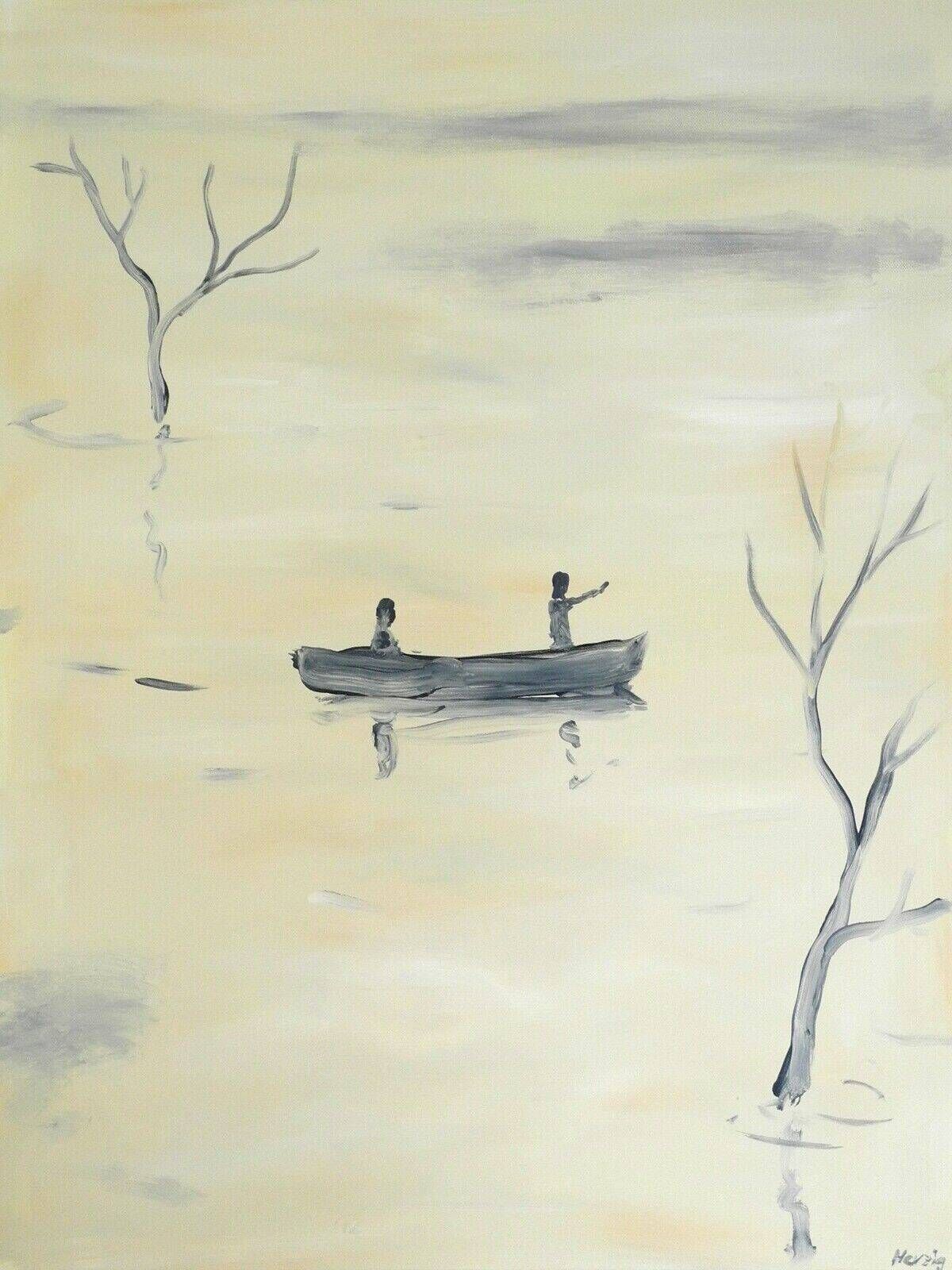
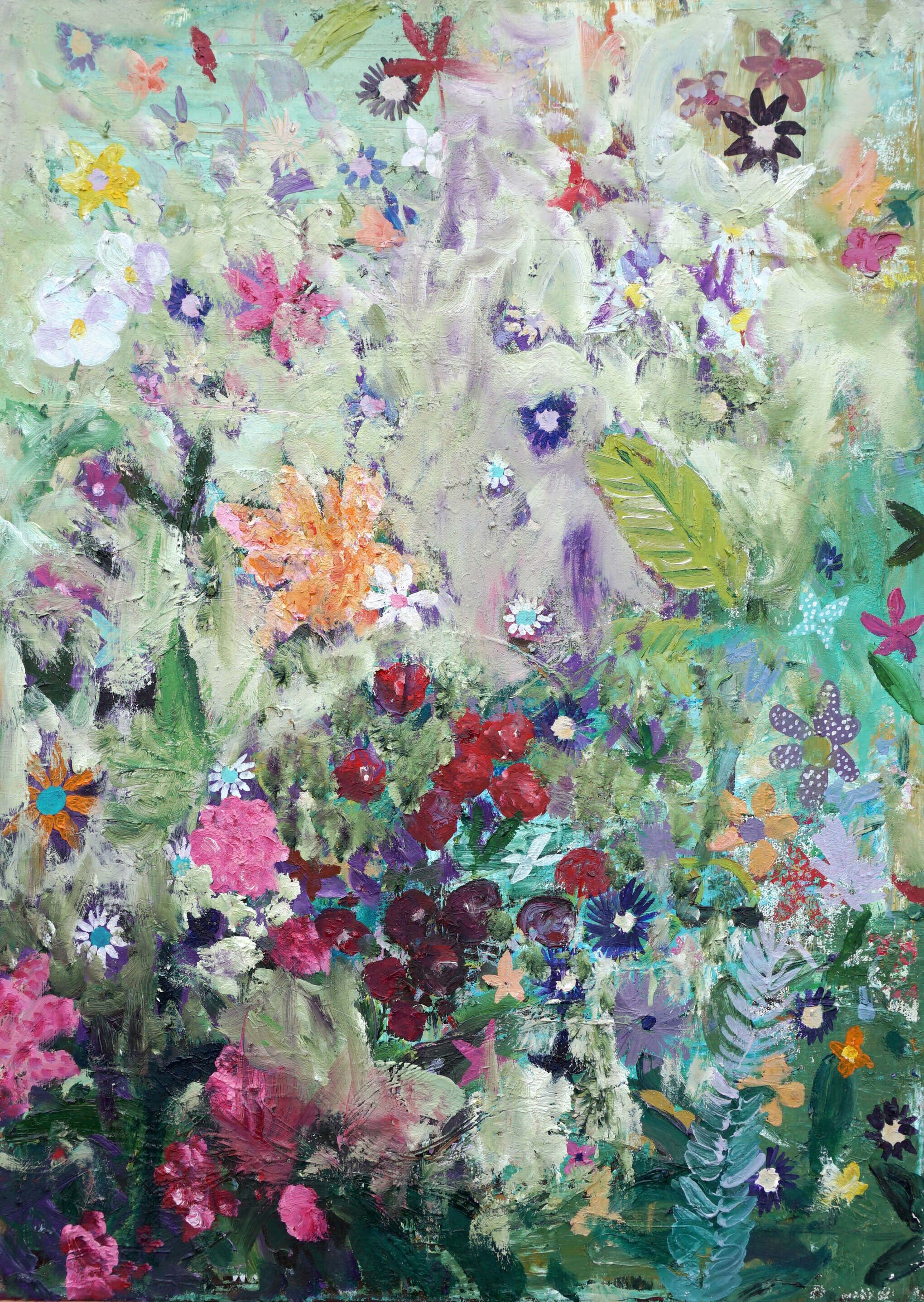
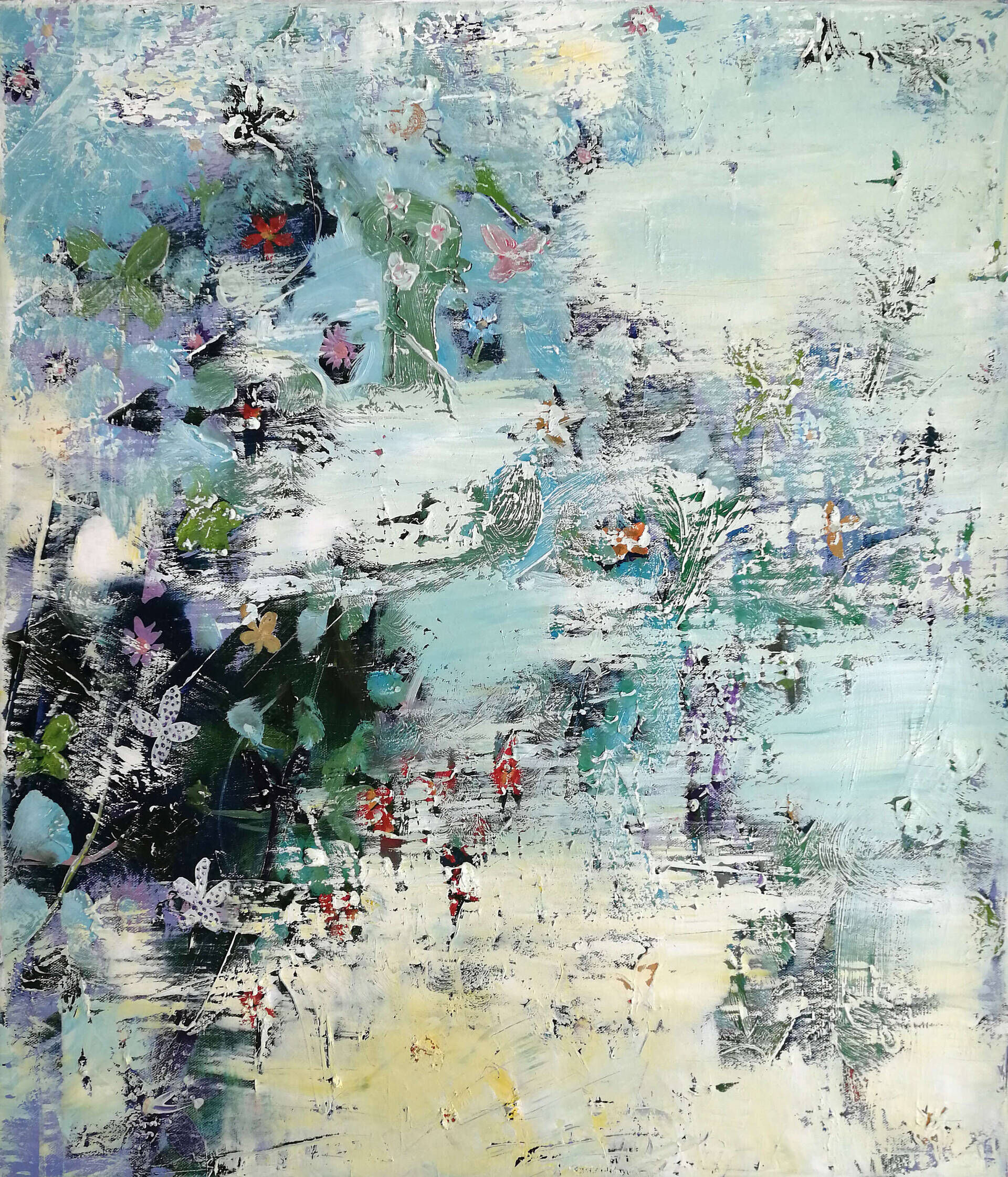
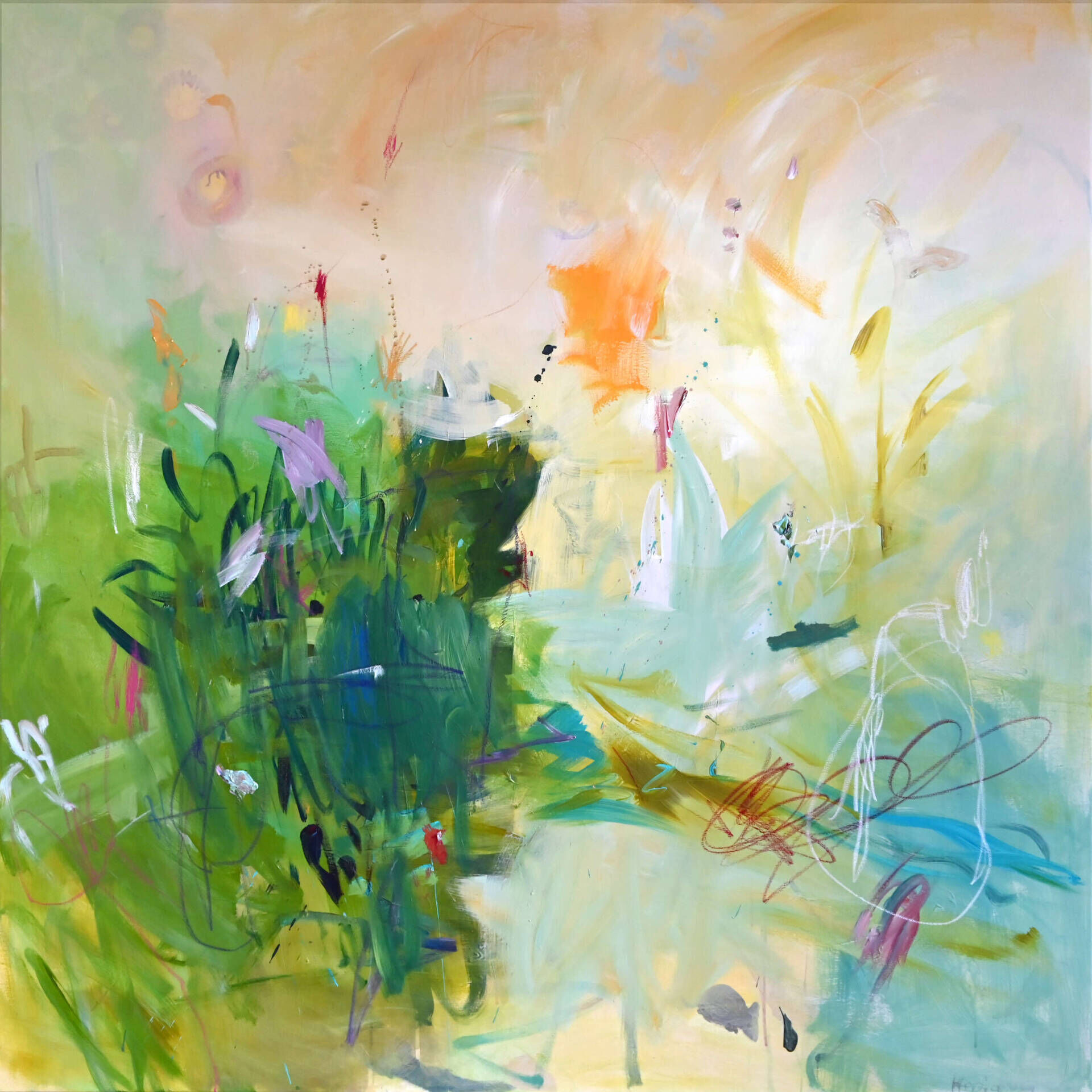
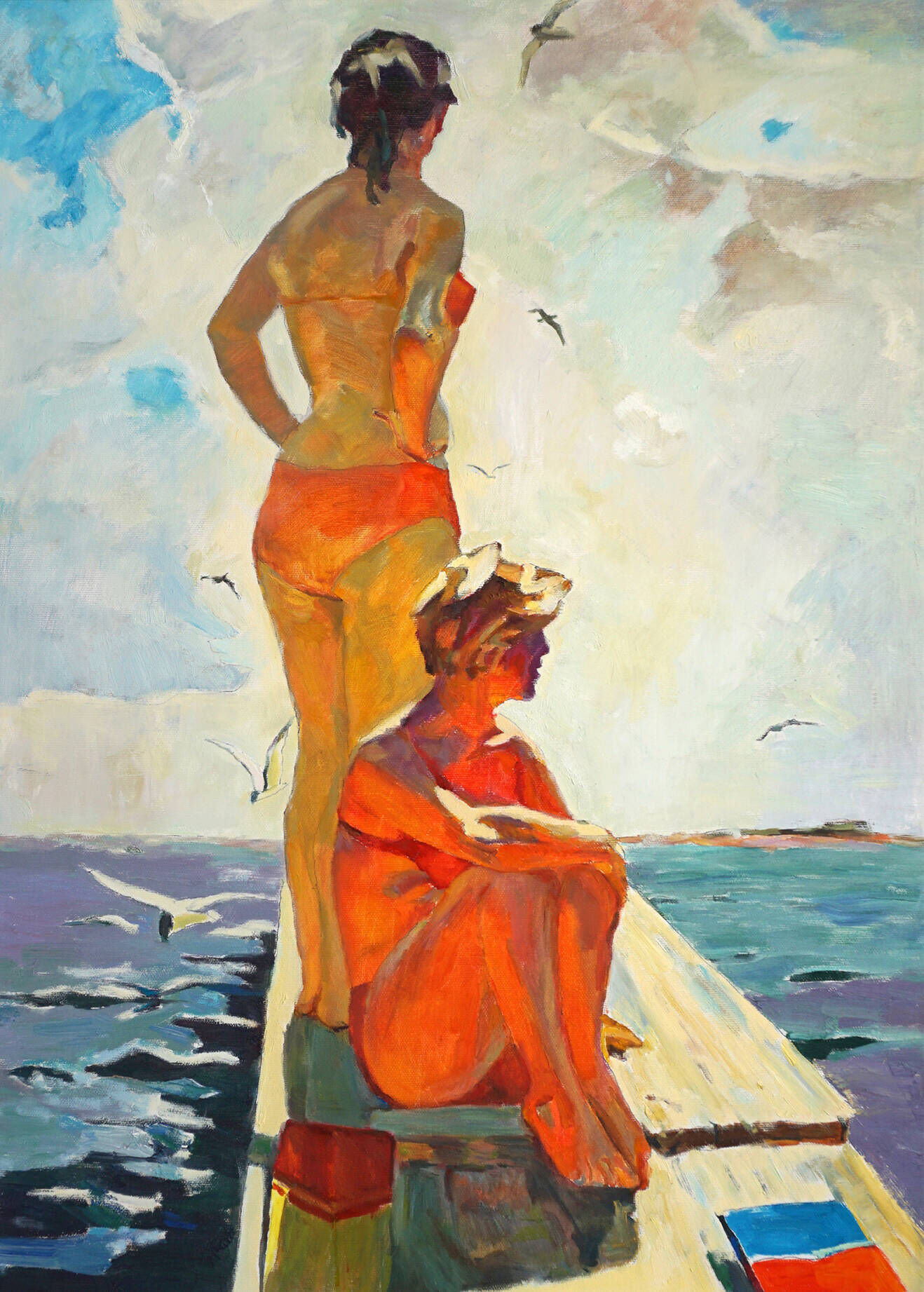
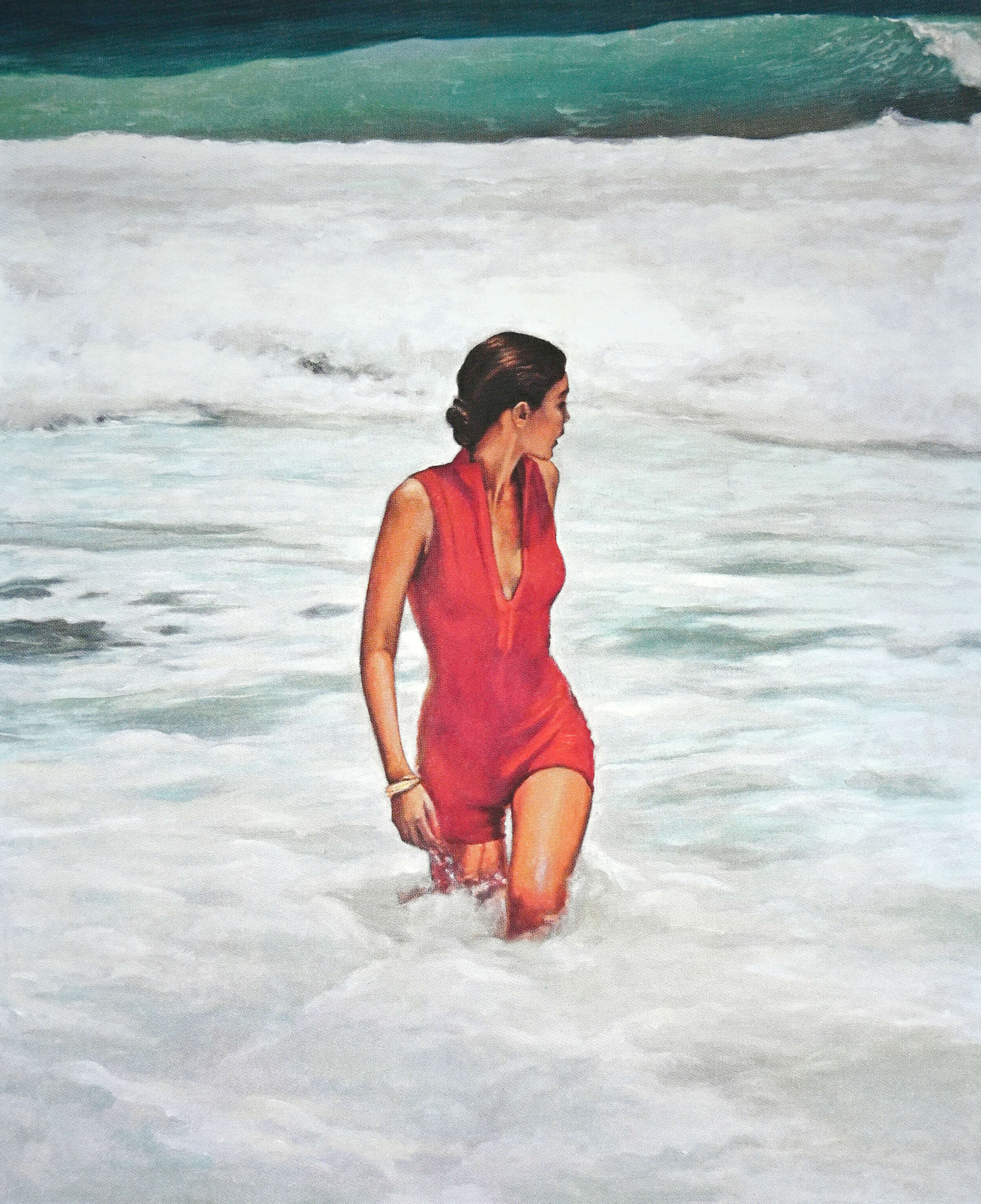
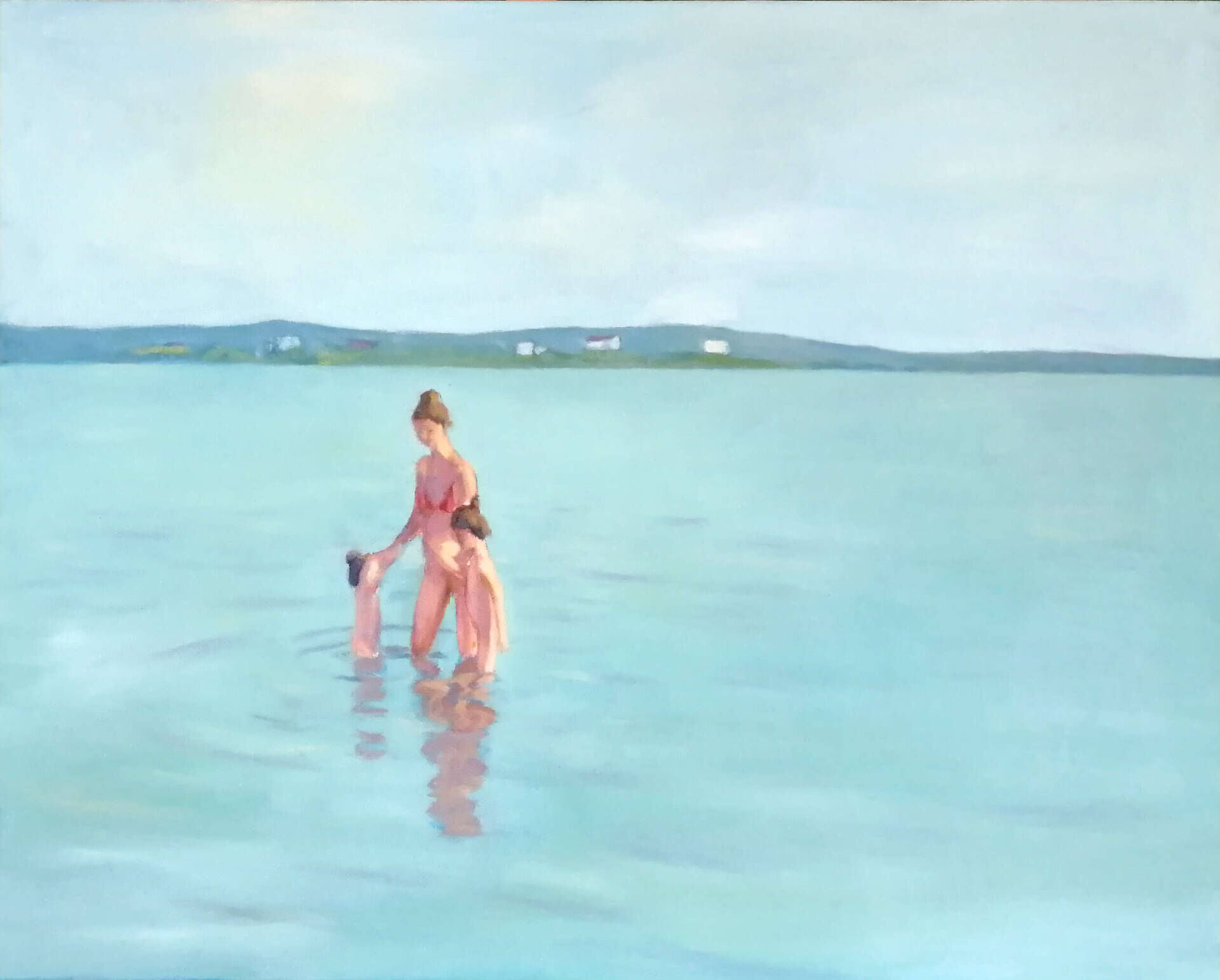
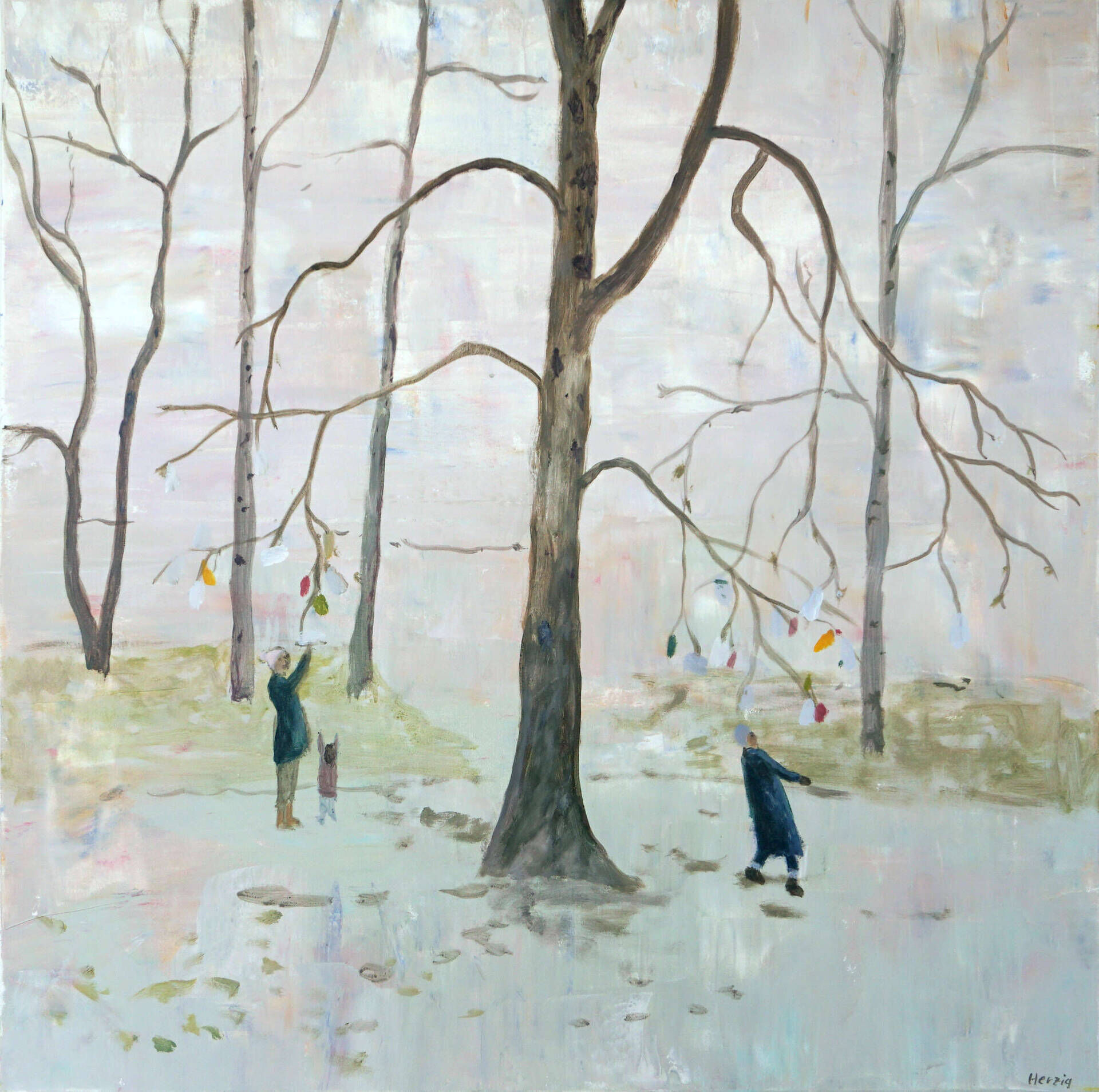
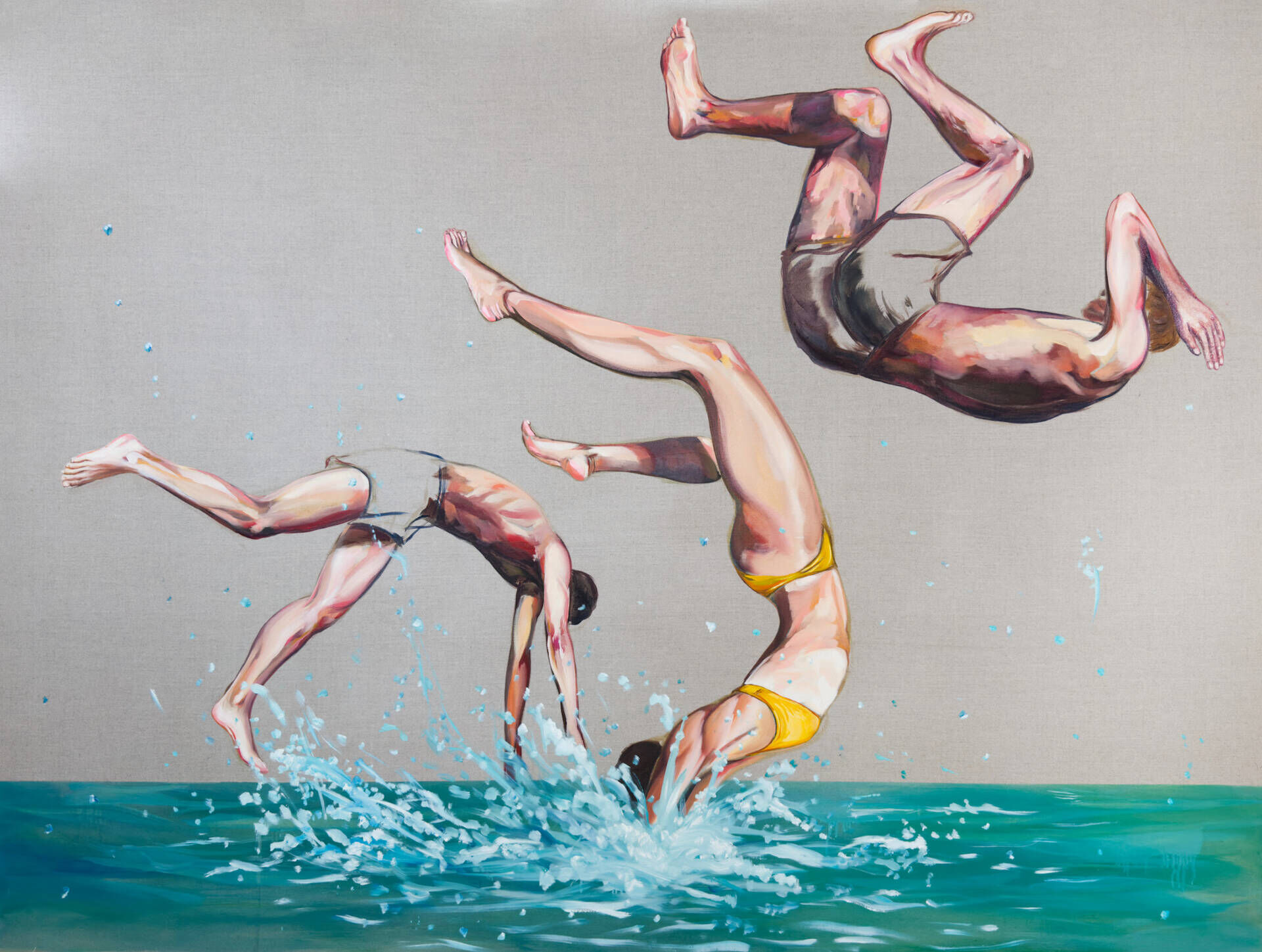
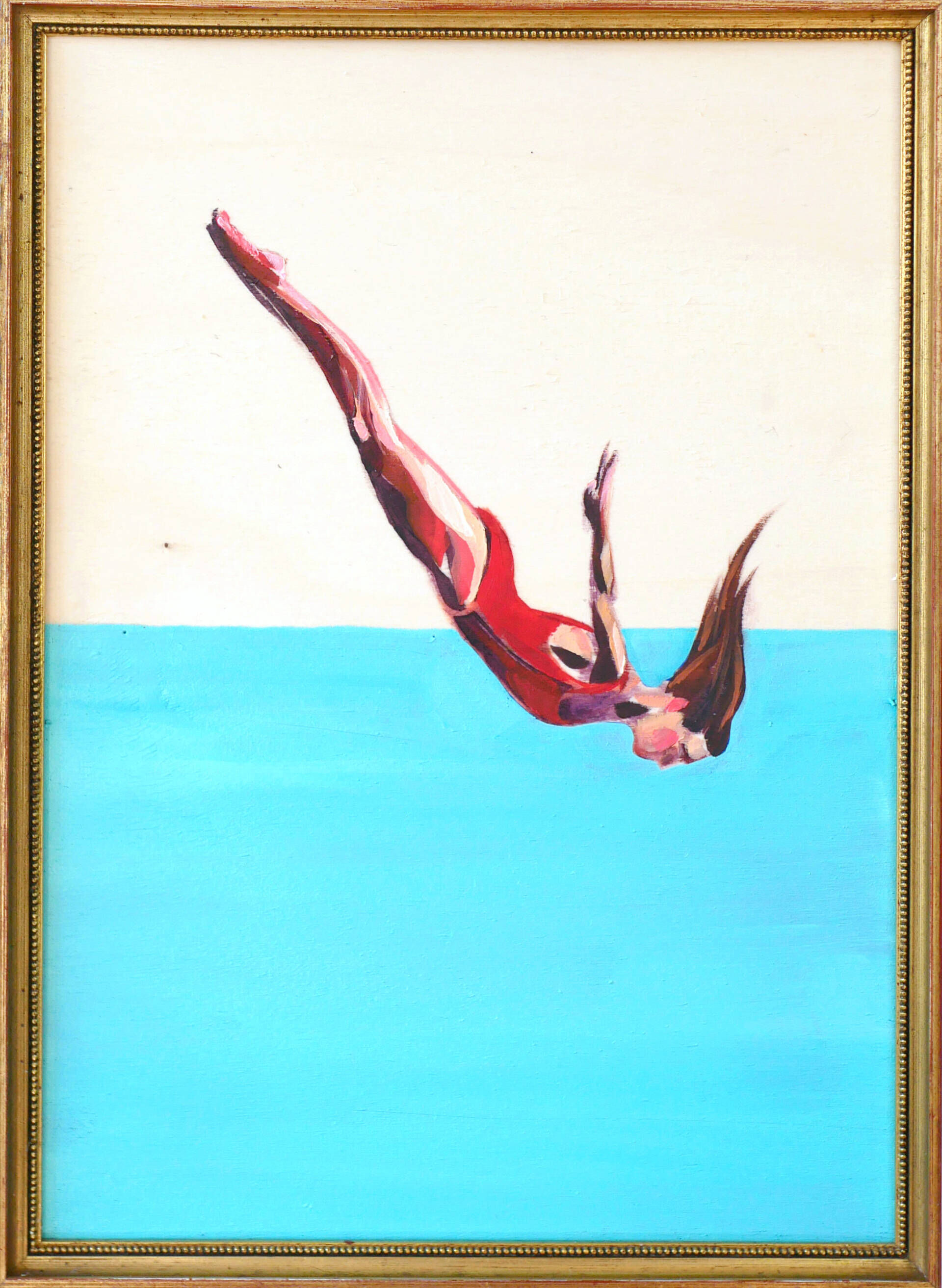
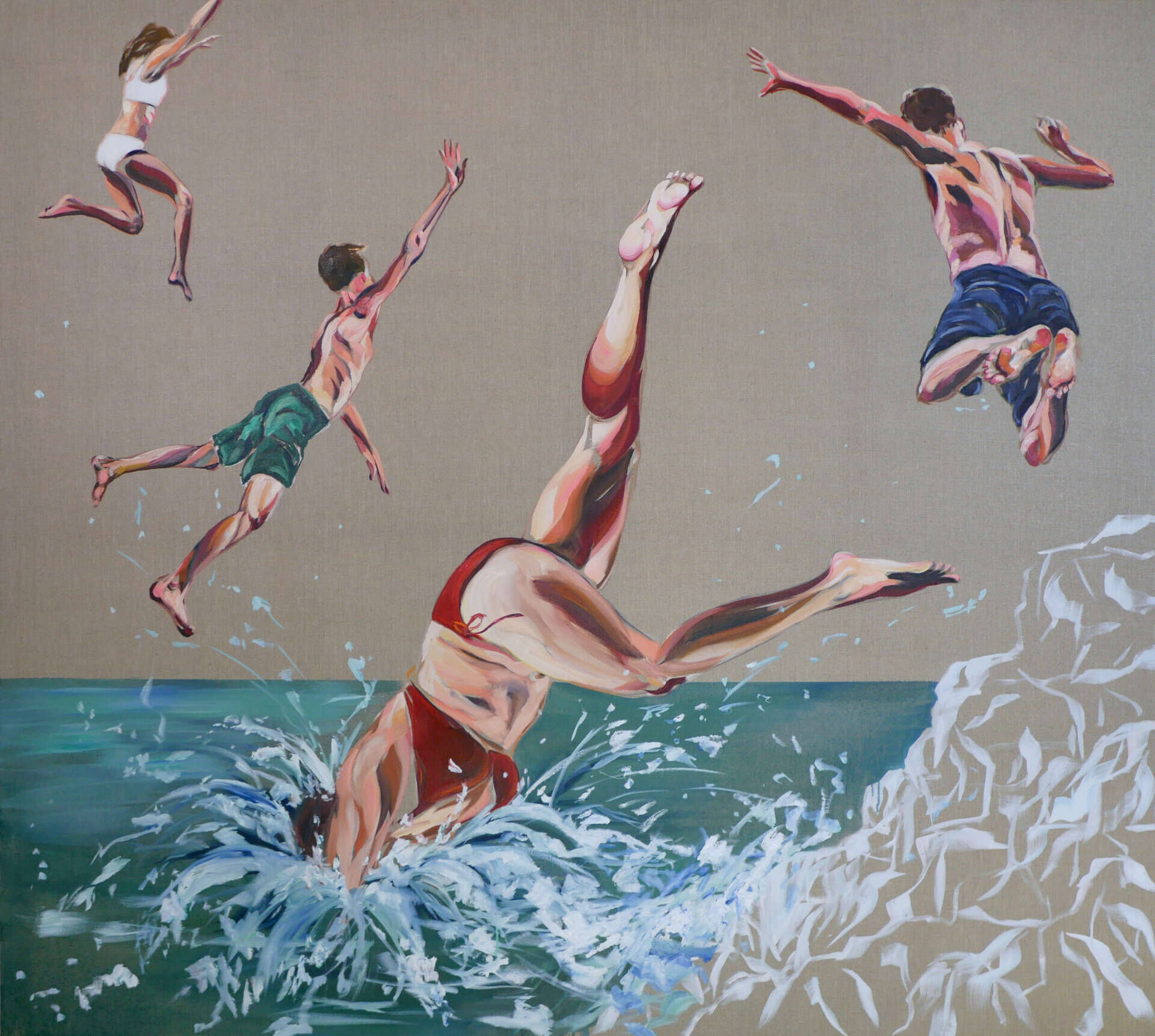
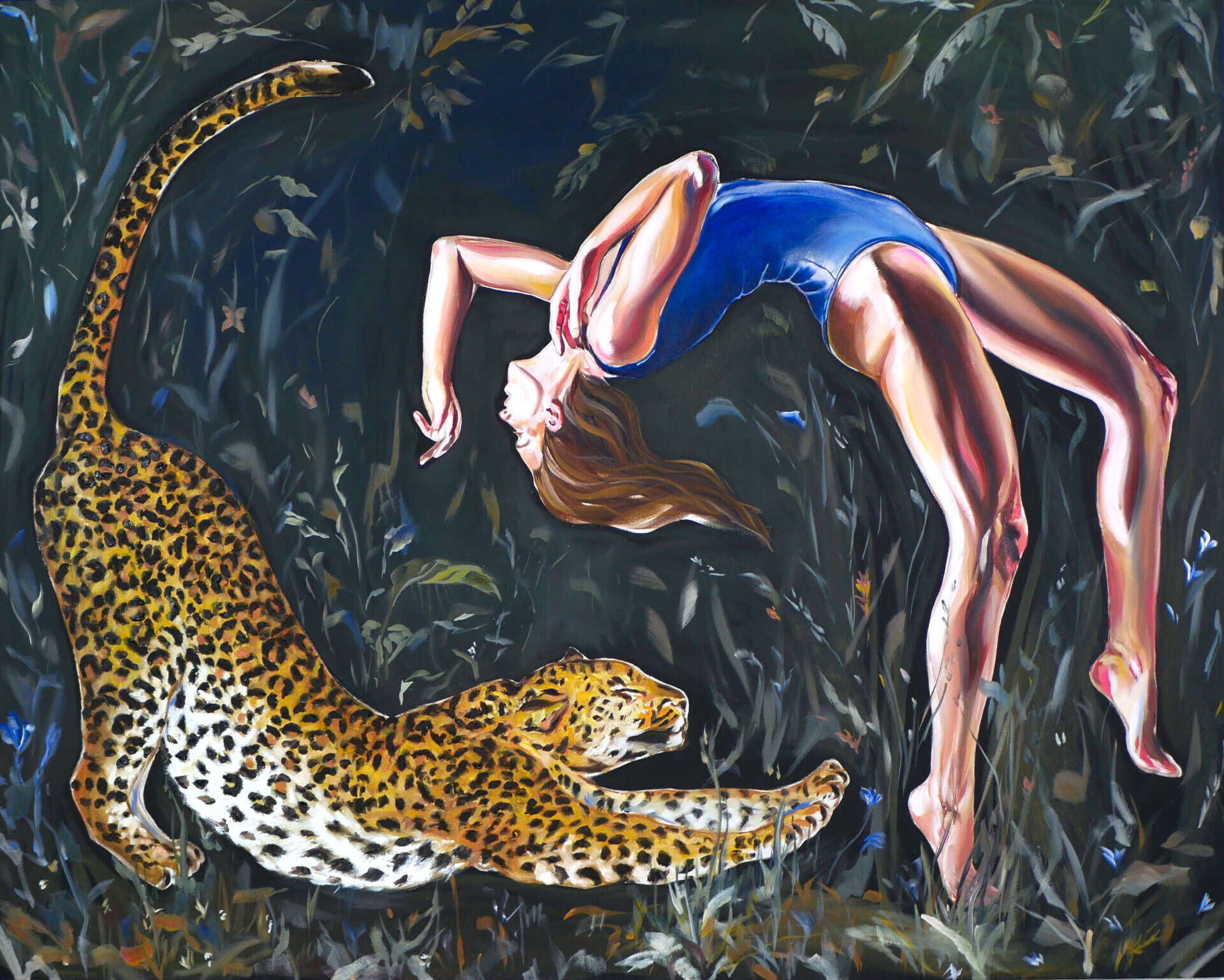
Maria Leisner captures bodies in motion in her prints – dynamic, sensual and powerful. Her works explore femininity and strength in a compelling way, lending these themes a modern, artistic voice.
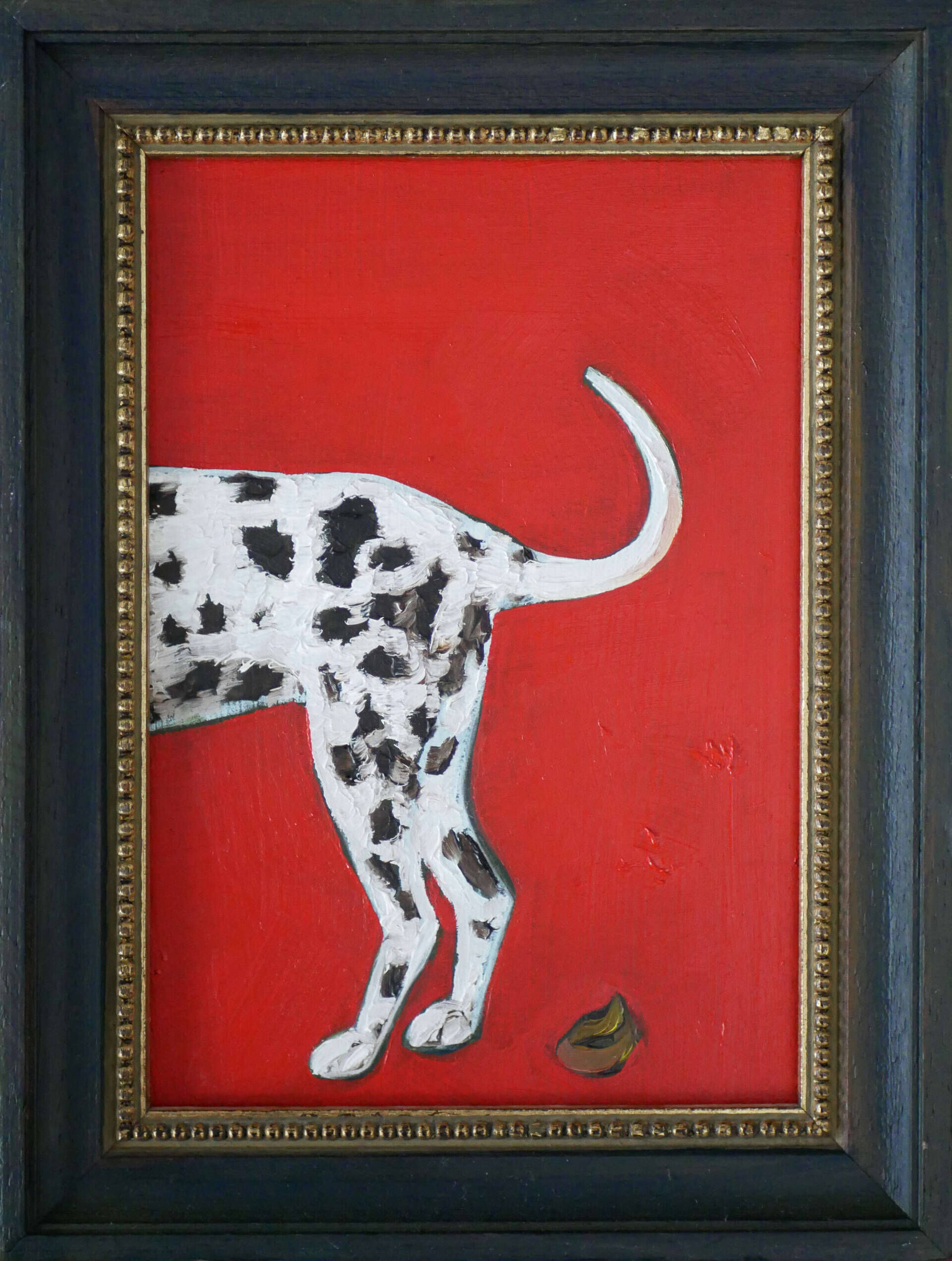
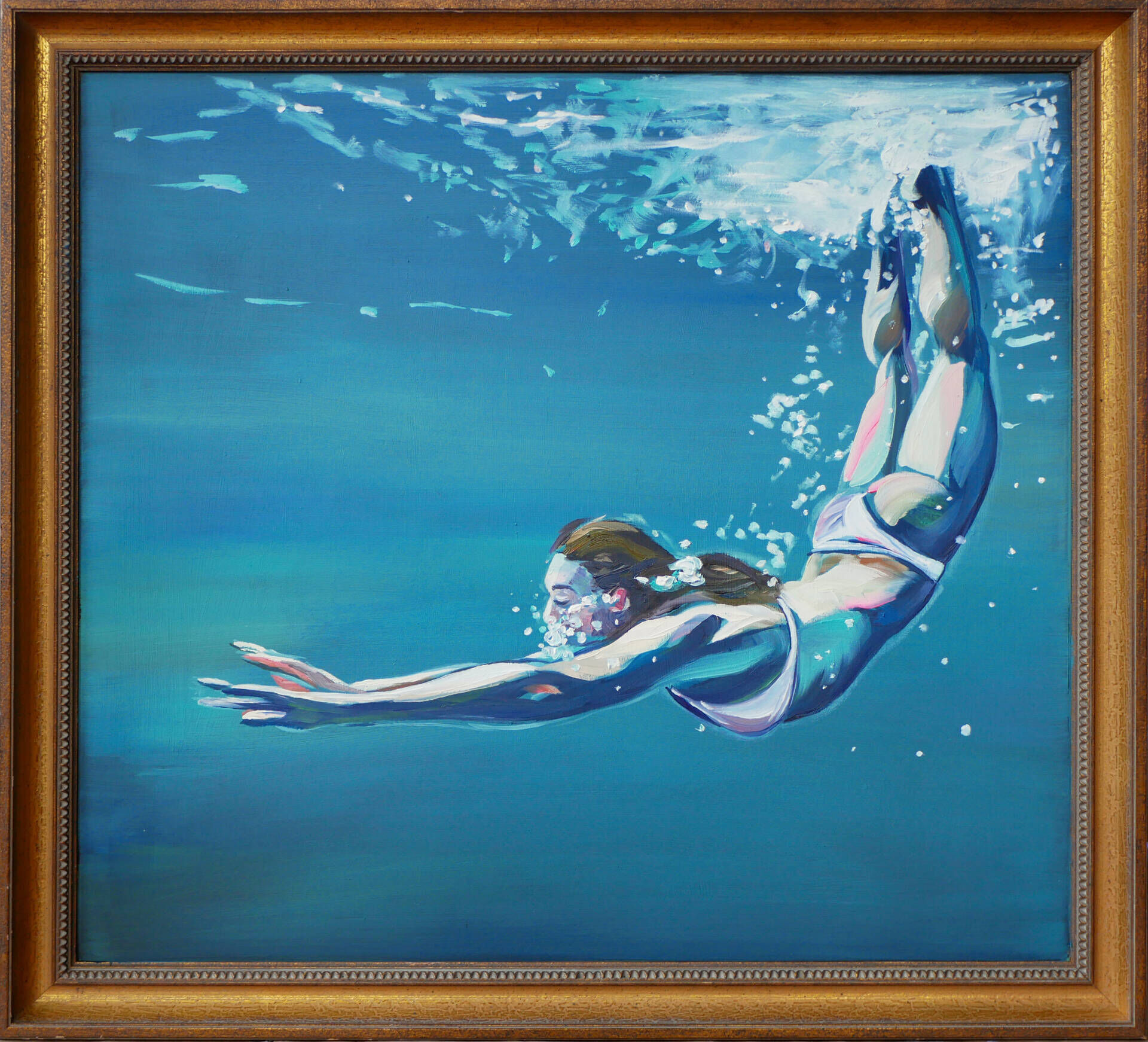
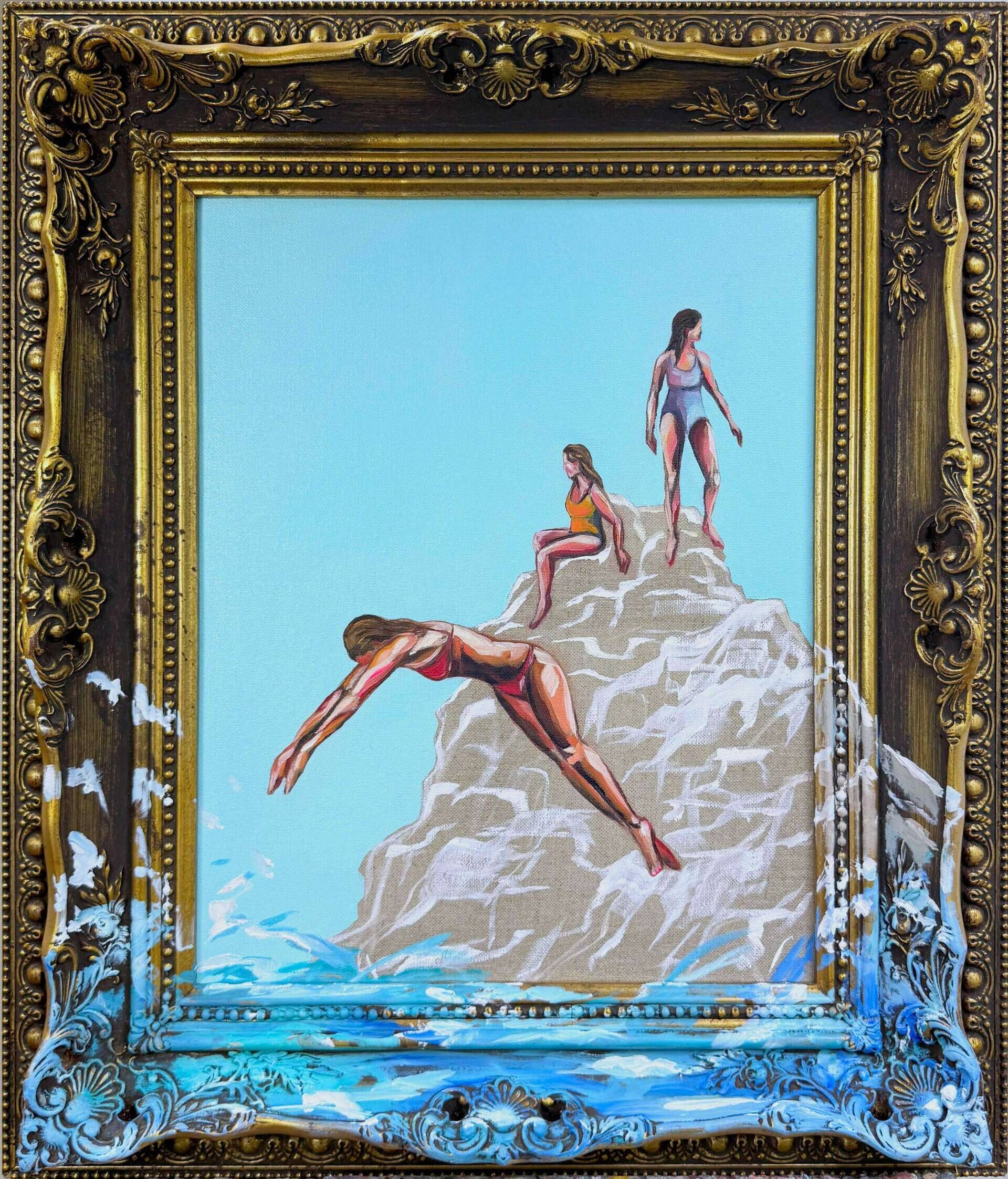
If you’re interested in print art and the background to it, you might also find our articles on “Unique pieces for your home” and “The world’s most expensive paintings – art as a status symbol and investment” fascinating. You can also read more here about “How do I start my art collection?” or “What is creativity?”.
Frequently asked questions about prints
Eine Grafik ist ein künstlerisches Werk, das durch Linien, Formen und Flächen entsteht – oft im Druckverfahren, manchmal auch als Zeichnung oder digitale Arbeit. In der bildenden Kunst meint der Begriff vor allem die handwerklich geschaffene Druckgrafik. Grafiken leben von Präzision, Reduktion und Ausdruckskraft – sie zeigen, wie viel Wirkung in einer scheinbar einfachen Linie liegen kann.
Es gibt verschiedene Techniken: Hochdruck (Holz- und Linolschnitt), Tiefdruck (Radierung, Kupferstich), Flachdruck (Lithografie) und Siebdruck. Jede Methode hat ihren eigenen Stil, Ausdruck und Charakter. Während der Holzschnitt oft kräftig und kontrastreich wirkt, ermöglicht die Radierung feine Linien und zarte Übergänge. Im Siebdruck entstehen durch Farbflächen moderne, plakative Effekte – beliebt auch in der Pop Art. So bietet jede Technik Künstler*innen die Möglichkeit, ihren individuellen Ausdruck zu finden.
Eine Druckgrafik ist ein Werk, das mit einer künstlerisch gestalteten Druckform entsteht. Die Künstler*innen überträgen Farbe durch Druck auf Papier – so entstehen limitierte, signierte und nummerierte Originale. Jede Auflage ist ein Unikat im Charakter, da kleinste Unterschiede beim Druckprozess entstehen. Druckgrafiken sind eine der traditionsreichsten Kunstformen und verbinden Handwerk mit moderner Gestaltung. Wer Druckgrafik kauft, erwirbt nicht nur ein Kunstwerk, sondern auch ein Stück künstlerischer Technikgeschichte.
