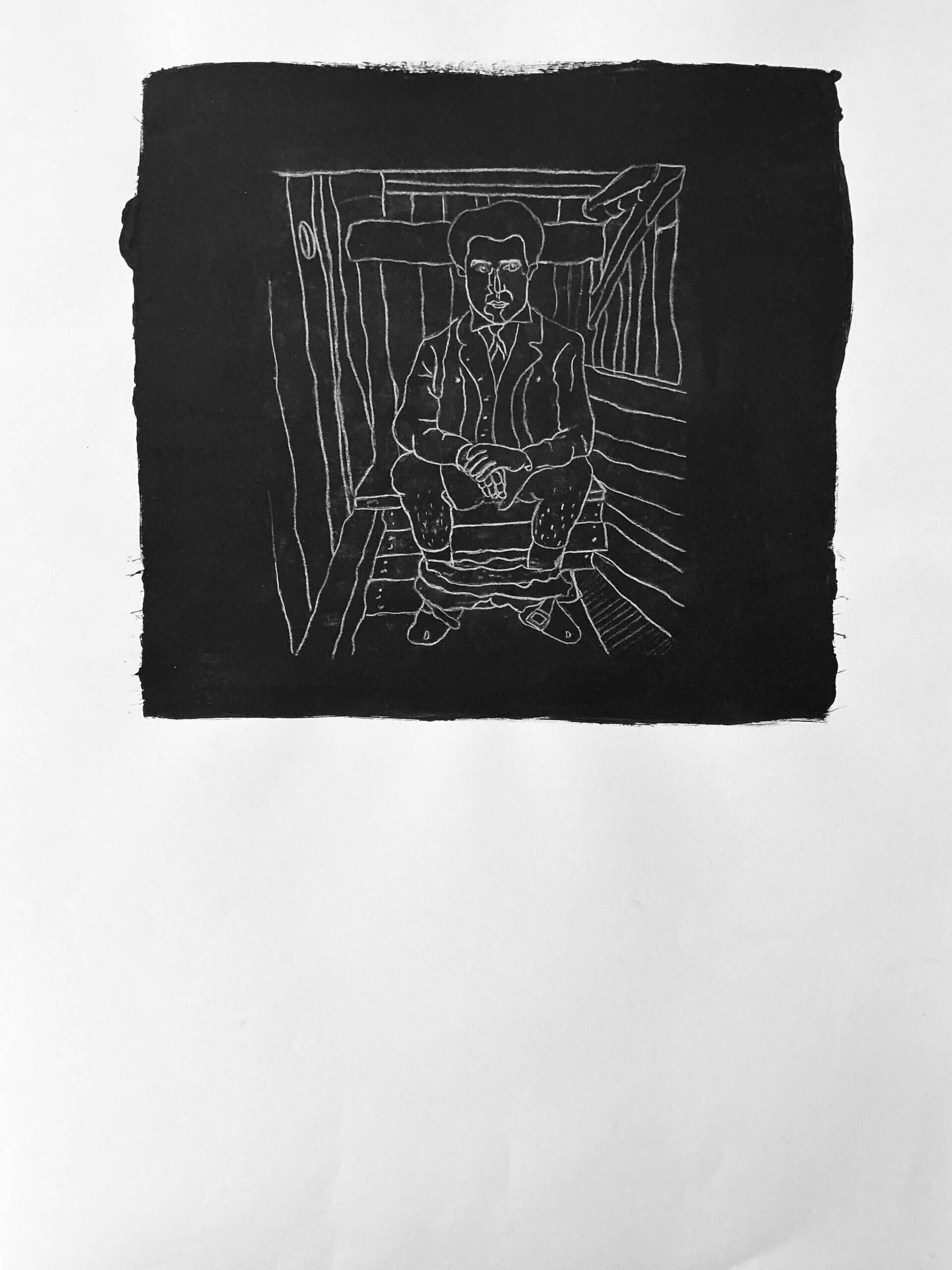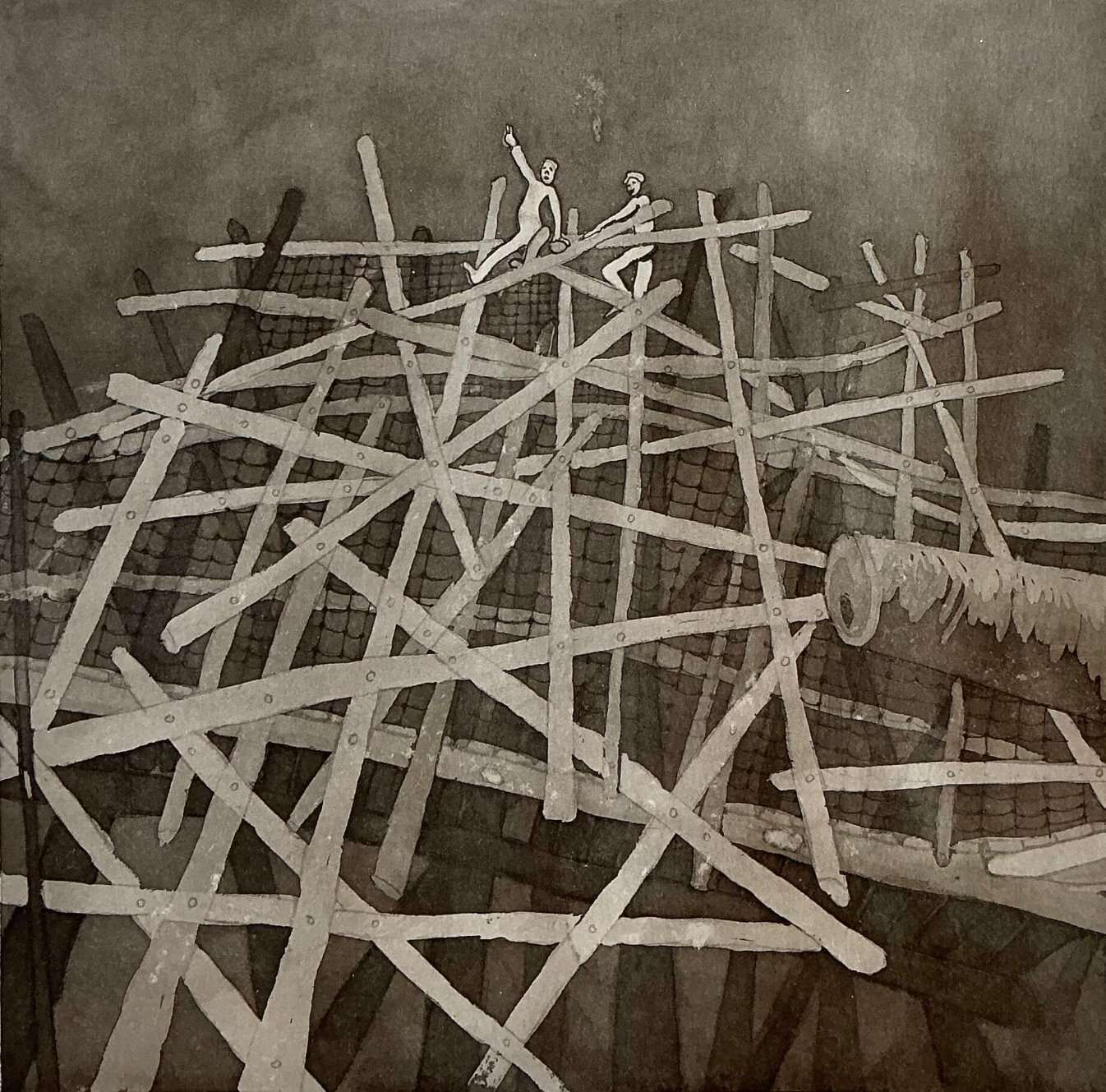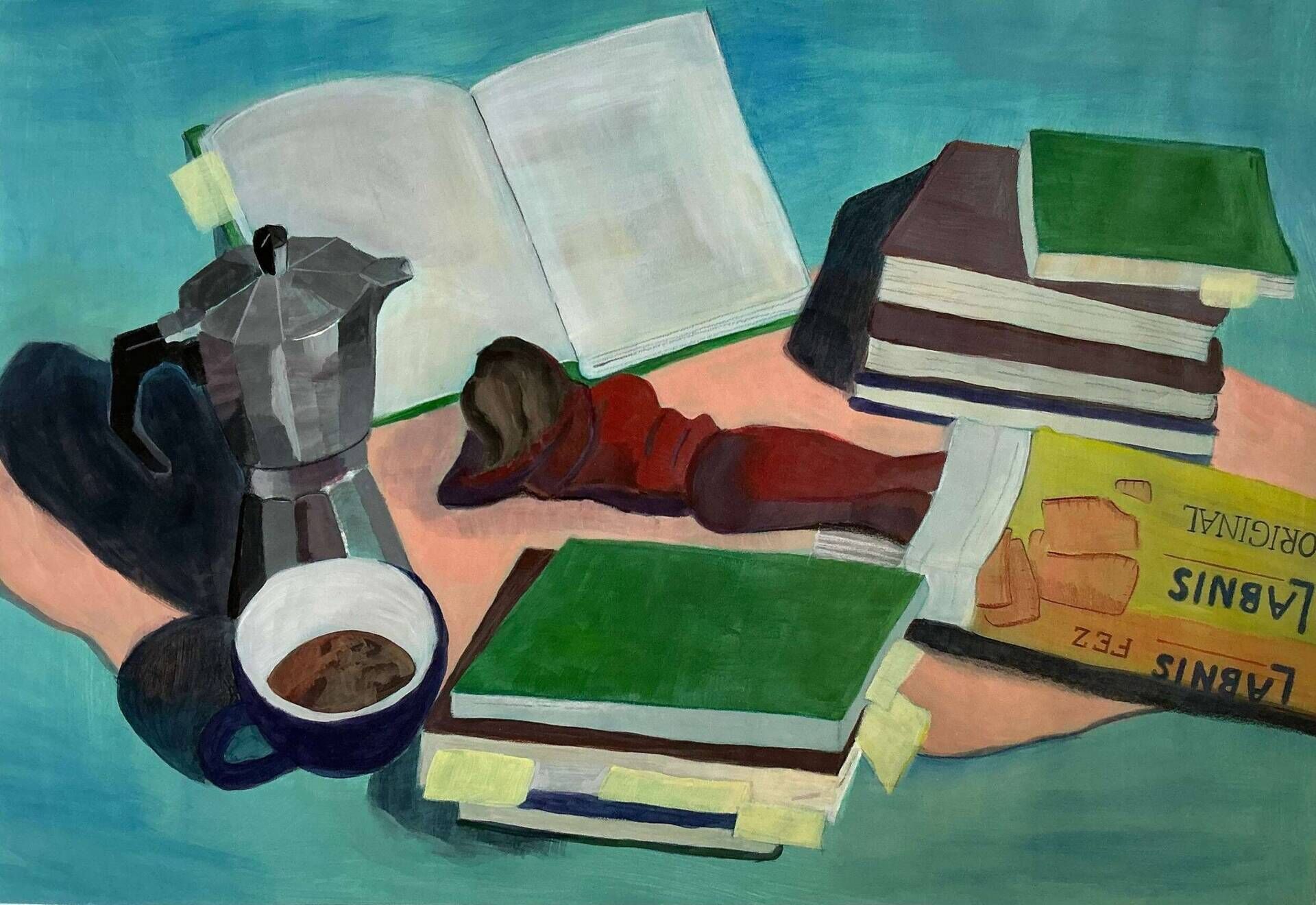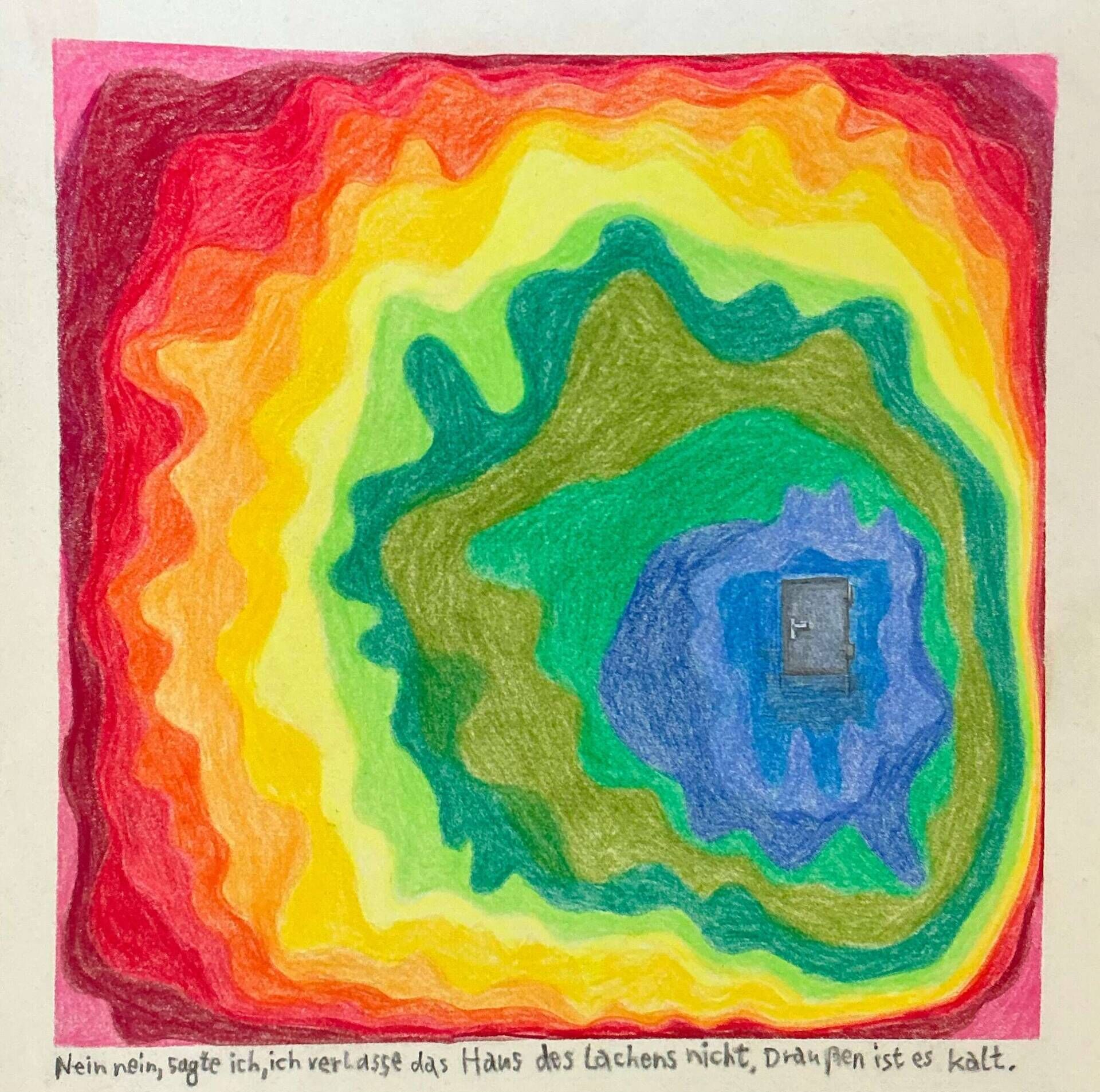
Gouache painting – vibrant colours, subtle nuances
Gouache is the chameleon of paints – opaque yet delicate at the same time. Artists use this technique to experiment with light, surface and texture. Here you’ll find art that glows, yet never feels intrusive. Sometimes playful, sometimes serious, always with a special depth. Gouache works tell stories in layers – and invite you to take a closer look.
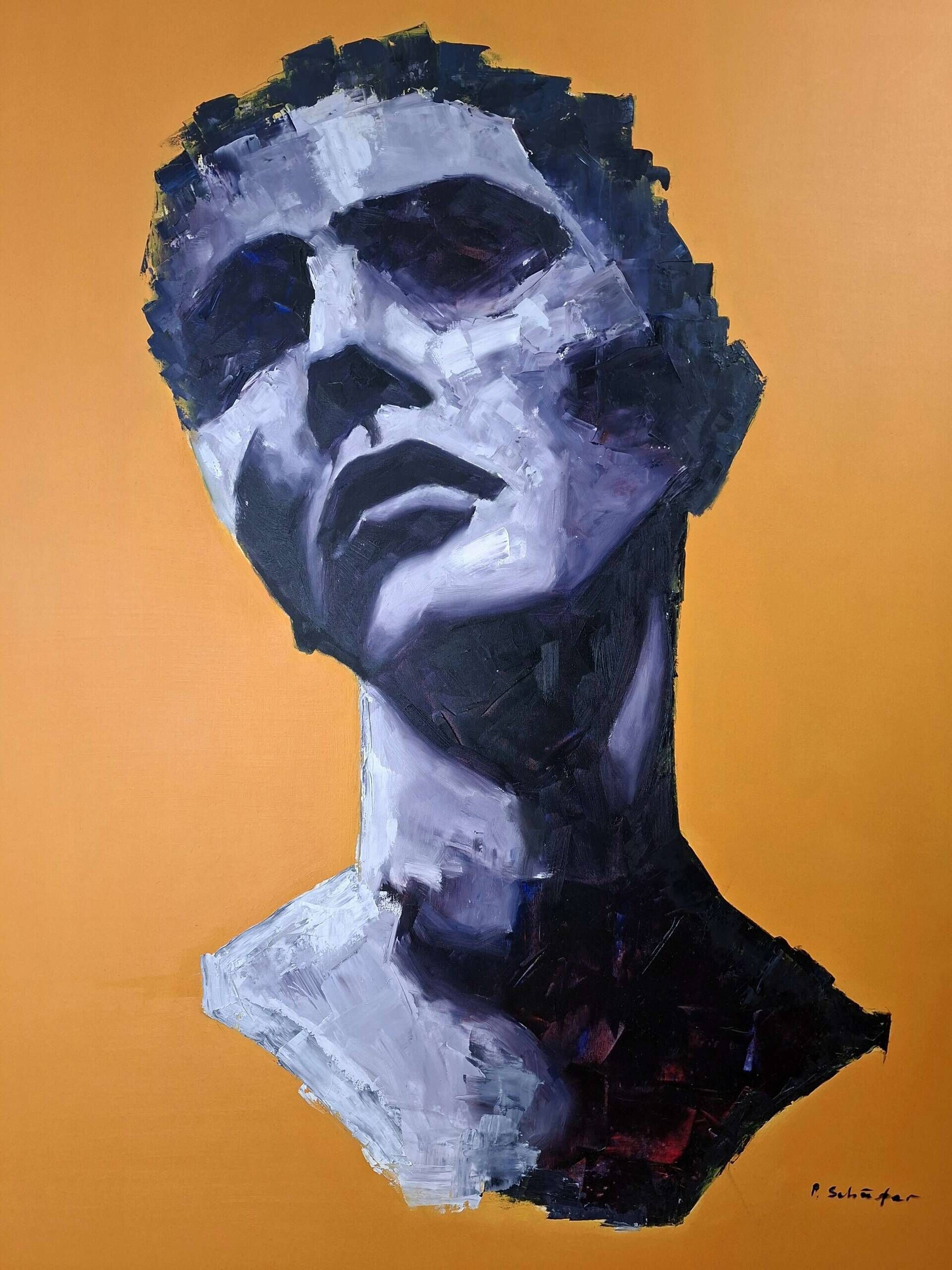
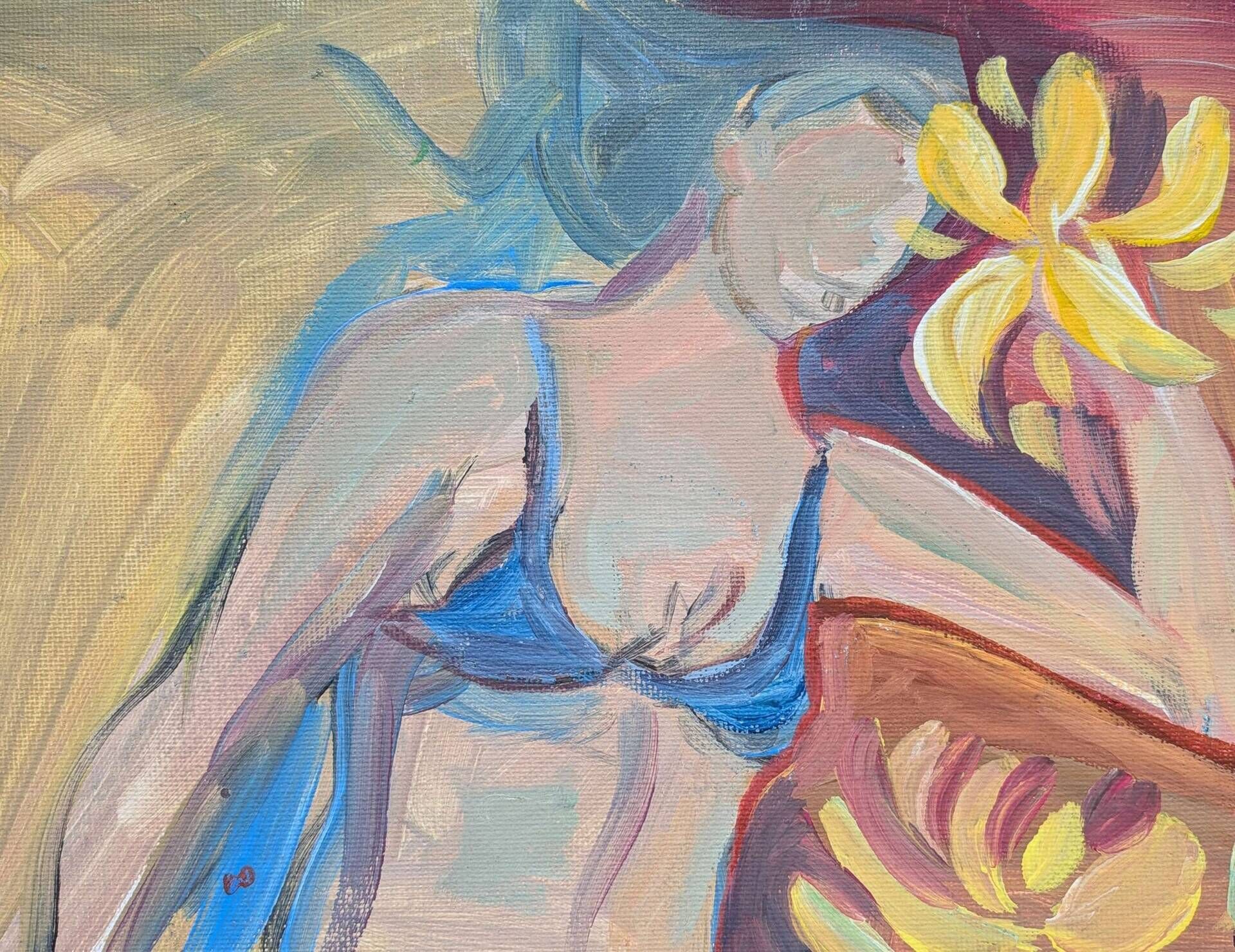
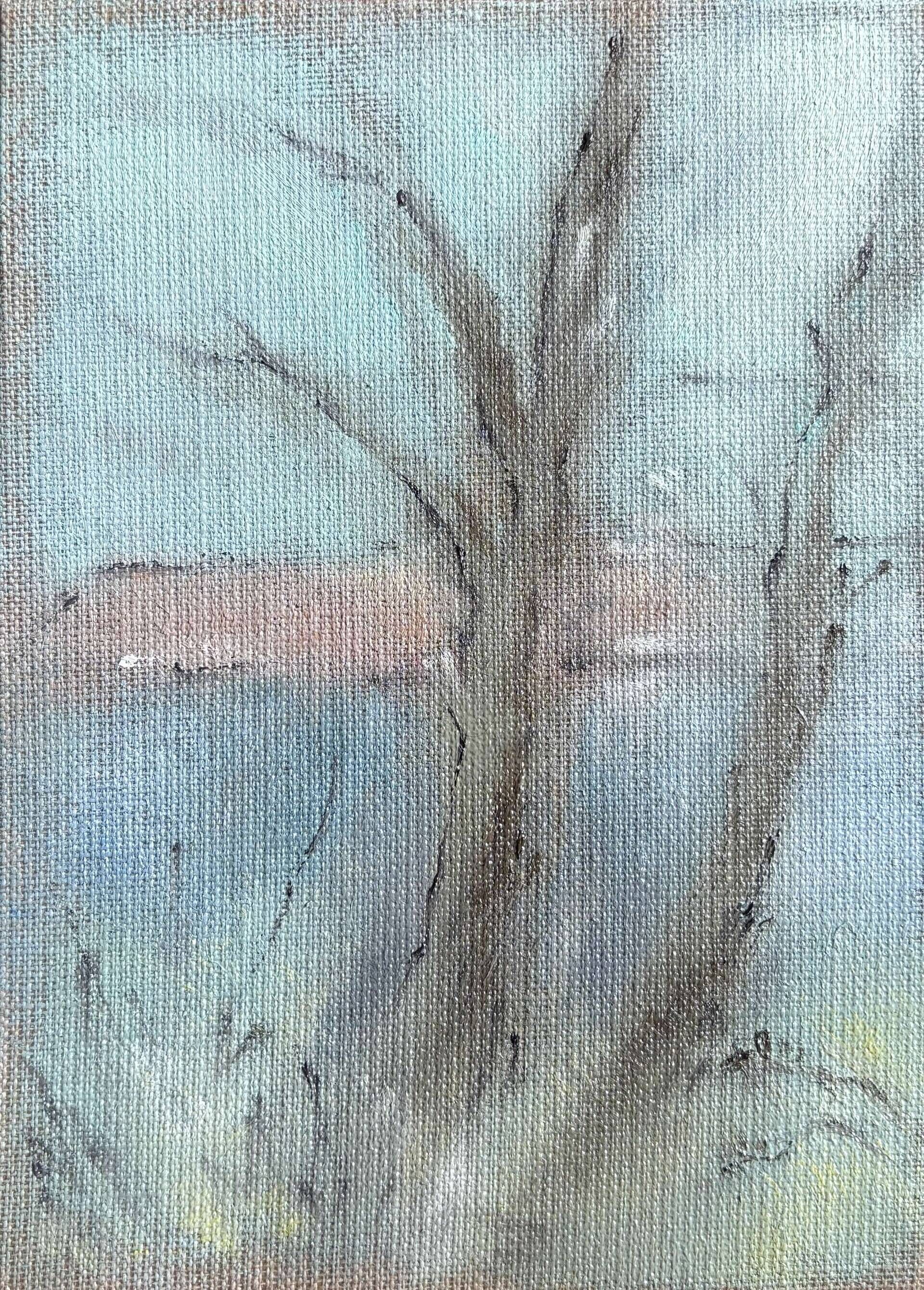
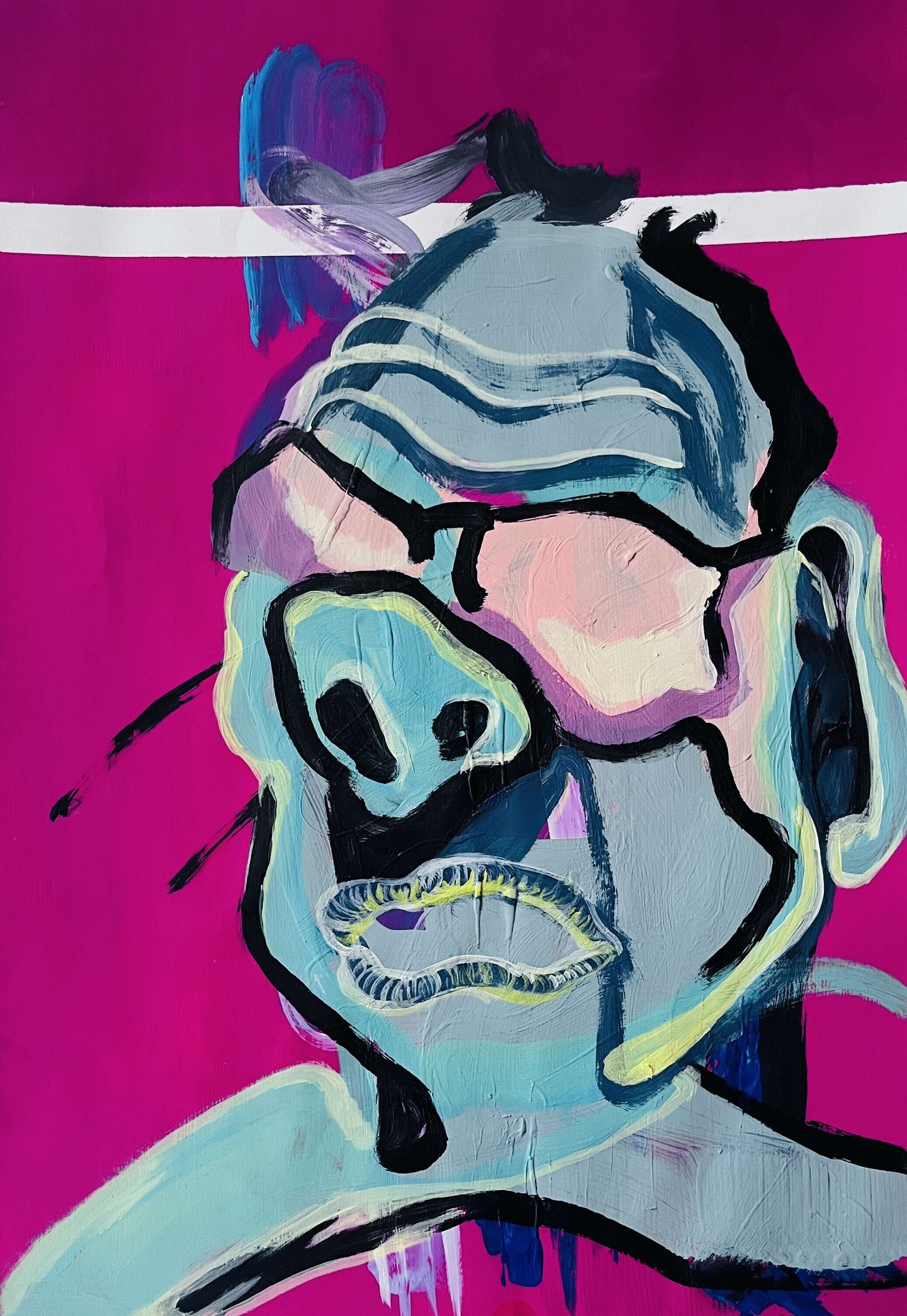
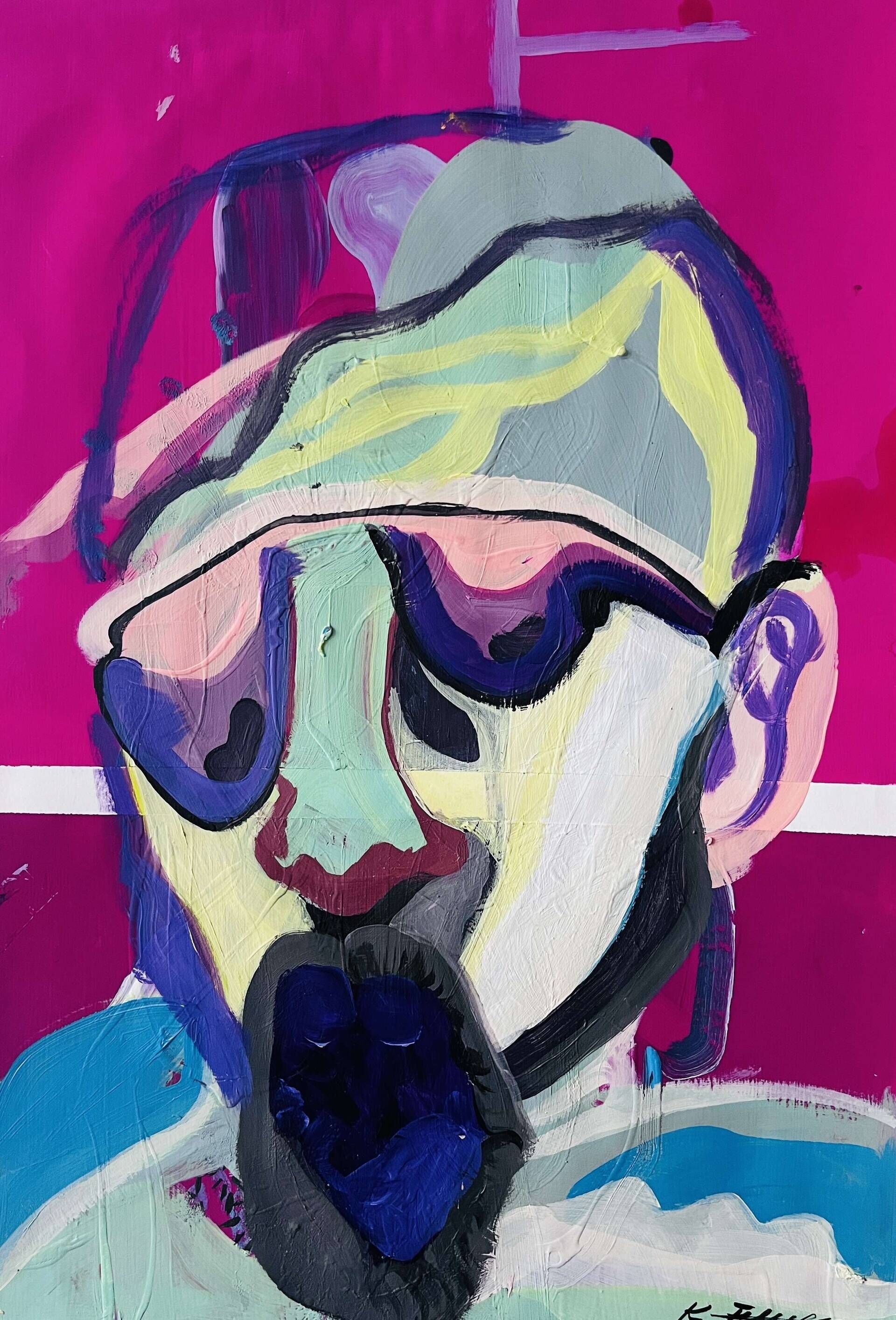
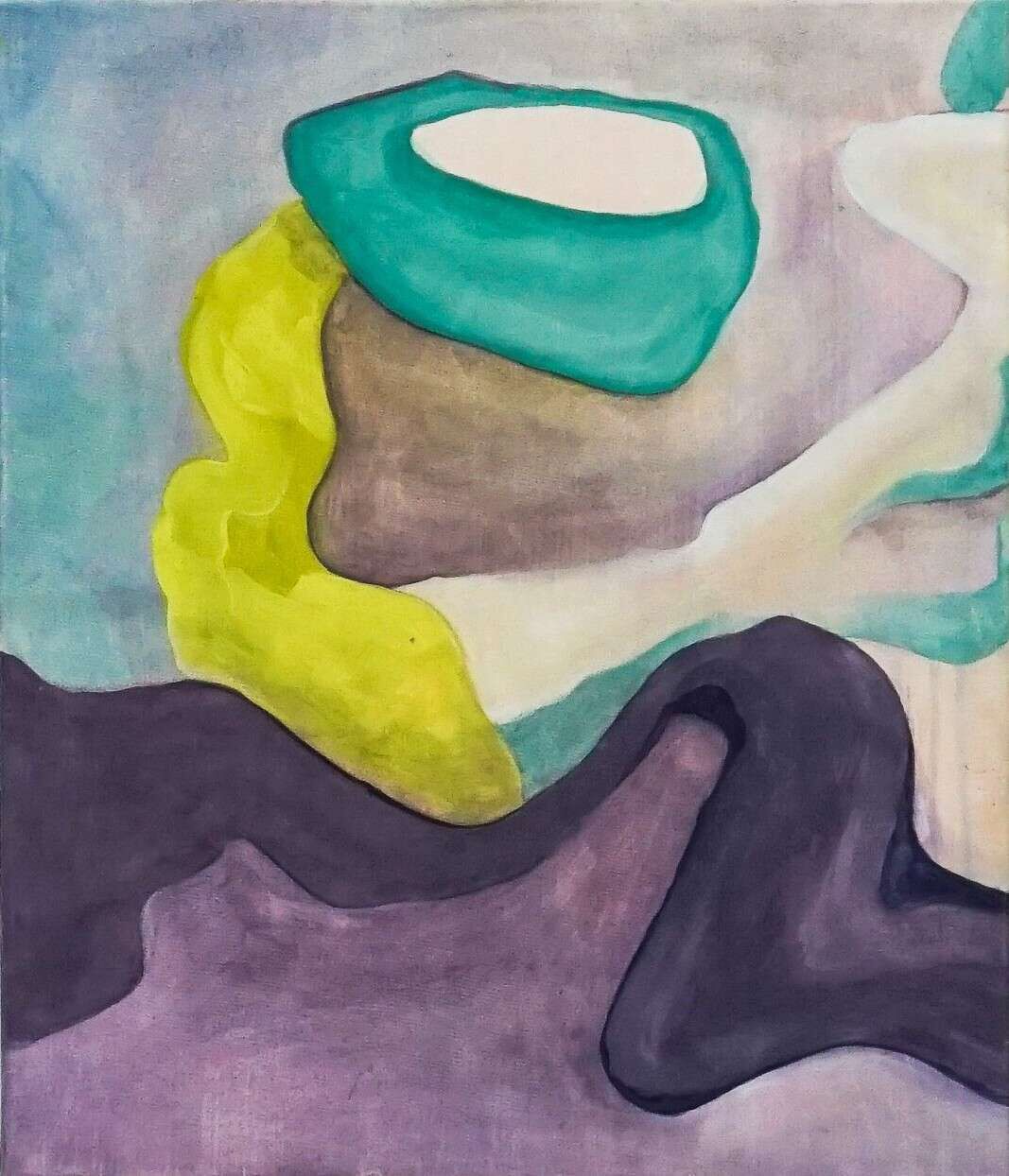
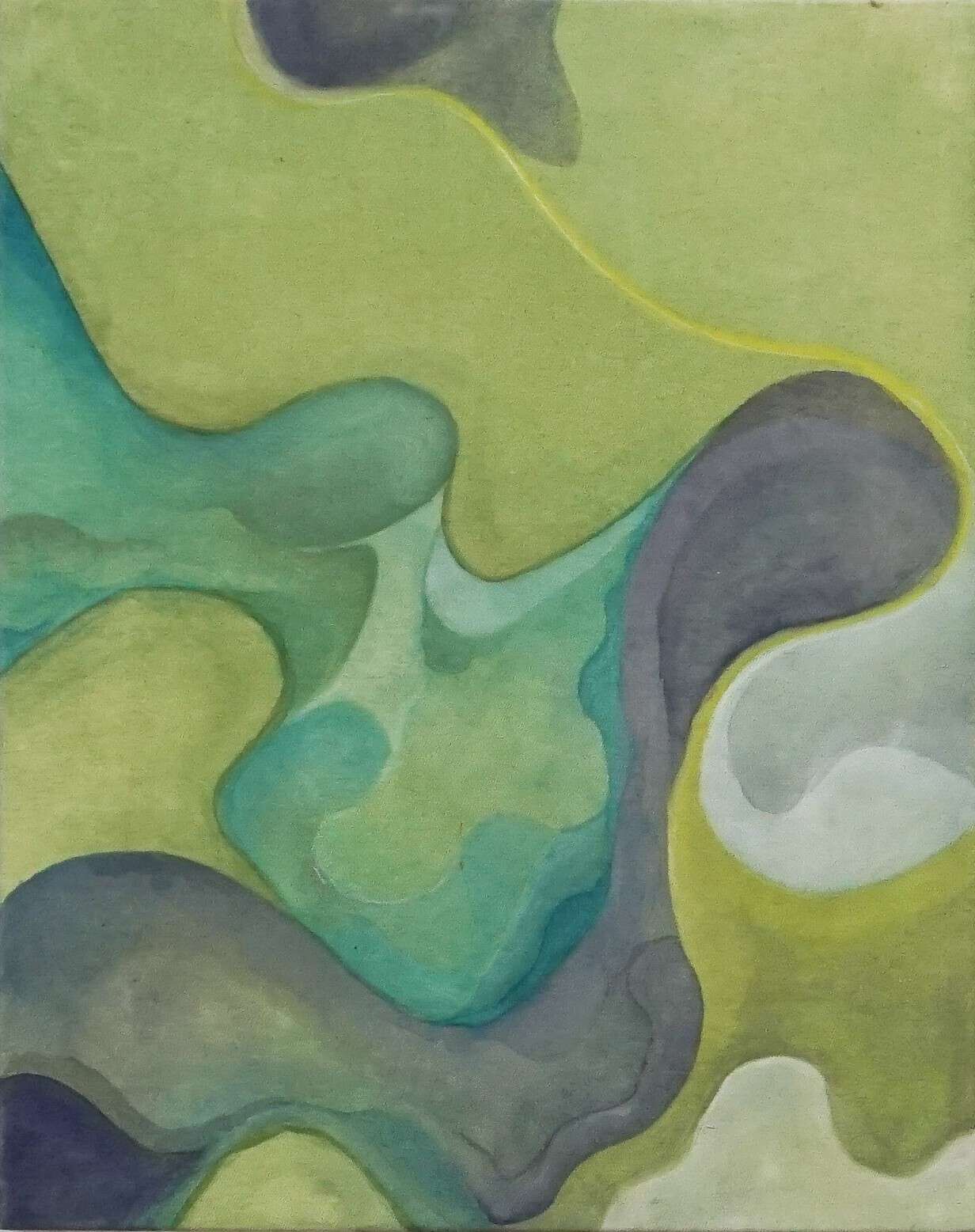
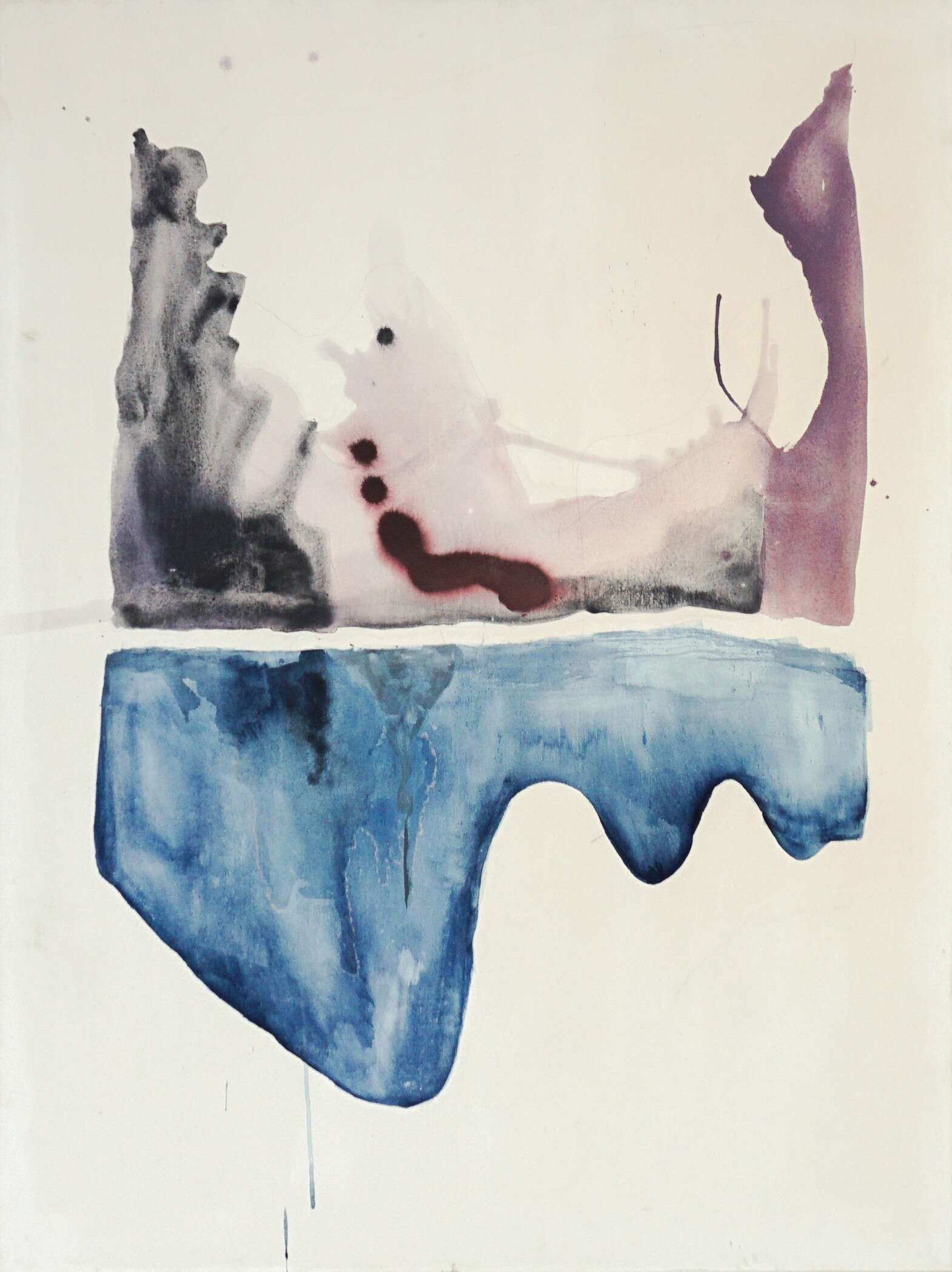
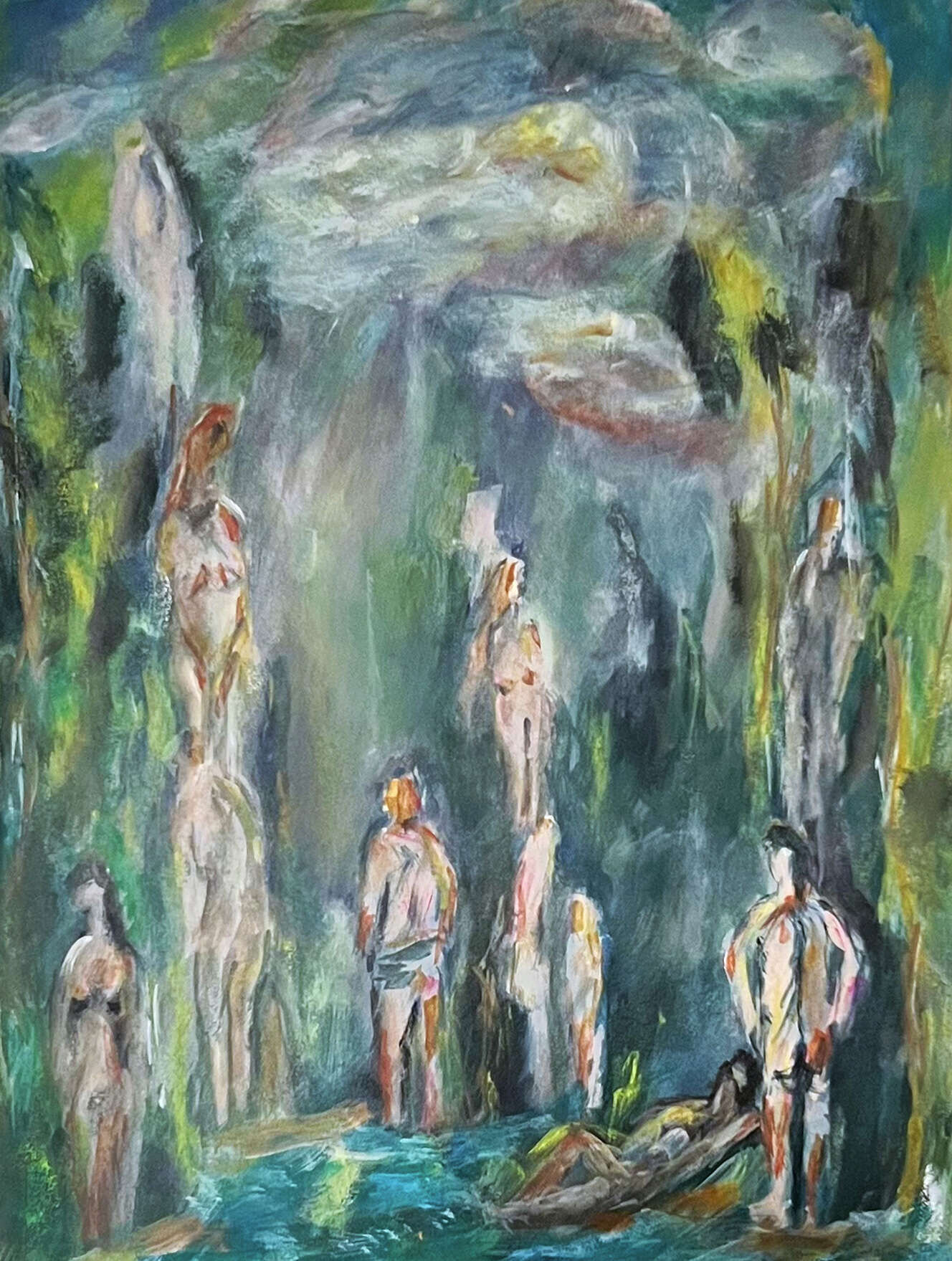
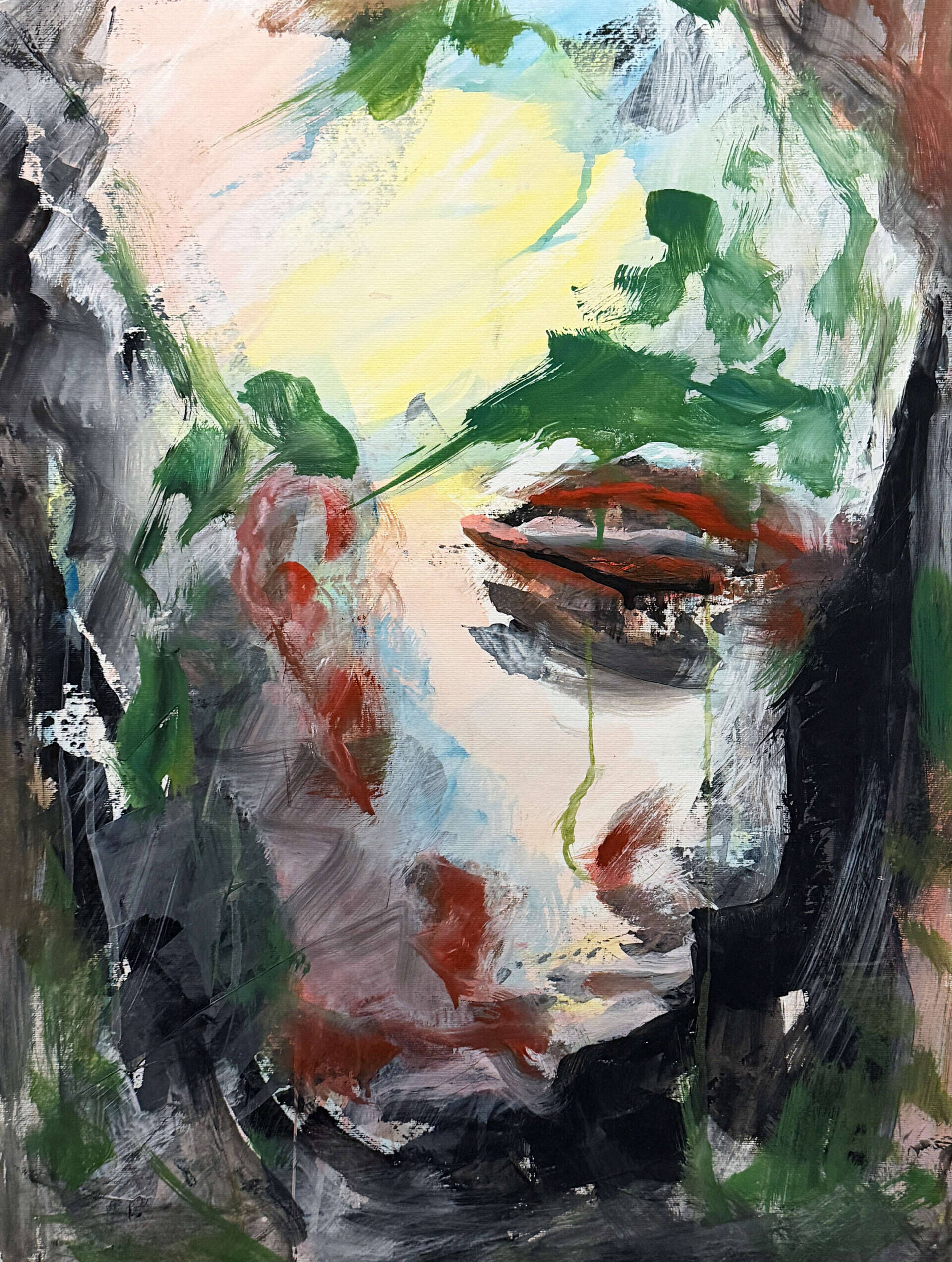
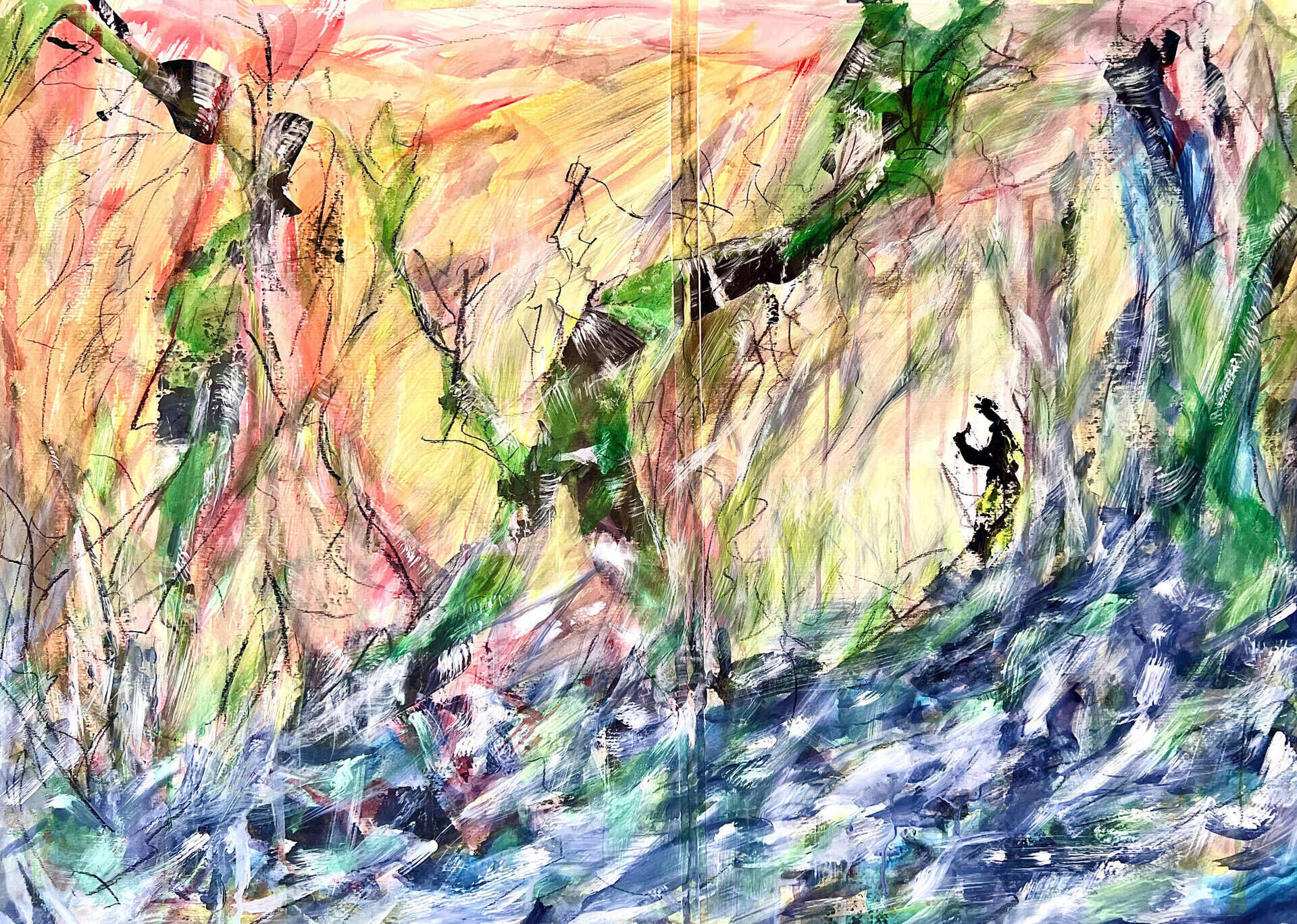
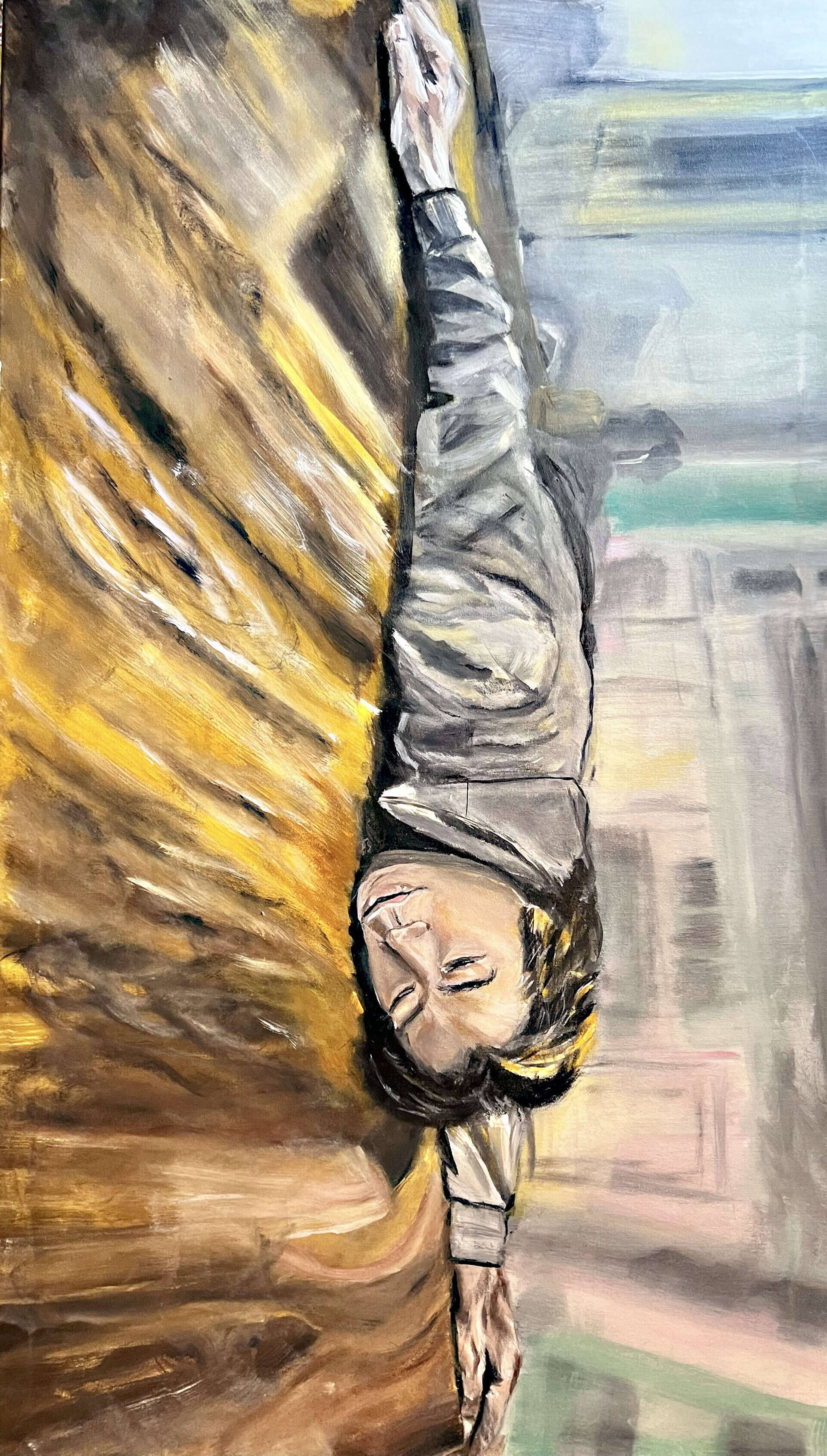
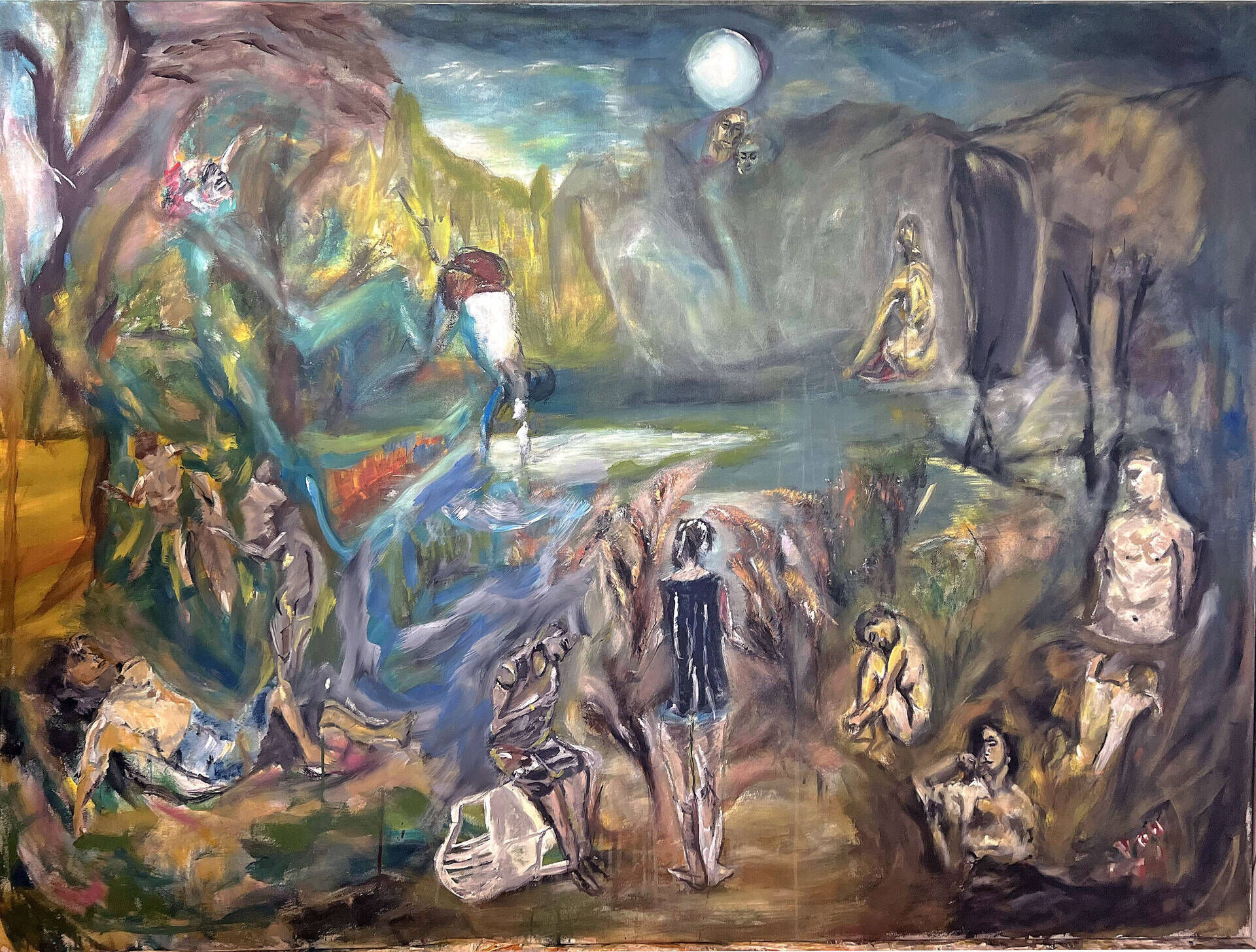
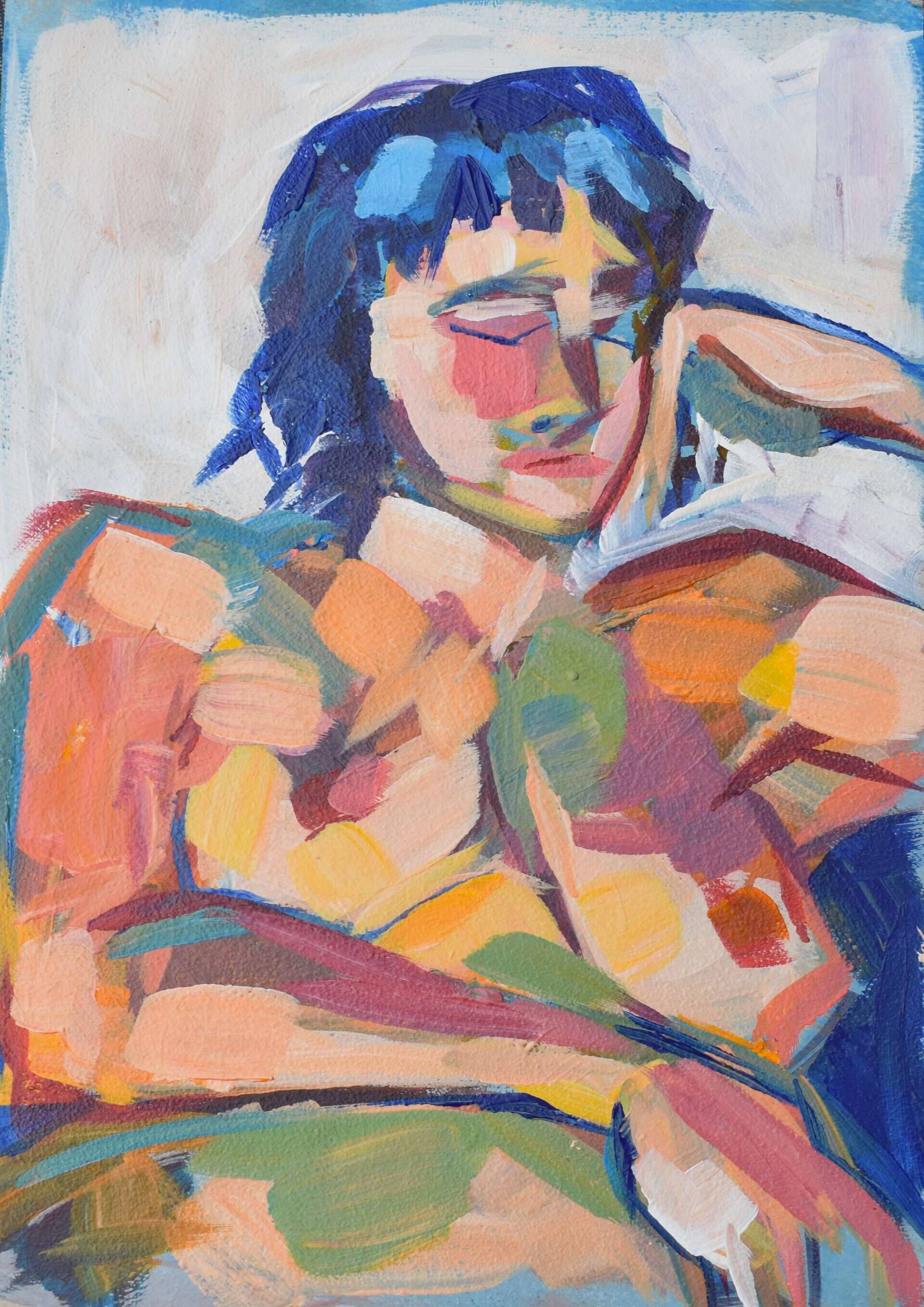
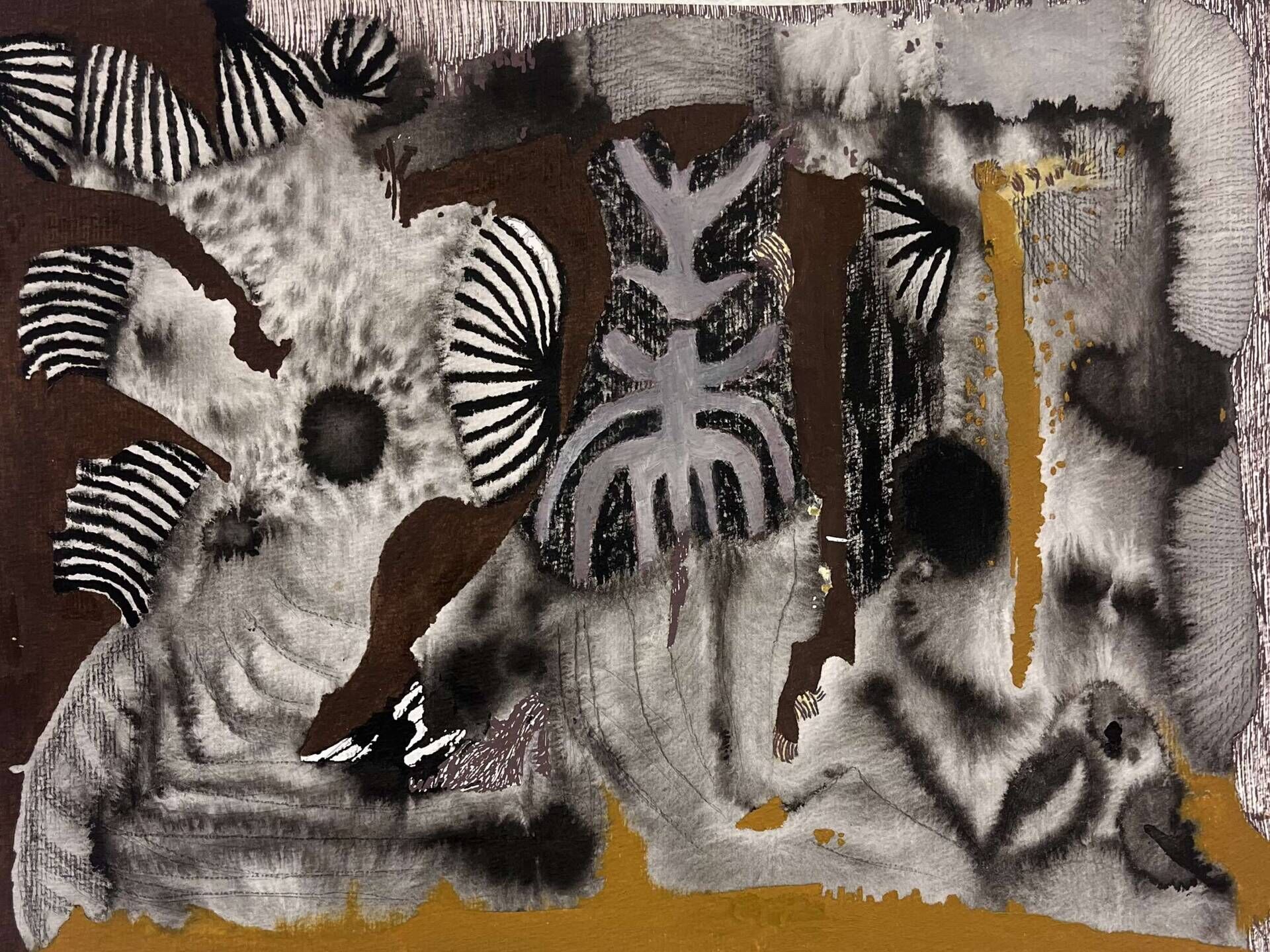
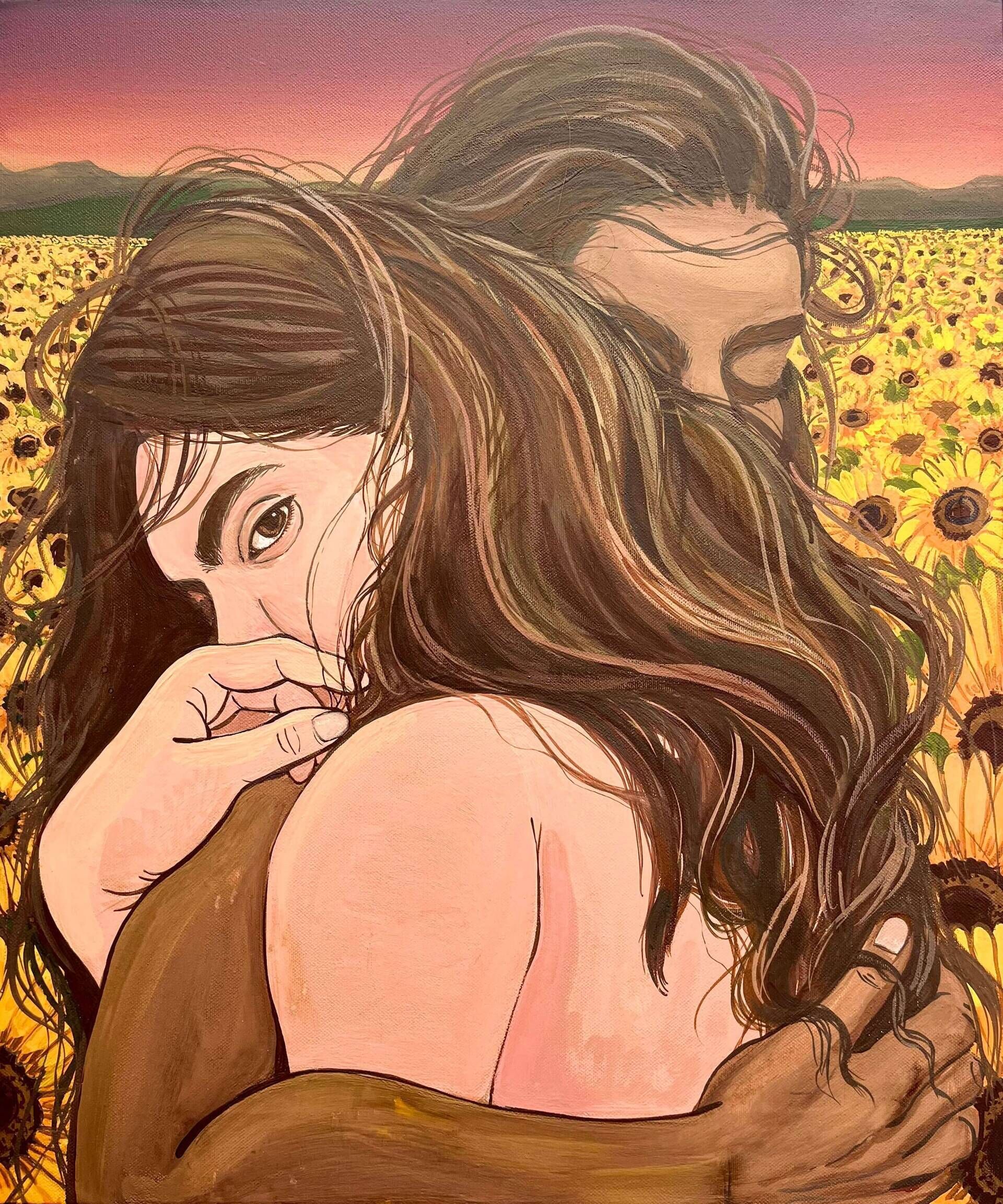
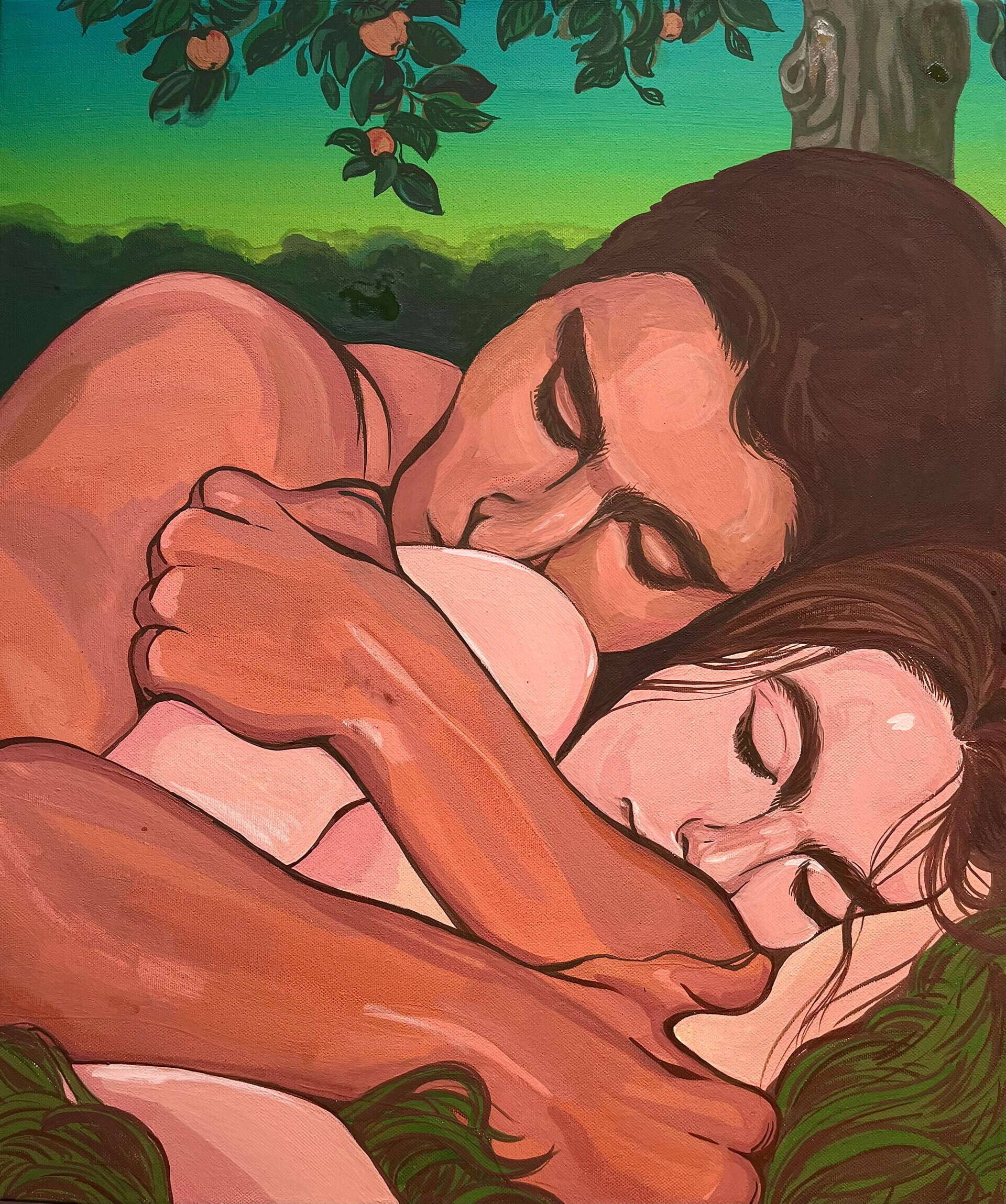
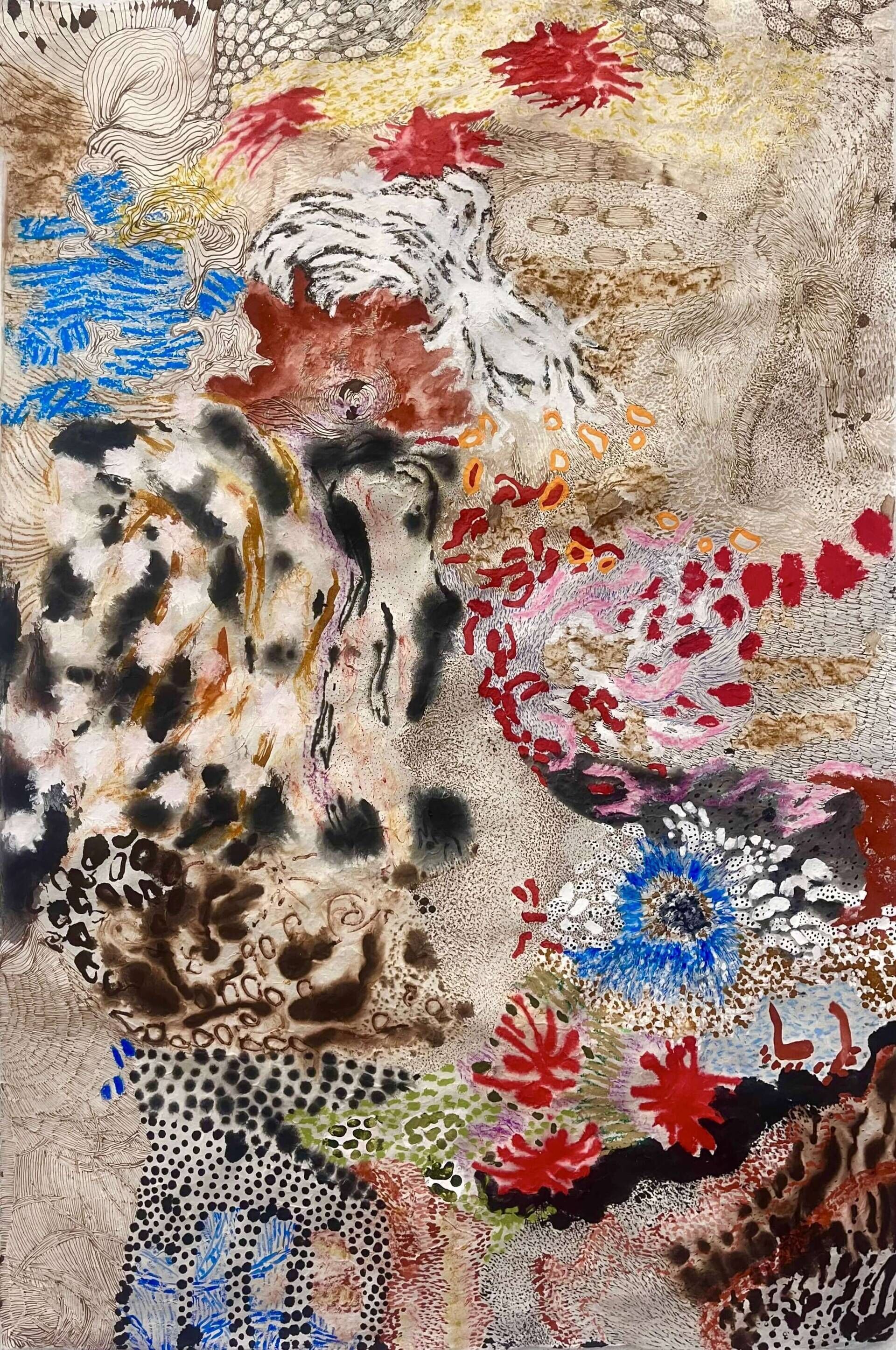
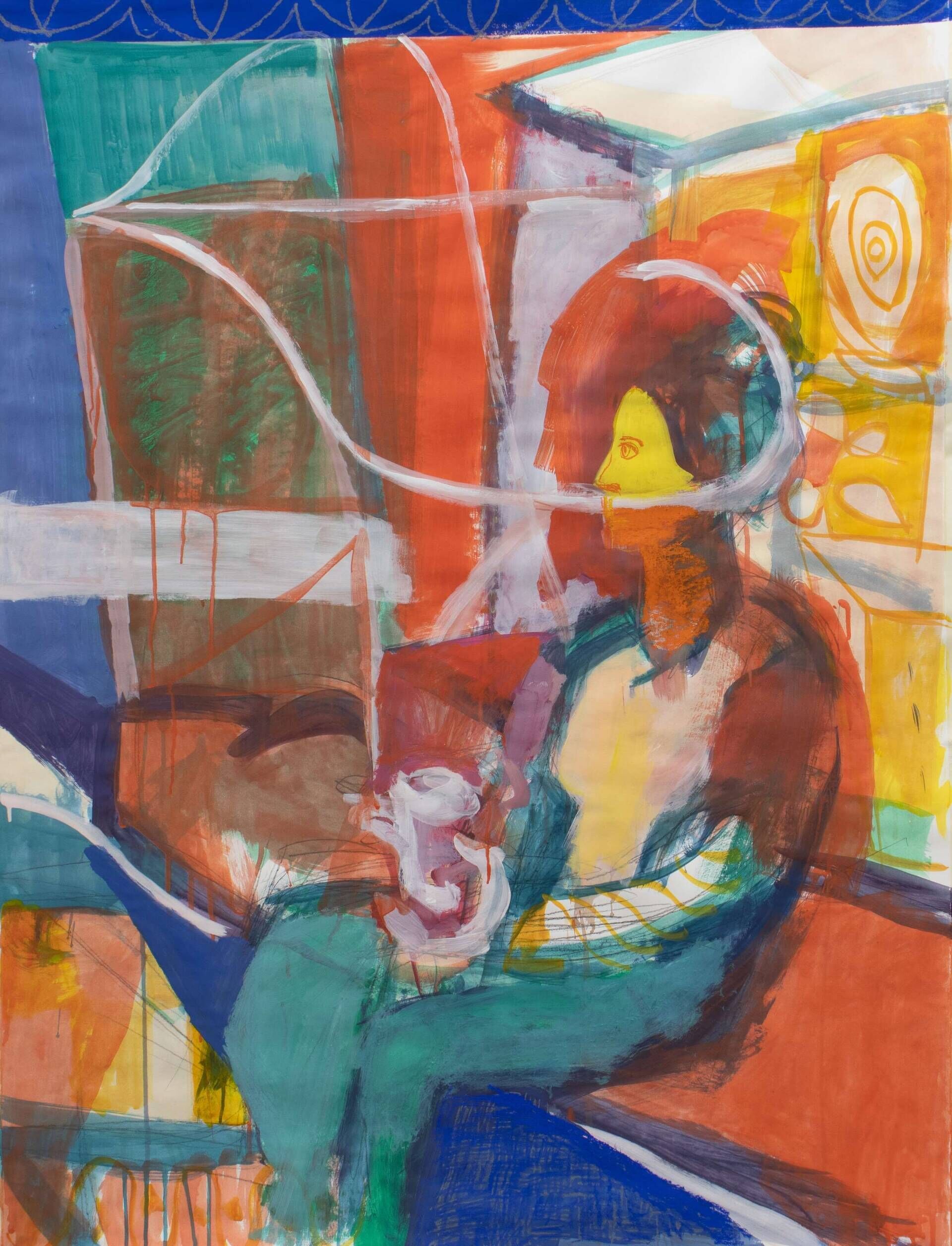
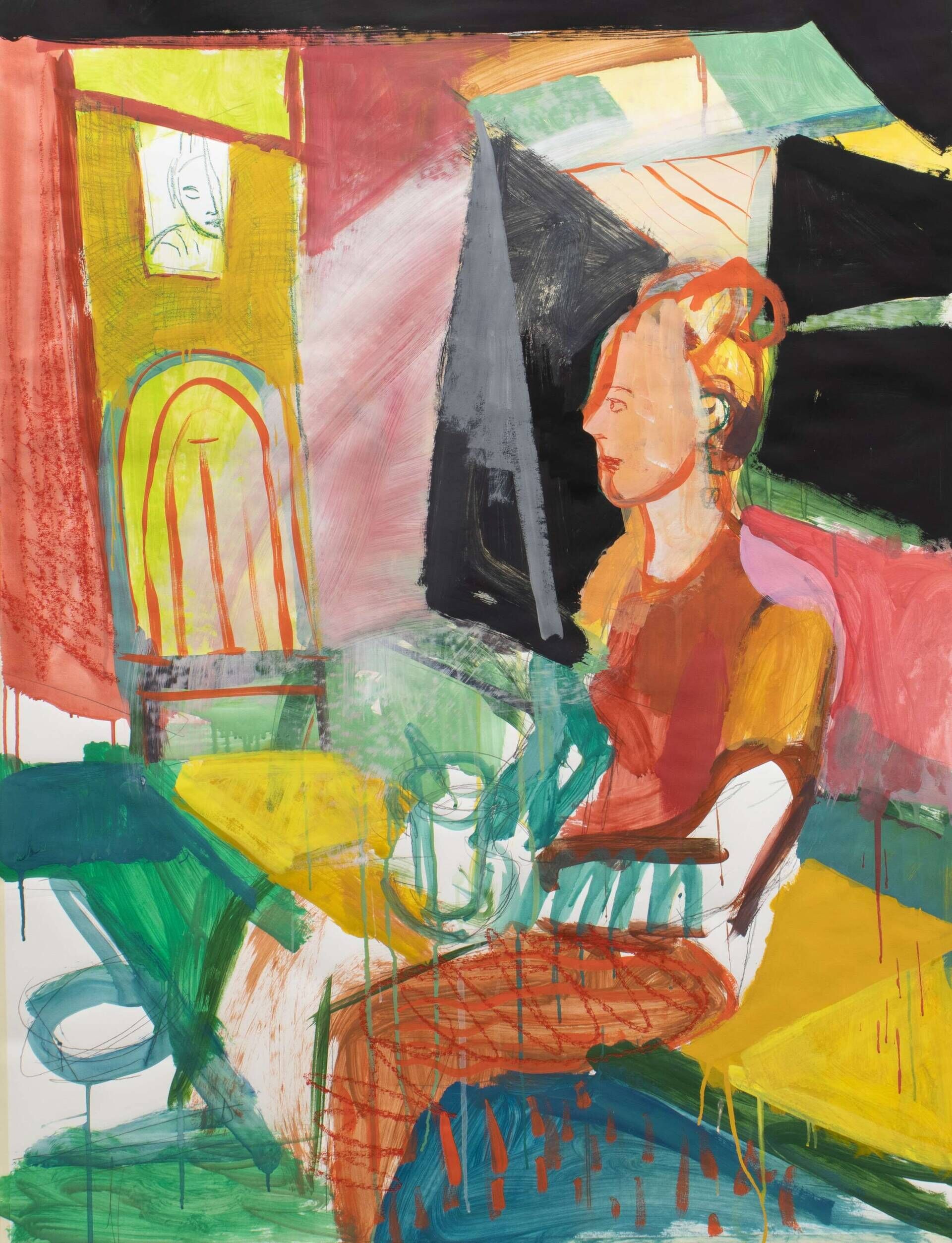
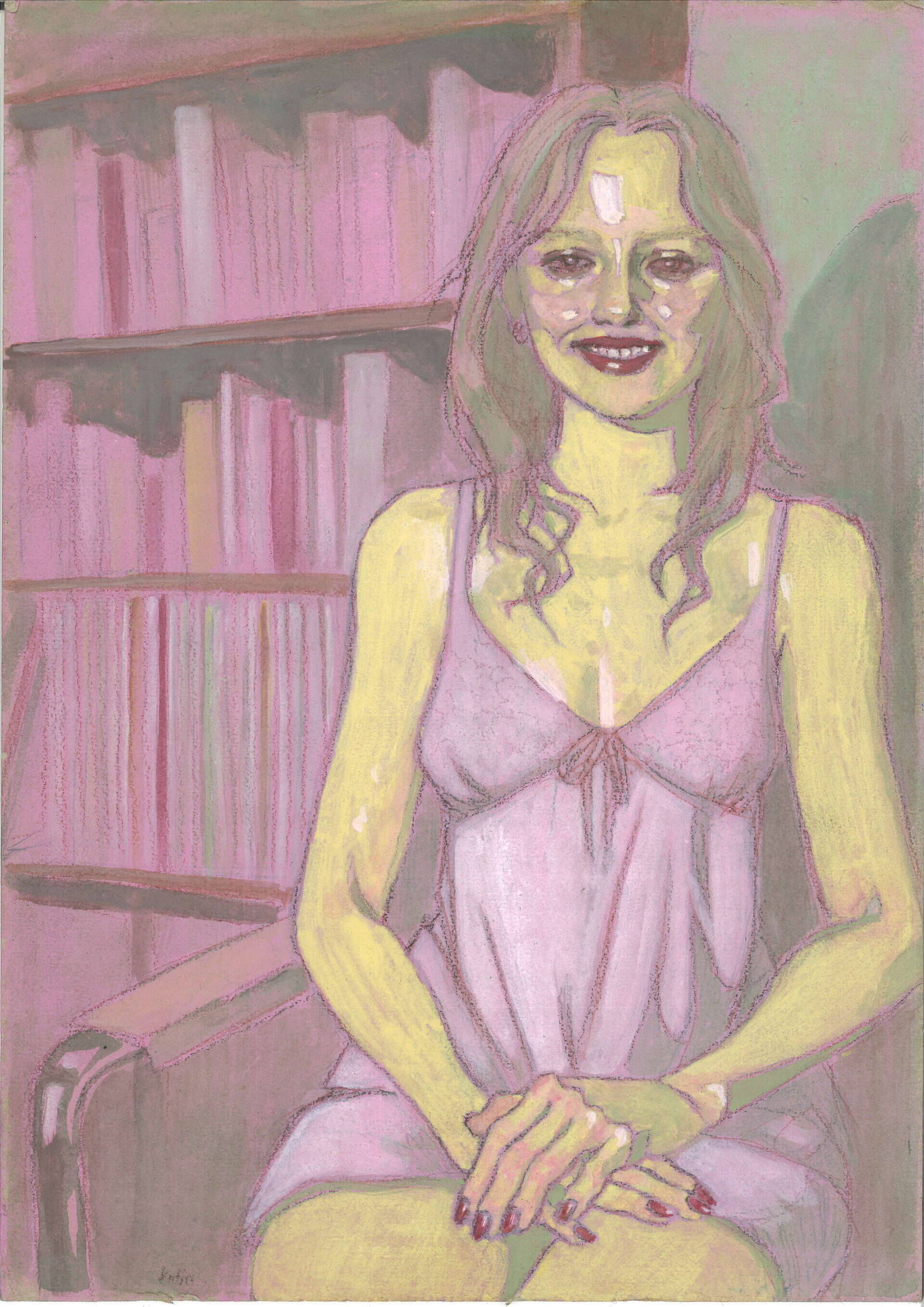
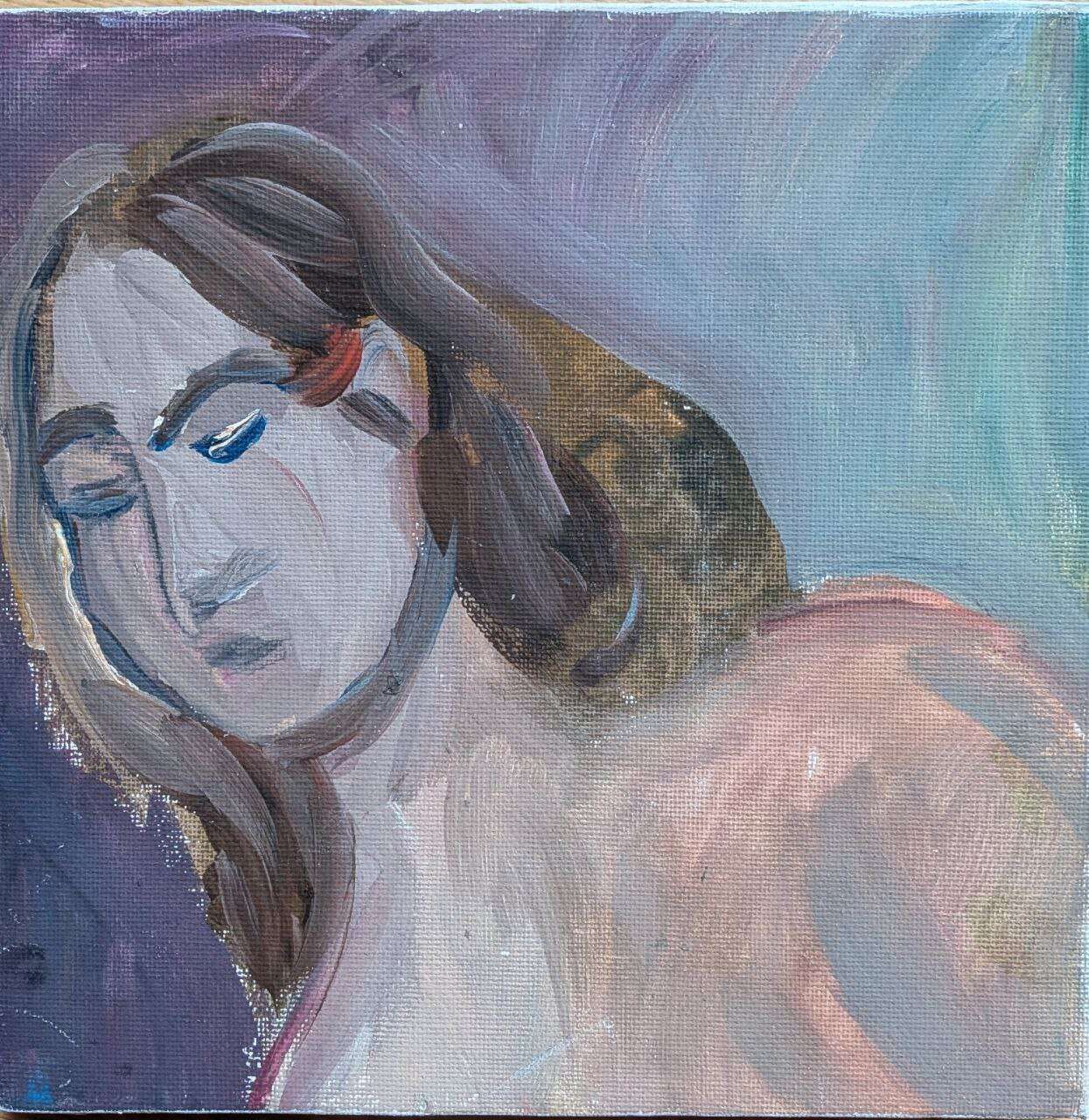
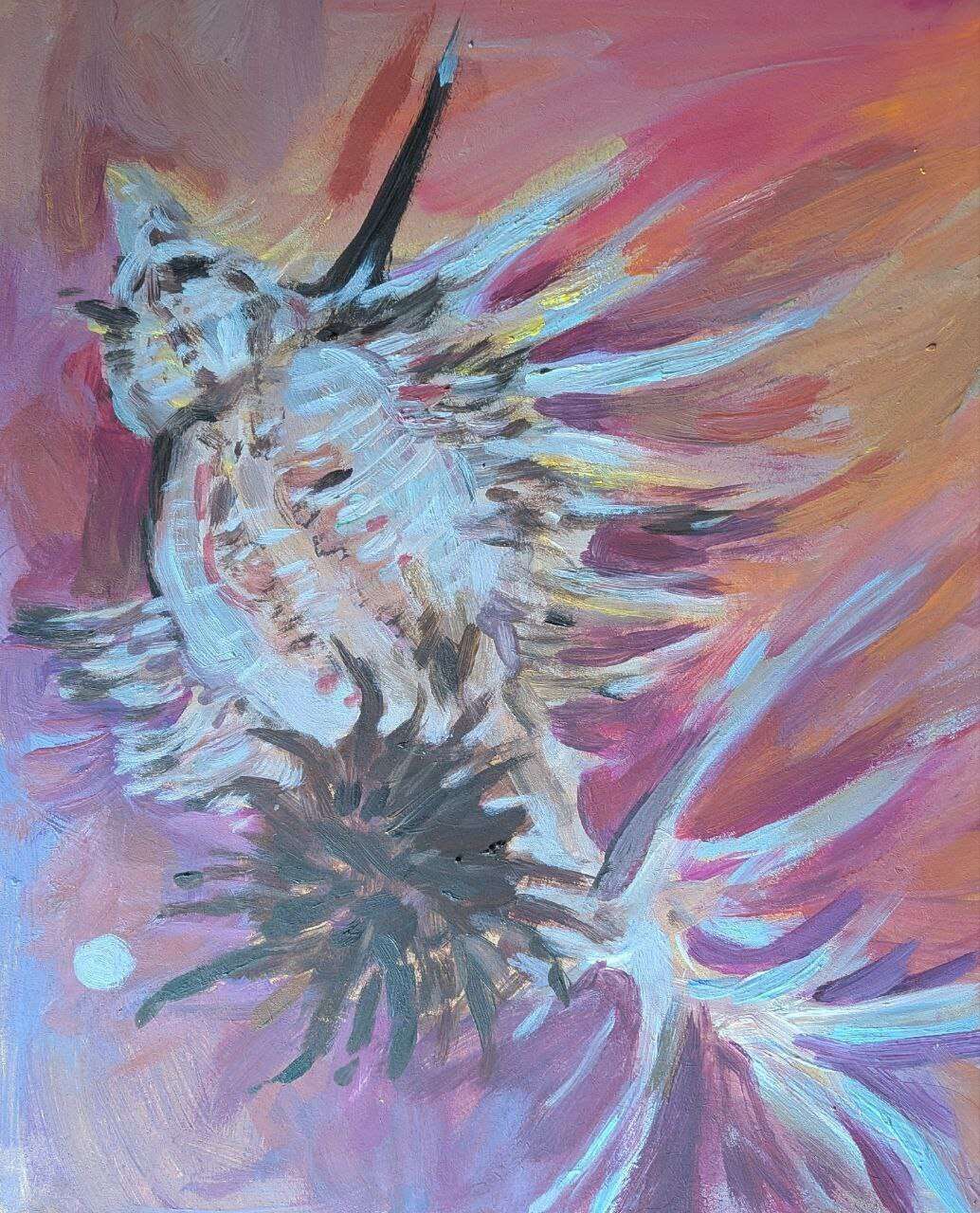
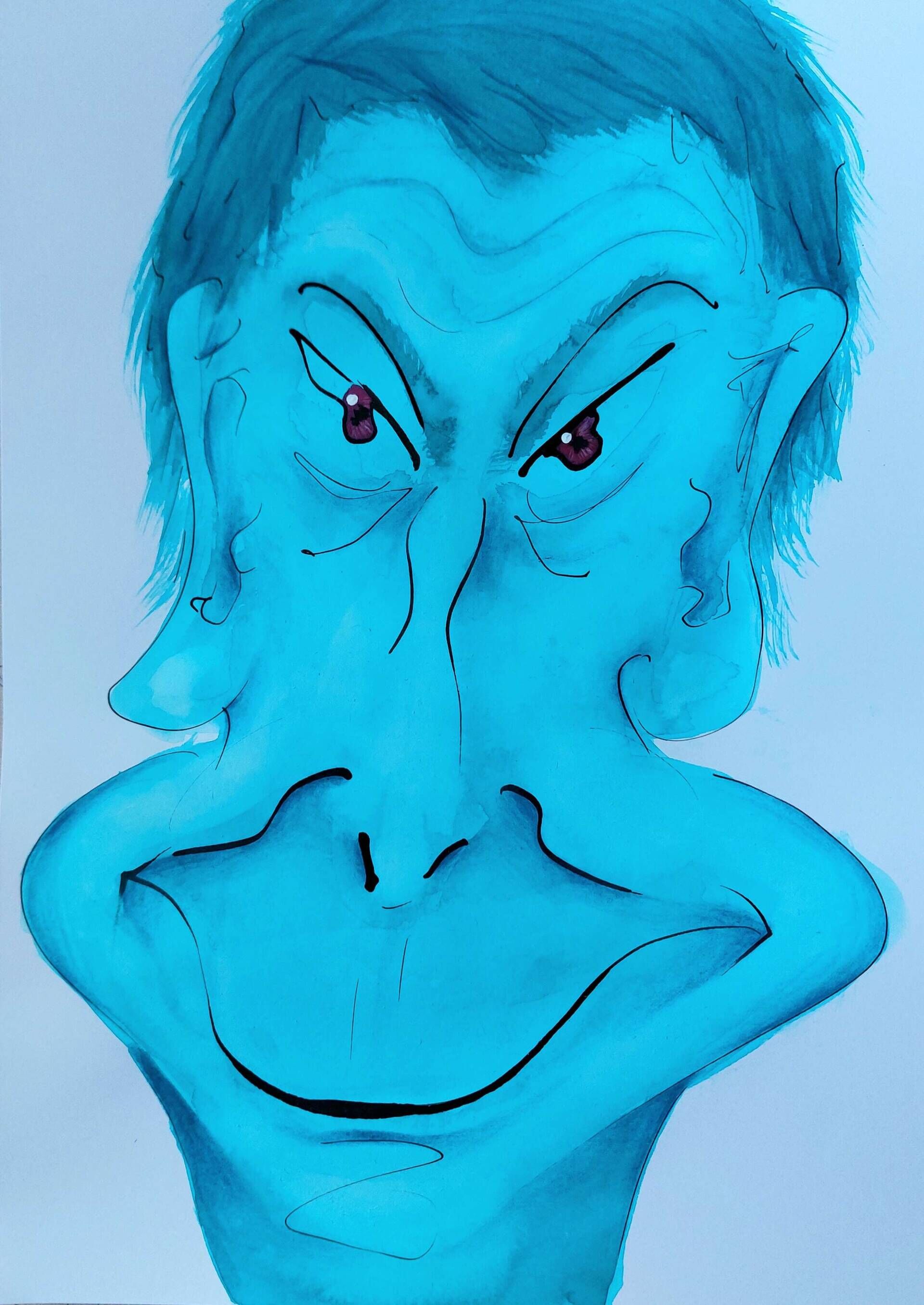
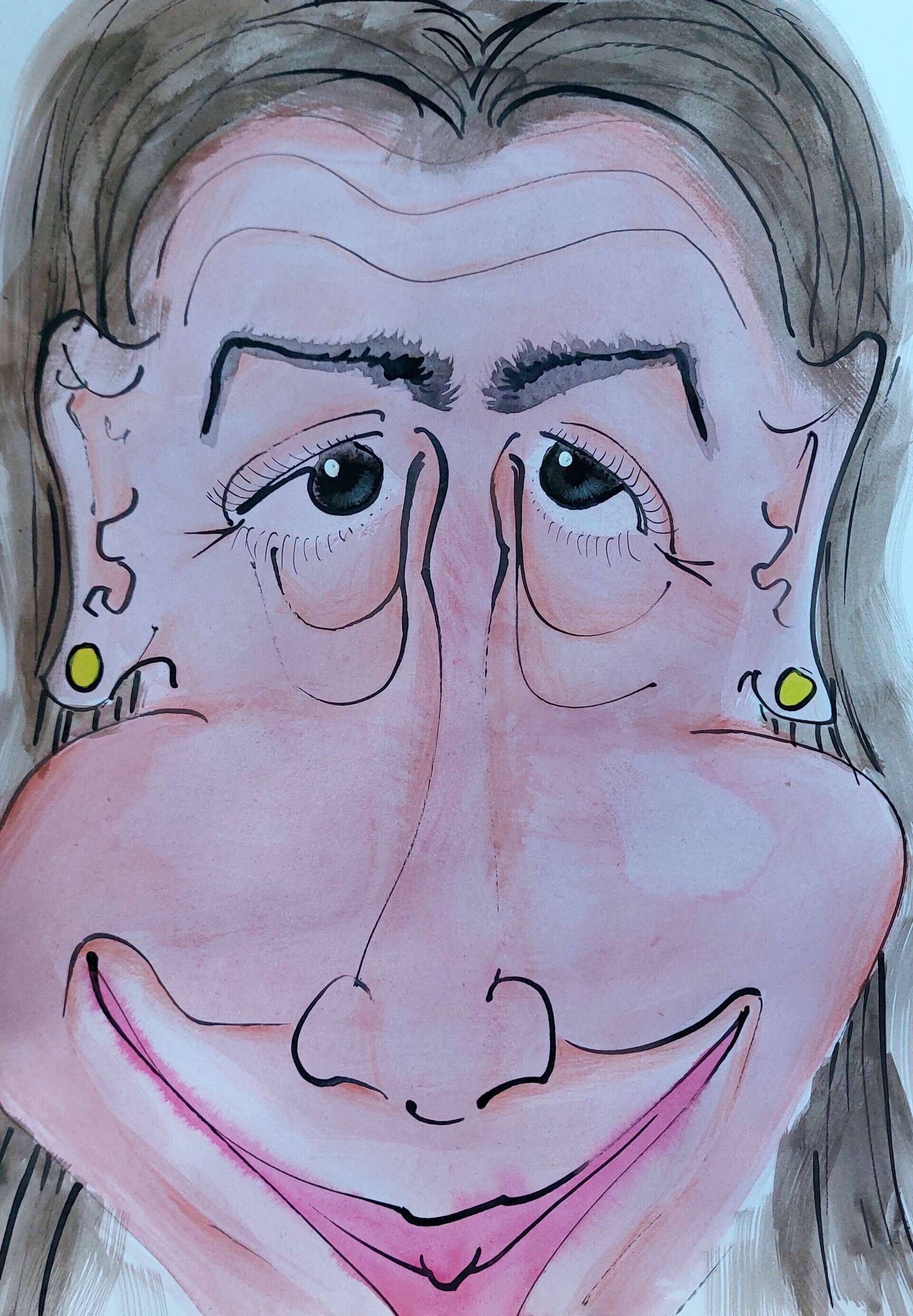
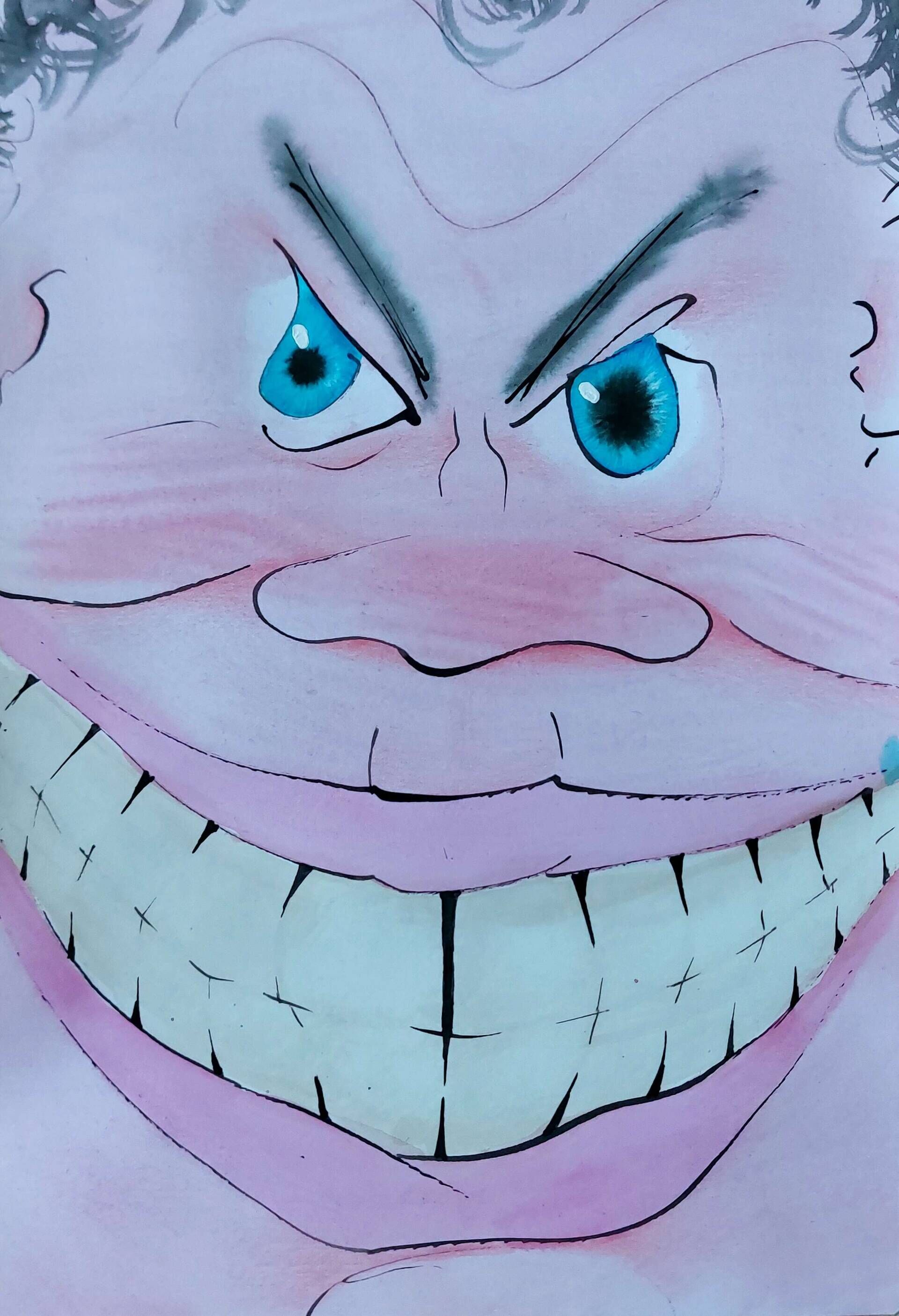
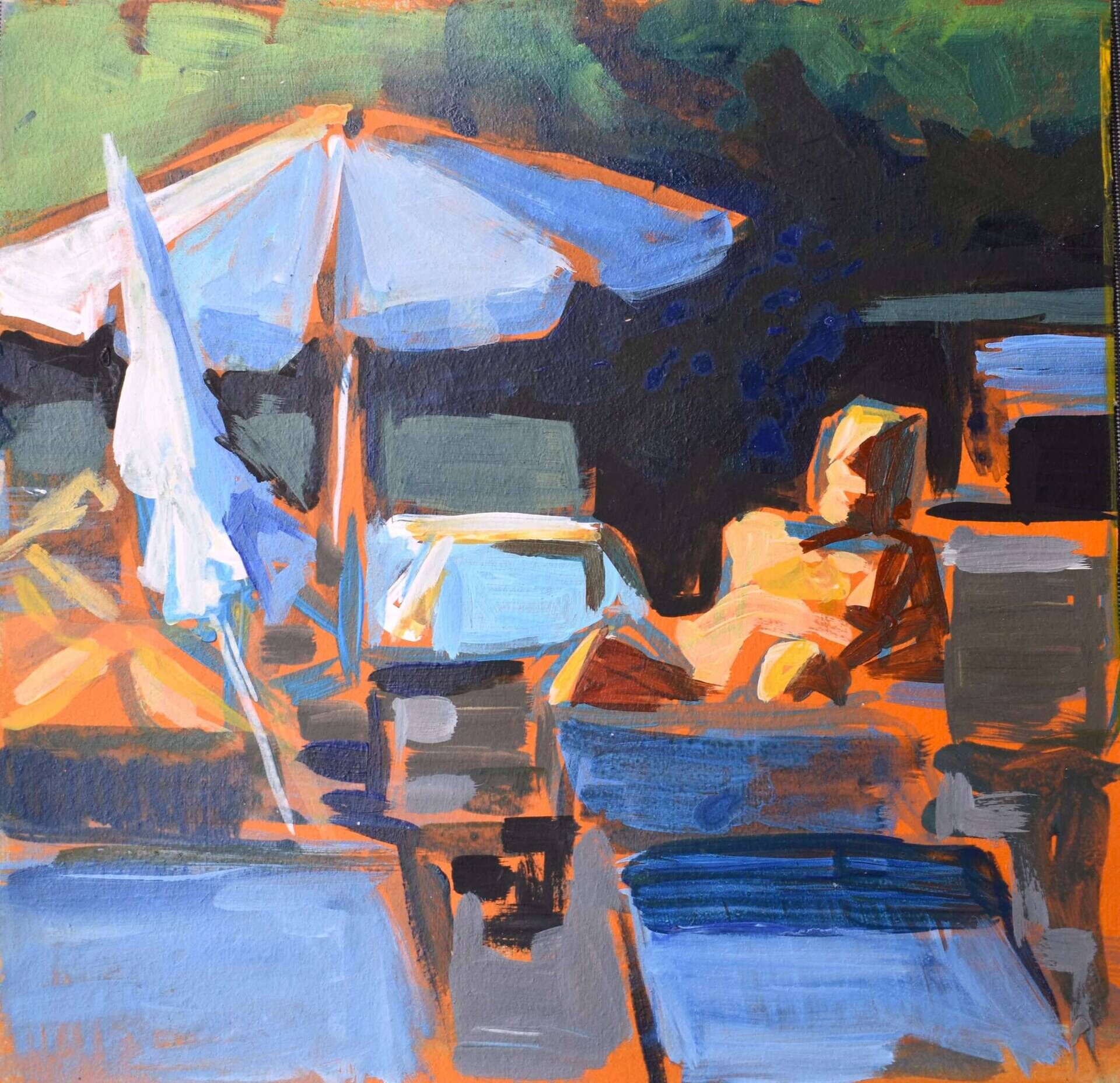
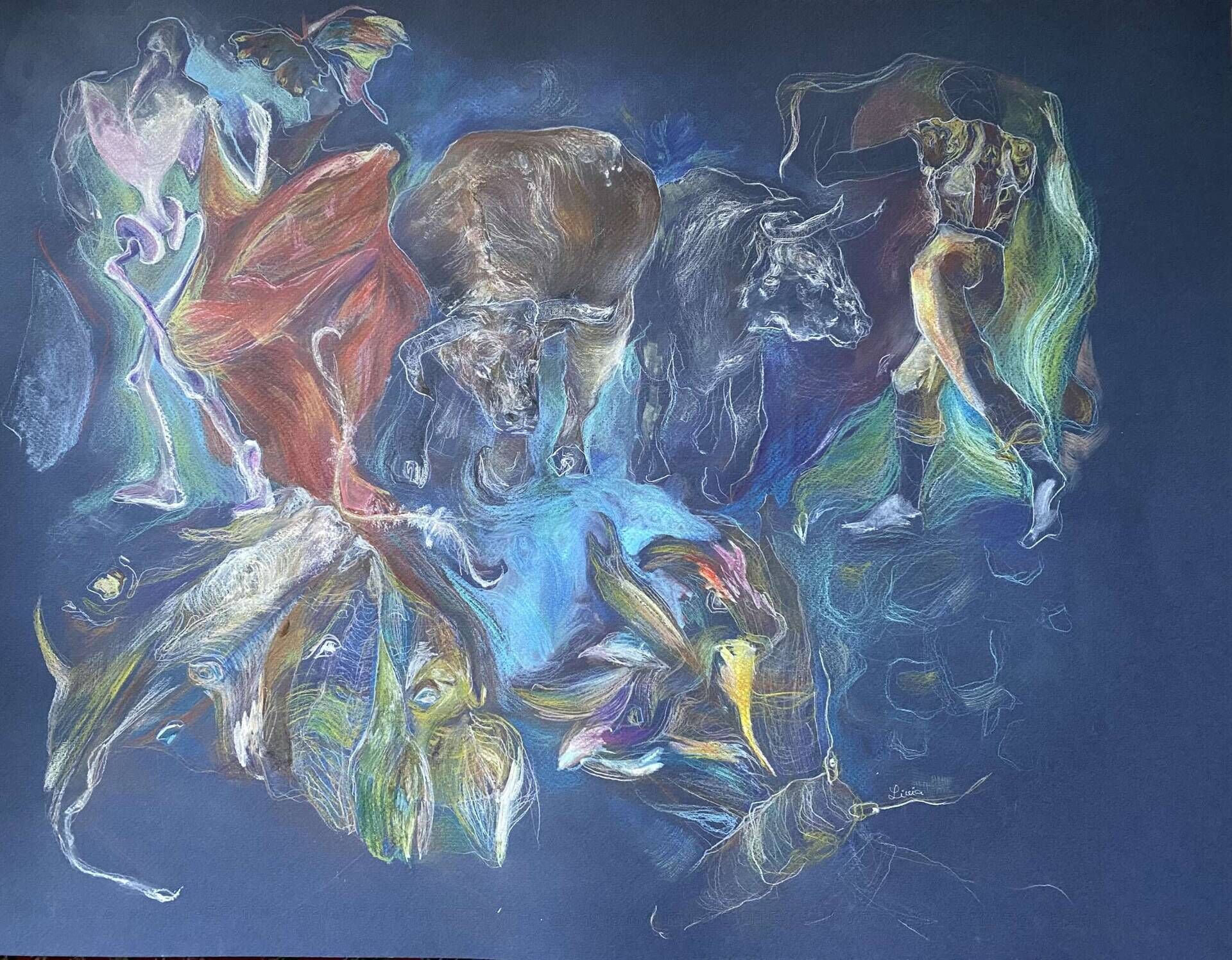
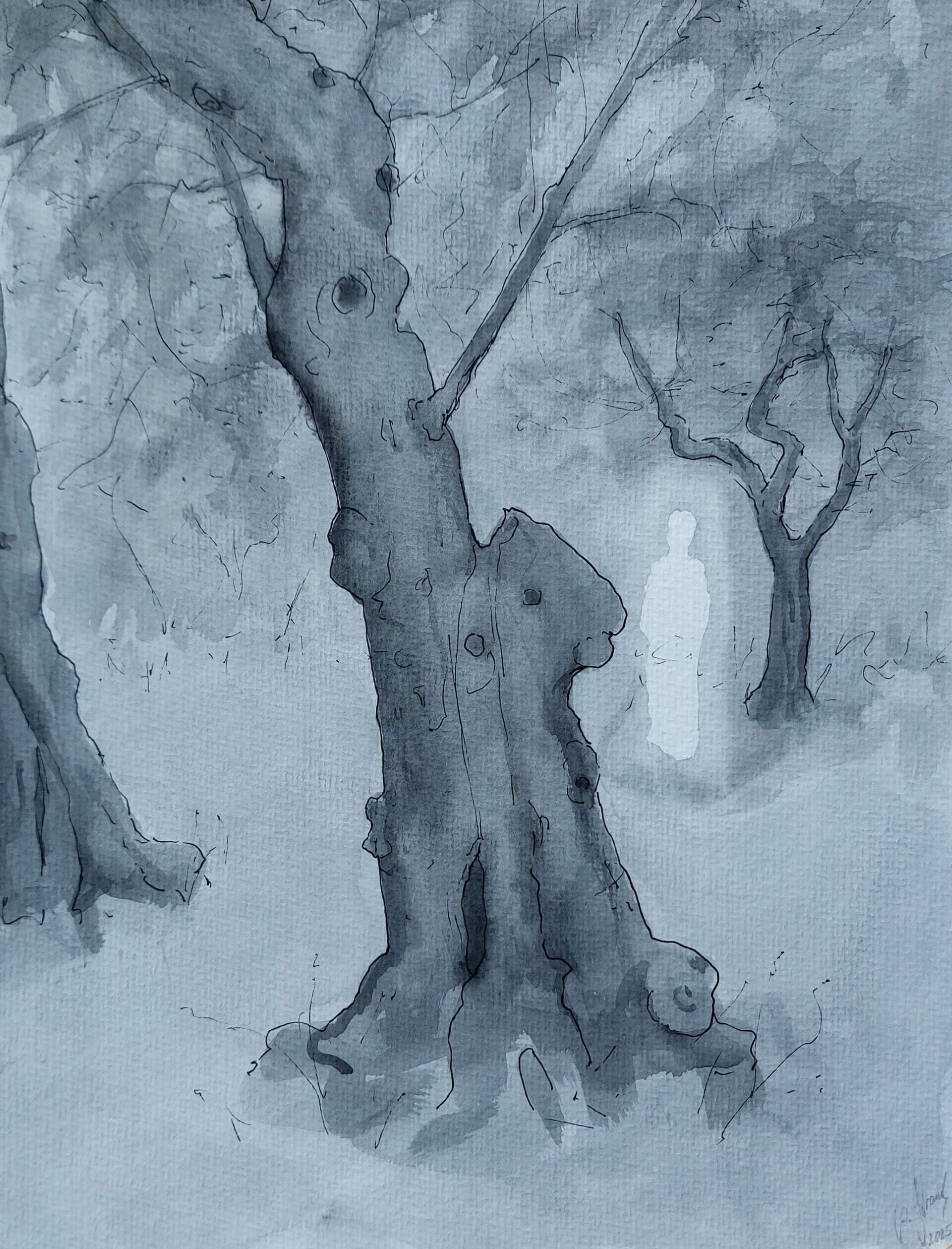
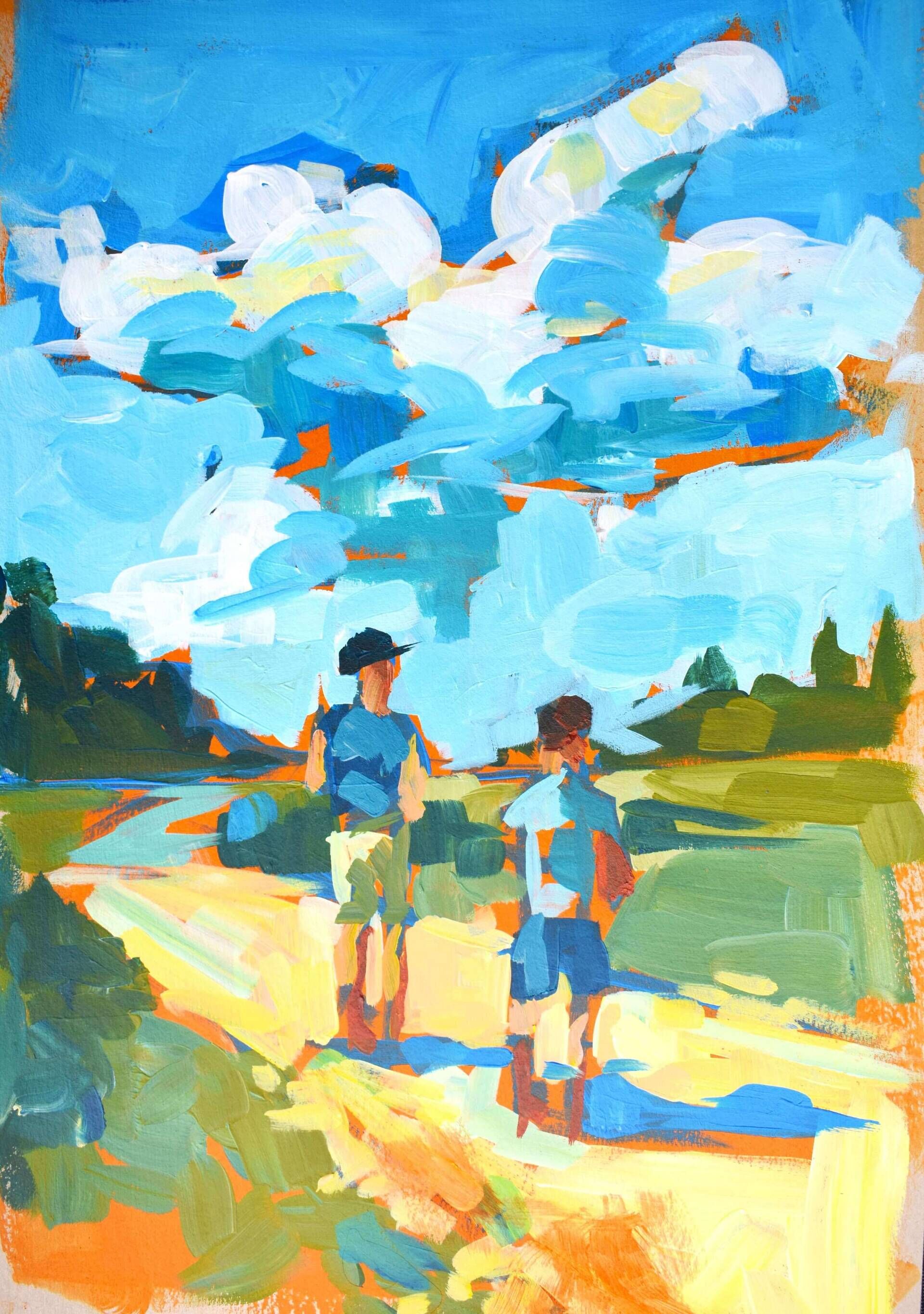
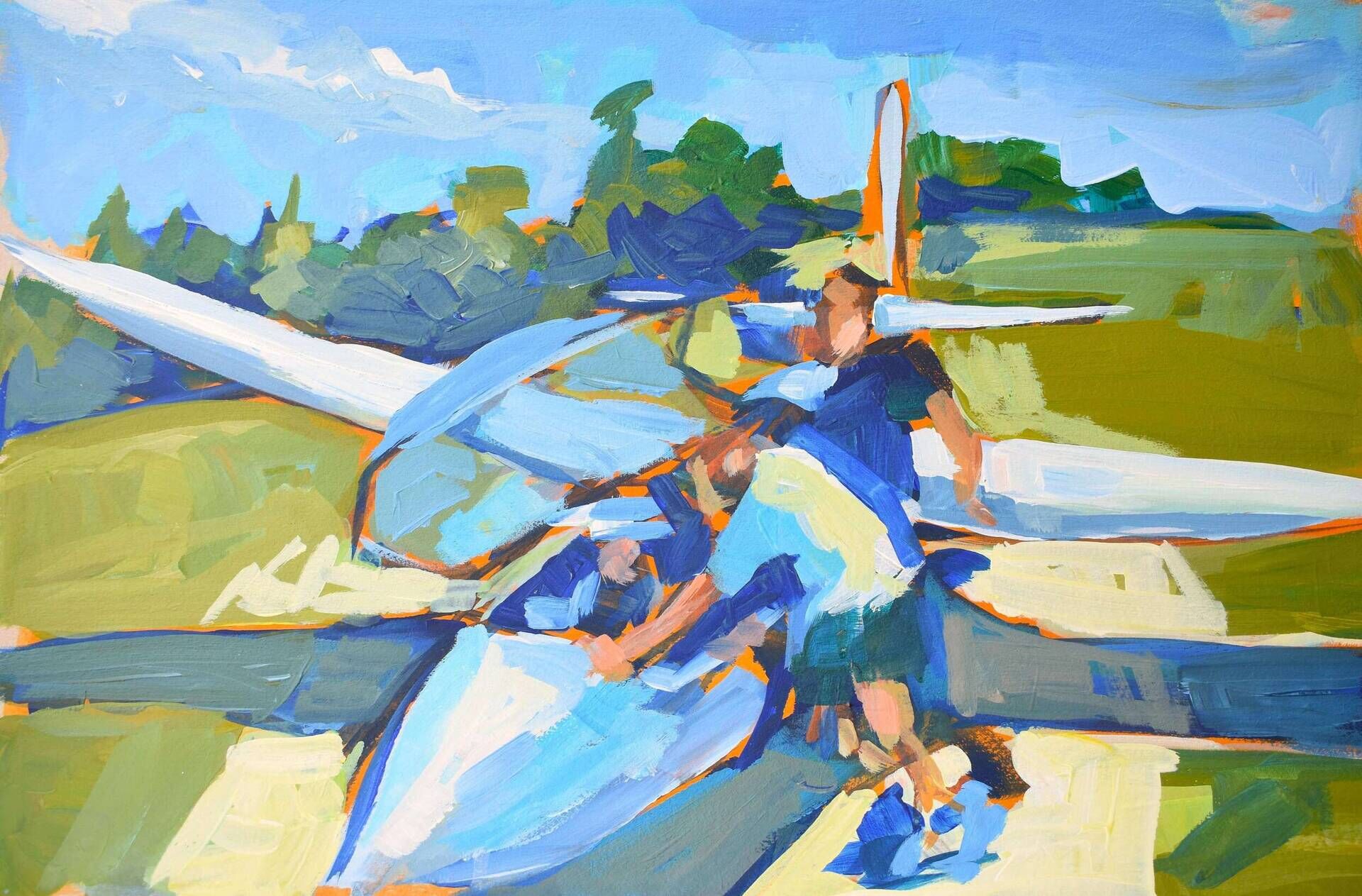
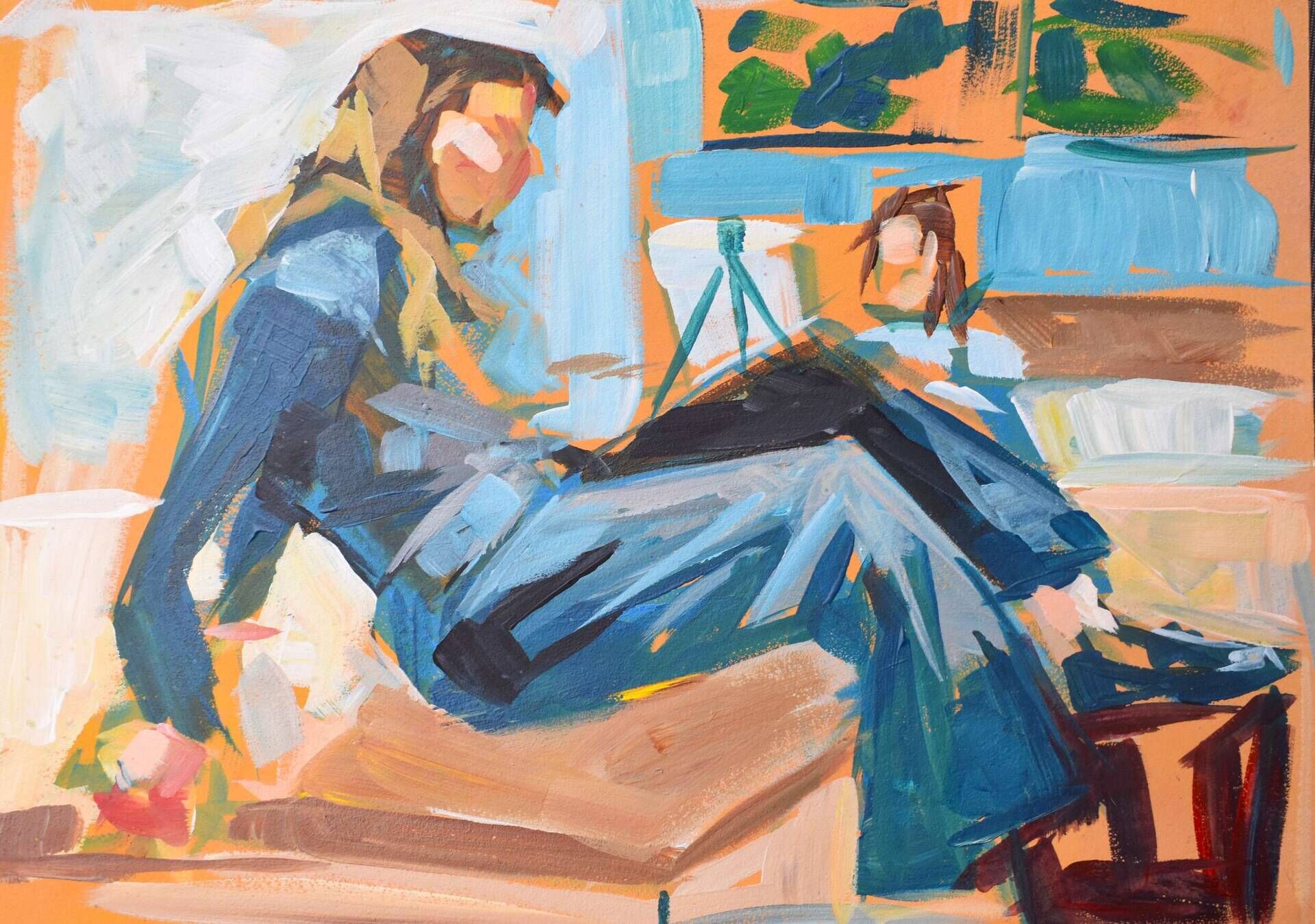
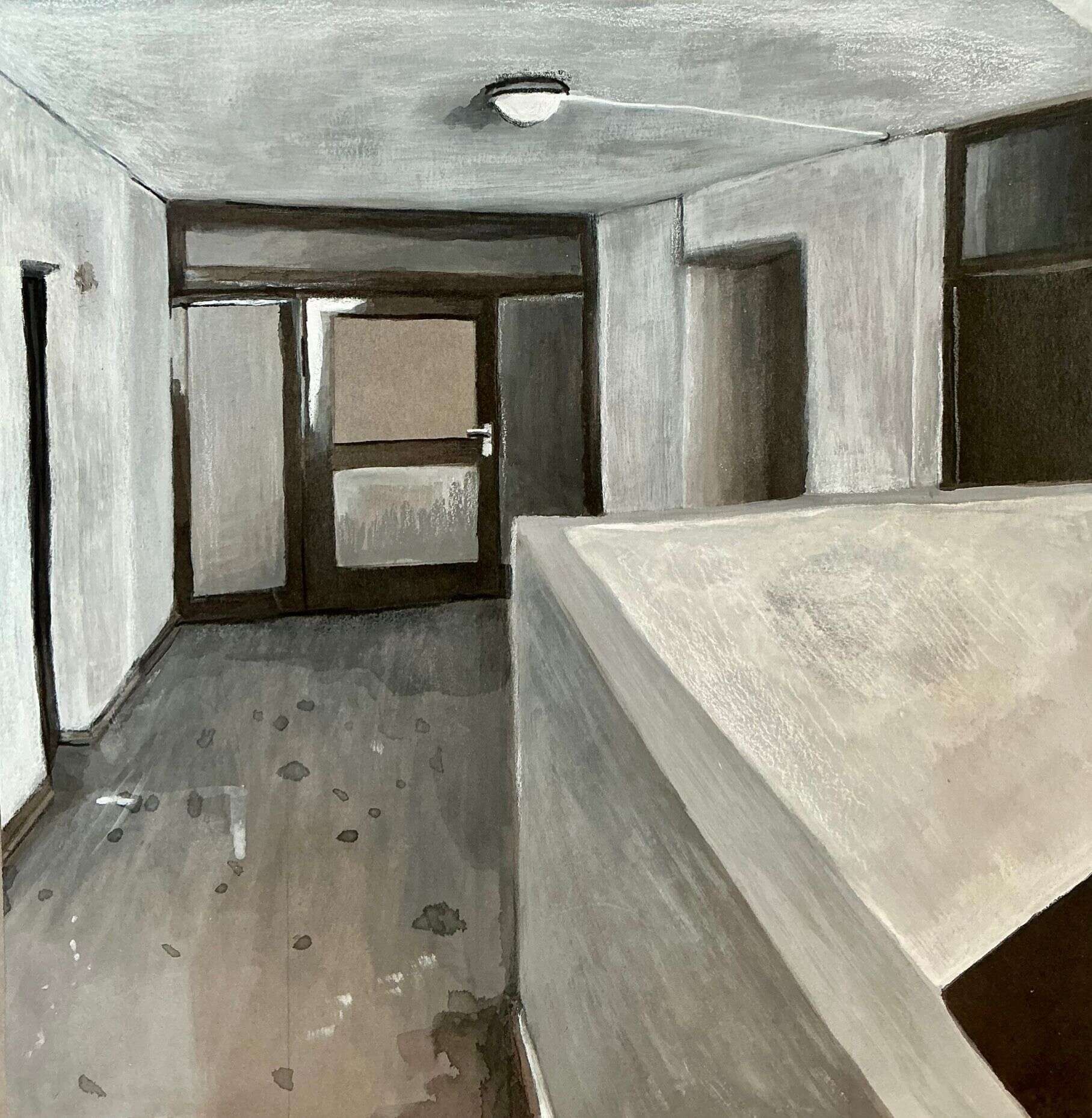
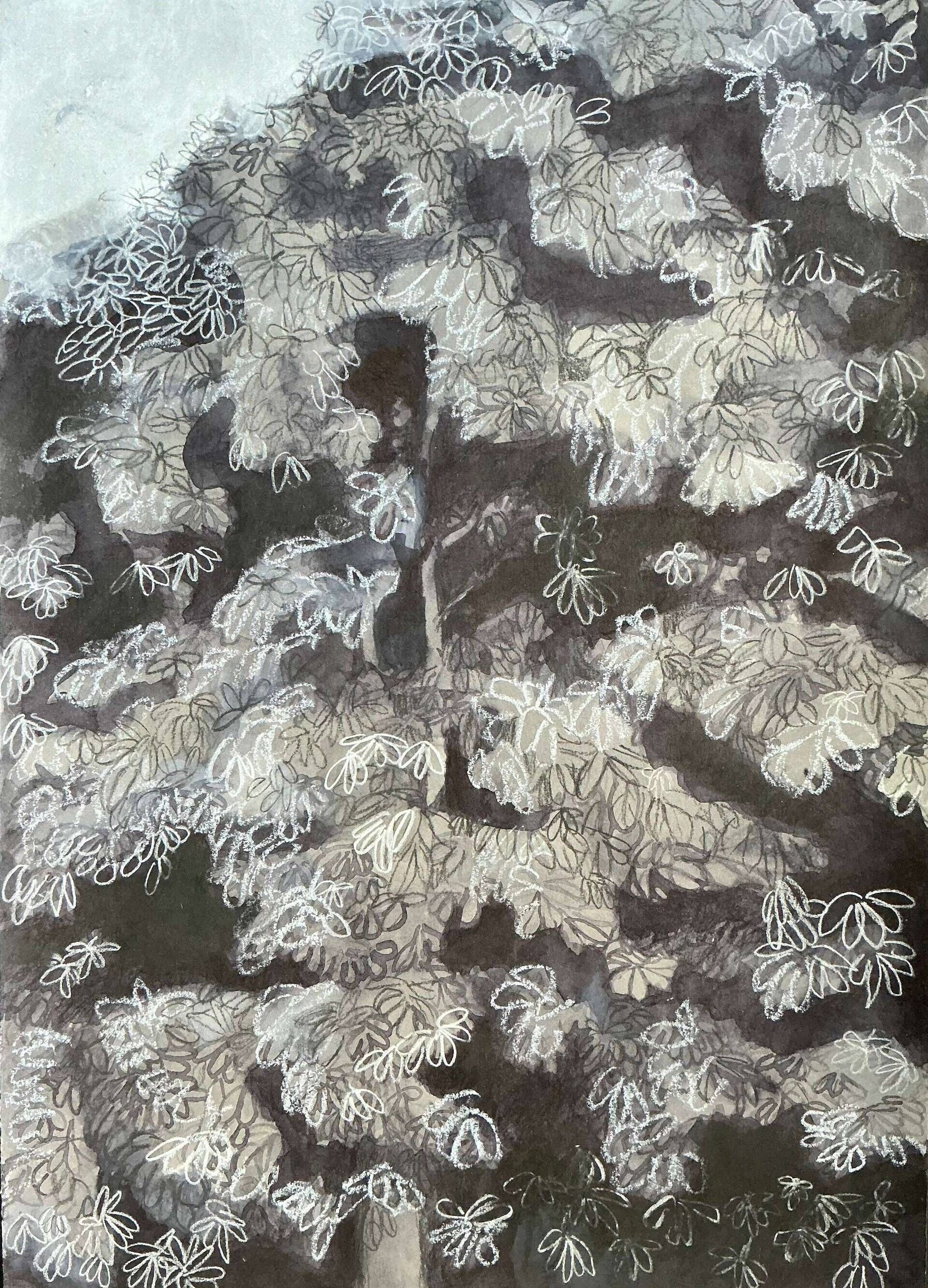
Velvety surfaces and luminous depth in gouache painting
Gouache painting is an artistic technique full of surprises. At first glance, the colours appear soft, almost subdued, yet the longer you look, the more depth unfolds. Gouache is the chameleon of painting techniques: opaque and transparent at the same time, precise and spontaneous, calm and expressive. Artists use gouache painting to play with surface, light and mood – without loud effects, but with all the more atmosphere. Gouache works tell stories in layers and invite you to take your time.
It is precisely when displayed on the wall that gouache painting takes on a special presence. The matt surface reflects hardly any light and thus creates a pleasantly calm effect in the room. Whether it’s a colour-intensive composition or delicate, almost poetic areas of colour – gouache painting blends effortlessly into various living and working environments whilst still retaining its own distinct character.
Gouache paintings and colours
With terms such as oil , acrylic or watercolour painting are familiar to most people. Gouache painting, on the other hand, is less well known. The term “gouache” derives from the Italian “guazzo”, which means ‘puddle’. It is pronounced “Guasch”, with the stress on the second syllable. This etymology alone suggests just how closely water and colour are linked in this medium.
Technically, gouache painting combines the characteristics of watercolour painting with opaque colour techniques. Gouache paints consist of finely ground pigments, a binder – usually gum arabic – and additives such as chalk or titanium white. This mixture provides the characteristic opacity and the velvety-matt finish. Unlike watercolours, the pigments in gouache paints are denser, allowing areas to be completely covered.
A particular appeal of gouache painting lies in its versatility. Using plenty of water creates glazed, almost transparent layers, whilst using little water produces opaque, bold areas of colour. Once dry, gouache paints can be re-dissolved, allowing for corrections, layering and playful transitions. It is precisely this flexibility that makes gouache painting so popular with artists who work intuitively and process-oriented.
Techniques in gouache painting
Compared to acrylic or oil paints, gouache paintings are less garish, but all the more harmonious. Gouache colours appear muted, soft and balanced. Instead of glossy surfaces, matt areas of colour emerge, creating depth through layering rather than through special effects. Many find gouache paintings particularly pleasing to the eye – they do not dominate the space, but rather invite the viewer to linger. A typical feature of gouache painting is working in multiple layers. Artists superimpose areas of colour, building up contrasts or dissolving them again. This technique creates images that appear lively without being garish. This is precisely why gouache paints are ideally suited to narrative, atmospheric or poetic subjects.
Gouache painting encompasses various techniques, each producing its own visual effects. In wet-on-wet painting, paint is applied to a damp surface. The pigments in gouache blend softly into one another, with transitions becoming blurred – ideal for backgrounds or large areas of colour. The wet-on-dry application technique produces glazes: transparent layers of colour that stand out clearly from one another. When painted wet-on-wet, gouache appears more controlled, yet still soft. Finally, wet-on-dry produces sharply defined areas with precise contours. Many artists combine these methods within a single work. It is precisely this diversity that makes gouache painting so exciting and unpredictable.
Compared to watercolour painting, gouache painting is significantly more opaque. Whilst watercolour relies on the white of the paper, gouache painting techniques bring their own brightness to the colours. Acrylic paint, on the other hand, is also opaque, but dries with a glossier finish and cannot be dissolved once dry. Gouache remains flexible – a major advantage for experimental work. Gouache painting requires a different approach to that of other media: less layering into depth, more composition on the surface.
Buy gouache works by young artistic talents
Anyone interested in gouache painting will find a diverse selection of works by young artists on the Student Art Market. Here, works are created that blend tradition with the present – individual, fresh and skilfully executed. Whether vibrant swathes of colour or delicate pastel shades: gouache art is just as at home in the living room as it is in the office or surgery. Buying a gouache painting is not just a decision to acquire a special work of art, but also to support young artists. Each piece tells its own story and brings a calm, elegant presence to the room.
Contemporary artists have long since moved beyond using gouache simply for studies or illustrations. They deliberately use it as their final medium – in large formats, experimentally or in a minimalist style. Themes such as identity, everyday life, nature or urban spaces find a calm yet powerful visual language in gouache. Thanks to their matt surface, gouache paintings appear particularly modern and timeless at the same time. Many paintings only reveal their full impact at second or third glance. This is precisely what makes them so exciting for collectors seeking art that endures and does not quickly become overwhelming.
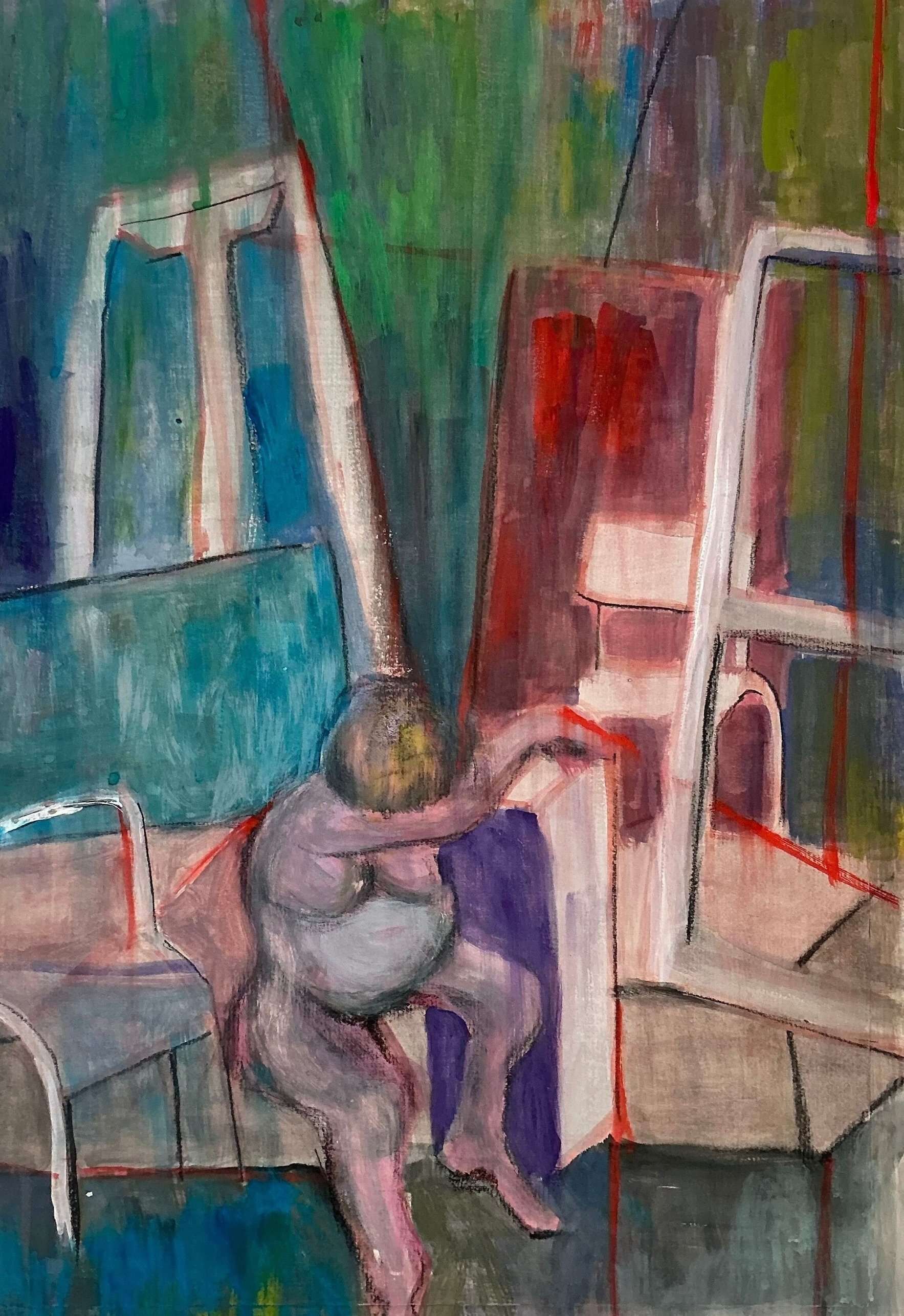
Teuta Pashnjari works with bold colours and moves confidently between figurative and abstract visual worlds. In her works, clear forms meet open, emotional spaces. Shaped by her international study and residency experiences, she has developed a multi-layered visual language that interweaves observations, moods and inner processes. Her painting appears both thoughtful and intuitive, inviting the viewer to engage with the interplay of colours and the spaces between them.
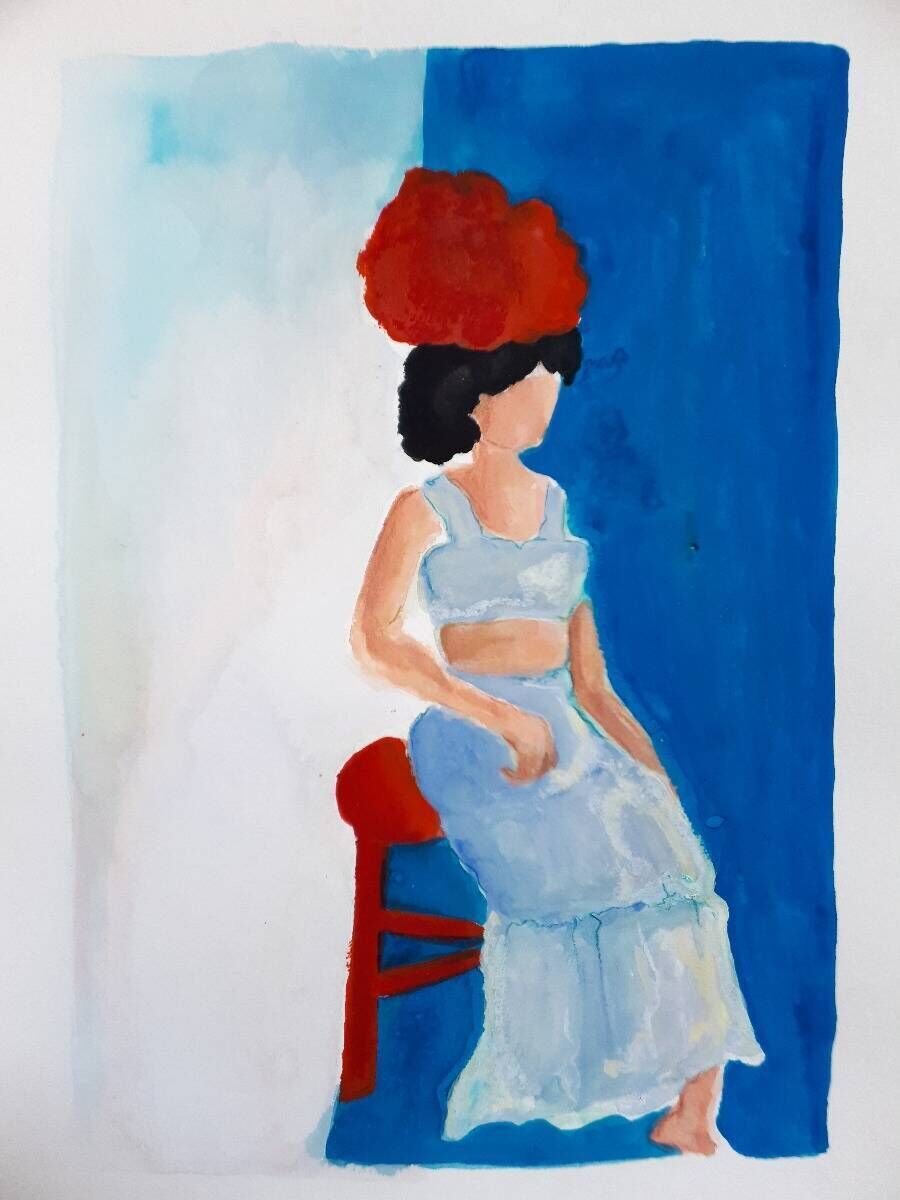
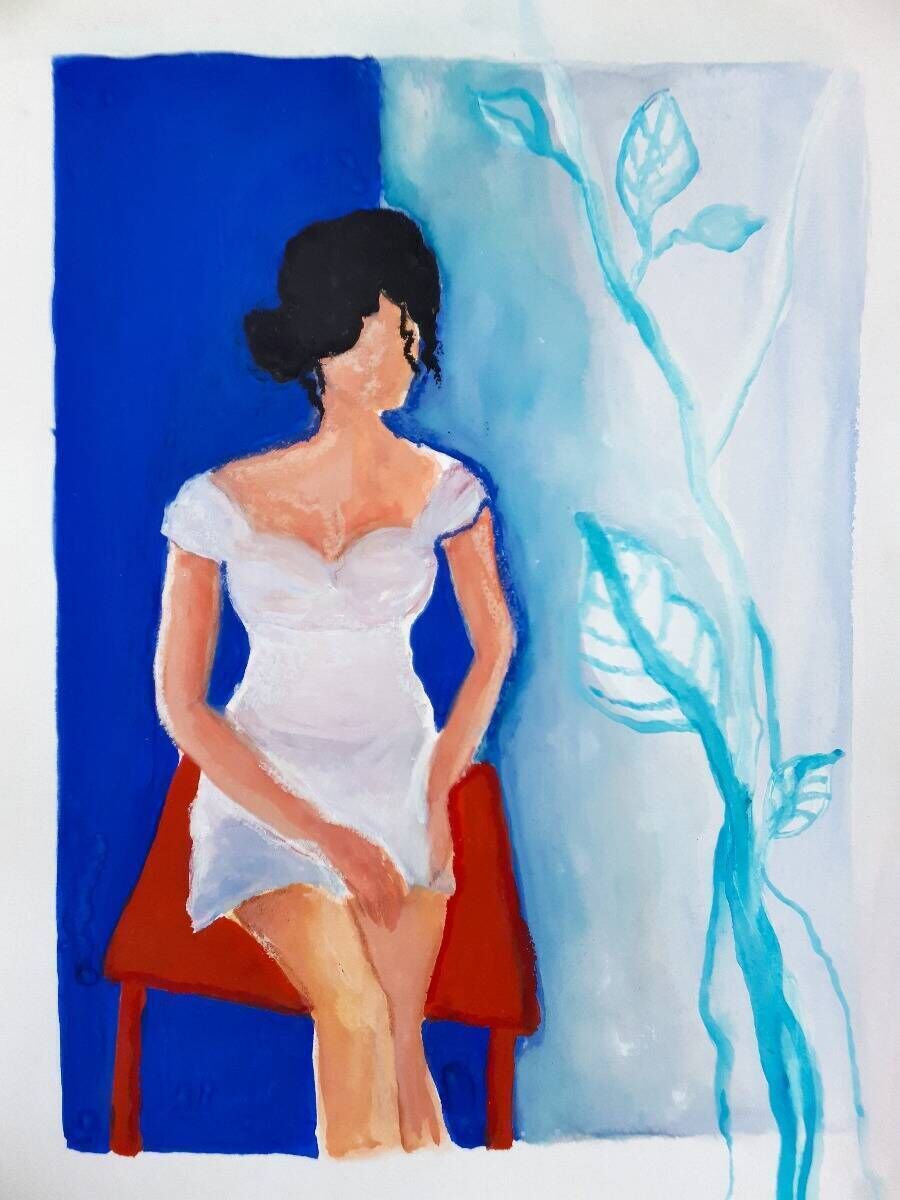
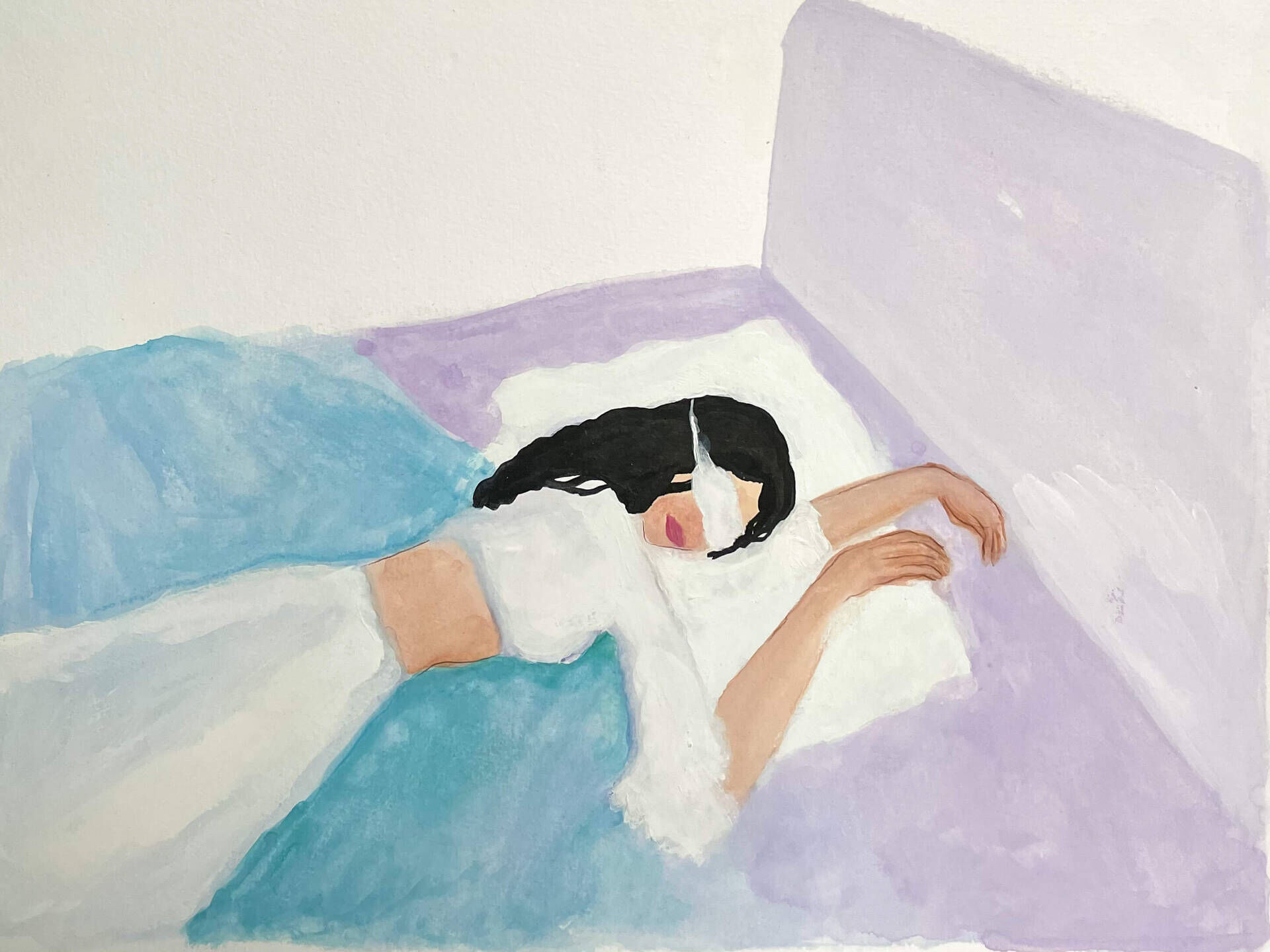
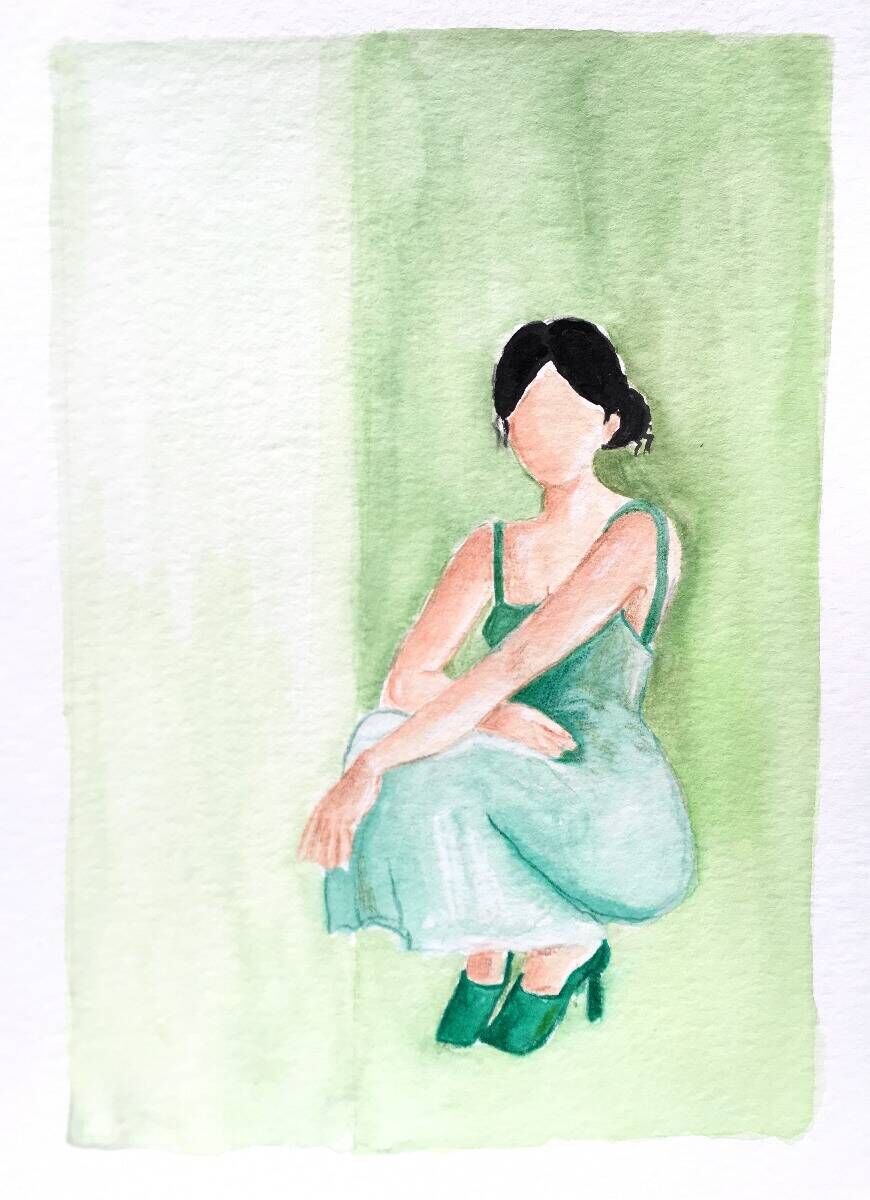
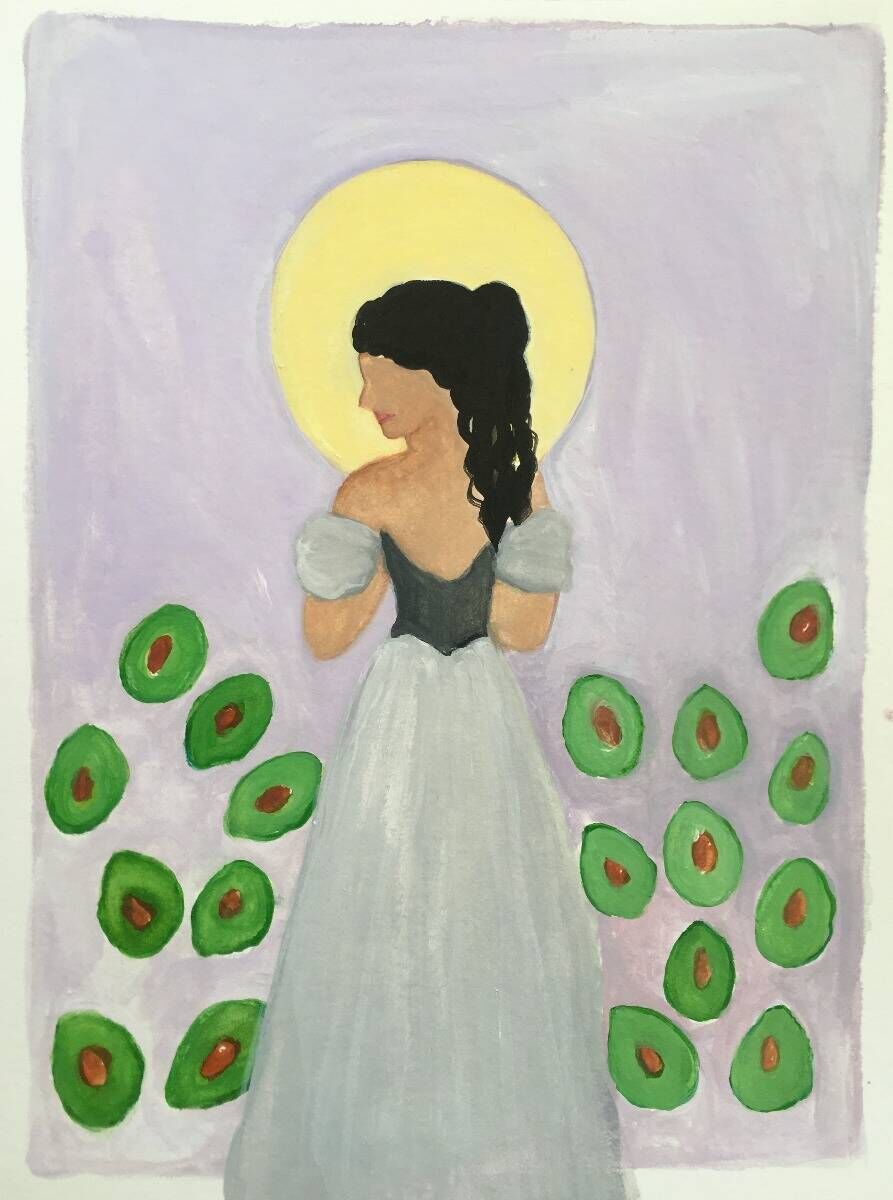
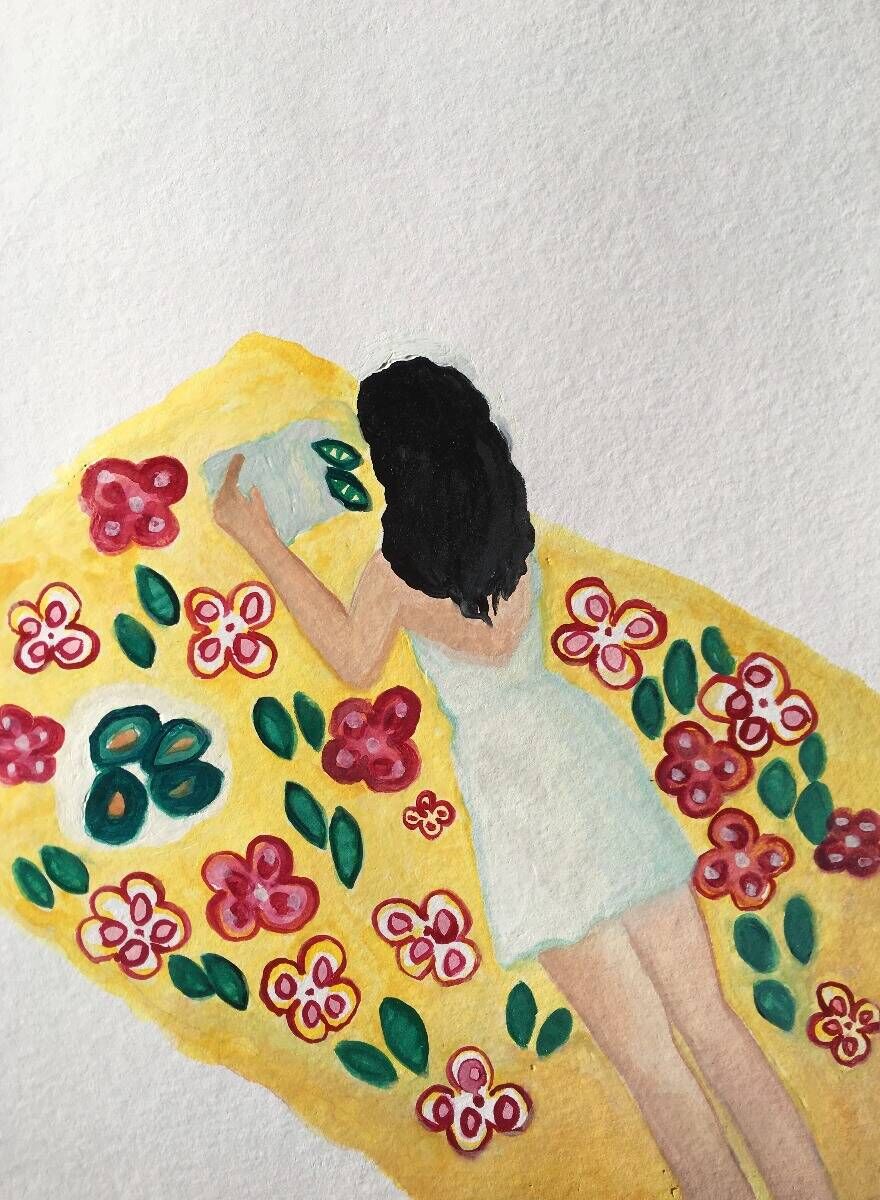
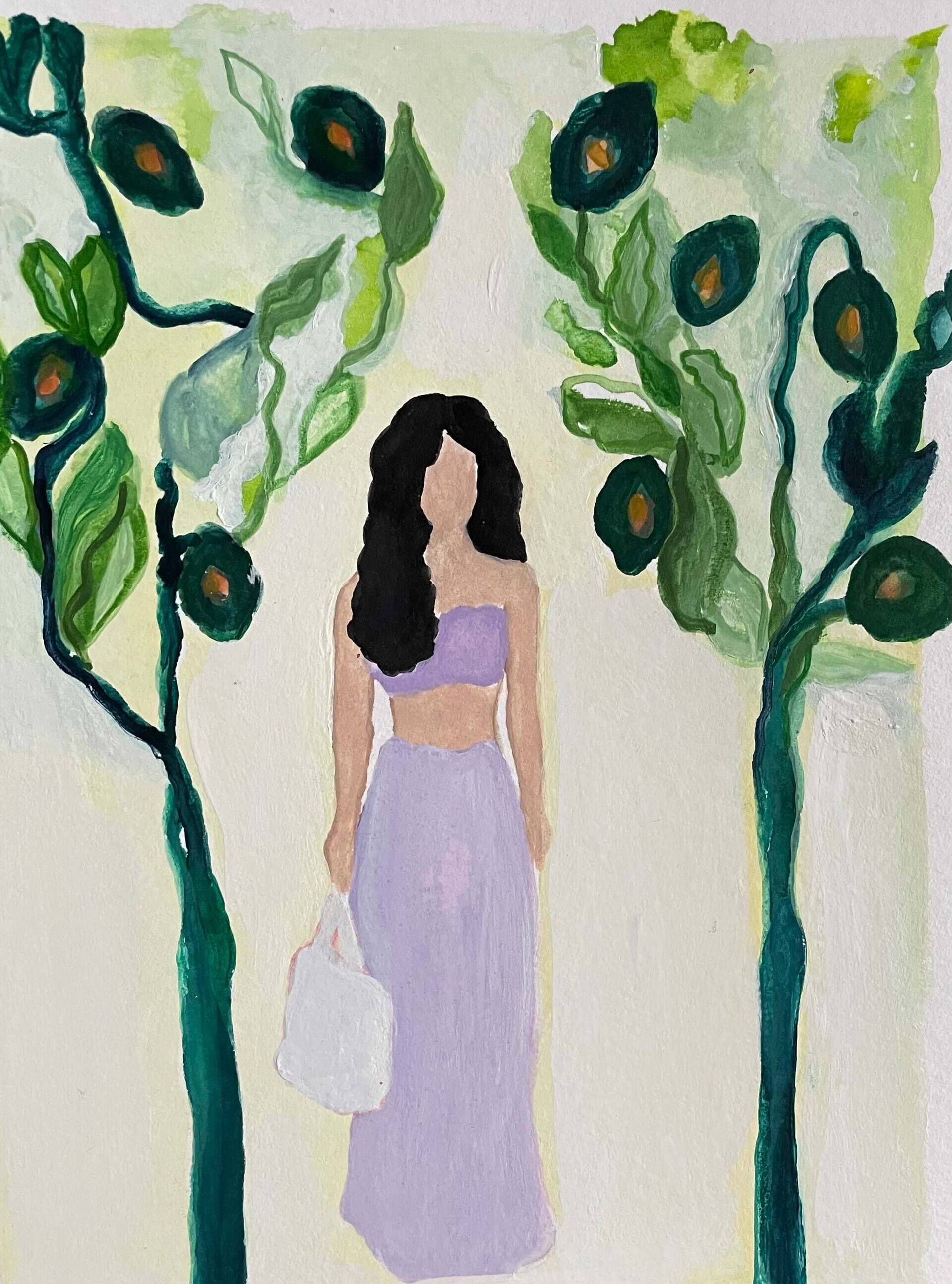
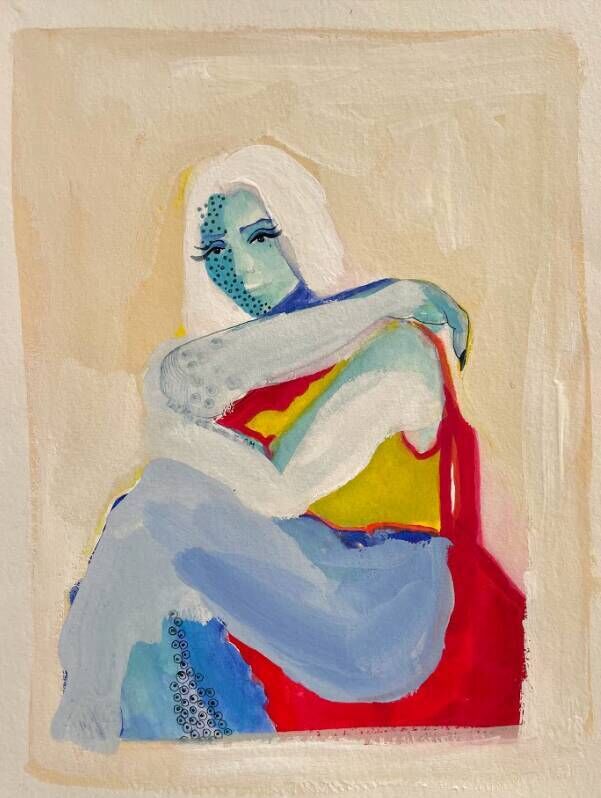
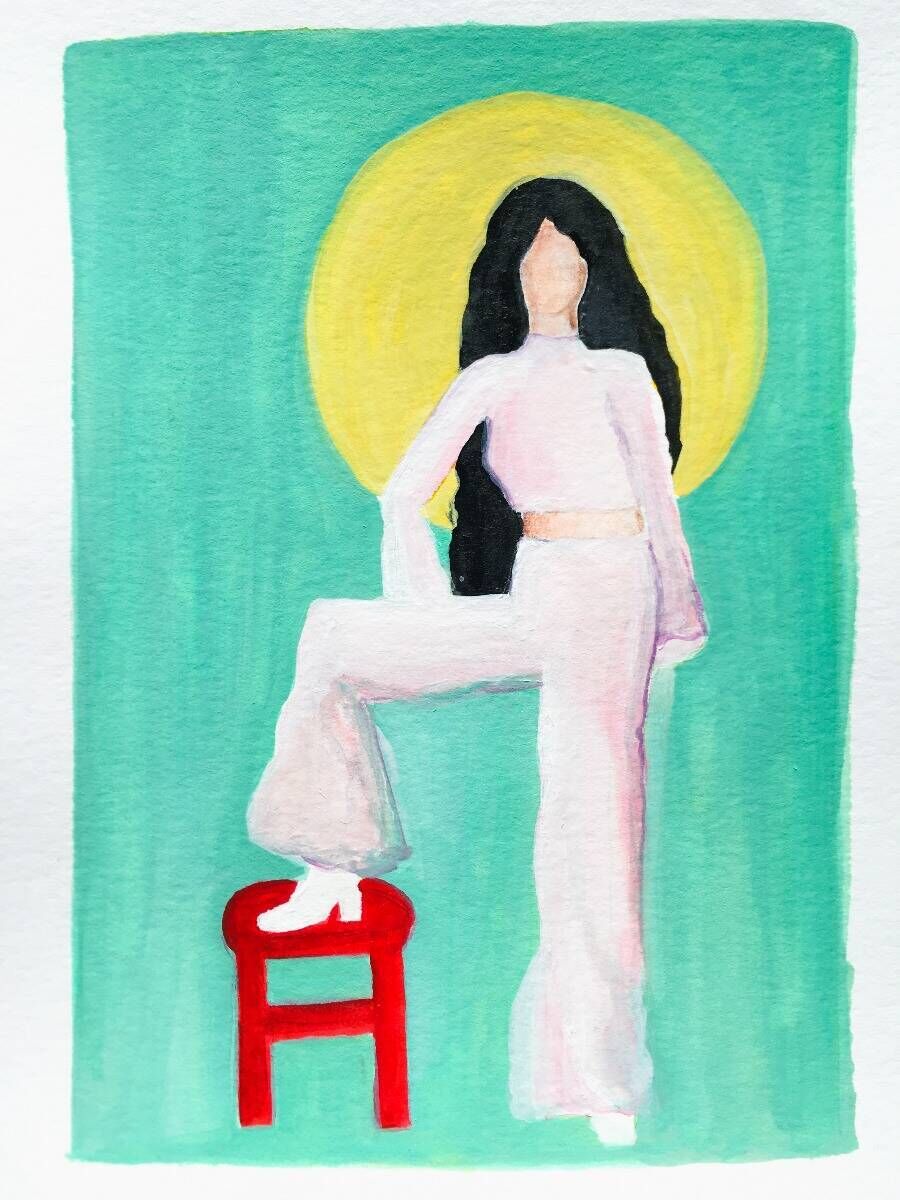
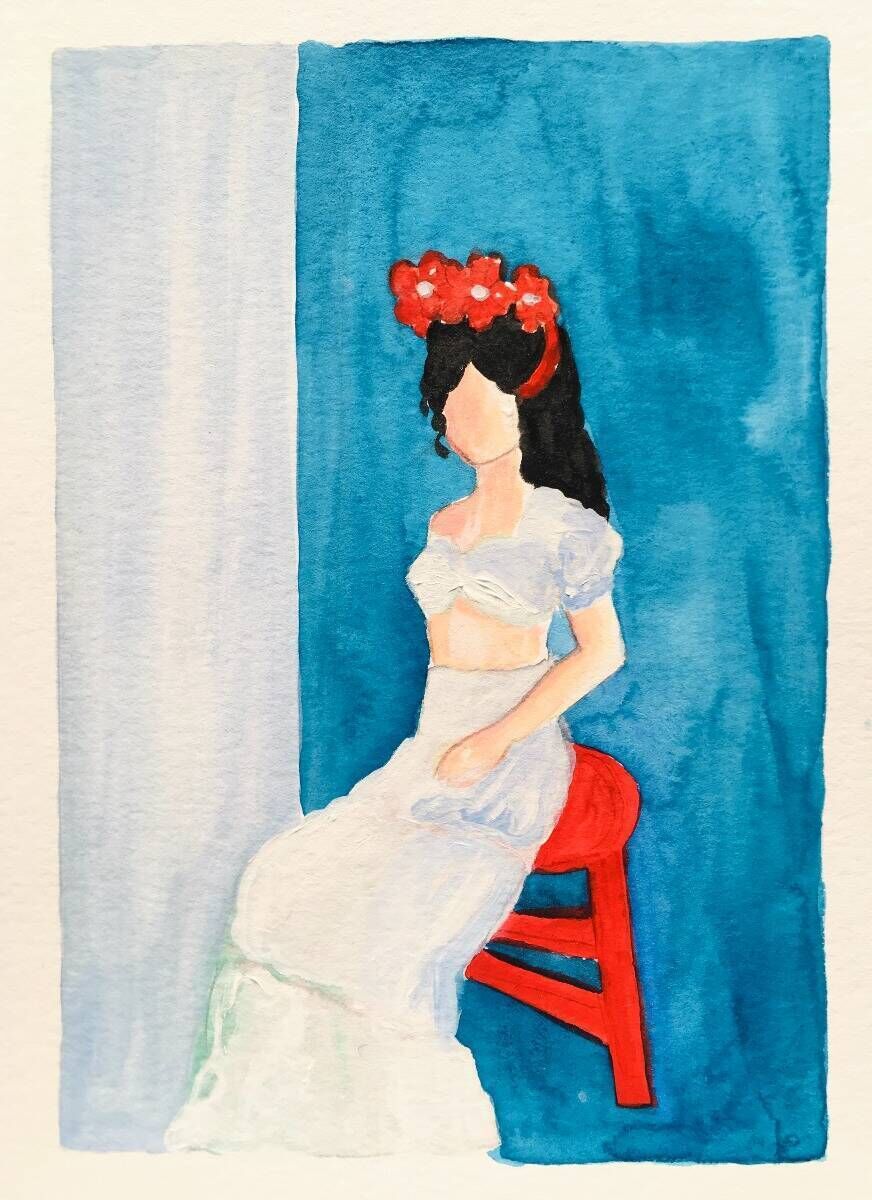
Alica Pratsch combines rich brushstrokes and clean lines in her work with a distinctive blend of comic-book aesthetics and realism. Recurring characters, vibrant landscapes and dynamic scenes characterise her work. Whether plein-air studies or illustrative drawings – her images tell visual stories that are accessible whilst retaining a personal style. In doing so, she moves playfully between fine art and illustration.
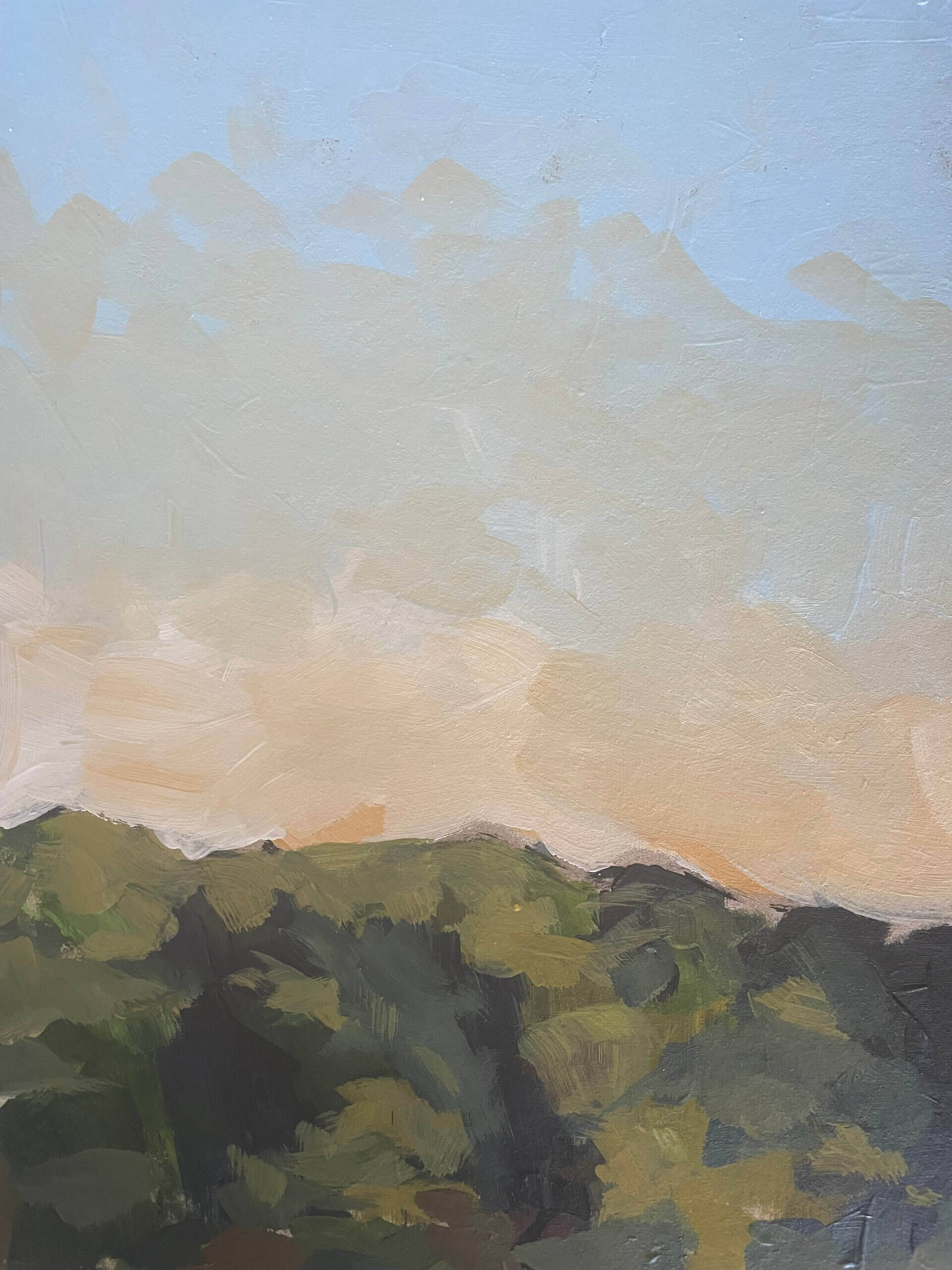
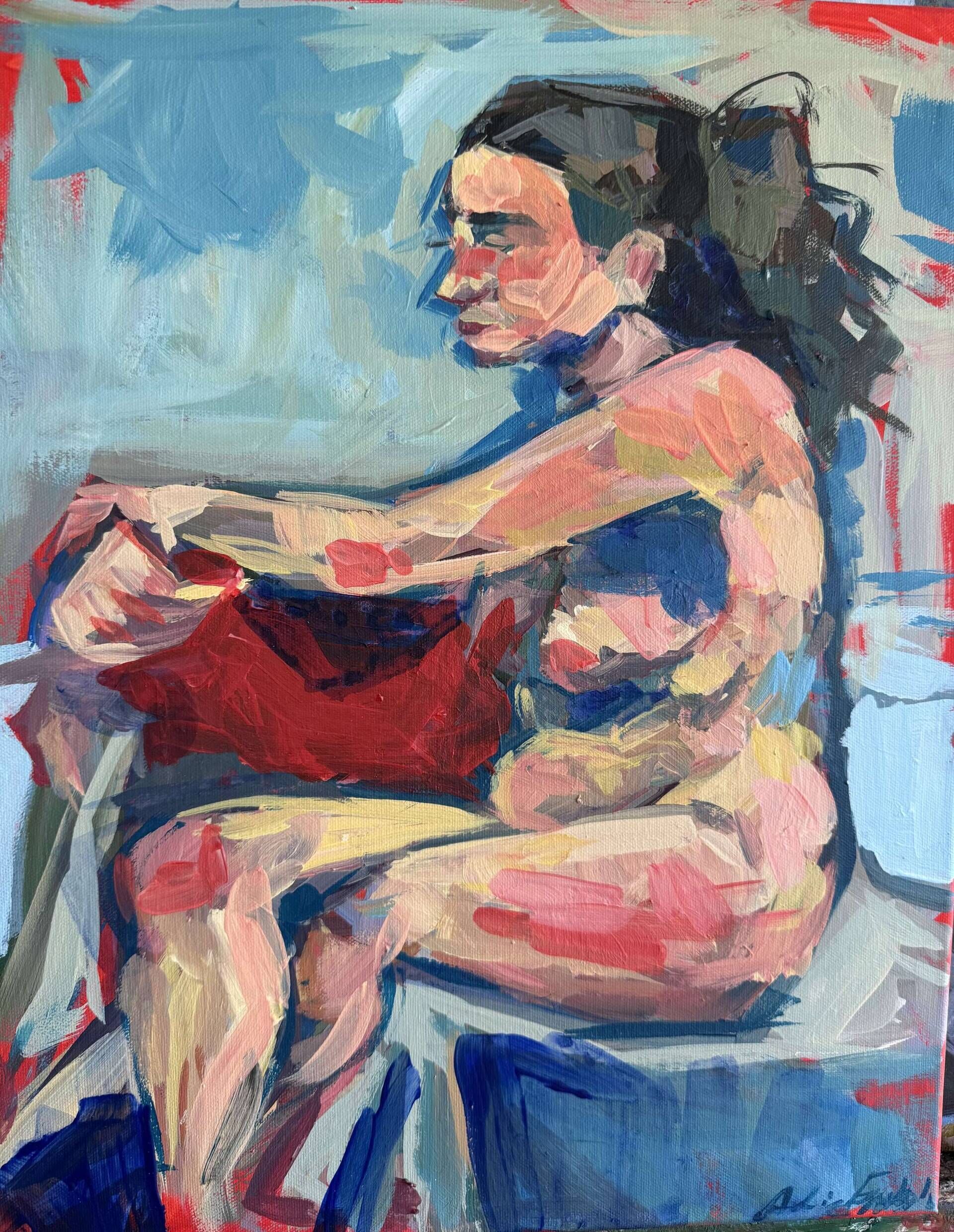
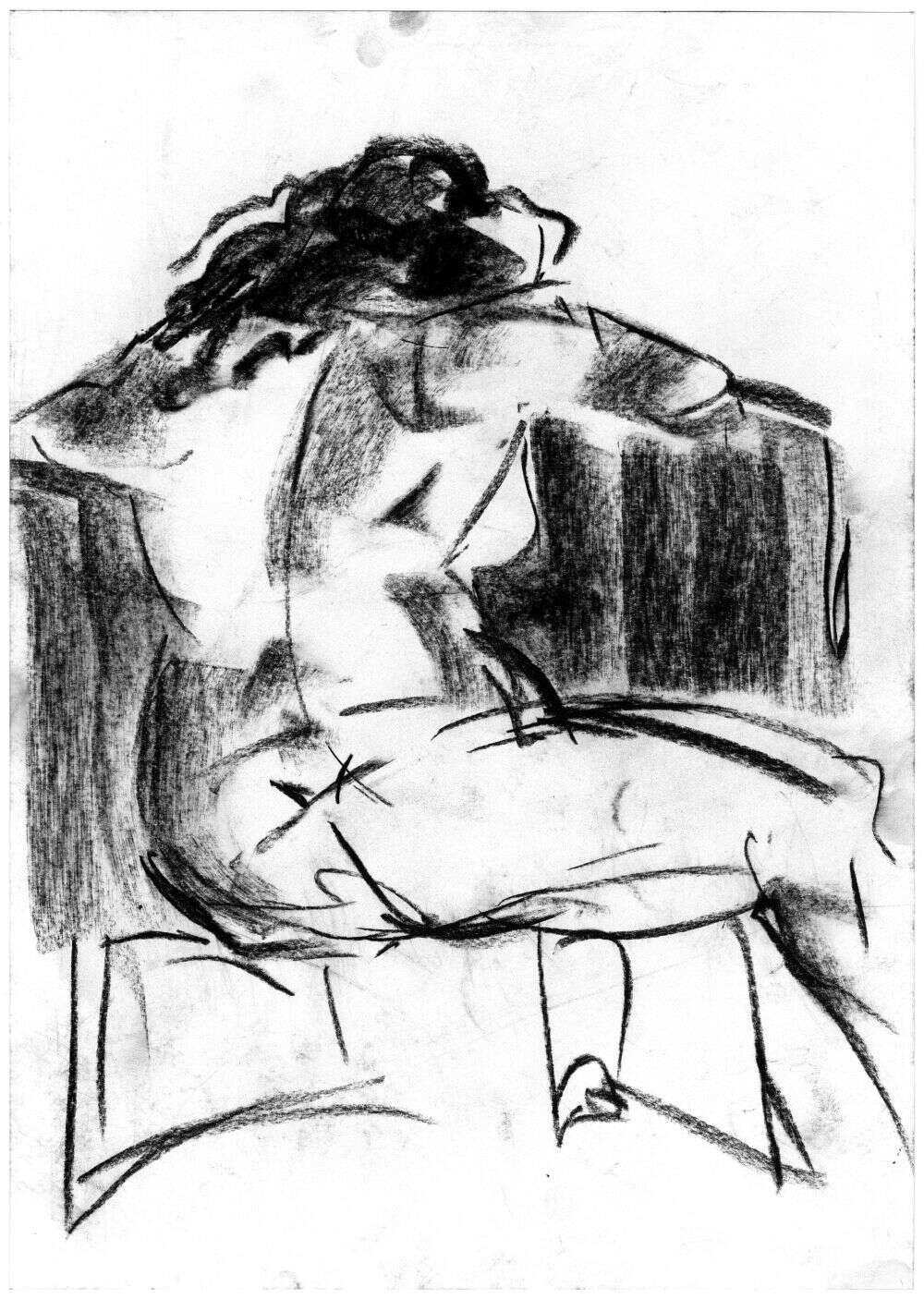
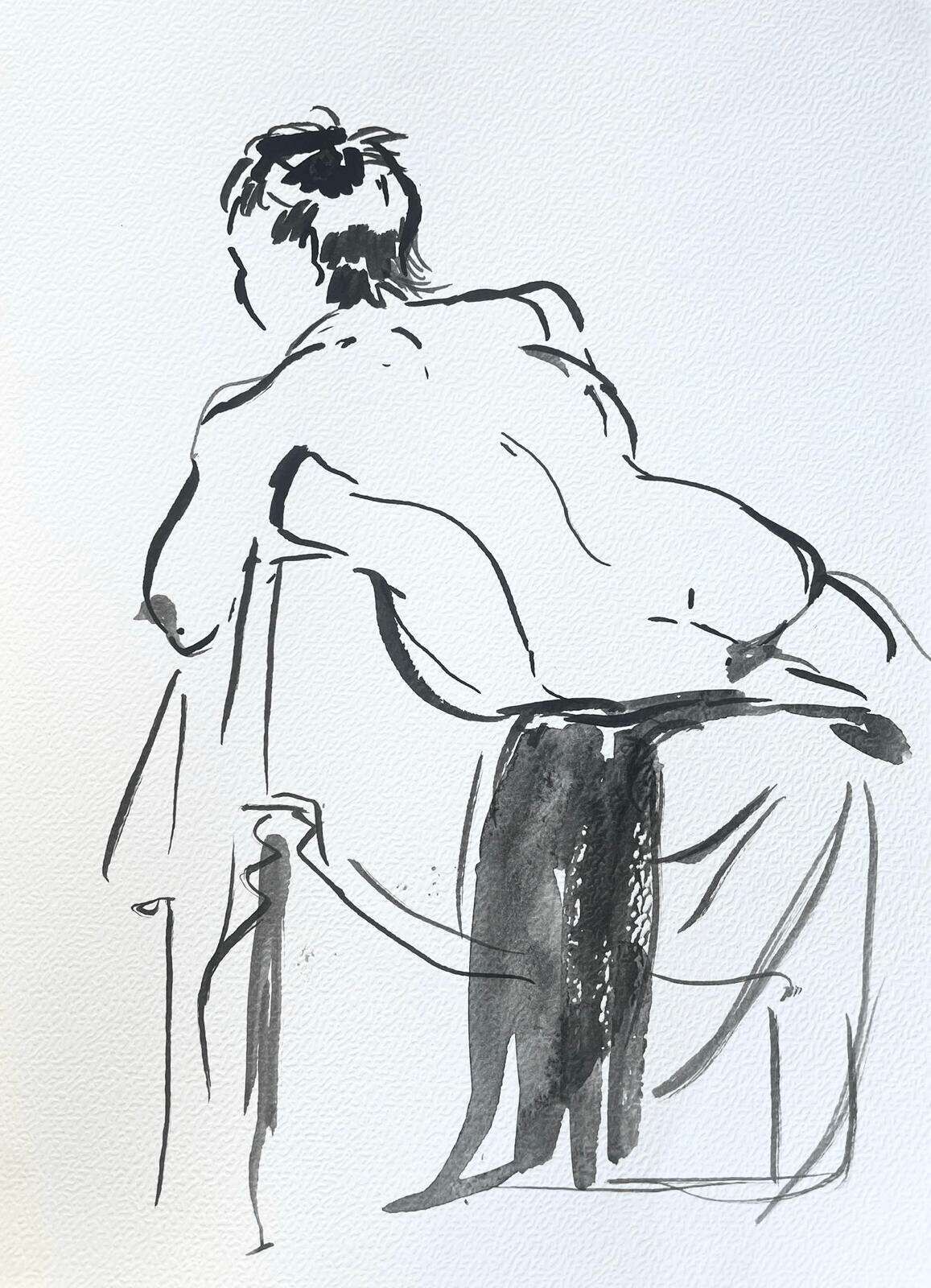
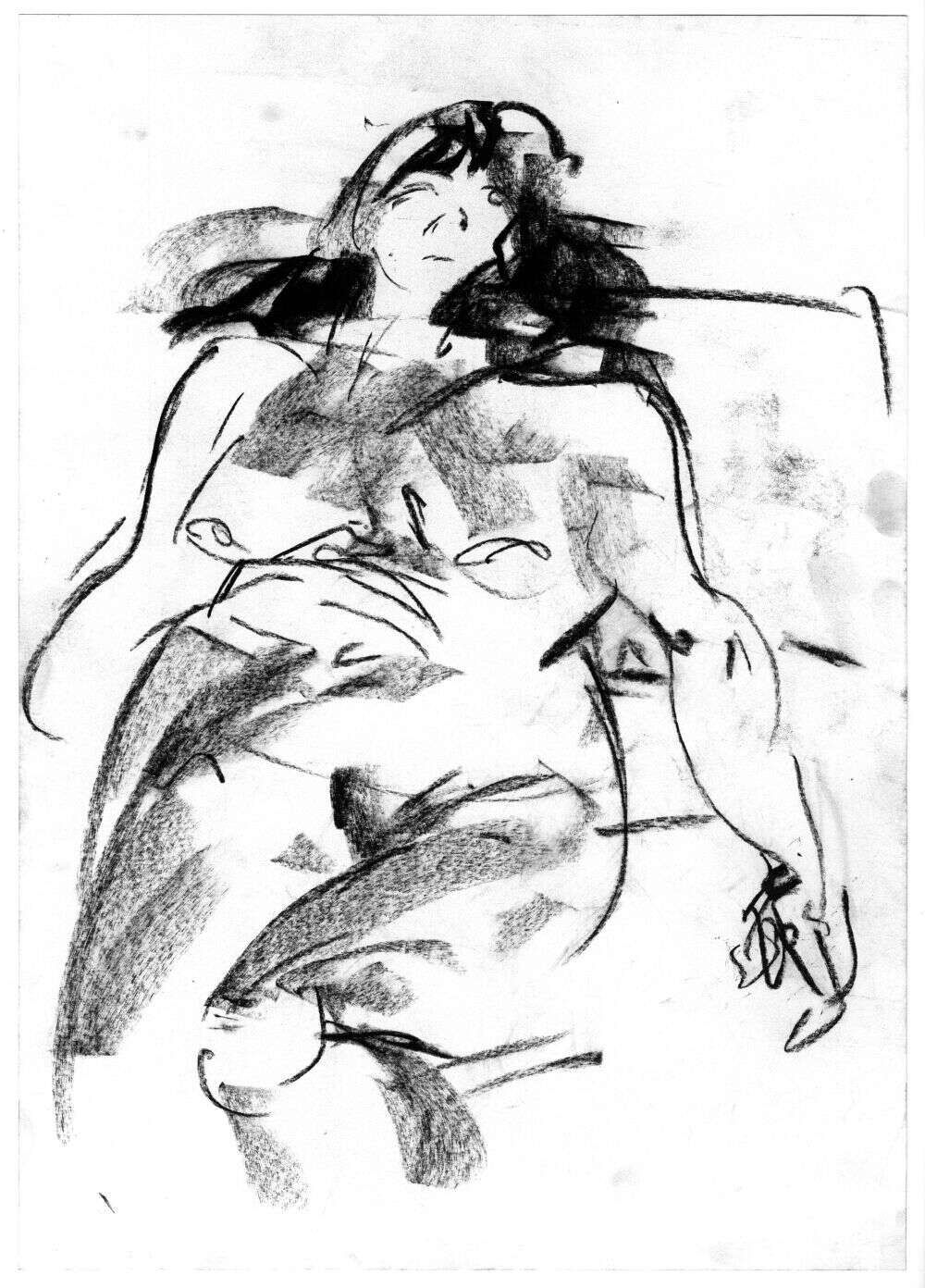
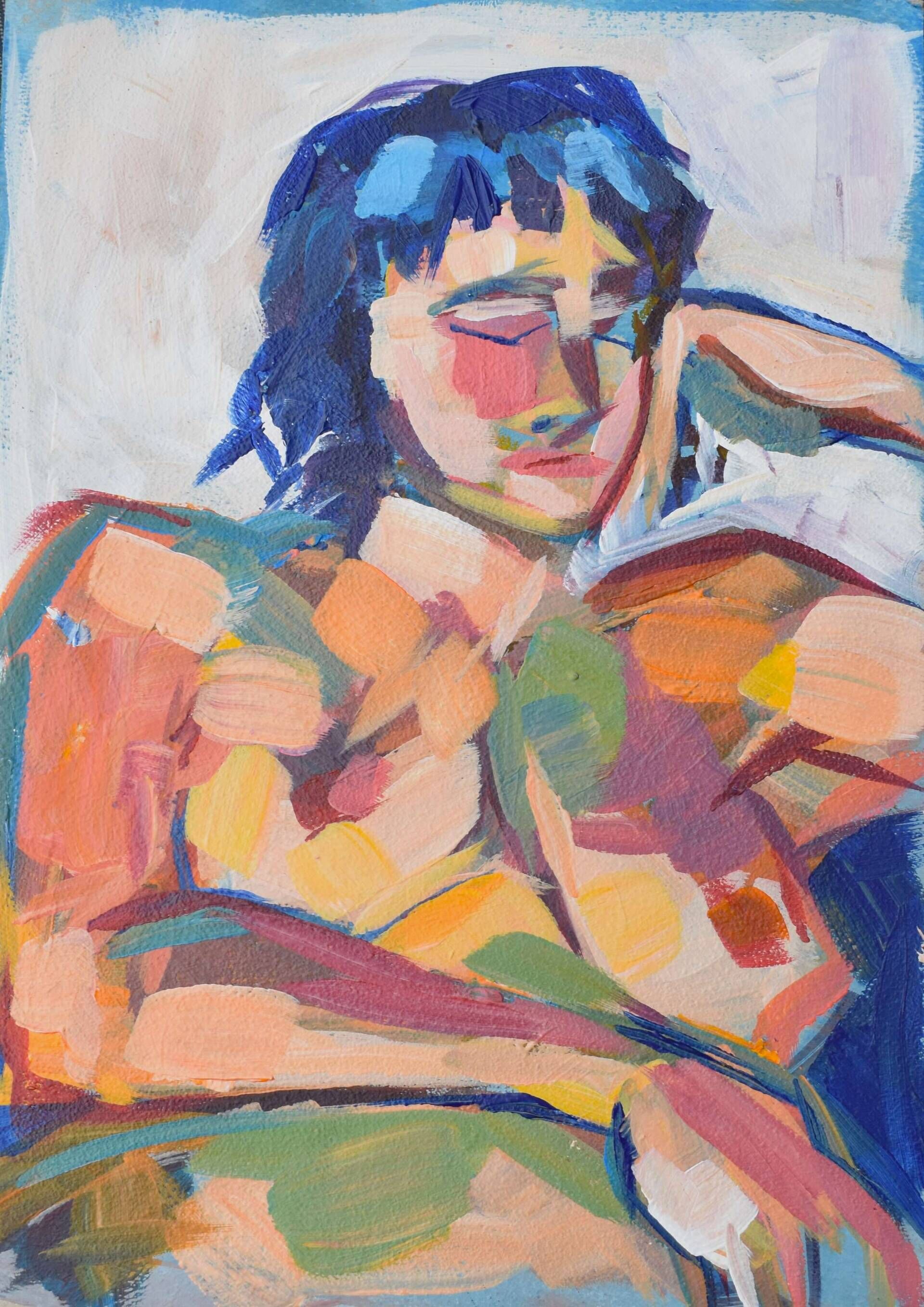
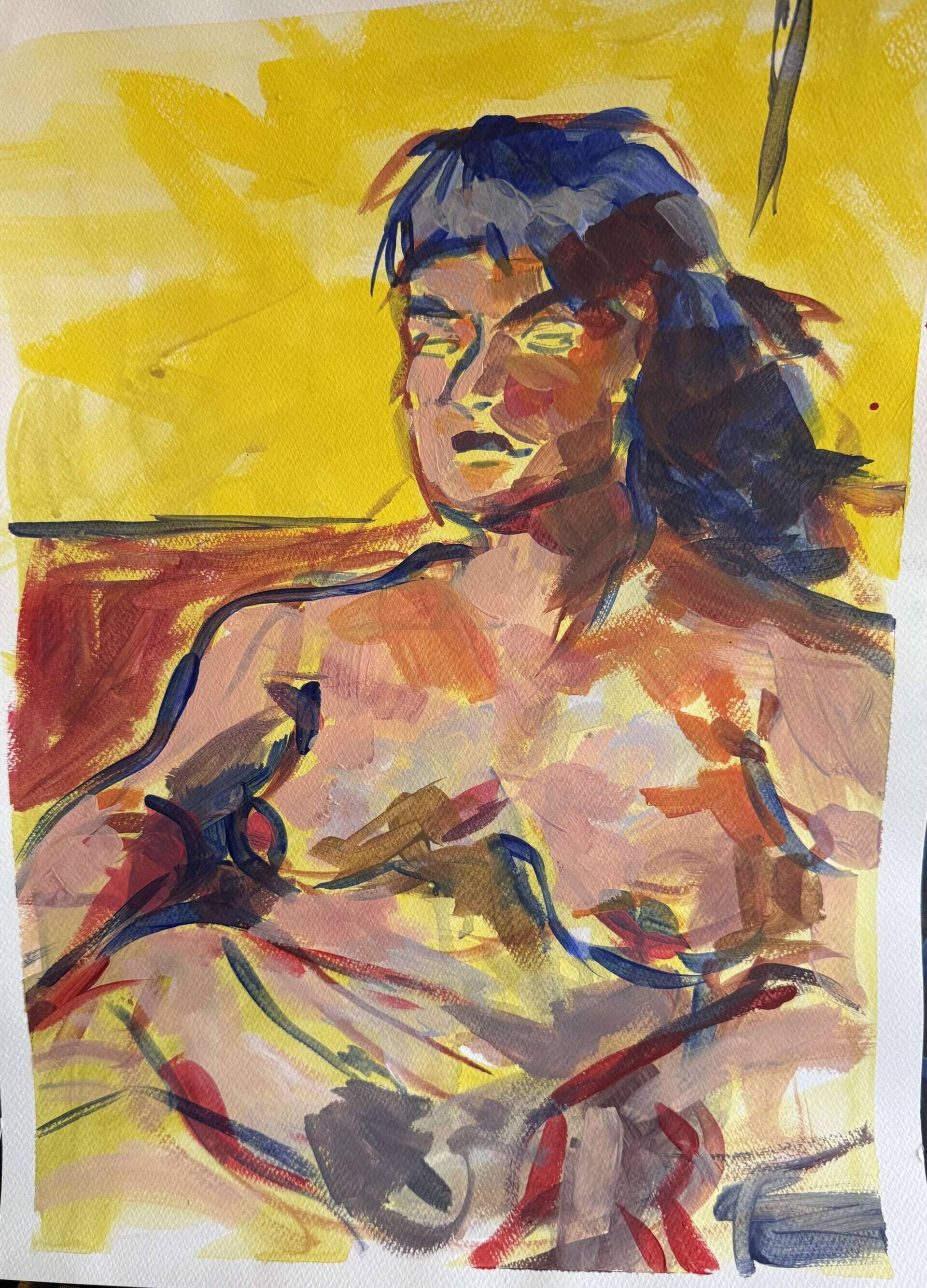
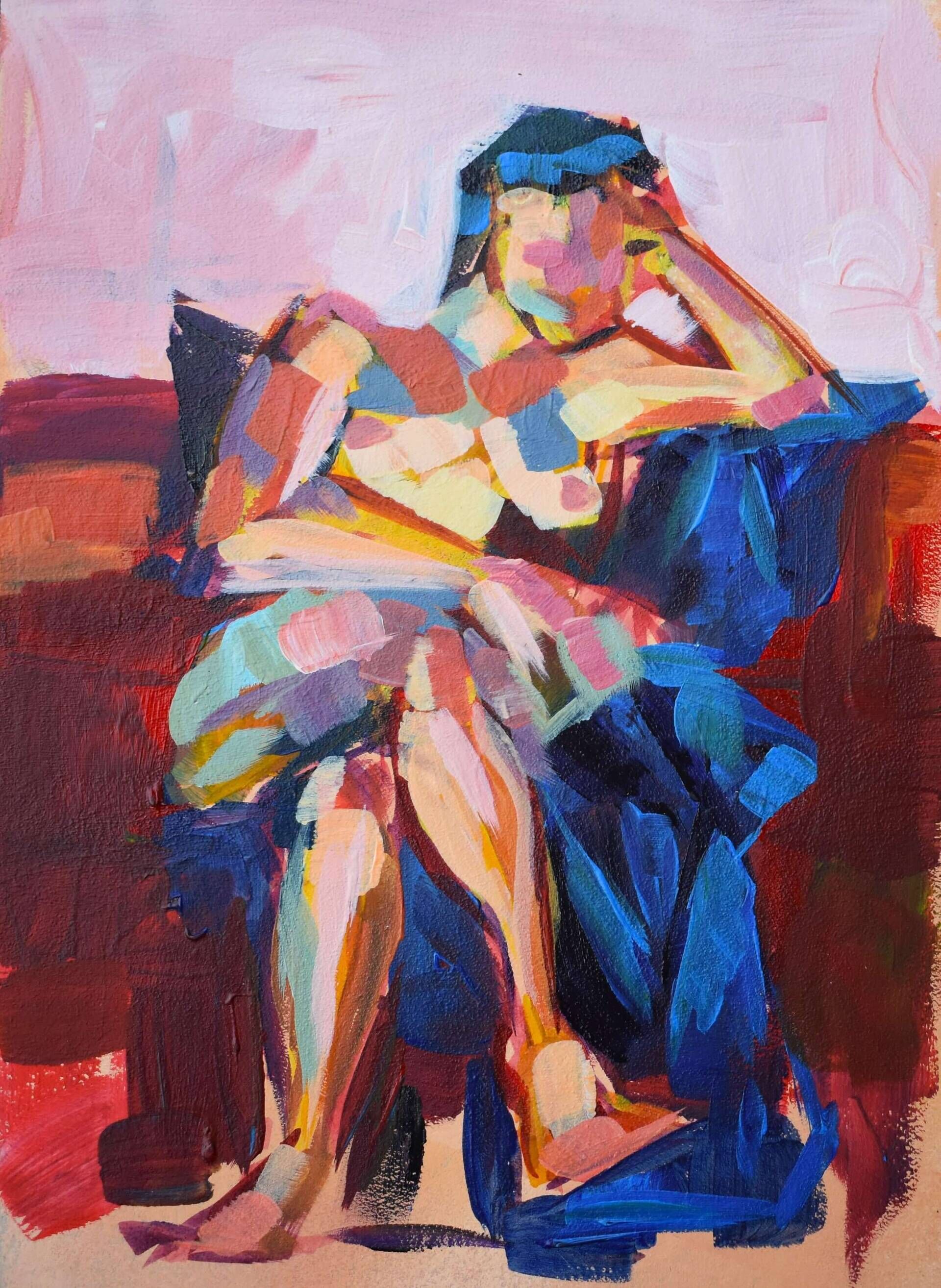
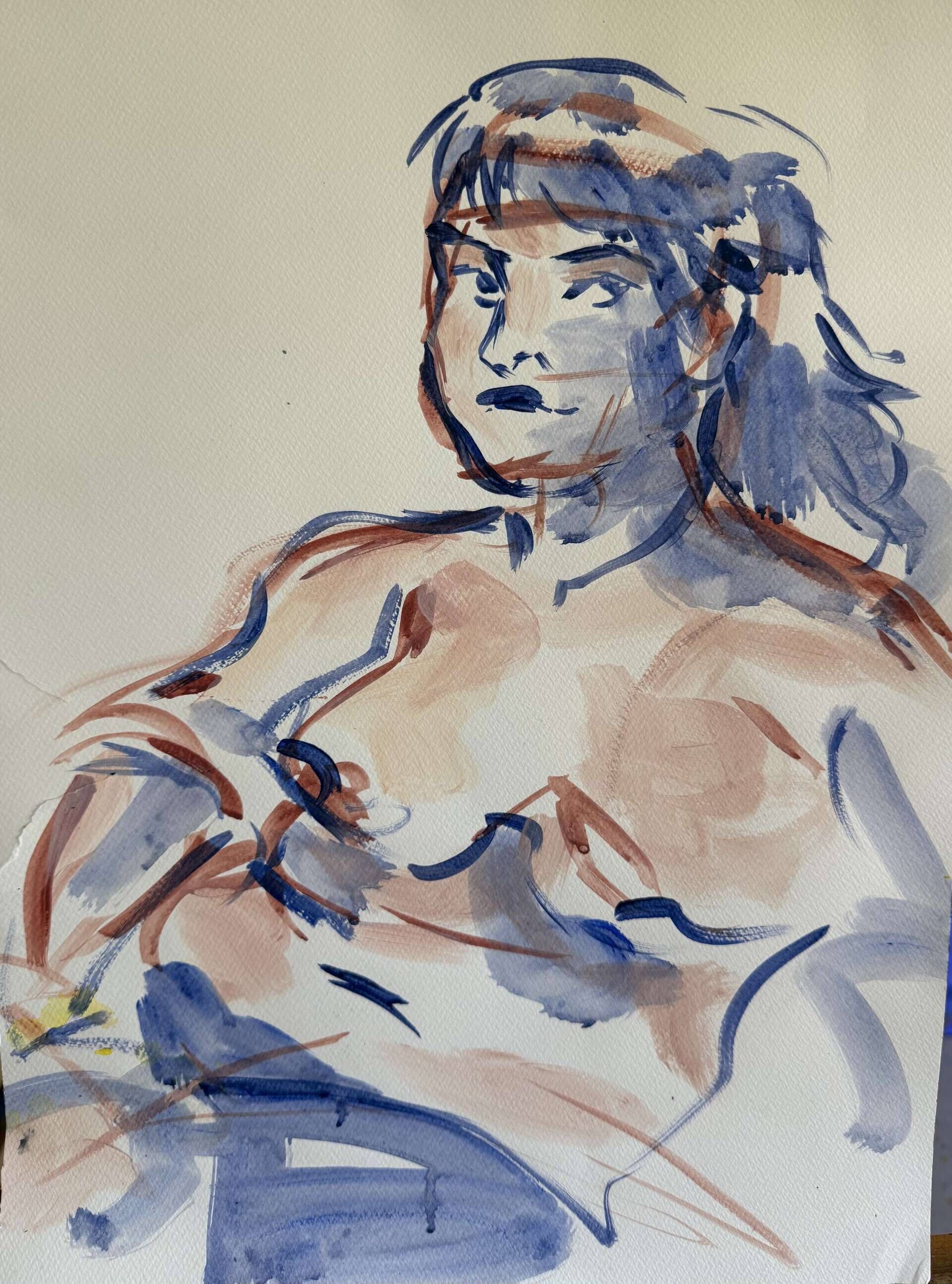
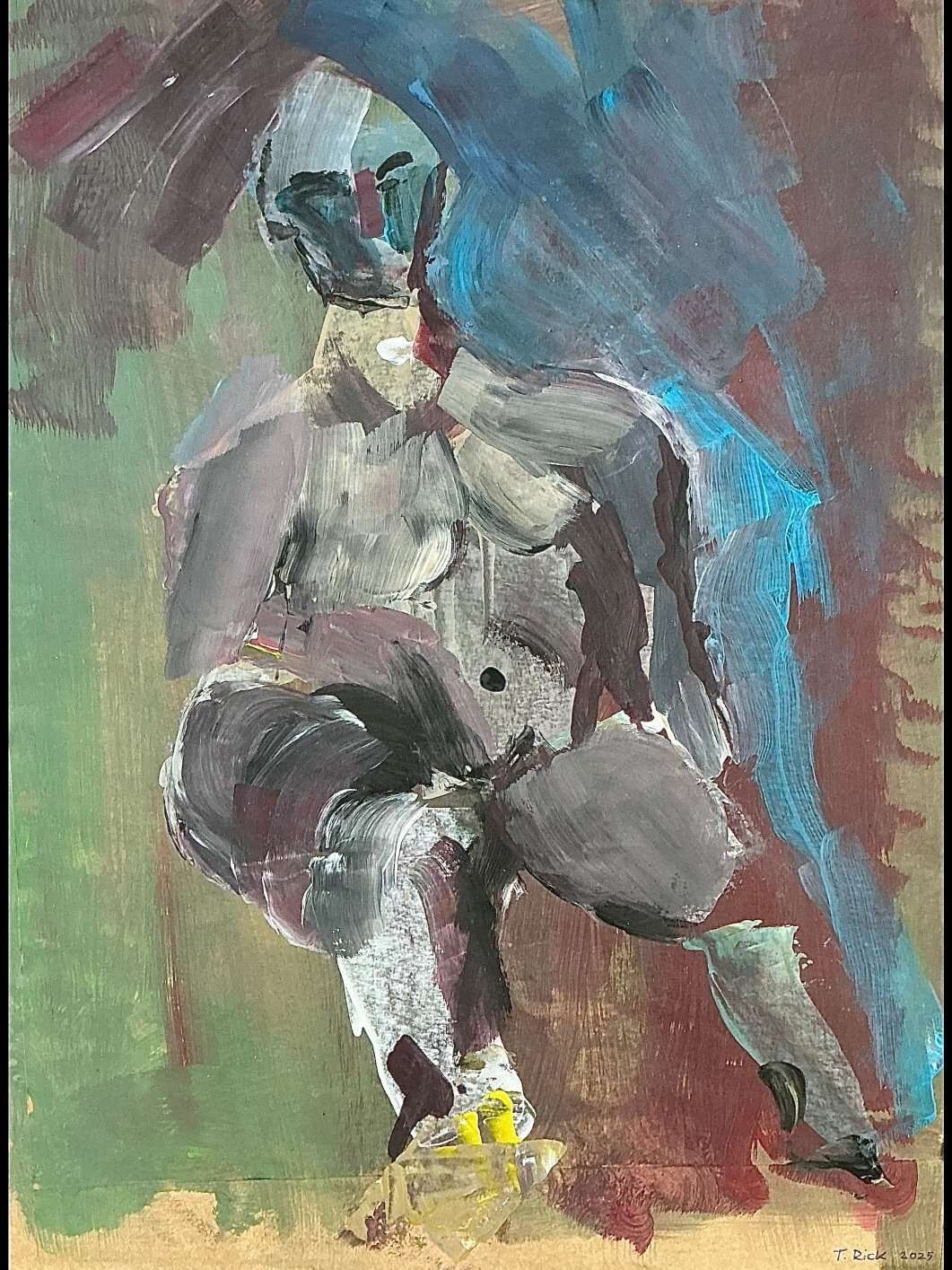
t.rick works across multiple media, drawing on a highly intuitive, process-oriented approach. At the heart of his work are spaces – both physical and psychological – and their interactions. Drawing, painting, sculpture, film and text intertwine and emerge directly from everyday life. Trick understands art as something open, unfinished and relational, which does not separate realism and abstraction but playfully connects them. This gives rise to works that are poetic, absurd and, at the same time, deeply rooted in experience.