On mixed media and fluid boundaries in art
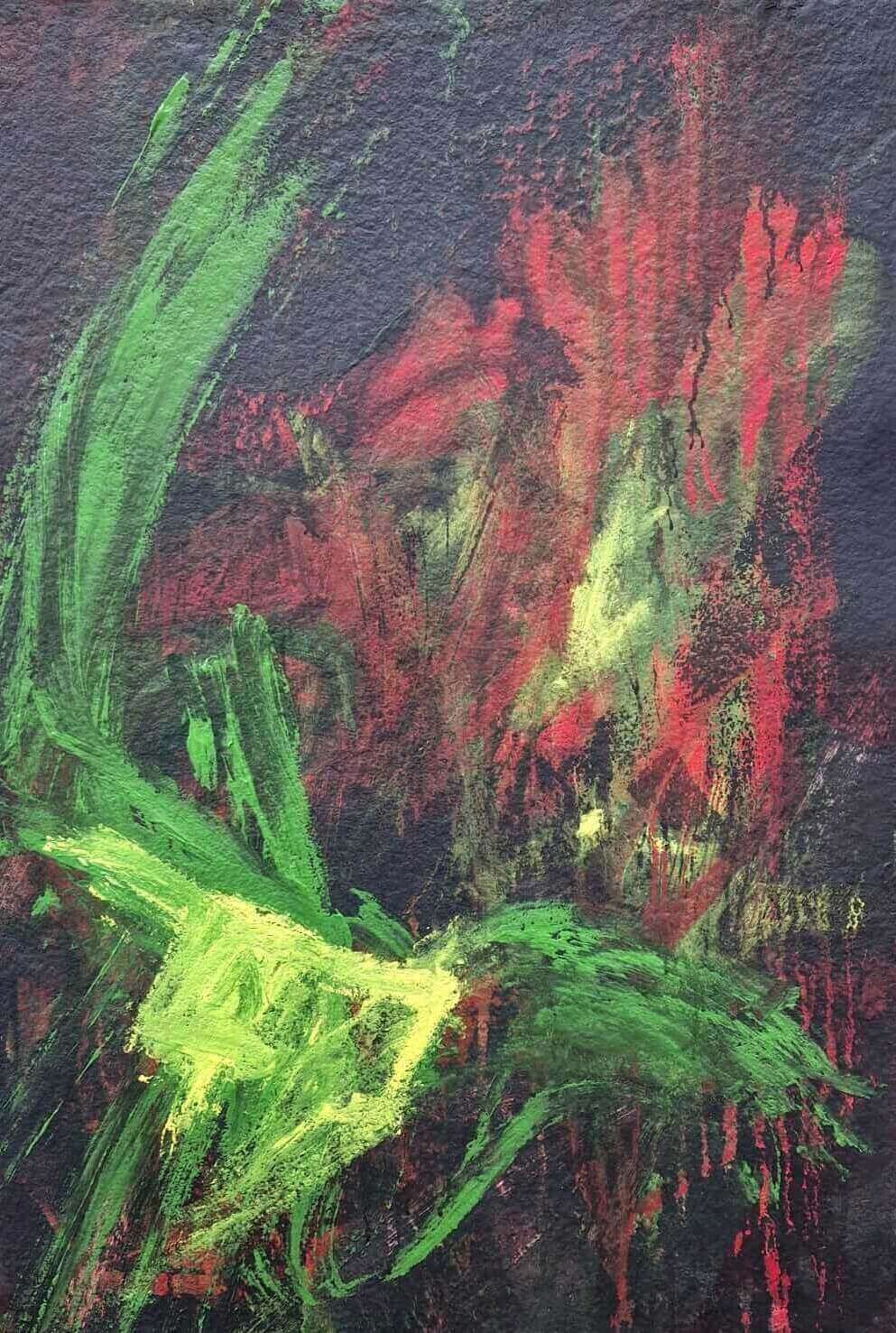
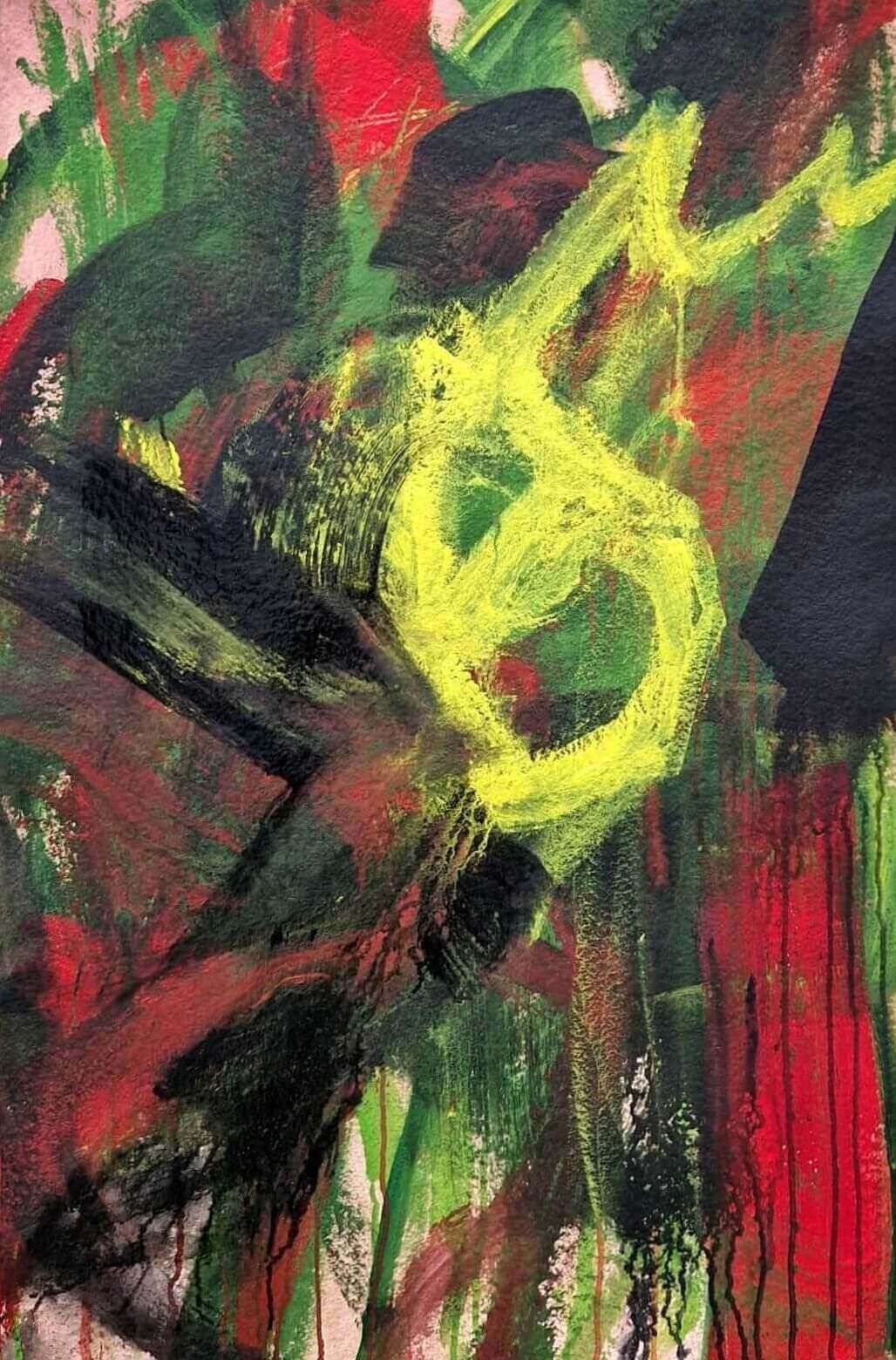
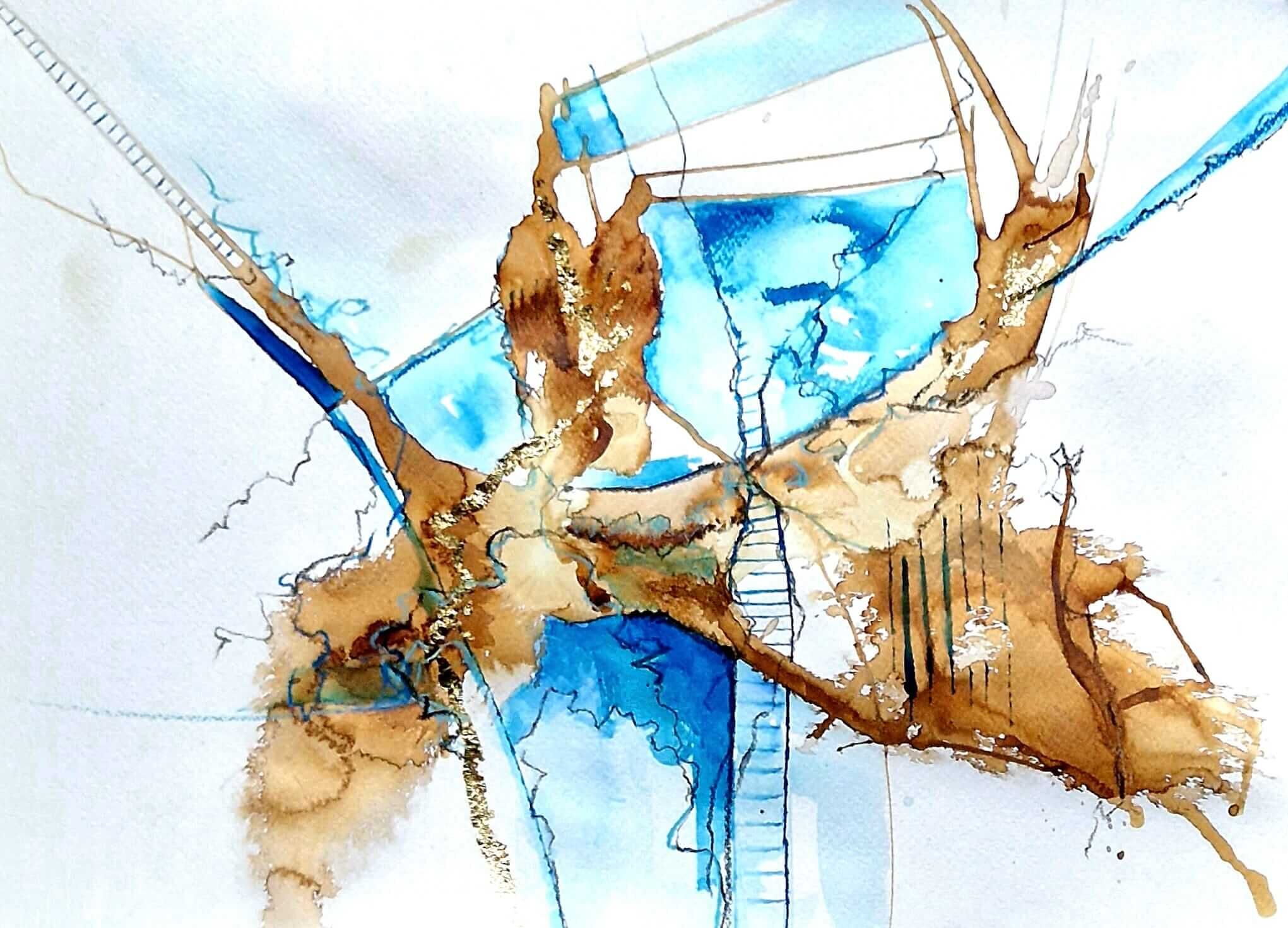
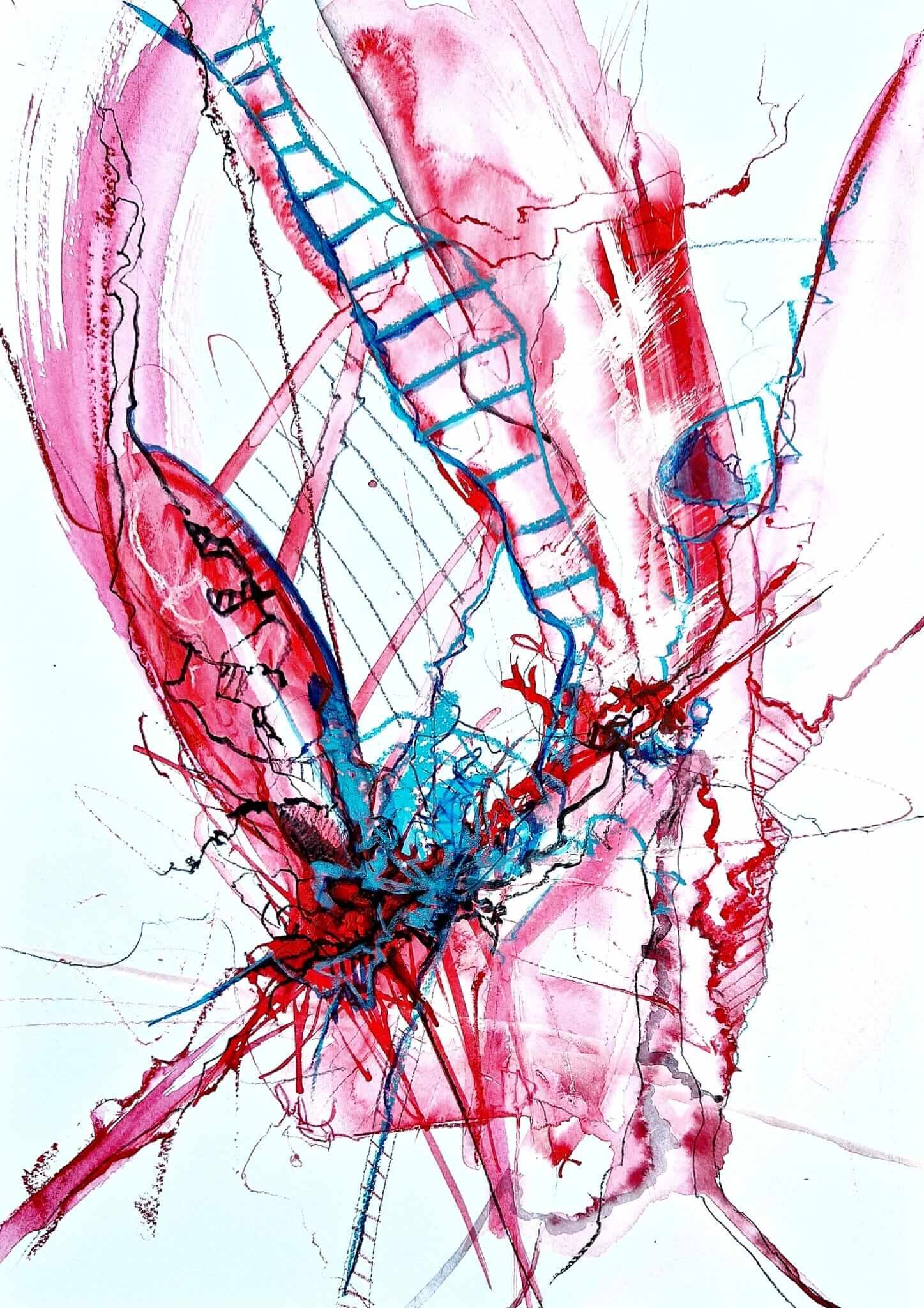
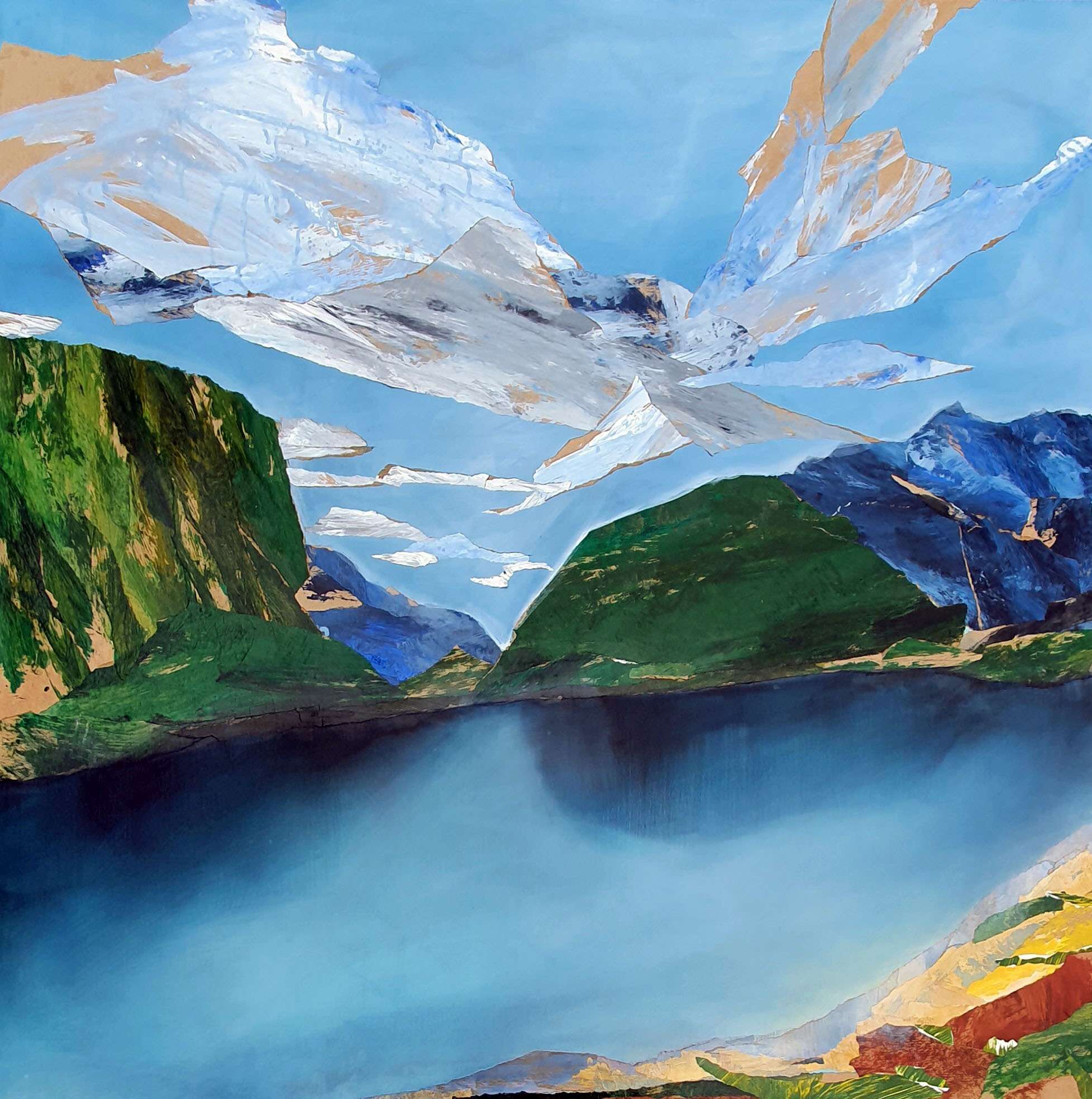
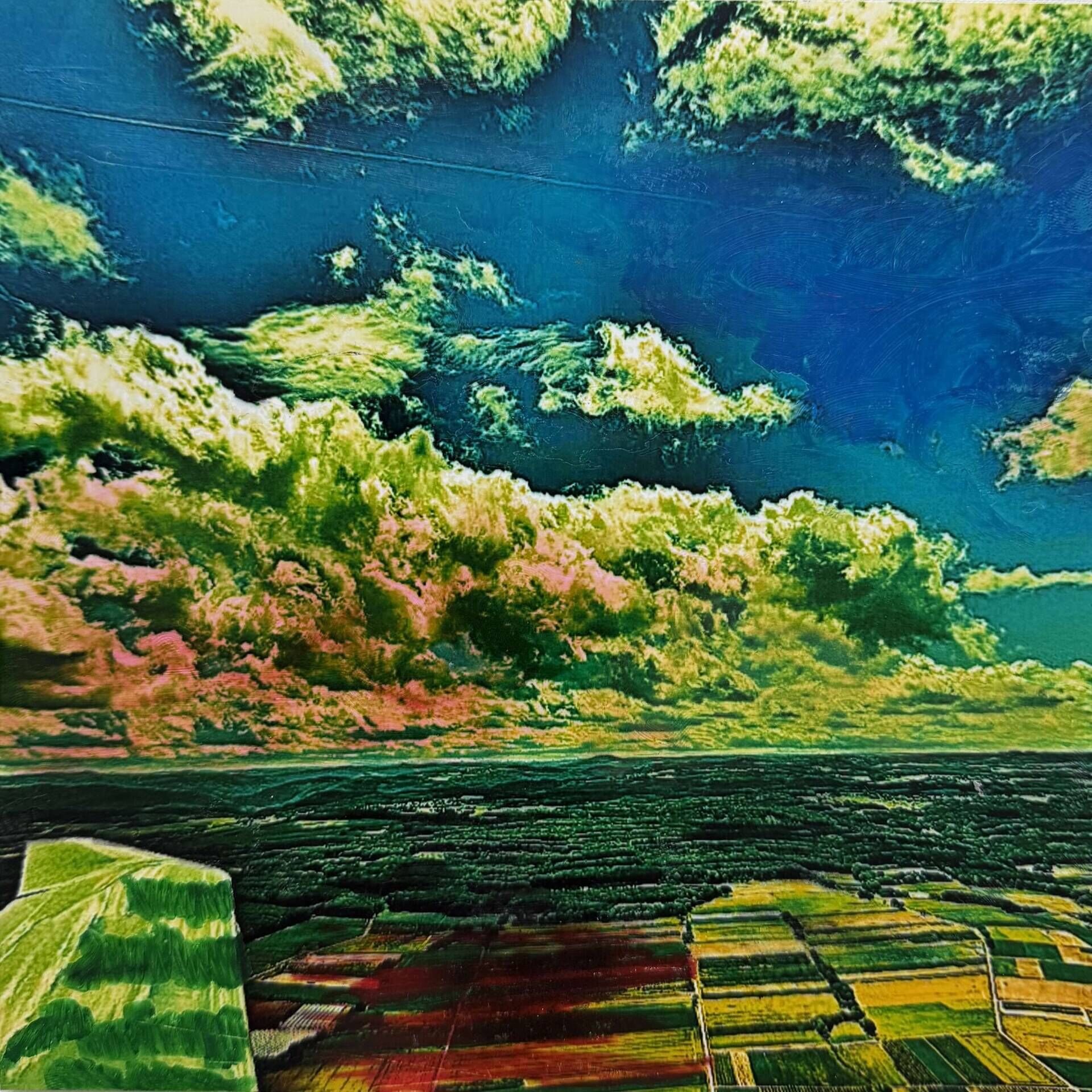
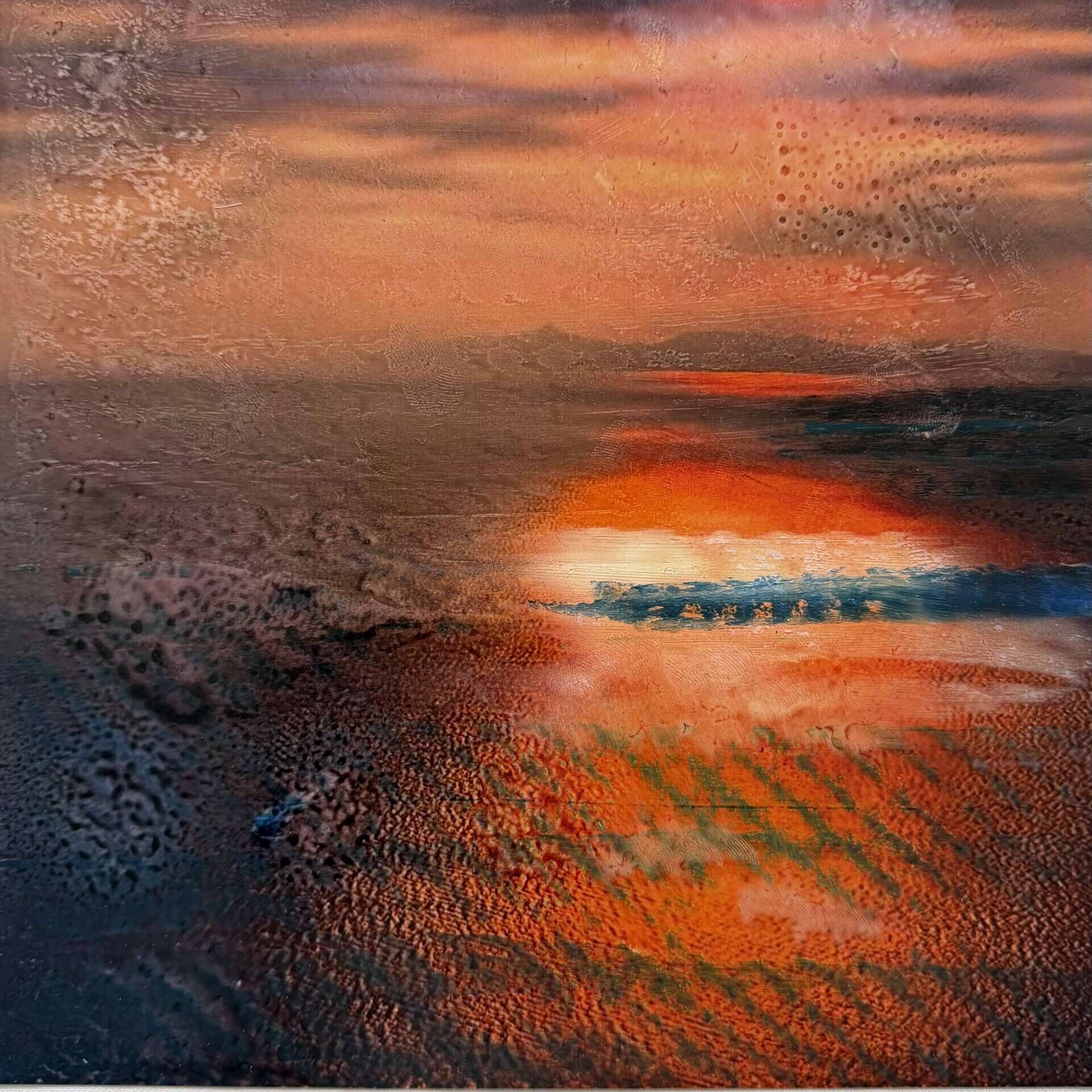
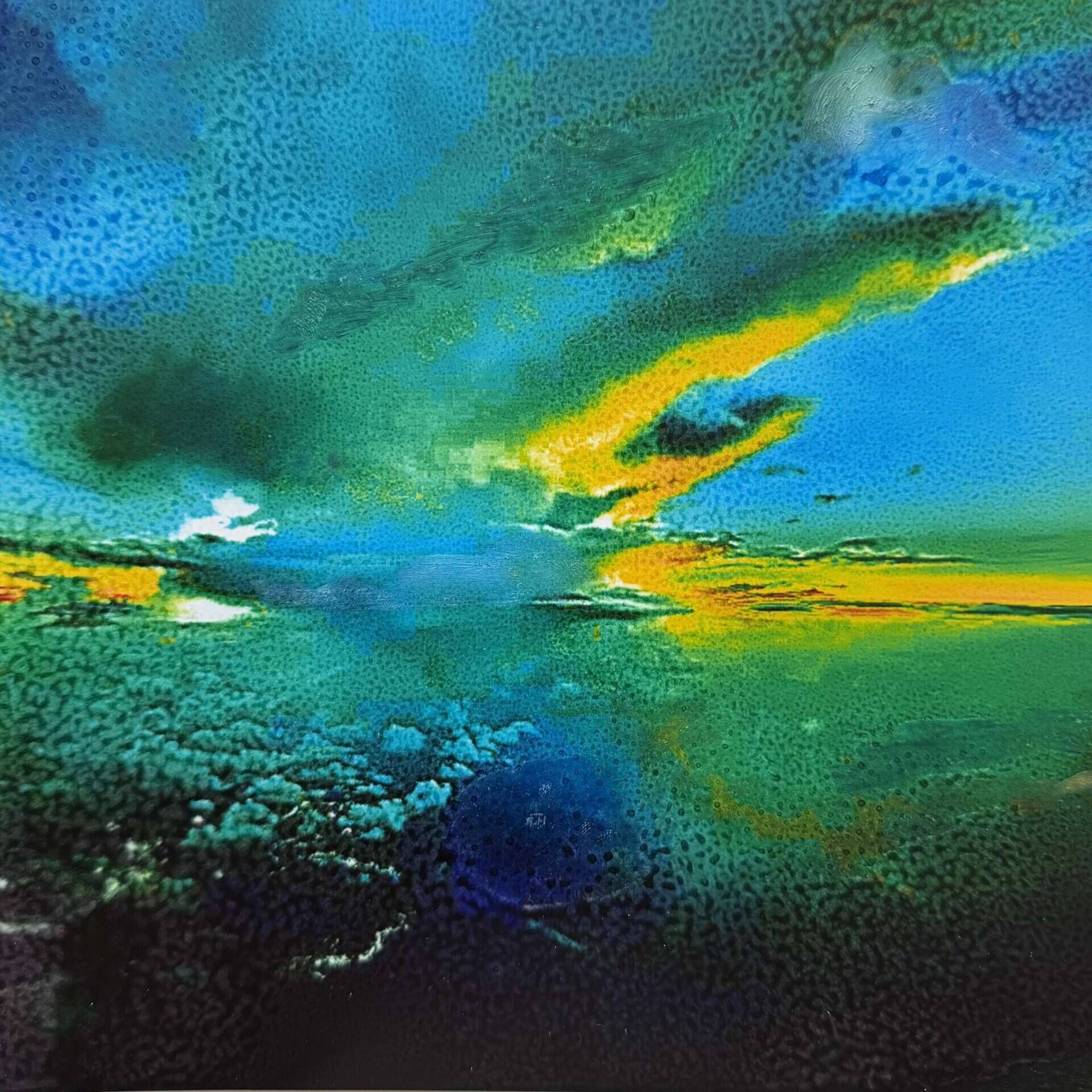
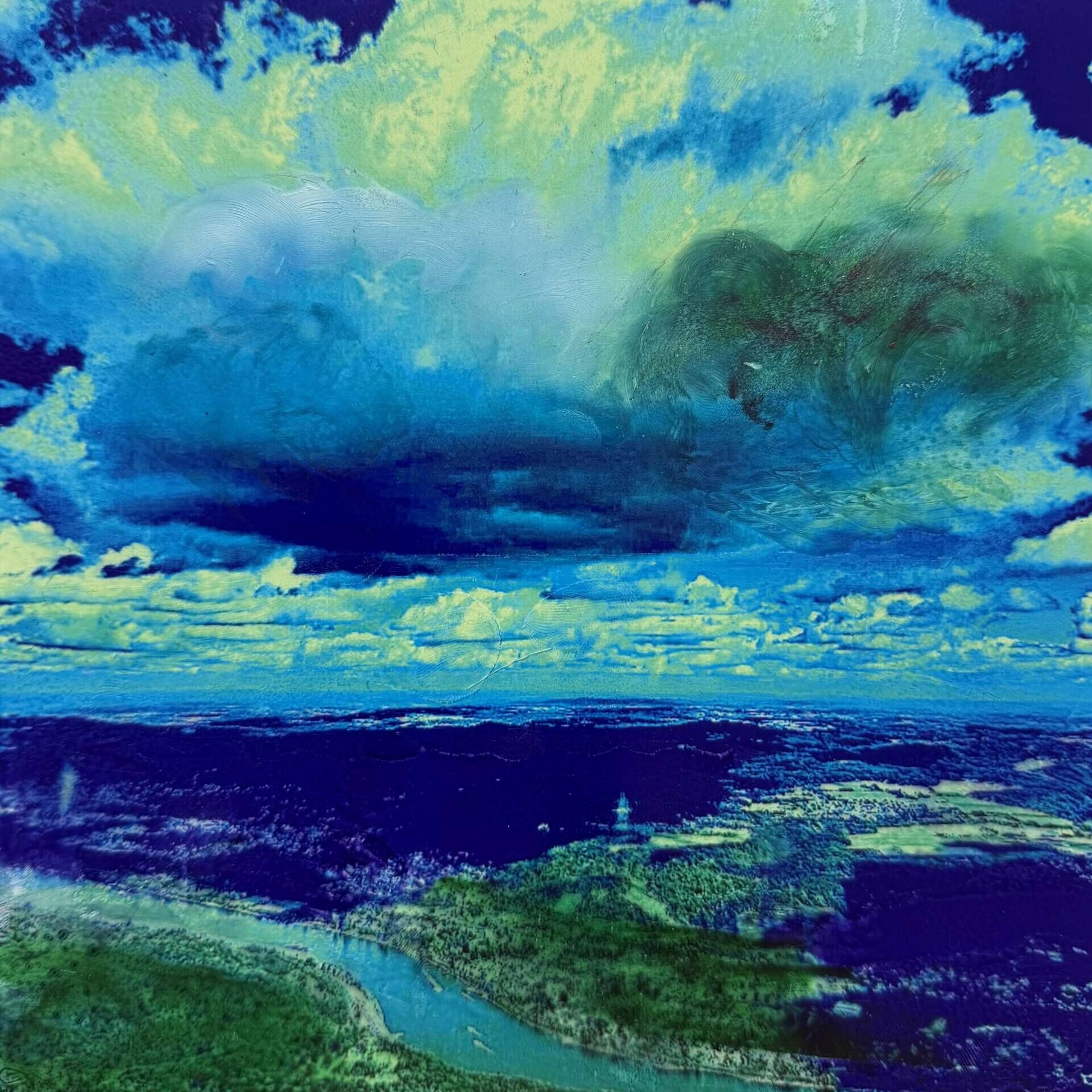
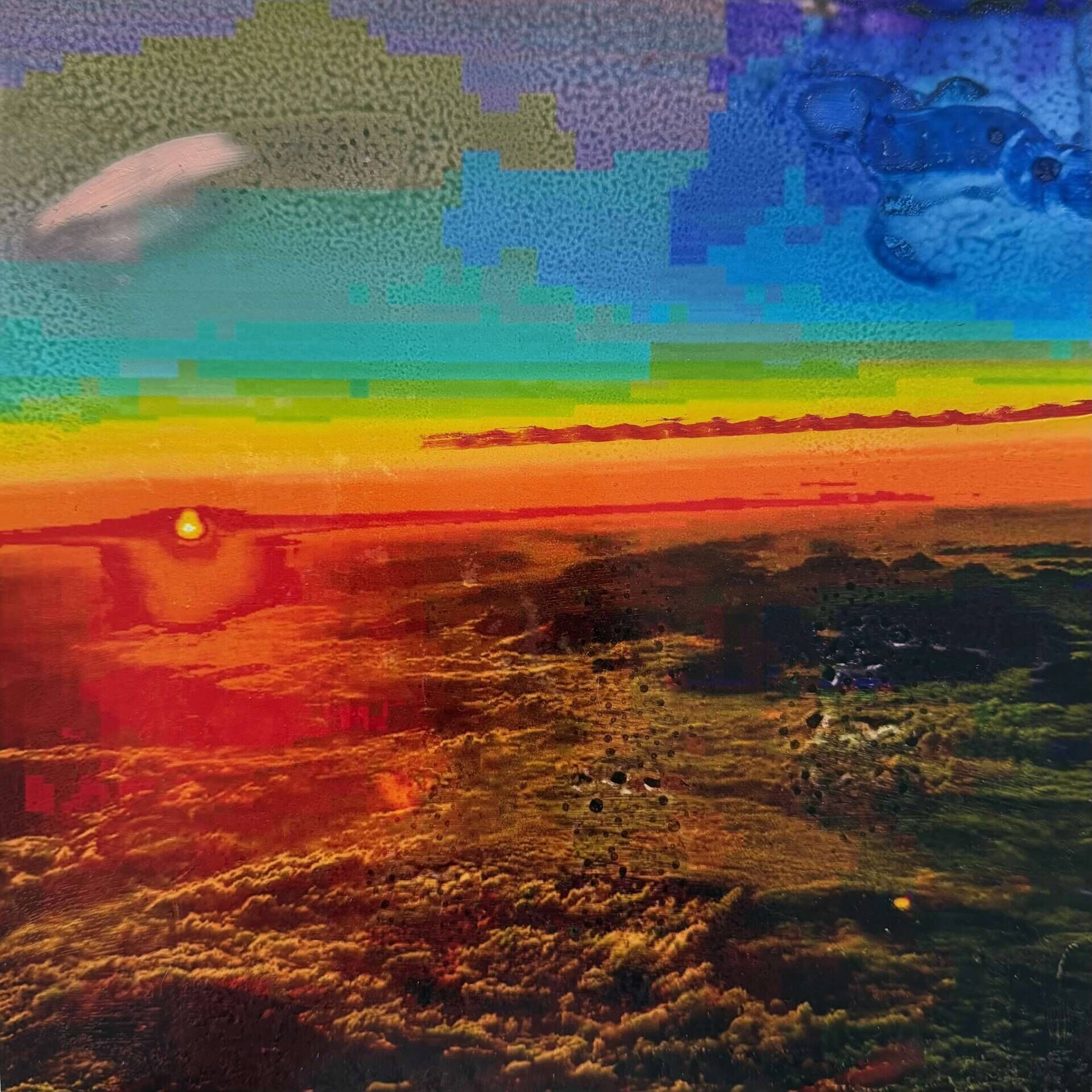
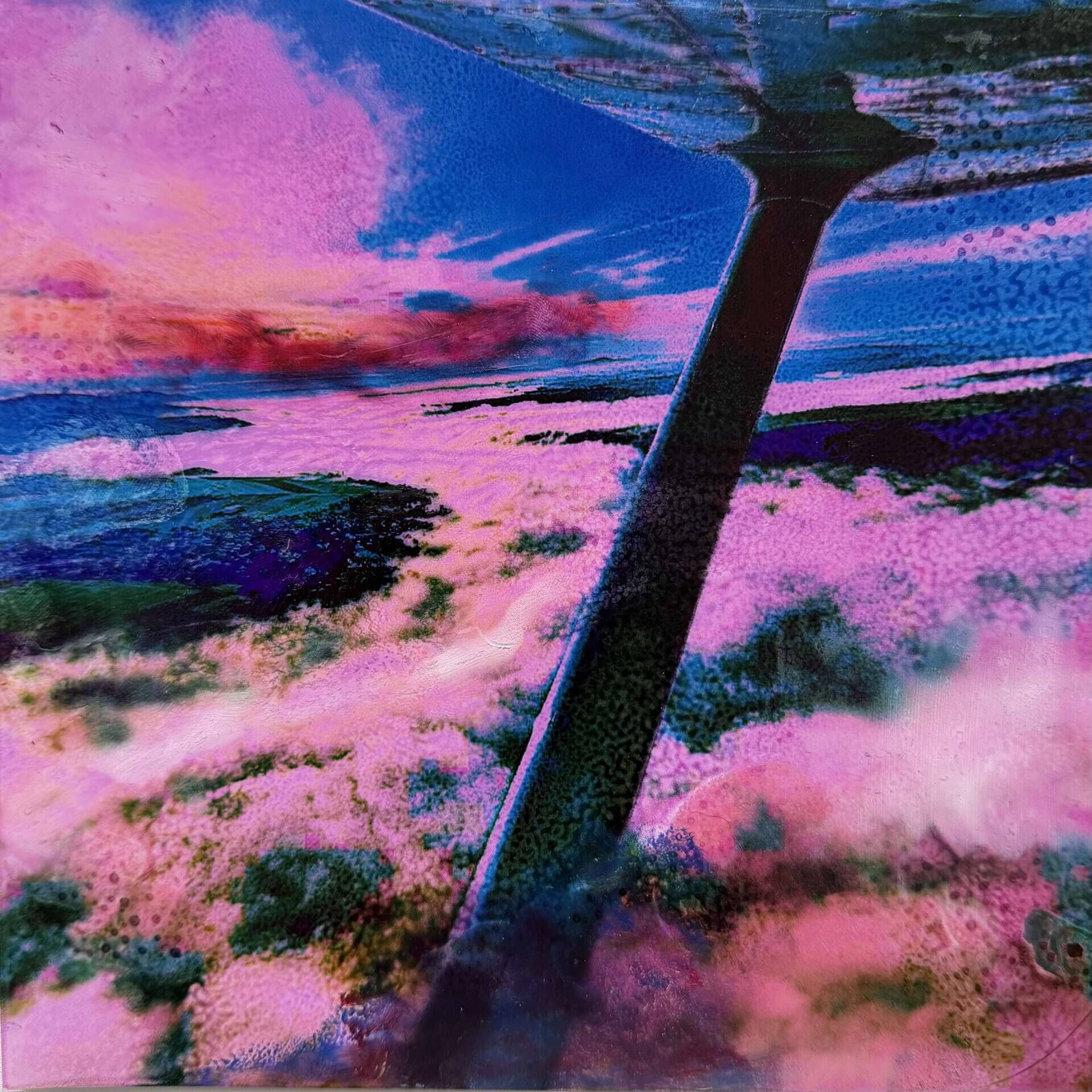
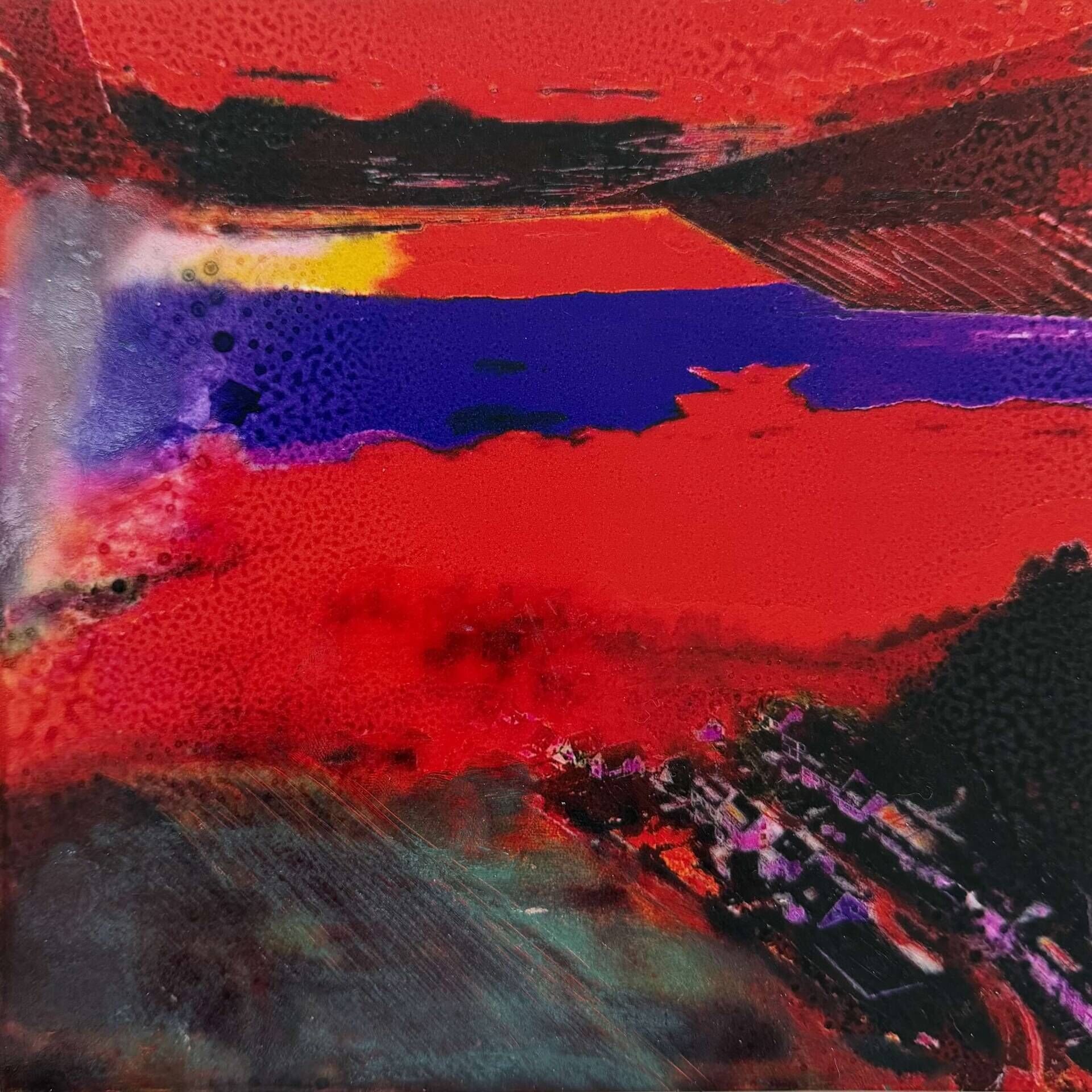
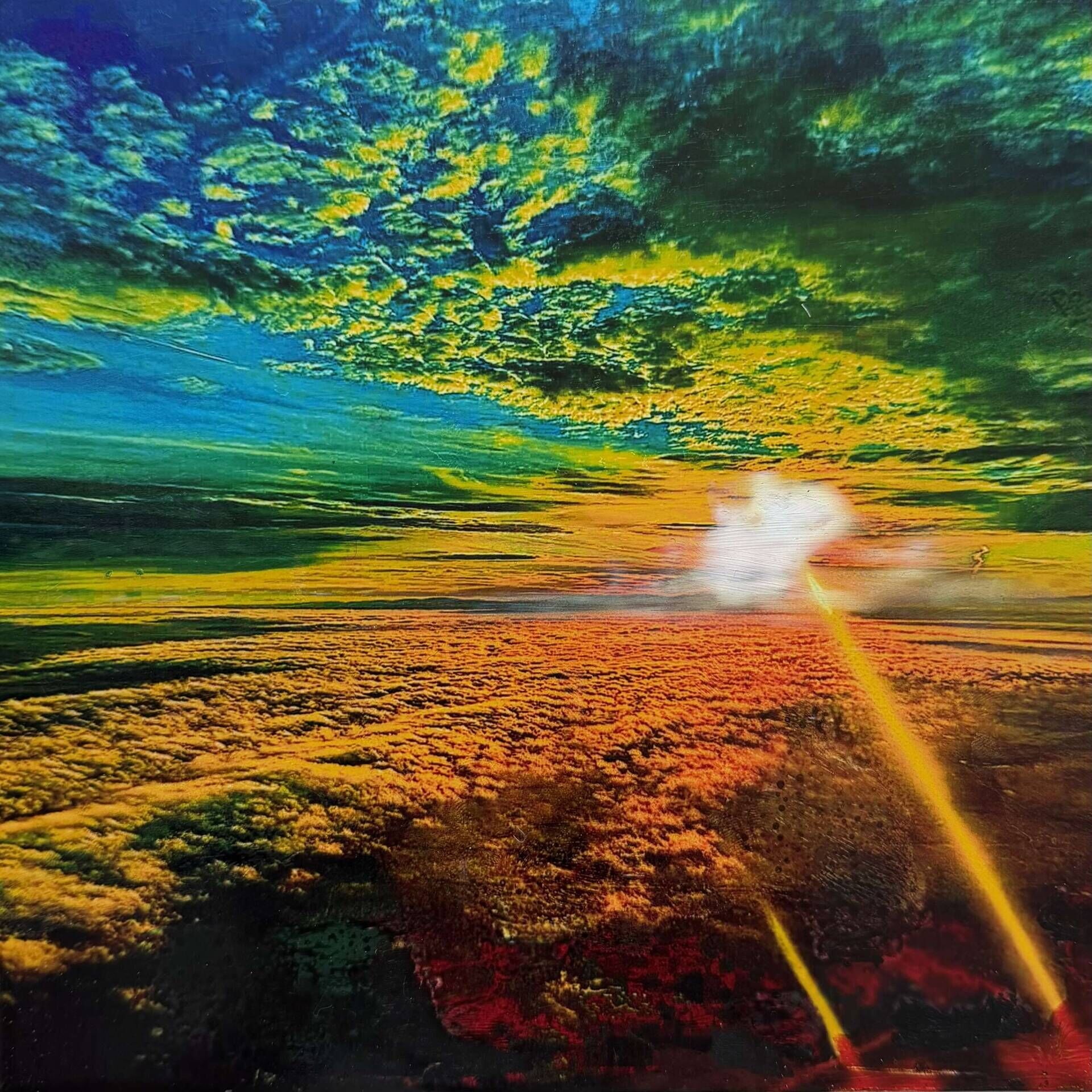
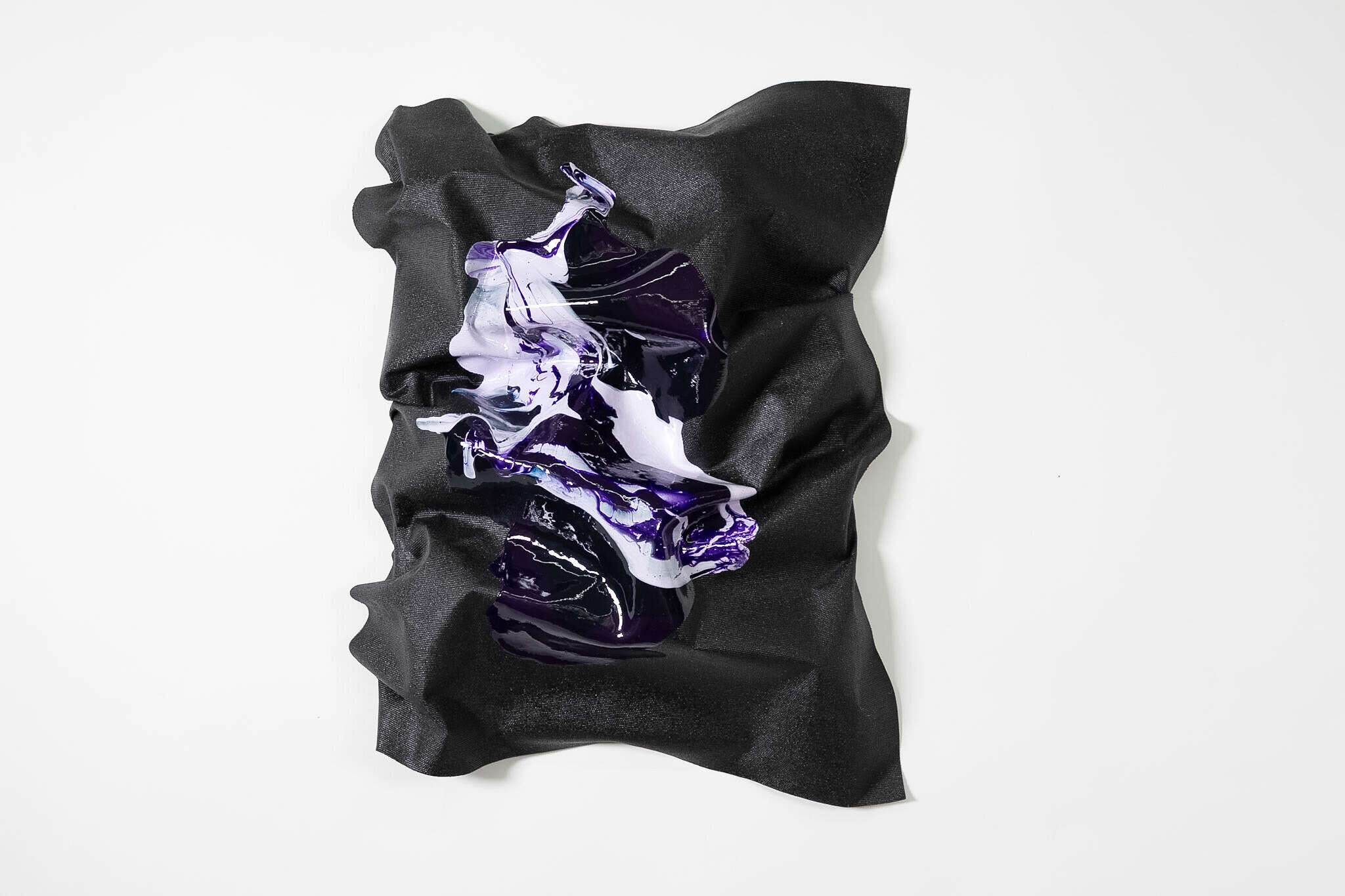
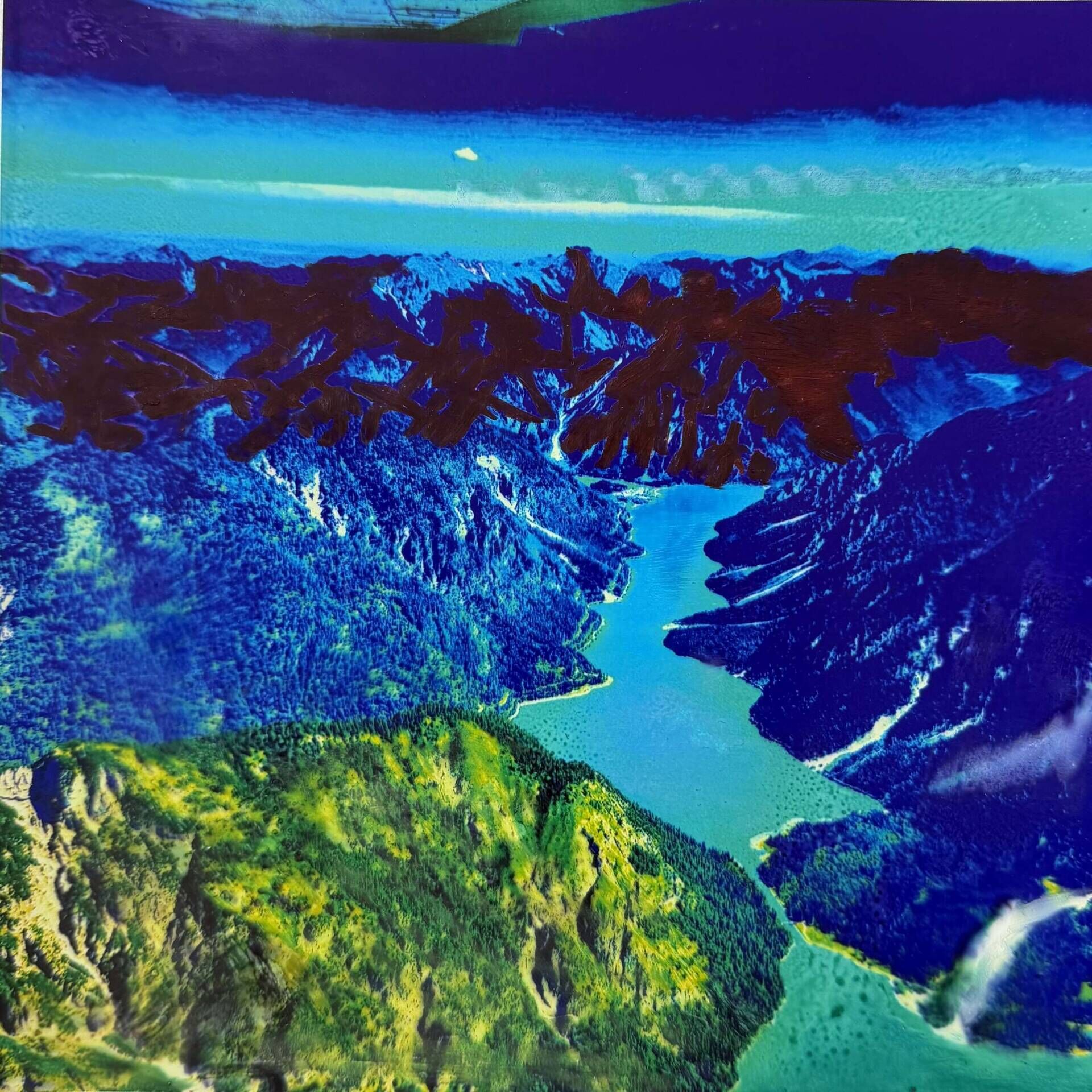
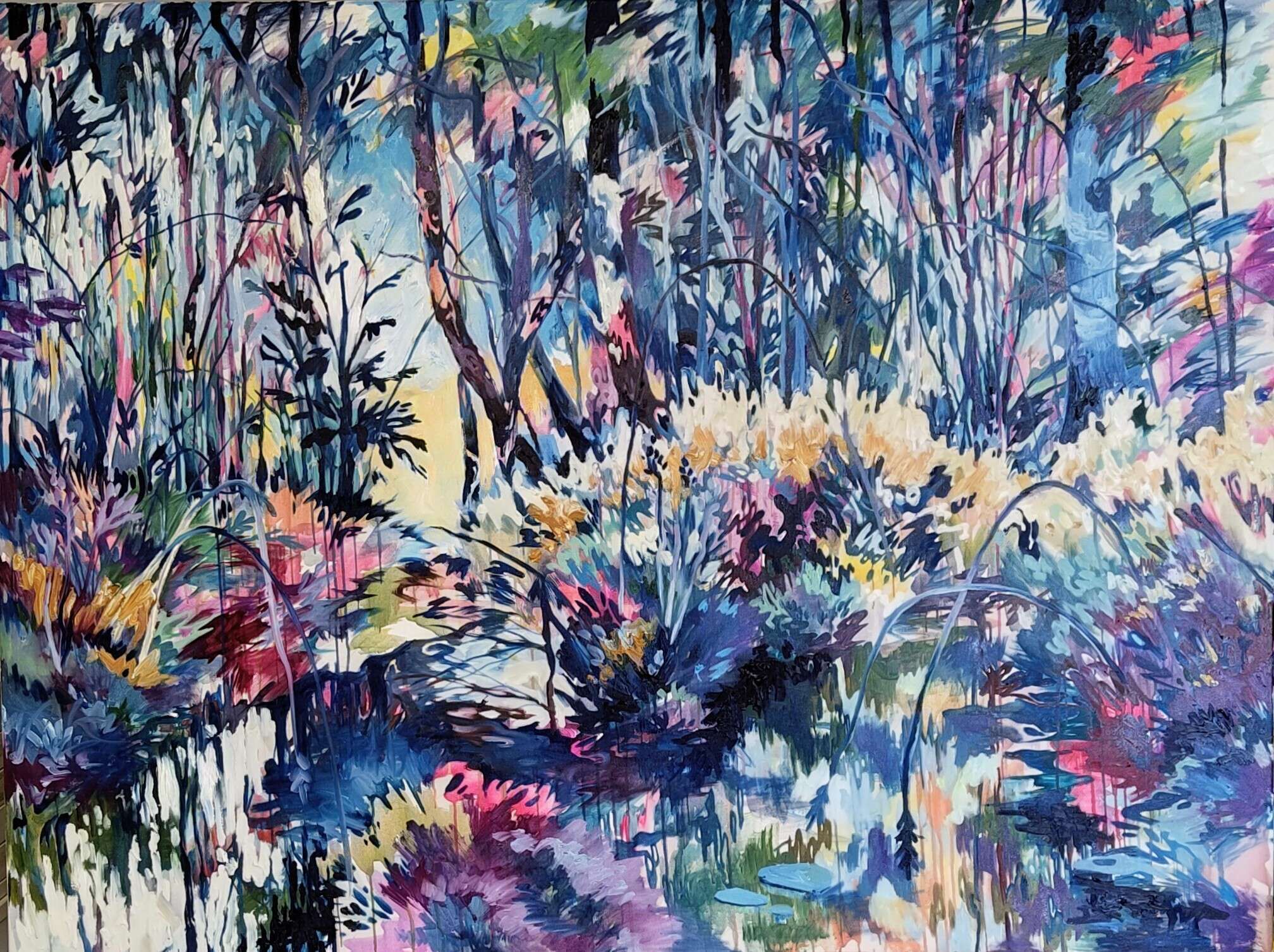
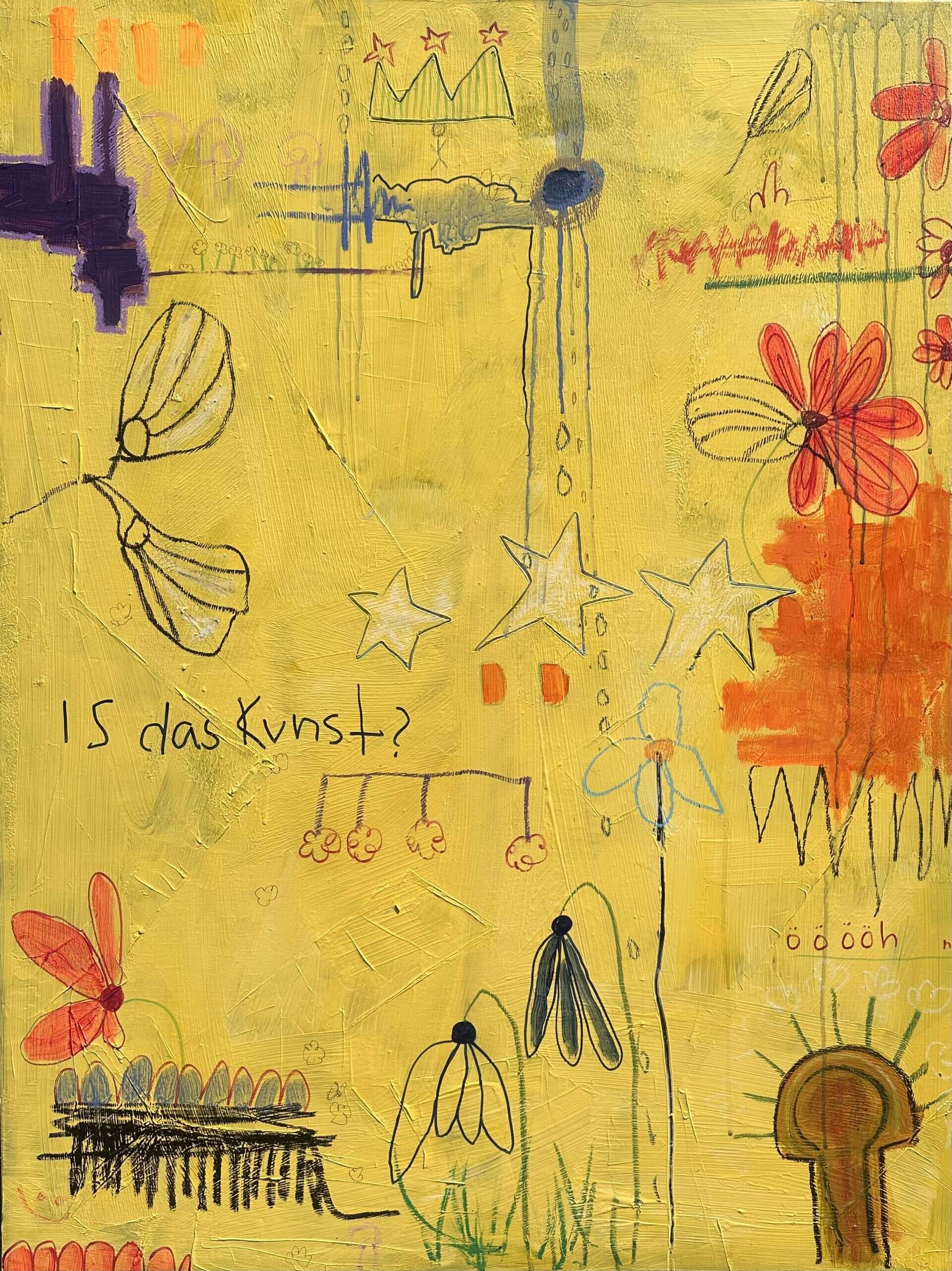
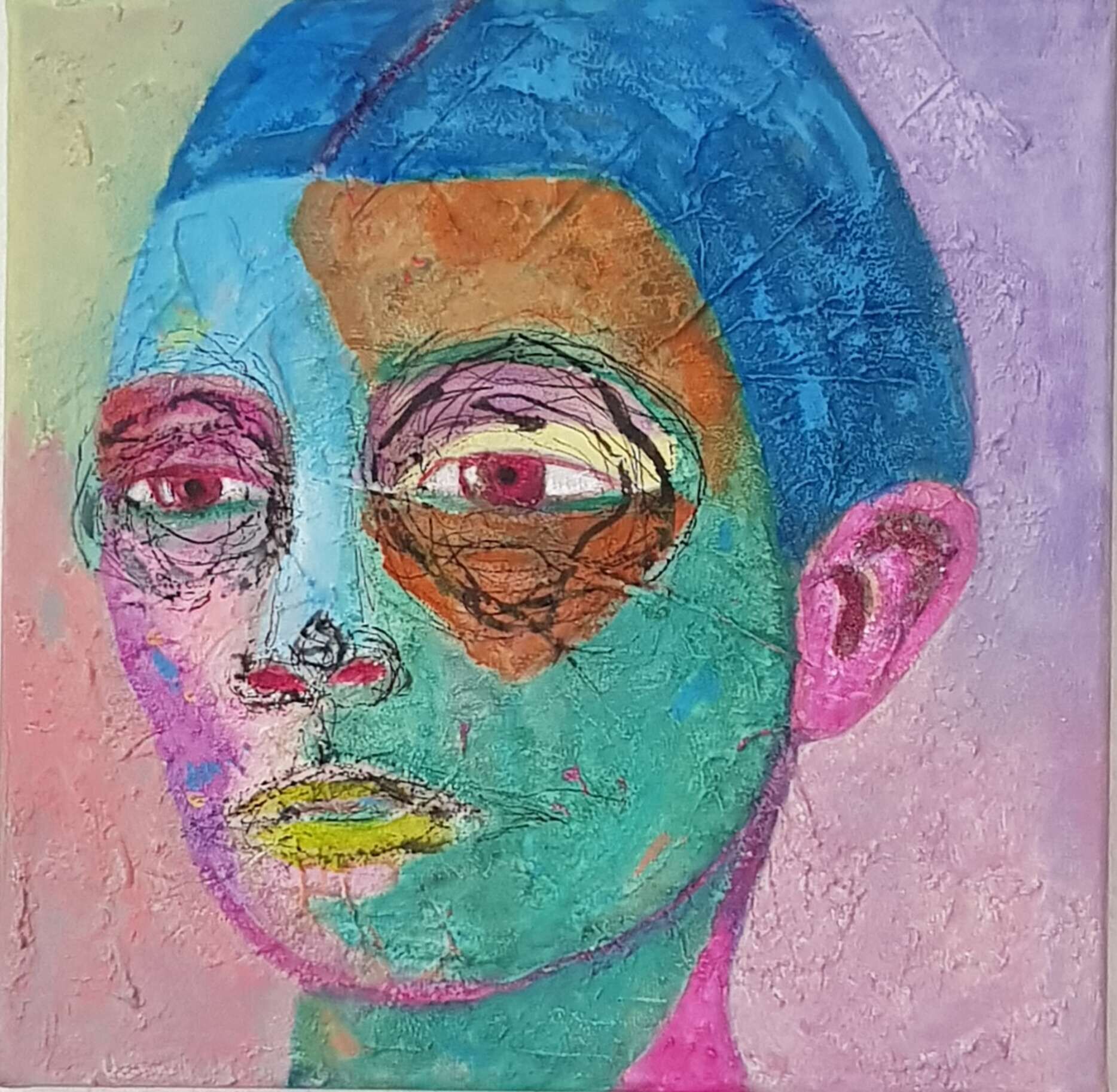
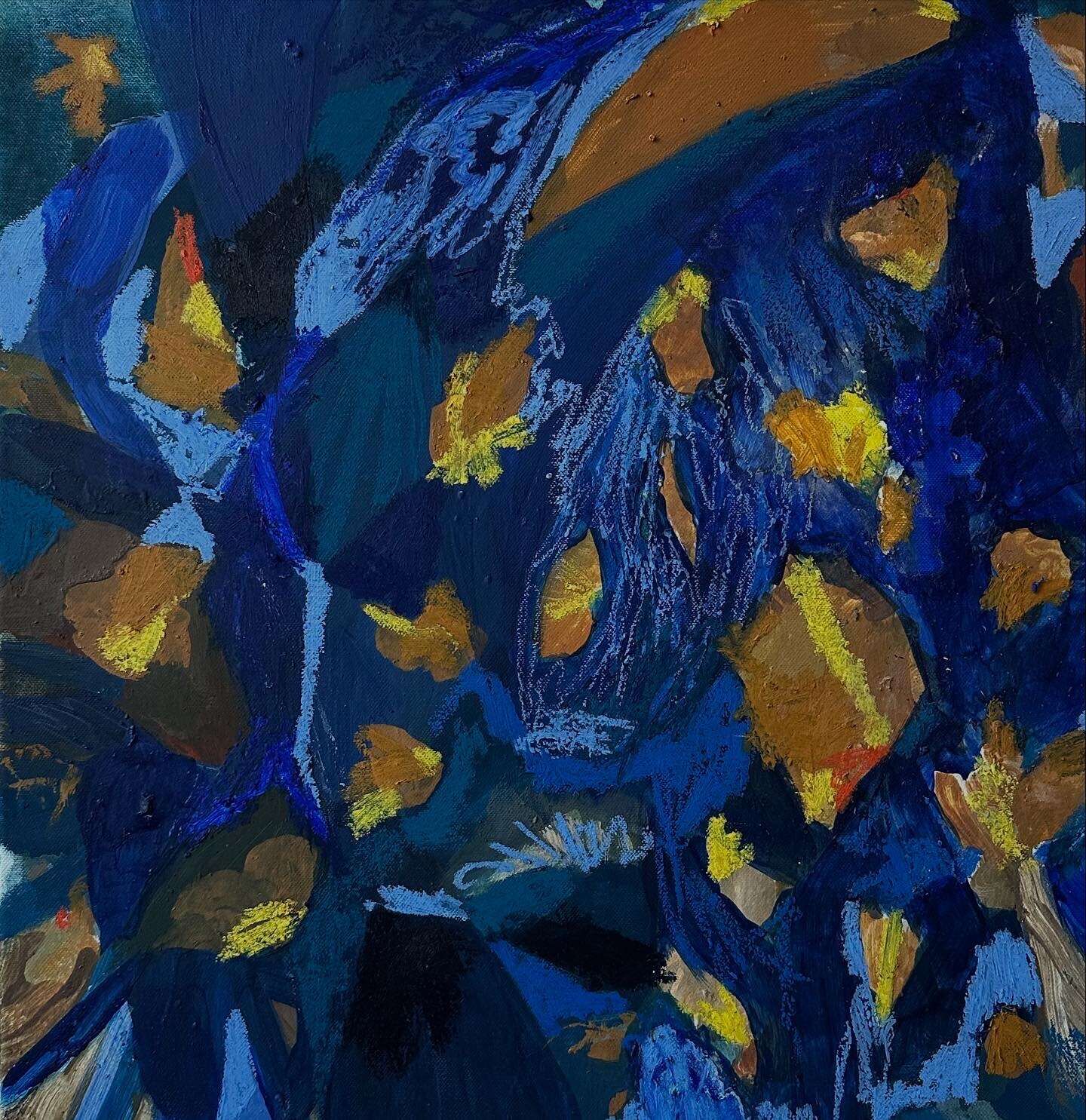
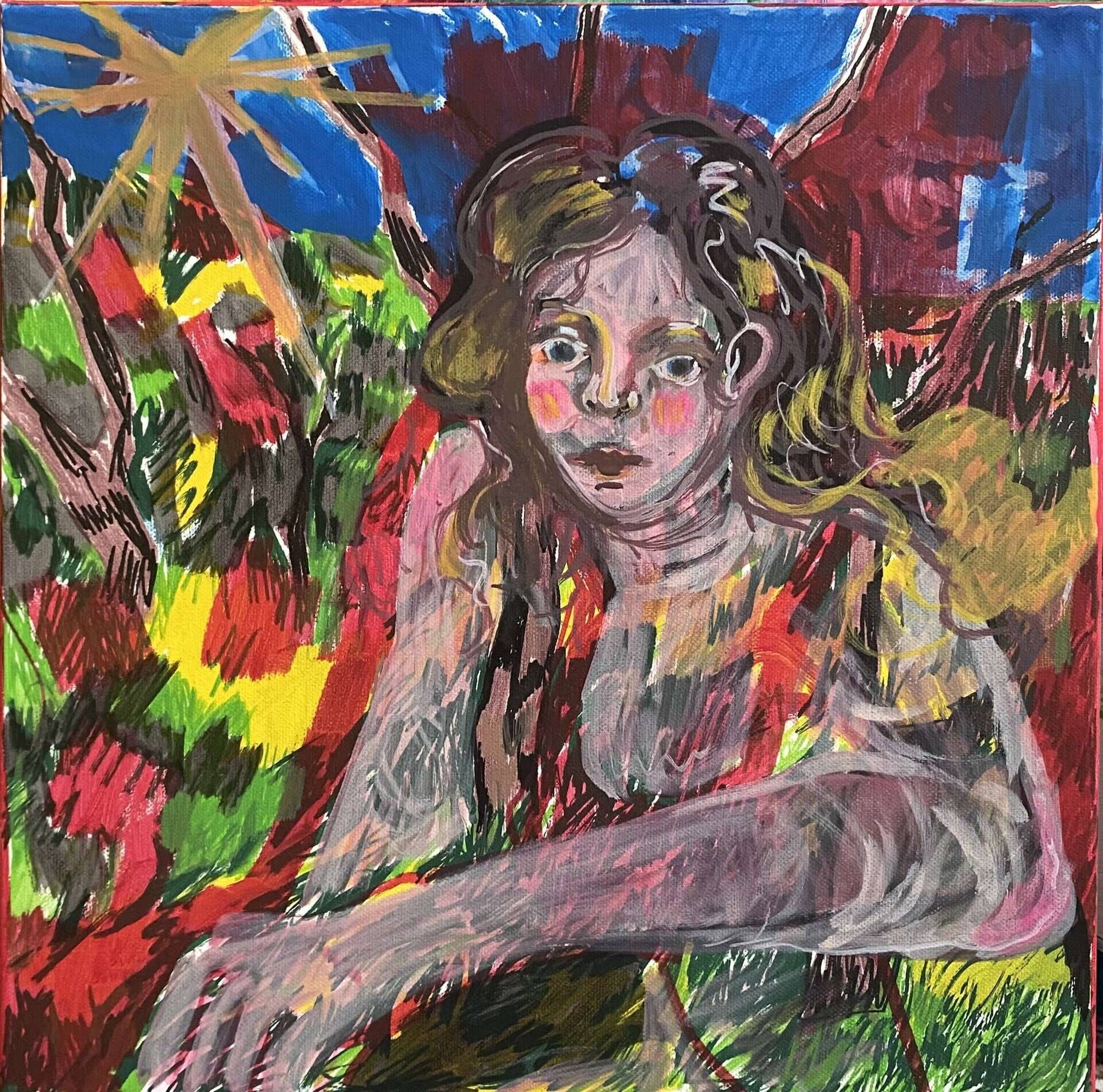
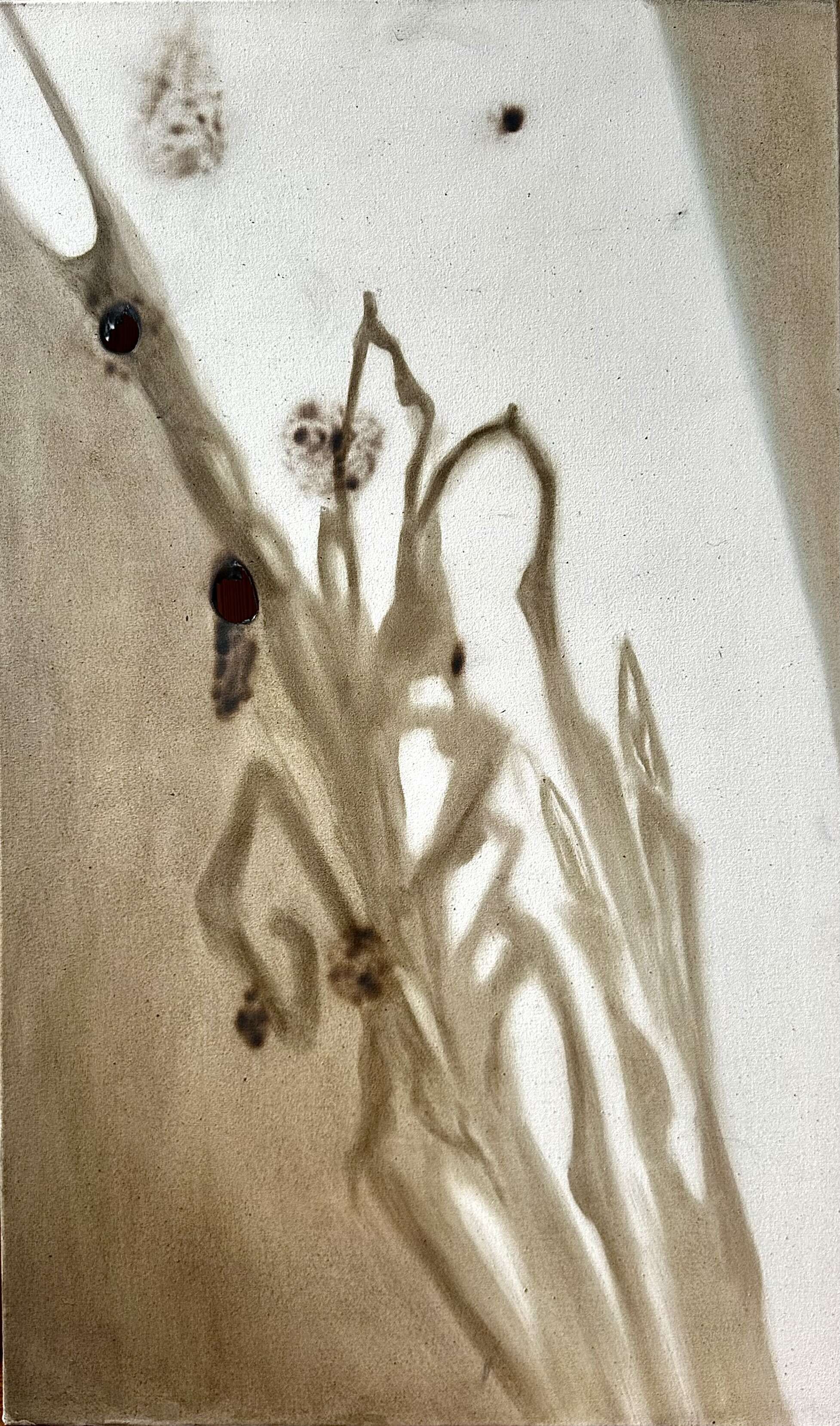
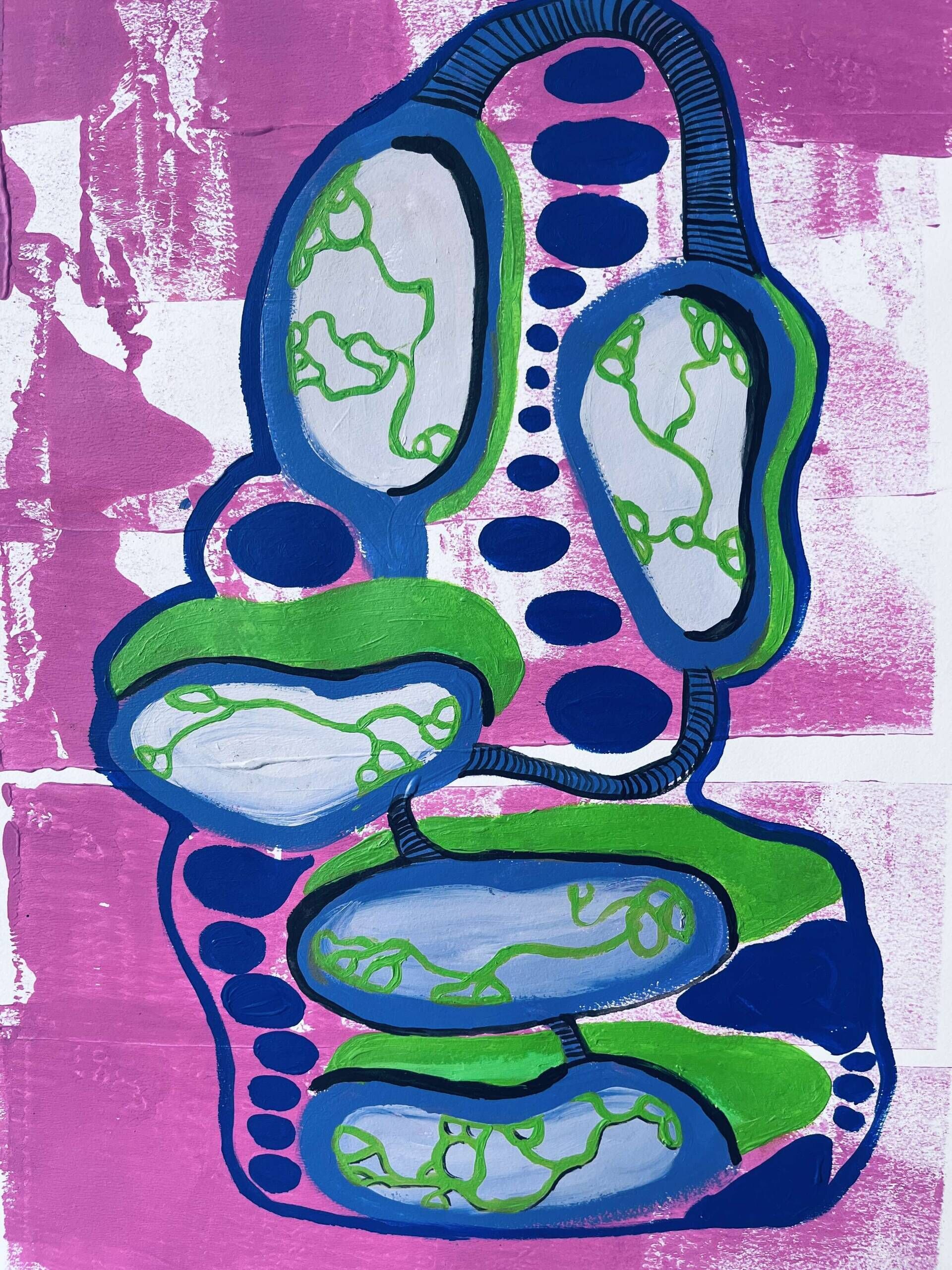
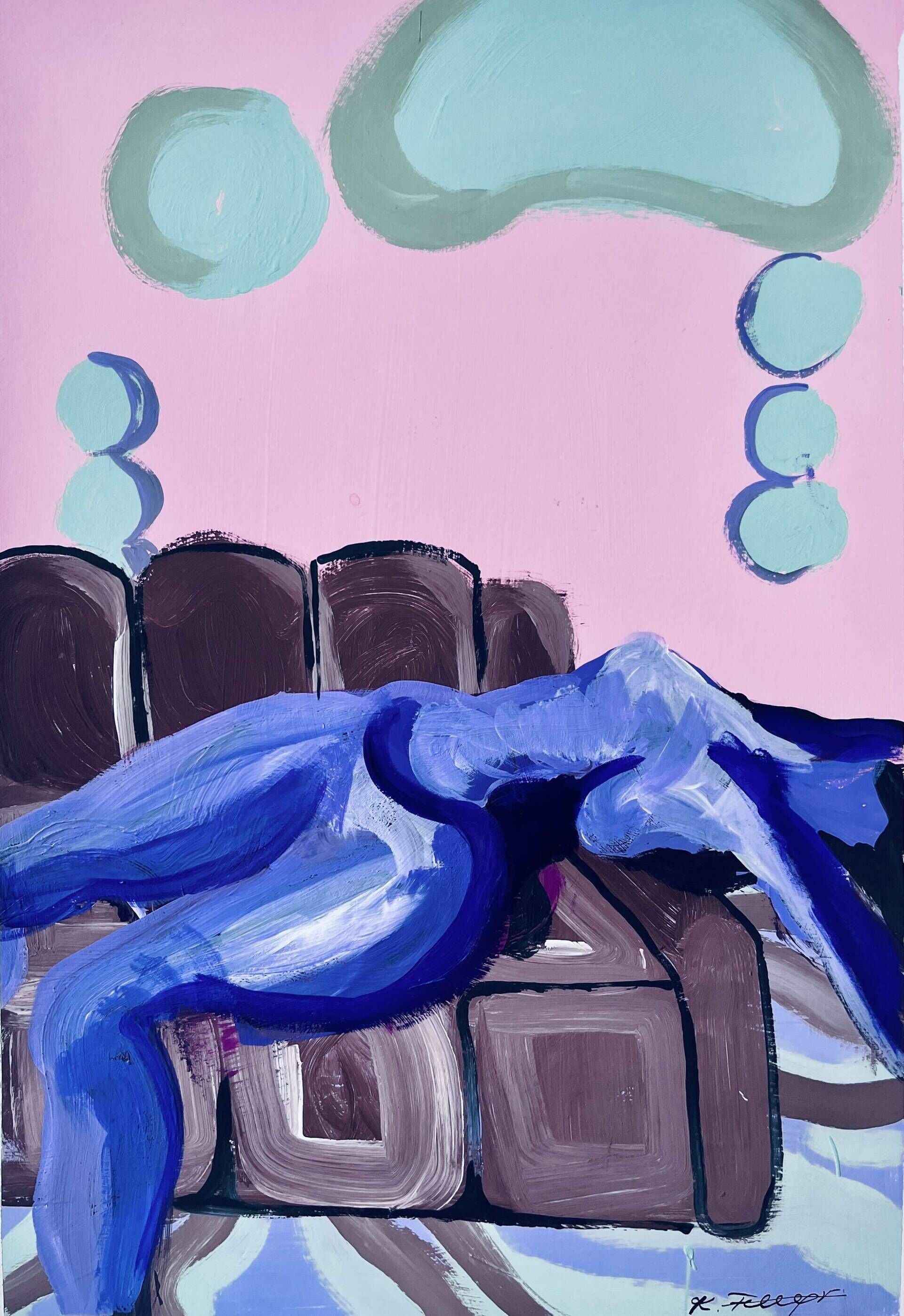
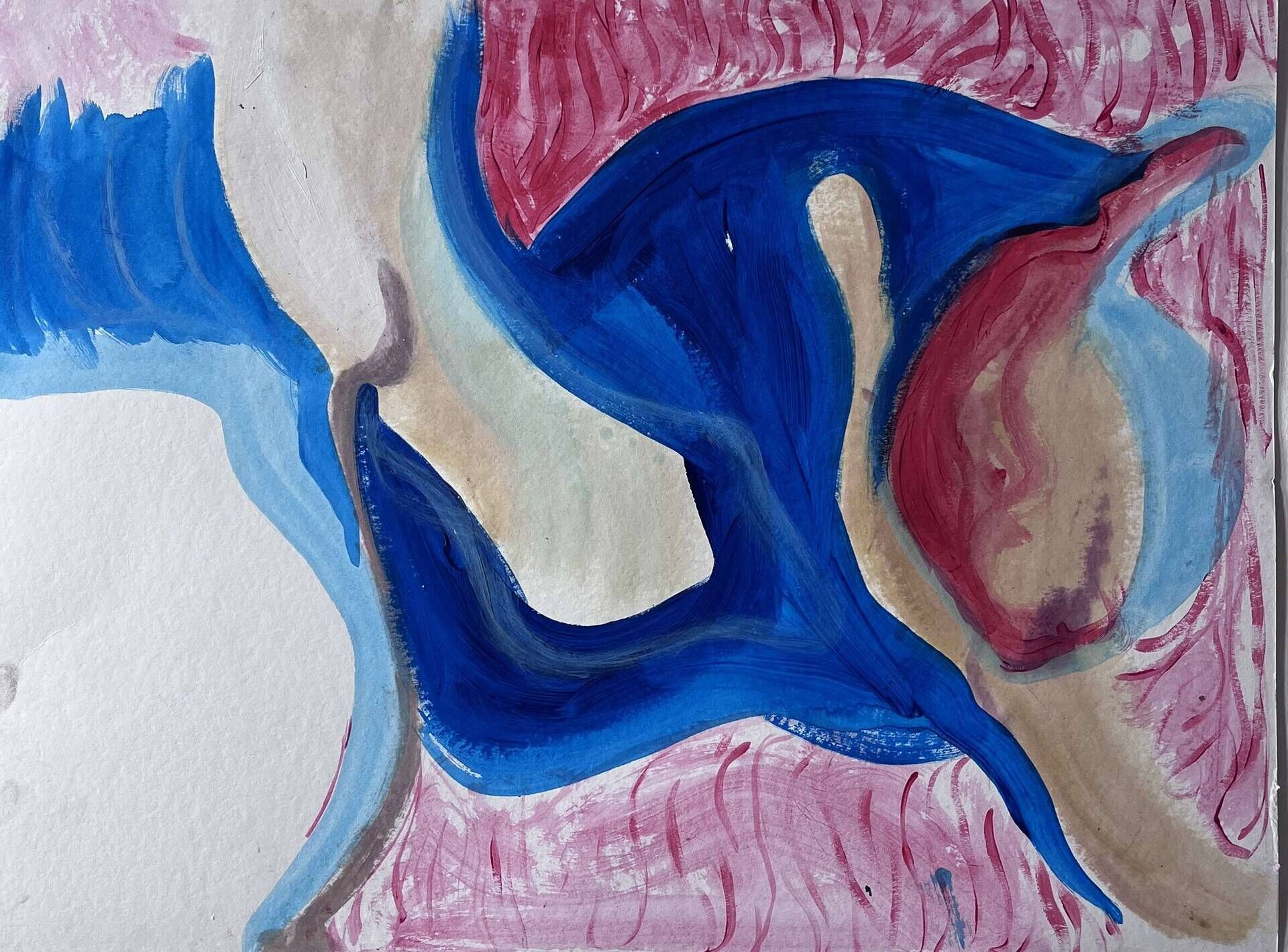
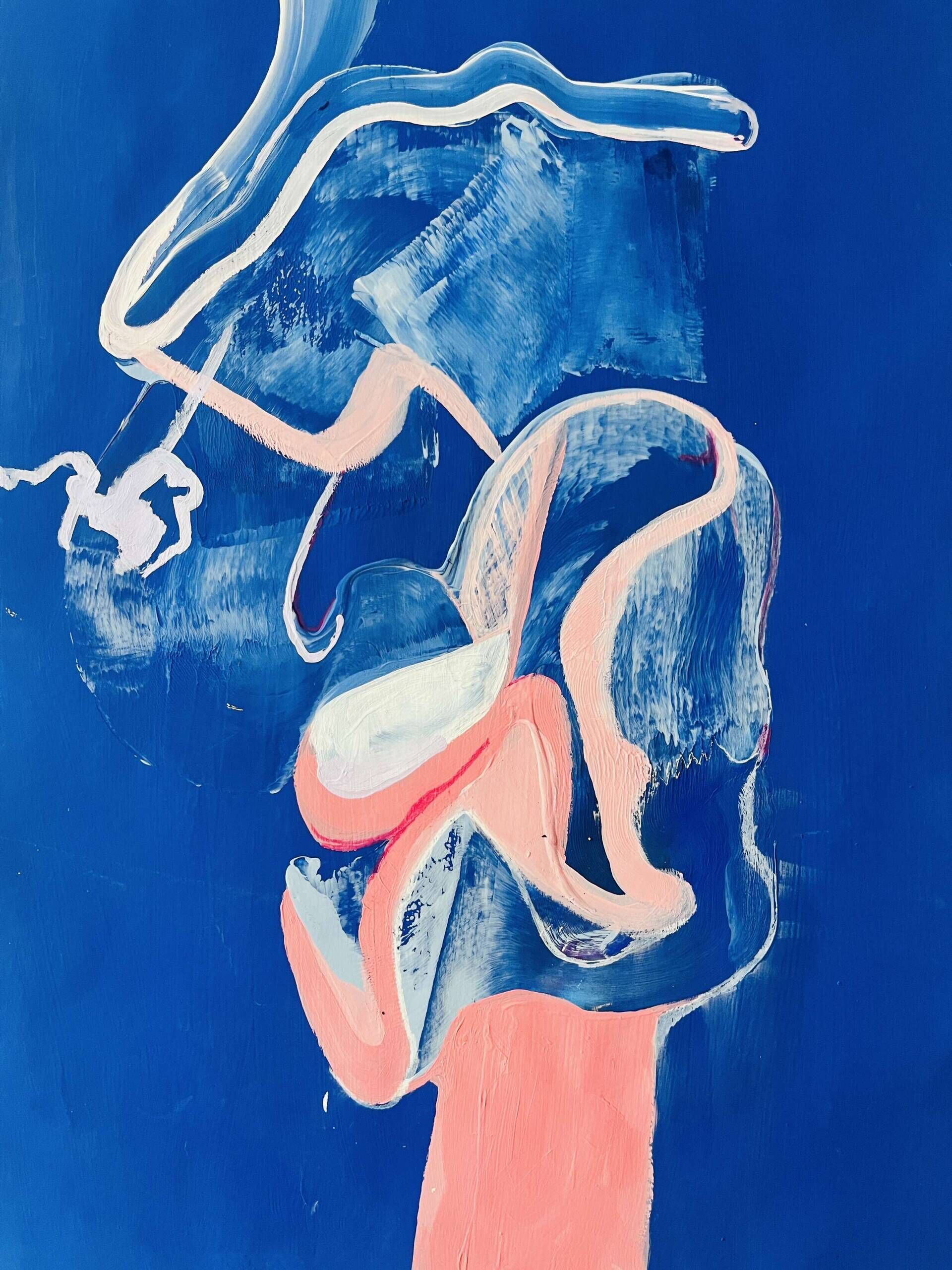
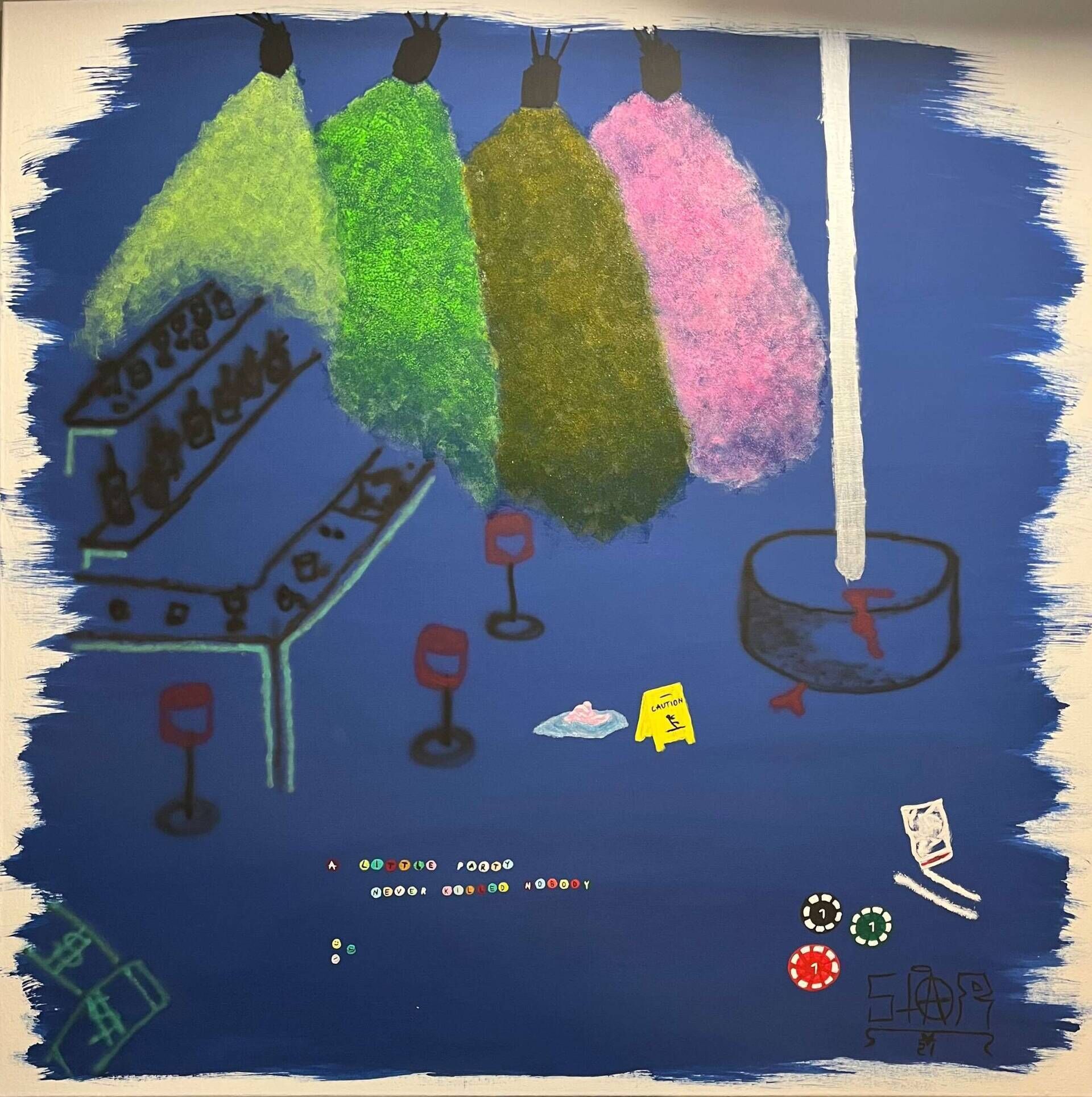
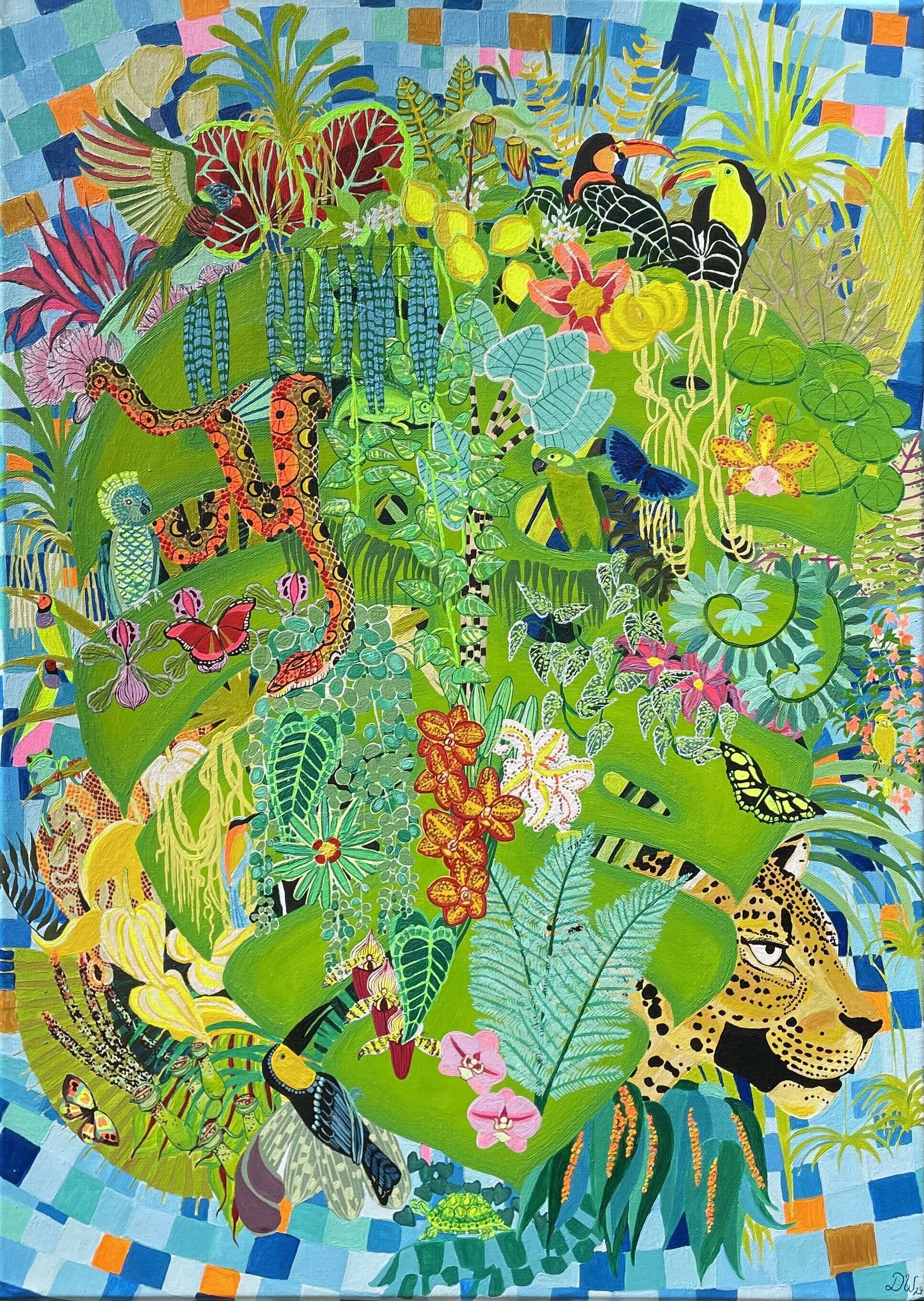
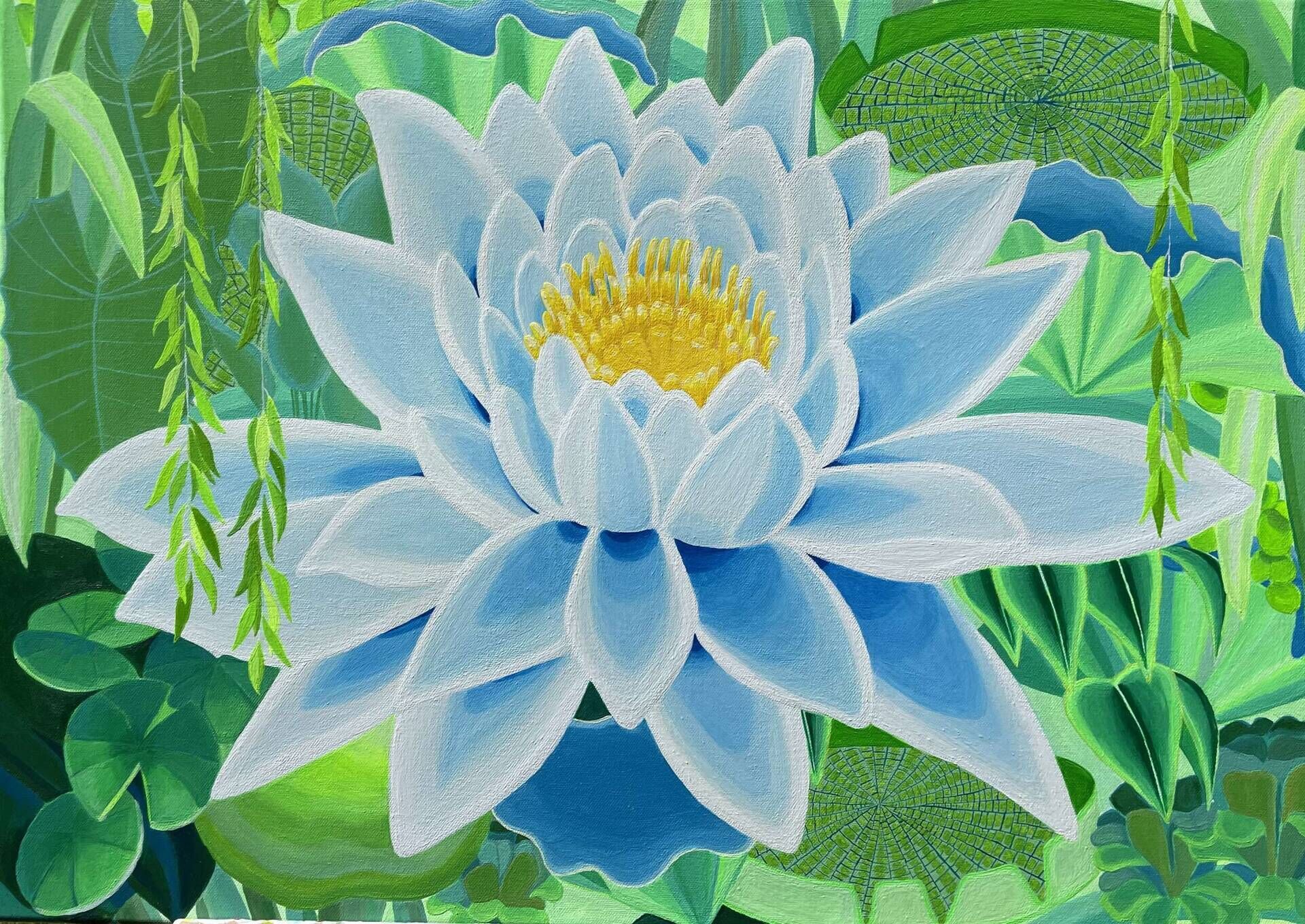
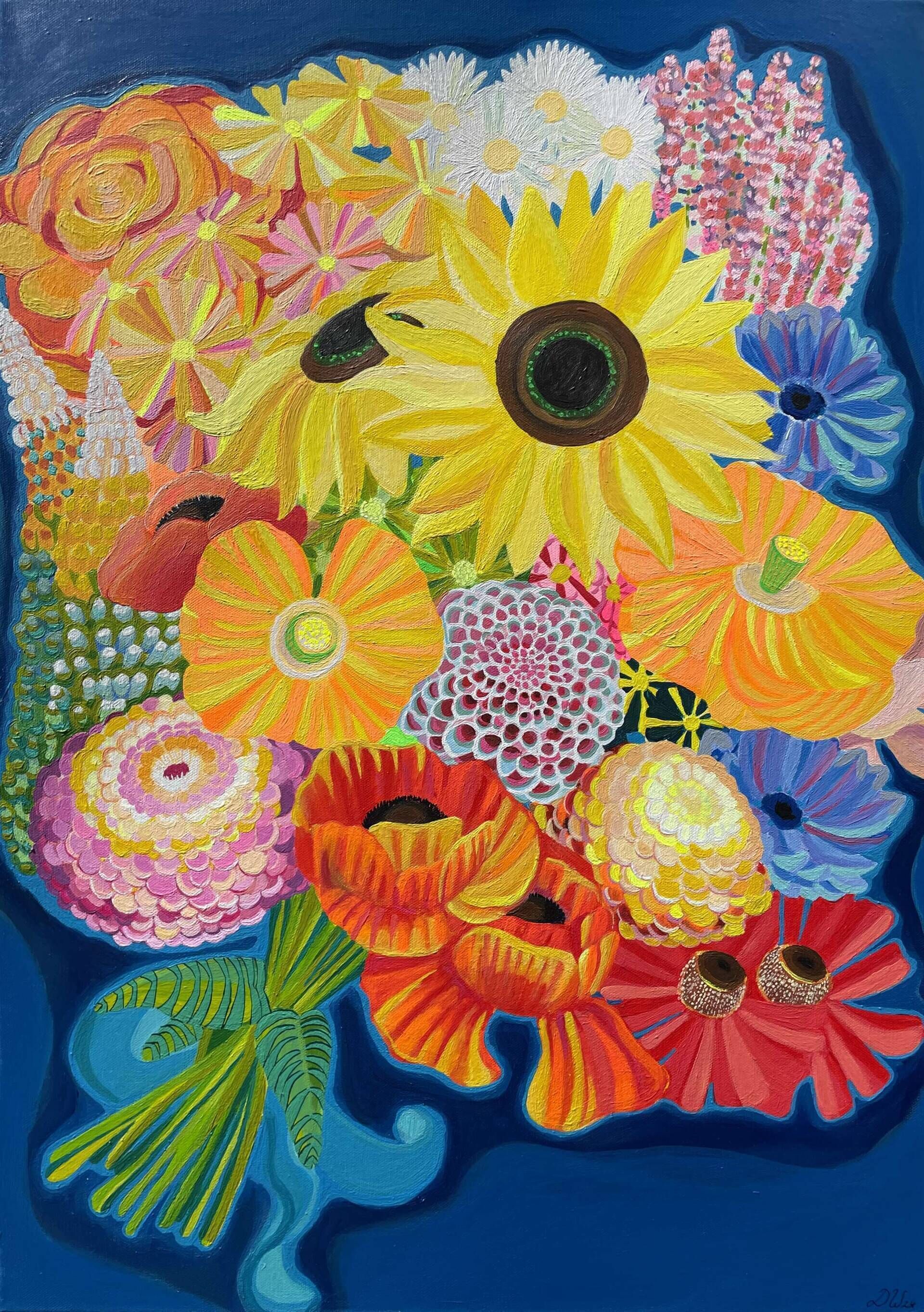
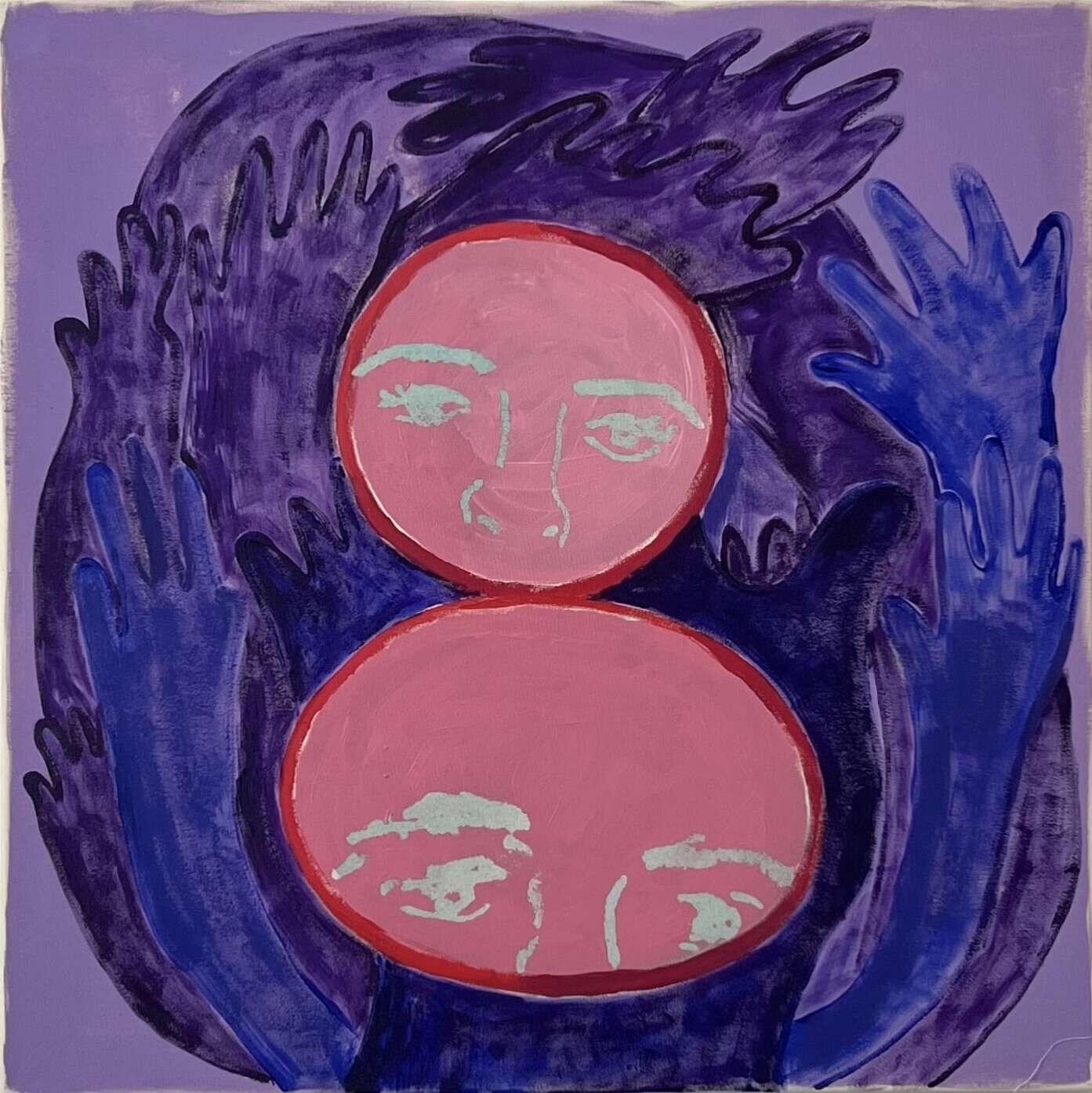
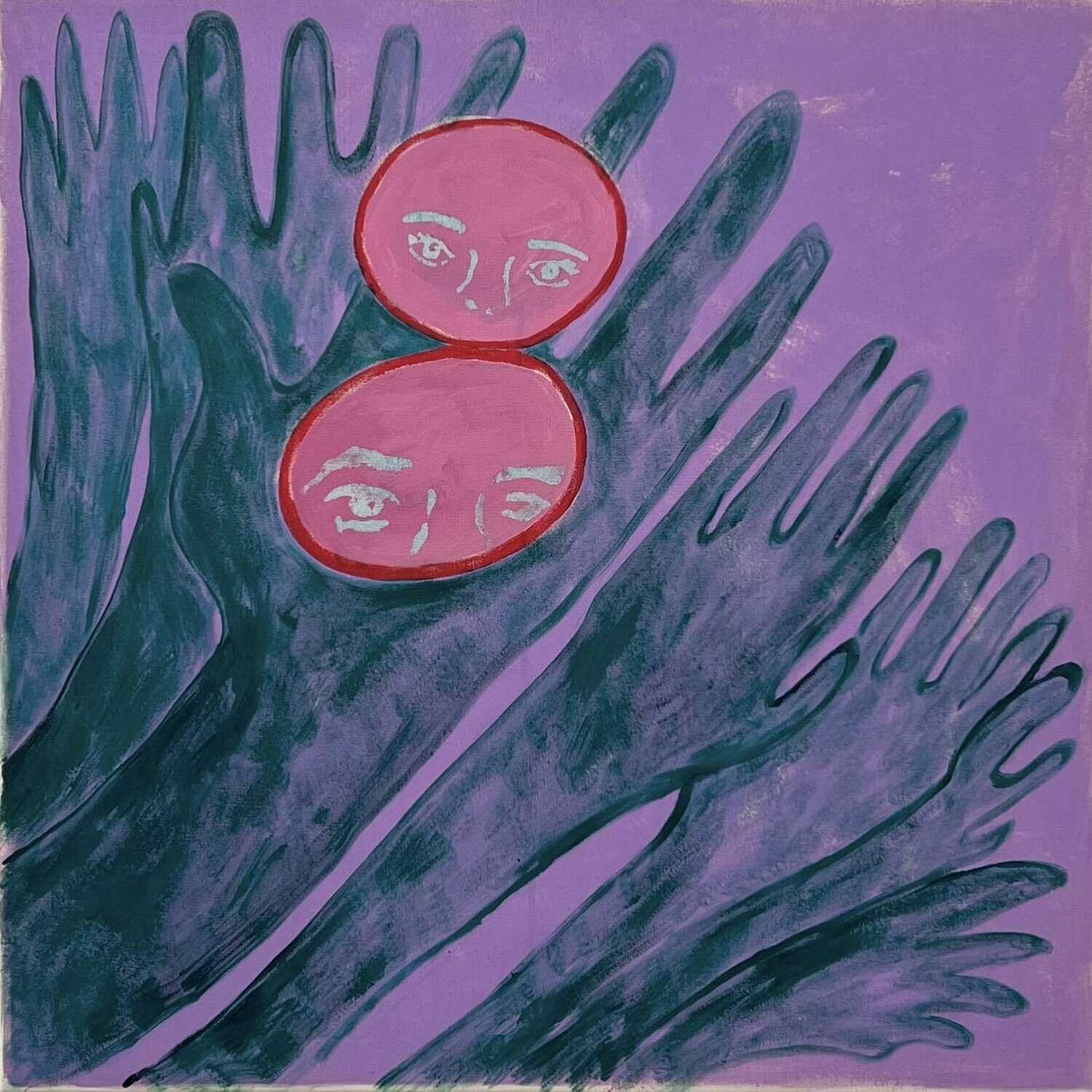
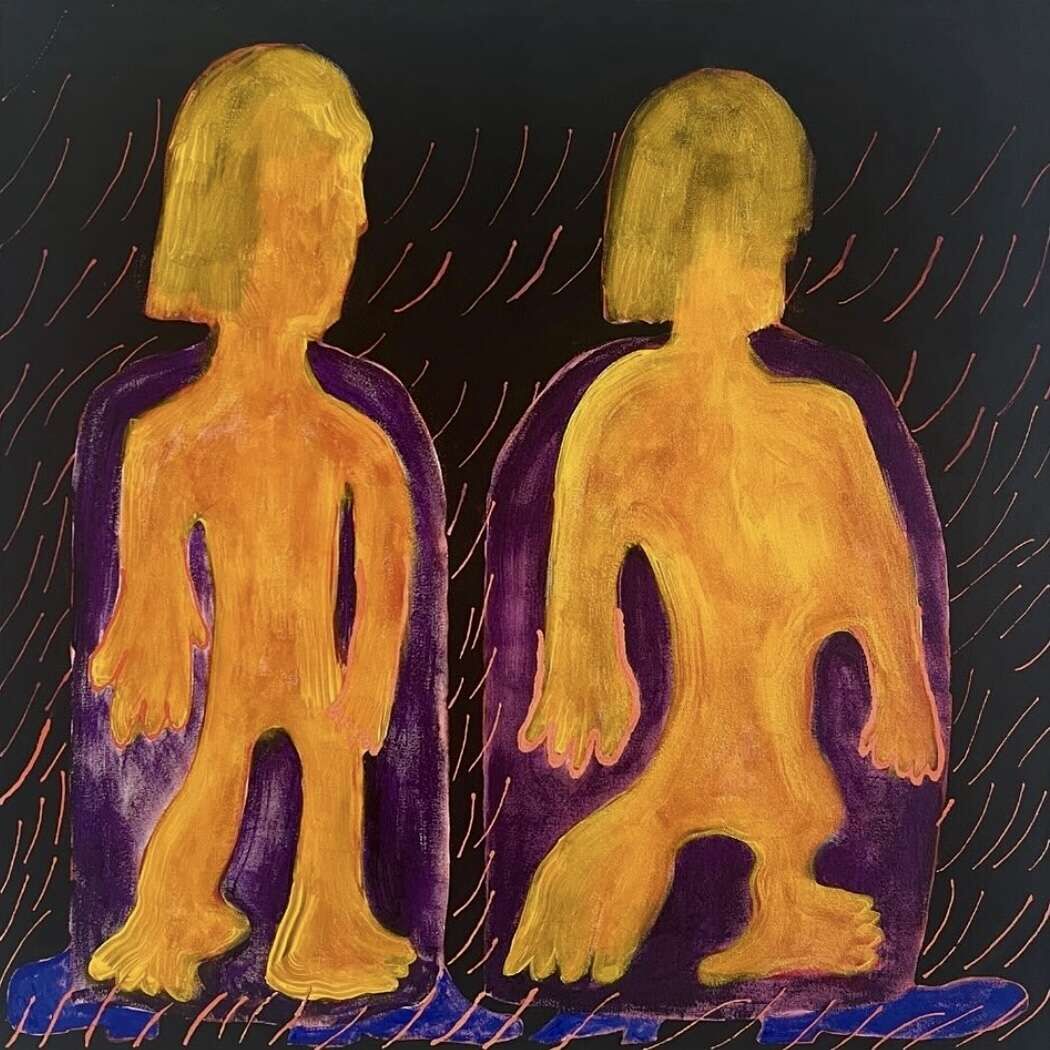
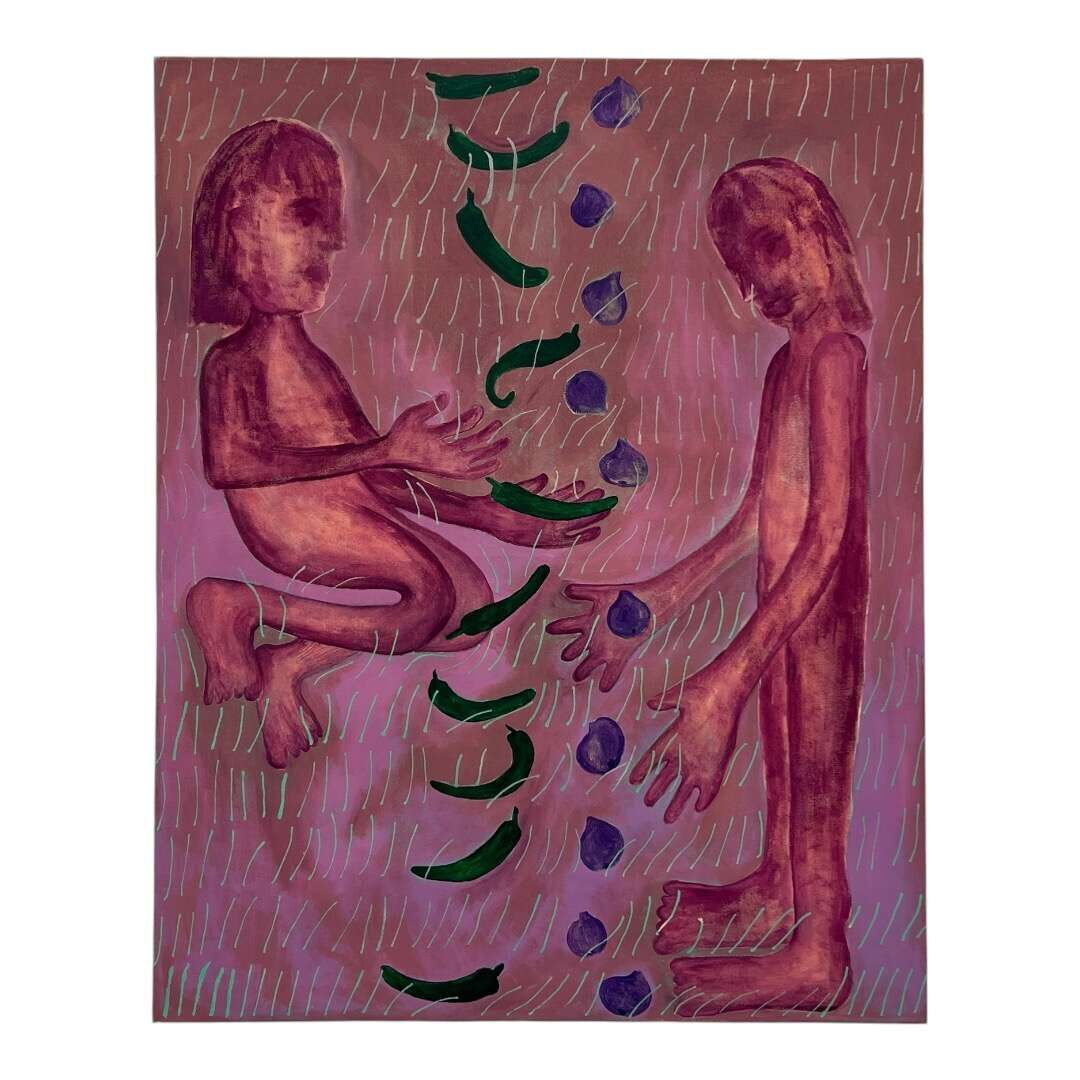
Why limit creativity? In mixed media, materials and styles are freely combined – just as the artwork demands: acrylic with papier-mâché, fabric on canvas, spray paint on a road sign. At the Student Art Market, you’ll find mixed-media works that are bold, experimental and surprising. Mixed-media artworks open up new perspectives and bring a fresh touch to any room – simply order online.
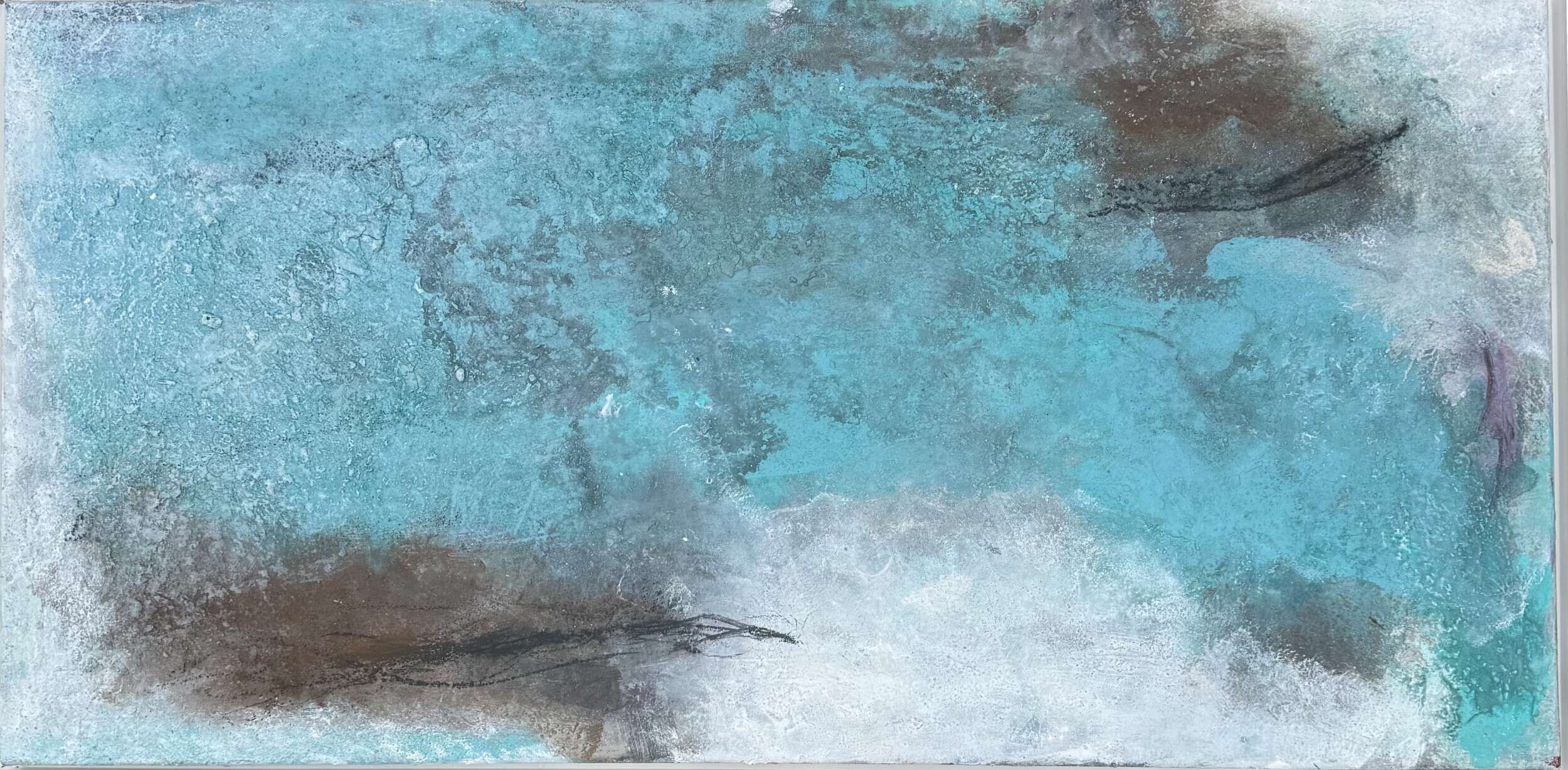
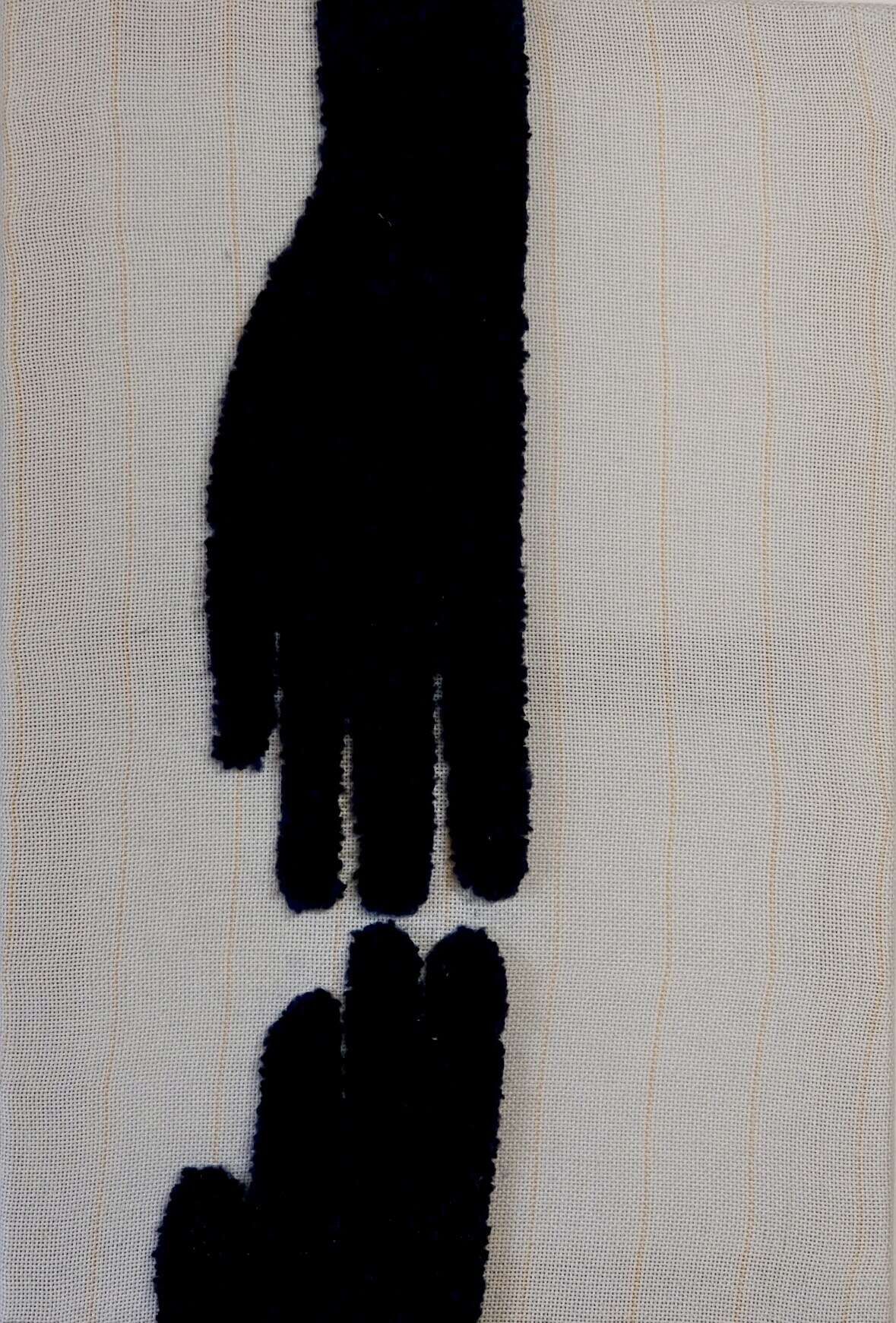
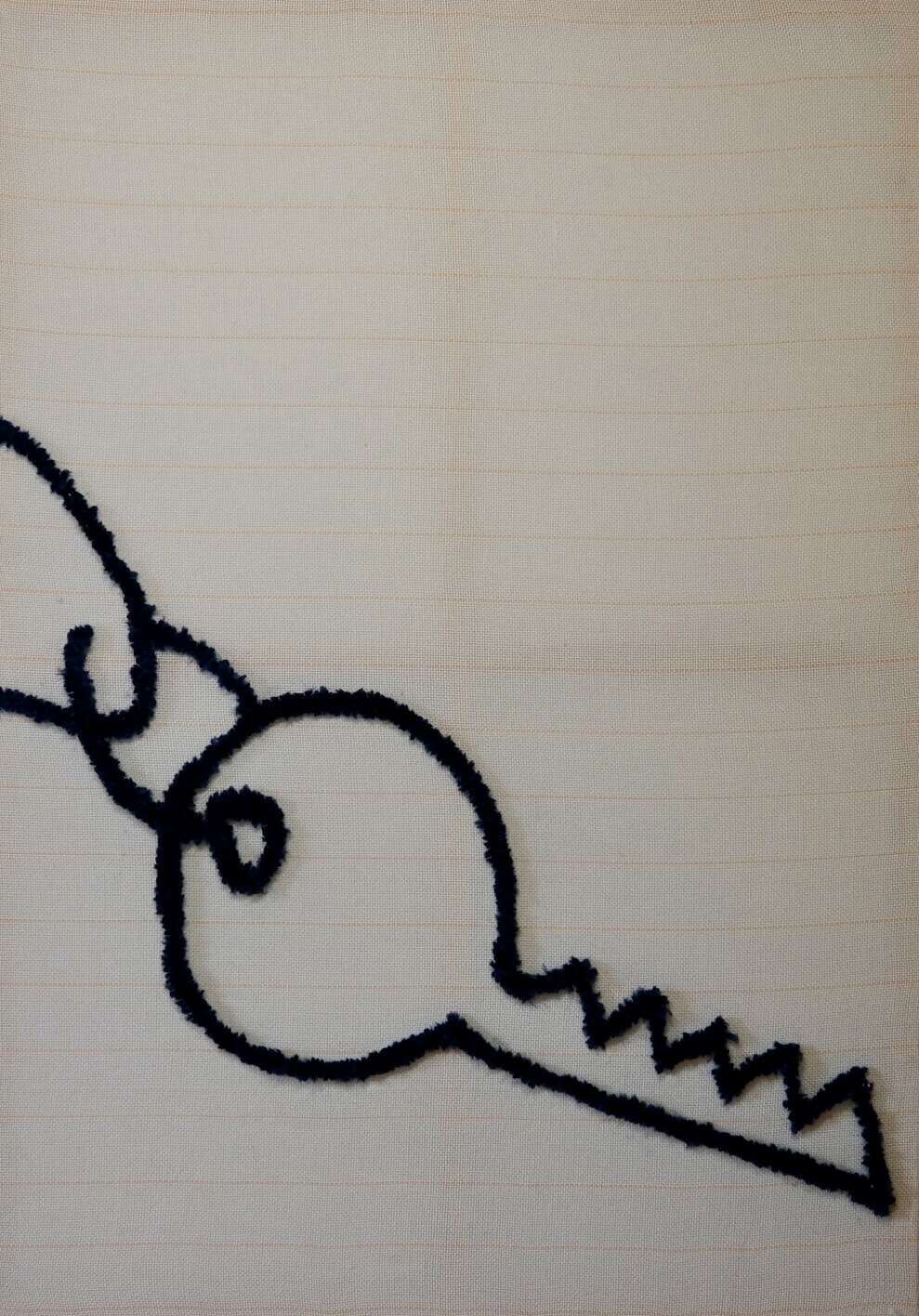
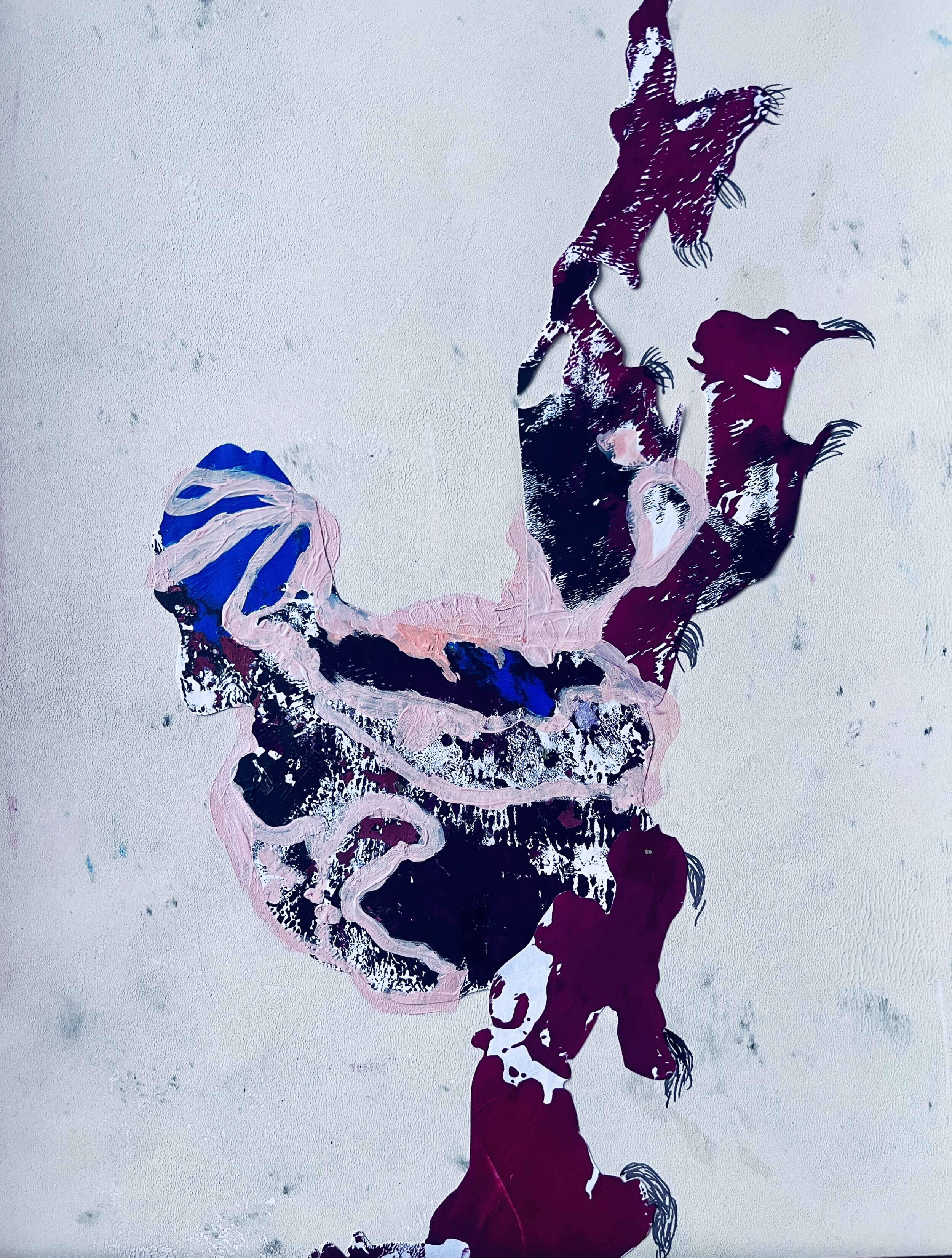
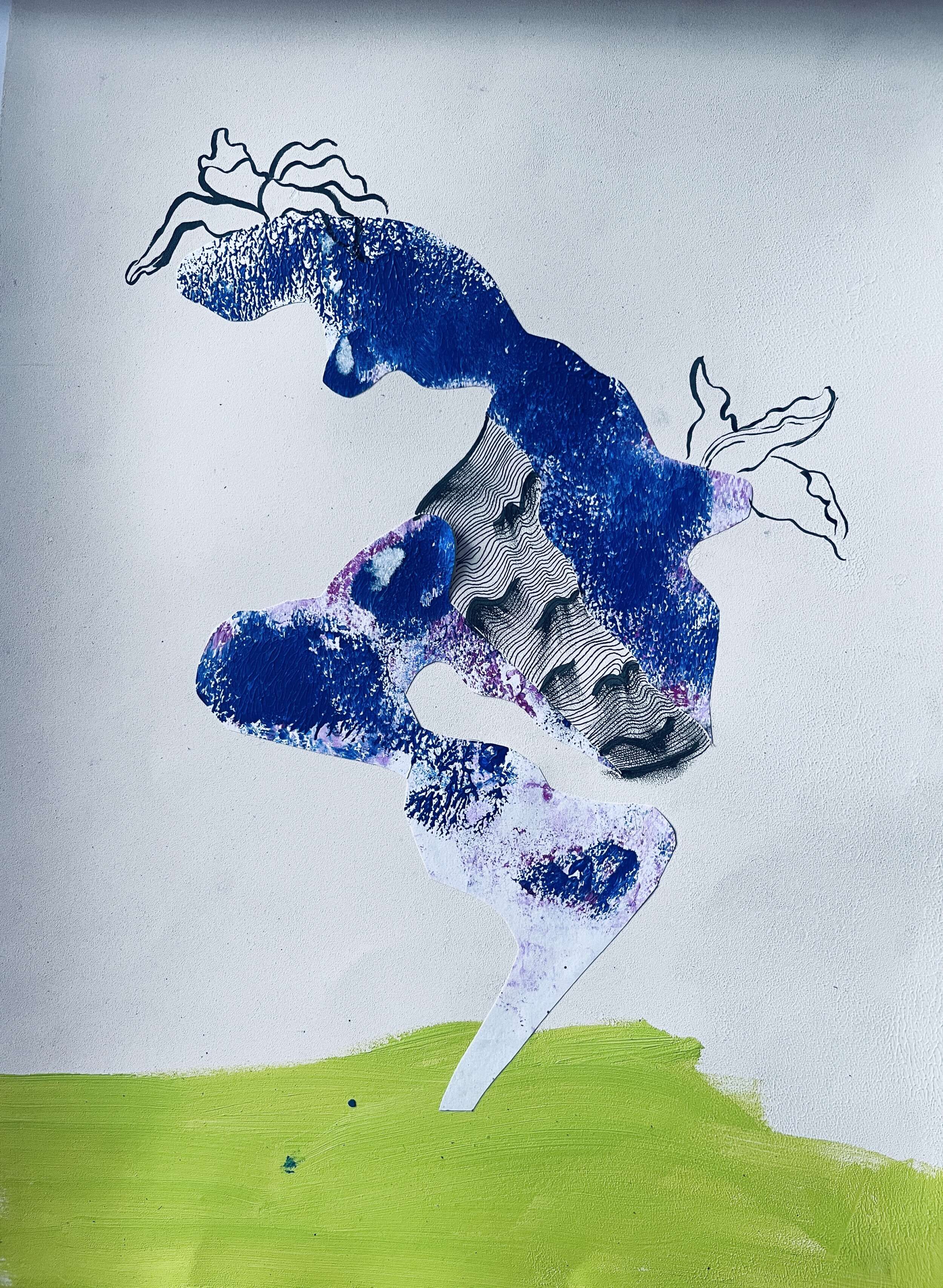
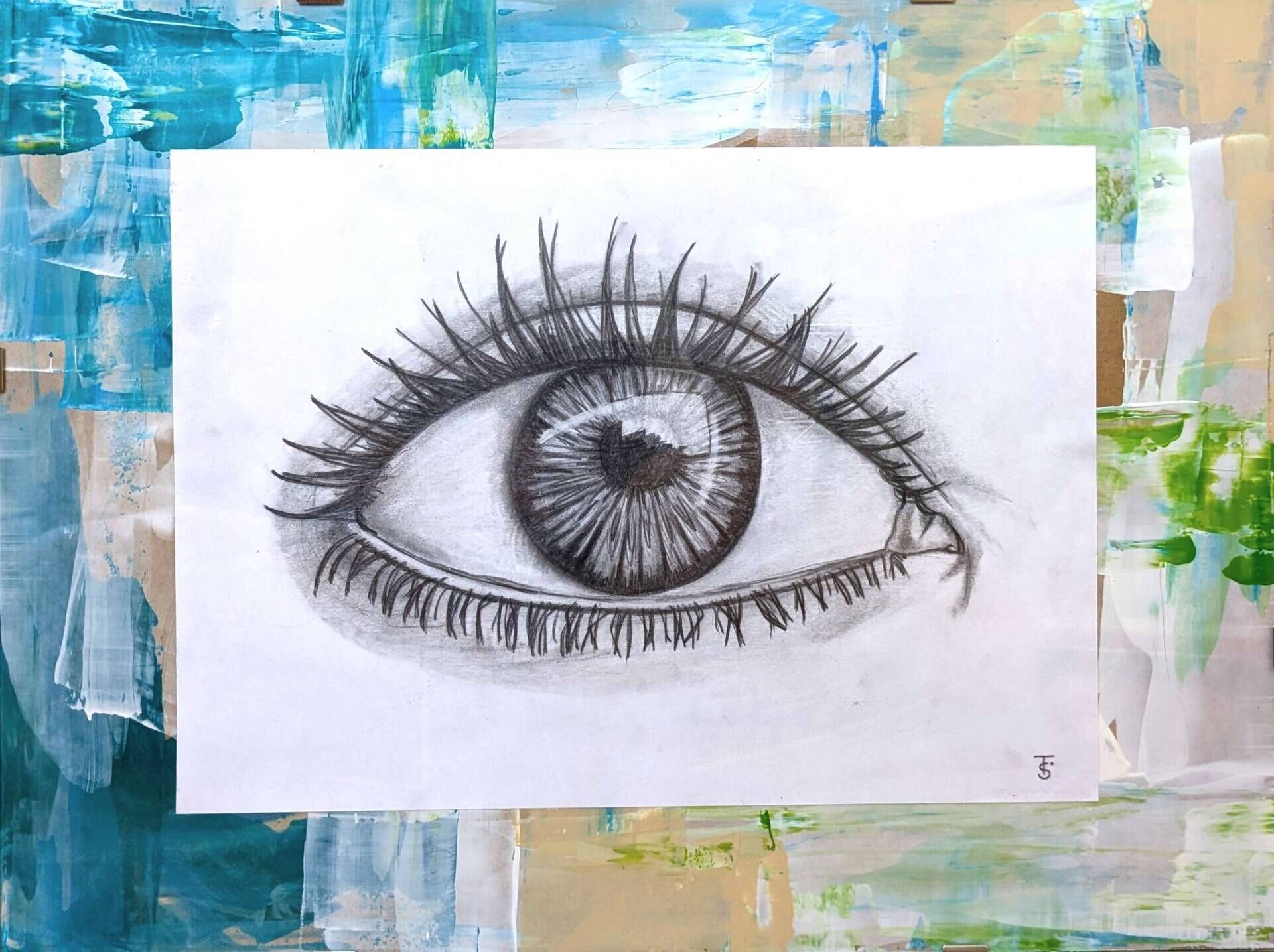
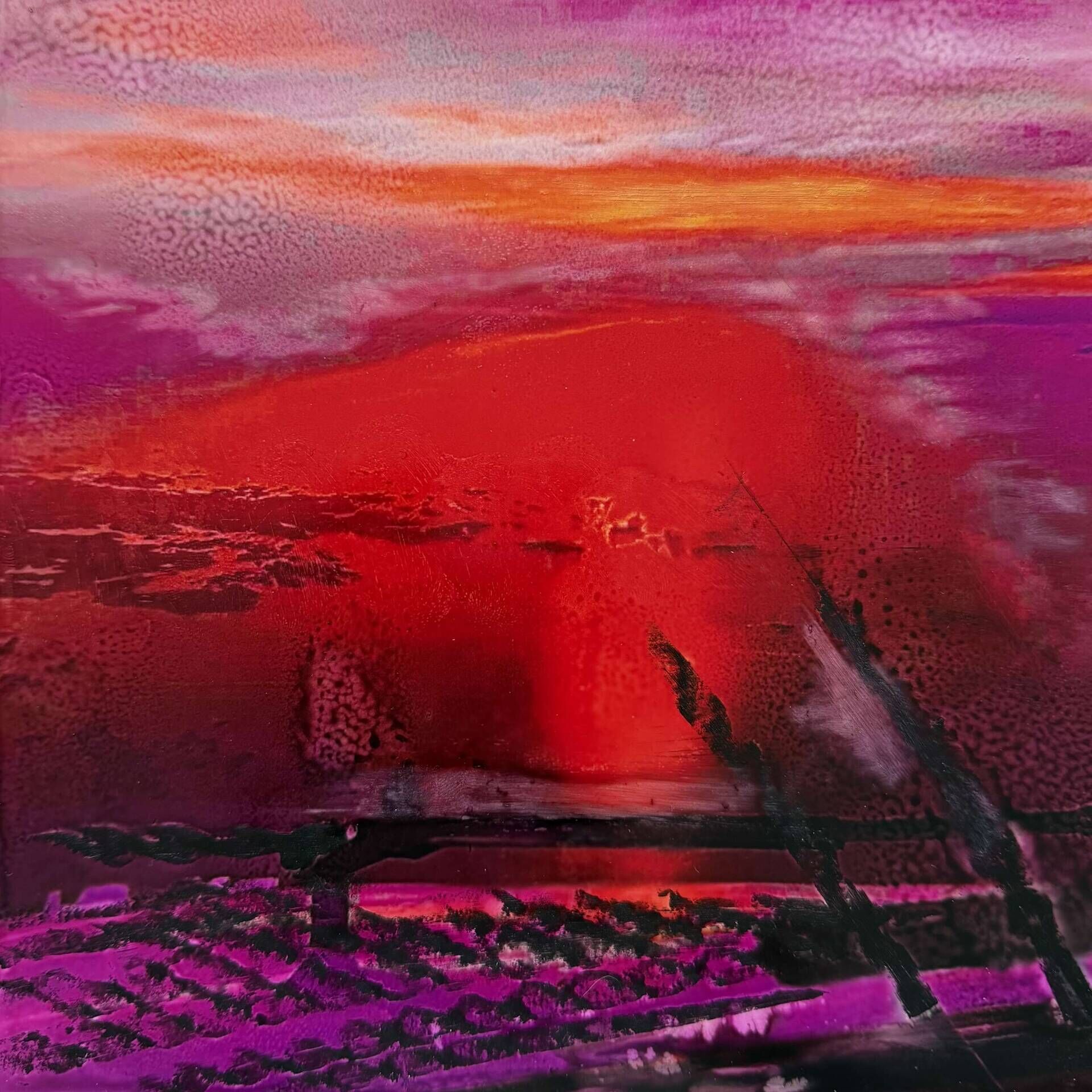
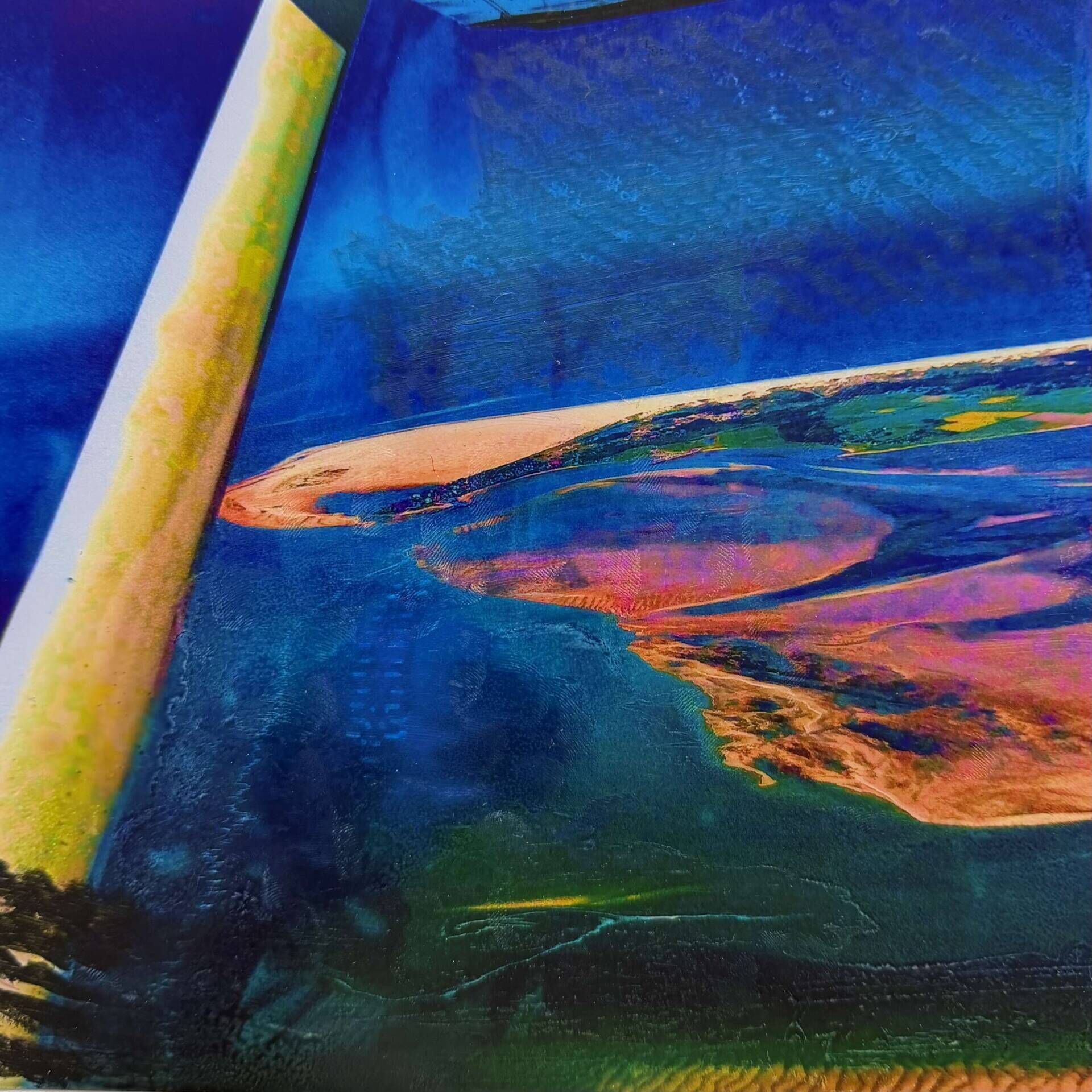
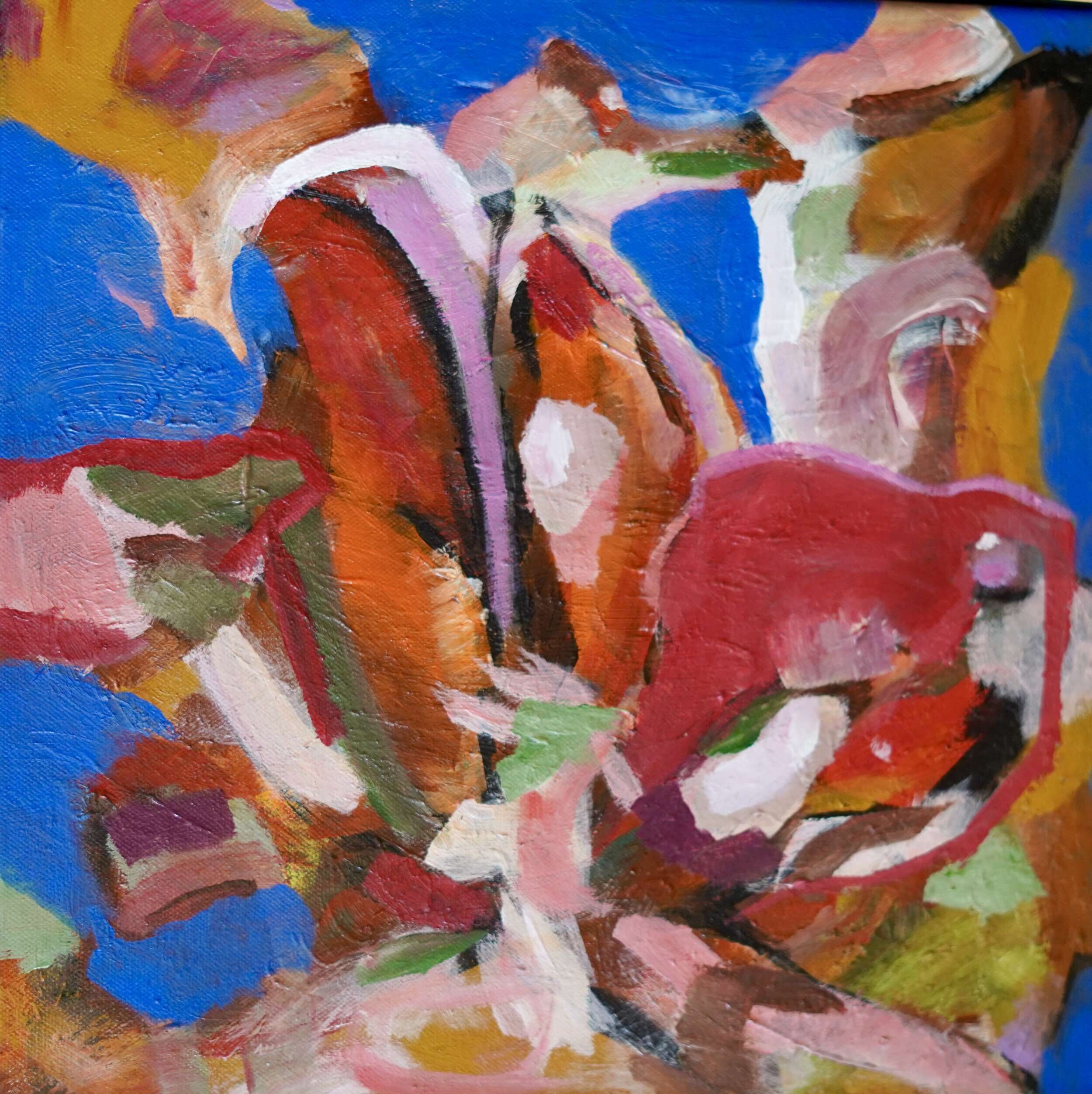
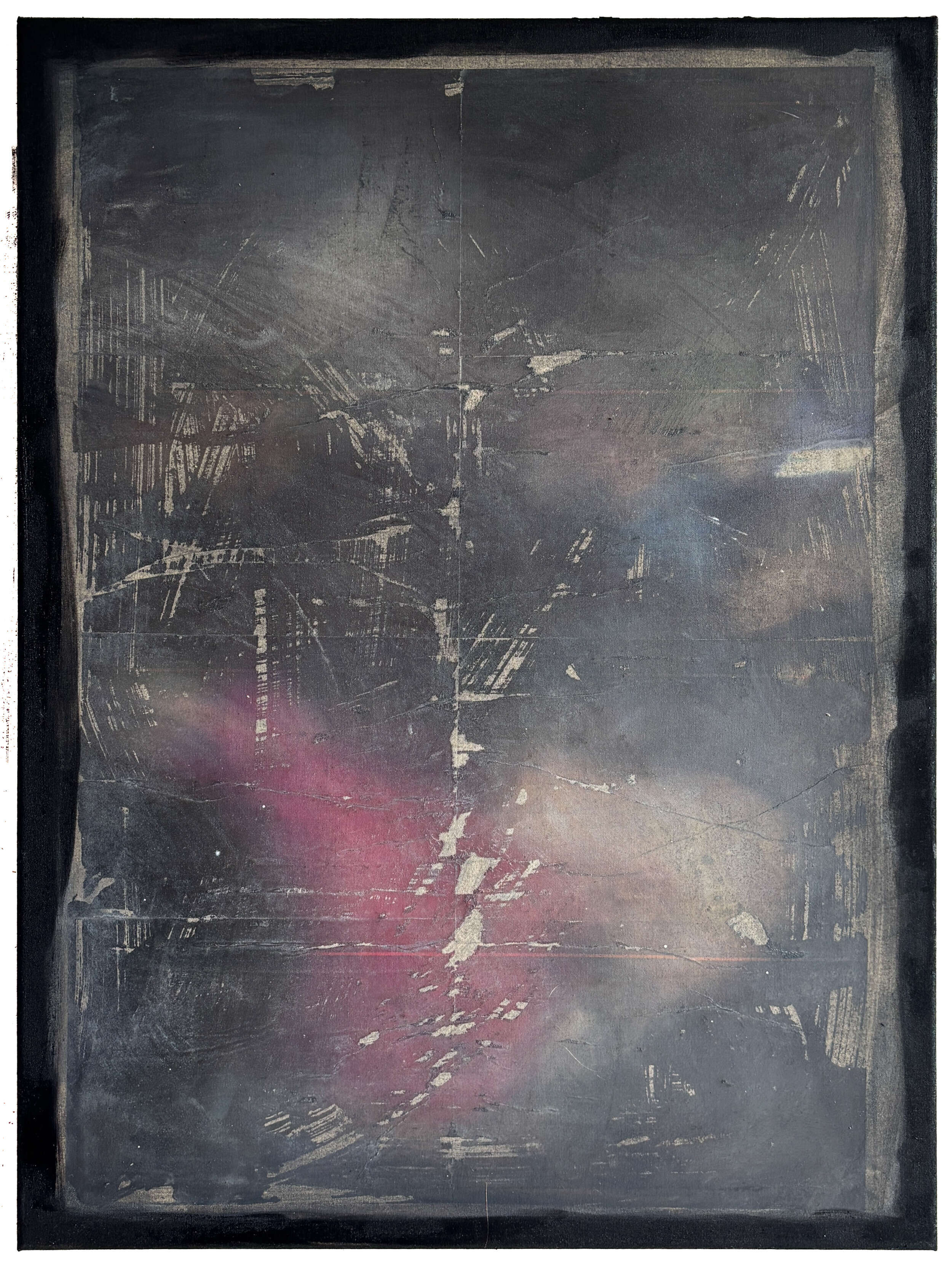
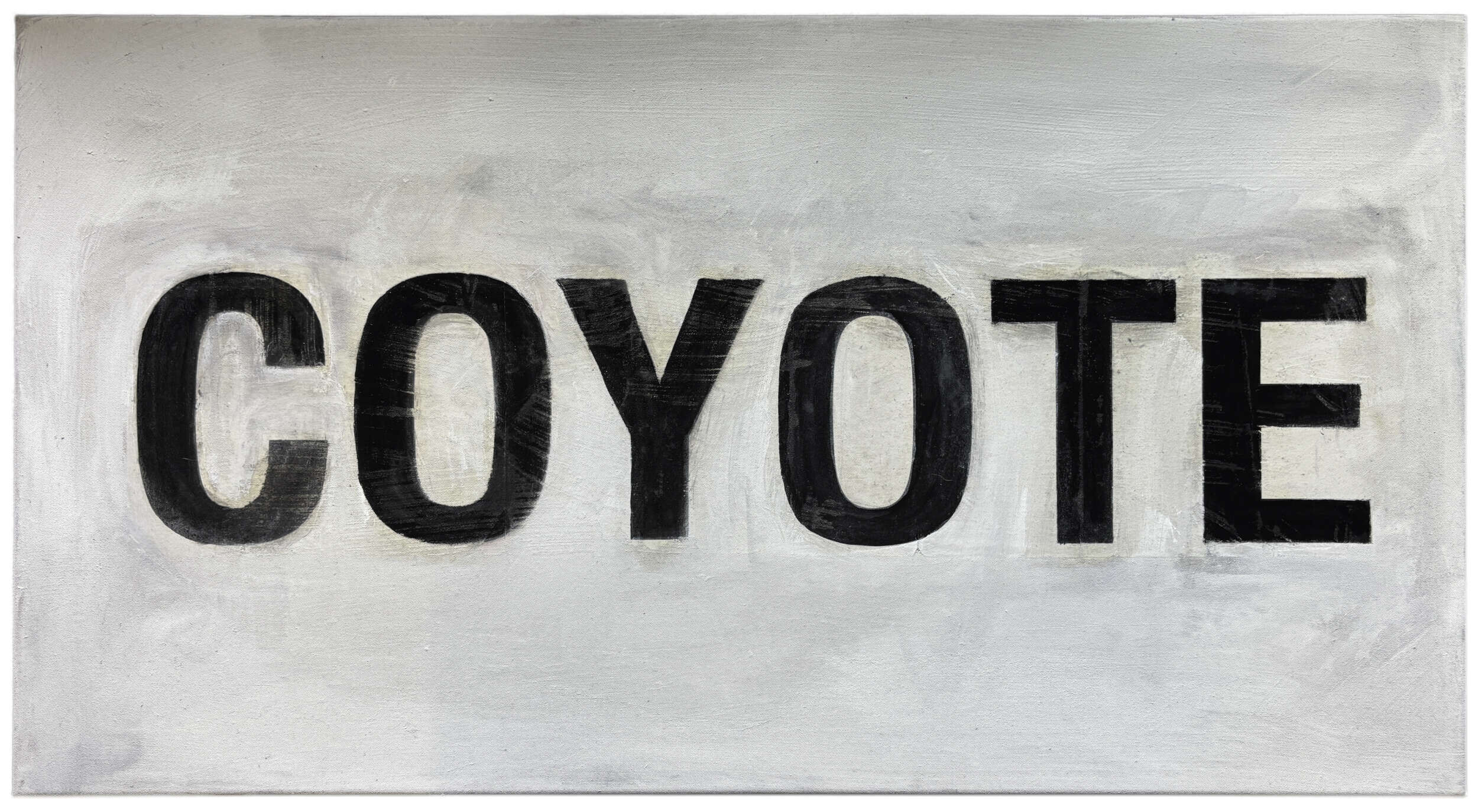
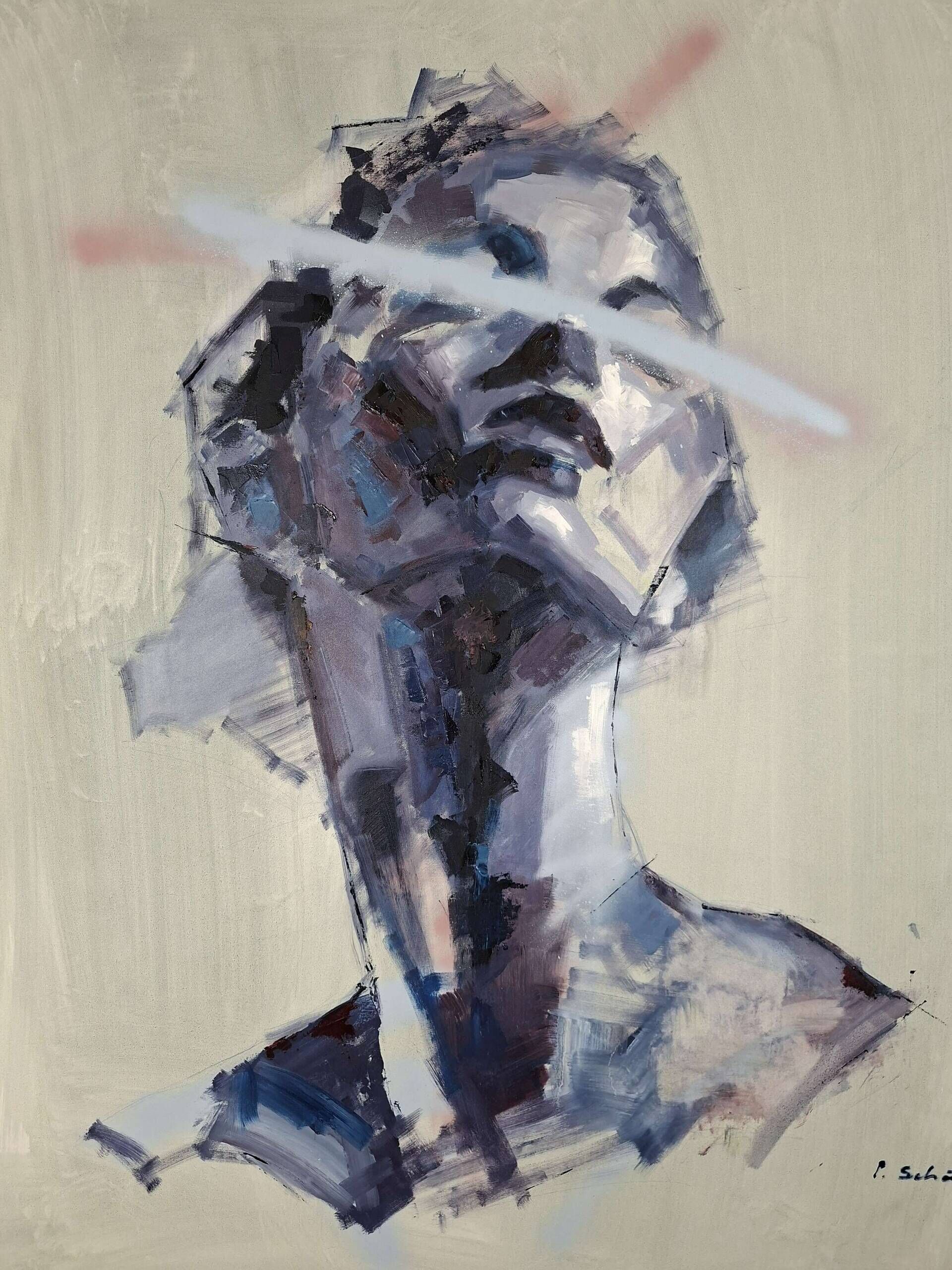
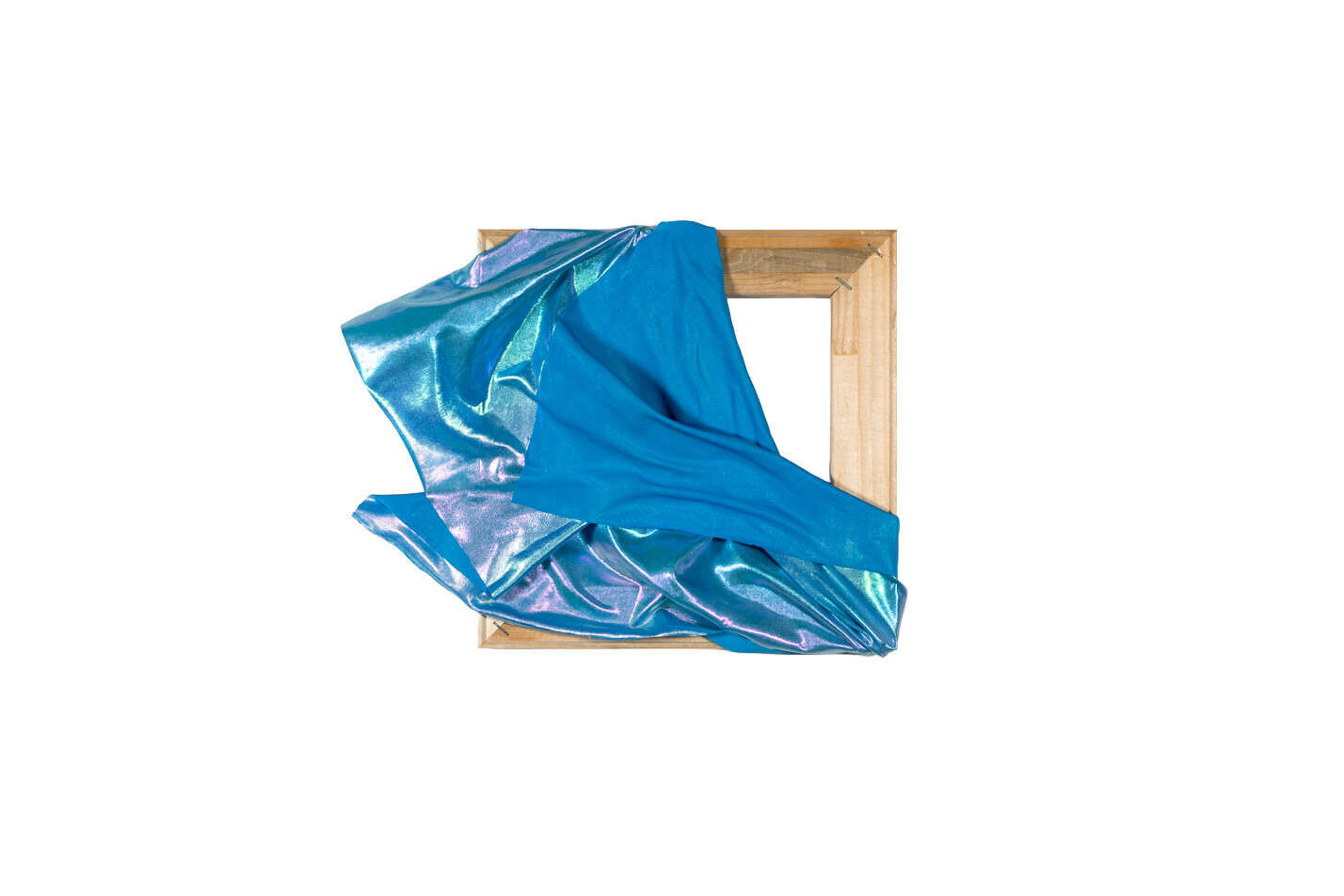
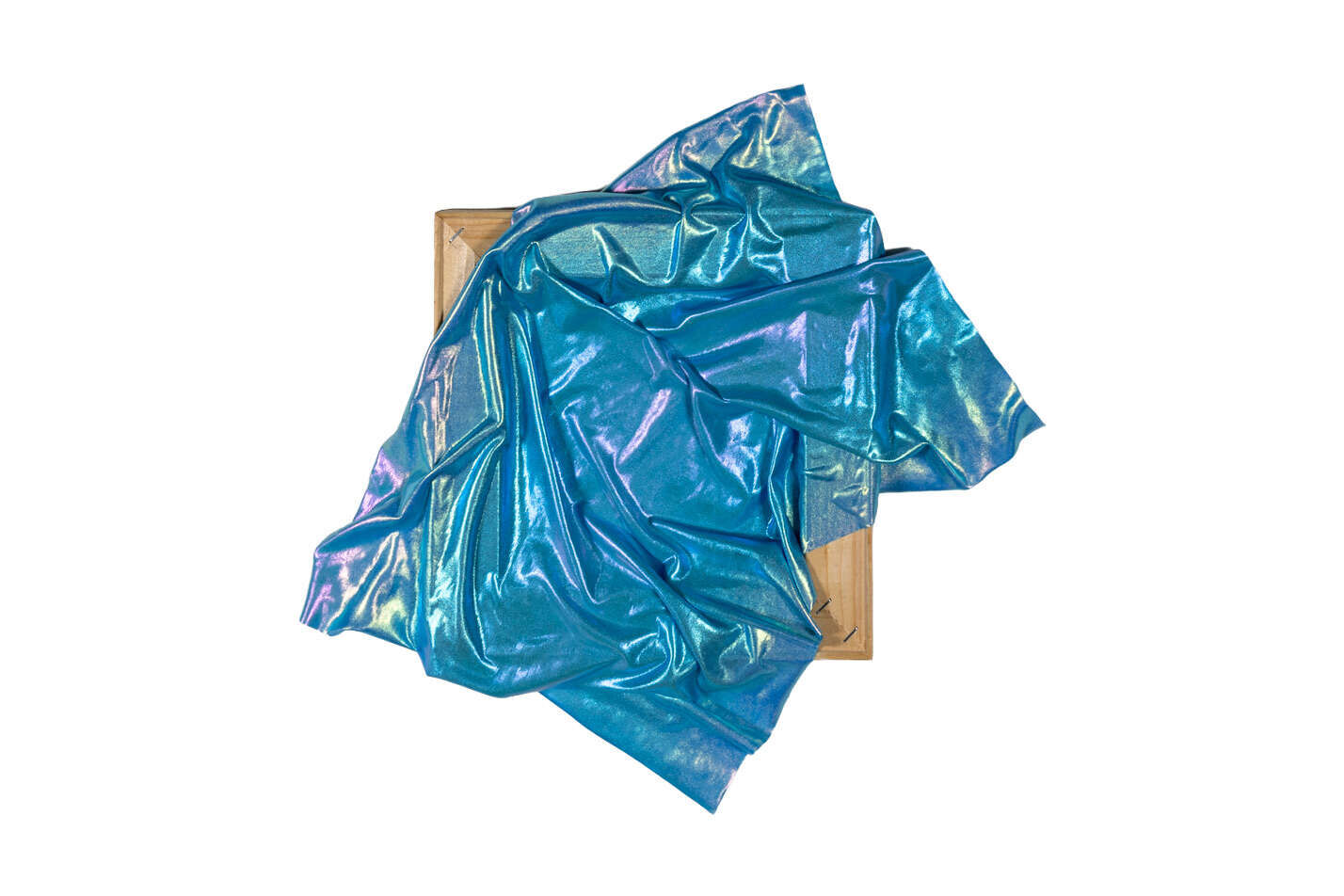
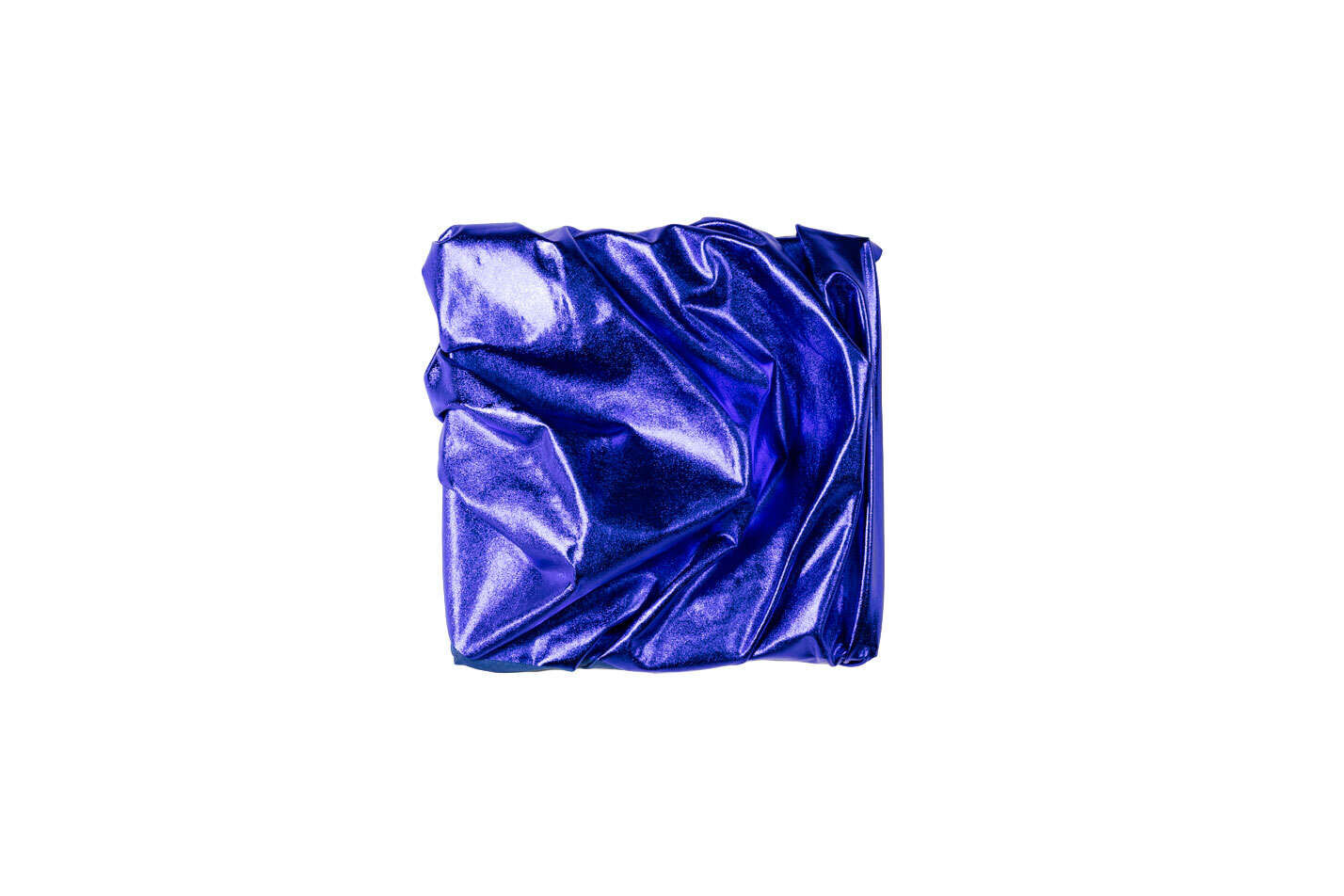
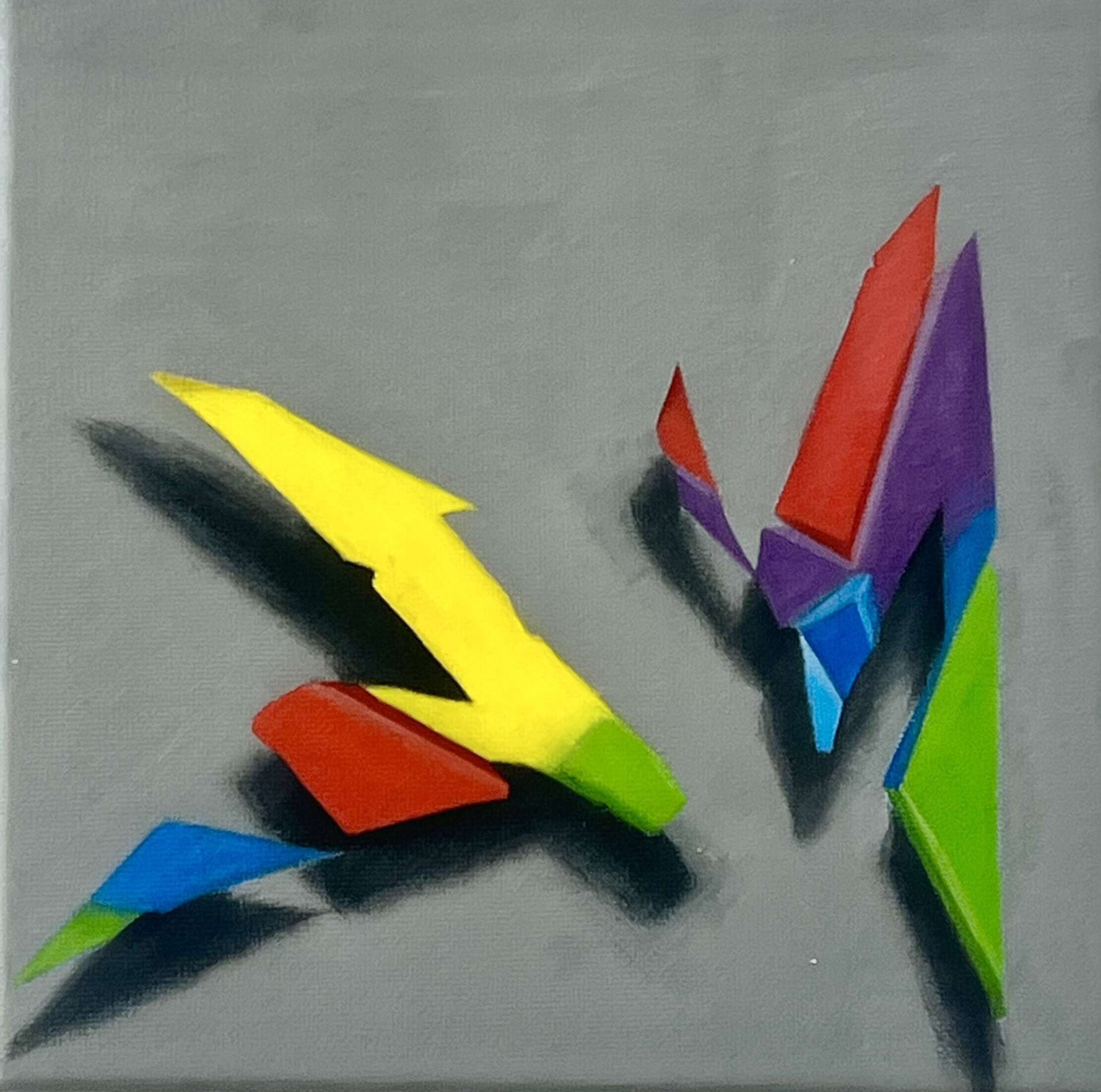
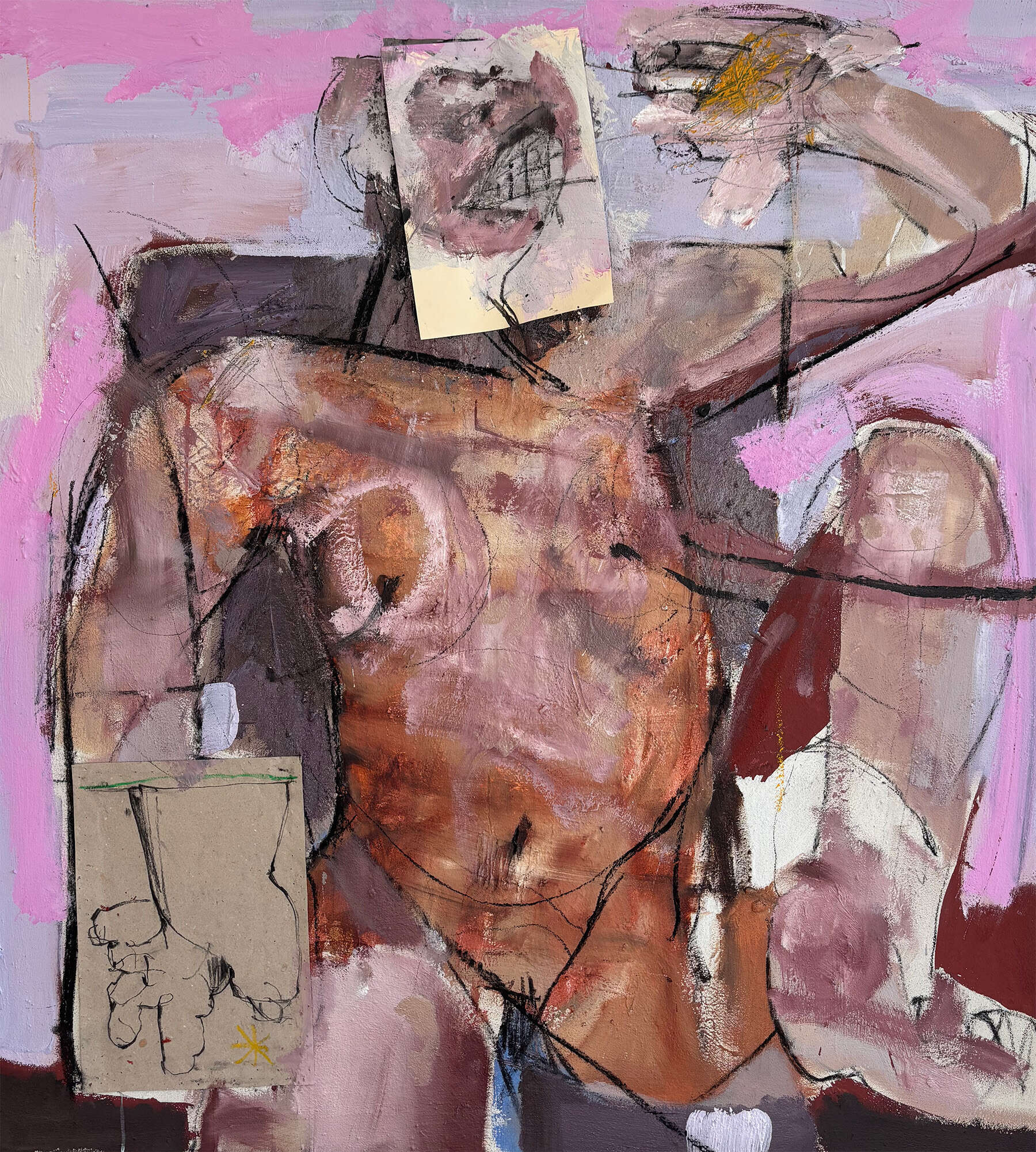
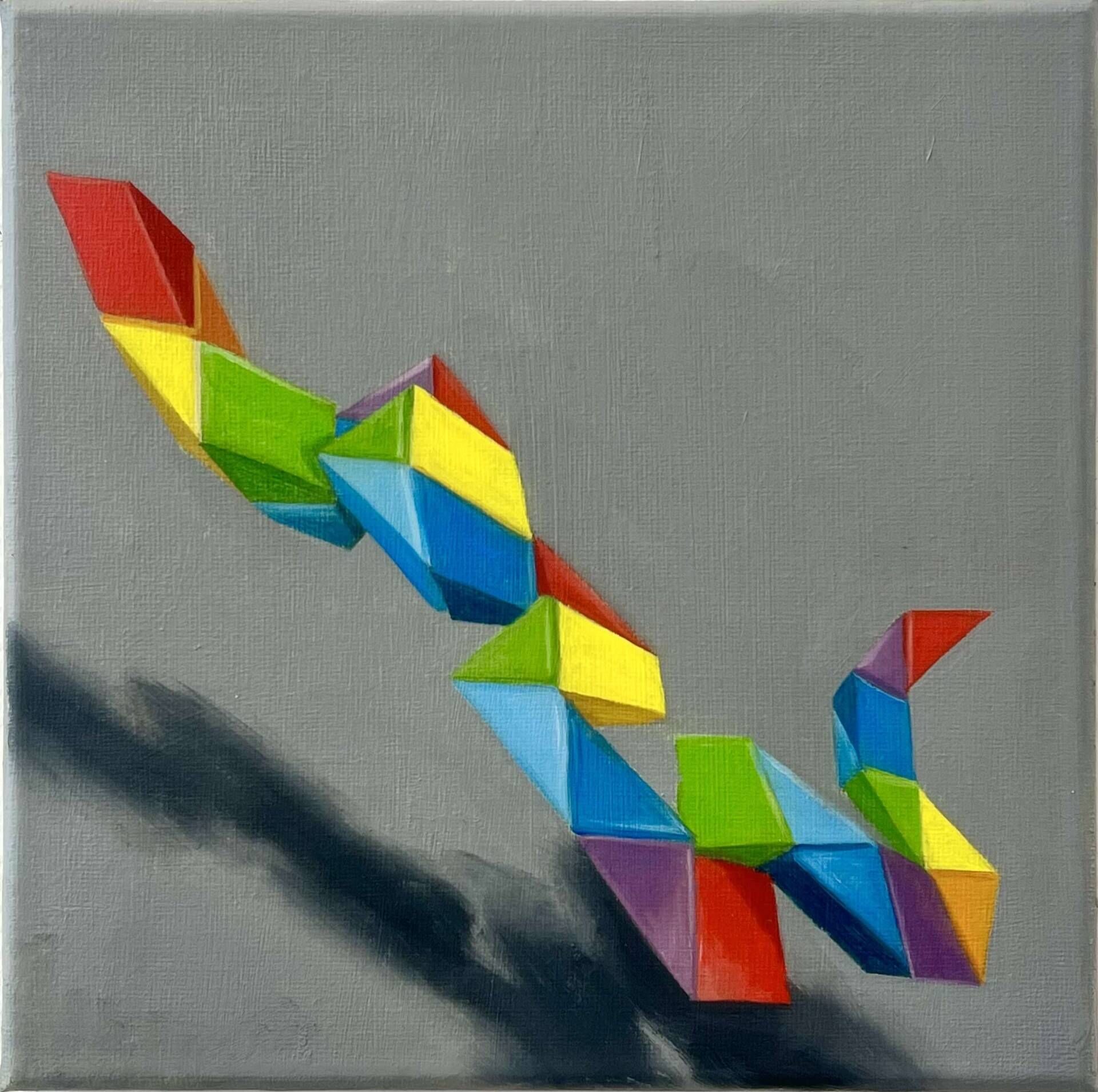
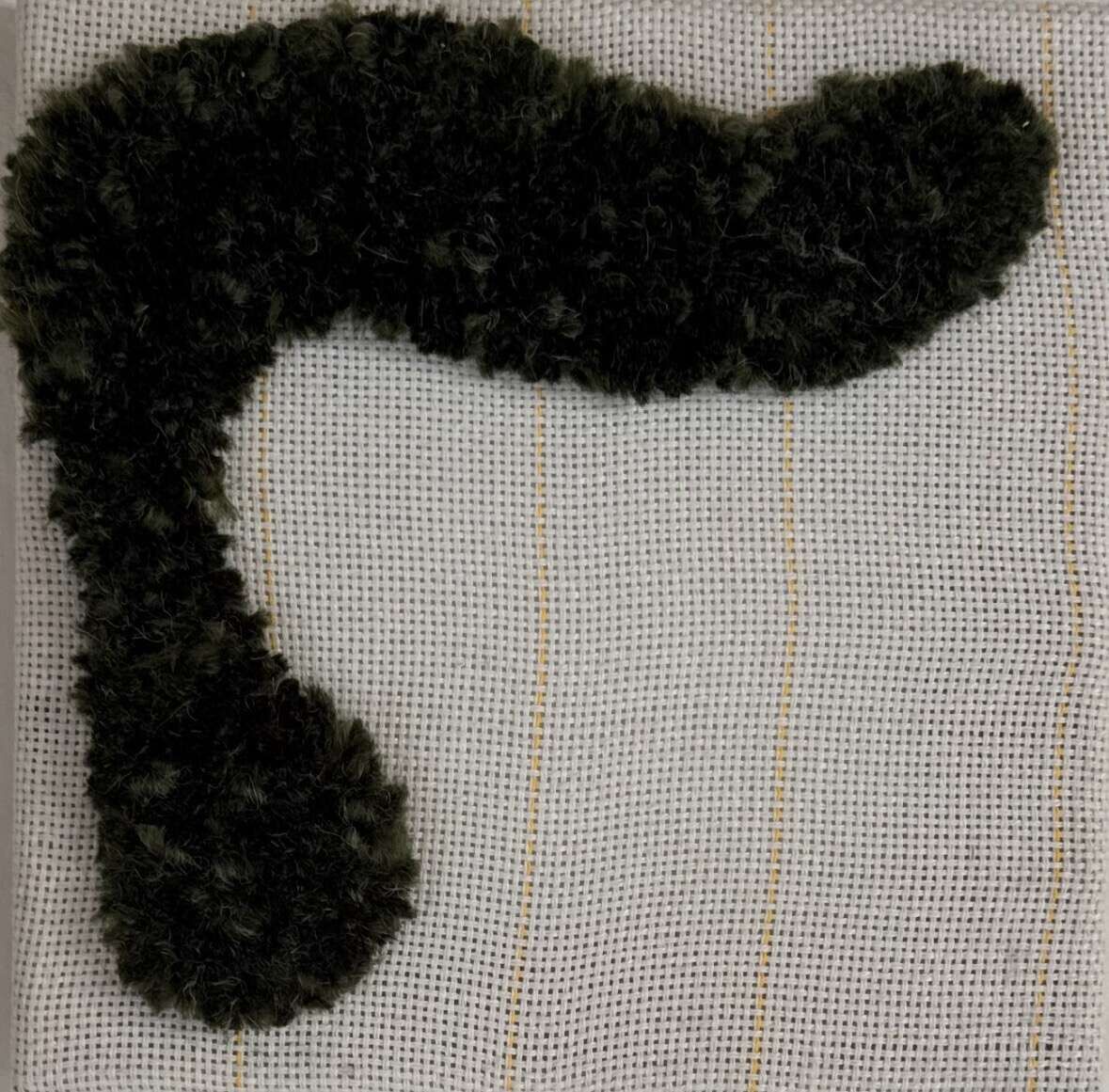
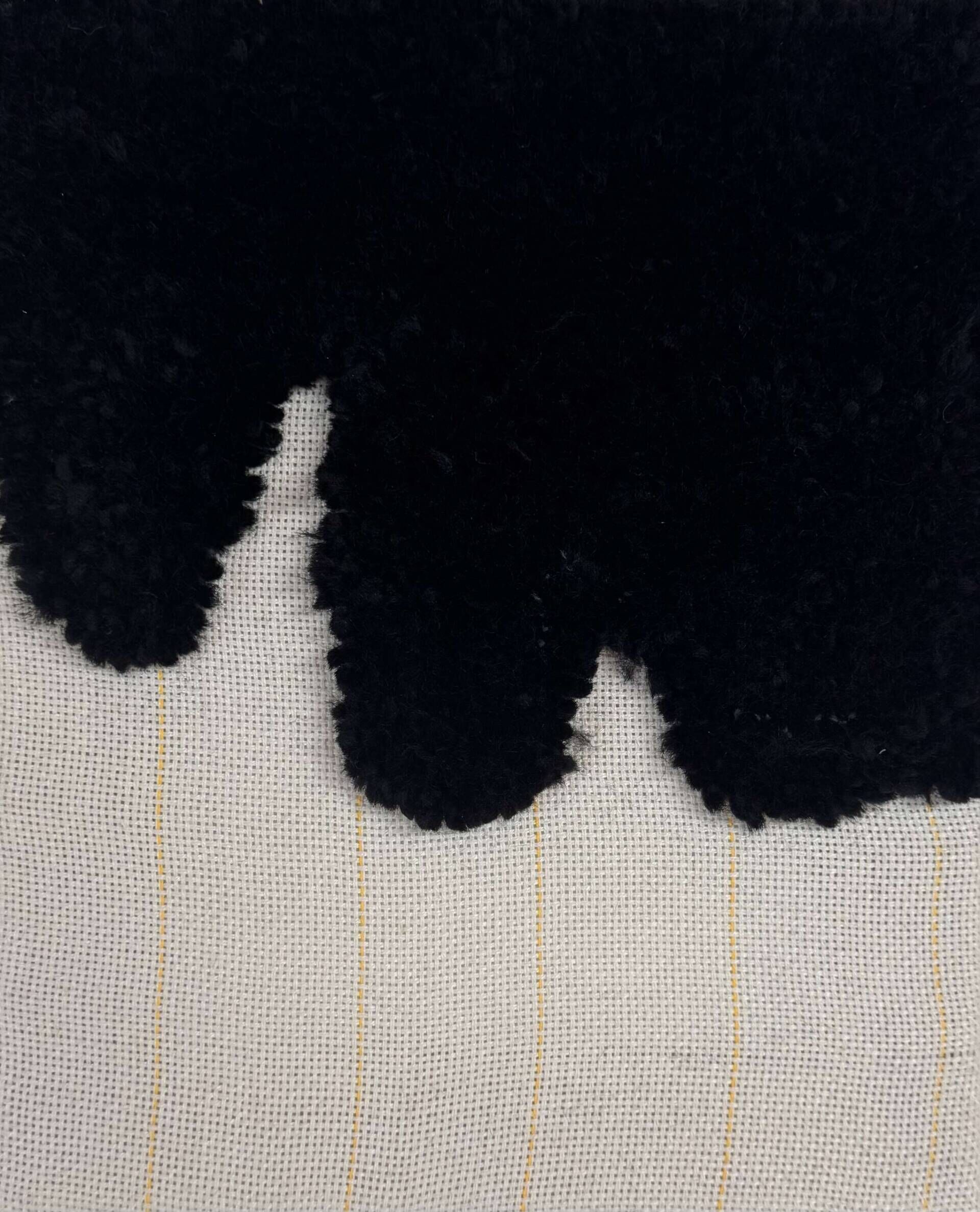
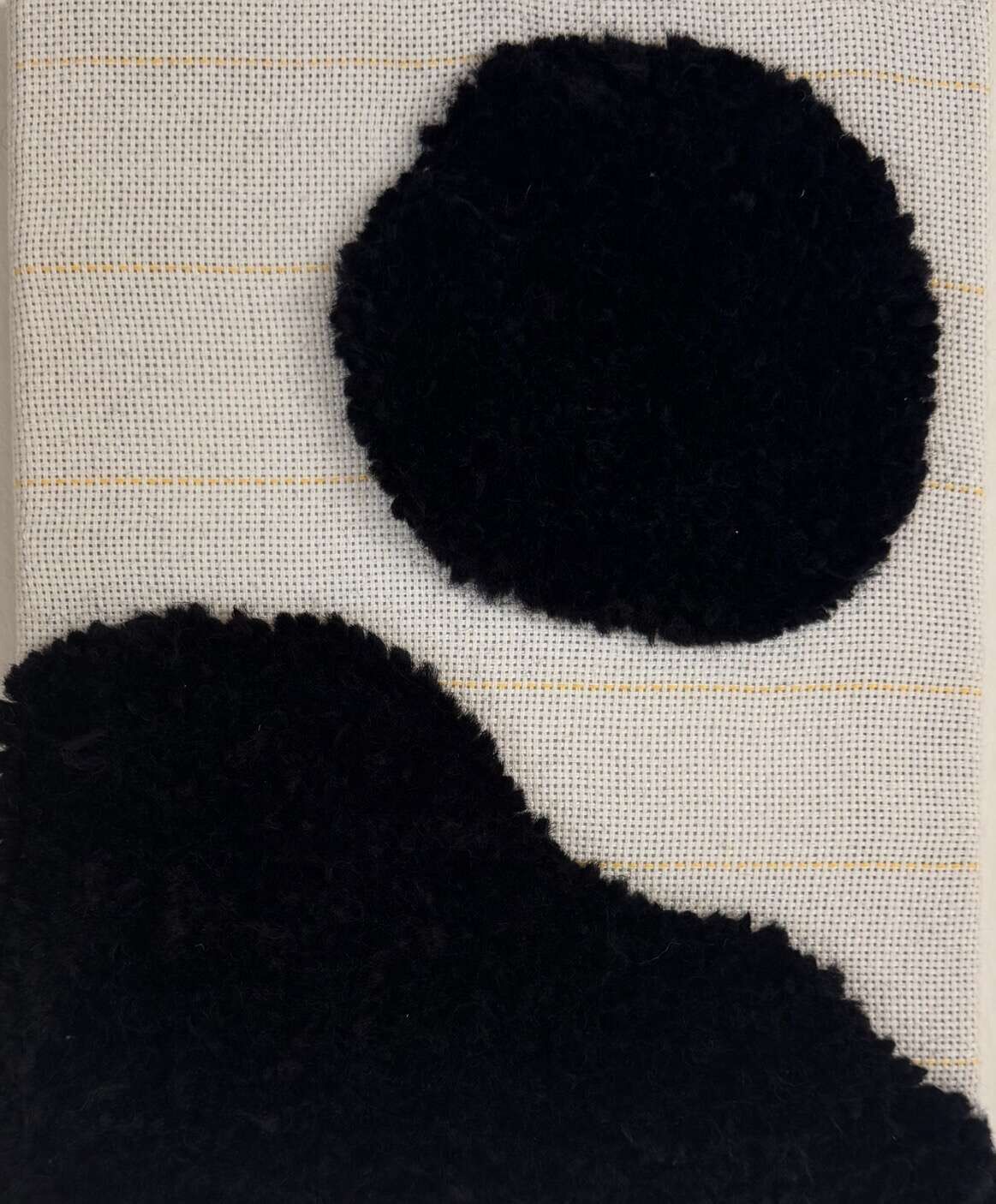
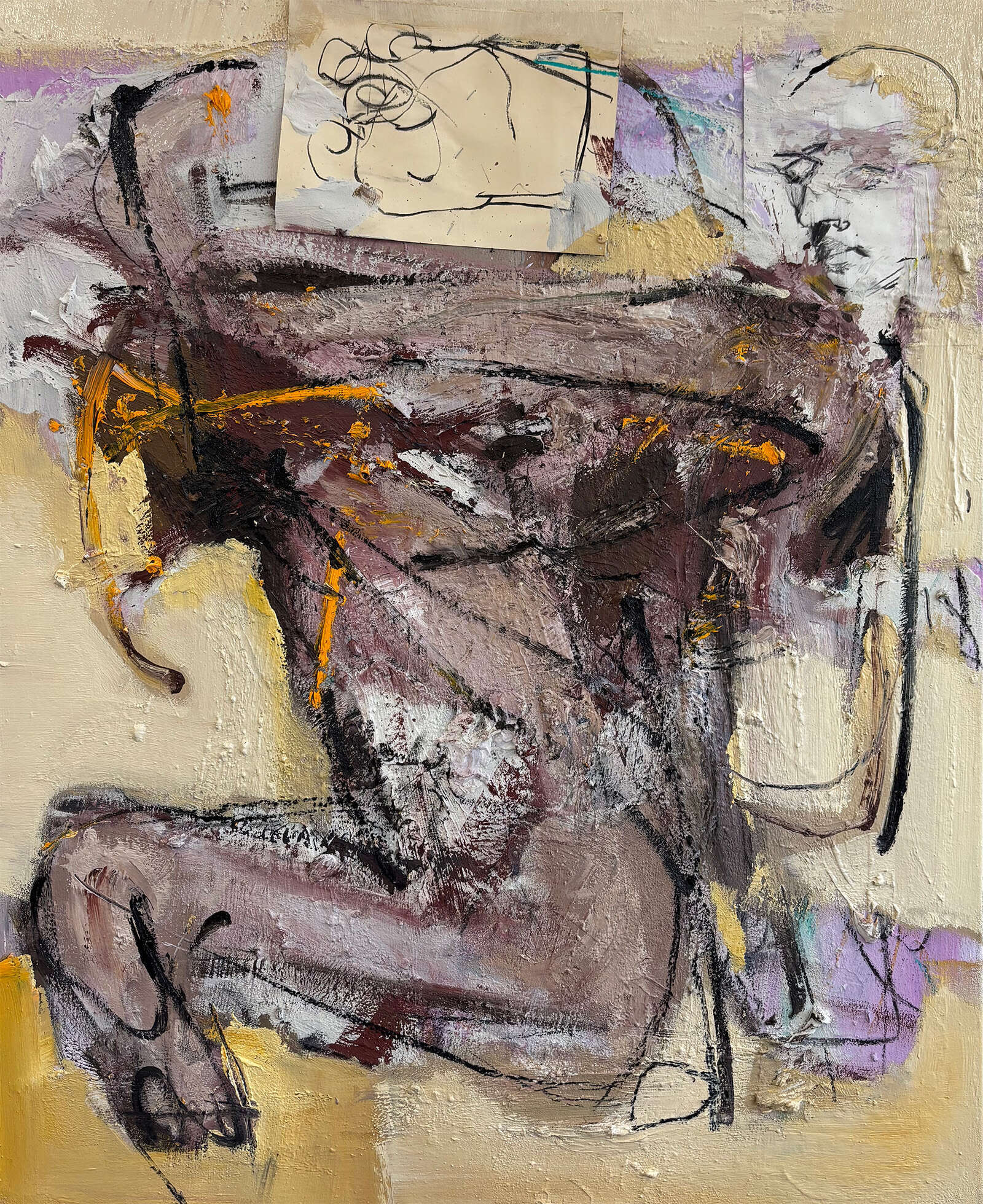
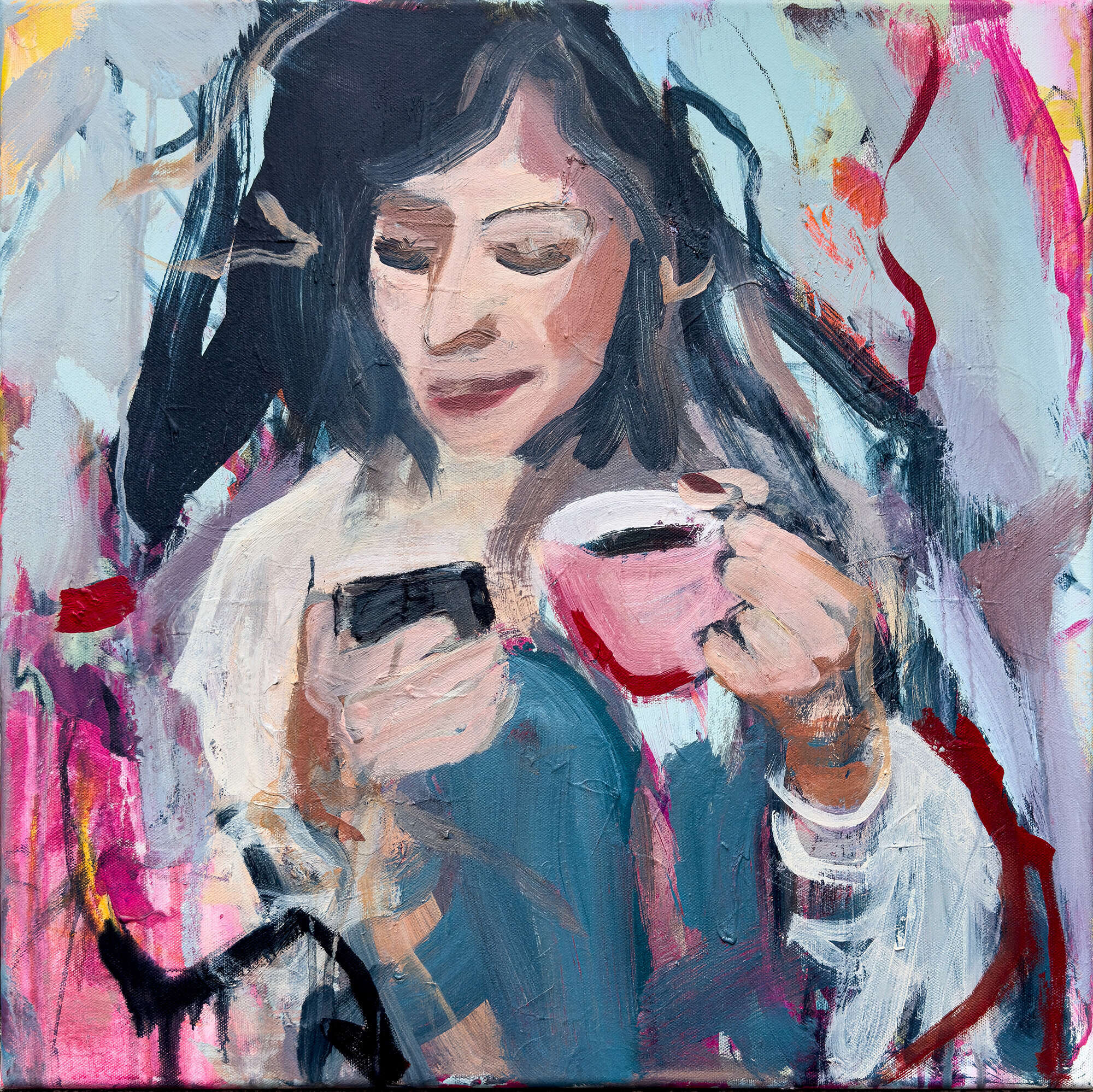
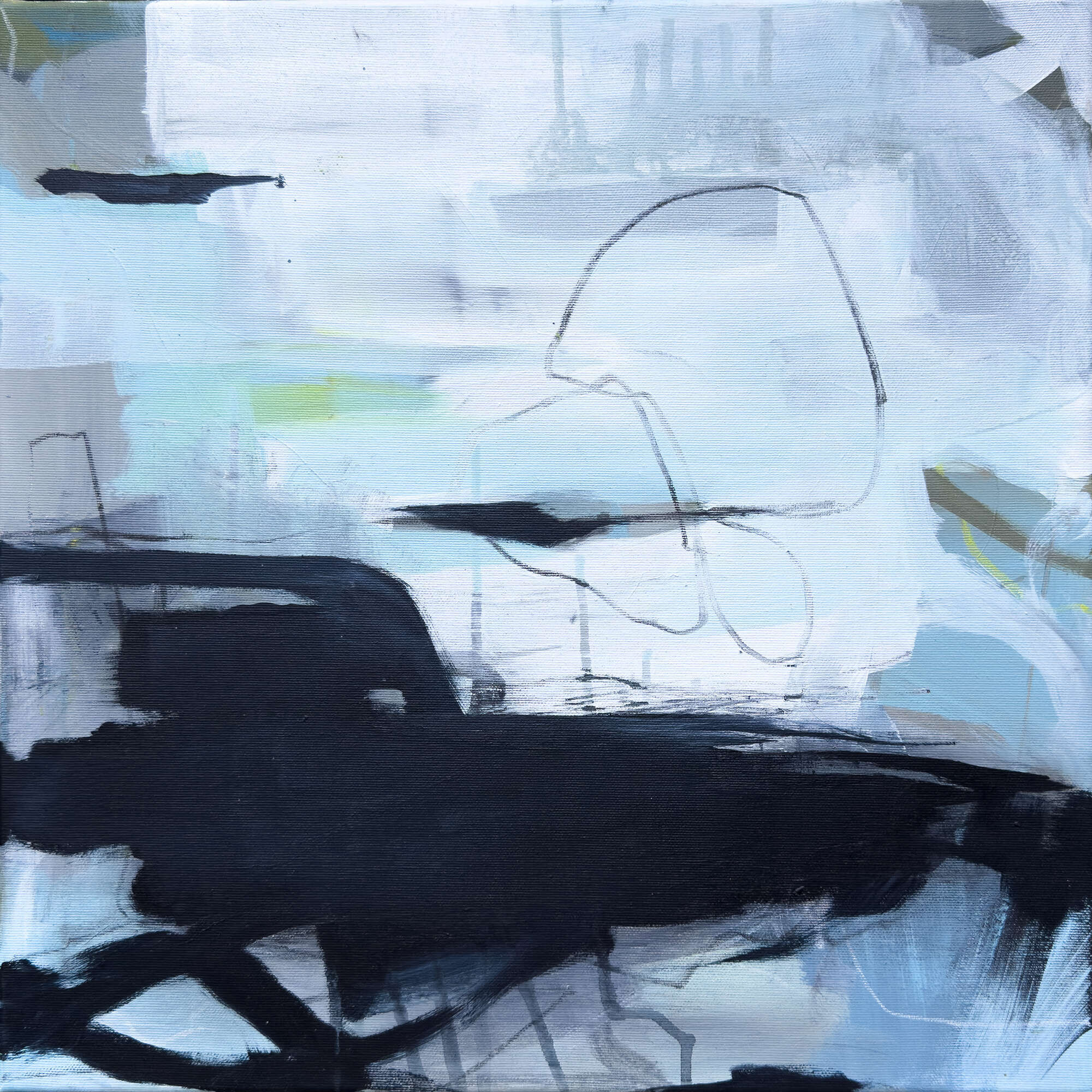
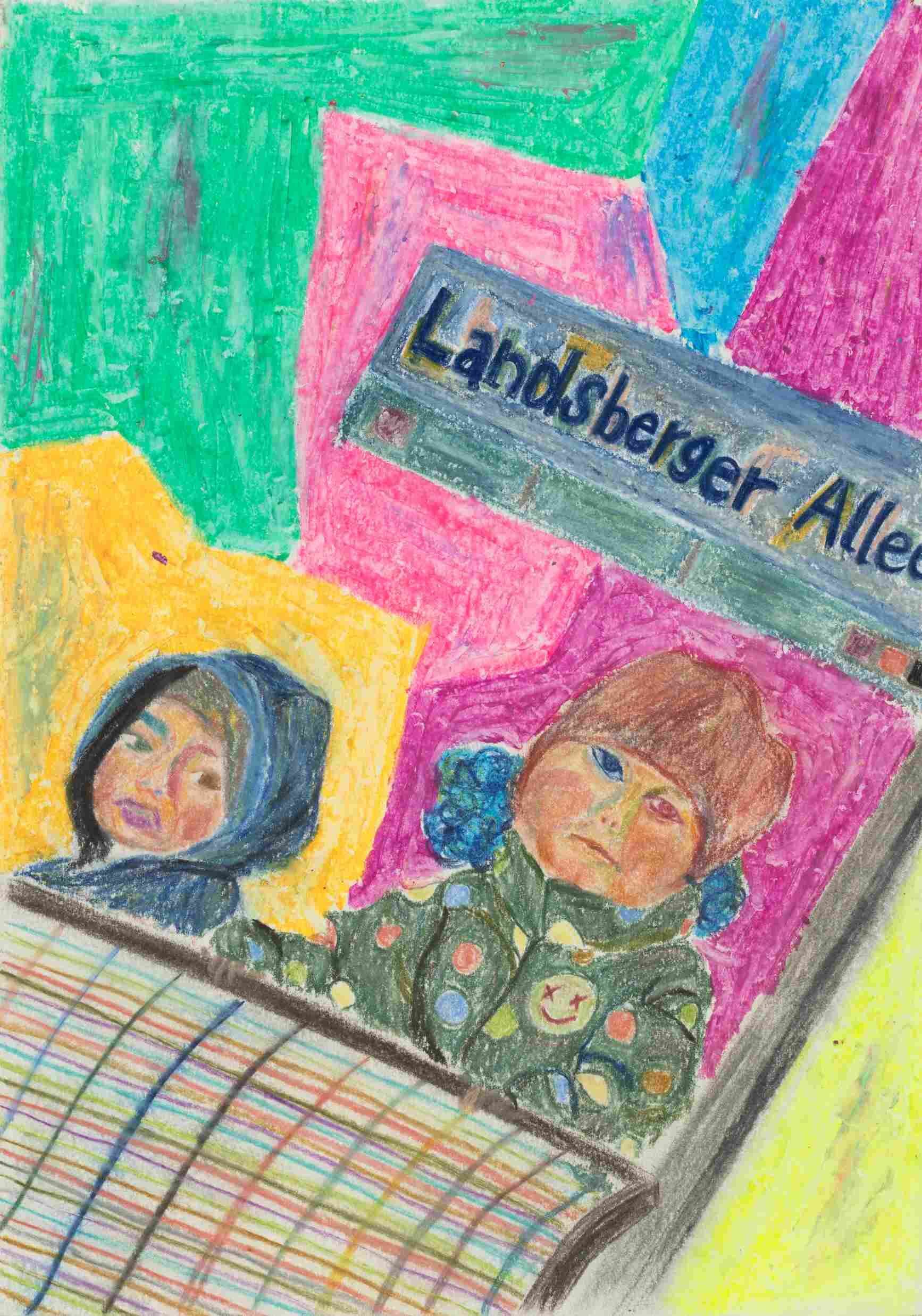
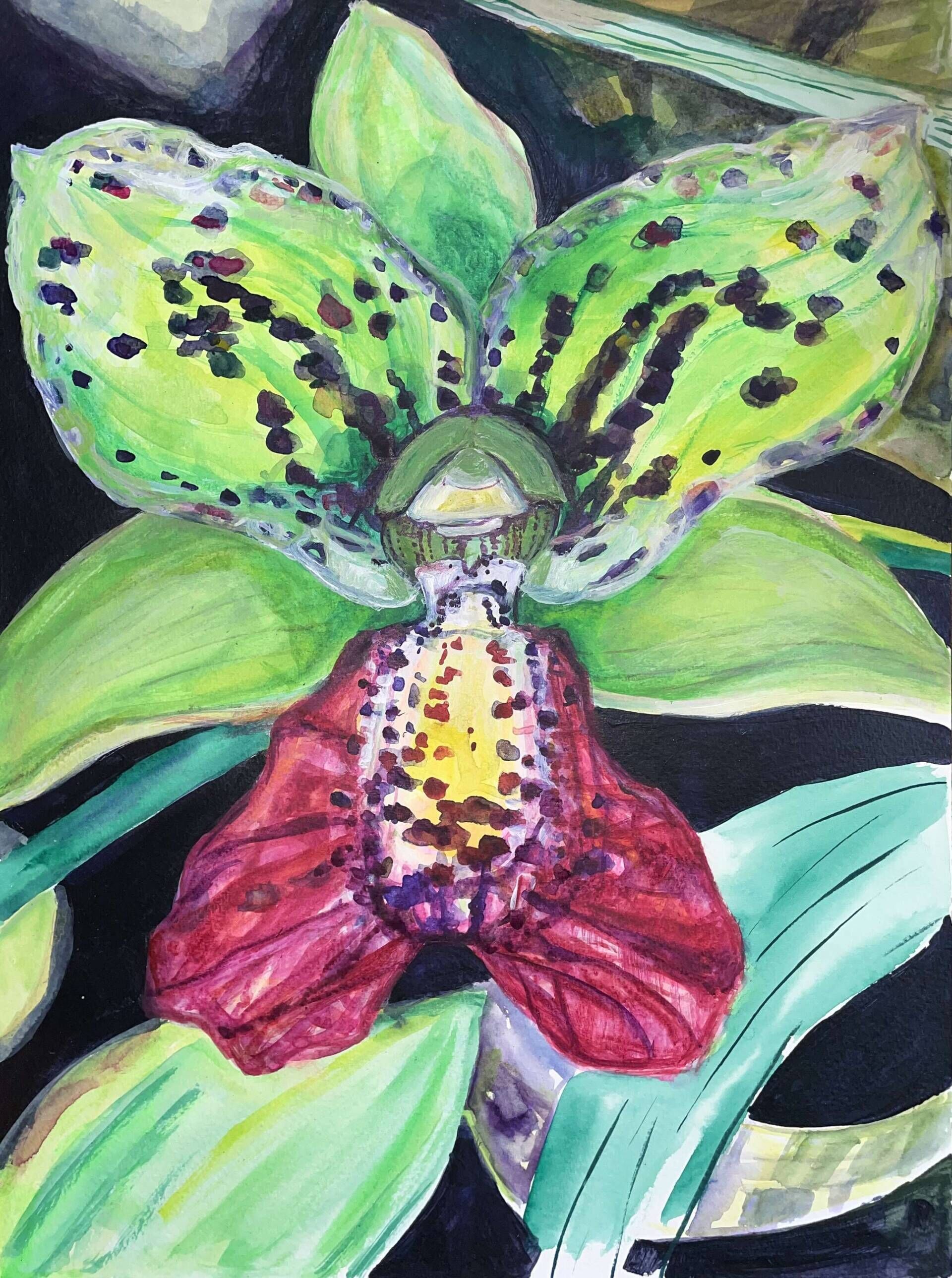
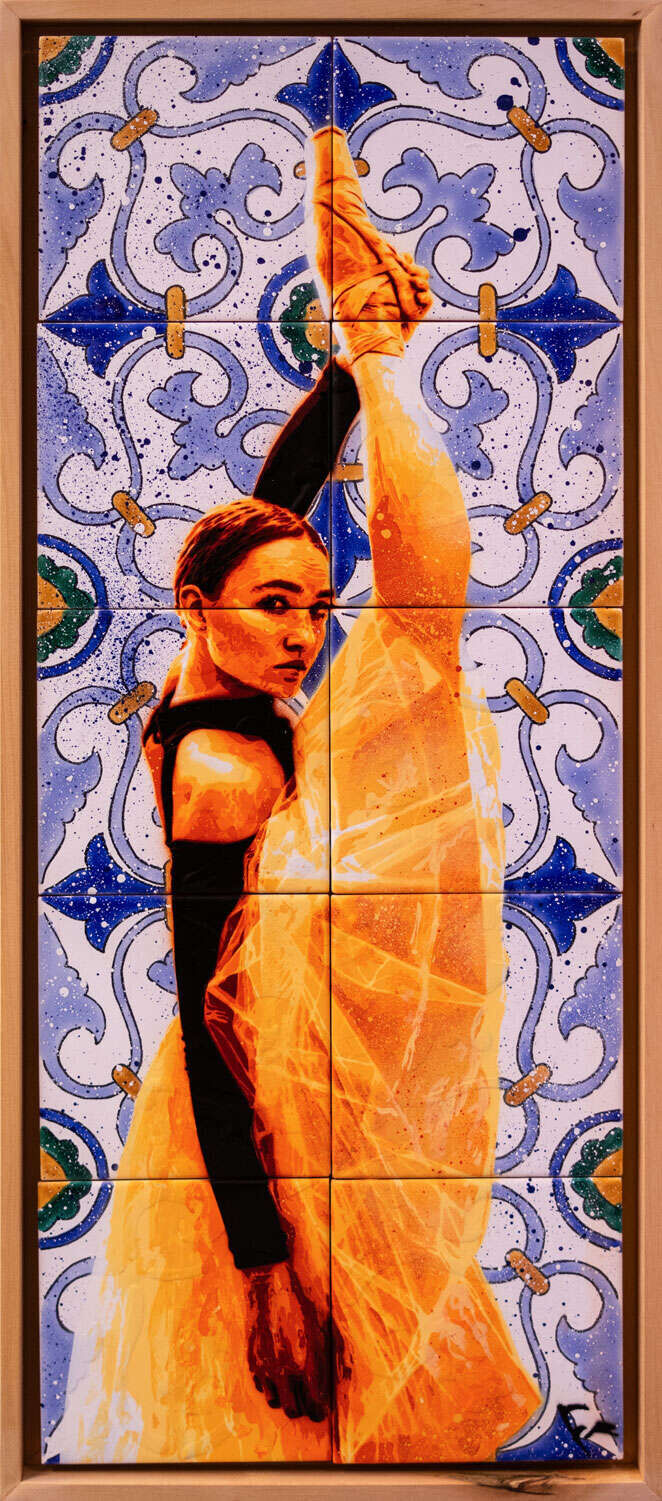
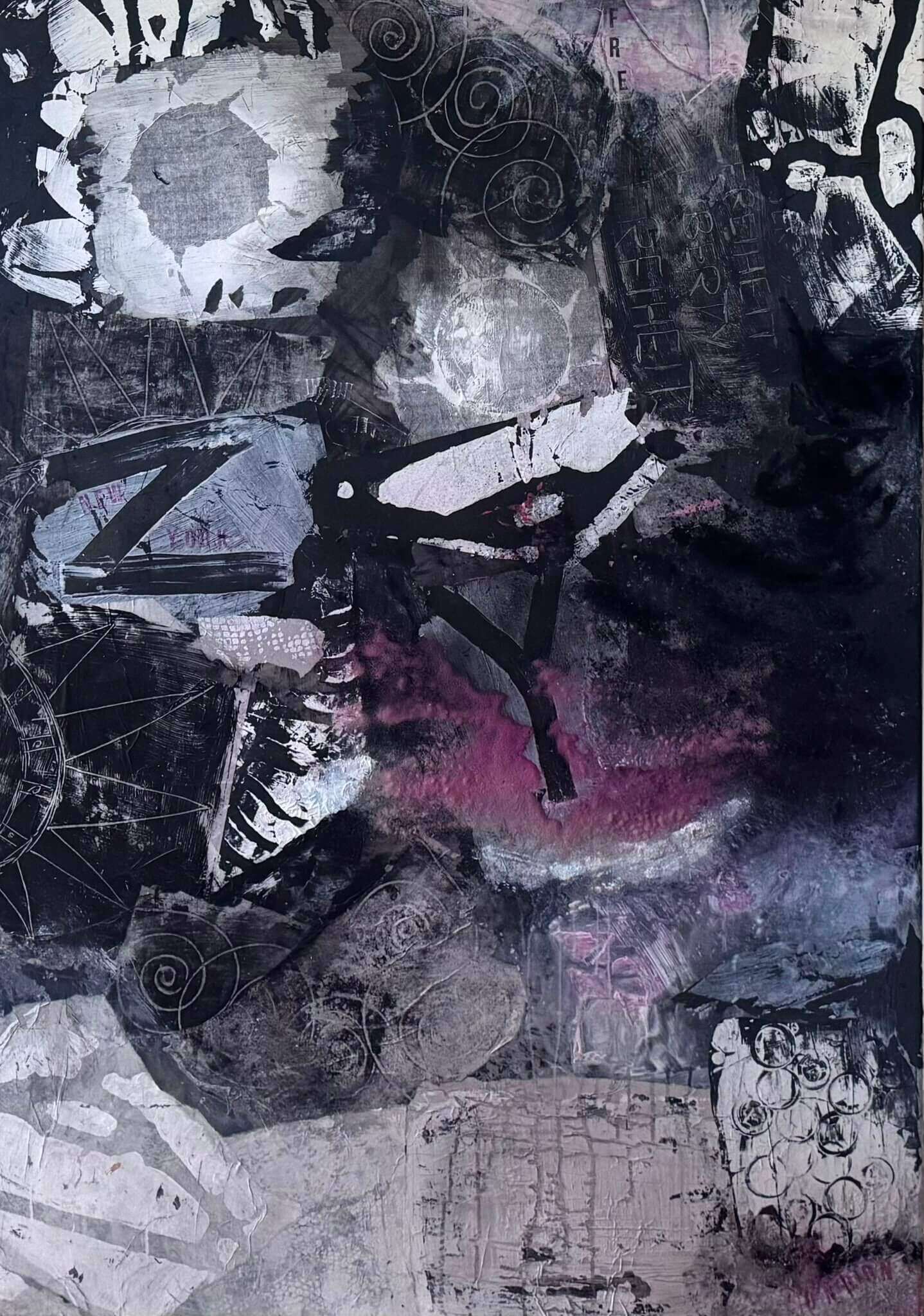
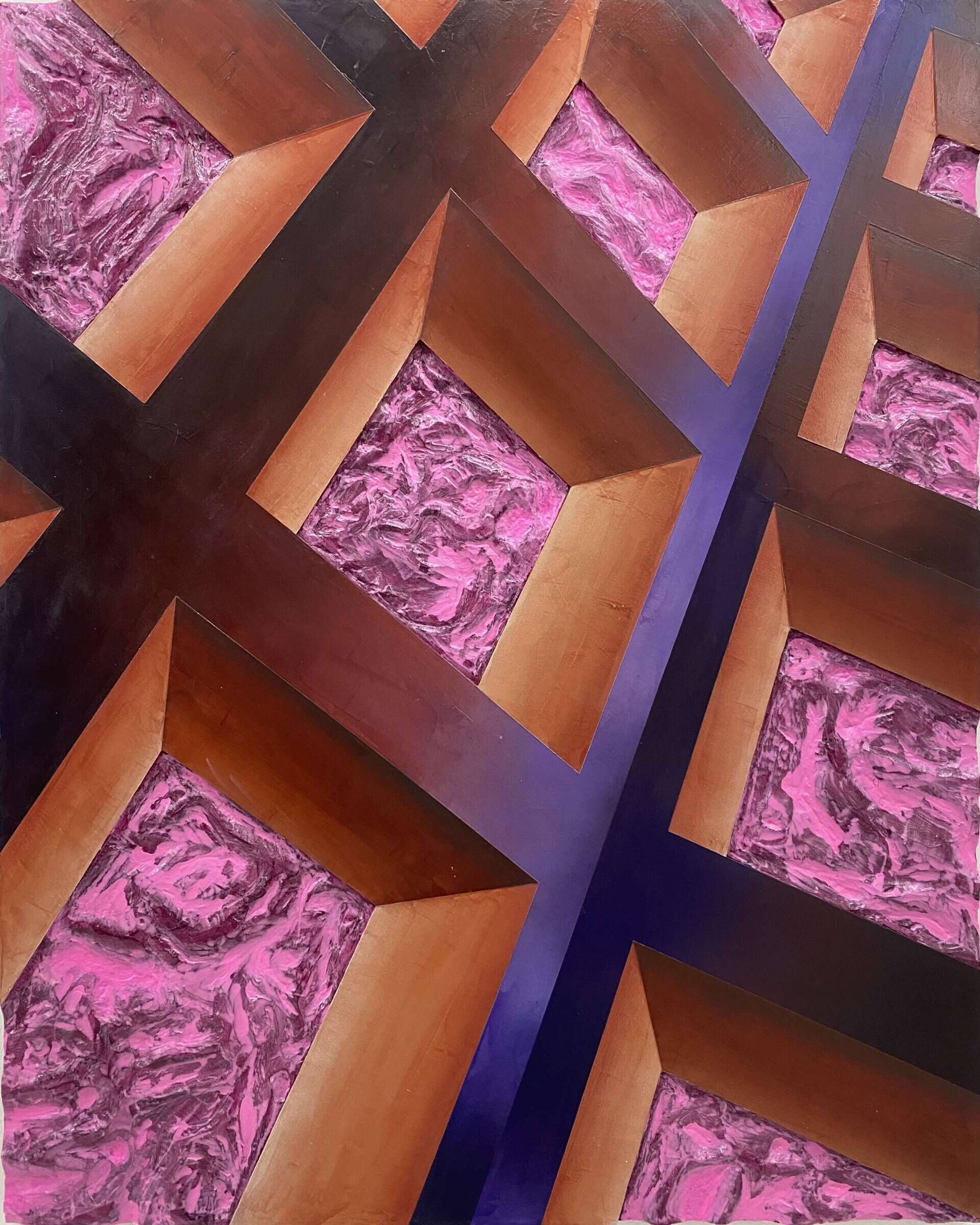
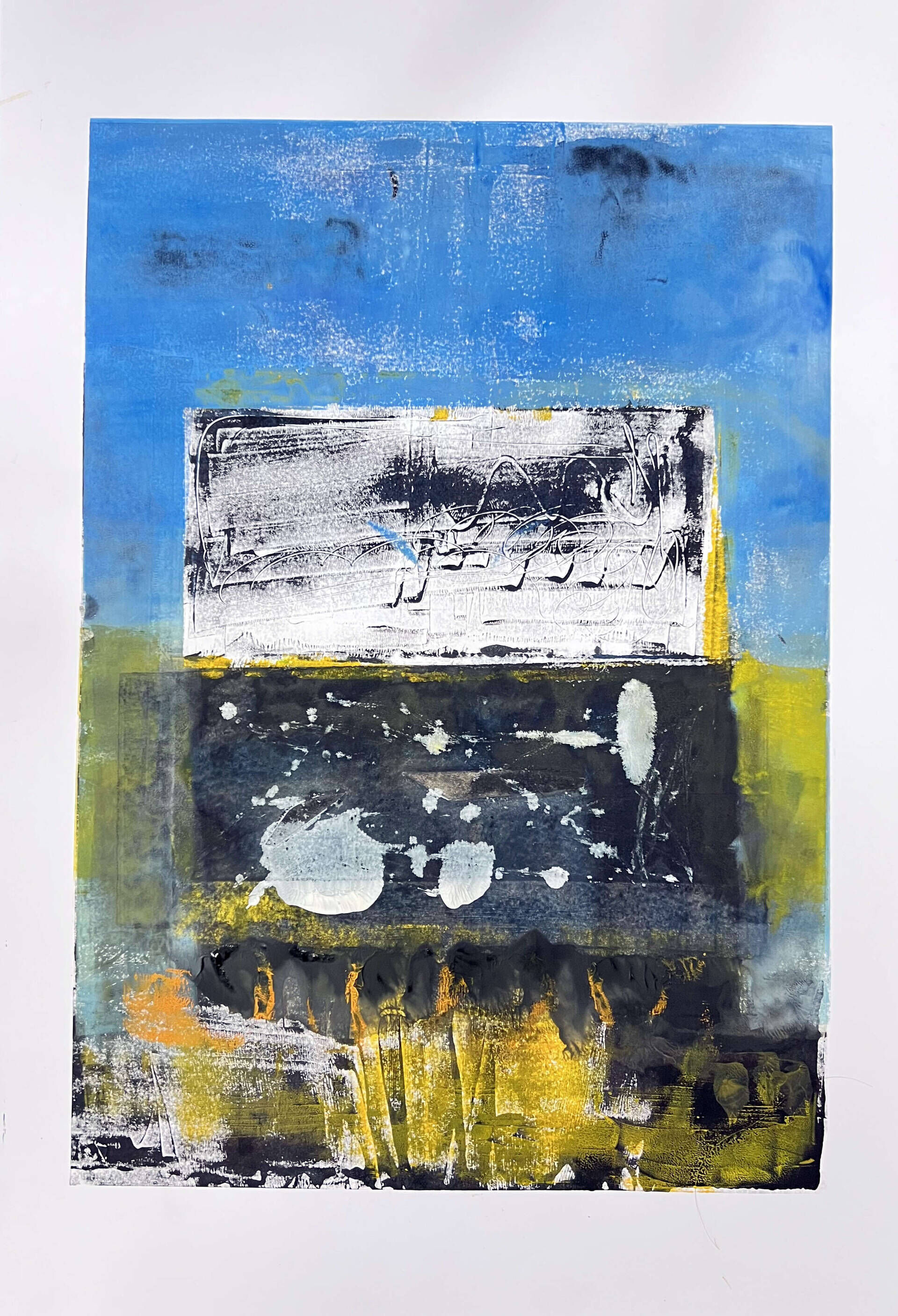
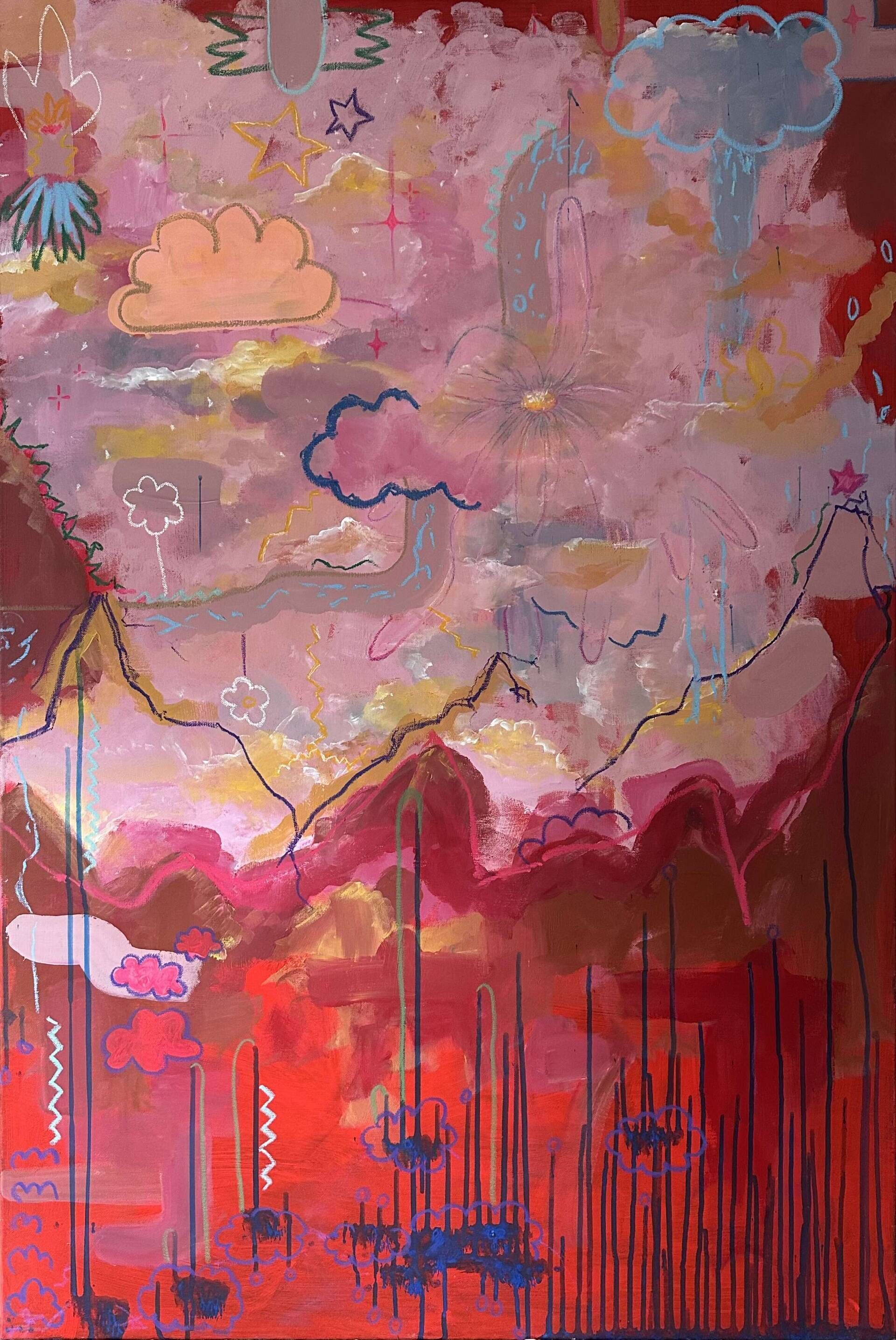
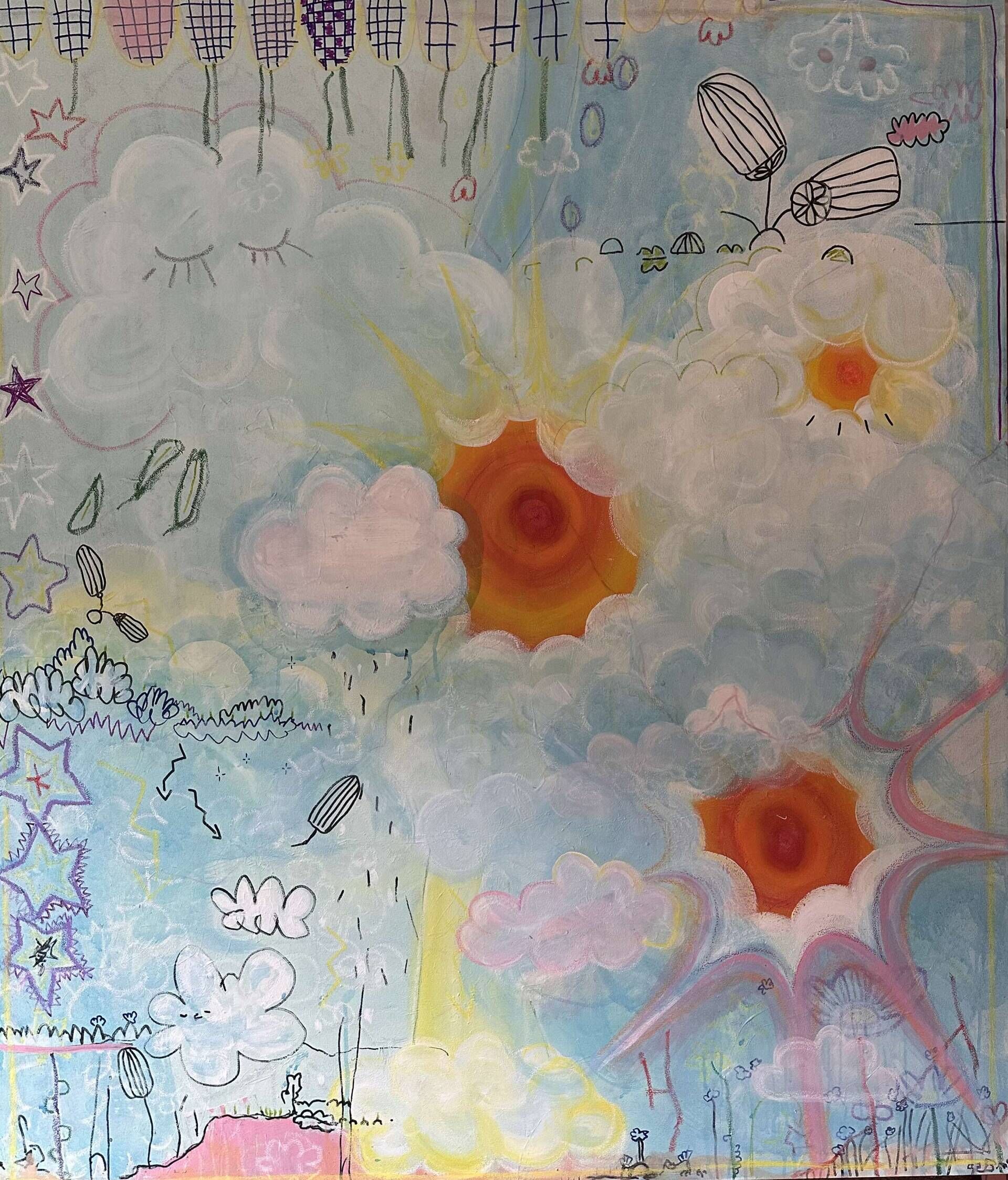
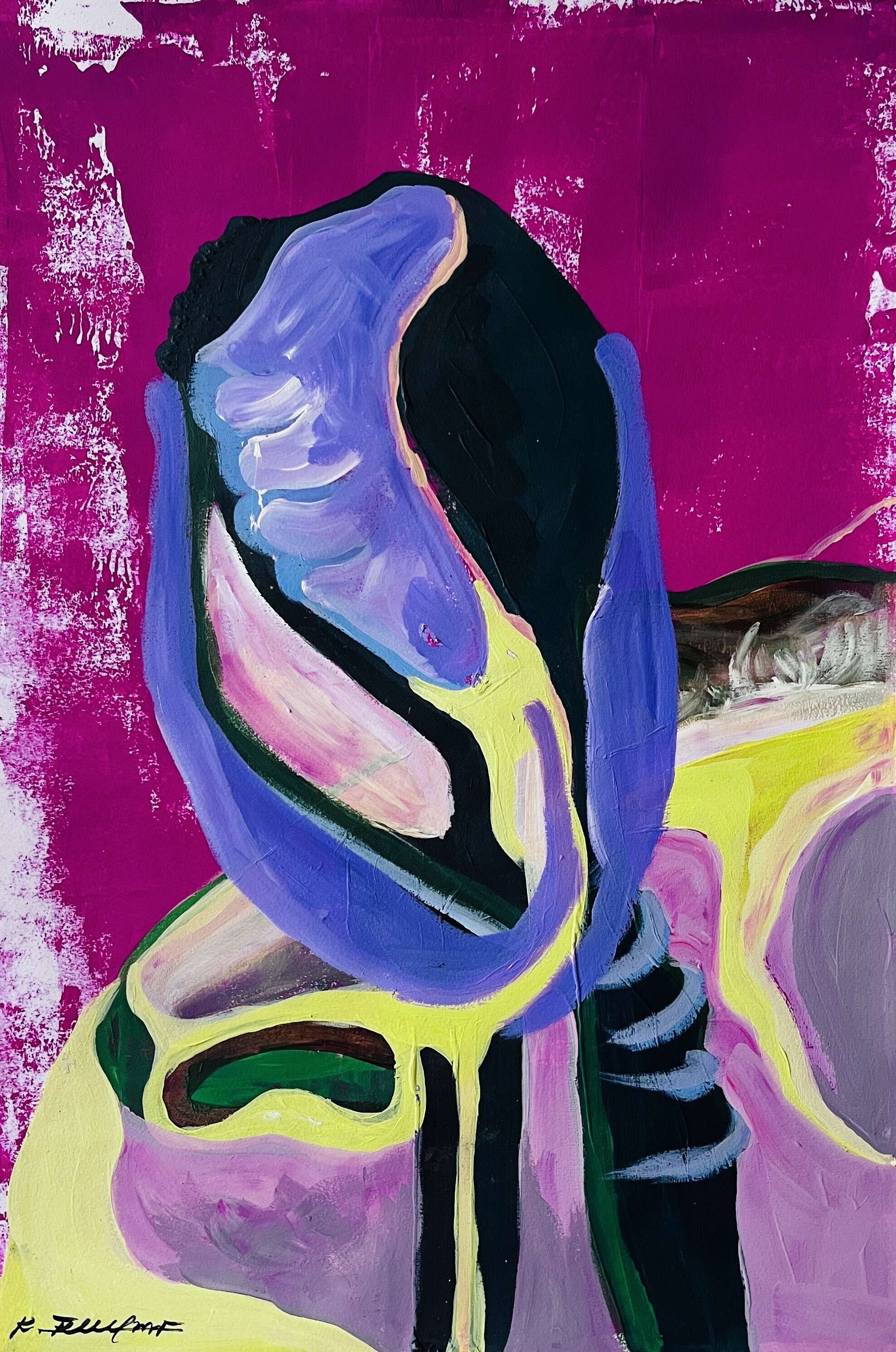
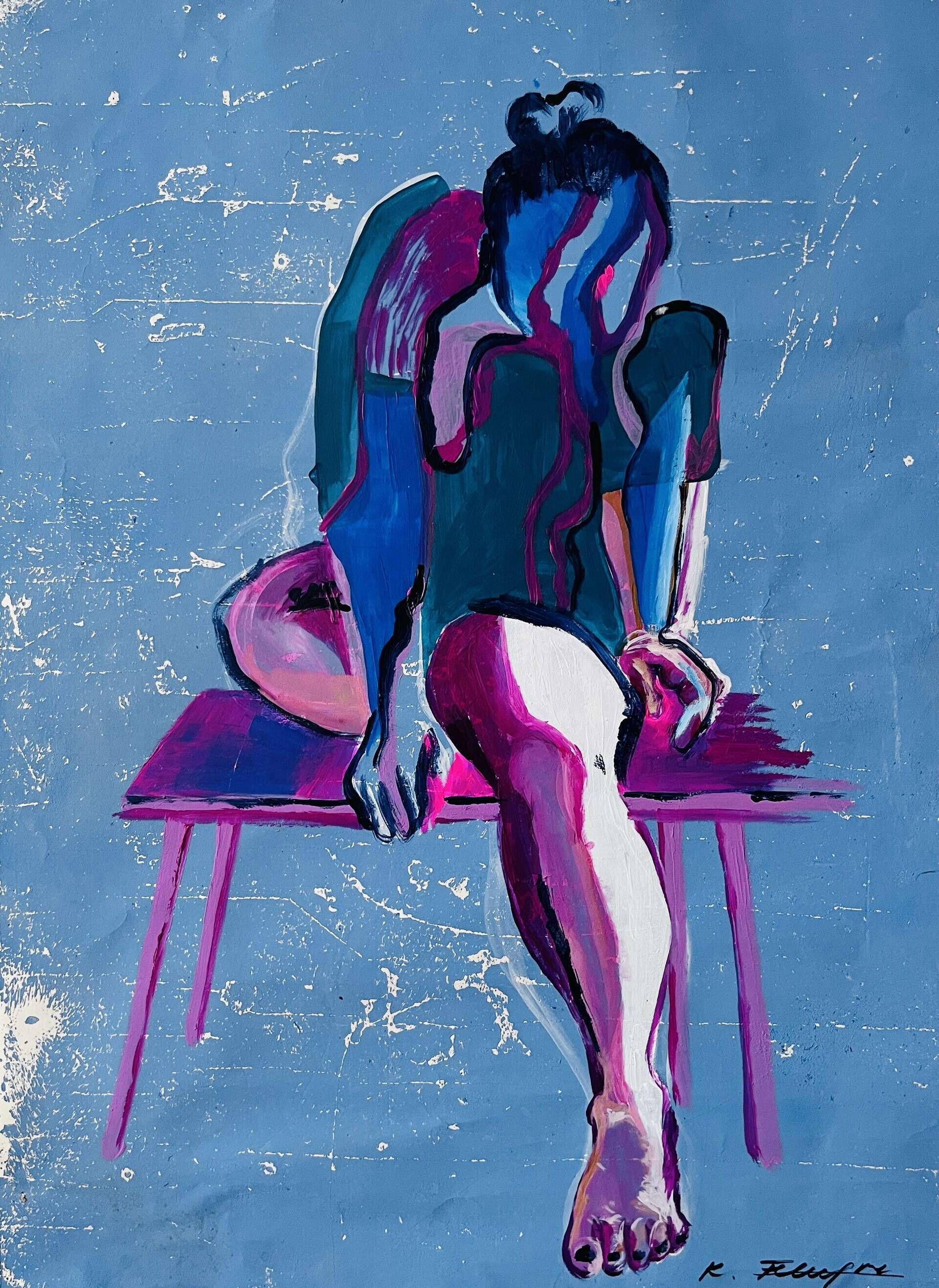
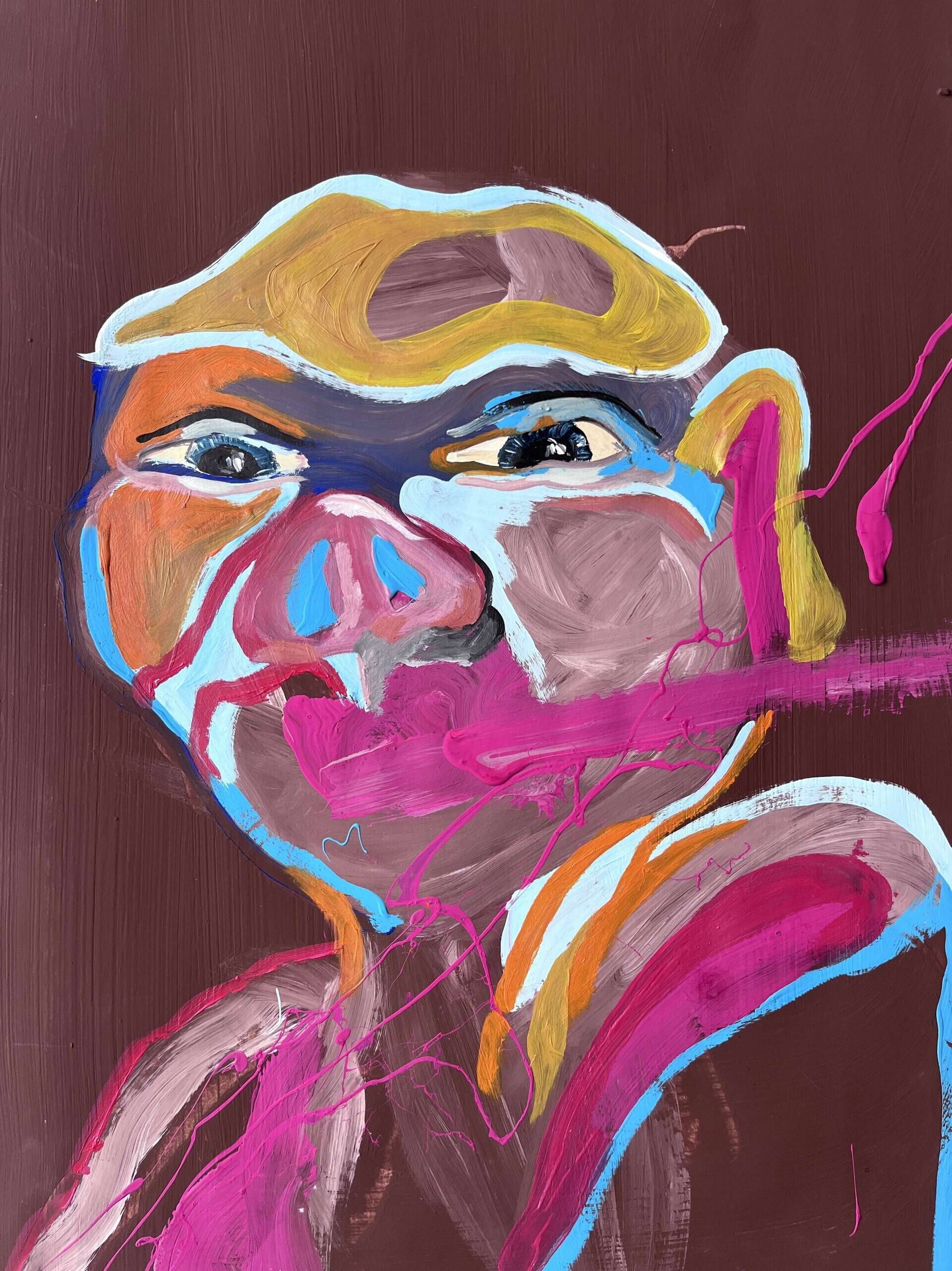
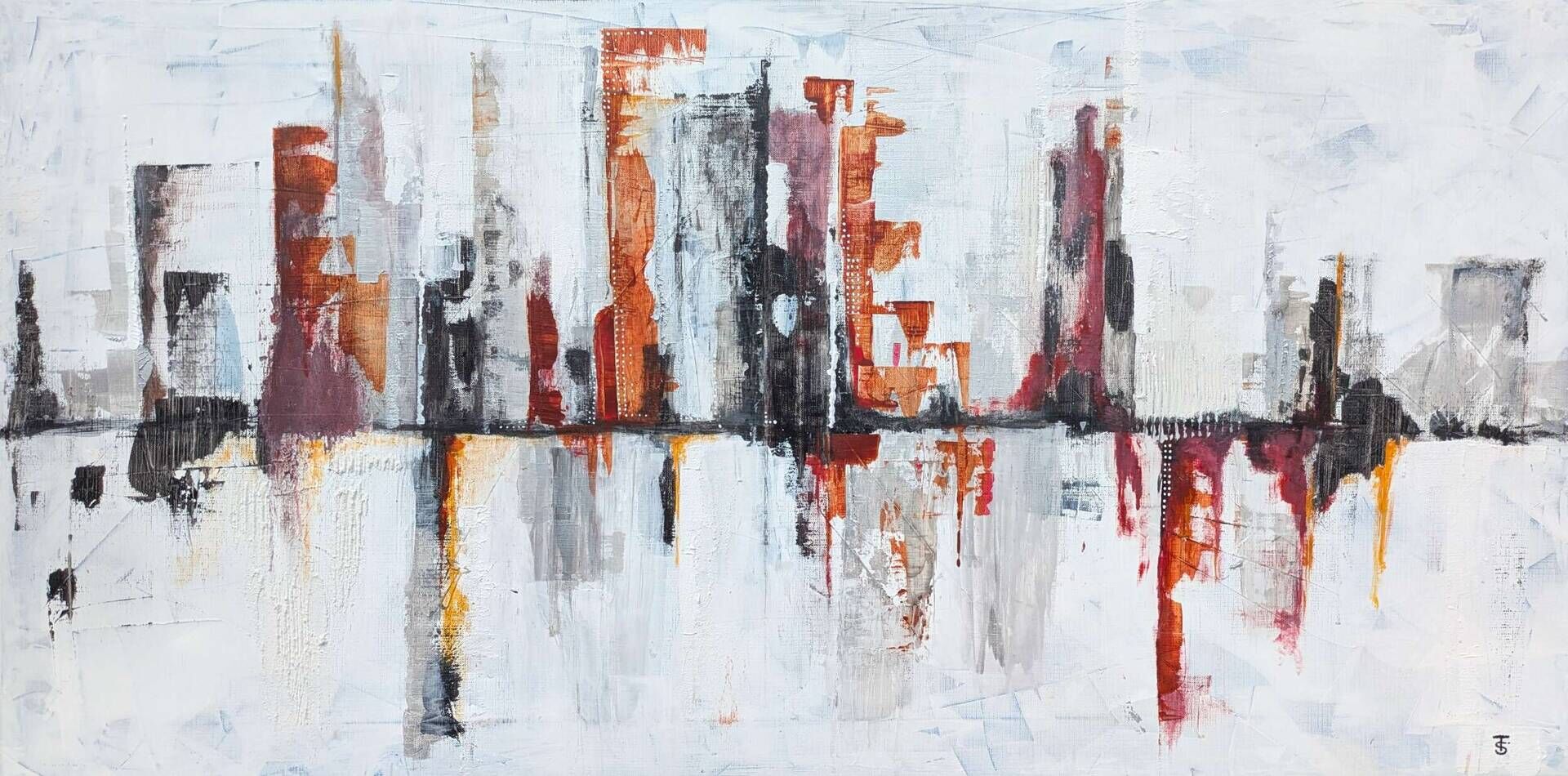
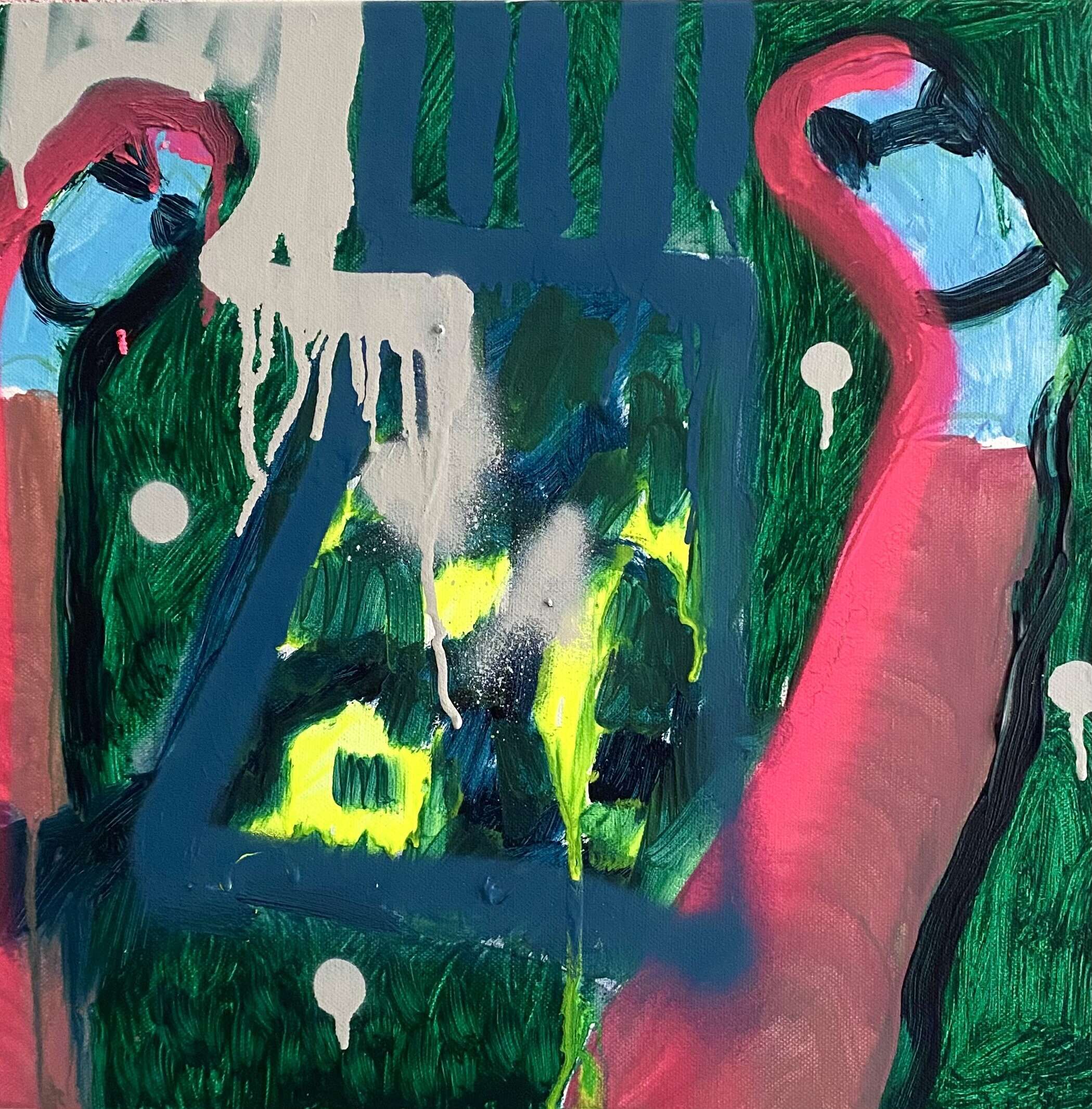
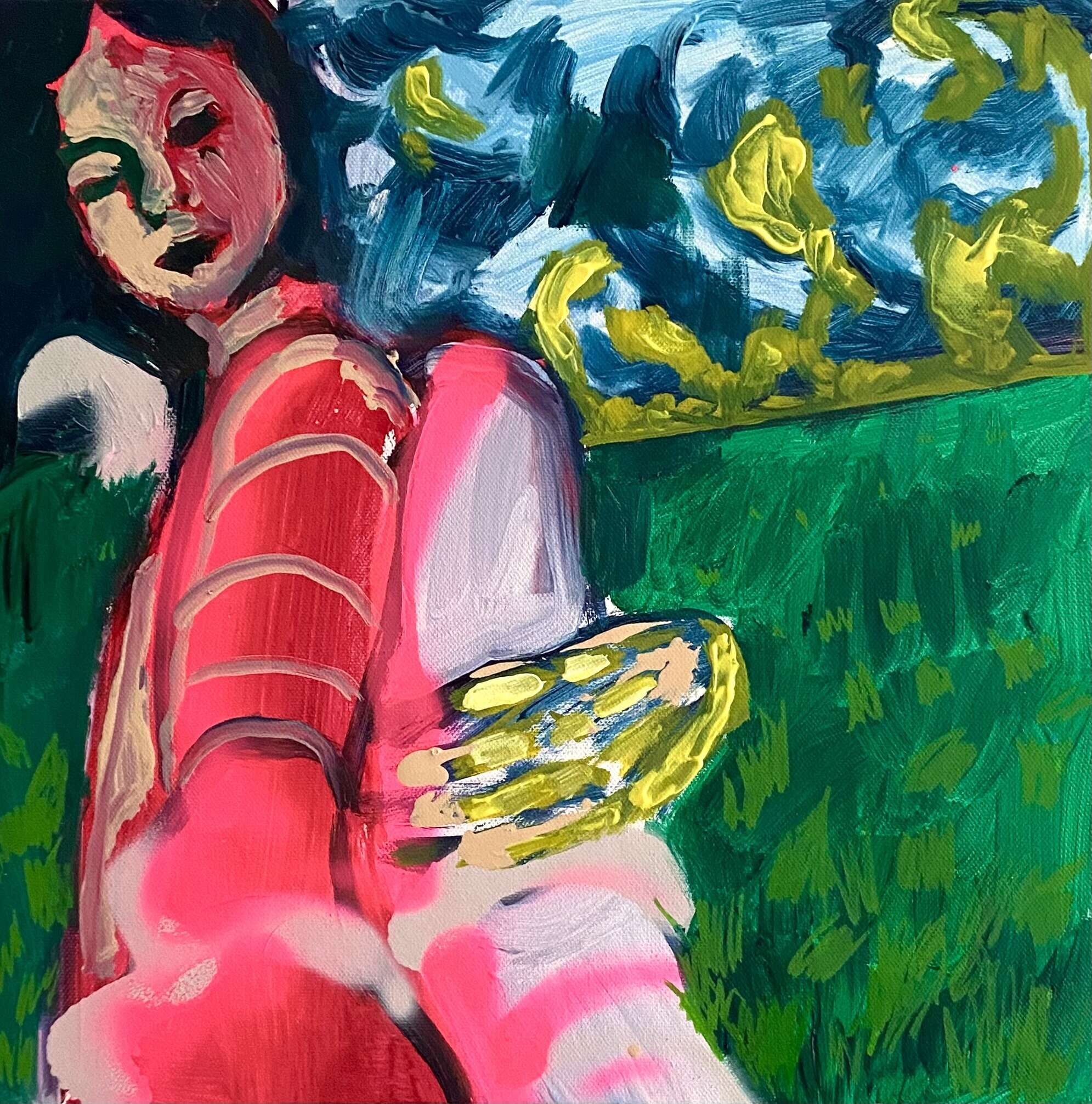
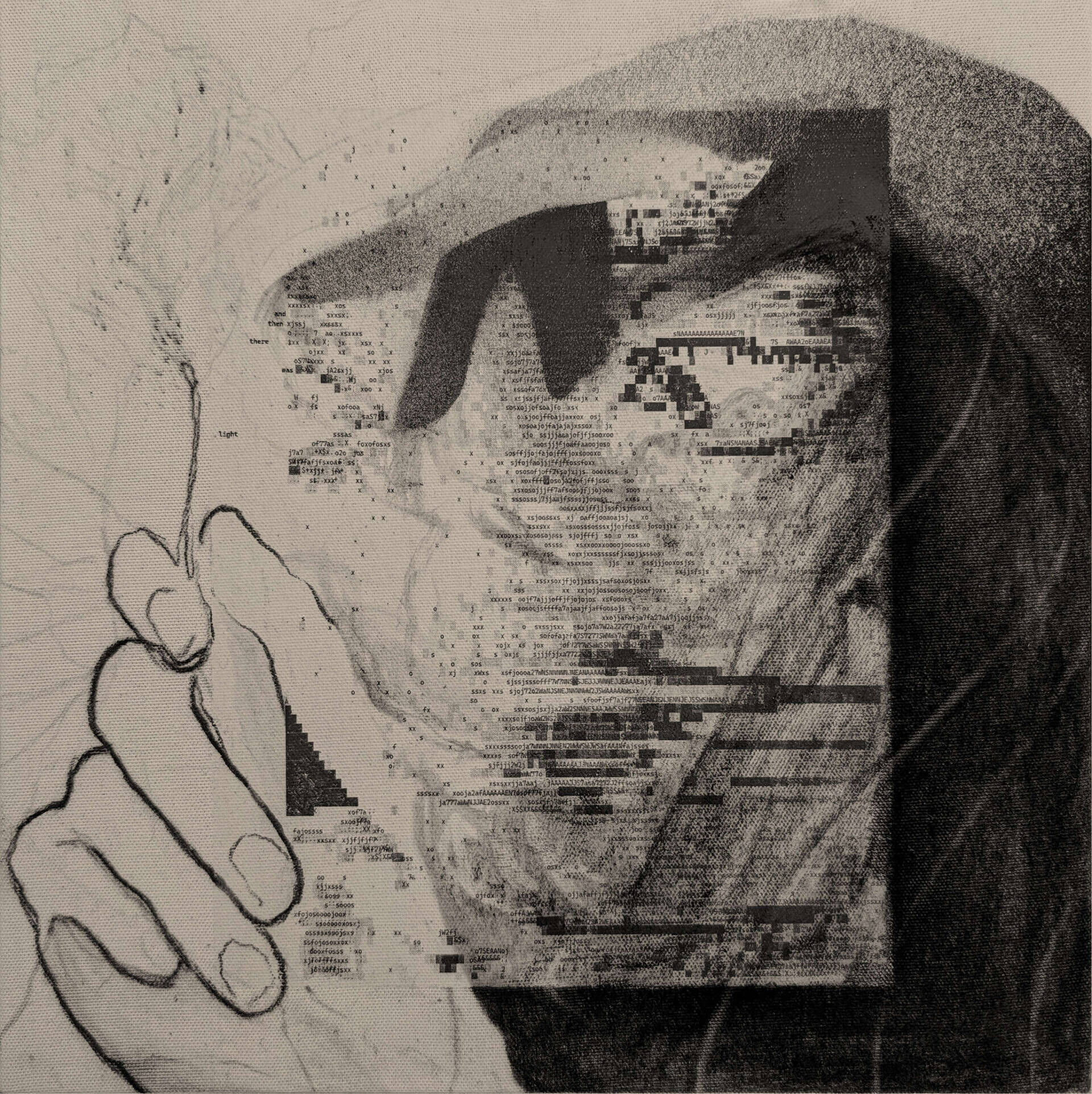
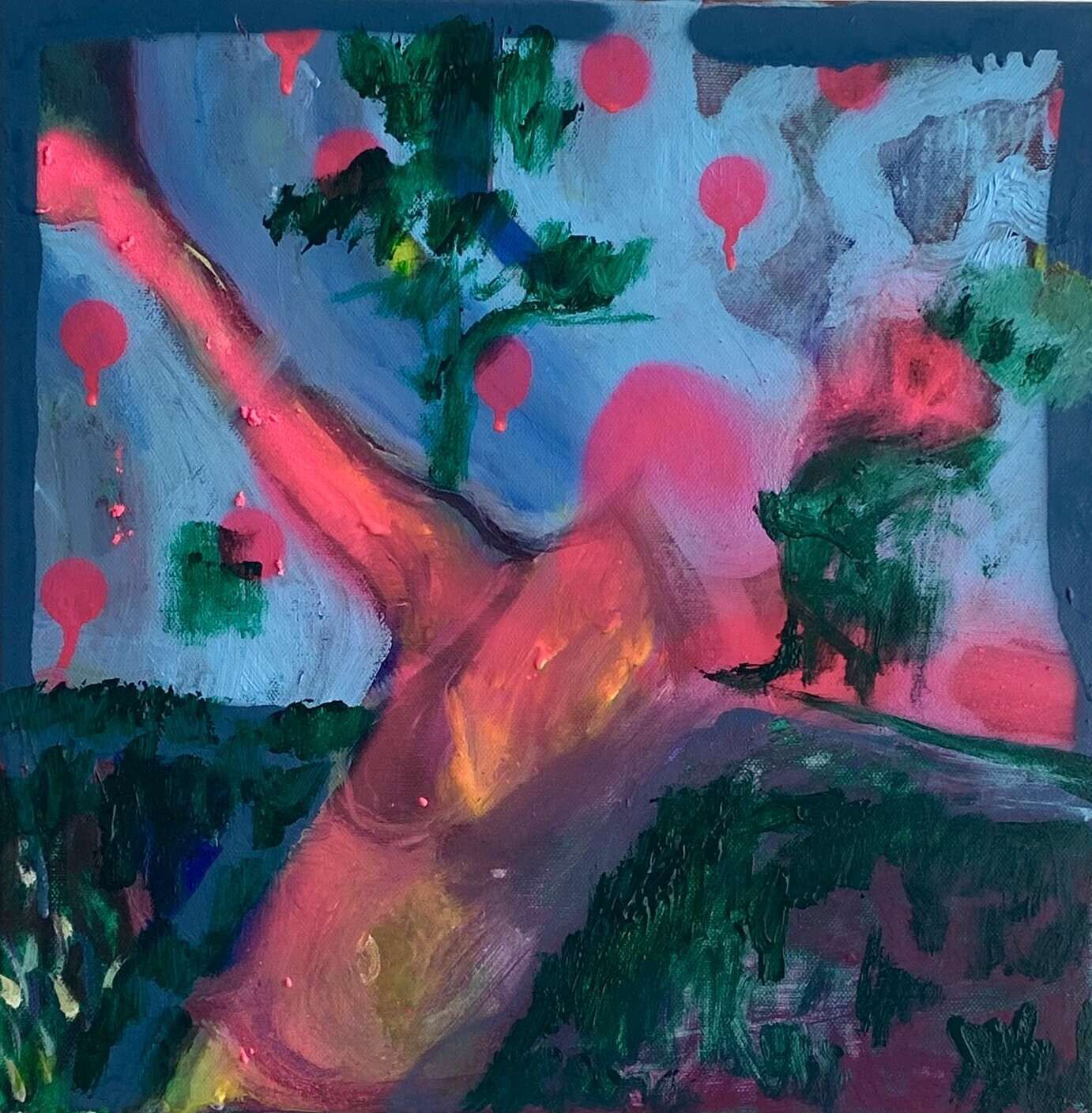
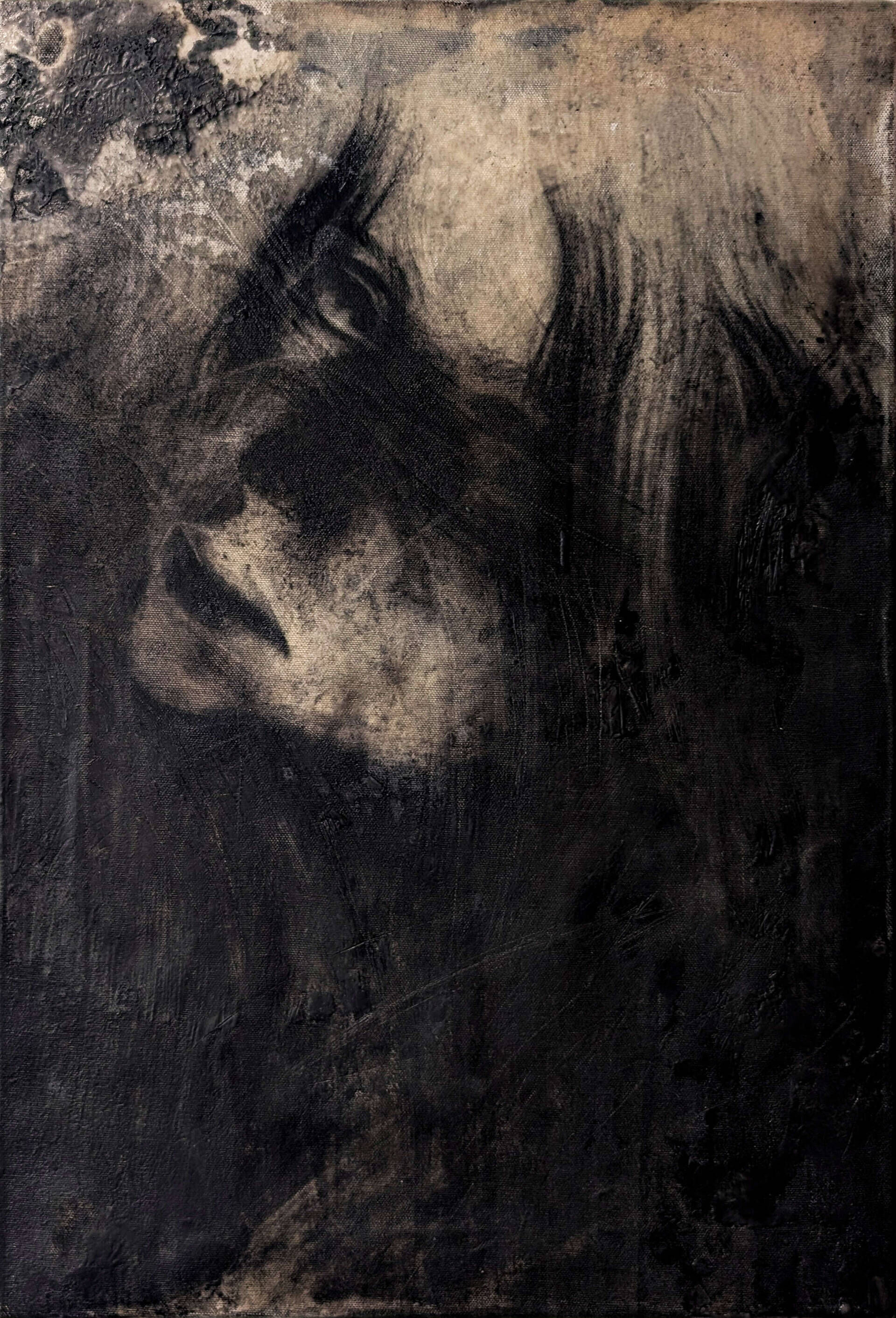
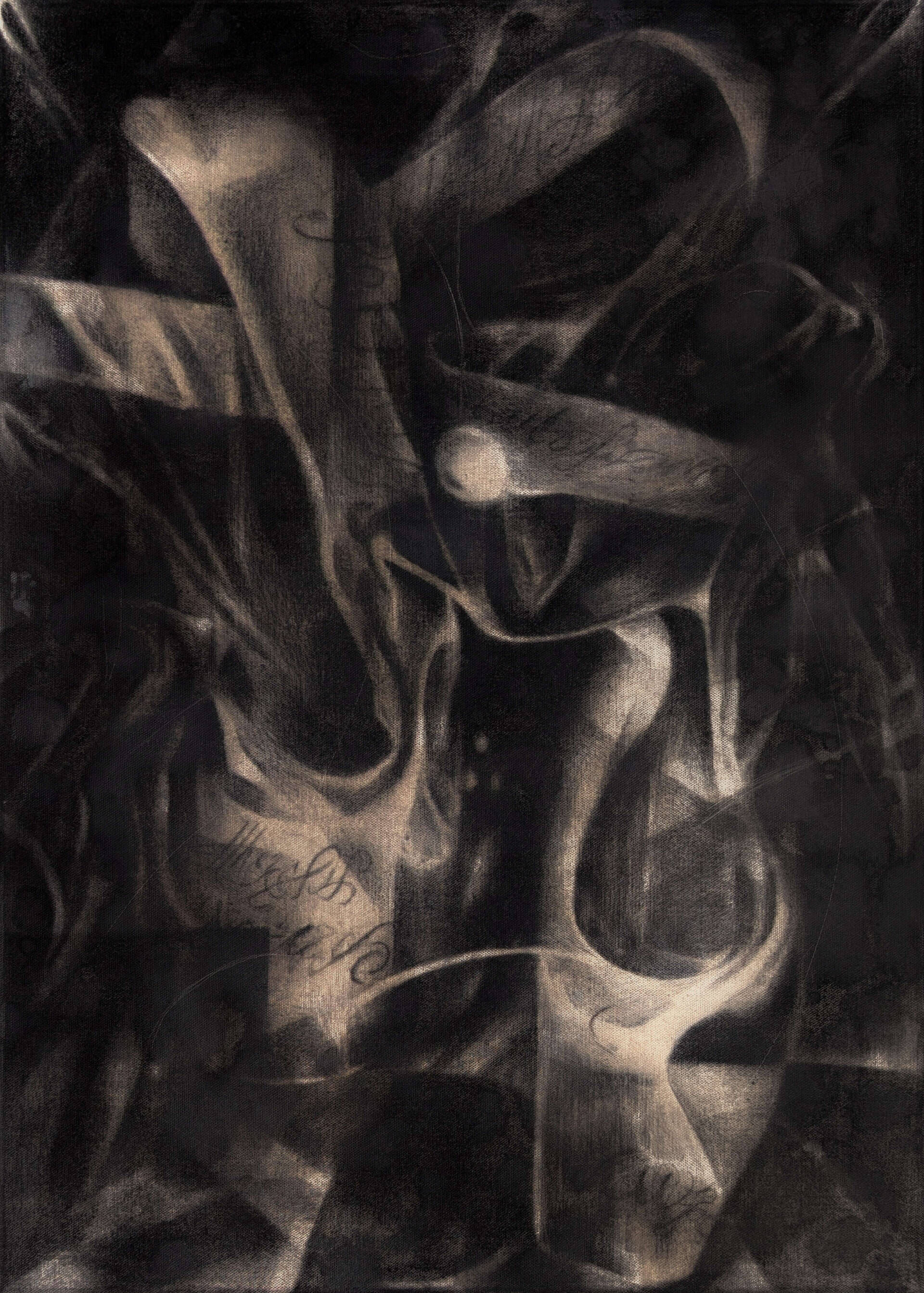
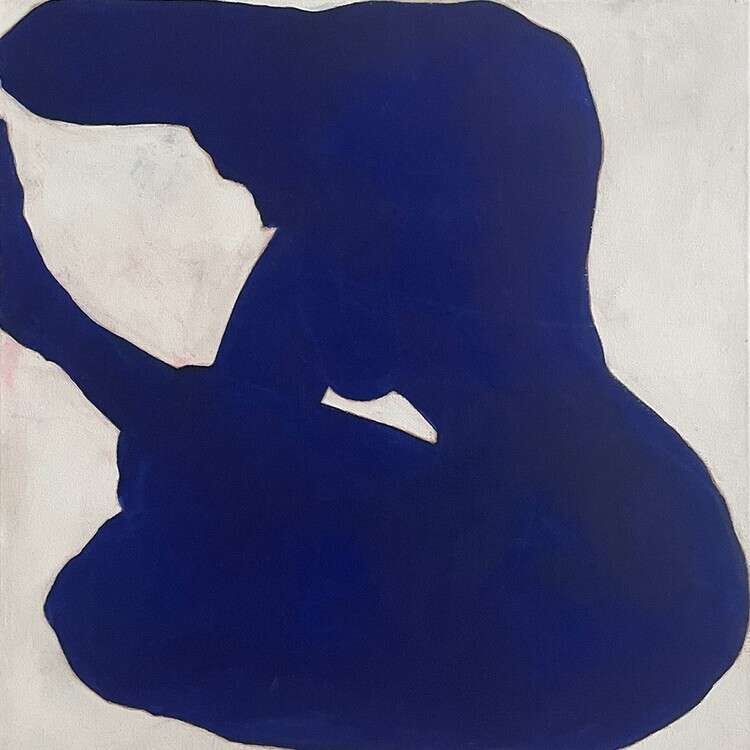
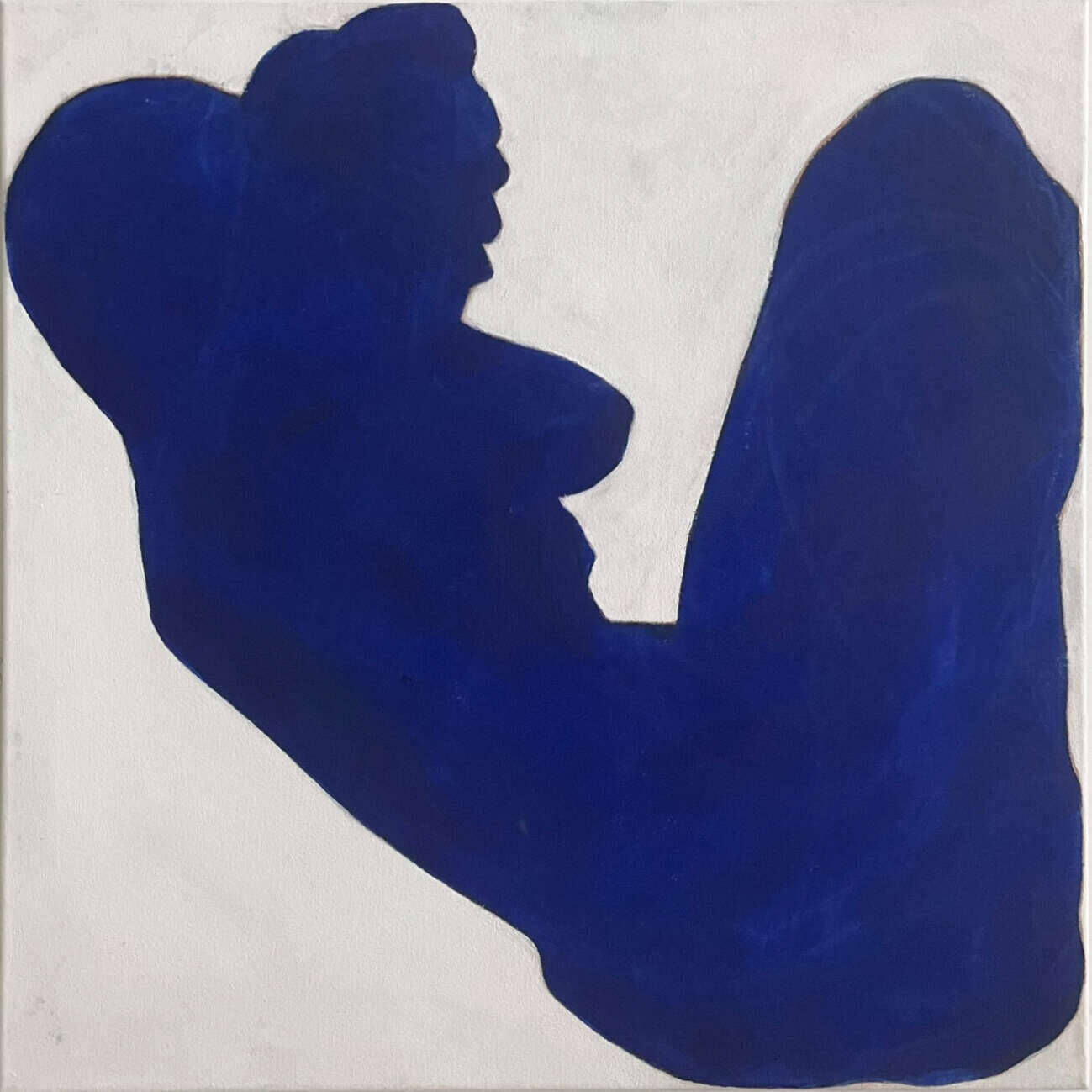
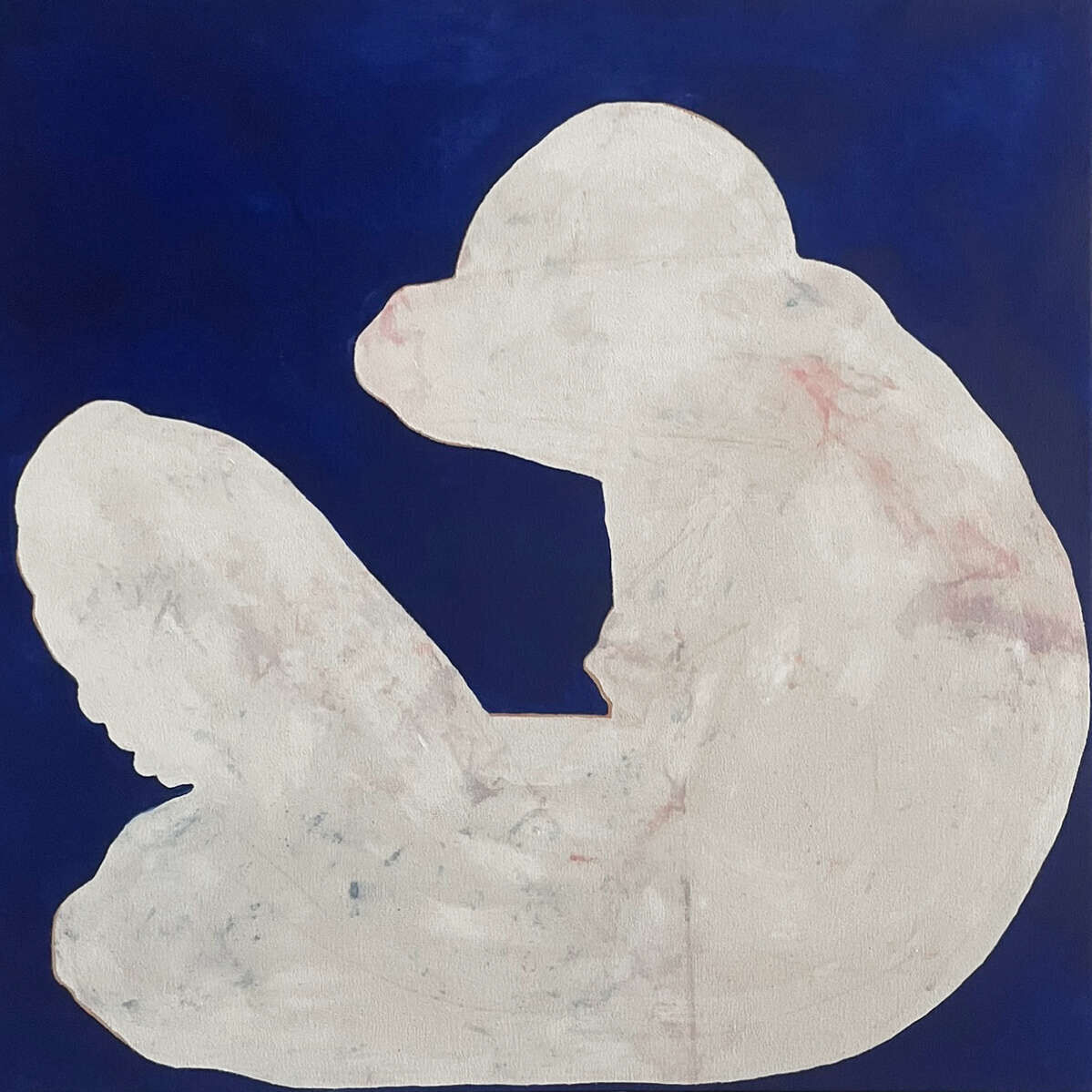
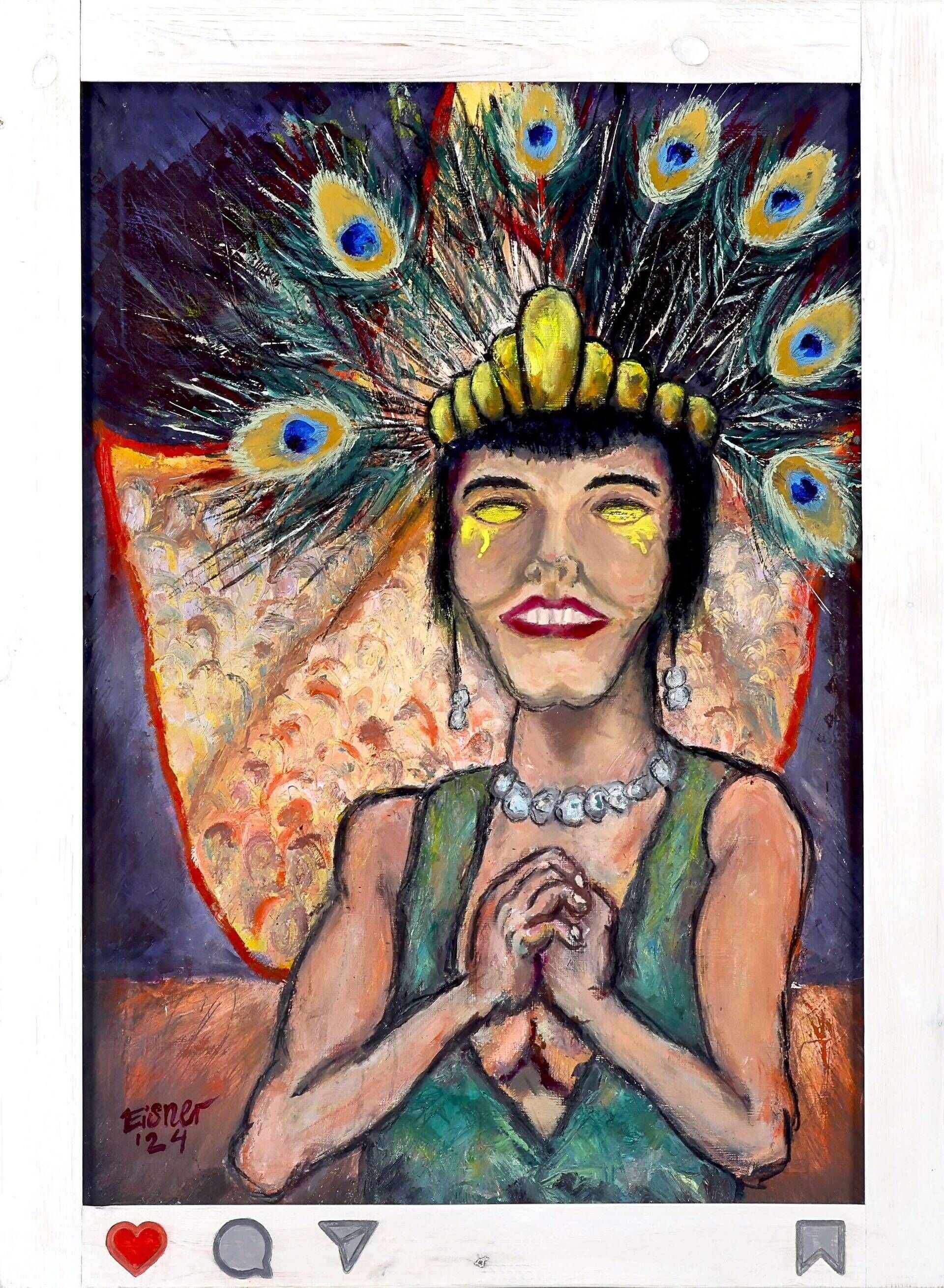
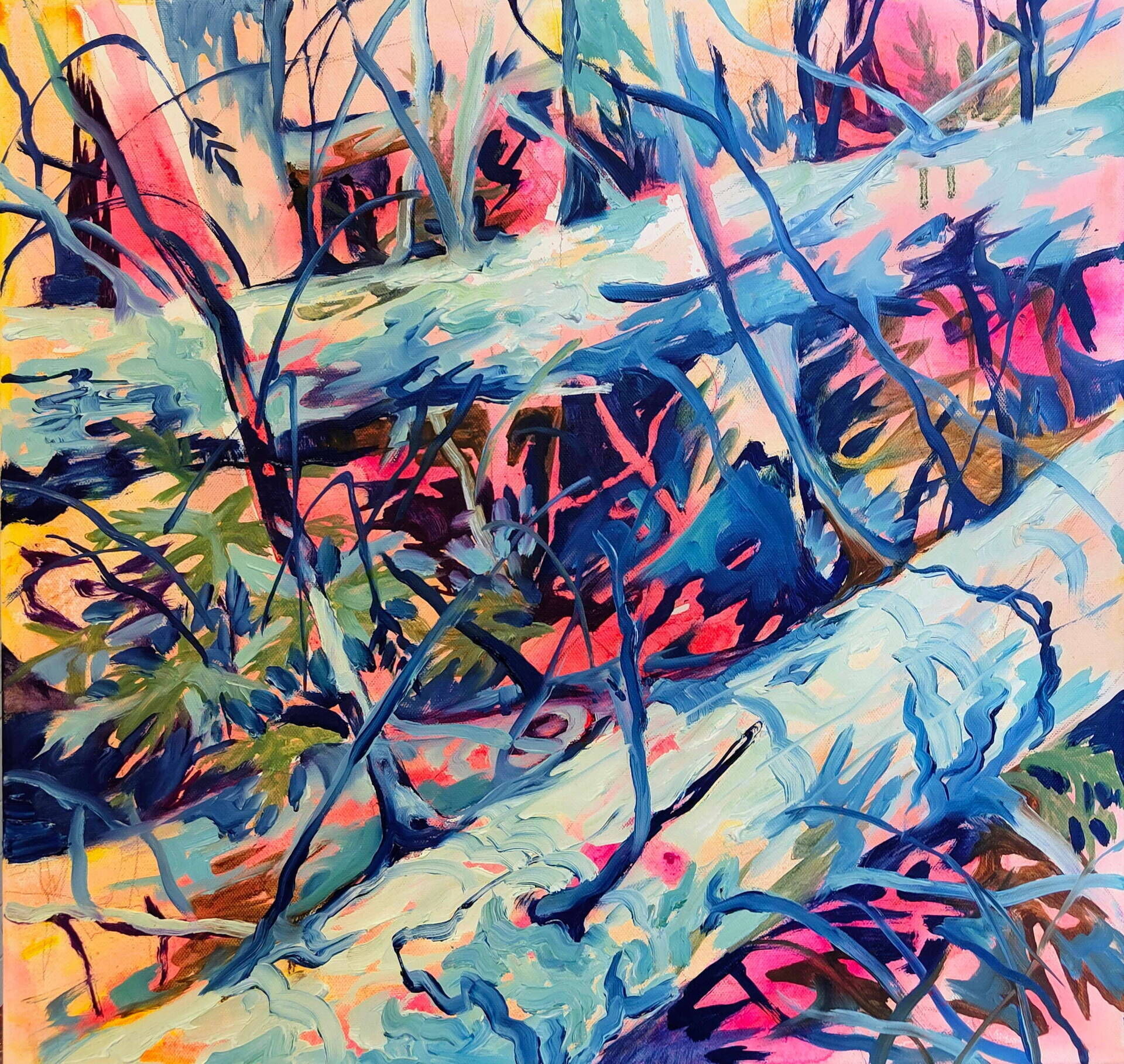
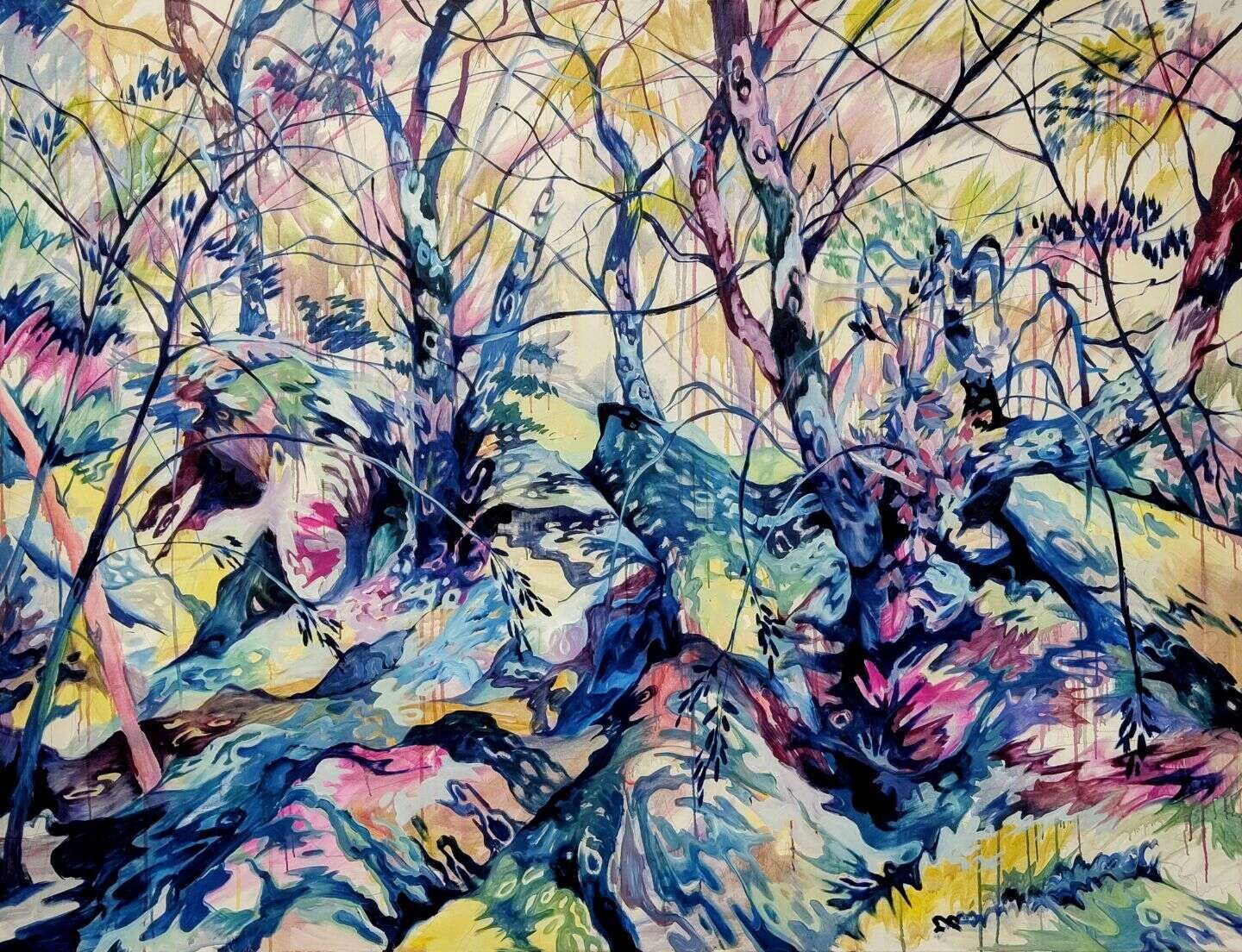
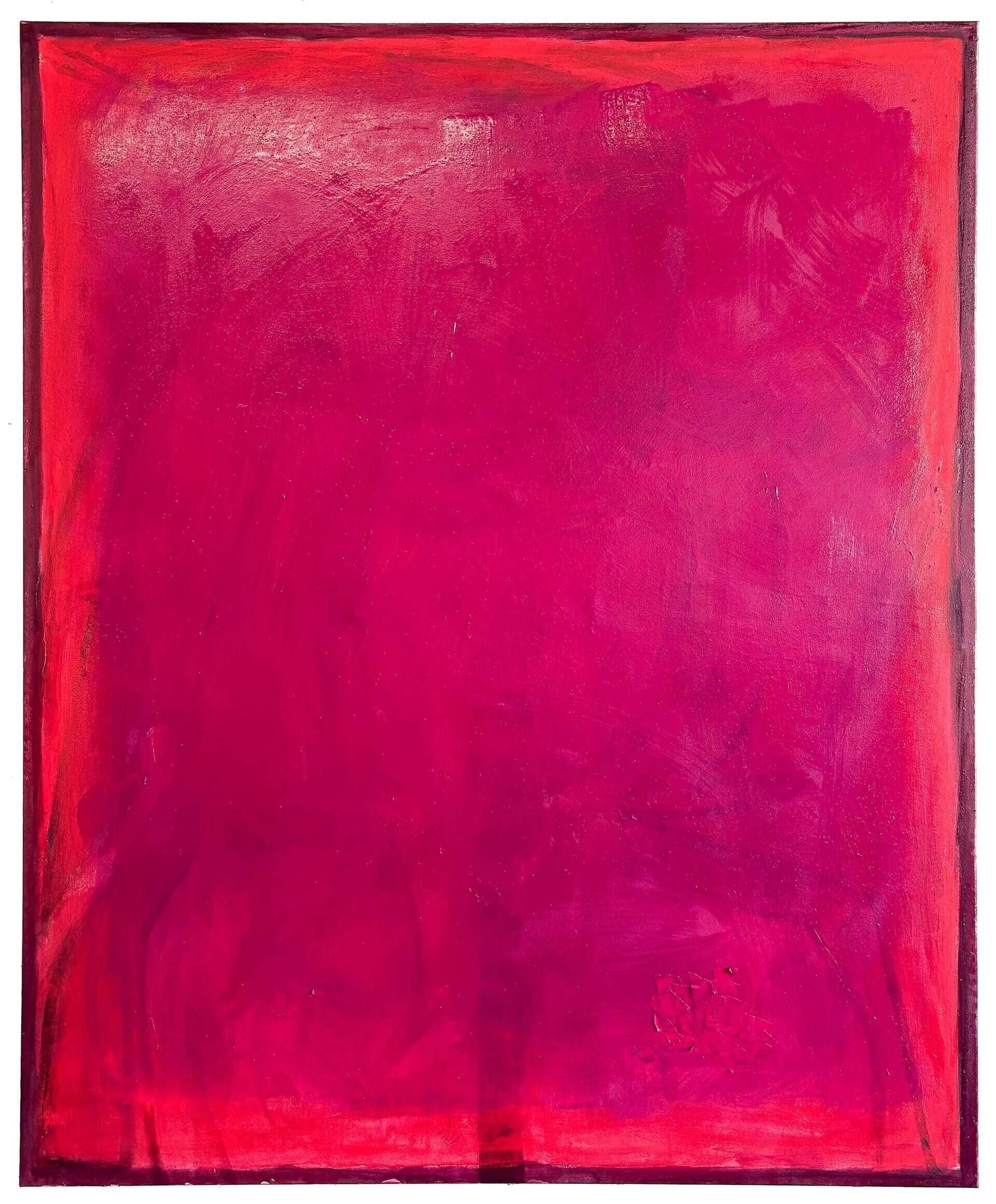
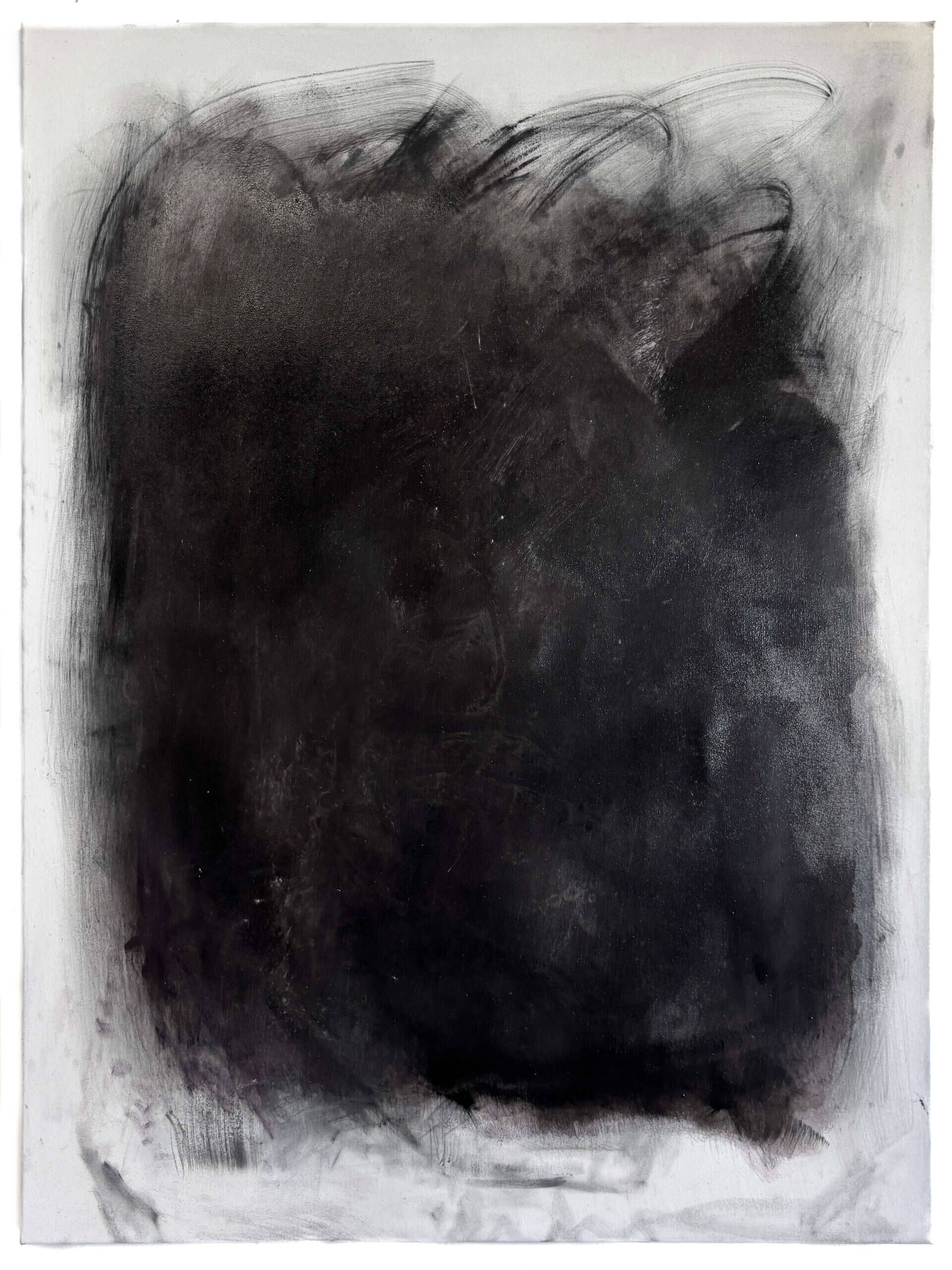
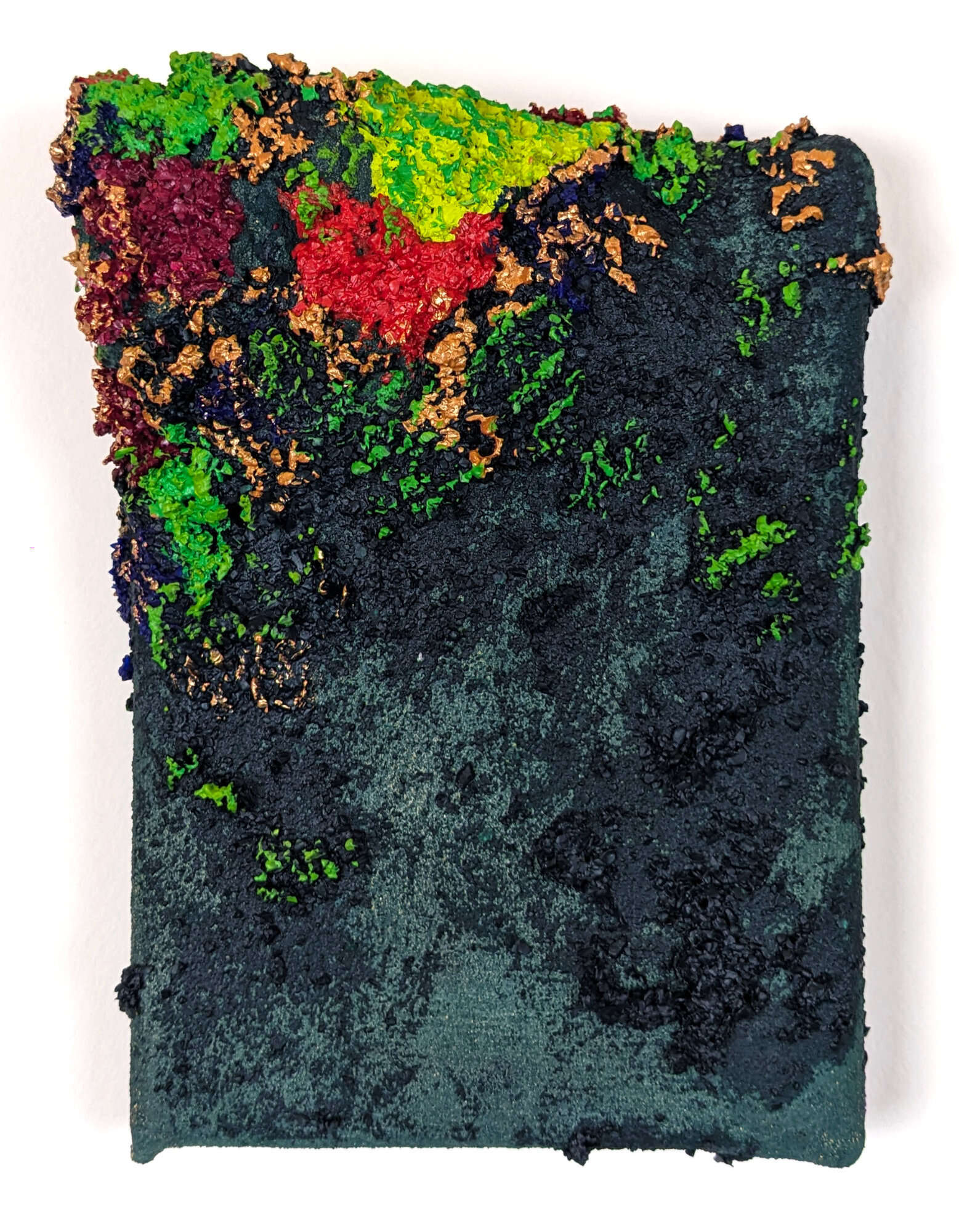
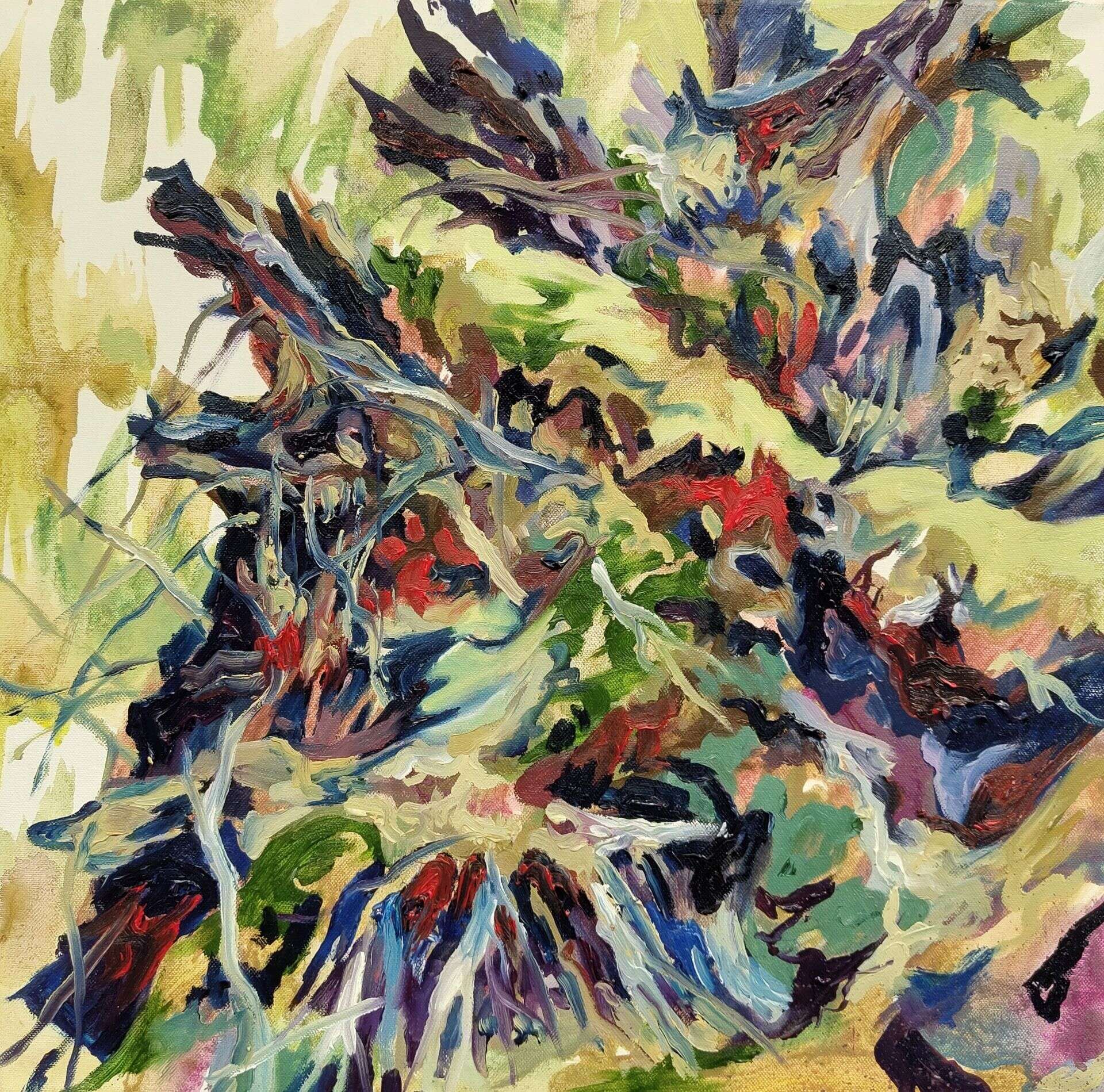
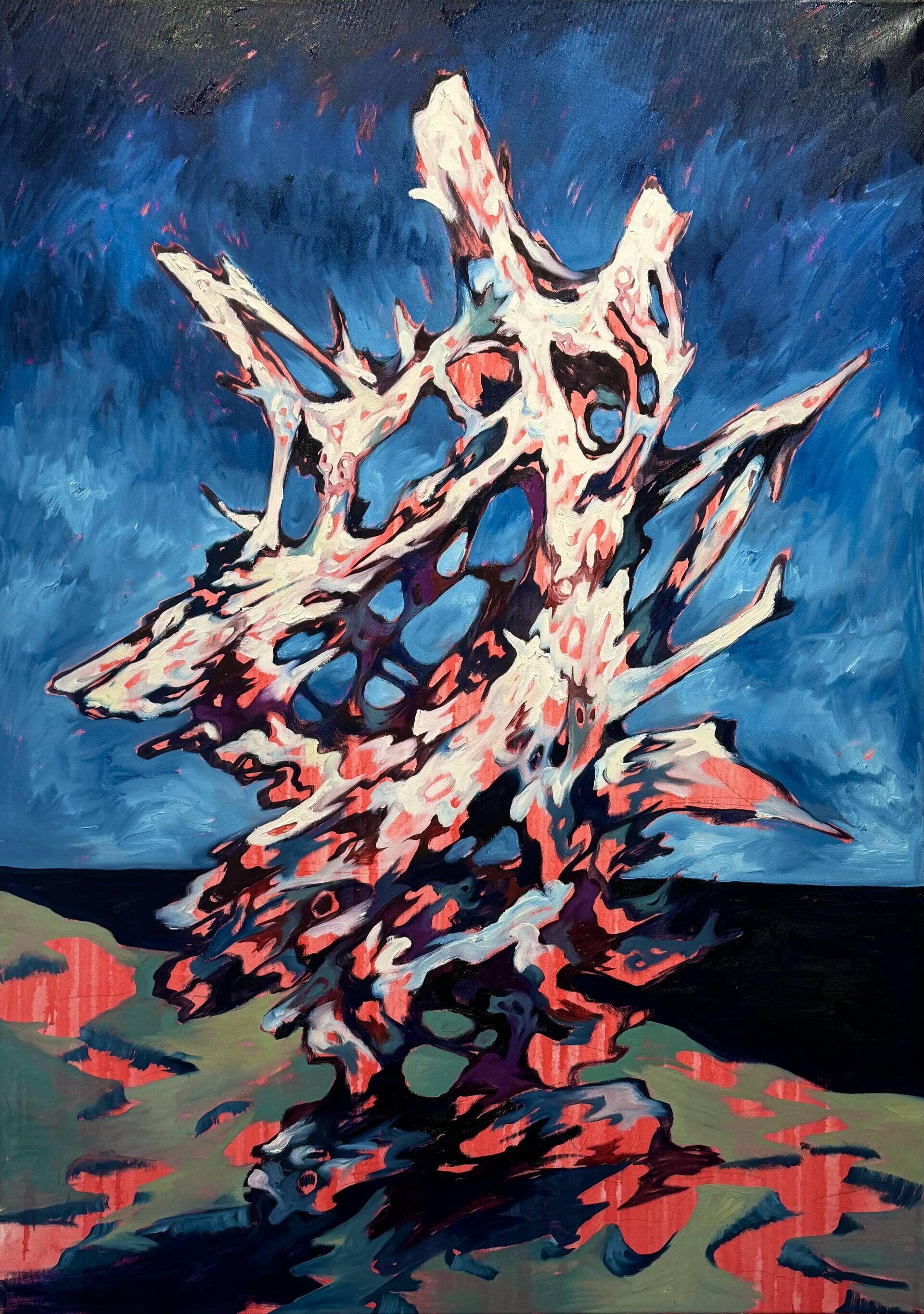
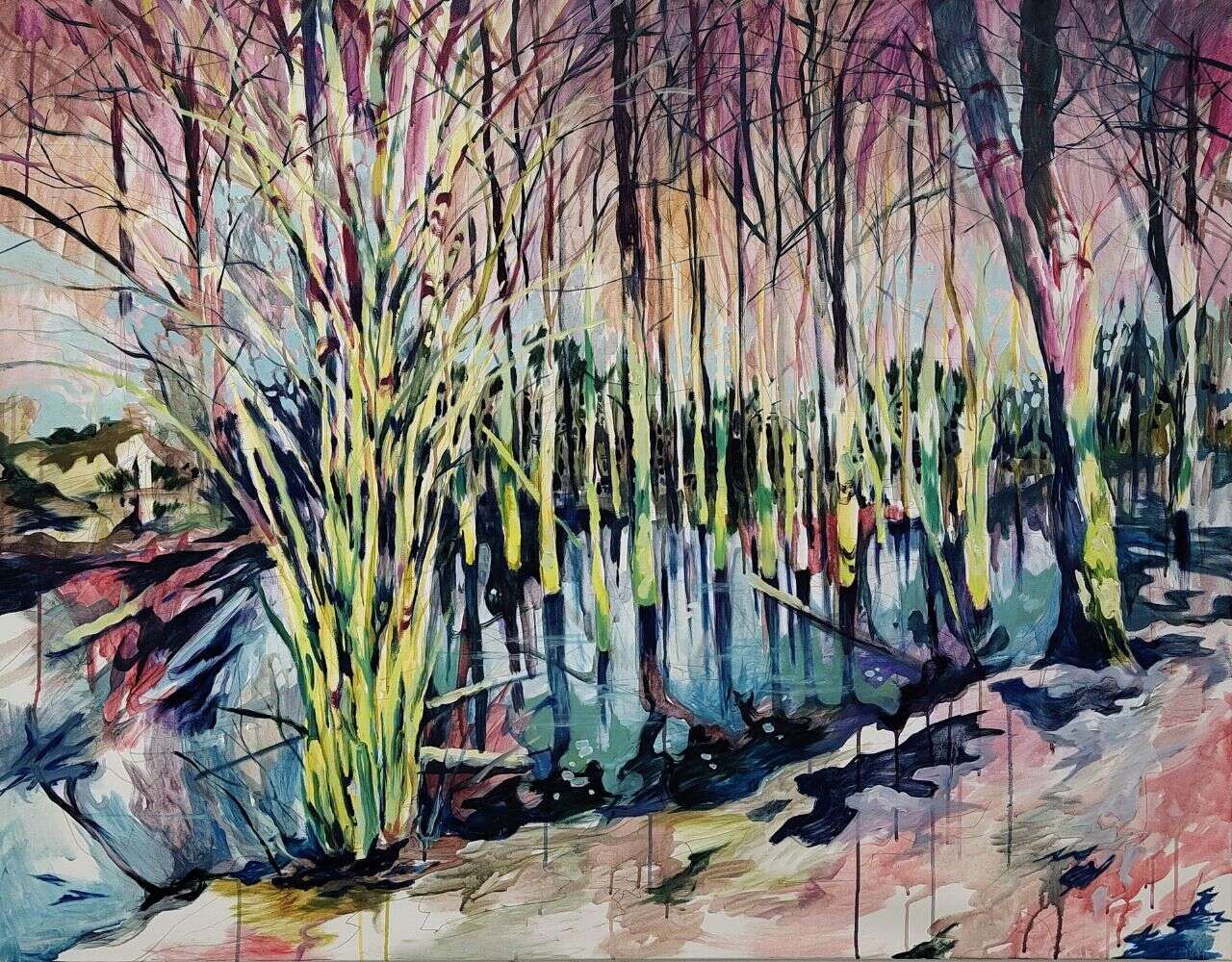
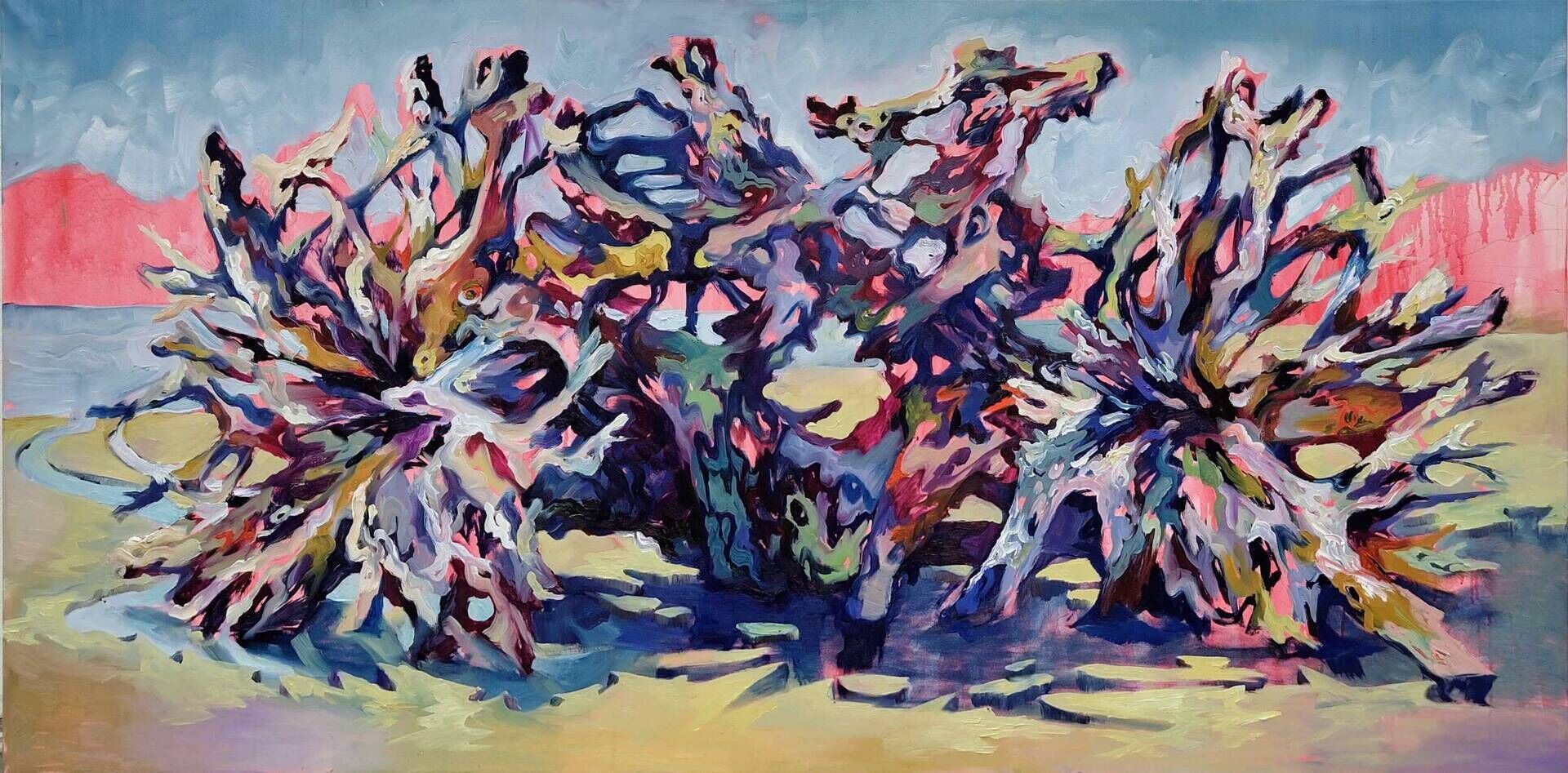
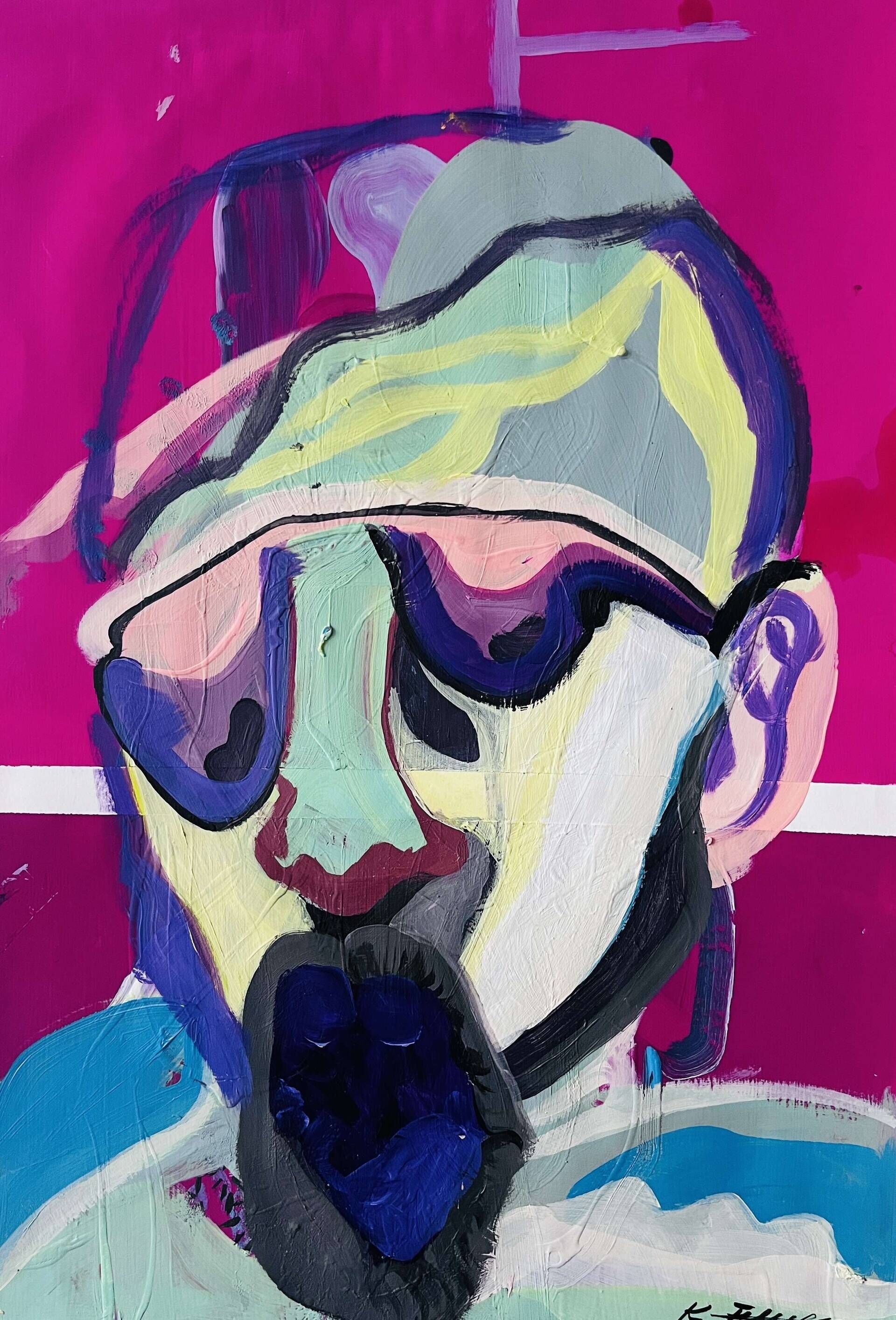
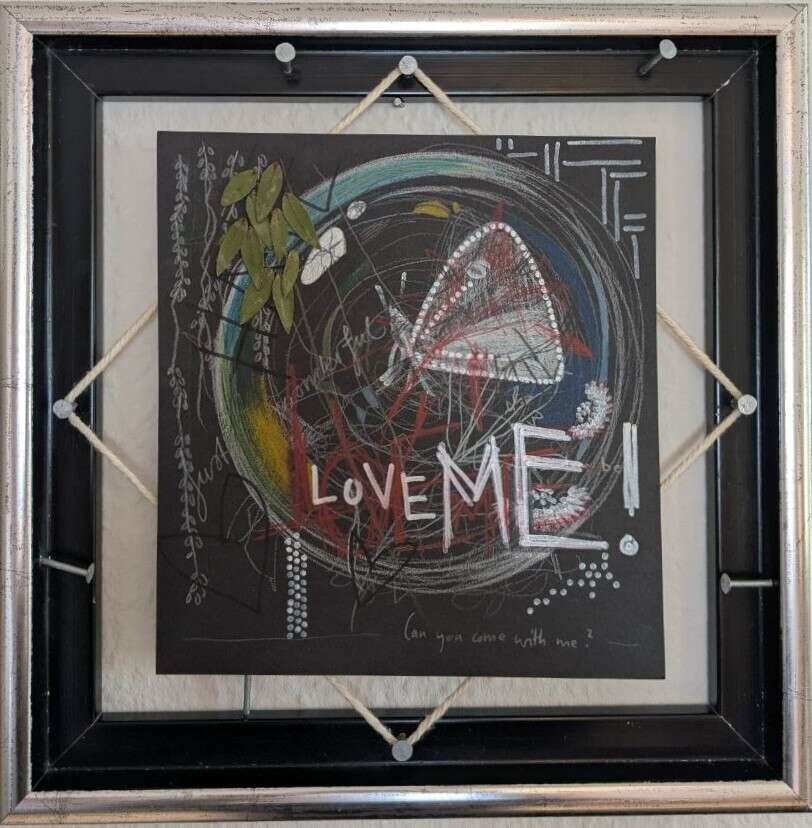
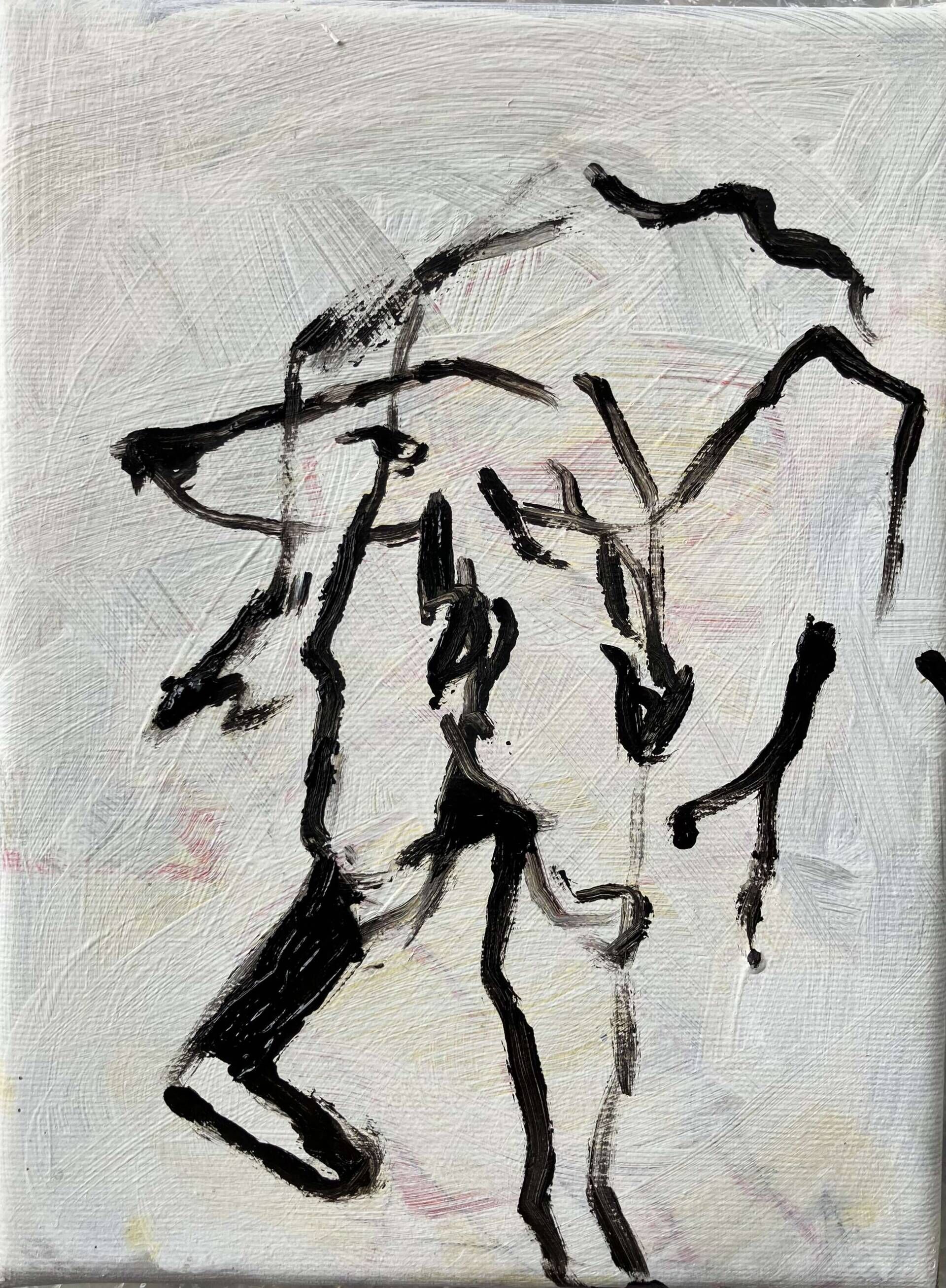
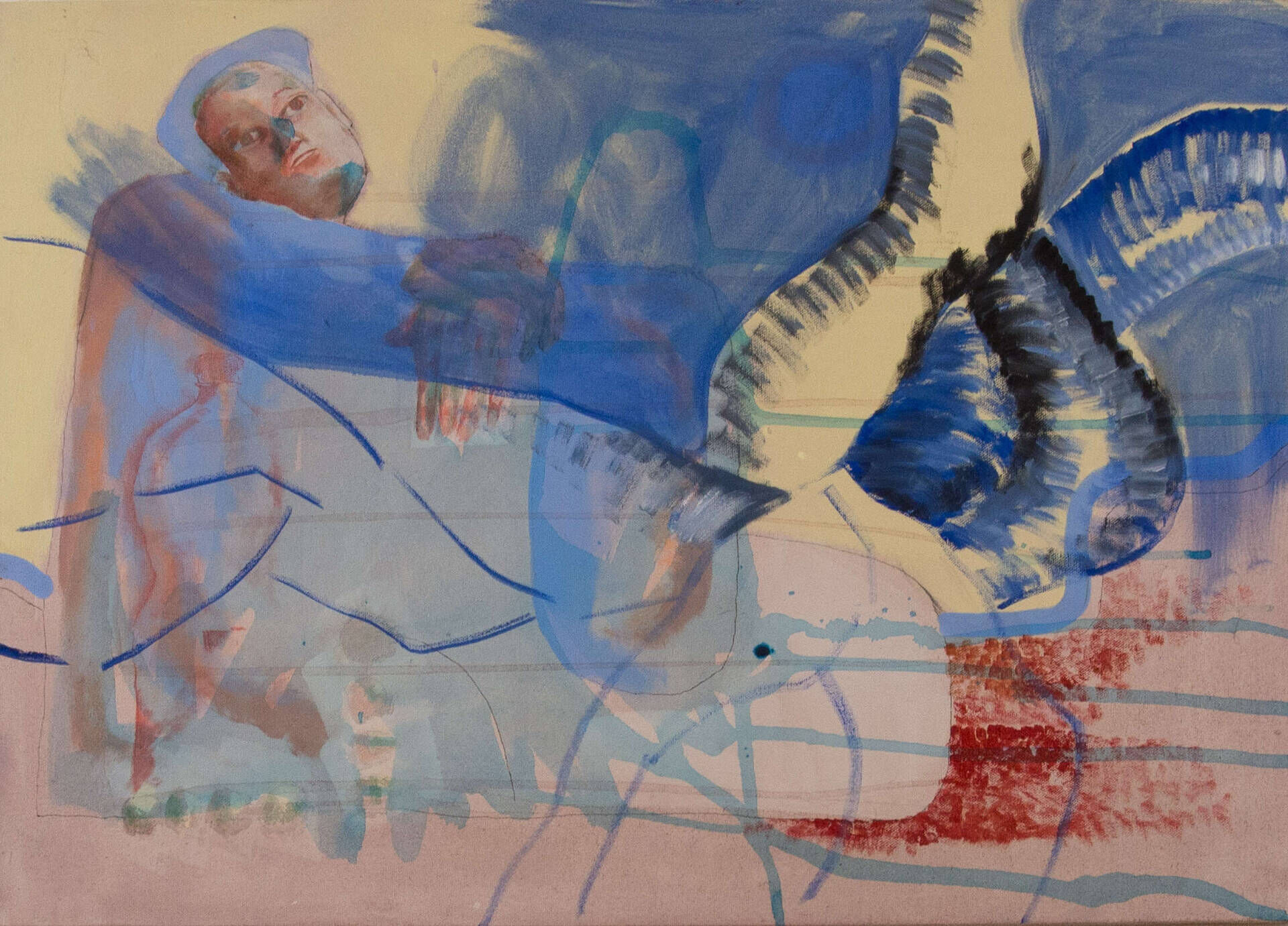
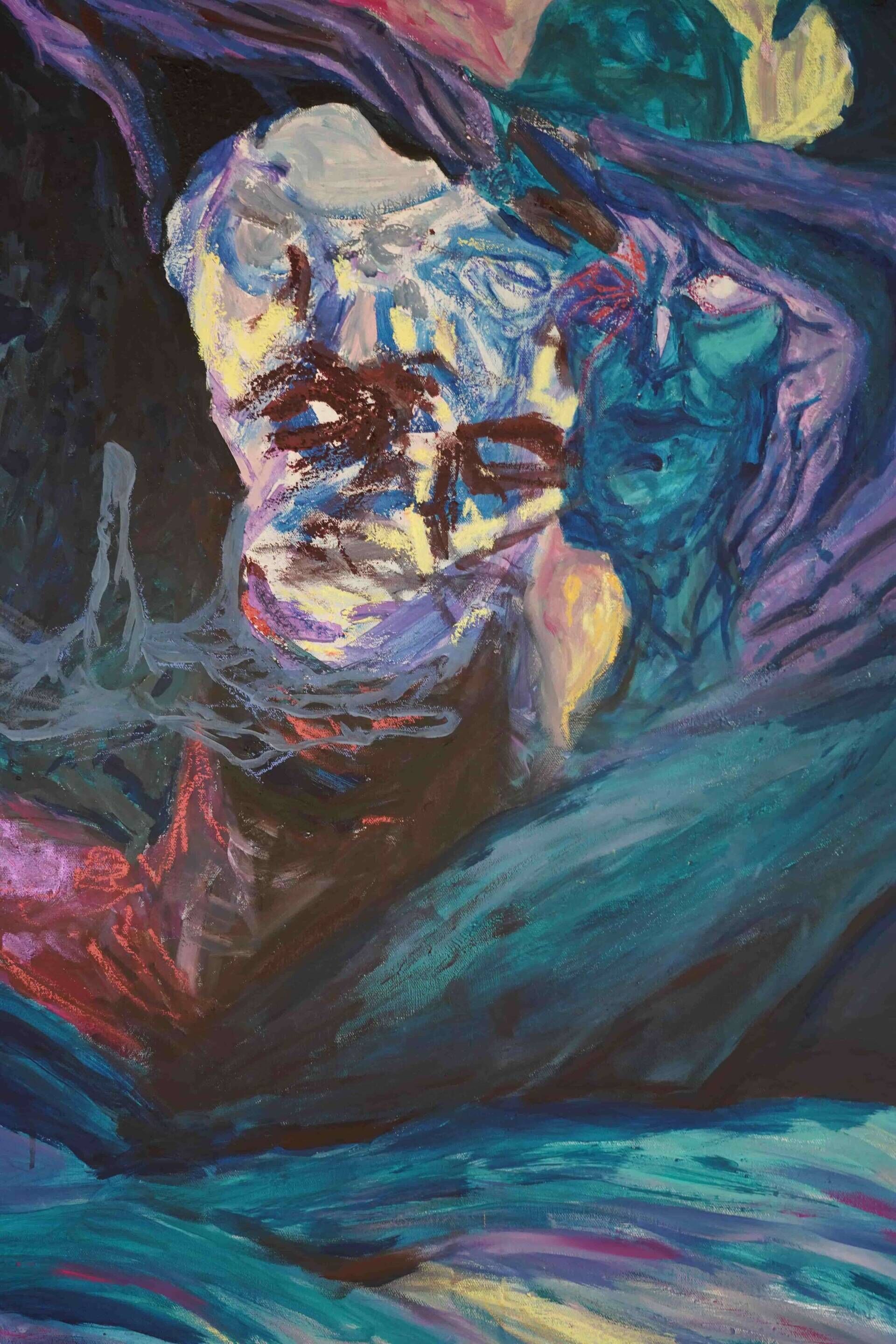
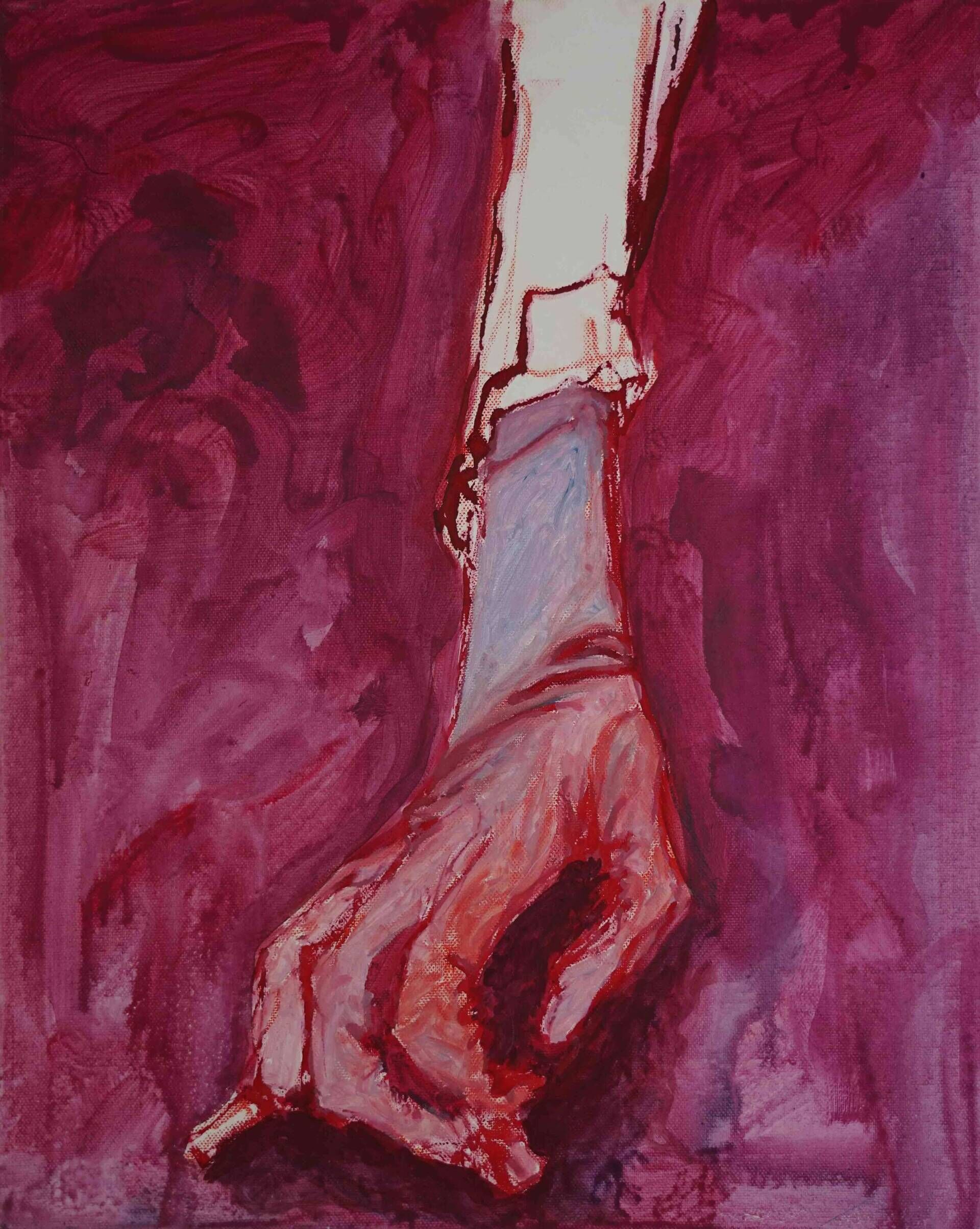
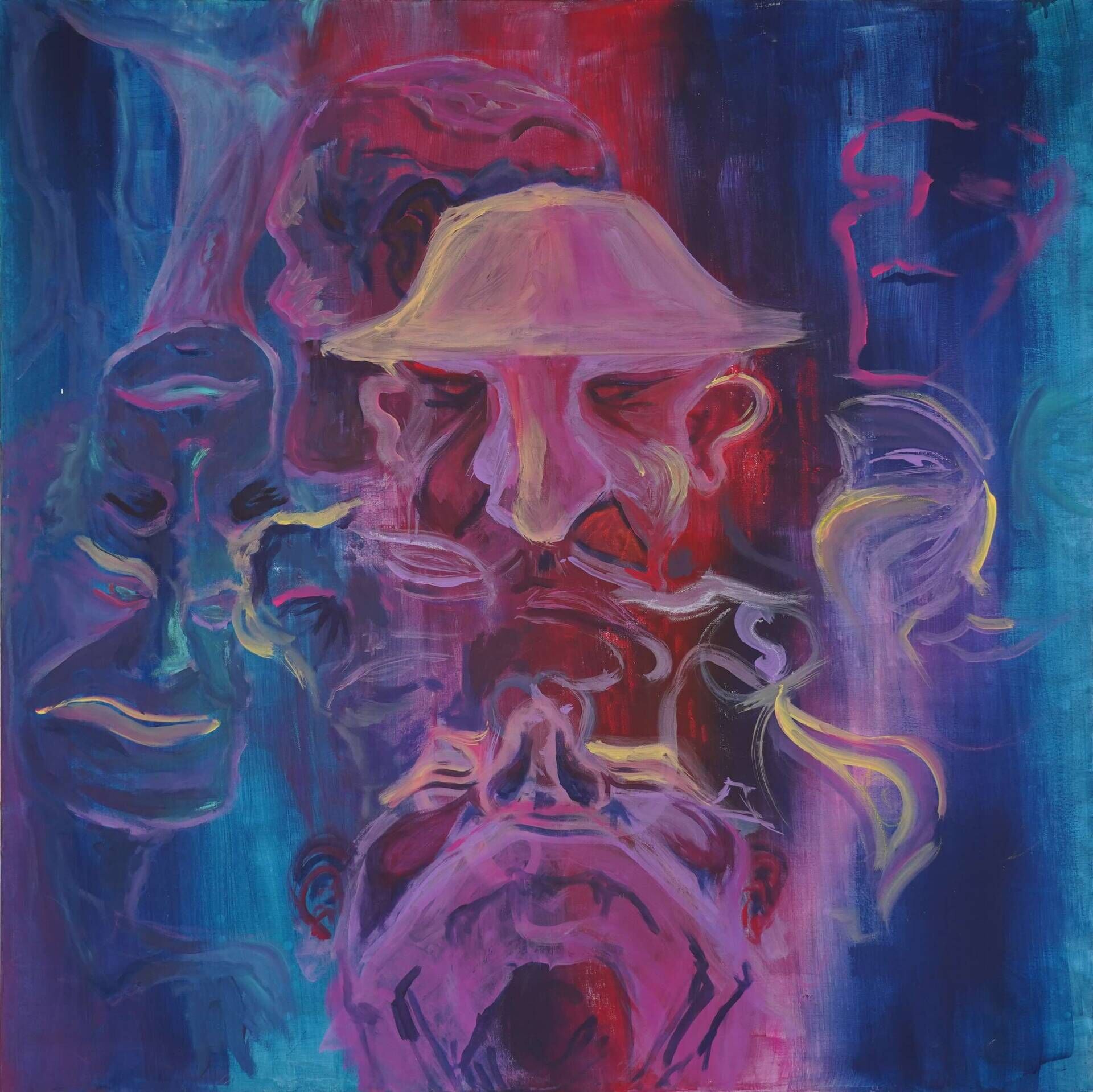
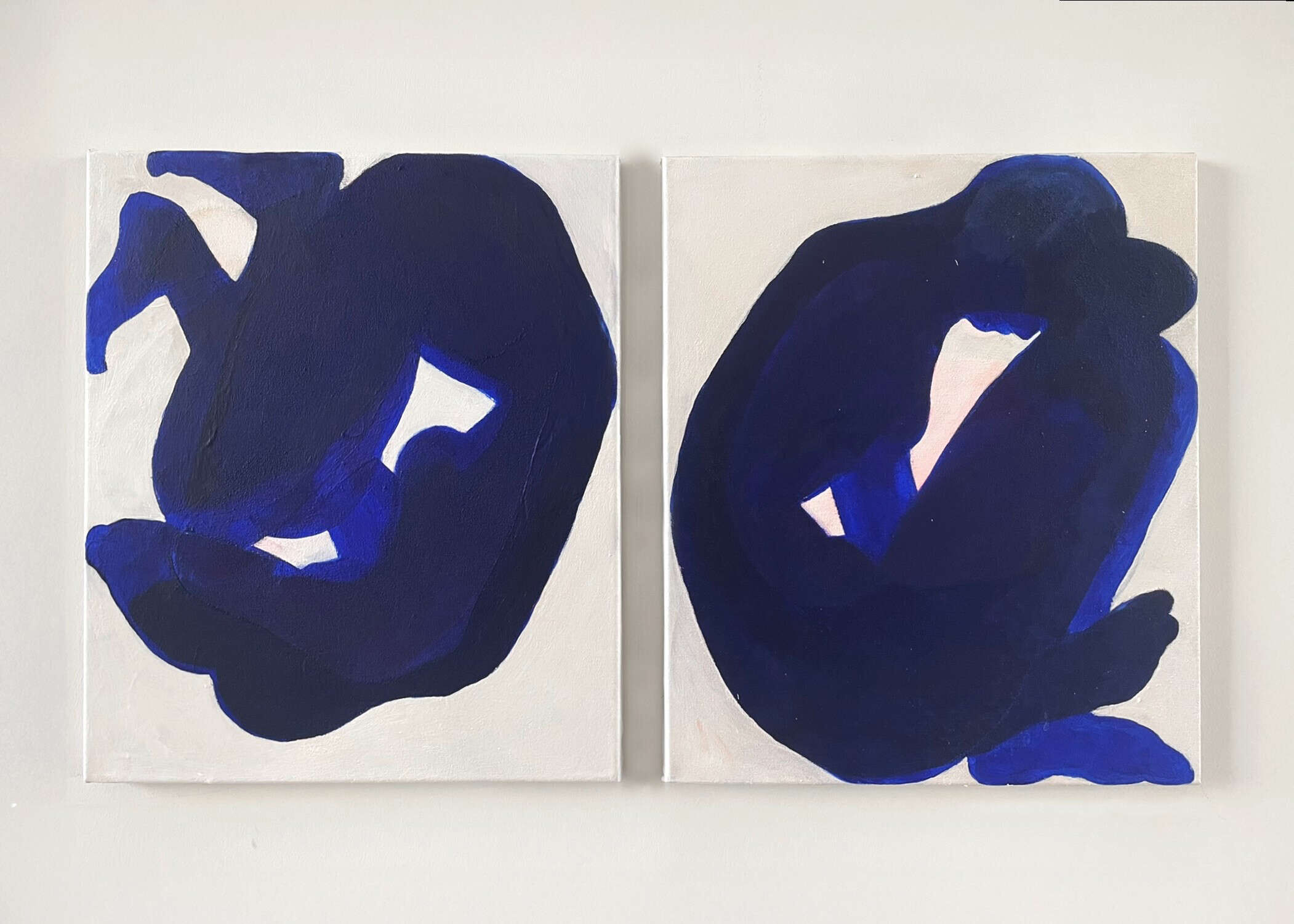
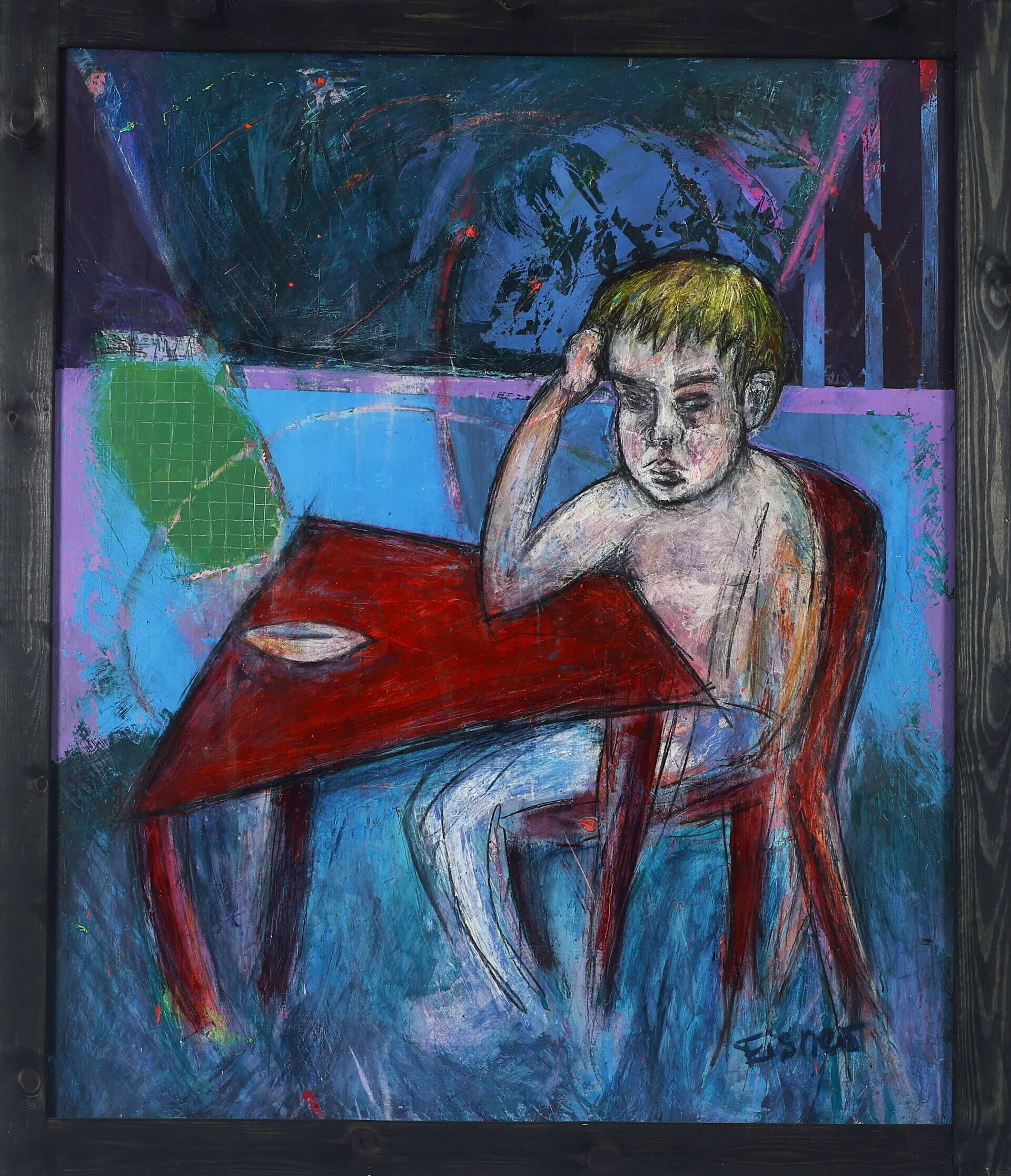
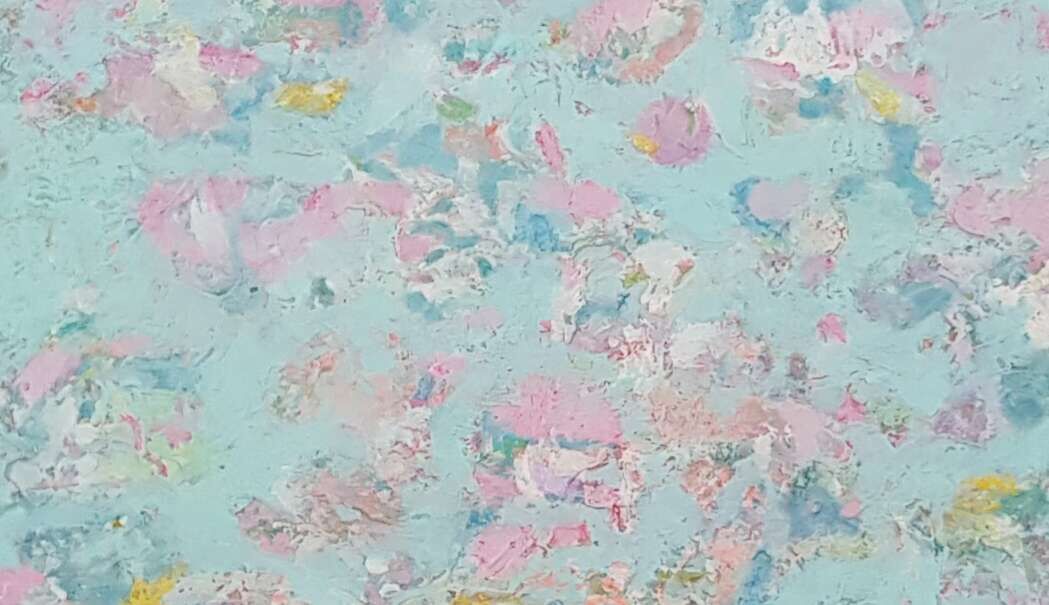
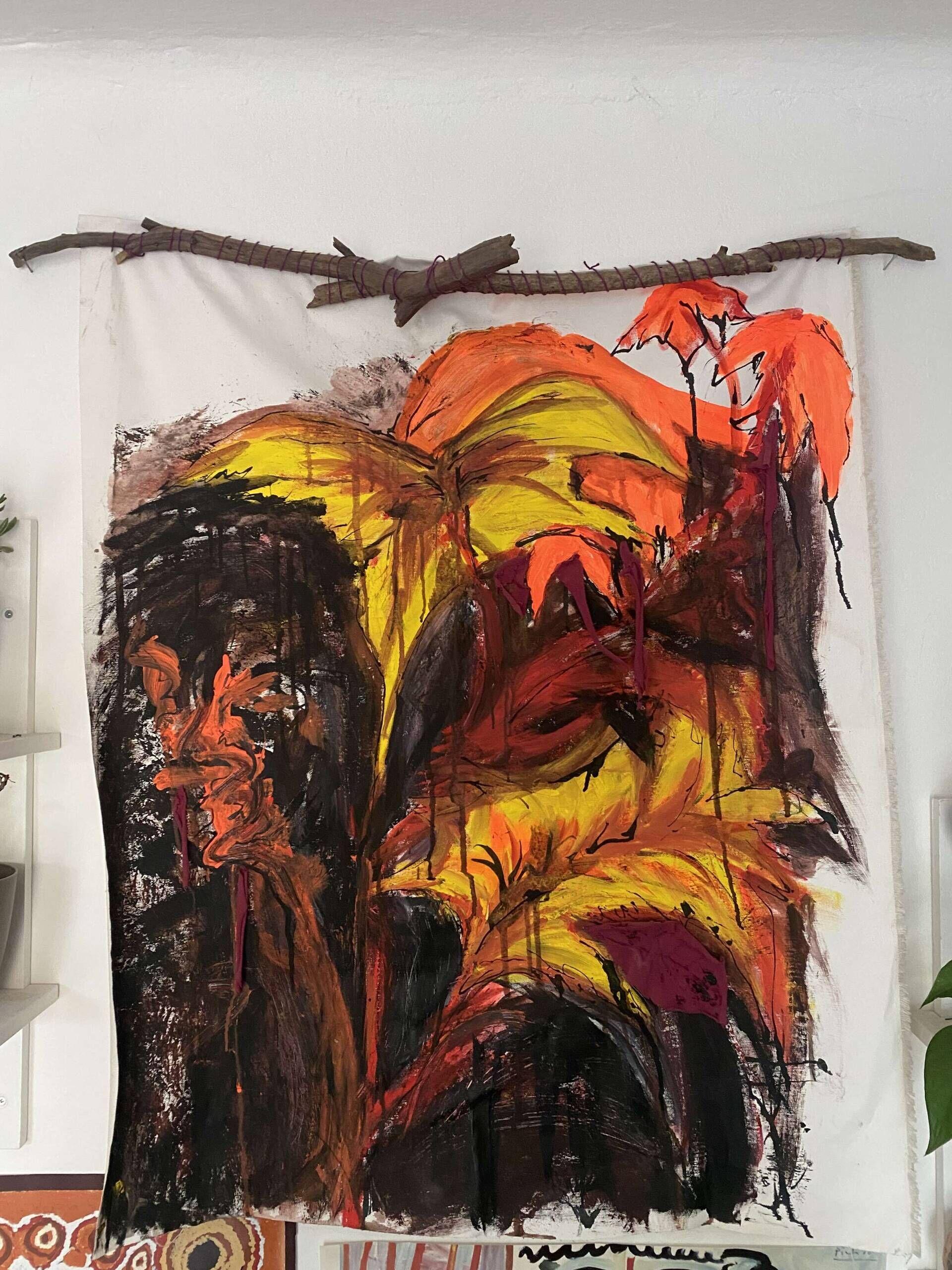
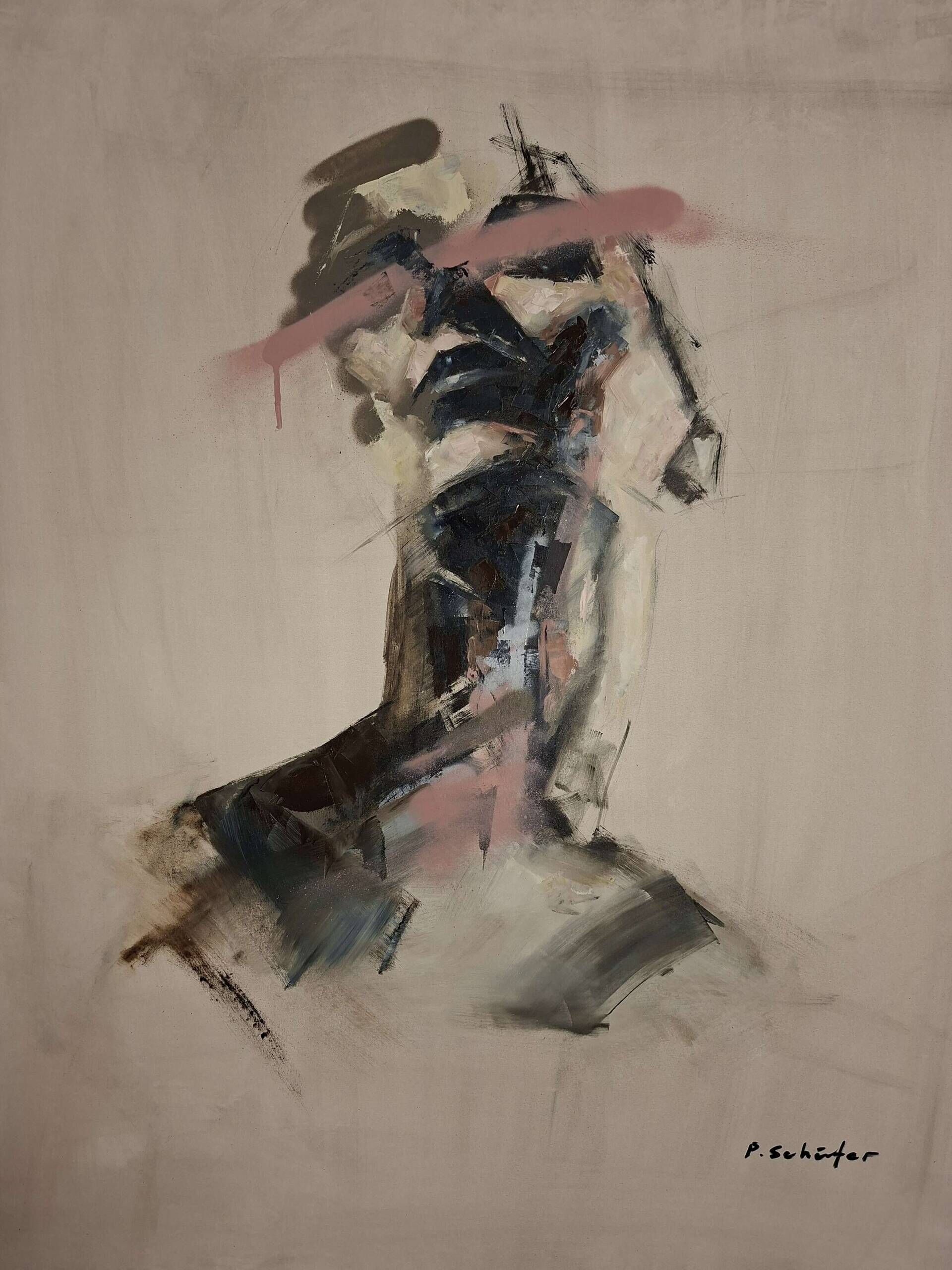
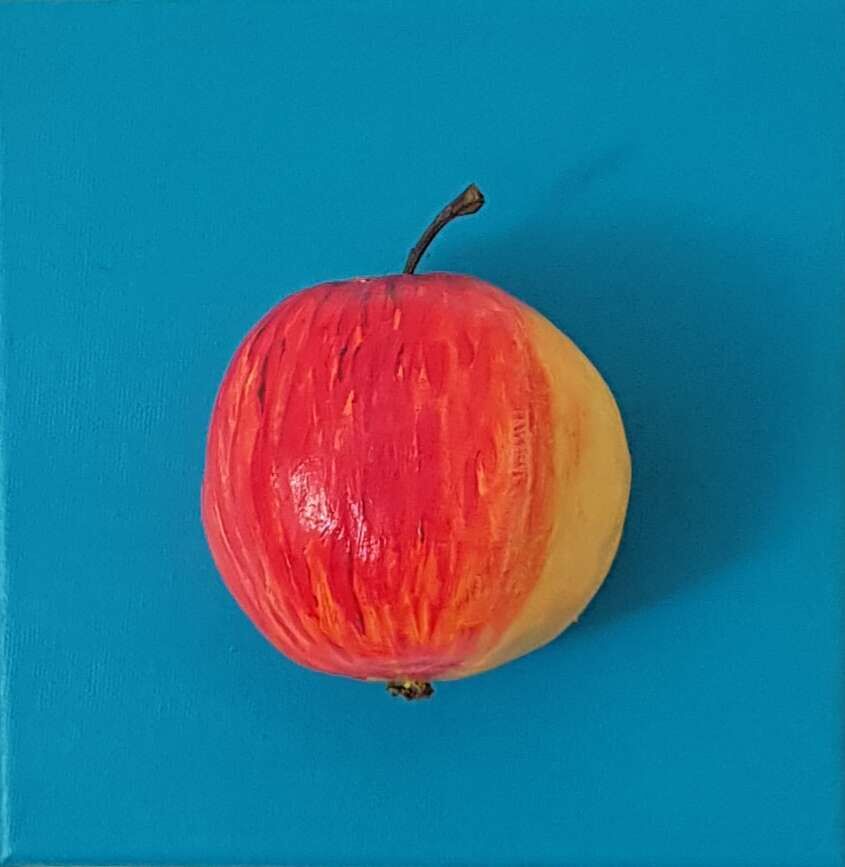
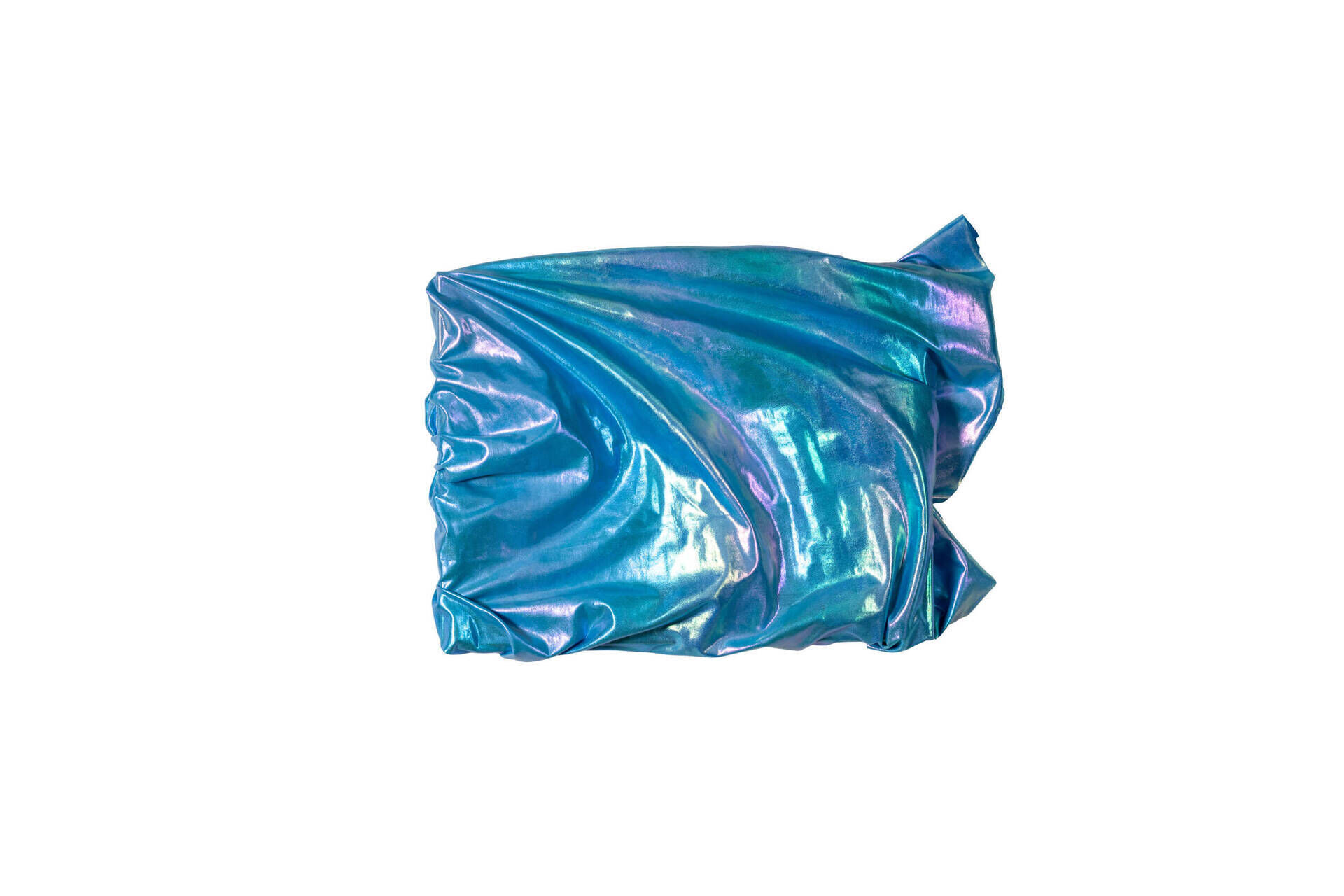
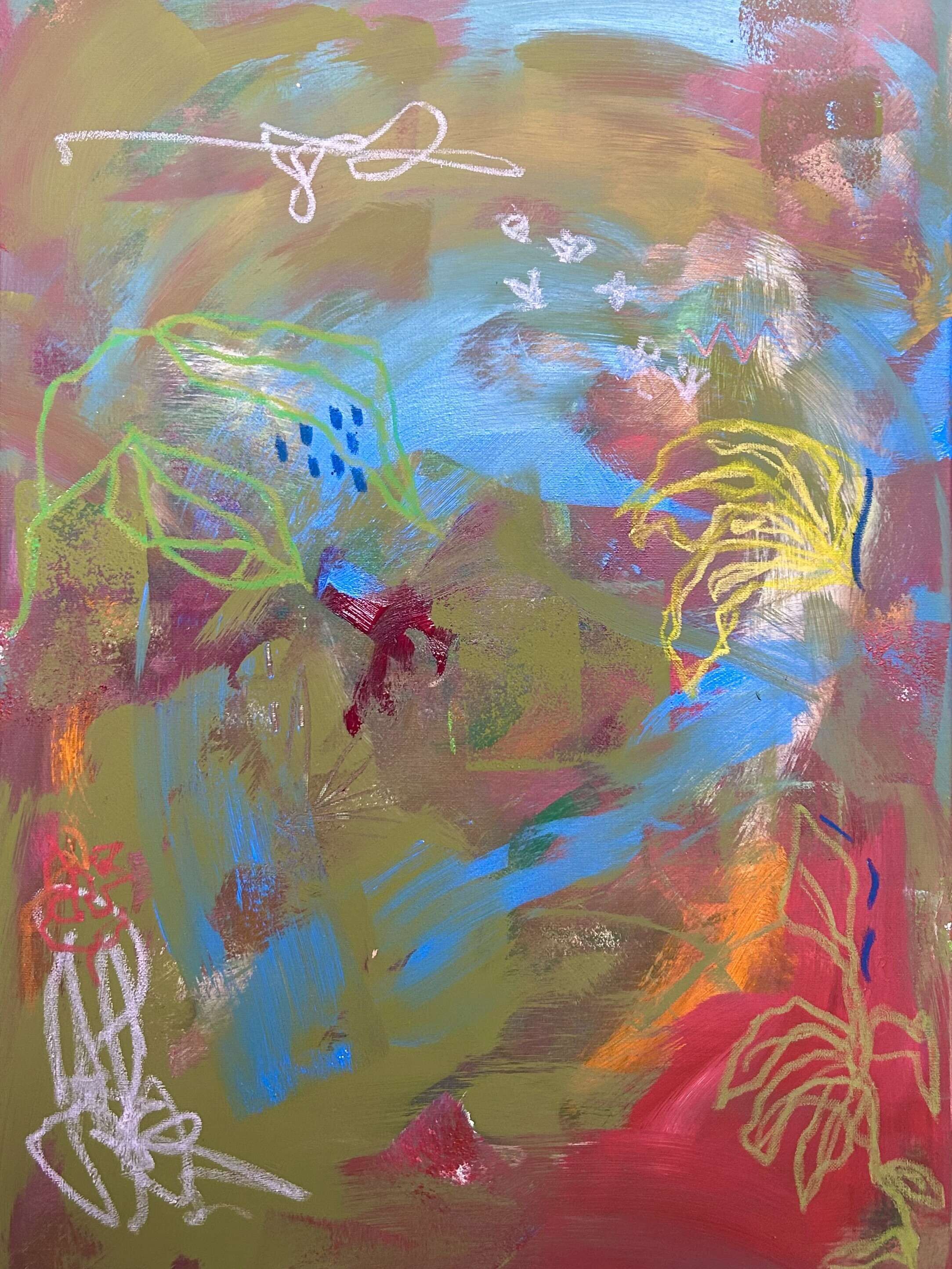
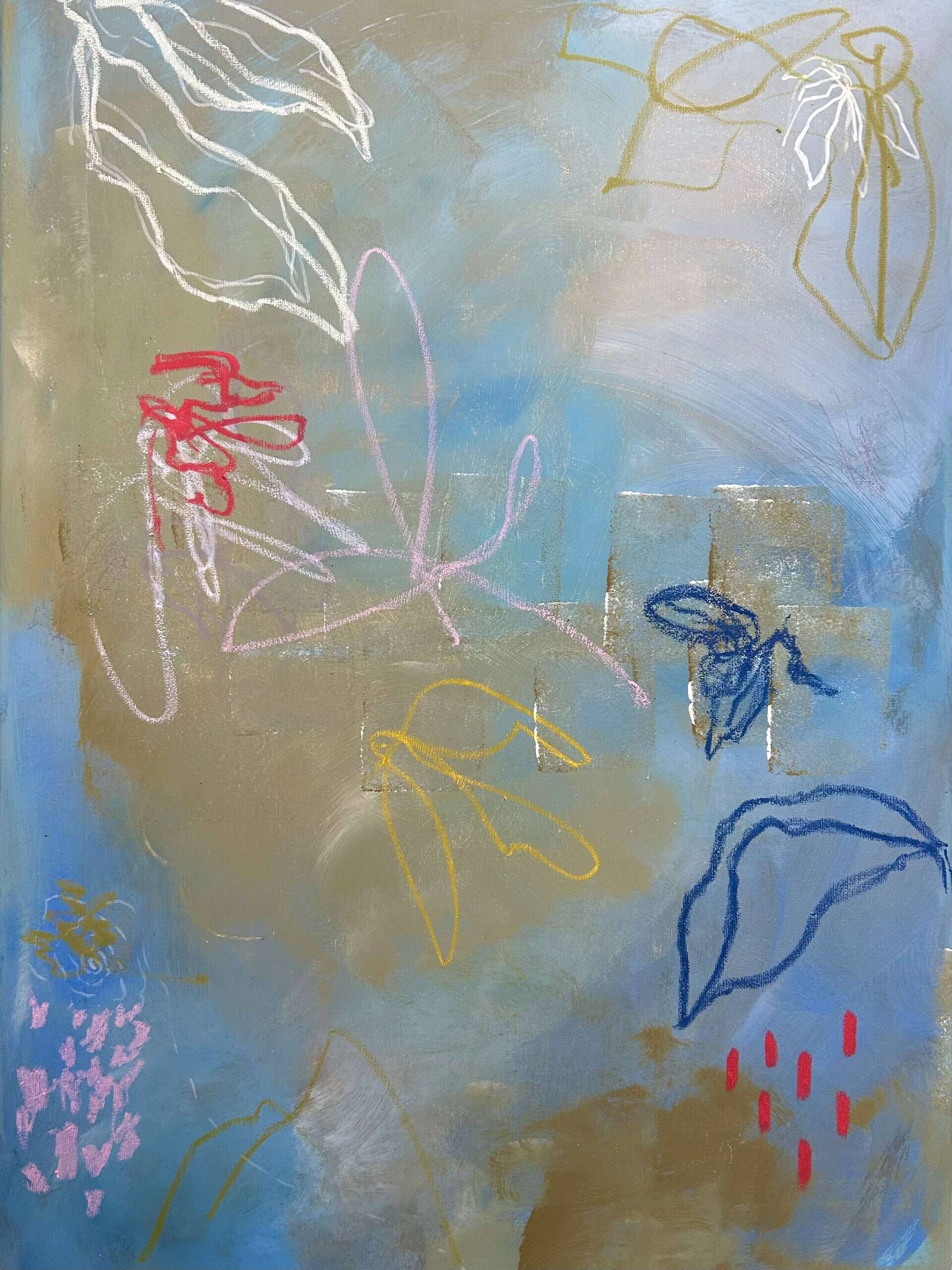
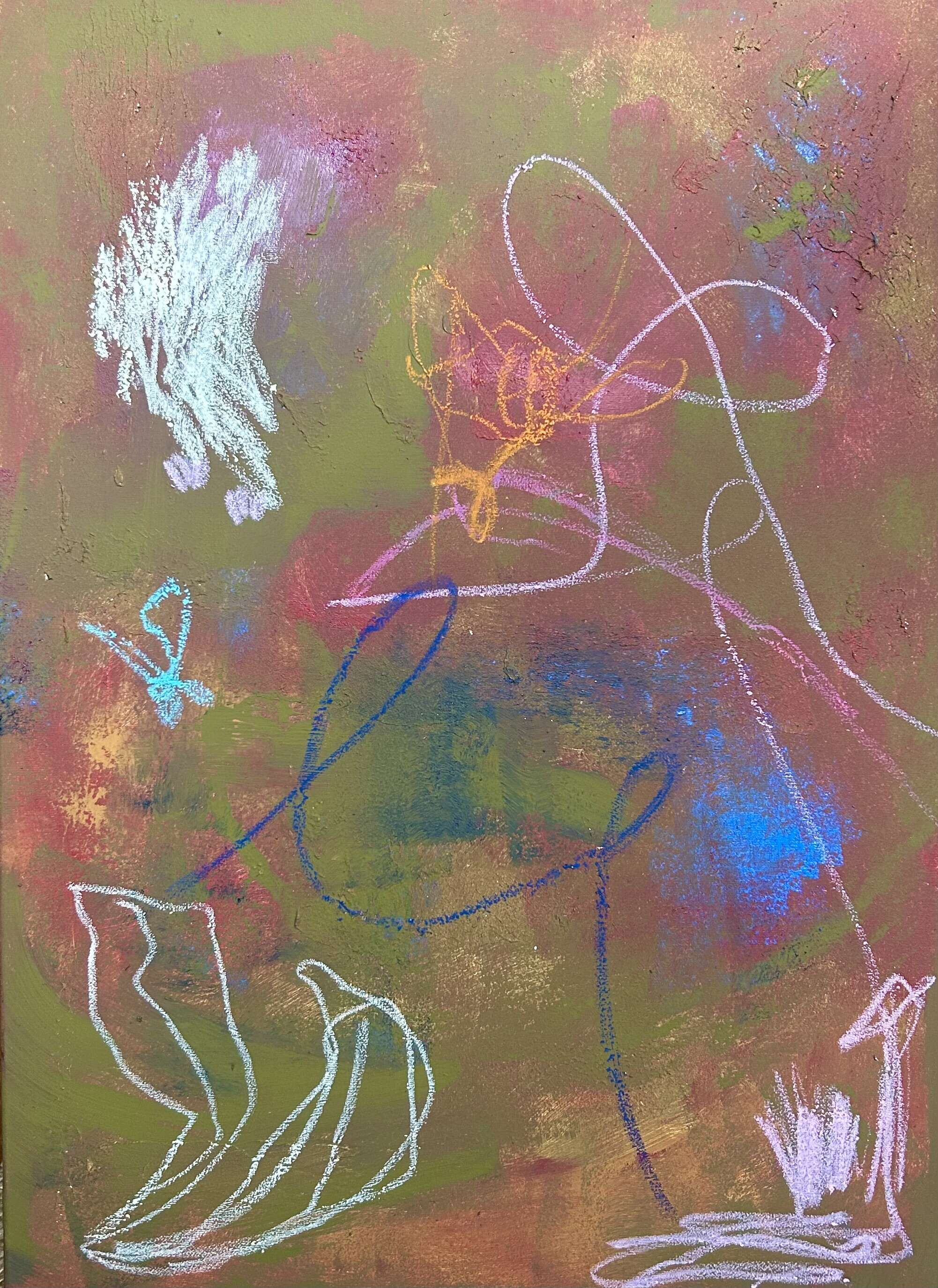
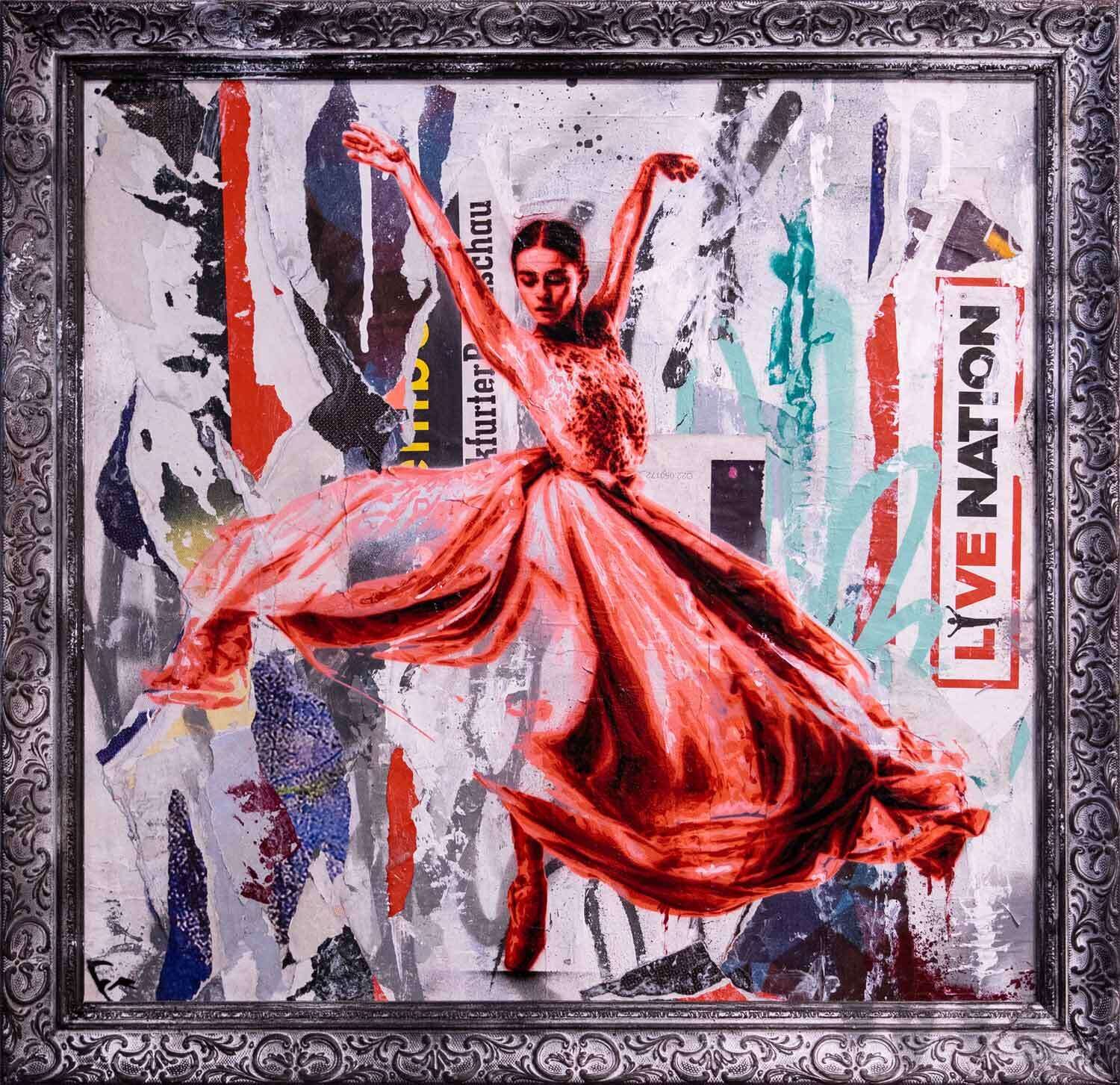
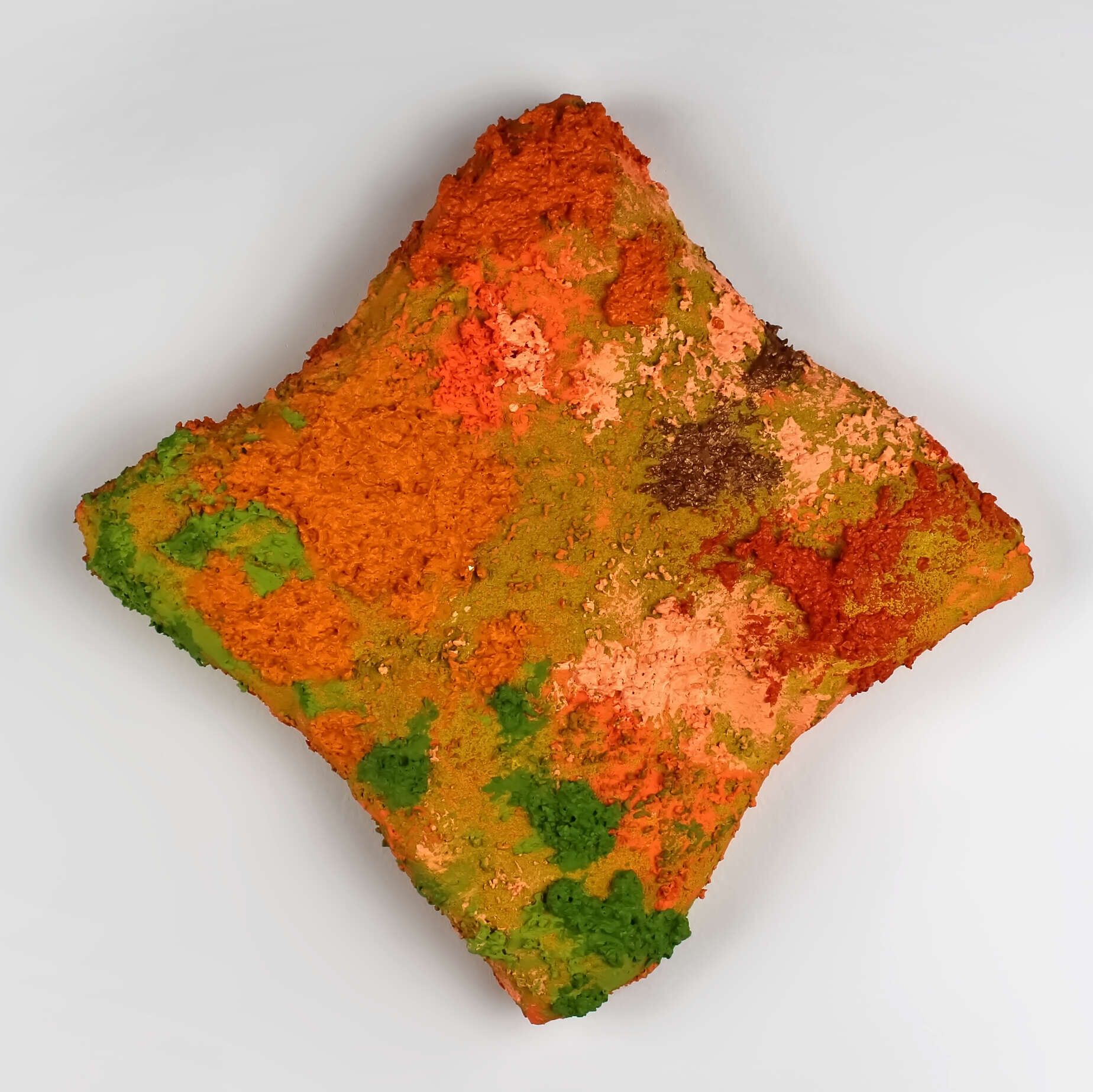
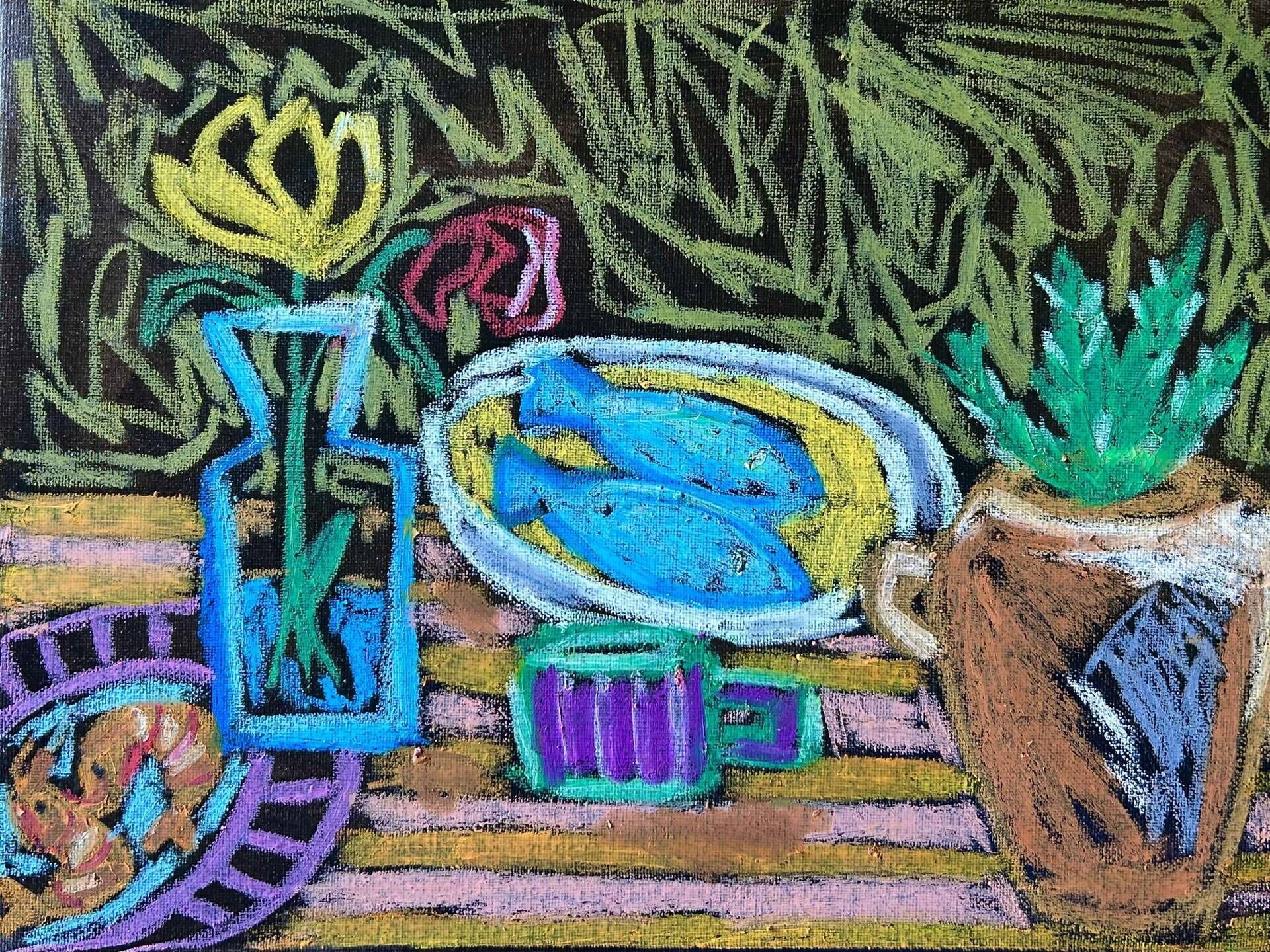
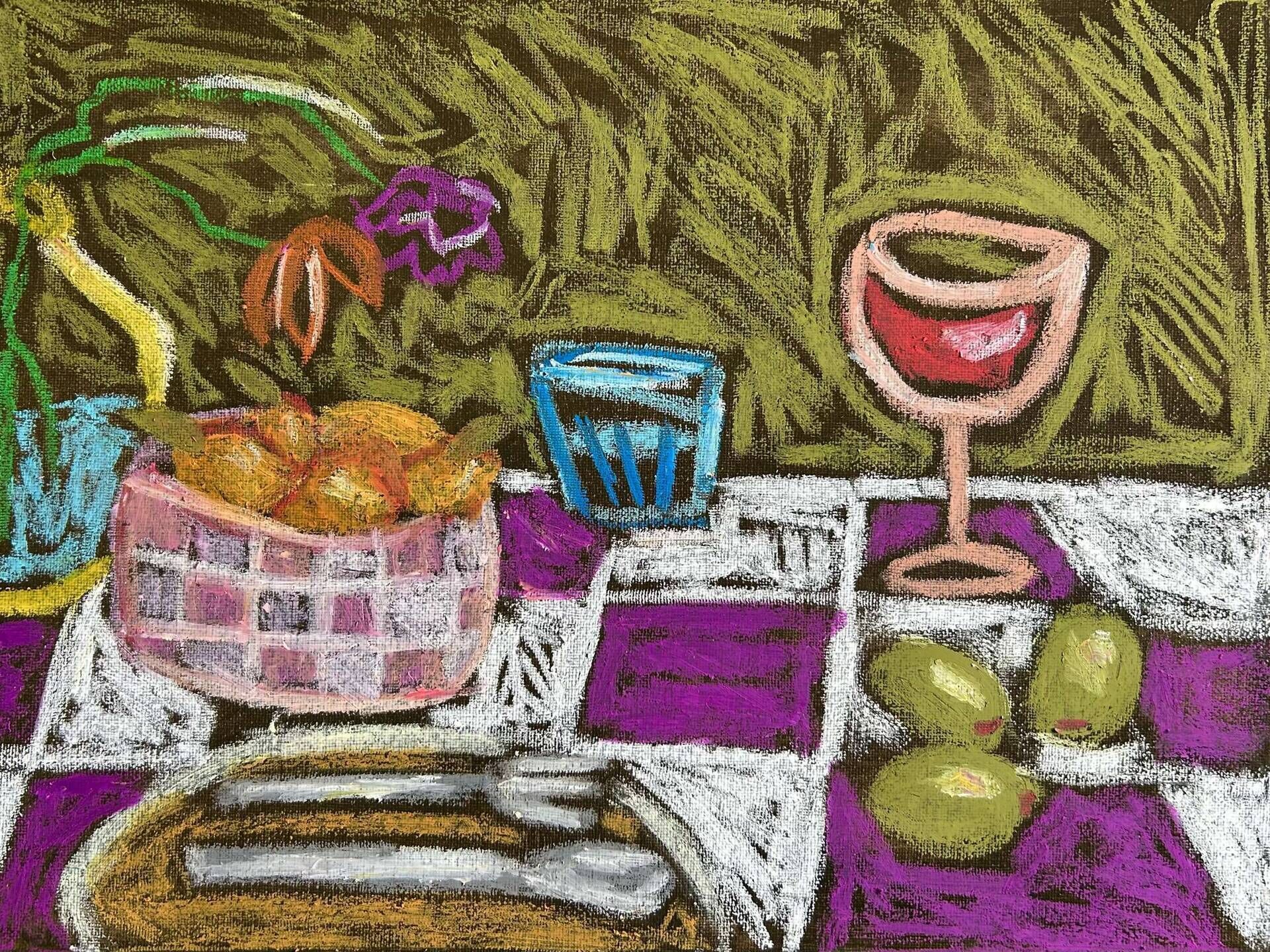
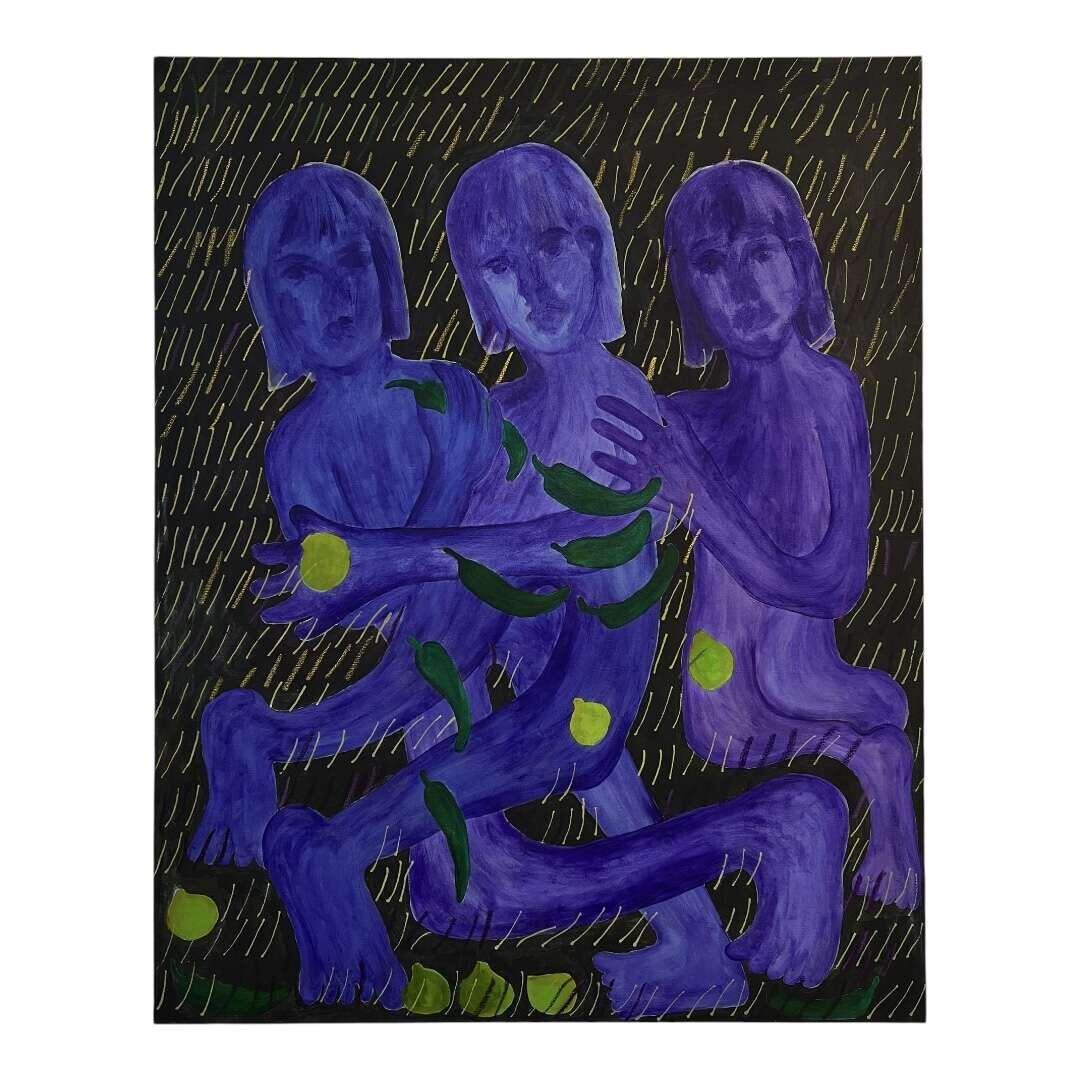
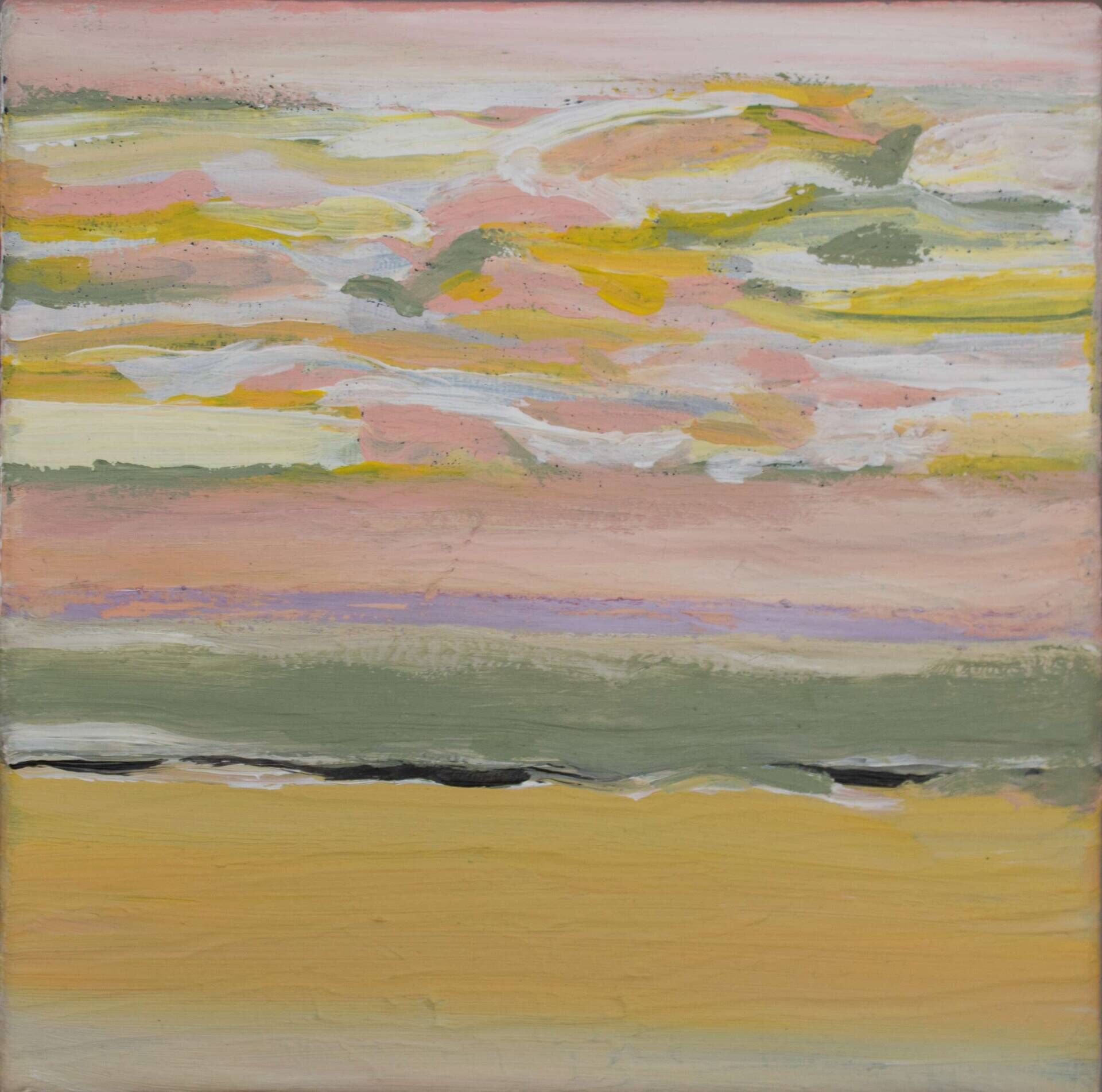
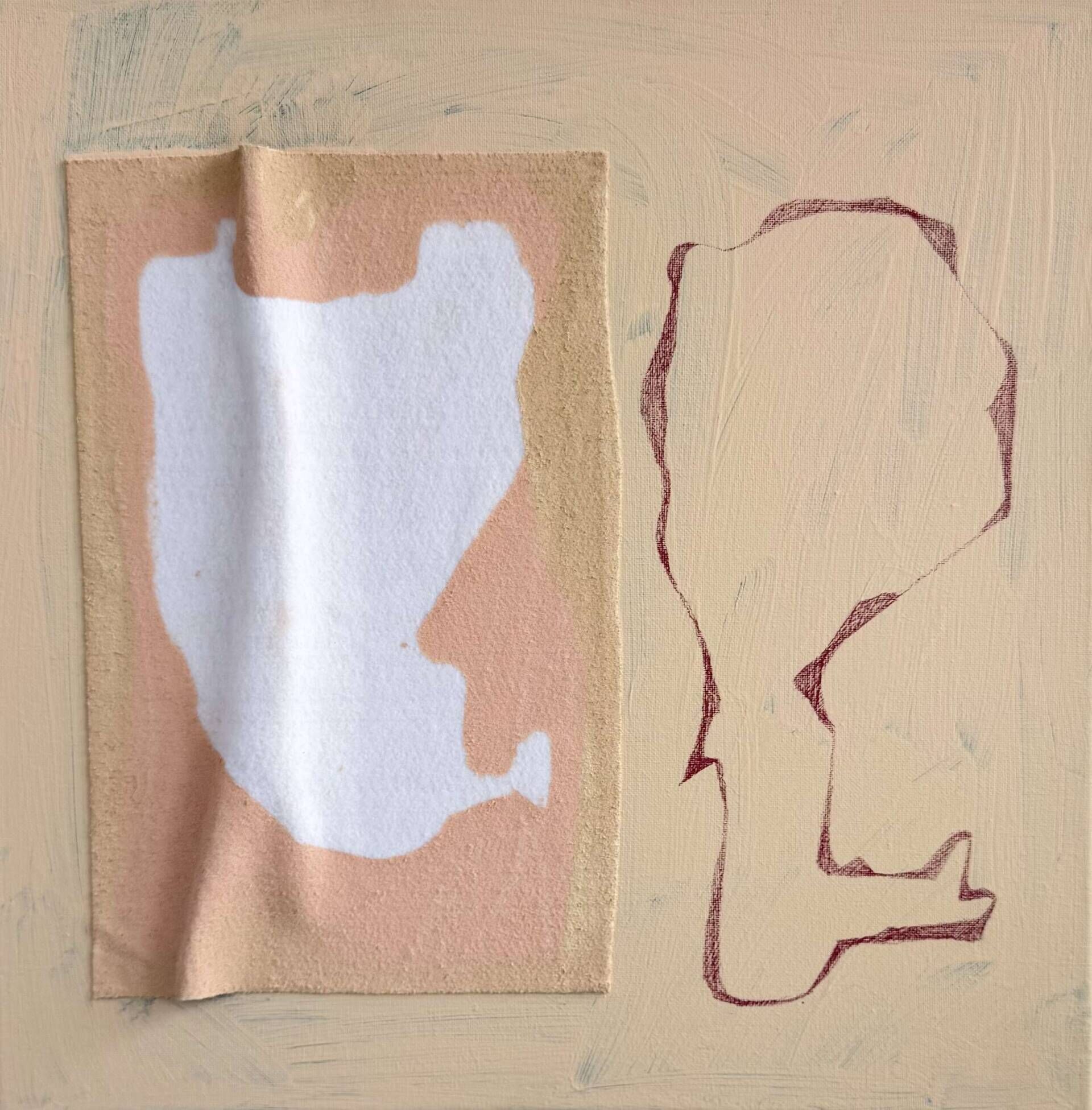
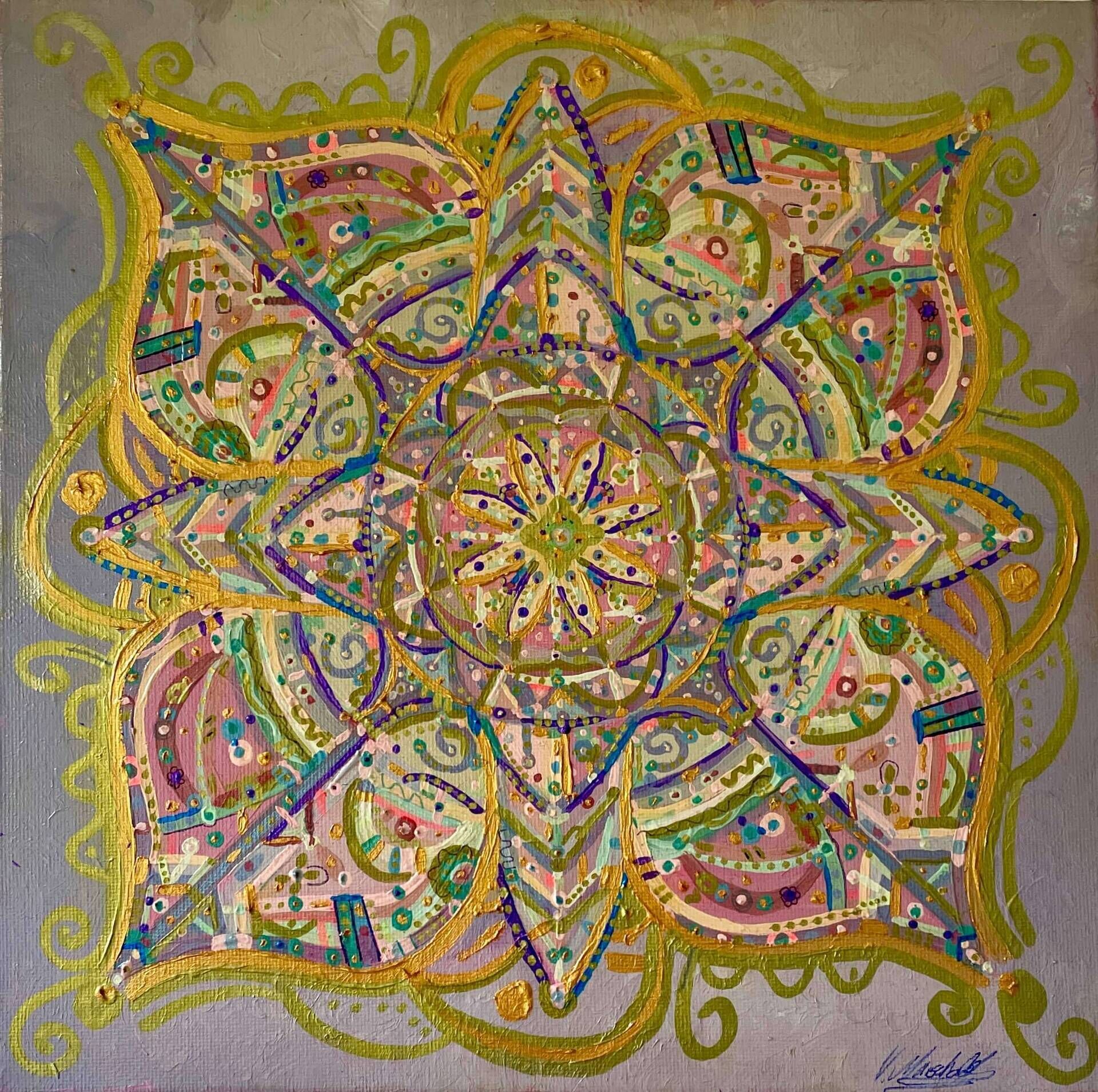
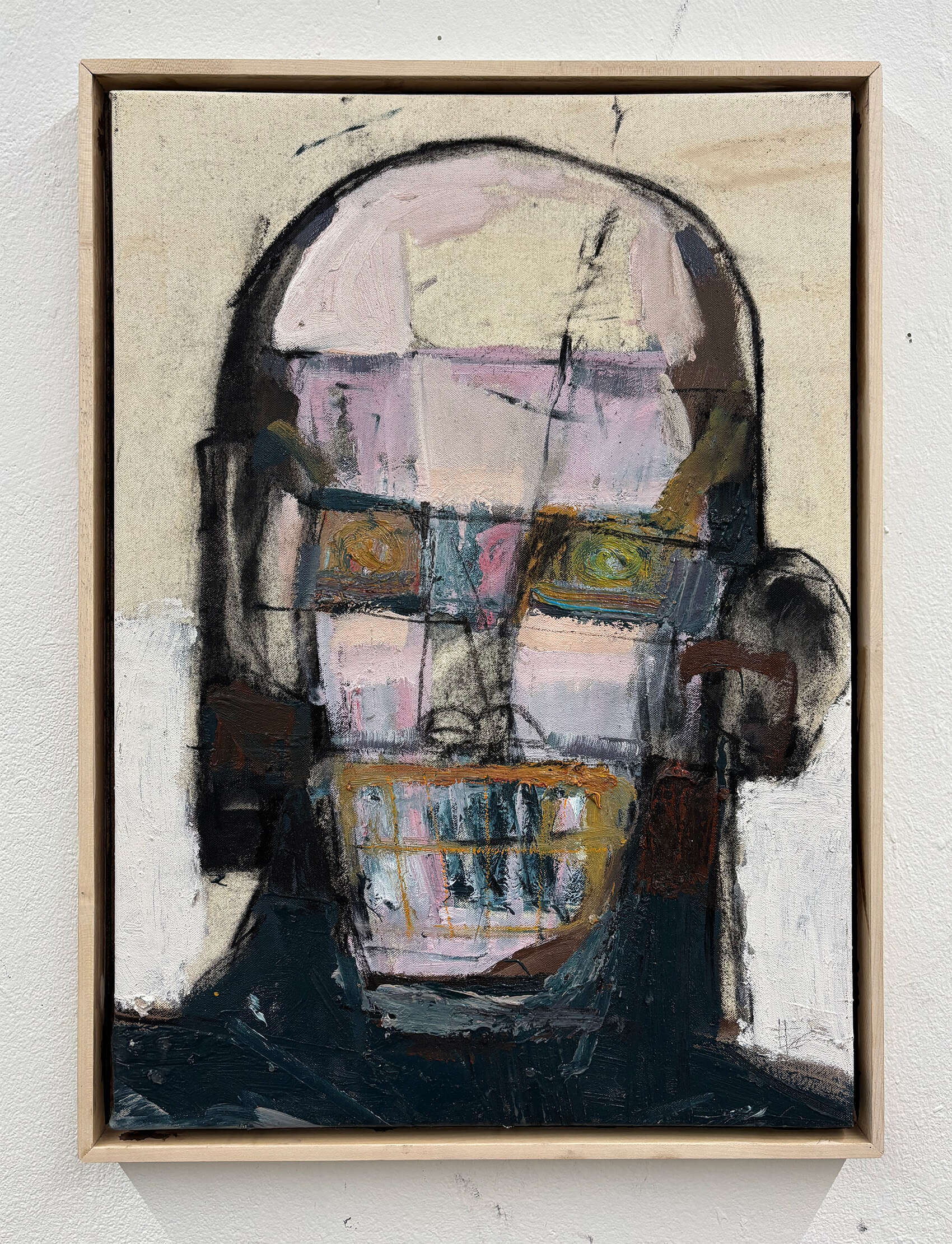
Mixed media – boundless creativity, unmistakably individual
Mixed media is one of the most exciting forms of expression in modern art, as it allows materials and styles to be freely combined. Artists use it to convey emotions, textures and stories with an intensity that would be almost impossible to achieve with just one medium. Today’s creative generations, in particular, value this freedom: colours, textures, found objects and textile elements merge in a work that surprises both pictorially and conceptually. The art form thus embodies a spirit of experimentation and the courage to embrace complexity.
At the same time, mixed media has a long tradition in art history, even if it seems more relevant today than ever before. From early avant-garde collages to contemporary mixed-media works, it is clear just how much this art form broadens our perception. At Studierenden Kunstmarkt, you’ll find original works that embody precisely this spirit of discovery – works that define spaces, tell stories and, as one-of-a-kind pieces, represent an exciting investment.
What is mixed-media art?
Mixed media refers to artworks that combine various painting or drawing techniques. Unlike multimedia art, which often combines image, sound or digital media, mixed media focuses primarily on a variety of materials: acrylic meets ink, oil blends with pastel, and collage elements are integrated into painted surfaces. The key point is that each component has its own creative function and is not merely used for decorative purposes.
Mixed media has long been used extensively in the history of art. Pablo Picasso created one of the earliest examples in 1912 with his ‘Still Life with a Wicker Chair’: a combination of oil paint, oilcloth and rope that completely redefined art. Artists such as Otto Dix, Joseph Beuys, Salvador Dalí or Damien Hirst used mixed media to break down the boundaries between painting, mixed-media collage and object art . Over the centuries, mixed-media works have evolved from an experimental approach to becoming an integral part of the visual arts.
The great strength of mixed media lies in its ability to condense both material and meaning. Sand, paper, pigments, fabrics, ash or layers of wax convey additional layers of time, texture and memory. This creates a visual depth that pure painting rarely achieves. Whether drawing, collage or a combination of both – mixed media allows artists to express nuances that would not be possible using just one technique.
The world of mixed-media painting
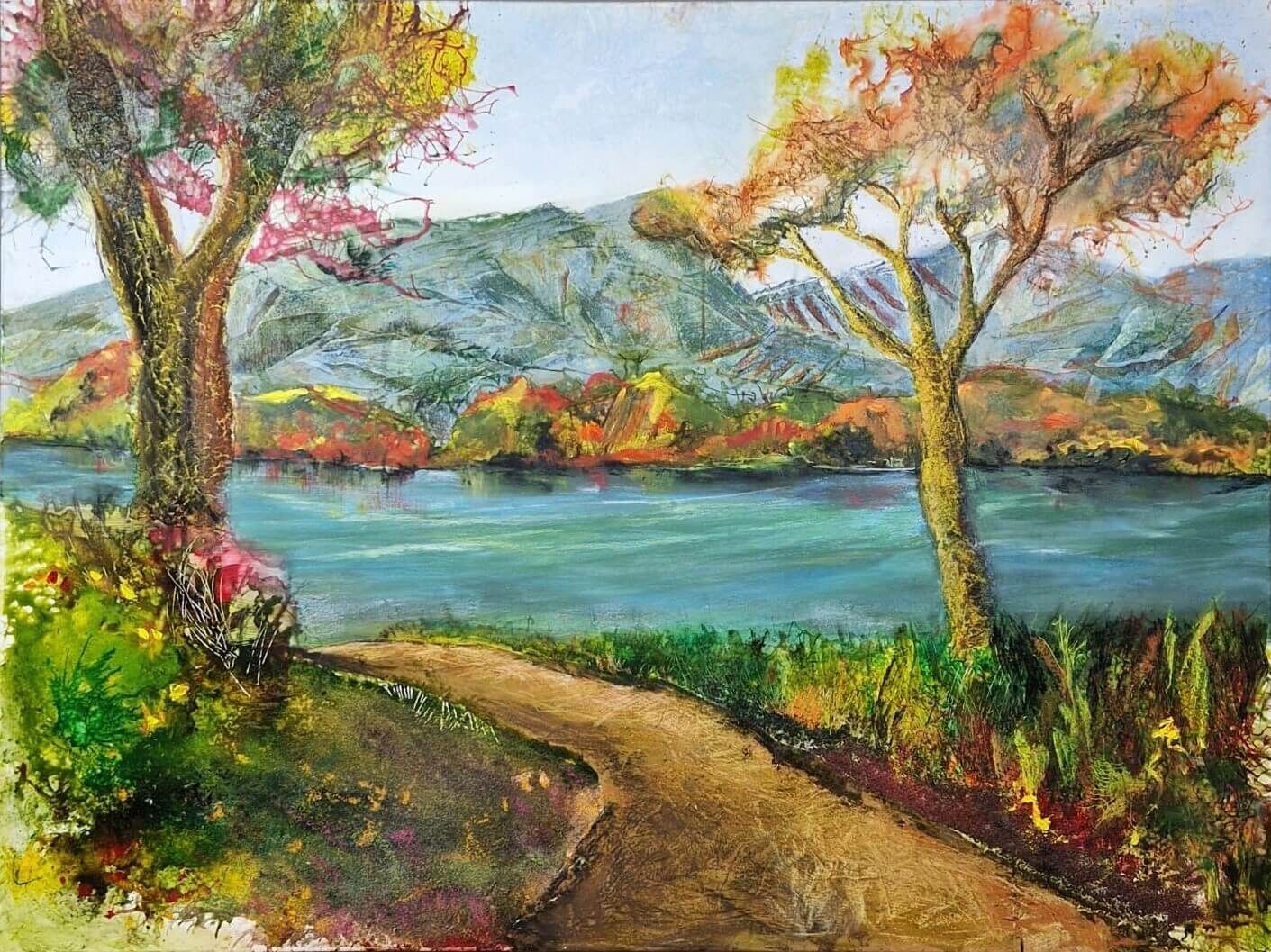
Mixed-media painting focuses on the interplay of different paint pastes, pigments and materials. Artists often work with acrylic mixed media, oil, Gouache, watercolour, ink, Indian ink or spray paint, to create colour effects which appear particularly intense when combined. These layers are often complemented by chalks, pencils, charcoal or wax pigments – each medium brings its own unique properties.
Mixed-media painting requires a great deal of knowledge about material compatibility: Which paint dries faster? Which layer adheres to which surface? In what order should they be applied to prevent cracking or flaking? Their complex interplay gives rise to visual worlds that are vibrant, multi-layered and full of dynamism. Collage also plays a major role within mixed media. Materials such as newspaper, fabric, found objects, photographs or natural materials are incorporated and fixed with glazes or varnishes. This combination gives rise to works that oscillate between painting, object and texture – unique pieces that consistently push the creative boundaries of mixed media to the limit.
Buy mixed media art – discover unique pieces at SKM
Mixed media is not only a versatile art form, but also an exciting investment: Its distinctive material depth, strong tactile impact and the unique combinations of different media make every piece an unmistakable one-of-a-kind work – a feature that is particularly appealing to collectors. At Studierenden Kunstmarkt, you’ll find carefully selected works by young artists who interpret mixed media in innovative, personal and experimental ways. This means you’ll acquire authentic, handcrafted pieces that lend a distinctive atmosphere to your home, office or practice premises. At the same time, you’re promoting emerging talent, supporting their artistic development and investing in originals with the potential to appreciate in value. Immerse yourself in the world of mixed media and find a piece that will inspire you for years to come. Here we present a selection of promising mixed-media artists:
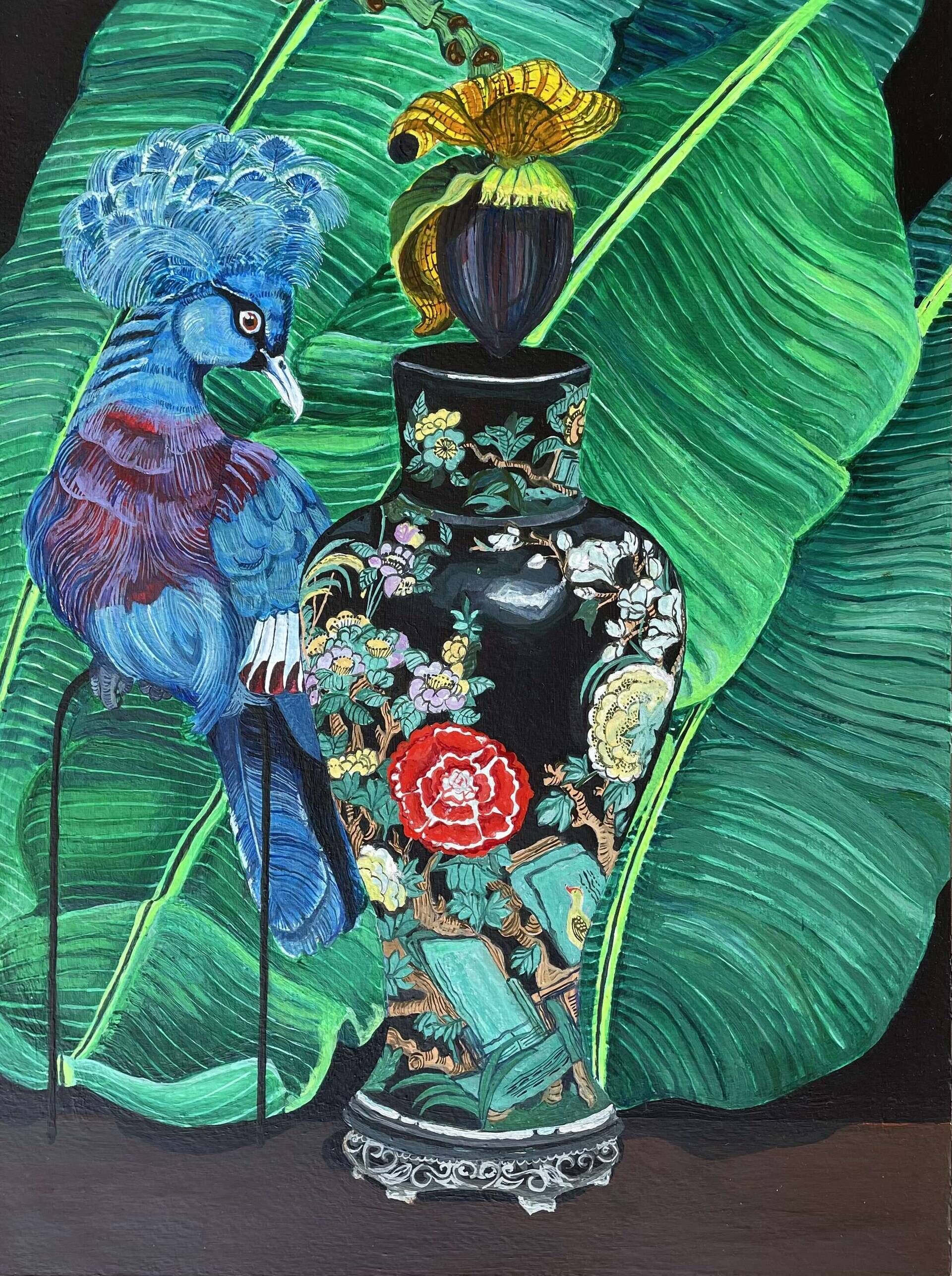
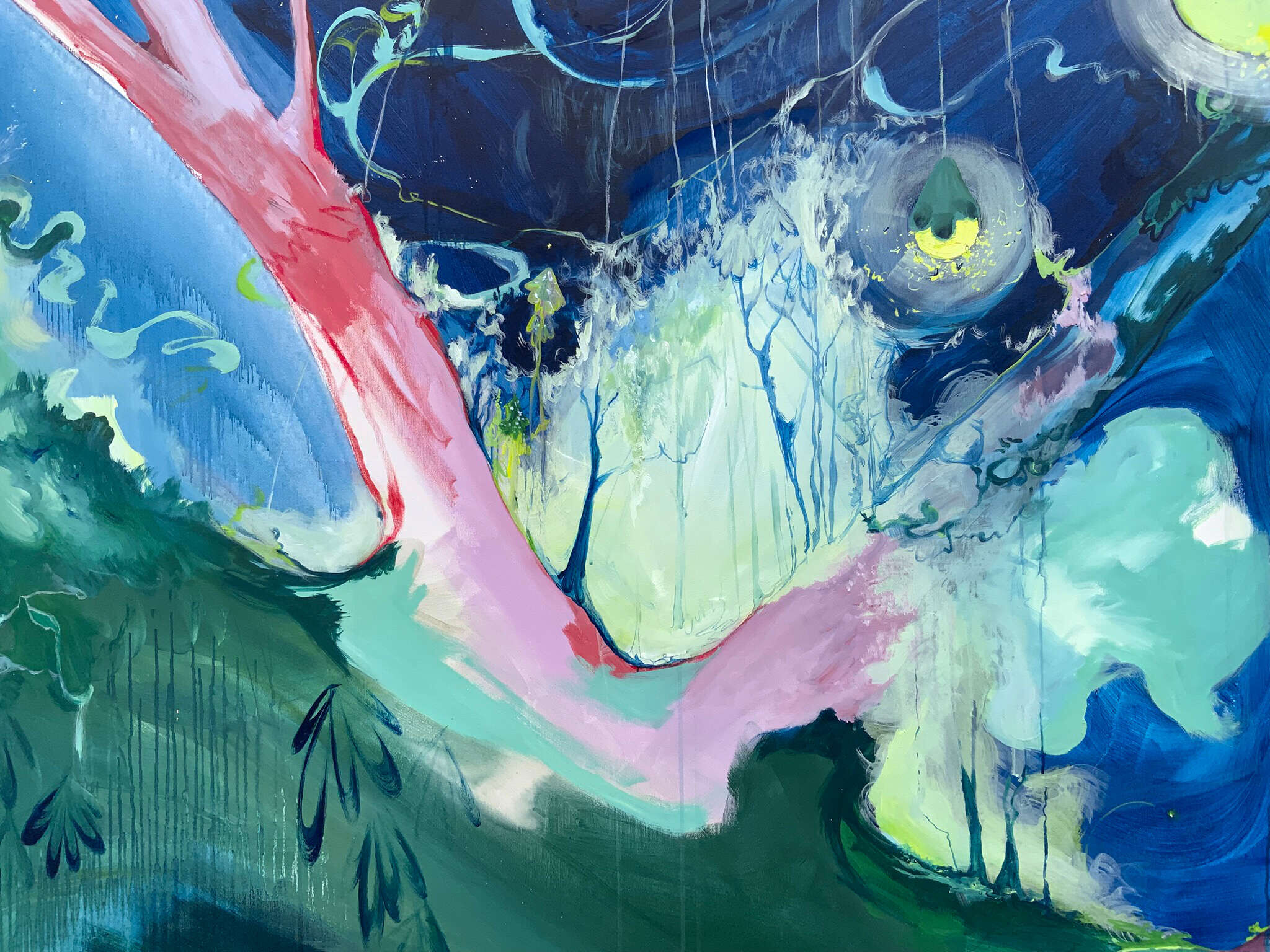
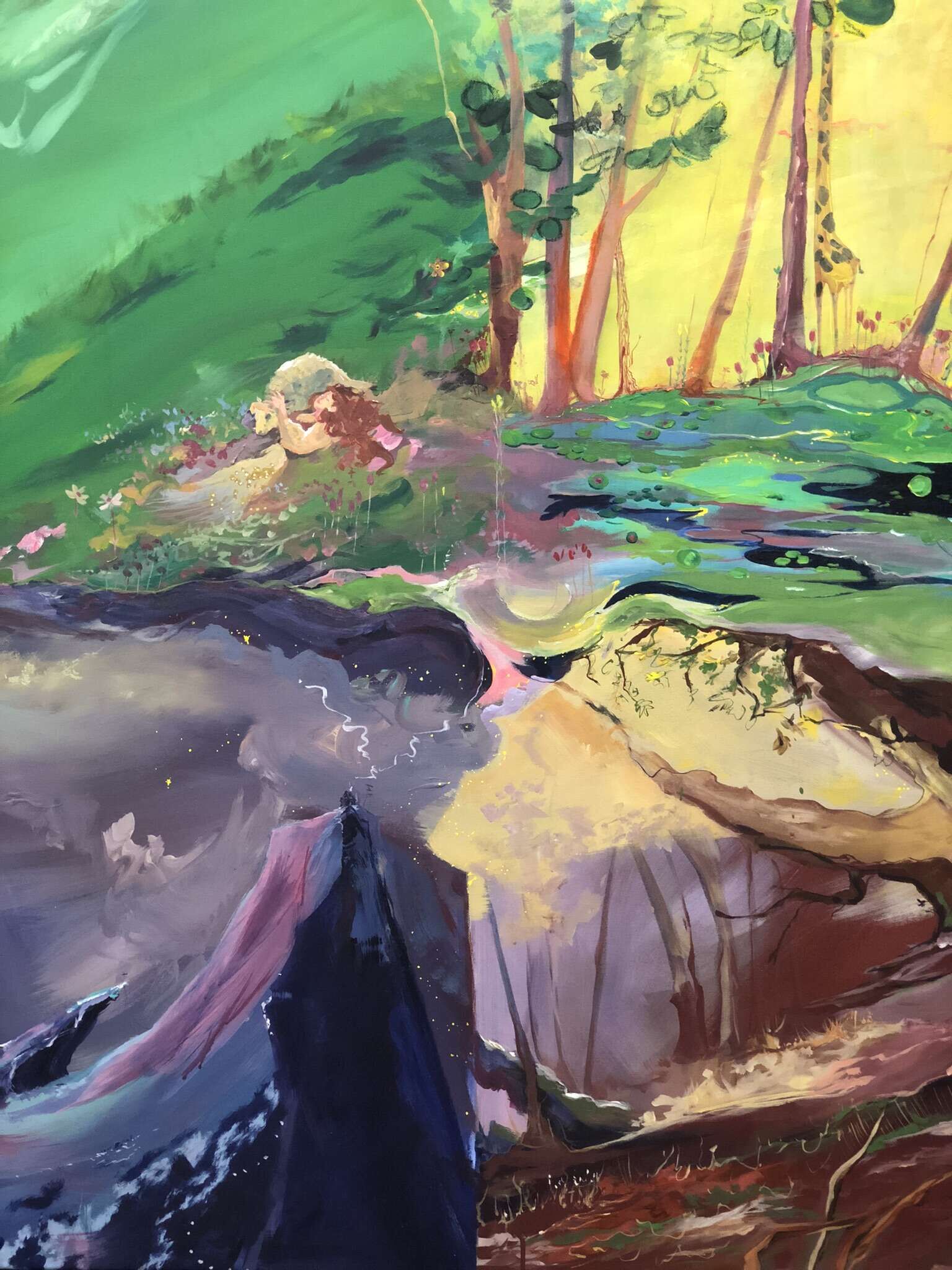
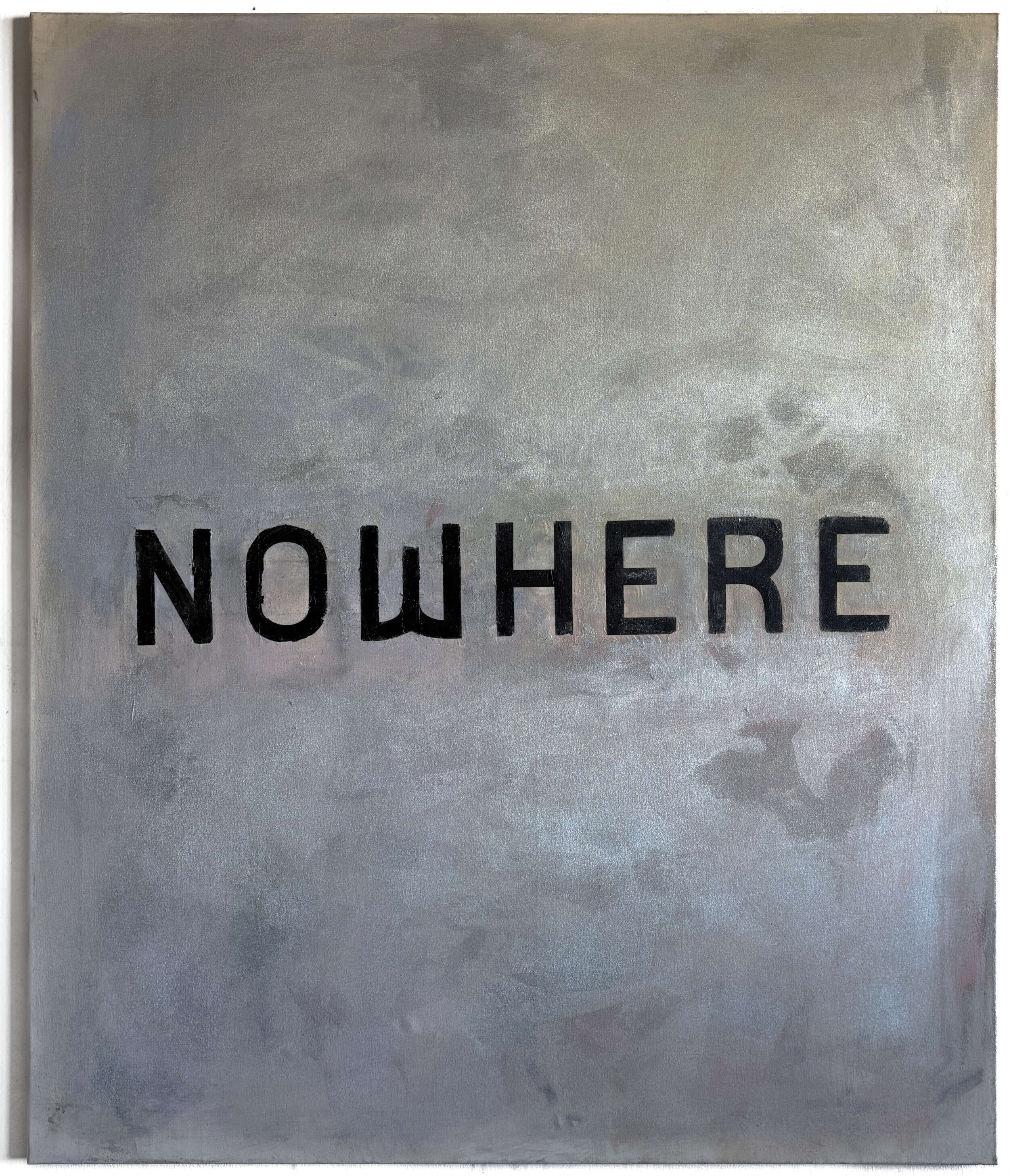
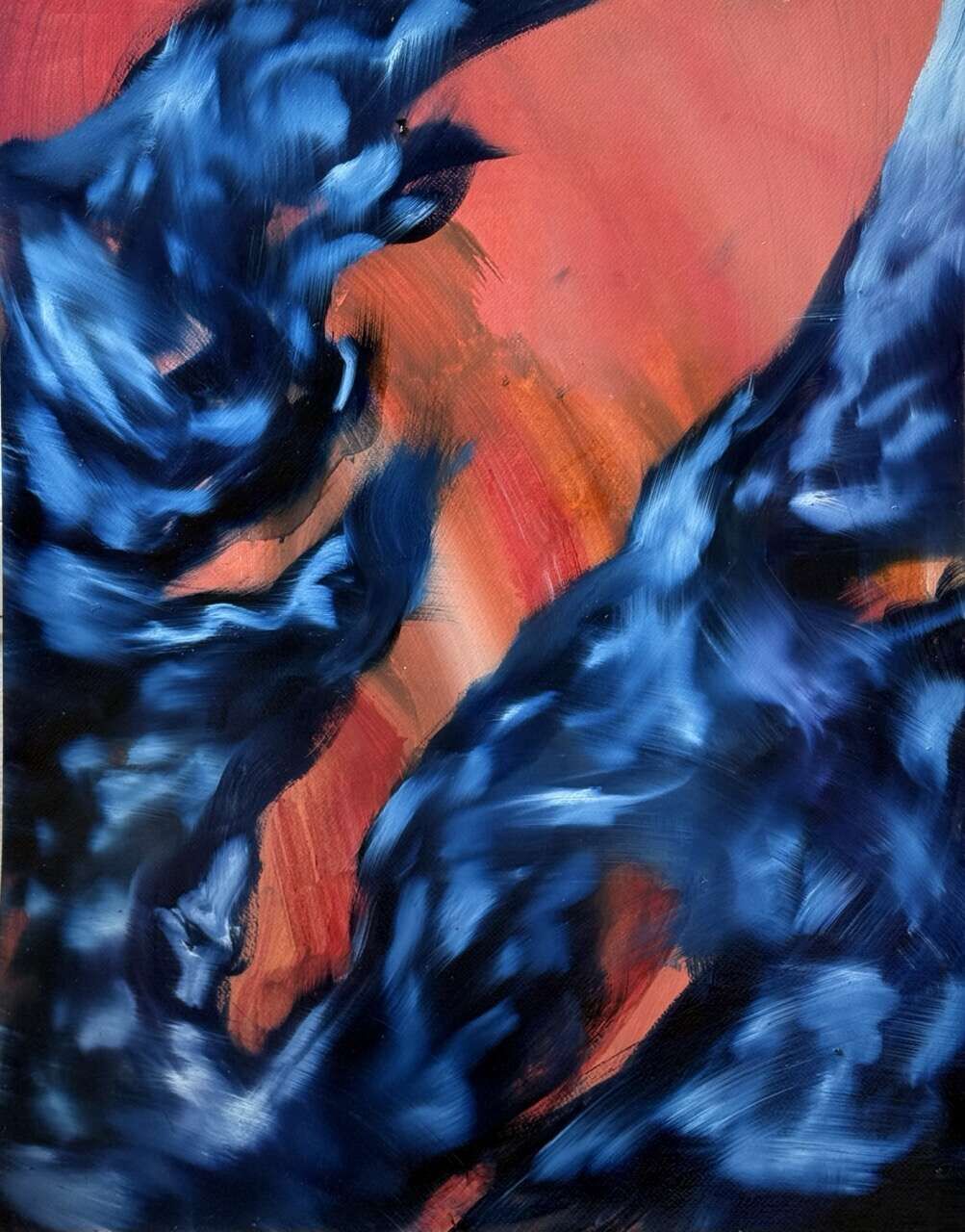
Juliana Gutiérrez Wiest is a multimedia artist with Colombian roots who now lives in Munich and studied Multimedia Art at LMU. Her works resemble fragile memories of dreams – intense, atmospheric and yet almost intangible. Inspired by surrealist methods, she uses automatic drawing to capture fragments of dreams that manifest themselves in a semi-conscious state. Abstract forms reminiscent of her homeland meet precisely painted, classical-looking figures that symbolise people from her life – sometimes present, sometimes fading. She chooses aluminium as her canvas, whose shifting reflections of light enhance the dreamlike blurriness. Drawing on her training, Wiest combines analogue painting with digital projections to create immersive works that lead the viewer into a floating, poetic liminal world.
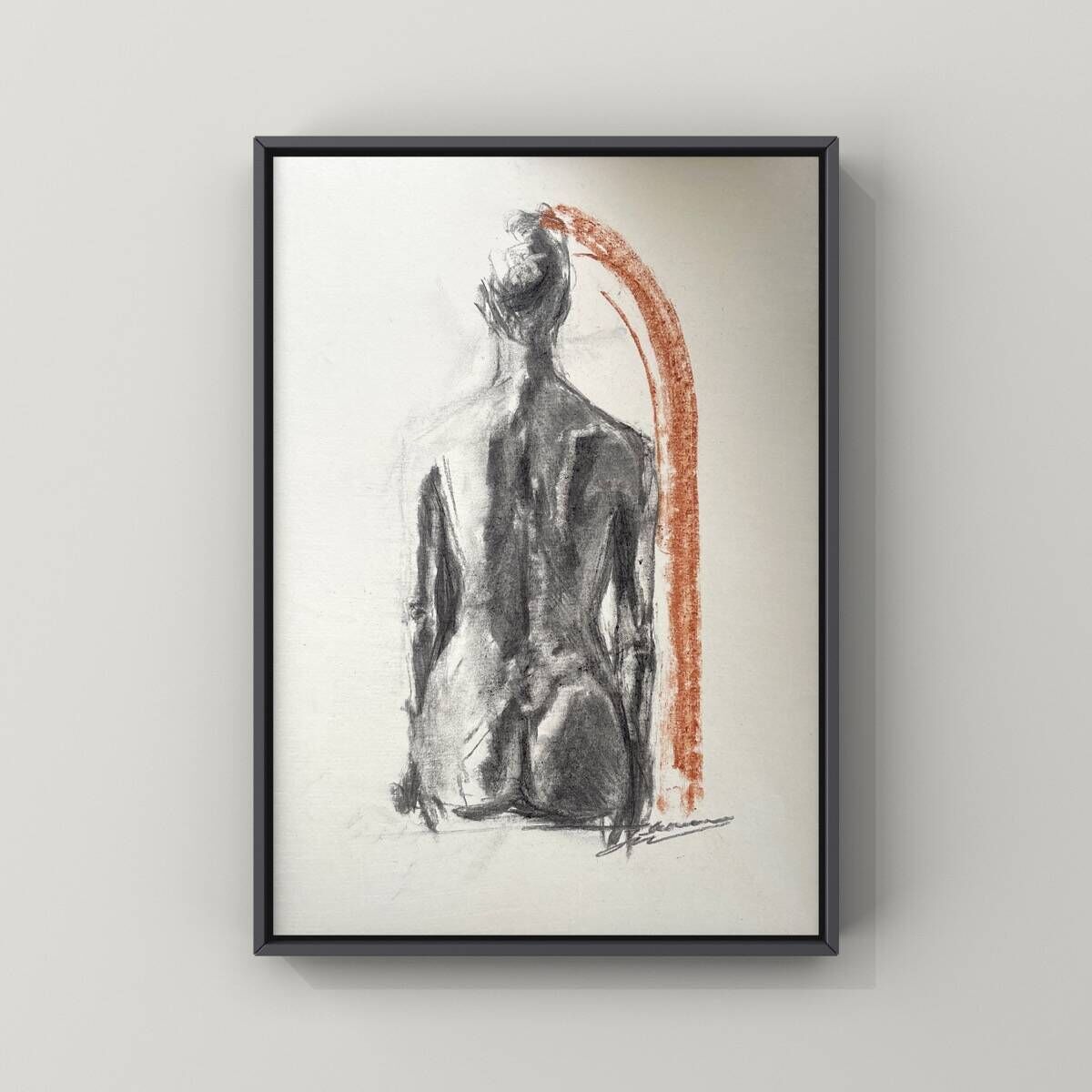
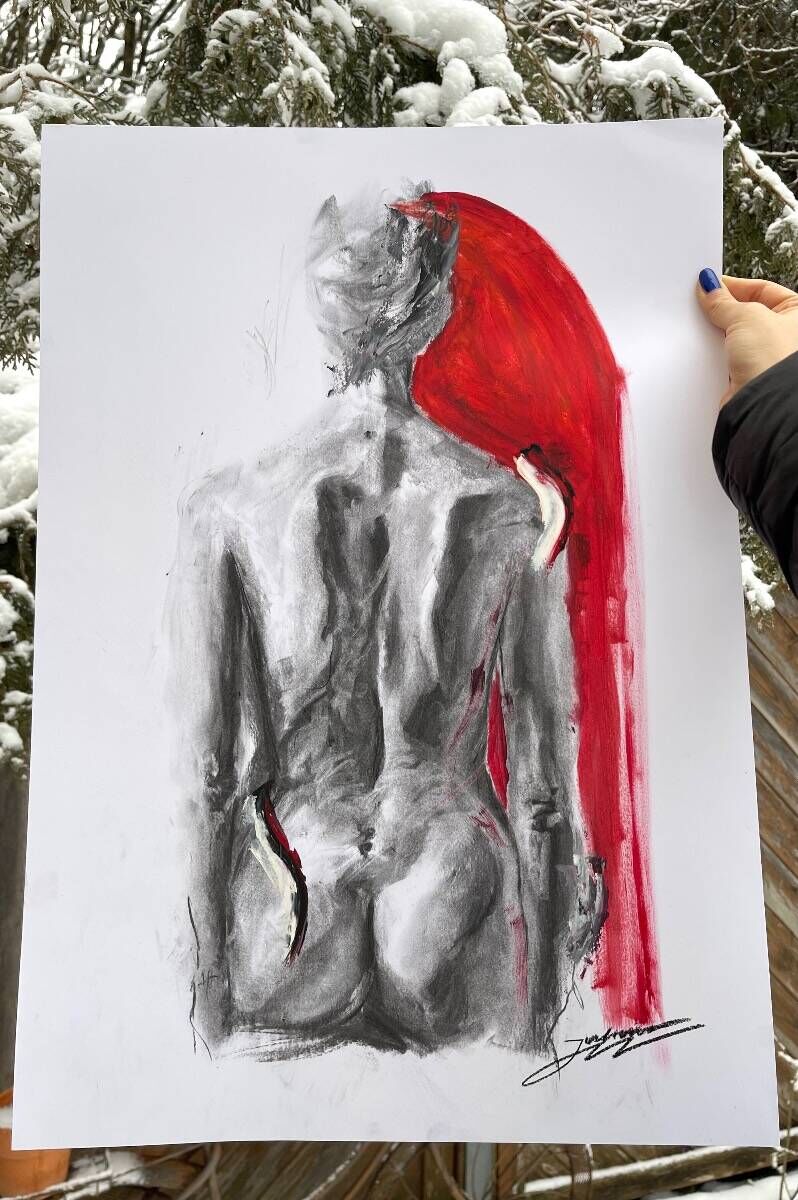
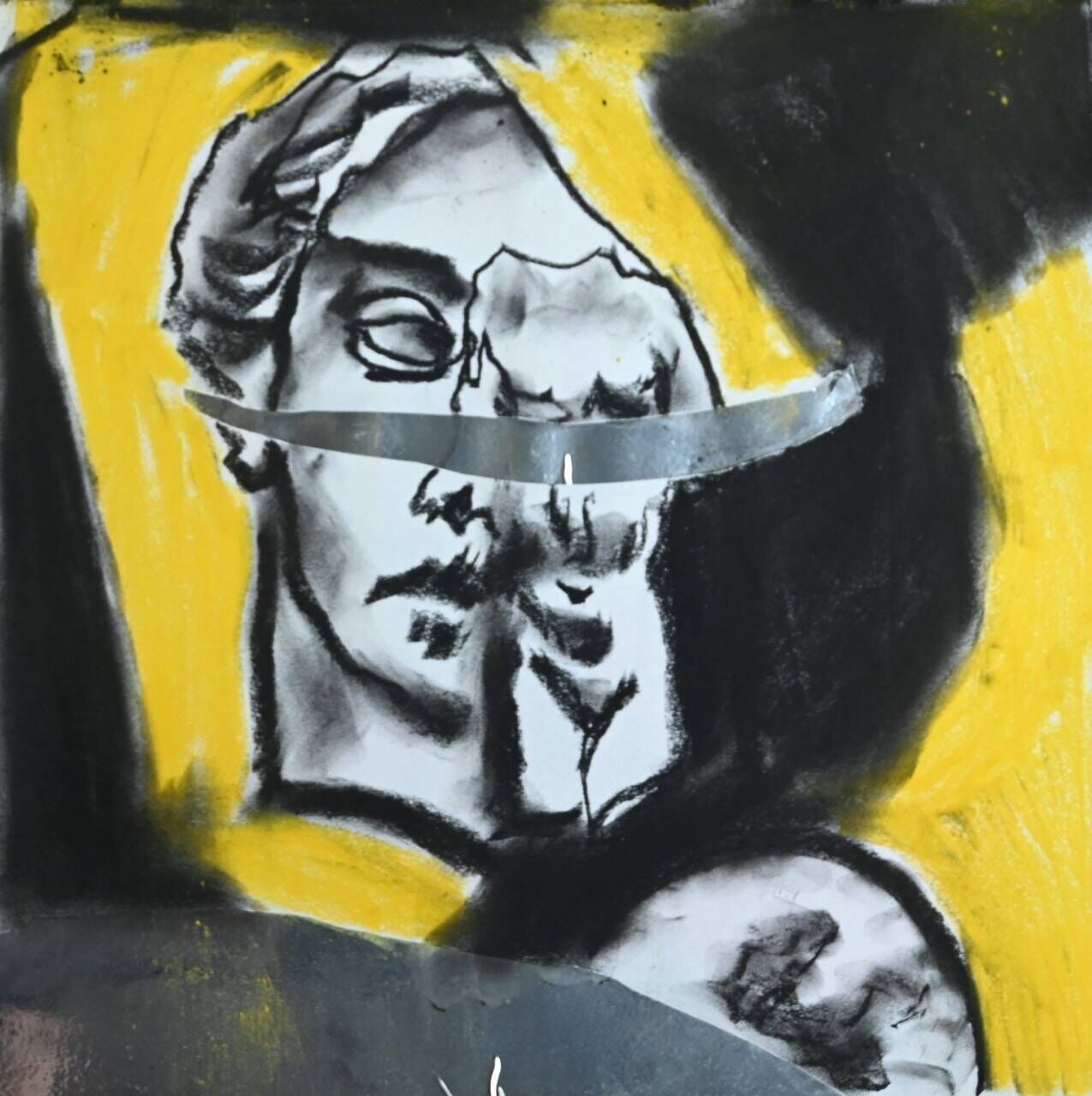
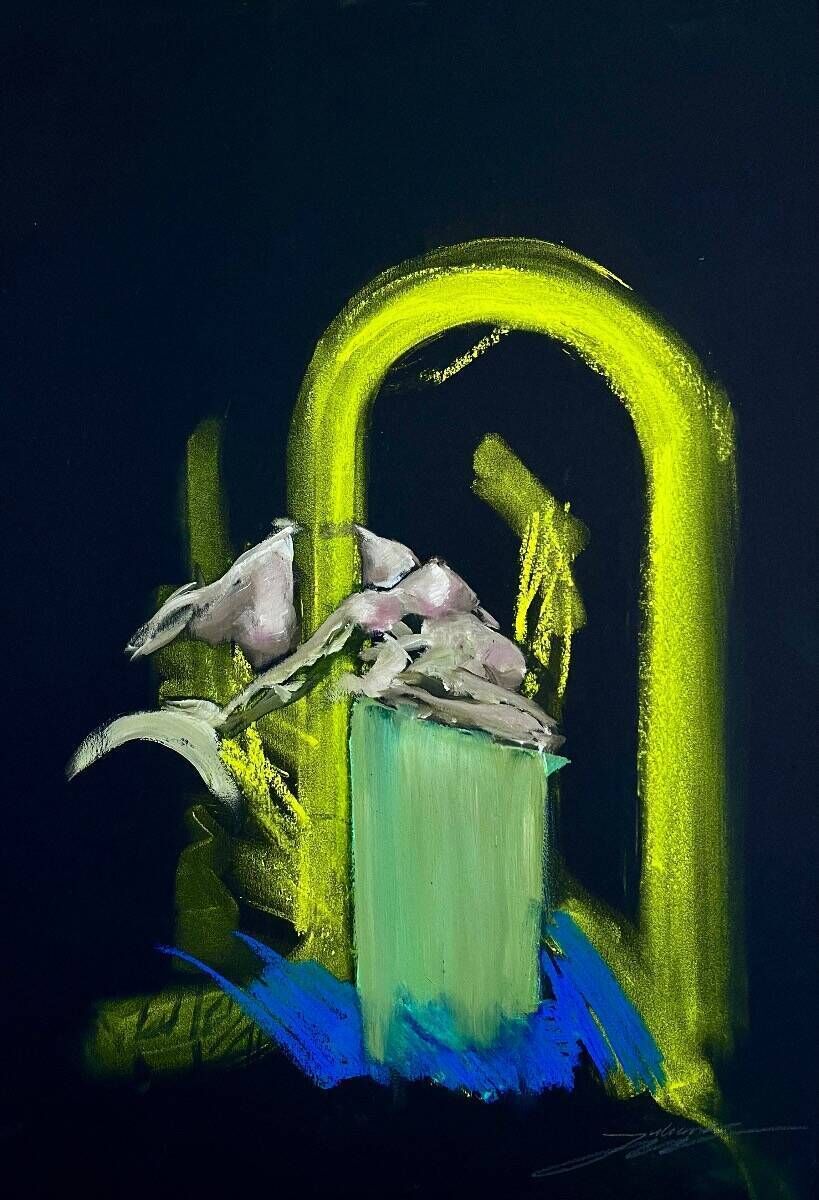
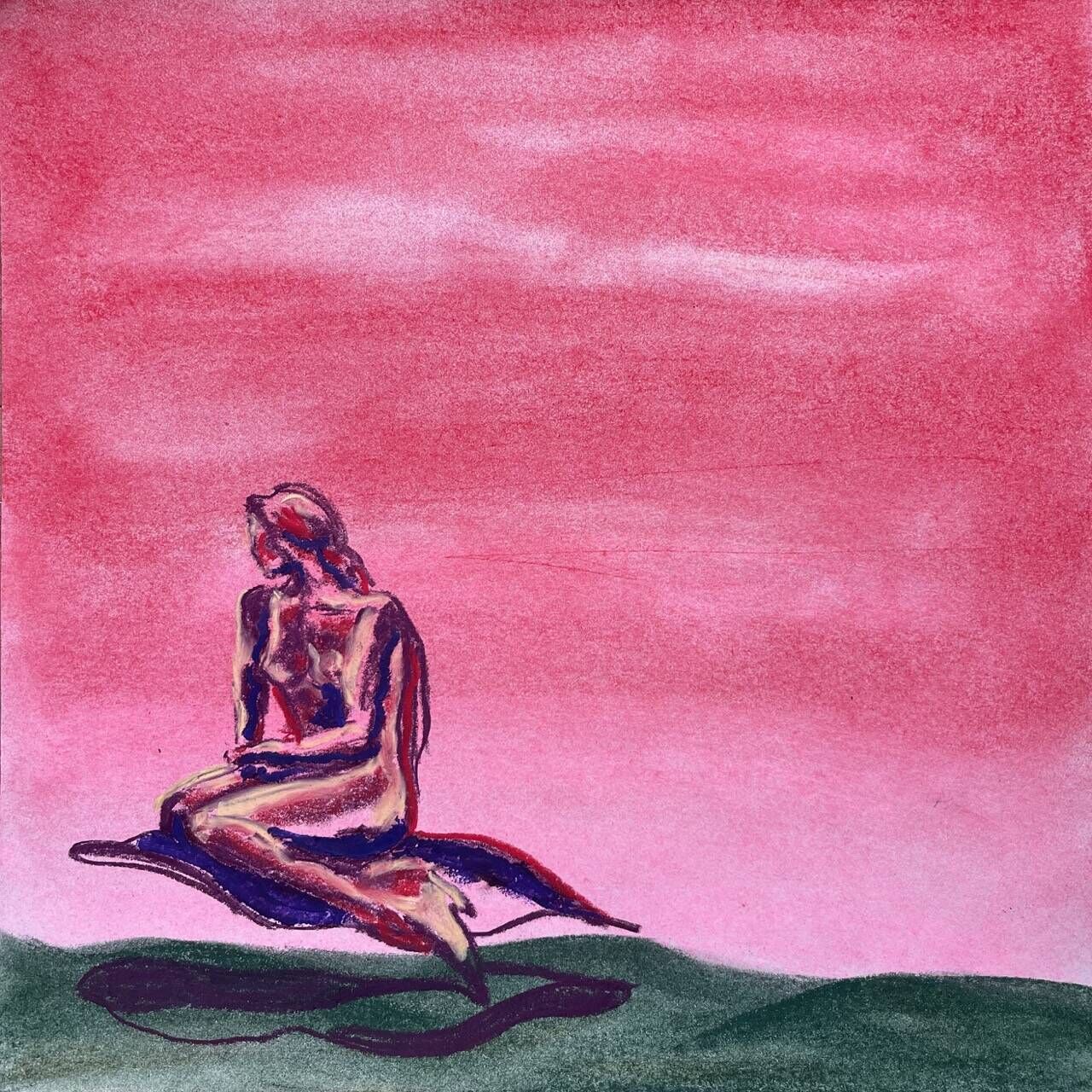
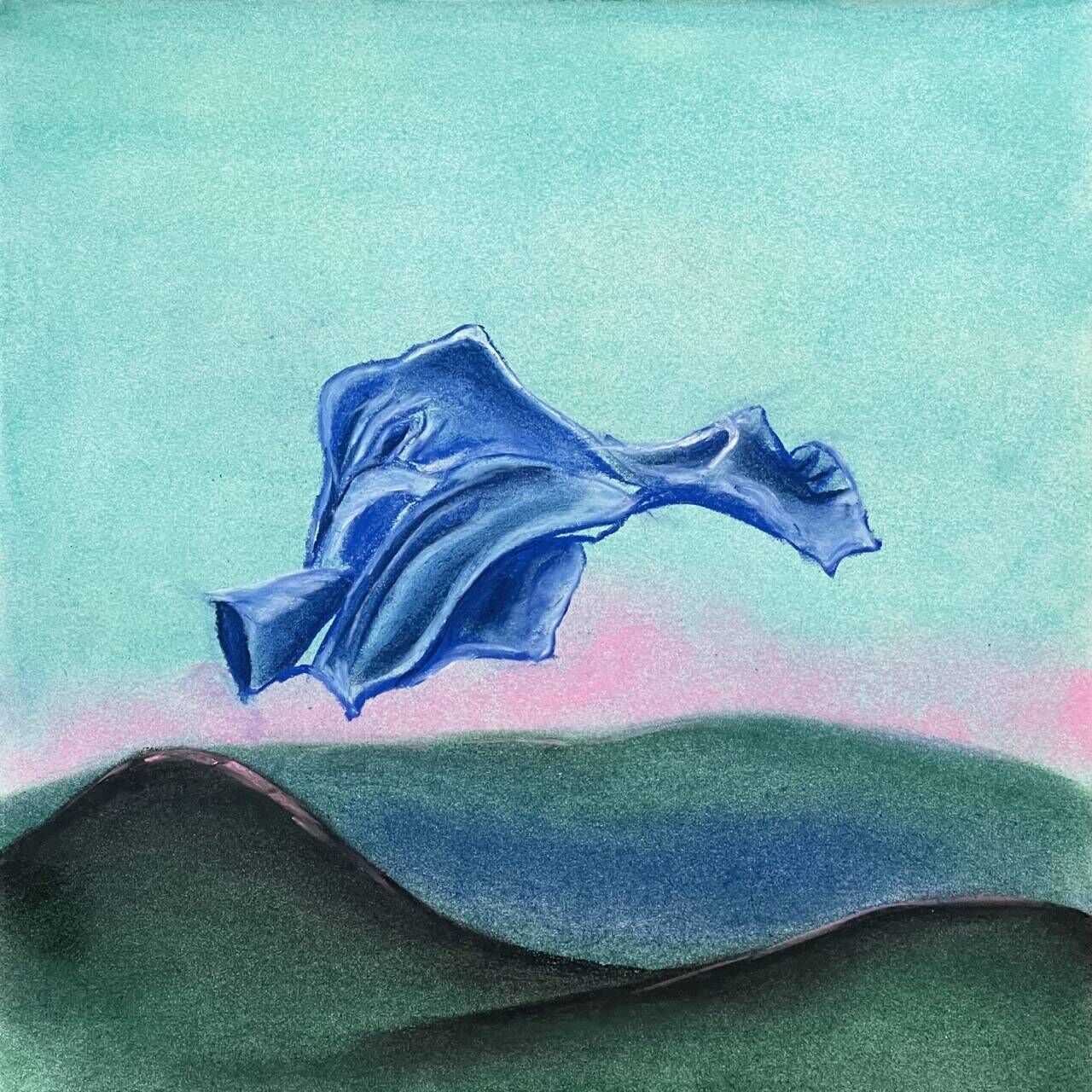
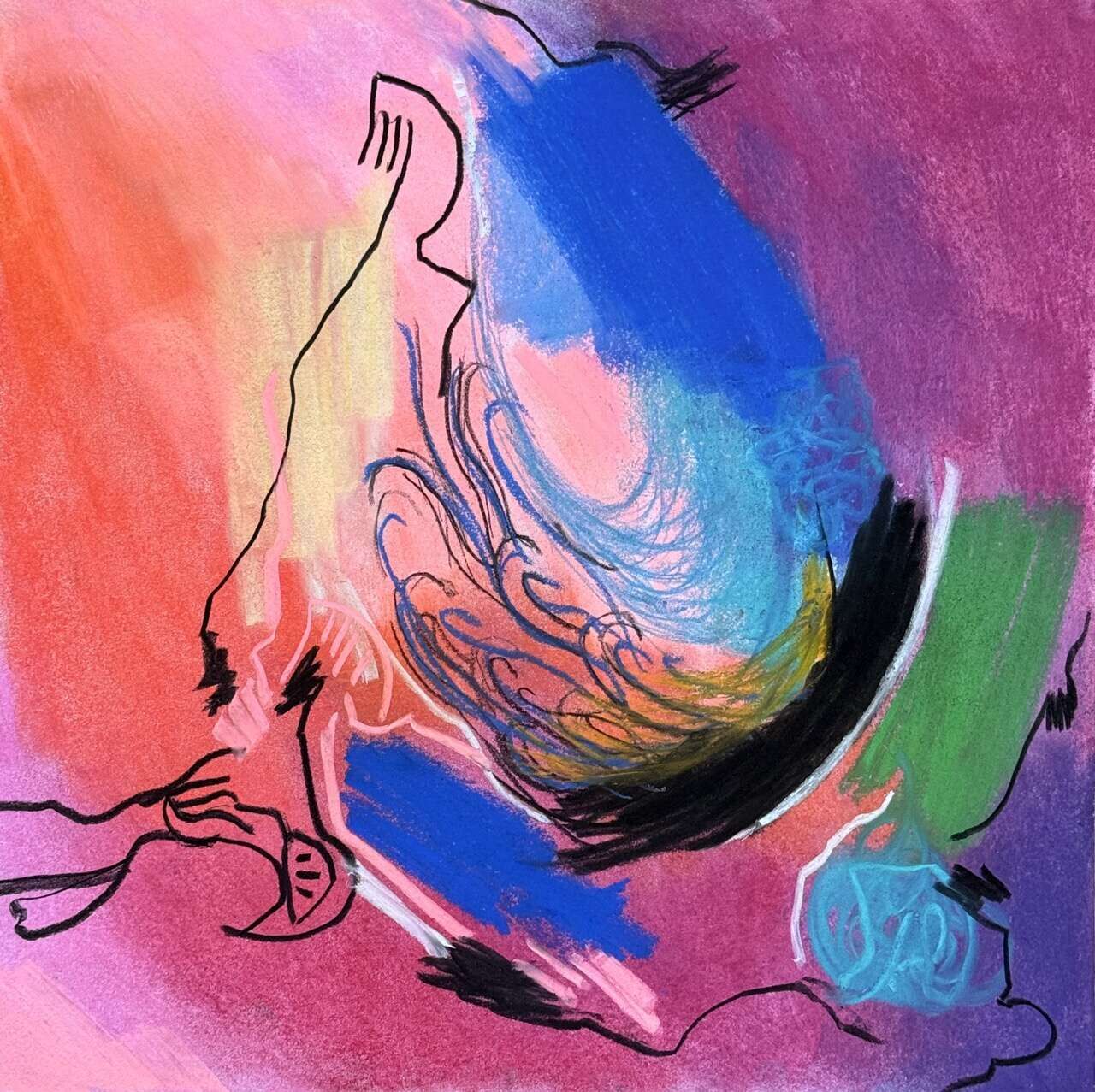
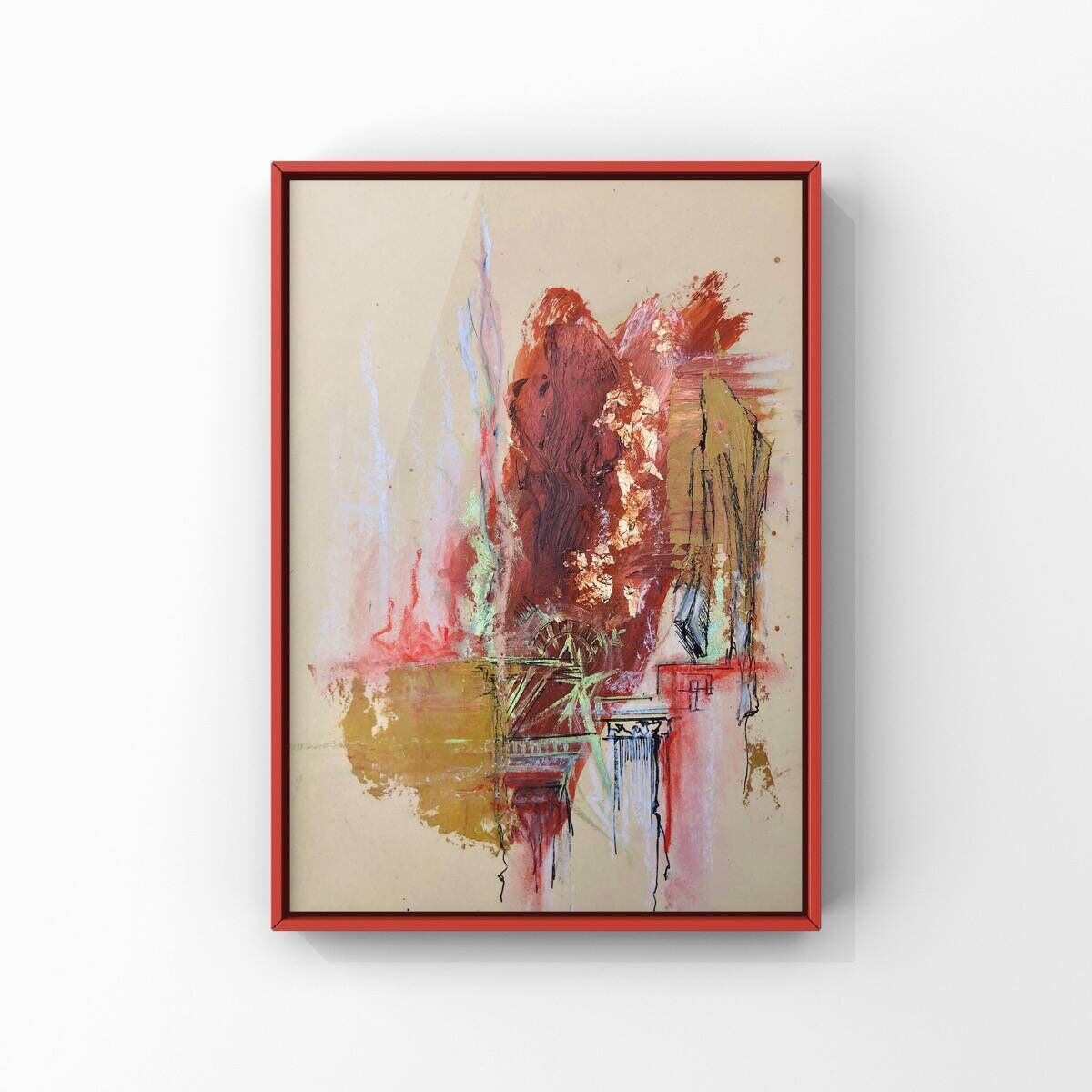
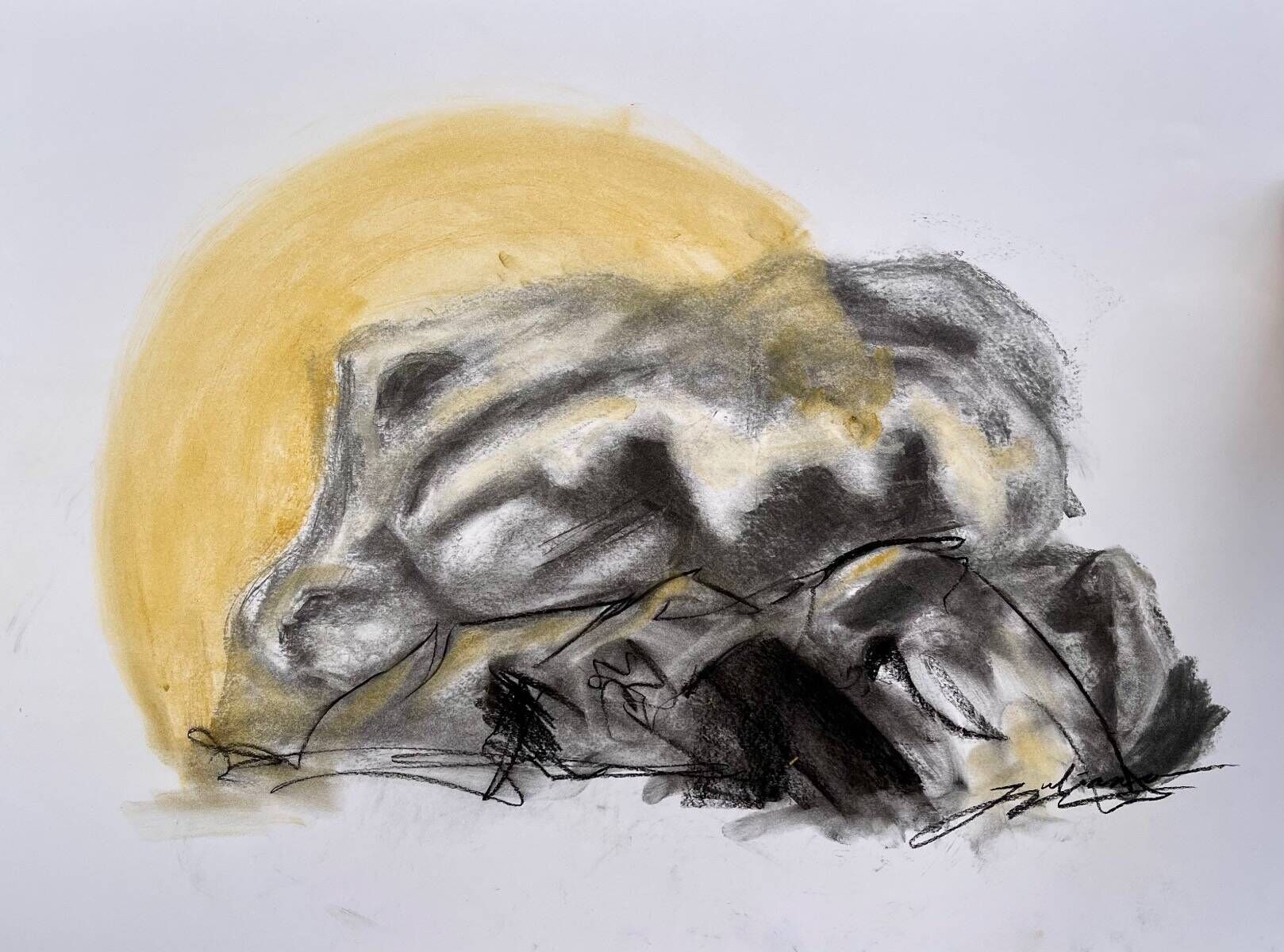
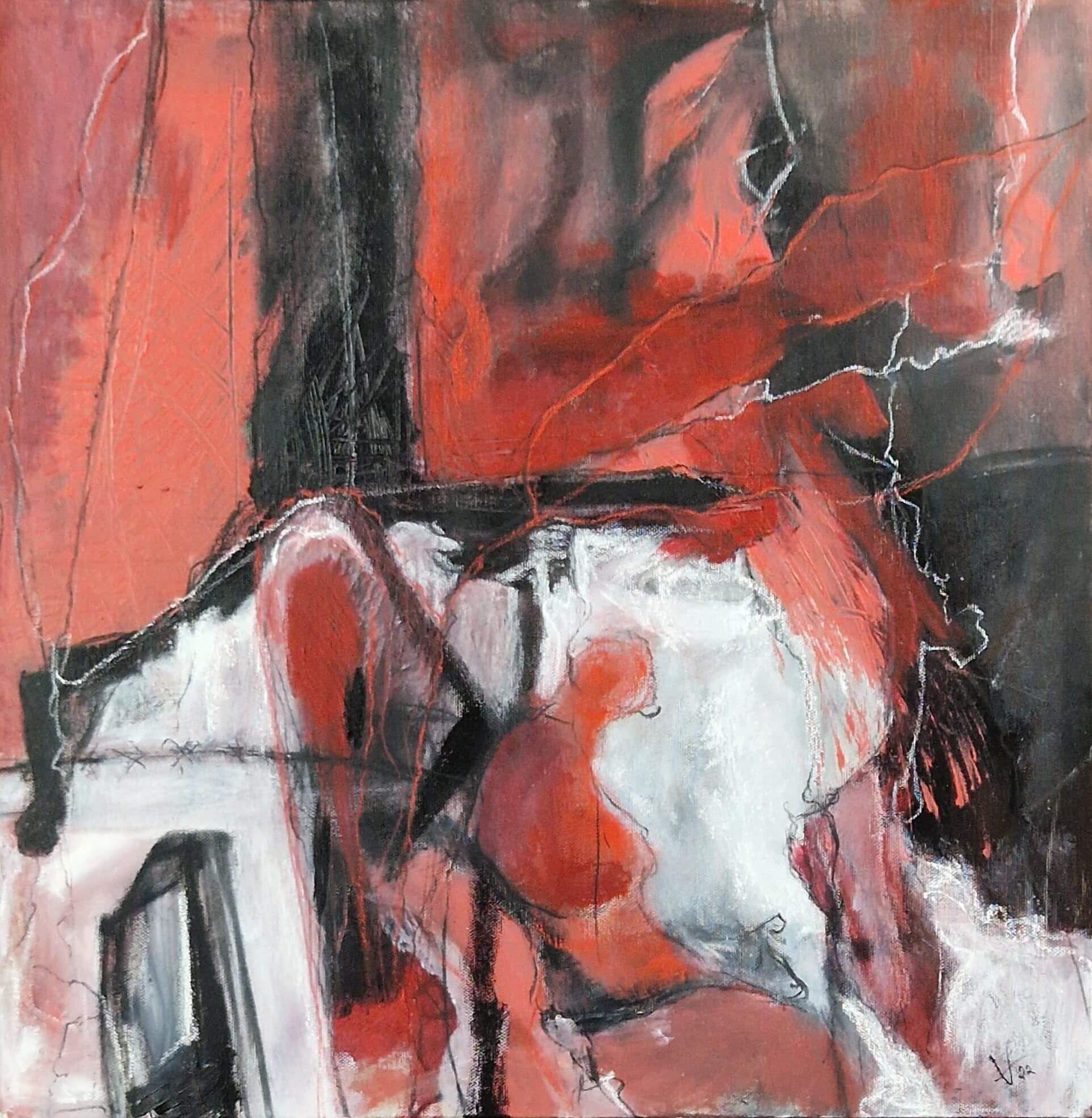
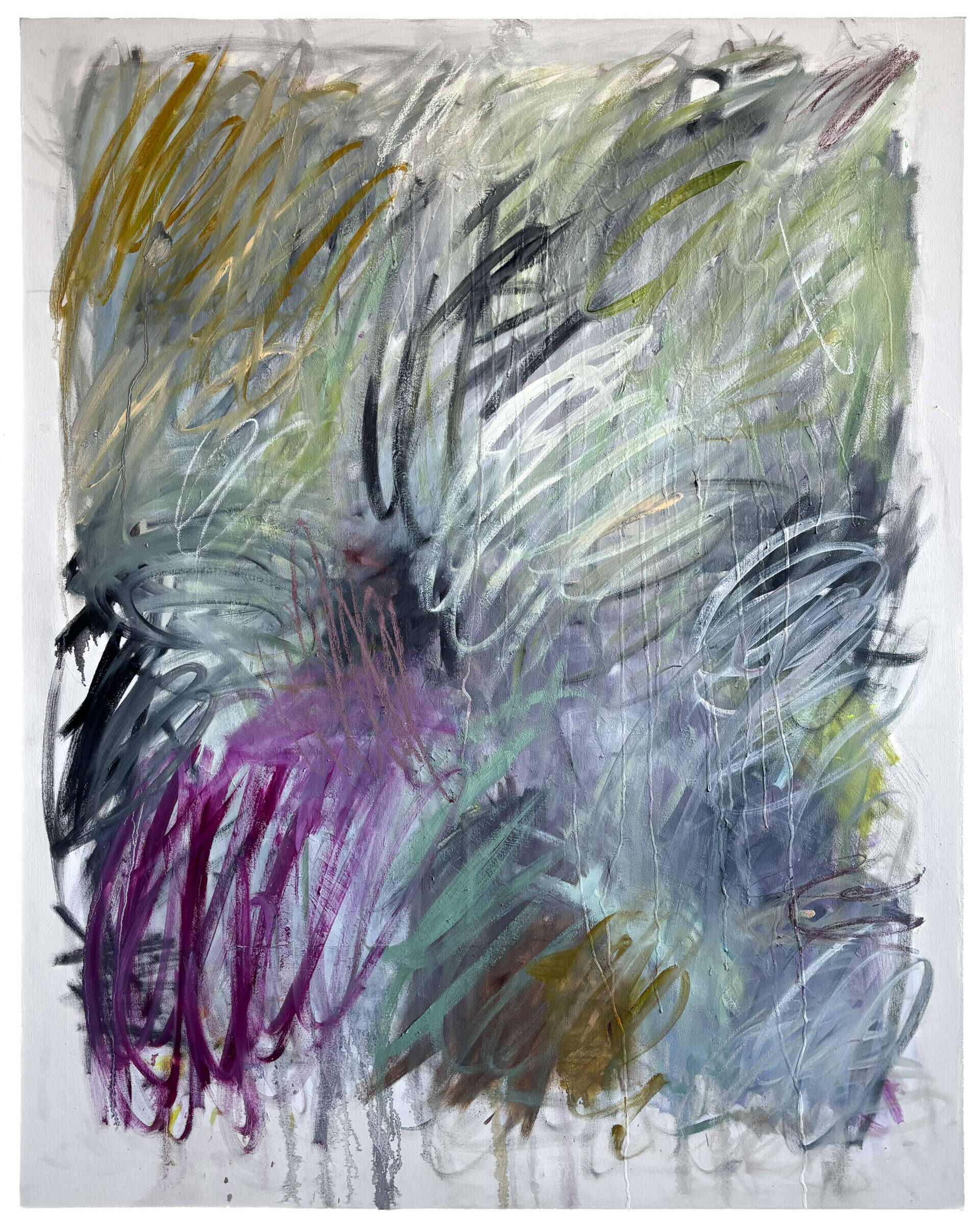
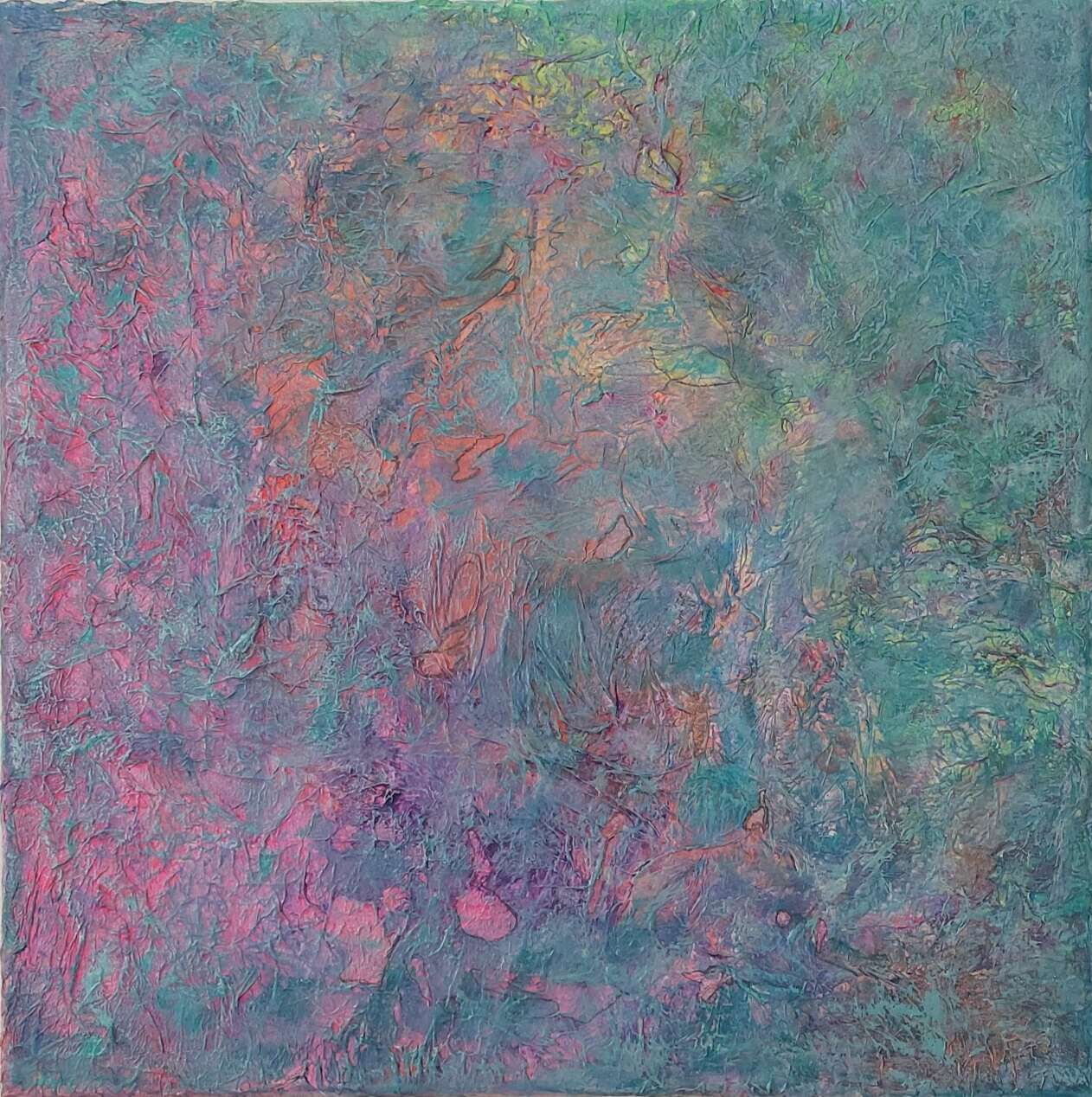
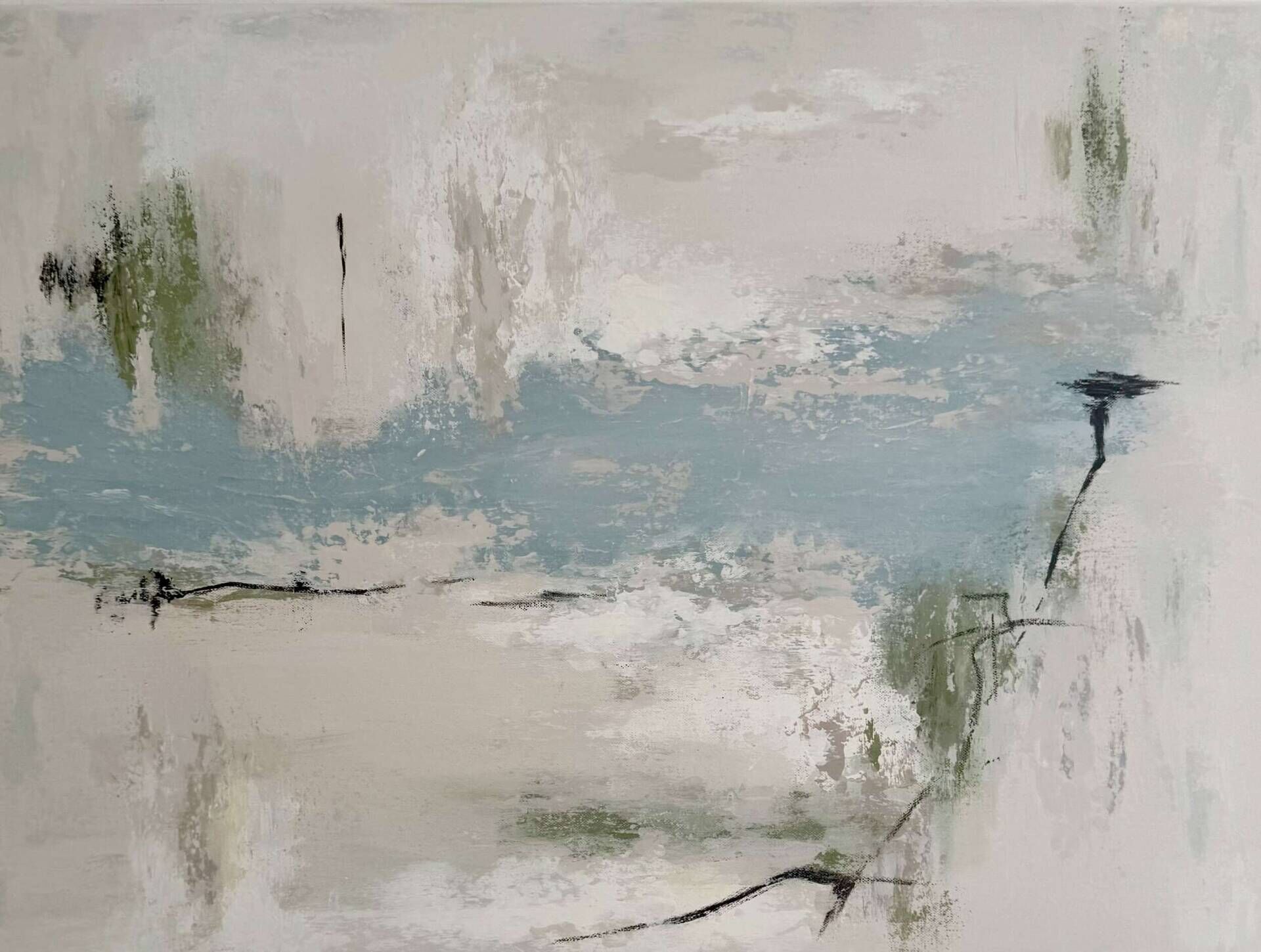
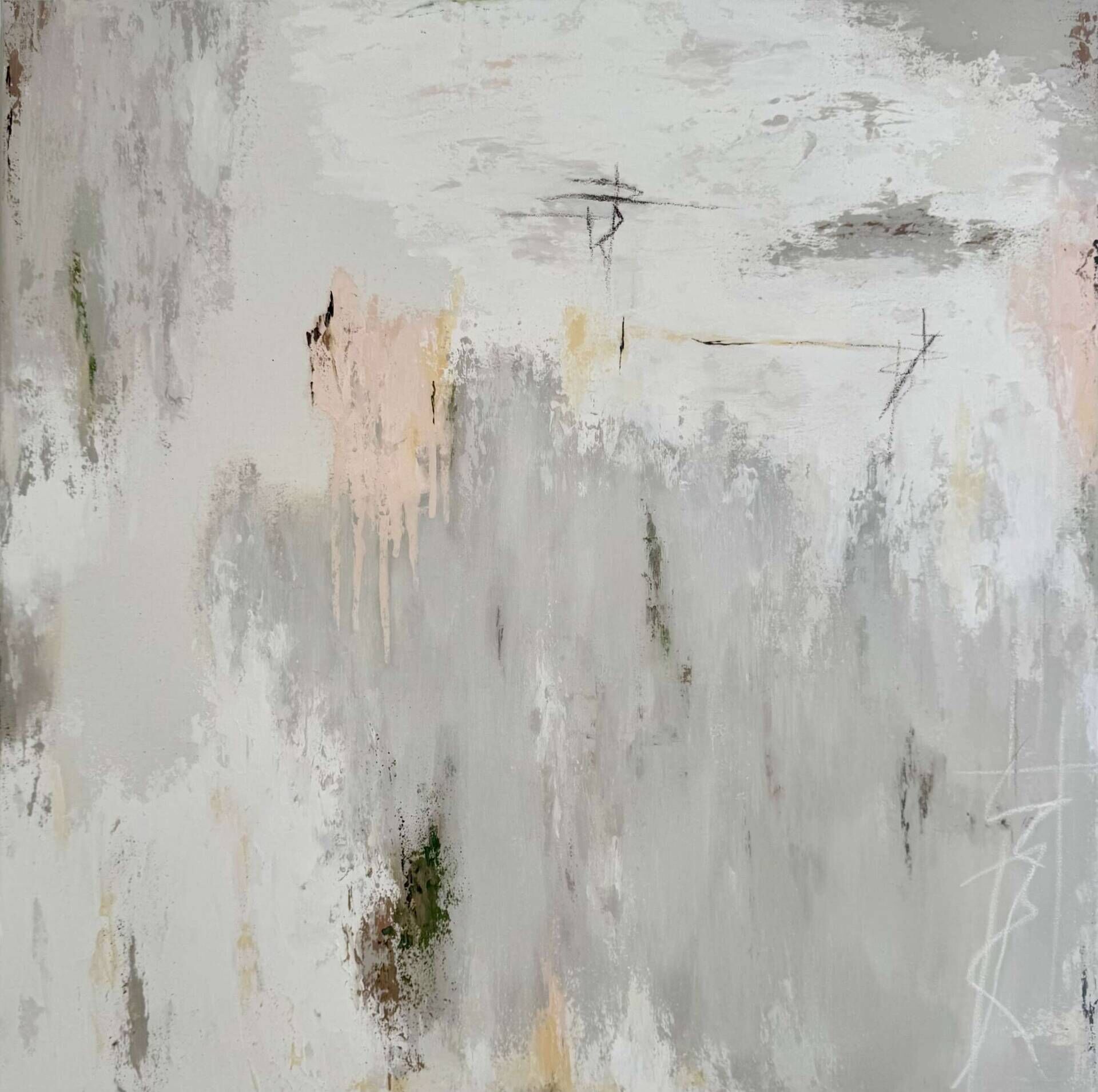
The painter Marie-Luisa Christian is studying for a Master’s degree at Alanus University of Arts and Social Sciences and, in her works, focuses on the abstract representation of inner processes. Her painting emerges from a deeply intuitive dialogue with emotions, memories and personal experiences – she describes her works as “a reflection of her soul”. Using pigments, tempera and drawing materials such as charcoal, pencil or oil pastels, she creates dynamic compositions full of tension between line, surface and form. The effect of the colours and textures changes depending on the chosen surface, a factor she deliberately incorporates into her creative process. Artists such as Tracey Emin, Cy Twombly and Theresa Kraft influence her artistic expression, which oscillates between spontaneous gestures and deliberate choices, always seeking authenticity and immediacy.
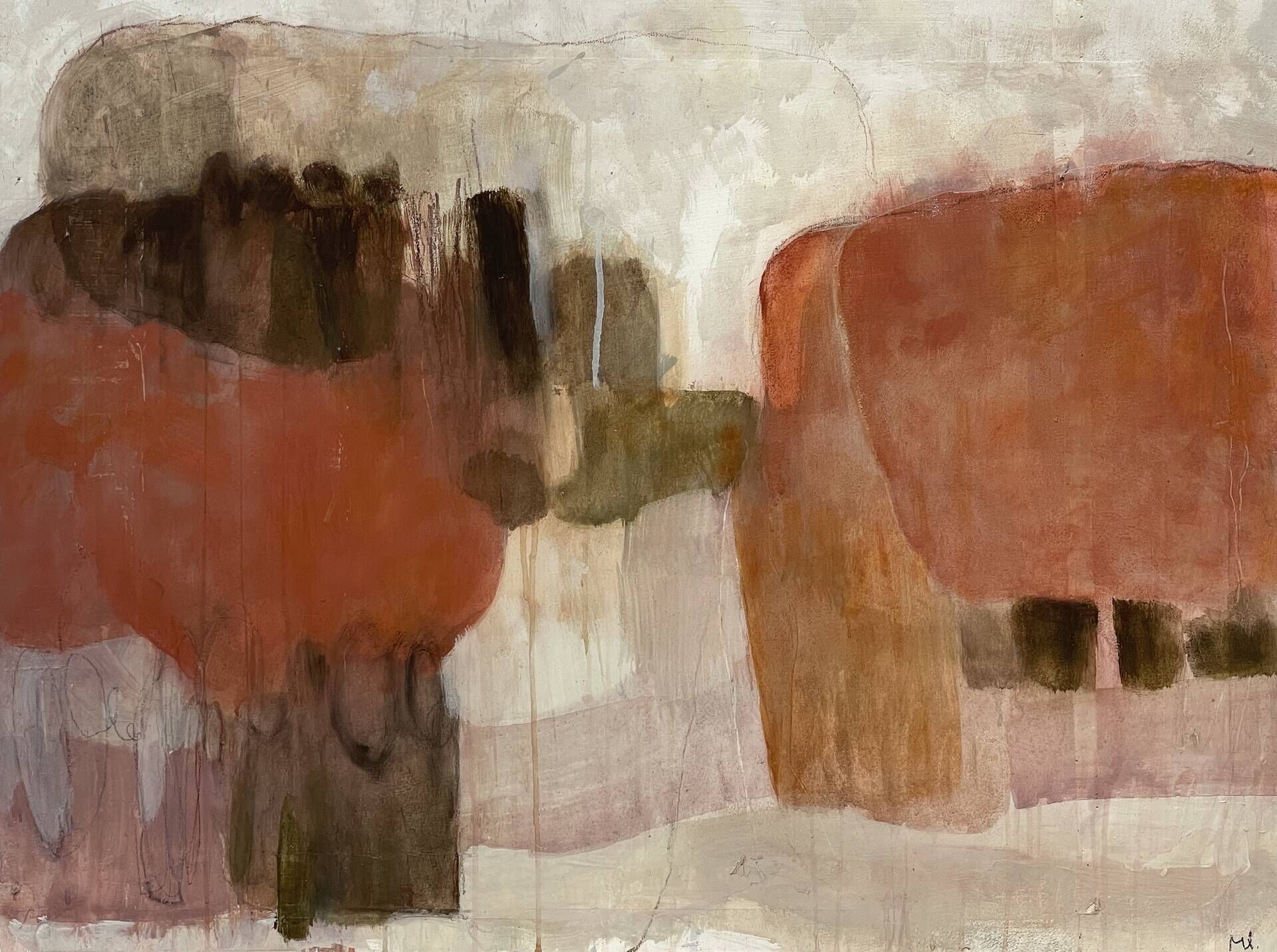
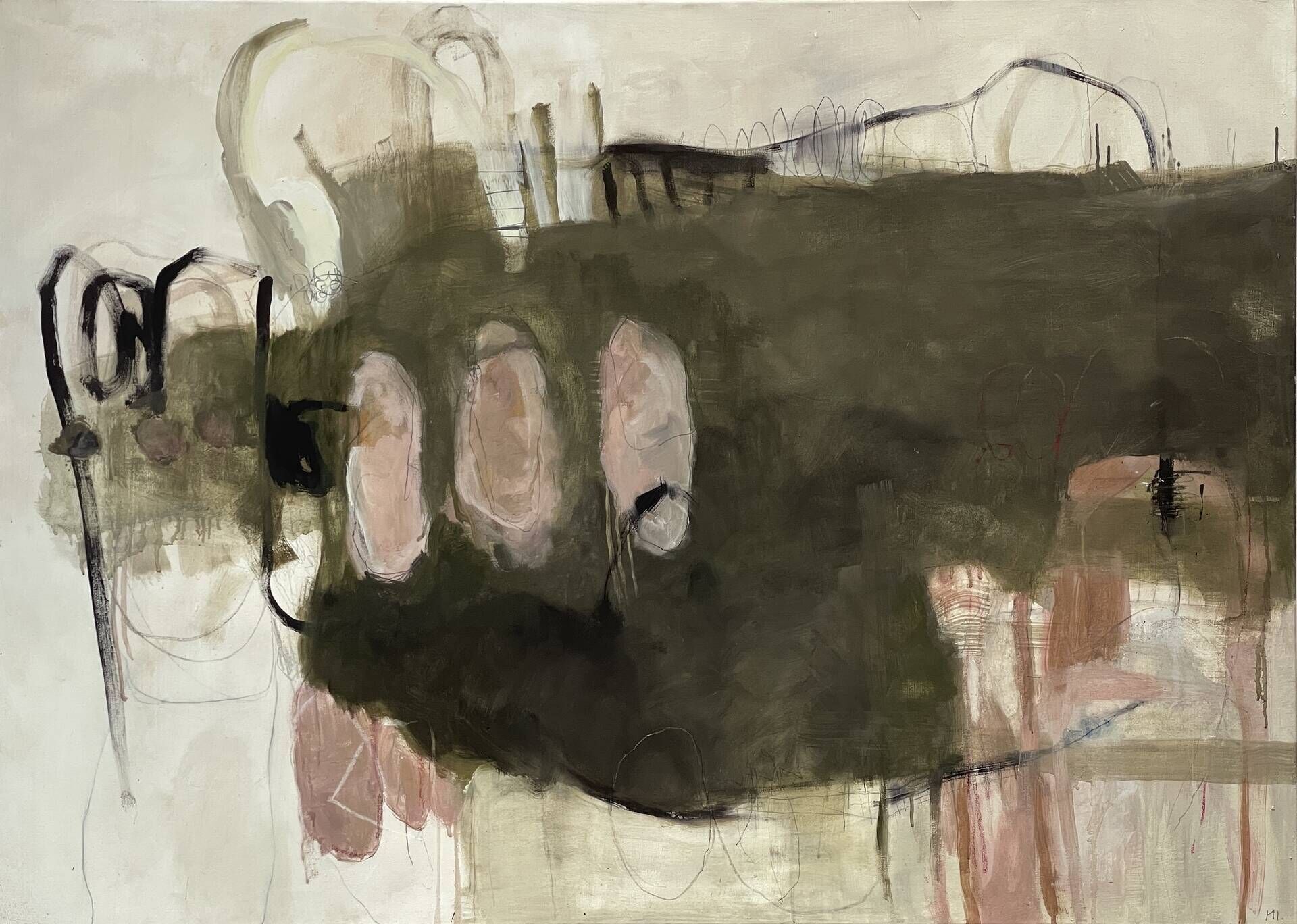
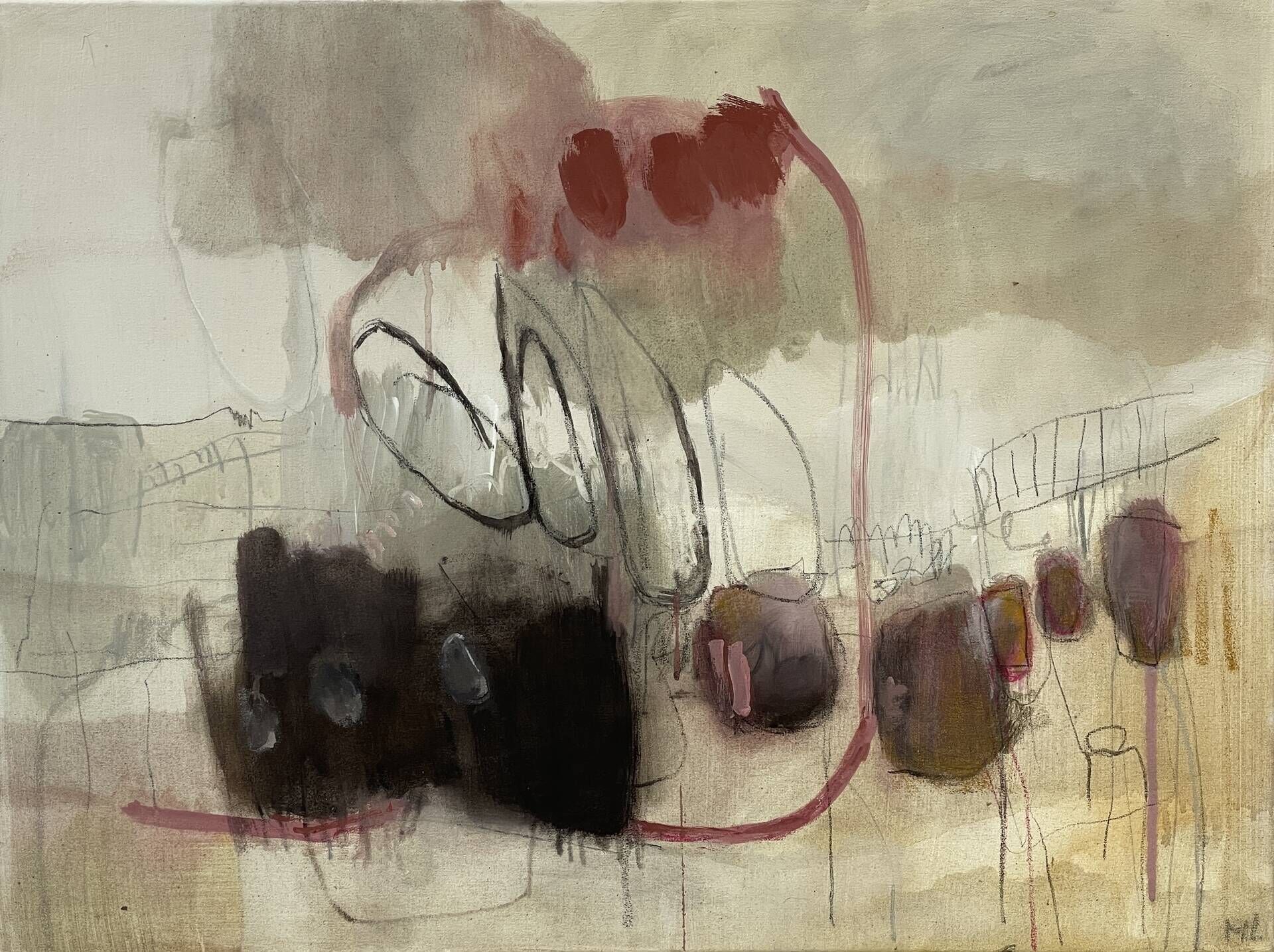

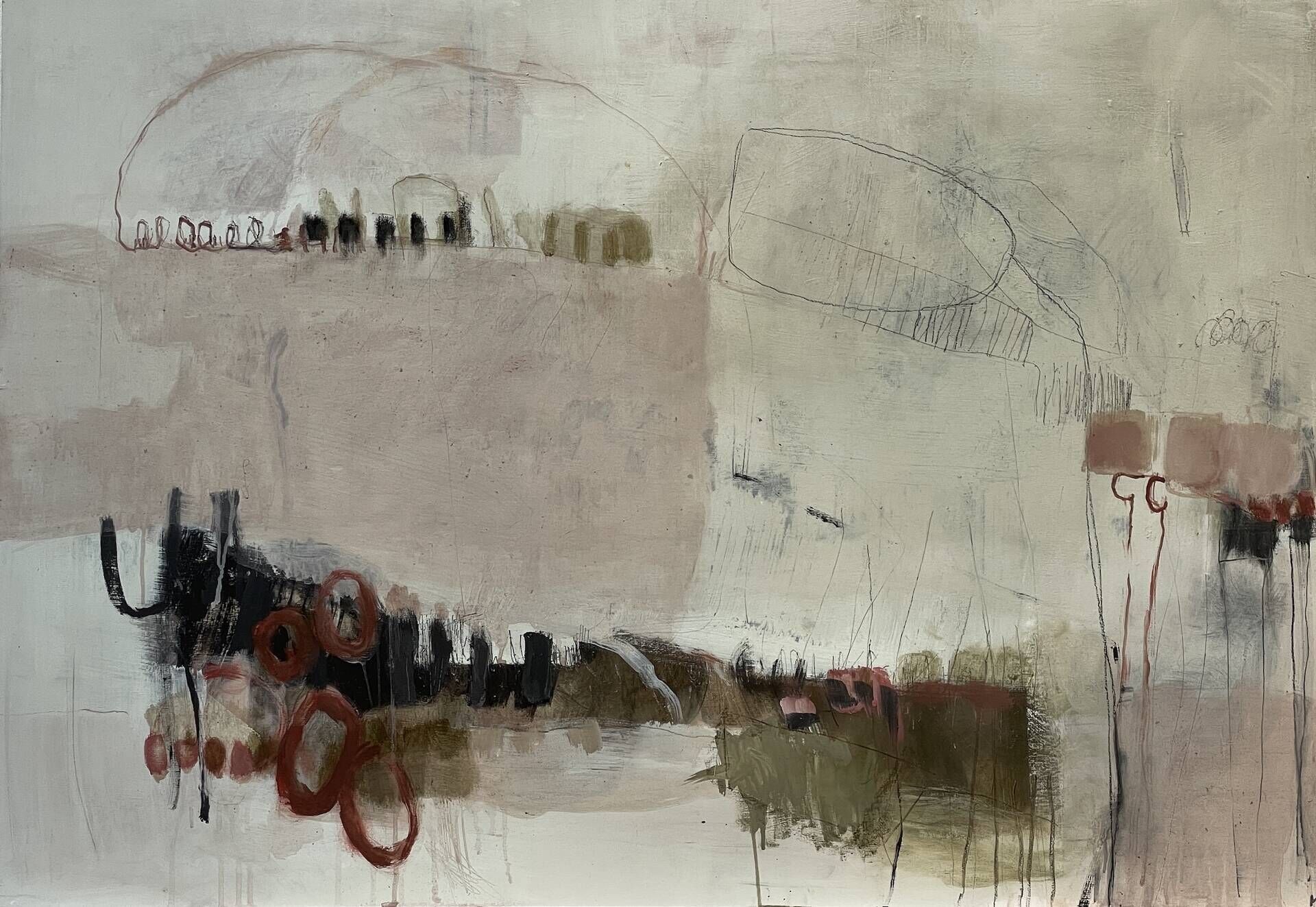
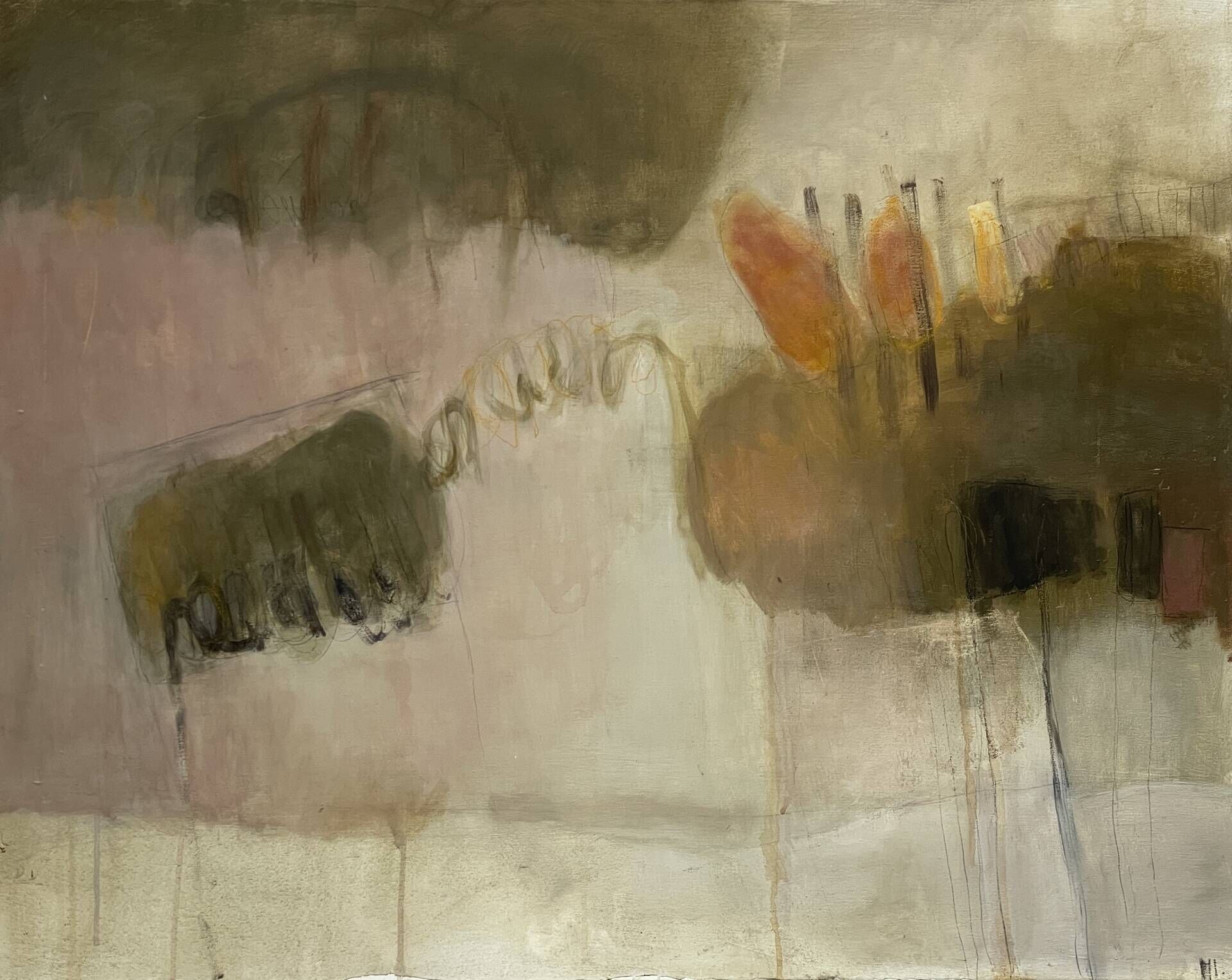
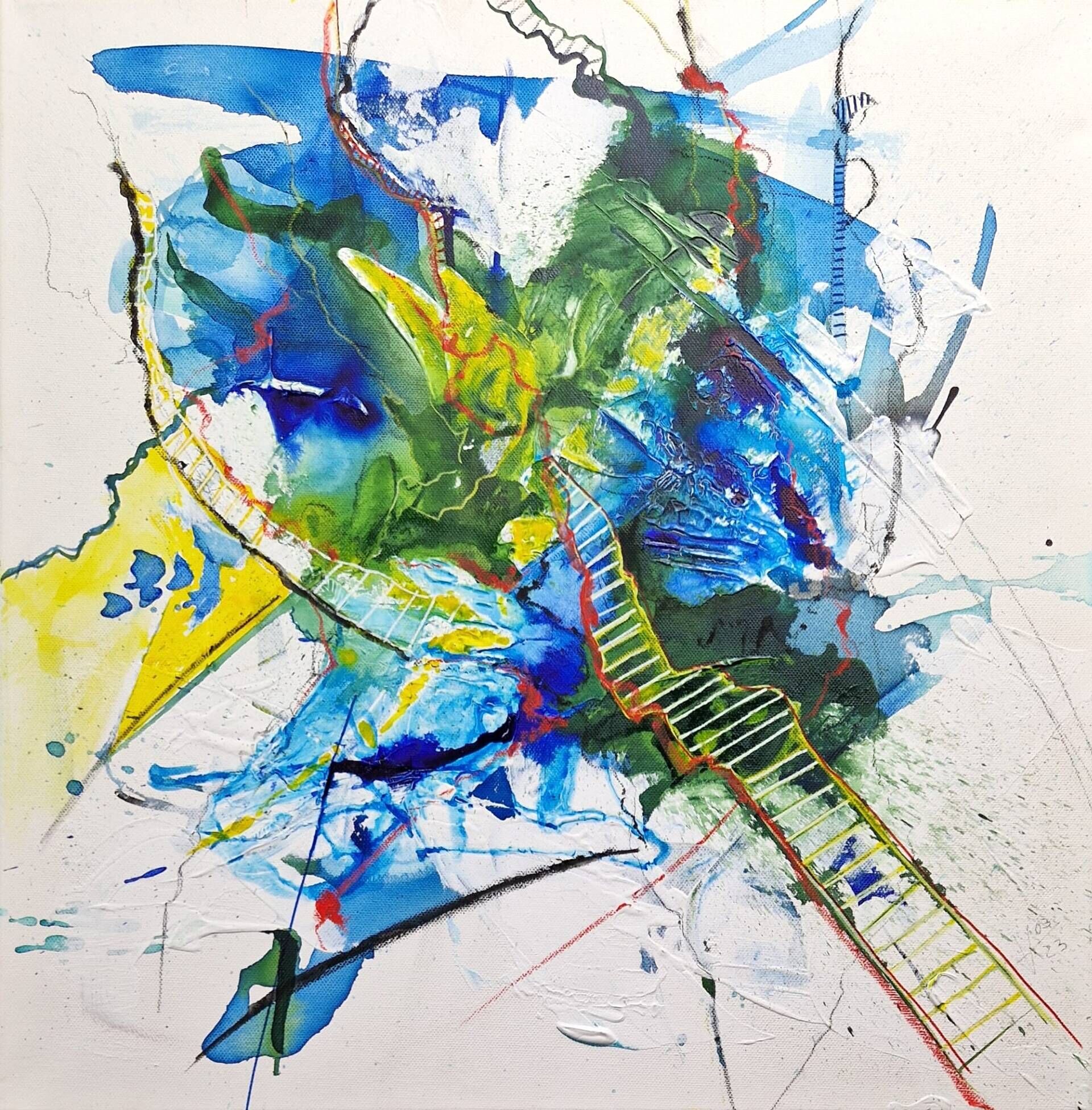
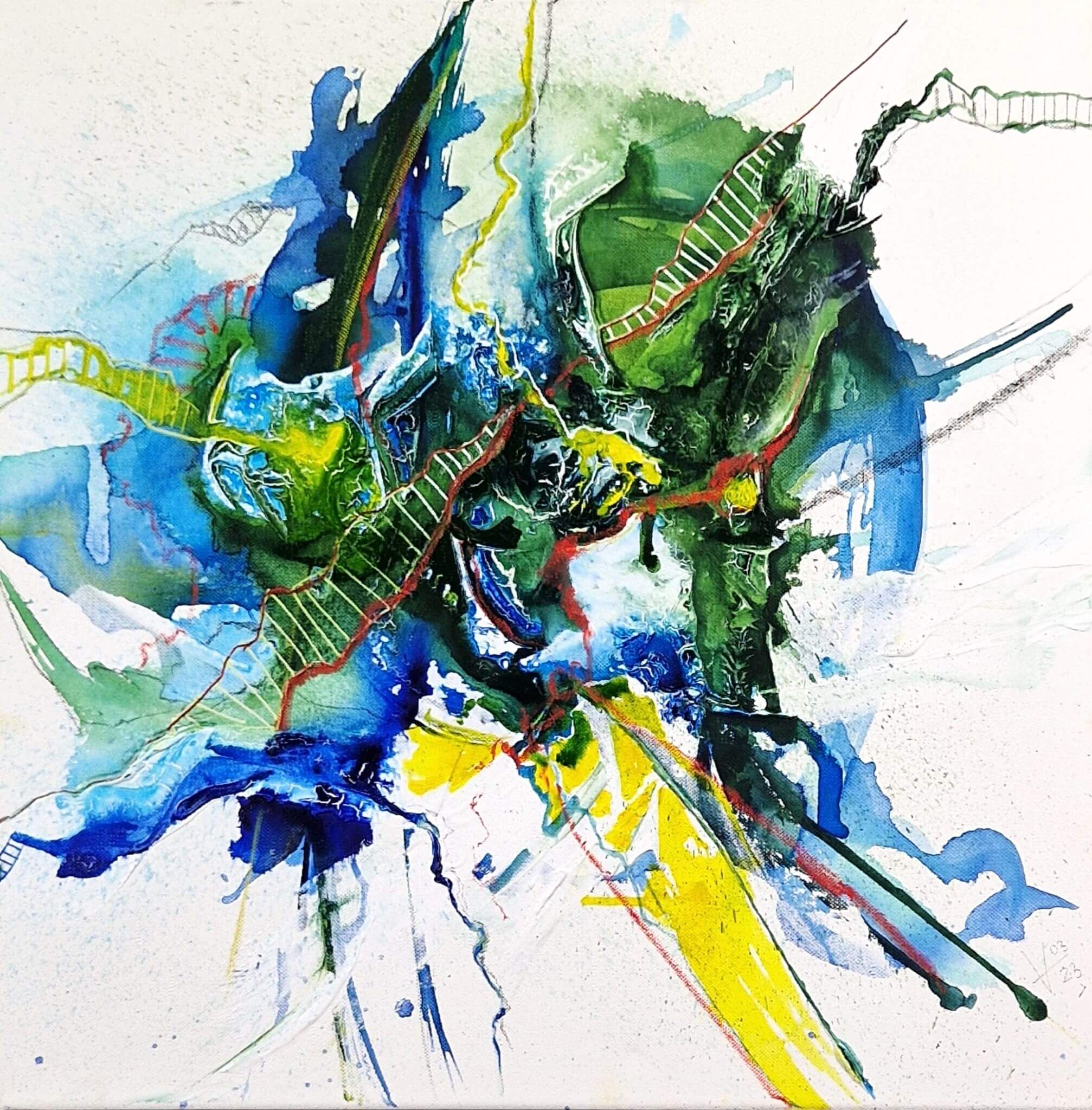
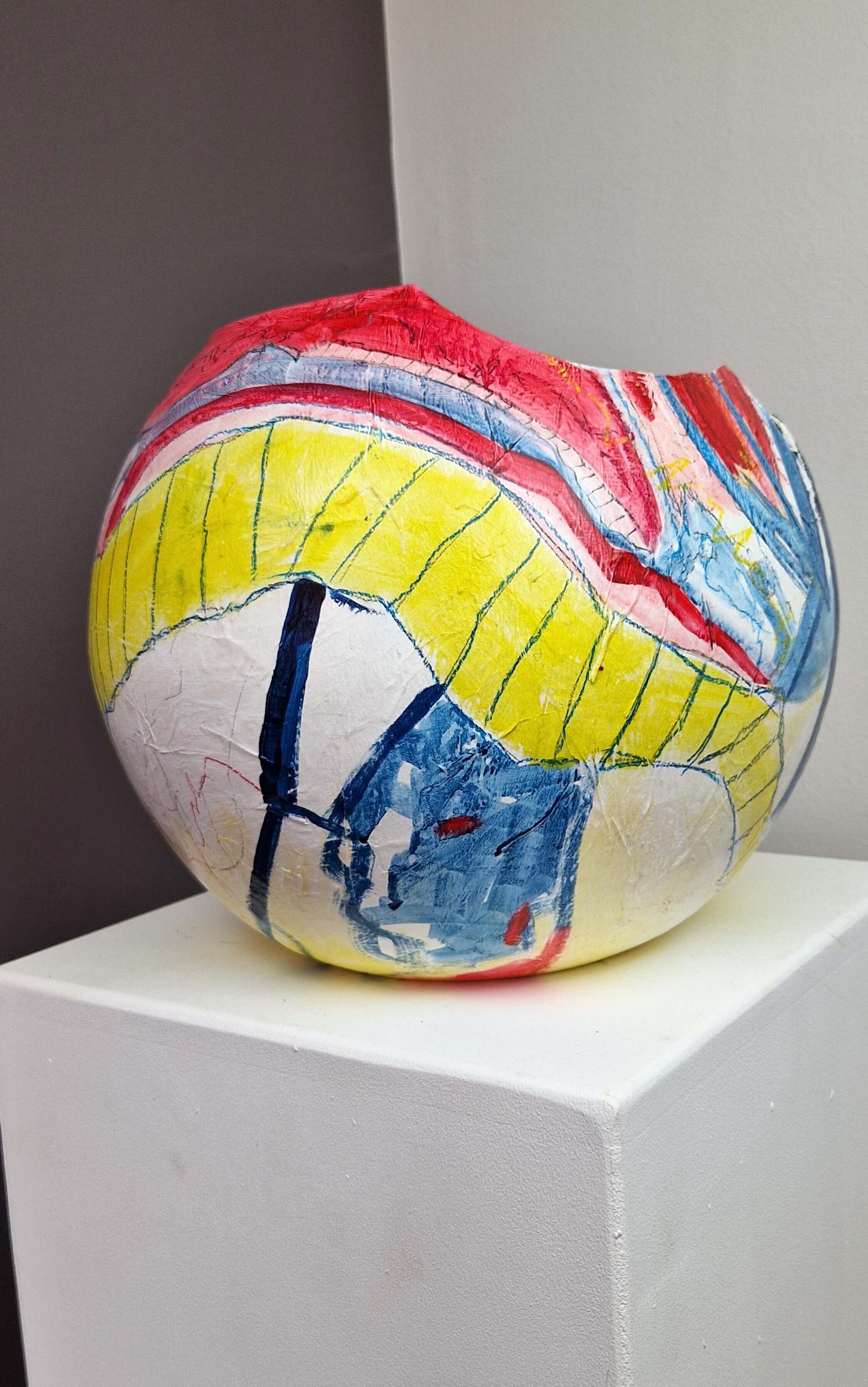
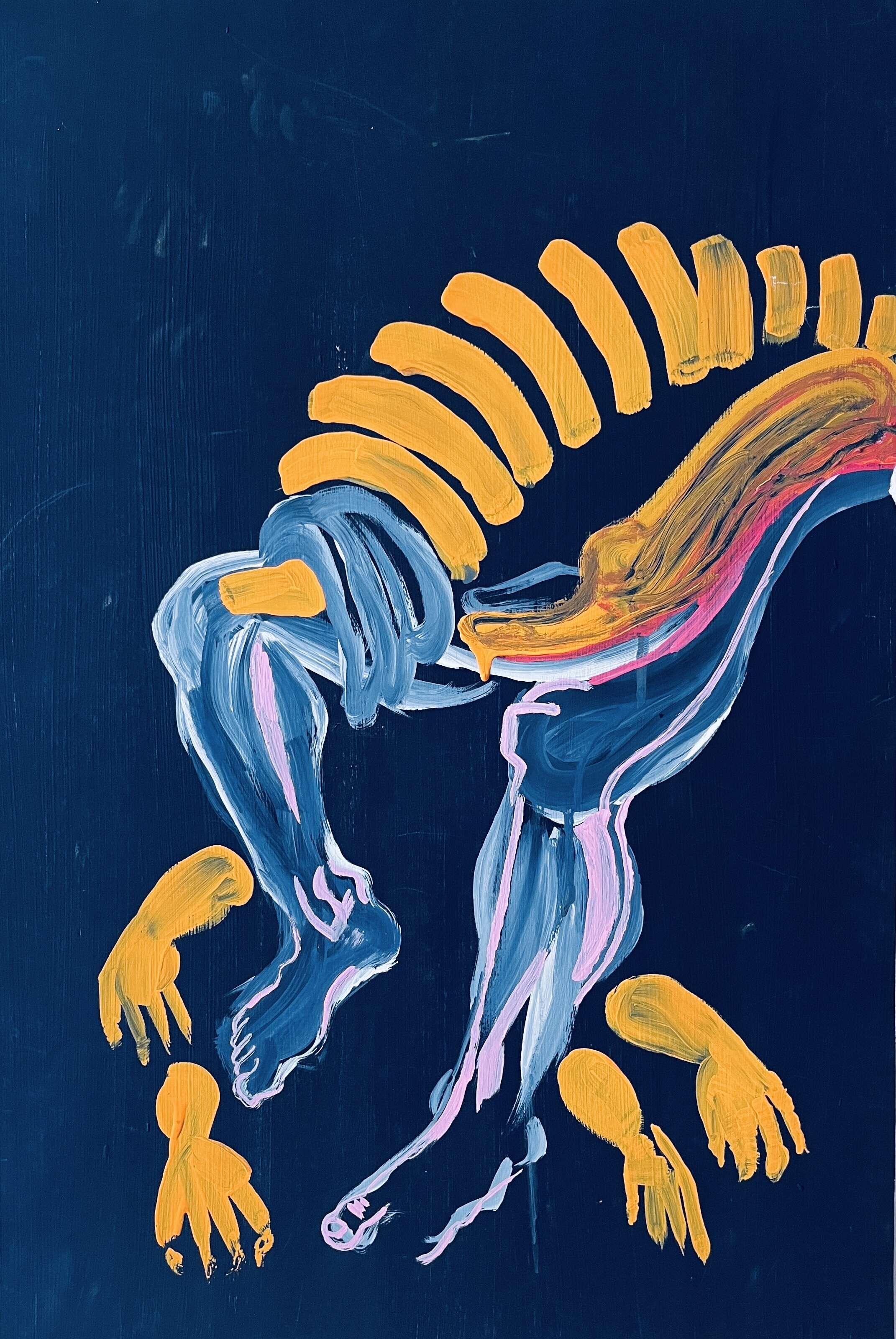
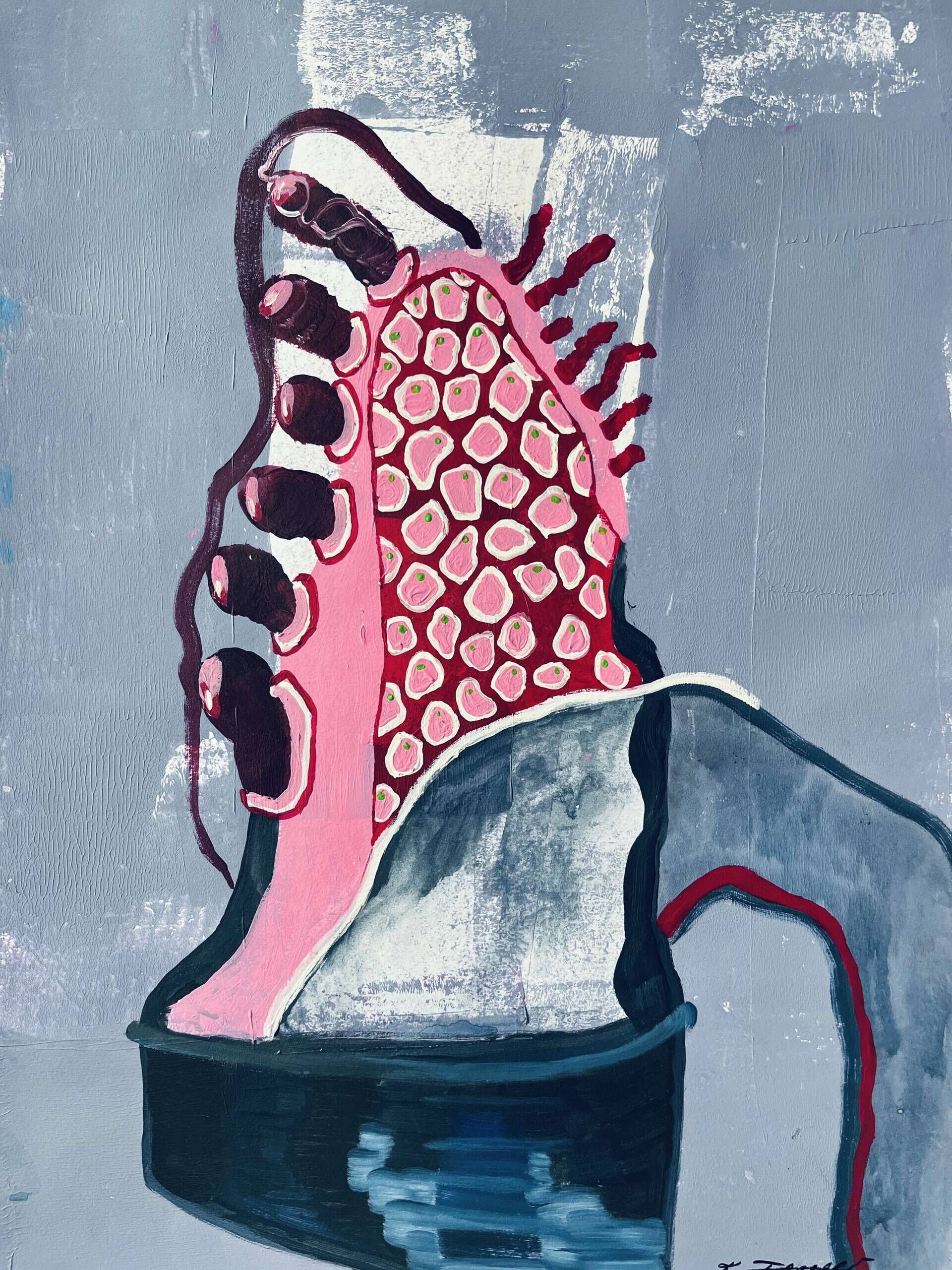
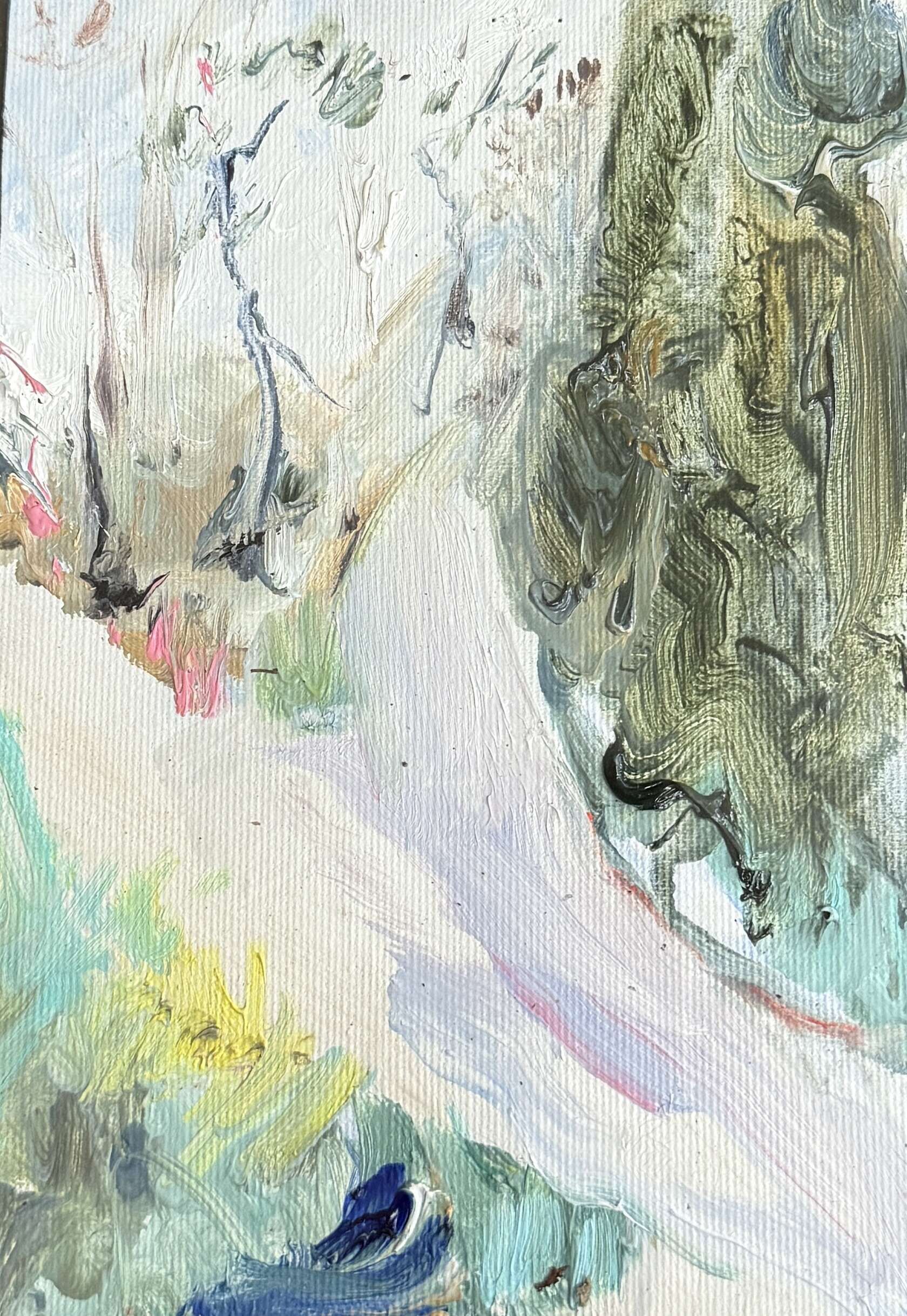
Vesna Faiazza is studying painting at the European Academy of Fine Arts in Trier and is developing a powerful, physically expressive visual language. In her works, the focus is on the gesture: impulsive, raw, immediate. Scratches, layers, colour gradients and raw edges remain visible, bearing the traces of a process that unfolds spontaneously and without planning. Her pictorial spaces are less about classical perspective and more about mental spaces – oscillating between energy and tranquillity, concentration and eruptive movement. Faiazza has now expanded her practice into three-dimensional space, creating sculptural works in which colour becomes physical and movement takes on volume. Born in Tuzla (formerly Yugoslavia, now Bosnia and Herzegovina), she has lived in Germany since 1992 and has exhibited in Italy and Germany. Since 2023, she has been studying at the EKA Trier, where she continues to develop her powerful, gestural body of work.