
Oil paintings – timeless art with depth
Oil paintings have a very special presence: layers, textures and subtly nuanced colours lend them depth and character. Here you’ll find oil paintings that feel fresh, bold and personal. Young artists use this medium to give voice to their own themes and emotions – sometimes in a classical style, sometimes modern, and often in surprising ways. If you’re looking for art that leaves a lasting impression, oil paintings offer a choice that is both timeless and unique.
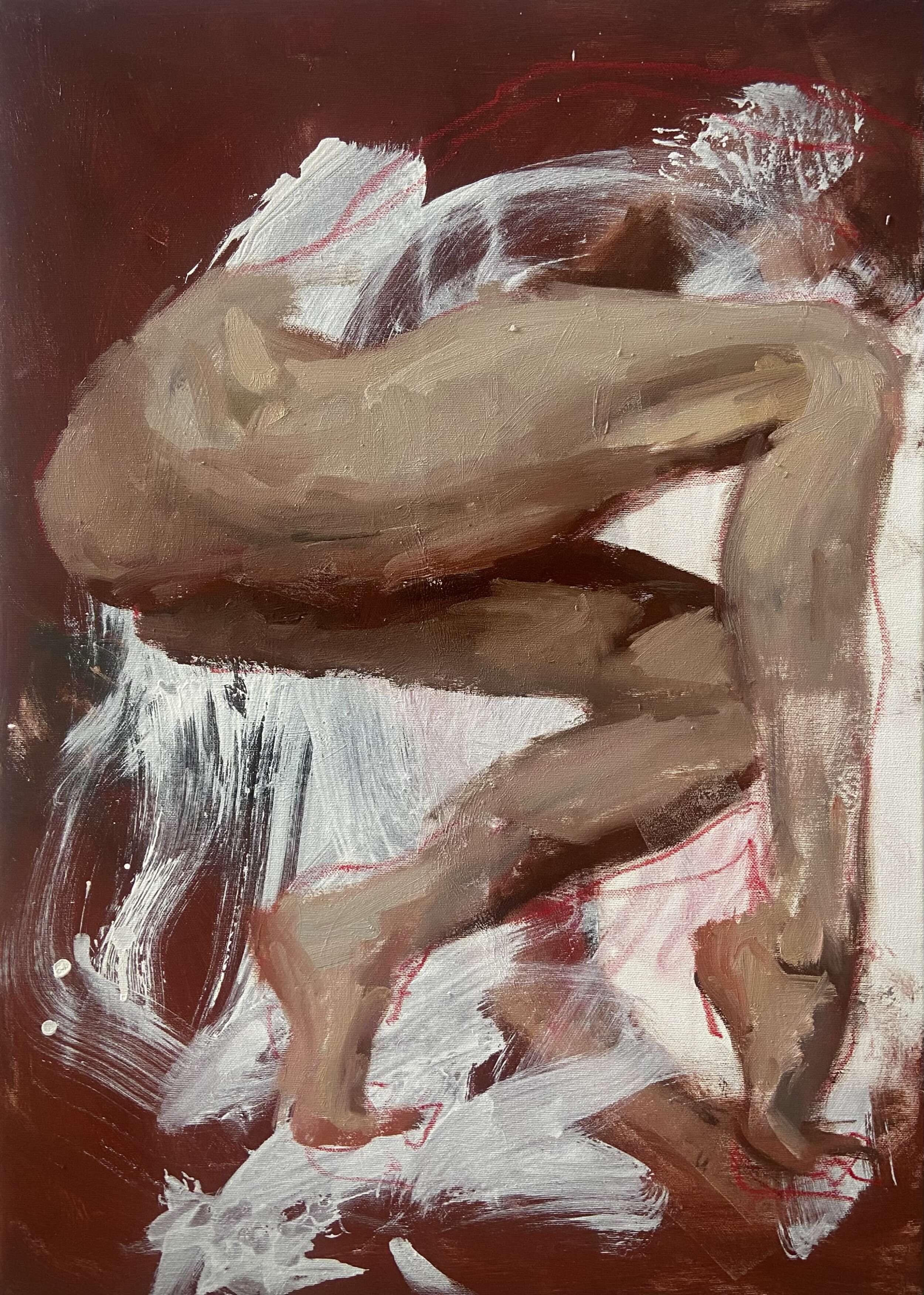
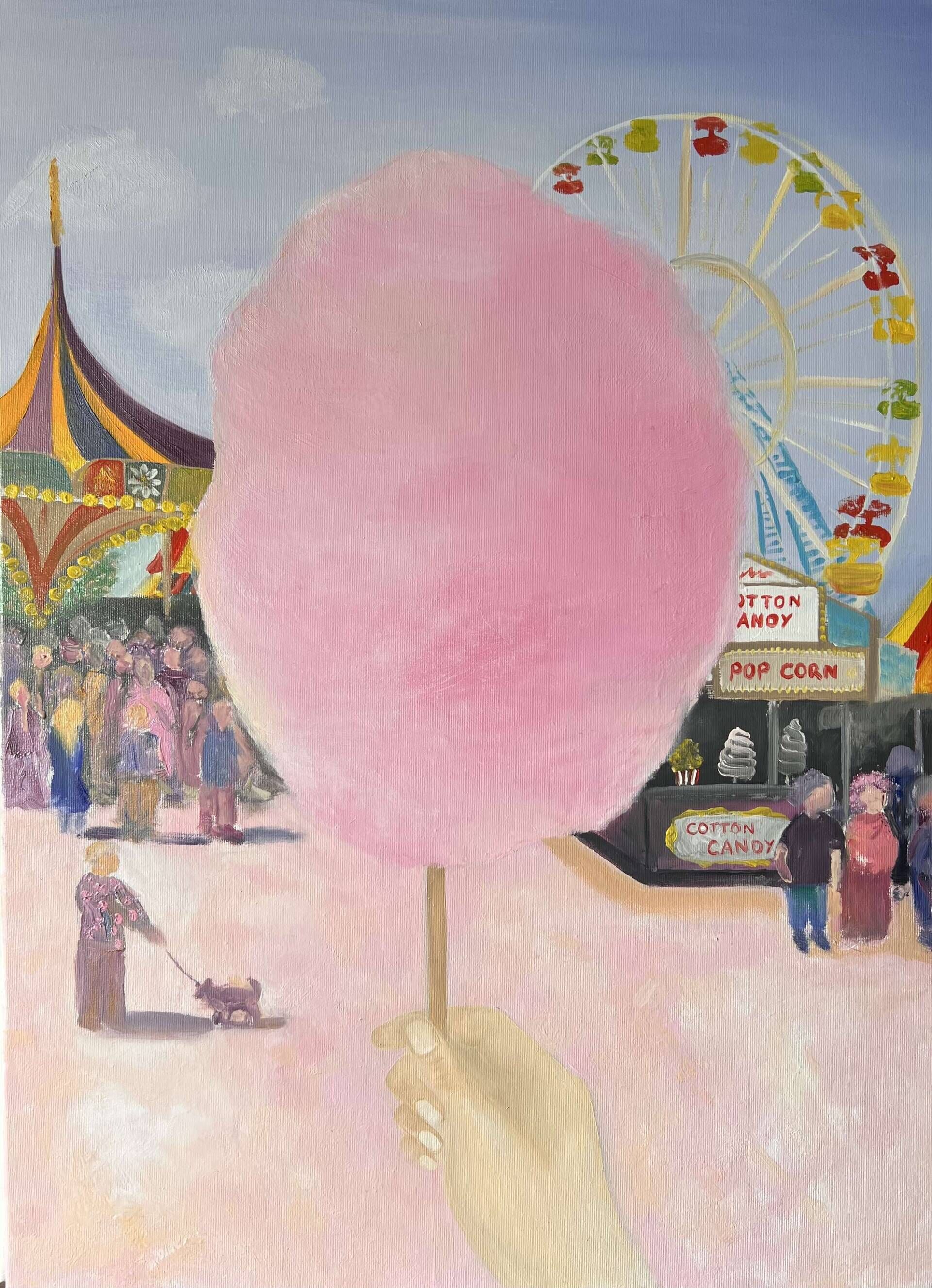
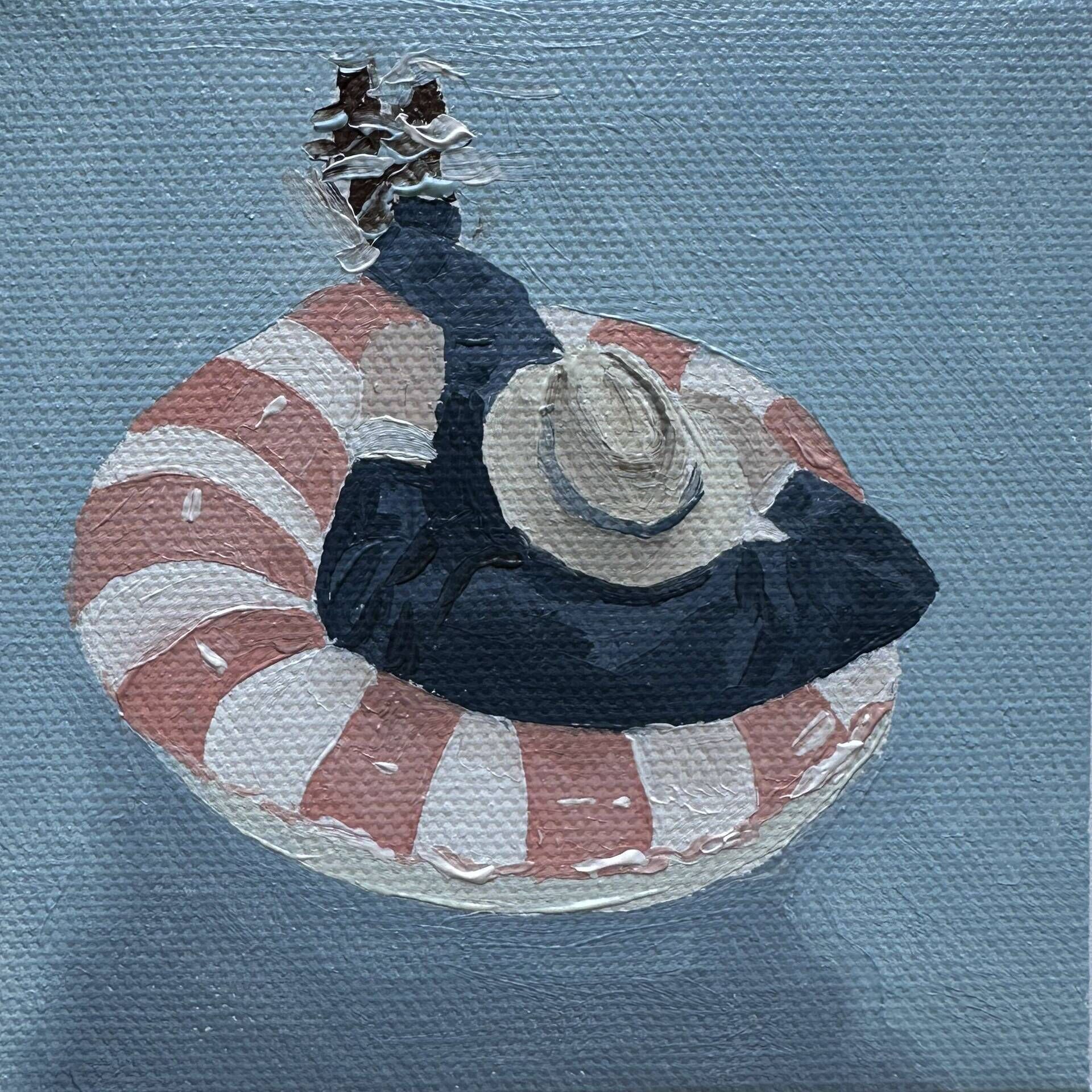
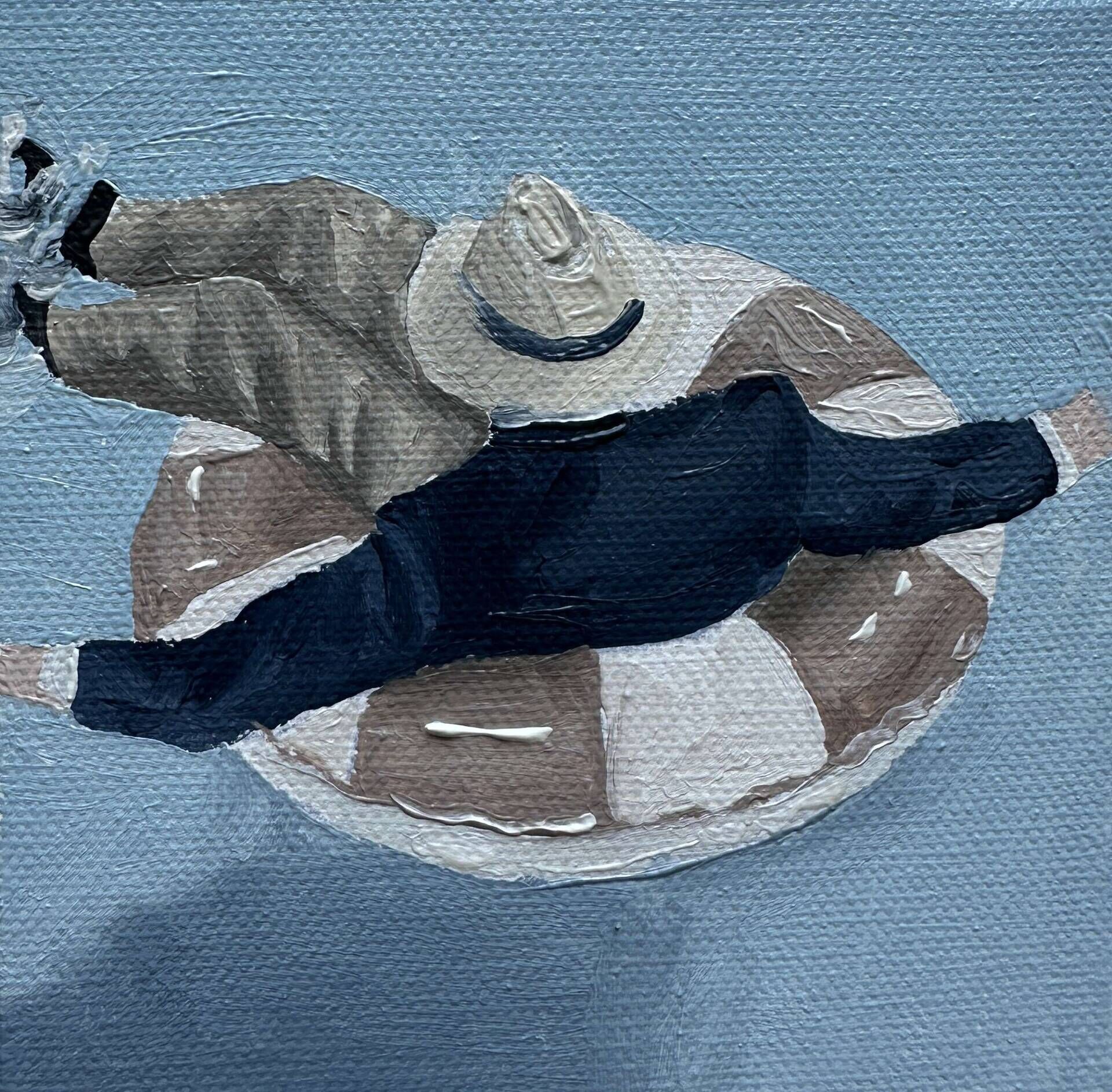
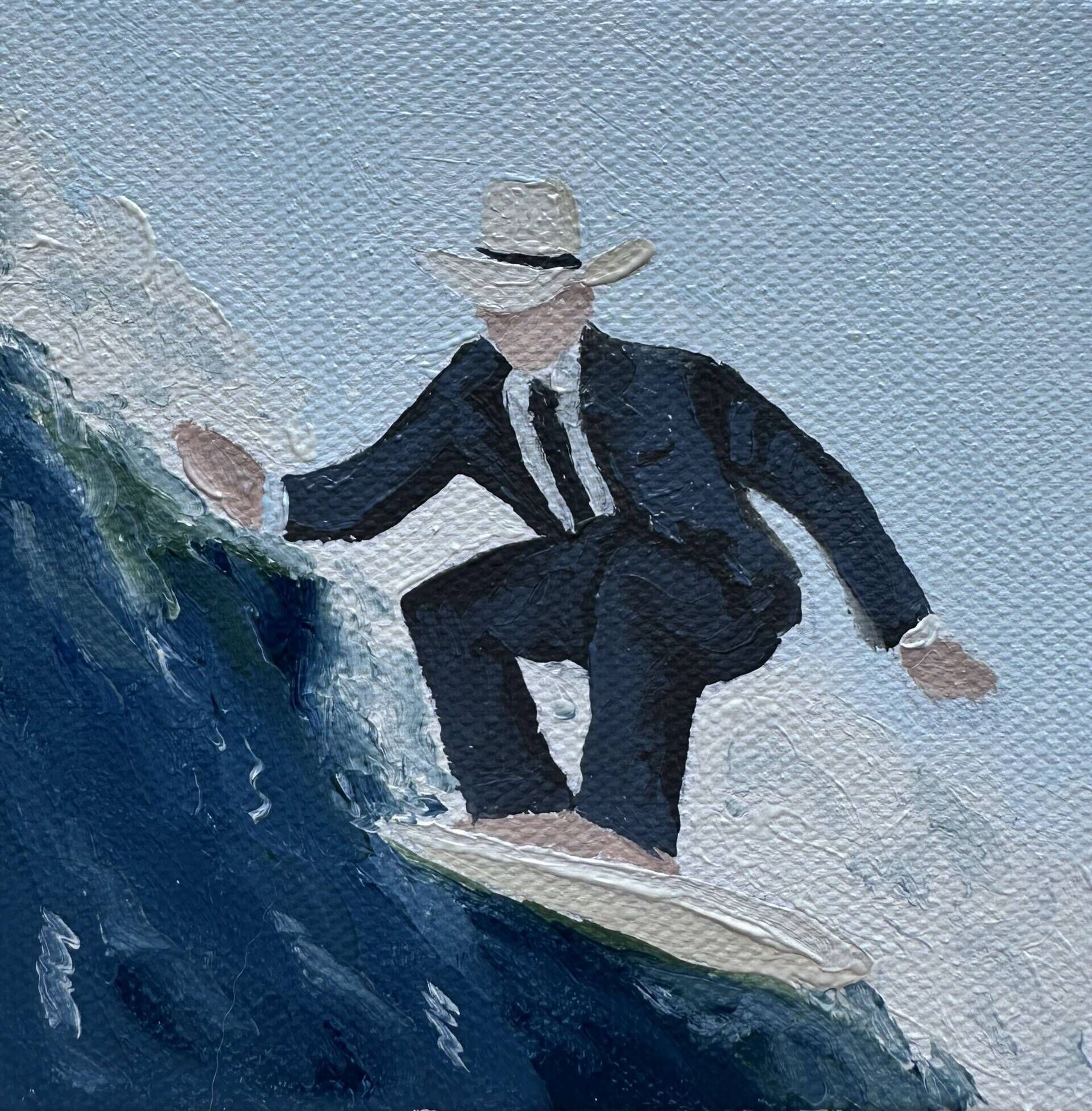
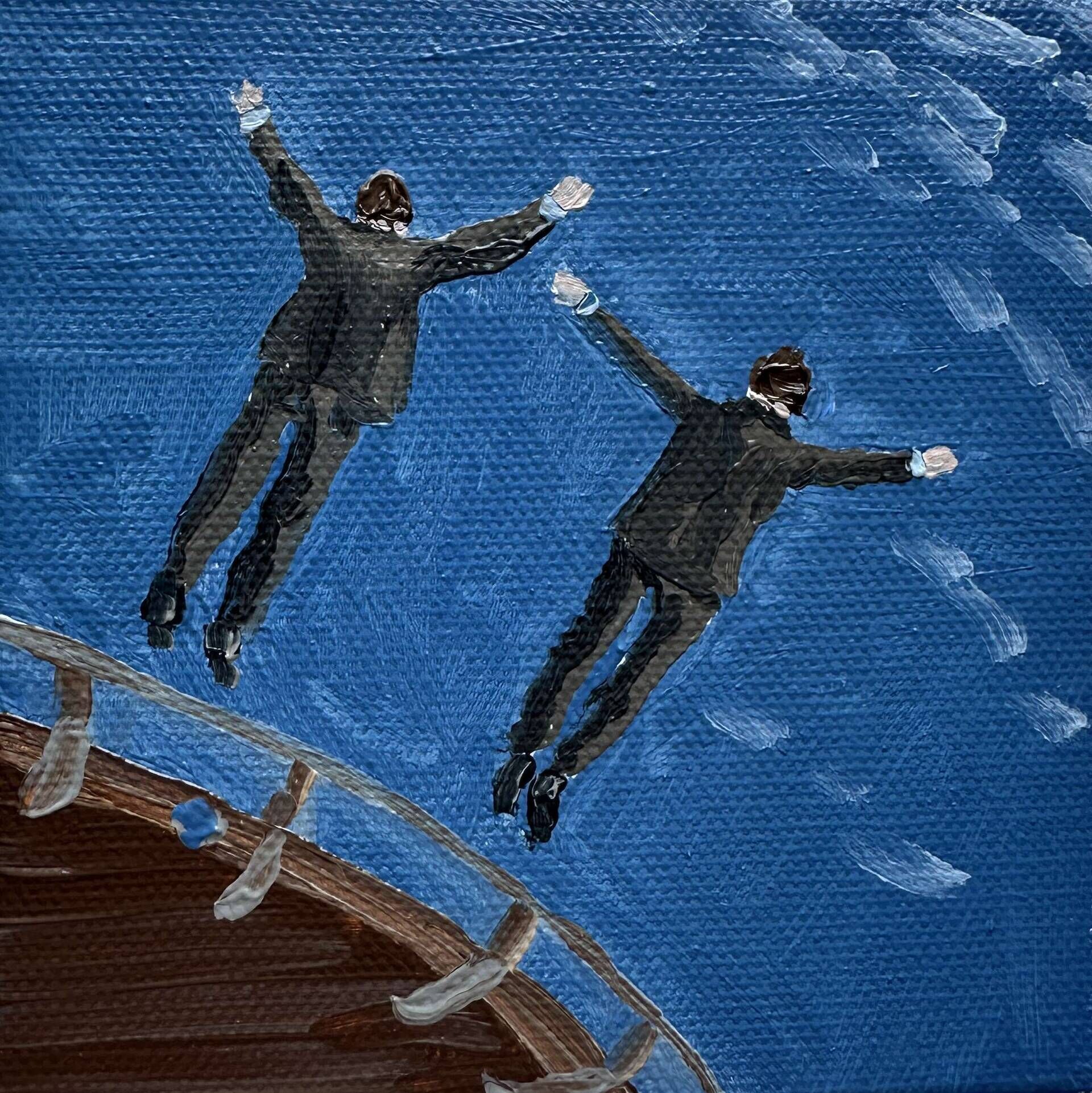
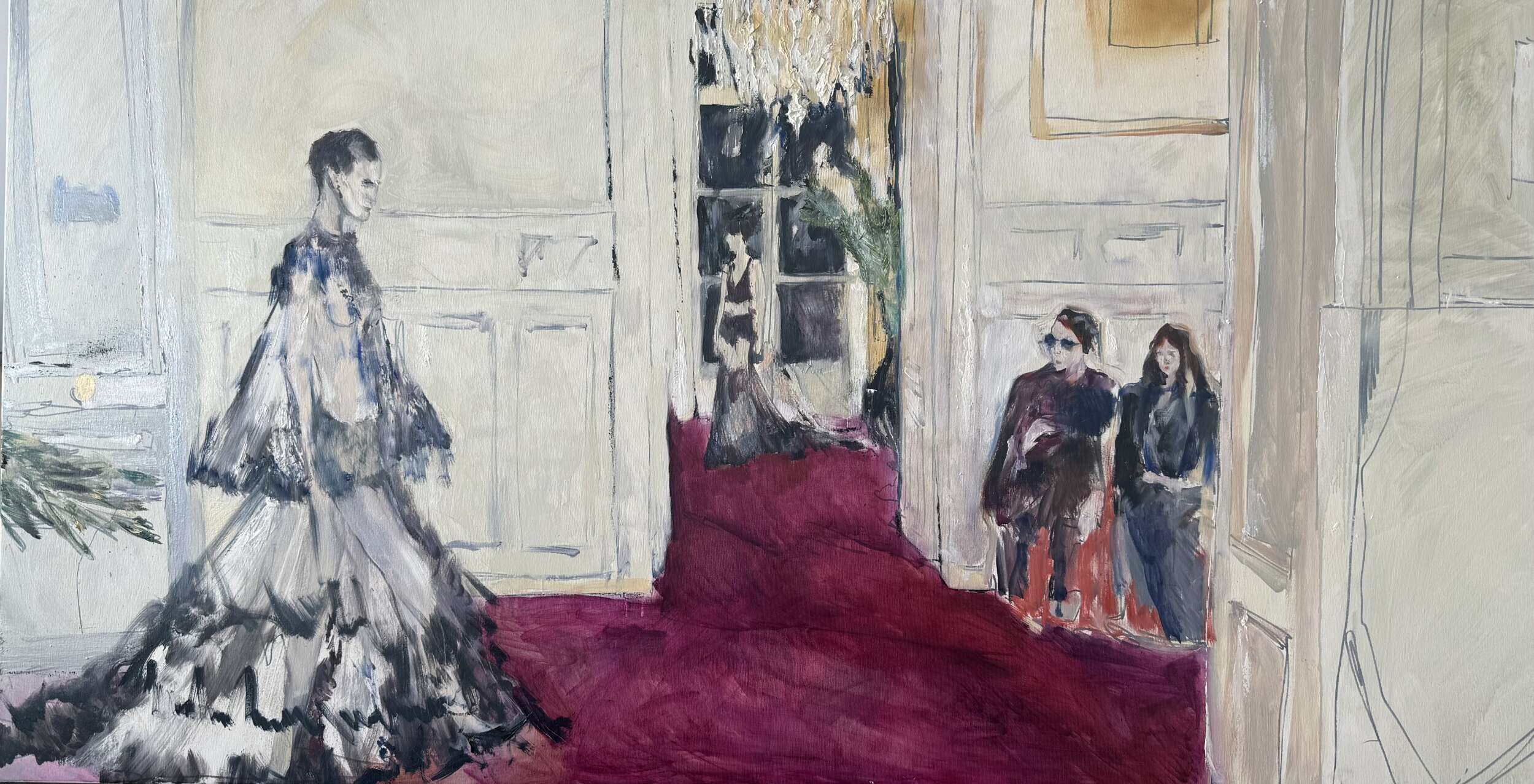
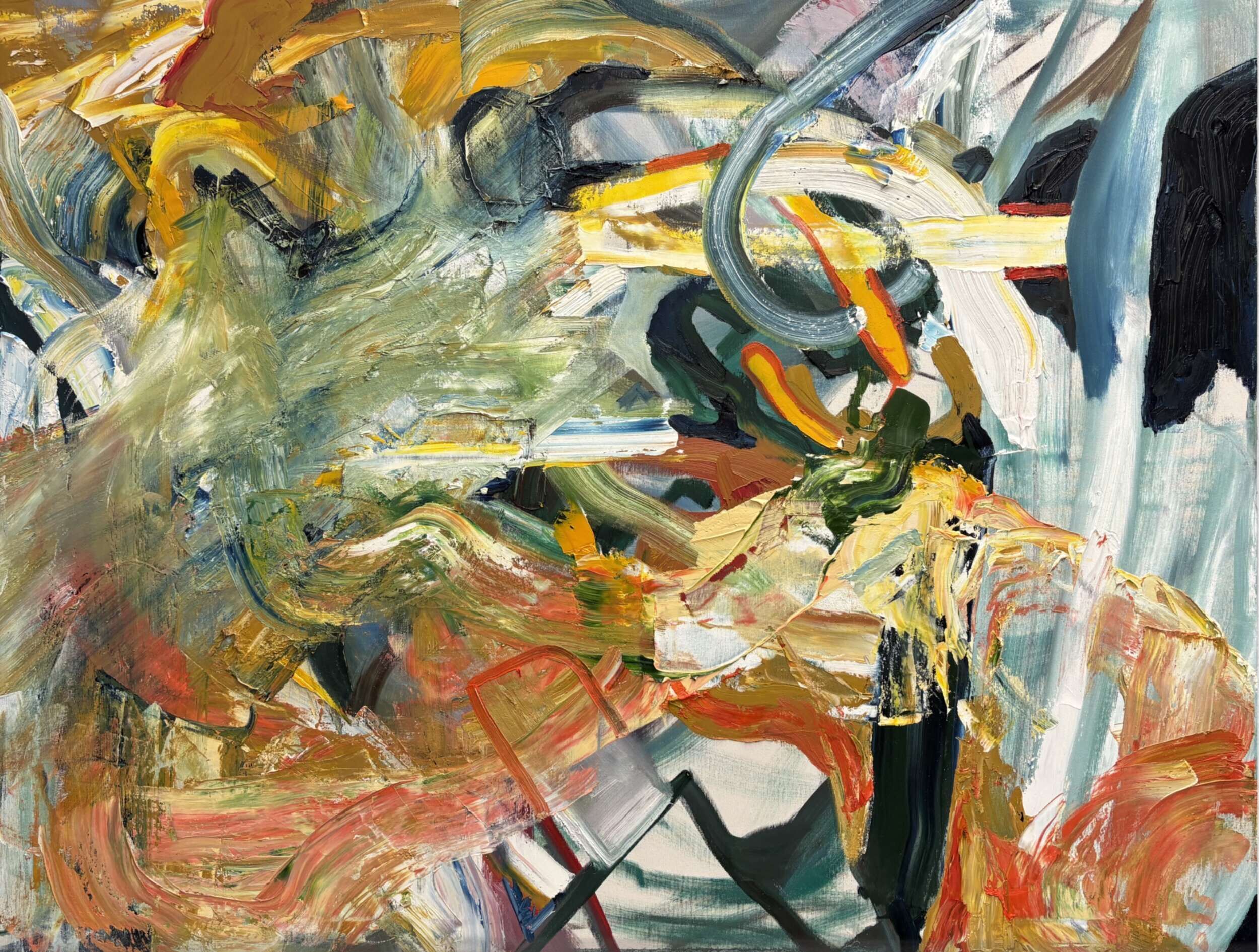
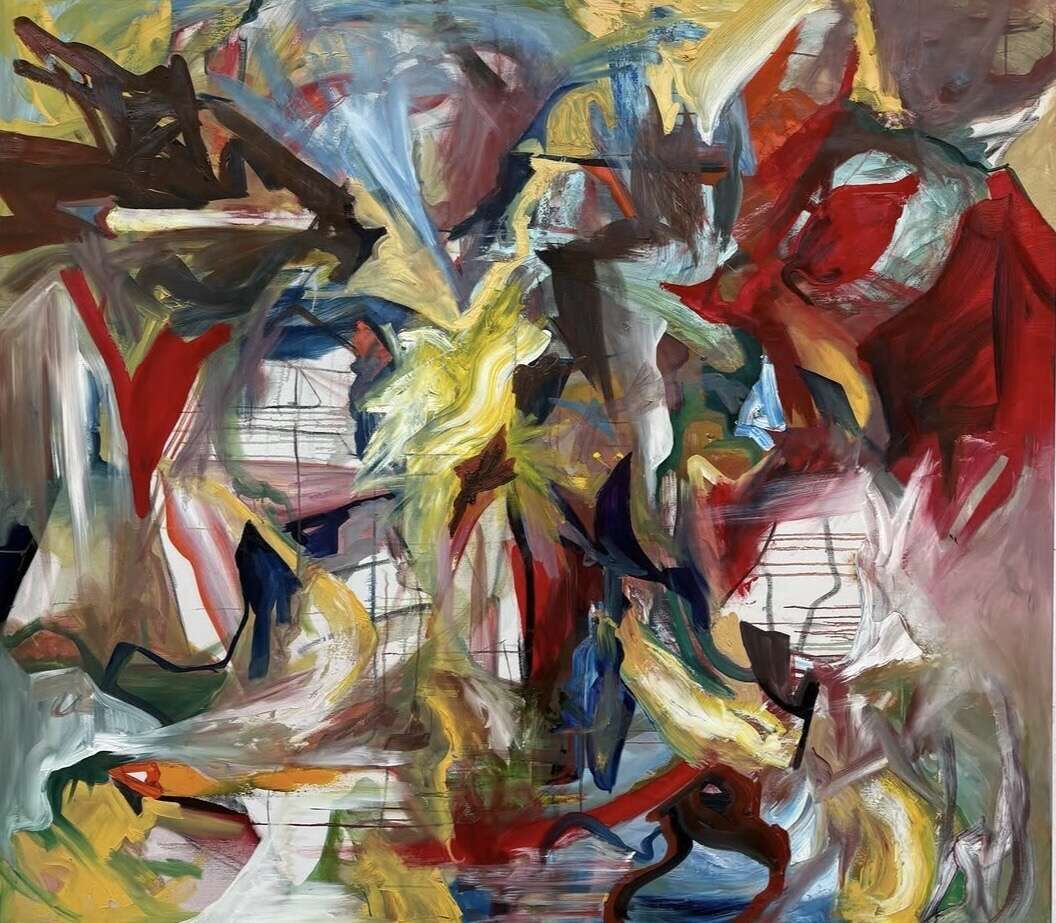
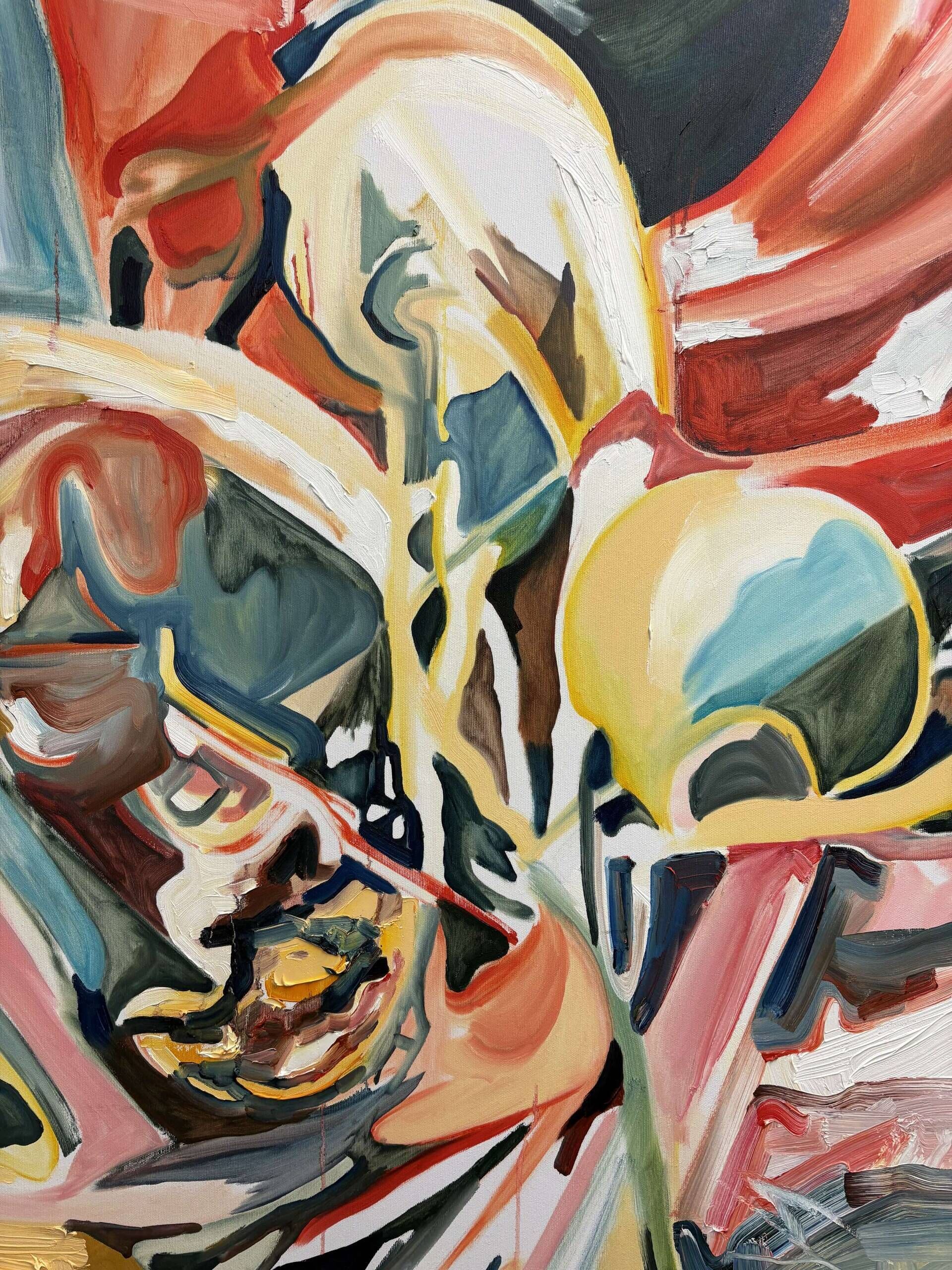
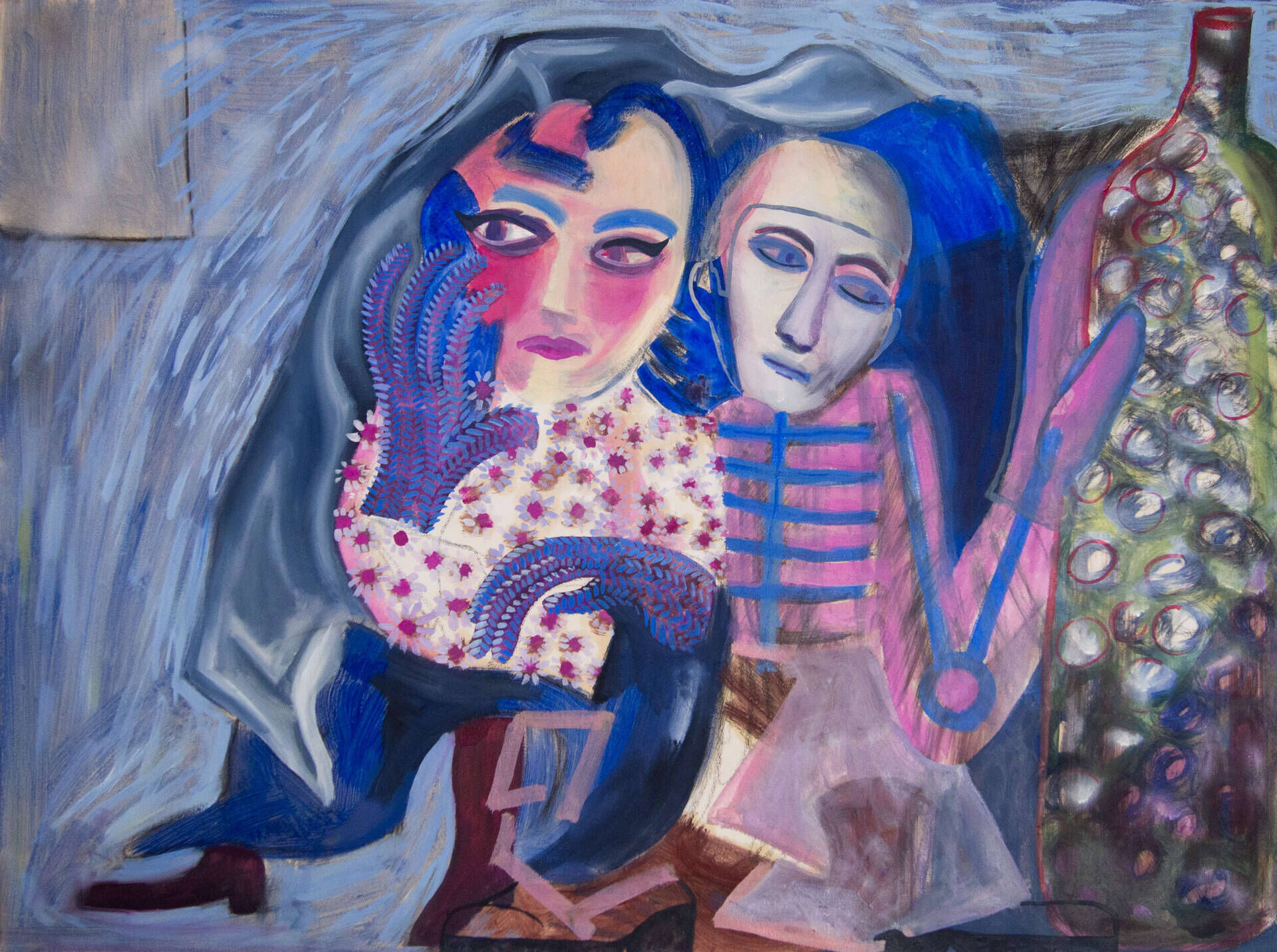
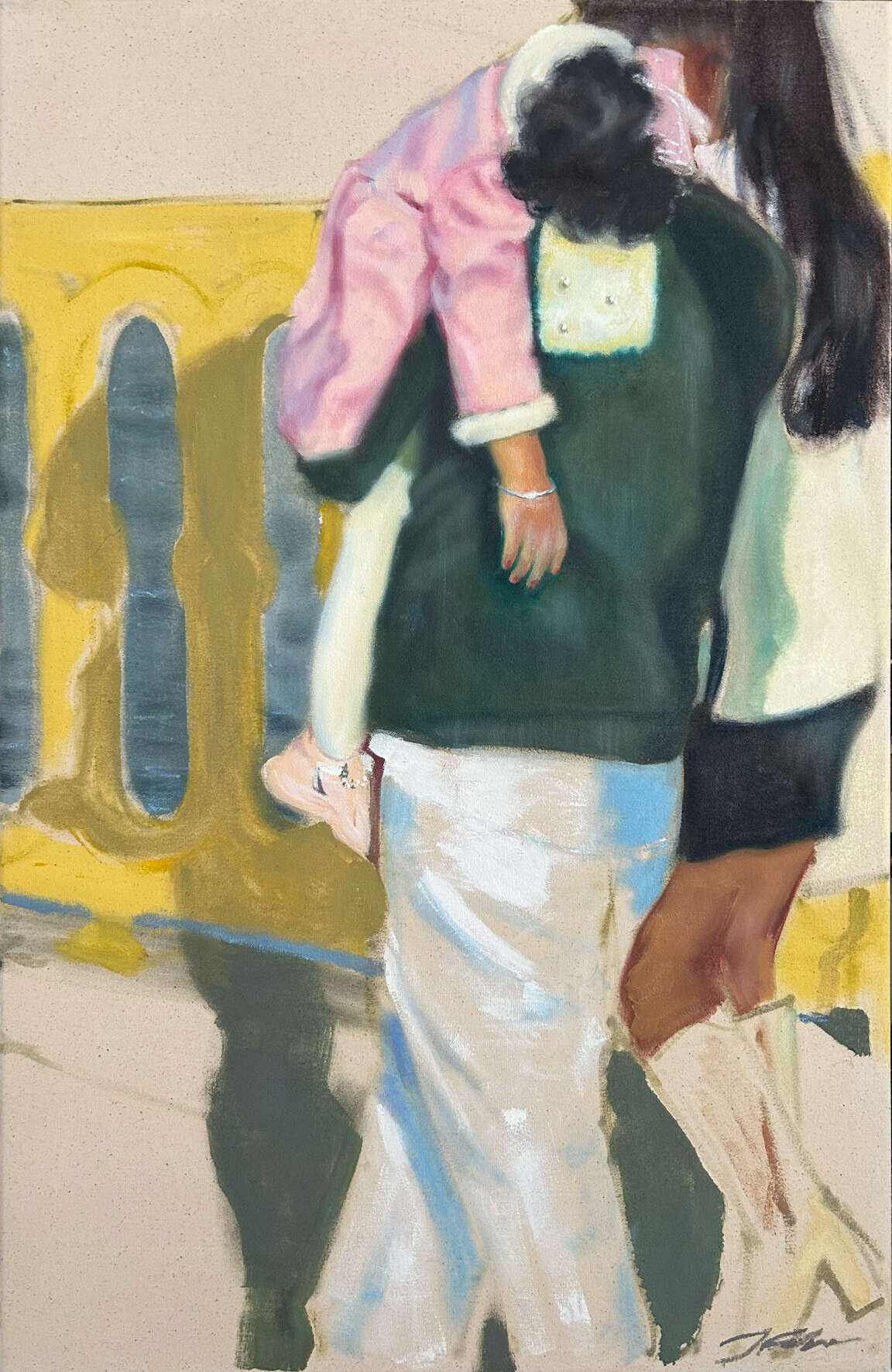
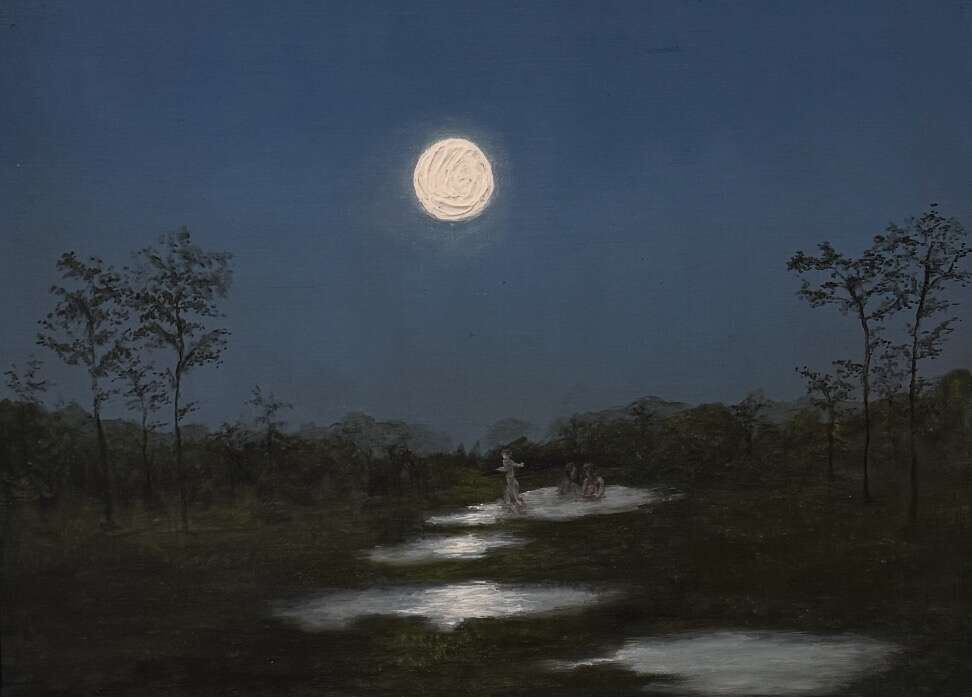
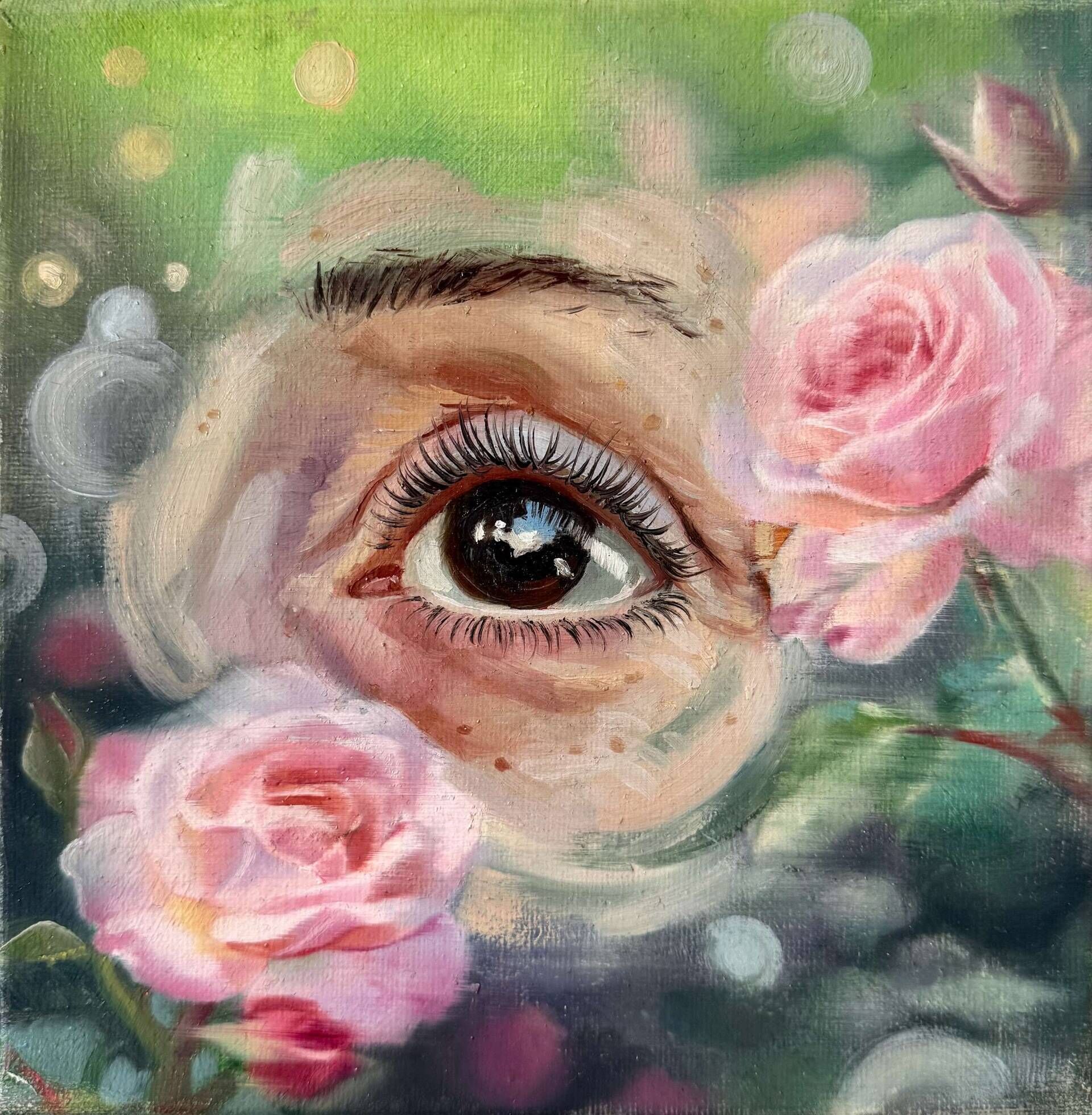
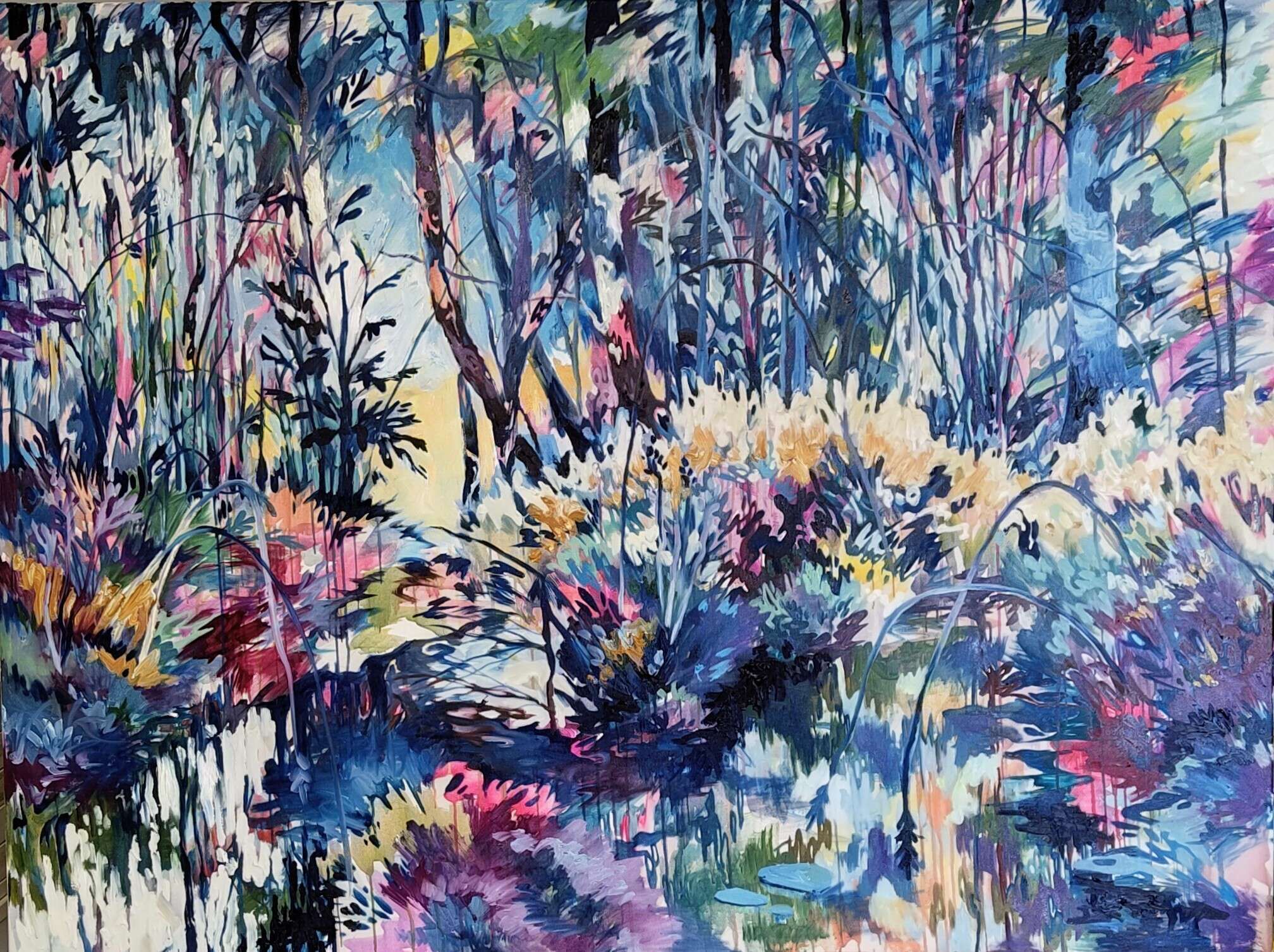

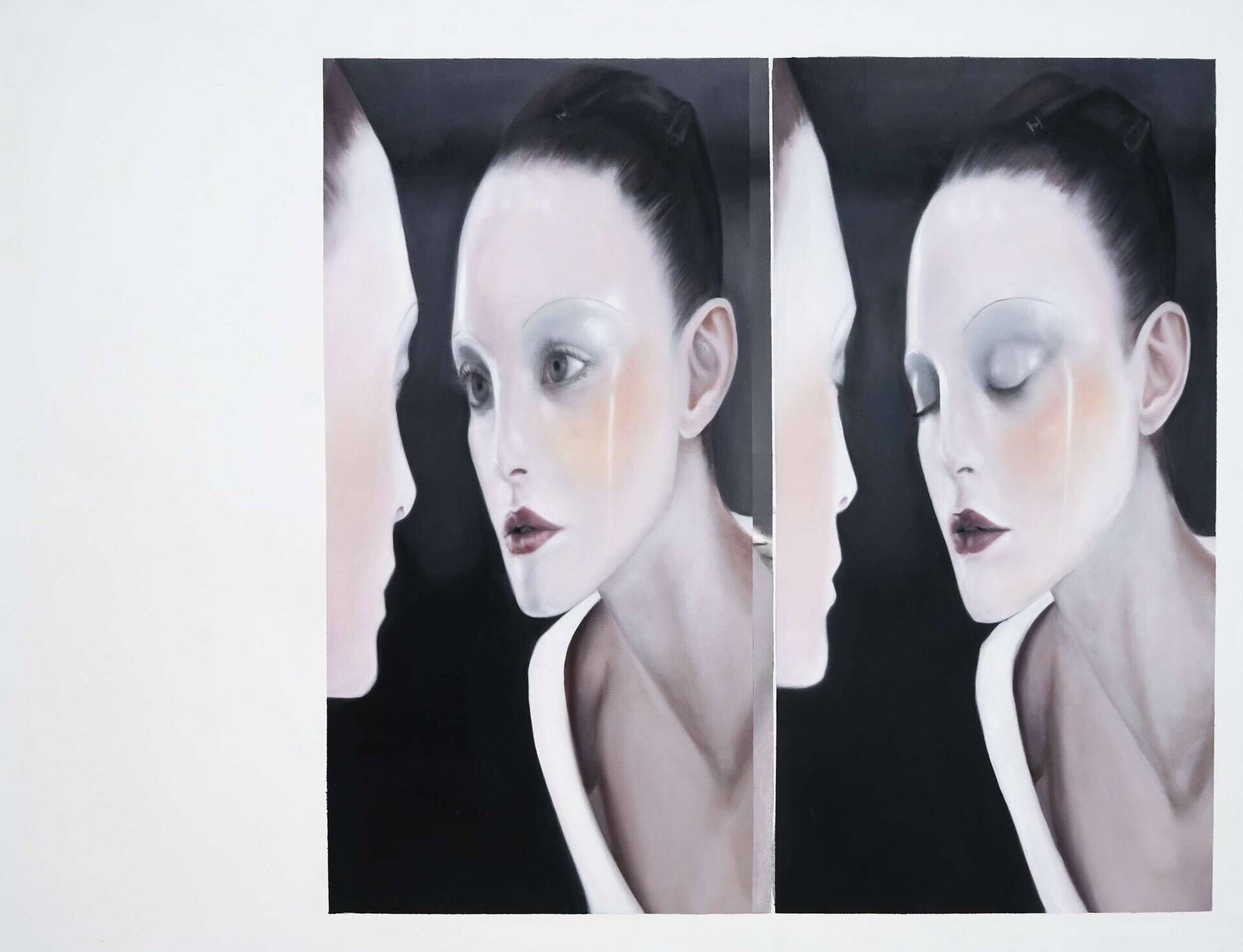
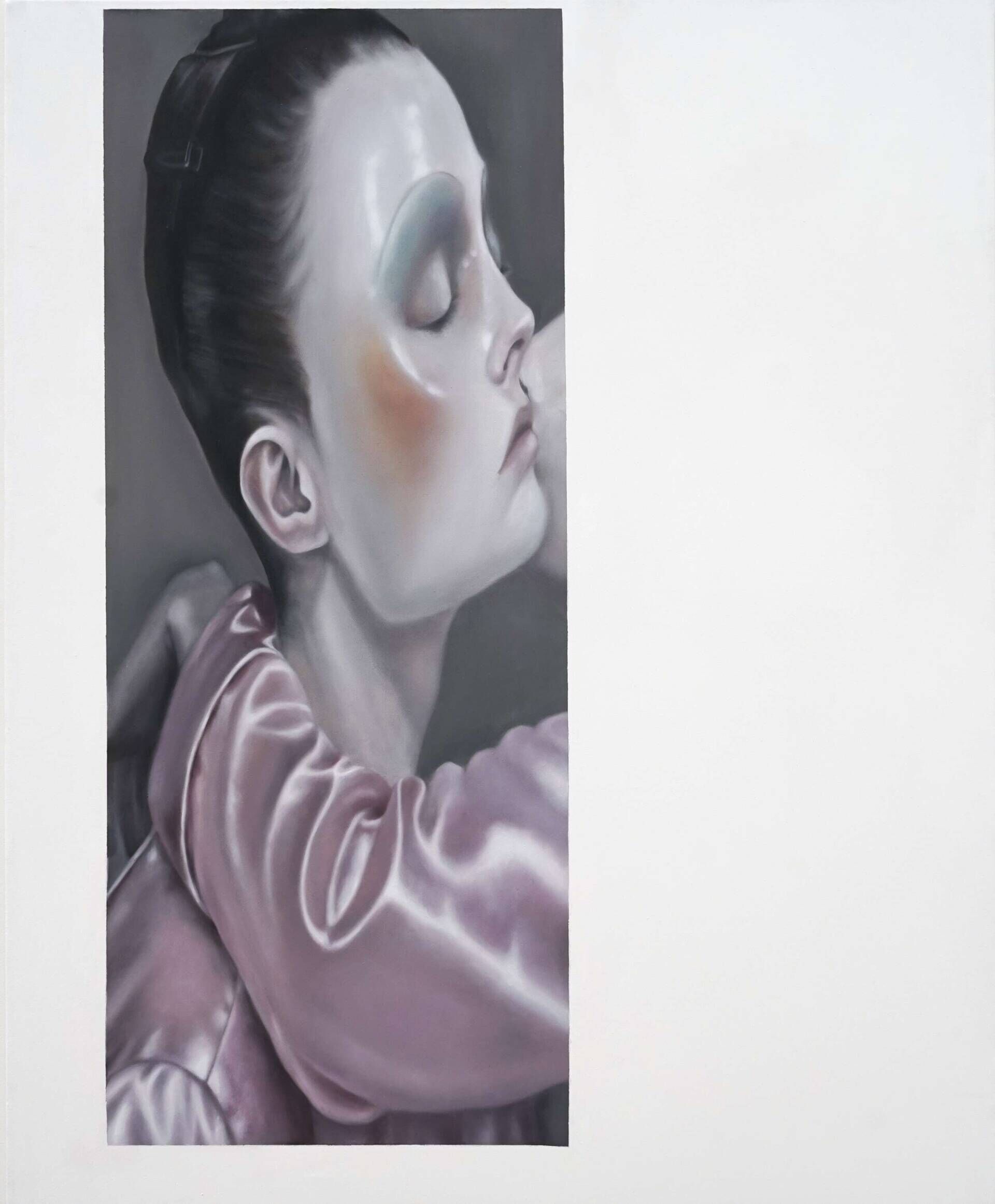
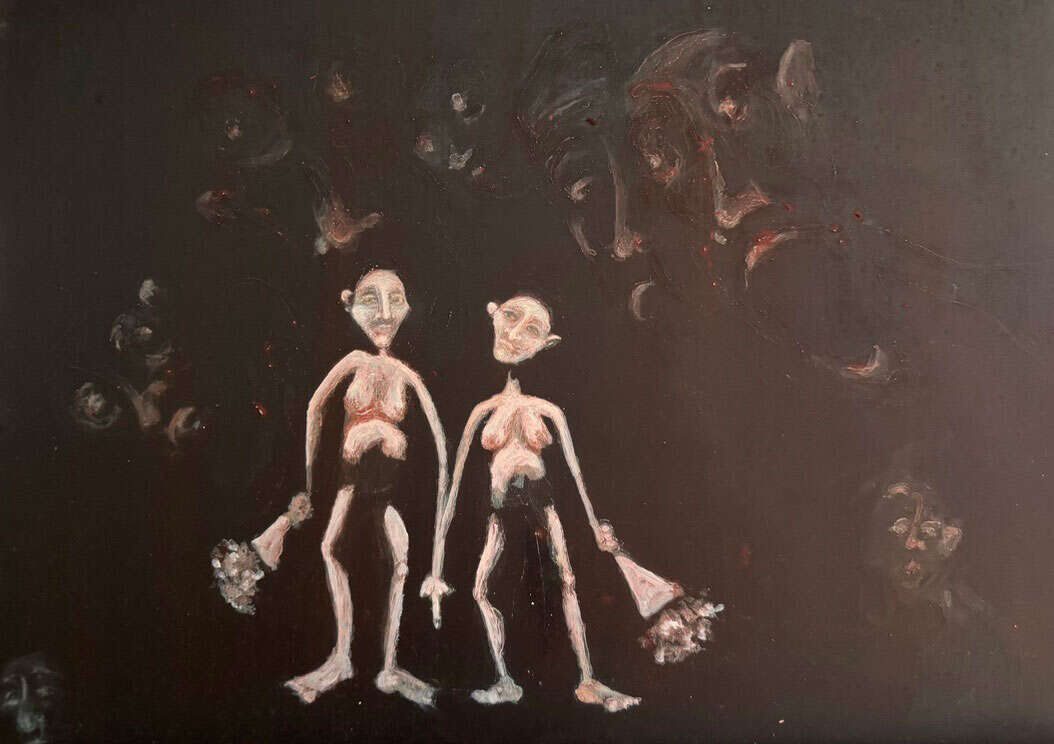
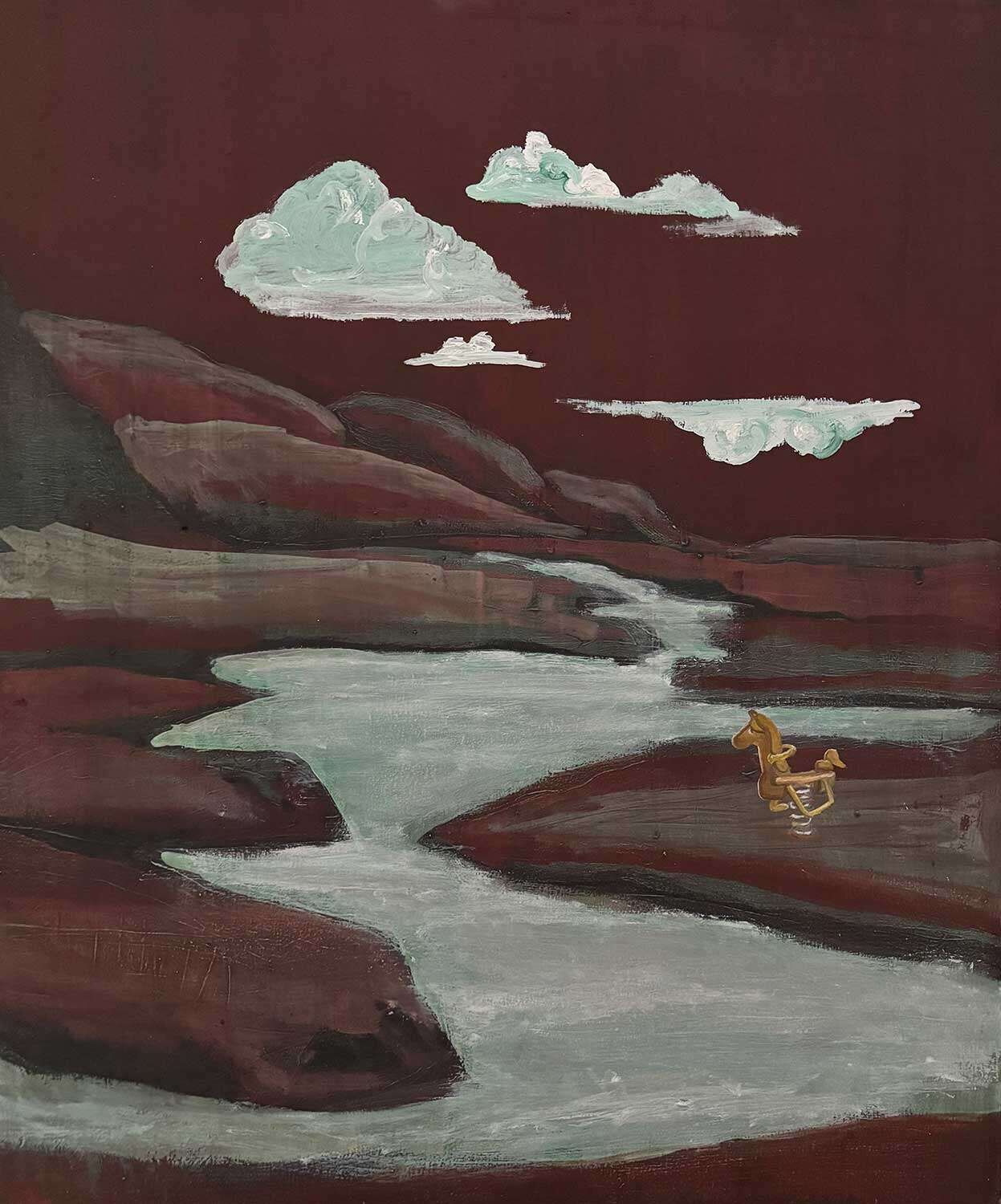
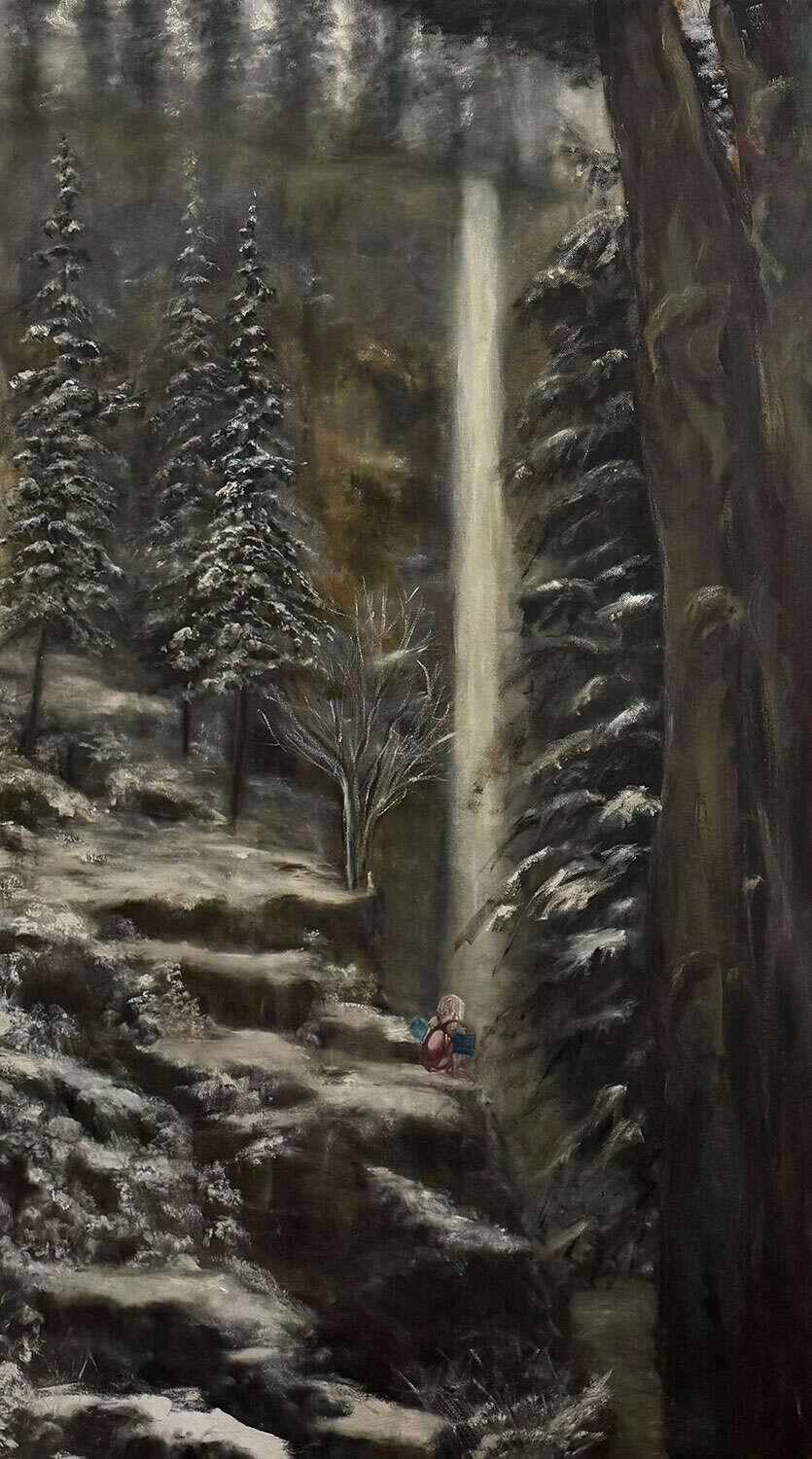
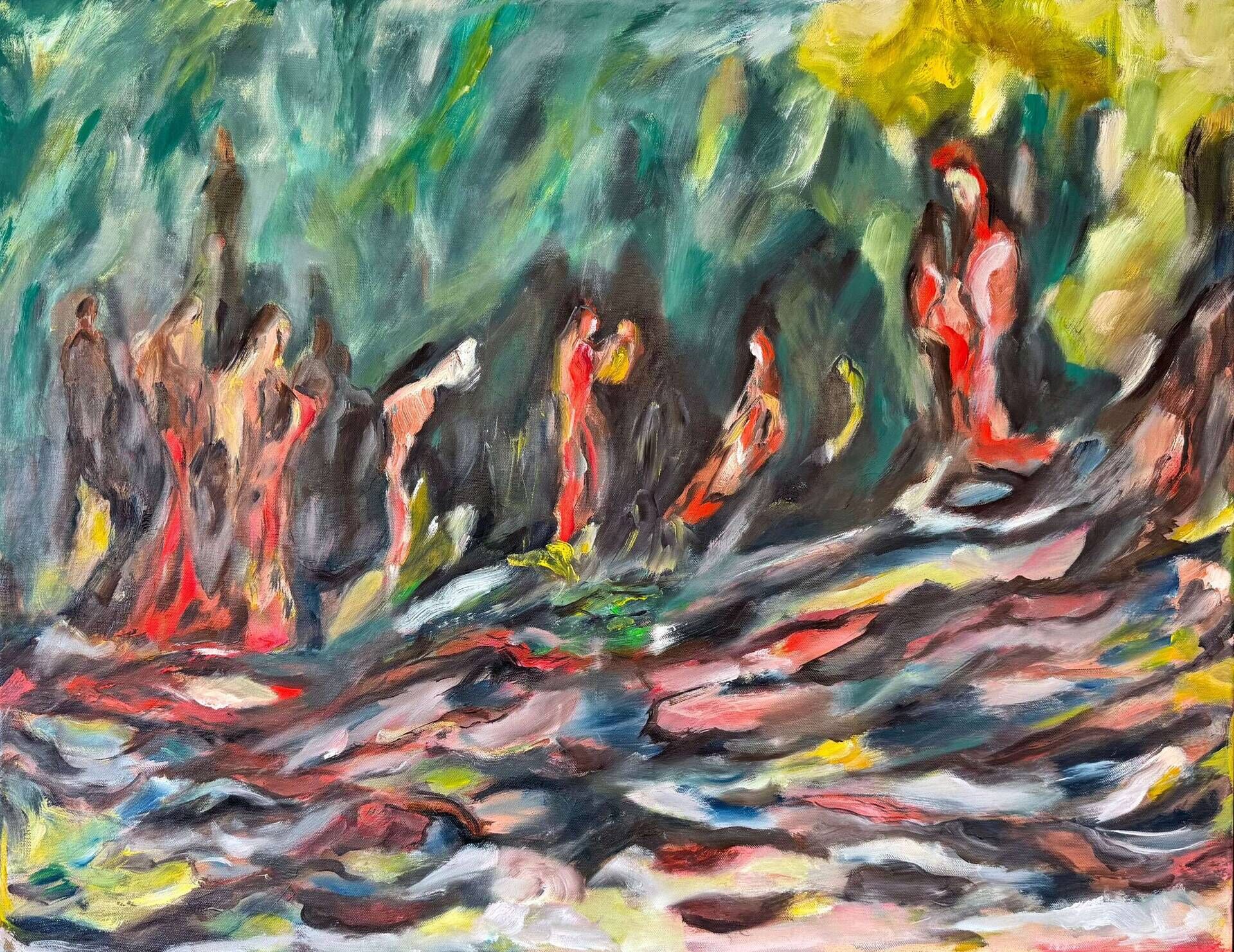
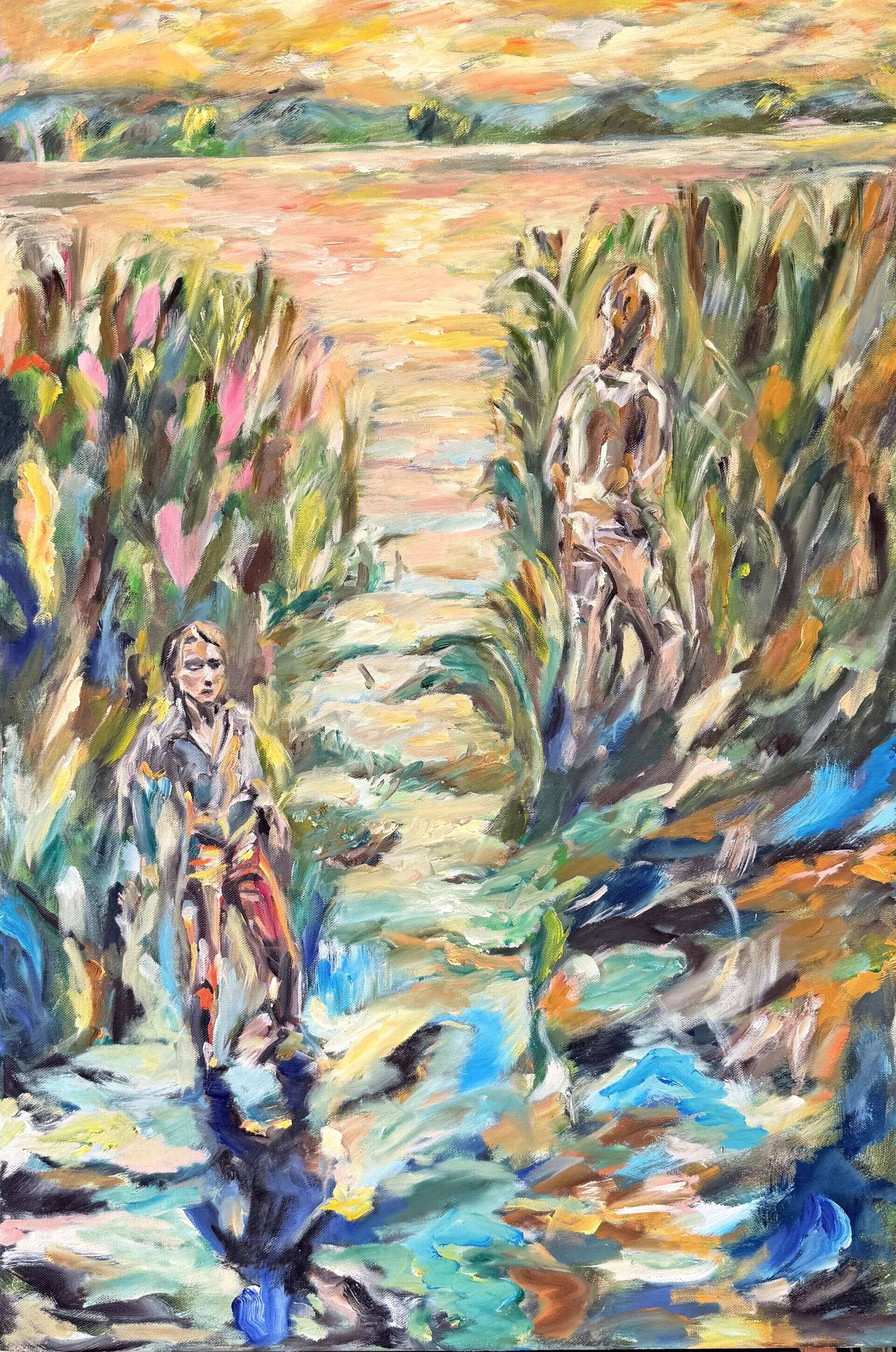
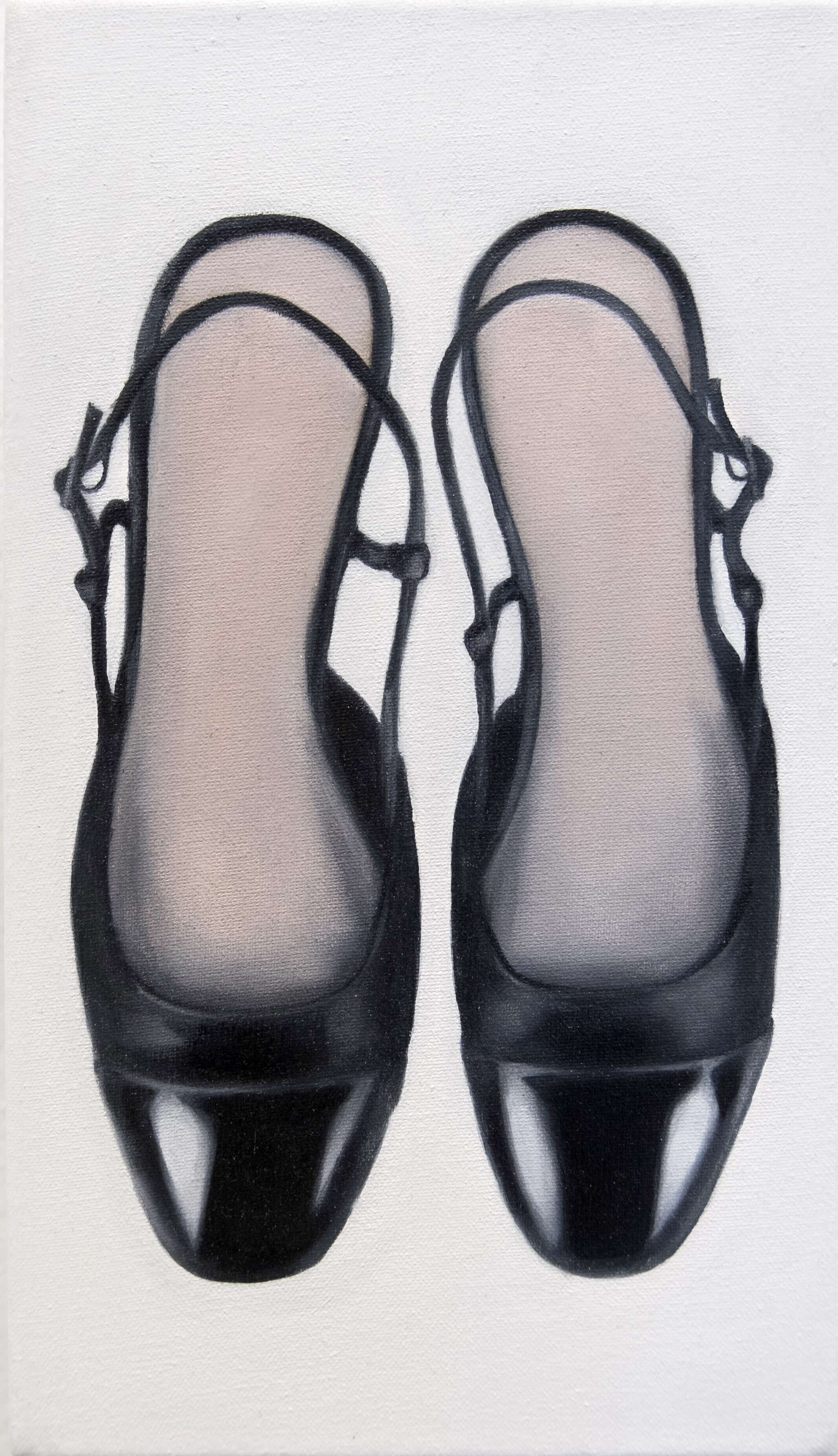
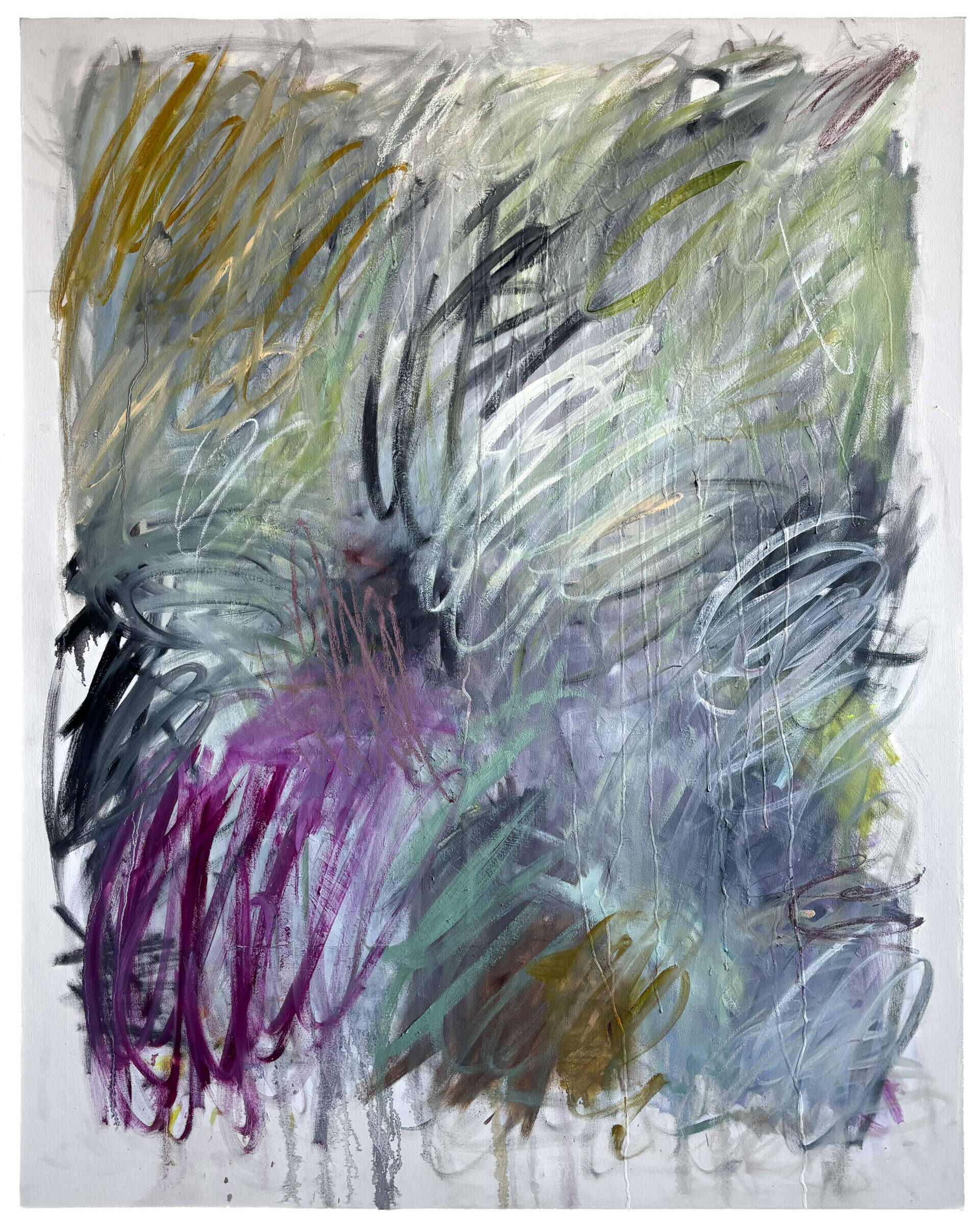
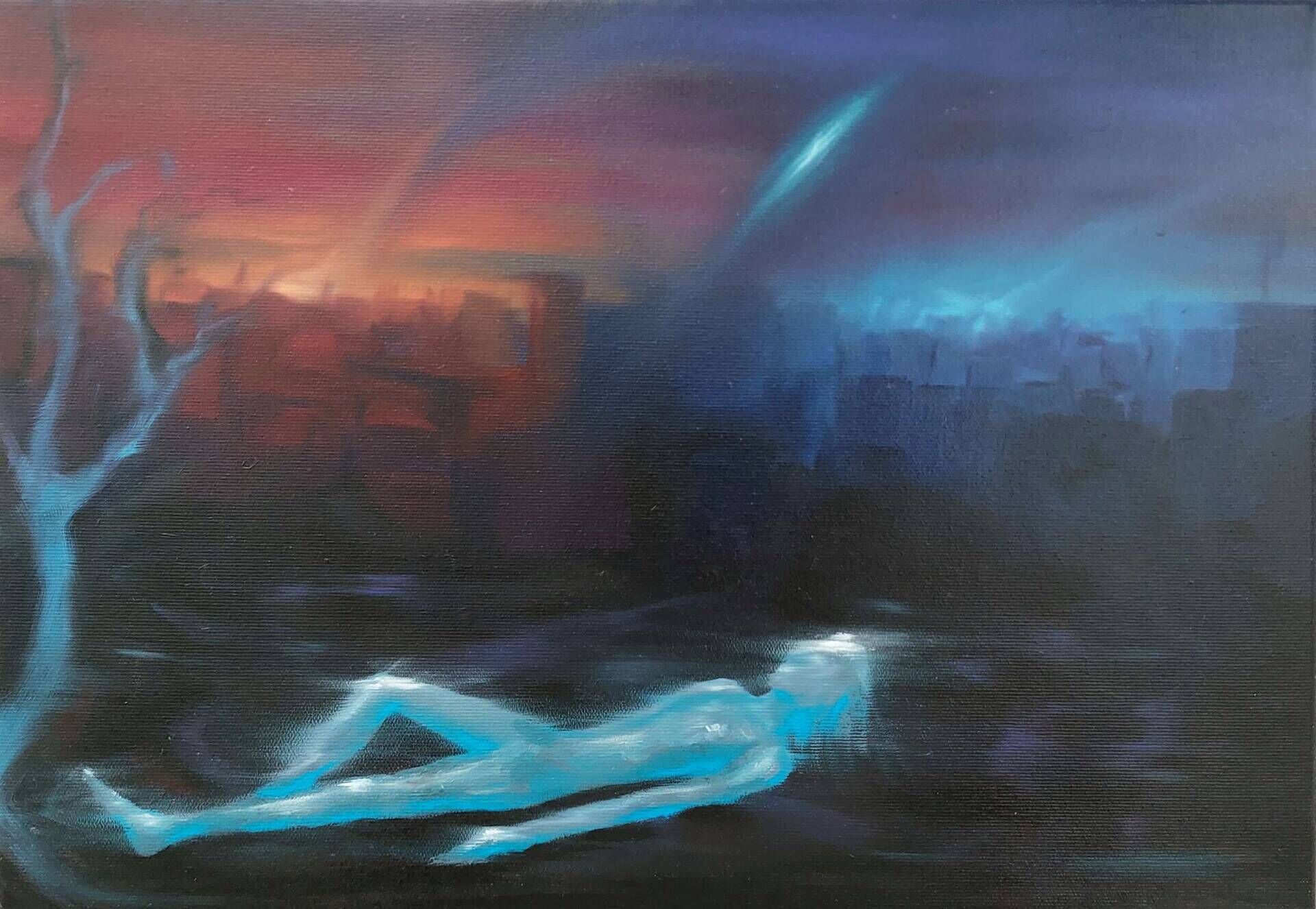
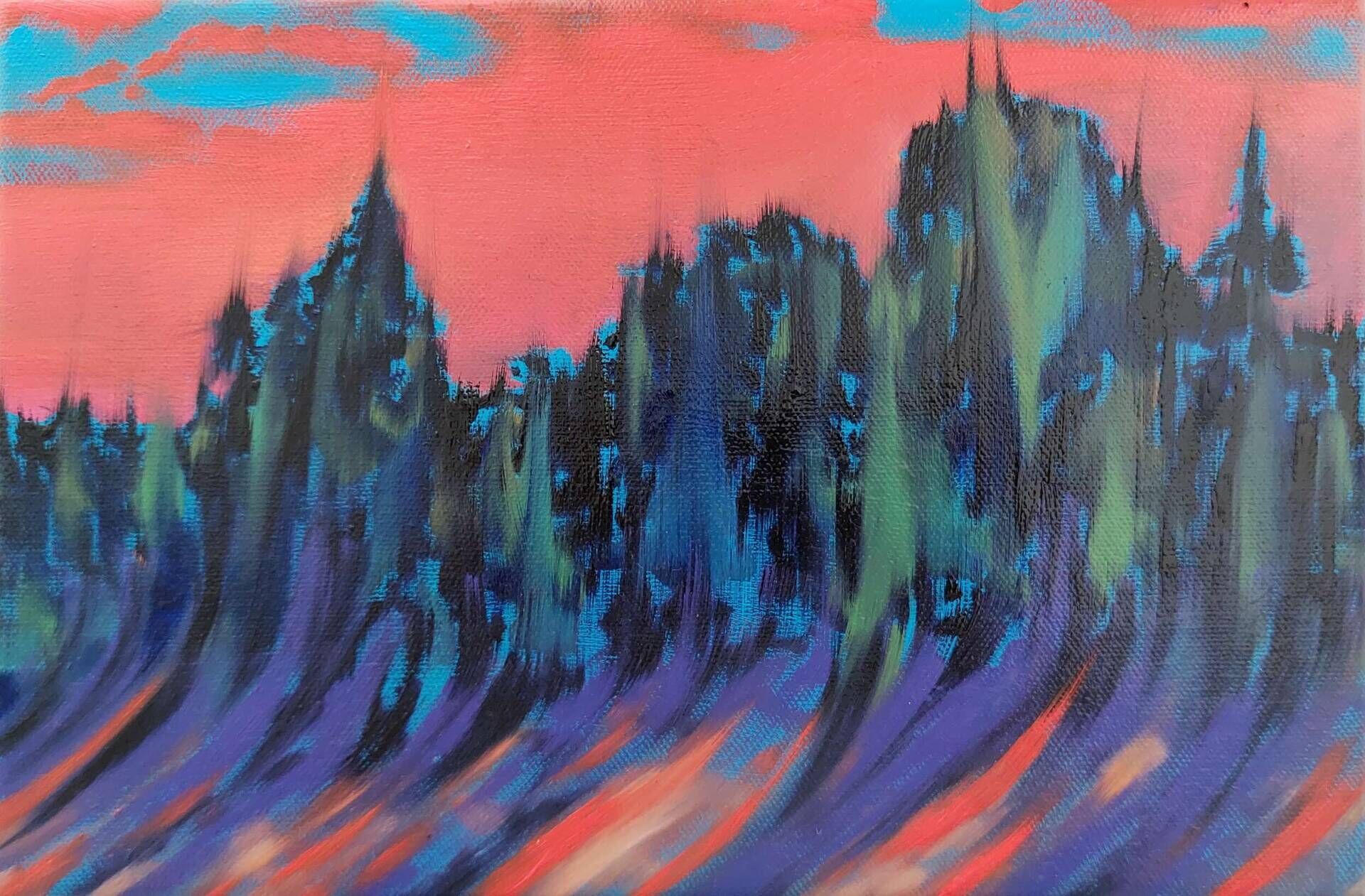
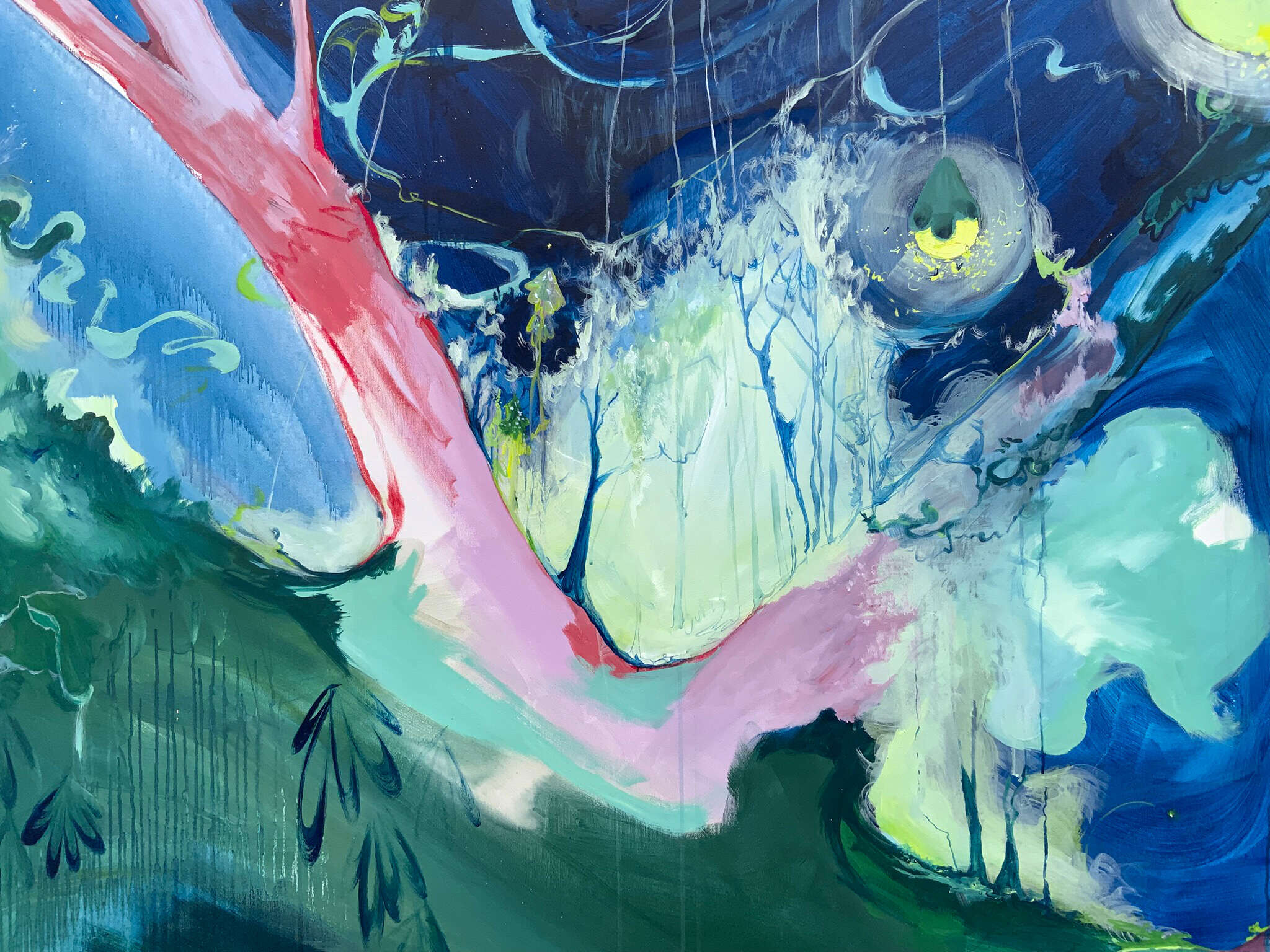
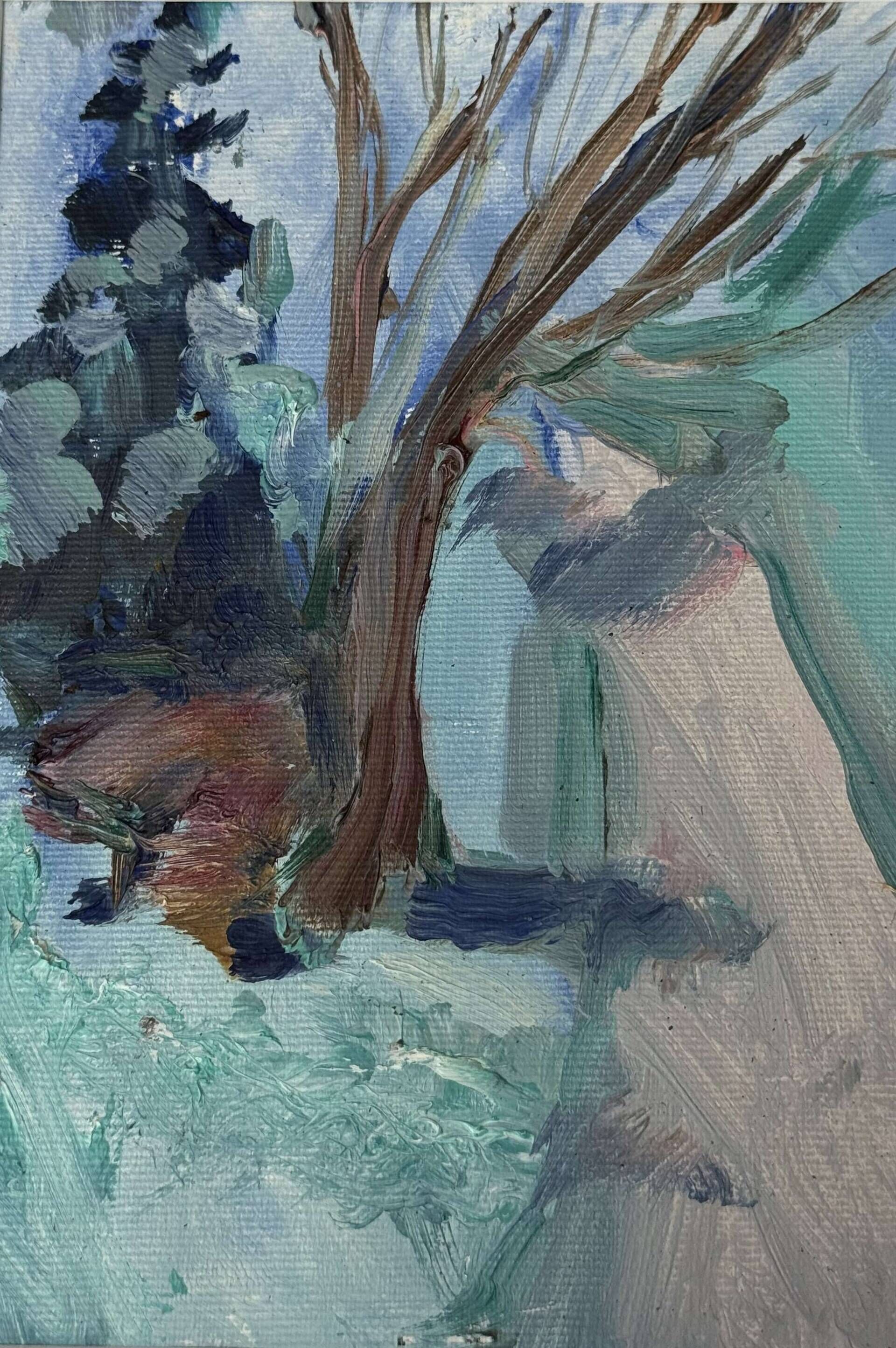
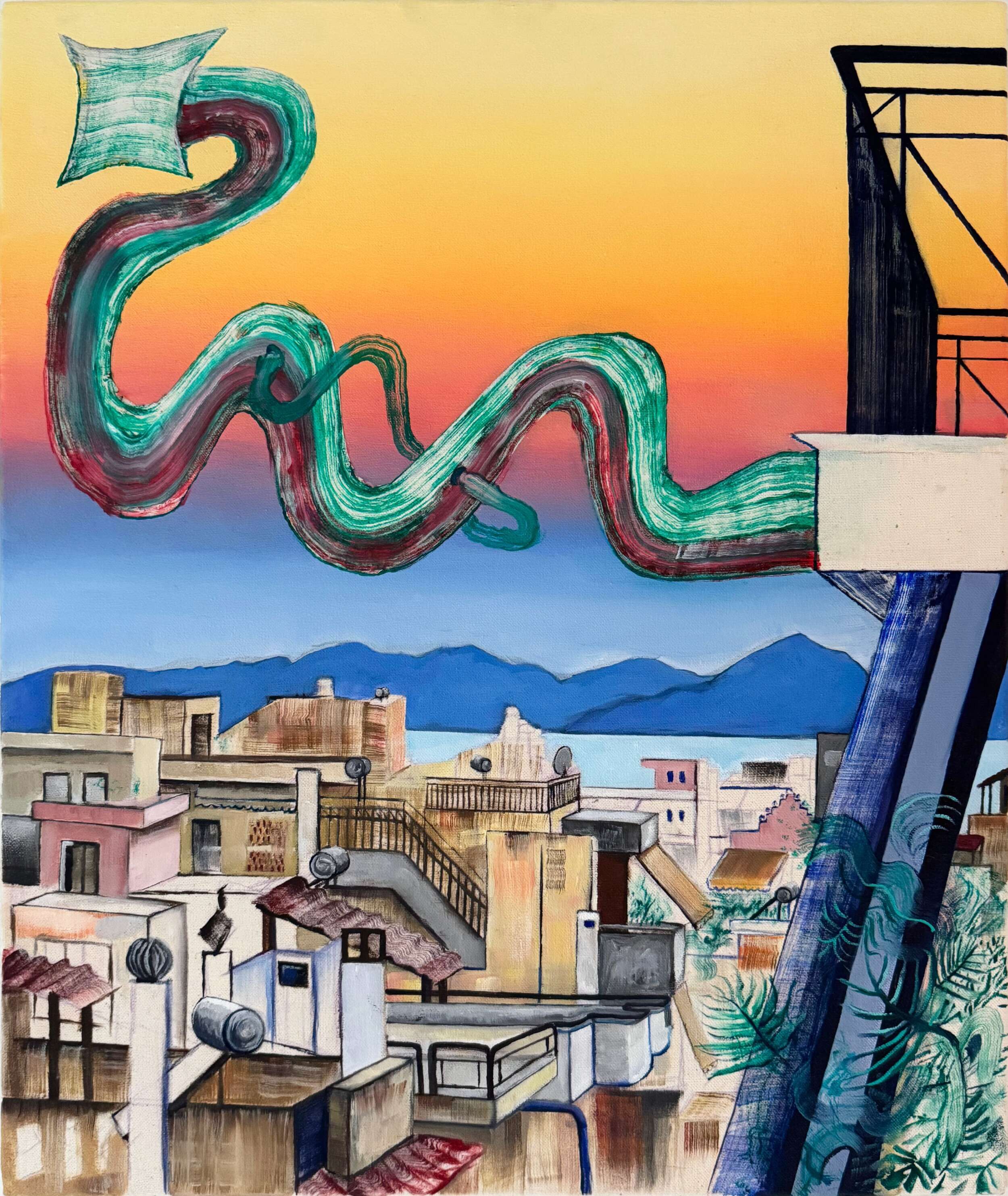
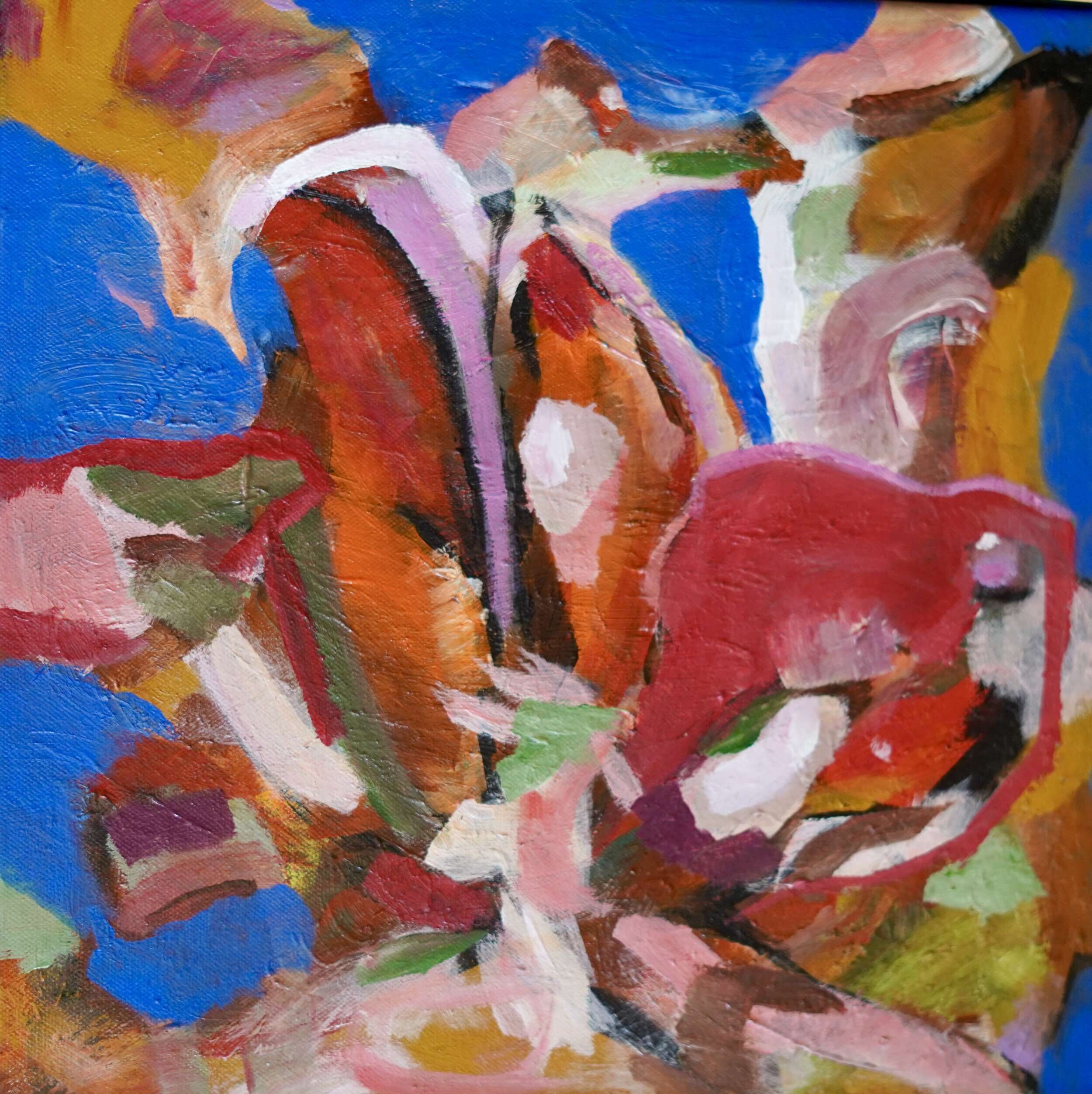
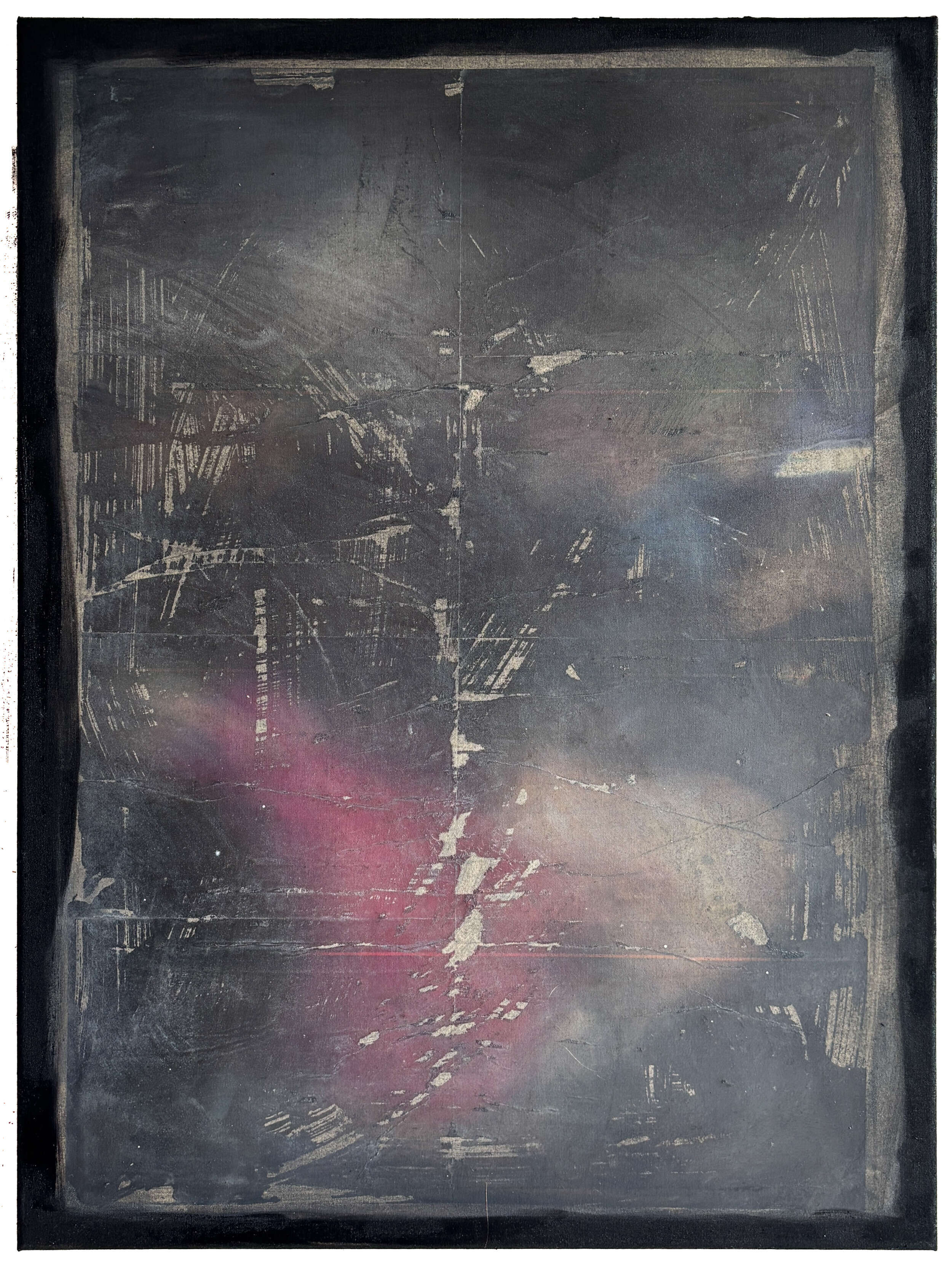
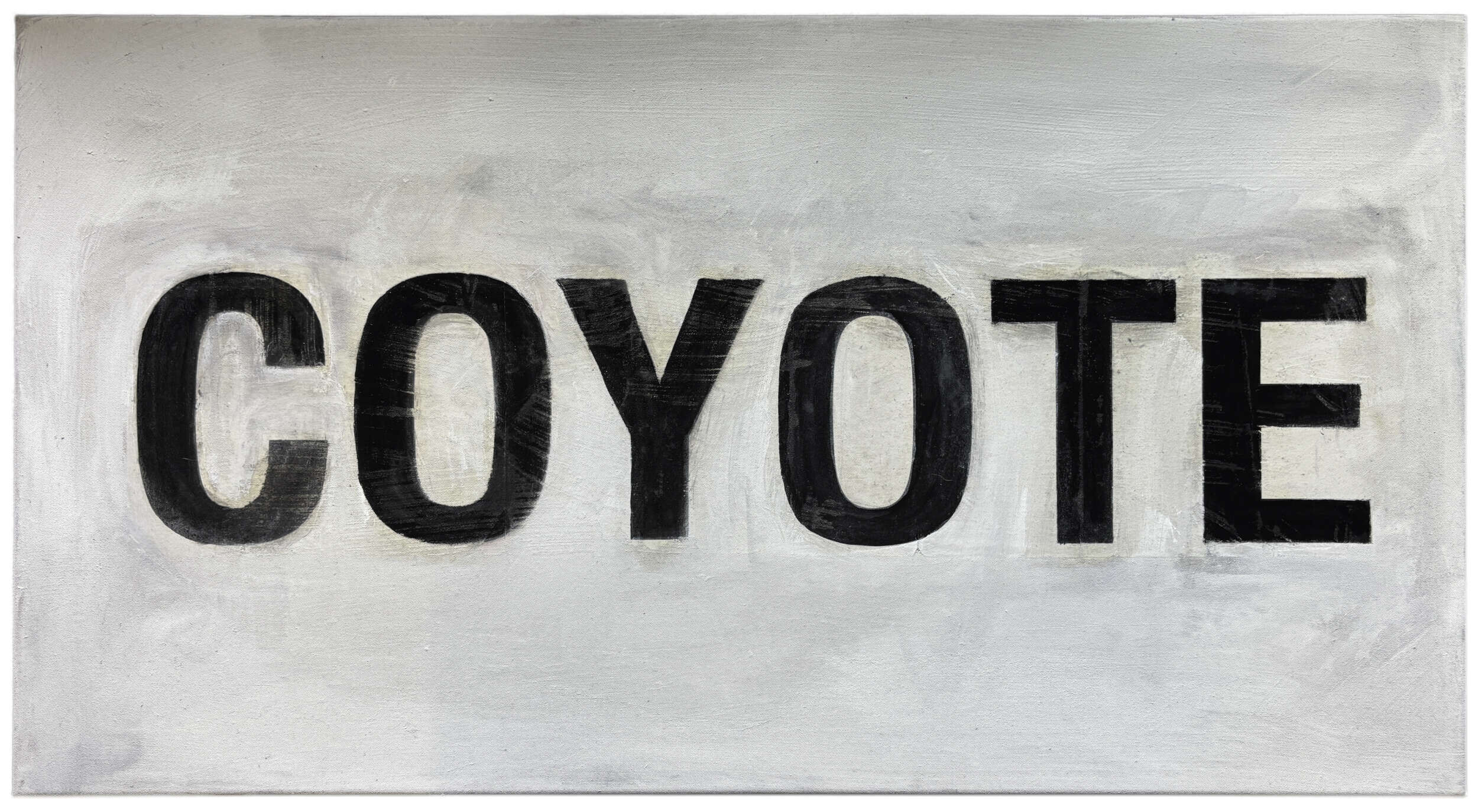
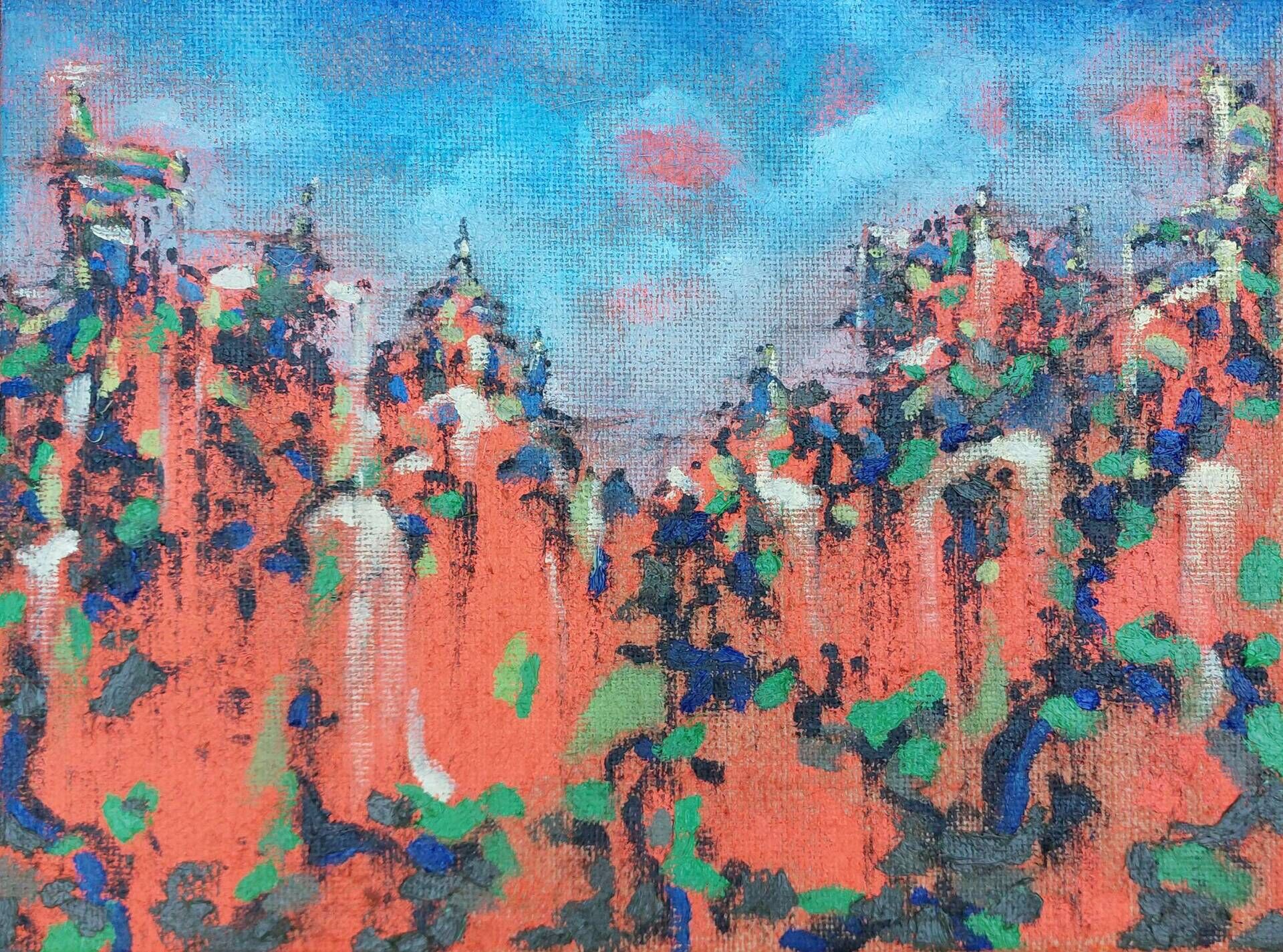
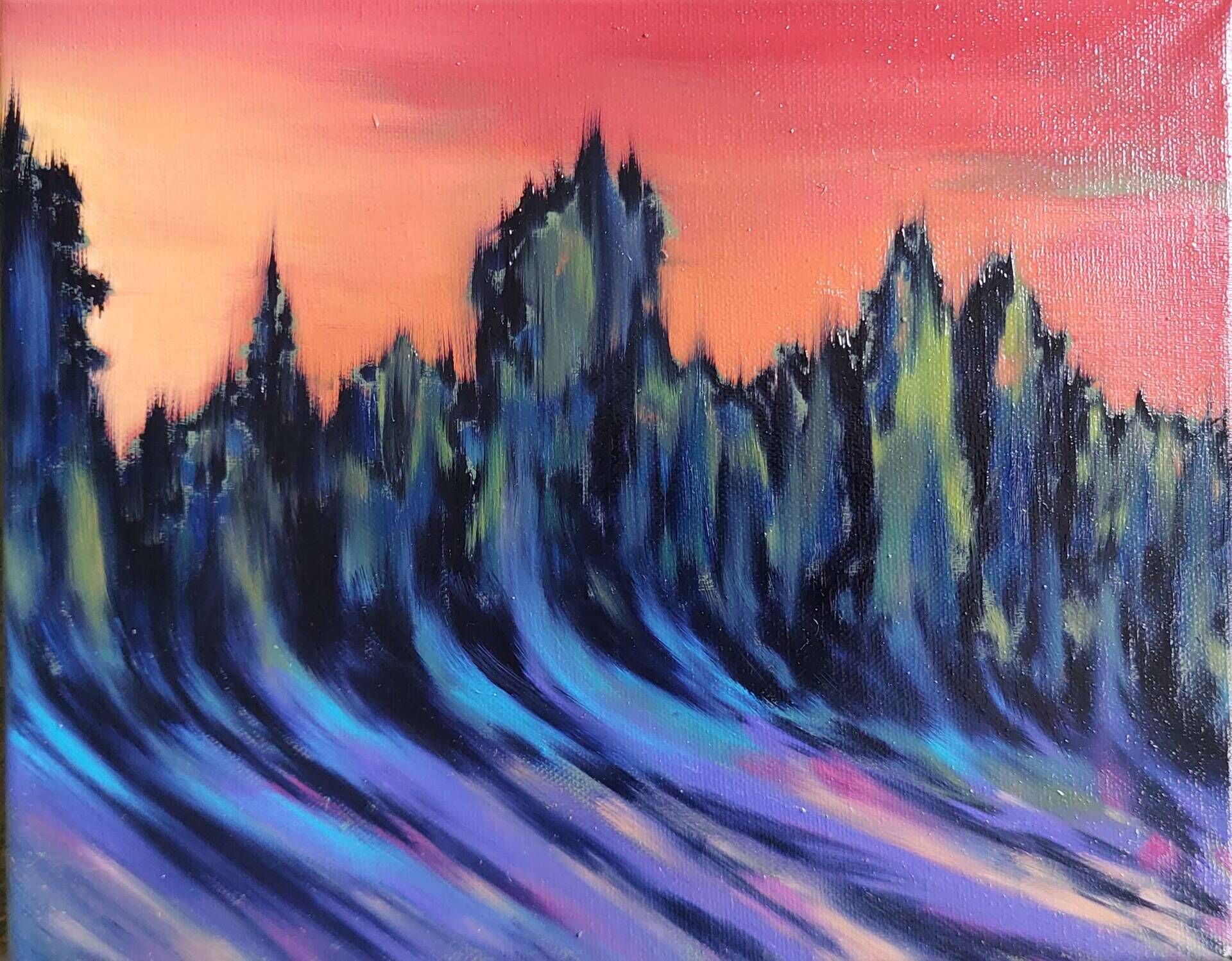
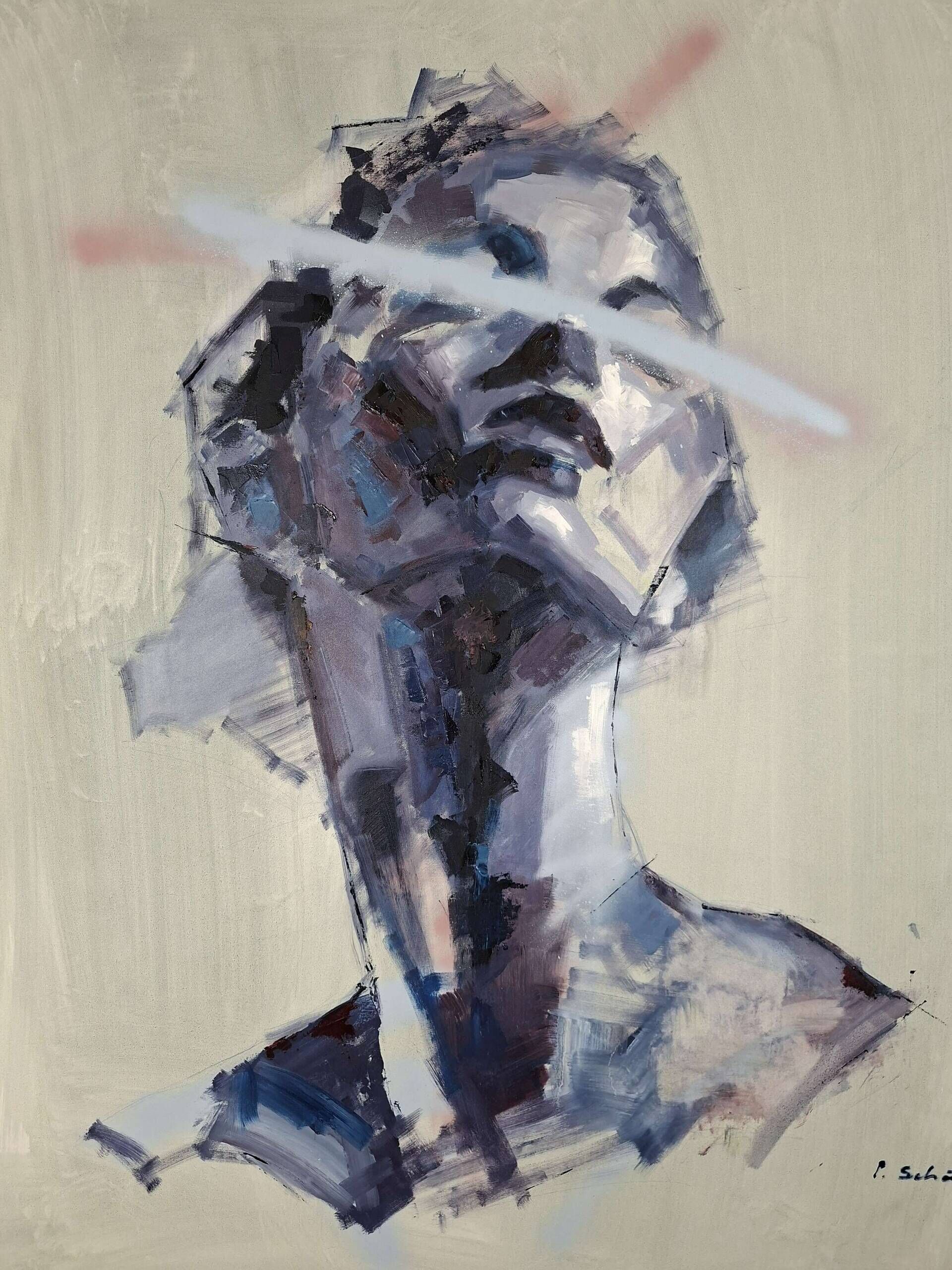
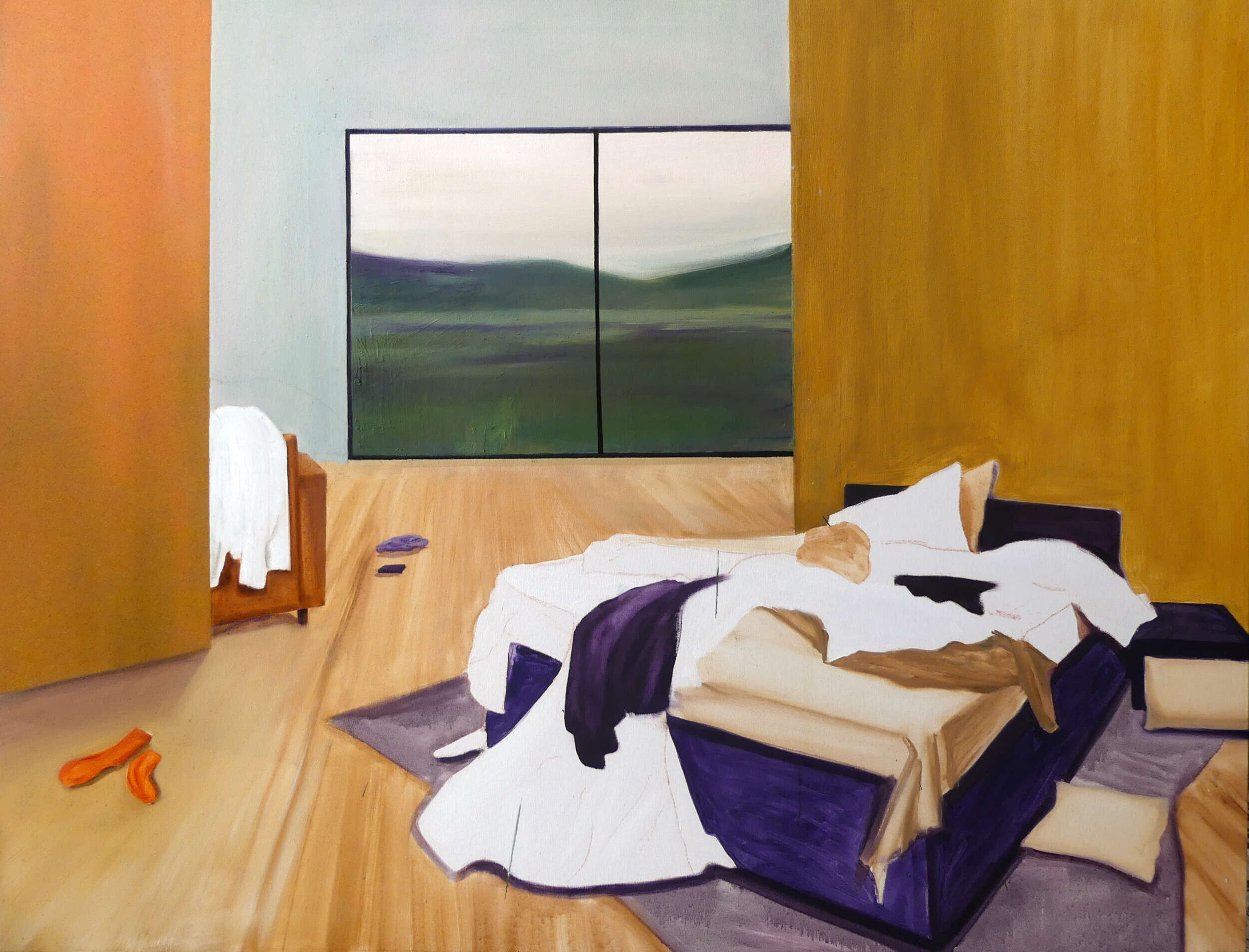
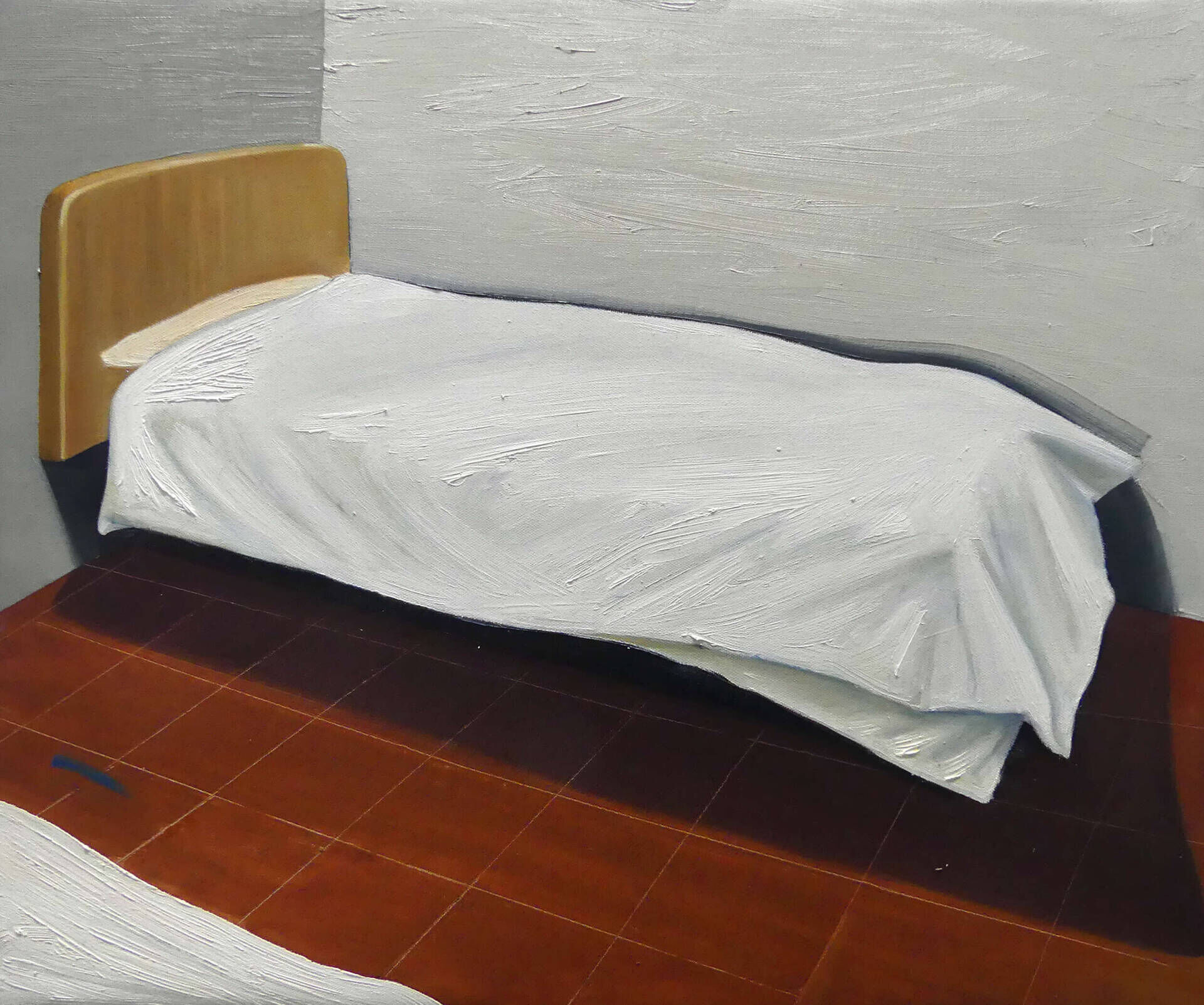
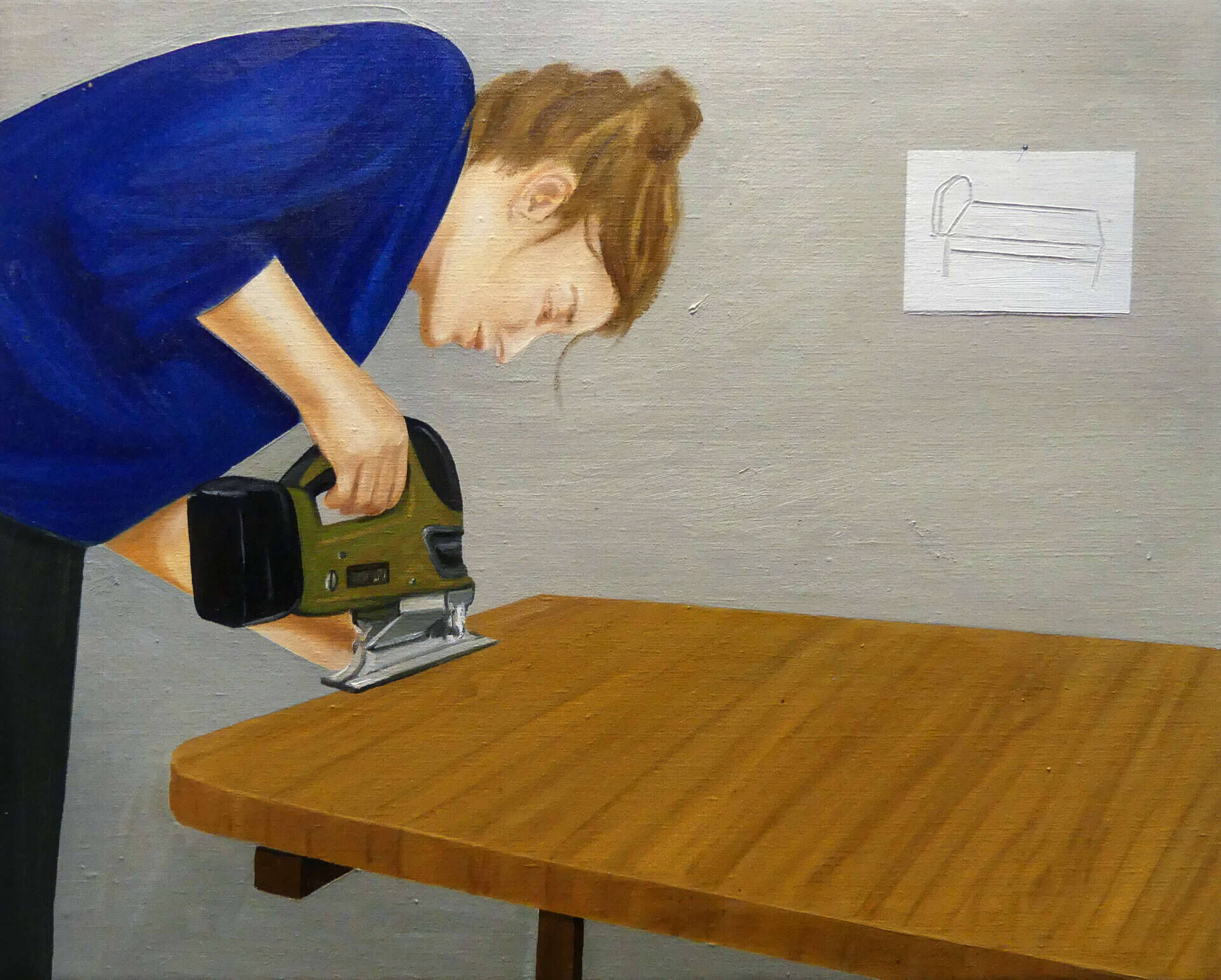
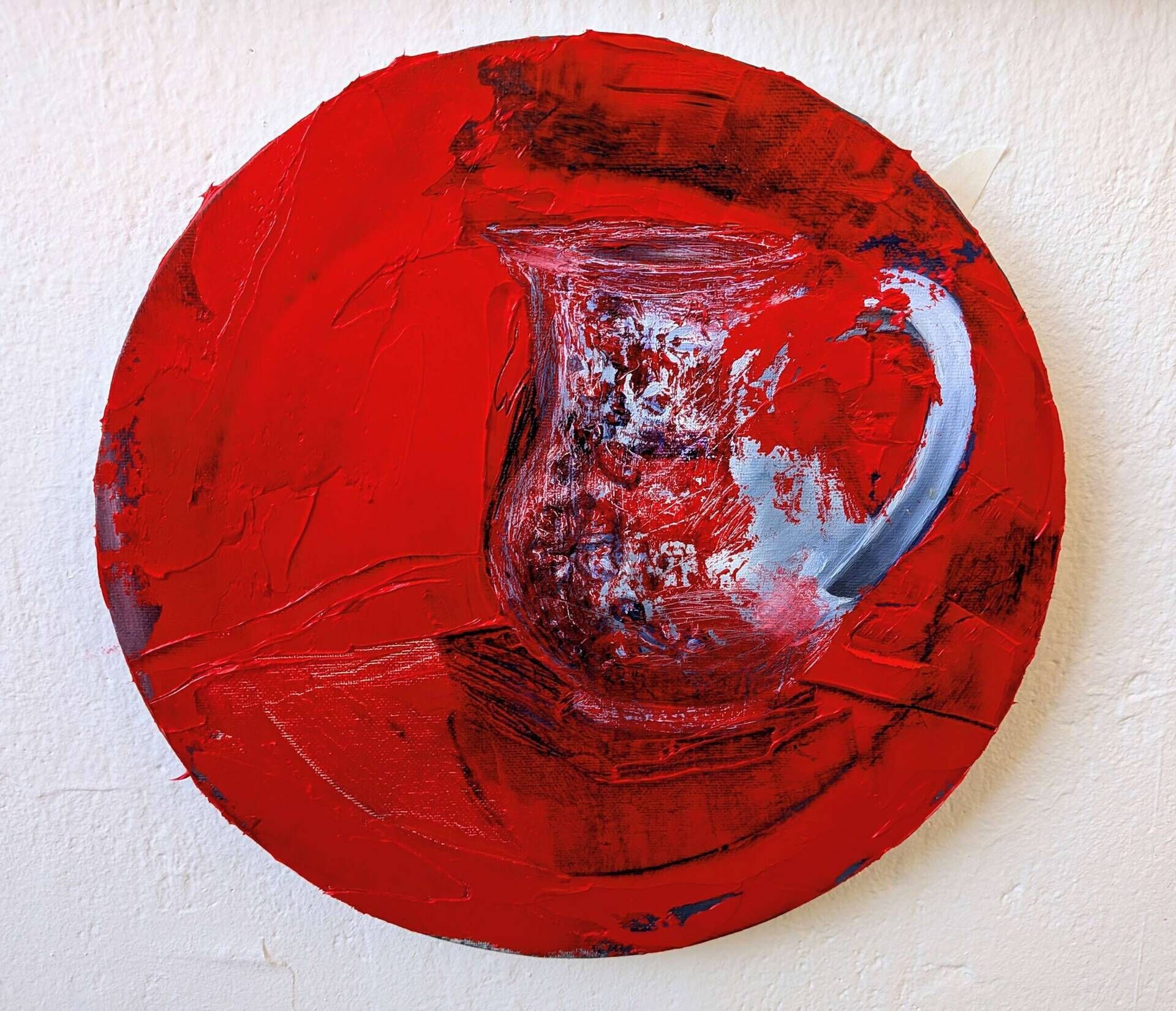
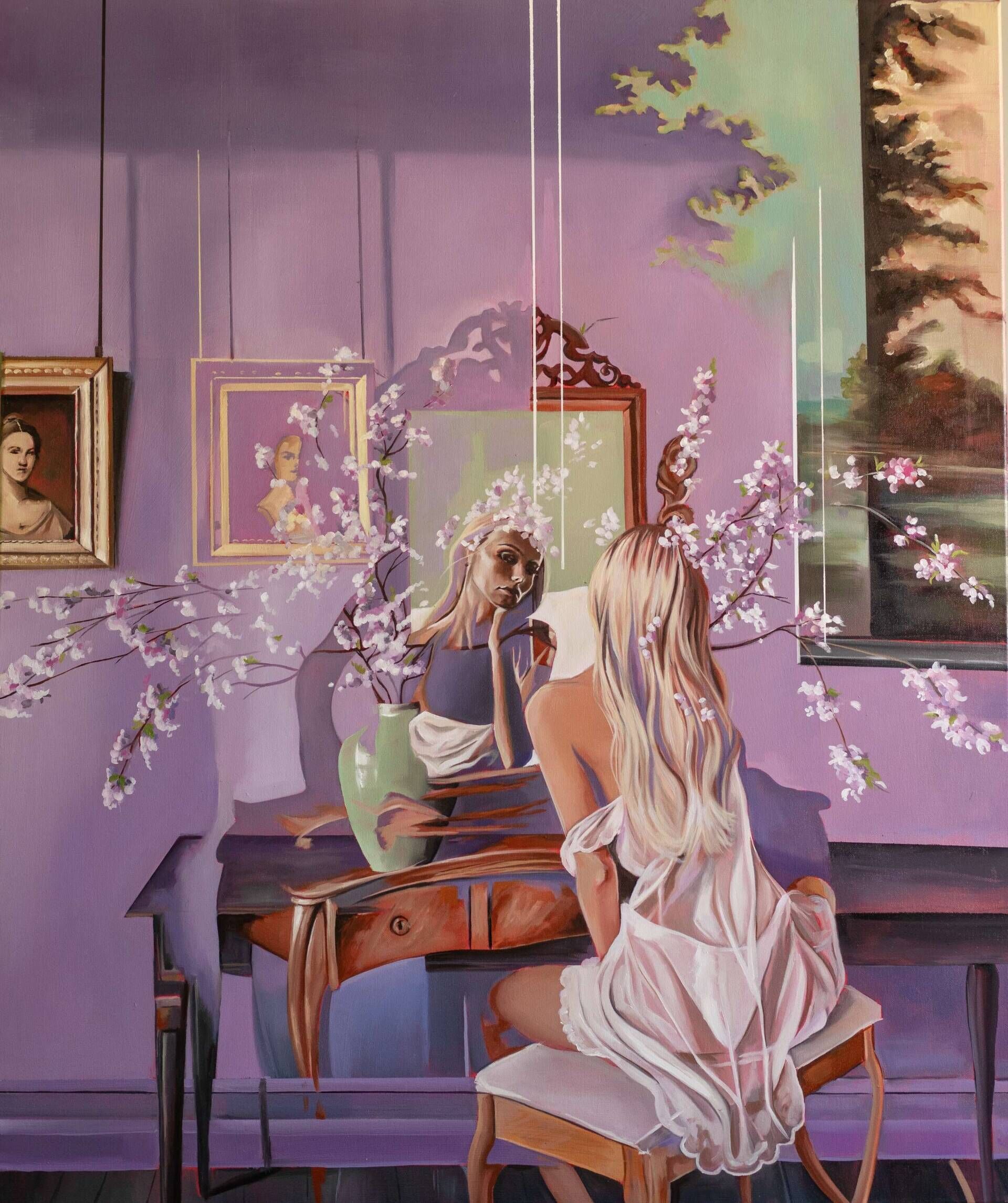
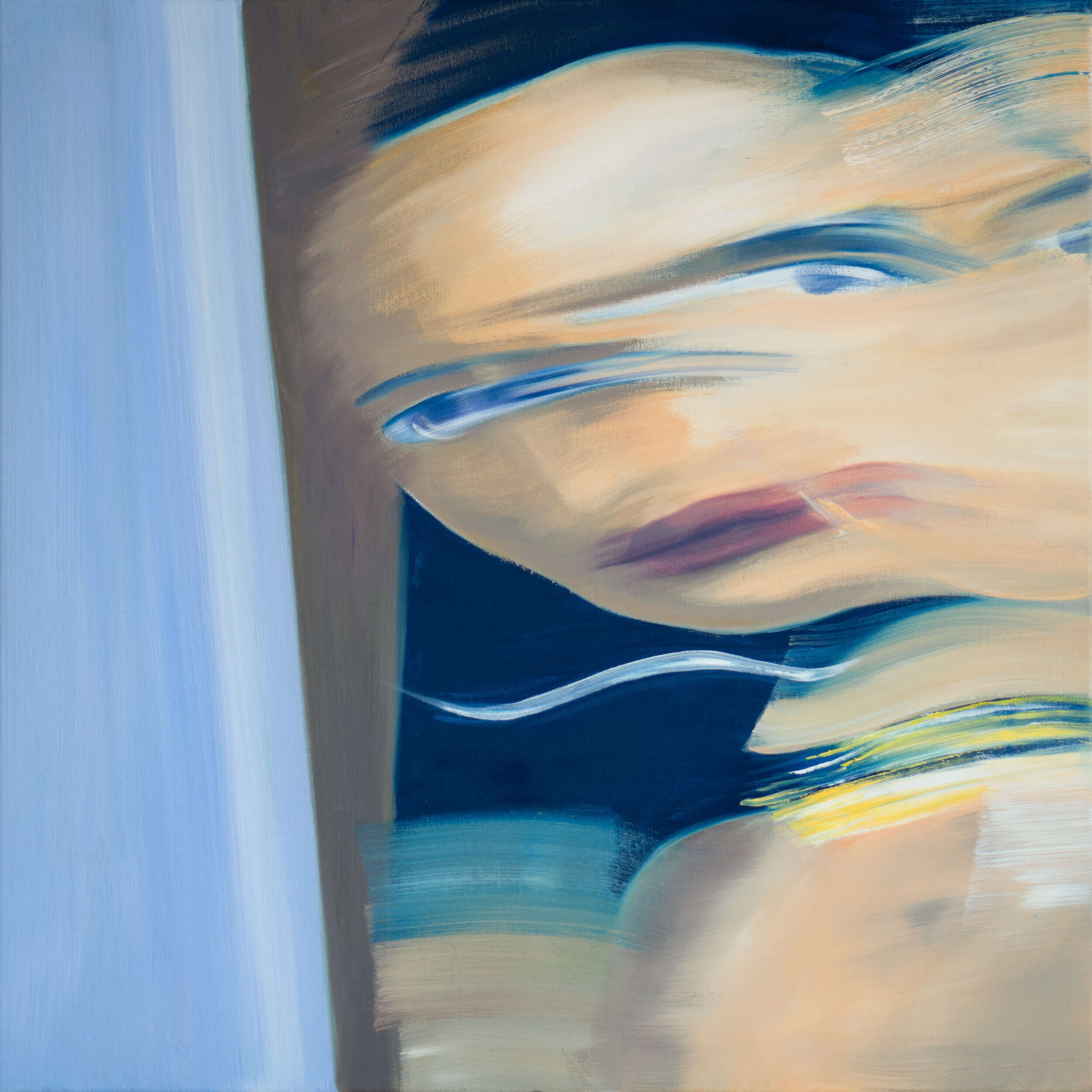
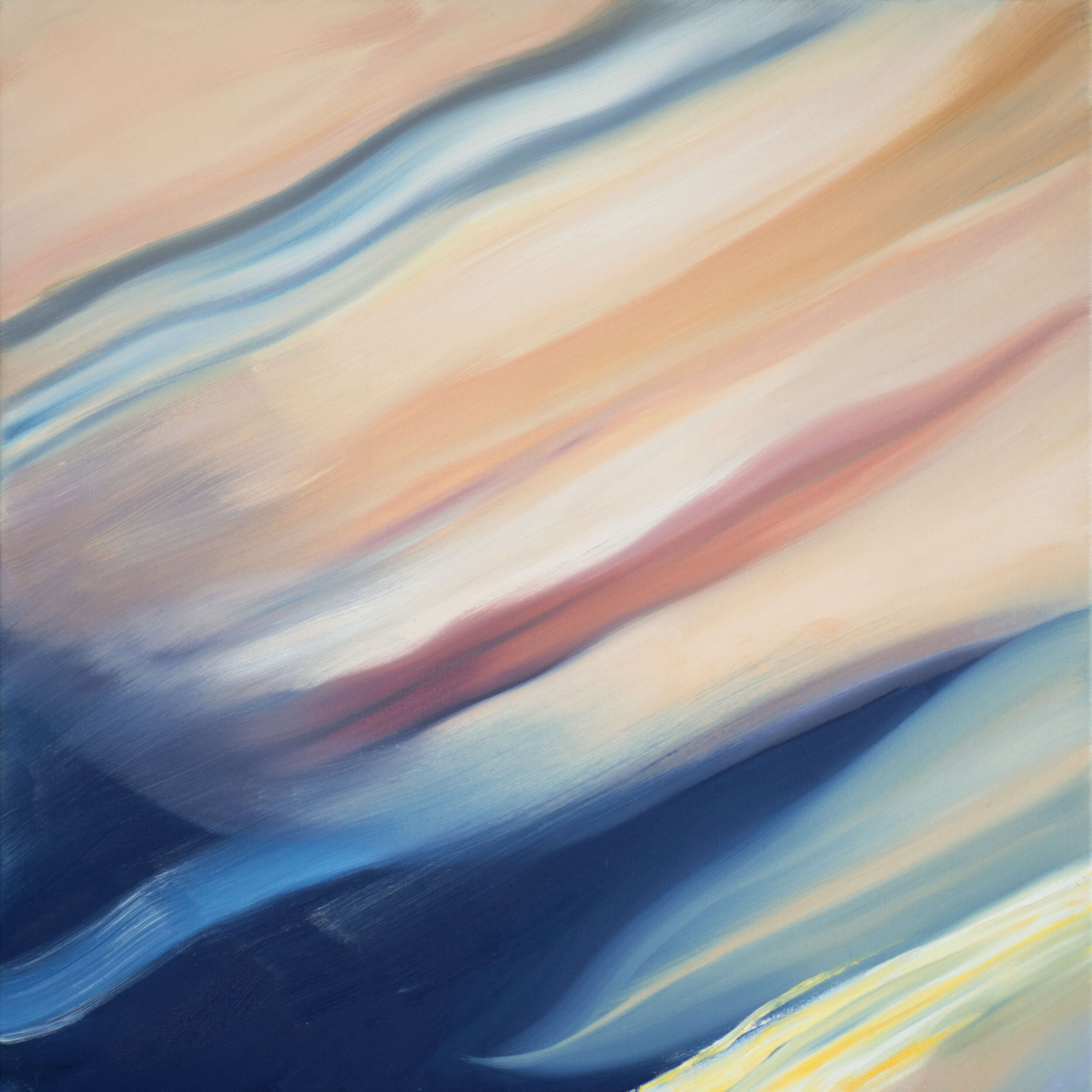
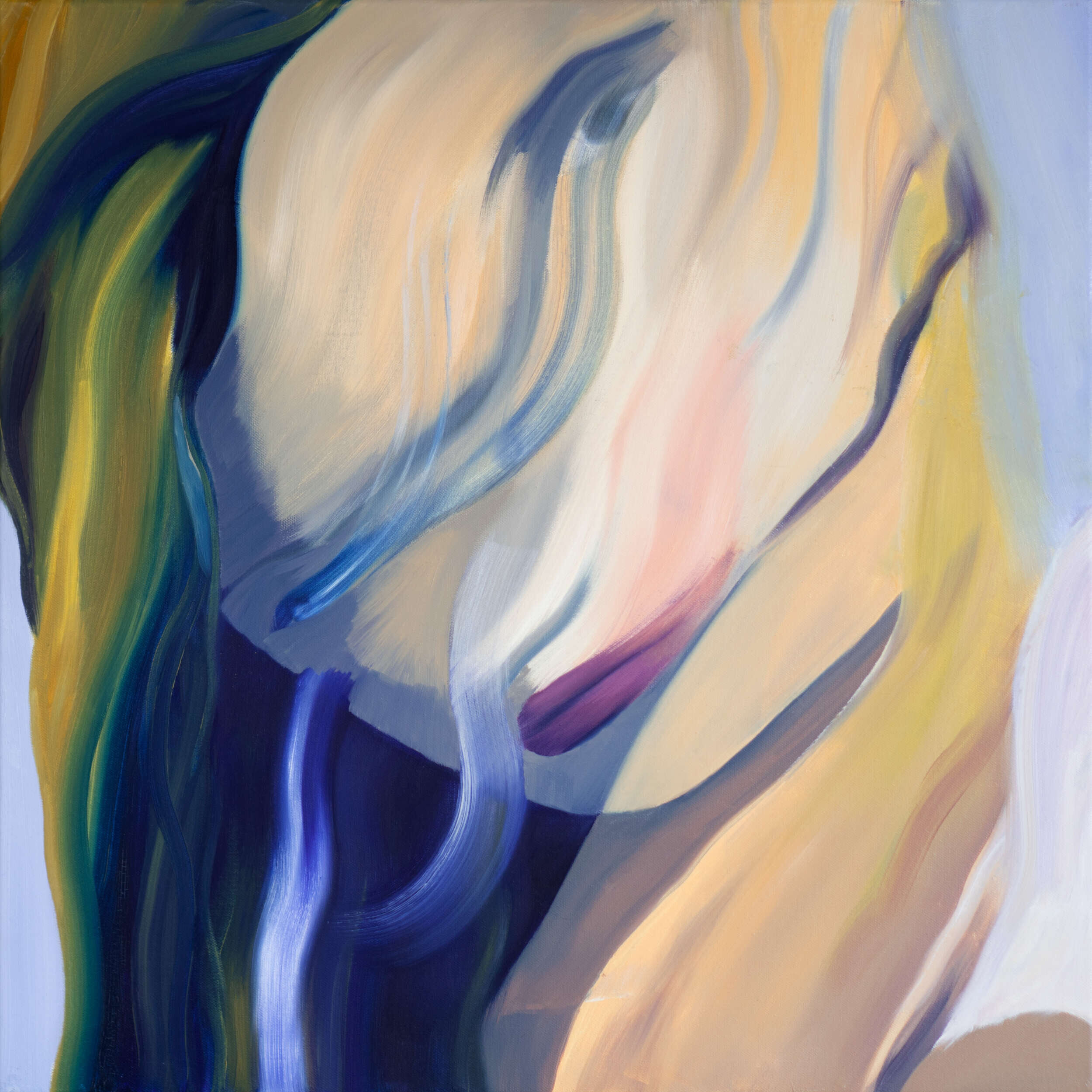
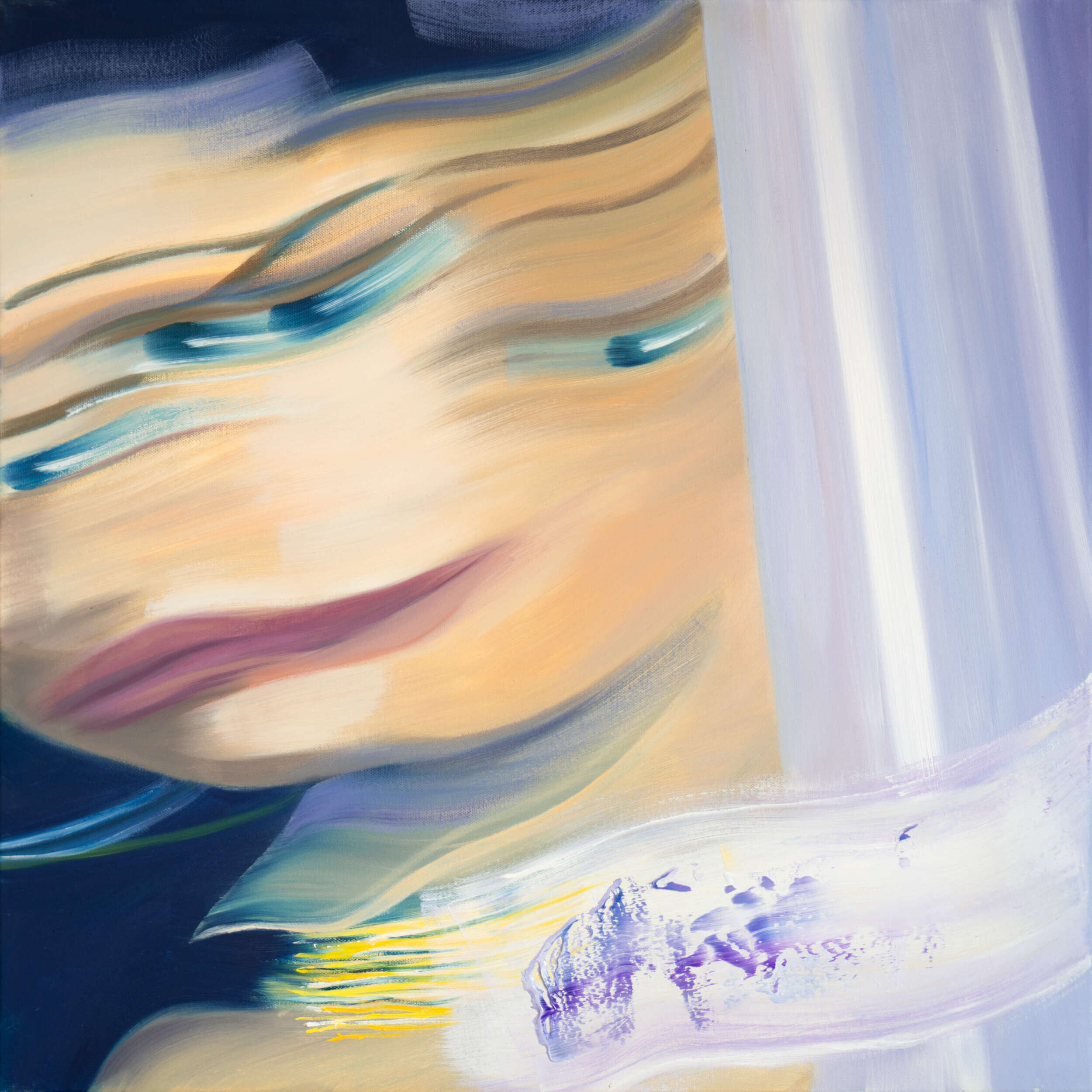
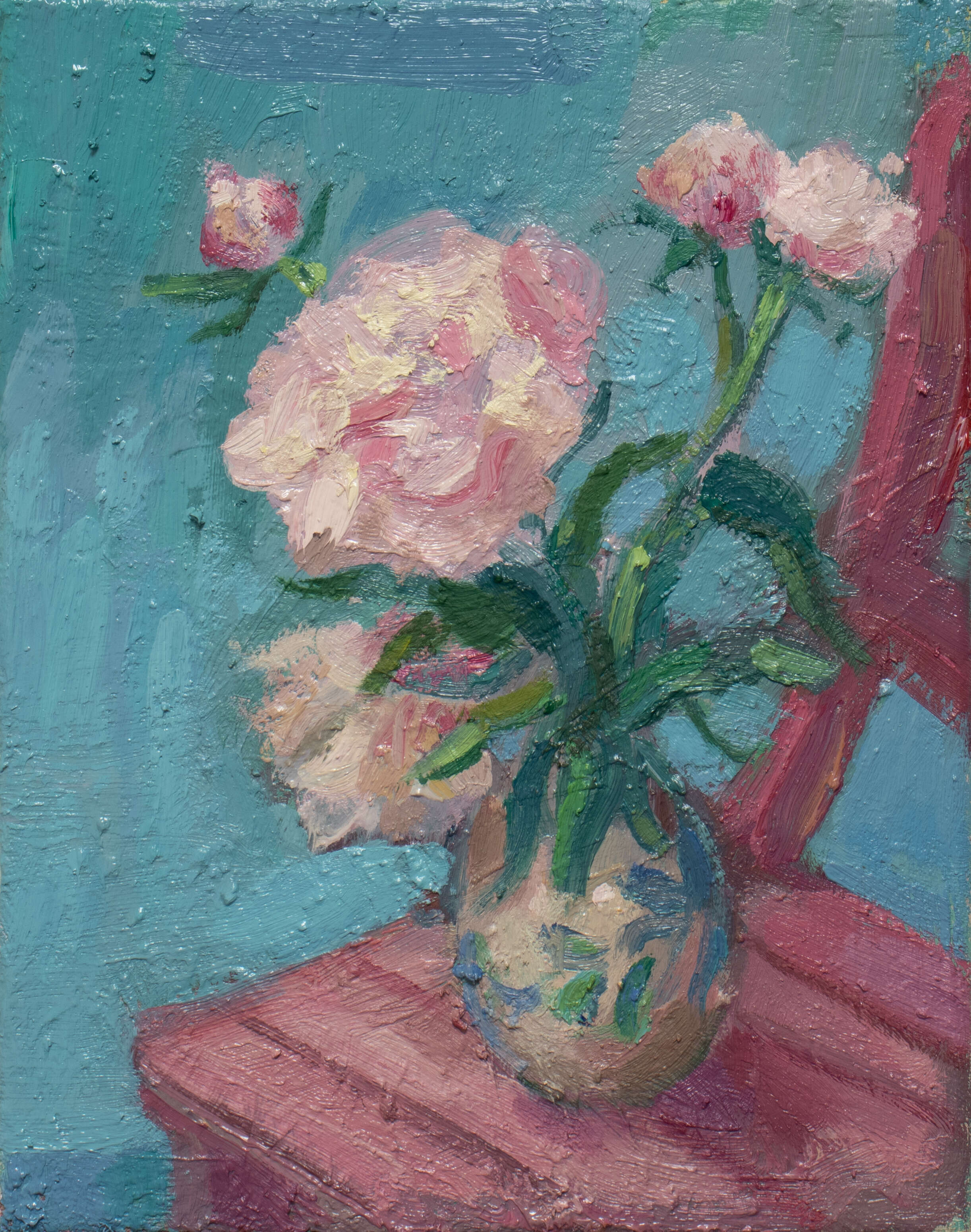
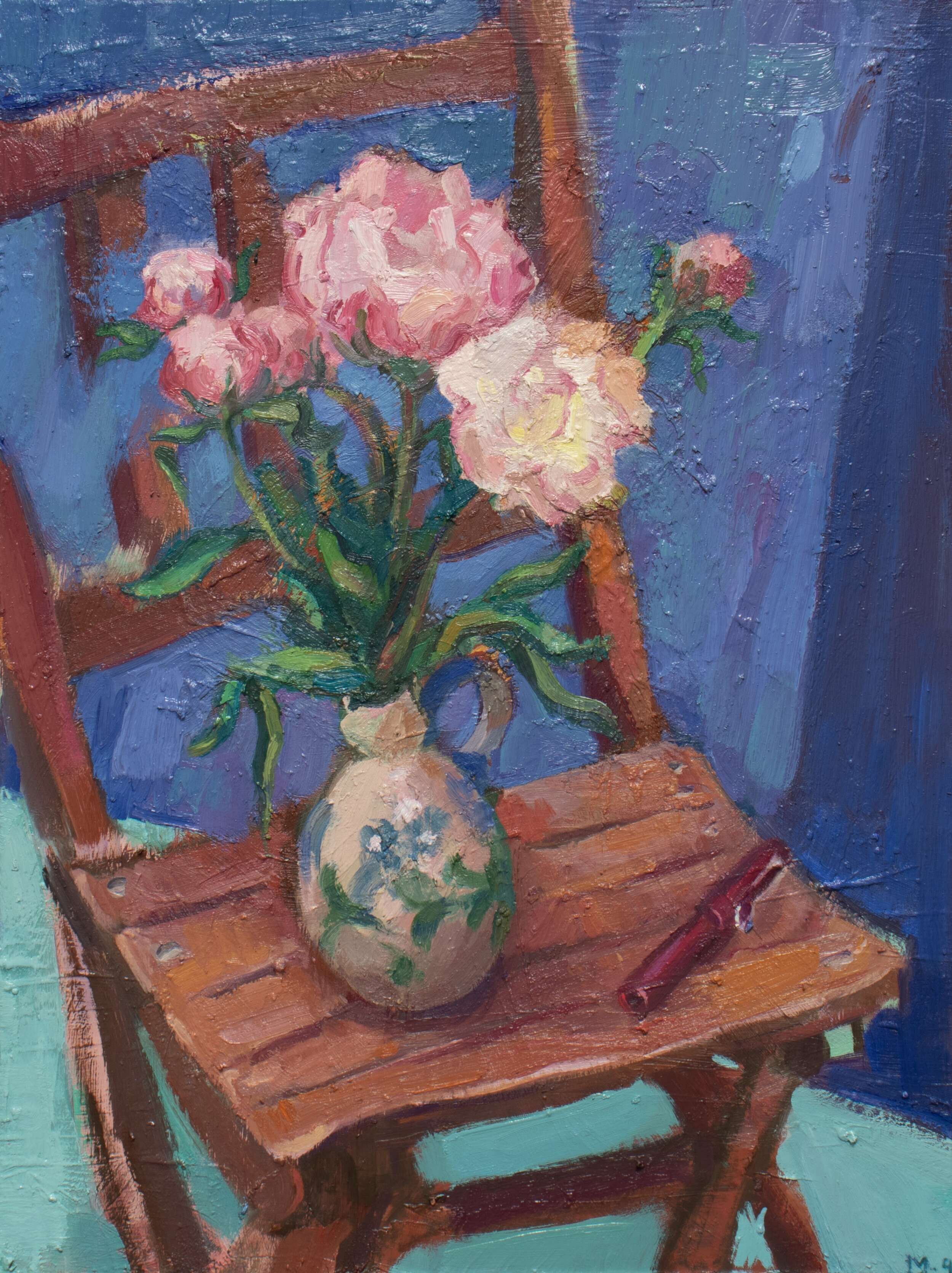
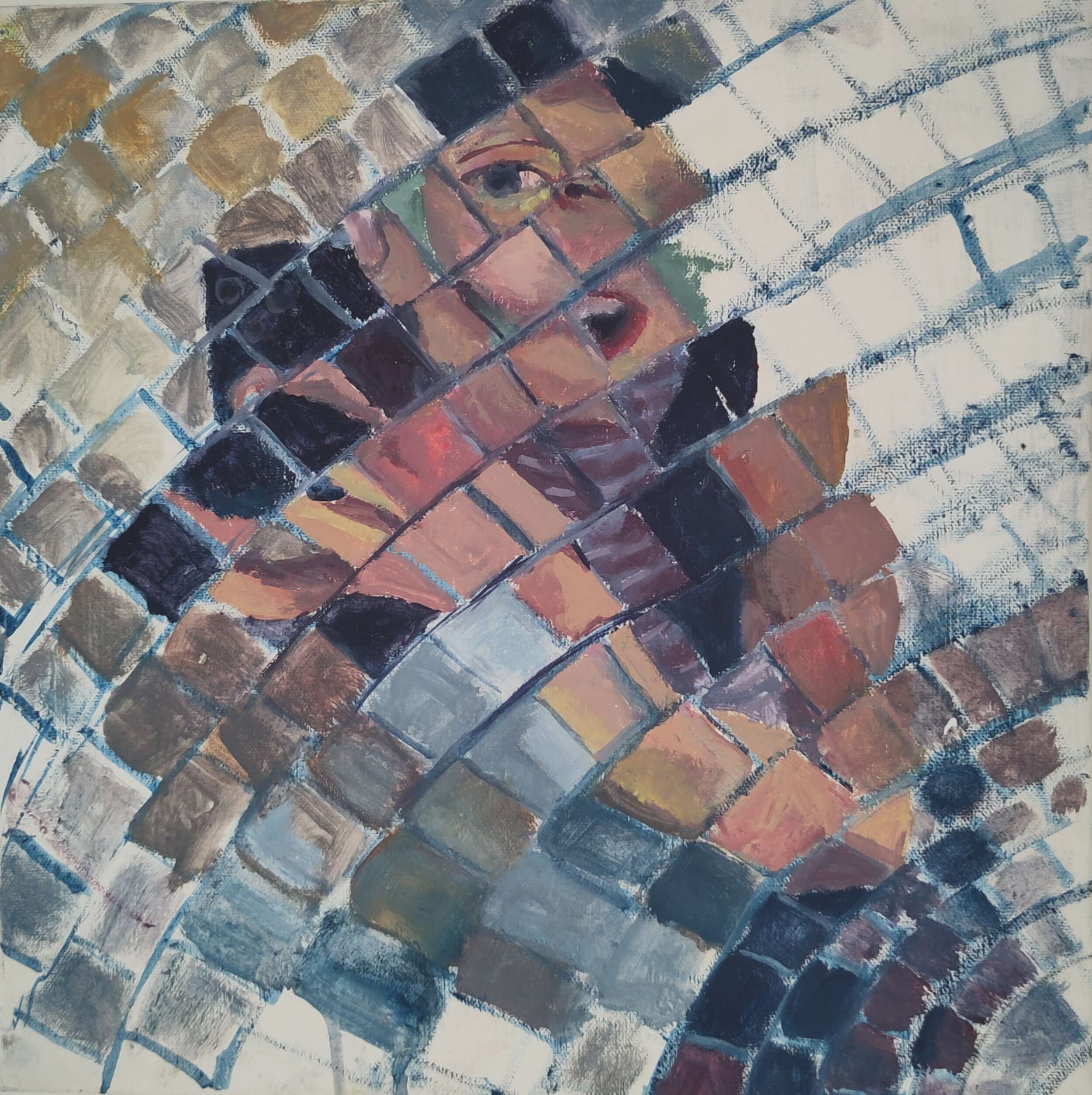
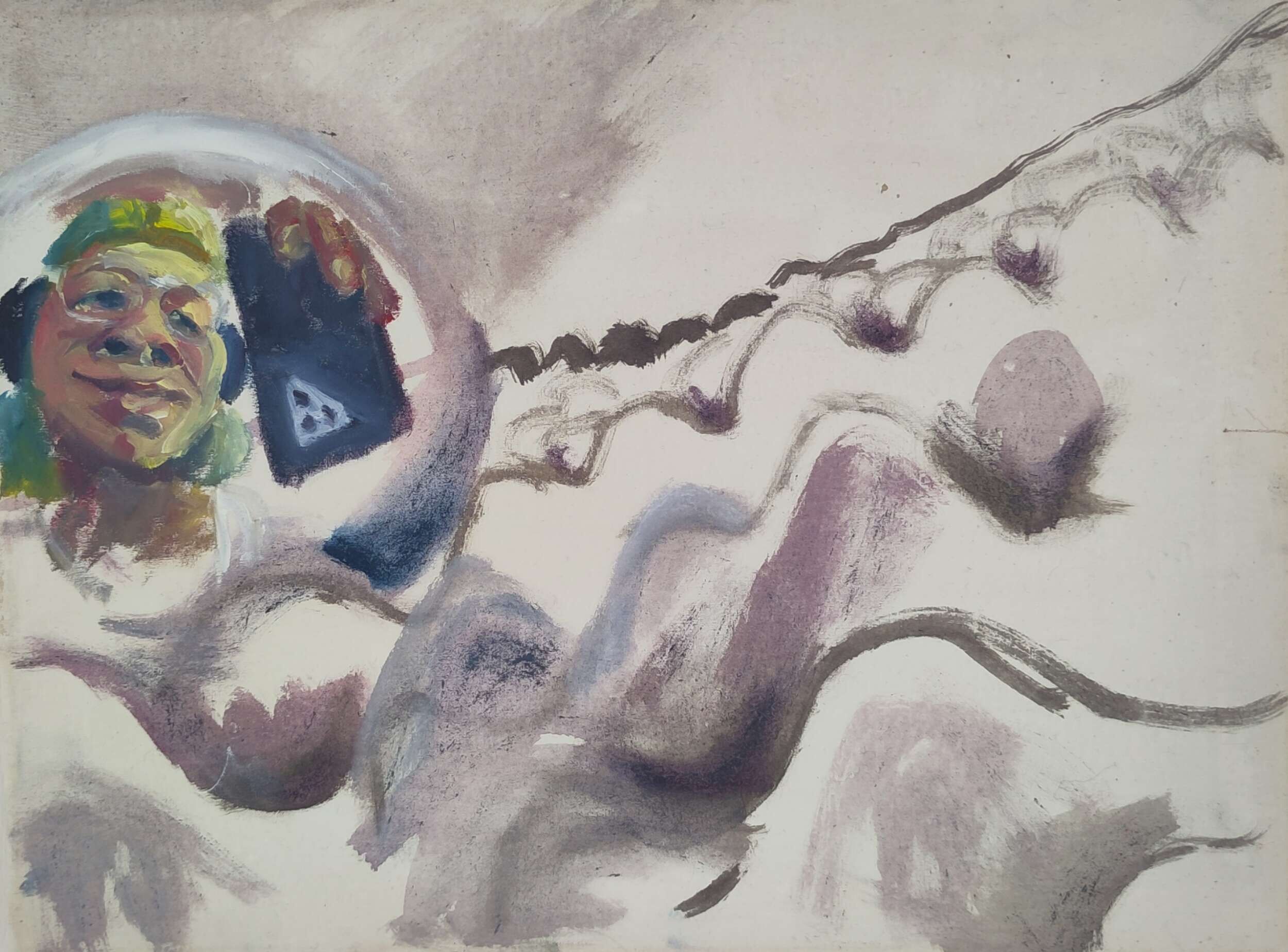
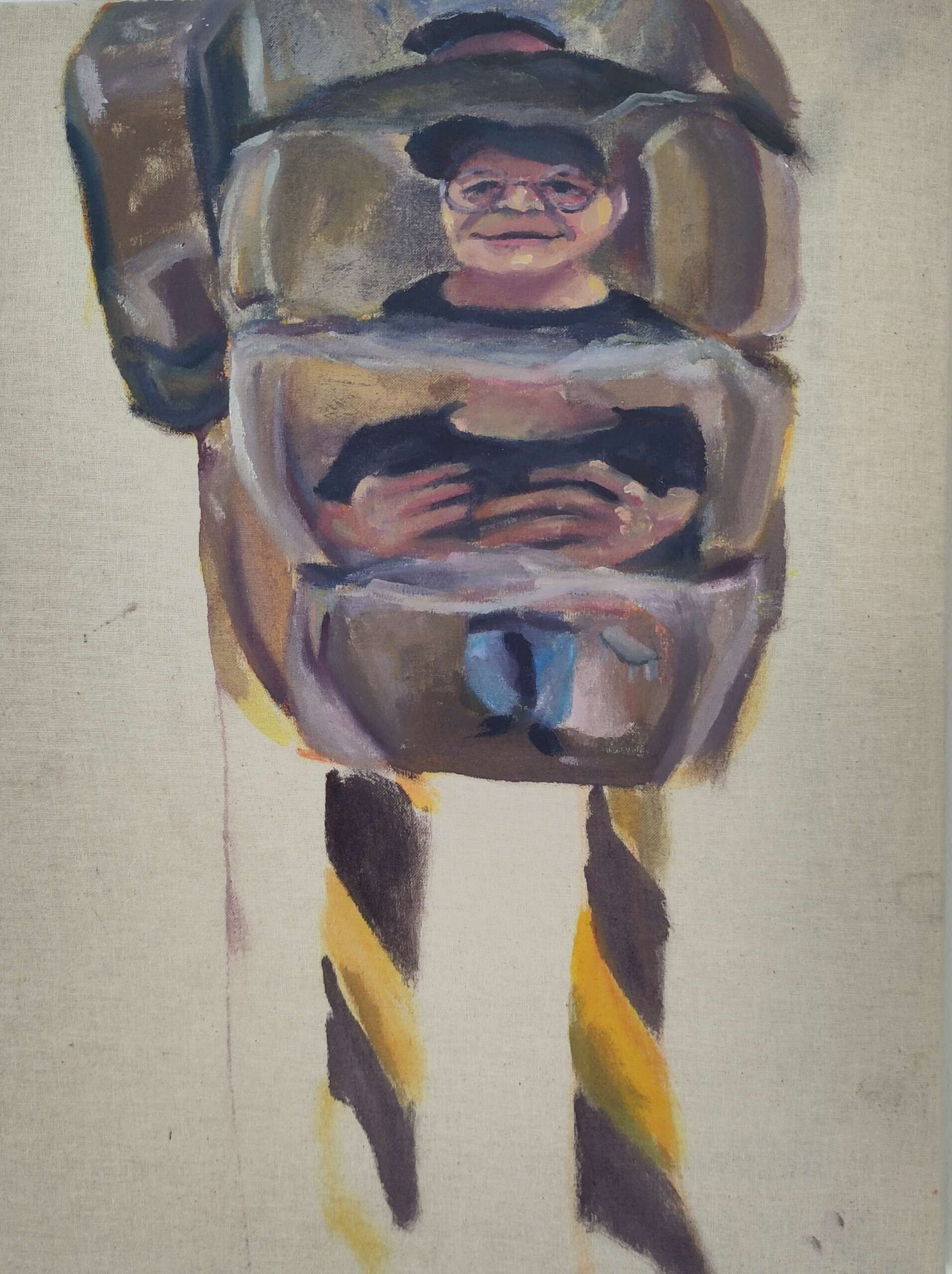
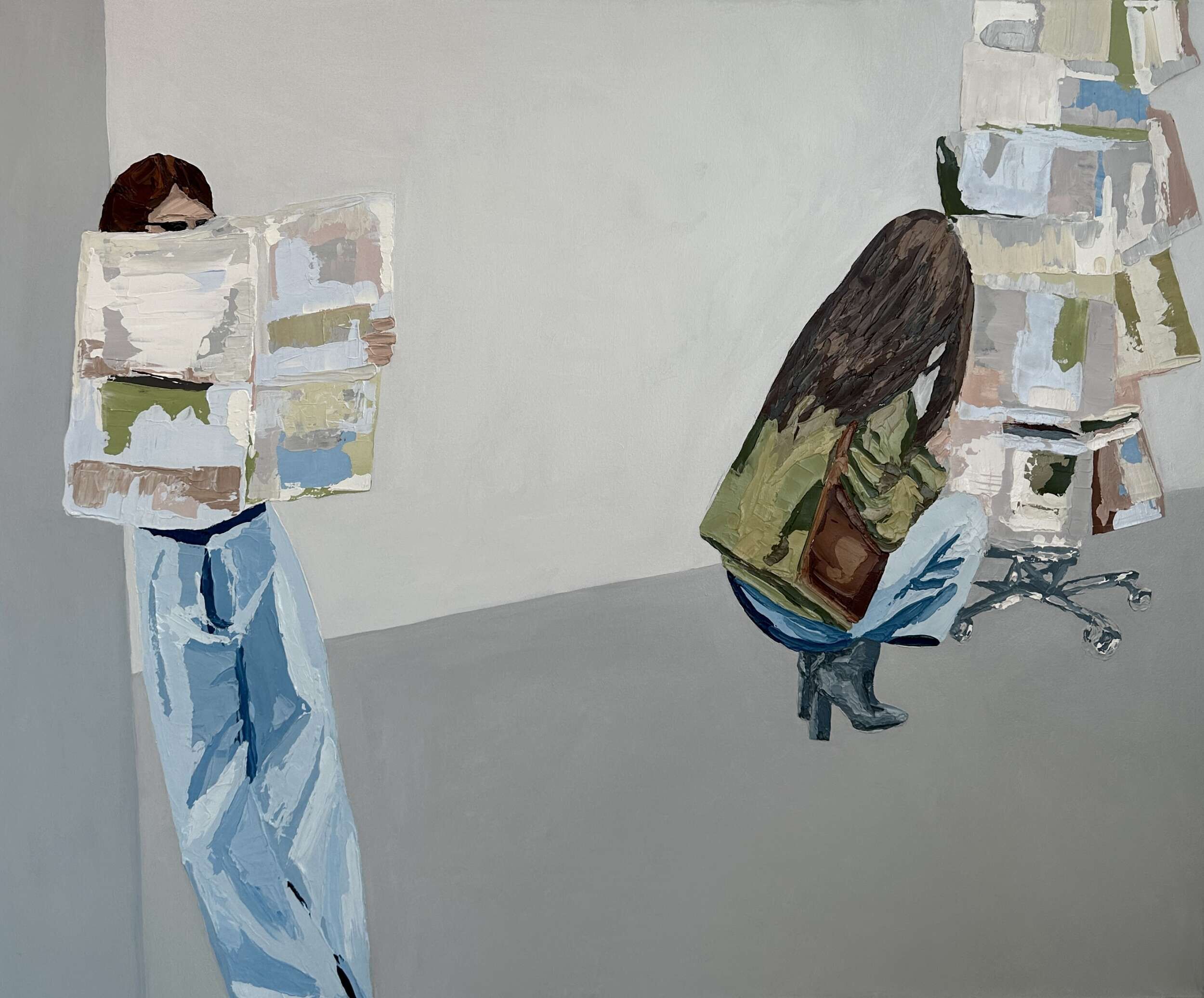
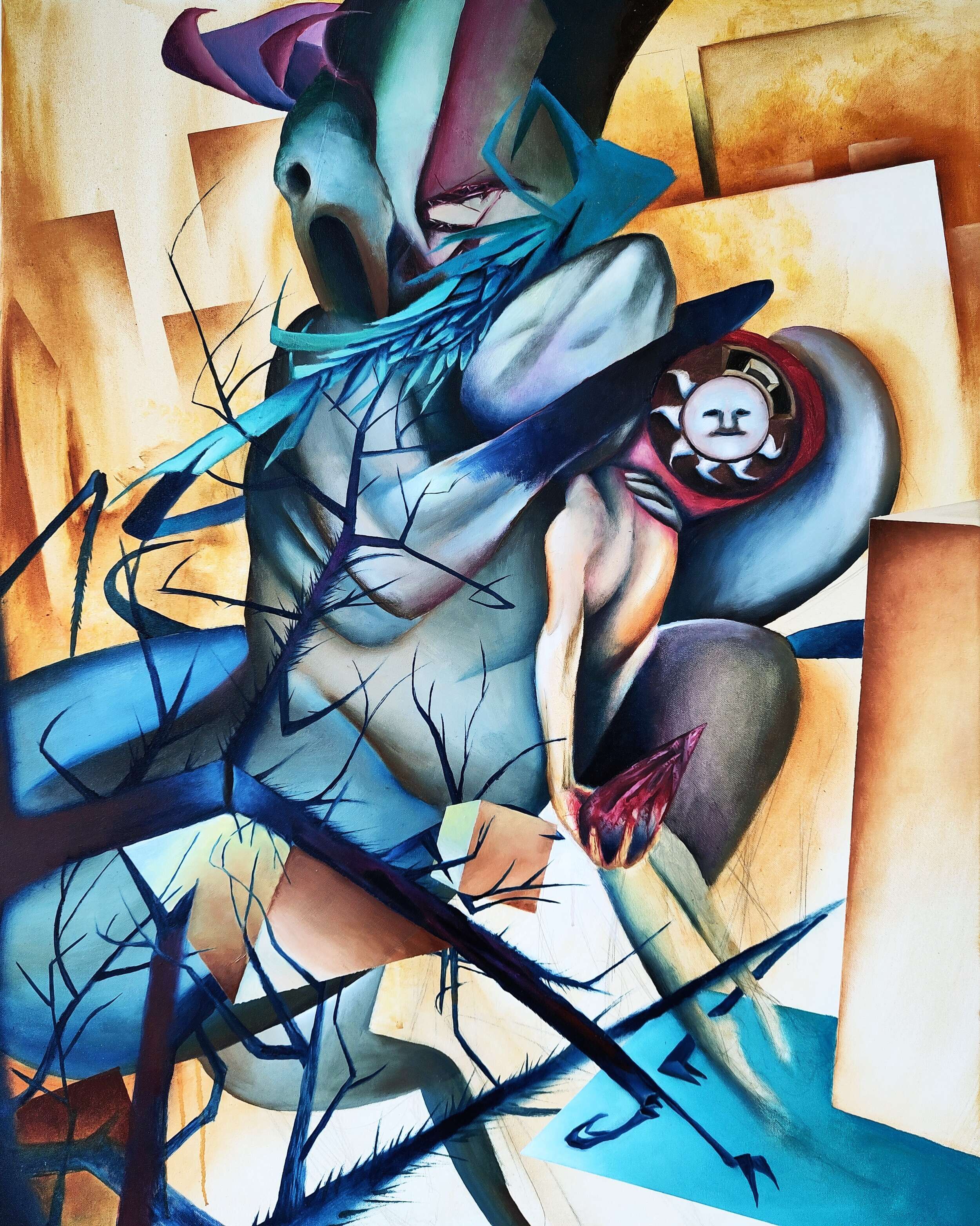
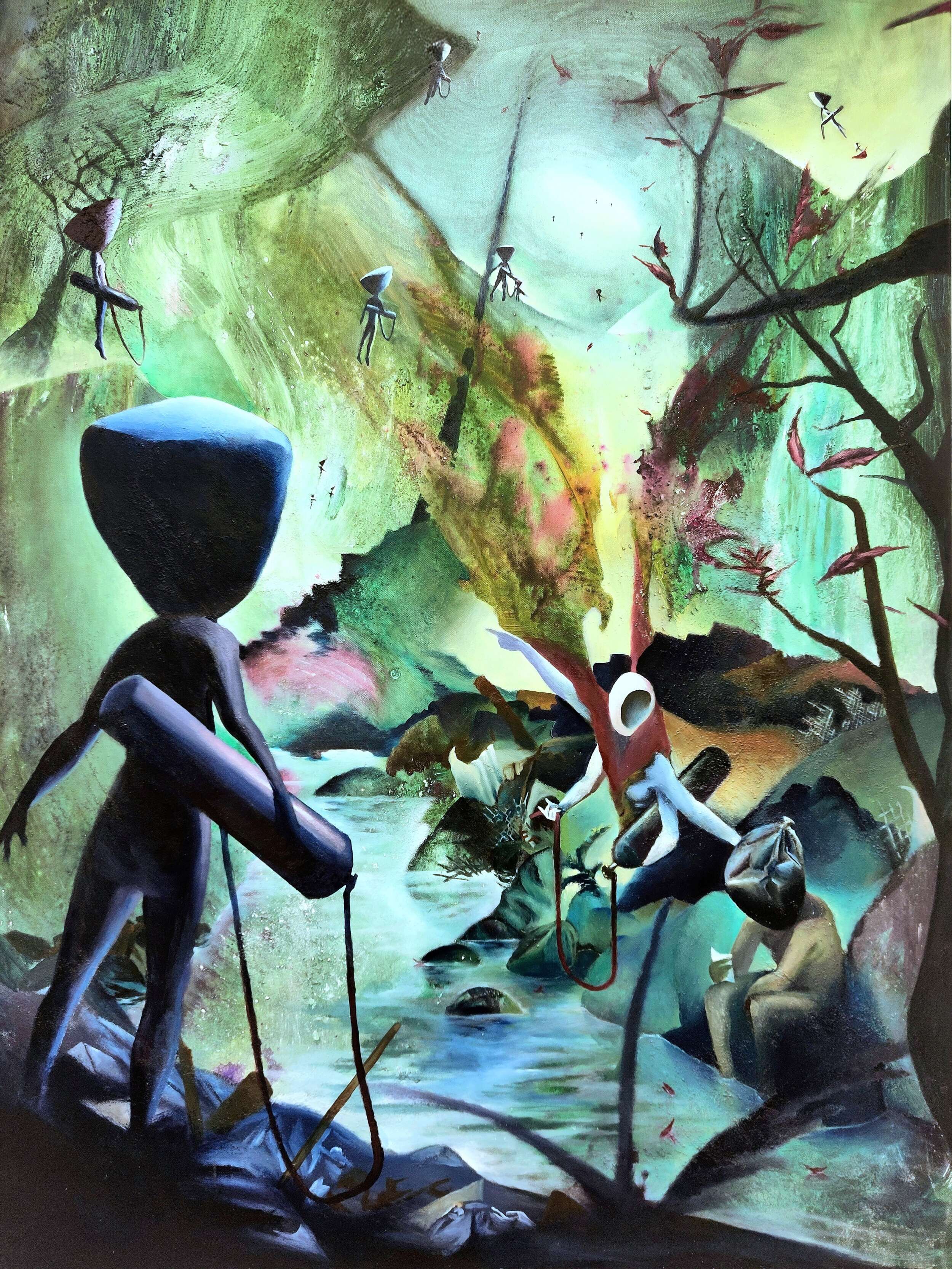
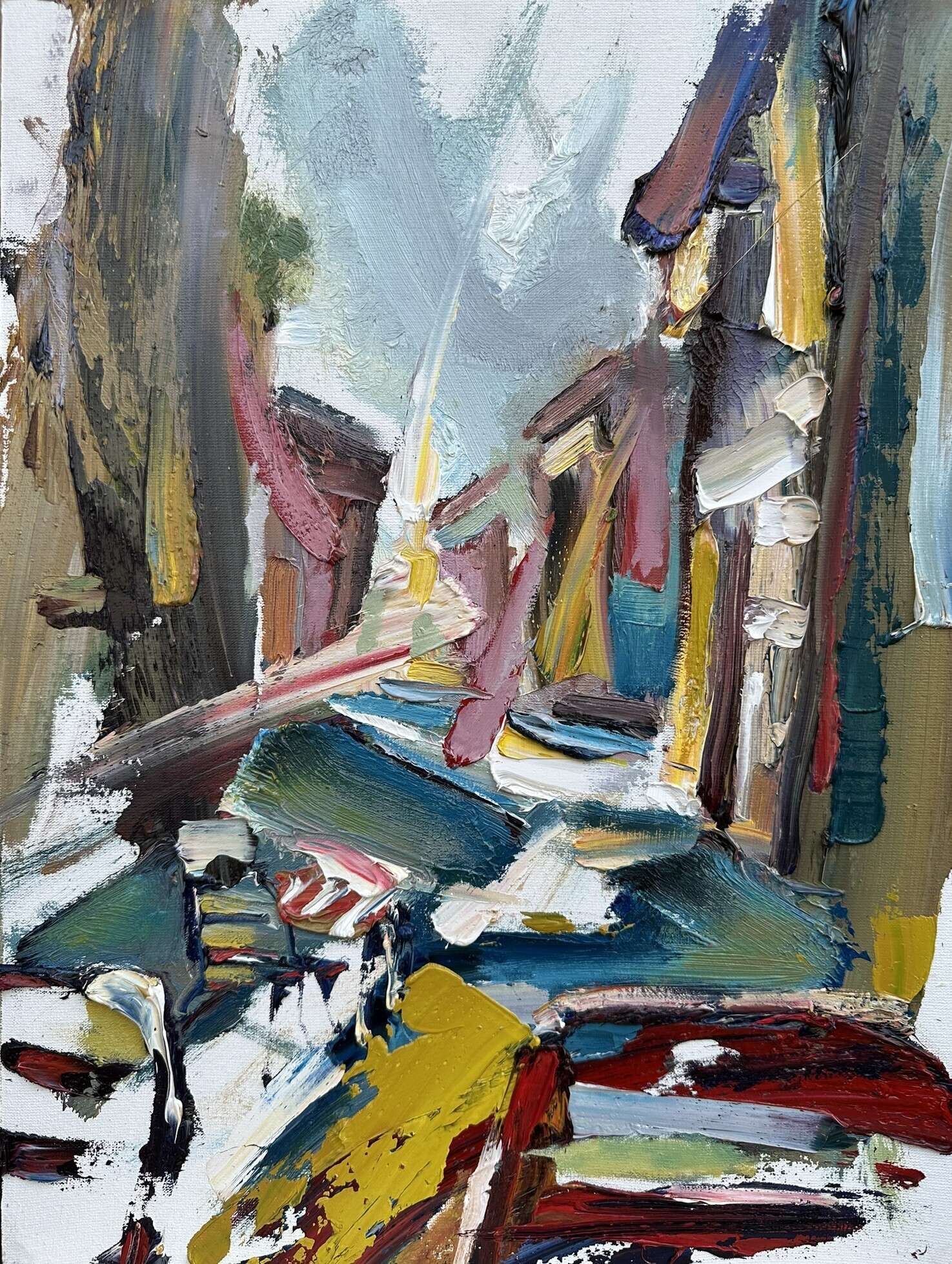
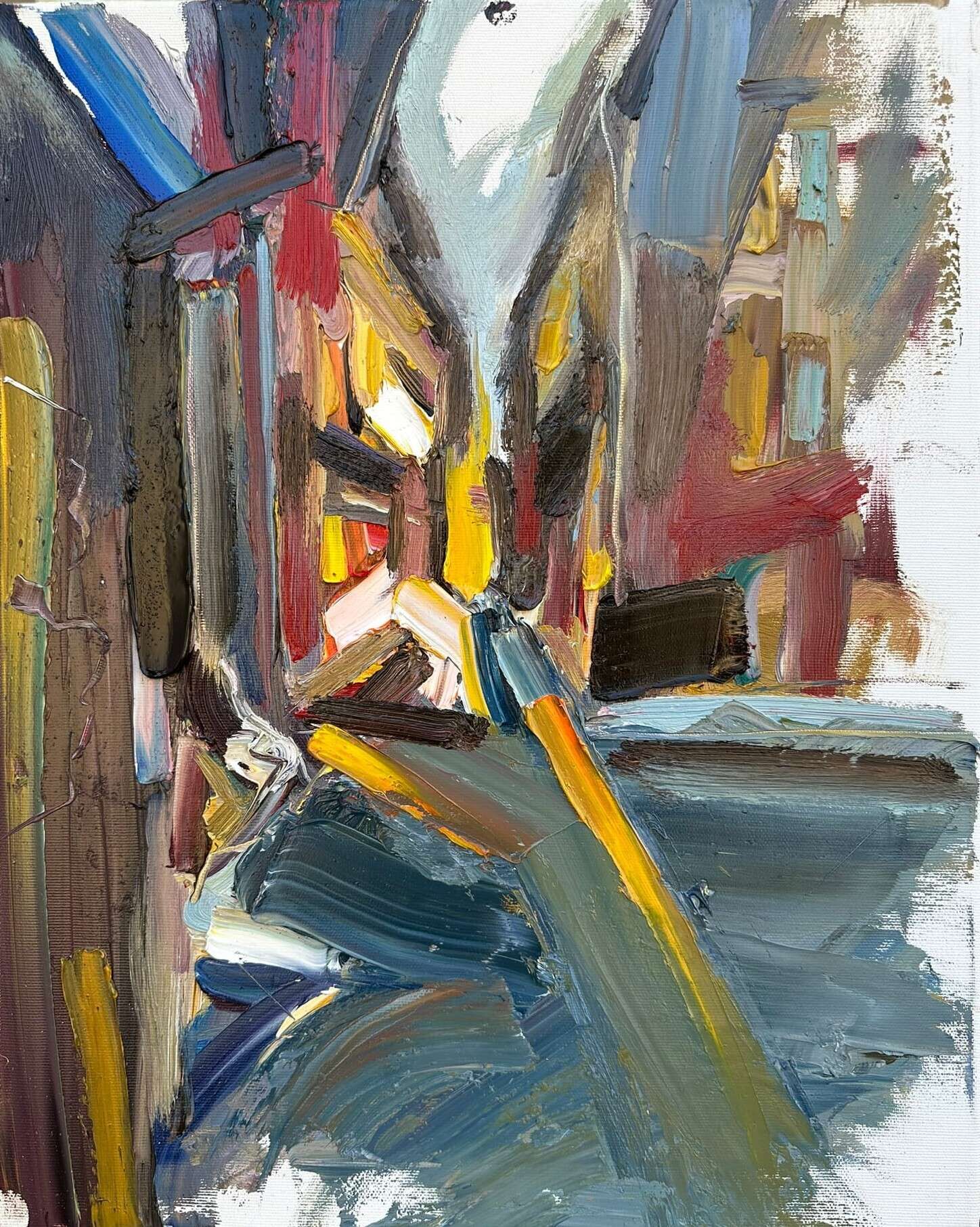
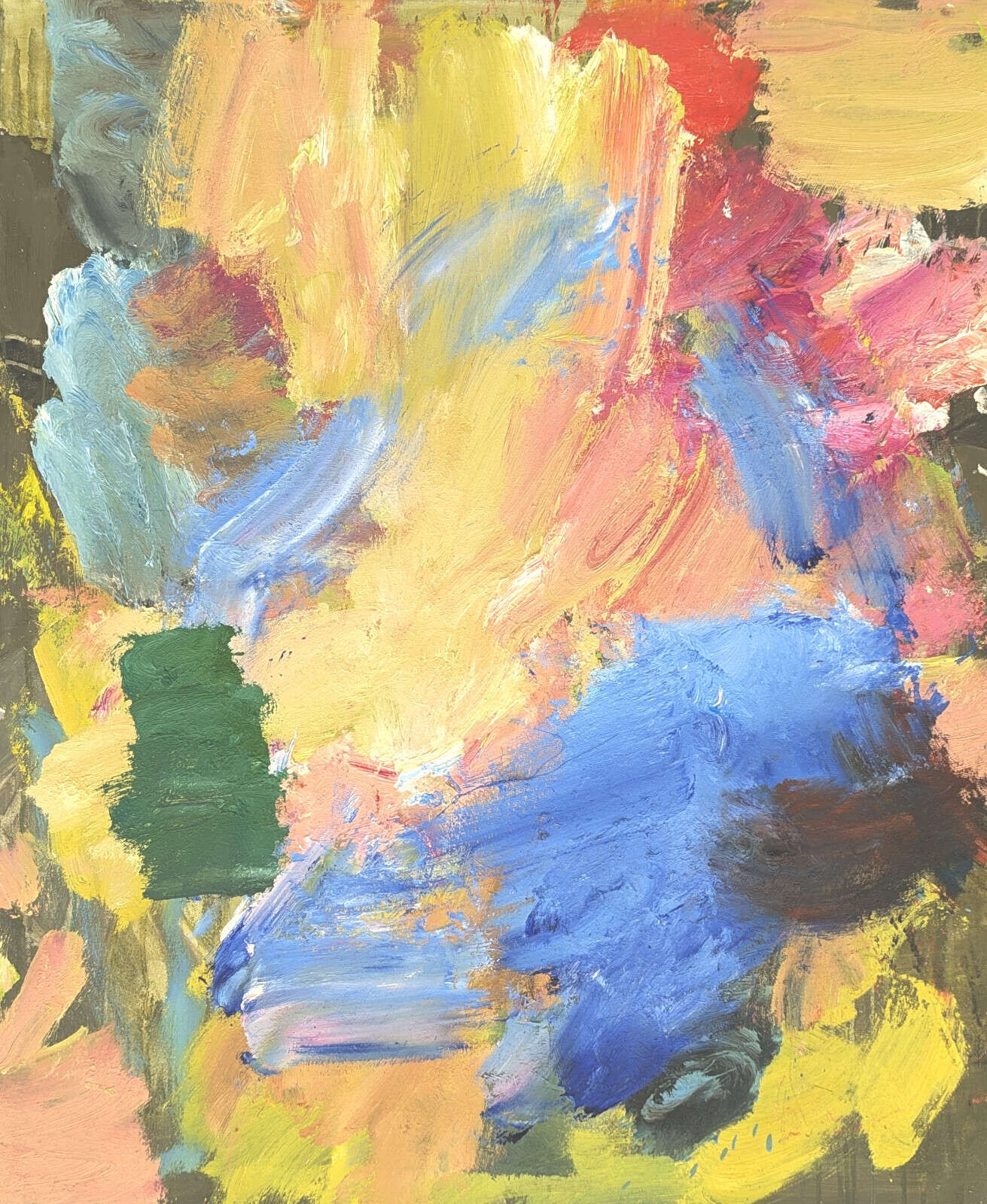
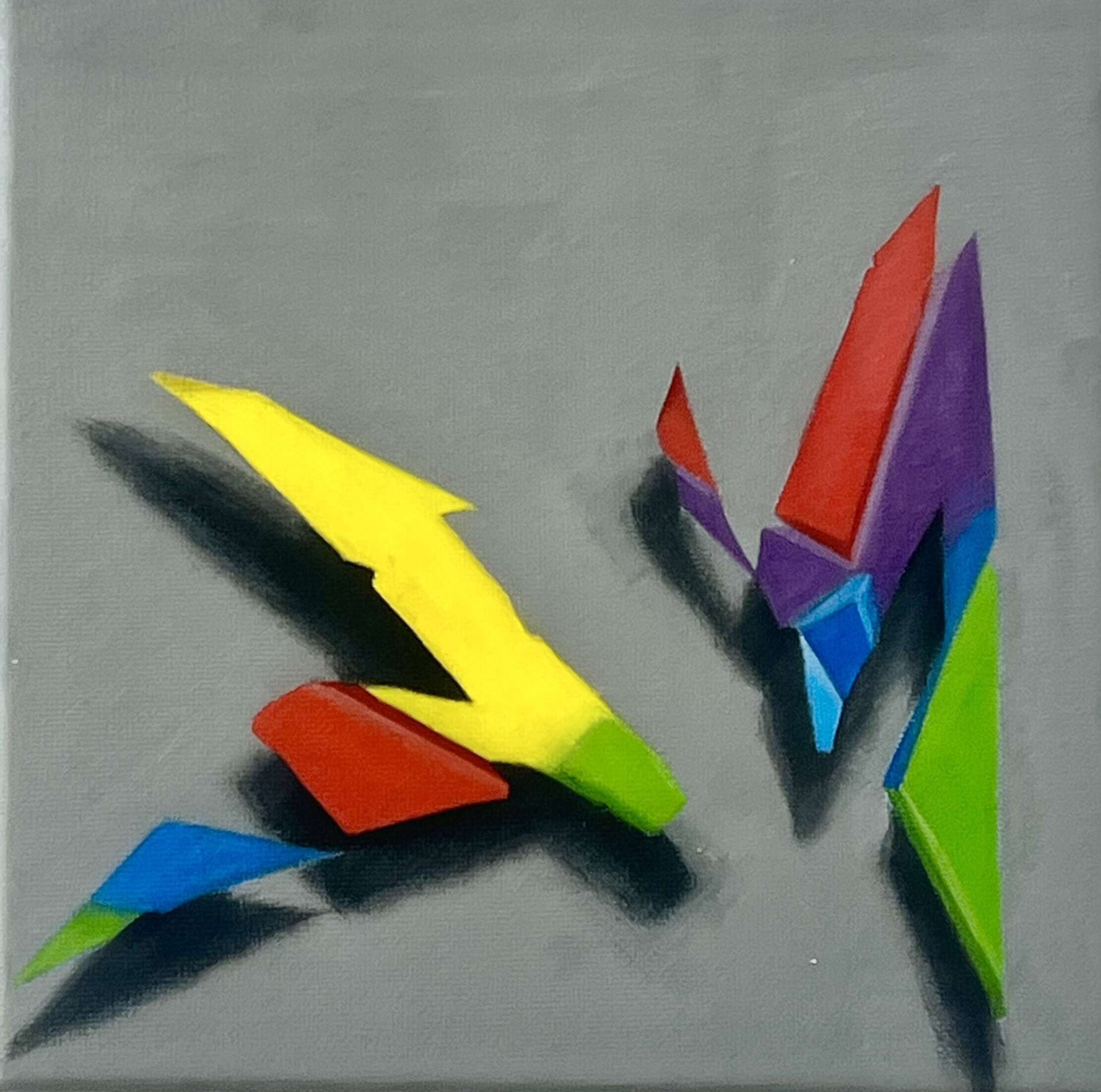
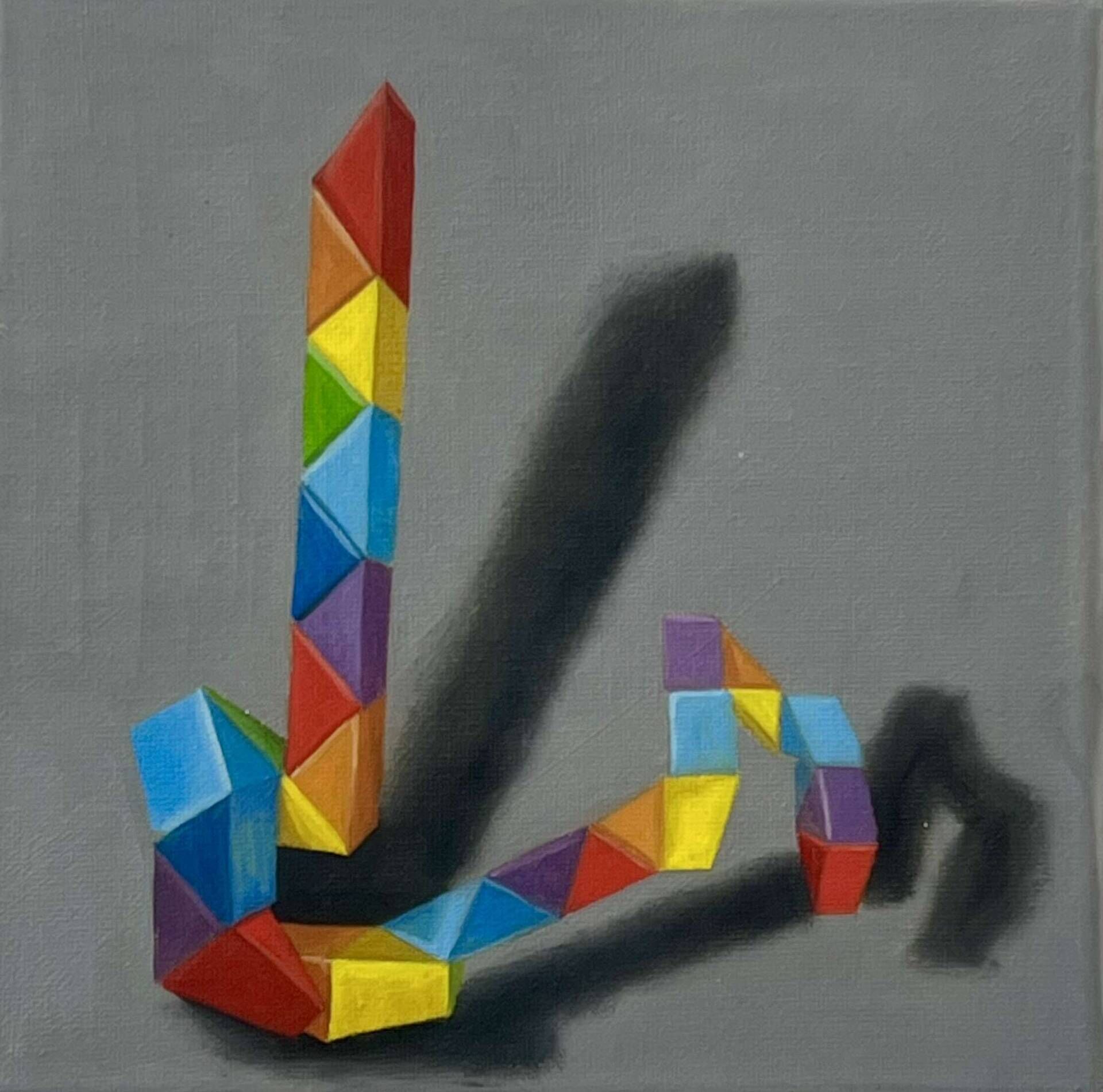
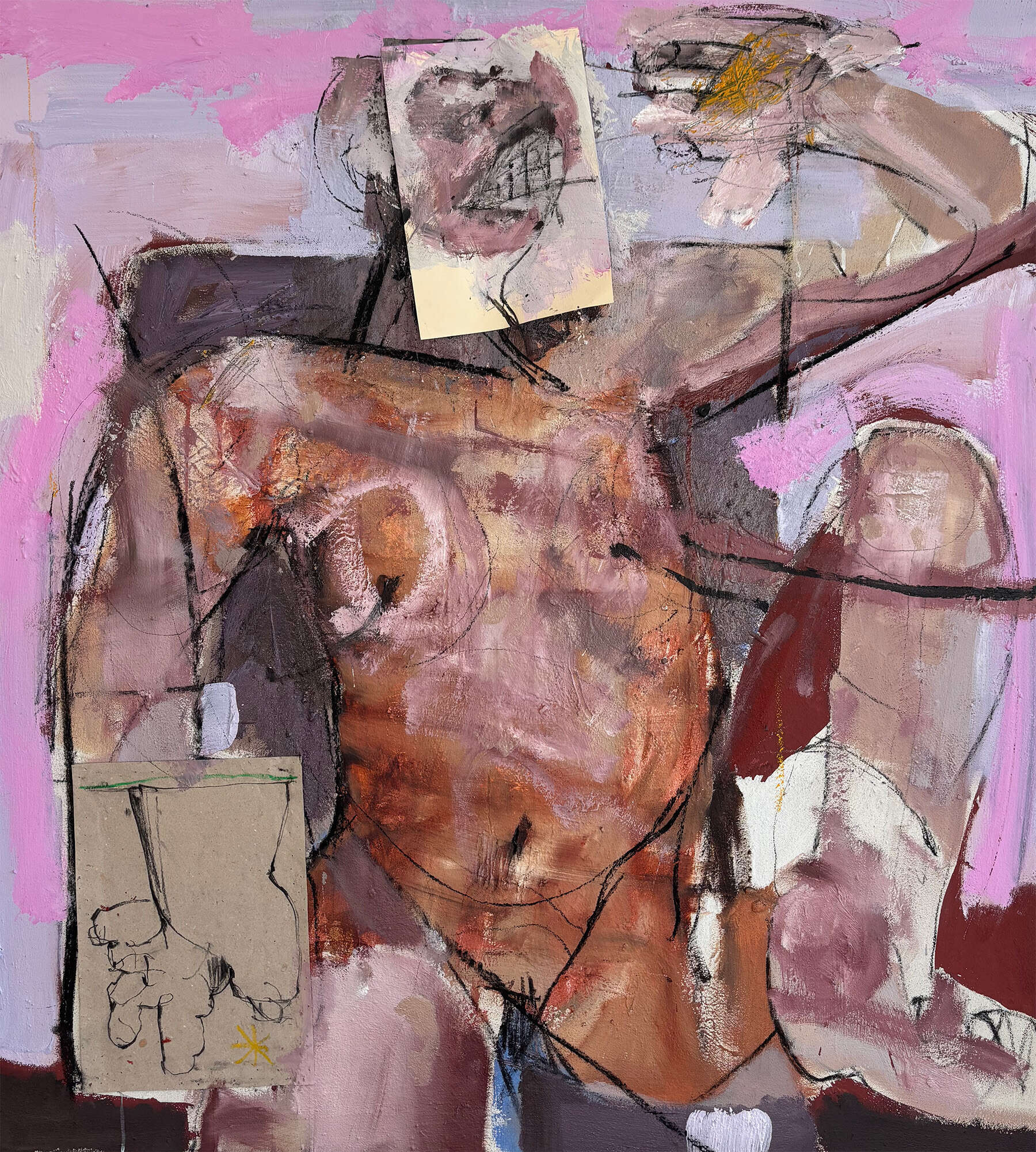
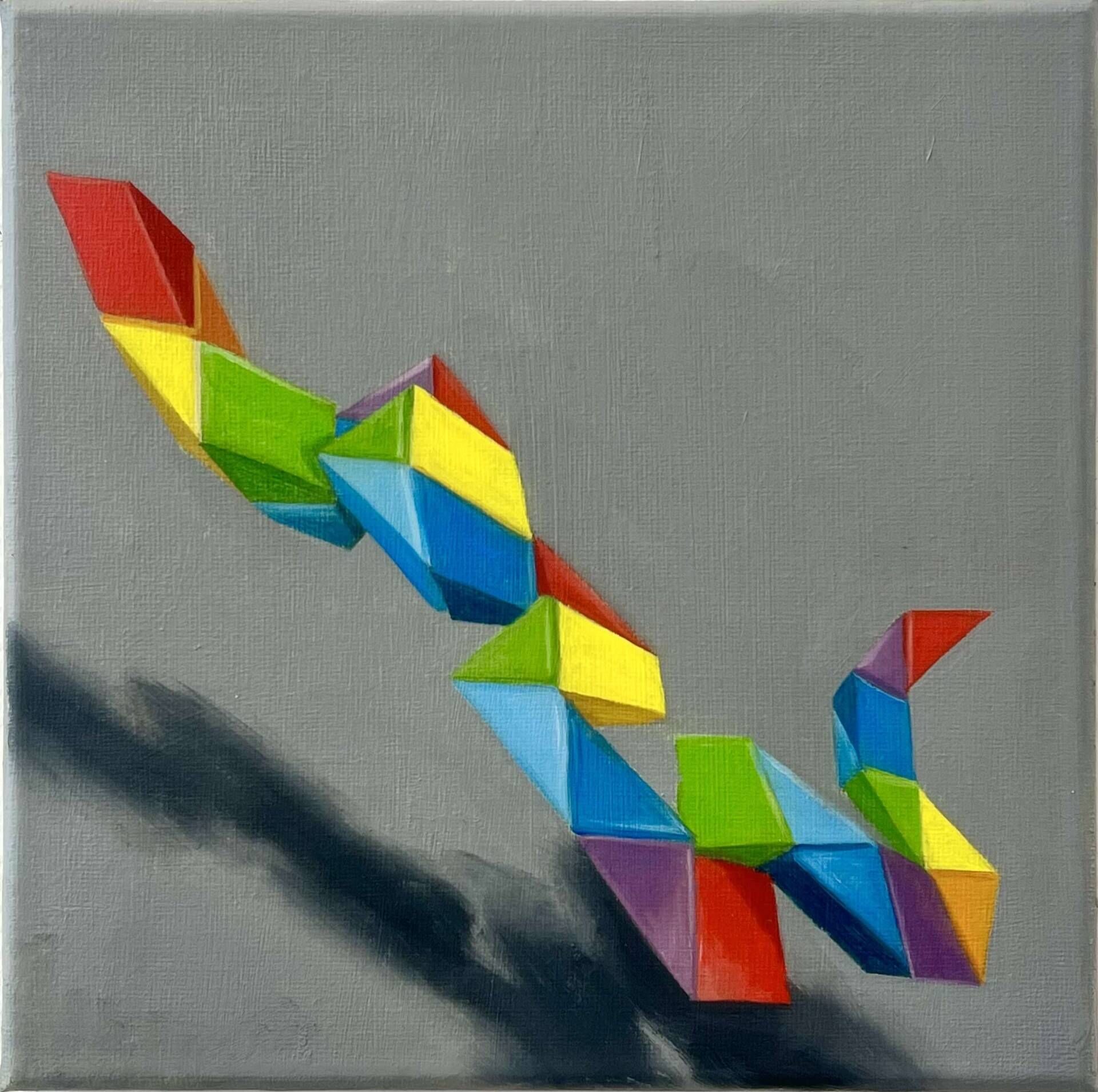
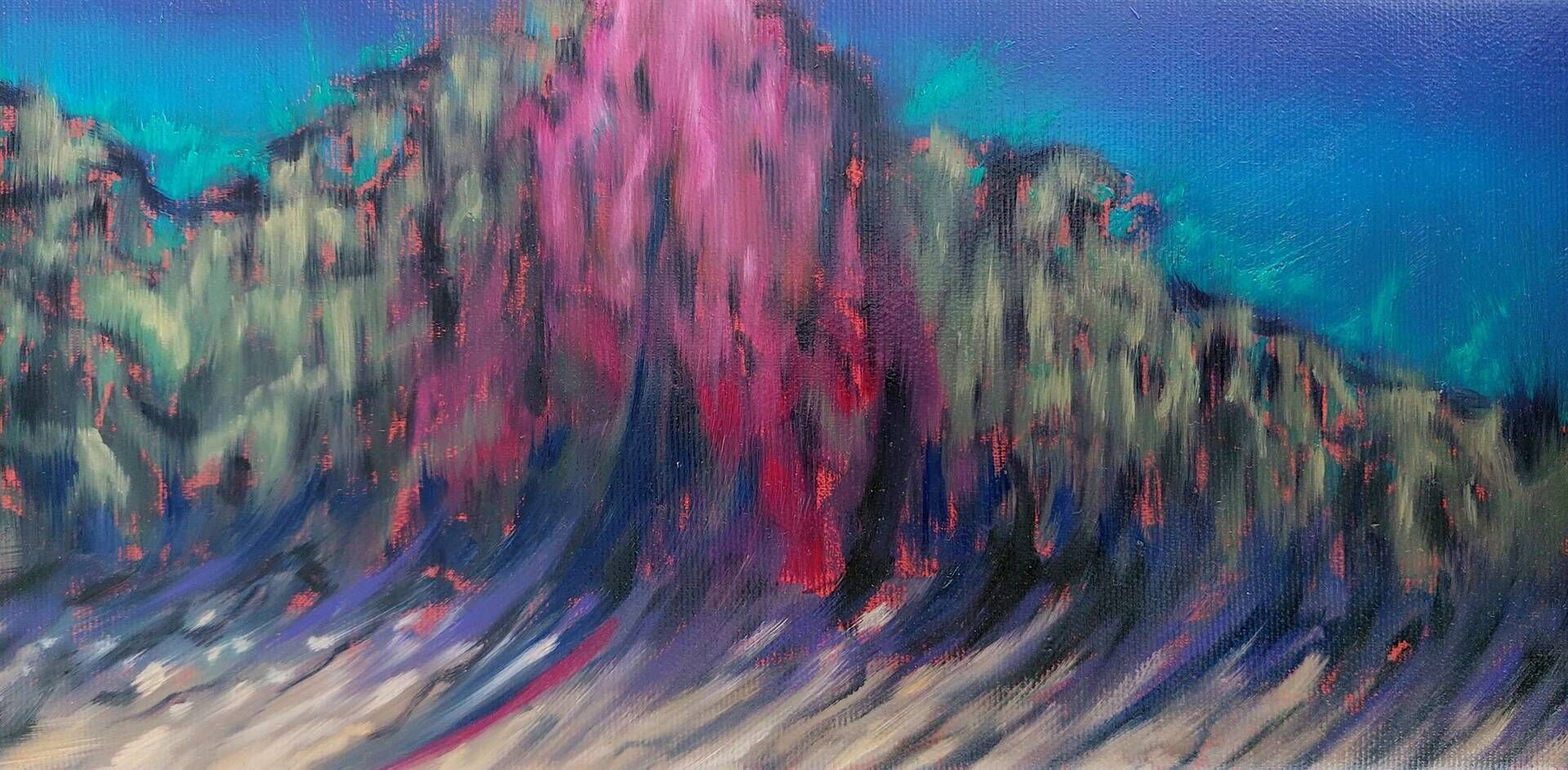
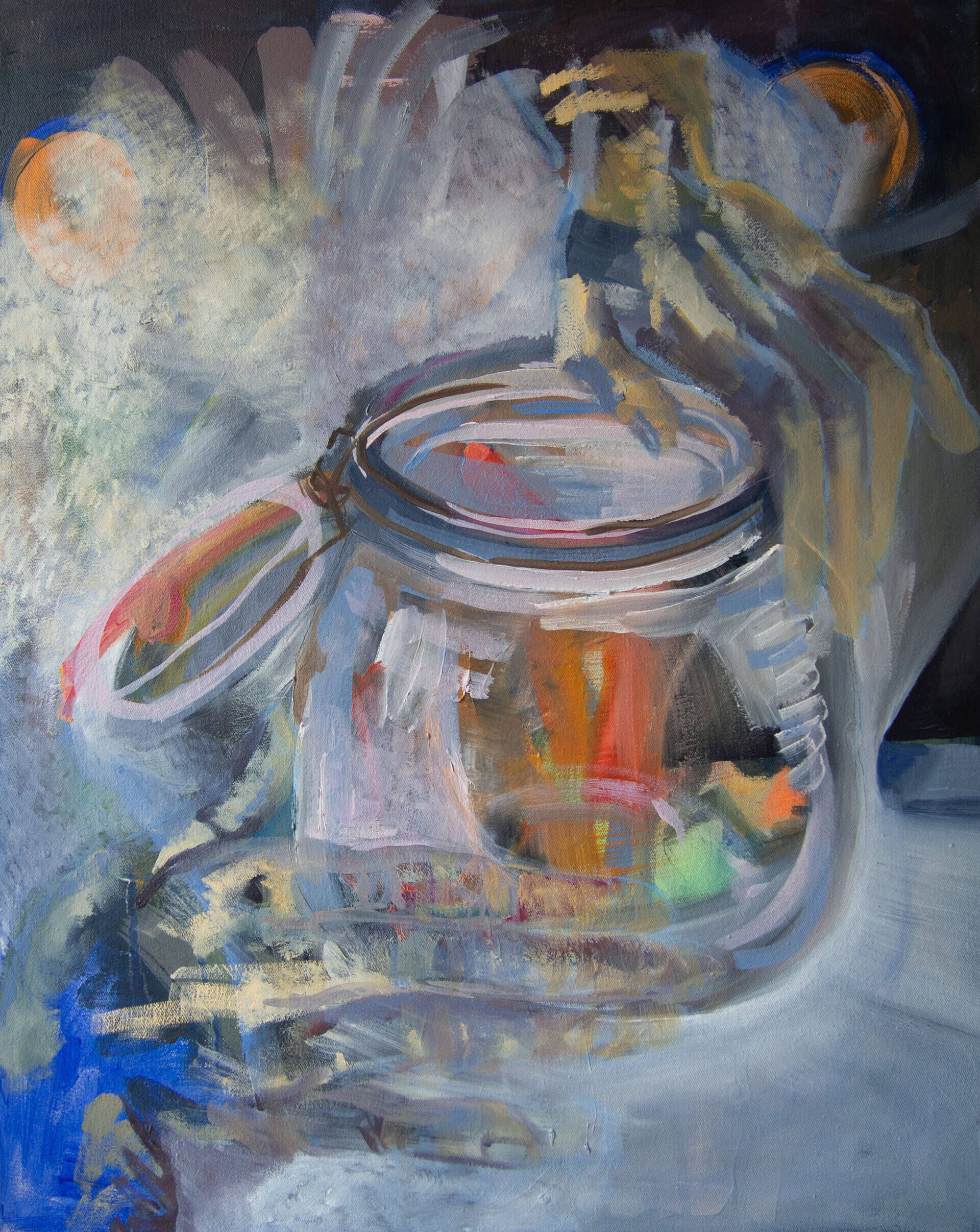
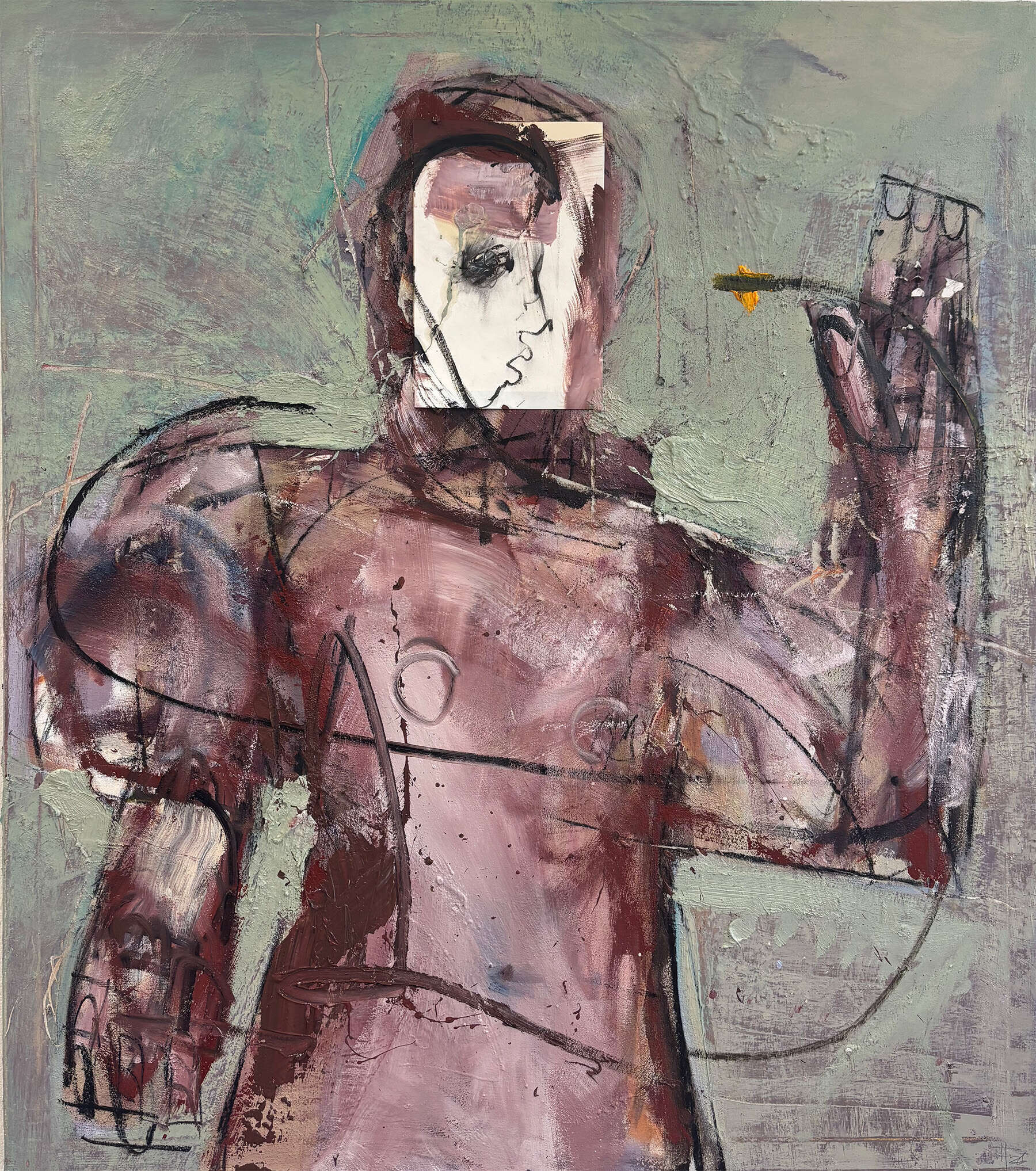
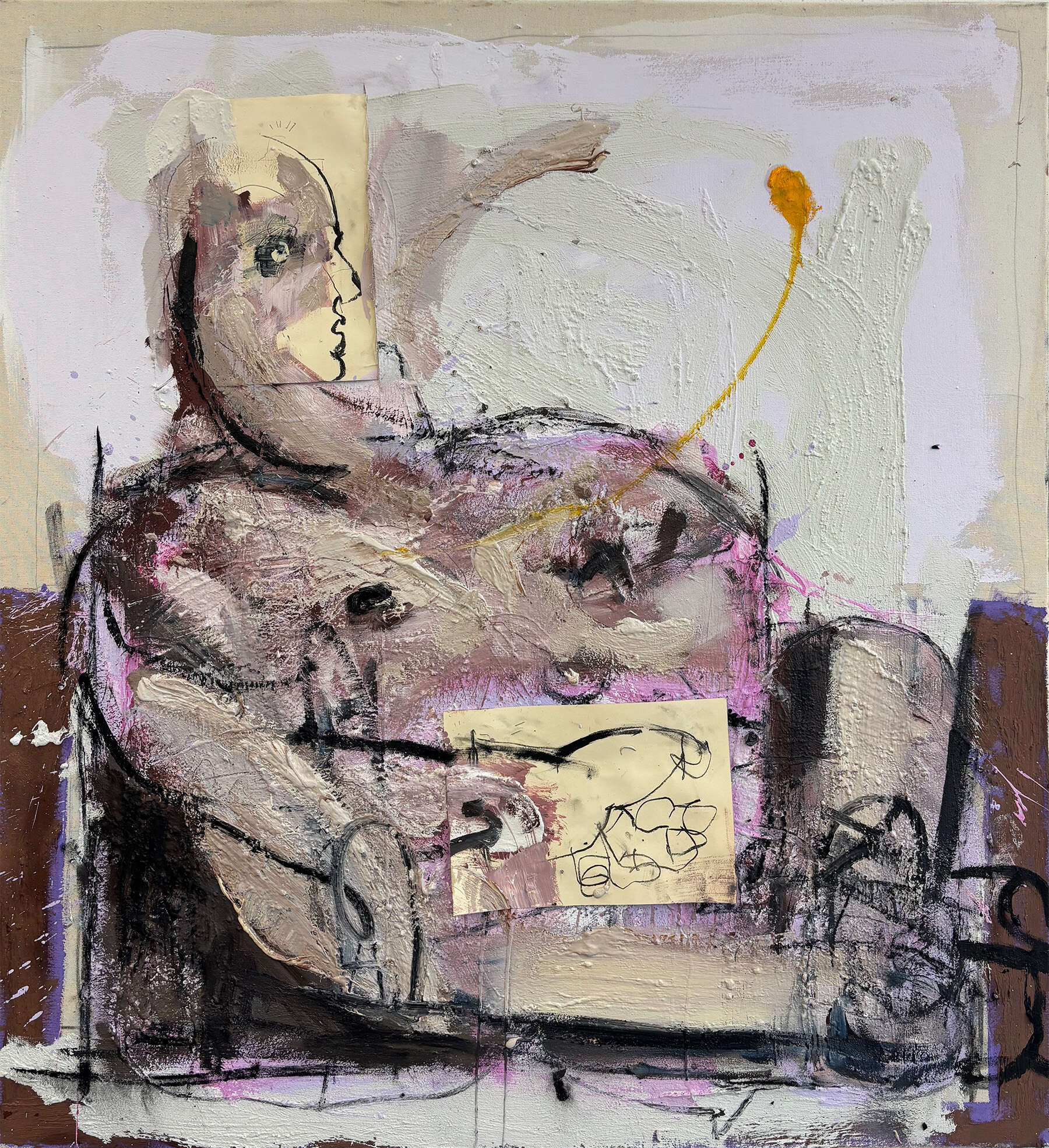
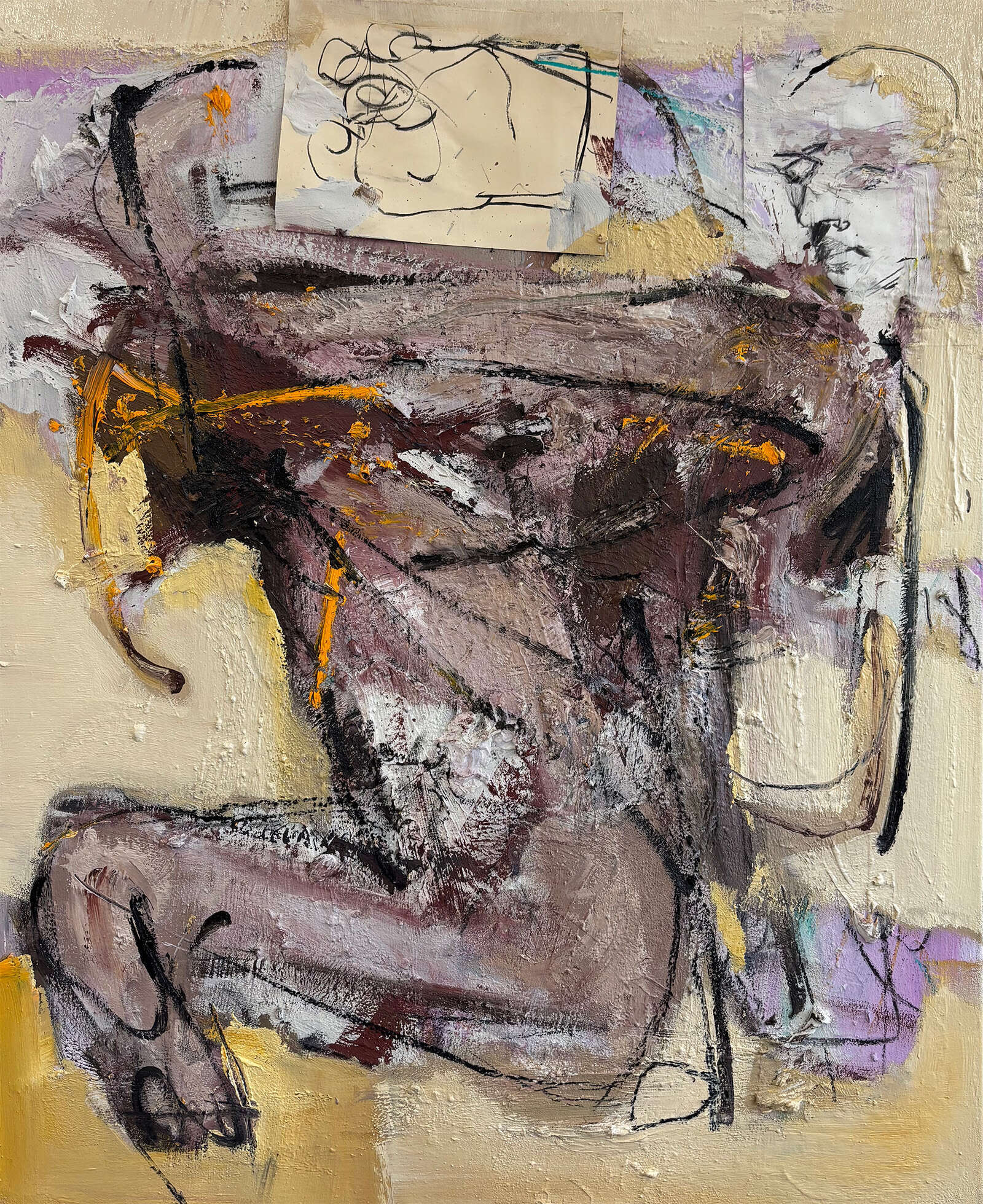
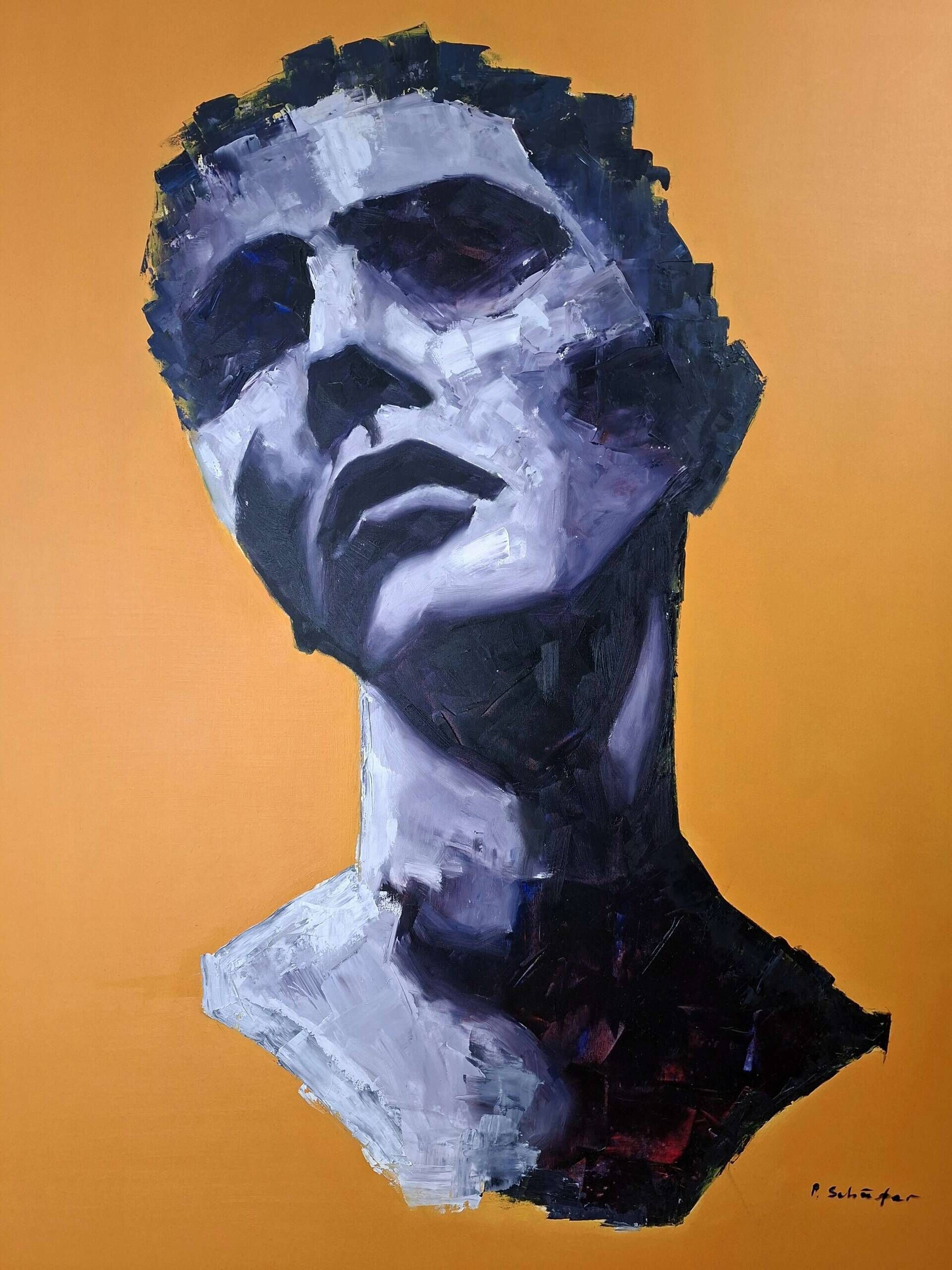
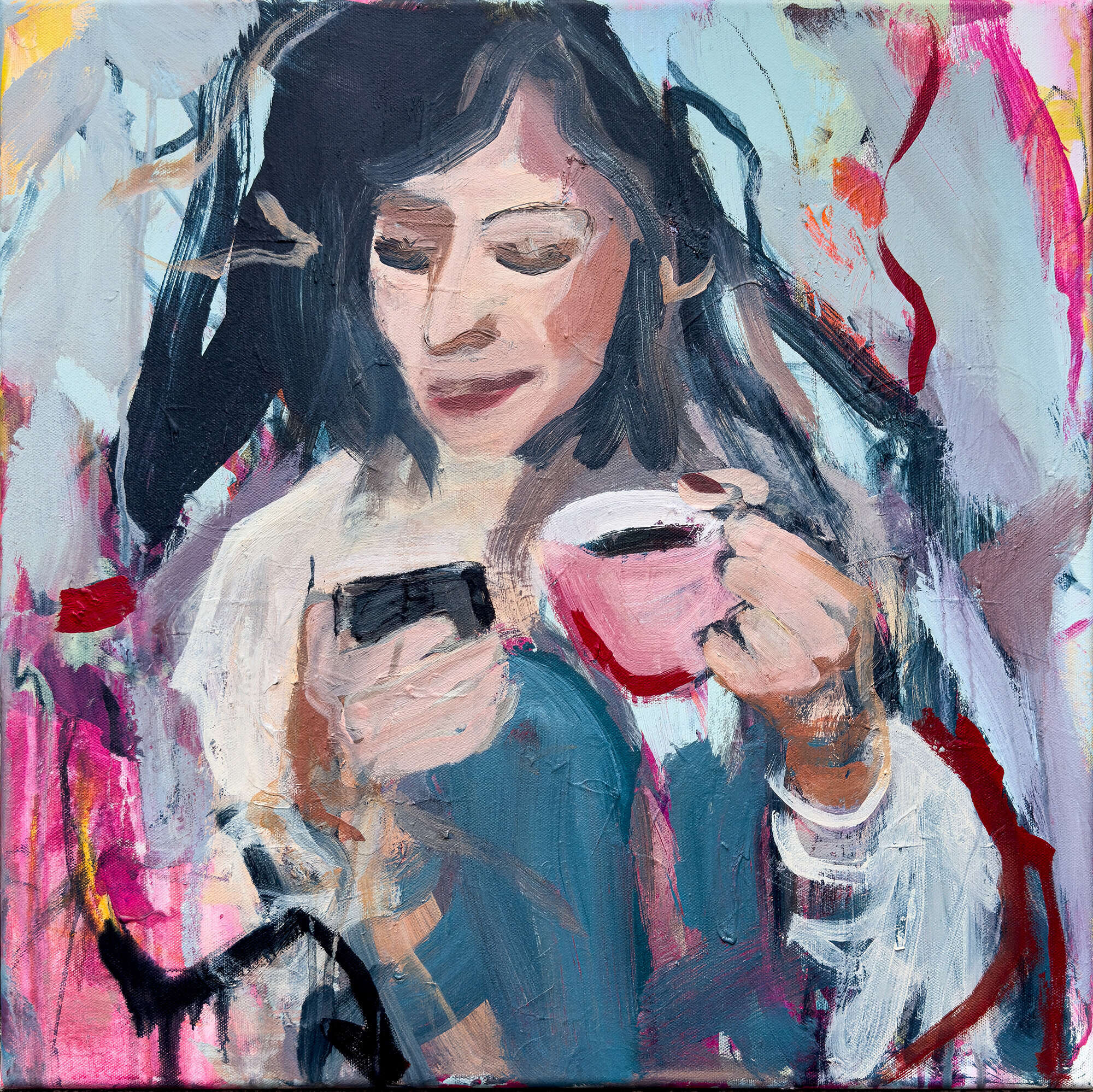
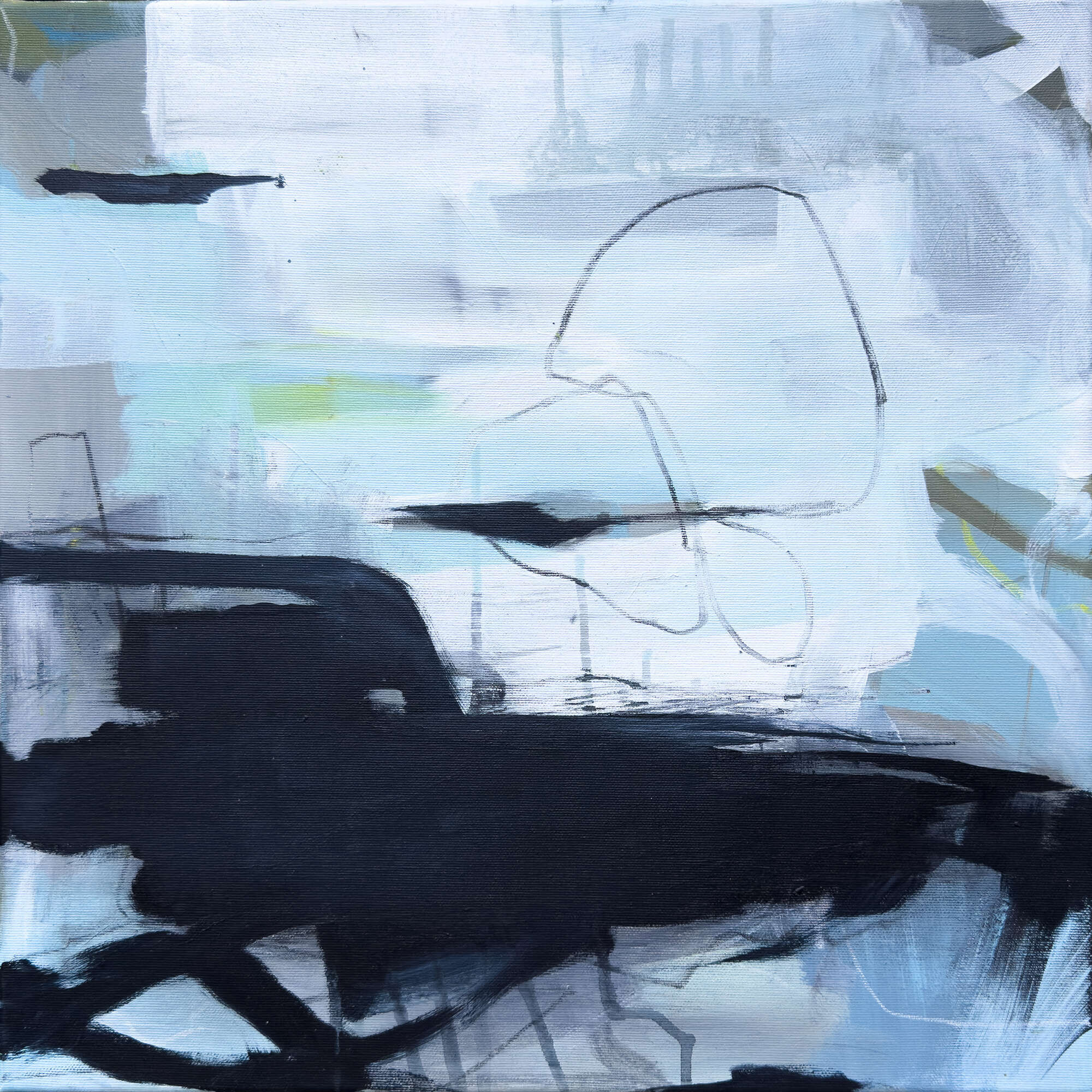
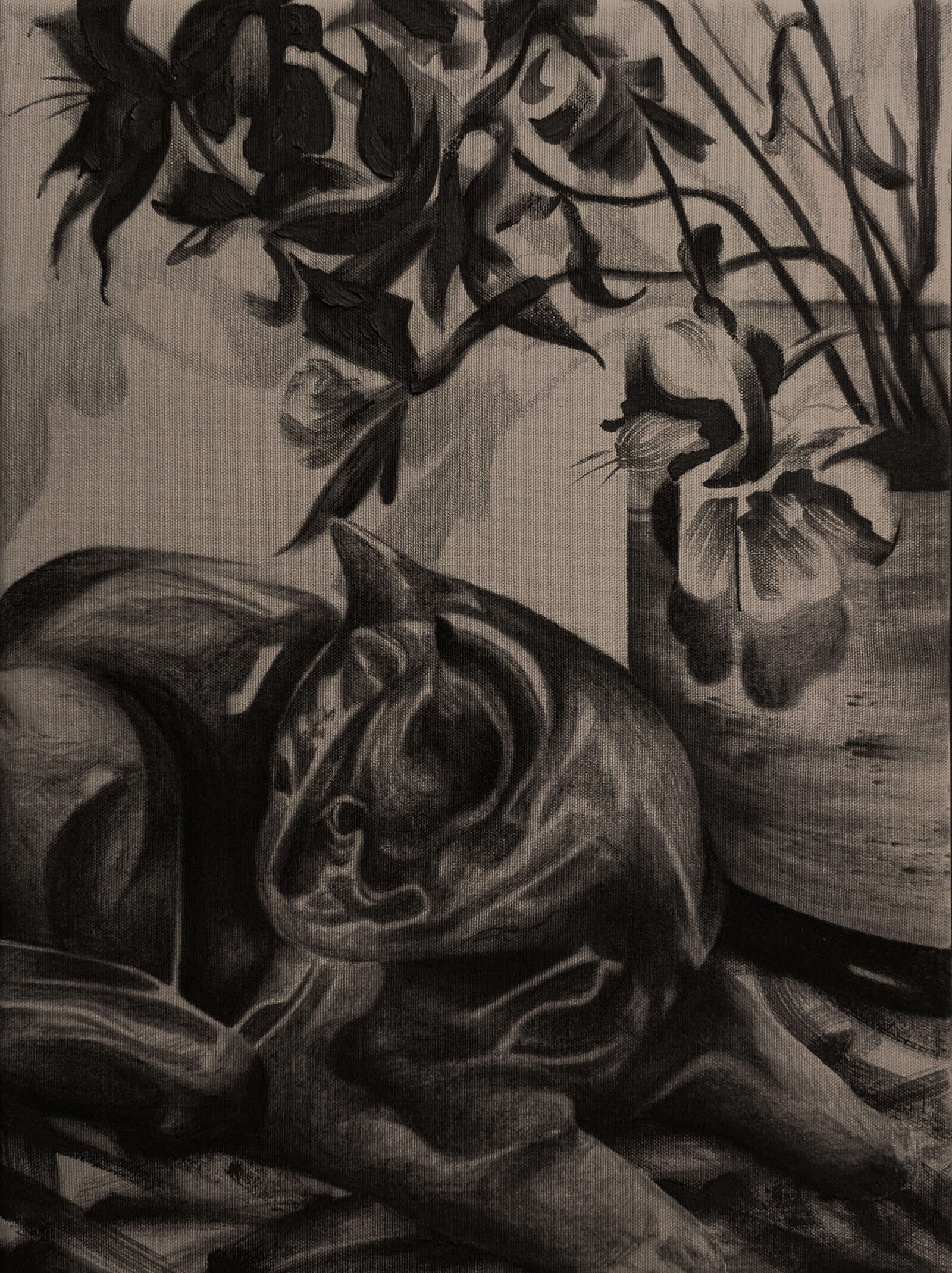
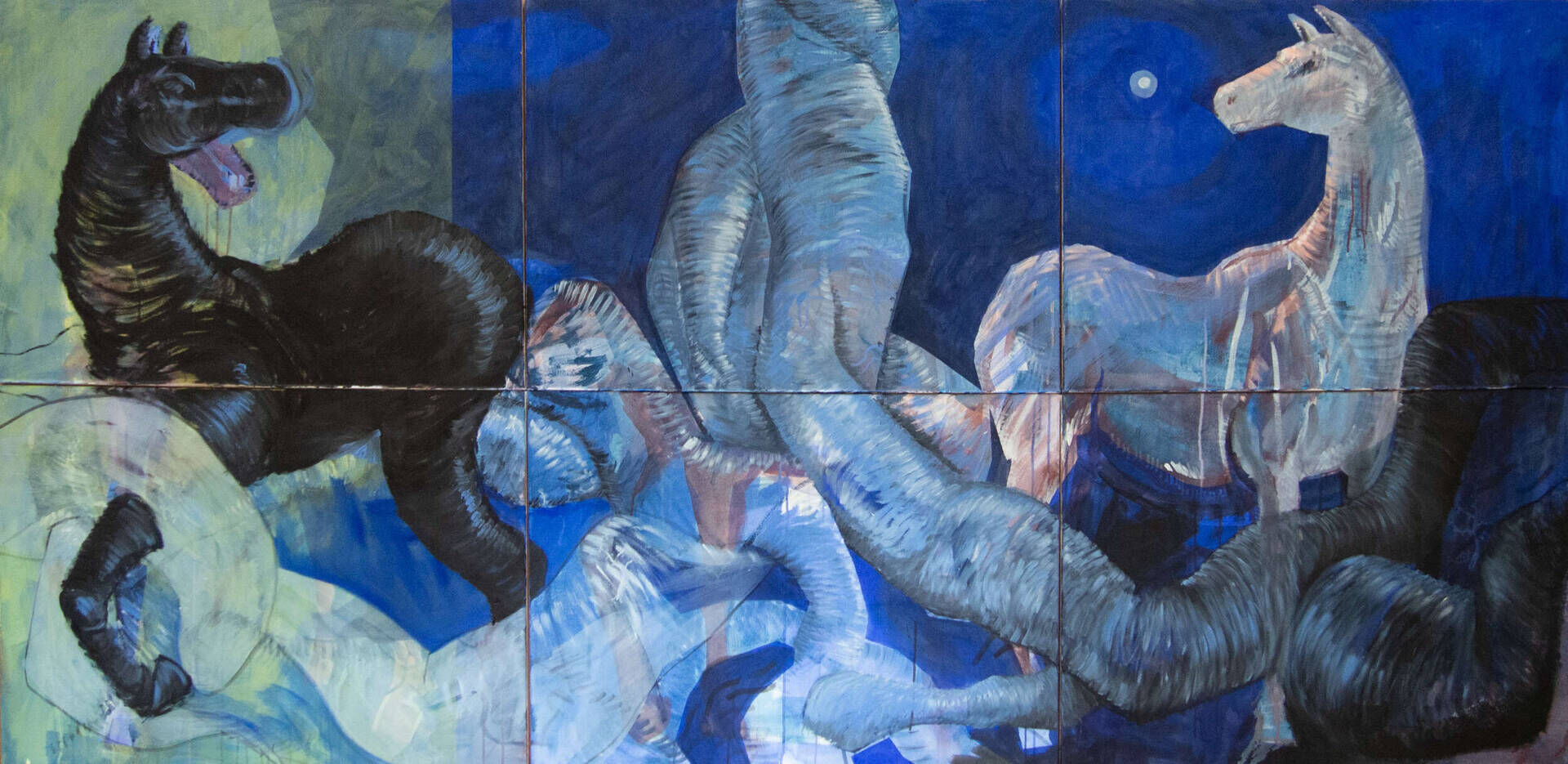
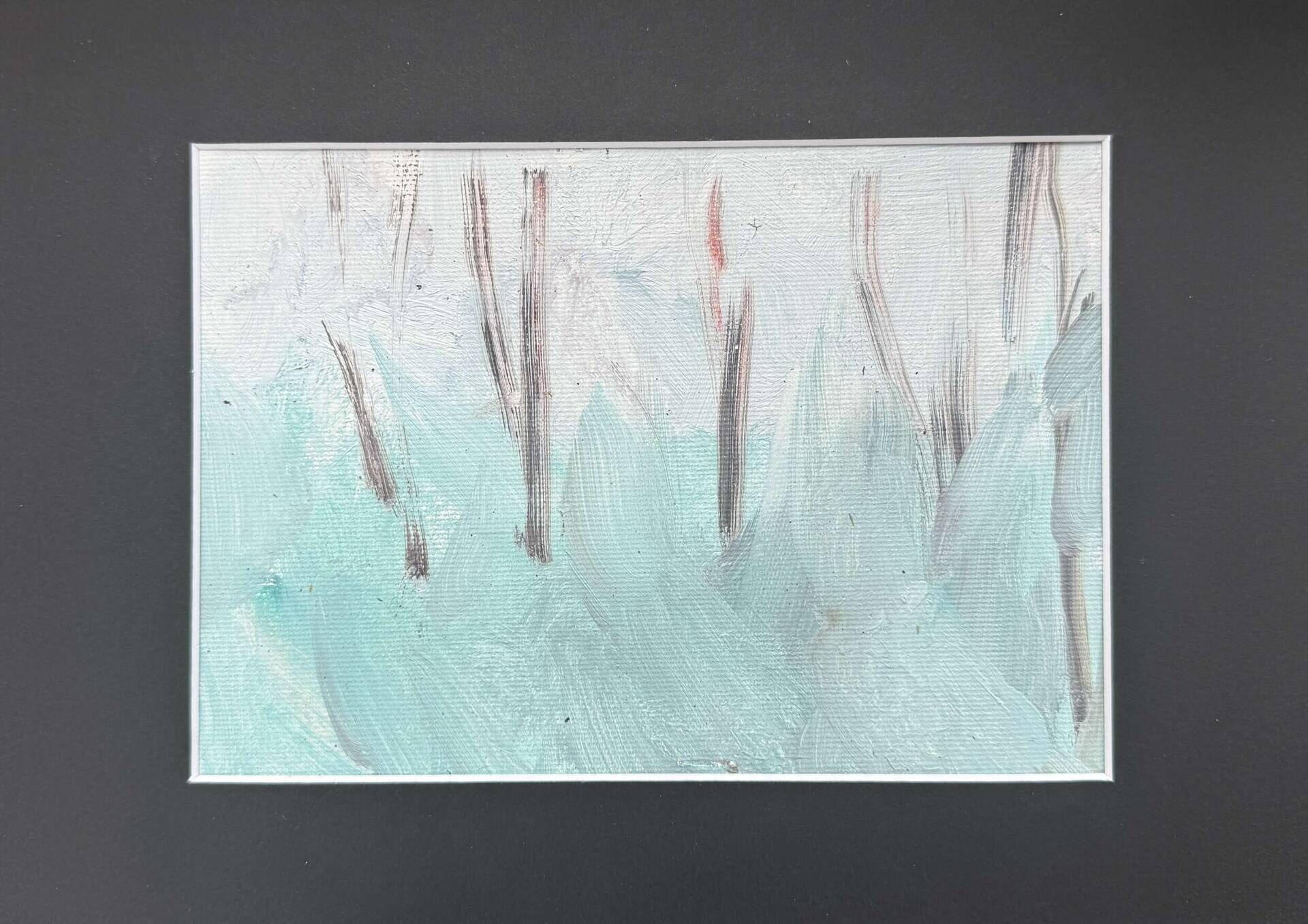
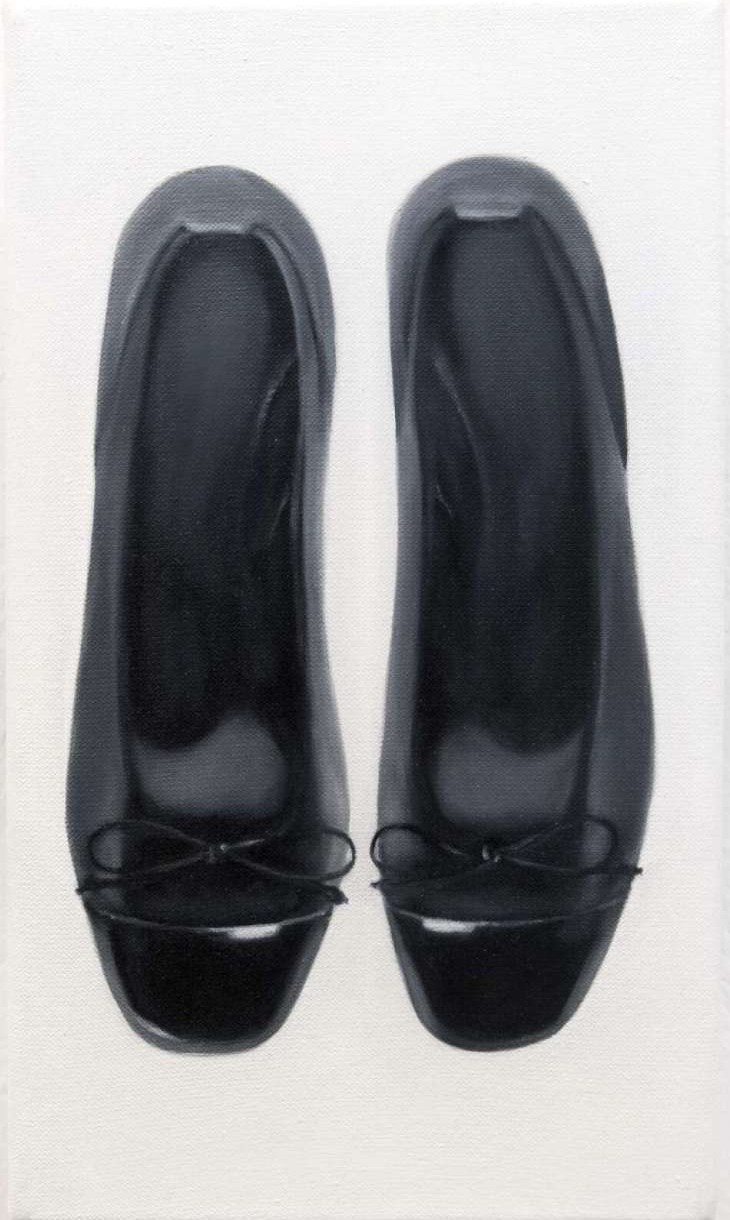
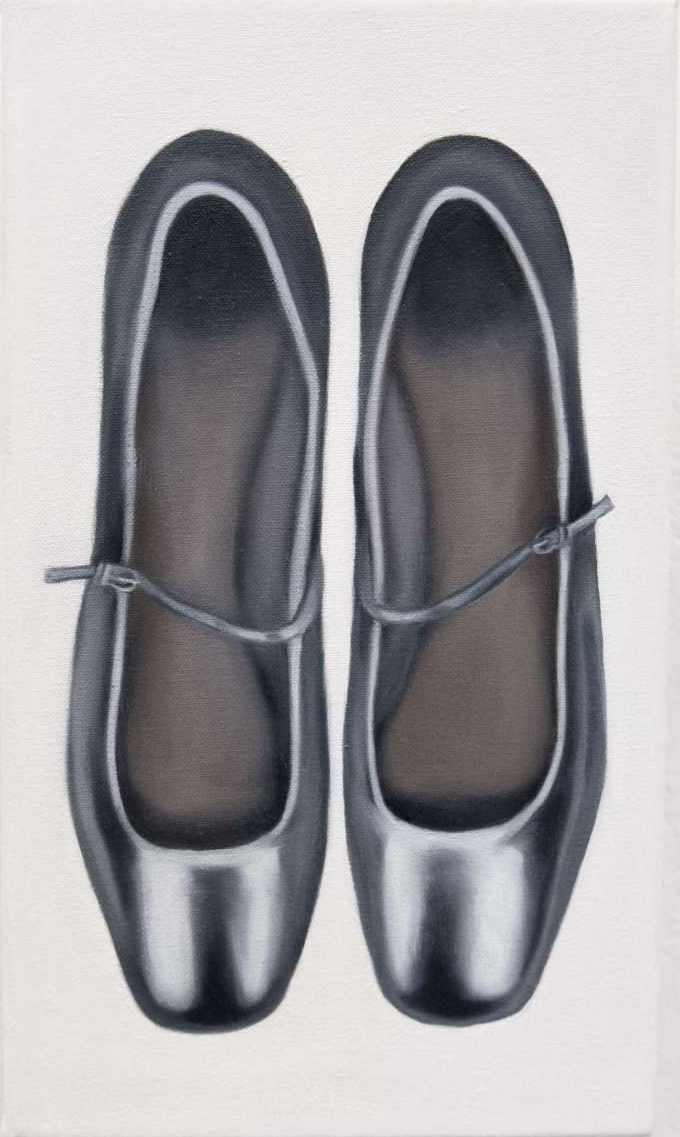
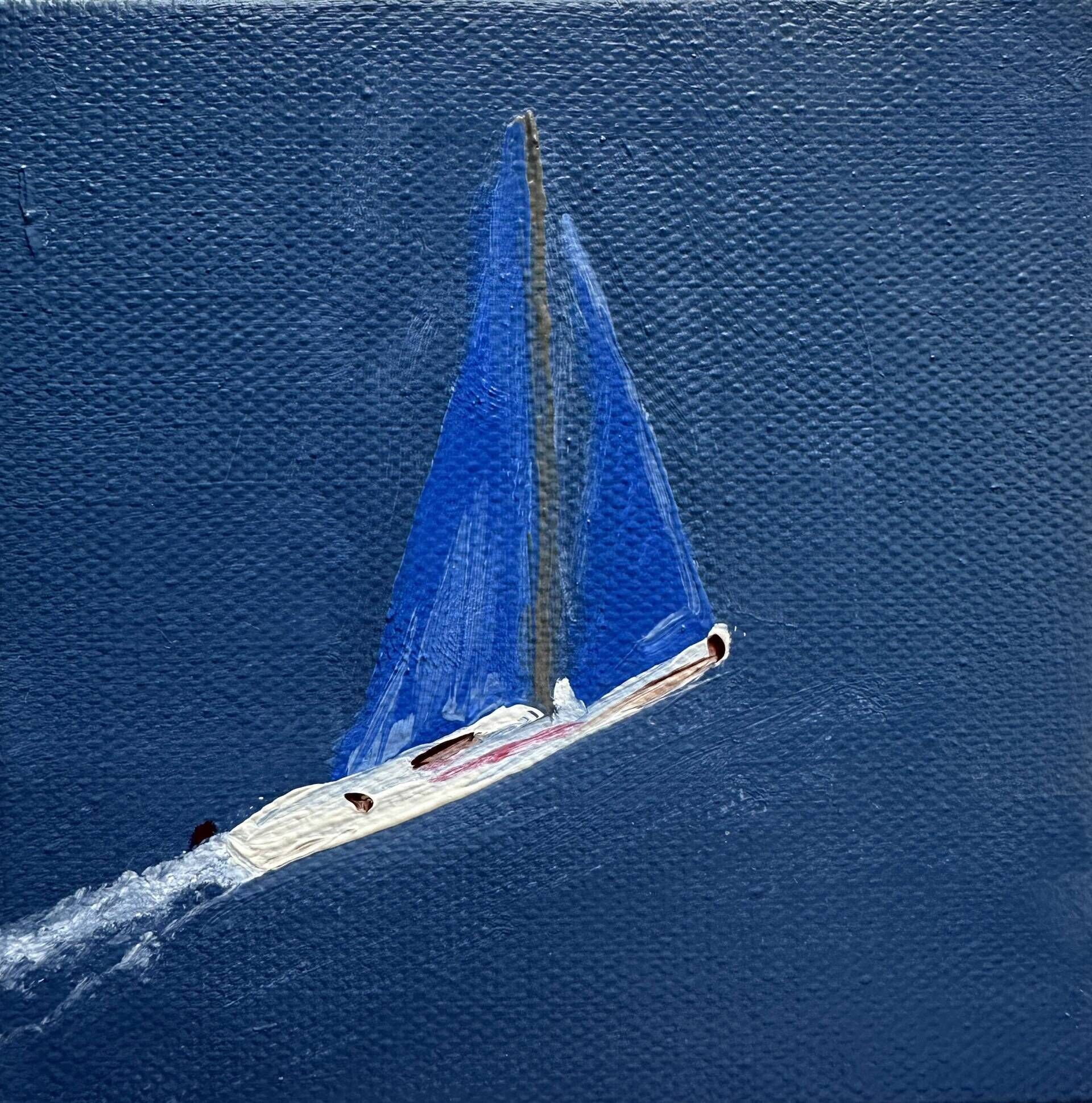
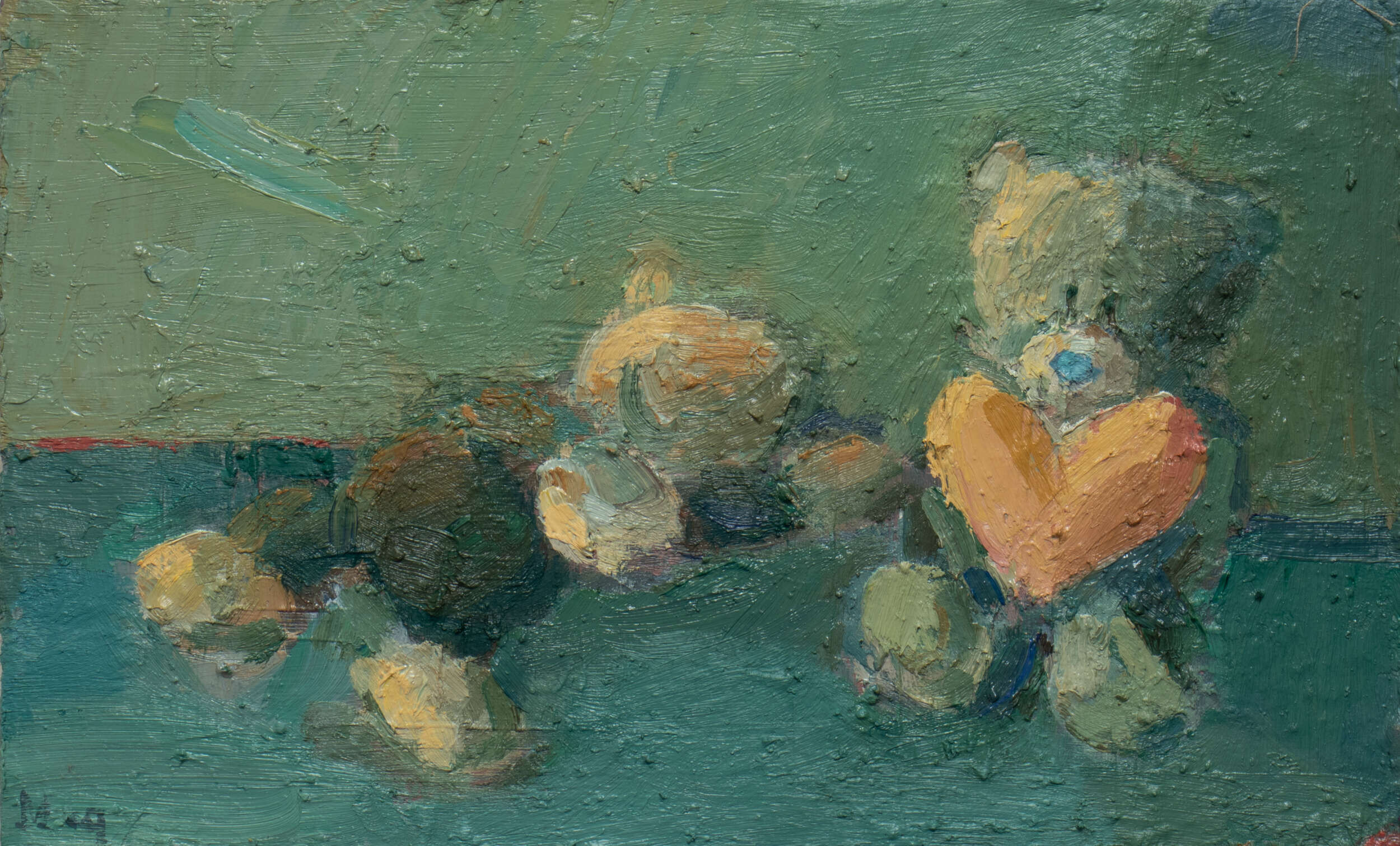
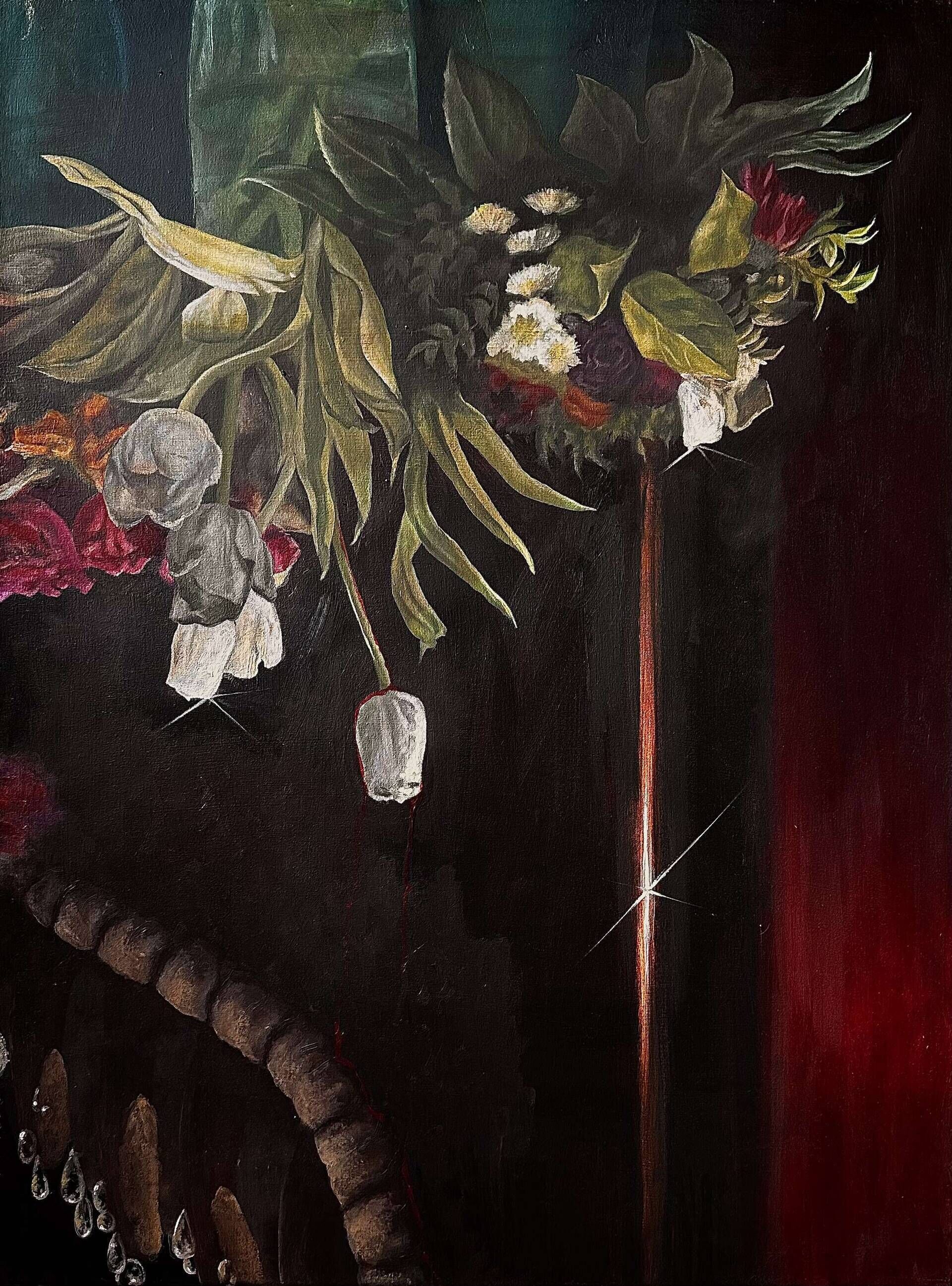
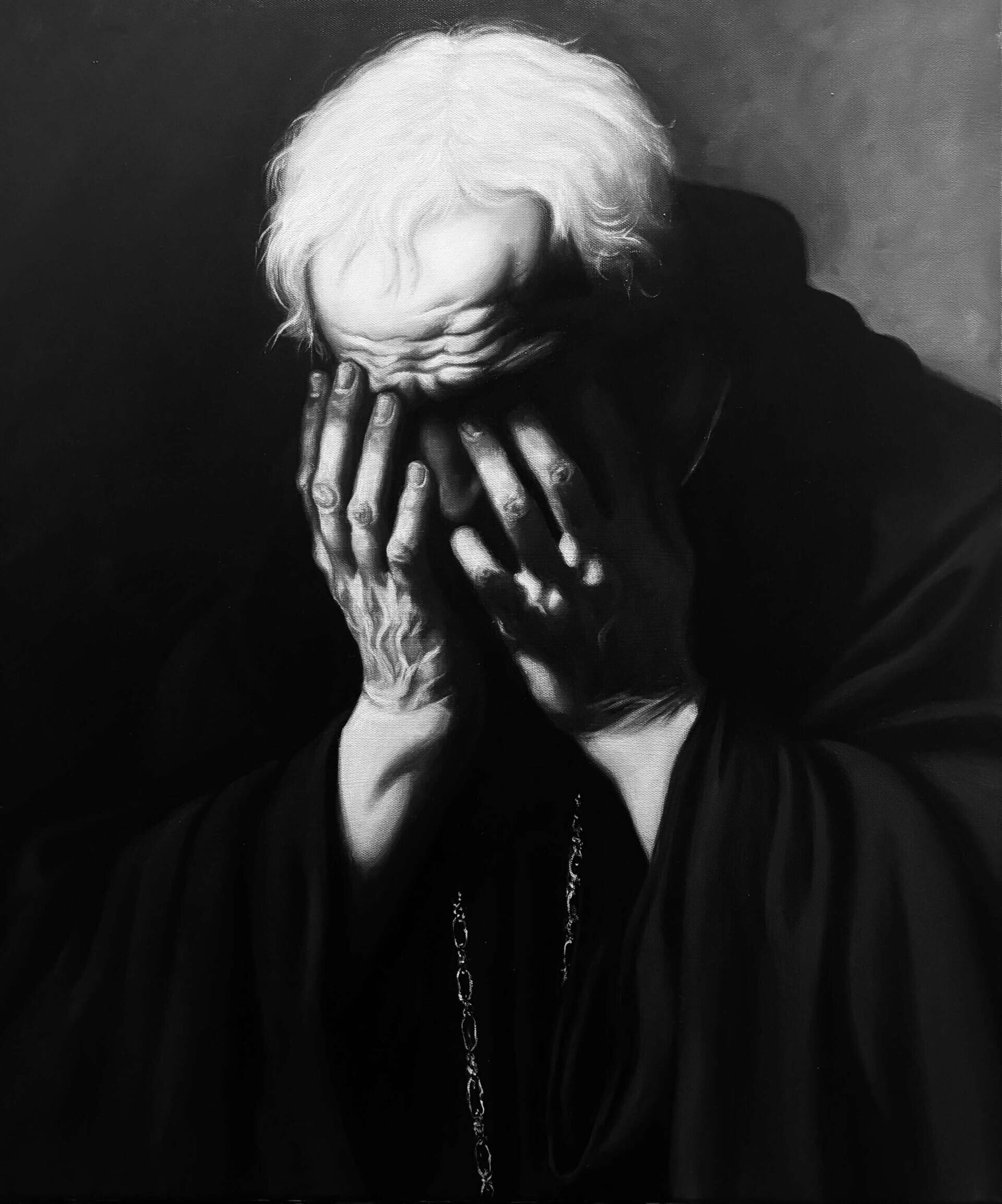
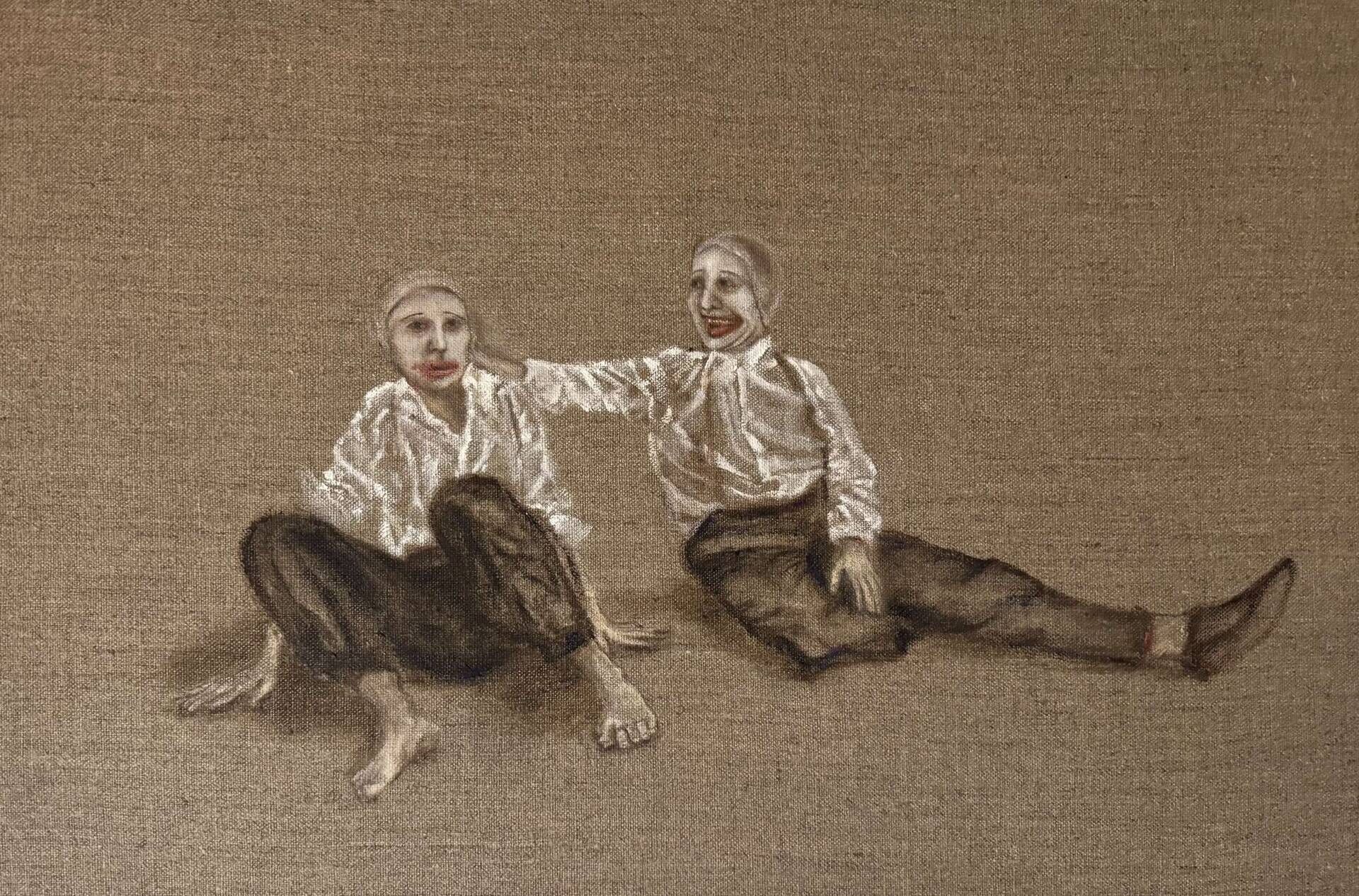
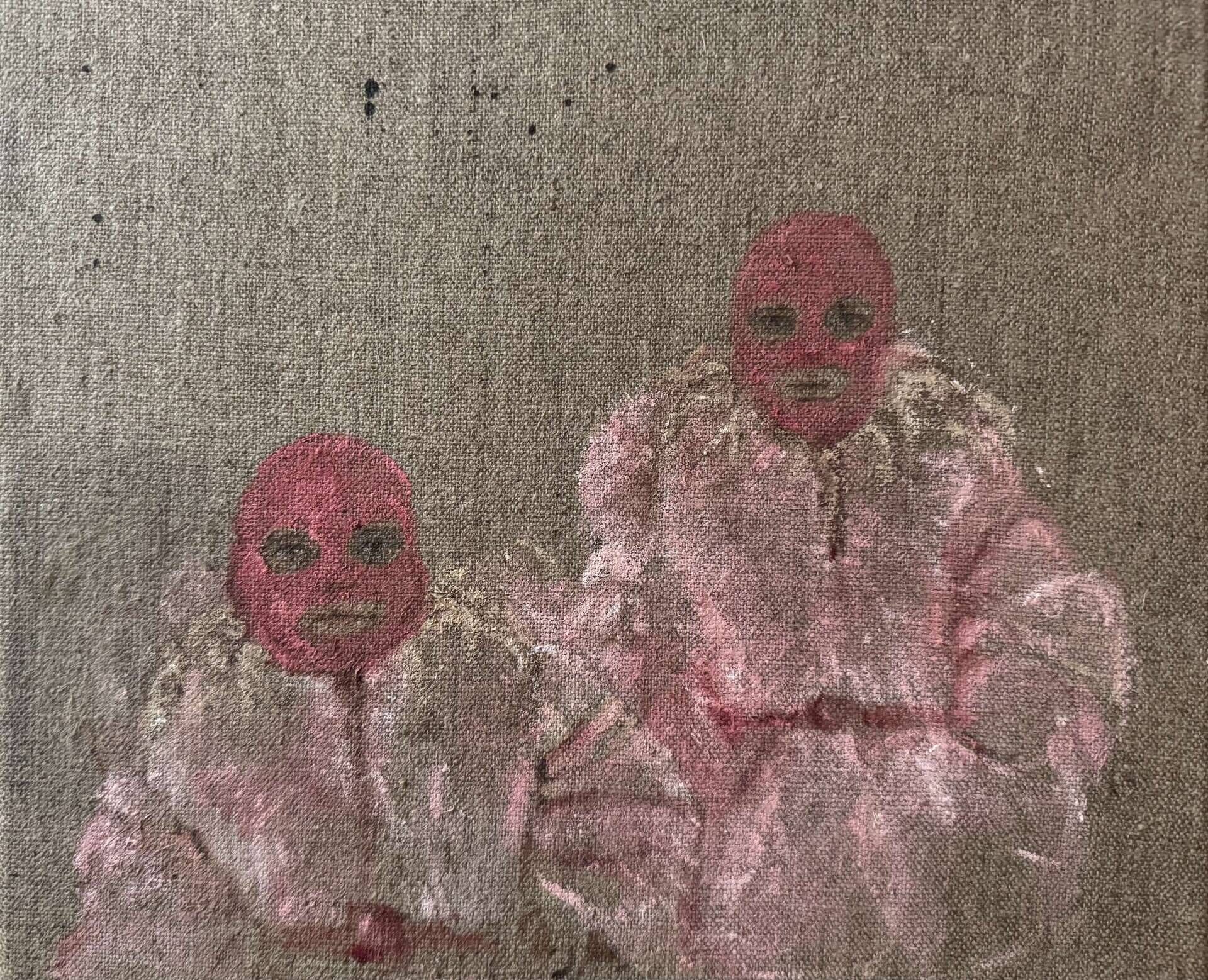
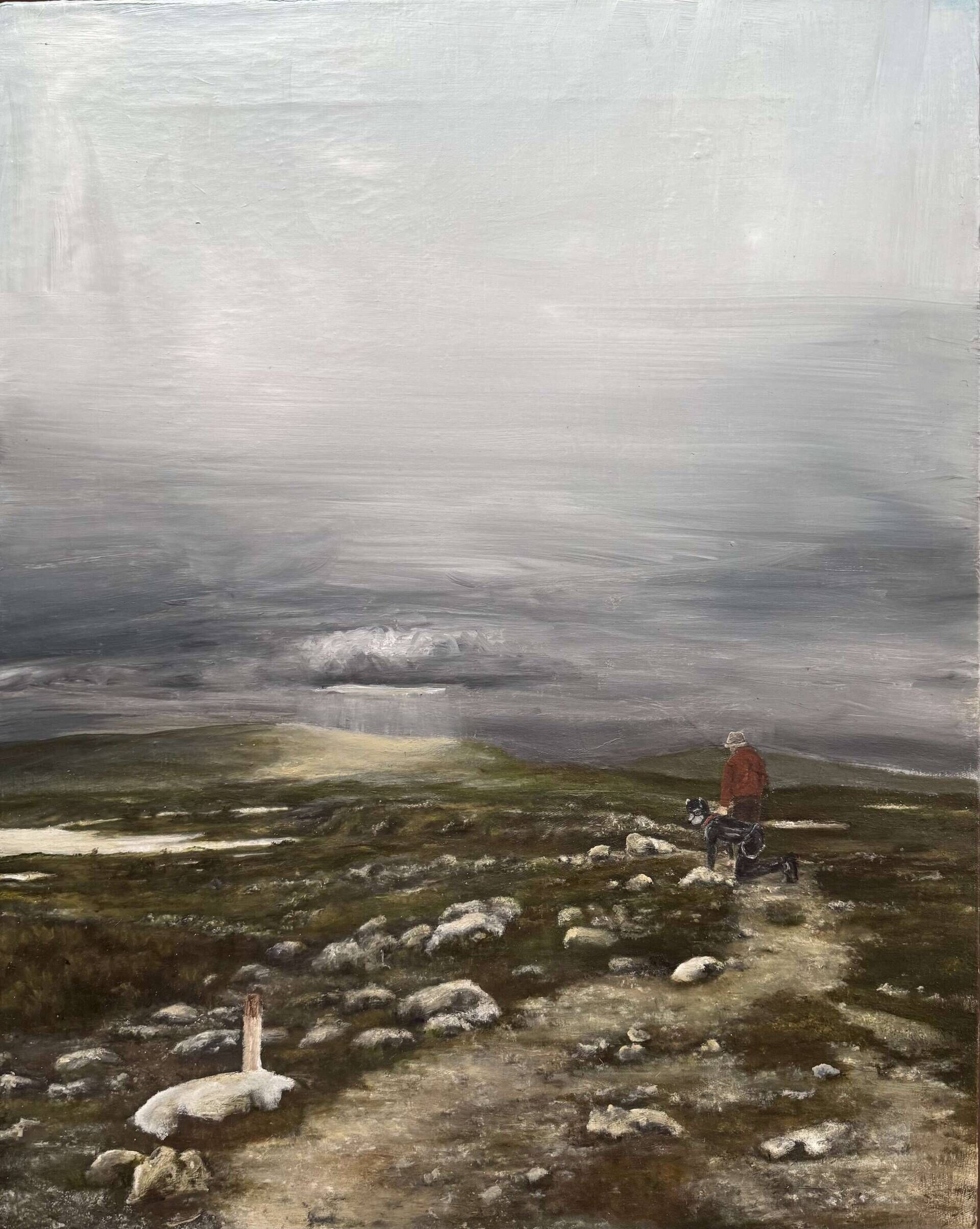
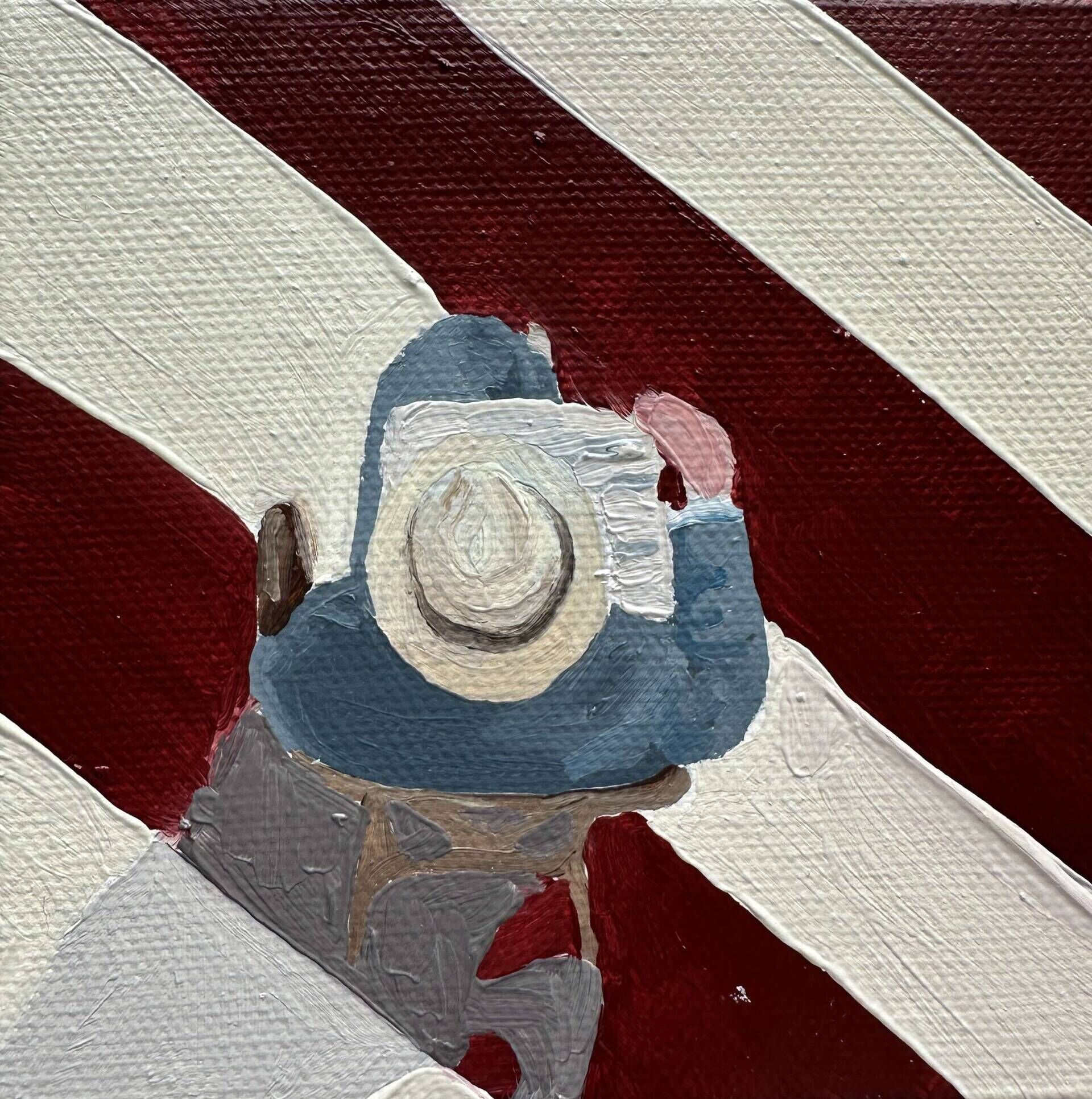
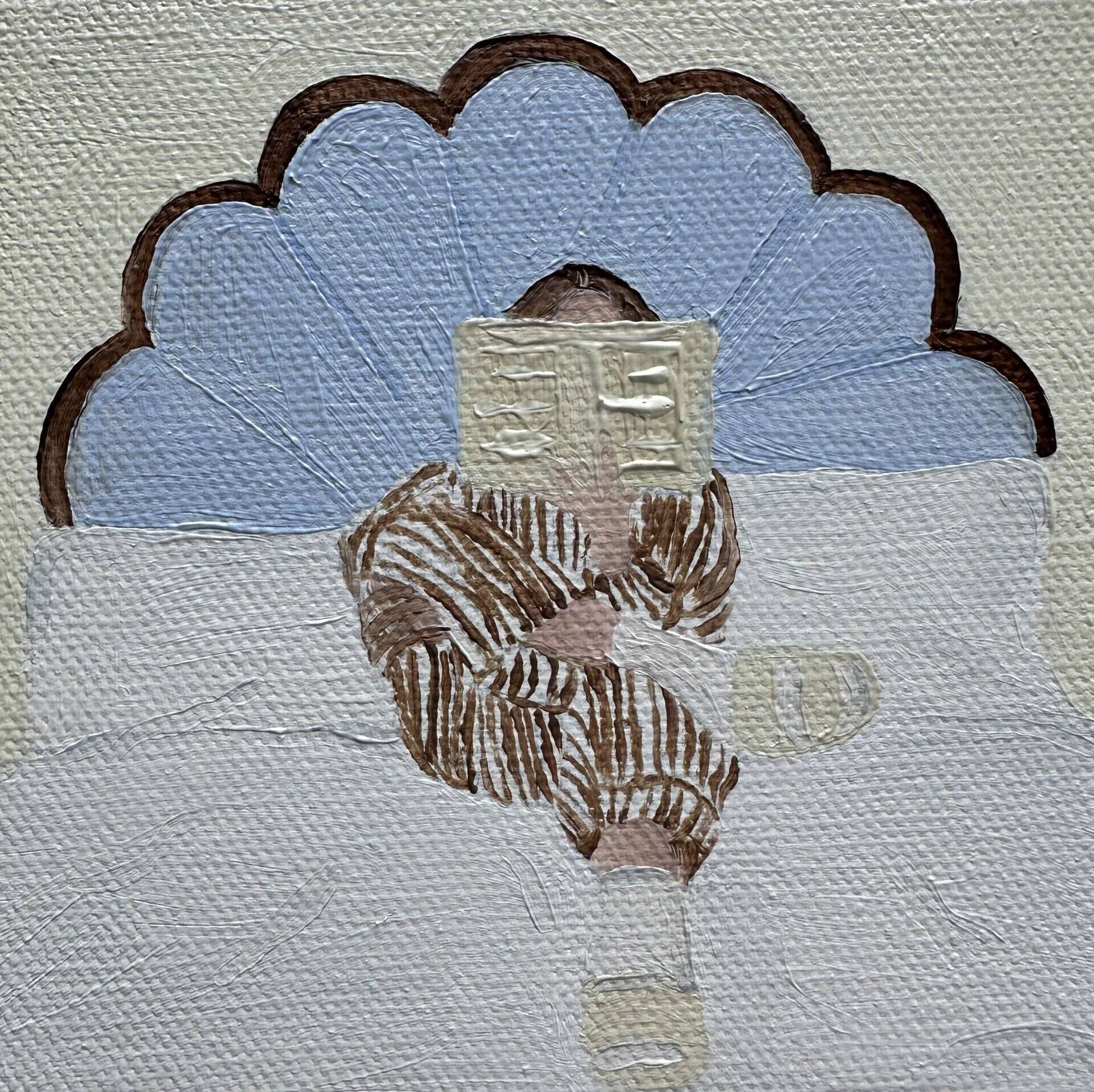
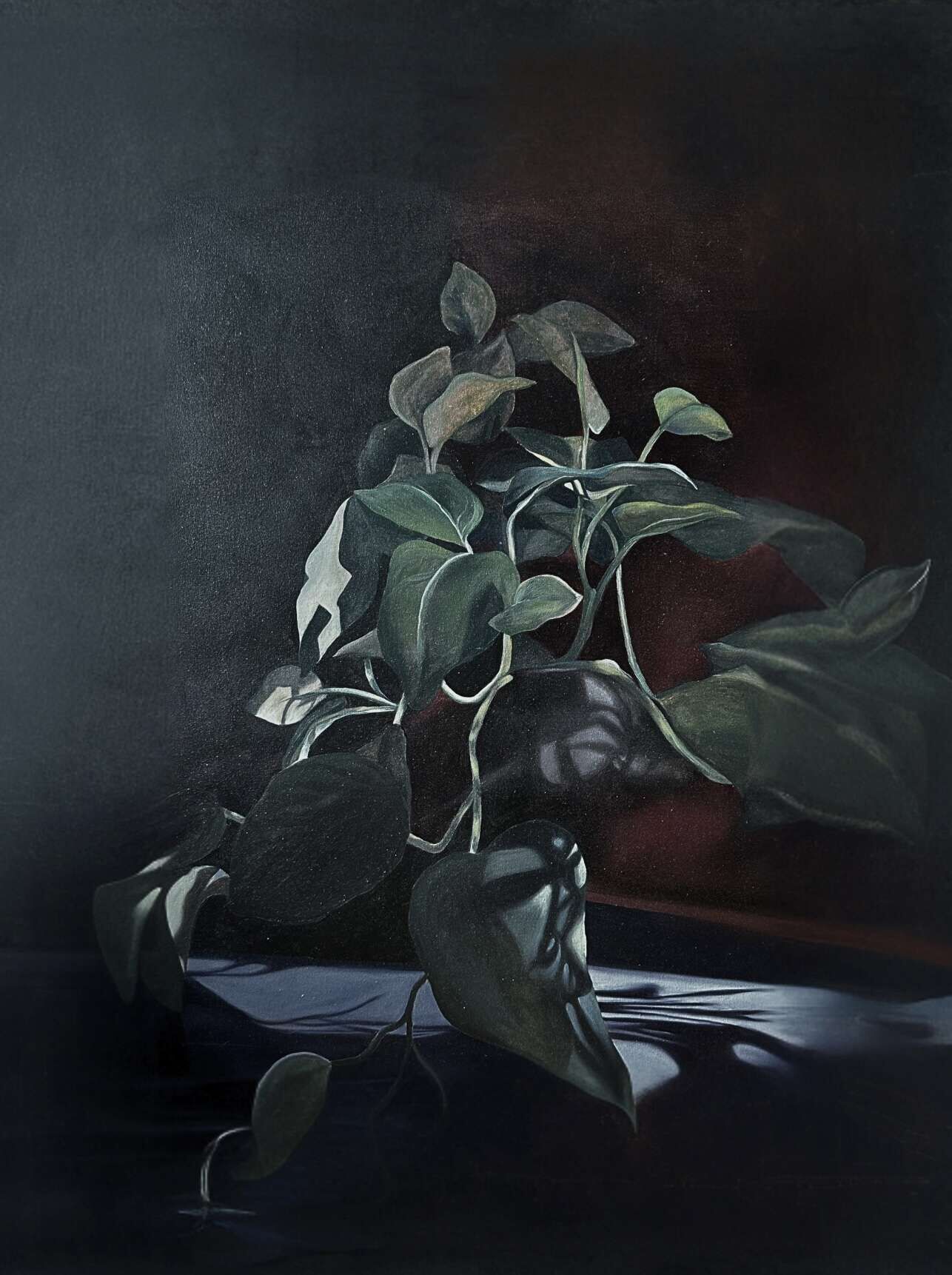
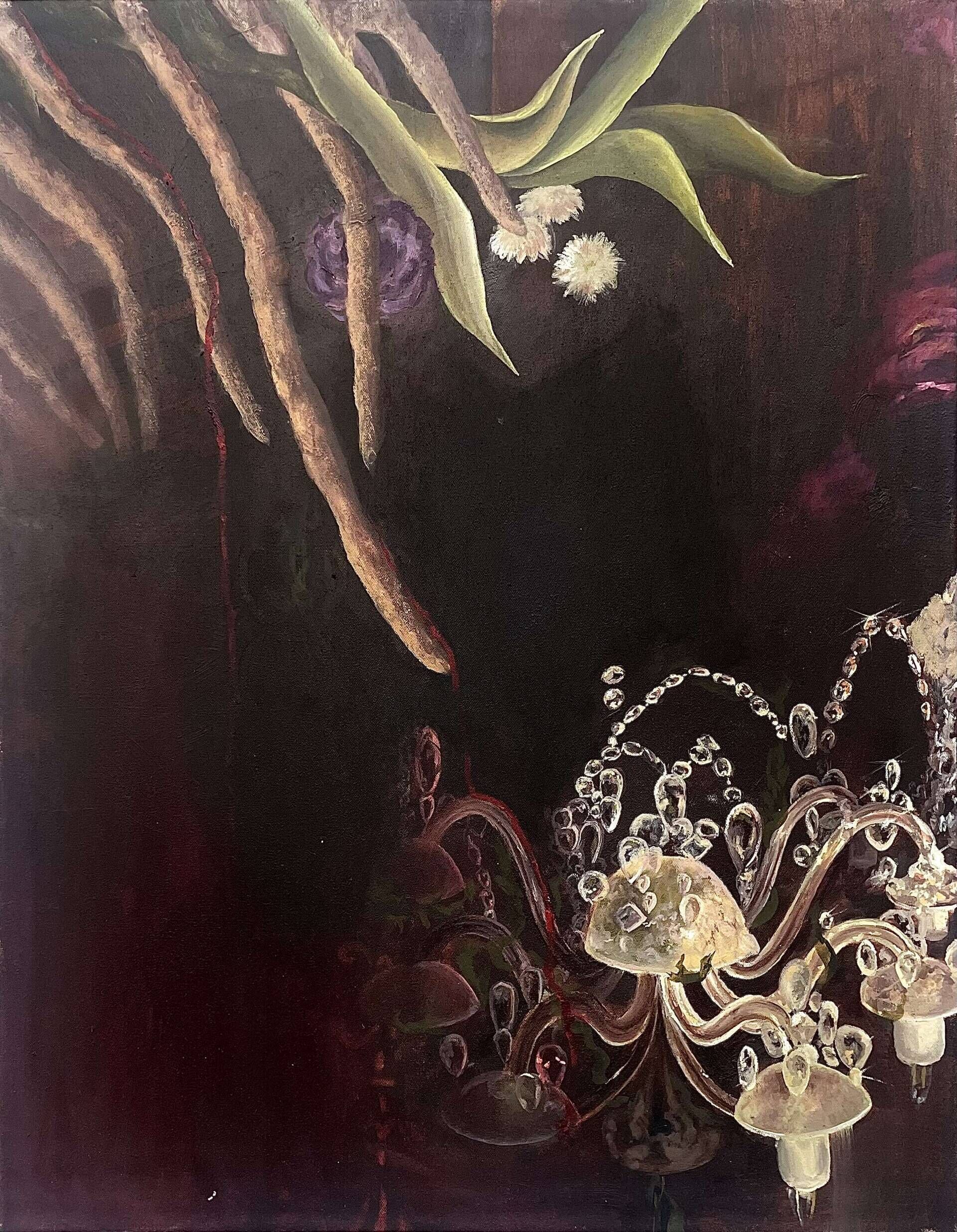
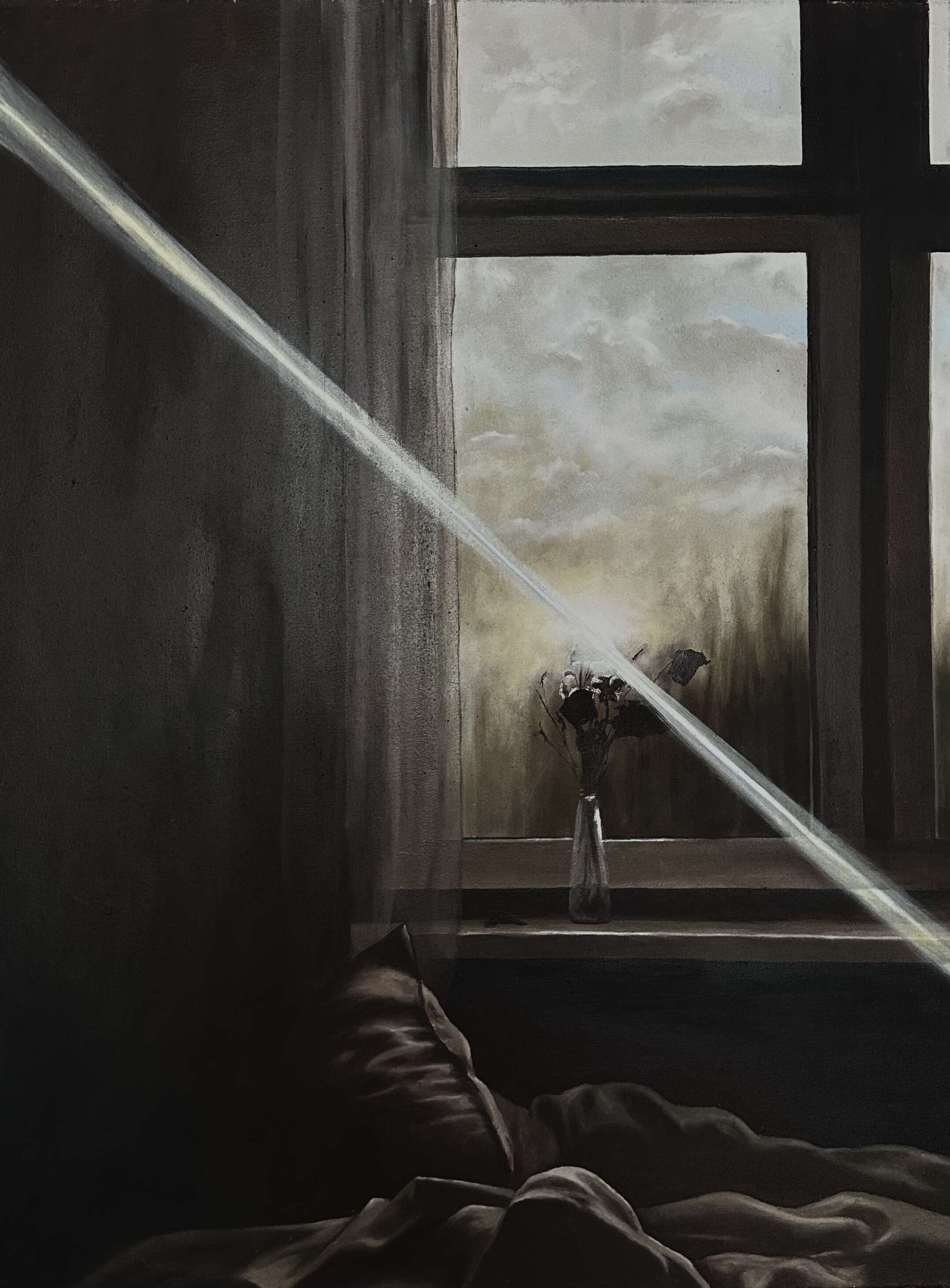
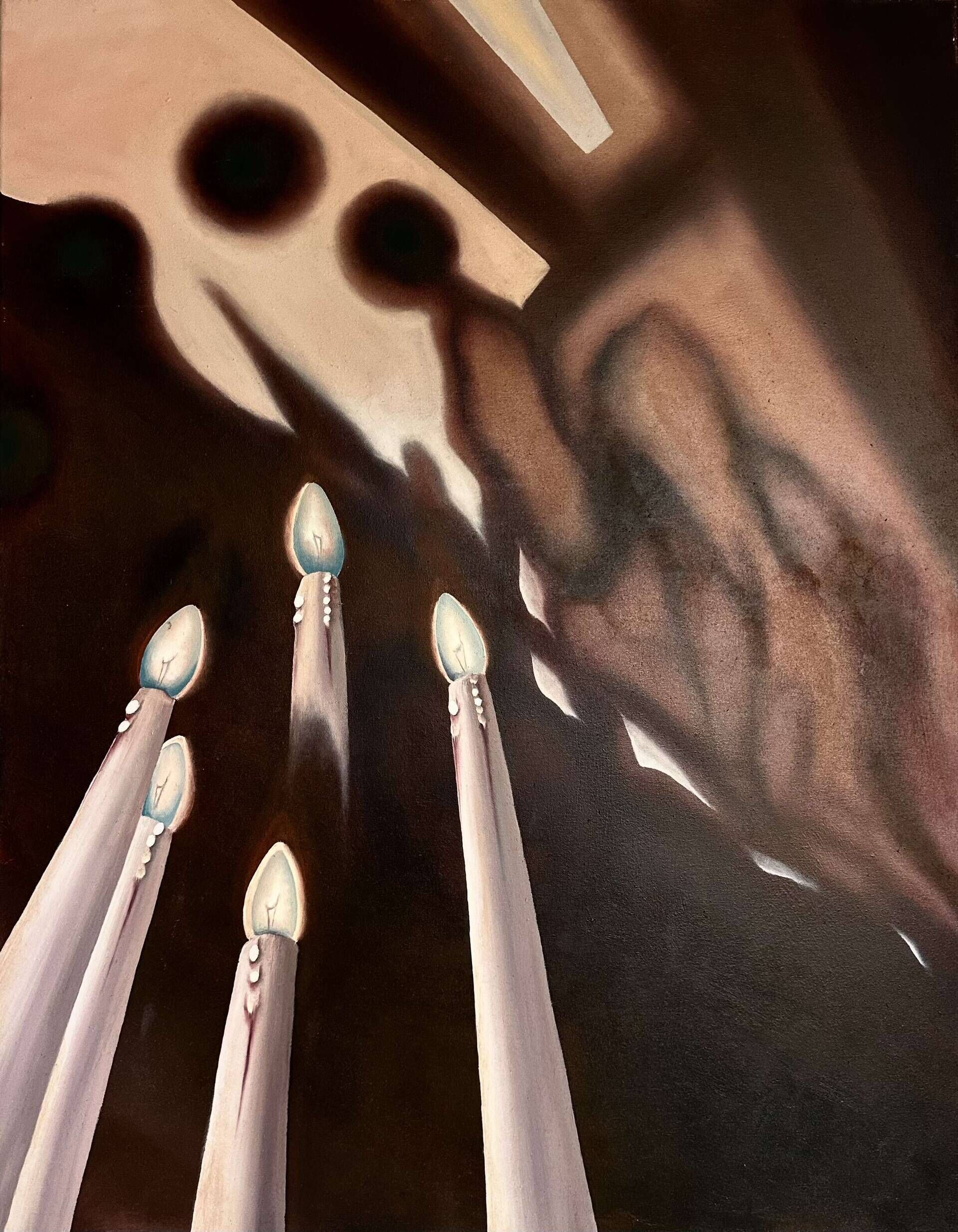
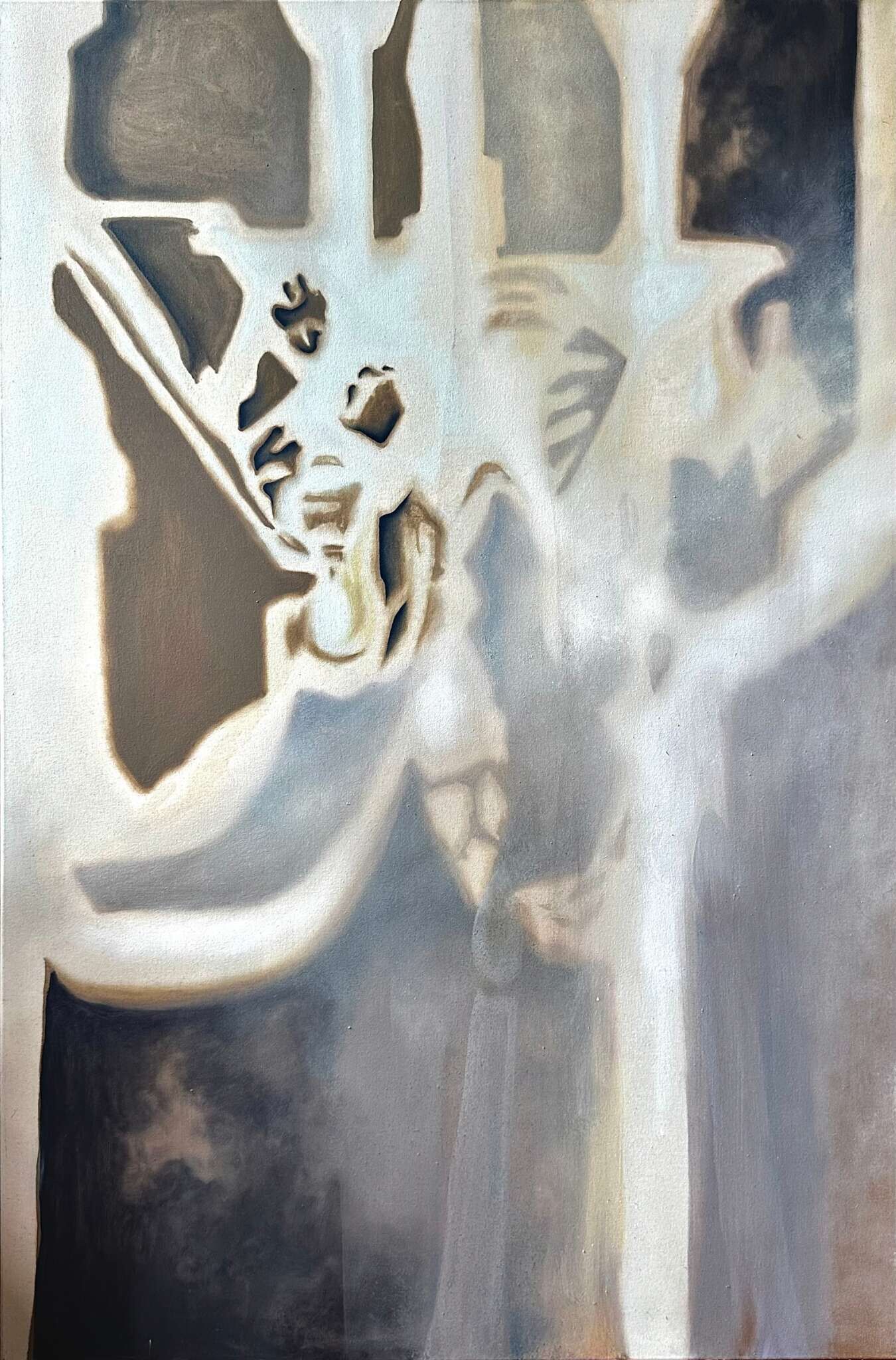
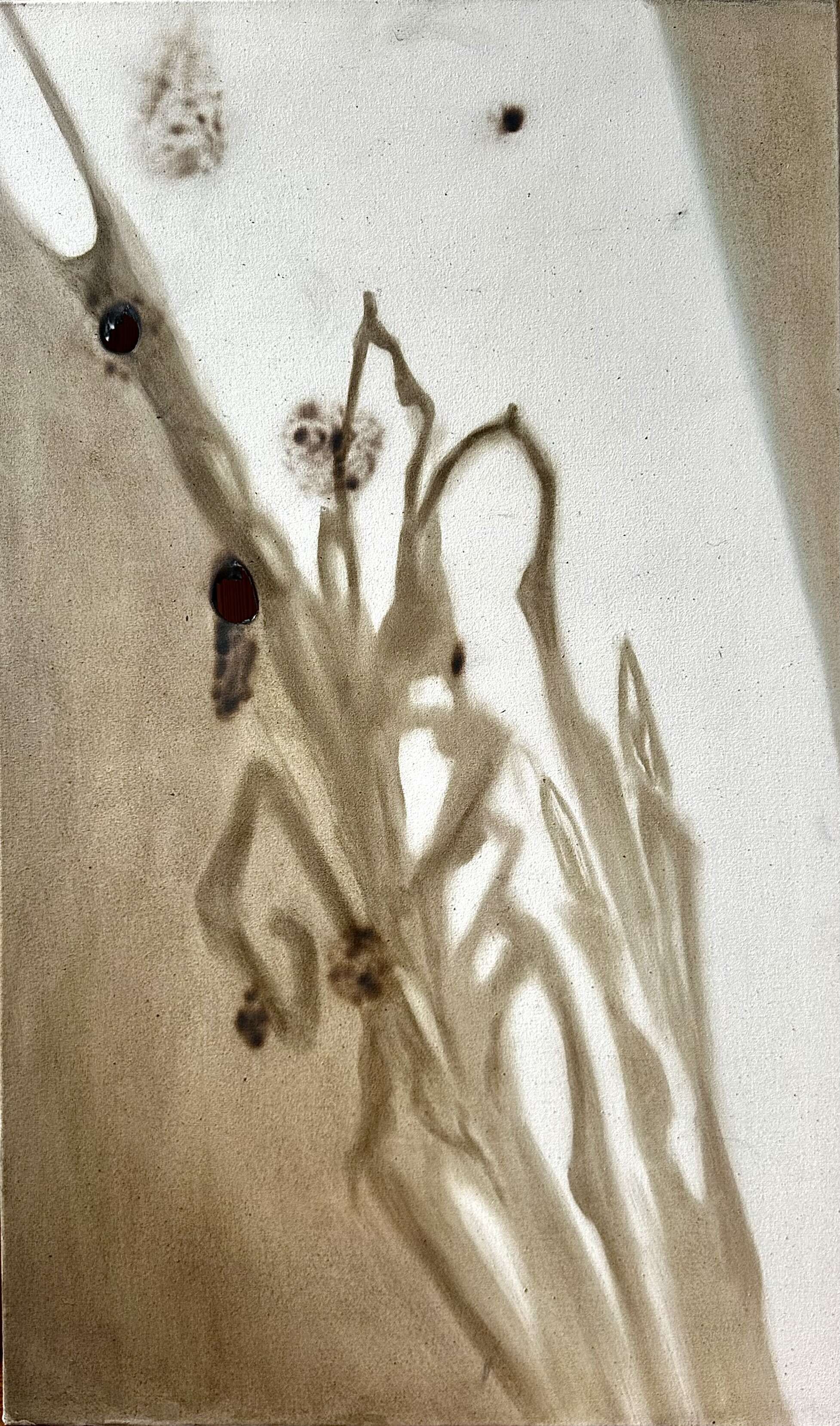
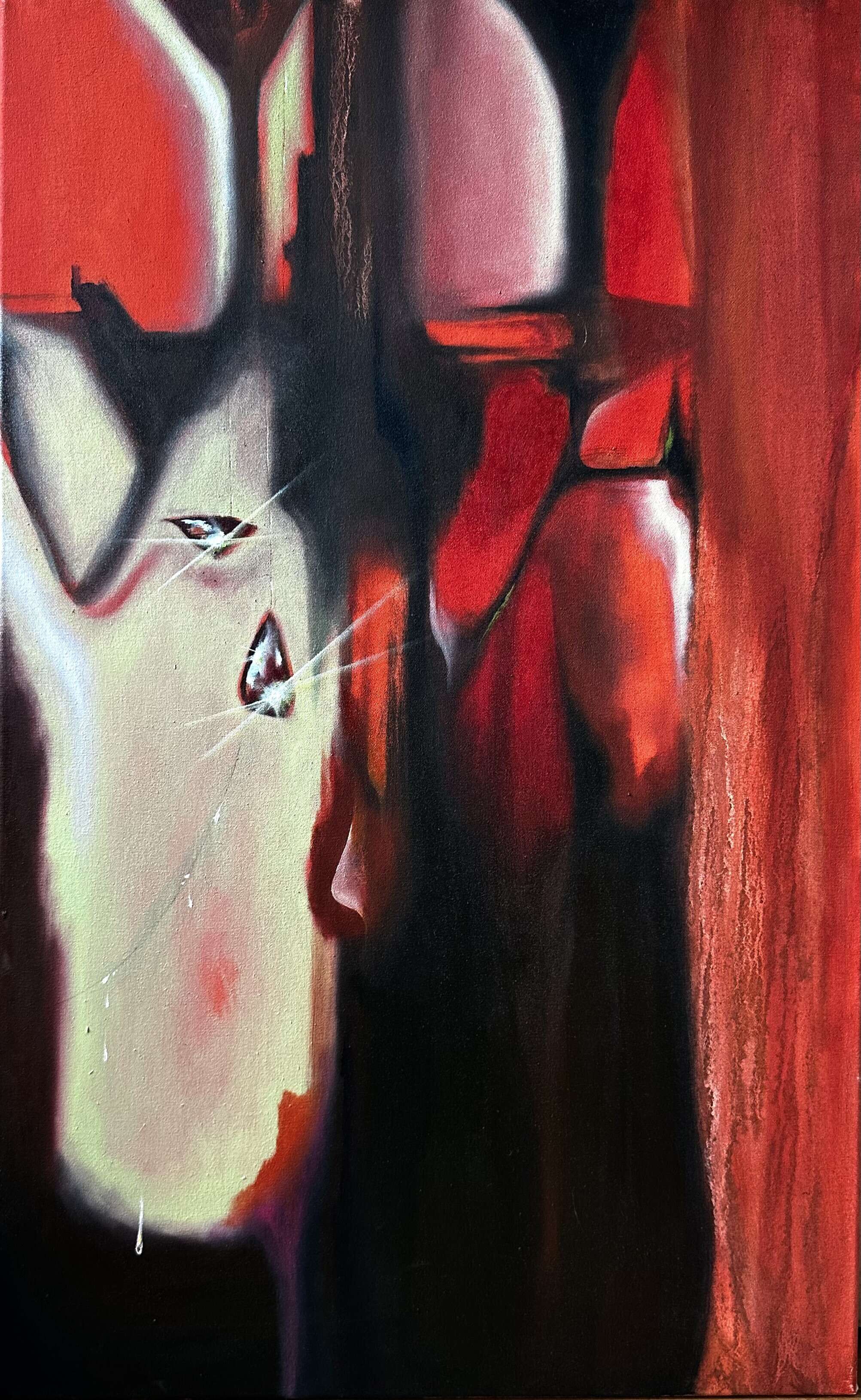
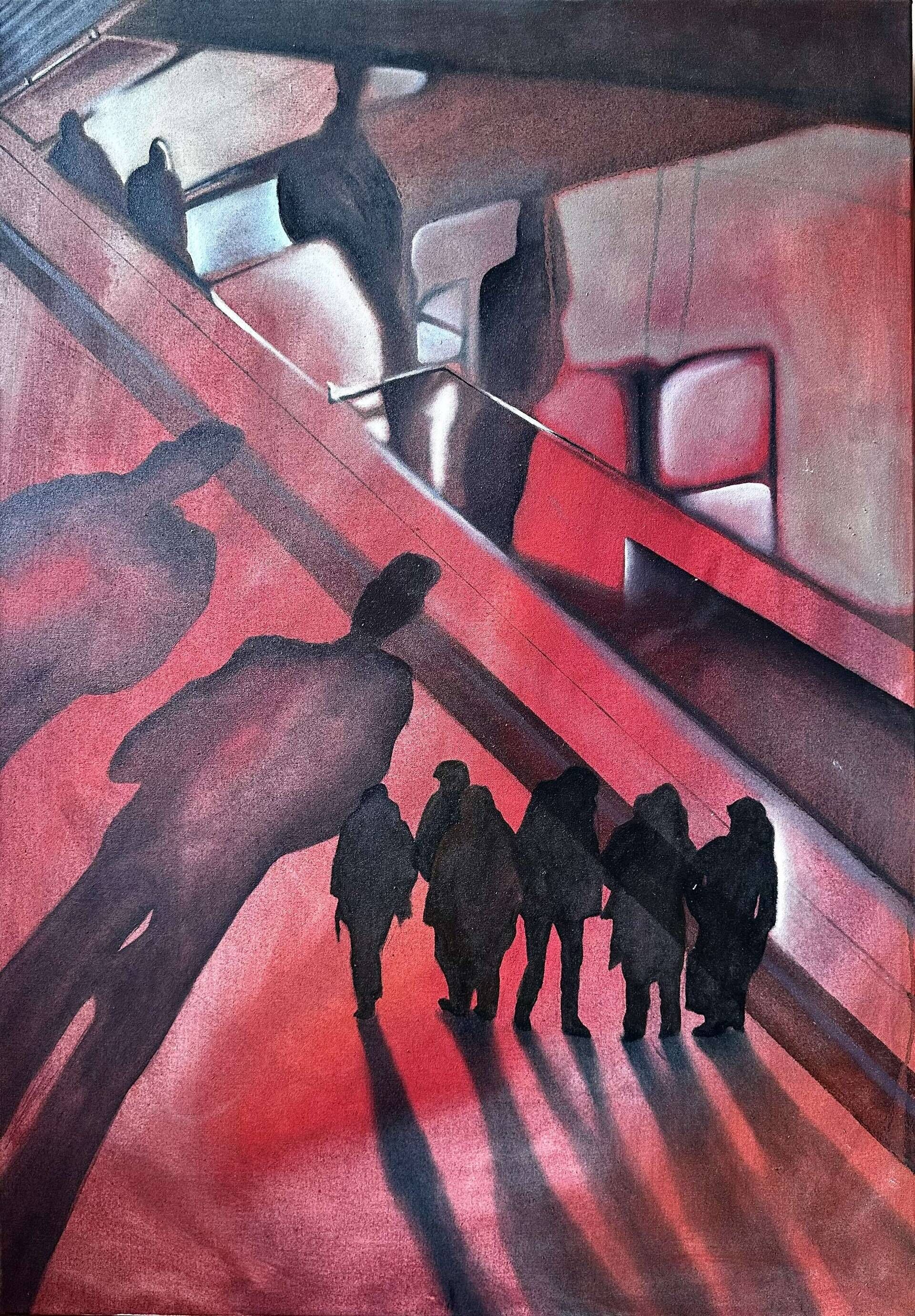
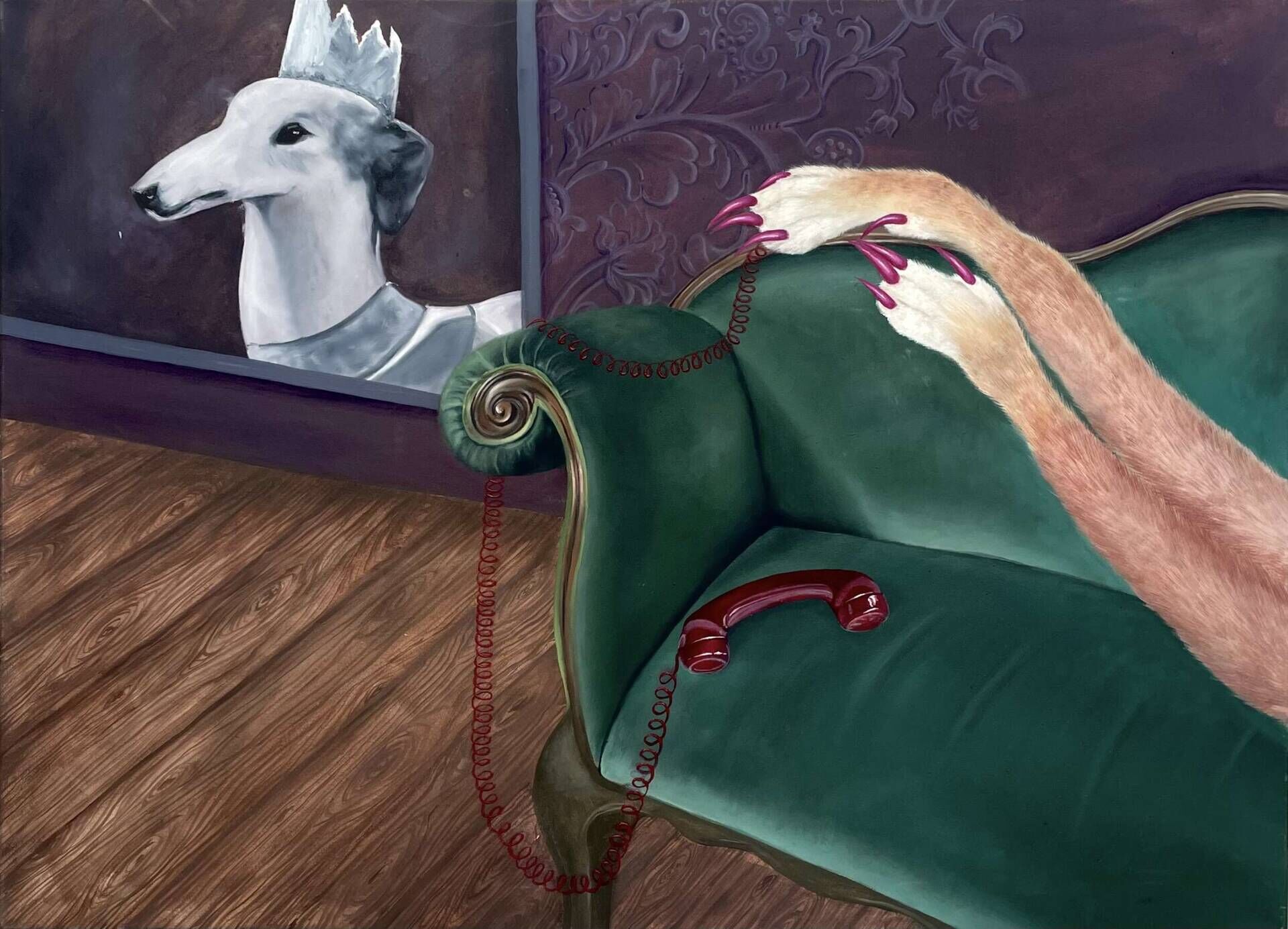
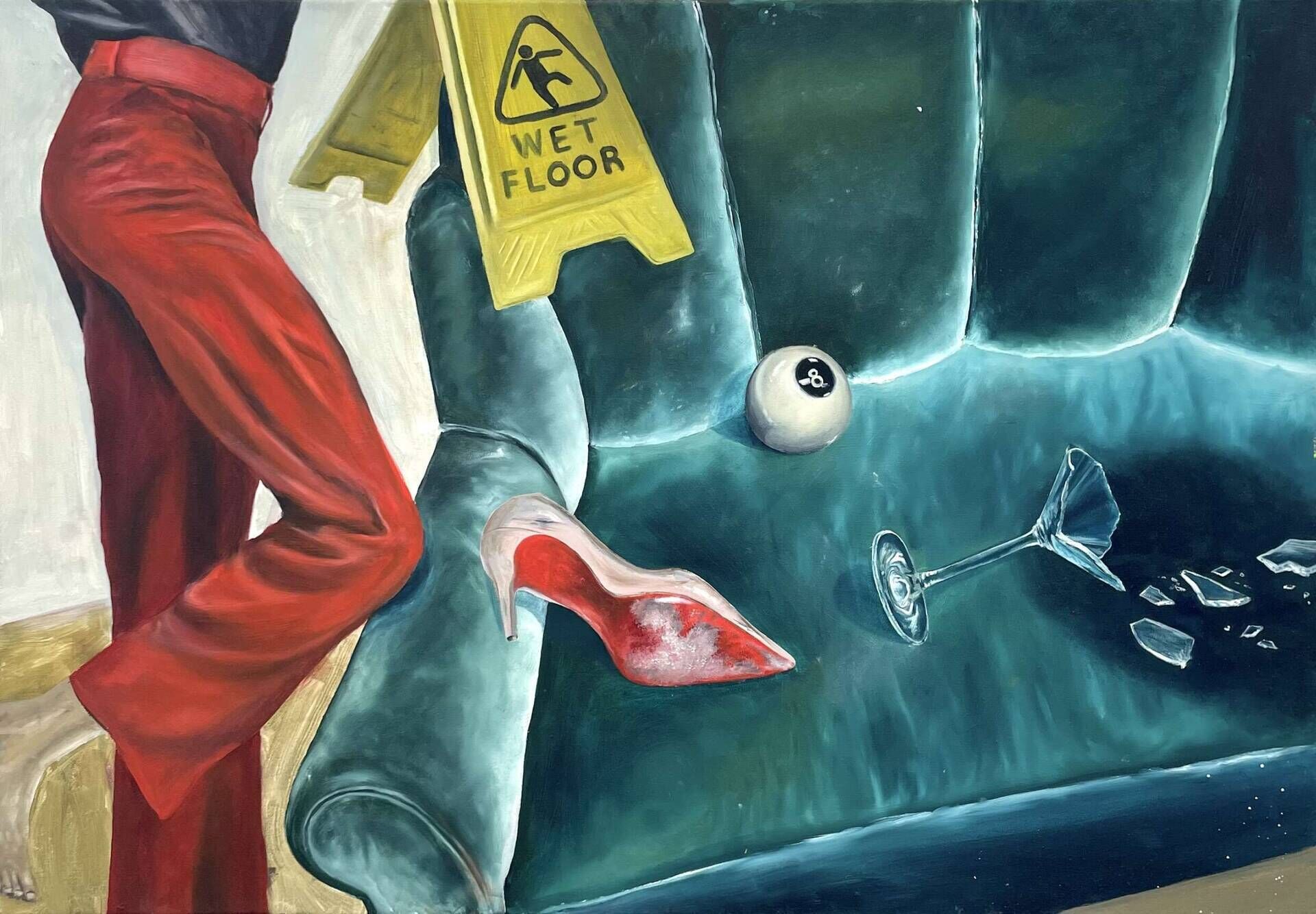
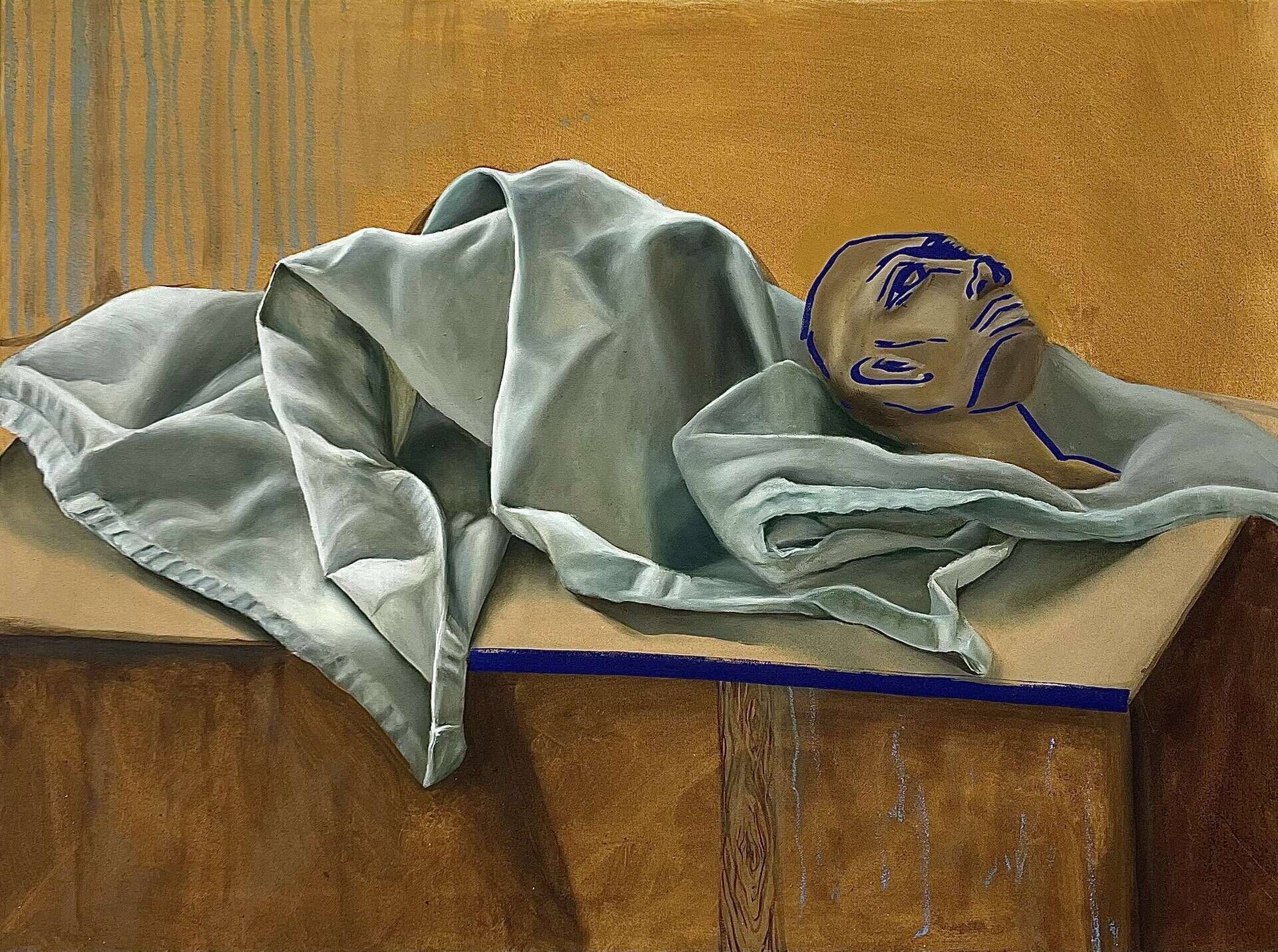
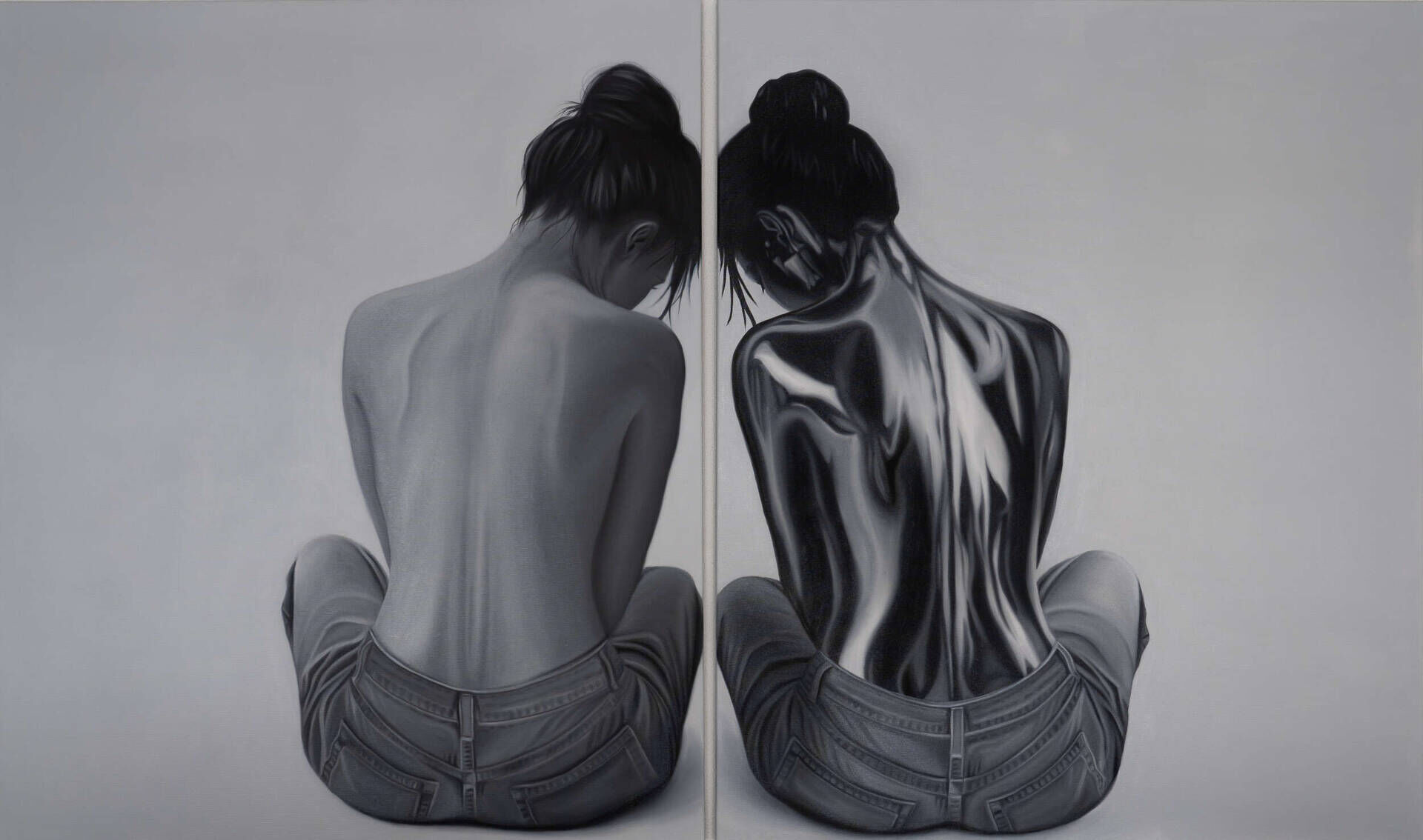
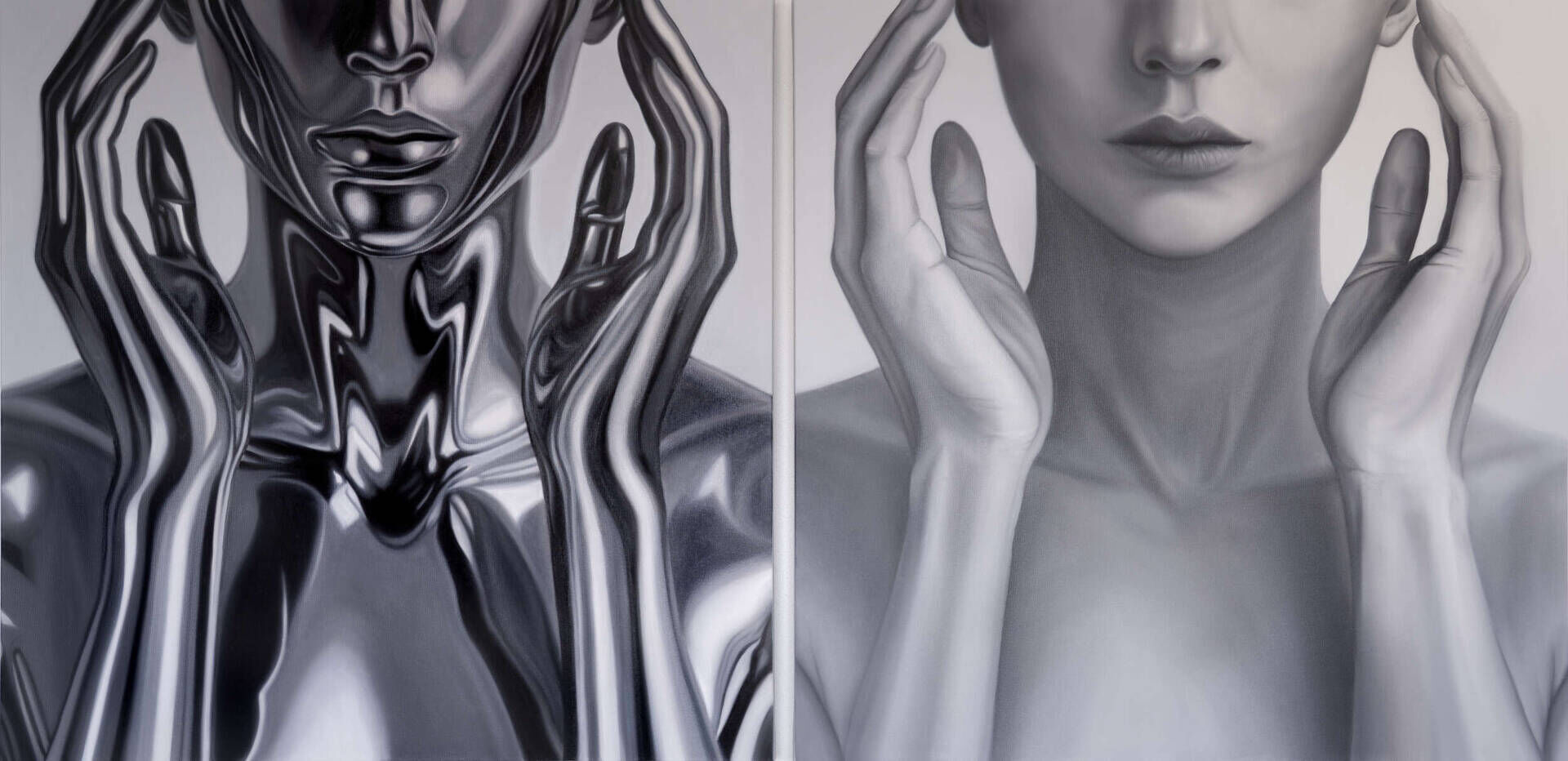
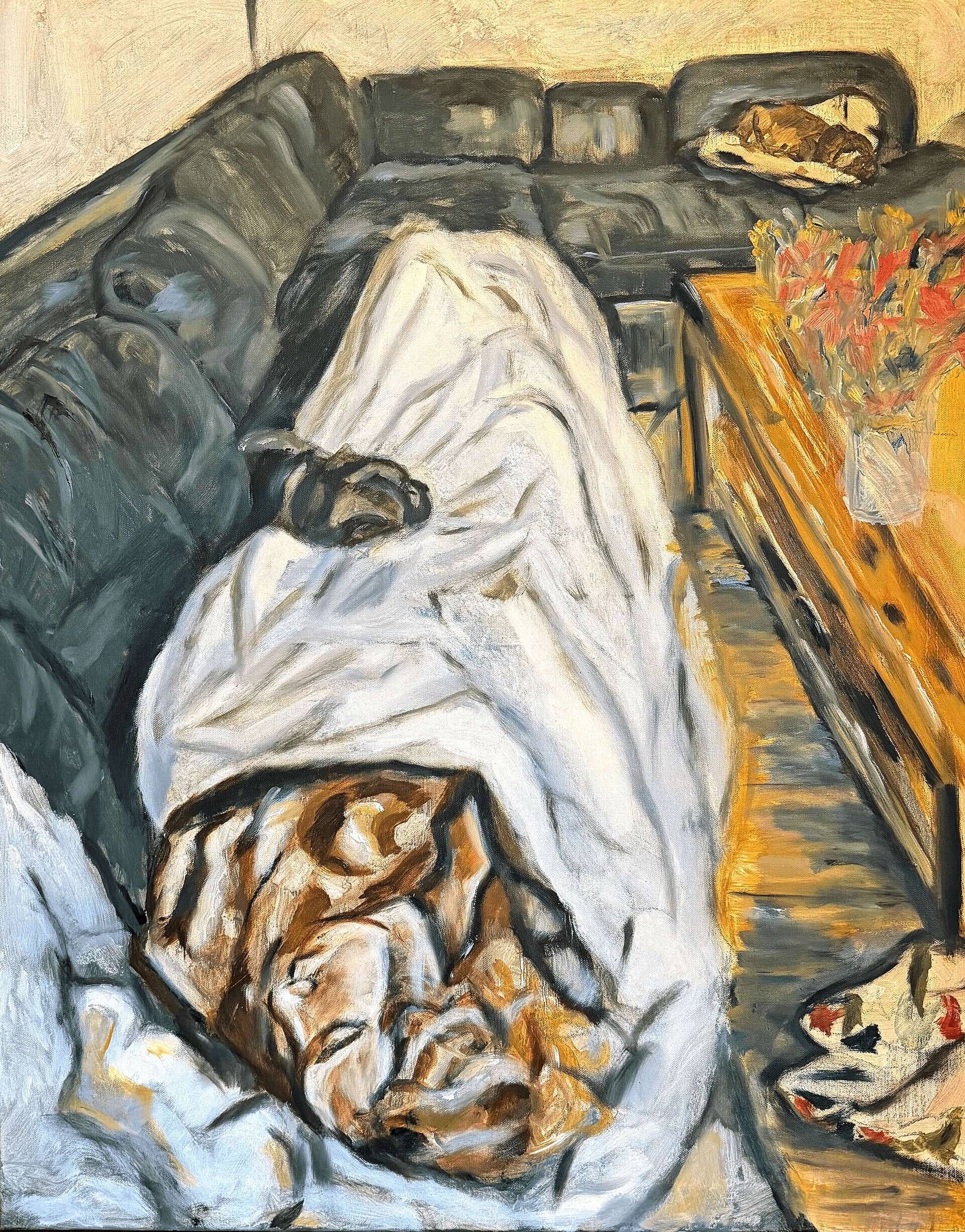
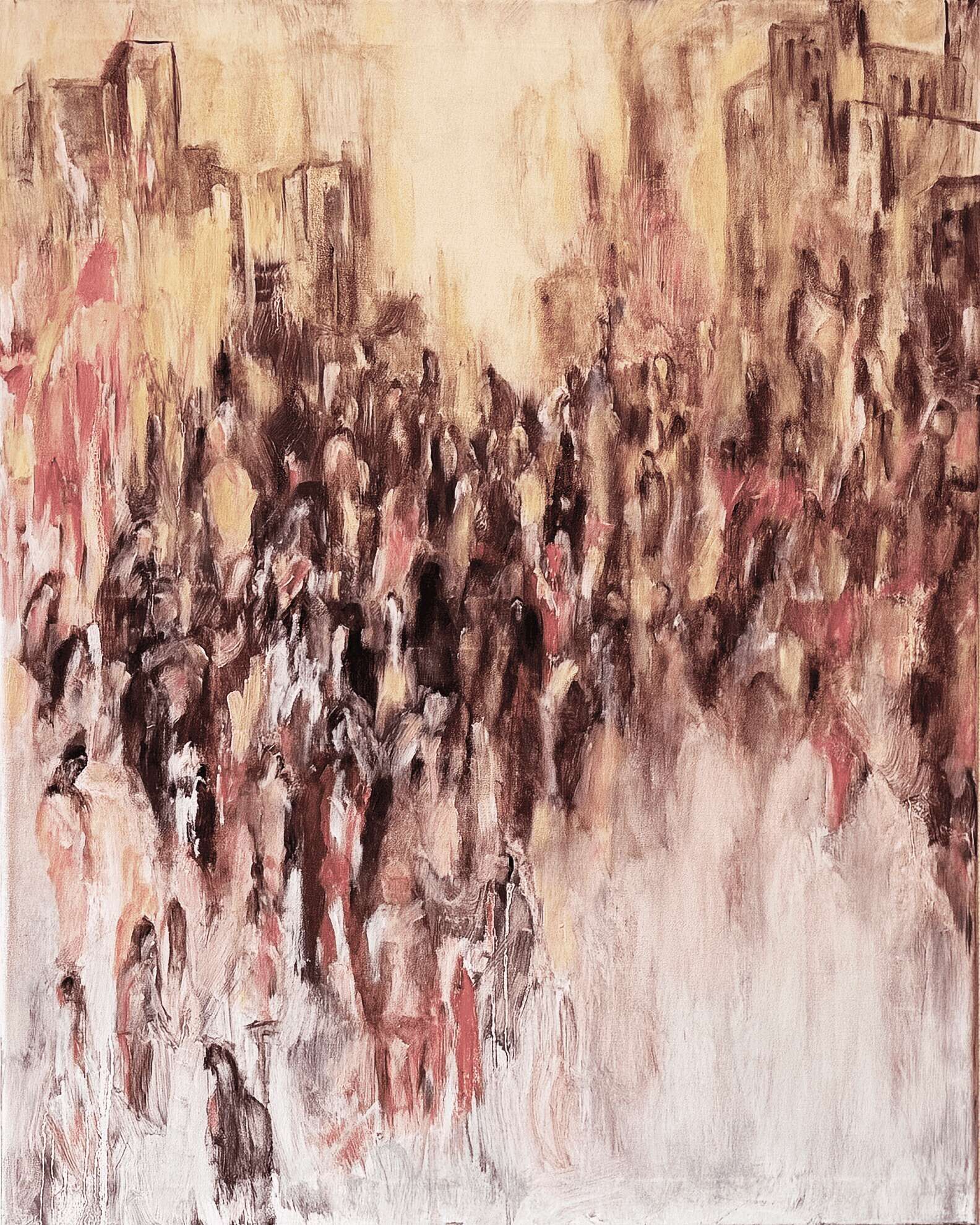
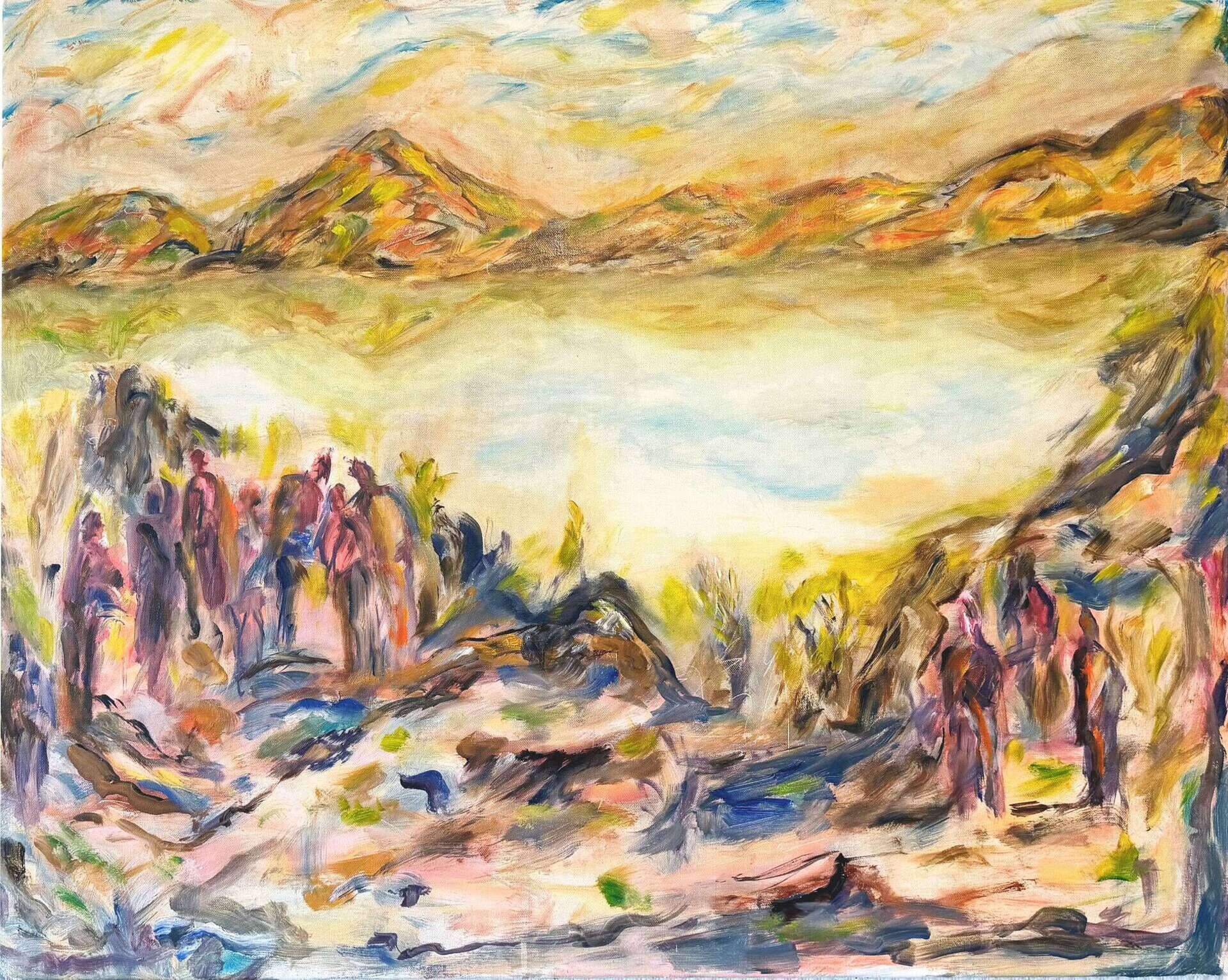
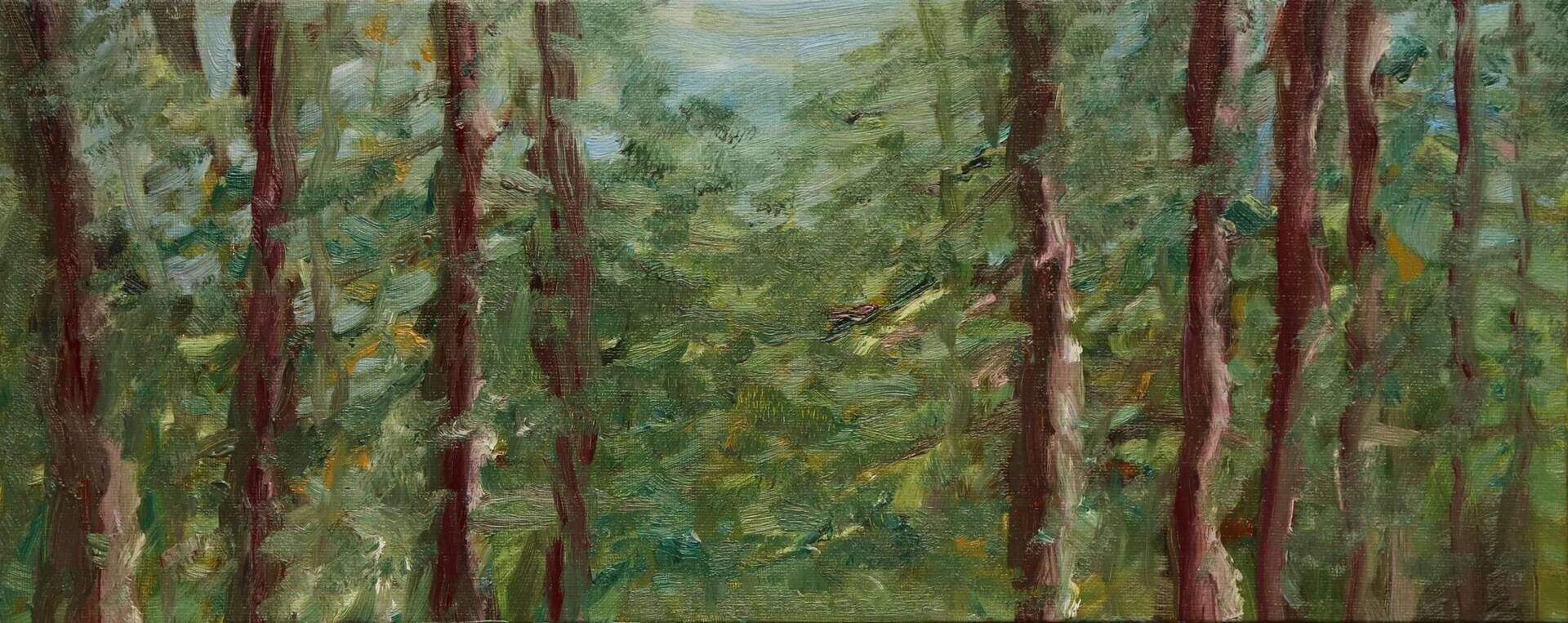
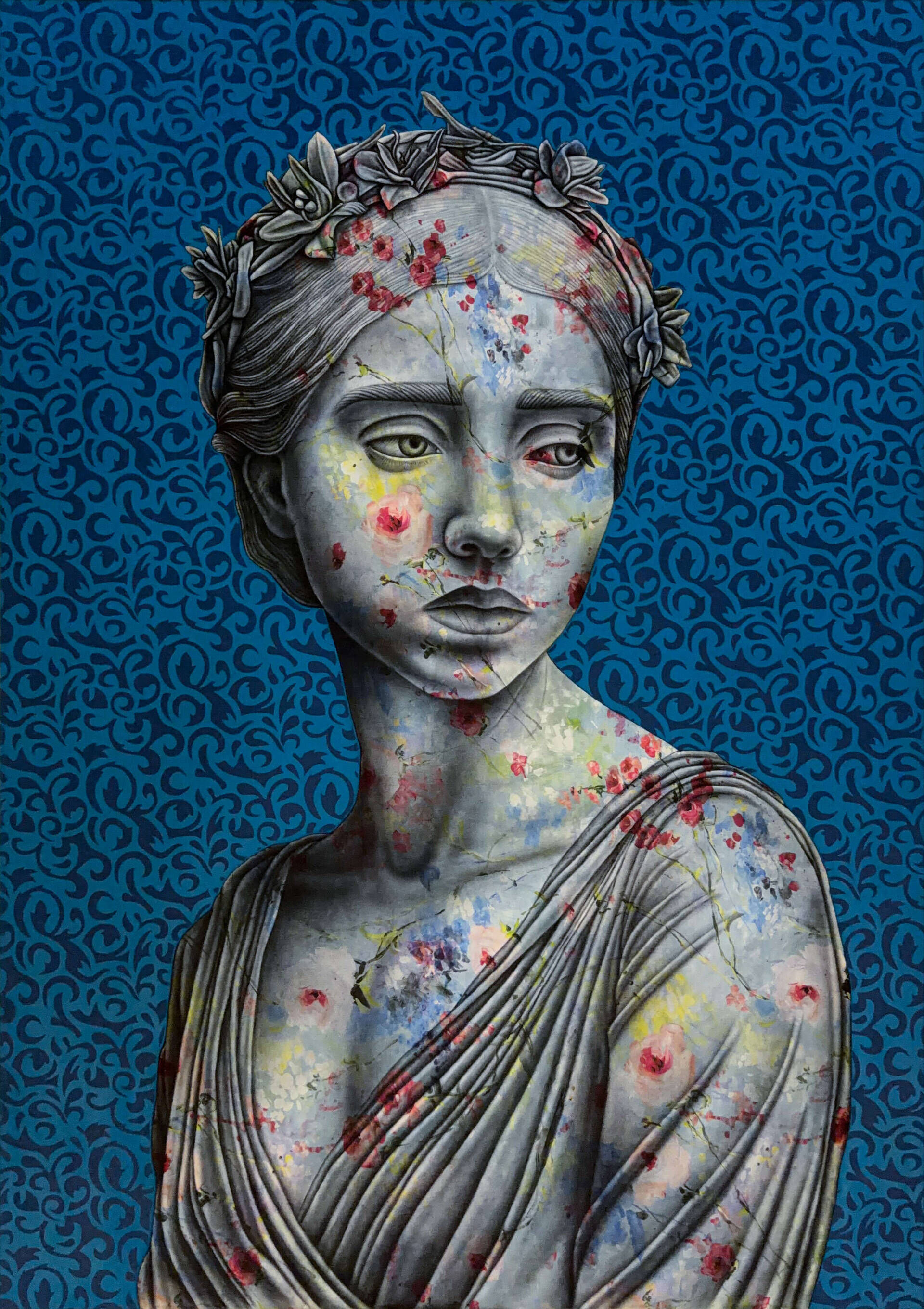
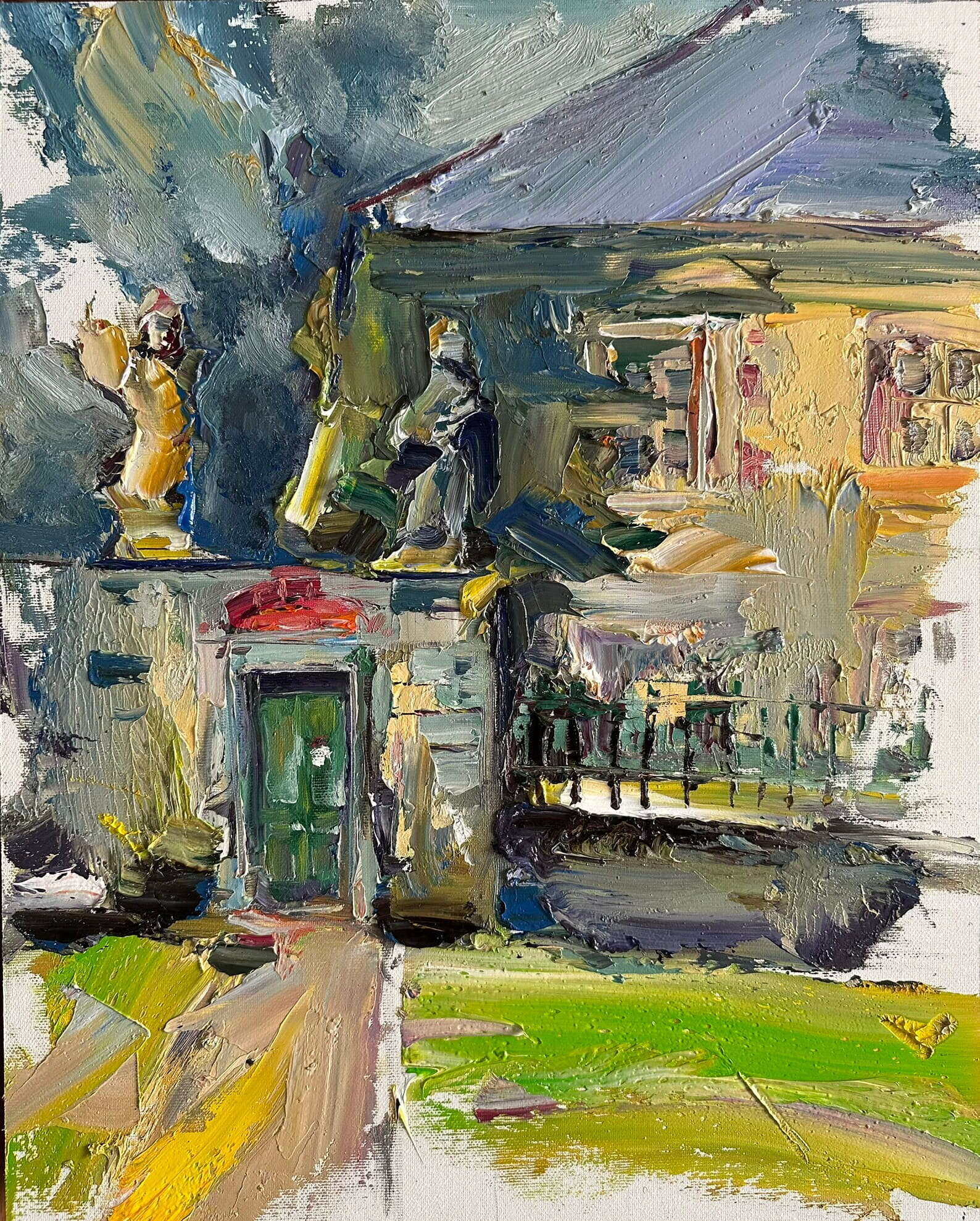
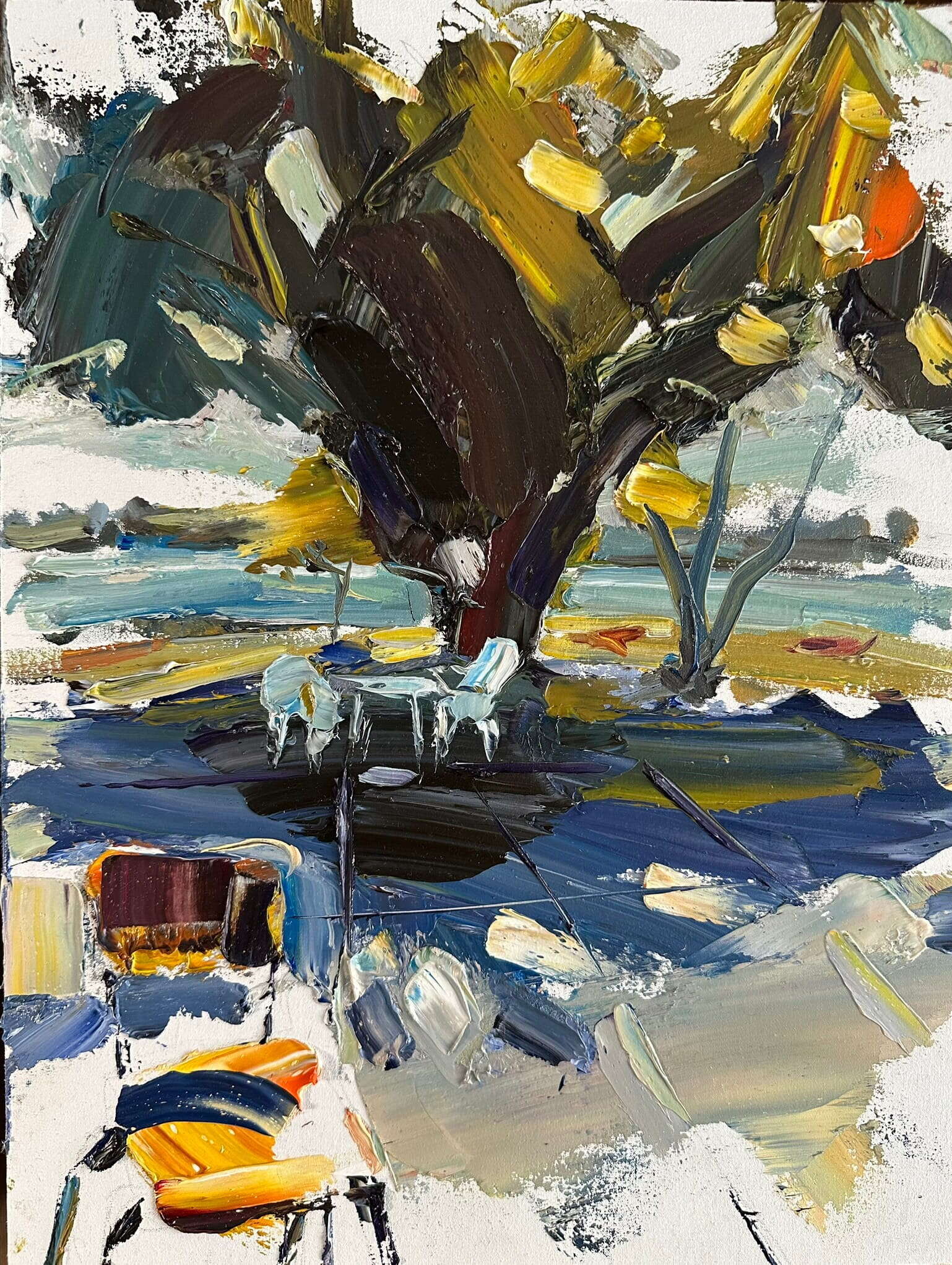
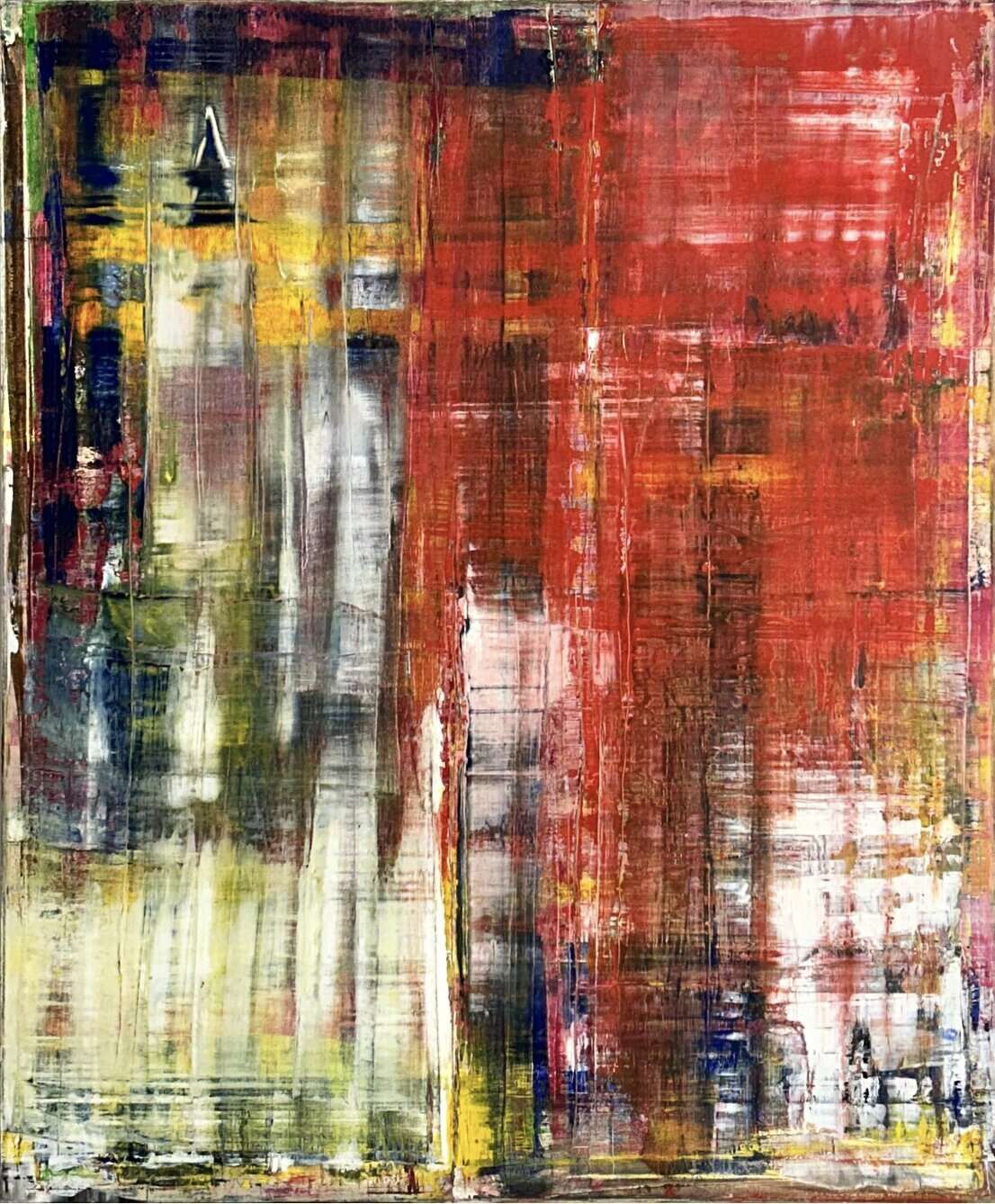
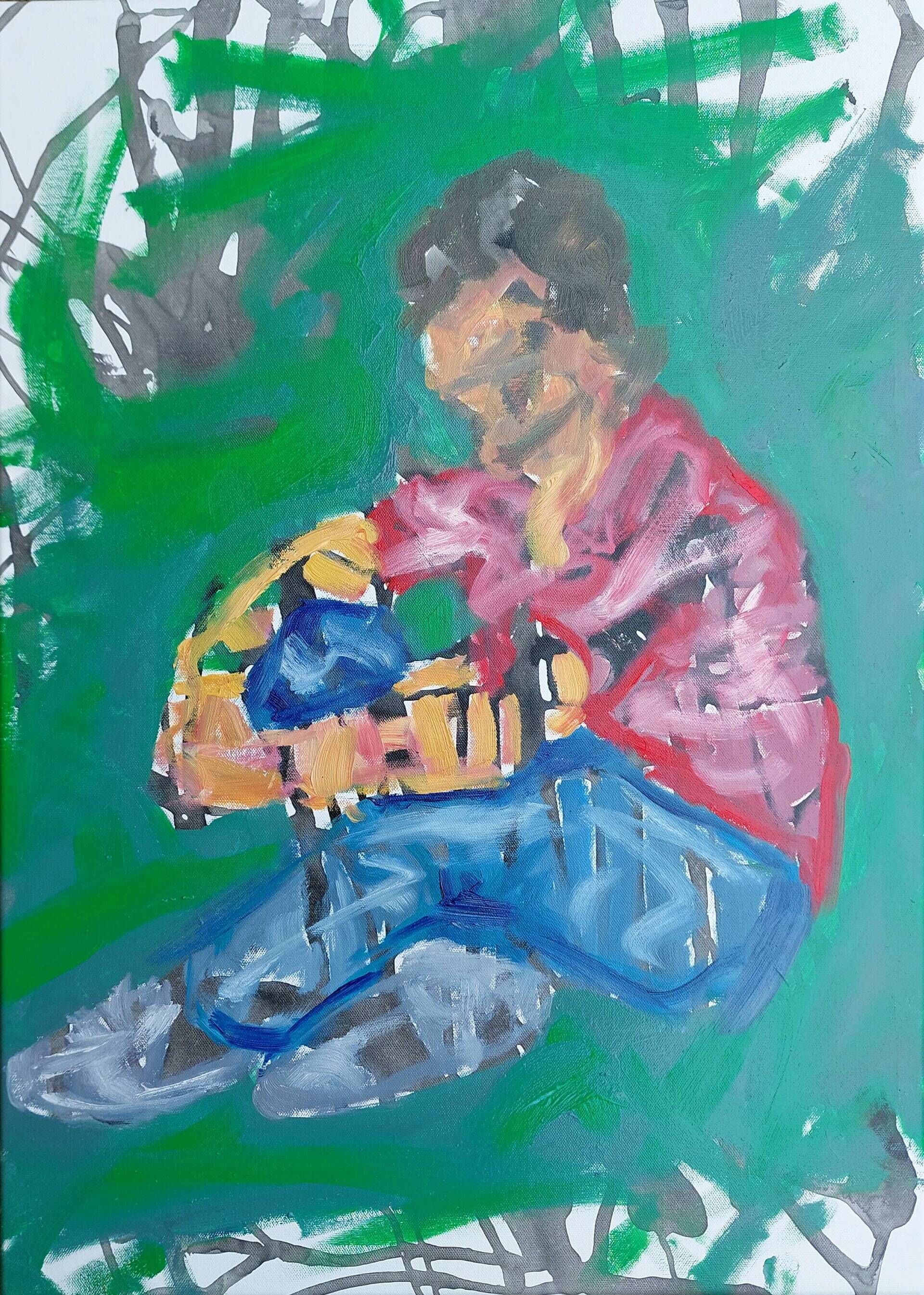
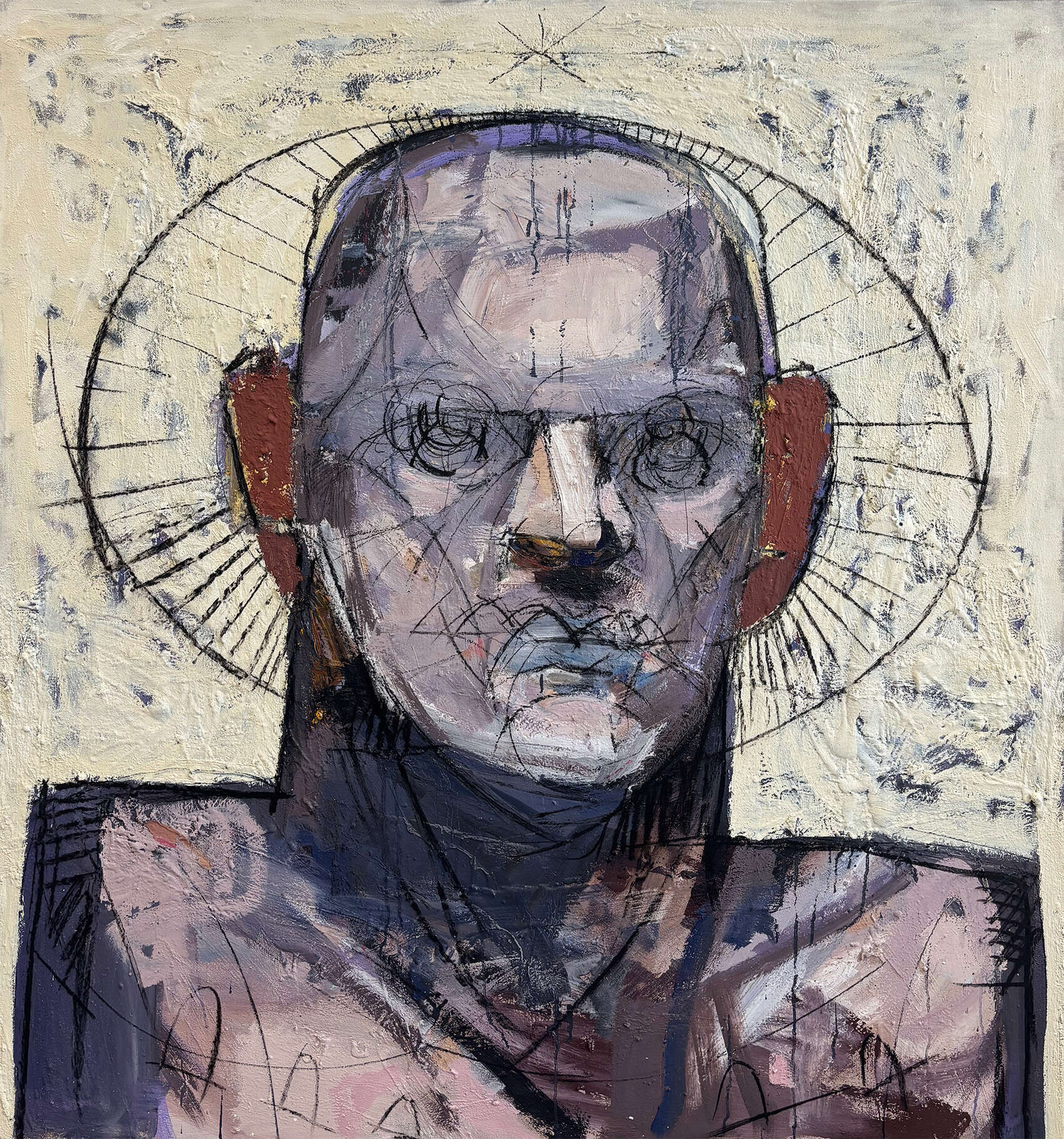
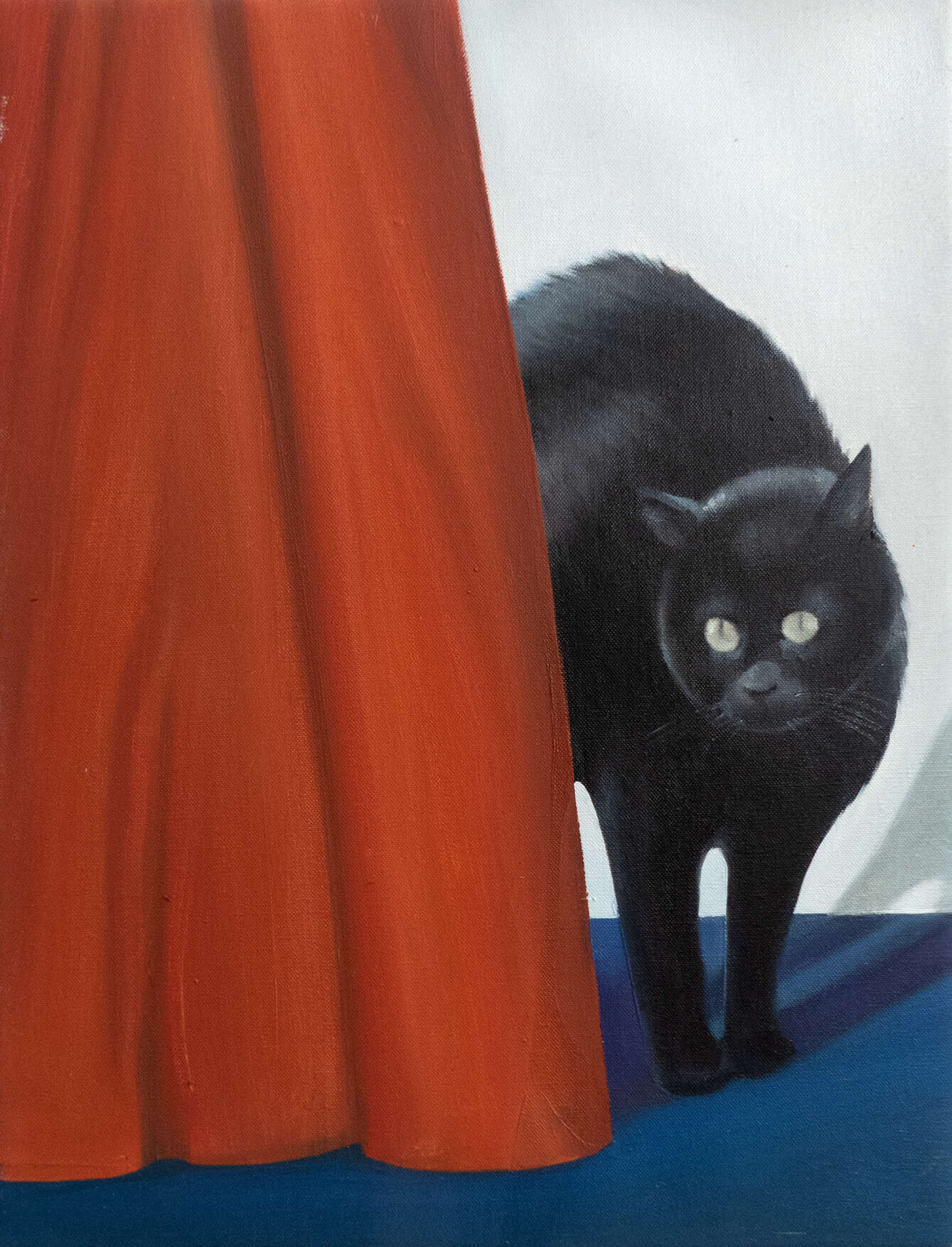
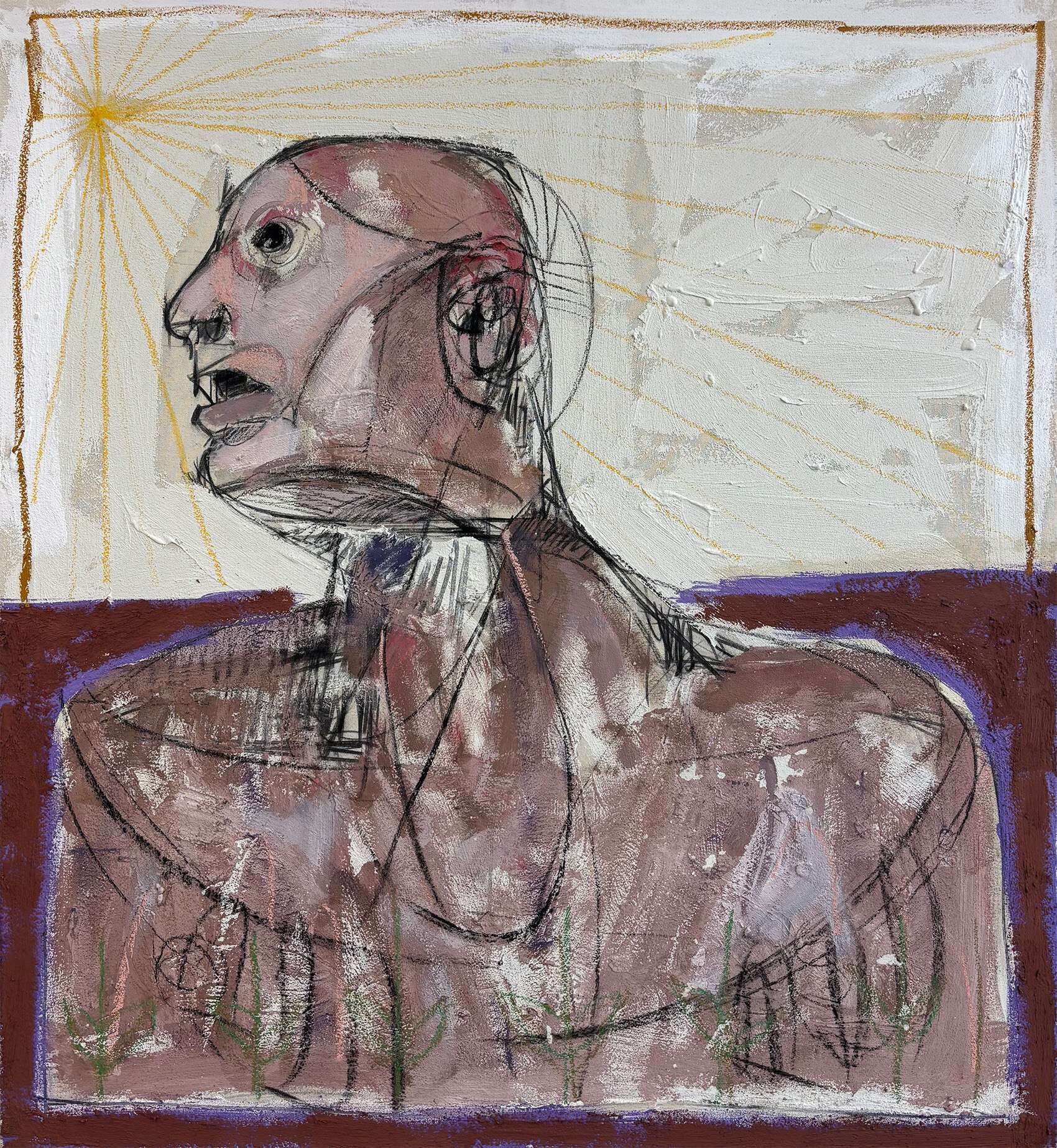
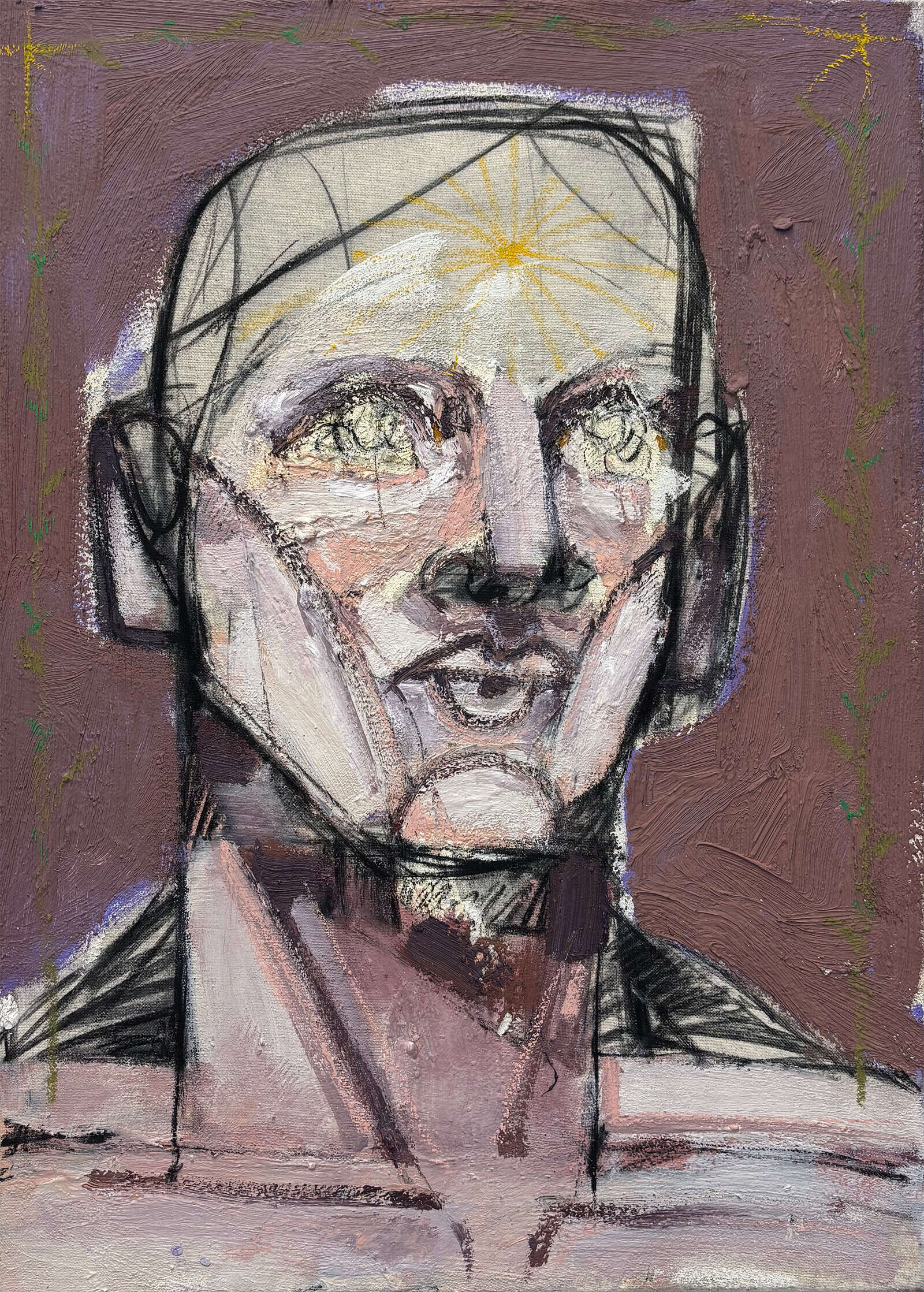
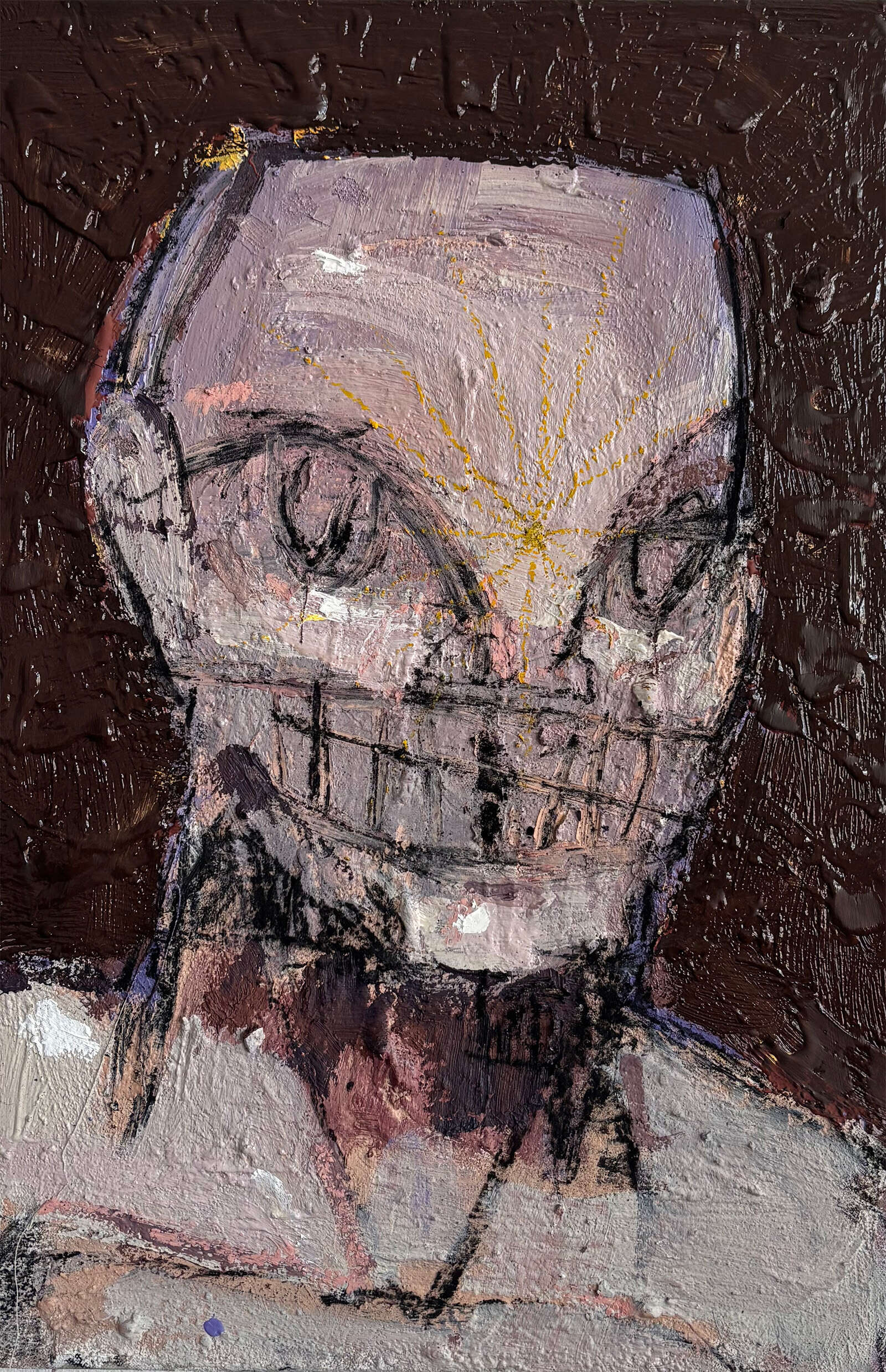
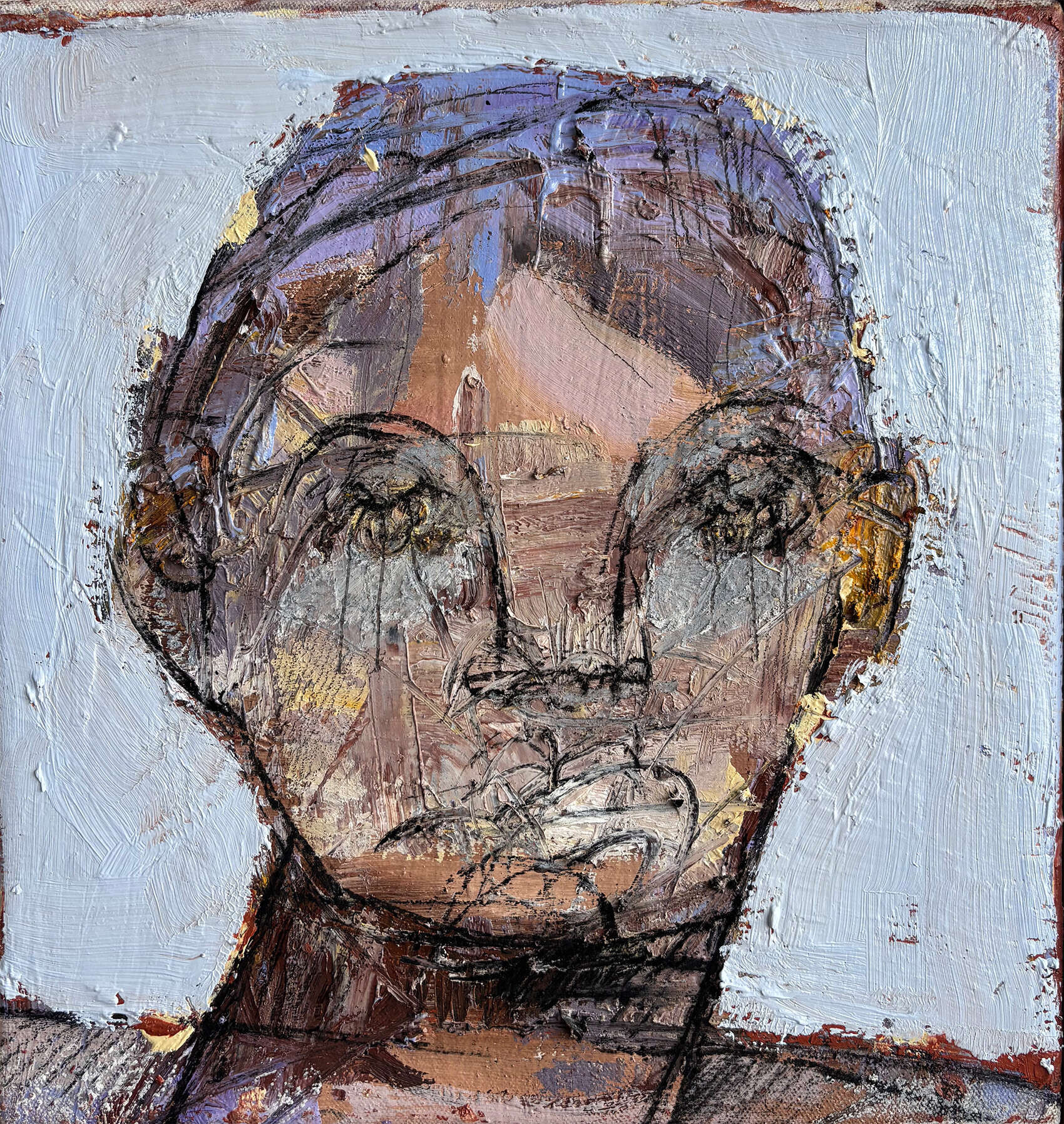
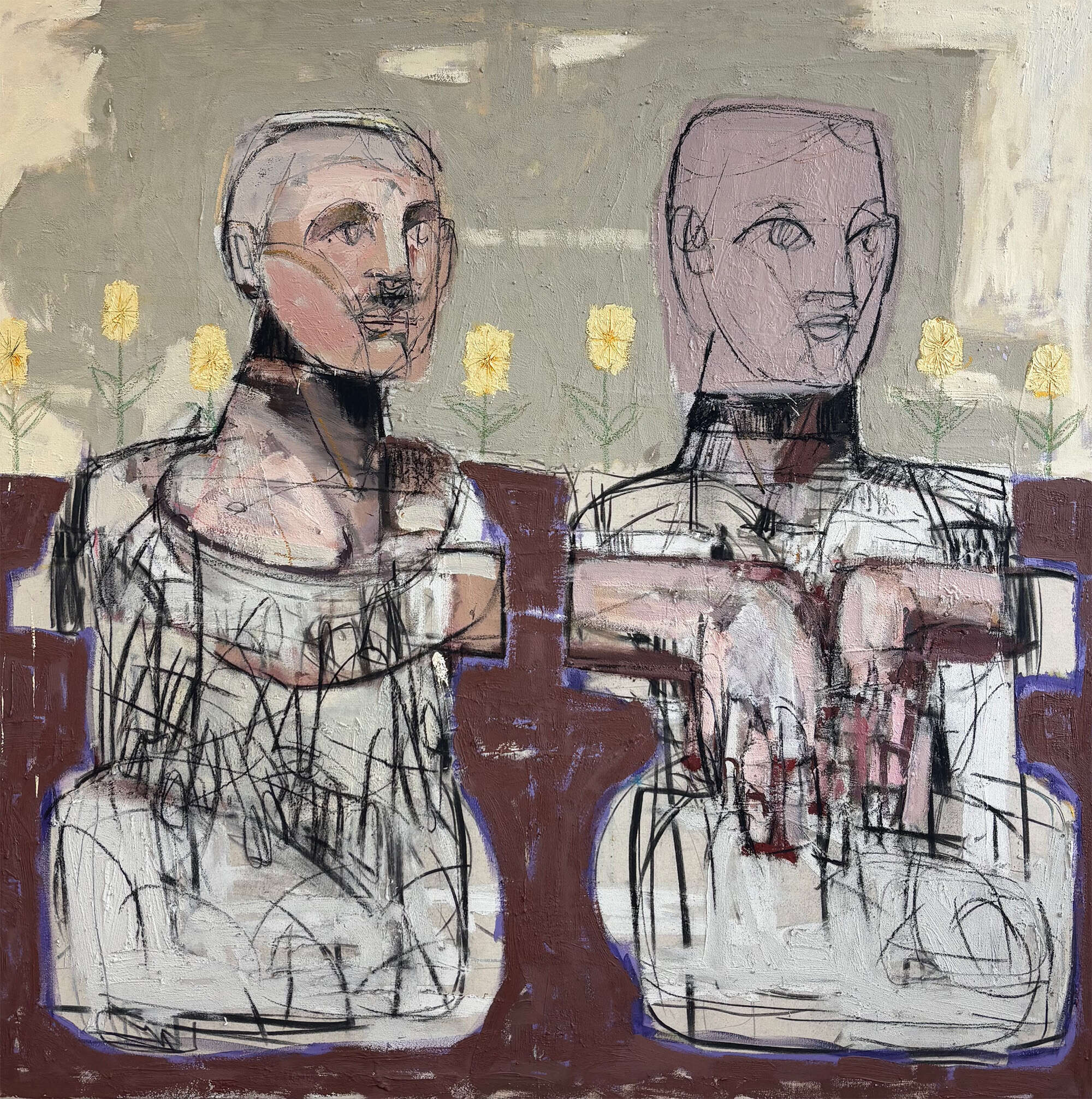
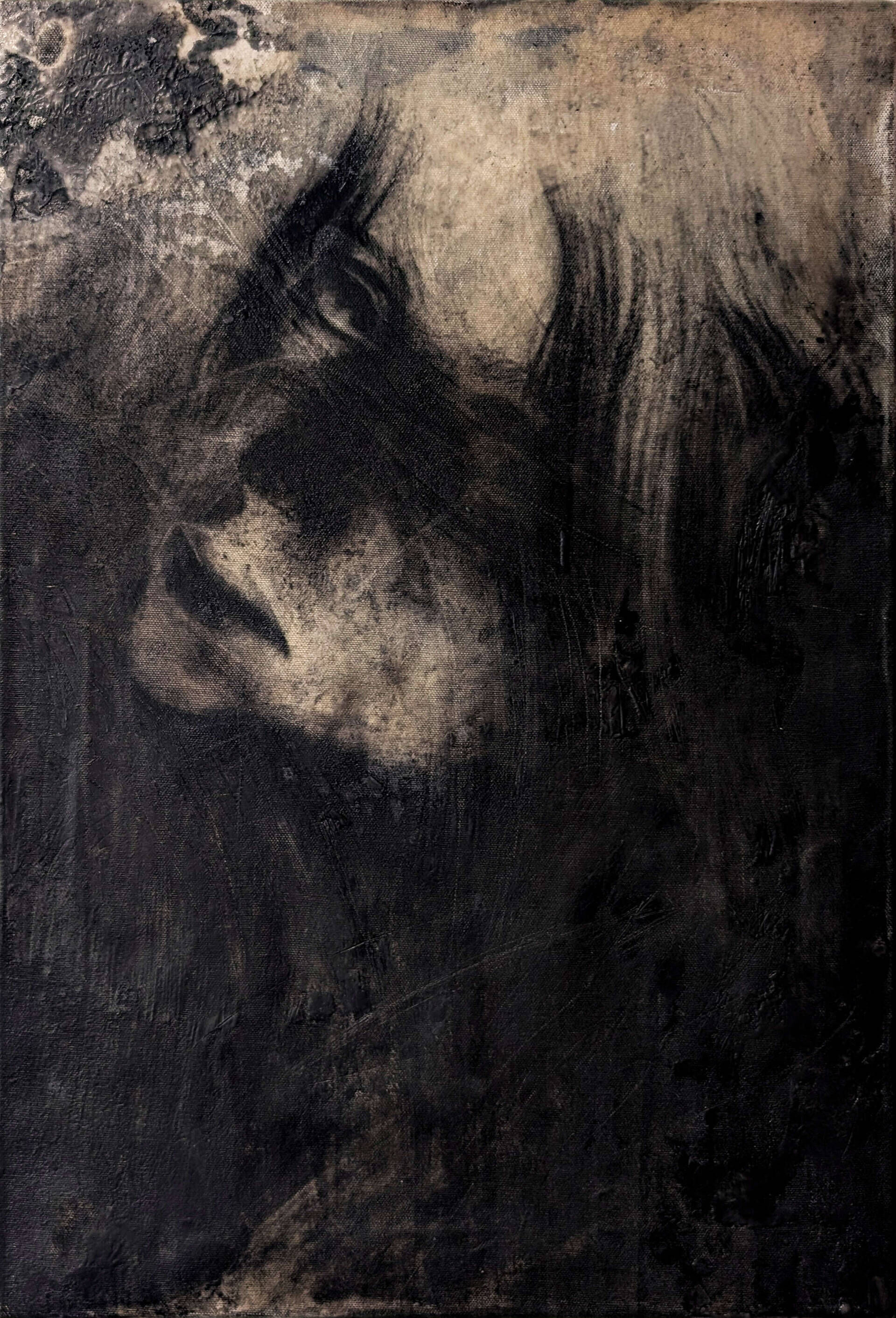
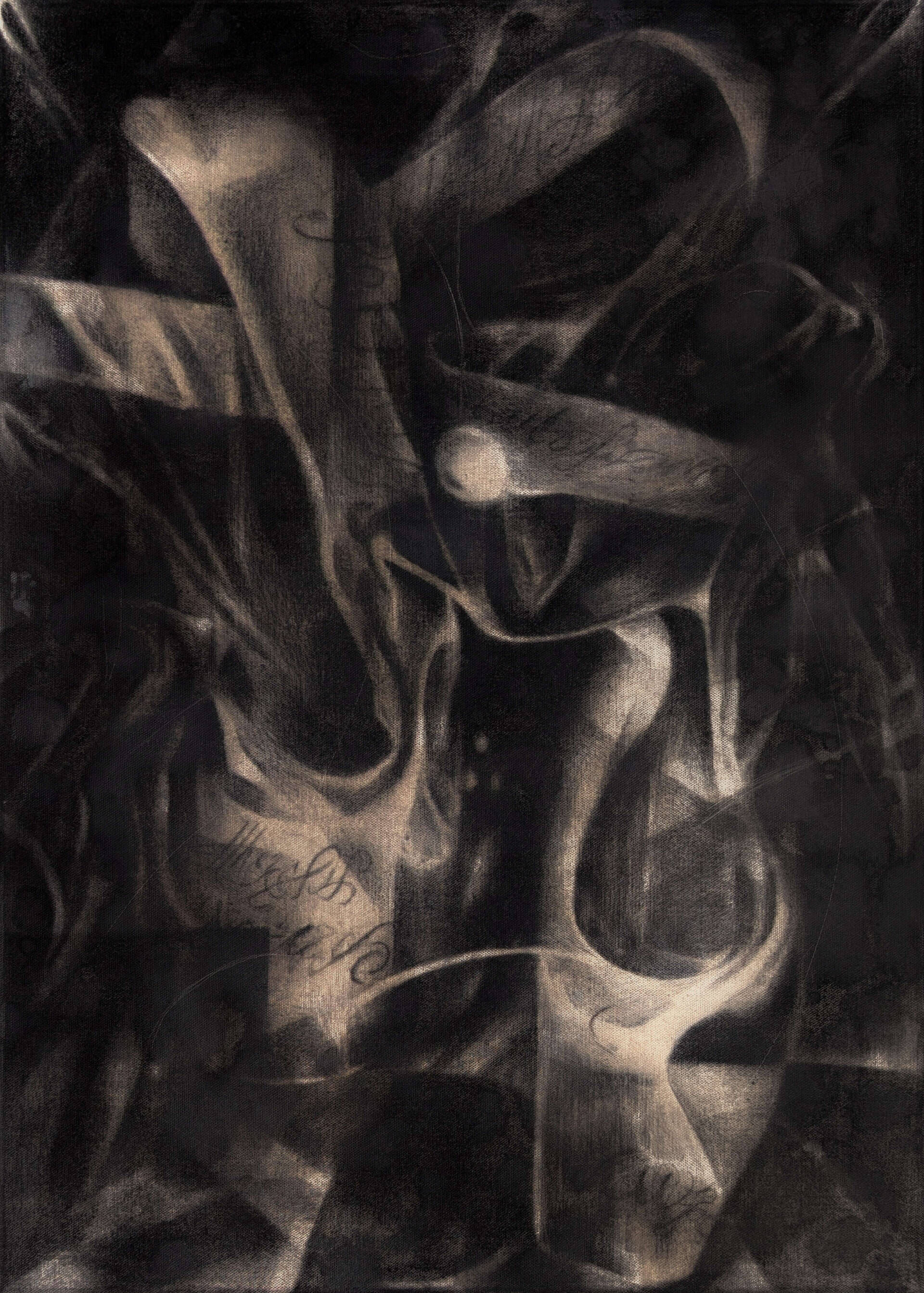
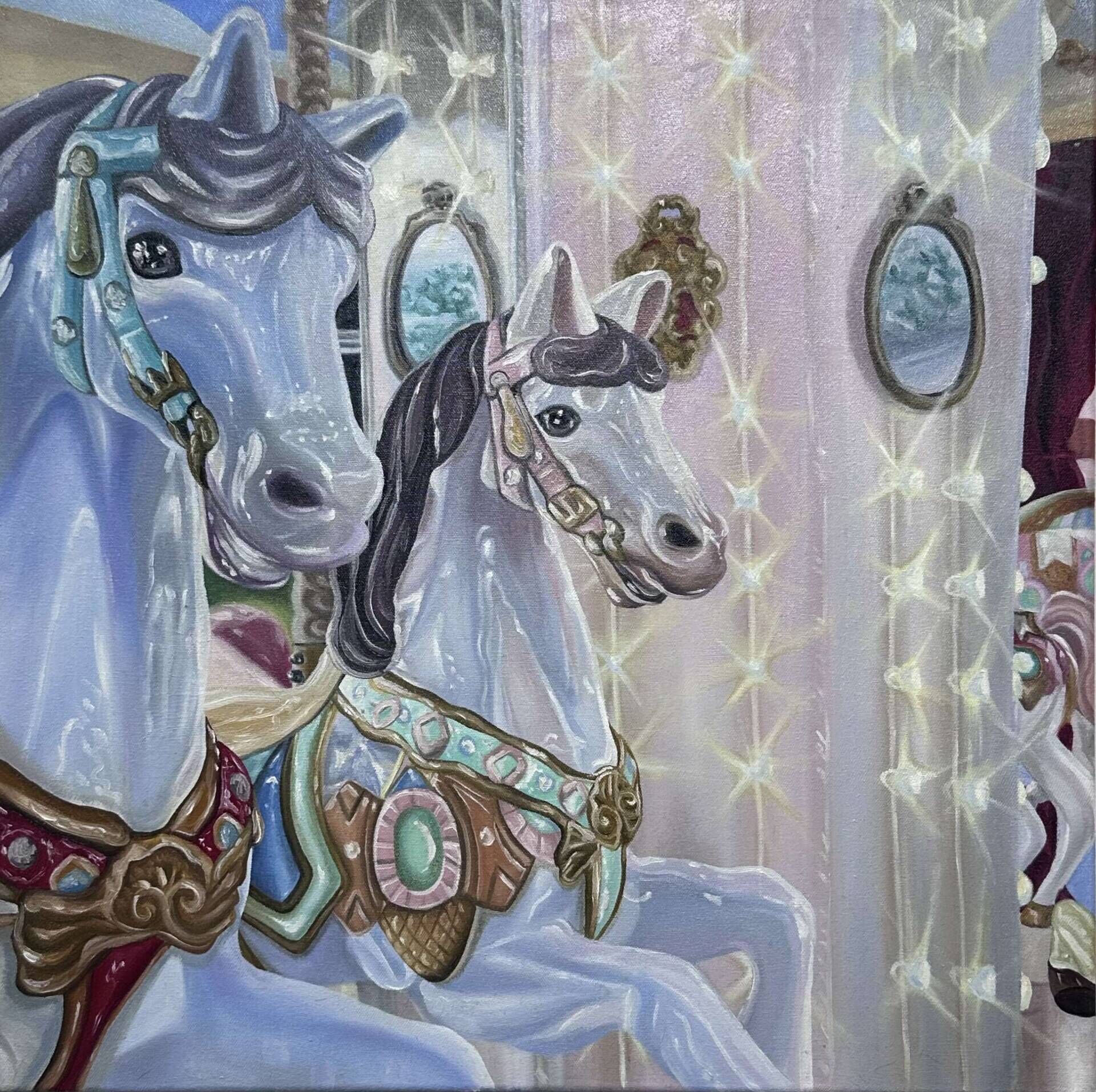
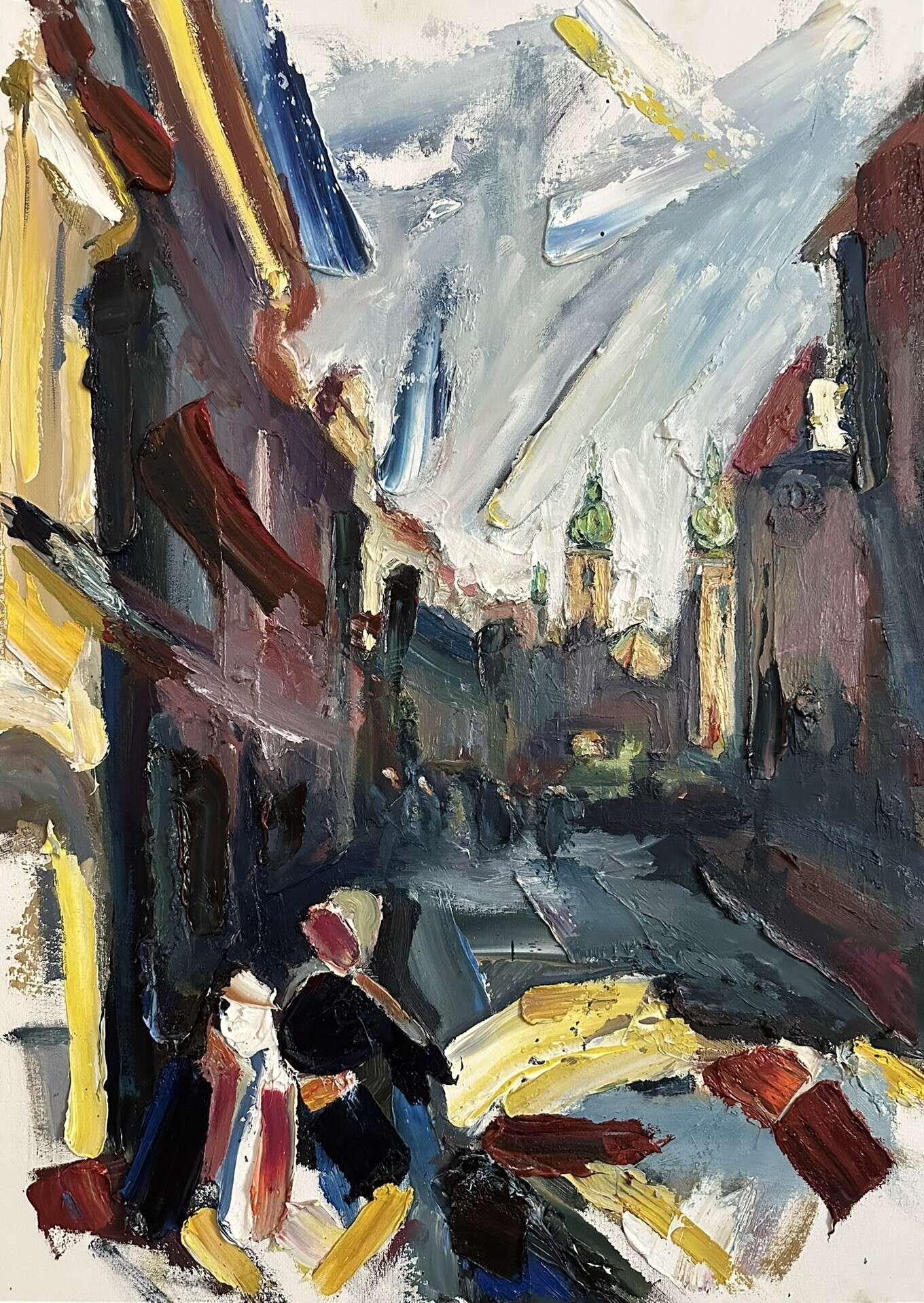
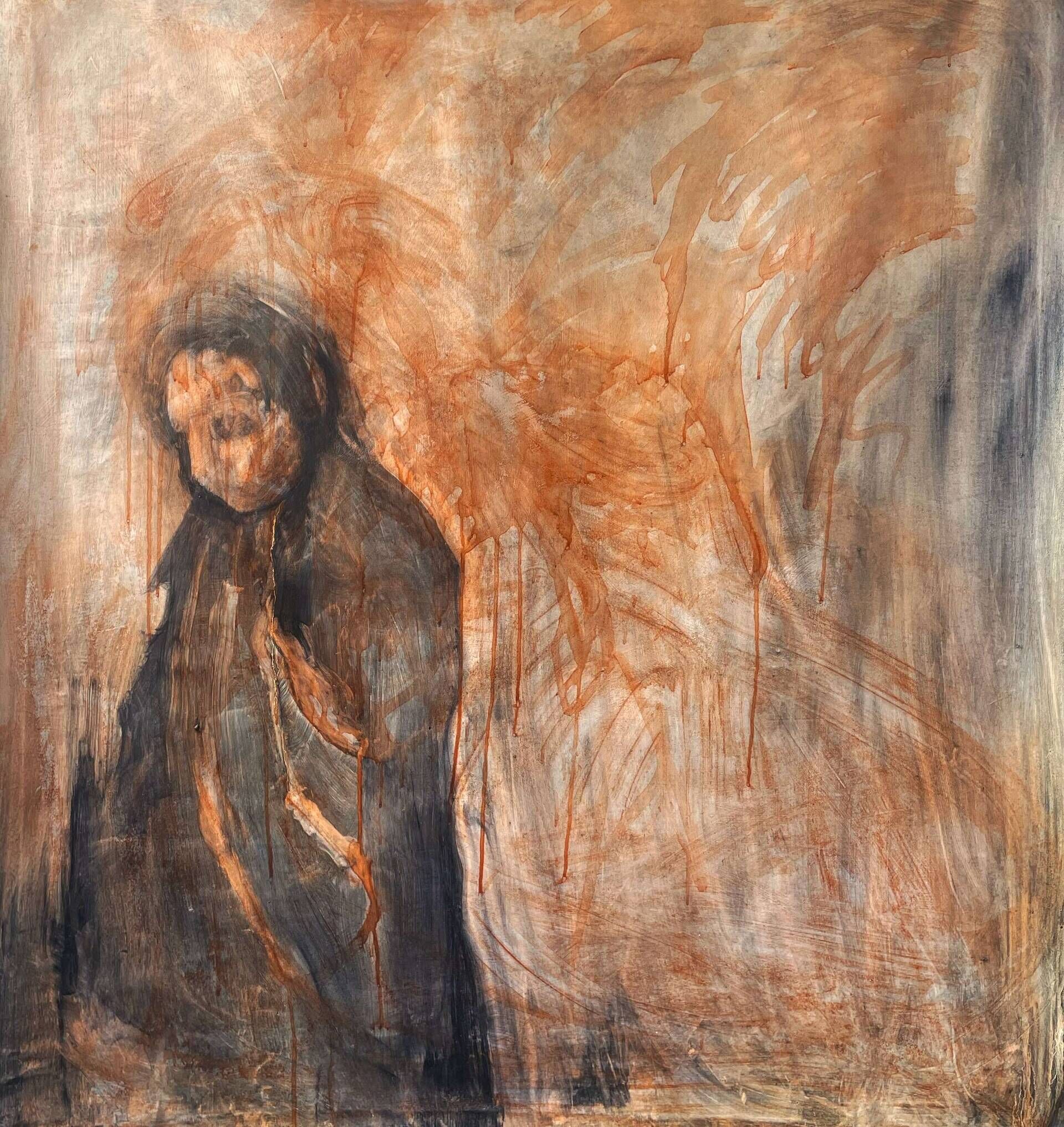
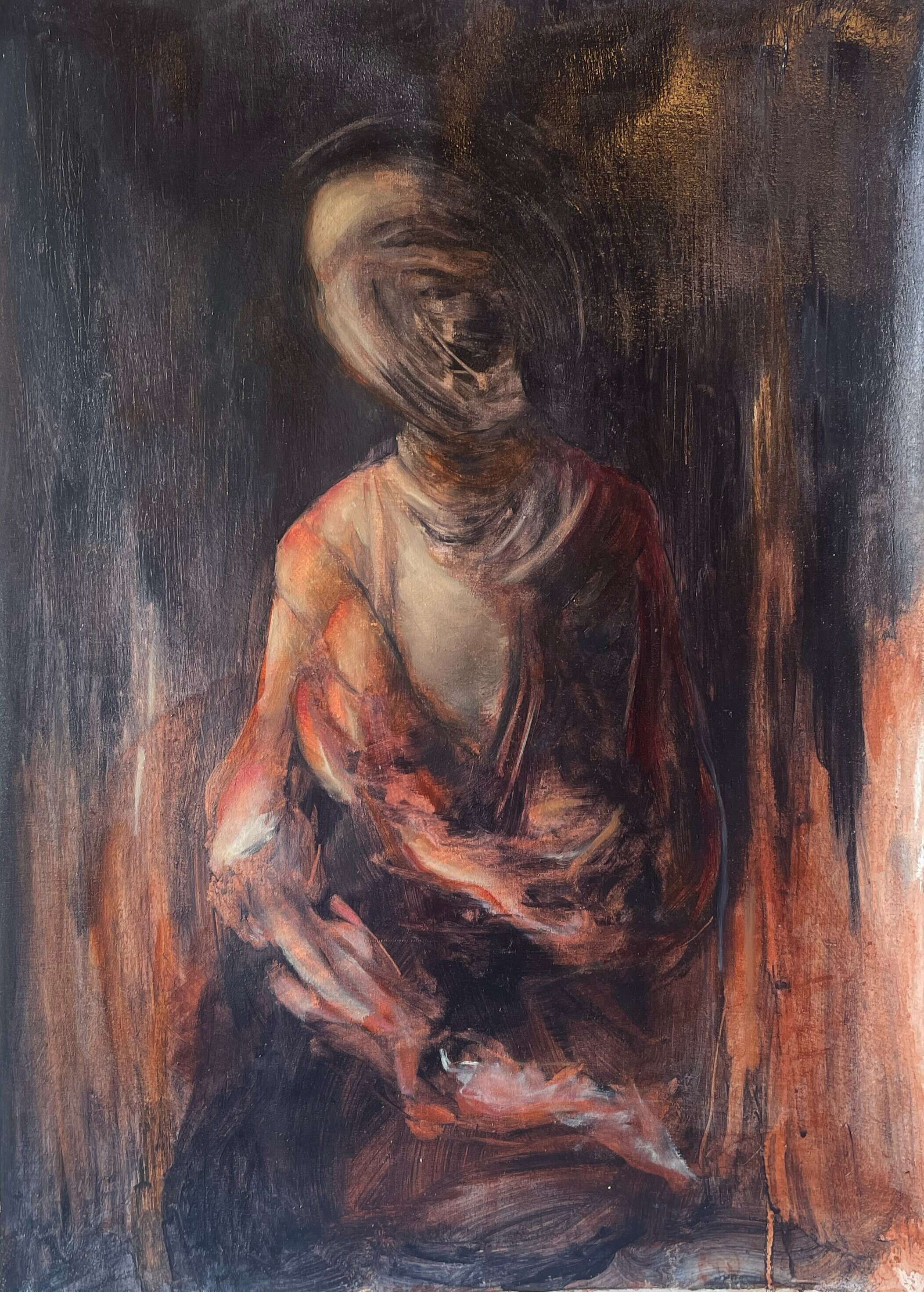
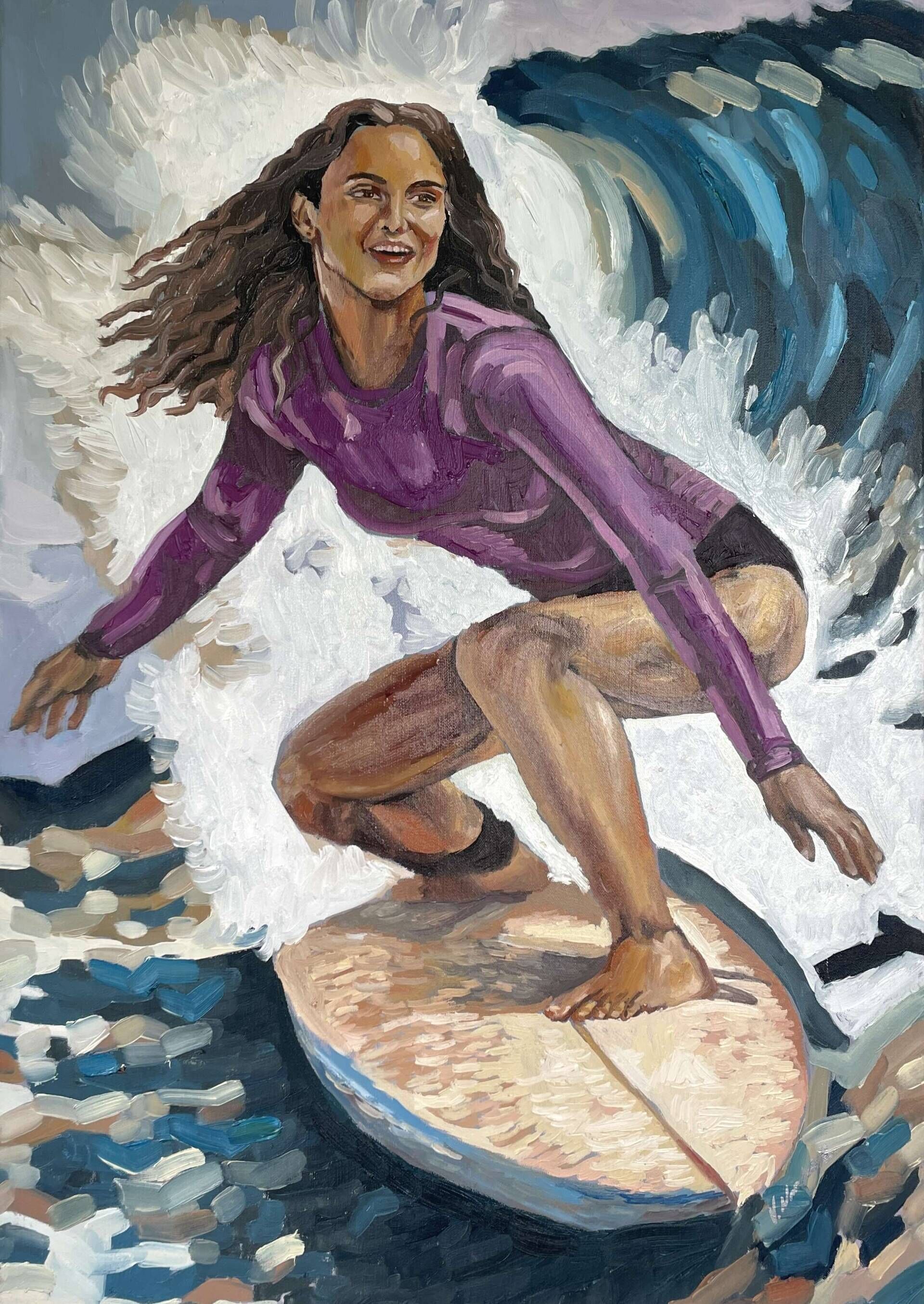
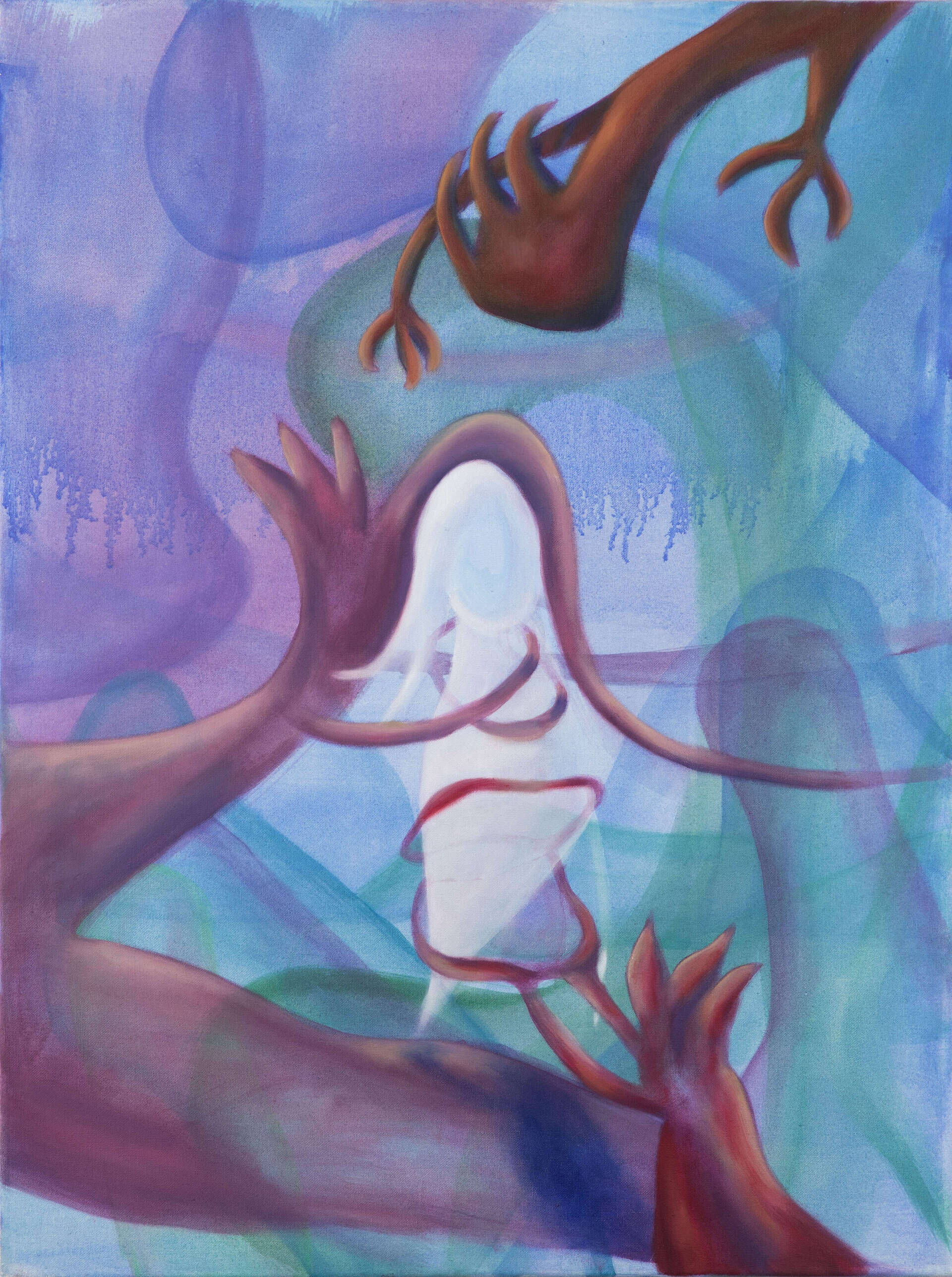
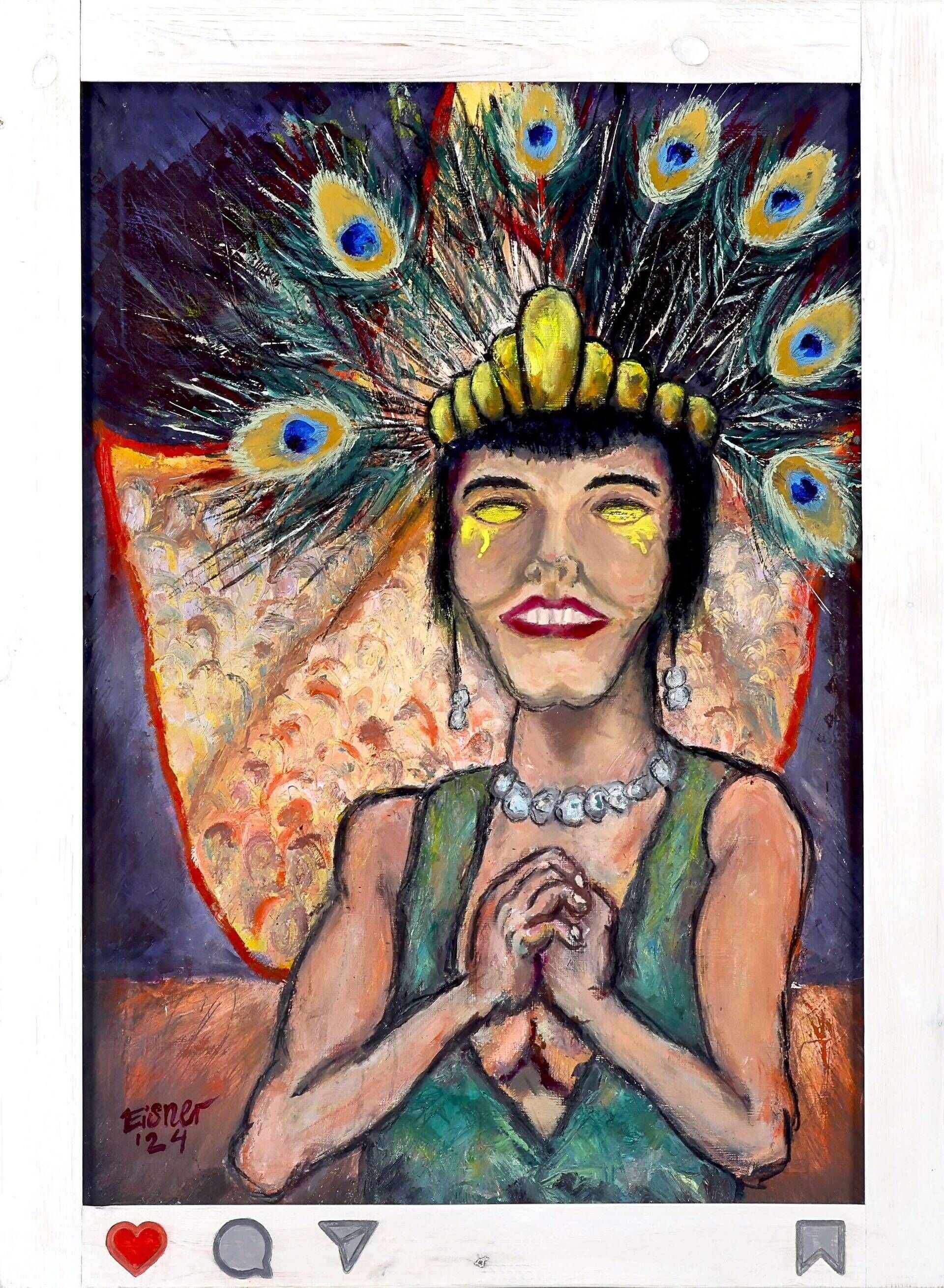
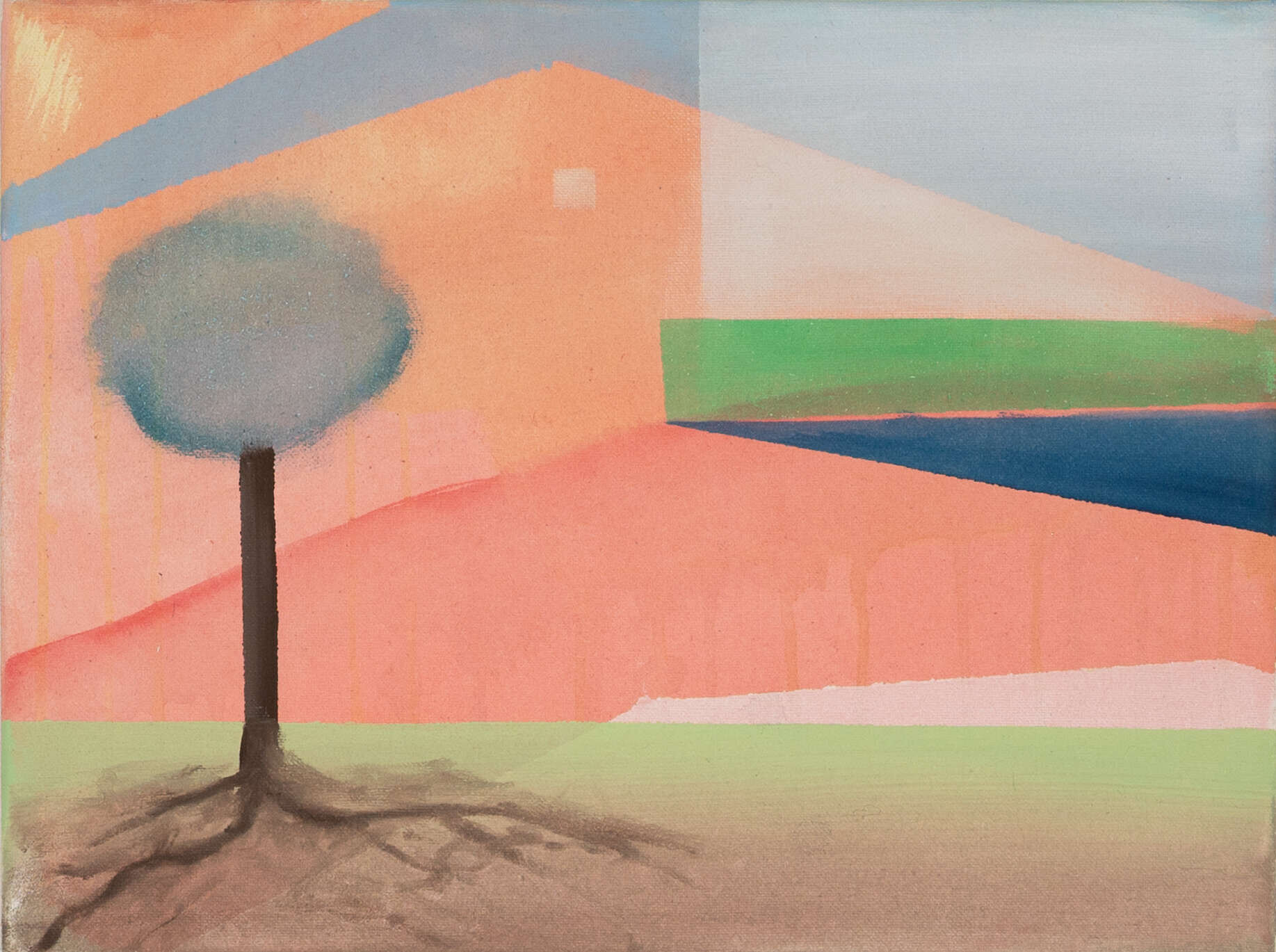
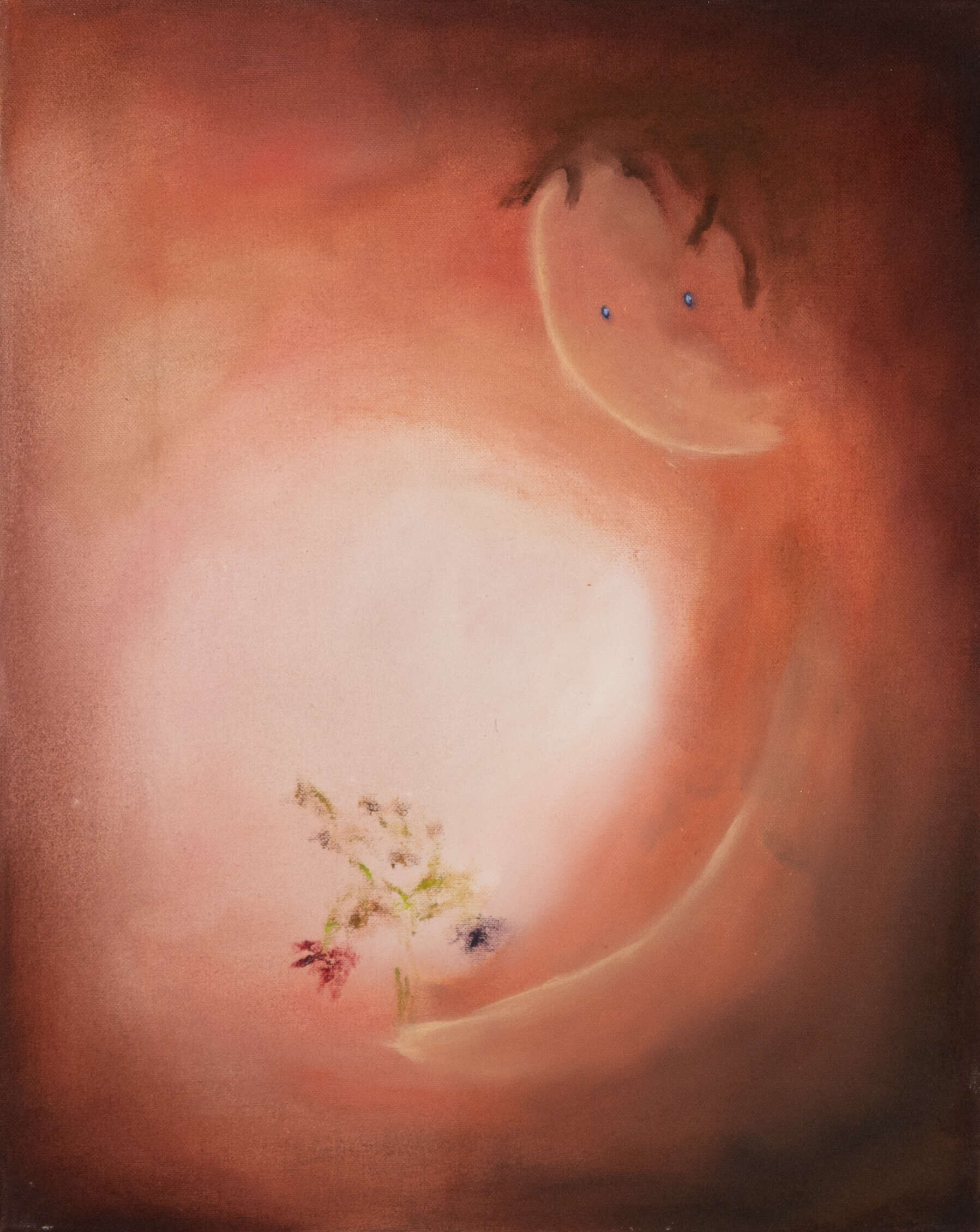
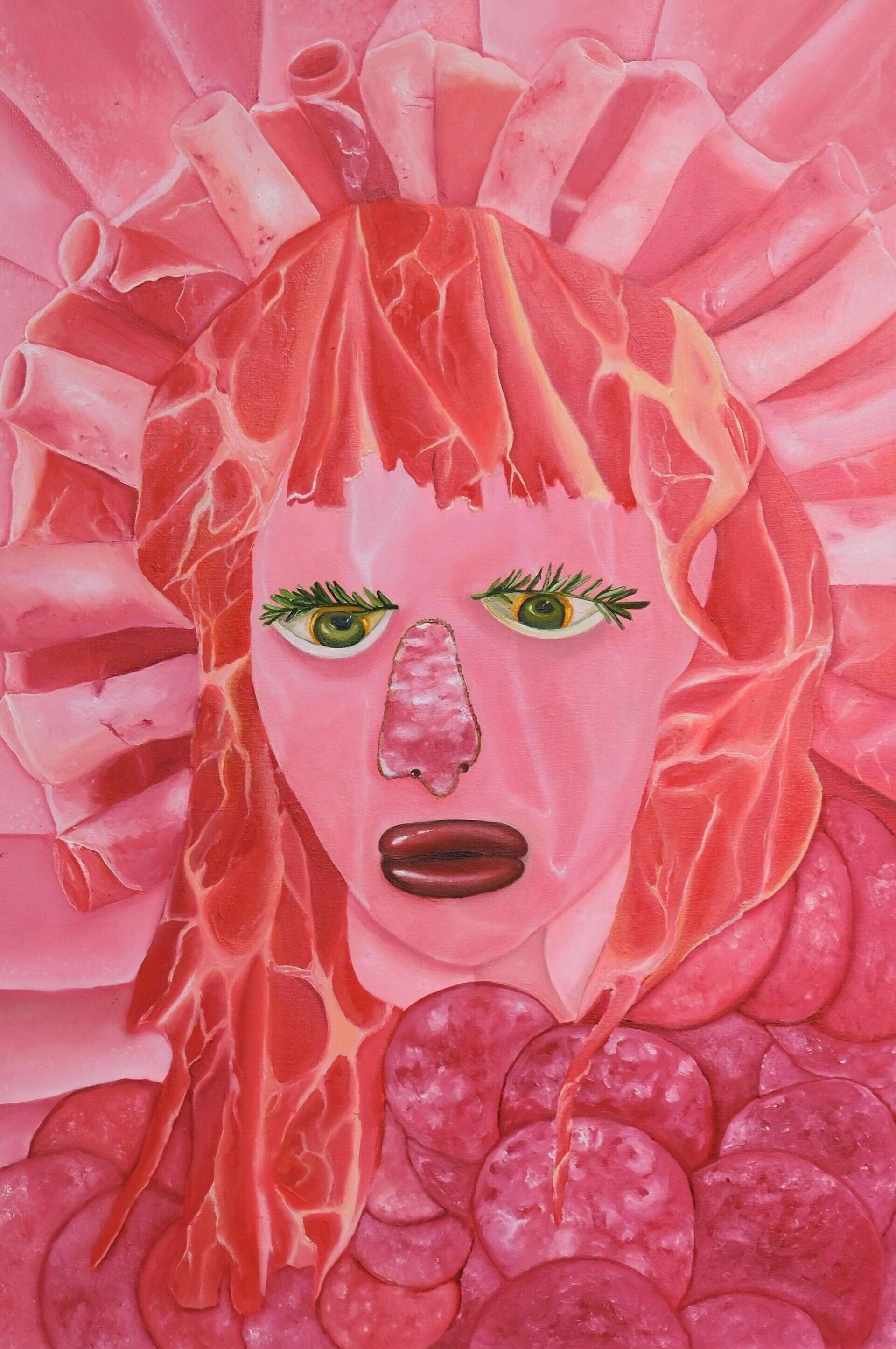
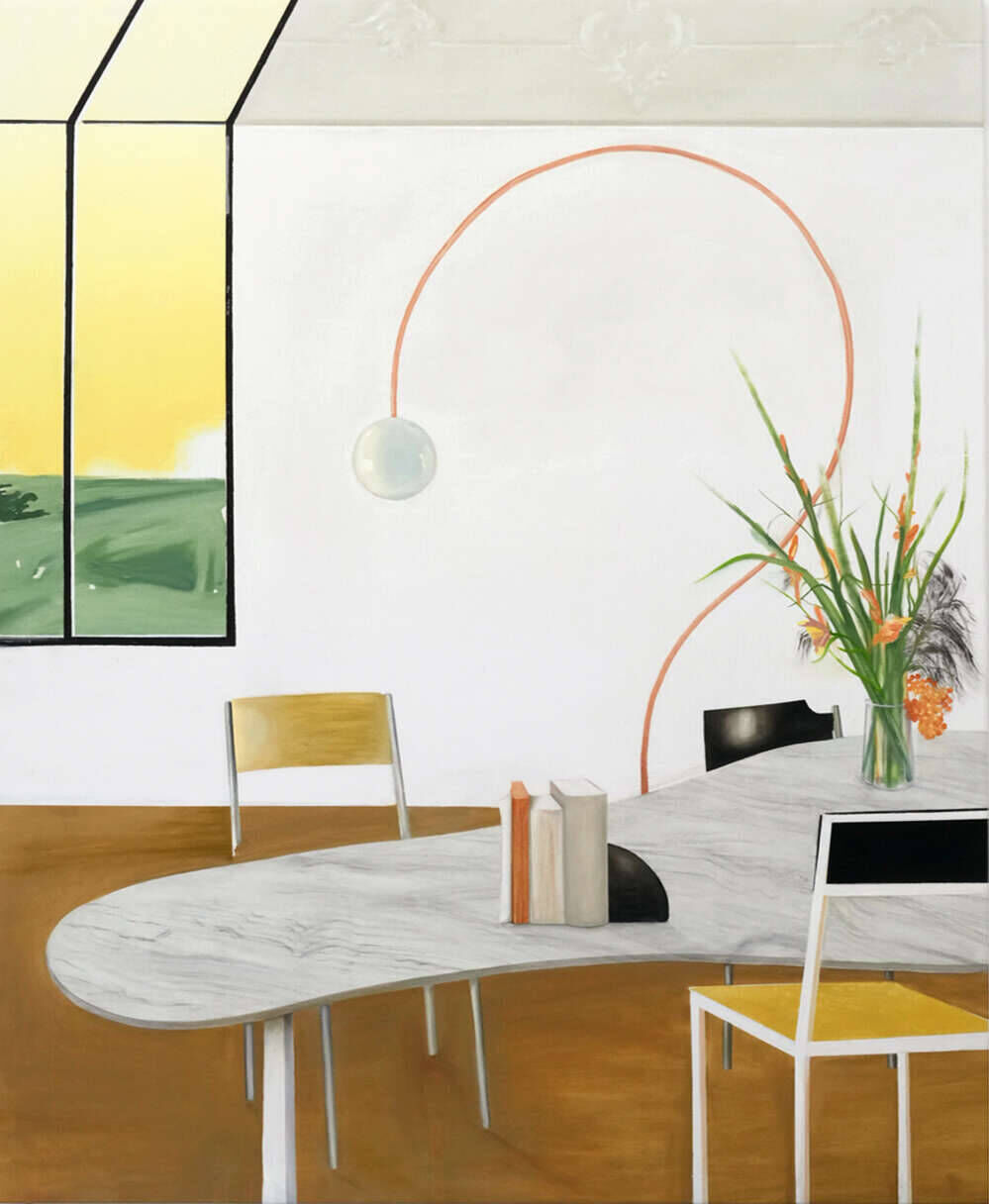
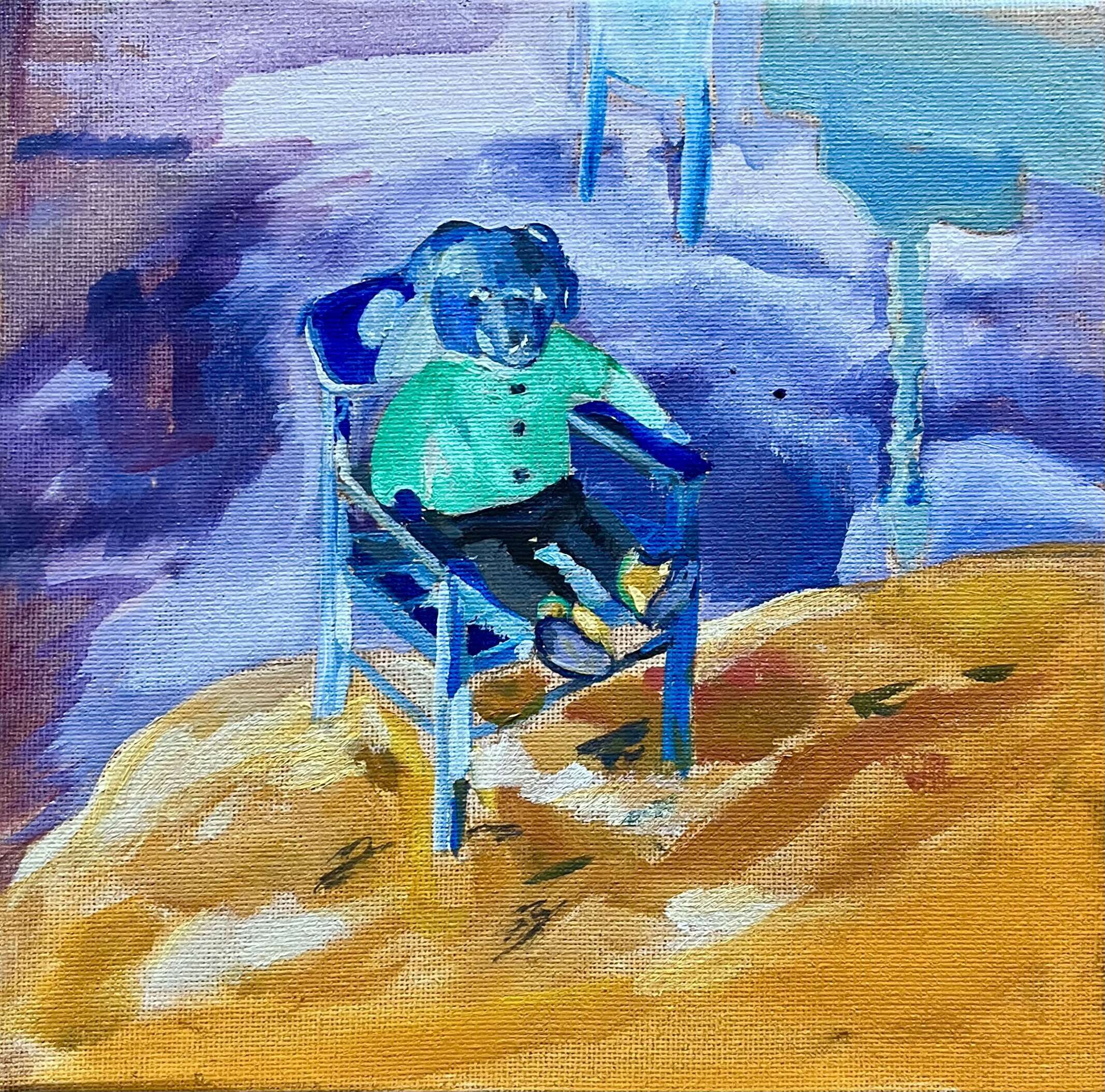
The Expressive Power of Oil Paintings
Oil paintings are among the most powerful forms of painting. Their deep, vibrant colours, the finely nuanced interplay of light and shadow, and their exceptional durability have made them a favoured medium for centuries – and today they are an exciting choice if you’re looking to discover contemporary art by young artists and bring it into your home. At the Student Art Market, you’ll find handmade, one-of-a-kind pieces – oil paintings created with care, talent and a personal touch.
Whether serene nature scenes, expressive portraits or modern abstractions – oil paintings create a palpably vibrant atmosphere in living spaces, offices or practices. They create warmth, depth and character, add focal points or bring a sense of calm to open spaces. A carefully selected oil painting can spark conversation, inspire creativity or simply bring joy to your day. When you purchase an oil painting from us, you’re also supporting young artists on their journey into the professional art world – without the purchase feeling intrusive.
Every oil painting on our platform is a unique piece, created through precise craftsmanship, expert knowledge of materials and an individual creative vision. So you’re not just getting wall art, but an authentic work with a personal story that will enrich your space for years to come.
The supreme art form – what makes oil paintings so special?
Oil painting is regarded as the supreme art form of painting – not only because of its long tradition, but also because of its unique technical possibilities. The colours are created by mixing pigments with drying oils such as linseed, walnut or poppy seed oil, which lend them extraordinary depth, luminosity and durability. Artists value the flexible drying time, which allows for careful refinement and overpainting. Additives such as resins and siccatives can be used to further adjust the paint’s drying behaviour and consistency. The result: a painting that can last for centuries and, with its rich application of colour, creates an almost three-dimensional impression.
A key characteristic of hand-painted oil paintings is the ‘fat over lean’ rule, whereby each layer of paint must contain more oil than the previous one to prevent cracking. Working with these materials requires a great deal of knowledge and experience: too much oil or a surface that is too absorbent can lead to wrinkling, craquelure or age-related damage. Nevertheless, hardly any other medium offers such freedom in painting technique – from glazed, transparent layers to impasto, bold applications of paint. Oil paintings allow light and depth to be captured in a unique way, enabling even the slightest nuances to be subtly rendered.
The art of oil painting looks back on a history spanning over 700 years, with roots traceable as far back as the 7th century. It experienced its decisive boom in the 15th century thanks to Jan van Eyck – a renowned Old Dutch painter – who played a key role in its further development. Since then, it has been cherished by generations of great masters – from da Messina to Rubens right through to the modern era – has been appreciated and utilised. What makes them so fascinating to this day is their unique interplay of technical sophistication, depth of colour and the ability to convey emotion and atmosphere with unexpected intensity. Oil painting is not merely a craft – it is an expression of centuries-old artistic culture.
The most famous oil paintings - Colours of Eternity
For centuries, artists have relied on the expressive power of oil paintings to create enduring works that continue to fascinate across generations. Leonardo da Vinci masterfully employed this technique in the ‘Mona Lisa’, whose mysterious gaze achieves a depth through the finest glazes and soft sfumato that would be almost impossible to achieve with other painting media. Later, Rembrandt demonstrated in *The Night Watch* how entire stories can be told through the dramatic use of light and nuanced layers of colour. Hand-painted oil paintings on canvas make it possible to create complex compositions with impressive three-dimensionality and atmosphere – one reason why they became the preferred technique of many masters.
Precisely because oil paints dry slowly and allow for a wide variety of techniques, artists such as Vincent van Gogh were able to use them as a means of emotional expression. This is evident in “The Starry Night”: the dynamic sky, the impasto brushstrokes, the intense colour palette – all of this is due to the versatility of oil paint. Similarly, Francisco de Goya employed the oil technique in his “Black Paintings” to depict sombre, at times disturbing scenes in vivid colours. These works demonstrate that modern, abstract oil paintings can be used not only for idealisation, but also for the unflinching portrayal of inner worlds.
Whether it is the mysterious aura of Vermeer’s “Girl with a Pearl Earring", the expansive composition in Jacques-Louis David’s “The Death of Marat”, or the play of light in Turner’s seascapes – everywhere we see how artists were able to use oil to shape colour, light and depth. The longevity of these works and their ability to continue to make an impact even after centuries have passed make many of these paintings icons of art history. Oil painting is therefore not merely a technical medium, but also a key to the emotional, cultural and aesthetic impact of many of humanity’s most significant works of art.
Between tradition and the present – modern oil paintings
Modern, often abstract oil paintings on canvas bridge the gap between traditional craftsmanship and contemporary visual language. Artists utilise the classic possibilities of oil painting – such as the depth of colour or the interplay of light and texture – and combine them with contemporary themes, abstract forms or experimental techniques. This results in works that are not only aesthetically striking, but also reflect the issues of our time: identity, society, nature or urbanity. A famous example is ‘No. 5, 1948’ by Jackson Pollock, who dripped oil paint onto the canvas in dynamic movements, thereby radically reinterpreting oil painting. Similarly, in his haunting portraits such as “Study after Velázquez’s Portrait of Pope Innocent X”, Francis Bacon used oil paint to visualise psychological tensions. The slow drying time of oil paint allows artists to work in multiple layers, meaning that modern works are often multi-layered in the truest sense of the word.
Modern oil painting displays an enormous stylistic freedom: ranging from minimalist compositions to expressive bursts of colour. Unlike in earlier eras, when certain schools or styles dominated, the focus today is on the artist’s individual style. Lucian Freud, for example, used the oil technique to make the physicality and vulnerability of his models almost tangible in large-format portraits – his paintings, such as “Benefits Supervisor Sleeping”, are testaments to intense observation and painterly density. Gerhard Richter, too, combined photorealistic oil paintings with abstract experiments in works such as “Betty”, thereby demonstrating just how versatile this medium can be in the 20th and 21st centuries. As a result, every painting becomes a unique piece that not only enhances a space but also stimulates reflection. Modern oil painting is thus more than mere decoration – it is a form of dialogue between art and the viewer.
Buy unique oil paintings at SKM
Studierenden Kunstmarkt offers a diverse selection of oil paintings by emerging artists, whose work impresses with fresh perspectives and technical precision. Here you can buy modern oil paintings and discover authentic artistic voices. Expand your art collection or take the plunge into original acrylic paintings – all at realistic, fair prices. Whether you’re looking to buy an acrylic painting or an oil painting, with every purchase you make here, you’re supporting emerging artists at a crucial stage in their careers. At the same time, you’ll be bringing a high-quality, one-of-a-kind piece into your home. Buy hand-painted oil paintings and invest at the same time – you can also find out more about the best way to get started in art investment at HERE.
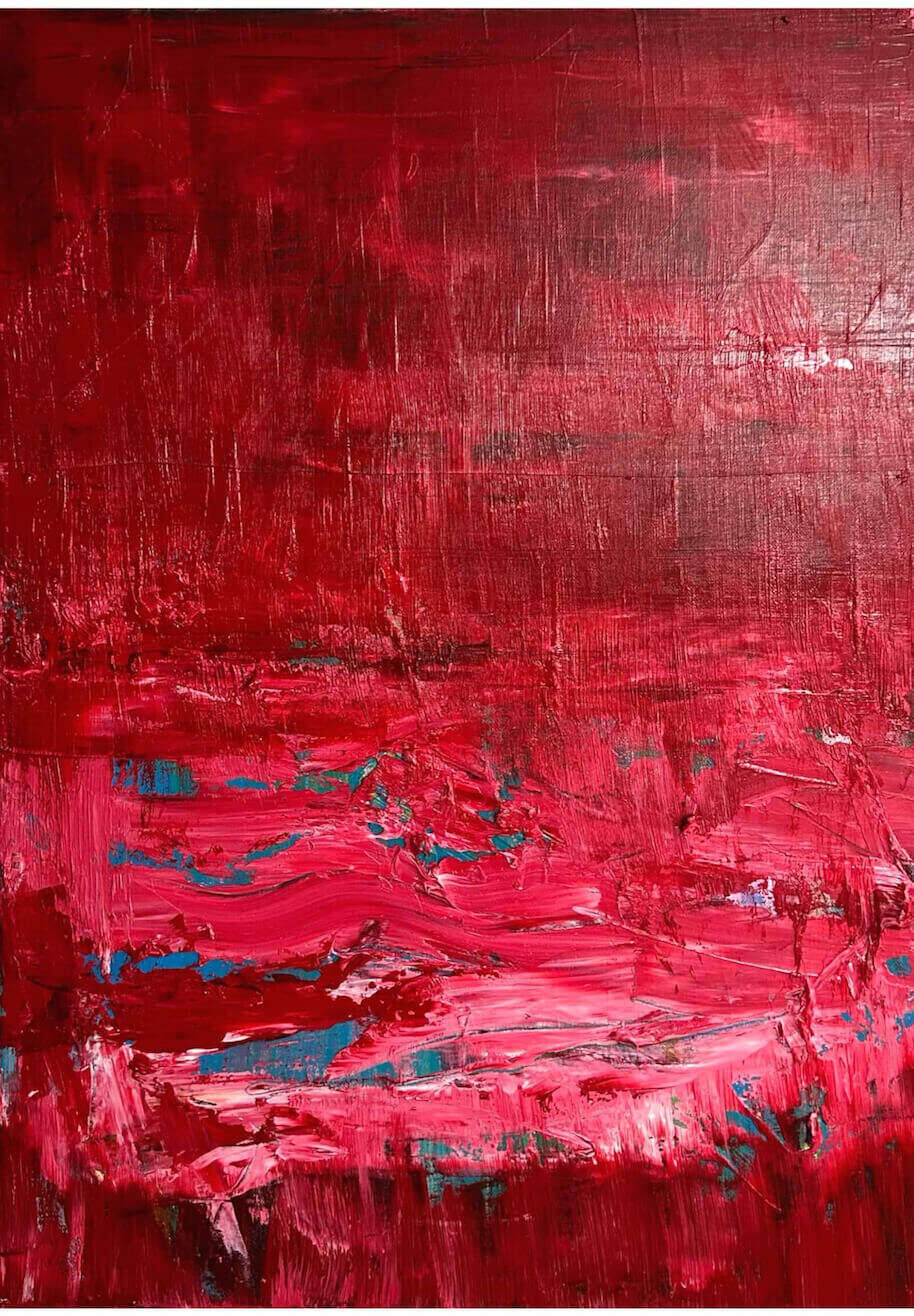
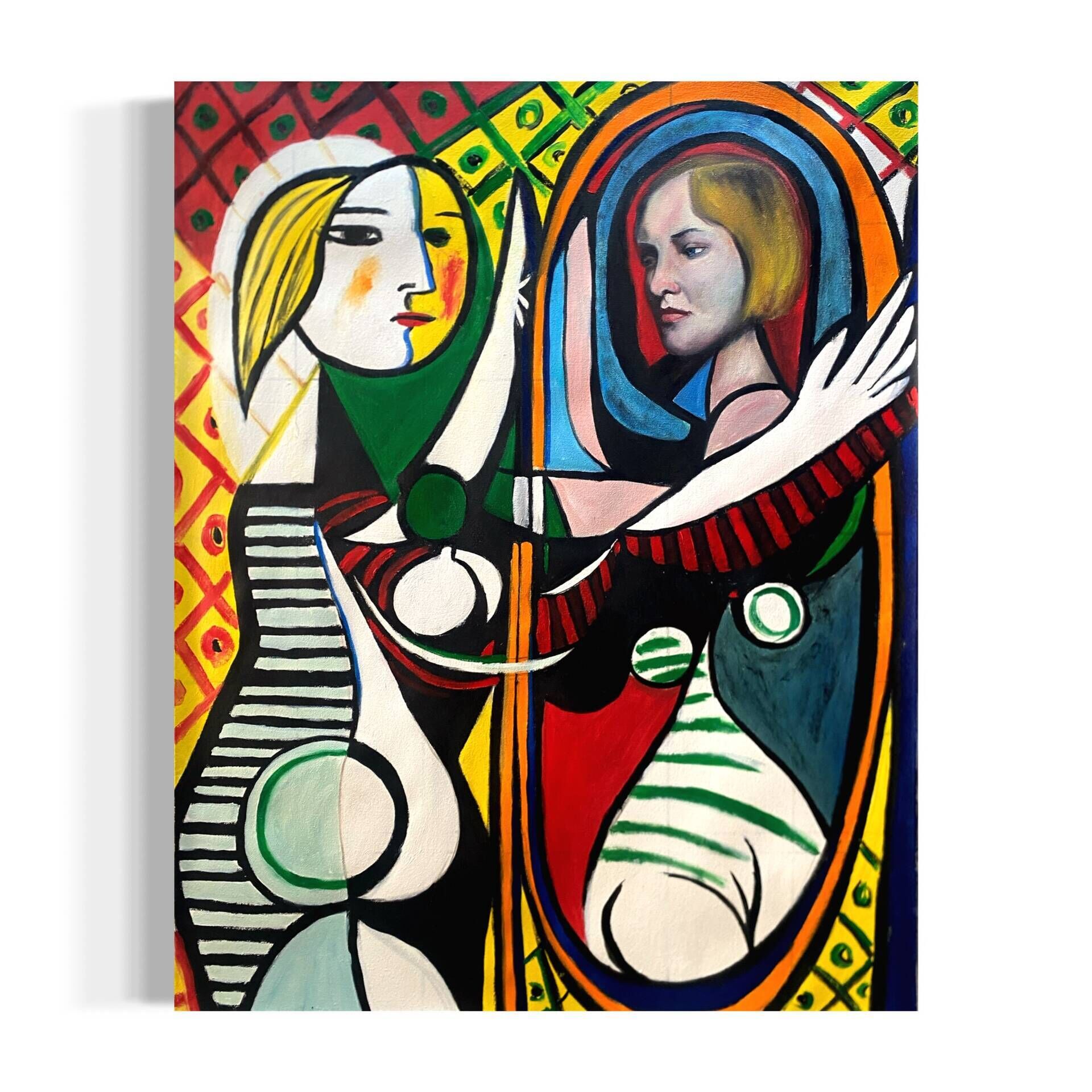
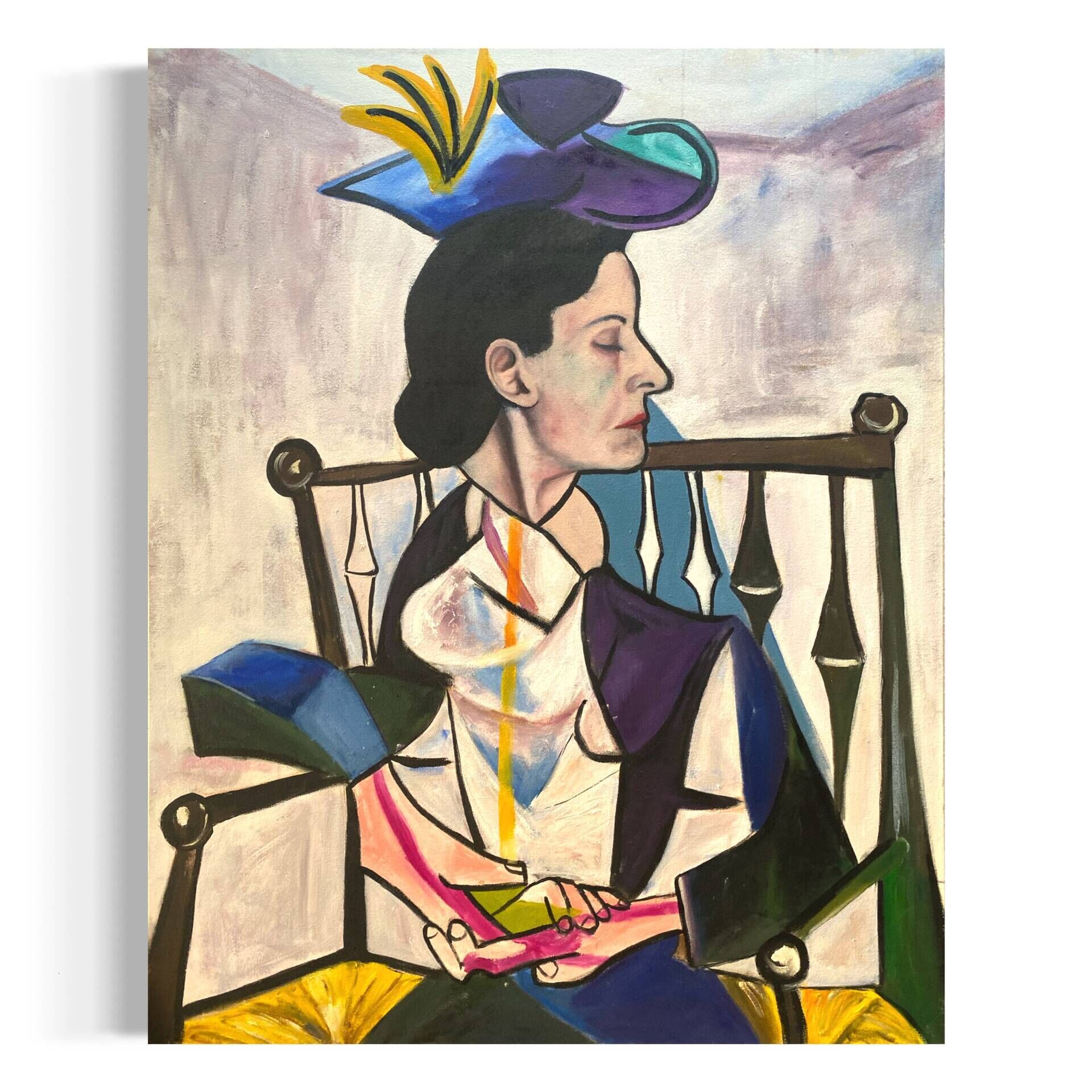
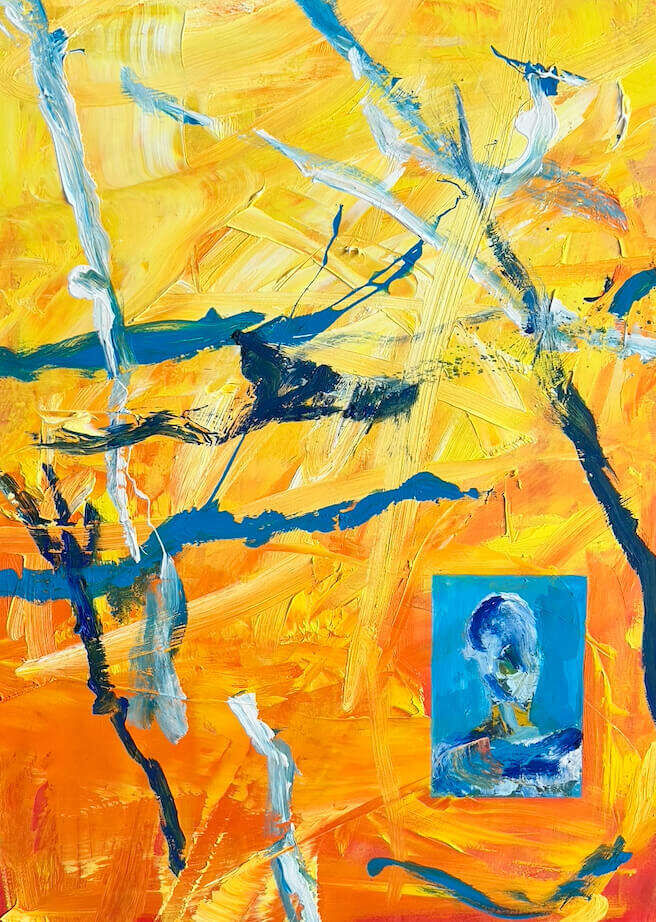
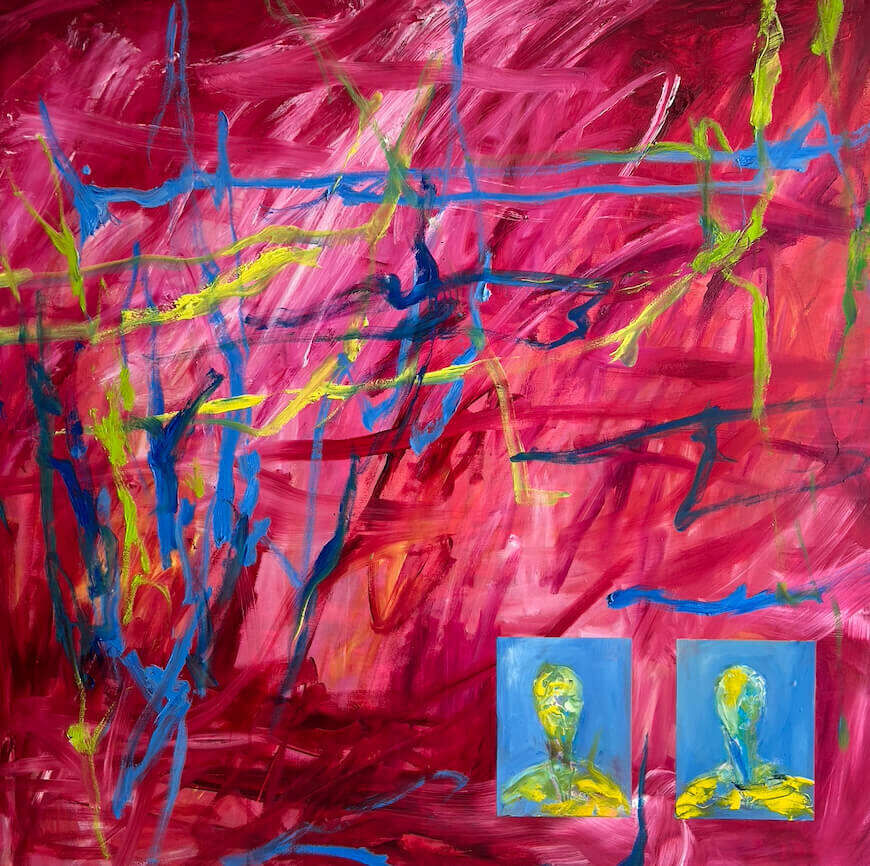
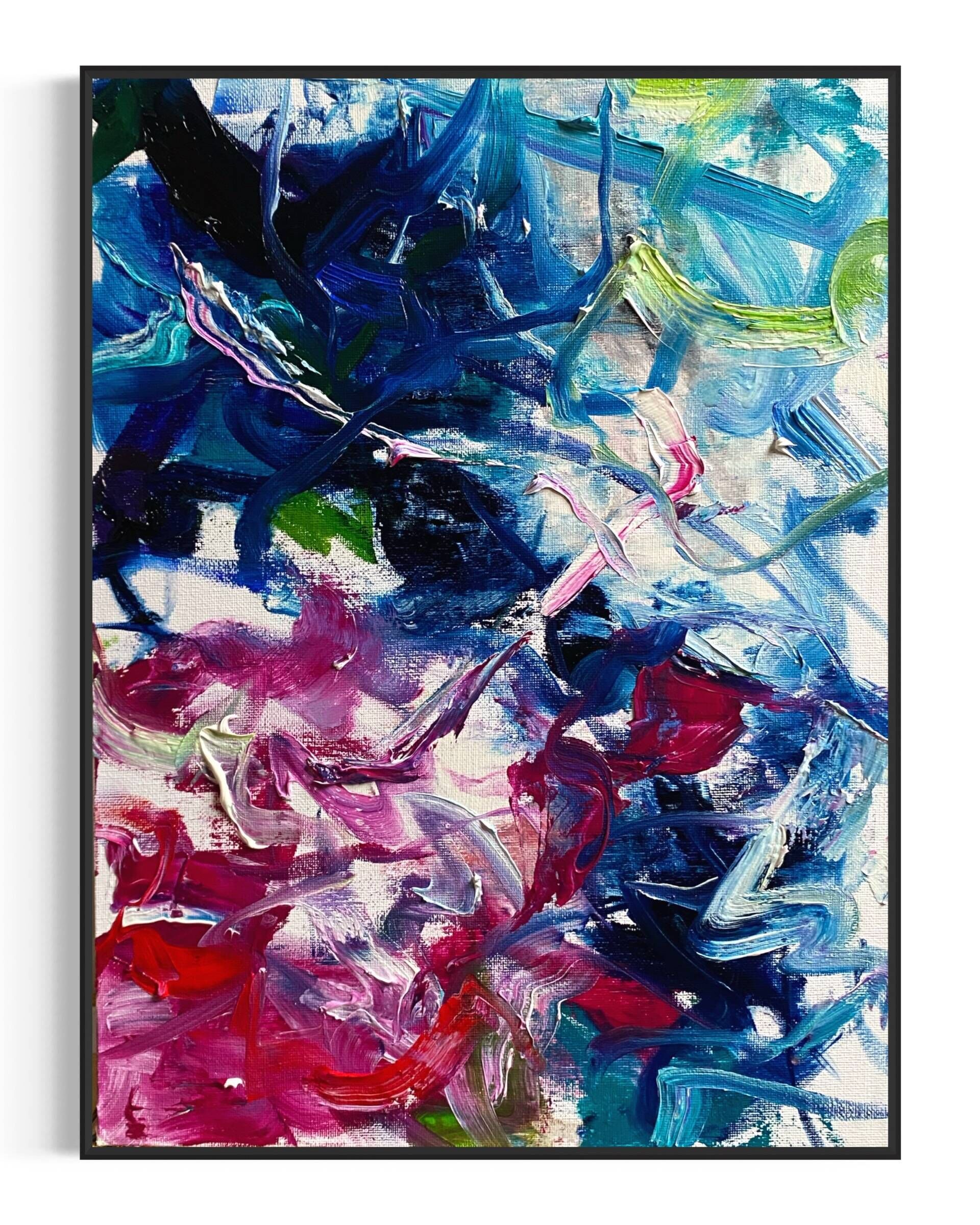
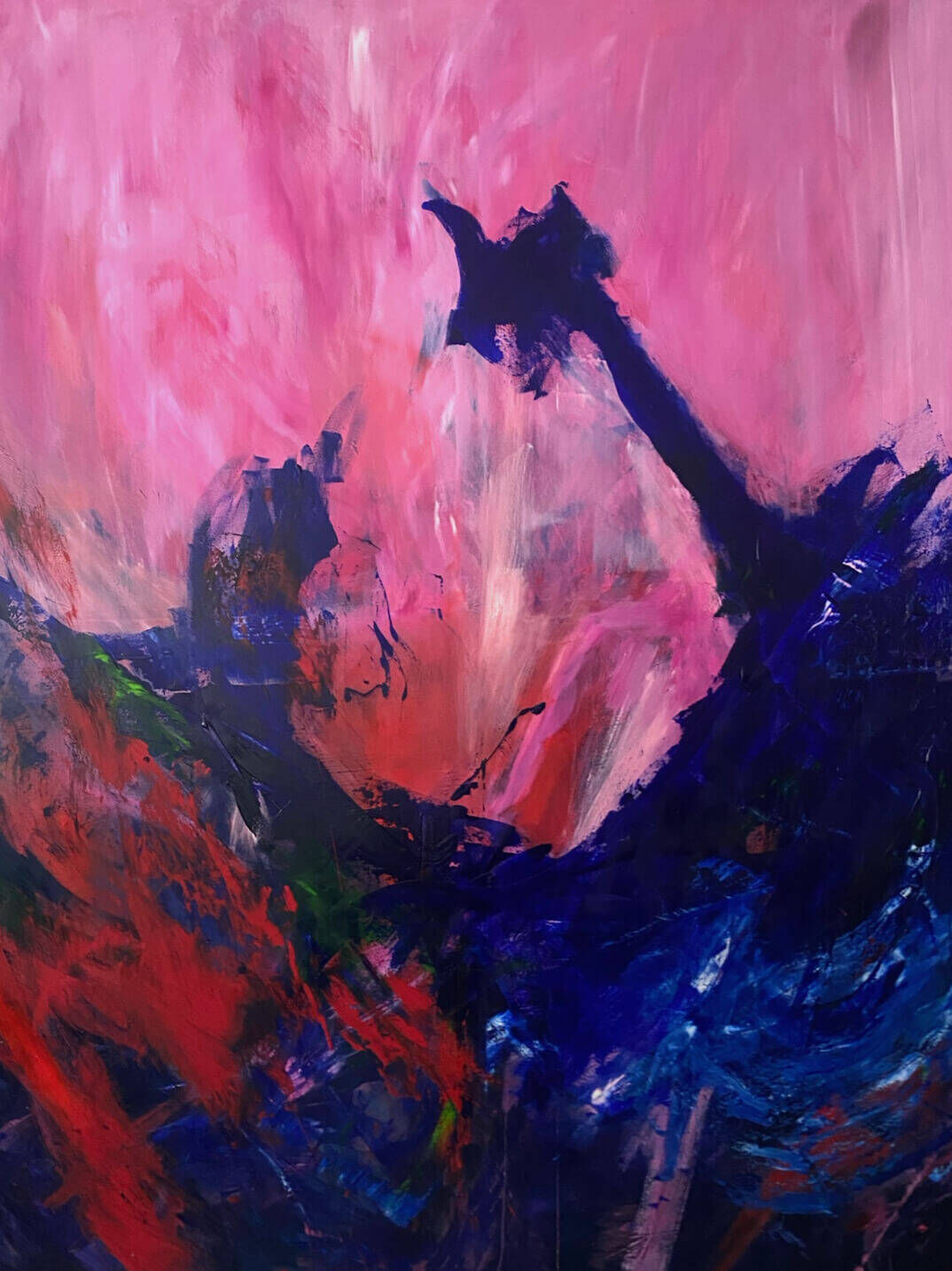
From abstract oil paintings to expressive figures and faces in oil, the artworks are as diverse as the SKM artists themselves. Discover the works of Sarah Hischemöller, Habiba El Kholy, Leonel Perez and more.
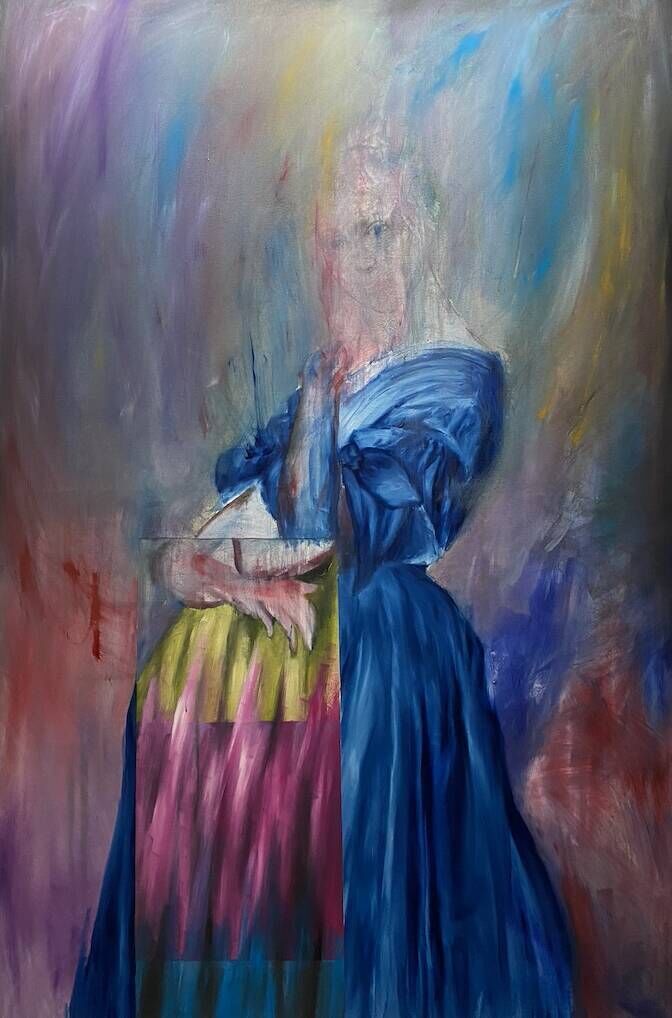
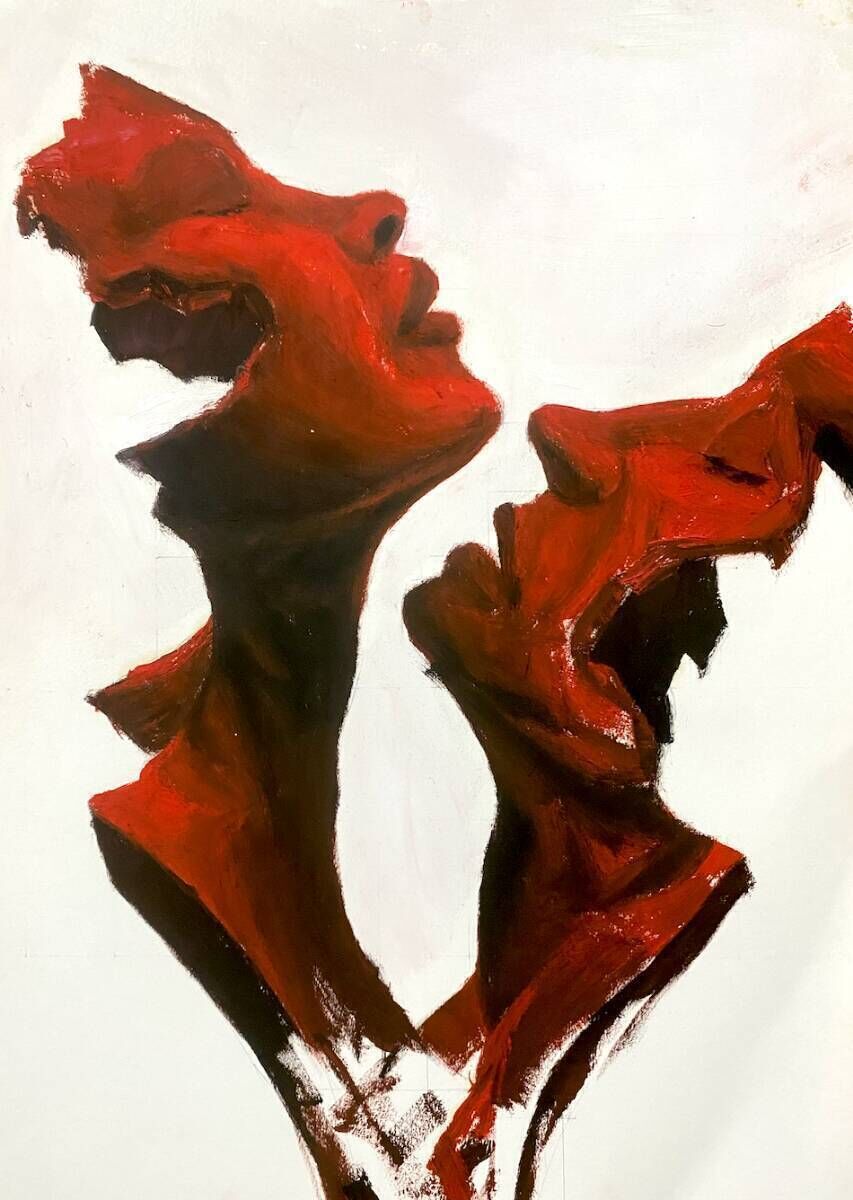
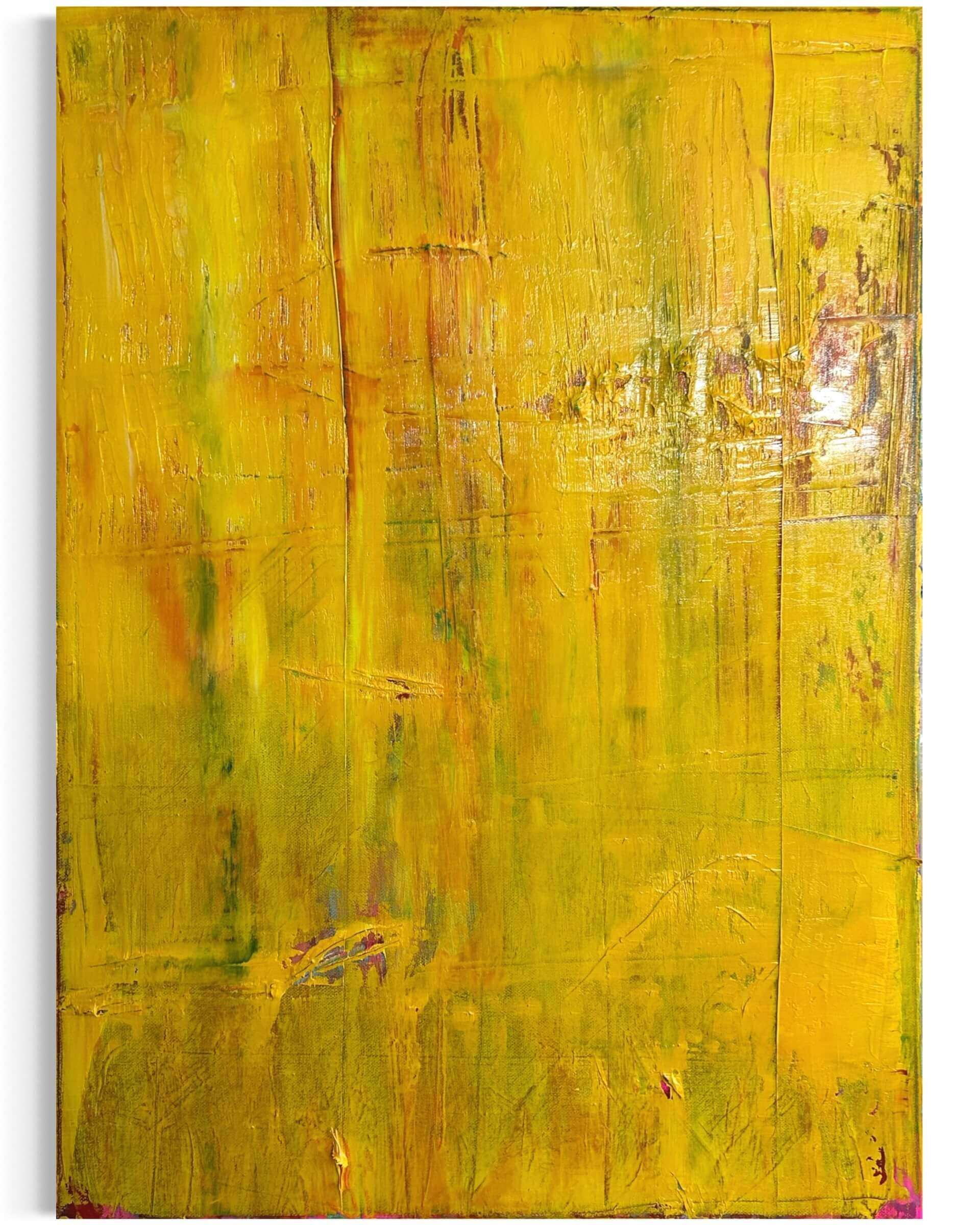
Frequently Asked Questions about Oil Paintings
Der Preis für ein Ölbild kann stark variieren und hängt von Faktoren wie Größe, Technik, Bekanntheit der Künstler und Detailgrad ab. Einsteigerwerke, etwa auf einem Studierenden-Kunstmarkt, beginnen oft schon im zweistelligen bis niedrigen dreistelligen Bereich. Etablierte Künstler oder größere Formate können mehrere tausend Euro kosten. Wichtig ist, neben dem Preis auch die künstlerische Qualität und das persönliche Empfinden zu berücksichtigen.
Ölbilder gibt es in nahezu allen Preisklassen – von günstigen Originalen junger Talente bis hin zu hochpreisigen Sammlerstücken. Auf Plattformen für Studierendenkunst findest du häufig einzigartige Werke zu fairen Preisen, die sich gut für den Einstieg ins Kunstsammeln eignen. Der Preis wird unter anderem durch Material, Arbeitsaufwand und künstlerische Entwicklung bestimmt. So kannst du je nach Budget gezielt ein passendes Kunstwerk auswählen.
