Sculptures – Art in Three Dimensions
There is something magical about sculptures – they invite you to walk around them, they cast shadows, and they change as the light shifts. Here, you encounter art that becomes tangible. At the Student Art Market, you’ll find works that inspire not only spaces but also thoughts. Whether delicate or monumental, playful or minimalist – every sculpture tells its own story within the space and invites you to rediscover it from every angle.
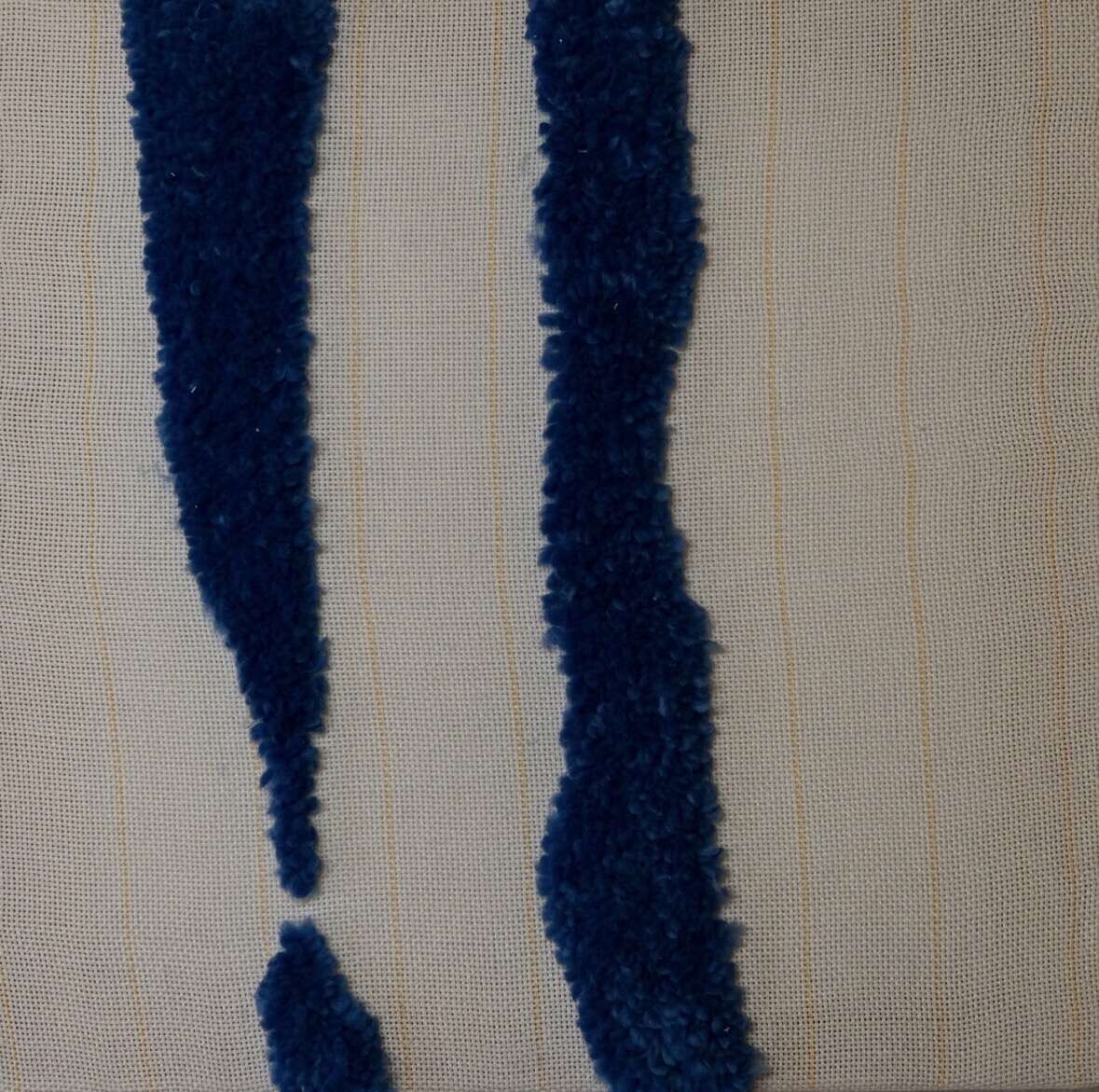
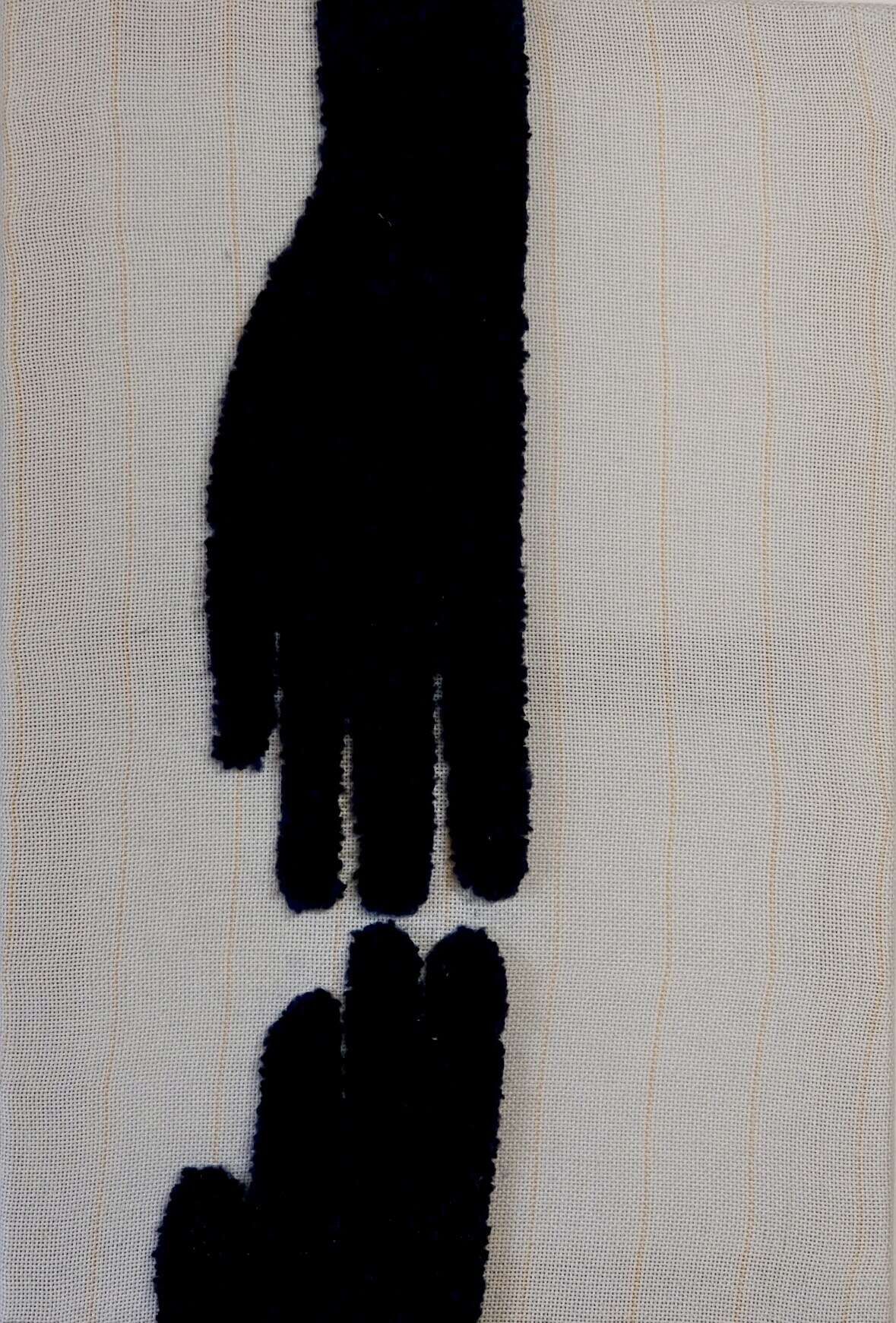
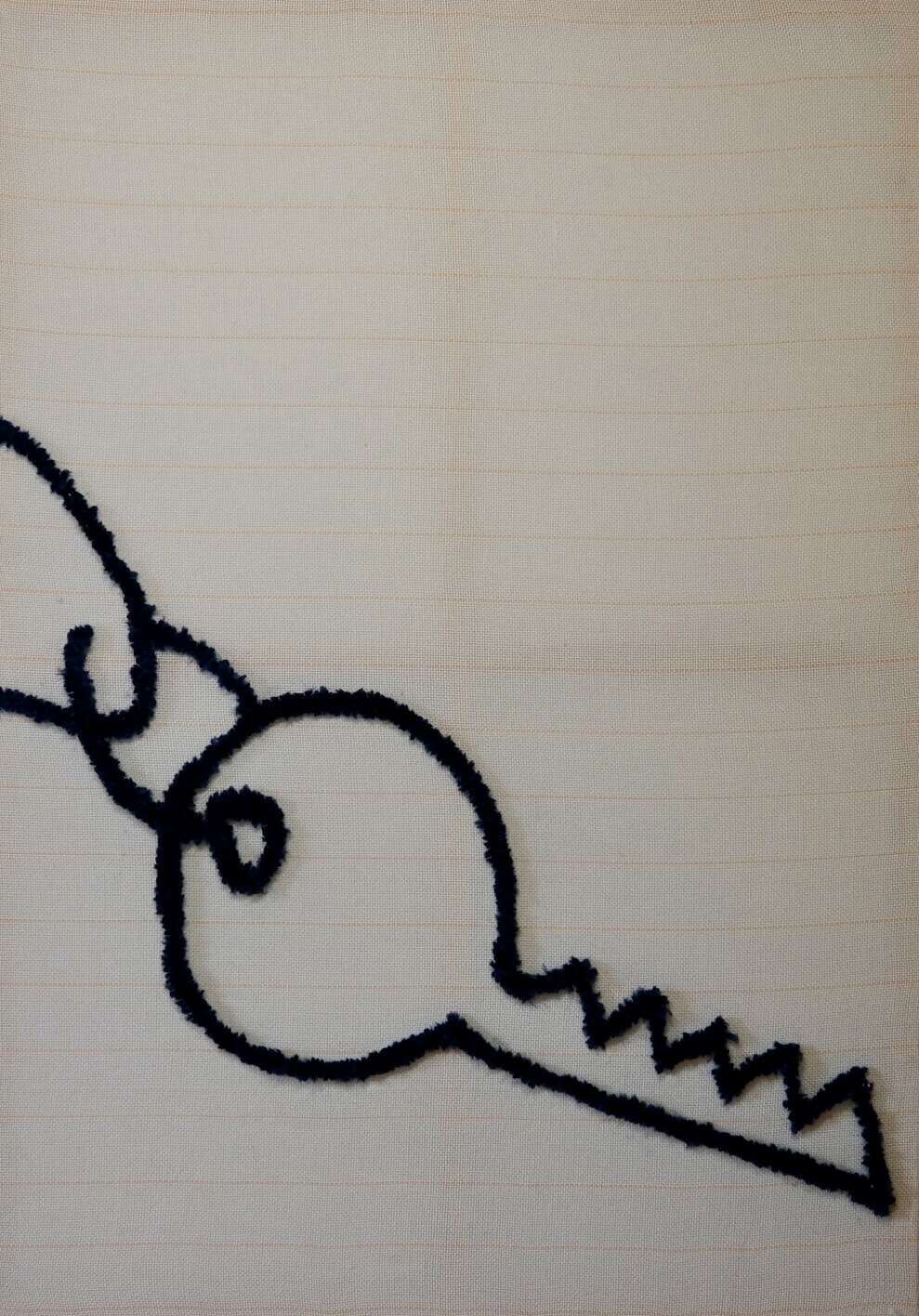
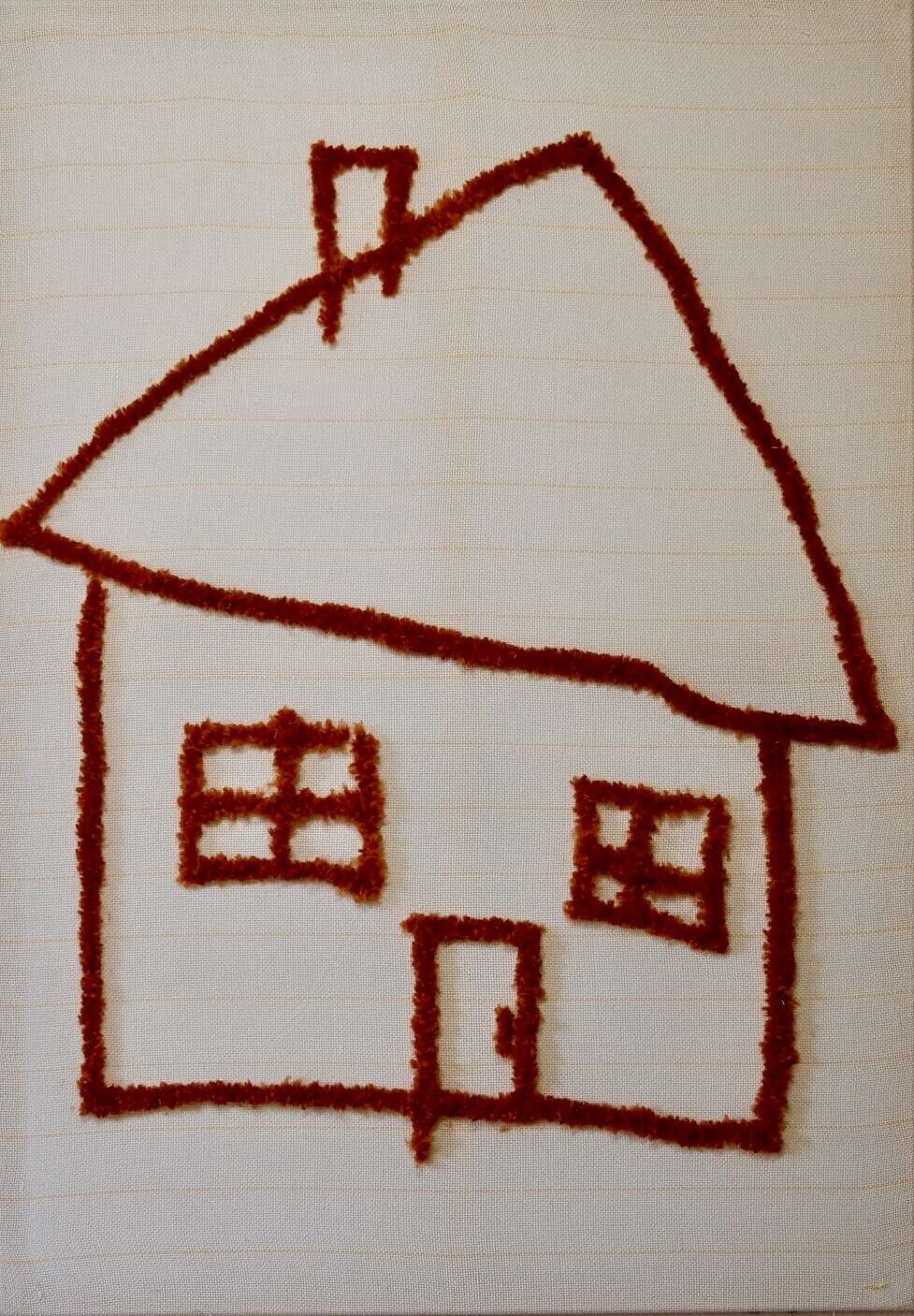
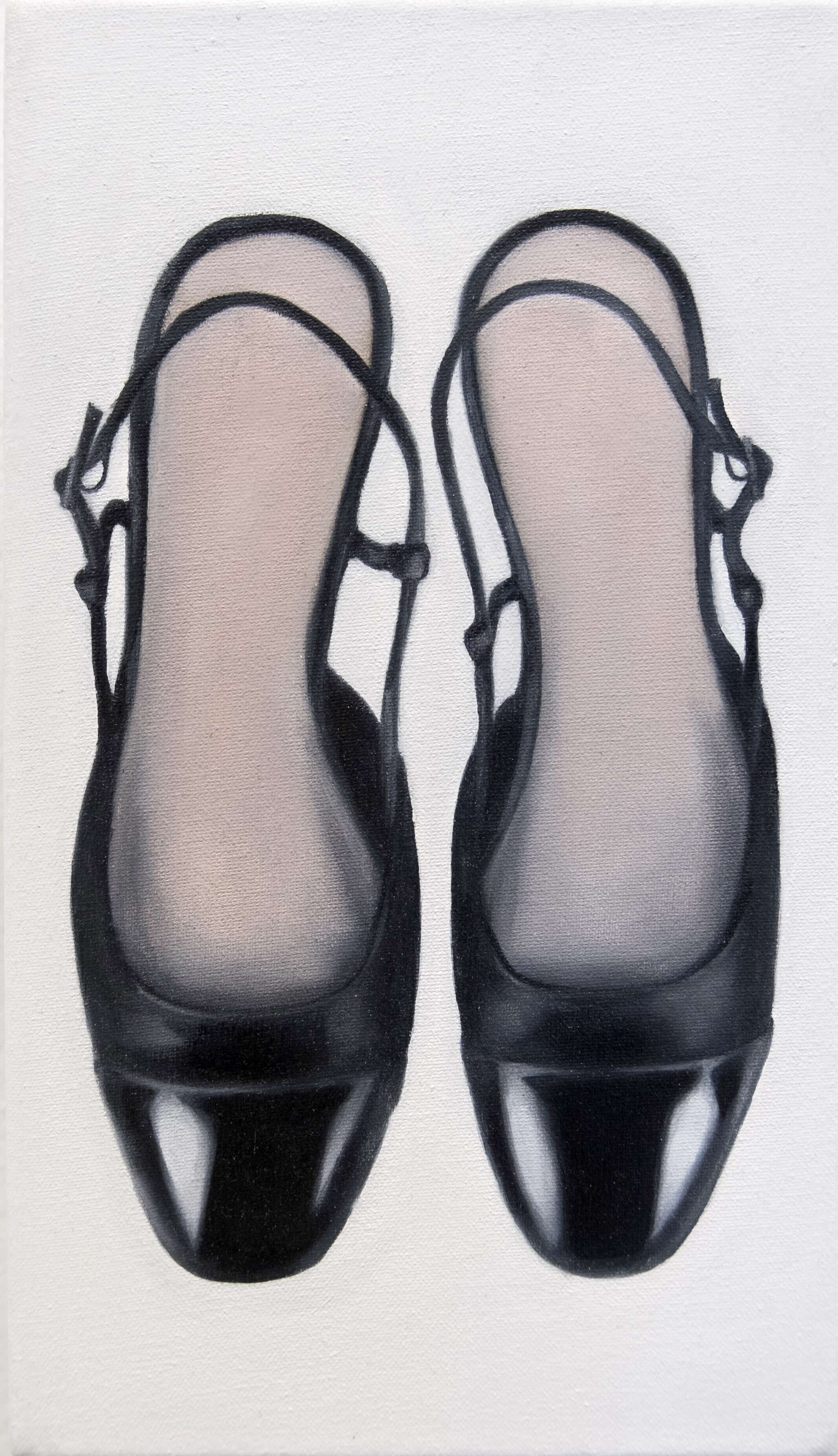
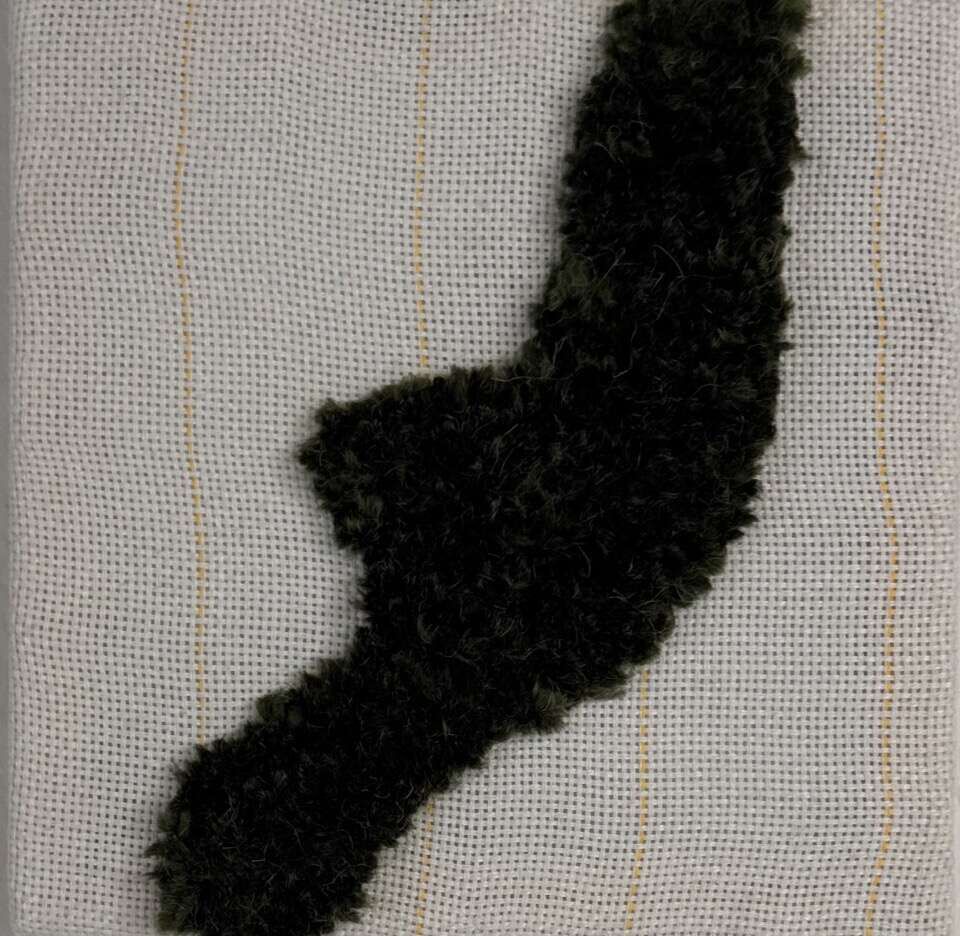
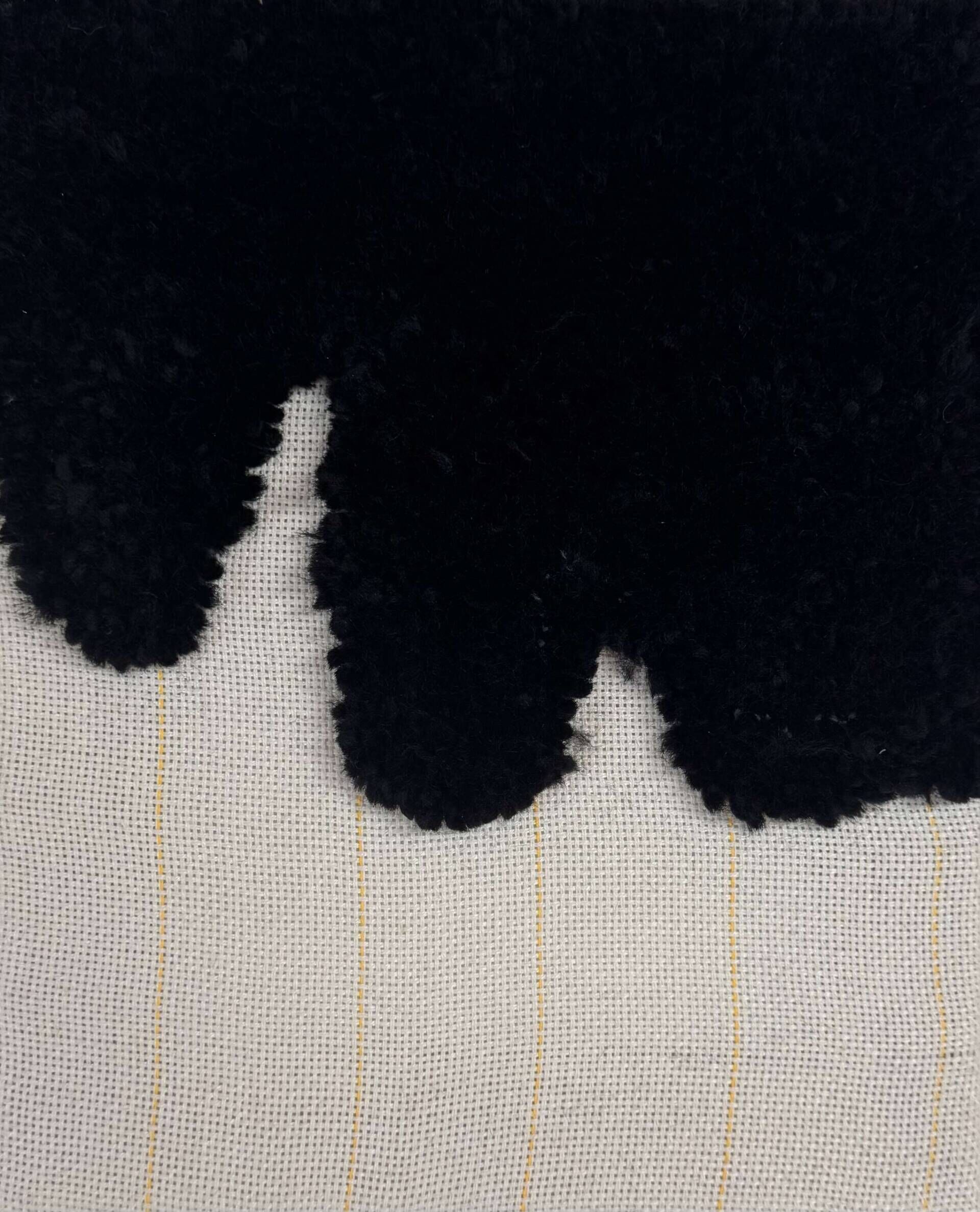
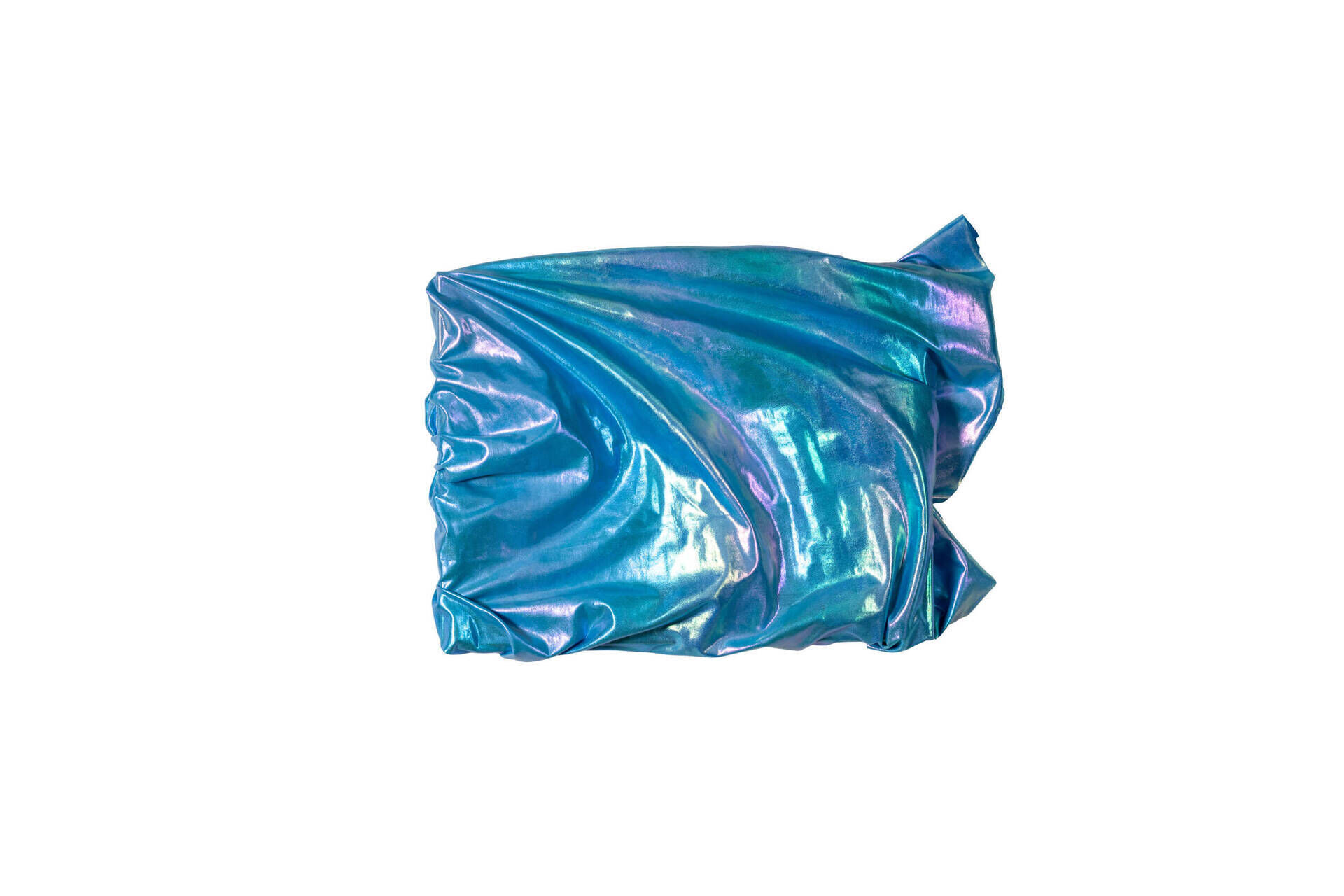
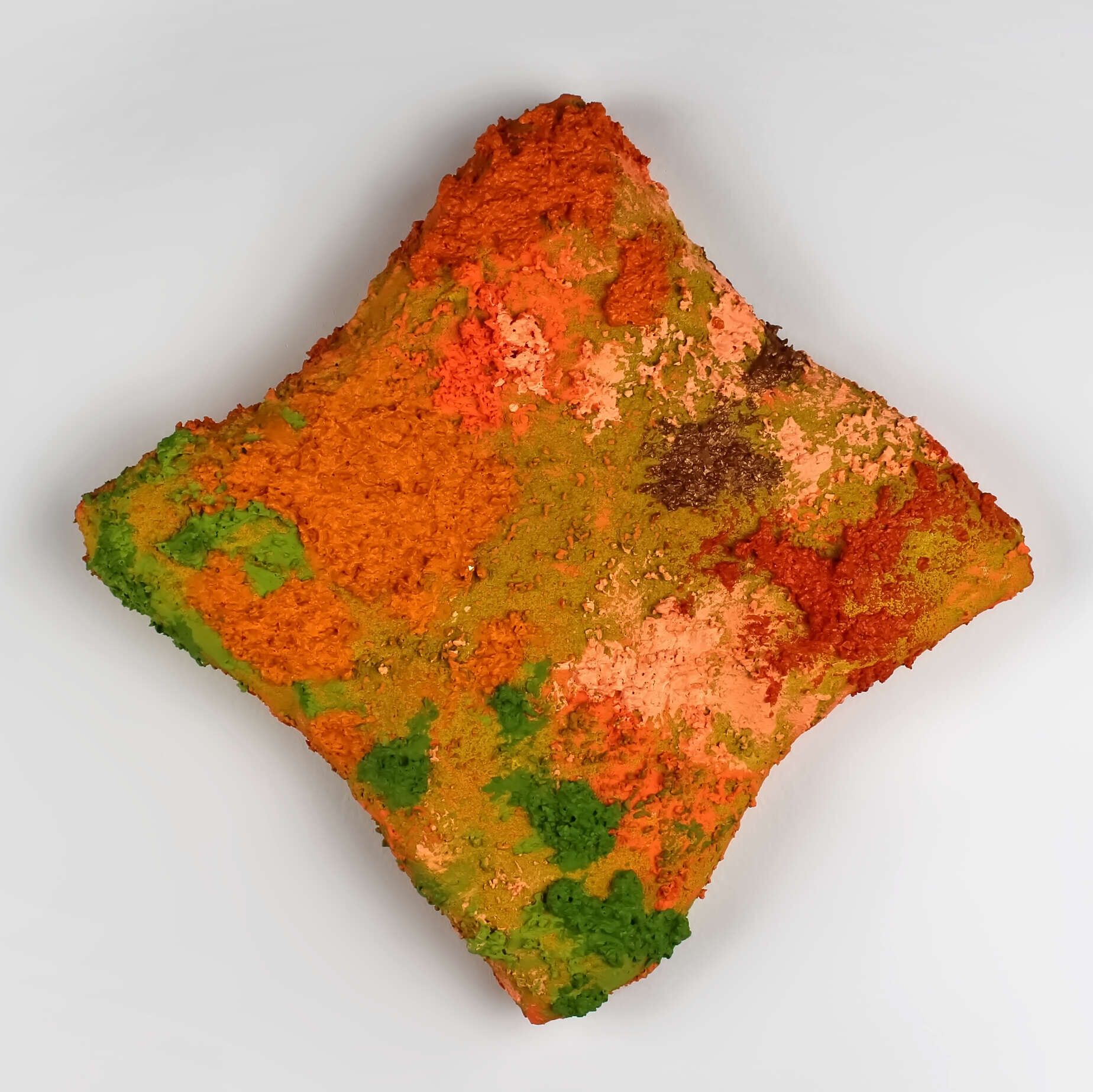
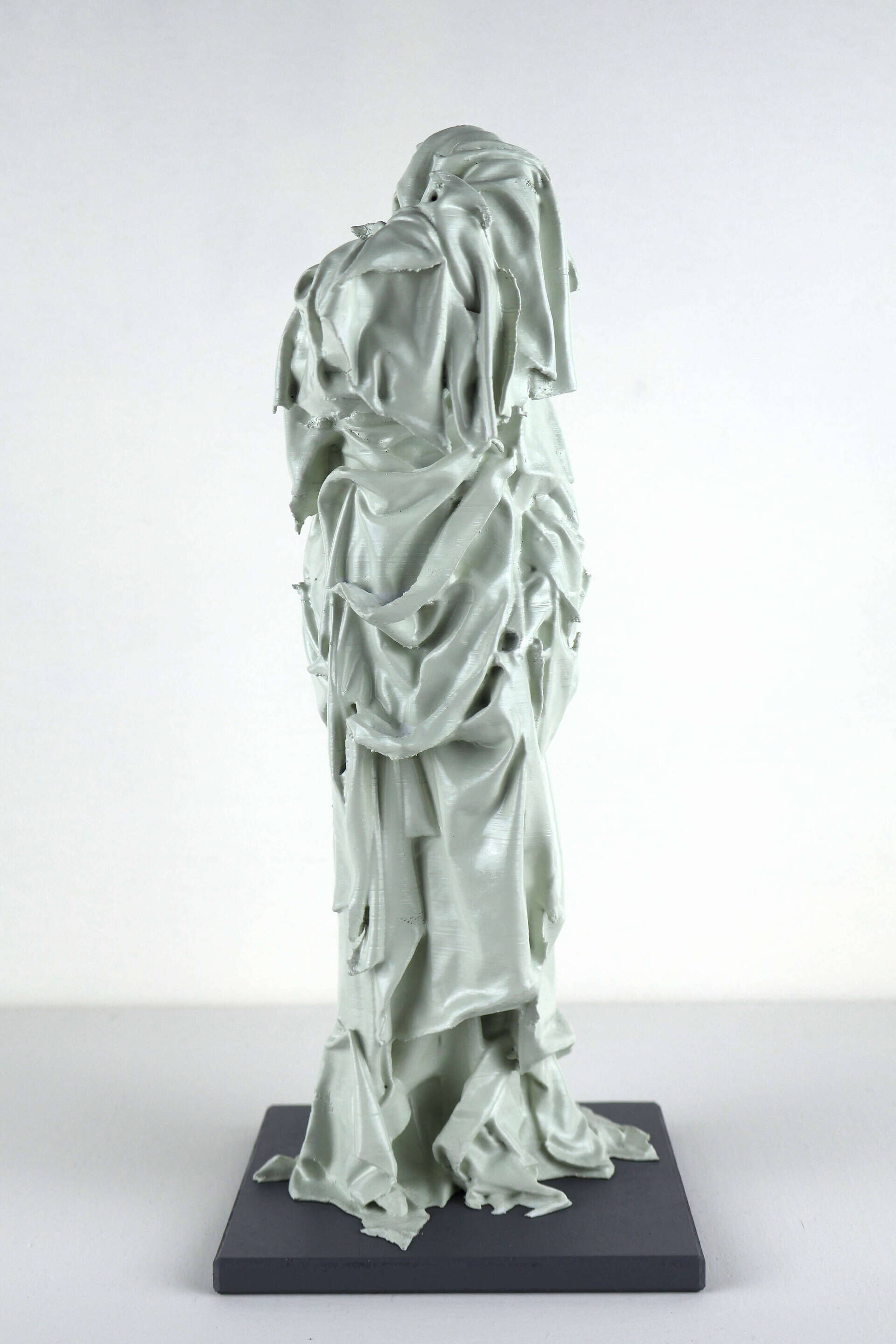
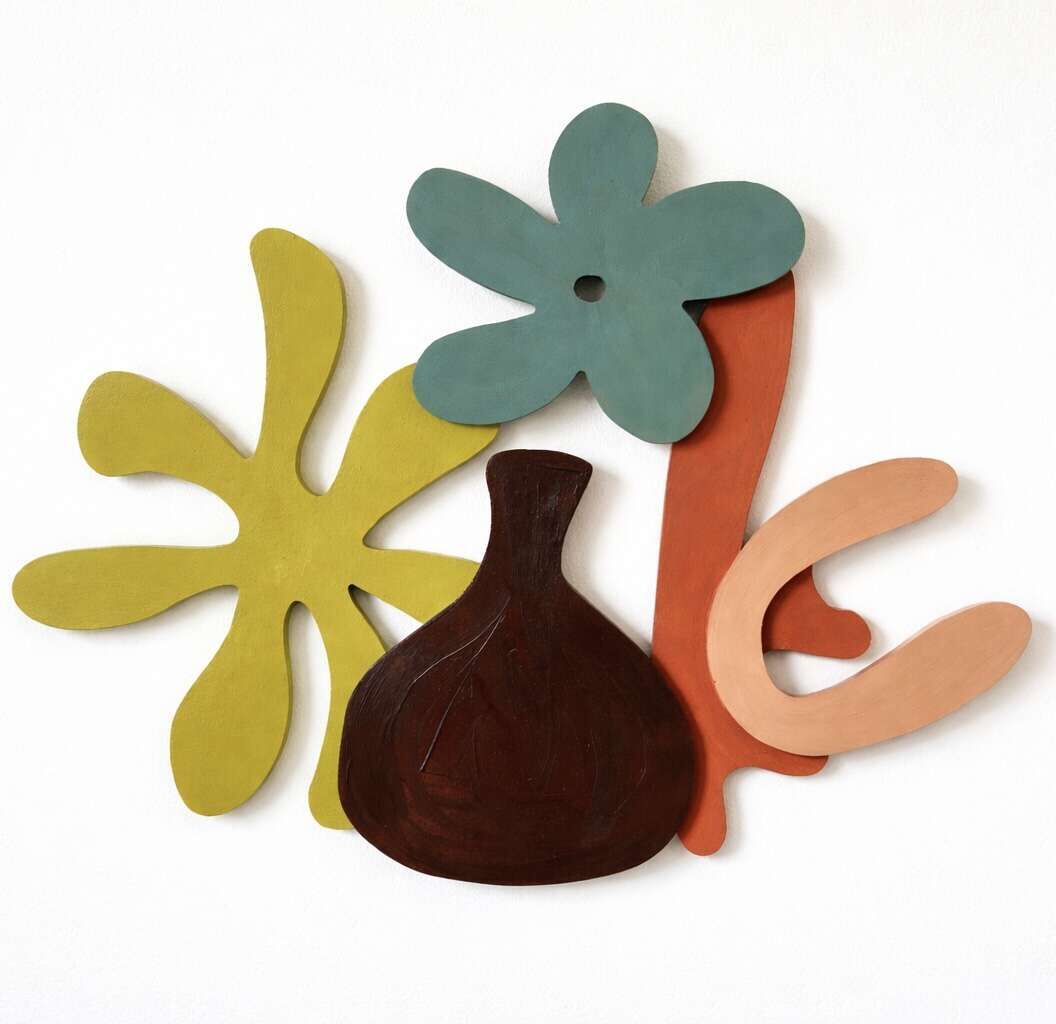
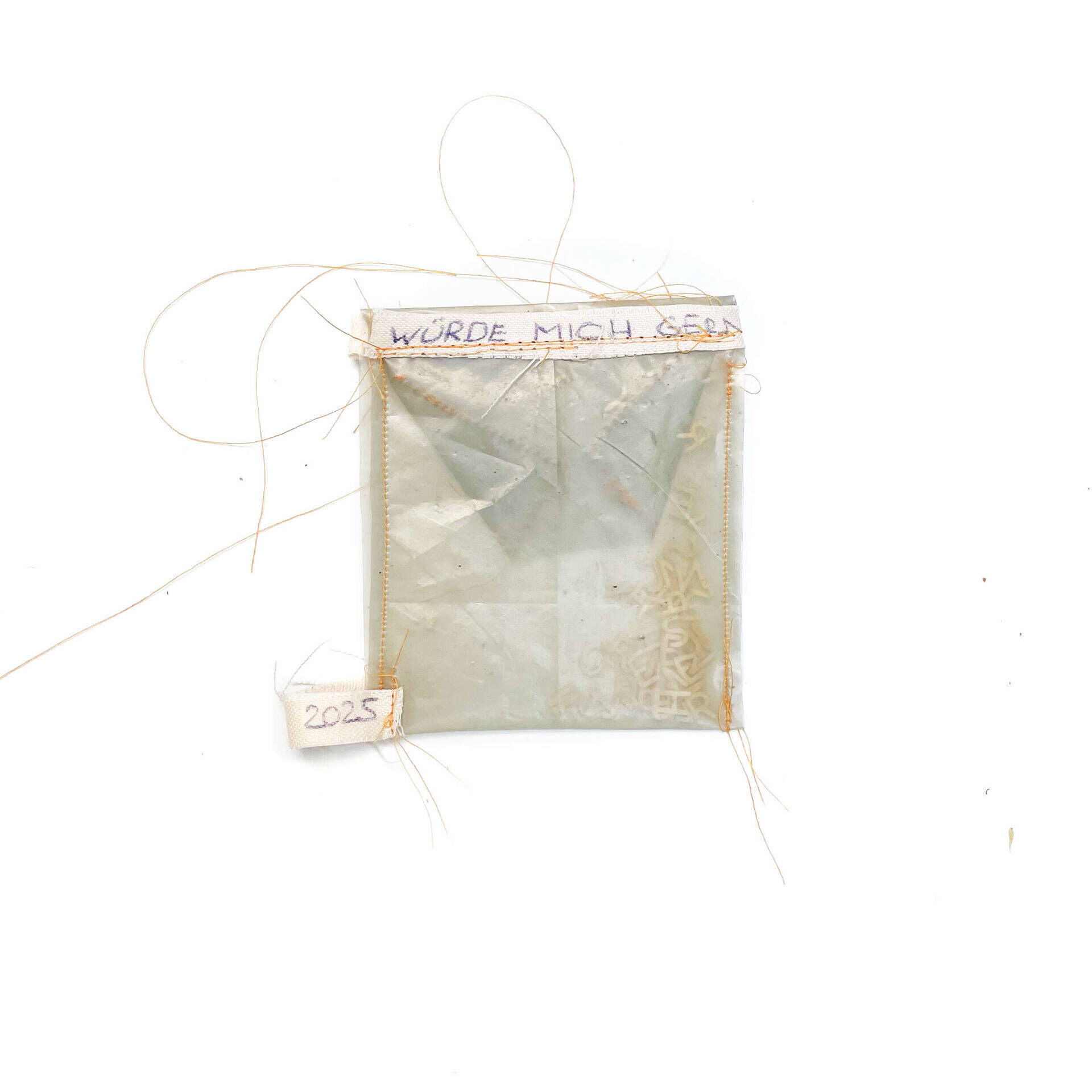
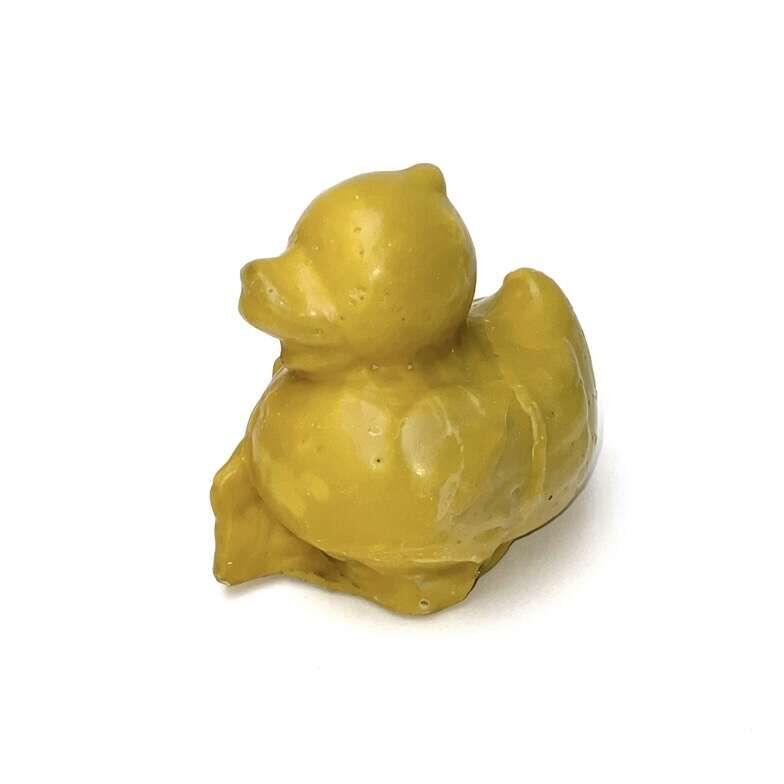
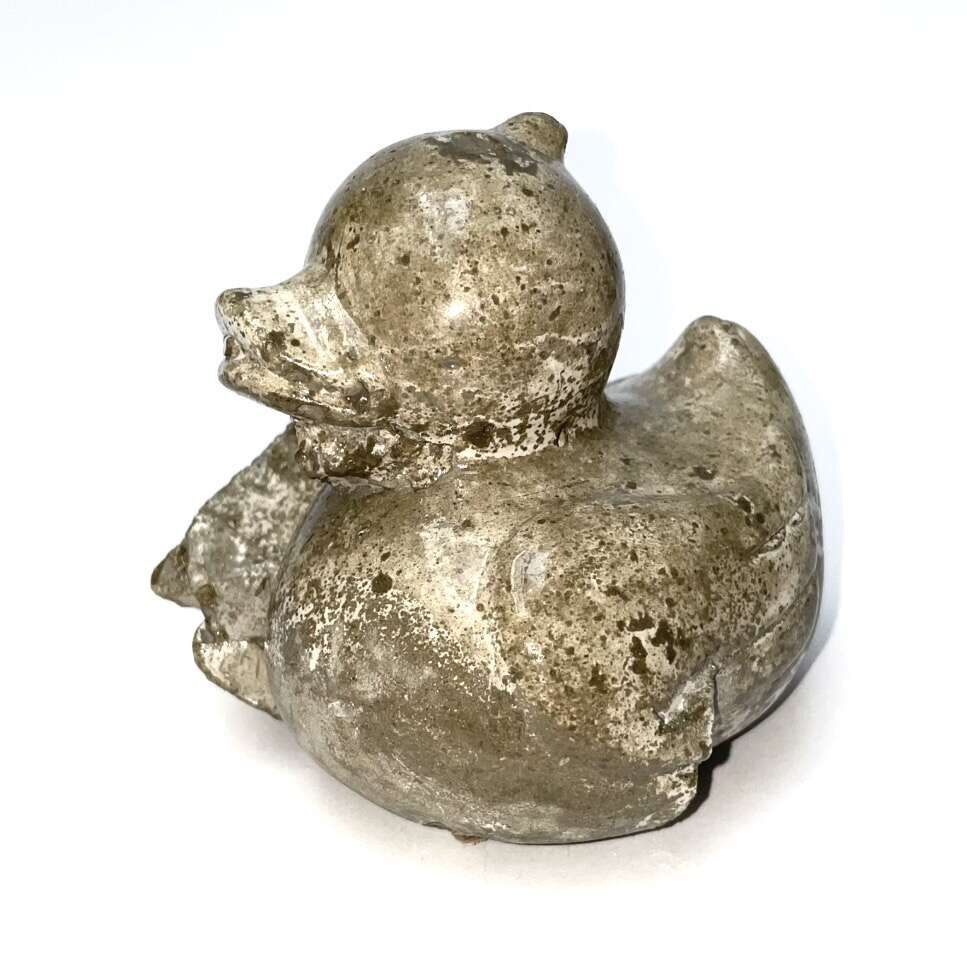
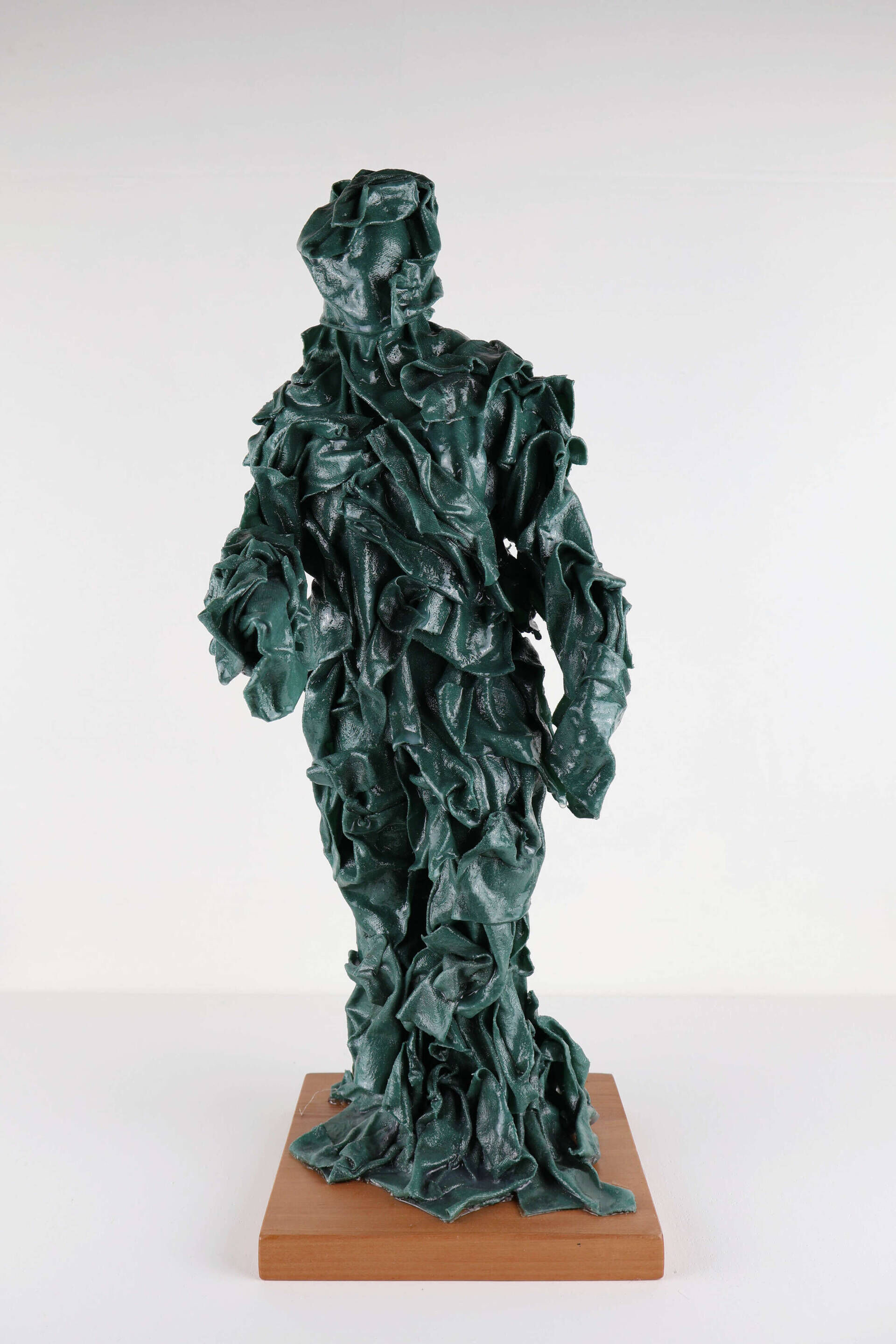
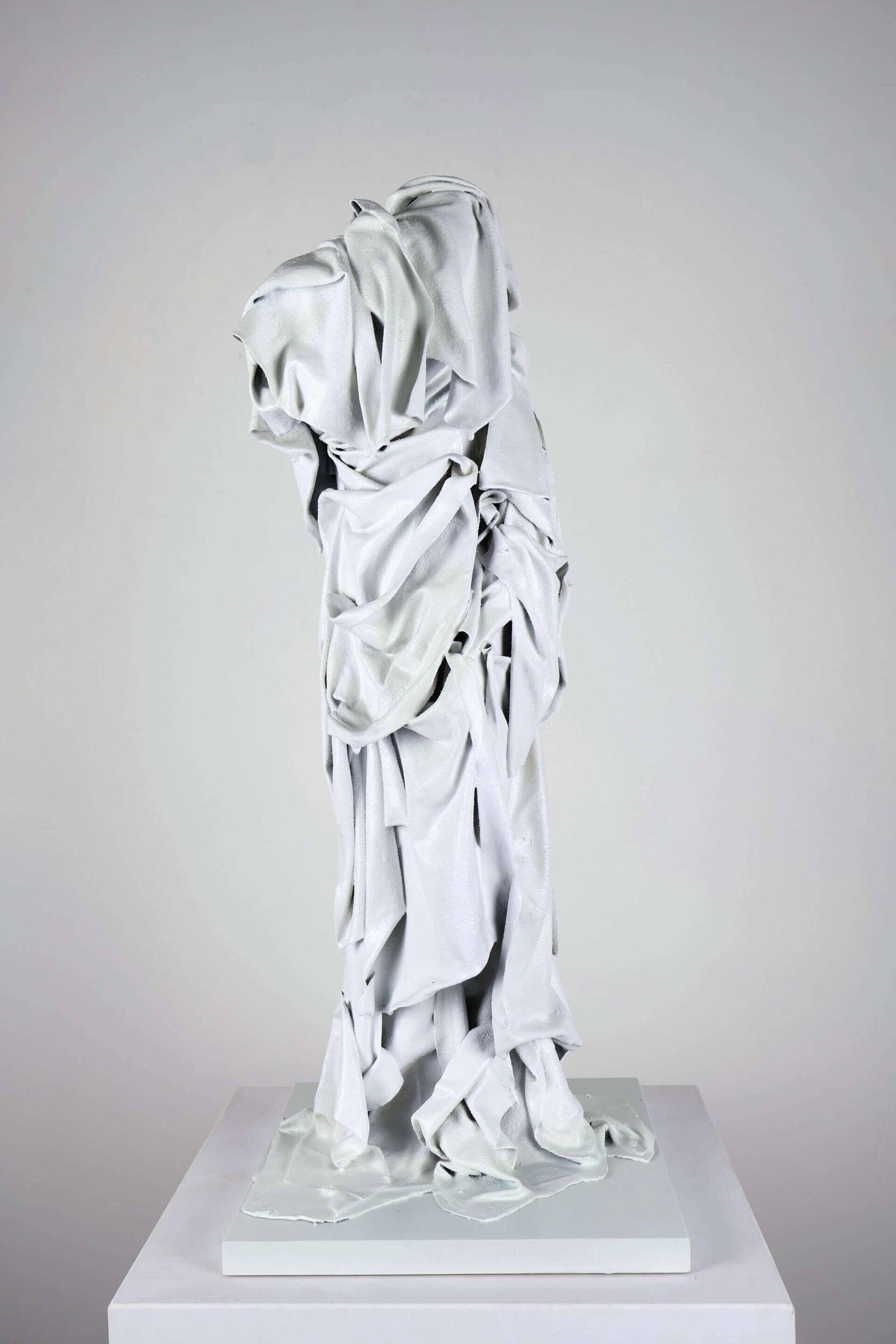
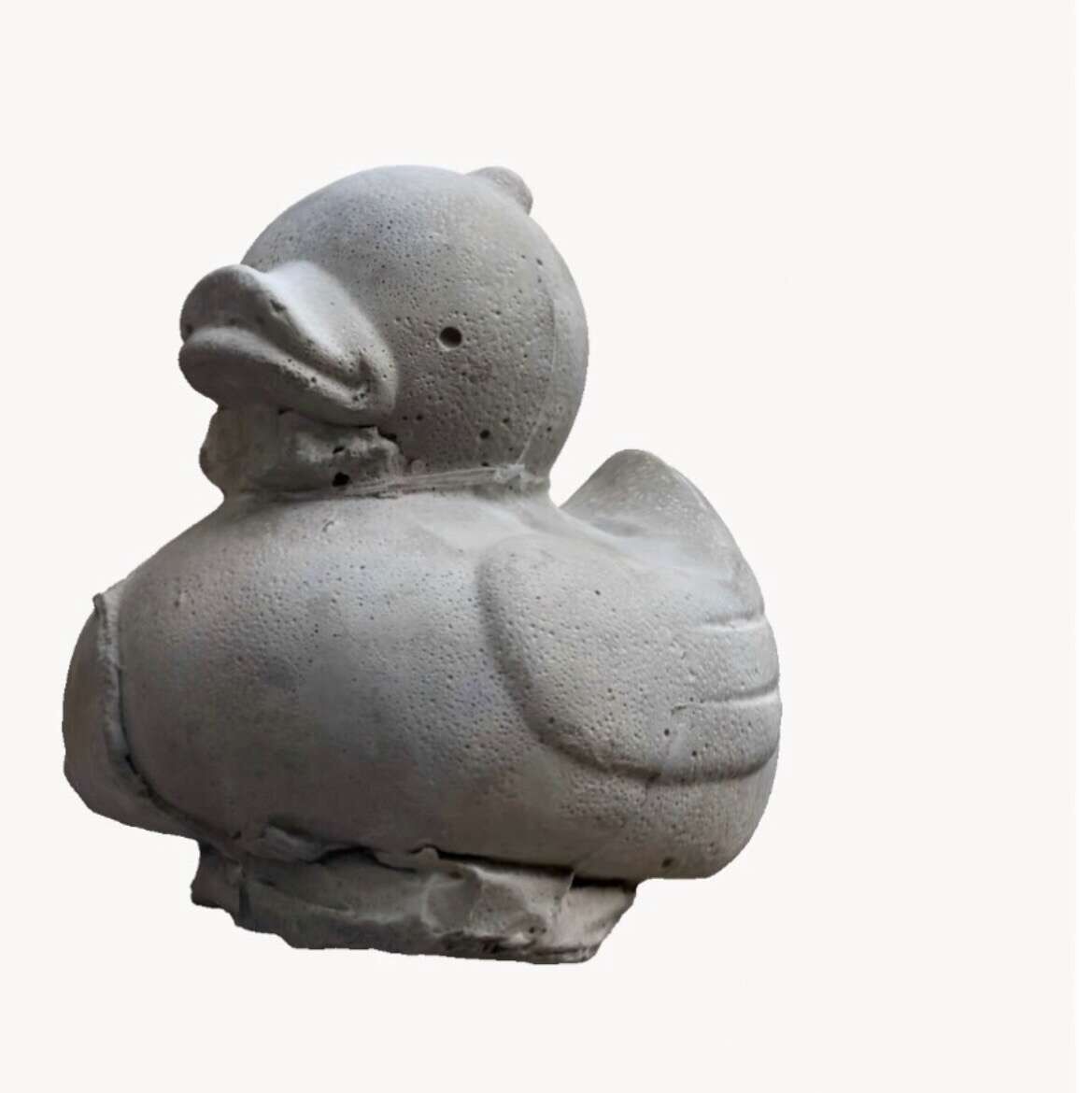
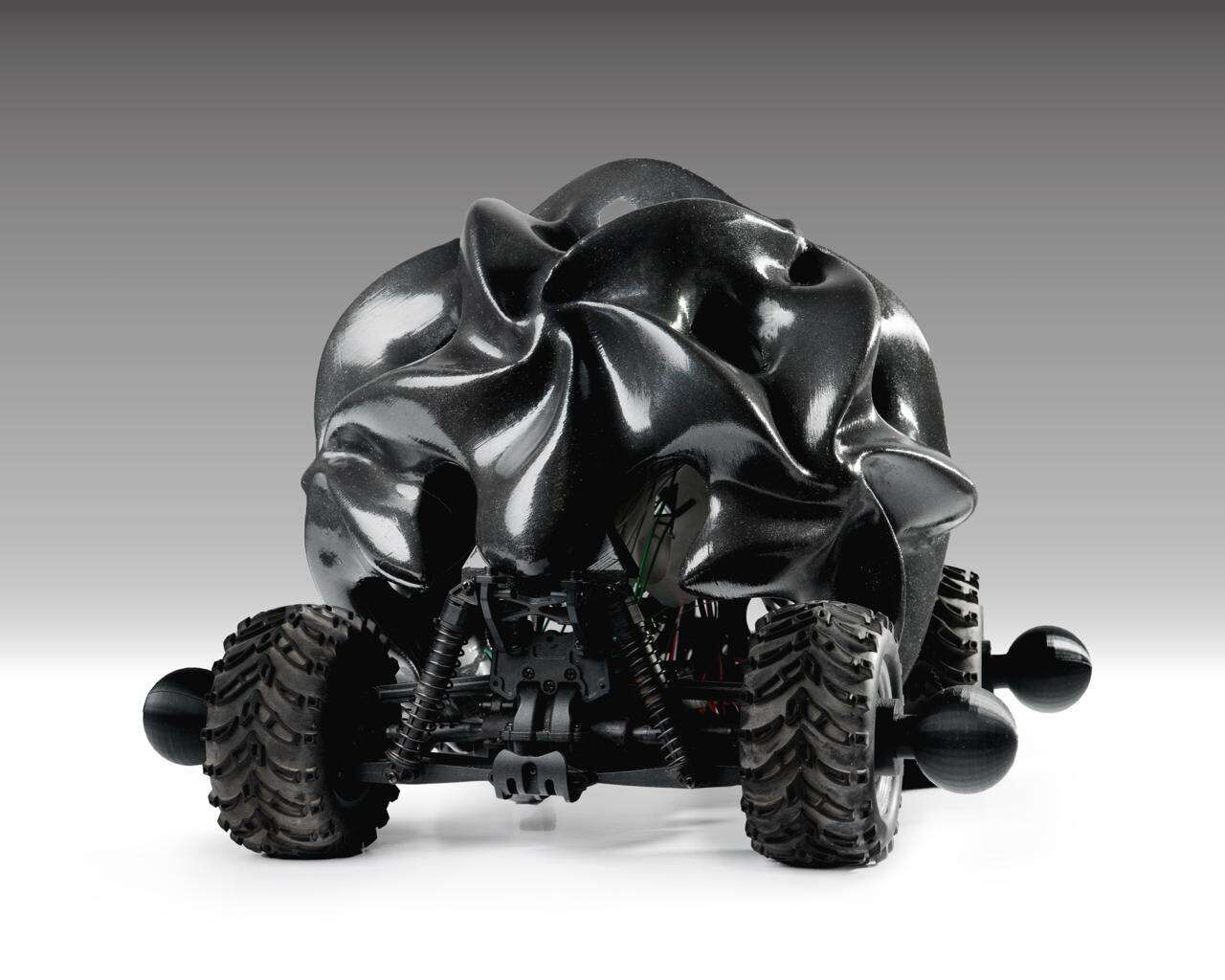
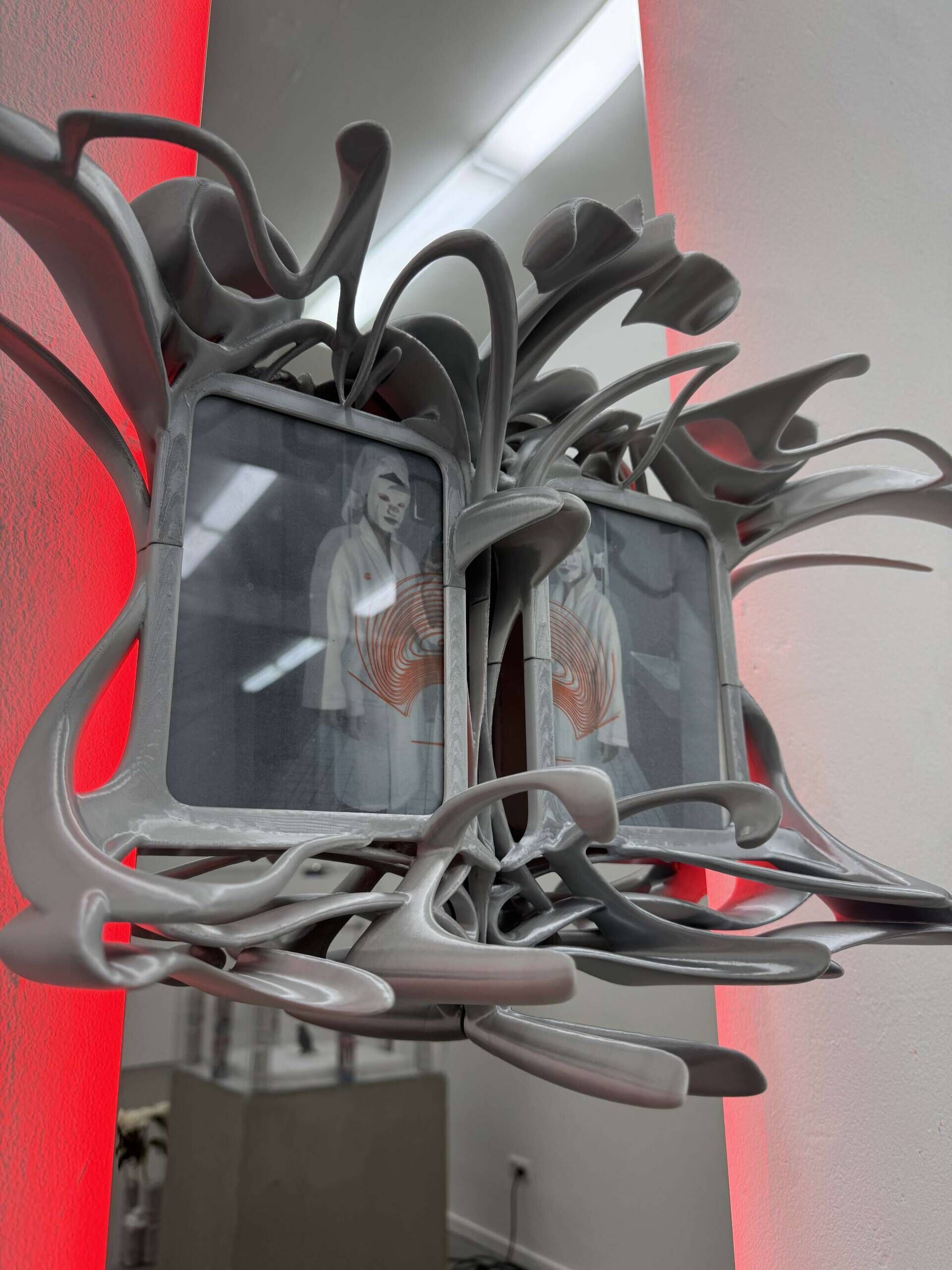
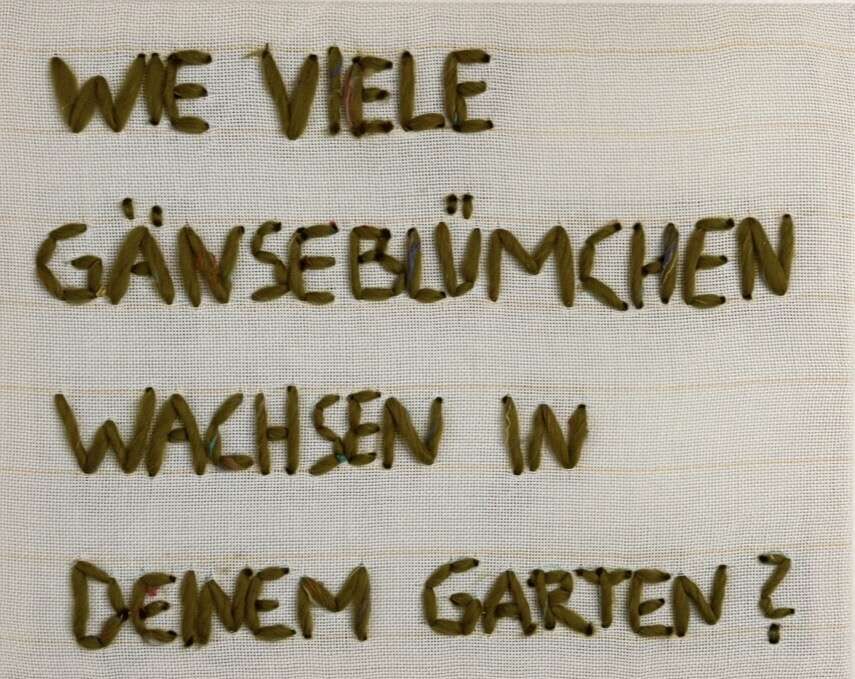

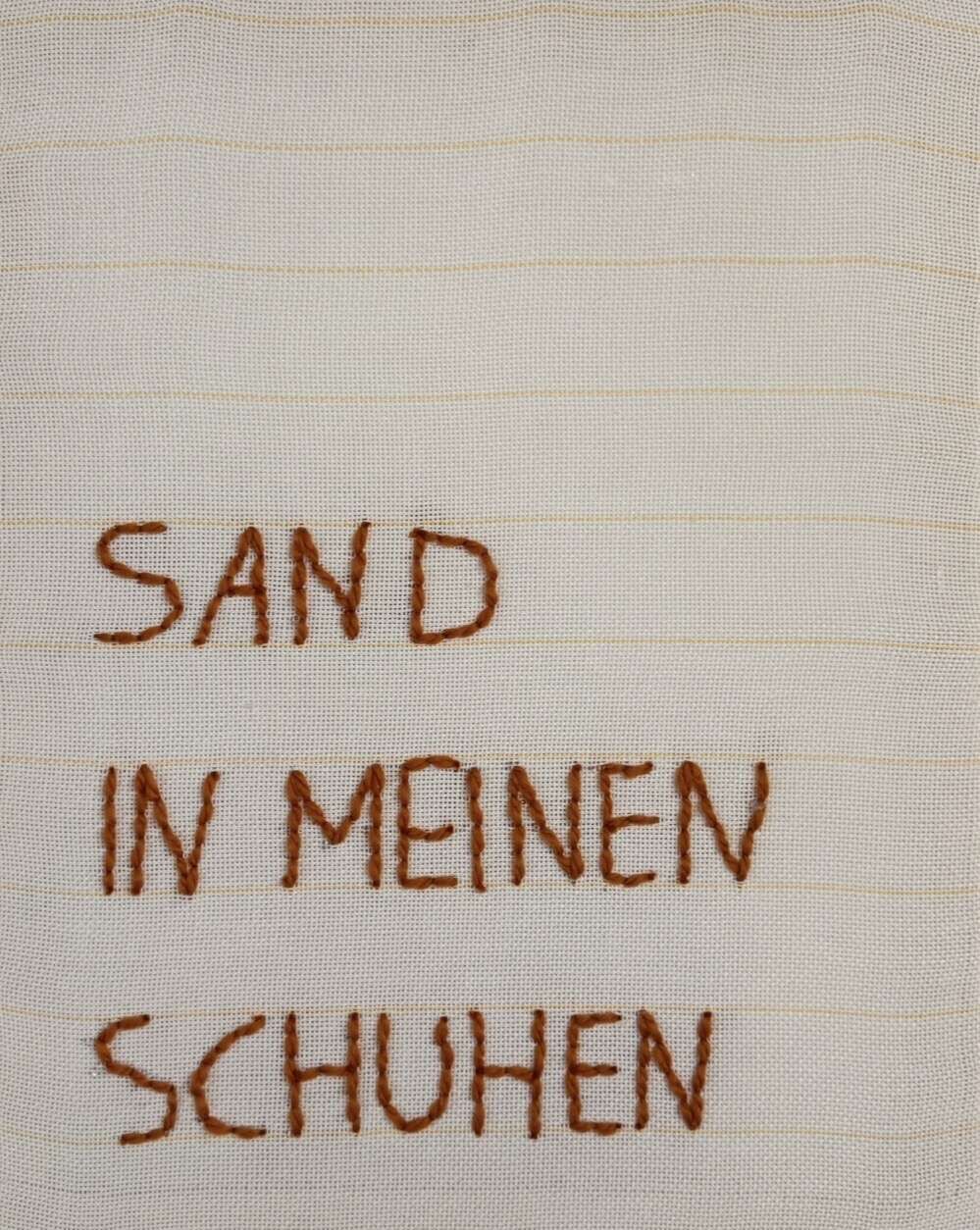
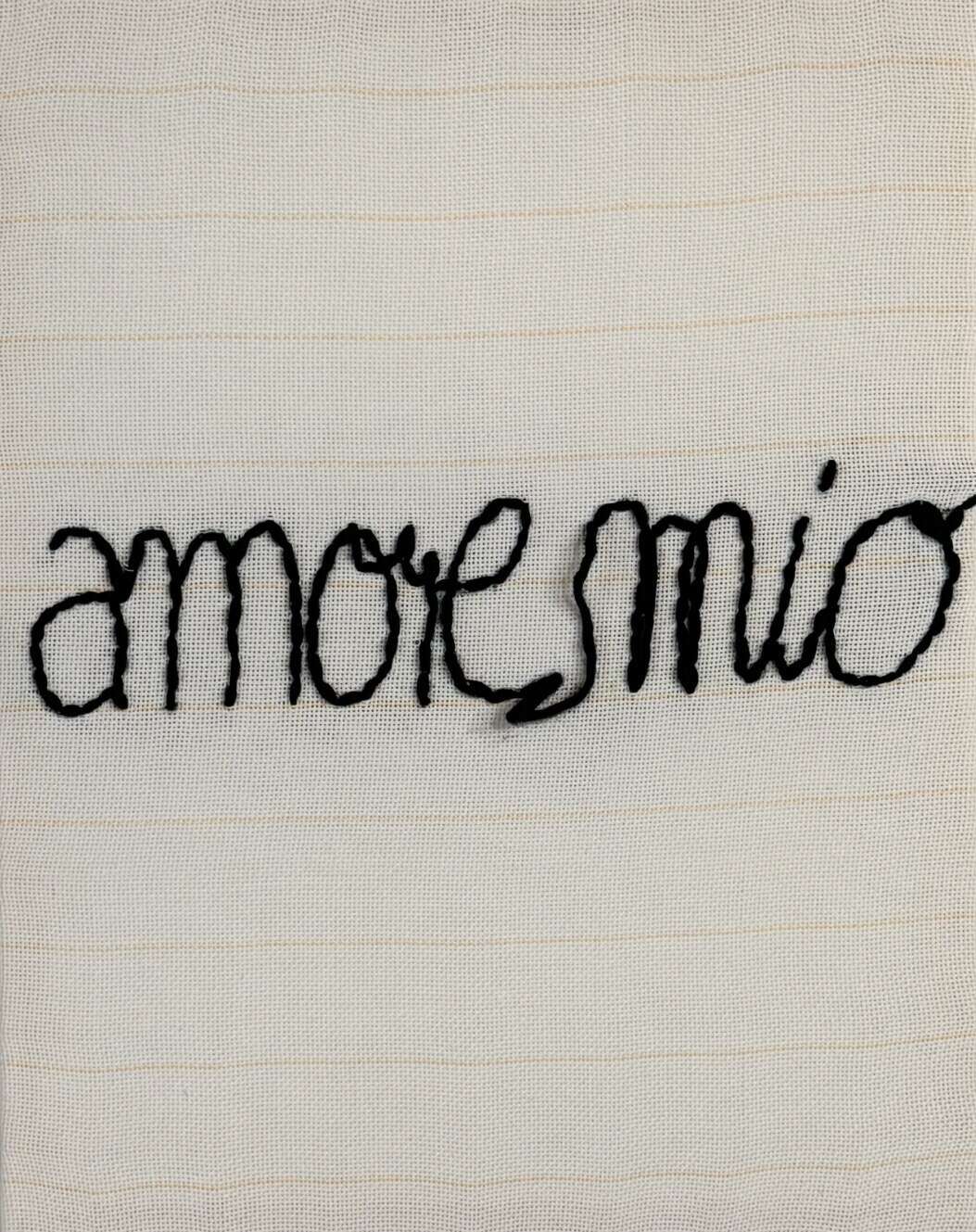
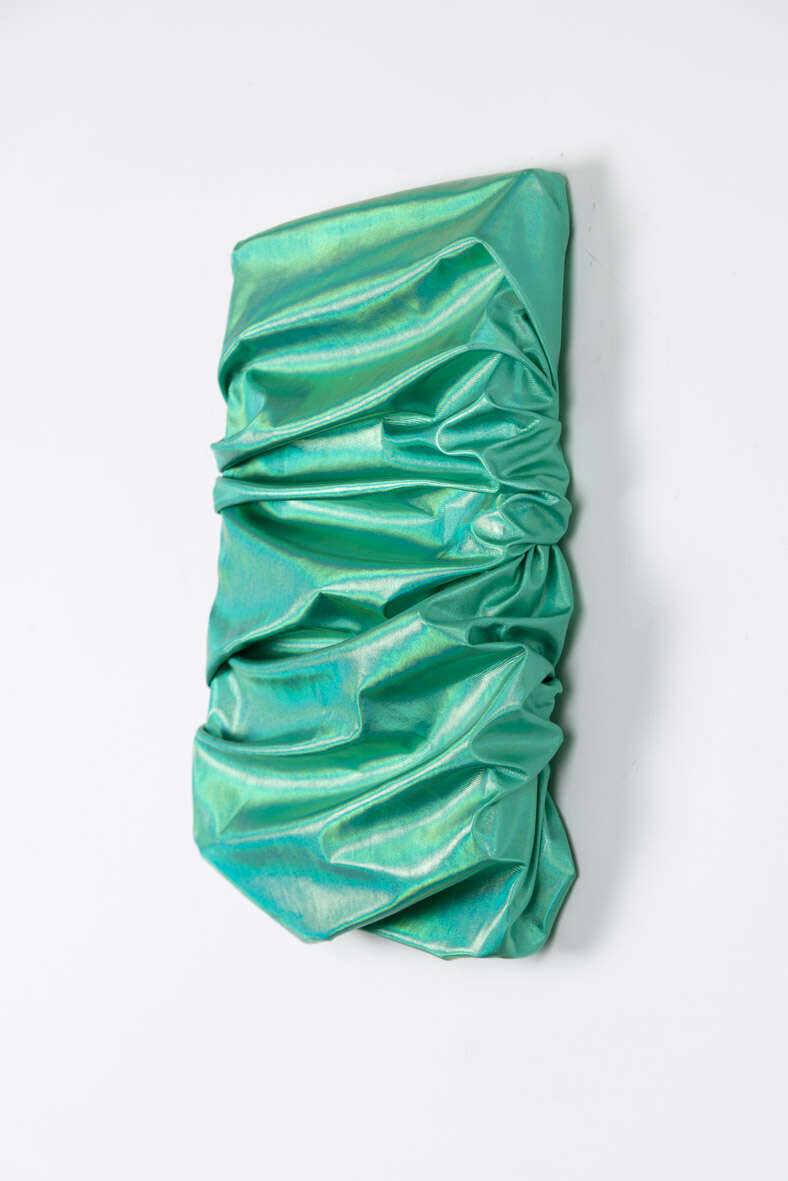
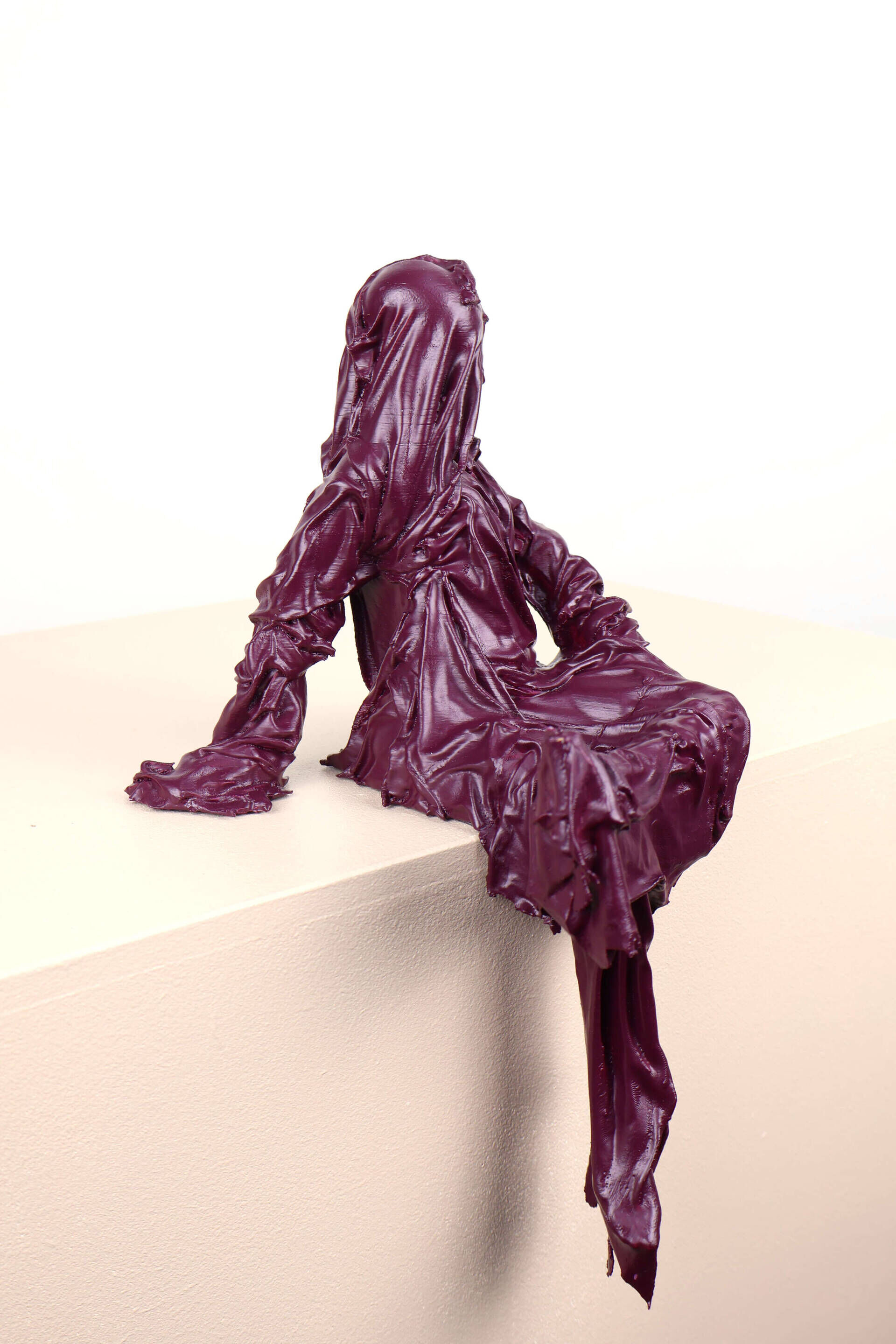
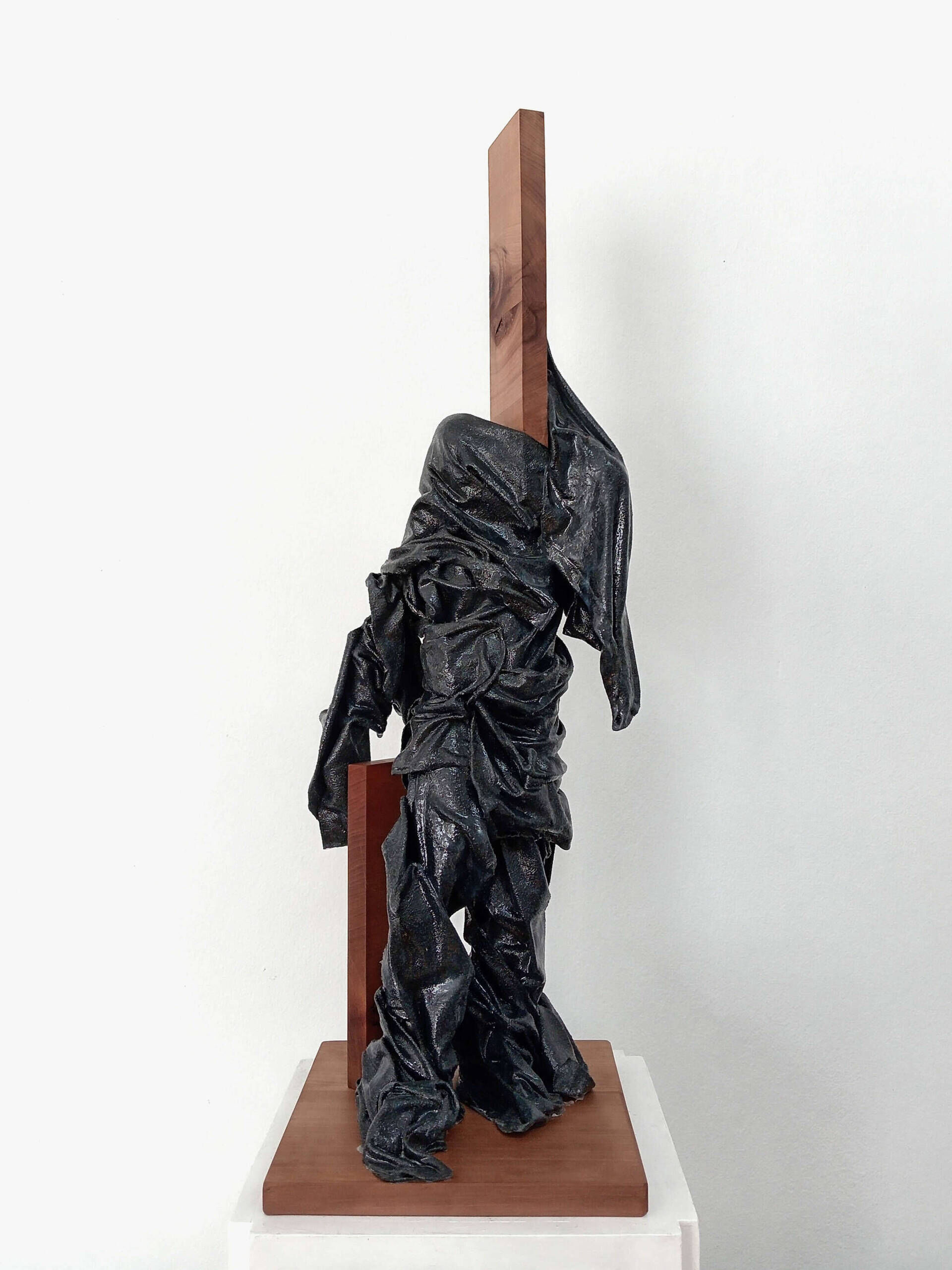
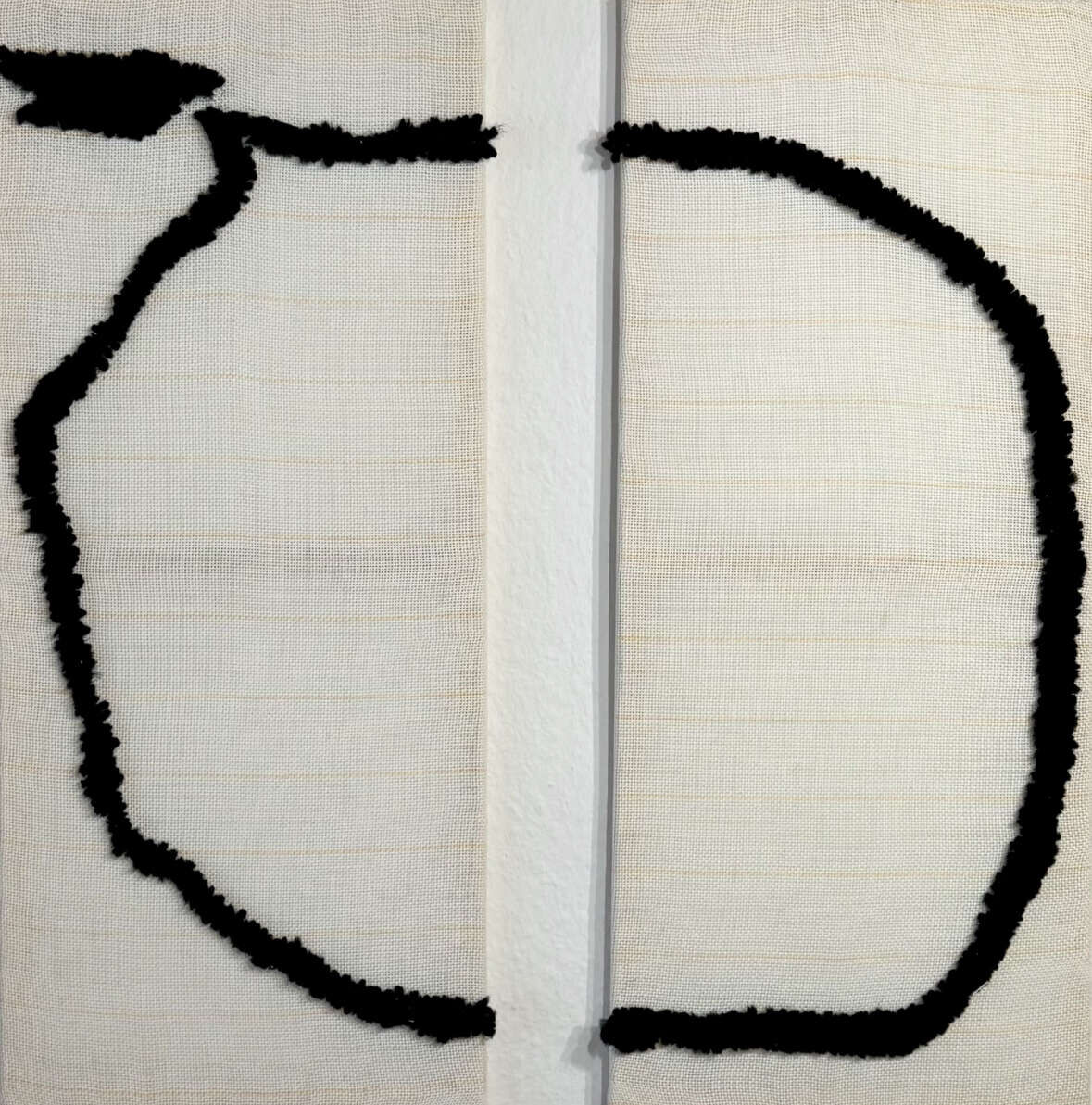

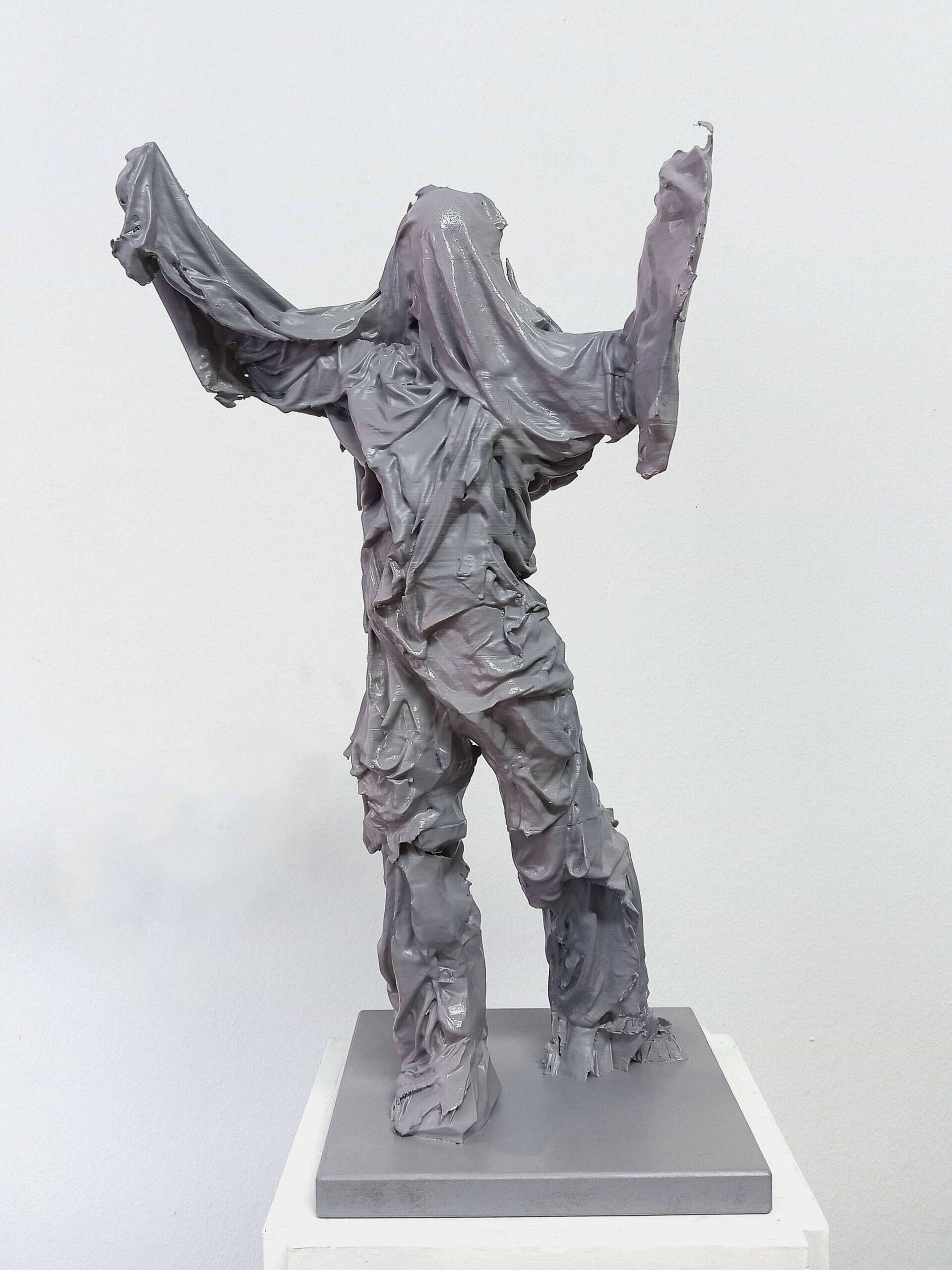
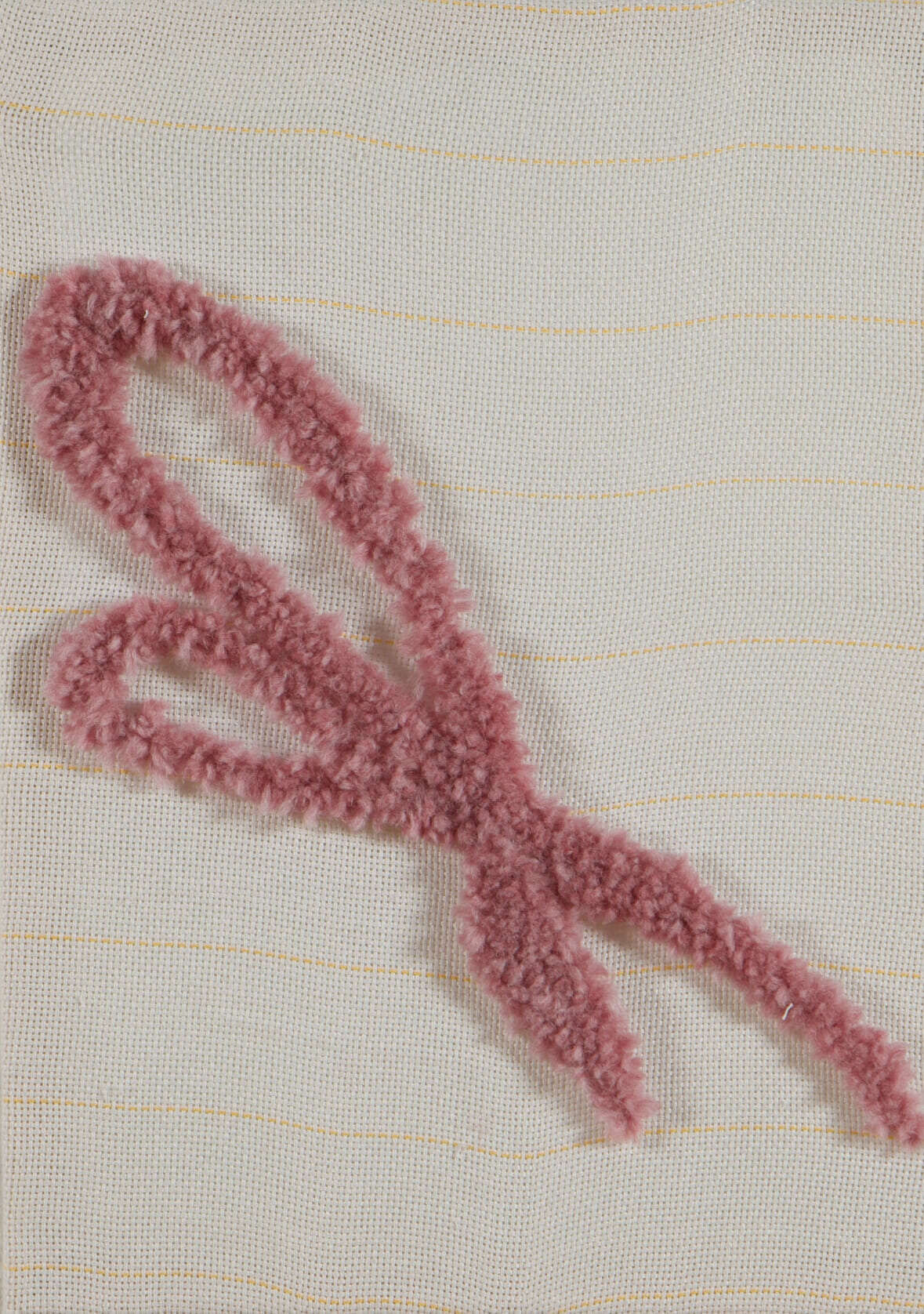
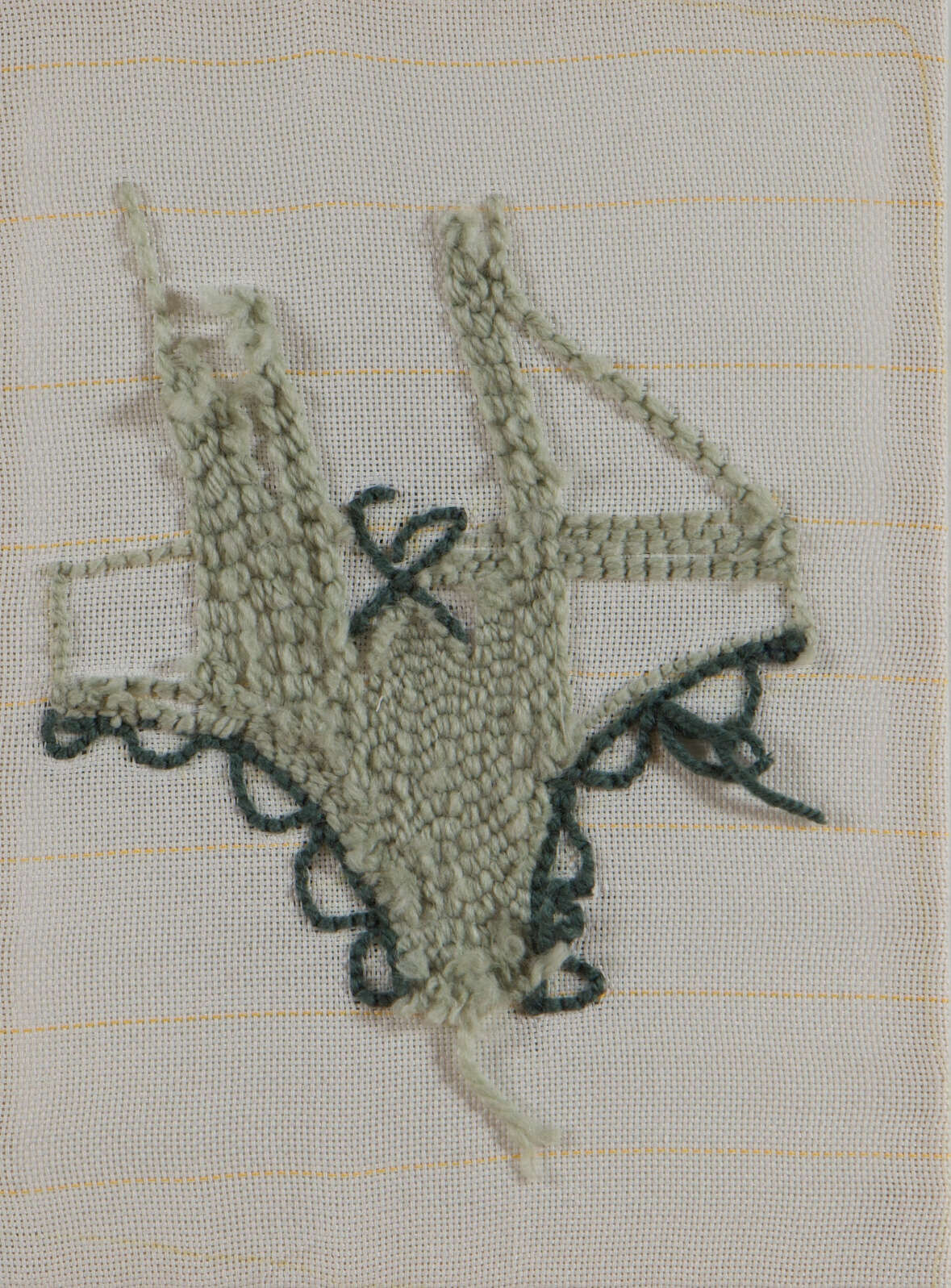

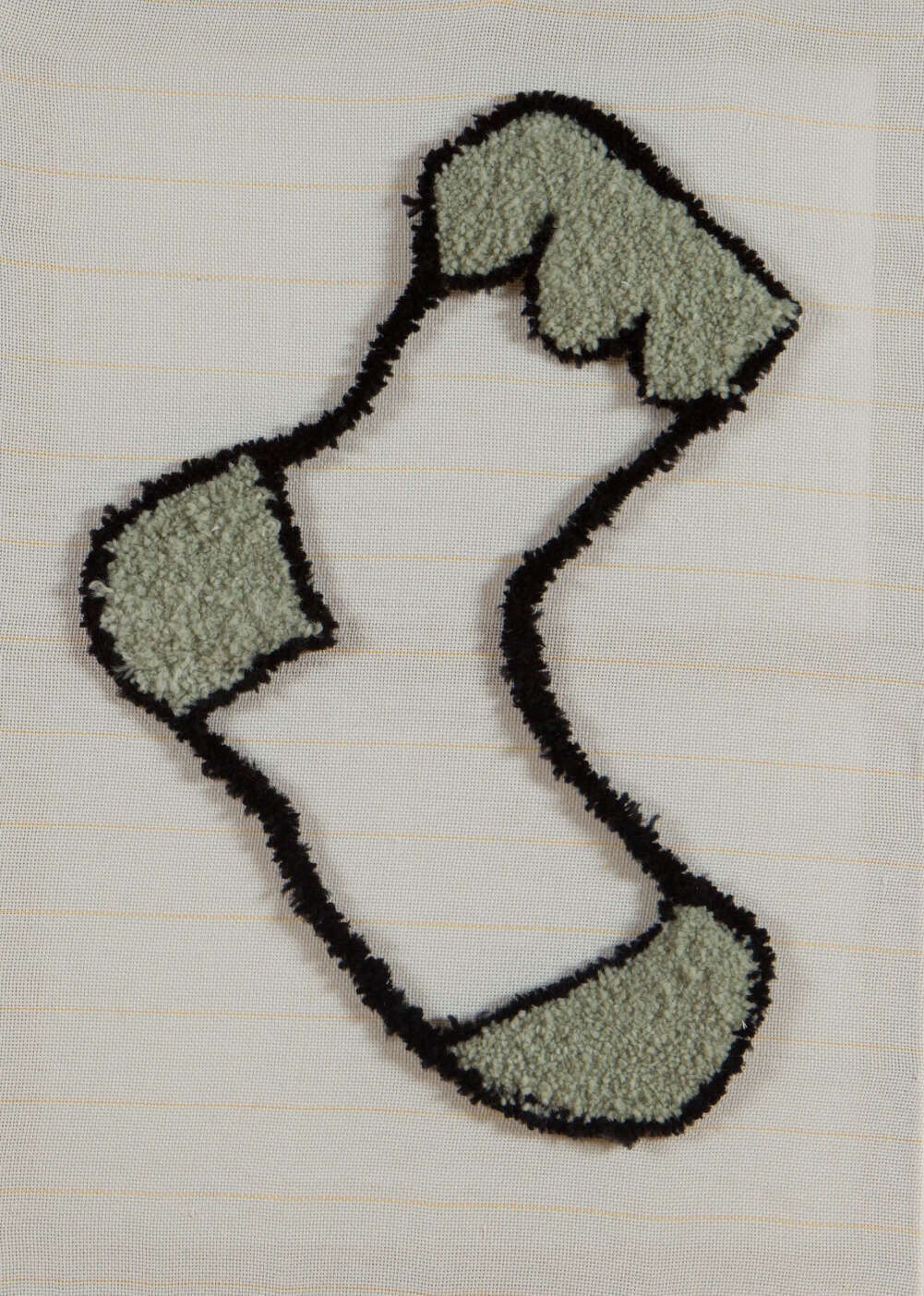

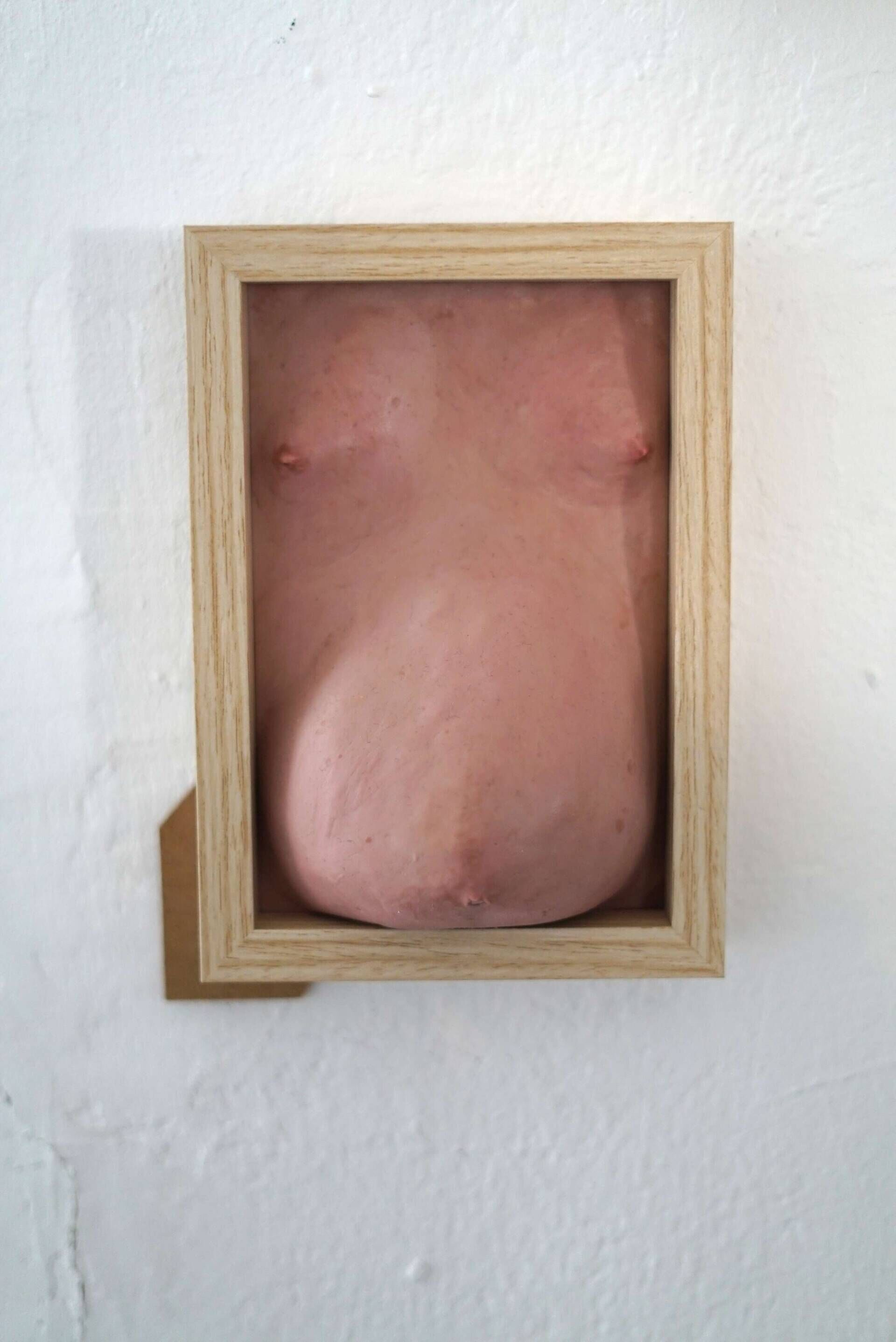
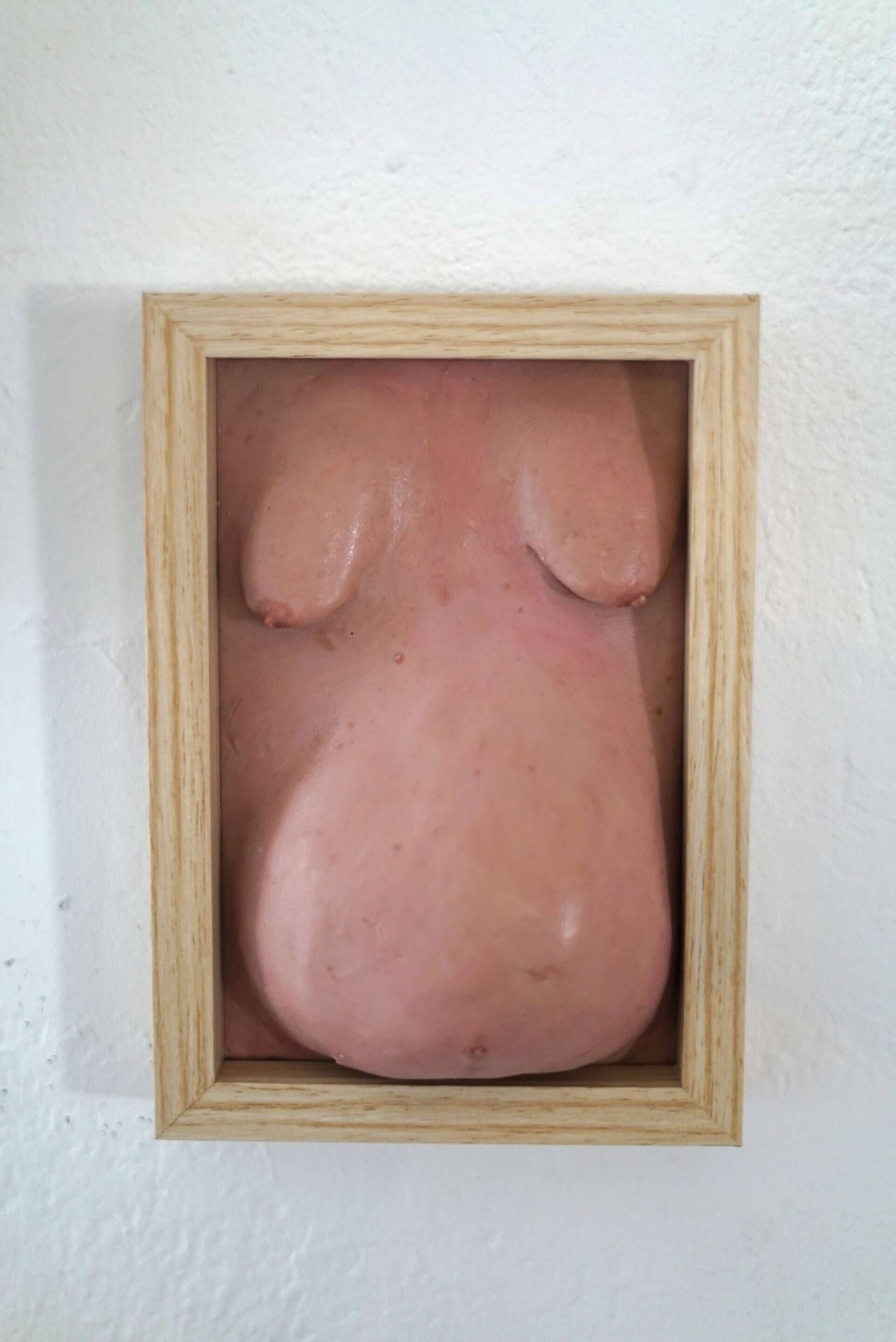
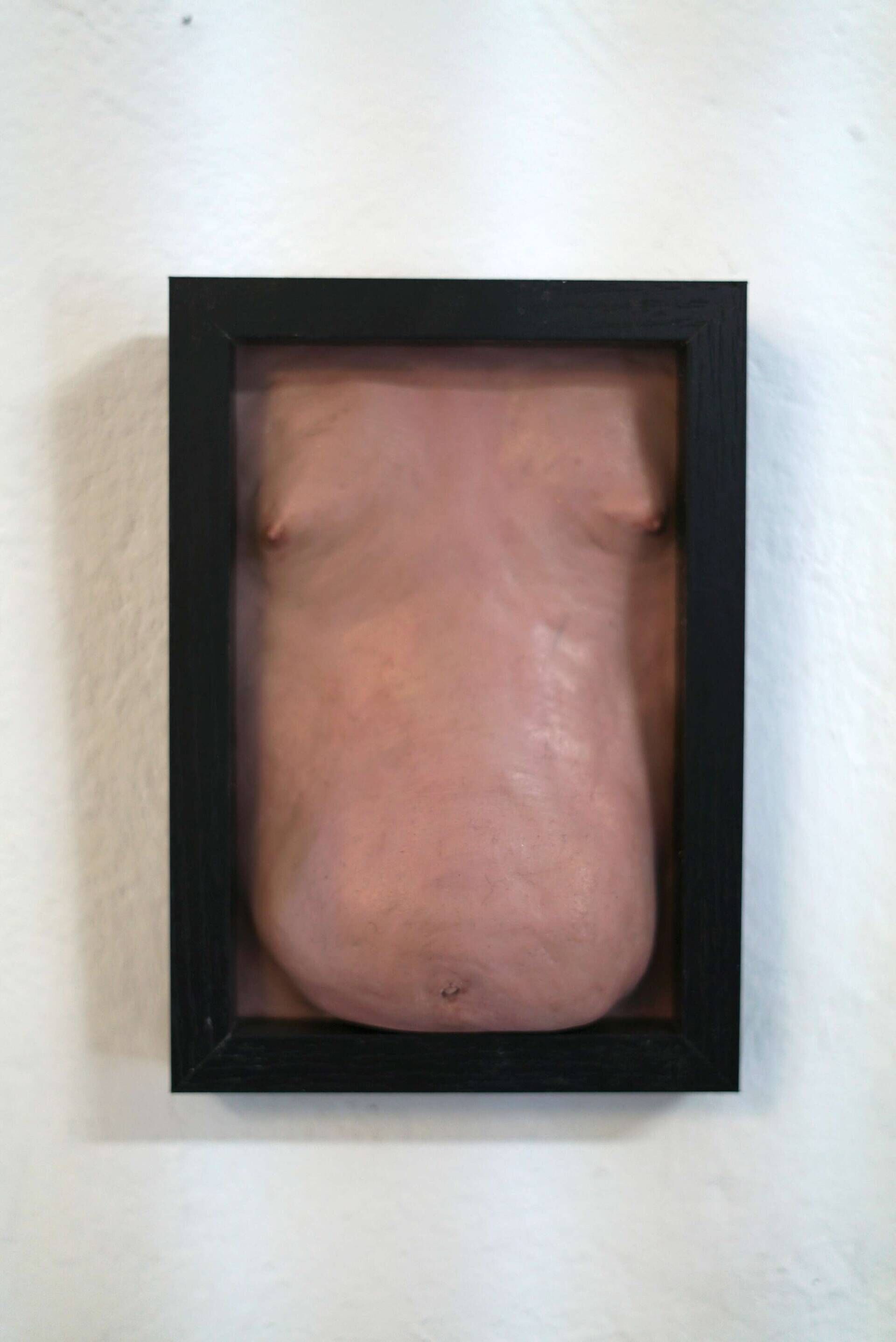
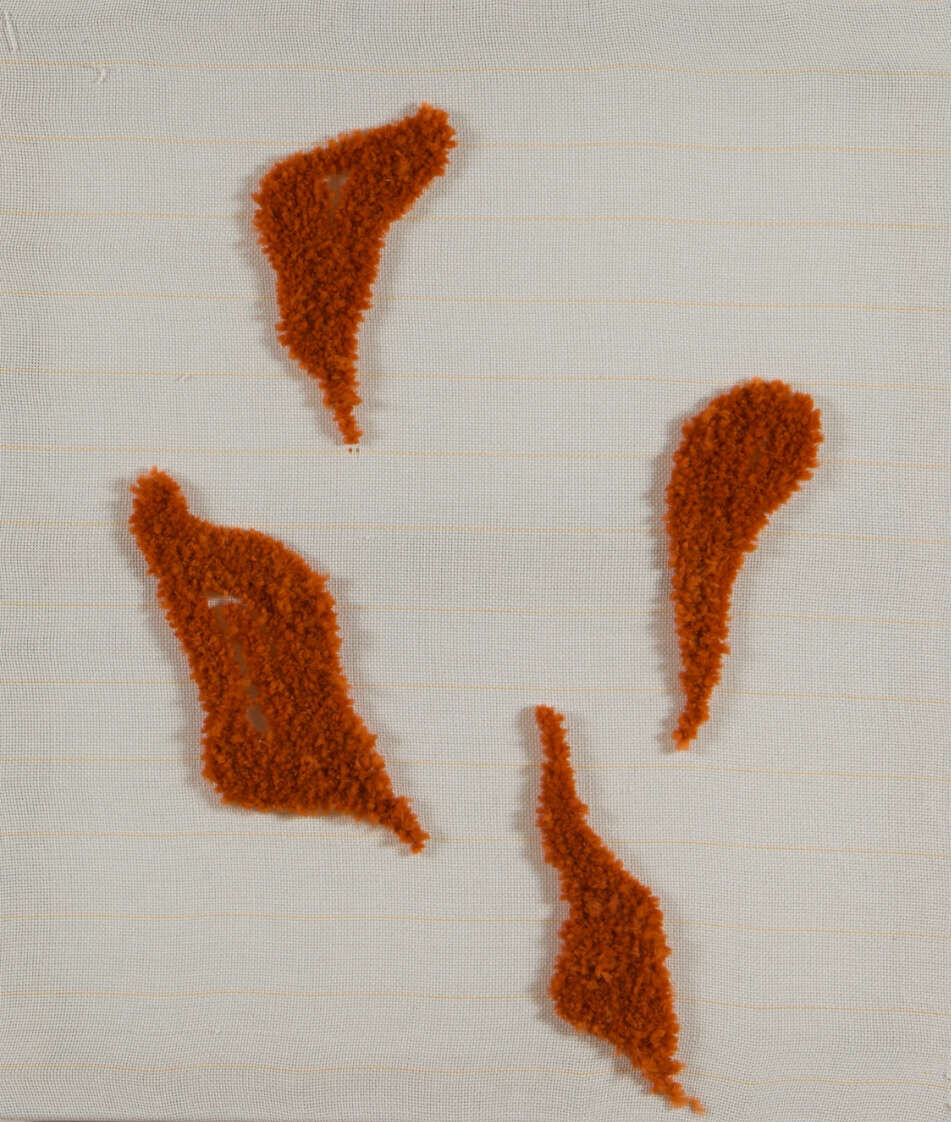
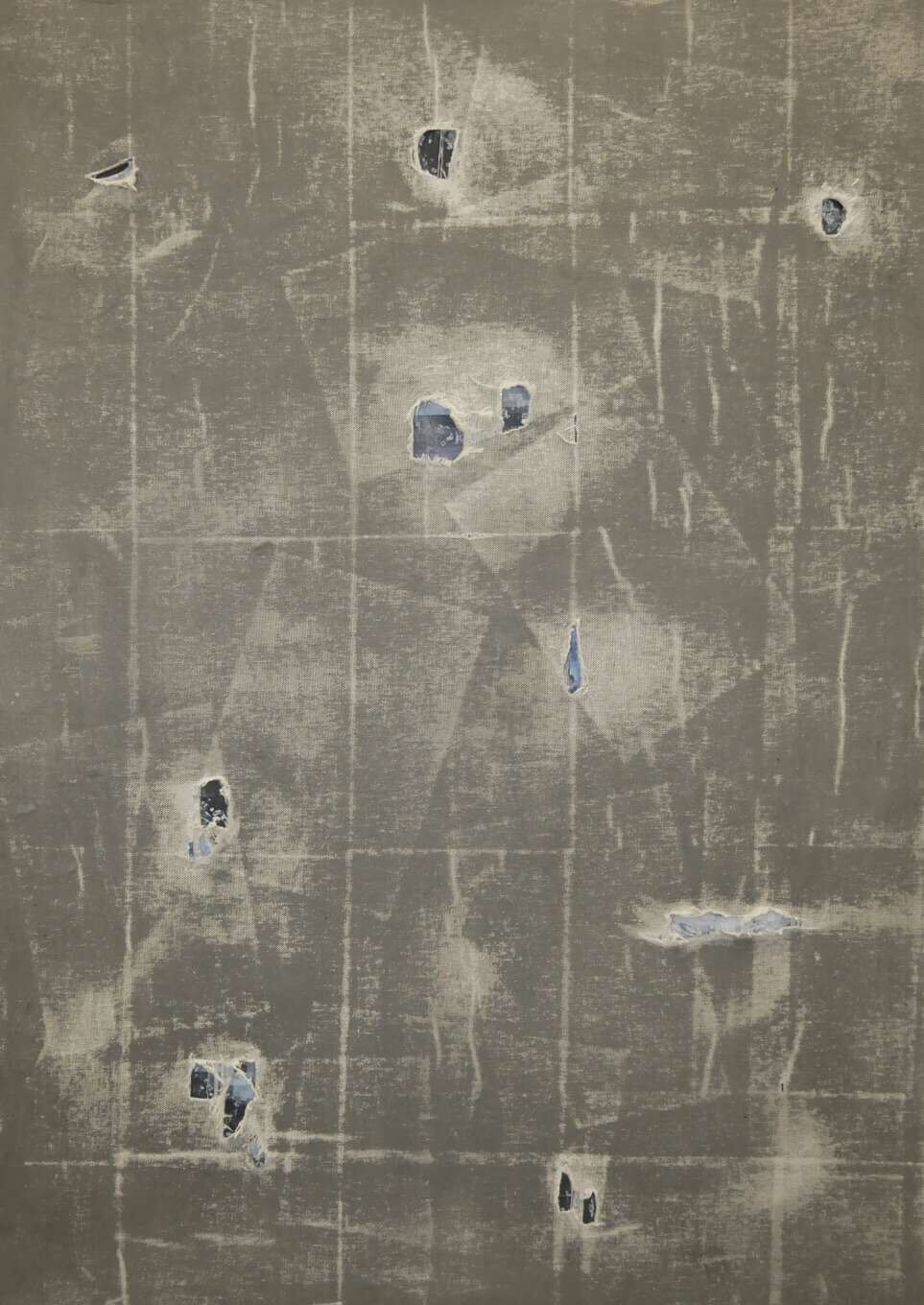
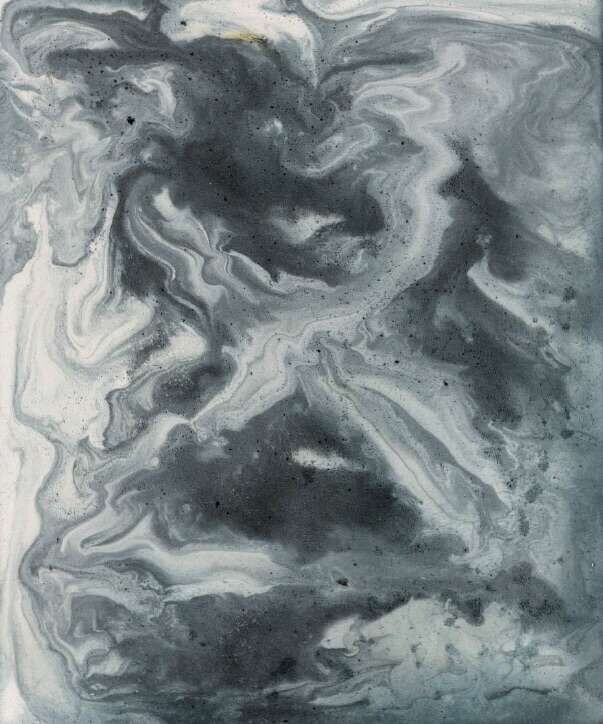
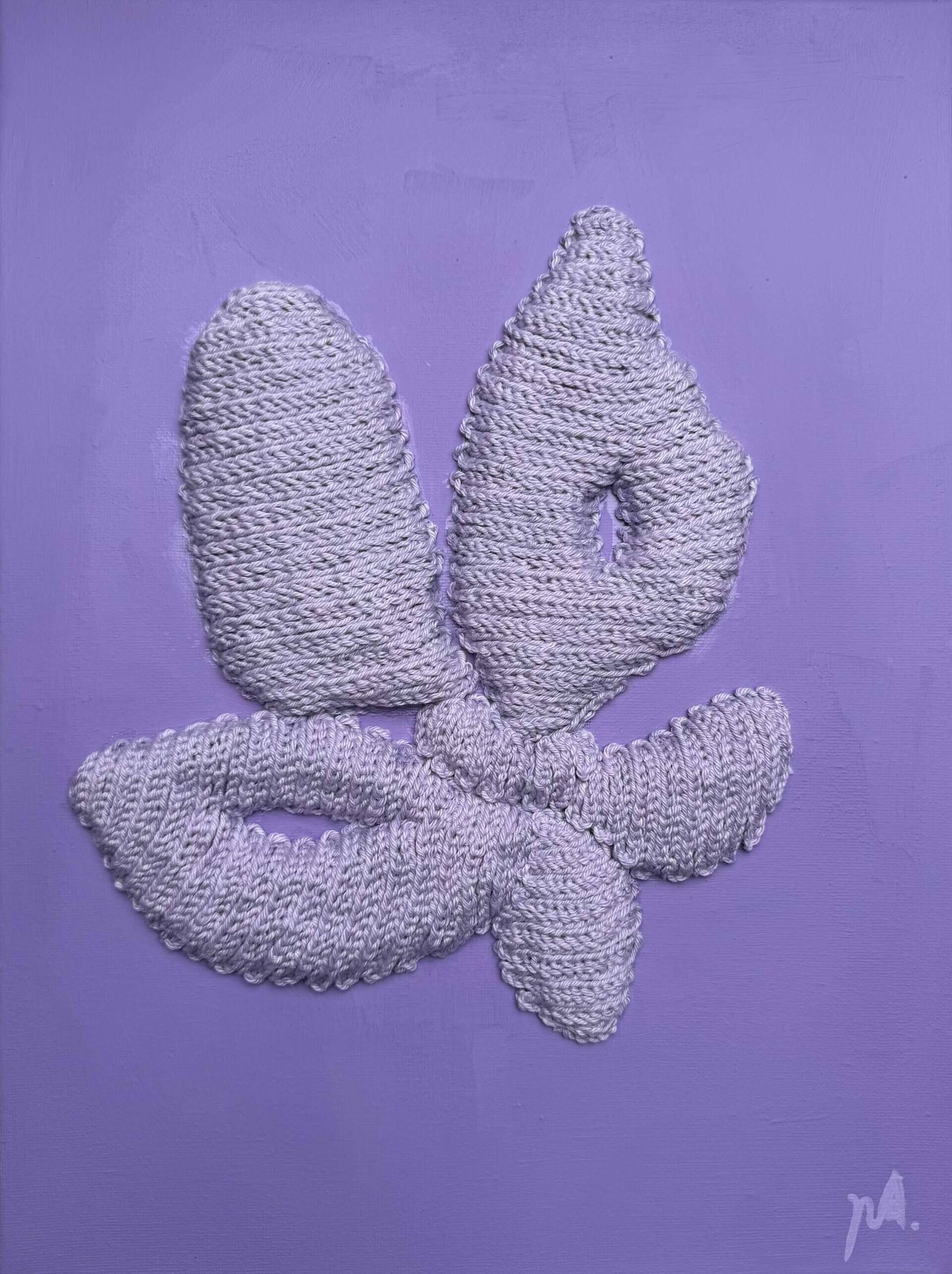
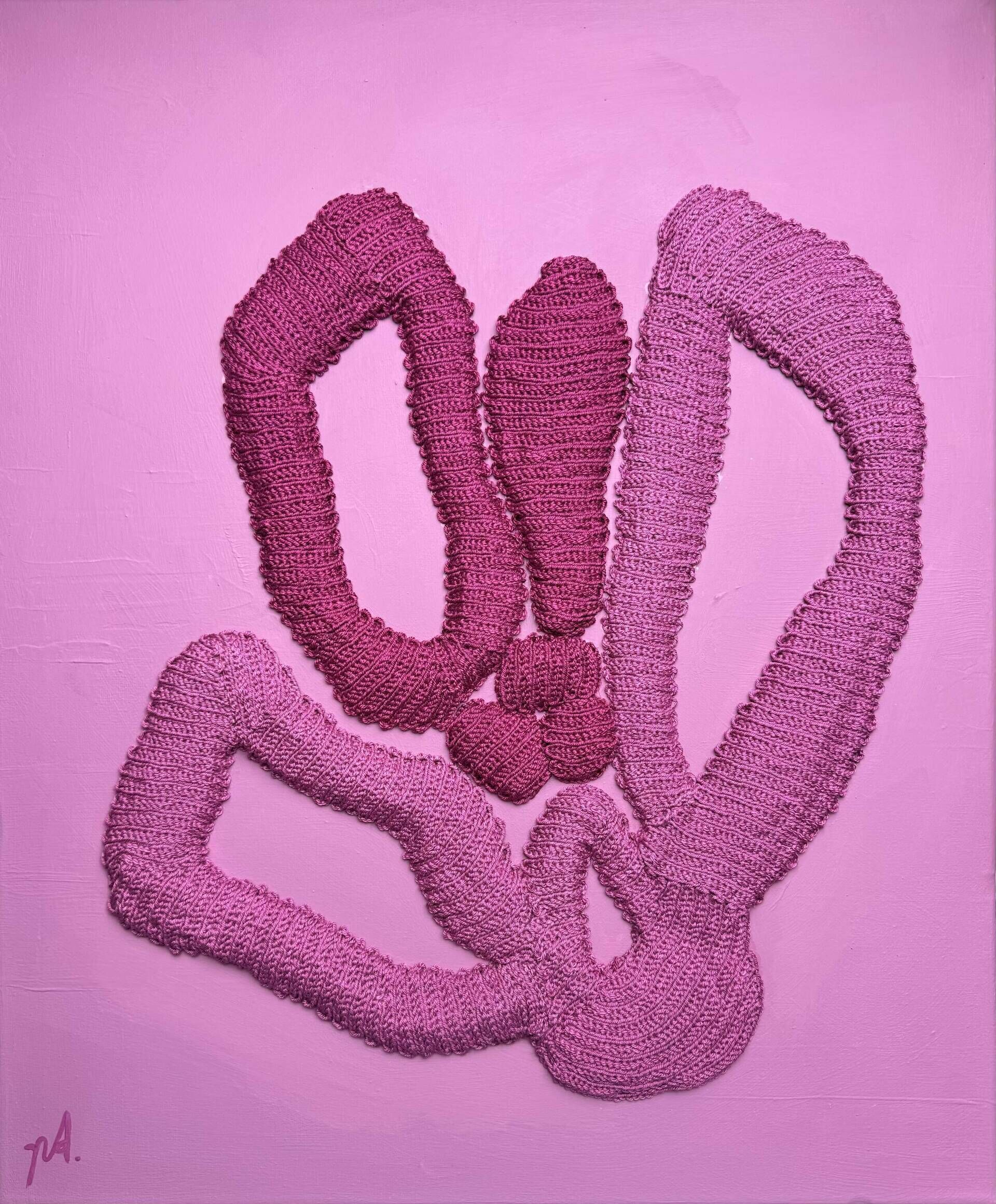
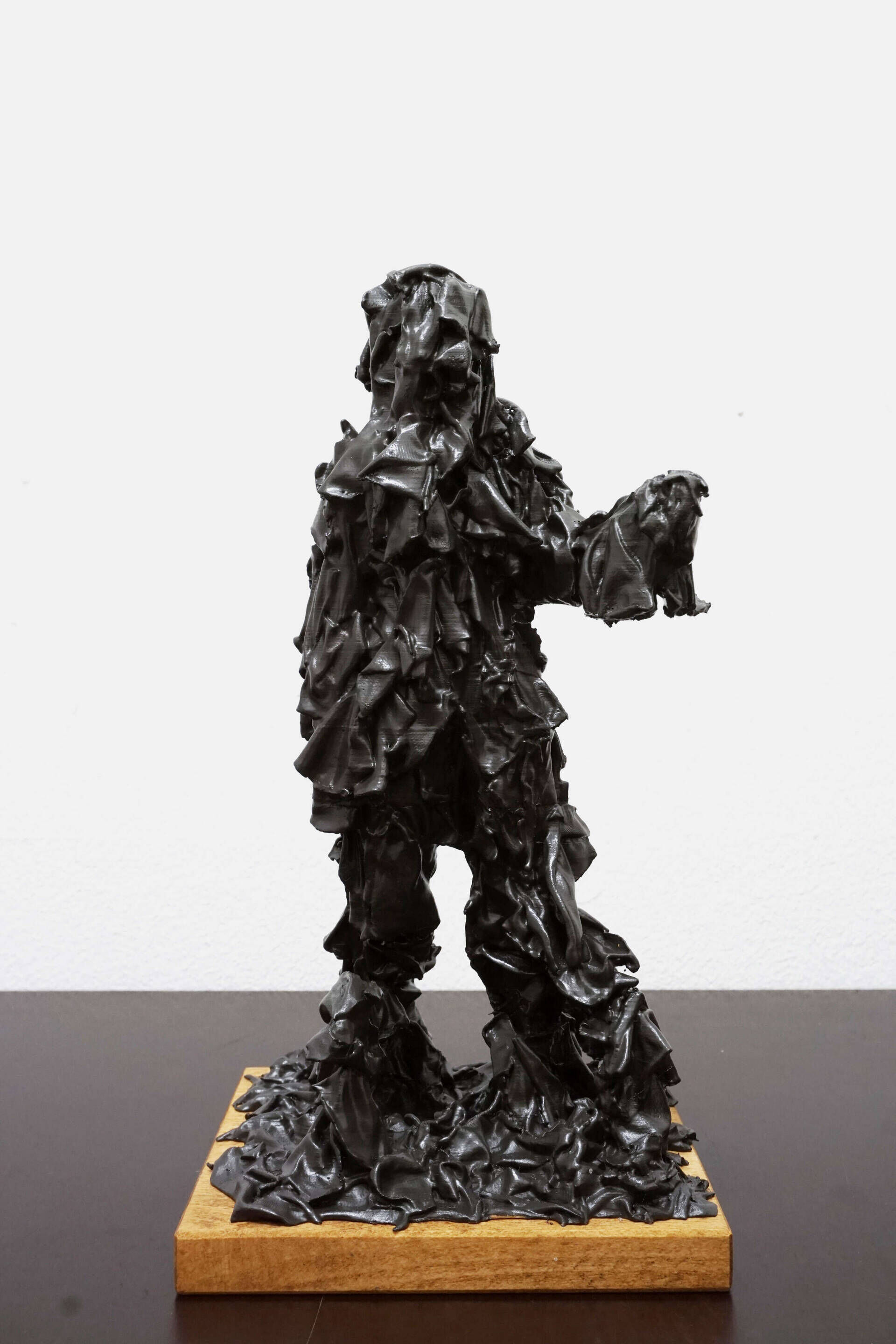
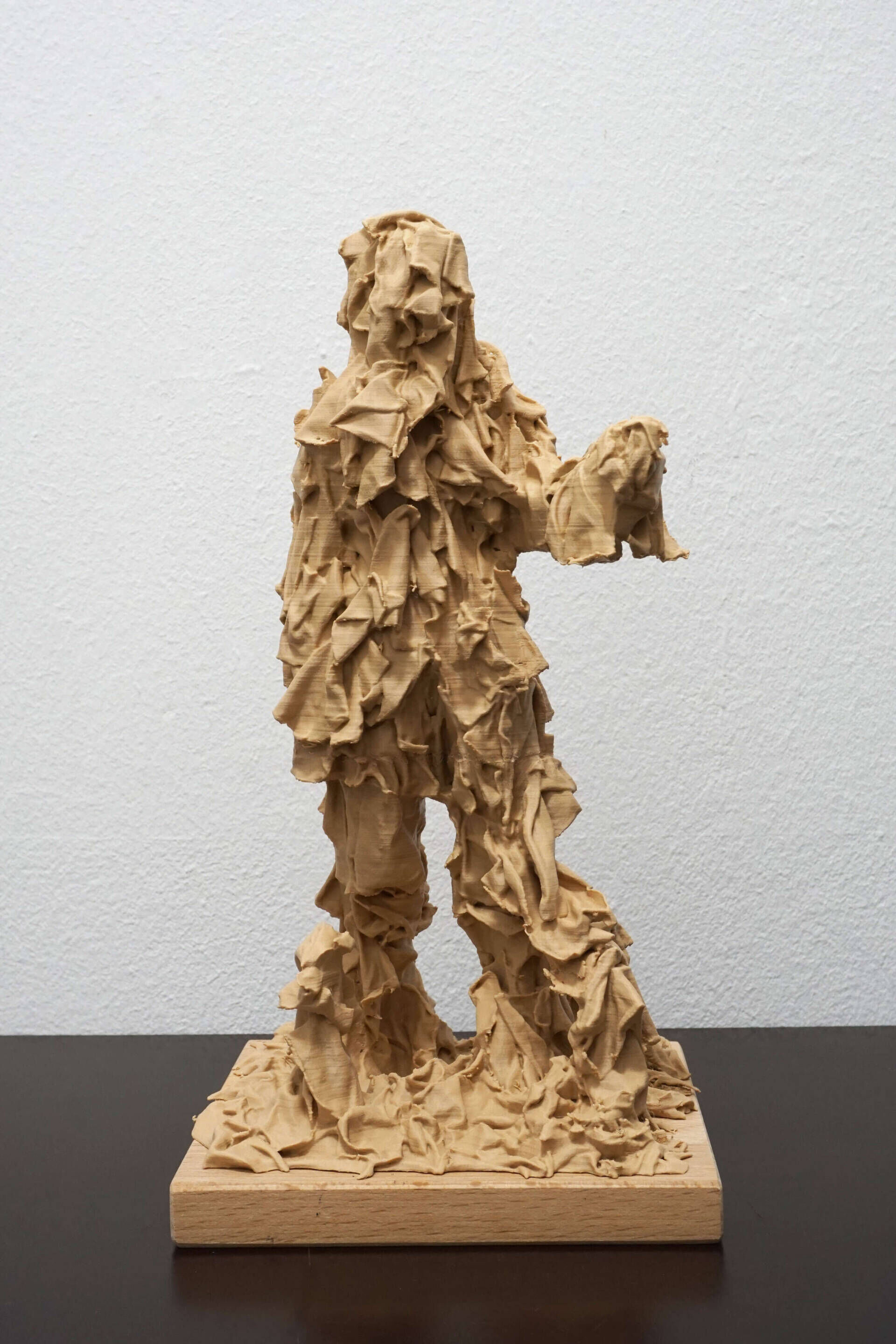
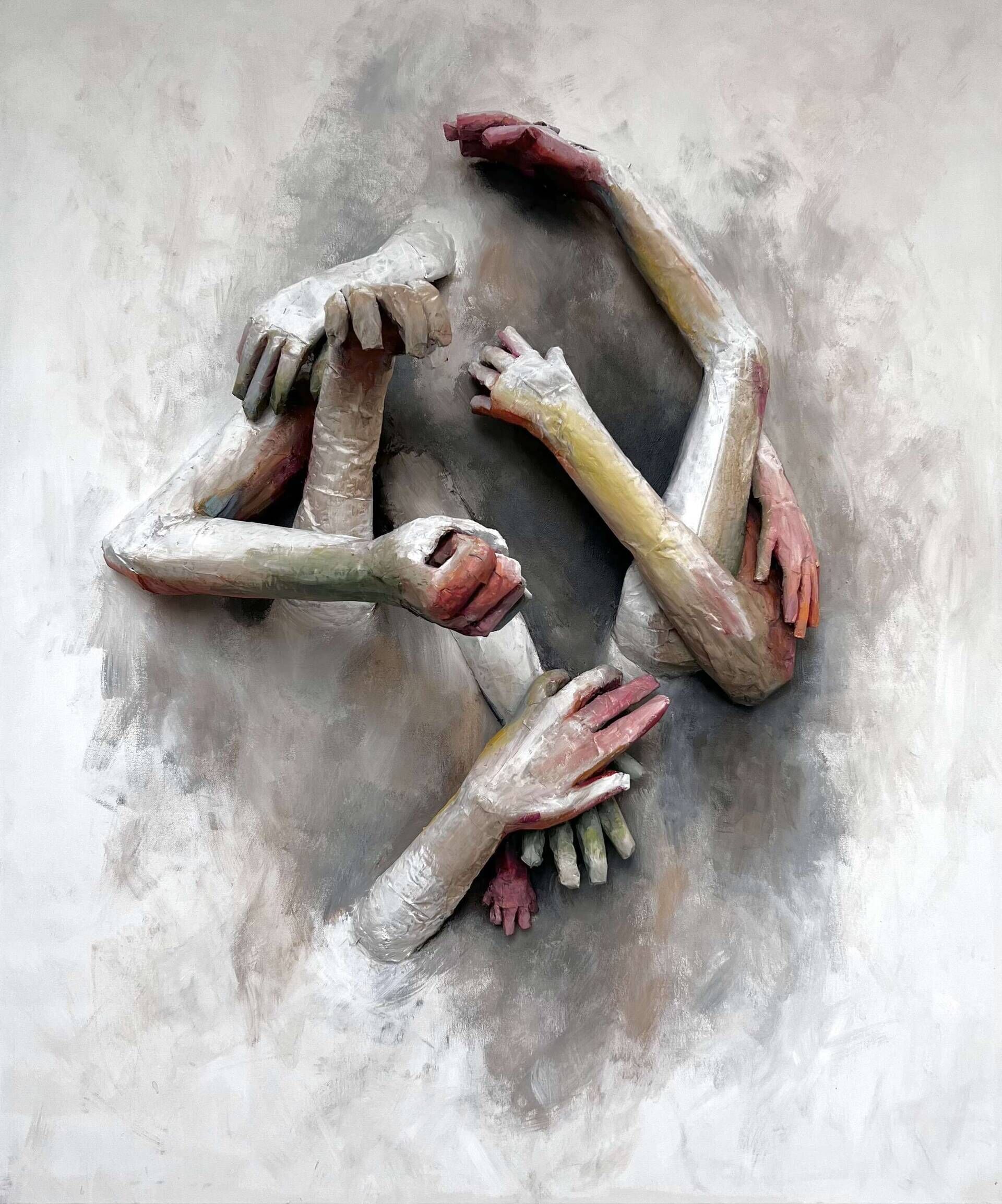
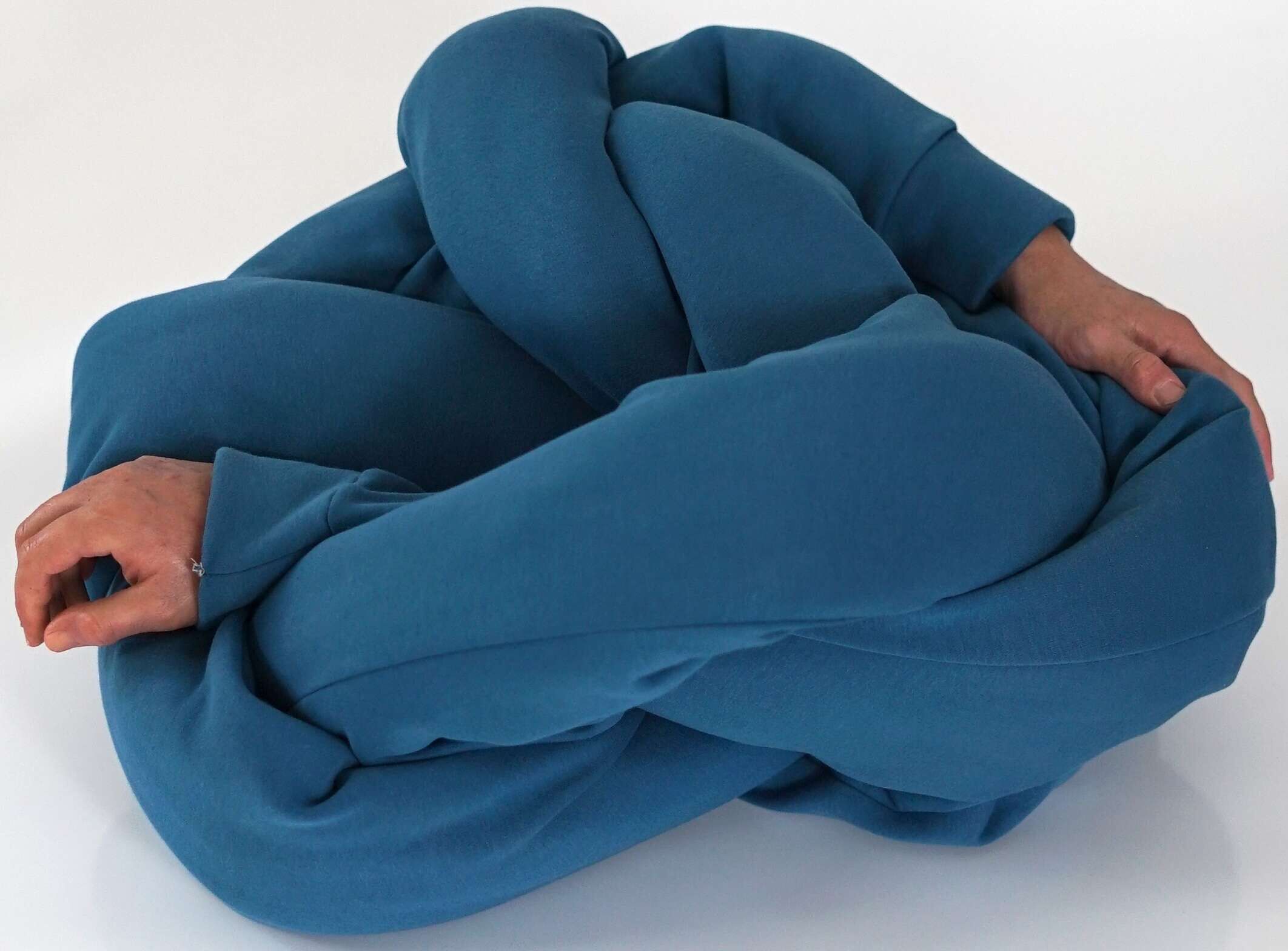
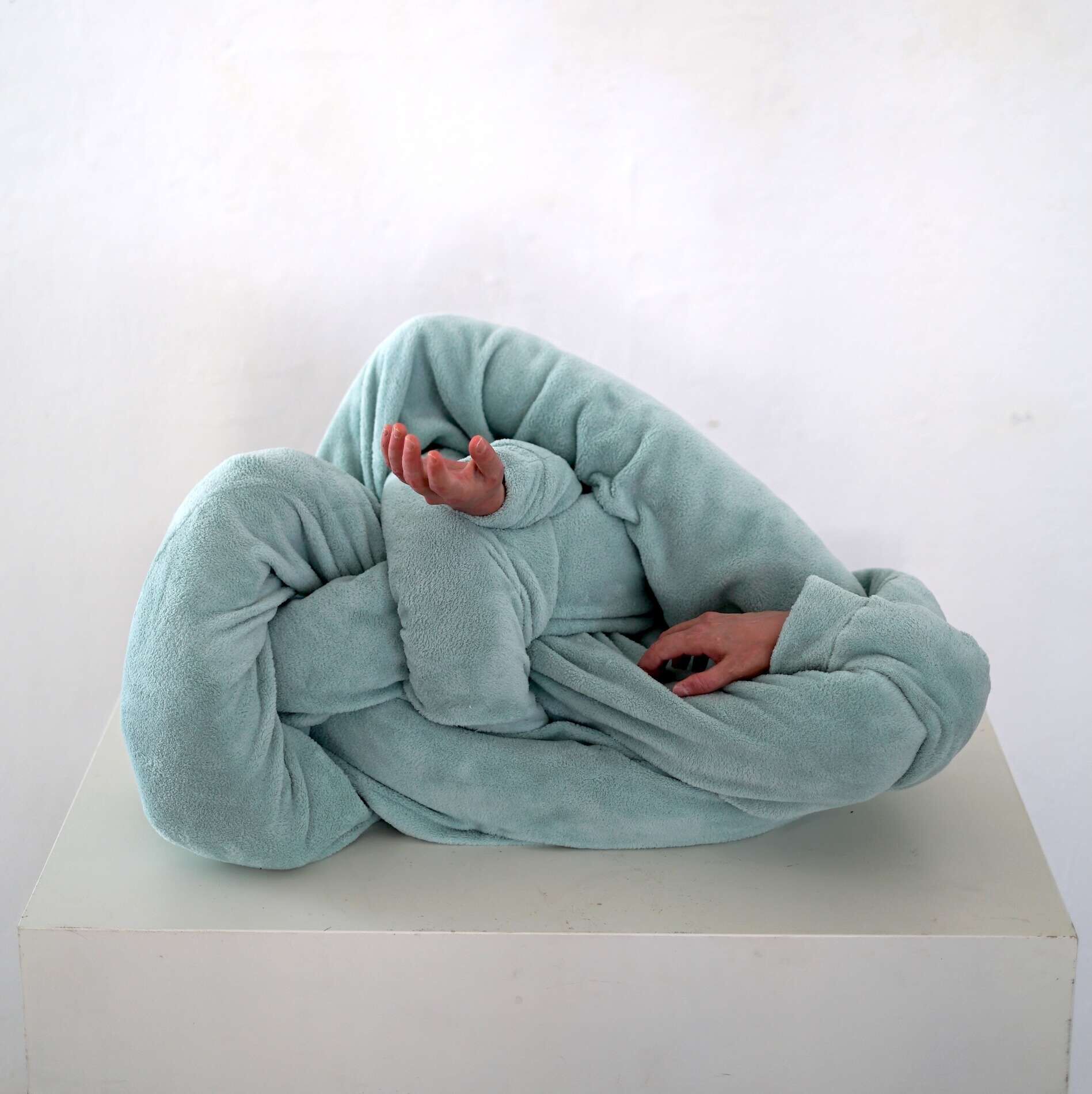
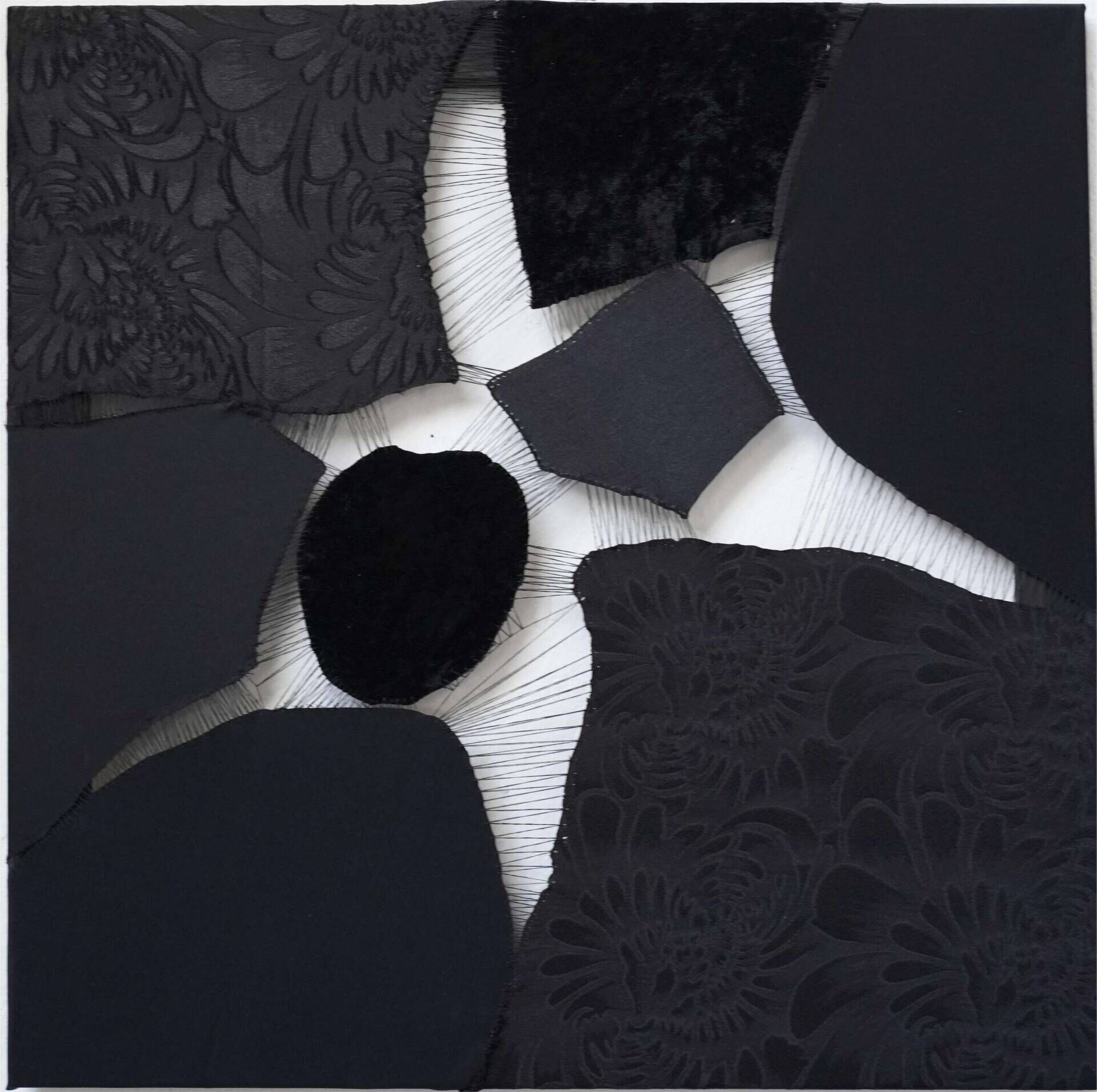
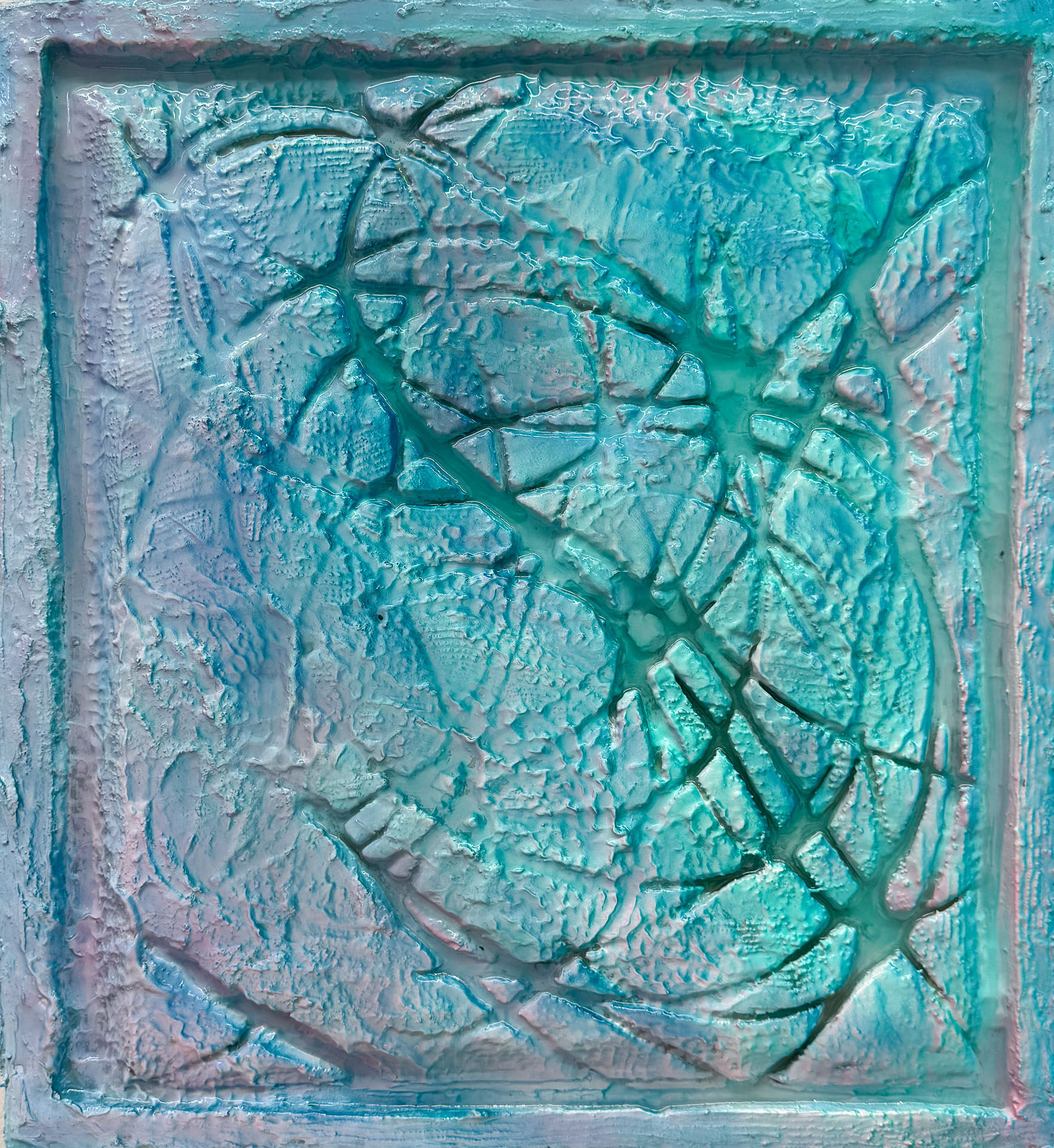
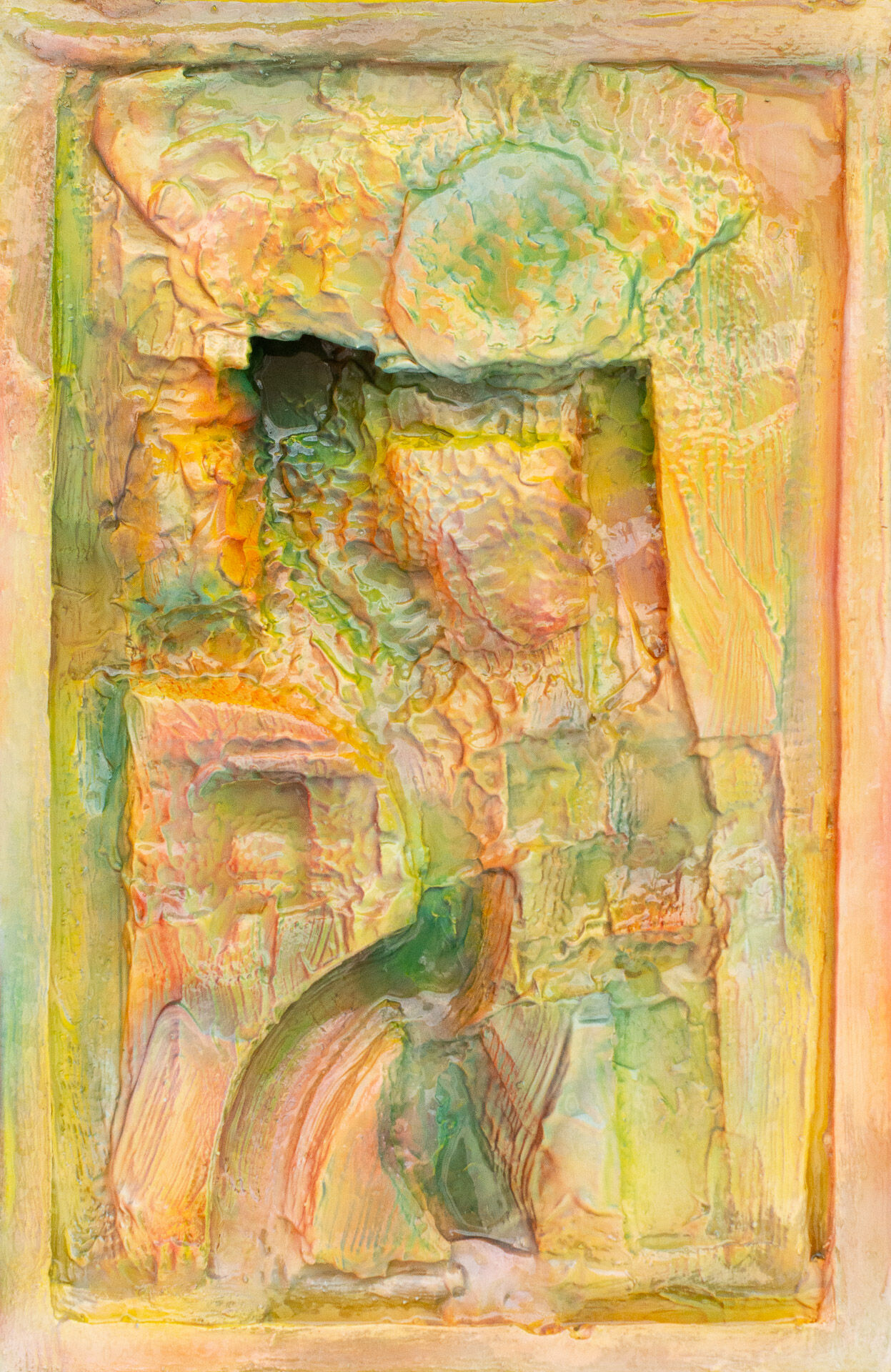
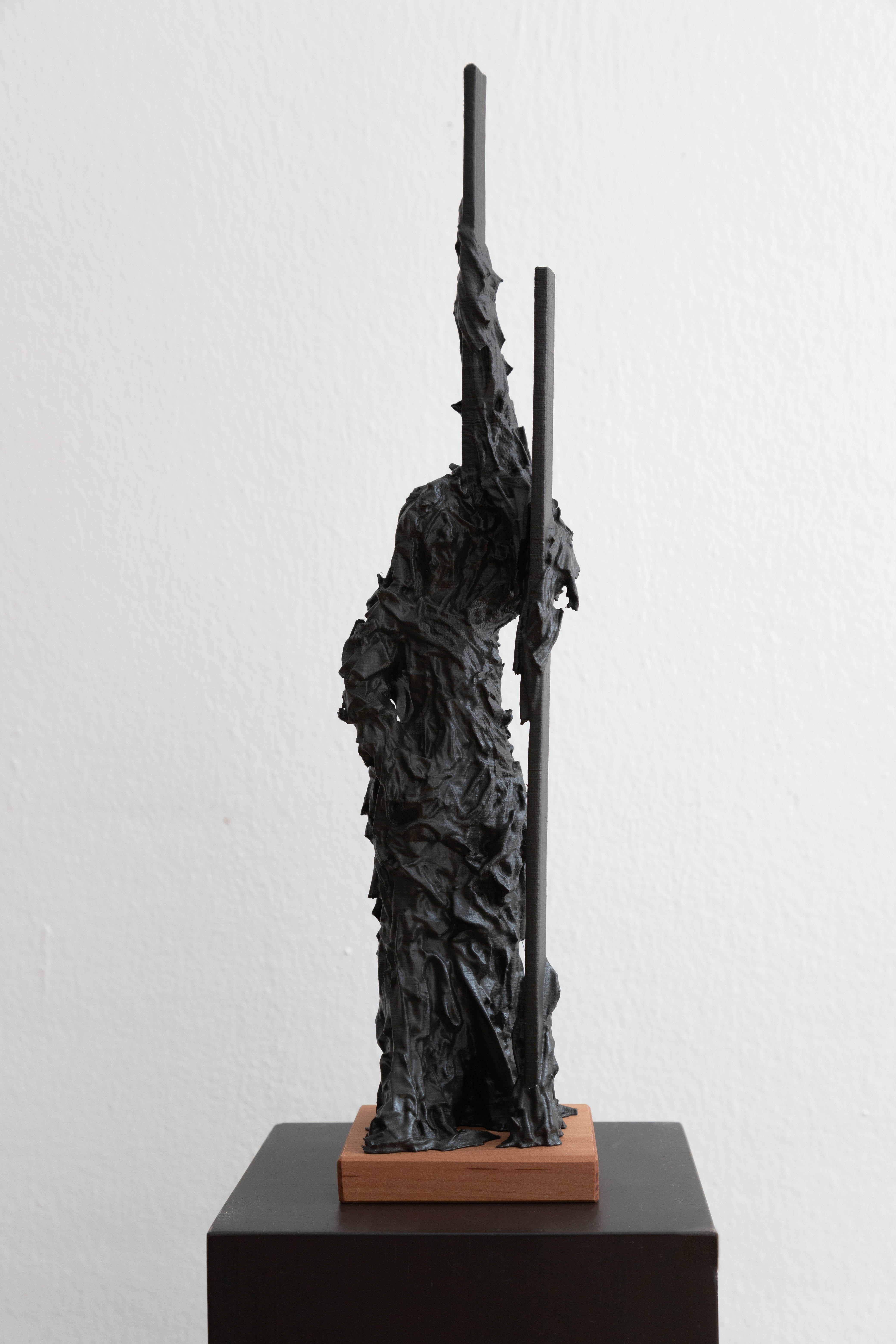
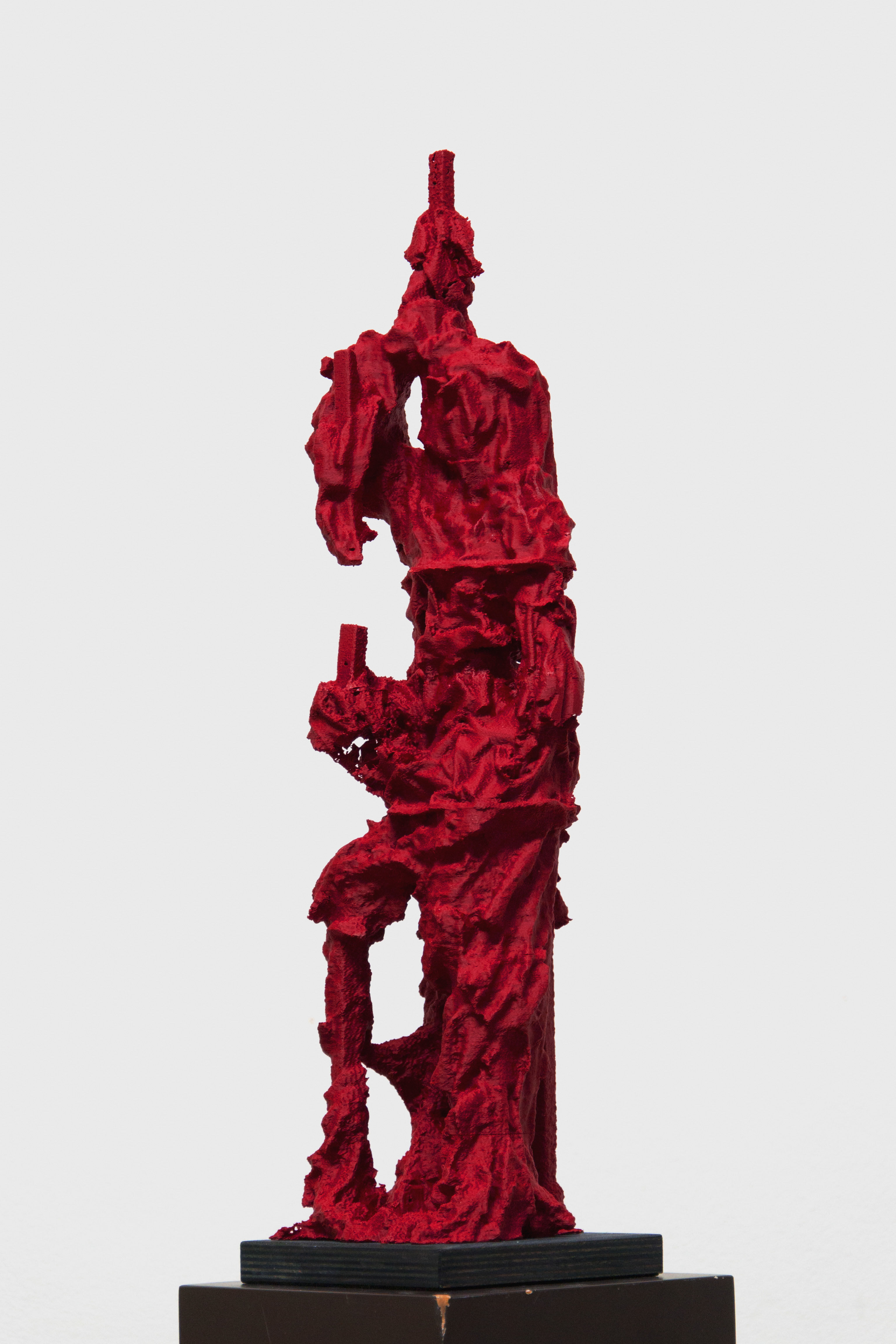
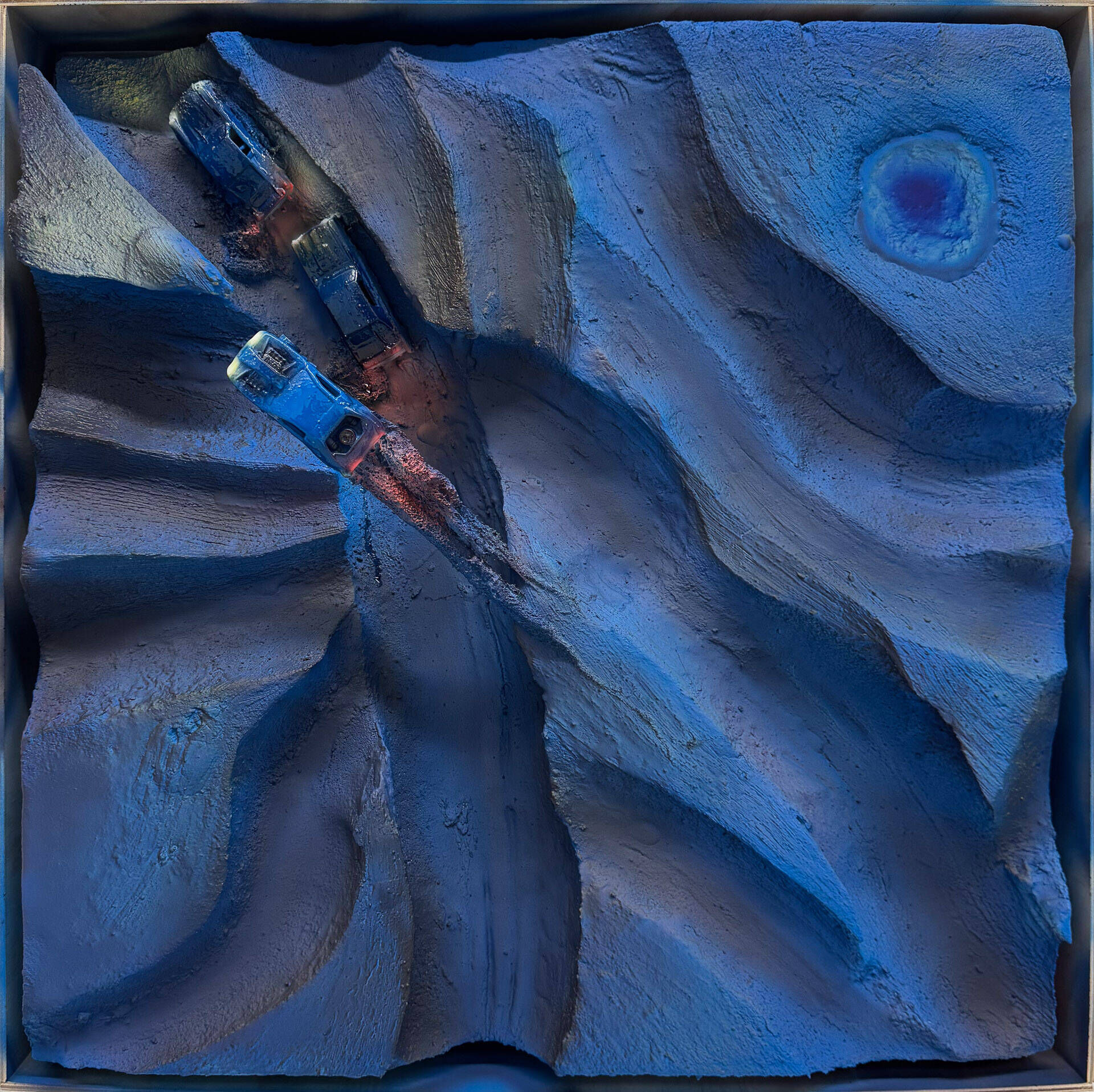
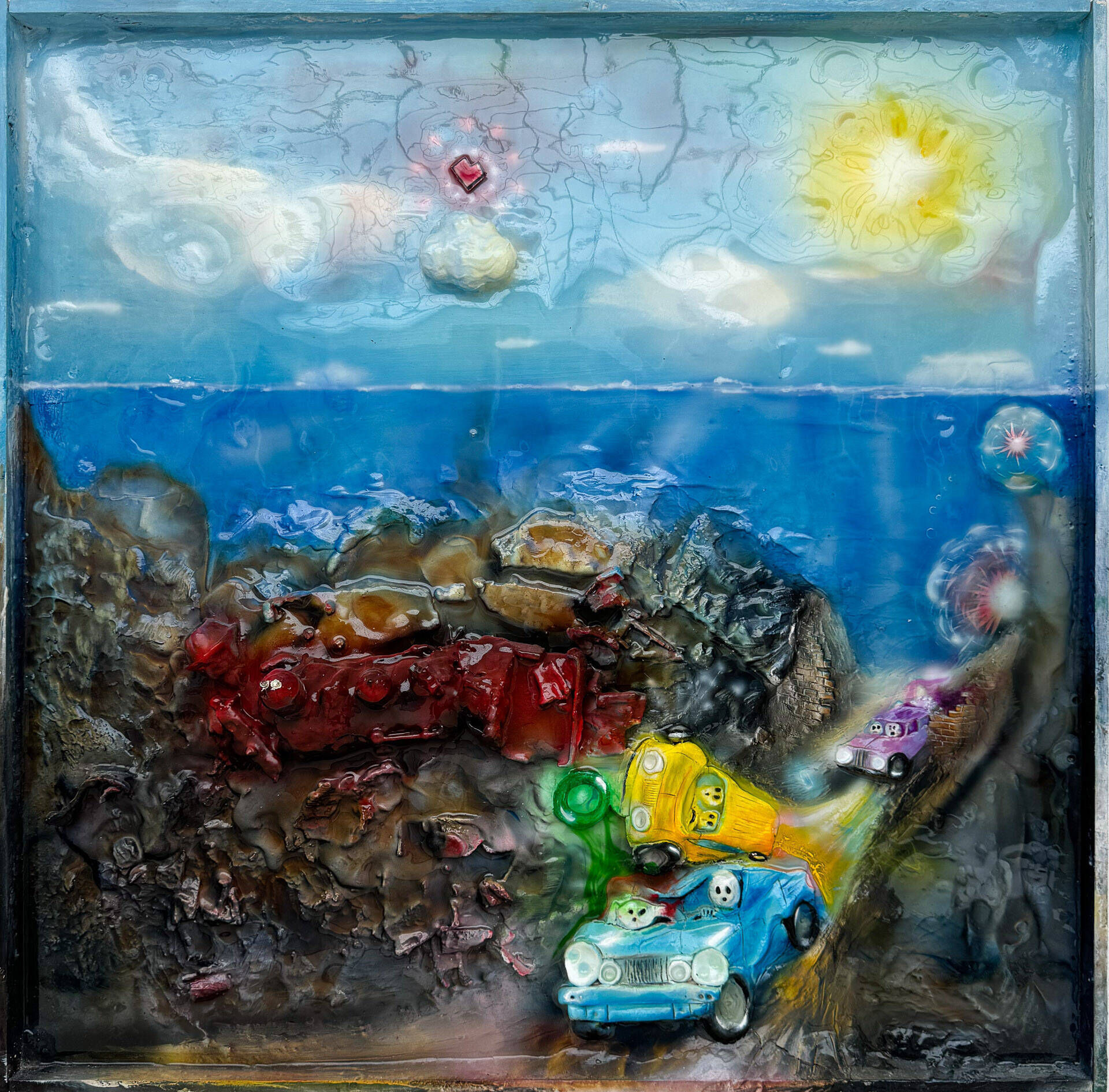
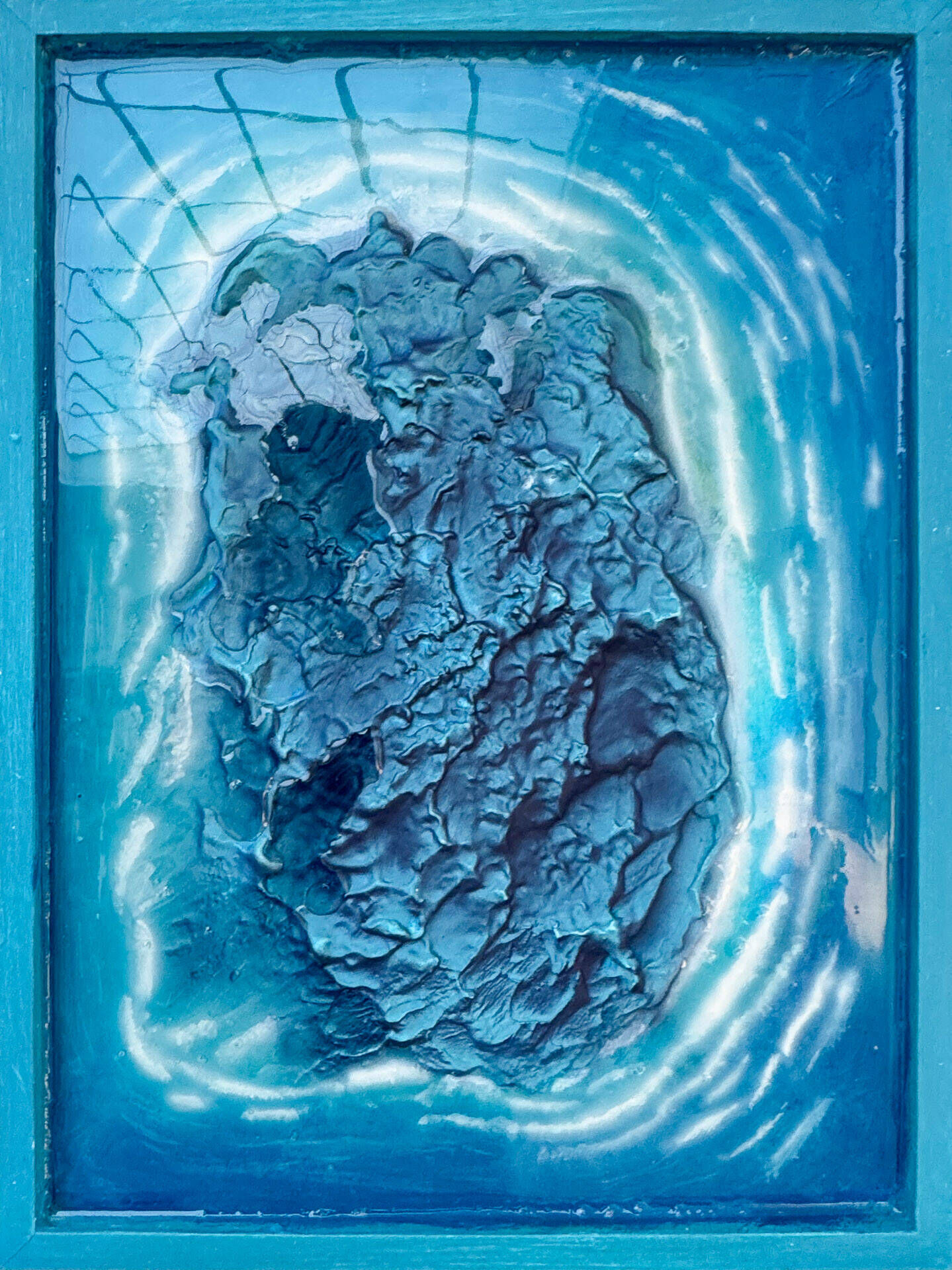
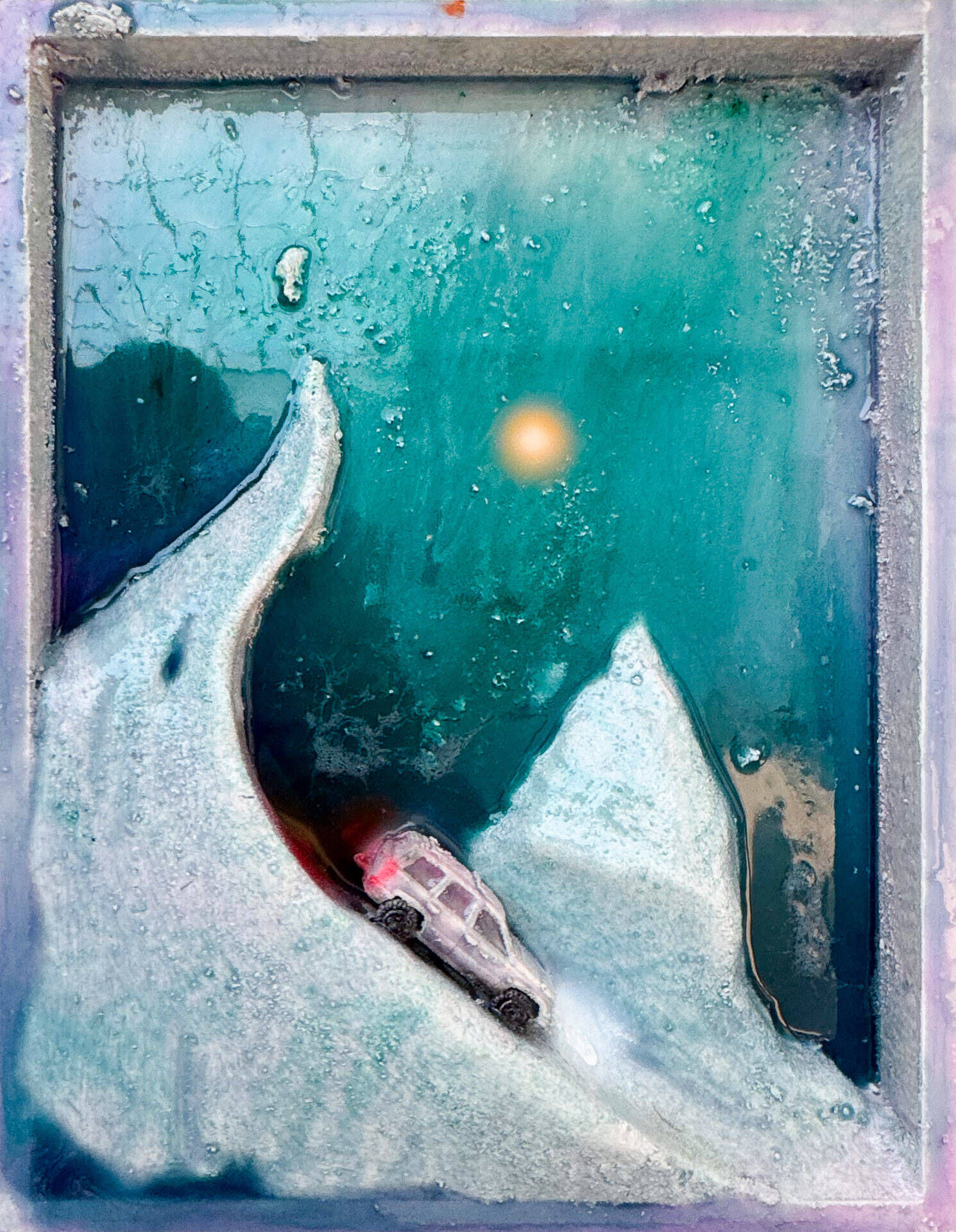
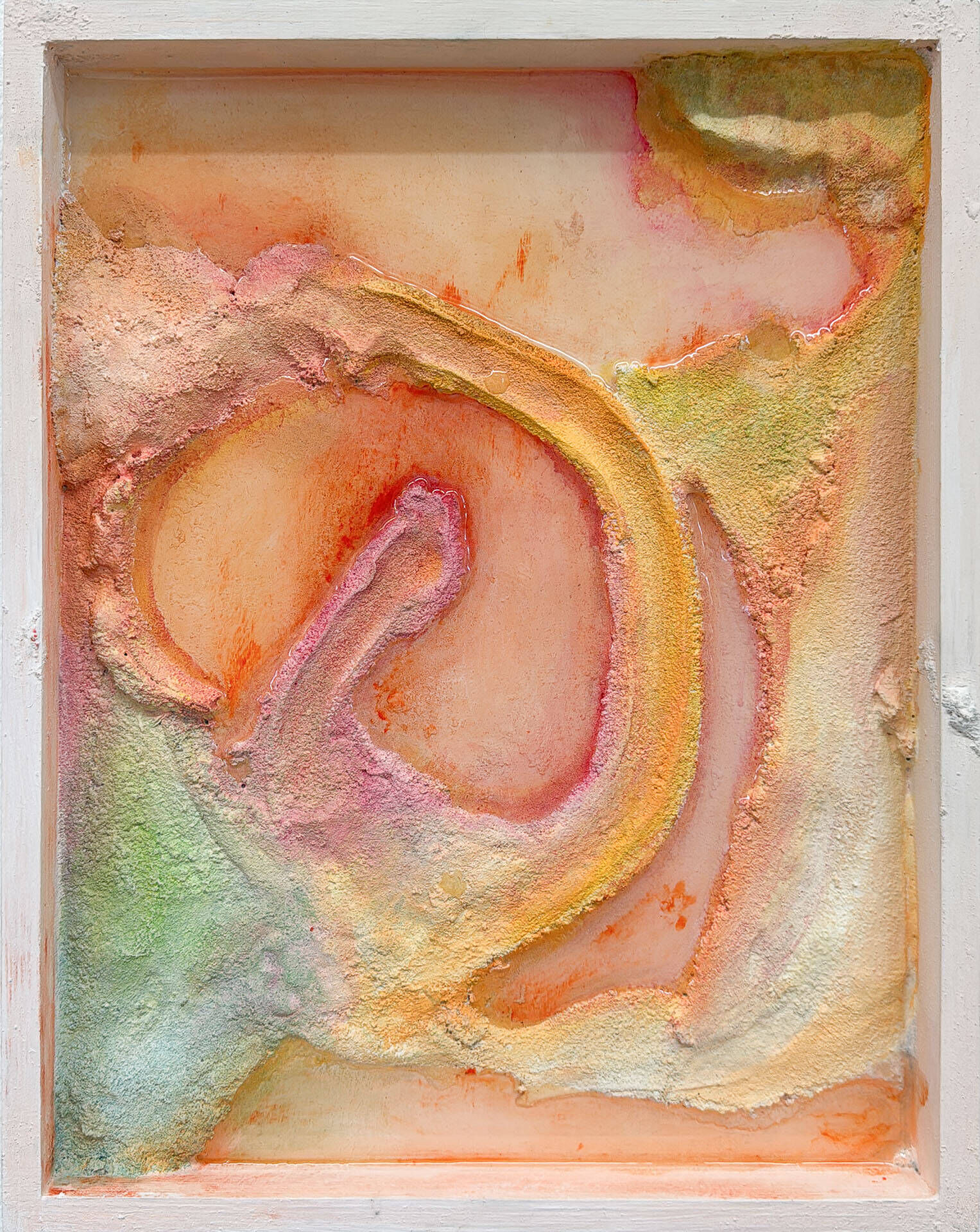
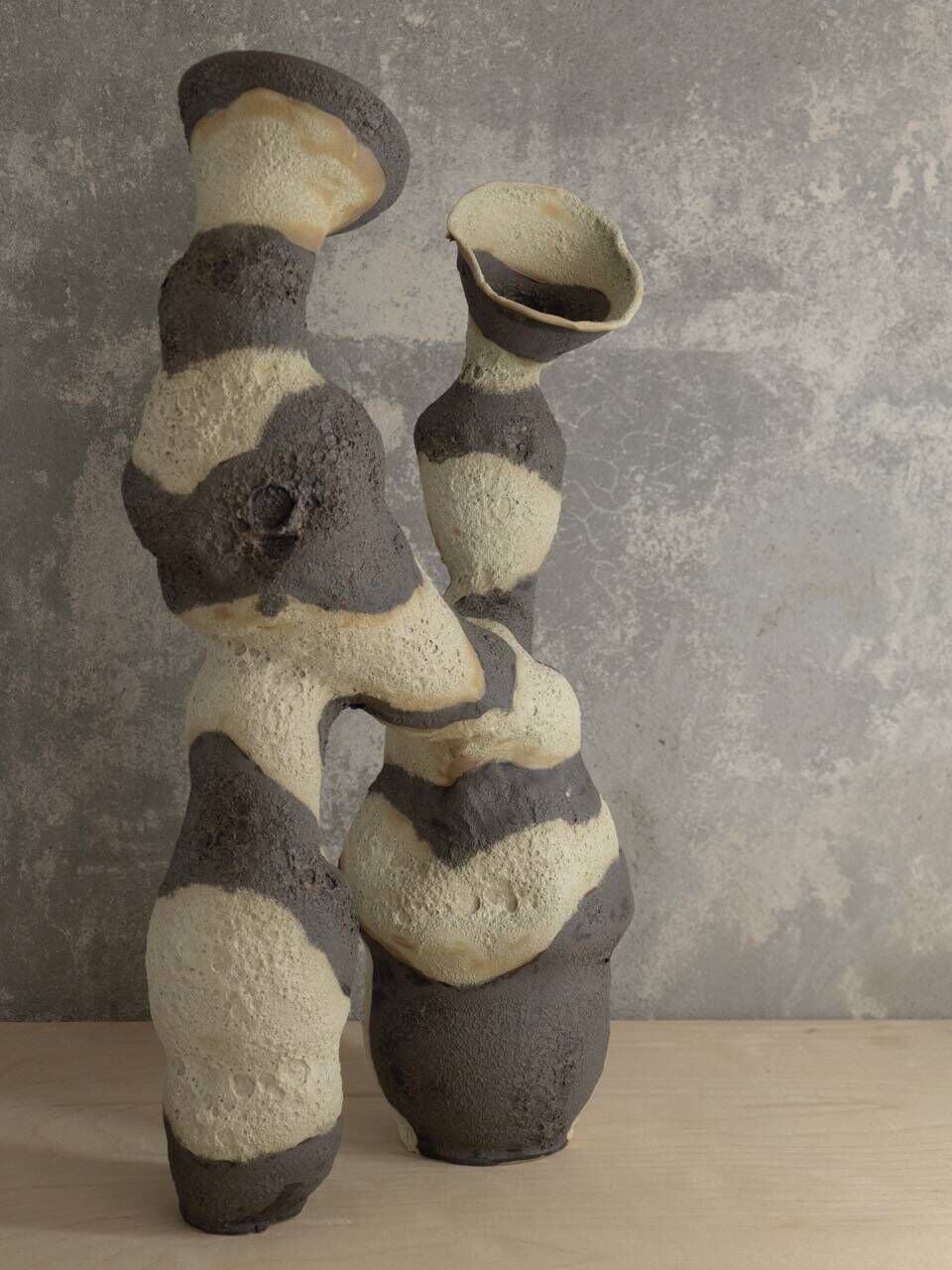

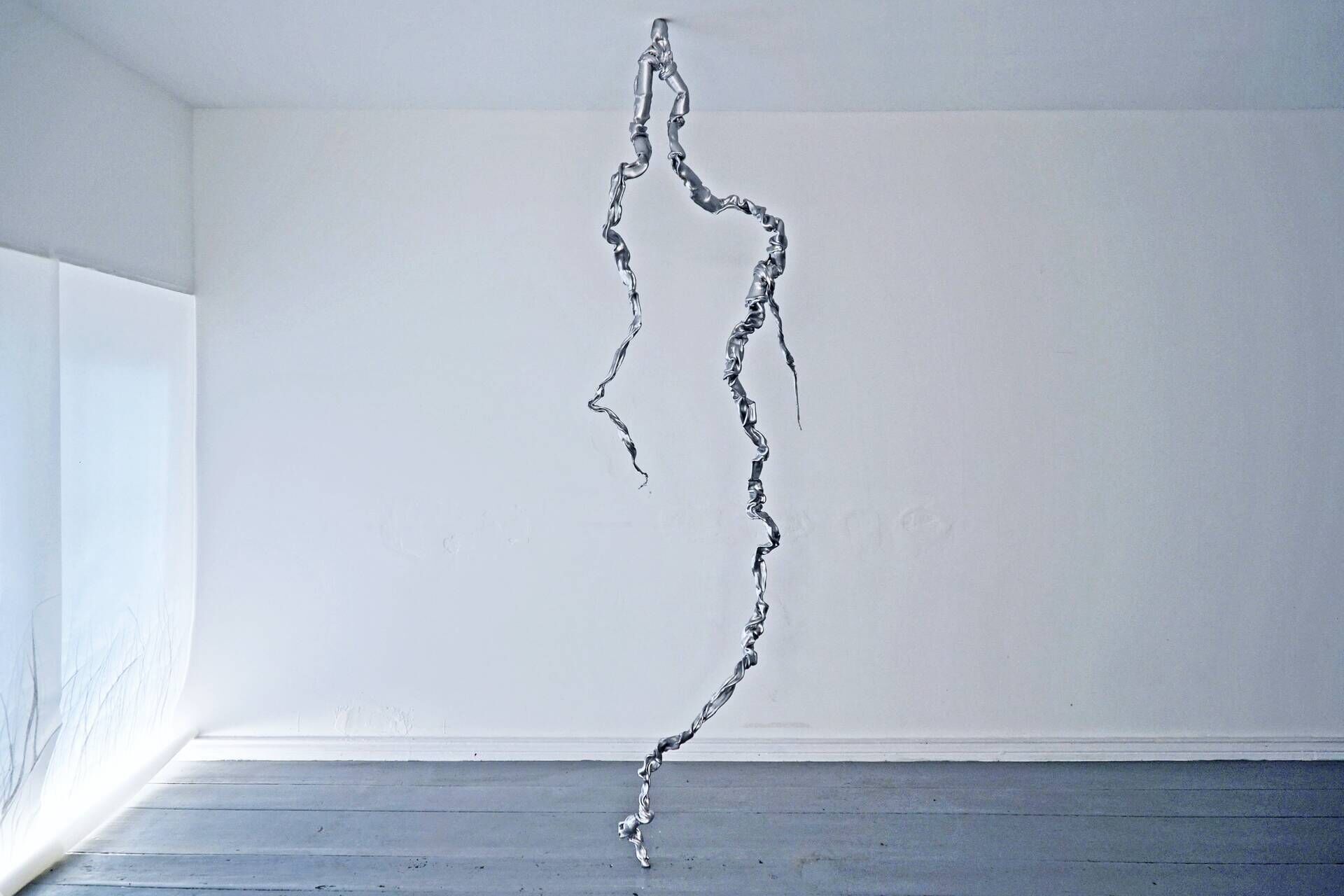
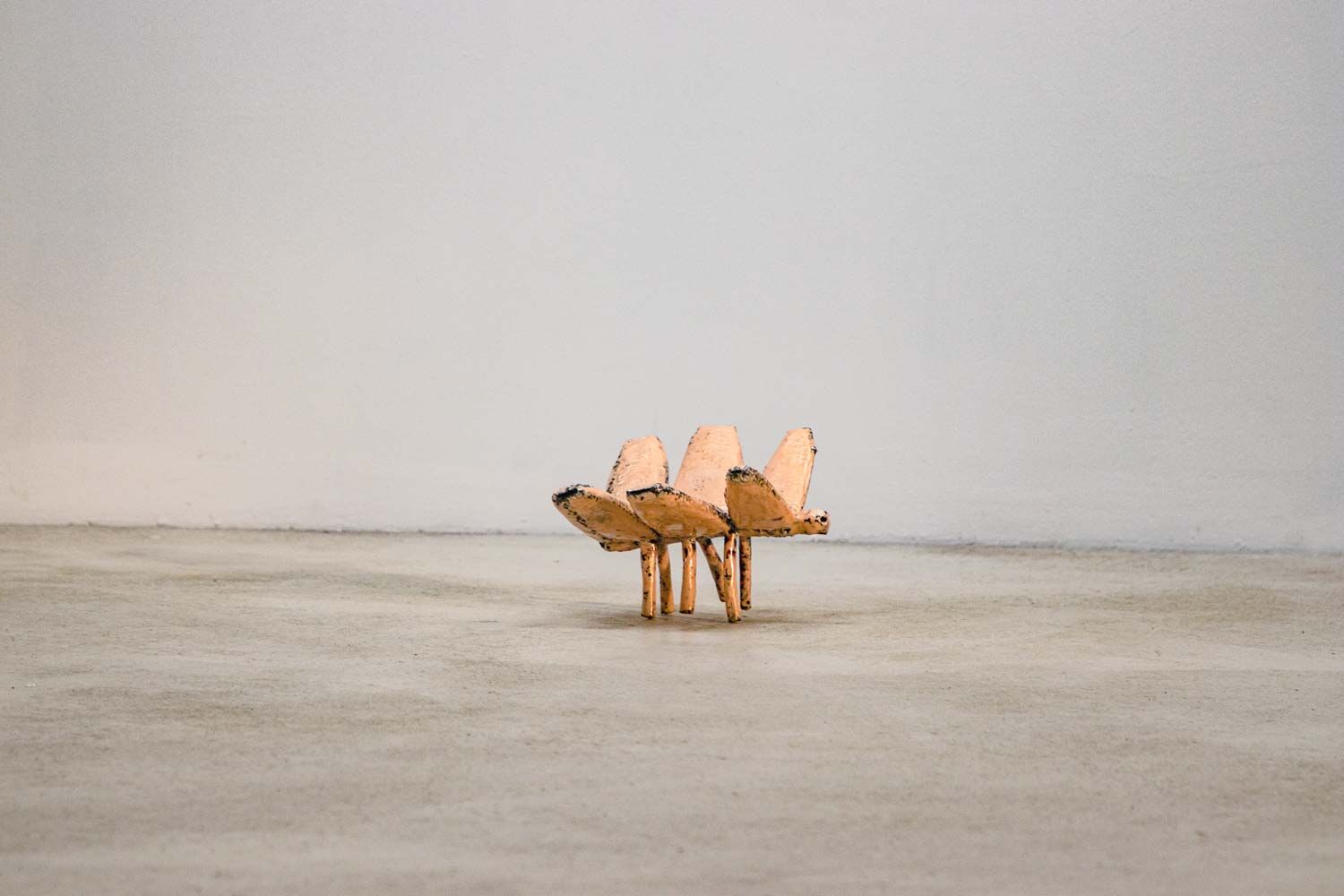
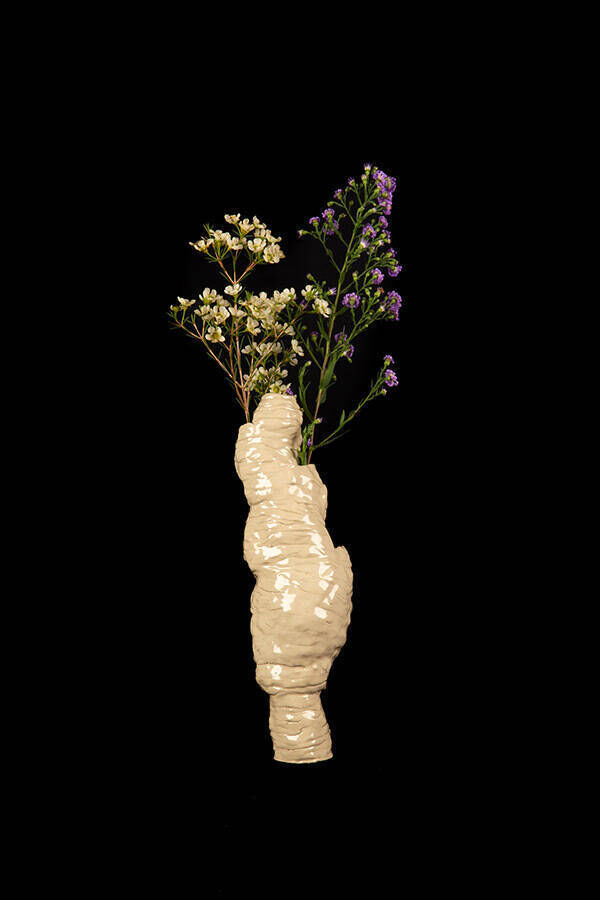
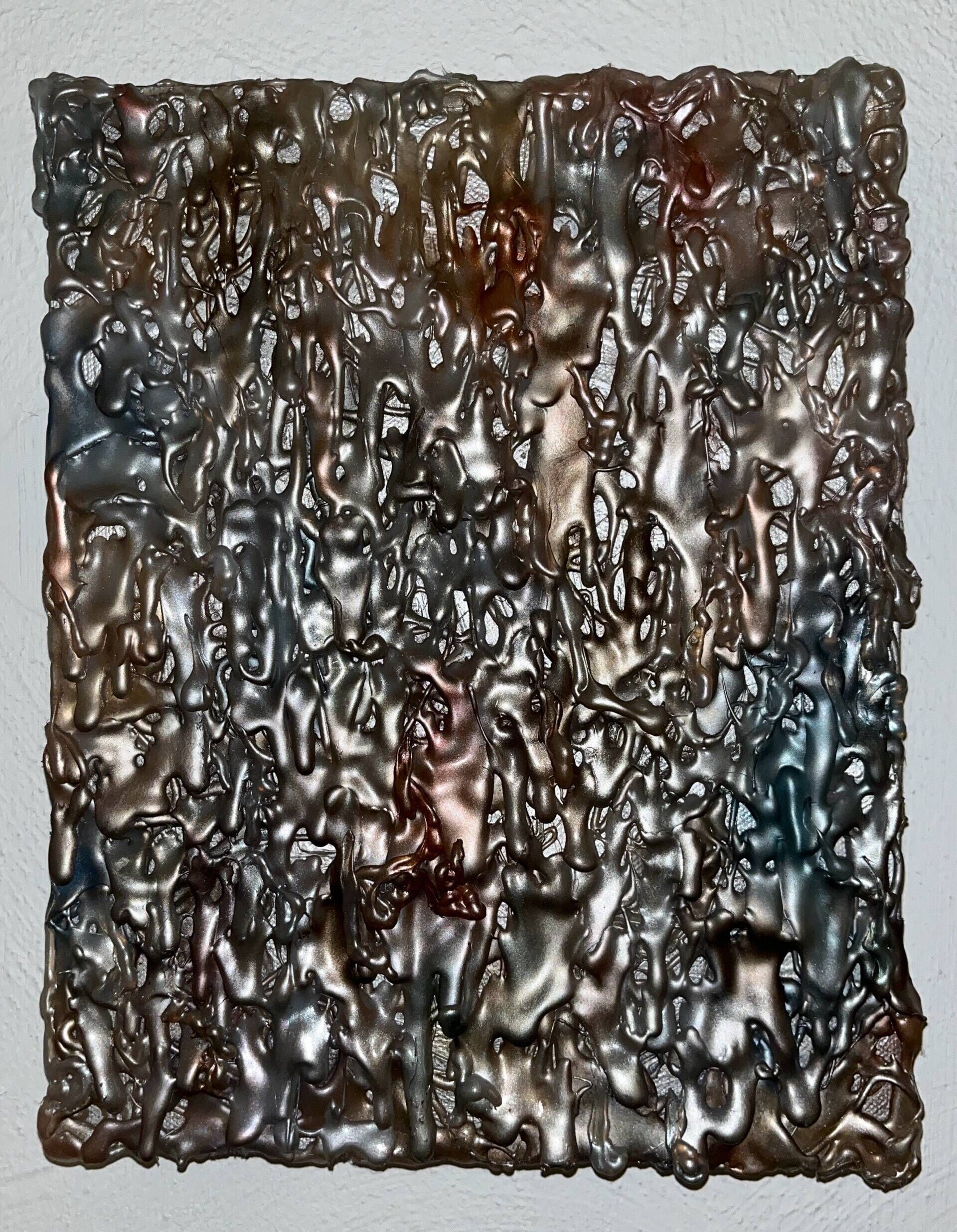
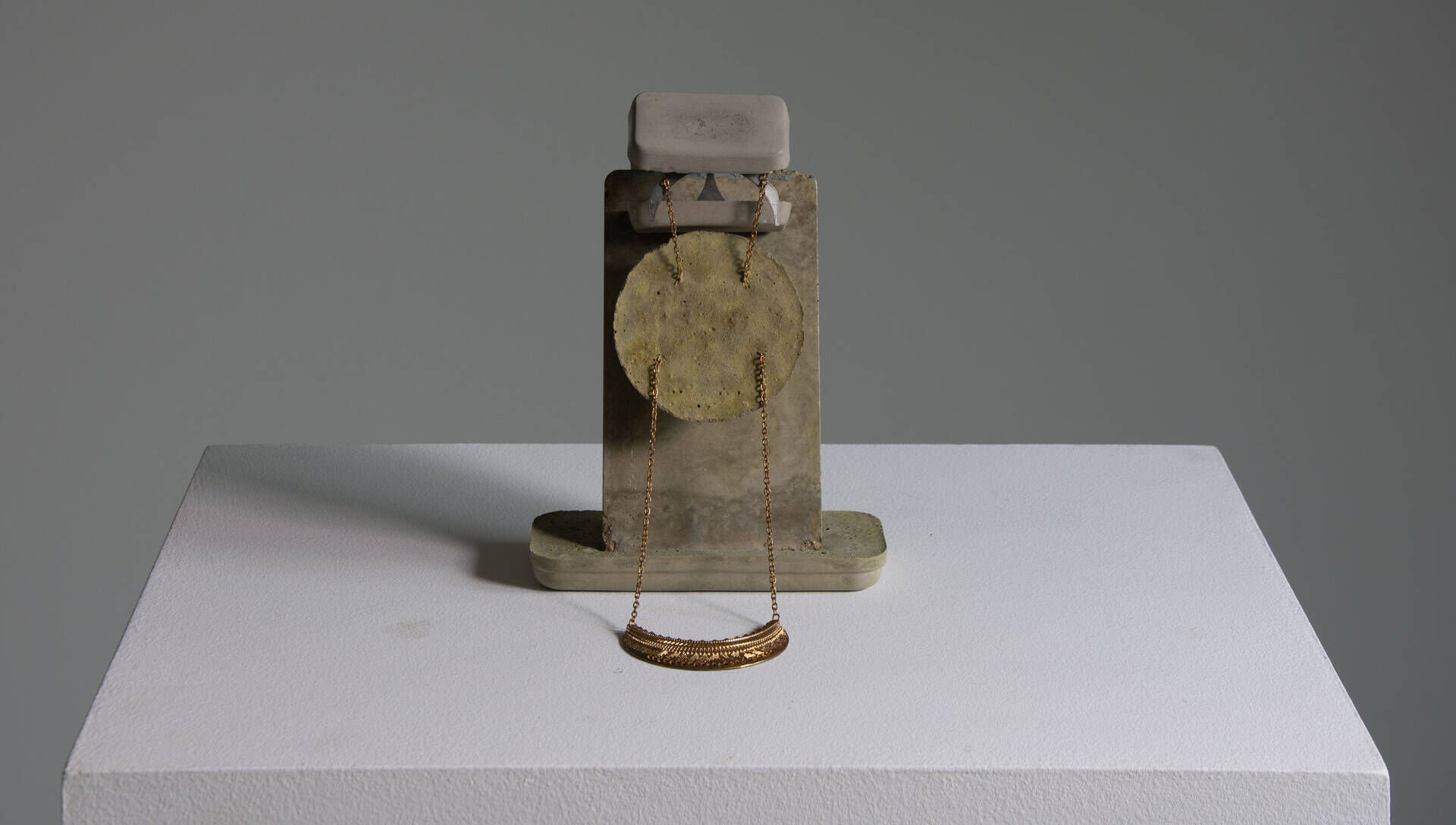
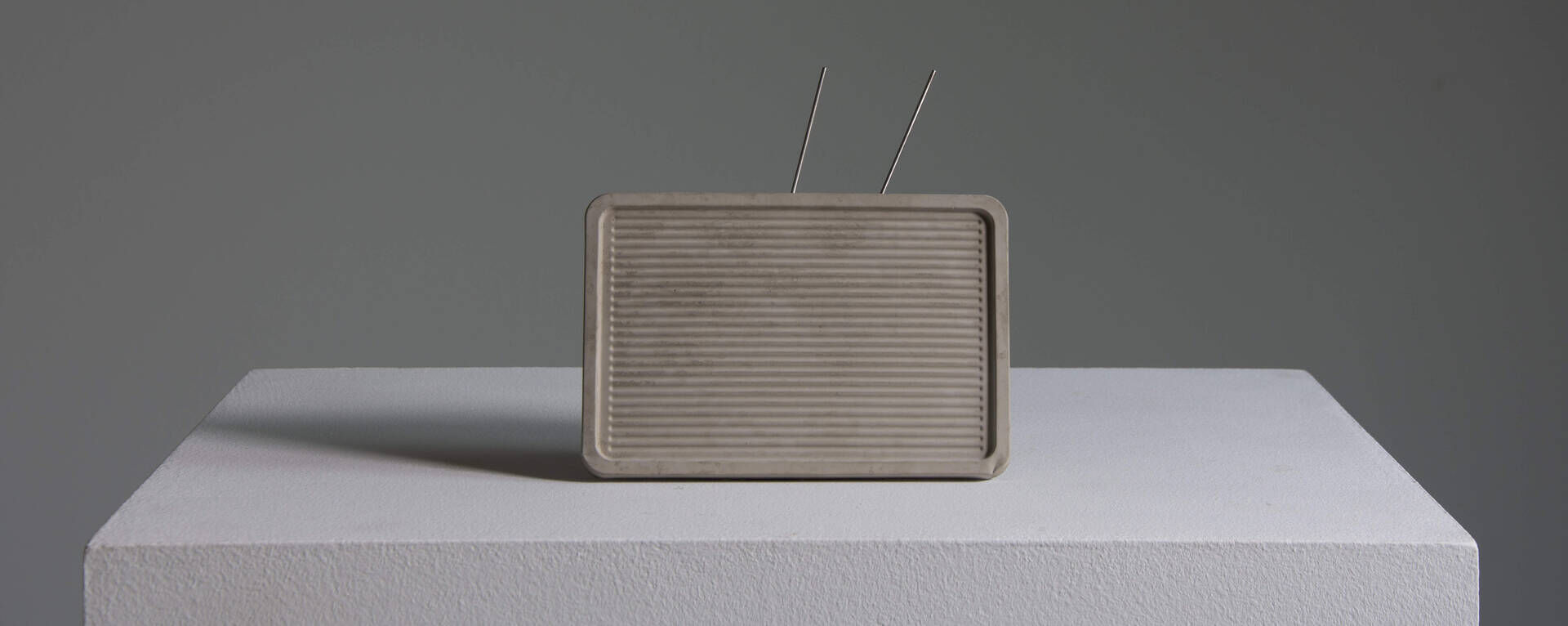
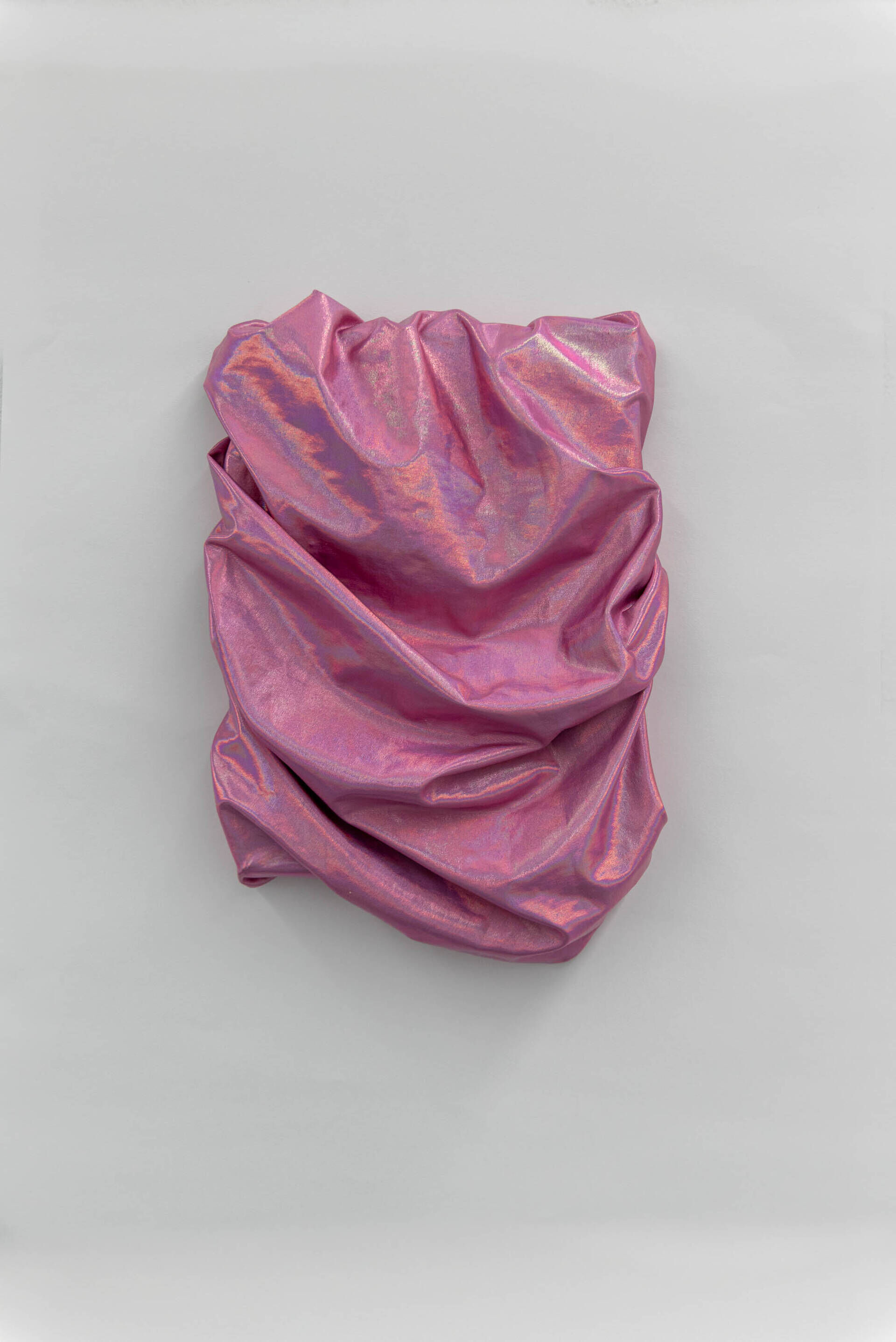
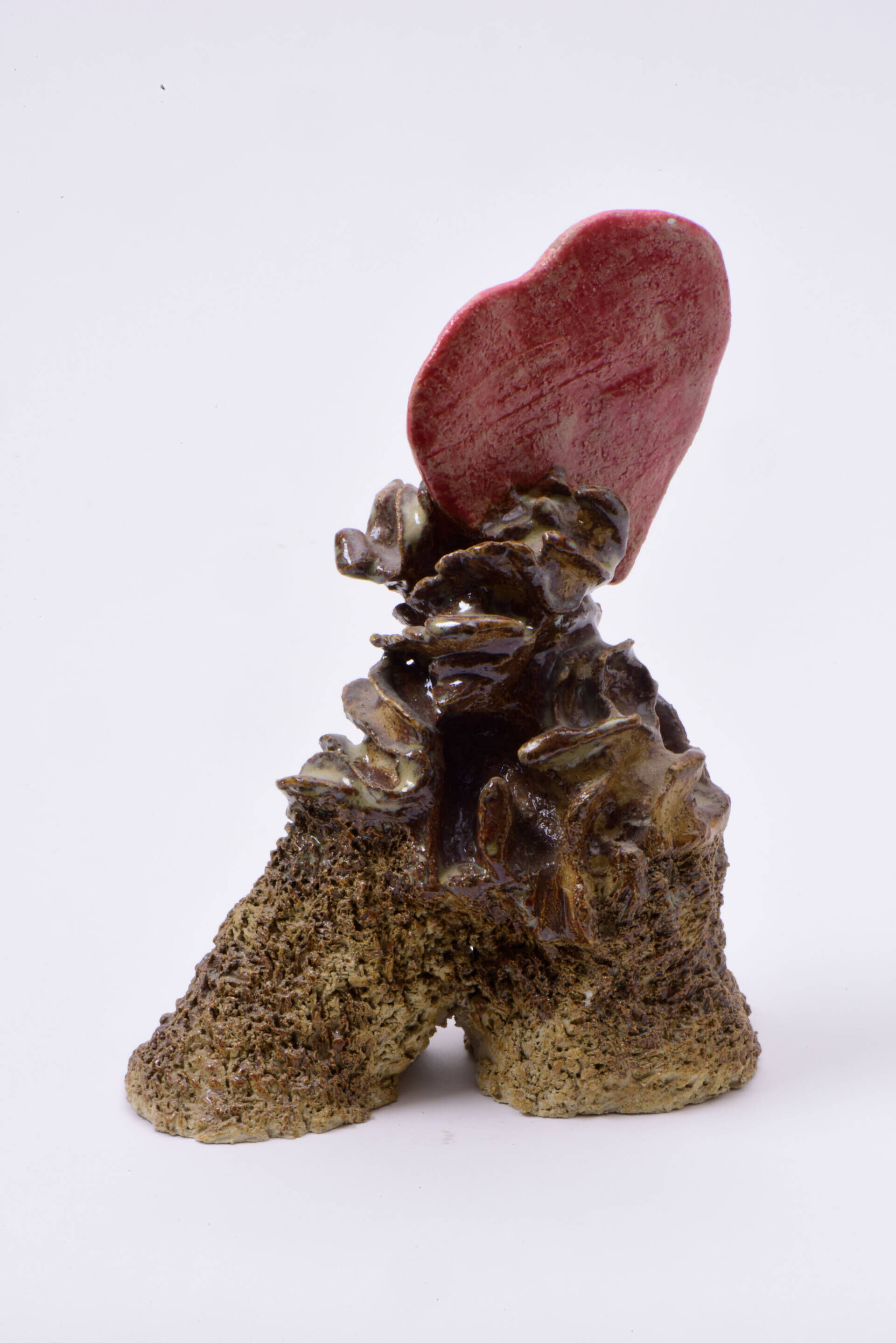
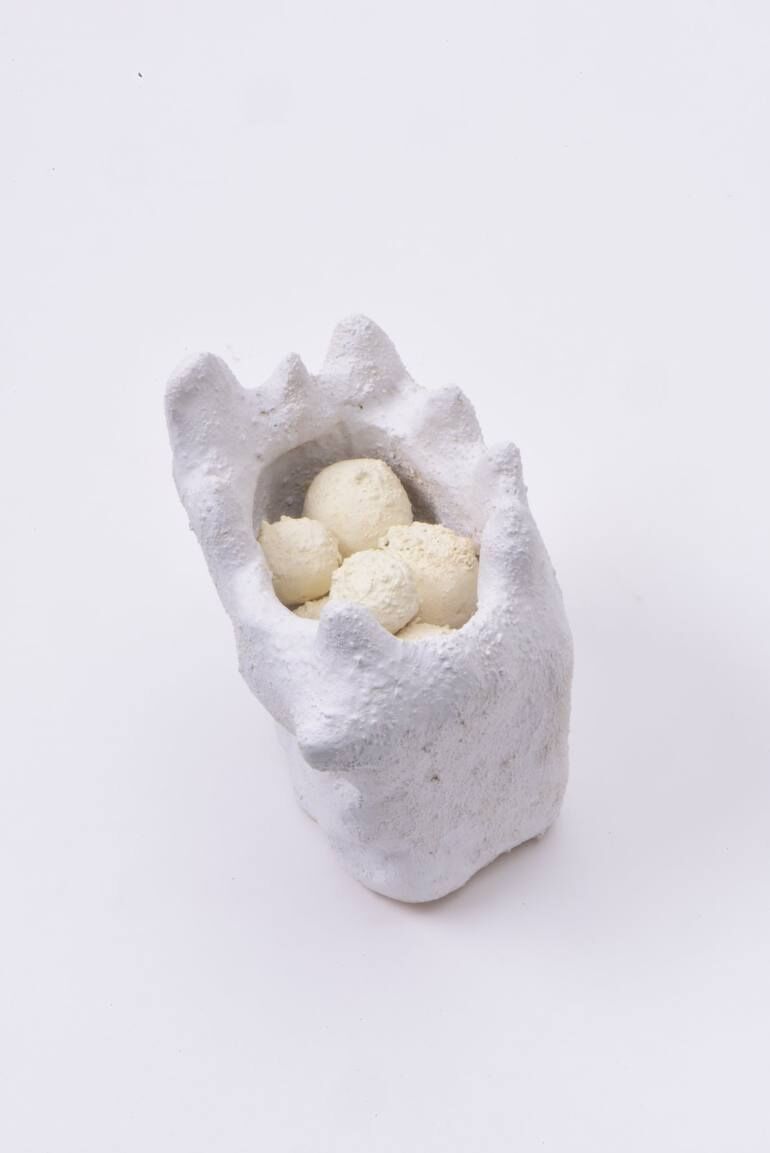
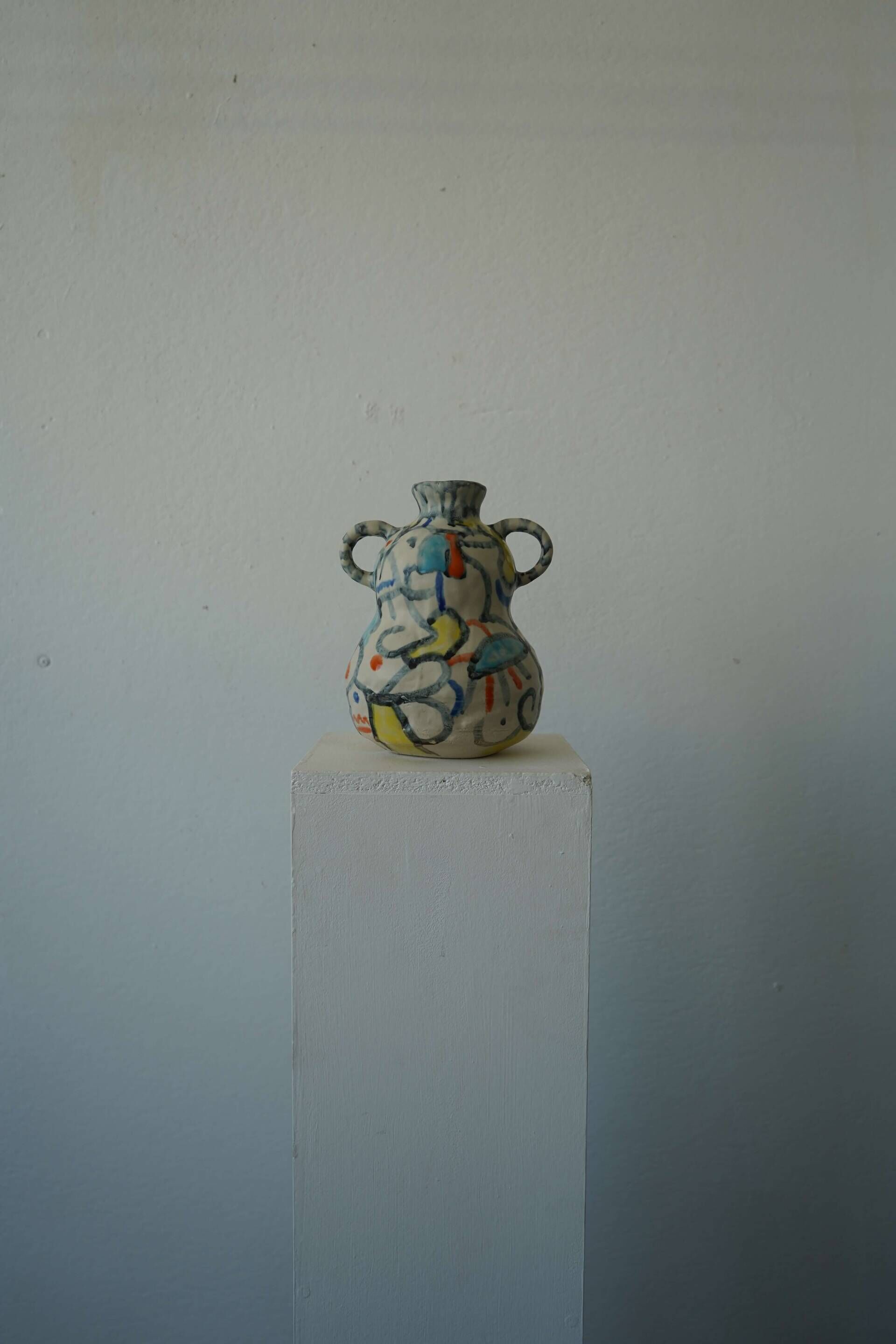
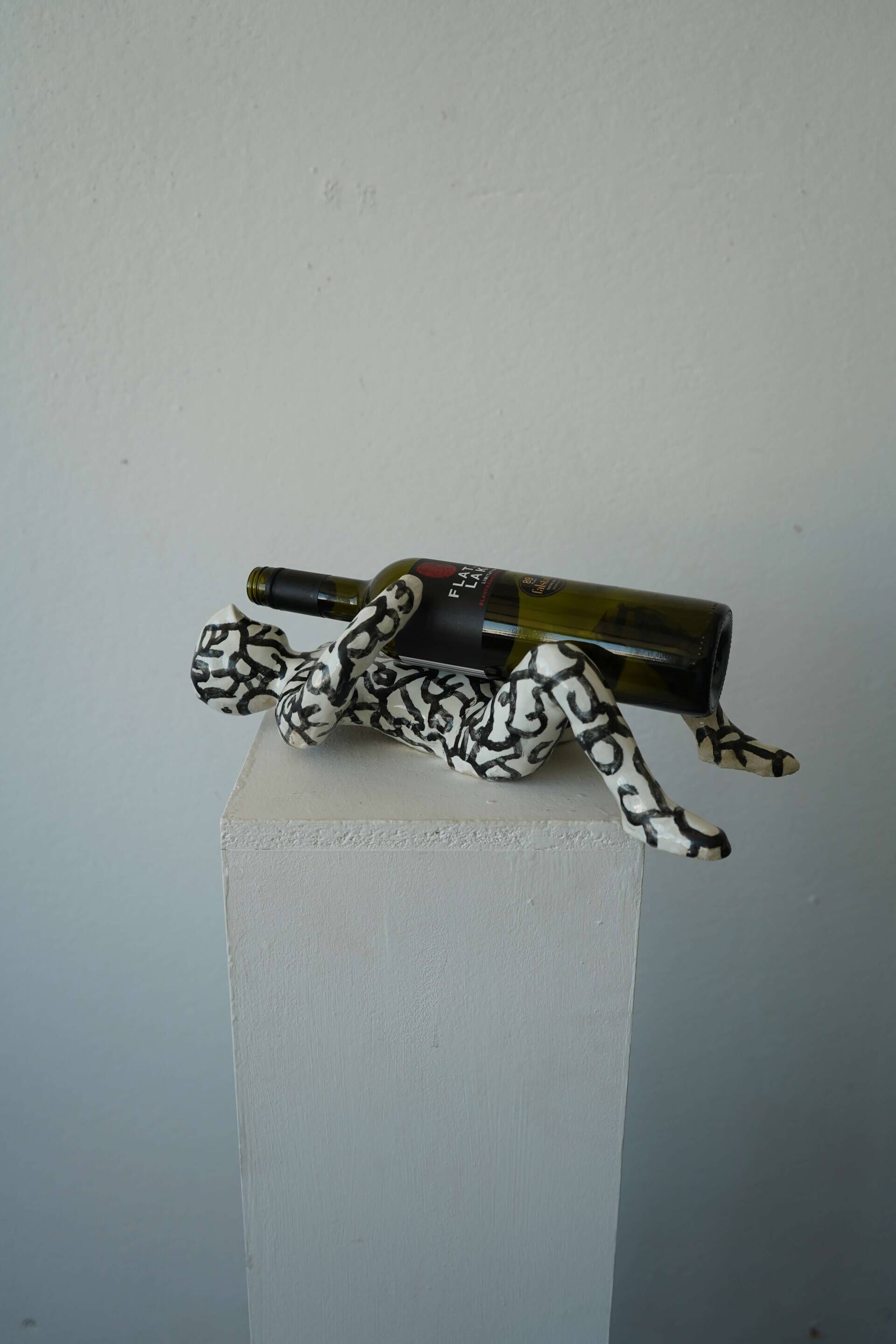
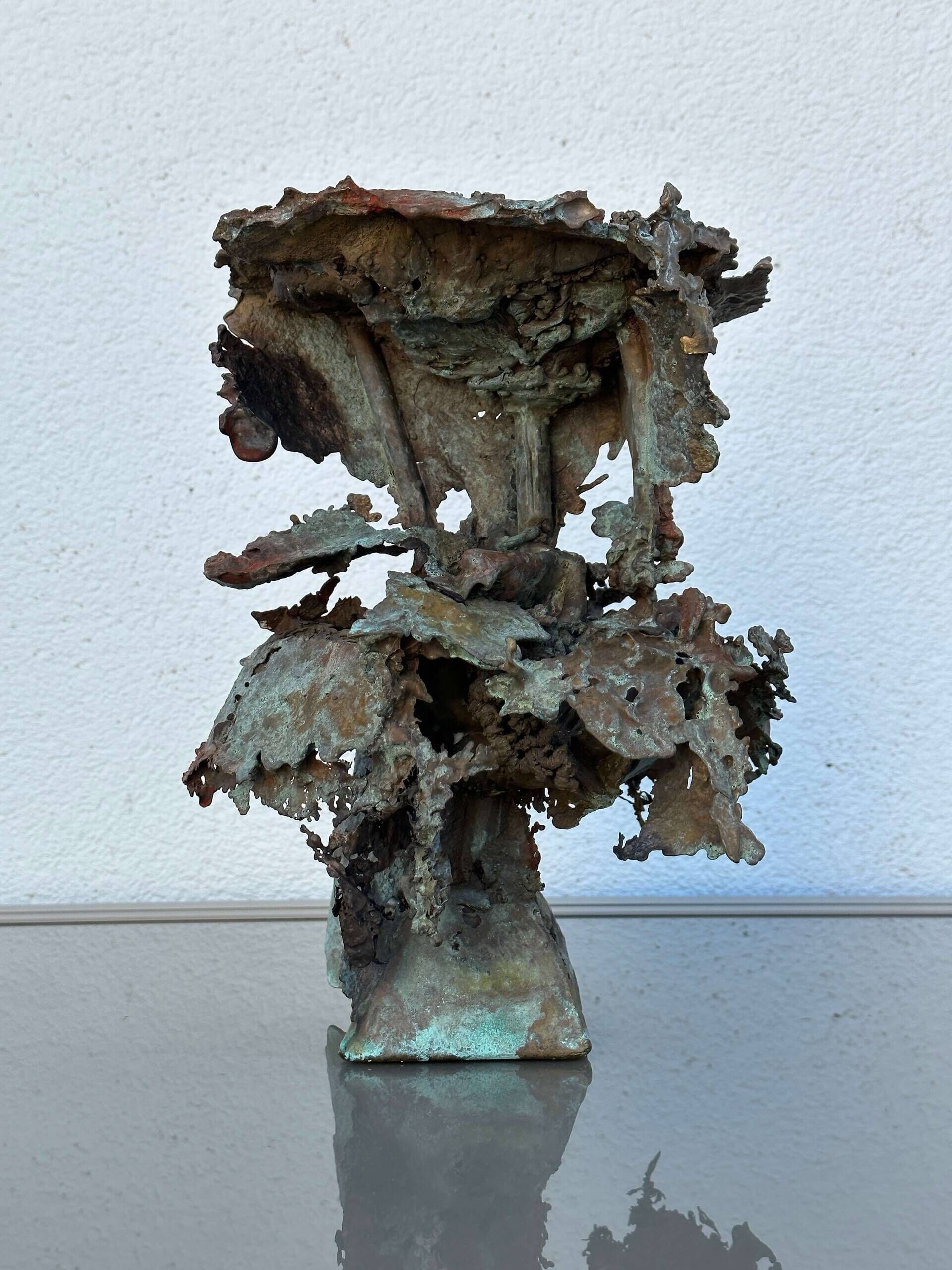
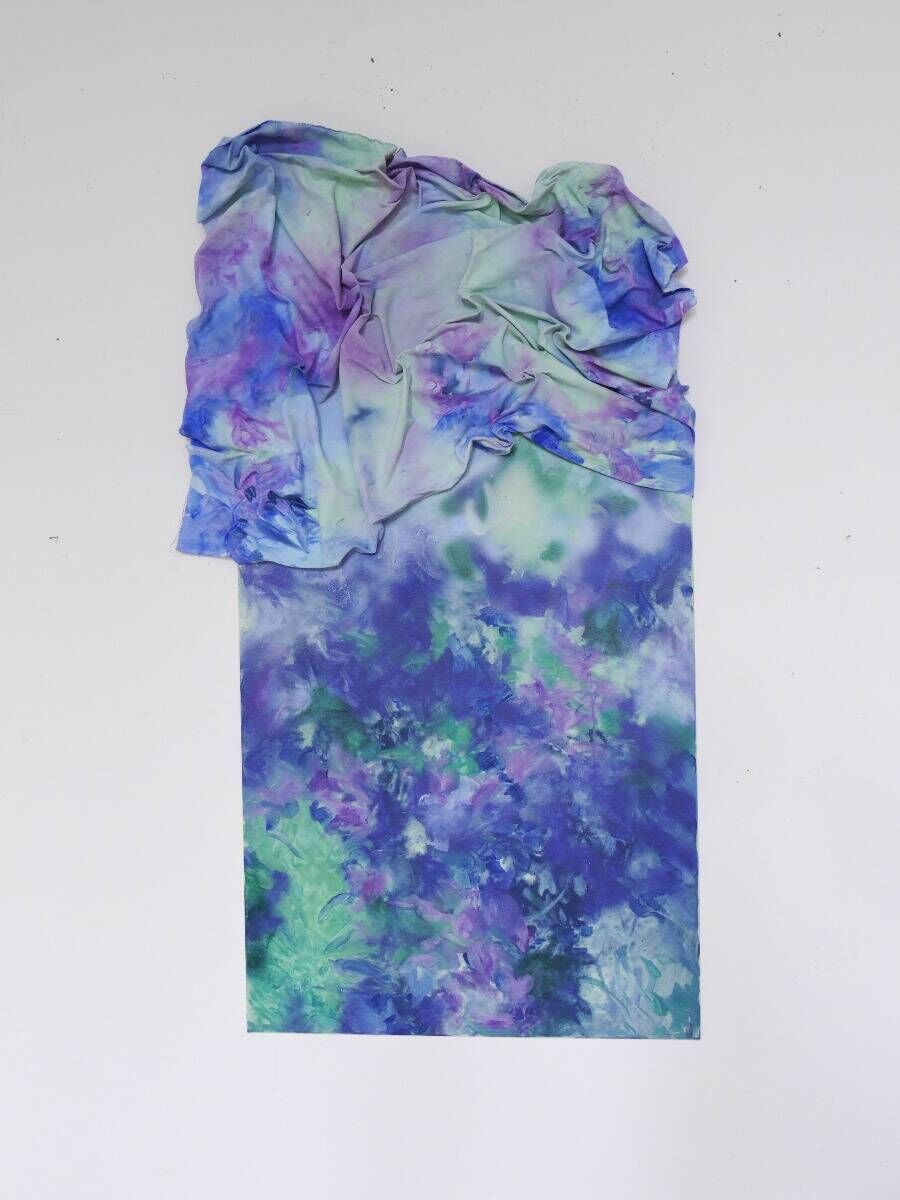
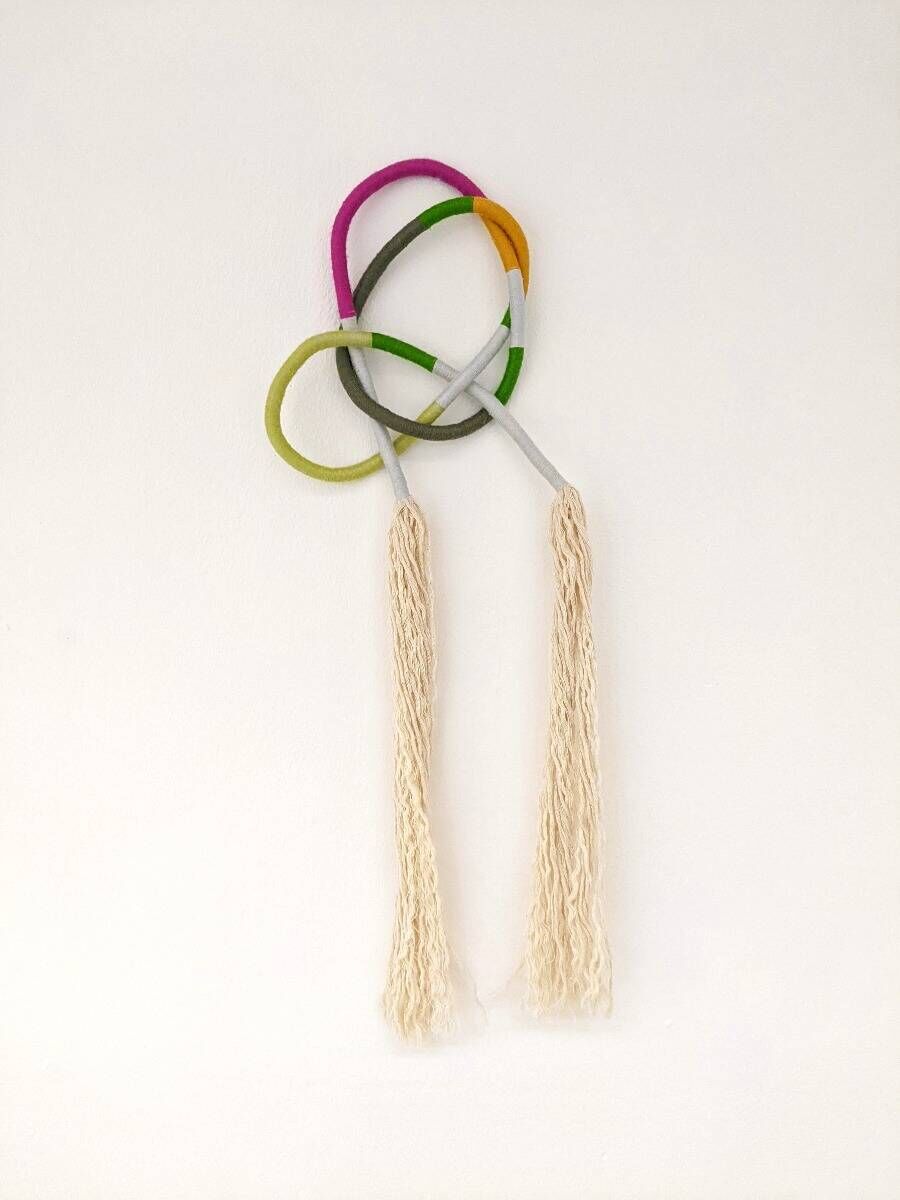
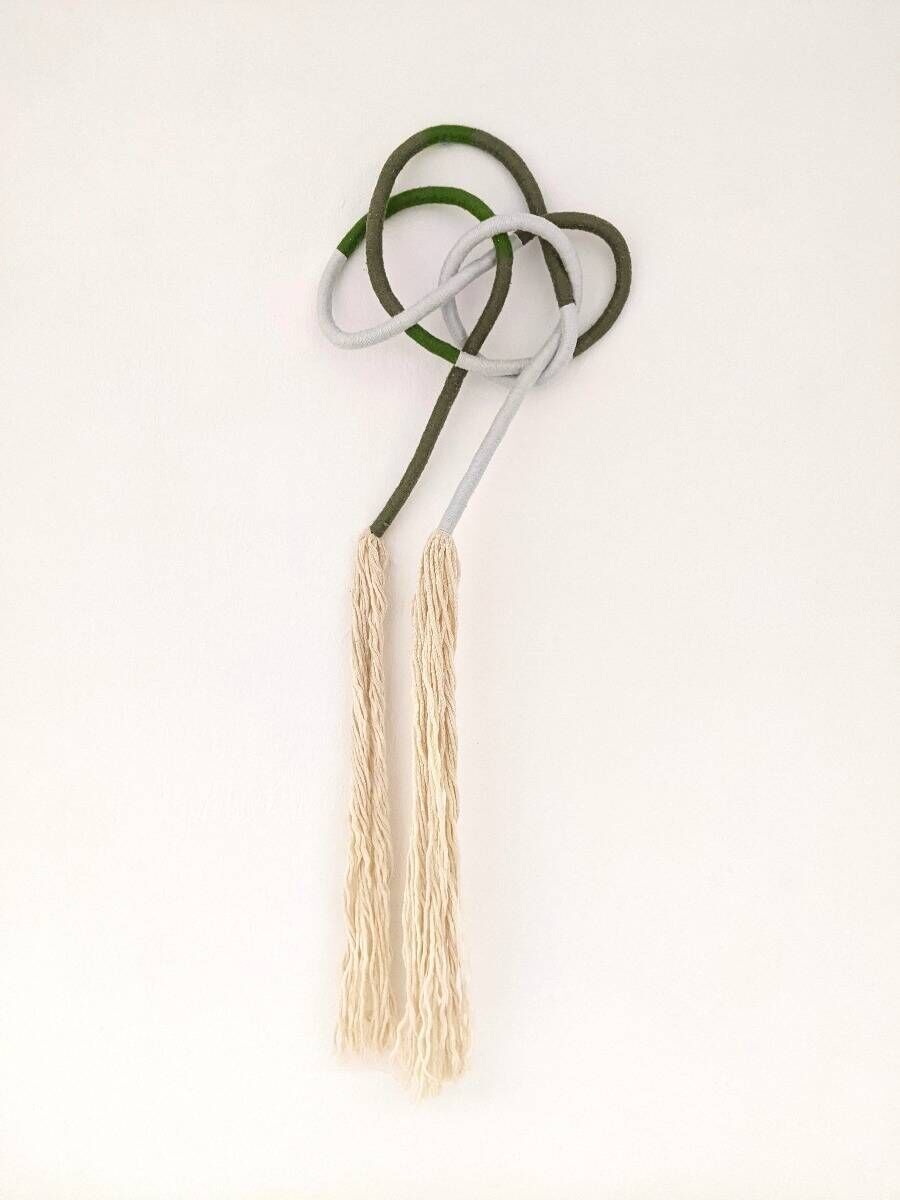
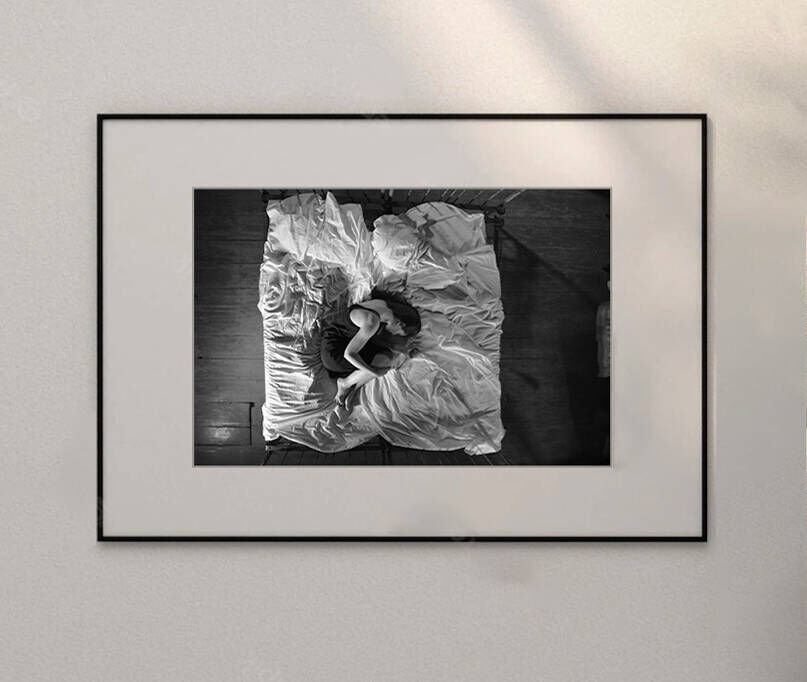
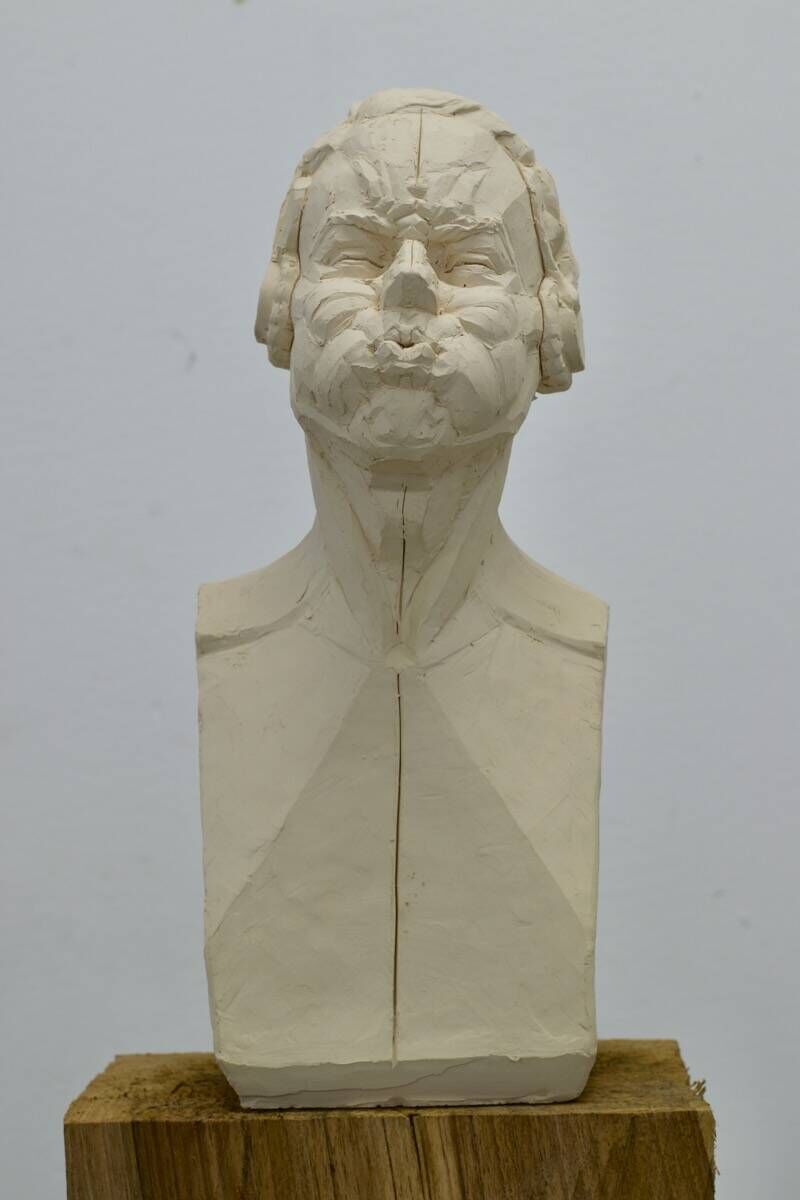
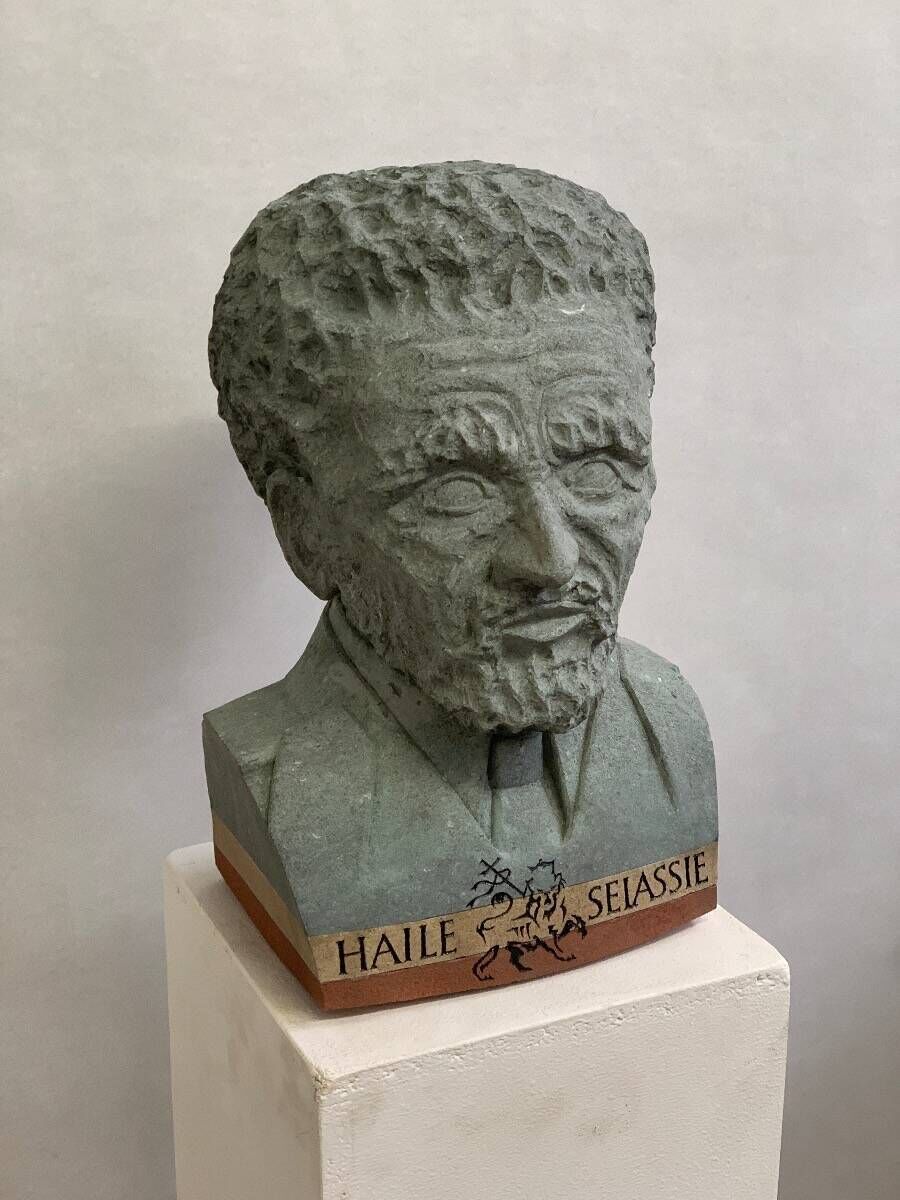
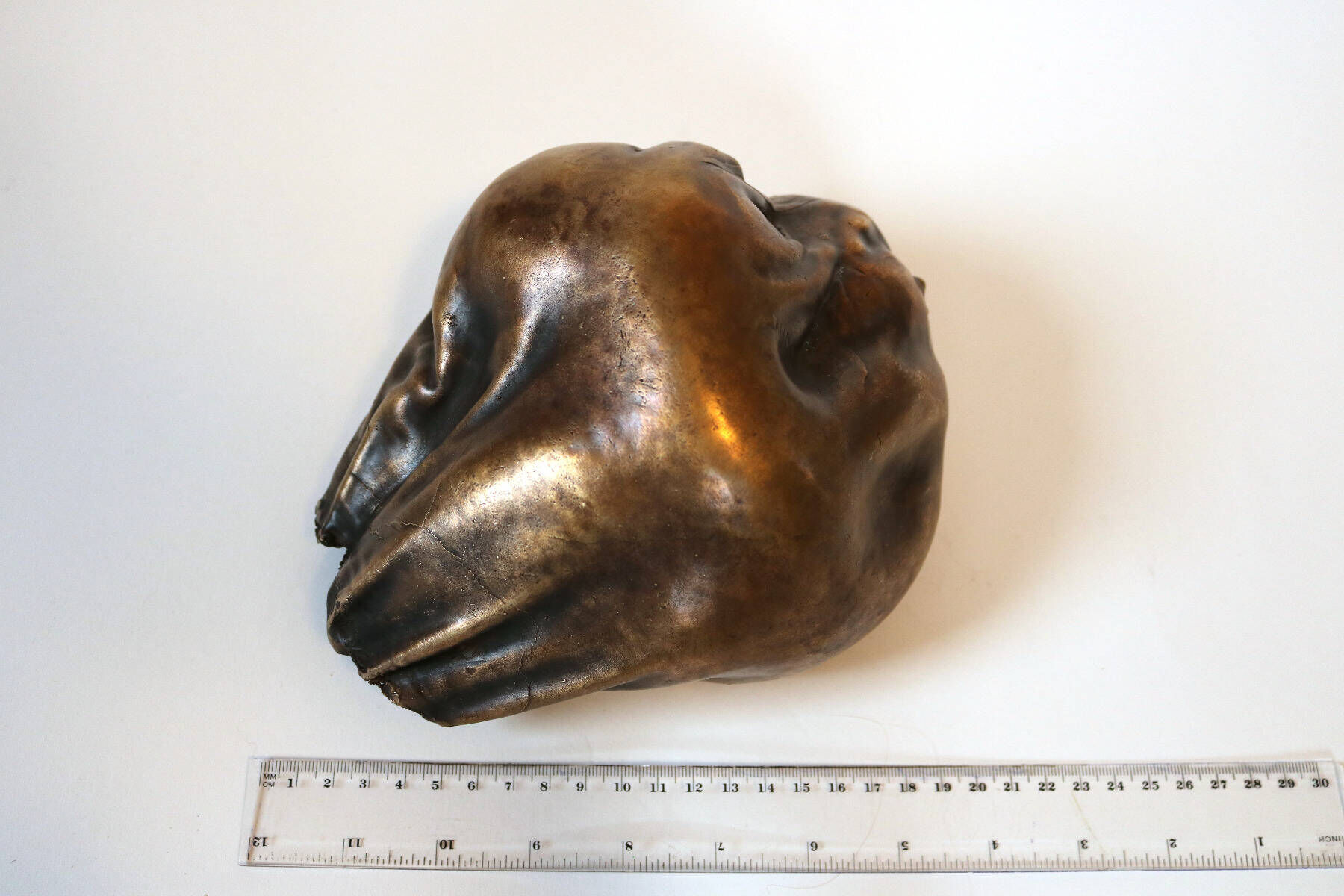
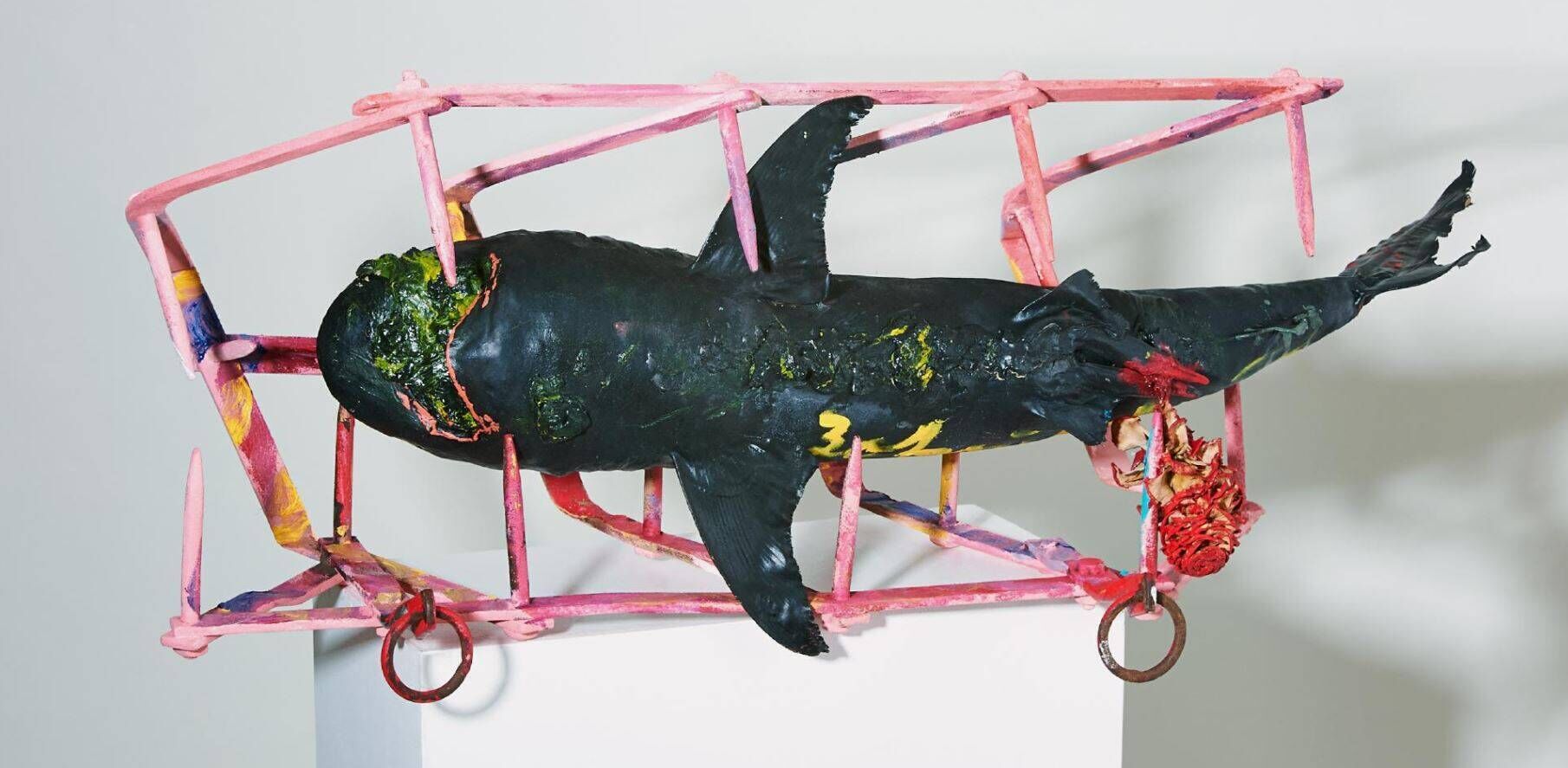
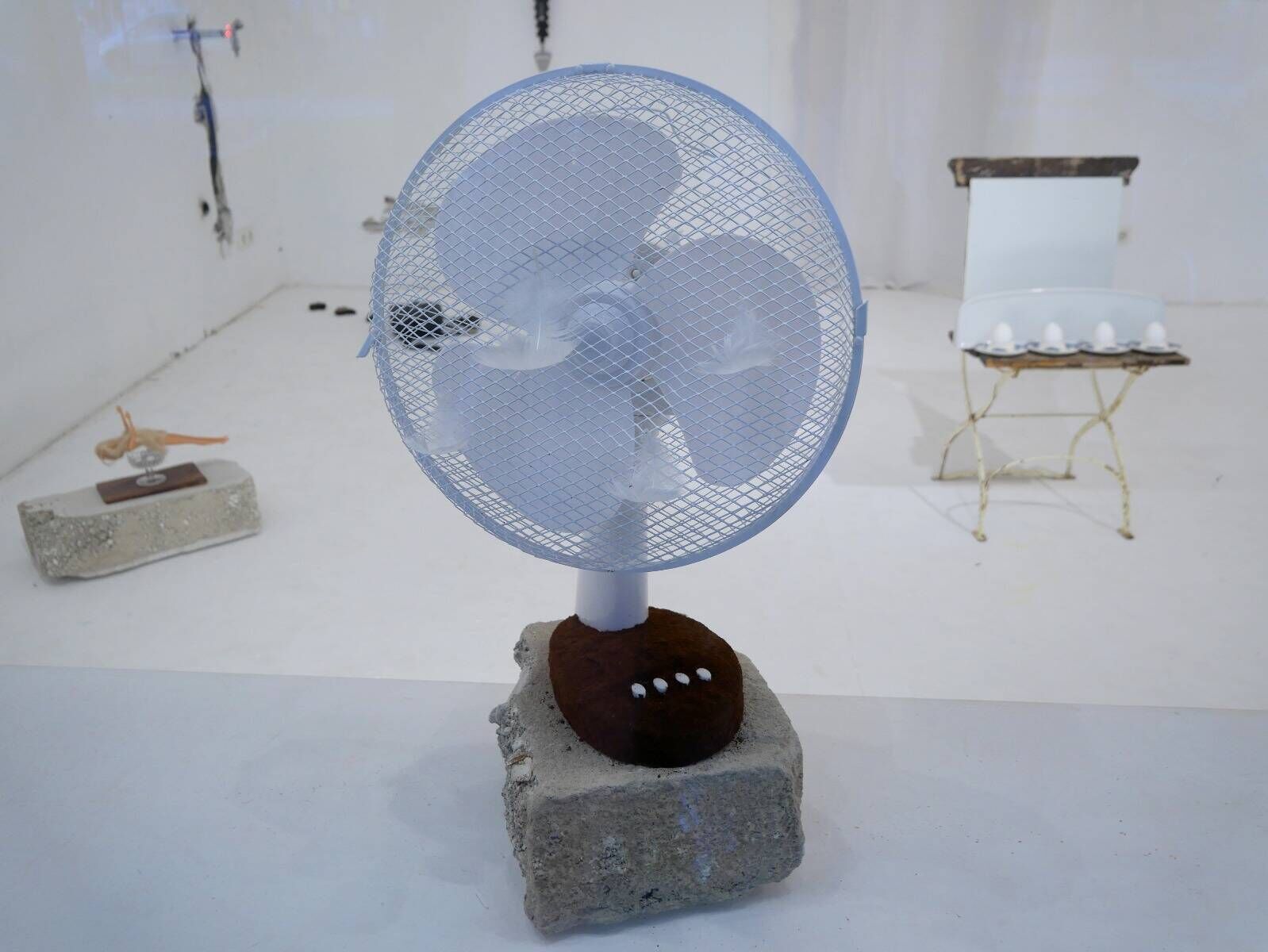
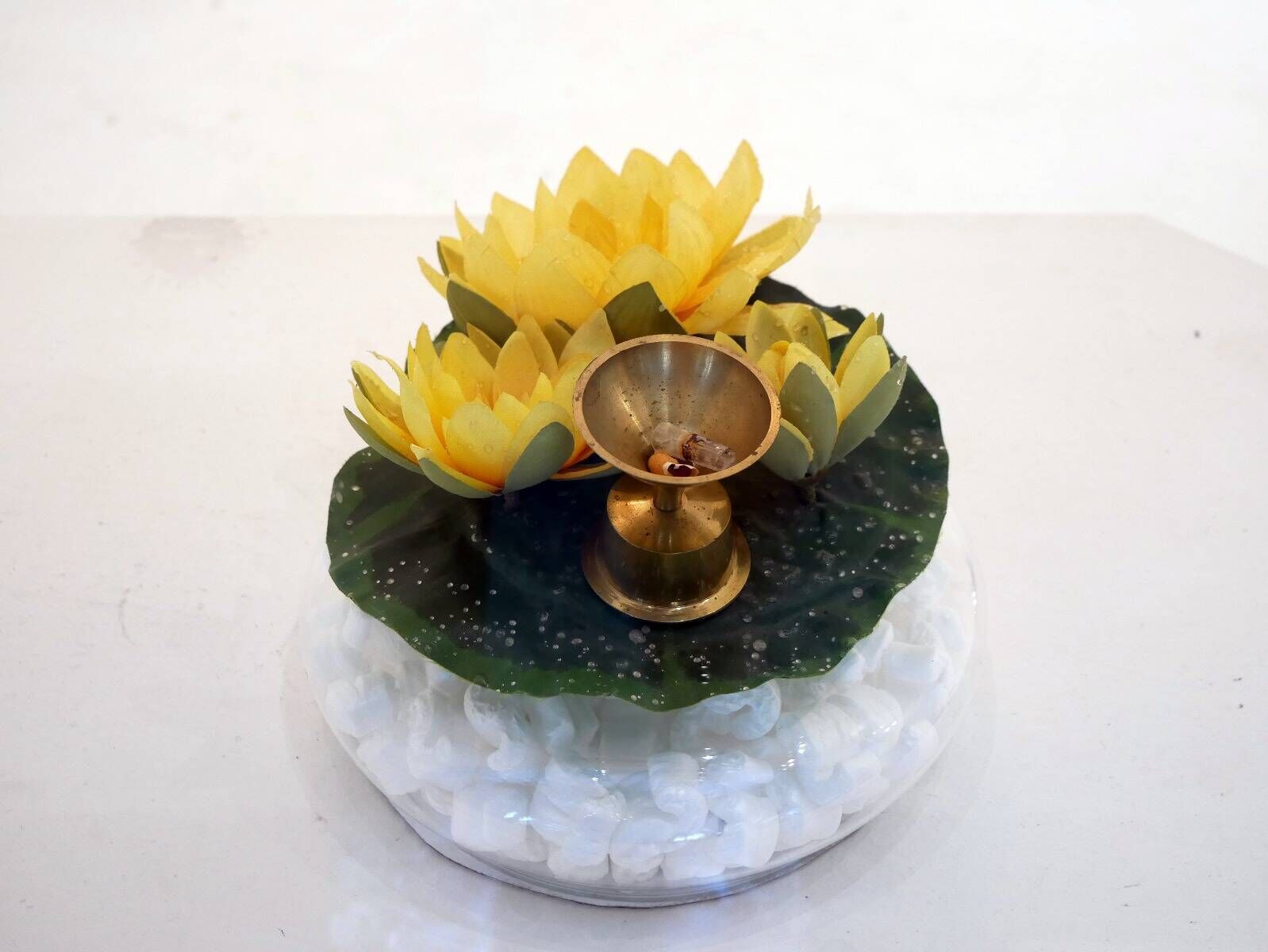
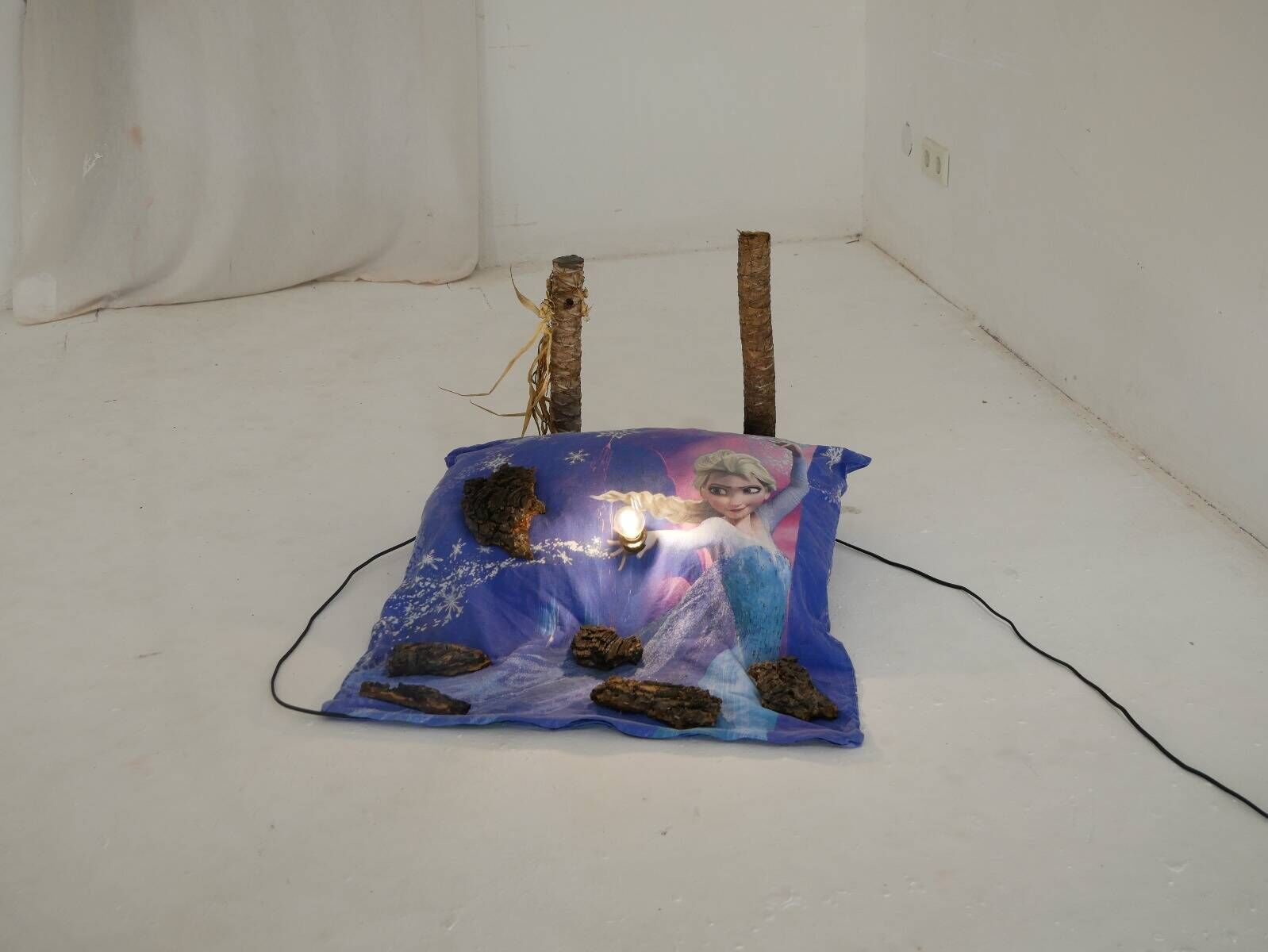
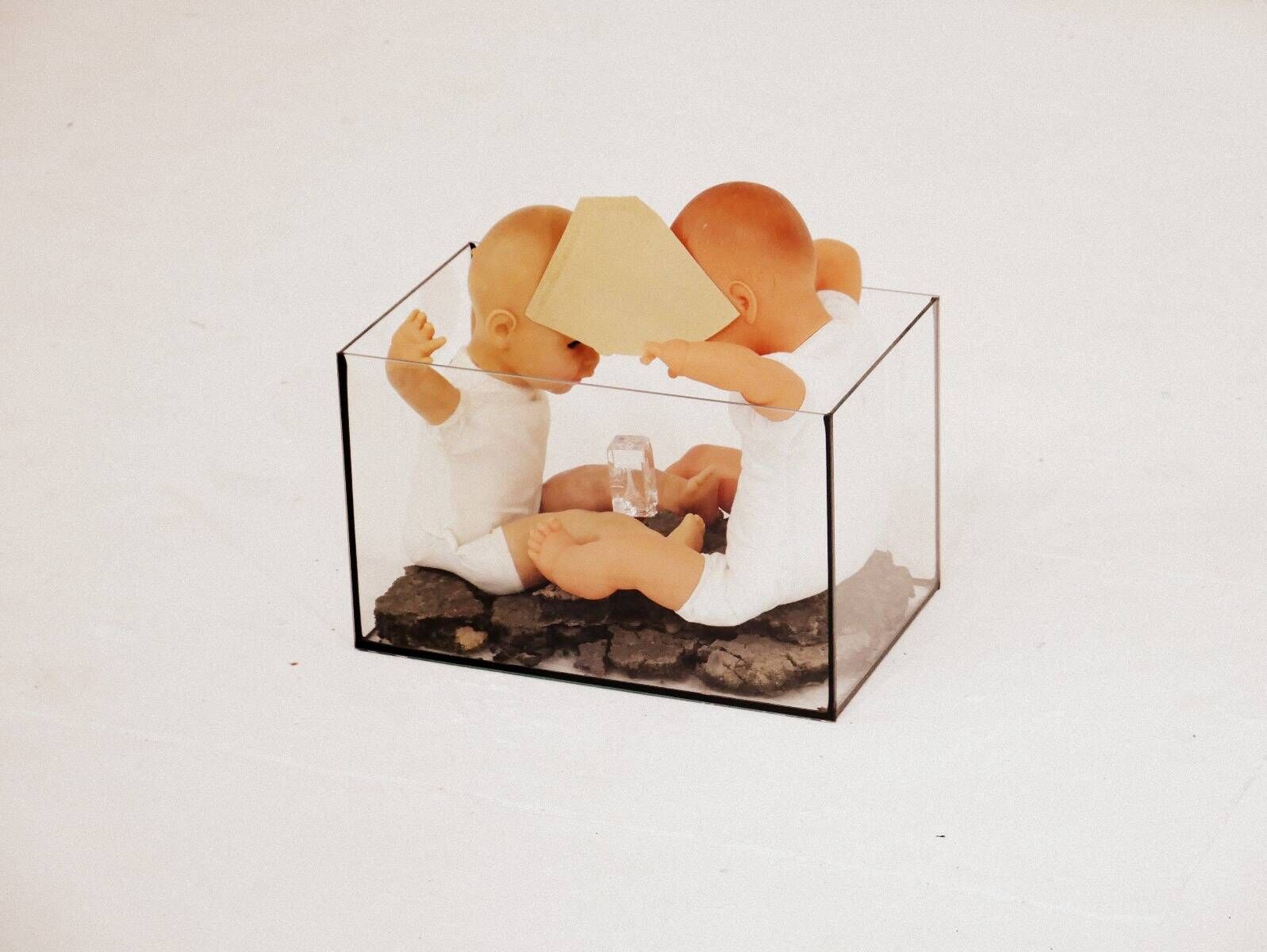
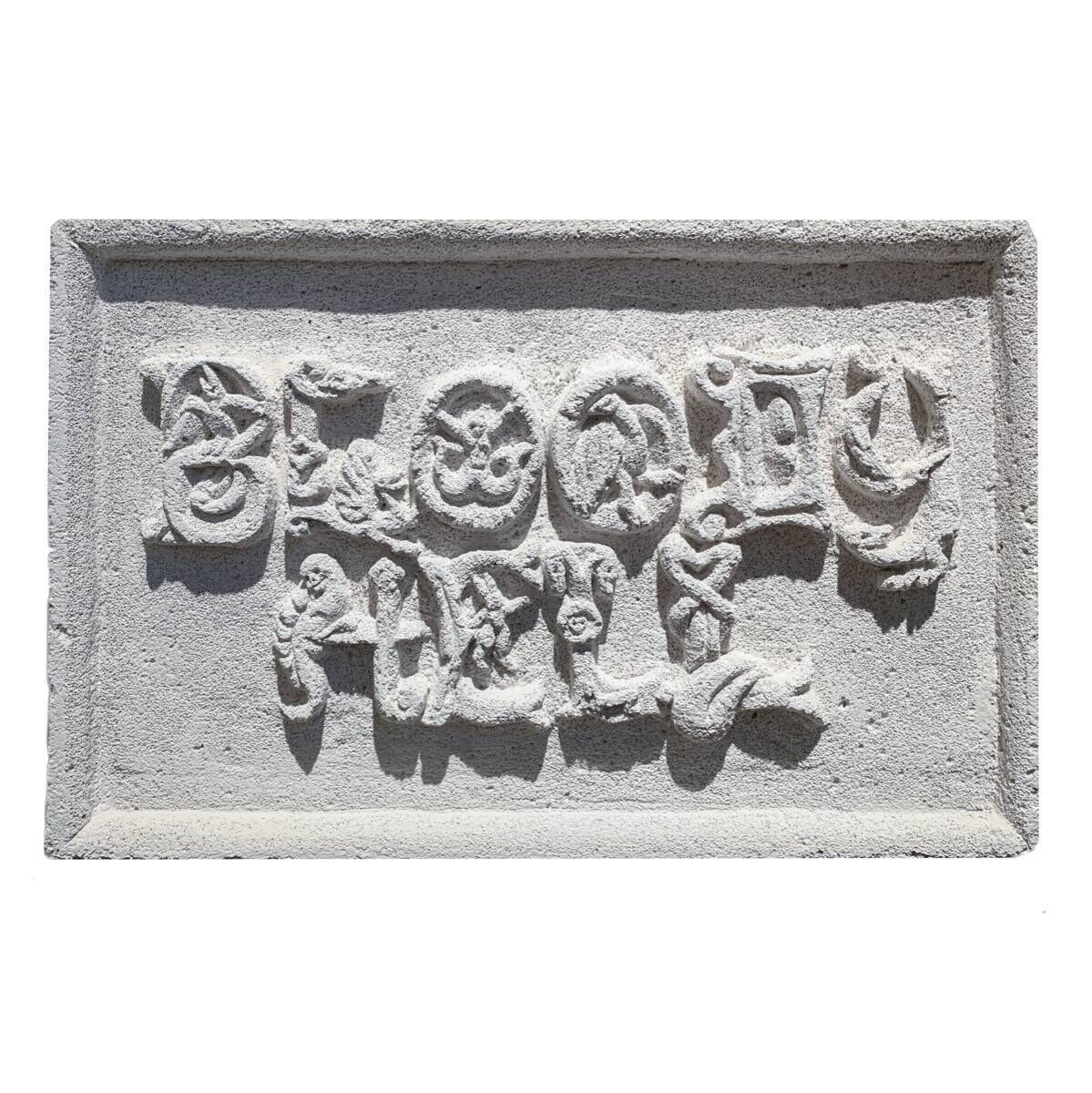
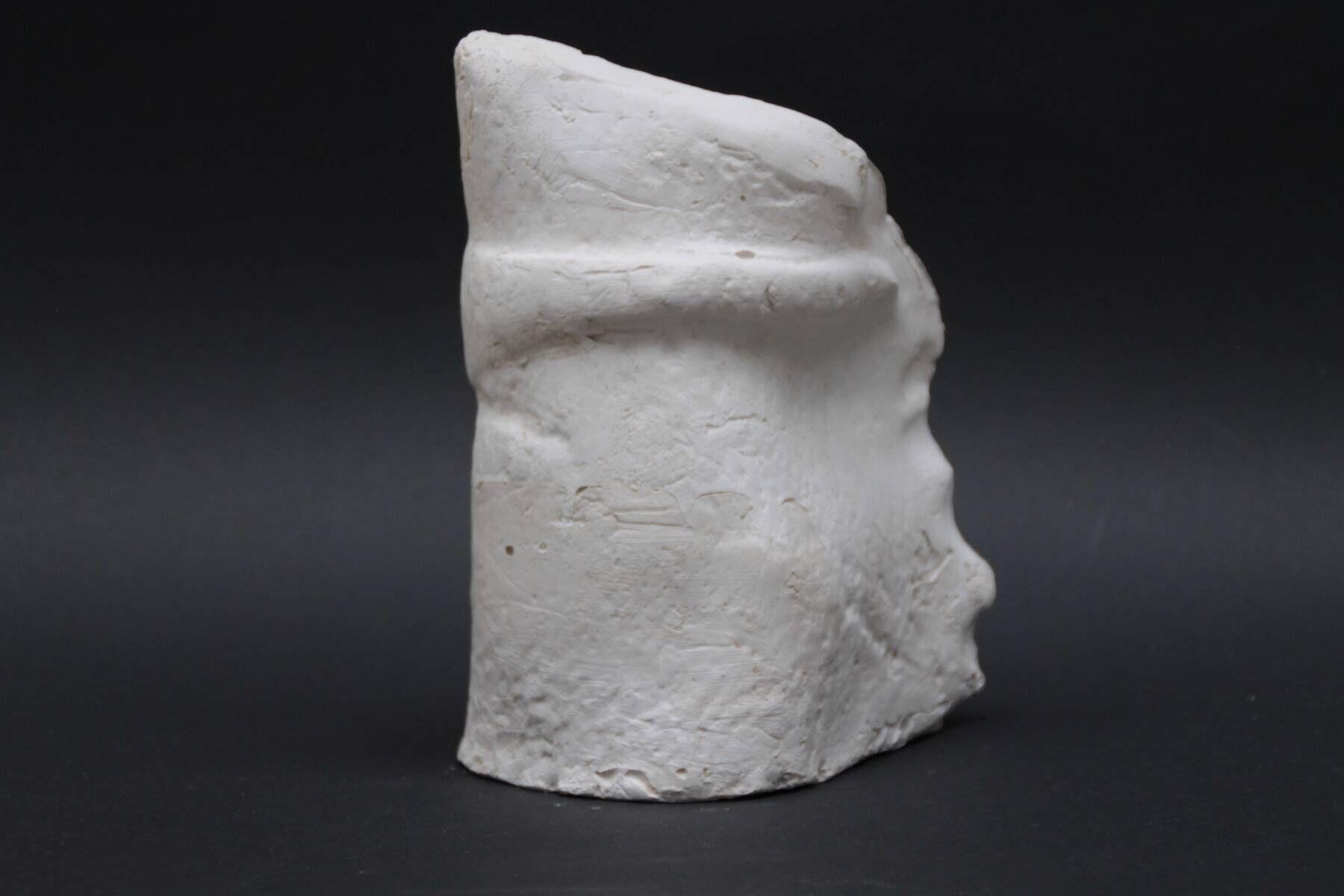
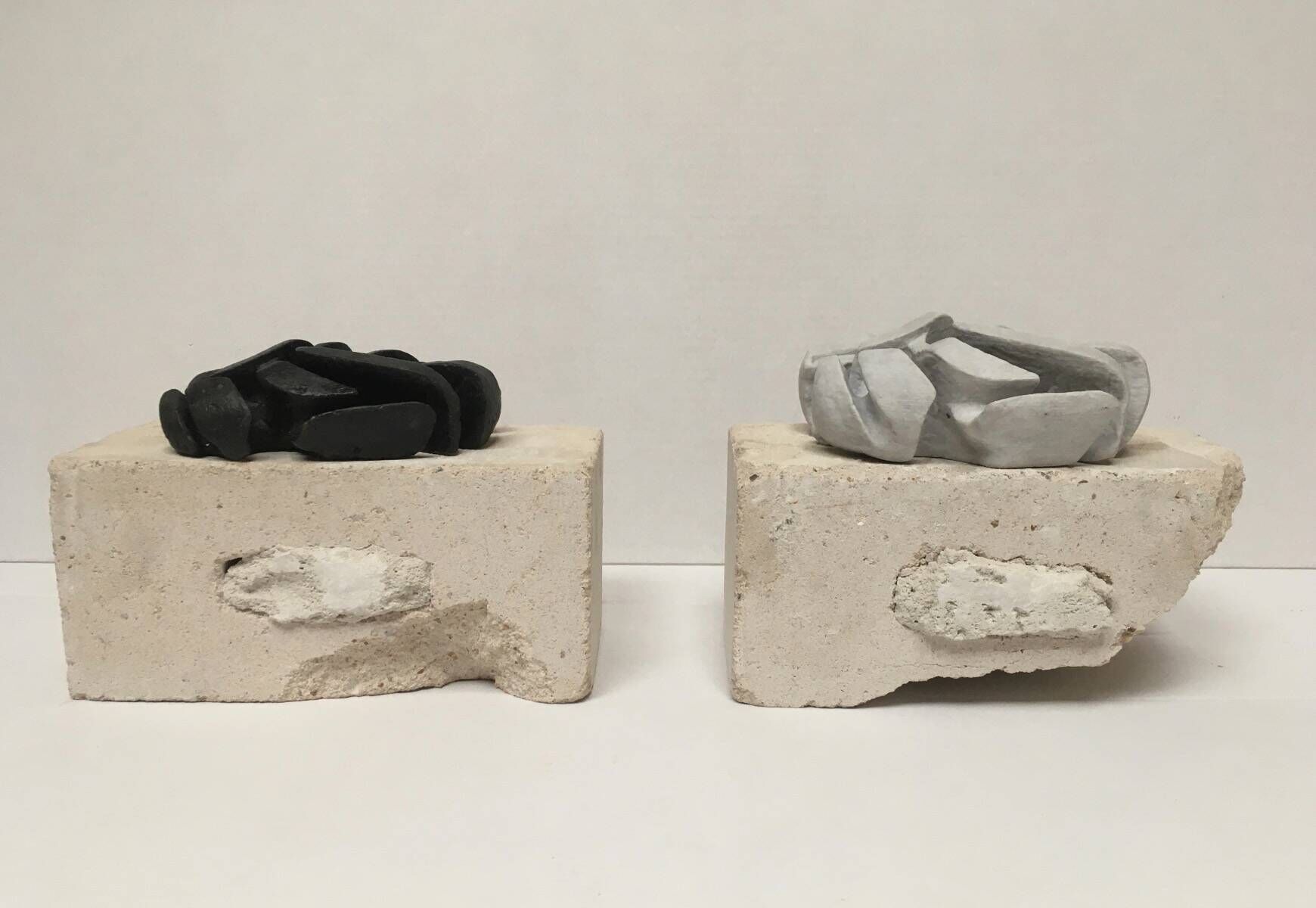
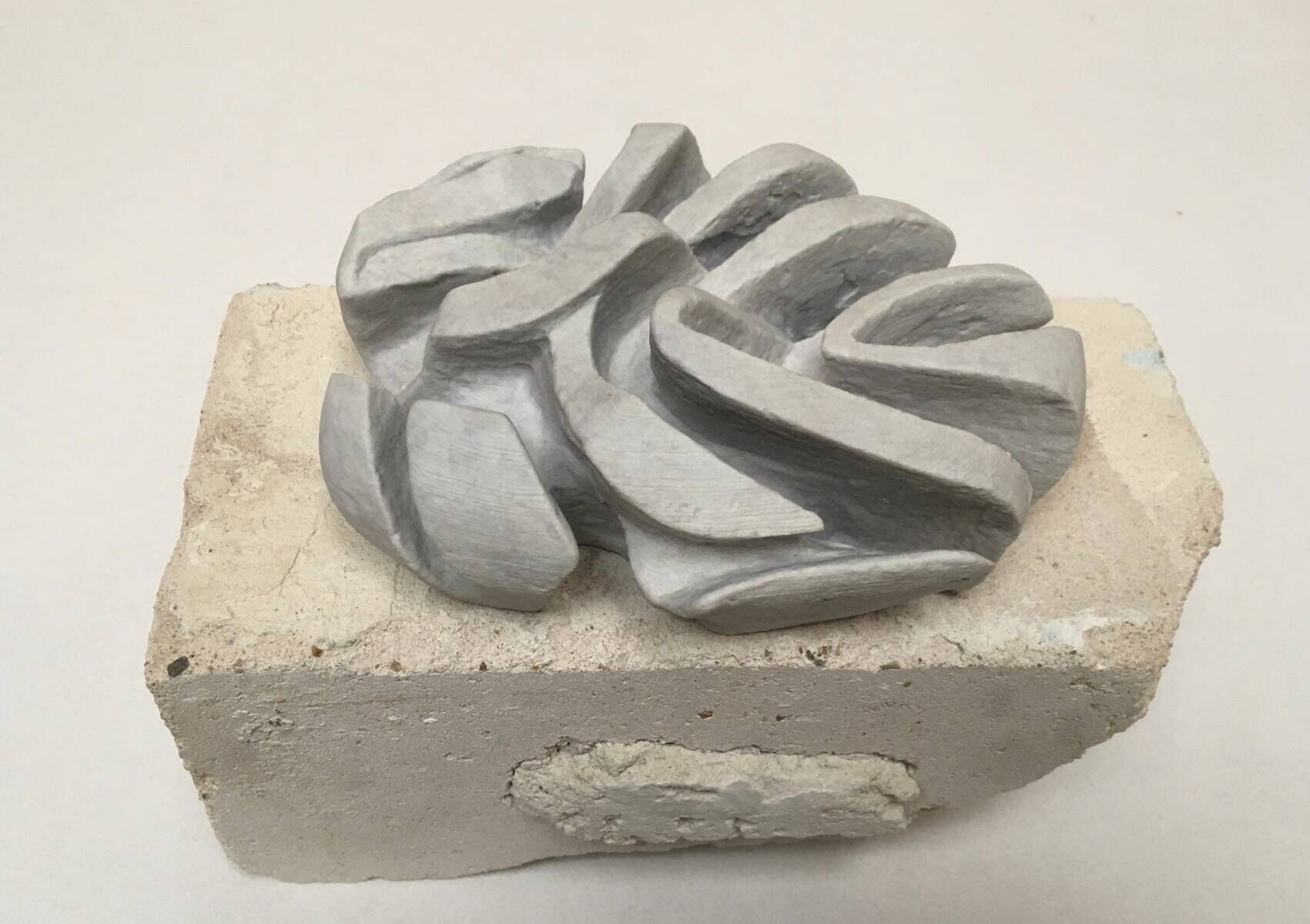
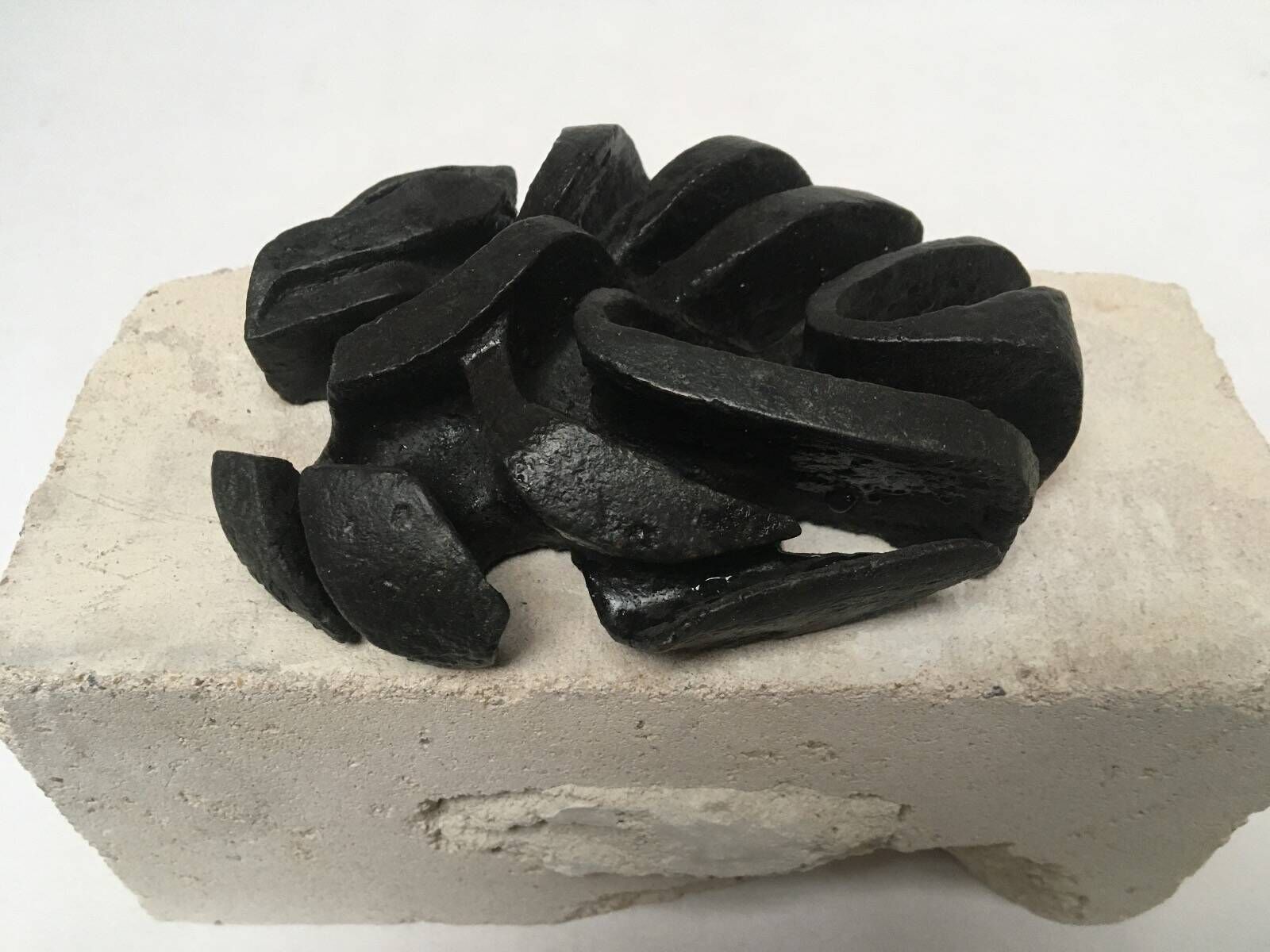
Contemporary art in its most tangible form: Experience sculptures
Sculptures represent a category all of their own within the arts. They have a special impact and bring depth, presence and character to any space. Unlike two-dimensional art, you can walk around them, rediscover them and experience them differently depending on the light and your perspective. This is precisely why more and more people are opting for handcrafted sculptures – because they not only complement living spaces, gardens or workspaces decoratively, but also serve as unique sources of inspiration. At the Student Art Market, you’ll find authentic, individual pieces that combine high-quality craftsmanship with a creative signature, offering both aesthetic and emotional enrichment – for example, with modern sculptures for the living room or home office. Anyone who buys a modern sculpture is not only investing in a work of art, but also in personality, atmosphere and future potential.
Understanding Art Sculpture: From Idea to Form
The immediate physicality of modern sculptures is what makes them so fascinating. They stand in the middle of the room, take up space, cast shadows and change depending on the light and perspective. Artists work with stone, wood, metal,&clay or modern materials such as acrylic glass and synthetic resin – each material brings its own possibilities and limitations. Whilst plastic art is created by building up material, artists shape sculptures in the classical sense by removing material. These two processes produce completely different surfaces, dynamics and forms of expression. Many contemporary artists deliberately experiment between these two extremes, combining techniques and breaking with traditional formal languages to create plastic art that is both technically sound and conceptually clear. It is precisely this blend of technique, an awareness of materials and a personal artistic style that makes modern sculptures so fascinating: they evoke emotion, challenge the viewer and create striking visual focal points within a space.
Modern sculptures and three-dimensional works play with spaces, relationships and tensions. Some captivate with their calm, minimalist forms, whilst others with complex, organic lines and bold contrasts in materials. The dialogue between the artwork, light and its surroundings is crucial. A decorative sculpture is never static – it changes throughout the day, appearing to move even when it stands still. Whether in the living room, in spacious business premises or as an outdoor feature in the garden: artistic figures transform spaces. Their three-dimensionality creates an immediate sense of closeness that two-dimensional media often lack. It is precisely this sense of closeness that makes abstract sculptures an art form that one does not merely view, but experiences directly.
Sculpture in art history
Sculptures have accompanied humanity since its very earliest beginnings. One of the oldest known works is the Venus of Willendorf, which is around 25,000 years old – a small limestone figurine that offers insights into early conceptions of fertility and body image. In antiquity, monumental sculptures were created from stone and bronze, such as the austere figures of the Egyptians, the harmonious marble sculptures of the Greeks or the realistic portraits of the Romans. Each of these works tells more than one story – it conveys world views, religious beliefs and technical mastery. The perfection of the Greek formal language and the expressiveness of Roman portraits continue to have an impact to this day.
The Renaissance, in particular, marked a high point in the art of sculpture. Michelangelo’s David, carved from a single block of marble, stands not only as a testament to technical virtuosity, but also to the idealised image of humanity characteristic of an entire era. Artists such as Donatello, Bernini and Schadow further developed the art of sculpture – sometimes dramatically, sometimes classically, always with an impressive combination of power and attention to detail. In the 20th century, art finally opened up to new materials and forms of expression: artists such as Brâncuși, Hepworth and, later, Hrdlicka and Prantl broke away from purely figurative art and explored the abstract potential of sculpture. This spans a spectrum from the symbolism and rituals of early times right through to experimental modernism – and demonstrates just how universal and timeless sculptures are.
The diversity of three-dimensional art
Buy sculptures and transform spaces
Buying modern sculptures means experiencing art first-hand: They transform spaces, create atmosphere and bring a sensory, three-dimensional dimension to your home or workplace. At the Student Art Market, you’ll find unusual sculptures by a new generation of artists – bold, personal works that combine classical techniques with contemporary approaches, experiment with materials or reinterpret traditional forms. It is precisely this blend of technical depth and a fresh perspective that makes every sculpture a unique piece, shaped by time, physical precision and artistic decision-making. Buying sculptures from us is straightforward and transparent, and you’ll be supporting young talents on their journey into the professional art world. Whether it’s a small wooden sculpture, an abstract stone sculpture or a weatherproof garden feature – the selection is diverse and offers art that not only beautifies spaces but also defines them. Sculptures develop a patina, react to light and make a fresh impression every day. If you’re looking for an authentic piece that combines character, quality and meaning, you’ll find the right sculpture on the Students’ Art Market. Here we’d like to introduce you to some of our artists who, amongst other things, also create figurative art:
Dominik Ackermann, a postgraduate student in Christian Sery’s class at the Dresden Academy of Fine Arts, explores the relationship between people and urban space in his work. His figures appear anonymous, aloof and alien – deliberately stripped of their individuality. They merge with architectural structures, dissolve into fragments and become part of a larger, often austere setting. Within this tension, a quiet yet intense dialogue emerges: between physical presence and aloofness, between the viewer and those people whom they constantly encounter, yet who remain elusive.
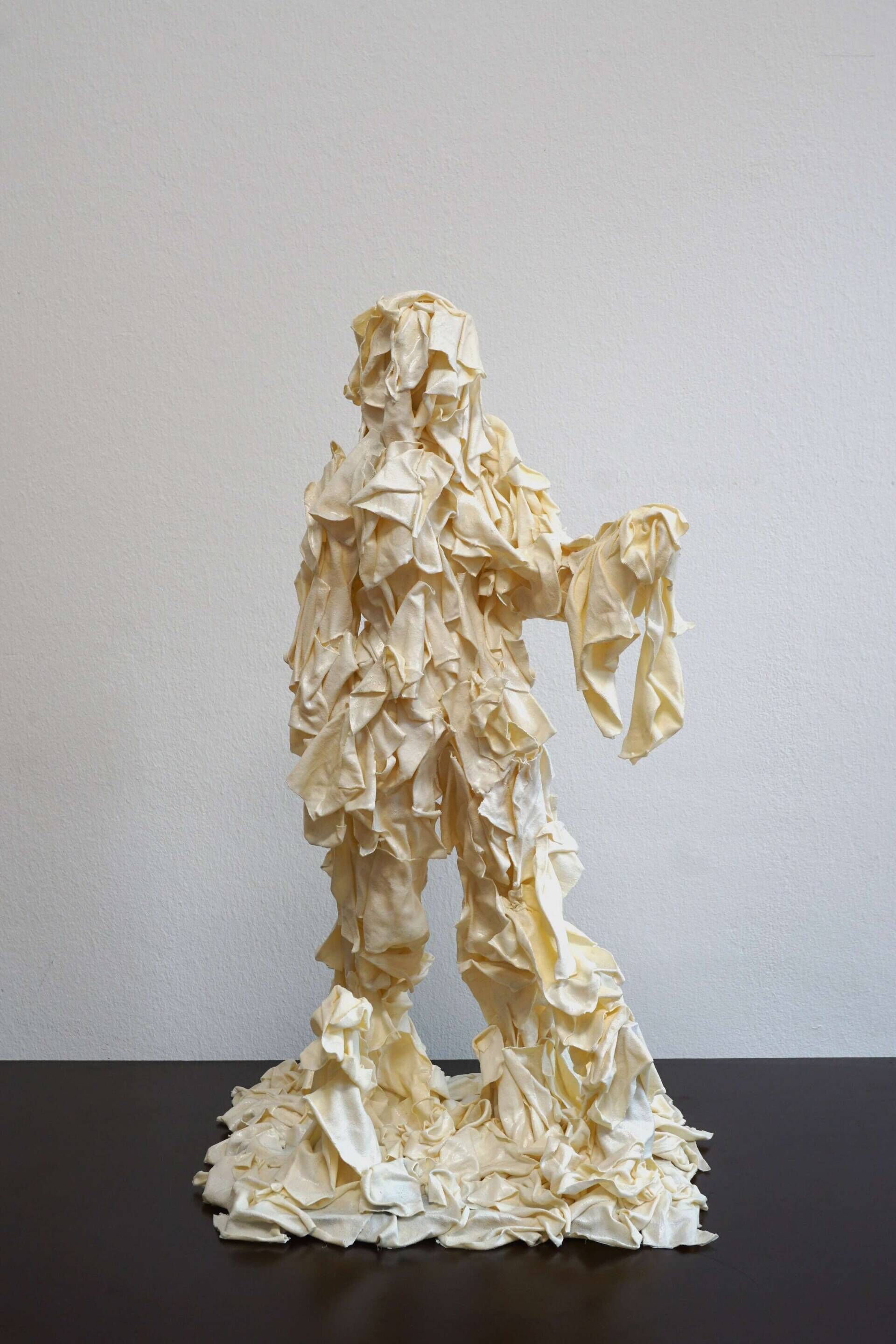
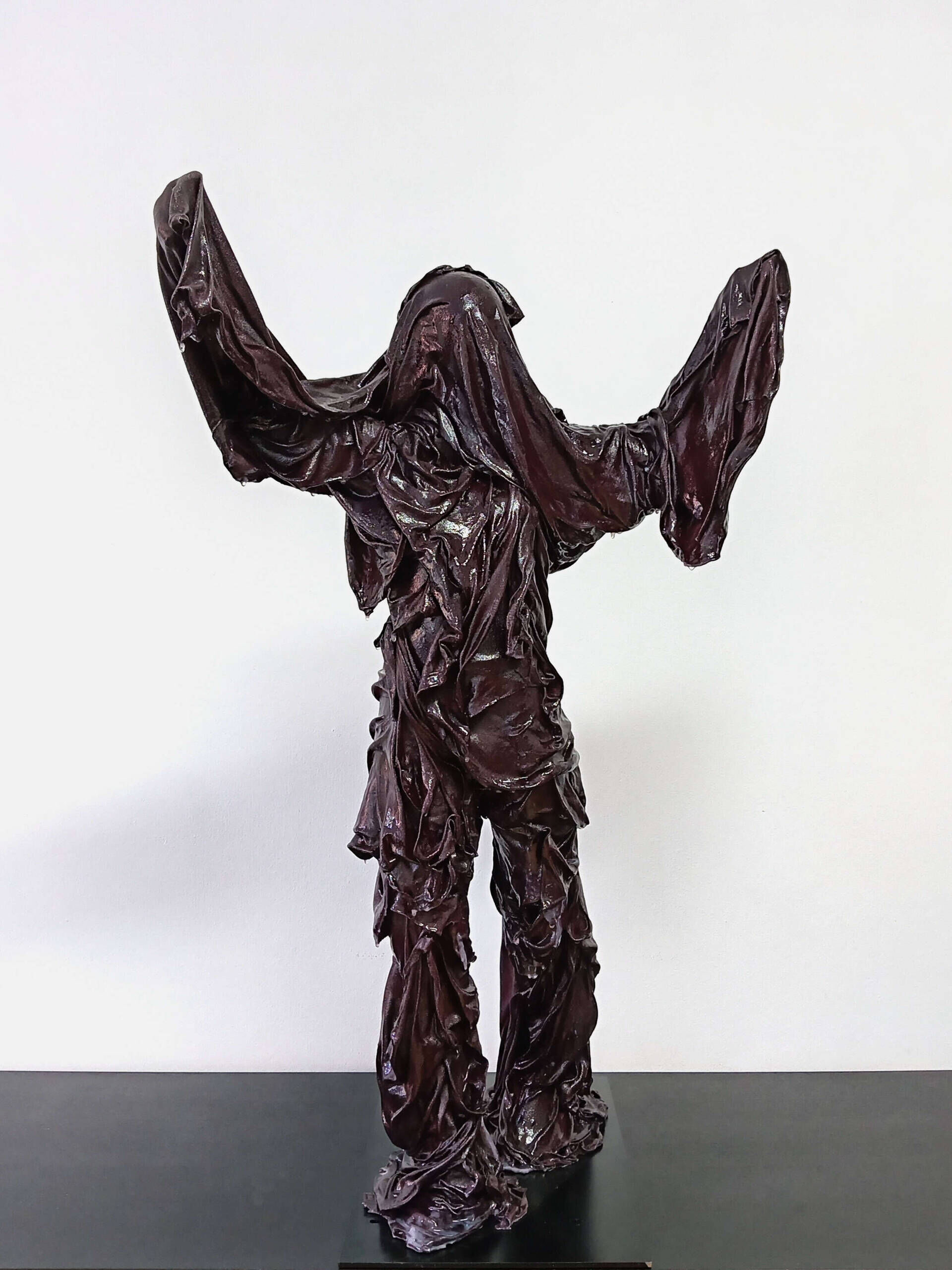
Azim F. Becker (Germany/Malaysia), born in 1991, moves with ease between sculpture, drawing, painting, installation and the occasional art film. His works demand an active emotional response – they play with humour, irritation and a subtle tension between attraction and aversion. Becker is currently studying for a Master’s degree in Art in Osnabrück and exhibits internationally. His works are characterised by openness, a spirit of experimentation and the courage to deliberately challenge the audience’s sensory and physical responses.
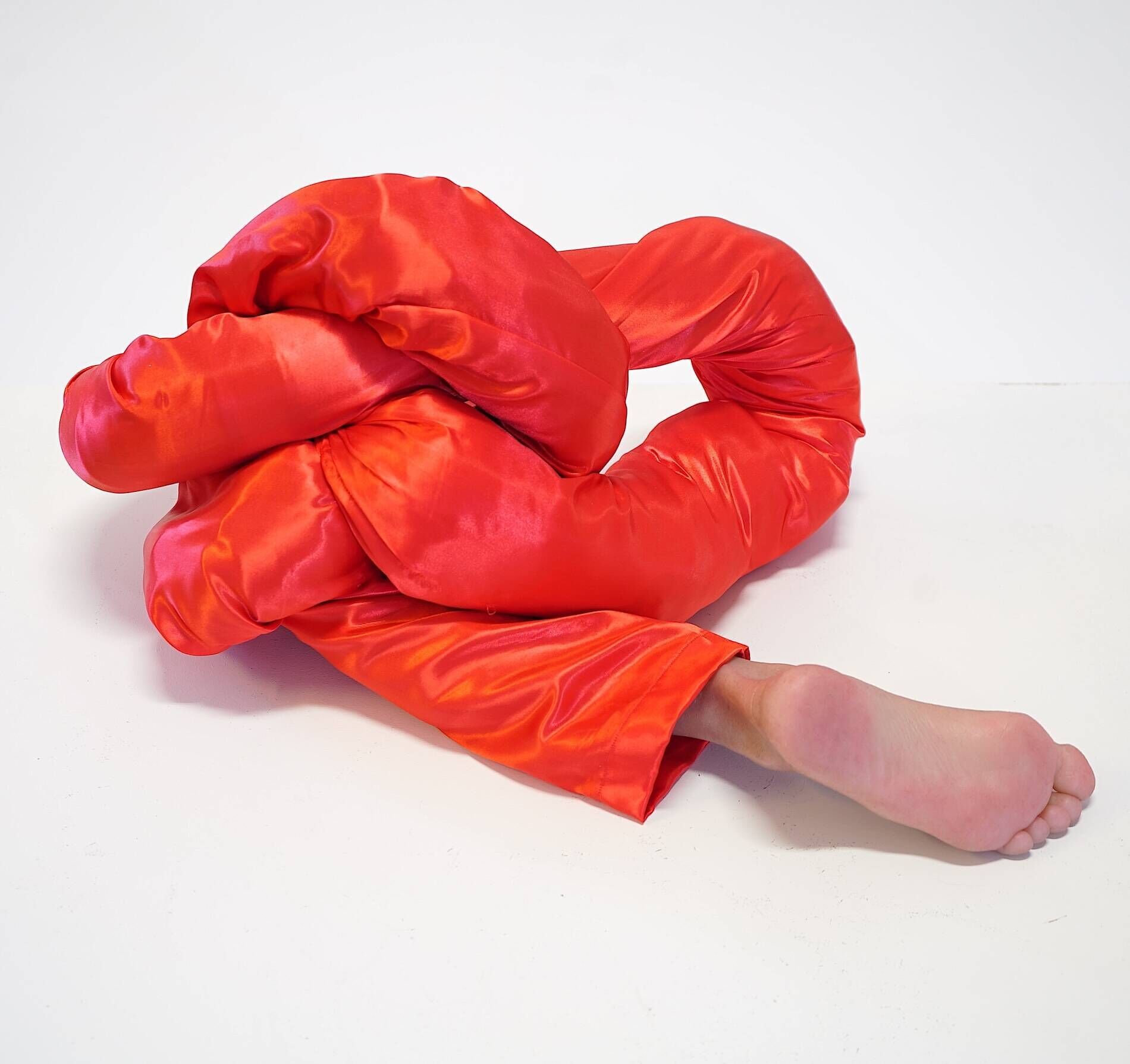
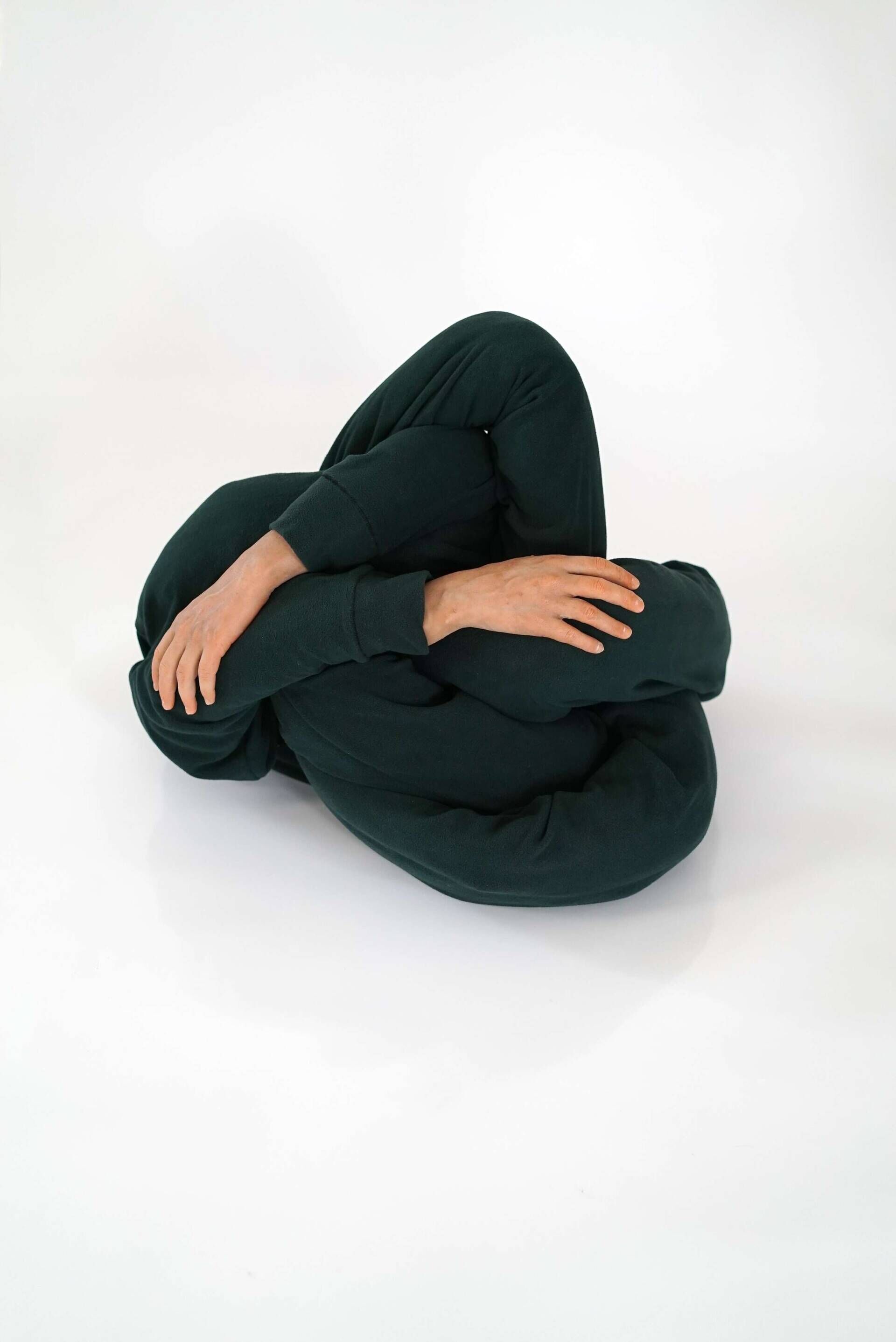
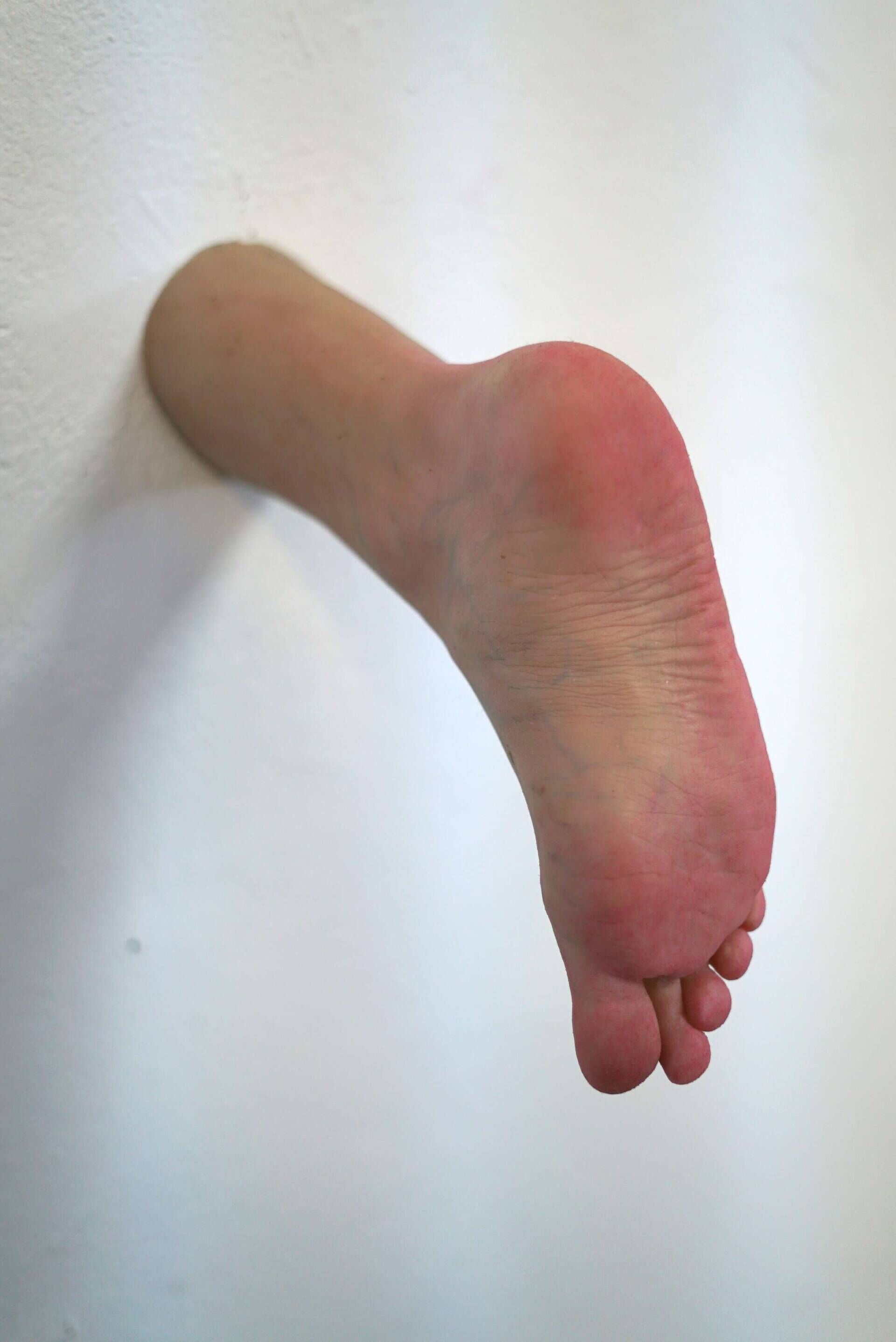
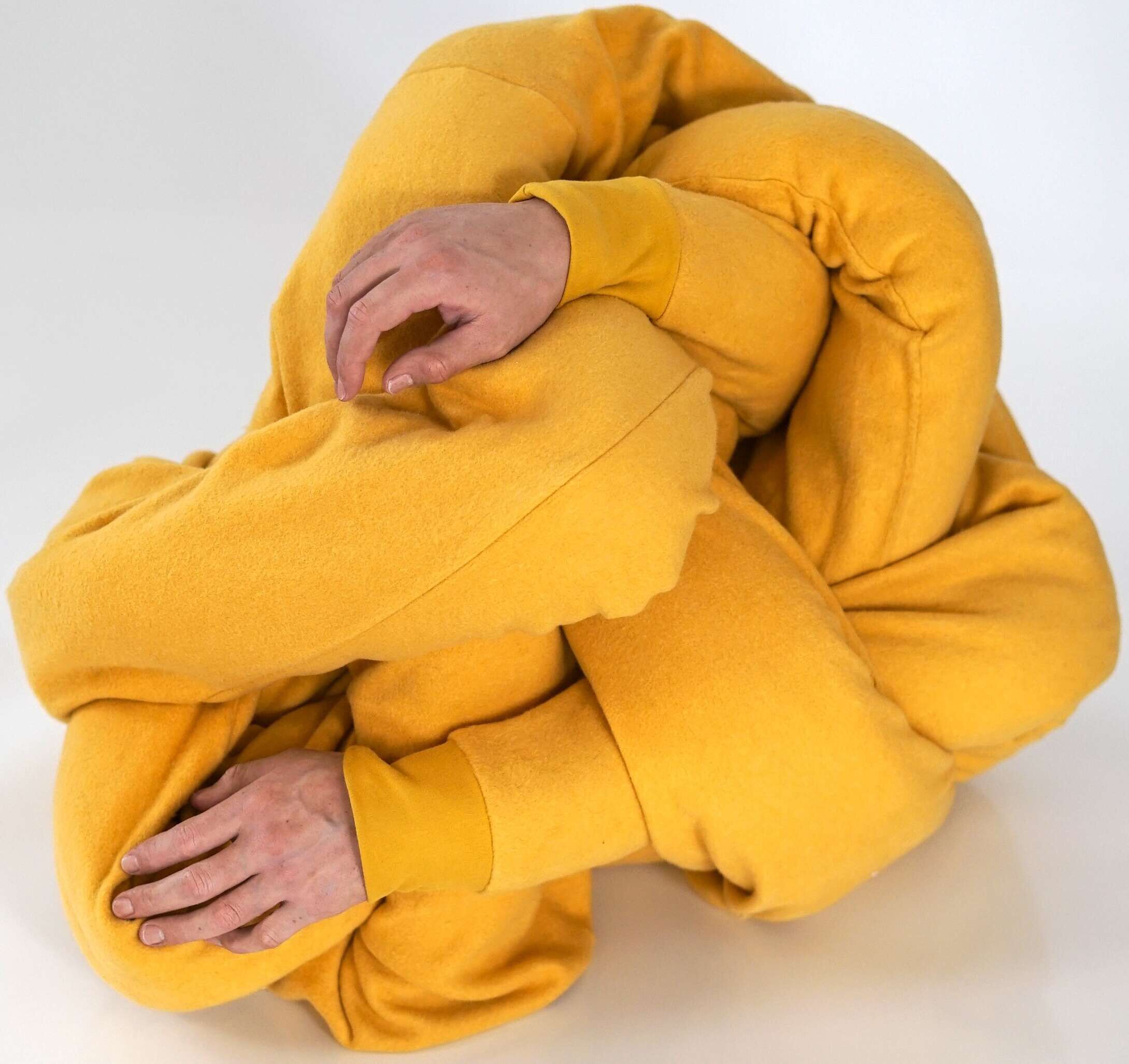
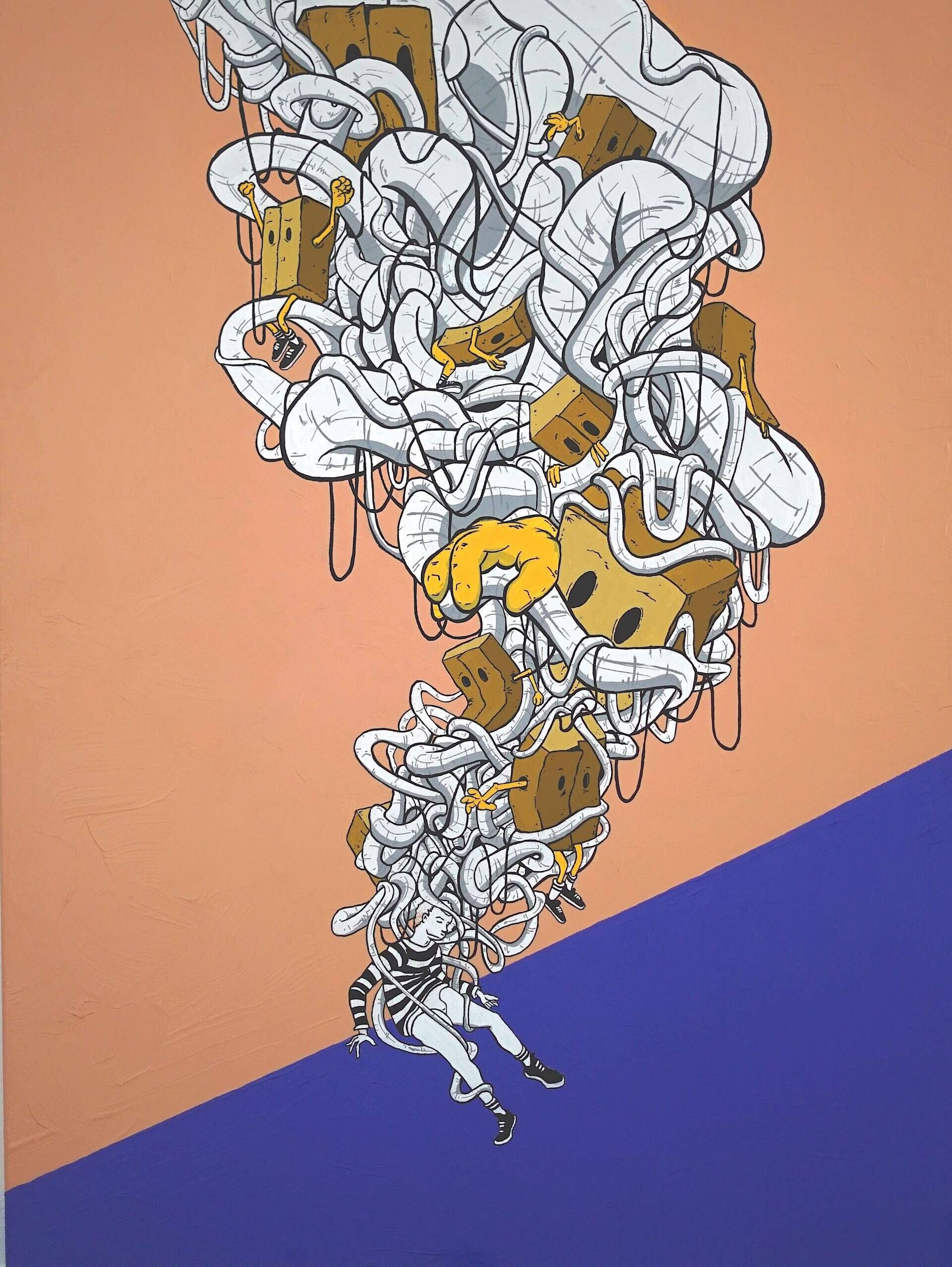
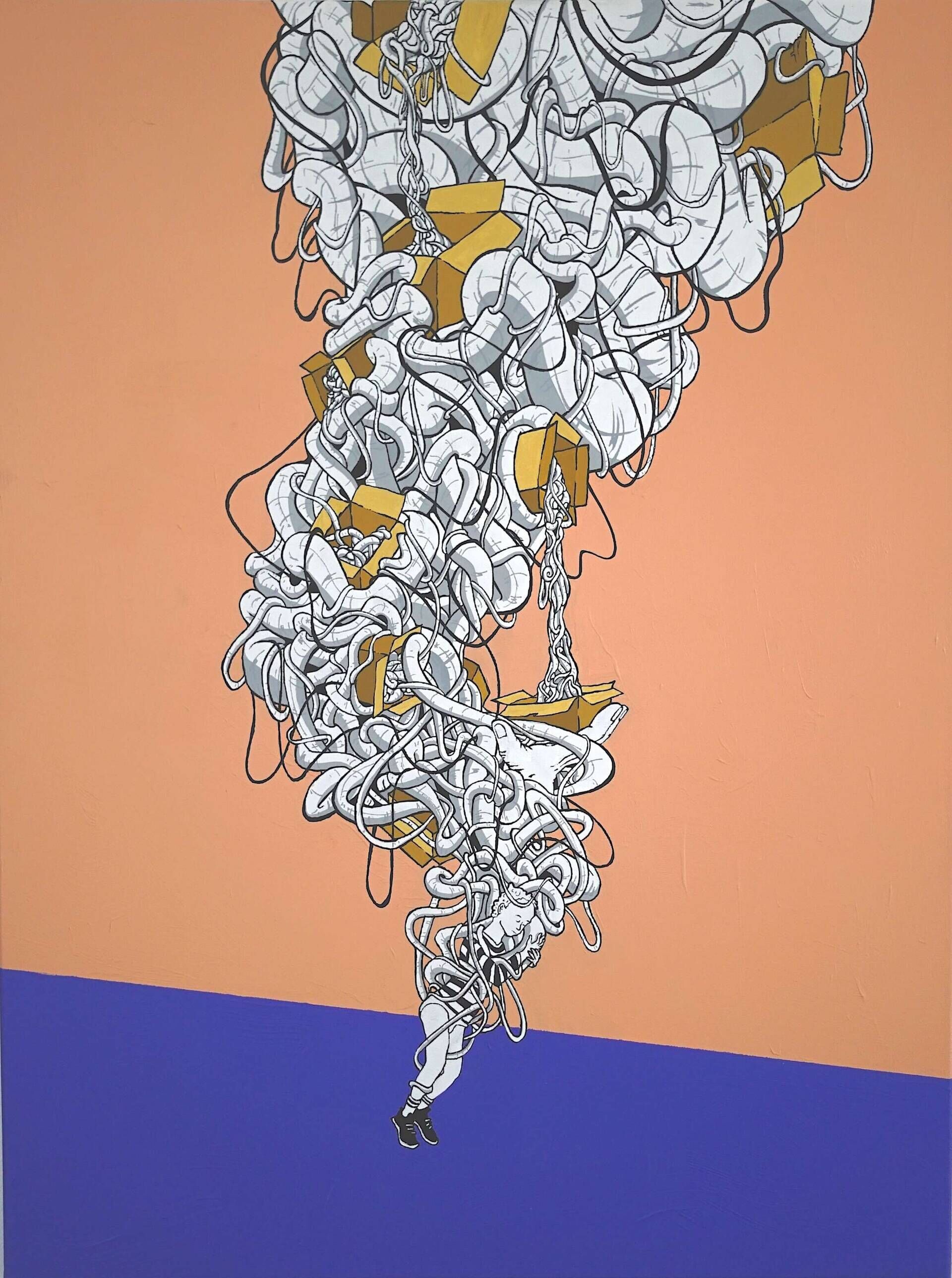
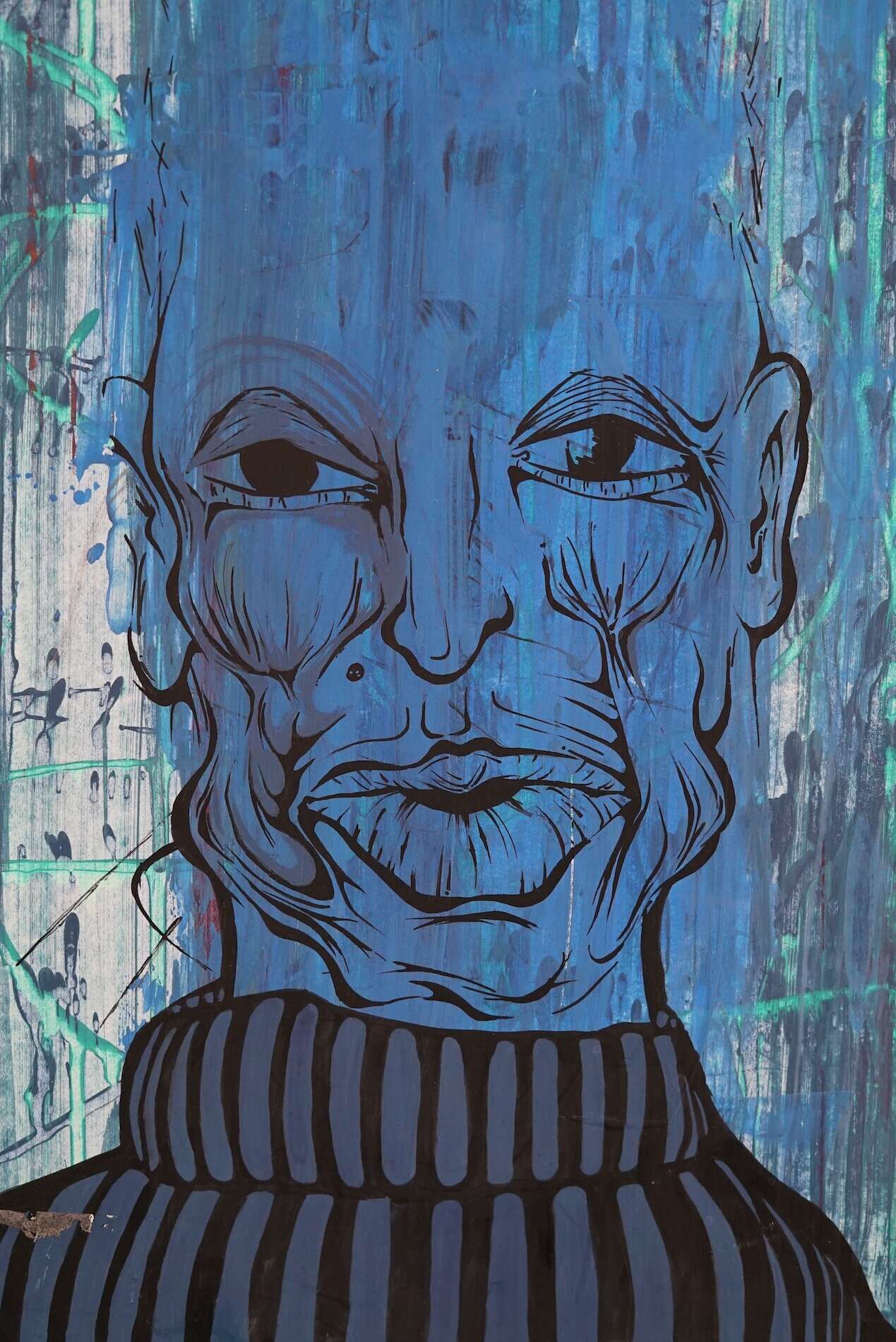
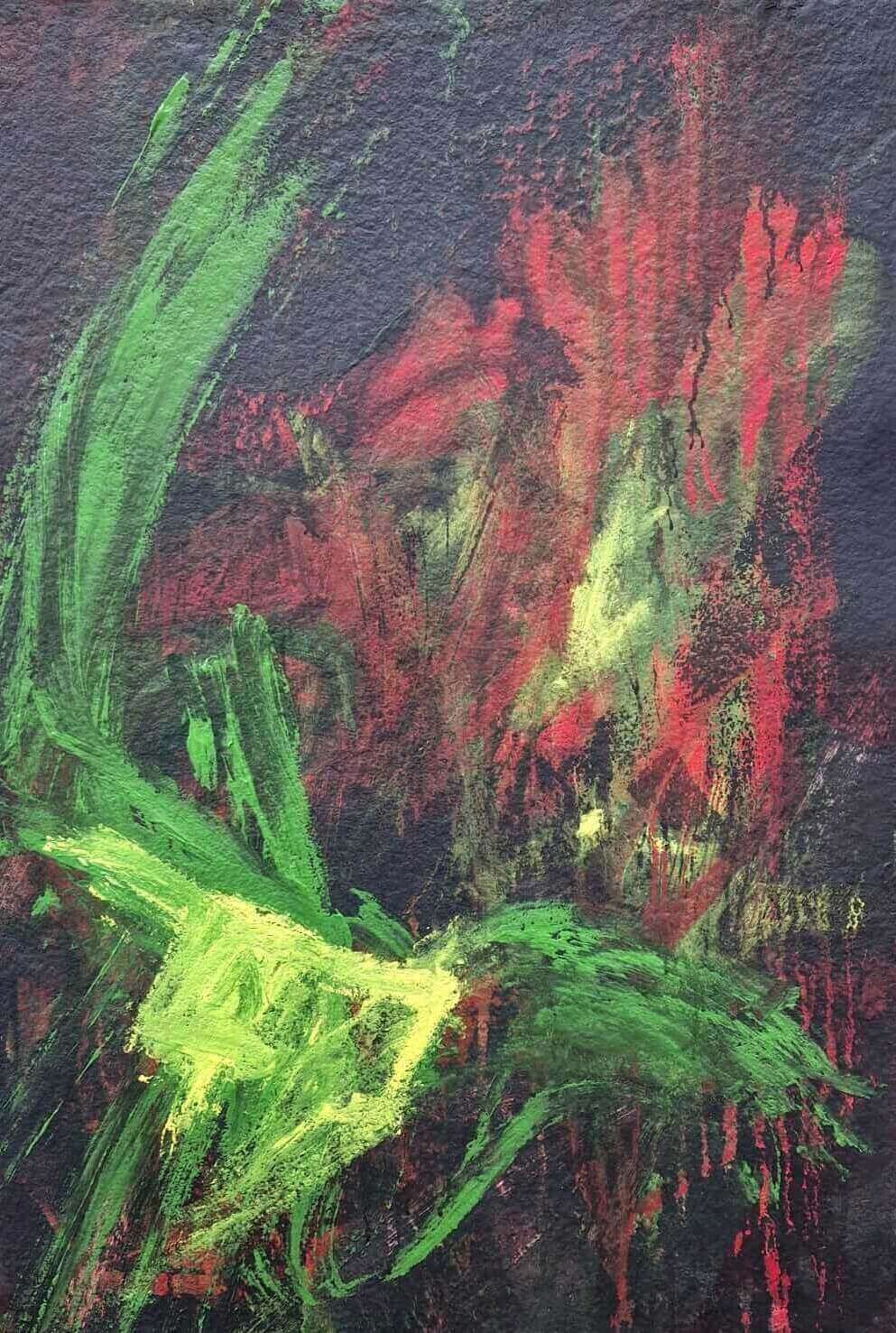
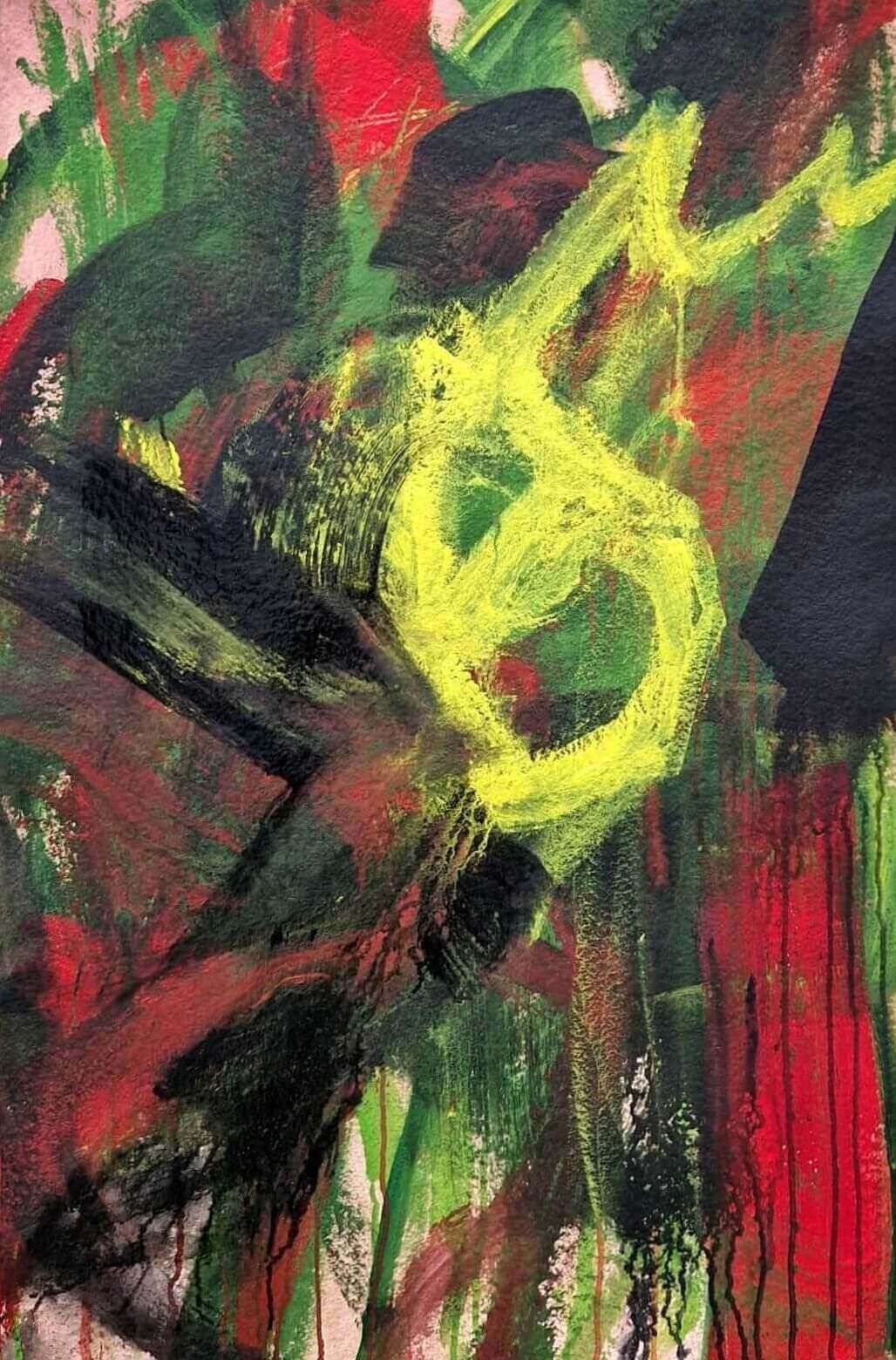
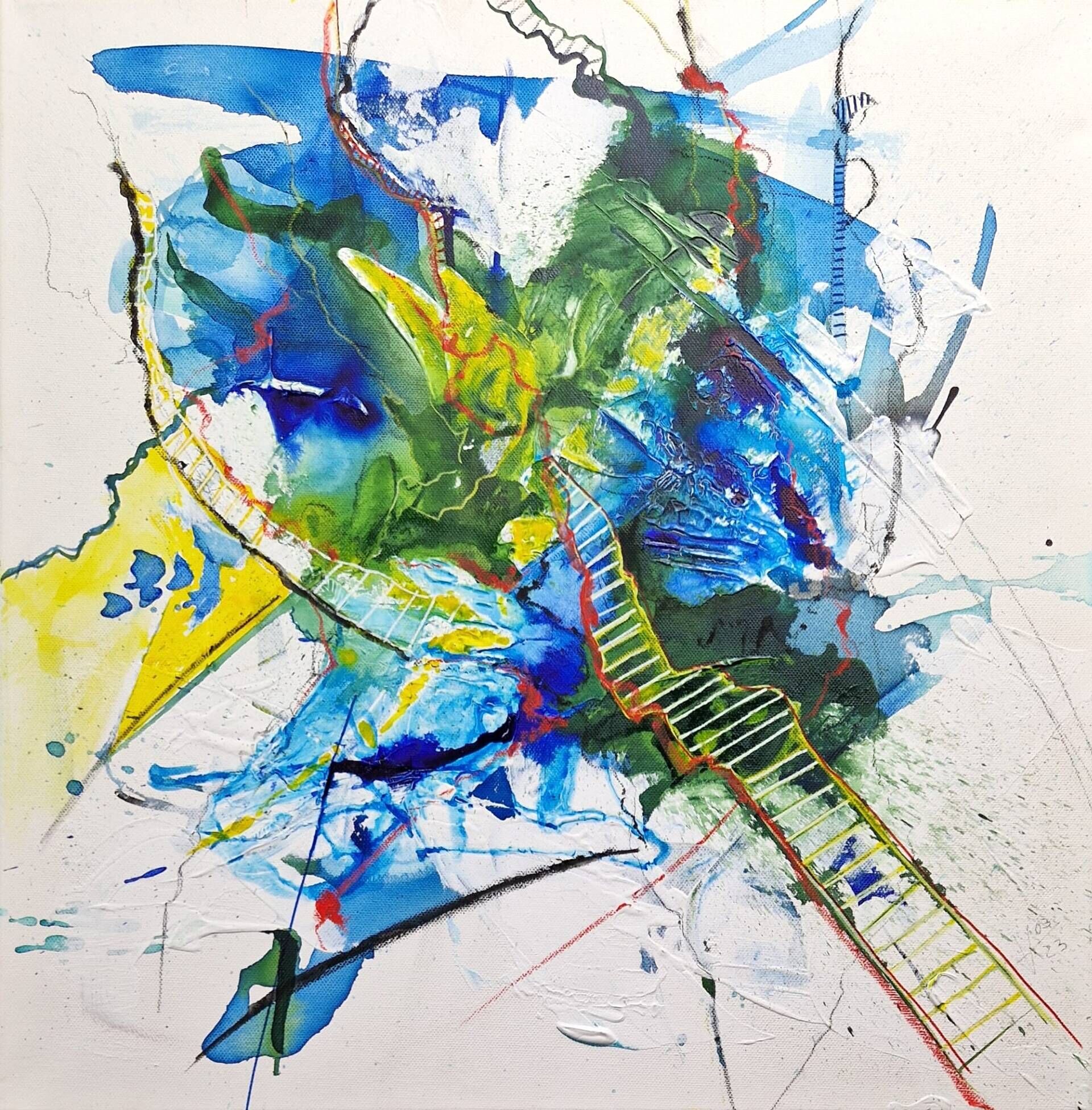
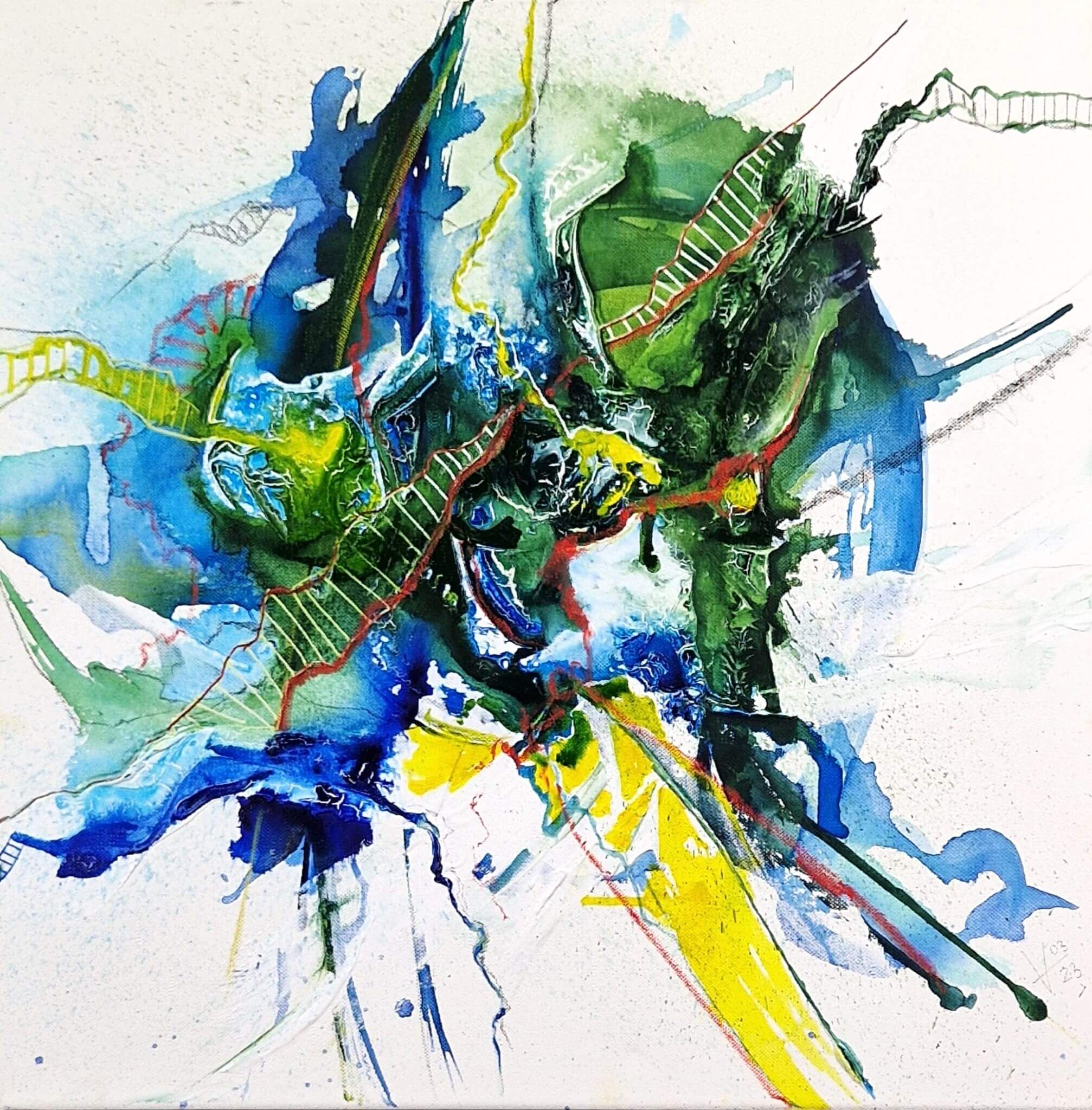
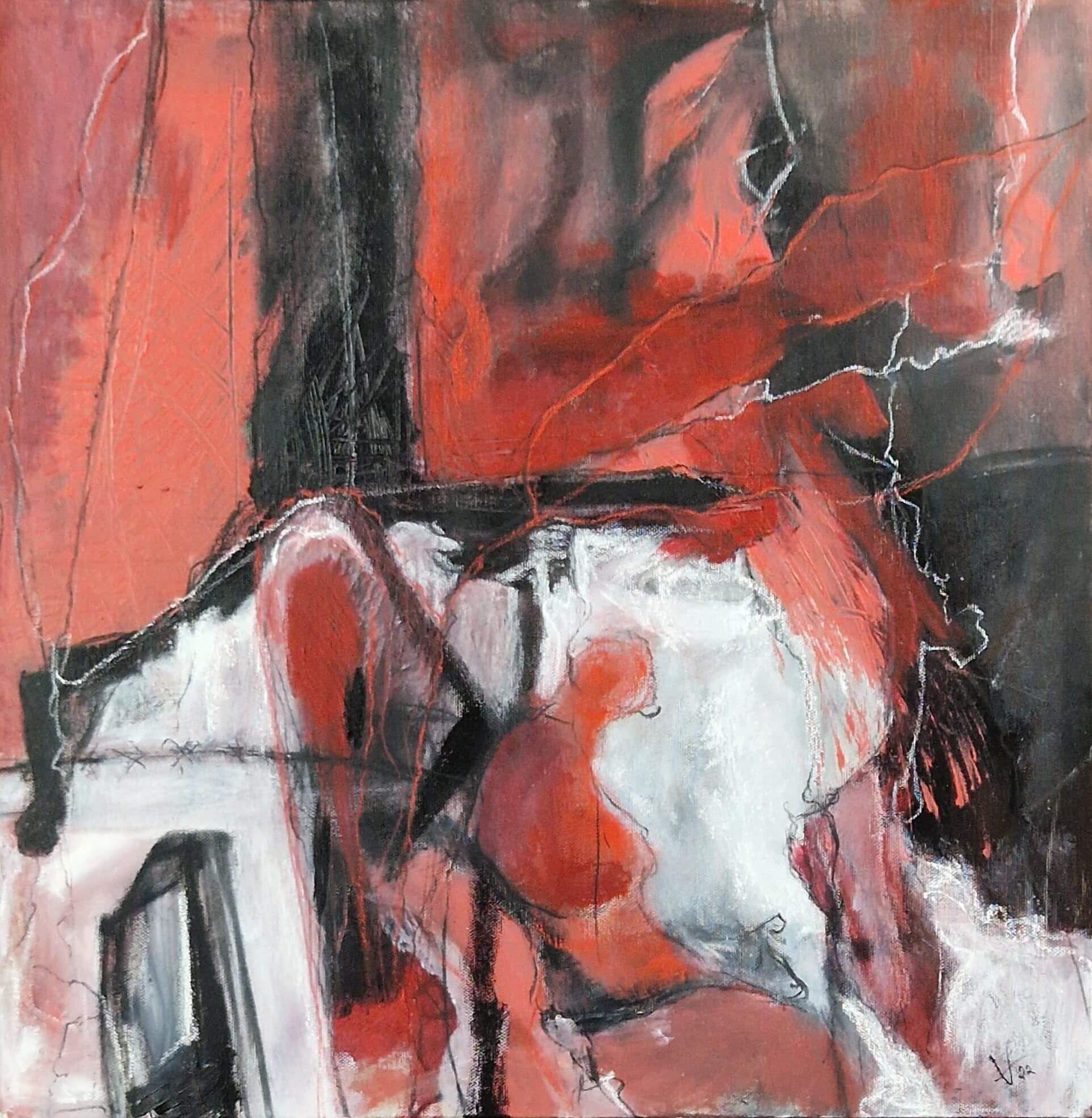
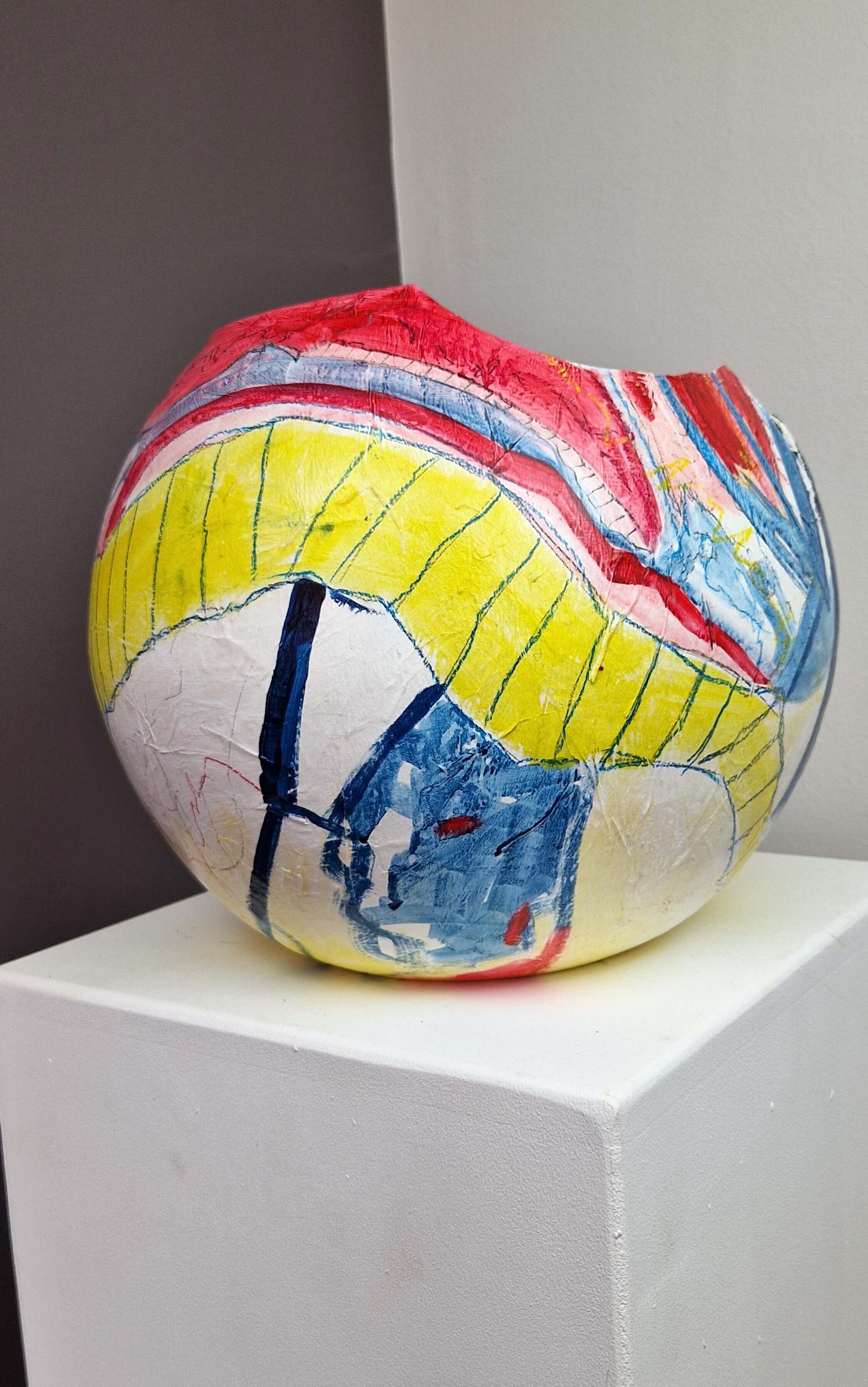
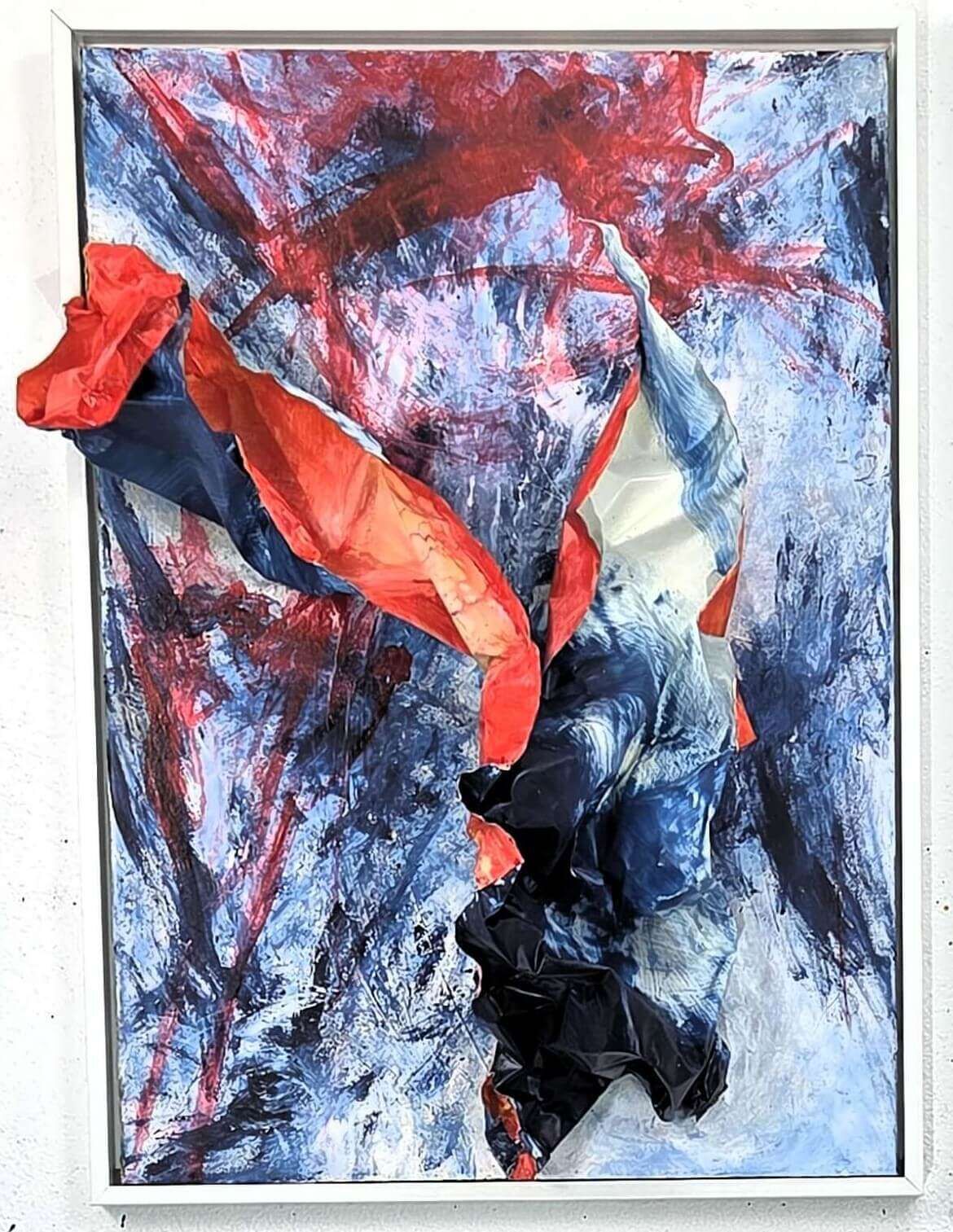
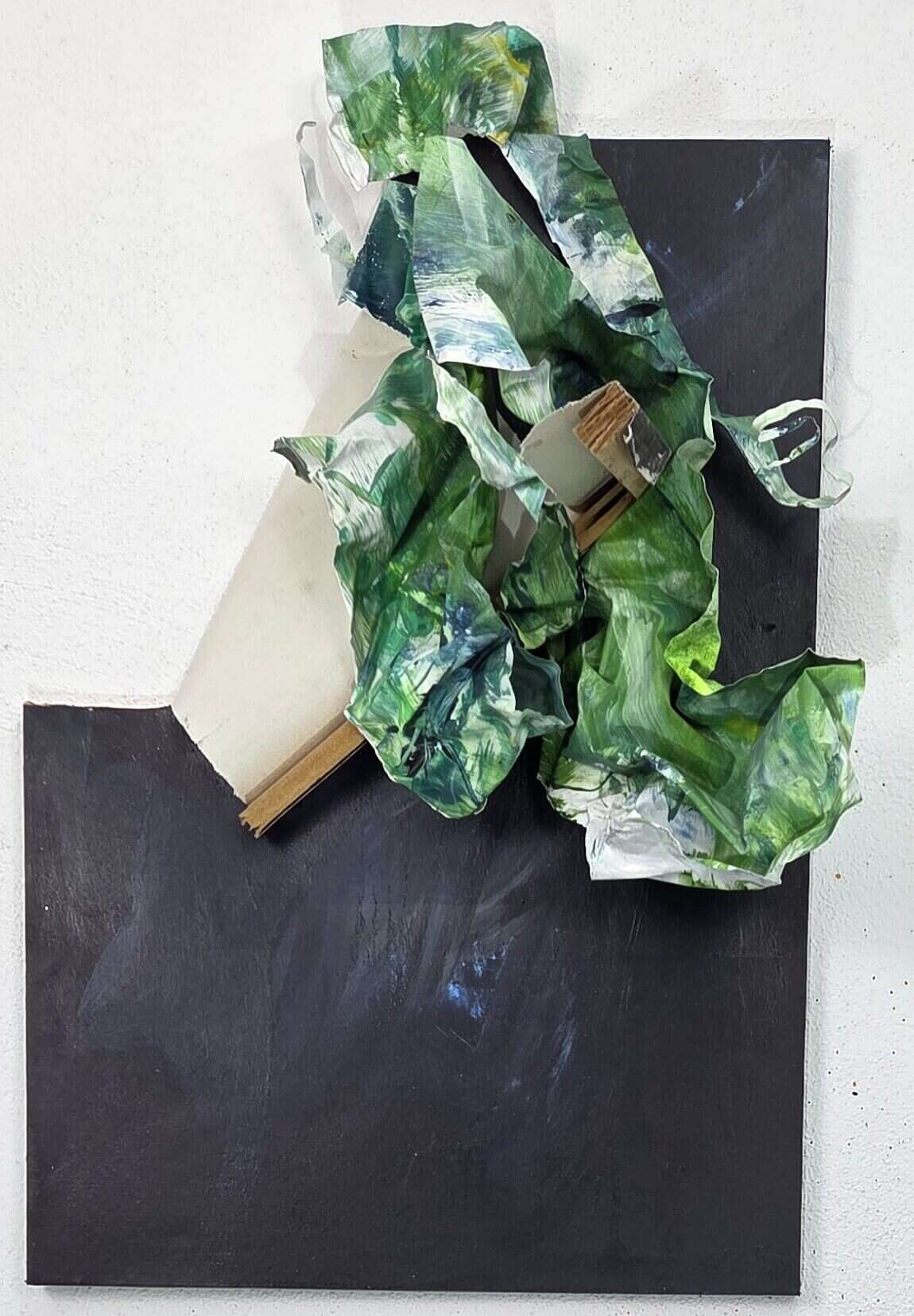
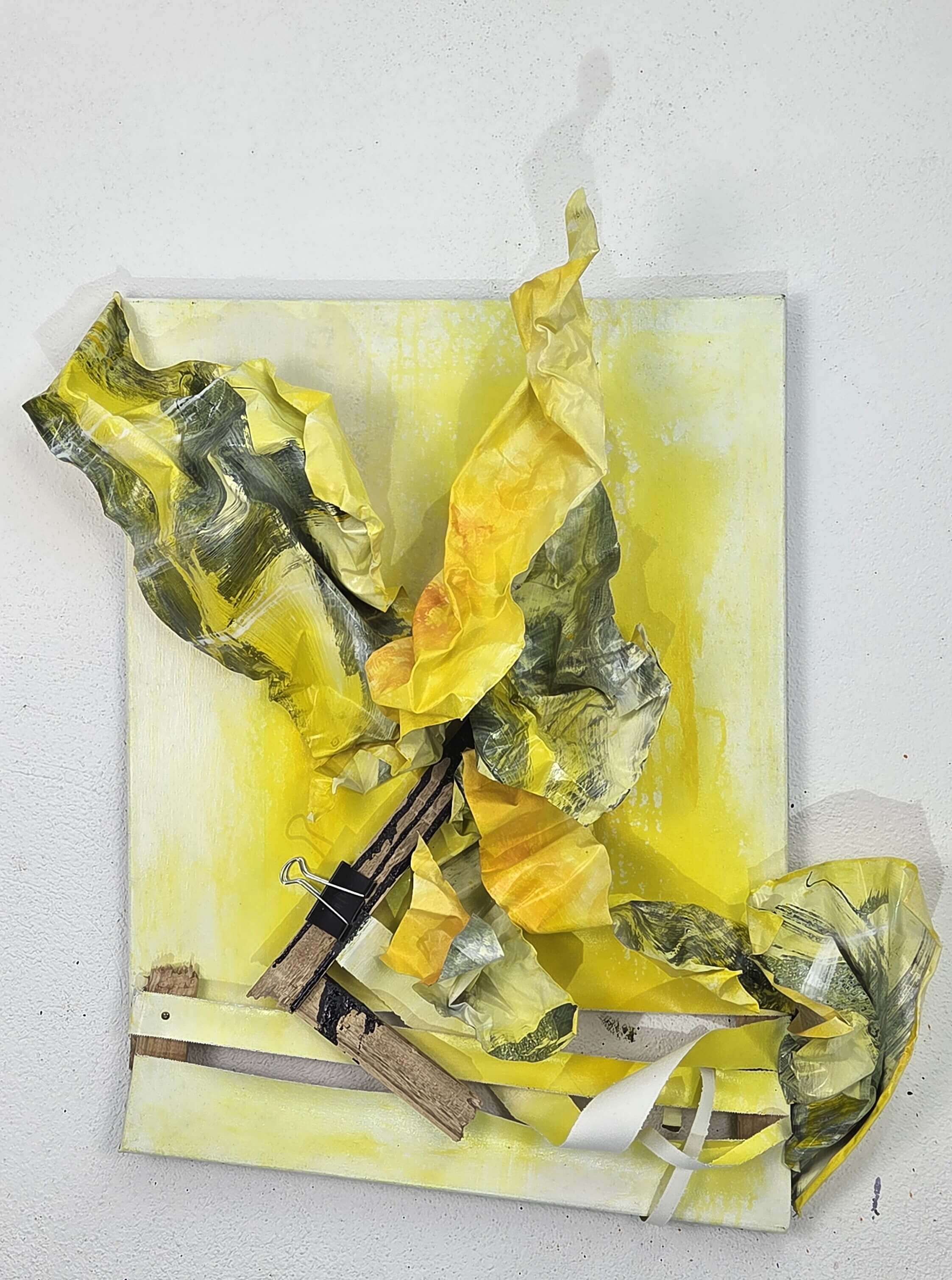
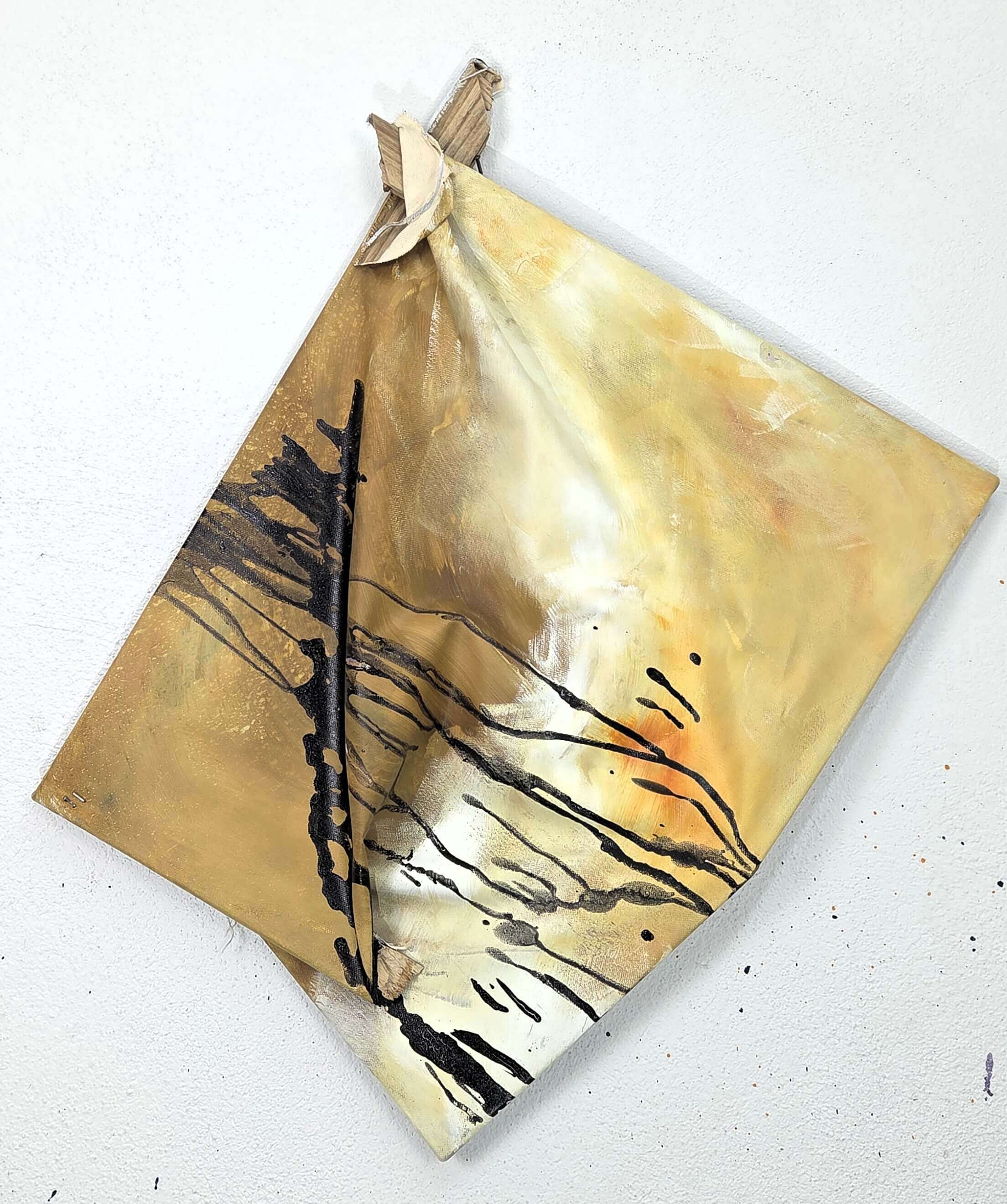
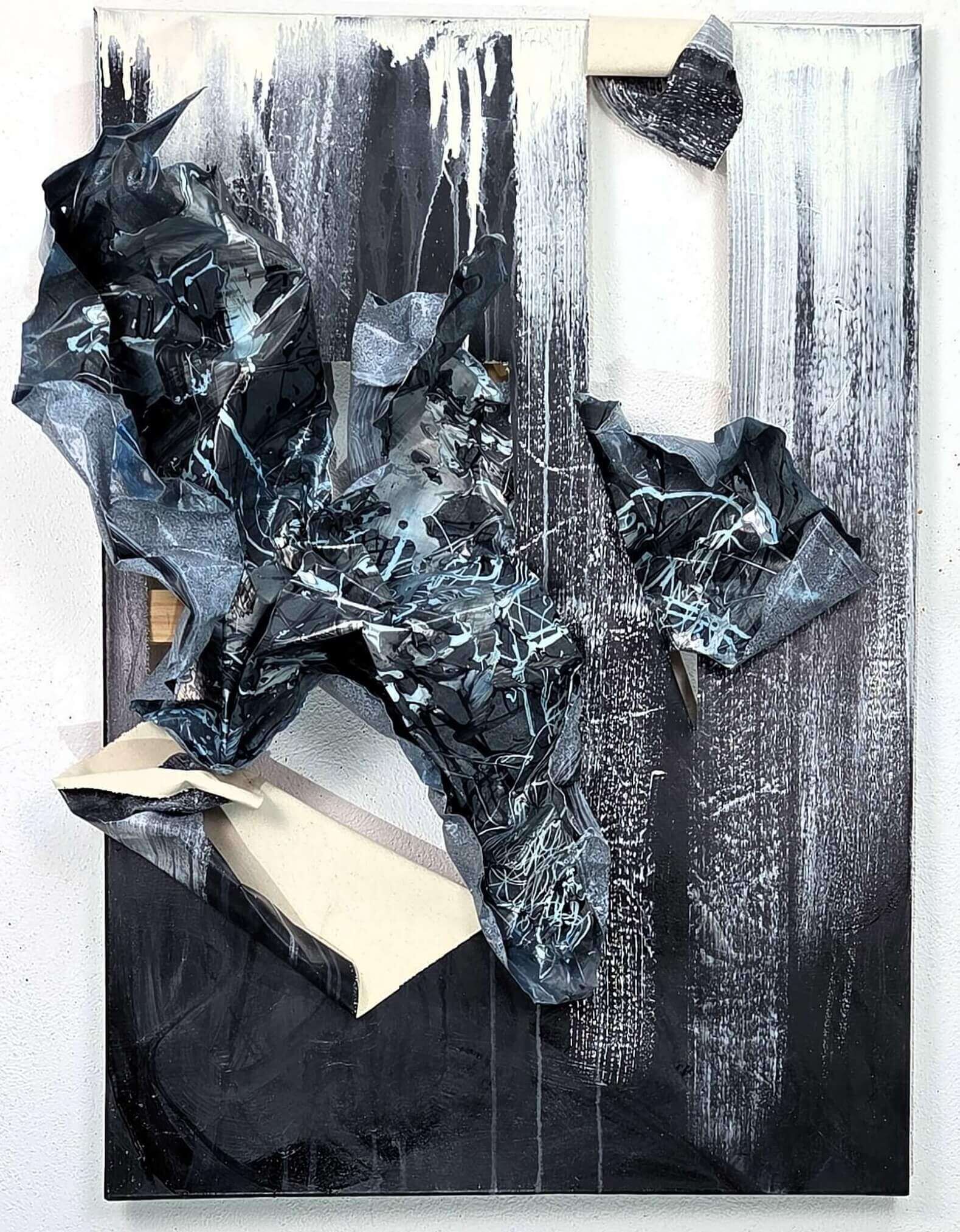
Vesna Faiazza, born in Tuzla and living in Germany since 1992, is studying painting at the European Academy of Fine Arts in Trier. Her works emerge from a direct, physical engagement with the material: impulsive gestures, visible scratches, layers and raw edges are deliberately left intact, making the process itself the central focus. Her paintings open up mental spaces between energy and tranquillity, intuition and concentration. More recently, her painting has increasingly moved beyond the two-dimensional plane – she transfers gestural principles into space, creating sculptural forms in which movement, colour and materiality can be physically experienced. Faiazza exhibits regularly in Germany and Italy, and her work combines powerful spontaneity with a deep, sensitive connection to the material.