

Black-and-white photography – minimalist images with depth
Black-and-white photography captures moments that come to life through contrast and clarity. Here you’ll find black-and-white photography that presents everyday scenes, portraits or landscapes from a new perspective. Black-and-white photography has a minimalist yet striking effect – perfect if you’re looking for art that leaves room for interpretation whilst conveying a genuine atmosphere. The works demonstrate just how much expression can be created through minimalism.
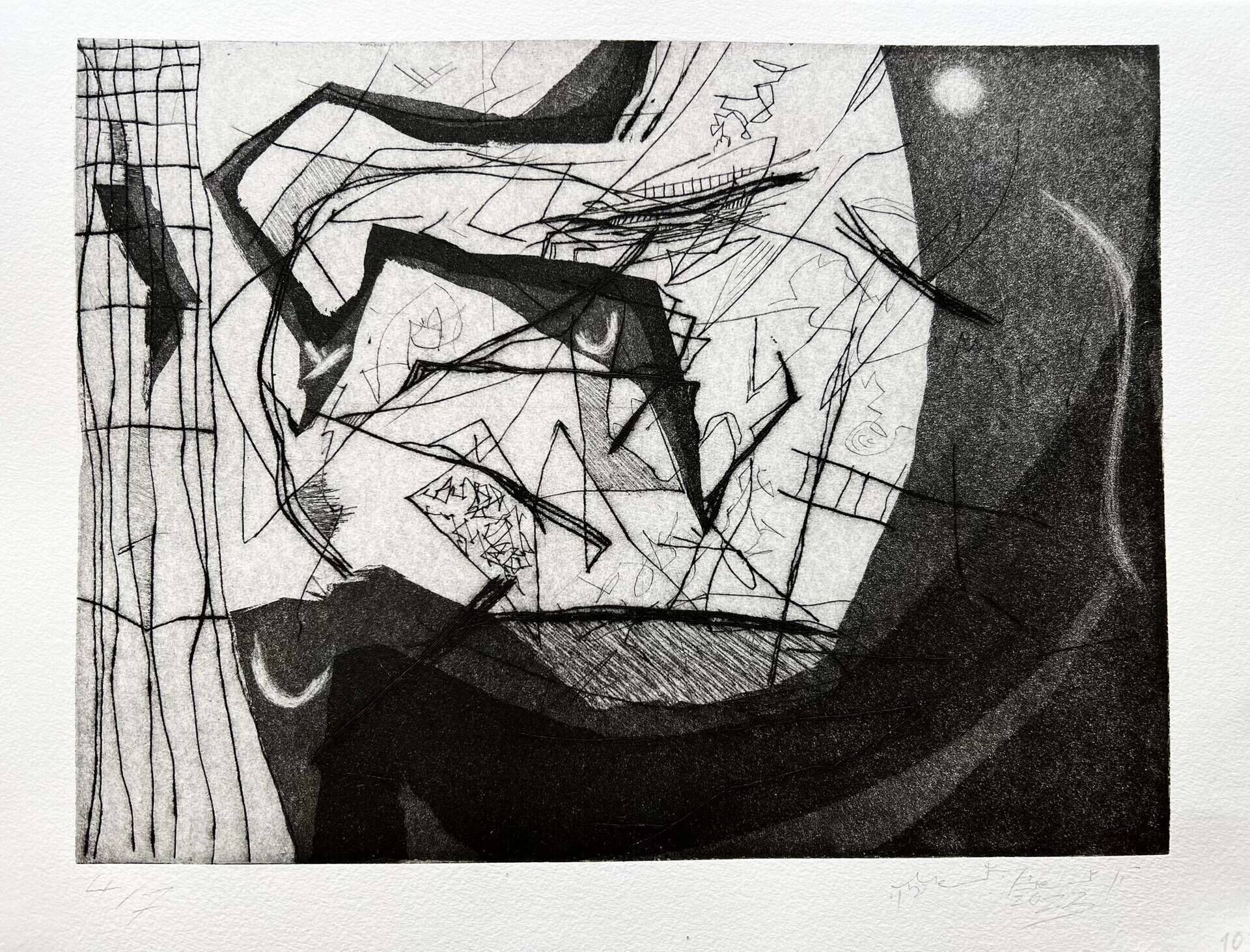

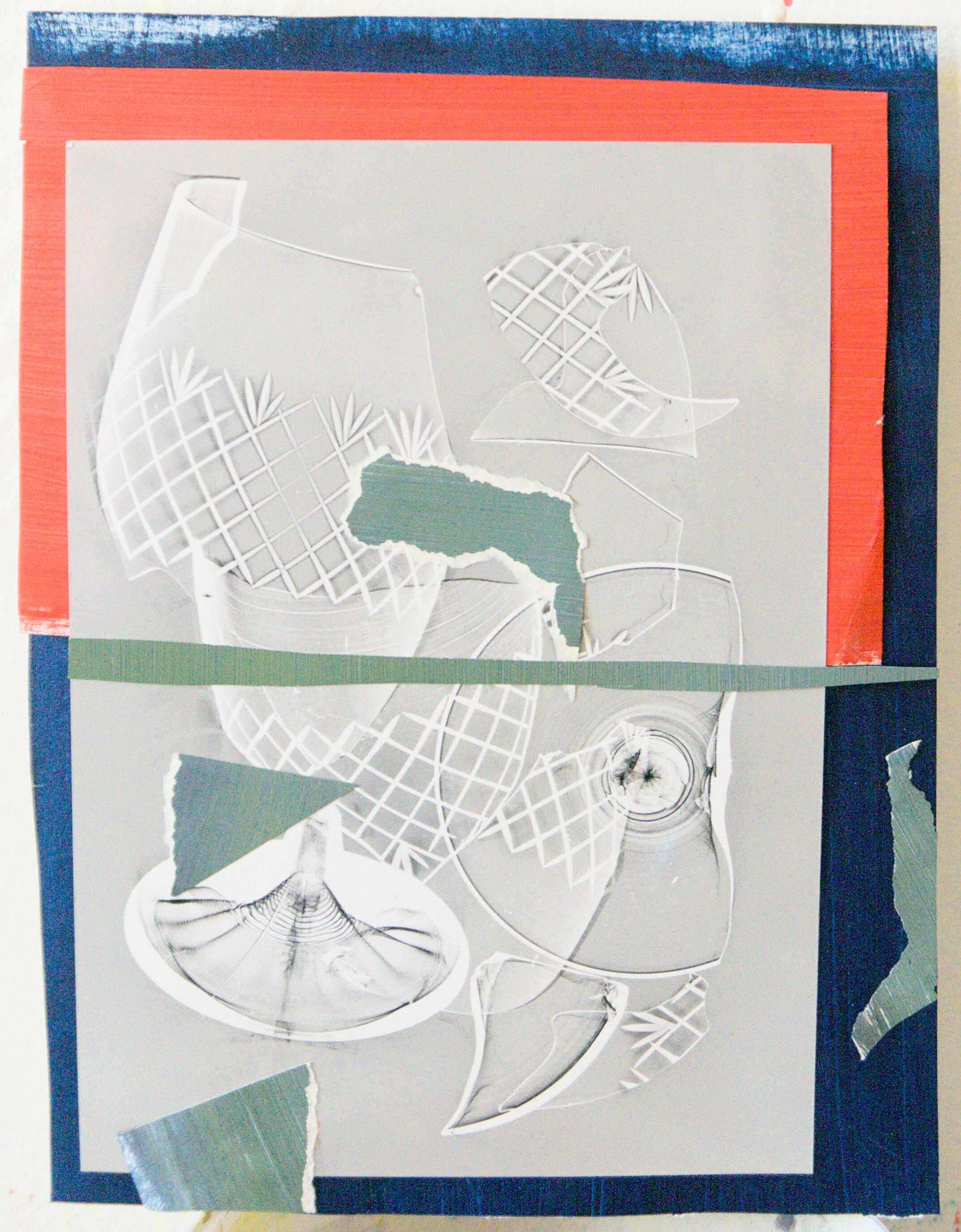
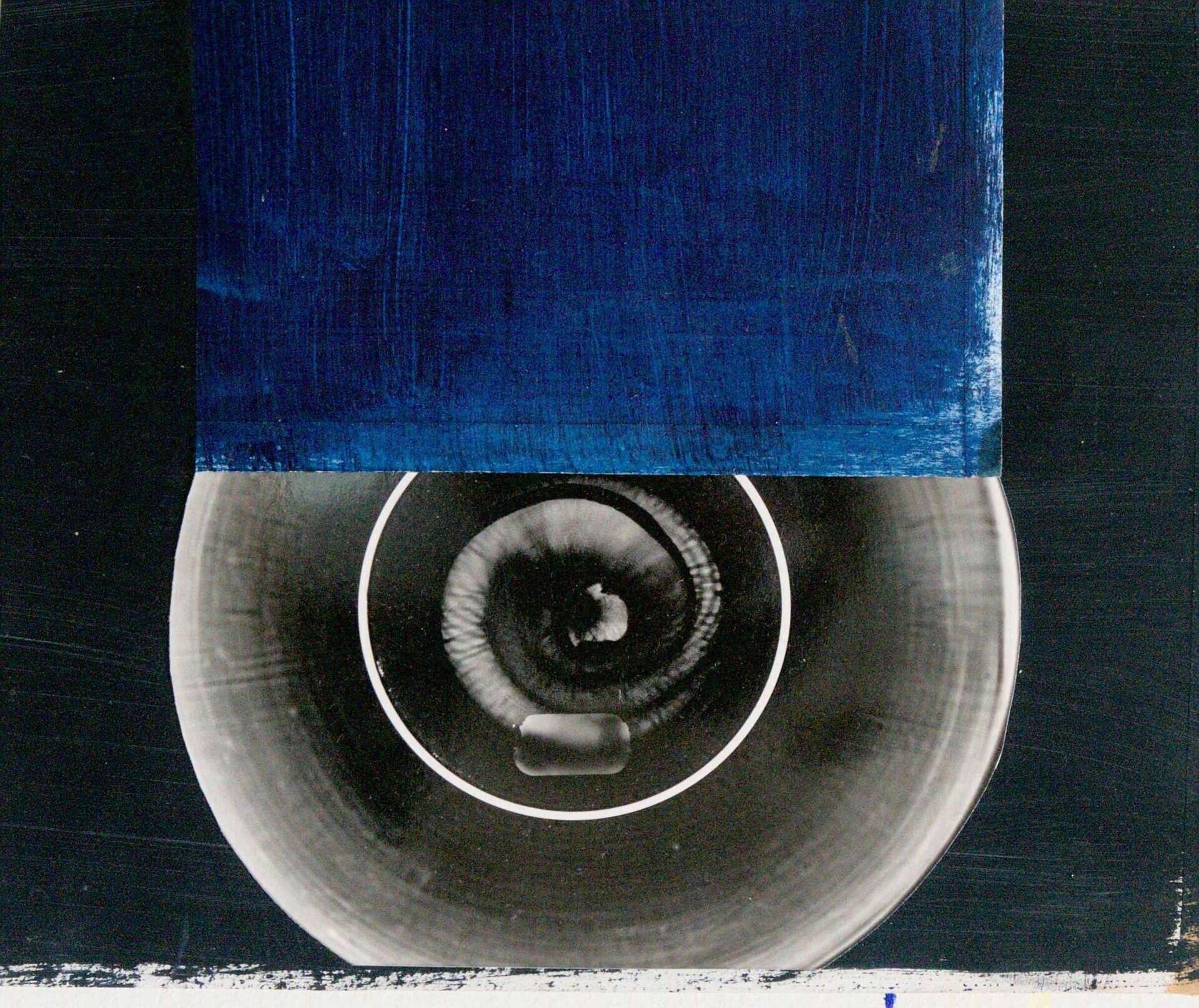
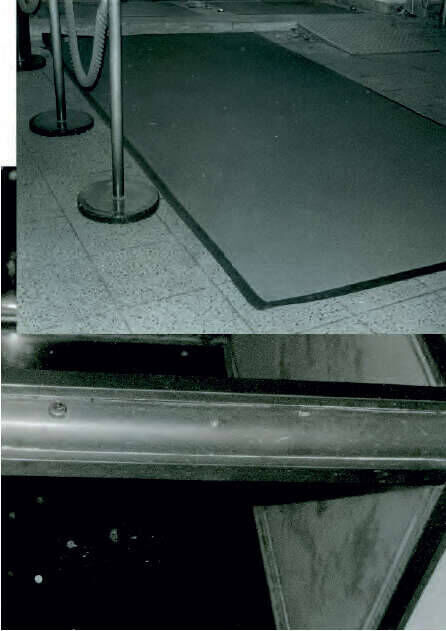
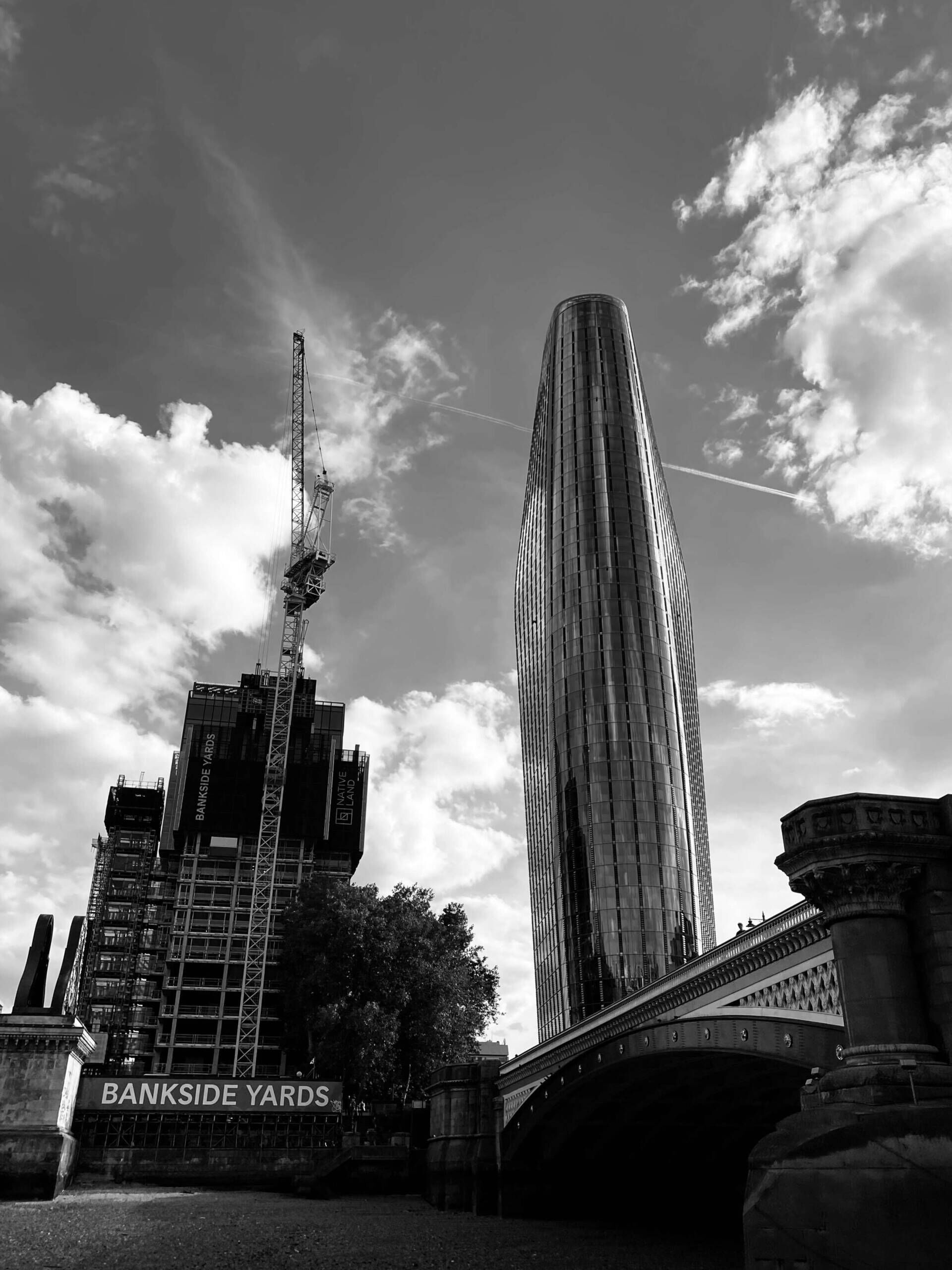
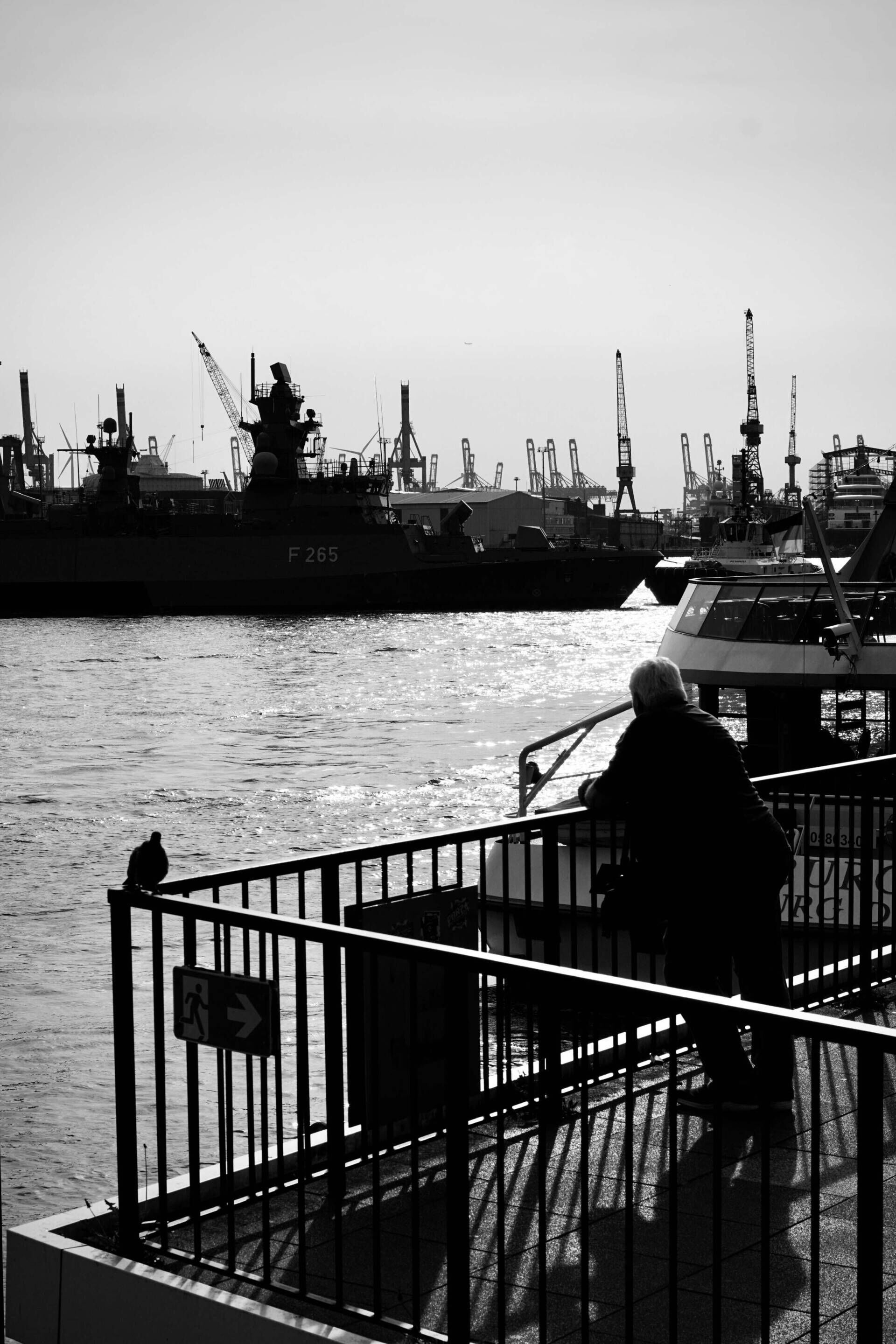
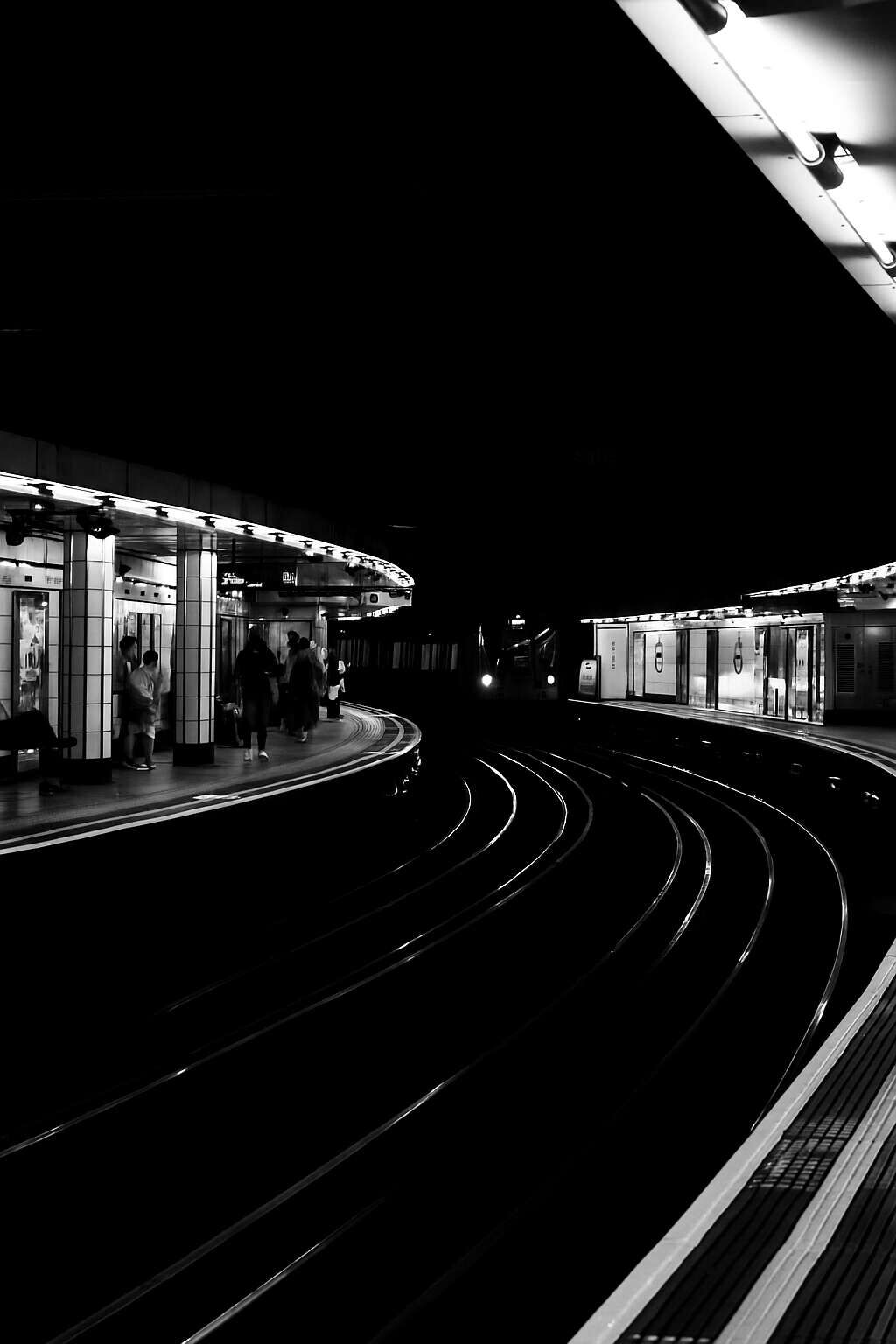
Buy black-and-white photography – unique works at SKM
The art of black-and-white photography is surprisingly difficult to master. Anyone who thinks that the absence of colour makes photography easier will soon learn otherwise. For it is precisely in this reduction that the challenge lies: without colours, light, contrasts, shapes and textures come to the fore. A powerful black-and-white photograph thrives on its composition, its expressiveness and its ability to convey emotions in a minimalist way. This is precisely what makes this type of photography so exciting – and, for many, the supreme discipline.
Even though black-and-white photography is by no means the only option any more – its impact remains undiminished. Today, it is mostly used as a deliberate stylistic device, for example in artistic photography or documentary work. Great photographers such as Ansel Adams have demonstrated the creative potential of black-and-white photography: His iconic landscape photographs are masterpieces of light and contrast, each image a carefully composed work of art. Adams himself summed it up: “A well-planned and executed black-and-white photograph gives me a much better sense of colour than I have ever achieved with a colour photograph.” Similarly, Sebastião Salgado uses only black and white in his ‘Genesis’ project to impressively bring out the essence of his subjects. The power lies in simplicity – that was true then and remains true today.
In the world of art, black-and-white photography plays a very special role. It is more than just a technical tool – it is a deliberately chosen form of expression that translates images into a language of its own, one that is timeless. By omitting colour, space is created for interpretation, for emotion, for the essential. Shapes, light patterns and contrasts come to the fore, lending the composition a new depth. In art, black-and-white photography is not merely a stylistic device, but an attitude – a clear commitment to minimalism, to a focus on the essential.
The history of black-and-white photography
The history of black-and-white photography is almost as old as photography itself. The first photographs were taken in the 1830s – exclusively in shades of grey, as there were simply no colour processes available. At the time, people simply referred to it as ‘photography’; the term ‘black and white’ only emerged later with the advent of colour photography. The images from this period displayed nuances of light and shadow ranging from deep black to bright white – a reduction that, to this day, represents a visual language all of its own.
A milestone for black-and-white photography was the introduction in 1871 of the silver print process on glass plates, which quickly became the standard. It enabled stable, reproducible images and, for the first time, made photography accessible to the masses. All early photographic processes are now classified as analogue black-and-white photography – based on light-sensitive, chemically coated surfaces. Even though digital processes dominate today, the classic, analogue principle lives on – as a conscious artistic choice.
Although the first colour photograph was taken as early as 1861, black-and-white photography remained the most important medium for a long time. Colour was often perceived as disruptive or distracting. To this day, many photographers appreciate the clarity with which black and white reduces a scene to its essentials – to shapes, contrasts, light and texture. Even in the digital age, black-and-white photography has maintained its place: in art, in photojournalism, and in advertising. It is not a relic – it is a stylistic device, a form of expression and a living language of photography.
What is the secret to a good black-and-white photograph?
A good black-and-white photograph does not begin in post-processing – it begins in the mind. Simply desaturating any old colour photograph will rarely result in a compelling image. Black-and-white photography demands intention. The question is not: ‘What does it look like in black and white?’, but: ‘Why does this image need to be in black and white?’. Some scenes gain power by being reduced to tonal values, contrasts and shapes. Others lose their impact when their colour is removed. Anyone who photographs in black and white is foregoing a creative tool – and must therefore be all the more conscious of their choices regarding composition, light and message.
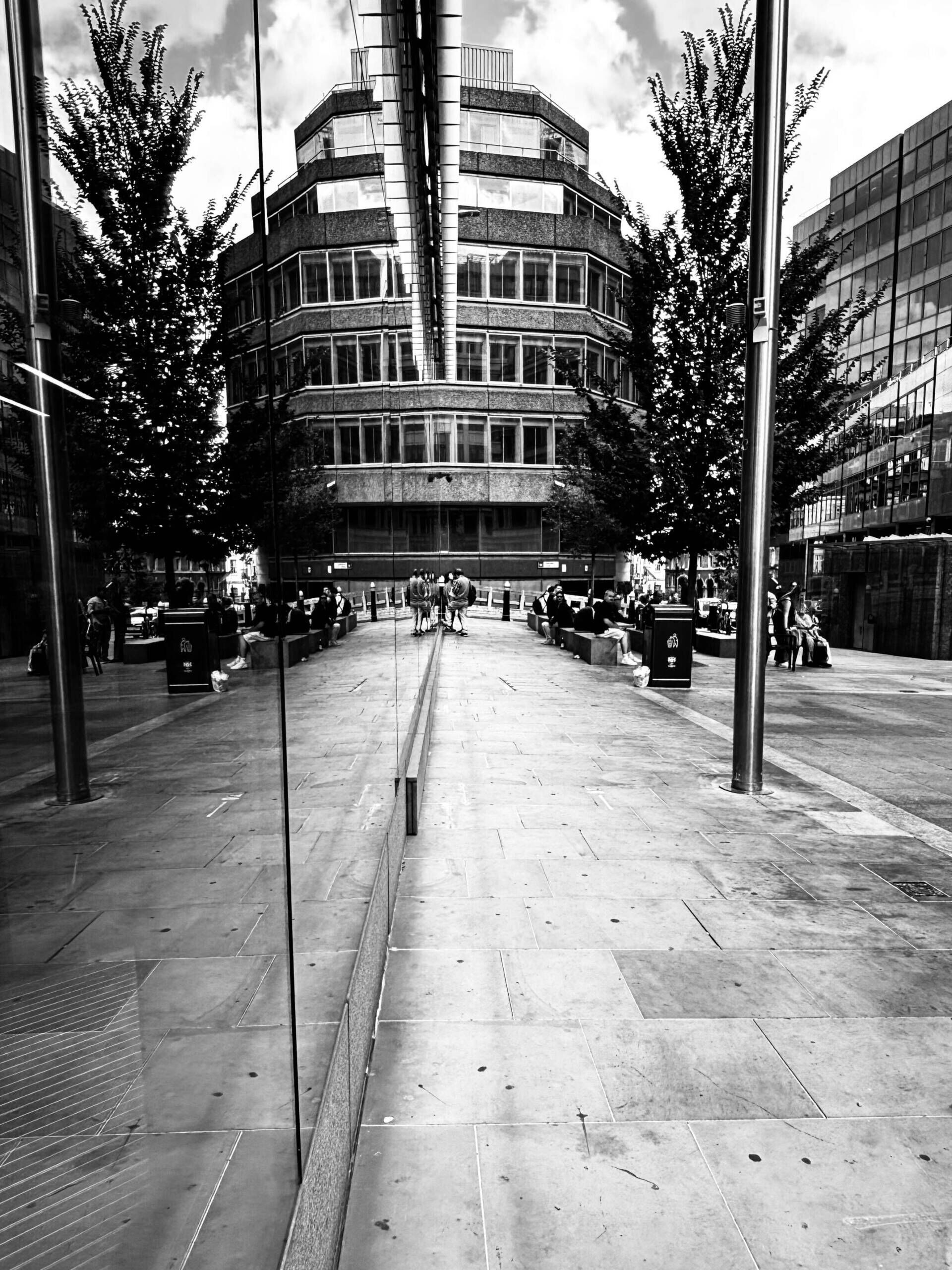
Contrast is far more than just the difference between black and white. It structures the image, guides the eye and intensifies emotions. High contrast creates drama, clarity and tension – low contrast, on the other hand, has a gentle, calm and poetic effect. Tonality is equally crucial: light images radiate a sense of lightness, whilst dark ones appear mysterious or serious. Even the slightest shade of grey can influence the mood of the image. This is why lighting is particularly important in black-and-white photography – because without colour, light, shadow and shades of grey take full responsibility for atmosphere, expression and visual depth. Anyone wishing to create a good black-and-white photograph must learn to ‘paint’ deliberately using these elements.
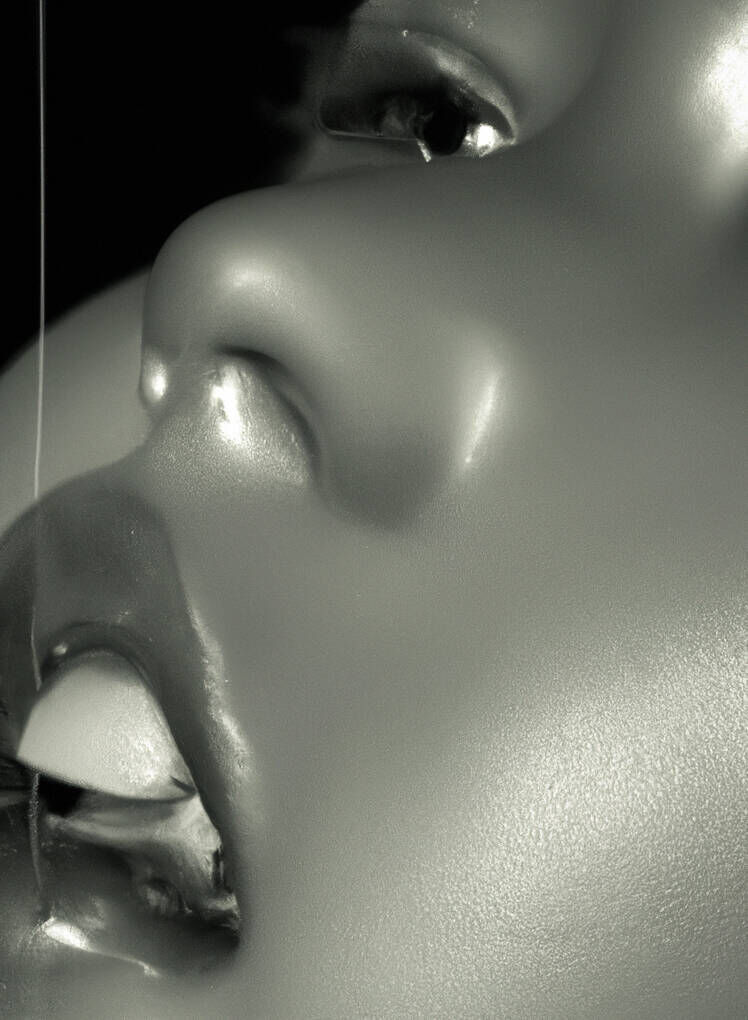
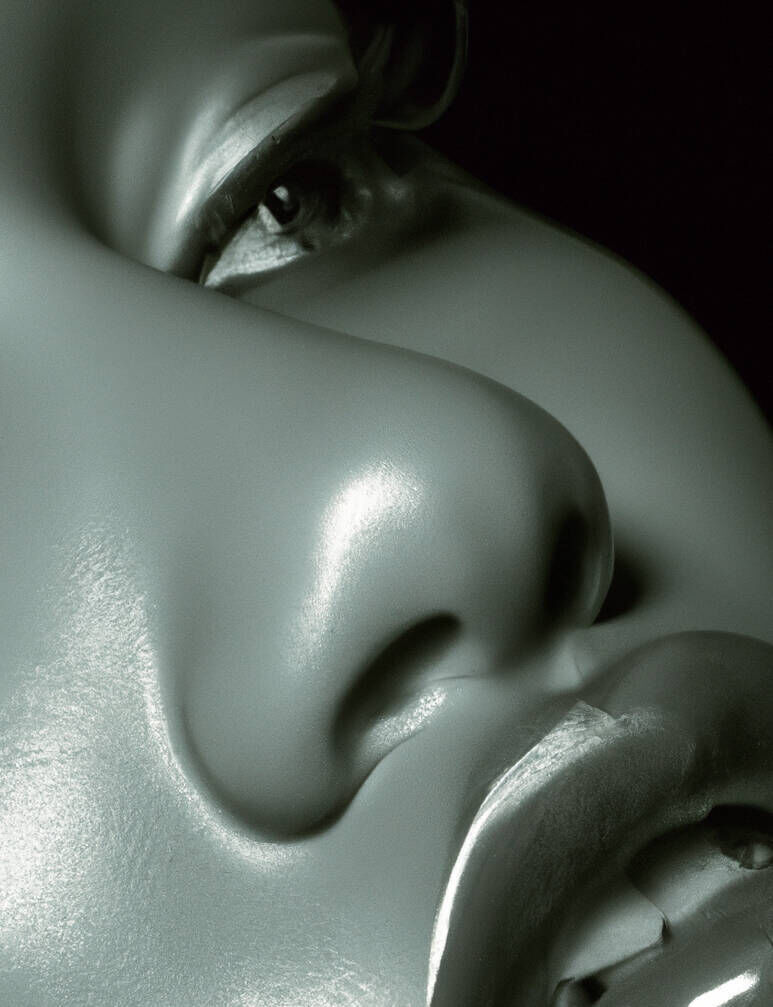
In the absence of colour, the graphic structure of the image comes to the fore: lines, planes, repetitions and contrasts of form. Good black-and-white photography makes deliberate use of these elements – not merely to show objects, but to make a statement. Textures such as stone, skin, mist or metal often reveal an unexpected power when rendered in monochrome. And what about composition? It determines whether an image appears flat or deep, banal or meaningful. In black and white in particular, everything must be just right: lighting, perspective, distance. Anyone wishing to create a powerful image must consciously interpret their scene – and then translate it as clearly as possible into tones, lines and planes.
Black-and-white art
Black-and-white photography is regarded as one of the purest forms of photographic art. Without the distraction of colour, the eye automatically focuses on form, light, structure and emotion. This reduction to the essentials lends black-and-white images a special depth and timelessness. It compels both the viewer and the photographer to look more closely – to search for meaning rather than being seduced by the superficial. In a world full of colourful stimuli, black and white creates space for concentration, for interpretation – for art.
Many of the most significant photographers in history have worked in black and white. Names such as Ansel Adams, Henri Cartier-Bresson and Diane Arbus are inextricably linked with the aesthetic of grey tones. Their works demonstrate that black-and-white photography is far more than a technical limitation – it is a conscious creative choice. Even today, artists deliberately employ monochrome techniques to create visual clarity or emotional intensity. In contemporary art photography, black and white has lost none of its relevance – on the contrary: it stands for attitude, depth and a powerful visual language.
A black-and-white photograph never merely recounts ‘what was’ – it conveys how something was seen. Colours can document reality; black and white abstracts it. It opens up a level of interpretation that elevates the image – almost like a drawing or a poem. It is precisely this abstraction that makes black and white so exciting for artistic work: light and shadow become compositional tools, whilst lines and textures take on the role of symbols. Those who work in black and white do not simply create an image – they shape a new reality
Black-and-white photographs by young artists
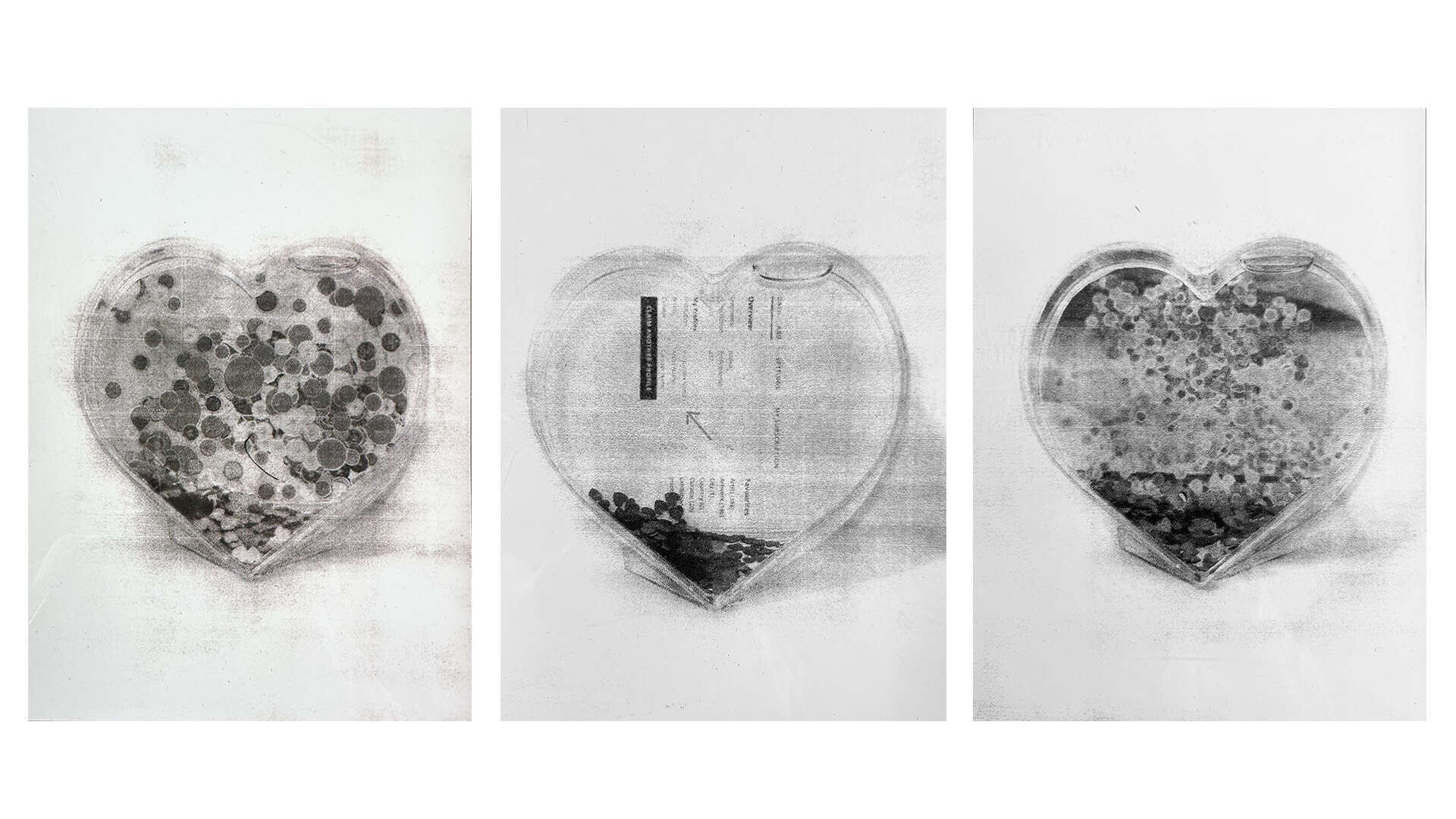
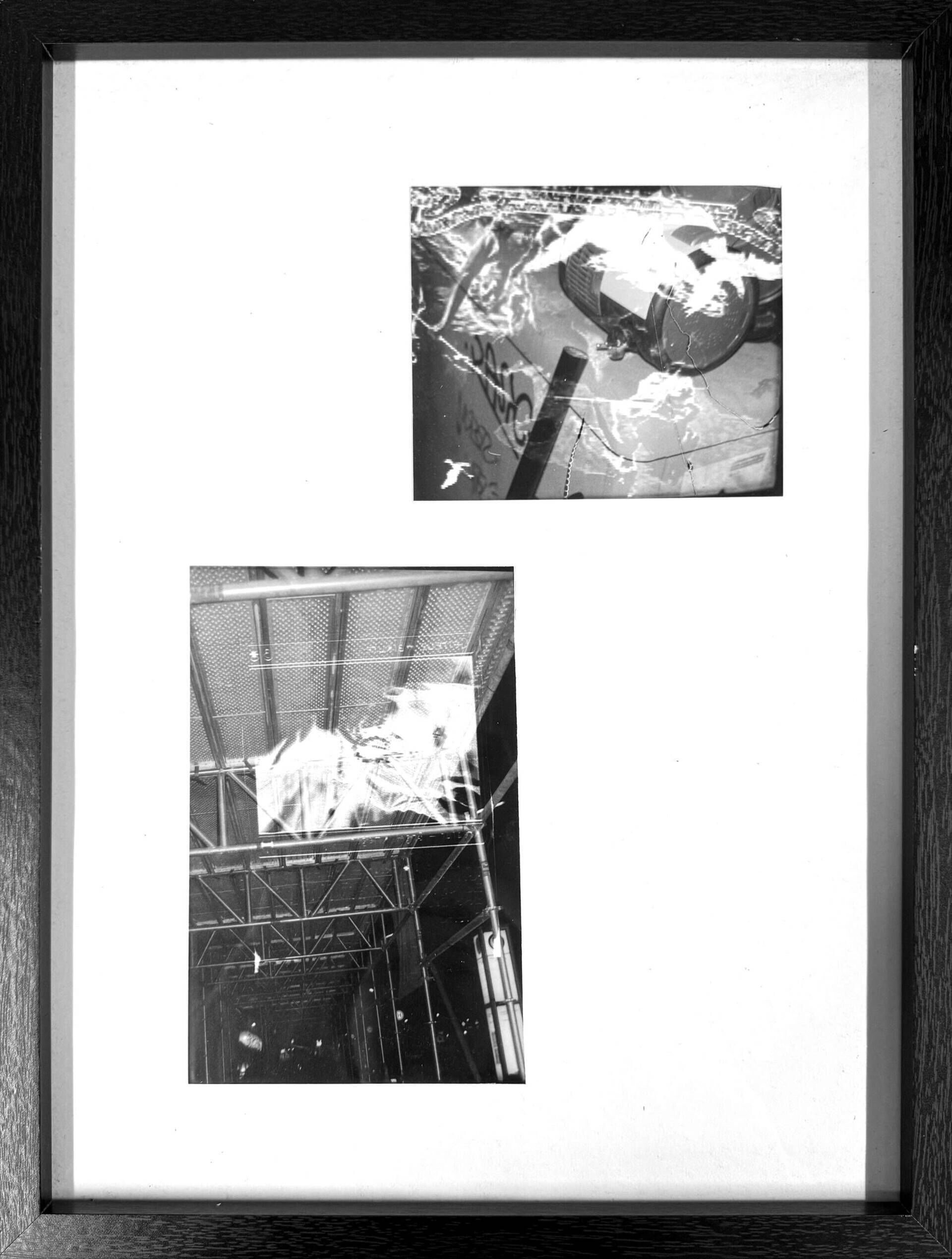
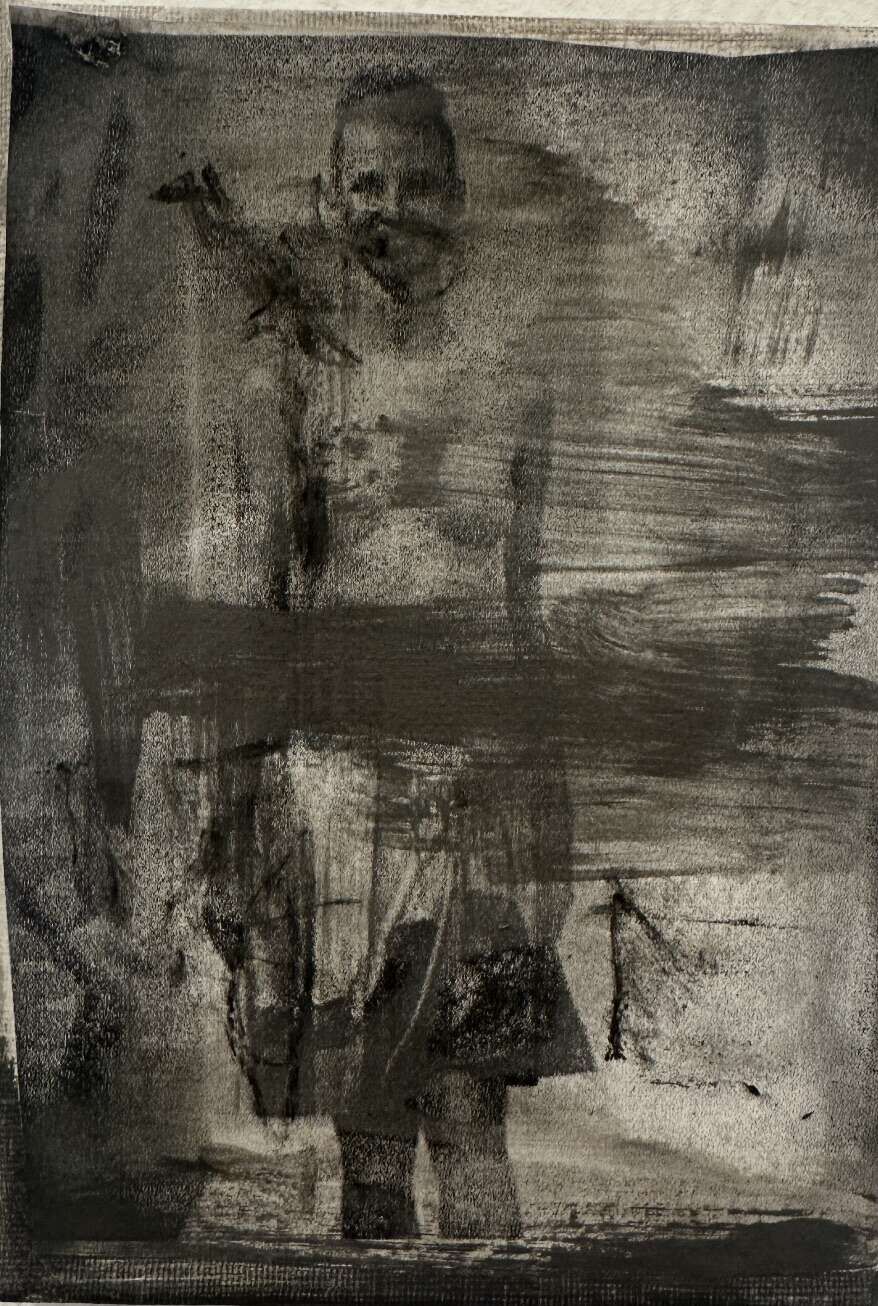
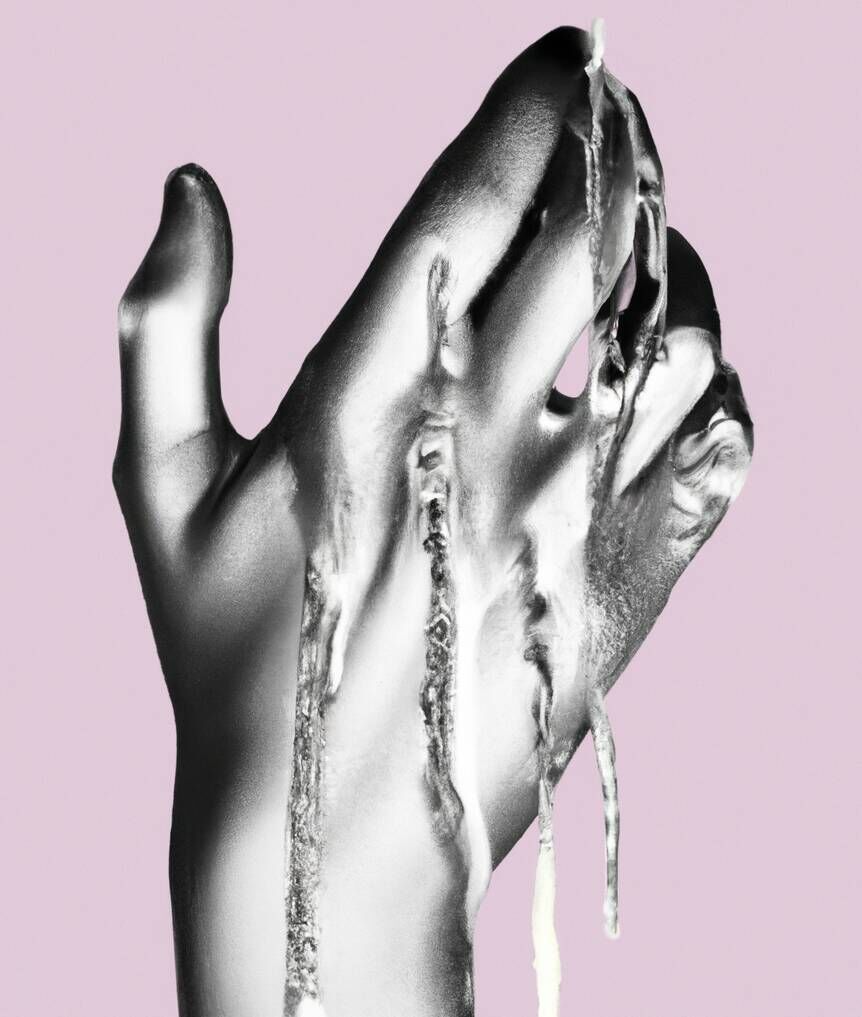
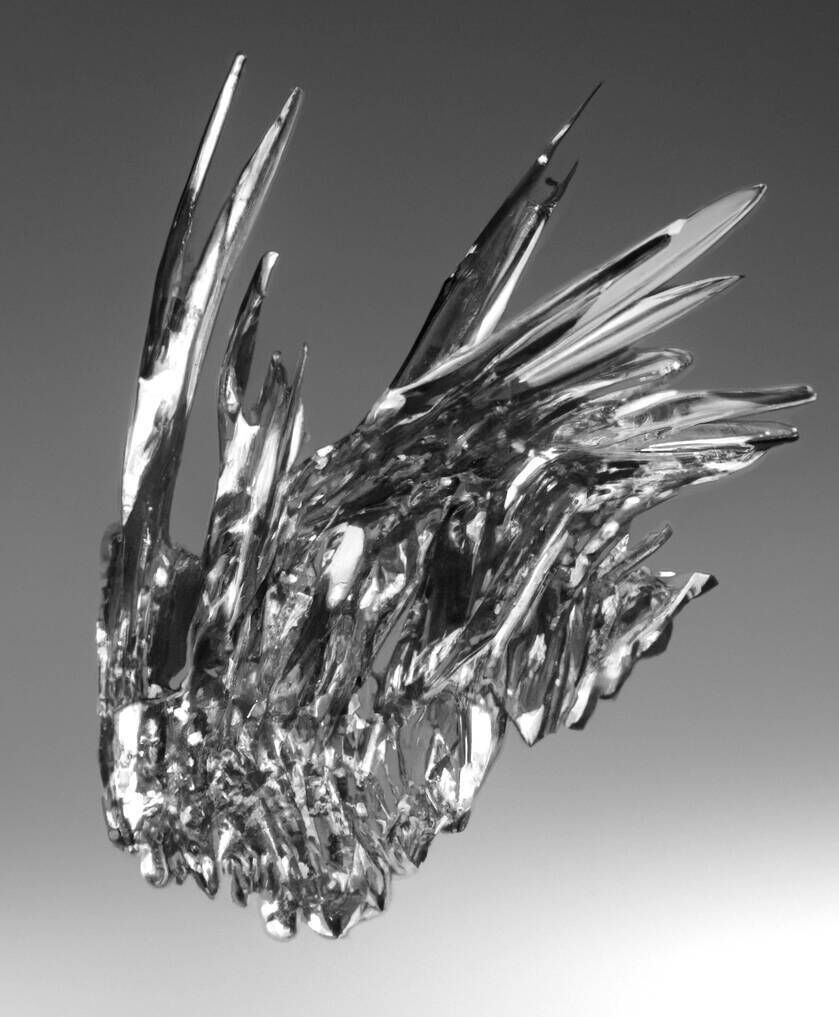
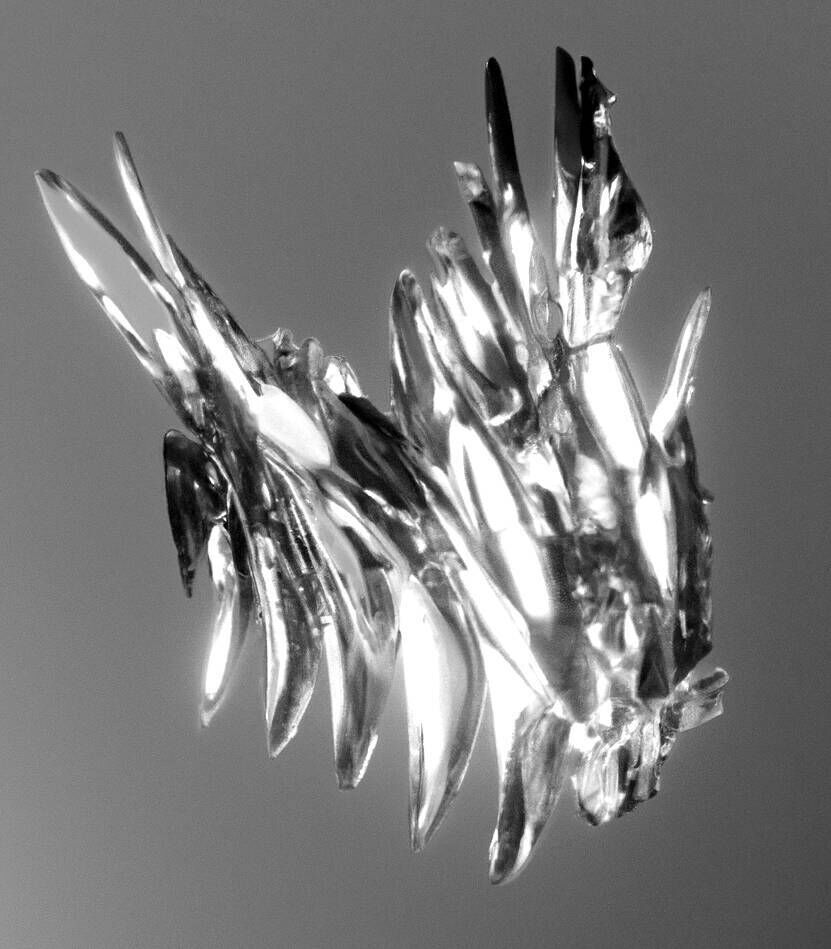
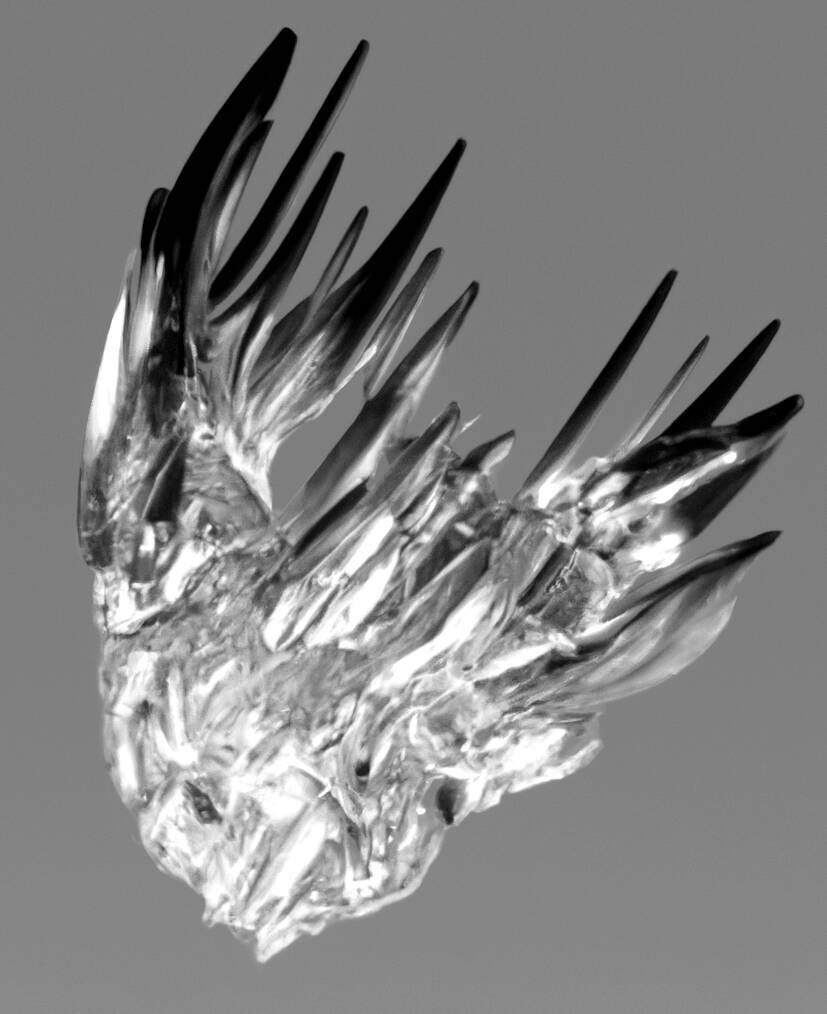
At Studierenden Kunstmarkt, we have a wide range of high-quality and simply beautiful black-and-white images in our collection – whether modern black-and-white images, black-and-white portraits or black-and-white paintings. Some of our artists photograph exclusively in black and white, such as Enhao Zhang, whilst others complement their artwork with striking black-and-white images such as Isabella Melis or Nico Waldemar Dabek. In any case, black-and-white images bring a timeless, classic atmosphere to your living room or the rest of your home, and their minimalist nature leaves room for your own individual emotions and interpretation. Discover your new favourite black-and-white photograph with us today.


FAQs on black-and-white photographs
Für starke Schwarz-Weiß-Fotos ist ein bewusstes Spiel mit Licht, Schatten und Kontrasten entscheidend. Statt auf Farben richtest du den Blick stärker auf Formen, Linien, Struktur und Tiefe. Eine klare Lichtquelle, interessante Texturen und ein gut gewählter Bildausschnitt verstärken die Wirkung. Eine präzise Nachbearbeitung hilft, Tonwerte herauszuarbeiten und das Motiv harmonisch auszubalancieren.
Schwarz-Weiß-Fotografie wird oft einfach als „Monochromfotografie“ oder „monochrome Fotografie“ bezeichnet. Der Begriff beschreibt Bilder, die nur aus Helligkeitsstufen bestehen – von tiefem Schwarz bis zu hellem Weiß. Je nach Kontext spricht man auch von Graustufenfotografie. Alle Begriffe beziehen sich auf denselben reduzierten, farbunabhängigen Bildstil.
Schwarz-Weiß war bis in die Mitte des 20. Jahrhunderts der fotografische Standard, da Farbfilm technisch komplex und lange Zeit sehr teuer war. Erst ab den 1950er- und 1960er-Jahren setzte sich Farbfilm allmählich durch und wurde massentauglich. Dennoch blieb Schwarz-Weiß ein wichtiges künstlerisches Medium und wird bis heute bewusst gewählt. Moderne digitale Kameras und Software ermöglichen zusätzlich hochwertige monochrome Bildgestaltung.
