Metal sculptures exuding a noble tranquillity
Metal radiates a profound sense of untamed energy: reflective, sharp-edged or surprisingly soft. Metal sculptures embody the power of nature combined with human craftsmanship. Here, young artists demonstrate just how versatile this material can be. They bend, weld, cut and shape metal into works brimming with energy and contrast – straddling the line between industrial aesthetics and delicate poetry. Every metal sculpture is a play on light, movement and materiality – and a statement of artistic freedom.
Metal sculptures as a timeless presence
Metal sculptures occupy a firm place in art history. They bring together opposites such as hardness and malleability, weight and lightness, industry and craftsmanship. Since ancient times, artists have used metal to leave a lasting mark – from ritual objects to monumental works in public spaces. Metal sculptures can dominate a space or exert their influence more subtly; they can shine, rust, reflect or absorb light. It is precisely this versatility that makes them so fascinating to this day.
In the 20th century, metal sculpture gained a new freedom. Artists began no longer merely to cast or forge metal, but to cut, weld and think constructively in space. This gave rise to an art form that combines architecture, technology and aesthetics. When viewing metal sculptures, one experiences not just a form, but a dynamic interplay of material, space and movement. Buying metal sculptures means choosing a work that will stand the test of time. Metal ages, develops a patina and thereby gains character. At the same time, it remains stable and durable – ideal for creating striking accents indoors or for enduring outdoor display.
Metal figures: between the human form and structure
Metal sculptures are among the oldest forms of expression in the art of sculpture and reflect the close connection between craftsmanship, technology and the representation of the human form. As early as antiquity, figurative metalworks – particularly those in bronze – were created, depicting gods, rulers or idealised human proportions. These early works combined technical skill with a commitment to durability and representation. In the Middle Ages, sculpture continued to develop primarily within sacred contexts – as reliquaries, altar decorations or sculptural elements in architecture. Over the centuries, metalworkers refined their techniques: casting, repoussé, forging and riveting enabled ever more precise forms and detailed surfaces.
Each metal possesses its own unique physical and aesthetic qualities. Bronze captivates with its warm patina and historical depth; steel symbolises strength, tension and industrial clarity; stainless steel reflects light and its surroundings almost like a mirror; whilst copper changes over time, developing vibrant colour gradients. Artists make a conscious choice of material, as it determines not only the durability but also the emotional impact of a metal sculpture. Techniques such as welding, casting, forging or plasma cutting each open up different possibilities for expression – from finely modelled surfaces to clean, structural lines.
With industrialisation, the range of materials available expanded significantly. Iron, steel and, later, aluminium found their way into sculpture, fundamentally changing not only the aesthetics but also the working methods. Steel sculptures were now increasingly created using additive processes: individual elements were constructed, welded or bolted together, rather than being carved from a single block. This approach opened up new formal possibilities – open structures, vistas and space-filling constructions became just as important as the figure itself. Visible weld seams, hammer marks or untreated surfaces were deliberately left as part of the work and, to this day, tell the story of the creative process behind every metal sculpture.
Metal art through the ages
In the 20th century, metal sculpture began to move increasingly away from classical, lifelike figuration. Although the human body remained a central point of reference, artists now interpreted it more freely: fragmented, abstracted or translated into constructive structures. Whilst works such as Auguste Rodin’s “The Thinker” still demonstrate how expressively bronze can be used in figurative sculpture, other approaches paved the way for modernism.&Julio González developed welded line drawings in space that no longer modelled volume, but rather made space visible. David Smith took this approach further and created expressive steel sculptures that oscillate between physicality and abstraction. With Alexander Calder abstract metal art was given a new lease of life: His delicate mobiles made of wire and metal plates react to air currents and expanded the scope of abstract sculpture to include time, balance and dynamism.&
At the same time, metal artworks also made their mark on the architectural scale, shaping some of the most famous sculptures of the industrial age. The Eiffel Tower by Gustave Eiffel, originally intended as a temporary structure for the 1889 World’s Fair, is today regarded as an iconic metal sculpture that combines engineering and aesthetics in a monumental way. Equally influential is the Statue of Liberty by Frédéric Auguste Bartholdi, whose copper cladding rests on a steel framework and which is still regarded today as a symbol of freedom and democracy. In the second half of the 20th century, Richard Serra once again transformed the perception of metal: His massive steel walls and series such as the “Torqued Ellipses” are walk-through spatial structures that allow visitors to experience weight, movement and physical sensation directly, and which leave a lasting mark on public space.
Contemporary metal art and artworks link these historical developments with new technologies and questions. CNC milling, computer-controlled cutting, industrial manufacturing and the use of recycled materials significantly expand the range of expression. Today, metal paintings or sculptures often serve less to depict than to question – issues of identity, body image, urbanity or the tension between humans and technology. The result is a contemporary metal sculpture that combines depth of craftsmanship, technical expertise and conceptual openness, whilst consistently building on the history of this material.
Art with substance: buying metal sculptures
Buying a metal sculpture means choosing a work of art with a lasting presence. Metal possesses a special authority: it transforms spaces in a lasting way whilst remaining open to new interpretations. Whether abstract or figurative, large sculptures for the living room or office – a metal sculpture quickly becomes the focal point of its surroundings. At the Student Art Market, you’ll find contemporary works and metal wall art that boldly push the boundaries of the medium. Whether steel sculptures, sheet metal artworks or stainless steel sculptures – here, metal sculptures often emerge from experimental approaches, recycled materials or unusual combinations of techniques. The purchasing process is transparent and direct – and you’ll be supporting artists at a crucial stage in their careers.
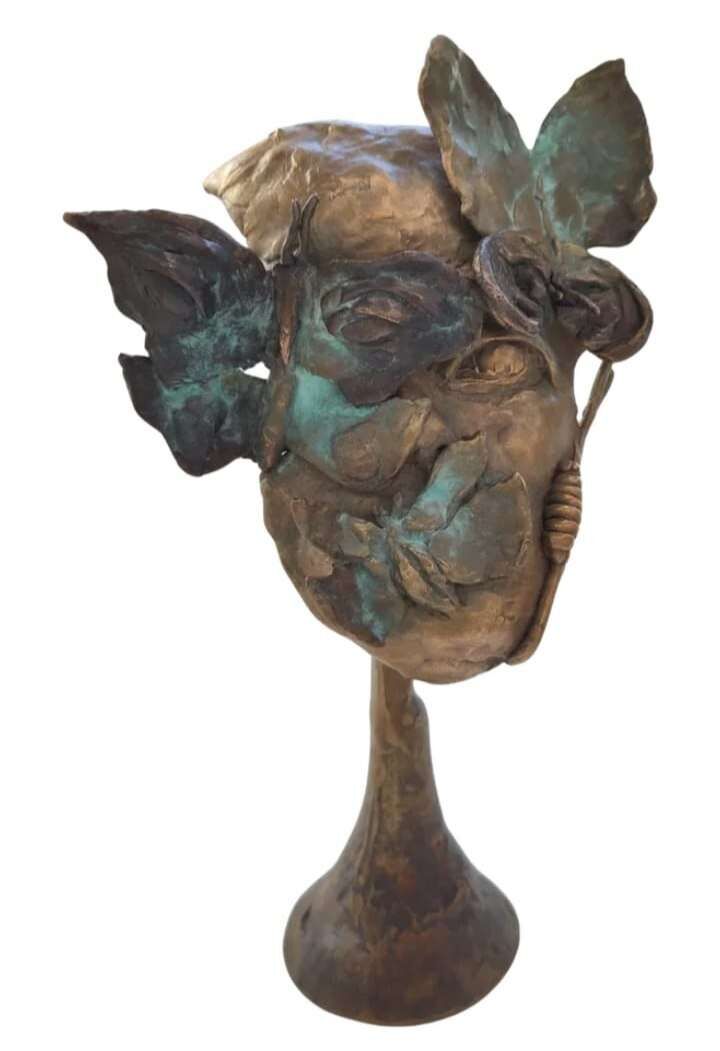
A metal sculpture or artwork made from sheet metal is equally suited to living spaces, gardens or work environments. It takes on a fresh appearance as the light changes and develops its own character over the years. Anyone who collects metal sculptures is investing not only in an object, but in the quality of craftsmanship, artistic vision and timeless appeal. Emerging artists and abstract sculptures in particular demonstrate just how vibrant the medium is. A contemporary metal or stainless steel sculpture often combines precision craftsmanship with social issues and a personal artistic style within a single work of art. This brings art to life – enduring, distinctive and full of expressive power. With us, you can find not only metal sculptures, but also sculptures made from wood, stone, ceramics or mixed media here. Here we’d like to introduce you to a small selection of SKM artists who create art from steel or metal decorative items:
Dominik Ackermann, a postgraduate student in Christian Sery’s class at the Dresden Academy of Fine Arts, explores the relationship between people and urban space in his work. His figures appear anonymous, aloof and alien – deliberately stripped of their individuality. They merge with architectural structures, dissolve into fragments and become part of a larger, often austere setting. Within this tension, a quiet yet intense dialogue emerges: between physical presence and aloofness, between the viewer and those people whom they constantly encounter, yet who remain elusive.
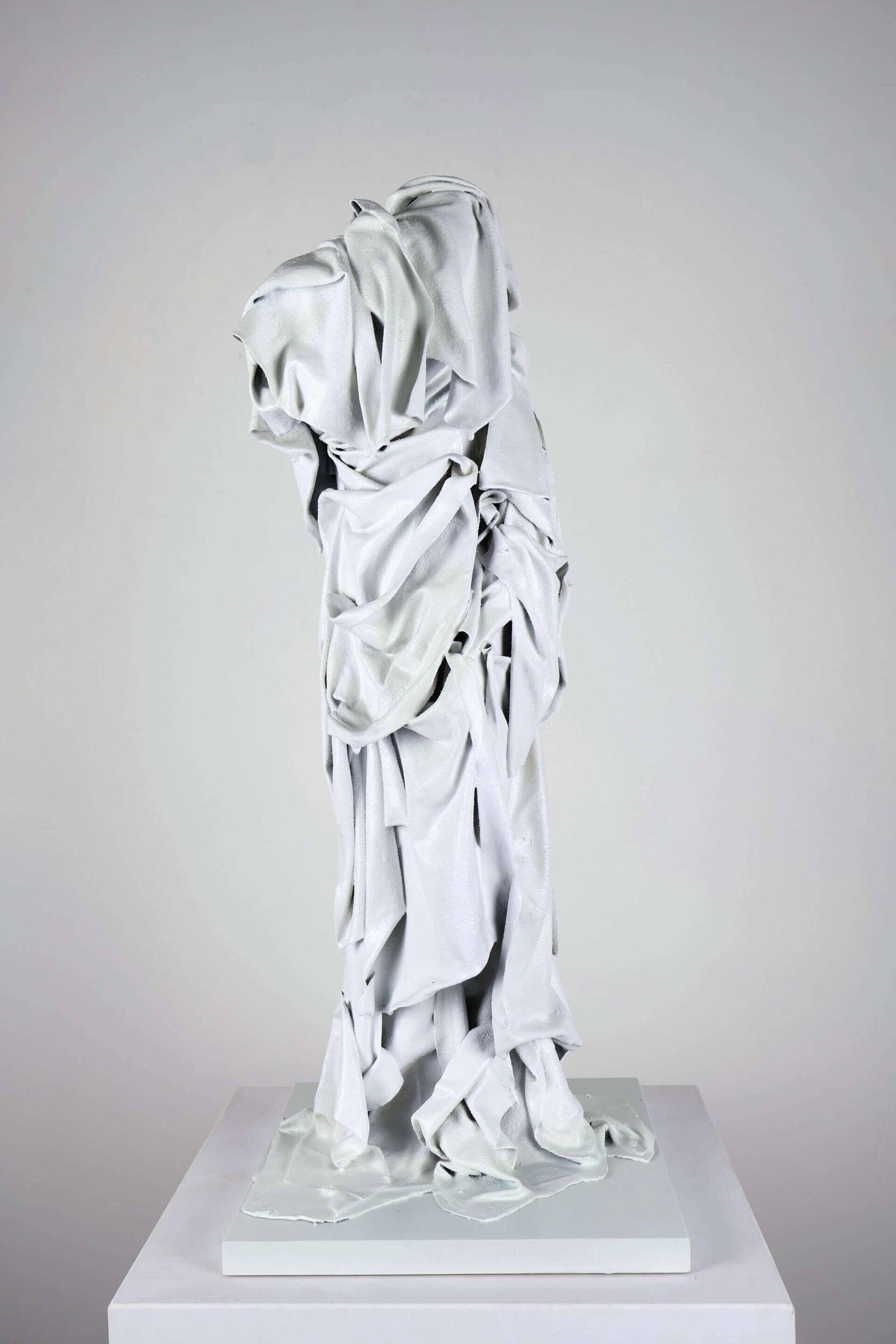
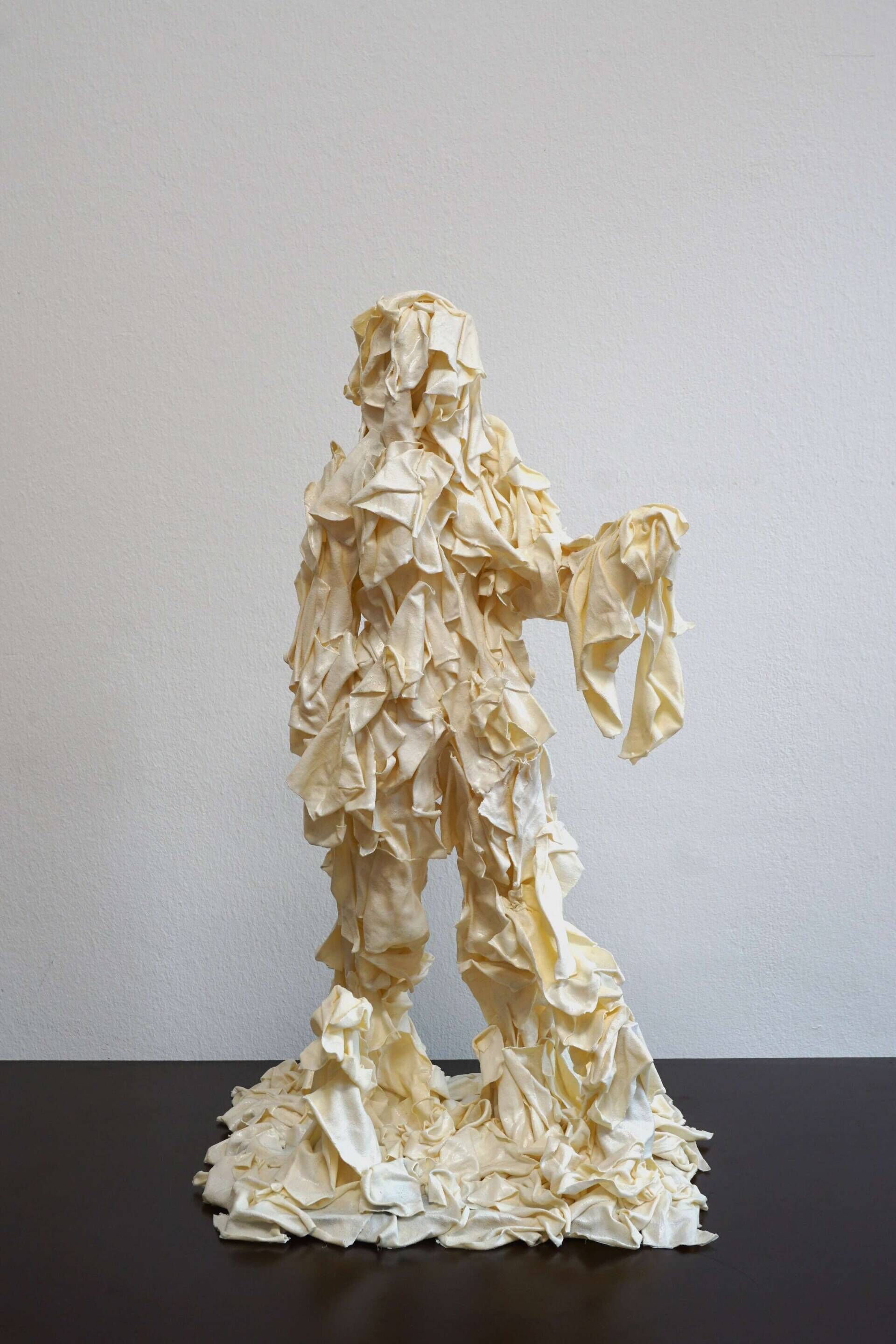
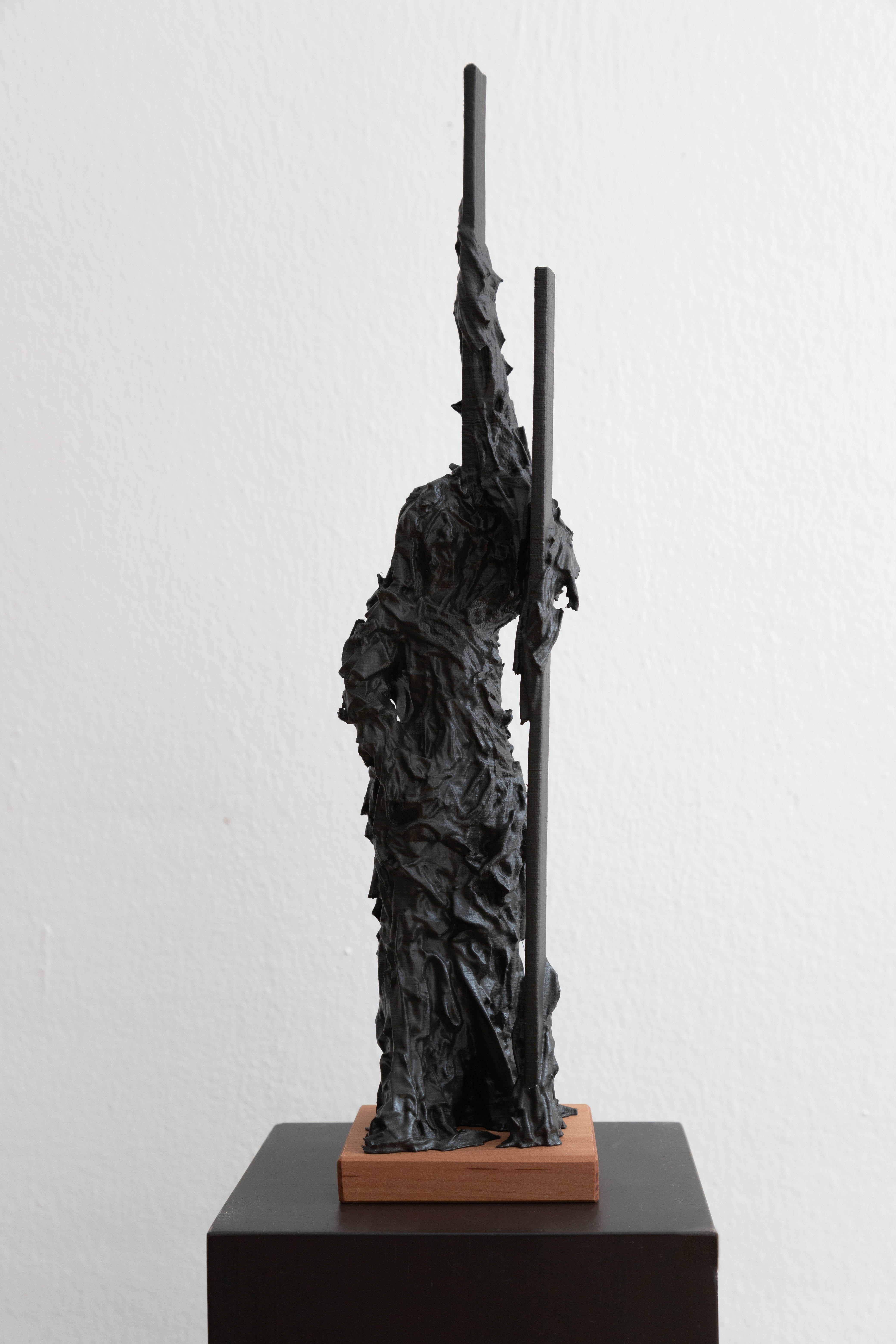
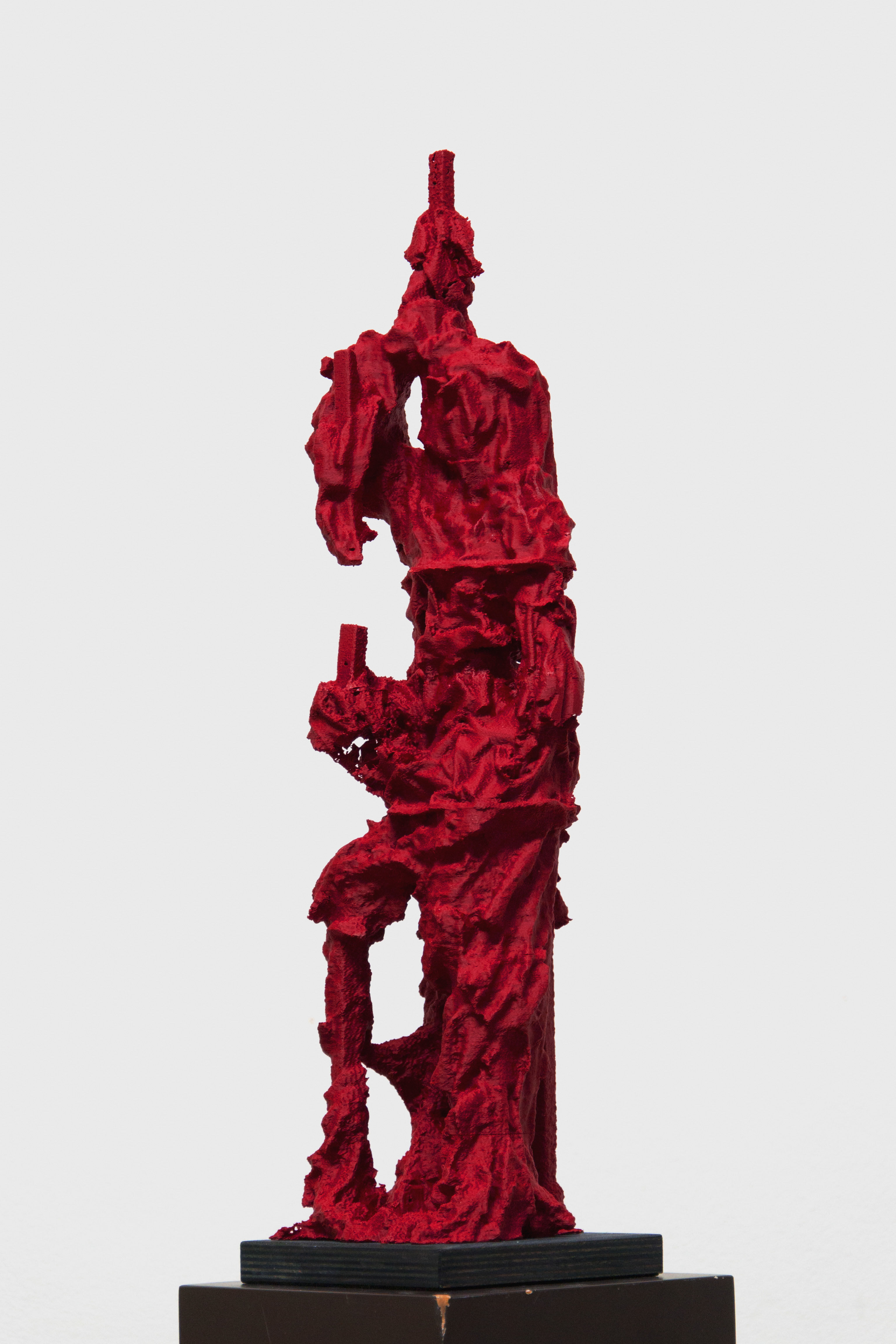
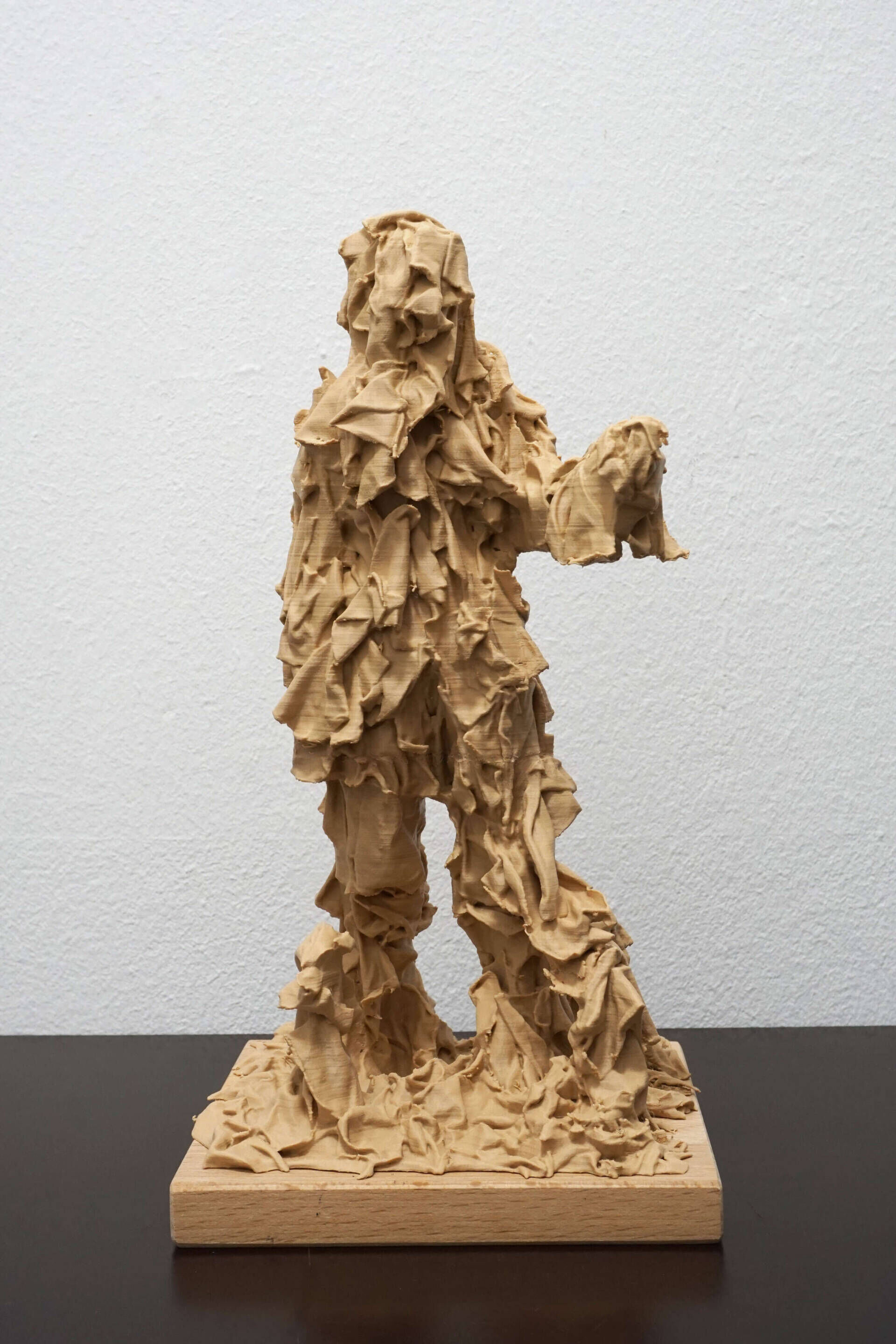
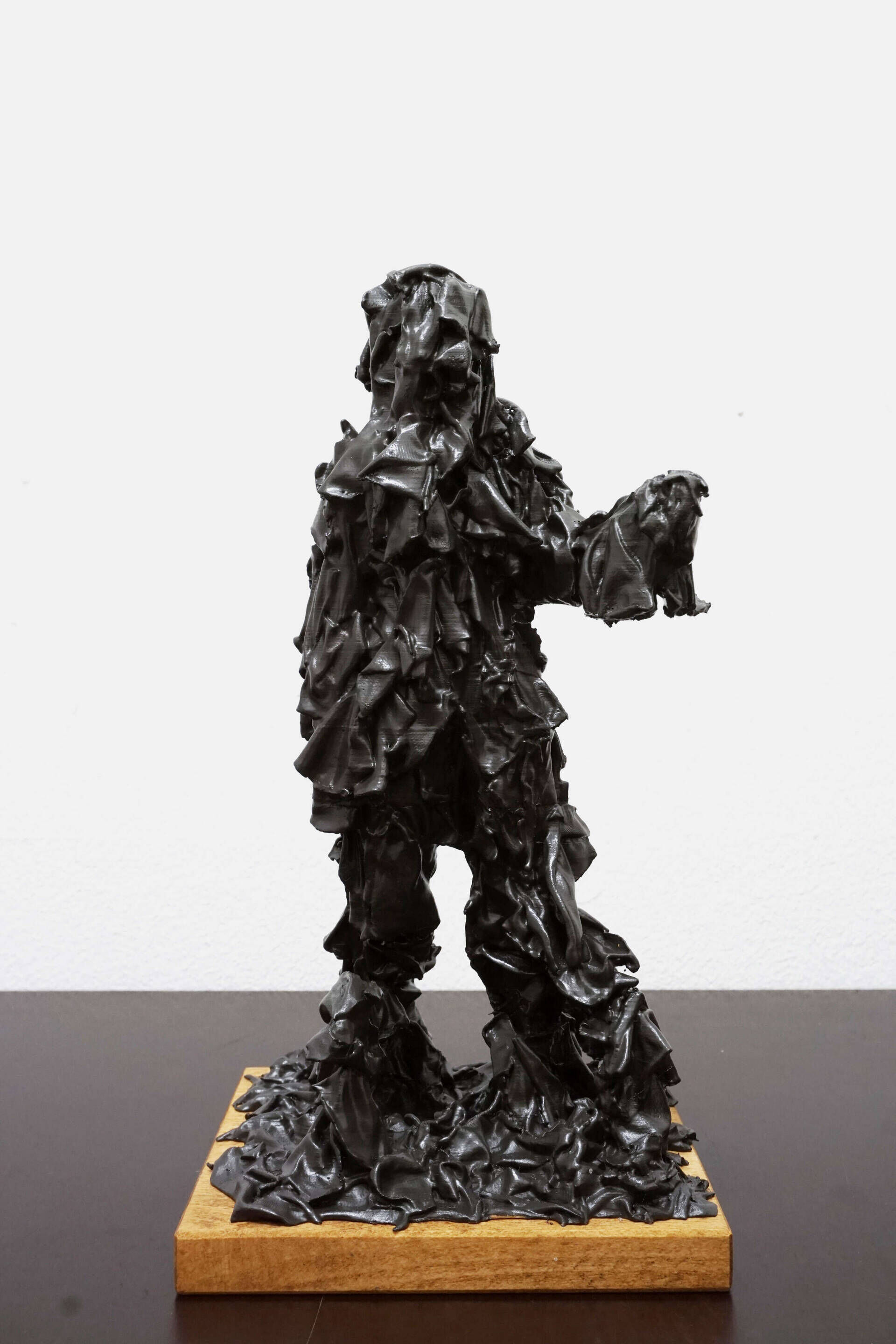
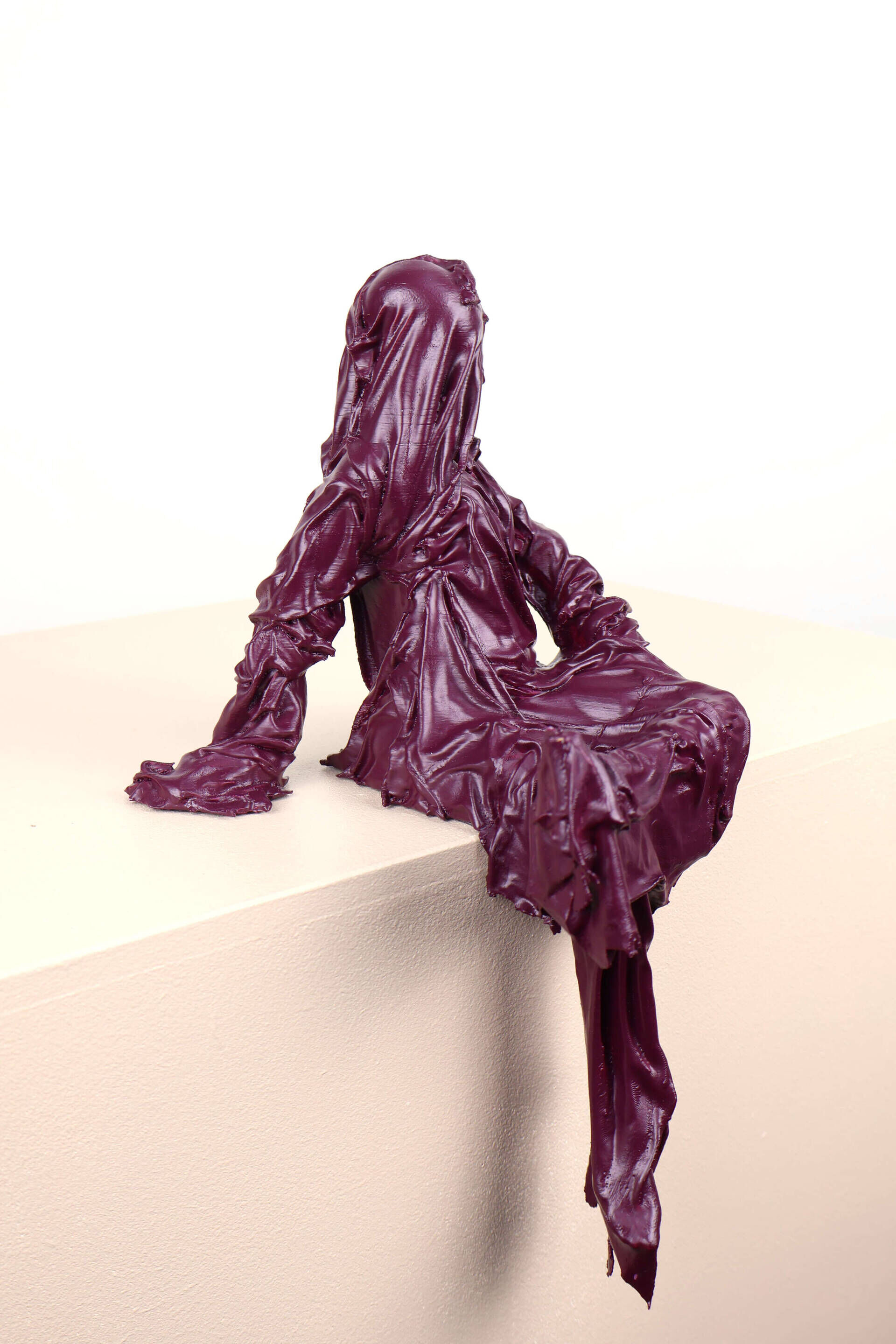
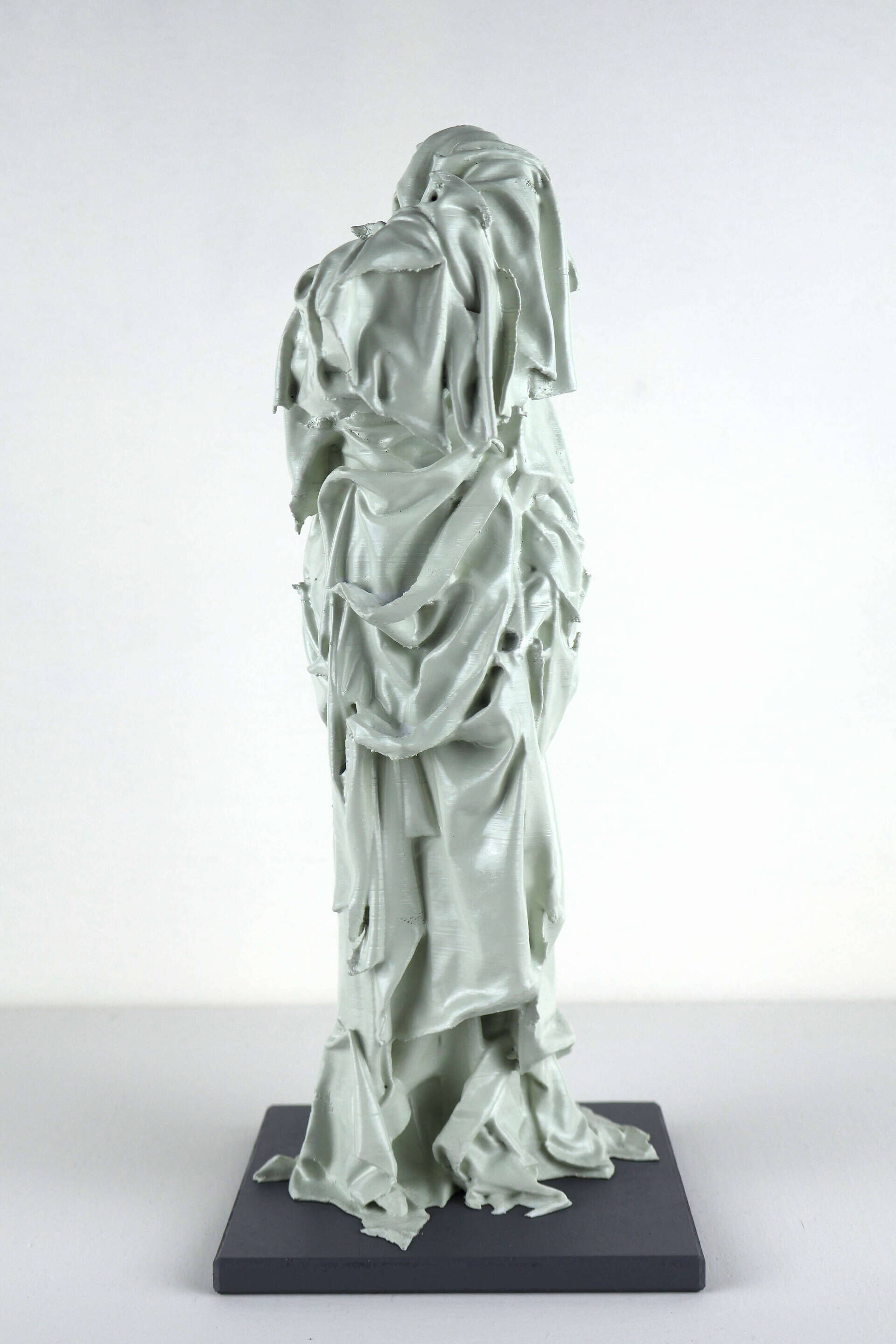
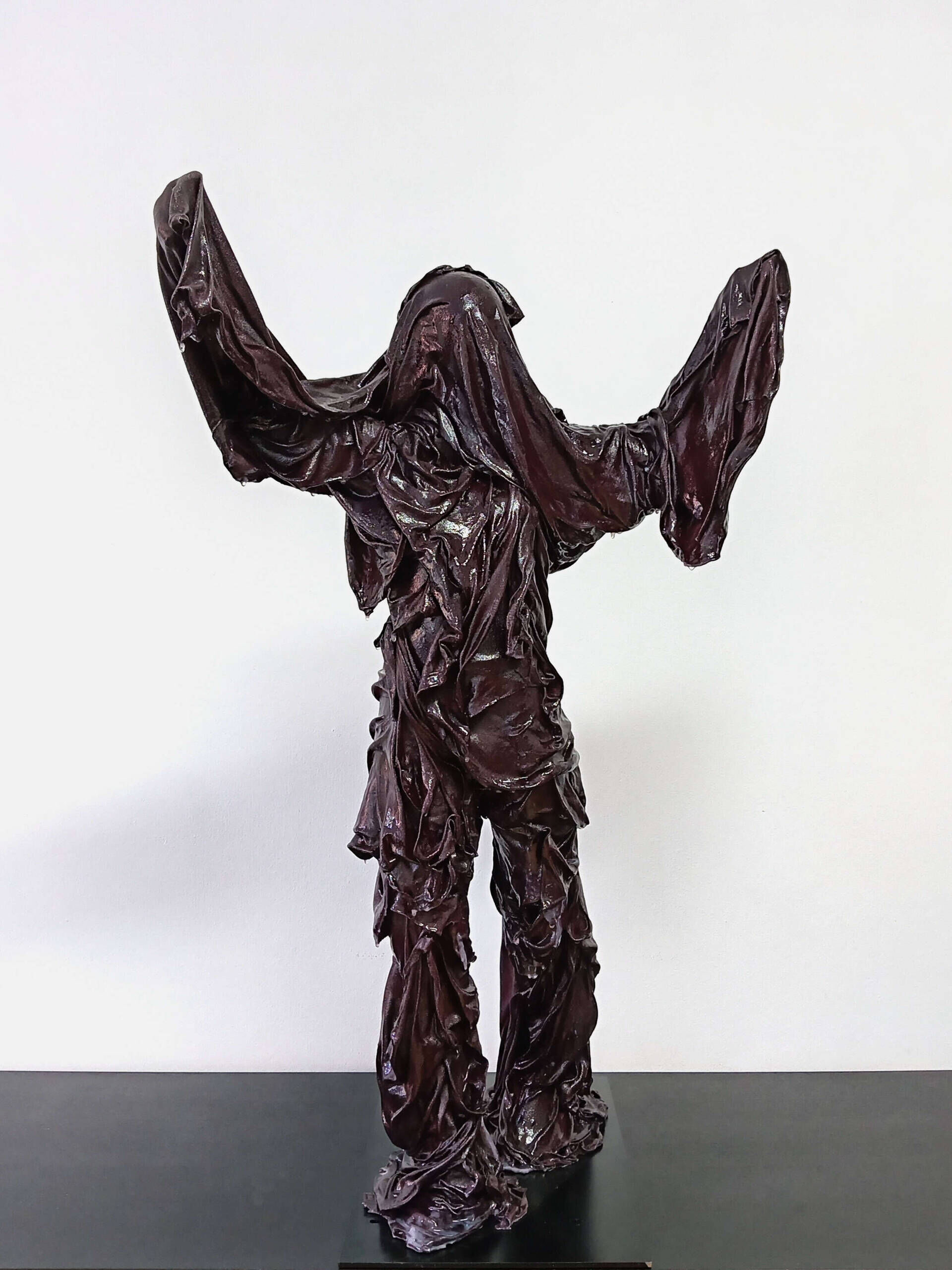
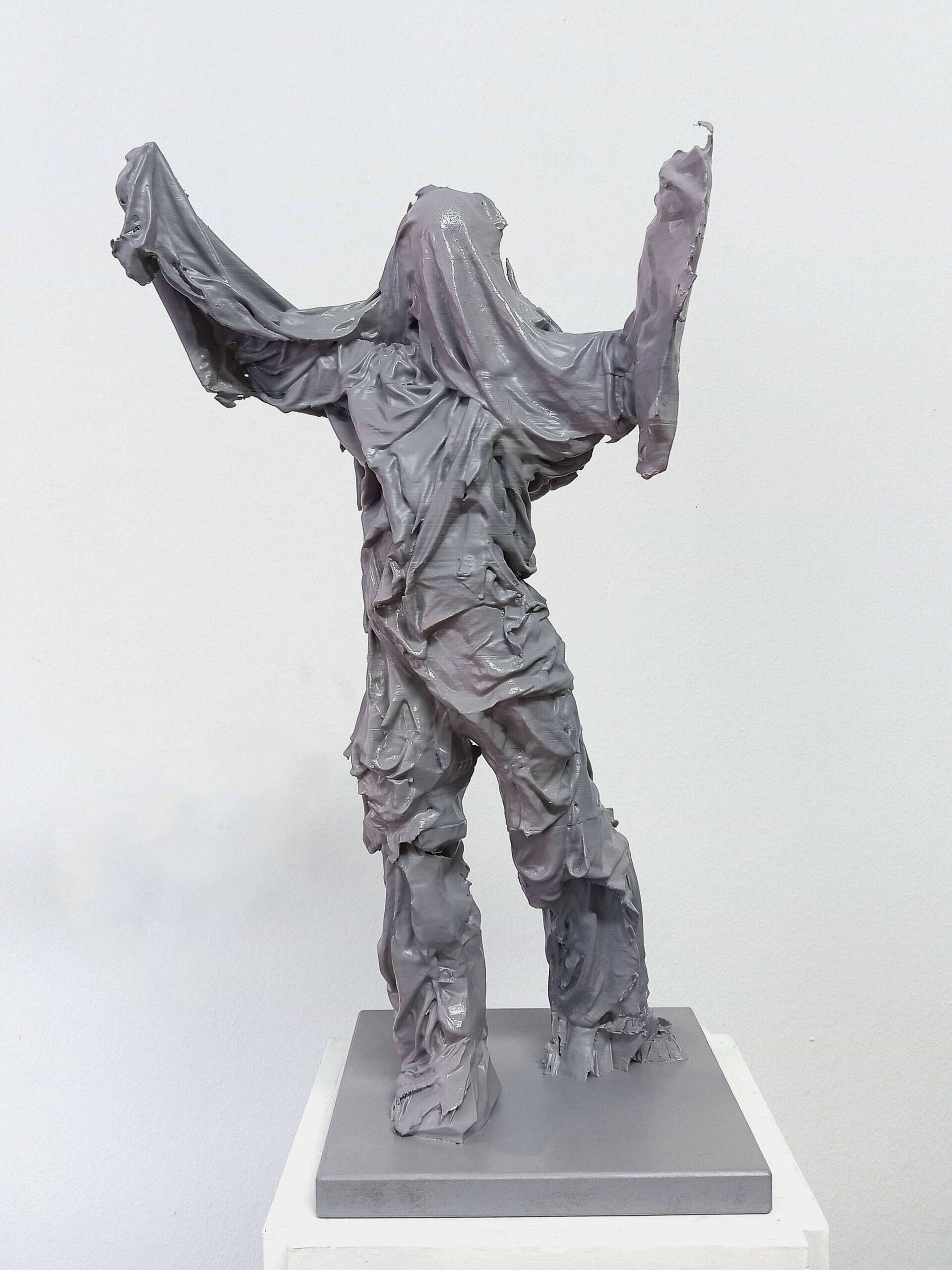
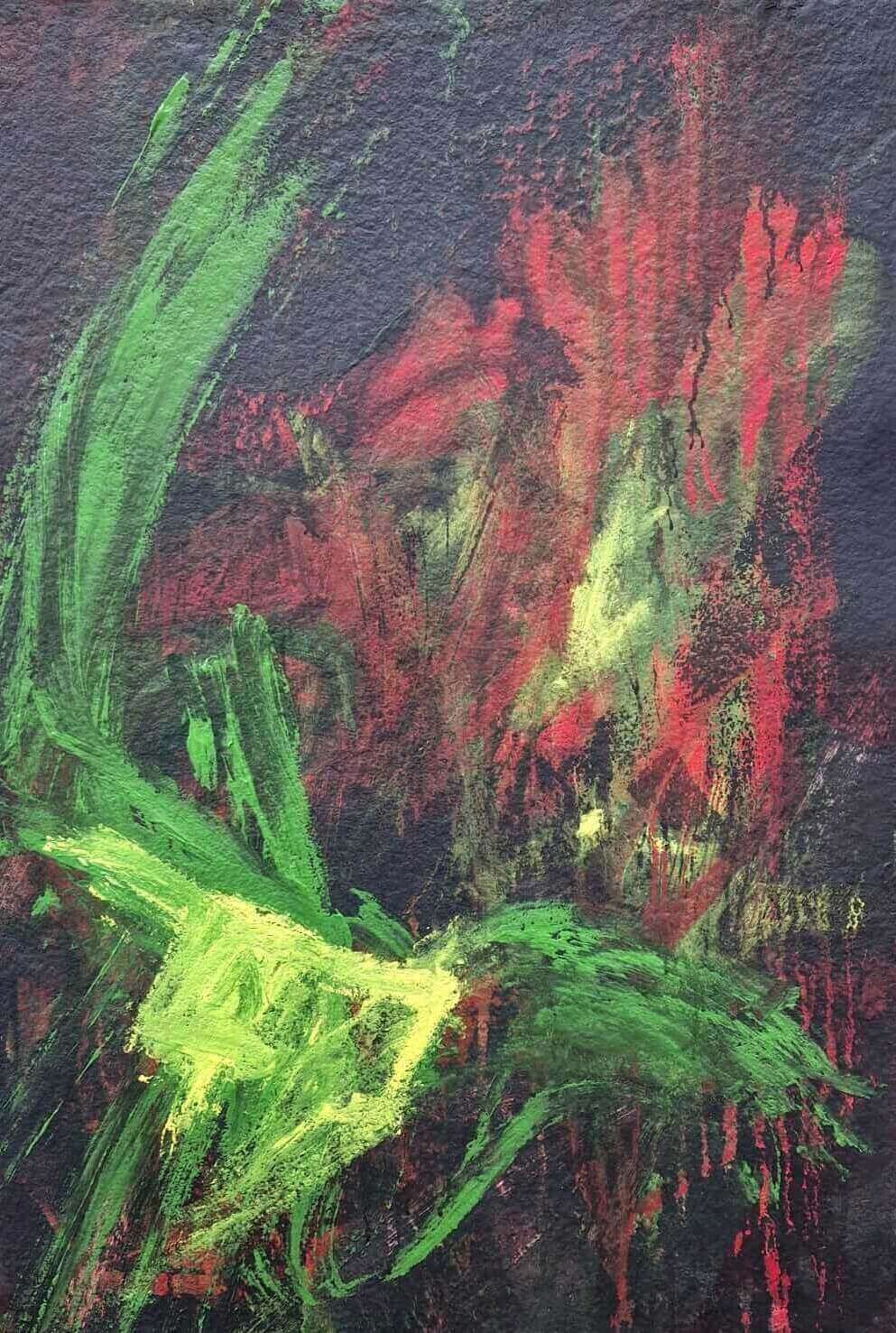
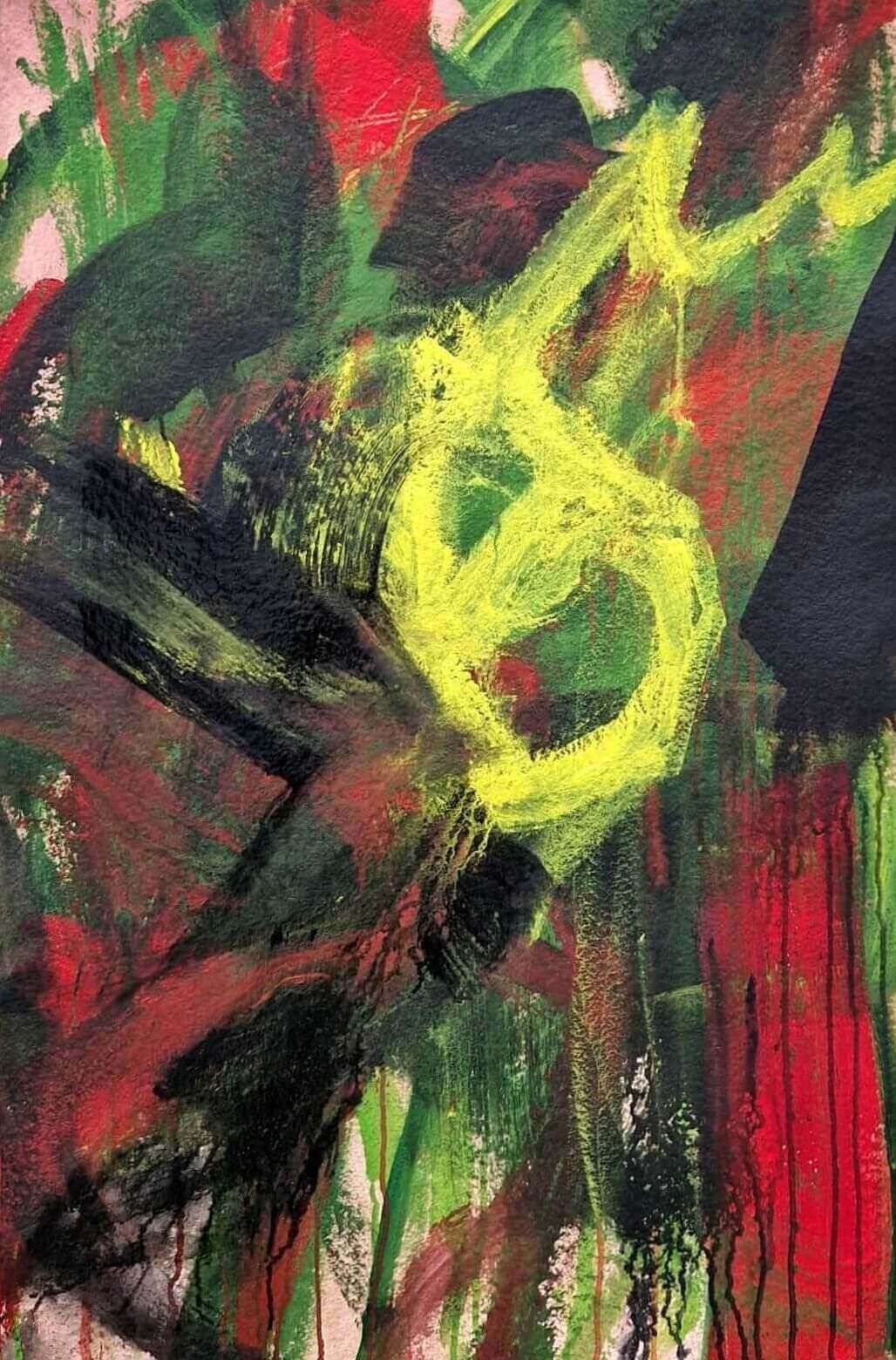
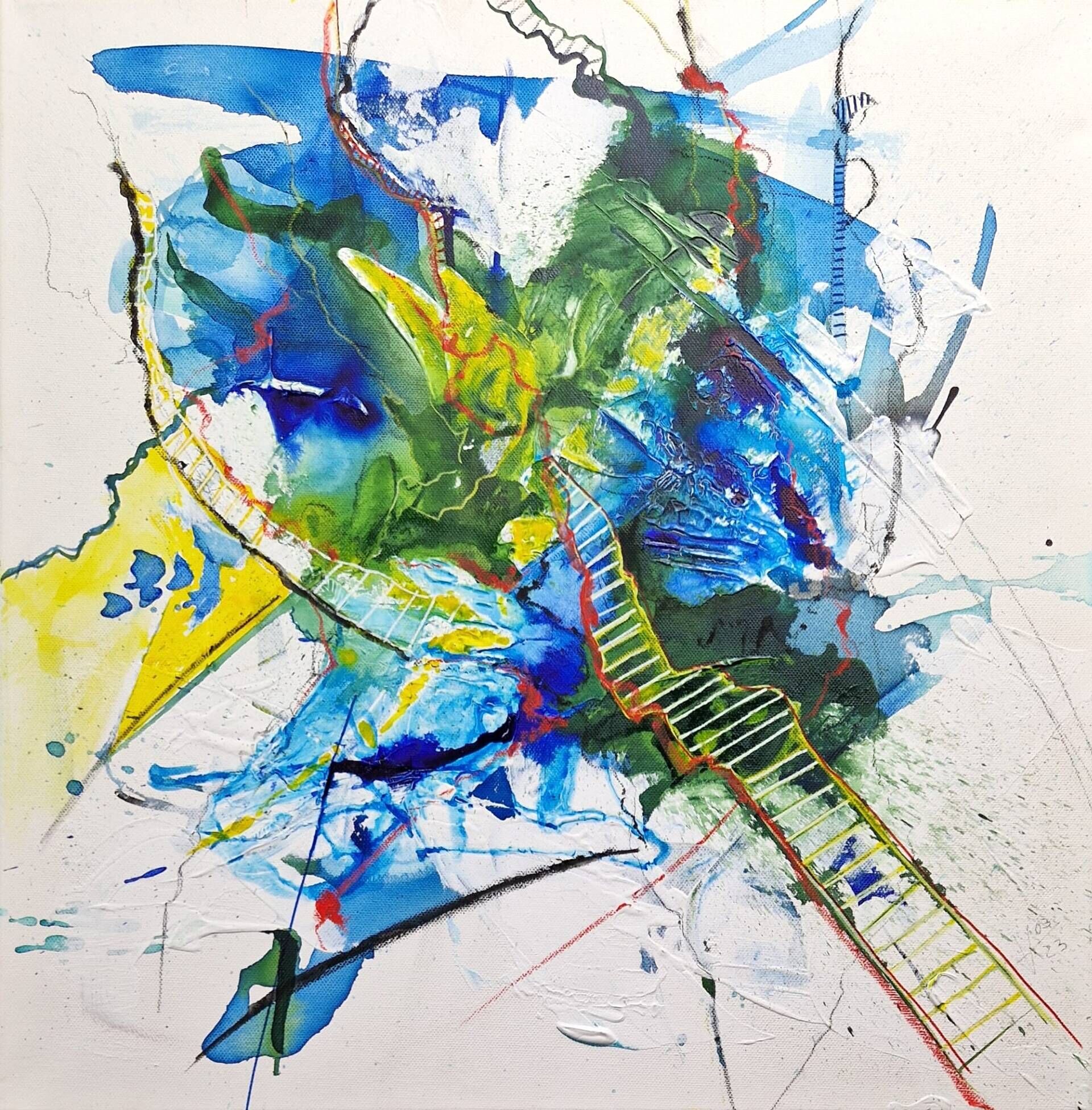
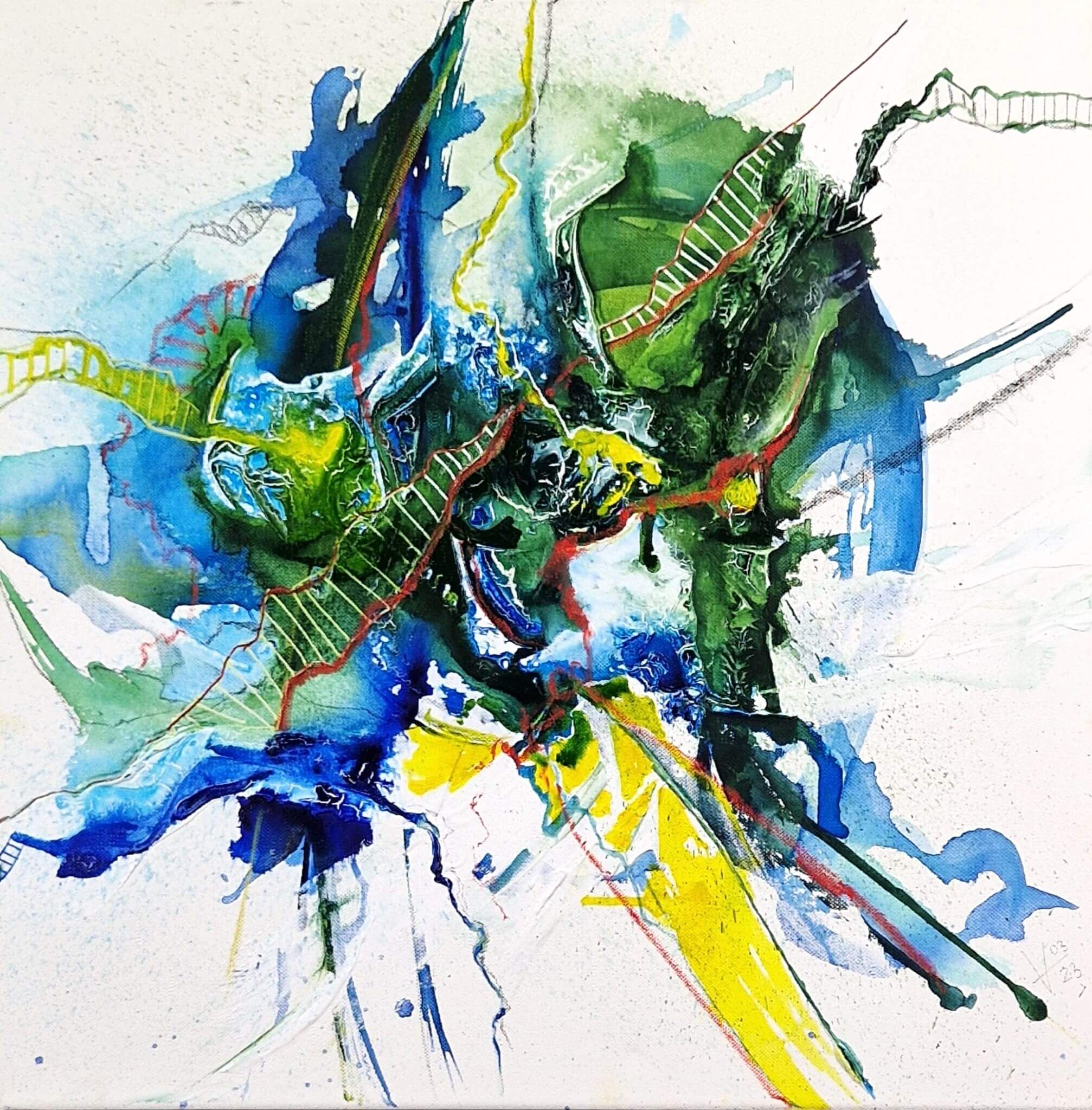
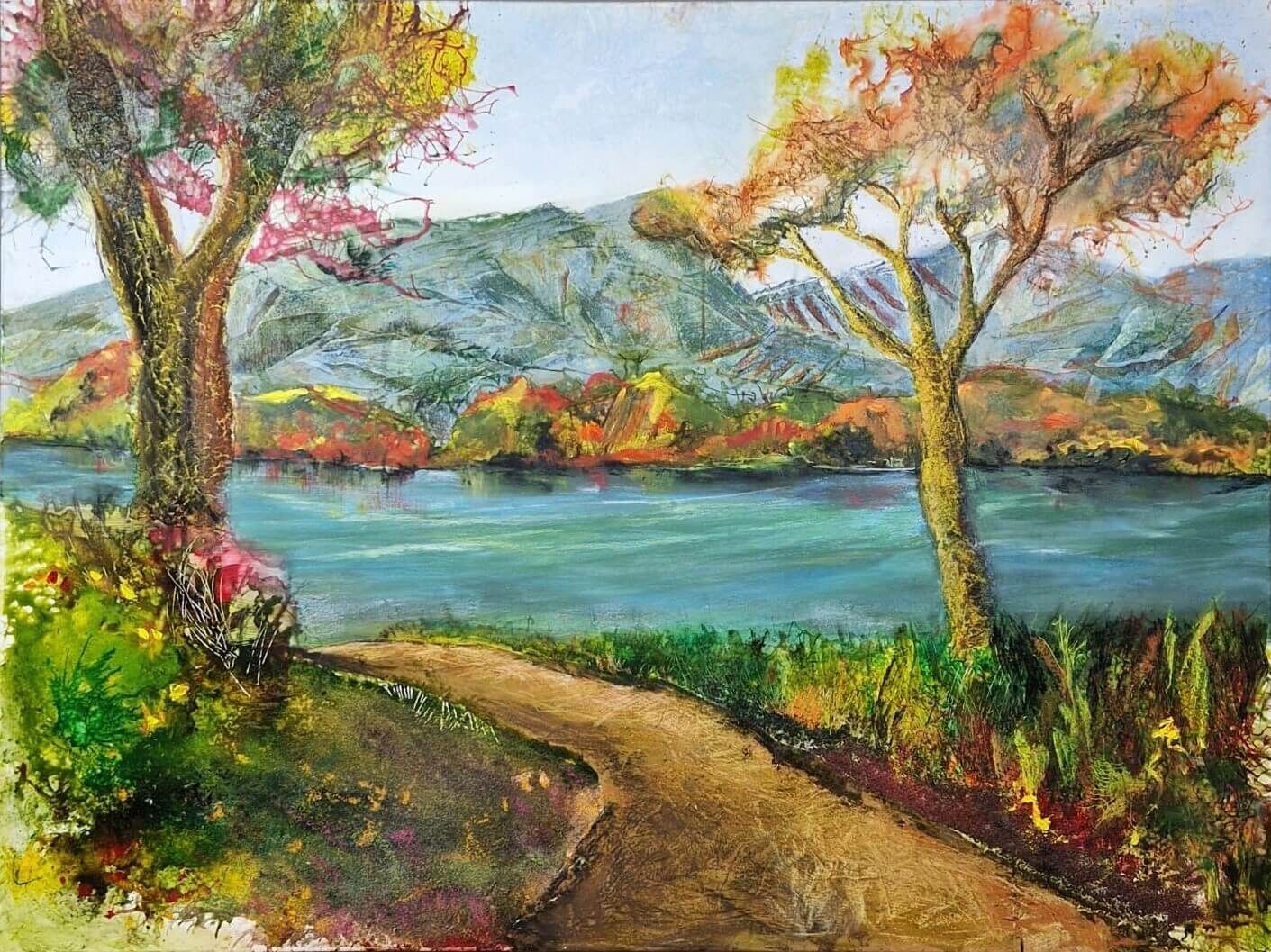
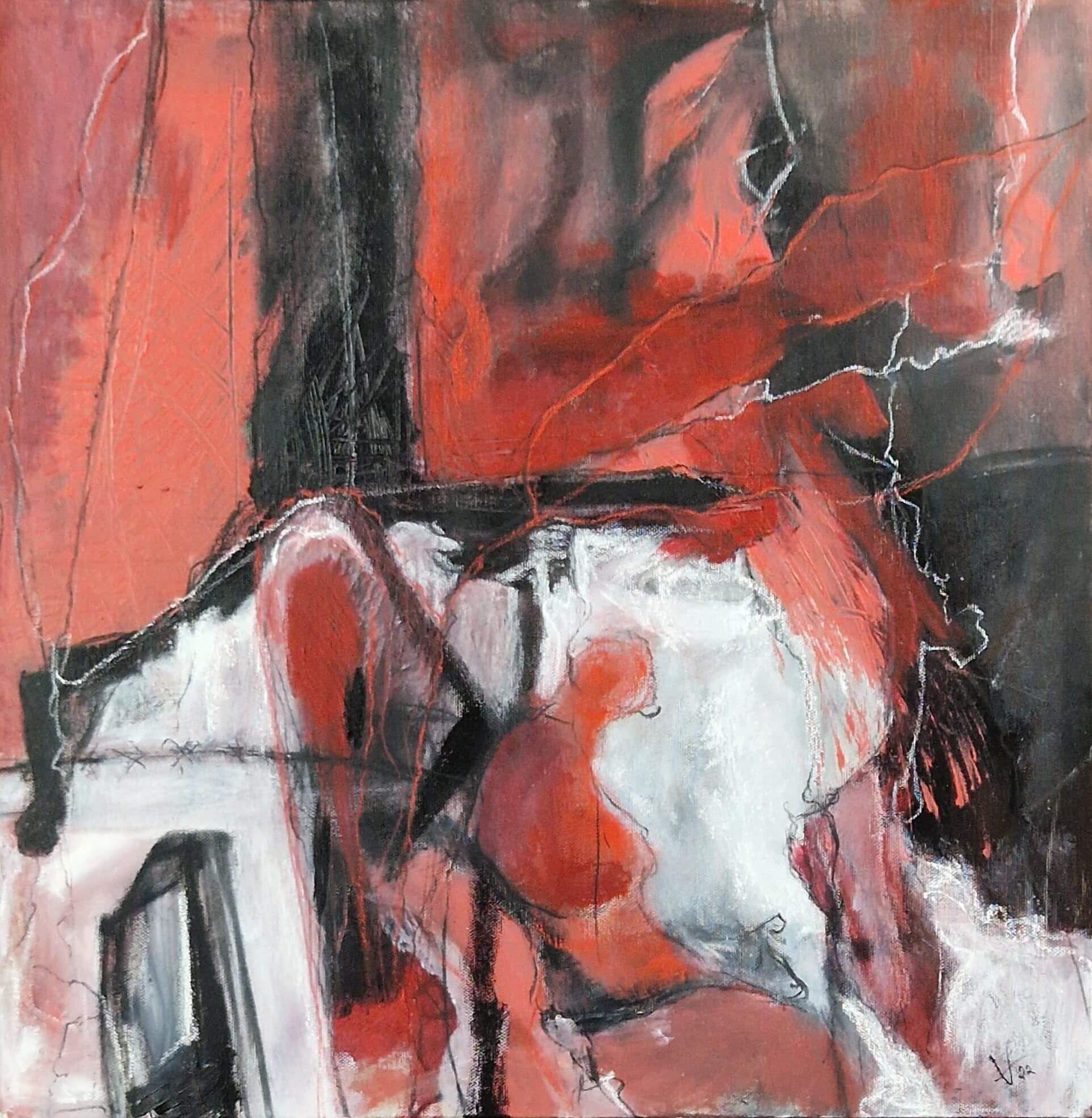
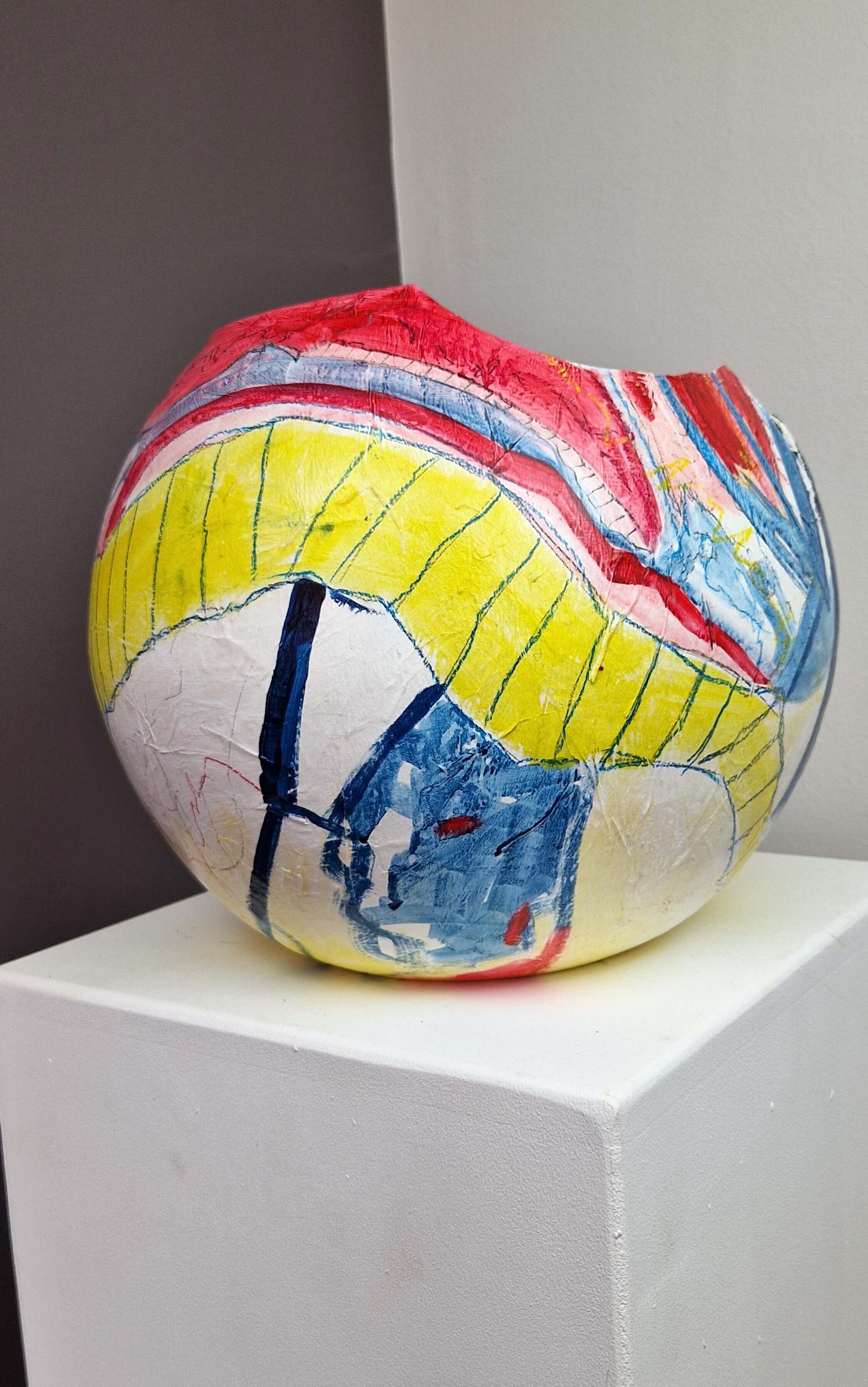
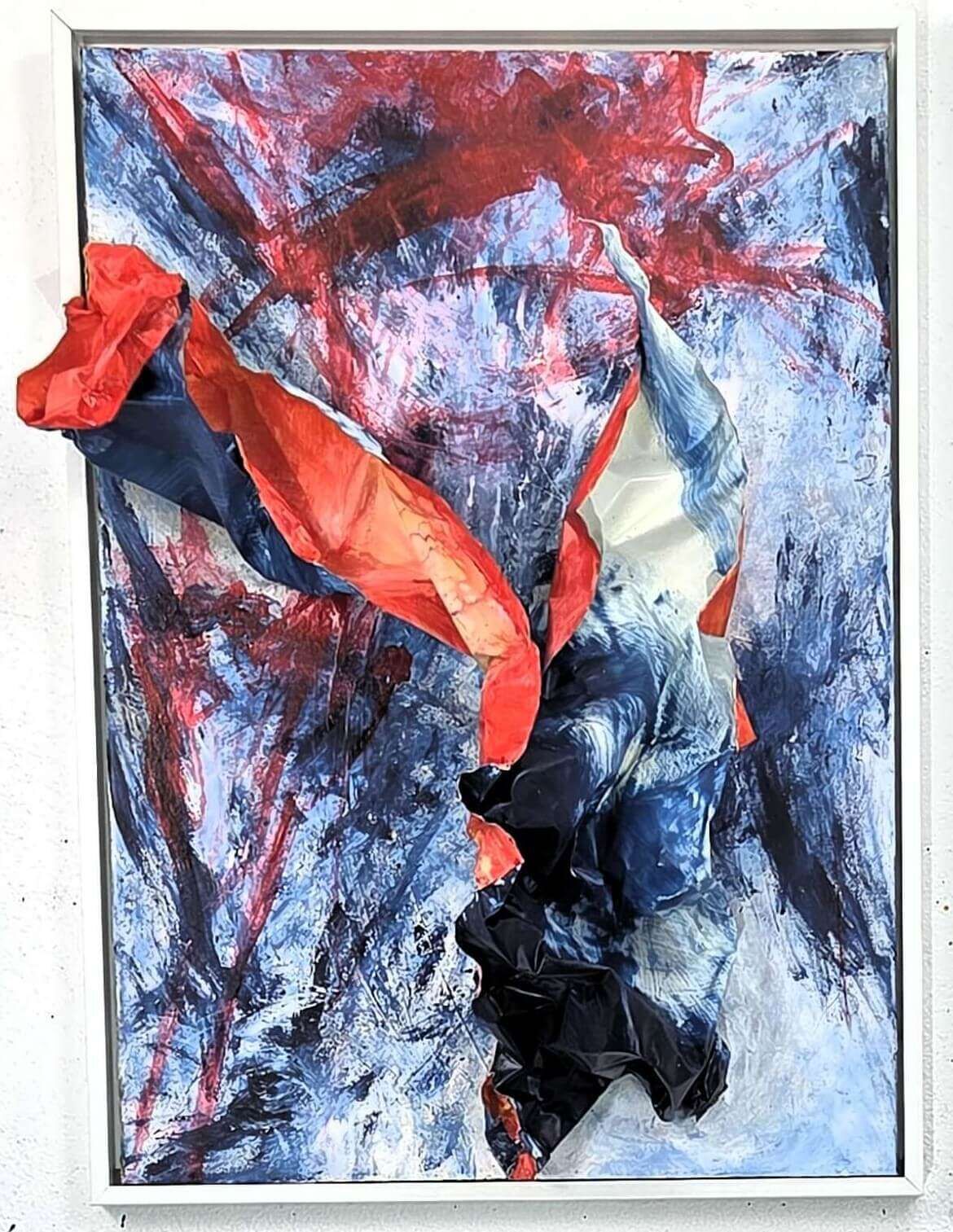
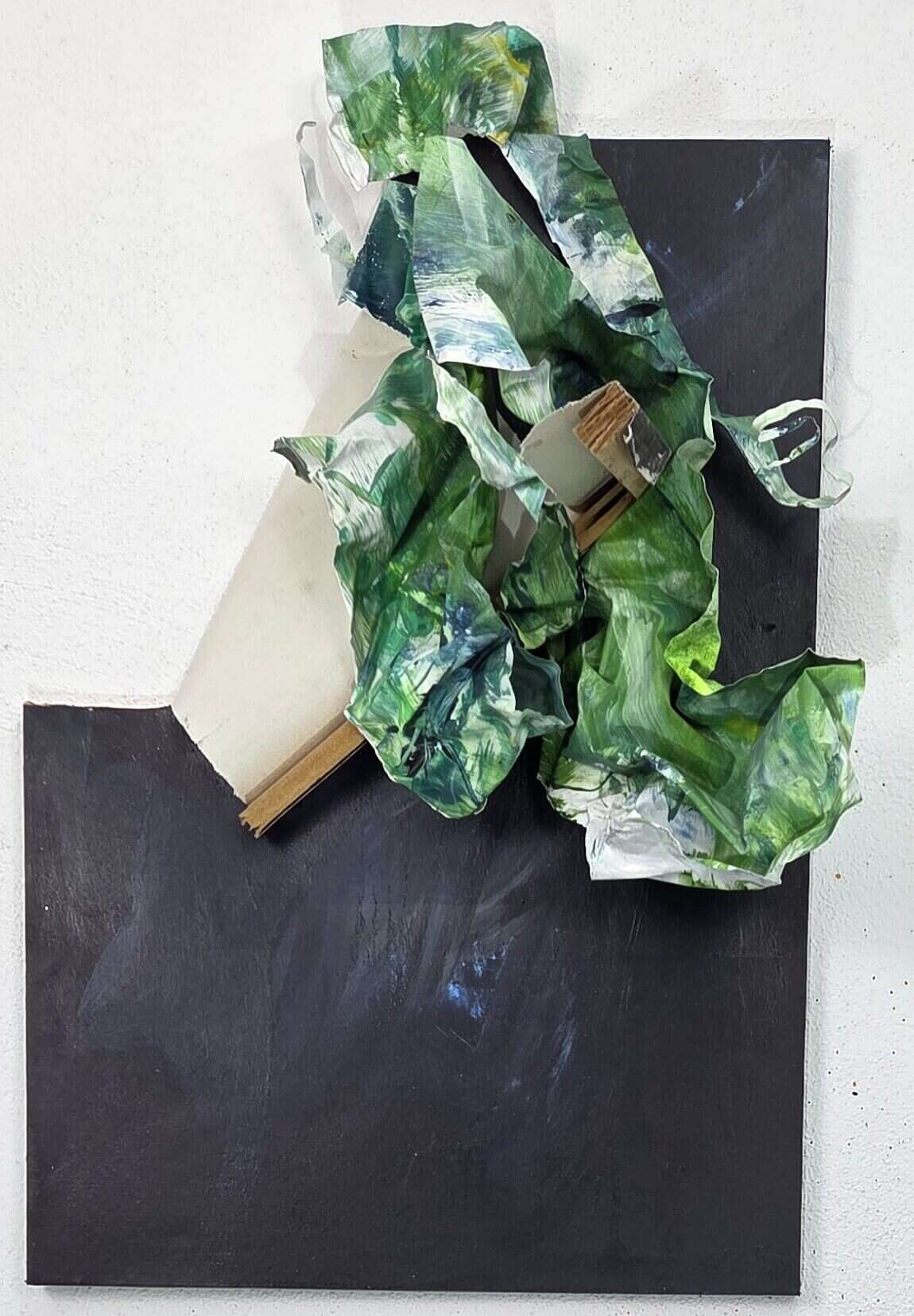
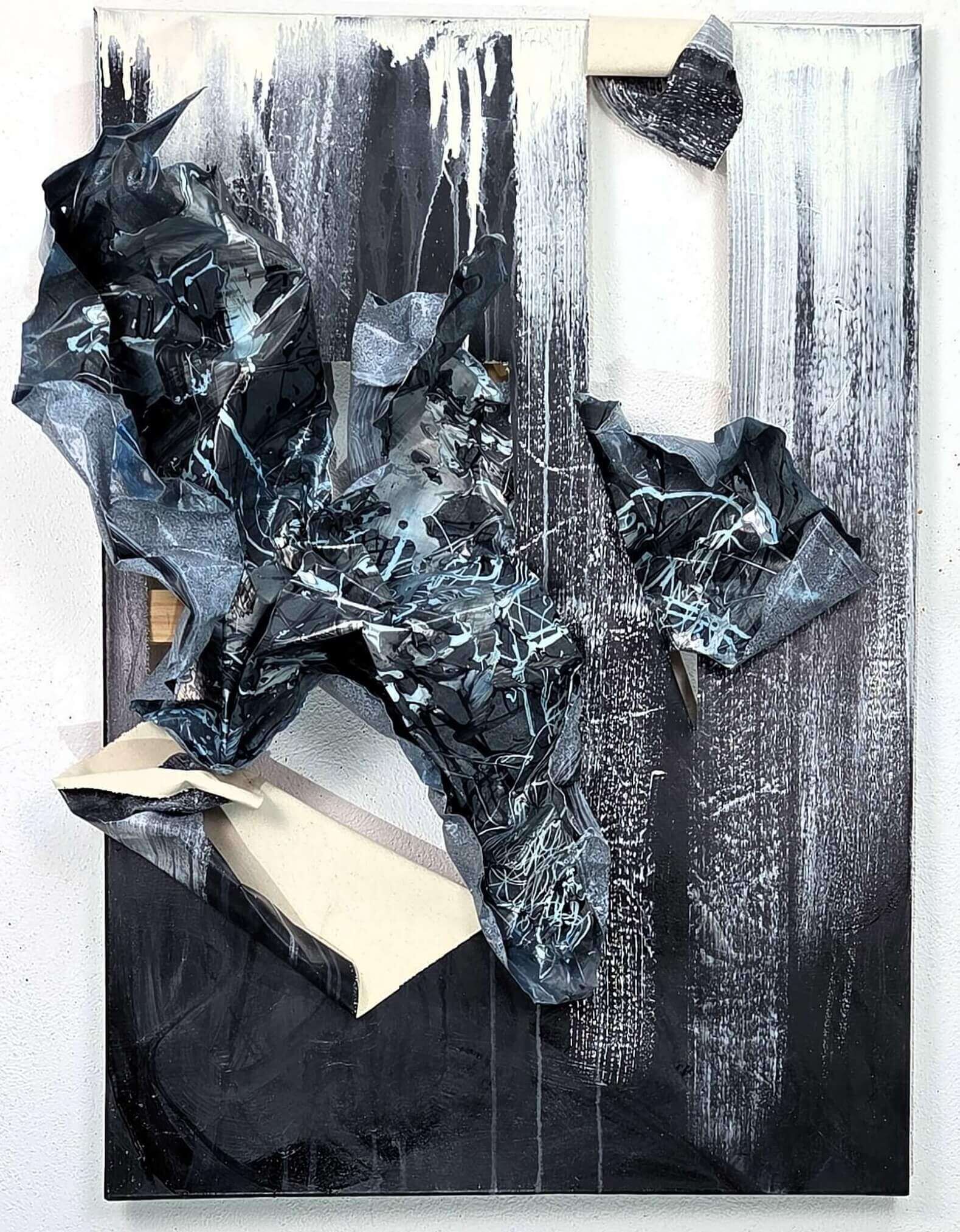
Vesna Faiazza, born in Tuzla and living in Germany since 1992, is studying painting at the European Academy of Fine Arts in Trier. Her works emerge from a direct, physical engagement with the material: impulsive gestures, visible scratches, layers and raw edges are deliberately left intact, making the process itself the central focus. Her paintings open up mental spaces between energy and tranquillity, intuition and concentration. More recently, her painting has increasingly moved beyond the two-dimensional plane – she transfers gestural principles into space, creating sculptural forms in which movement, colour and materiality can be physically experienced. Faiazza exhibits regularly in Germany and Italy, and her work combines powerful spontaneity with a deep, sensitive connection to the material.