The Expressive Power of Silence
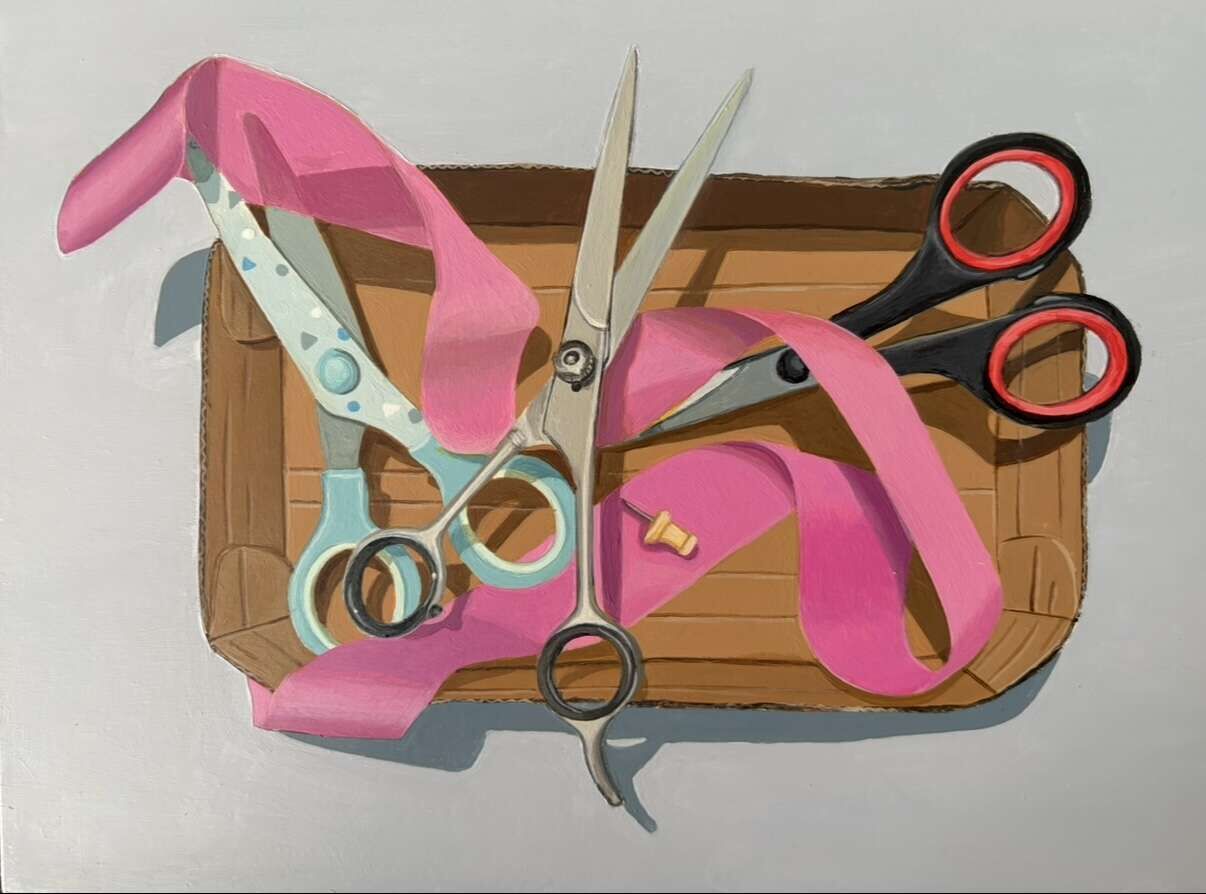
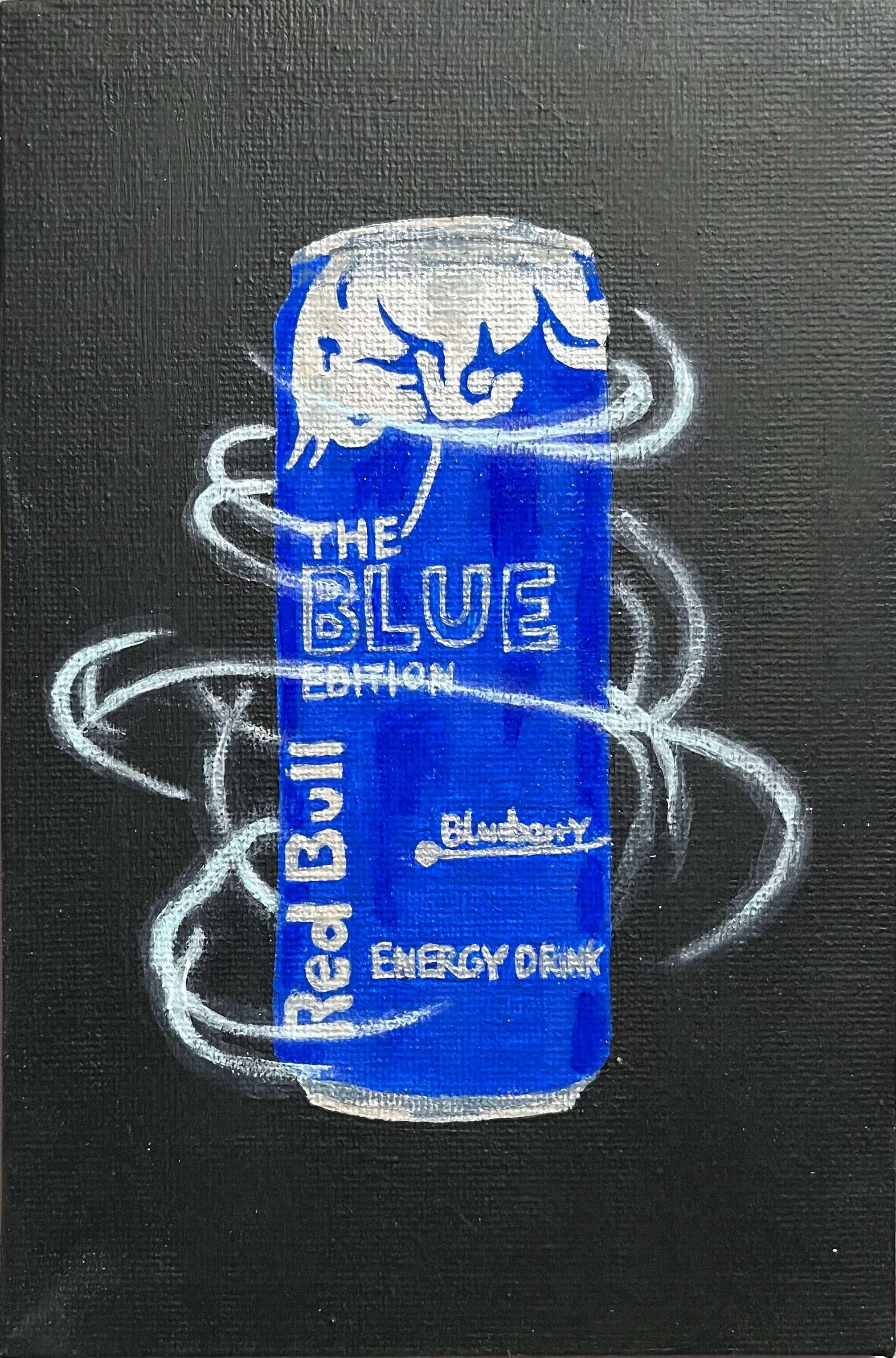
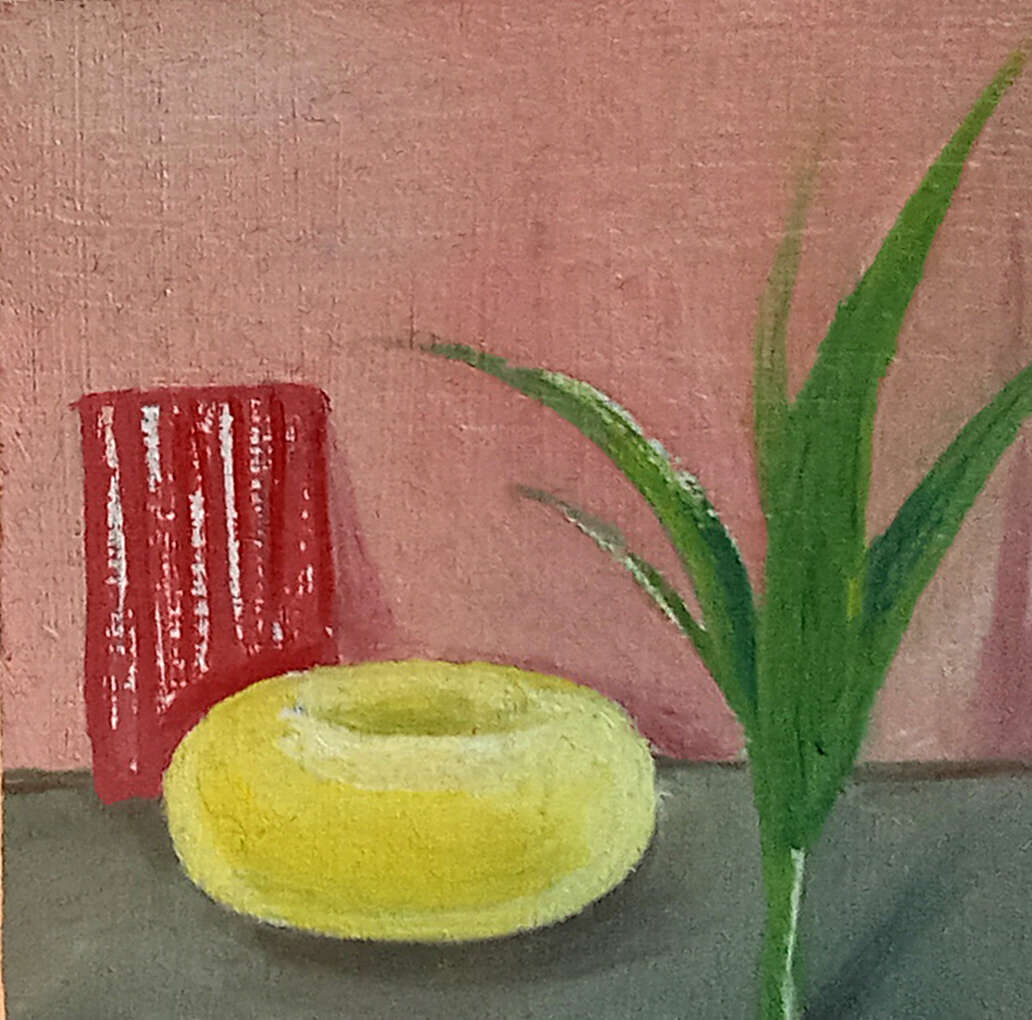
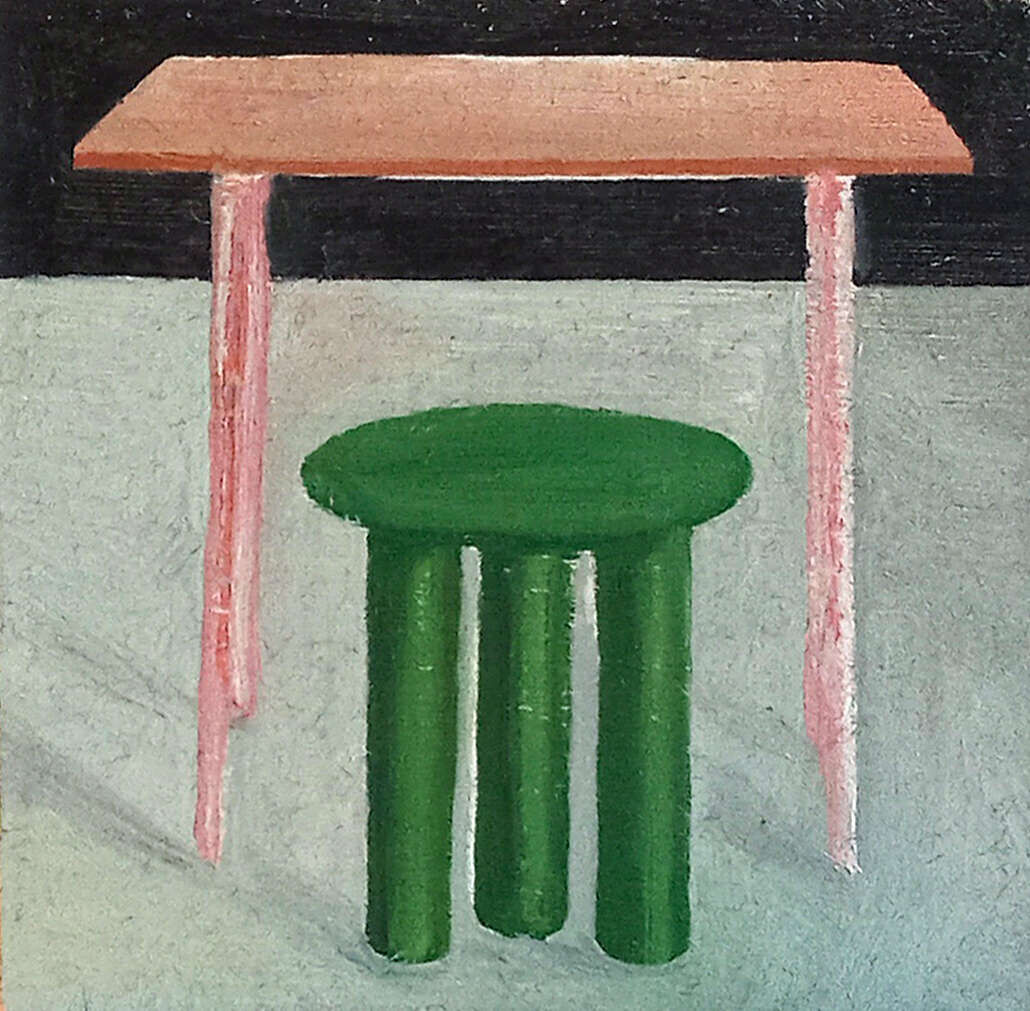
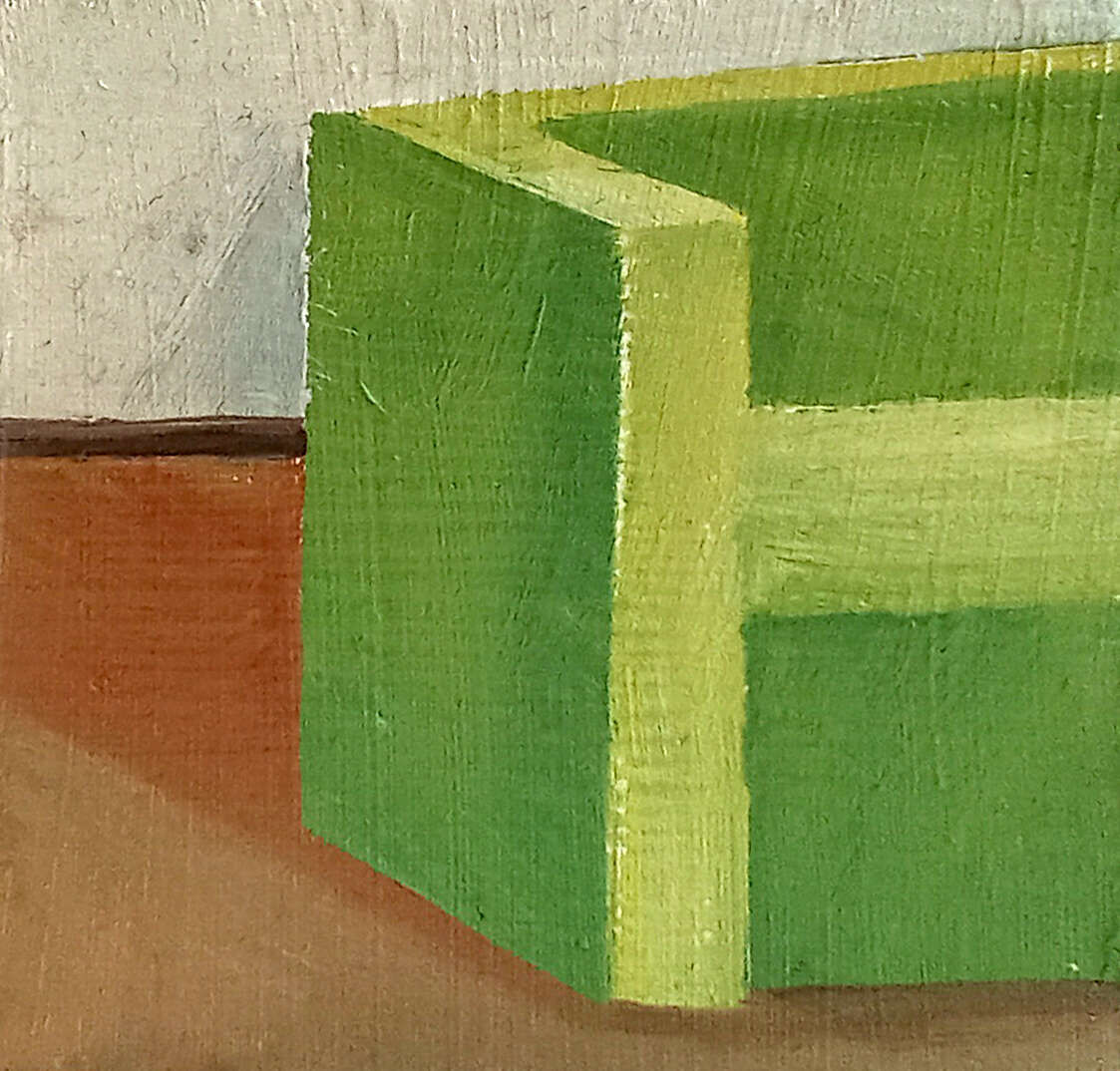
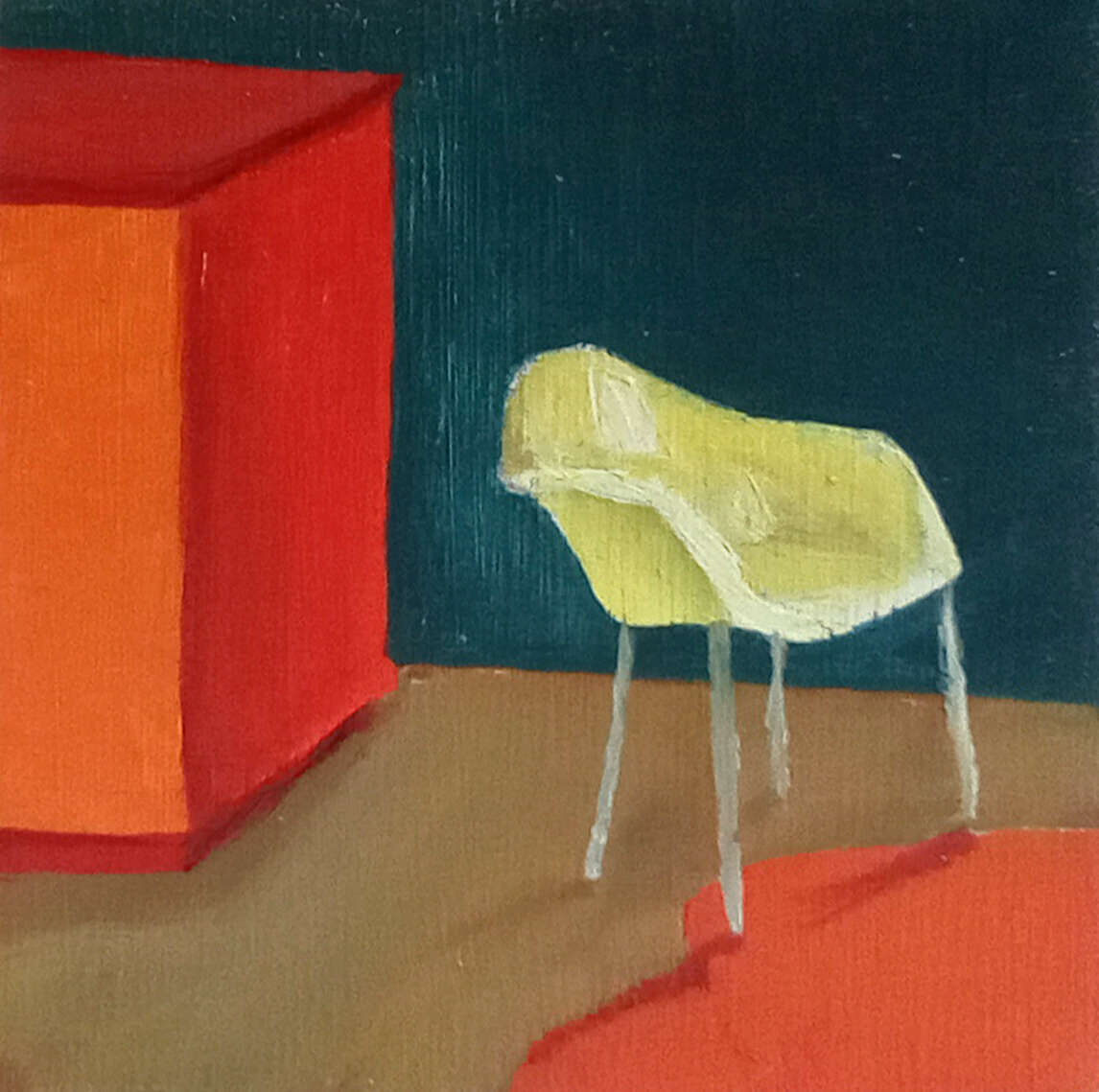
Still life paintings are often underestimated. This is because they show more than just objects placed side by side; they radiate a tranquillity and intensity all of their own. It is precisely this calm composition that creates a very special atmosphere full of depth, one that makes the viewer pause. Everyday objects are perceived in a new light, with details and distinctive features brought into focus. Still life paintings by students at Kunstmarkt are little worlds that bring a sense of calm and enrich any space.
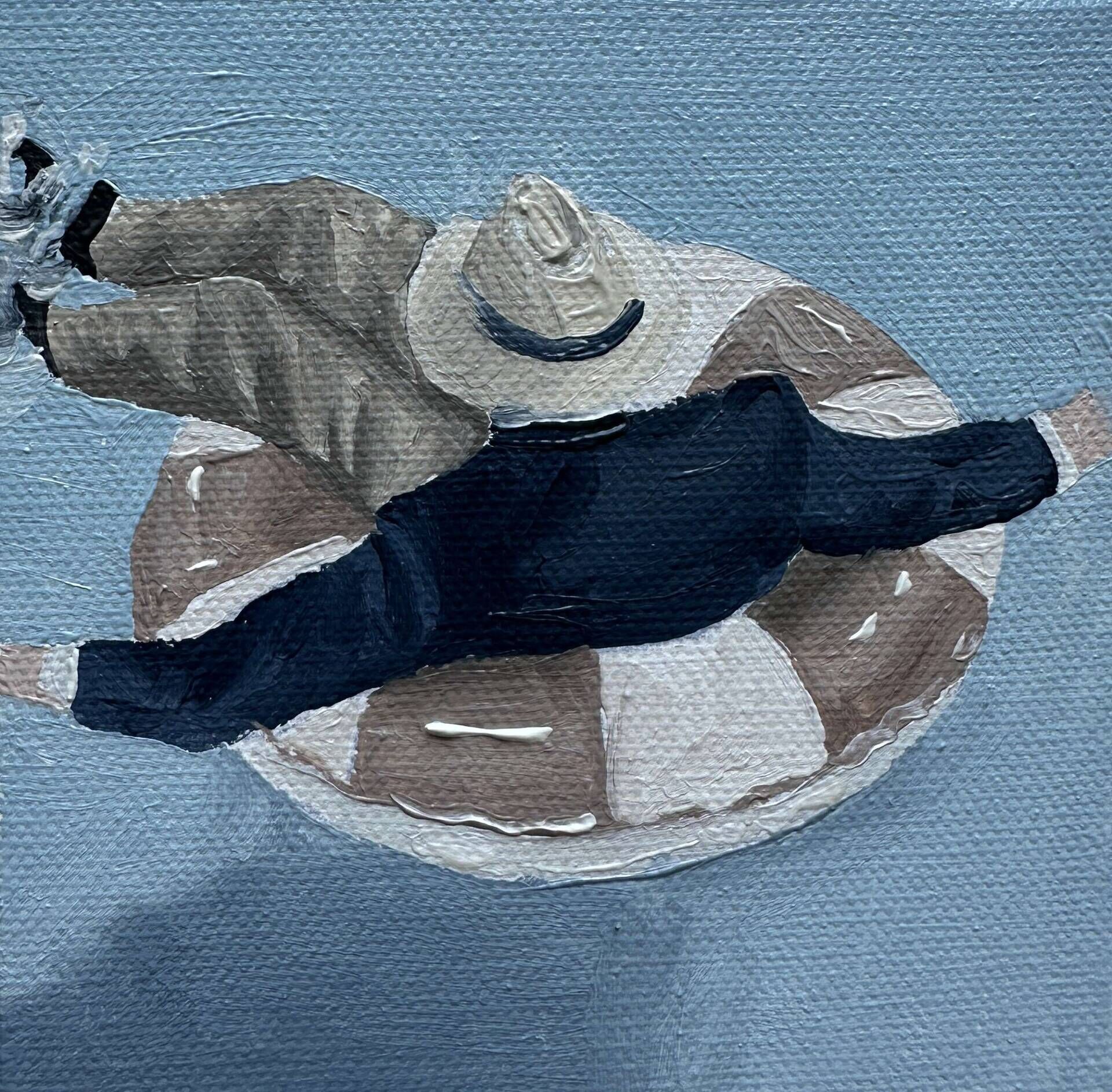

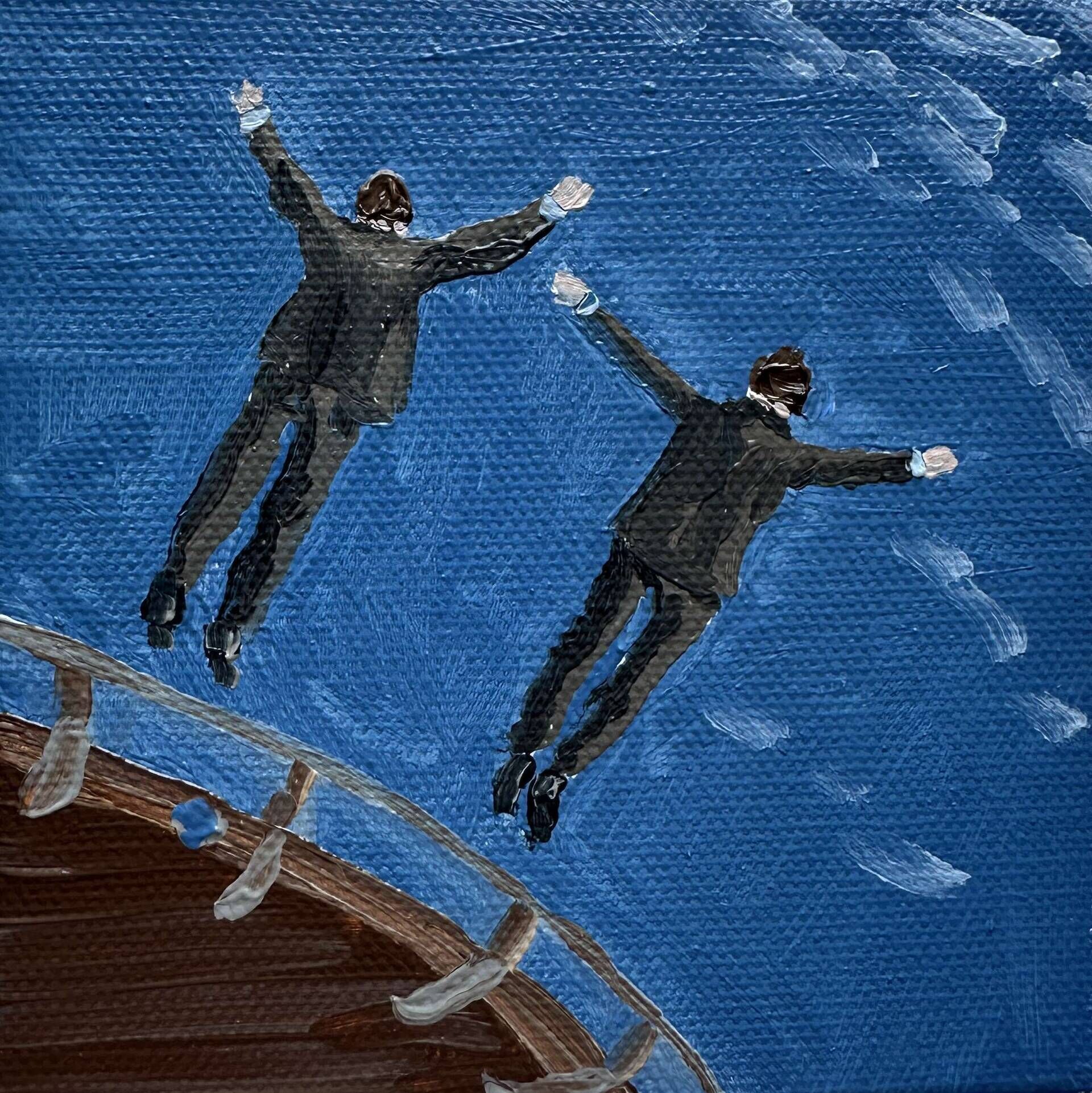
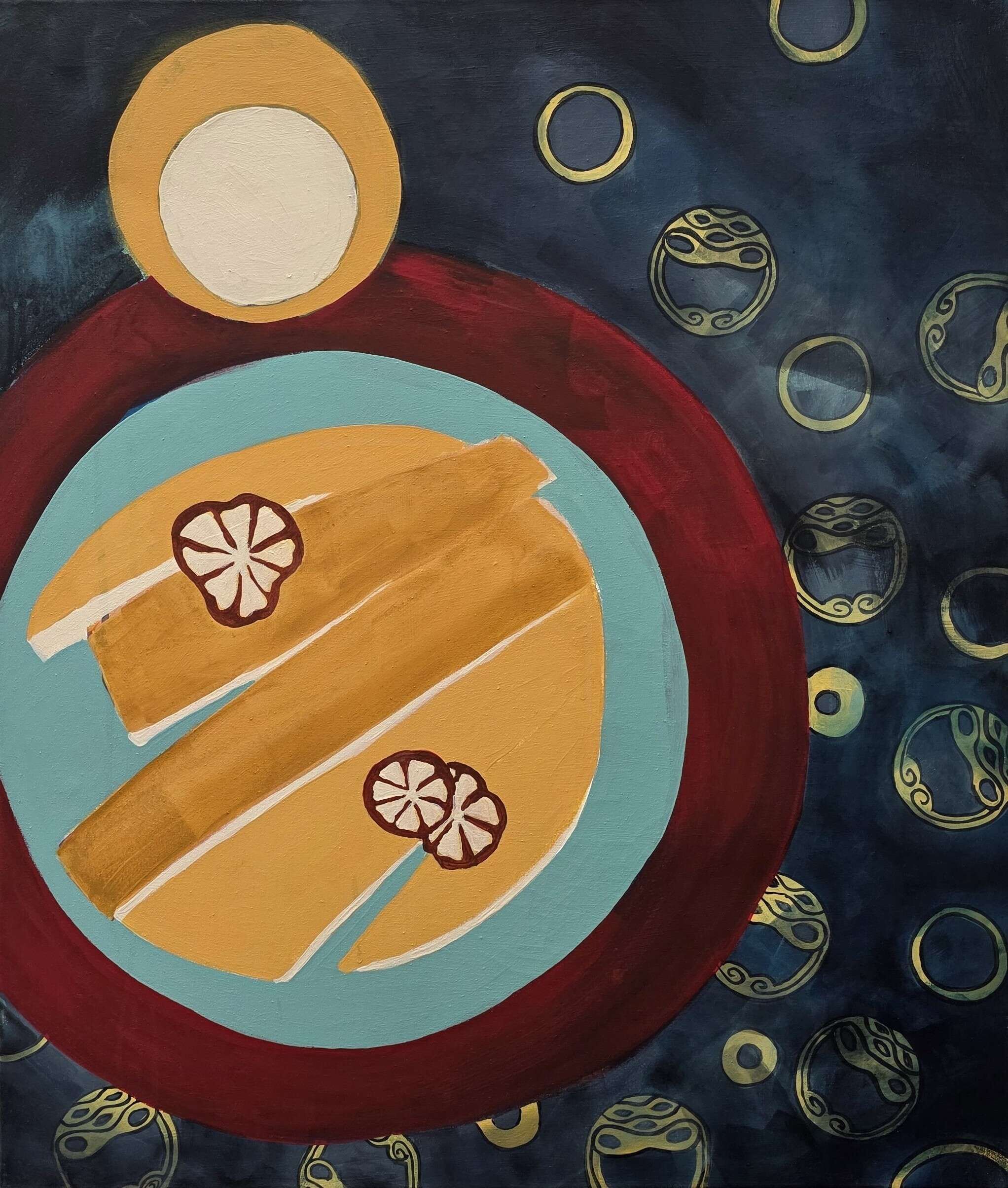
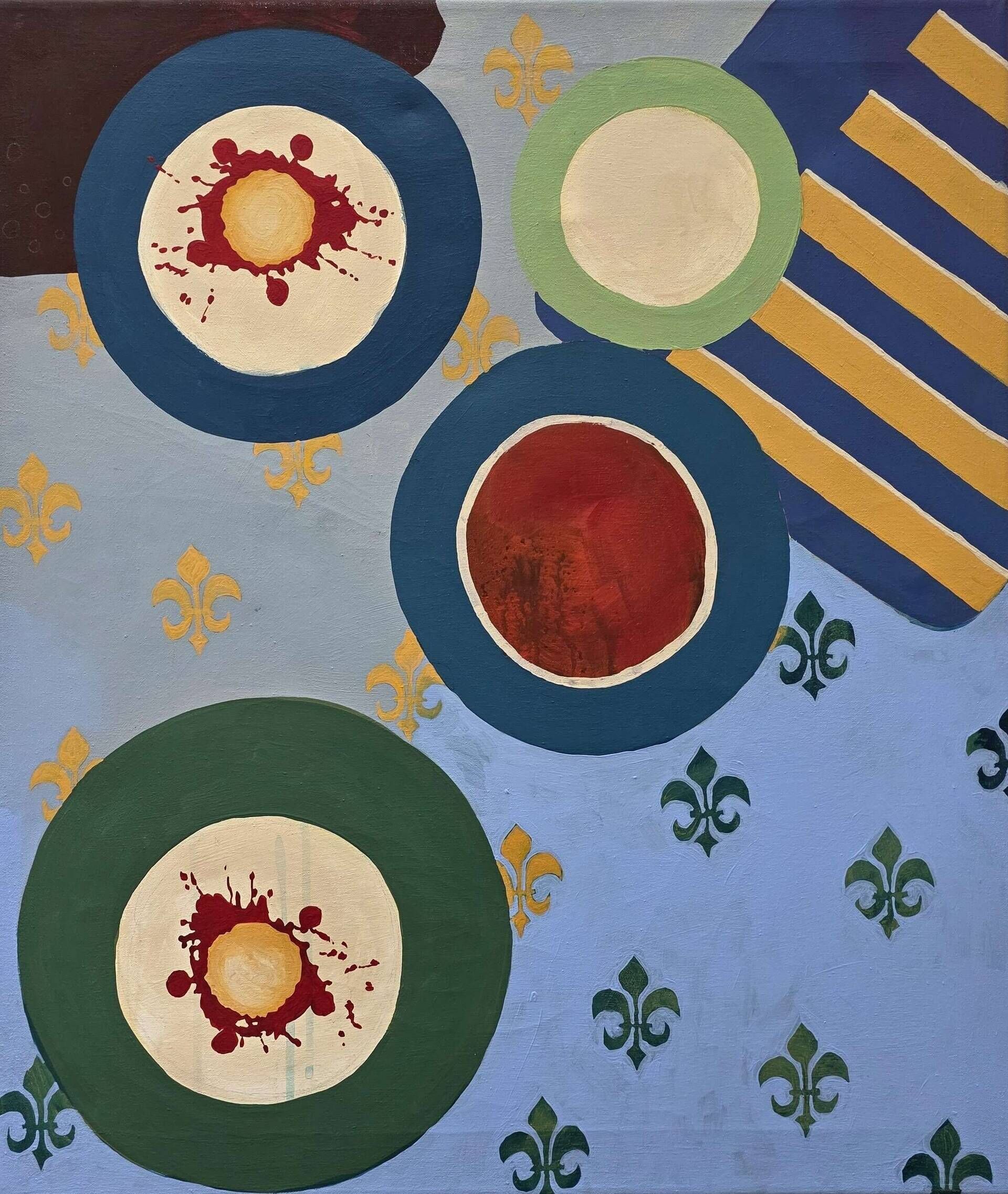
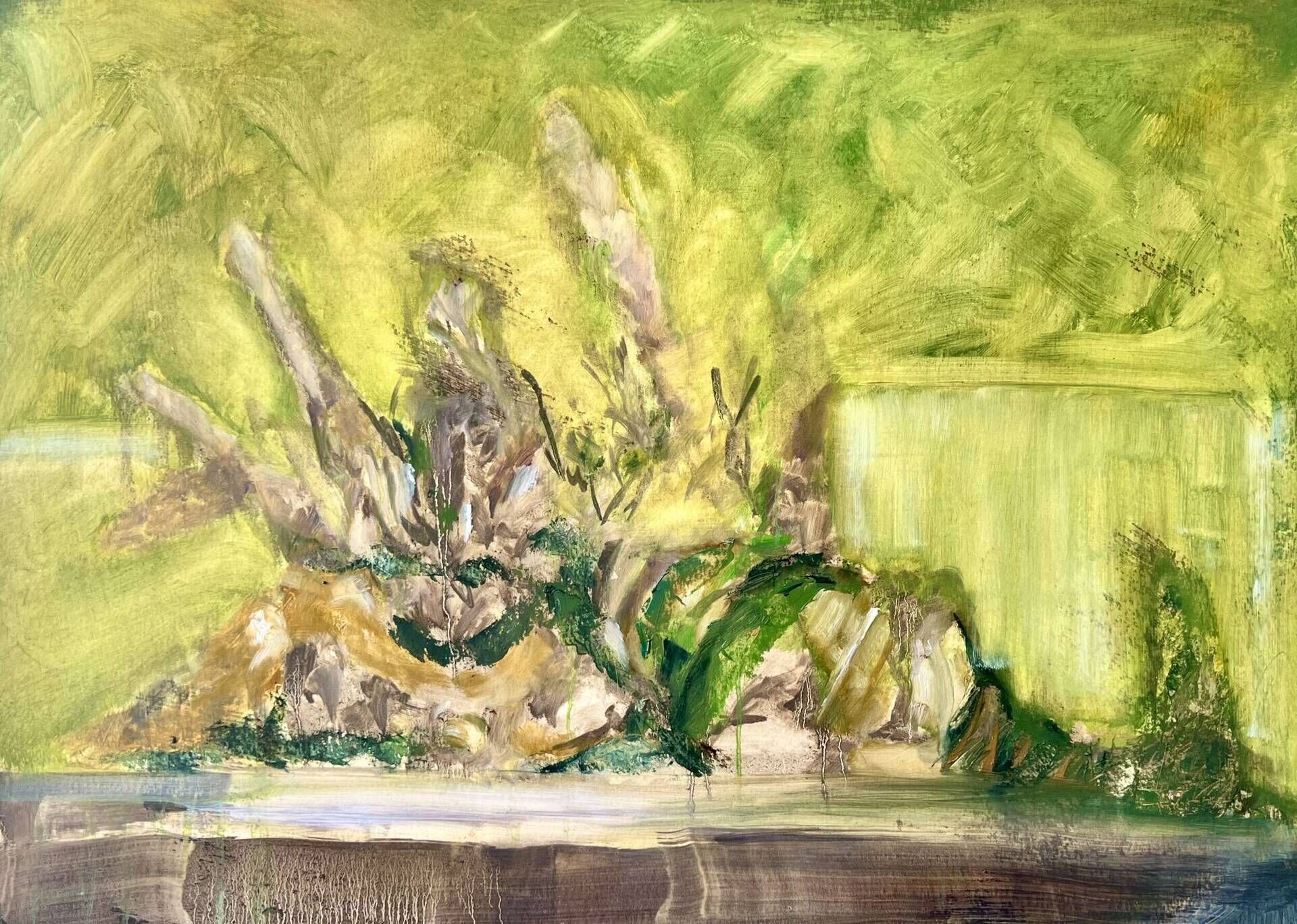
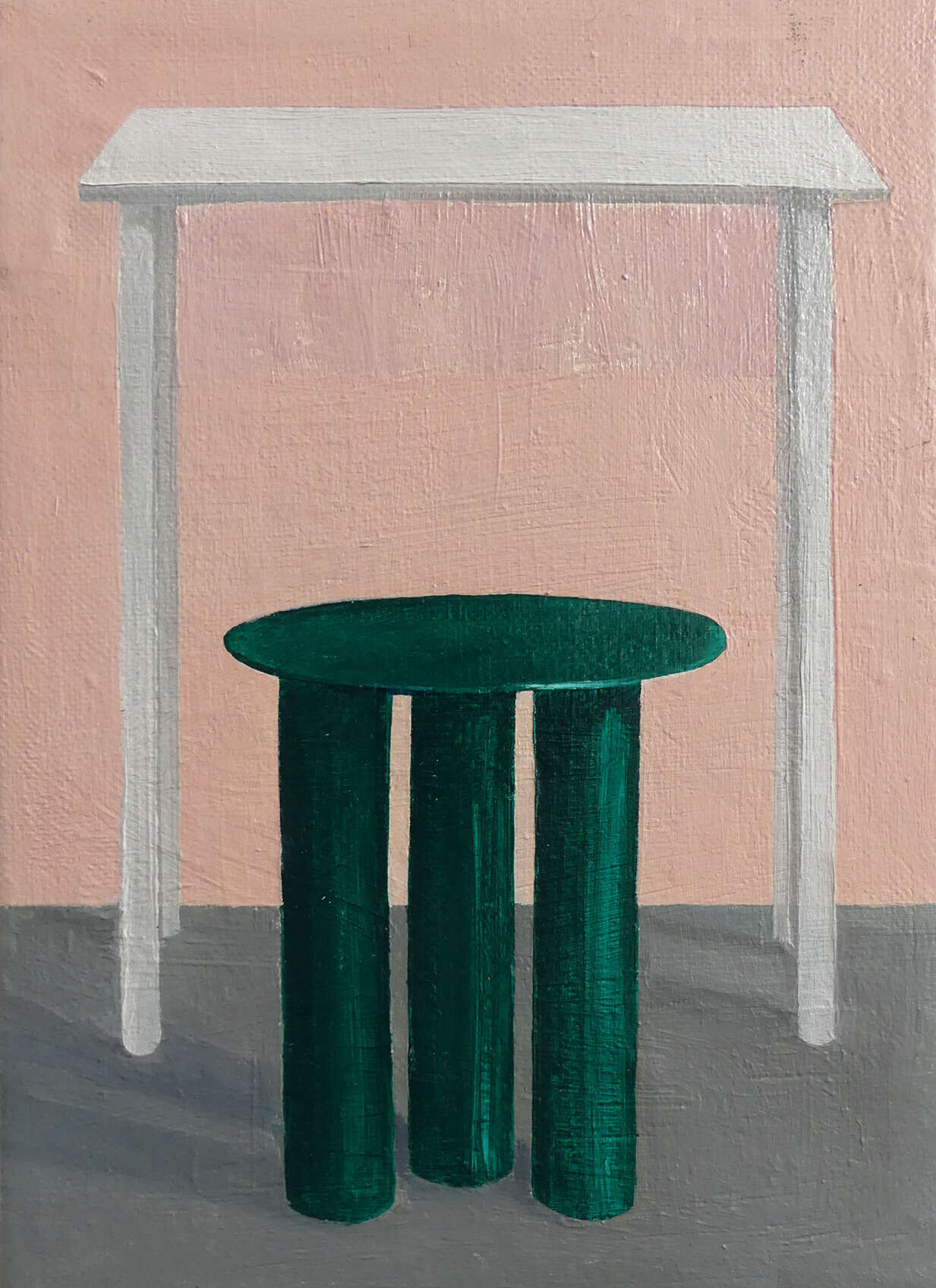
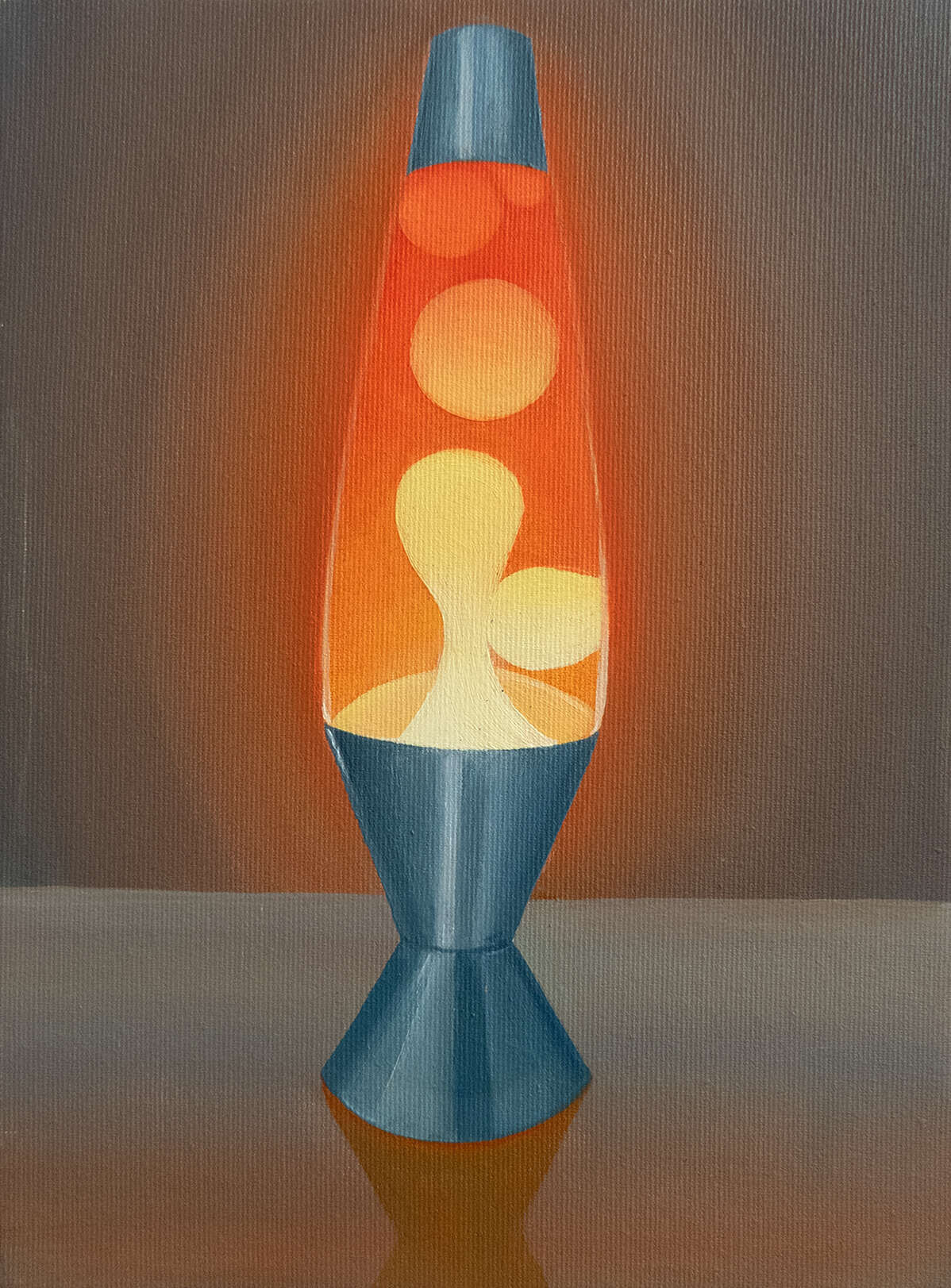
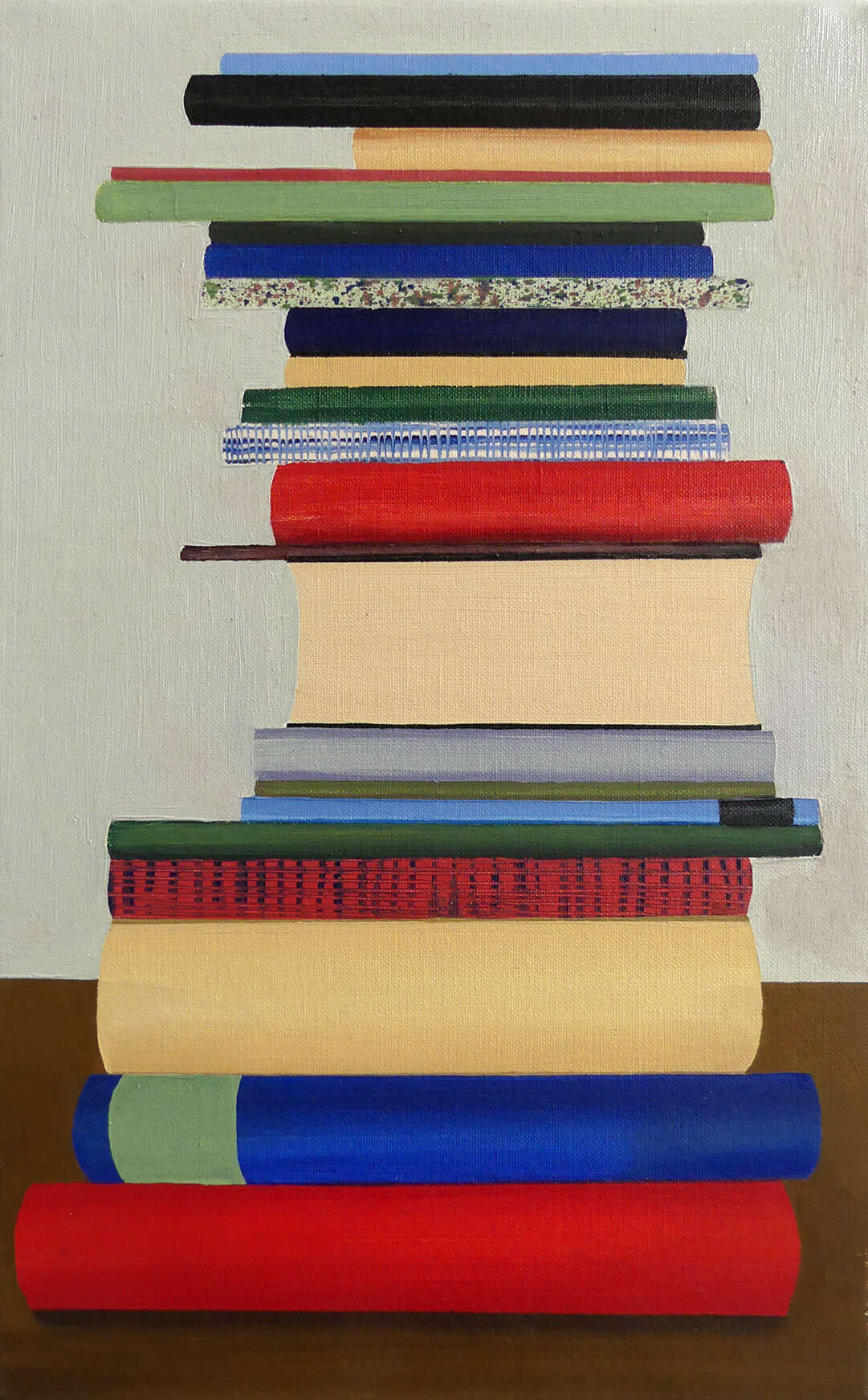
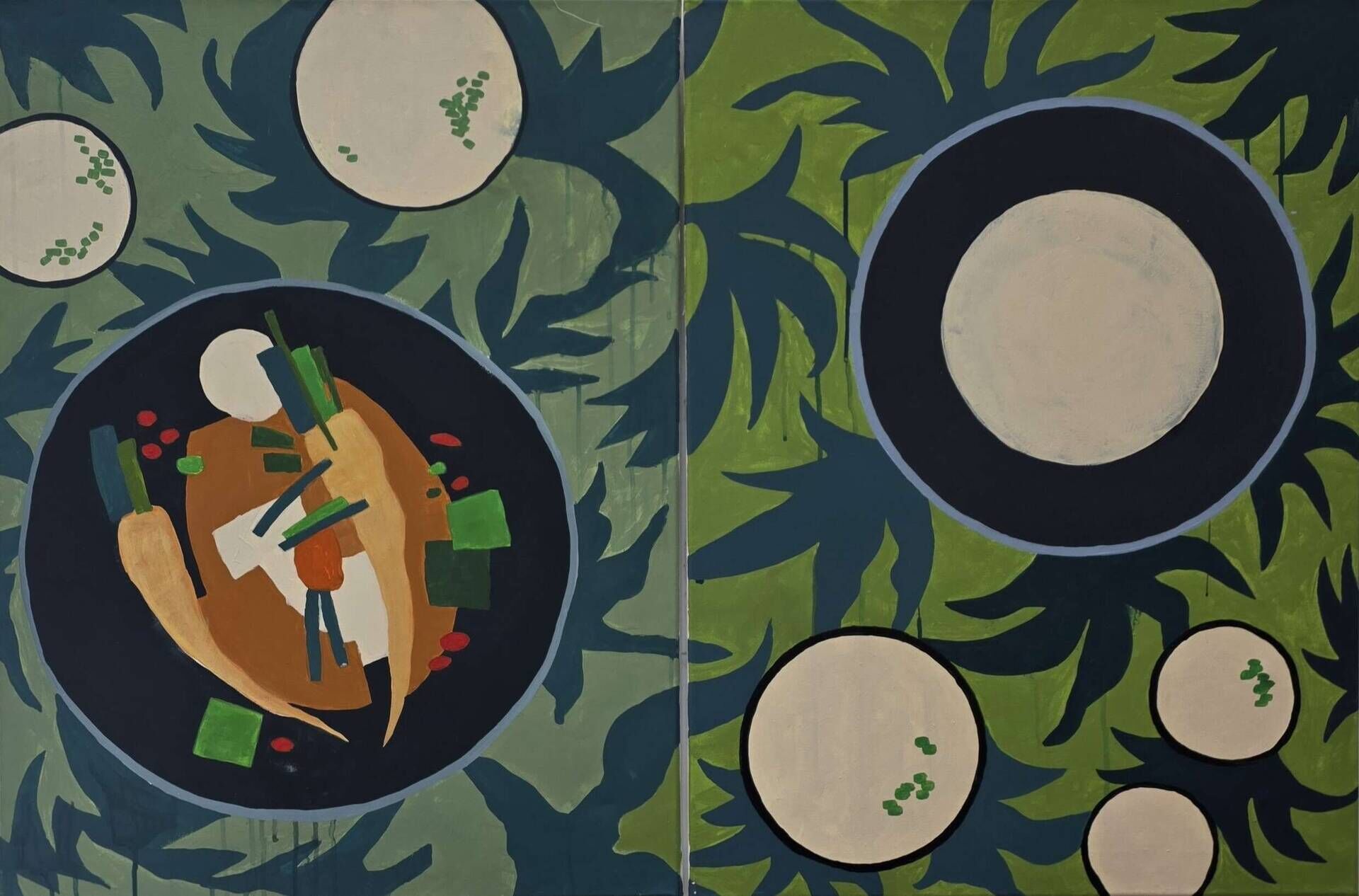
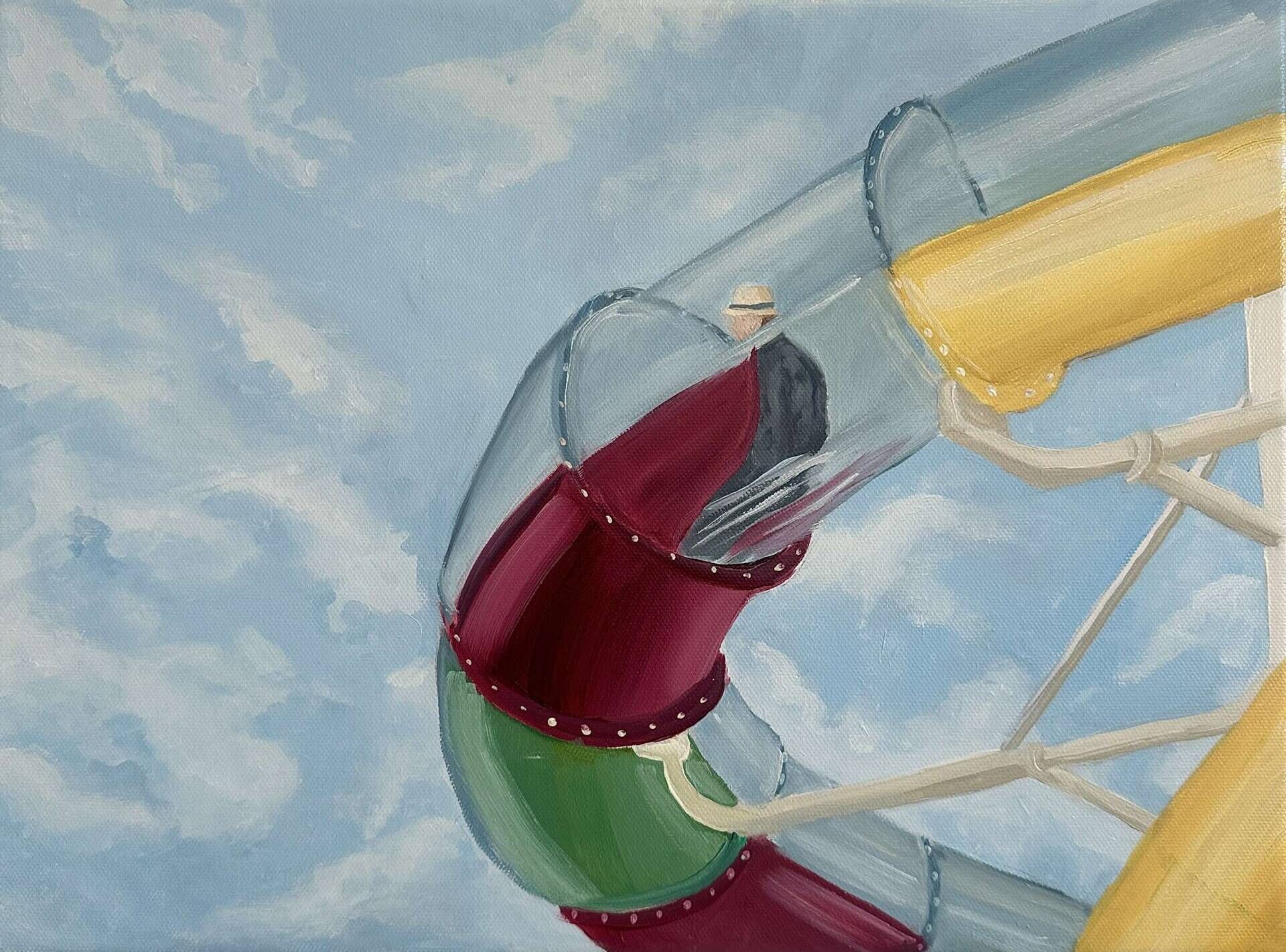

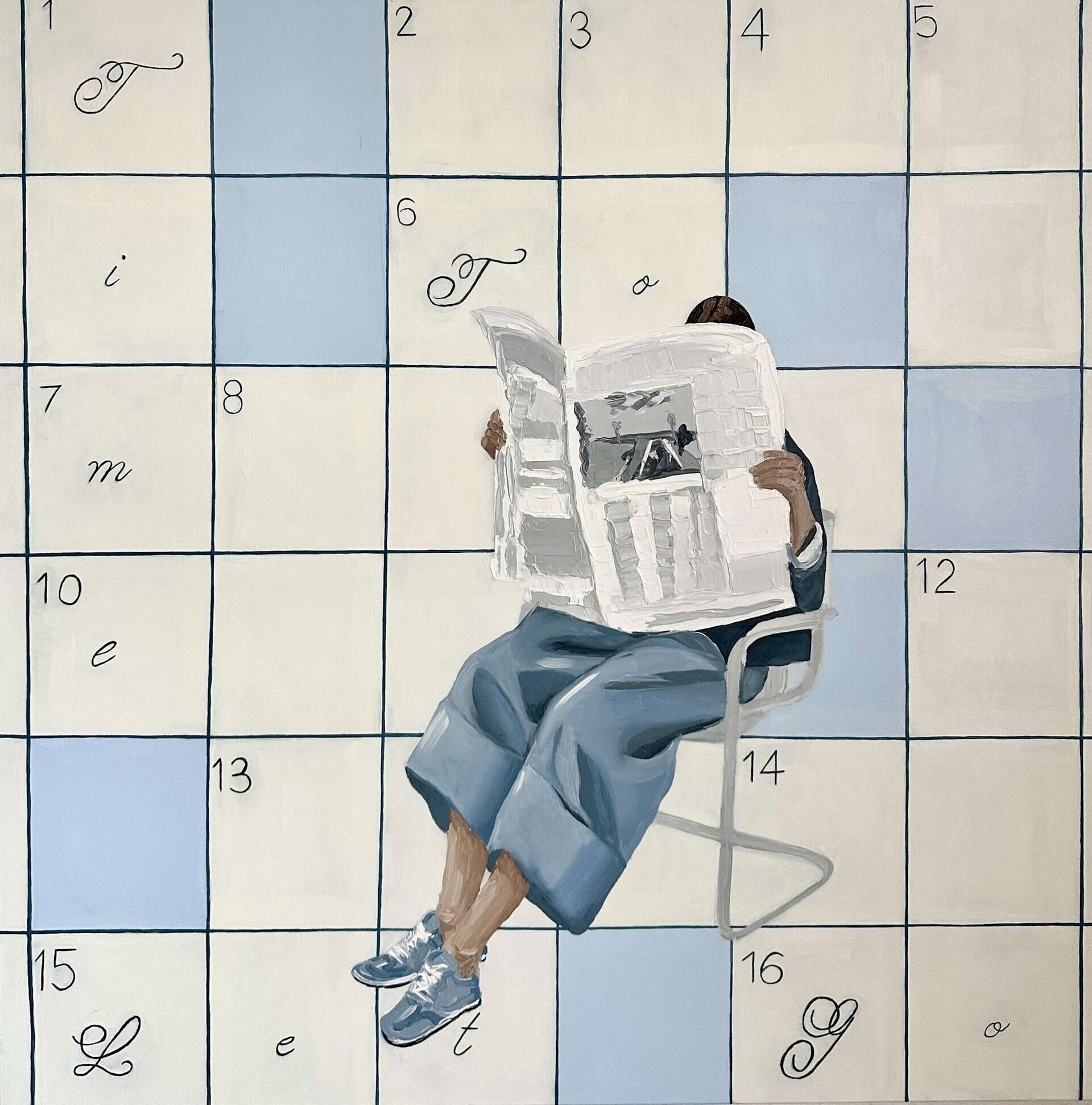
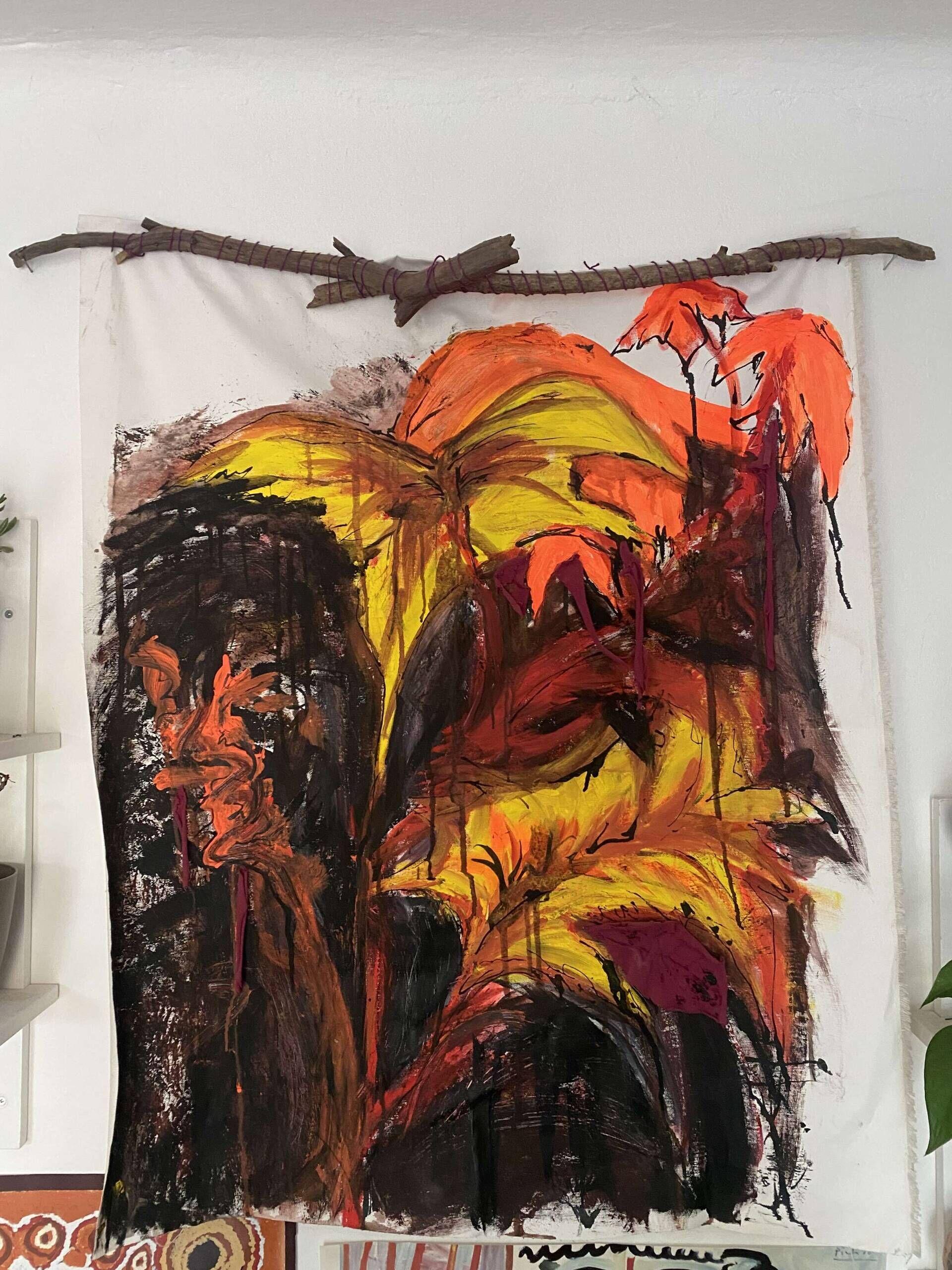
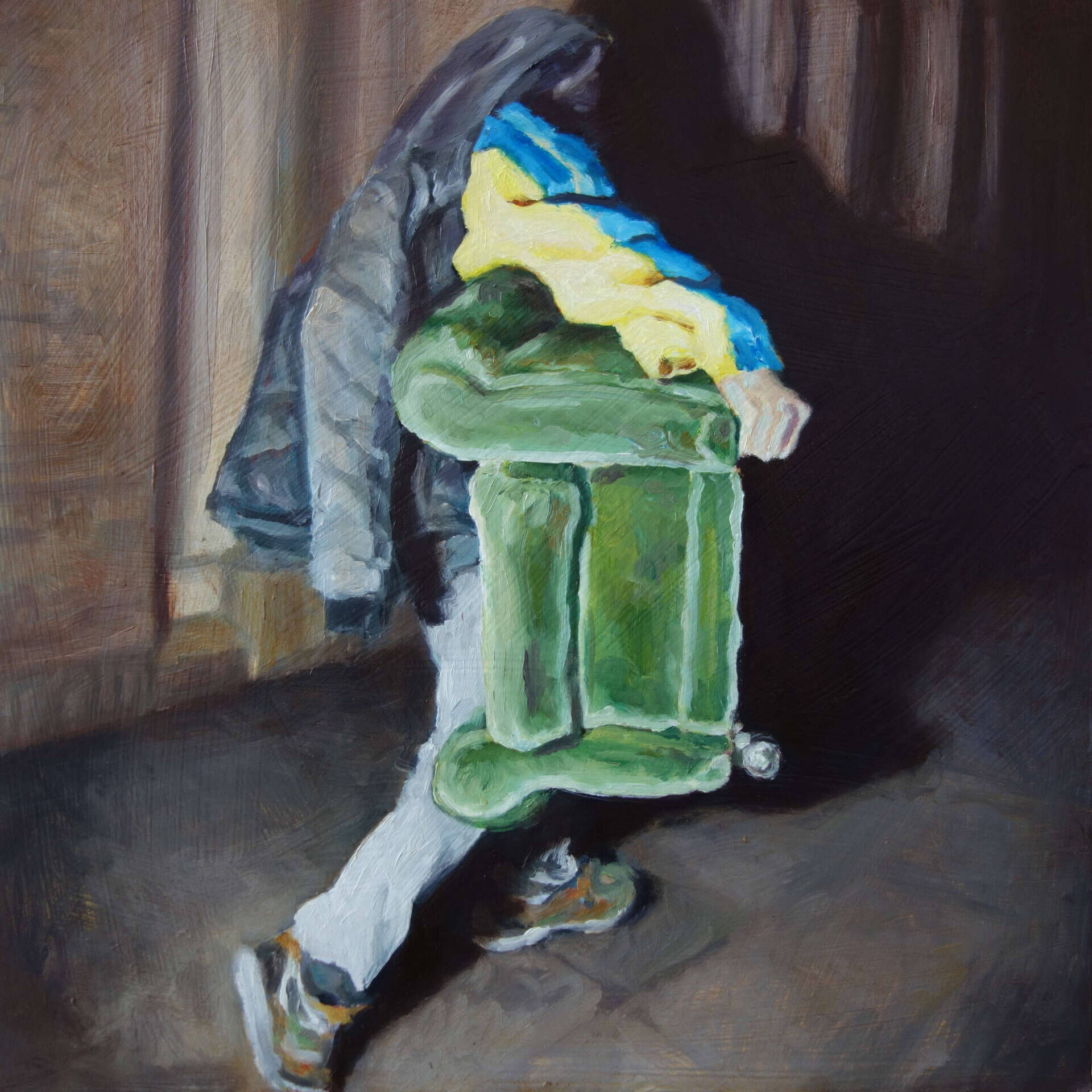
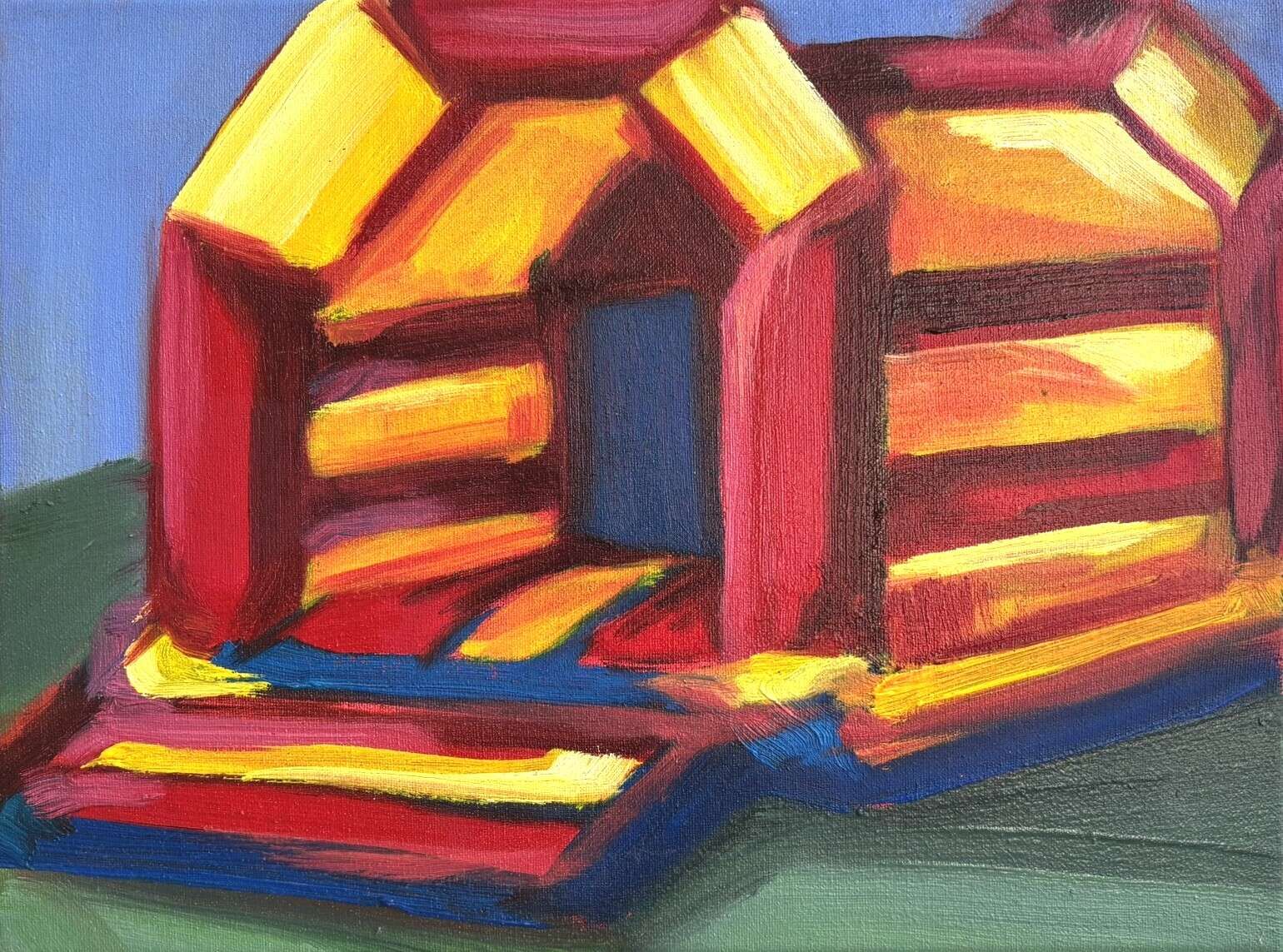
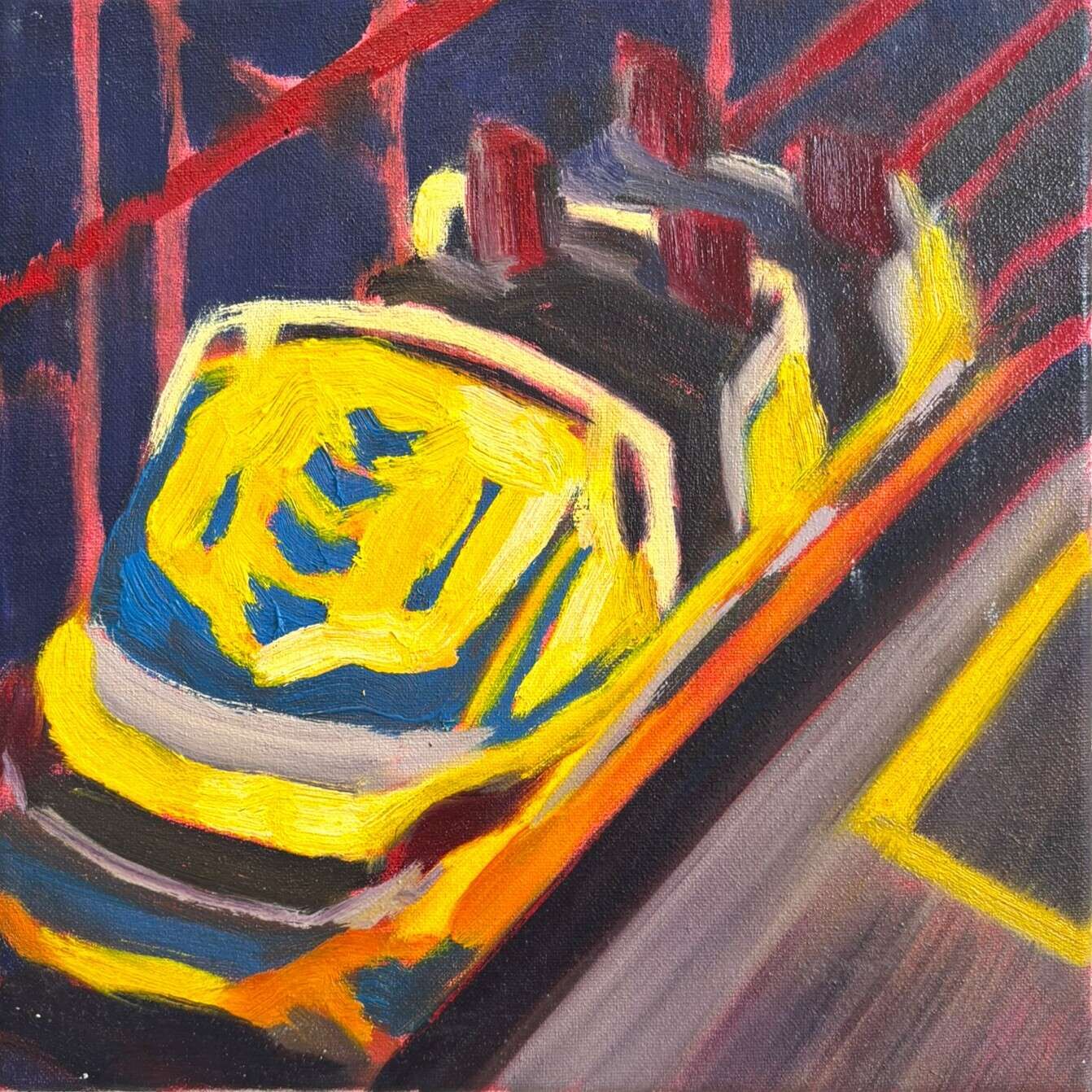
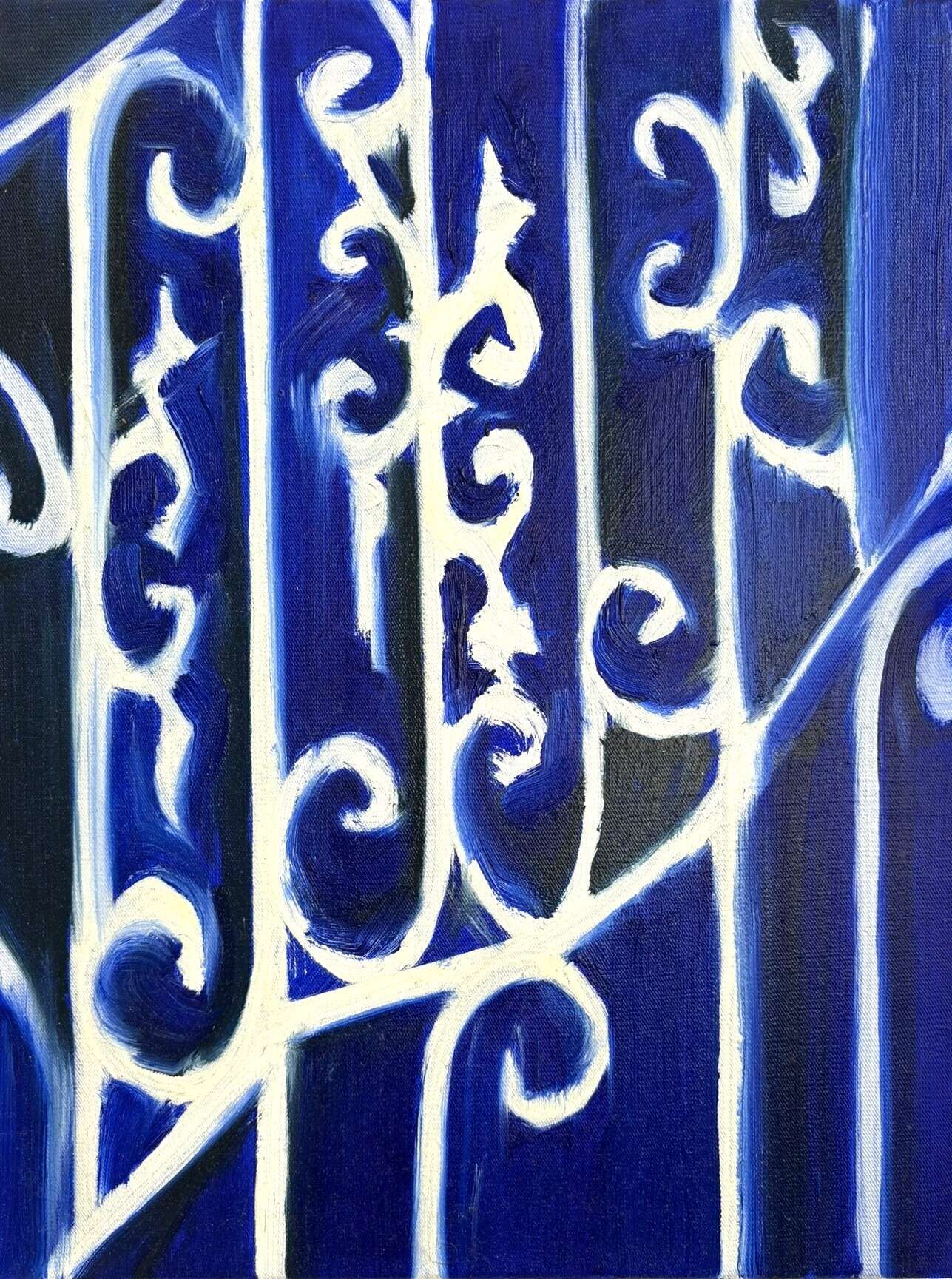
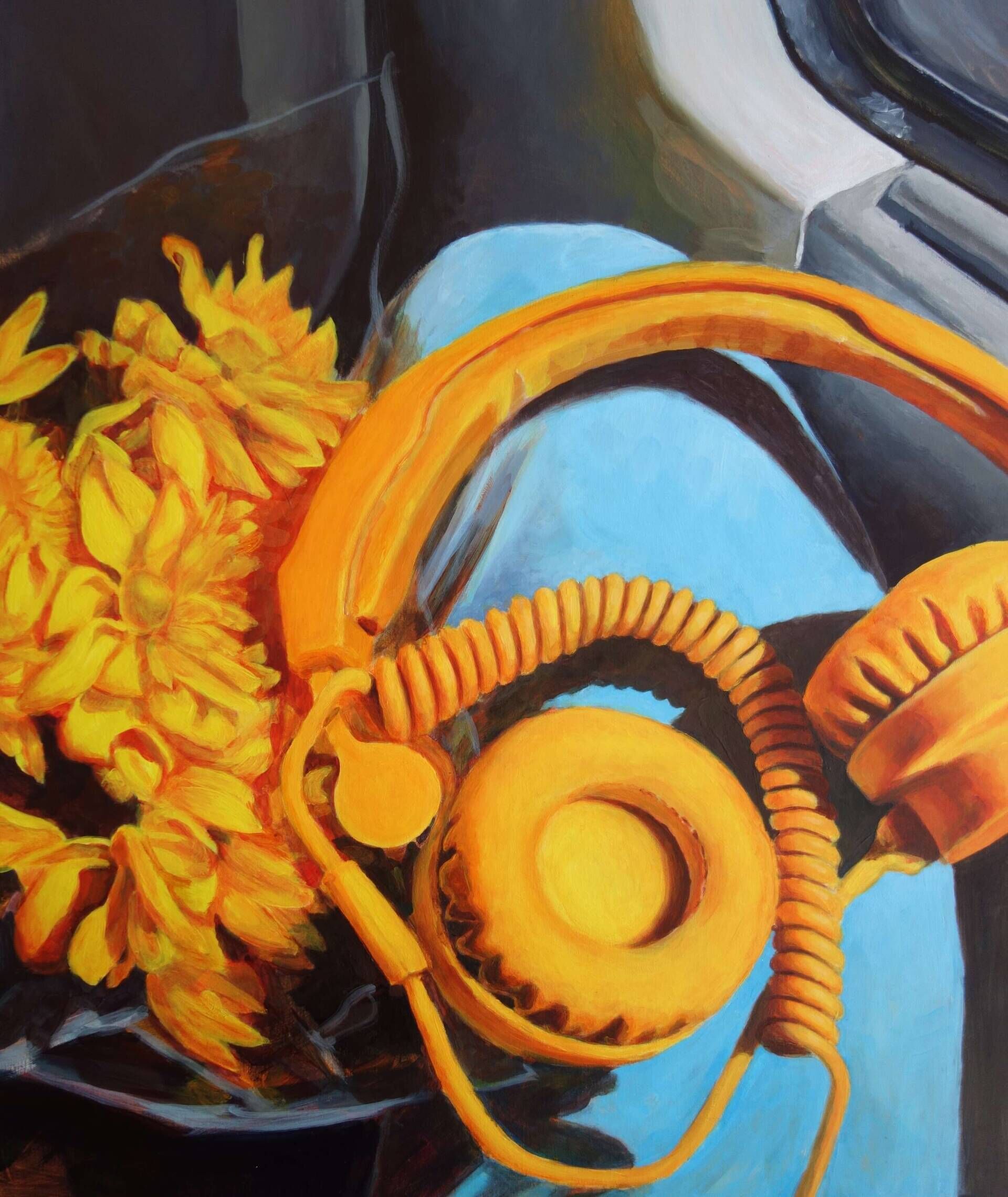
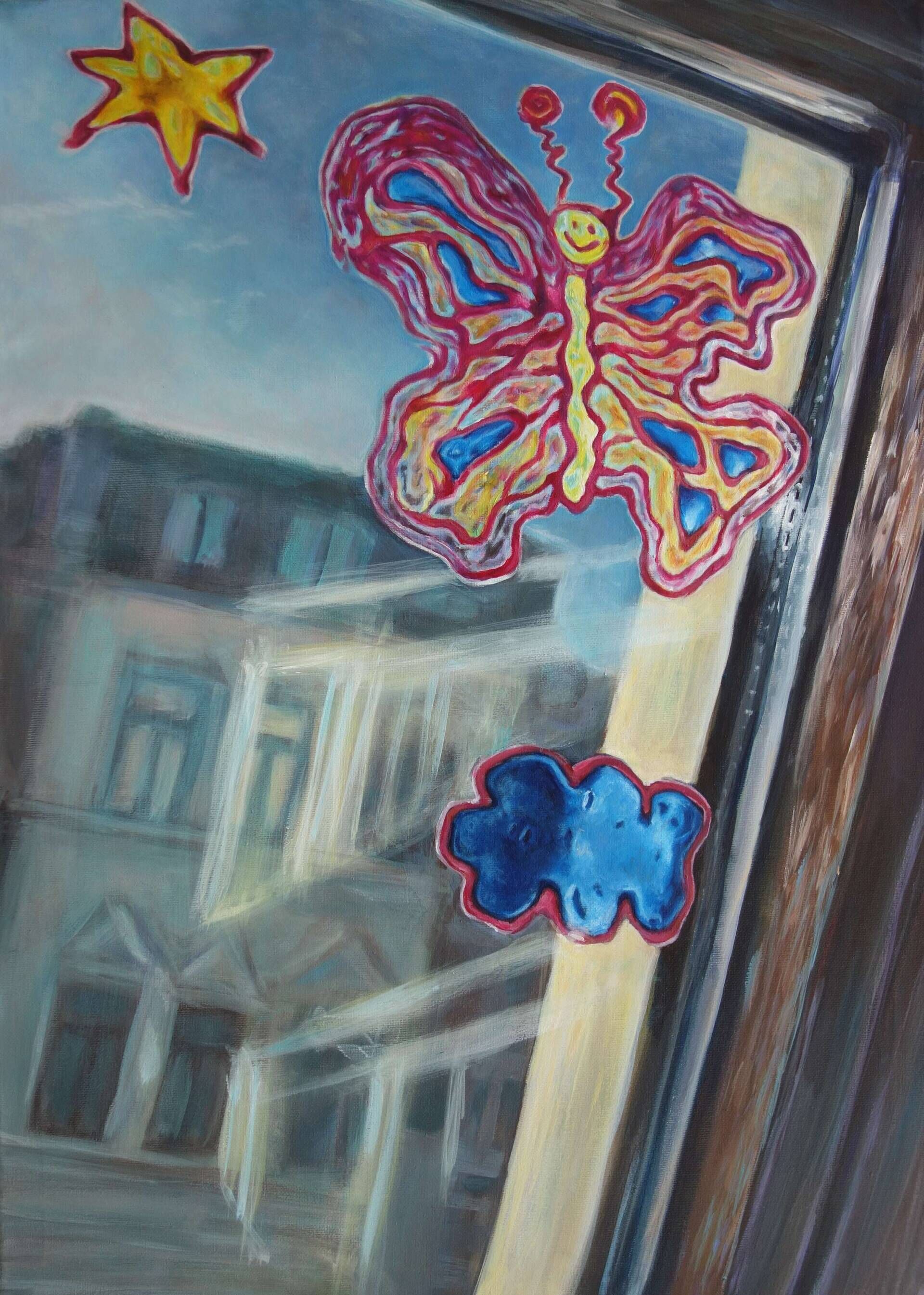
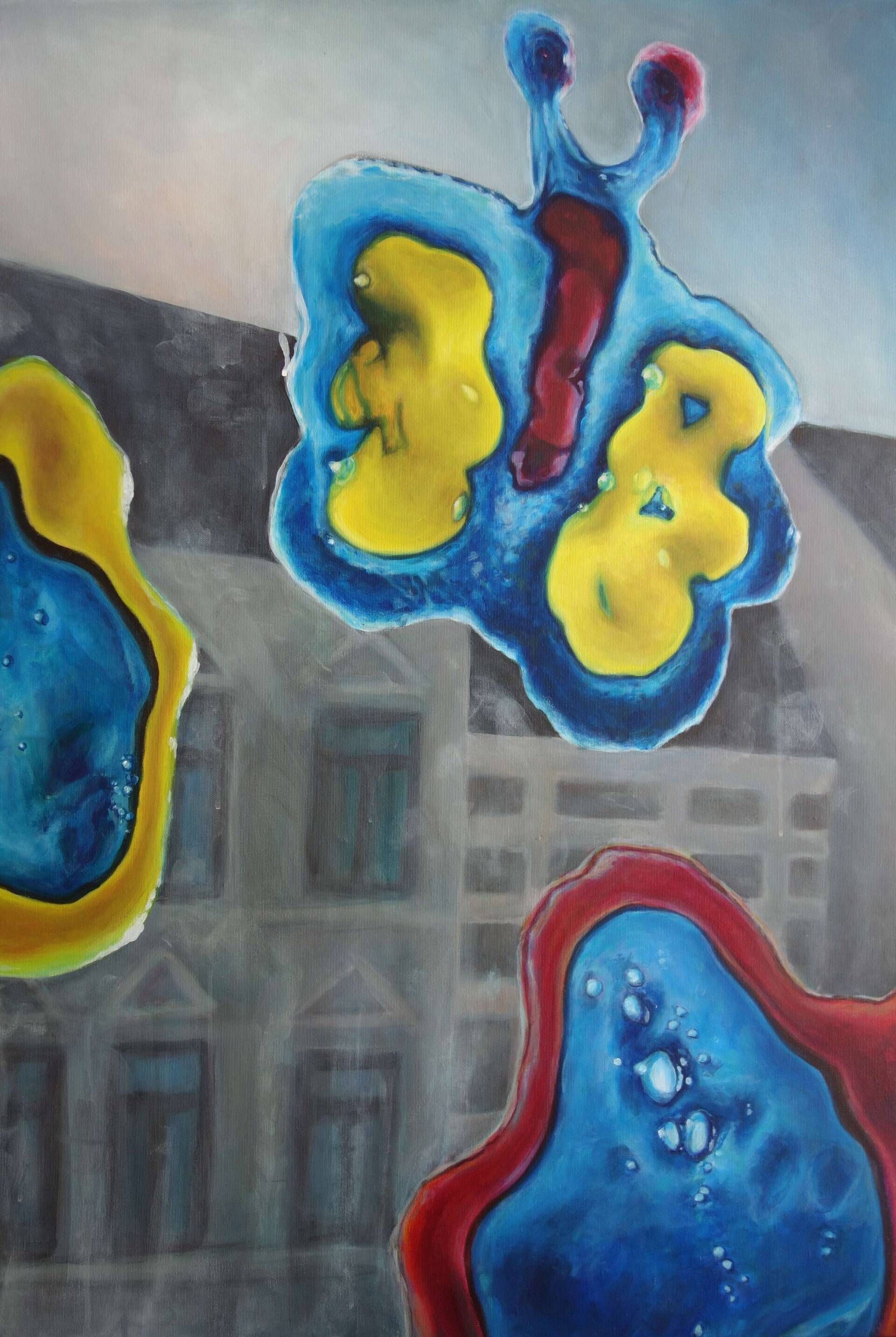
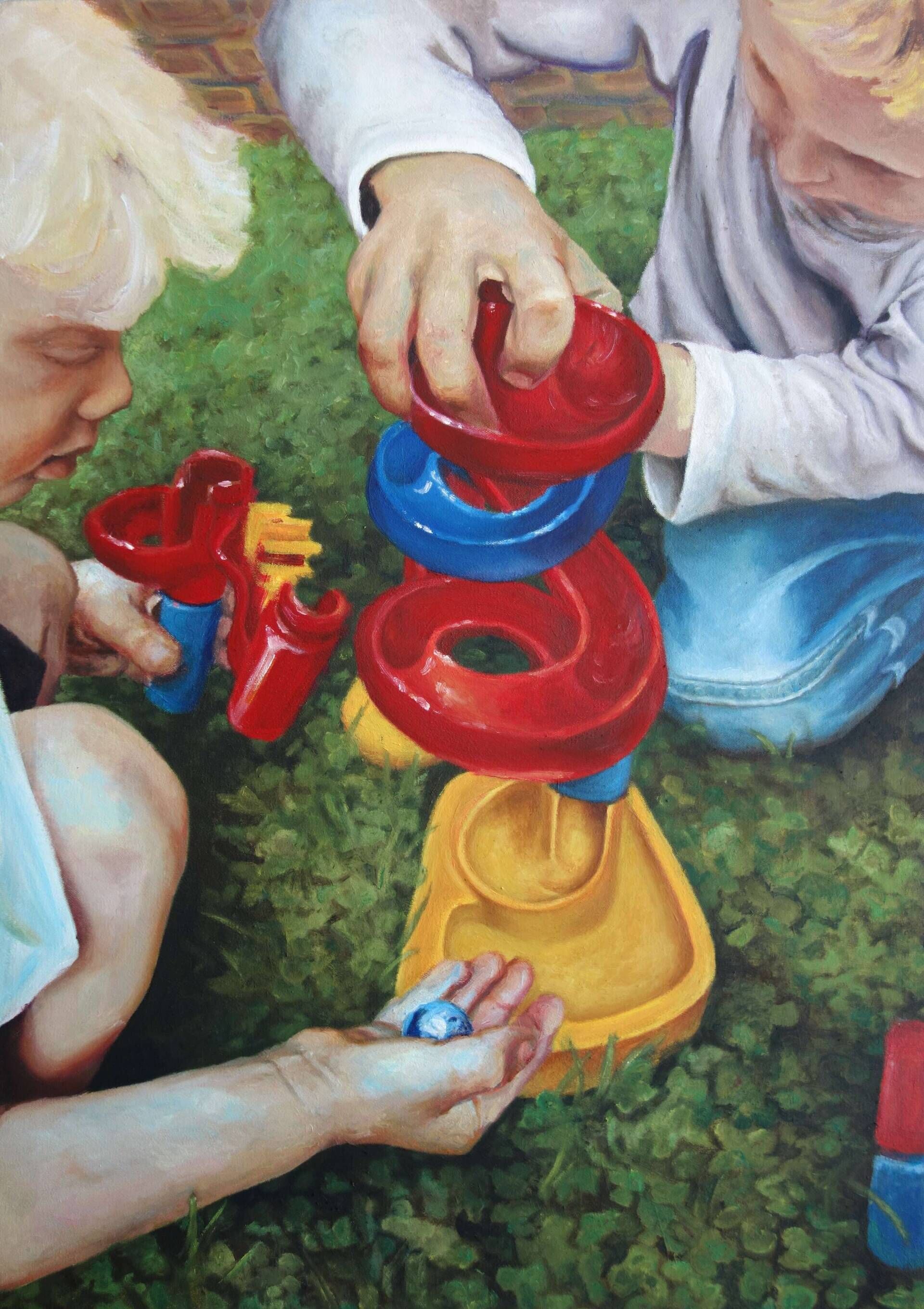
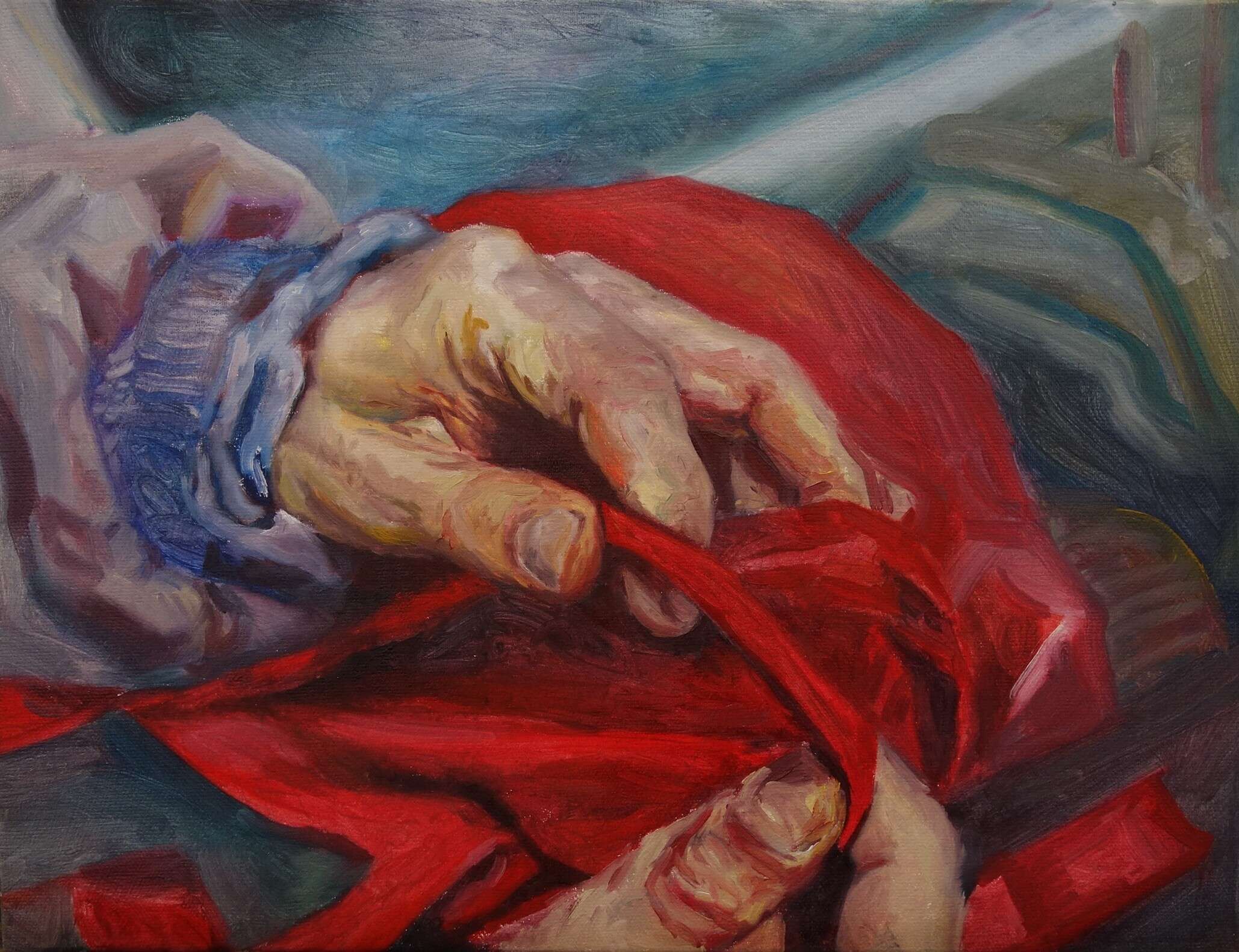
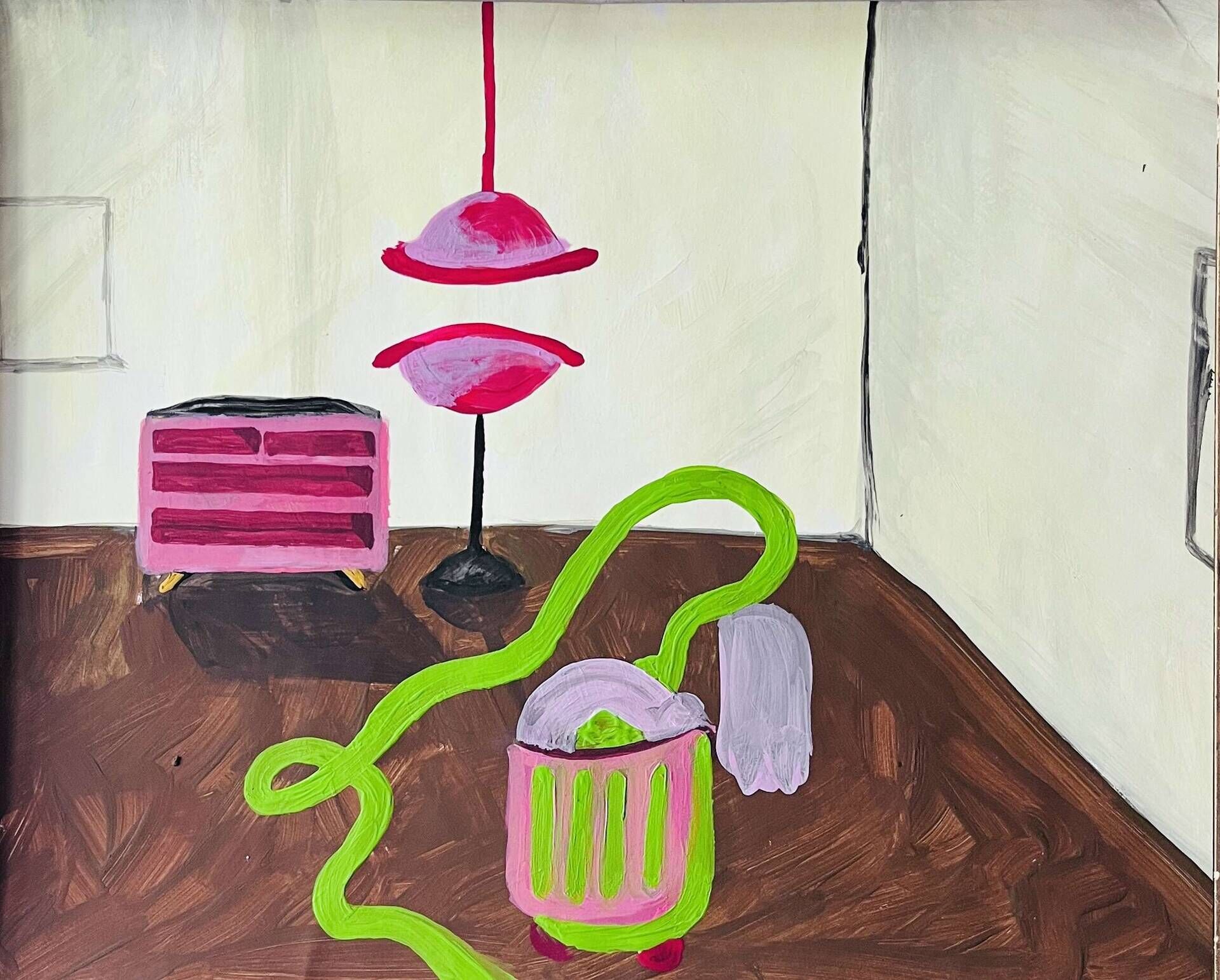
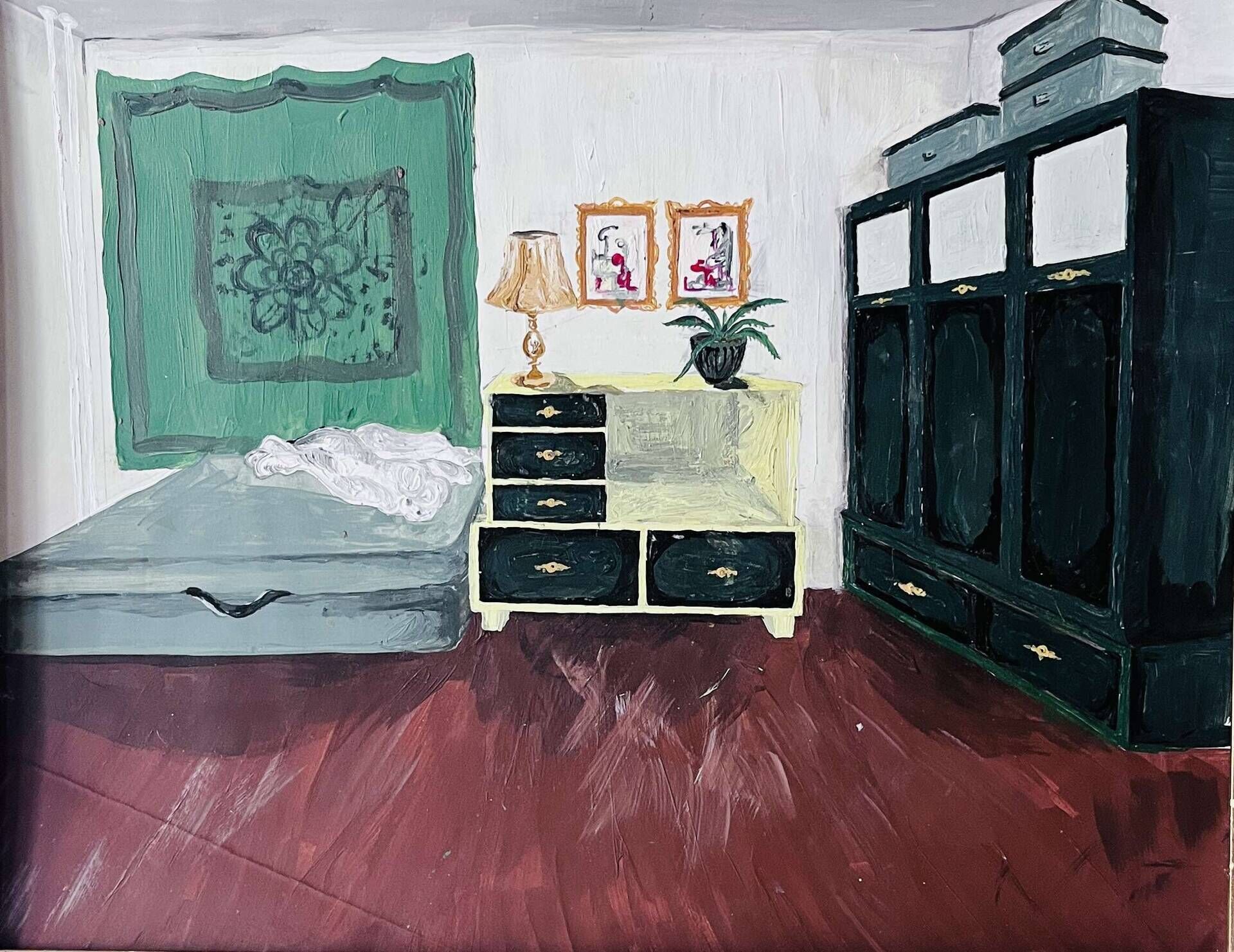
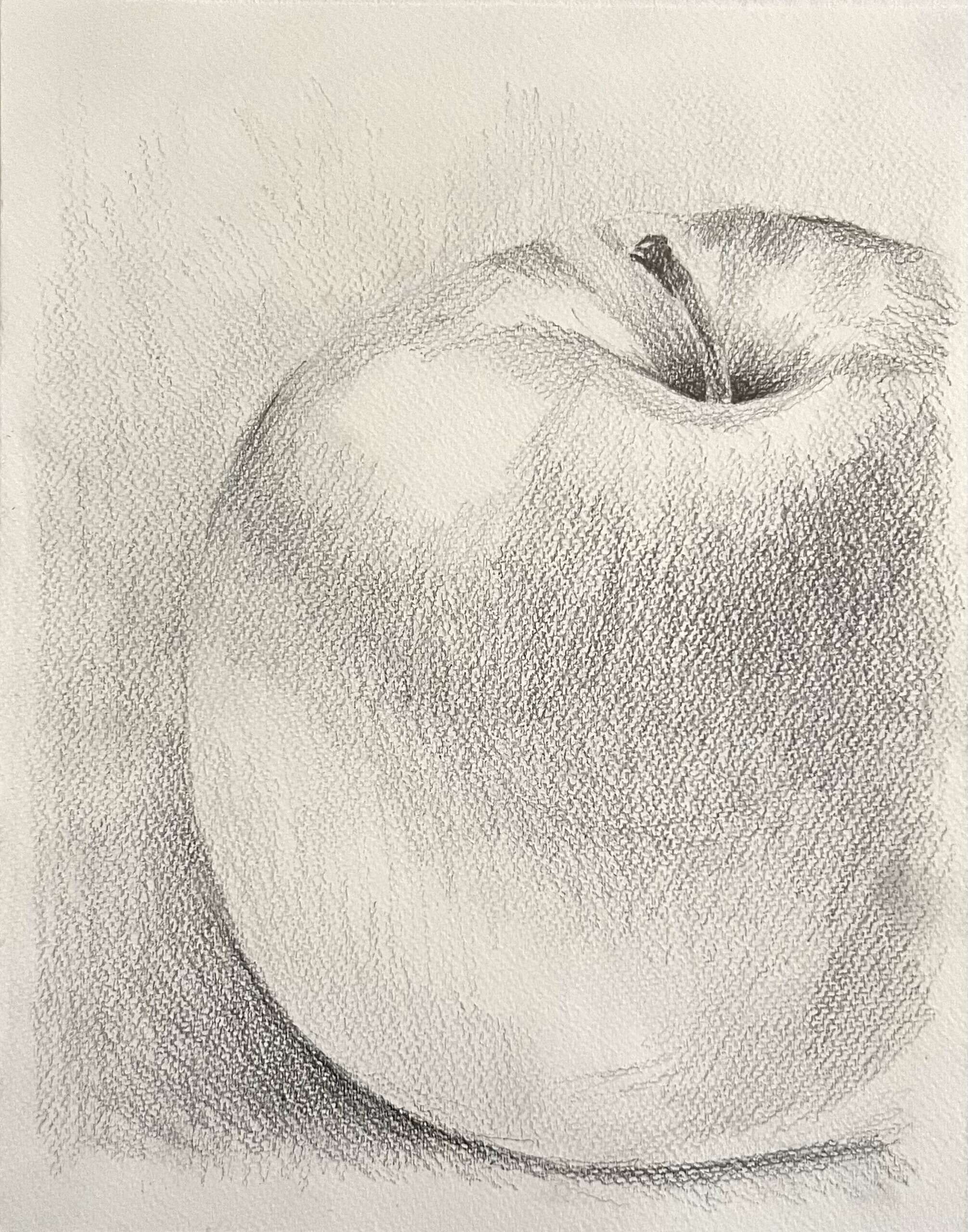
Beauty in the Everyday – Still Life Paintings
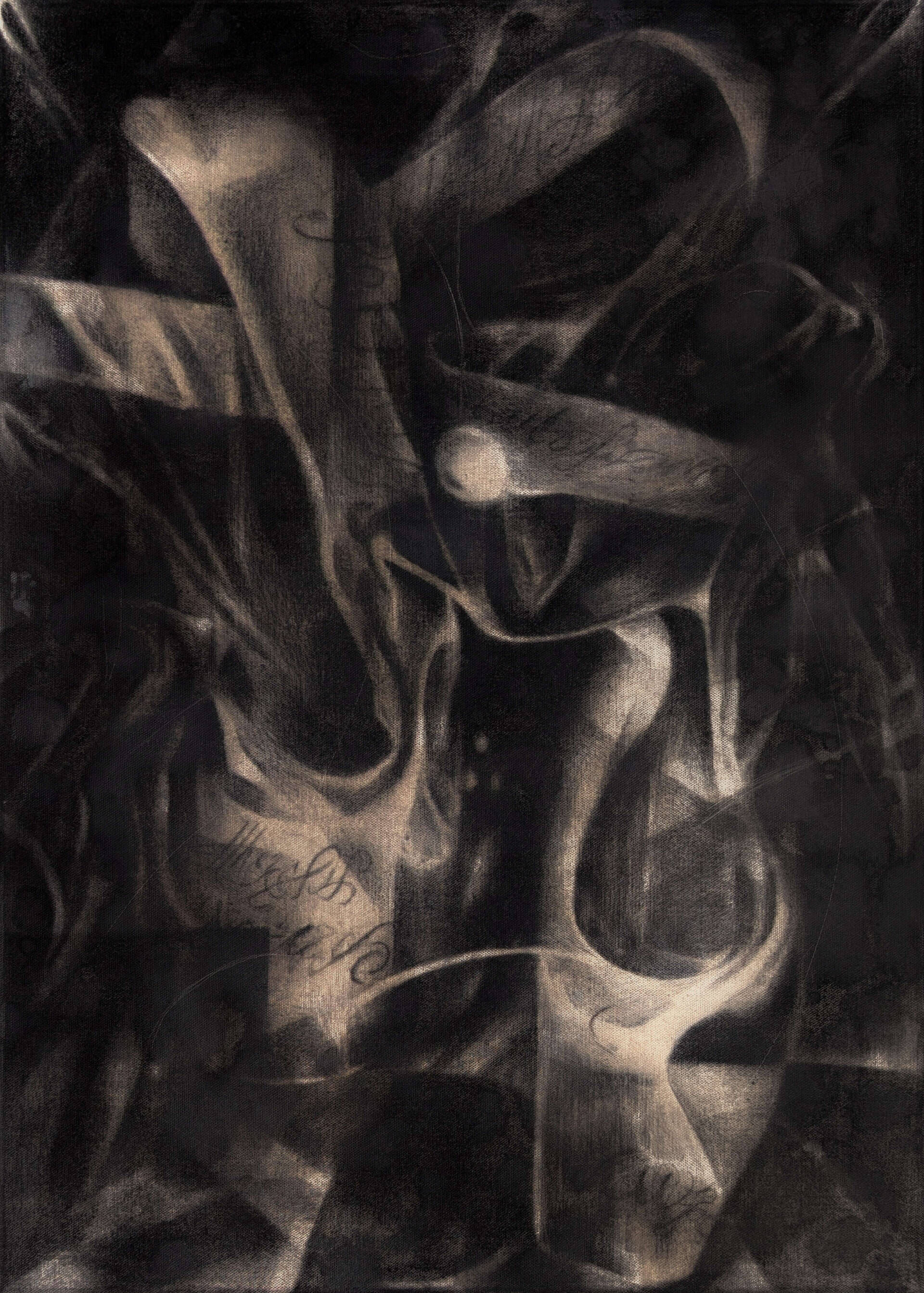
We all come across them every day, often without realising it: still life paintings depicting arranged fruit, flowers or everyday objects. They are ubiquitous – from Instagram photos to decorative prints. Yet the tradition of still life painting dates back centuries. Still life paintings tell stories of life and transience, of artistry and attention to detail. Particularly during the Baroque period, motifs such as flowers, glasses, fruit or musical instruments were masterfully arranged. Famous artists such as Claesz, Bruegel the Elder, Flegel and Chardin set new standards in the technique of still-life oil painting. The vanitas still life, a well-known sub-genre of still life painting, illustrates the transience of life through skulls, hourglasses or burnt-out candles – a motif that continues to have an impact to this day.
Even in the works of the Old Masters, it is clear how closely technique and symbolism are interwoven in still life paintings. They were not merely a demonstration of skill, but also a philosophical commentary: everything in life is transient; nothing lasts forever. At the same time, the fascination with still life paintings is universal – the tranquillity, the composition and the balance of the objects have an almost meditative effect on the viewer. Anyone who chooses a still life painting is therefore opting for more than merely decorative art: it is a conscious dialogue with colour, light and form.
Still-life art in all its forms
Many people still recall their first experiences from art lessons: a few apples on the table, and the task was to copy them as faithfully as possible. Yet the fascination with the genre of still-life painting extends far beyond that. Still life paintings combine composition, lighting and symbolism within a single image. Typical subjects include fruit, flowers, glasses, books or musical instruments, often imbued with subtle symbolism ranging from vanitas to the simple joys of everyday life. The spectrum of still-life paintings ranges from classically realistic depictions to experimental, expressive approaches.
Still-life paintings also offer the opportunity to capture emotions and moods. A classical hunting still life not only depicts game and weapons, but also conveys social status and symbolic meaning. Sumptuous still lifes, on the other hand, depict lavish banquet scenes with fine tableware, exotic fruits and treasures – a blend of aesthetics, wealth and transience. Impressionists such as Monet, Cézanne and Degas also expanded on this tradition. Their still life paintings emphasise light, colour and perspective, presenting everyday objects from a fresh perspective and inviting viewers to rediscover familiar motifs.
In the 20th century, artists experimented with materiality and media: Andy Warhol’s “Campbell’s Soup Cans” or Wayne Thiebaud’s pastel-coloured depictions of cakes show how still-life paintings can be translated into Pop Art and modern media. Here, classic motifs meet serial character, a critique of consumerism and new aesthetics – still life paintings remain vibrant and contemporary. In our article, you’ll discover more fascinating information about famous still-life paintings.
Modern still lifes: between tradition and innovation
Modern still life paintings not only take up classical themes, but also reinterpret them. Artists experiment with abstract forms, digital techniques or unusual materials. Ori Gersht, for example, breaks down classical floral still lifes in his ‘Blow Up’ series using high-speed photography – a dramatic metaphor for transience and change. Giorgio Morandi, on the other hand, reduced his still-life paintings to bottles, jugs and bowls, creating a meditative, timeless atmosphere. This reduction to colour, form and light makes Morandi’s works a model for minimalist and abstract approaches in modern art.
Still-life paintings today are therefore far more than mere depictions of objects. They combine historical techniques with contemporary interpretations, reflect everyday life, culture and identity, and open up a wide range of aesthetic perspectives. Still life paintings invite you to look closely, prompt reflection on the value of the everyday, and bring a sense of calm to modern living spaces. Choosing a still life painting means opting for a blend of tradition, contemporary art and personal expression.
Discover special still life paintings on Studierenden-Kunstmarkt
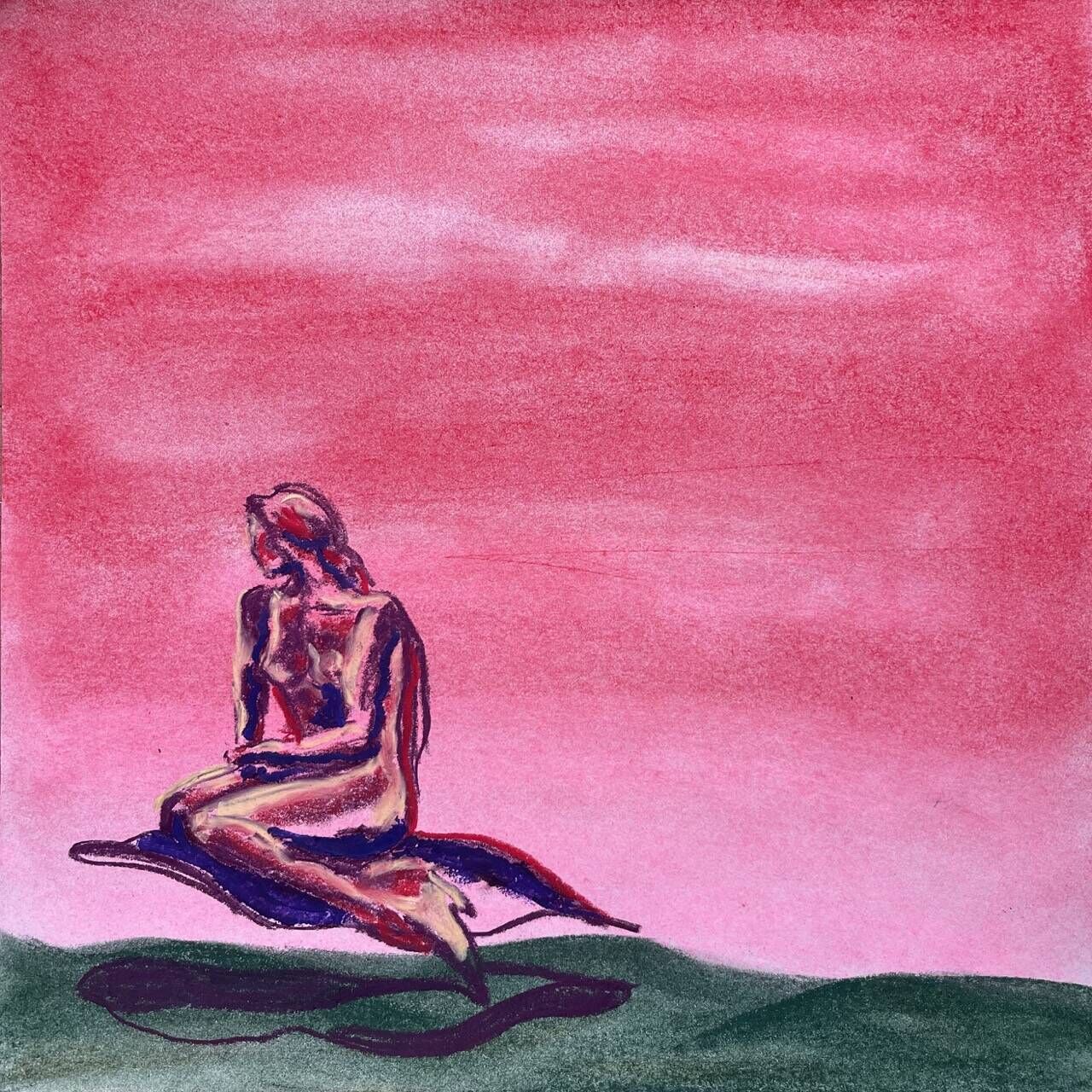
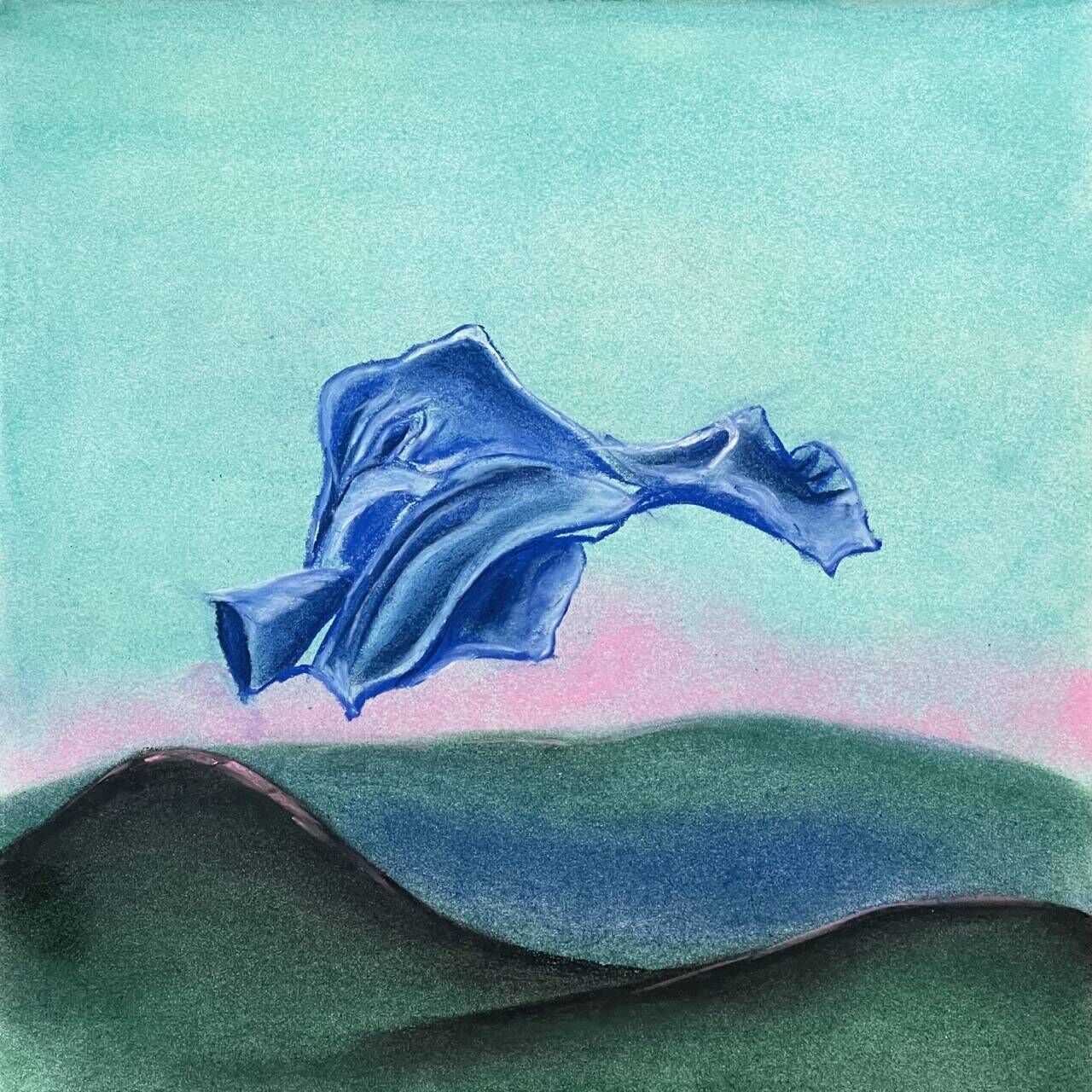
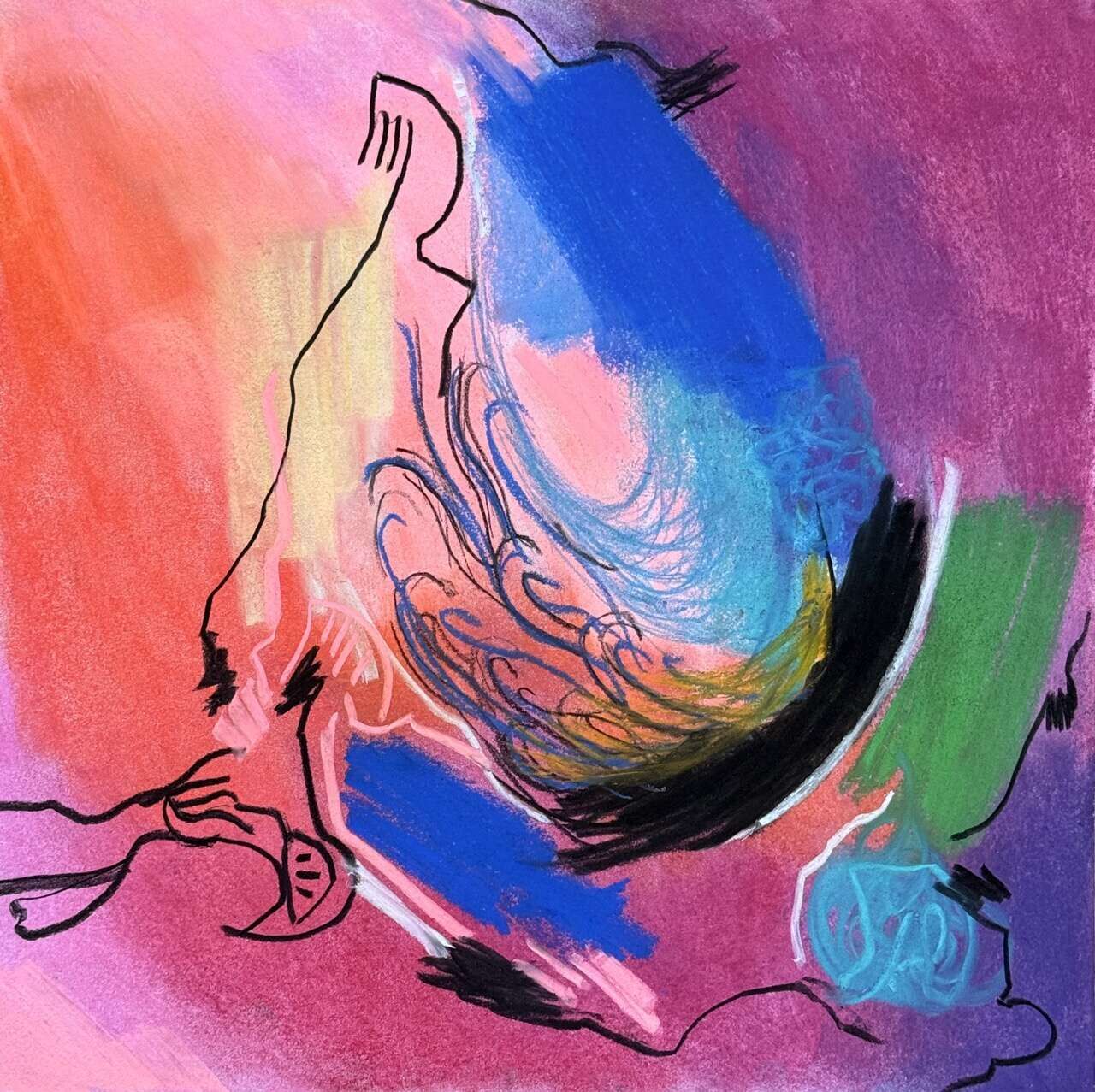
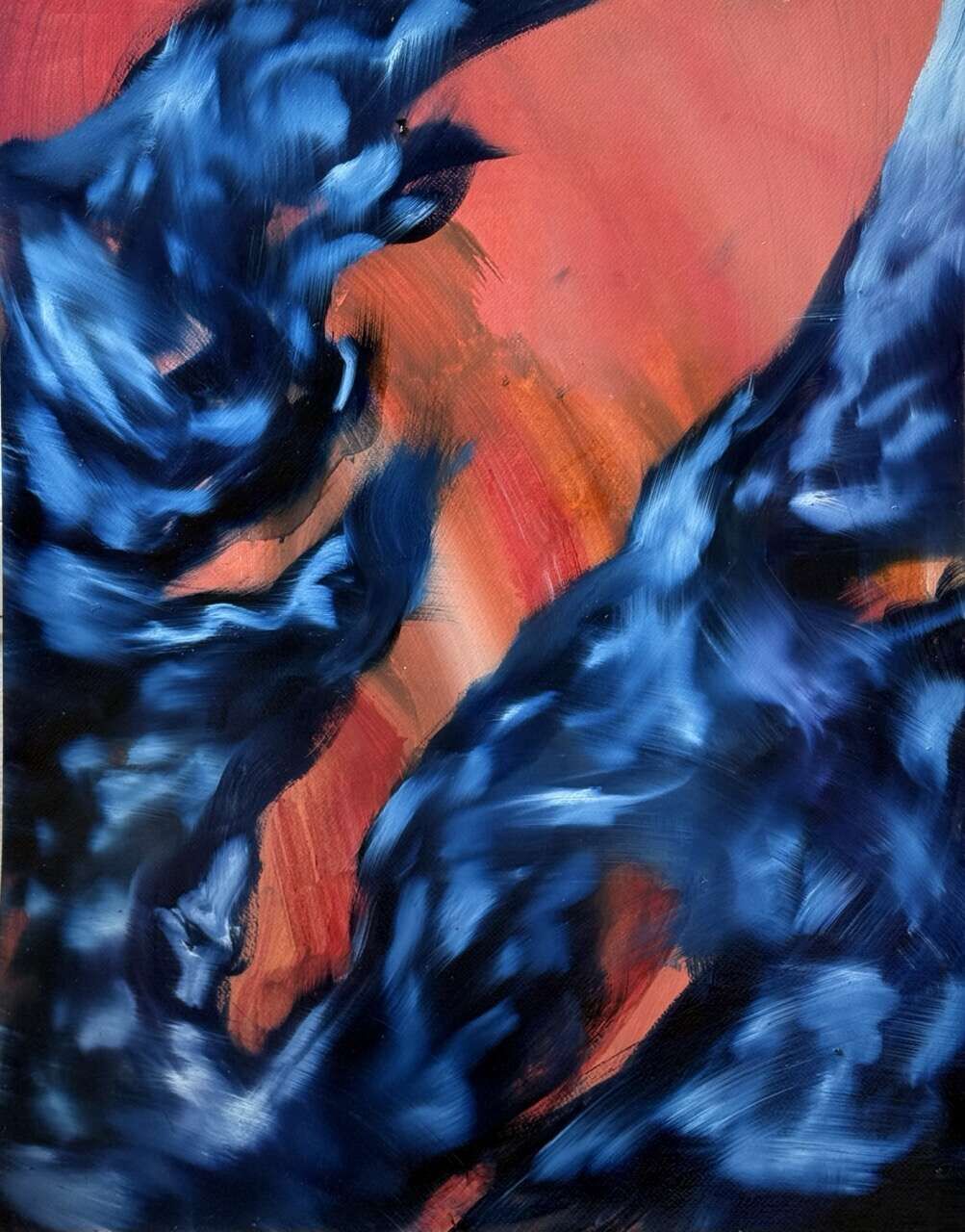
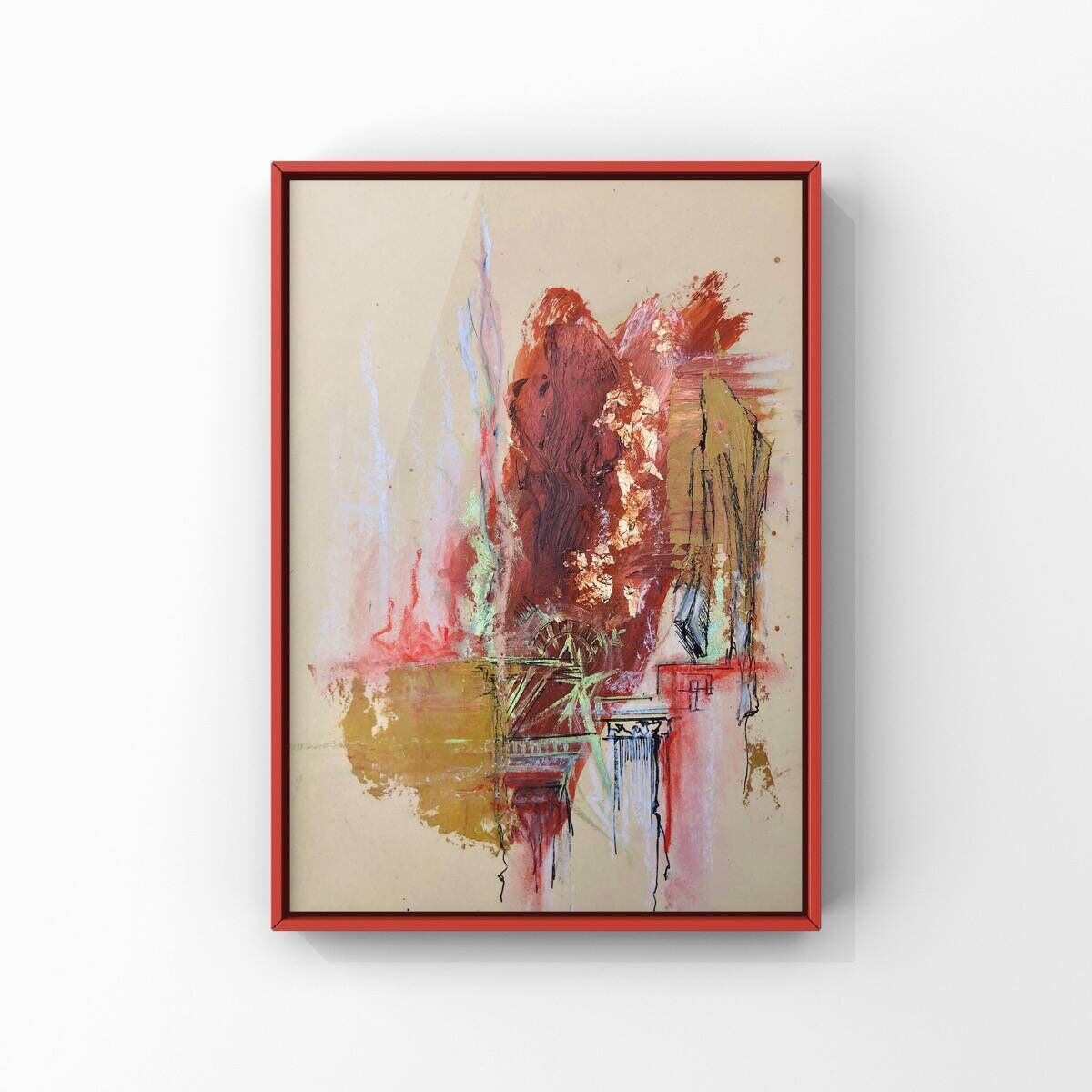
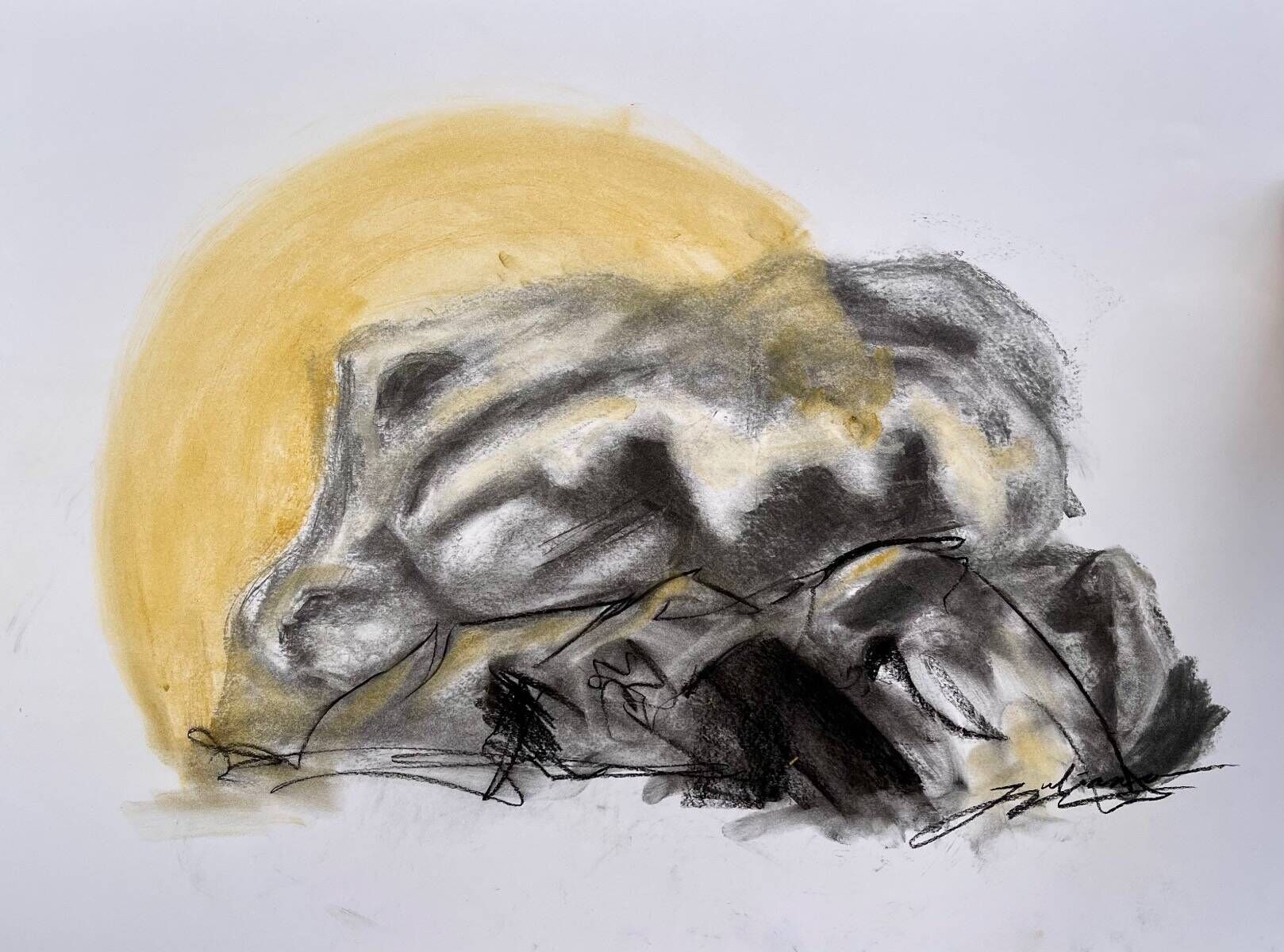
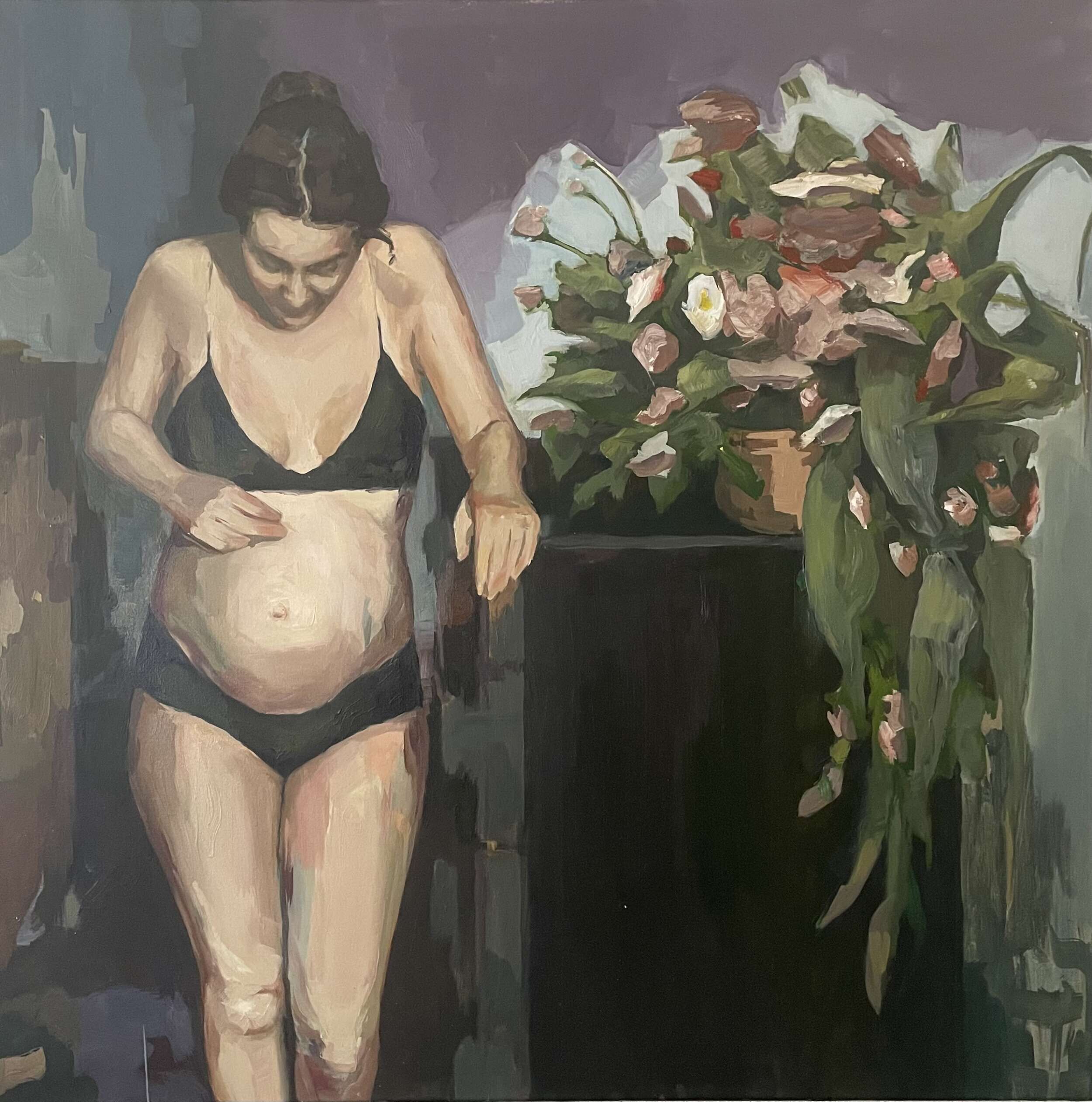
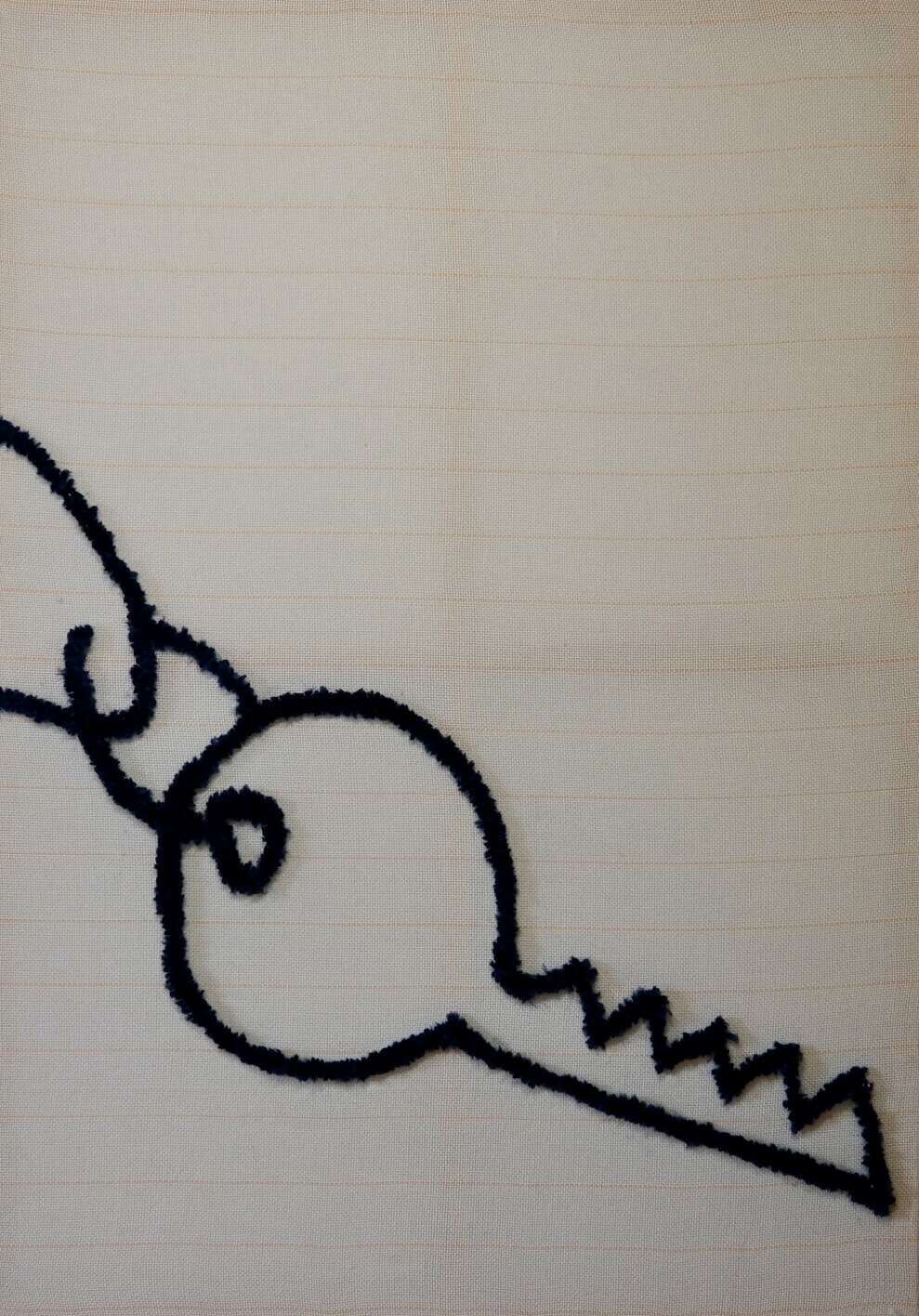
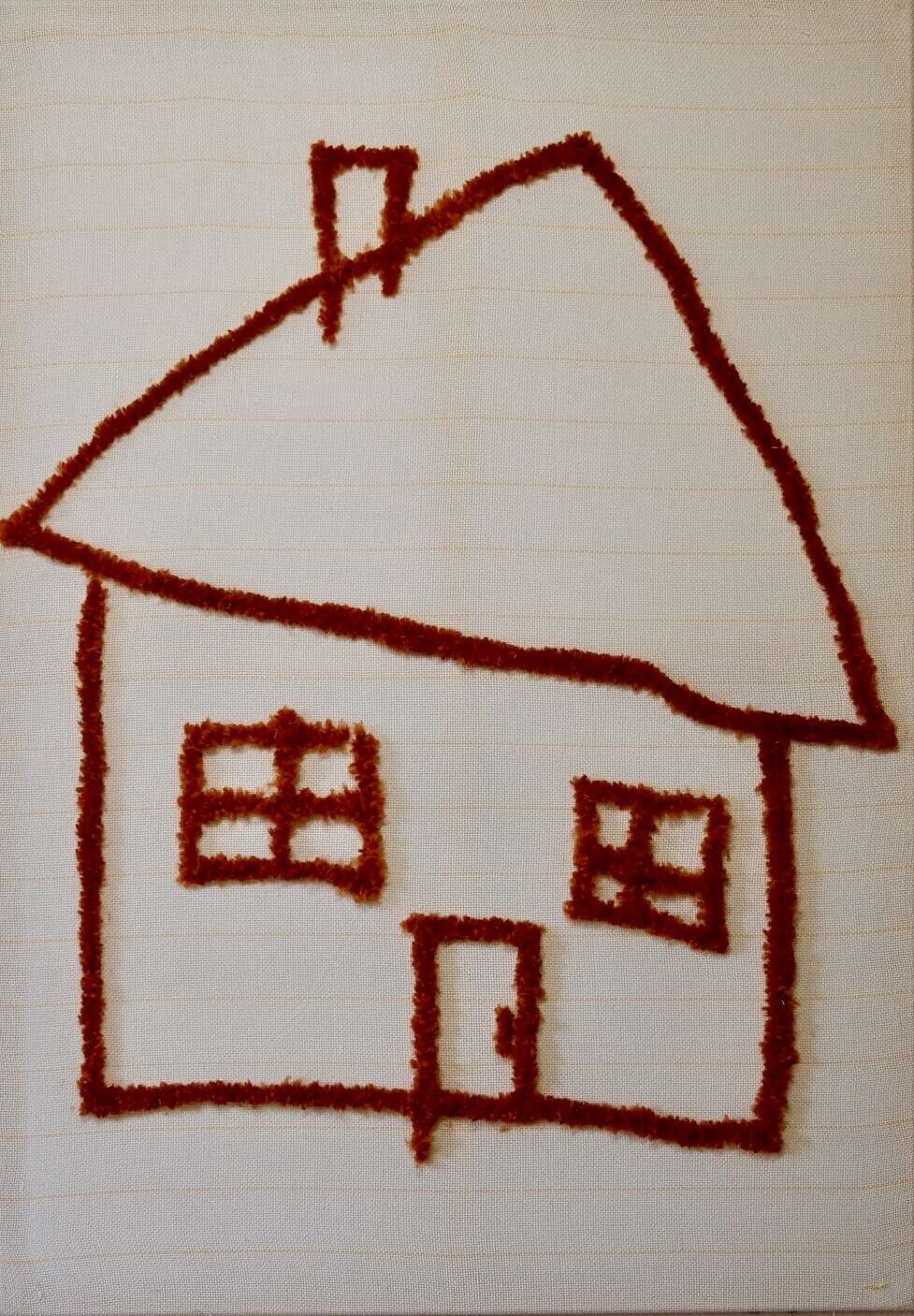
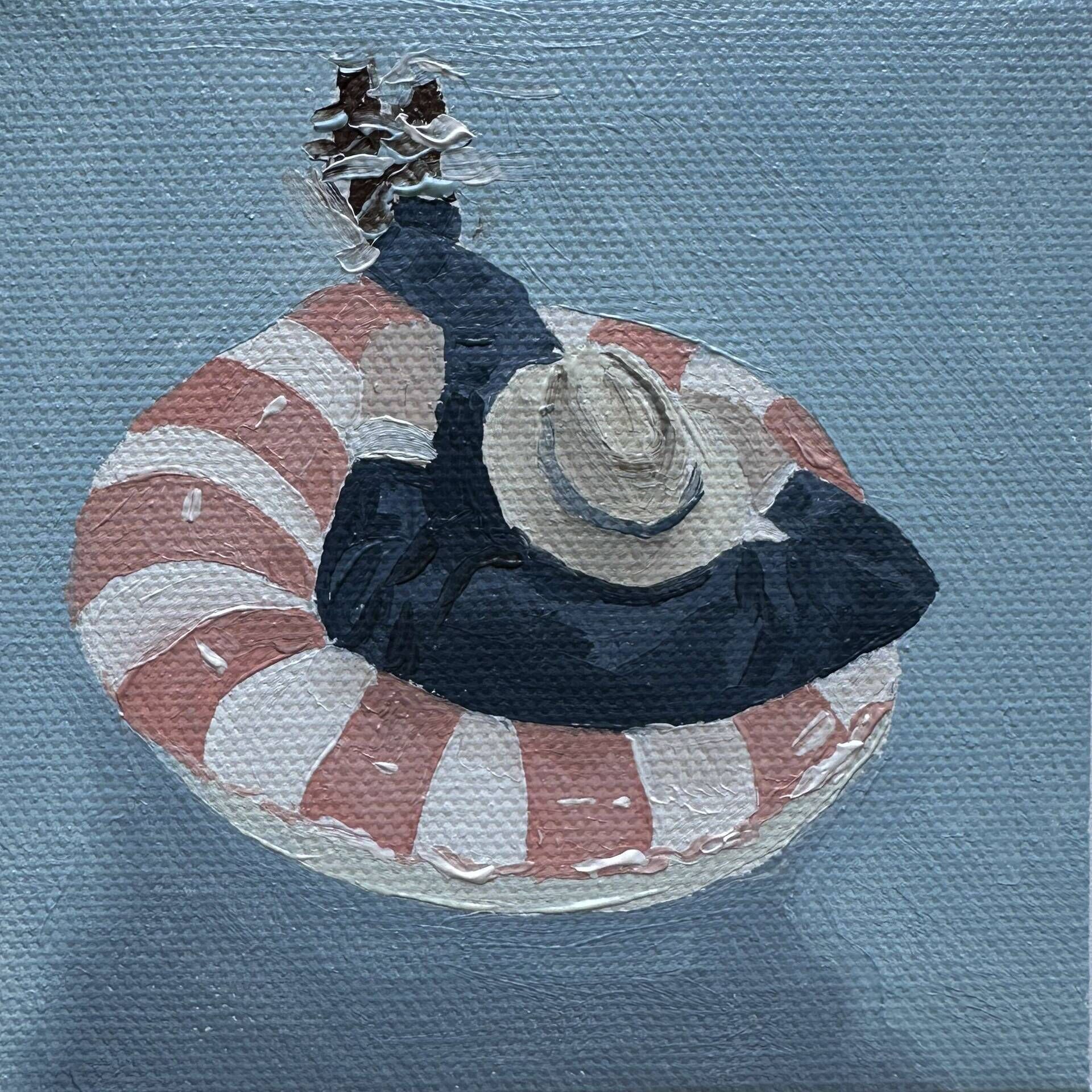
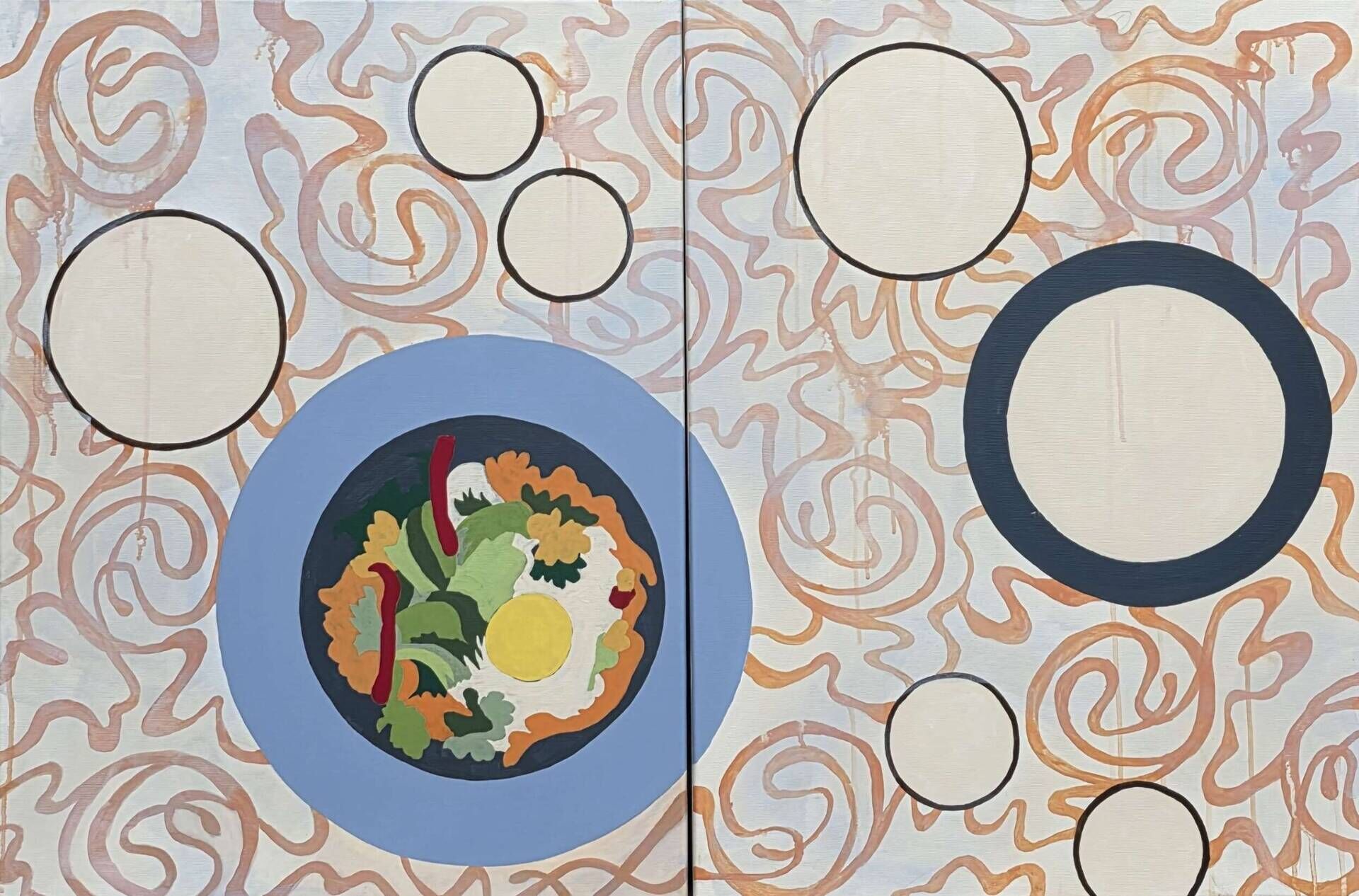
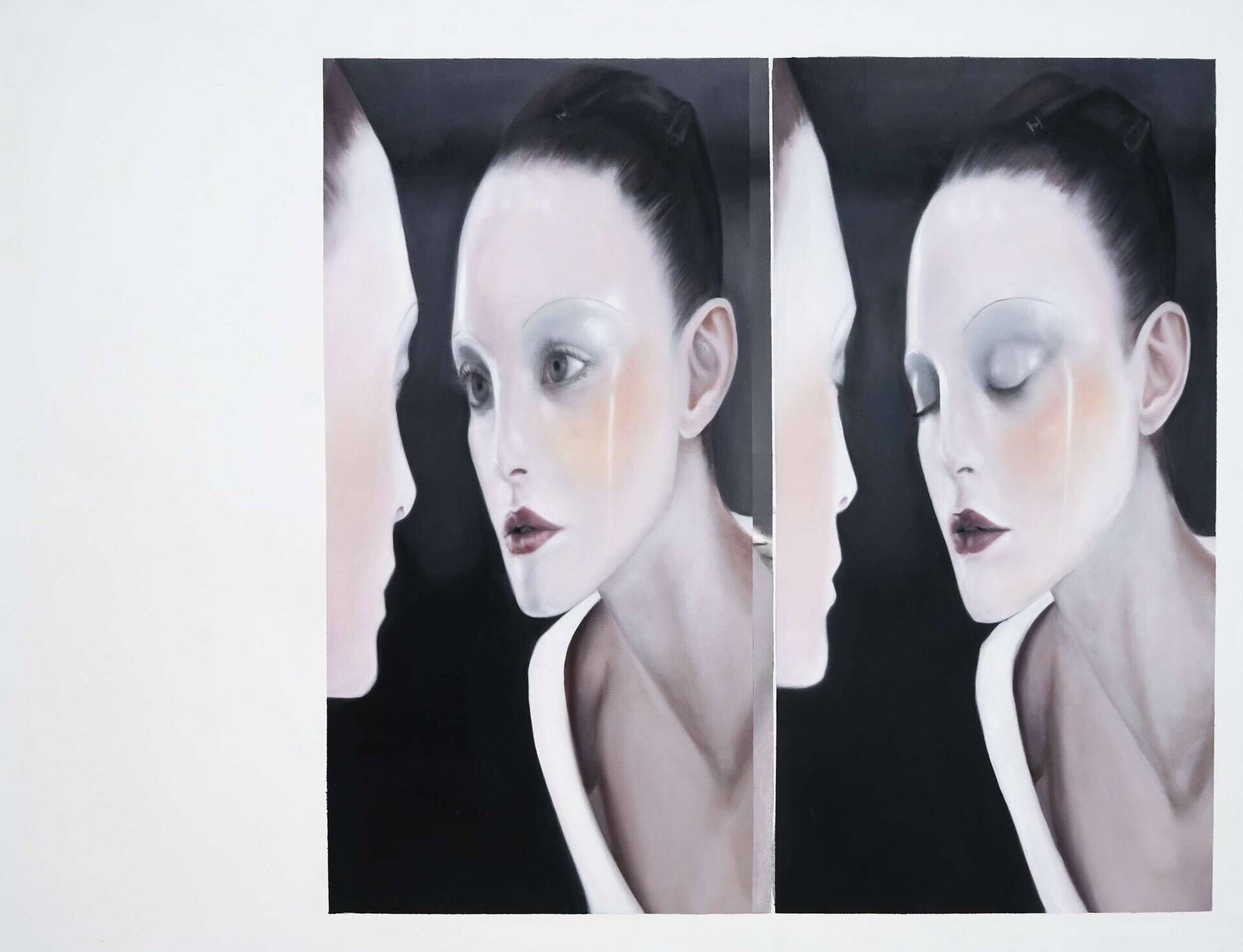
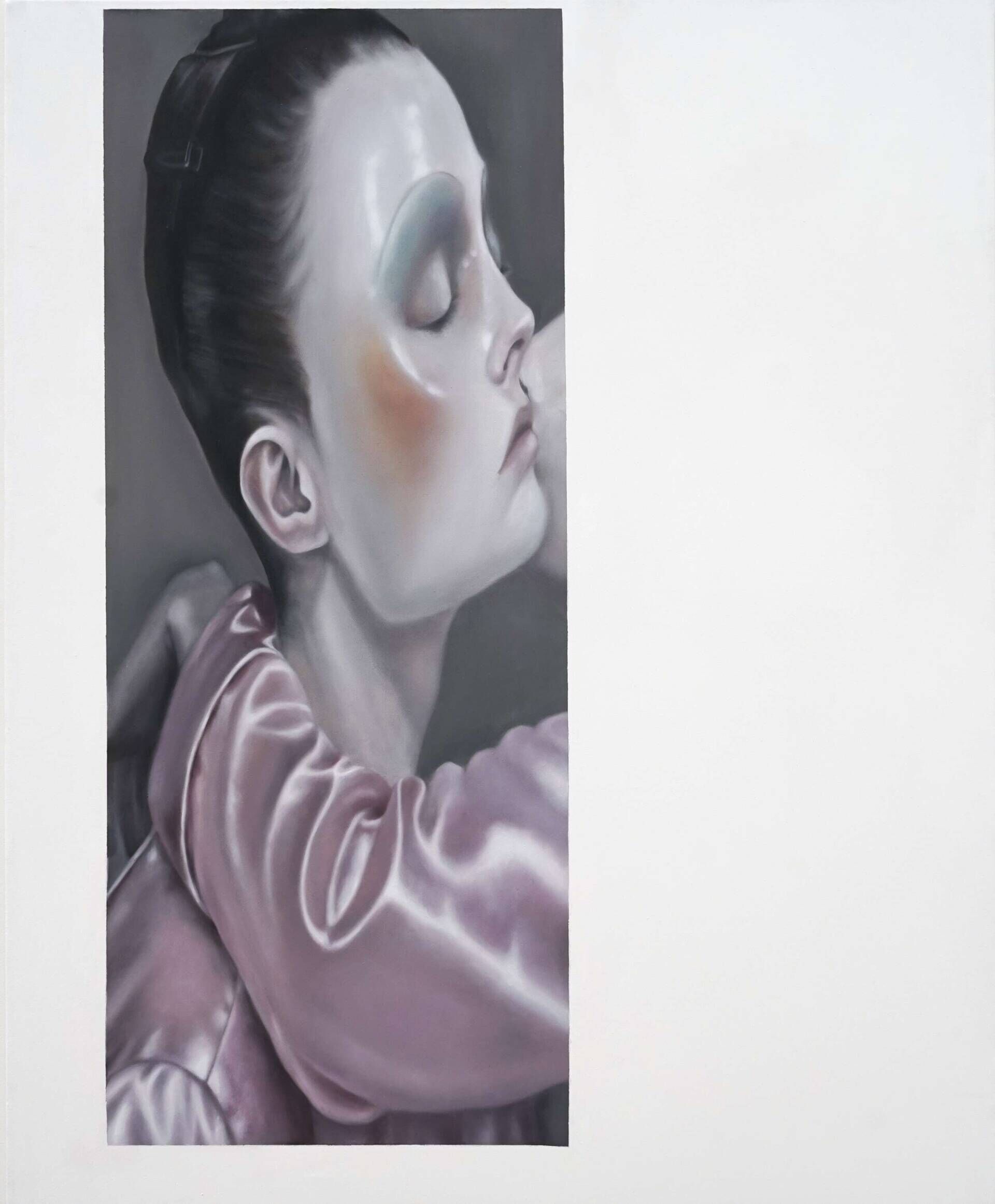
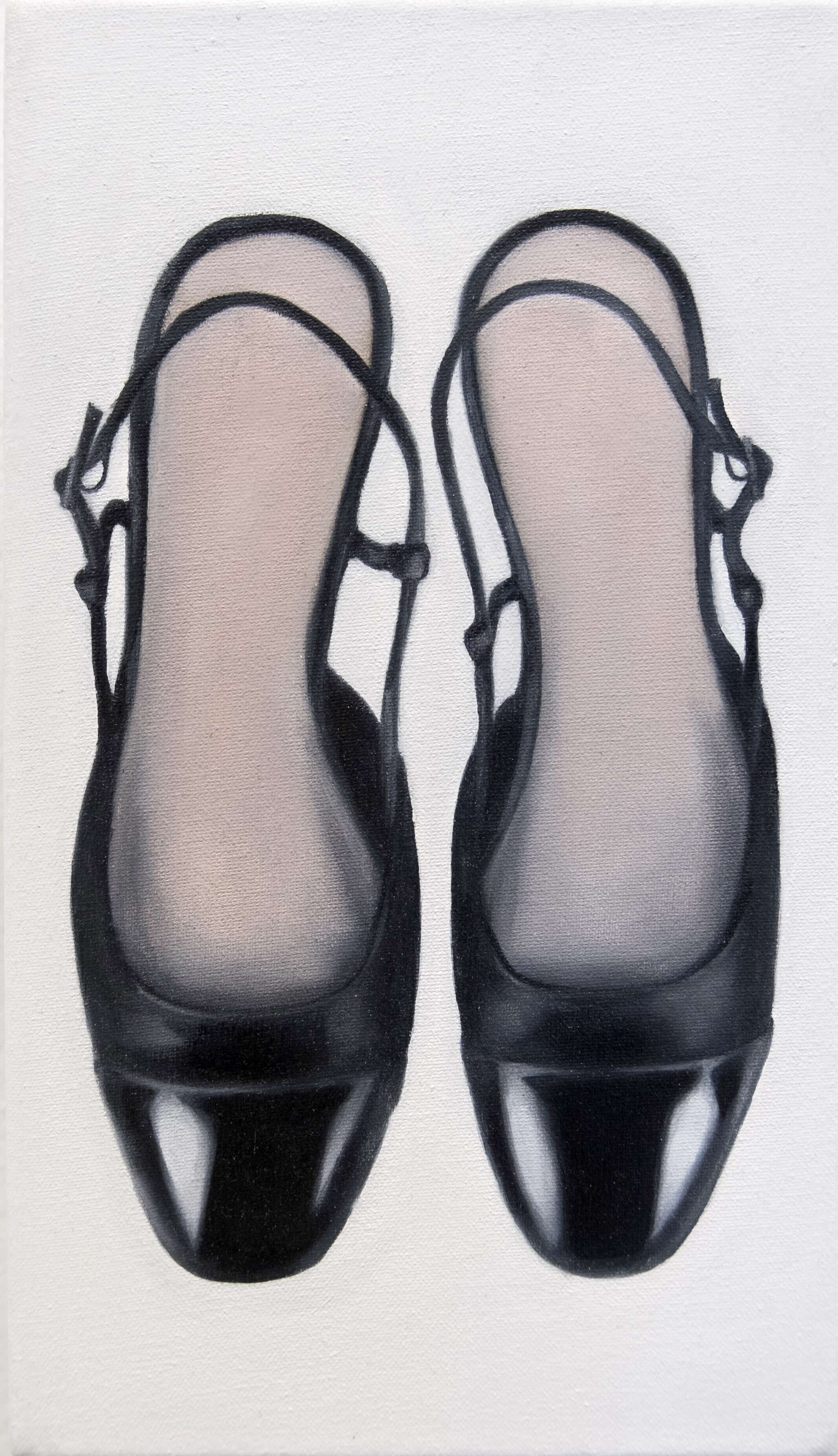
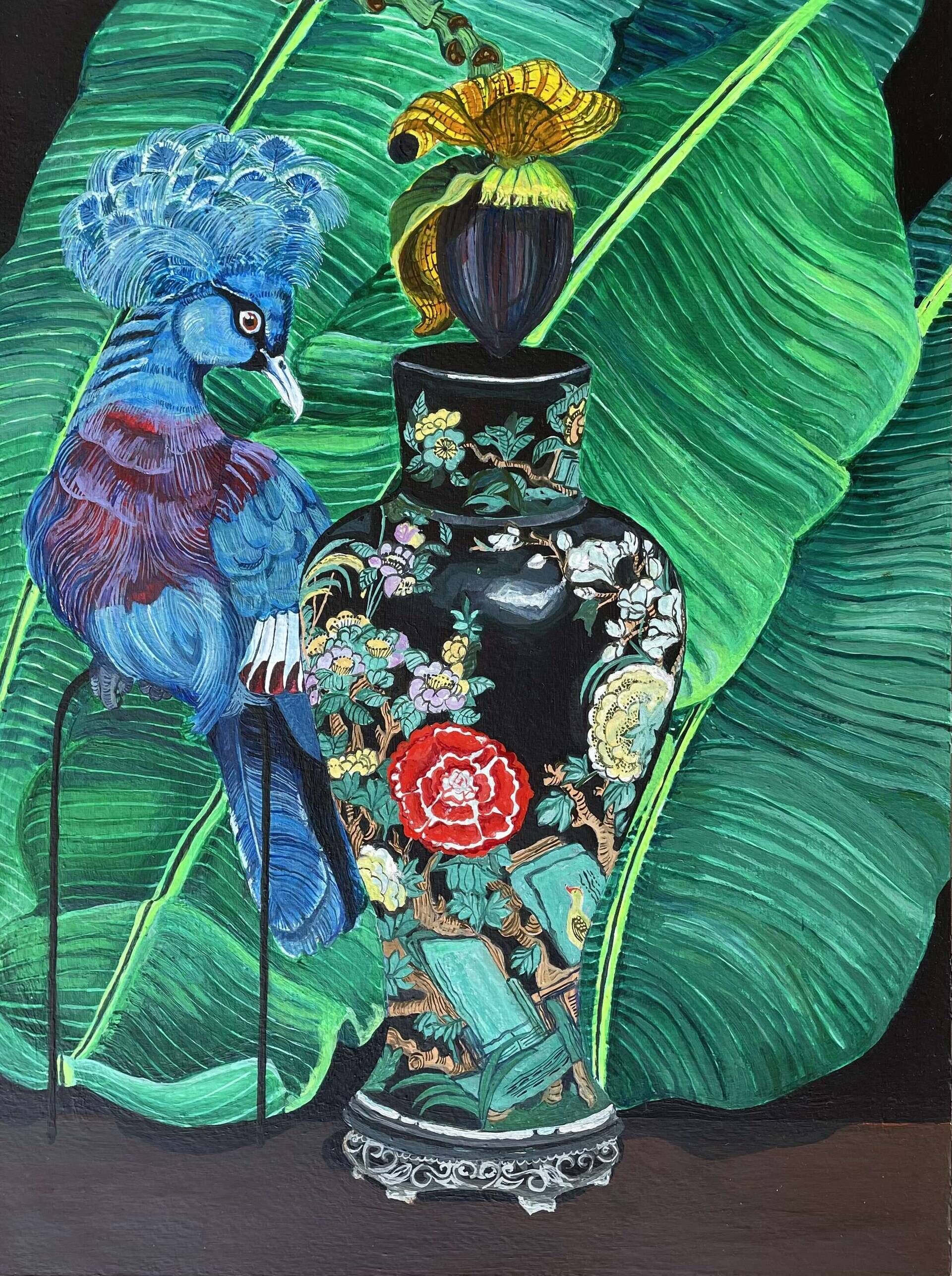
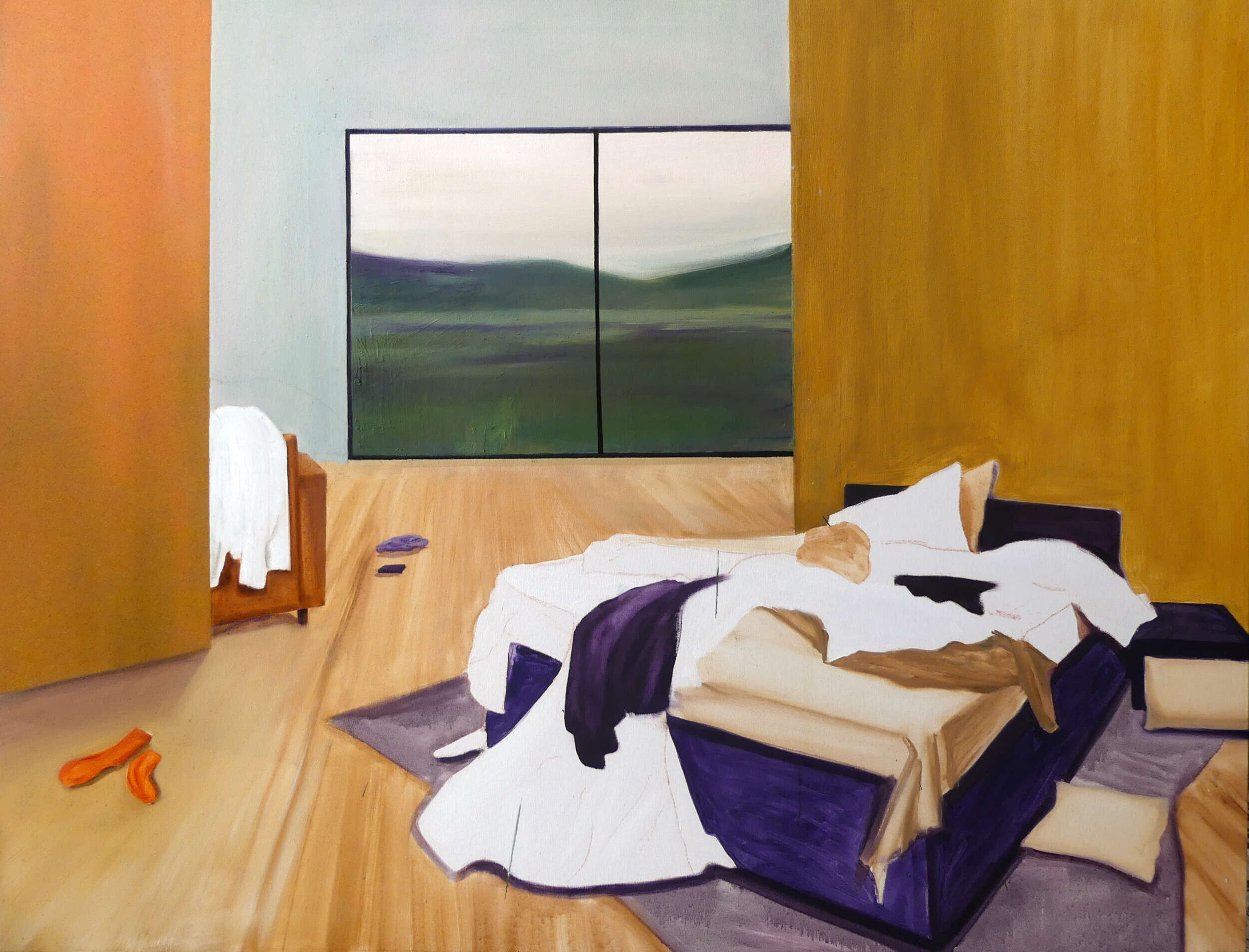
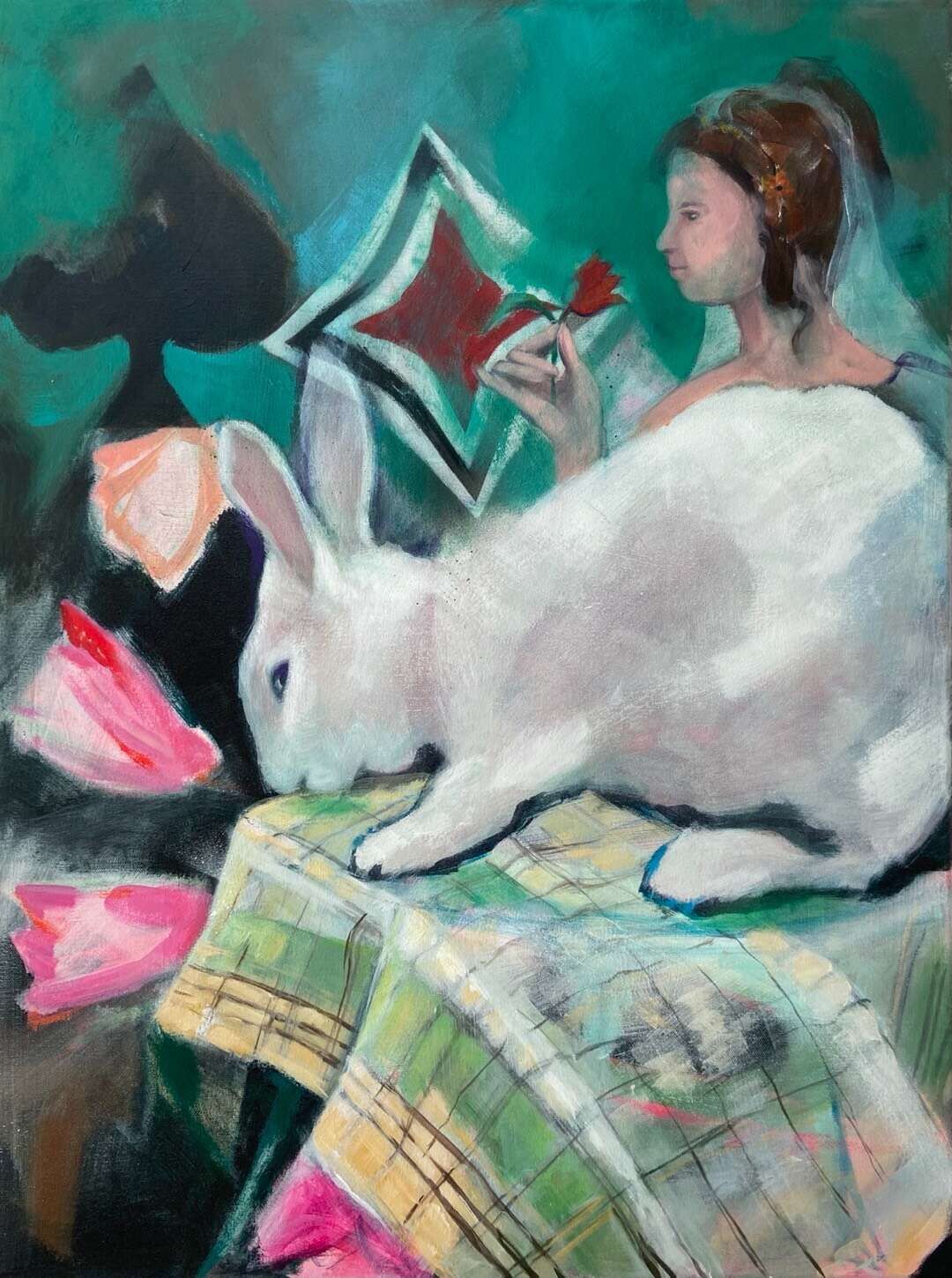
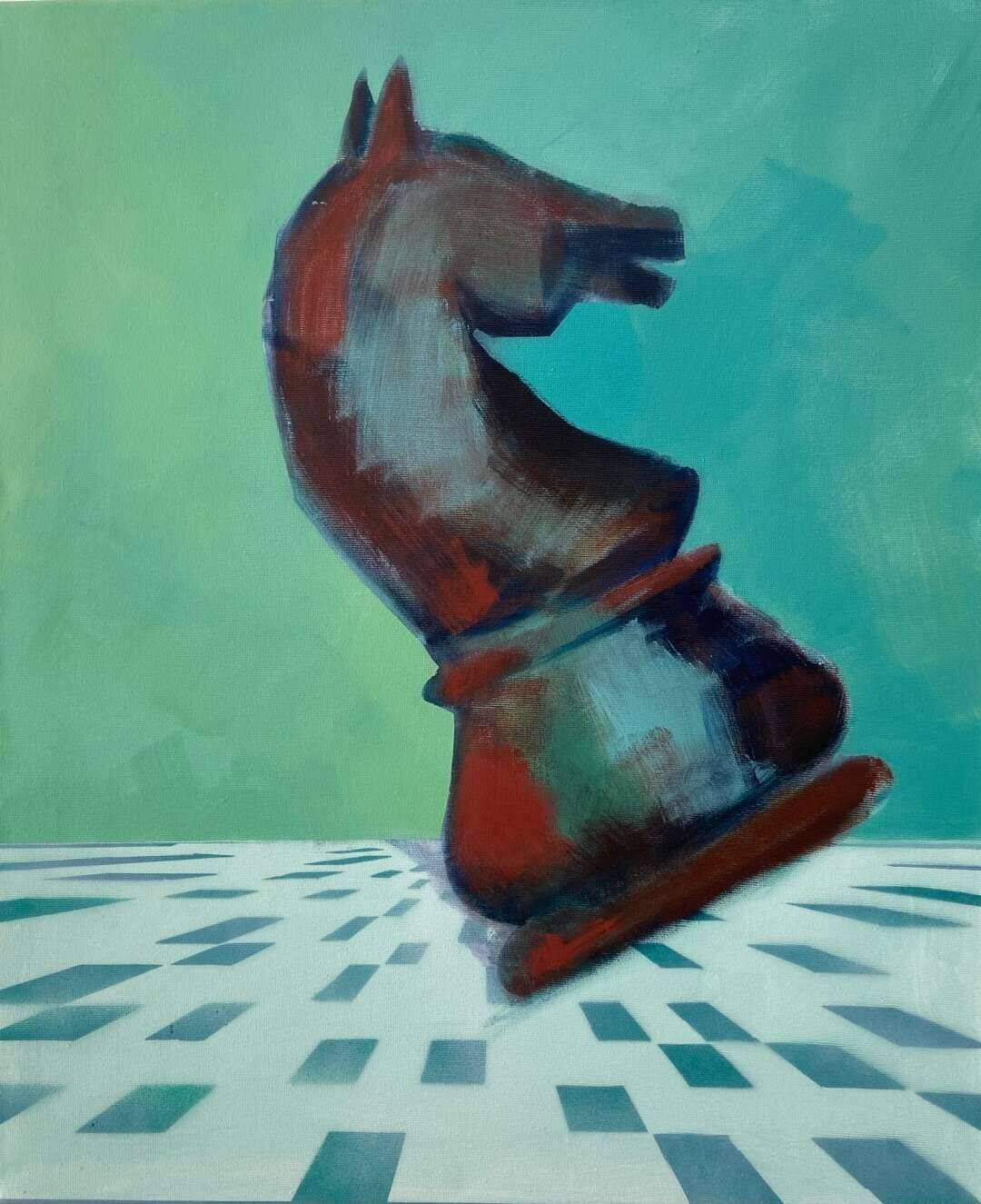
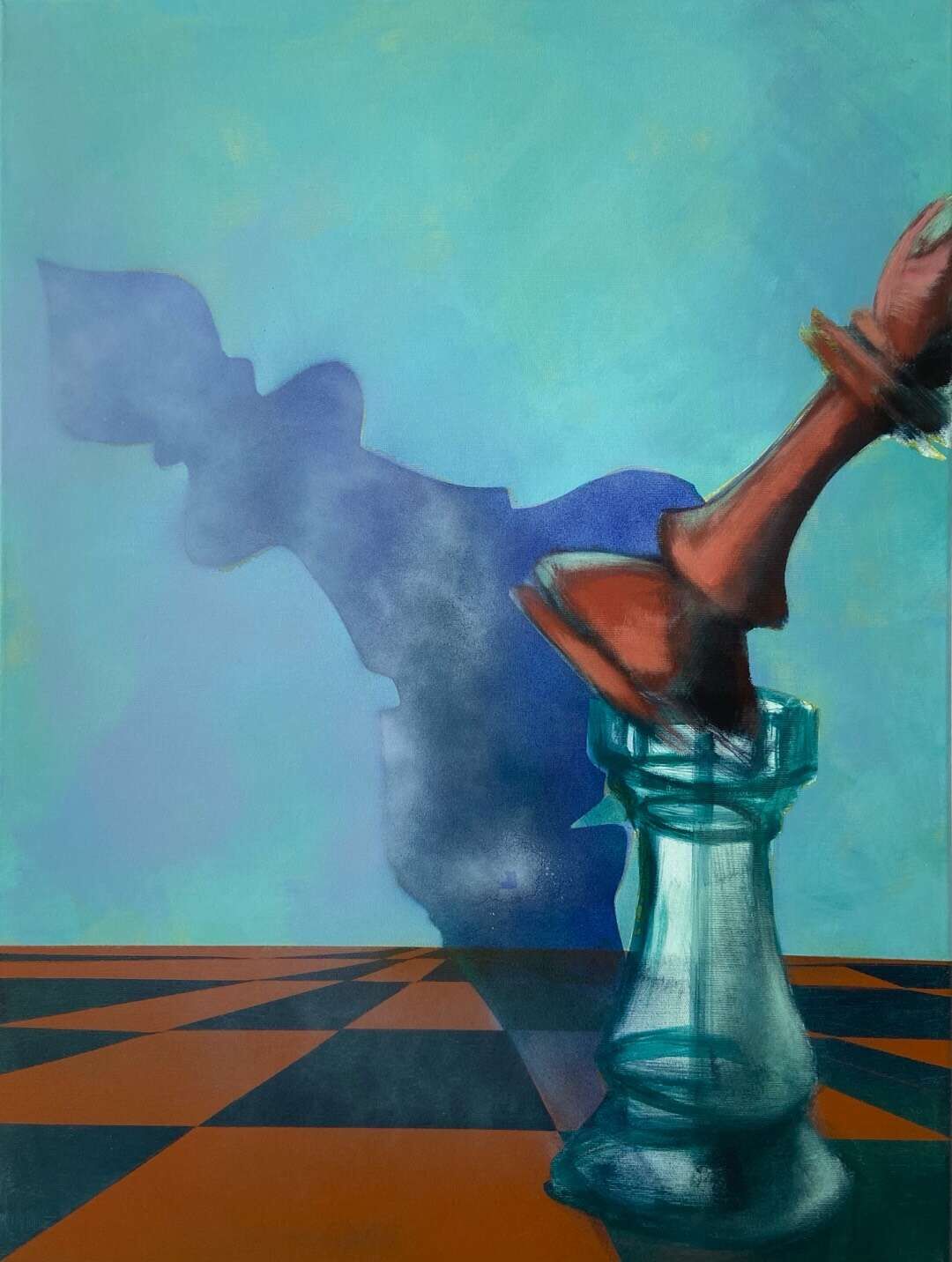
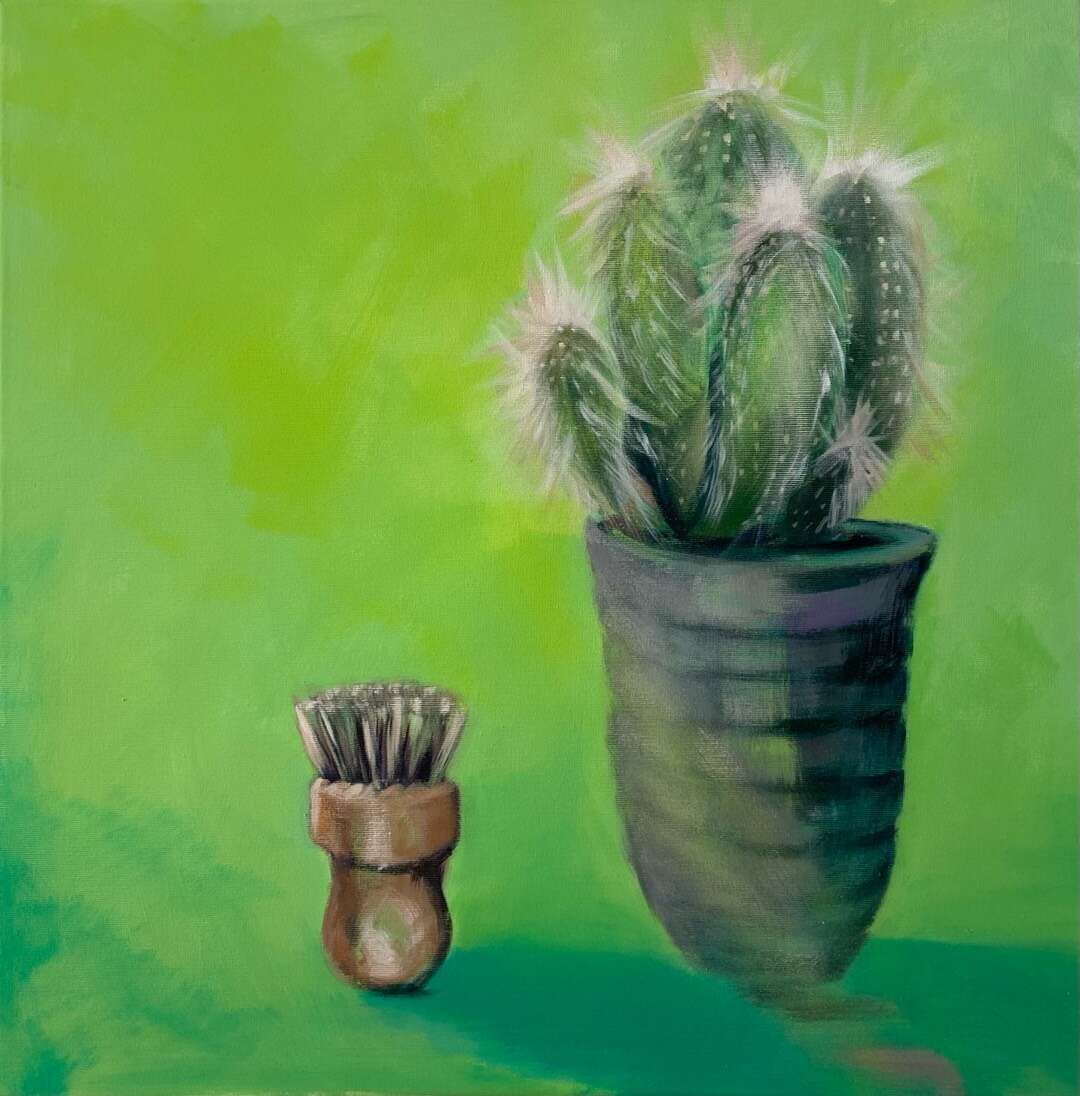
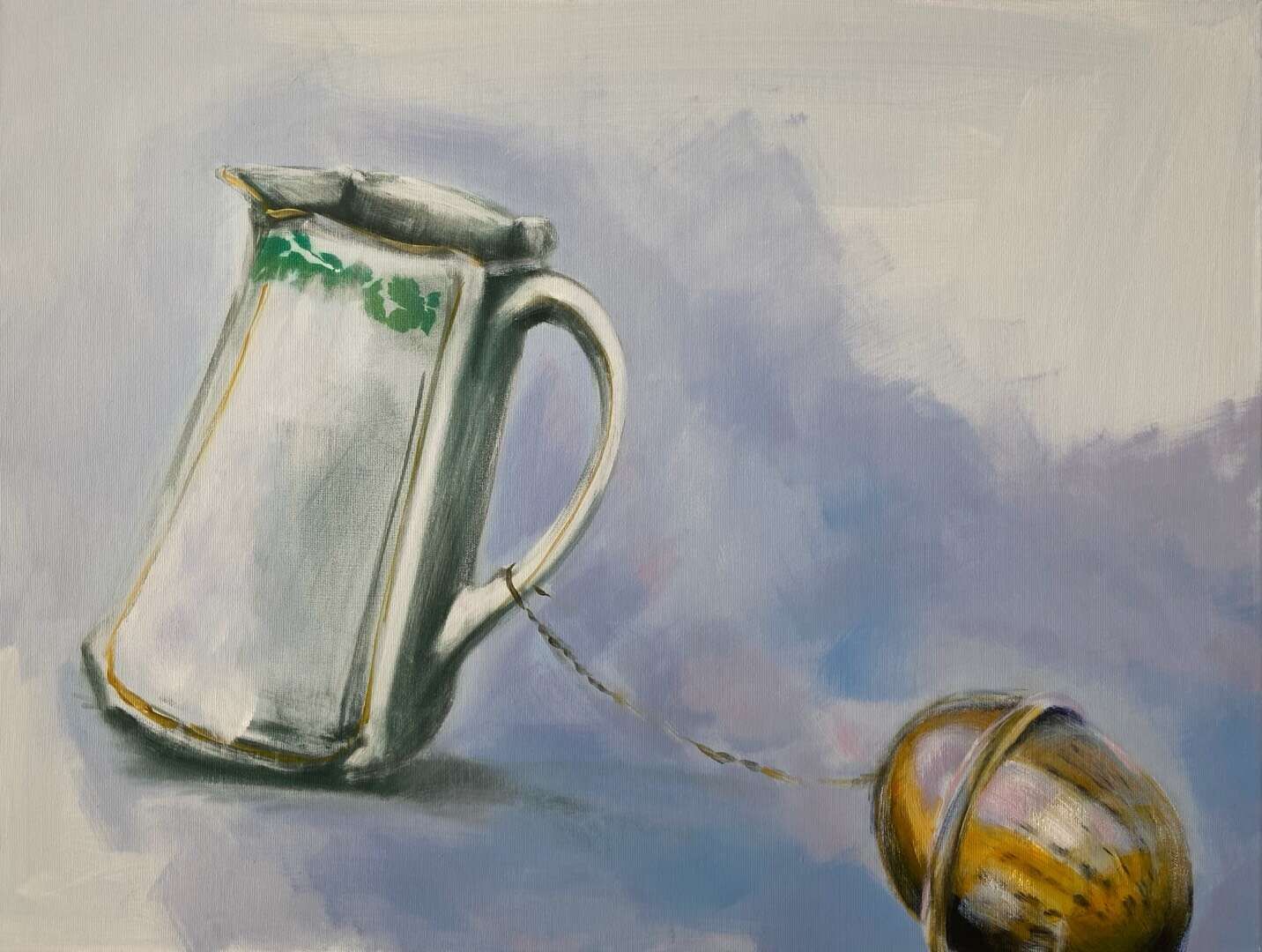
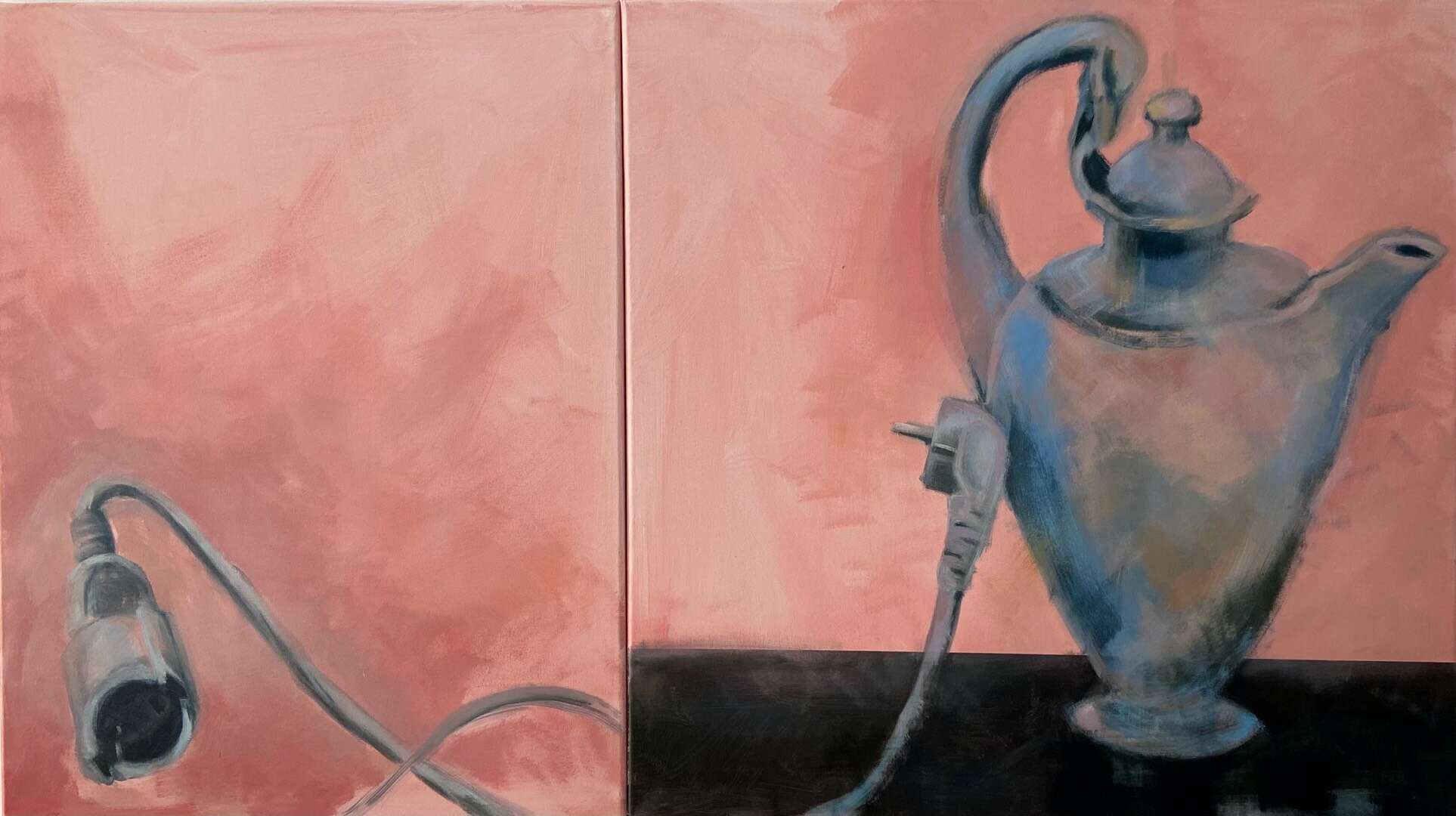
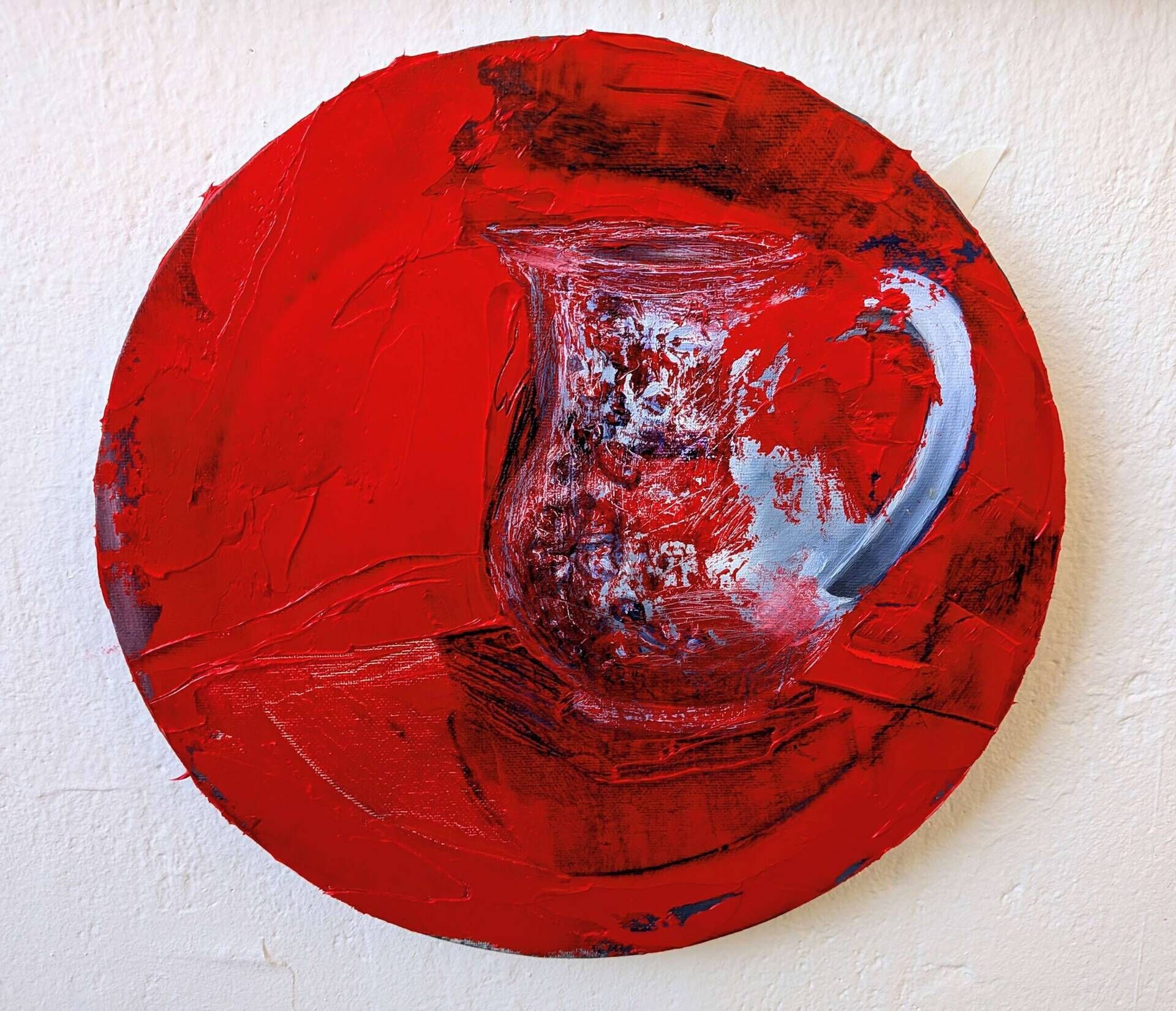
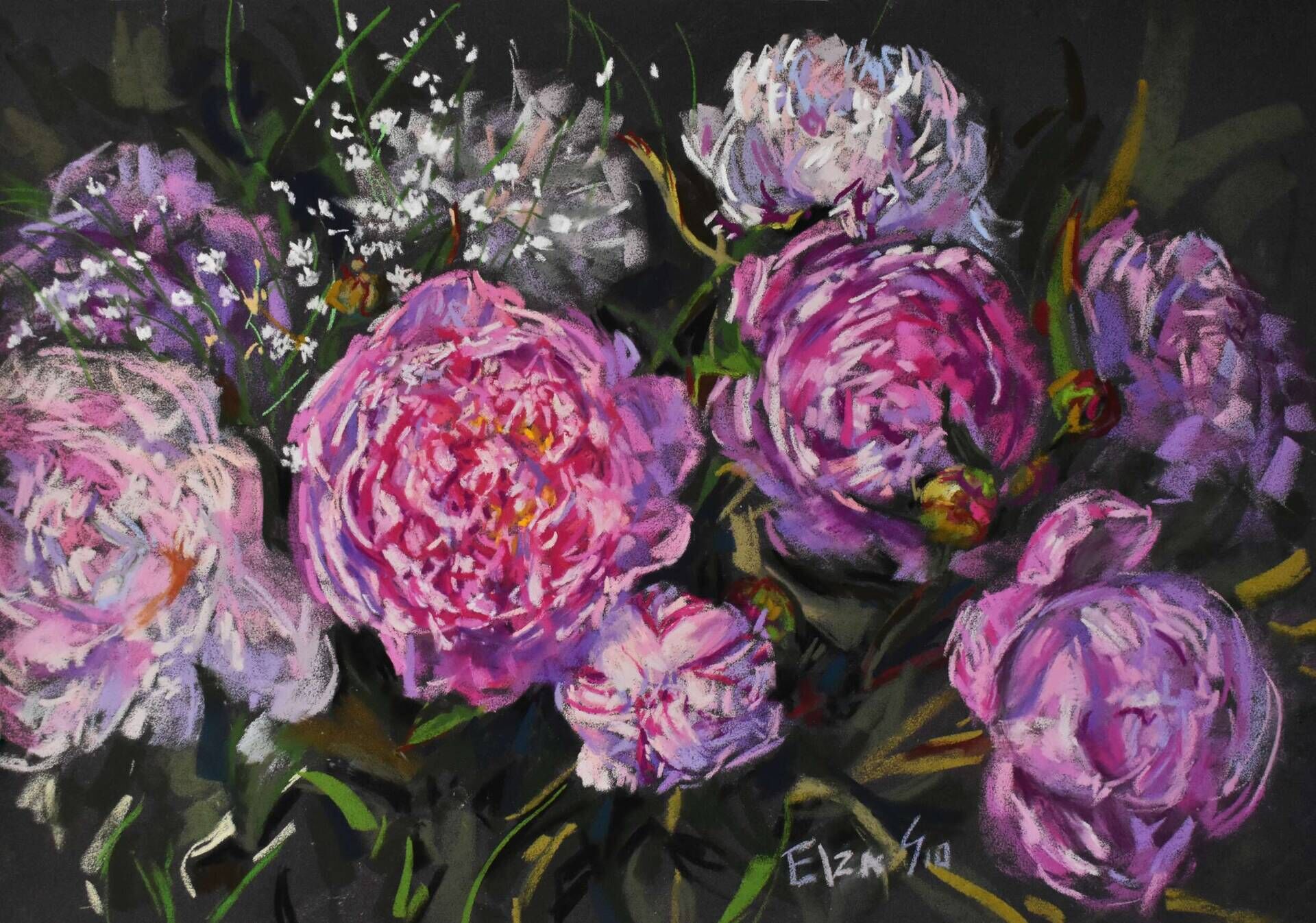
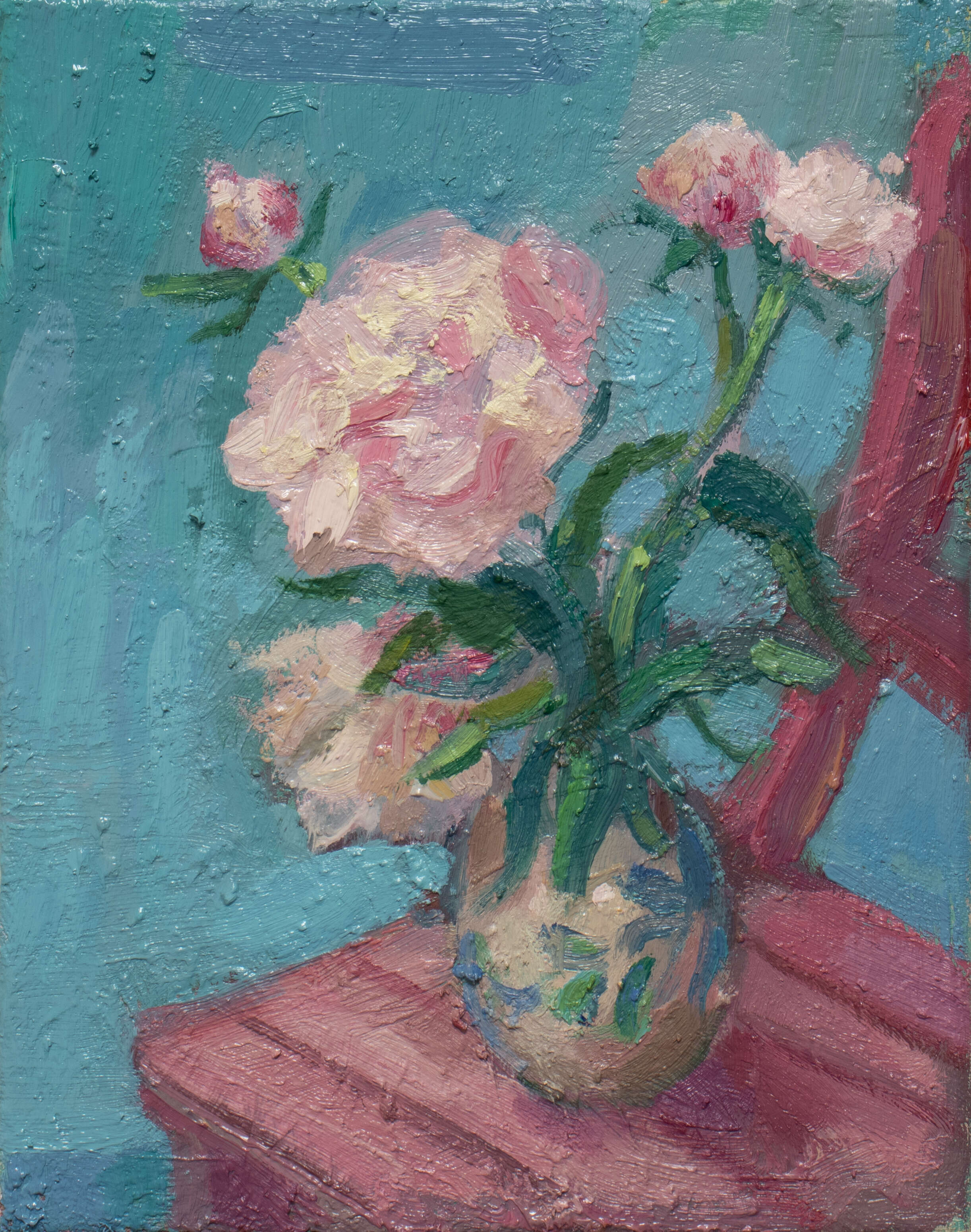
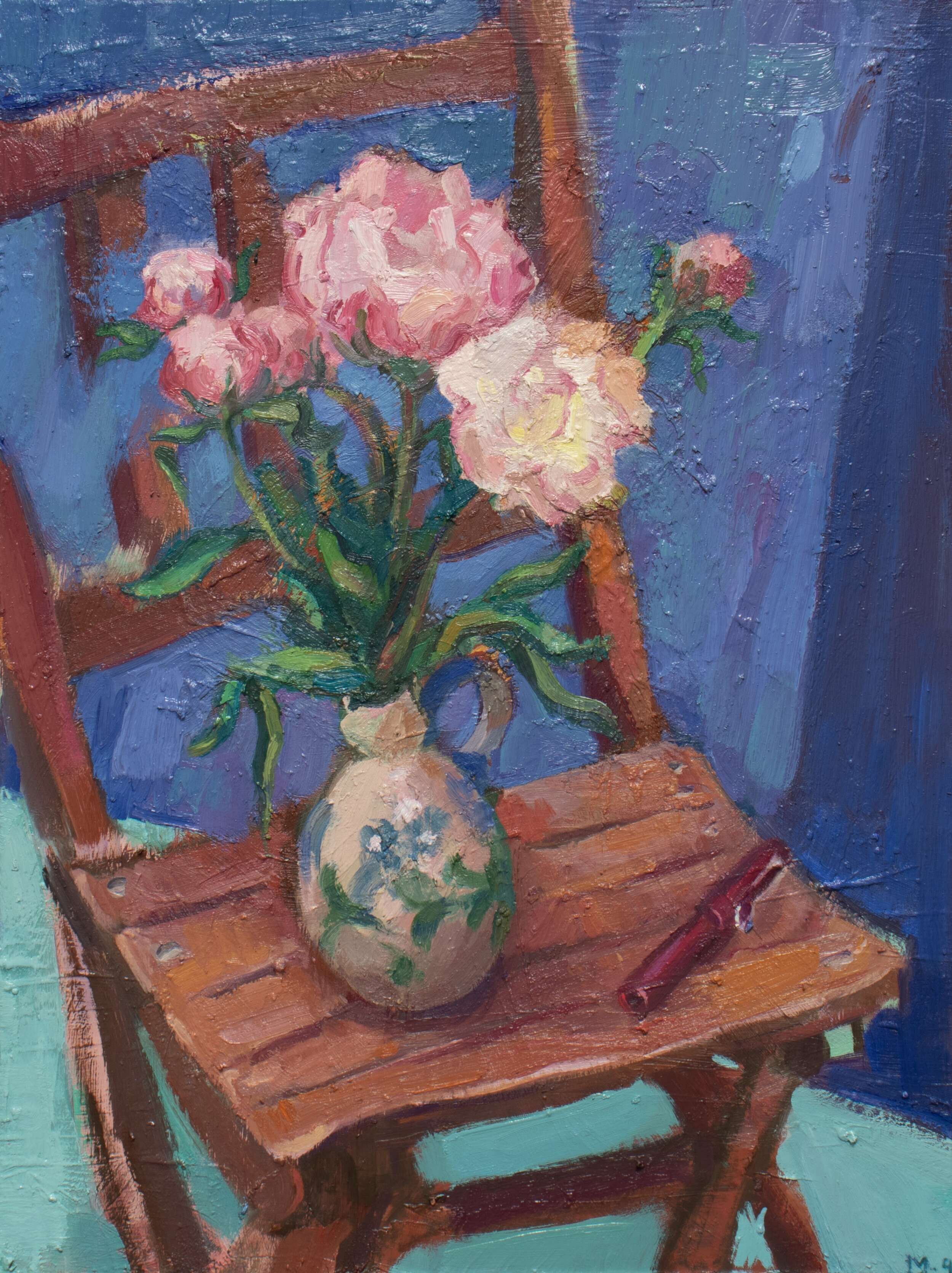
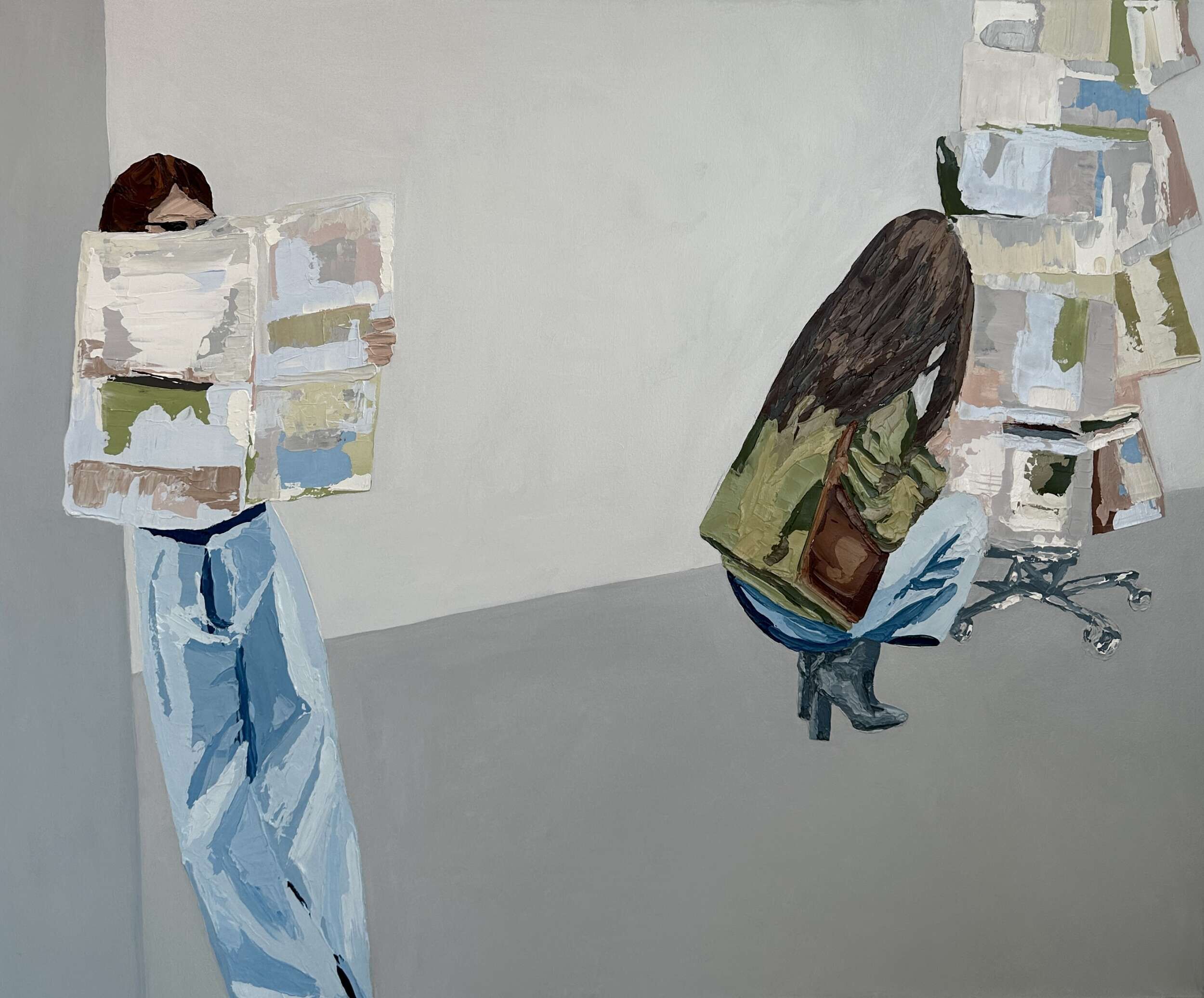
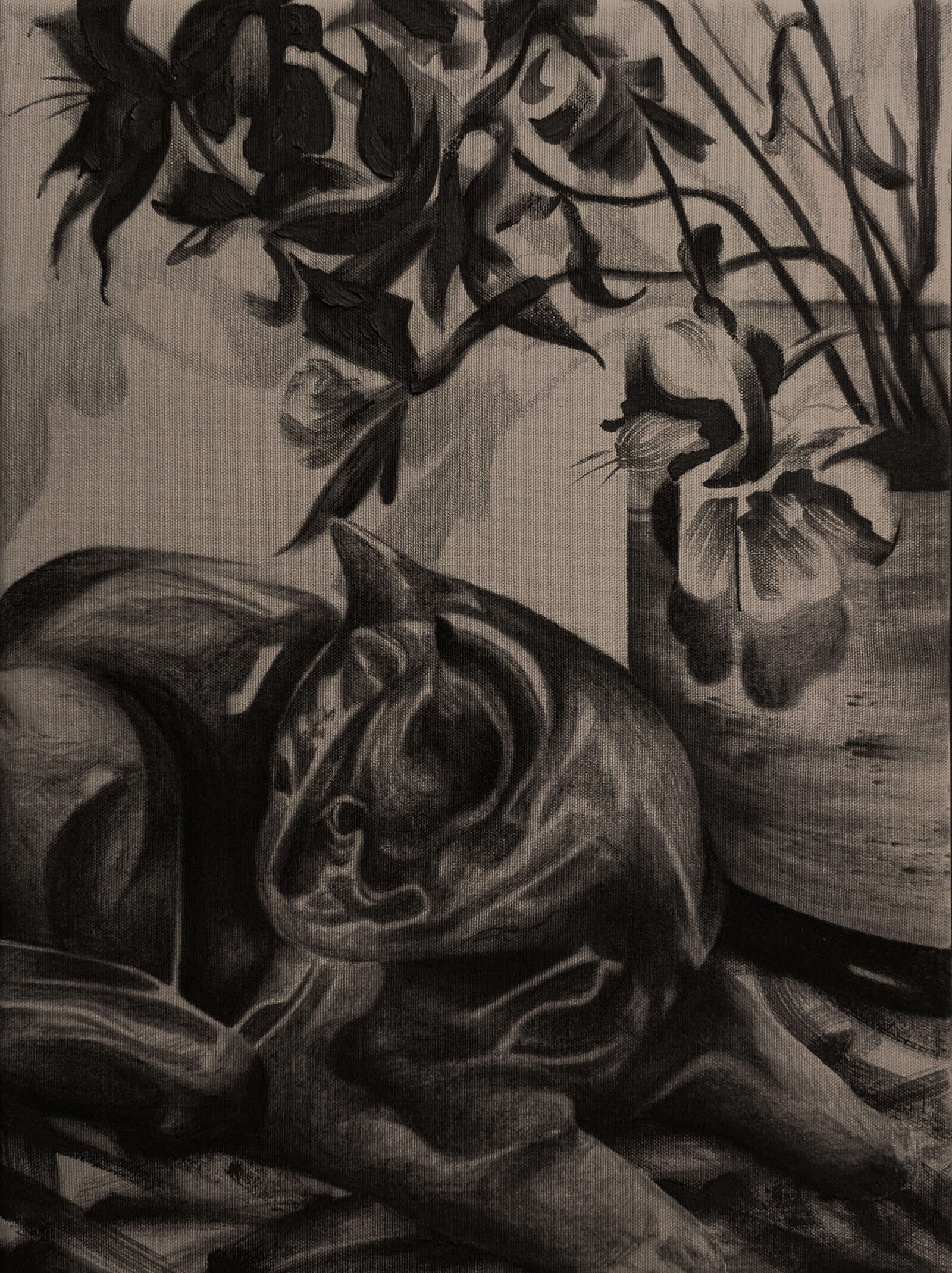
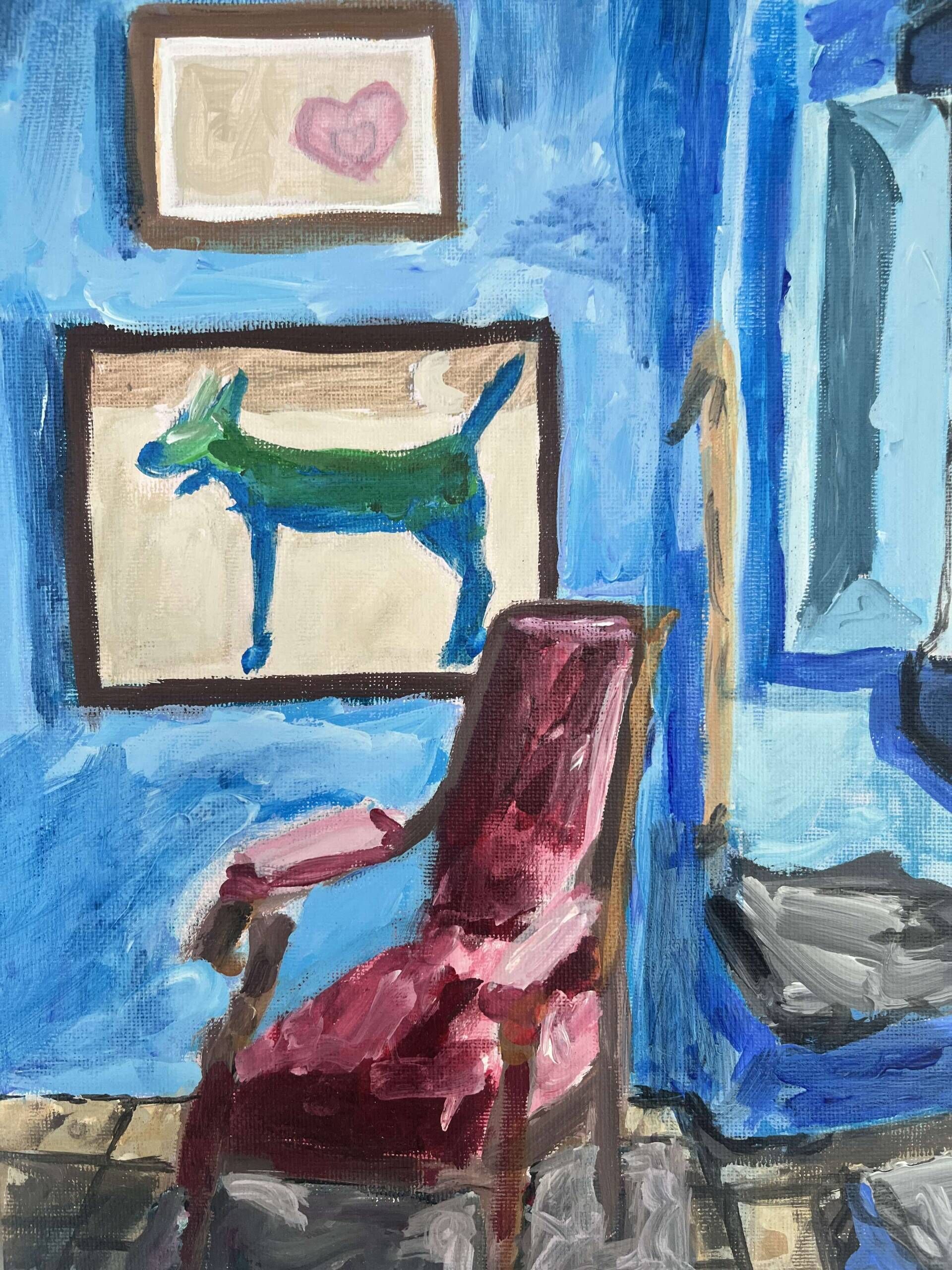
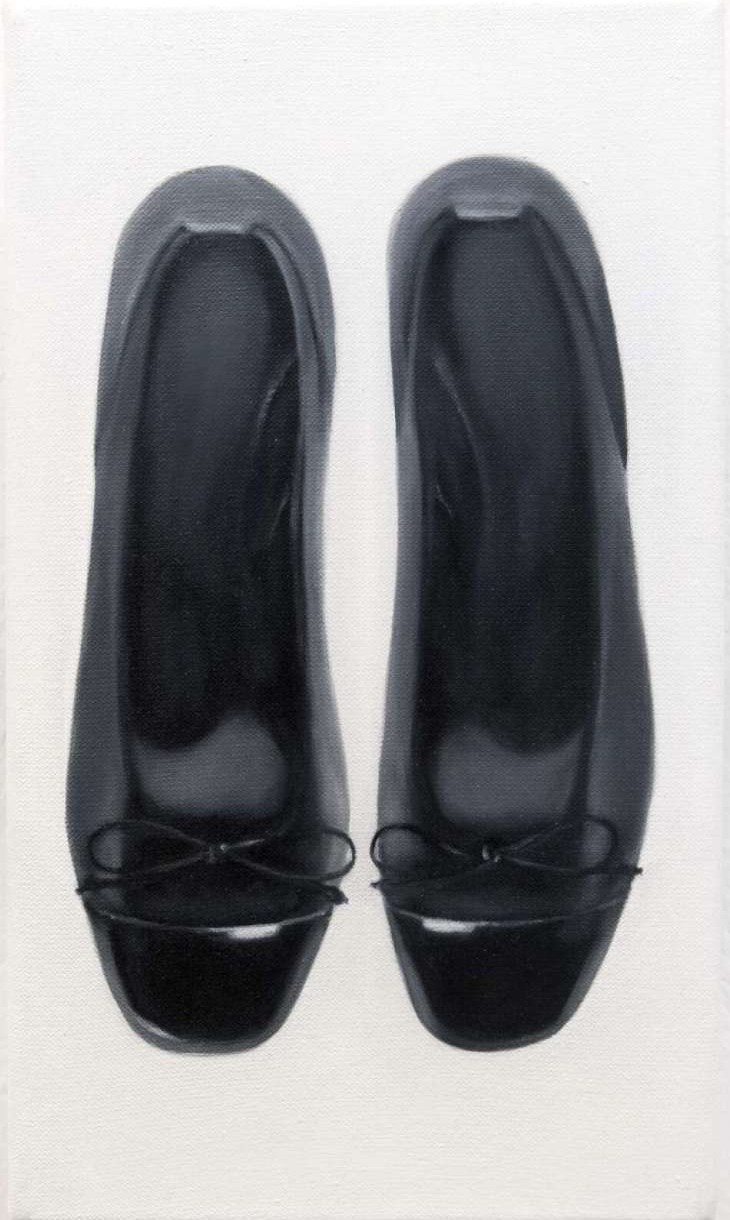
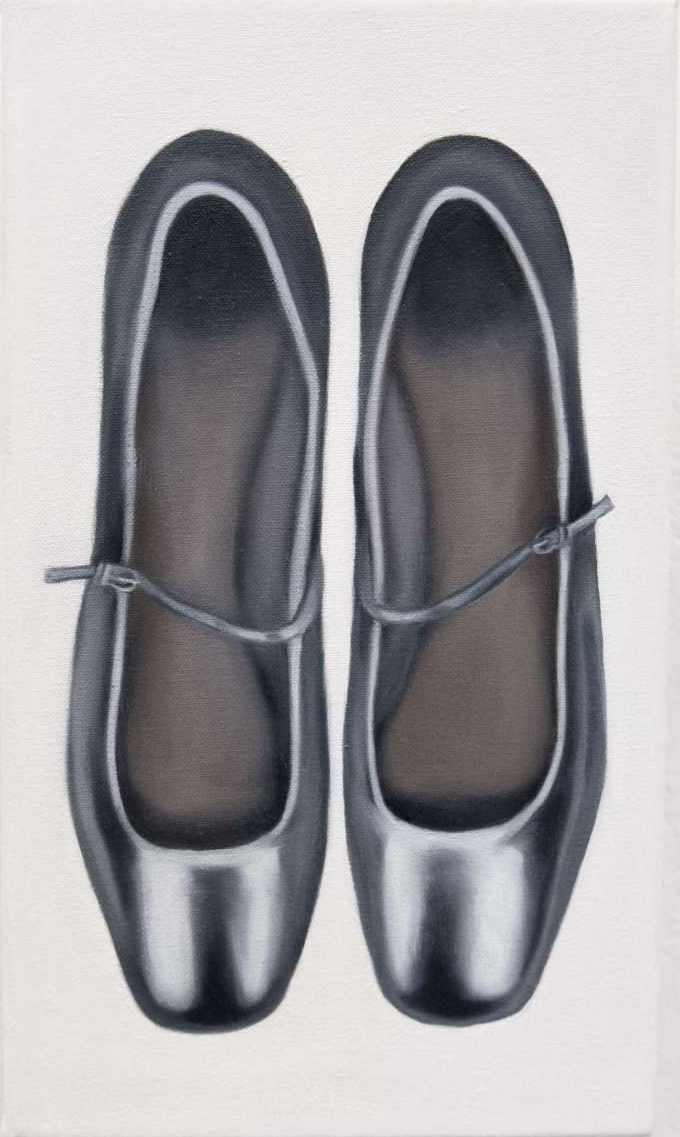
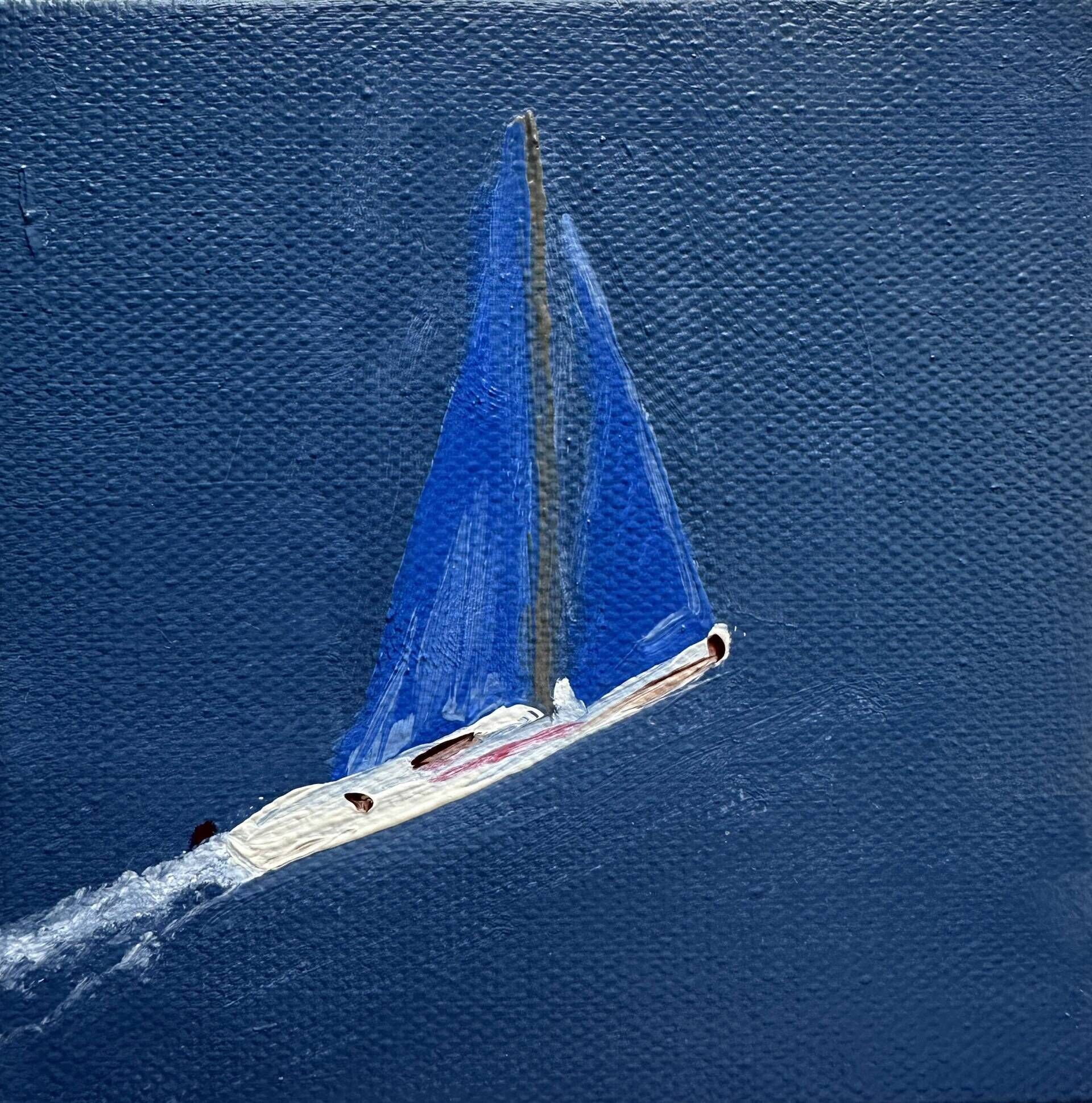
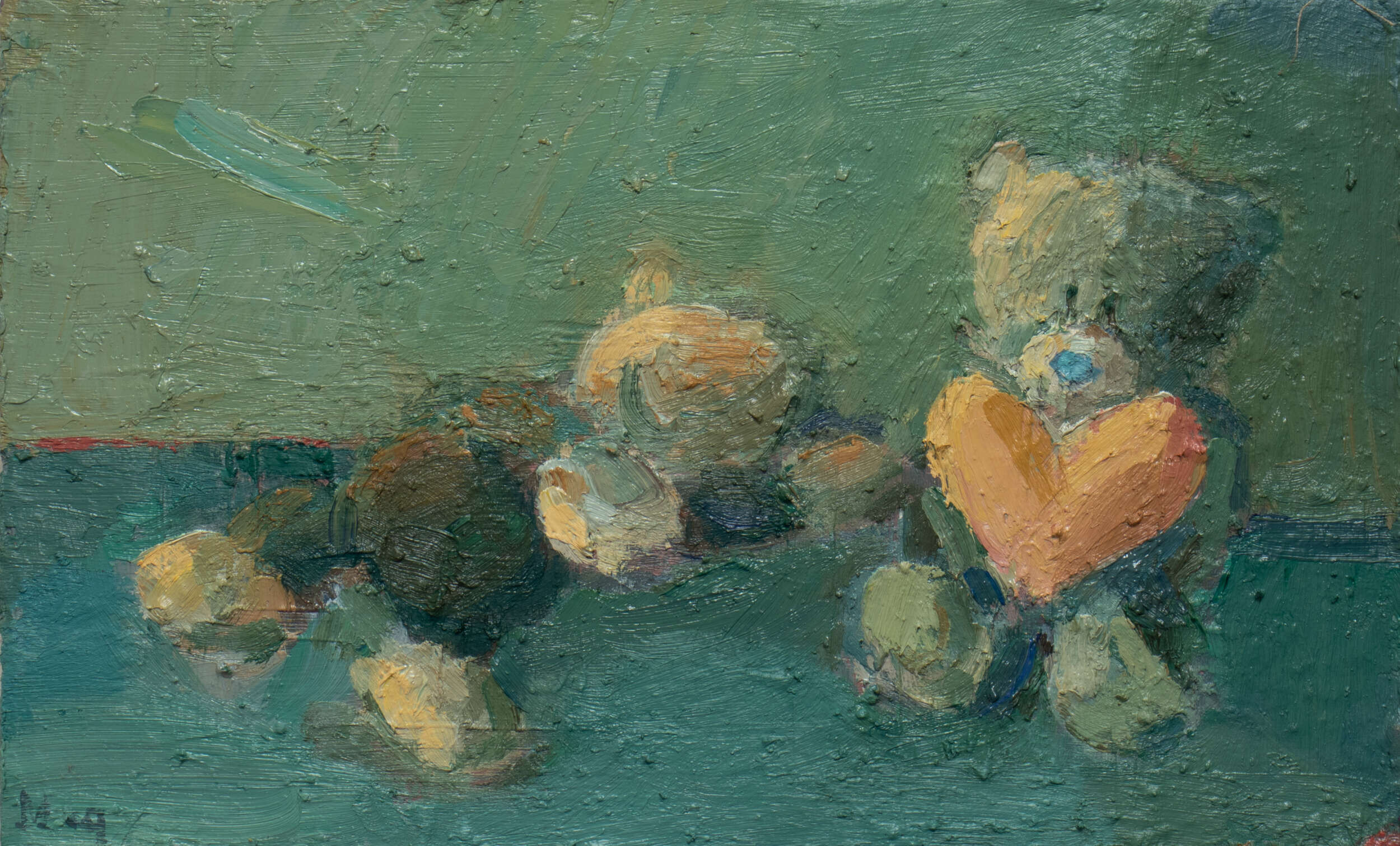
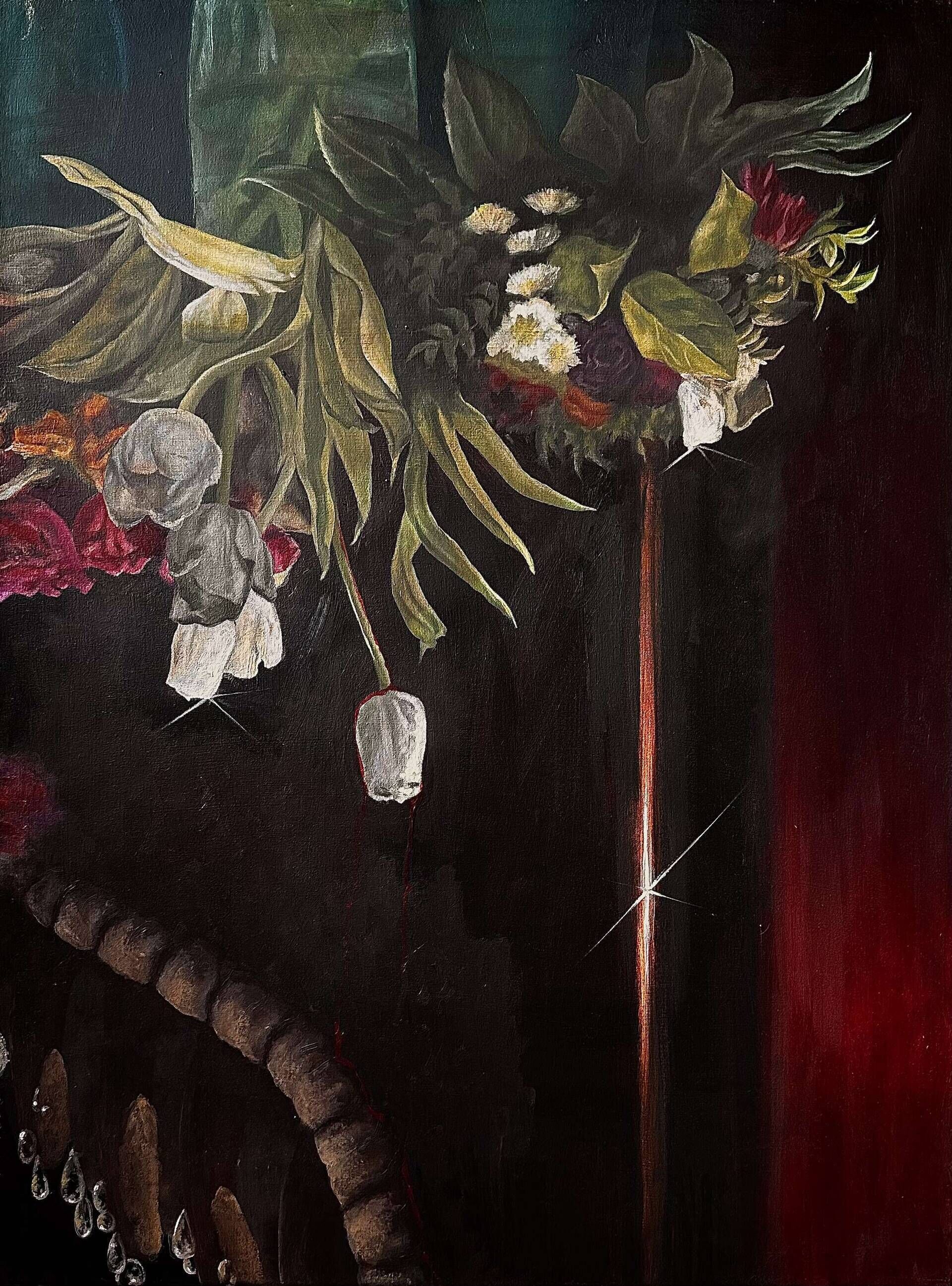
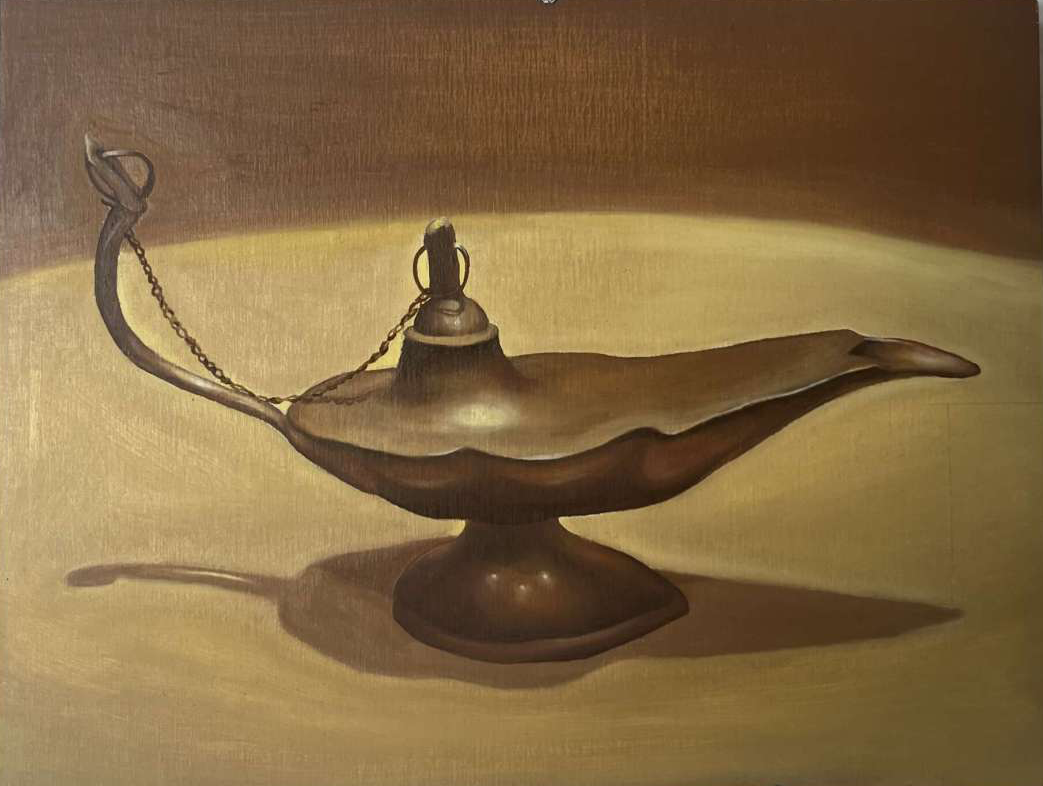
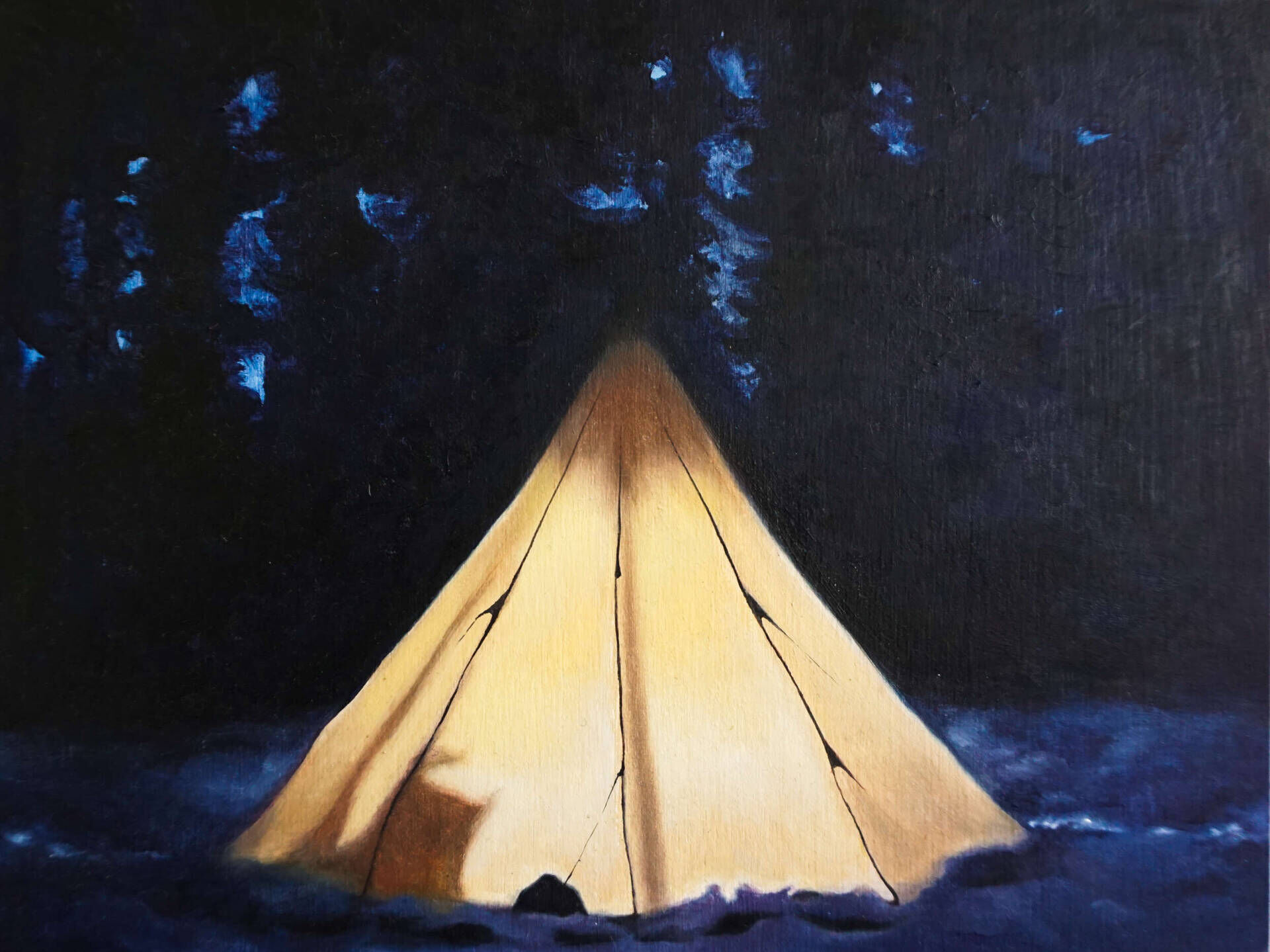
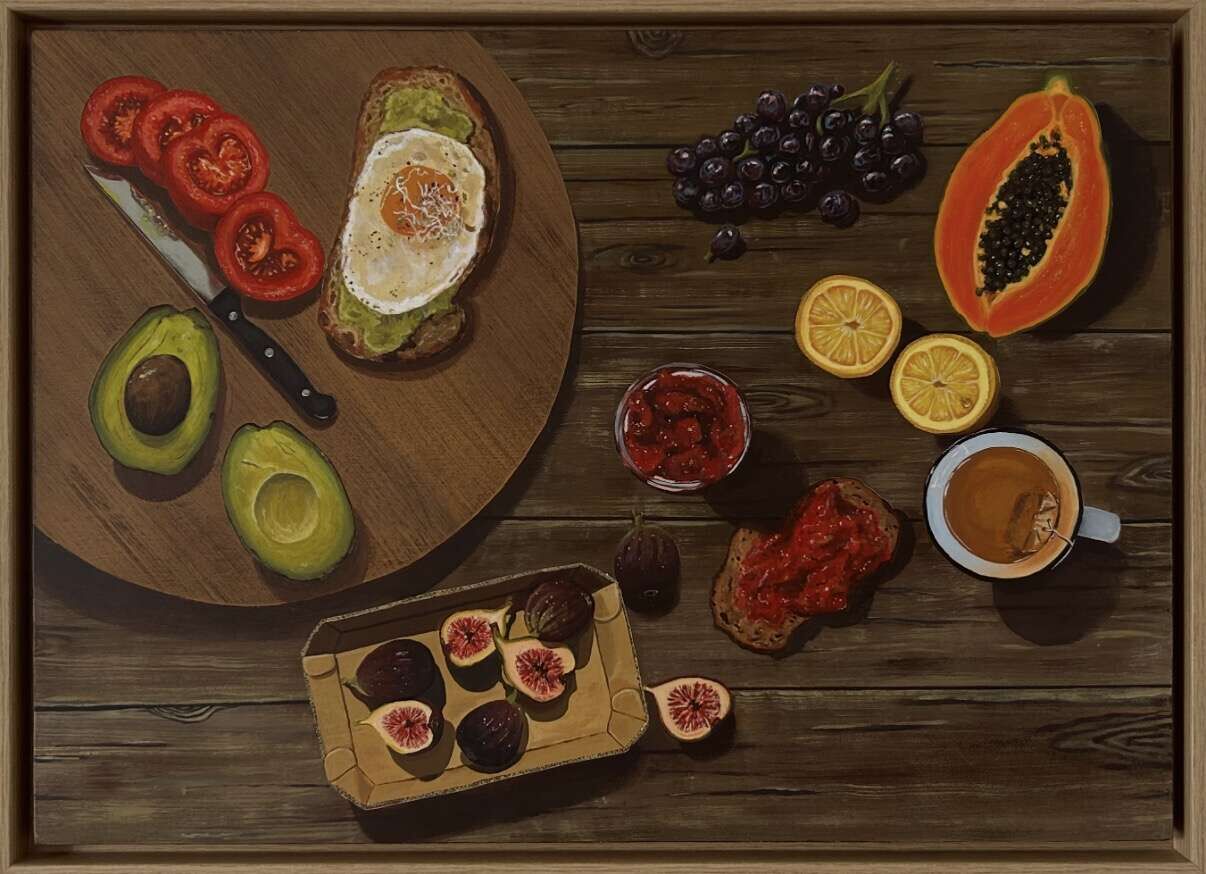
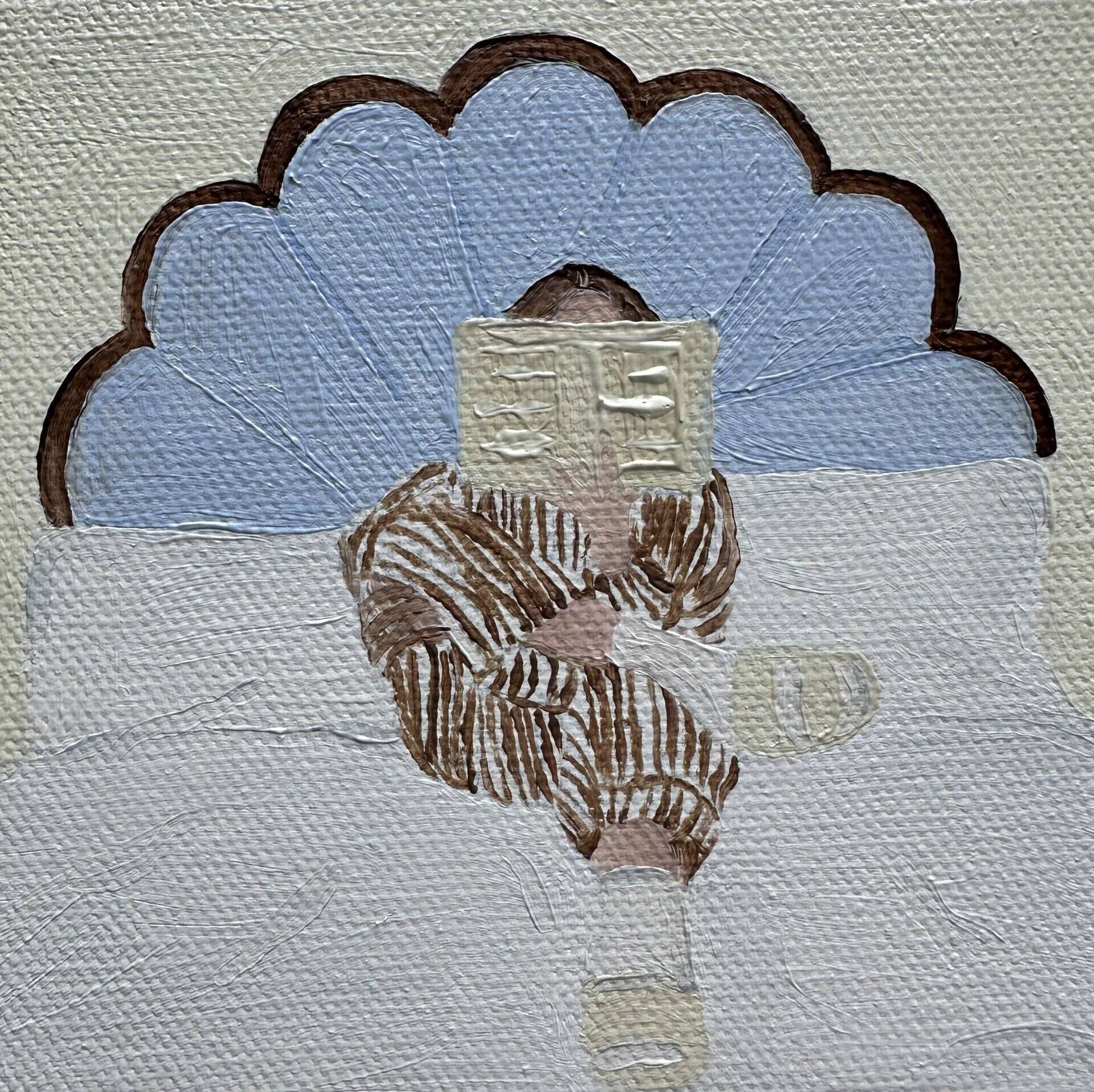
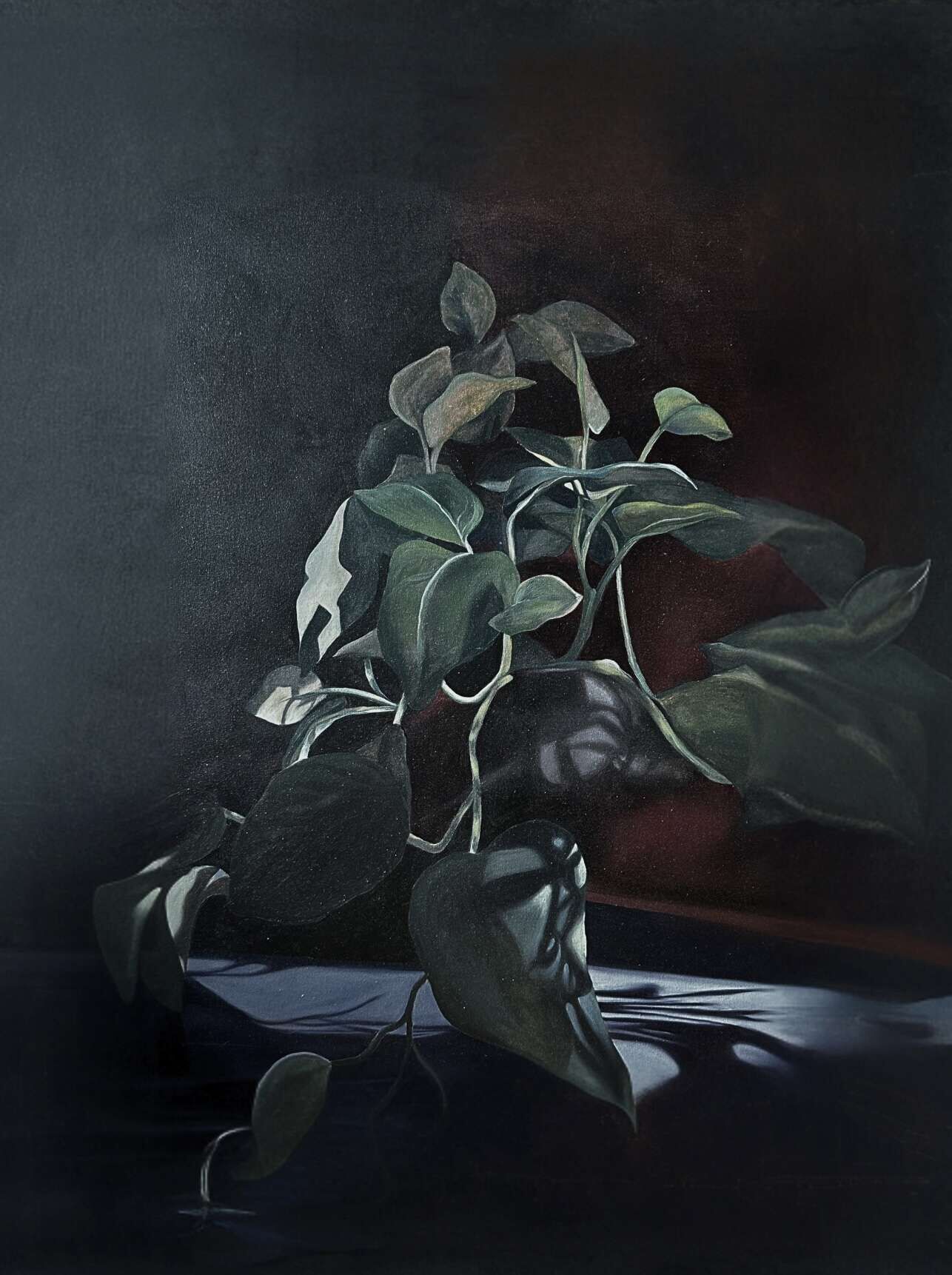
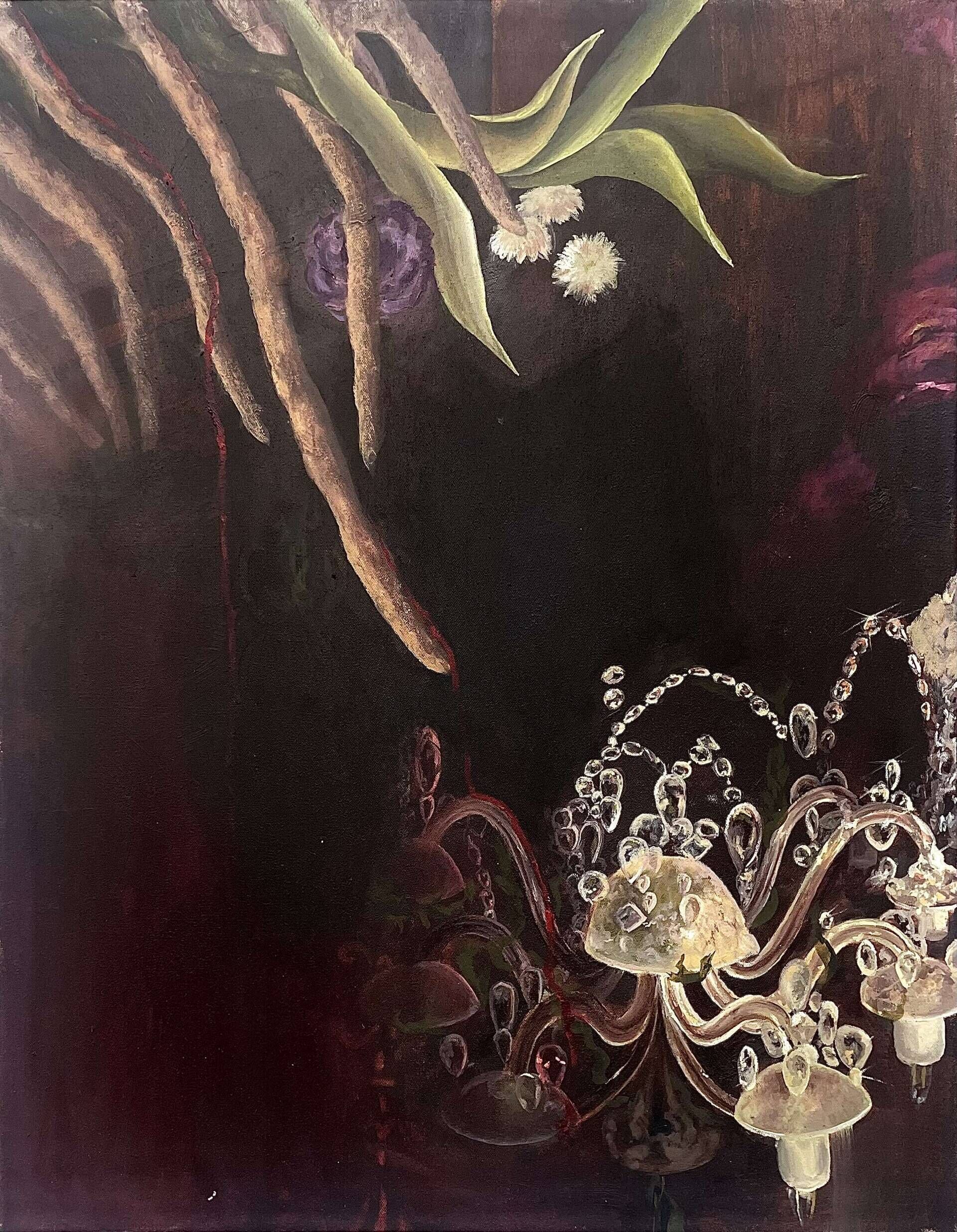
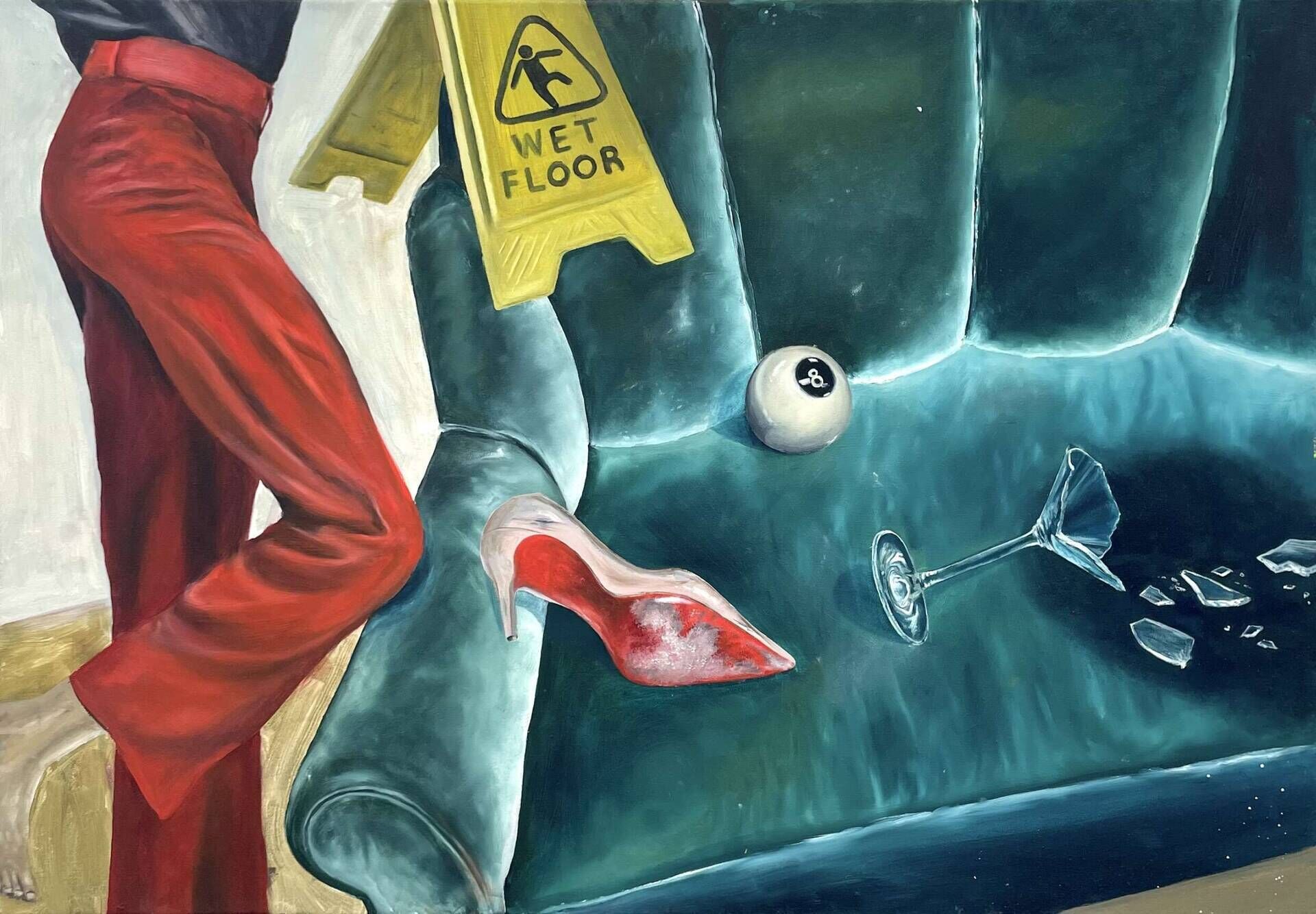
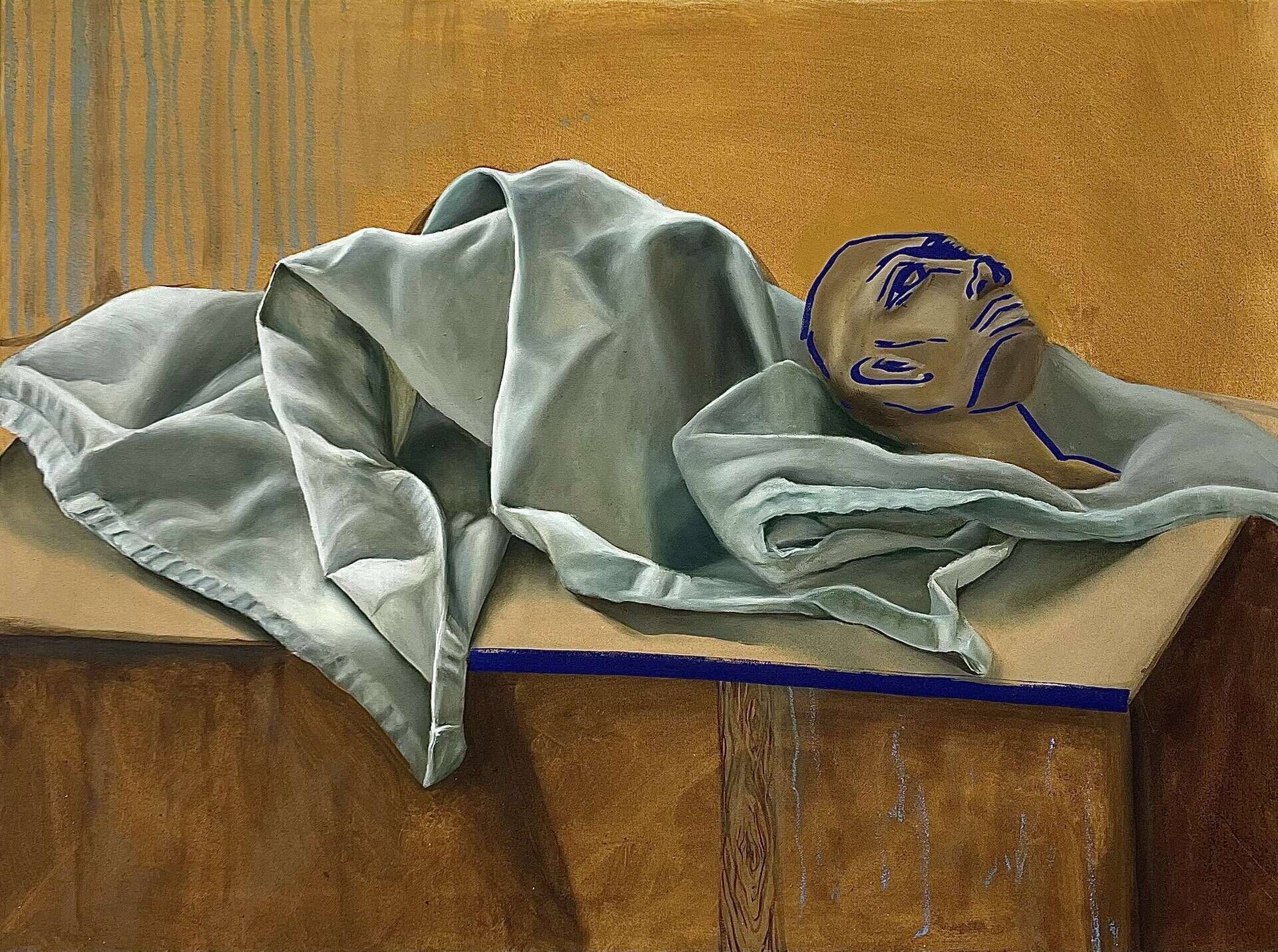
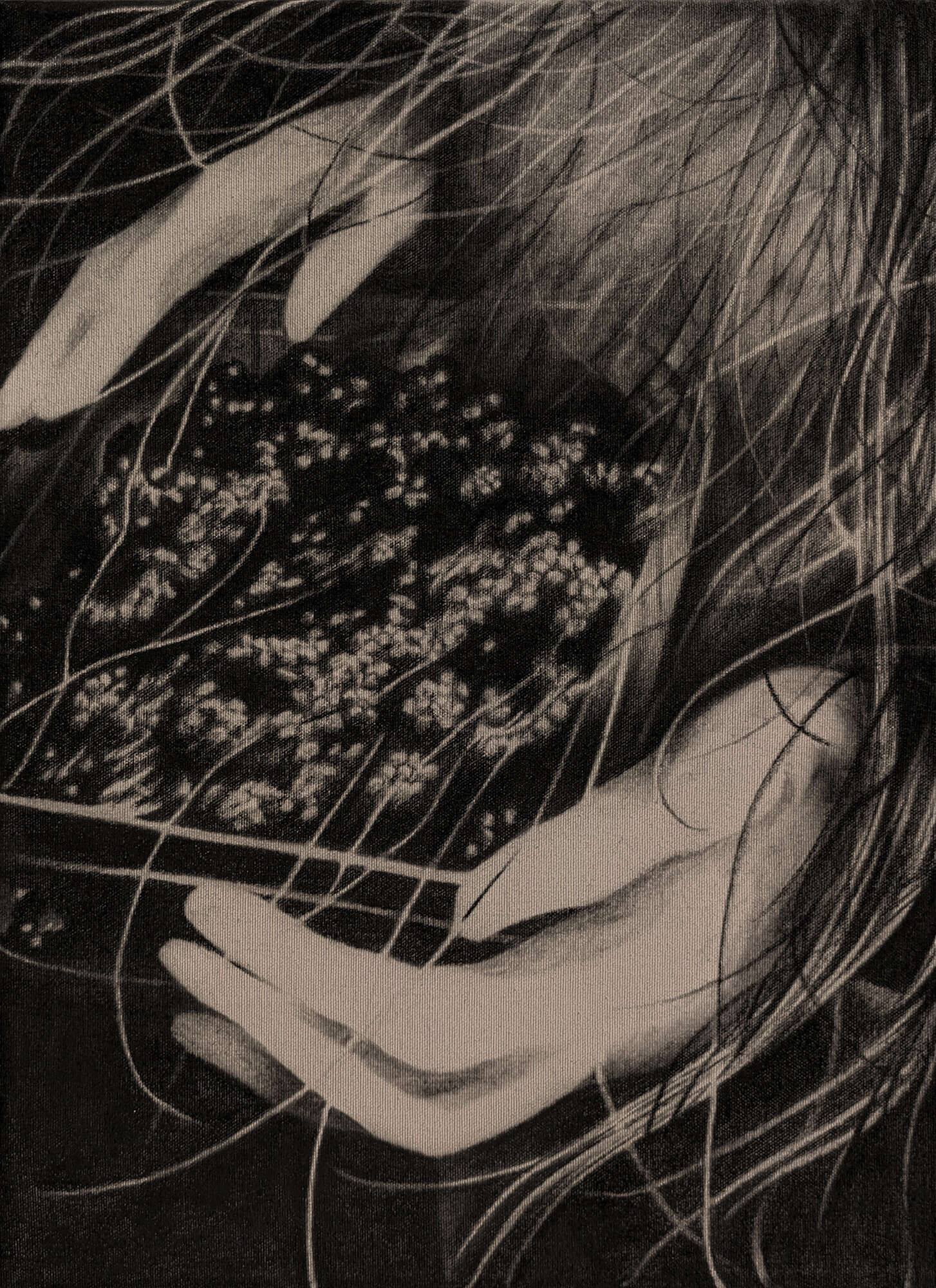
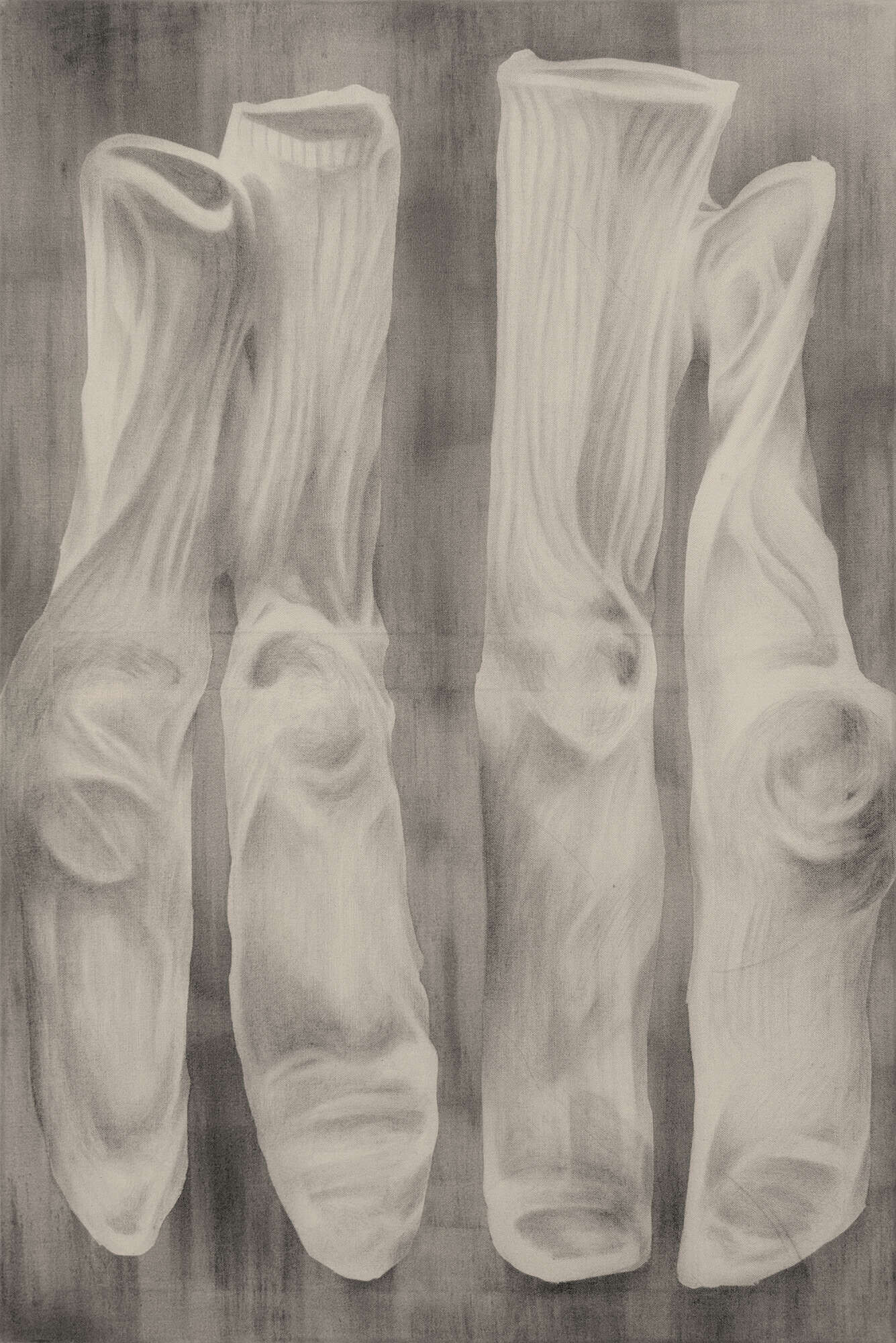
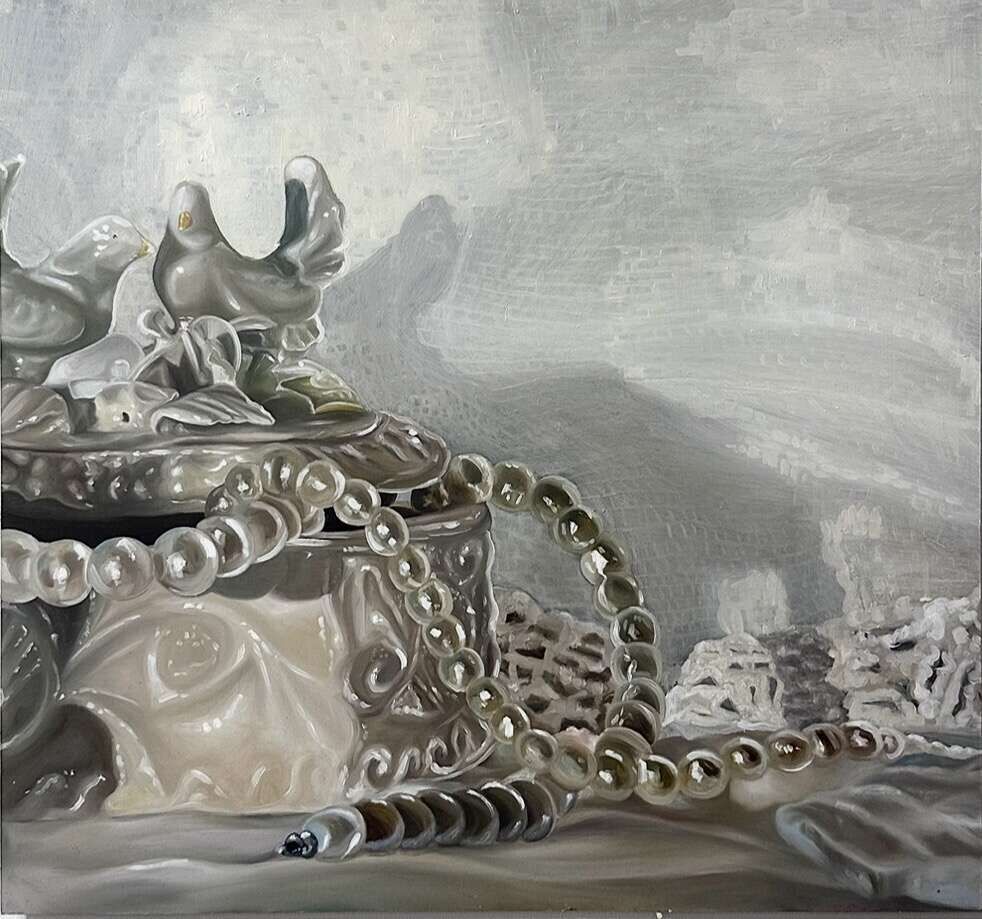
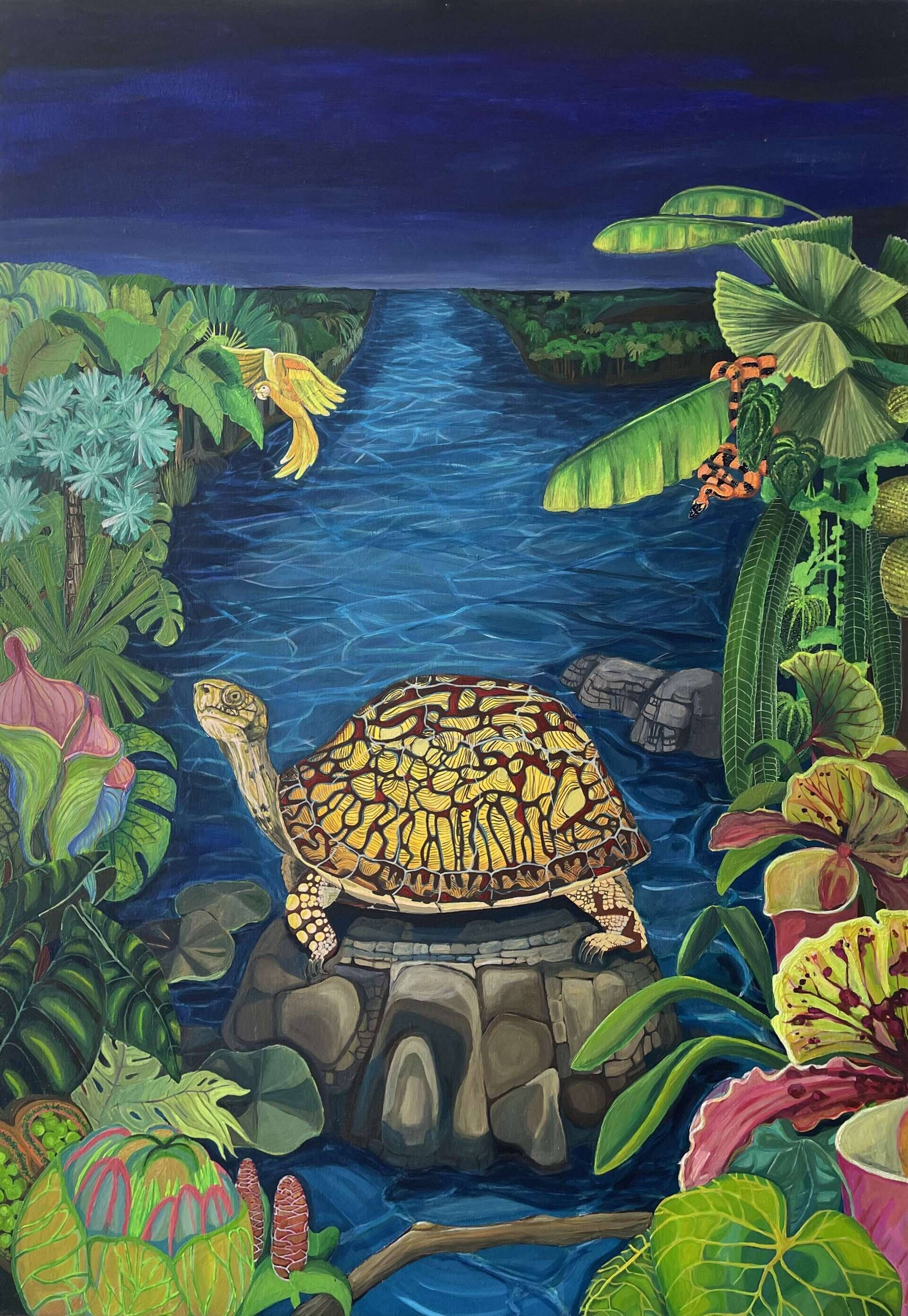
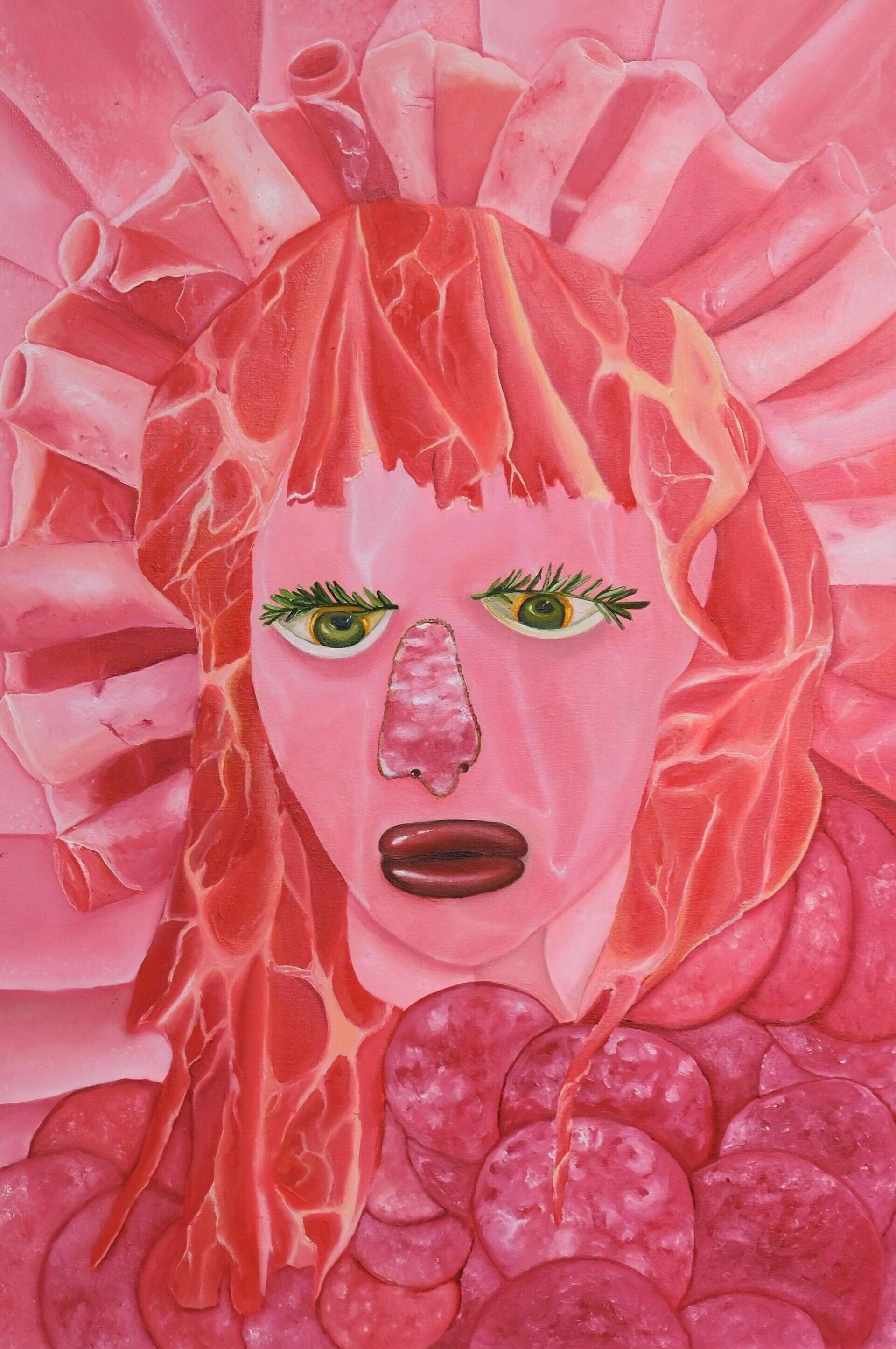
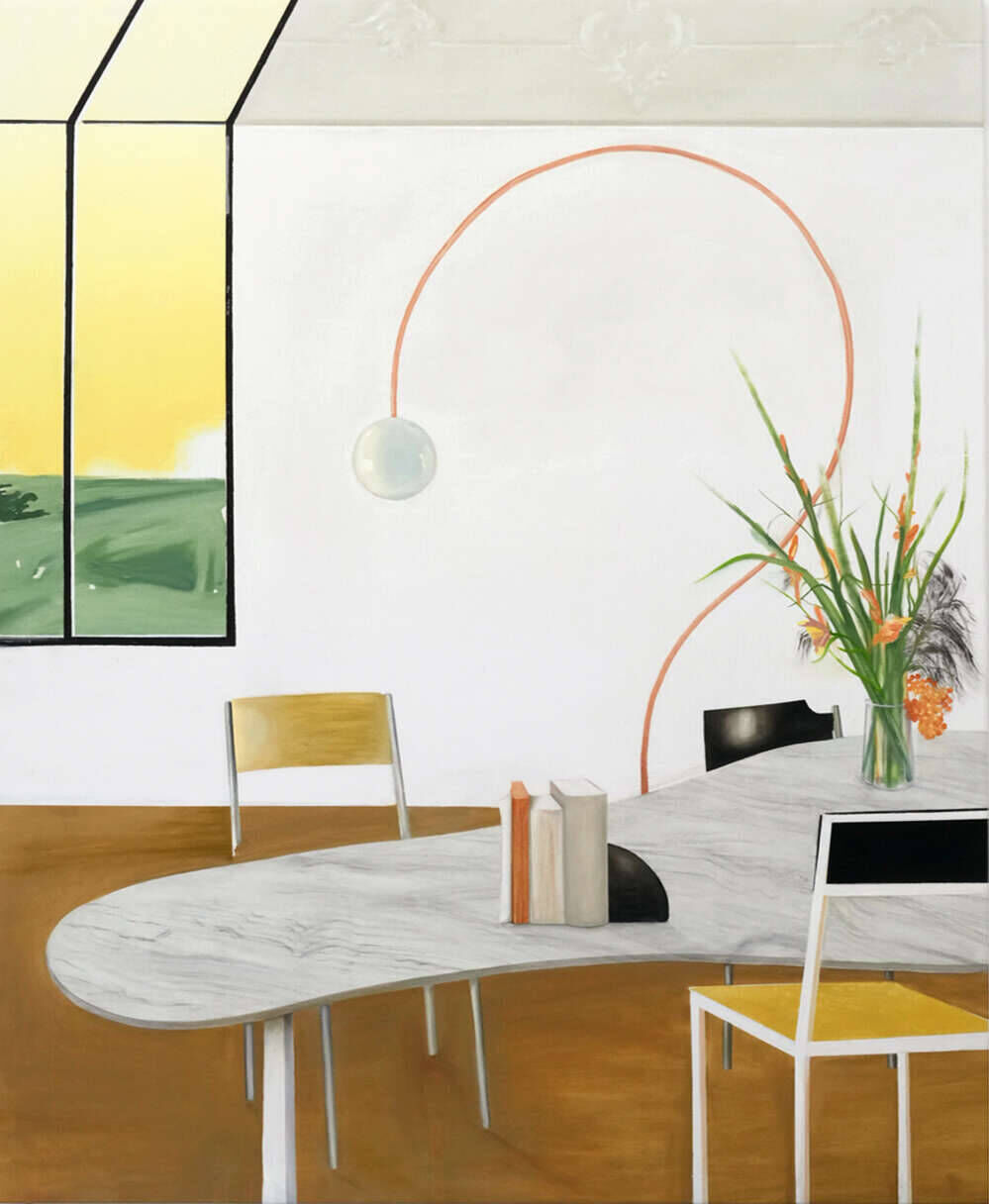
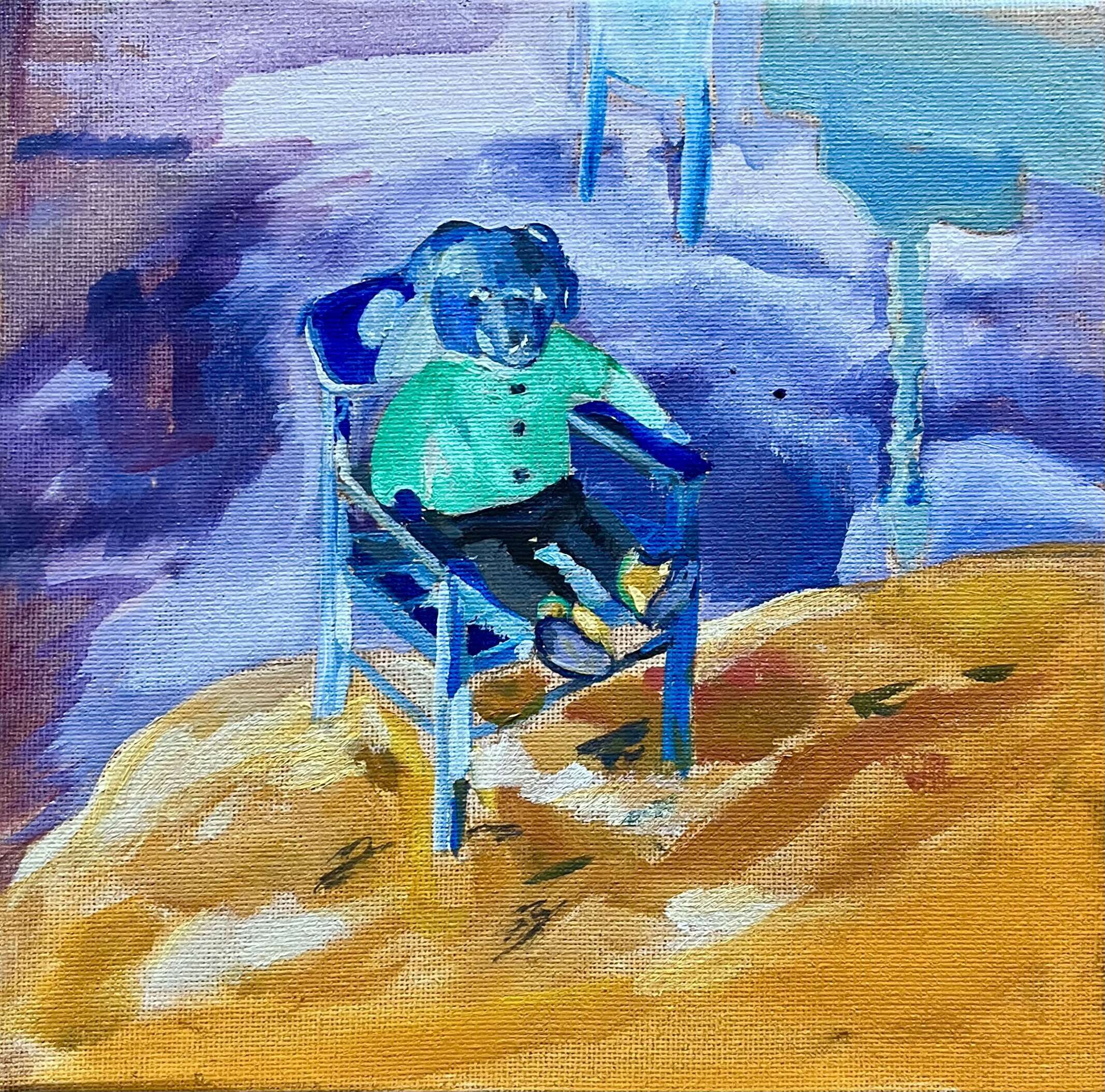
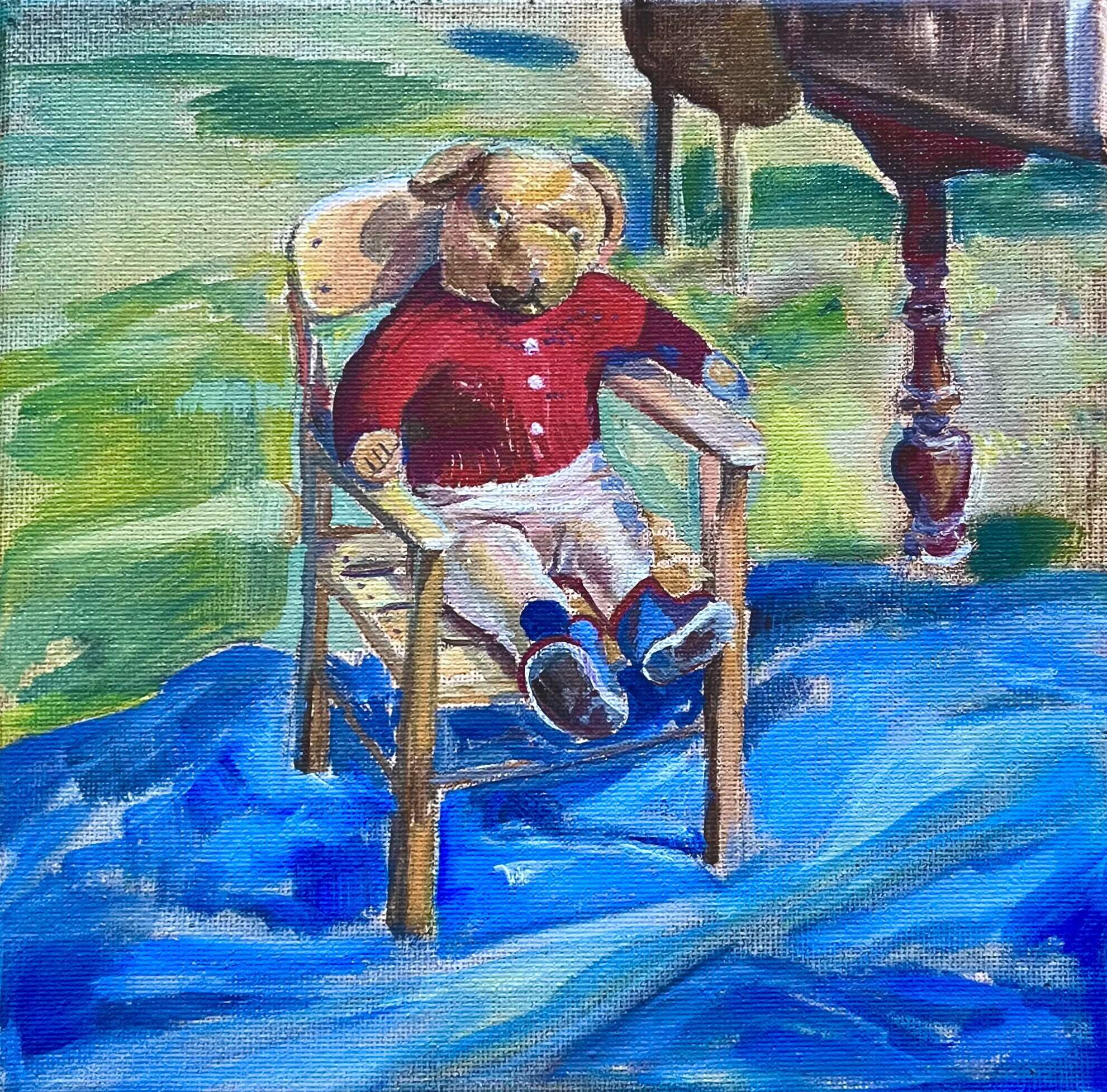
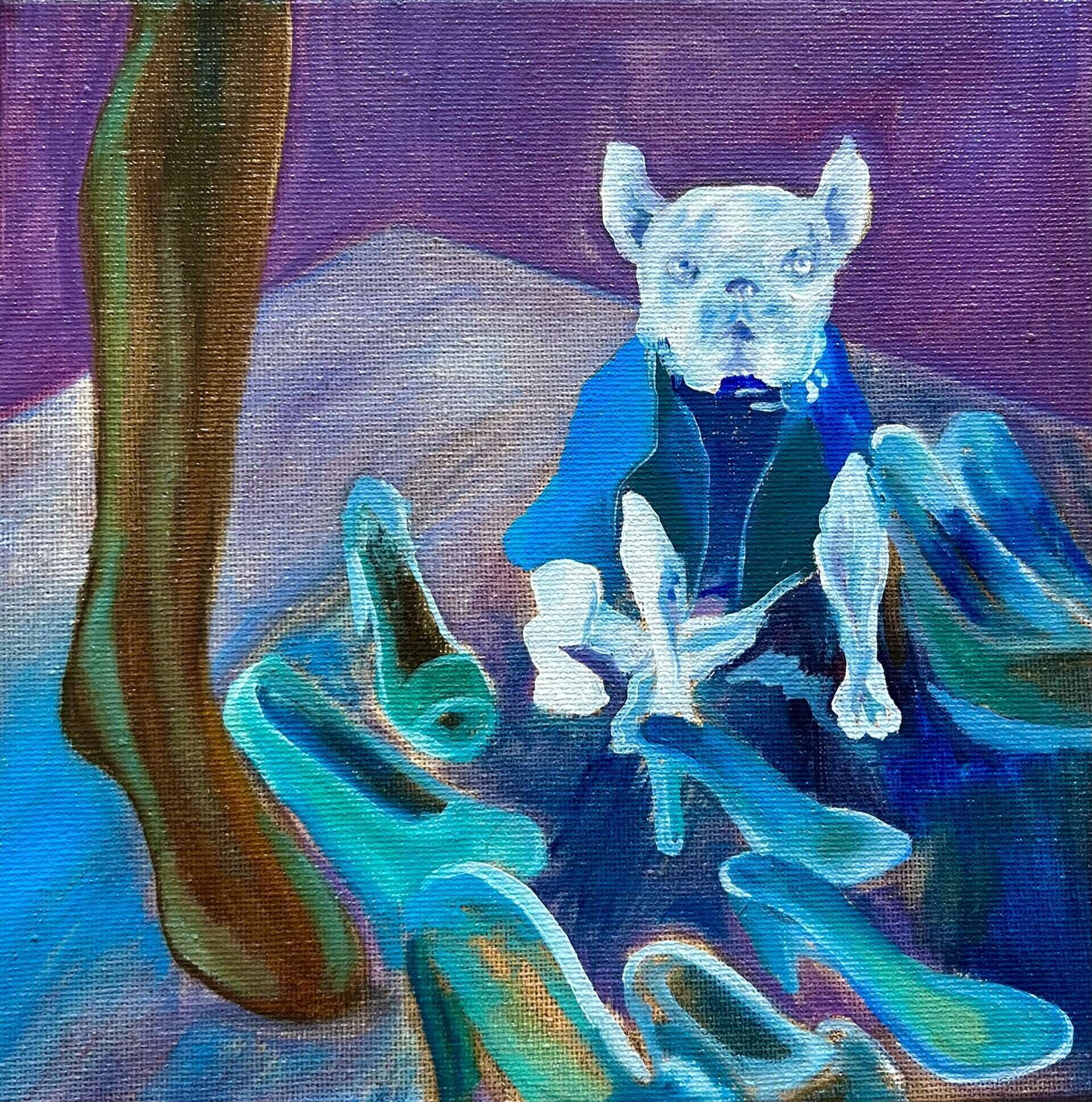
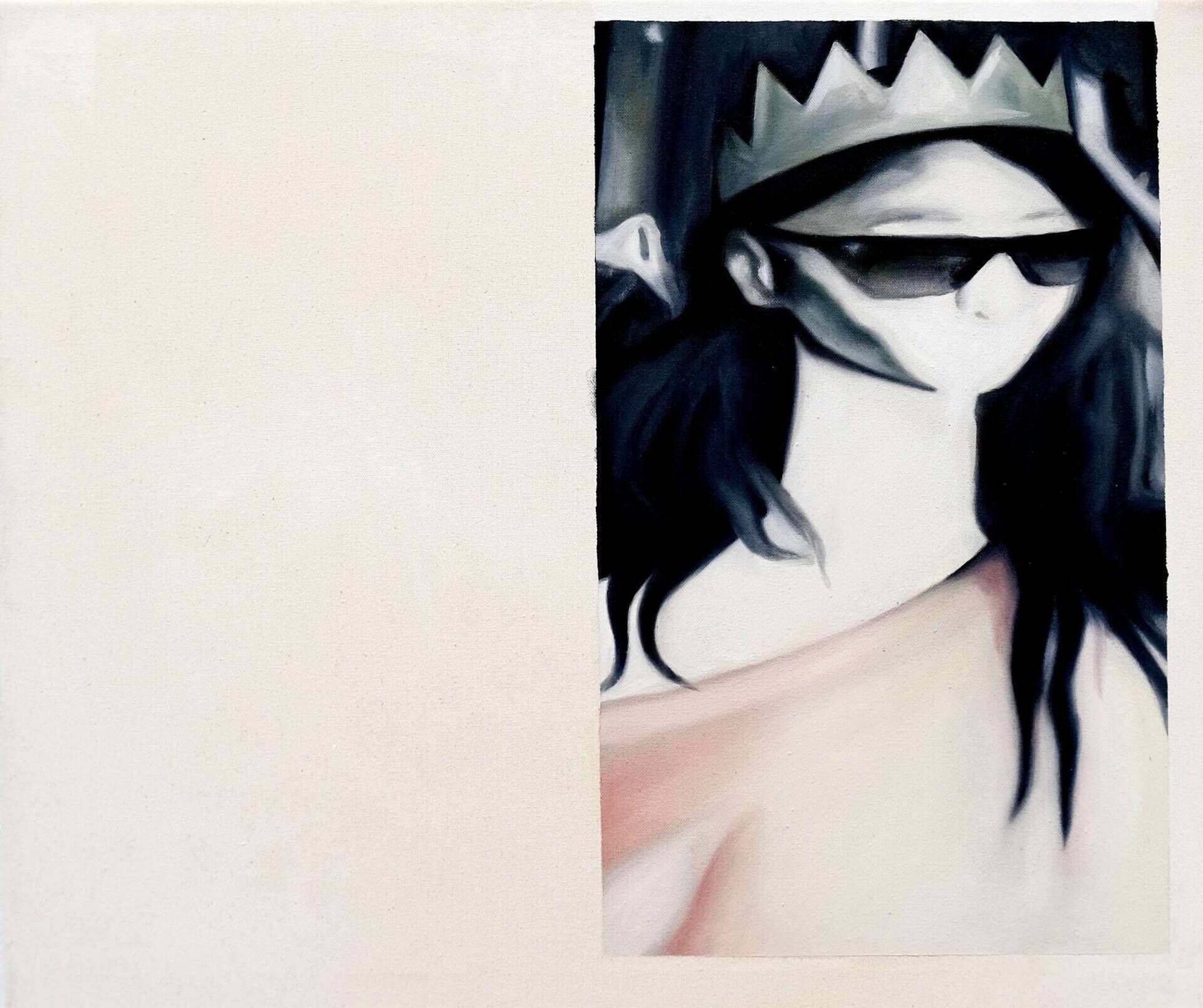
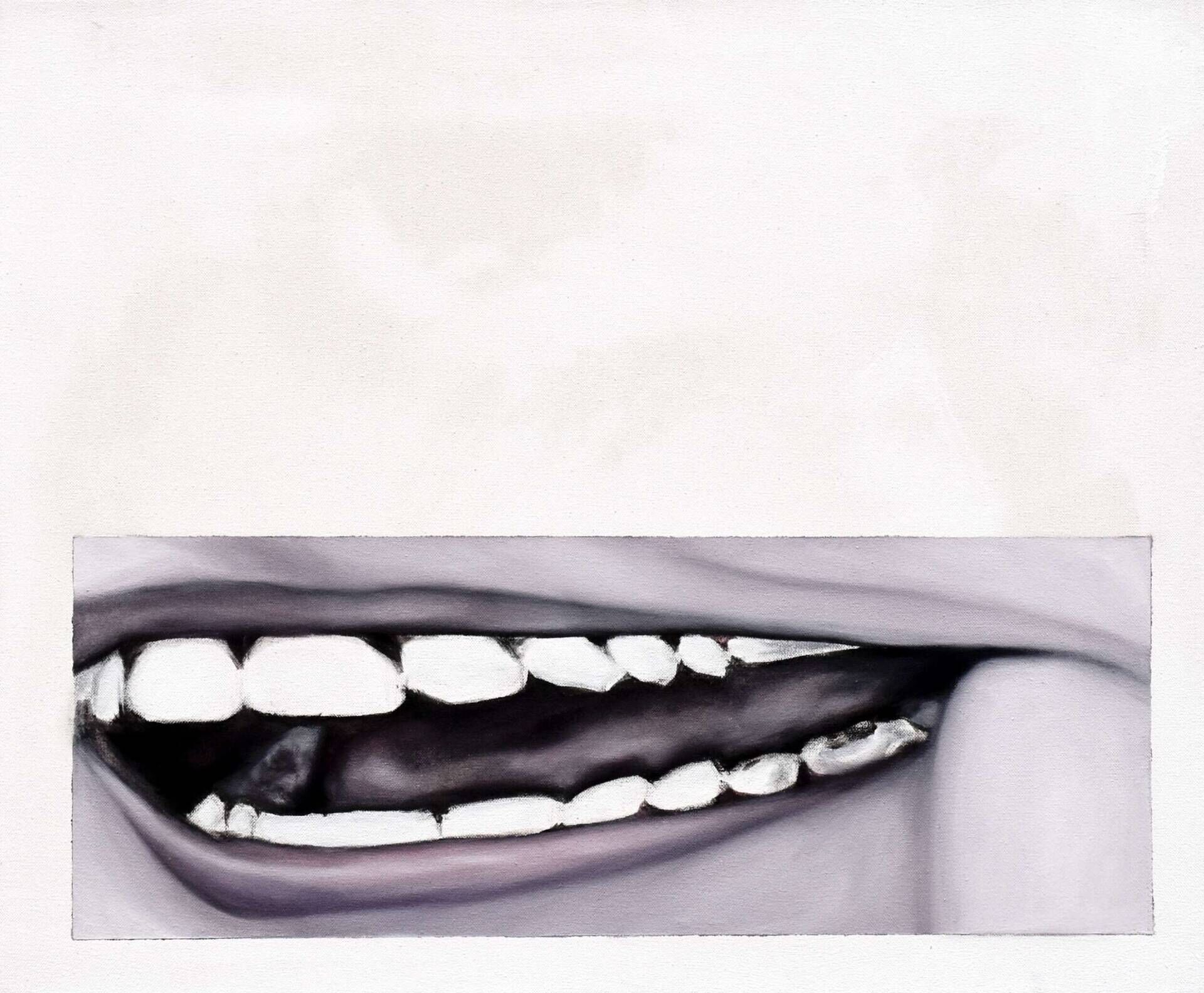
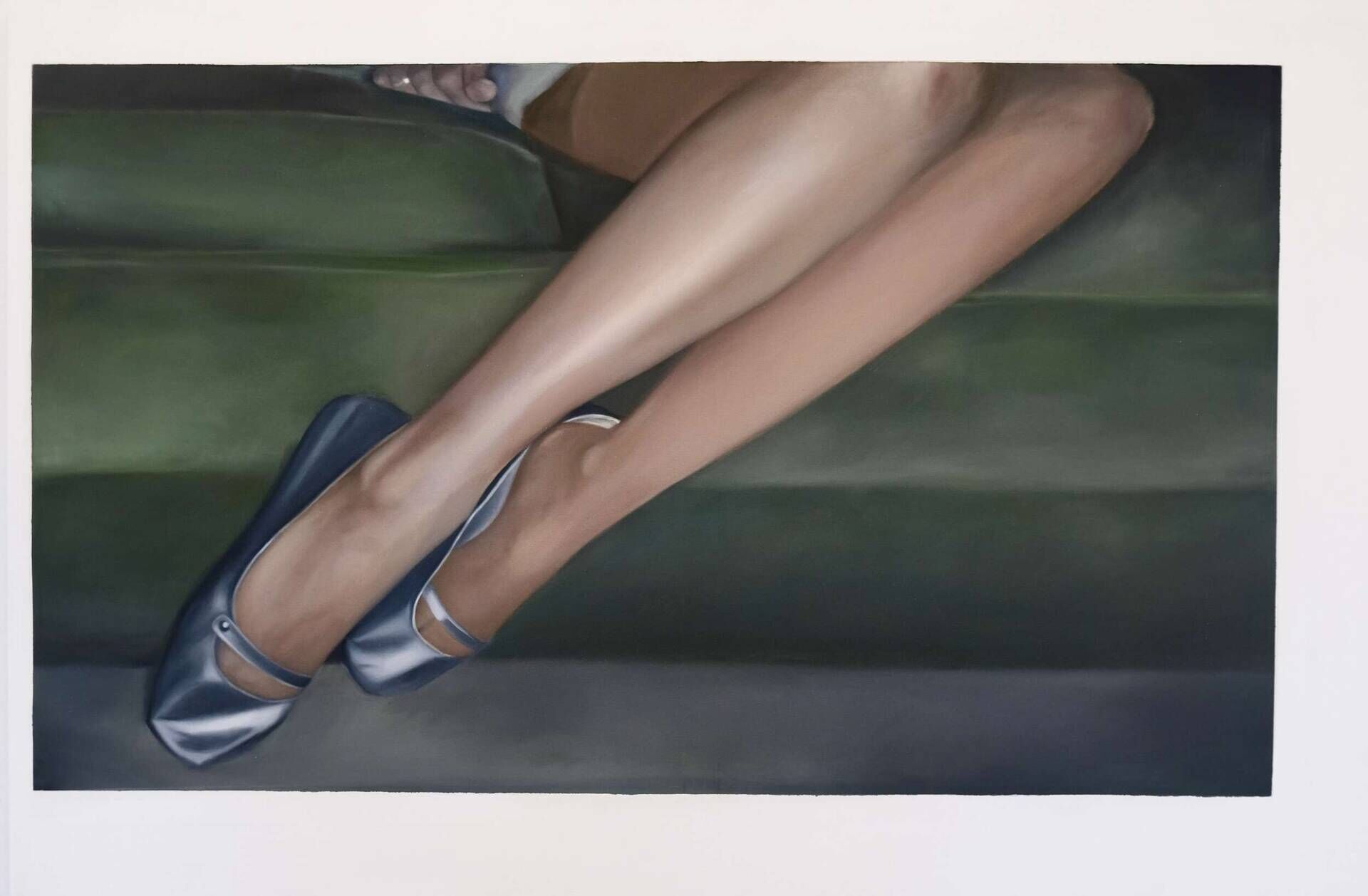
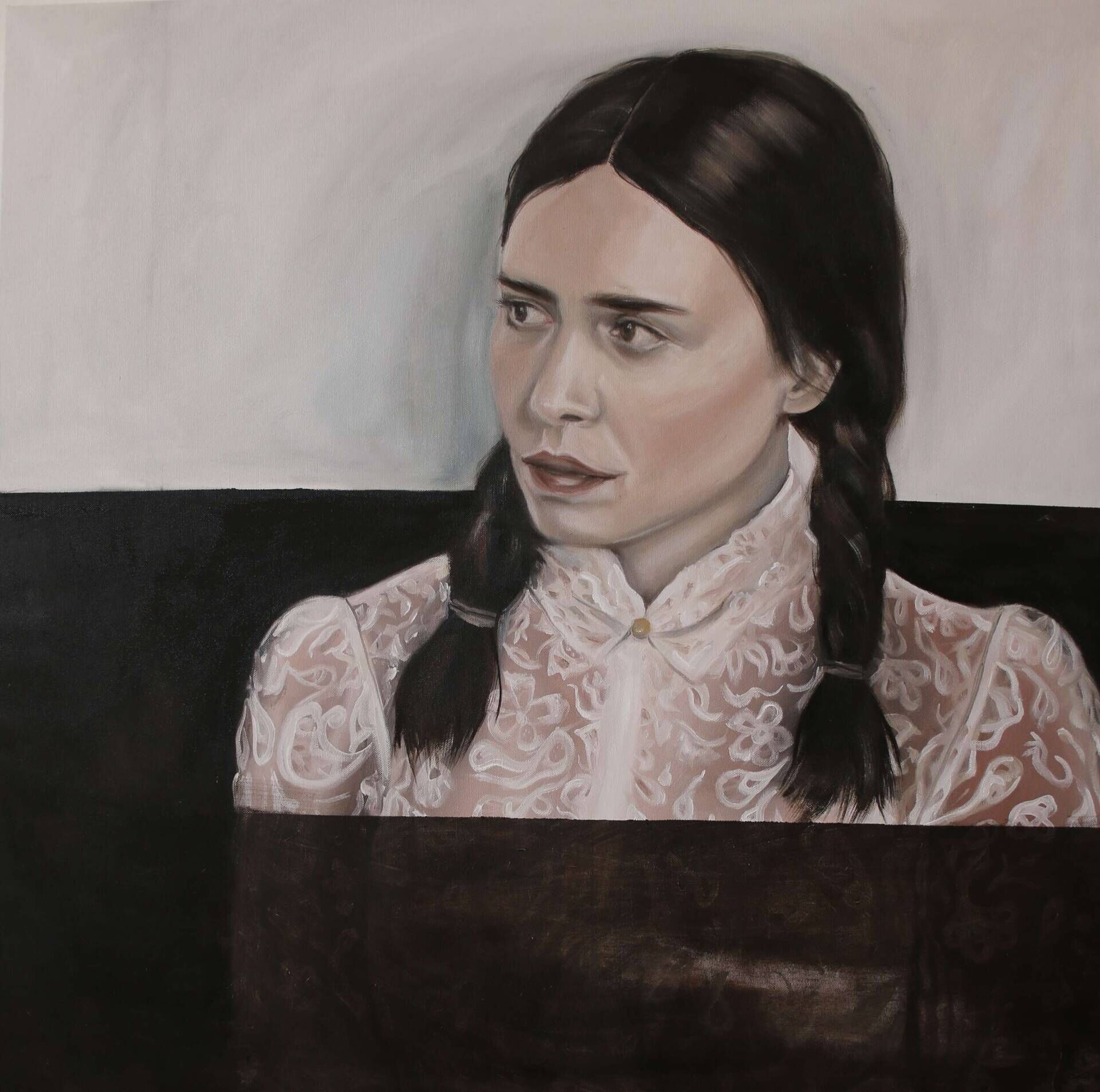
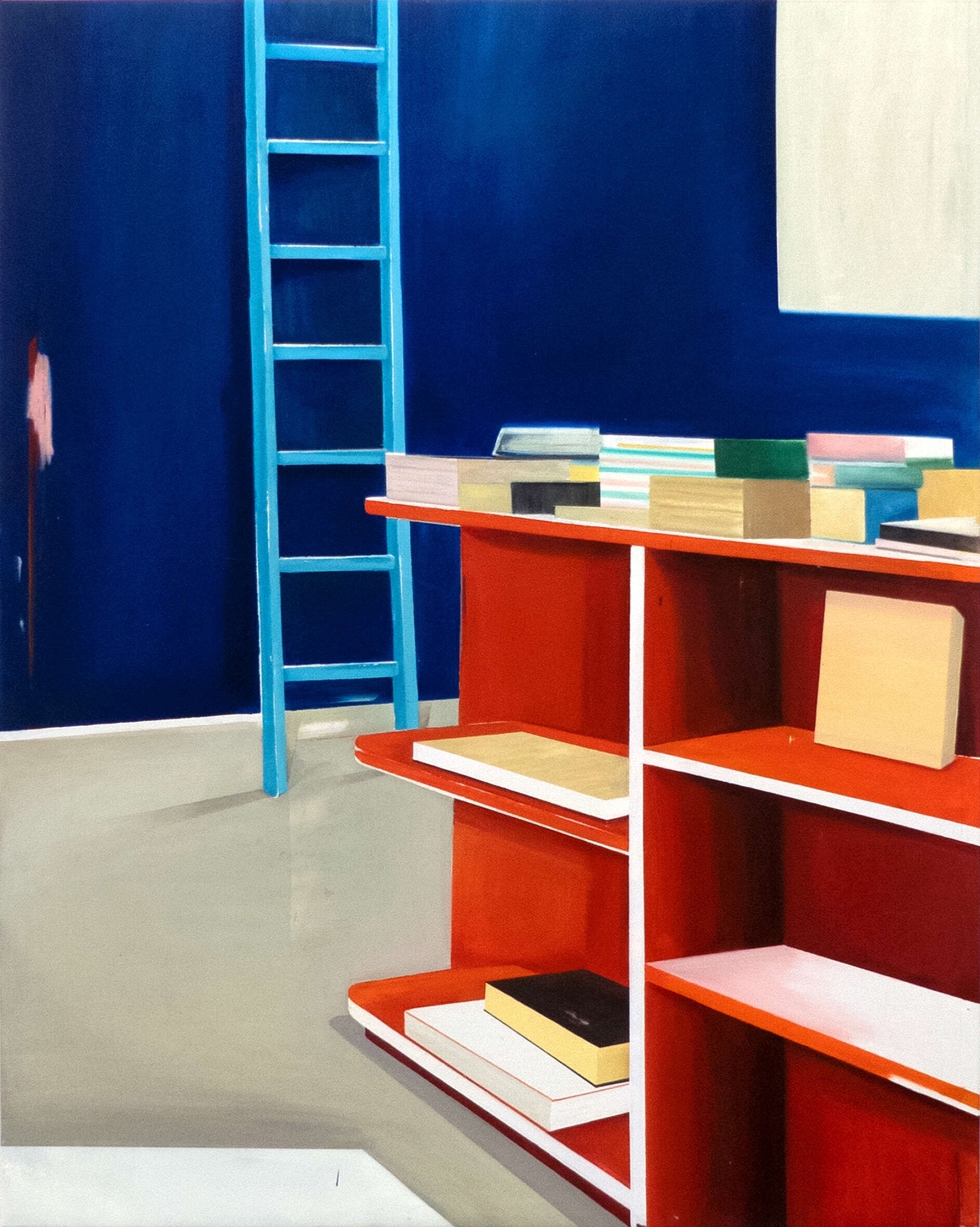
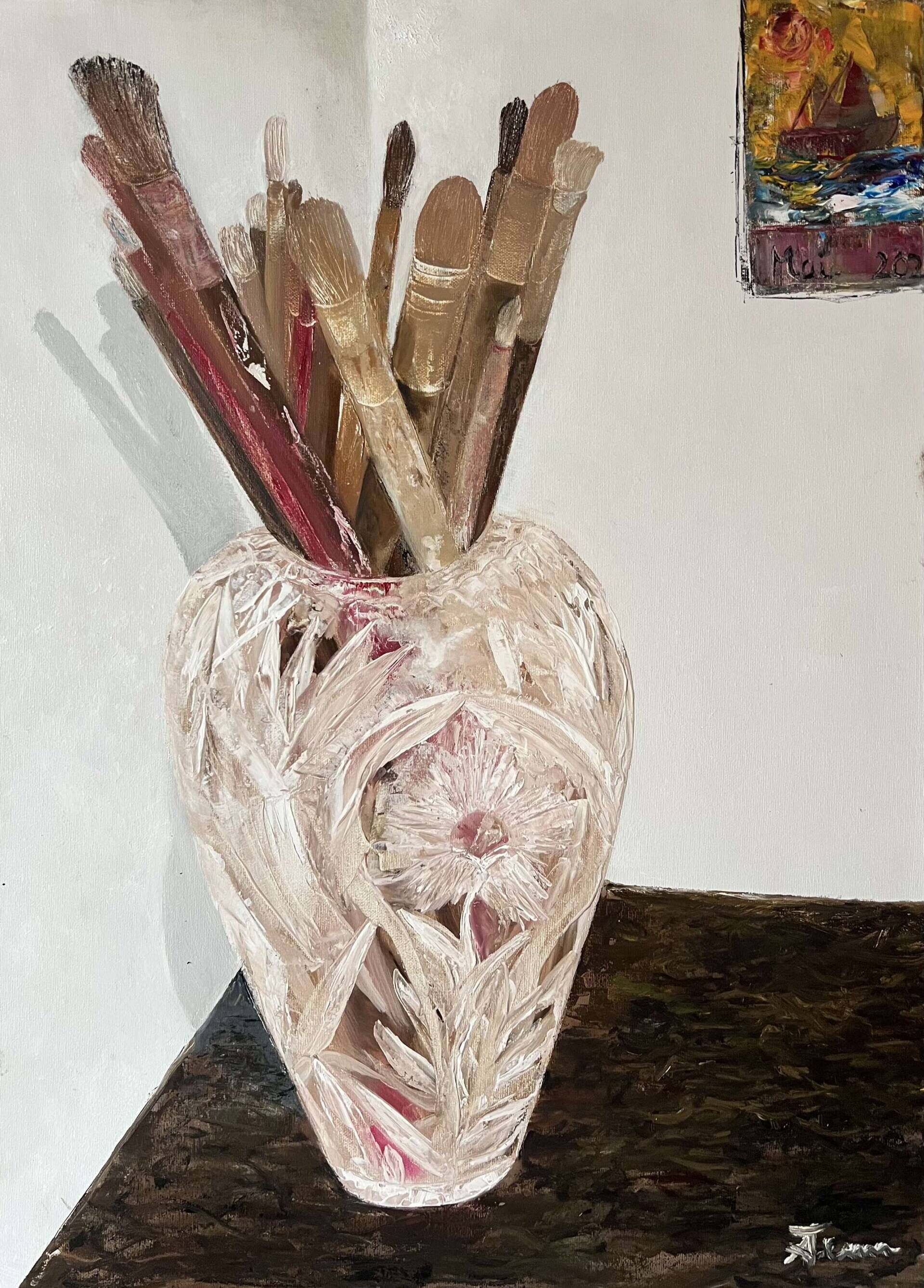
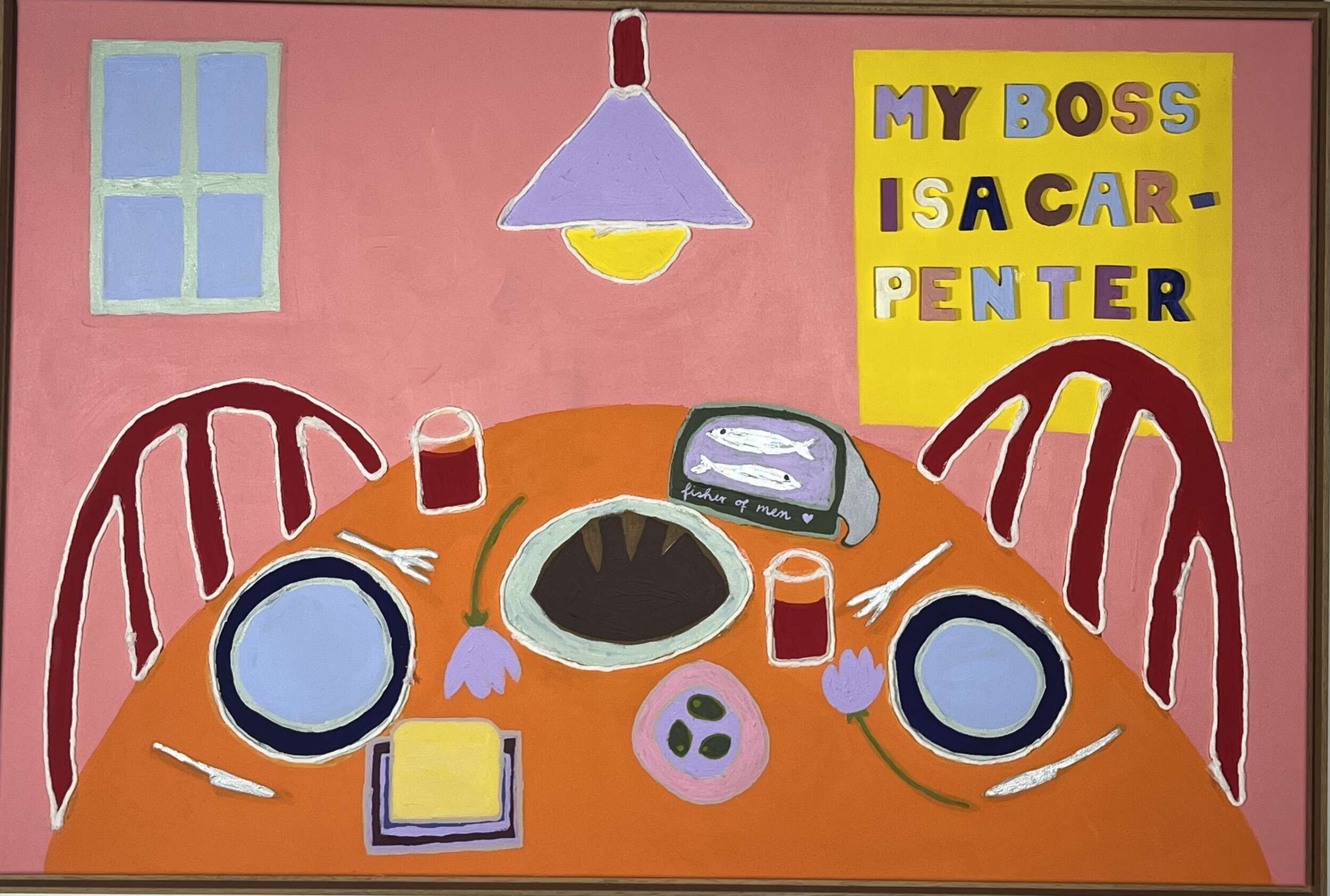
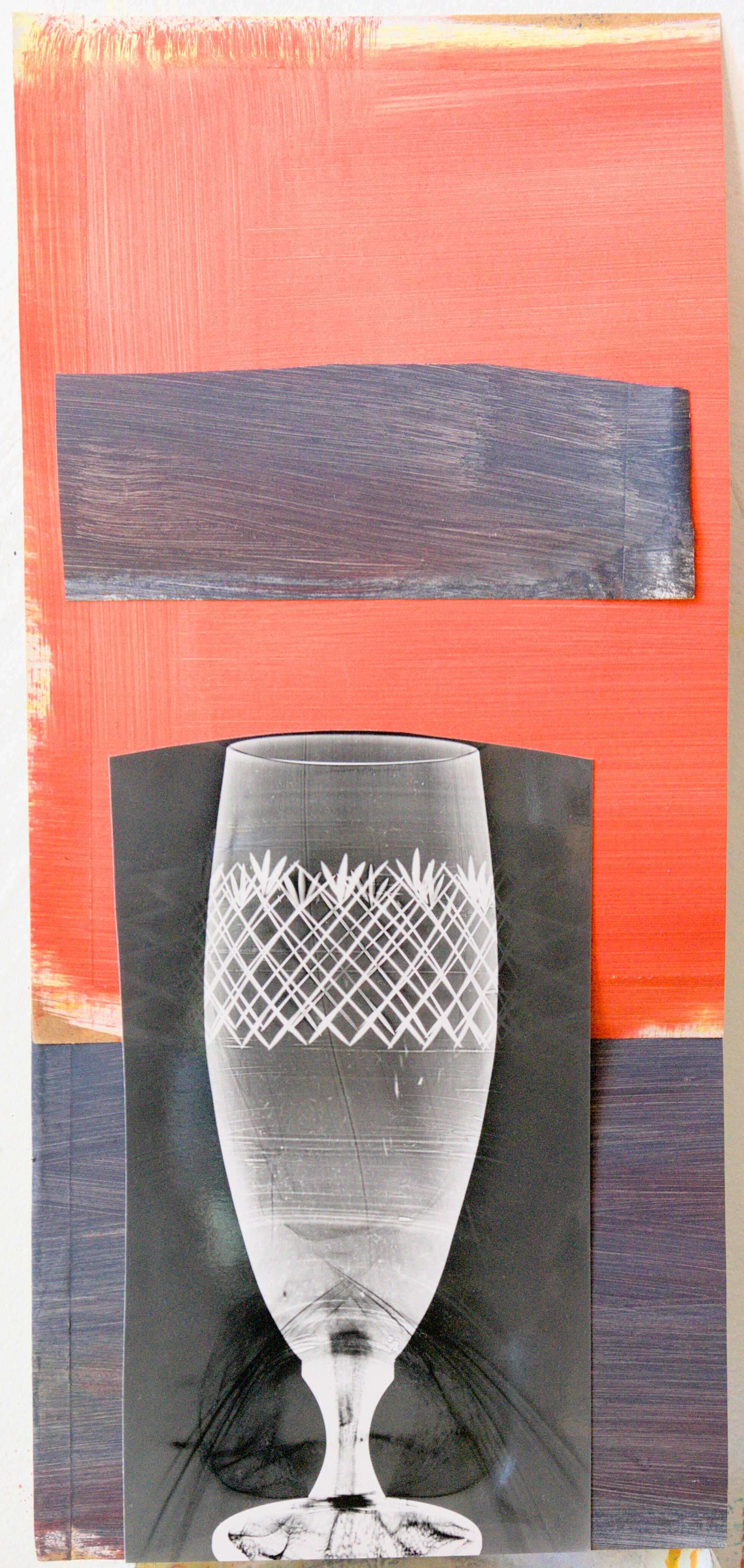
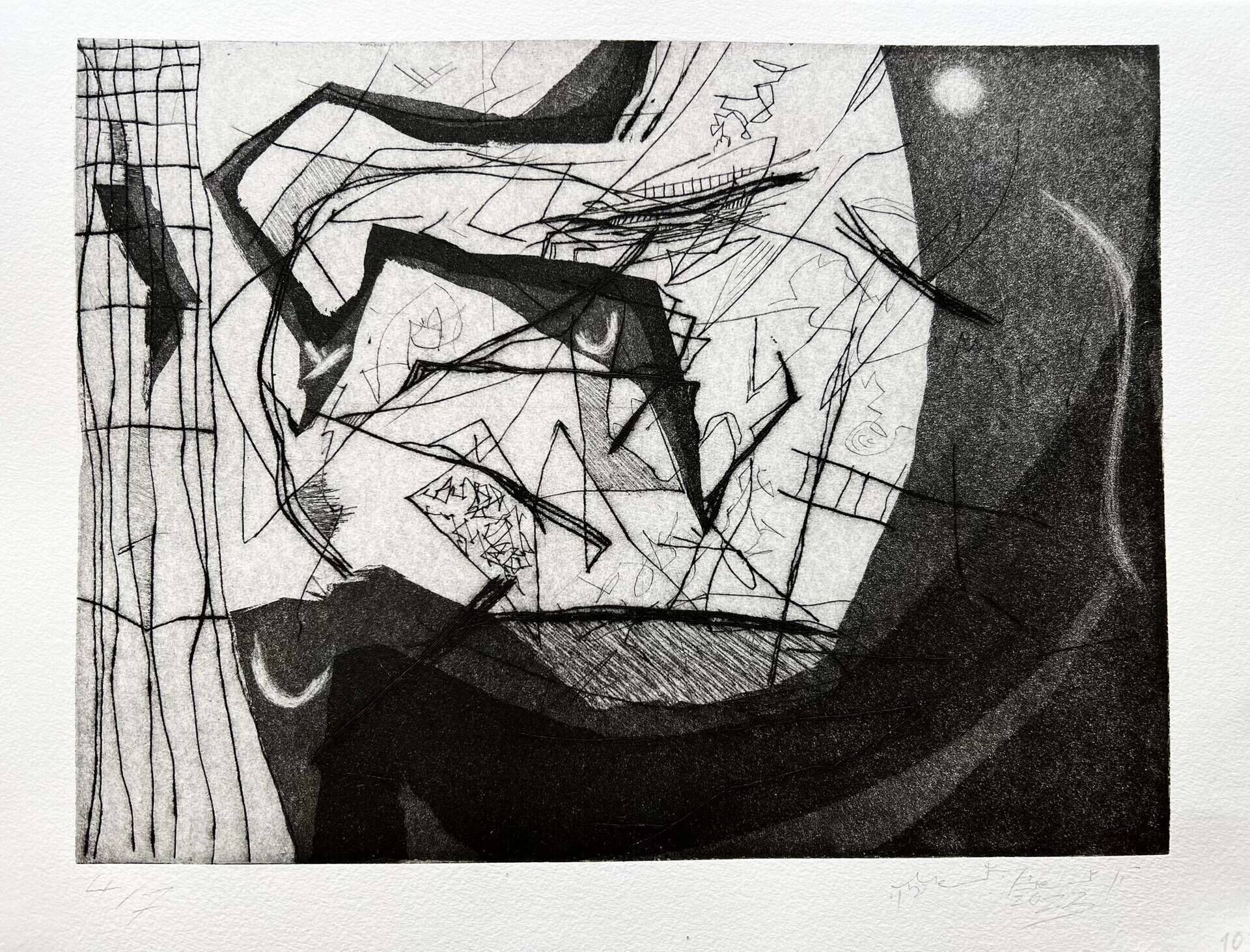
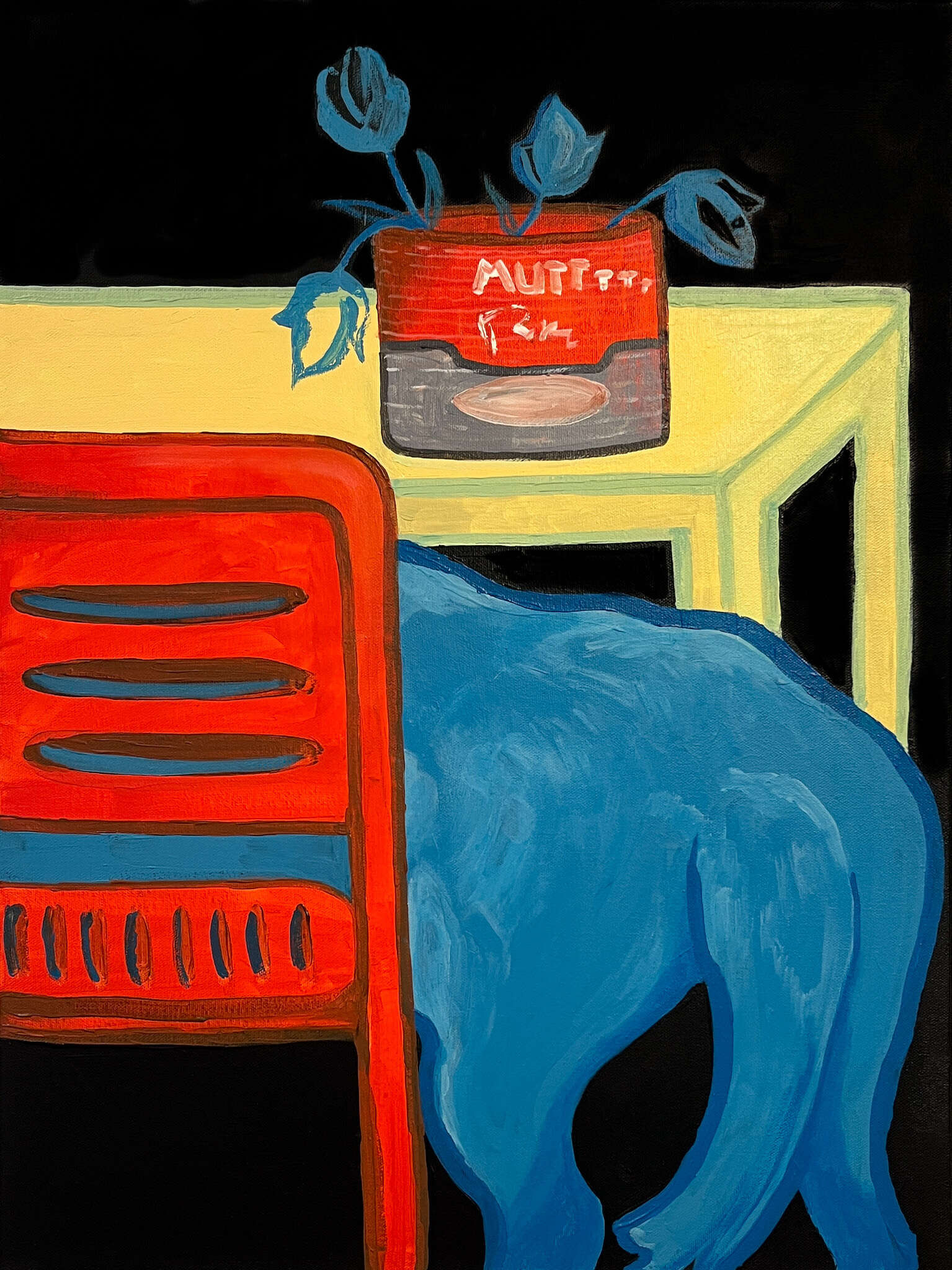
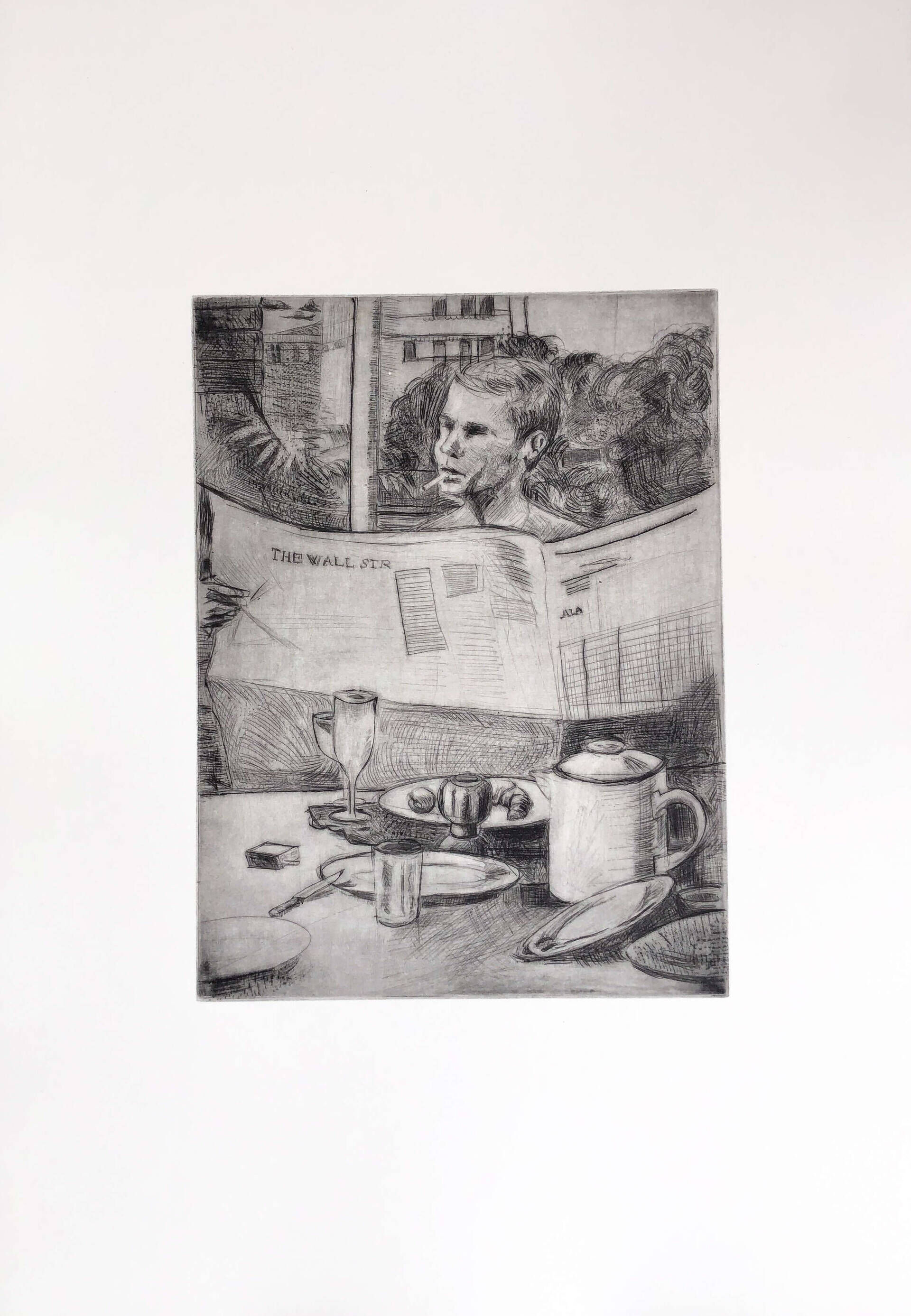
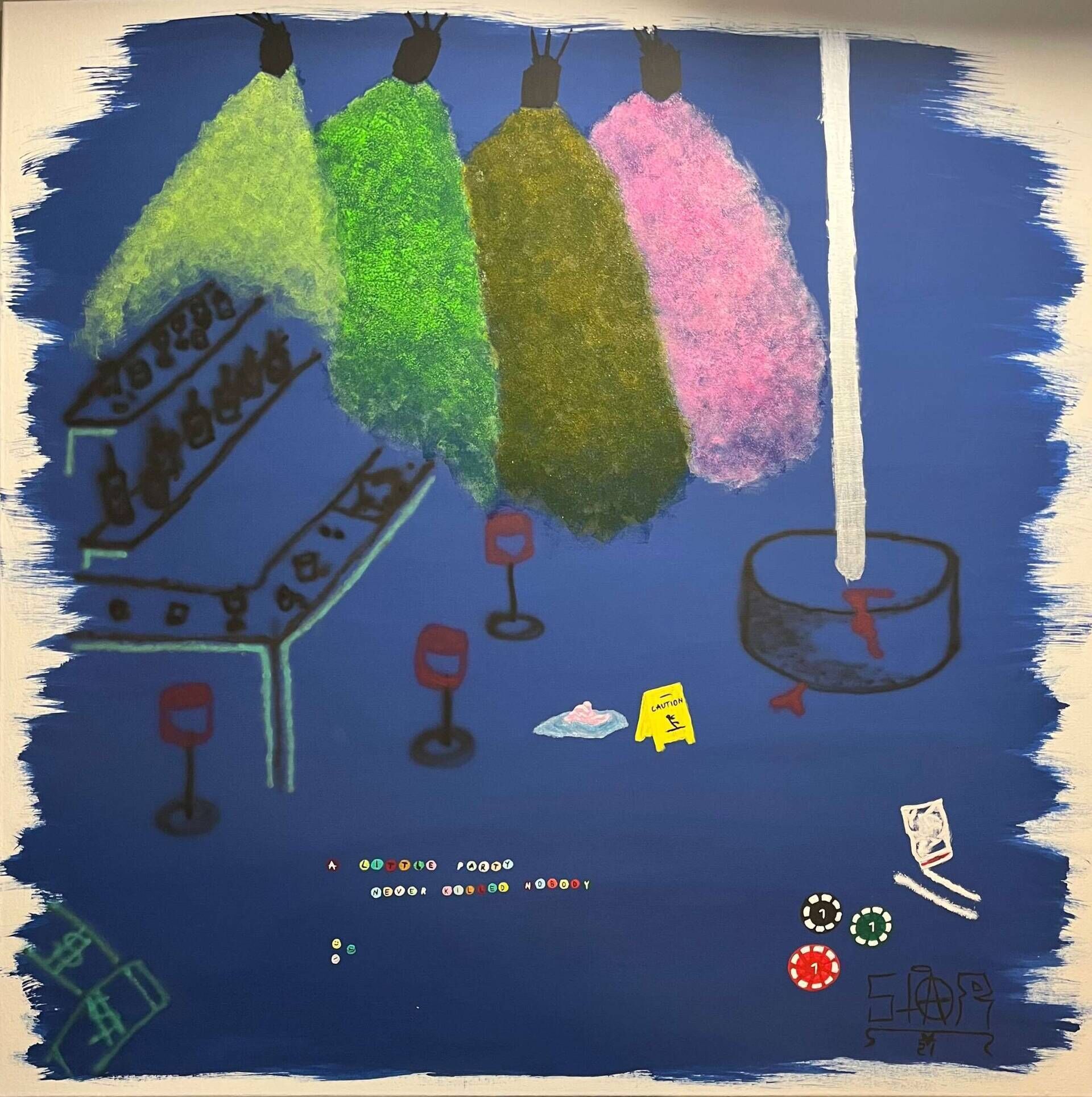
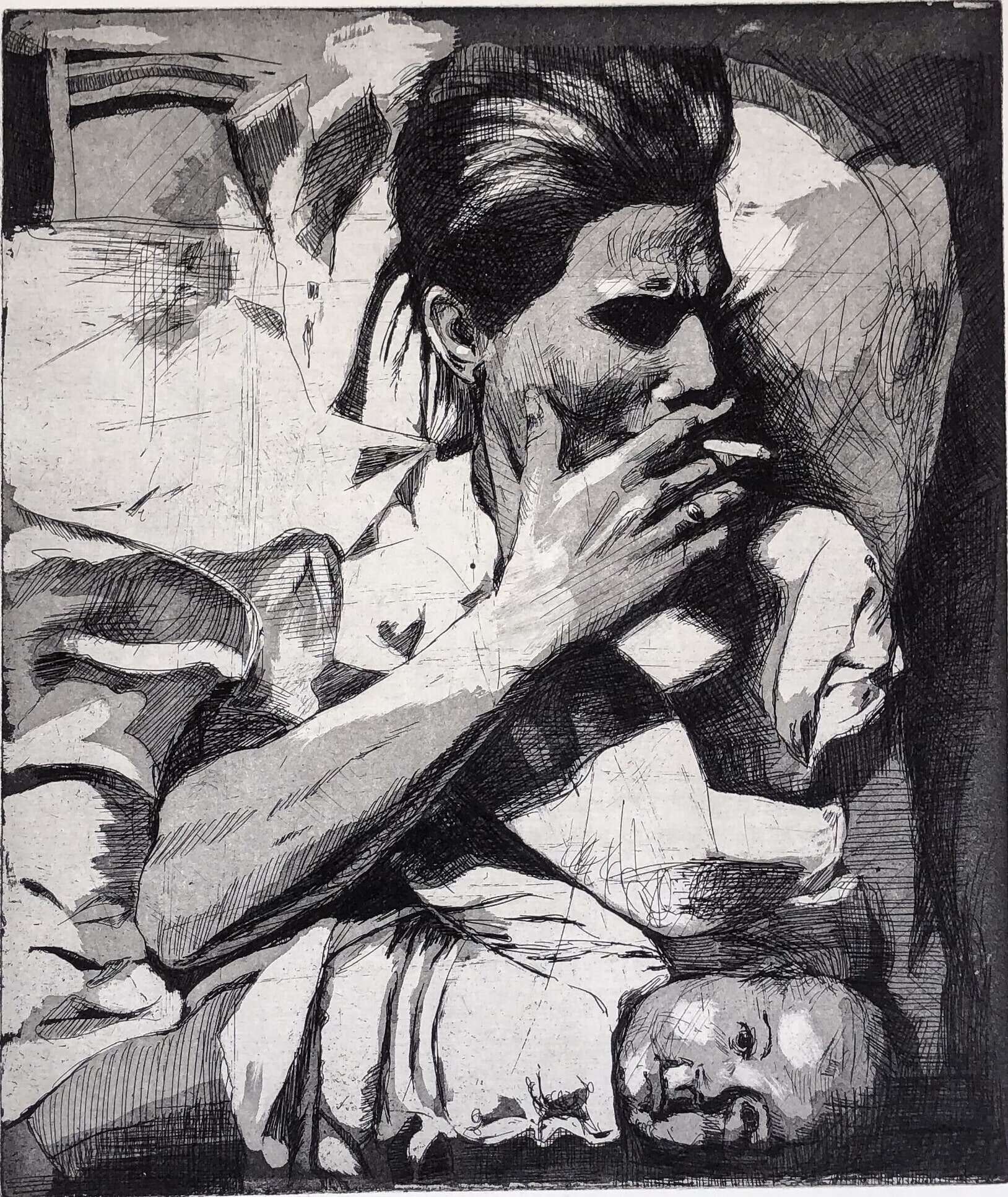
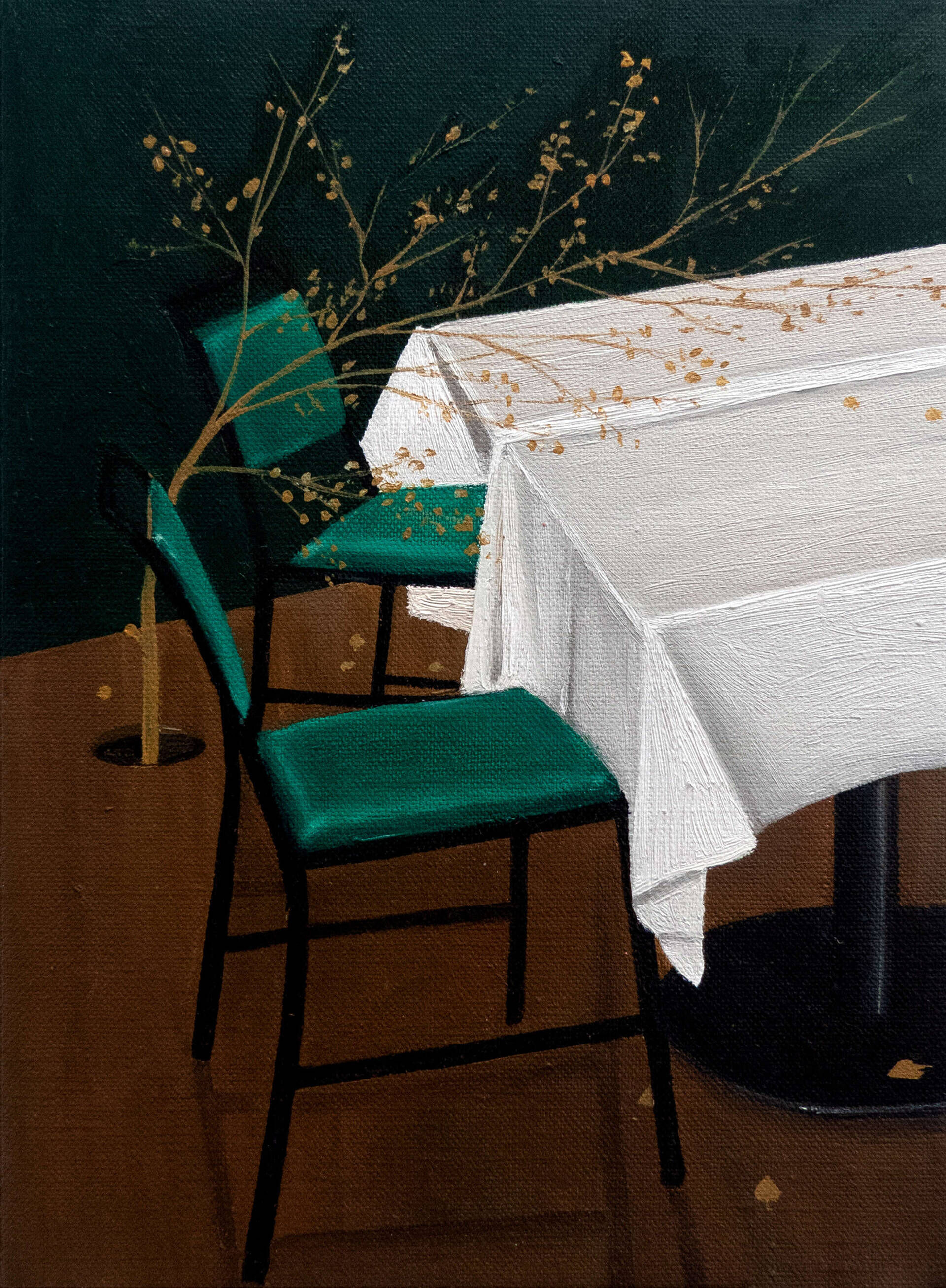
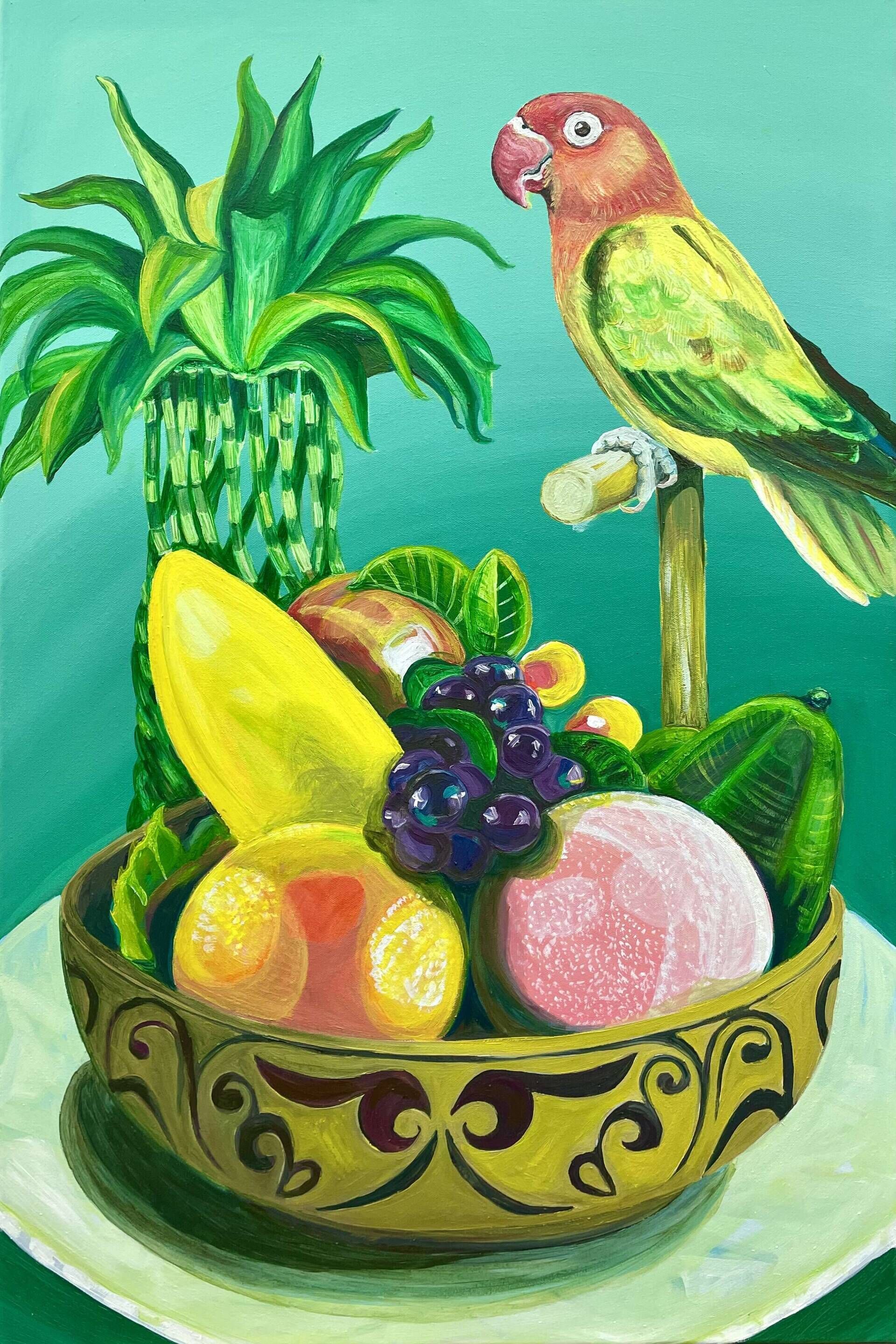
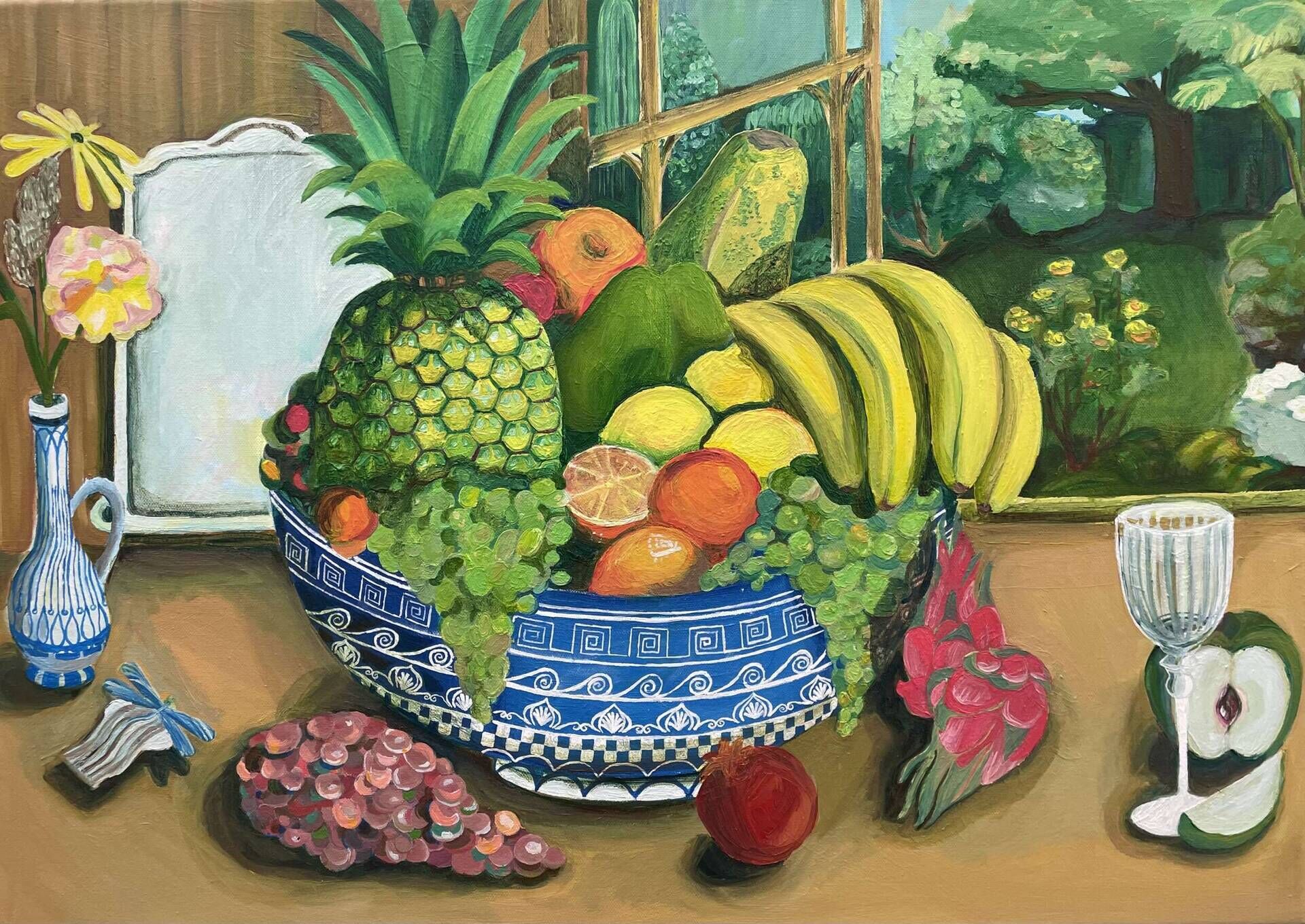
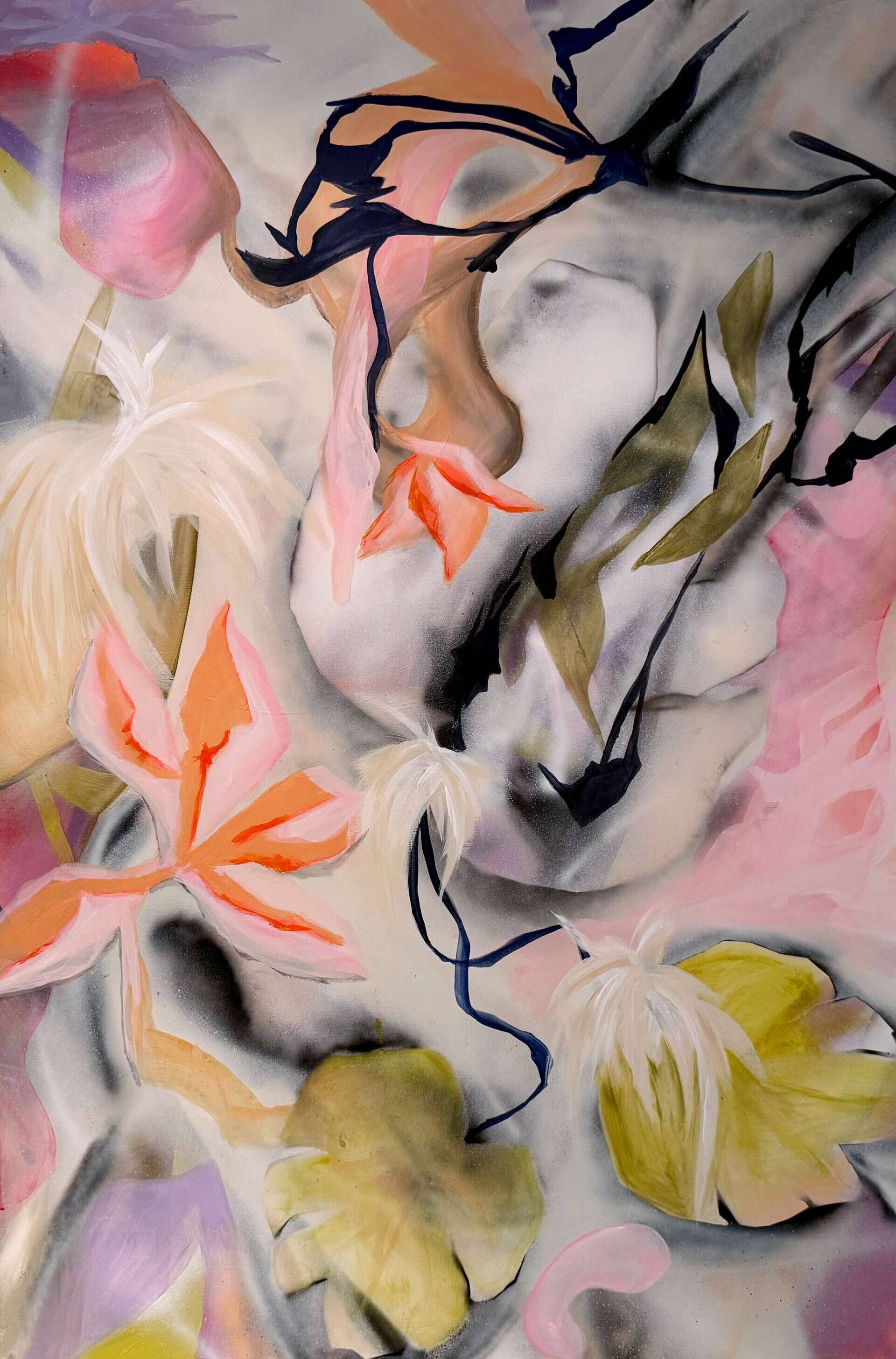
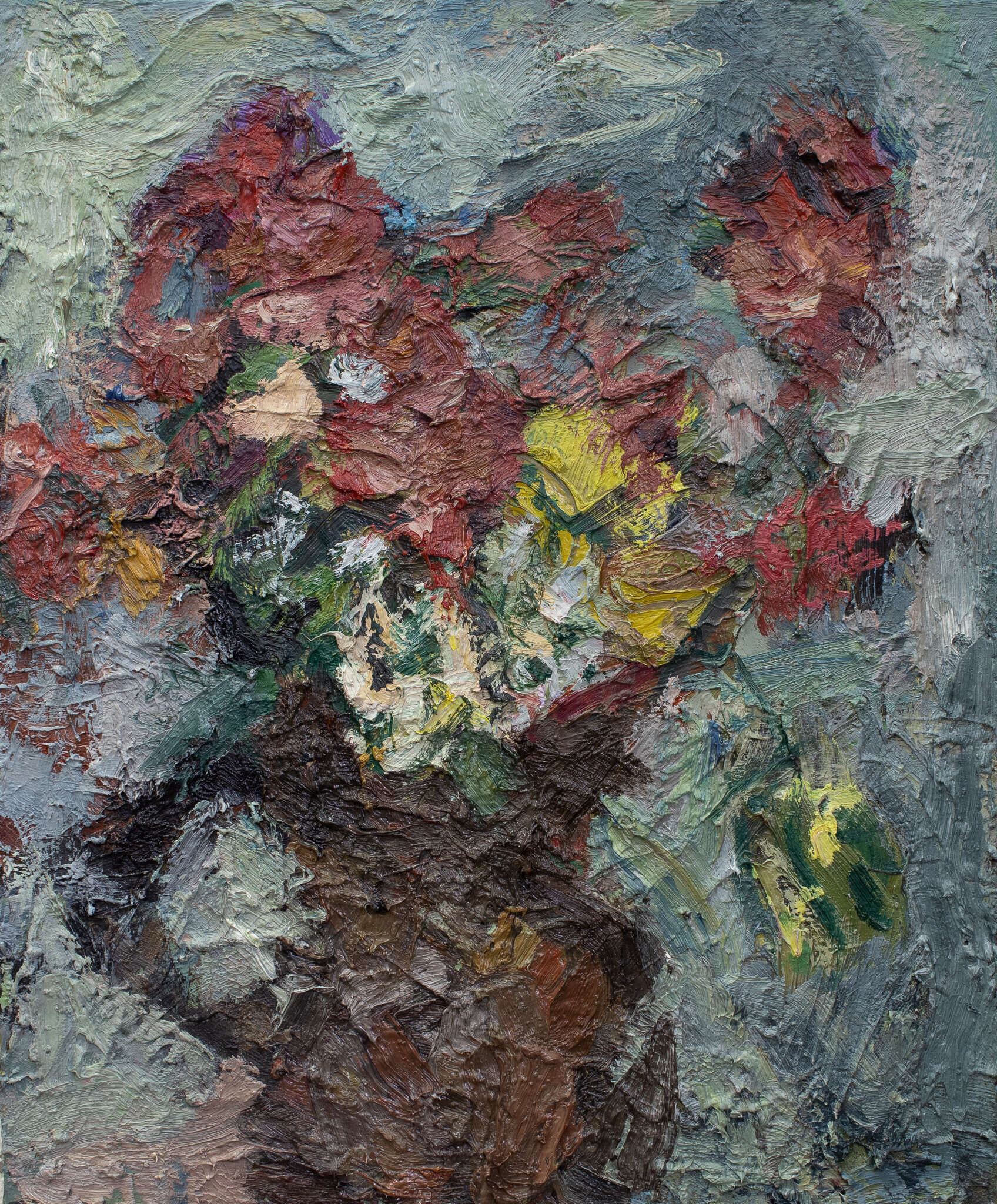
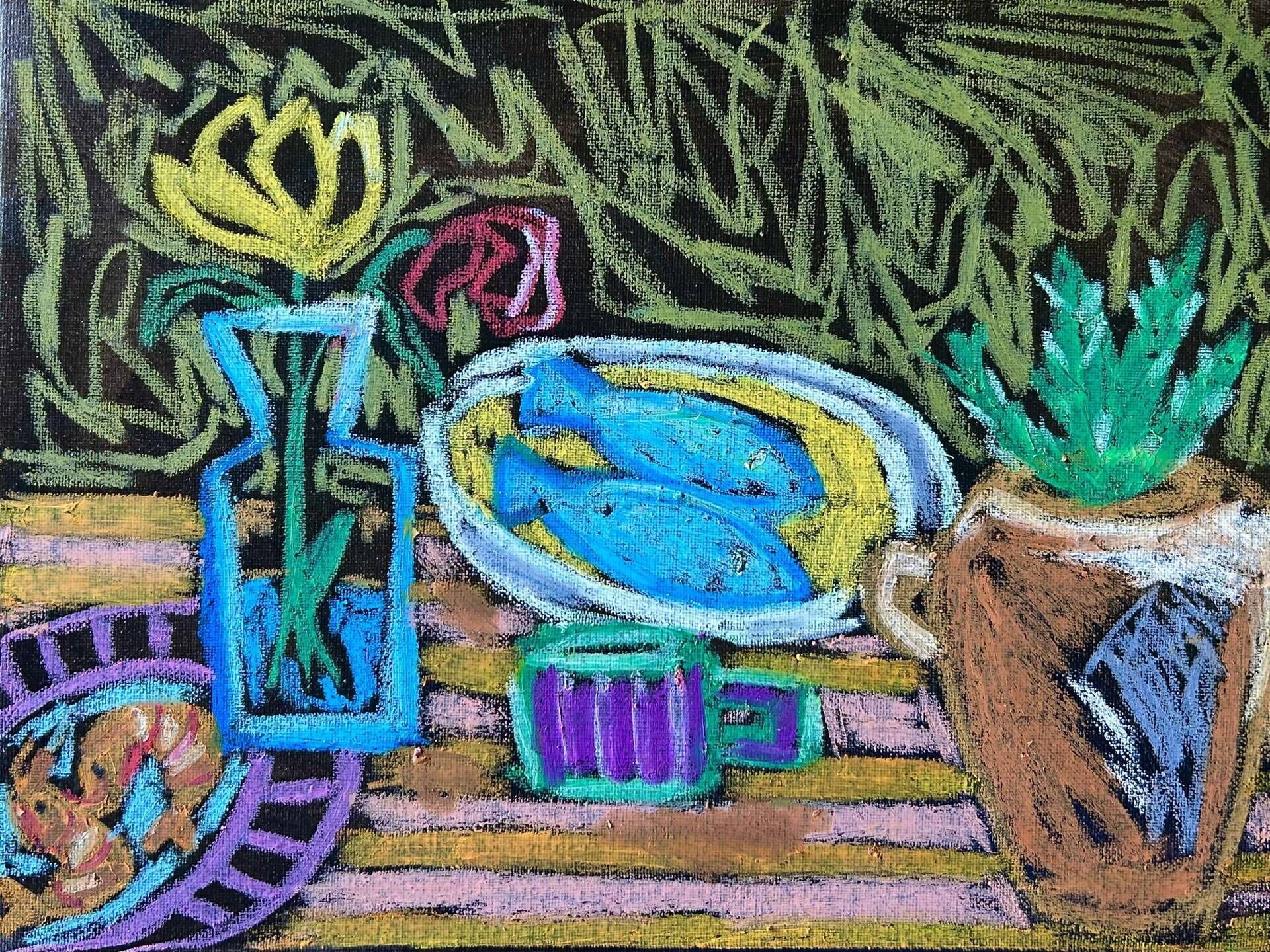
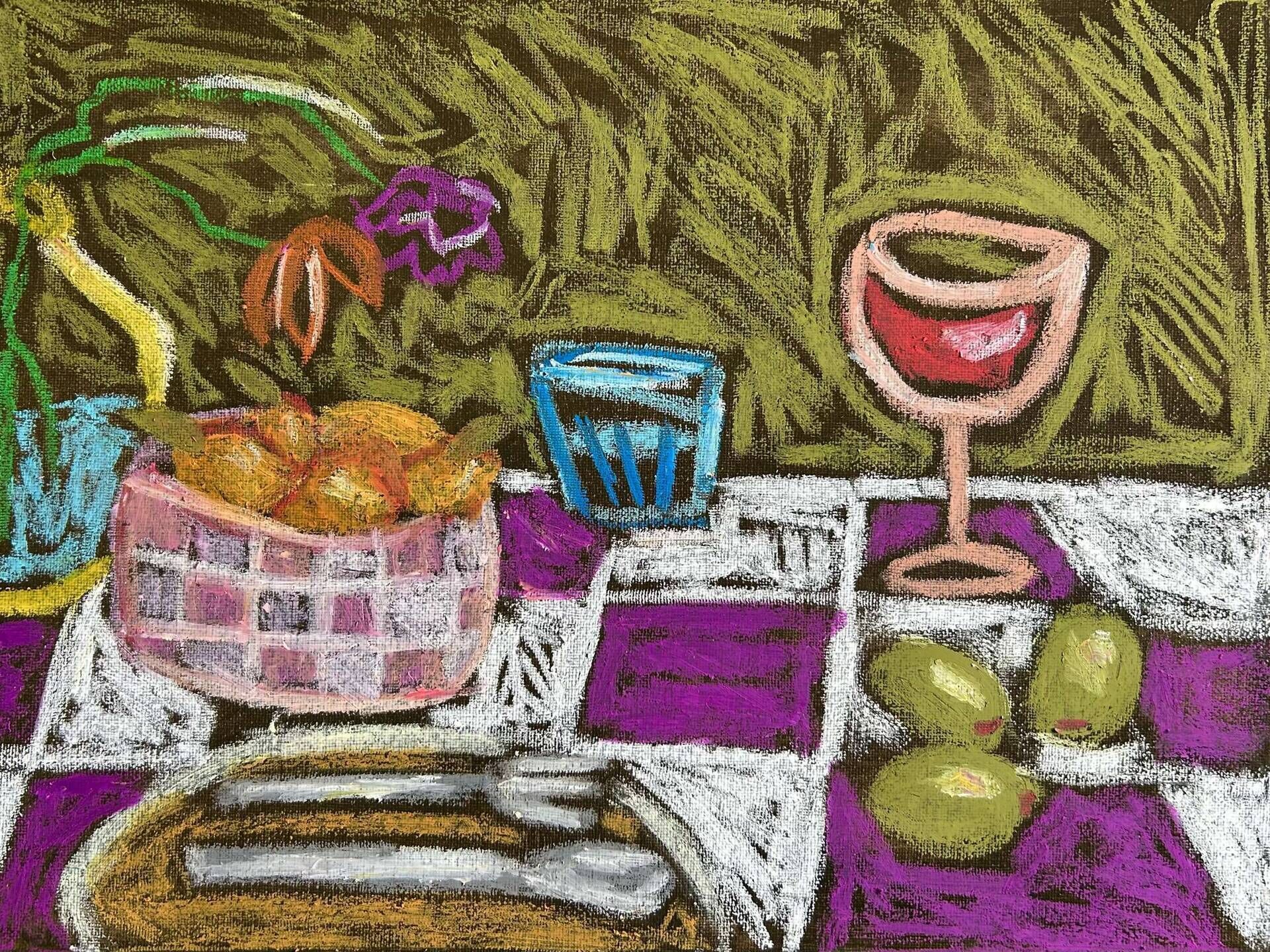
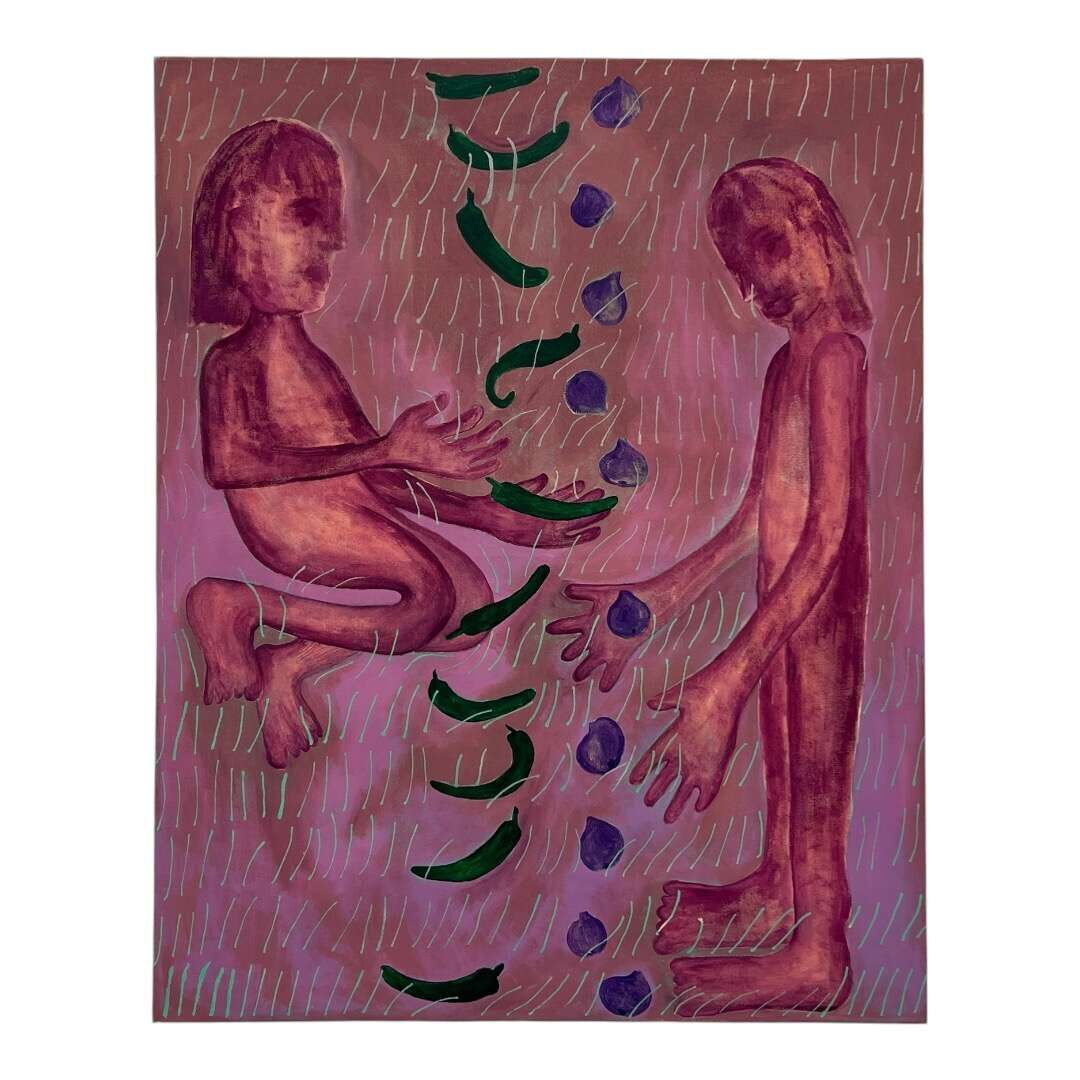
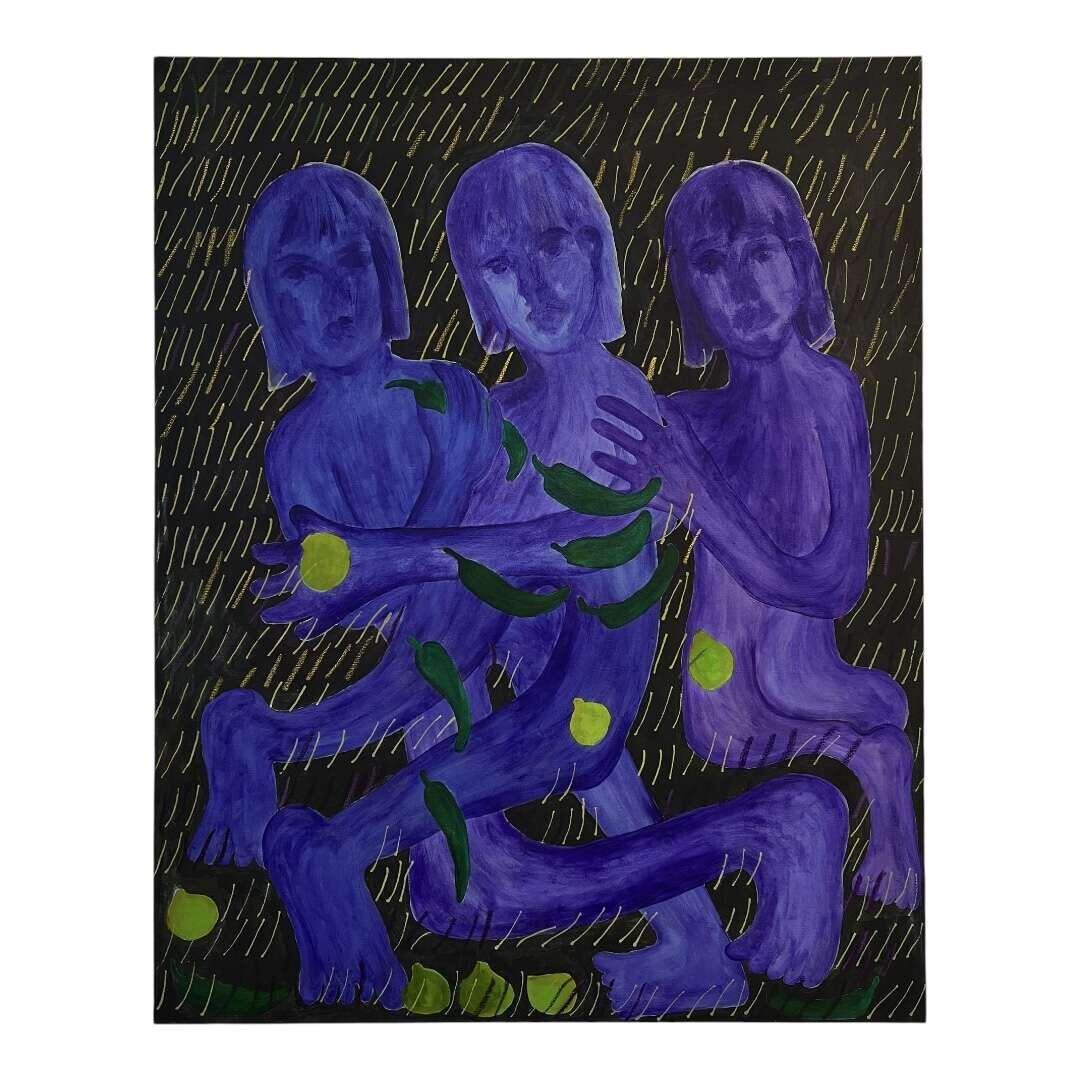
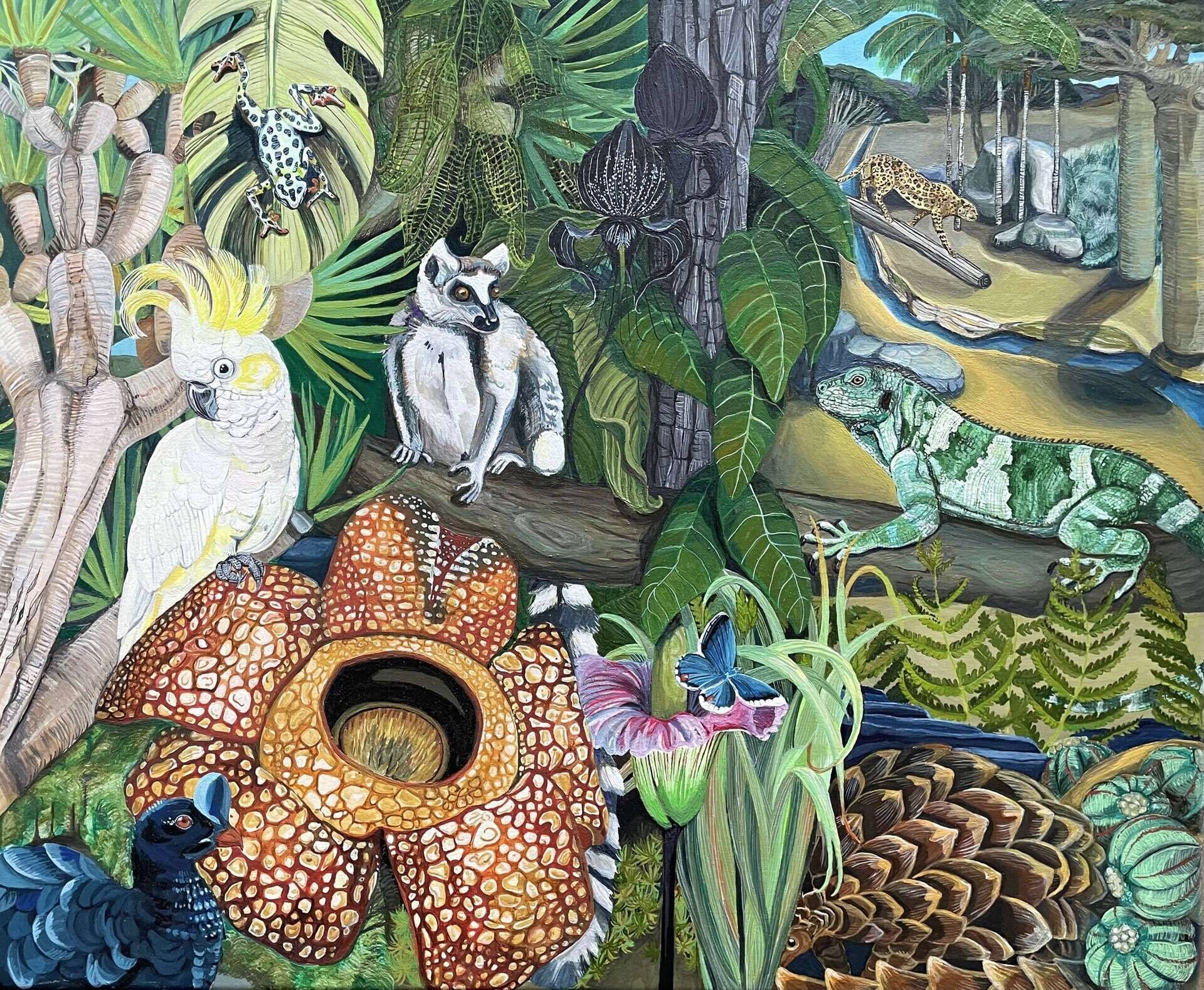
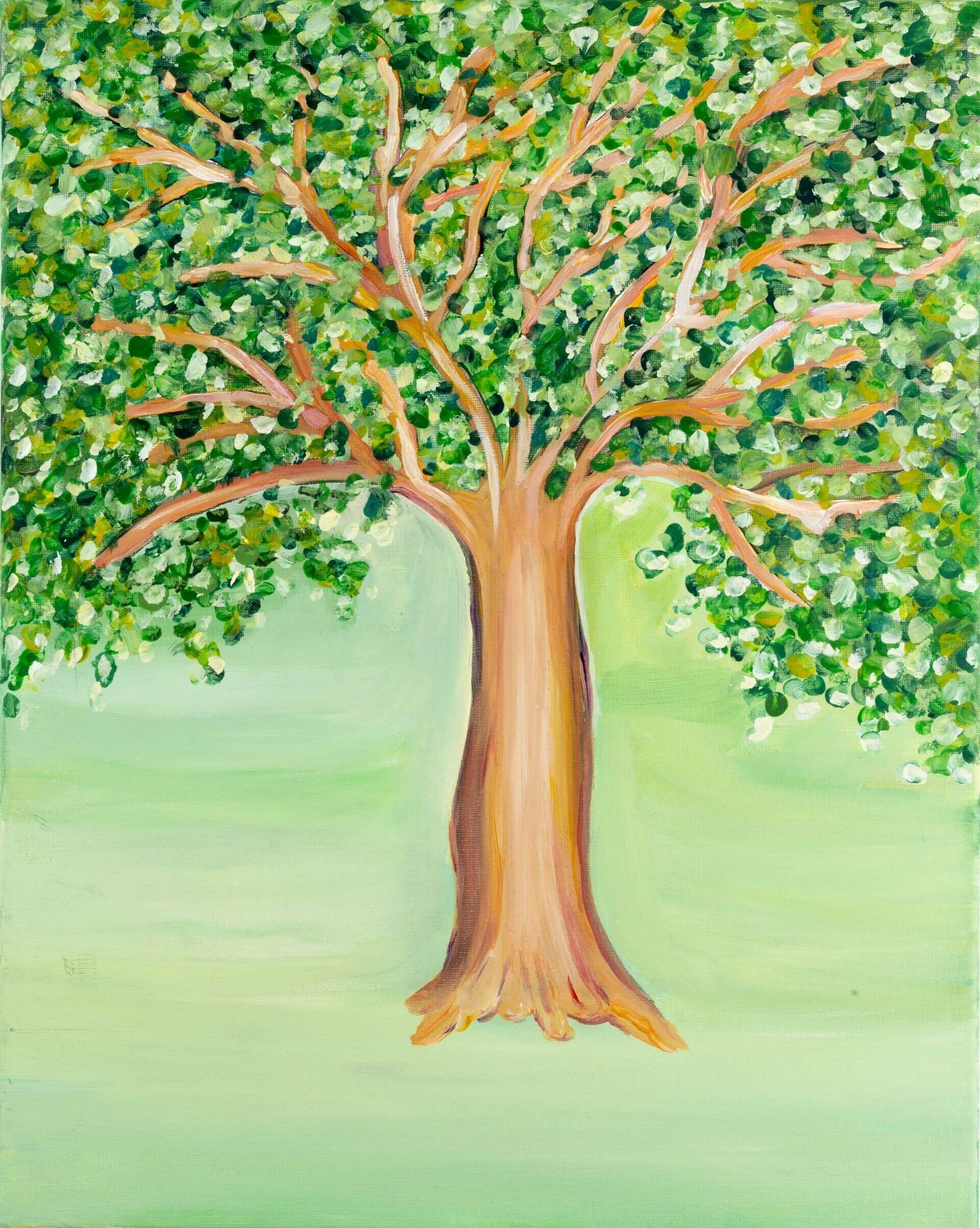
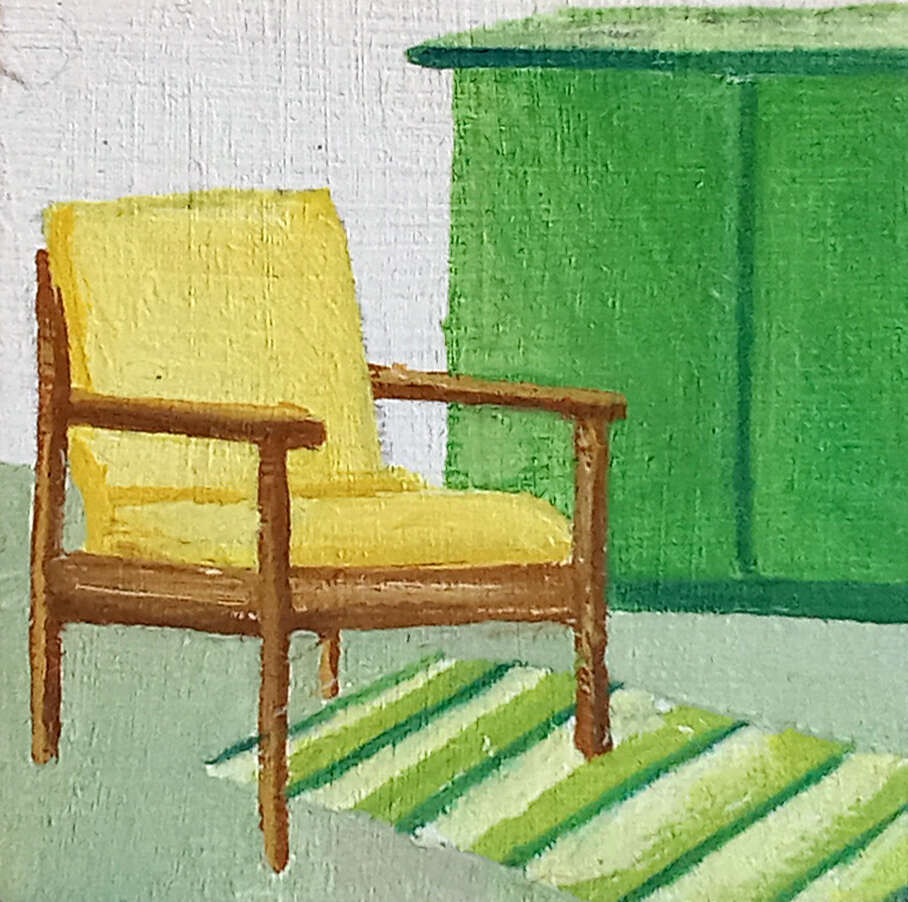
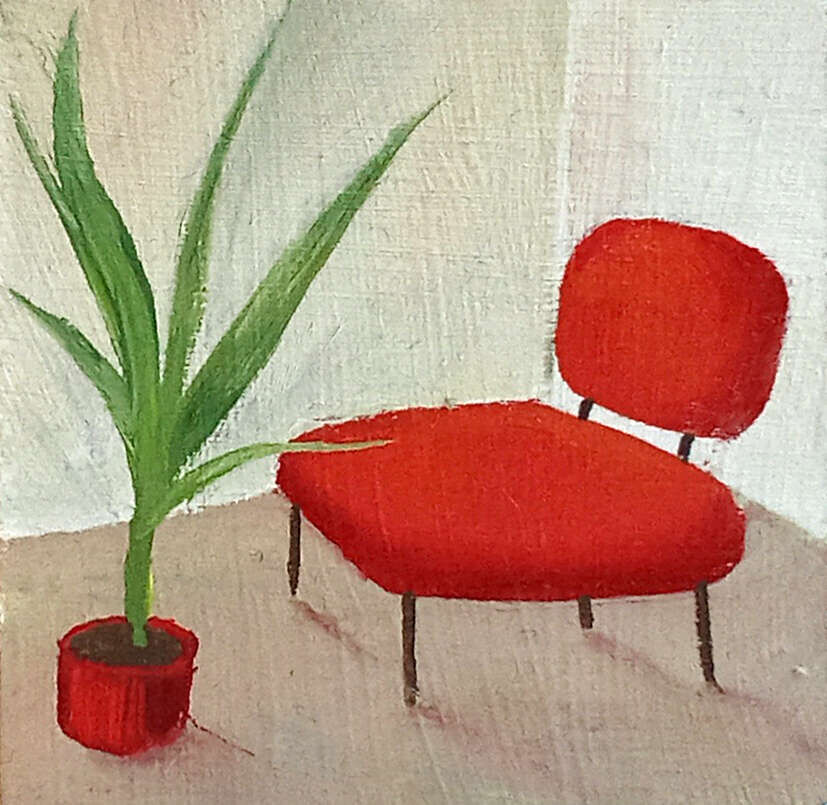
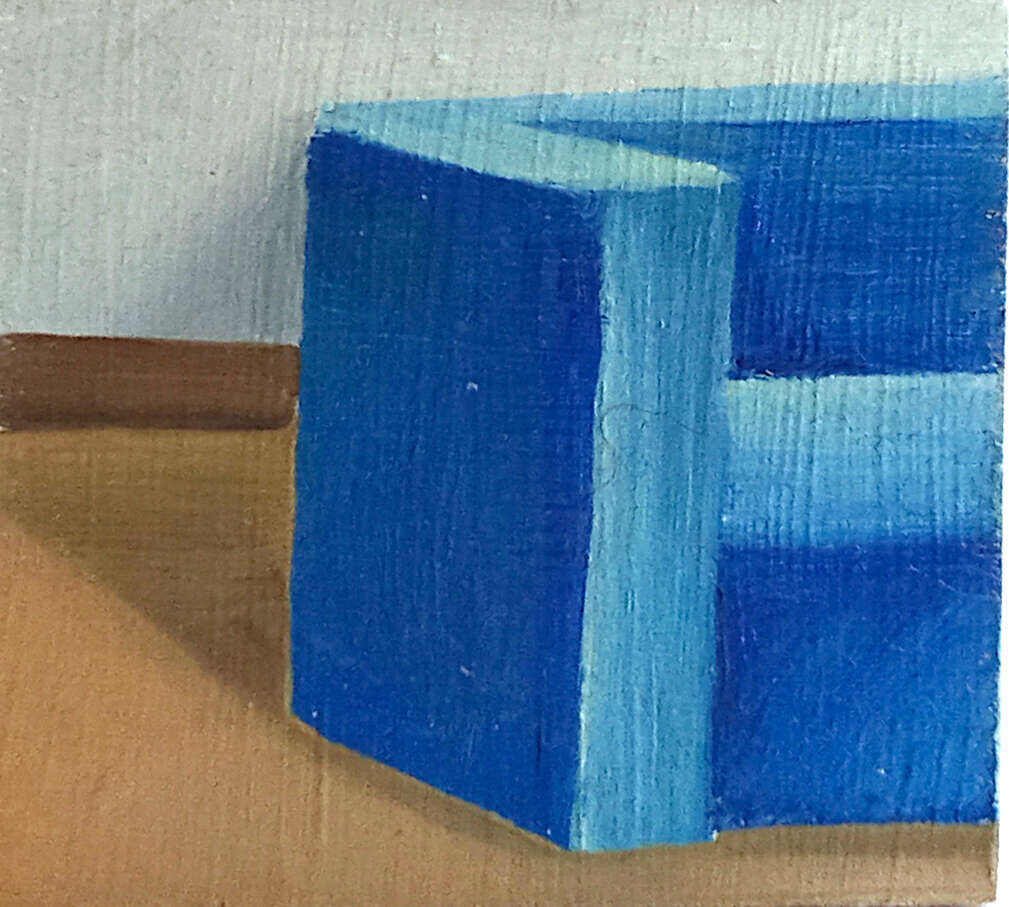
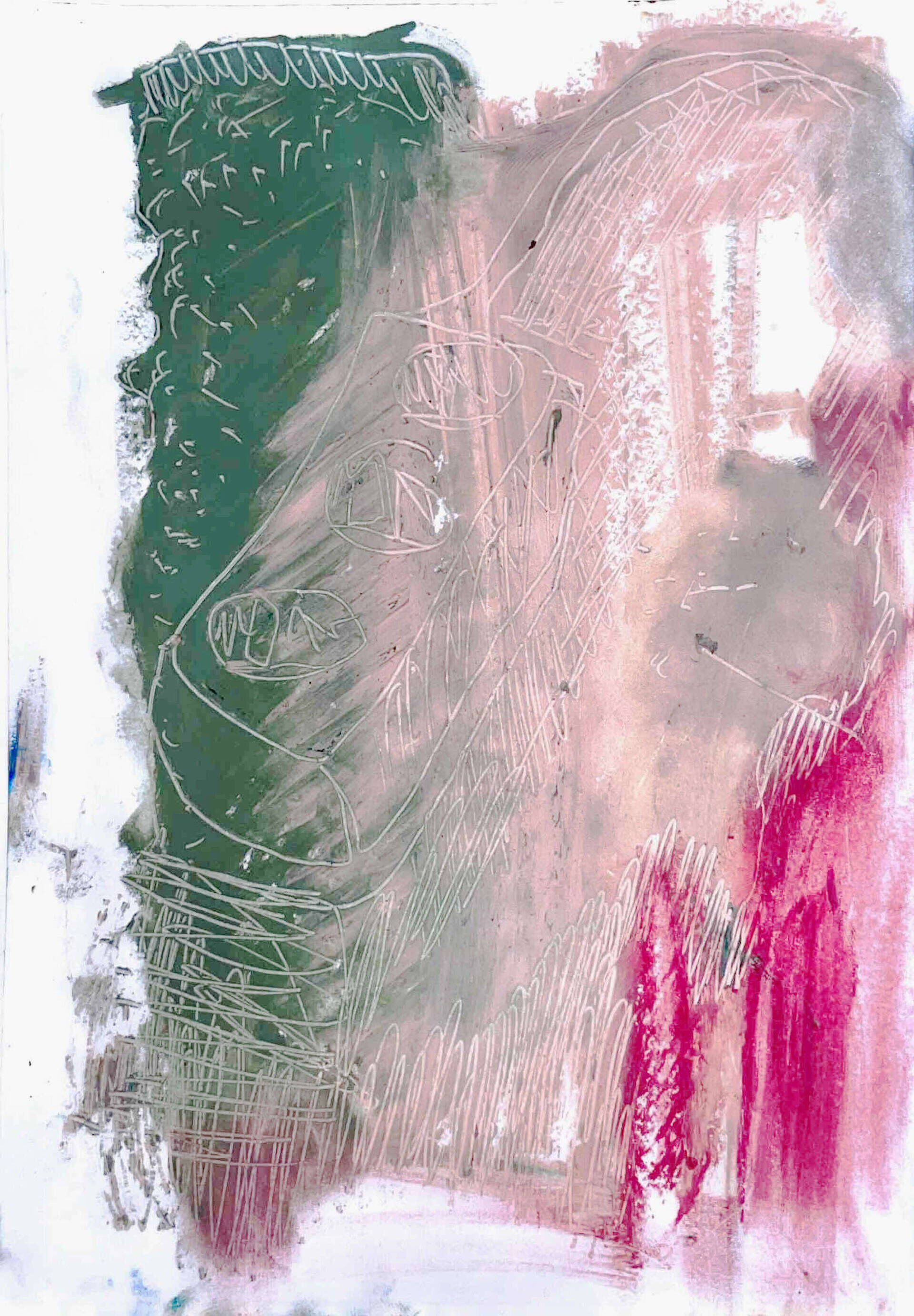
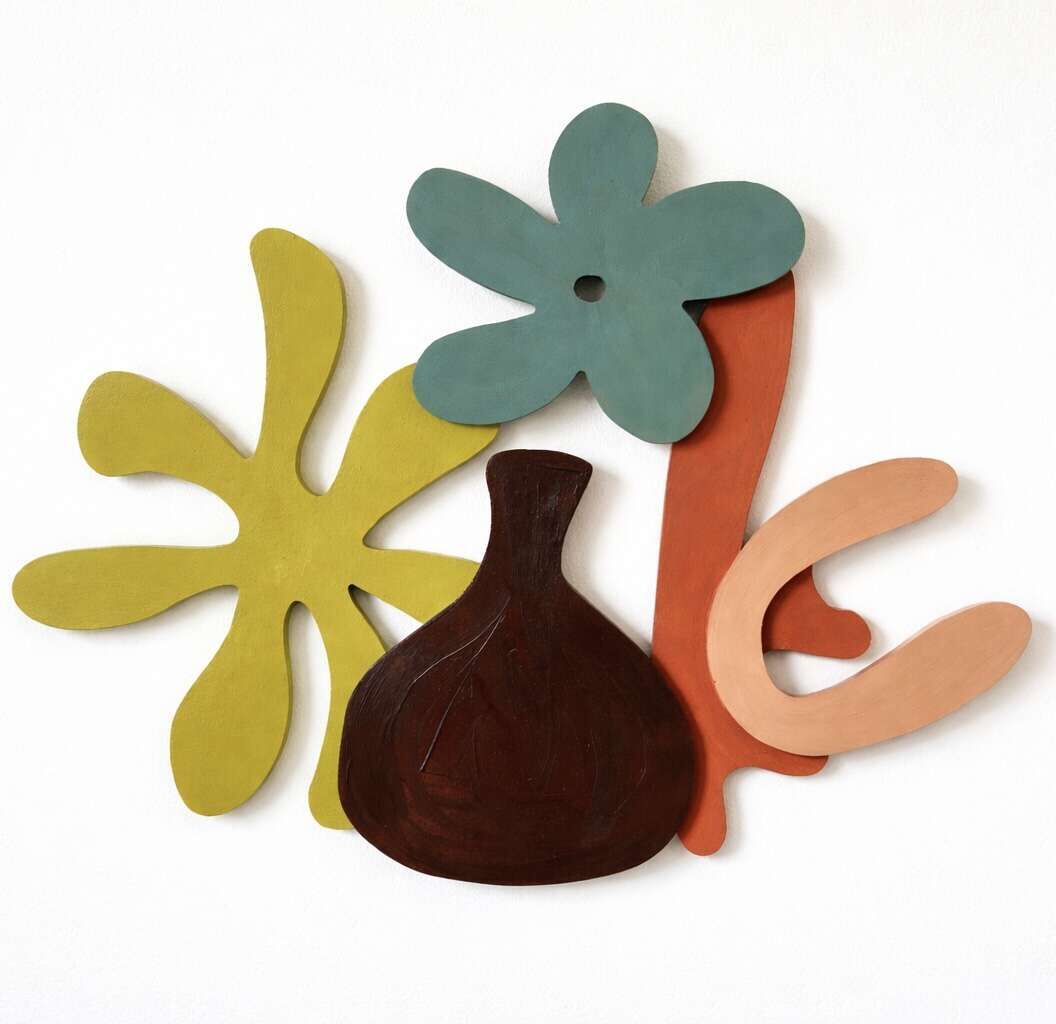
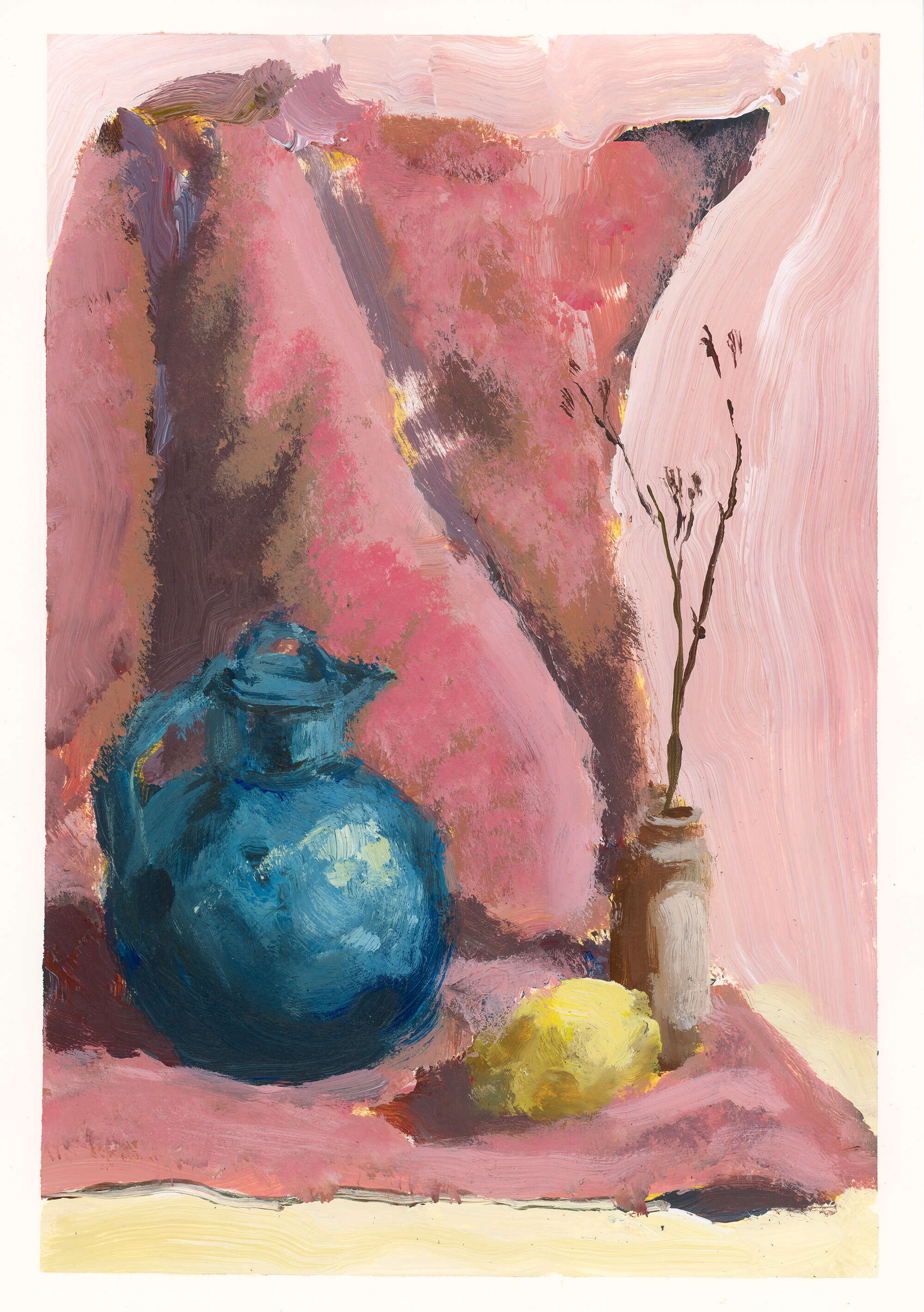
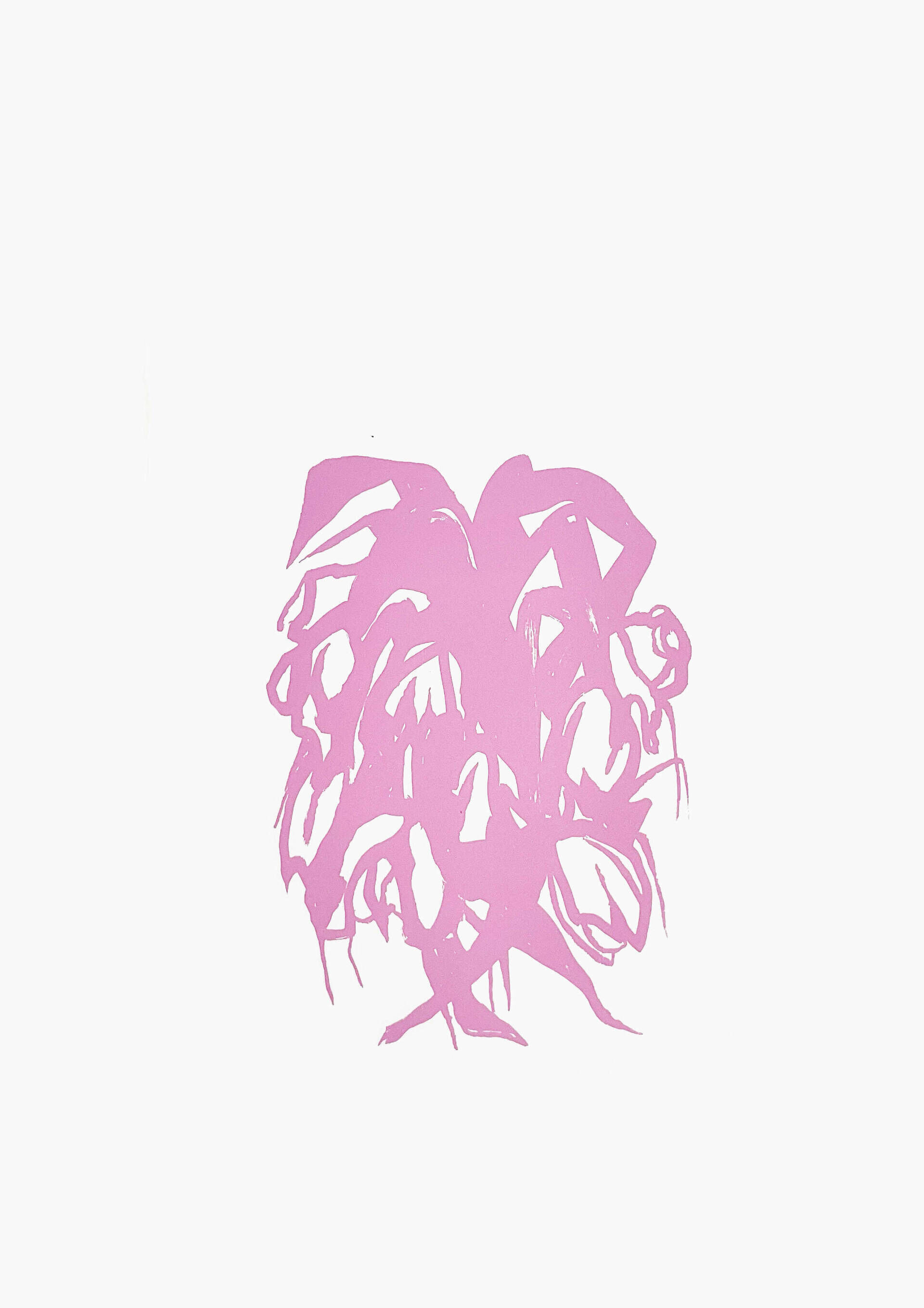
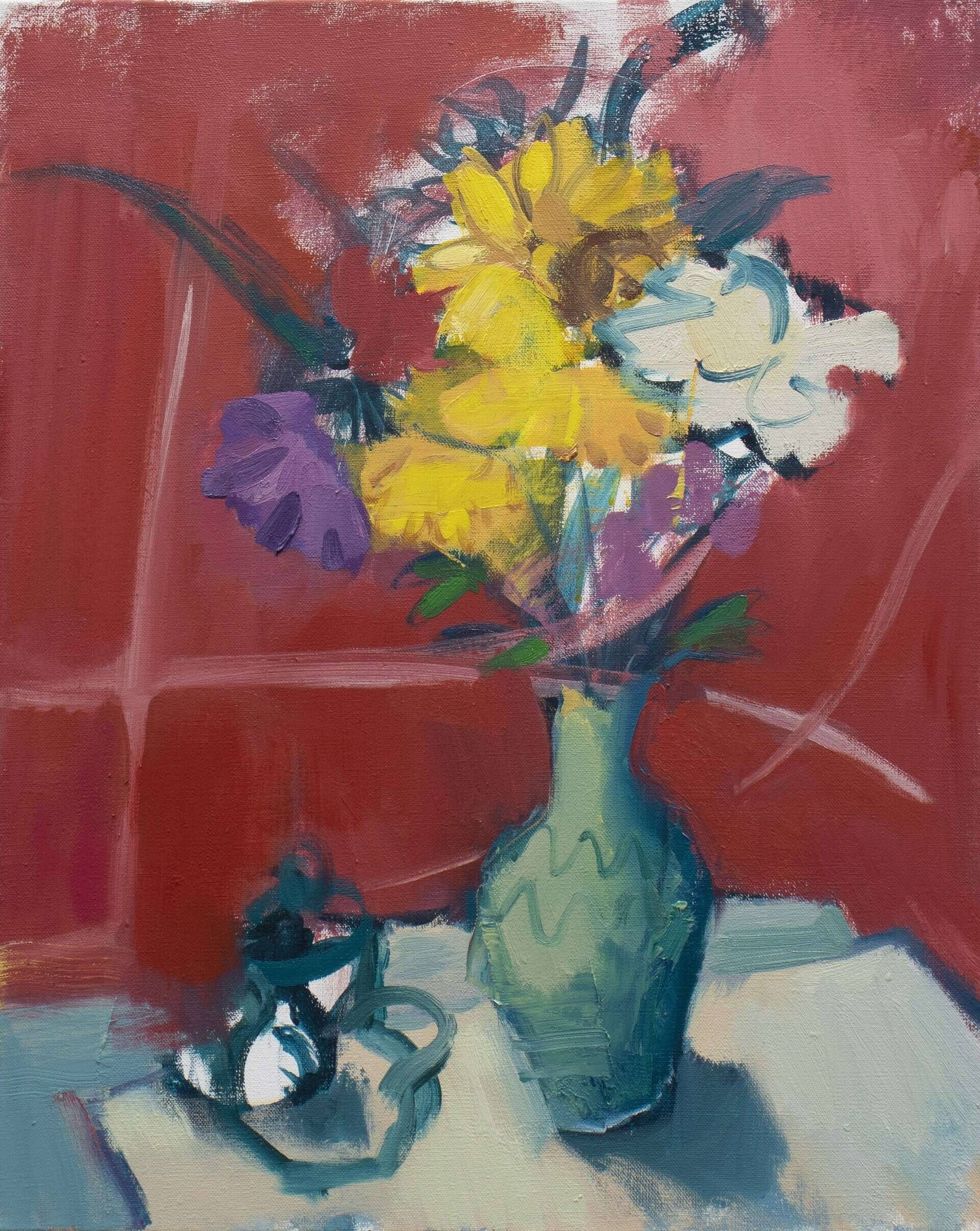
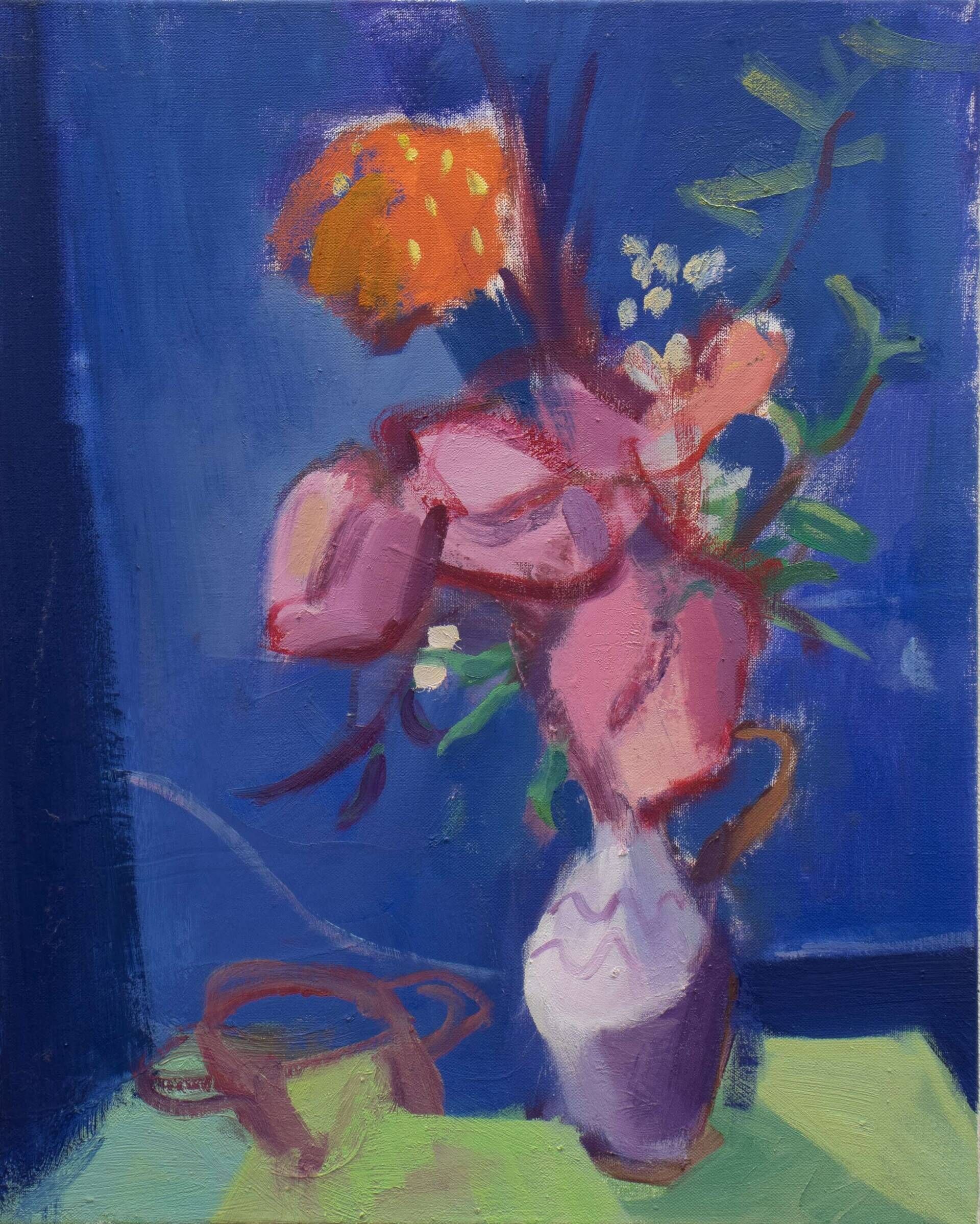
At Studierenden-Kunstmarkt, too, you’ll find a wide selection of still life paintings in a diverse range of styles, motifs and techniques. Young still-life artists focus both on lifelike depictions and objects, as well as on expressive, abstract forms. You’ll discover modern still-life paintings featuring clear, vibrant colours, muted, harmonious tones or subtle symbols. Some still life paintings depict everyday scenes – from laid breakfast tables to fruit and flowers, right through to modern interpretations of consumer products or vanitas motifs featuring skulls or food.
A still life painting from our selection can add atmosphere to any room. The objects seem to remain still, creating a sense of calm and inviting contemplation. They blend seamlessly into both modern and traditional interior styles and appeal to a wide audience. By making a purchase, you’re not only supporting young artists, but also acquiring original art that tells stories, opens up new perspectives and conveys timeless beauty. The Student Art Market makes high-quality, unique still-life paintings accessible – for anyone who values originality, quality and creative diversity. Whether classic vanitas motifs full of melancholy, Impressionist arrangements, modern experiments with colour and form, or still-life oil paintings – our still-life paintings combine technical precision, creative vision and the joy of aesthetic observation. They invite you to rediscover the art of the still life and to enrich your everyday life with special moments. Here, you can buy still life paintings that offer both timeless and modern interpretations.
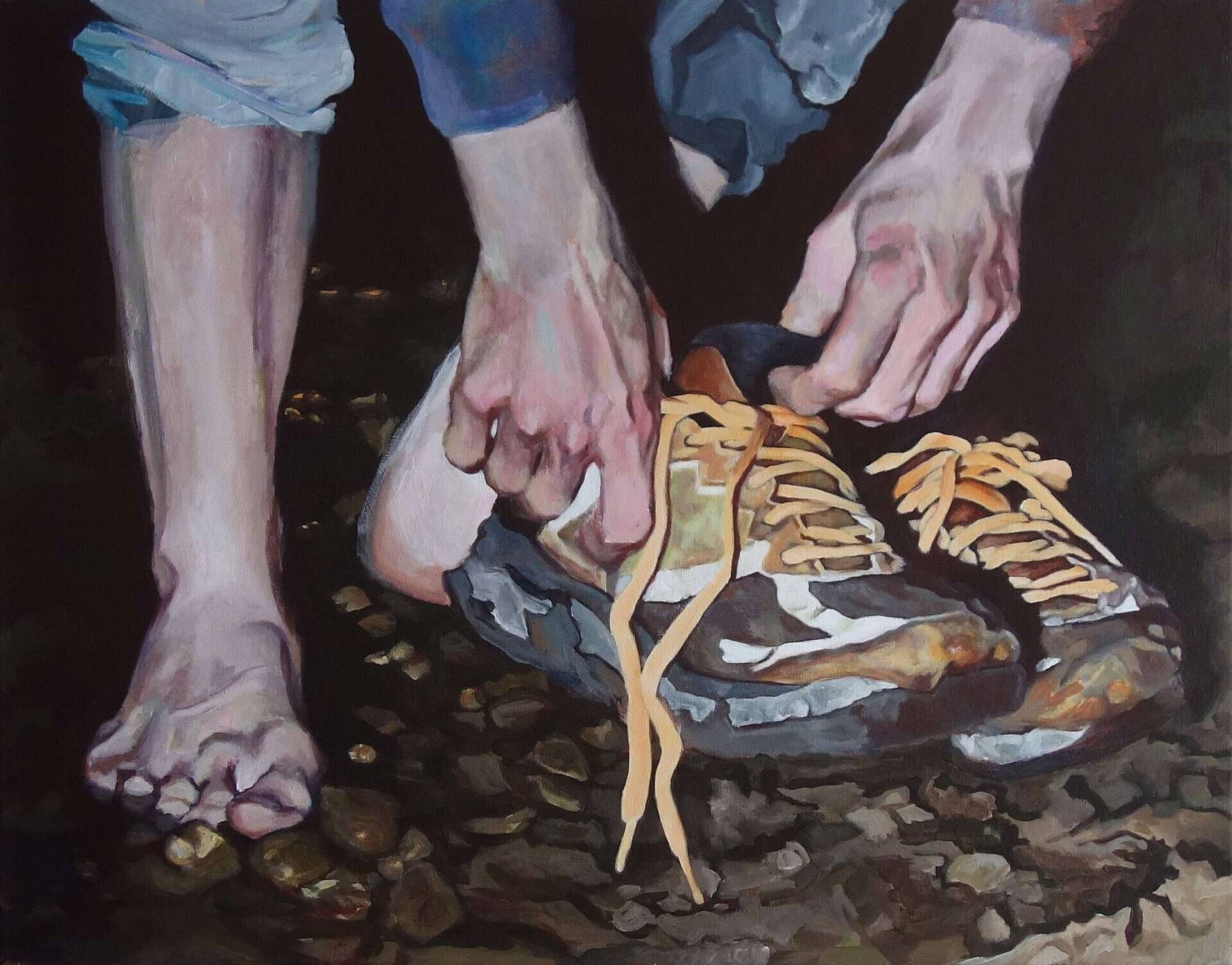
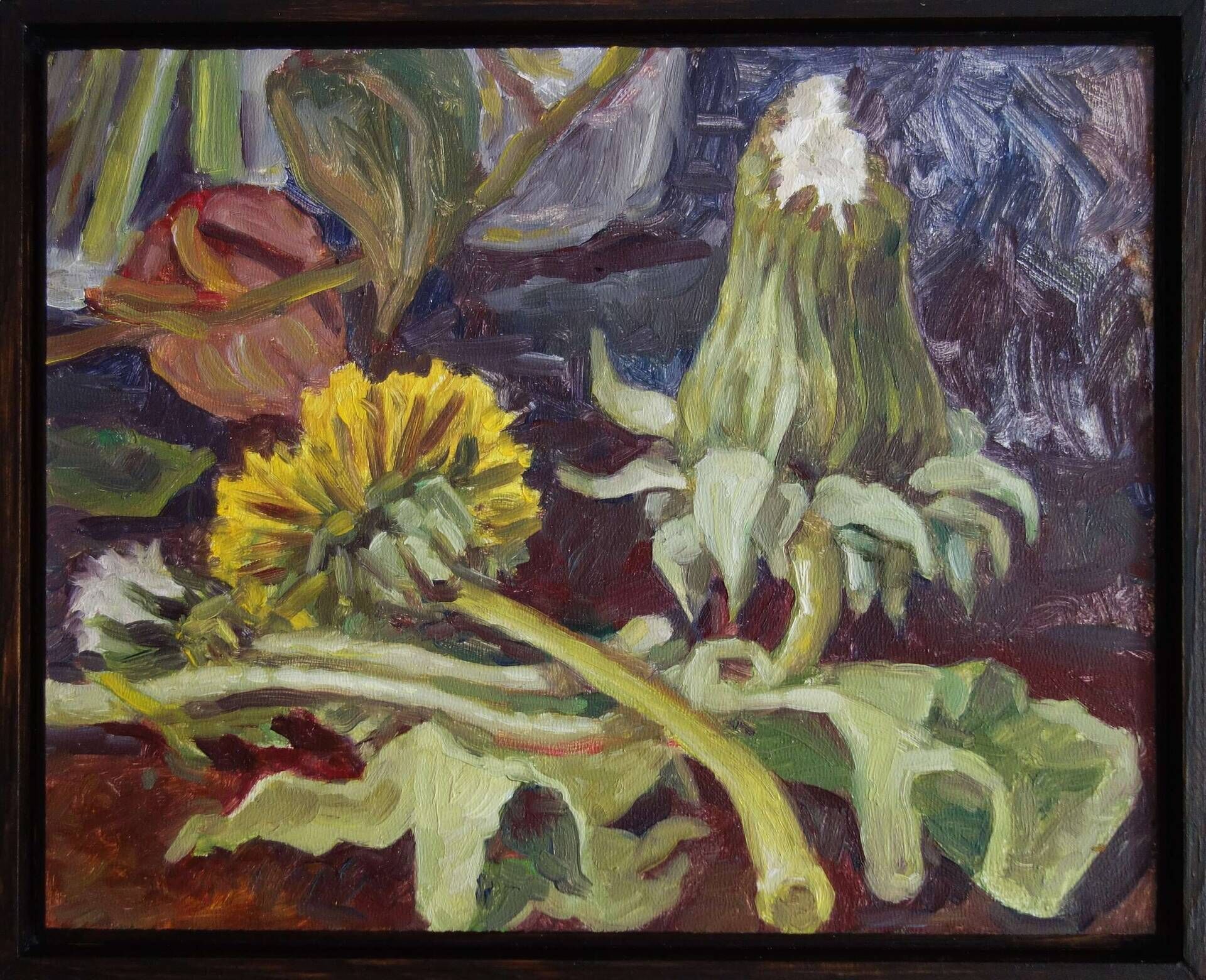
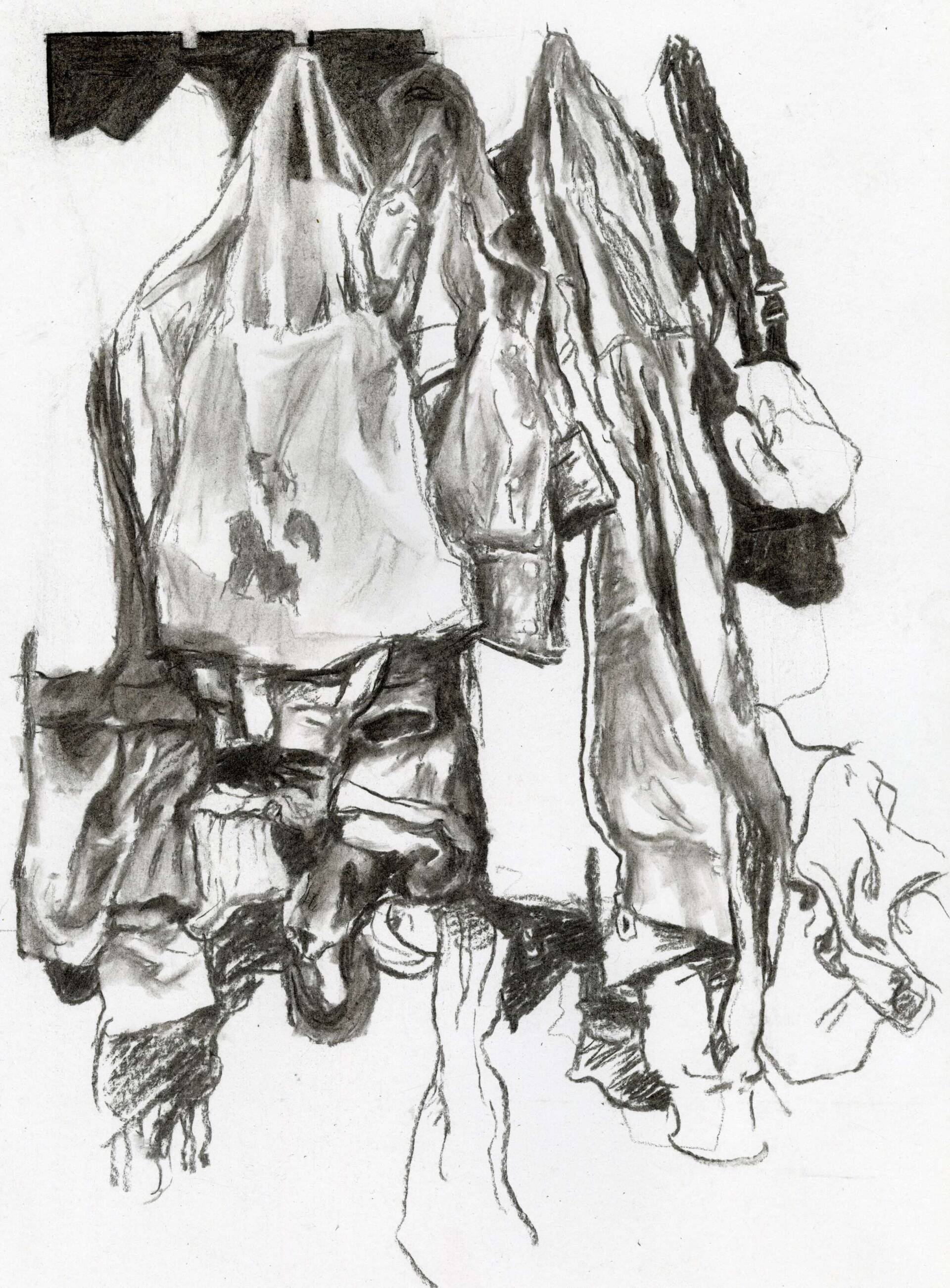
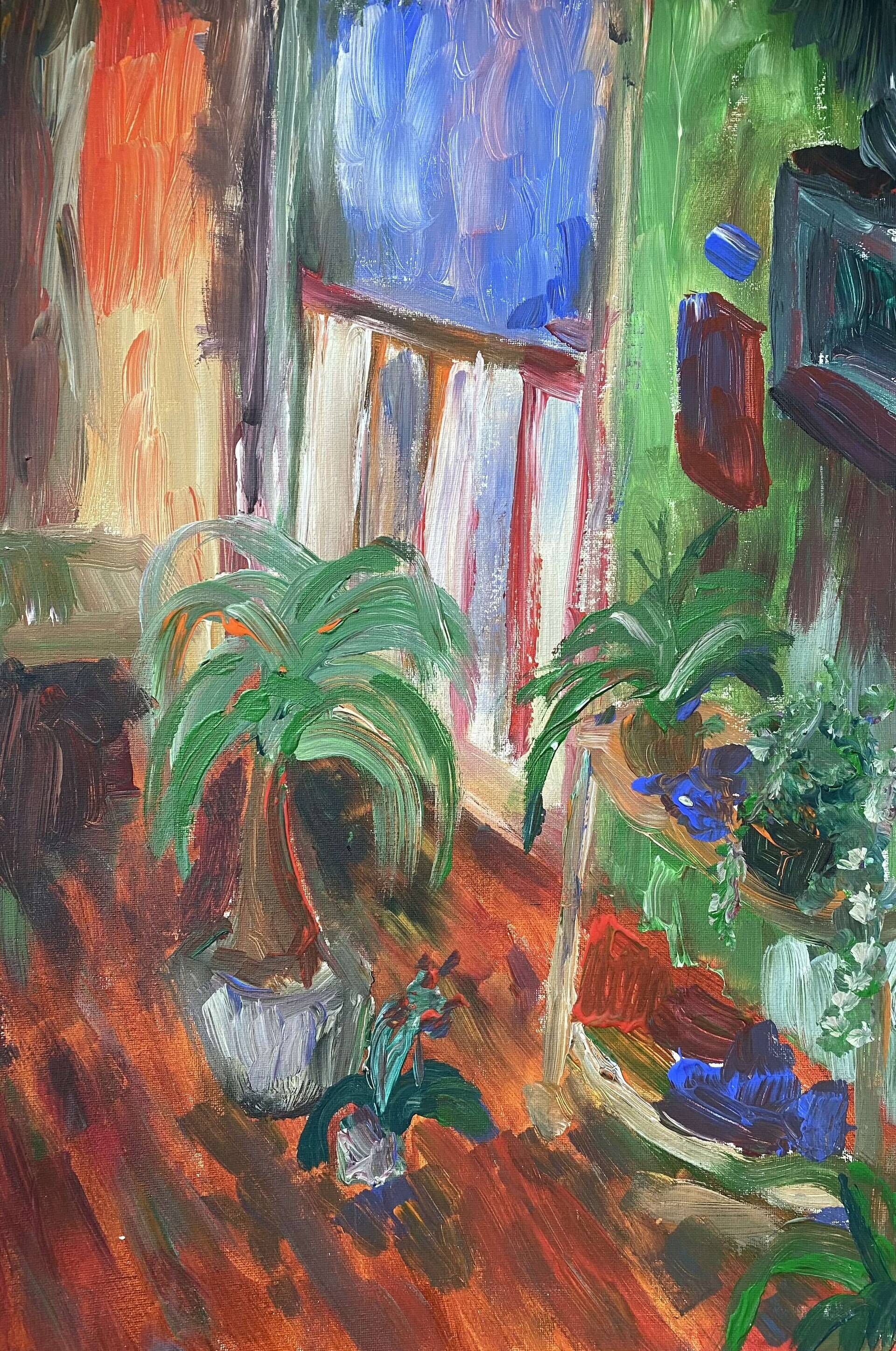
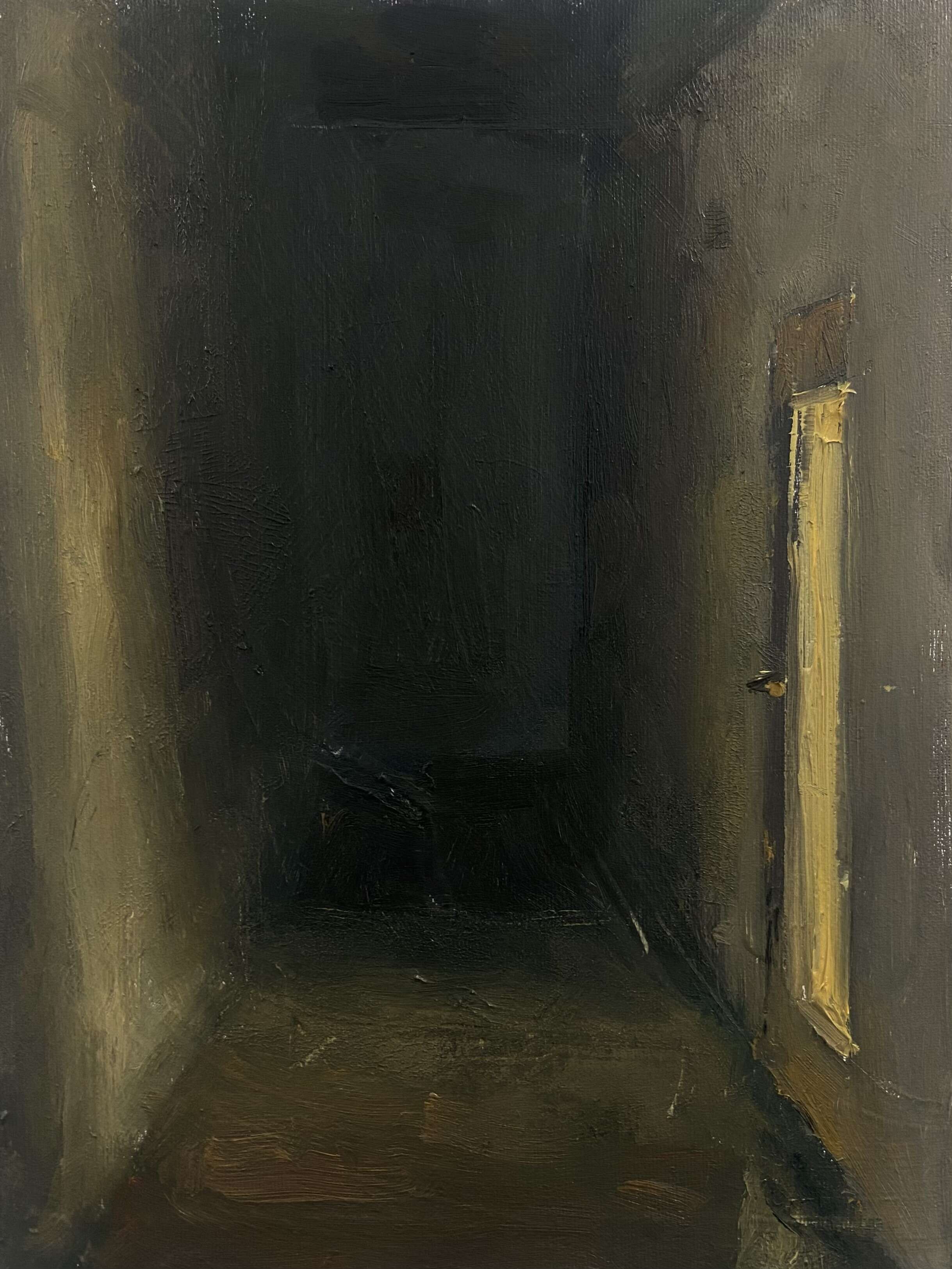
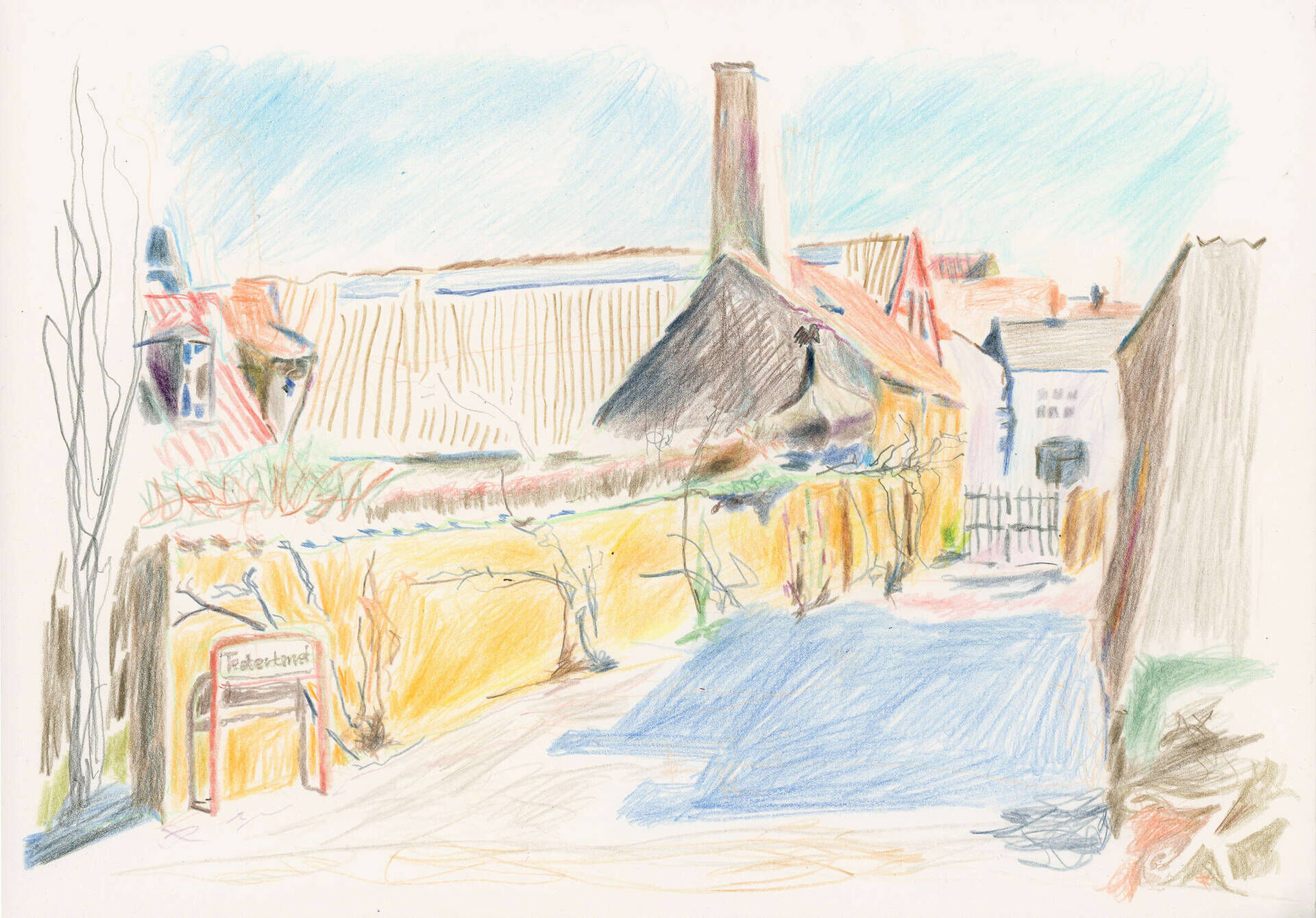
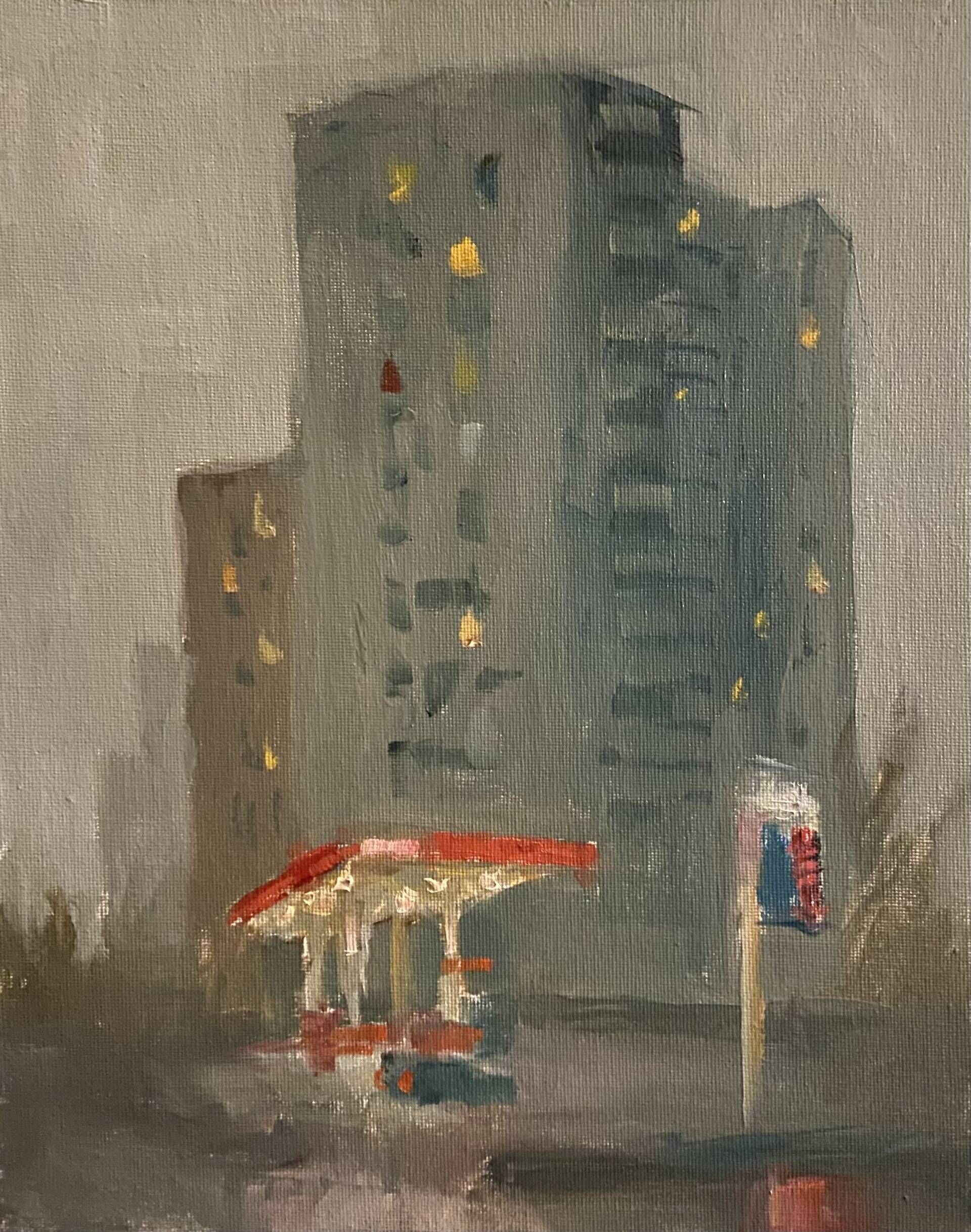
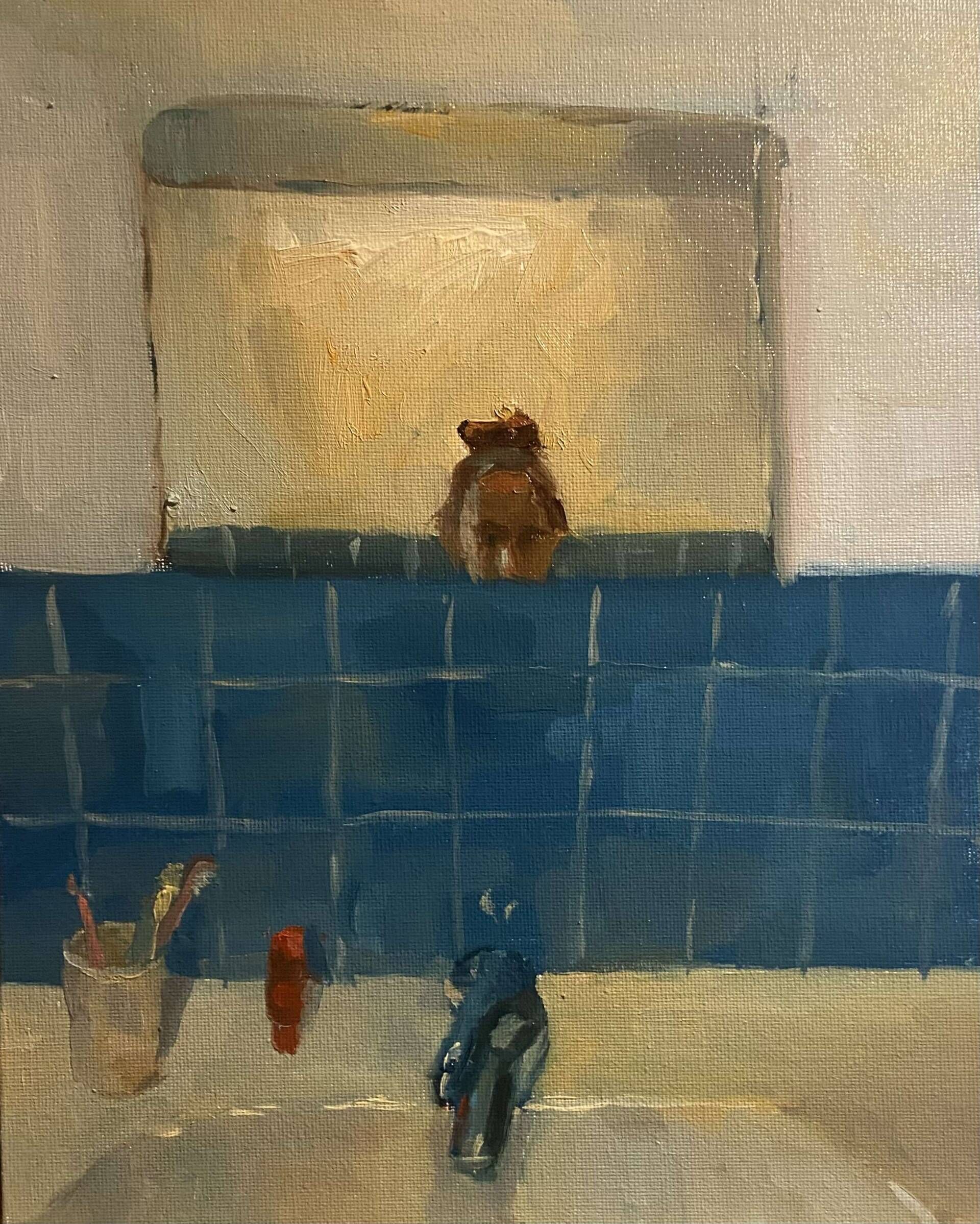
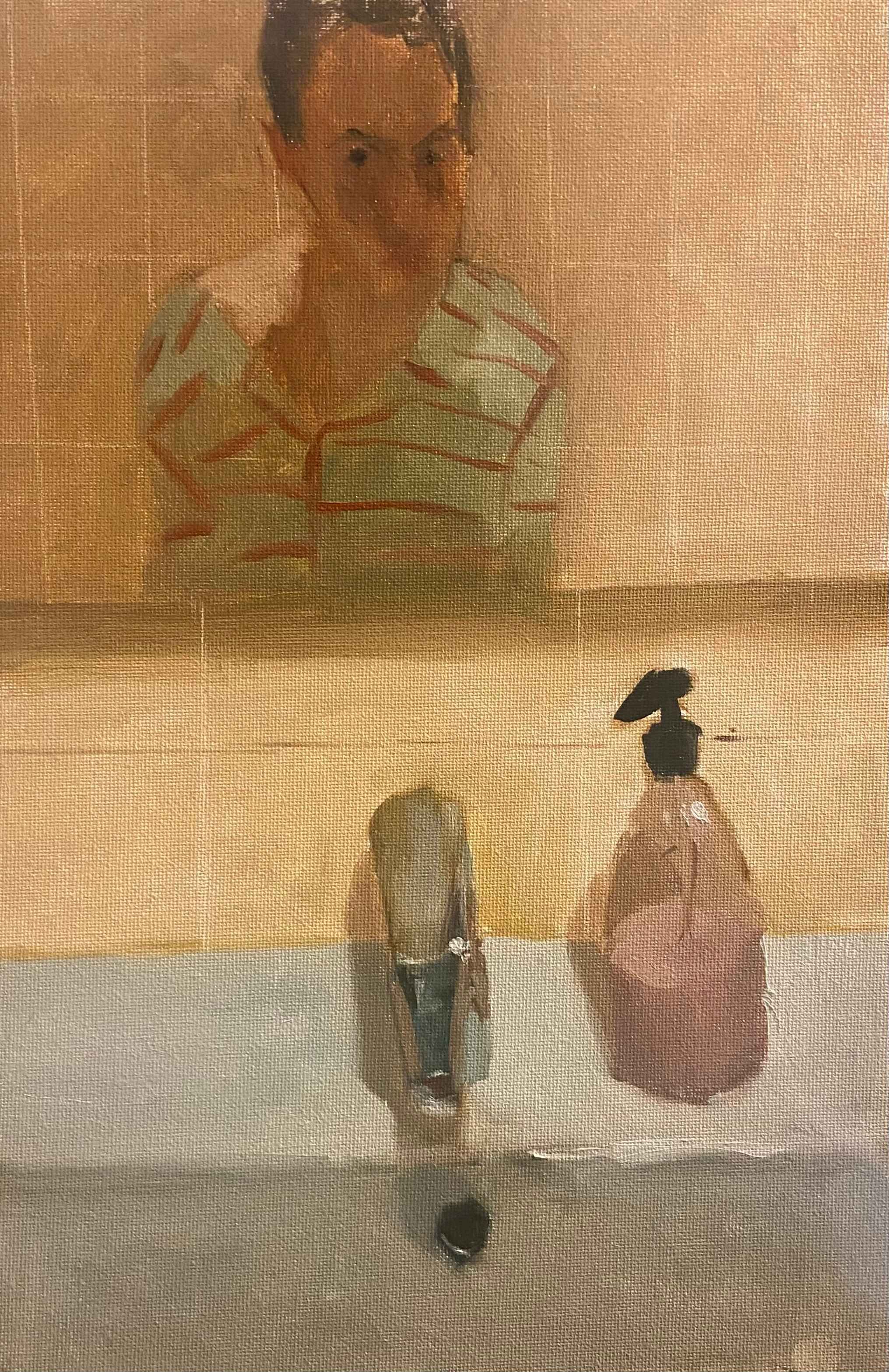
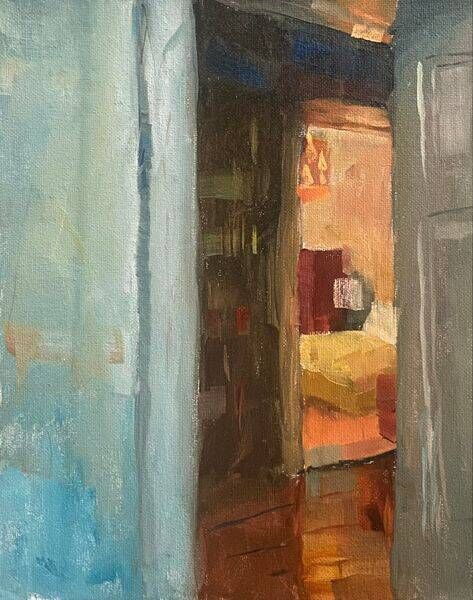
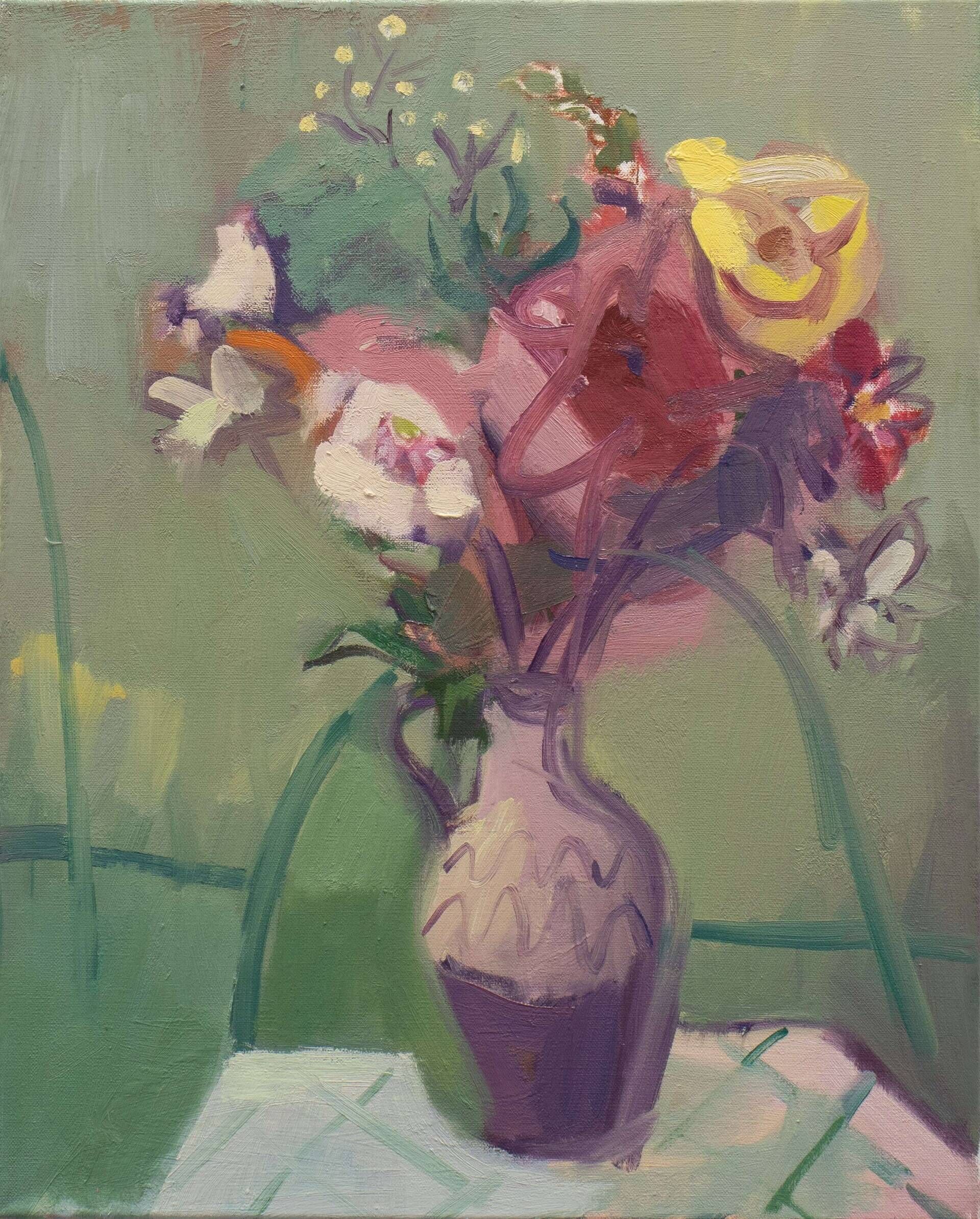
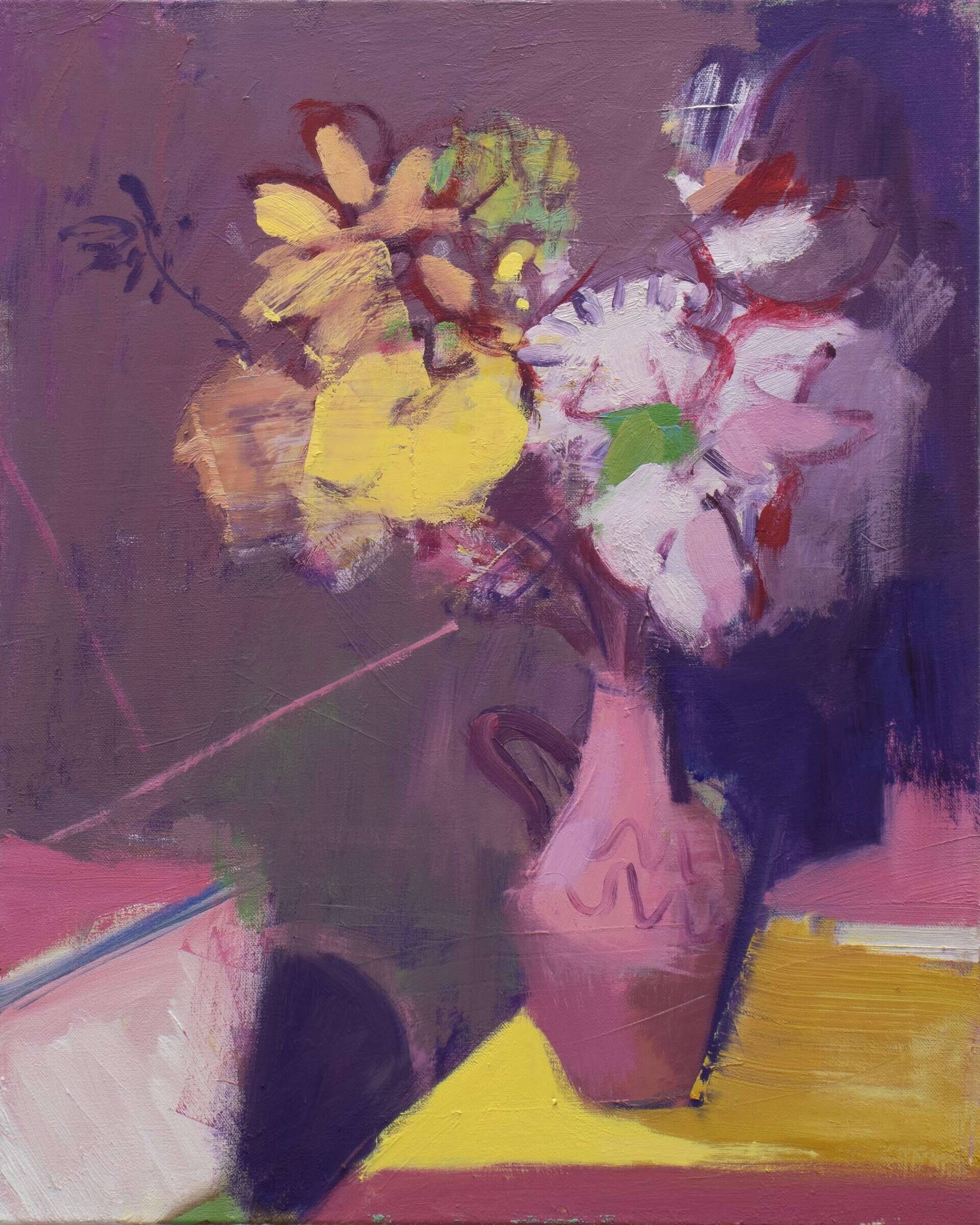
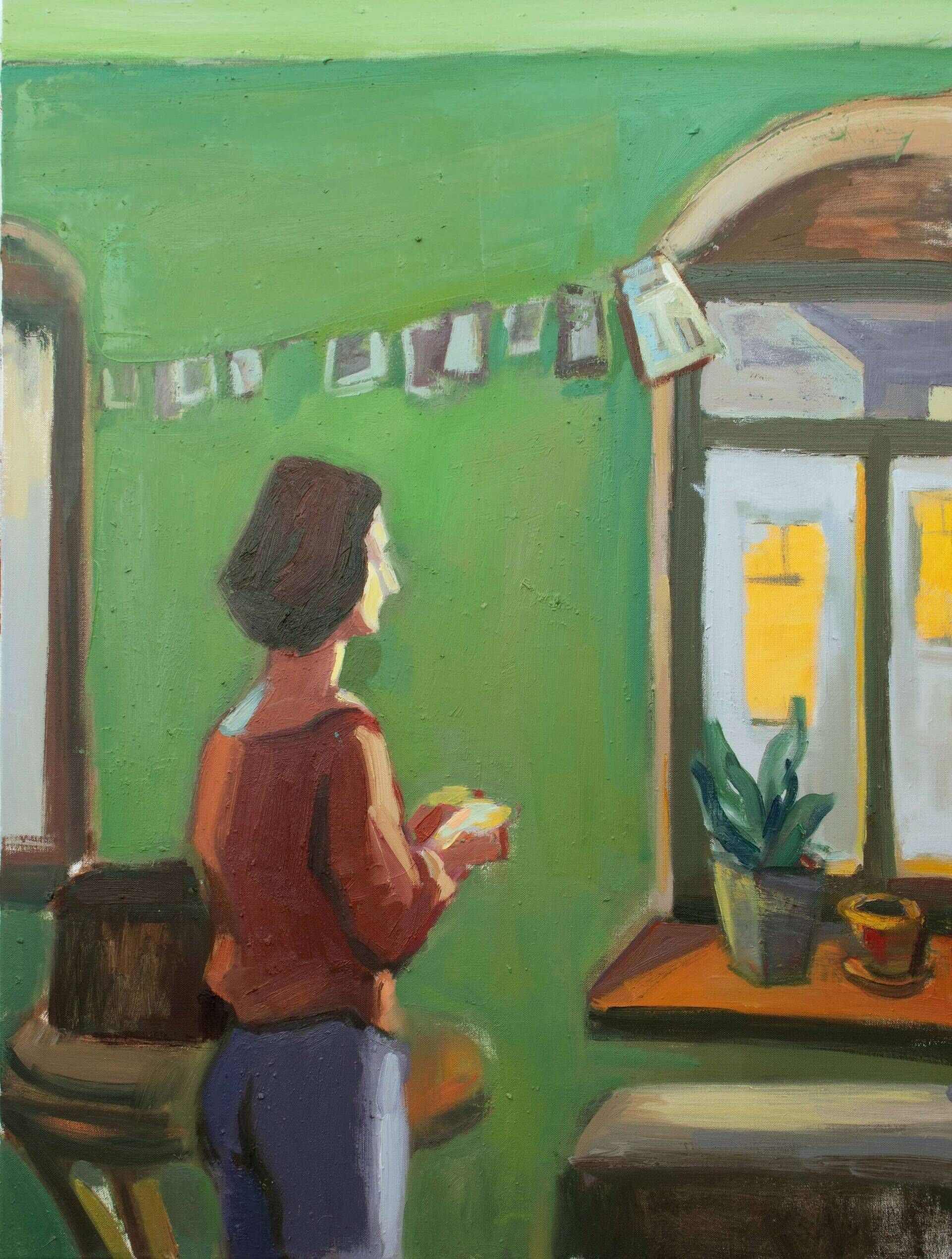
Lilli Geyer explores everyday life in her art, transforming seemingly ordinary moments into intense visual experiences. A still-life painting by Geyer is often created live on site – whether through plein air painting or experimental self-portraits – and captures the light, atmosphere and emotions of the moment. Using oil paint, pencil, watercolour and ink, she creates both figurative drawings and atmospheric interior and urban landscapes. Lilli’s works are characterised by an immediate presence that draws the viewer straight into the moment. She has been represented at the Student Art Market since 2025 and tangibly expresses her observations and experiences in every piece.
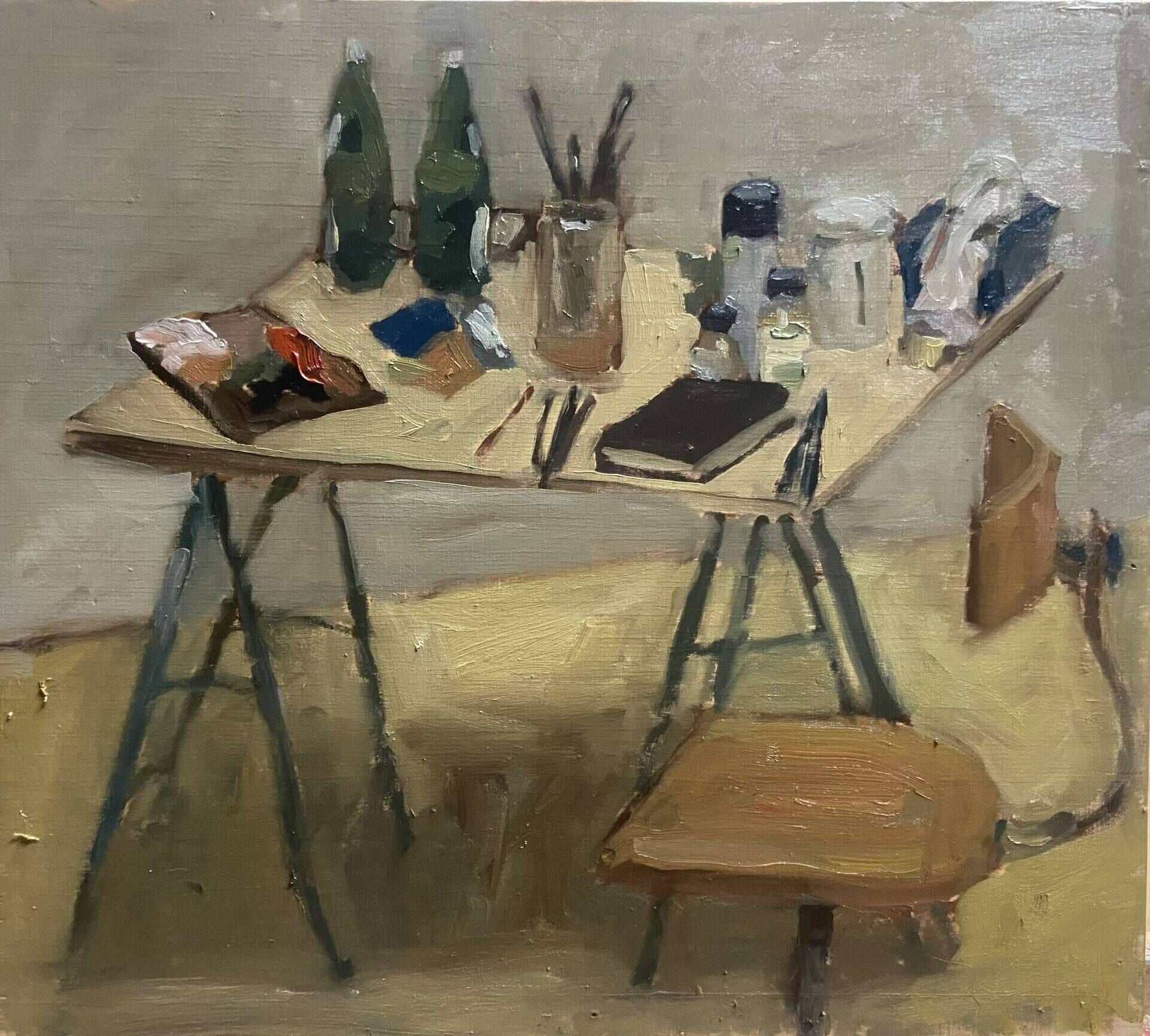
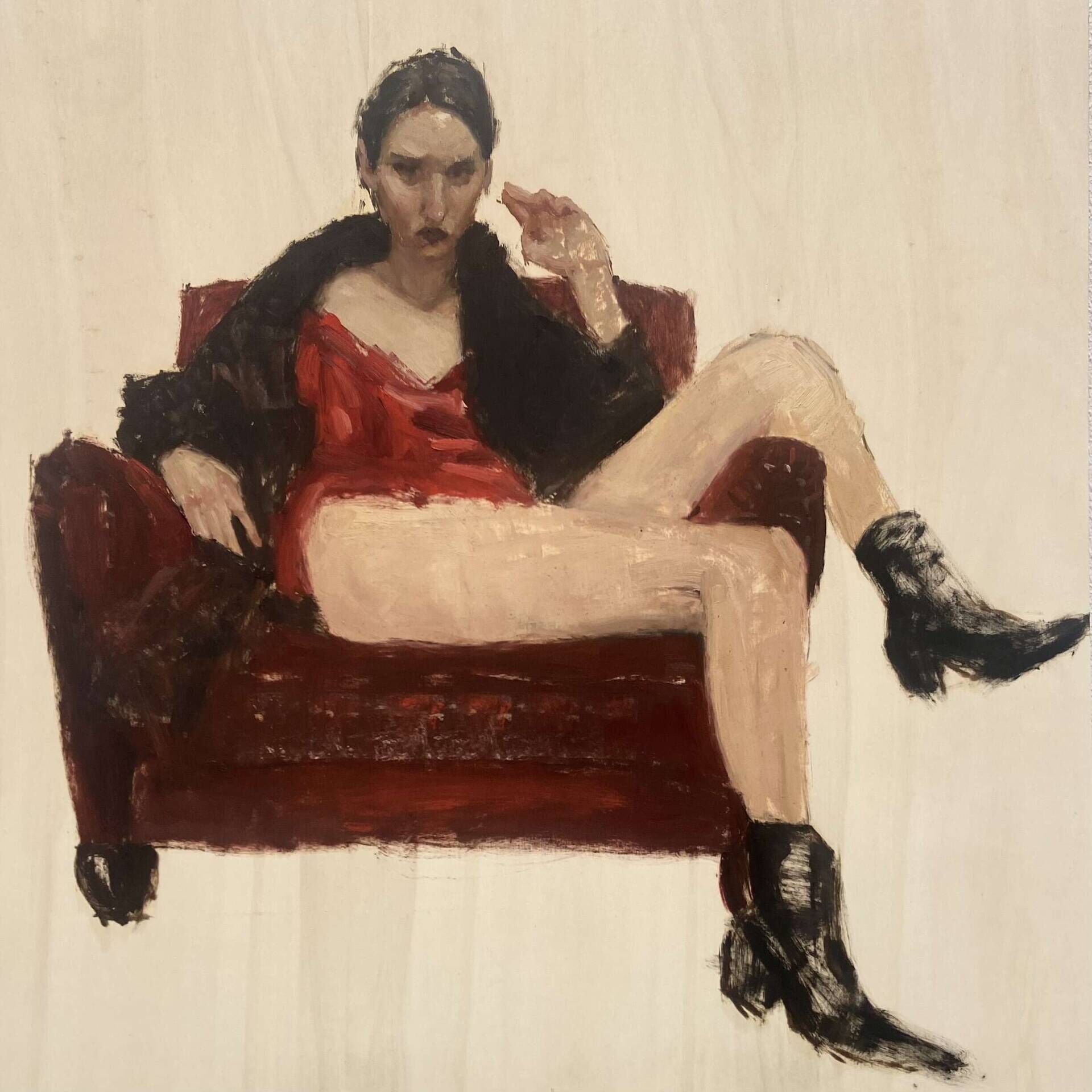
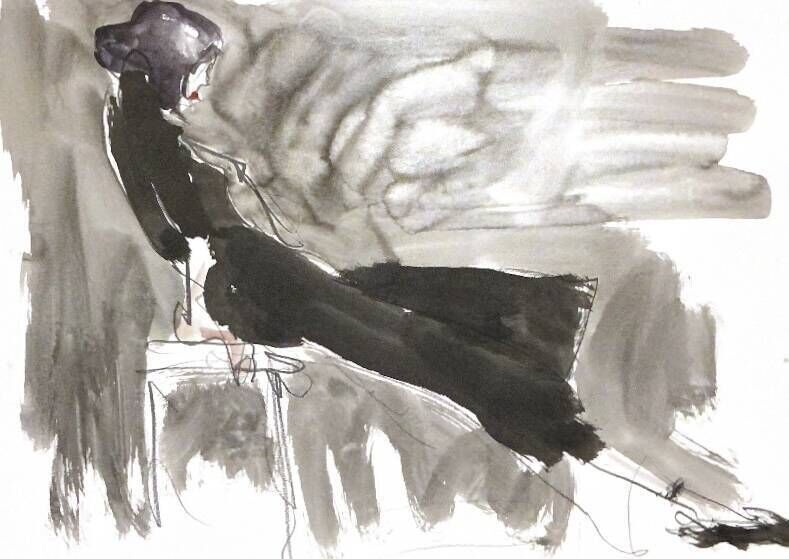
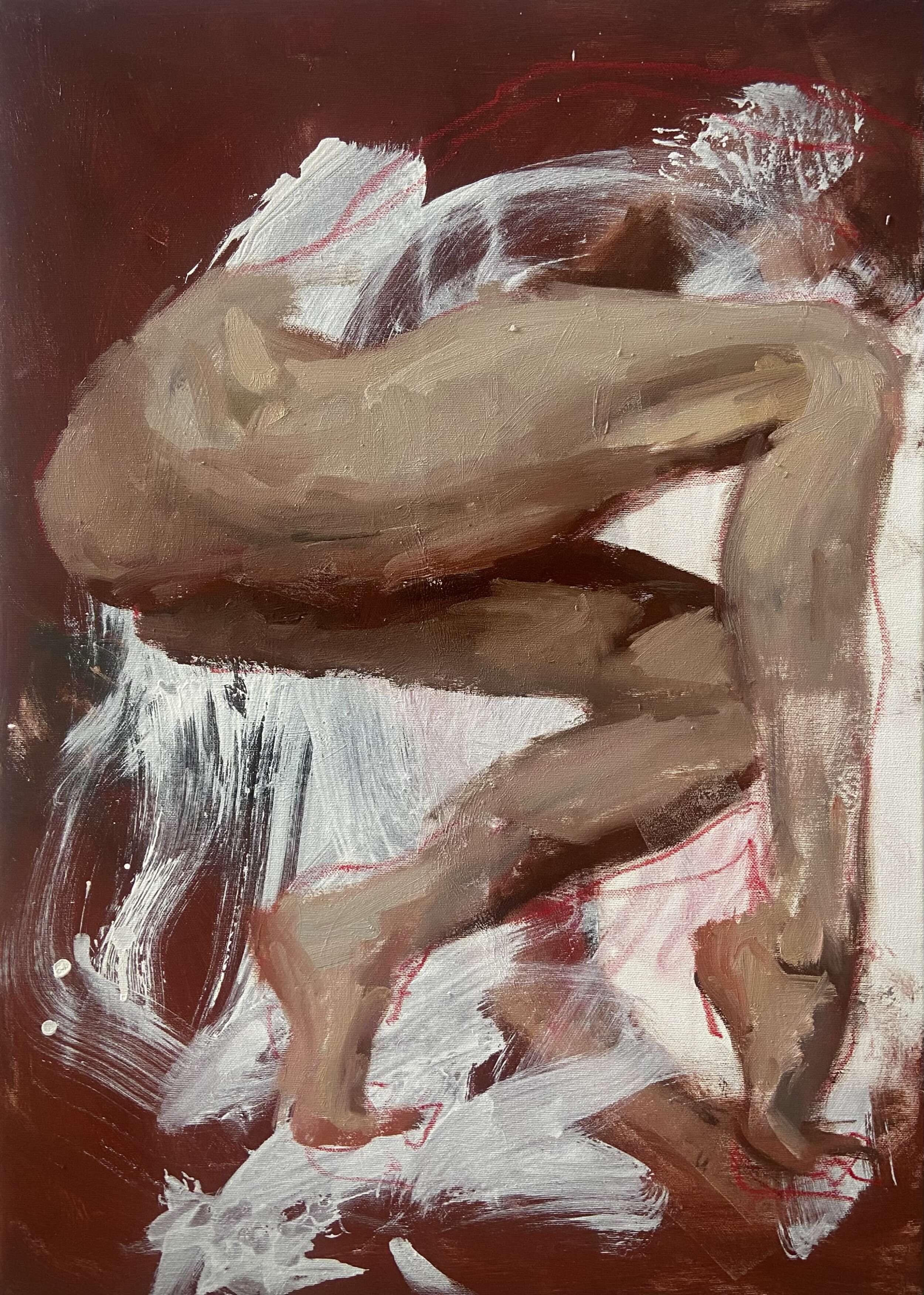
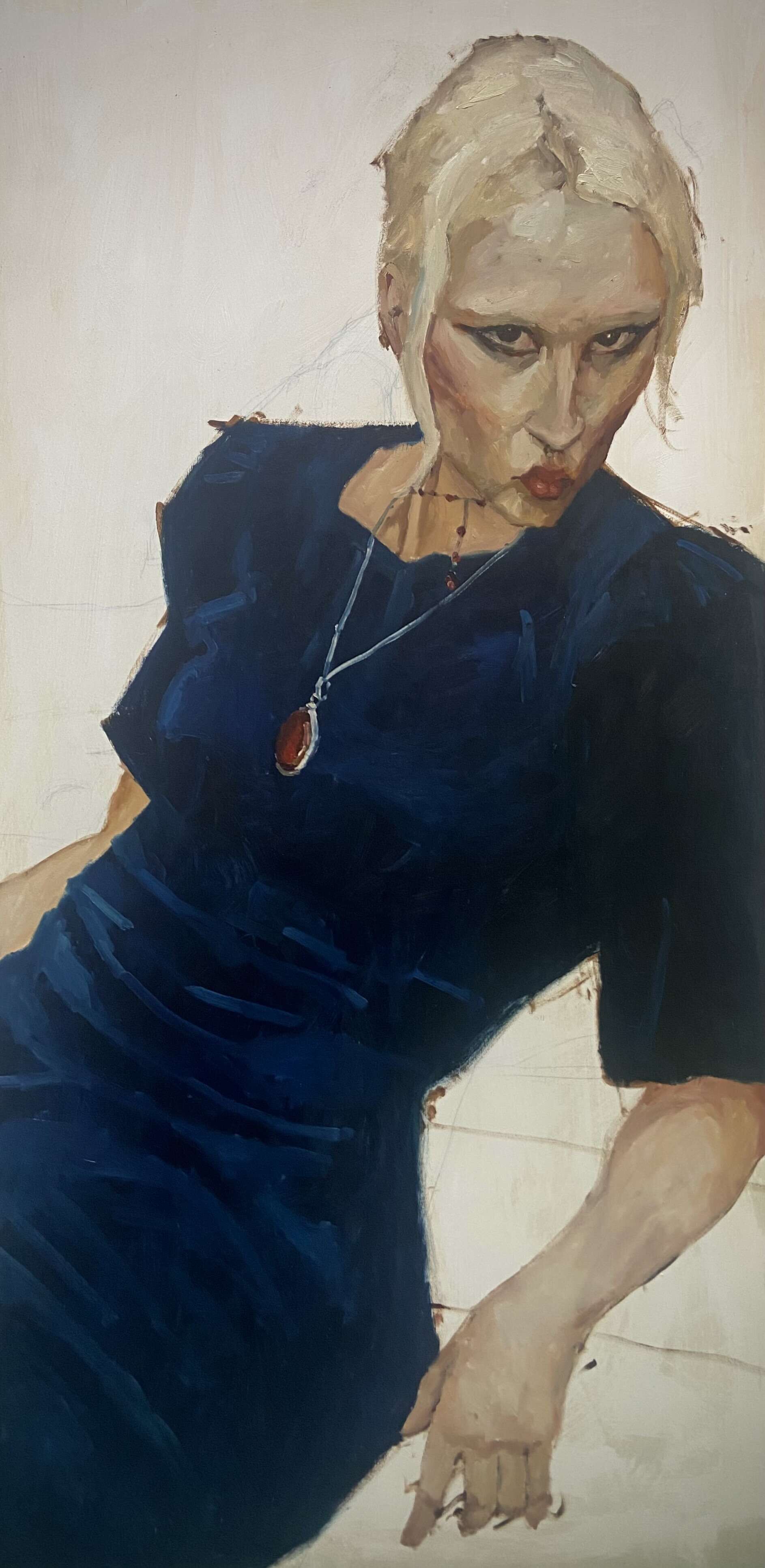
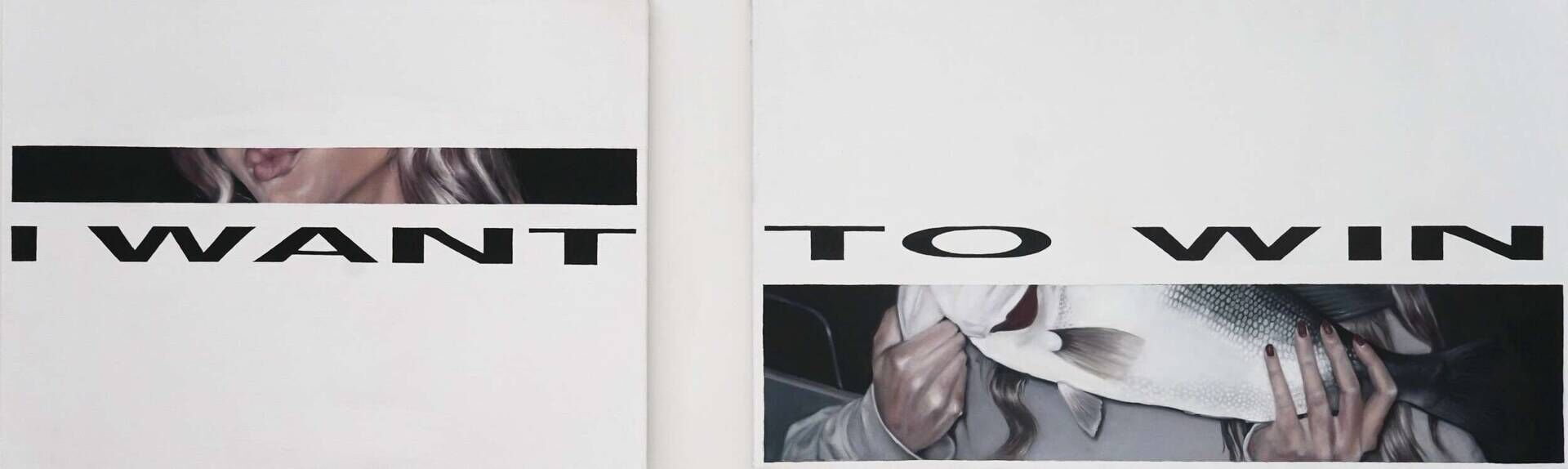
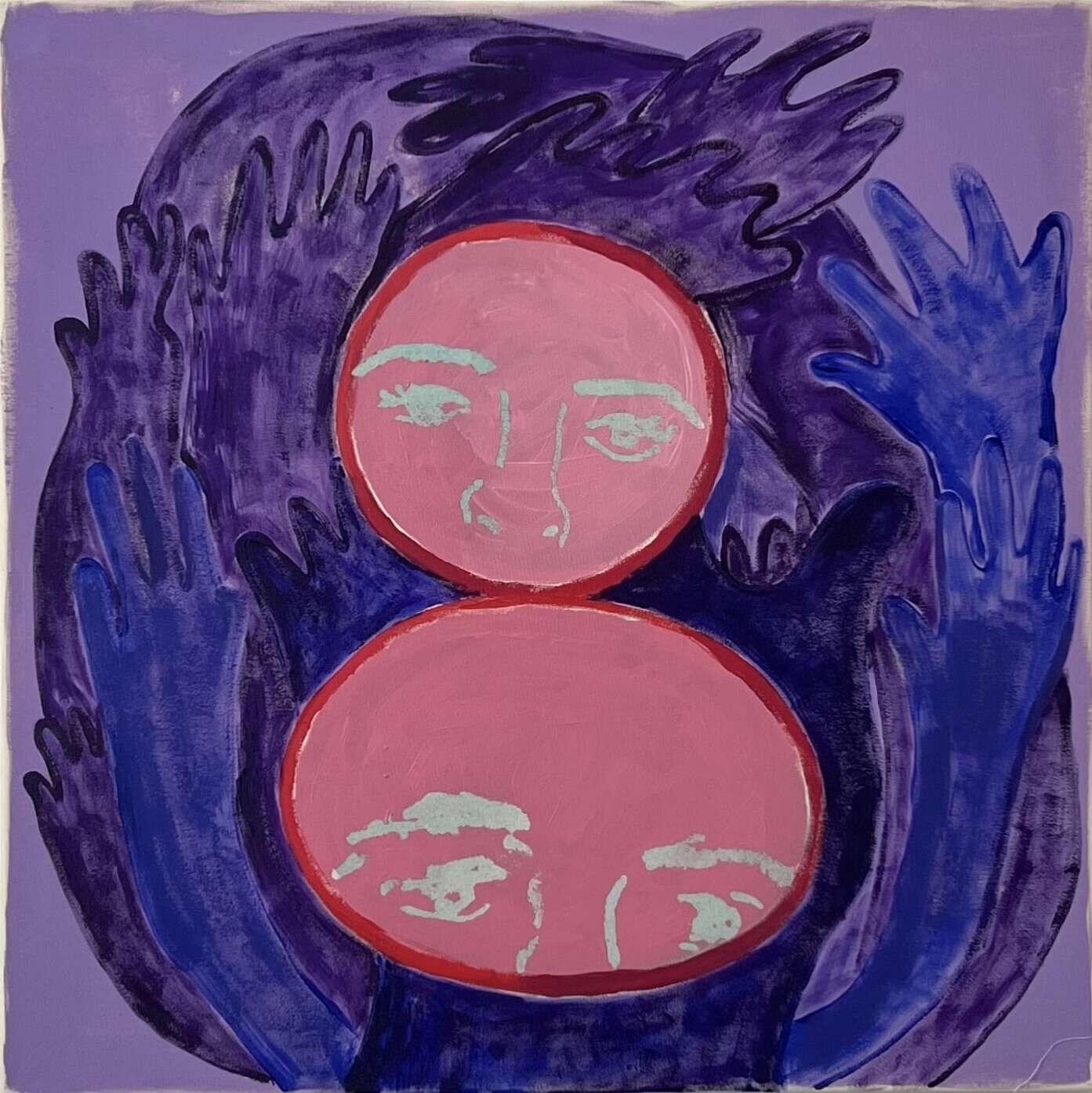
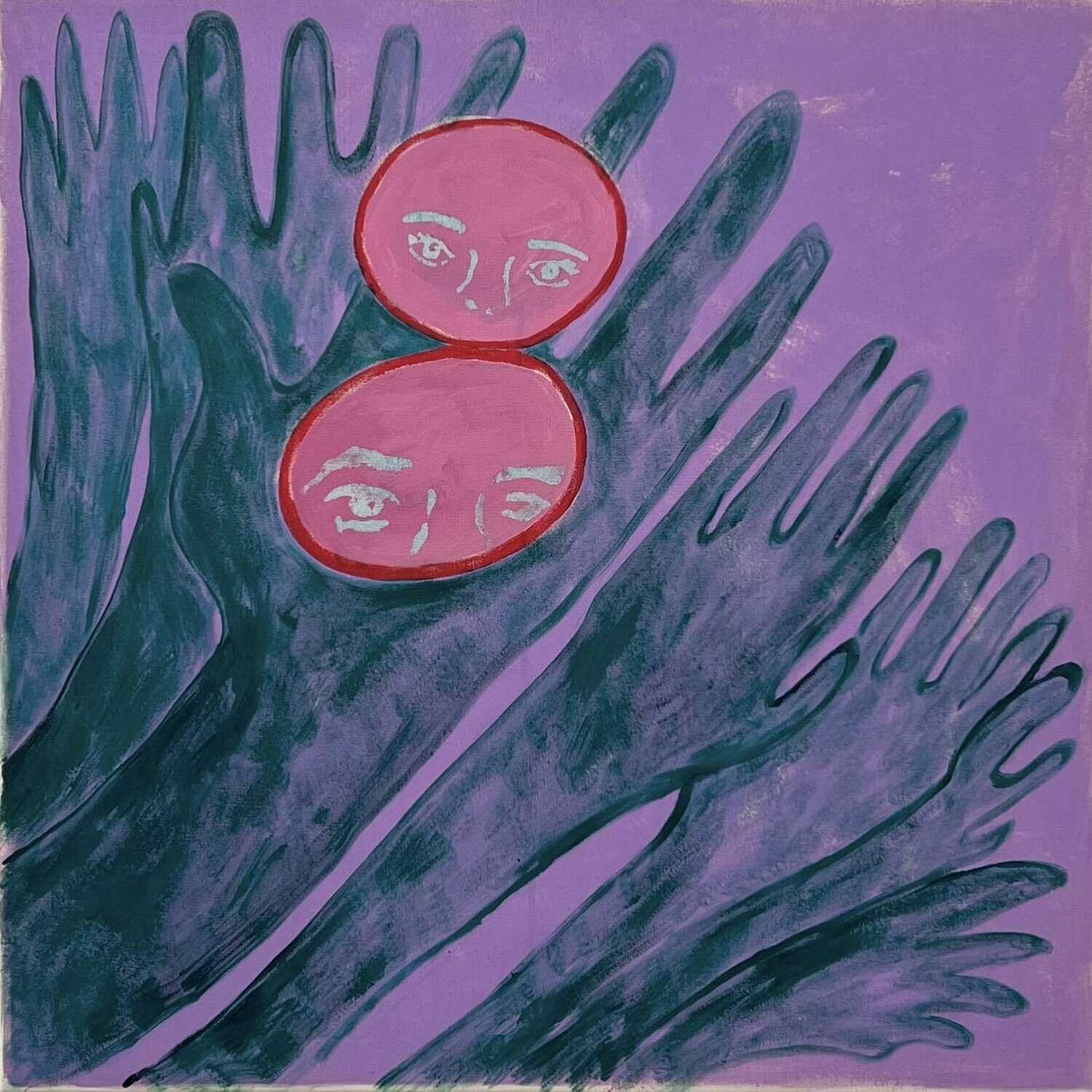
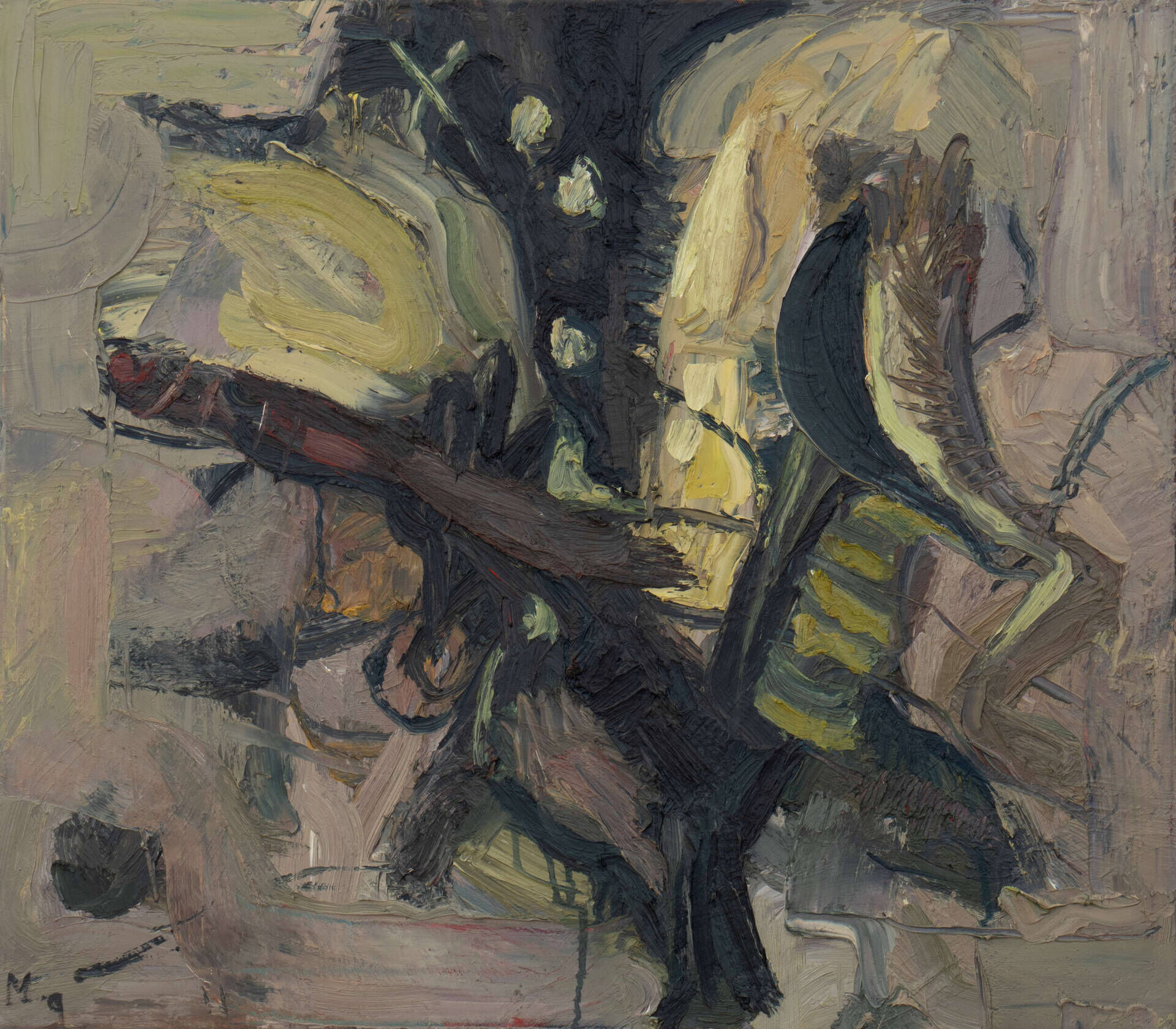
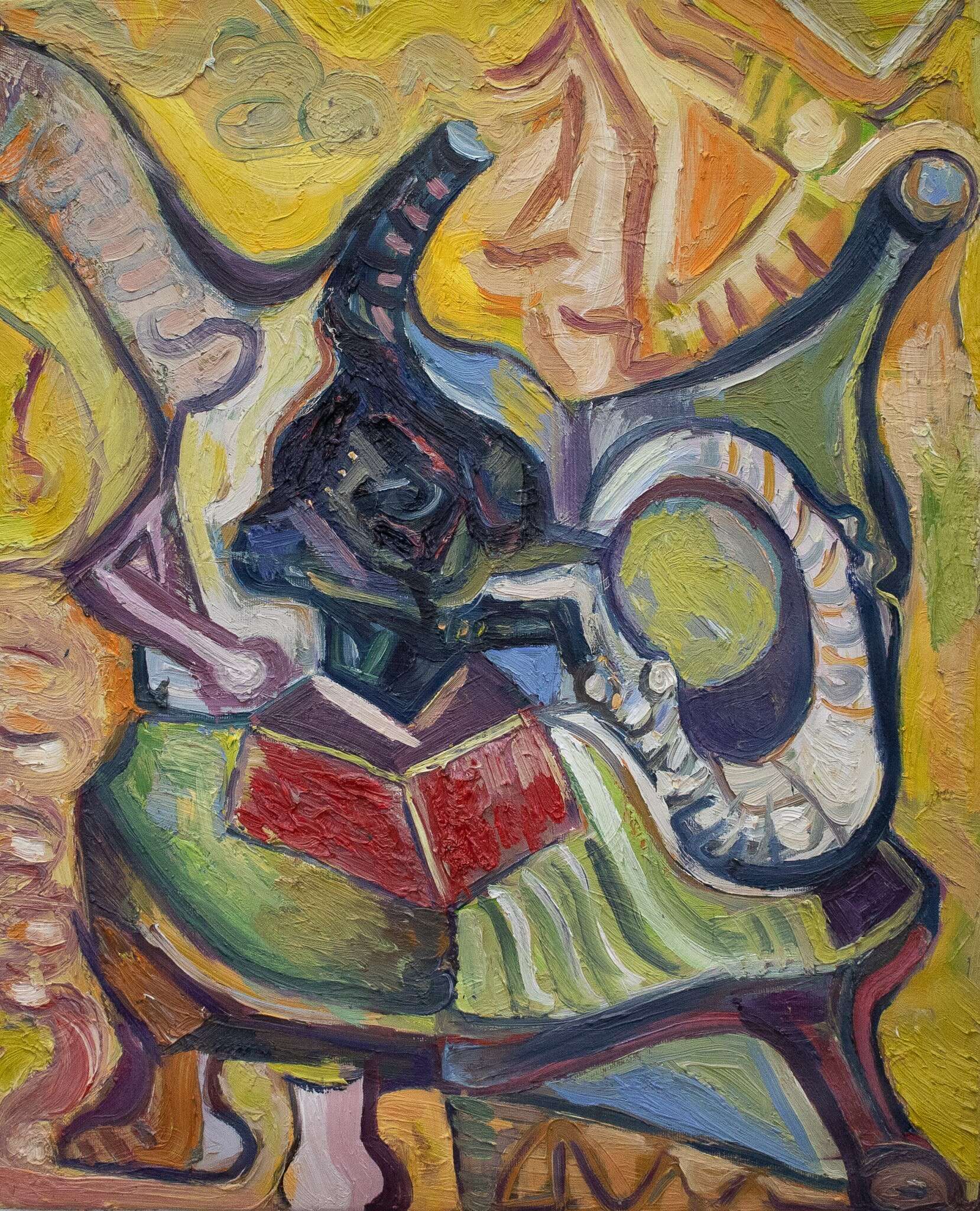
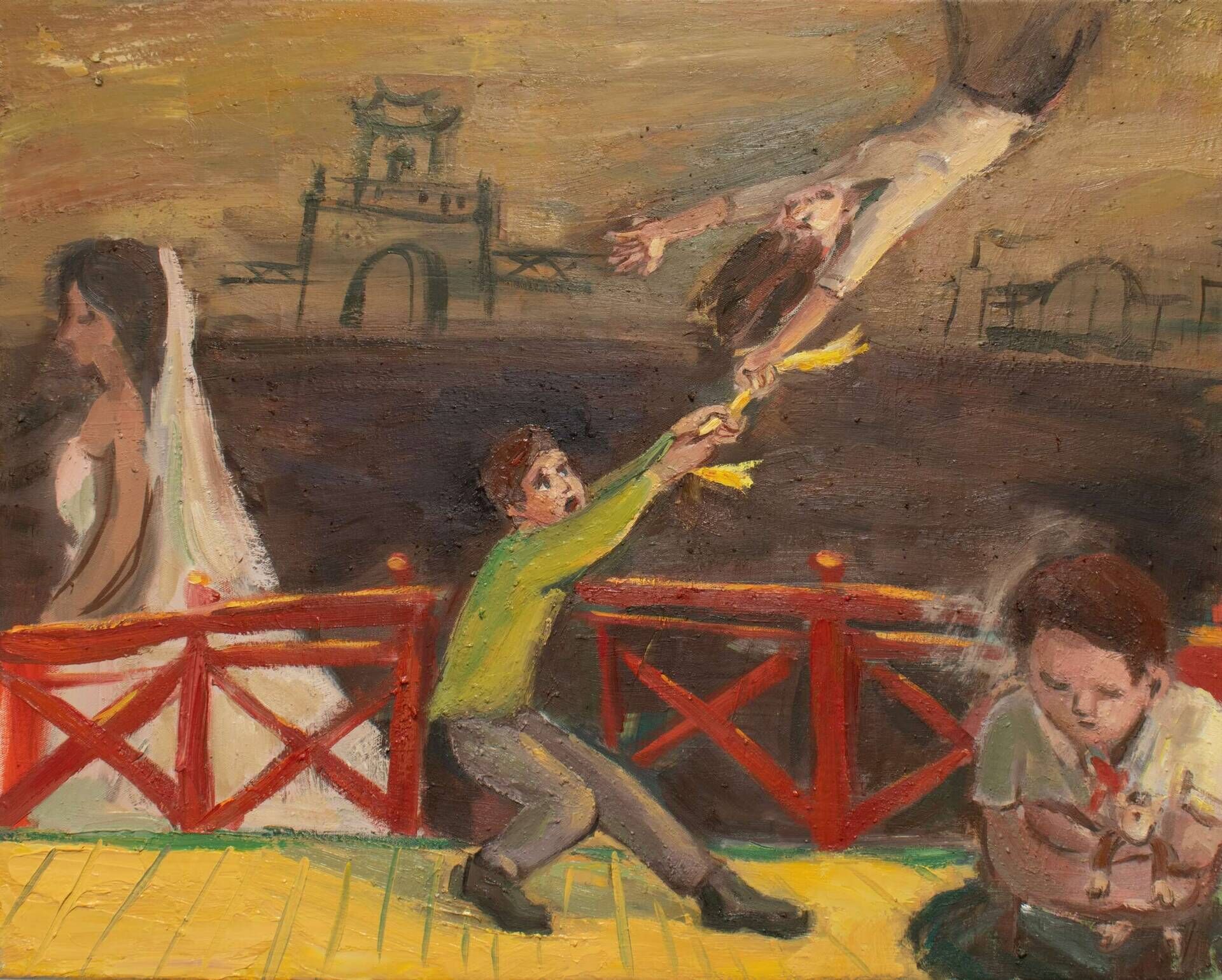
Quang Minh Tran combines figurative and abstract art to create an intense, emotionally charged visual language. He portrays people from his personal circle, thereby lending his works a distinct sense of intimacy, whilst abstract compositions with textured surfaces and organic forms reflect and expand upon this figurative language. Tran works within a dynamic dialogue between the figurative and the abstract, with his vibrant colour palette lending depth to both realms. After spending time in Vietnam and Germany, he studied at the Dresden Academy of Fine Arts and has been pursuing his master’s degree under Christian Macketanz since 2025, enabling his works to combine high technical and emotional quality.
Juliana Gutiérrez Wiest (*1998, Colombia) creates surreal, dreamlike worlds in which reality and memory merge. Her works are created through automatic drawing and combine abstract elements with classical-looking sculptures depicting people who influence our lives. Juliana works on aluminium, which means that light and reflection constantly alter the perception of her works and create an immersive effect. Through her studies in multimedia art at Ludwig Maximilian University in Munich, she combines analogue painting with digital projections, allowing viewers to immerse themselves in her multi-layered, poetic worlds. Her works explore identity, memory and the invisible influences that shape our lives.