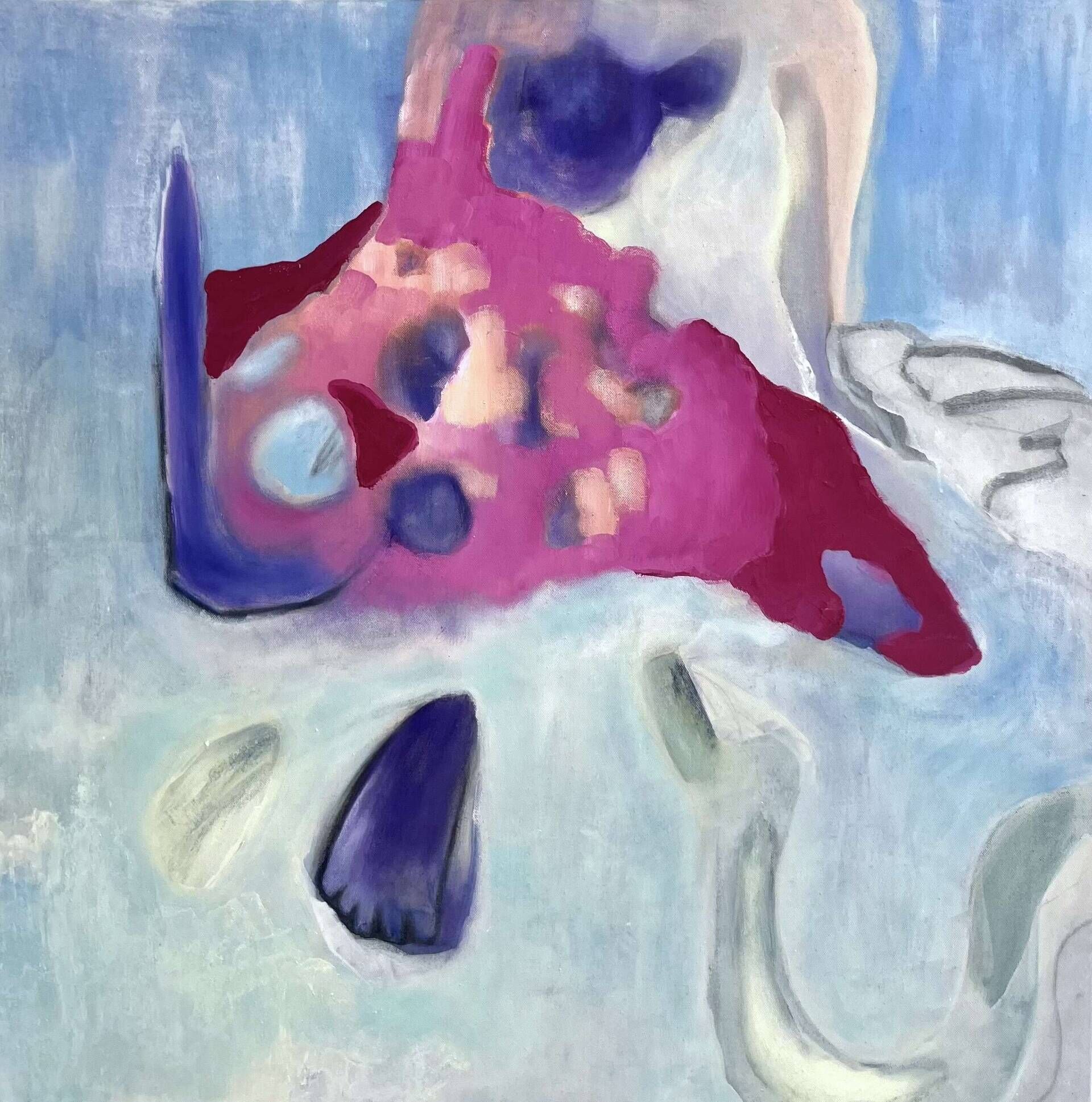
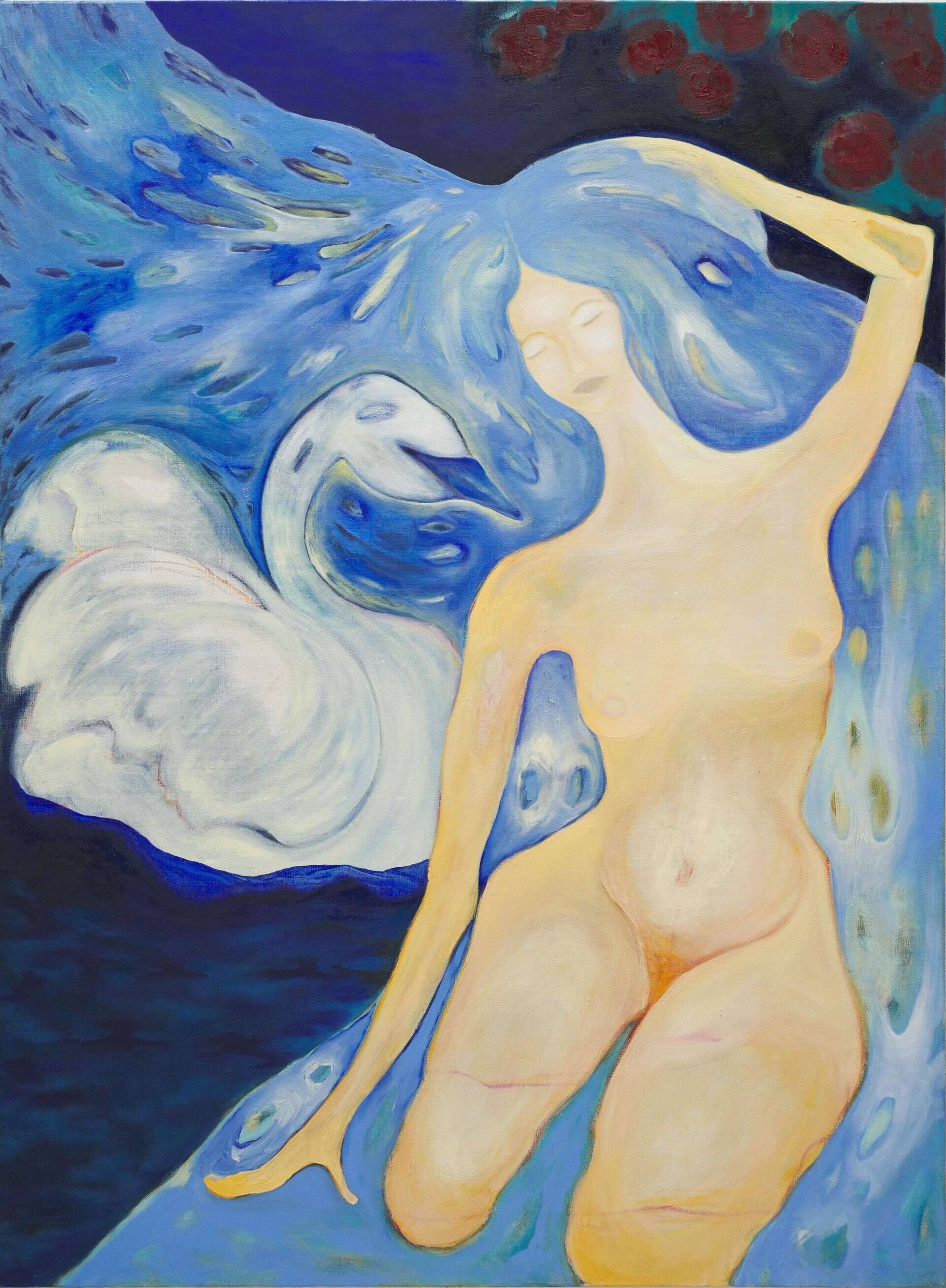
The timeless fascination of erotic art
Erotic art is as old as human history itself – it captivates viewers because it shows more than mere nudity. It celebrates the human body in all its beauty, sensuality and expressiveness. Even in early cultures, the naked body was a central motif – not for sexual arousal, but as an expression of a zest for life, fertility, intimacy and divine veneration. Whether in prehistoric Venus figurines, ancient frescoes or the subtle poses of a model in modern studio painting: the human body has always been depicted with a certain degree of reverence, but also with artistic freedom and a spirit of experimentation.
Erotic art navigates the tension between beauty, sensuality and cultural taboos. It depicts not only the body, but also its surroundings – glances, touches, gestures and atmosphere. The term nude is derived from the Latin ‘actus’, meaning gesture or action – a reminder that the nude is not merely about still lifes of nudity, but about expression, movement and emotion. Auguste Rodin revolutionised the relationship between artist and model by breaking away from rigid posing and inviting his models to play an active part in the creative process. The body thus became an active part of the artistic process – an idea that continues to inspire many artists to this day.
Erotic art knows no cultural or geographical boundaries. From the elegant sculptures of Indian temples, through Roman murals, to Japanese shunga woodblock prints – in every culture, eroticism has been and continues to be depicted in its own unique way. In Western art history, the spectrum ranges from subtly sensual depictions to explicit, provocative compositions. The depiction of erotic motifs has always served as a mirror of social norms and their boundaries. Yet one thing remains constant: erotic art is a medium that plays with subtle nuances between intimacy, aesthetics and desire – and thereby remains profoundly human.
From cult object to artistic ideal: Erotic Art Throughout History
The history of erotic art is closely linked to the nude as a form of artistic expression. In prehistory, the depiction of naked bodies served primarily ritual purposes – with fertility, birth and the veneration of primal female forces at the centre. It was not until Greek antiquity that the naked body itself became the subject of art, idealised in its proportions, aesthetics and grace. Sculptures such as the ‘Belvedere Apollo’ or the ‘Venus de Milo’ celebrated the human body as an expression of divine harmony. In the Middle Ages, however, the depiction of the nude fell into obscurity – nudity was equated with sin and was only permitted within the context of religious narratives, such as scenes featuring Adam and Eve.
It was not until the Renaissance that the human body returned to the centre of art with renewed vigour. Artists such as Michelangelo and Botticelli drew inspiration from ancient models and created masterpieces of erotic art in which the nude was accorded new dignity. During the Baroque and Classical periods, the nude body remained present, but was usually embedded in mythological or historical contexts. The 19th century finally saw a gradual liberation from these thematic constraints. The nude became more personal, more emotional, more provocative. In contemporary art, it is no longer used merely to depict beauty or lust, but challenges social norms, gender roles and the boundaries of intimacy. Today, eroticism is no longer bound by ideals – it is an expression of freedom, diversity and physicality in all its forms.
The diversity of motifs and techniques in erotic art
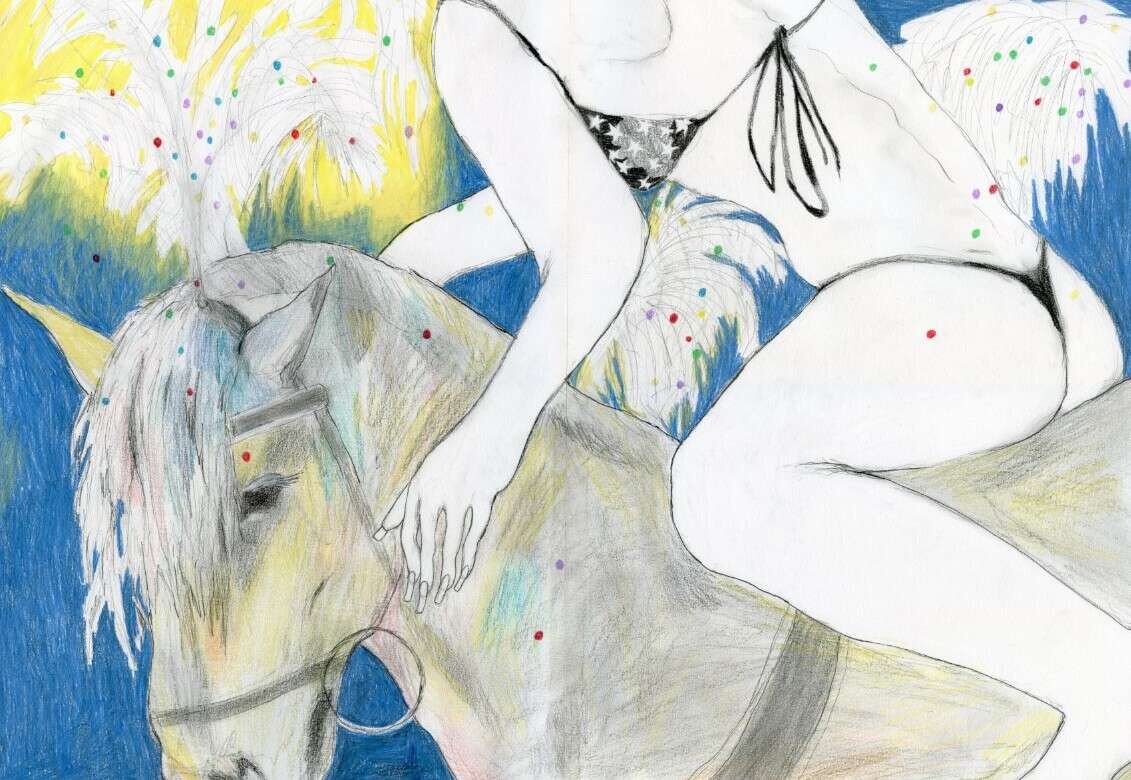
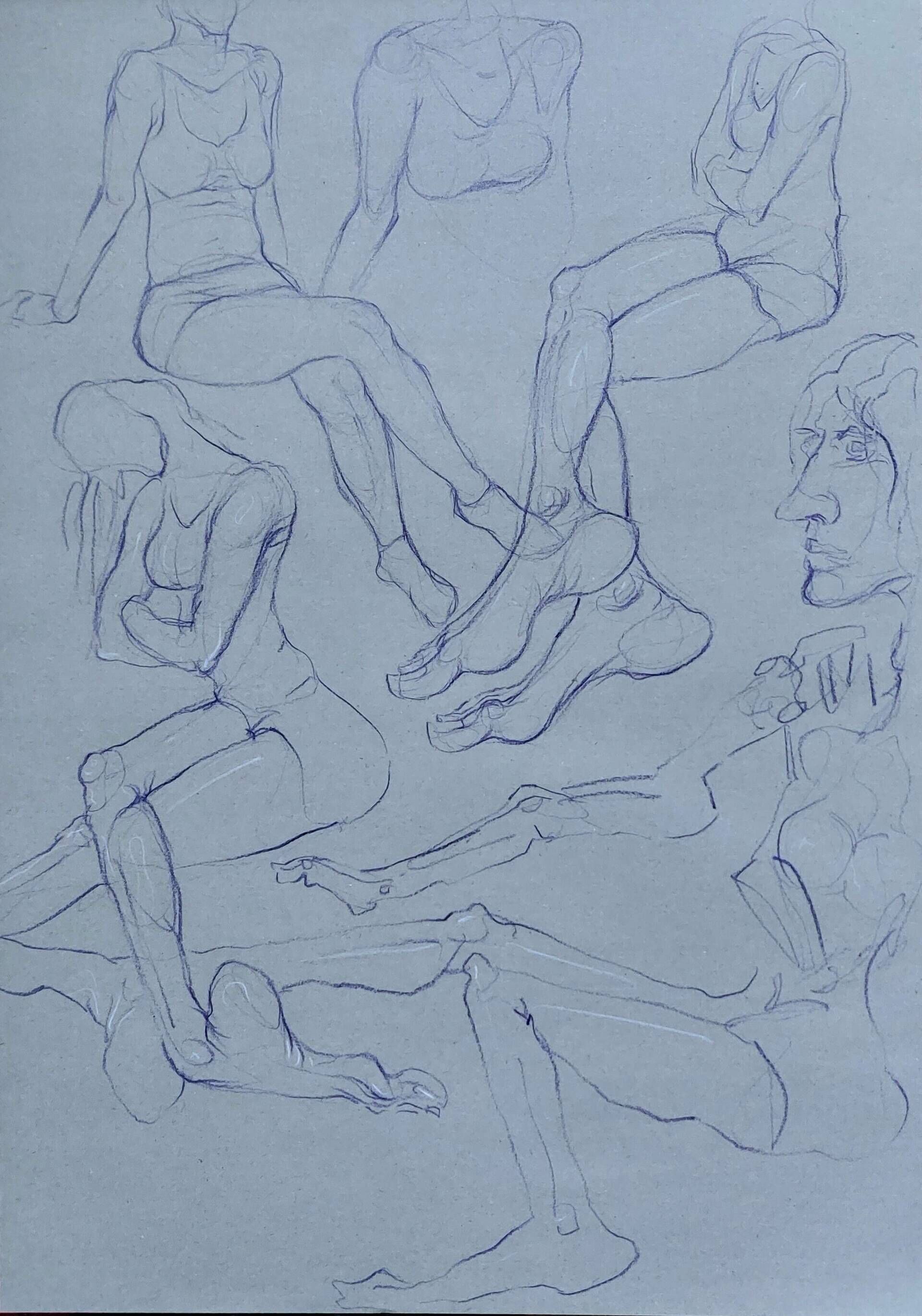
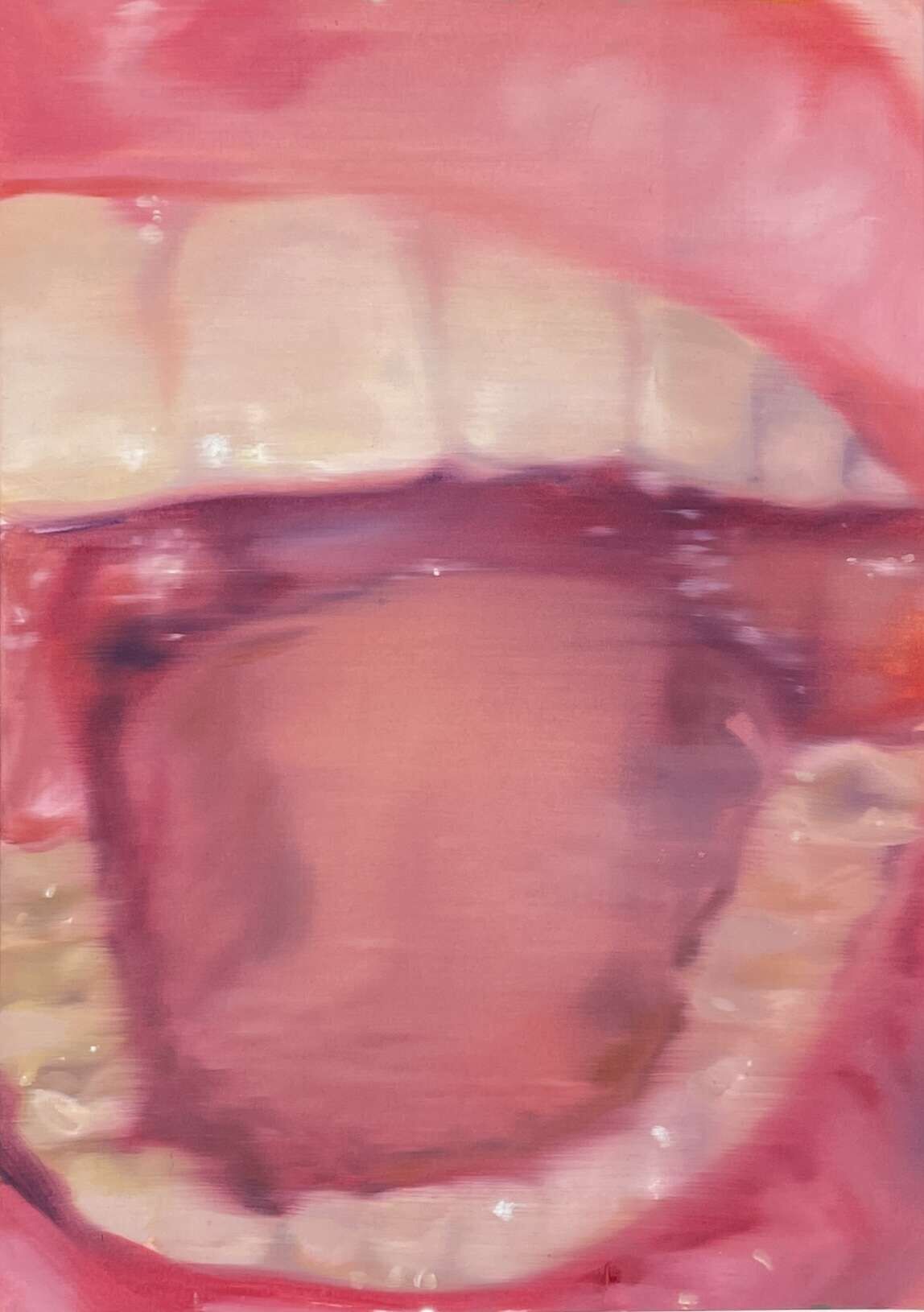
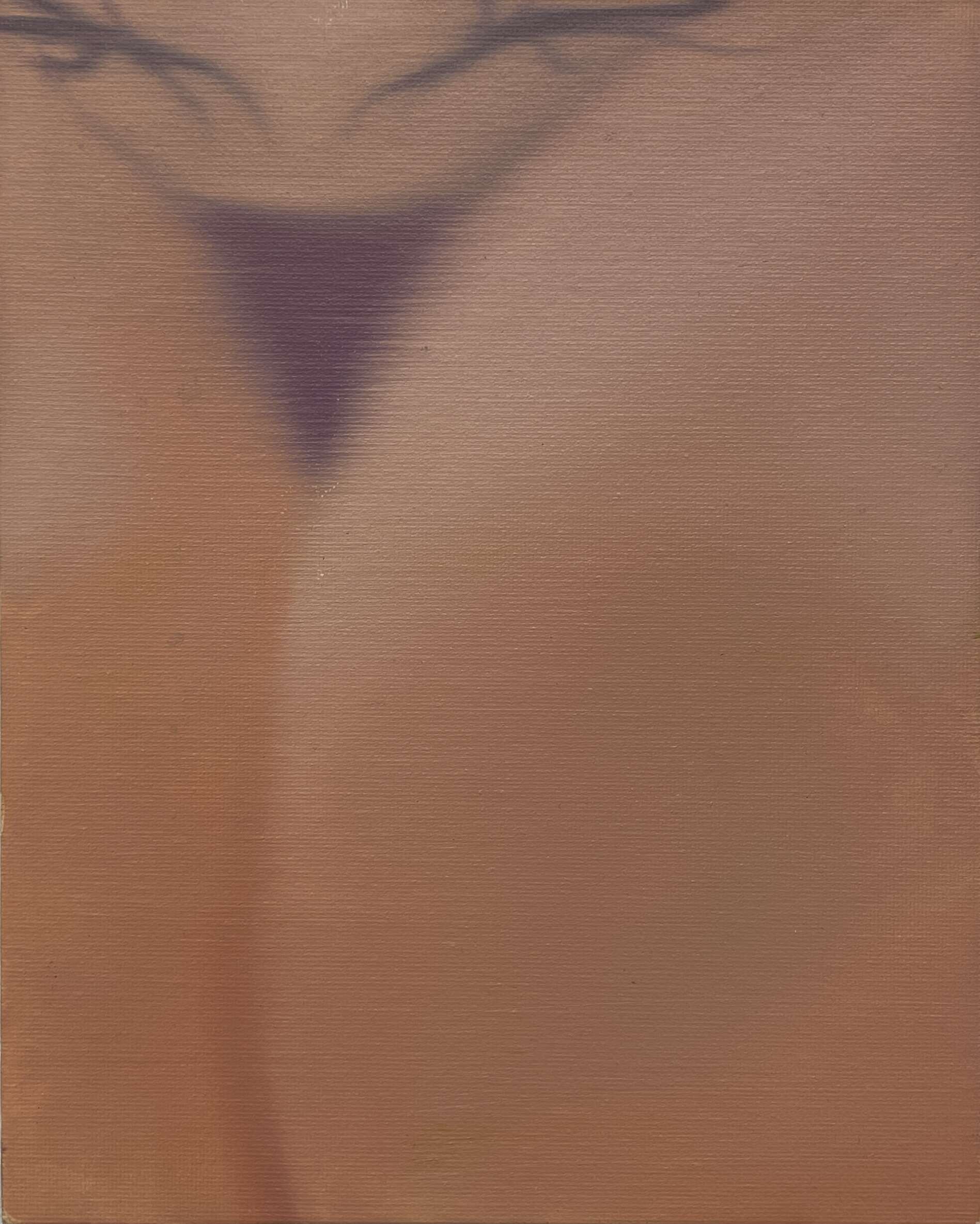
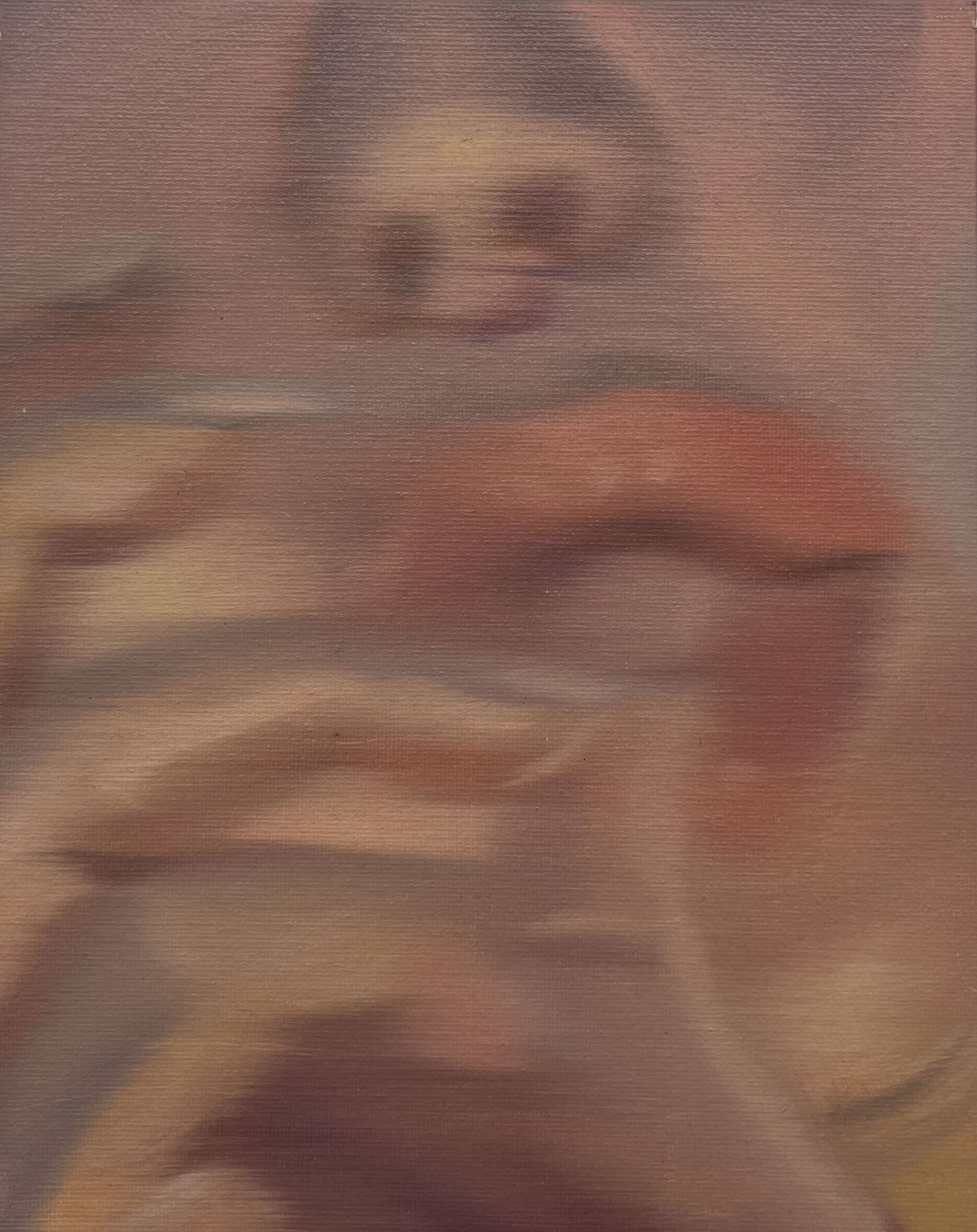
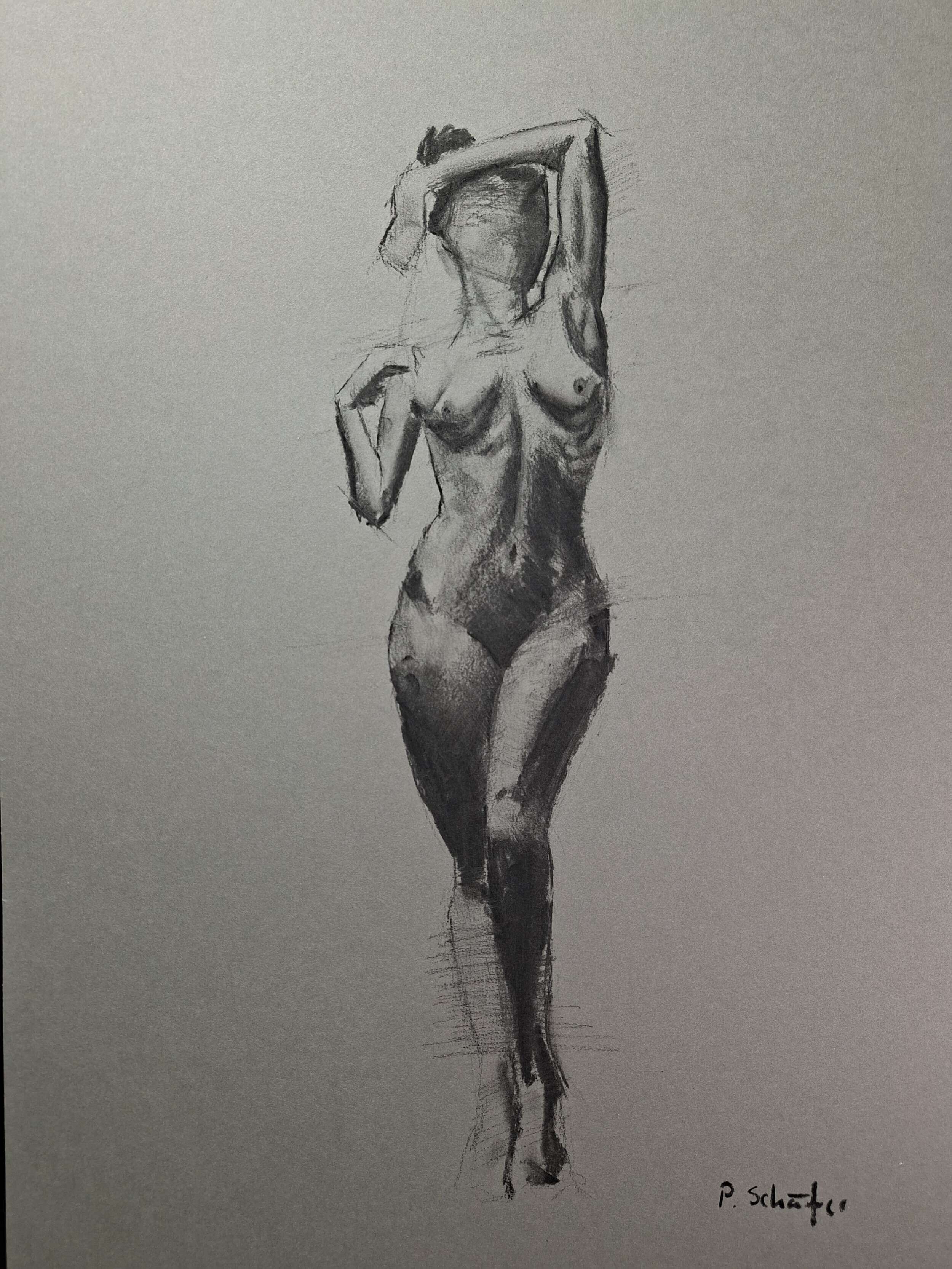
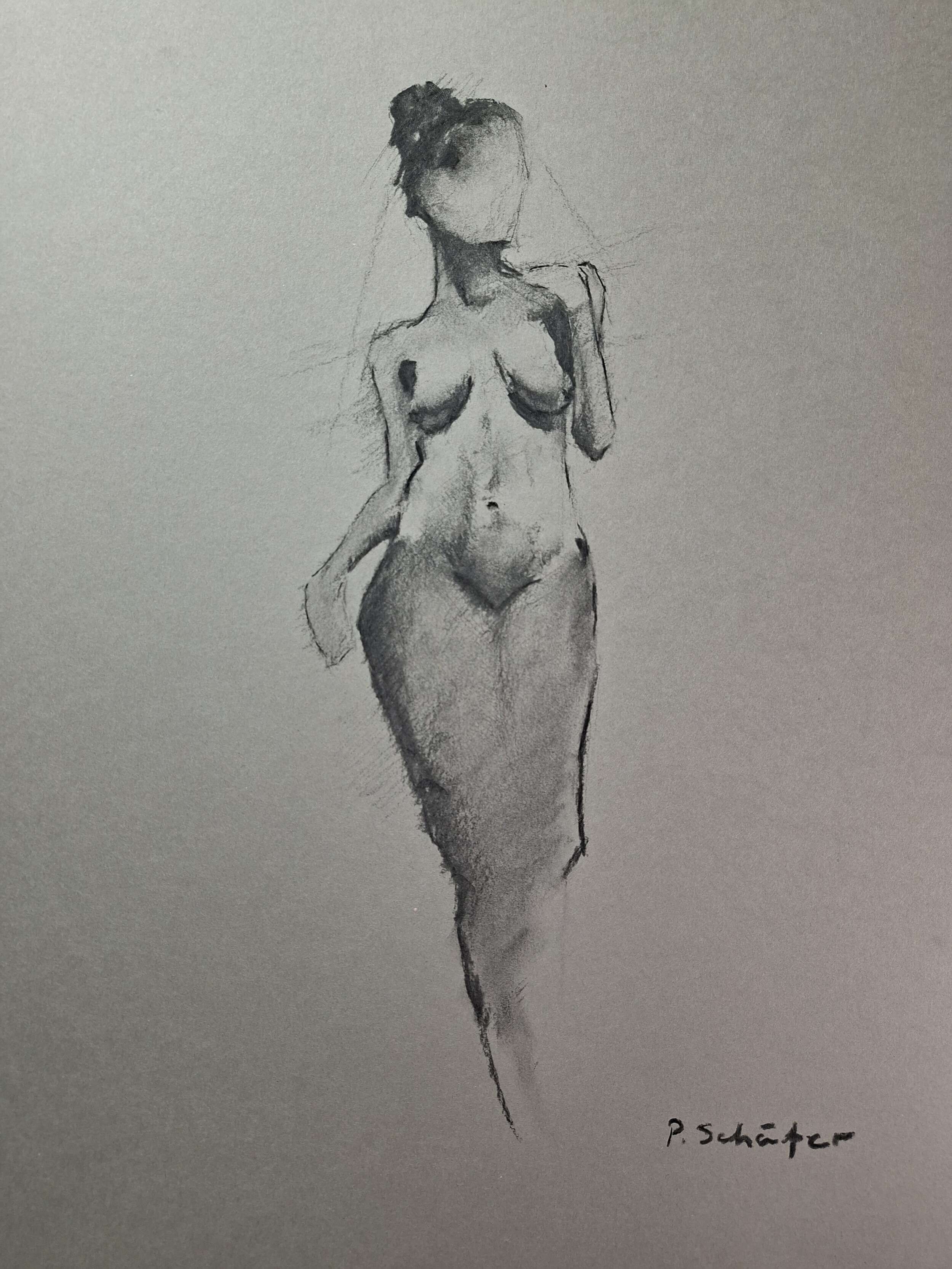
Erotic art explores the human body in all its expressiveness – regardless of gender or idealised image. The focus is not solely on nudity, but on the interplay between the body, emotion and atmosphere. The depiction can be delicate, playful or provocative – at times restrained and suggestive, at others direct and powerful. Artists such as Andreas Kock and Paul Giggle use different perspectives to create intimacy, self-confidence or distance. Whether male, female or non-binary – in erotic art, the nude is understood as a canvas for sensuality, vulnerability and strength. This opens up a broad scope for aesthetic, social and emotional interpretations that extend far beyond mere eroticism.
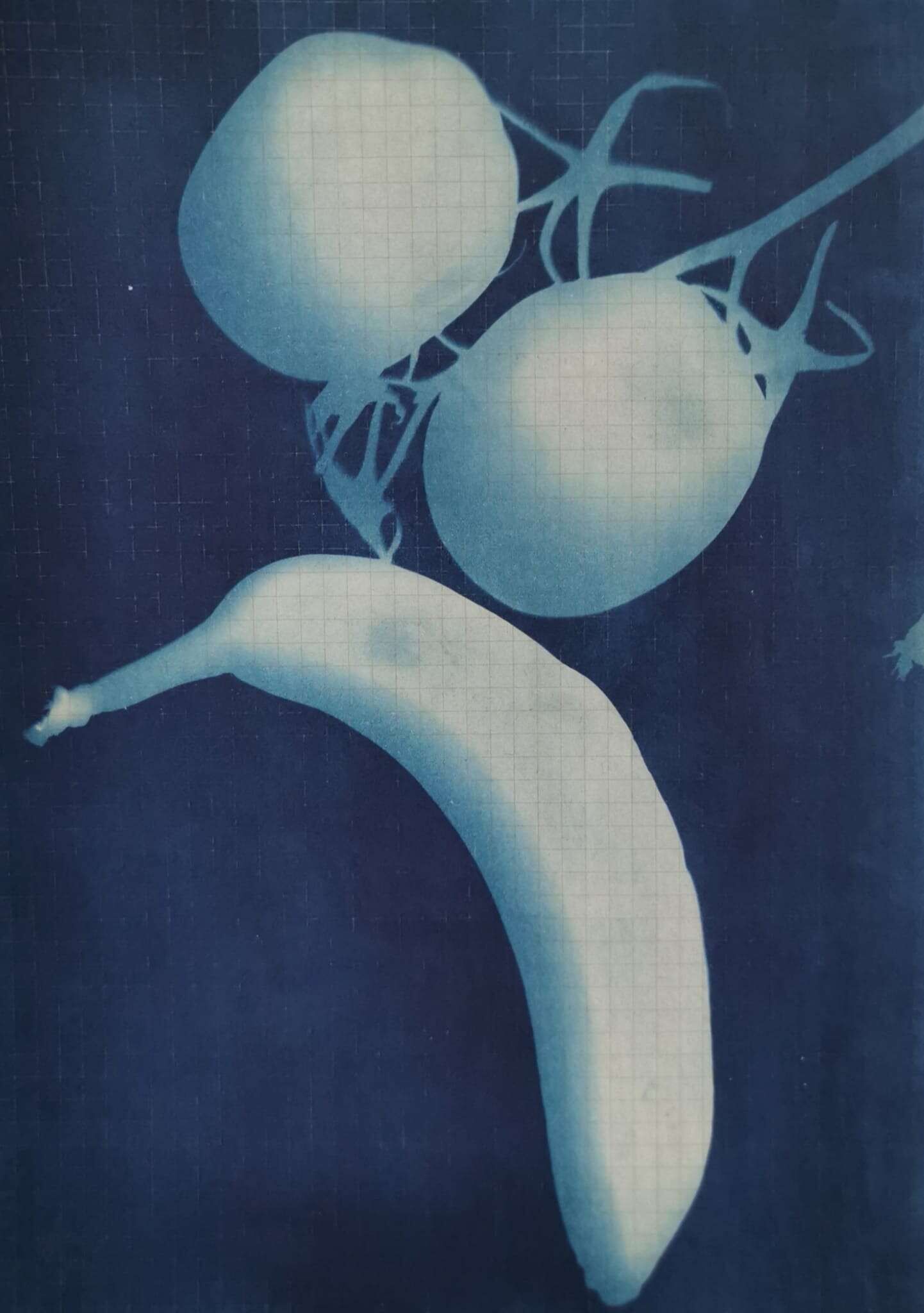
Technically, erotic art relies on sophisticated techniques to showcase skin and the body – particularly in photography. Contrasts, shadows and perspectives are essential for creating atmosphere and maximising the tension between revealing and concealing. The photographer Heinrich Heidersberger, for example, projected geometric patterns onto his models in the 1940s and, with his series ‘Kleid aus Licht’ (‘Dress of Light’), created a stylish approach to nudity that suggests more than it reveals. The French artist Dani Olivier builds on this, working with digital light projections that do not expose the body but instead make it appear as a luminous sculpture. Such techniques demonstrate that erotic art is not sensationalist, but rather a play on surface, depth and perception – and it is precisely this that makes it particularly effective.
Famous erotic paintings and artists
Throughout history, erotic art has produced numerous significant artists, both men and women, whose works continue to fascinate to this day – not only because of their sensual depictions, but also because of their art-historical depth. Michelangelo, for example, created with his sculpture ‘David’ (1501–1504) an emblem of male beauty and heroic nudity that extends far beyond religious contexts. Albrecht Dürer, too, known for his precise drawings, experimented with nude depictions – for example, in his rarely exhibited “Self-Portrait as a Nude” – which focuses less on erotic desire and more on self-reflection and human vulnerability. In the Baroque period, Peter Paul Rubens favoured voluptuous forms and dramatic movement: his painting “The Rape of the Daughters of Leucippus” (1617) depicts not only erotic tension but also the power dynamics of ancient mythology. Later, Francisco de Goya took a daring step with “The Naked Maja” (c. 1795–1800) – his model gazes directly and unflinchingly at the viewer, entirely without mythological cover, which was considered scandalous at the time.
In the 20th century, artists such as Paula Modersohn-Becker brought a new perspective on erotic representation to the art world. Her *Self-Portrait on Her Sixth Wedding Anniversary* (1906) depicts a pregnant woman, naked and with a serious expression – not for the gaze of others, but as a self-assured reflection of female identity and physicality. In “Danae” (1907–1908), Gustav Klimt turned to Greek mythology, yet his depiction is deeply erotic: The woman appears devoted, almost entranced, enveloped in golden ornamentation – a high point of Viennese Art Nouveau. Egon Schiele, his successor and contemporary, broke definitively with ideals of beauty. In his self-portraits, such as the one from 1910, he depicts himself naked, wounded, contorted – naked in both a physical and psychological sense. These works mark the transition from idealised eroticism to radical honesty. Here, erotic art was no longer merely representational, but became a means of inquiry – into desire, identity and the role of the viewer themselves.
Buy erotic artworks by young artists
Erotic art is particularly effective where intimacy and aesthetics converge. In the bedroom, erotic paintings create a personal, sensual atmosphere. Subtle semi-nudes or abstract depictions also work well in the living room or a creative workspace. What matters is not so much the location where erotic art is displayed, but the balance between the subject matter, the effect on the space and personal perception. It’s best to decide for yourself where and how you’d like to display erotic art.
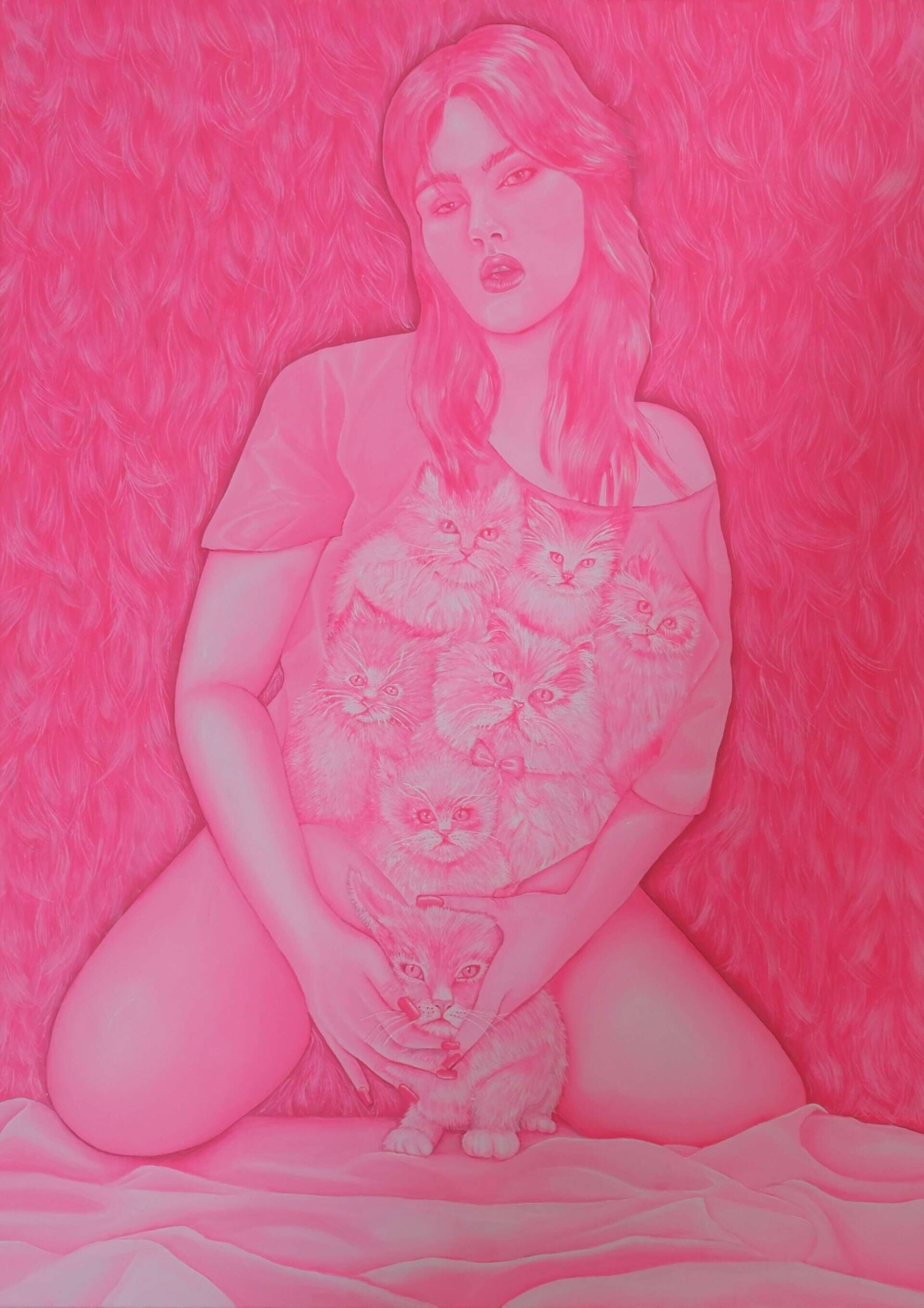
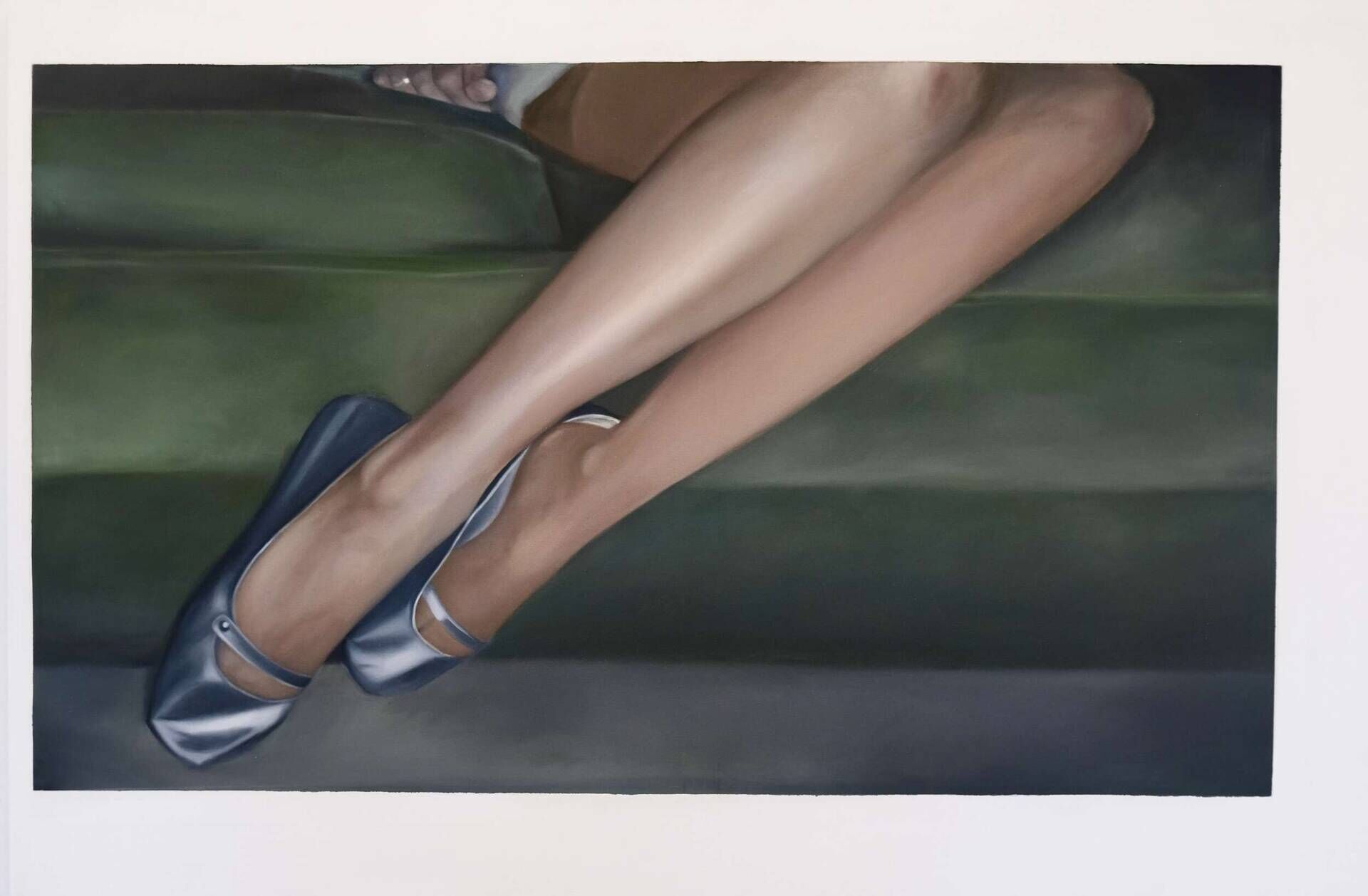
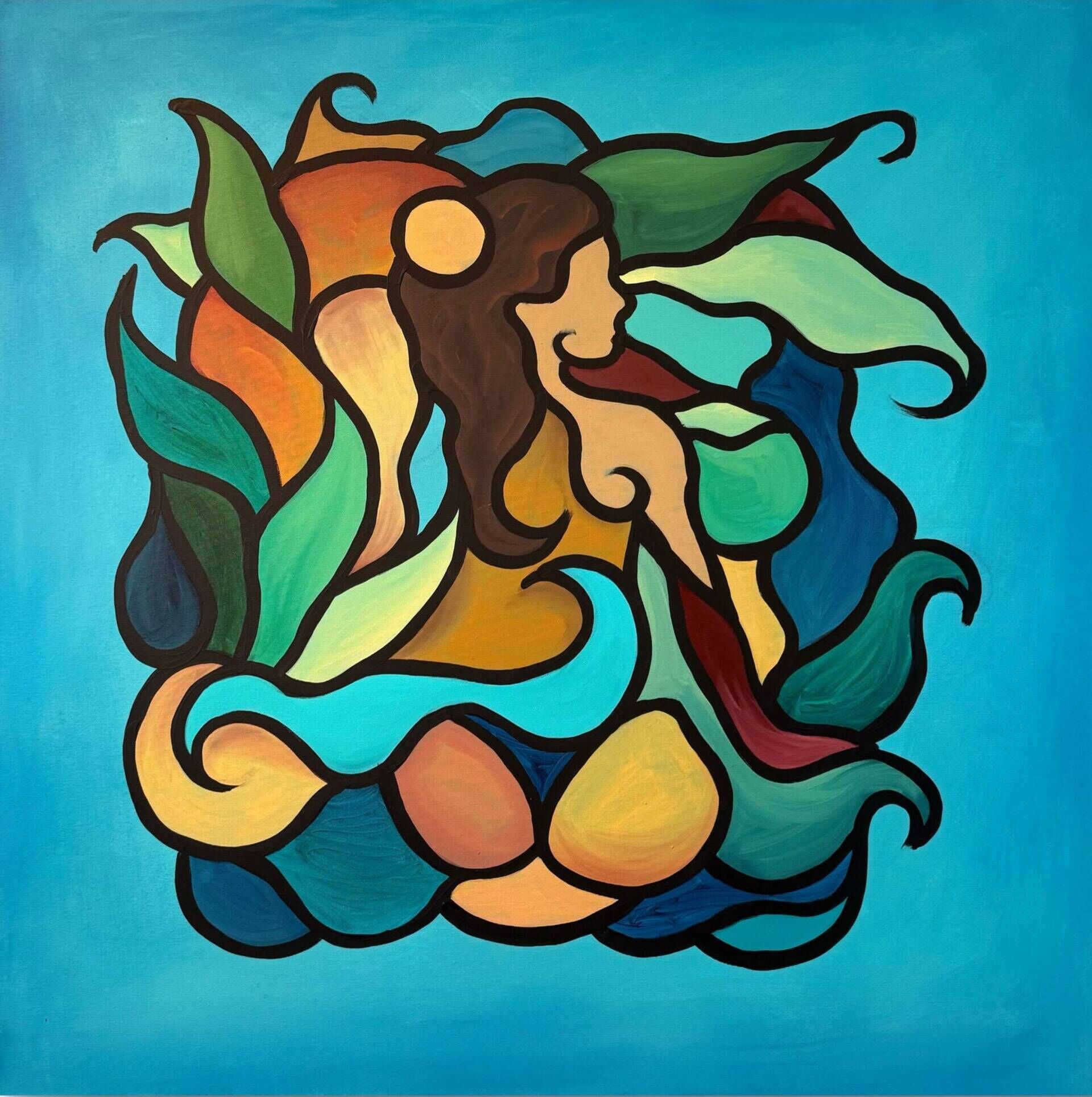
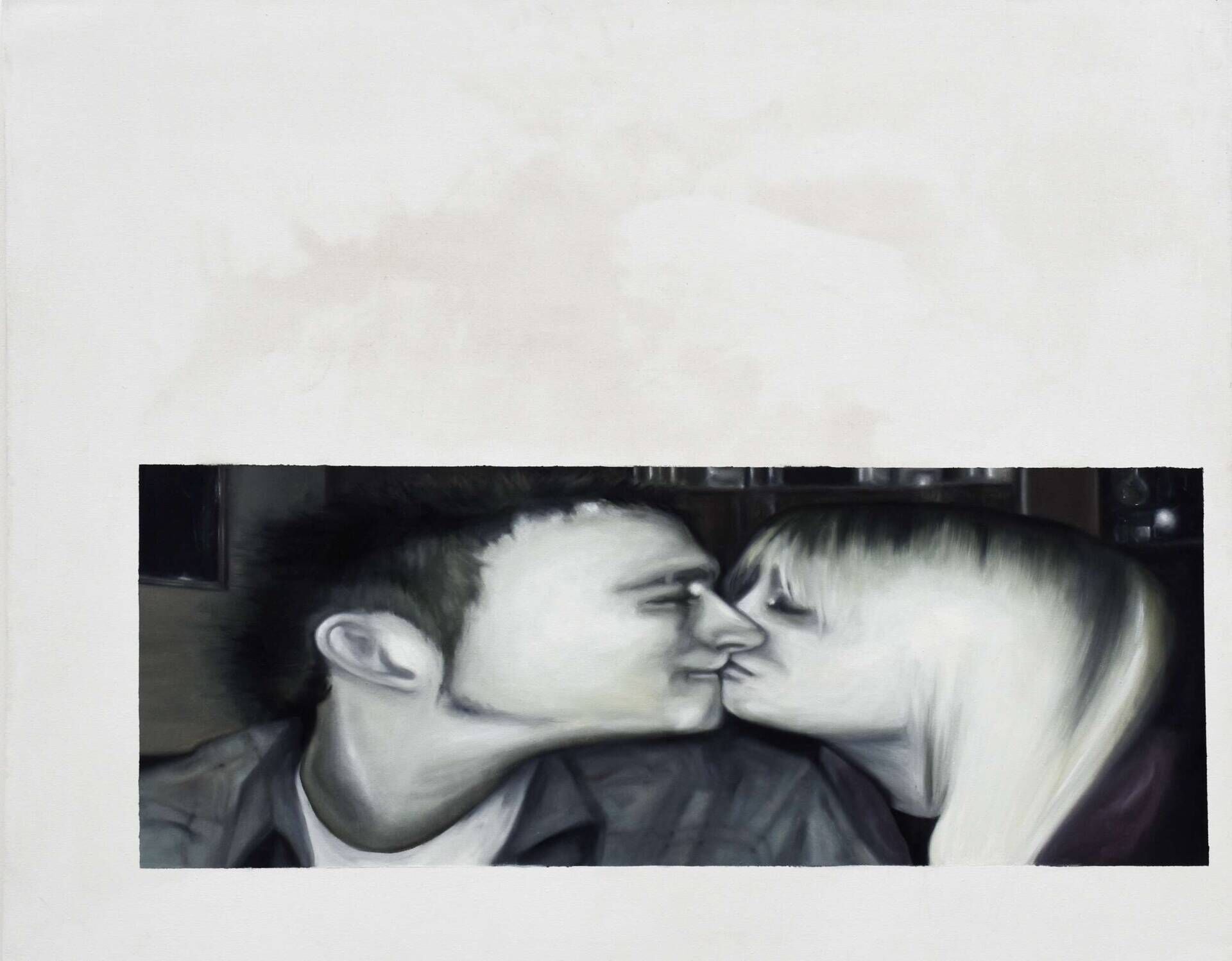
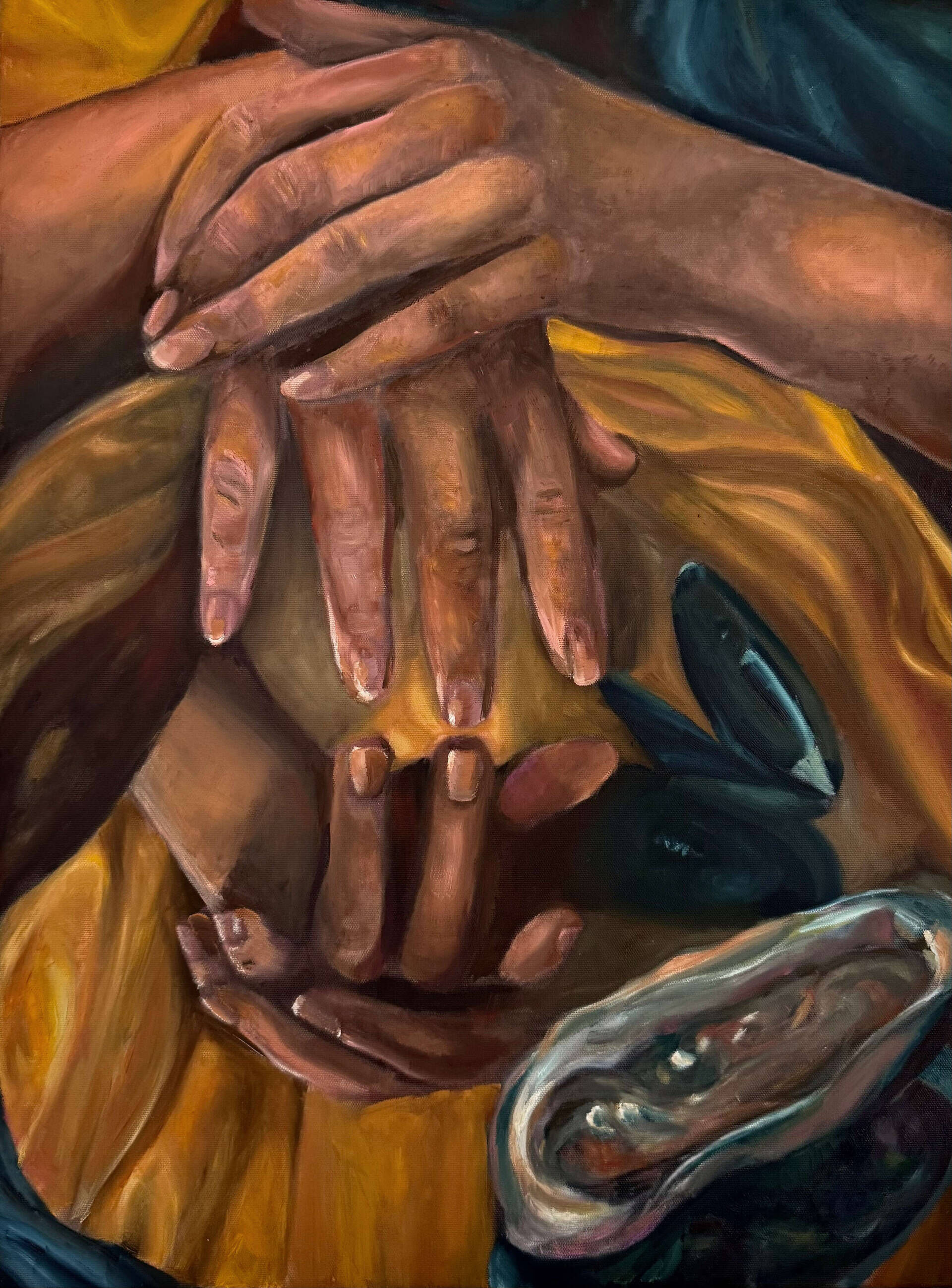
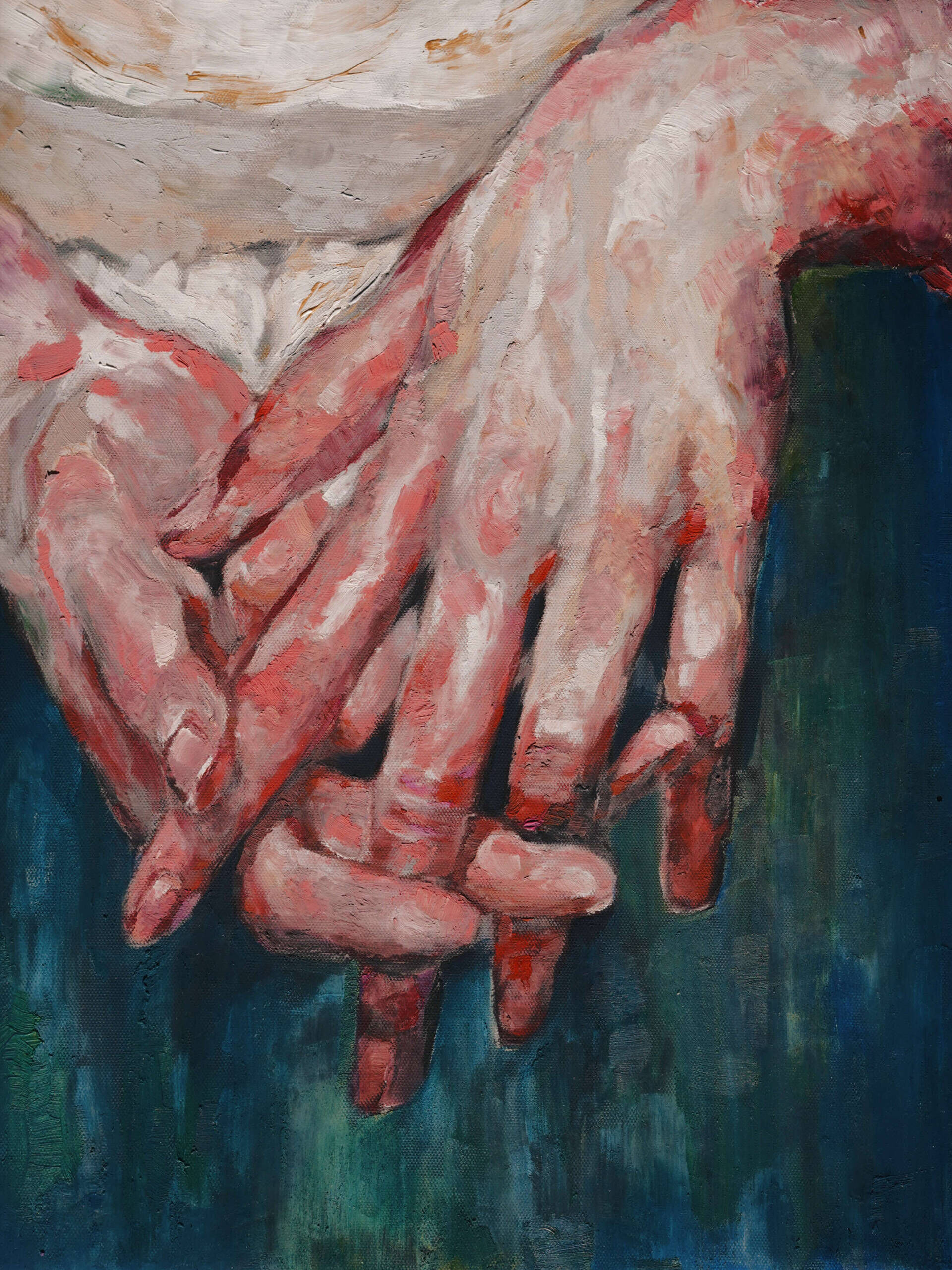
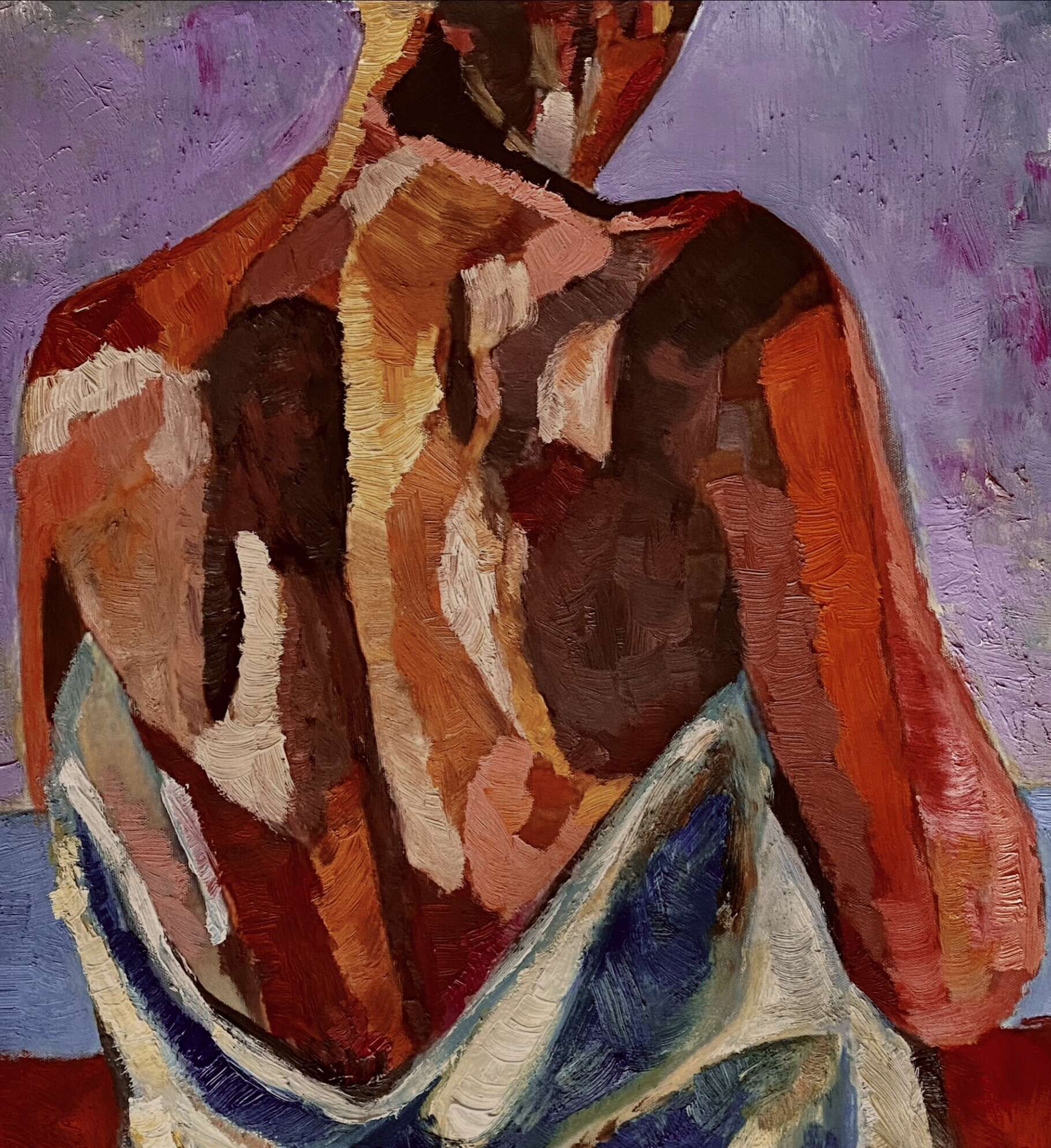
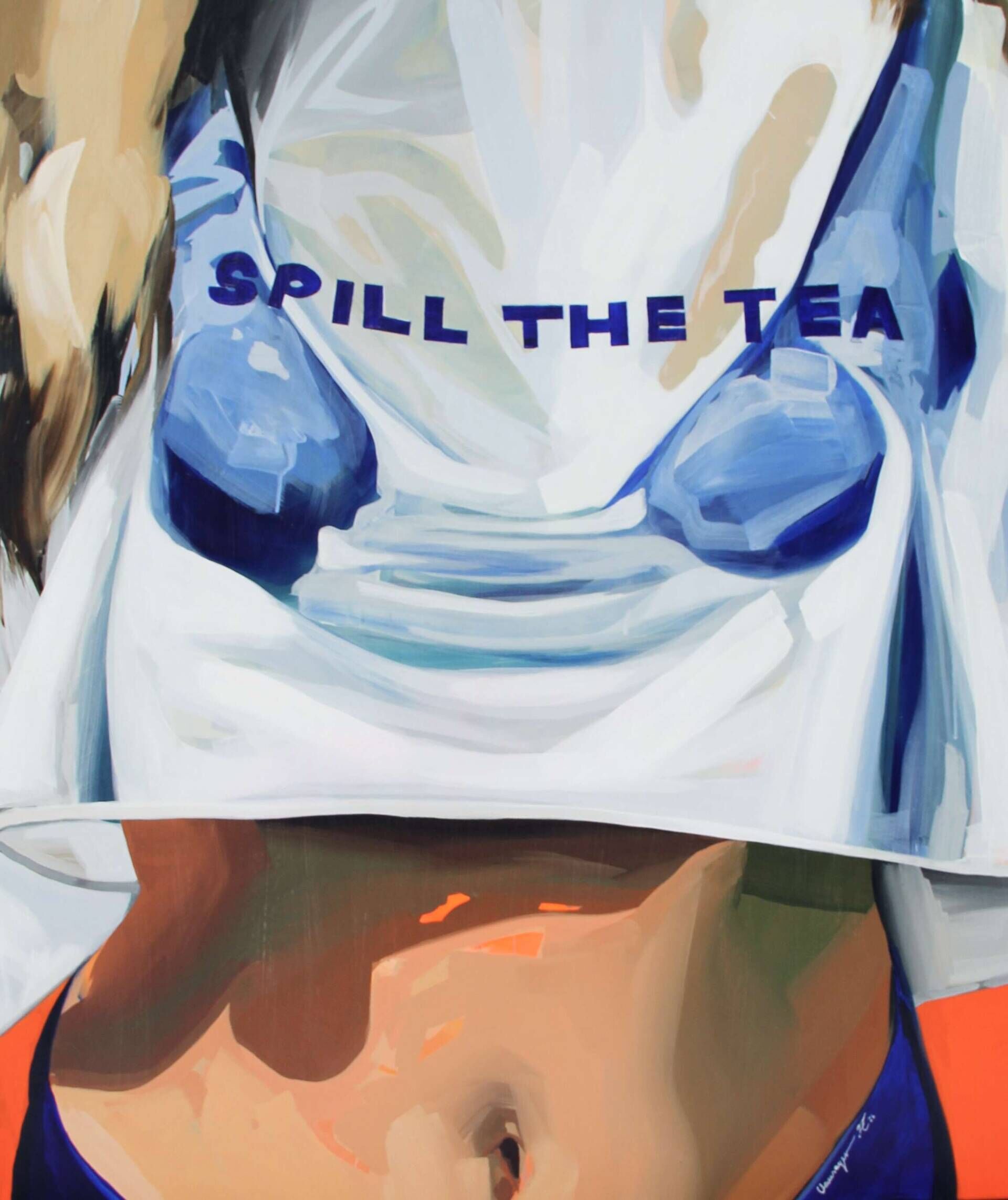
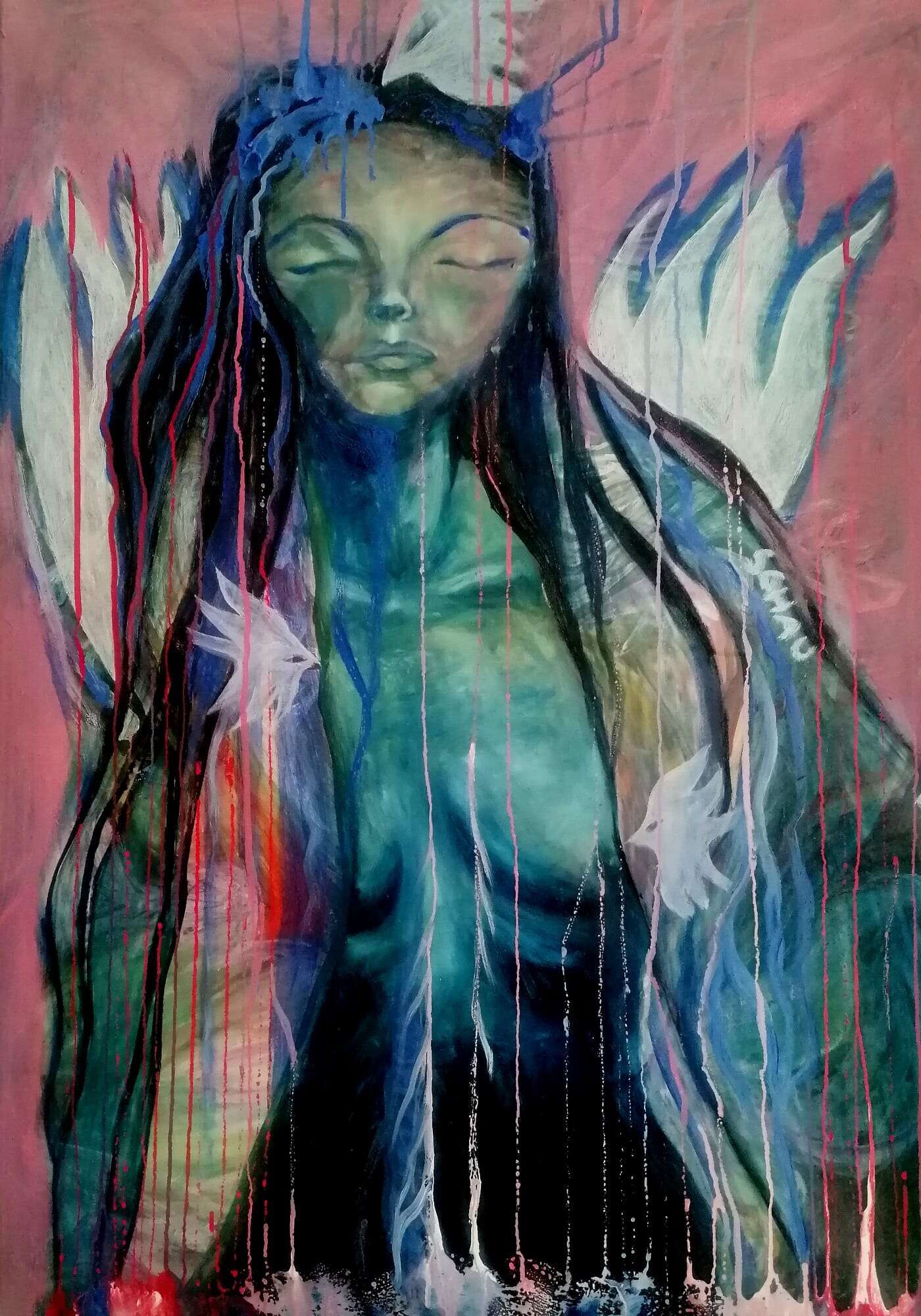
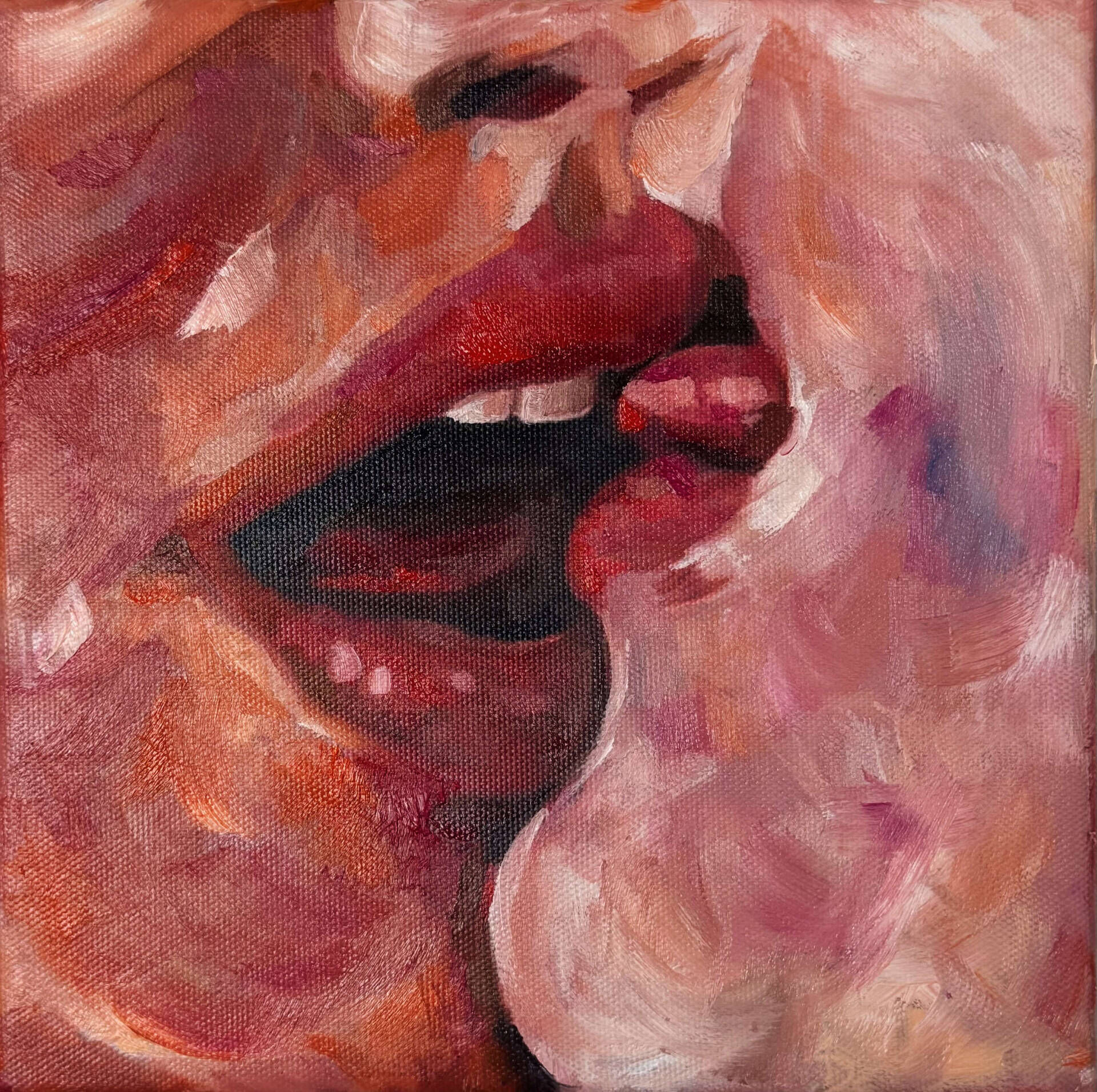
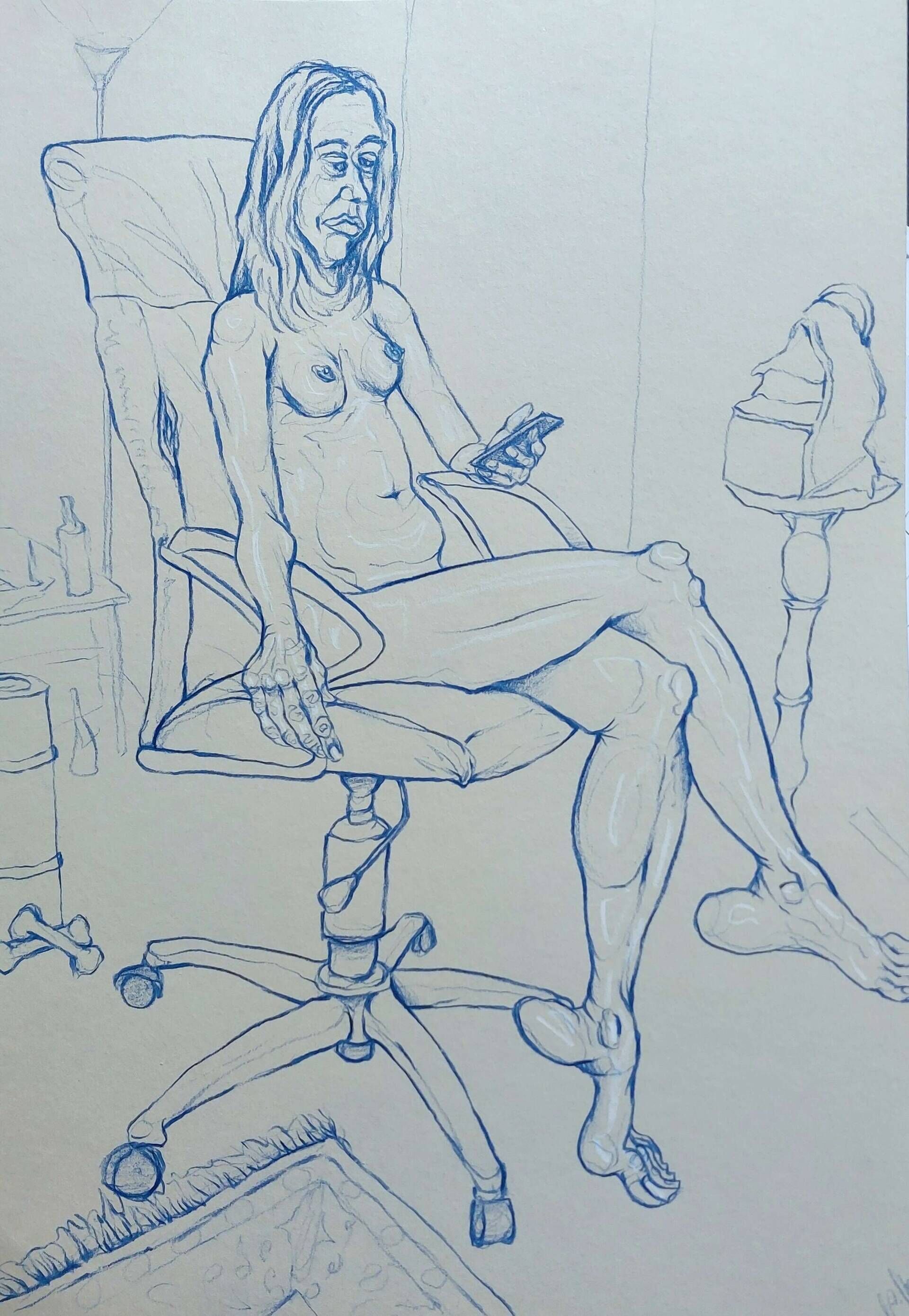
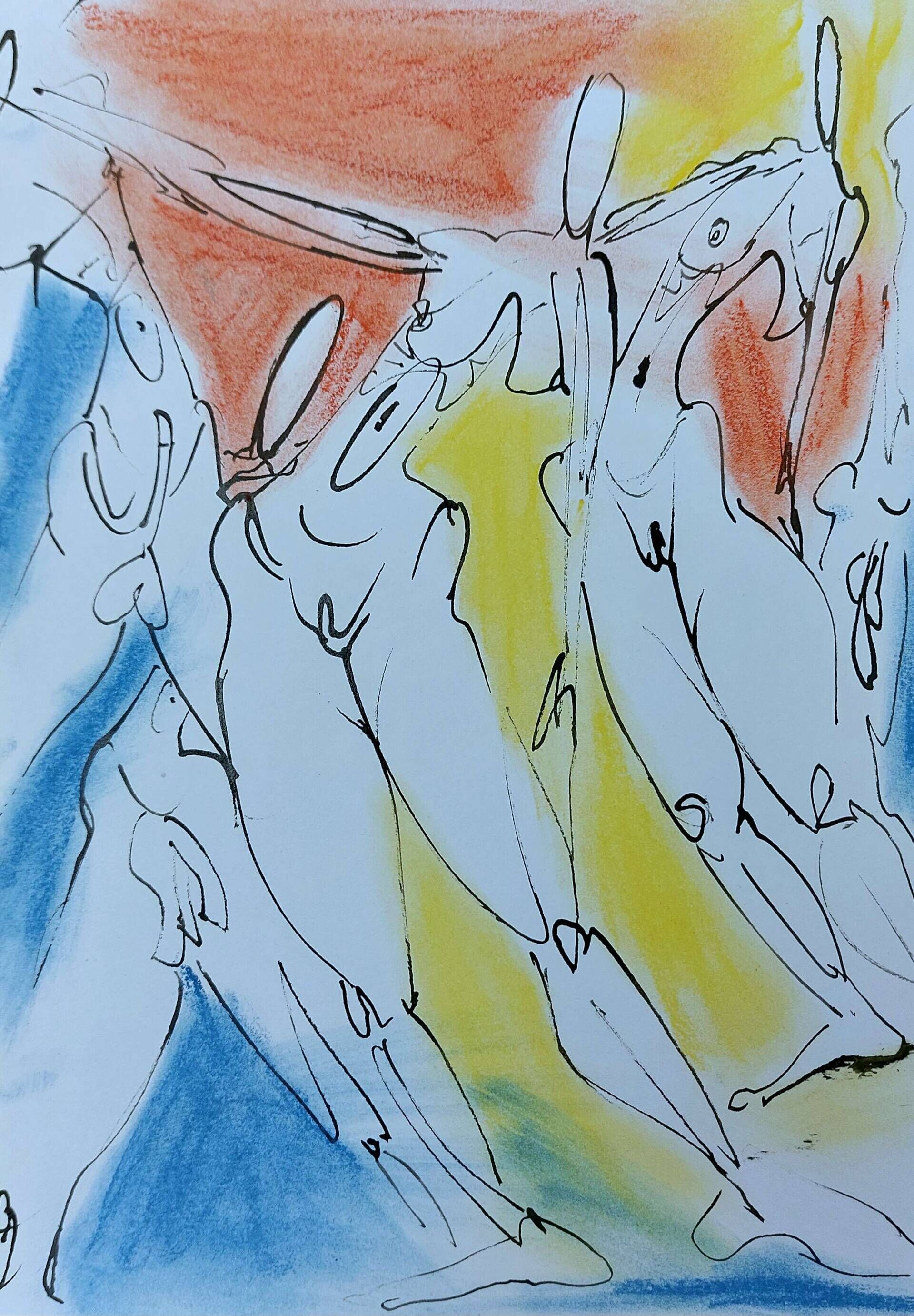
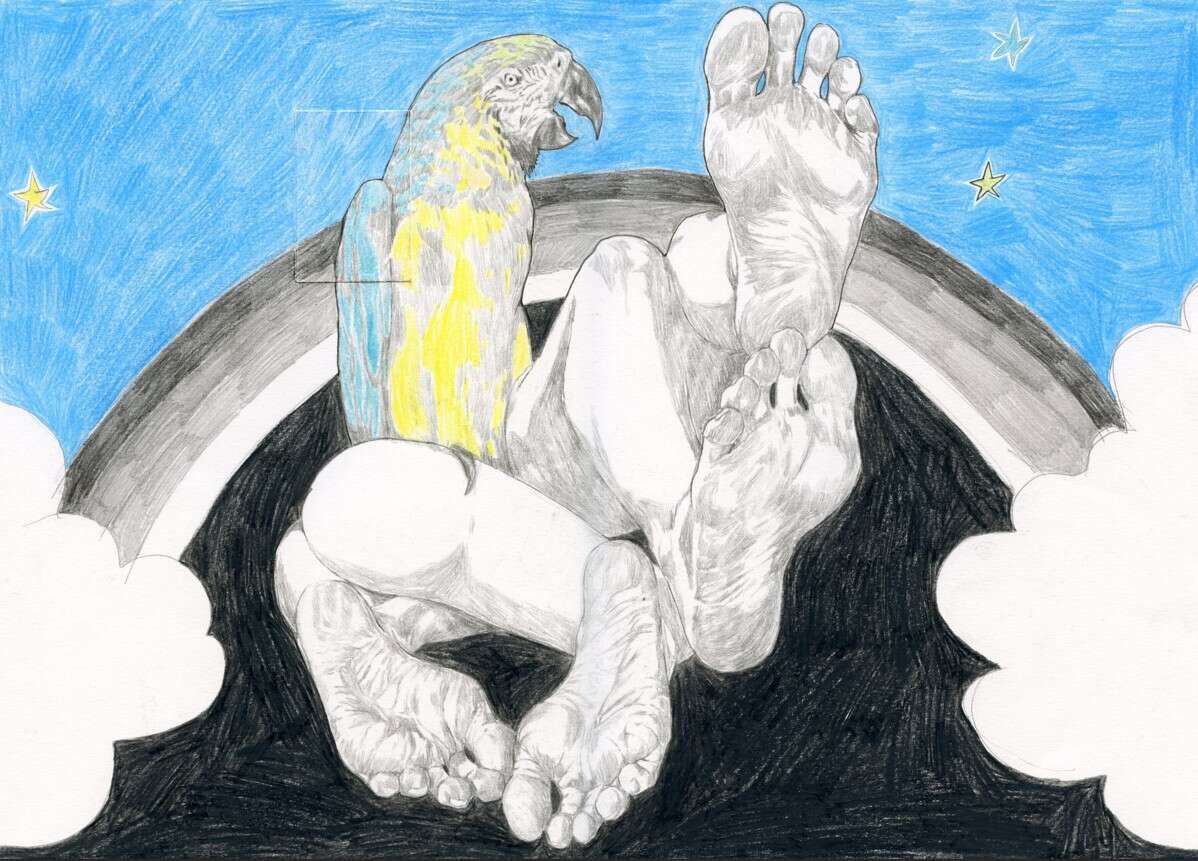
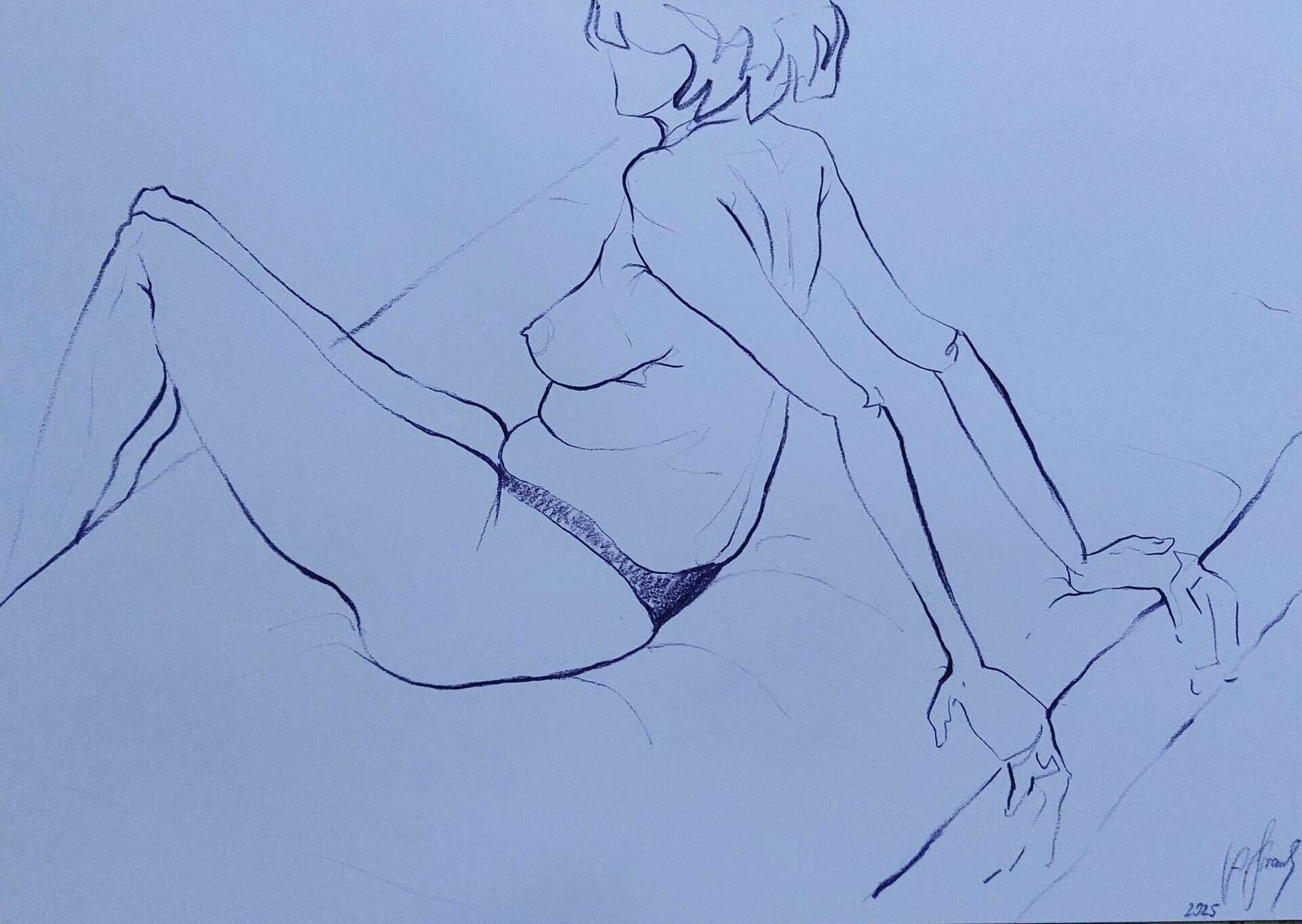
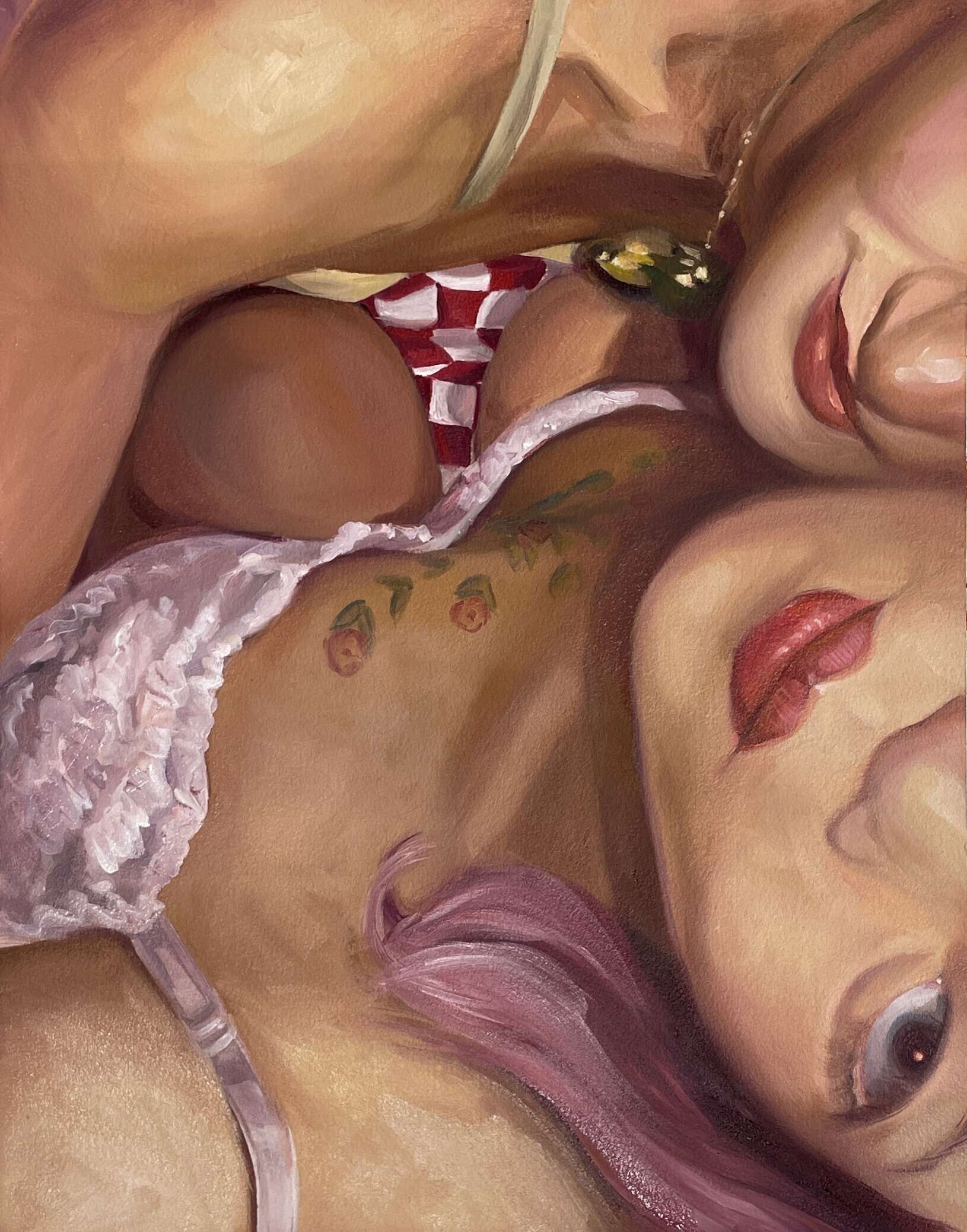
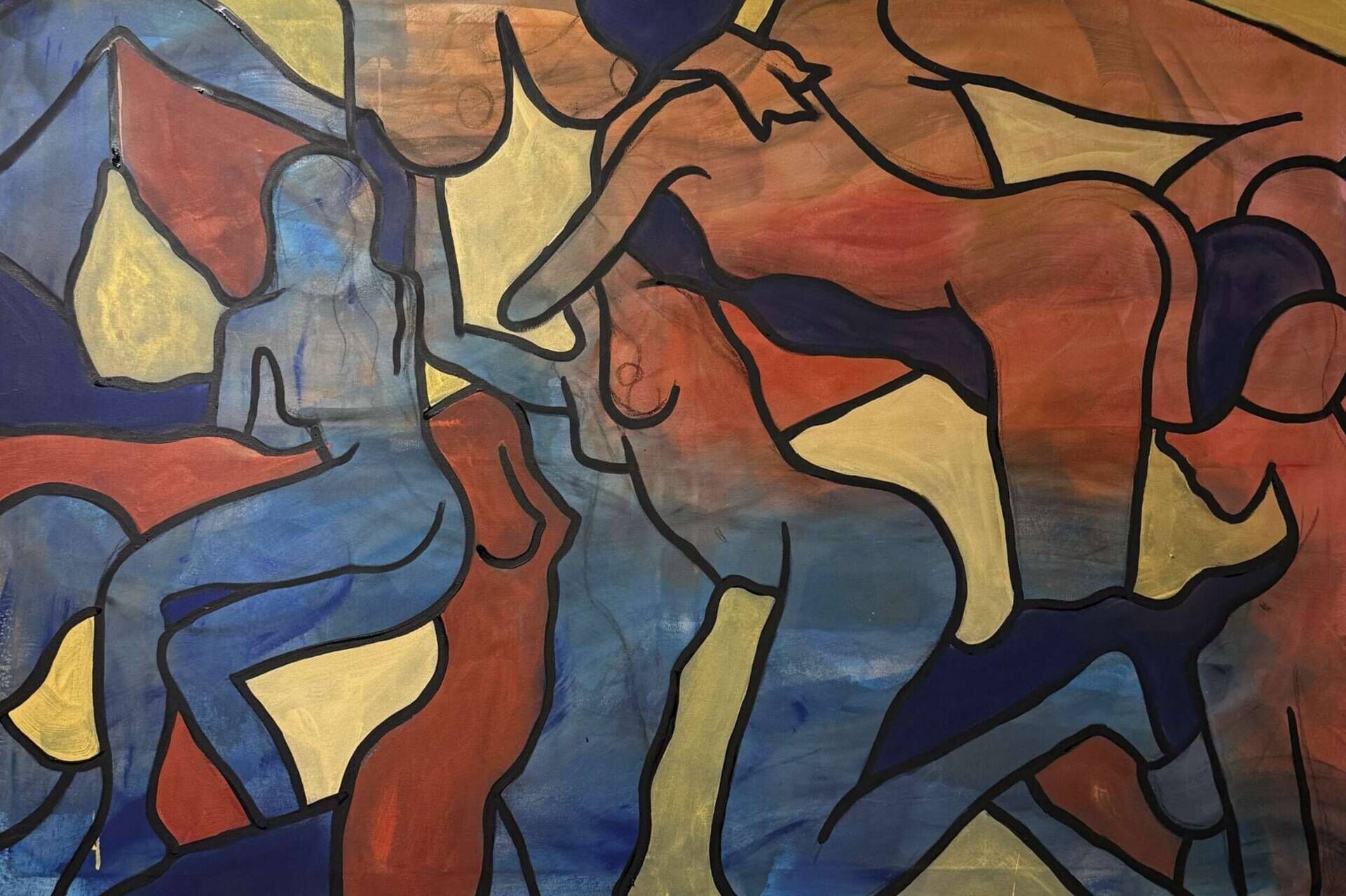
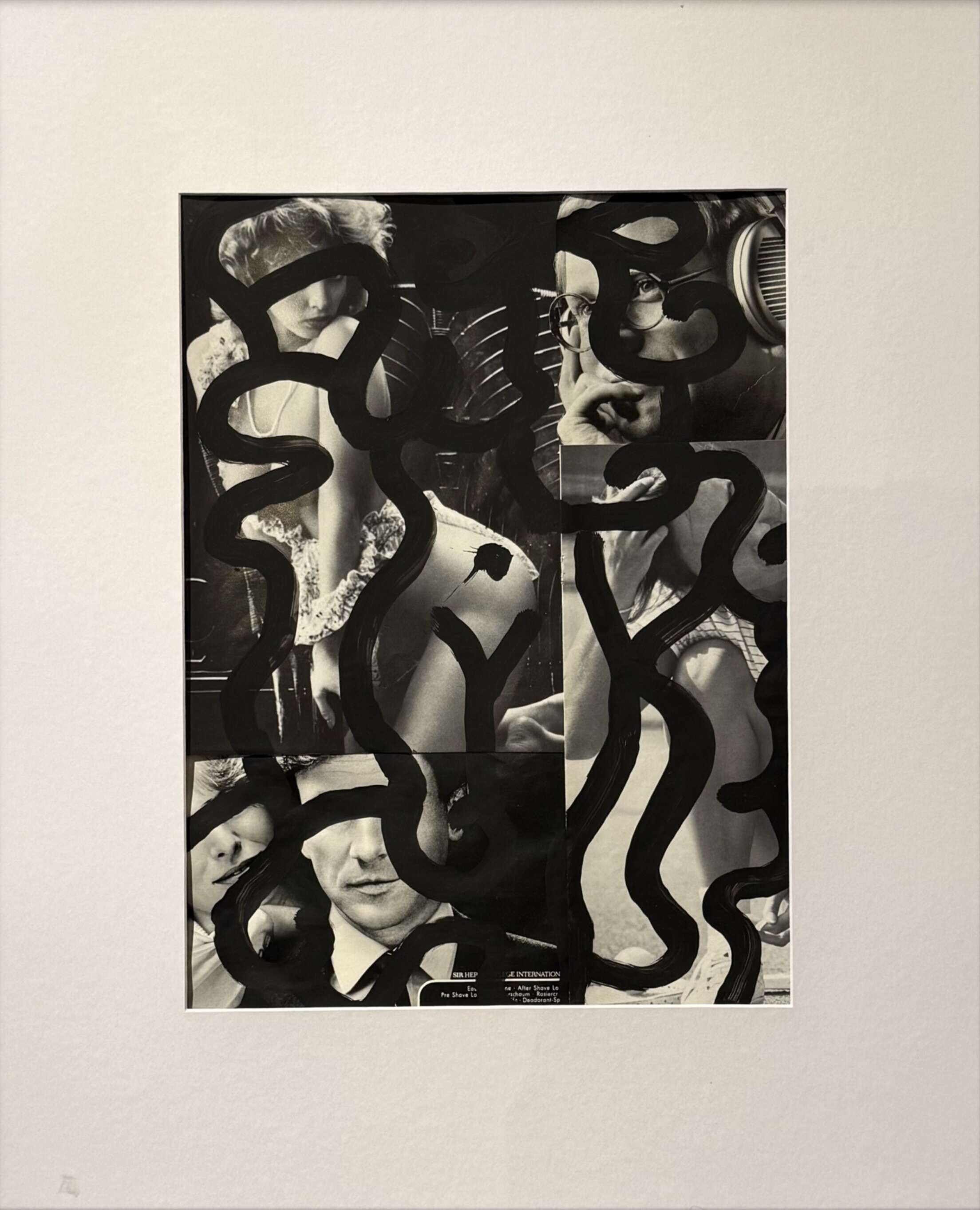
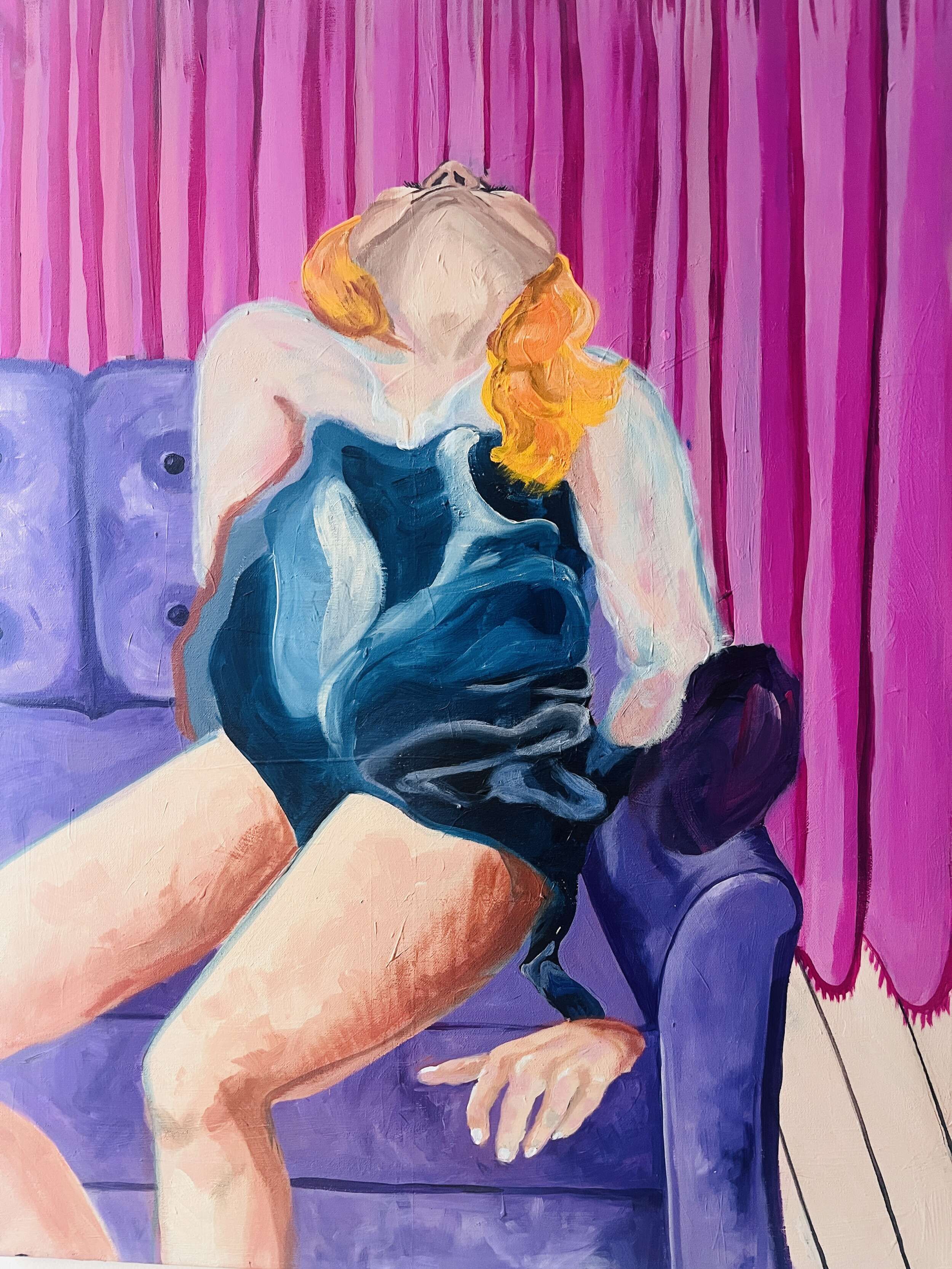
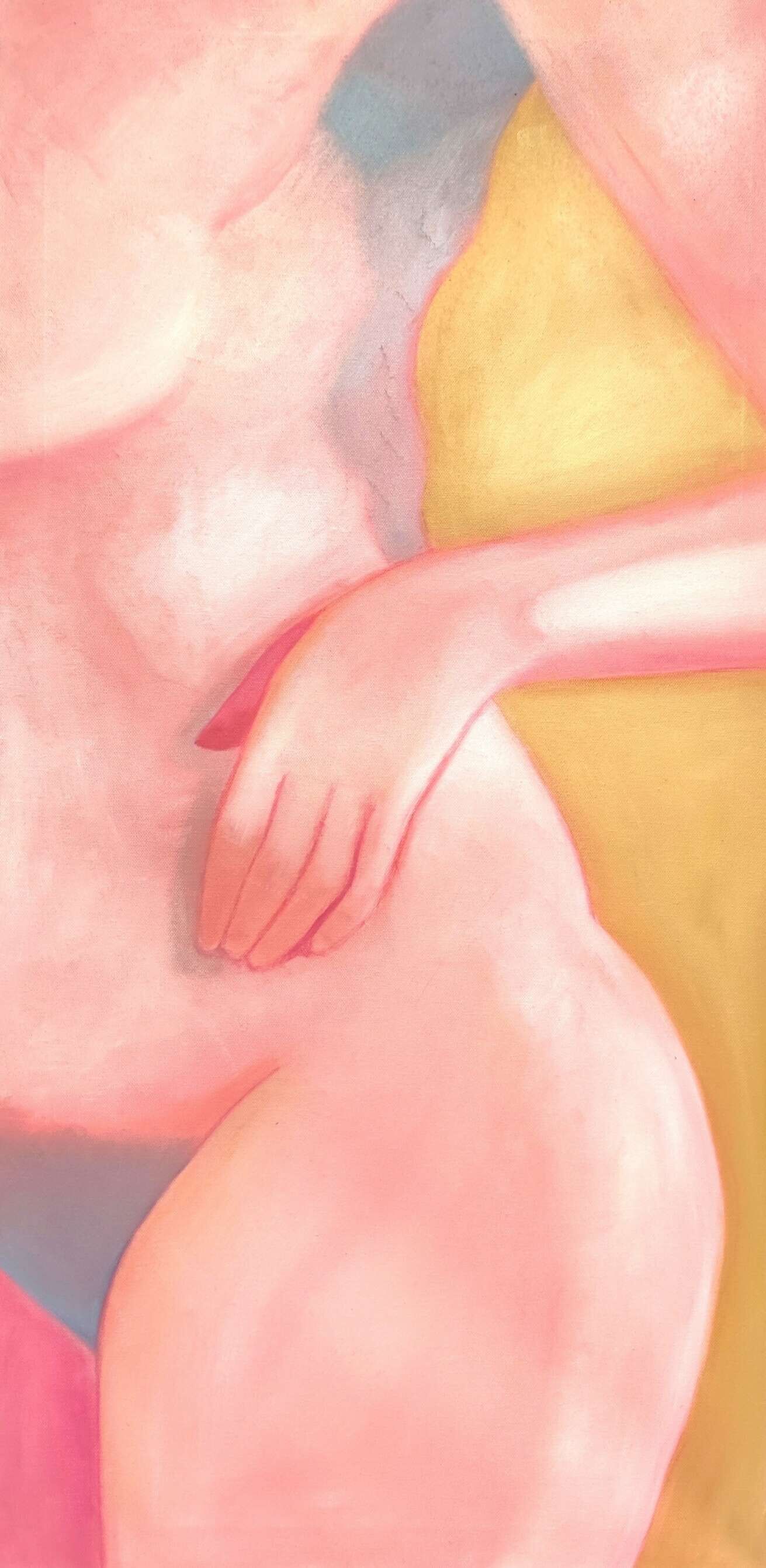
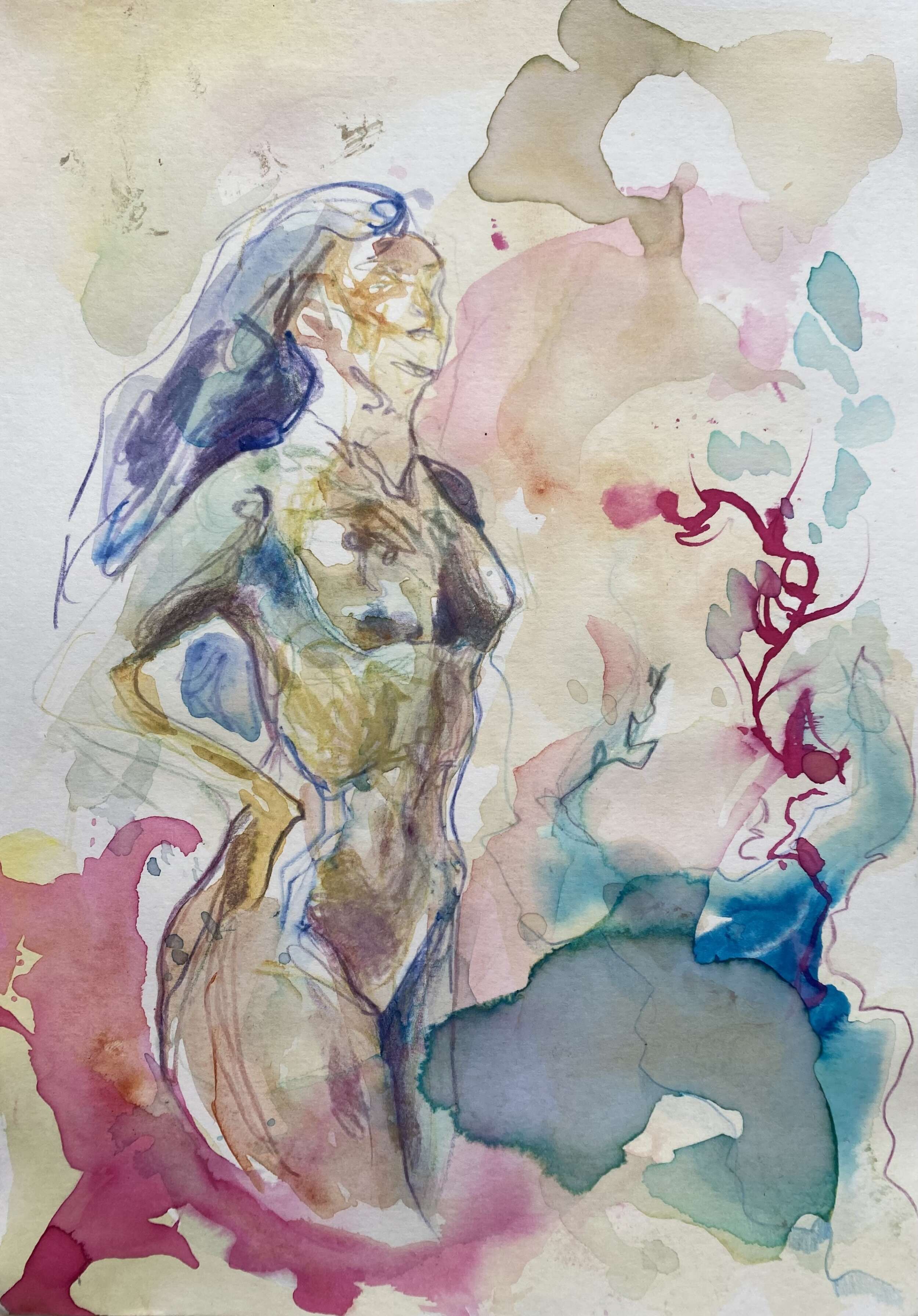
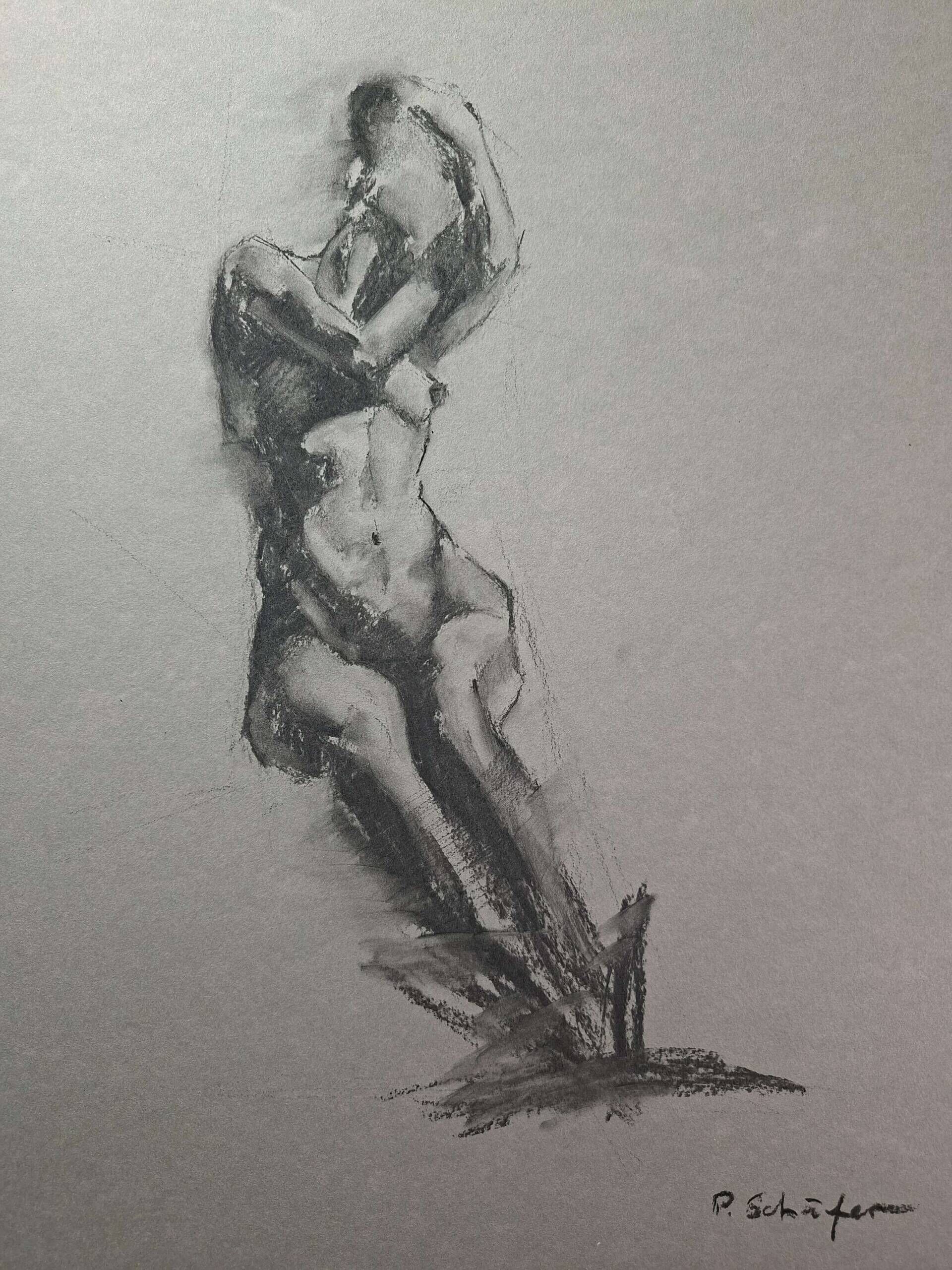
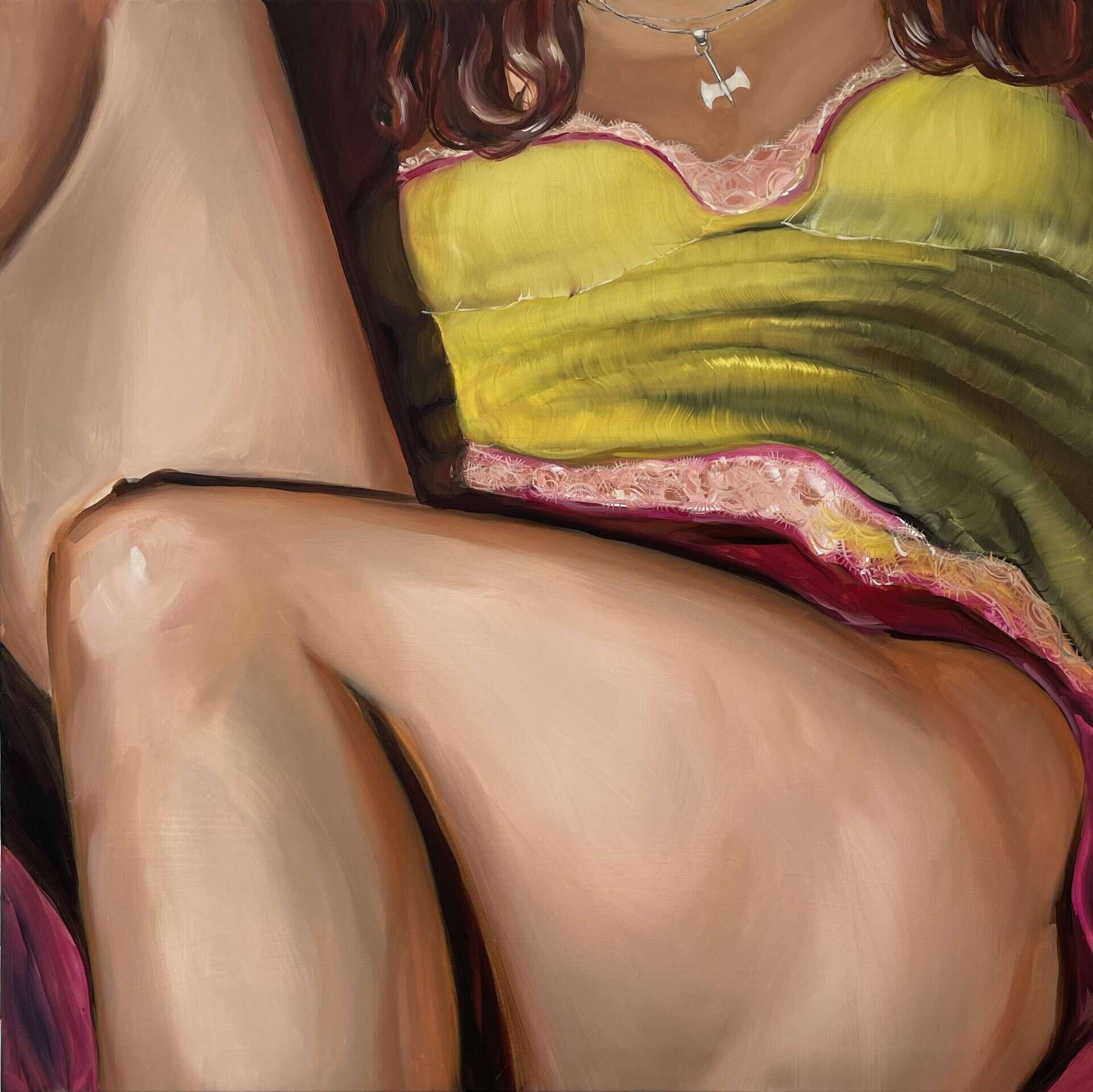
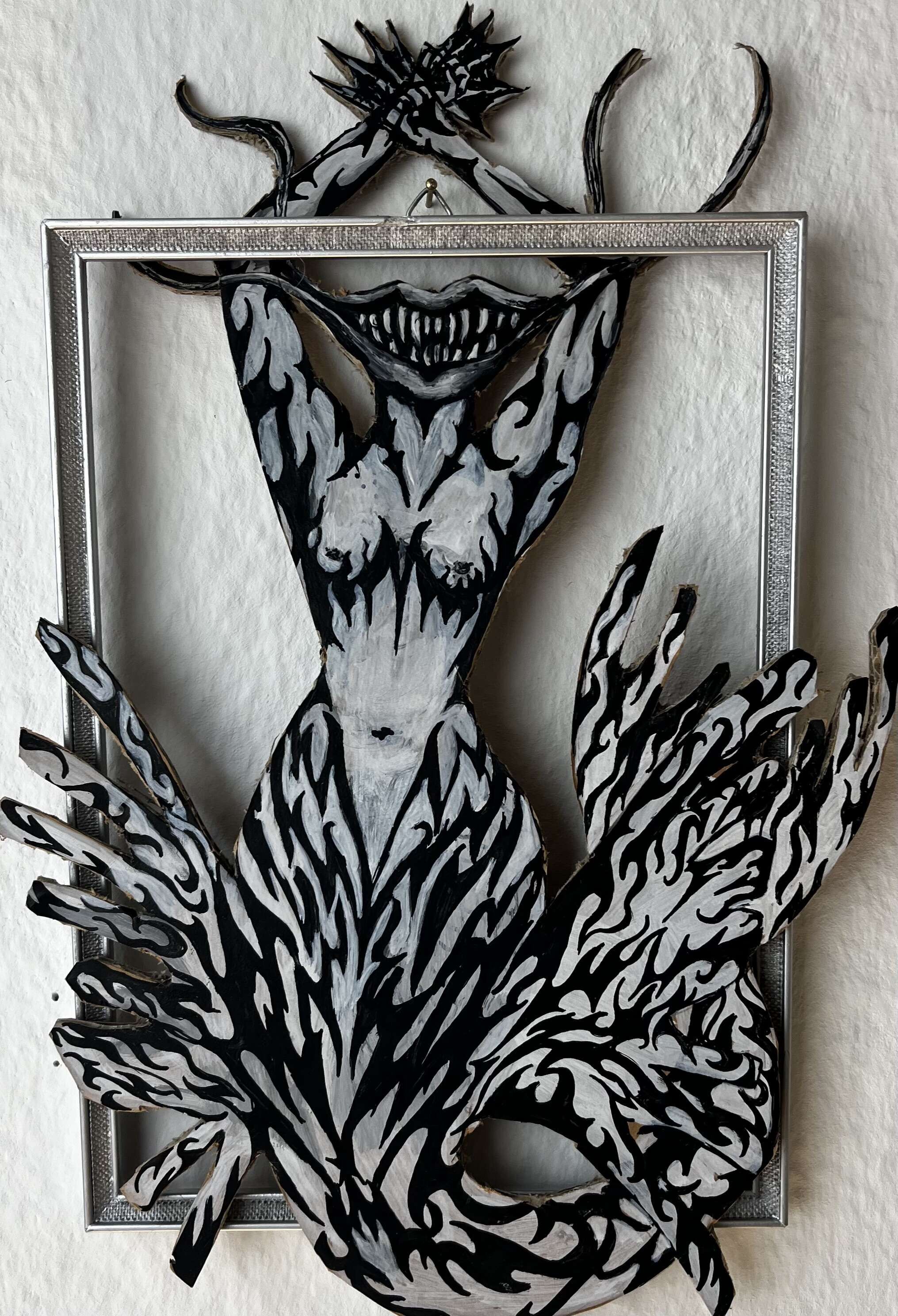
You’ll find erotic nudes at the Student Art Market in a wide variety of styles: whether explicit, provocative or understated – there’s something here to suit every taste and style. Bohdan Dobrivskyi impresses, for example, with erotic nudes in a classical style, Jule Marie Appel depicts emotional connection, whilst Paata Kokaia reinterprets erotic art in a way that seems almost out of this world. You’ll discover provocative line drawings by Emilie Hermann, Leoni Hannah creates erotic paintings in abstract colours and hidden forms. You can also buy erotic art from SKM by Olivia Onae, who combines flat colours with ethereal bodies, or Mercedes Corvinus, whose nude paintings depict a gentle interplay of bodies. Discover your love of erotic art and support young talent by purchasing an SKM artwork.